




Warning to the U.S. from Iranian Leadership
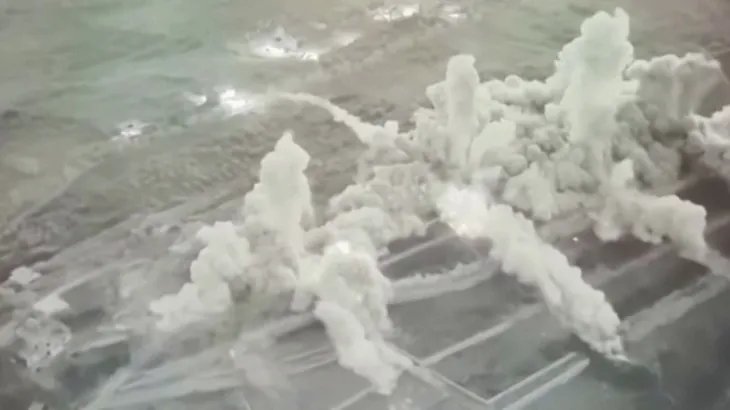
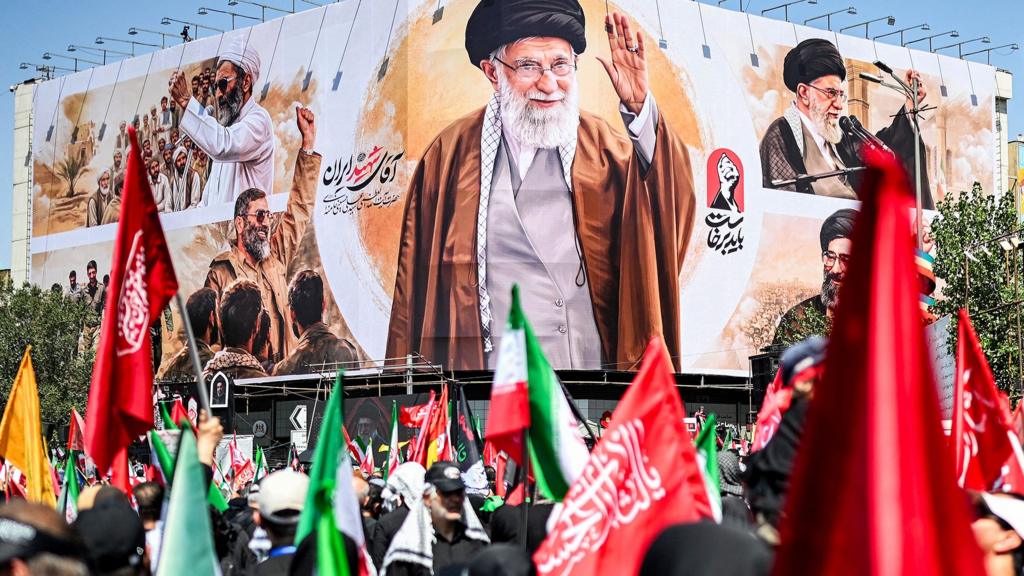
Iranian parliamentary Speaker Mohammad Bagher Qalibaf issued a strong warning to the United States on Sunday, urging the country to uphold its commitments under an interim peace deal. Qalibaf stated, “The era of one-sided deals is OVER,” and emphasized the seriousness of the situation by declaring, “We told you: keep your word or pay the price.” This statement follows recent airstrikes that have heightened tensions between the two nations.
Context of Rising Tensions
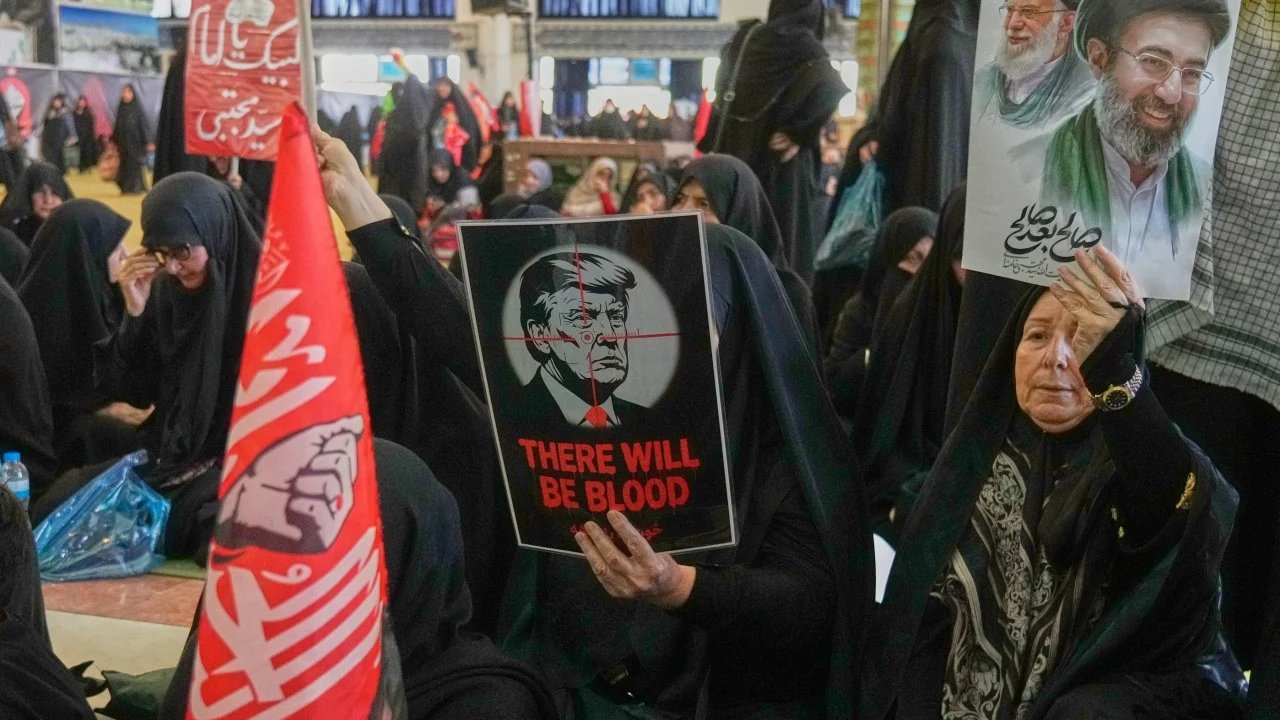
The warning from Qalibaf comes amid an increasingly volatile geopolitical landscape. The Iranian leadership has expressed frustration over perceived breaches of agreements made with the U.S., particularly in light of military actions that have escalated conflicts in the region. The Iranian government views this moment as critical, asserting that failing to honor agreements could lead to severe consequences.
Implications for International Relations
The ongoing tensions could have broader implications for international relations, particularly regarding U.S. interests in the Middle East. Analysts suggest that the rhetoric from Iranian officials signals a potential shift in diplomatic strategies, as Iran may seek to assert itself more aggressively on the world stage. The stakes are high, as both nations navigate a complex web of alliances and rivalries that could influence global stability.
Reactions from U.S. Officials
While specific responses from U.S. officials have yet to emerge following Qalibaf's statement, previous communications have indicated a commitment to maintaining pressure on Iran regarding its nuclear program and regional activities. The U.S. has previously emphasized the importance of compliance with international agreements, and any further escalations may prompt a reevaluation of current diplomatic and military strategies.
The Human Impact of Escalating Tensions
As tensions rise between the U.S. and Iran, the potential for conflict poses risks not only to military personnel but also to civilians in the region. Families and communities could face increased instability, economic hardship, and security threats. The international community watches closely, as the ramifications of these developments could extend far beyond the immediate actors involved.
Next Steps for Diplomacy
Diplomatic efforts may be necessary to de-escalate the situation and prevent further conflict. Experts suggest that dialogue remains essential in addressing the underlying issues that have led to recent hostilities. The focus on maintaining open channels of communication could be crucial in ensuring that both parties adhere to their commitments and work towards a more stable future.