




New Tariffs Take Effect Soon
The United States will impose a 25% tariff on imports from Brazil starting July 22. This decision follows a year-long investigation by the U.S. Trade Representative, which concluded that Brazil engaged in various unfair trade practices. U.S. Trade Representative Jamieson Greer stated that these actions are necessary to ensure a level playing field for American workers and producers.
Exemptions and Economic Considerations
Certain products will be exempt from the tariffs, including coffee, beef, oranges, orange juice, and specific oil and gas energy products. Senior administration officials noted that the strategy behind these exemptions aims to avoid disrupting supply chains and to limit impacts on goods that can be produced domestically. Despite having a goods trade surplus of $424.5 billion with Brazil over the past 15 years, U.S. officials argue that Brazil's practices have hindered American access to this significant market.
Brazil's Response
Brazil's government, led by President Luiz Inácio Lula da Silva, has condemned the U.S. decision, asserting that it has not engaged in unfair trade practices. In a statement on social media, Lula emphasized that there is "no justification for unilateral measures against our country." He pointed to the trade surplus with the U.S. as evidence of a mutually beneficial relationship, rejecting the allegations made by the U.S. administration.
Political Underpinnings of Trade Disputes
The administration's decision to impose tariffs has been met with accusations of political motivation from Brazil. Lula attributed the timing of the tariffs to domestic political rivalries, particularly referencing his competitor, Senator Flávio Bolsonaro, who recently visited Washington. Marco Rubio, U.S. Secretary of State, countered this narrative, stating that Lula's government has not negotiated in good faith and that his policies have been detrimental to both Americans and Brazilians.
Past Tariff Context
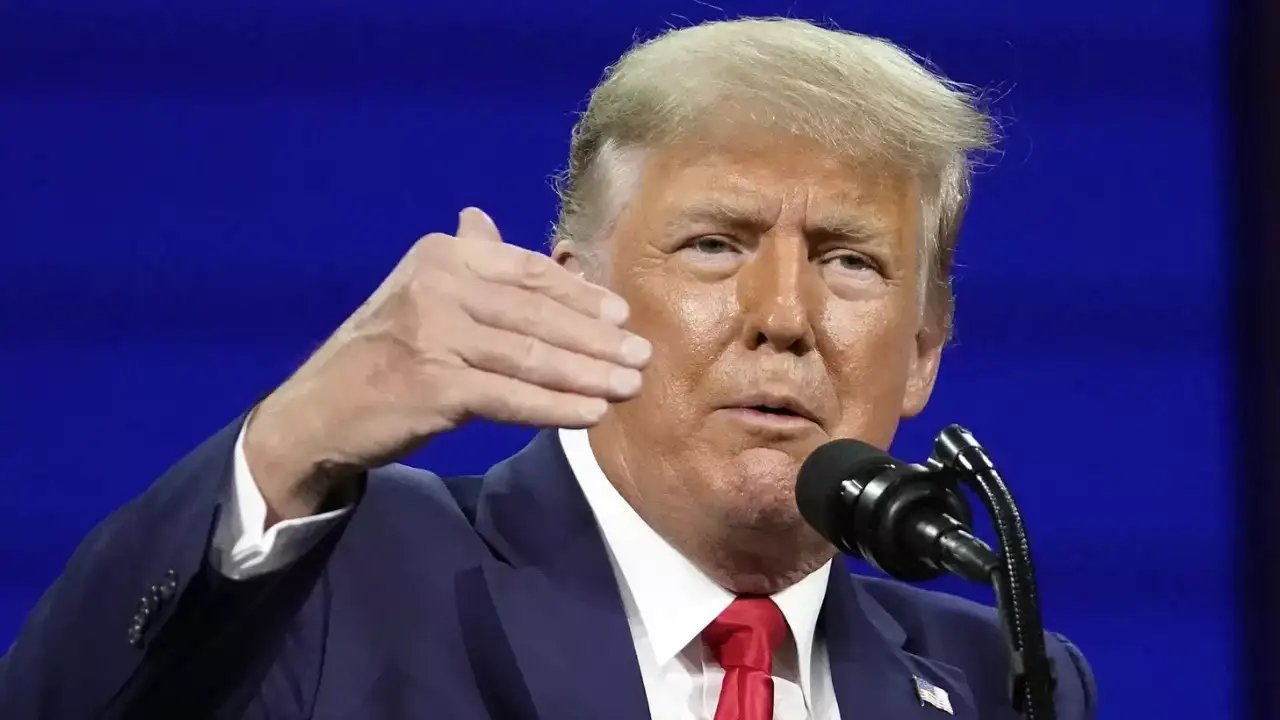
This move comes after the U.S. Supreme Court ruled against many of Trump's tariffs imposed under the International Emergency Economic Powers Act in February. Previously, Trump had imposed a 50% tariff on Brazil in response to its prosecution of Jair Bolsonaro, a former president and Trump ally. The new tariffs are set under Section 301 of the Trade Act of 1974, a legal framework allowing the U.S. to investigate and respond to unfair trade practices.
Future Negotiations
Despite the tariff imposition, U.S. officials have expressed openness to continuing negotiations with Brazil to address the identified trade issues. Greer indicated that extensive discussions over the past year have not resolved the concerns, but the U.S. remains willing to engage in dialogue to foster necessary changes. As the tariffs take effect, the impact on both economies will be closely monitored, with potential ramifications for consumers and businesses in both countries.