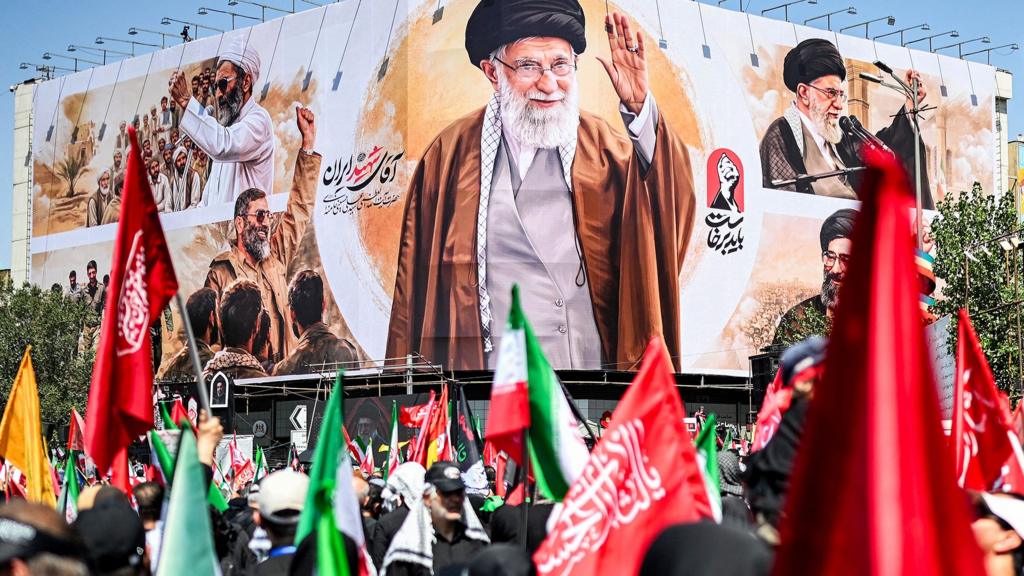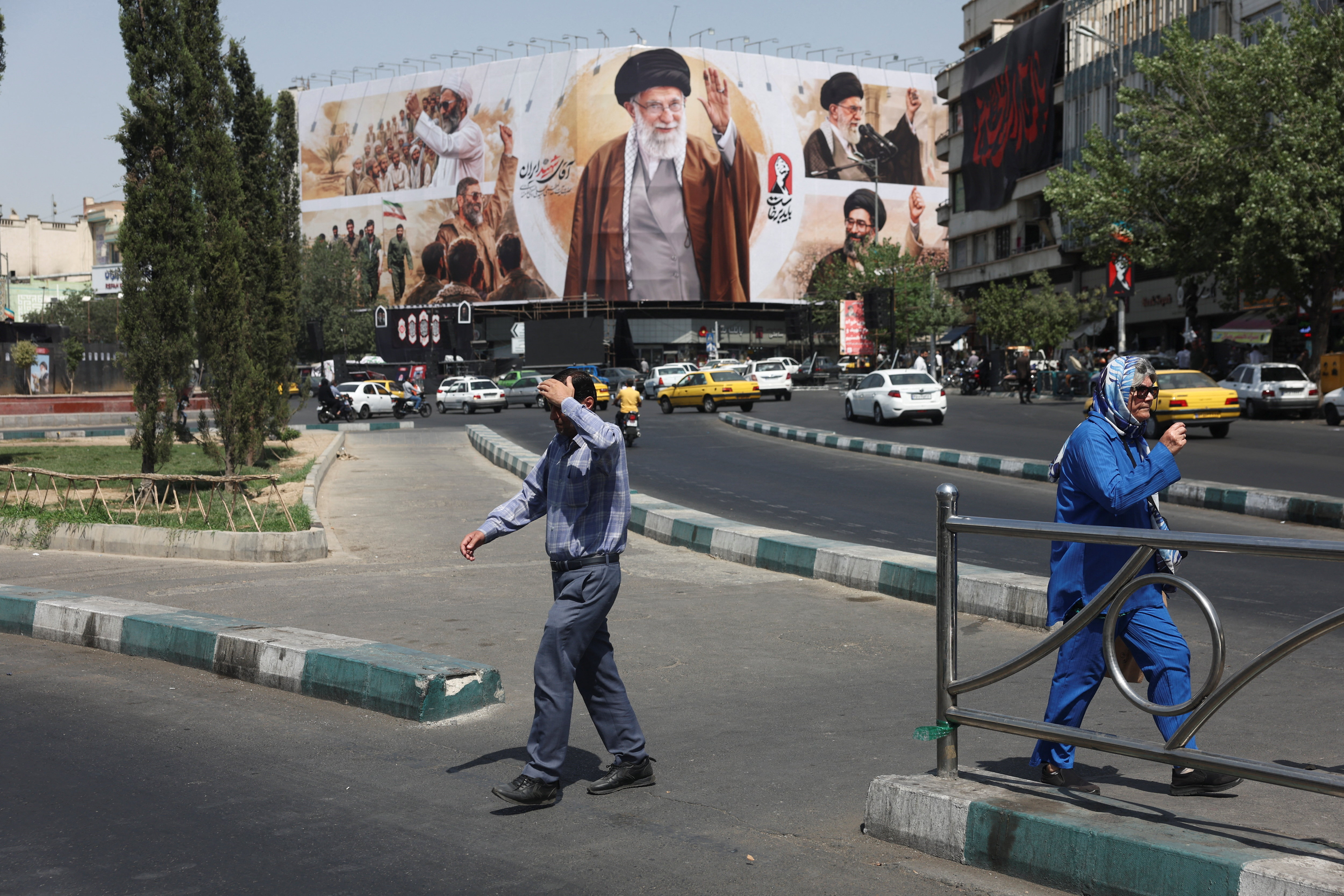





U.S. Strikes Target Iranian Military Capabilities
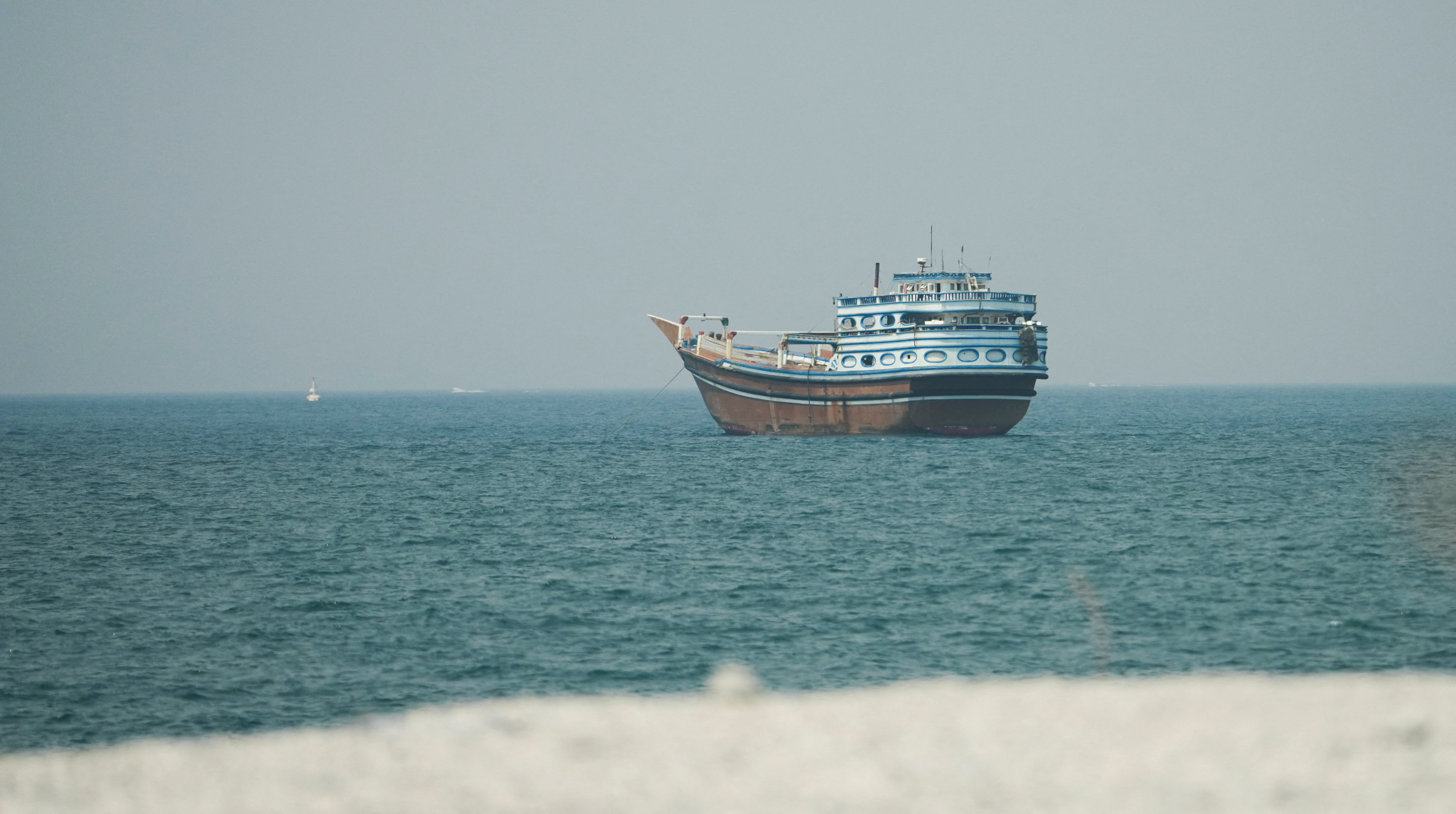
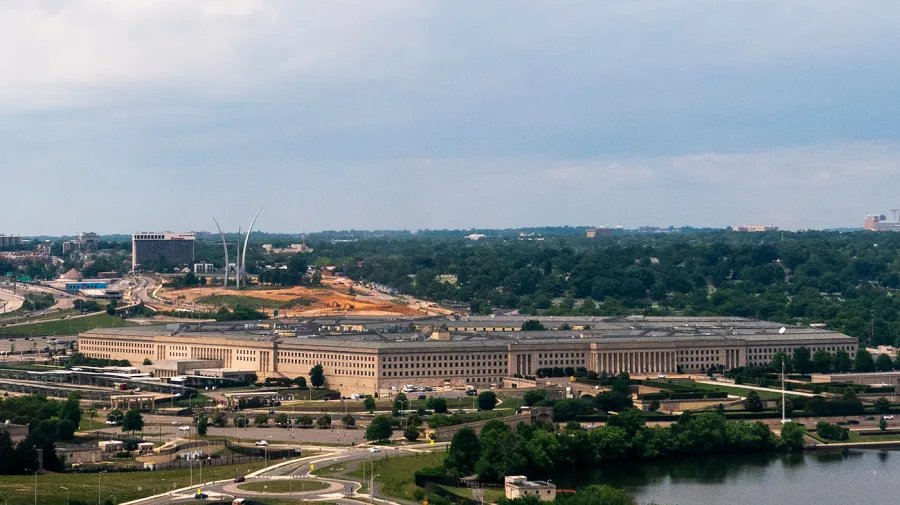
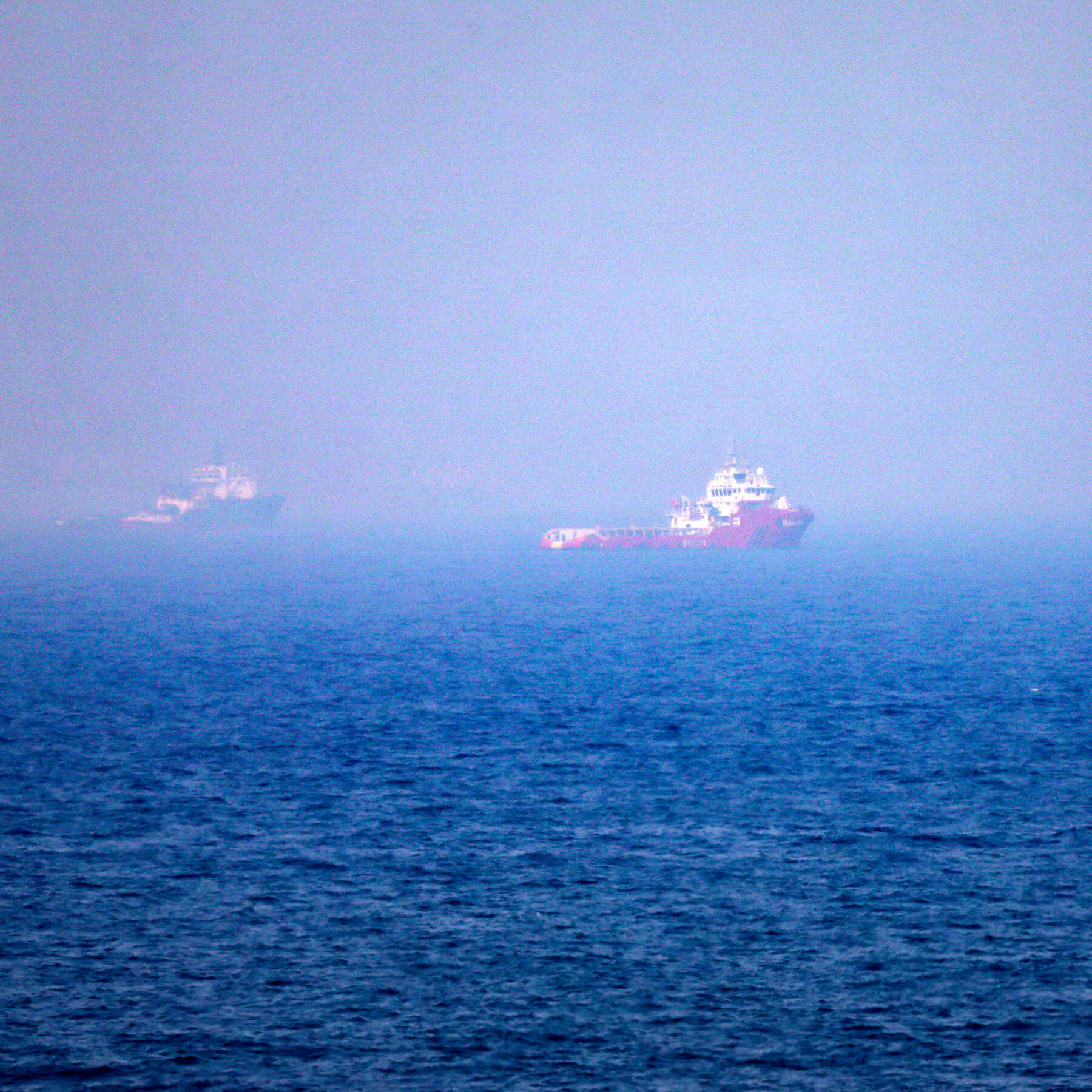
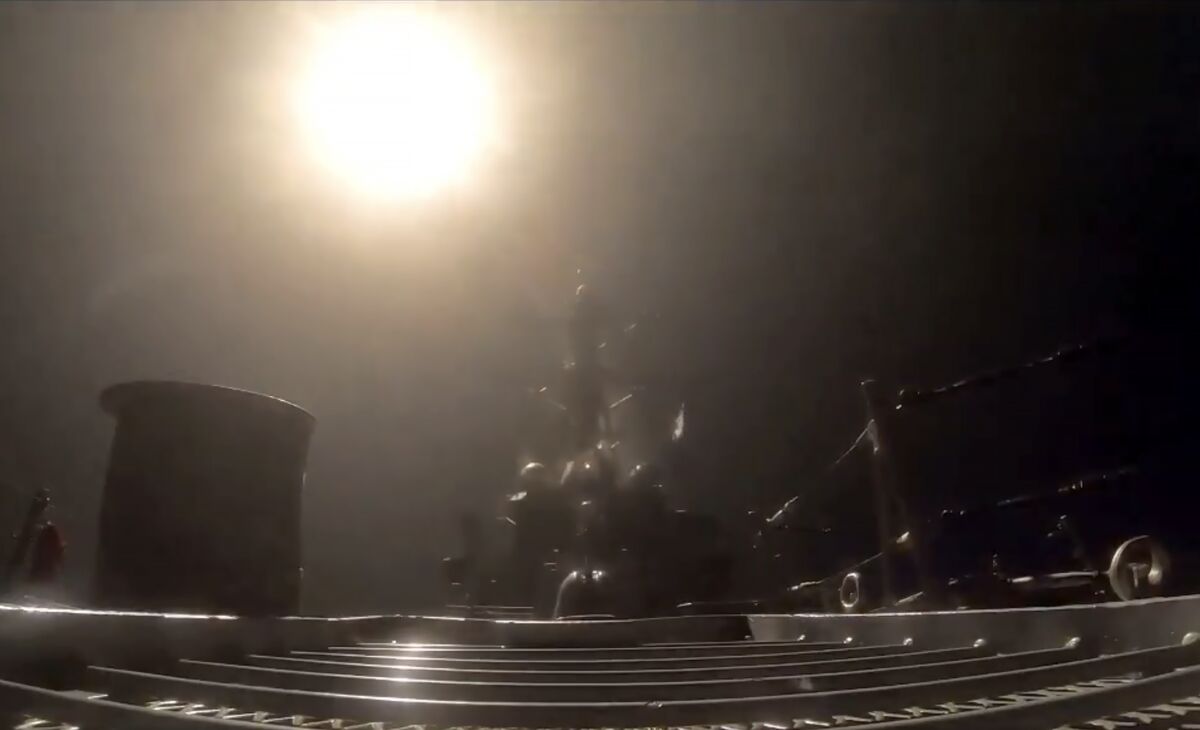
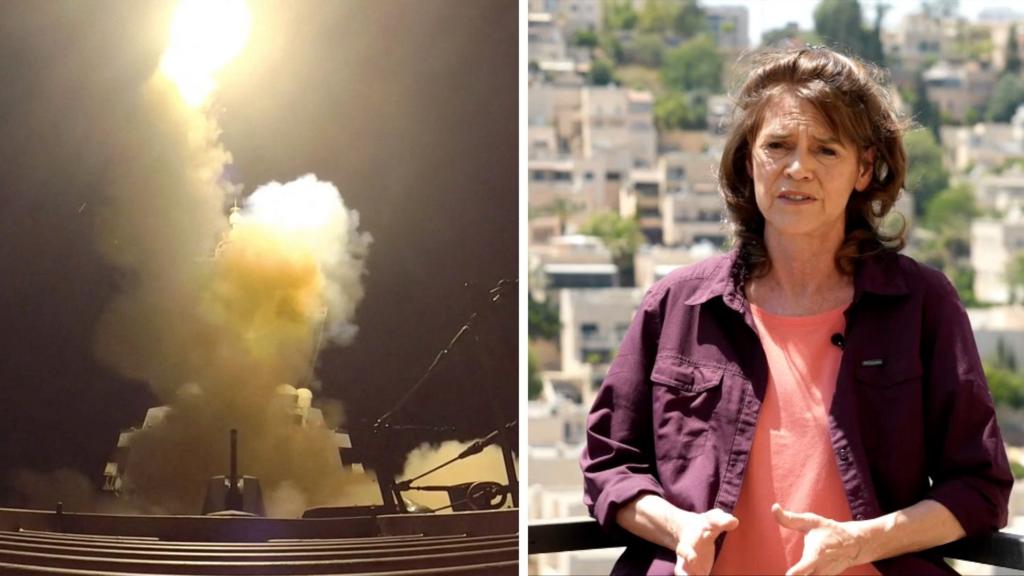
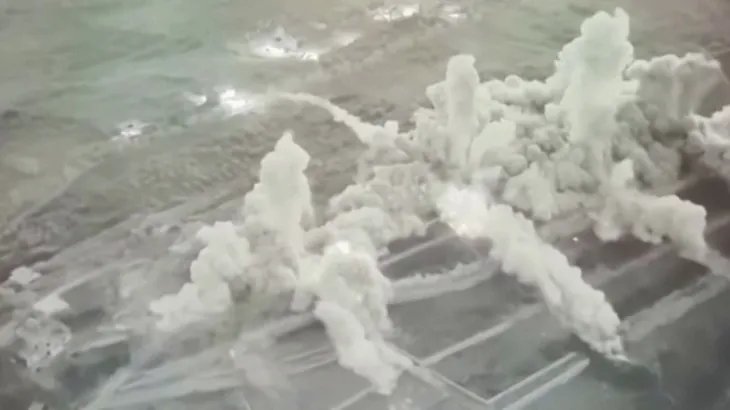
The United States has intensified its military operations in Iran, launching a series of strikes aimed at degrading Iranian military capabilities. U.S. Central Command (Centcom) reported it began a new wave of strikes around 6 a.m. ET on July 15, focusing on military targets that have been involved in attacks on commercial shipping in the strategic Strait of Hormuz. President Donald Trump indicated these strikes are part of a broader strategy to pressure Iran into negotiations regarding its nuclear program.
Casualties and Damage Reported in Iran
Iranian officials have reported significant casualties resulting from the U.S. strikes. Fatemeh Mohajerani, a spokesperson for the Iranian government, announced that over 30 people have died in the recent attacks, while more than 260 others have been wounded. This wave of violence has exacerbated tensions in the region, with Iran's Revolutionary Guard Corps (IRGC) claiming responsibility for retaliatory strikes against U.S. military bases in Bahrain, Kuwait, and Jordan.
Iran's Retaliation and Threats
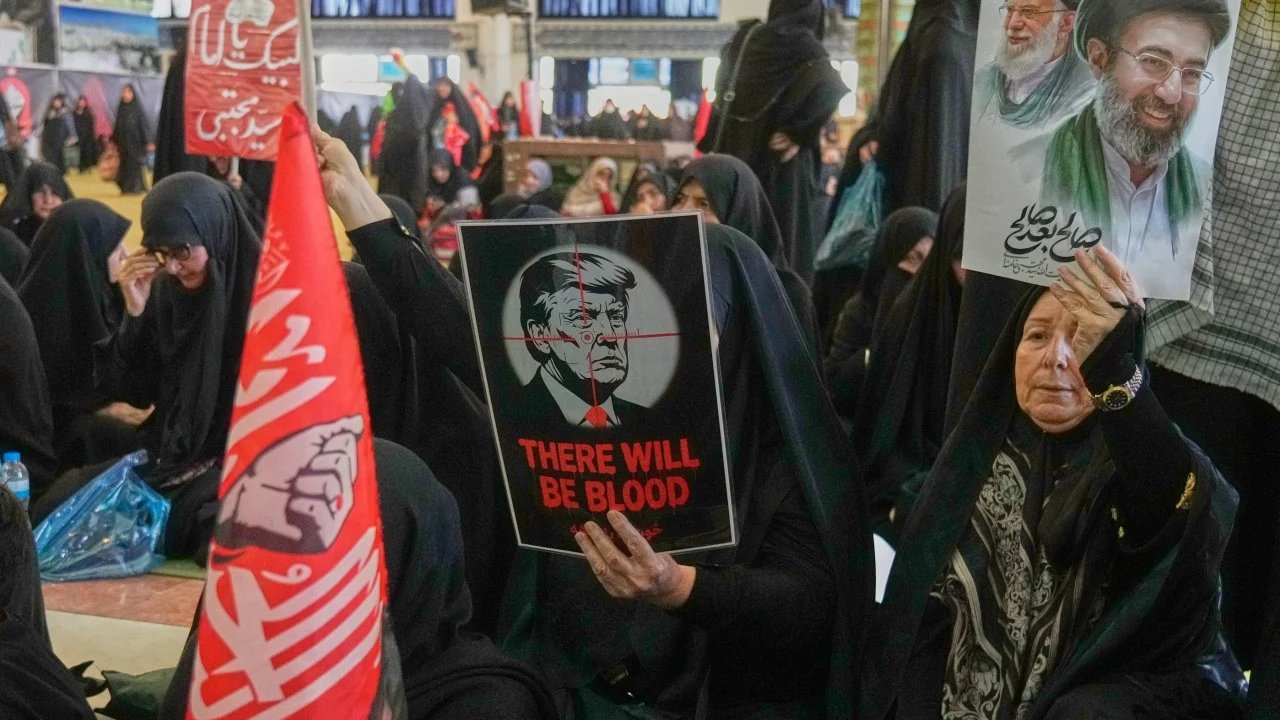
In response to the U.S. military operations, Iran has ramped up its own attacks, targeting U.S. allies in the Gulf. Reports indicate that Kuwait's air defense intercepted six missiles and 33 drones launched from Iran, while Jordan's military successfully shot down three ballistic missiles. The IRGC has also threatened to block additional trade routes, asserting that the Strait of Hormuz will remain closed until U.S. "acts of aggression" cease.
Naval Blockade Imposed
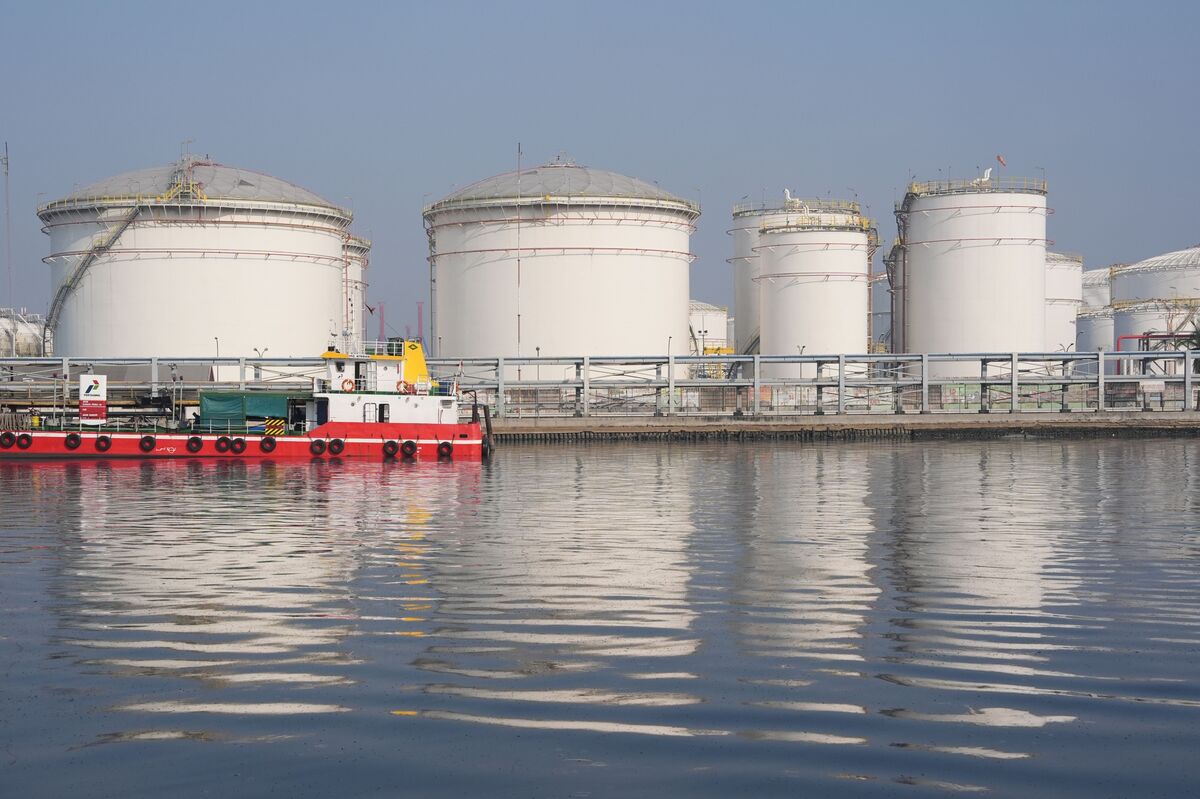
The U.S. has reimposed a naval blockade on Iranian ports, an action that aims to restrict Iran's oil revenue and military supplies. This blockade, which began on July 14, has effectively halted maritime traffic to and from Iranian ports. U.S. officials stated that over 20 U.S. Navy warships are currently enforcing this blockade, marking a significant escalation in the ongoing conflict.
Trump’s Ultimatum to Iran
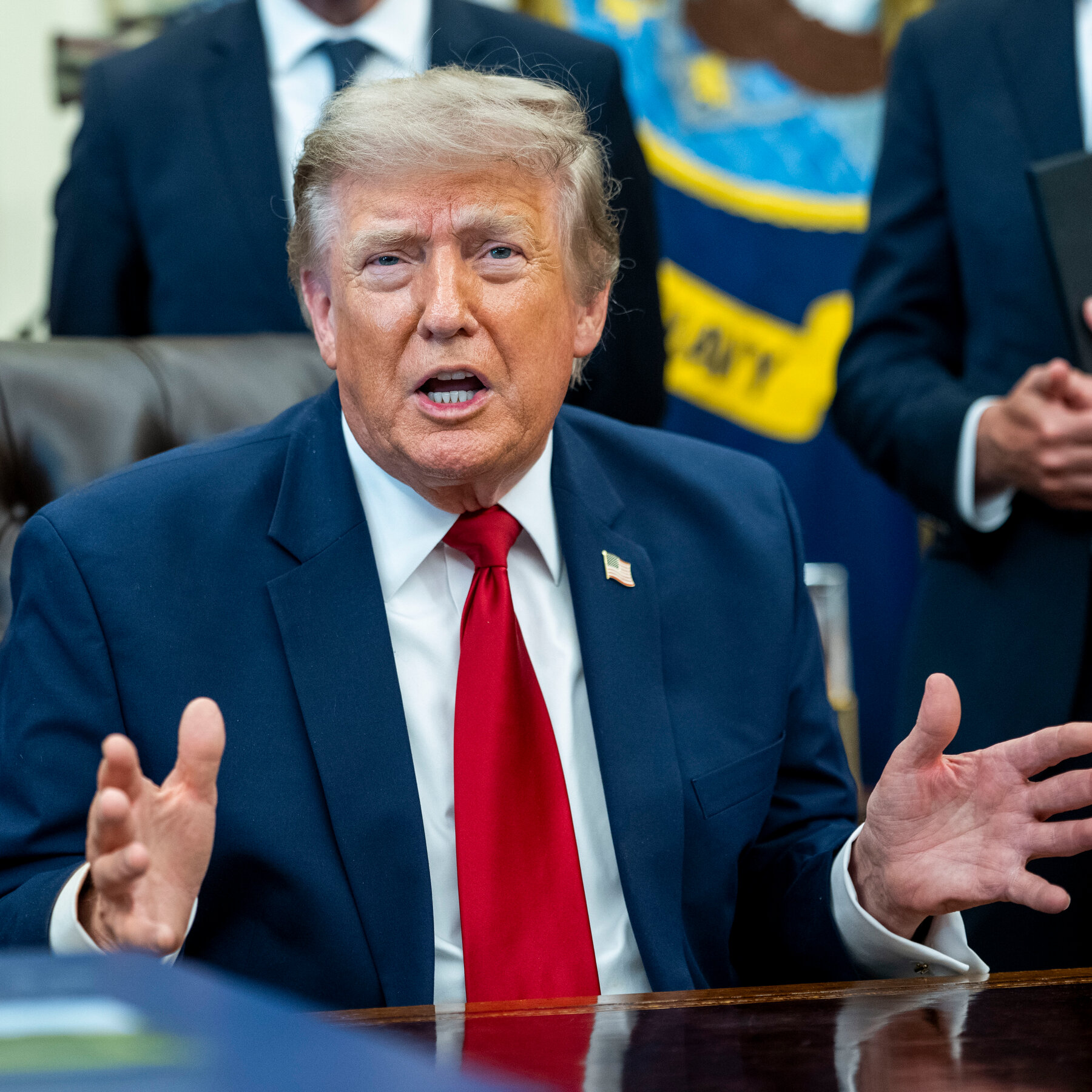
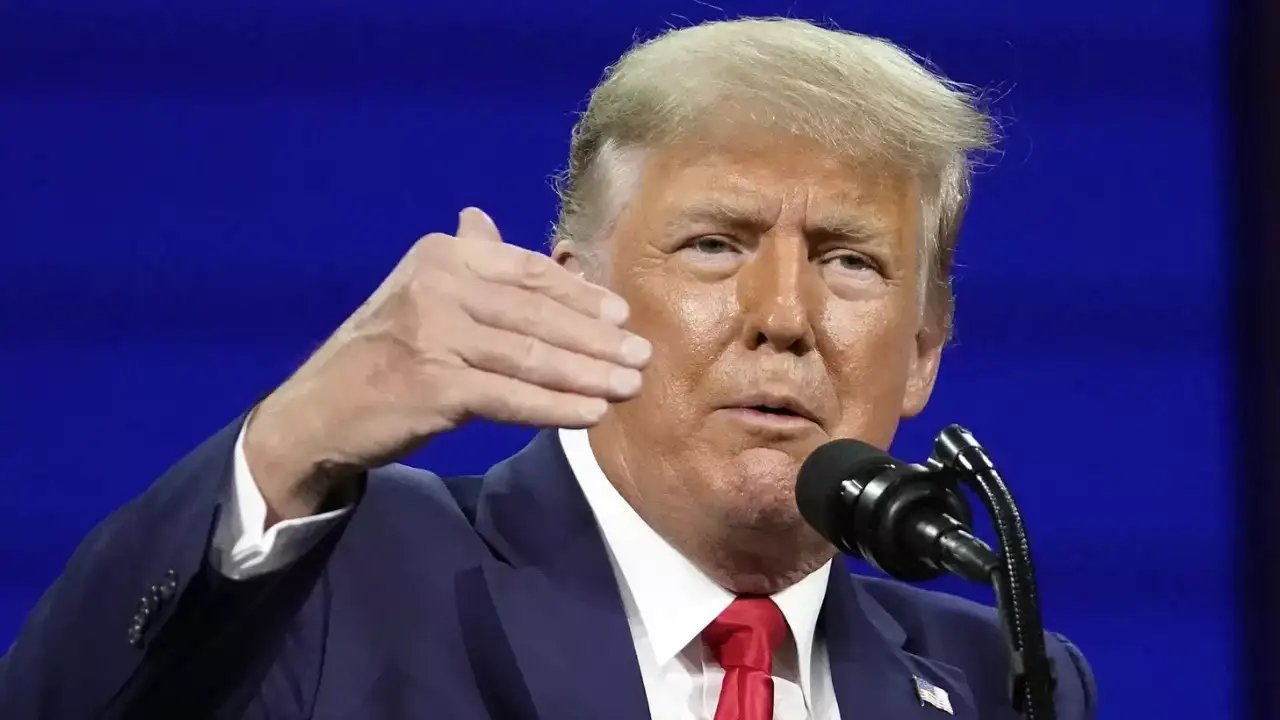
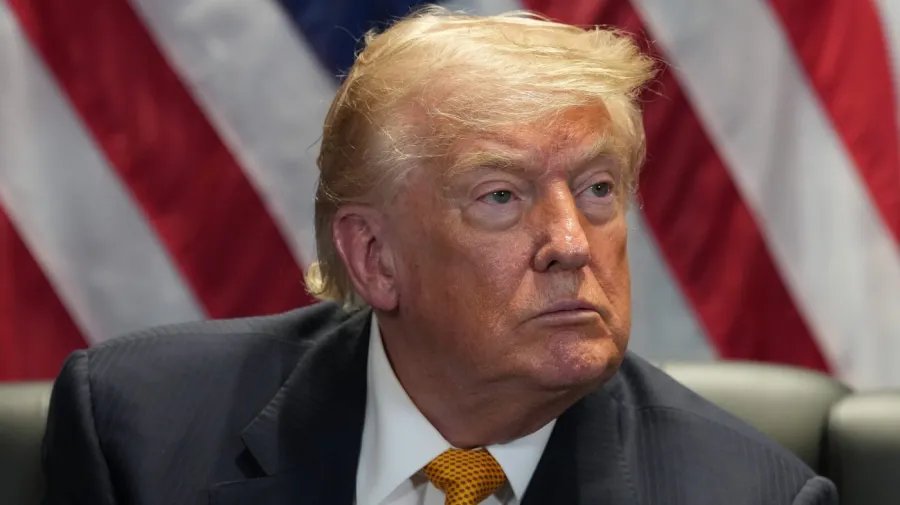
President Trump has warned Iran of more severe strikes if it does not return to negotiations. He stated that future targets could include "bridges and power plants," emphasizing a willingness to escalate military actions significantly. In a televised interview, Trump claimed, "Next week, it gets really bad for them because next week comes the power plants."
International Reactions
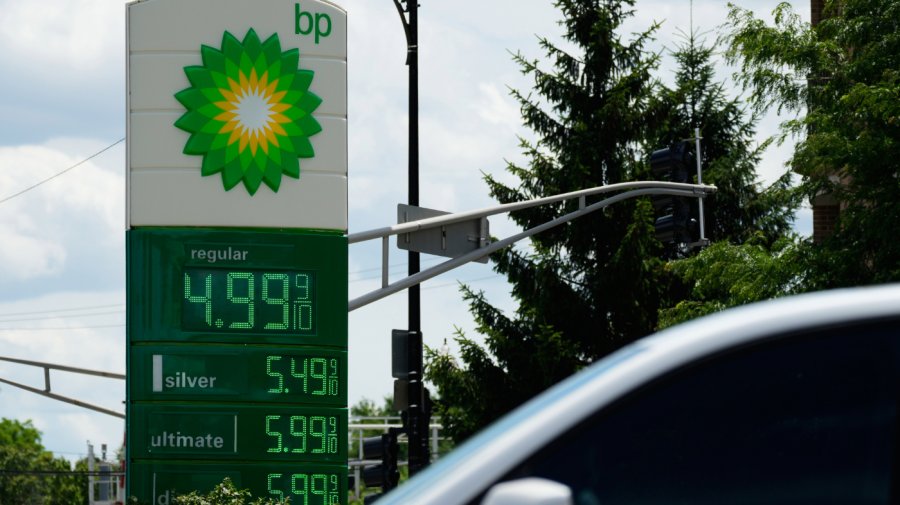
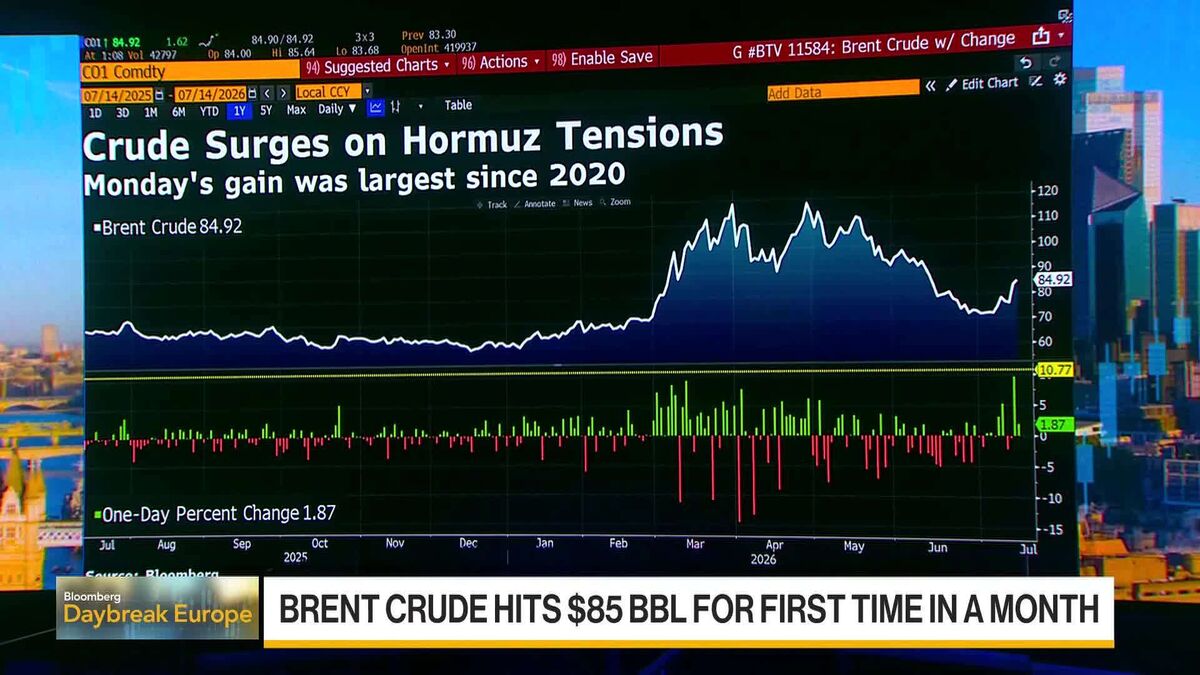
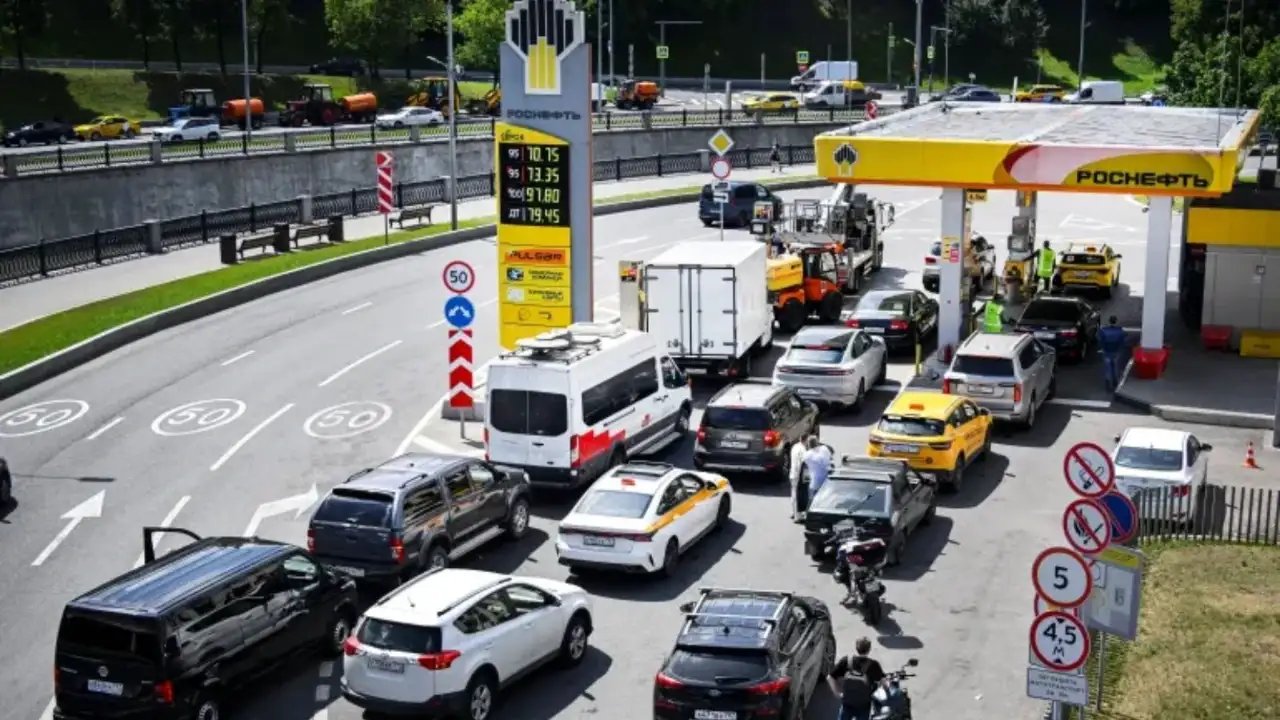
The ongoing conflict has drawn international attention, with analysts warning that the situation could spiral into a broader conflict. Oil prices have surged amid fears of disrupted supply routes as both sides continue their military exchanges. The IRGC's threats to close further oil and gas export channels have heightened concerns among global markets and U.S. allies in the region.
Human Impact of the Conflict
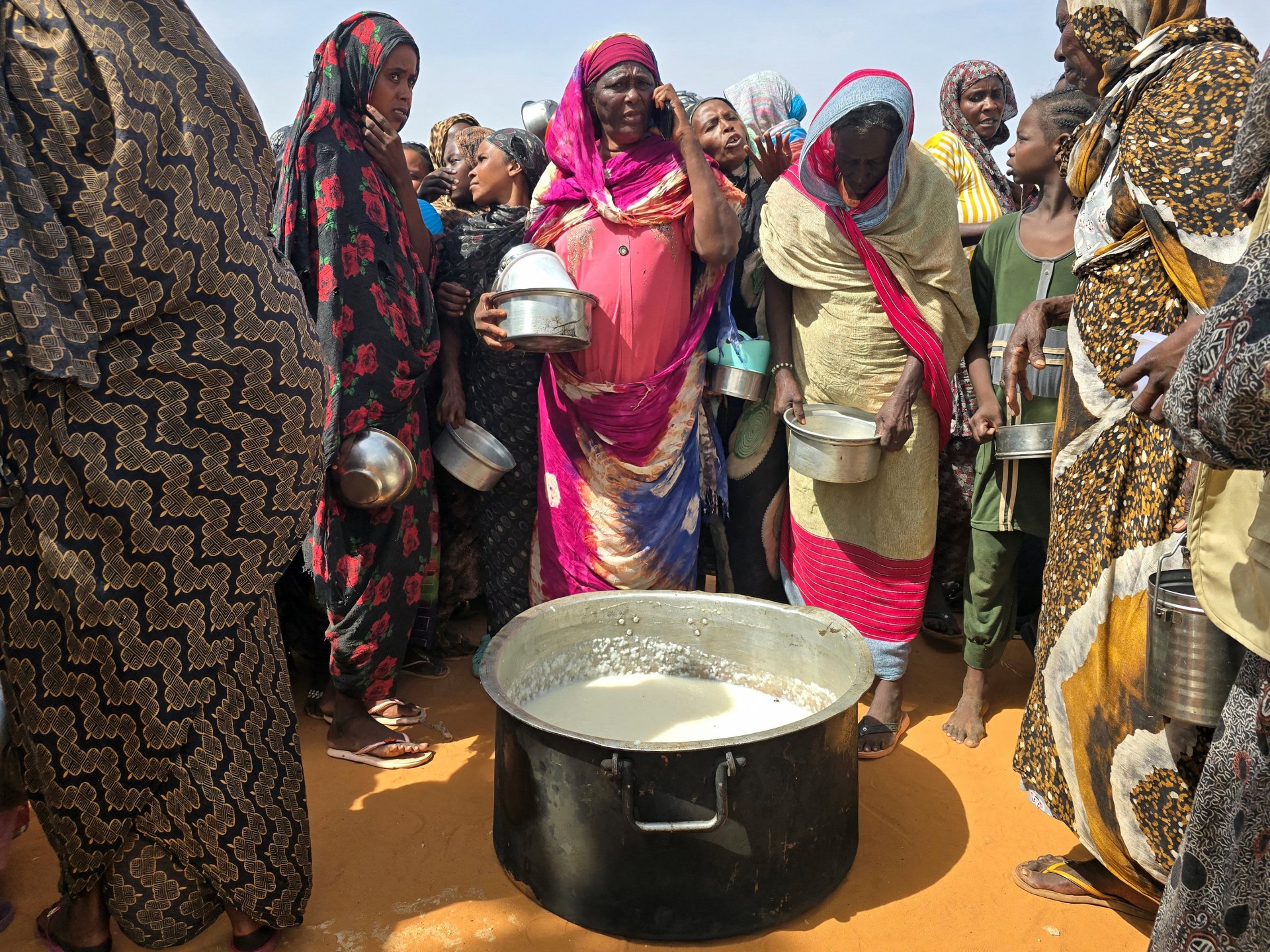
As military actions escalate, the human toll continues to rise. Reports of civilian casualties are emerging, with Iranian health officials indicating that many of the injured are civilians caught in the crossfire. This ongoing violence raises critical questions about the impact of military strategies on local populations and the potential for a humanitarian crisis in the region.
The situation remains fluid, with both the U.S. and Iran showing no signs of backing down. As military operations continue, the potential for further escalation looms, affecting not only regional stability but also global economic conditions.