




New Definition of "Harm" Threatens Wildlife Habitats
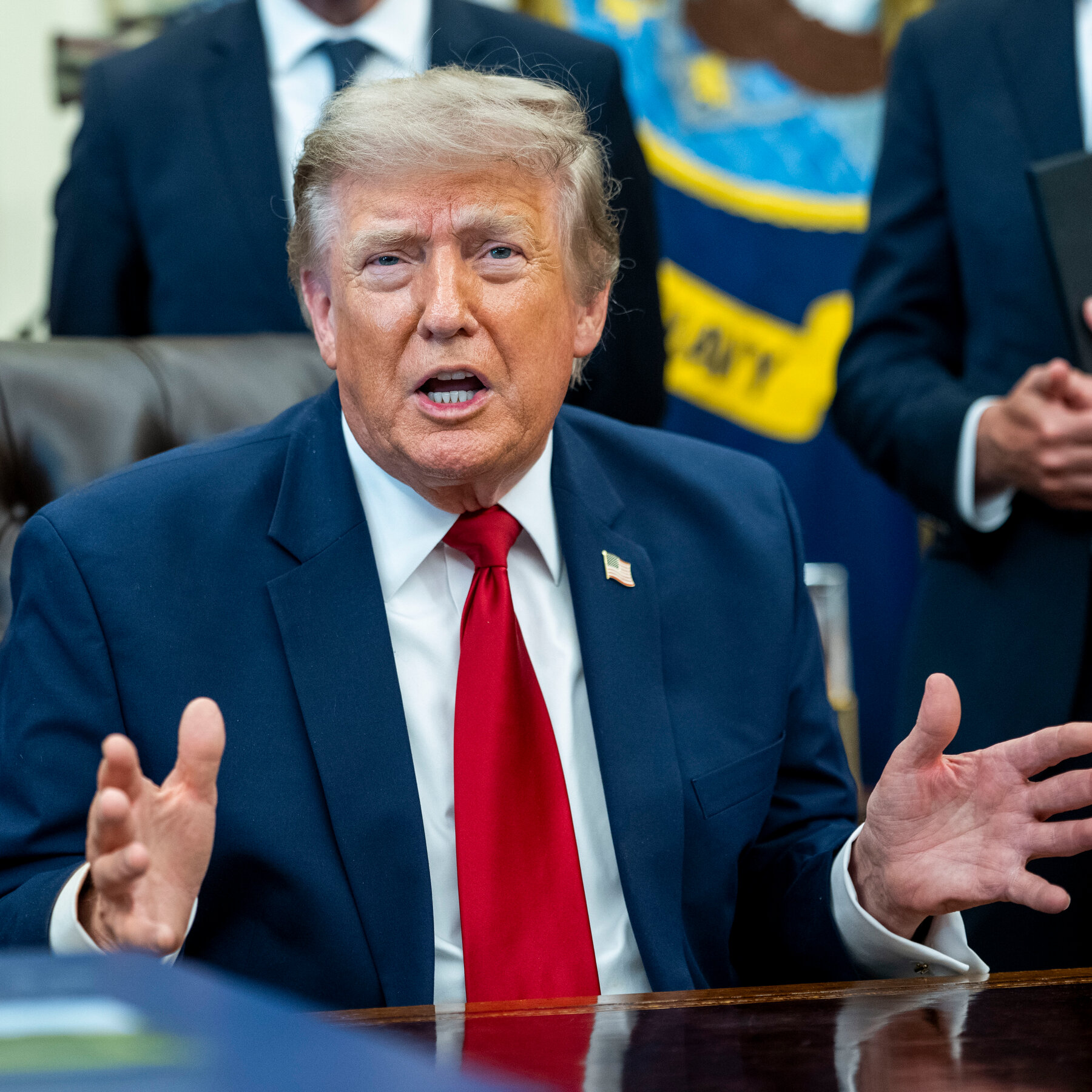
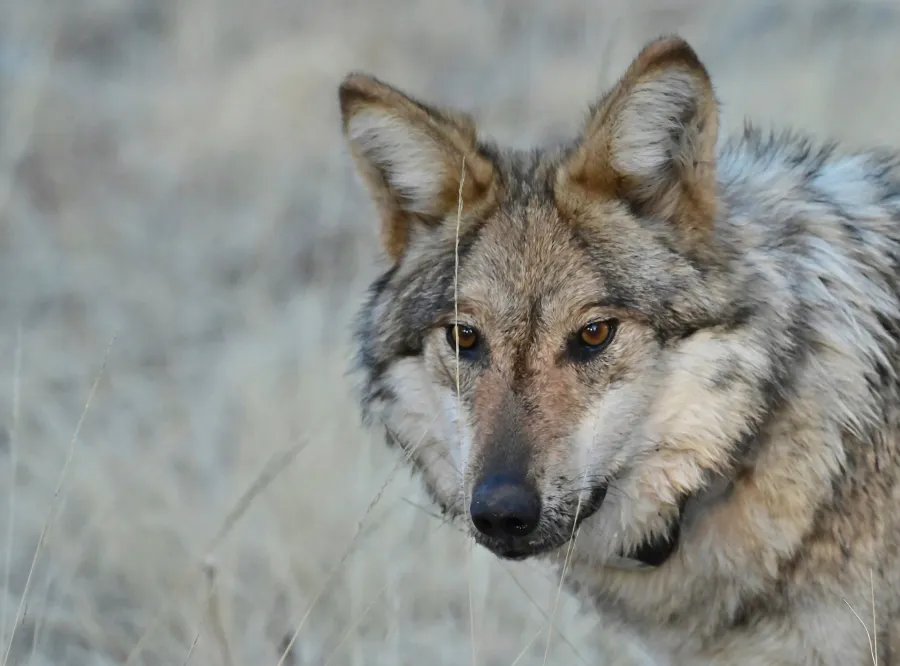
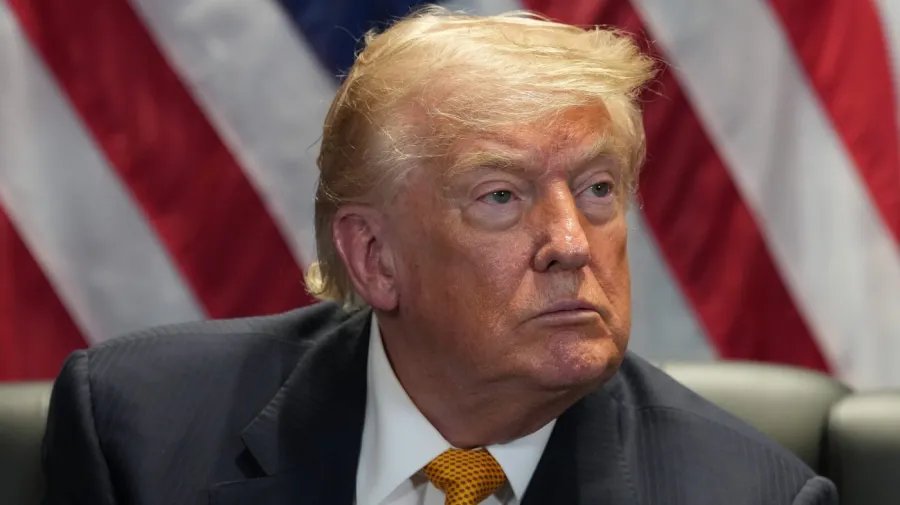
The Trump administration finalized a rule that significantly narrows the definition of “harm” under the Endangered Species Act. This change, announced on July 10, 2026, permits activities like oil drilling, mining, and logging in critical habitats as long as they do not directly kill or injure endangered species. Environmentalists warn that this shift could lead to habitat destruction, accelerating extinction rates among vulnerable species. Aaron Weiss, executive director of the Center for Western Priorities, called the move "one of the most horrific attempts to harm wildlife in American history."
Repercussions for Endangered Species
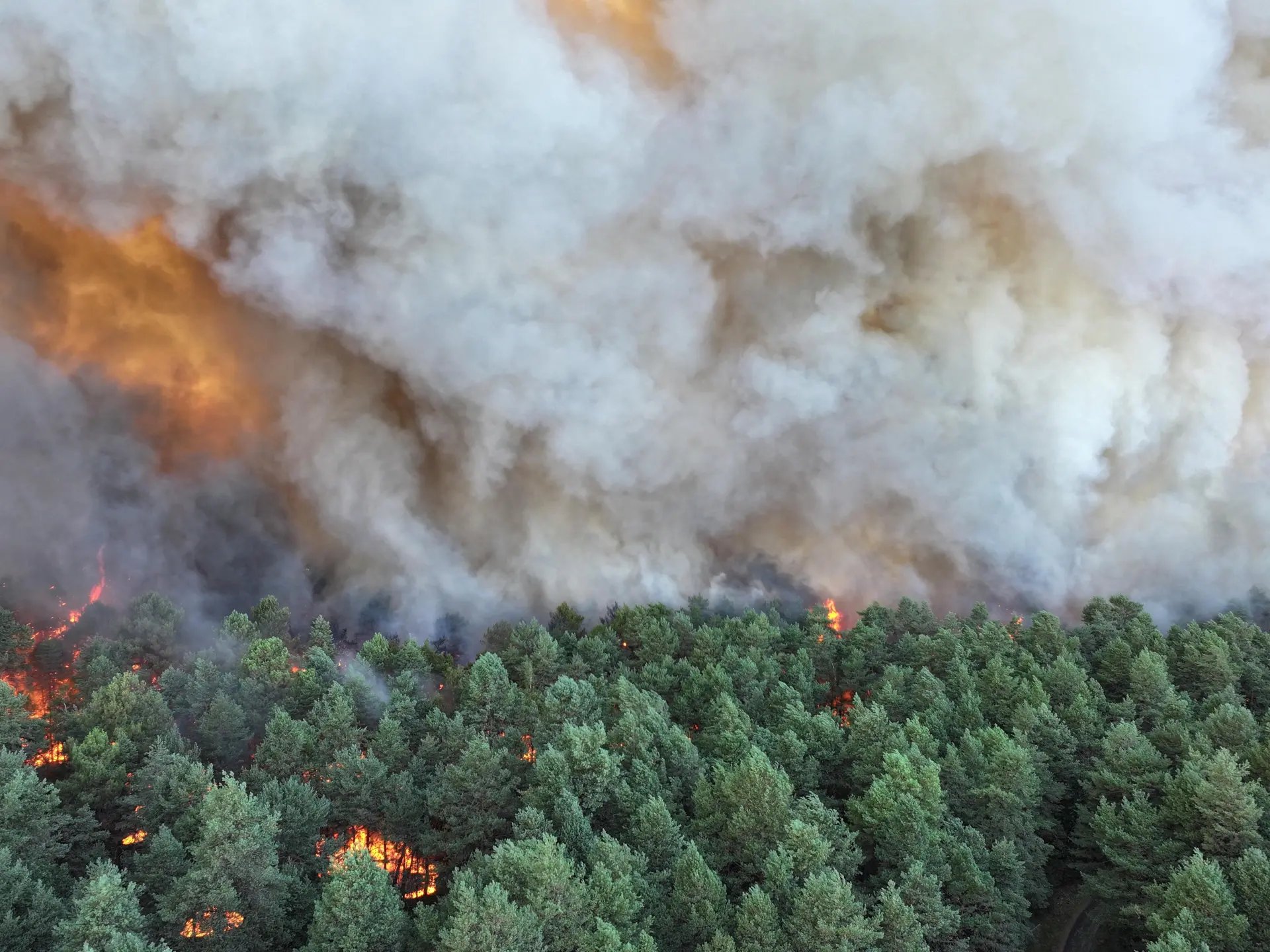
For decades, the government broadly interpreted "harm" to include any significant alteration of habitats for threatened and endangered species. The new rule, however, allows for extensive development that could dismantle these vital ecosystems. According to wildlife advocates, habitat destruction remains the leading cause of extinction. Interior Secretary Doug Burgum justified the change by stating that previous definitions of harm encroached on private property rights and hindered economic growth.
Economic Arguments and Political Backing
Proponents of the rollback, including industry representatives and Republican allies, argue that the Endangered Species Act has been misapplied, stifling economic development. Burgum emphasized that the administration is returning the law to its original intent, a stance that resonates with business interests seeking to exploit natural resources. The administration's actions follow a 2024 Supreme Court decision that limited federal agencies' authority to interpret environmental statutes, aligning with a broader agenda to reduce regulatory burdens.
Small Farmers Feel the Impact
The rollback of wildlife protections coincides with other significant changes affecting small farmers. The U.S. Department of Agriculture (USDA) recently canceled a $2.5 million grant for the Iowa Valley Resource Conservation and Development program, which provided support and resources to emerging farmers. Lawrencia Rogers, a 33-year-old farmer in Iowa, described the cancellation as a devastating blow to her agricultural aspirations. She had relied on this fellowship to gain access to land, equipment, and training, crucial for her development in a competitive industry.
USDA Funding Cuts and Farmer Discontent
The USDA has faced criticism for prioritizing large corporate farms over small-scale producers. Farmers like Jason Grimm, executive director of Iowa Valley RC&D, express frustration over inconsistent funding and a lack of support for initiatives aimed at small farmers. The cancellation of programs under the Trump administration has led to significant financial strain, with some farmers reporting losses of up to 20% of their cash flow. As a result, small producers are increasingly vocal about feeling abandoned by federal policies that favor larger agricultural enterprises.
Political Ramifications in Iowa
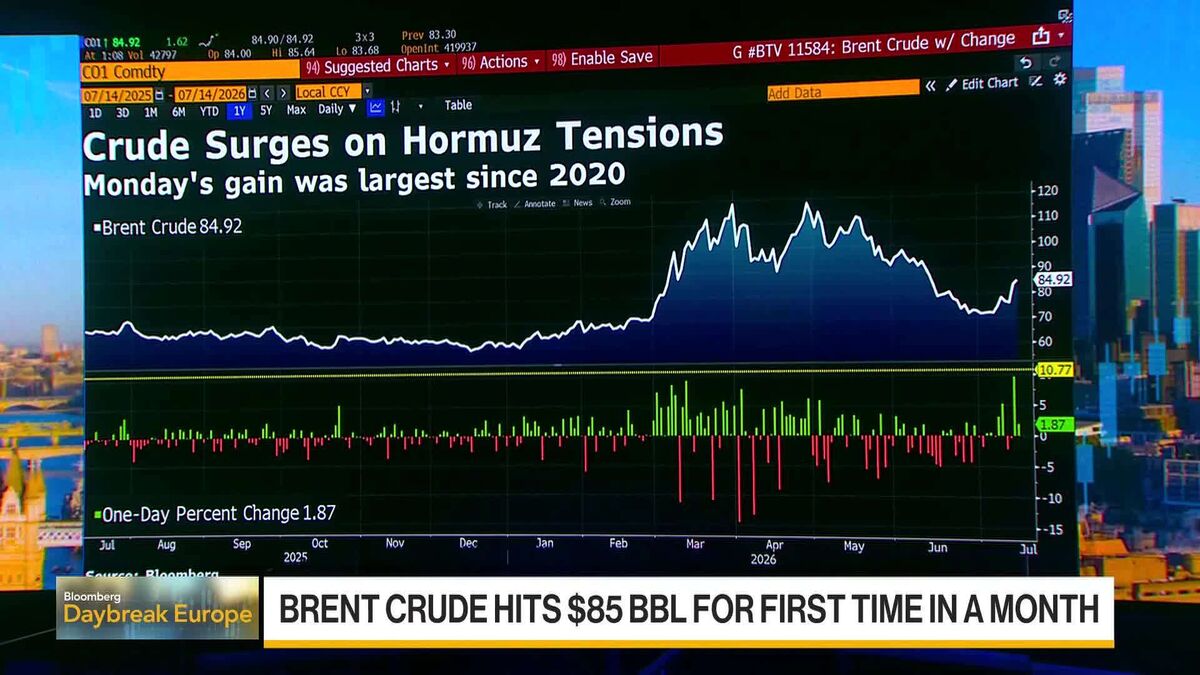
The agricultural landscape in Iowa, a state where farming accounts for a third of the economy, is becoming a focal point in upcoming elections. Democrats are capitalizing on discontent among small farmers, hoping to leverage their frustrations against Republican incumbents. As farmers grapple with the fallout from tariff wars and rising costs due to geopolitical tensions, the political landscape may shift in favor of candidates who advocate for more robust support for local agriculture.
Broader Implications for Conservation
Environmental groups are mobilizing against the recent changes to the Endangered Species Act, viewing them as part of a larger trend that undermines conservation efforts. The rollback could have long-lasting implications for biodiversity and ecosystem health across the country. With the Endangered Species Act credited for the recovery of species like the bald eagle and California condor, advocates fear that weakened protections will lead to irreversible damage to America’s wildlife heritage.
Next Steps for Farmers and Conservationists
As the Trump administration's policies unfold, both farmers and conservationists are bracing for the impacts. Farmers like Lawrencia Rogers are left to navigate an uncertain agricultural future, while environmentalists are rallying support to push back against regulatory rollbacks. The potential for significant policy changes leading up to the midterm elections may offer a chance for stakeholders on both sides to influence the direction of agricultural and environmental policy in the coming years.