




The Deportation
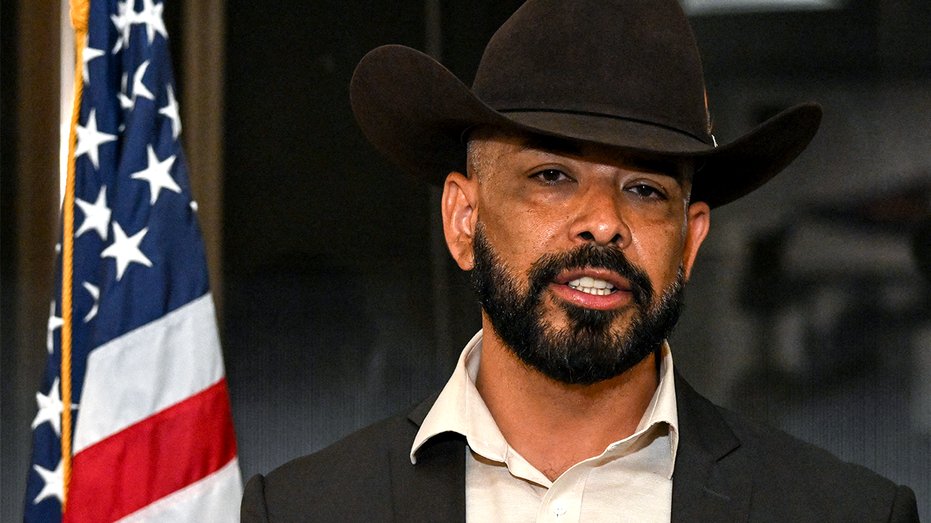
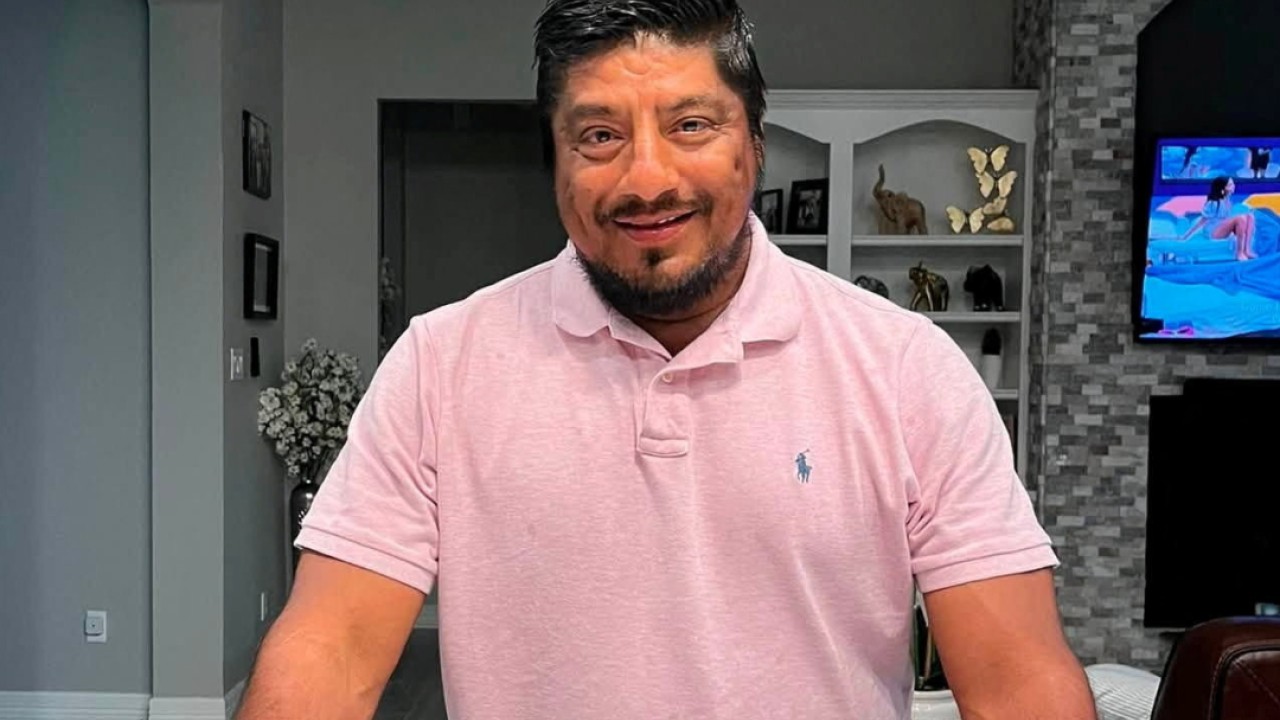
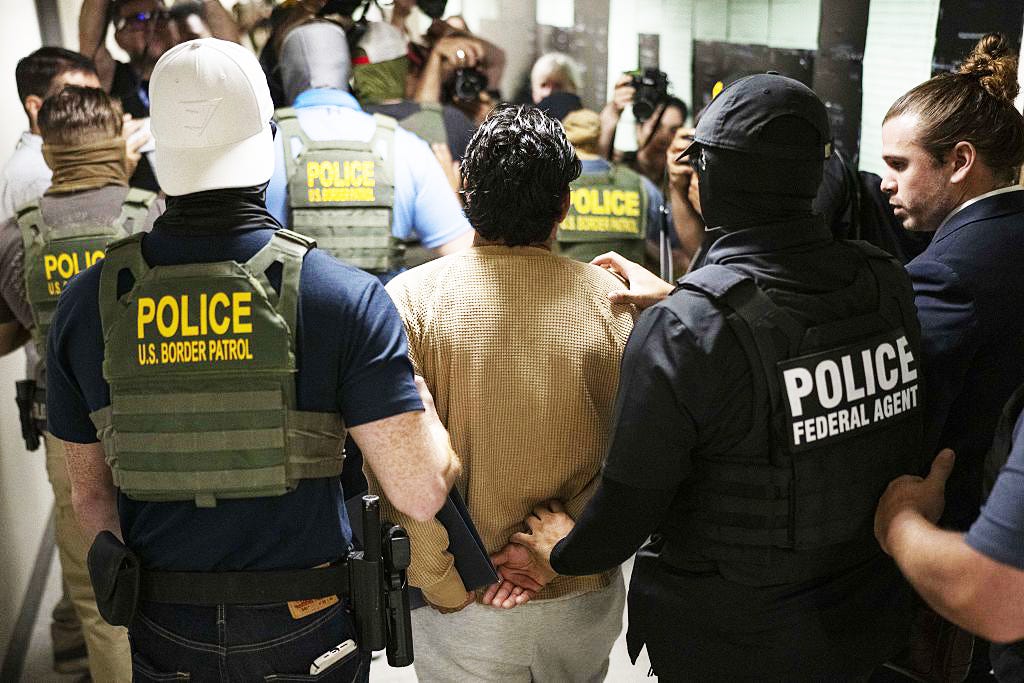
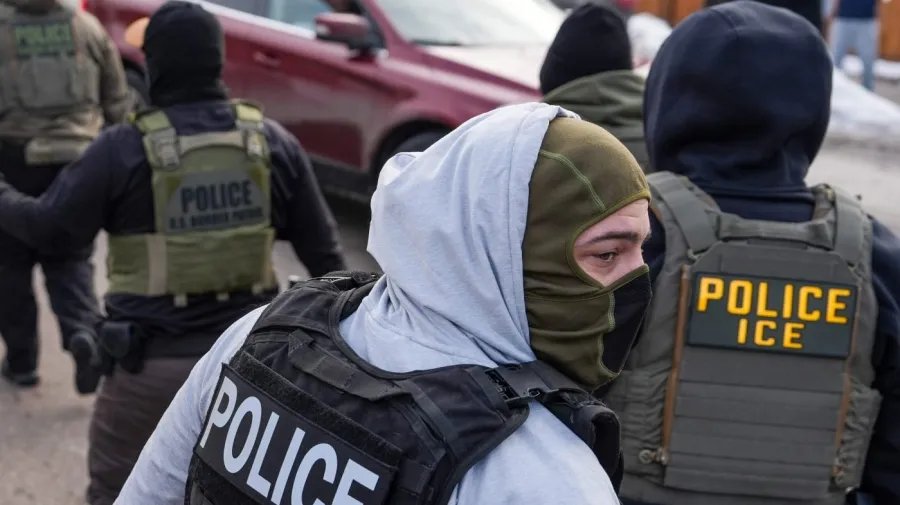
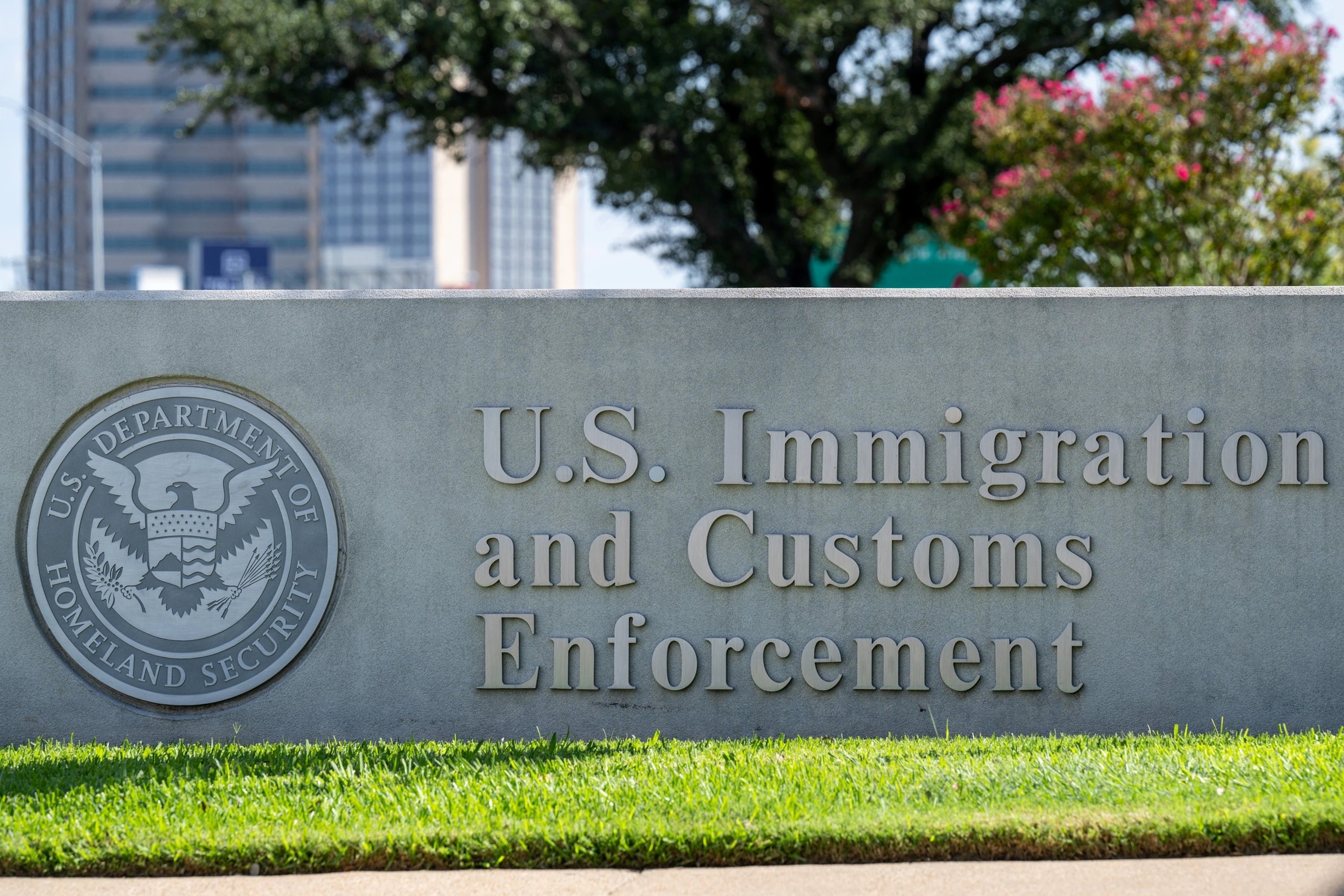
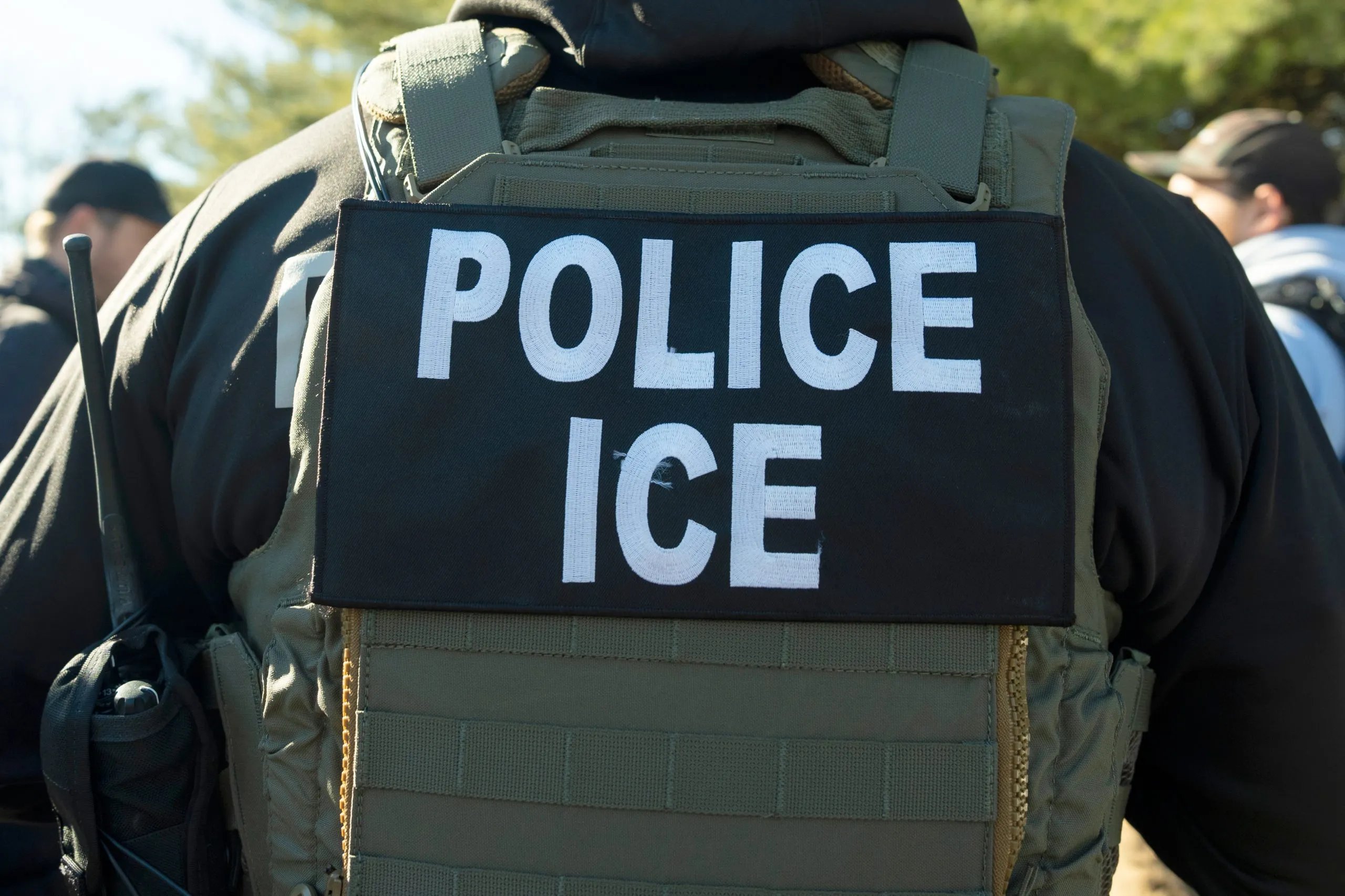
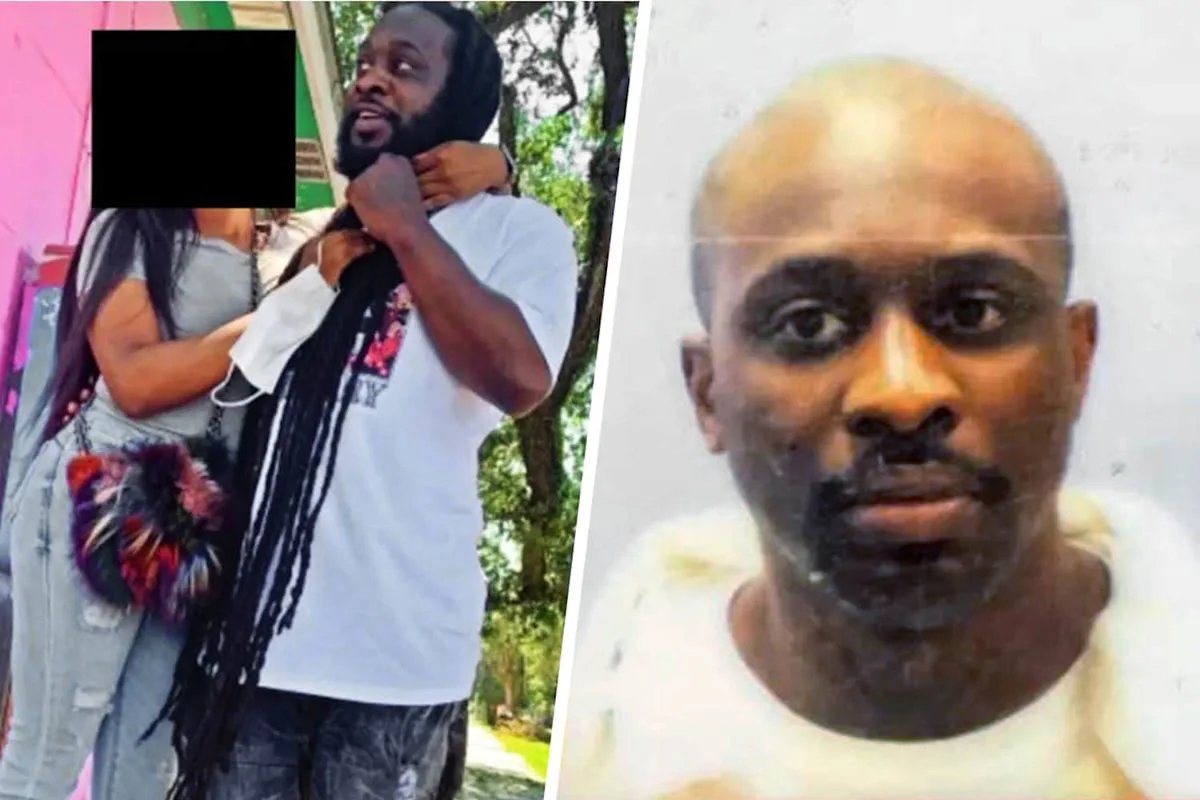
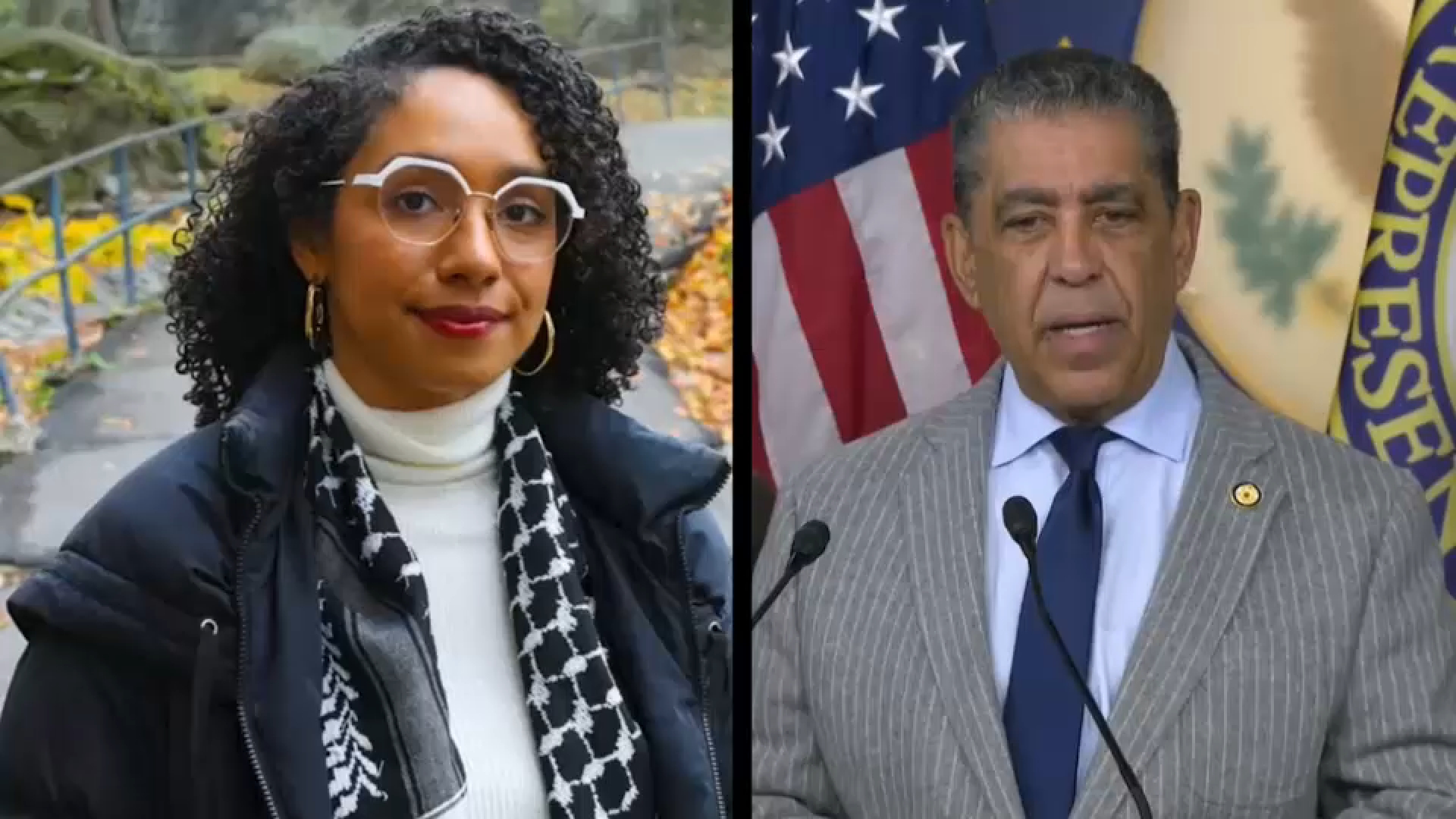
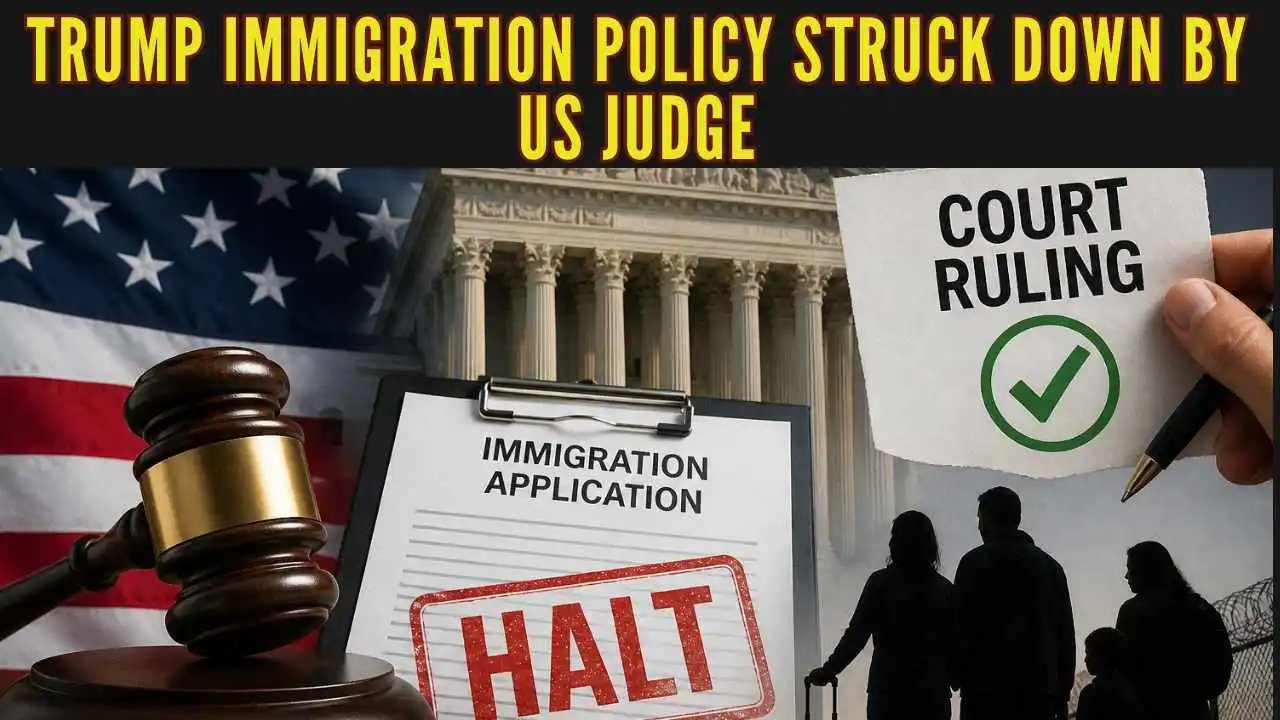
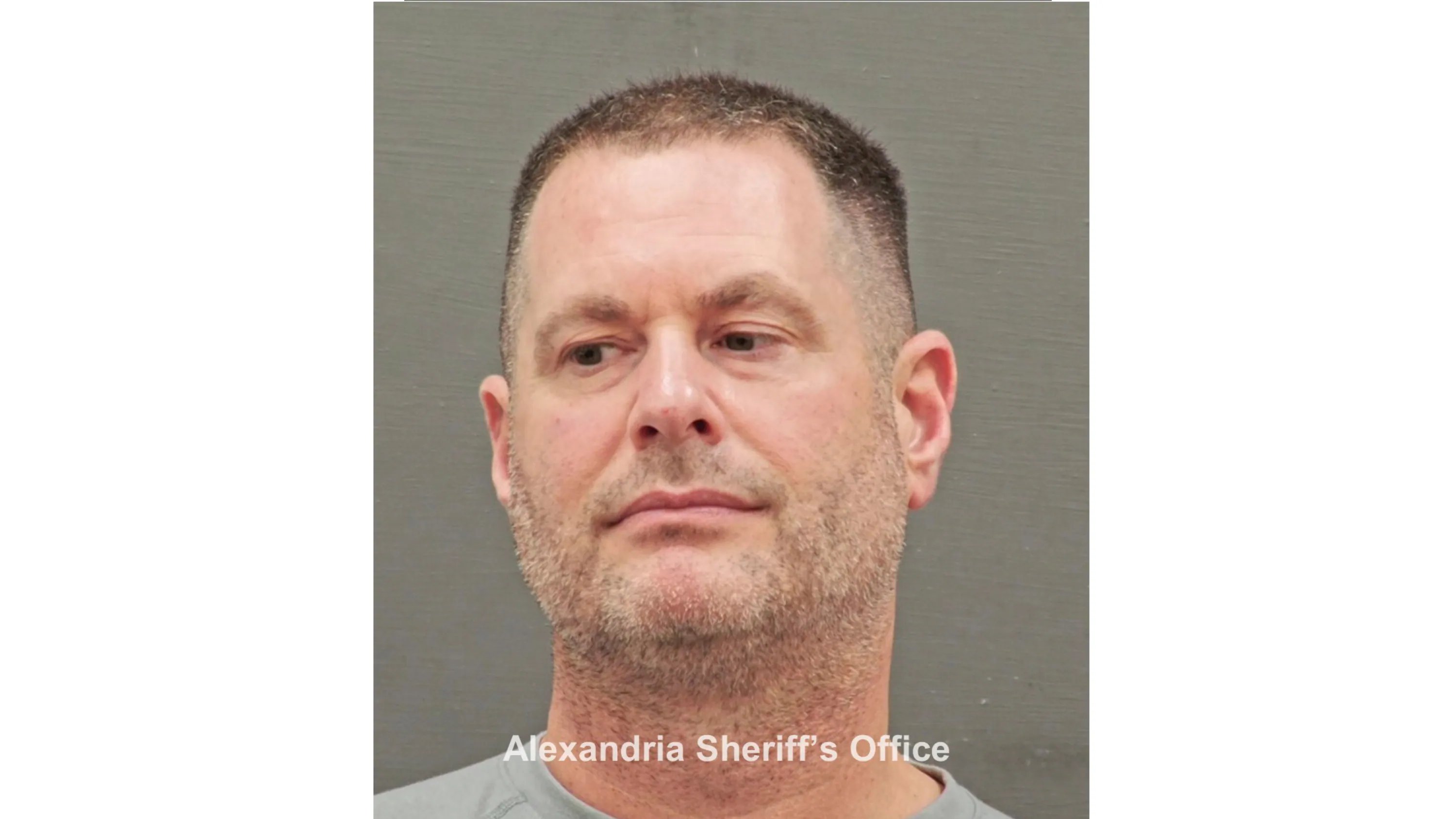
Tou Lue Vang, a Hmong man who was pardoned for a sex abuse conviction in Minnesota, has been deported by ICE, sparking criticism over Democratic leaders' efforts to thwart the expulsion of criminals. Vang's pardon, granted by Minnesota state officials, has raised questions about the implications of immigration policies on justice.
The Pardon Controversy
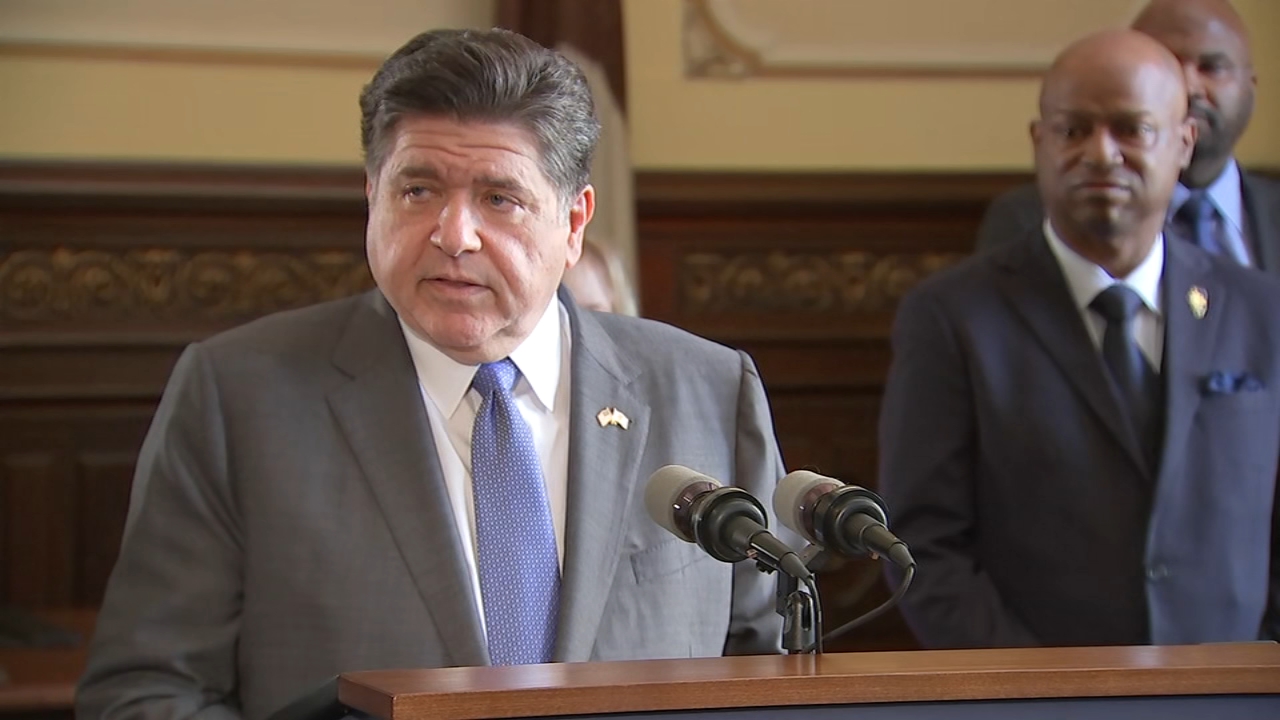
The pardoning of Vang drew significant controversy, with critics arguing that it undermined efforts to remove criminals from the country. However, supporters of the pardon maintain that it was a just decision based on the specifics of Vang's case. This incident highlights the complexities and potential conflicts between state-level justice systems and federal immigration policies.
Implications for Future Cases
The deportation of Vang, who had been pardoned for his crime, could set a precedent for future cases involving immigrants with criminal convictions. It raises questions about whether pardons granted by state officials will be respected in the context of federal immigration enforcement. This case could have far-reaching consequences for how similar situations are handled in the future.
Public Reaction and Criticism
The decision to deport Vang has been met with mixed reactions. Some view it as a necessary step to ensure public safety, while others see it as an injustice that undermines the authority of state-level pardons. The controversy underscores the ongoing debate over immigration policies and their impact on individual rights and justice.
Conclusion
The deportation of Tou Lue Vang, who was previously pardoned for a sex abuse conviction, has brought to light the intersection of state-level justice systems and federal immigration policies. This case serves as a stark reminder of the complexities involved in balancing public safety with the rights of individuals who have been granted pardons. As the debate over immigration policies continues, this incident underscores the need for a more nuanced approach that respects the decisions of state officials while also addressing the concerns of those who prioritize public safety.