




Rising Casualties and Destruction
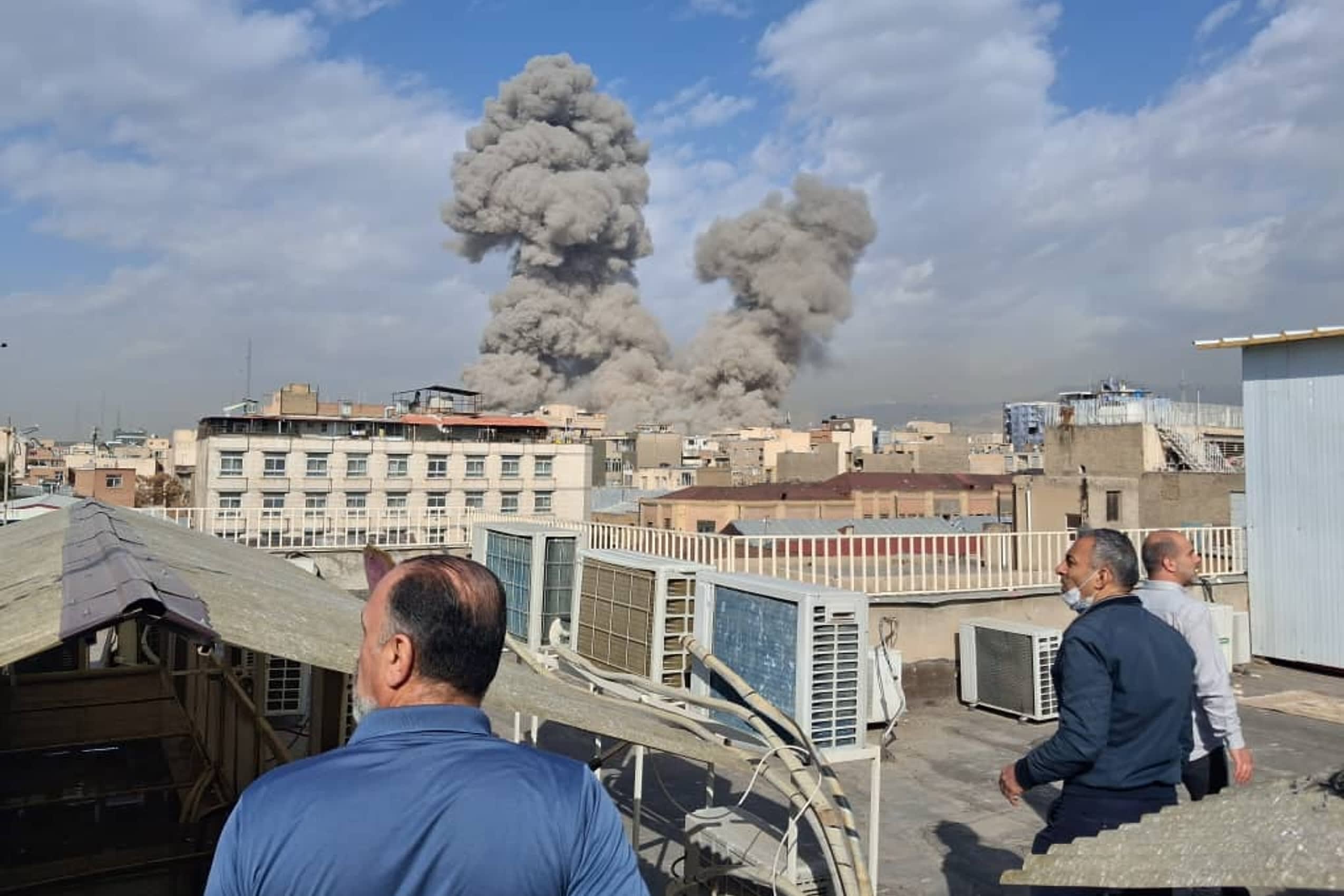
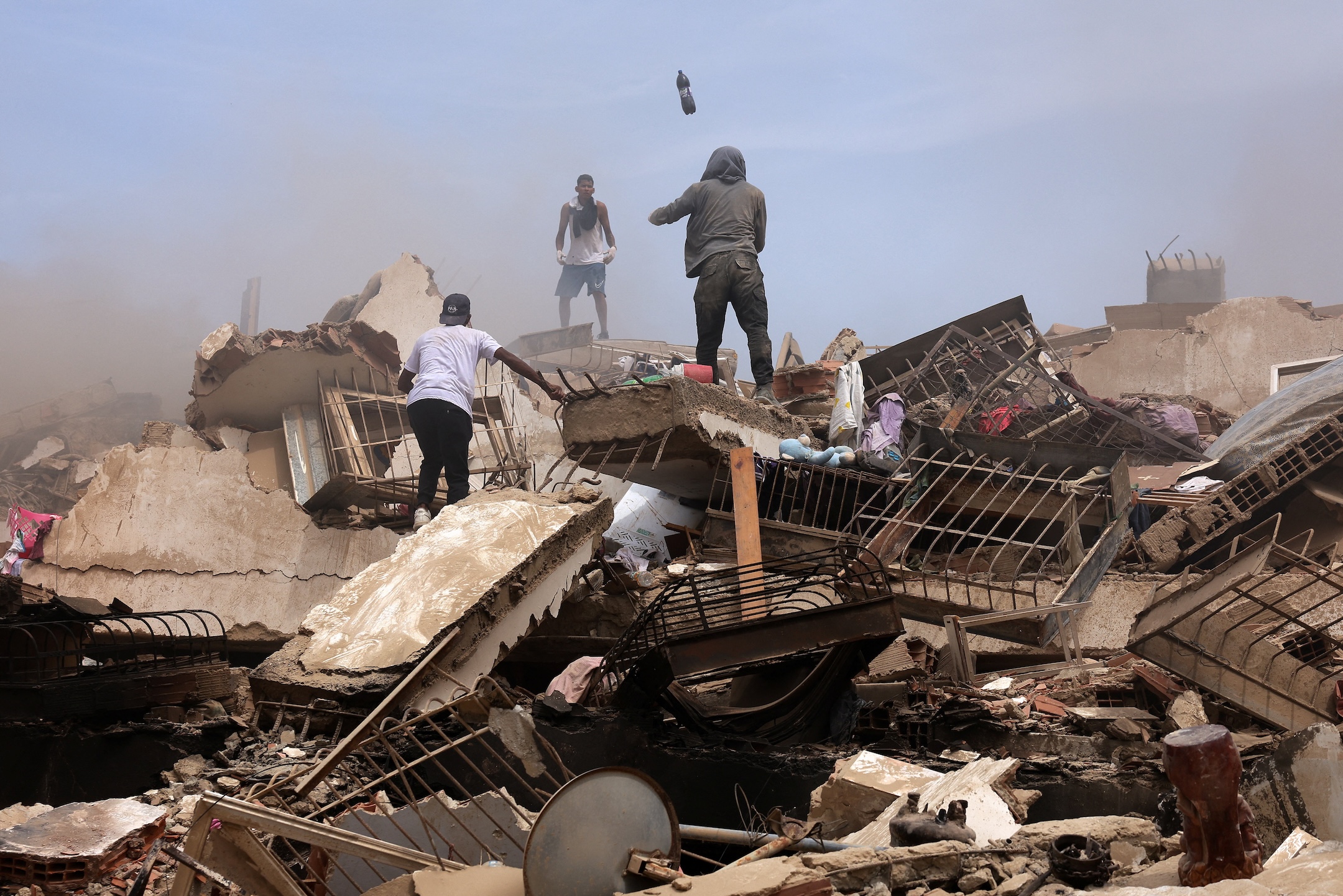
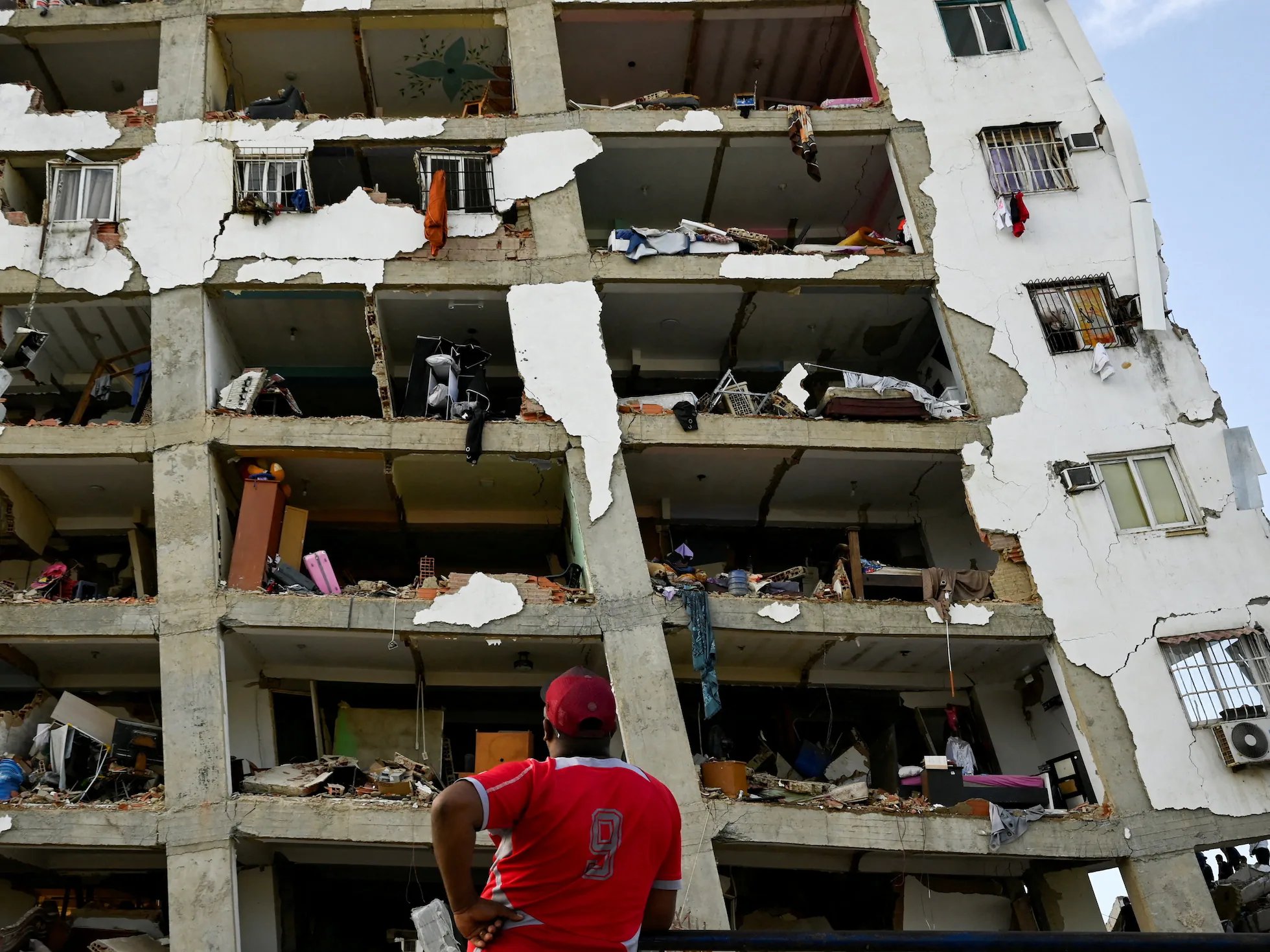
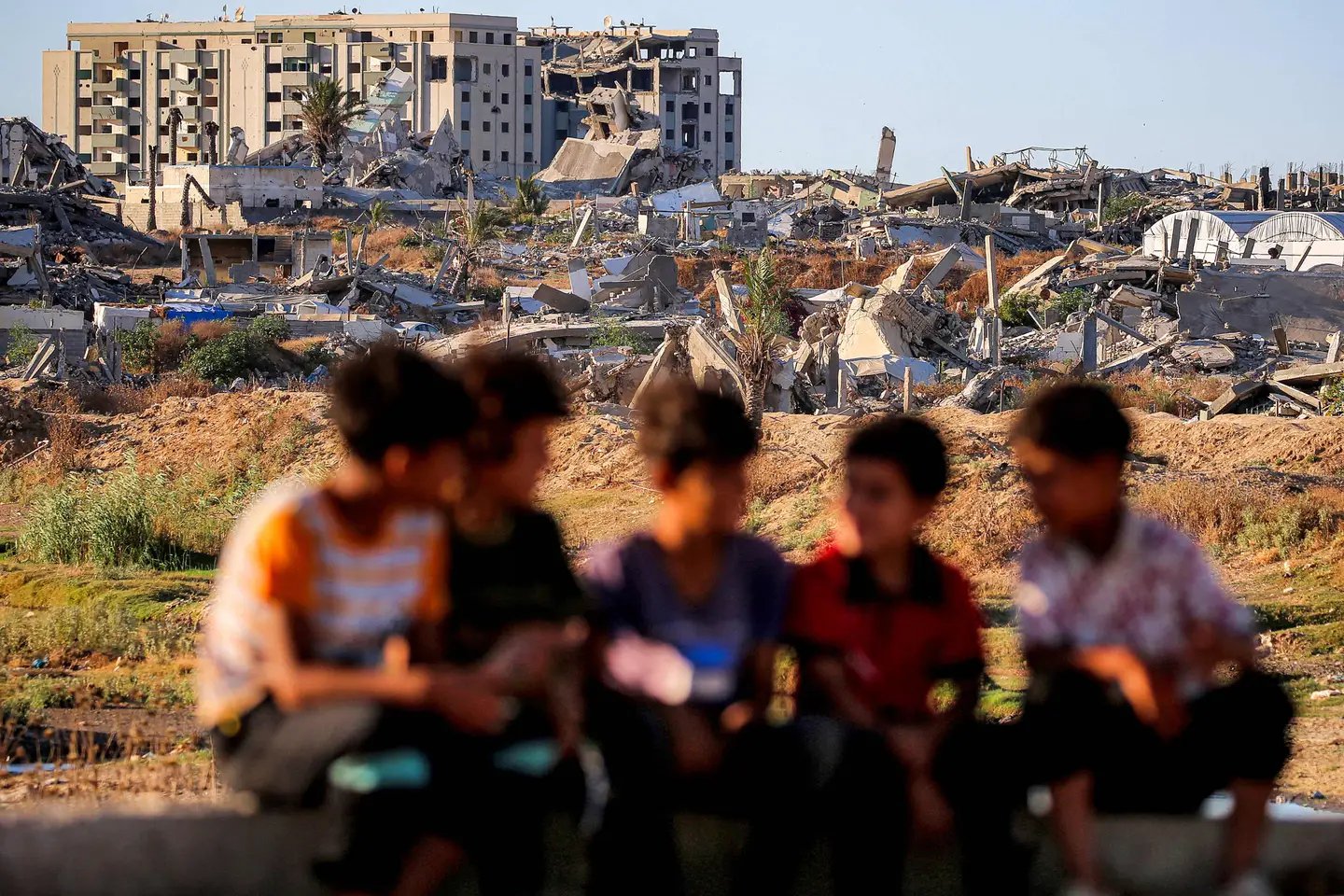
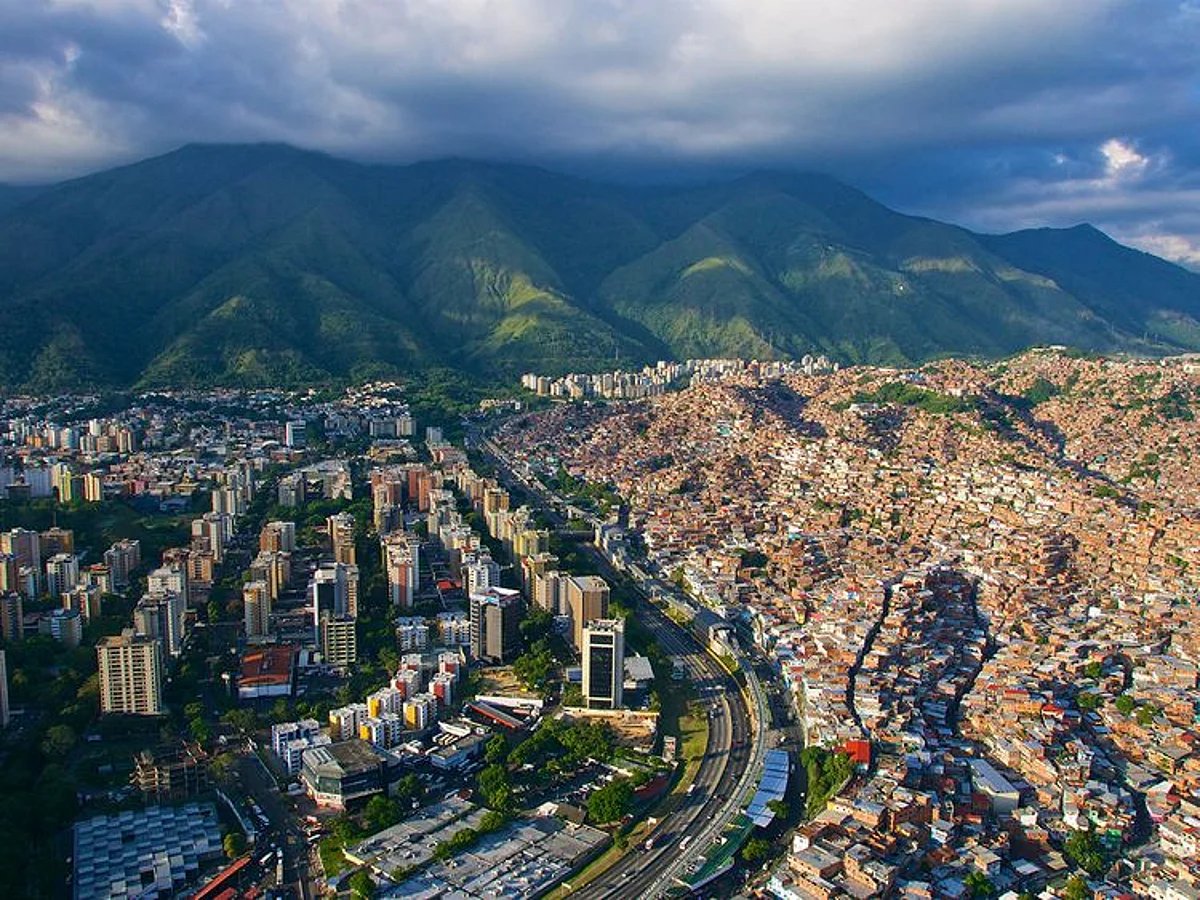
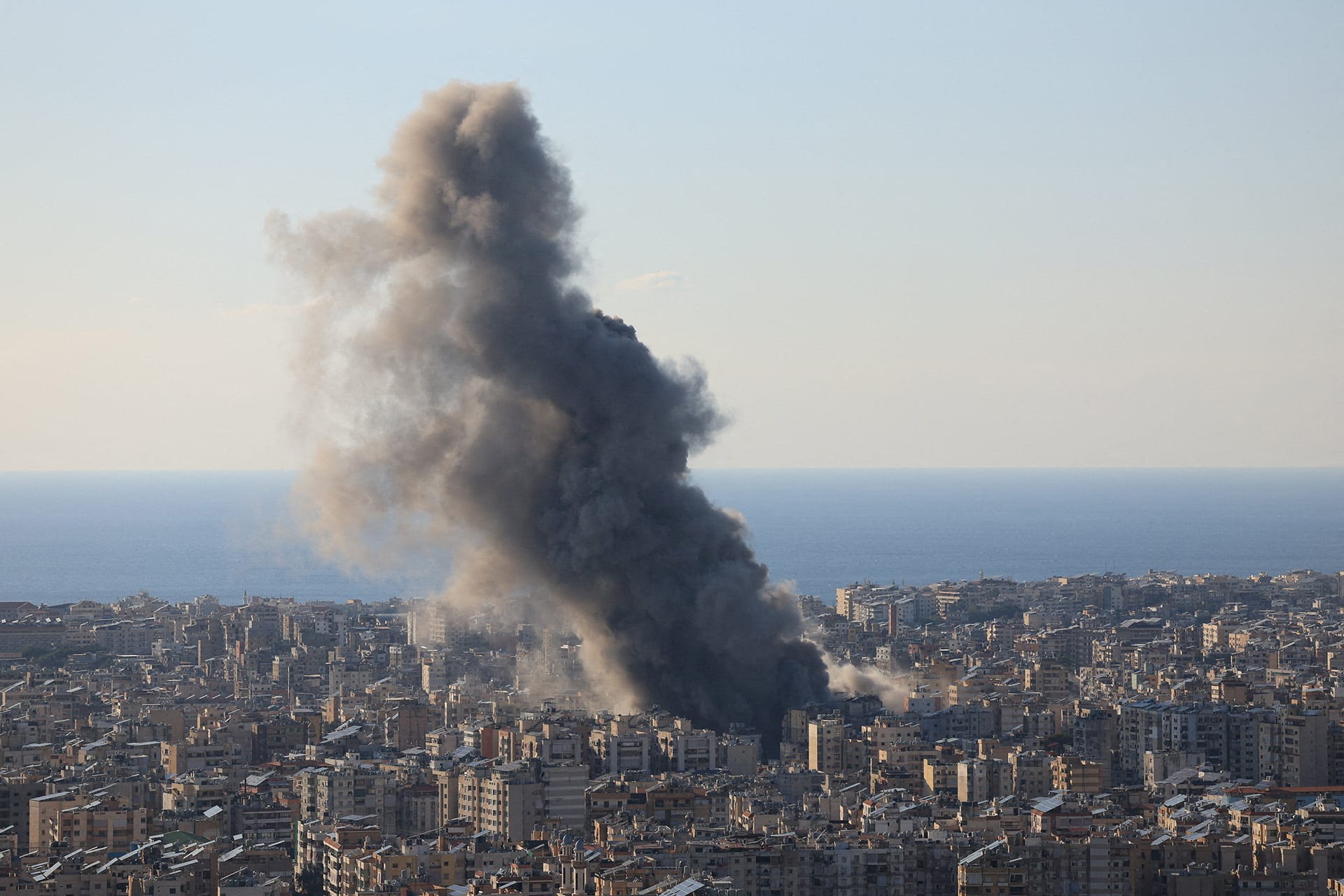
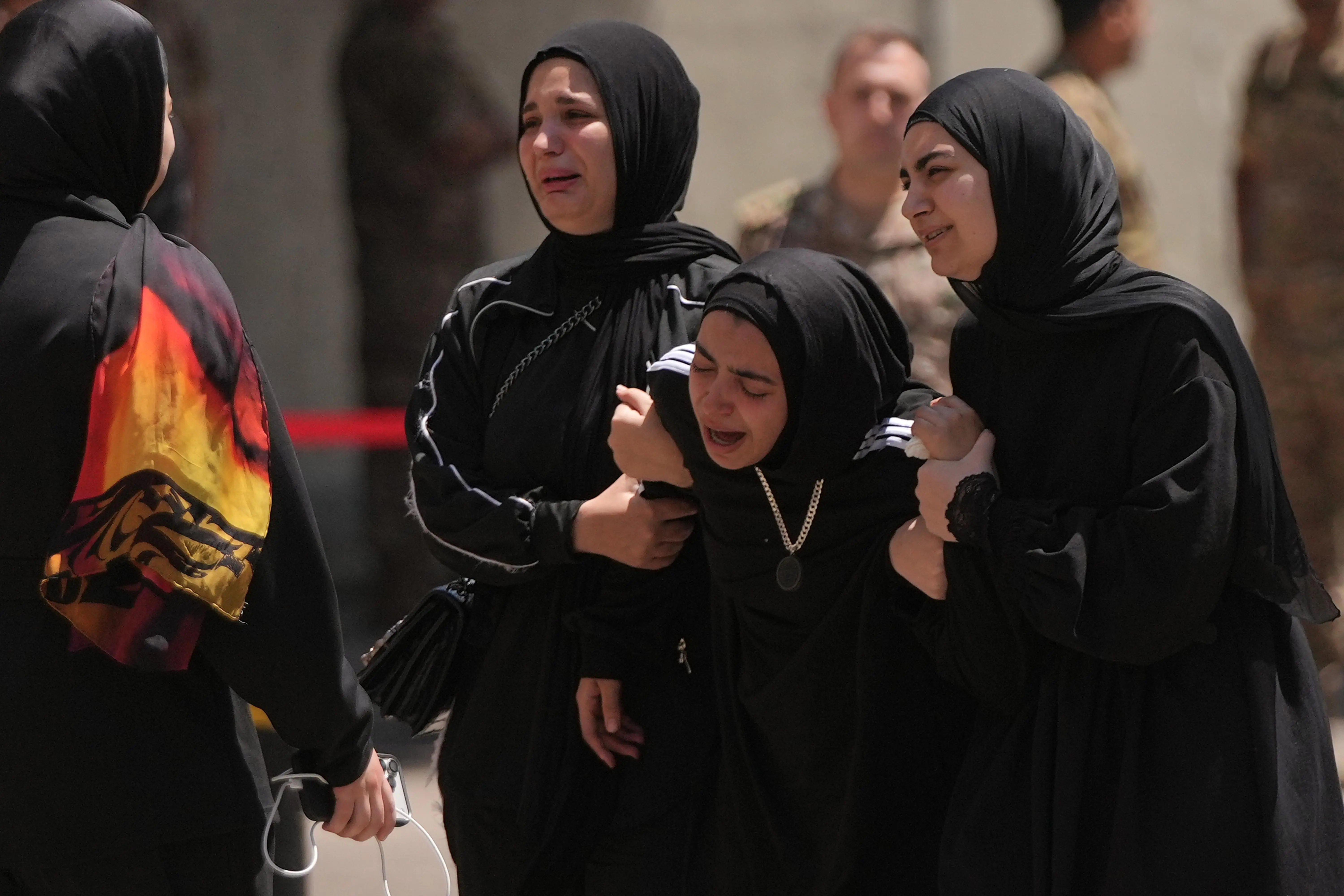
The death toll from the recent twin earthquakes in Venezuela has surged to at least 3,535, leaving communities grappling with immense loss and devastation. Thousands remain missing, prompting widespread vigils in cities such as Caracas and Maracaibo, where mourners gathered to honor the deceased and pray for those still unaccounted for. At the Central University of Caracas, attendees created a poignant memorial by lighting white candles that formed the shape of the nation, symbolizing collective grief.
Families Seek Missing Loved Ones
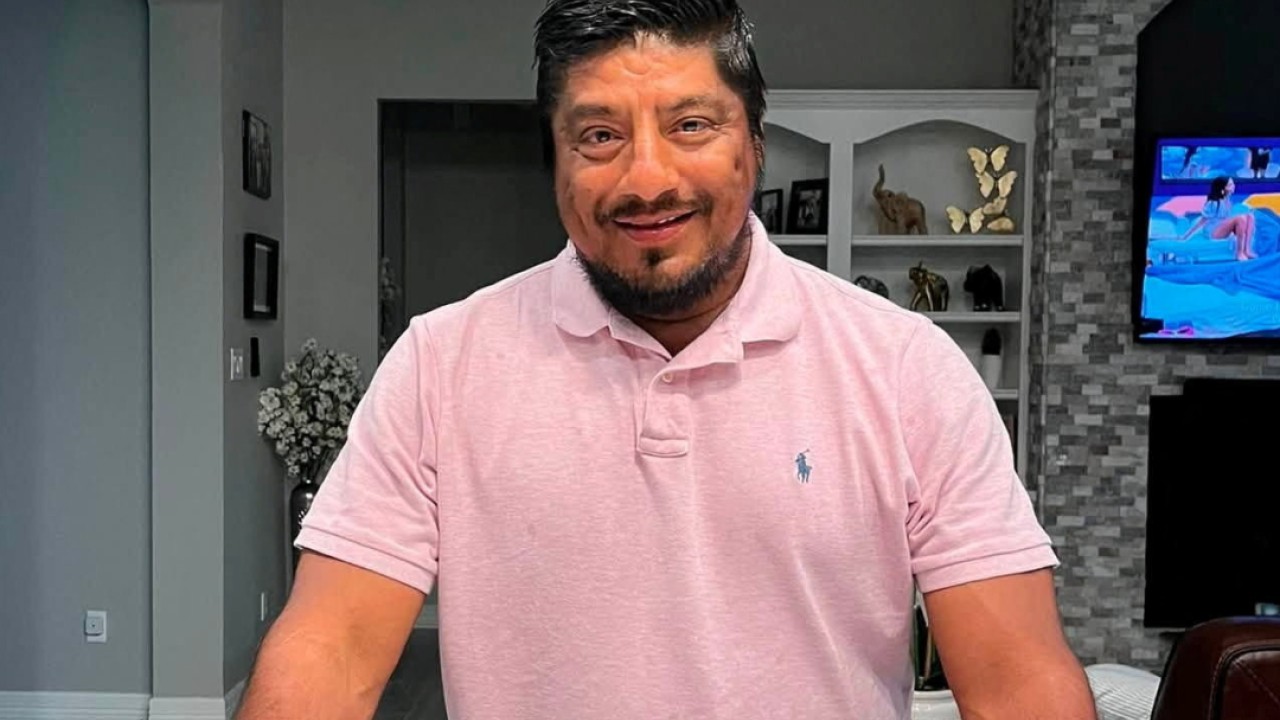
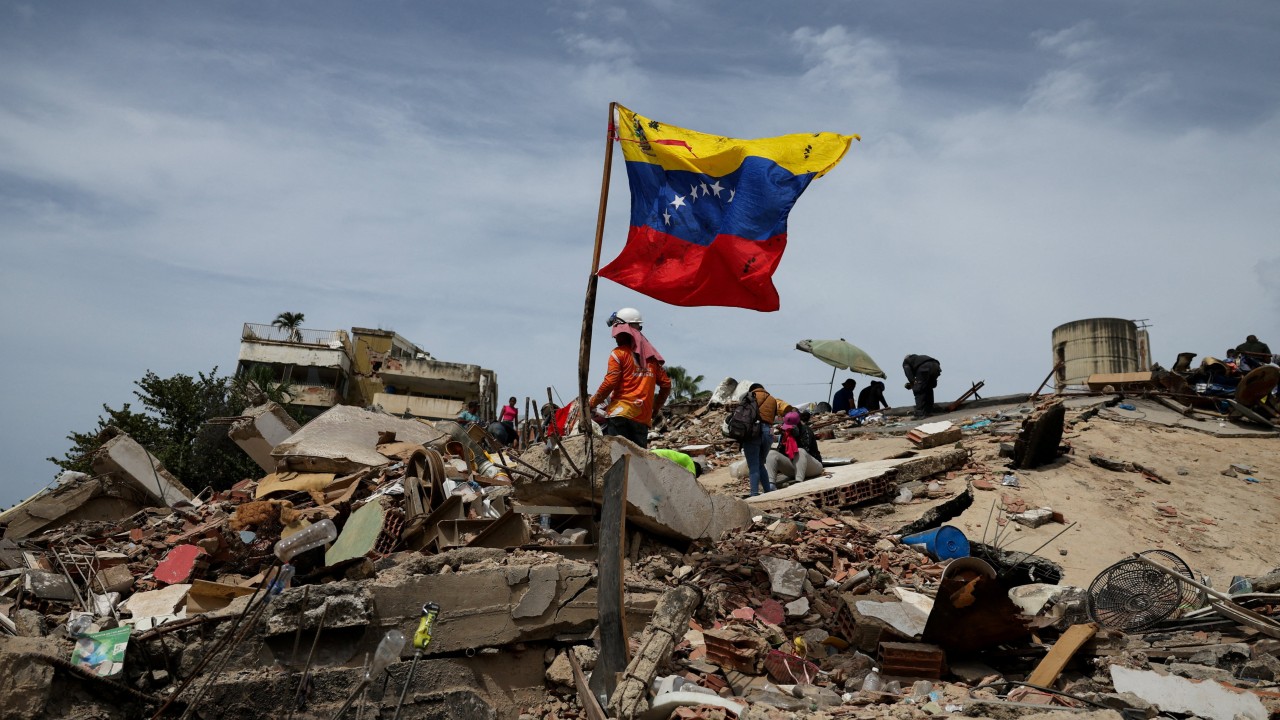
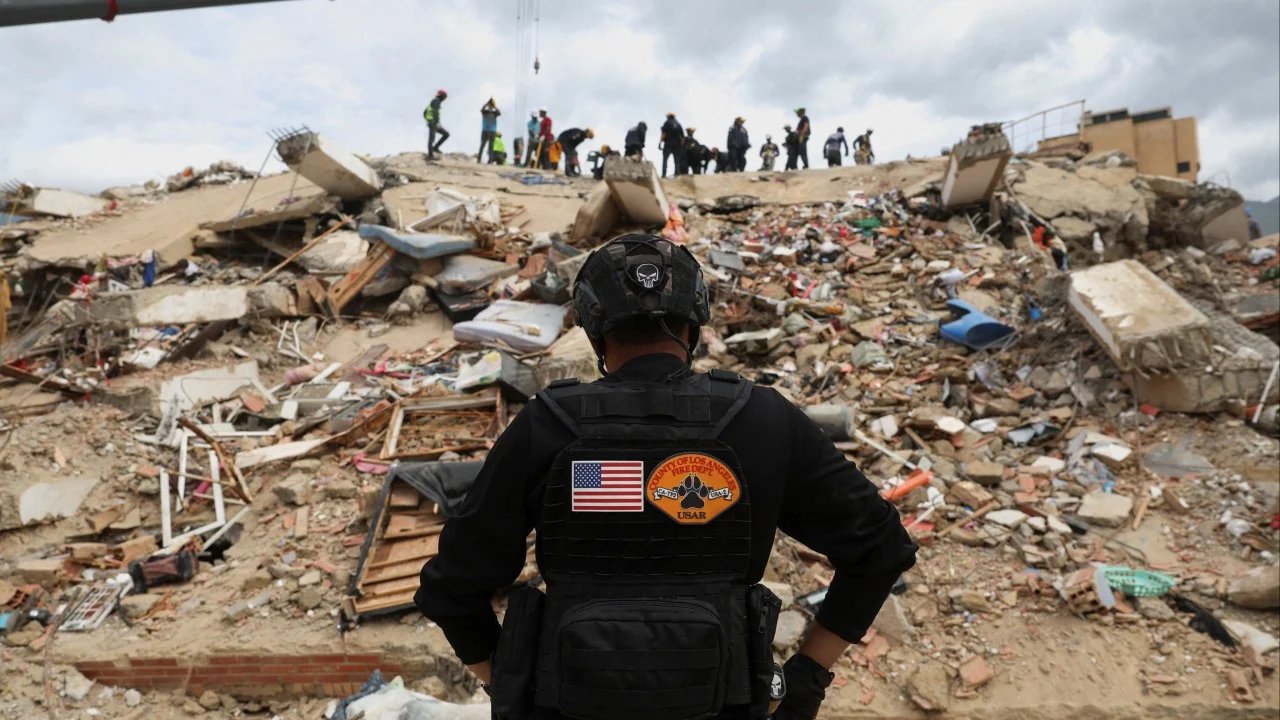
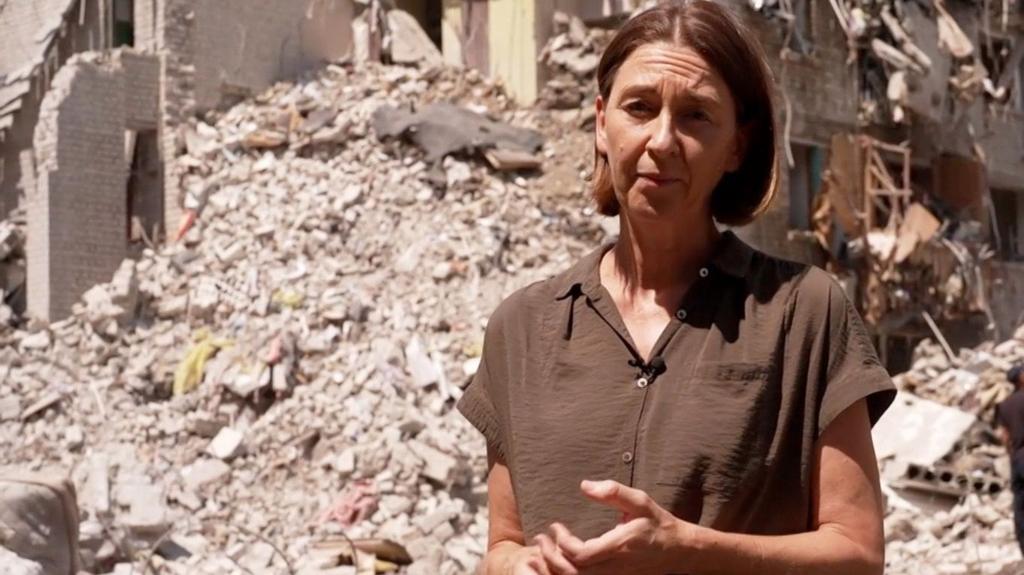
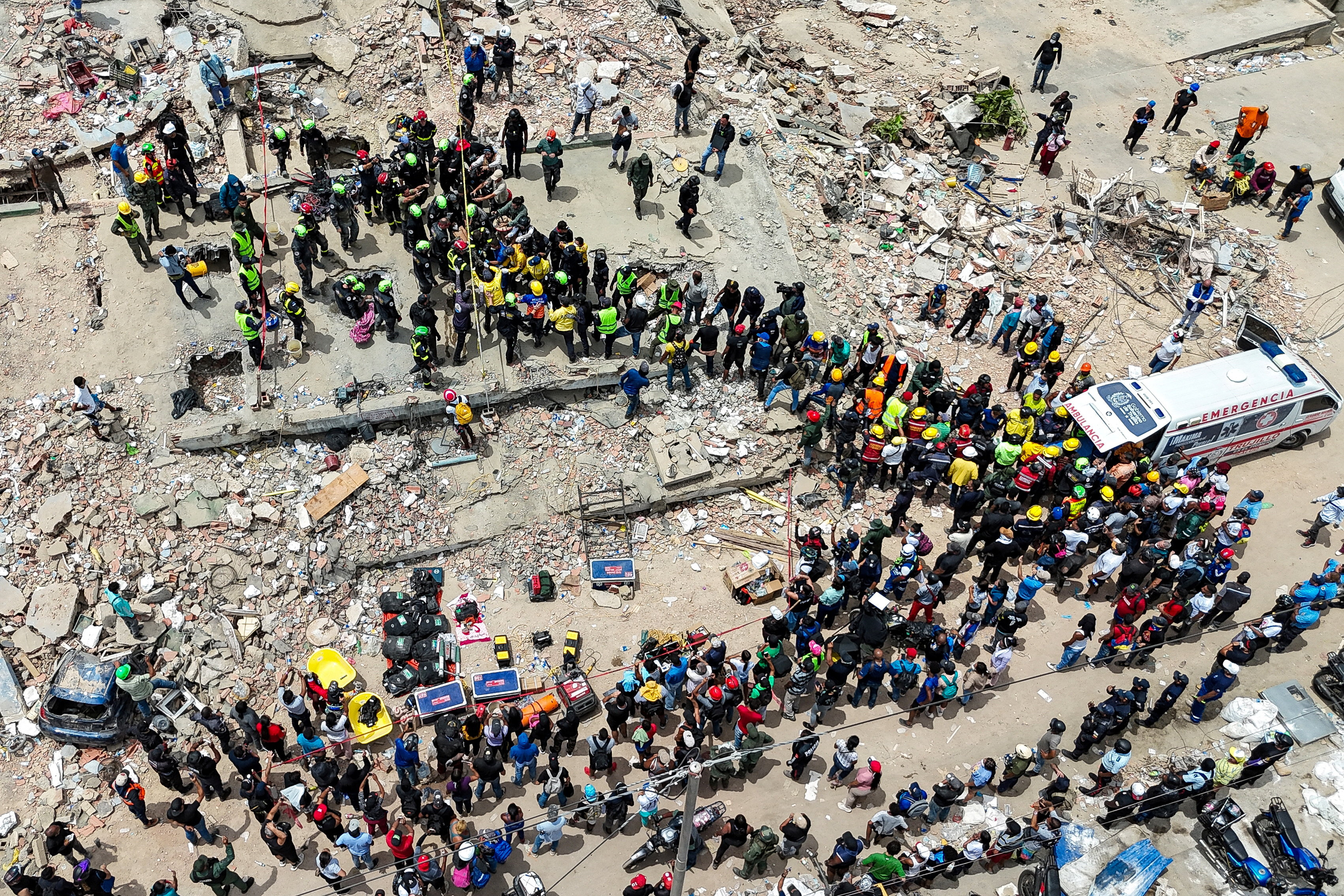
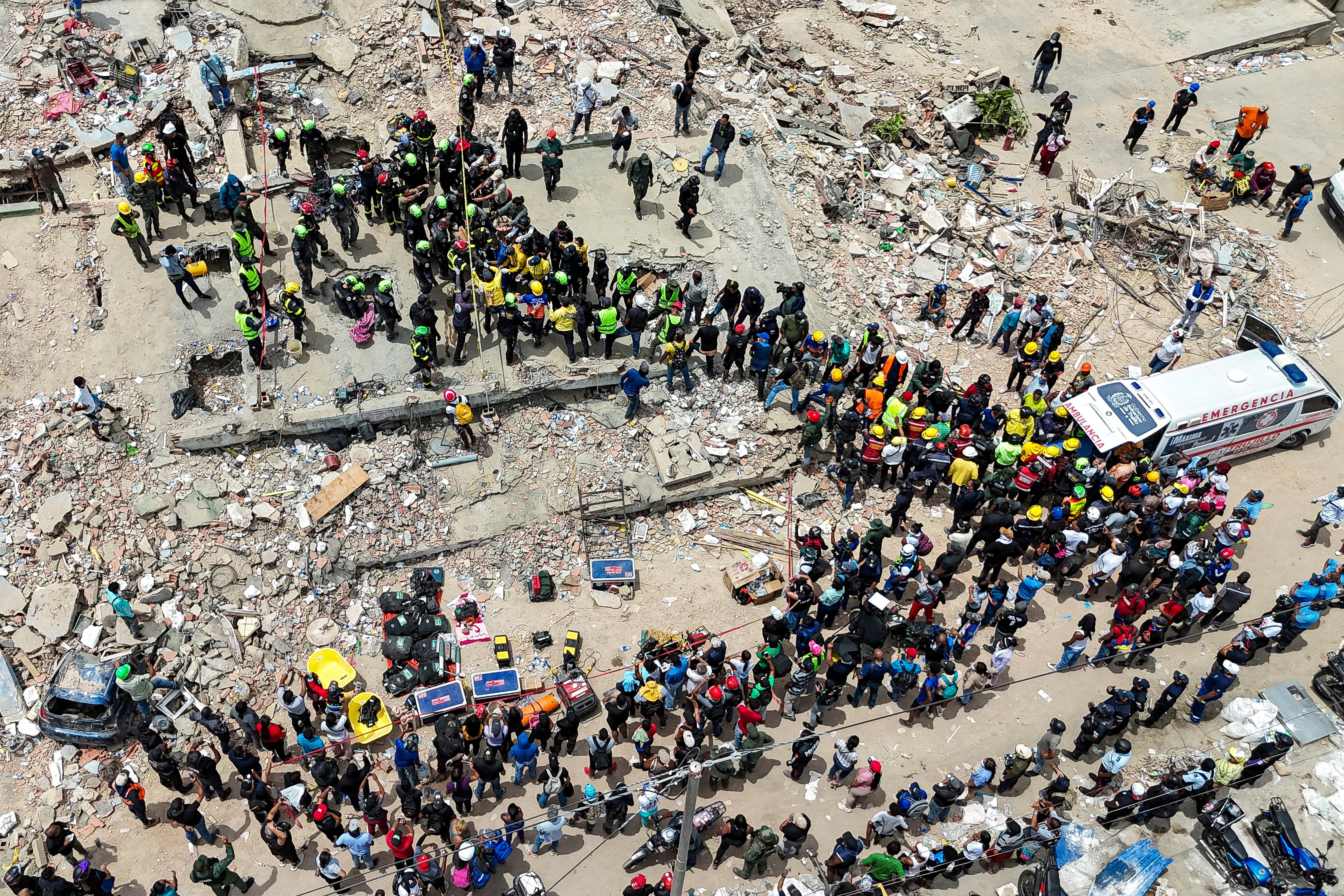
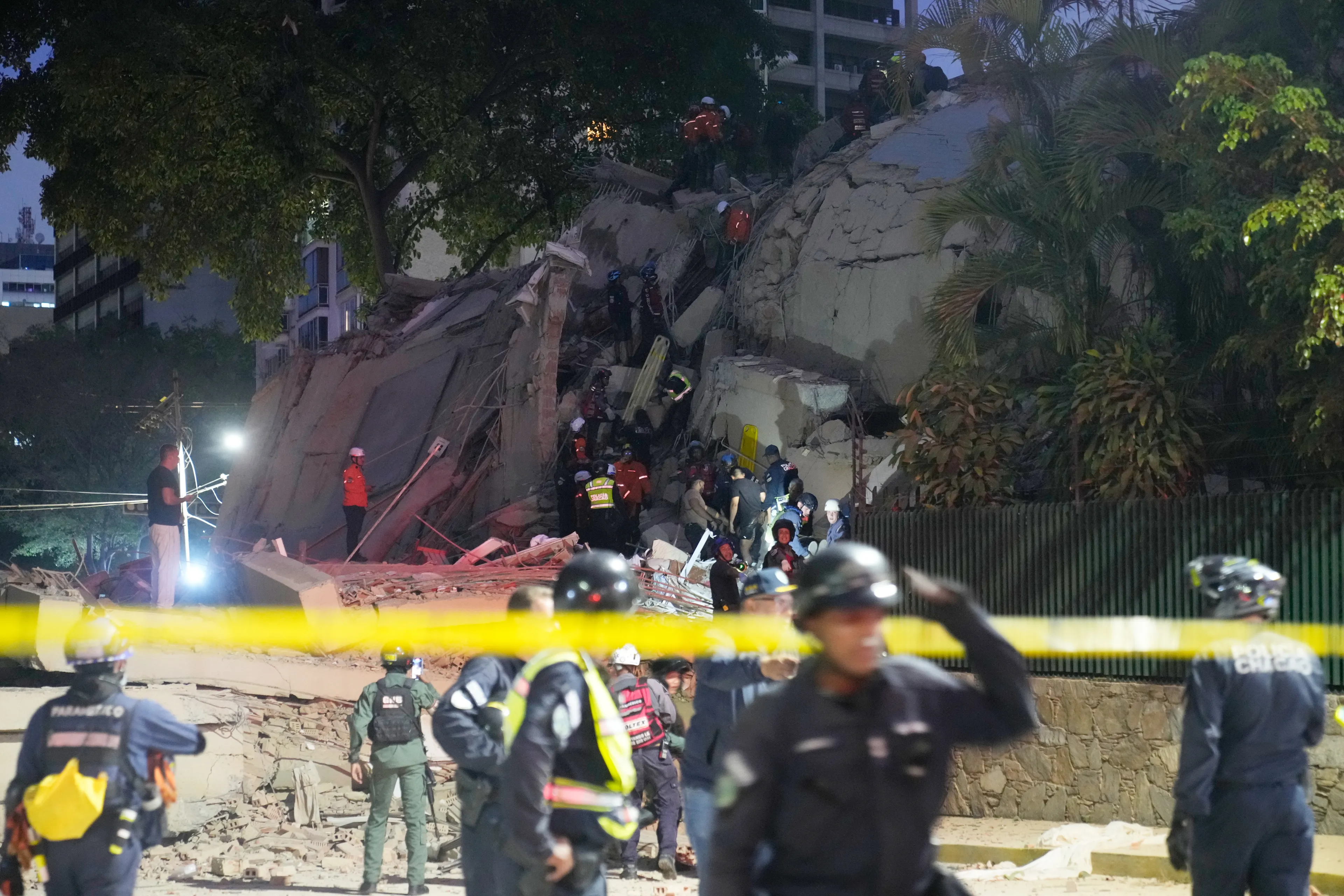
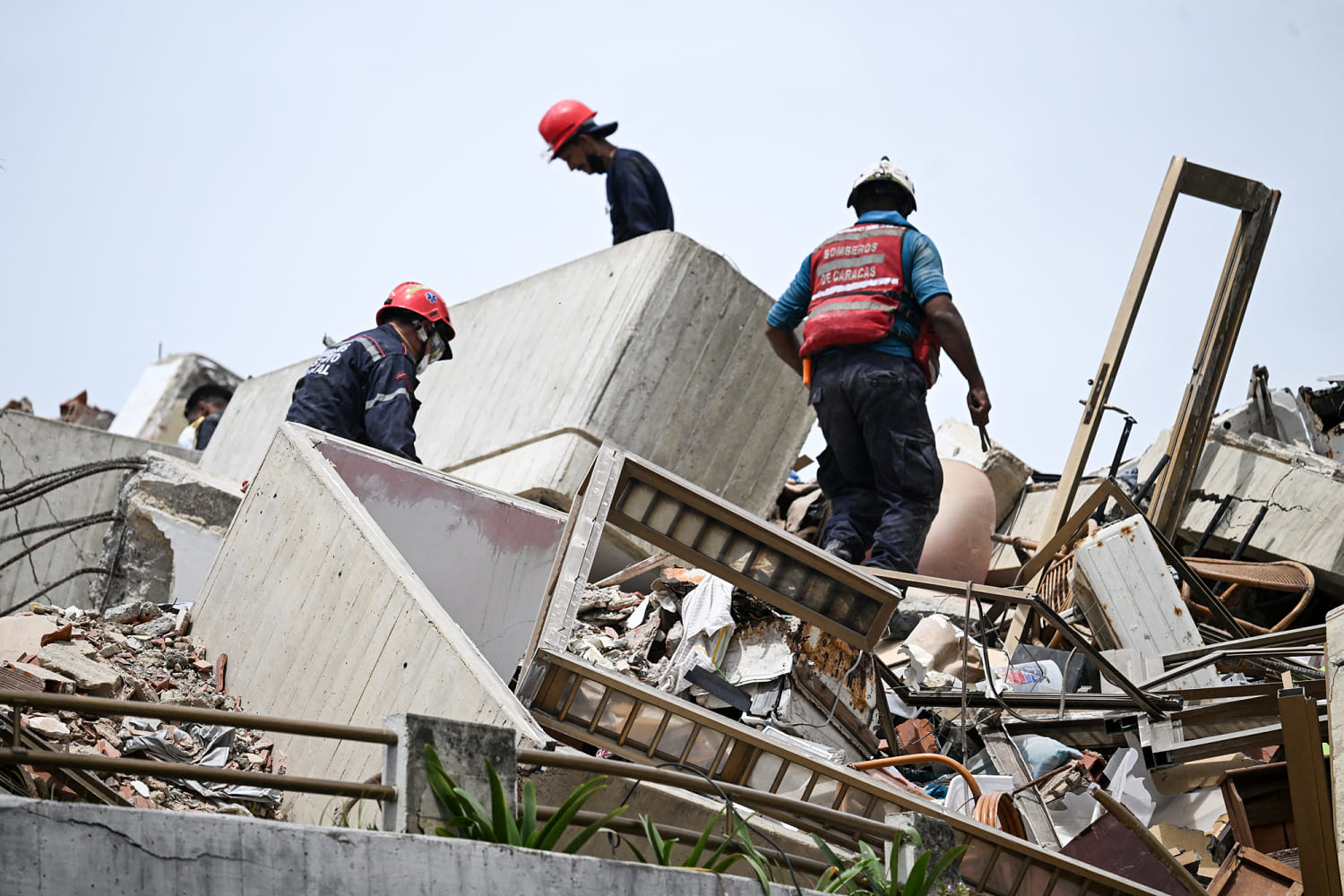
Families across Venezuela and abroad are desperately searching for missing relatives. Valeria Veloz, residing in Spain, and her cousin in Orlando, Florida, are utilizing social media to locate their grandparents, Pedro Veloz Medina and Alejandrina Ramírez de Veloz, who lived in a collapsed building in Caraballeda. Valeria stated that they would need a crane to begin the arduous process of lifting the debris to find their grandparents, as international rescue workers indicated that heavy machinery is essential for effective recovery efforts.
Rescue Efforts Transition to Recovery
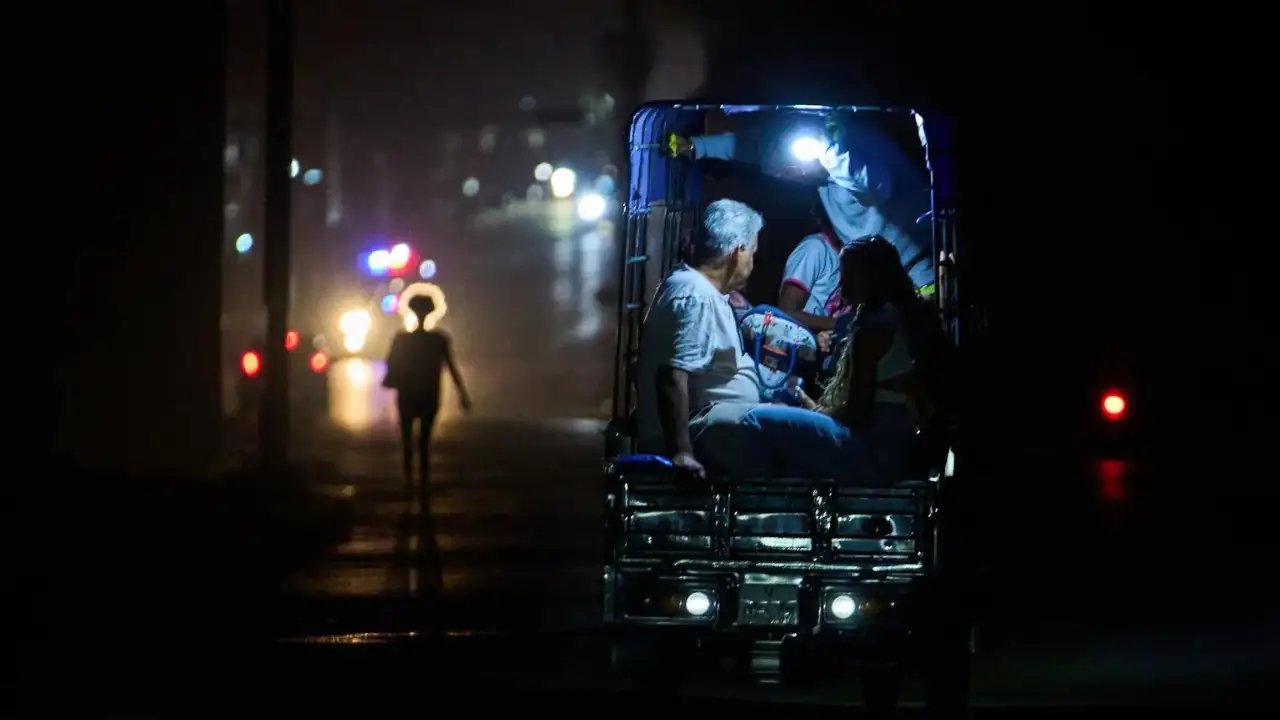
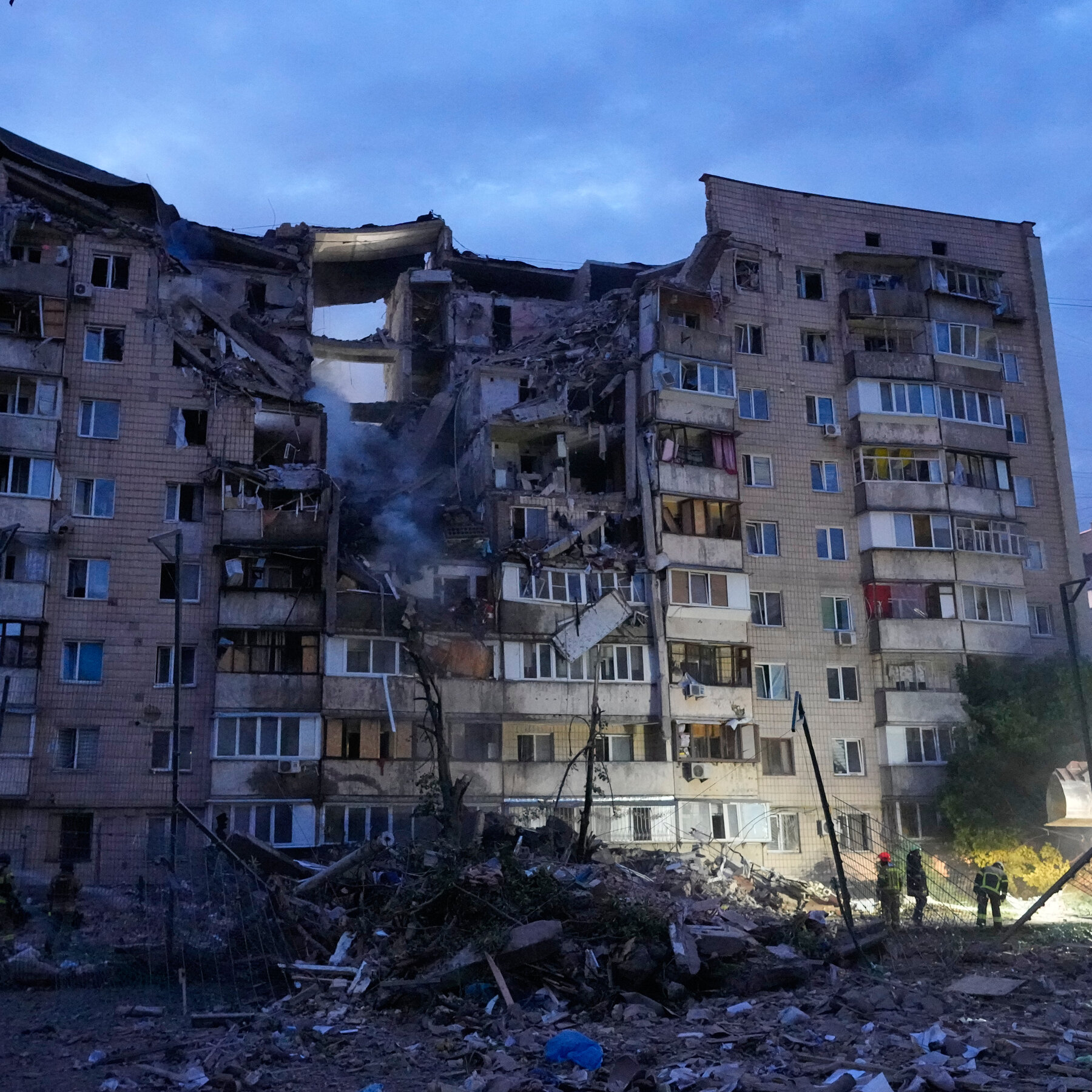
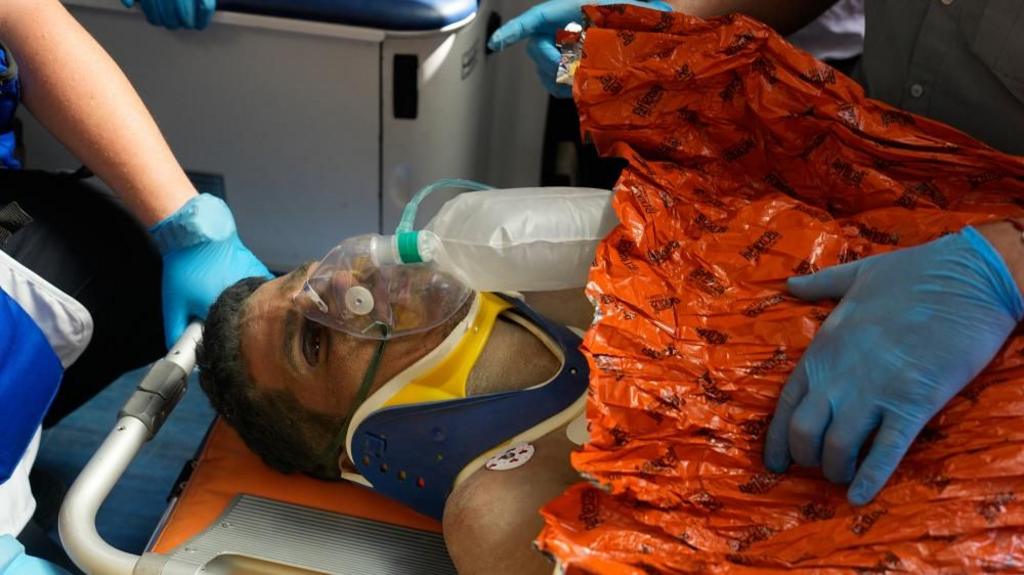
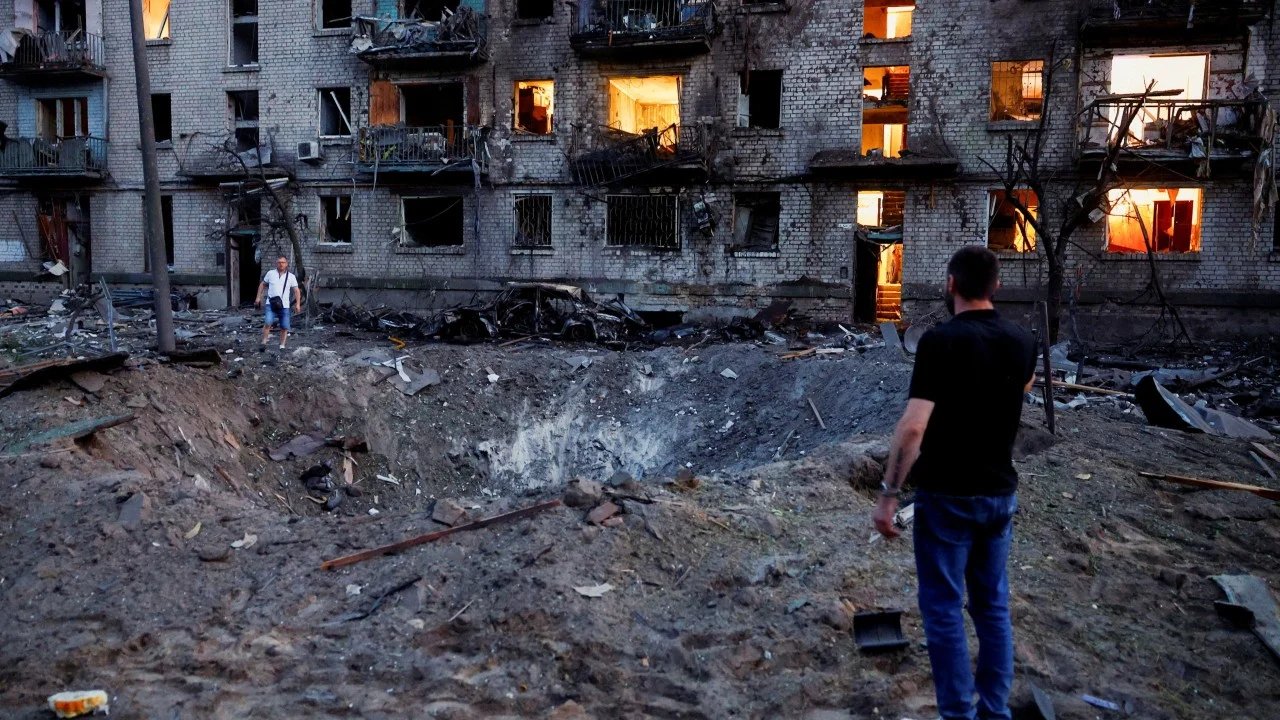
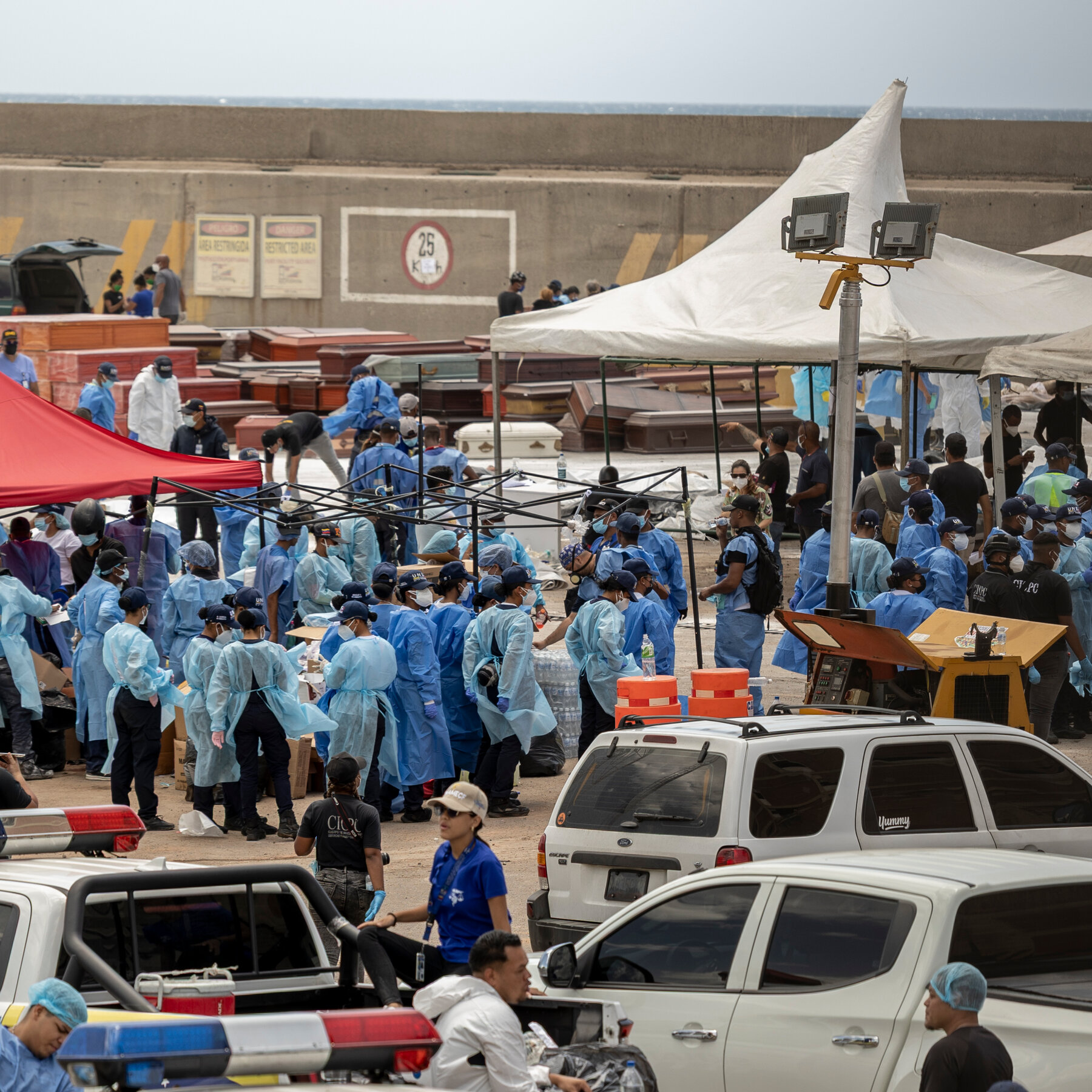
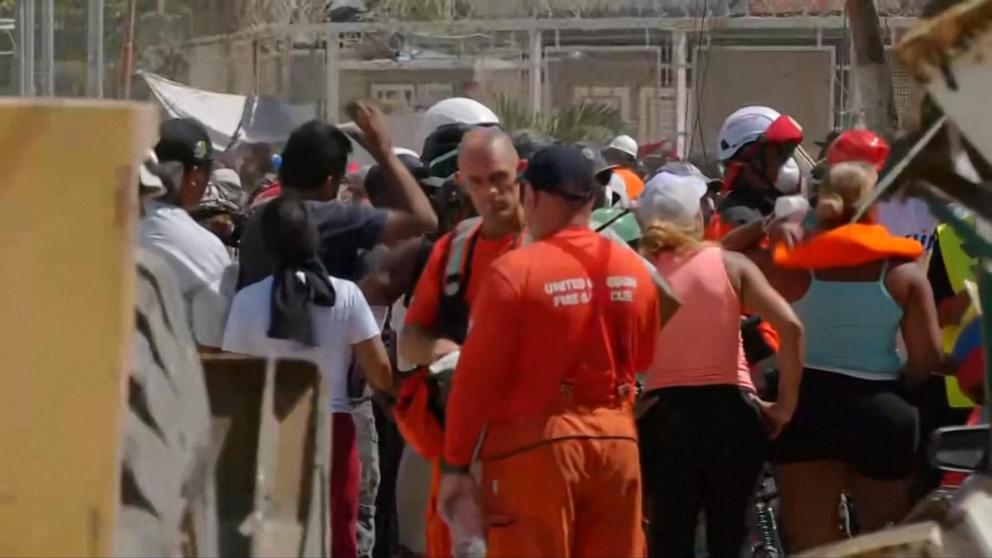
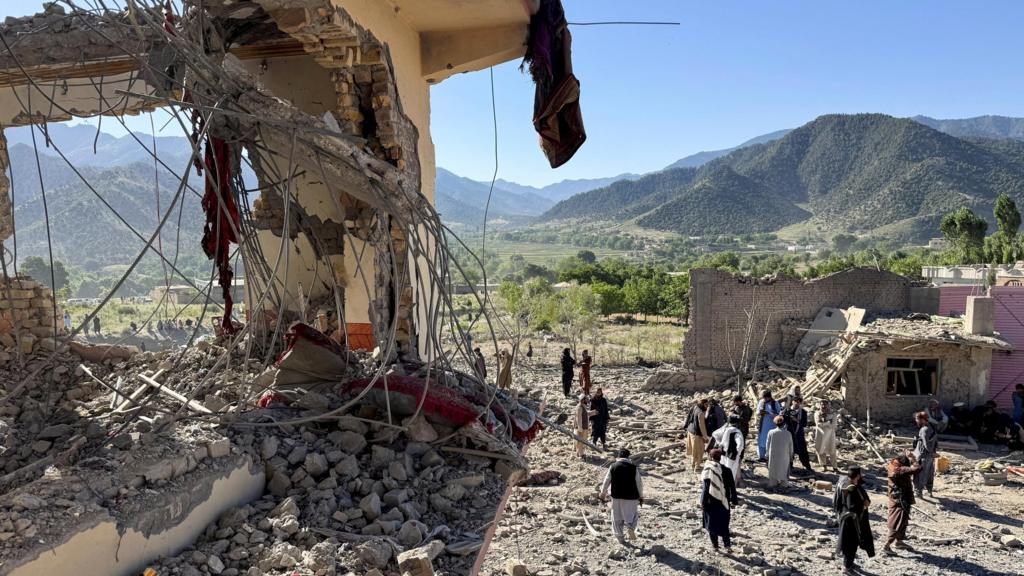
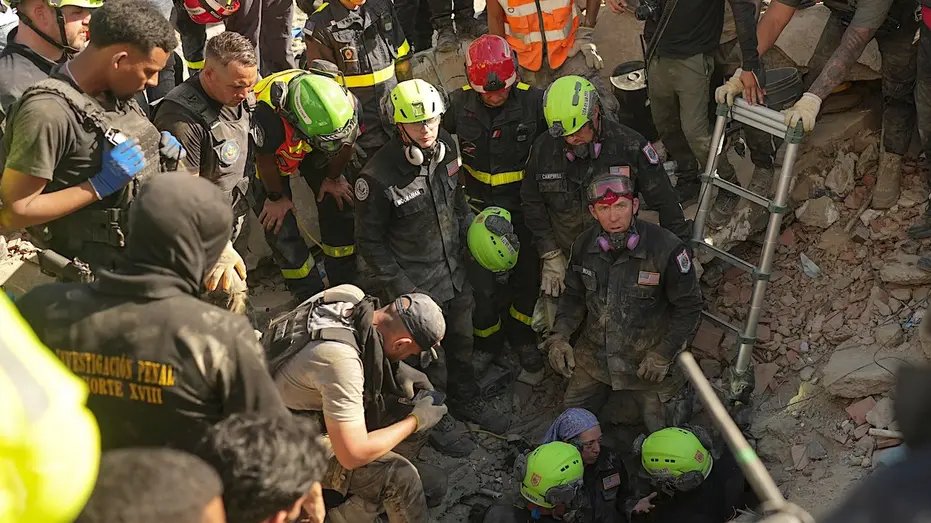
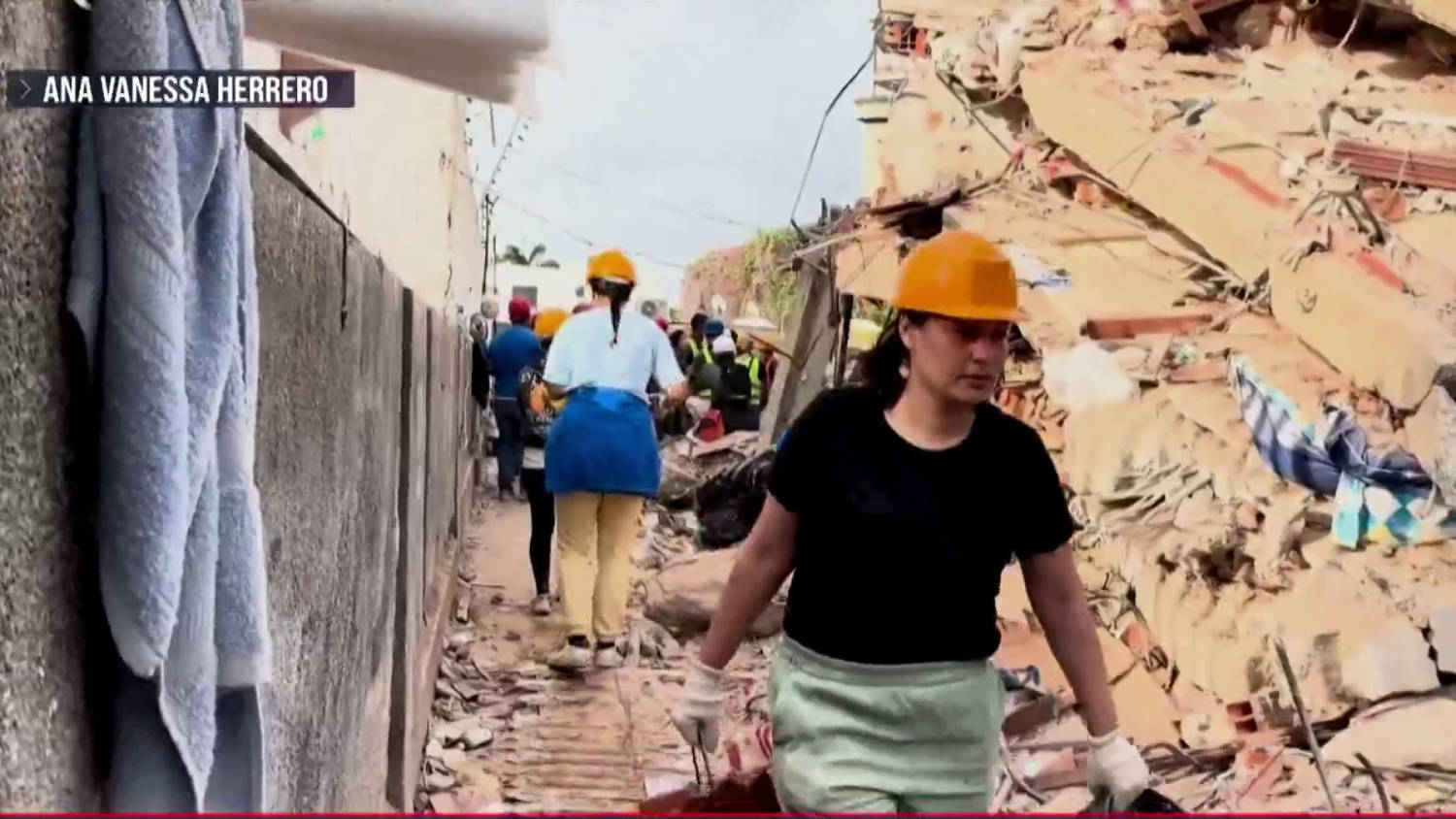
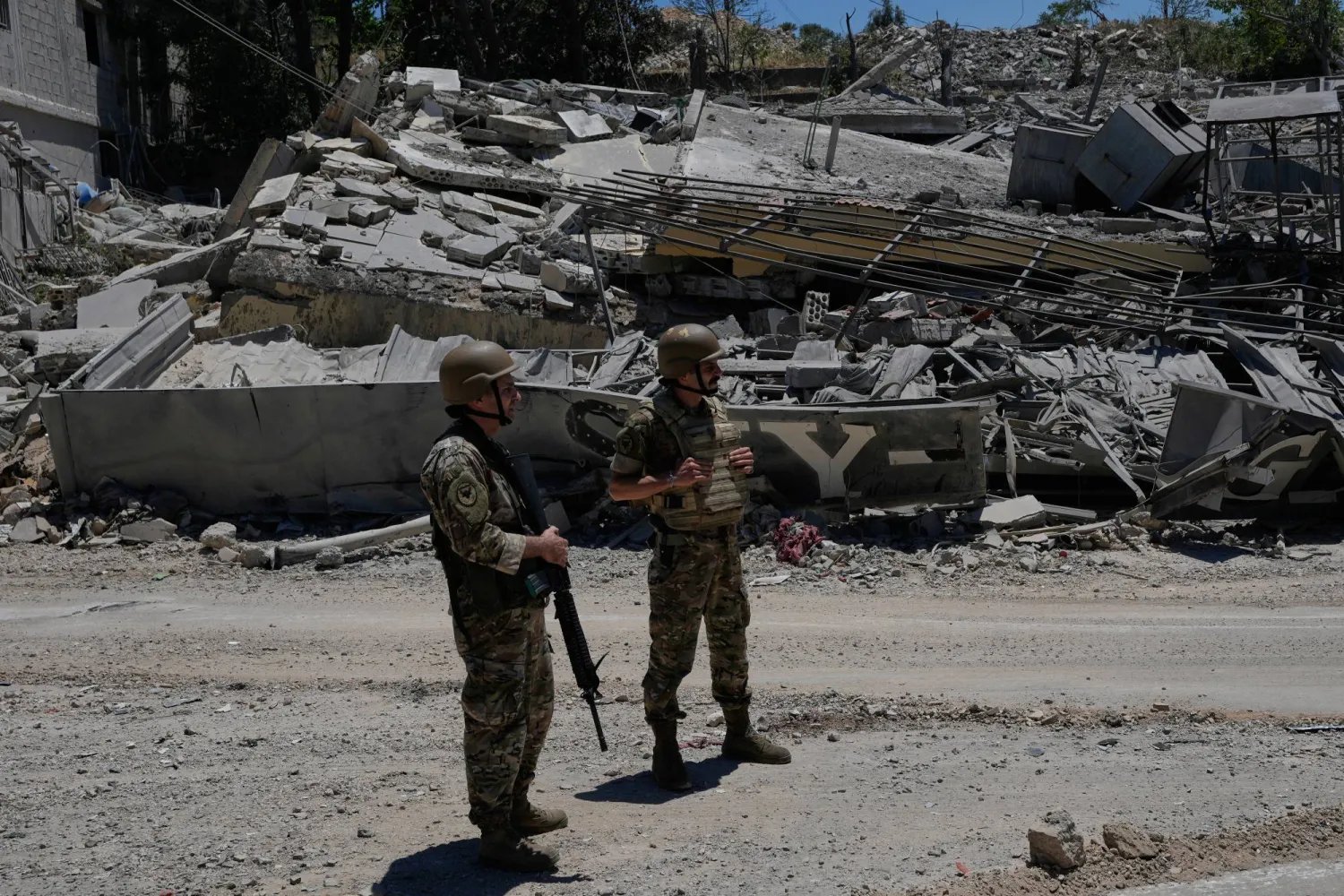
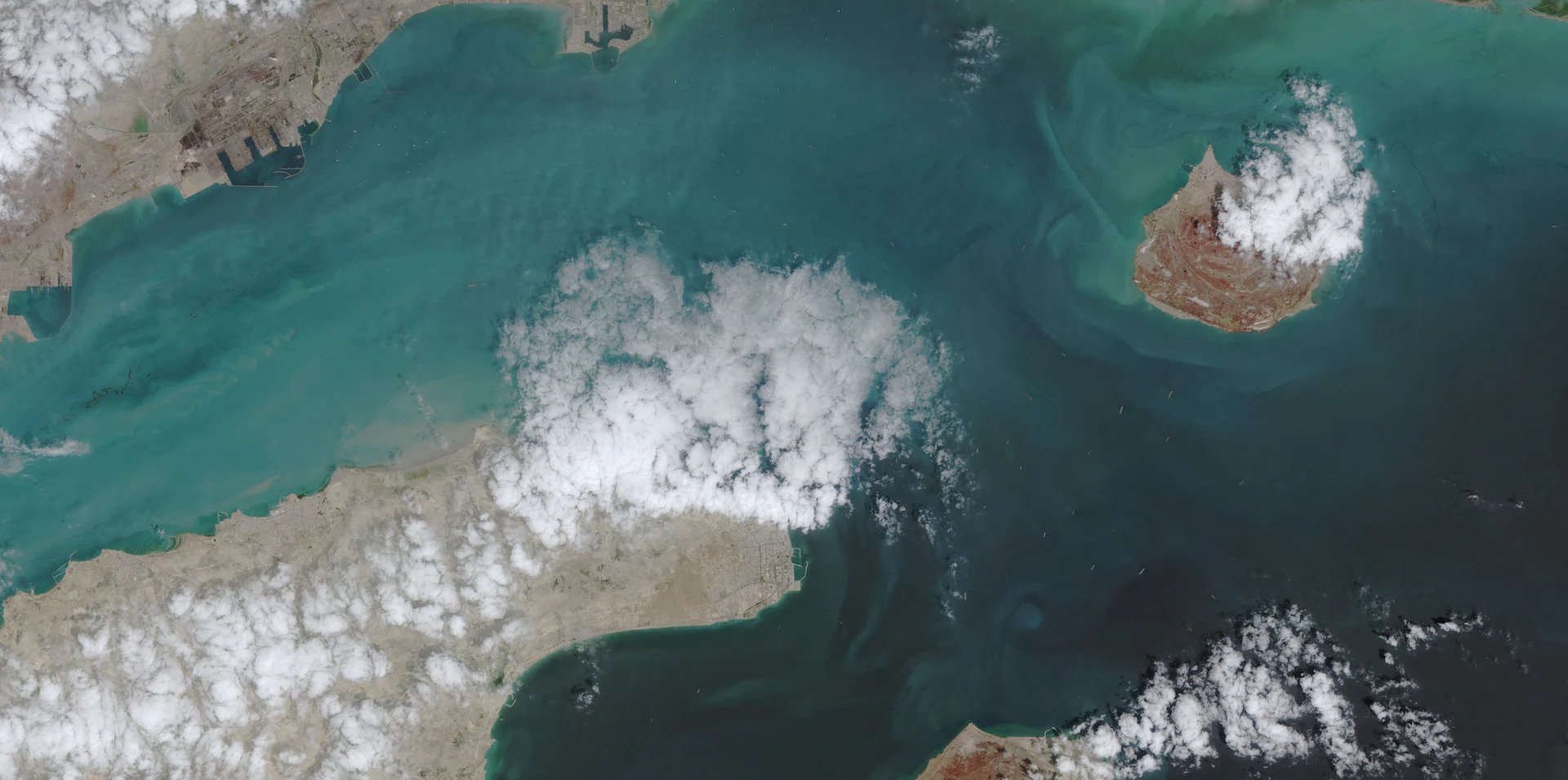
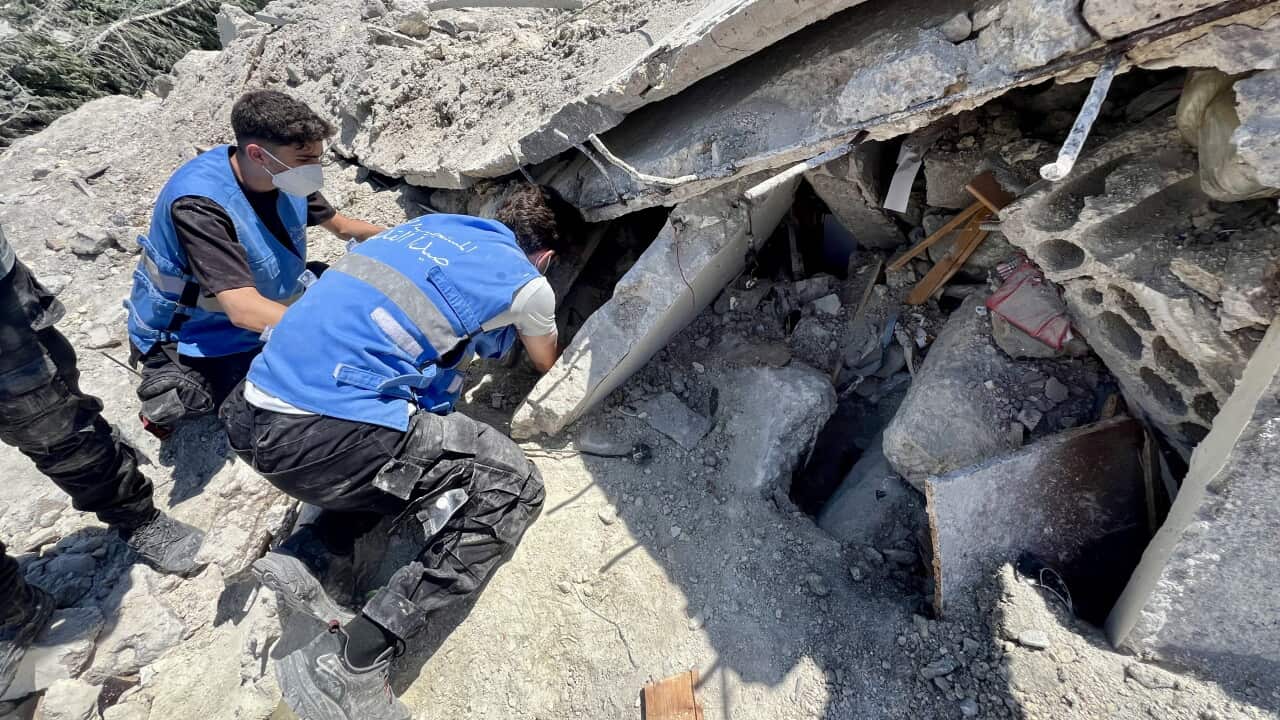
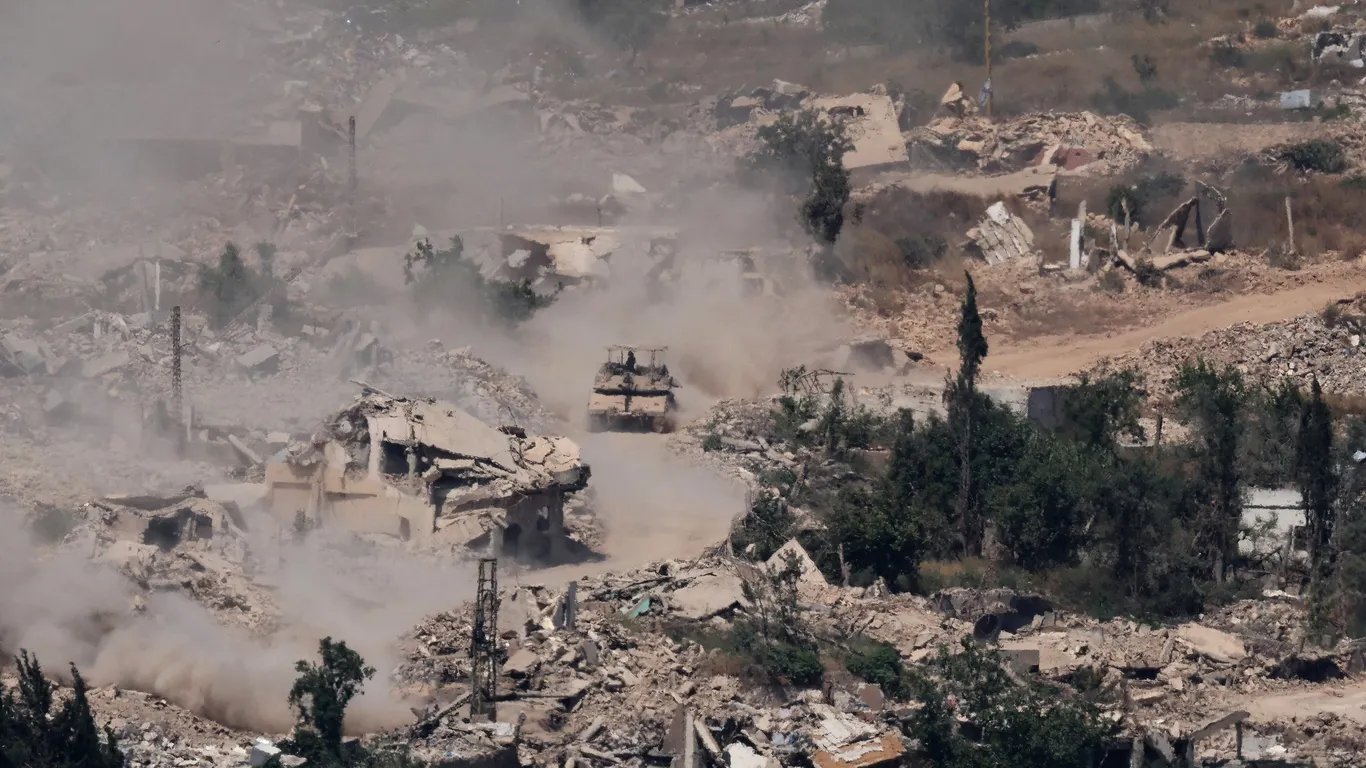
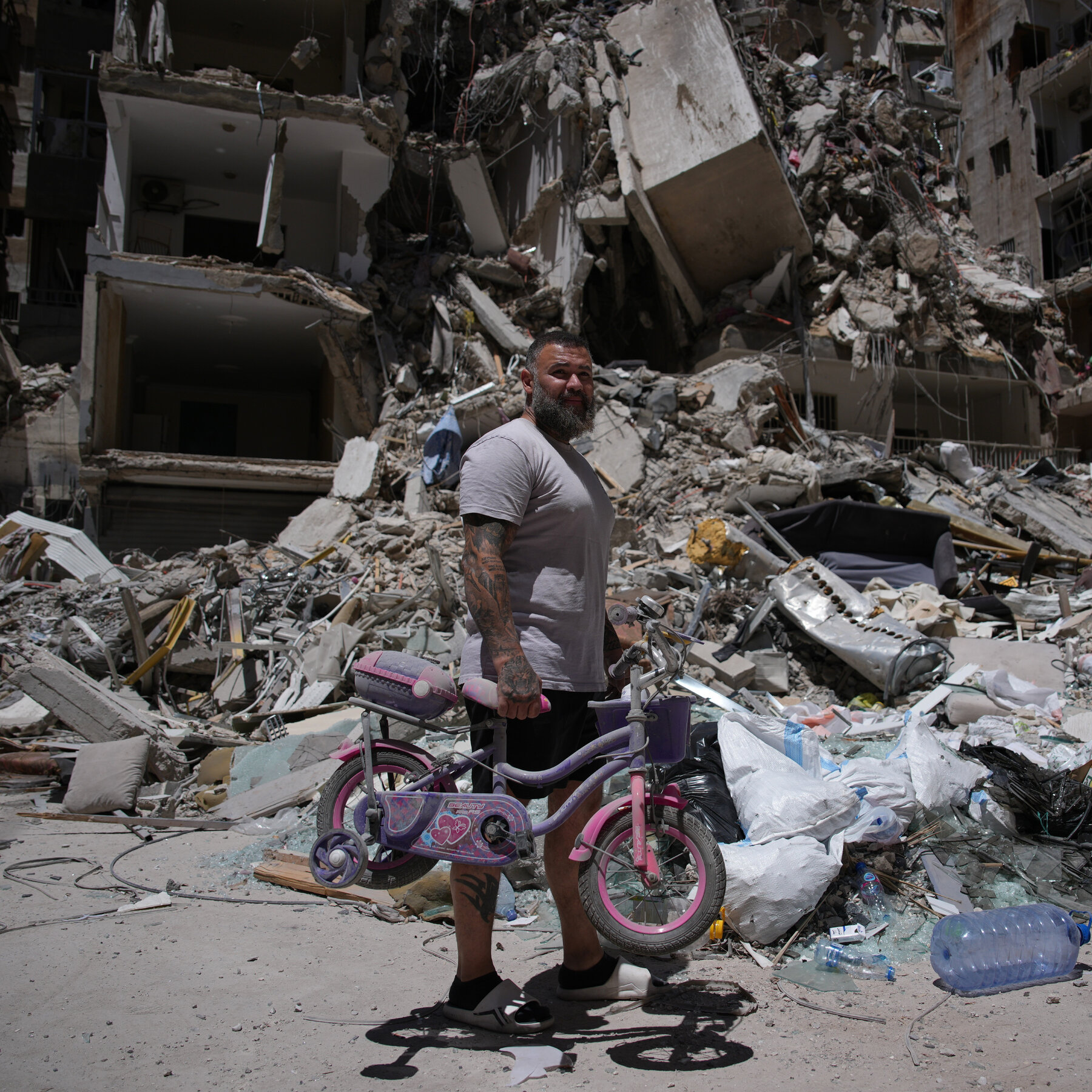
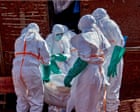
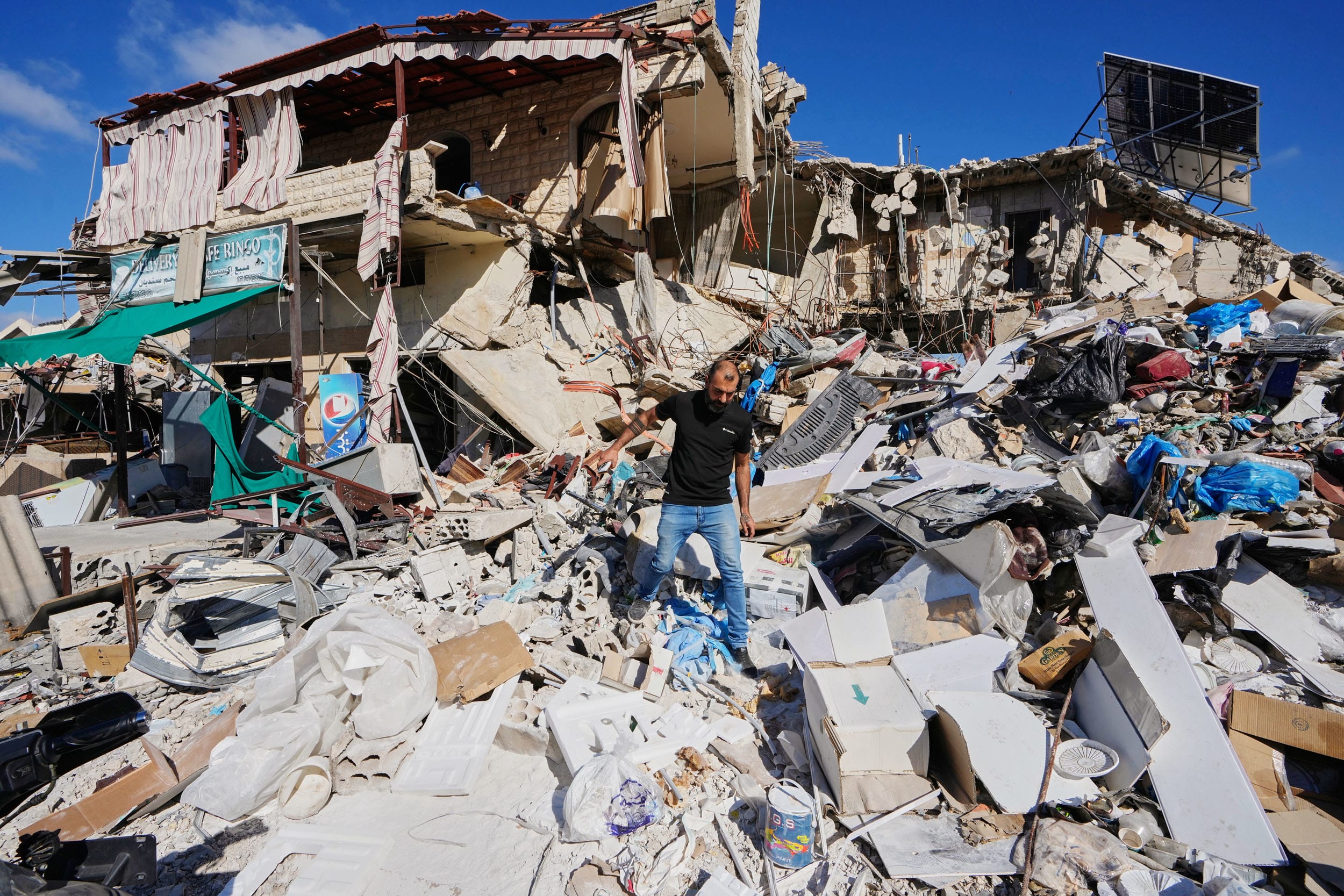
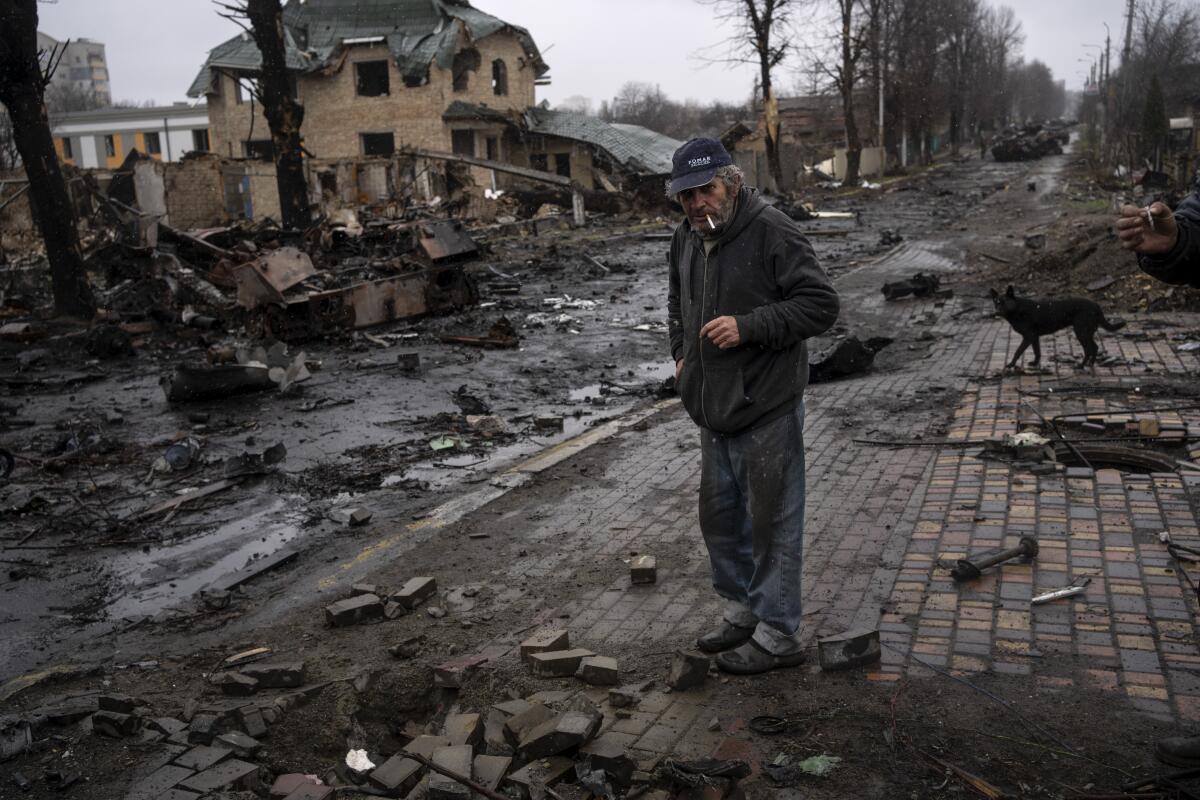
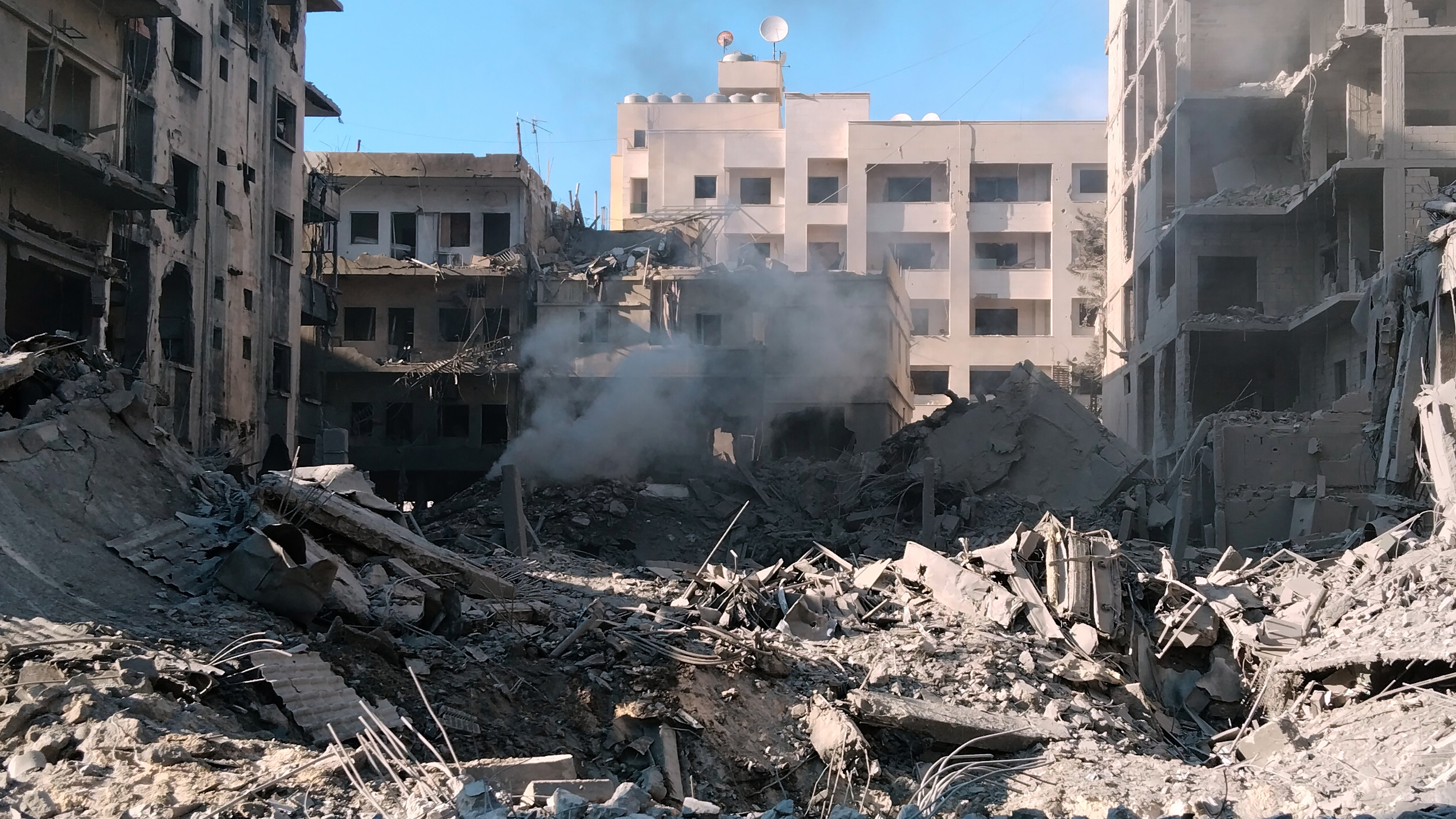
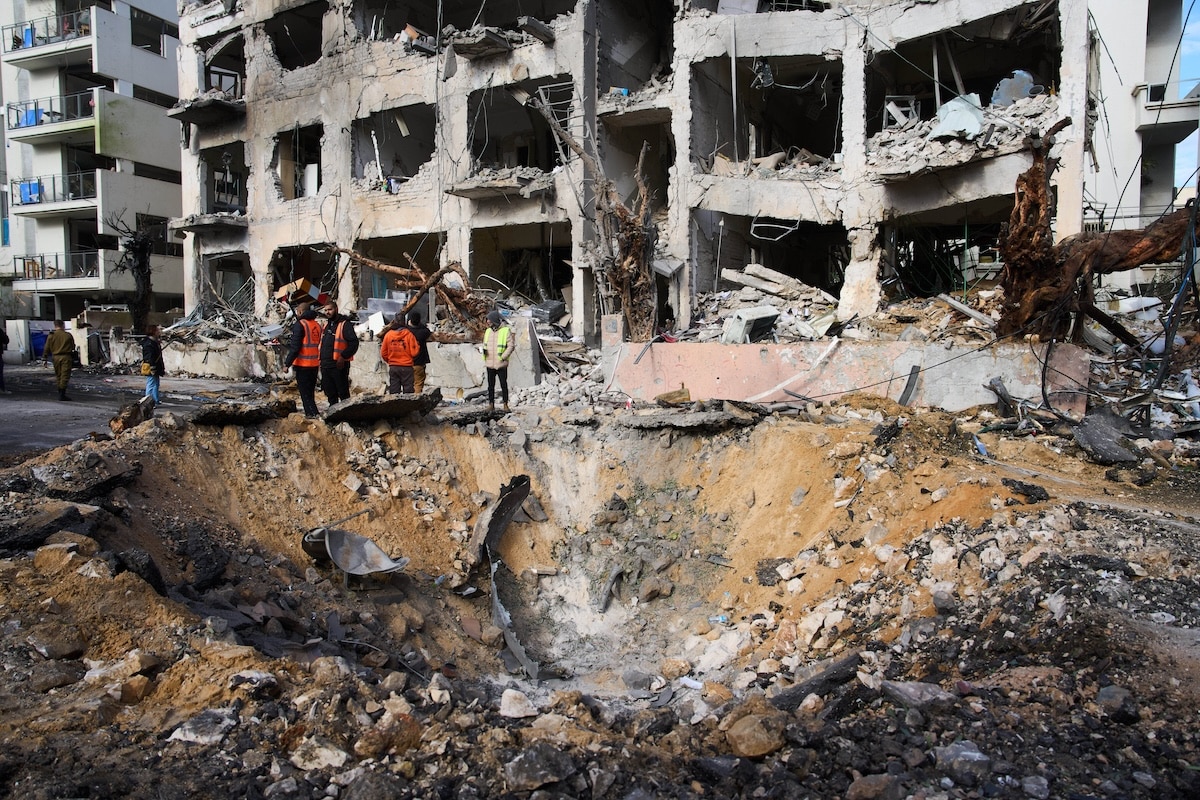
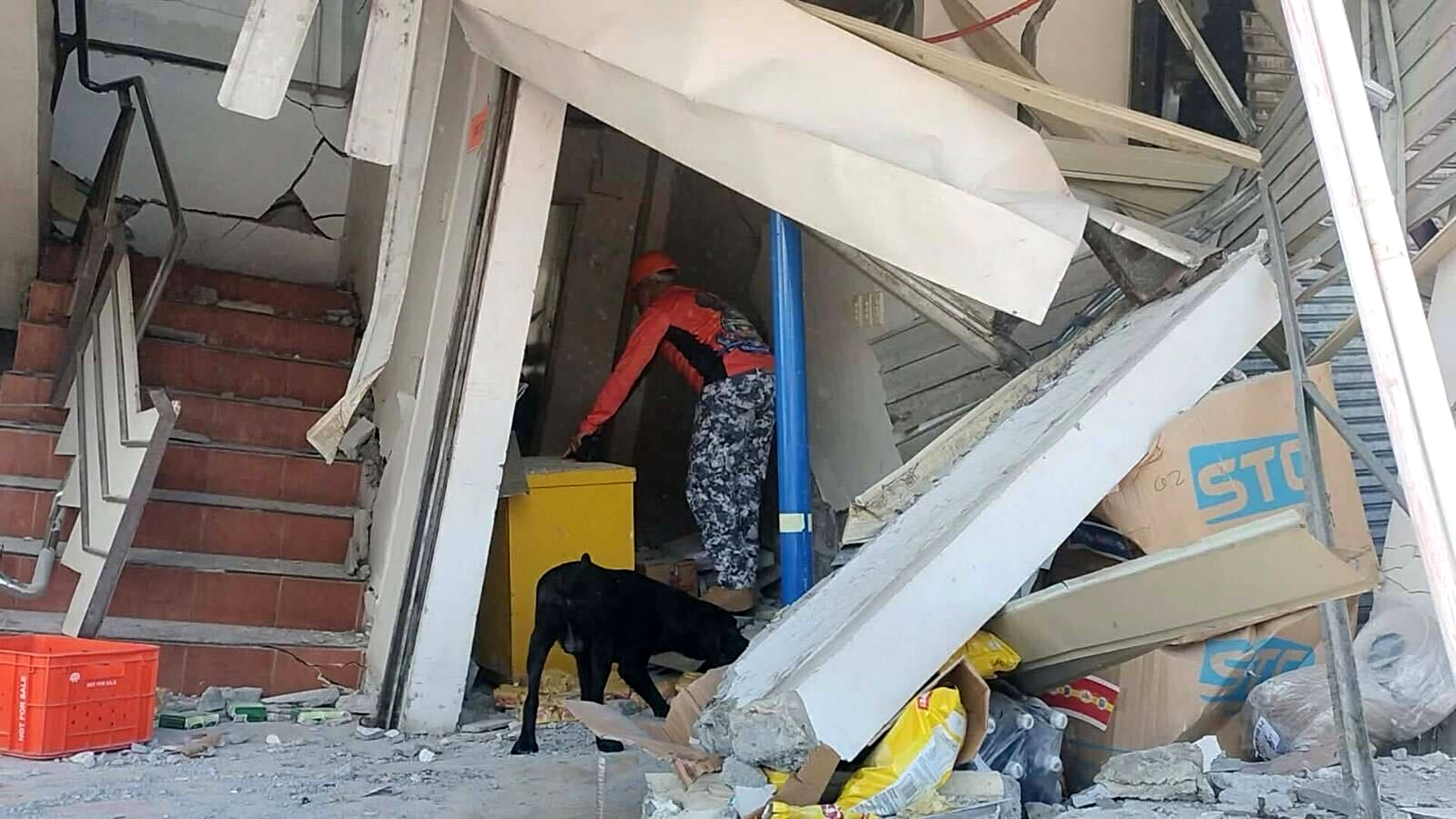
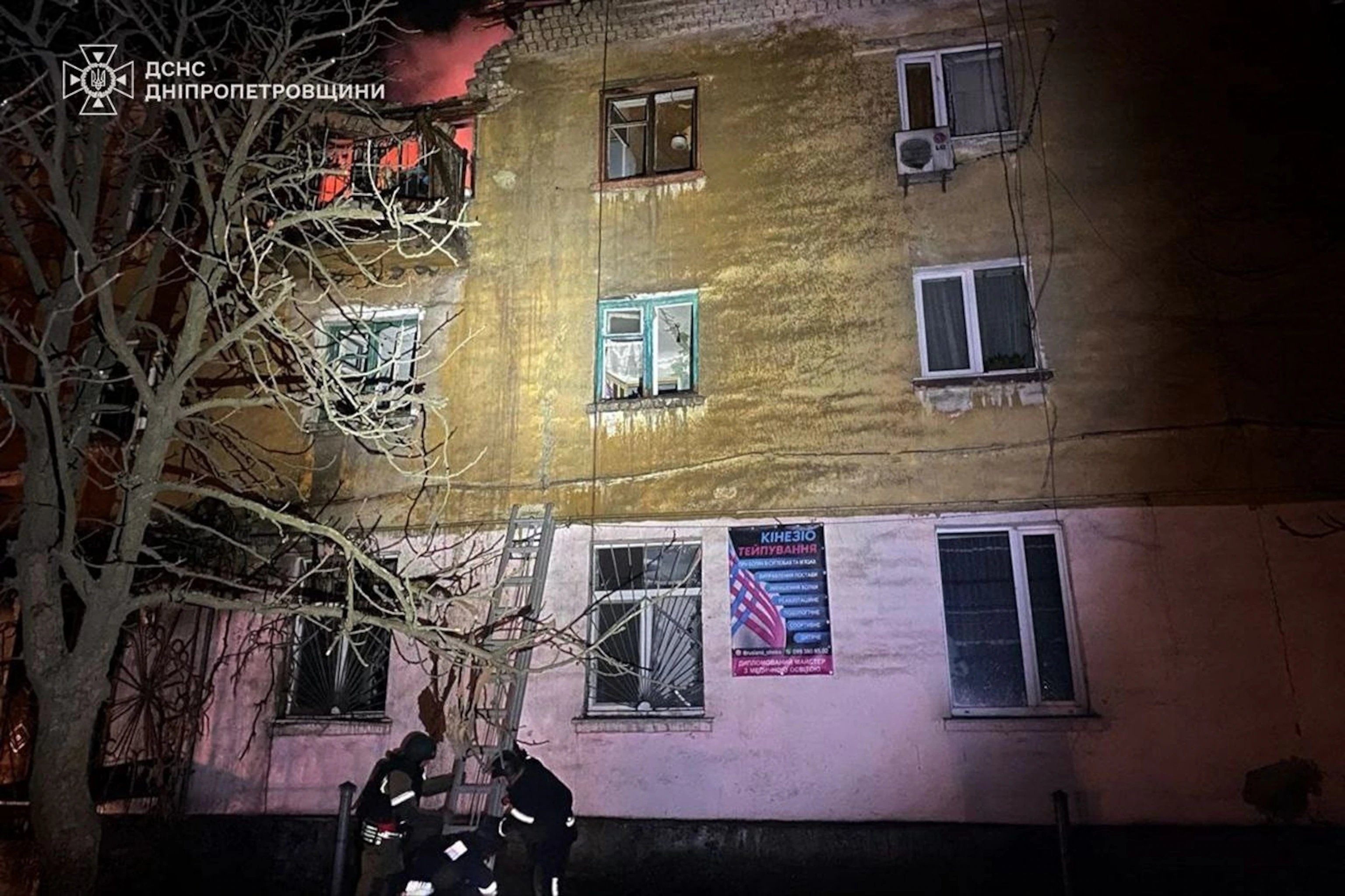
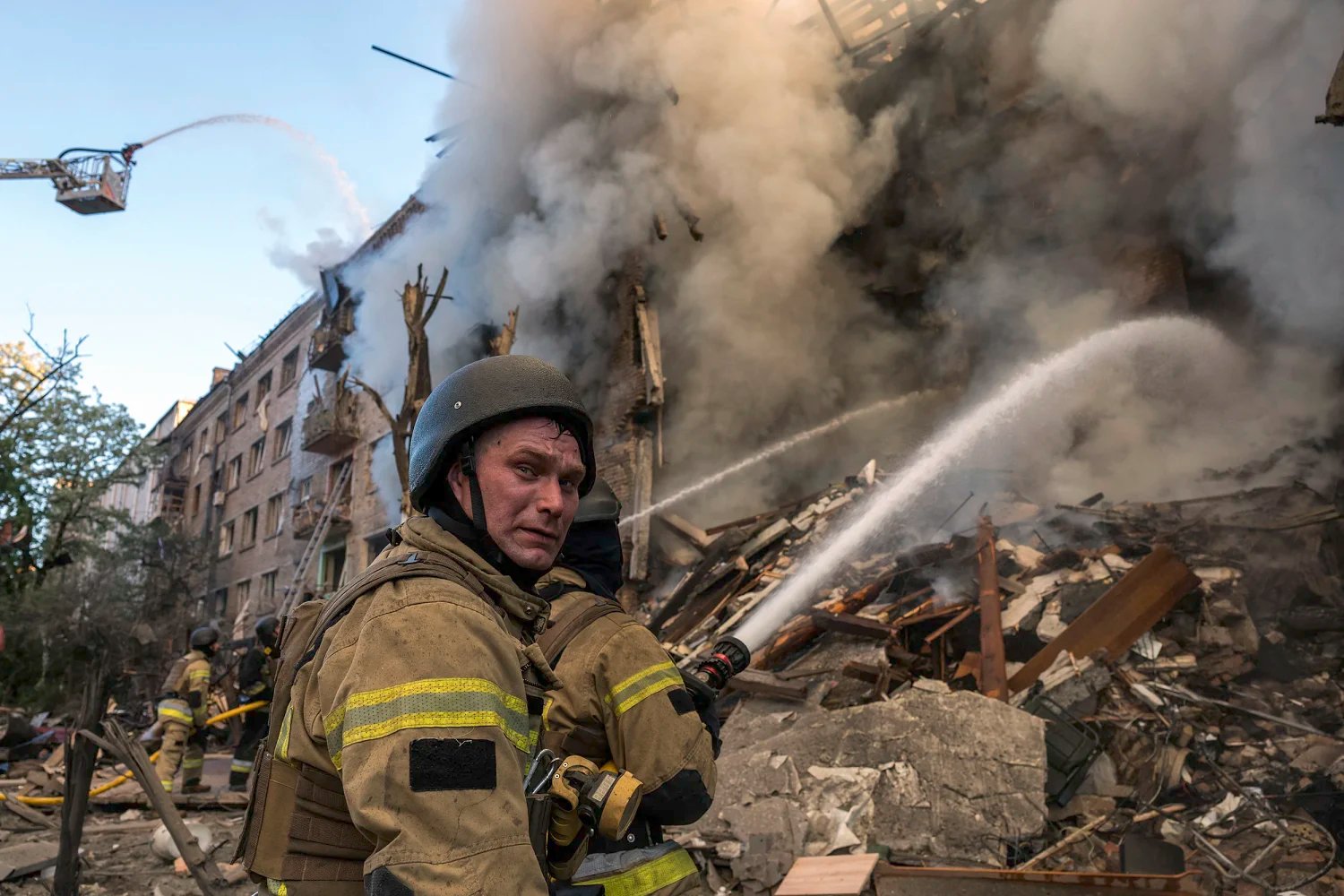
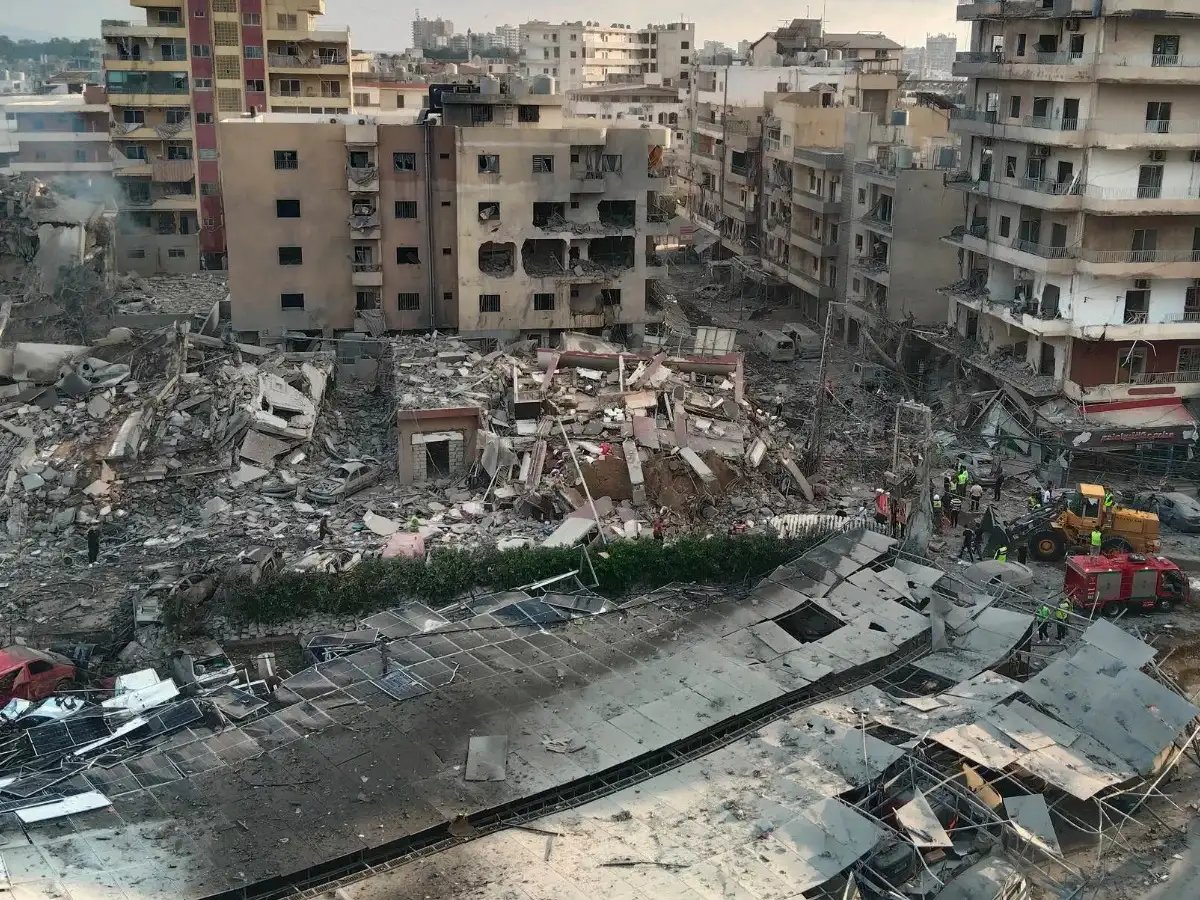
As rescue operations shift from finding survivors to retrieving bodies, humanitarian organizations are facing significant challenges. Ryan Ash, a rescuer from Pennsylvania-based Chazak Rescue, described the grueling work of digging through rubble, stating that they have adjusted their schedules to work at night to avoid the oppressive heat. Venezuelan authorities reported over 850 buildings damaged or collapsed, while satellite data suggests that the true number may be closer to 59,000, including critical infrastructure like hospitals and schools.
Government Response and Reconstruction Plans
In response to the disaster, Venezuelan acting President Delcy Rodríguez declared seven days of national mourning and established a new military unit to manage emergency response efforts. Over the weekend, the government initiated rebuilding operations in Brisas de Maiquetia, a residential complex in La Guaira. Residents have been told that reconstruction could be completed within three months, providing a glimmer of hope amid the destruction.
Strain on Healthcare System
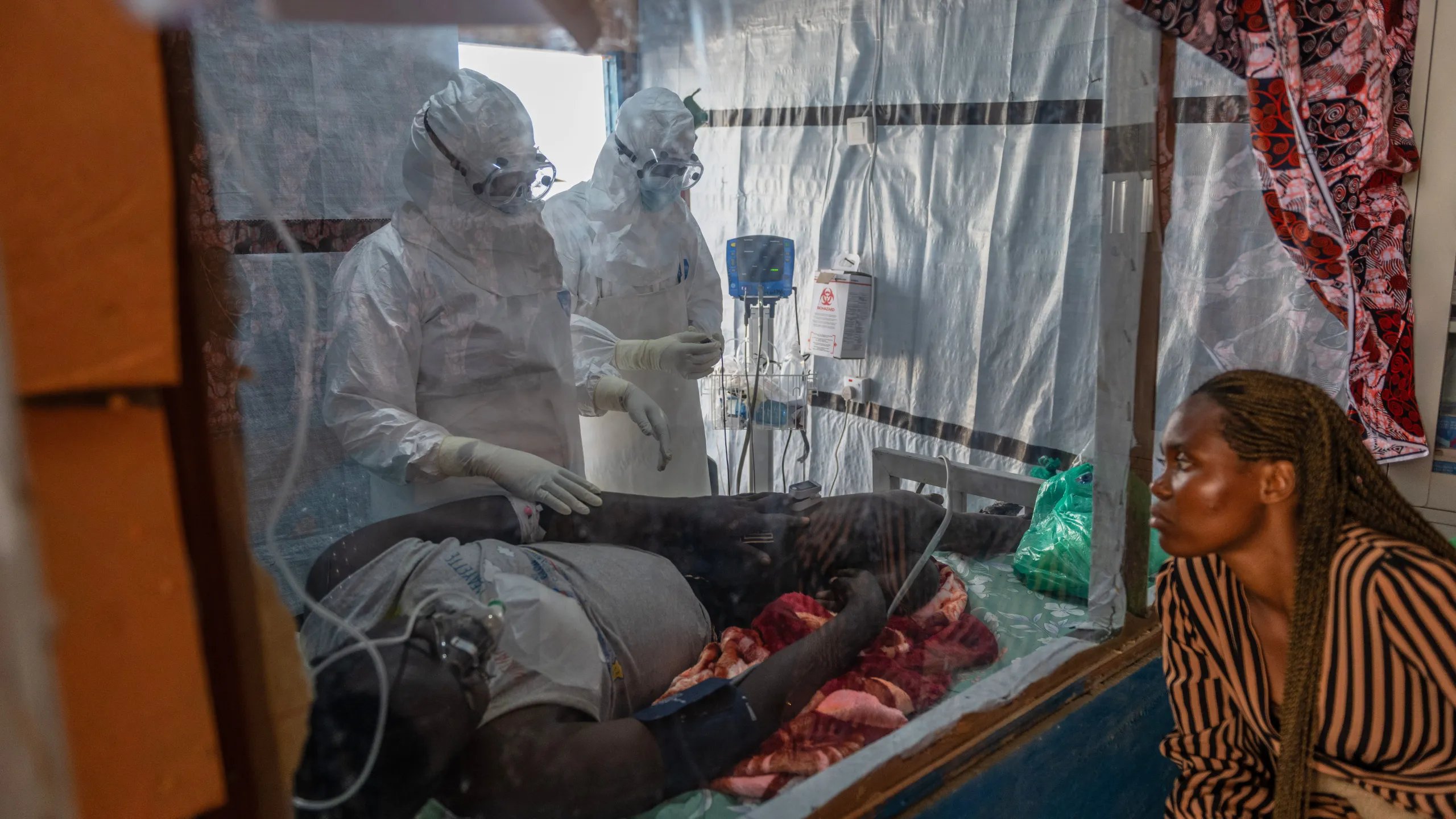
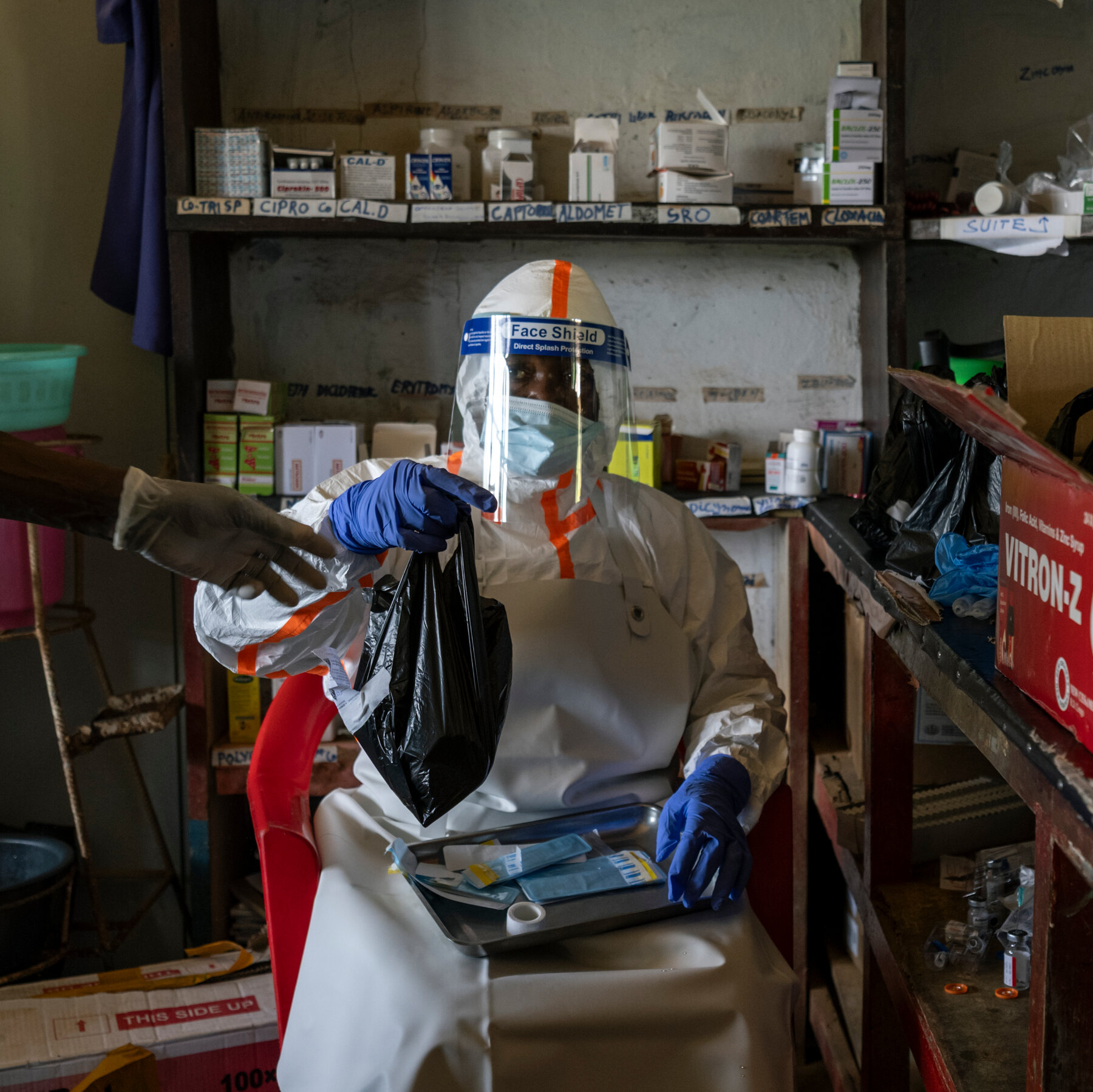
The earthquakes have further strained Venezuela's already fragile healthcare system, which was struggling with shortages and limited resources prior to the disaster. Clínica Alfa, the only remaining private health clinic in La Guaira, reported losing six doctors and five staff members to the earthquakes. Owner Massimiliano Luca stated they rely on donations to treat the injured, as the clinic faces overwhelming demand from those affected by the disaster.
Risk of Infectious Diseases
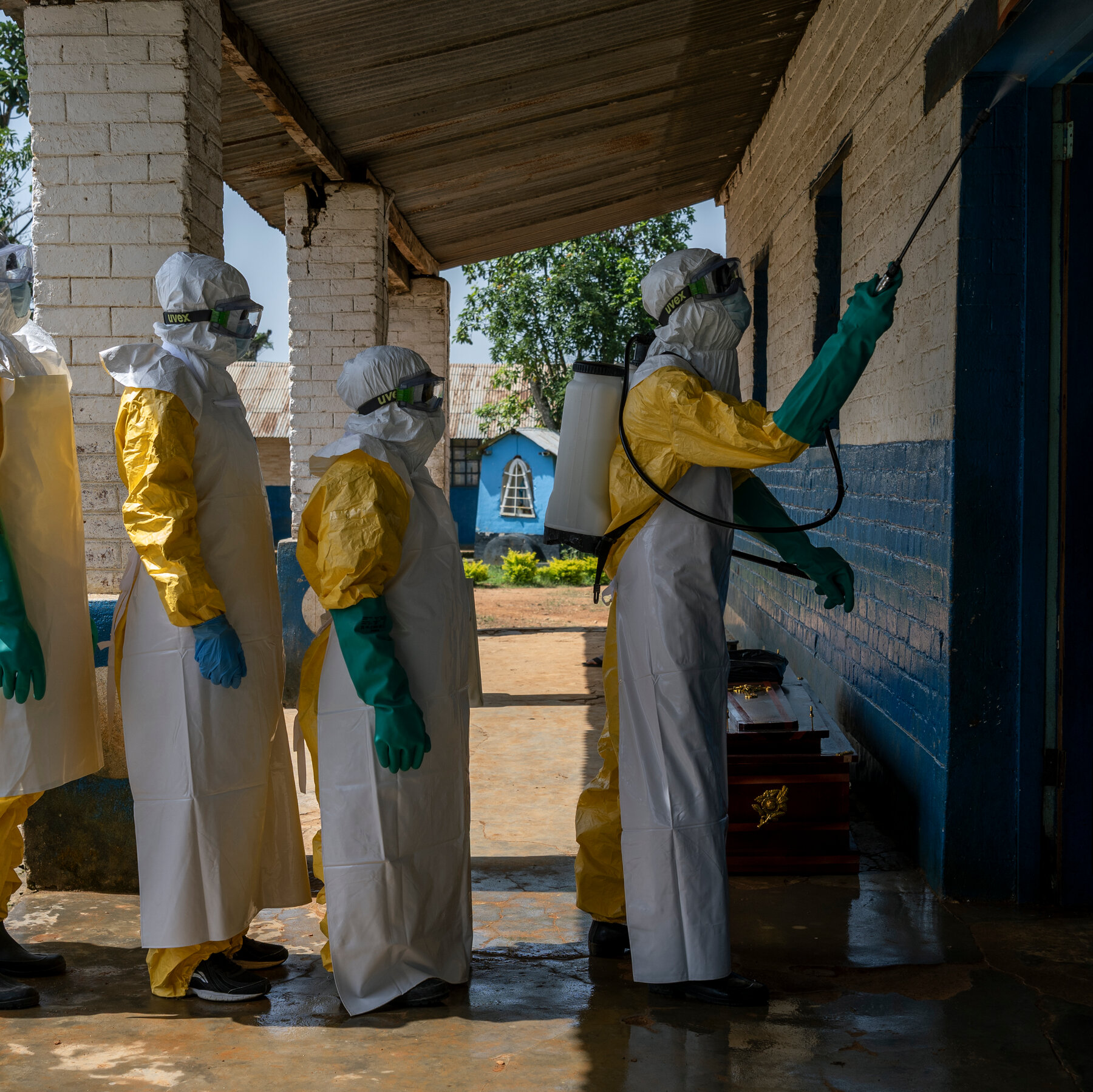
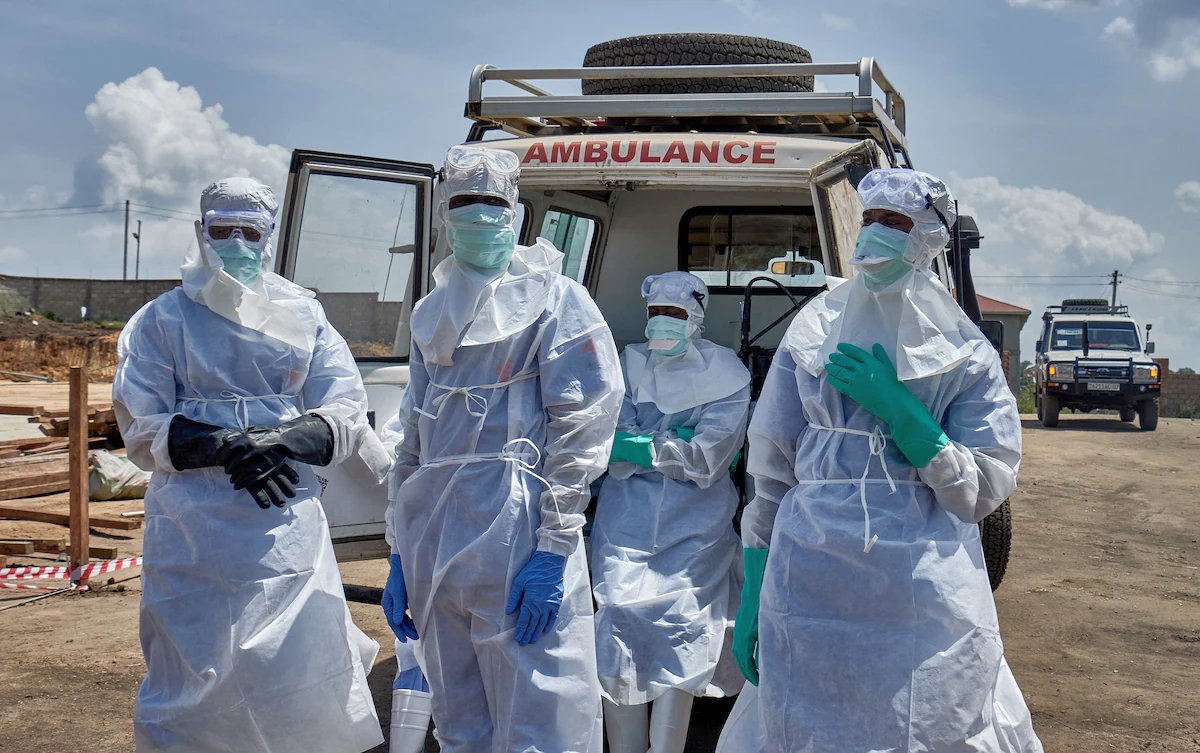
Healthcare professionals are warning of the potential for infectious diseases to spread in the aftermath of the earthquakes. Raxmara Godoy, a volunteer doctor, emphasized that health conditions are deteriorating, raising concerns about the long-term implications for those injured and displaced. The need for effective medical care is critical, as the International Rescue Committee's emergency response team leader, Rafael Velasquez, pointed out that the absence of a functioning health system could lead to an increase in the death toll.
A Survivor's Story
Amid the chaos, stories of survival emerge. Twelve-year-old Fabiana Blanco, who spent 30 hours trapped under debris, is recovering from her injuries. With a cast on her left foot and crutches, she expressed gratitude for her survival, stating, “The important thing is that I’m alive.” Her experience serves as a testament to the resilience of the Venezuelan people as they confront the aftermath of this devastating disaster.
The earthquake's toll reflects not only a humanitarian crisis but also underscores the urgent need for international aid and support as Venezuela begins the long and difficult journey toward recovery.