
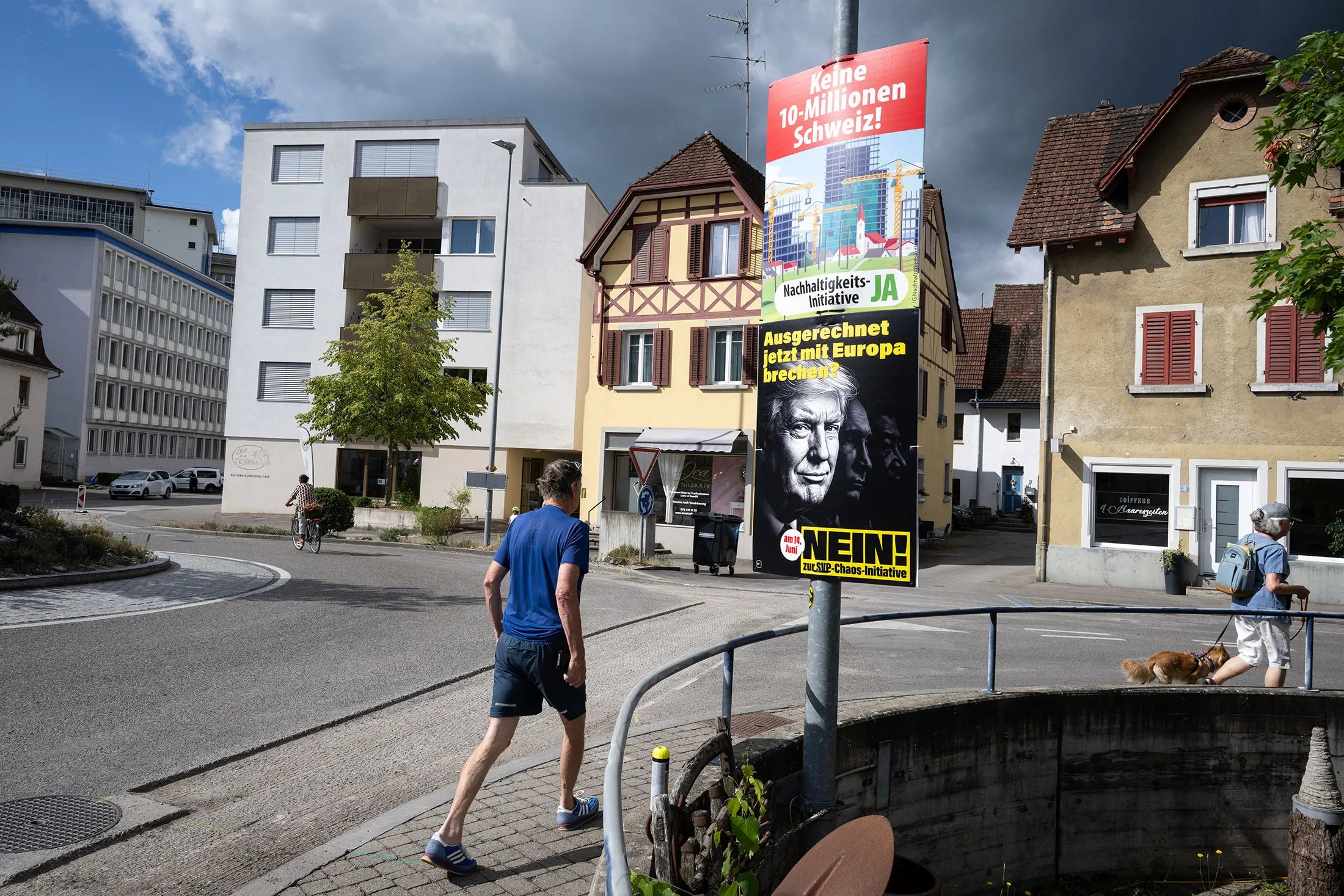





Voter Sentiment Against Population Limit
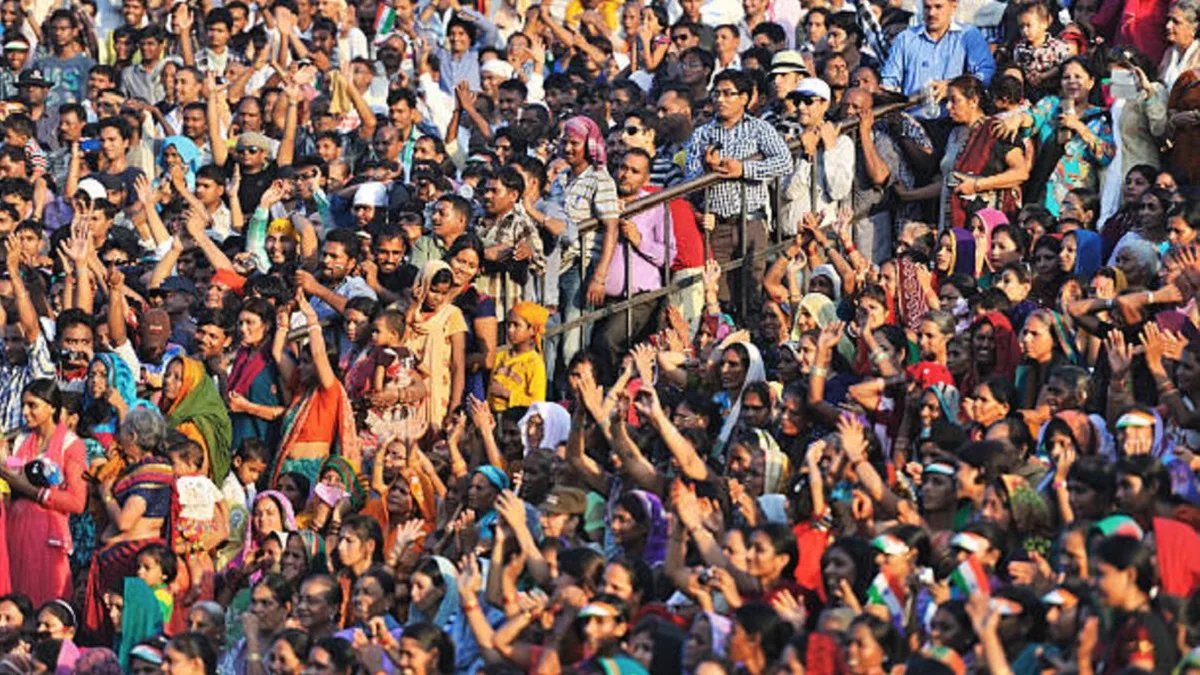
Swiss voters have decisively rejected a proposal to cap the country's population at 10 million, with early projections indicating that 55% of participants voted against the initiative. The proposal, championed by the right-wing Swiss People's Party, aimed to address concerns over rapid population growth and its impact on public services and infrastructure. Currently, Switzerland's population stands at 9.1 million, a significant increase from 7.3 million in 2002.
Economic Concerns Drive Opposition
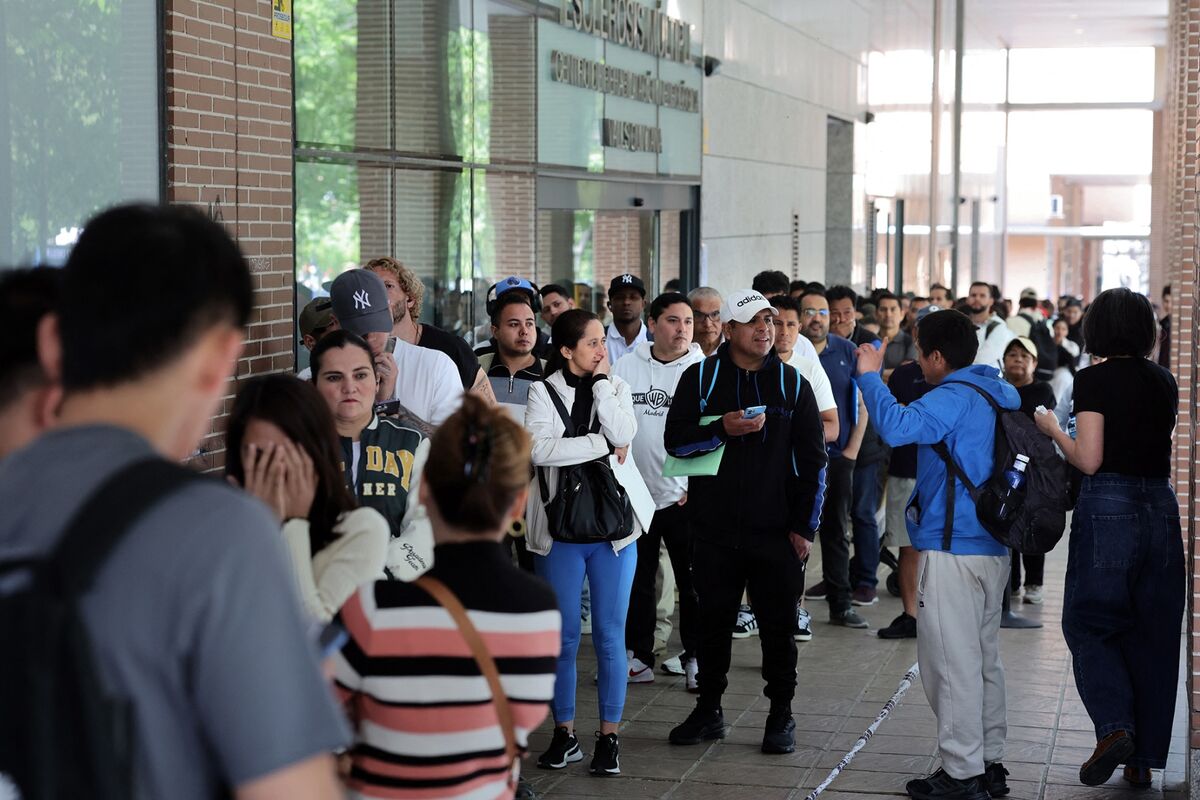
Many Swiss citizens prioritized economic stability and the nation's relationship with the European Union over immigration concerns. Business leaders expressed fears that the population cap could jeopardize Switzerland's access to the EU's single market, which is vital for trade, as over half of Swiss products are exported to EU countries. Swiss employers warned of labor shortages in critical sectors. Half of all workers in Switzerland's hotels are immigrants, and hospitals and care homes are also reliant on foreign workers.
Public Services and Immigration Debate
Proponents of the population cap argued that immigration has strained public services, housing, and the environment. Nils Fiechter, 29, who represents the Swiss People's Party in canton Bern's parliament, said, "Unchecked immigration is leading to Switzerland no longer being Switzerland." However, critics countered that the proposal was unrealistic, especially as 20% of the Swiss population is over 65 years old. They emphasized the need for young workers to support the aging population and maintain a robust economy.
Broader Implications of the Vote
Had the proposal passed, it would have mandated significant changes, including restrictions on asylum and residency permits, and potentially scrapped Switzerland's free movement agreement with the EU. This agreement has been crucial for facilitating labor mobility, as a substantial portion of the workforce in sectors like tourism and healthcare comprises immigrants. The federal government and parliament opposed the initiative, arguing it would have dire consequences for the economy and international relations.
A Reflection on Swiss Democracy
This referendum highlights Switzerland's unique system of direct democracy, where major decisions are determined by public votes. The Swiss People's Party gathered enough signatures to bring the population cap proposal to a nationwide vote, a common practice in the Swiss political landscape. The failure of this proposal reflects a broader trend in which voters seem increasingly wary of extreme measures regarding immigration, favoring instead a balanced approach that recognizes the contributions of foreign workers.
Looking Ahead: Future of Immigration Policy
The rejection of the population cap may signal a shift in how immigration policies are approached in Switzerland. Despite the fears surrounding immigration, the ongoing need for foreign labor in various sectors remains a pressing issue.
















































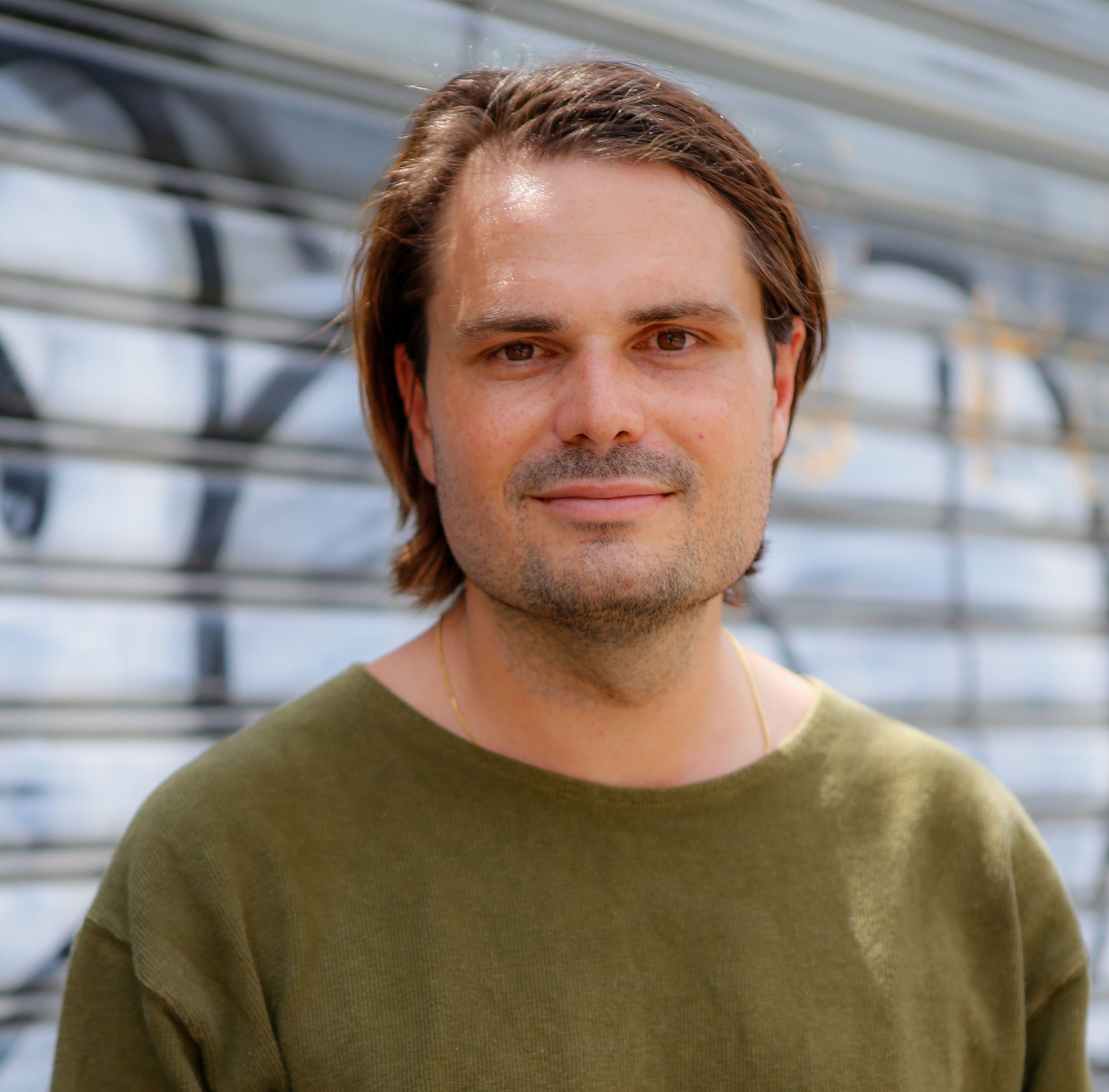
























































































































































































































































































































































For example, Nils Fiechter was convicted of racial discrimination by the Swiss Federal Court in 2022, related to a poster targeting Roma and traveller communities.