British American Tobacco (BAT) has announced plans to cut approximately 9,000 jobs, which constitutes about a fifth of its 47,000-strong global workforce. The company aims to achieve this reduction through the elimination of 5,500 positions and the outsourcing of an additional 3,500 roles by the end of the year. This decision is part of a broader strategy to reduce costs and transition towards a more technology-enabled operation.
The job cuts are part of a transformation program that BAT expects will generate £600 million in annual savings by the end of 2028. Chief Executive Tadeu Marroco expressed that the company is focused on becoming "more agile, cost disciplined and technology enabled." Despite these layoffs, BAT has indicated that there will be no job reductions in its U.S. operations, where it operates under its subsidiary, Reynolds American.
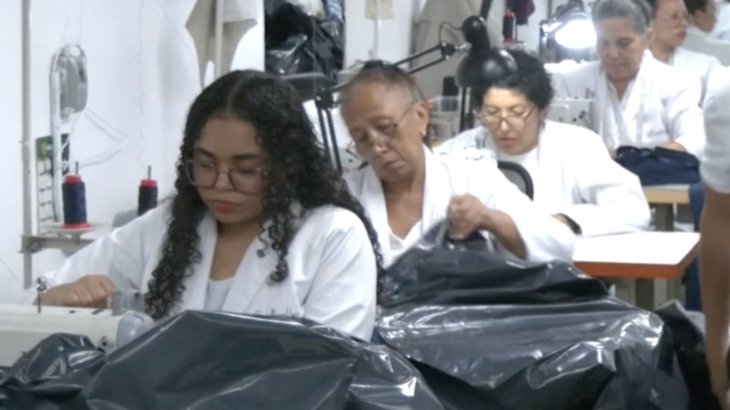
BAT's move towards AI and technology solutions has been ongoing, marked by its partnership with the technology consultancy Accenture. This collaboration aims to integrate advanced AI solutions into BAT's operations, which has already resulted in job transfers in locations such as the UK, Poland, and Mexico. Marroco noted that these changes are essential for positioning the company for future challenges in the tobacco market.
The tobacco industry is facing significant headwinds, with BAT grappling with declining demand for traditional cigarettes. The company has forecasted a 2.5% drop in global cigarette volumes this year. In response, BAT has been investing heavily in smoke-free products, such as Vuse vapes and Velo nicotine pouches, which have shown accelerating revenue growth. The company anticipates mid-teen percentage growth in this segment for the current year.
Following the job cut announcement, BAT's shares fell by approximately 1.4% in early trading, although they remain up by about 11.8% year-to-date. The company's competitor, Imperial Brands, also saw a share decline of 1% on the same day.
Marroco acknowledged the impact of these job cuts on employees, stating that BAT is committed to supporting them through this transition "with care and respect." As the company pivots towards a technology-centric future, the focus remains on ensuring a smooth adjustment for those affected by the layoffs.
British American Tobacco (BAT) has announced plans to cut approximately 9,000 jobs, which constitutes about a fifth of its 47,000-strong global workforce. The company aims to achieve this reduction through the elimination of 5,500 positions and the outsourcing of an additional 3,500 roles by the end of the year. This decision is part of a broader strategy to reduce costs and transition towards a more technology-enabled operation.
The job cuts are part of a transformation program that BAT expects will generate £600 million in annual savings by the end of 2028. Chief Executive Tadeu Marroco expressed that the company is focused on becoming “more agile, cost disciplined and technology enabled.” Despite these layoffs, BAT has indicated that there will be no job reductions in its U.S. operations, where it operates under its subsidiary, Reynolds American.
BAT's move towards AI and technology solutions has been ongoing, marked by its partnership with the technology consultancy Accenture. This collaboration aims to integrate advanced AI solutions into BAT's operations, which has already resulted in job transfers in locations such as the UK, Poland, and Mexico. Marroco noted that these changes are essential for positioning the company for future challenges in the tobacco market.
The tobacco industry is facing significant headwinds, with BAT grappling with declining demand for traditional cigarettes. The company has forecasted a 2.5% drop in global cigarette volumes this year. In response, BAT has been investing heavily in smoke-free products, such as Vuse vapes and Velo nicotine pouches, which have shown accelerating revenue growth. The company anticipates mid-teen percentage growth in this segment for the current year.
Following the job cut announcement, BAT's shares fell by approximately 1.4% in early trading, although they remain up by about 11.8% year-to-date. The company's competitor, Imperial Brands, also saw a share decline of 1% on the same day. The market's reaction reflects investor concerns over the long-term impacts of the job cuts and the ongoing transformation of the tobacco industry.
Marroco acknowledged the impact of these job cuts on employees, stating that BAT is committed to supporting them through this transition “with care and respect.” As the company pivots towards a technology-centric future, the focus remains on ensuring a smooth adjustment for those affected by the layoffs.
The changes at BAT underscore a significant shift in the tobacco industry, with traditional cigarette manufacturing facing challenges from both declining demand and the rise of alternative nicotine products. As companies like BAT seek to adapt, the implications for workers and the broader market will continue to unfold.
Highlighted text was flagged by the council. Tap to see feedback.