




Response to White House Report
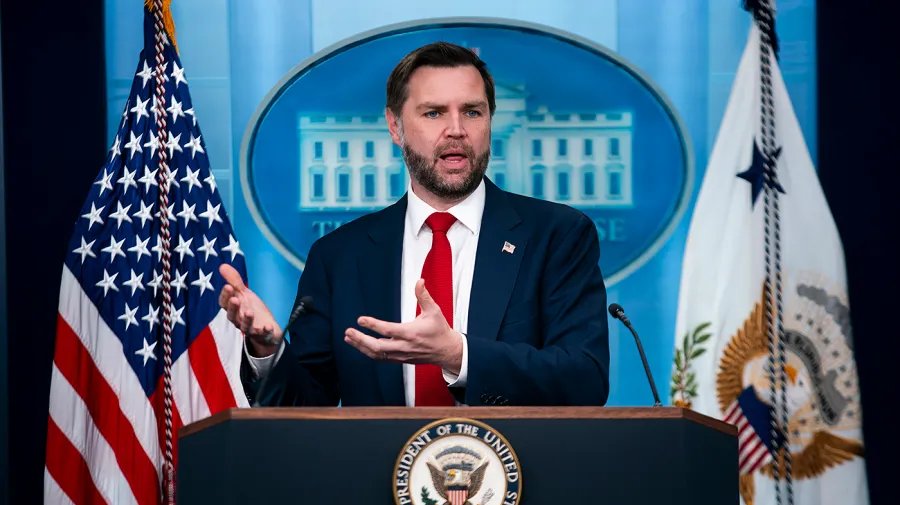
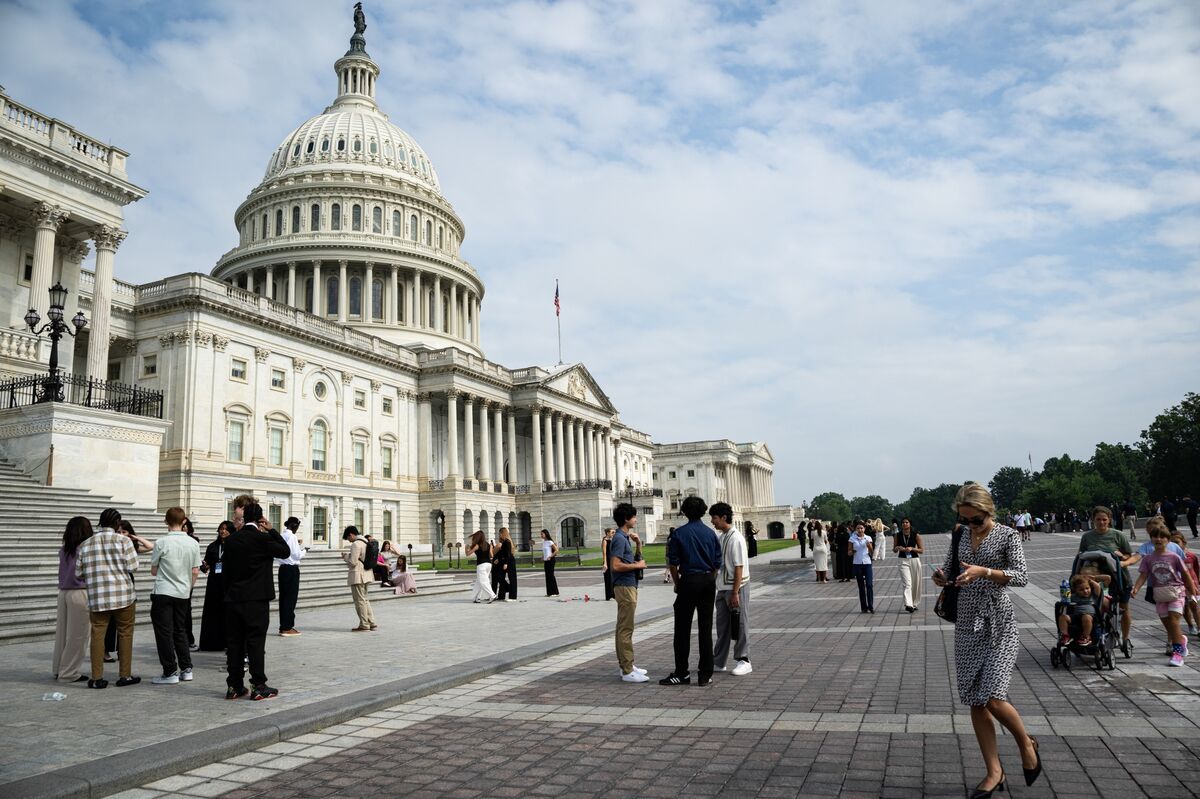
Smithsonian Secretary Lonnie G. Bunch III issued a strong defense of the National Museum of American History in response to a White House report that labeled the institution as "subject to institutional capture by a radical, activist ideology." The 162-page report, released by the Domestic Policy Council on July 4, criticized the museum for allegedly promoting a divisive narrative rather than a unified national story. Bunch emphasized in a memo to staff that the report does not fairly represent the museum's commitment to scholarship and accuracy, stating, "At the Smithsonian, our work is driven by scholarship, accuracy and an uncompromising commitment to tell the fullness of America's story."
Criticisms from the White House
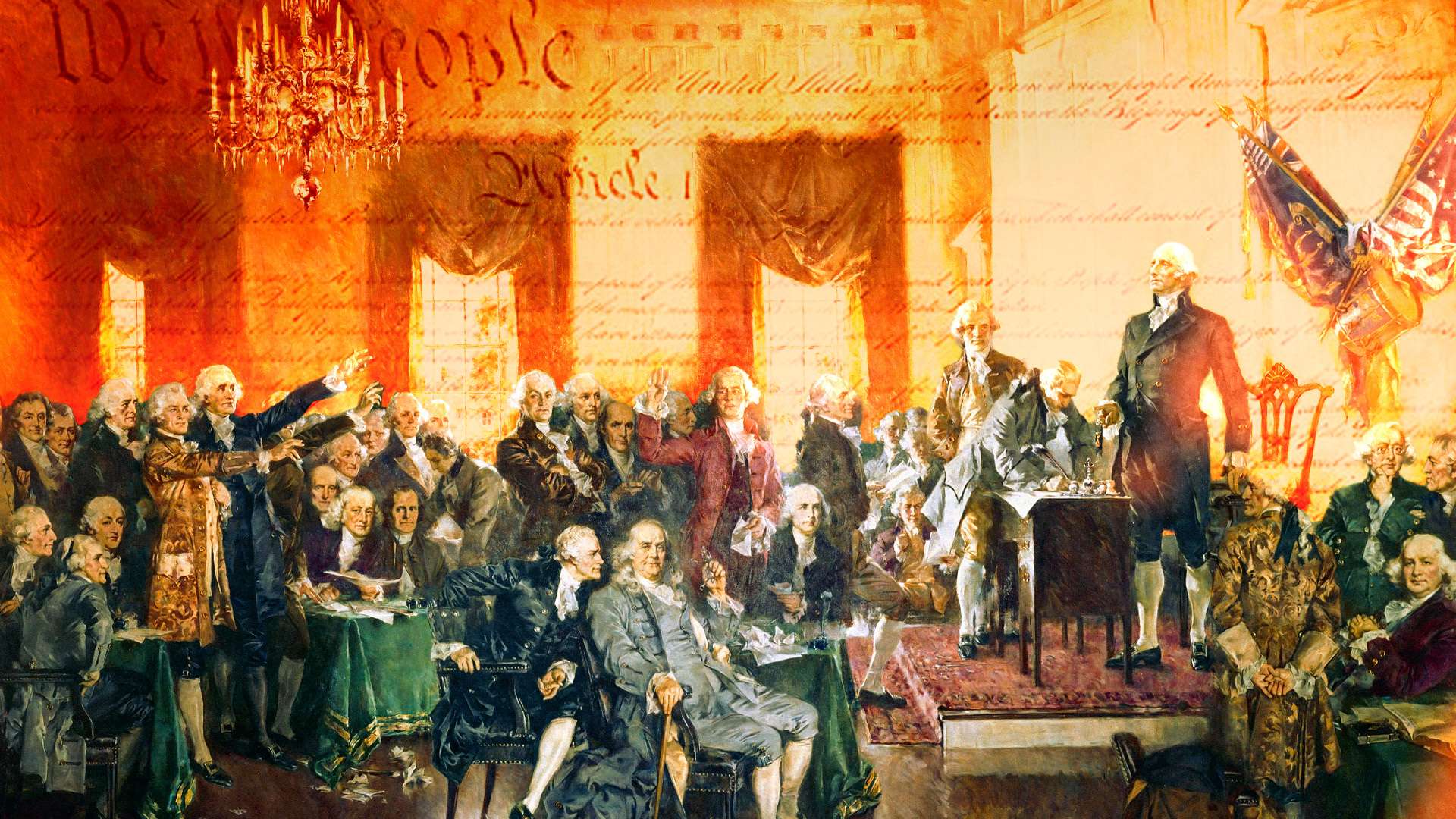
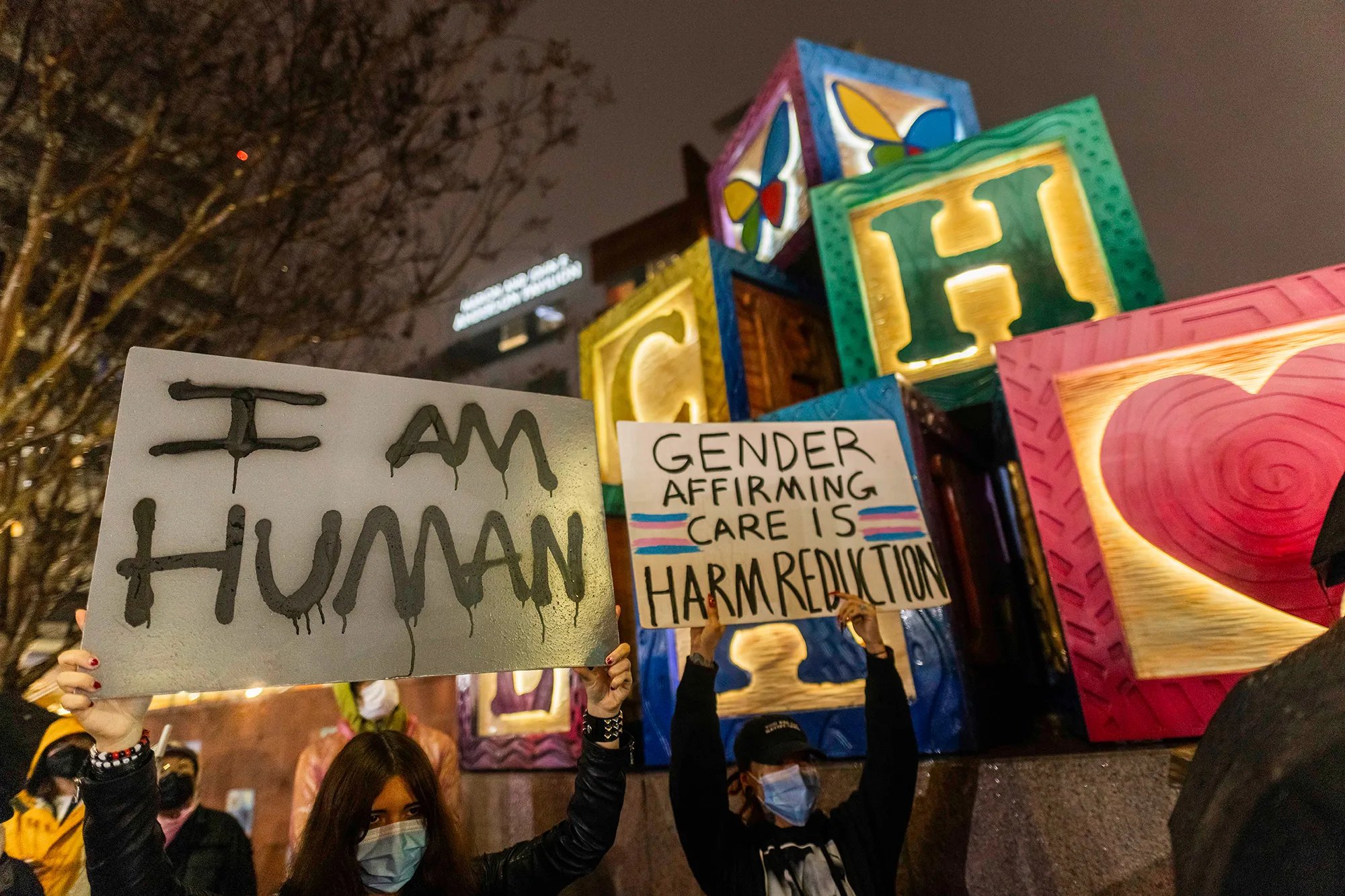
The White House report accused the National Museum of American History of downplaying the contributions of the Founding Fathers and engaging in what it termed "anti-white," "illegal alien," and "transgender activism." It claimed the museum's leadership, particularly director Anthea Hartig, was advancing an ideological agenda contrary to the institution's purpose of fostering patriotism. The report suggested that the museum's exhibitions and educational resources were "indoctrinating" teachers and students, a charge that Bunch firmly rejected.
Historical Context and Independence
Bunch highlighted the Smithsonian's long-standing mission of increasing and diffusing knowledge independently of federal government influence, a principle enshrined in its charter. The Smithsonian encompasses 21 museums and research centers, emphasizing its commitment to impartiality in presenting American history. He reiterated that the museum aims to serve the American public with clarity and care, maintaining a "steadfast commitment to scholarship, nonpartisanship, independence, accuracy and integrity."
Ongoing Internal Review
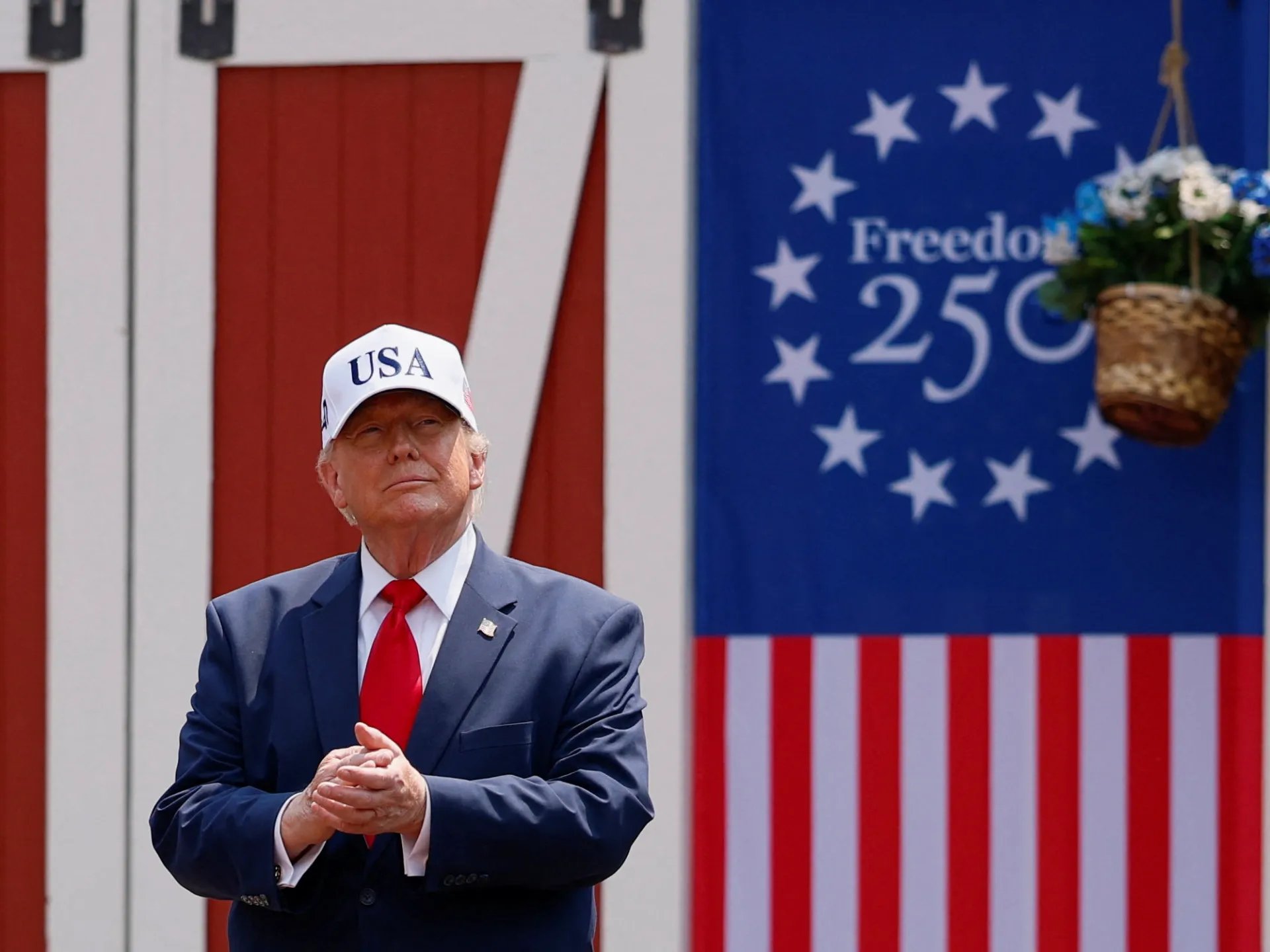
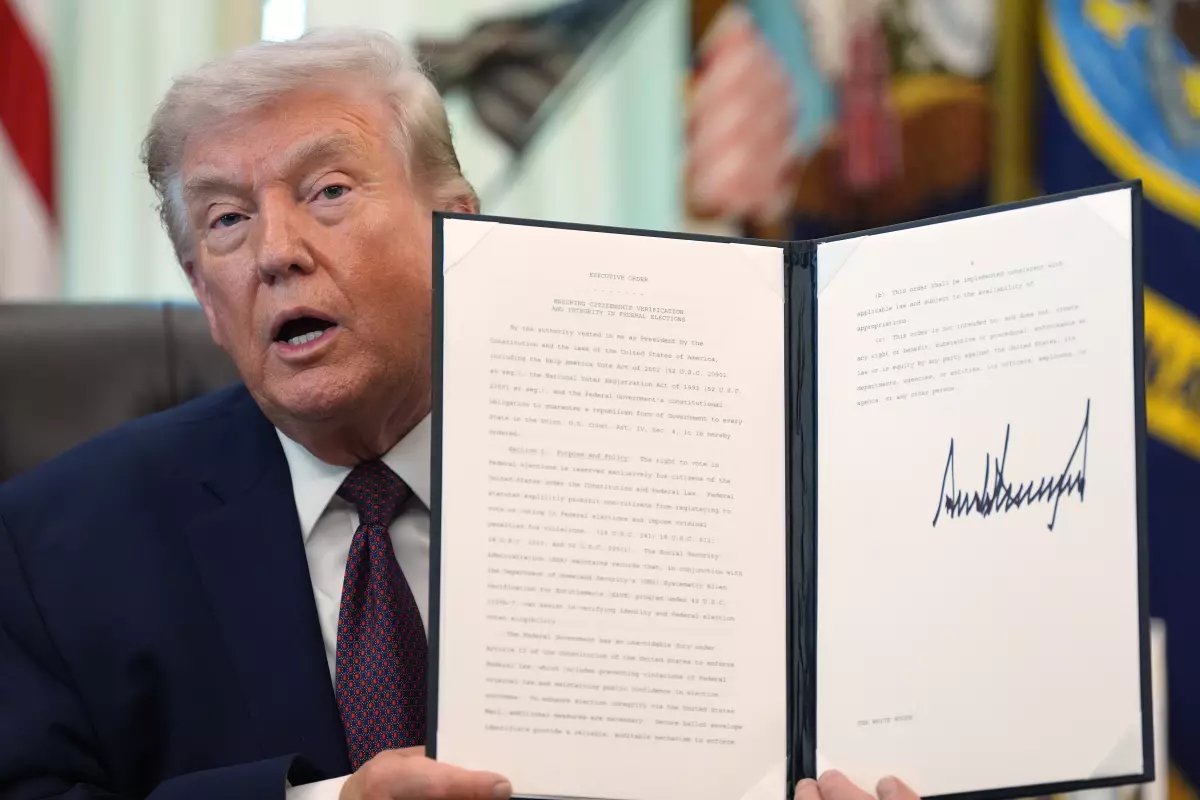
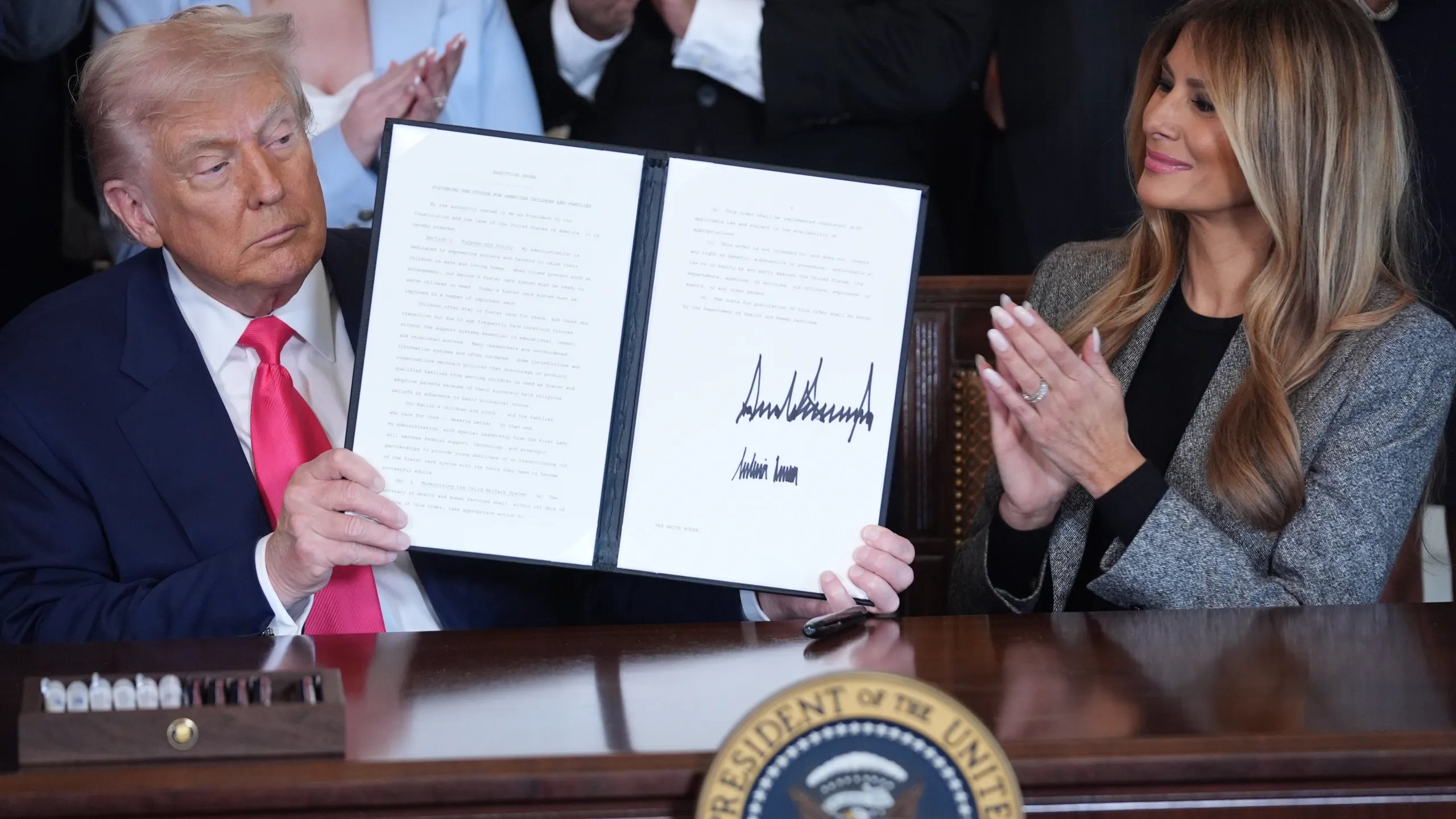
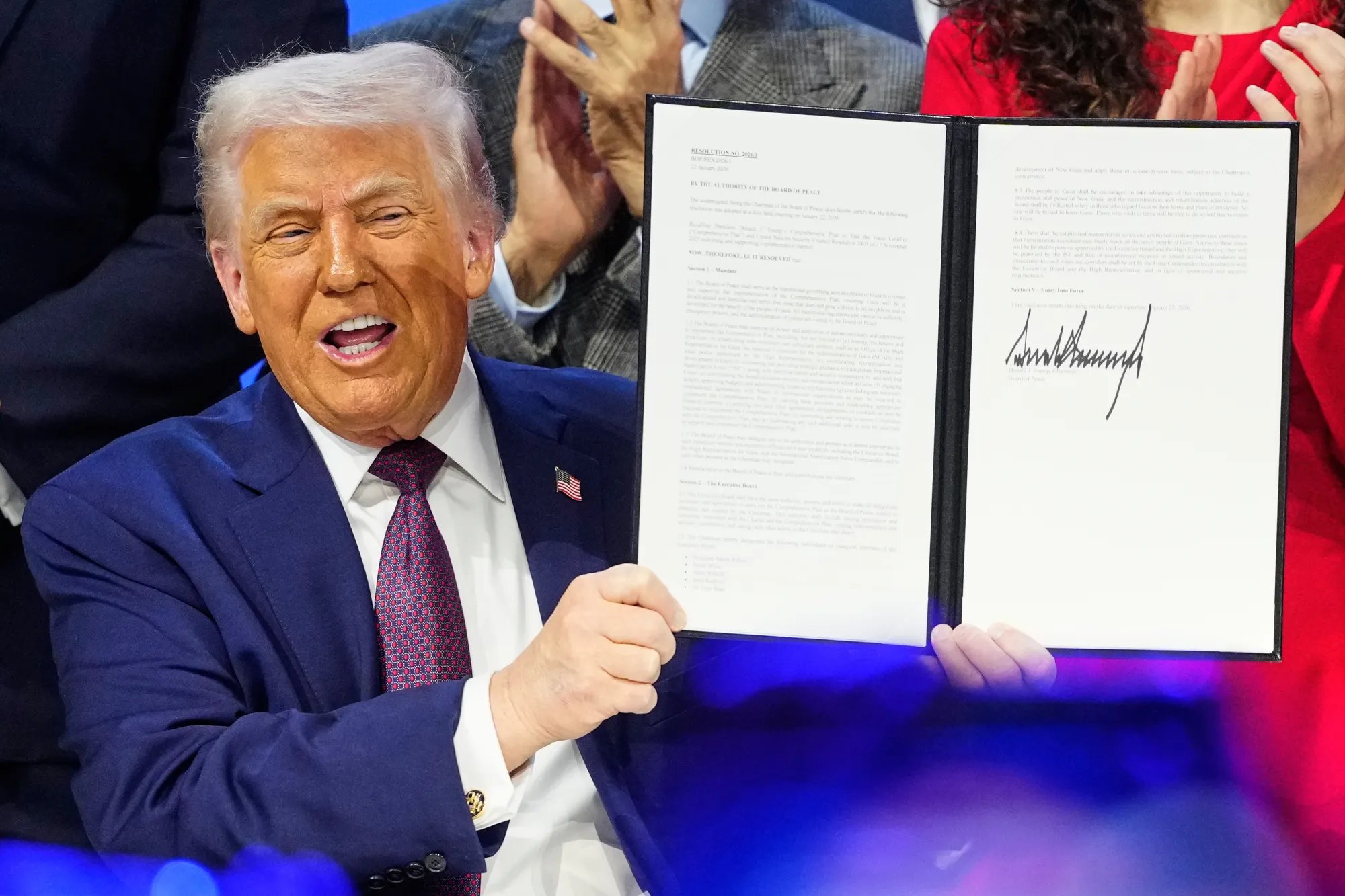
In light of the White House's criticisms, the Smithsonian is conducting its own internal review of its exhibits and processes. This initiative aligns with a broader examination prompted by President Trump's executive order, which called for the removal of what he termed "improper ideology" from federal cultural institutions. Bunch has not disclosed the specifics of the internal review but confirmed that leadership is taking the report's findings seriously.
Broader Implications for Historical Narratives
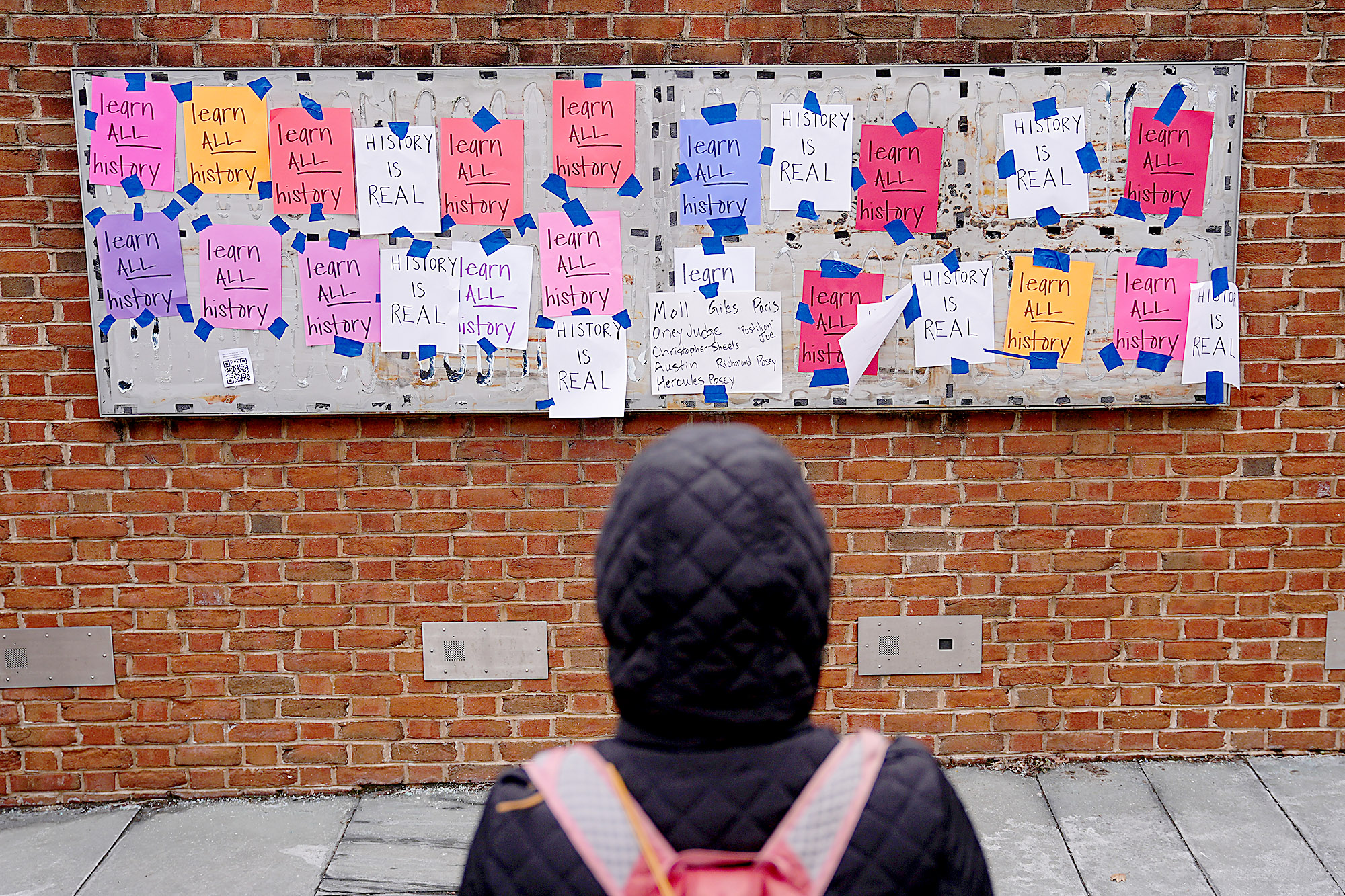
The tensions between the Smithsonian and the White House reflect wider cultural battles over historical narratives in America. The American Historical Association, representing 10,000 historians, has publicly defended the Smithsonian's approach. Executive Director Sarah Weicksel criticized the White House's attempts to create a sanitized version of history, articulating concerns that such actions undermine the expertise of historians and curators.
Commitment to Future Generations
Bunch concluded his memo by expressing gratitude to Smithsonian staff for their dedication and commitment to the institution's mission. He stated, "Every day, we are honored to tell America’s stories and hold that responsibility with the utmost regard, respect, and fidelity." As debates over historical representation continue, the Smithsonian remains committed to fulfilling its mission in a manner that honors the complexity of America's past.