




Funding Package for Immigration Agencies
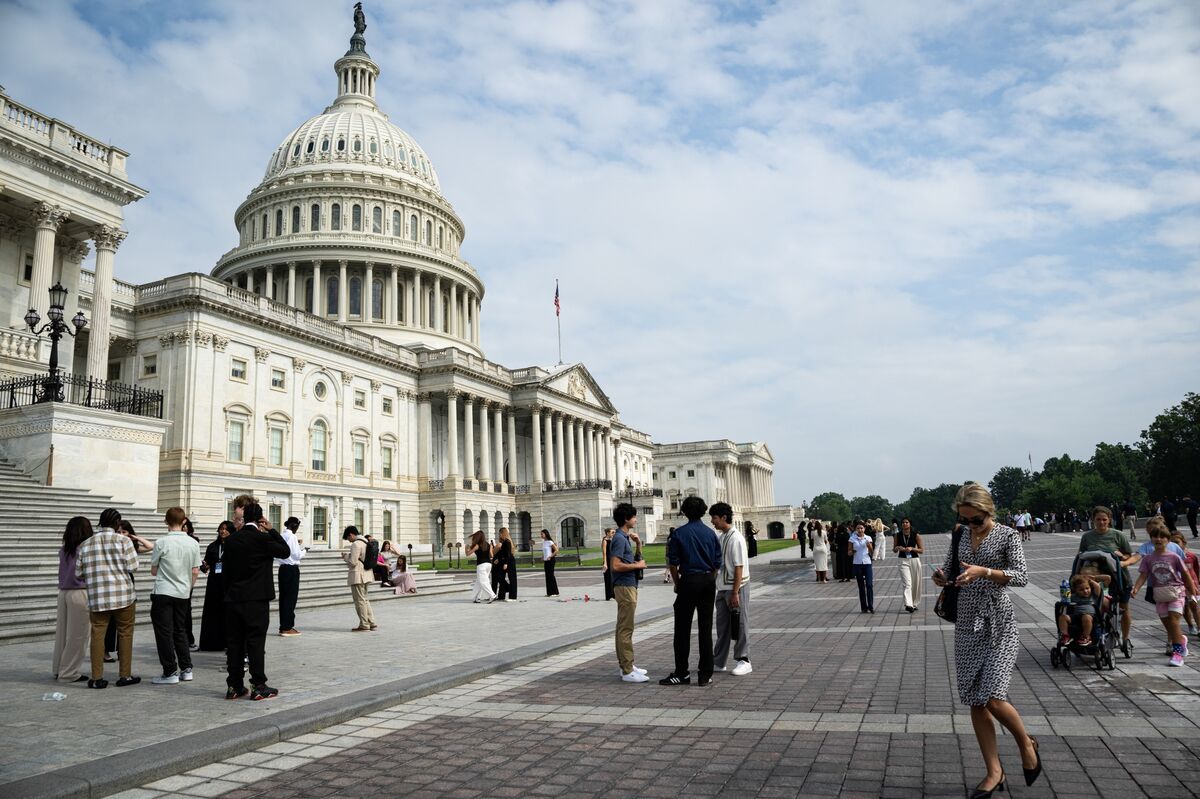
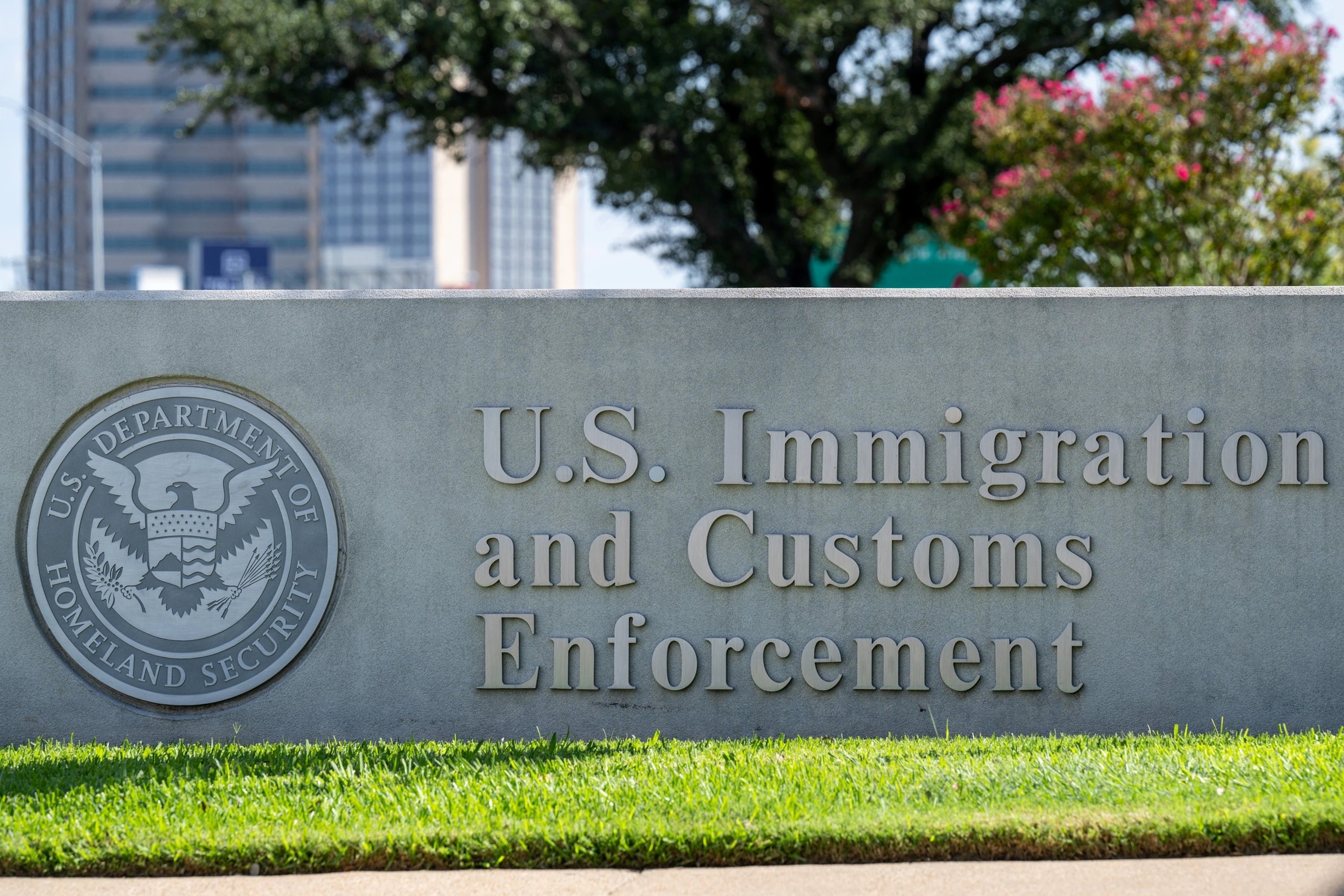
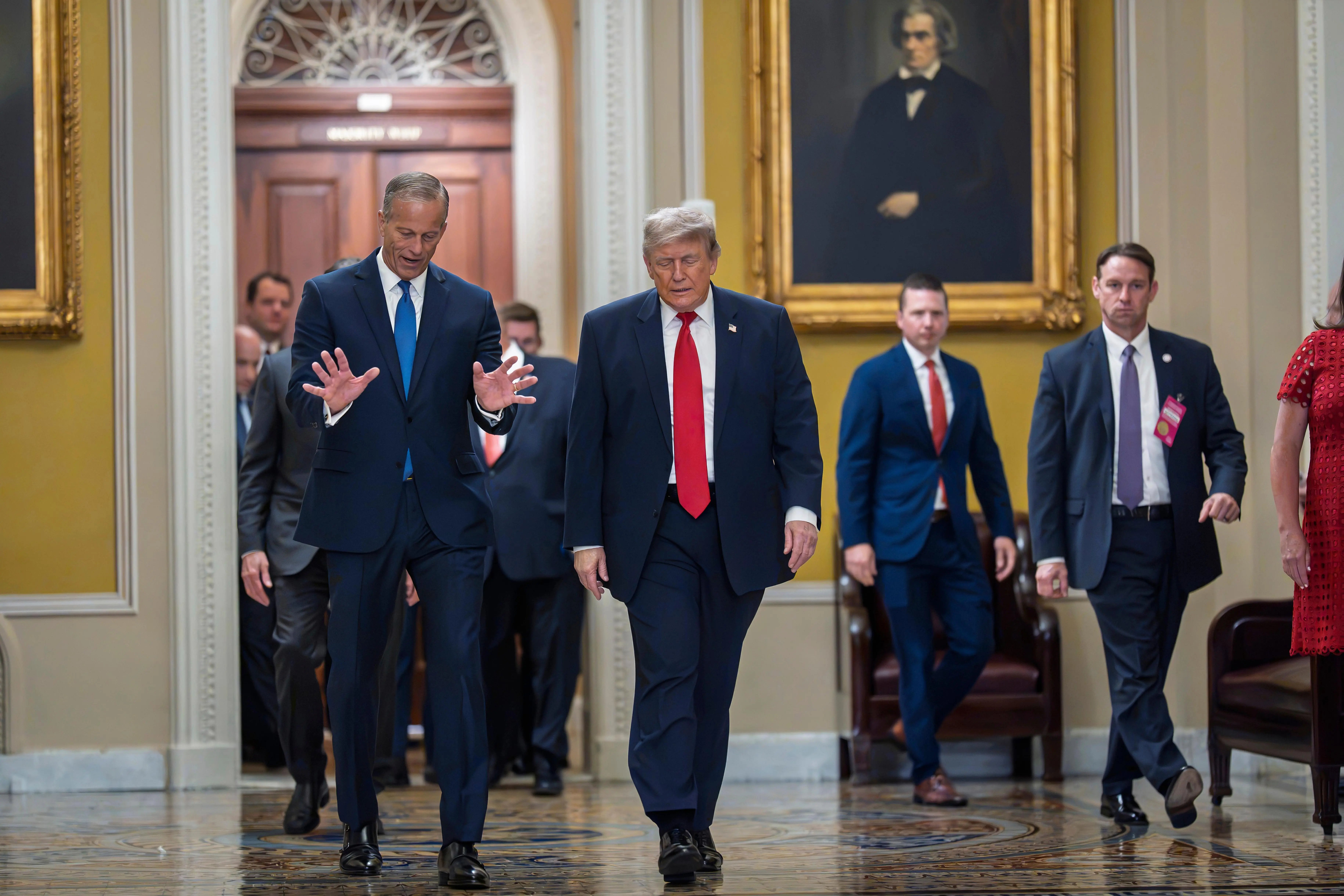
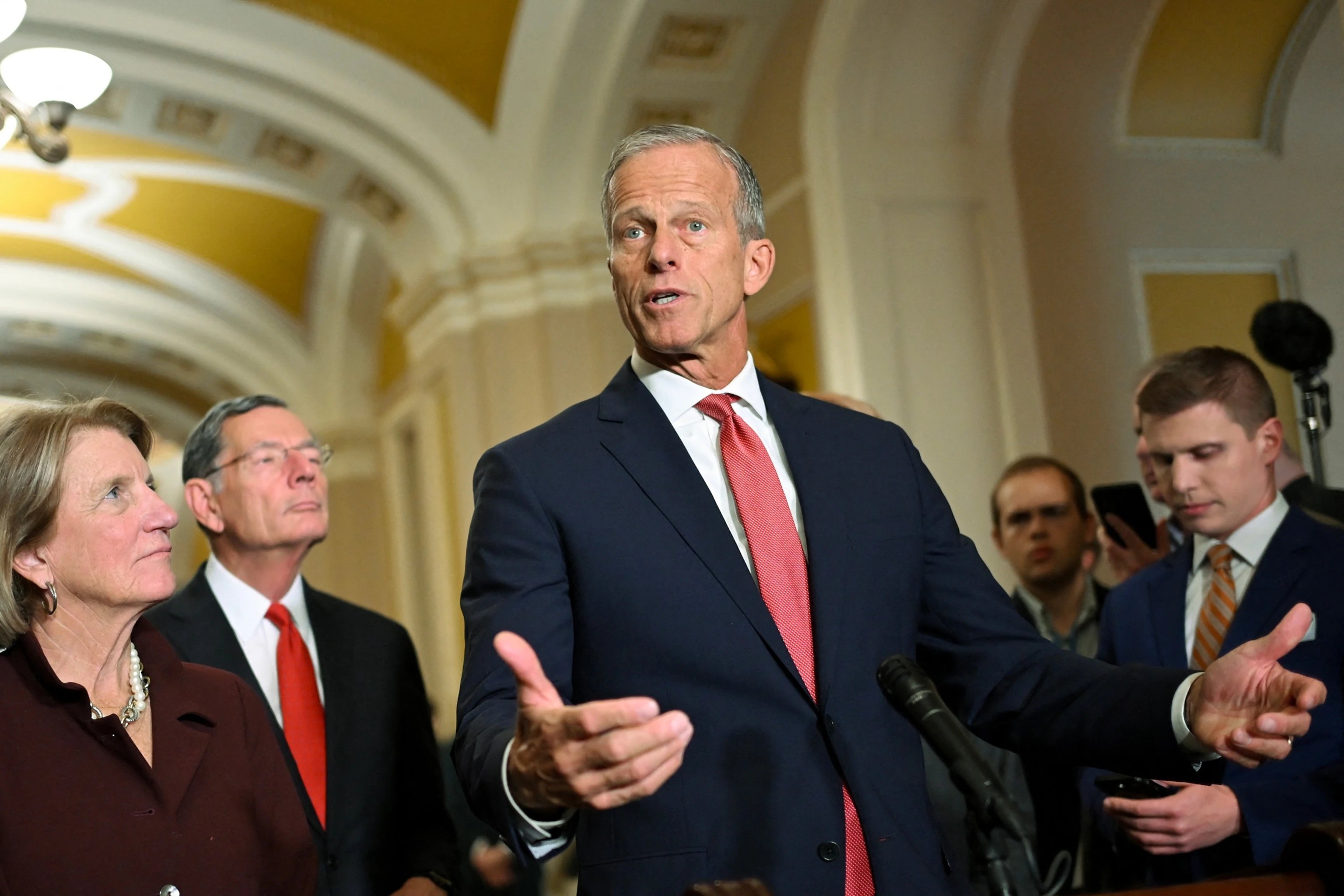
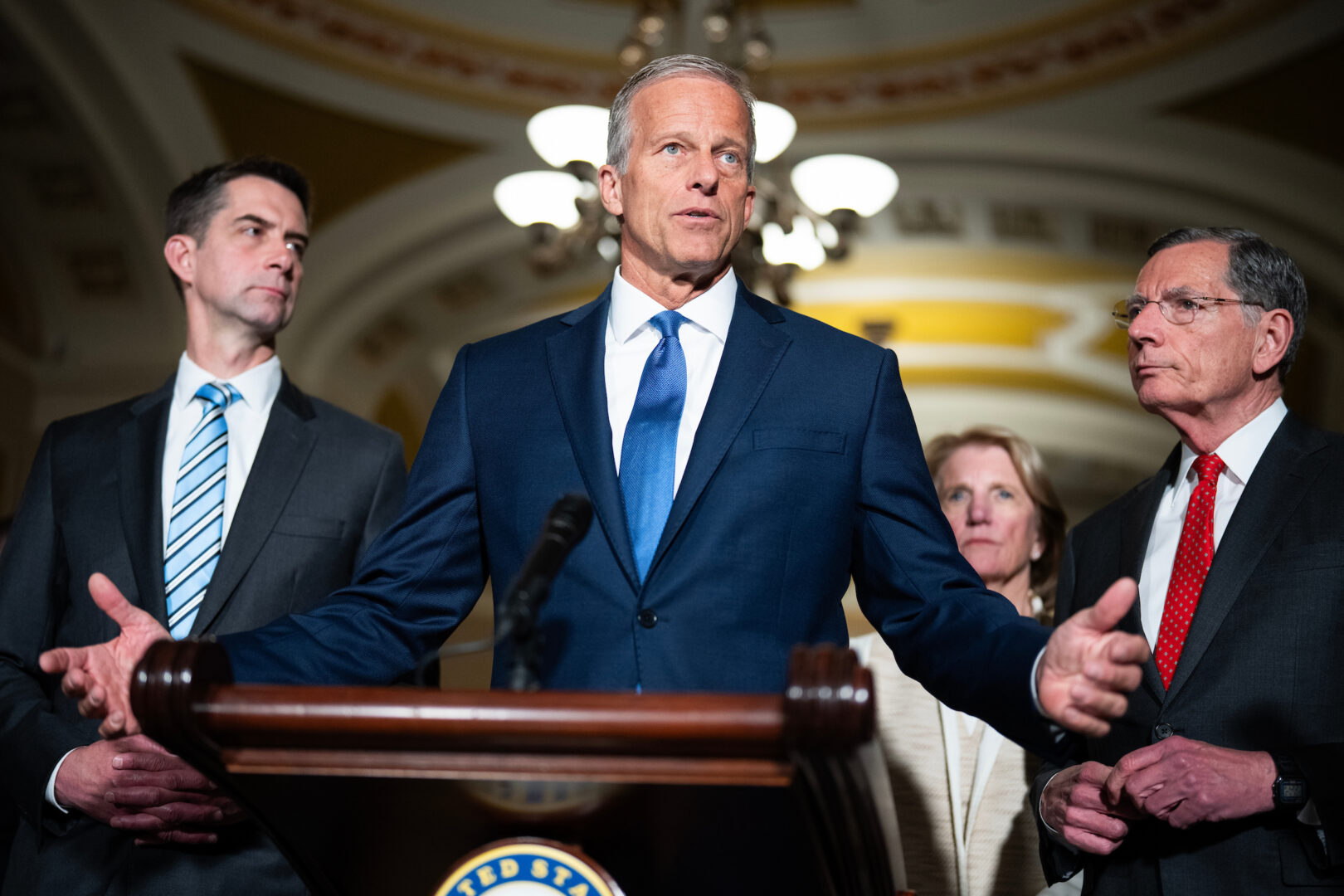
Senate Republicans are advancing a $72 billion budget reconciliation bill aimed at funding the Department of Homeland Security's immigration agencies. The Senate is scheduled to vote on a motion to proceed with the legislation during a series of votes beginning at 2:15 p.m. Wednesday. This package will finance immigration agencies through fiscal year 2029, with Senate Majority Leader John Thune expressing optimism about securing enough Republican votes to move forward.
Controversial Funding Dropped
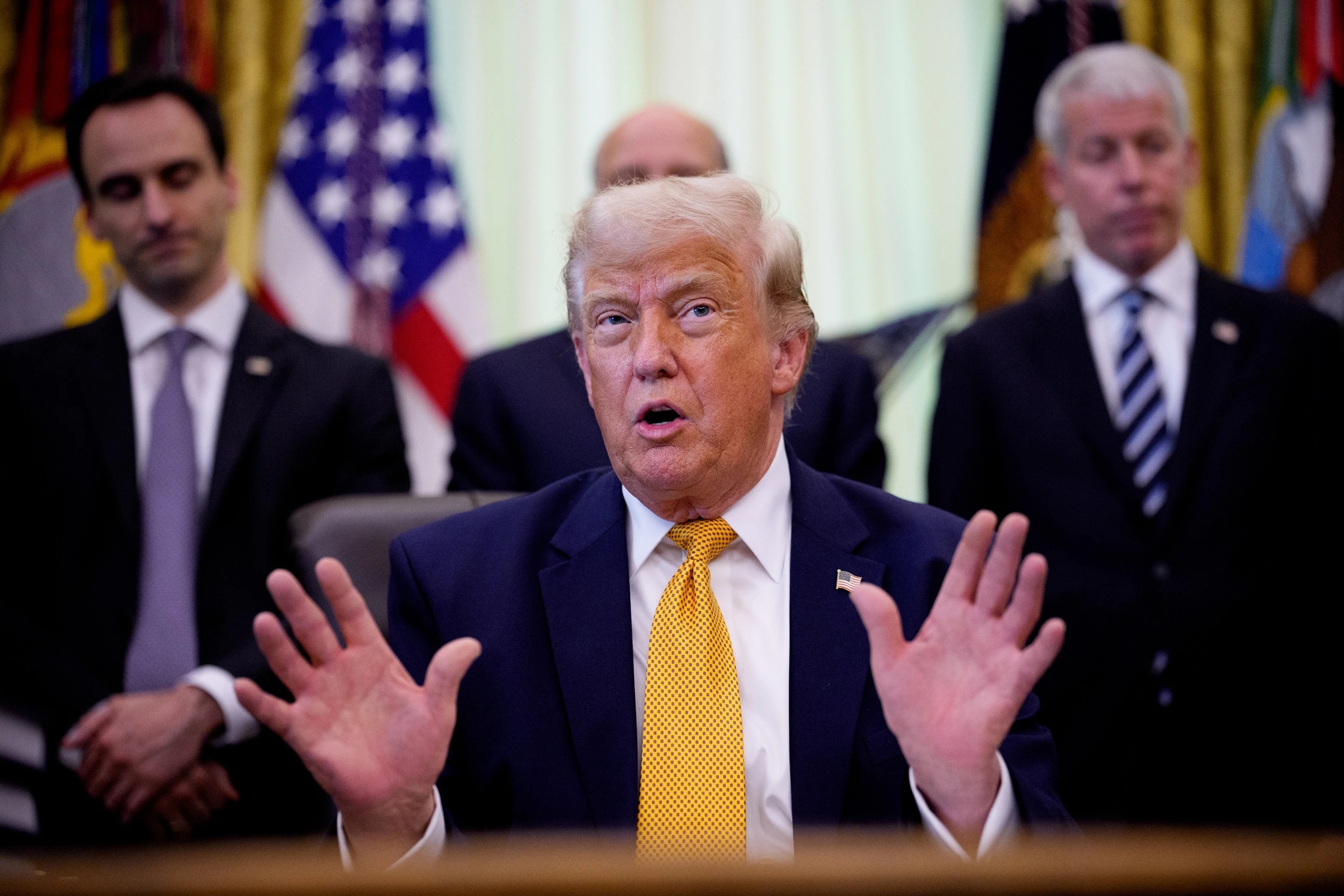
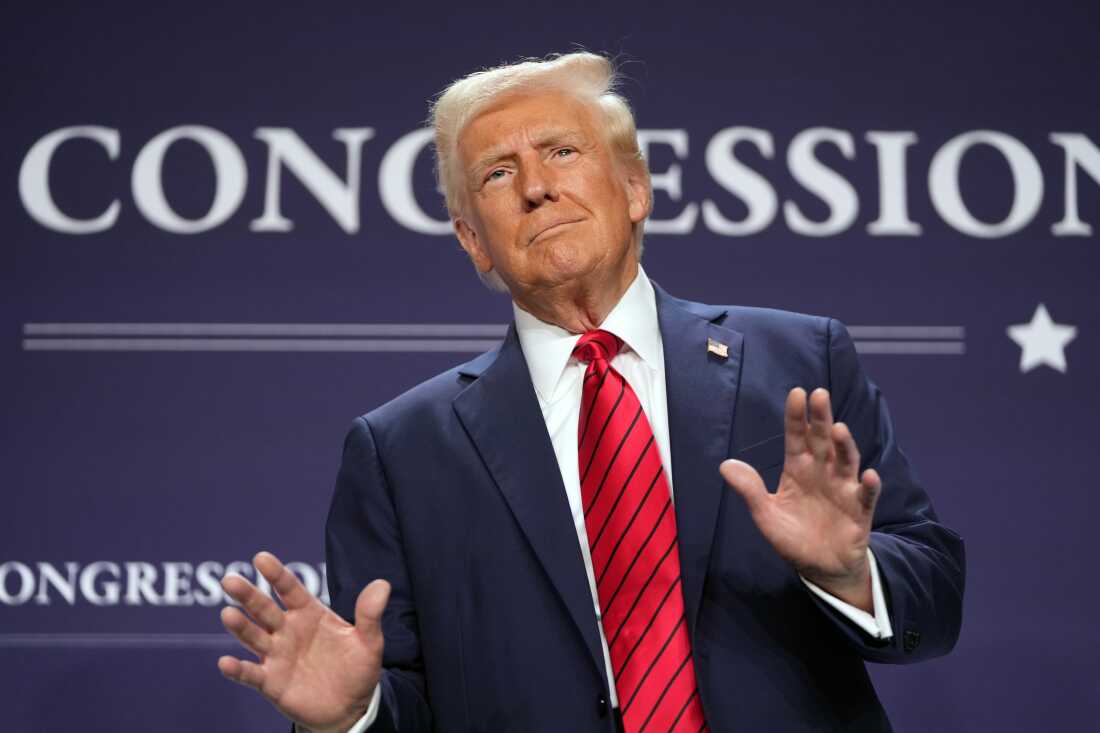
The reconciliation bill has undergone significant changes, including the removal of a proposed $1 billion security fund for the Secret Service. This funding was intended to support renovations for President Trump's East Wing, which included plans for a large ballroom. The decision to drop this funding came after considerable scrutiny from some Republican senators, who raised concerns about its necessity.
Tensions Over Justice Department Fund
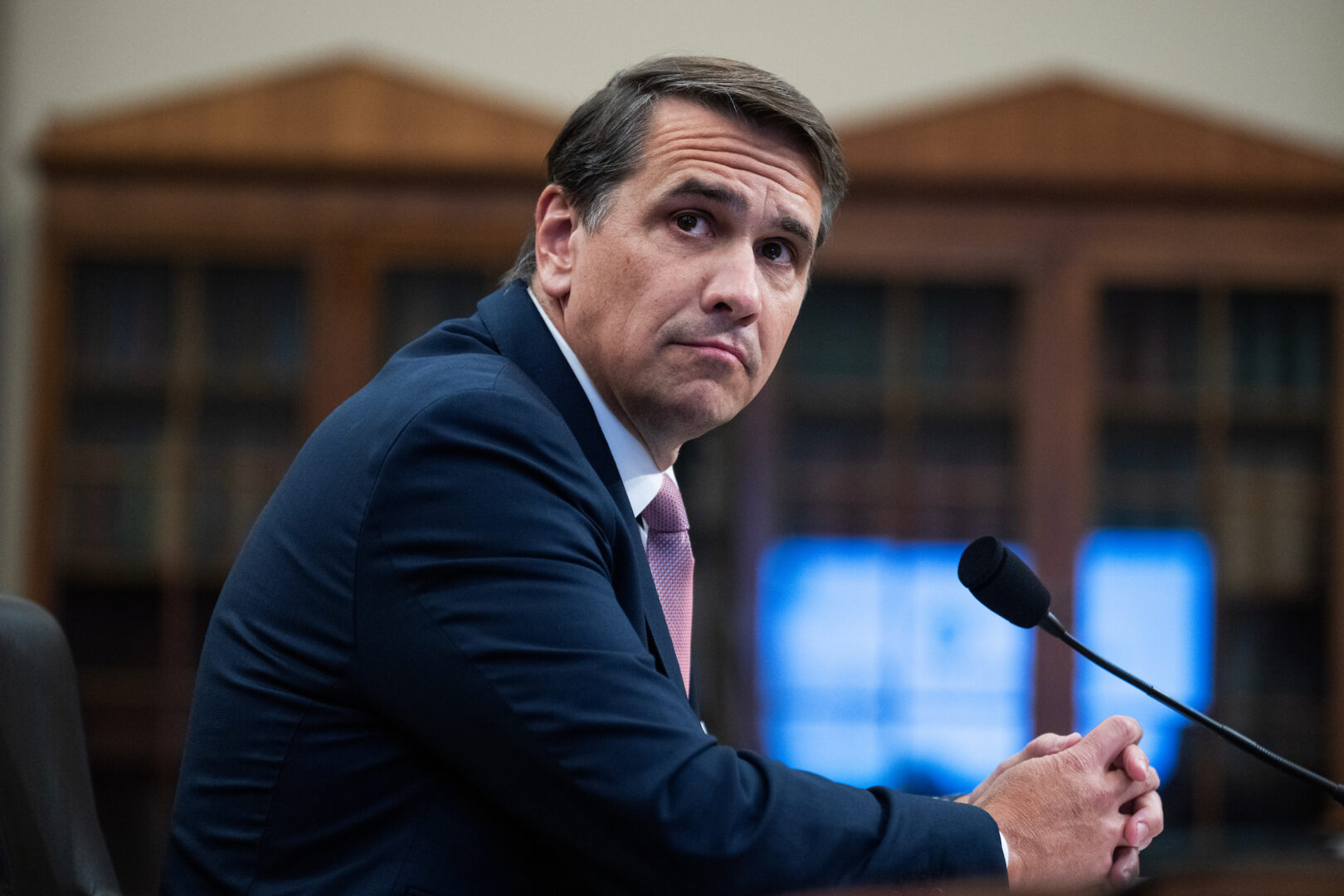
The funding package faced potential derailment due to disagreements surrounding the Justice Department's "anti-weaponization" fund. This program aimed to provide payouts to individuals who claimed the federal government had been weaponized against them. Acting Attorney General Todd Blanche testified recently, asserting that the DOJ would not move forward with this fund, which has sparked skepticism among some GOP senators, including Thom Tillis of North Carolina and John Cornyn of Texas. Tillis plans to propose an amendment to ensure the fund is permanently eliminated.
Legislative Strategy
The reconciliation process allows Republicans to bypass the typical 60-vote threshold required for most legislation, enabling them to push this funding package forward despite Democratic opposition to immigration enforcement financing. Thune stated that most Senate Republicans felt satisfied with Blanche's testimony, though Blanche refused to put his assurances in writing. Some Republicans, including Tillis and Cornyn, remain skeptical that the fund could be resurrected.
Implications for Immigration Policy
The advancement of this reconciliation bill marks a significant legislative step for Republicans, particularly in the context of ongoing debates over immigration enforcement funding. With the bill's passage, the GOP aims to solidify its stance on immigration policy ahead of future elections.