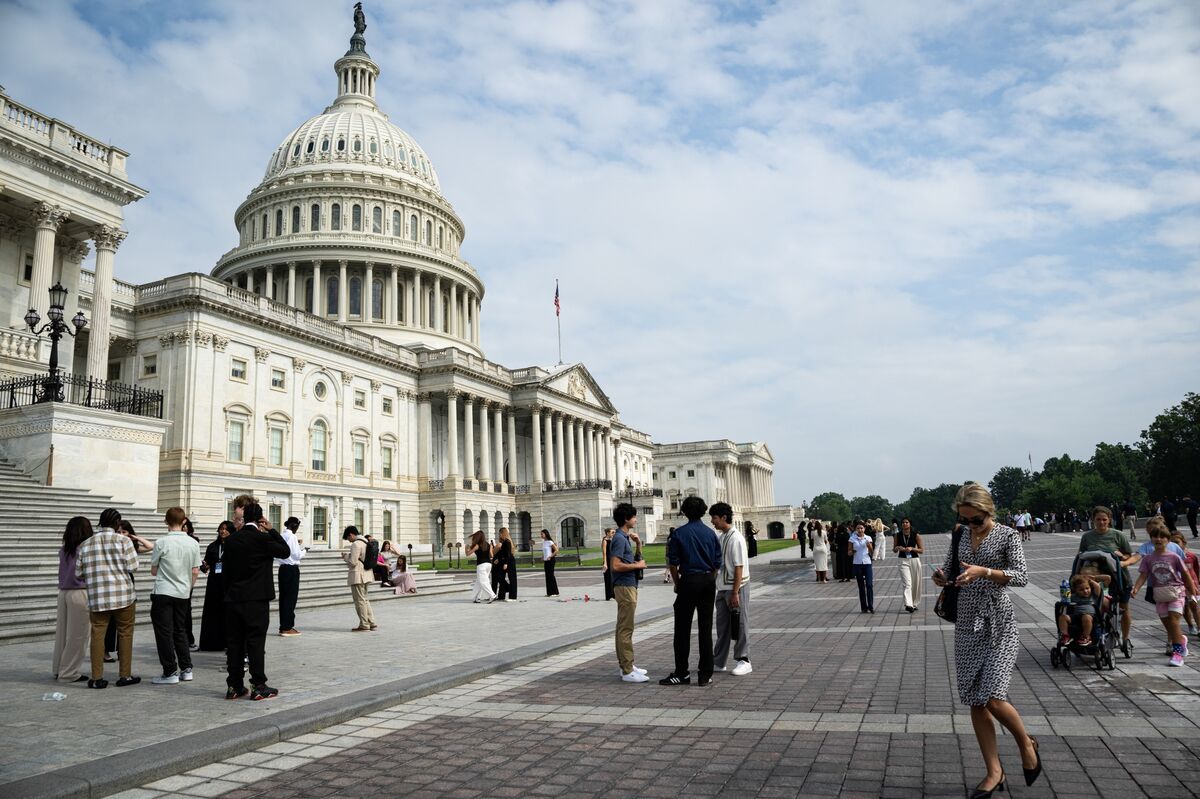
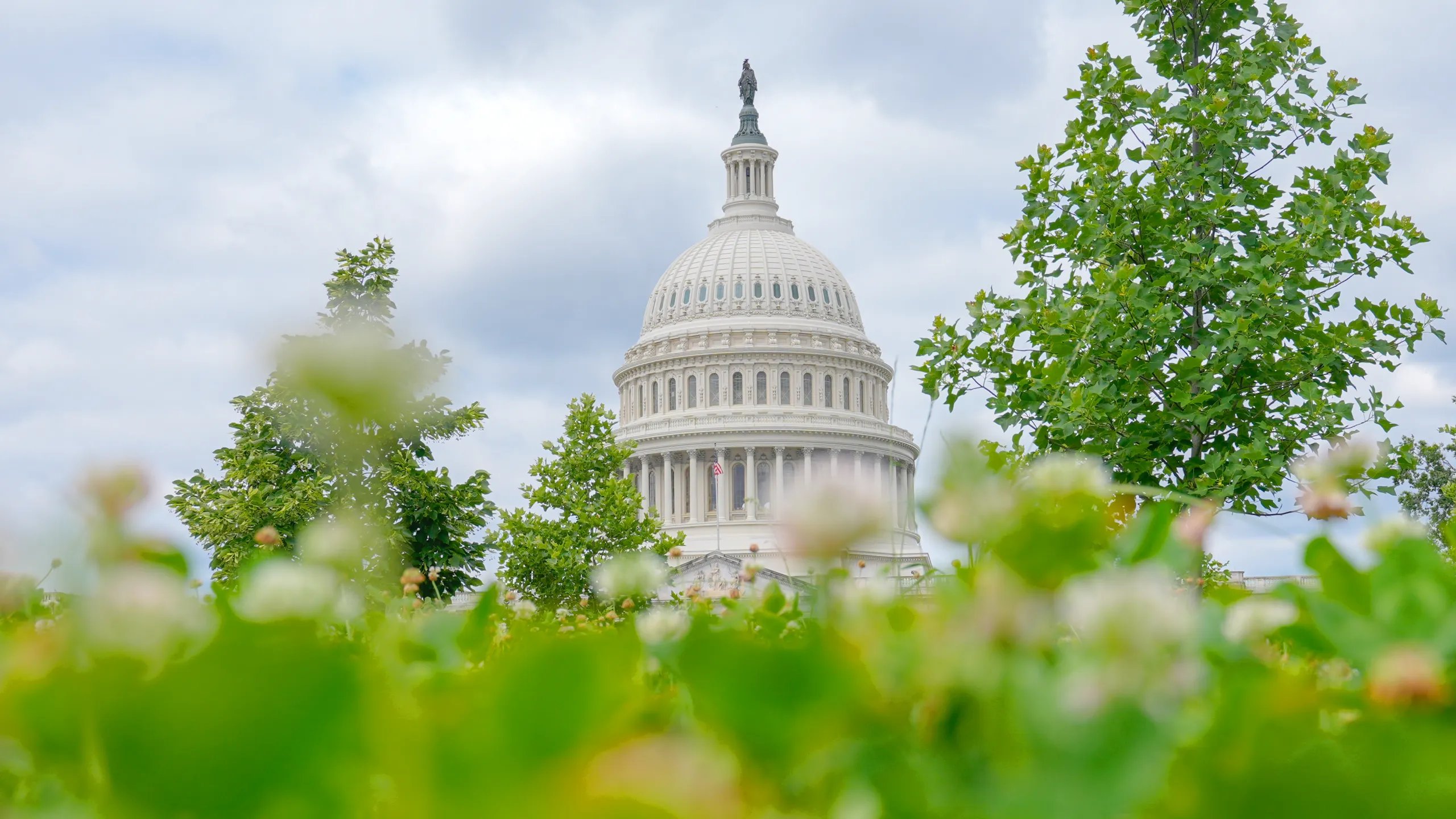
A new bill in Congress proposes raising the federal minimum wage to $25 an hour, a significant increase from the current rate of $7.25.
While a $25 minimum wage represents a substantial raise, experts warn that it may still fall short of what is necessary for workers in high-cost areas. This raises questions about whether the proposed wage is truly sufficient to meet the needs of workers in different regions.
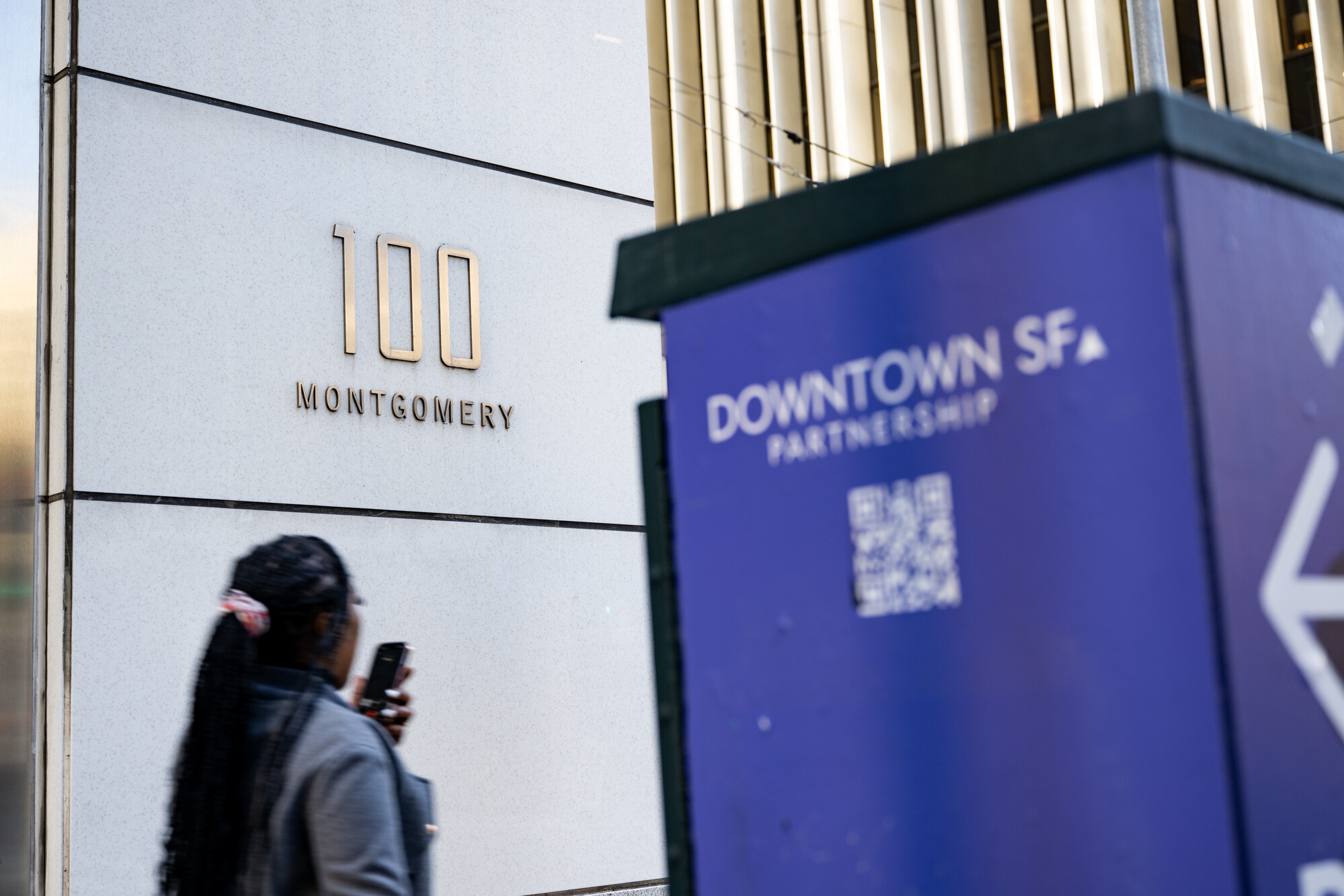
The impact of the proposed wage increase will vary significantly across the country. In cities like San Francisco and New York, where the cost of living is exceptionally high, many residents struggle even with salaries above $25 an hour.
Opponents of the bill argue that while a higher minimum wage could benefit many, it may also lead to unintended economic consequences. Some economists warn that increasing labor costs could result in job losses, especially in small businesses that operate on thin margins.
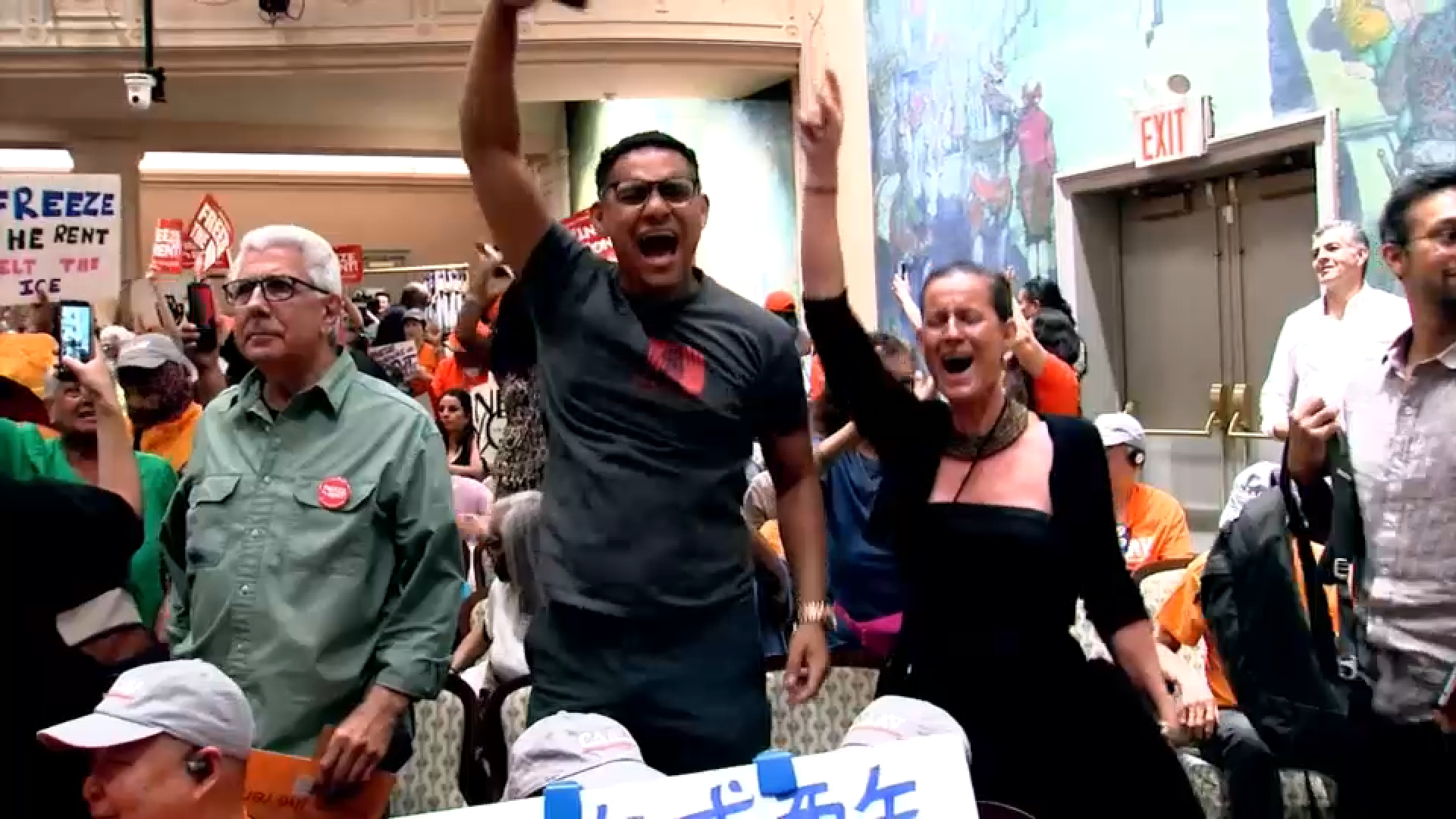
Workers and advocates express mixed feelings about the proposal. Meanwhile, labor unions assert that a $25 minimum wage is a step in the right direction, but they emphasize the need for ongoing adjustments tied to inflation and regional cost-of-living metrics.
As the bill moves through Congress, it faces potential roadblocks from lawmakers concerned about its economic impact. Some representatives are advocating for a phased approach to the wage increase, suggesting that a gradual raise might be more manageable for businesses and the economy. The debate highlights the complexities of balancing fair wages with economic sustainability.
The proposed $25 minimum wage could represent a significant shift in the labor landscape, but its sufficiency remains in question. As discussions continue, workers and advocates will be watching closely to see how legislators address the concerns raised about the cost of living and the economic implications of such a wage increase. The outcome of this legislation could reshape the financial realities for millions of Americans.
A new bill in Congress proposes raising the federal minimum wage to $25 an hour, a significant increase from the current rate of $7.25. Advocates argue that this change could dramatically improve the living standards of millions of workers across the country. The legislation aims to address rising costs of living and inflation, which have outpaced wage growth for many low-income earners.
While a $25 minimum wage represents a substantial raise, experts warn that it may still fall short of what is necessary for workers in high-cost areas. According to a report by the Economic Policy Institute, a family of four in urban centers often requires an income of over $30 an hour to cover basic expenses such as housing, food, and healthcare. This raises questions about whether the proposed wage is truly sufficient to meet the needs of workers in different regions.
The impact of the proposed wage increase will vary significantly across the country. In cities like San Francisco and New York, where the cost of living is exceptionally high, many residents struggle even with salaries above $25 an hour. Local studies indicate that the living wage in these areas often exceeds $40 an hour, highlighting a stark contrast between the proposed federal minimum and the realities faced by workers in expensive metropolitan regions.
Opponents of the bill argue that while a higher minimum wage could benefit many, it may also lead to unintended economic consequences. Some economists warn that increasing labor costs could result in job losses, especially in small businesses that operate on thin margins. The National Federation of Independent Business has voiced concerns that such a drastic wage hike could hinder hiring and lead to increased automation in certain sectors.
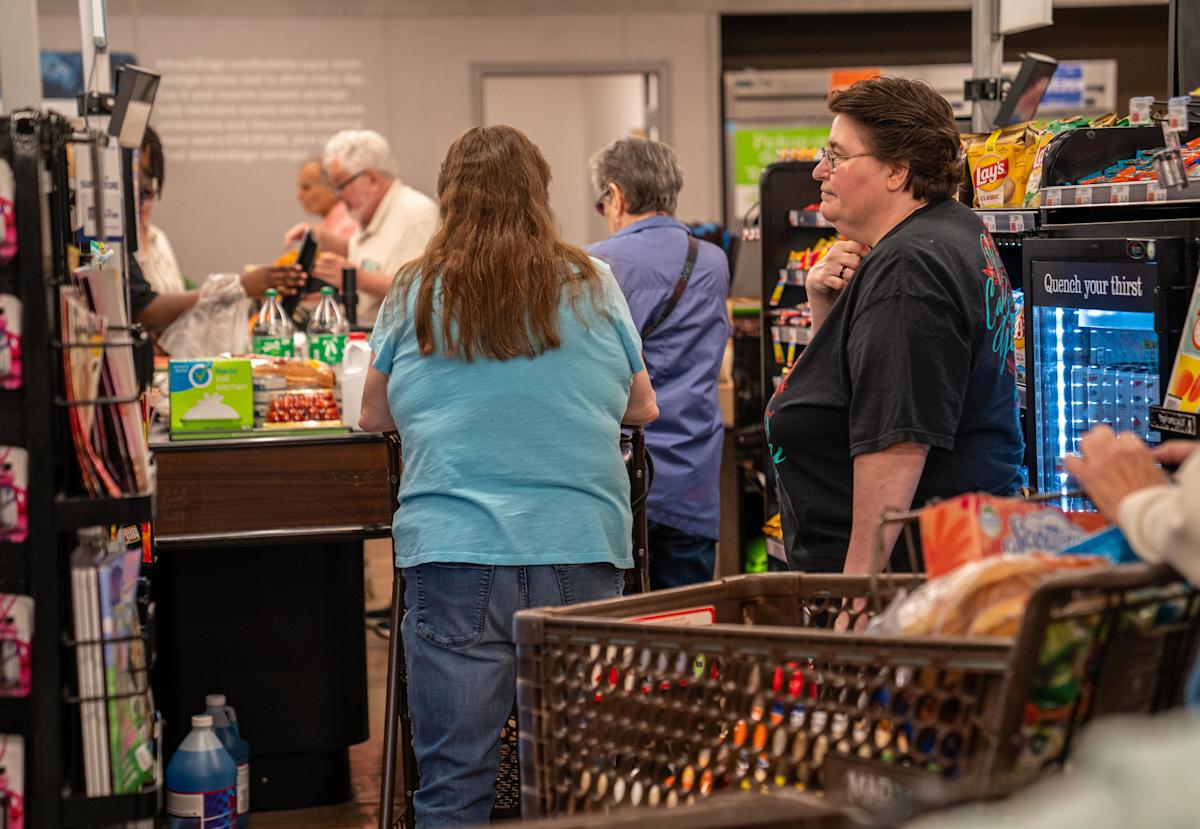
Workers and advocates express mixed feelings about the proposal. Maria Gonzalez, a single mother working two jobs in Los Angeles, stated, "I welcome the increase, but I still worry it won’t be enough to make ends meet." Meanwhile, labor unions assert that a $25 minimum wage is a step in the right direction, but they emphasize the need for ongoing adjustments tied to inflation and regional cost-of-living metrics.
As the bill moves through Congress, it faces potential roadblocks from lawmakers concerned about its economic impact. Some representatives are advocating for a phased approach to the wage increase, suggesting that a gradual raise might be more manageable for businesses and the economy. The debate highlights the complexities of balancing fair wages with economic sustainability.
The proposed $25 minimum wage could represent a significant shift in the labor landscape, but its sufficiency remains in question. As discussions continue, workers and advocates will be watching closely to see how legislators address the concerns raised about the cost of living and the economic implications of such a wage increase. The outcome of this legislation could reshape the financial realities for millions of Americans.
Highlighted text was flagged by the council. Tap to see feedback.