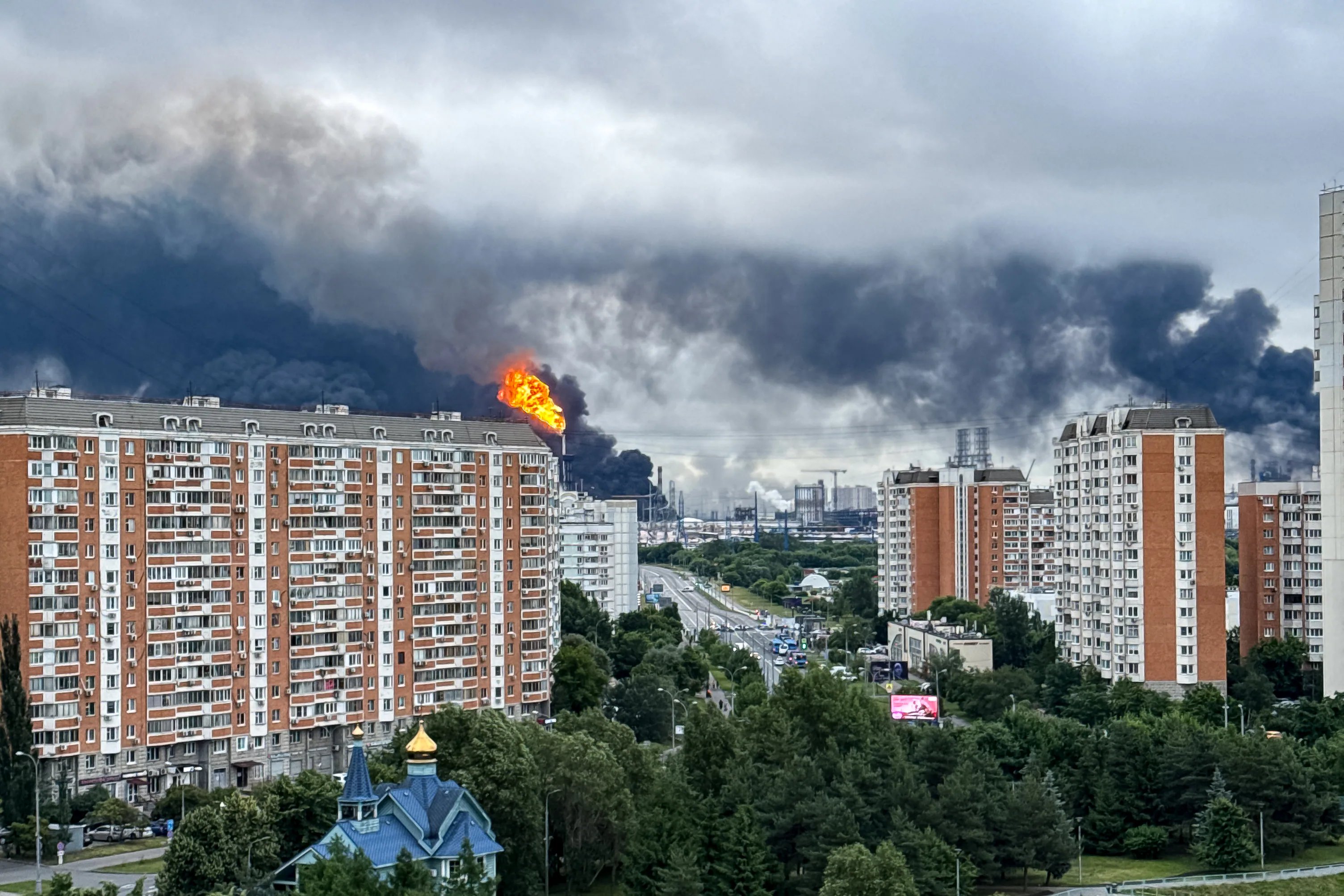
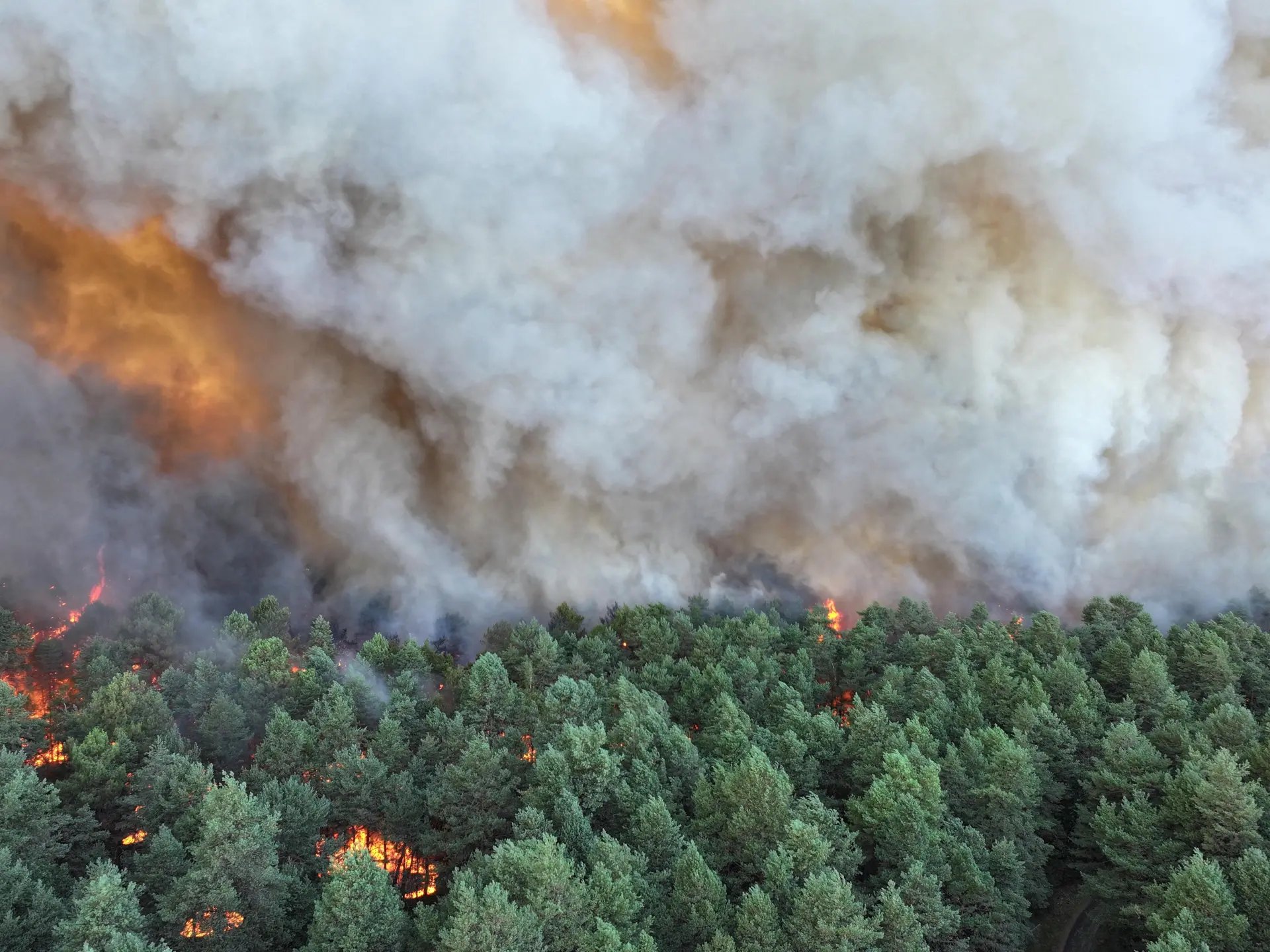
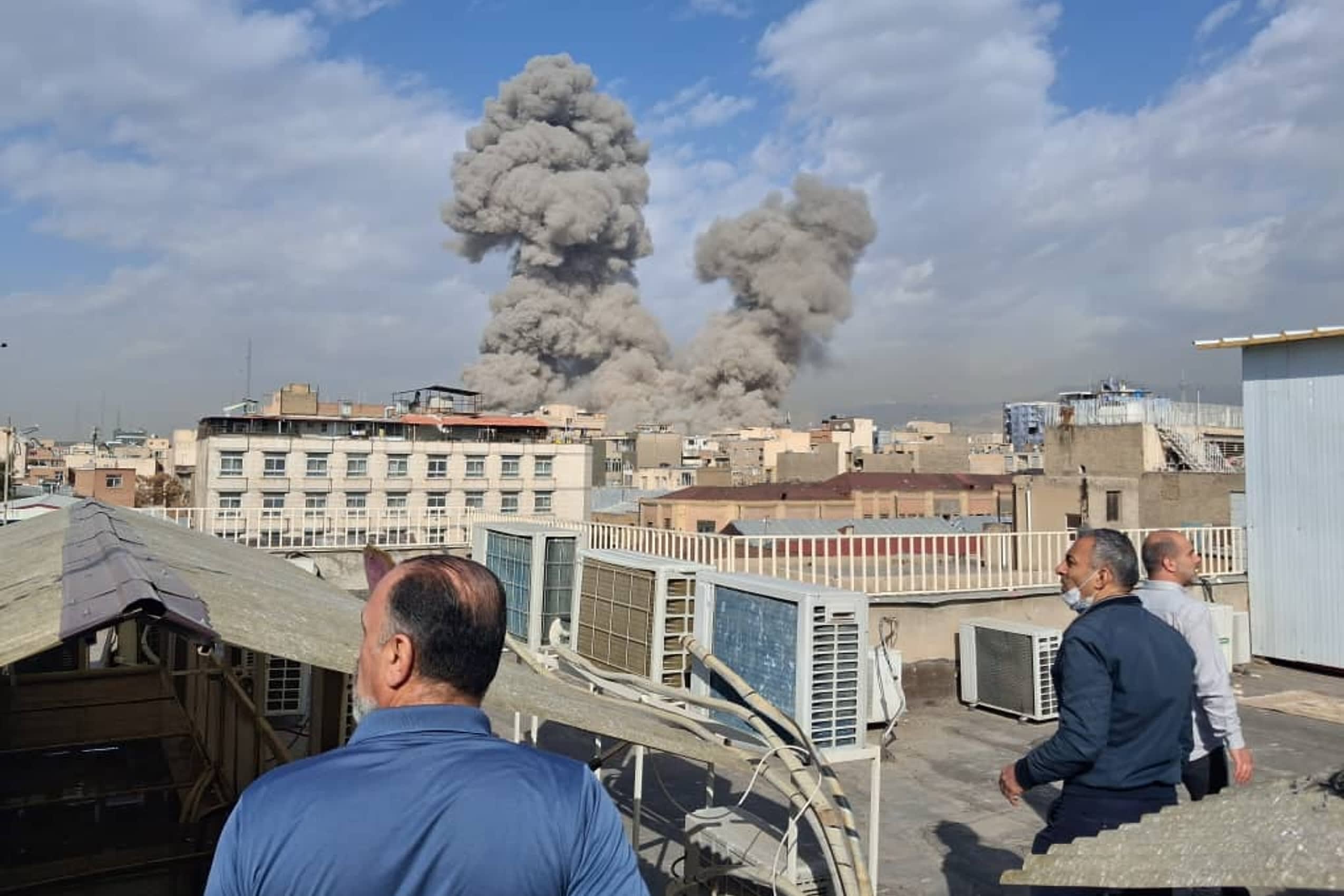
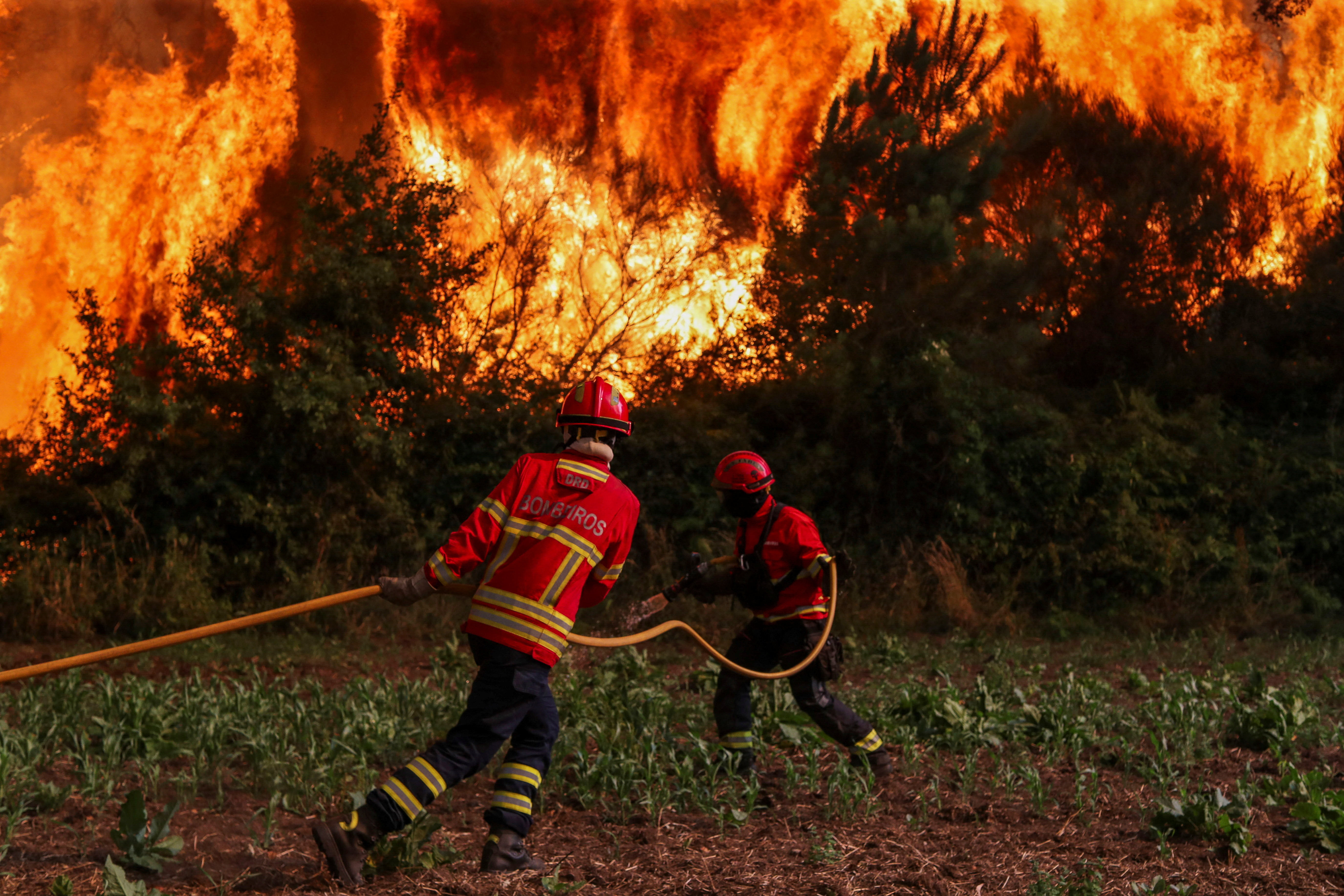
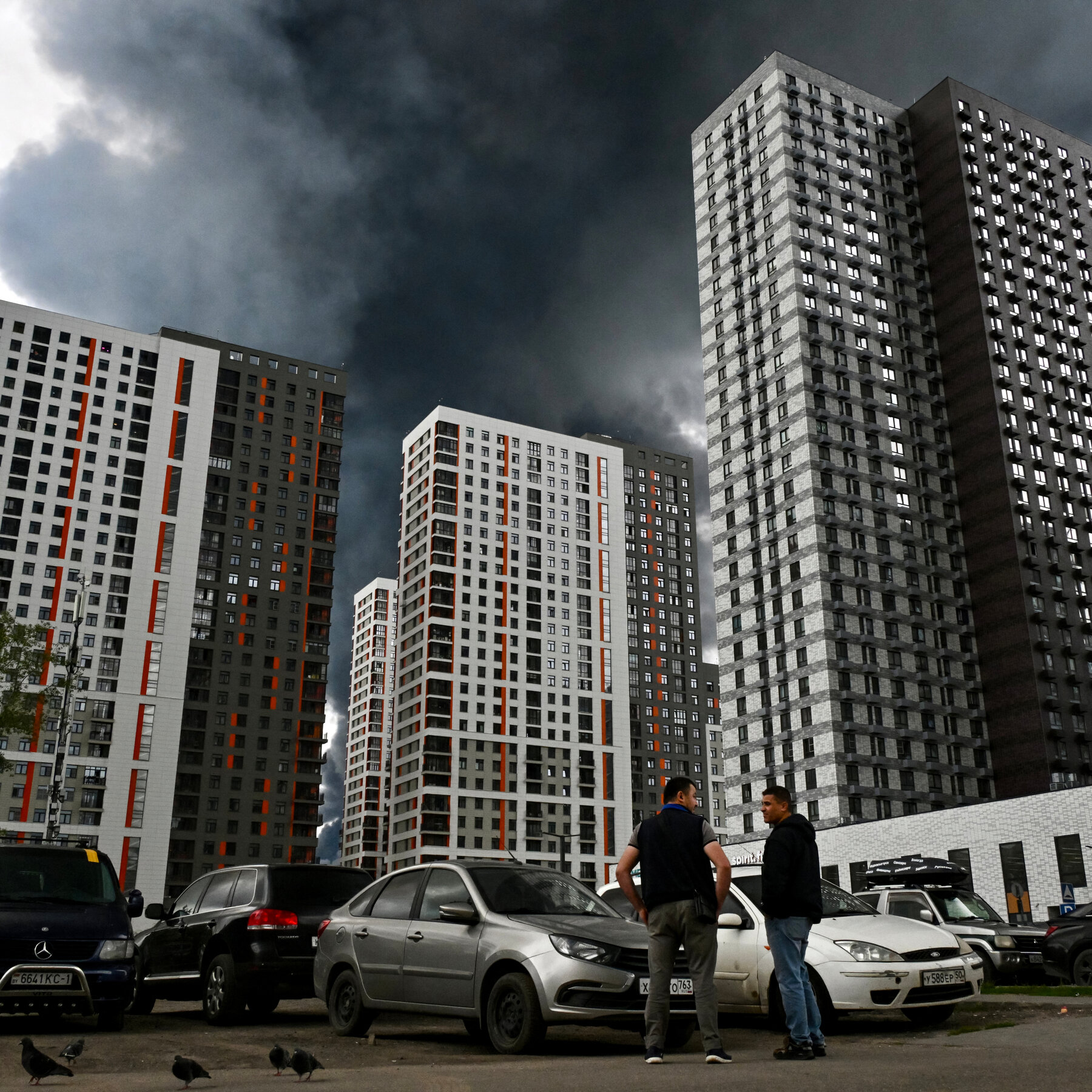
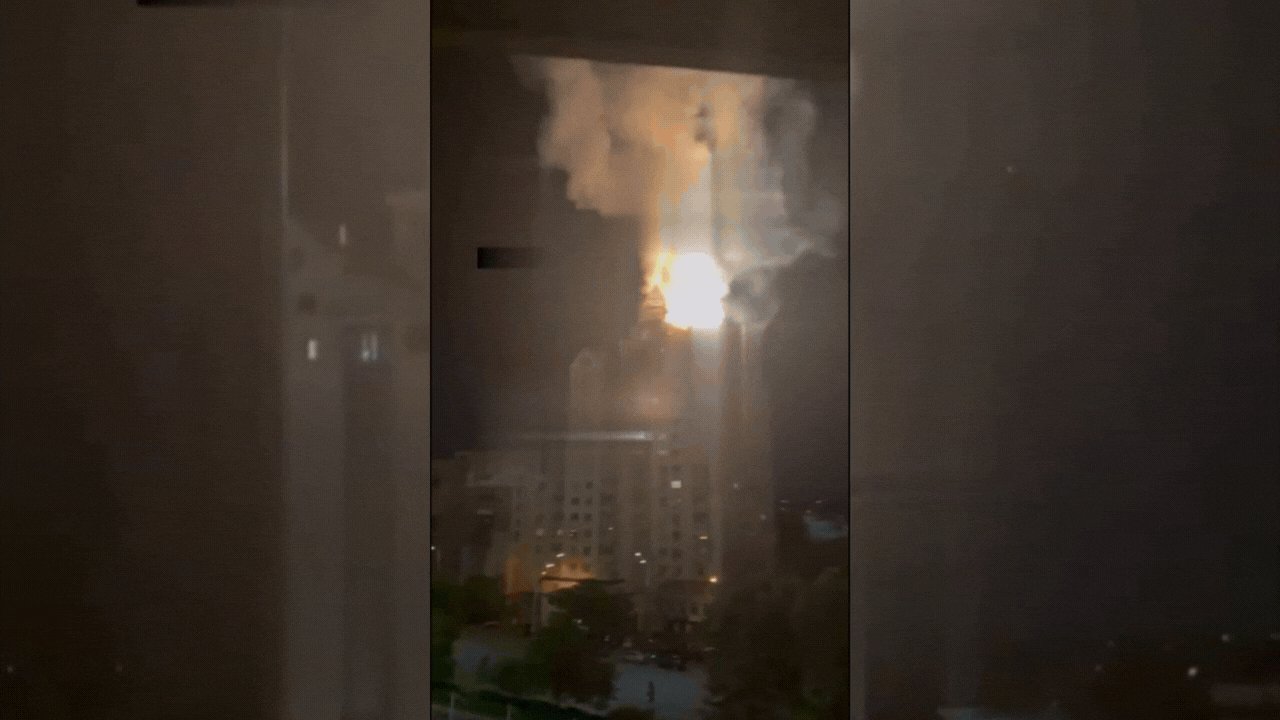
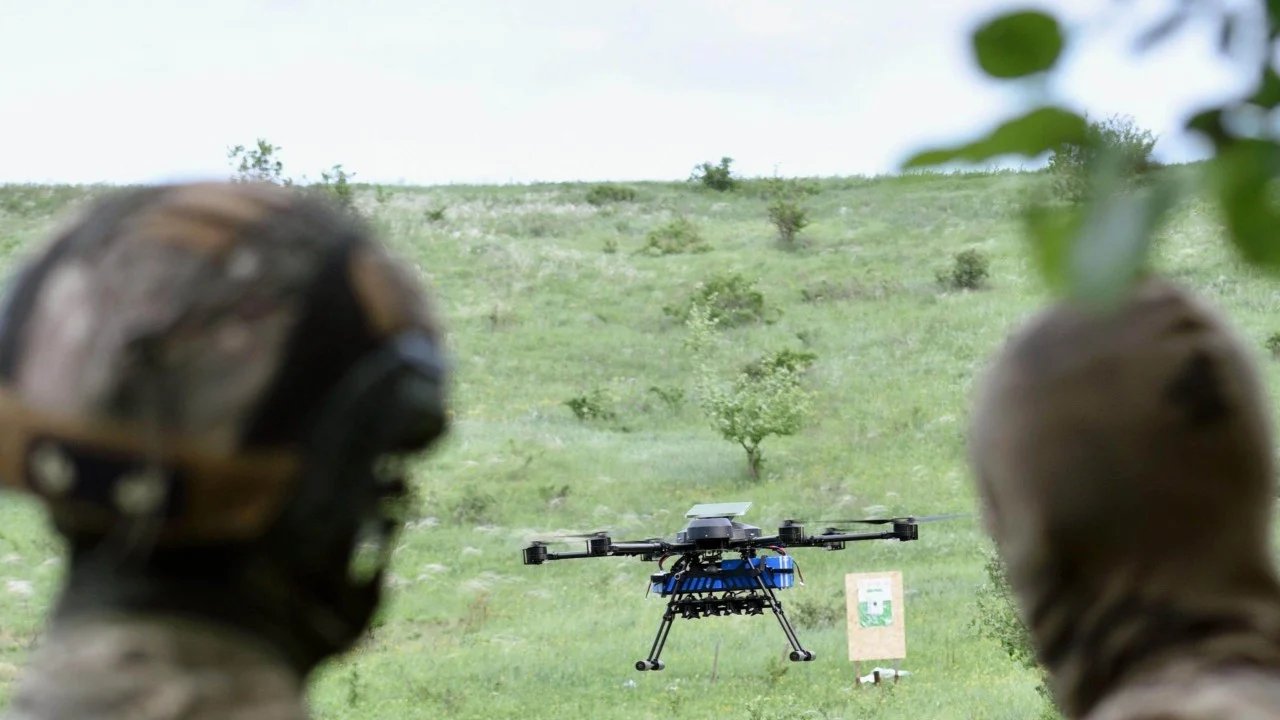
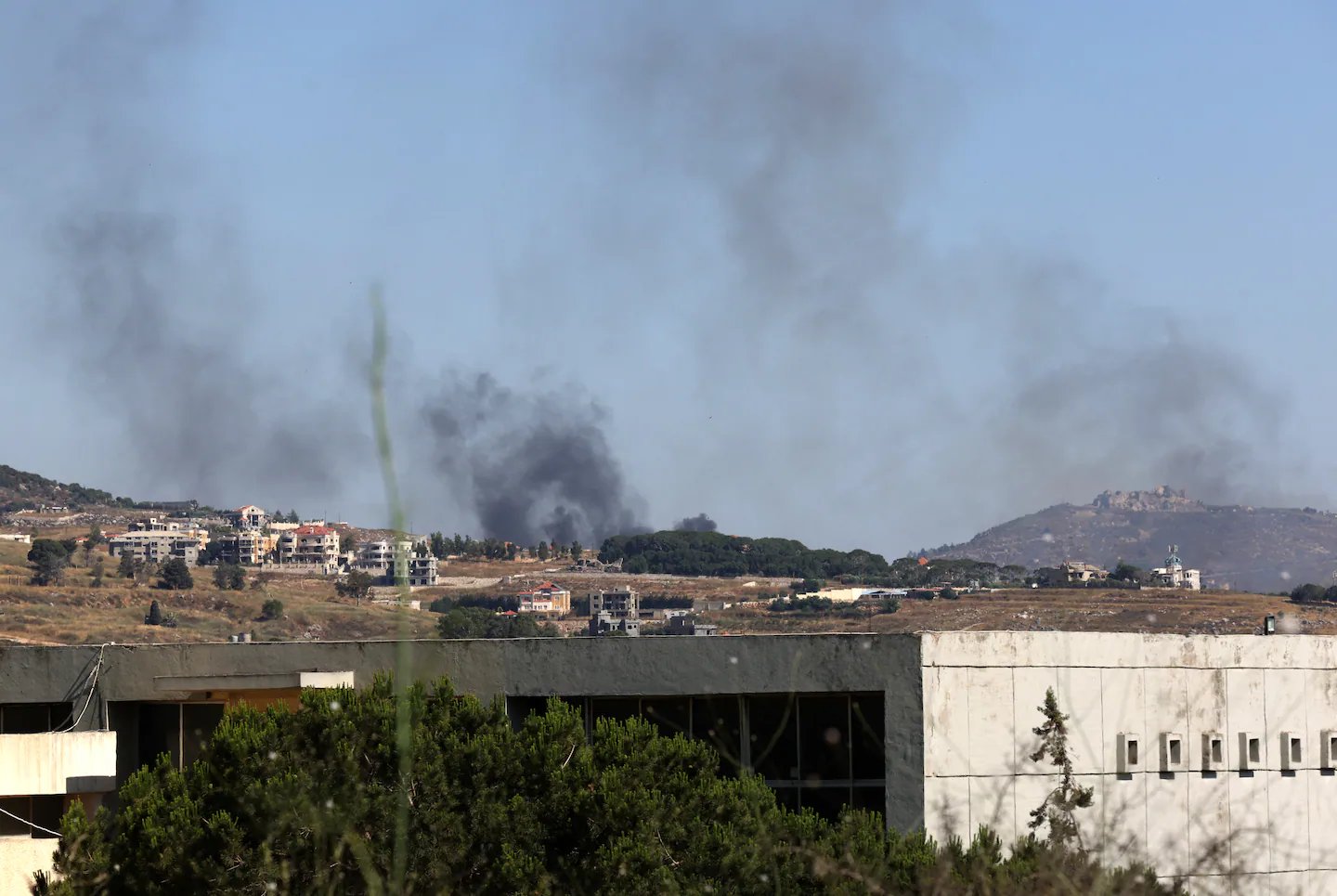
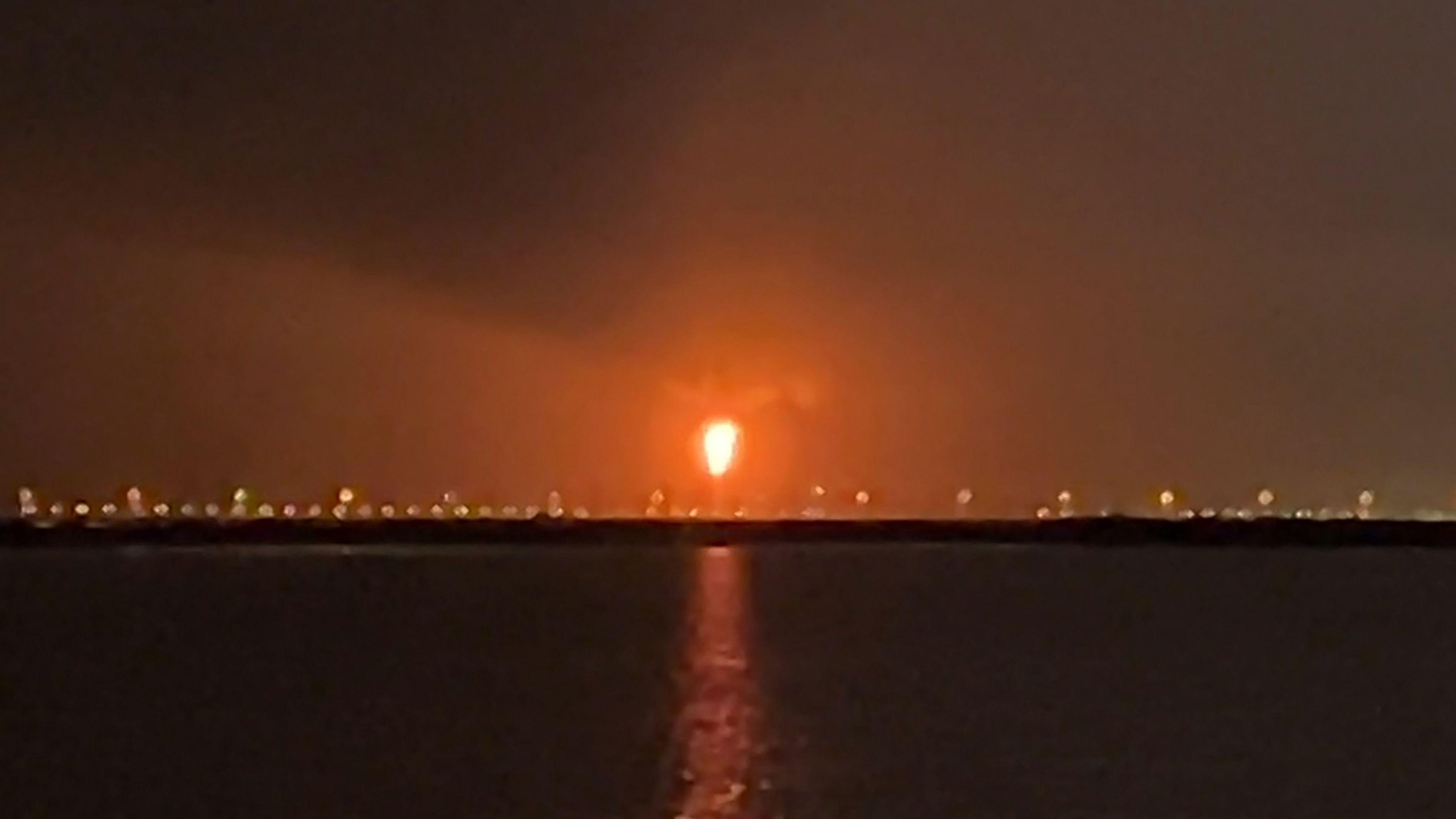
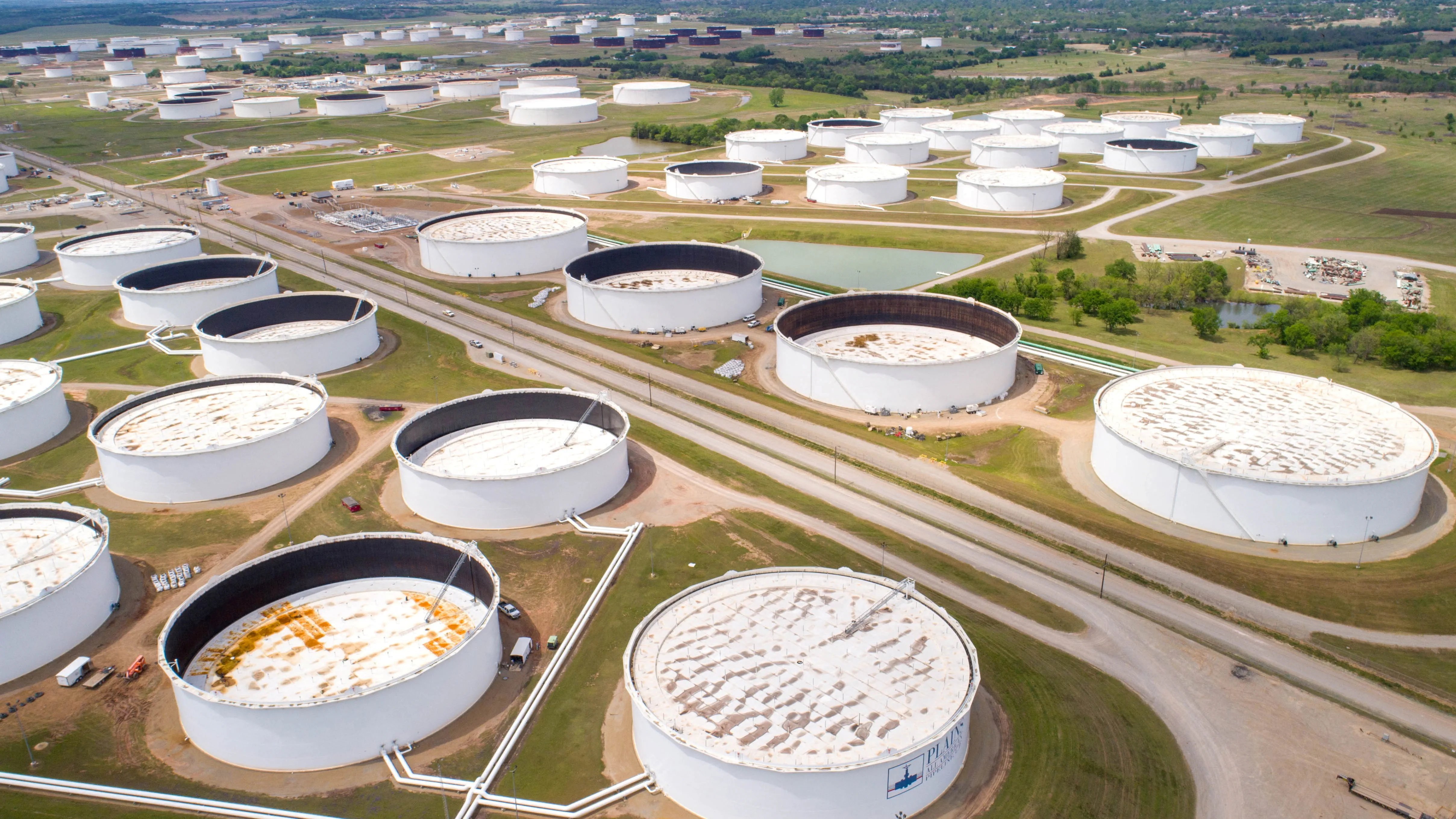
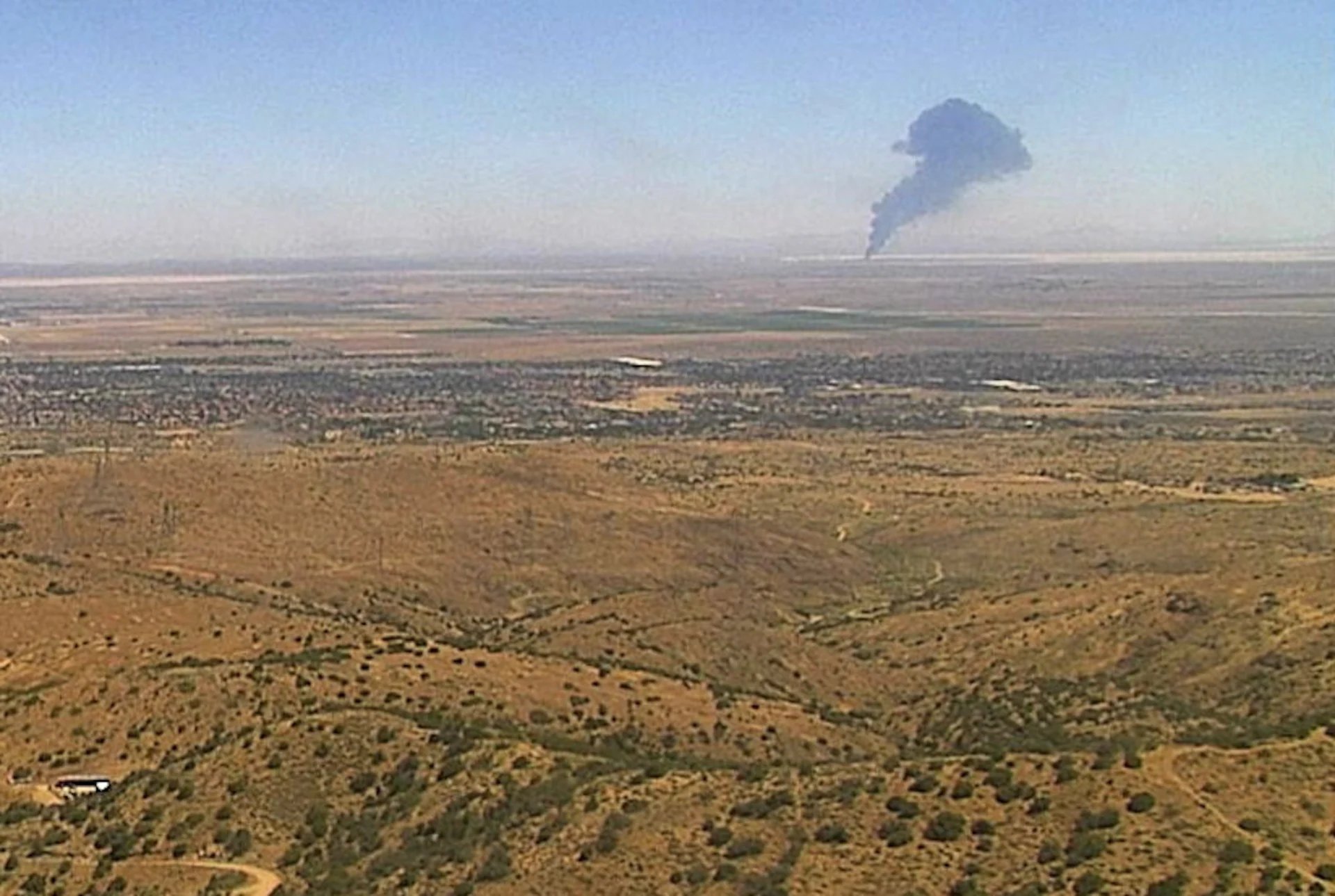
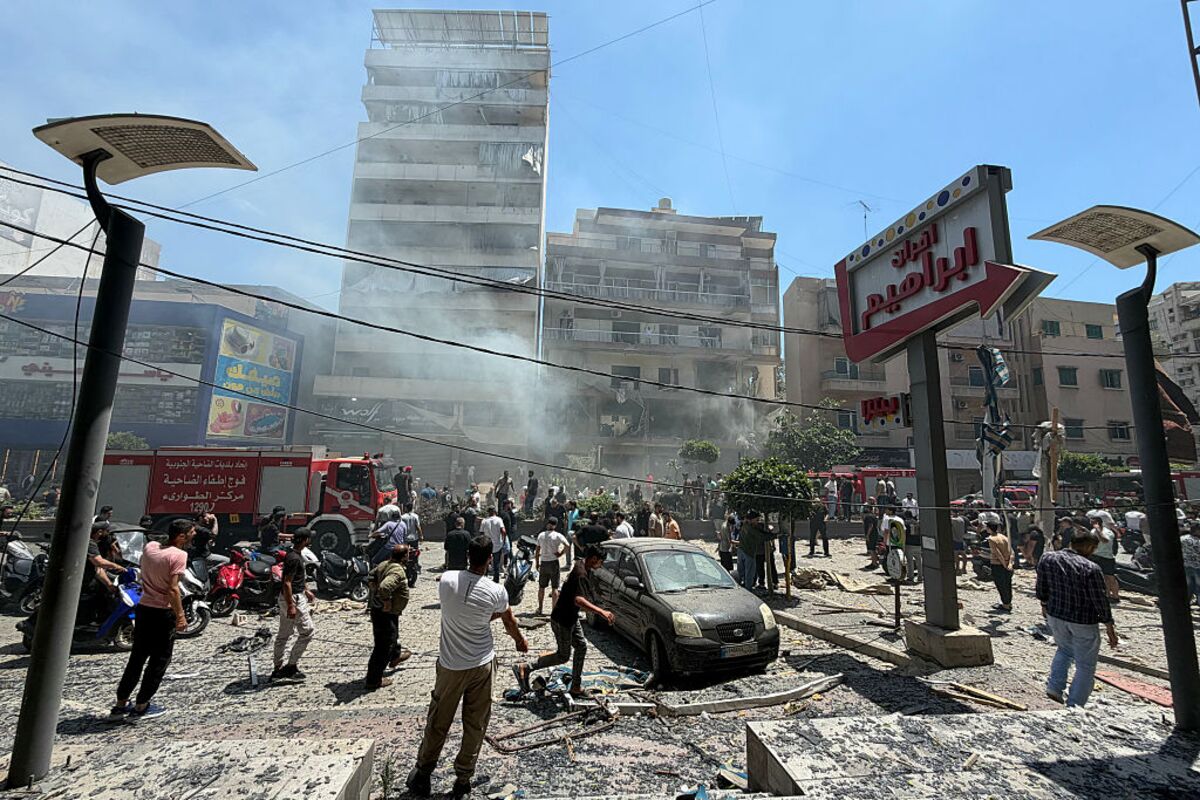
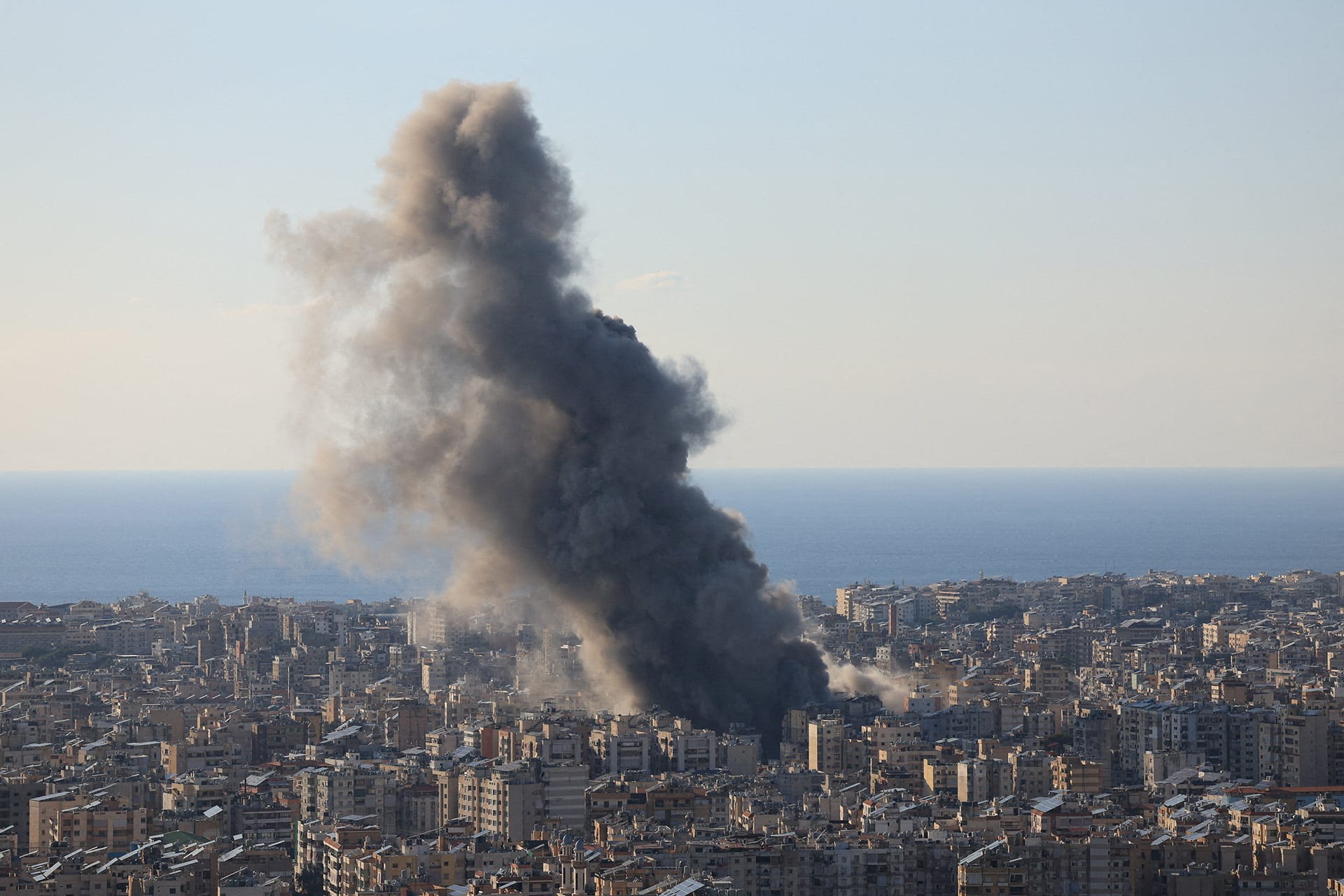
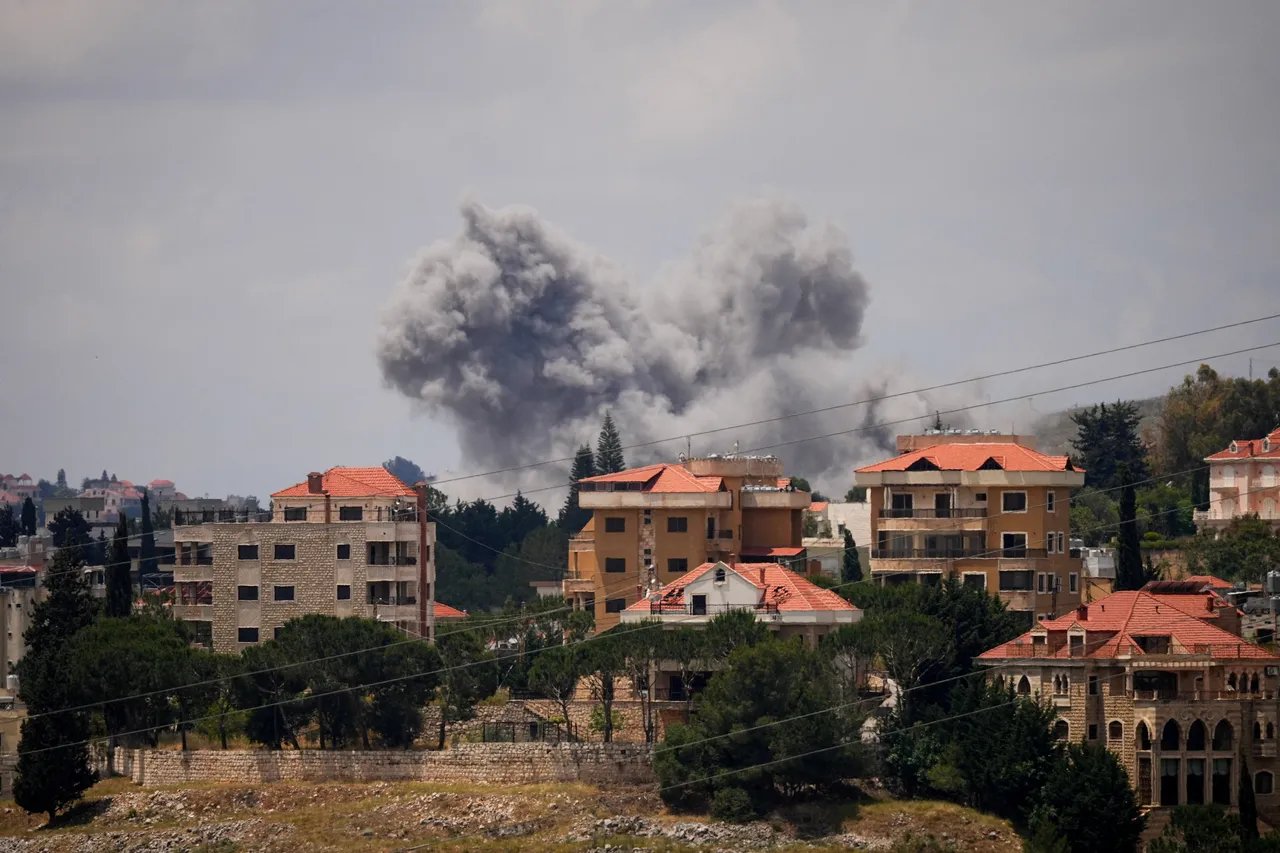
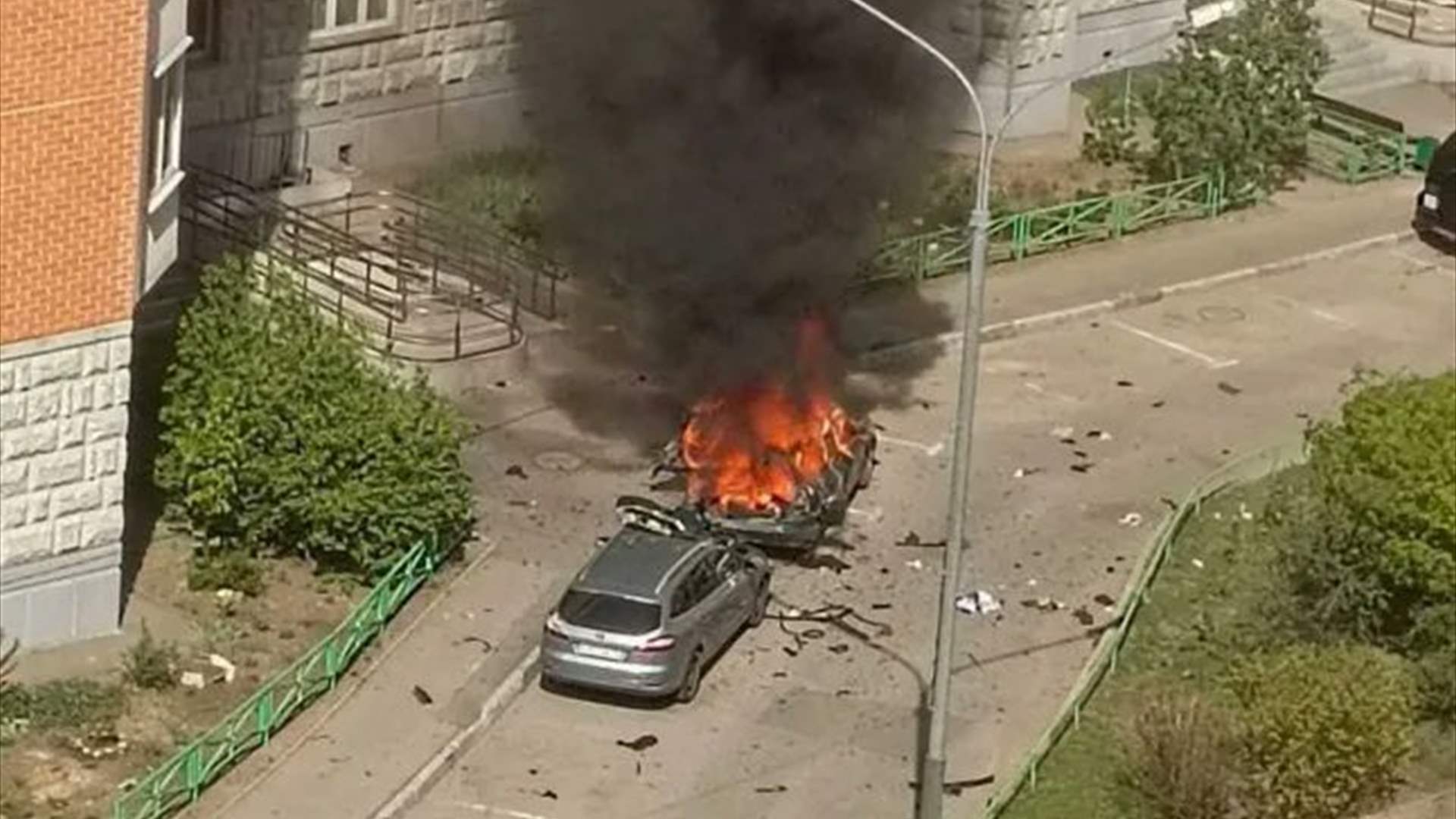
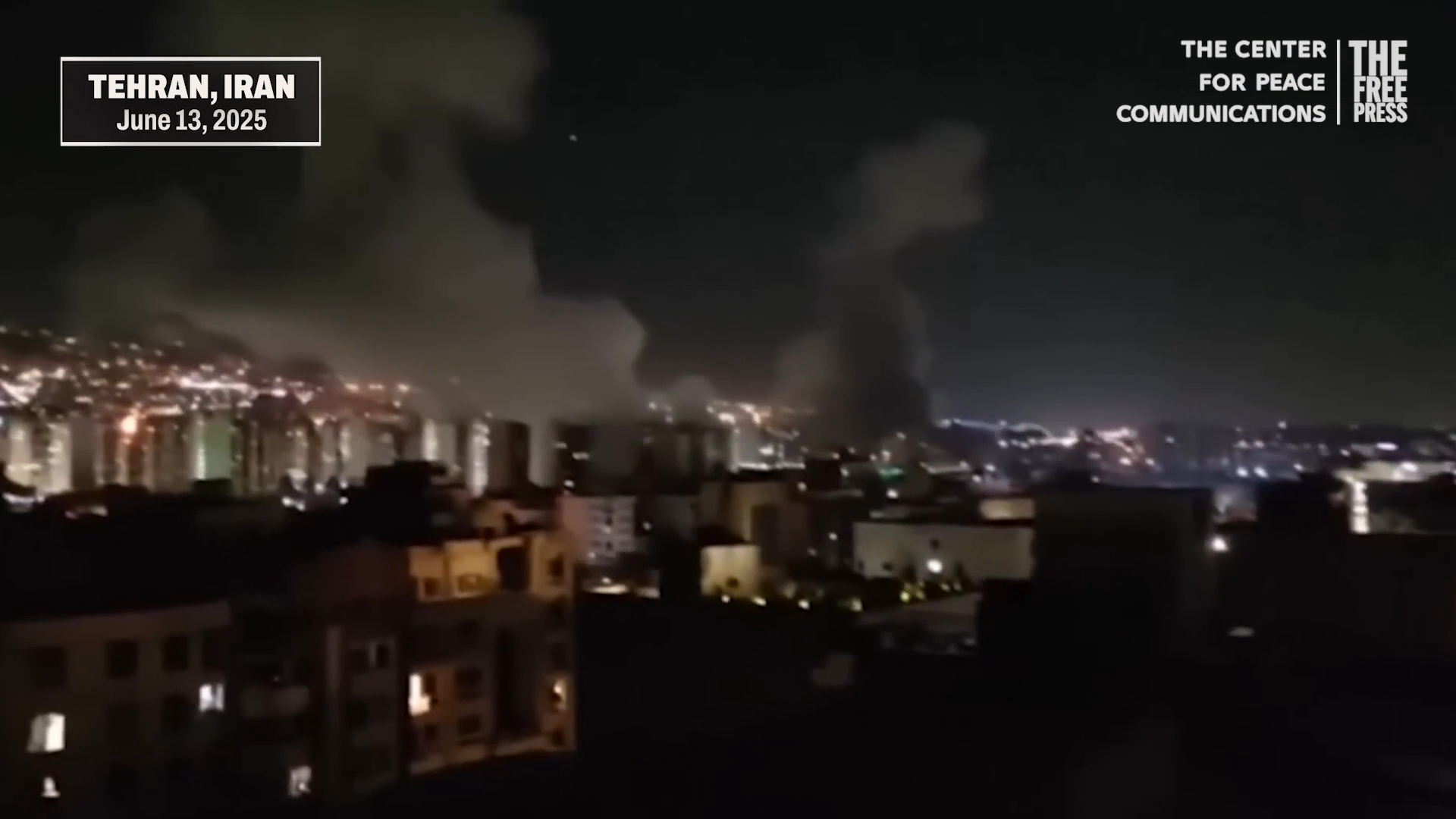
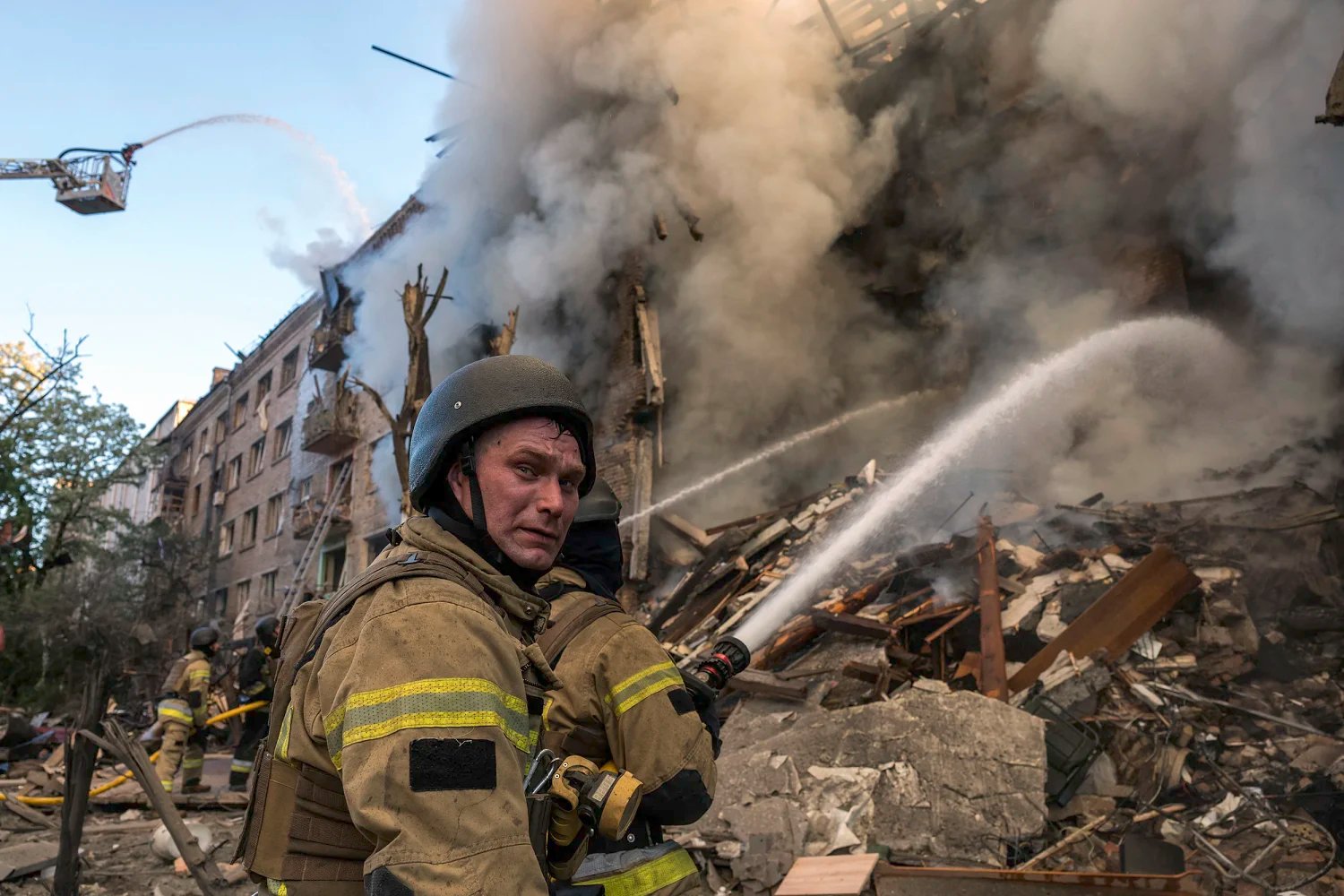
Ukraine executed a large-scale drone attack on Thursday, targeting the Moscow Oil Refinery in the city's southeast. This strike marked the largest offensive on Moscow since the start of the current conflict, with reports indicating that around 200 drones were involved. The assault resulted in significant fires, sending thick black smoke into the sky and disrupting commercial flights at the city's airports. Russia's Ministry of Defense stated it intercepted at least 555 drones during the attack, with Moscow Mayor Sergei Sobyanin claiming that approximately 180 drones were intercepted as they approached the capital.
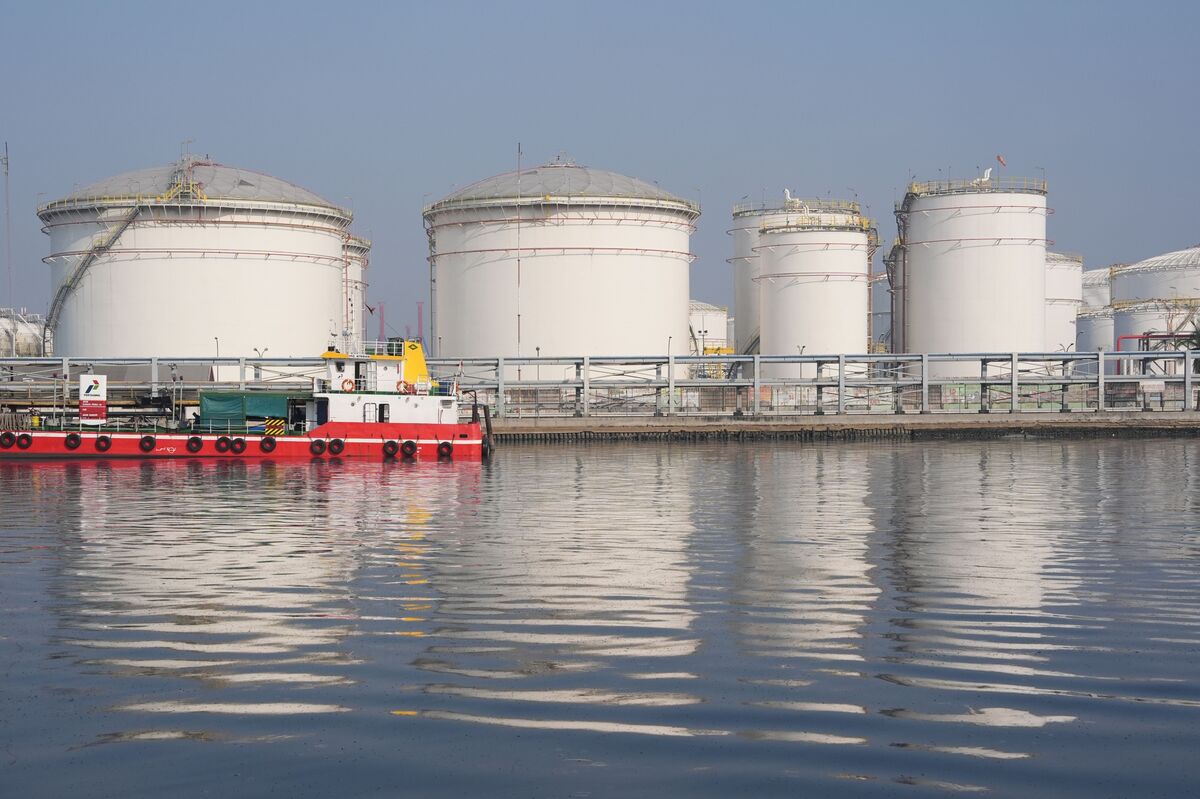
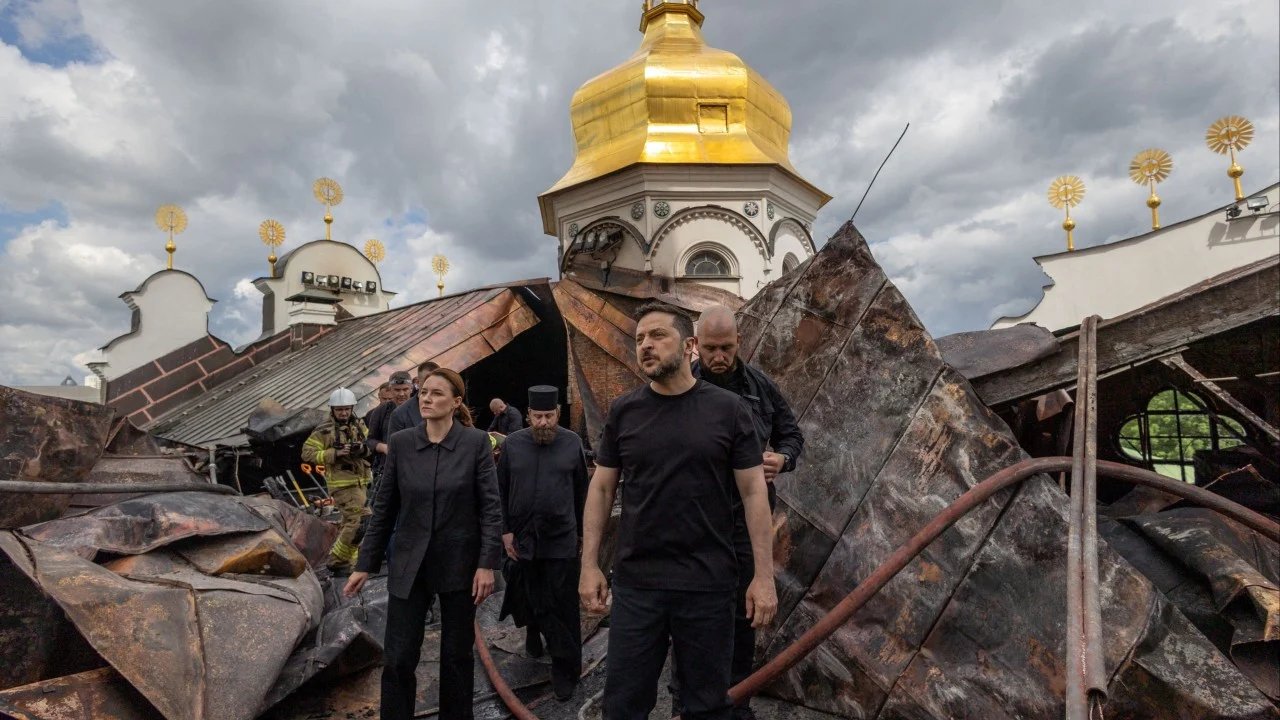
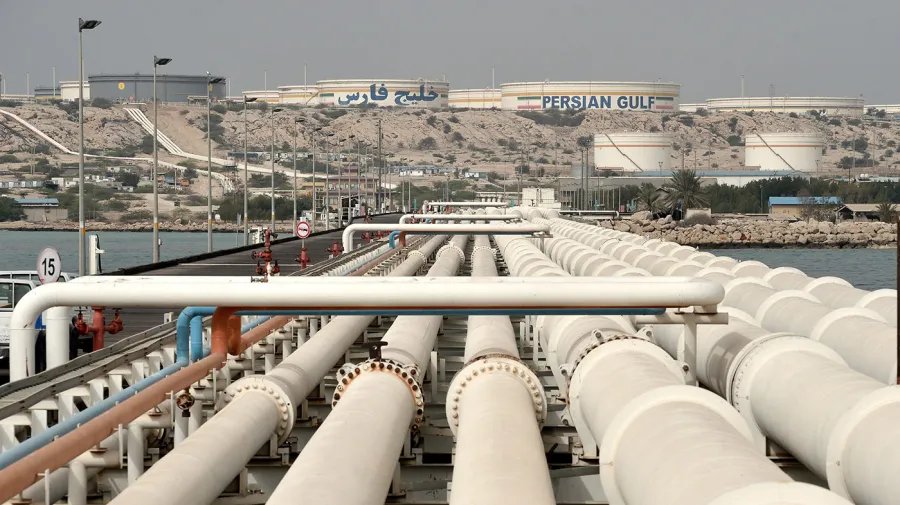
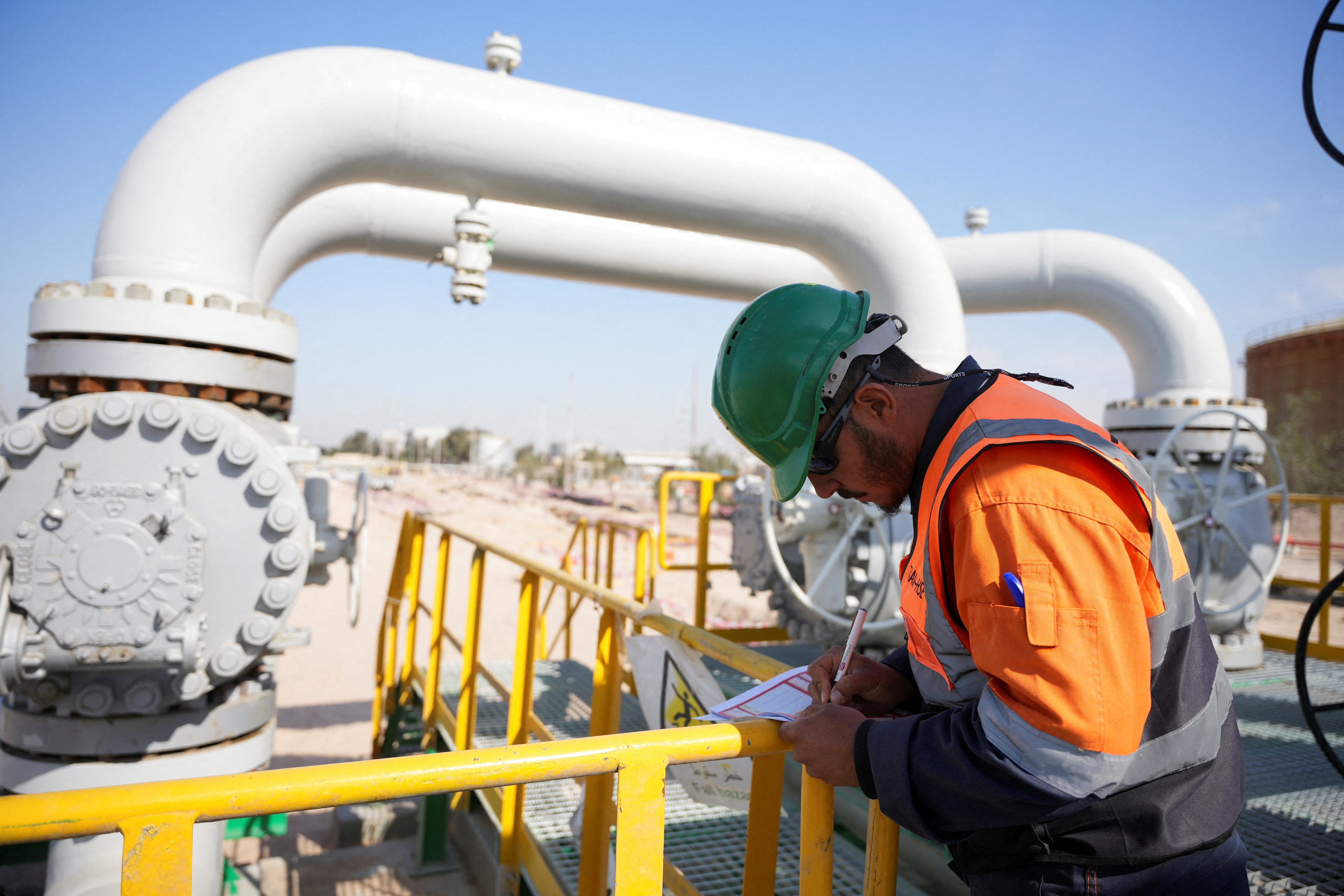
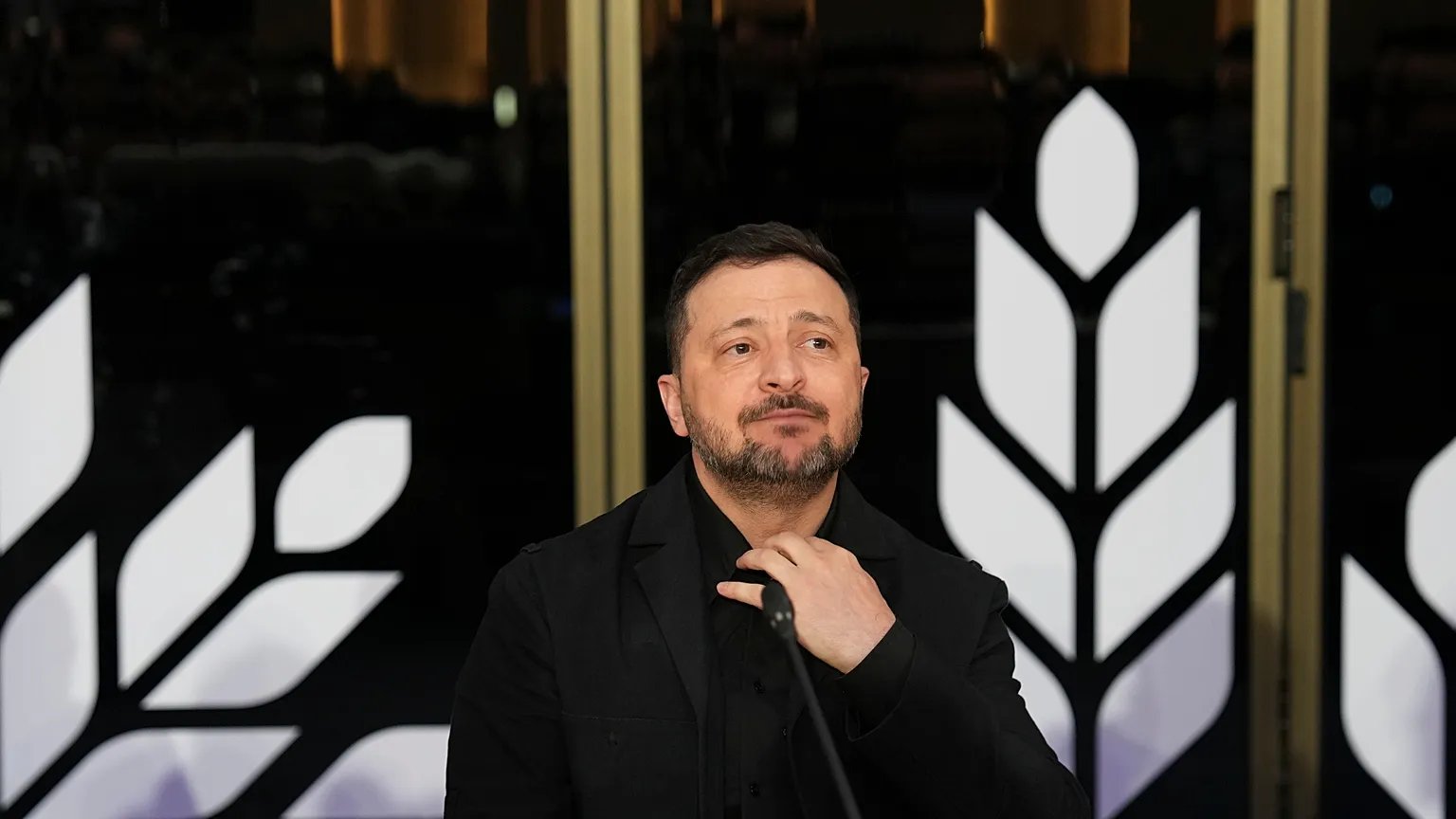
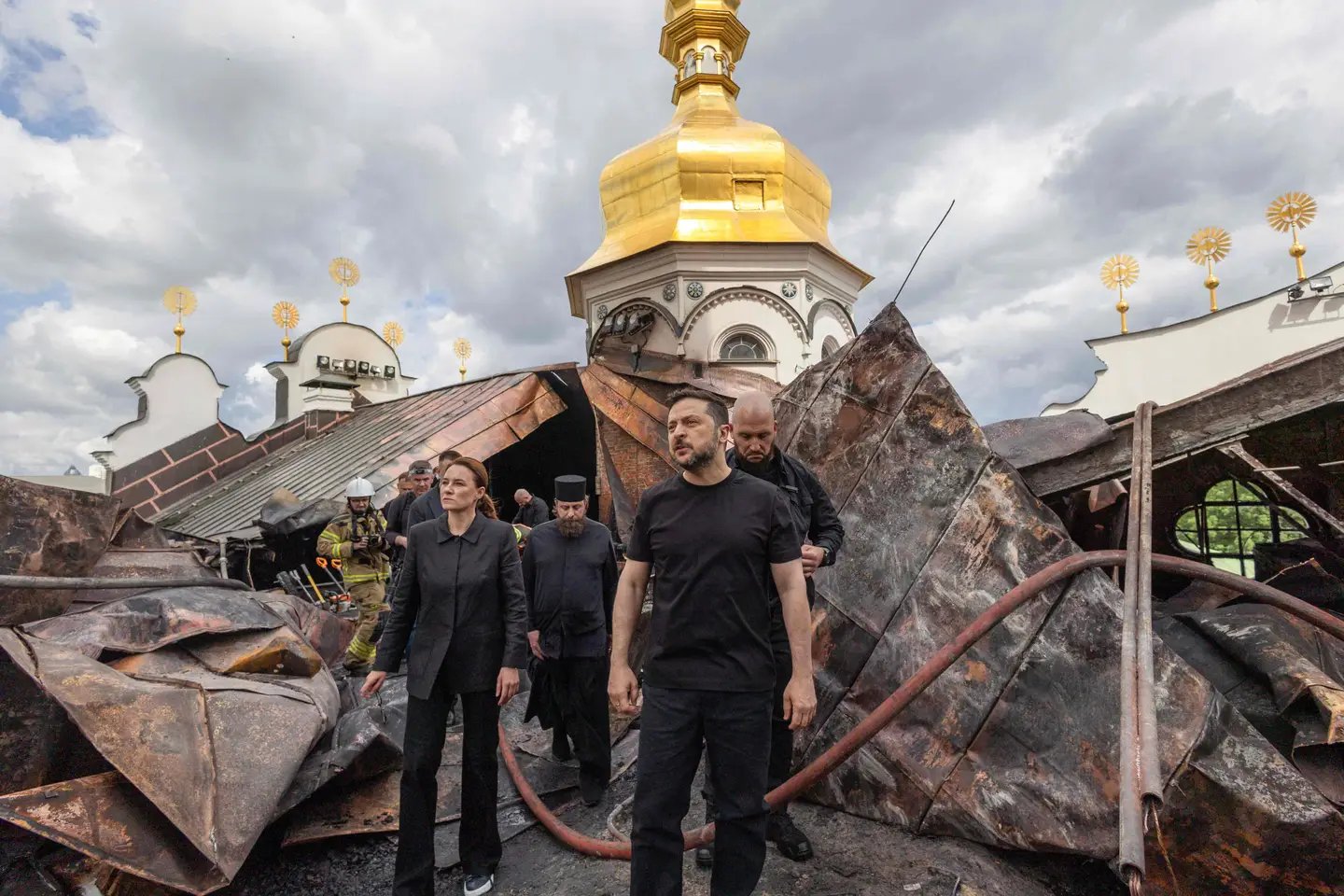
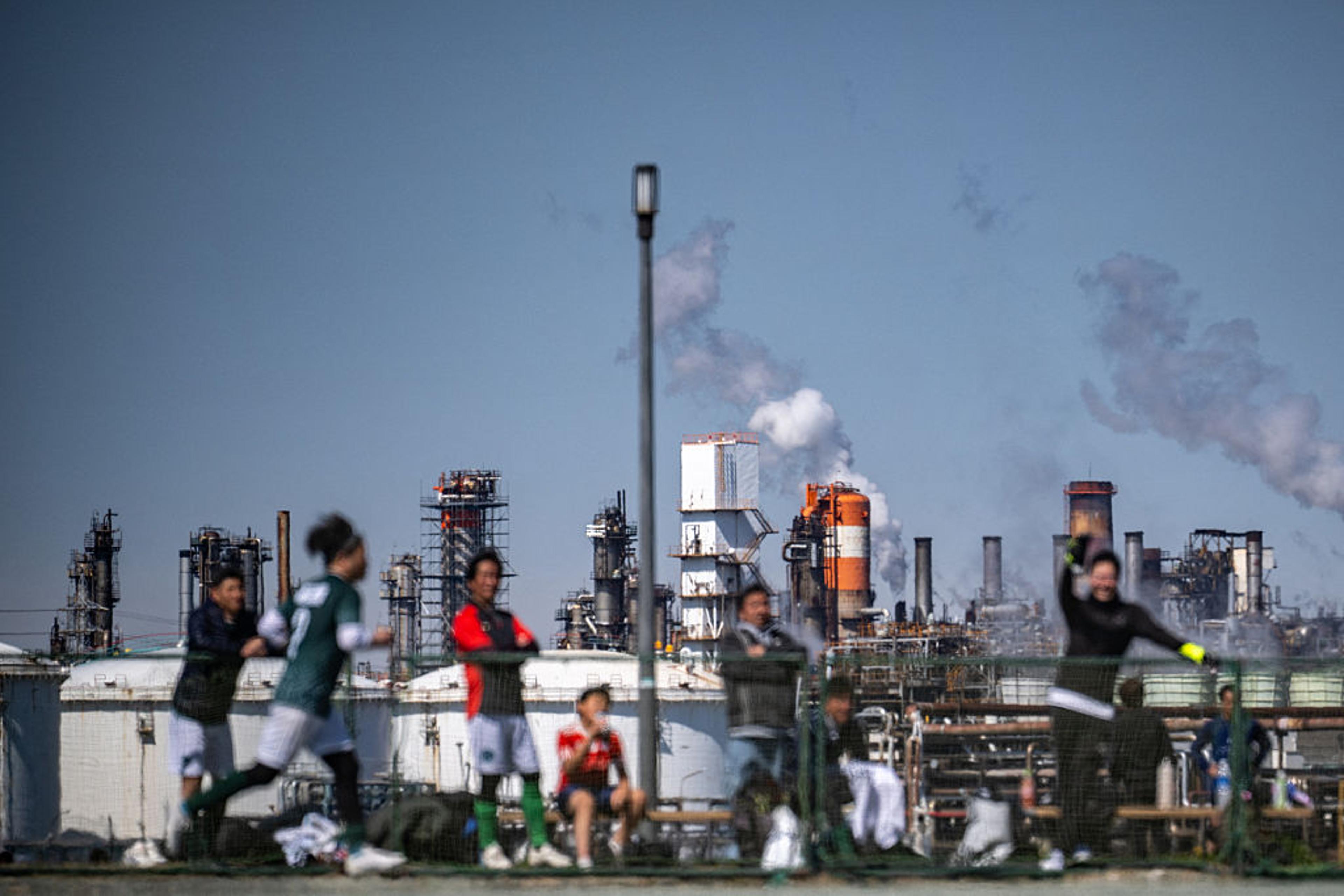
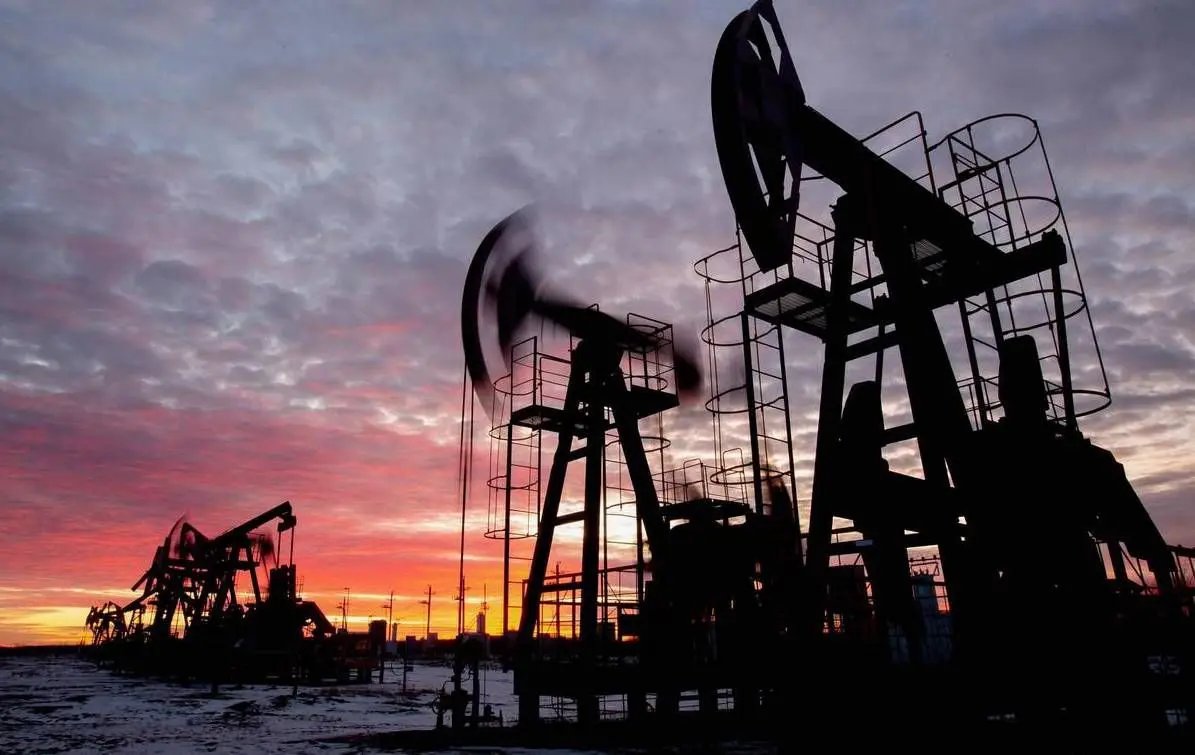
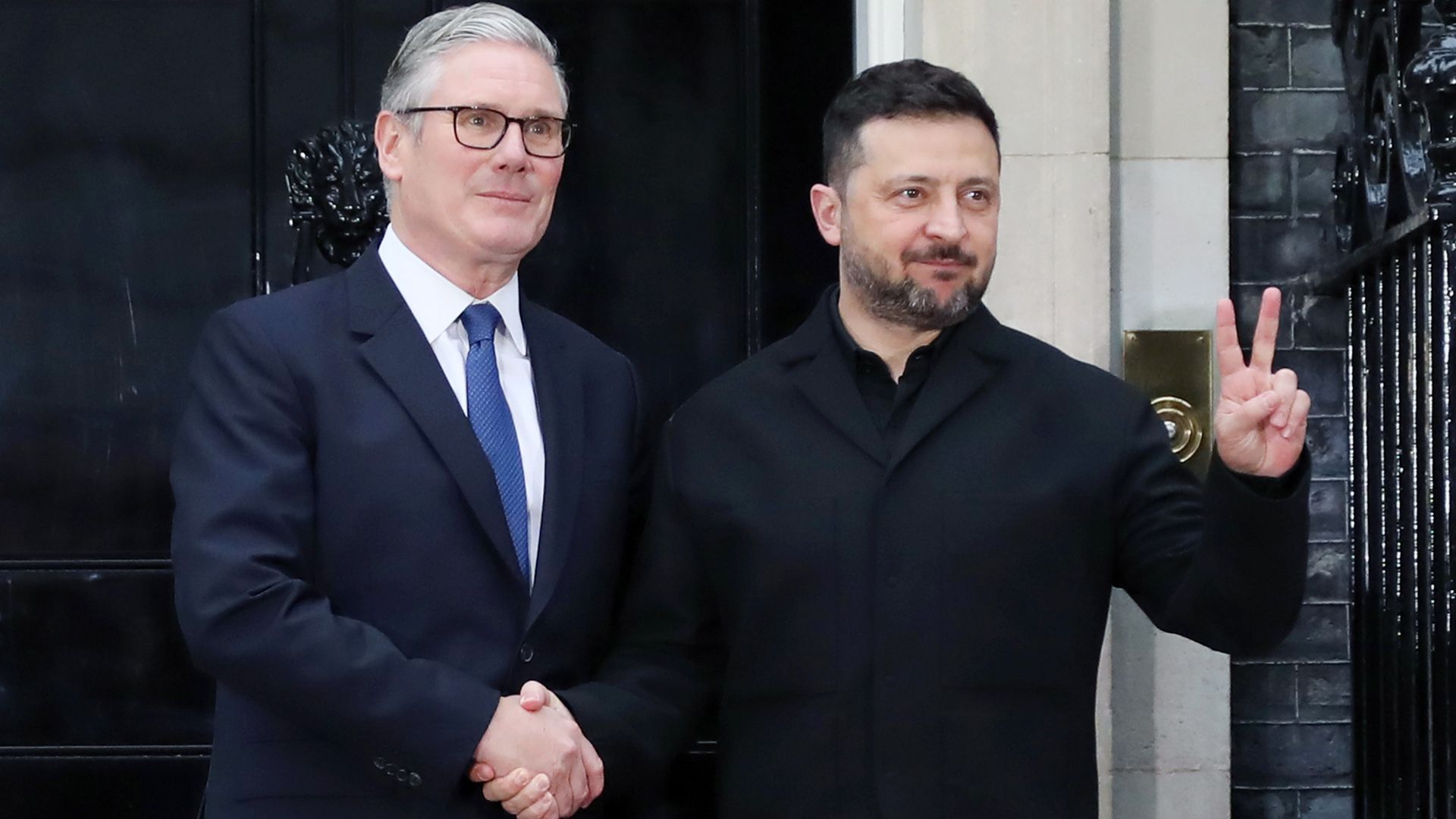
Ukrainian President Volodymyr Zelensky described the drone strike as a "fully justified response" to recent Russian attacks on Ukrainian cities, including a strike that ignited a historic monastery. Zelensky emphasized that the operation aimed to target facilities supporting Russia's military efforts. Video evidence confirmed blasts at the Kapotnya refinery, a significant facility managed by Gazprom Neft, which accounts for over a third of the fuel market in the Moscow region.
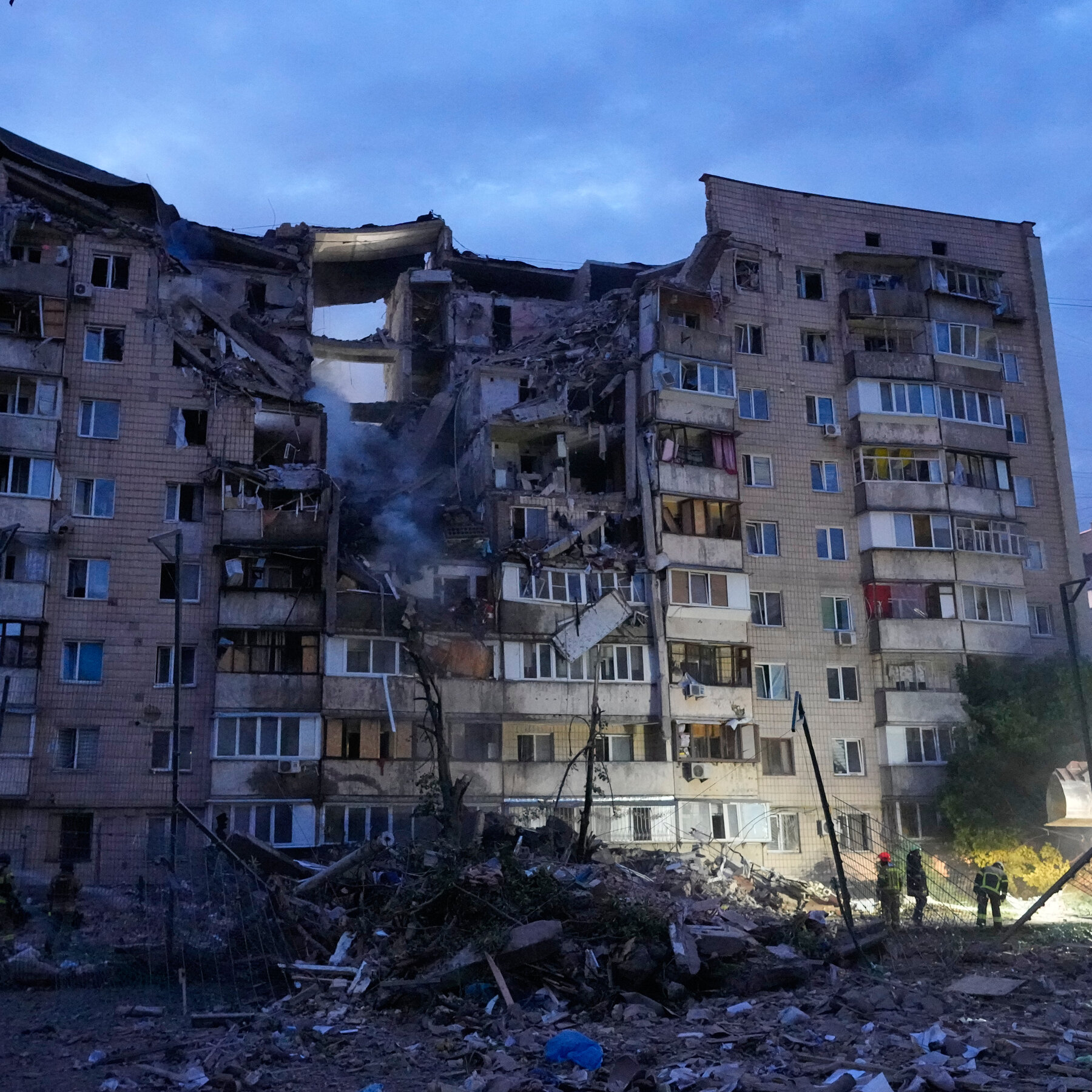
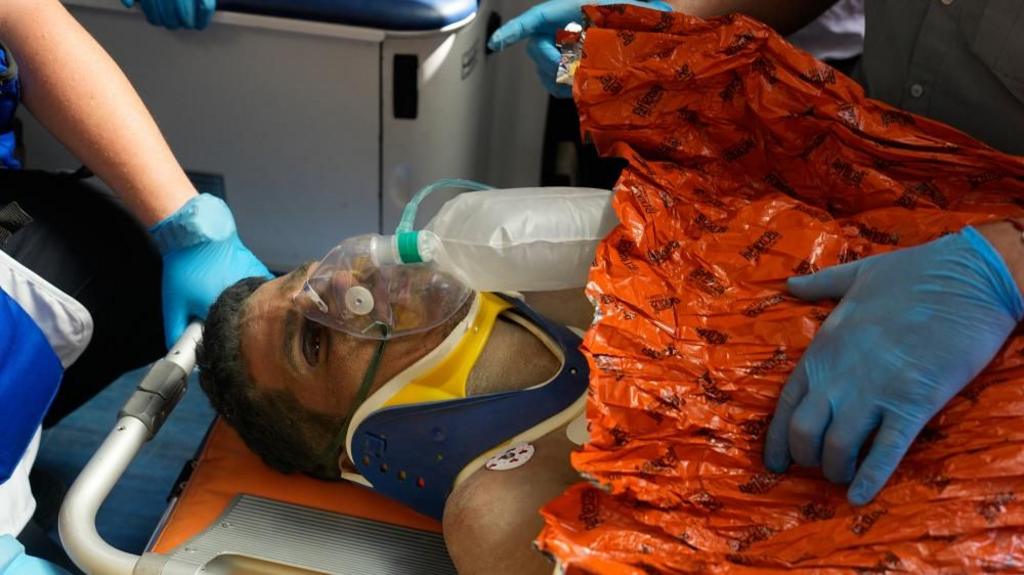
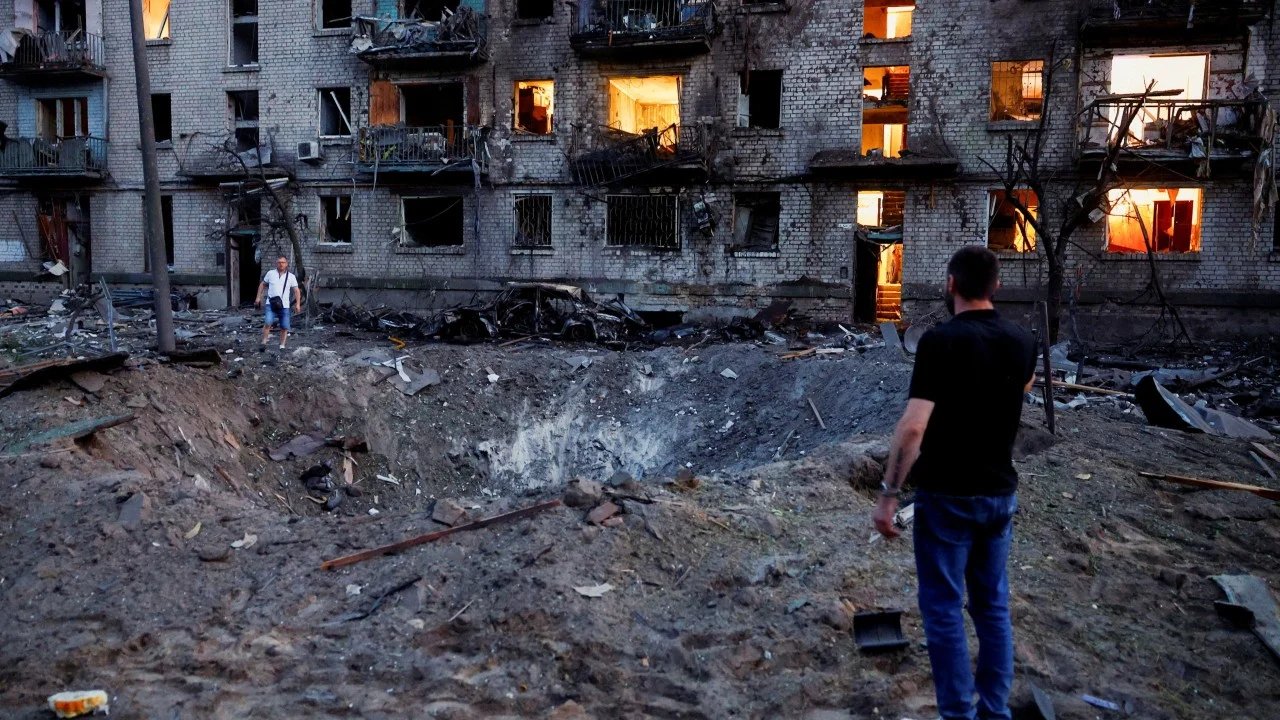
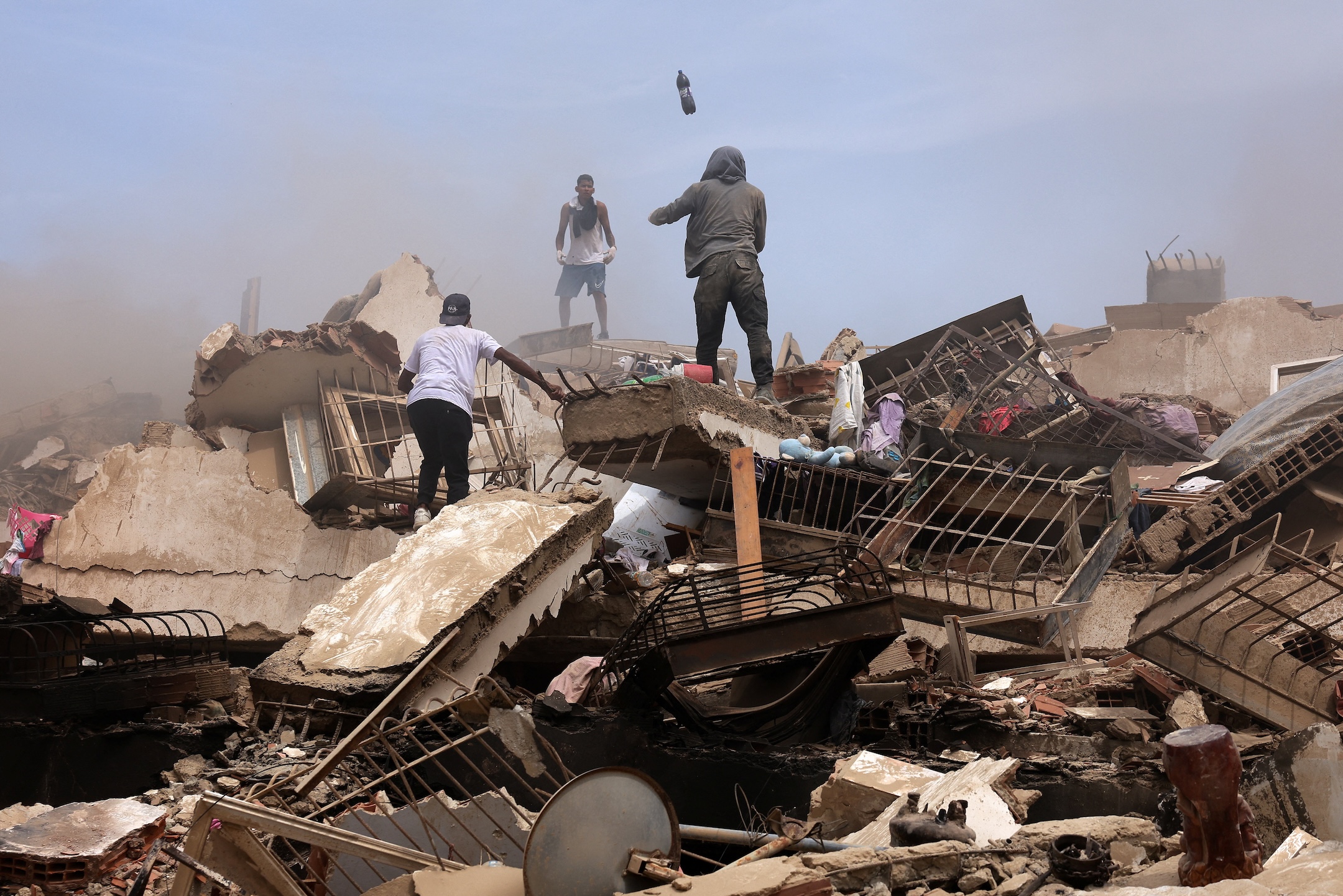
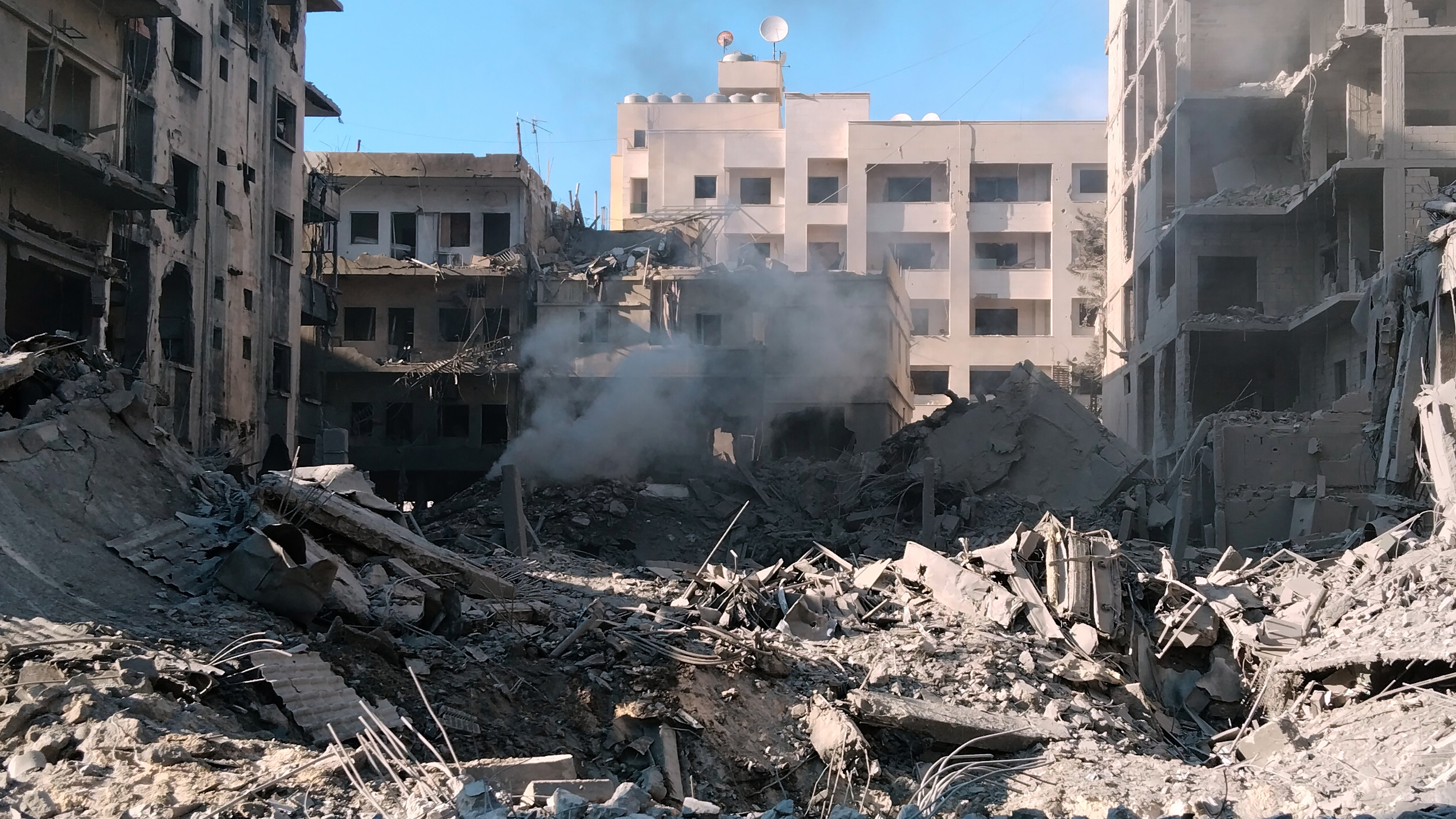
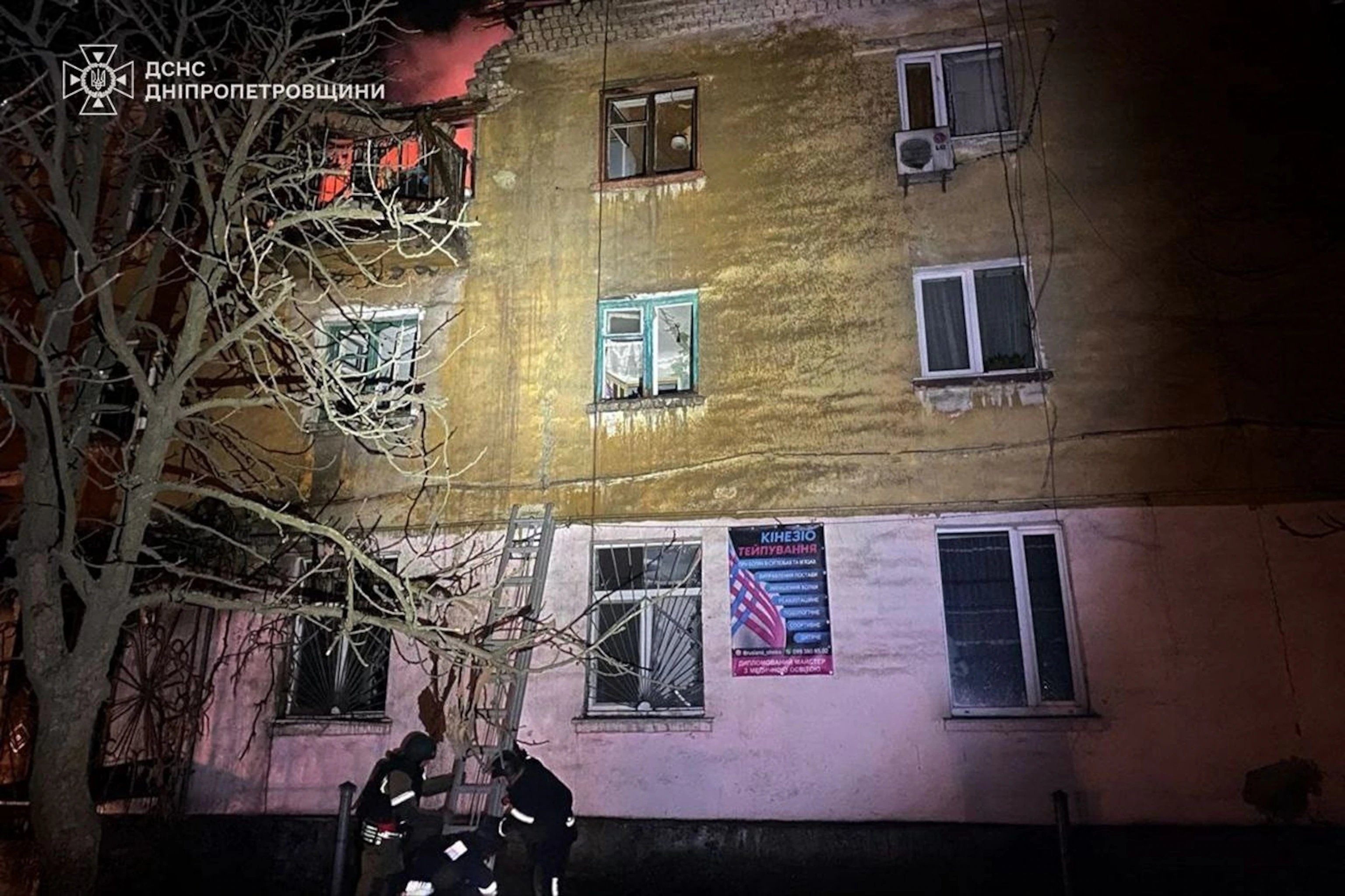
The attack wounded seventeen people in the Moscow region, according to local governor Andrei Vorobyov. In addition to the refinery, a nearby shopping center suffered damage from falling drone debris. The scale of the operation led to the temporary shutdown of four major airports in Moscow, resulting in the cancellation and delay of over 500 flights. Local authorities reported that drone debris also damaged residential buildings, although specifics regarding casualties were not immediately detailed.
This drone strike was the largest attack on Moscow since the war began, as Ukraine continues to develop its long-range capabilities. Ukrainian officials have increasingly targeted oil facilities deep within Russian territory, aiming to undermine the Kremlin's energy infrastructure and revenue sources. The attack on the refinery came just days after another strike on the same facility, illustrating Ukraine's intent to disrupt Russian operations consistently.
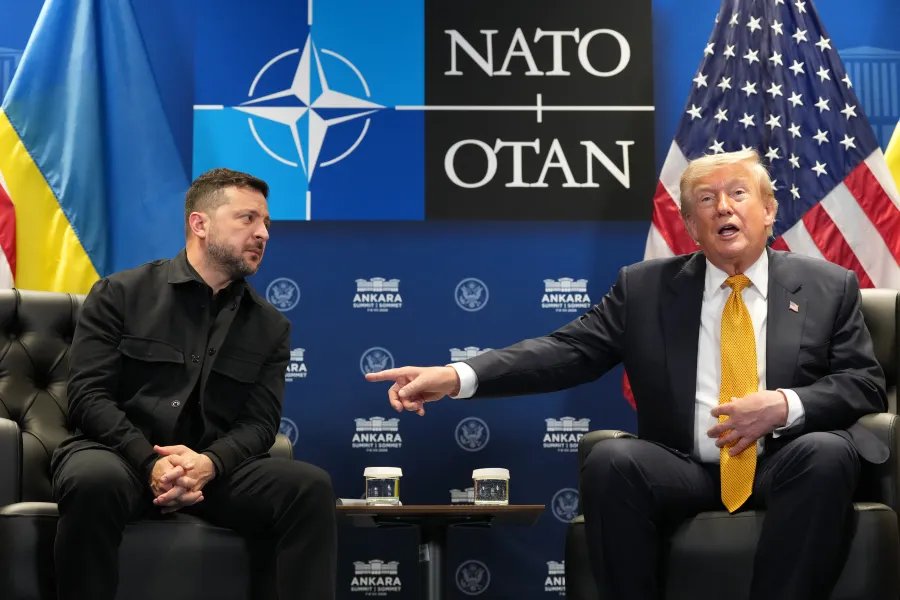
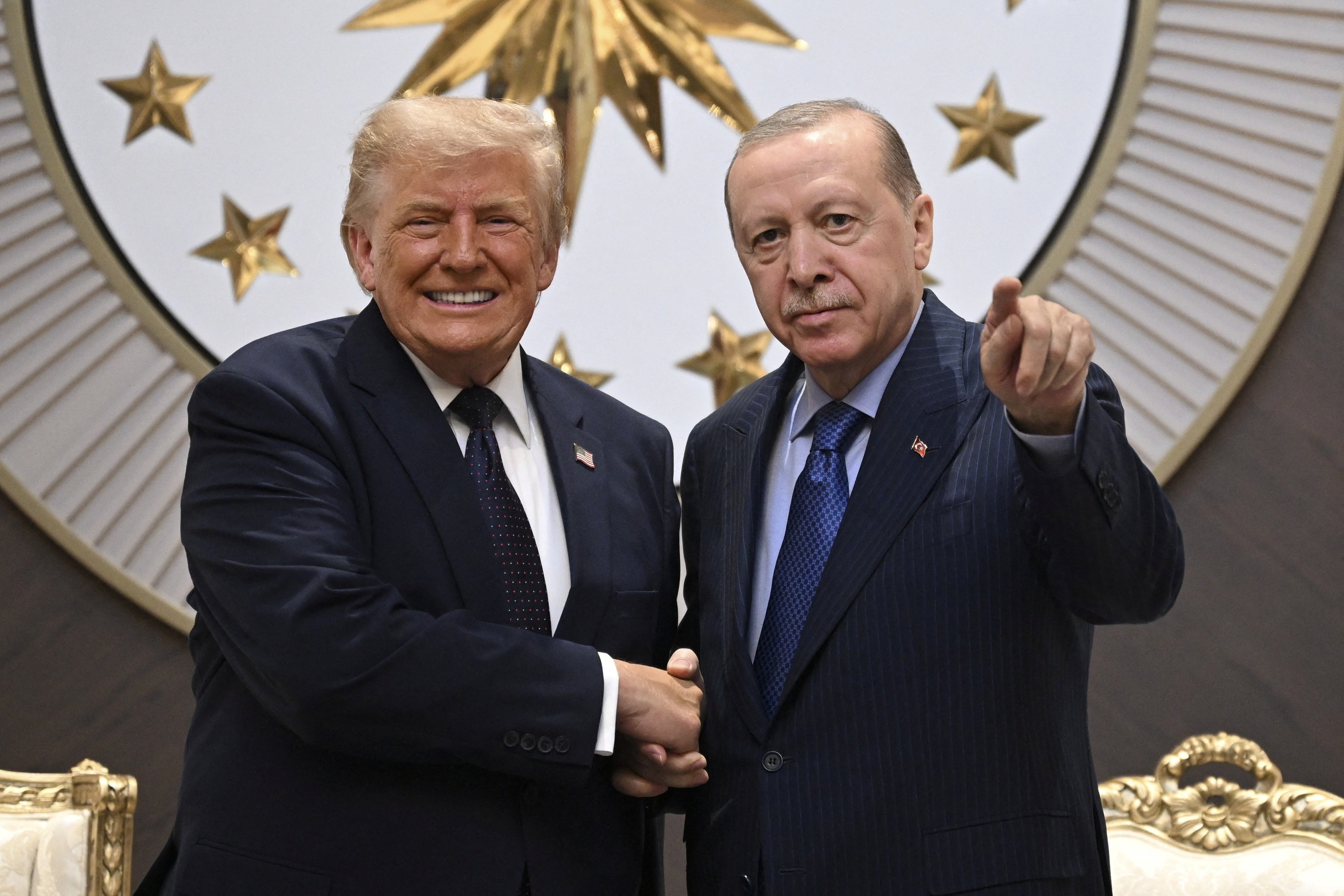
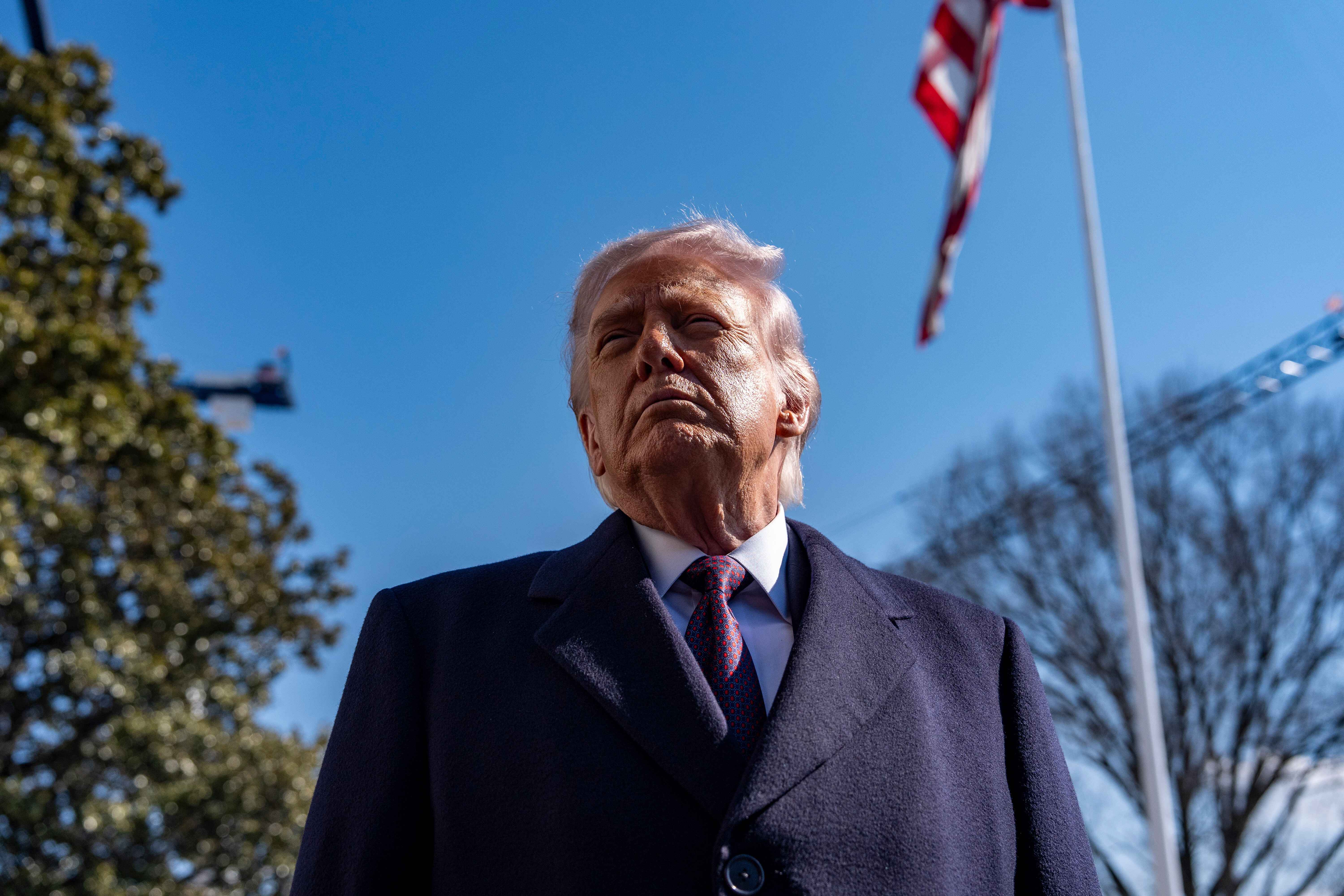
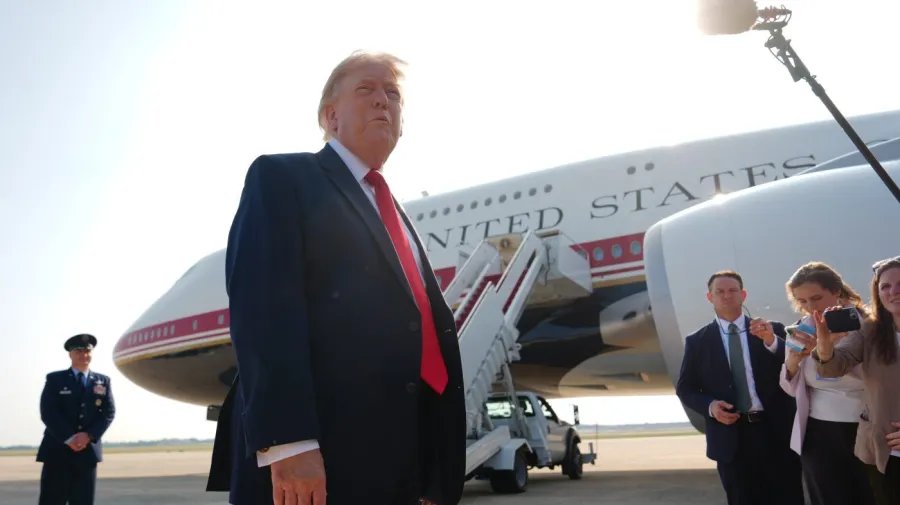
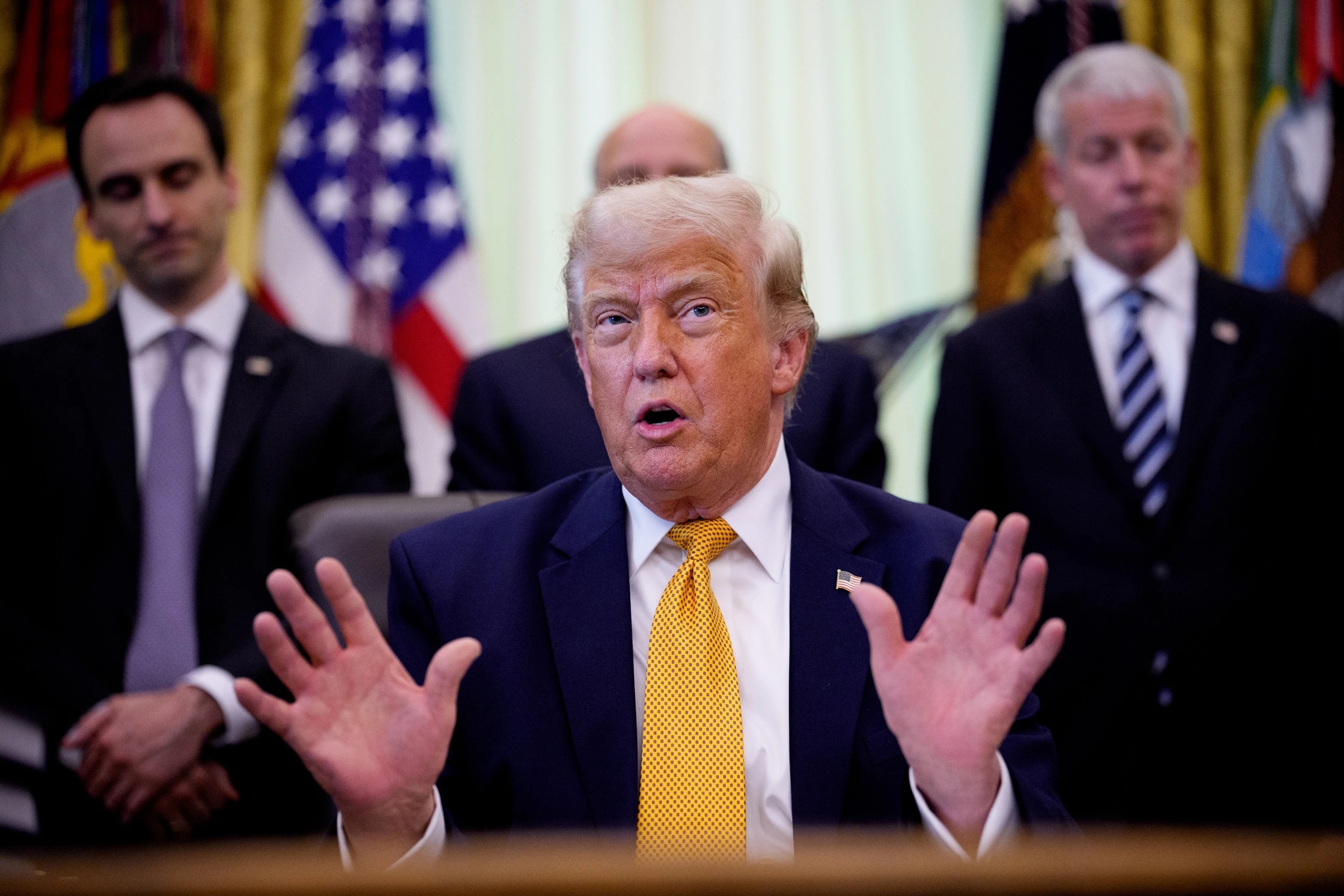
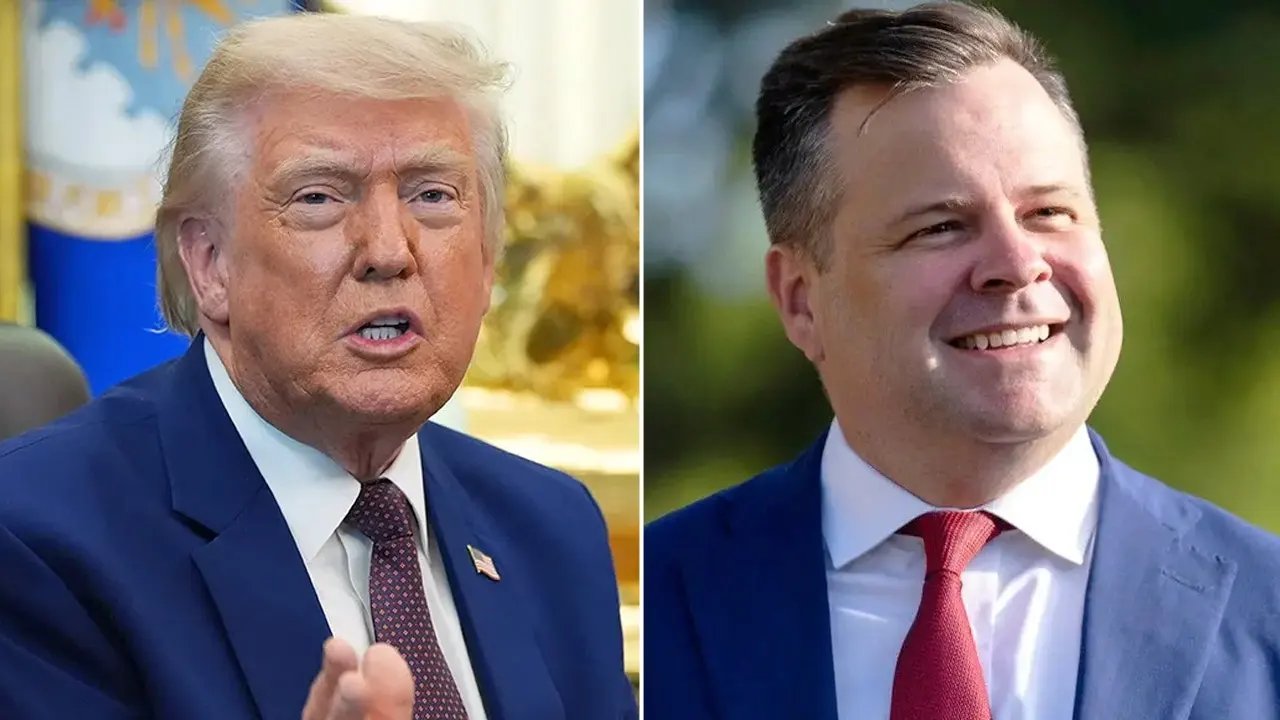
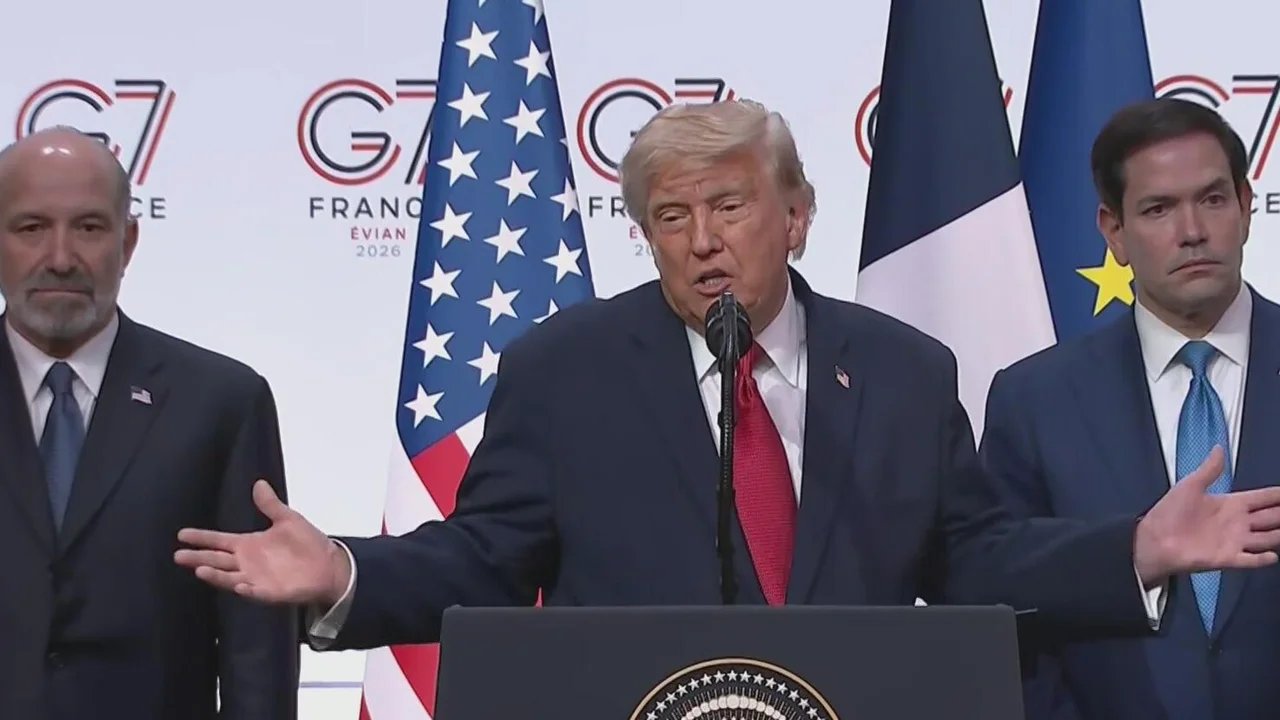
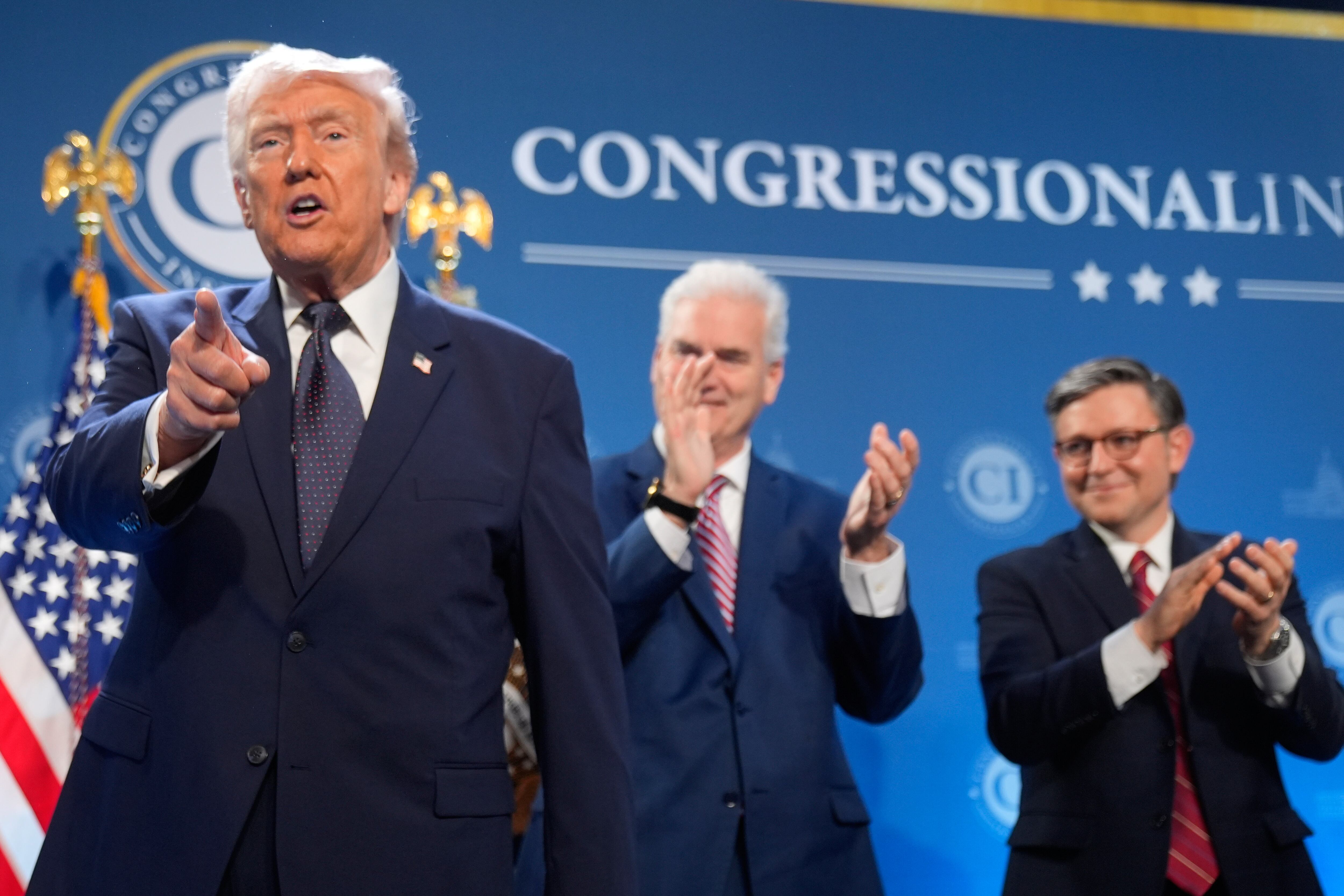
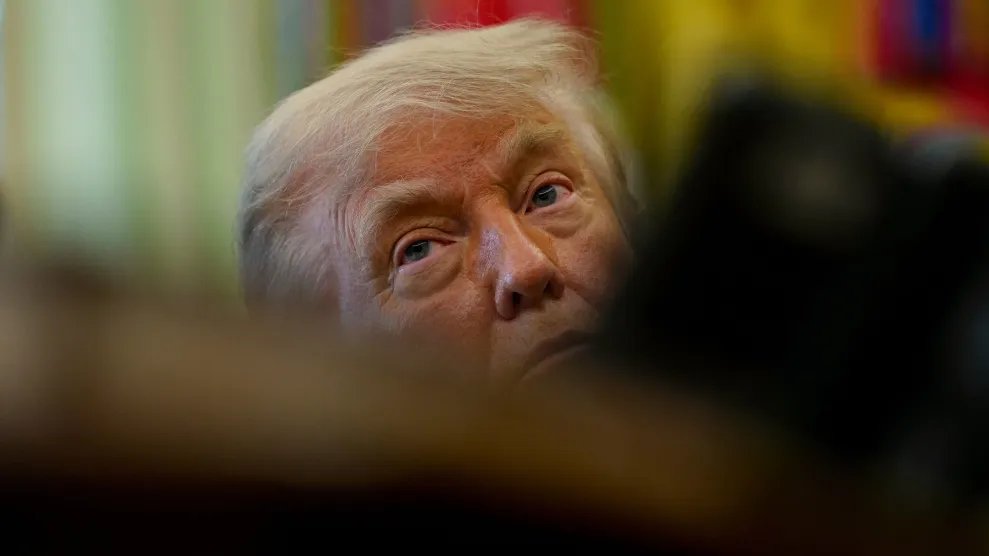
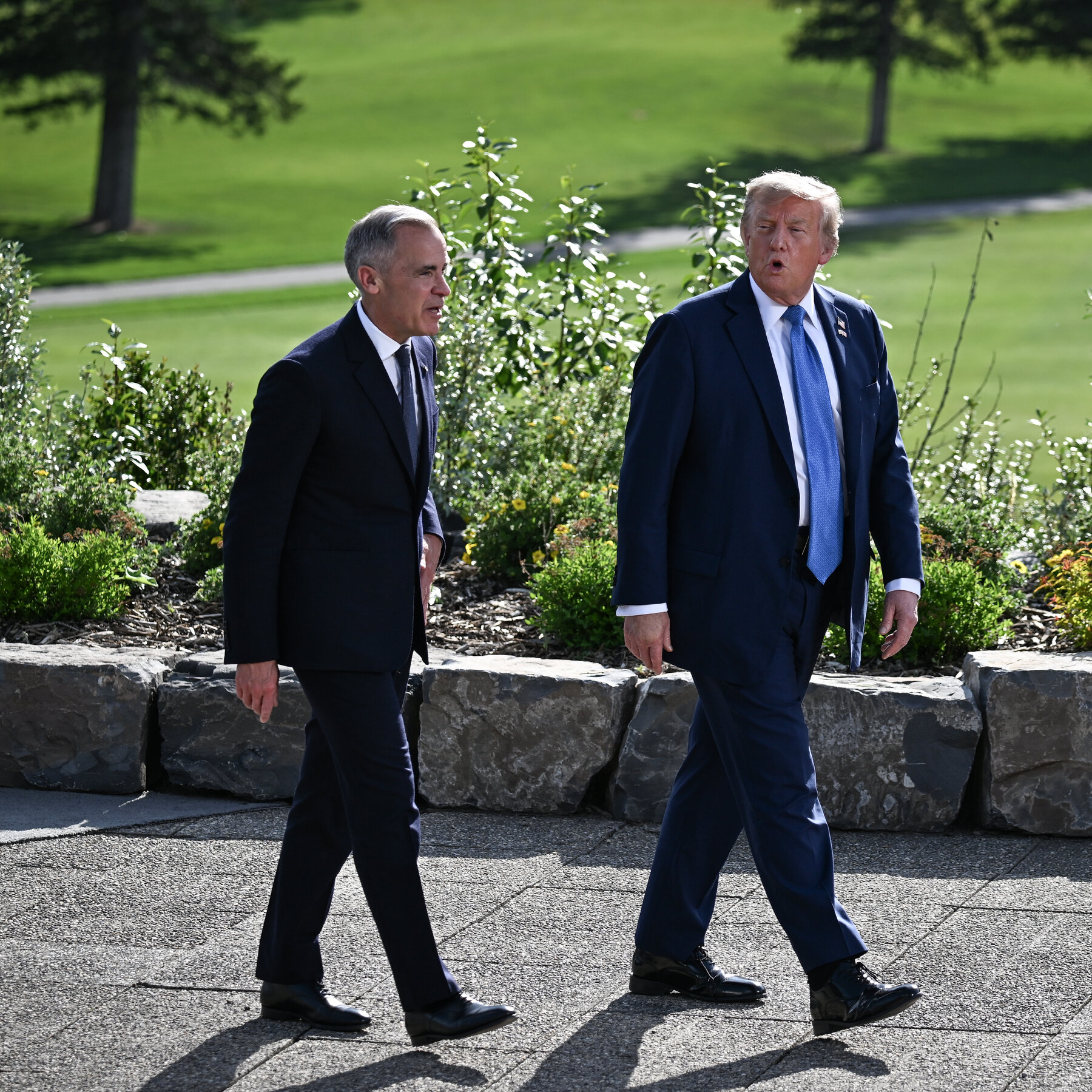
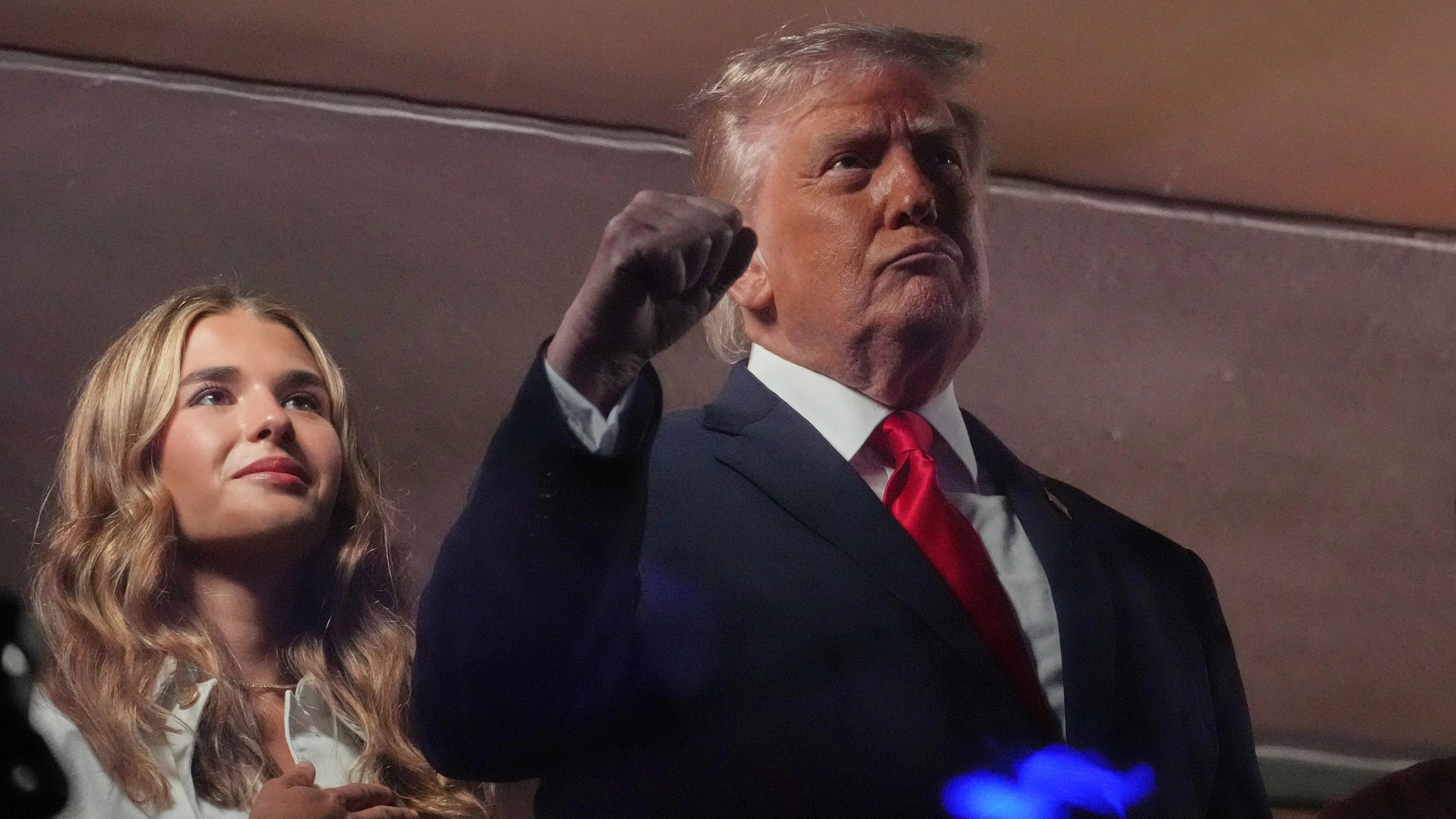
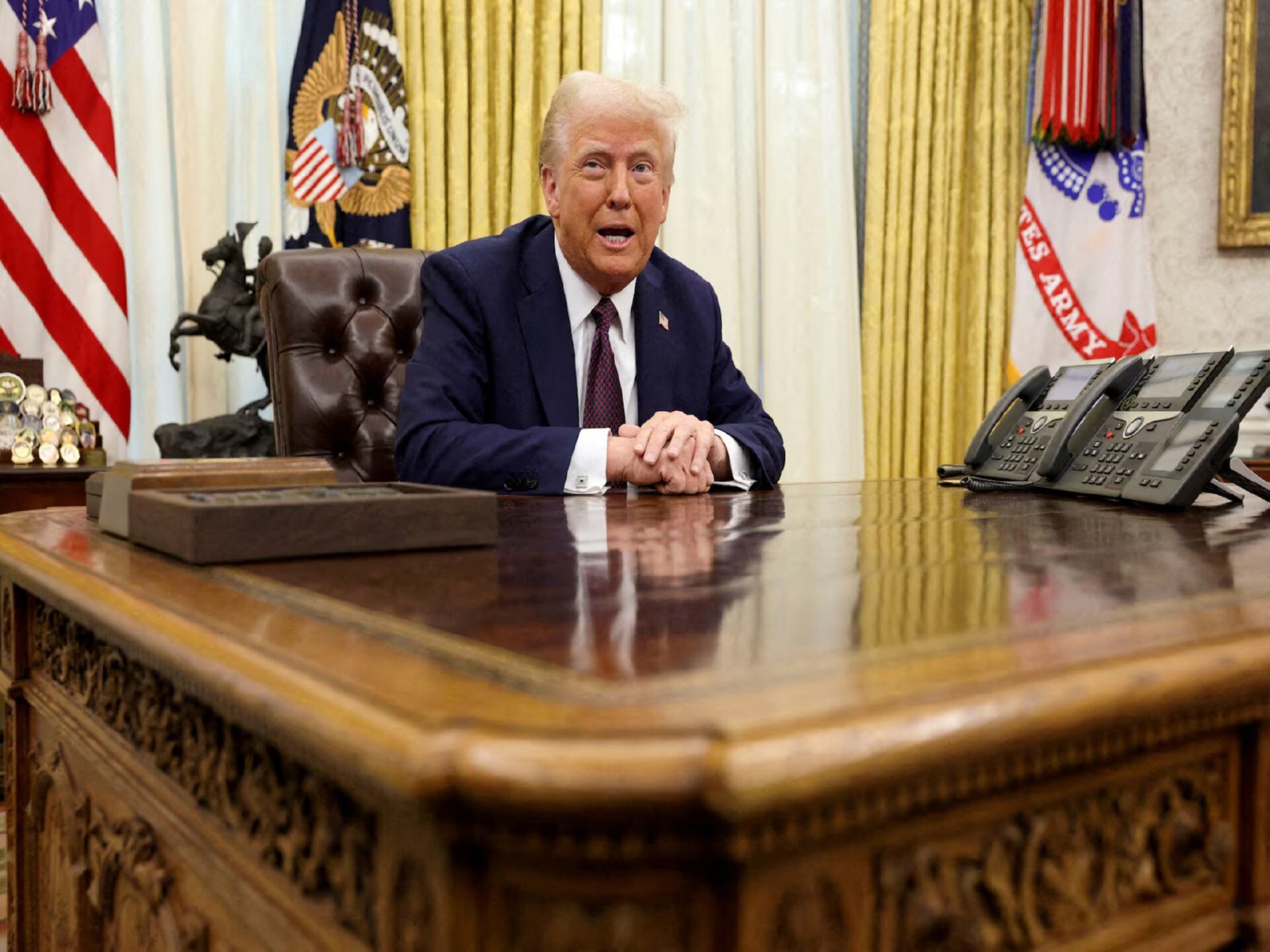
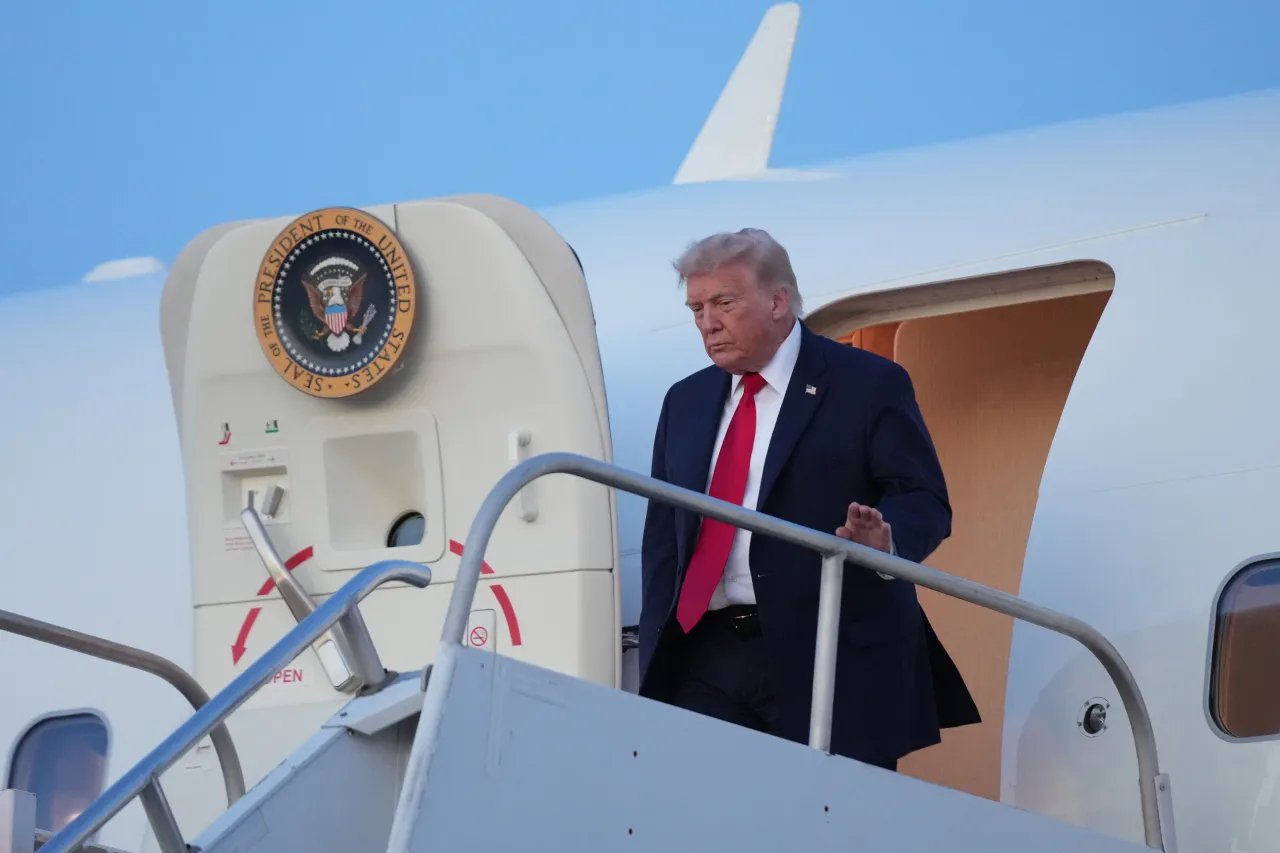
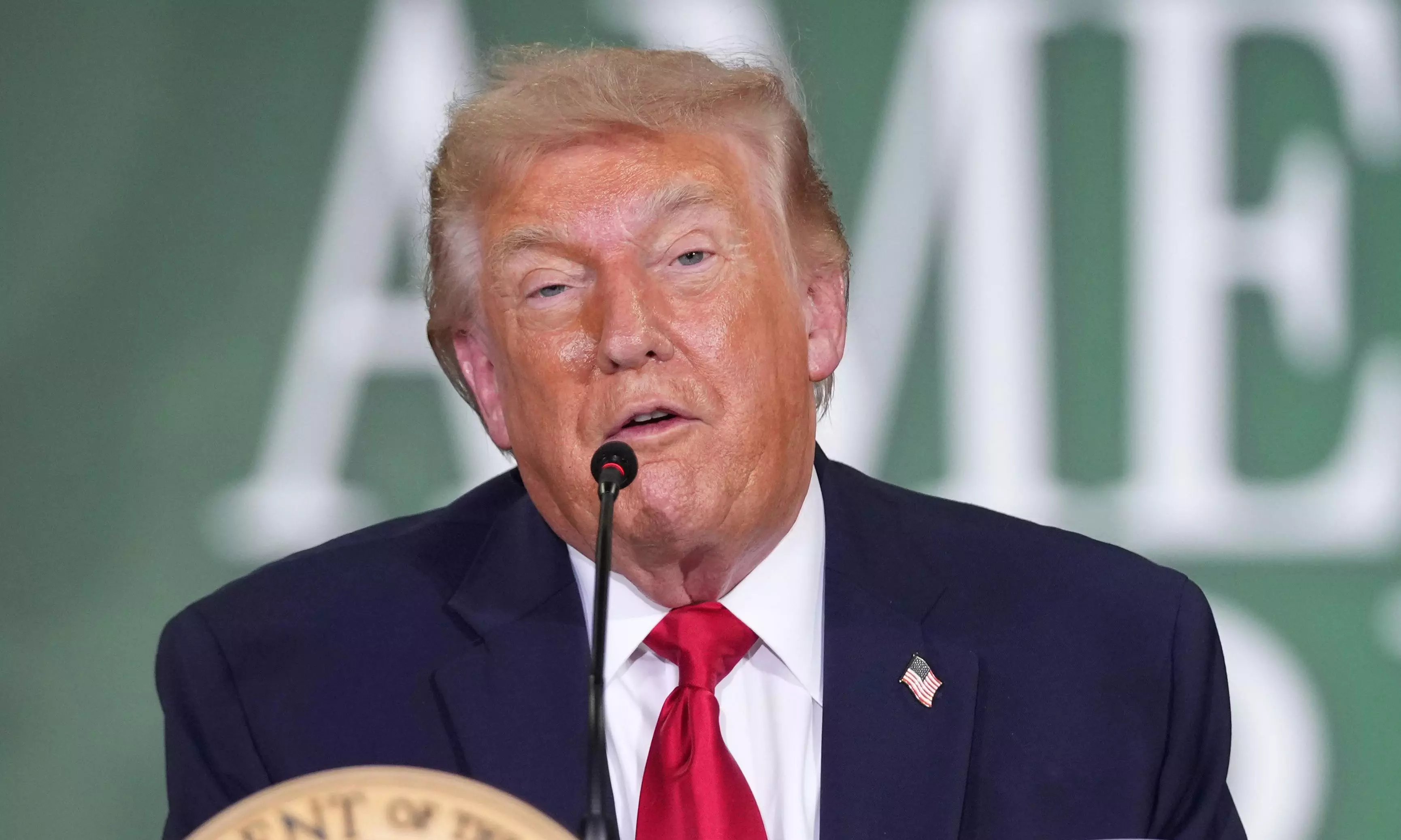
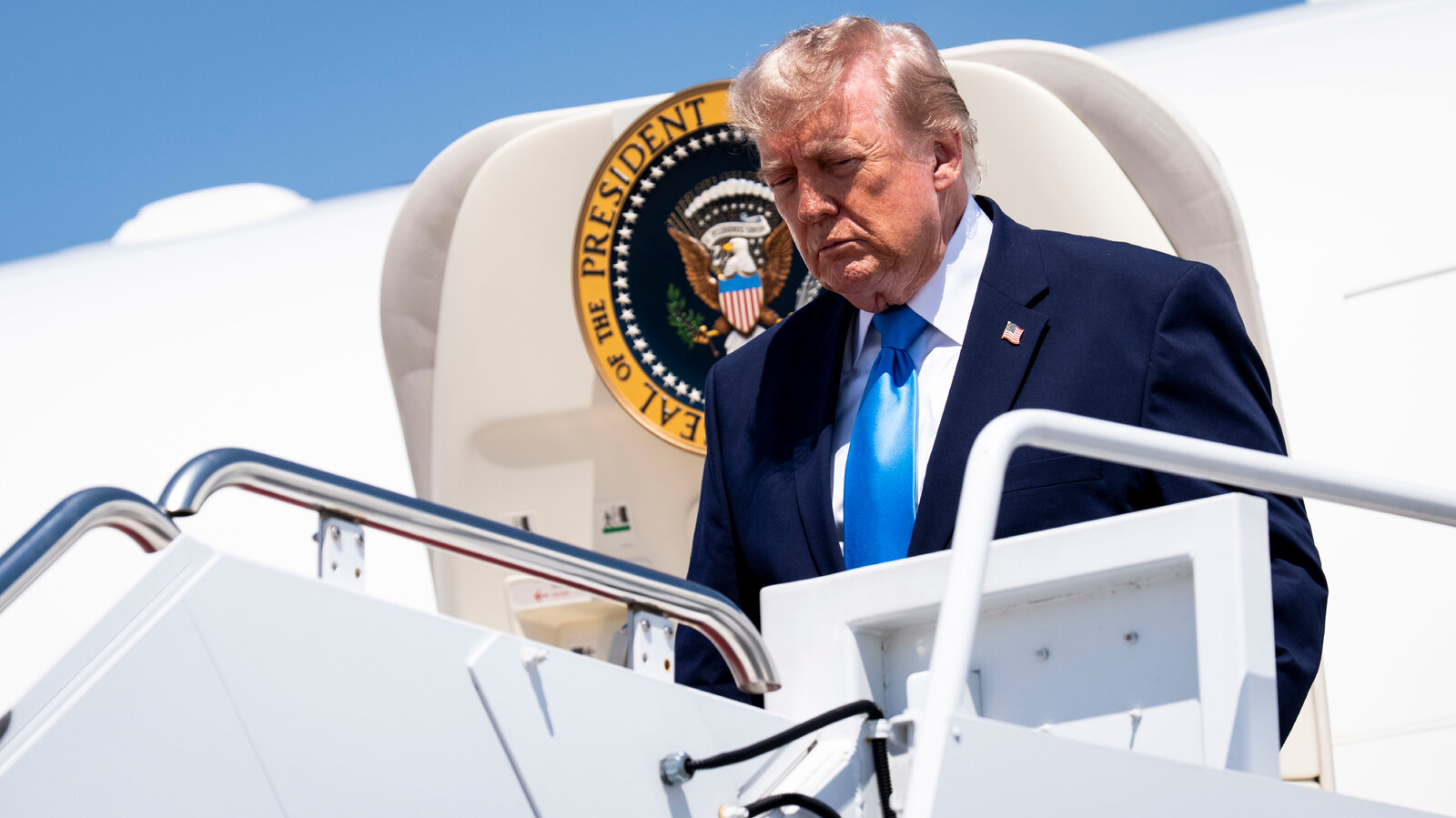
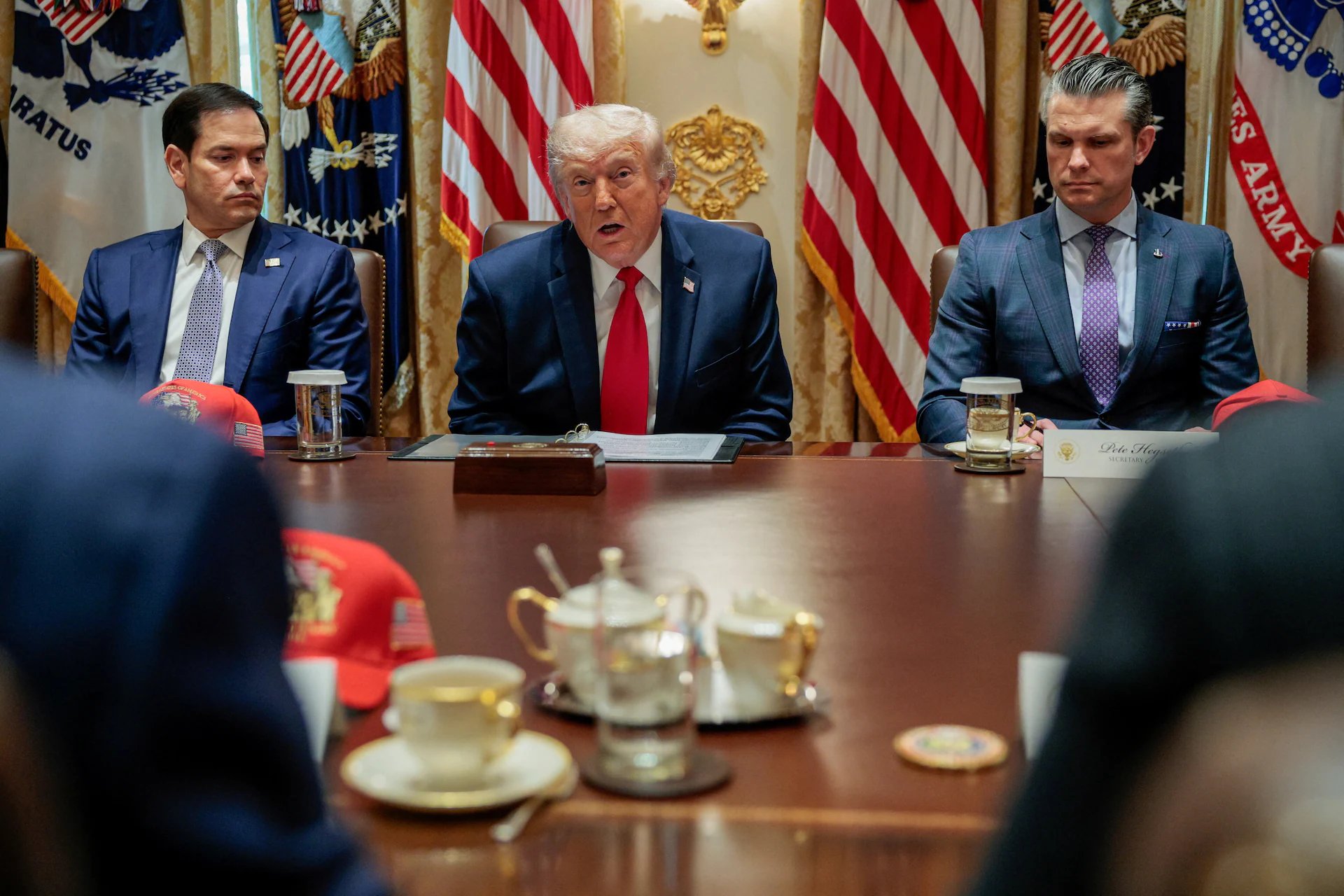
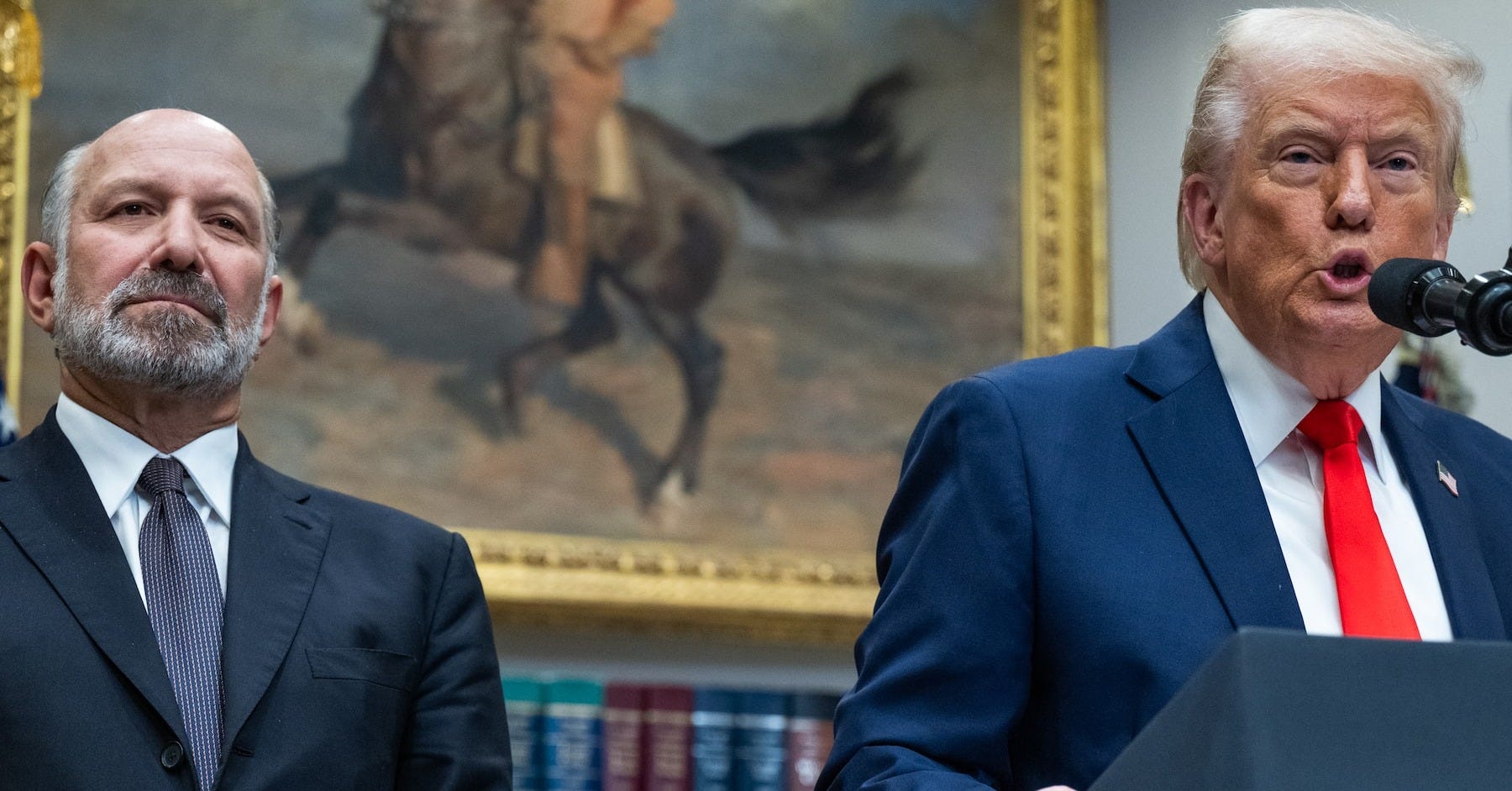
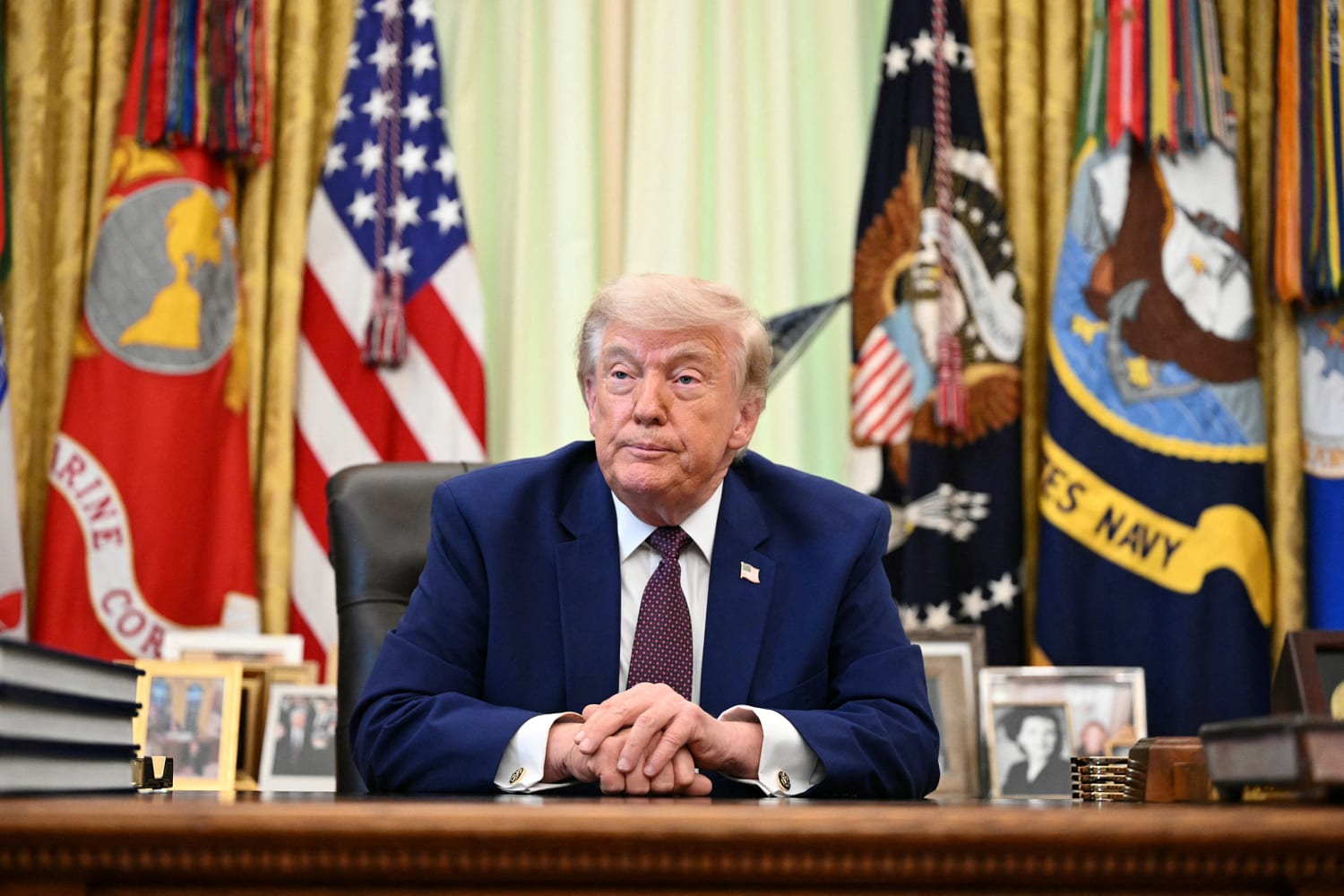
The timing of the attack coincided with Zelensky's discussions with U.S. President Donald Trump and French President Emmanuel Macron during the G7 summit in France. Zelensky indicated that the conversations aimed to secure further support from Western allies, which may influence the ongoing conflict dynamics.
In response to the drone strikes, Russia launched retaliatory attacks targeting fuel and energy facilities used by the Ukrainian Armed Forces. Authorities have emphasized their commitment to strengthening air defenses around Moscow, especially following this unprecedented wave of drone assaults. Despite the ongoing military exchanges, public sentiment in Moscow appeared mixed, with some residents seemingly unfazed by the smoke and chaos, while others expressed confusion about the situation.
As this conflict continues to escalate, the potential for broader international repercussions grows. Zelensky's strategy of bringing the war home to Russians aims to increase pressure on the Kremlin to negotiate. The ongoing drone attacks may serve to alter the geopolitical landscape, compelling both sides to reconsider their tactics and approach to the protracted conflict.
Ukraine executed a large-scale drone attack on Thursday, targeting the Moscow Oil Refinery in the city’s southeast. This strike marked the largest offensive on Moscow since the start of the current conflict, with reports indicating that around 200 drones were involved. The assault resulted in significant fires, sending thick black smoke into the sky and disrupting commercial flights at the city's airports. Russian officials stated that they intercepted at least 555 drones during the attack, with Moscow Mayor Sergei Sobyanin claiming that approximately 180 drones were intercepted as they approached the capital.
Ukrainian President Volodymyr Zelensky described the drone strike as a "fully justified response" to recent Russian attacks on Ukrainian cities, including a strike that ignited a historic monastery. Zelensky emphasized that the operation aimed to target facilities supporting Russia's military efforts. Video evidence confirmed blasts at the Kapotnya refinery, a significant facility managed by Gazprom Neft, which accounts for over a third of the fuel market in the Moscow region.
The attack caused injuries to at least 17 individuals in the Moscow region, according to local governor Andrei Vorobyov. In addition to the refinery, a nearby shopping center suffered damage from falling drone debris. The scale of the operation led to the temporary shutdown of four major airports in Moscow, resulting in the cancellation and delay of over 500 flights. Local authorities reported that drone debris also damaged residential buildings, although specifics regarding casualties were not immediately detailed.
This drone strike represents a notable escalation in Ukraine's military strategy, as it continues to develop its long-range capabilities. Ukrainian officials have increasingly targeted oil facilities deep within Russian territory, aiming to undermine the Kremlin's energy infrastructure and revenue sources. The attack on the refinery came just days after another strike on the same facility, illustrating Ukraine's intent to disrupt Russian operations consistently.
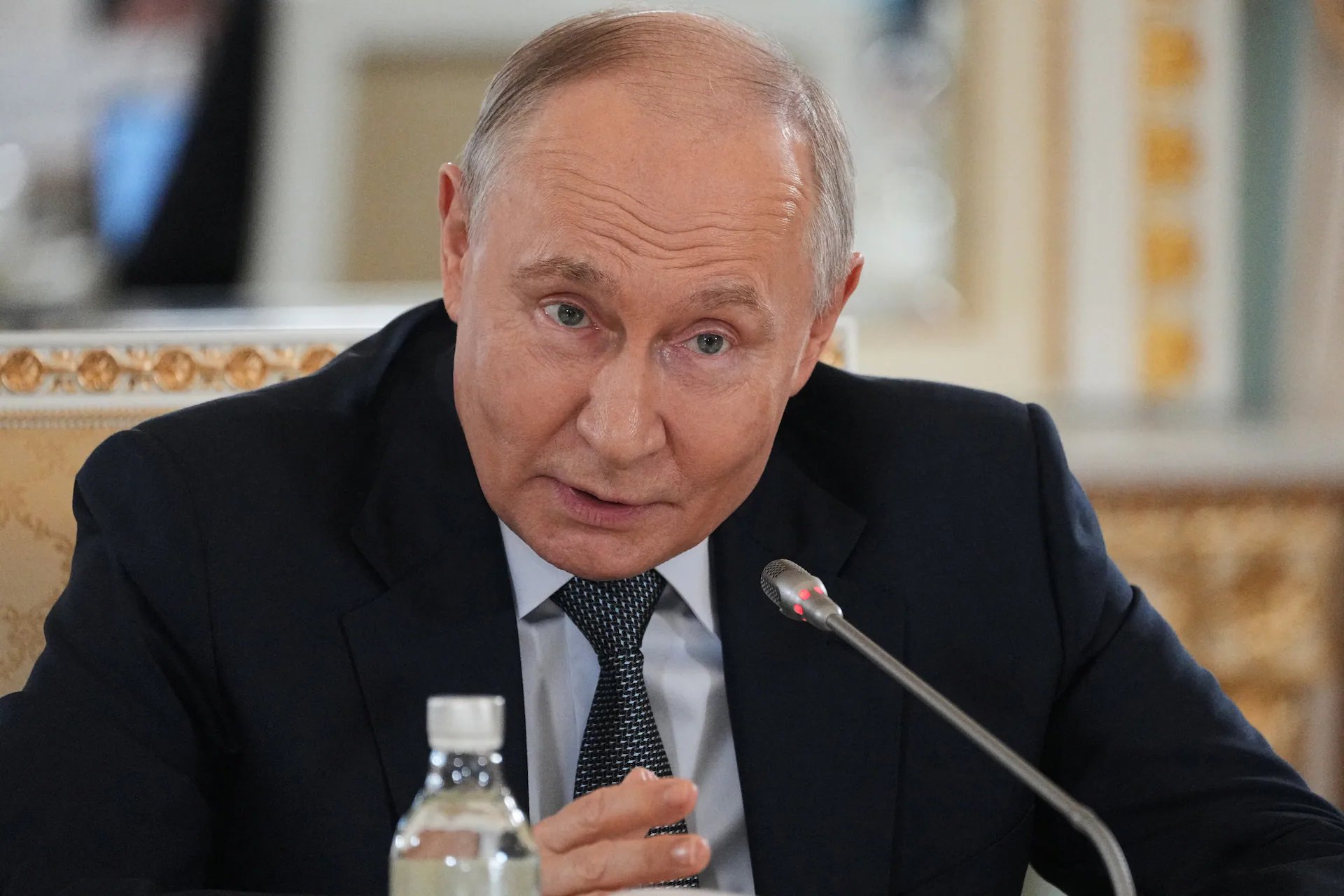
The timing of the attack coincided with Zelensky's discussions with U.S. President Donald Trump and French President Emmanuel Macron during the G7 summit in France. Zelensky indicated that the conversations aimed to secure further support from Western allies, which may influence the ongoing conflict dynamics. As Ukraine intensifies its military actions, the Kremlin faces growing internal discontent regarding President Vladimir Putin's leadership and the war's management.
In response to the drone strikes, Russia launched retaliatory attacks targeting fuel and energy facilities used by the Ukrainian Armed Forces. Authorities have emphasized their commitment to strengthening air defenses around Moscow, especially following this unprecedented wave of drone assaults. Despite the ongoing military exchanges, public sentiment in Moscow appeared mixed, with some residents seemingly unfazed by the smoke and chaos, while others expressed confusion about the situation.
As this conflict continues to escalate, the potential for broader international repercussions grows. Zelensky's strategy of bringing the war home to Russians aims to increase pressure on the Kremlin to negotiate. The ongoing drone attacks may serve to alter the geopolitical landscape, compelling both sides to reconsider their tactics and approach to the protracted conflict. As Ukraine enhances its military capabilities, the stakes for both nations remain high, with significant implications for regional security and international relations.
Highlighted text was flagged by the council. Tap to see feedback.