




Markets React to Diplomatic Breakthrough
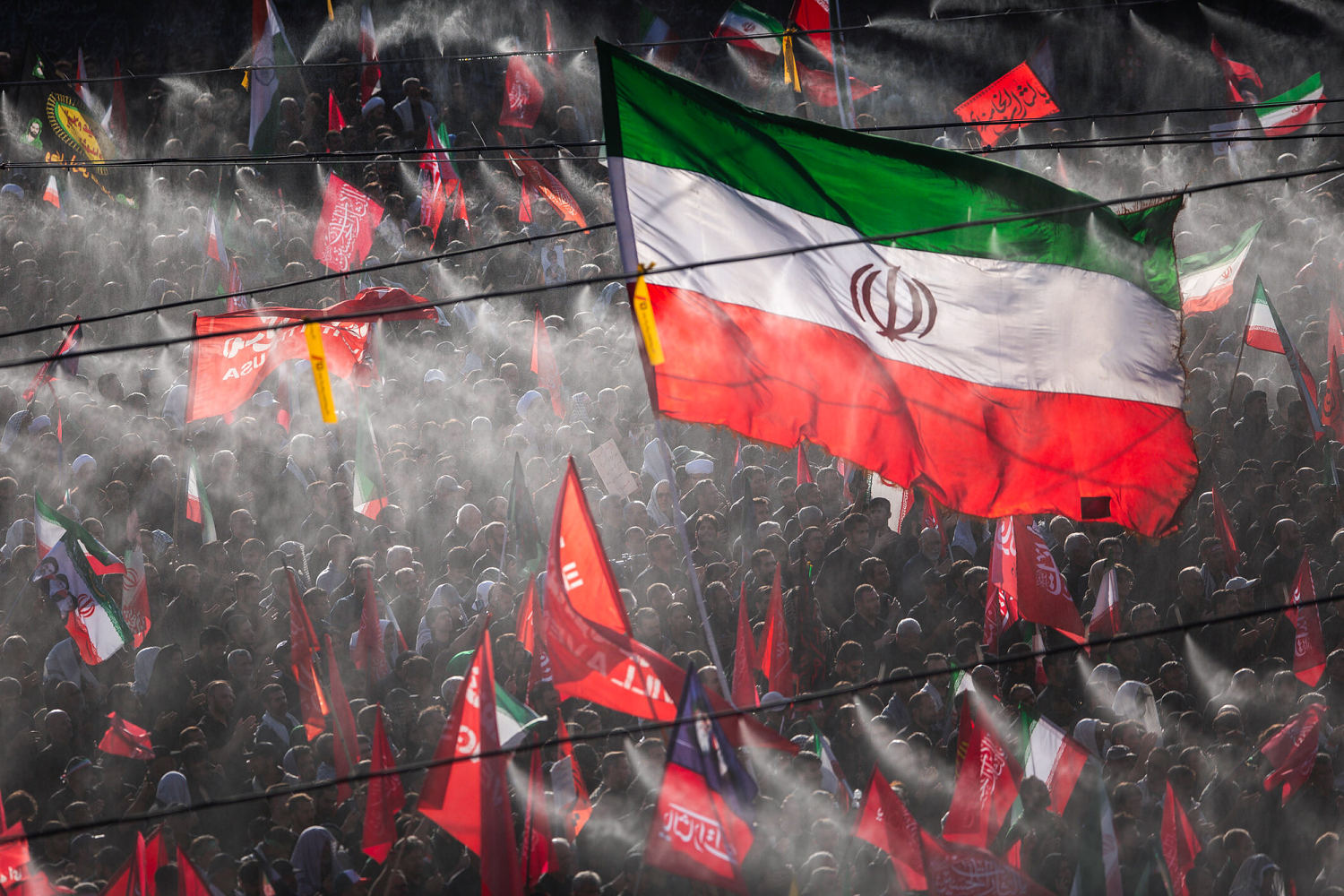
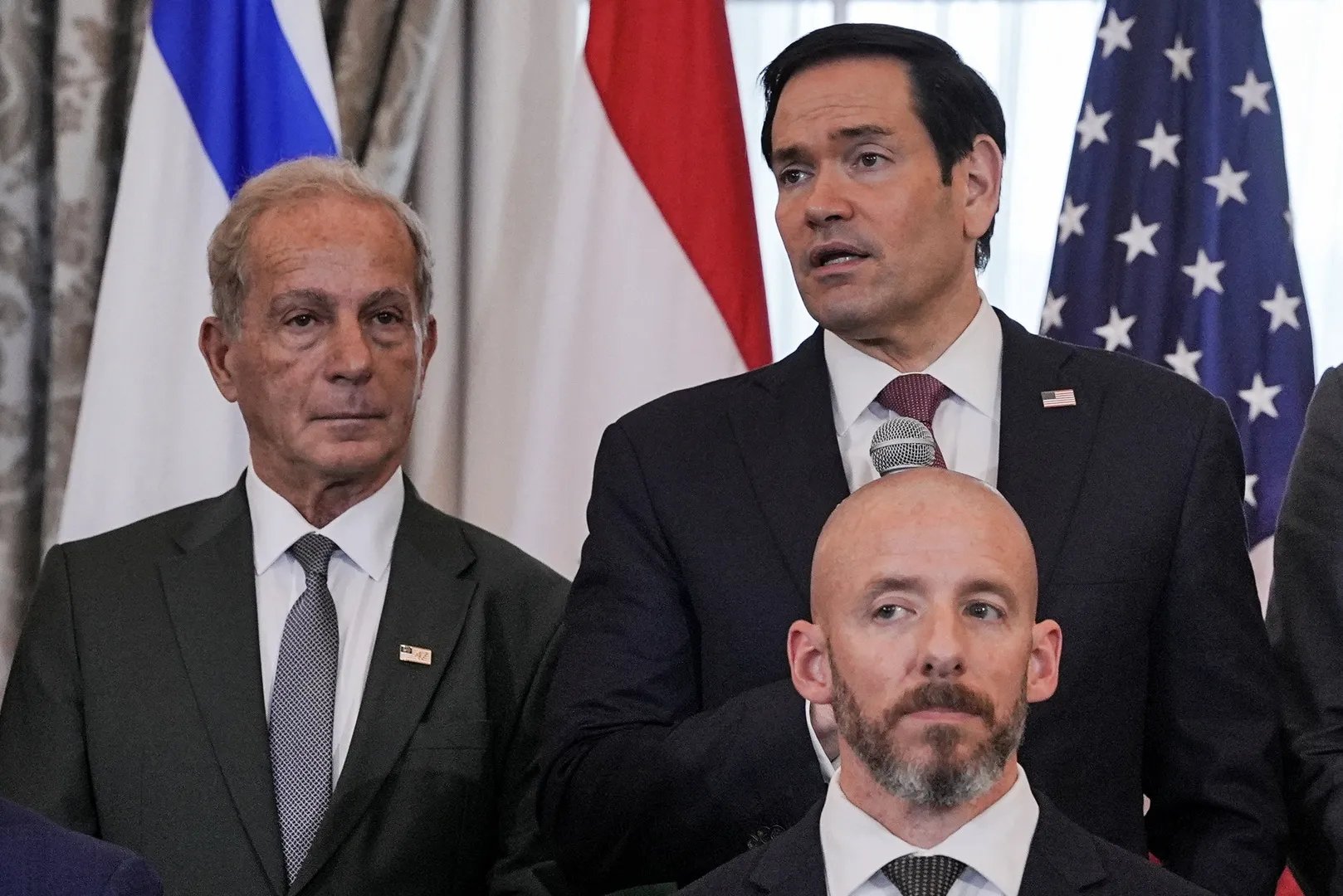
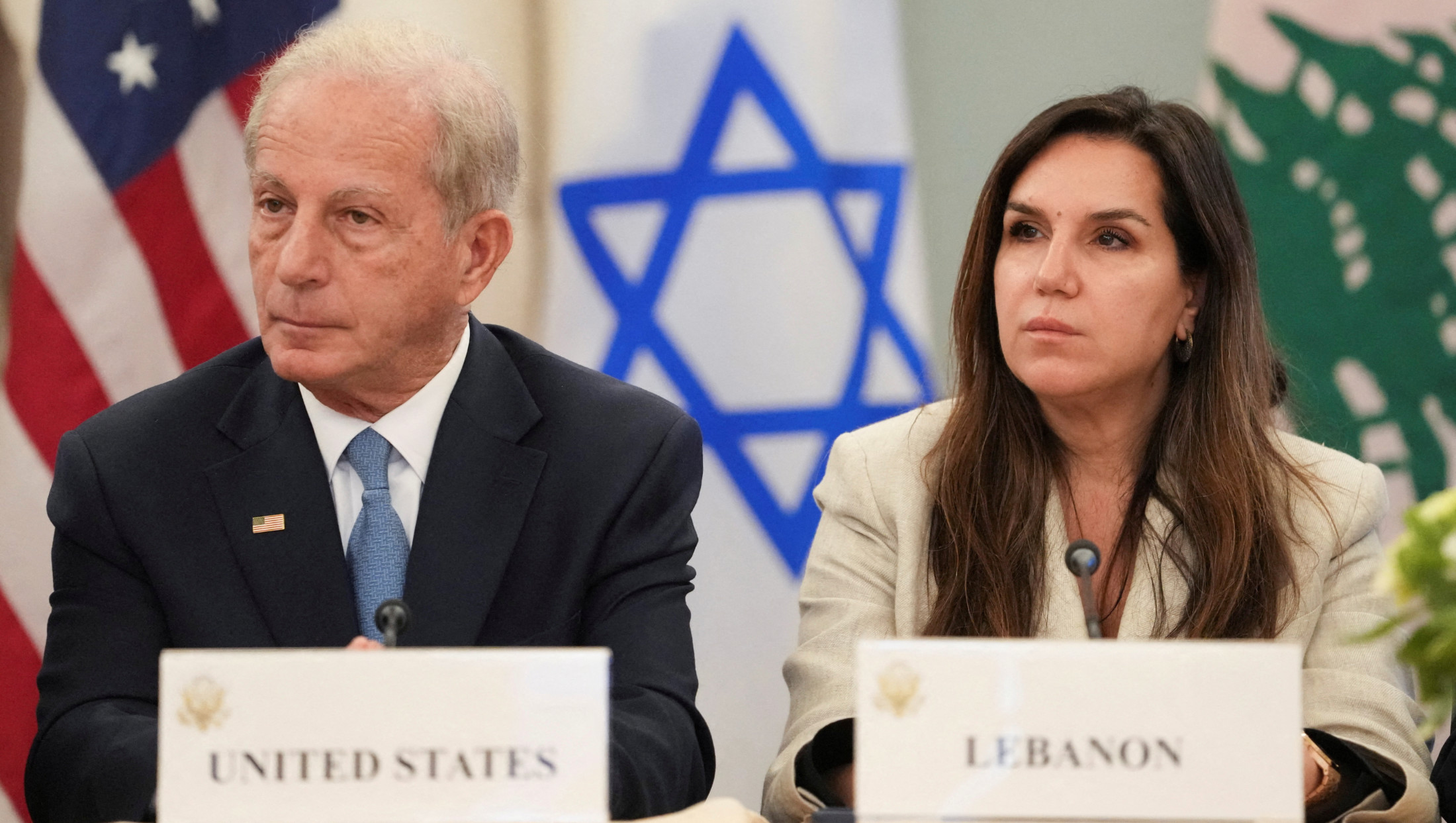
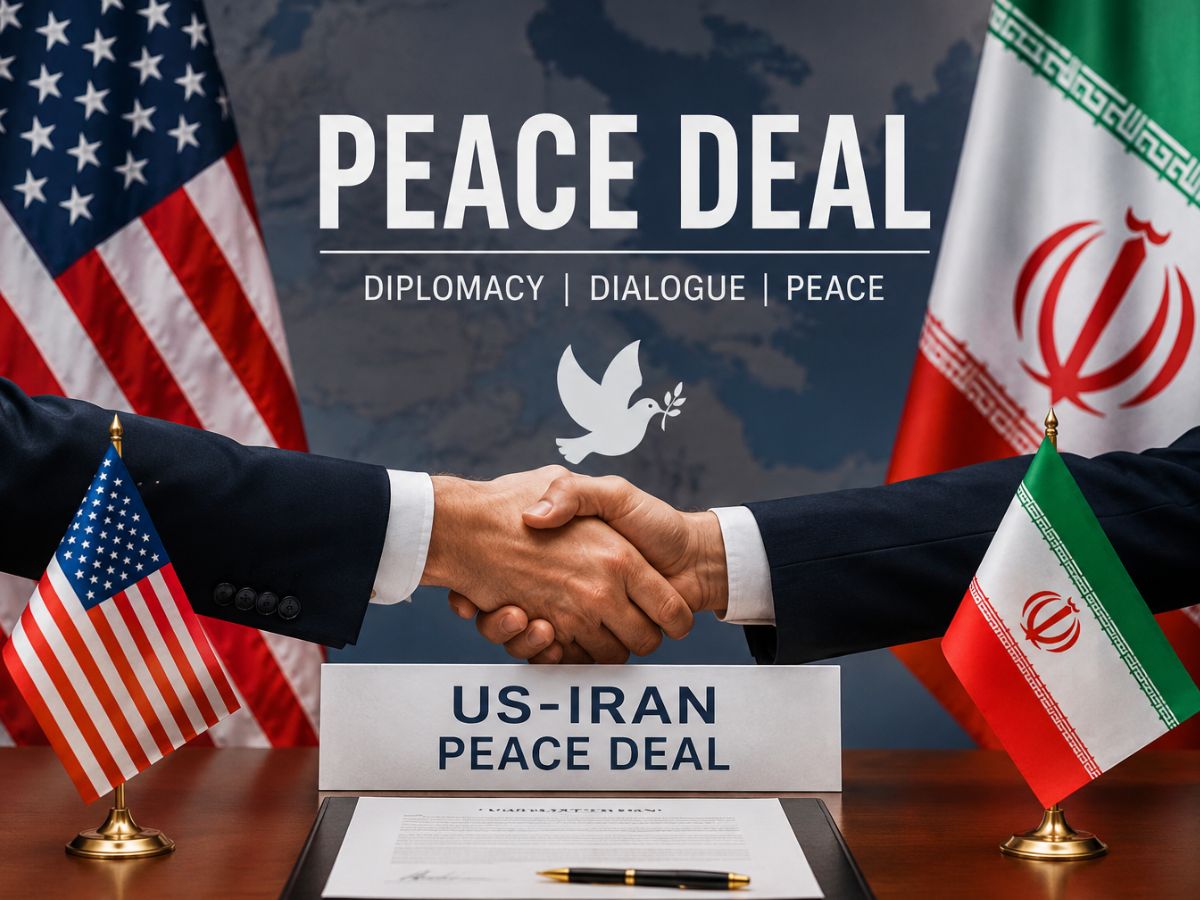
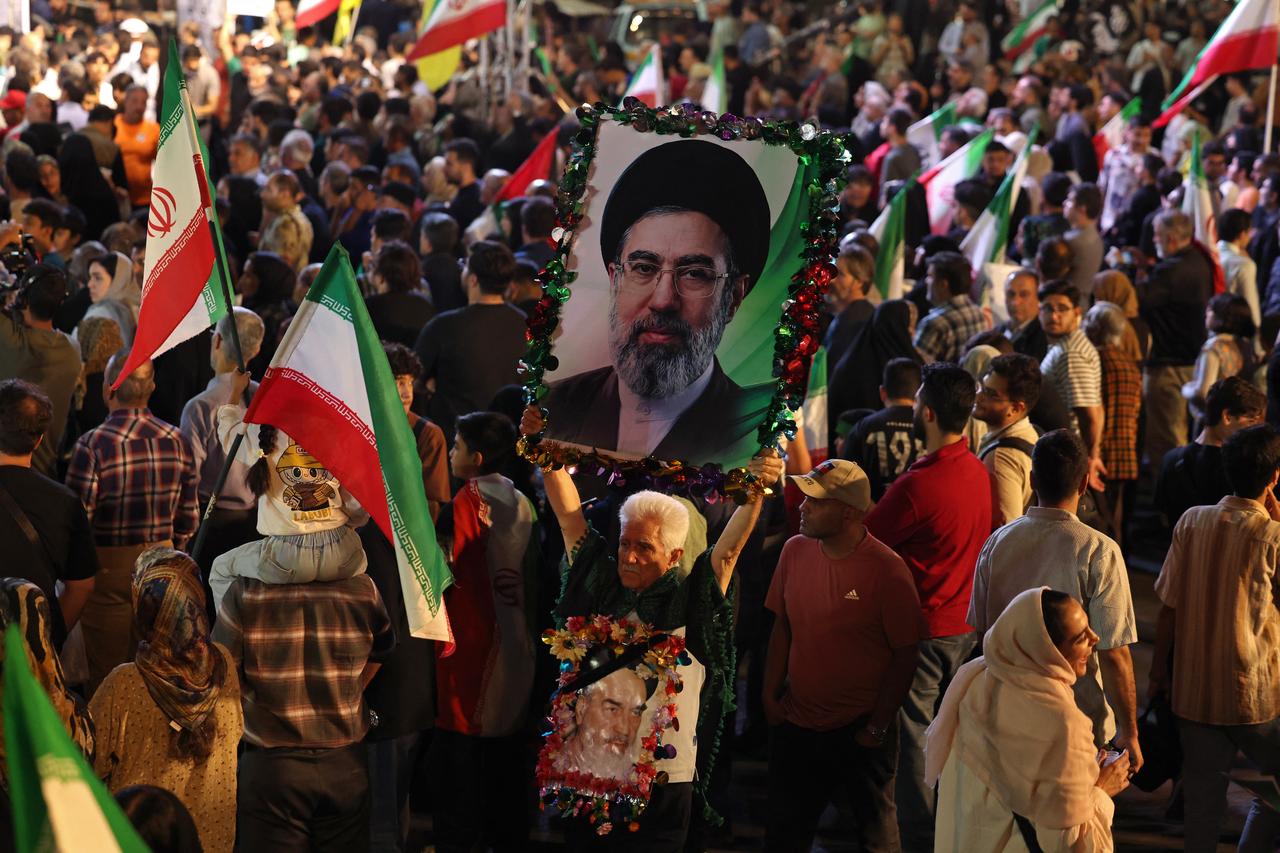
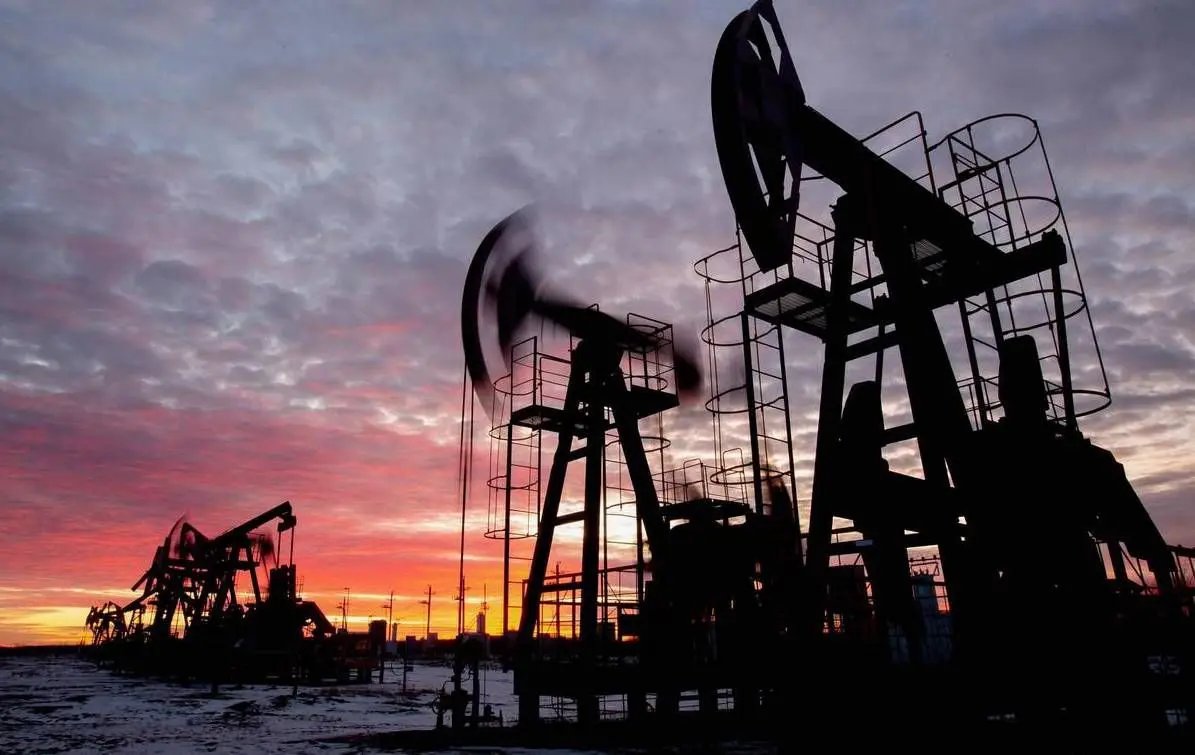
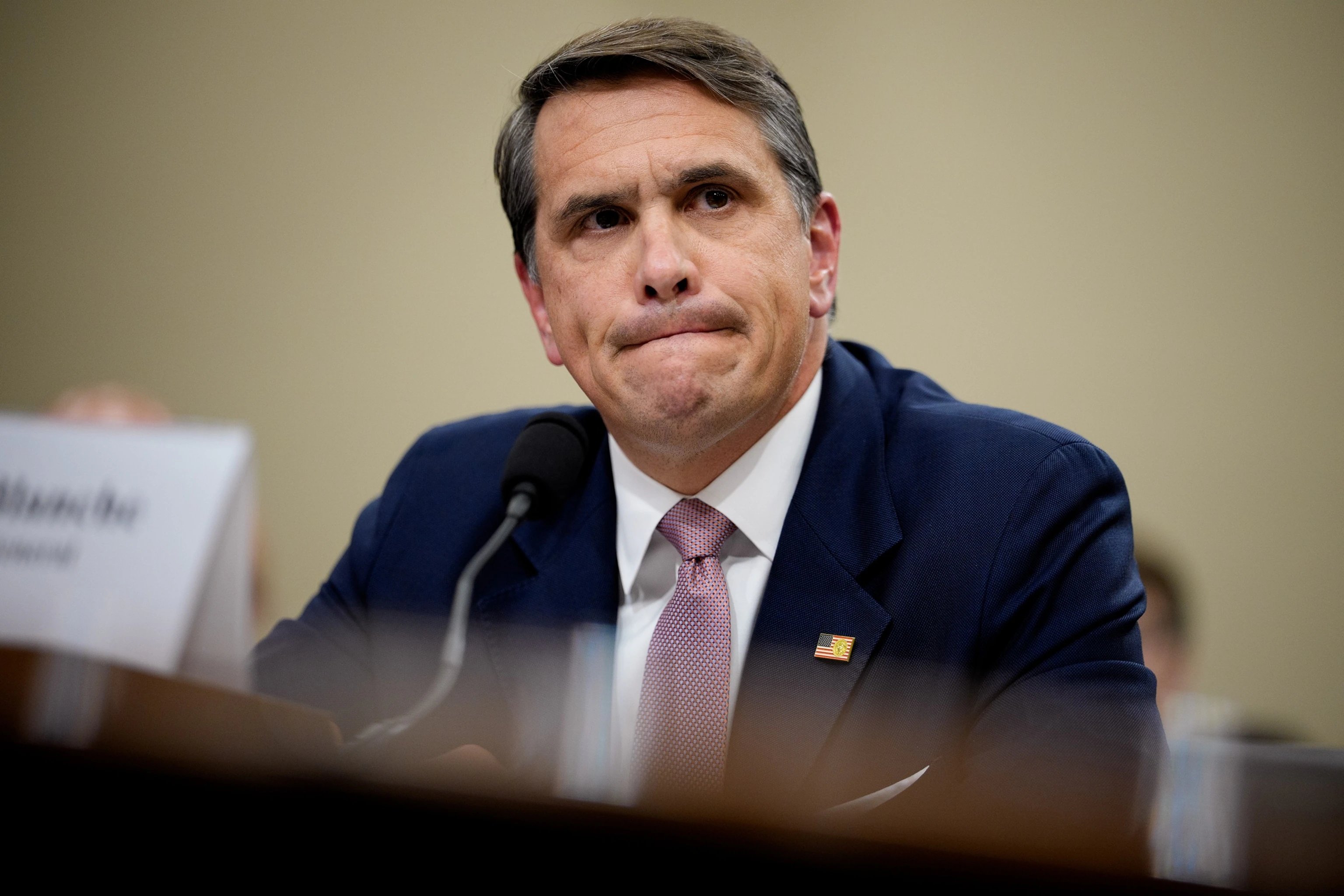
Oil prices fell as negotiators from the United States and Iran reported progress toward a permanent peace deal. The first round of talks ended Monday in Switzerland with both sides agreeing to a roadmap for a final agreement within 60 days, according to mediators Qatar and Pakistan. Iran's foreign minister Seyed Abbas Araghchi said the negotiations "delivered major progress" to end the conflict in Lebanon, the flashpoint that has threatened global energy supplies and economic stability.
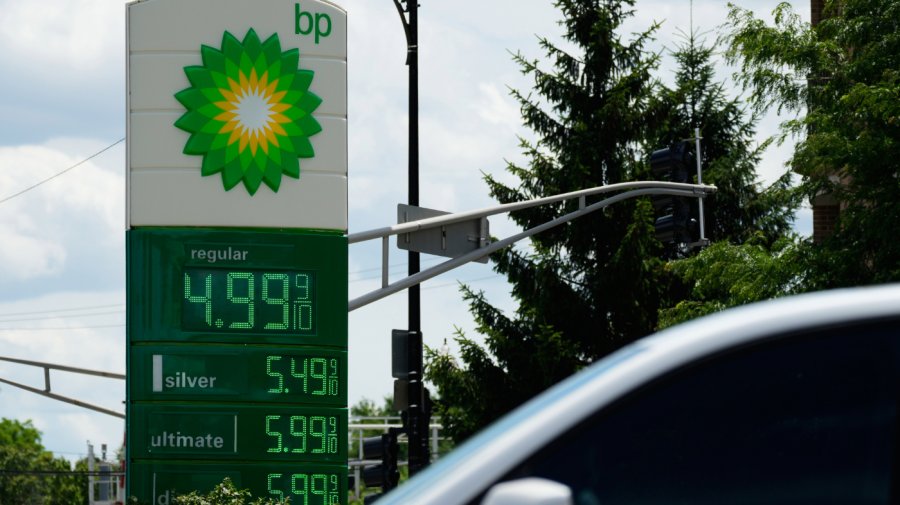
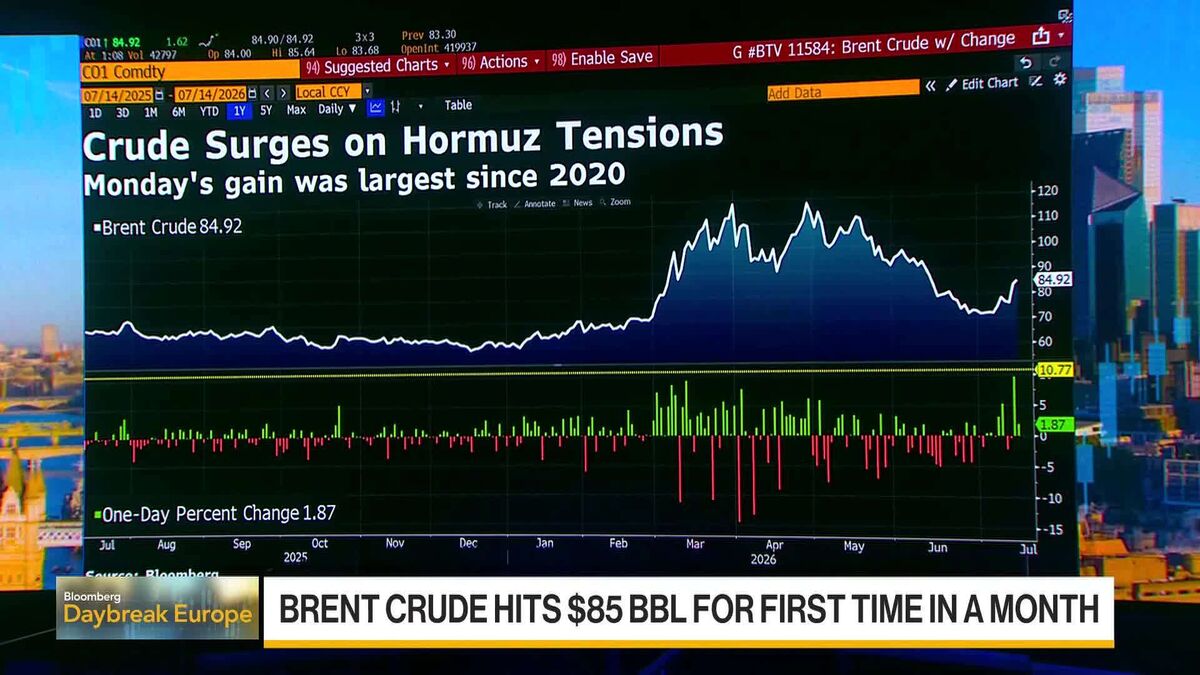
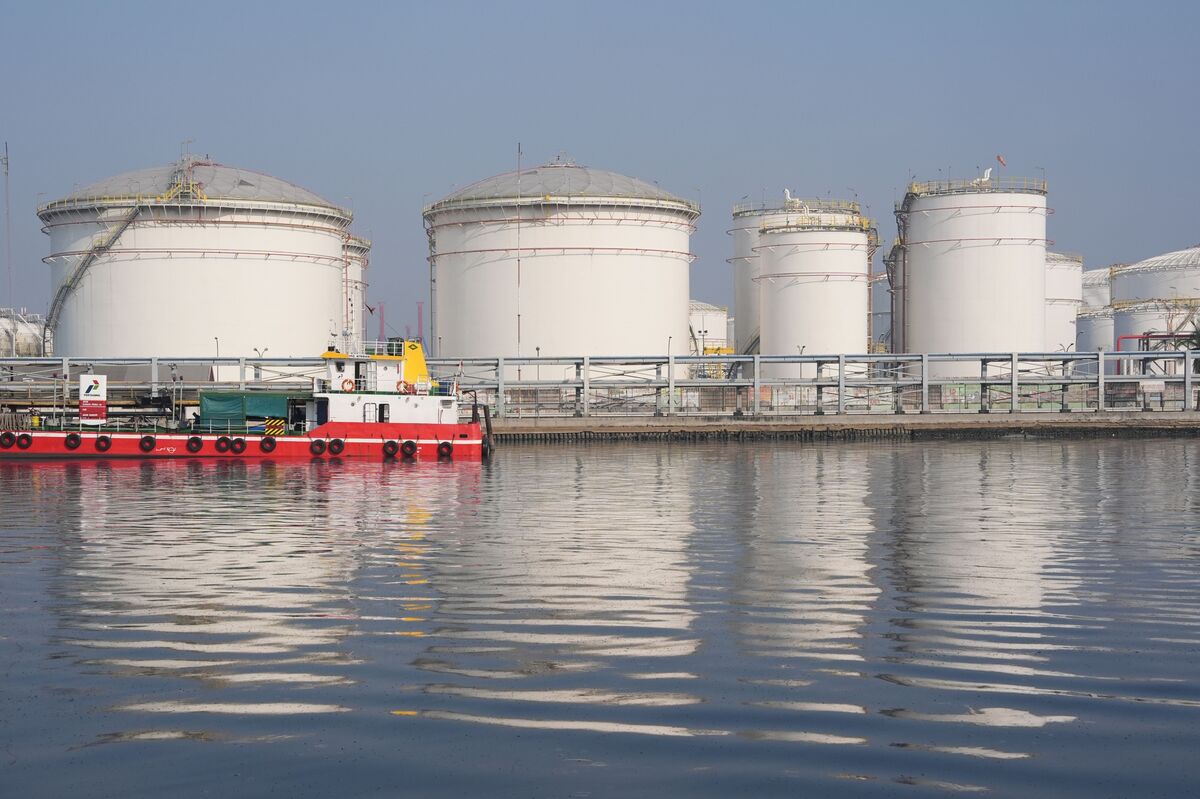
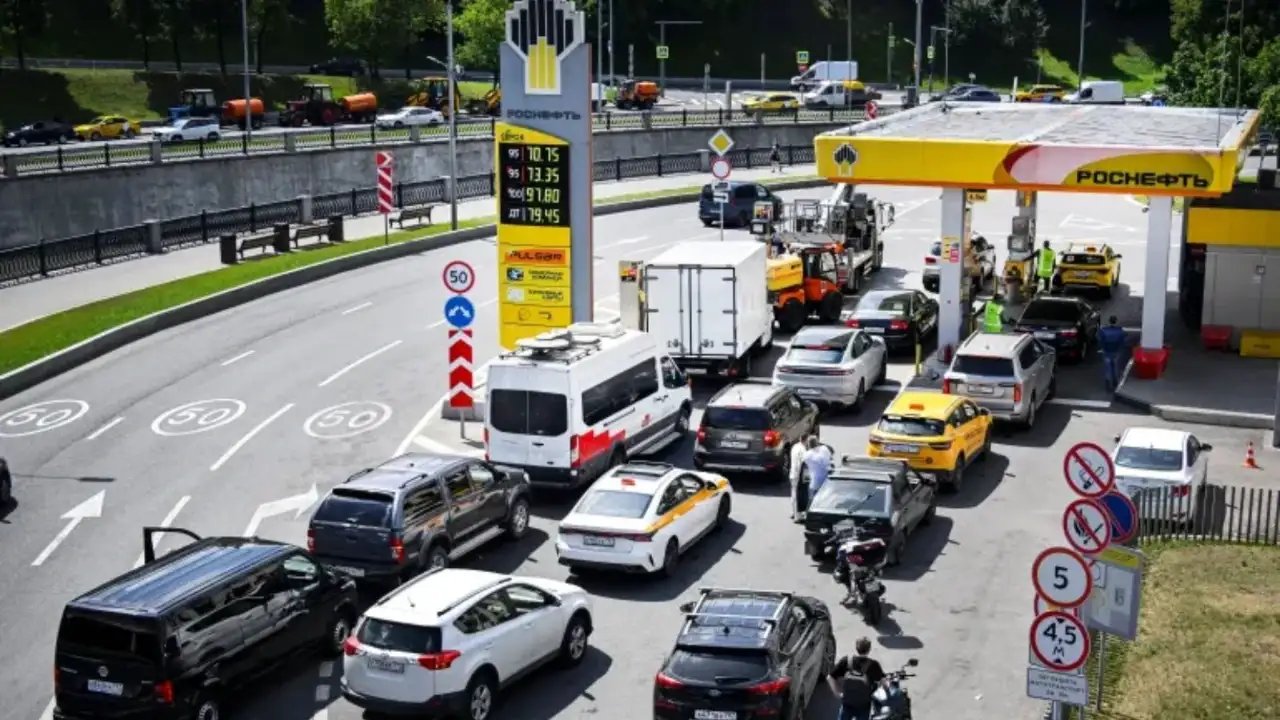
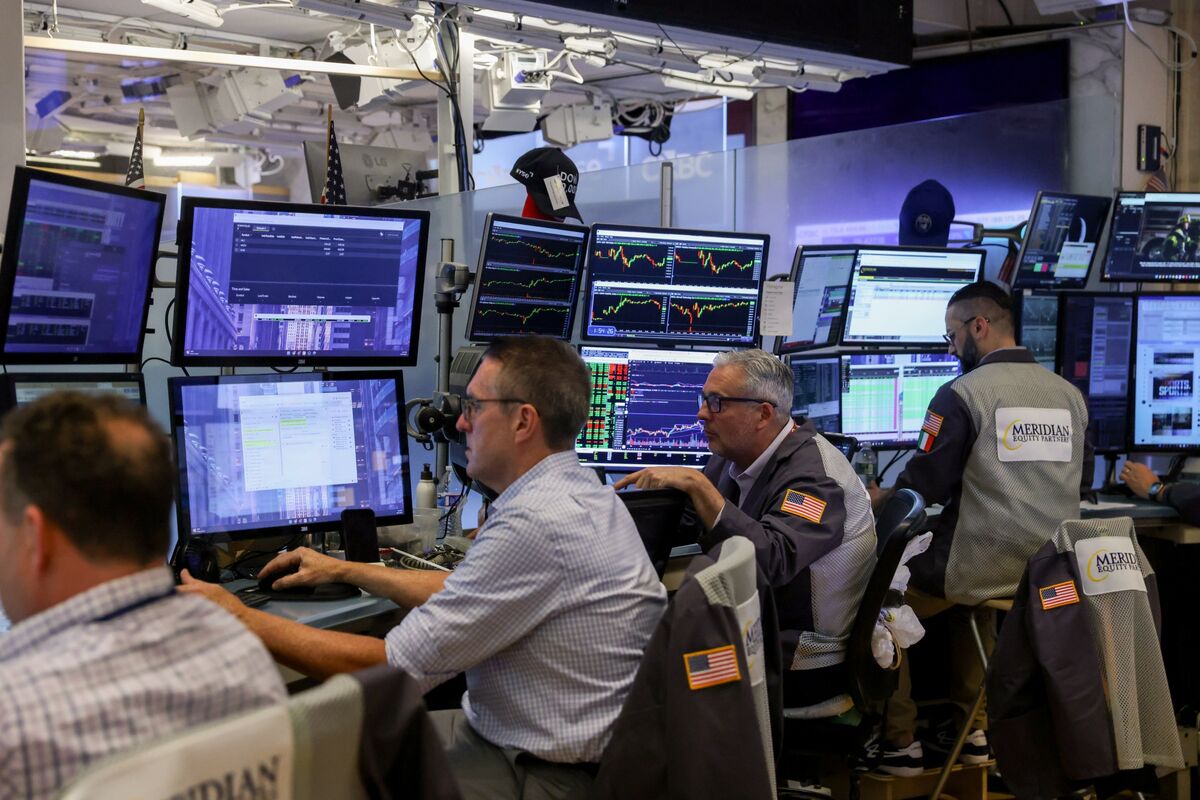
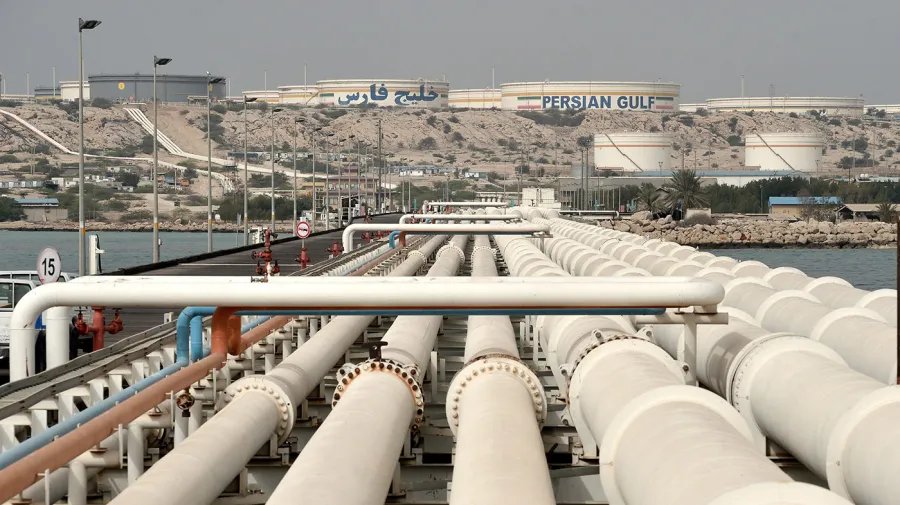
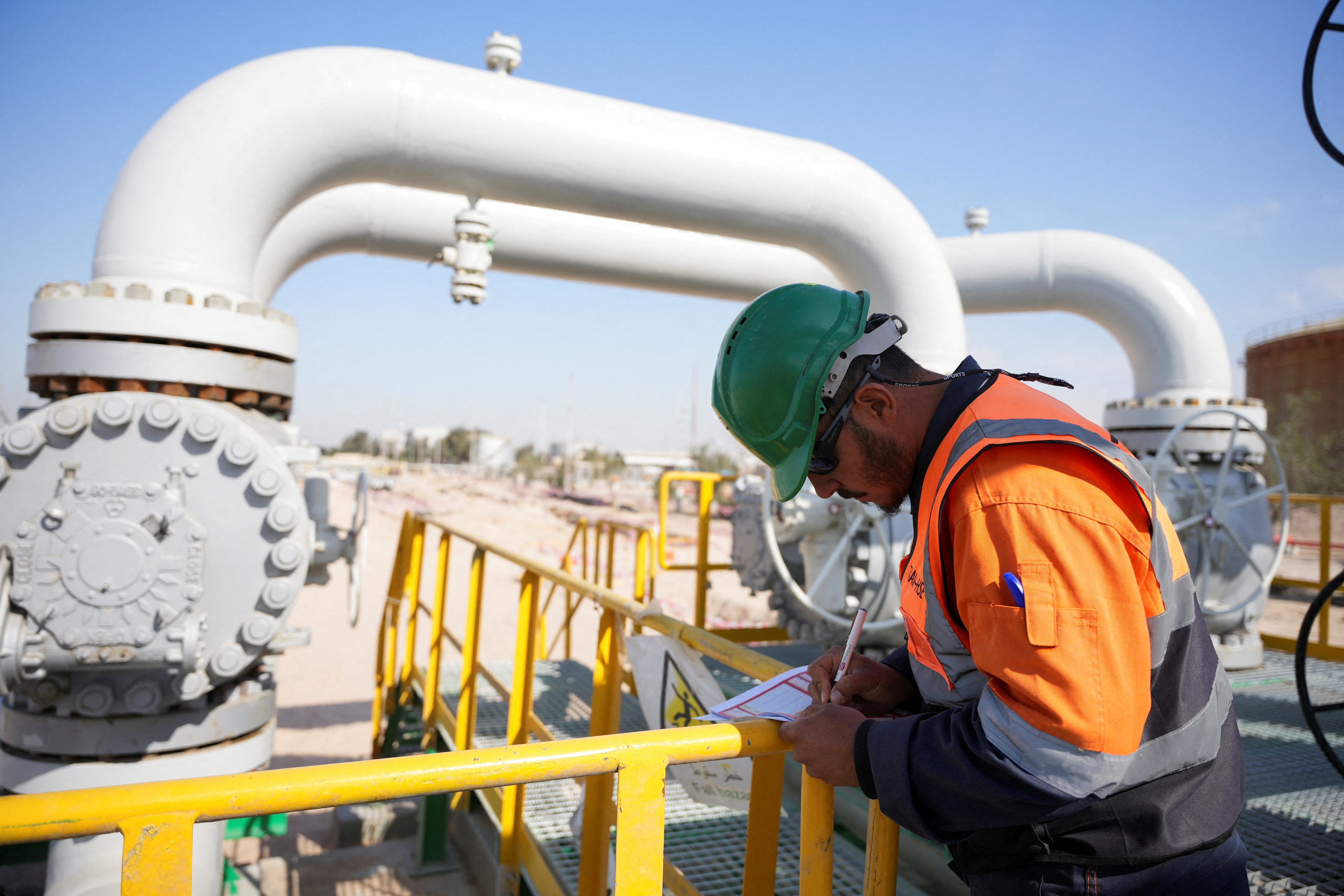
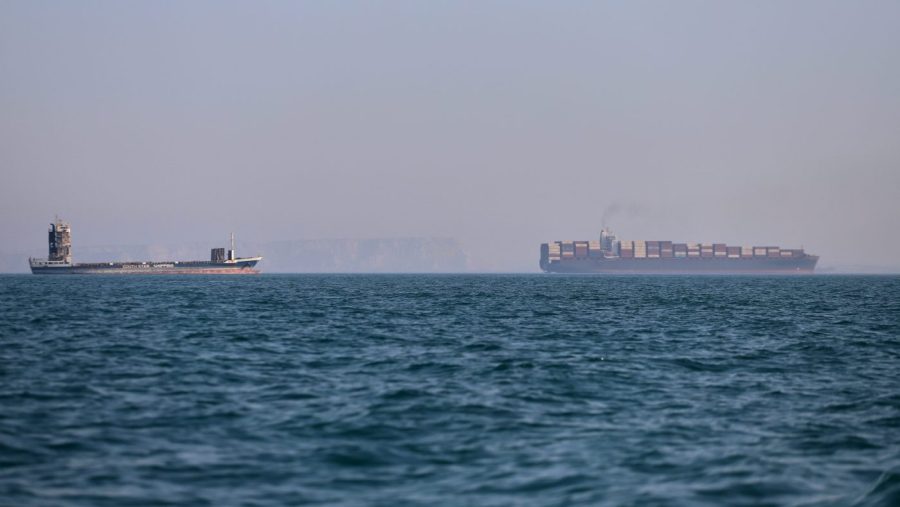
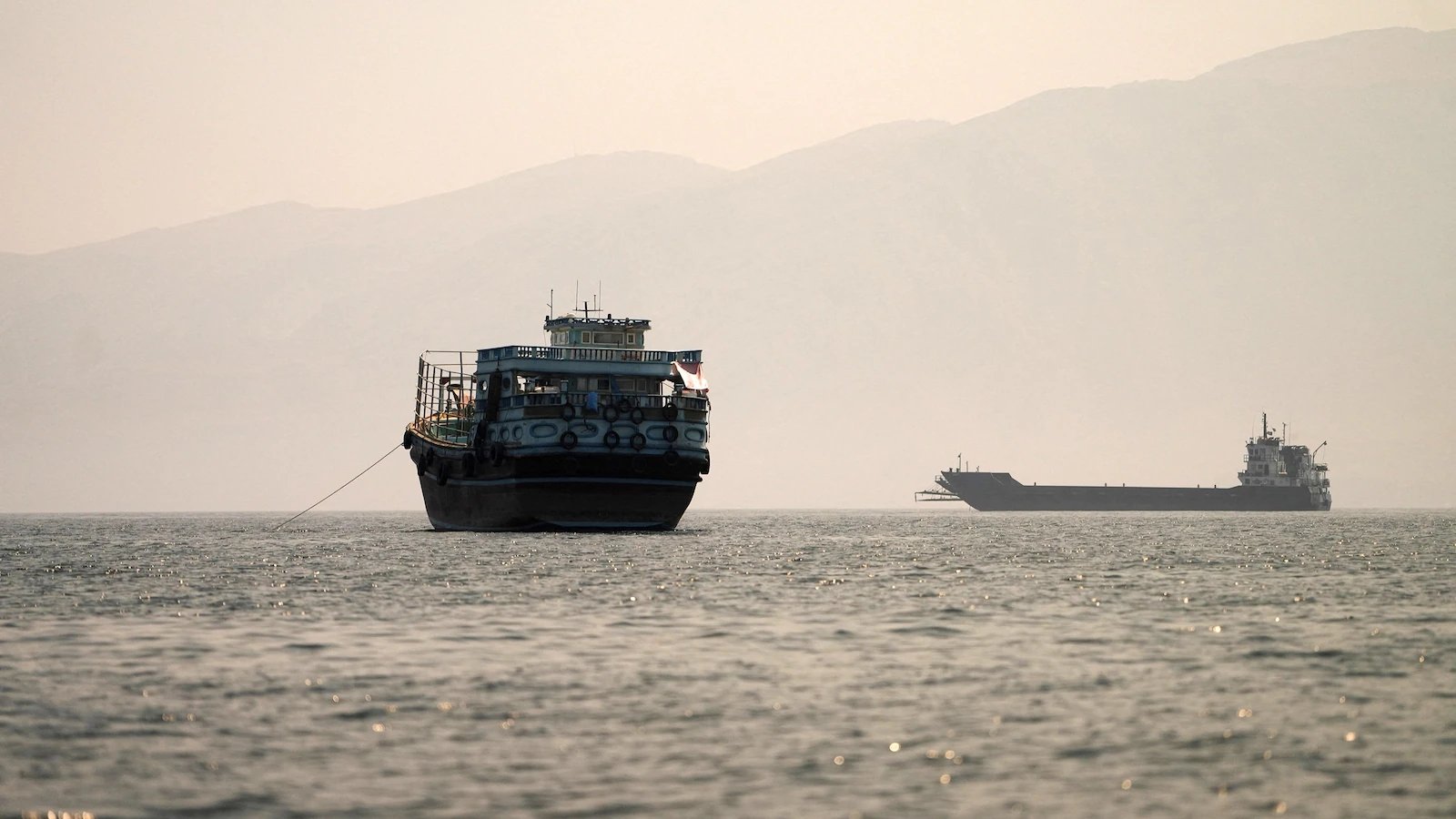
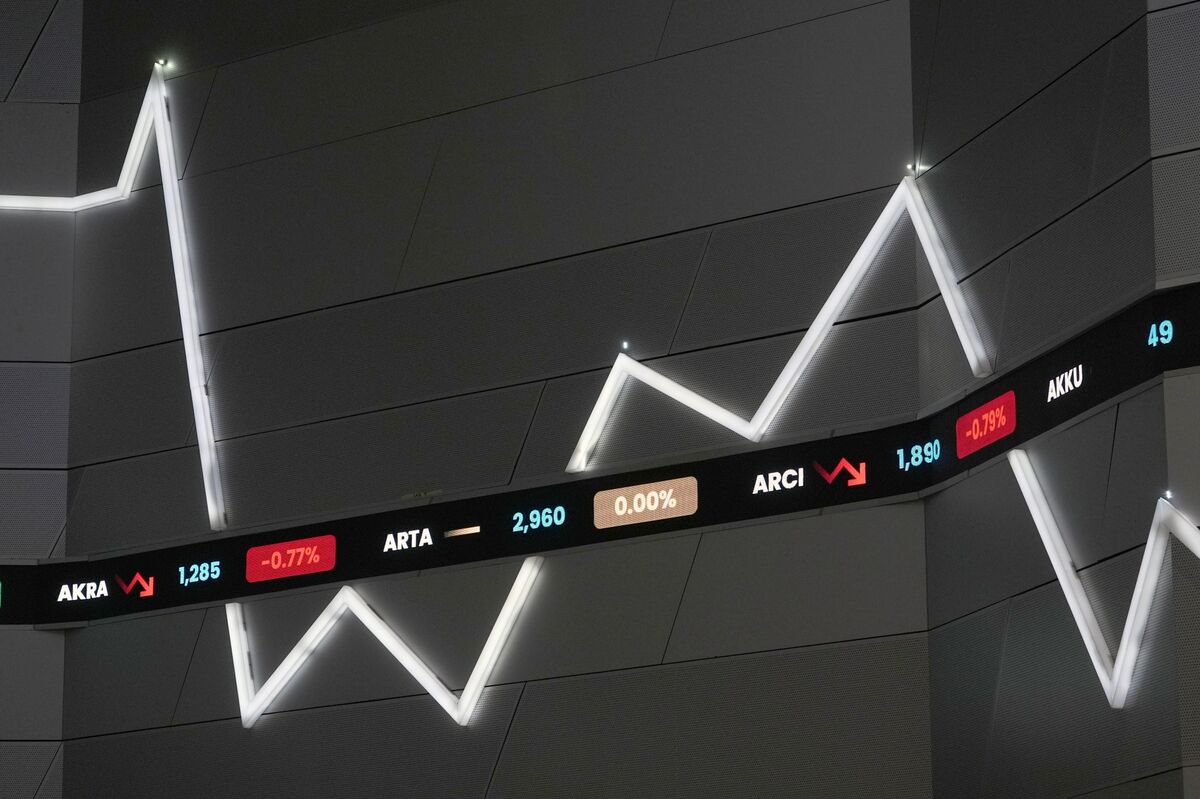
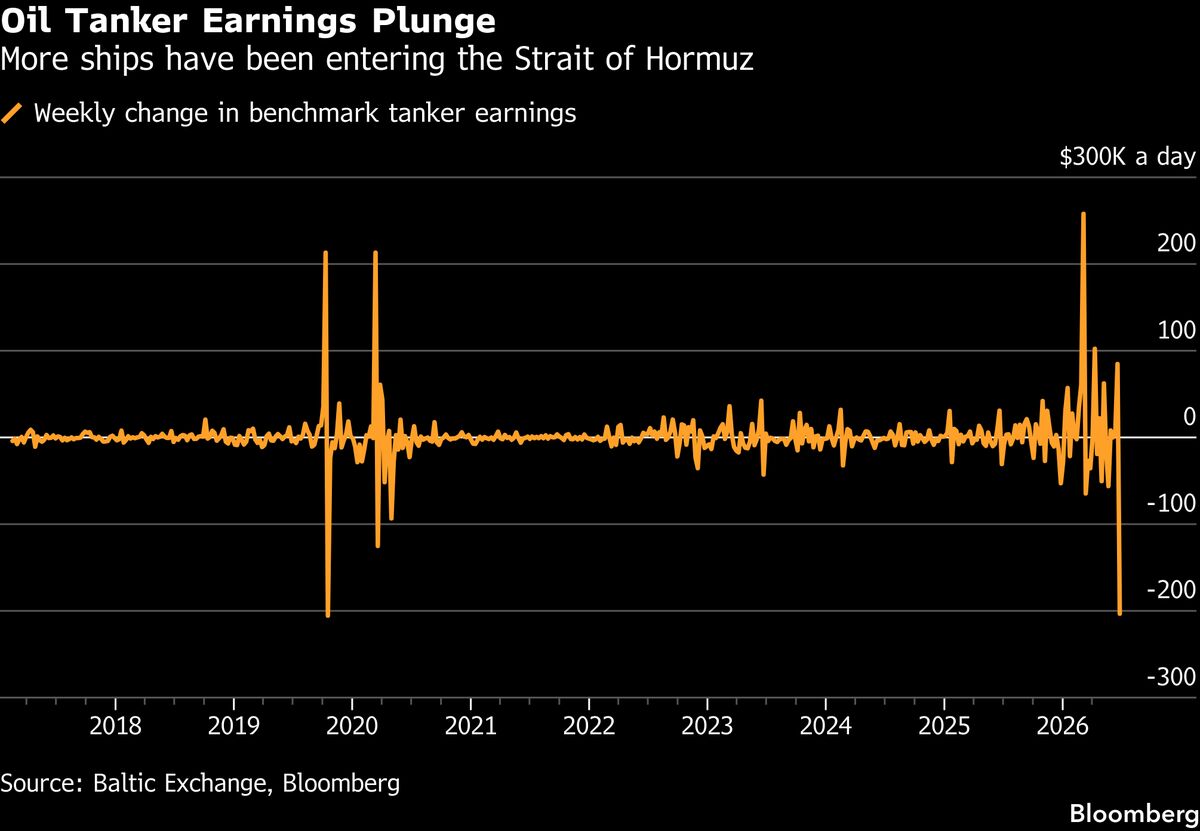
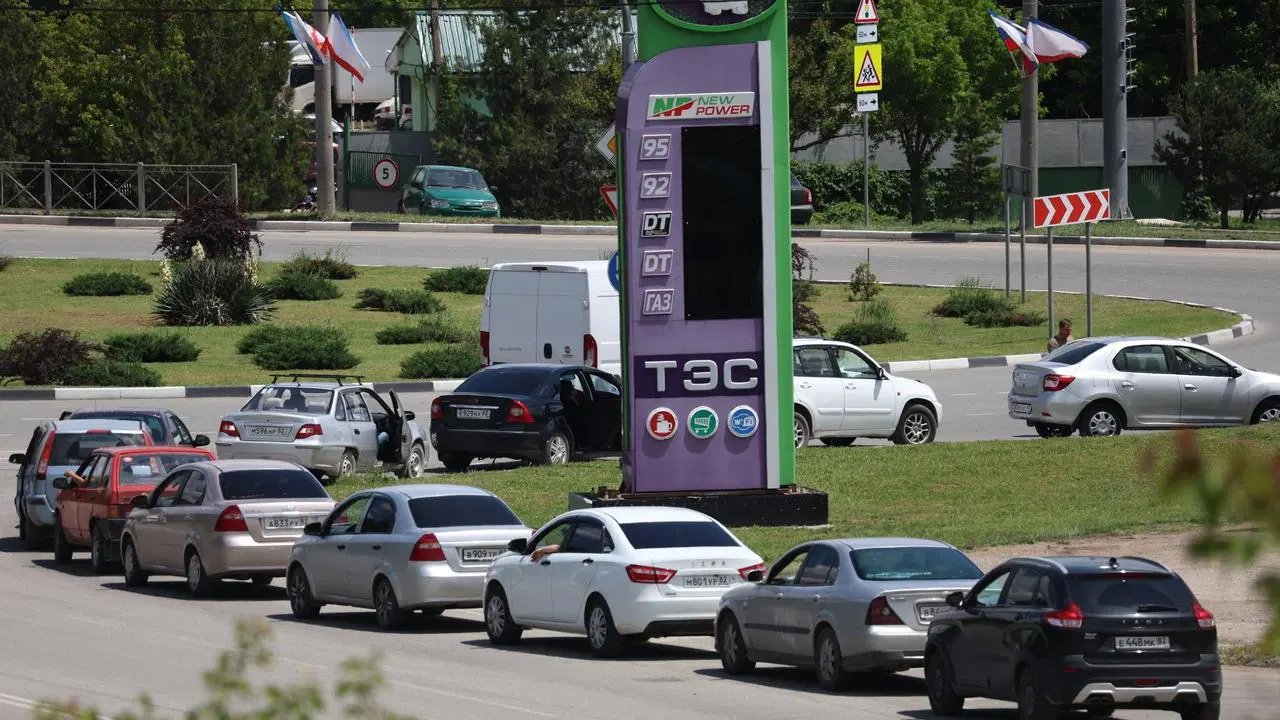
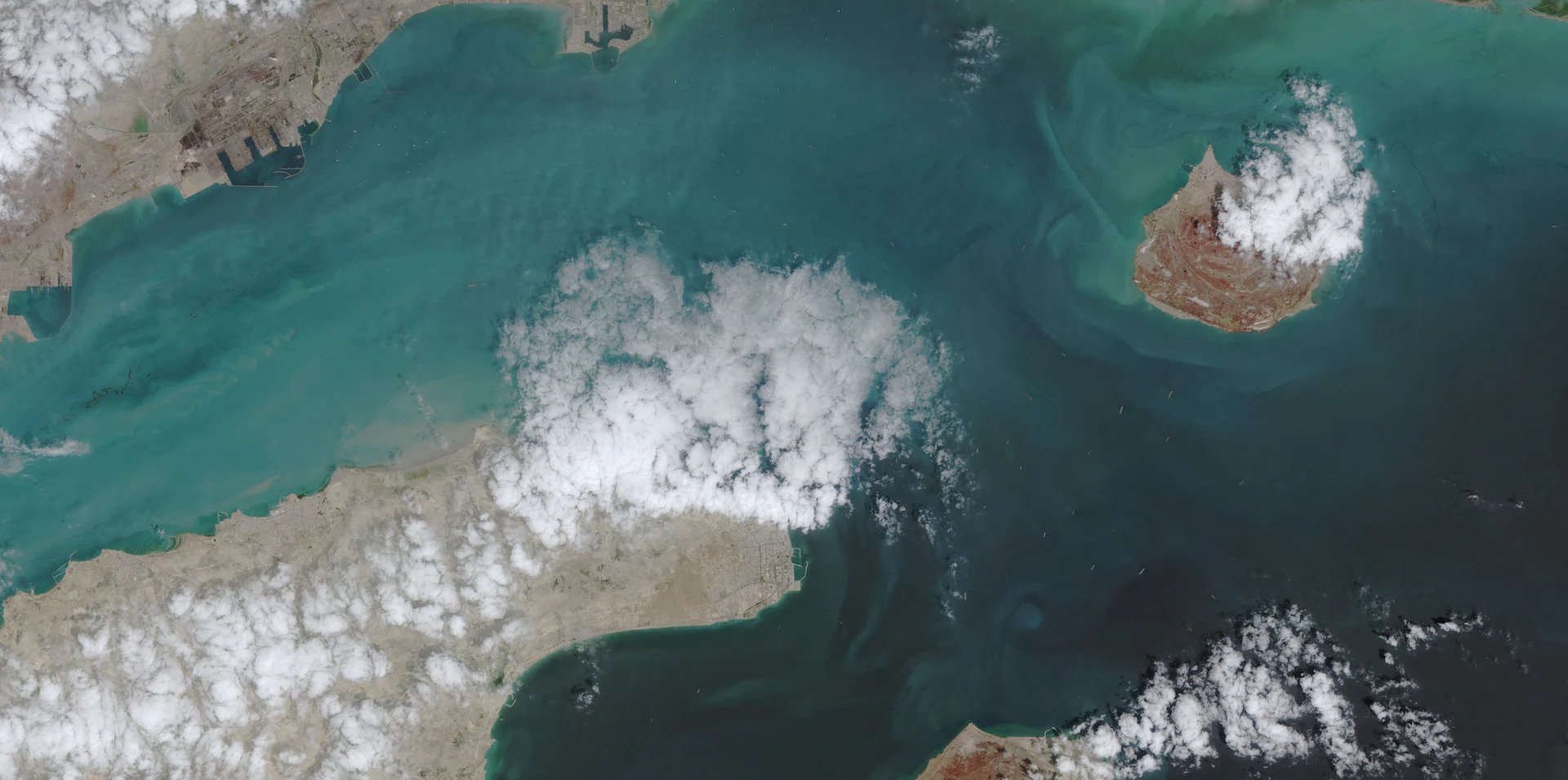
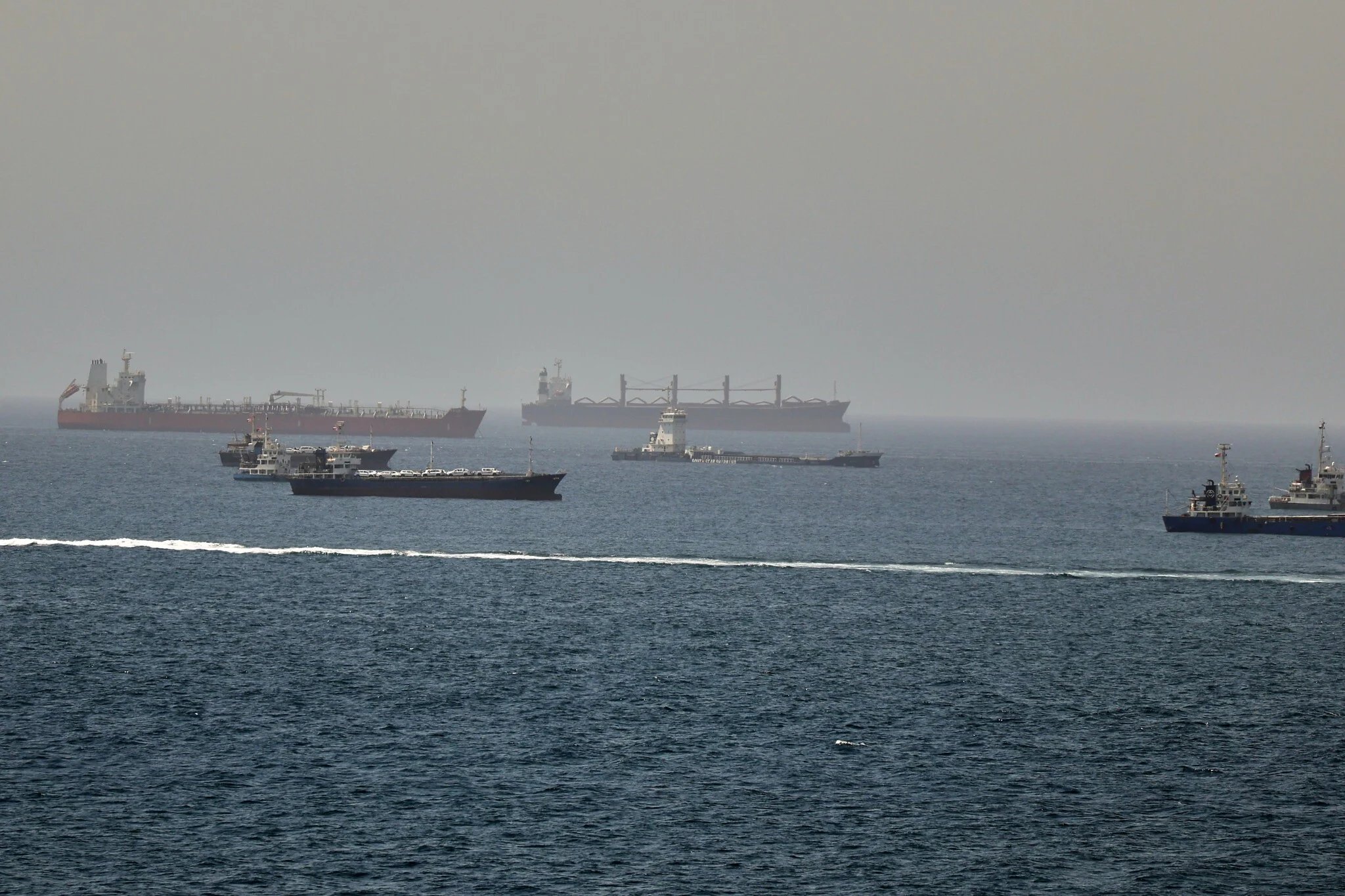
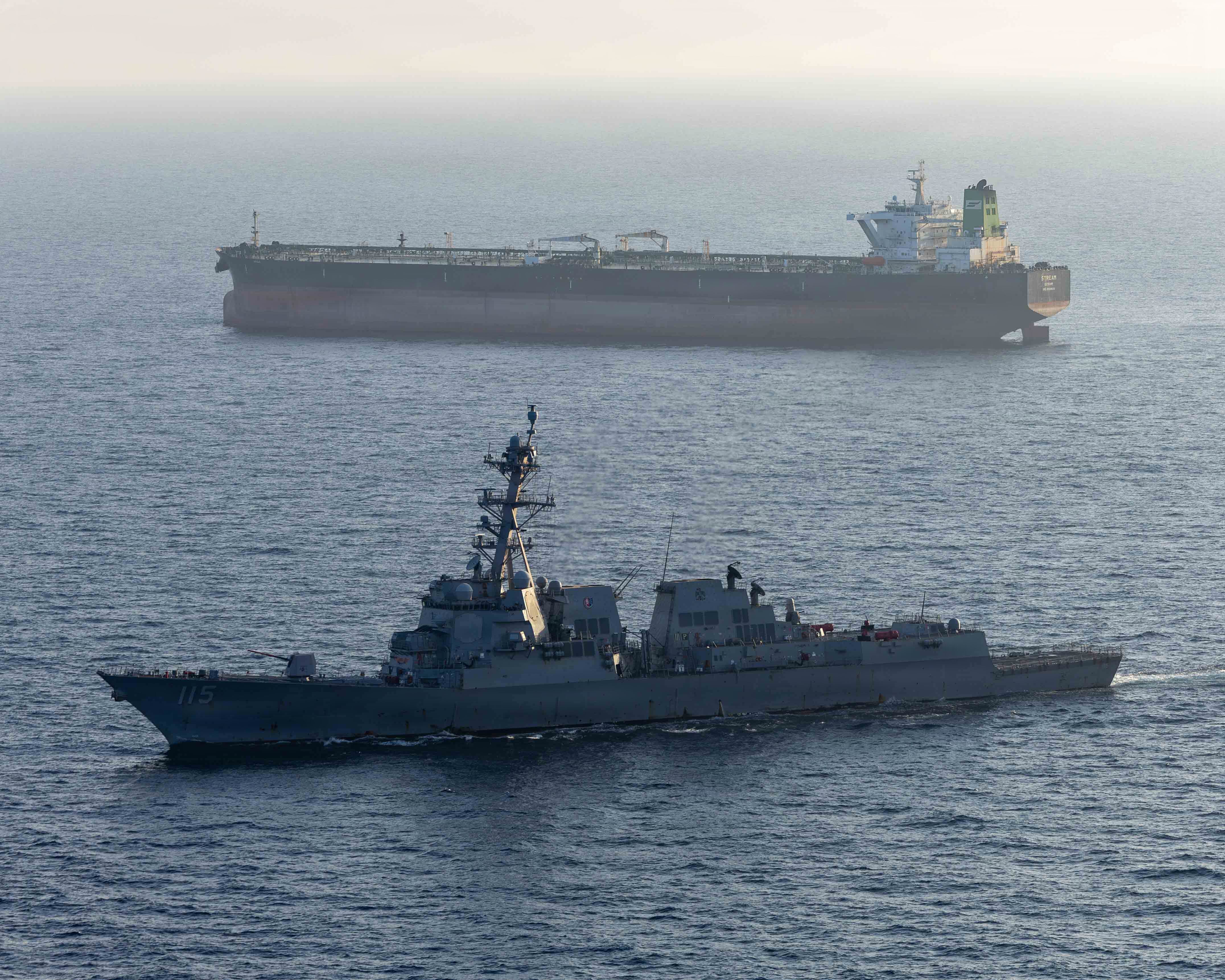
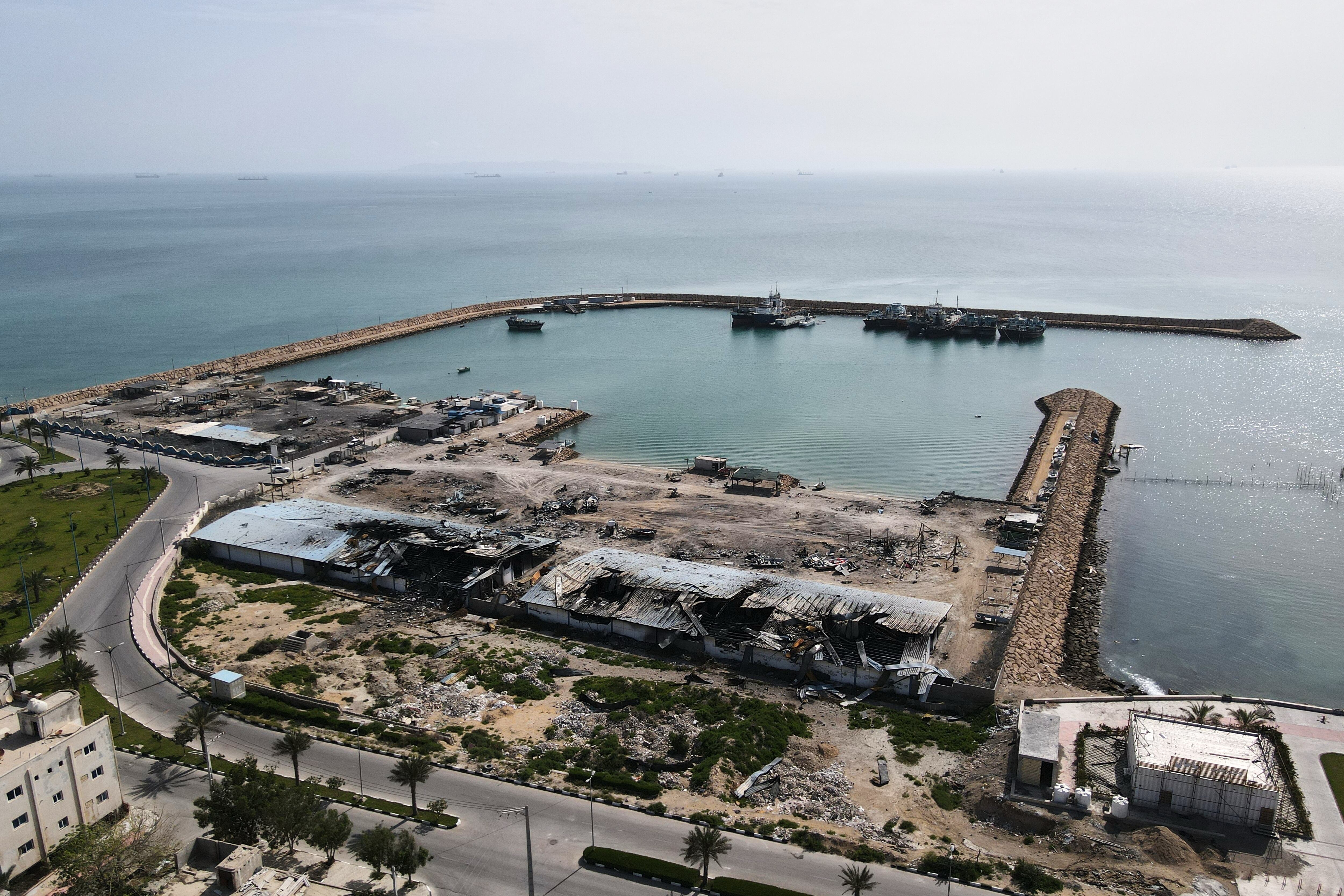
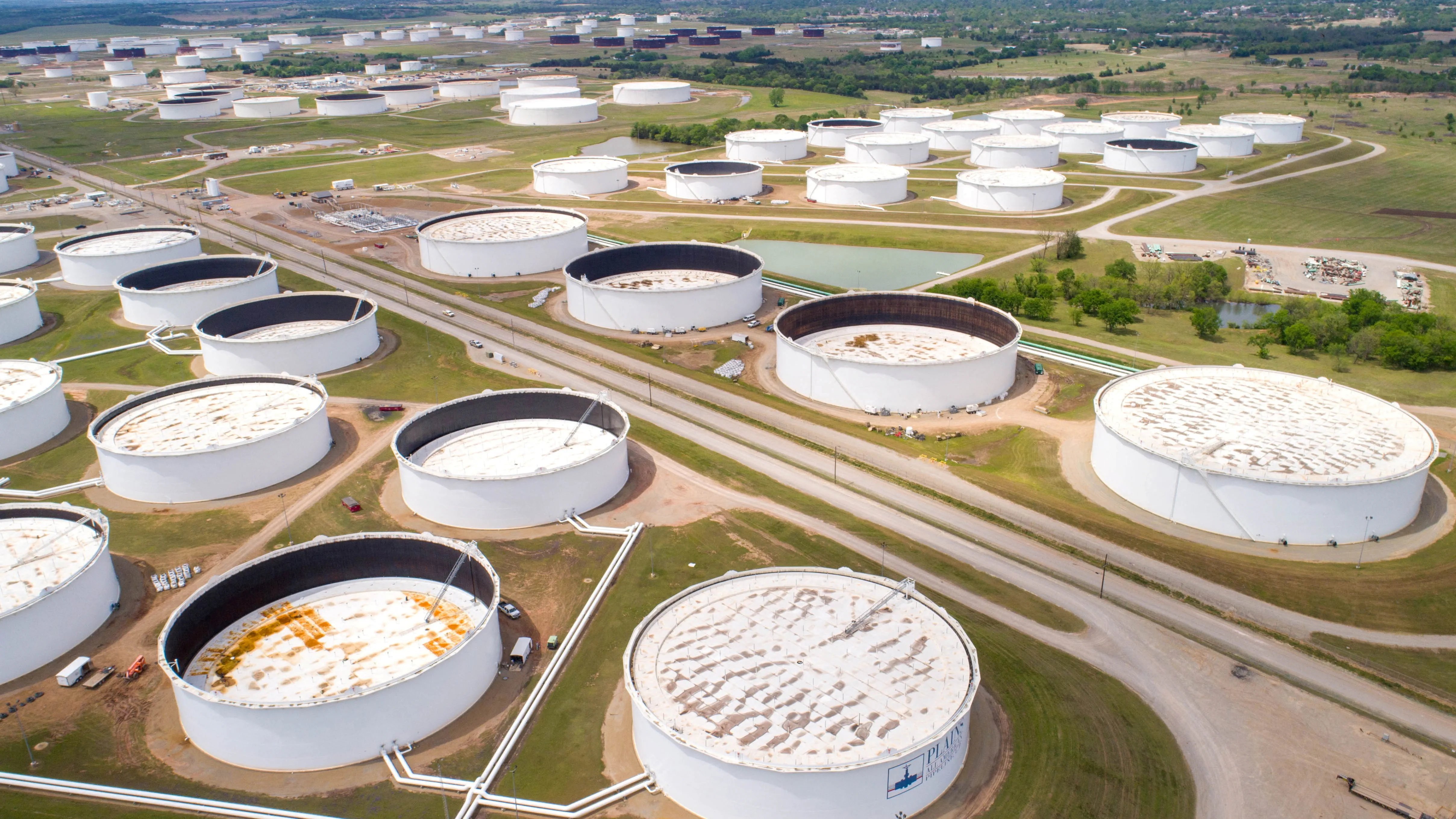
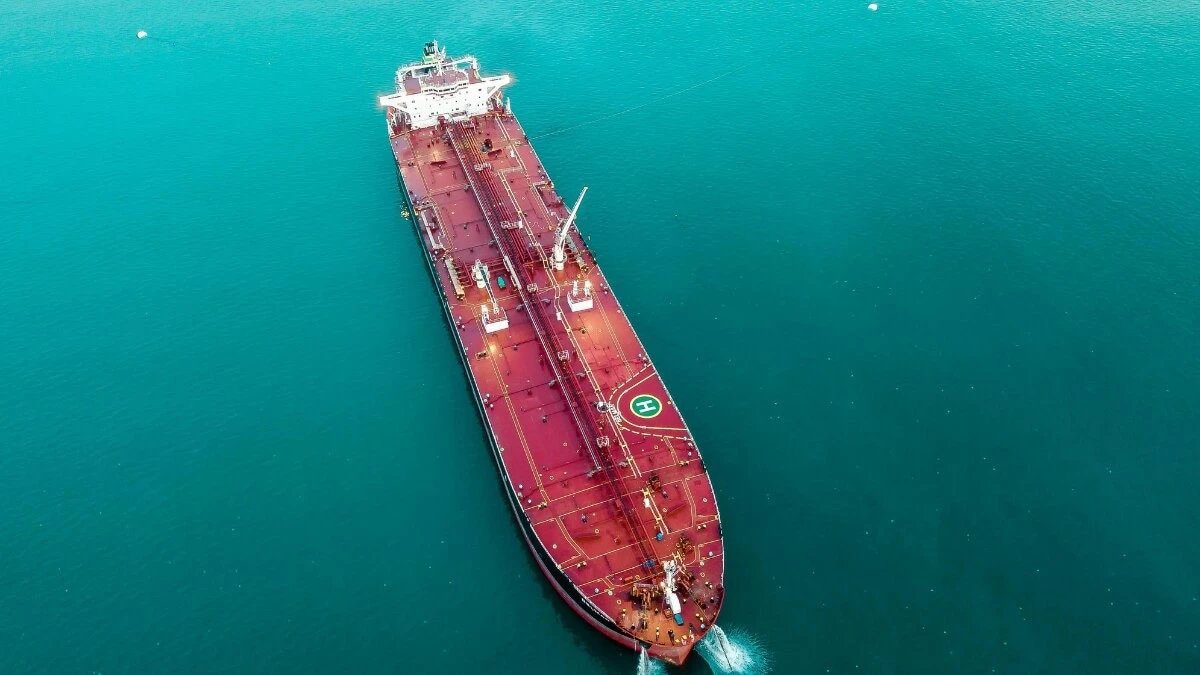
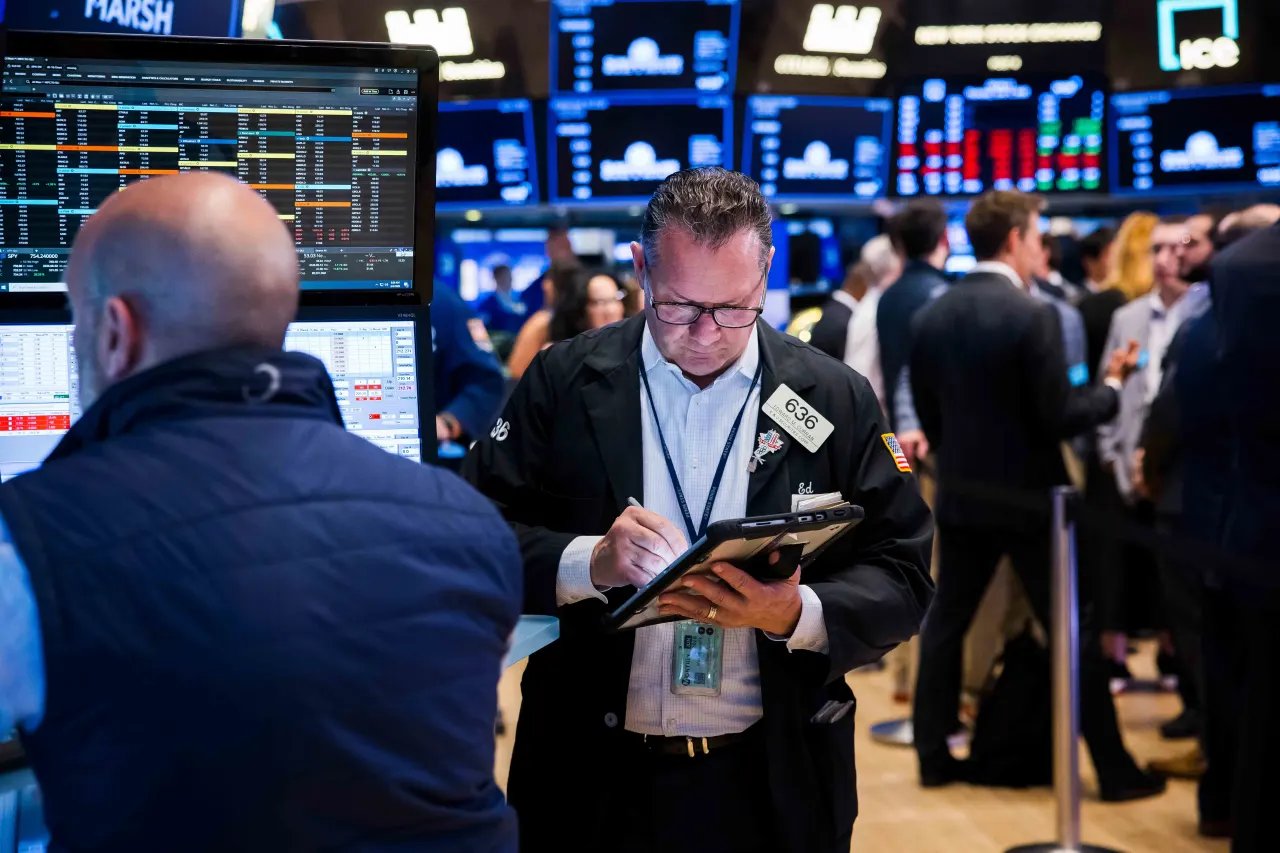
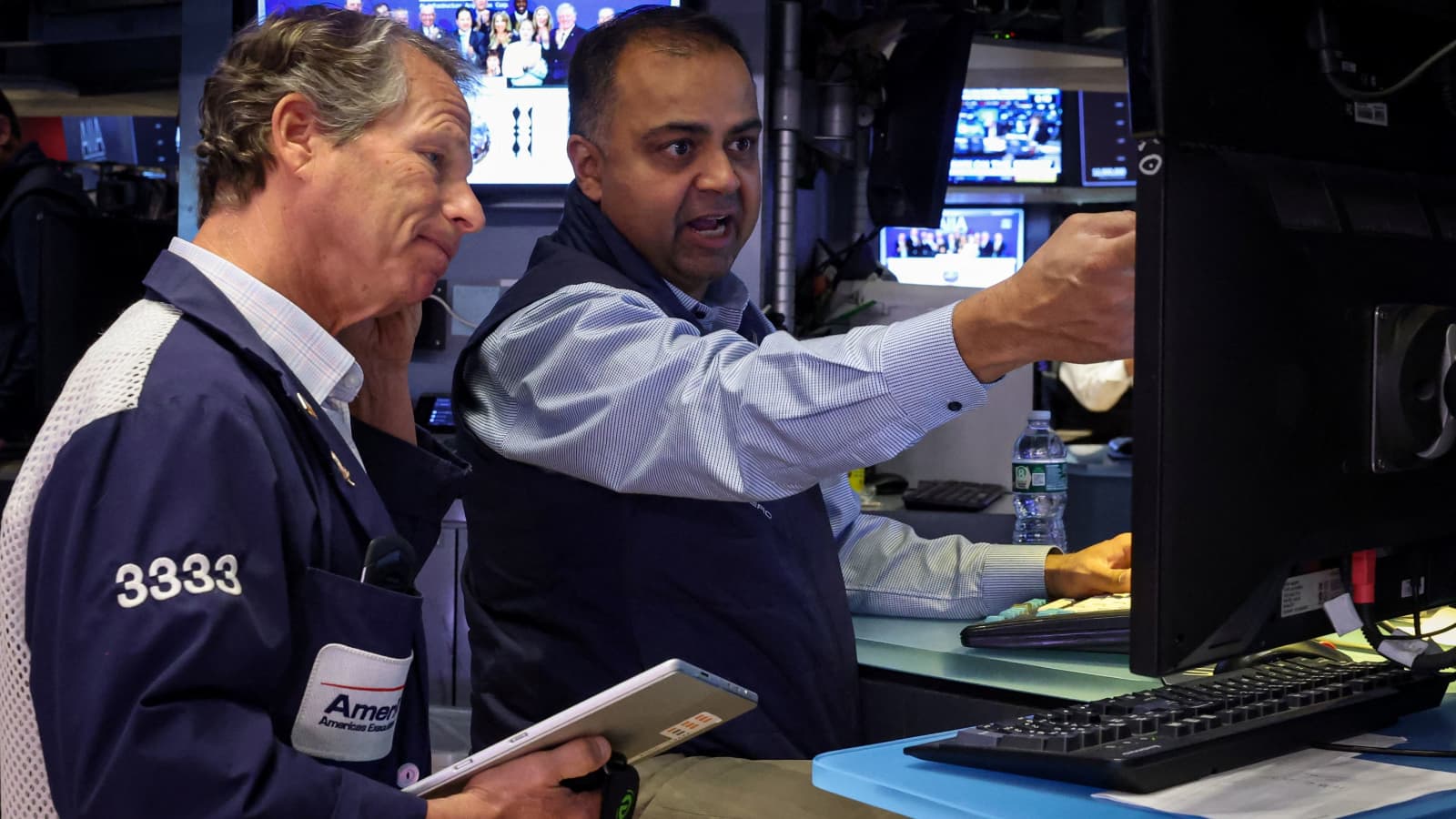
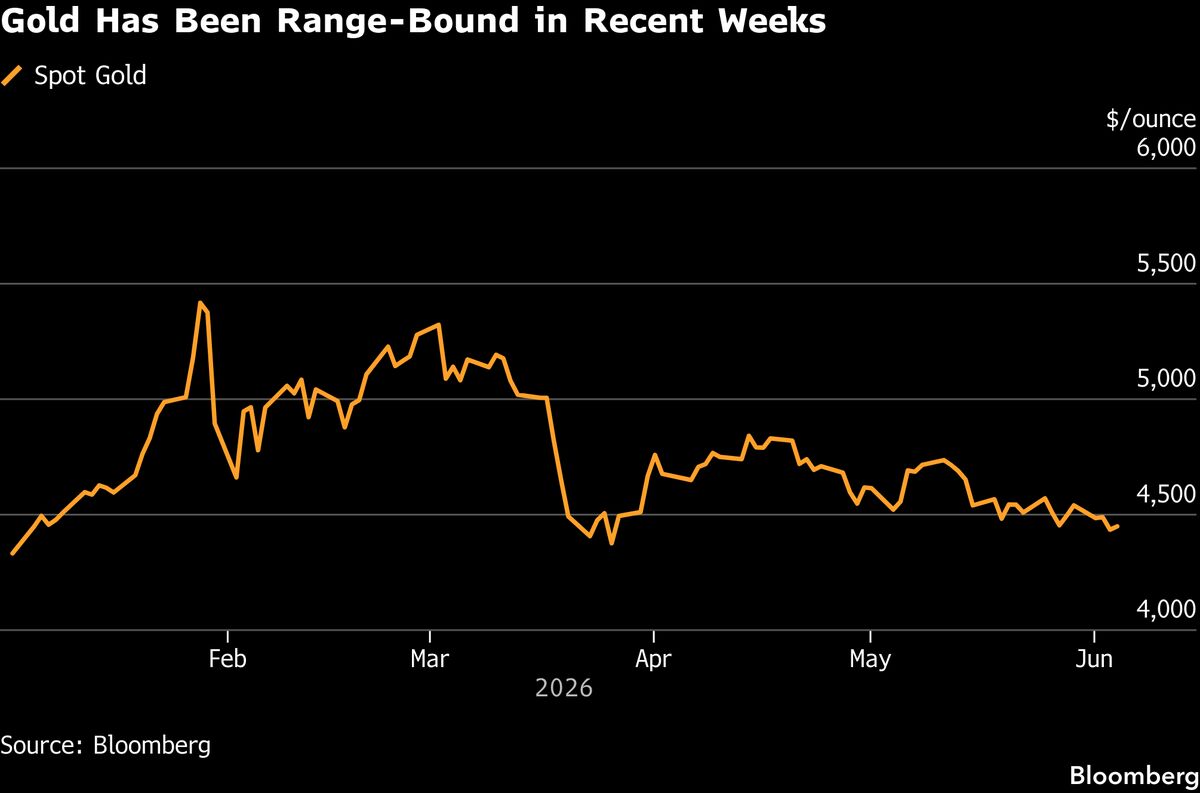
Oil dropped following signs of progress in the talks. The strait's effective closure had driven up fuel prices and disrupted the global economy. Emerging-market stocks rose to a fresh record as the talks proceeded, while gold also advanced after negotiators flagged headway in the discussions.
What the Agreement Includes
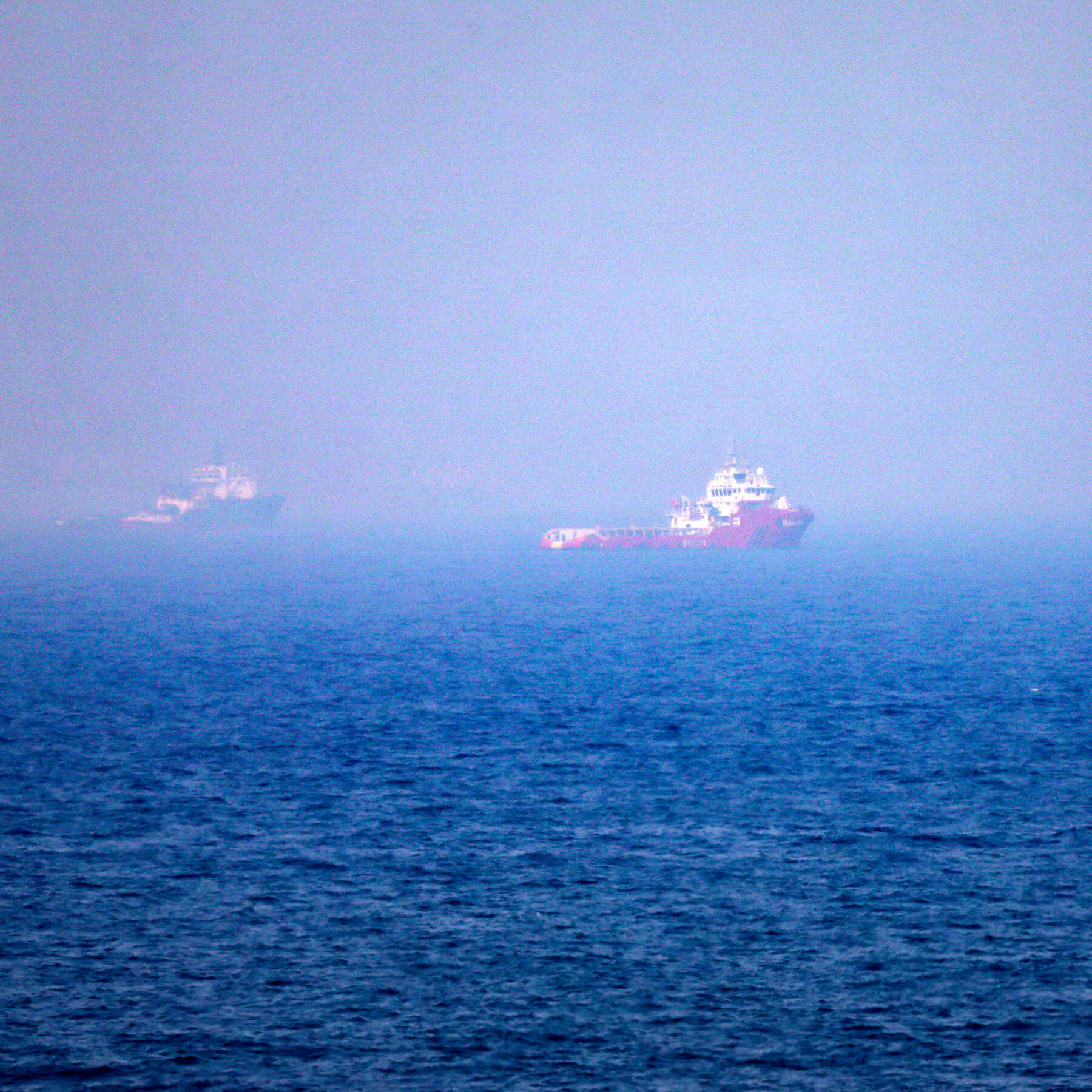
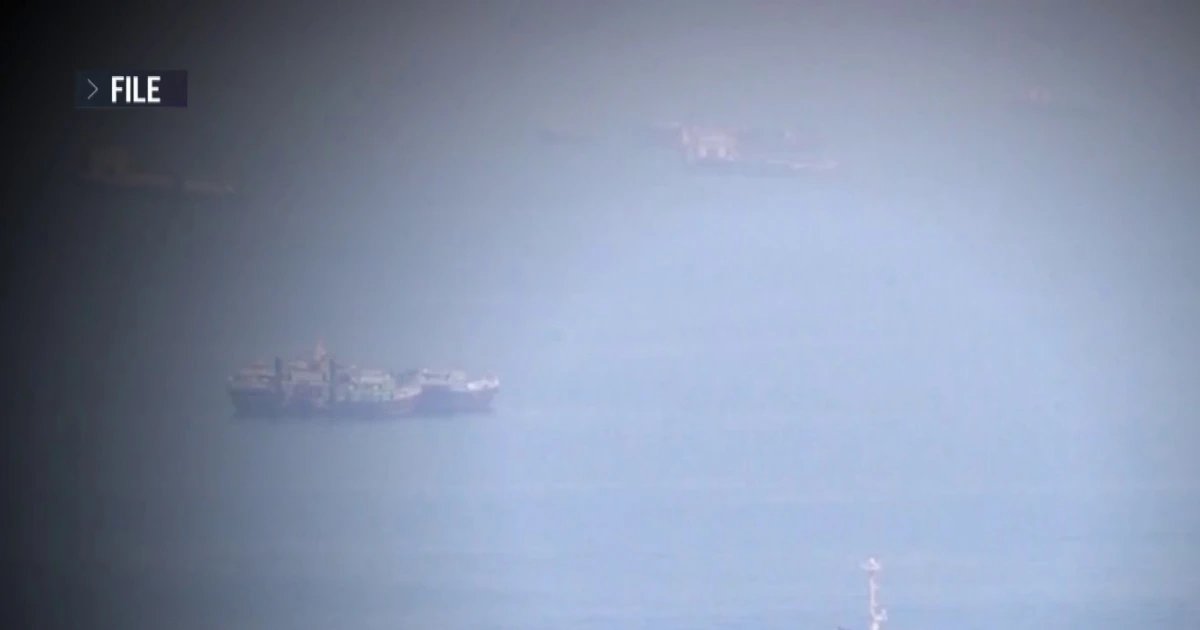
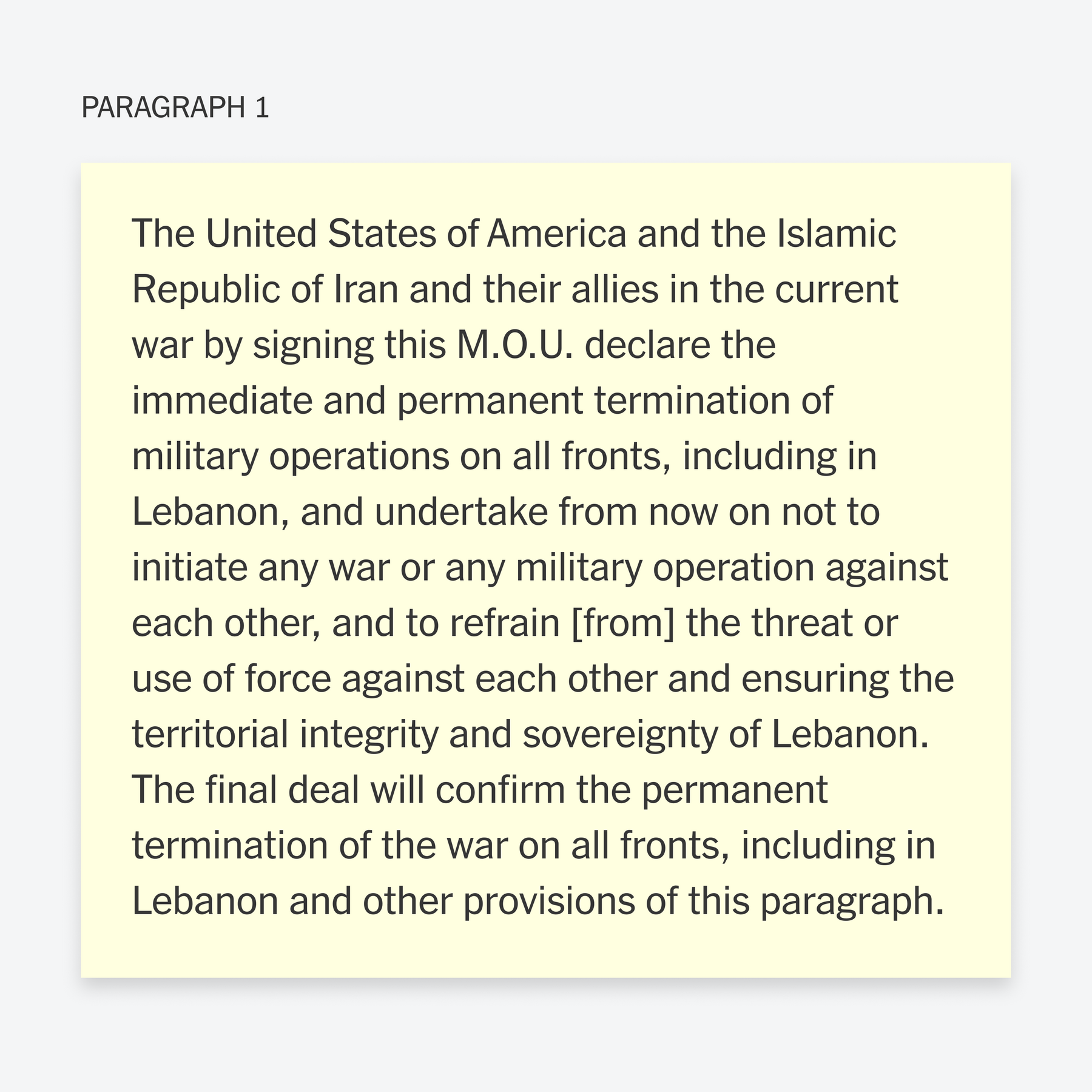
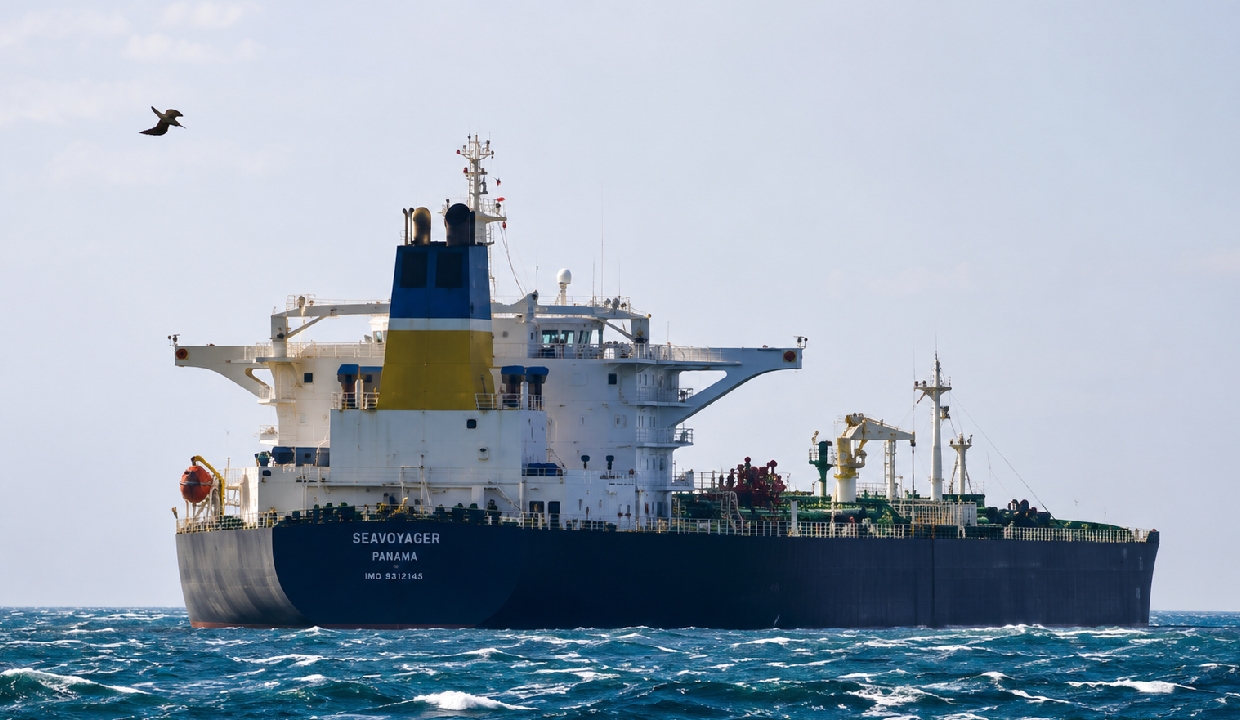
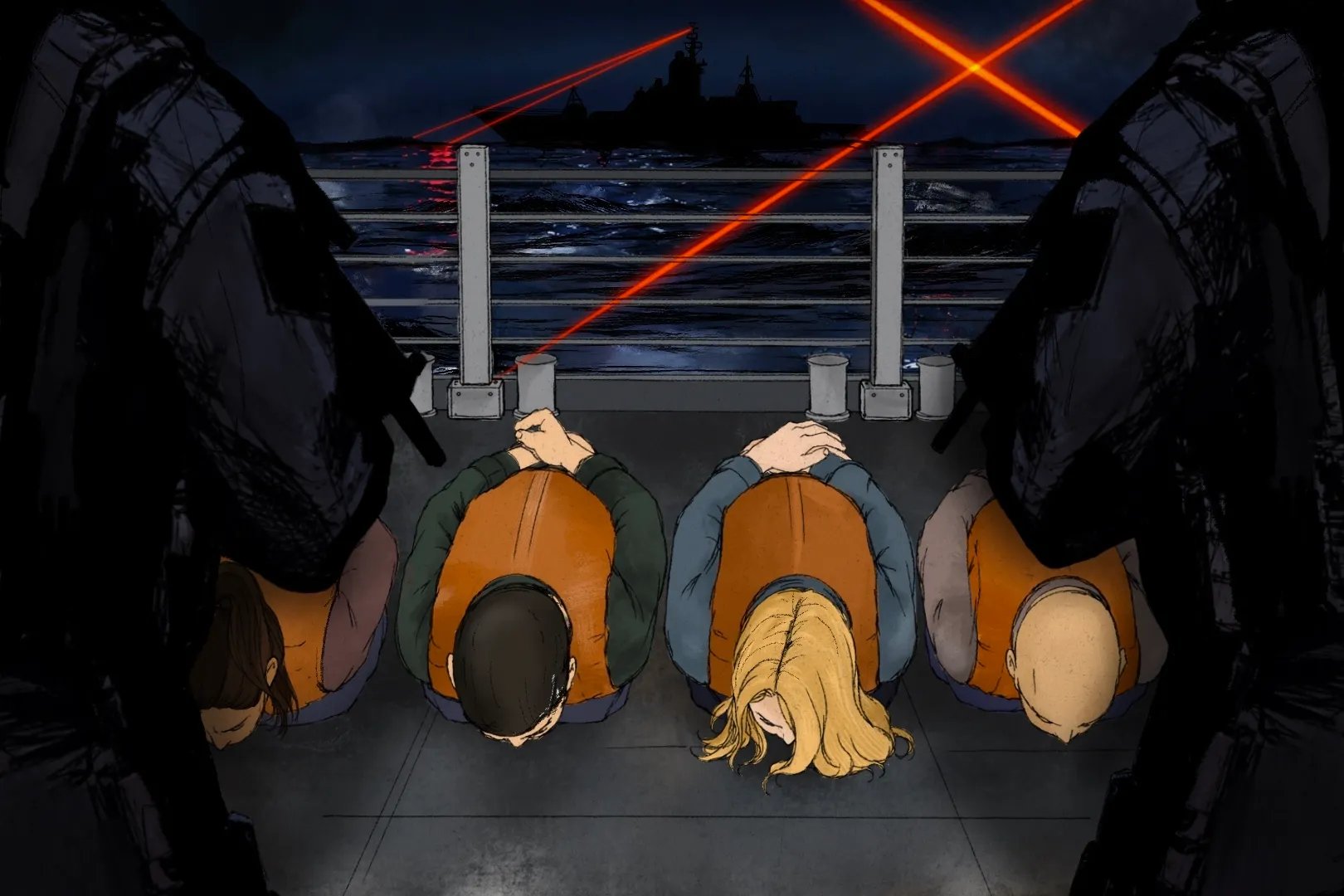
The talks built on a memorandum of understanding signed last week that commits both sides to reach a final deal within 60 days. A "High Level Committee" agreed to establish a "de-confliction cell" between the U.S., Iran, and Lebanon, facilitated by mediating countries, to end military operations in Lebanon. The mediators also formed a "communication line" aimed at safe passage for commercial vessels through the Strait of Hormuz.
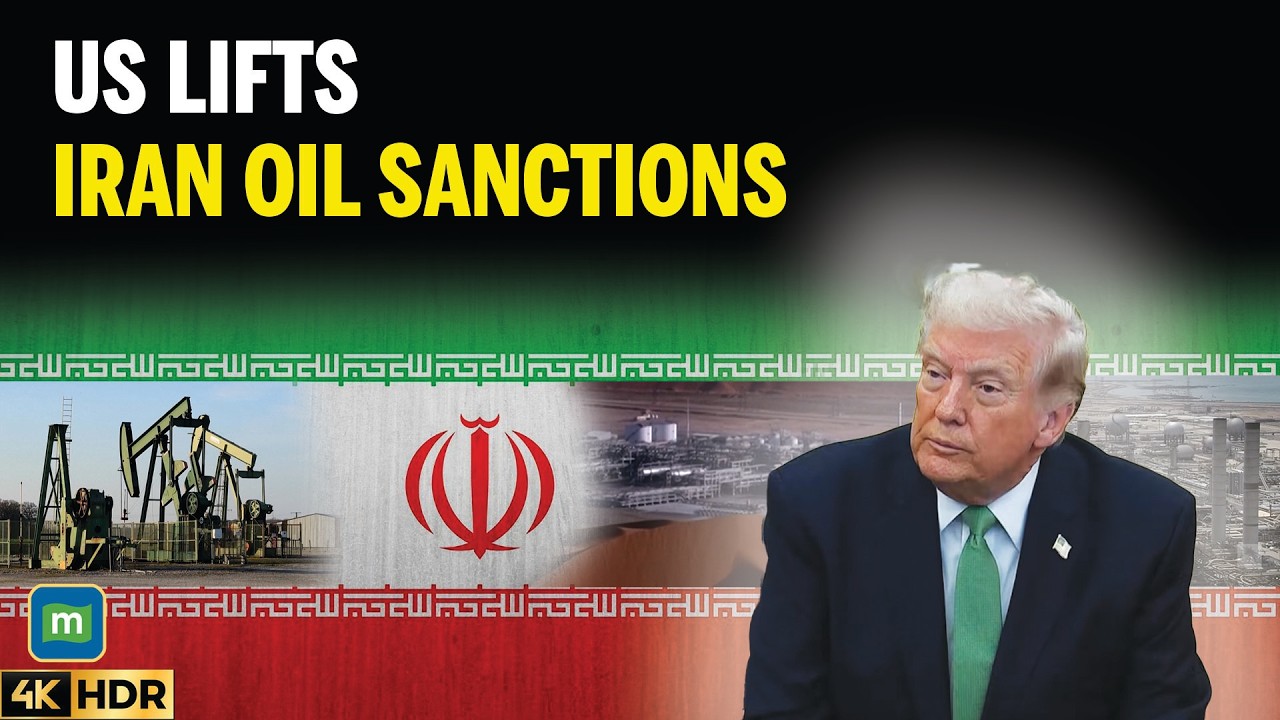
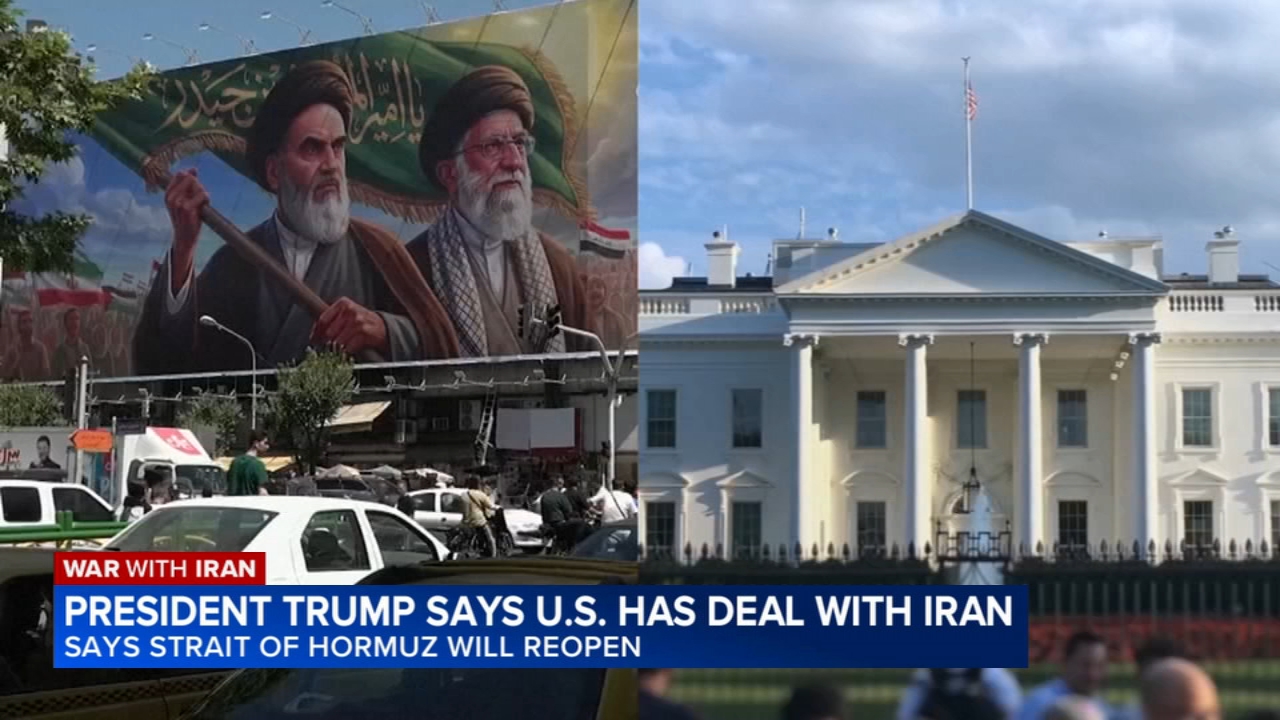
Under the initial agreement, Iran committed to reopen the Strait of Hormuz and the U.S. agreed to lift a military blockade on ships going to and from Iranian ports. The deal included a $300 billion plan for Iran's reconstruction and the U.S. terminating all types of sanctions on Iran. Iran also secured waivers for oil exports and the release of some frozen assets as part of the agreement.
Obstacles Remain Despite Progress
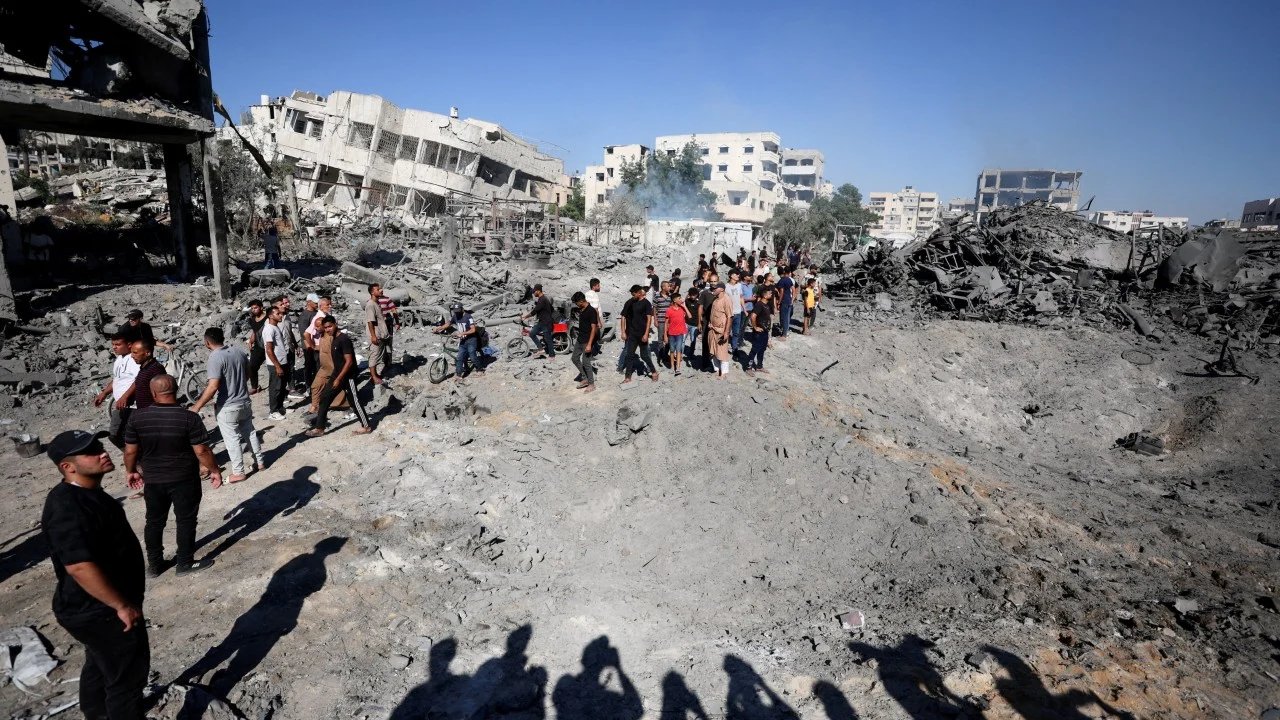
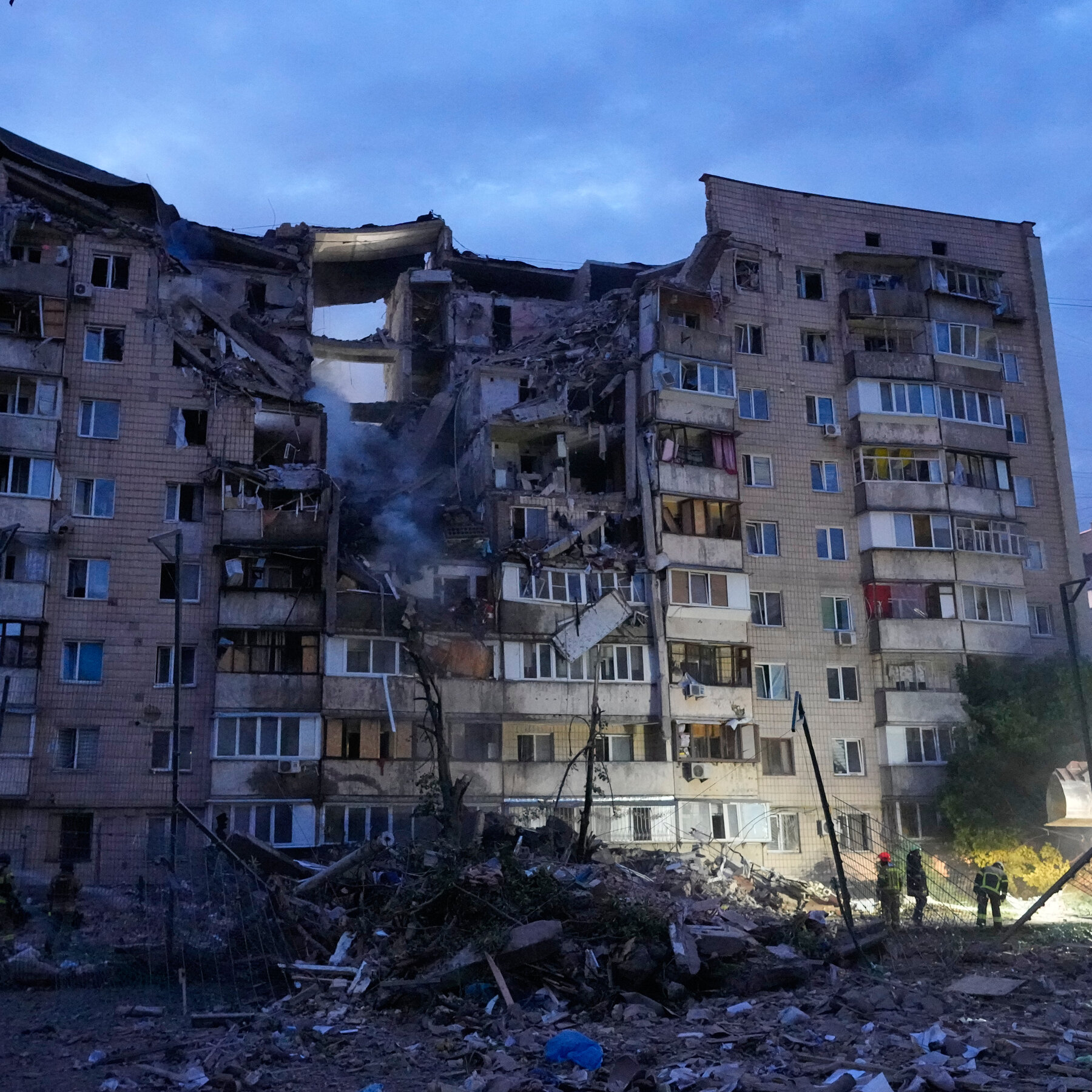
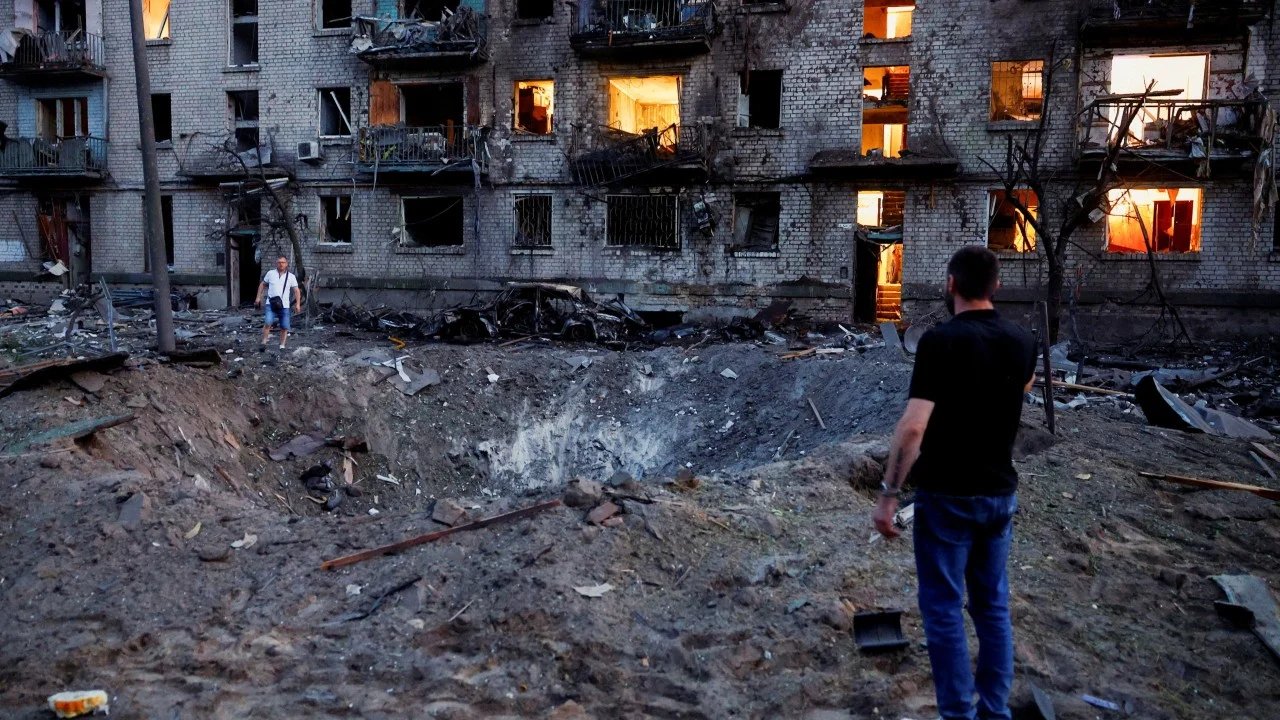
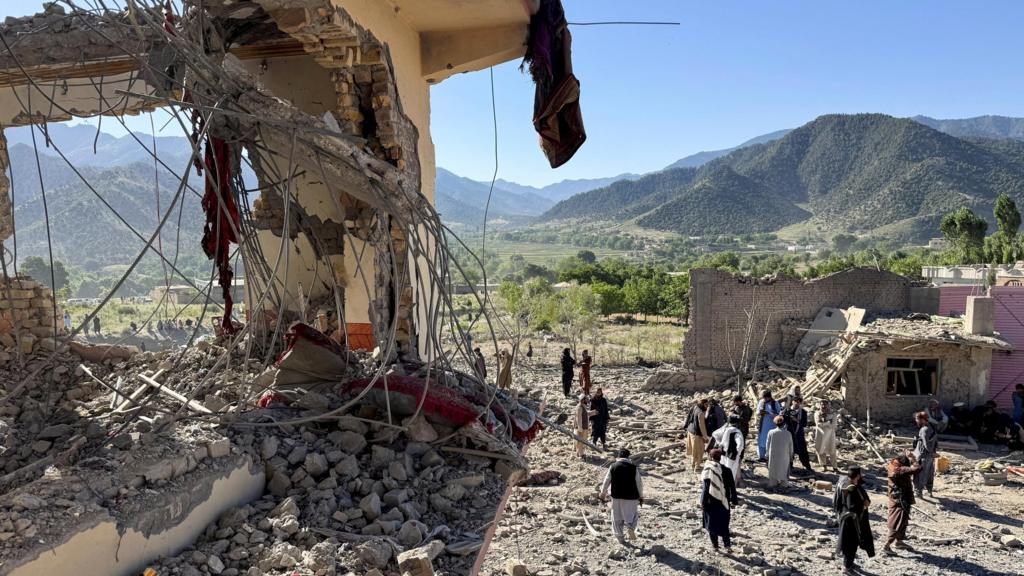
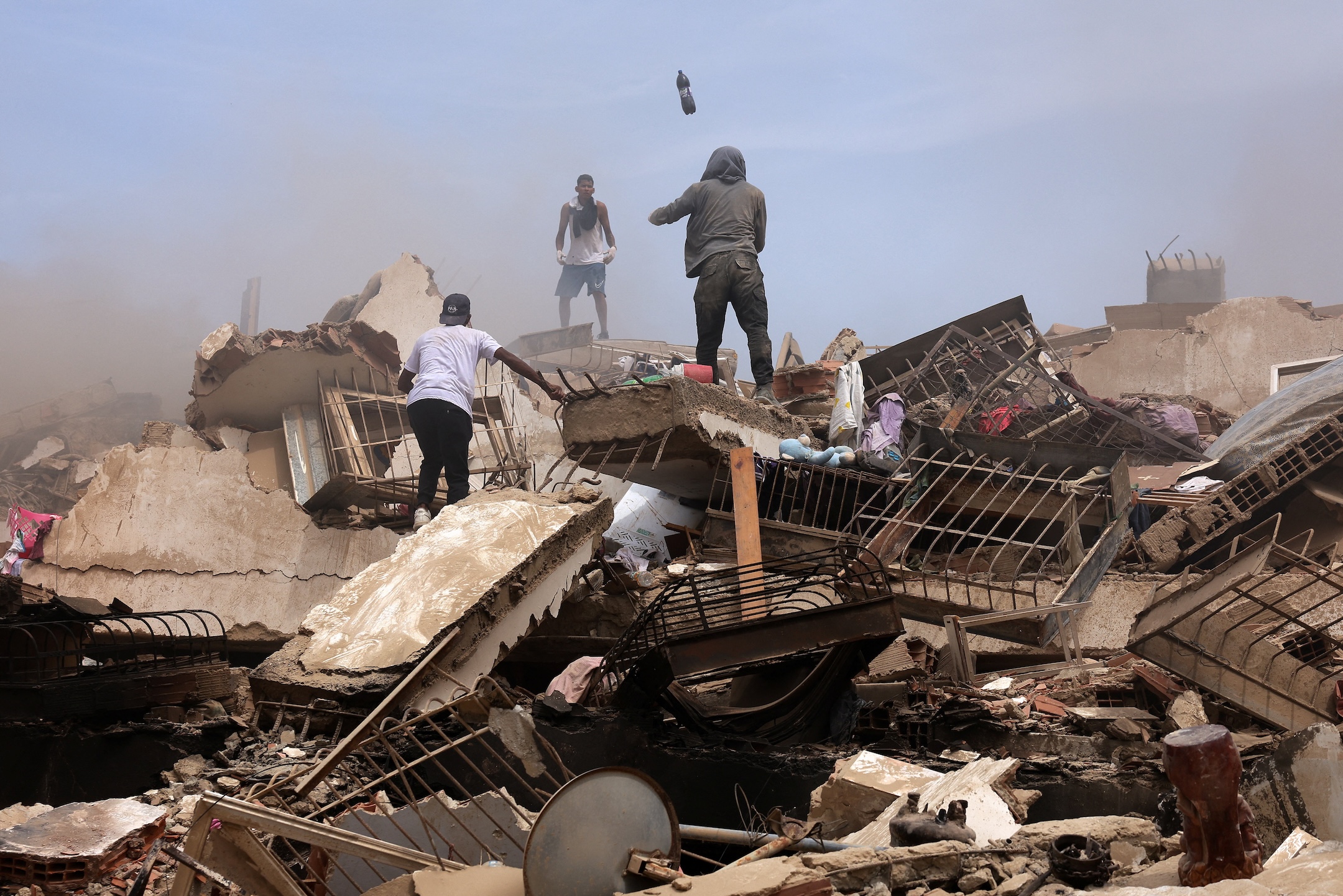
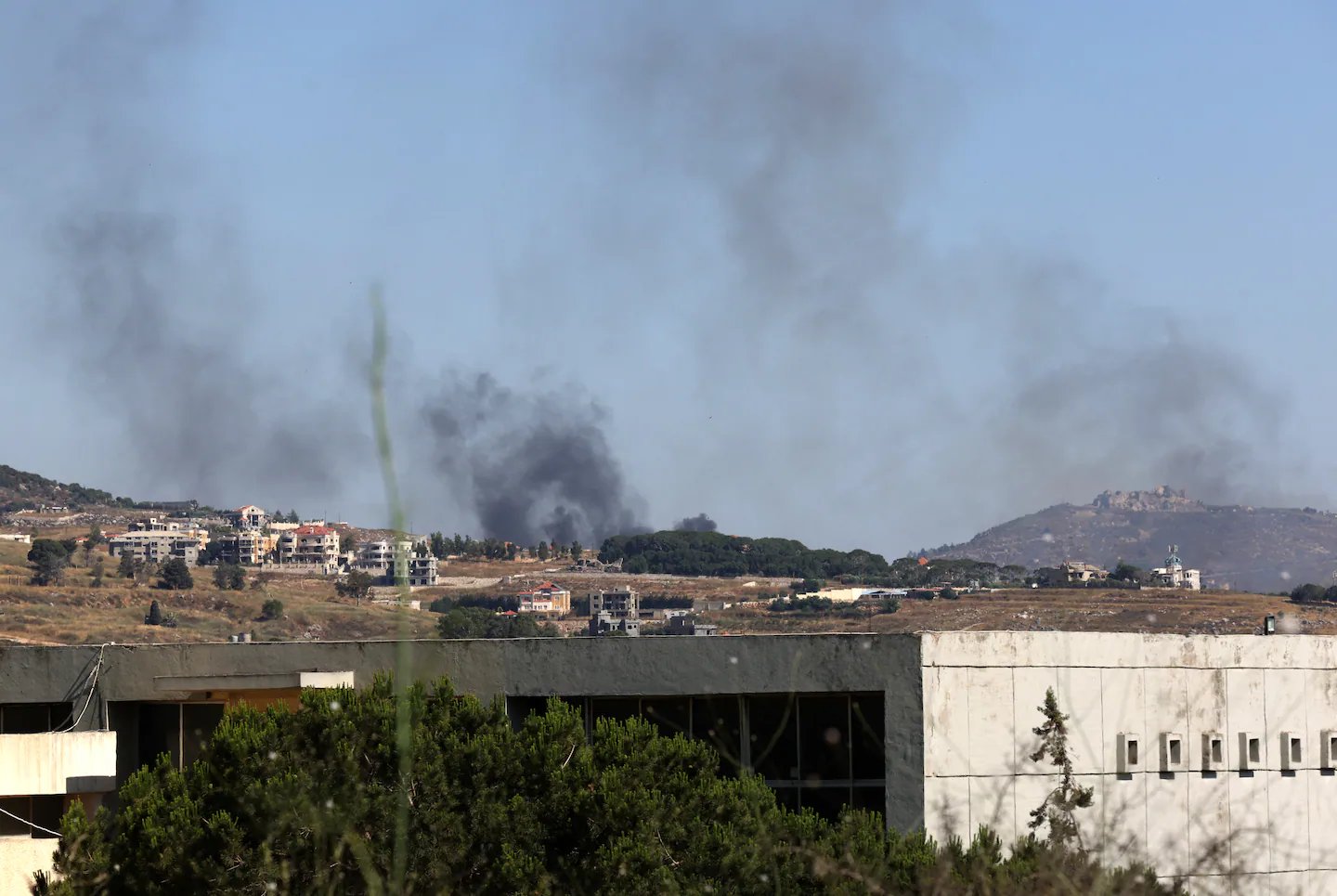
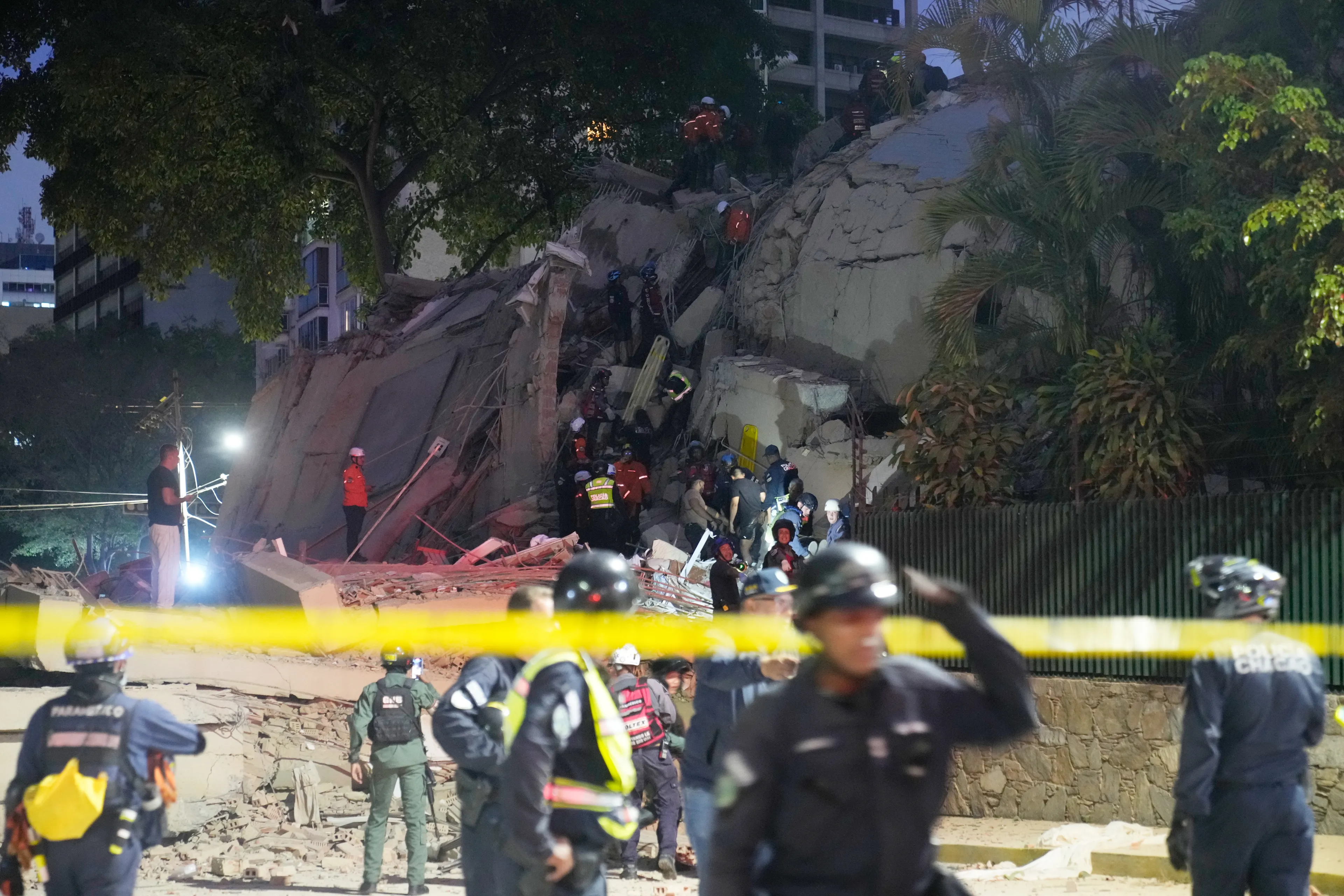
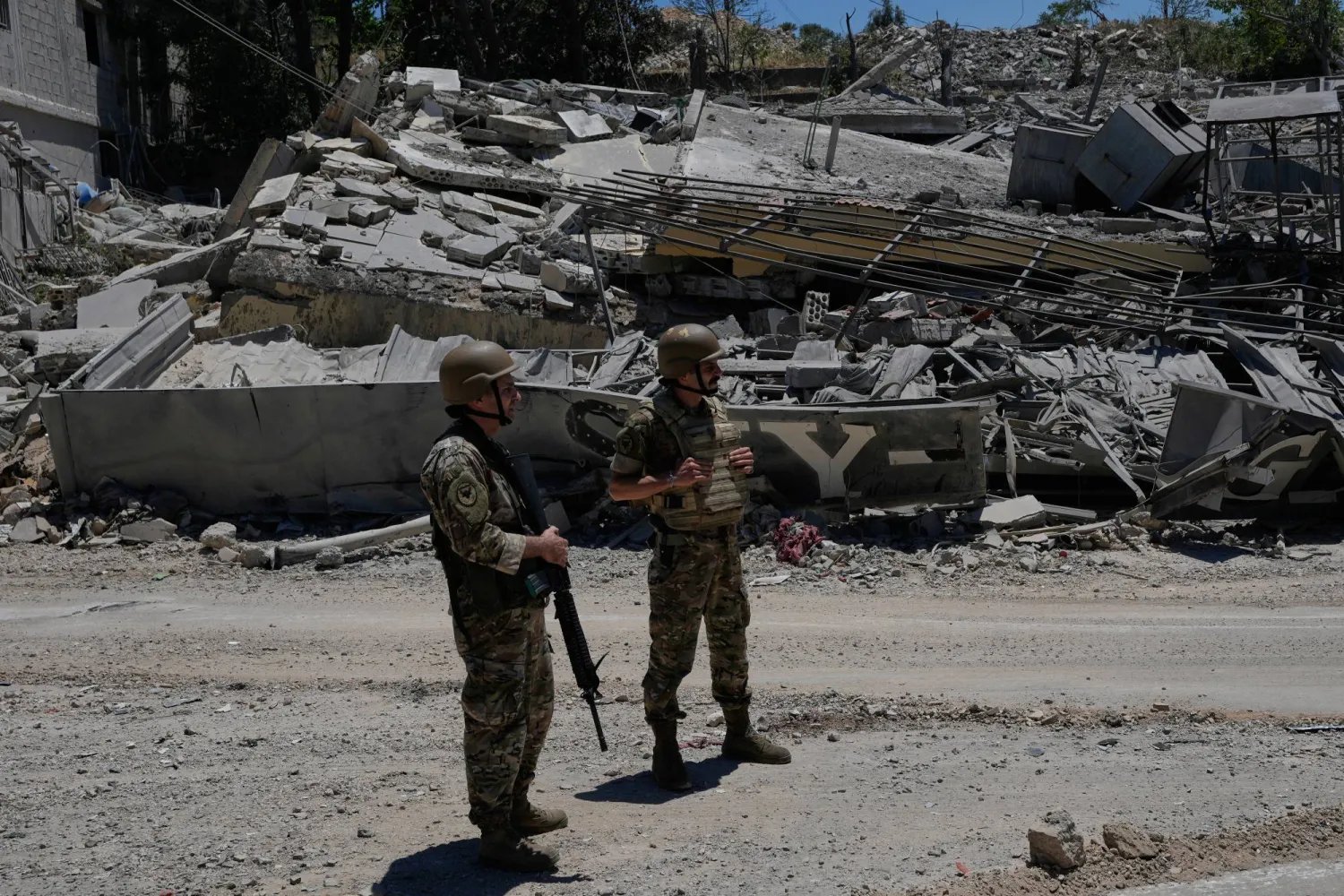
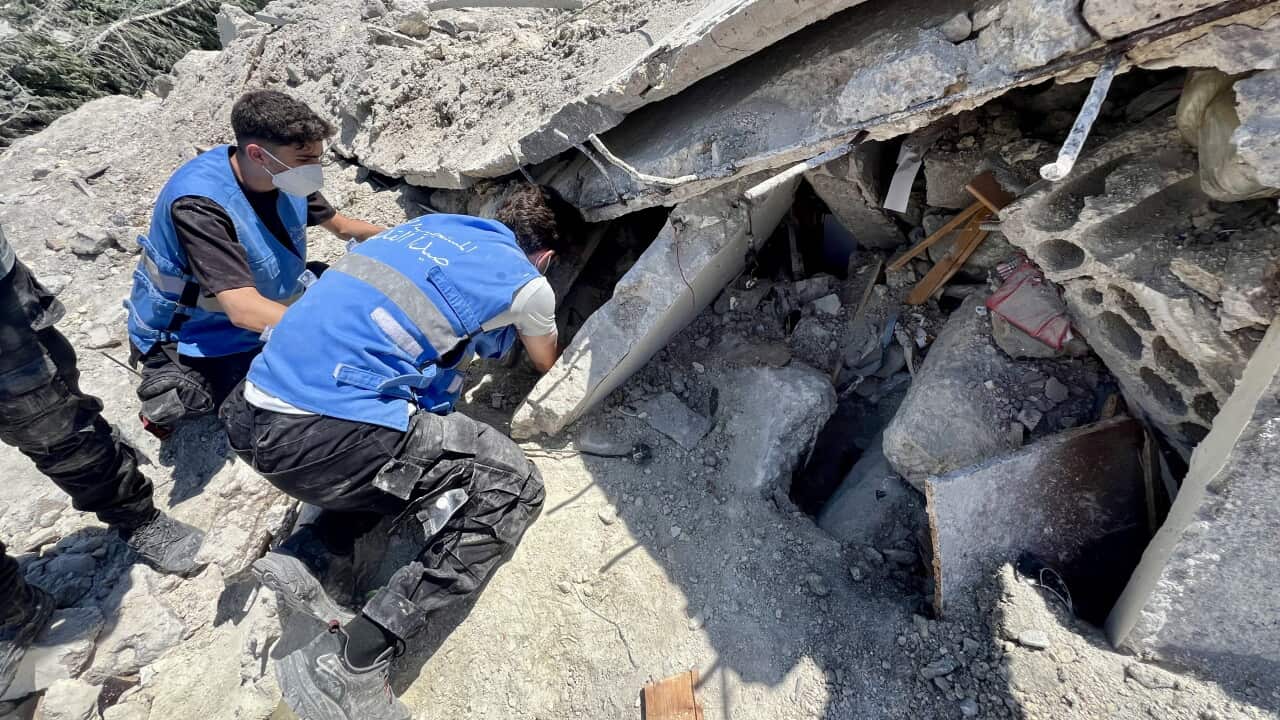
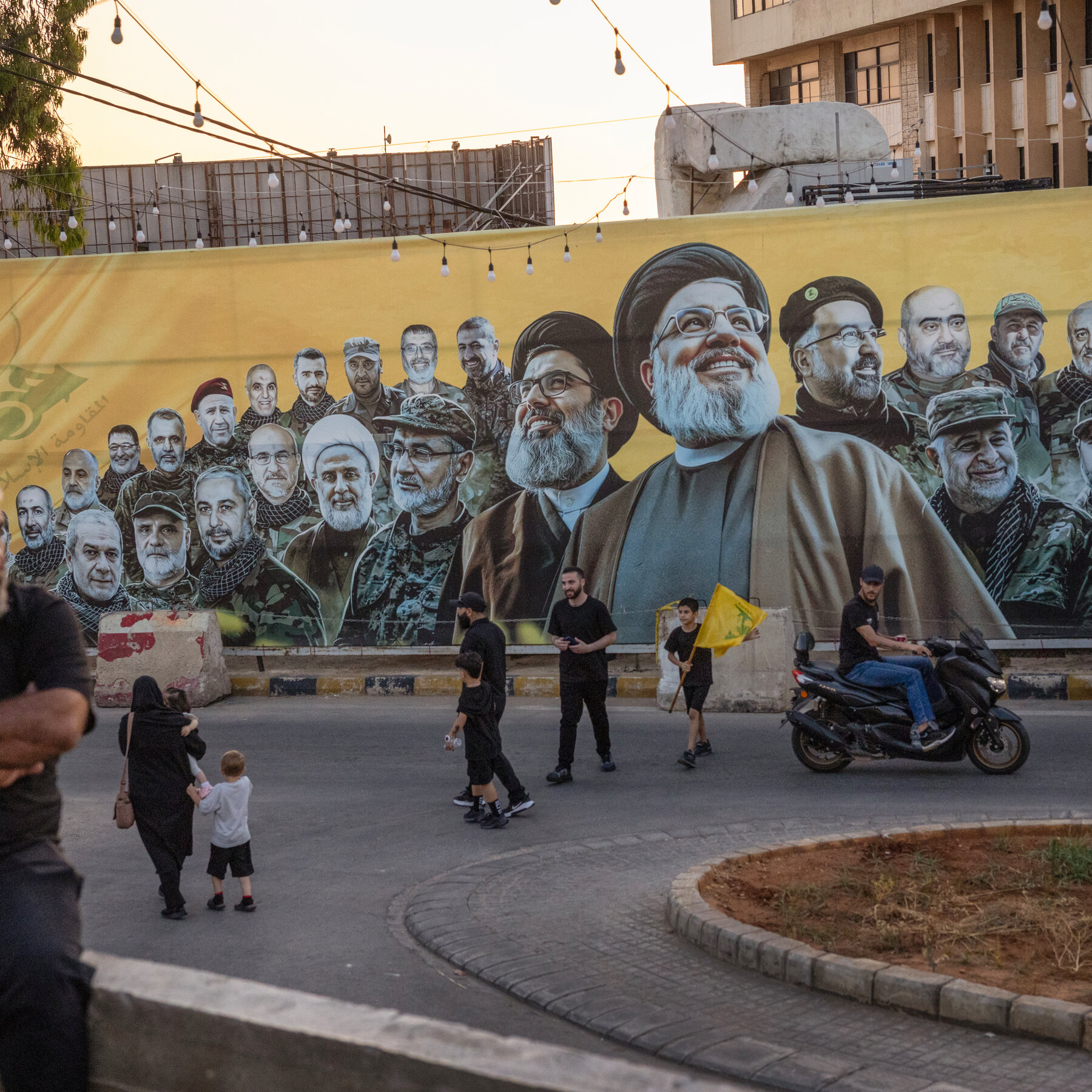
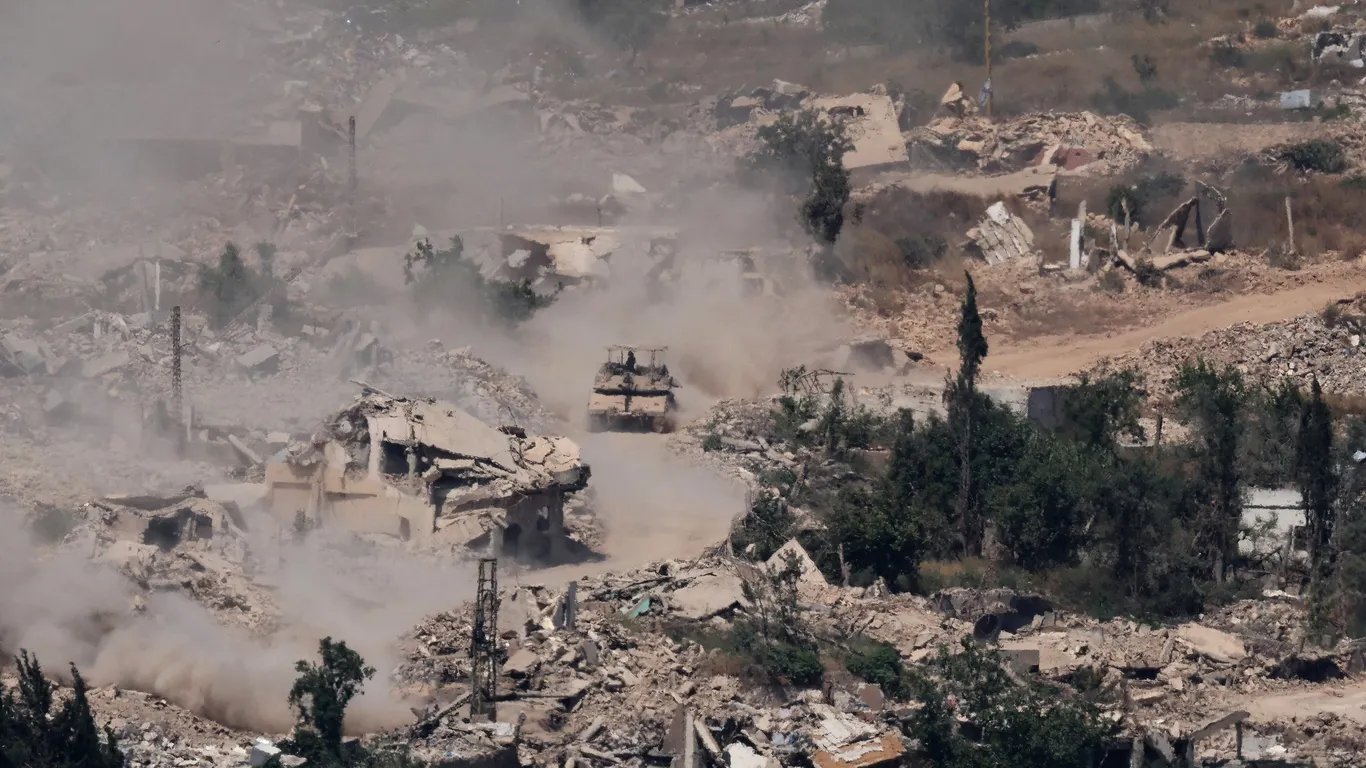
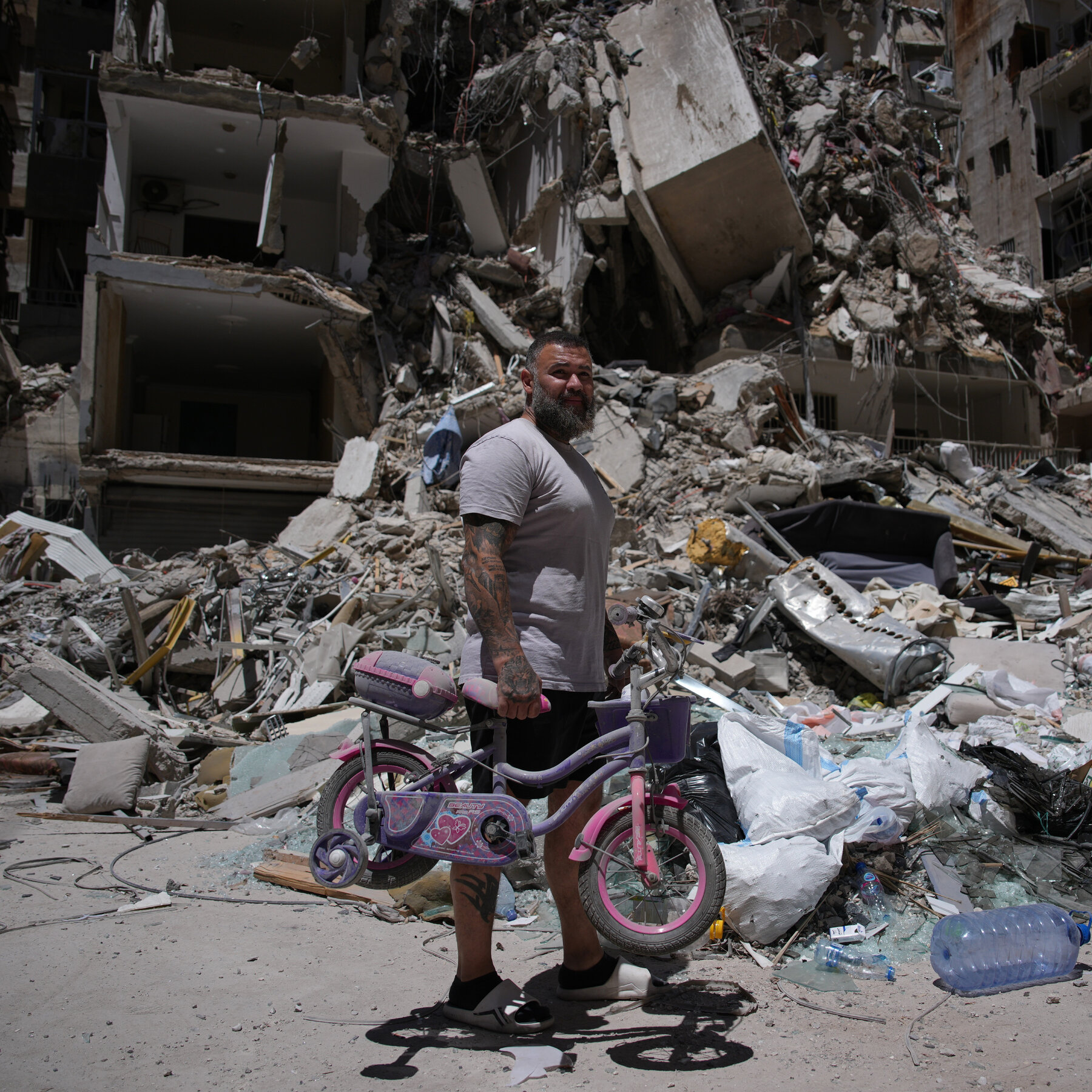
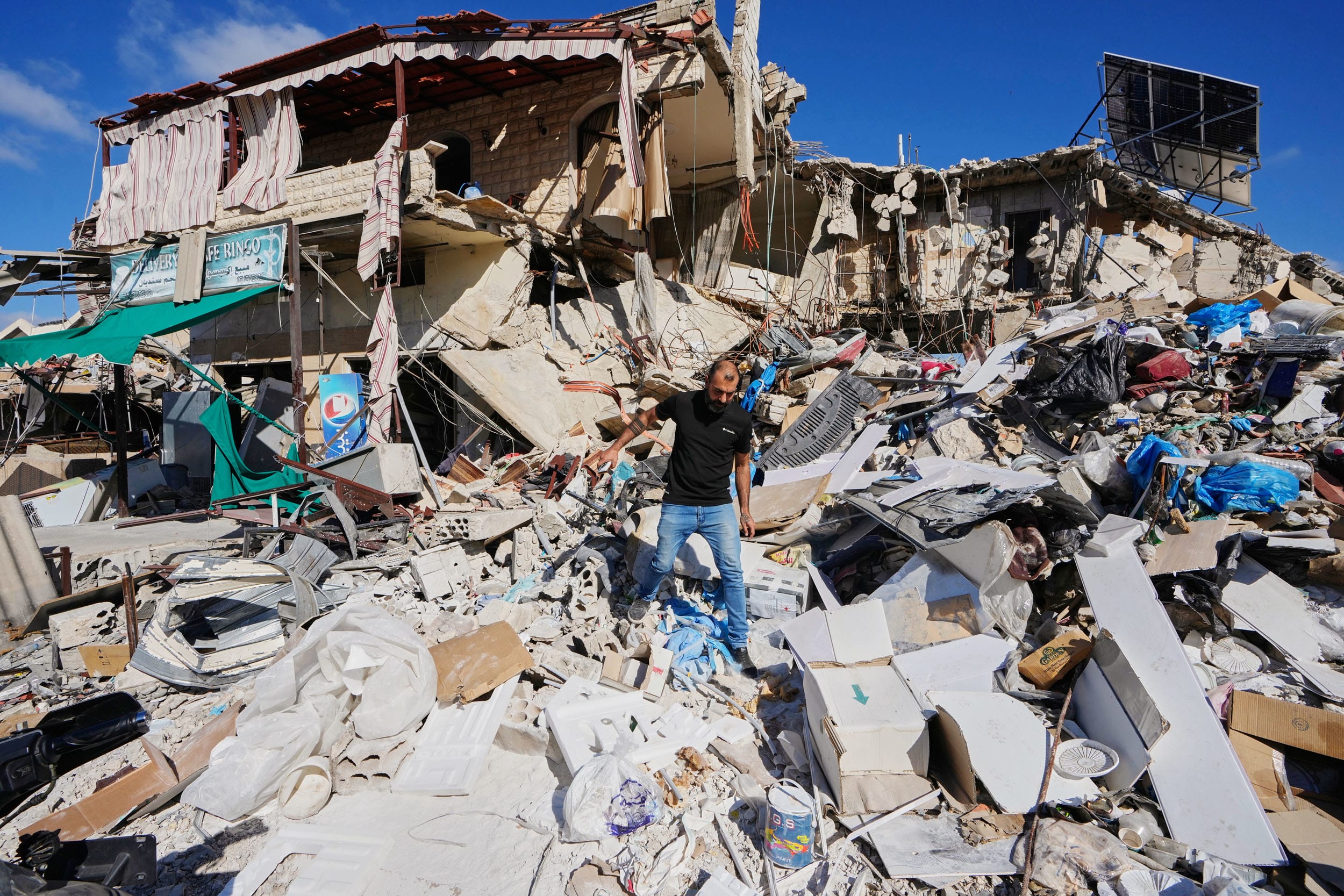
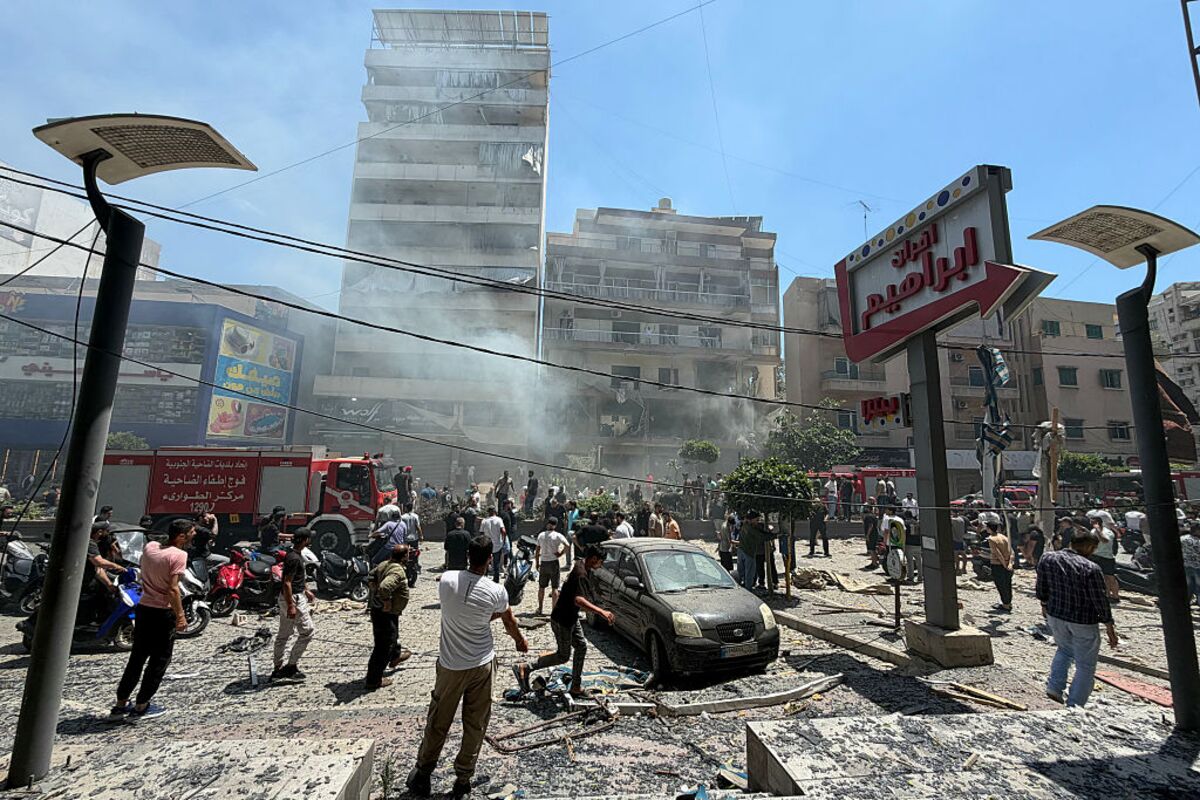
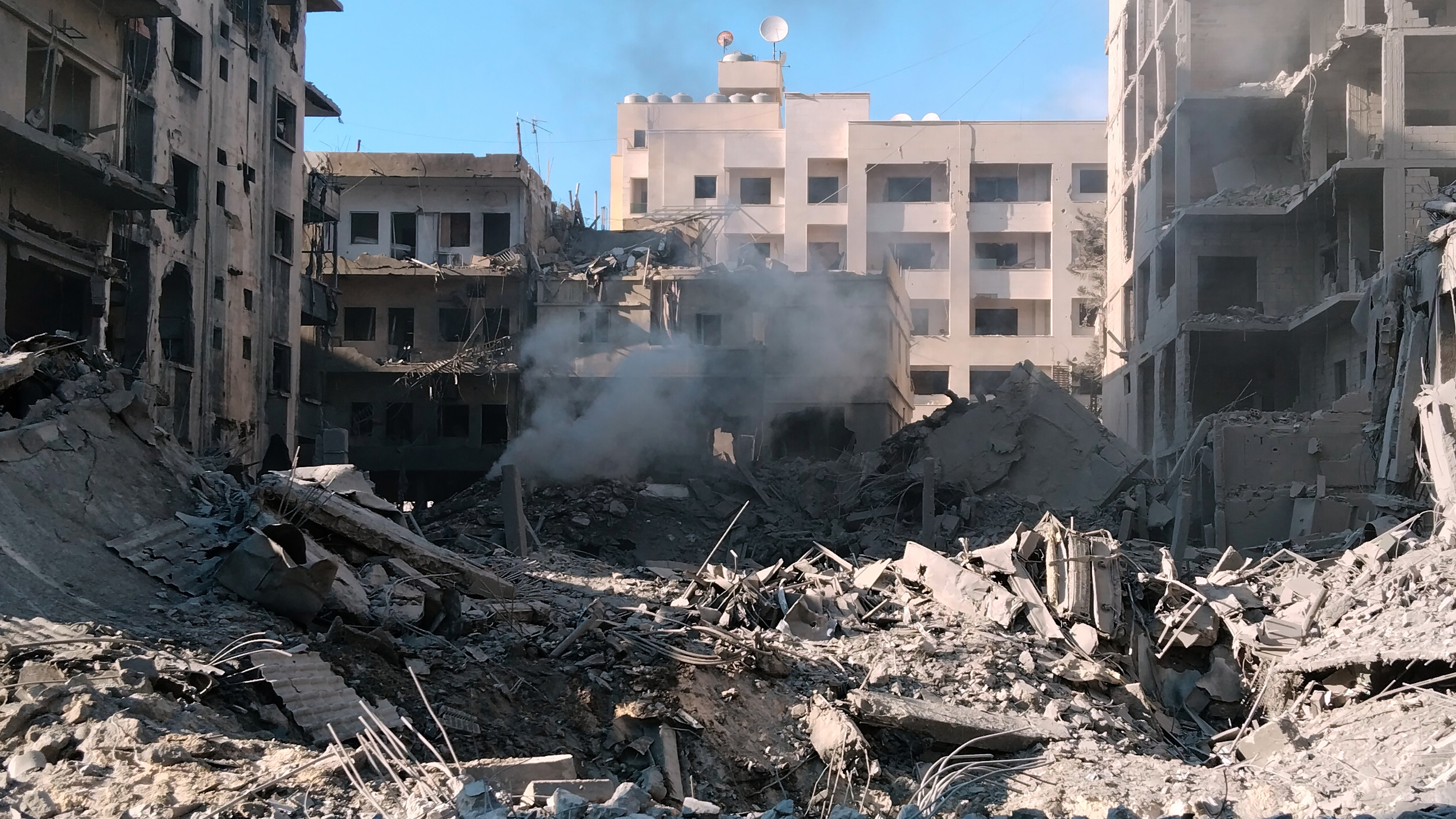
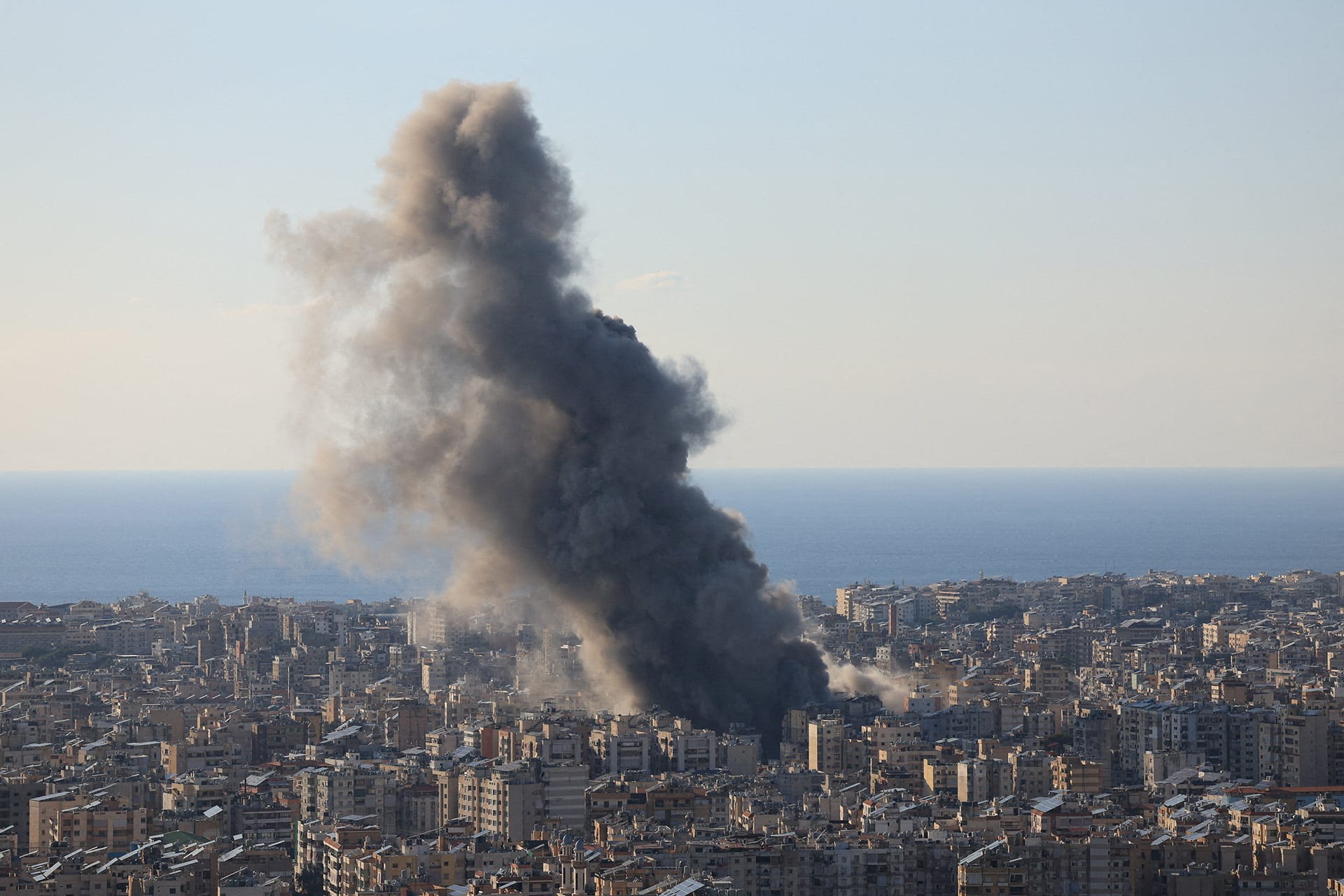
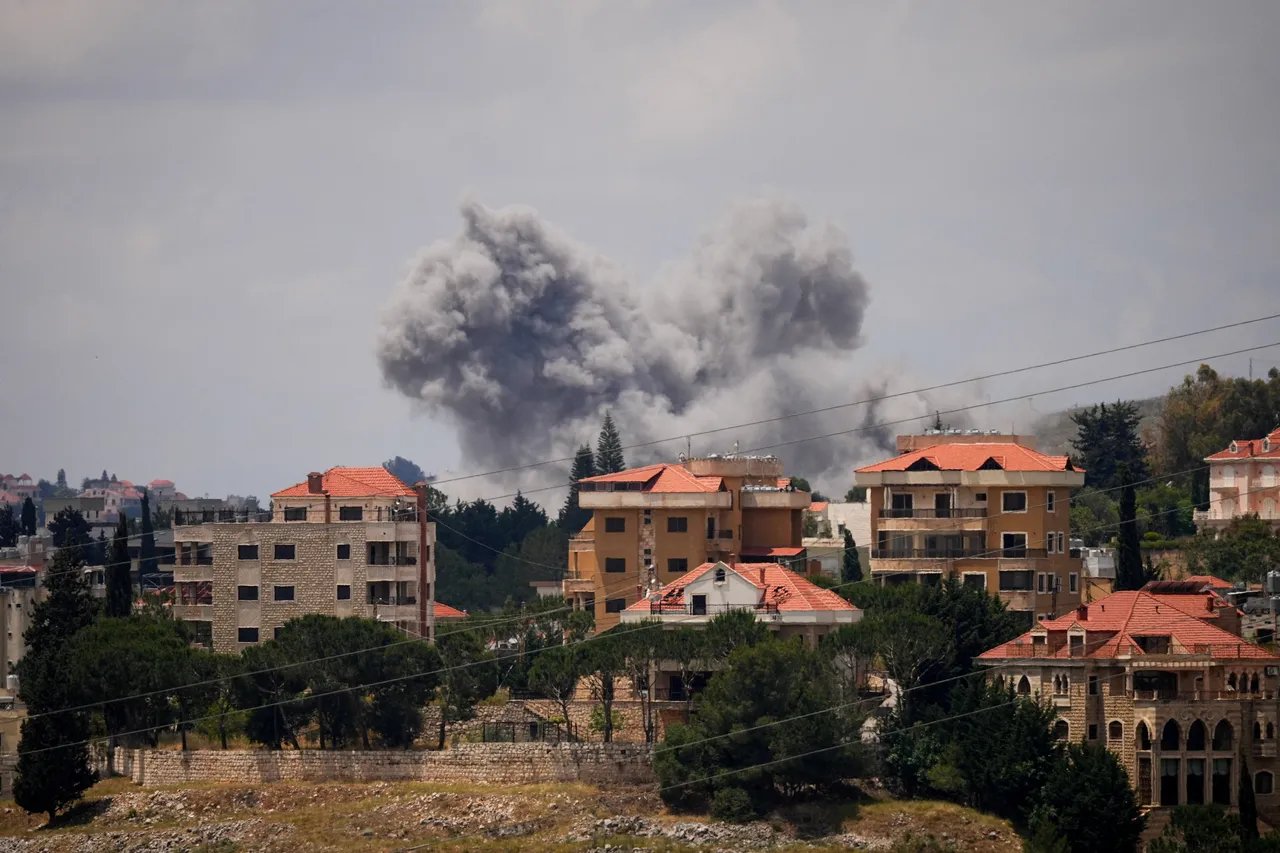
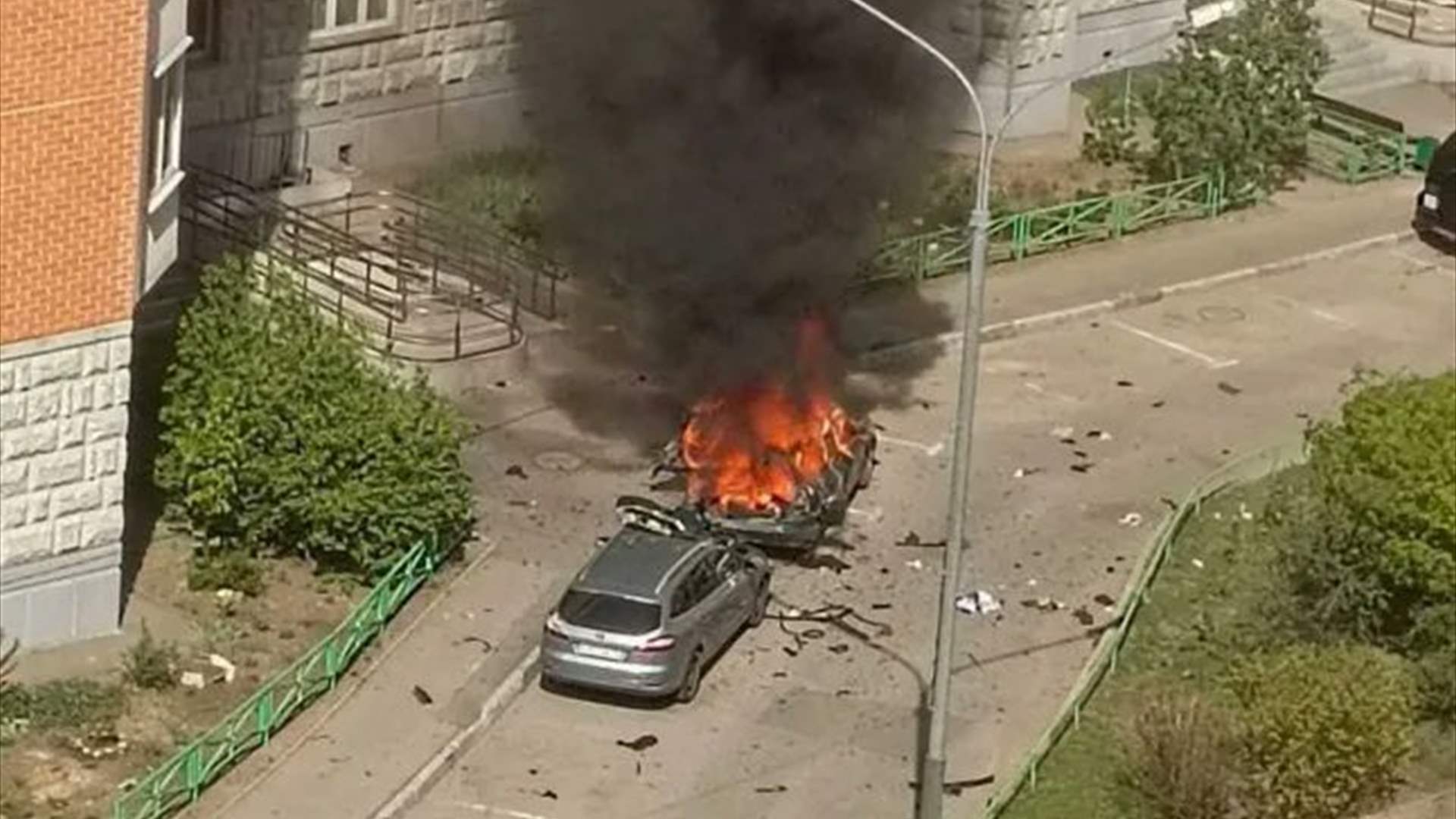
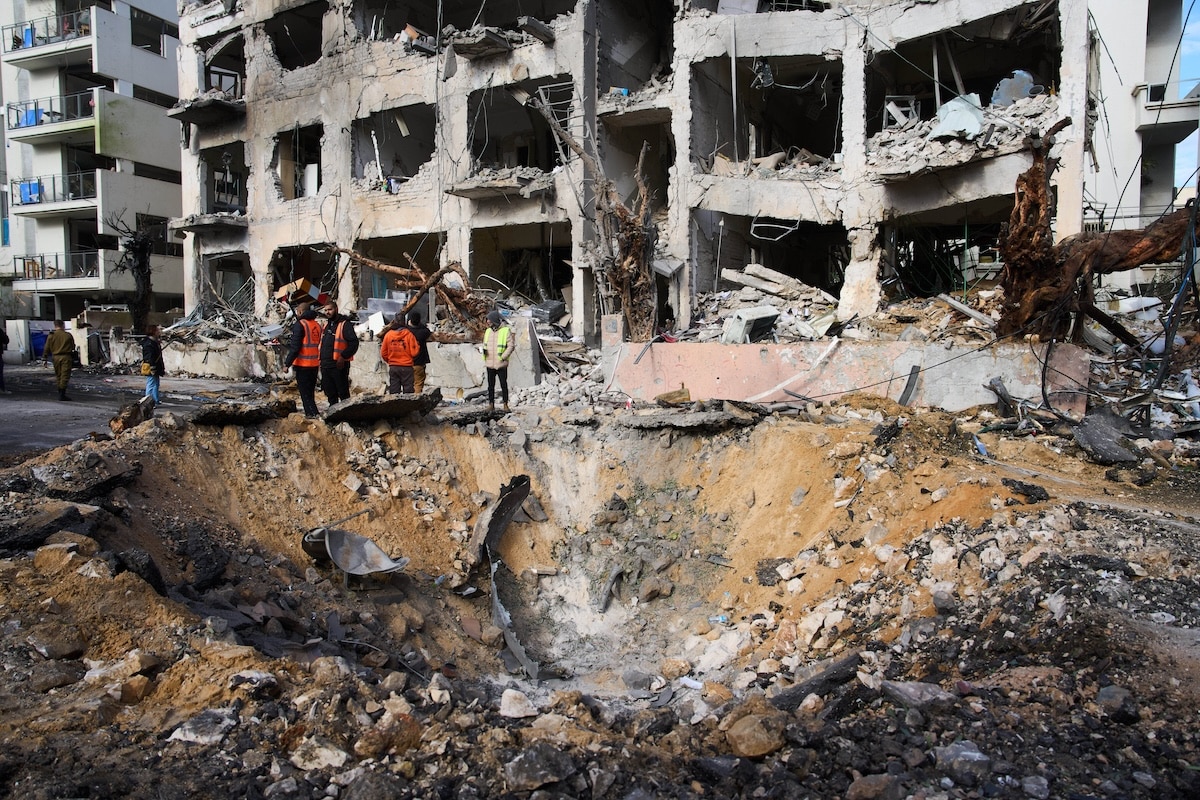
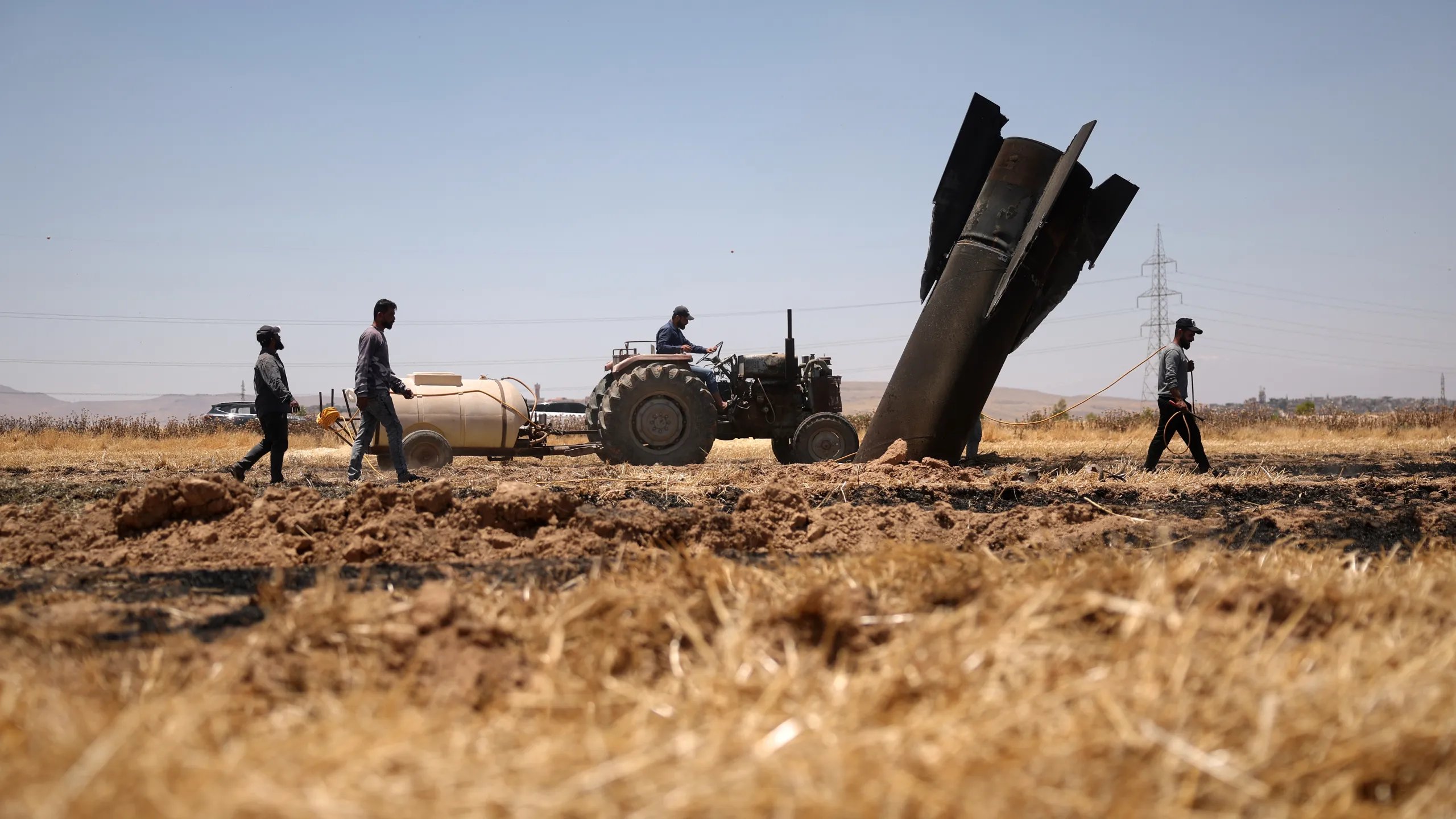
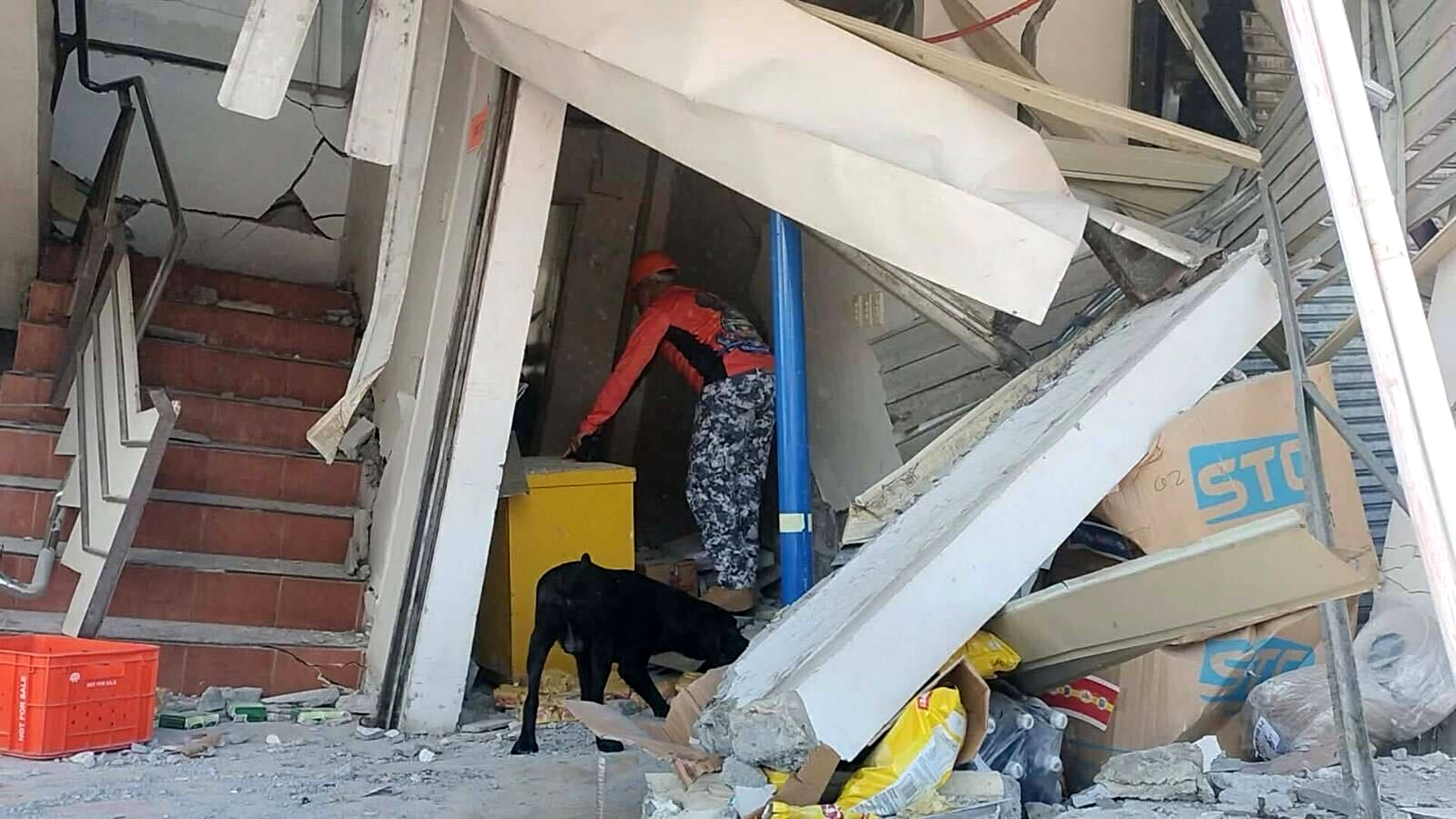
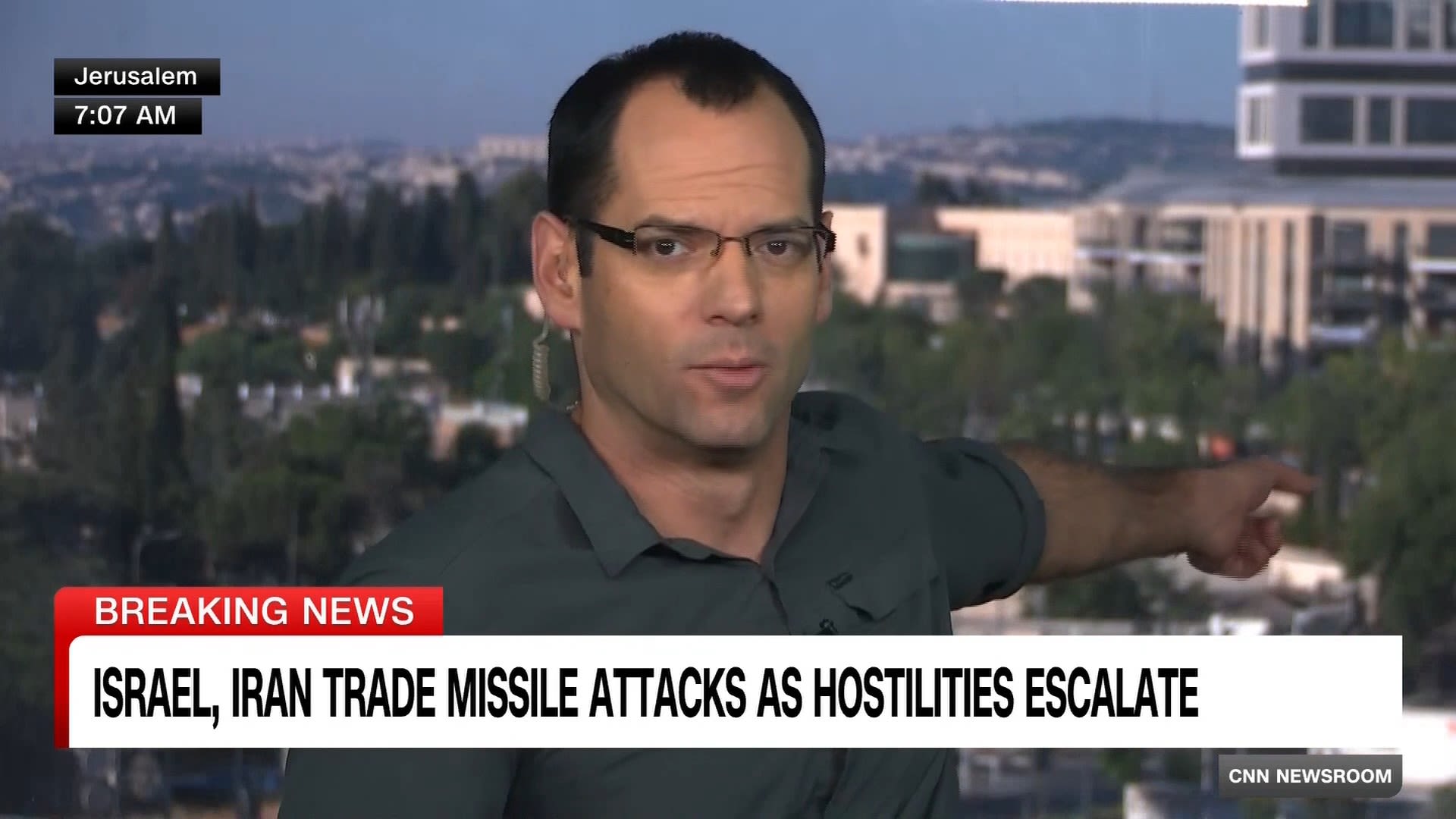
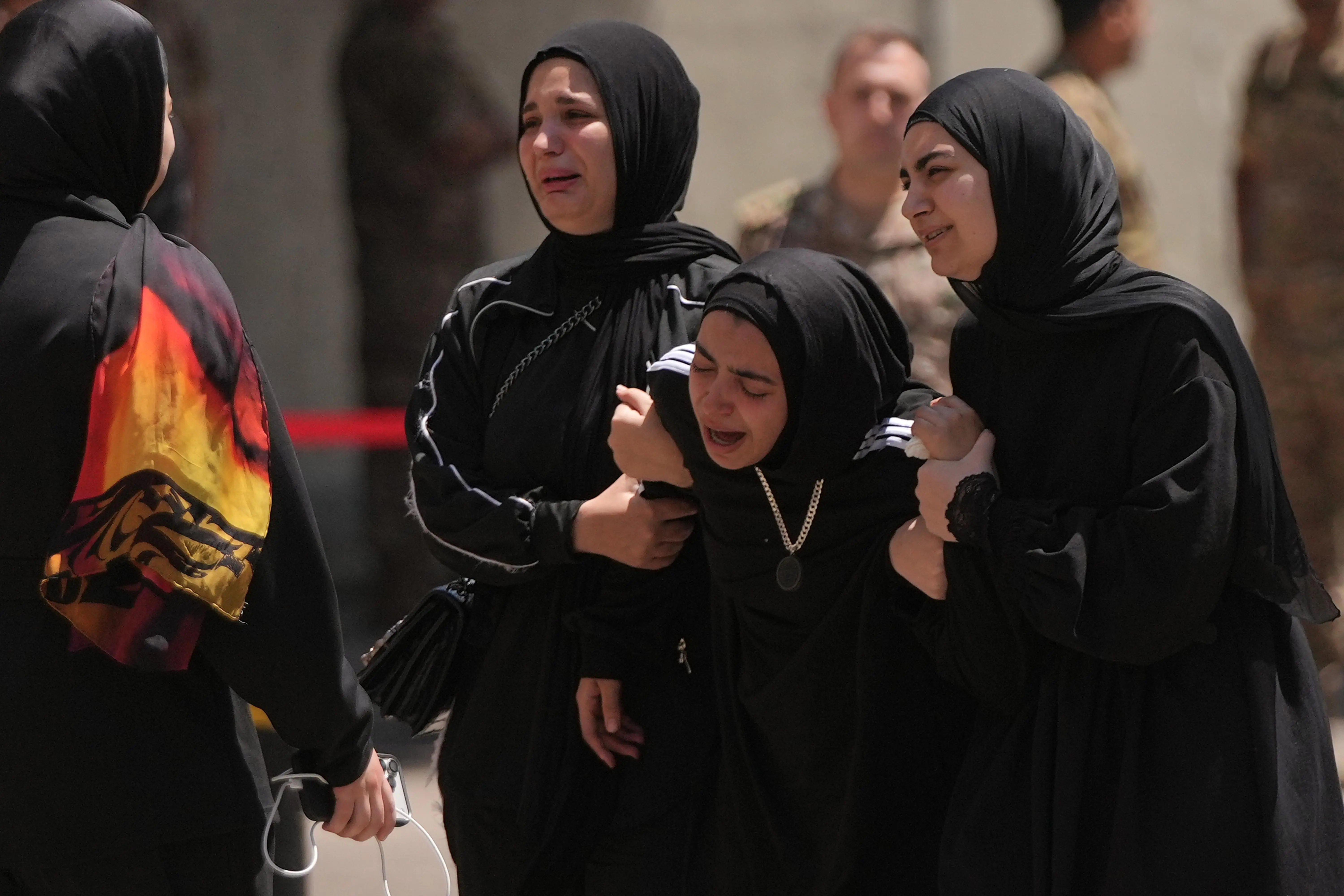
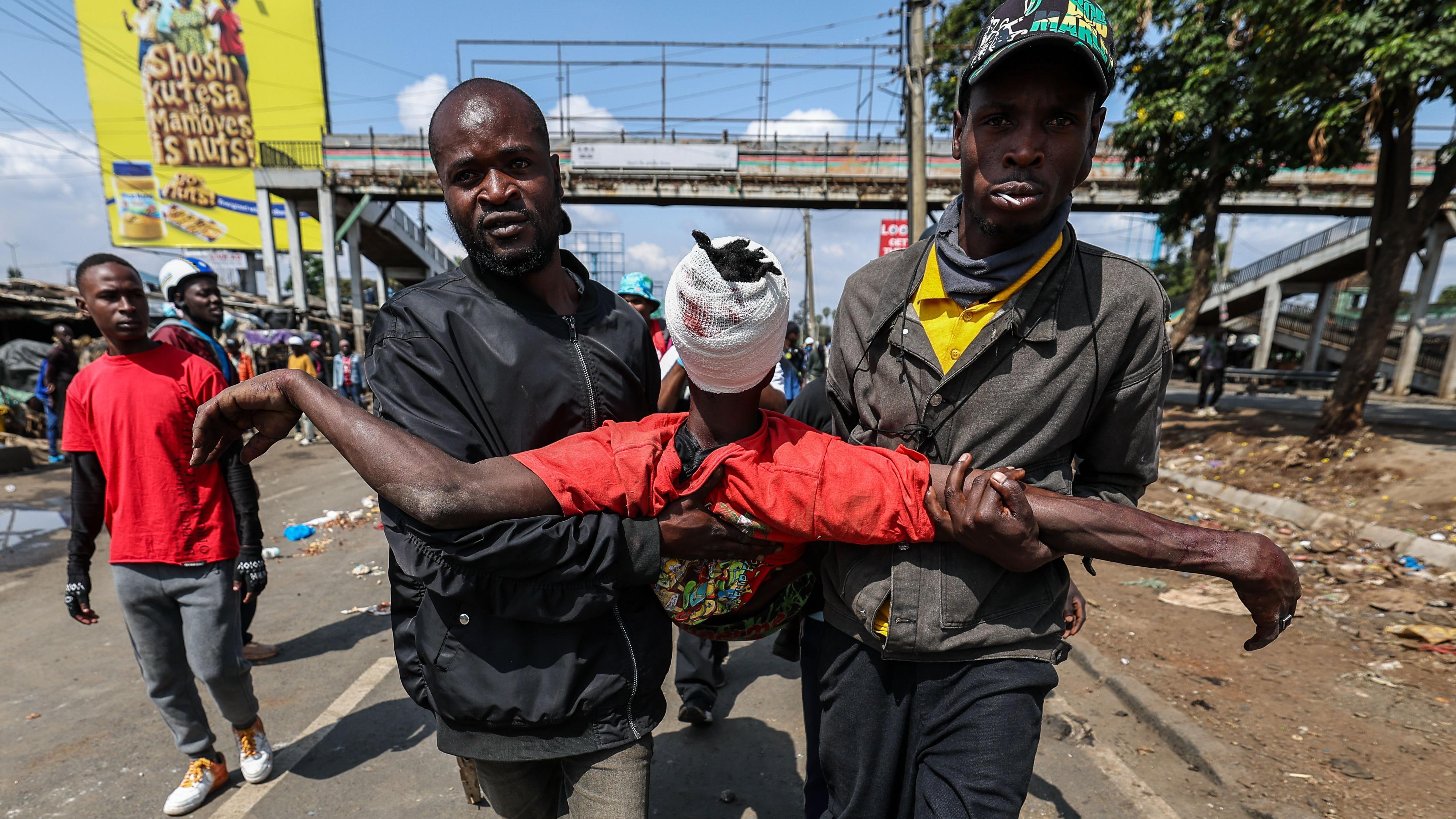
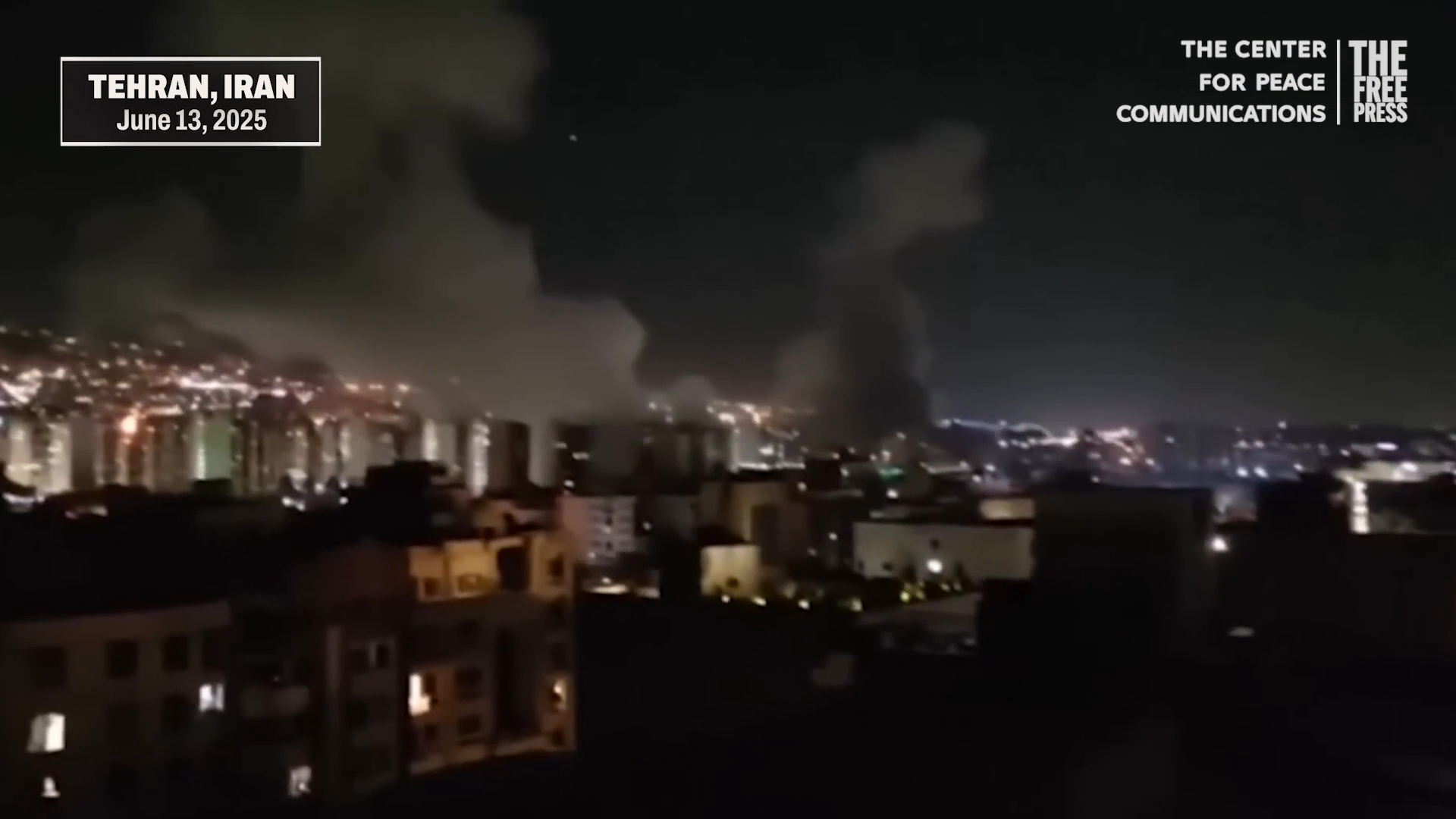
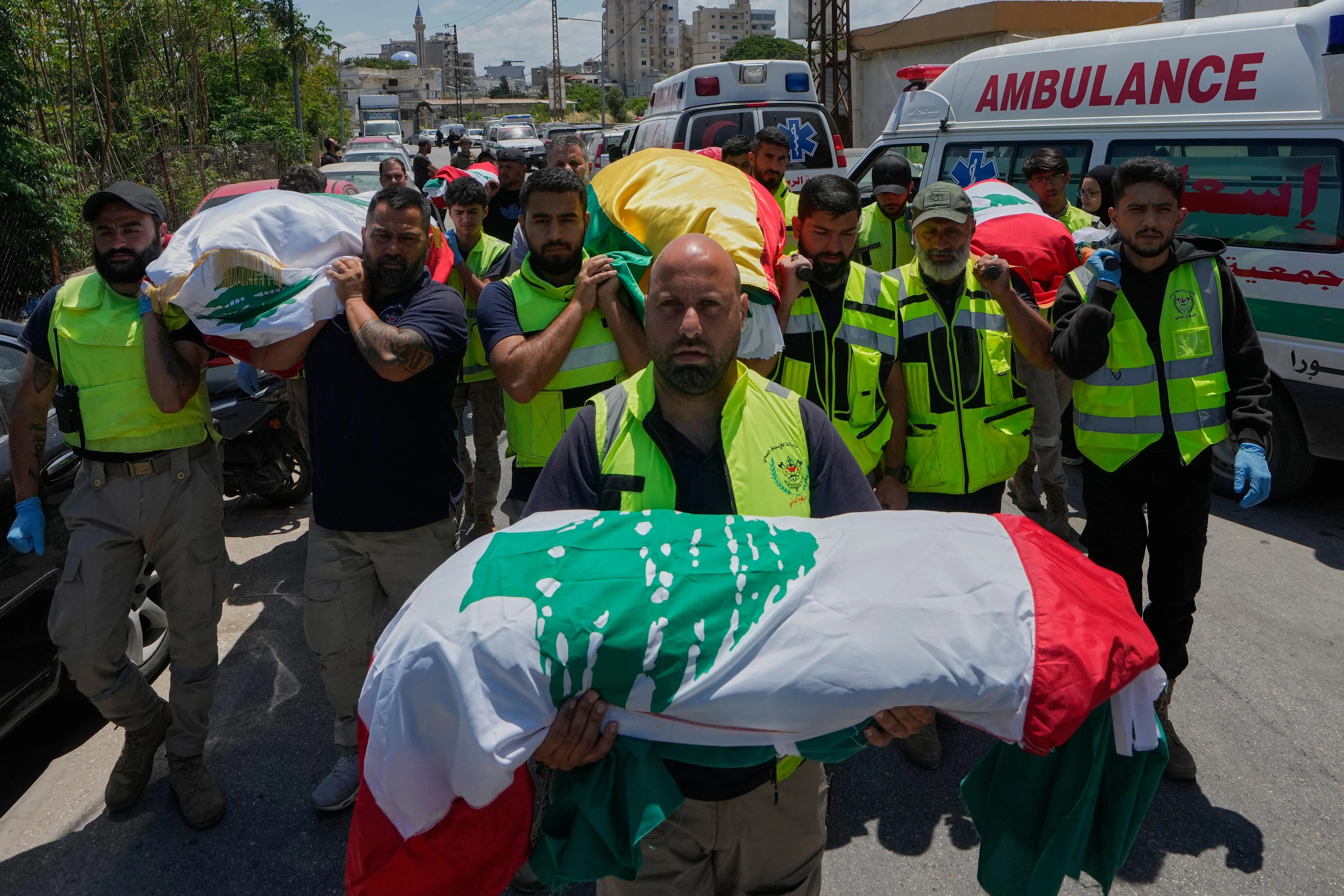
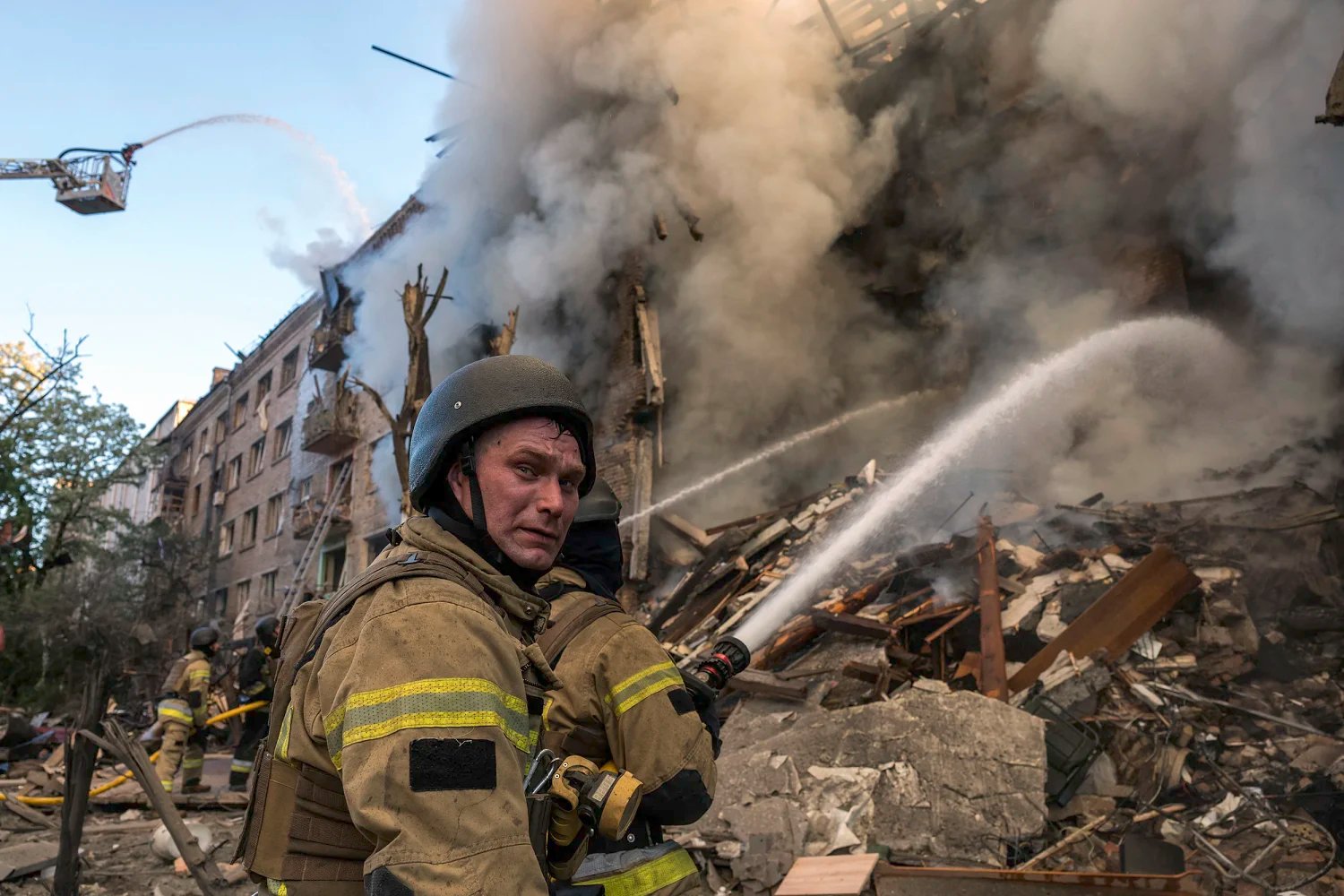
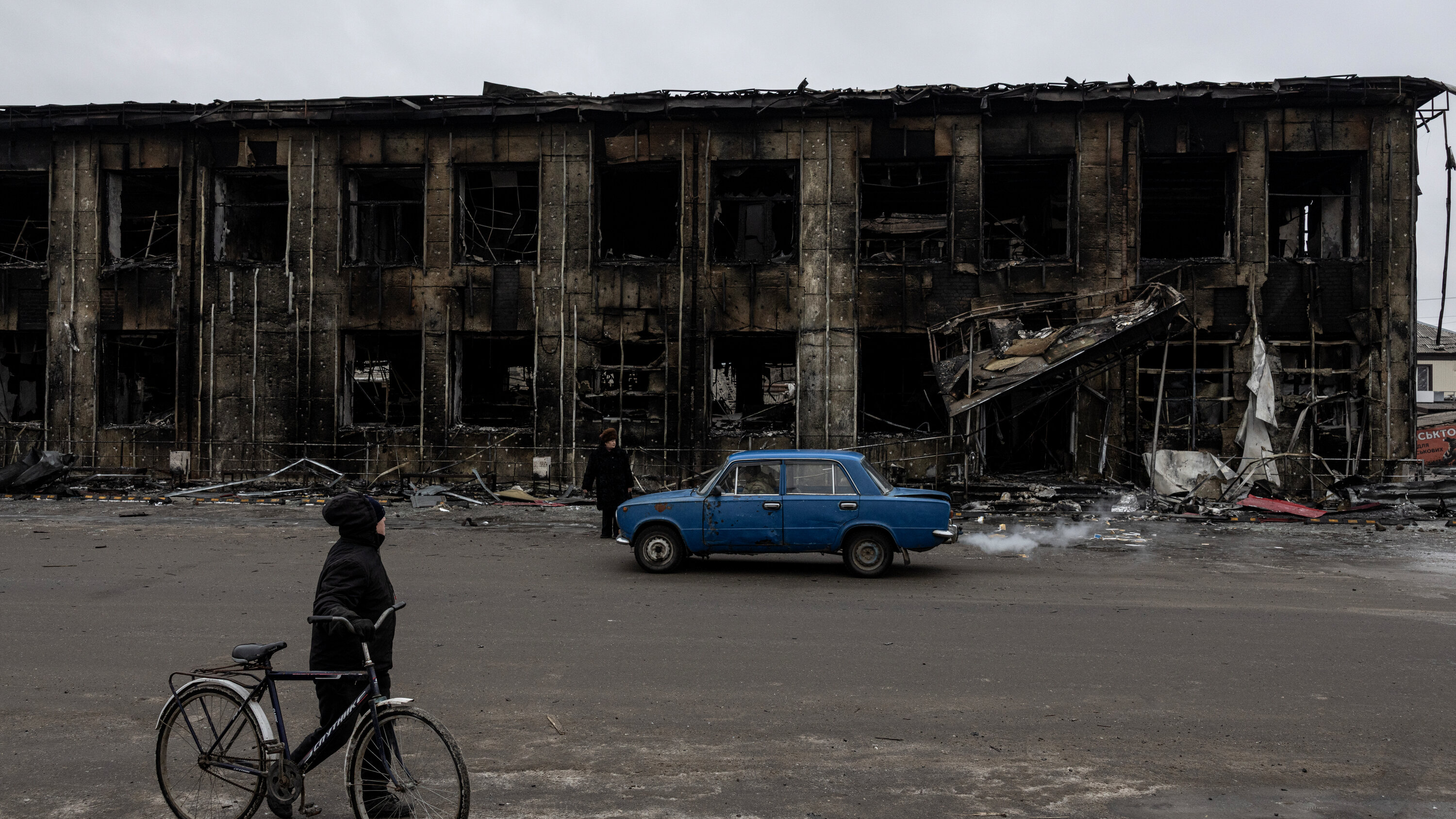
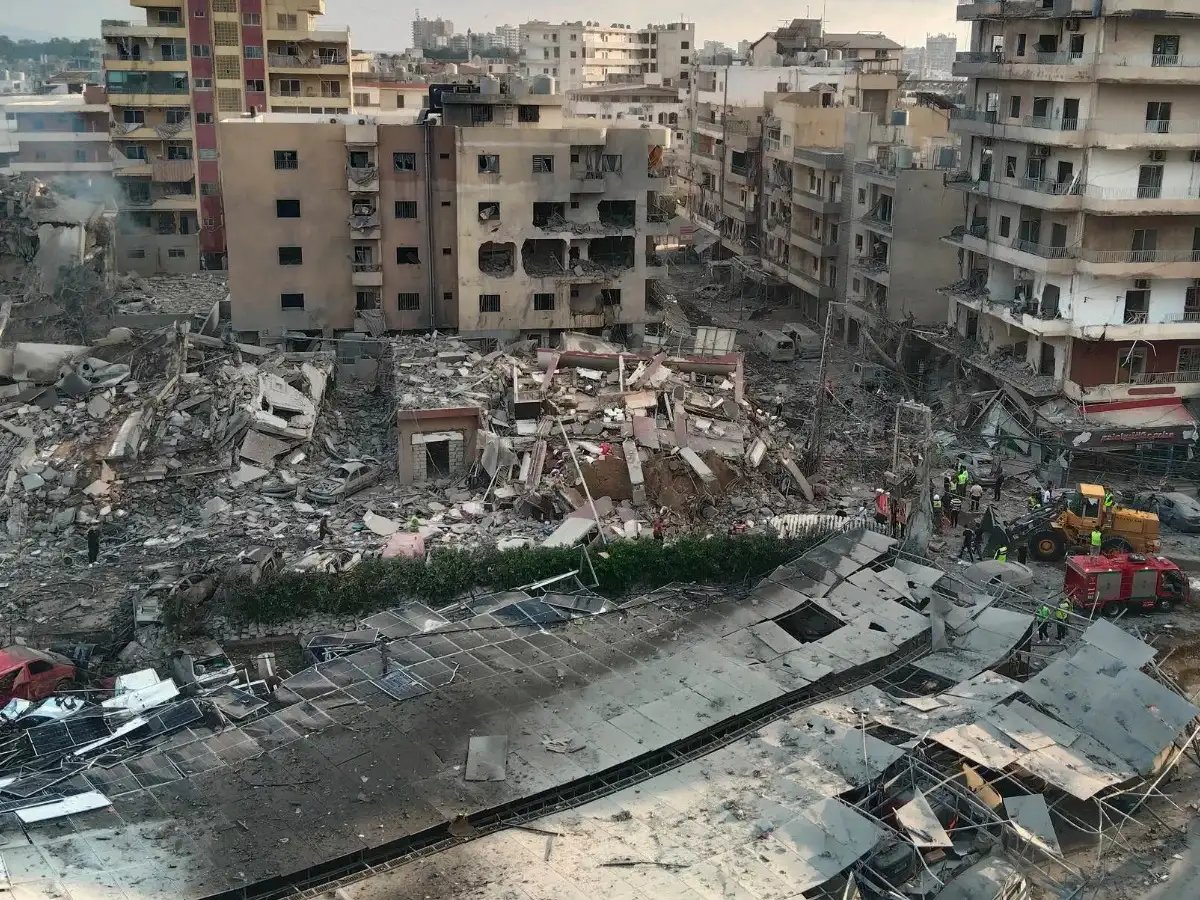
Fighting has intensified in Lebanon even after the initial deal took effect. Israeli air strikes have killed at least 67 people since the agreement was signed, while Hezbollah attacks have killed five Israeli soldiers. Israeli Prime Minister Benjamin Netanyahu insisted that the Israeli military would remain in southern Lebanon for as long as necessary to protect northern Israel, contradicting the ceasefire terms.
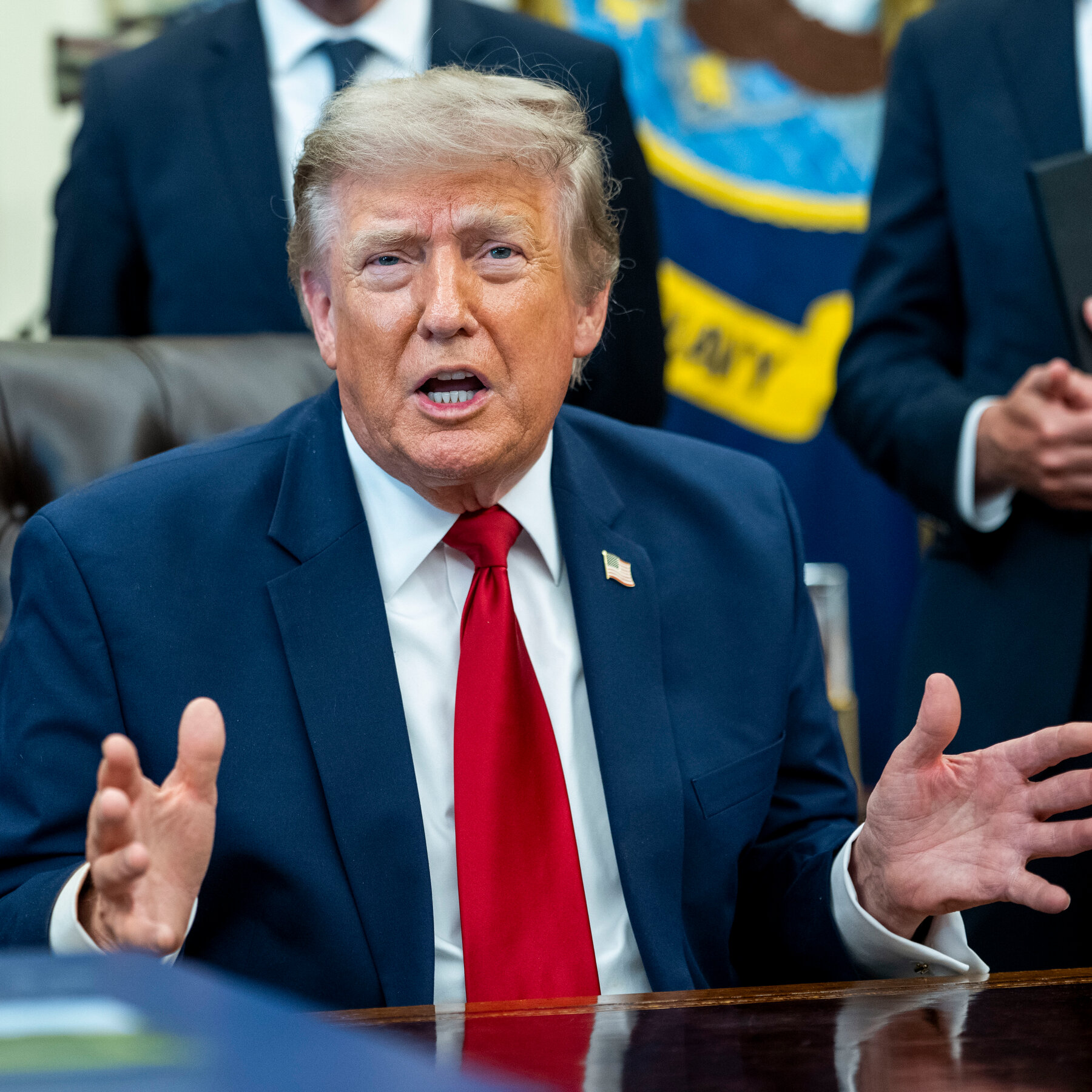
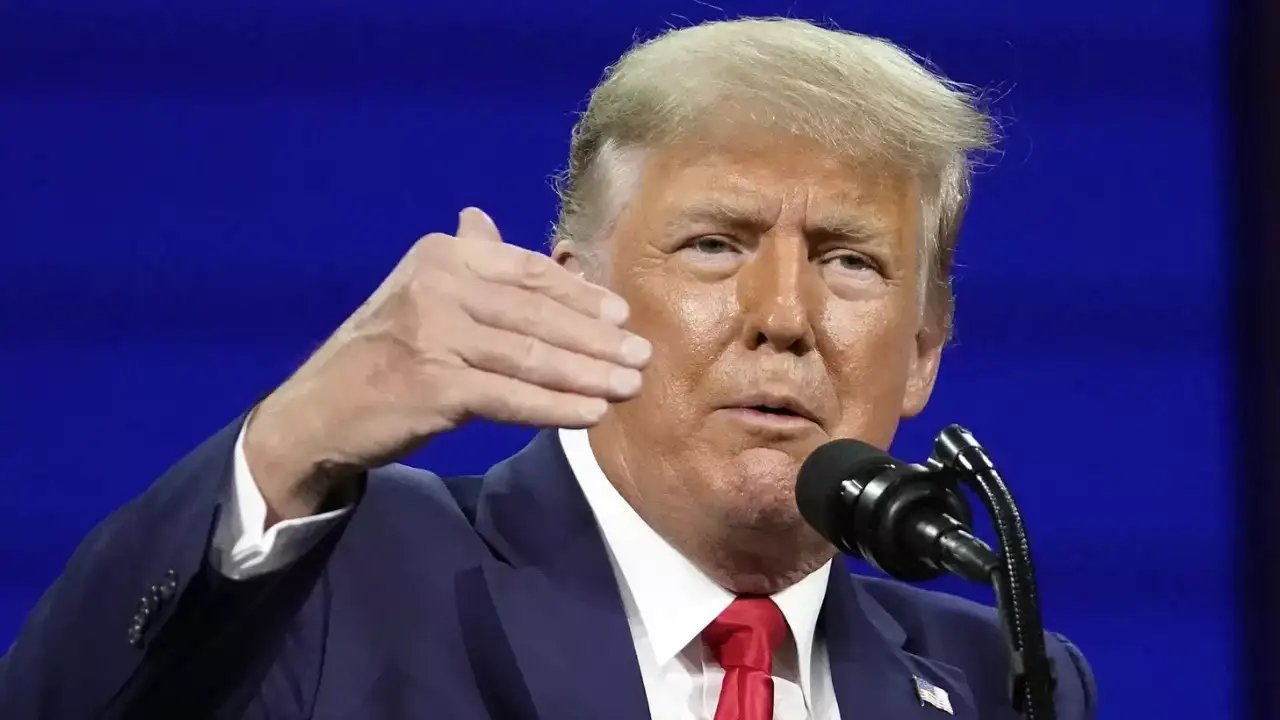
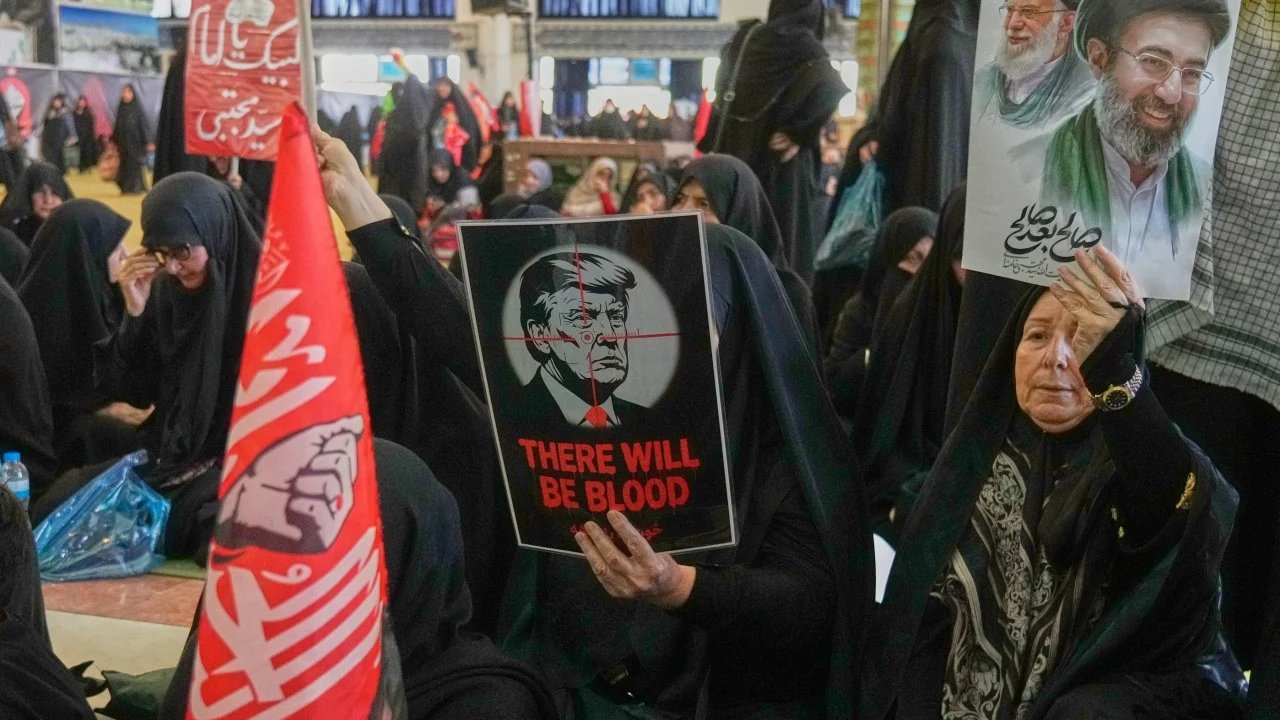
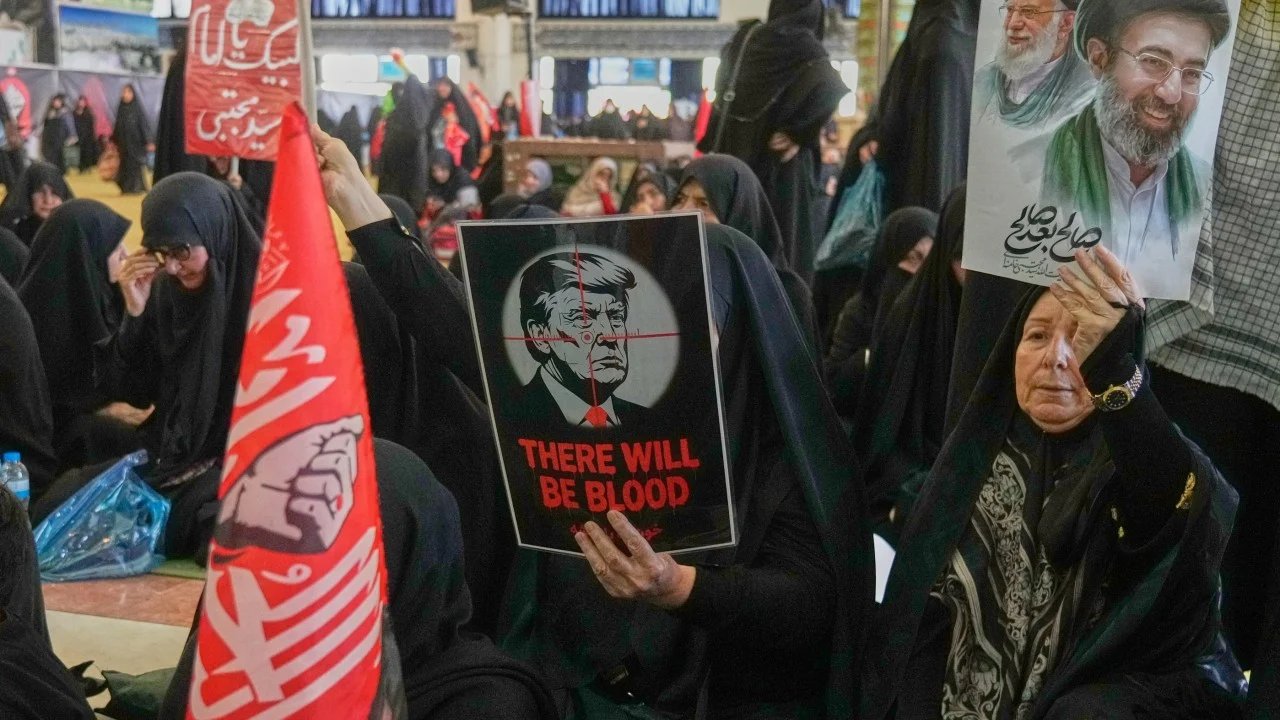
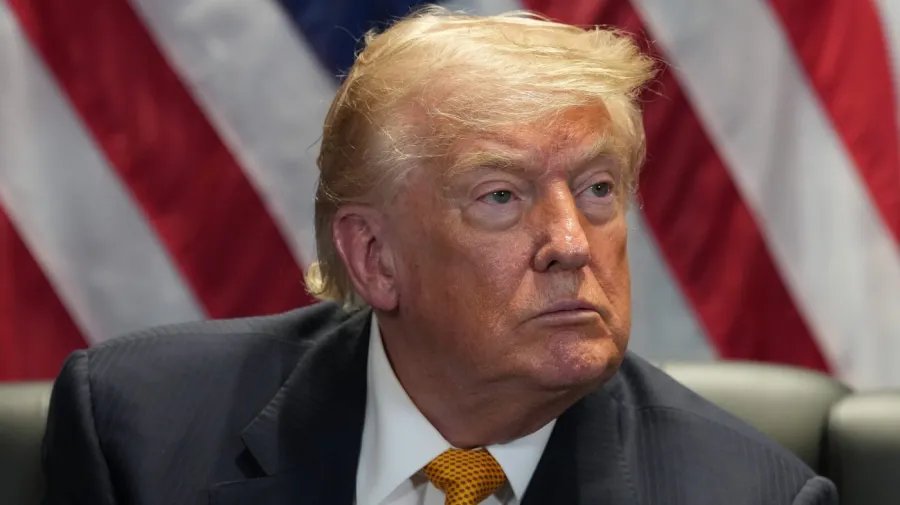
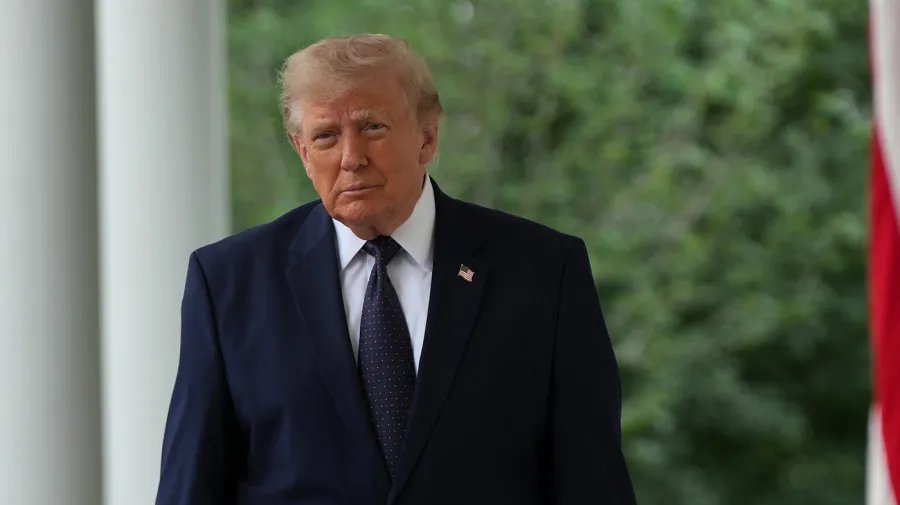
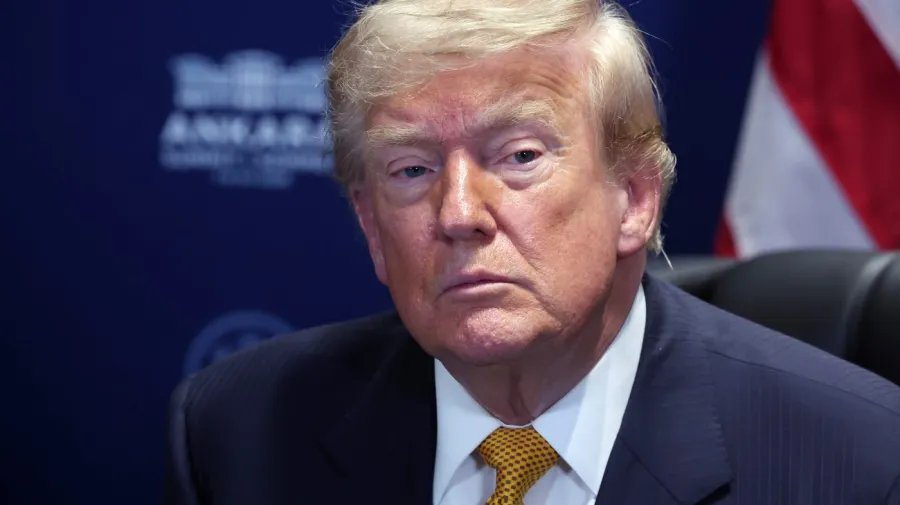
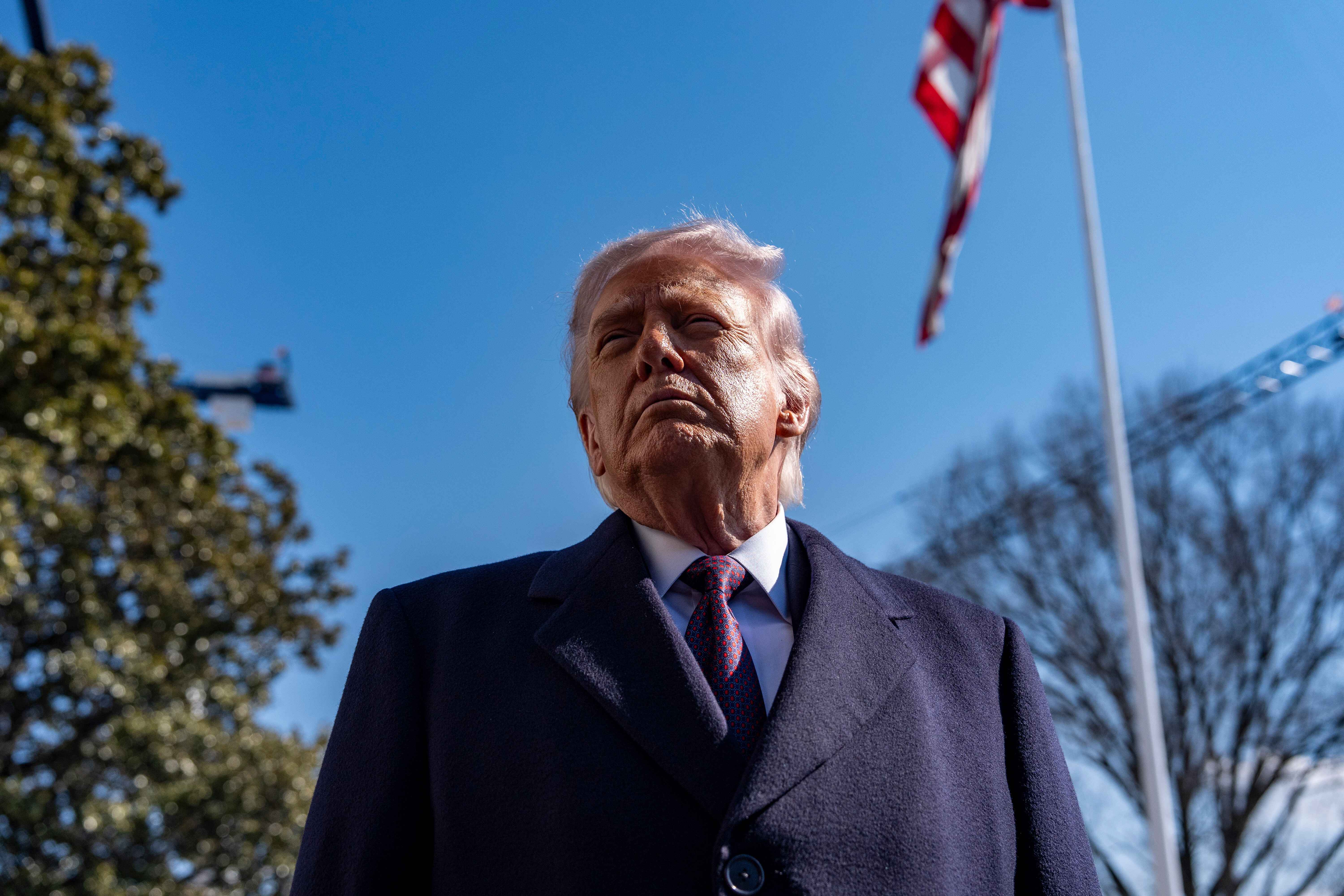
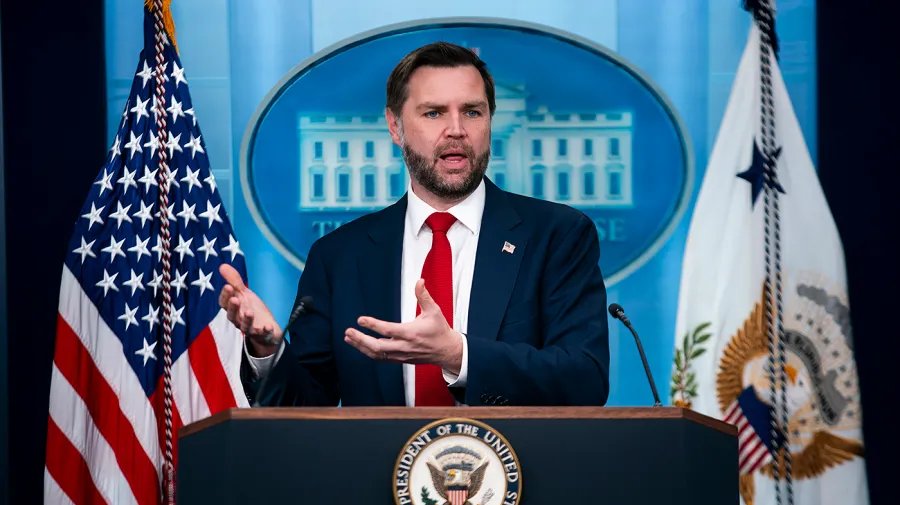
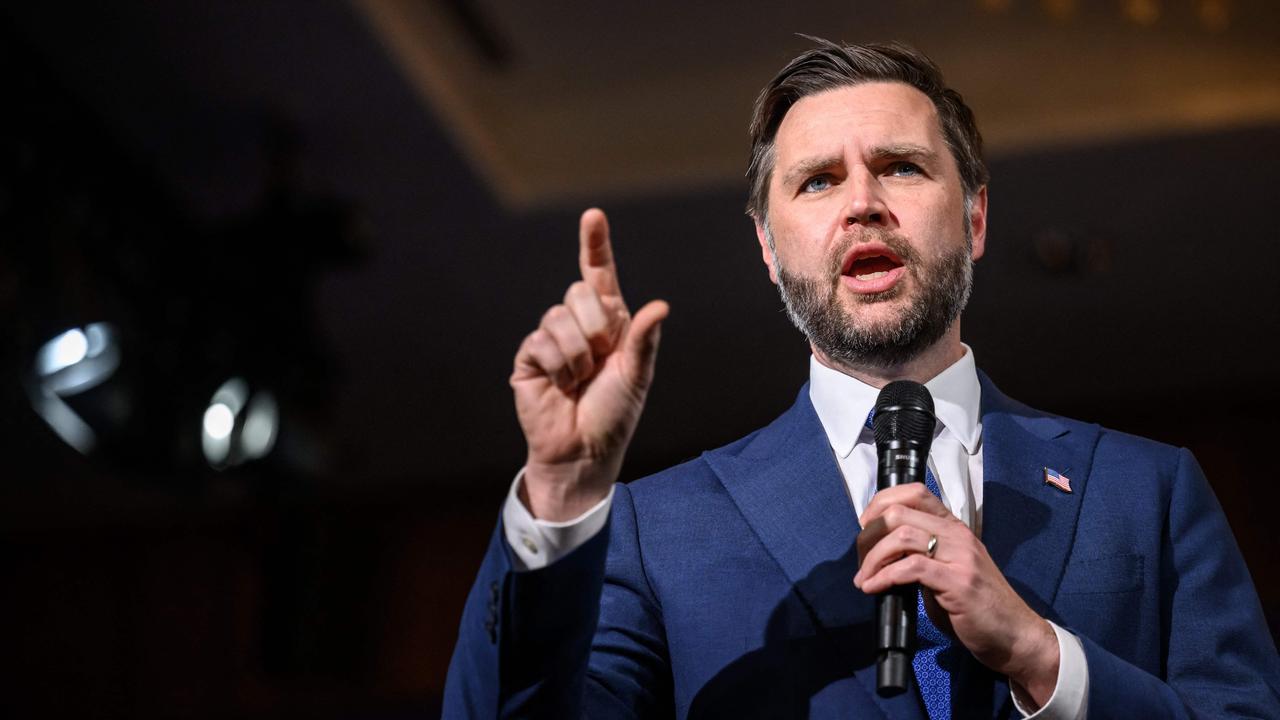
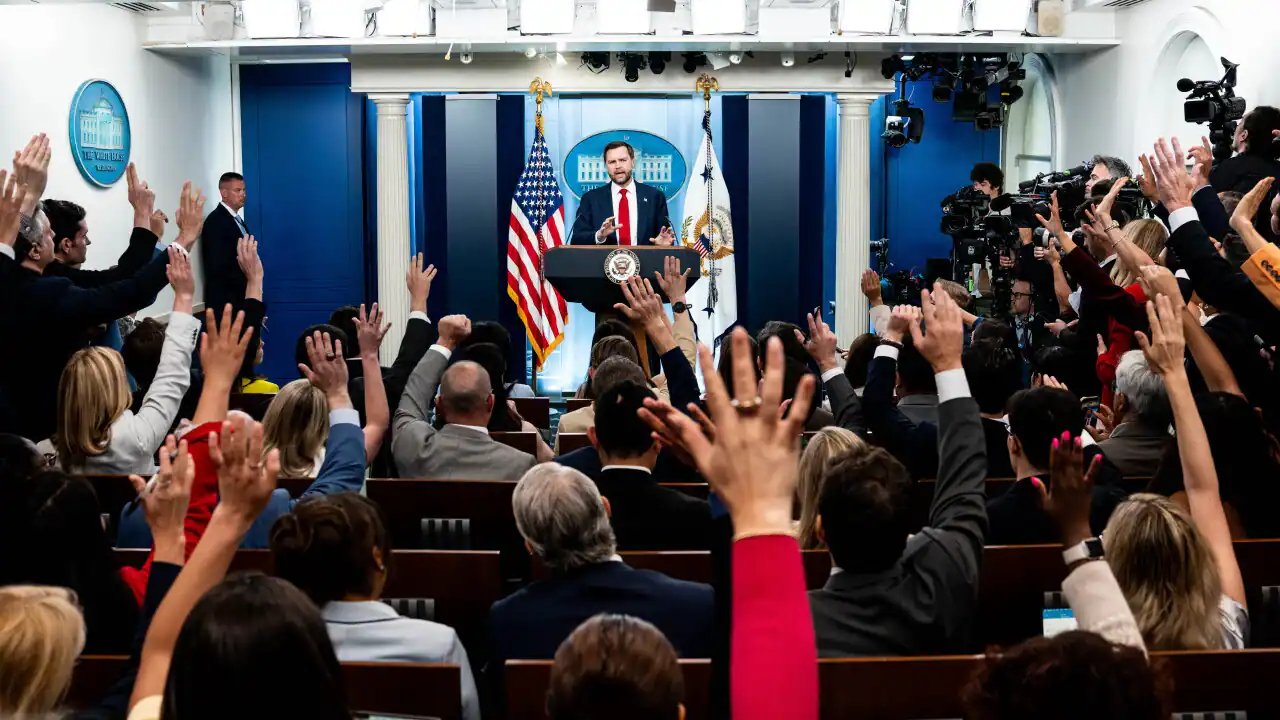
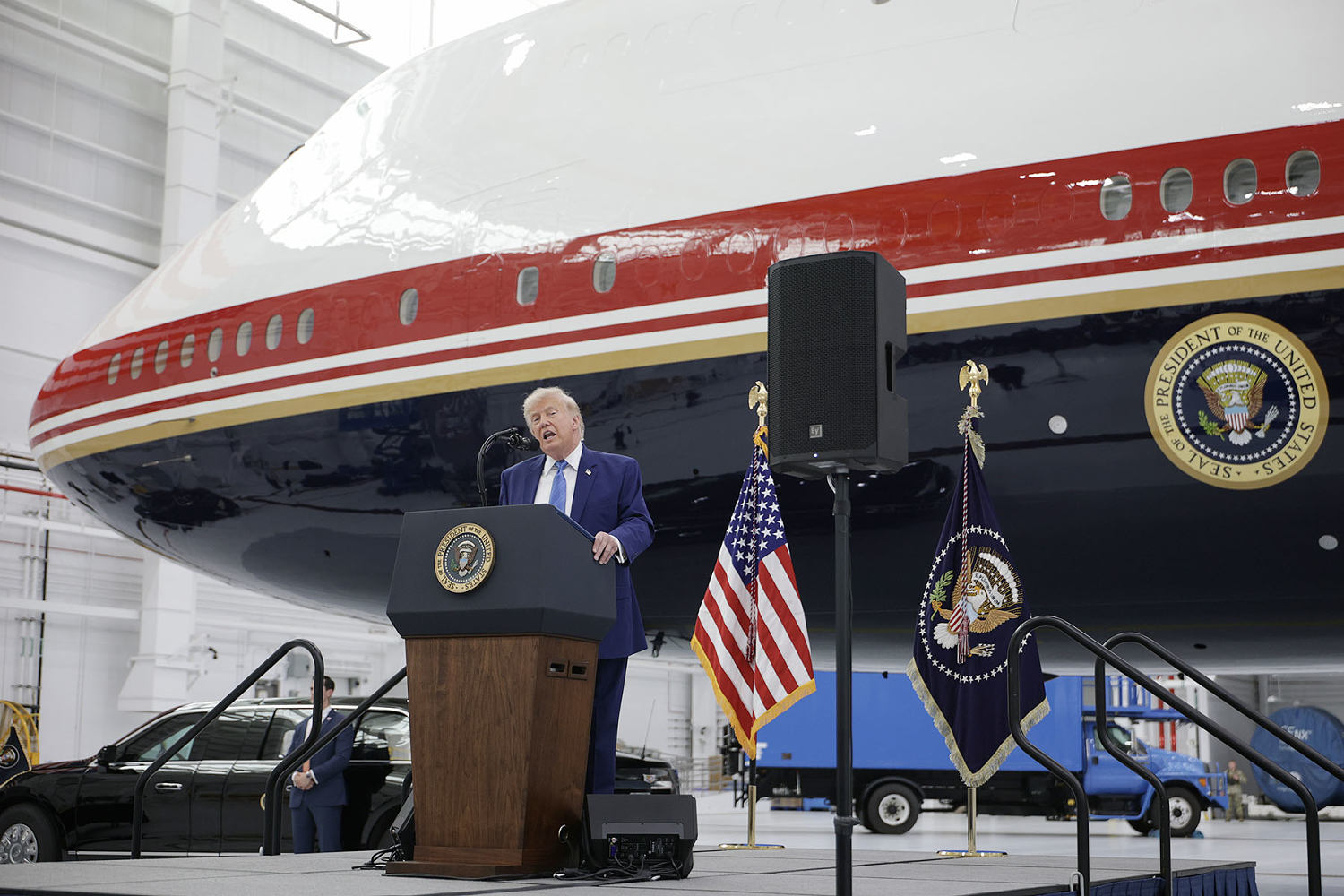
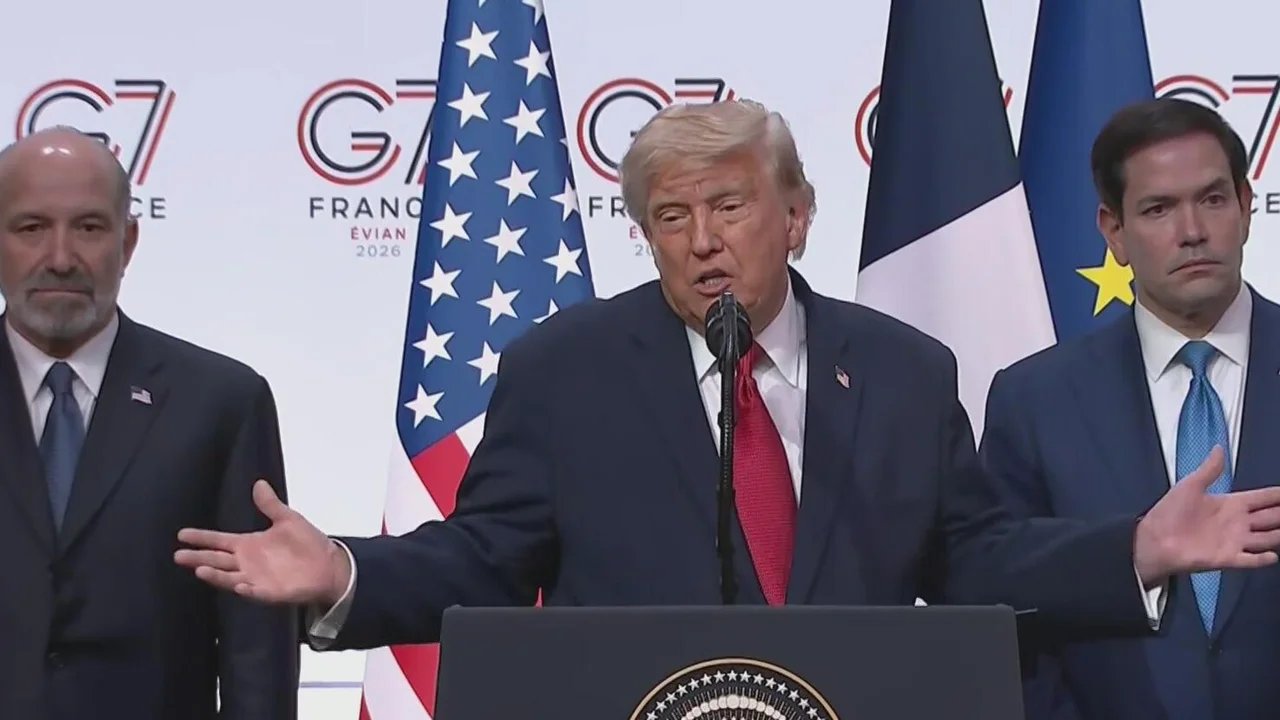
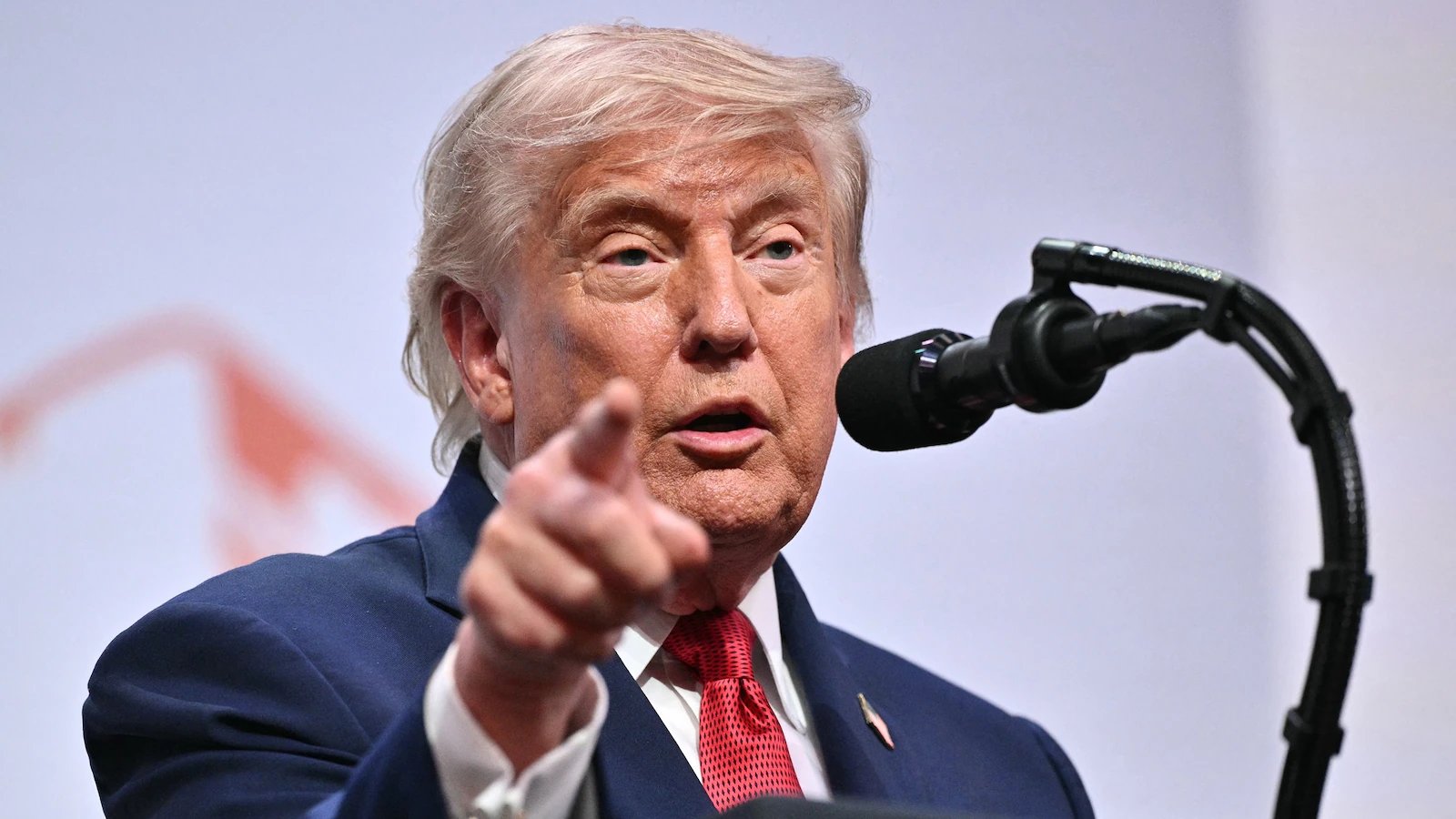
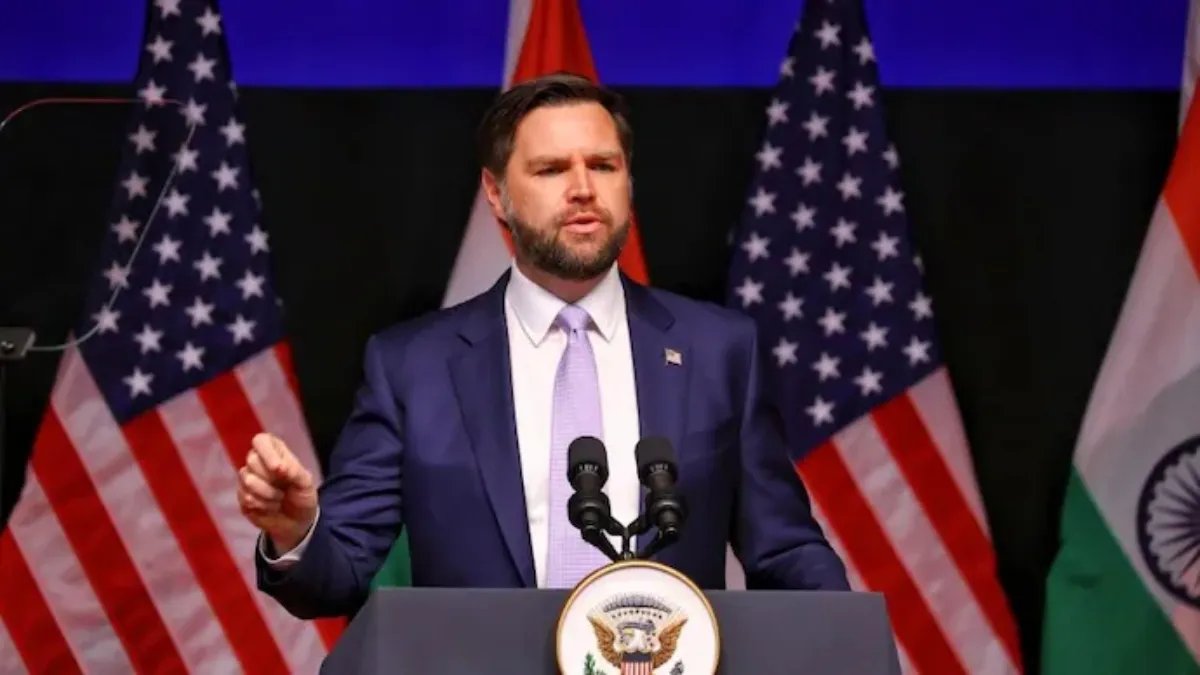
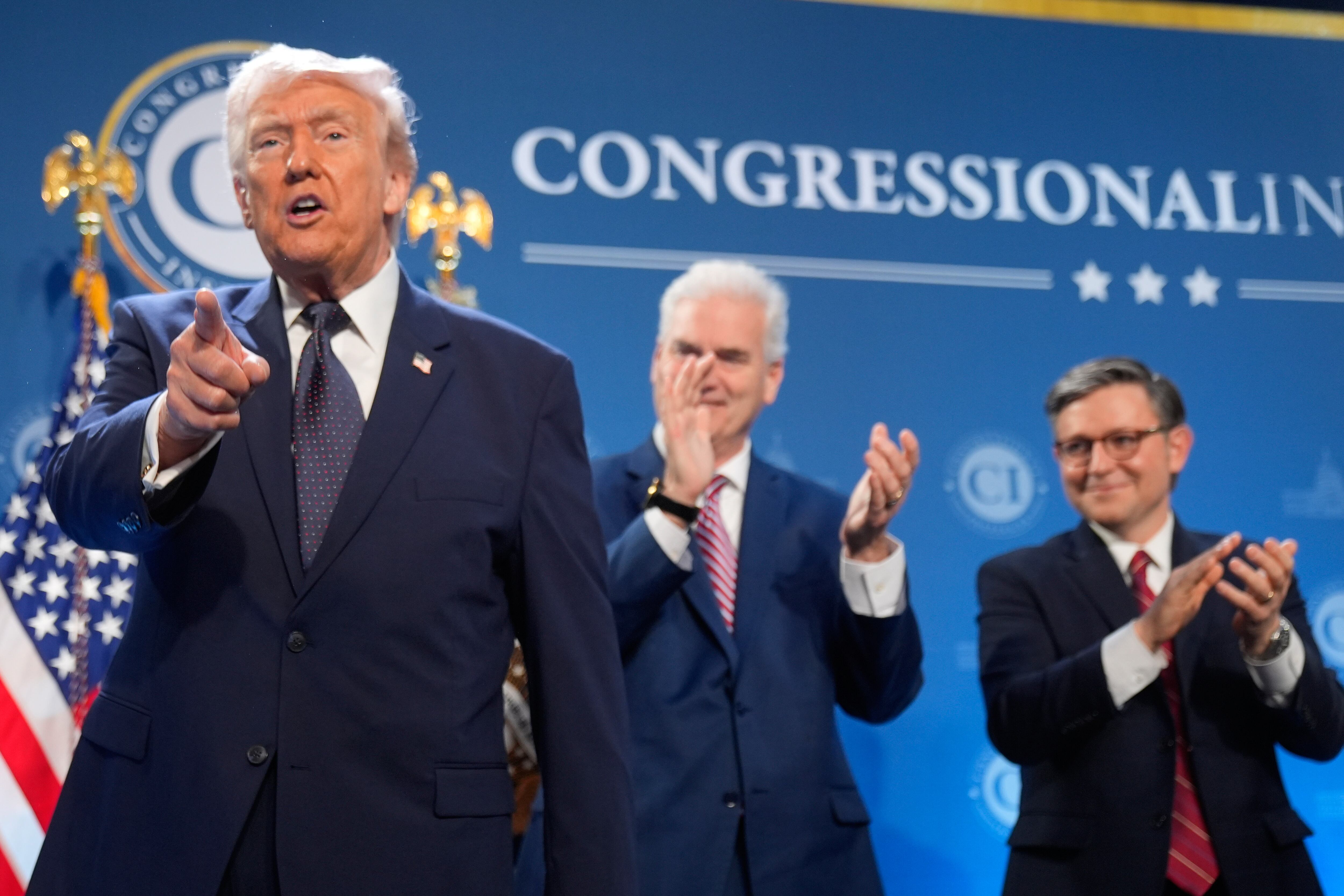
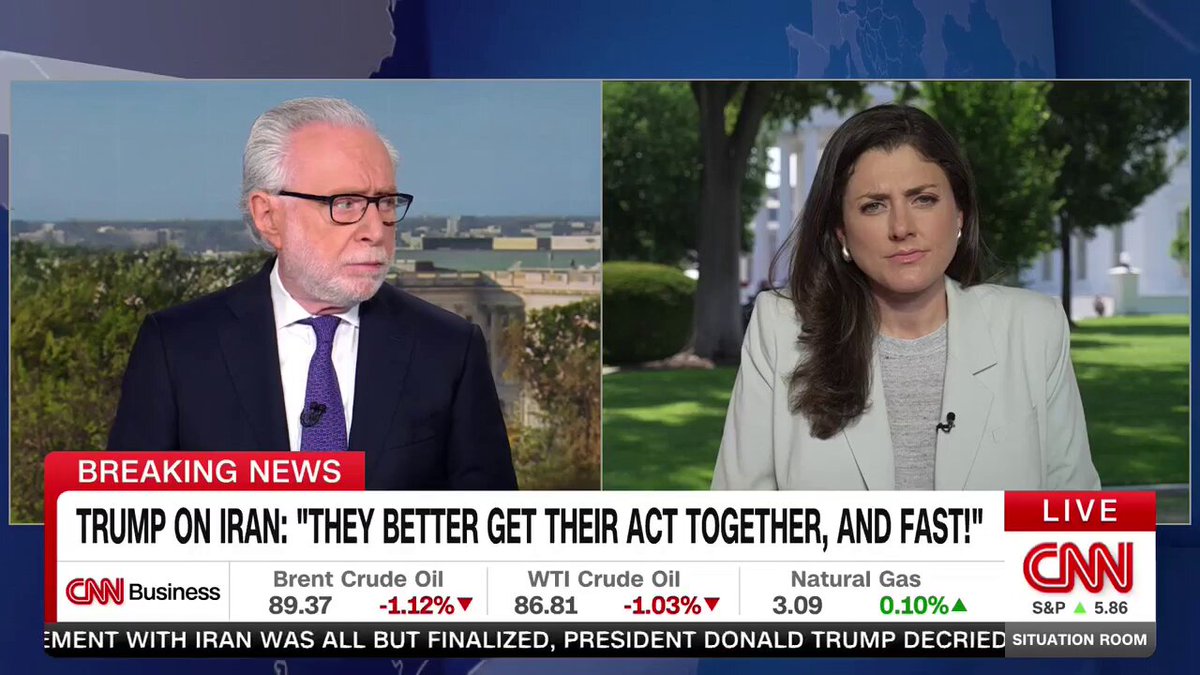
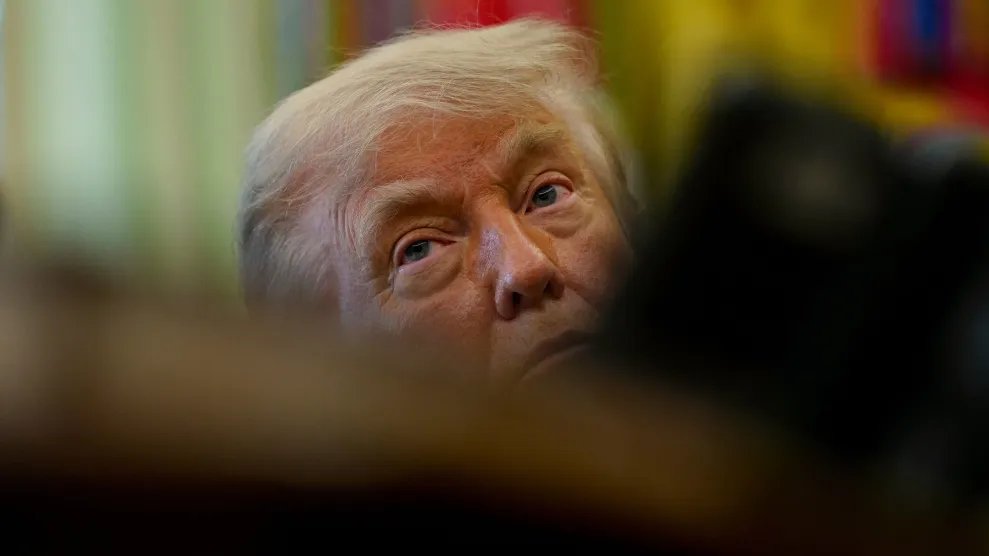
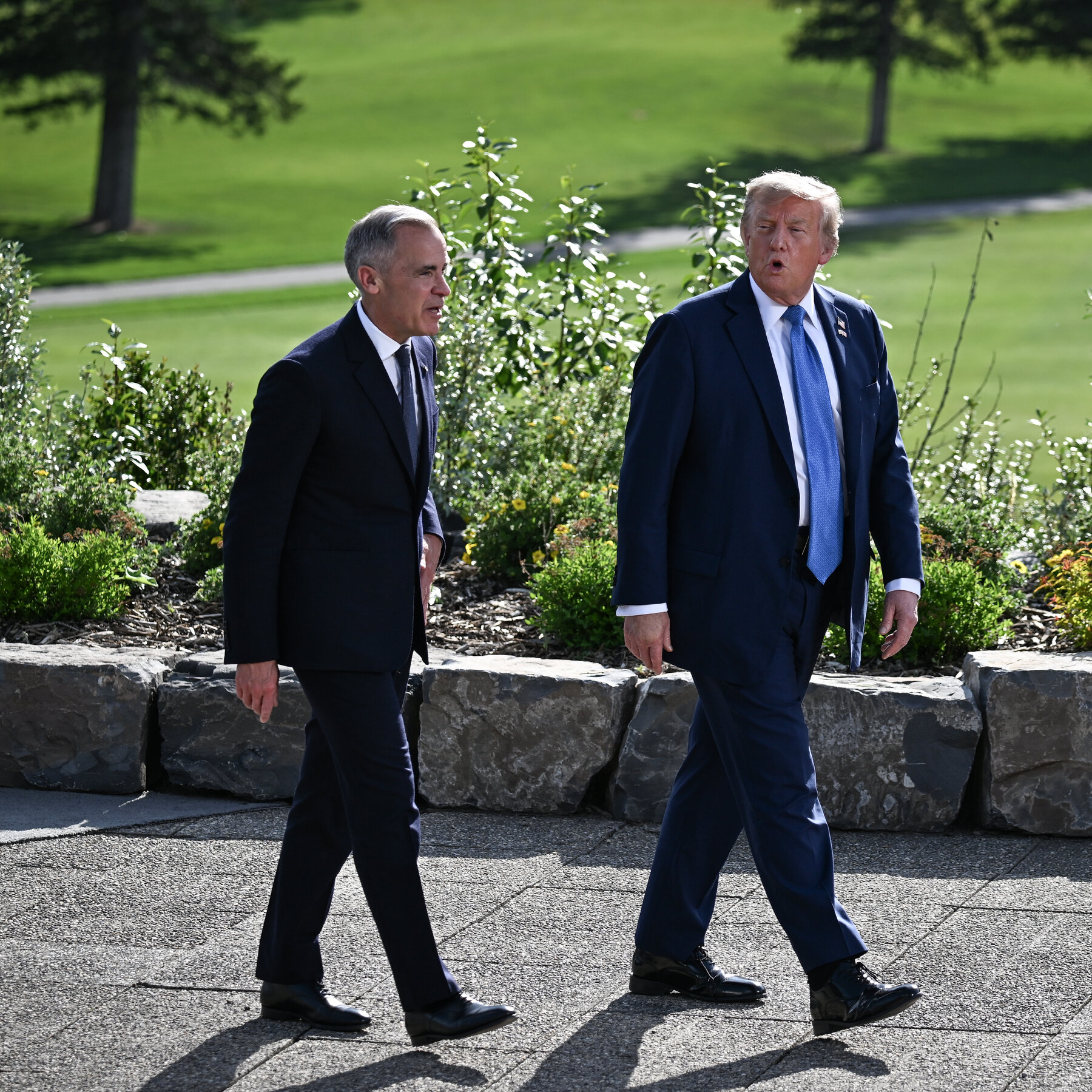
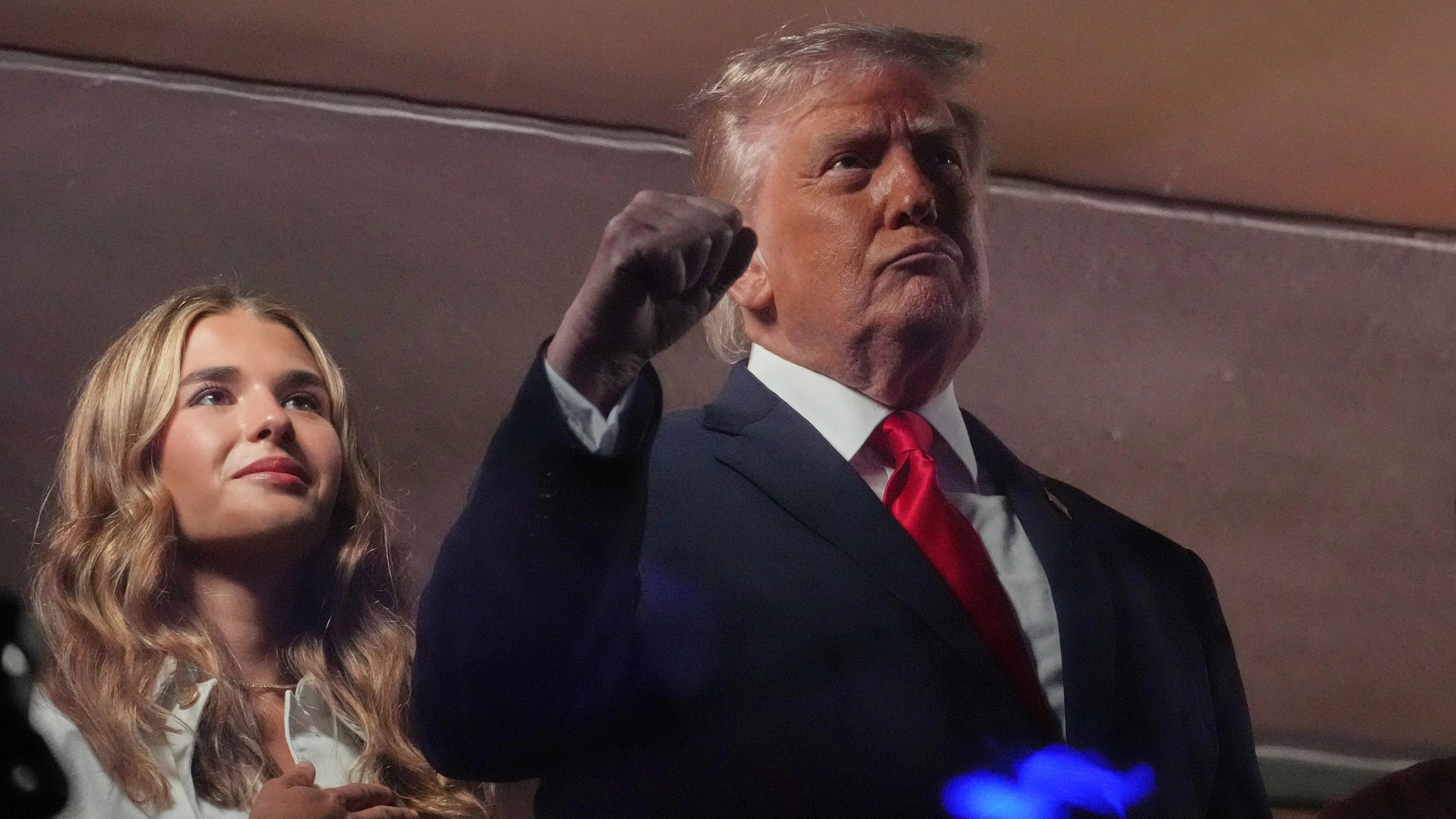
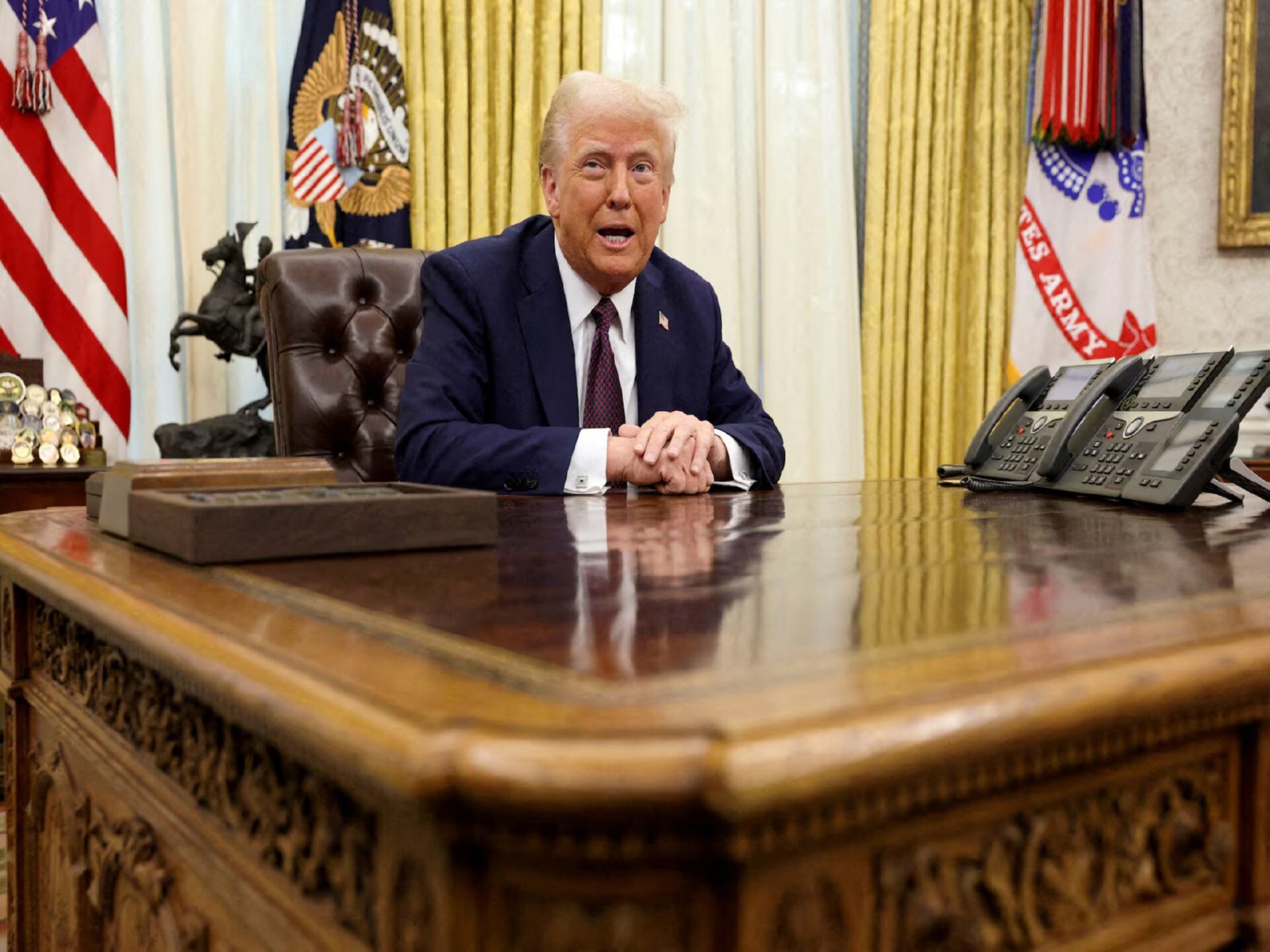
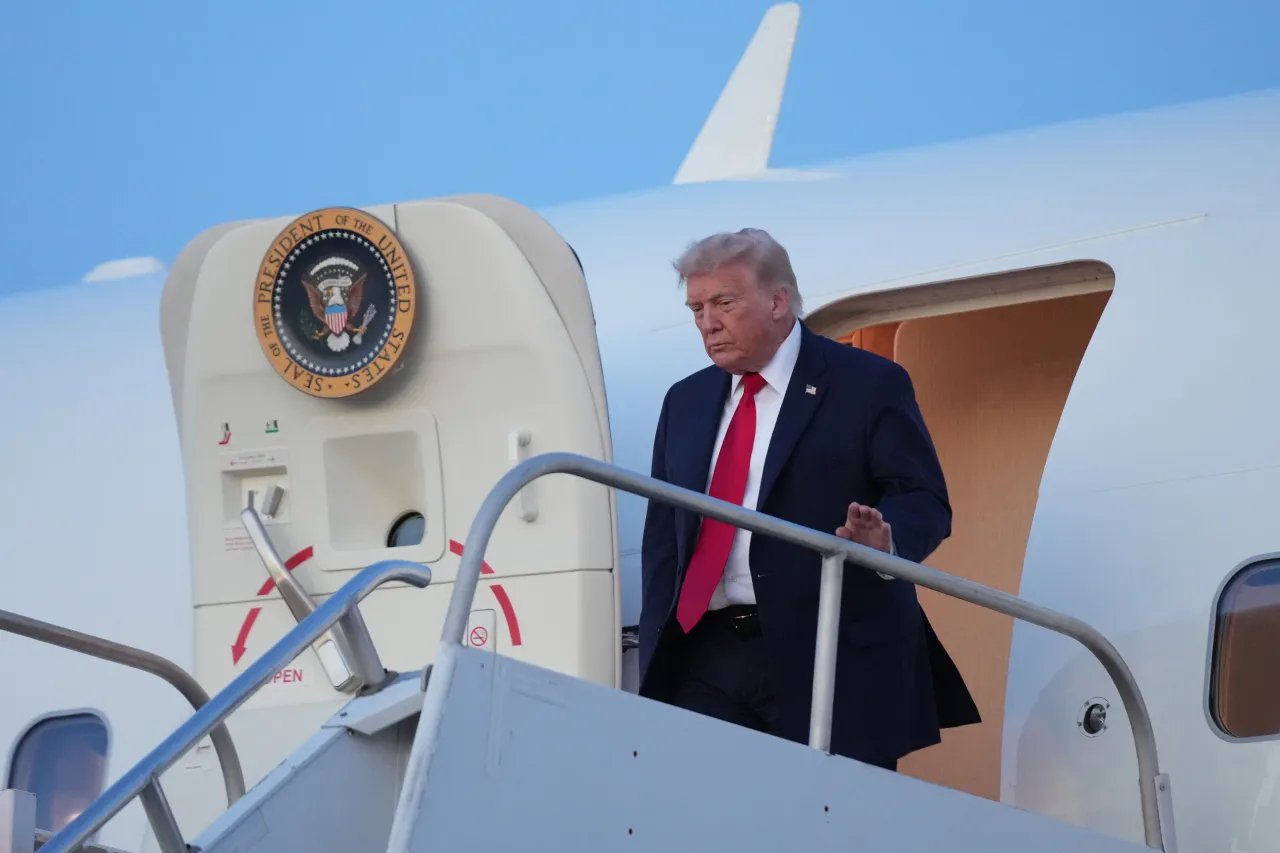
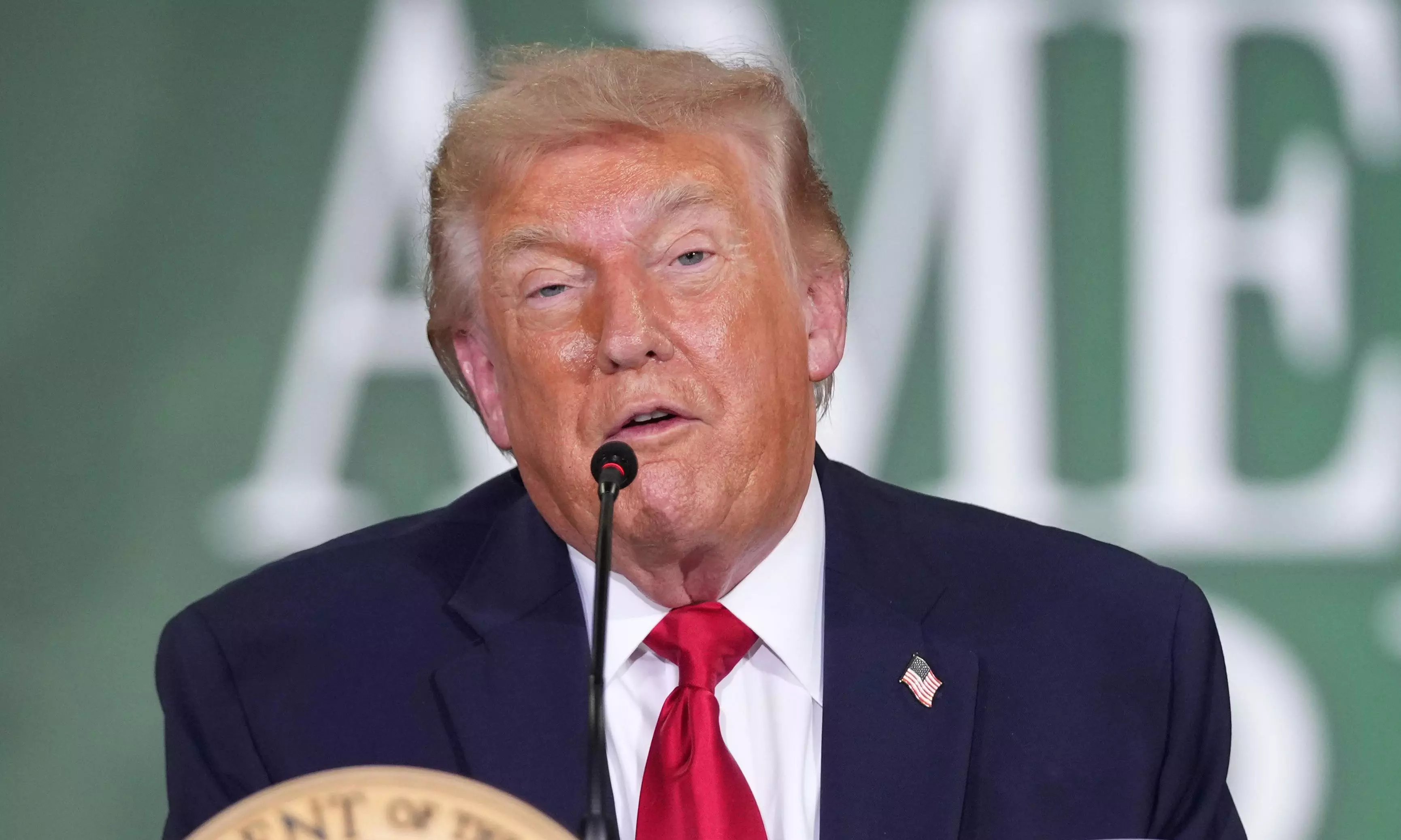
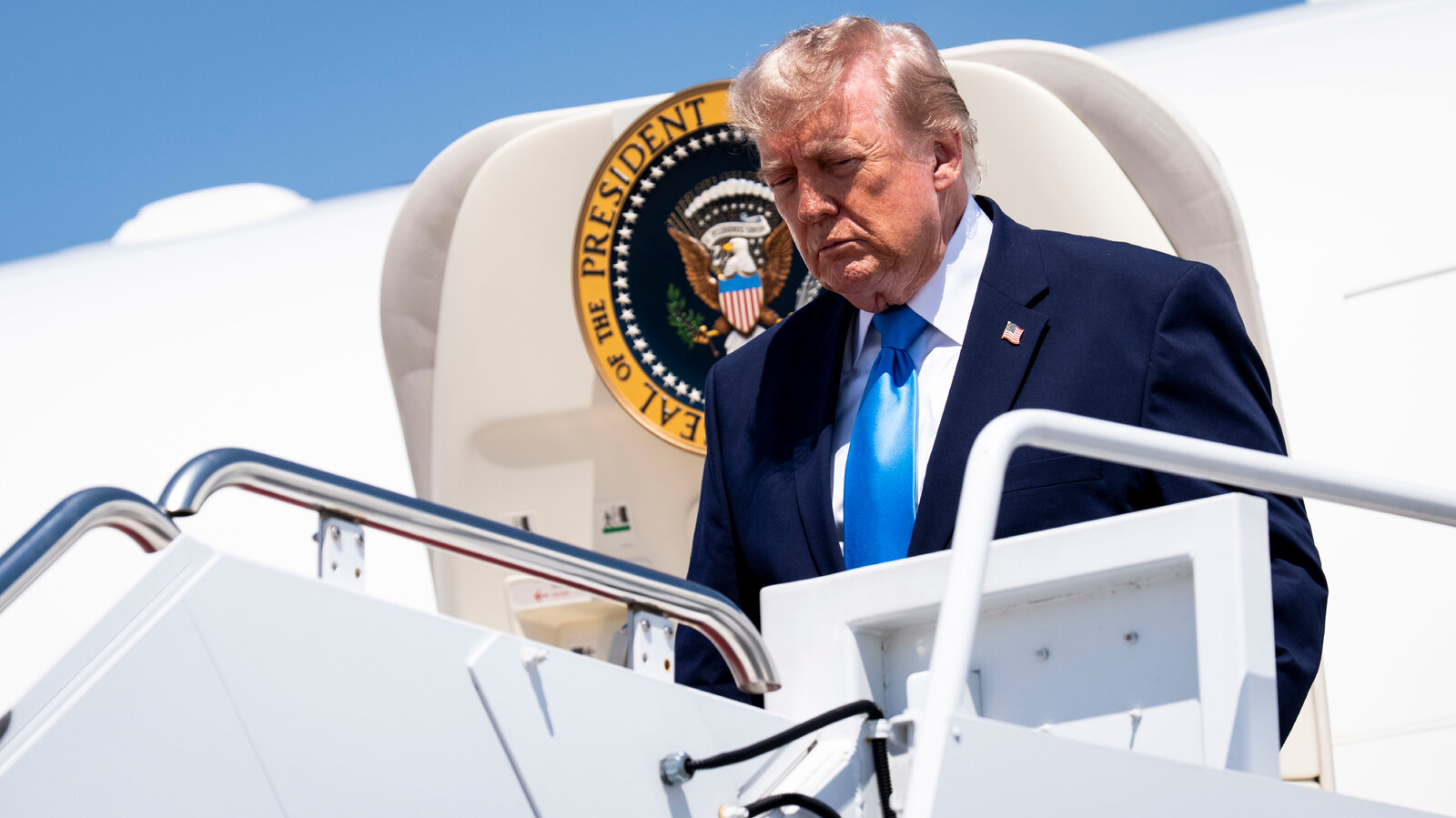
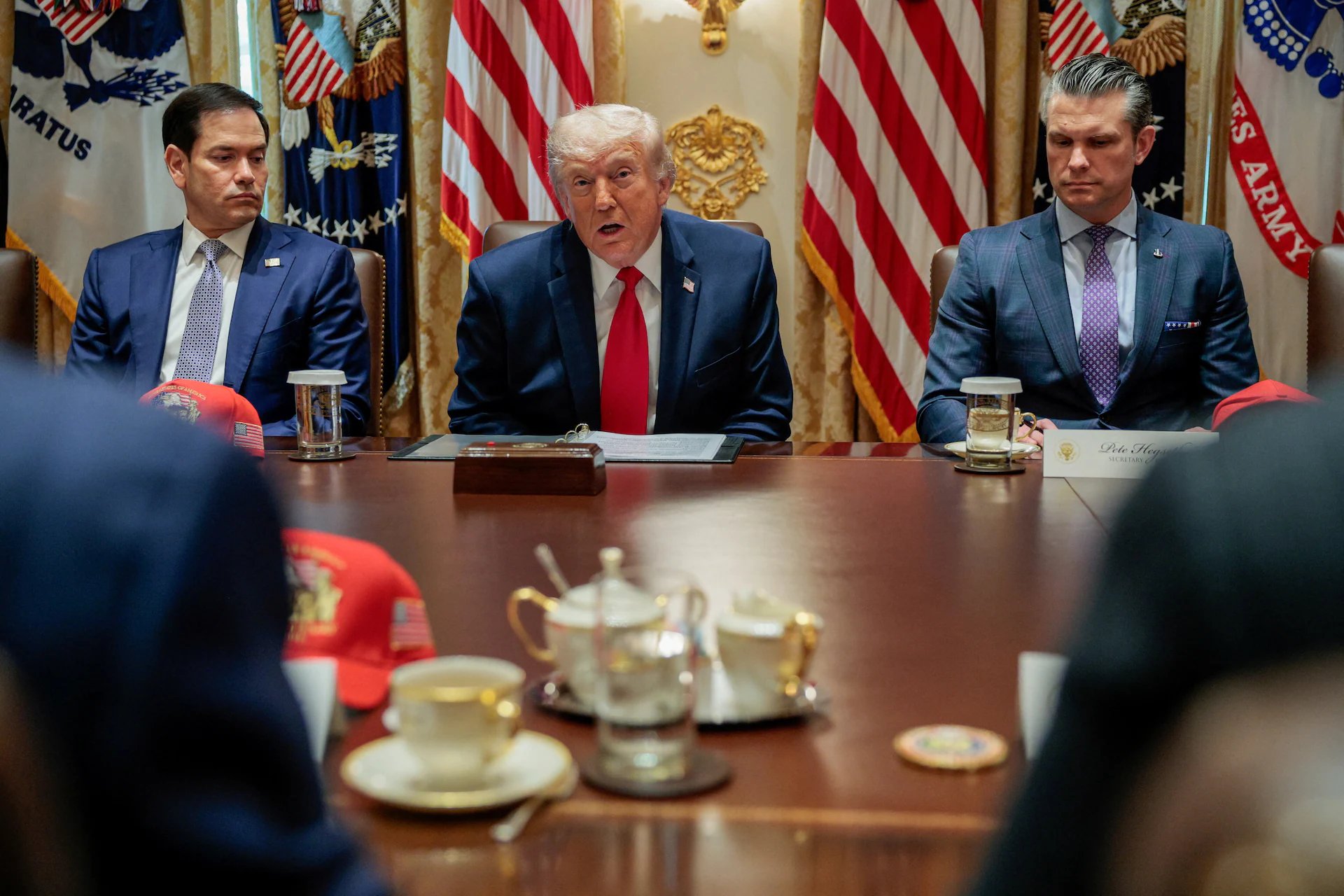
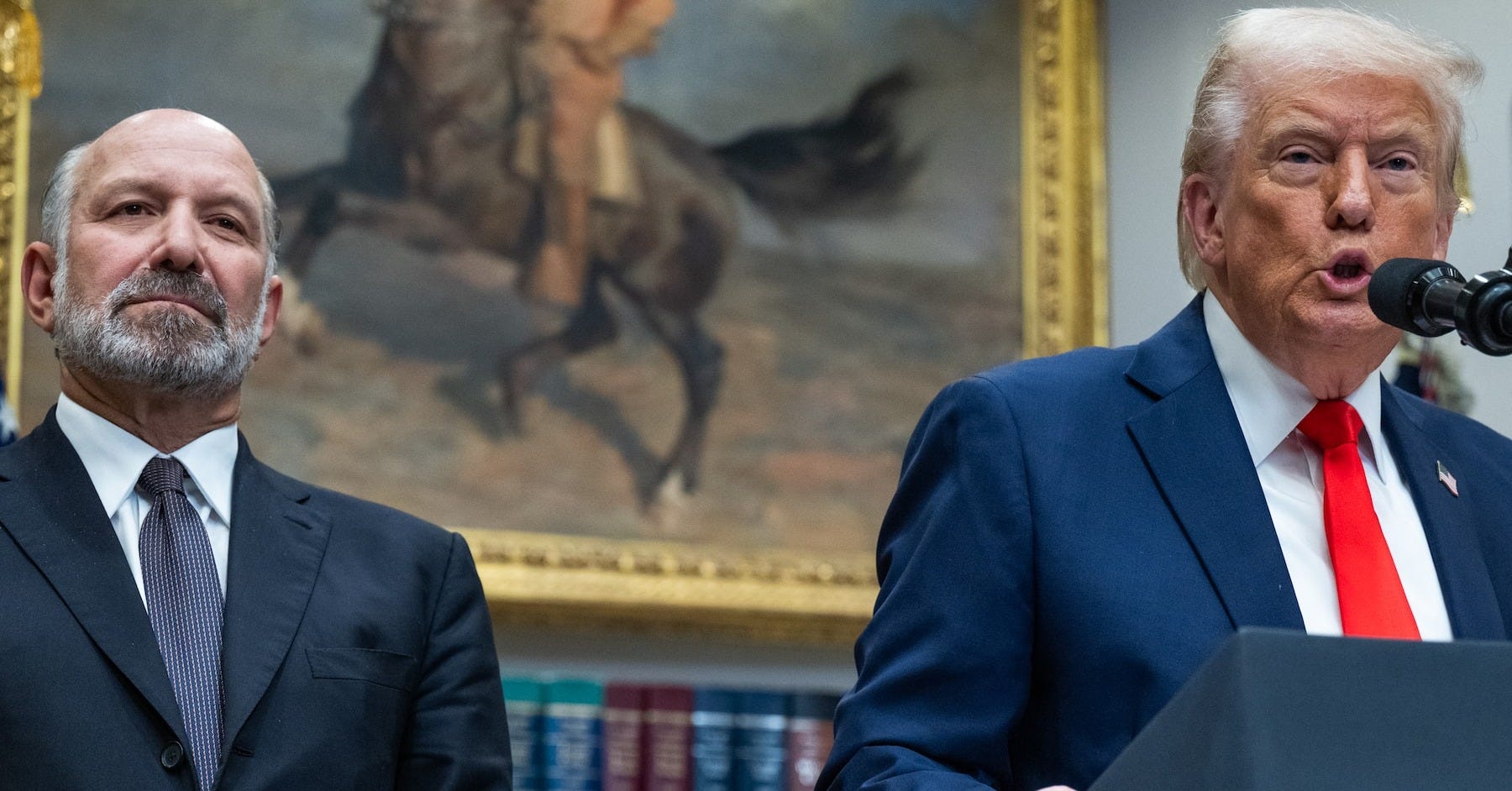
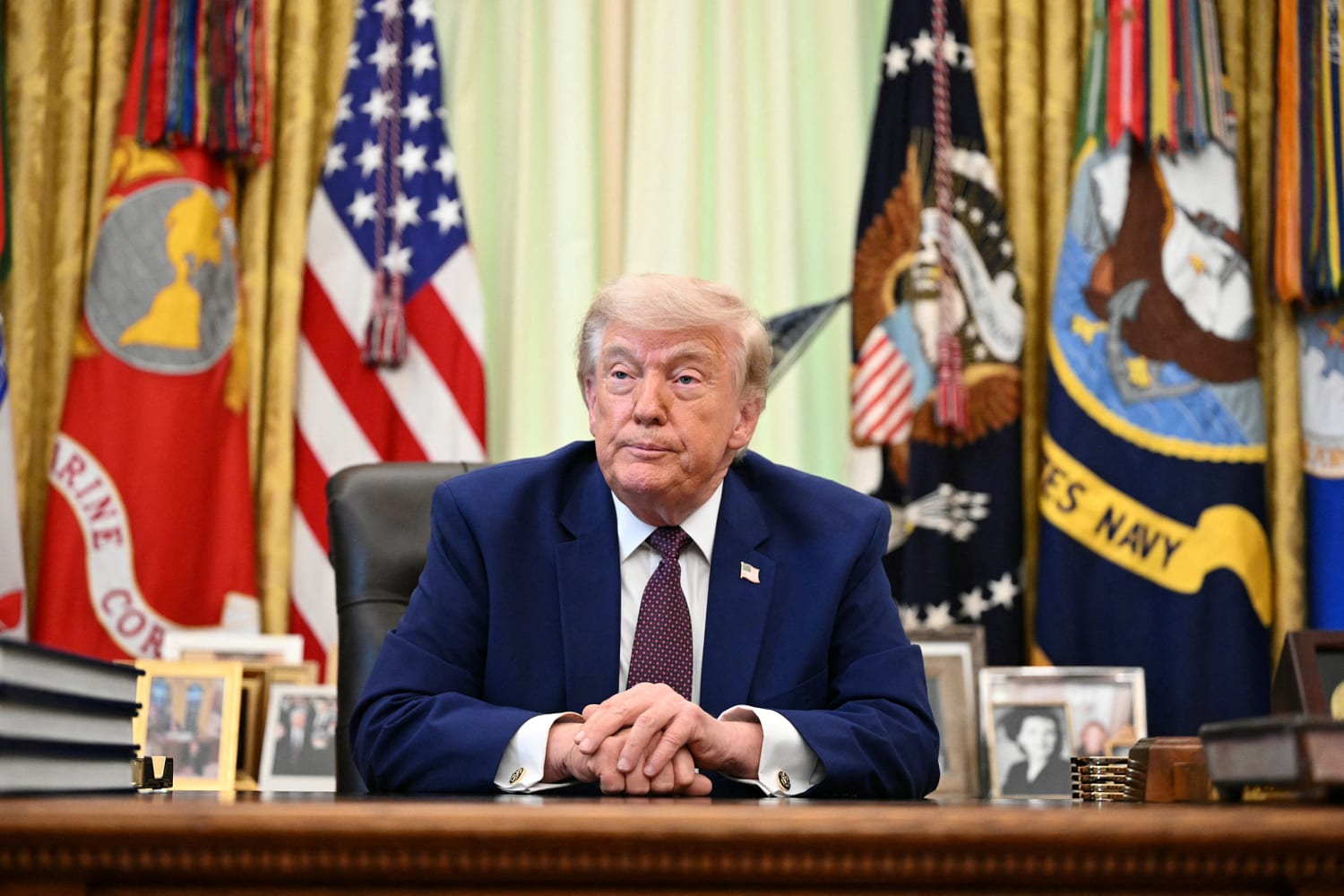
President Donald Trump threatened to "hit Iran very hard again" if its proxies in Lebanon continued causing trouble. Iran's lead negotiator Mohammad Bagher Ghalibaf responded by questioning the effectiveness of threats, stating "it is we who take action." U.S. Vice President JD Vance told negotiators that if Iran's leadership abandoned being a "driver of regional instability" and its "nuclear weapons ambitions for the longer term," the U.S. "is willing to fundamentally transform our relationship with that country."
The Nuclear Question Remains
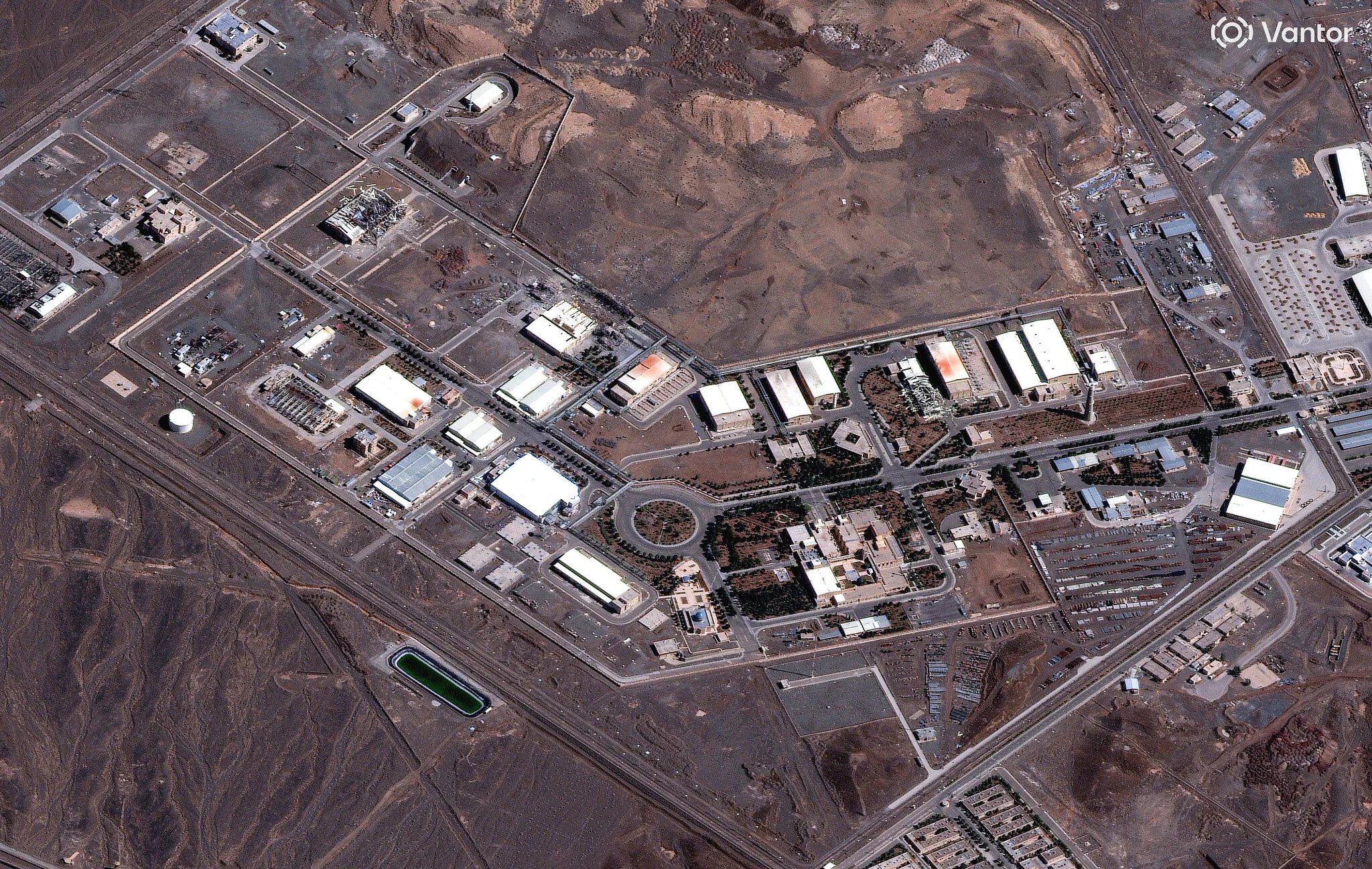
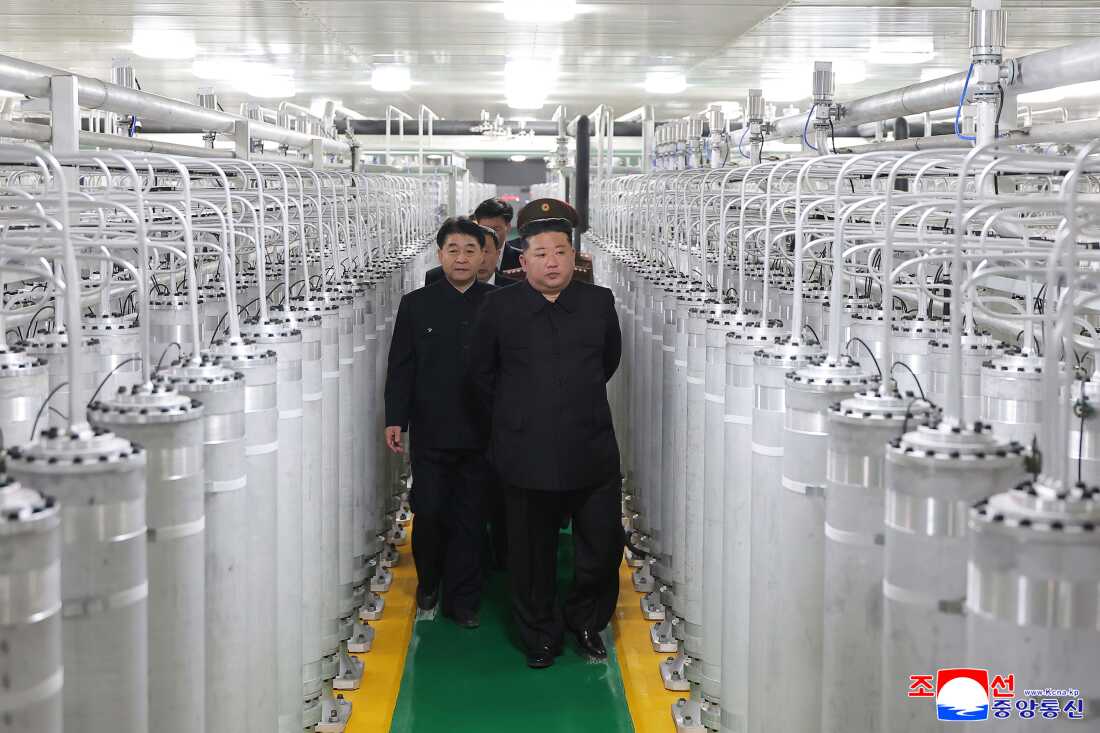
The issue of Iran's nuclear program, which the U.S. cited as the main reason for the conflict, has not yet been resolved. Iran has insisted its nuclear program is peaceful. Technical talks will continue throughout the week as both sides work toward the 60-day deadline for a final agreement.