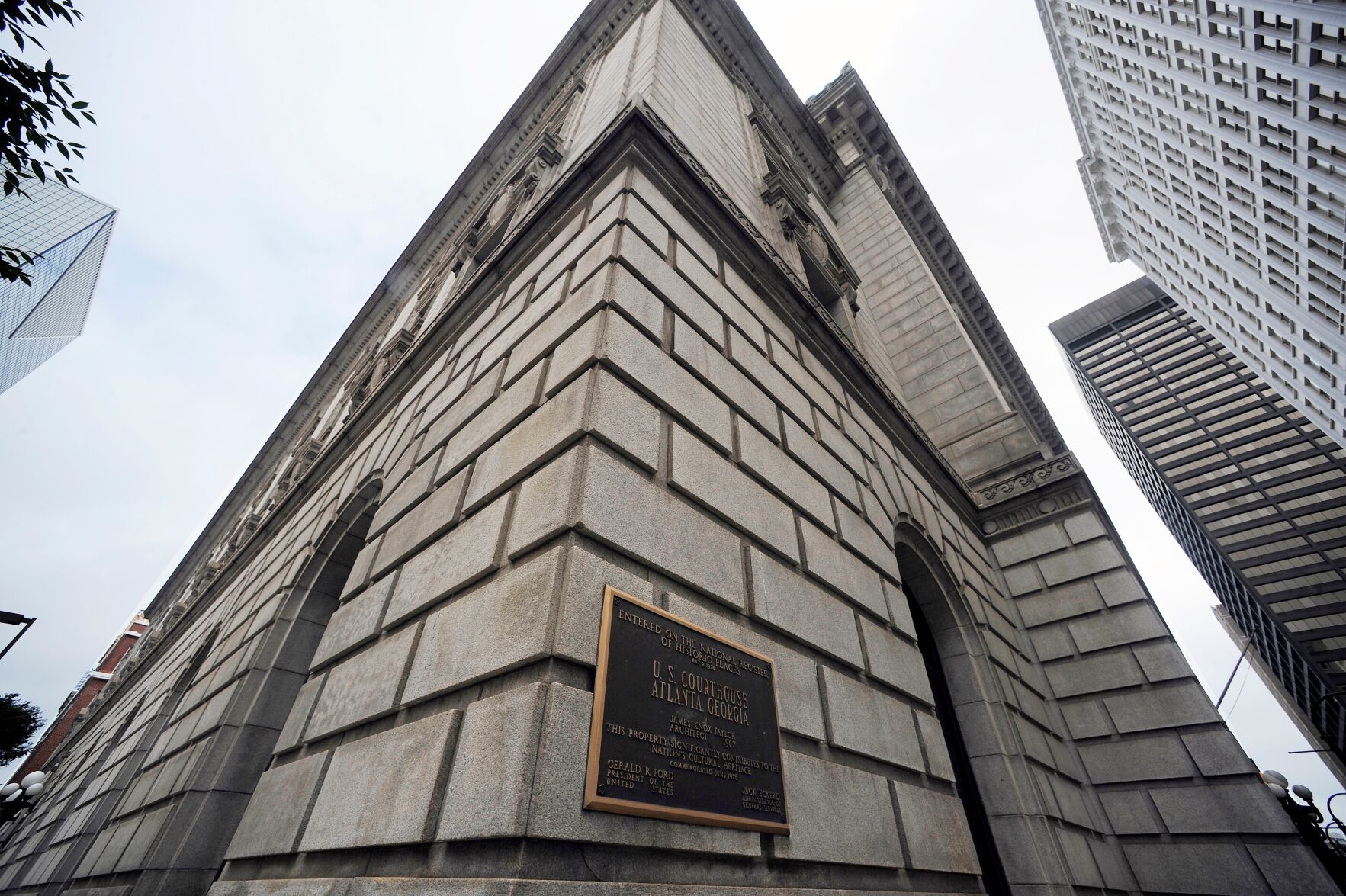
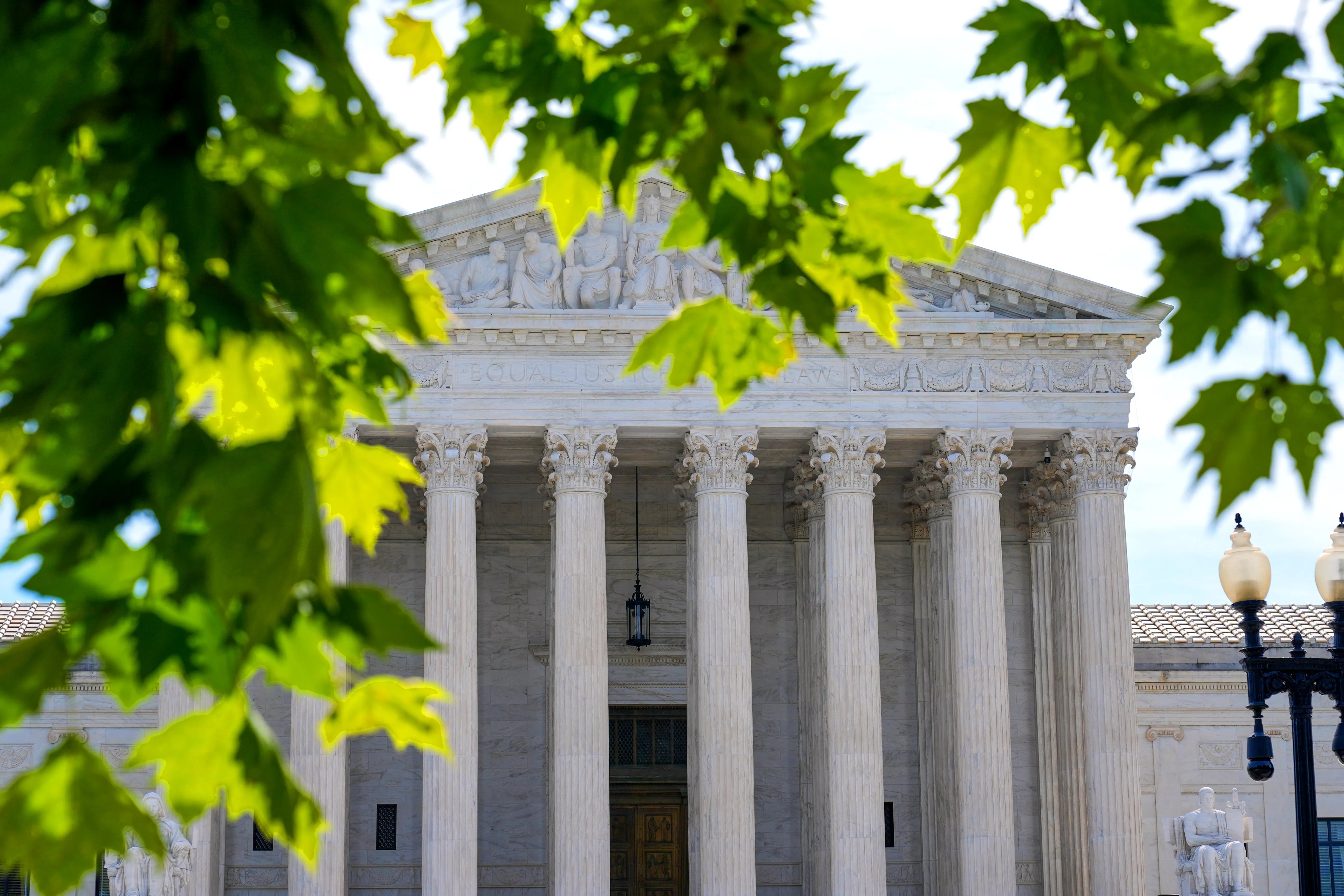
U.S. District Judge Eleanor Ross has recused herself from a major voting lawsuit filed by the Department of Justice (DOJ) after attending a campaign event for Fulton County District Attorney Fani Willis. According to Ross, her attendance at the event could lead to an appearance of bias in the case, given Willis's affiliation with the Democratic Party and her role in prosecuting former President Donald Trump for election fraud. The judge cited an "abundance of caution for the potential perception of bias" in her decision to step aside.
The DOJ filed its motion for recusal on May 29. On June 15, the DOJ filed a notice of intent to file a petition for a writ of mandamus. On June 16, Judge Ross recused herself.
Ross acknowledged that she had worked in the Fulton County District Attorney's office with Willis before Willis became district attorney, and that she attended the event to reunite with former colleagues.
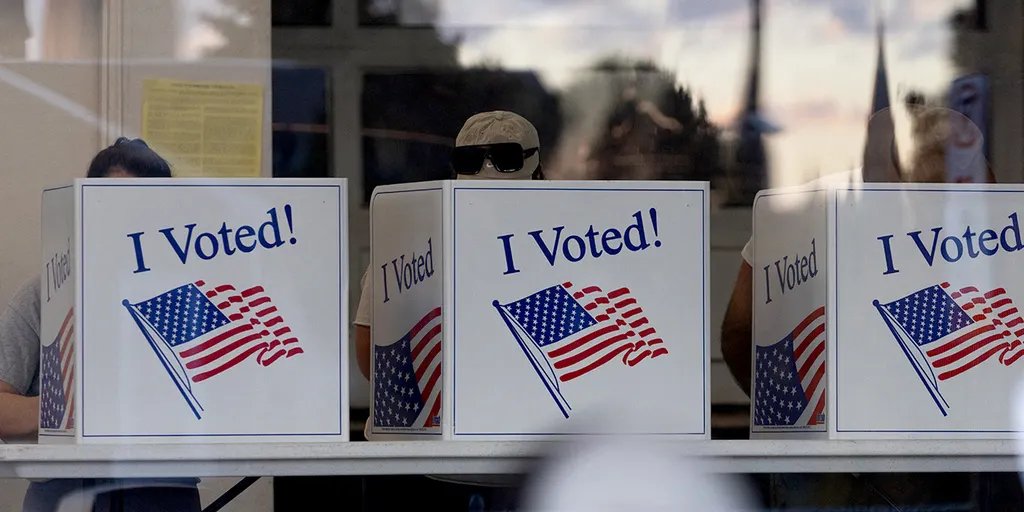
Judge Ross's recusal leaves the future of the DOJ's lawsuit uncertain. The case aims to obtain Georgia's unredacted voter registration list to uphold election integrity in the state. With the judge's withdrawal, the case may be reassigned, potentially delaying the proceedings and adding another layer of complexity to an already polarized issue.
U.S. District Judge Eleanor Ross has recused herself from a major voting lawsuit filed by the Department of Justice (DOJ) after attending a campaign event for Fulton County District Attorney Fani Willis. According to Ross, her attendance at the event could lead to an appearance of bias in the case, given Willis's affiliation with the Democratic Party and her role in prosecuting former President Donald Trump for election fraud. The judge cited an "abundance of caution for the potential perception of bias" in her decision to step aside.
The DOJ had previously asked Judge Ross to recuse herself from the case, United States v. Raffensperger, which involves the Trump administration's efforts to obtain an unredacted voter registration list in Georgia. The motion sat on the docket for over two weeks until the DOJ filed a notice of intent to file a petition for a writ of mandamus, prompting Judge Ross to finally recuse herself.
This is not the first time Judge Ross has faced scrutiny over her conduct. She was previously disciplined after an investigation found that she had sex with a police officer in her chambers and attended a partisan event, later lying when confronted with the allegations. Despite these controversies, Ross acknowledged her past connection to Willis, stating that she had worked in the Fulton County District Attorney's office with Willis before her tenure as district attorney.
Judge Ross's recusal leaves the future of the DOJ's lawsuit uncertain. The case aims to obtain Georgia's unredacted voter registration list to uphold election integrity in the state. With the judge's withdrawal, the case may be reassigned, potentially delaying the proceedings and adding another layer of complexity to an already polarized issue.
Judge Ross's decision to recuse herself raises questions about the public's trust in the impartiality of the judiciary, particularly in politically charged cases. Her acknowledgment of the potential perception of bias highlights the importance of maintaining judicial neutrality to ensure the integrity of the legal process and public confidence in the outcomes of such cases.
Highlighted text was flagged by the council. Tap to see feedback.