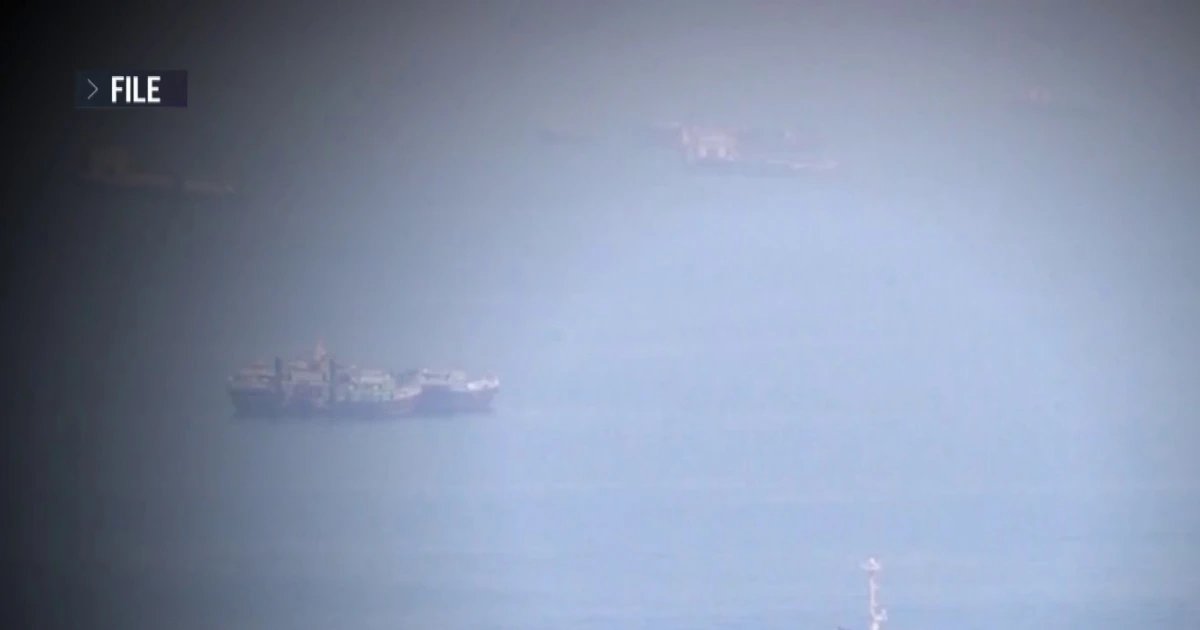
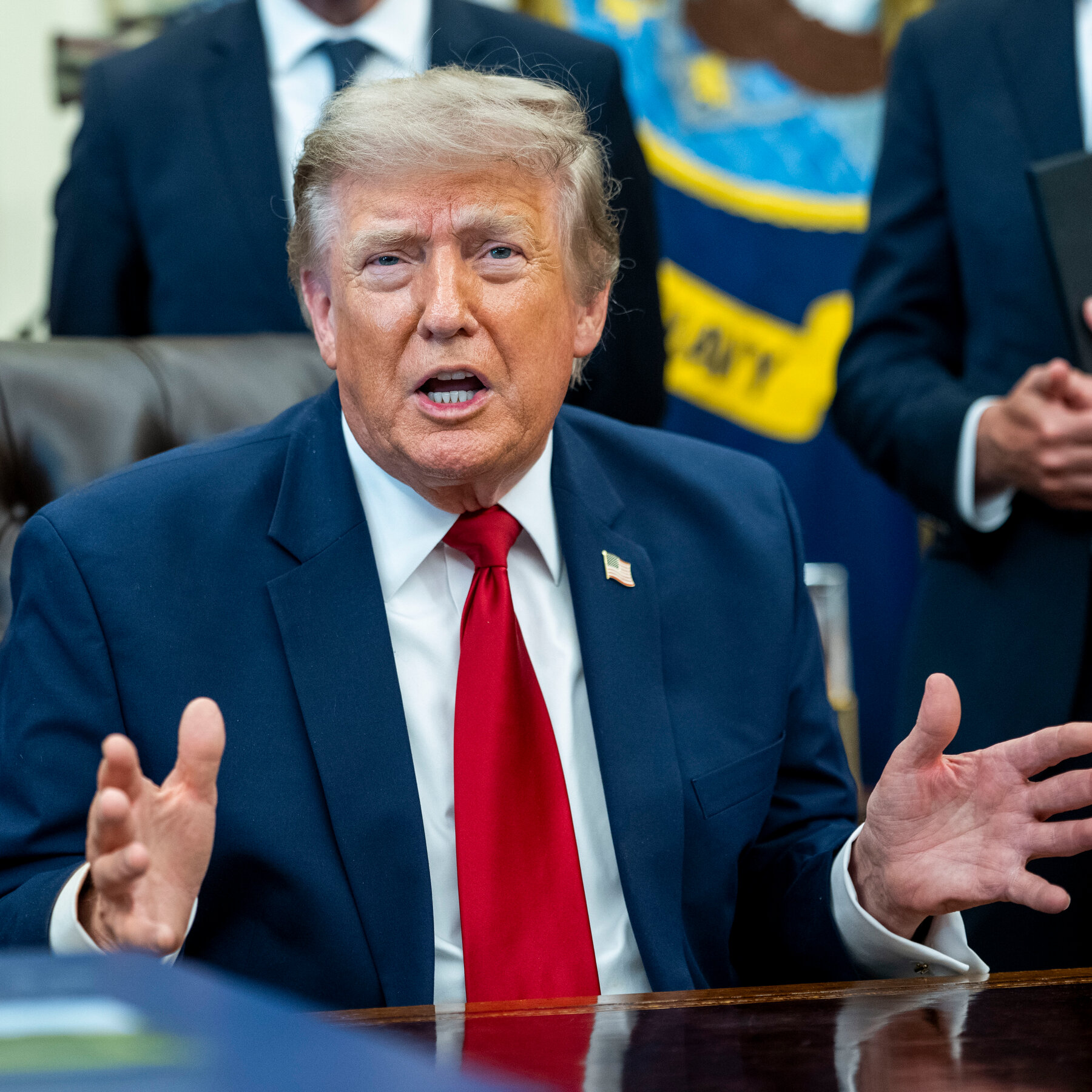
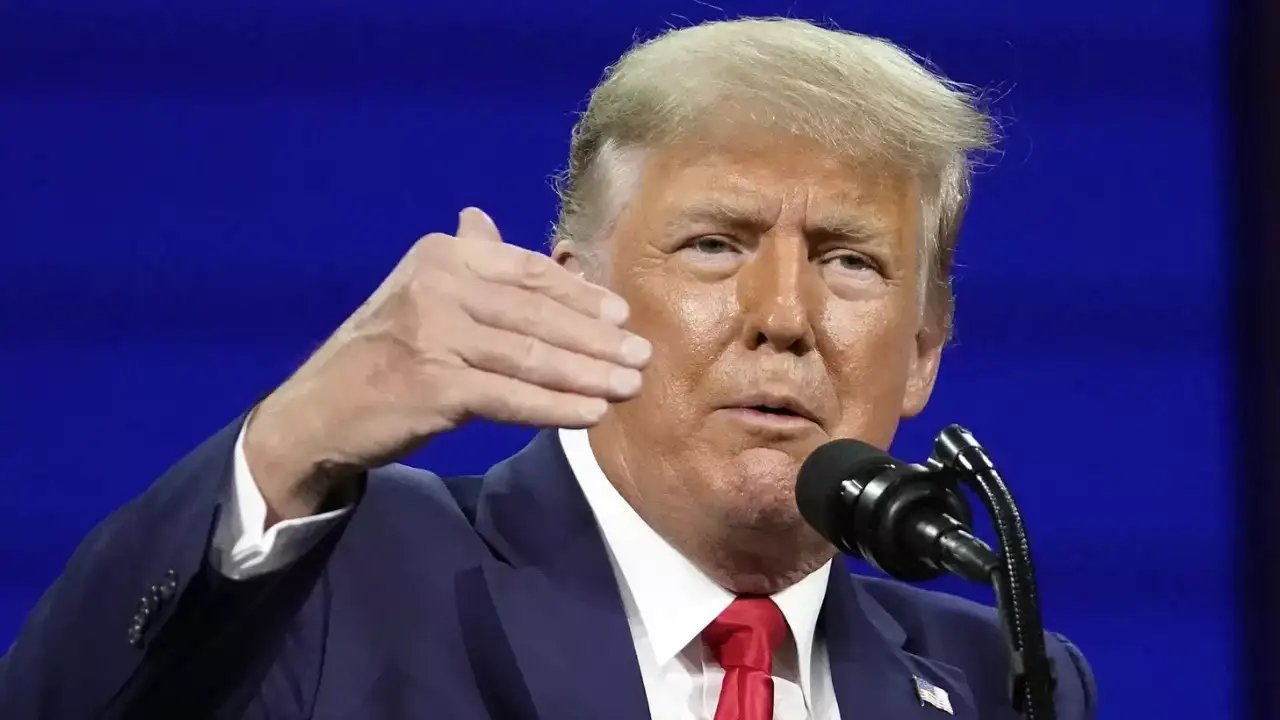
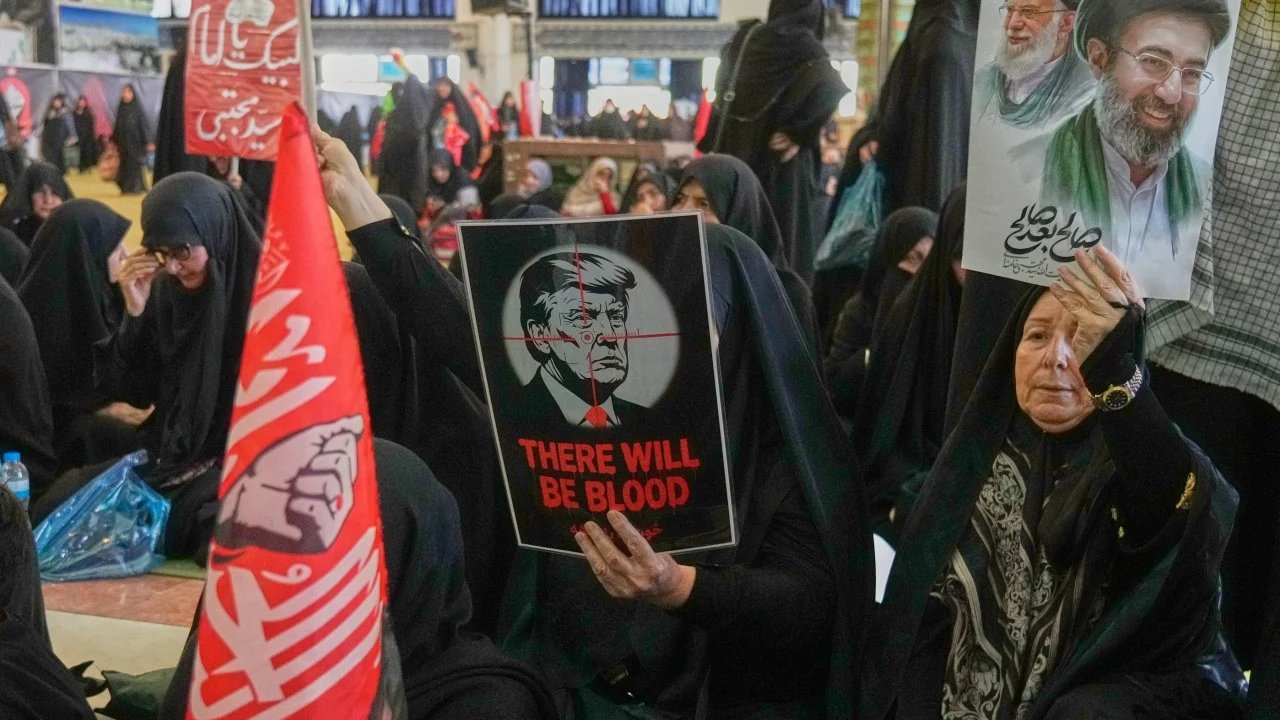
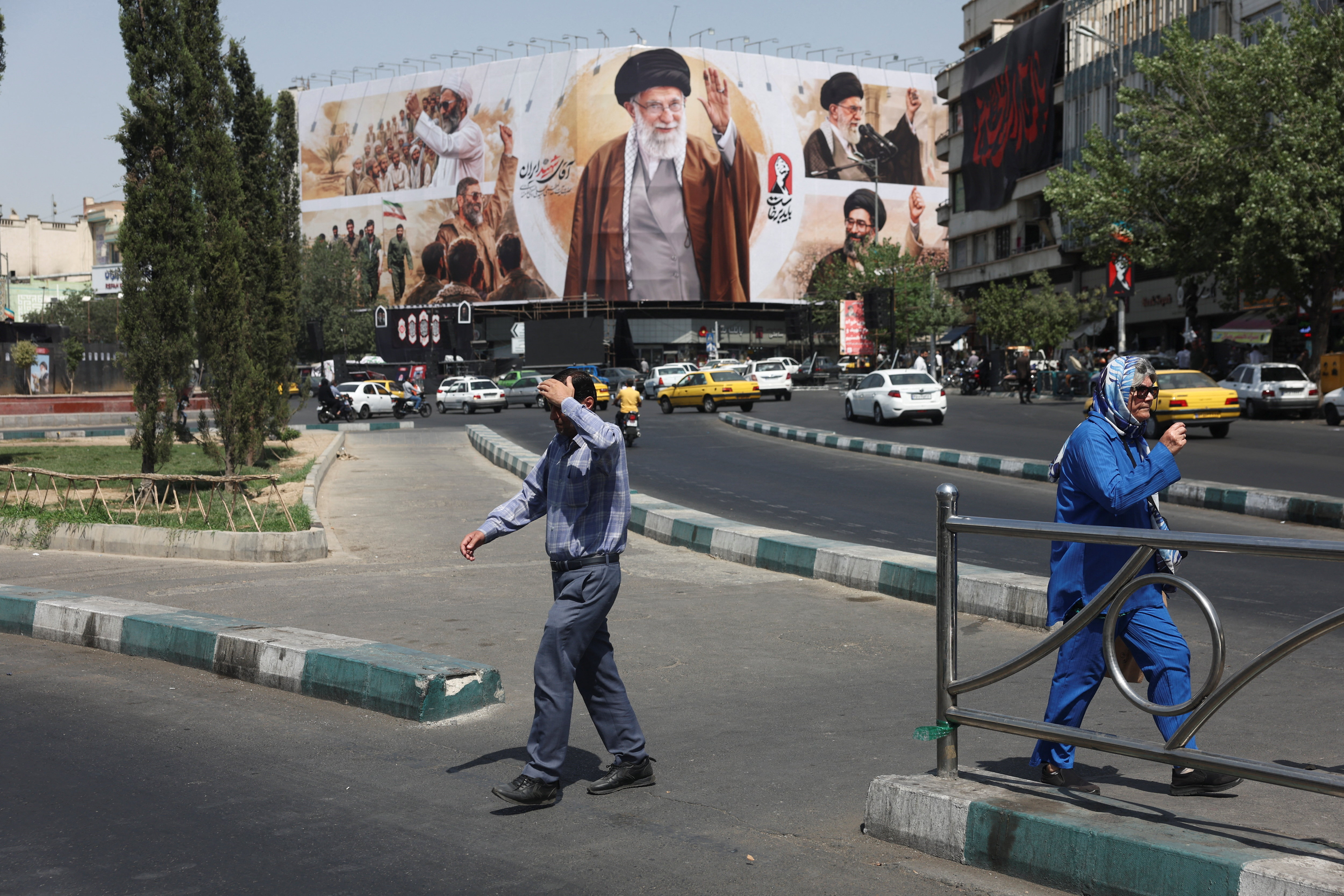
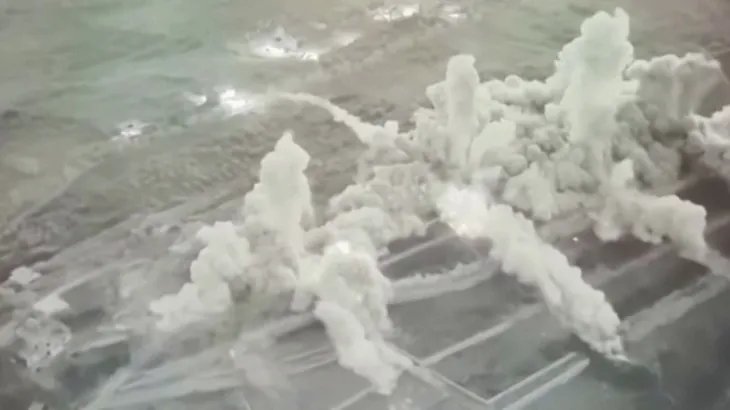
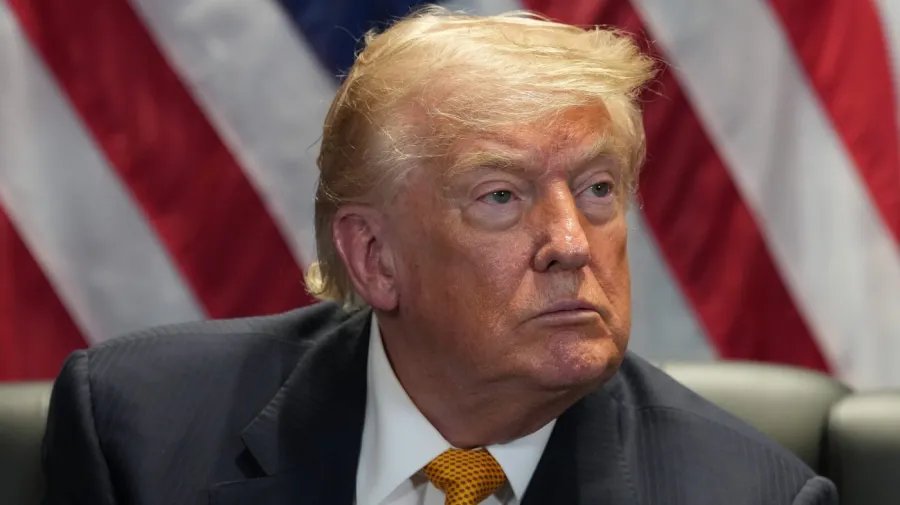
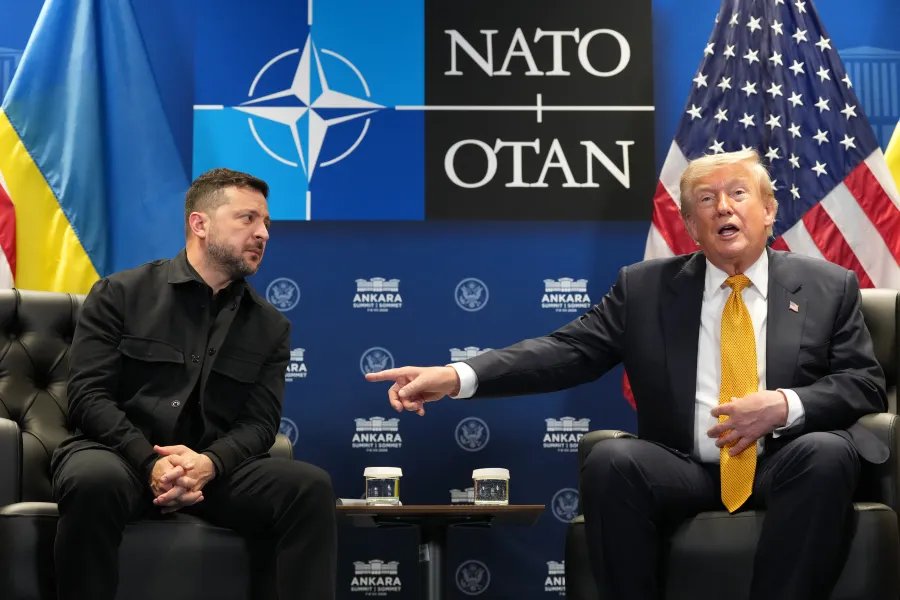
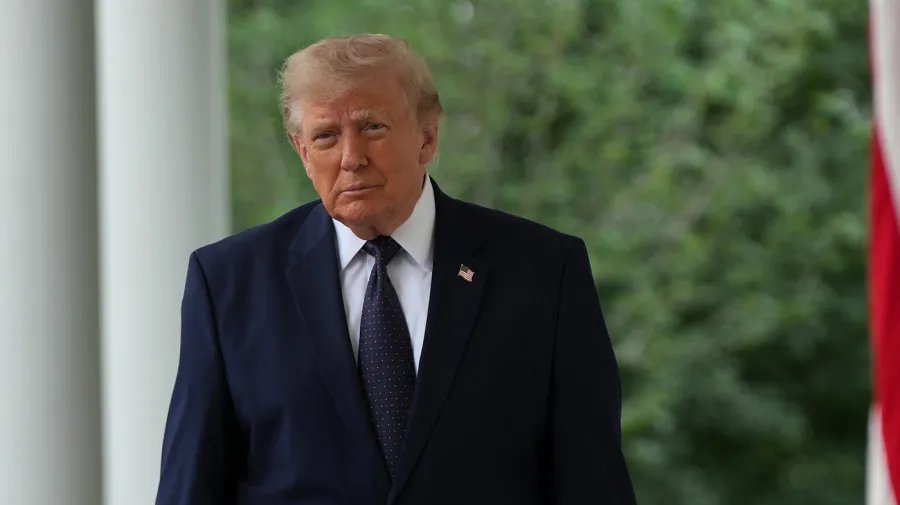
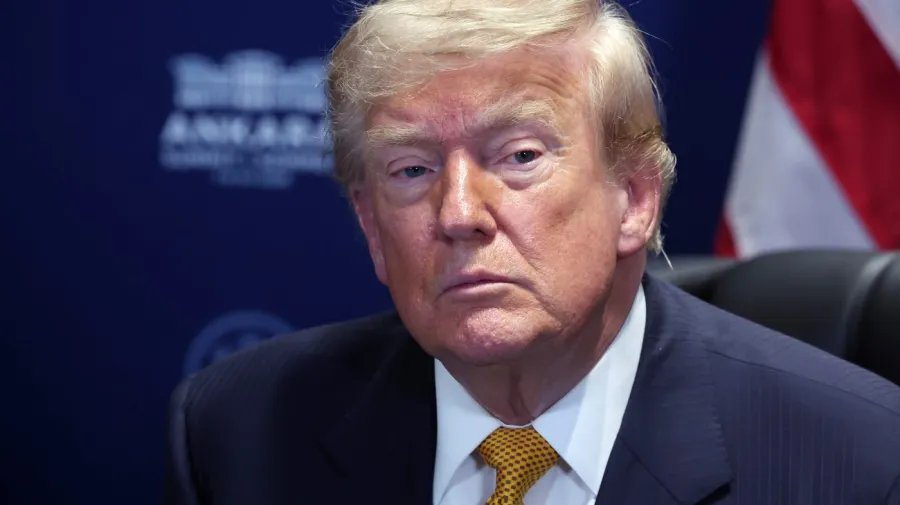
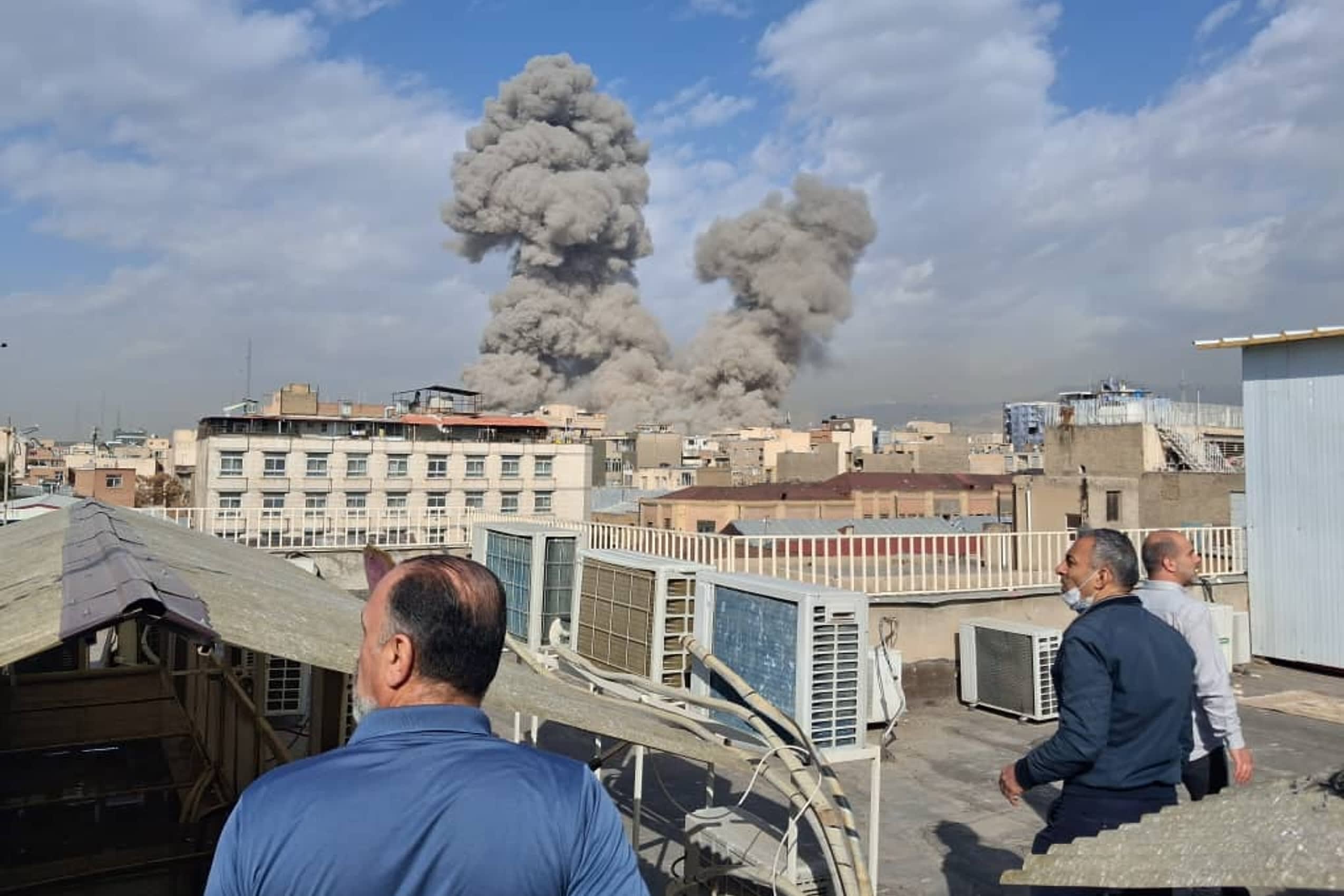
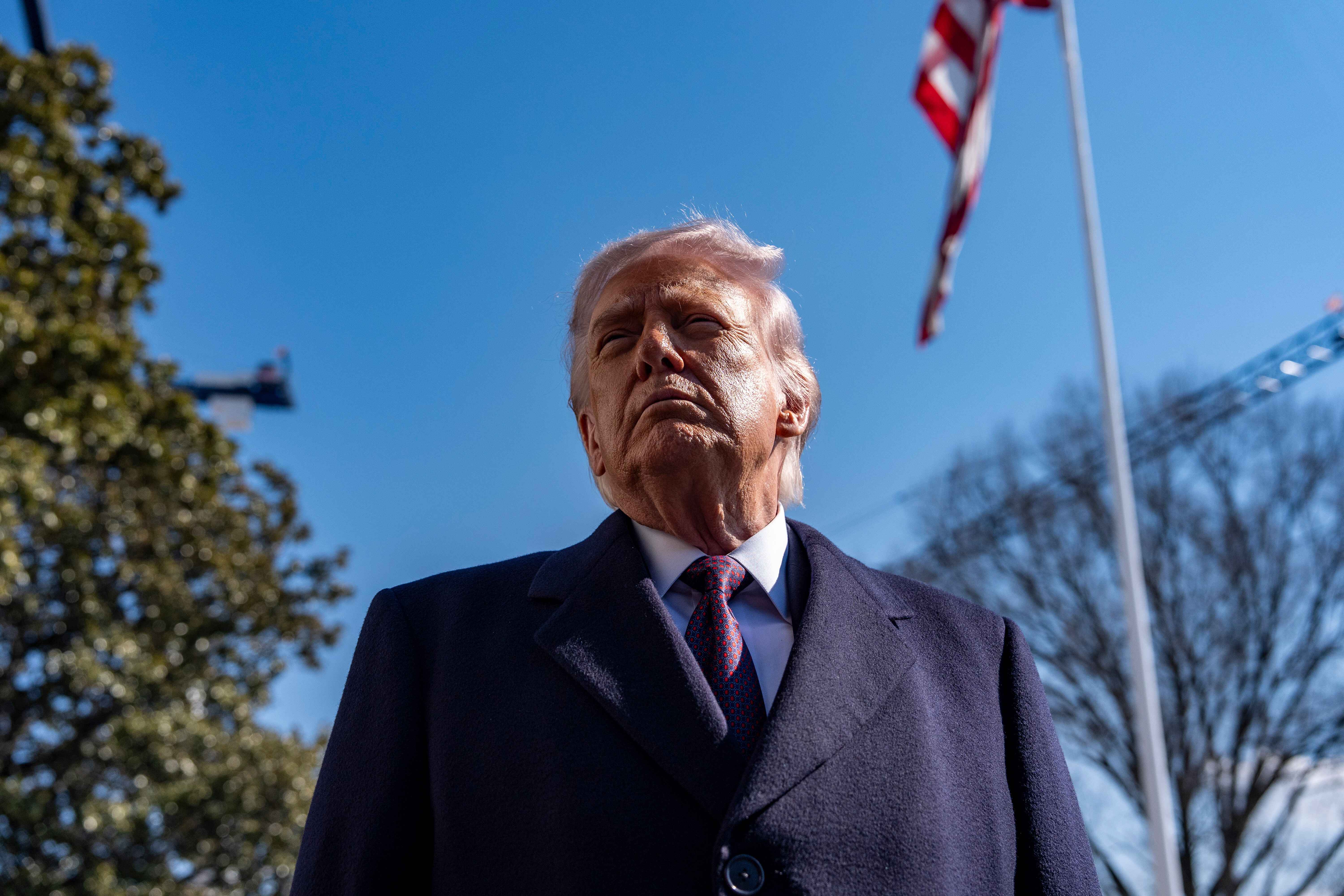
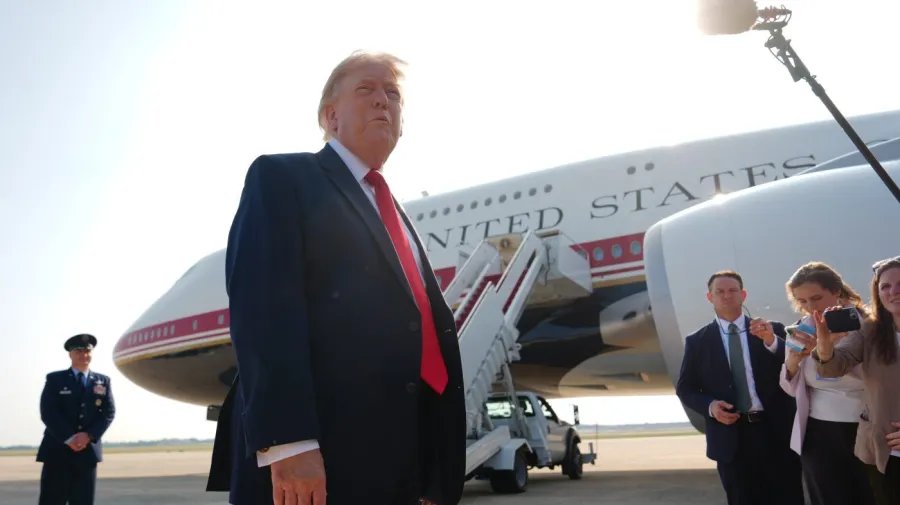
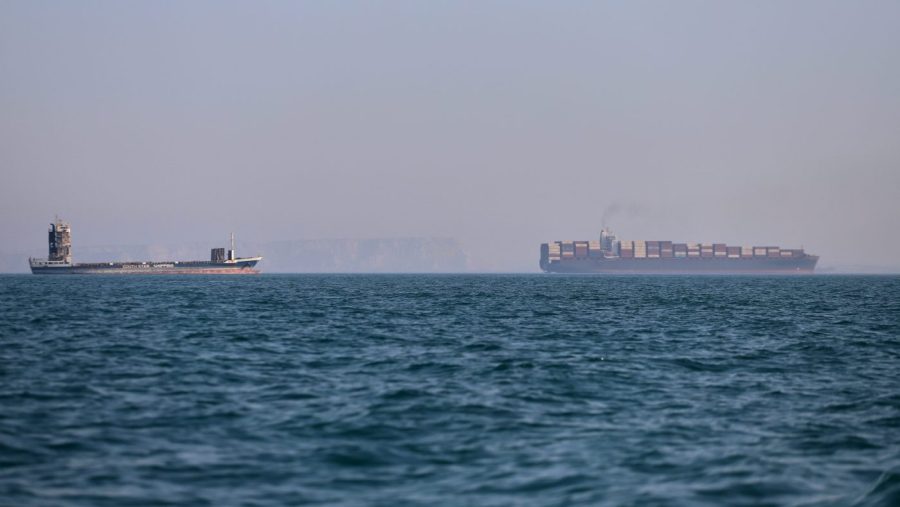
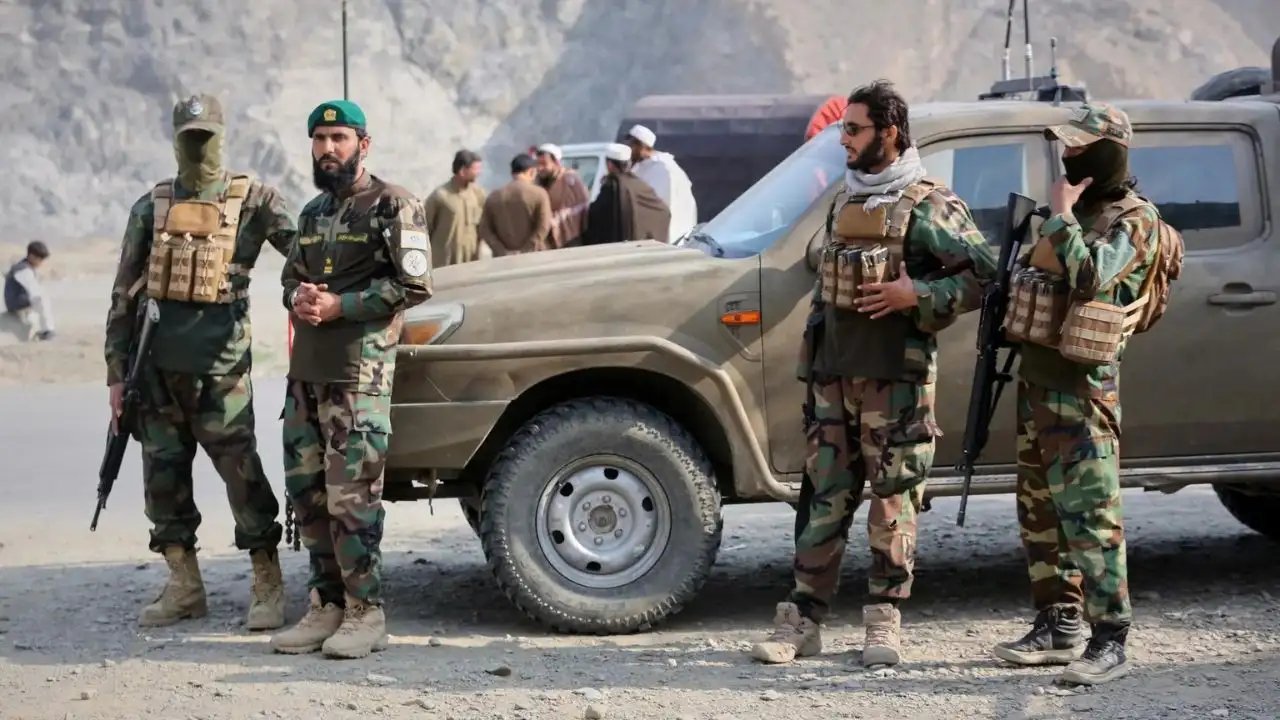
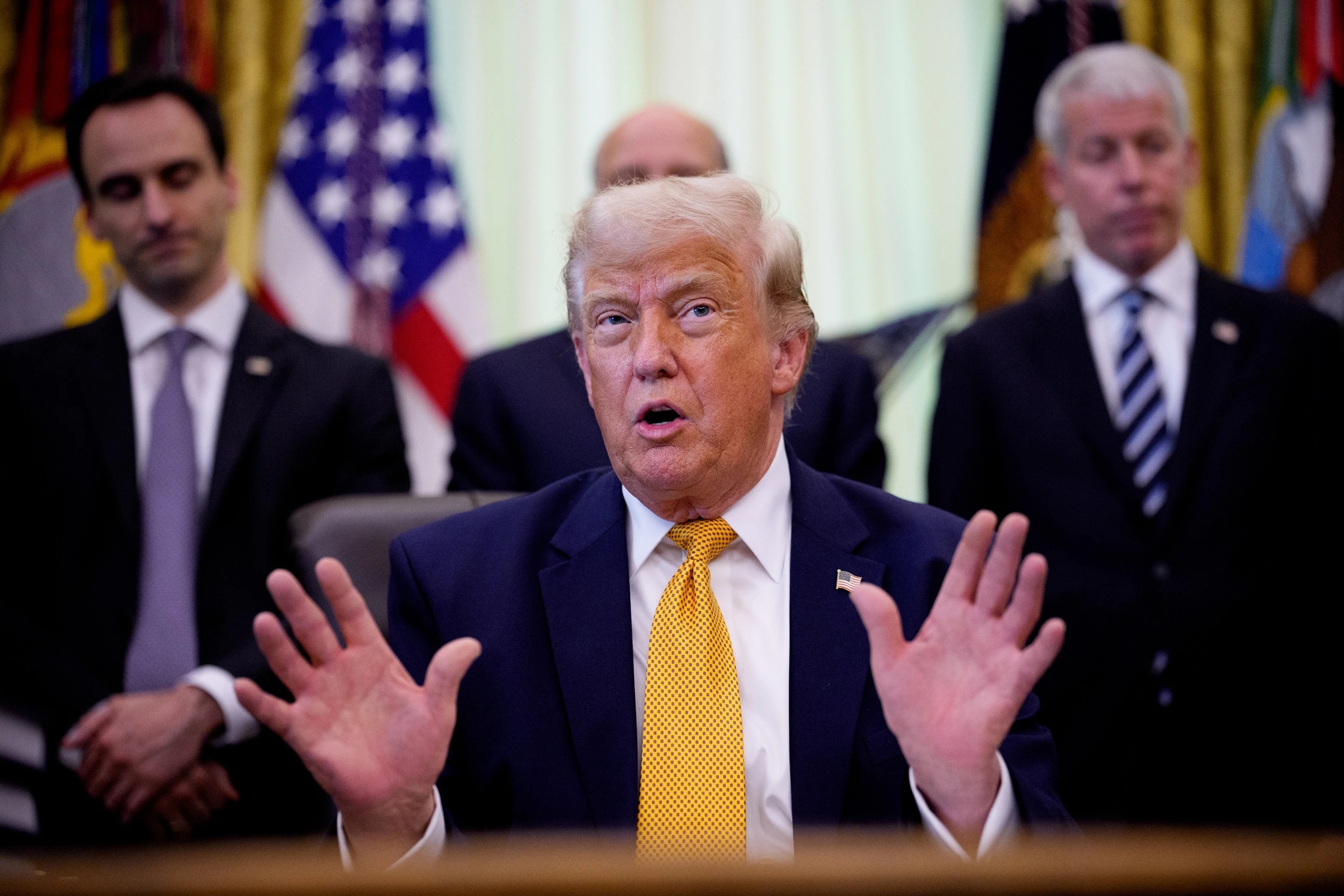
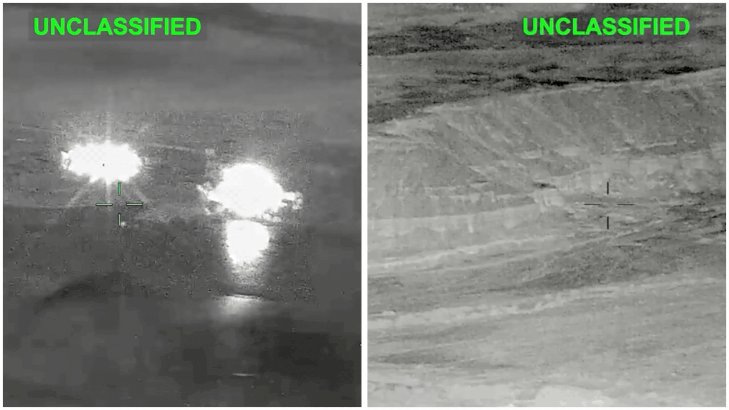
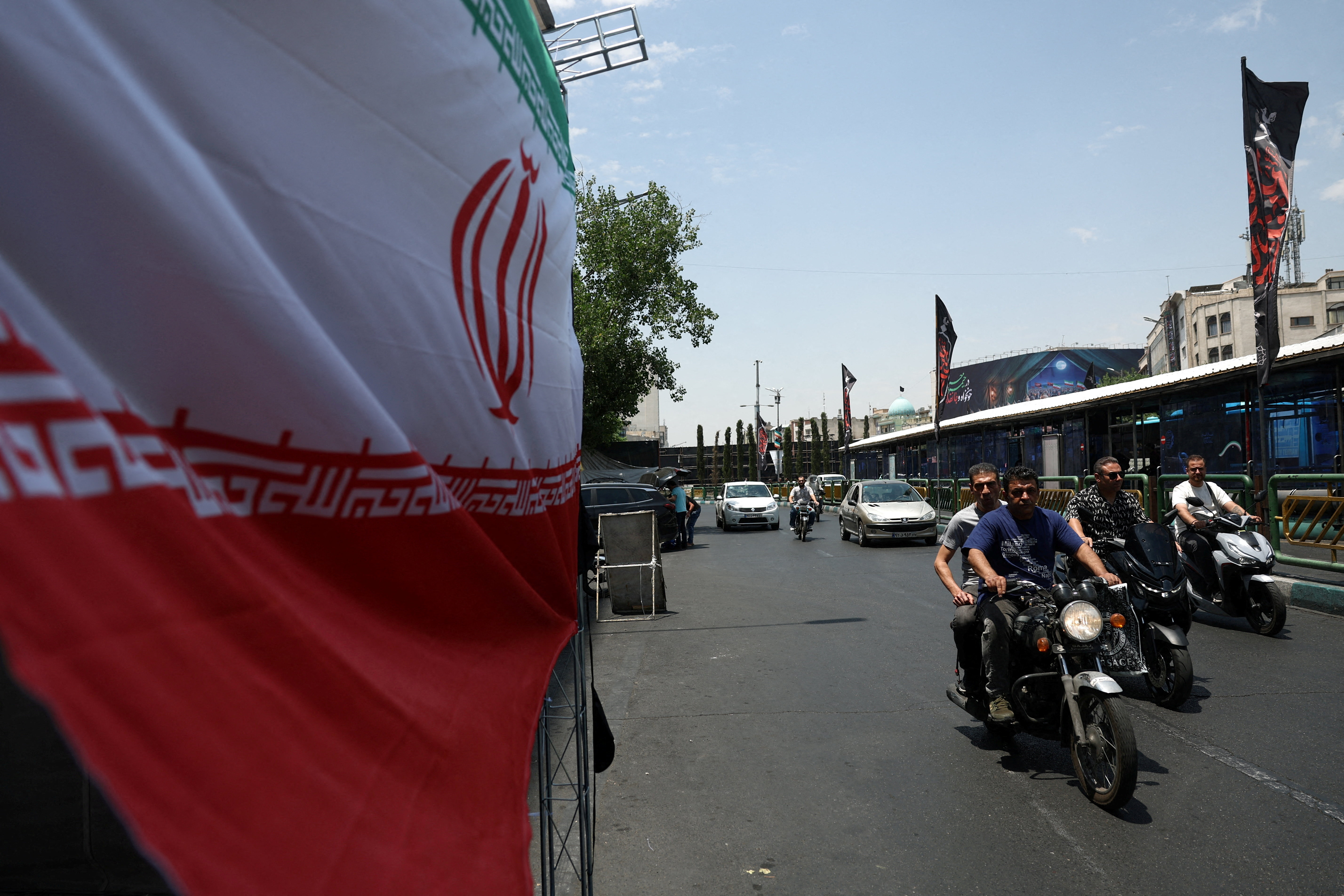
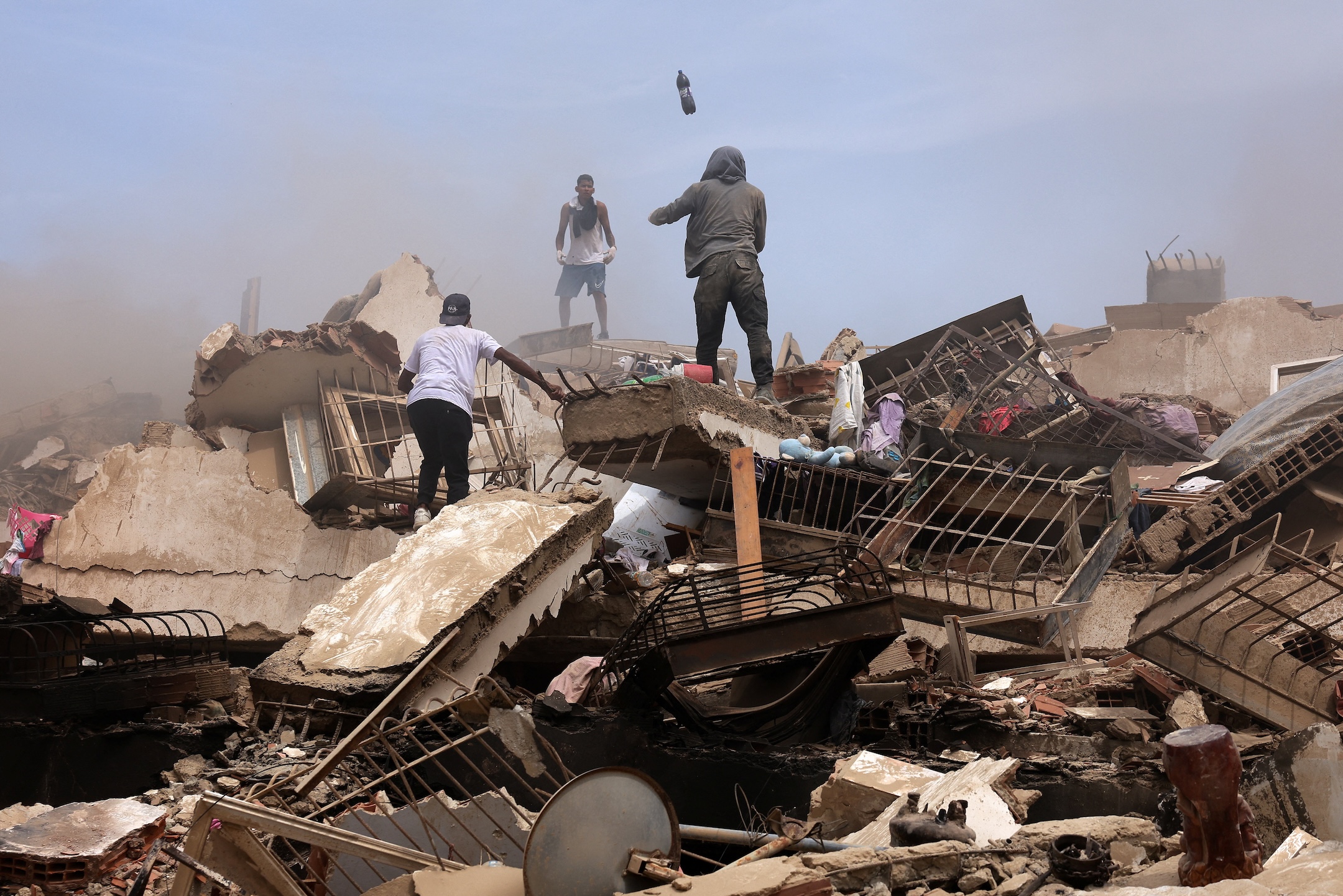
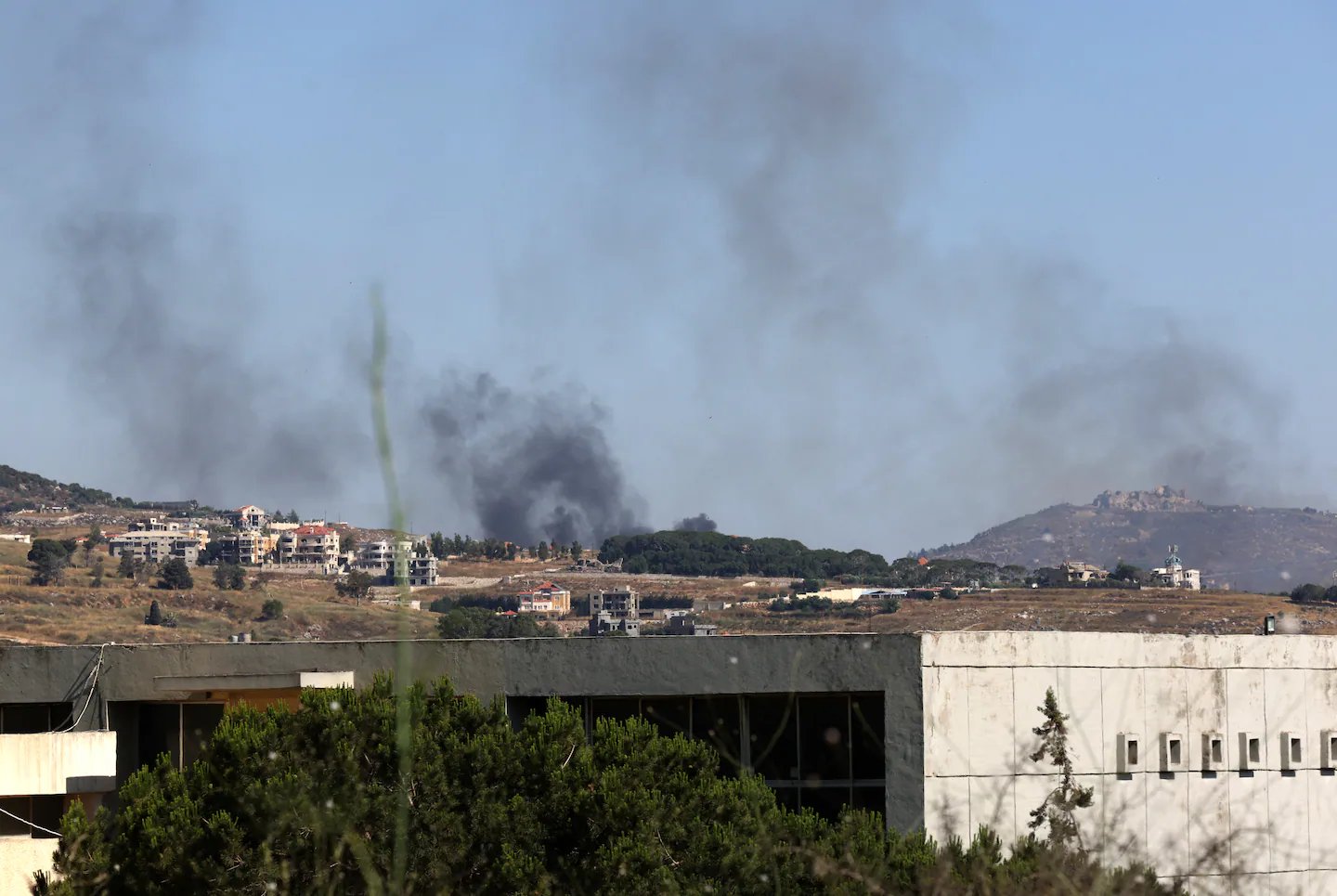
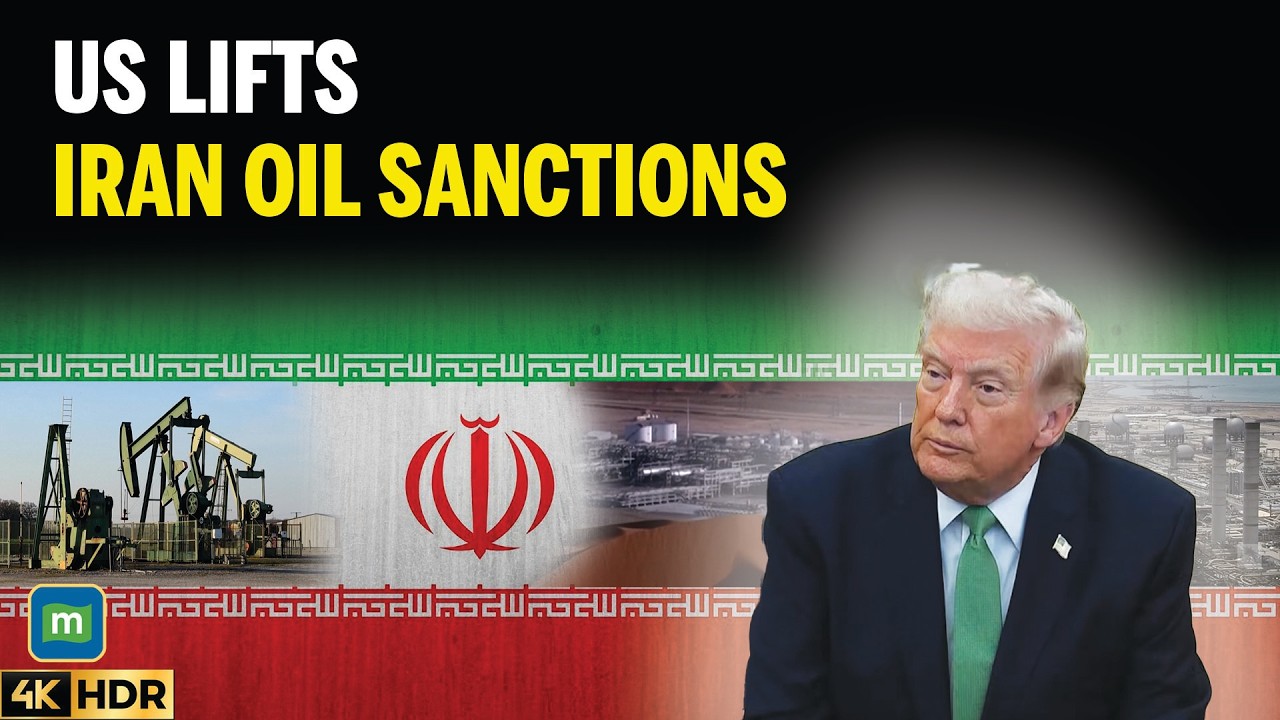
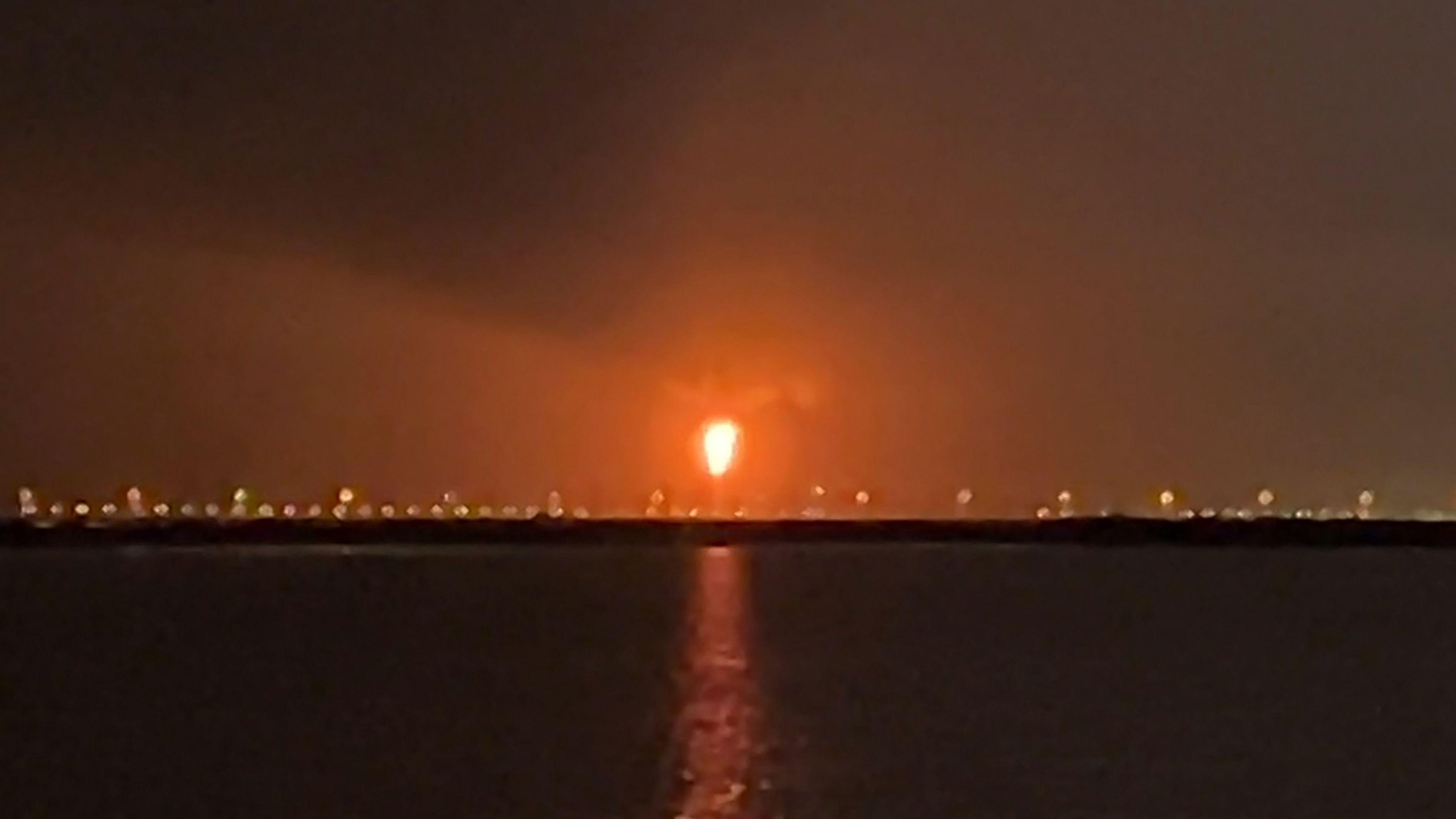
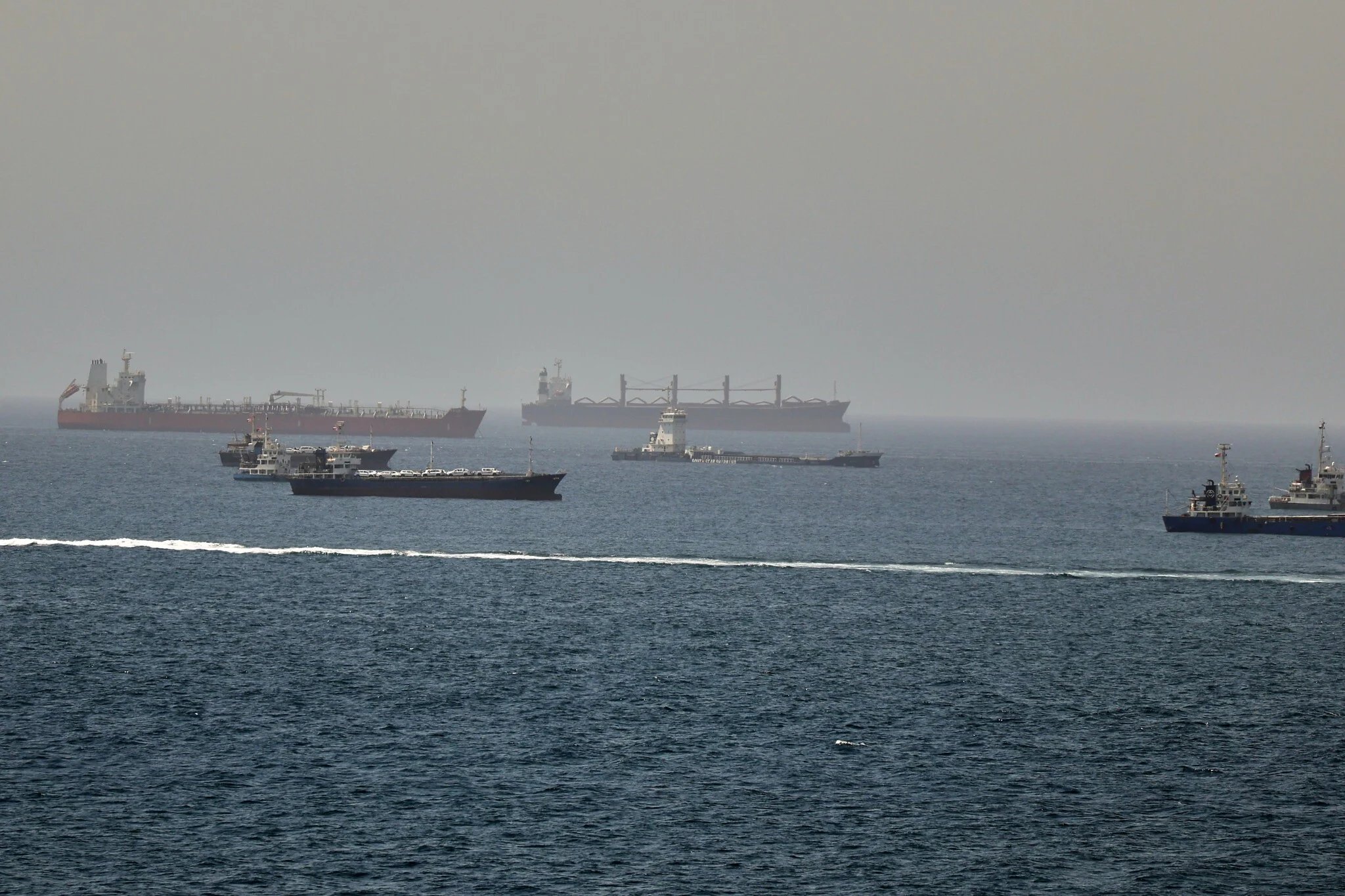
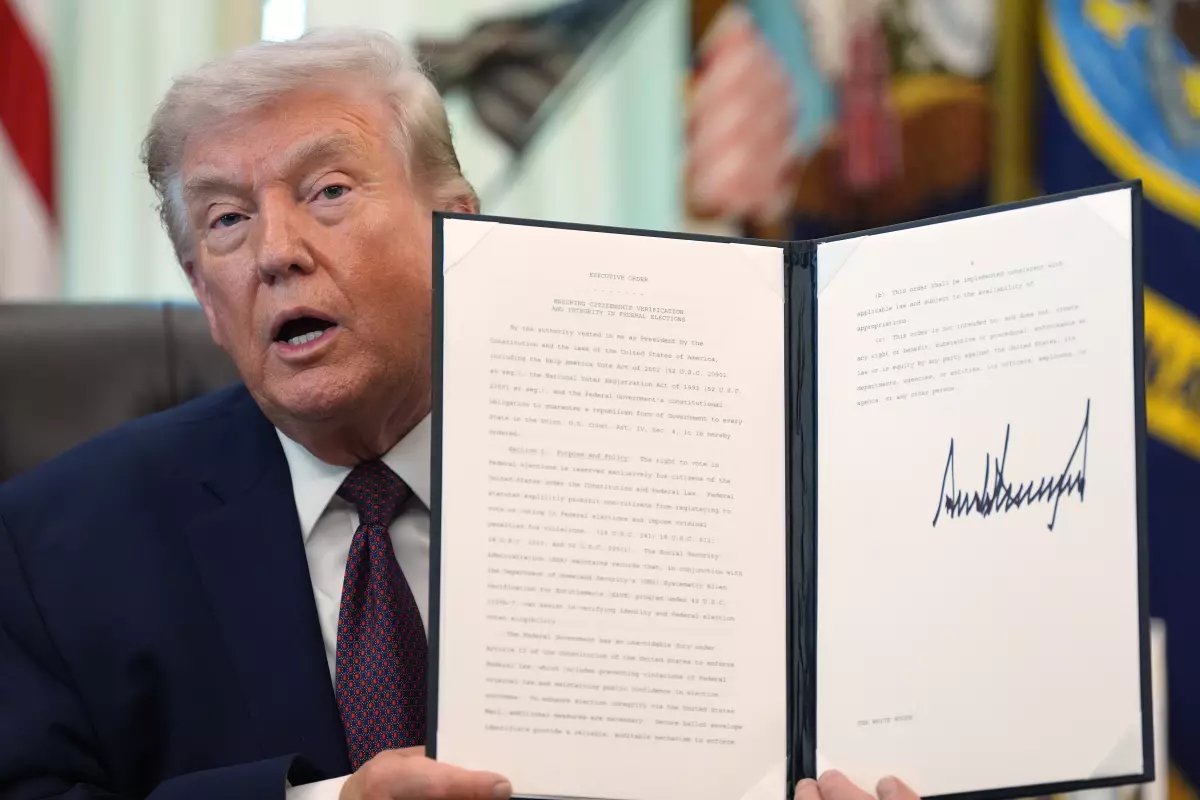
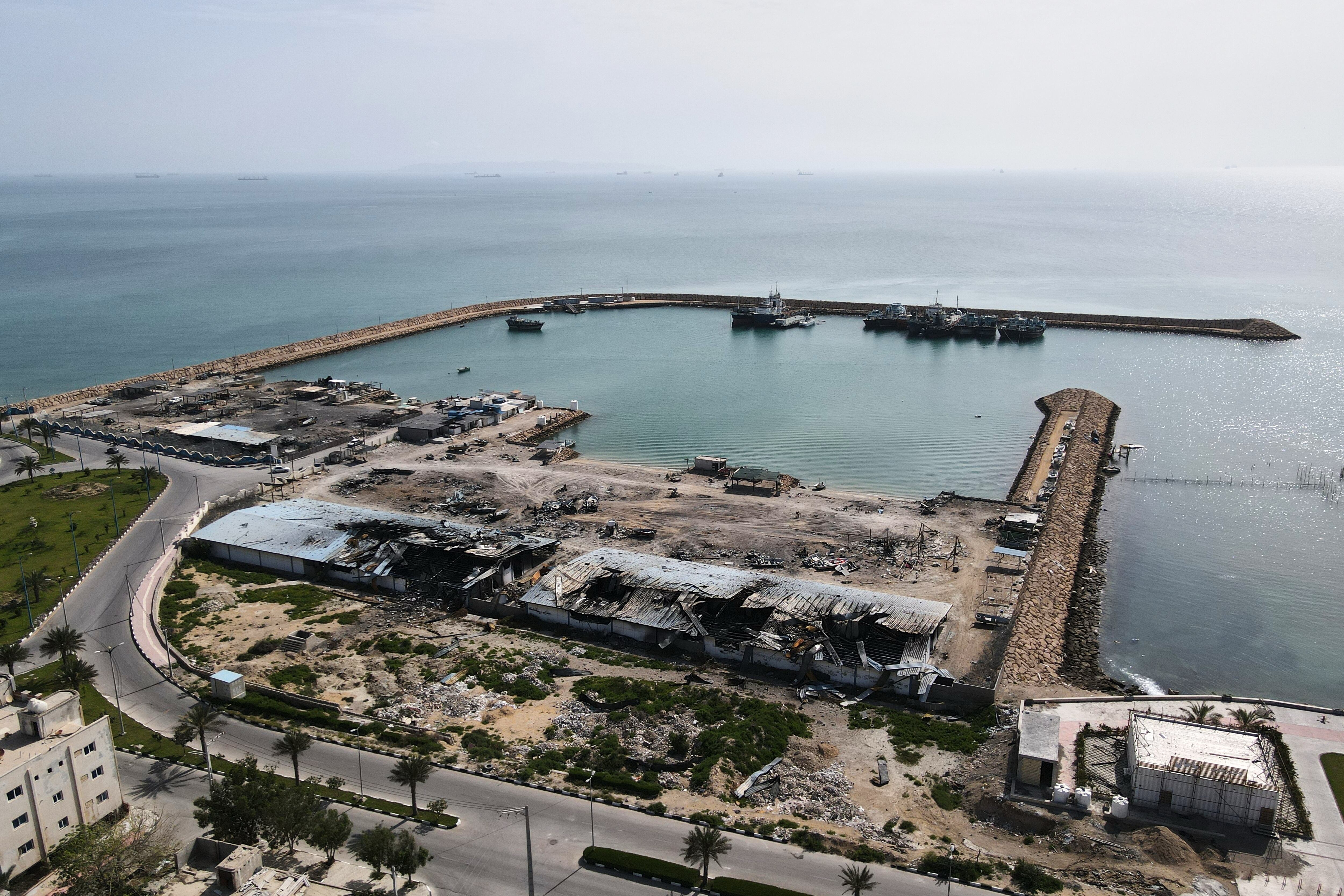
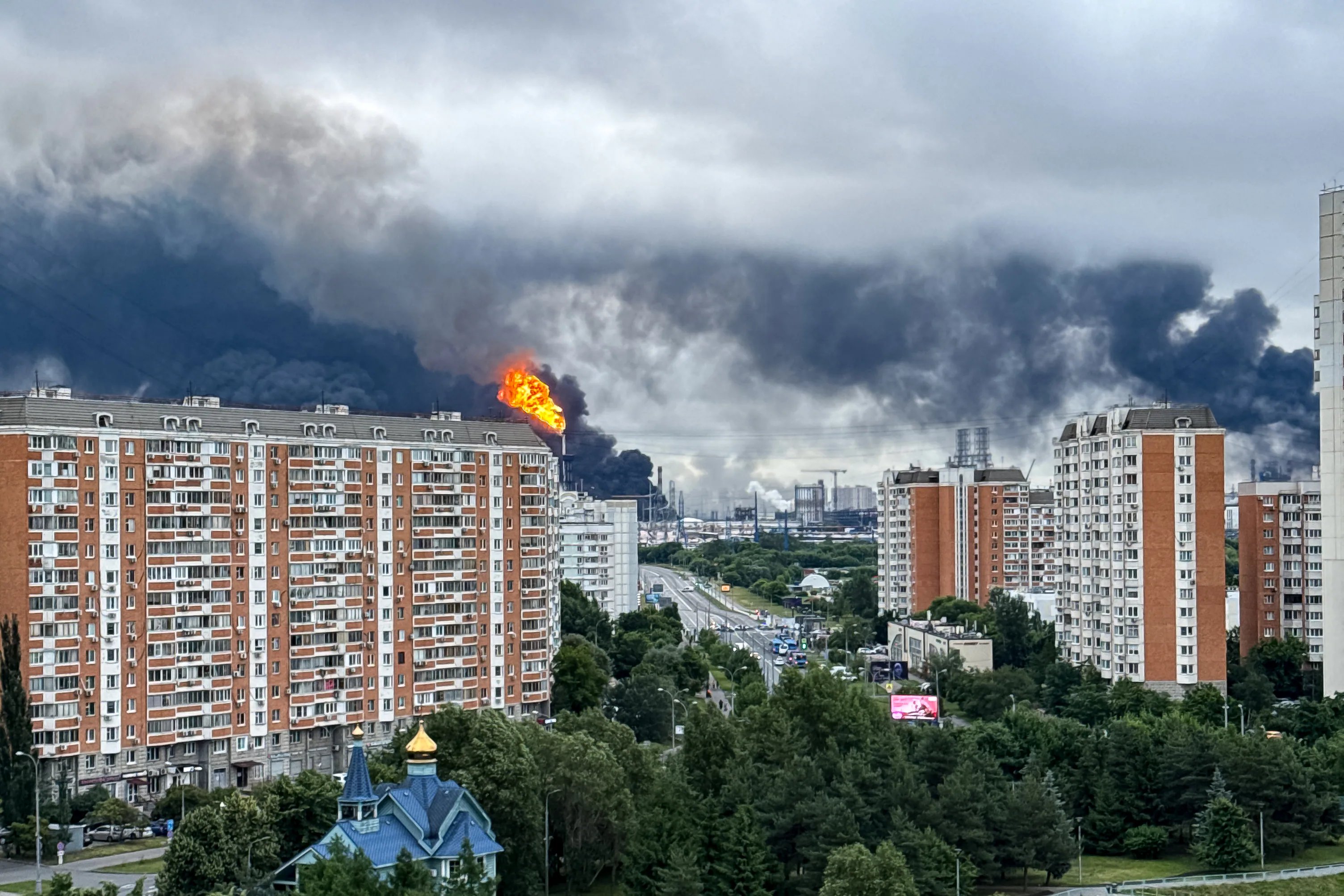
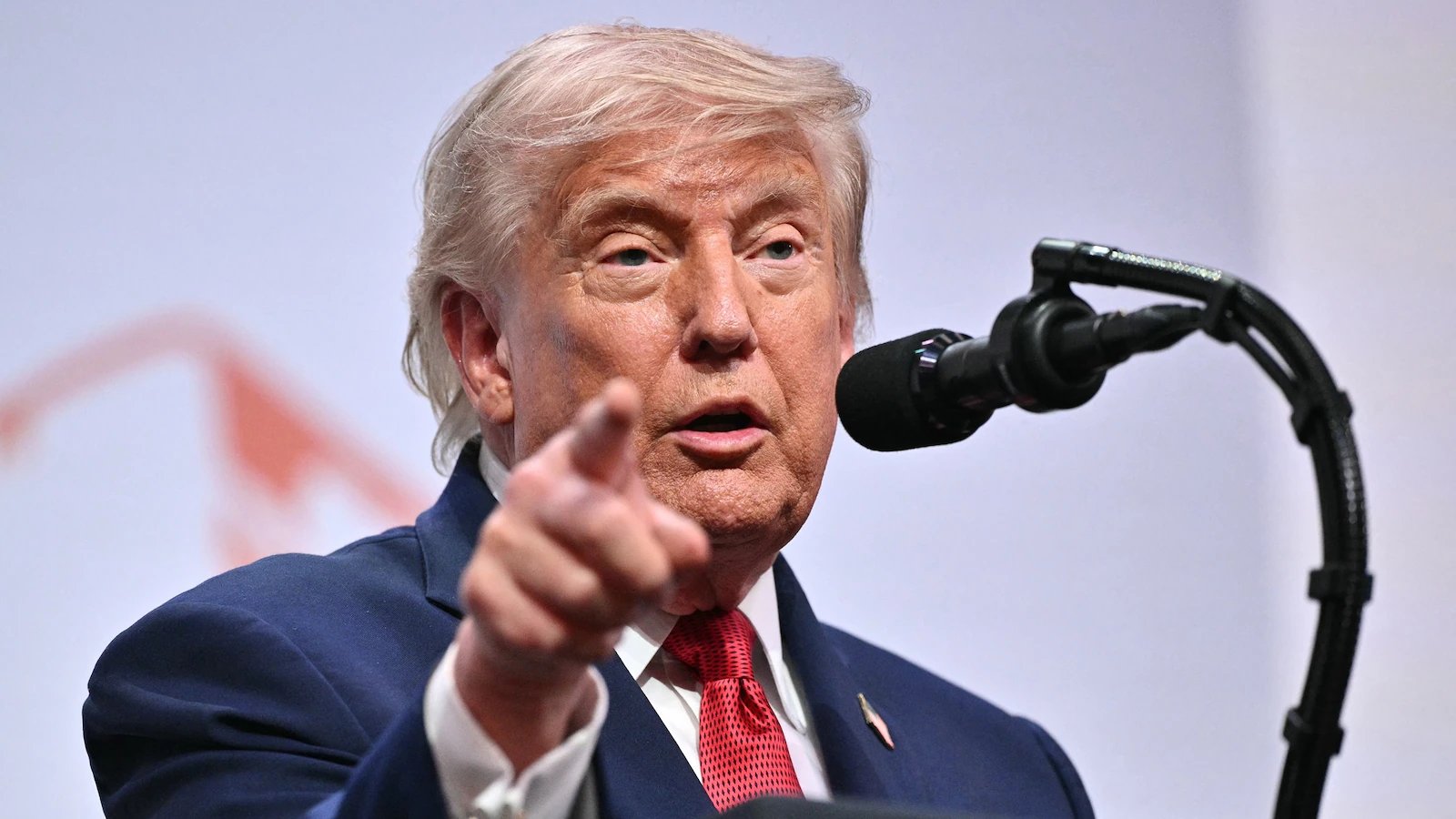
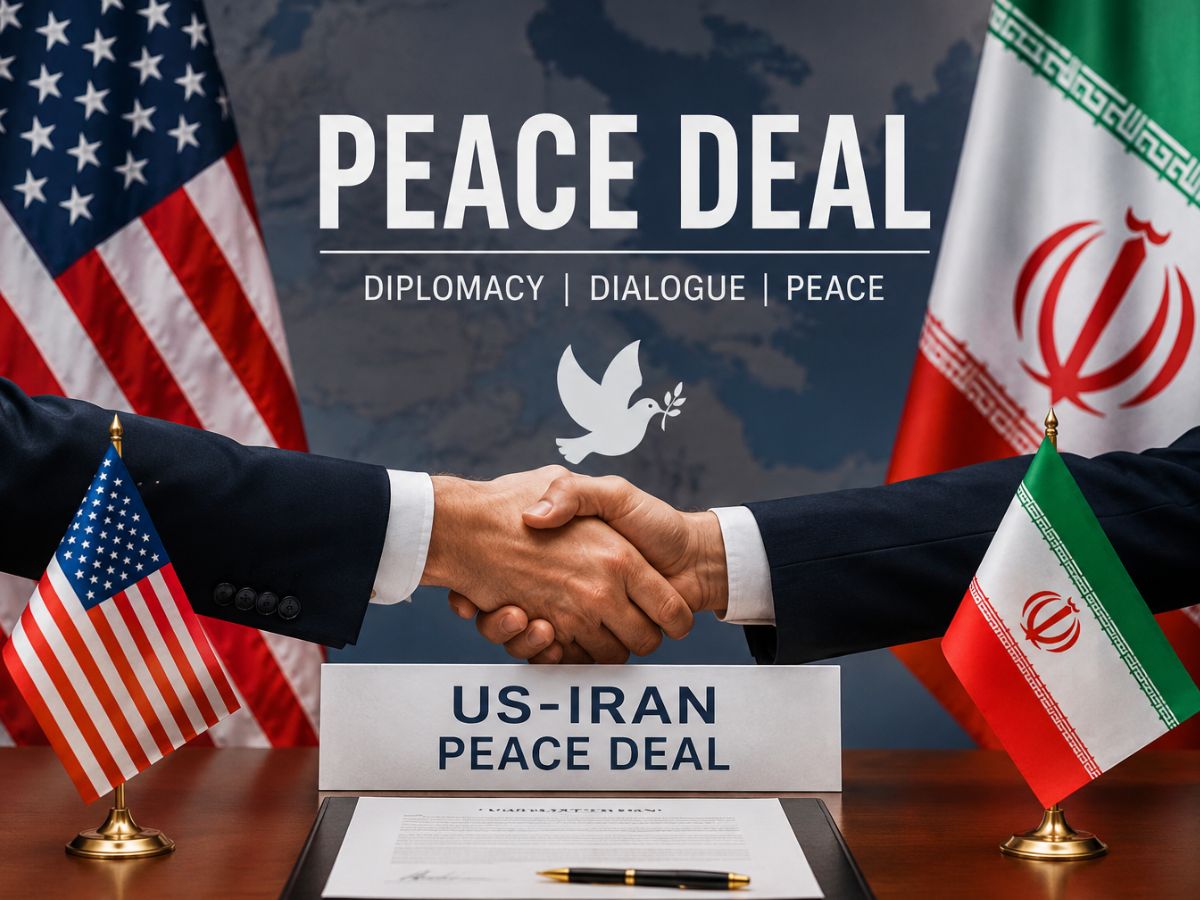
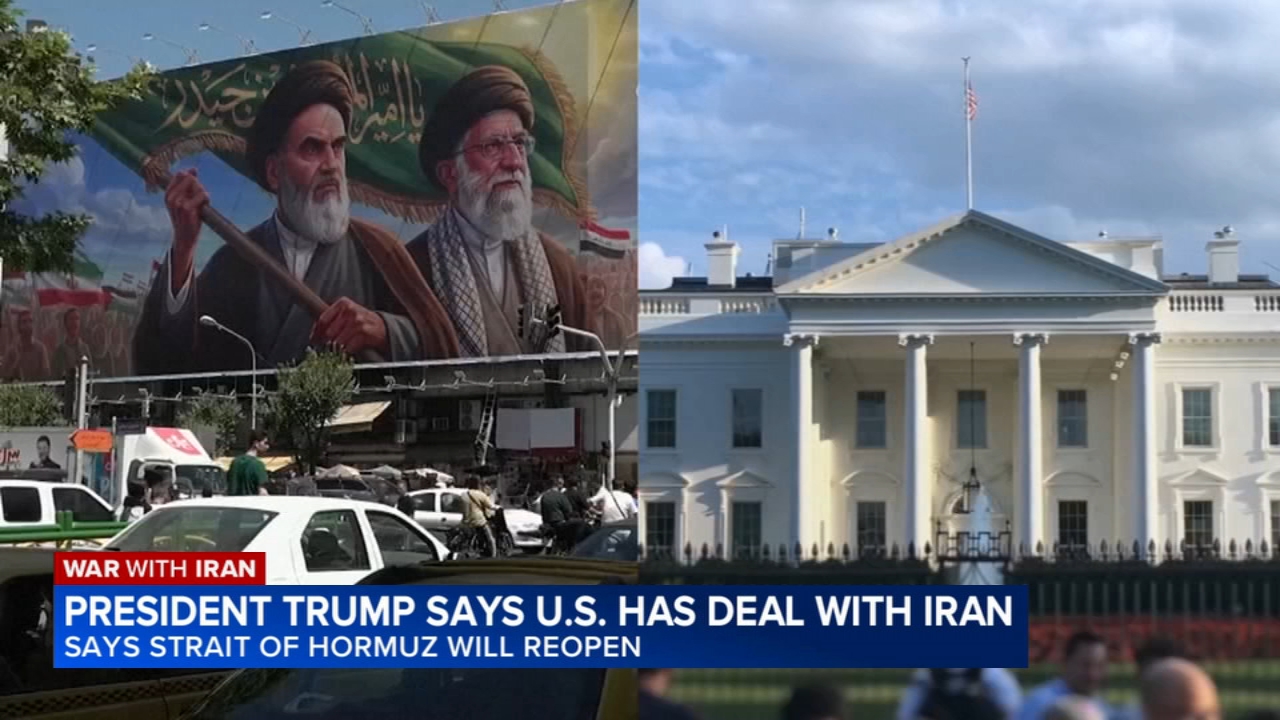
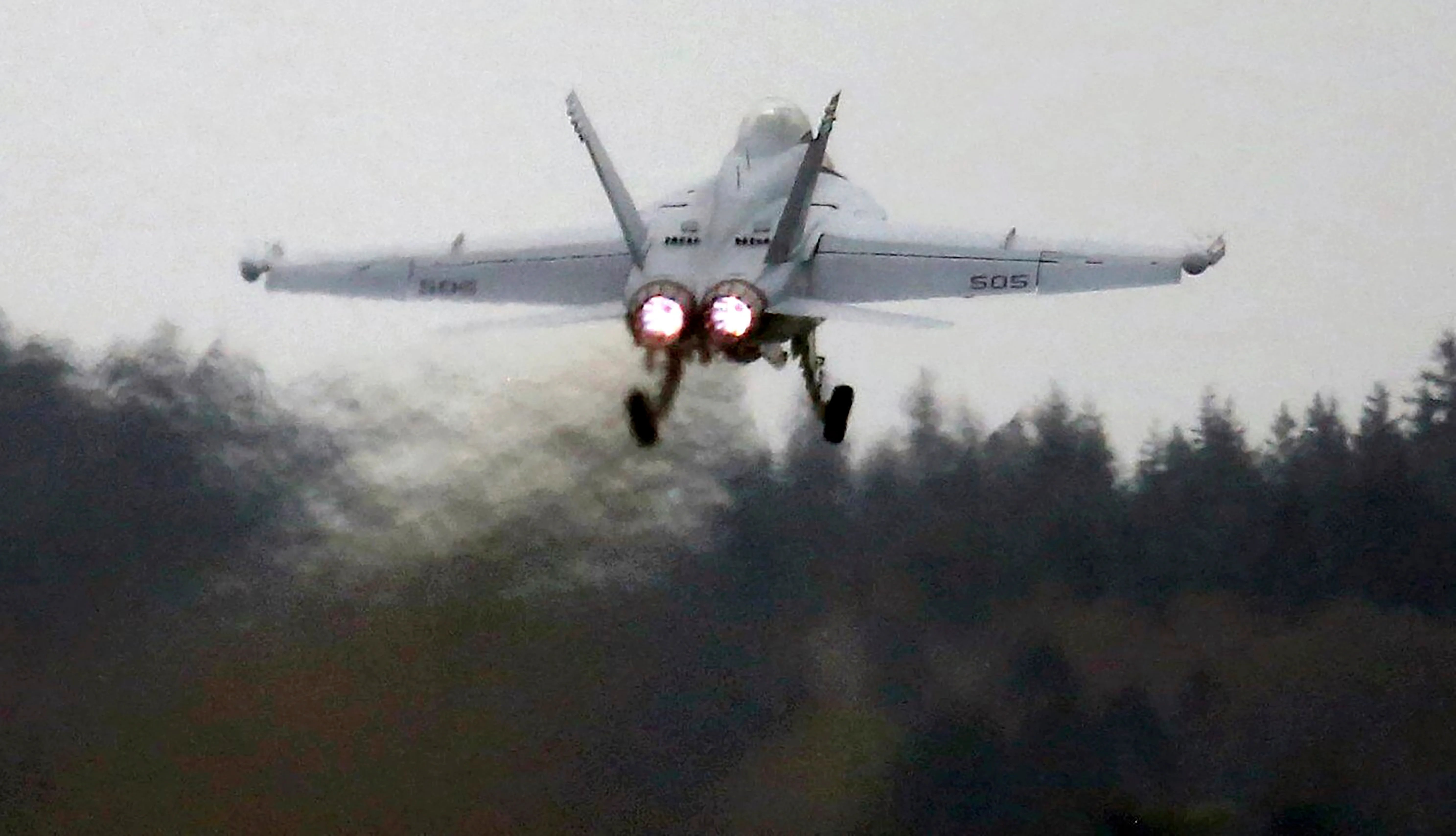
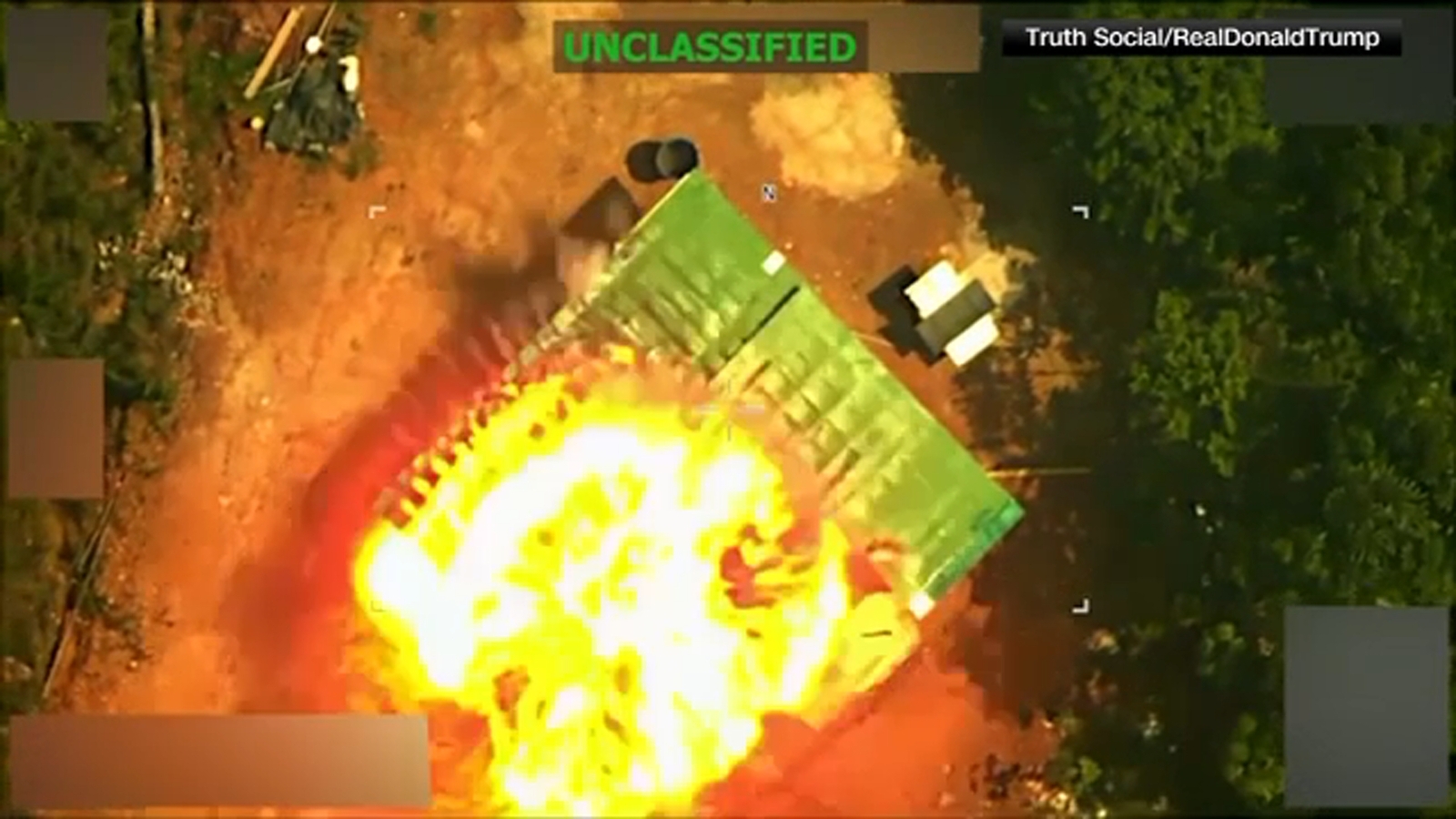
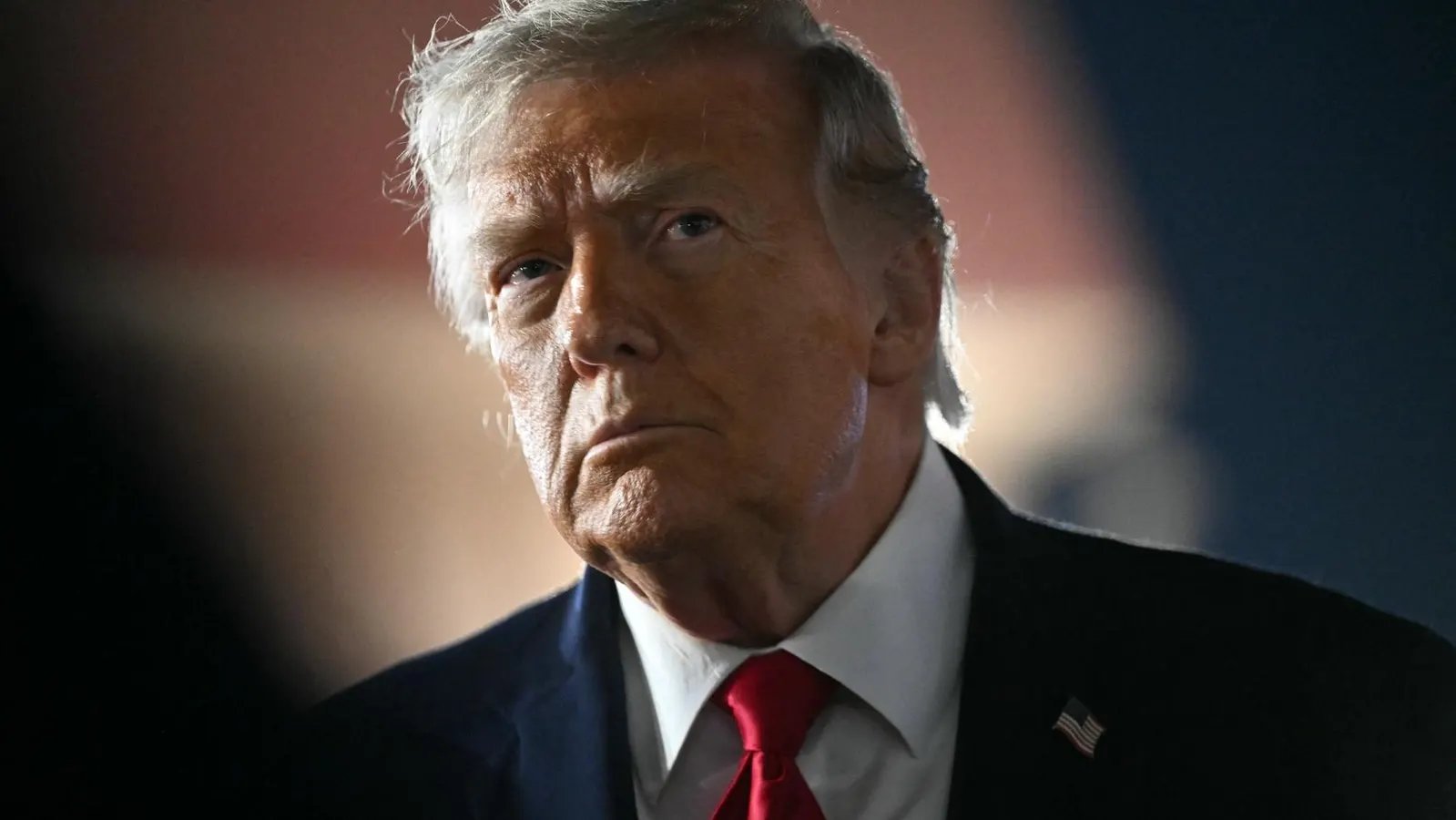
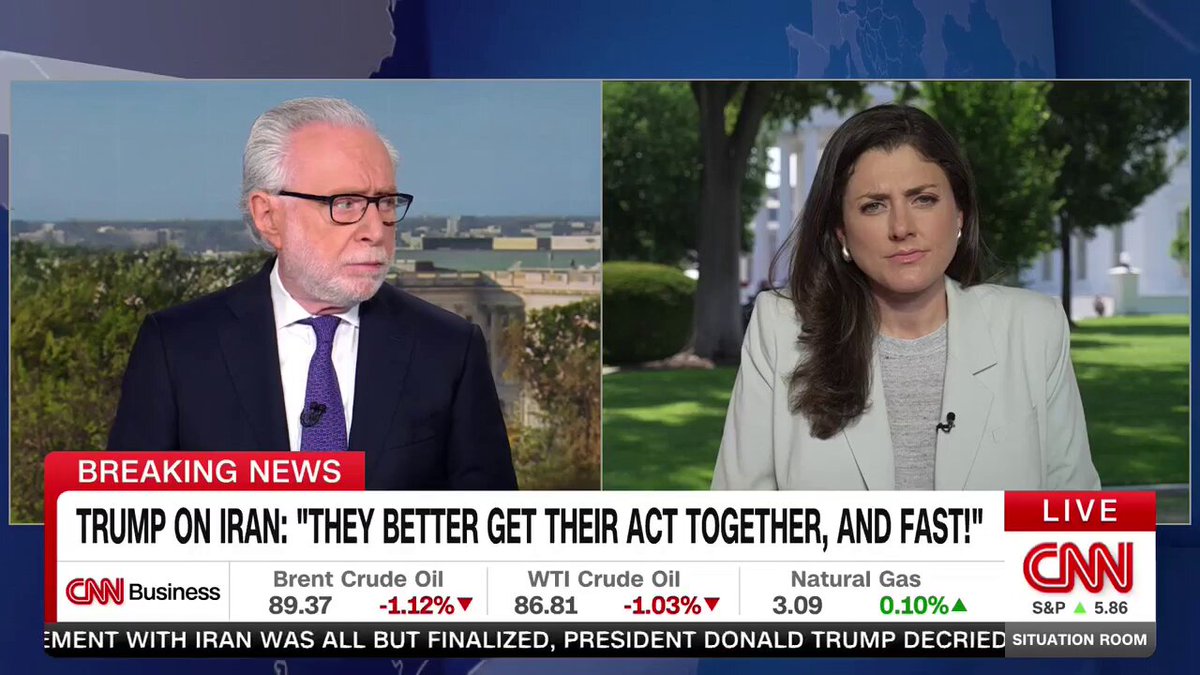
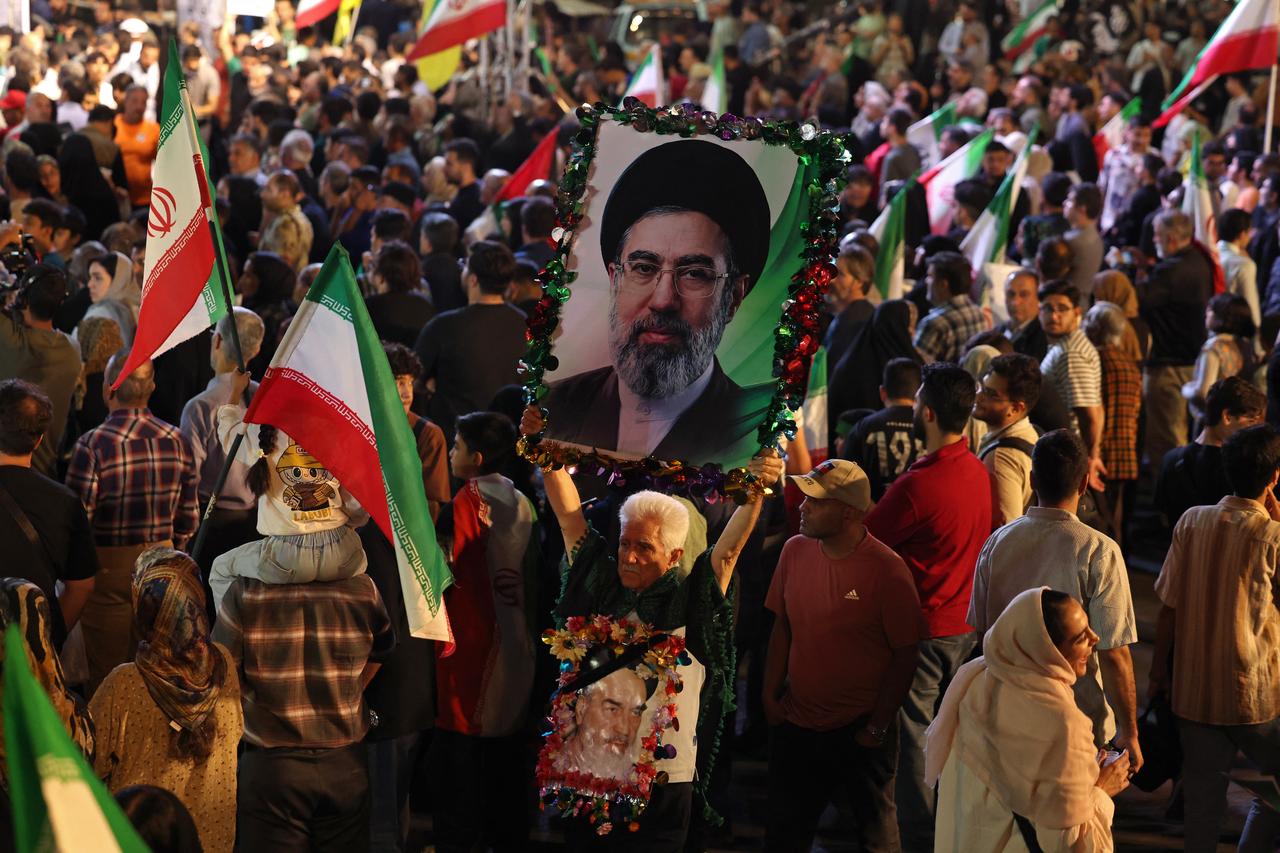
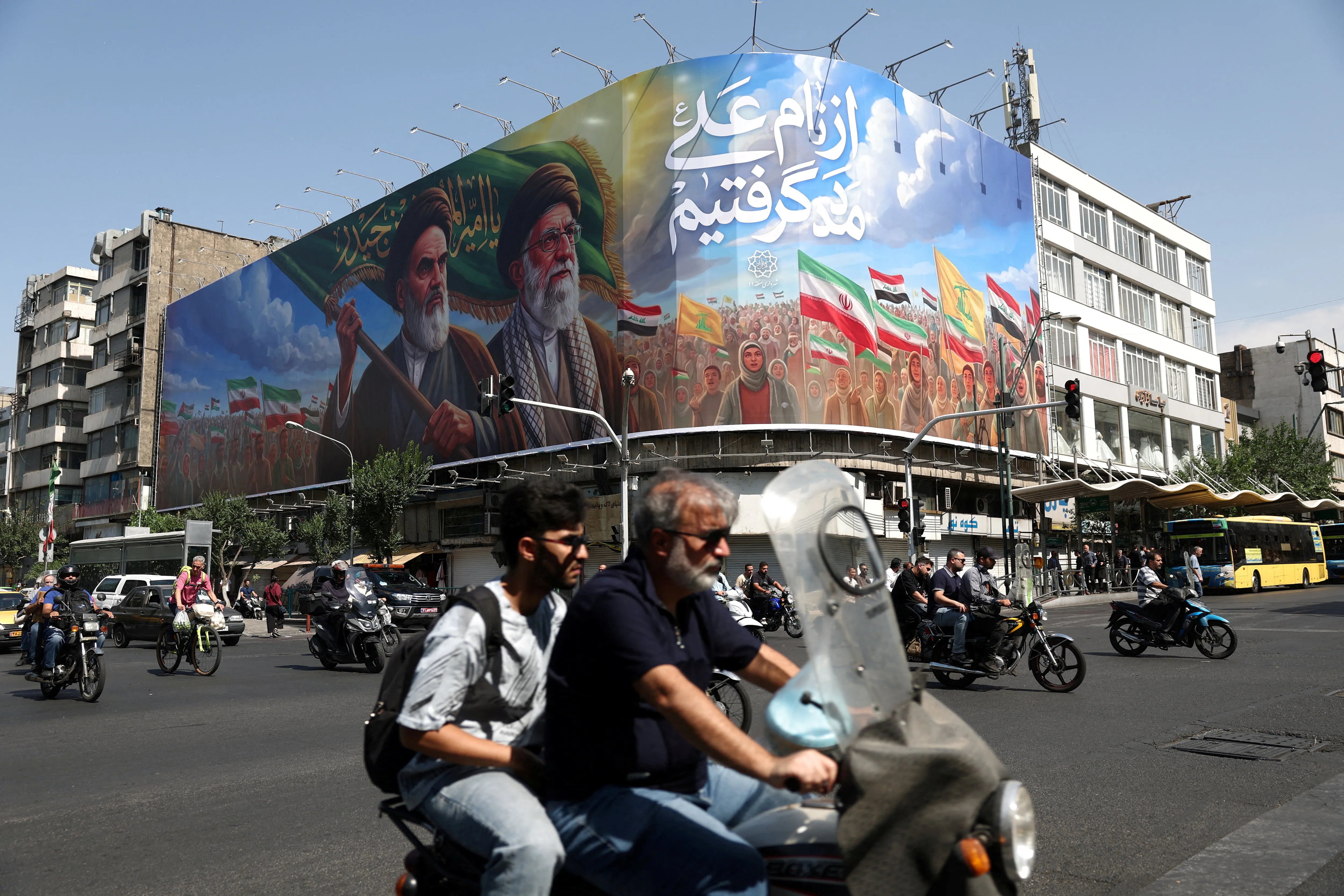
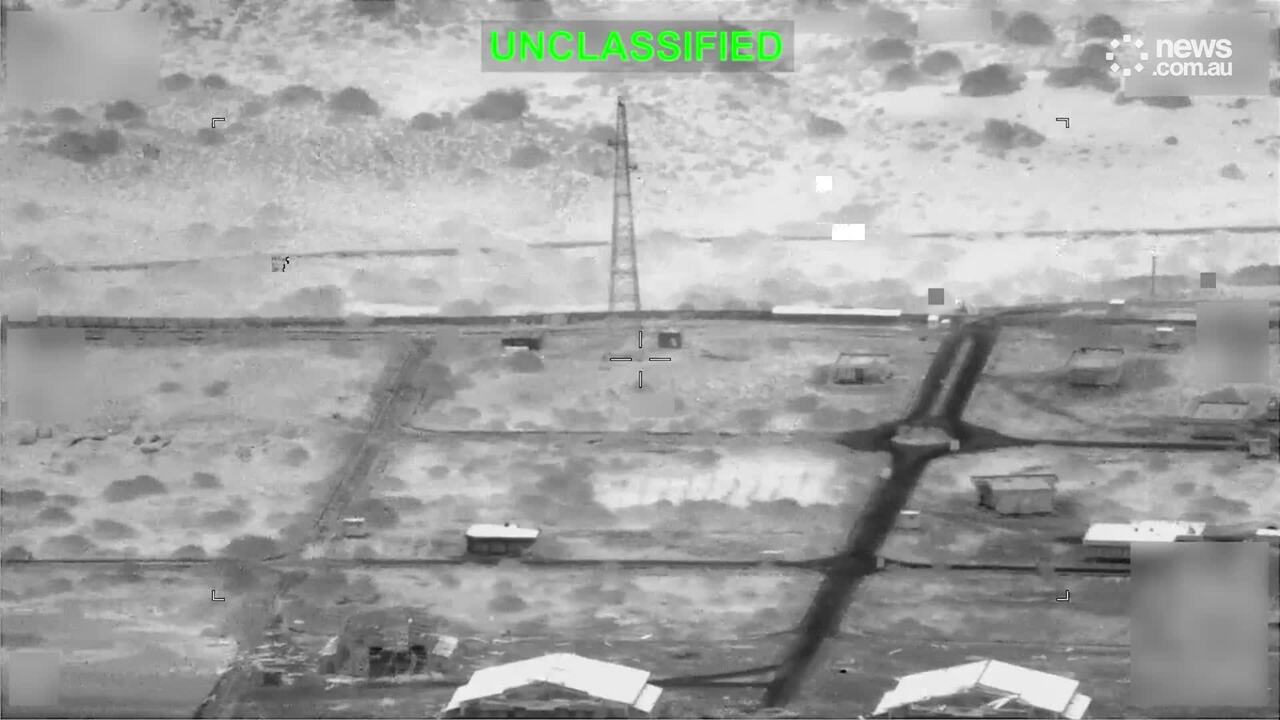
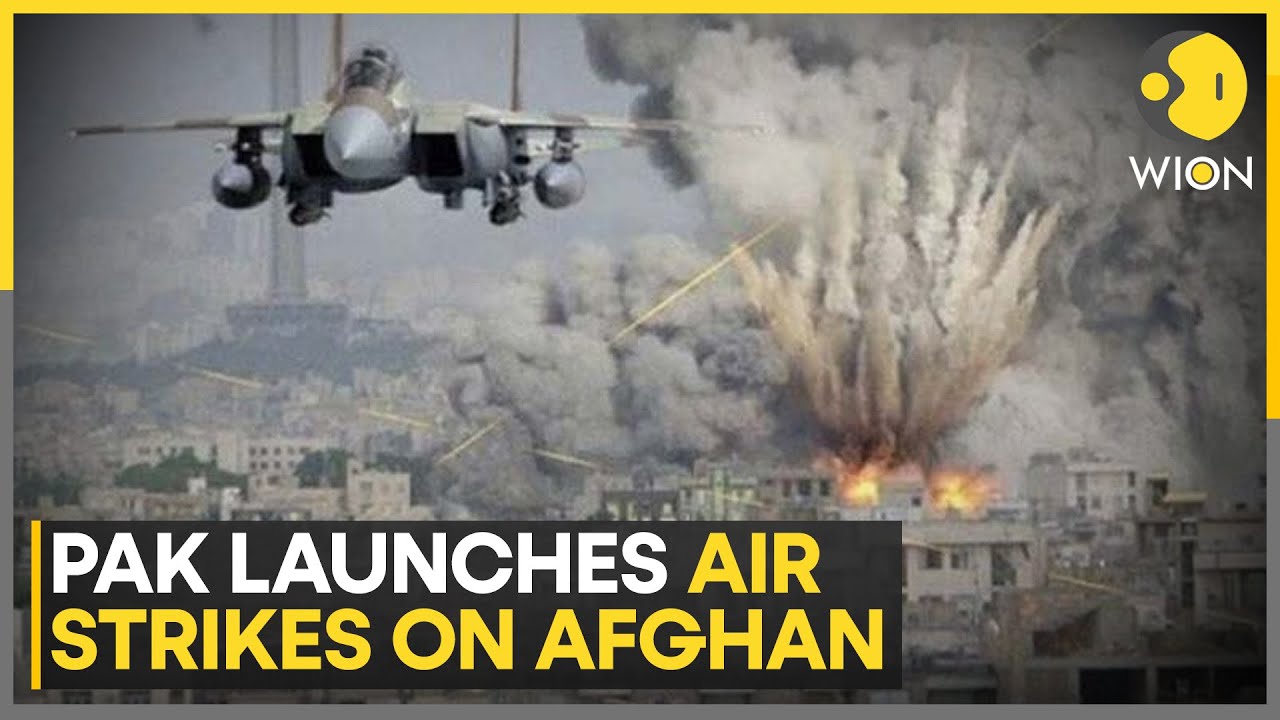
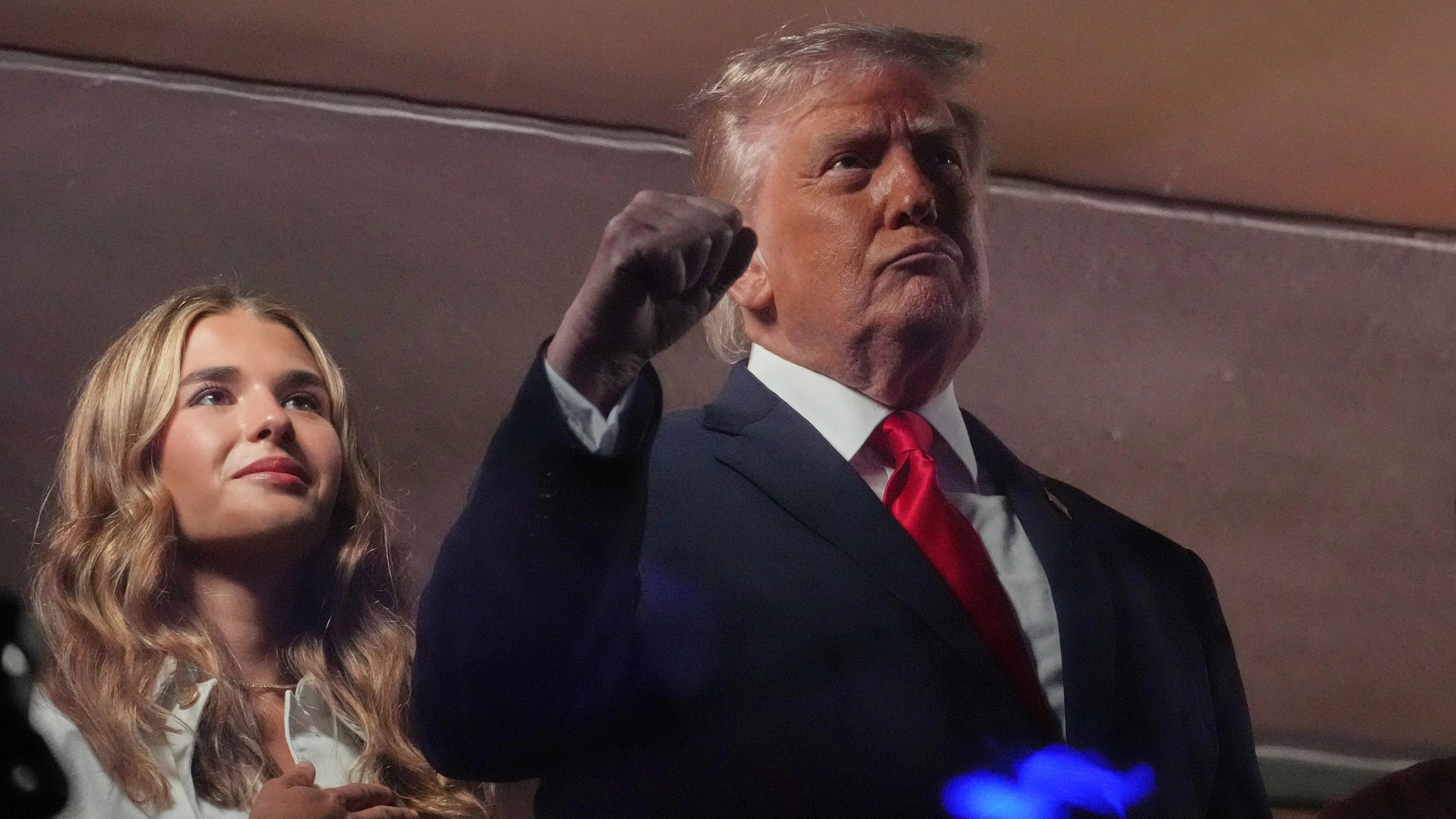
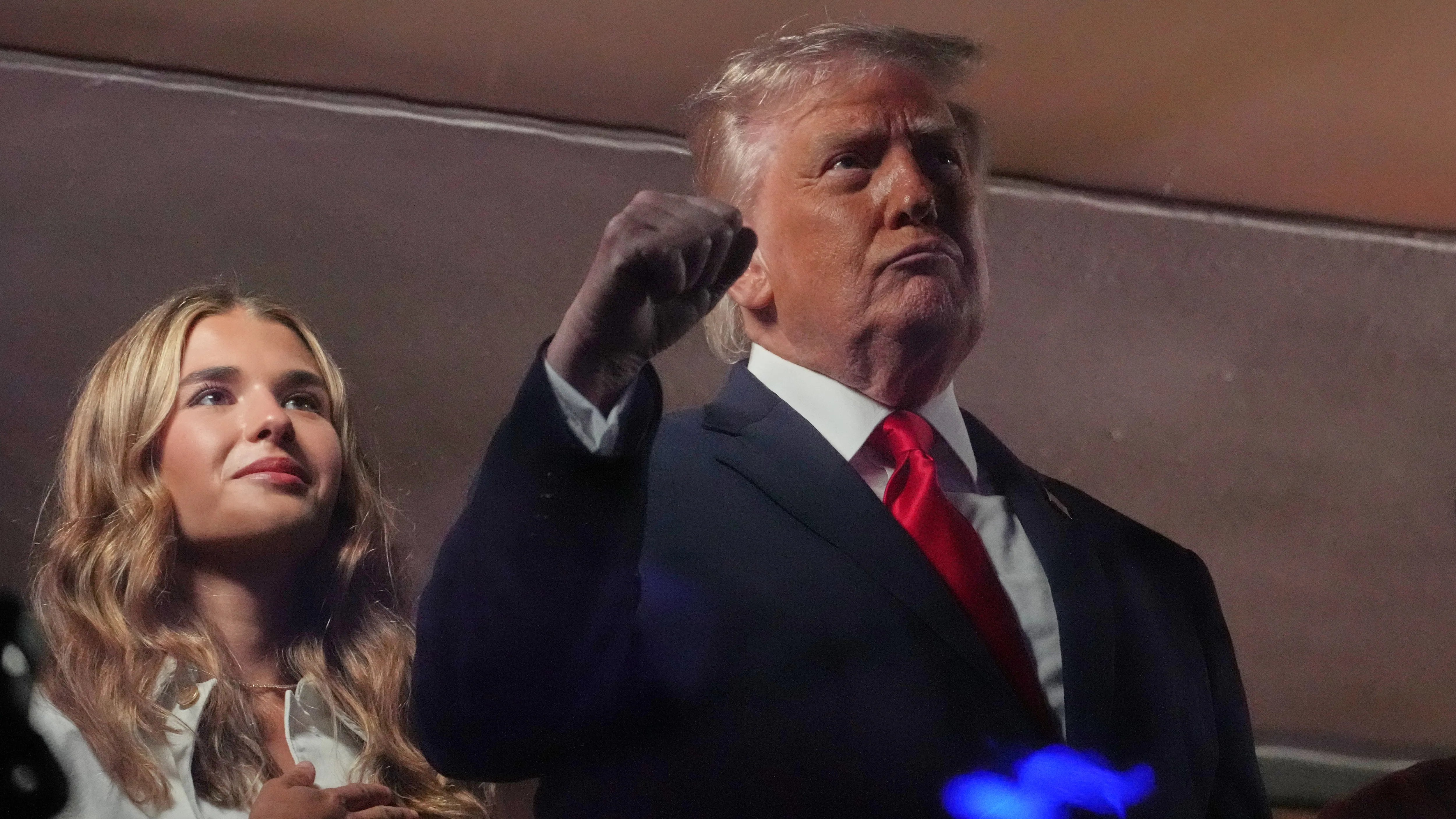
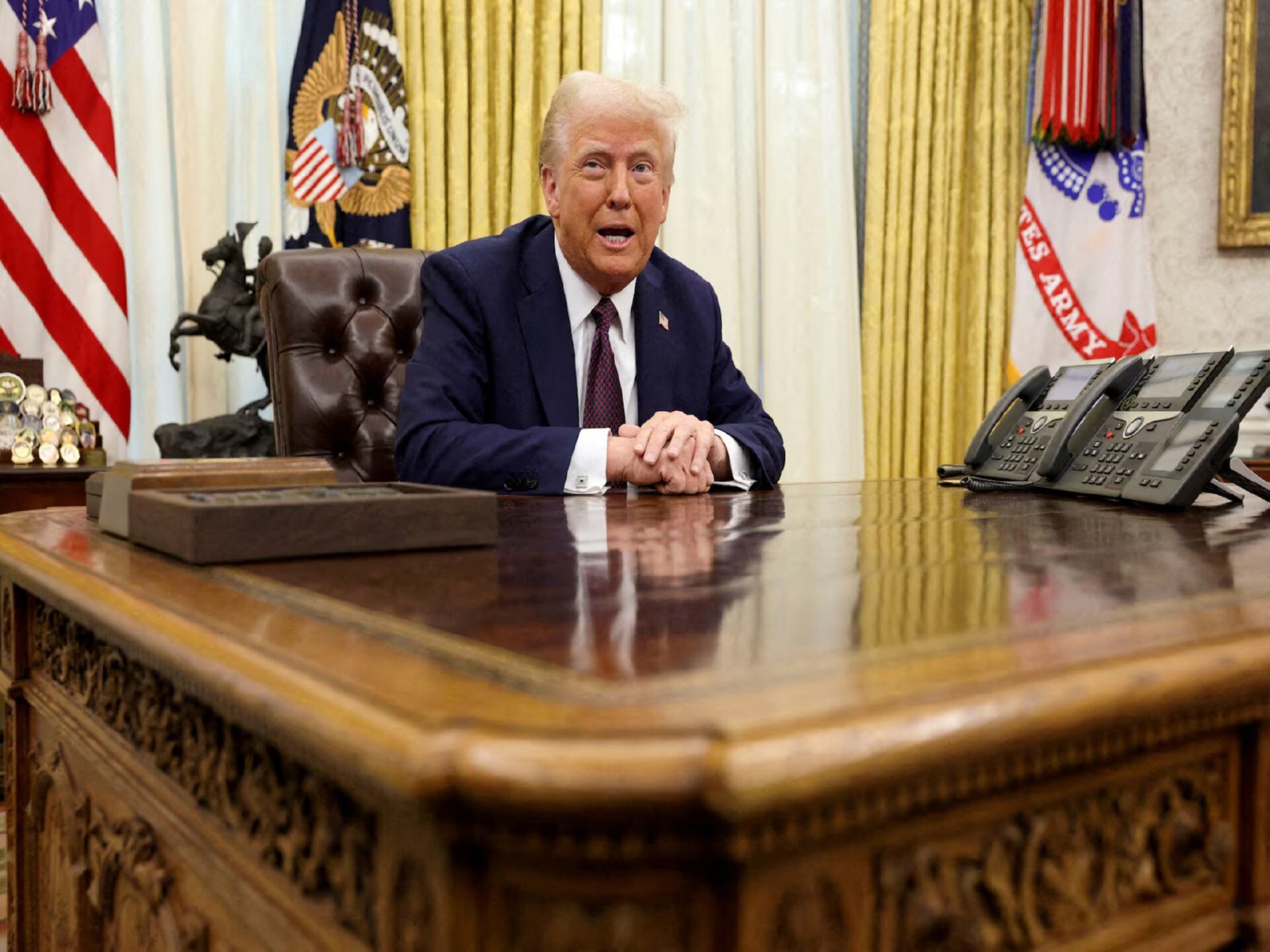
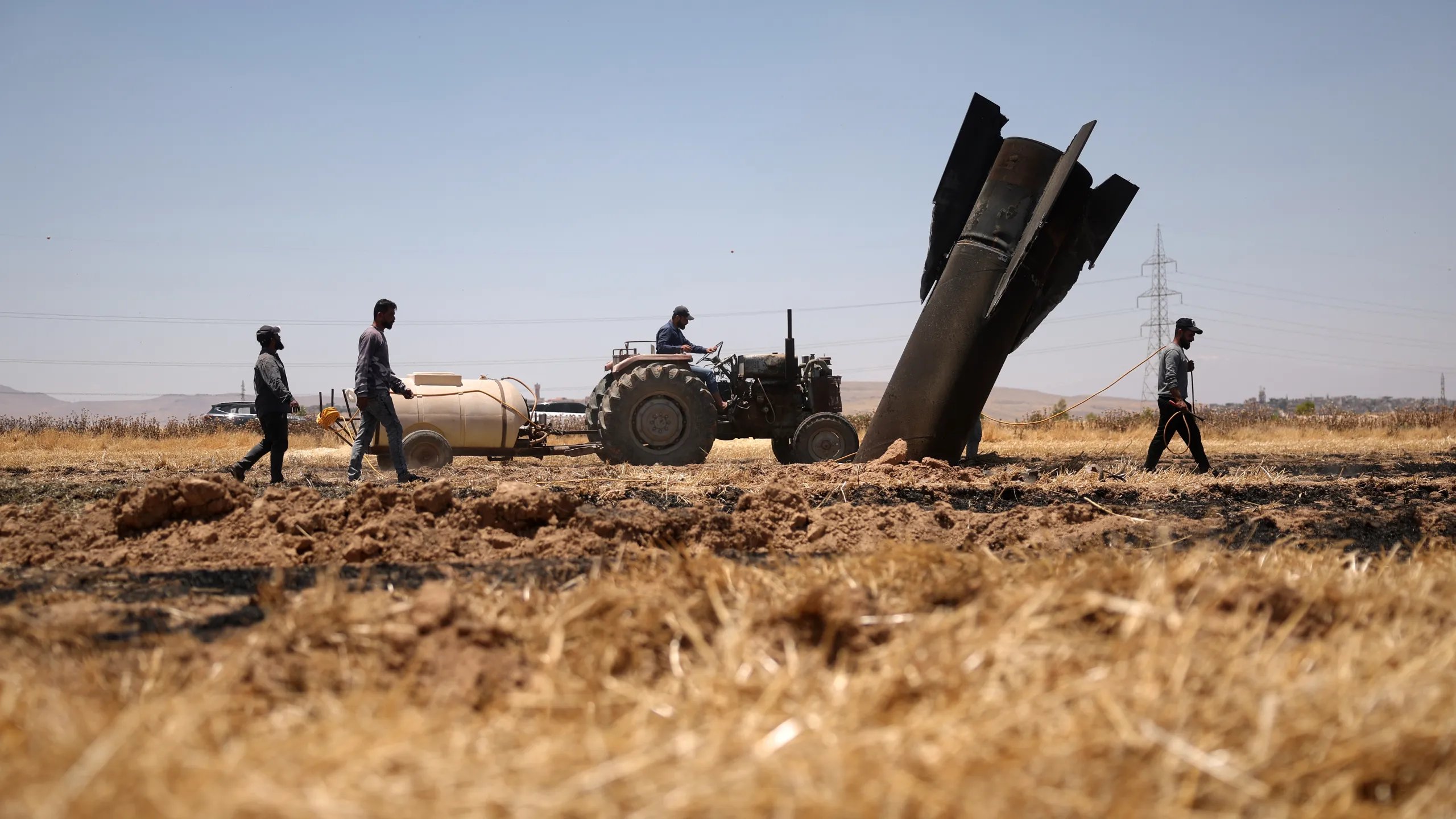
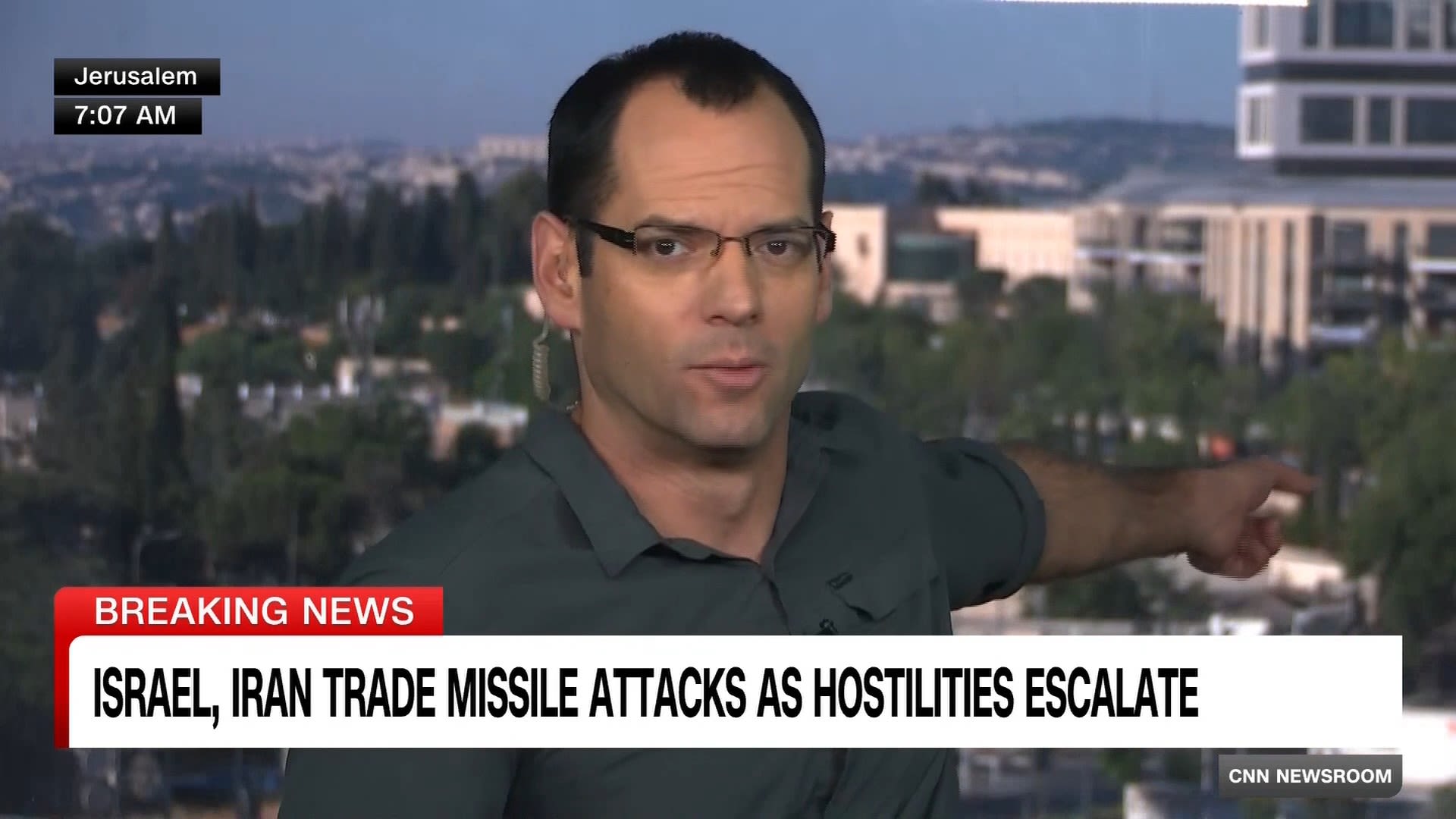
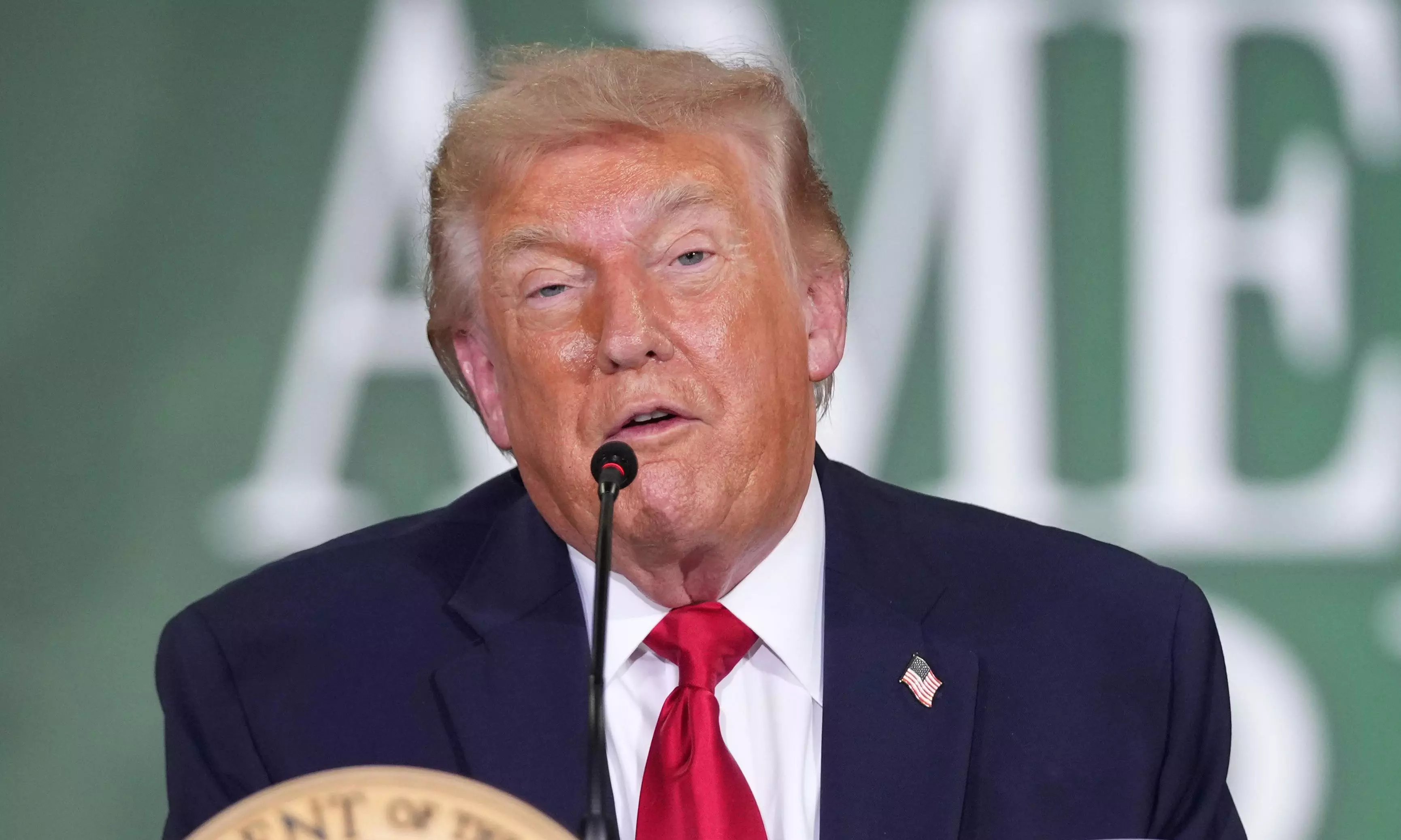
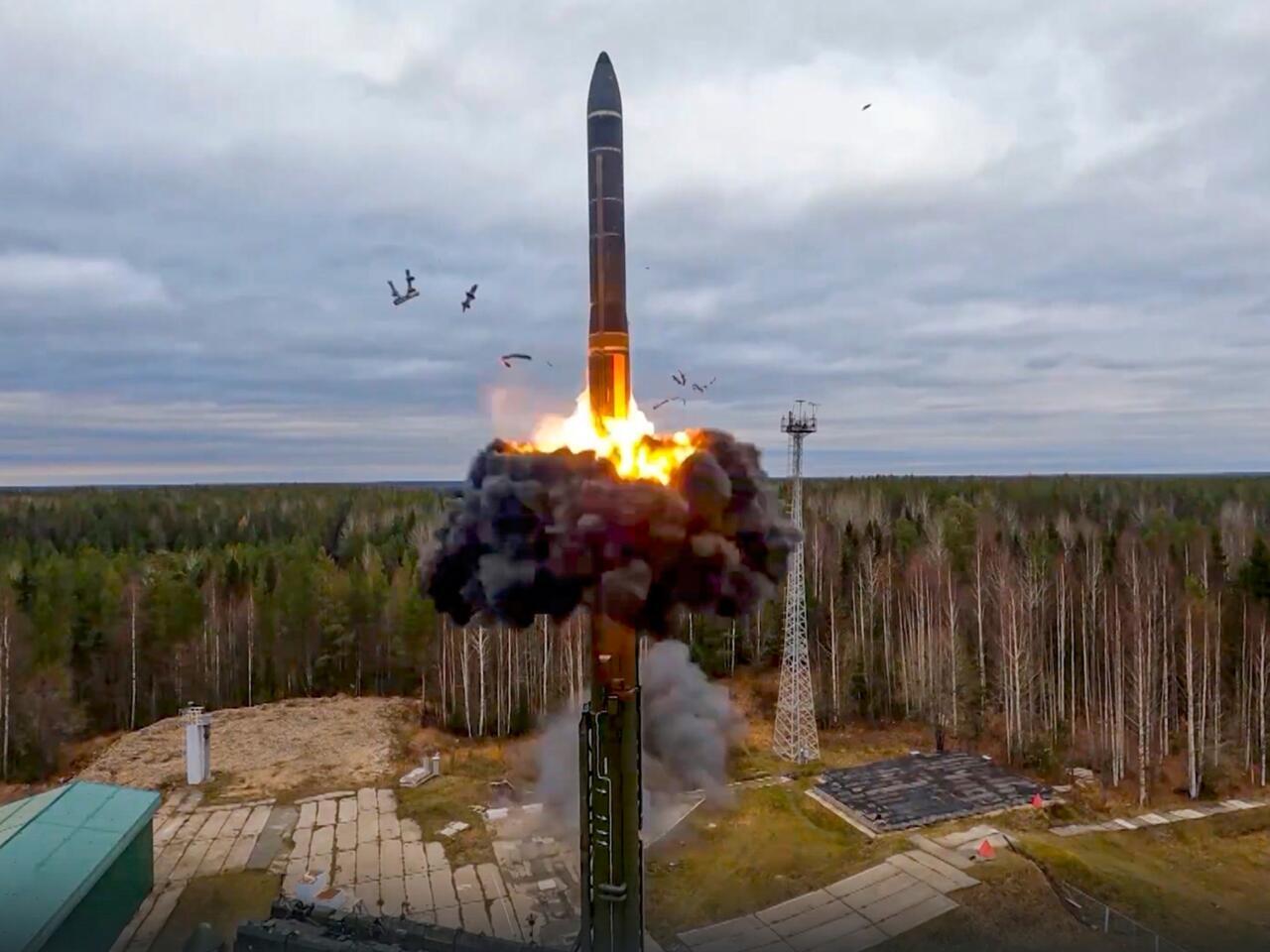
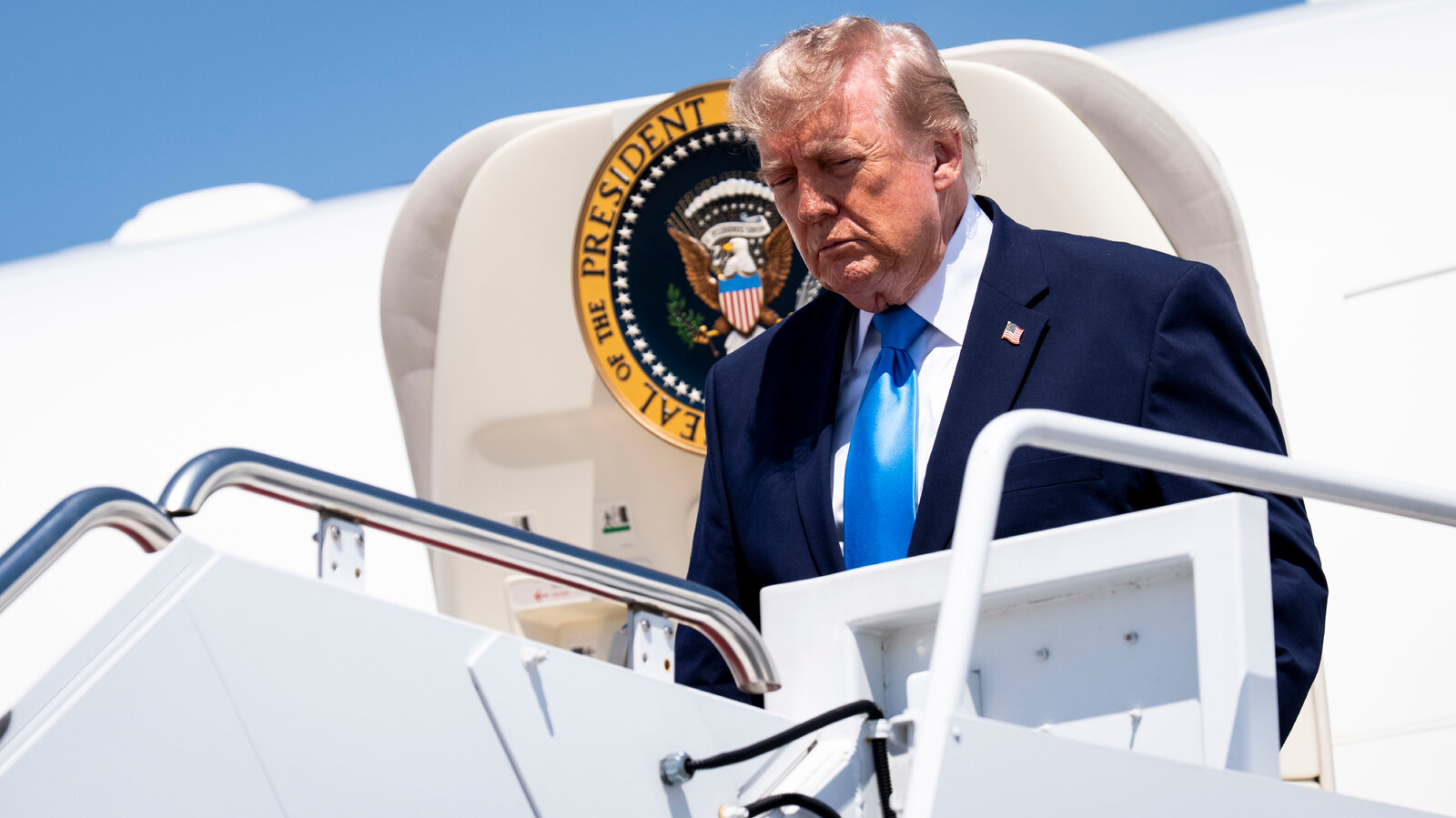
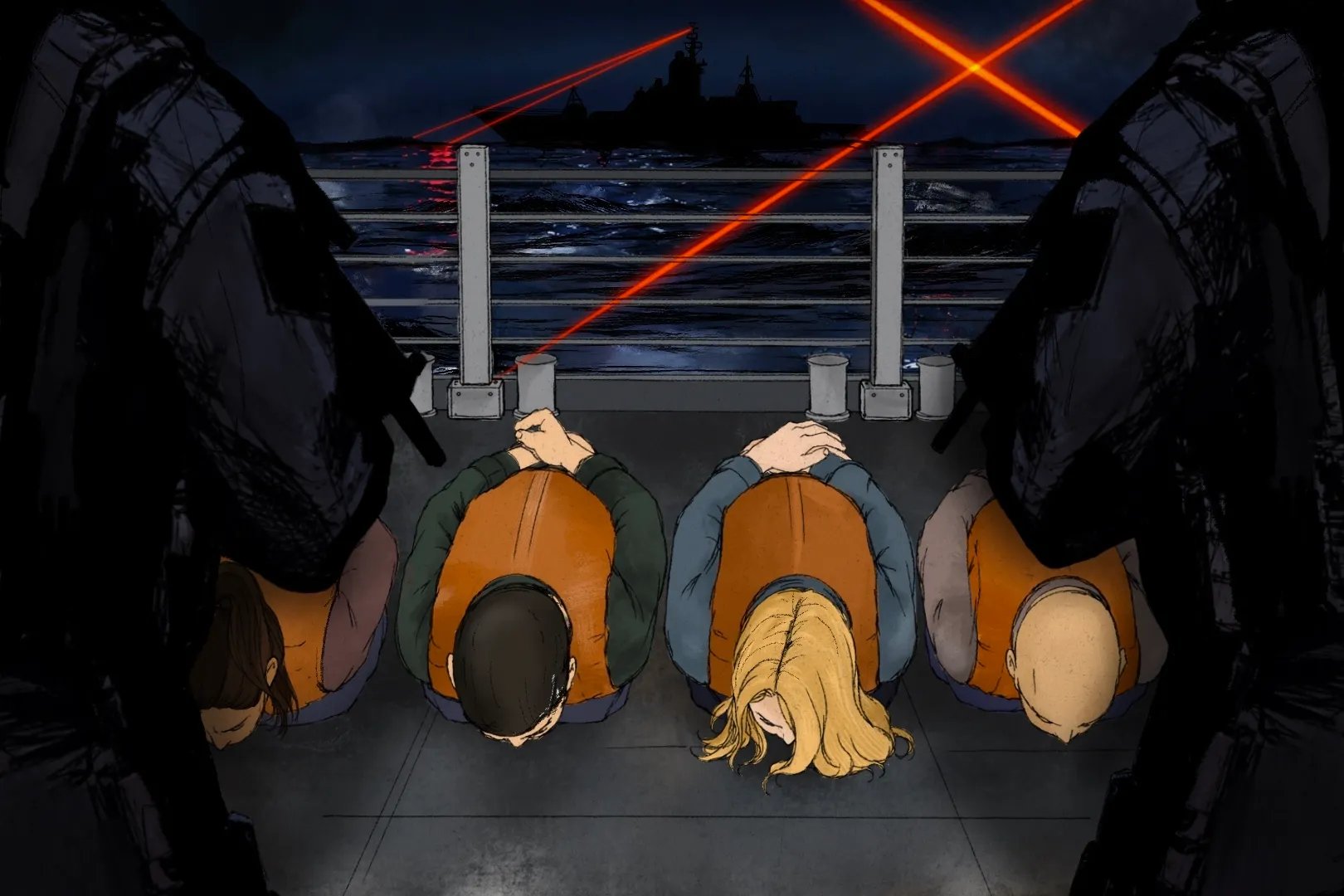
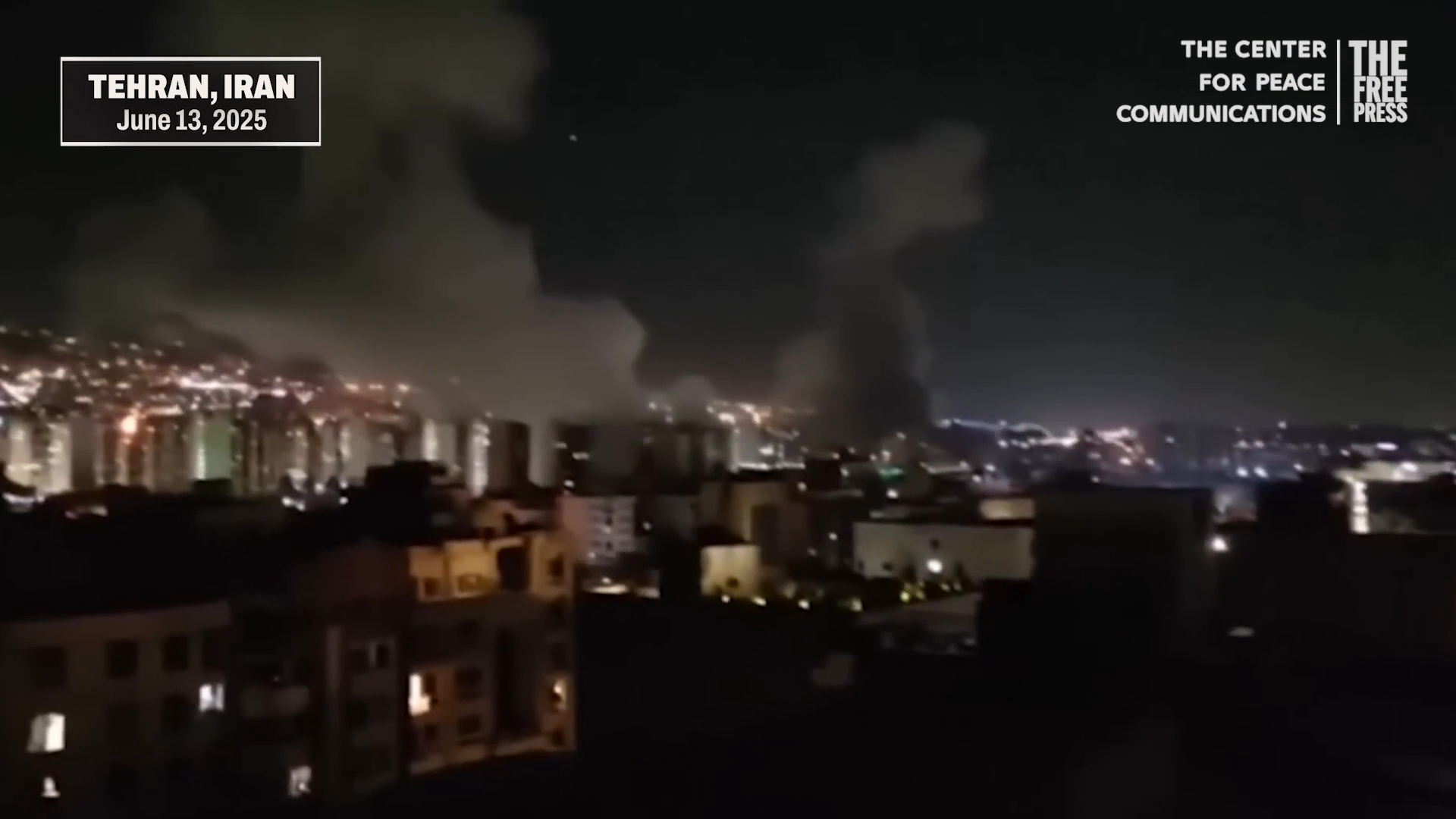
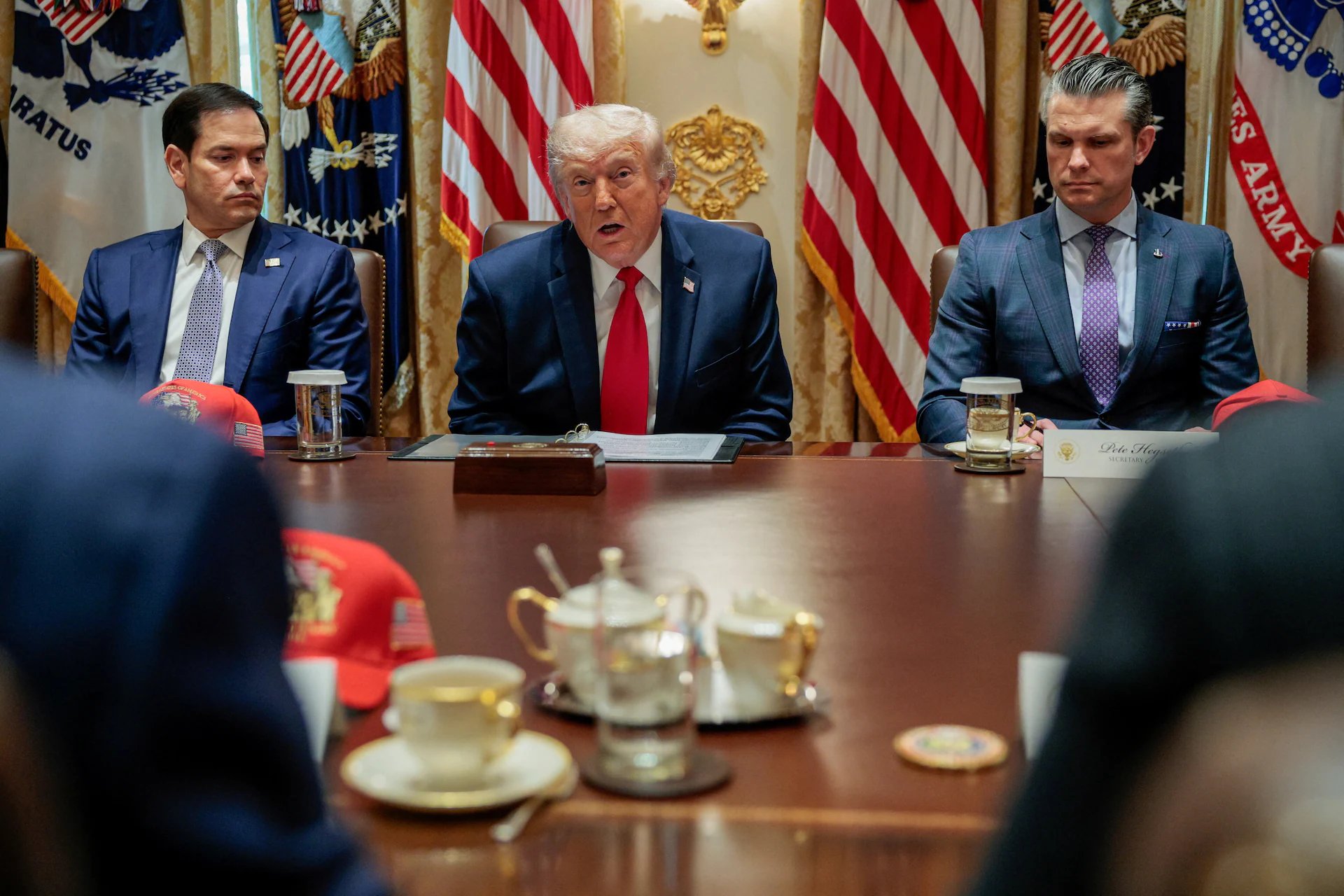
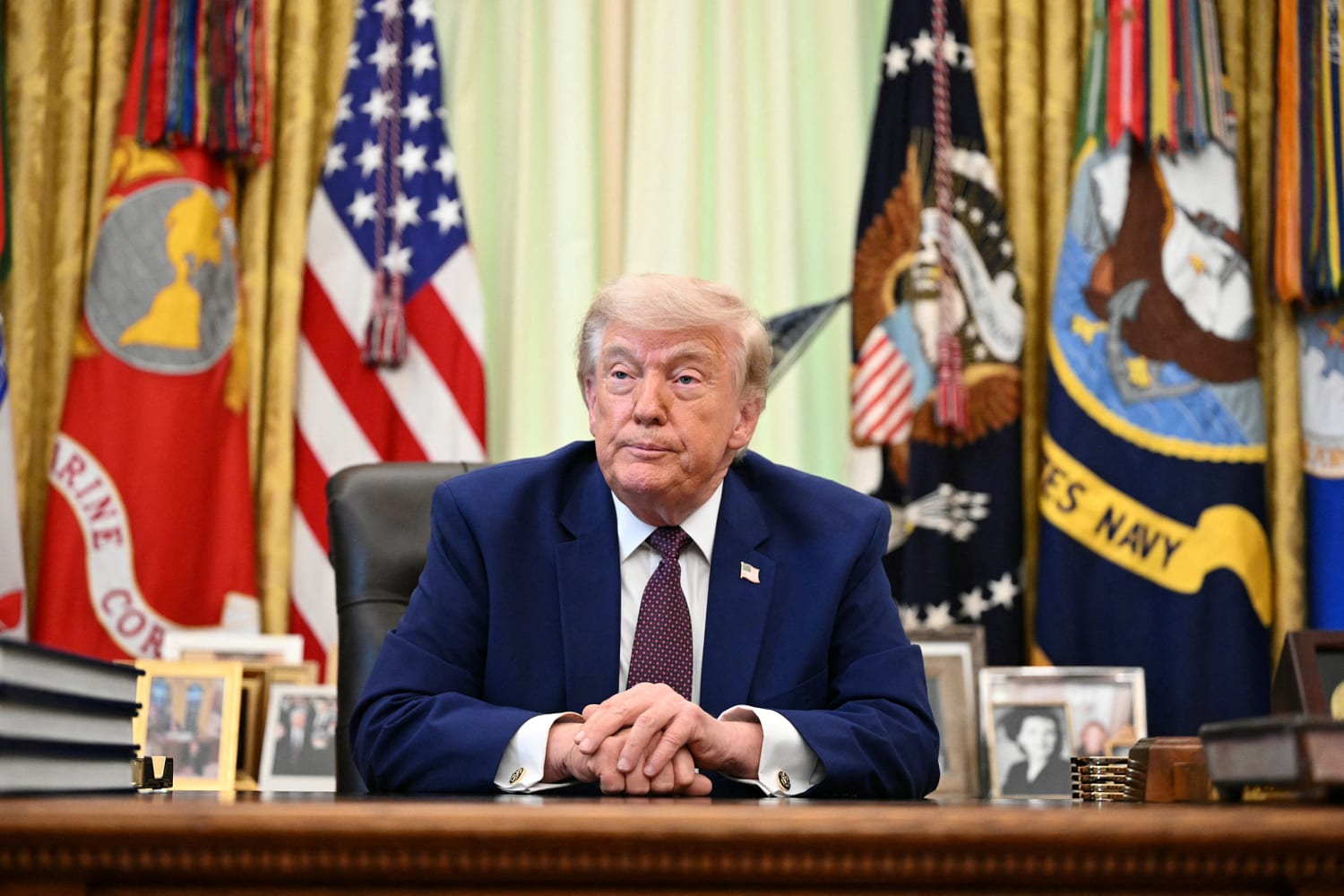
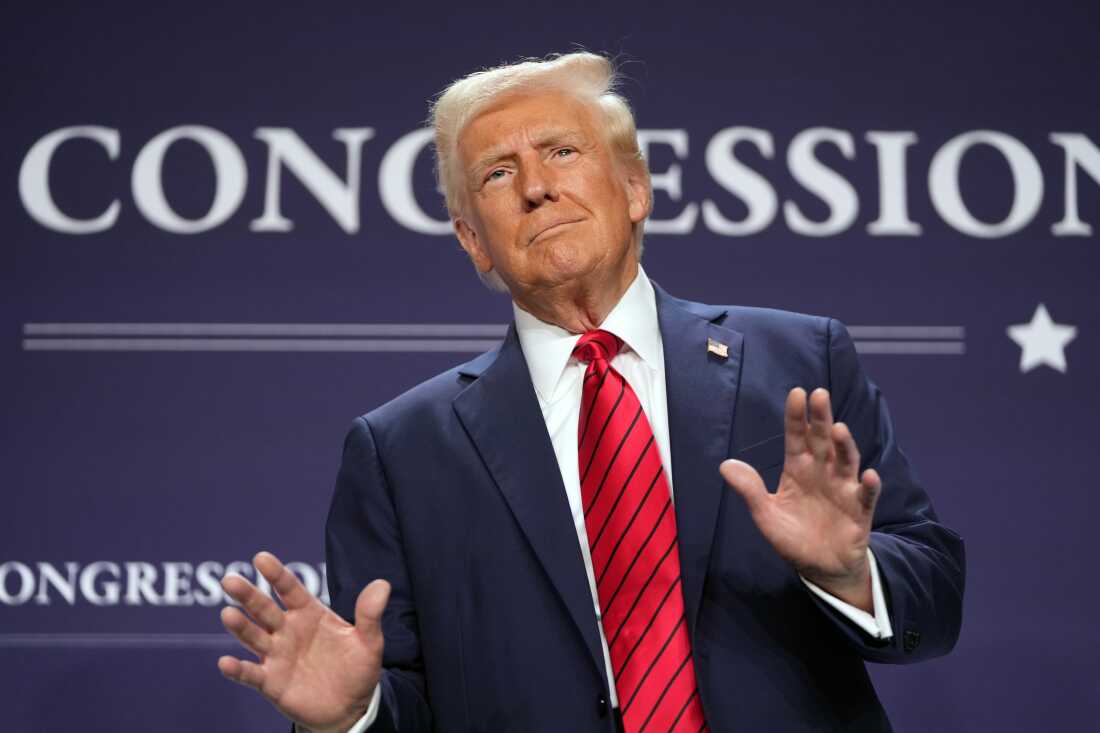
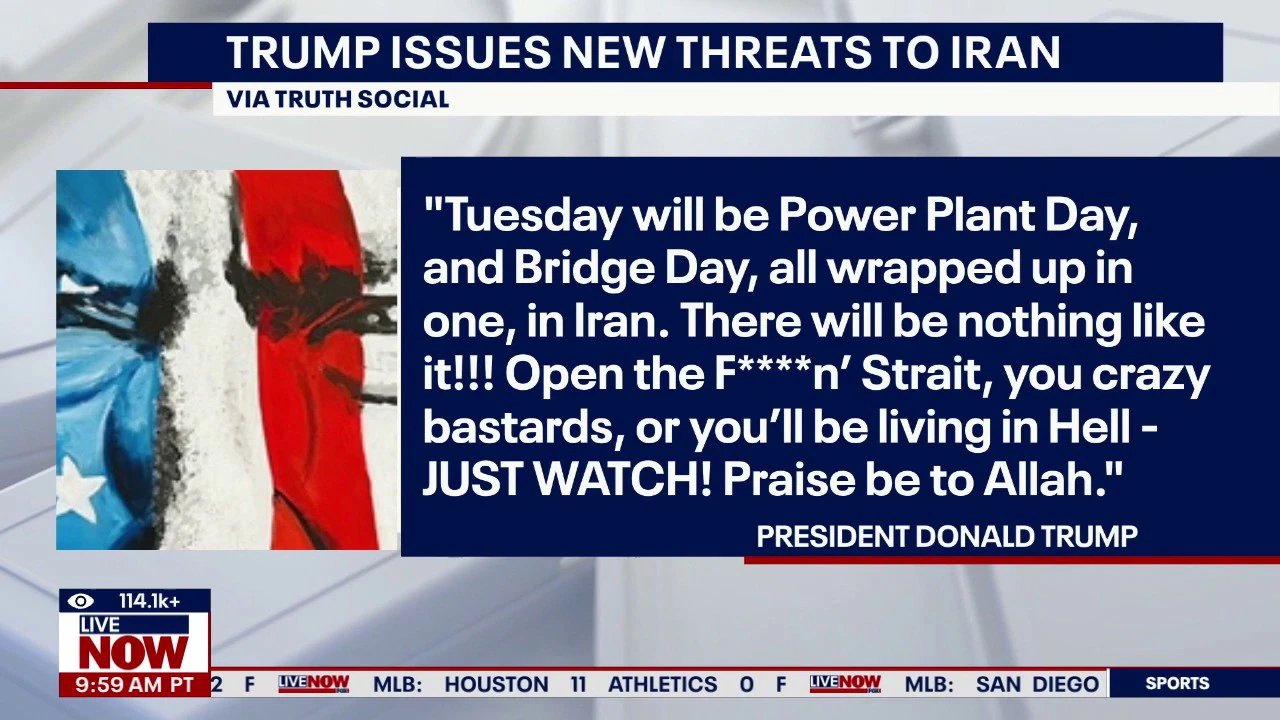
President Trump ordered retaliatory airstrikes against Iran for violating the ceasefire agreement by attacking commercial ships in the Strait of Hormuz, according to NBC News. Trump stated on Truth Social that Iran carried out an attack on commercial ships in the Strait of Hormuz, calling it a "foolish violation" of a ceasefire meant to ensure safe passage through the waterway and initiate negotiations over Iran's nuclear program, according to The Hill.
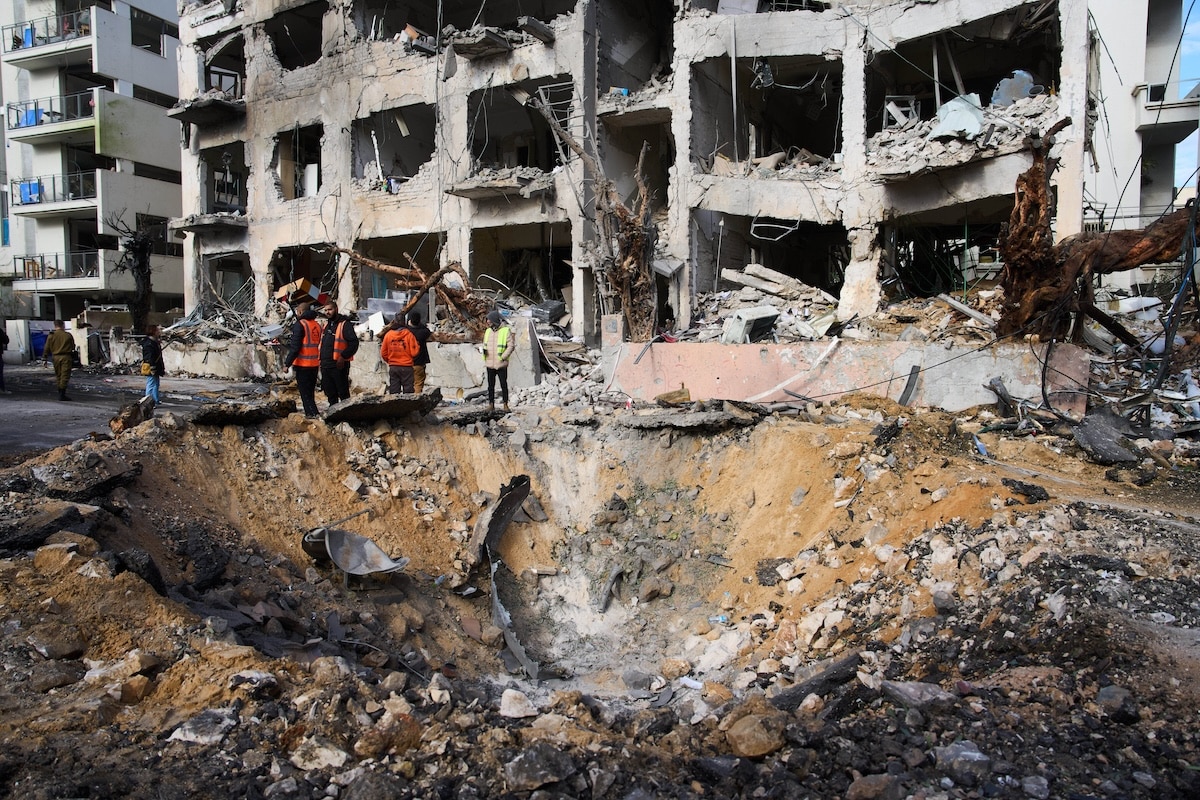
These airstrikes mark a significant escalation in U.S.-Iran tensions and could have wide-reaching implications for international relations.
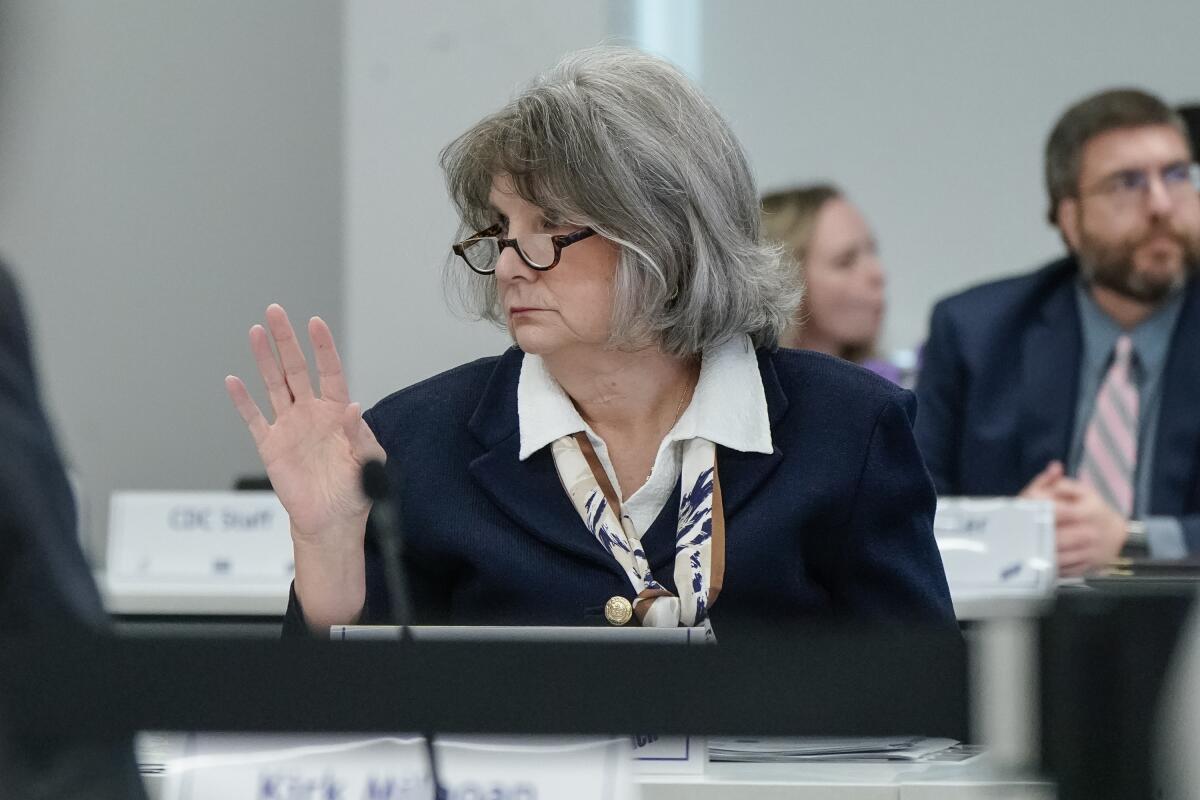
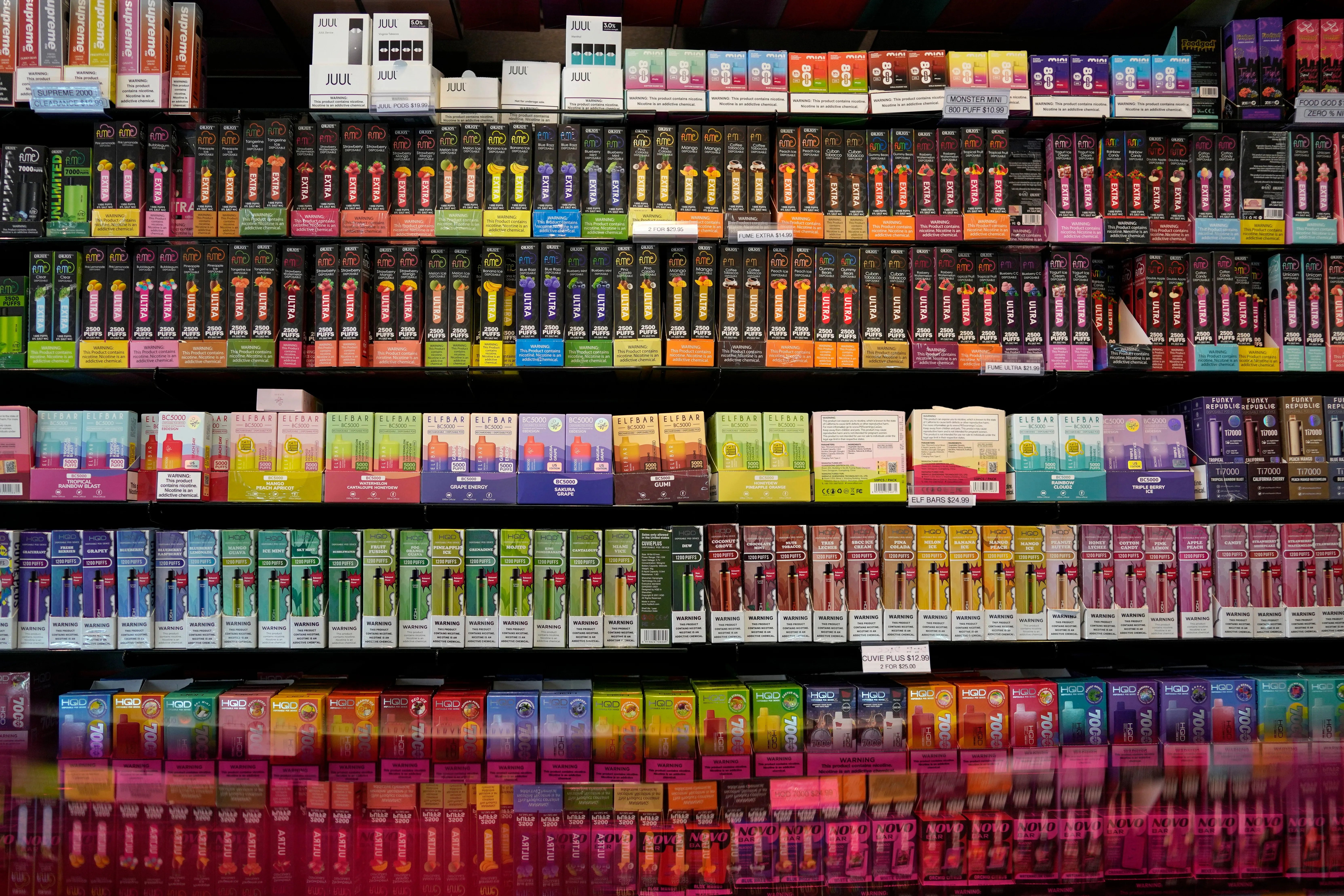
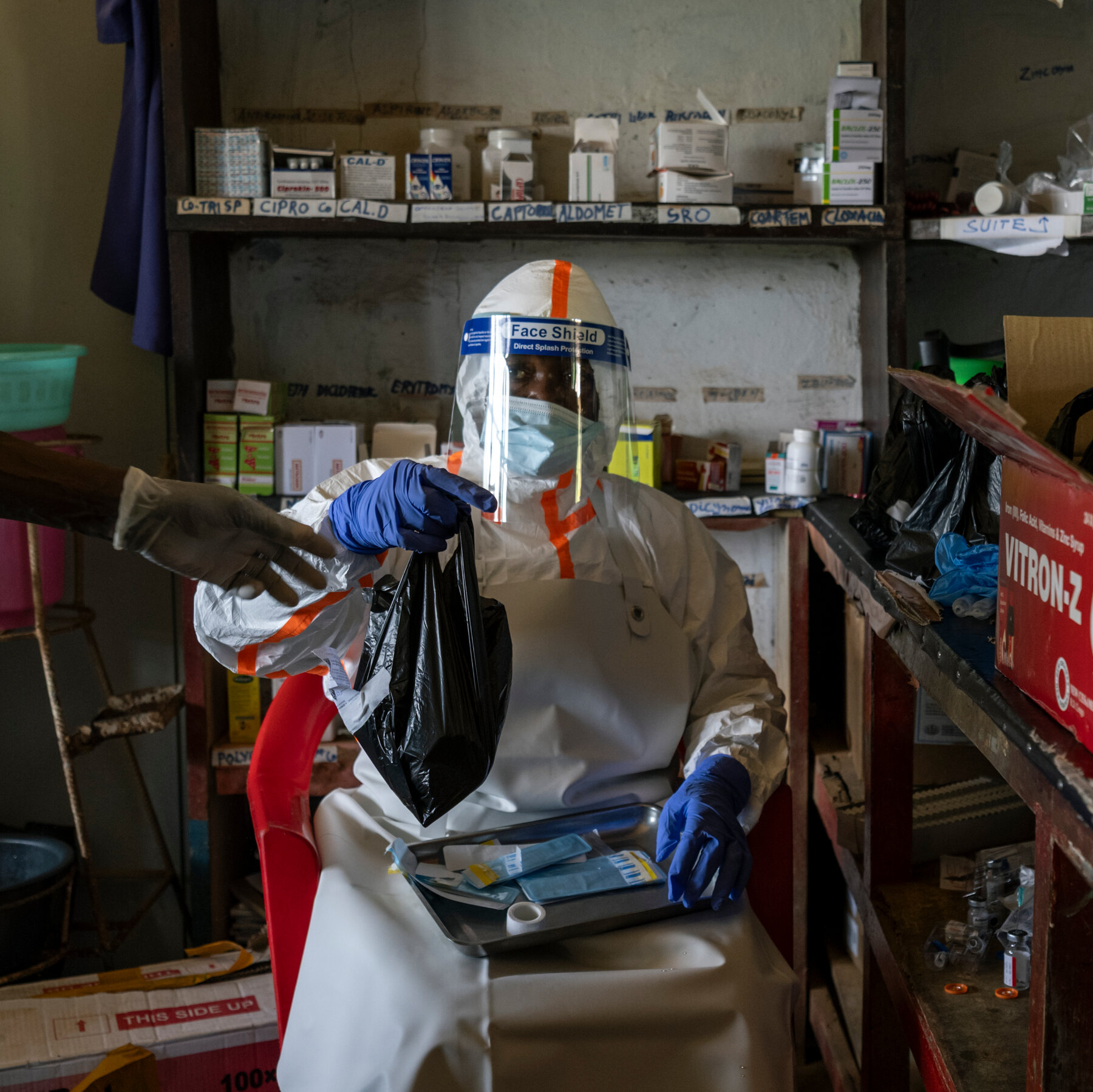
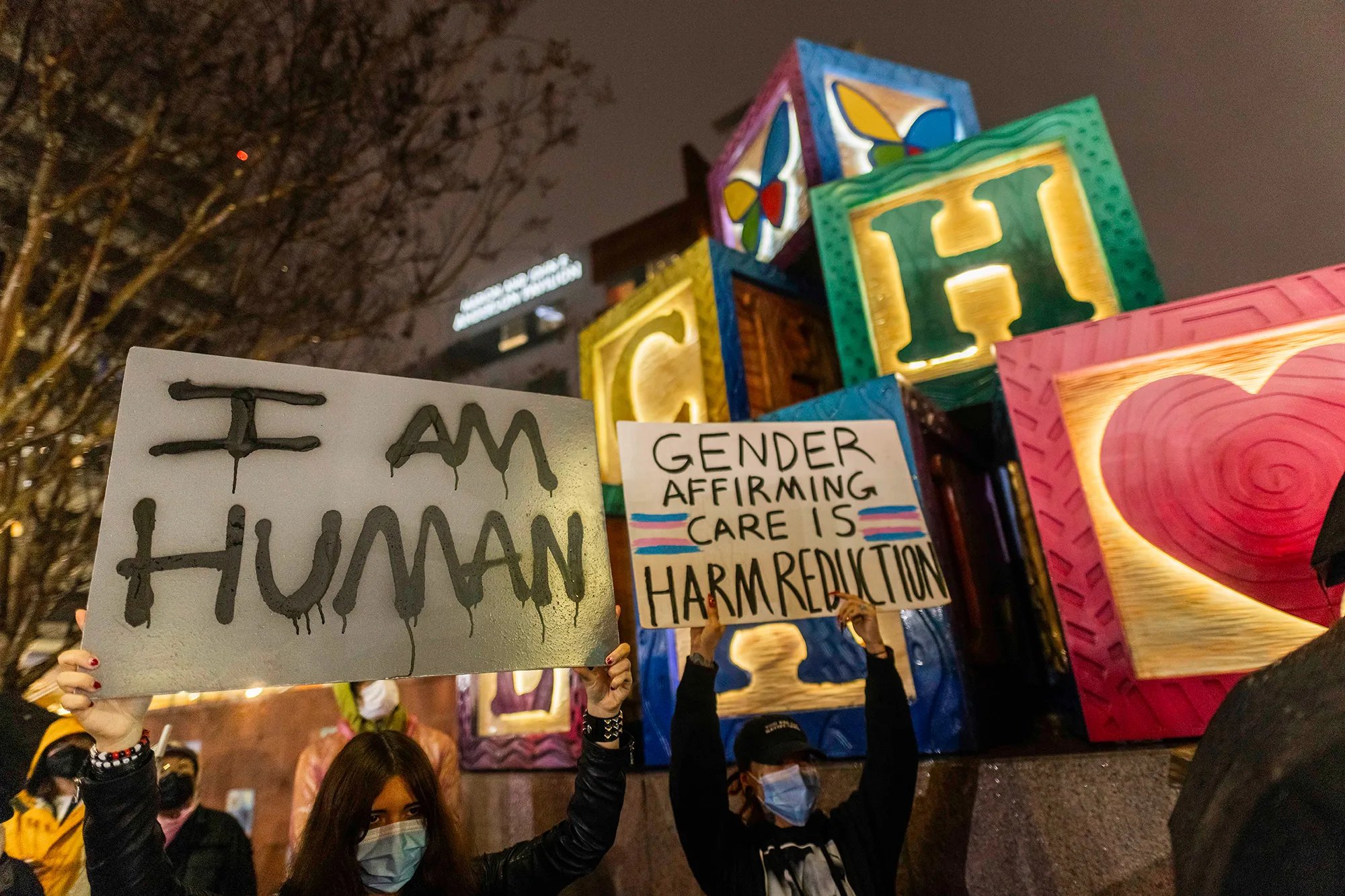
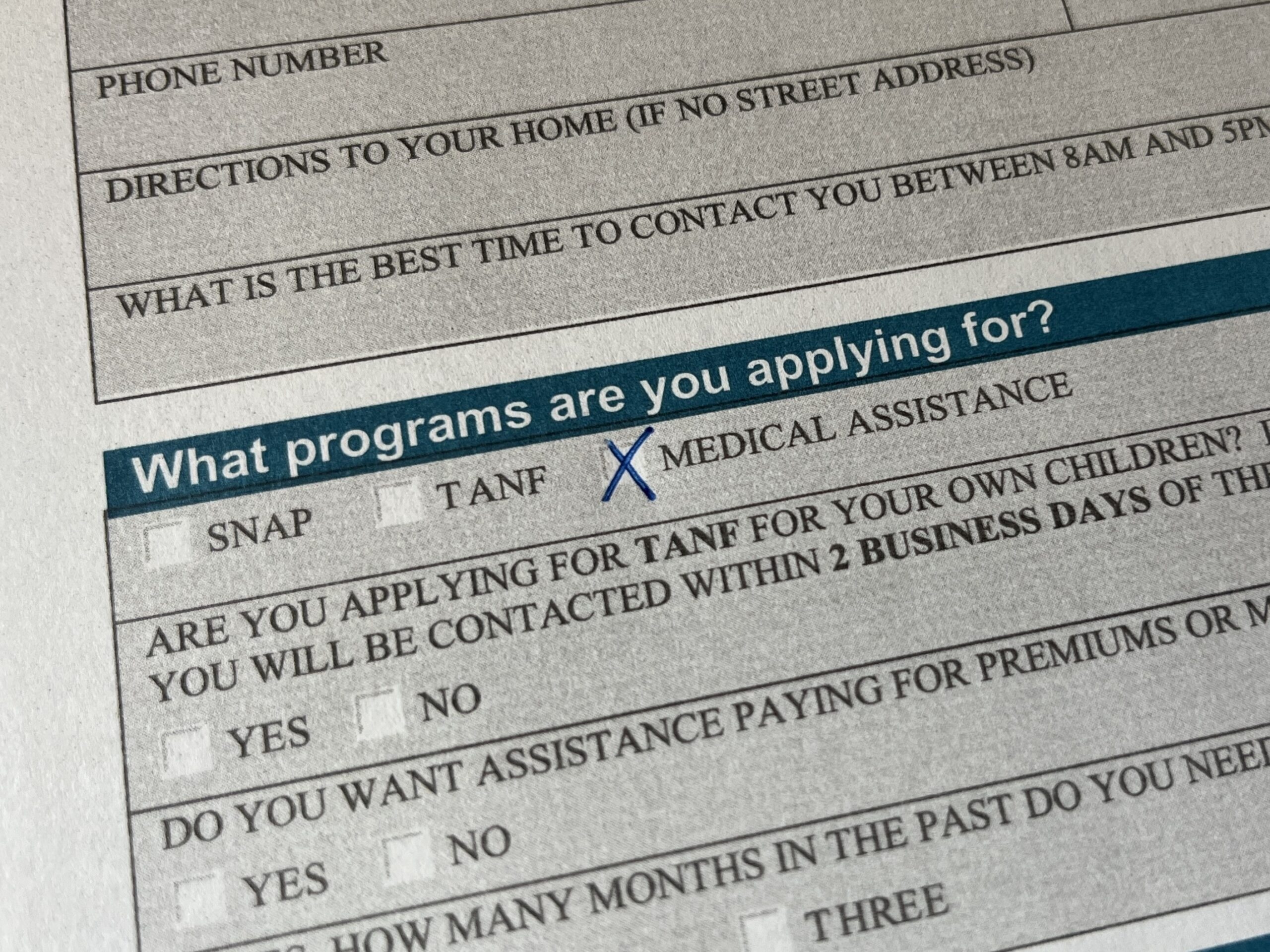
While the focus remains on the military actions, the Trump administration has also been directing federal health programs to shift their focus, impacting public health. According to The Guardian, health programs receiving federal funding have been ordered to agree to new priorities, including a focus on "parental authority" in education and moving away from overdose-prevention methods like harm reduction. This signals greater political control over public health and could exacerbate the opioid overdose crisis.
The immediate effects of these airstrikes will be felt not only in the geopolitical sphere but also in the lives of individuals.
As the situation unfolds, the international community will be closely monitoring the next steps in U.S.-Iran relations. The response to this violation and the subsequent airstrikes will set the tone for future diplomatic engagements and could determine the trajectory of regional stability and global security in the coming months.
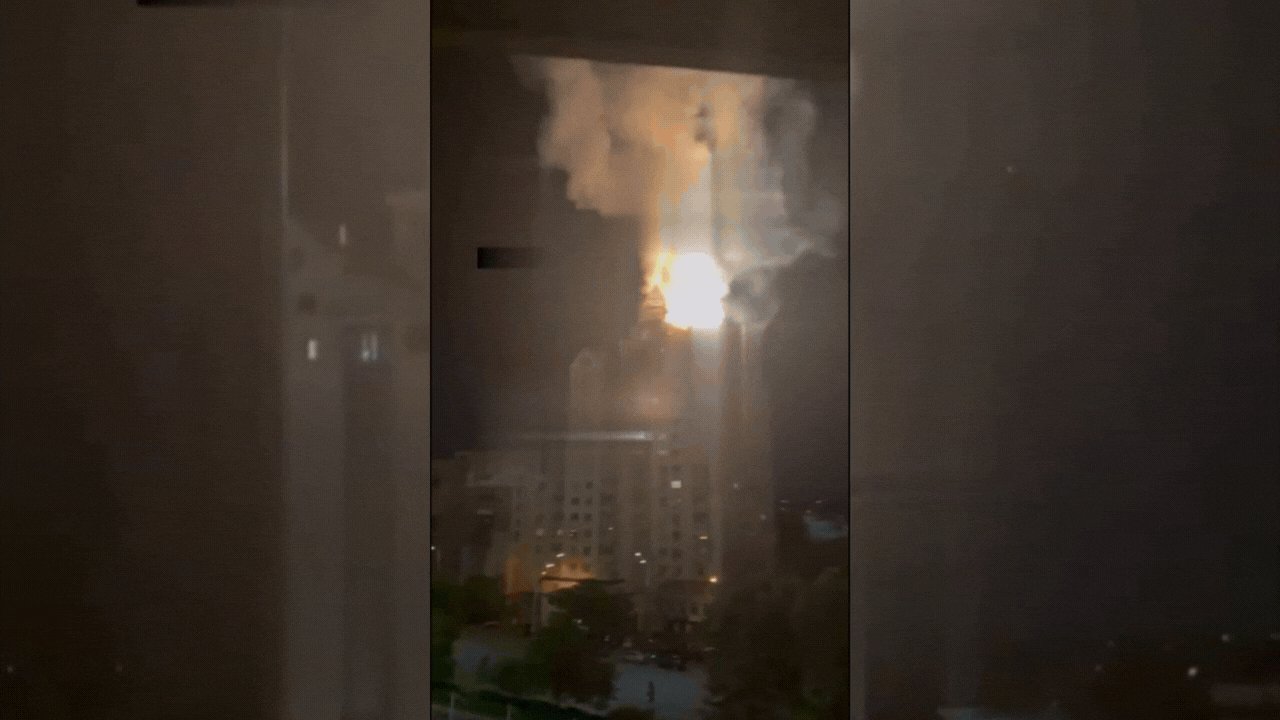
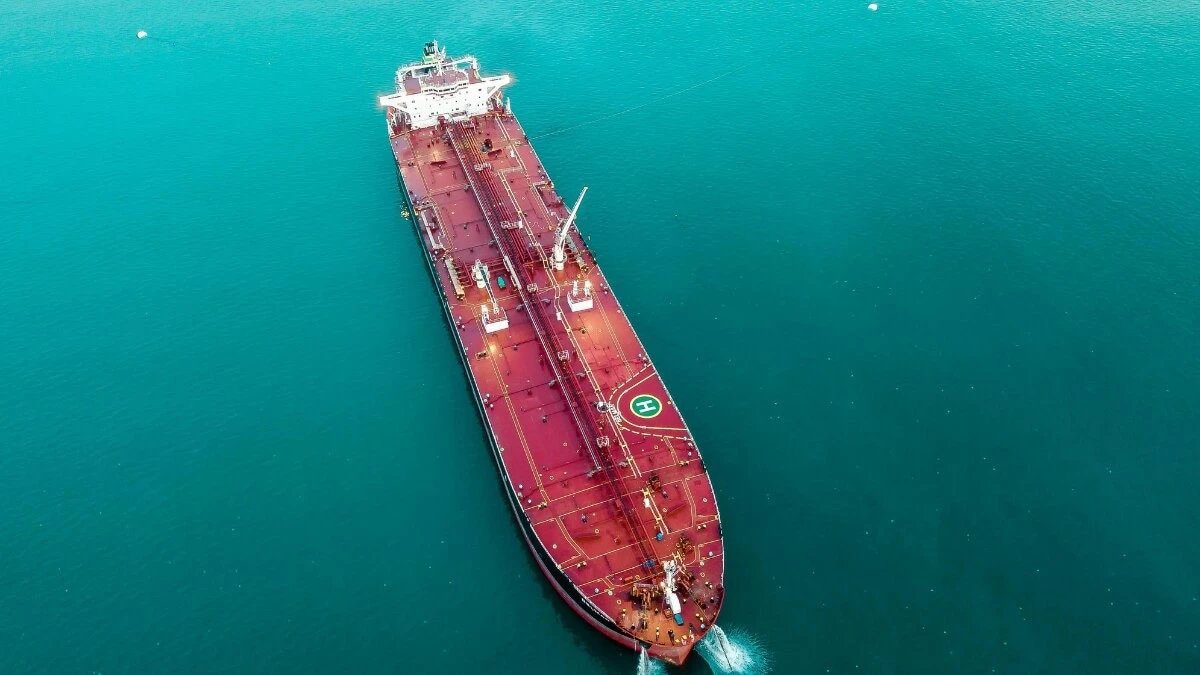
President Trump ordered retaliatory airstrikes against Iran for violating the ceasefire agreement by attacking a commercial ship in the Strait of Hormuz, as reported by NBC News. Trump stated on Truth Social that Iran carried out an attack on commercial ships in the Strait of Hormuz, calling it a "foolish violation" of a ceasefire meant to ensure safe passage through the waterway and initiate negotiations over Iran's nuclear program, according to The Hill.
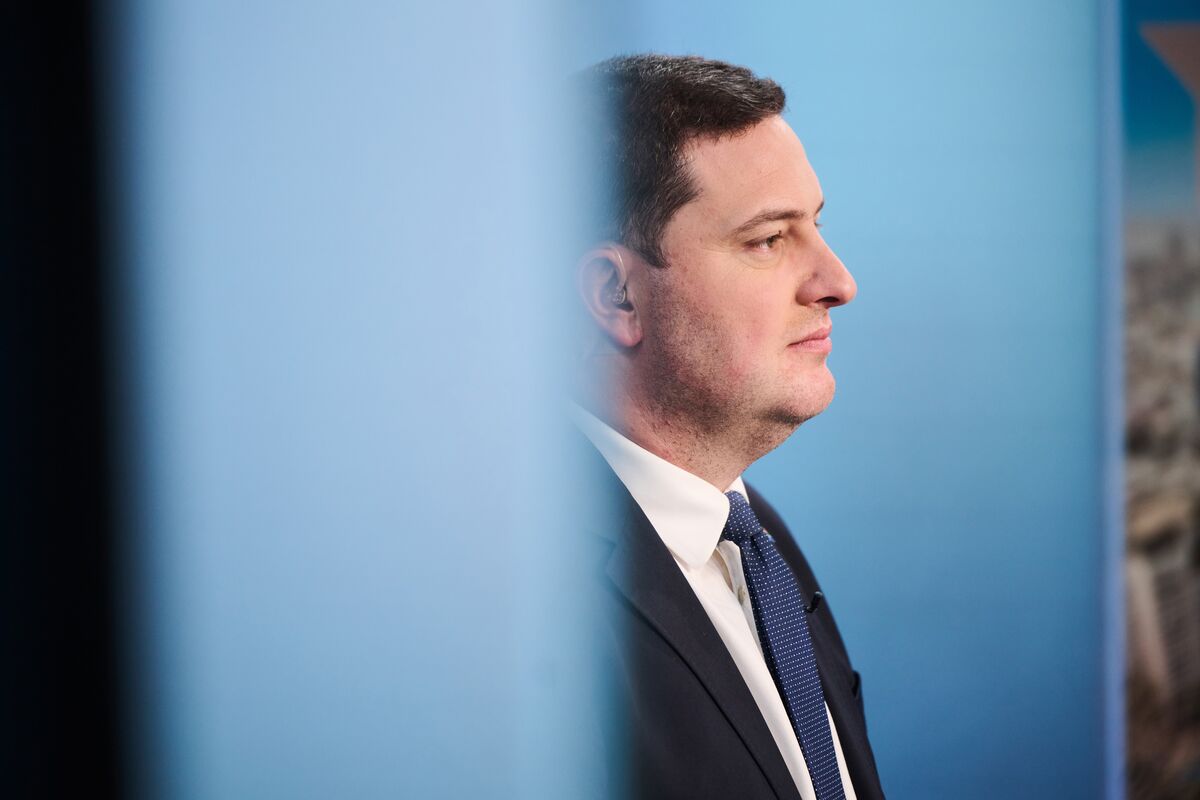
These airstrikes mark a significant escalation in U.S.-Iran tensions and could have wide-reaching implications for international relations. The violation of the ceasefire by Iran and the subsequent U.S. response could potentially destabilize the region and impact global security, as highlighted by Bloomberg in their coverage of Trump's remarks on the ceasefire violation.
While the focus remains on the military actions, the Trump administration has also been directing federal health programs to shift their focus, impacting public health. According to The Guardian, health programs receiving federal funding have been ordered to agree to new priorities, including a focus on "parental authority" in education and moving away from overdose-prevention methods like harm reduction. This signals greater political control over public health and could exacerbate the opioid overdose crisis.
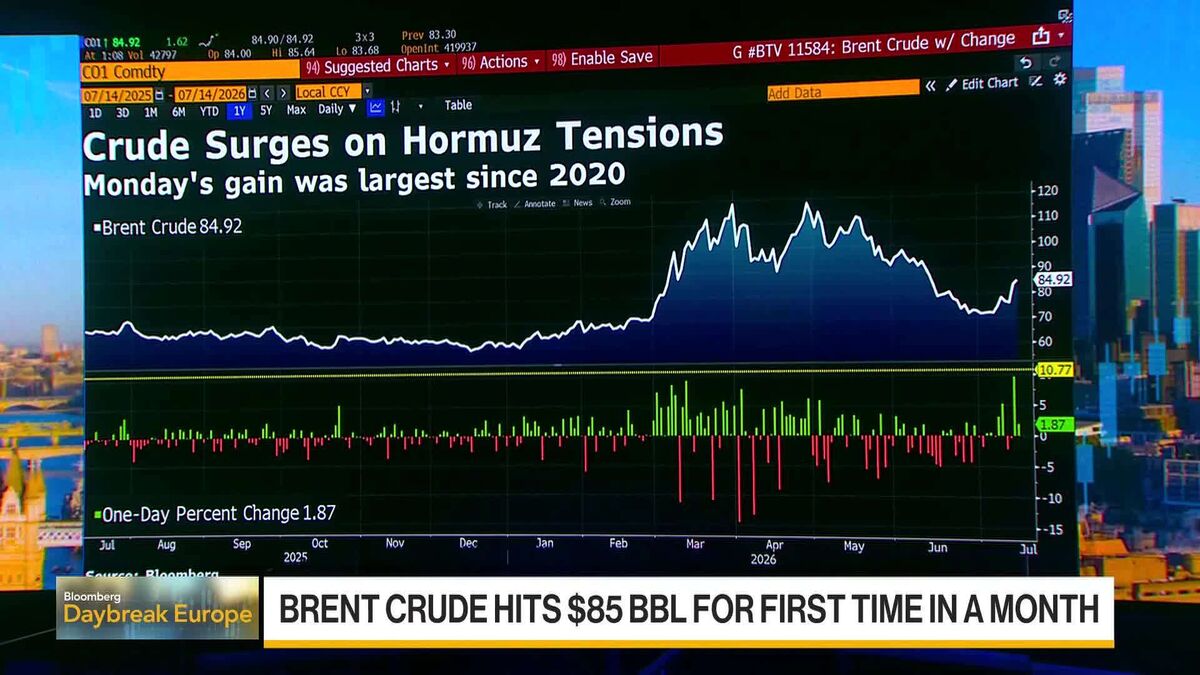
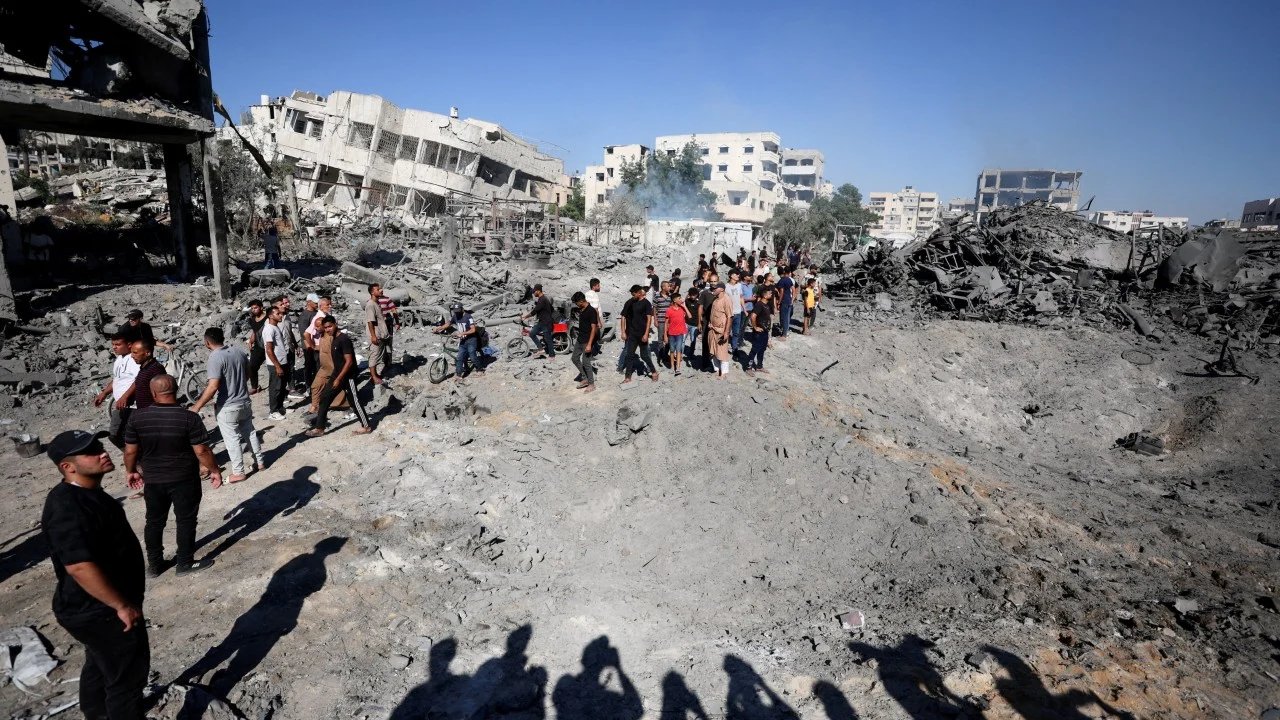
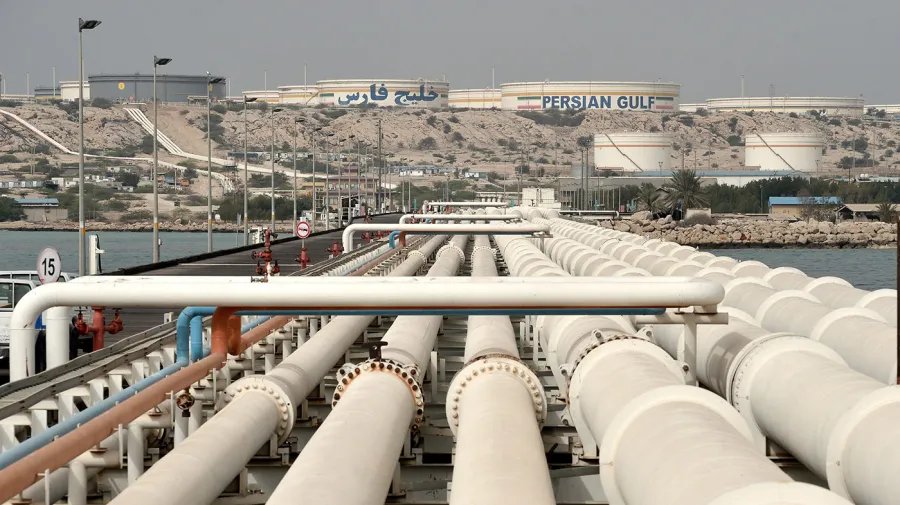
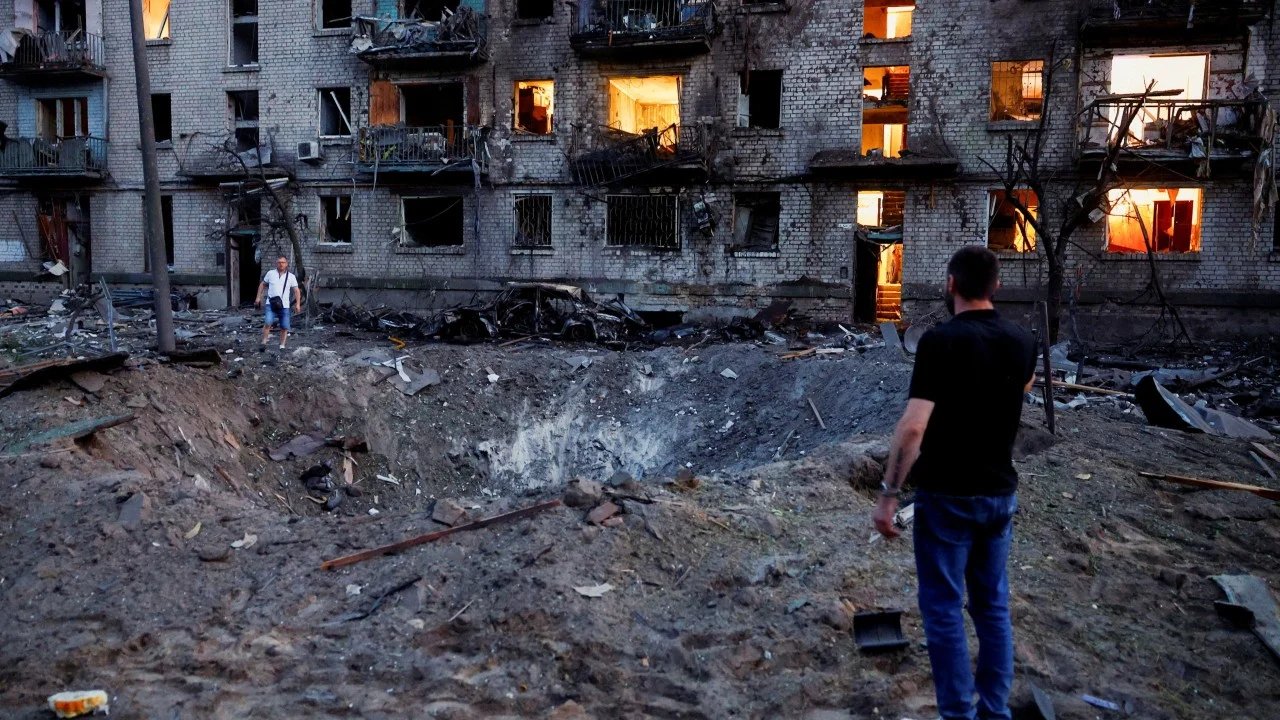
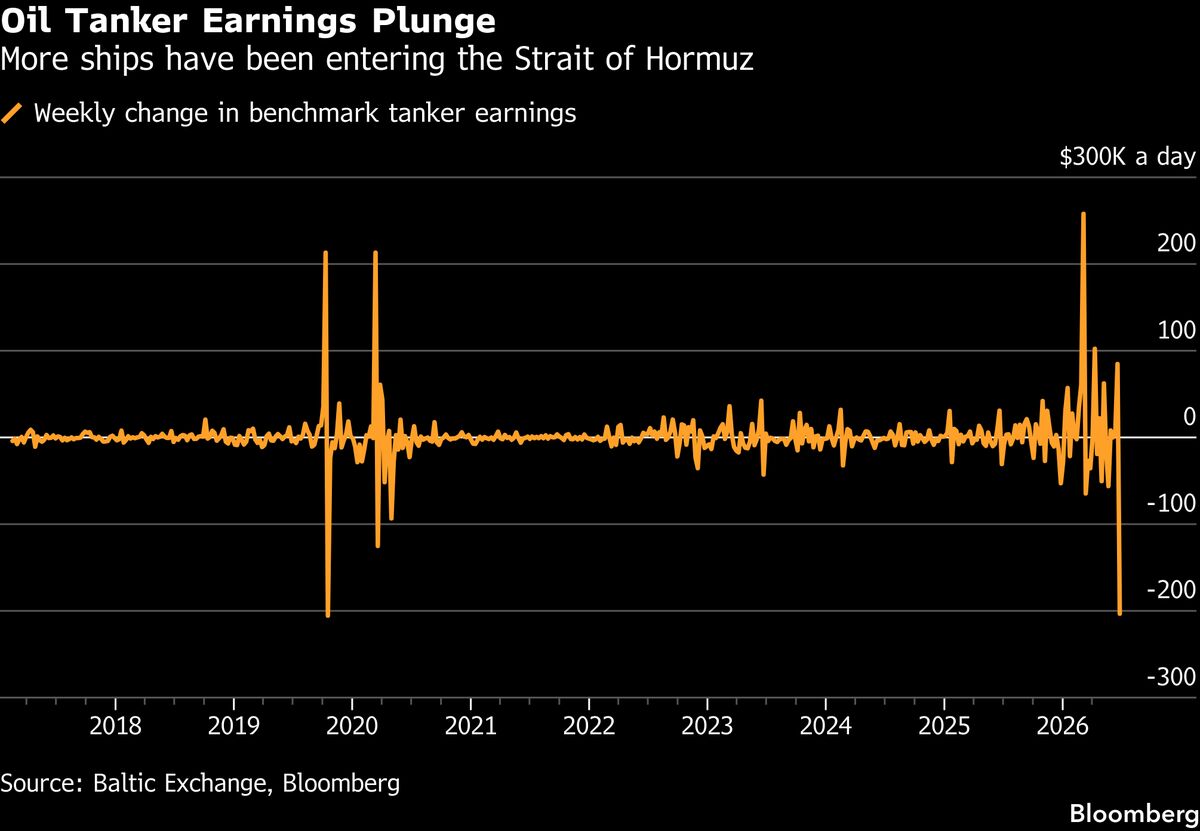
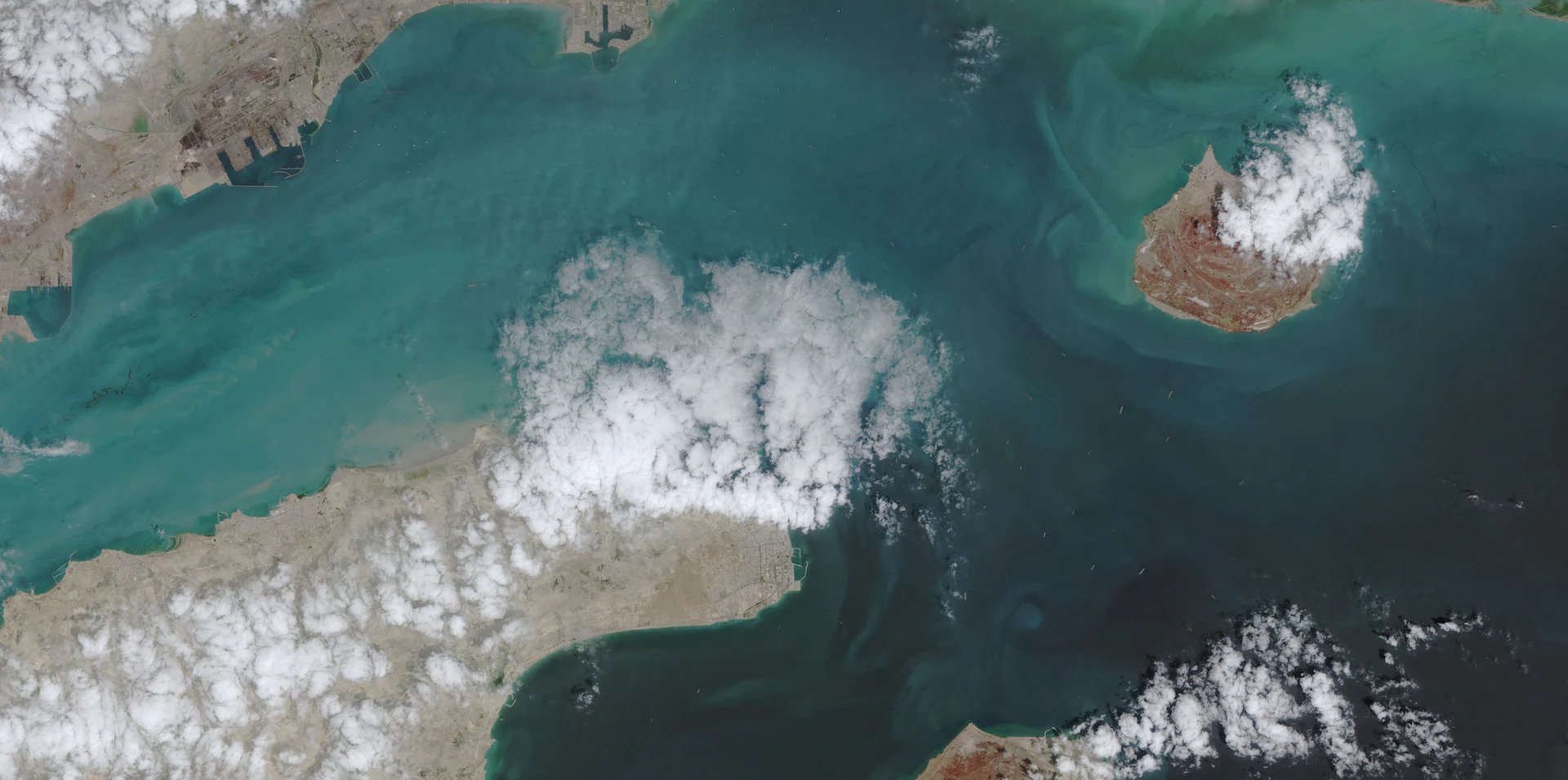
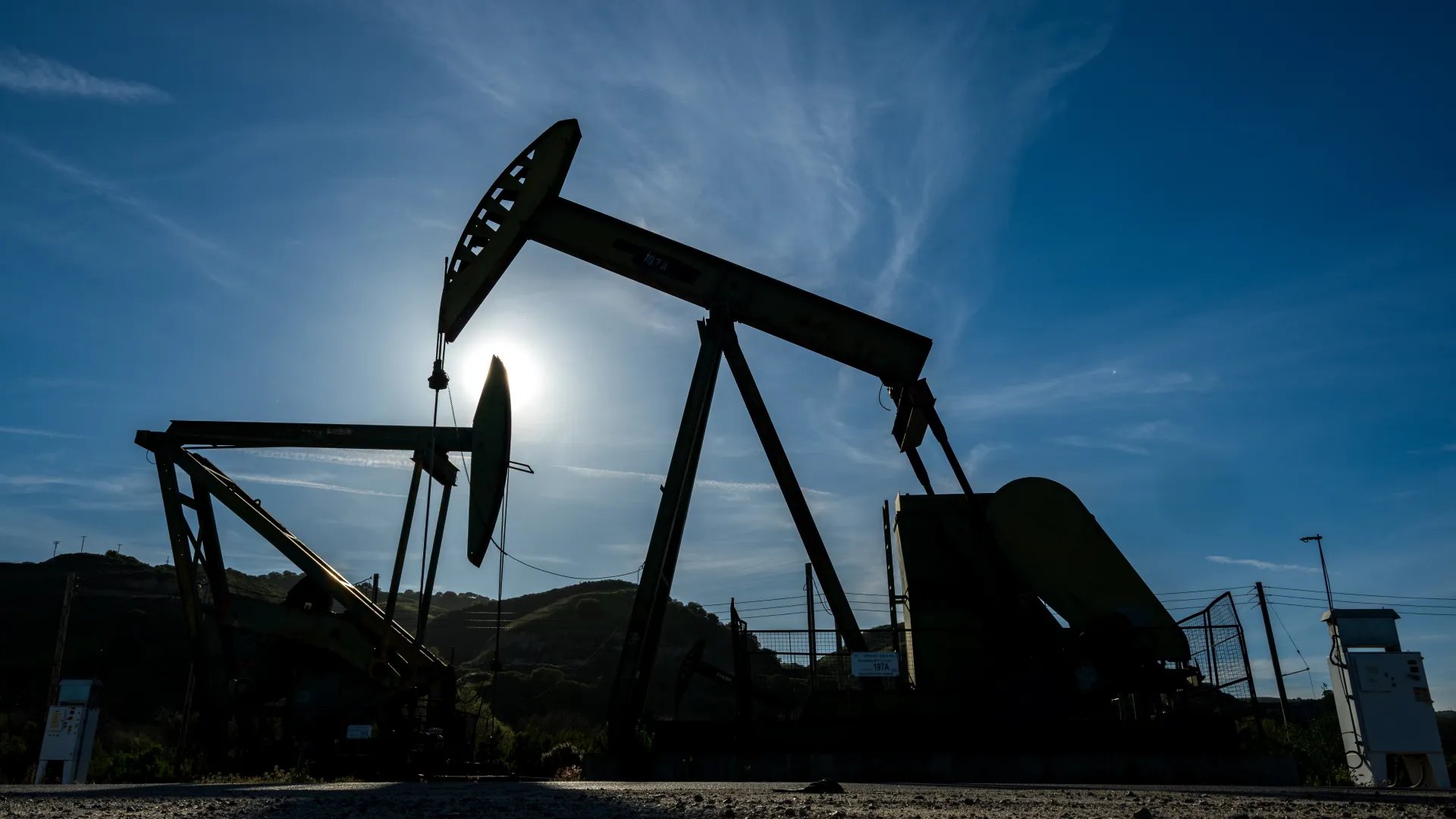
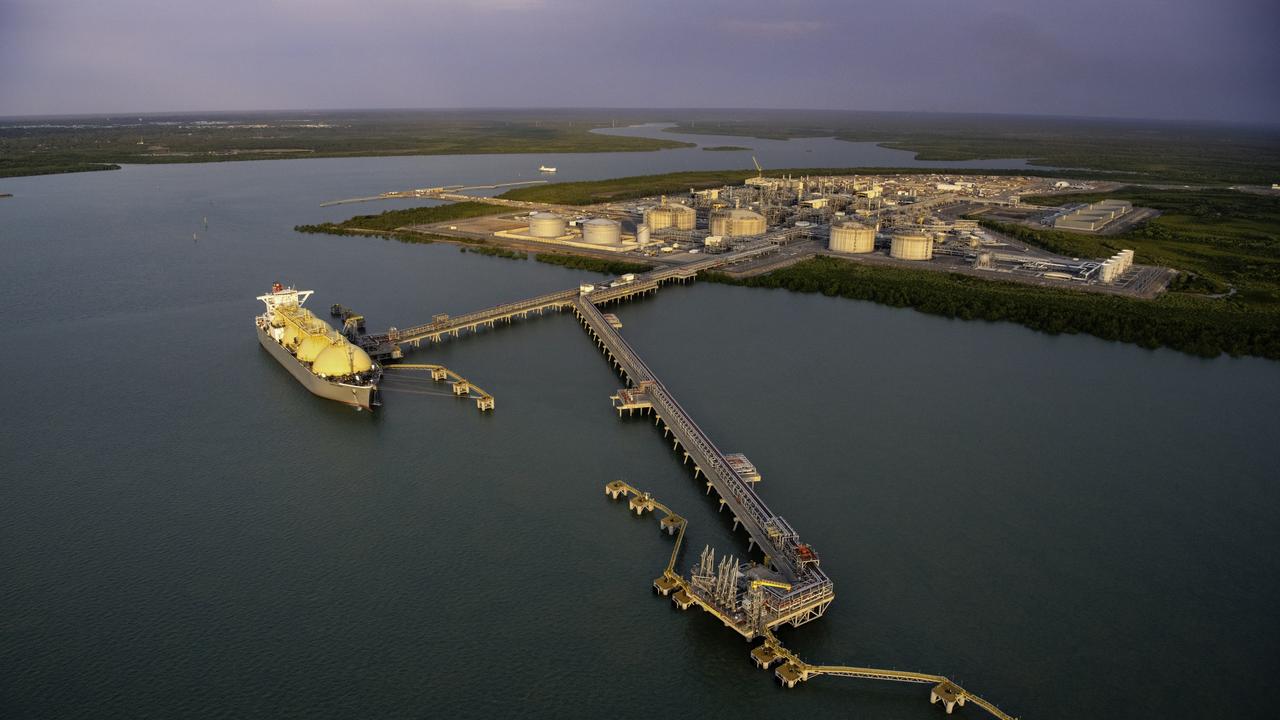
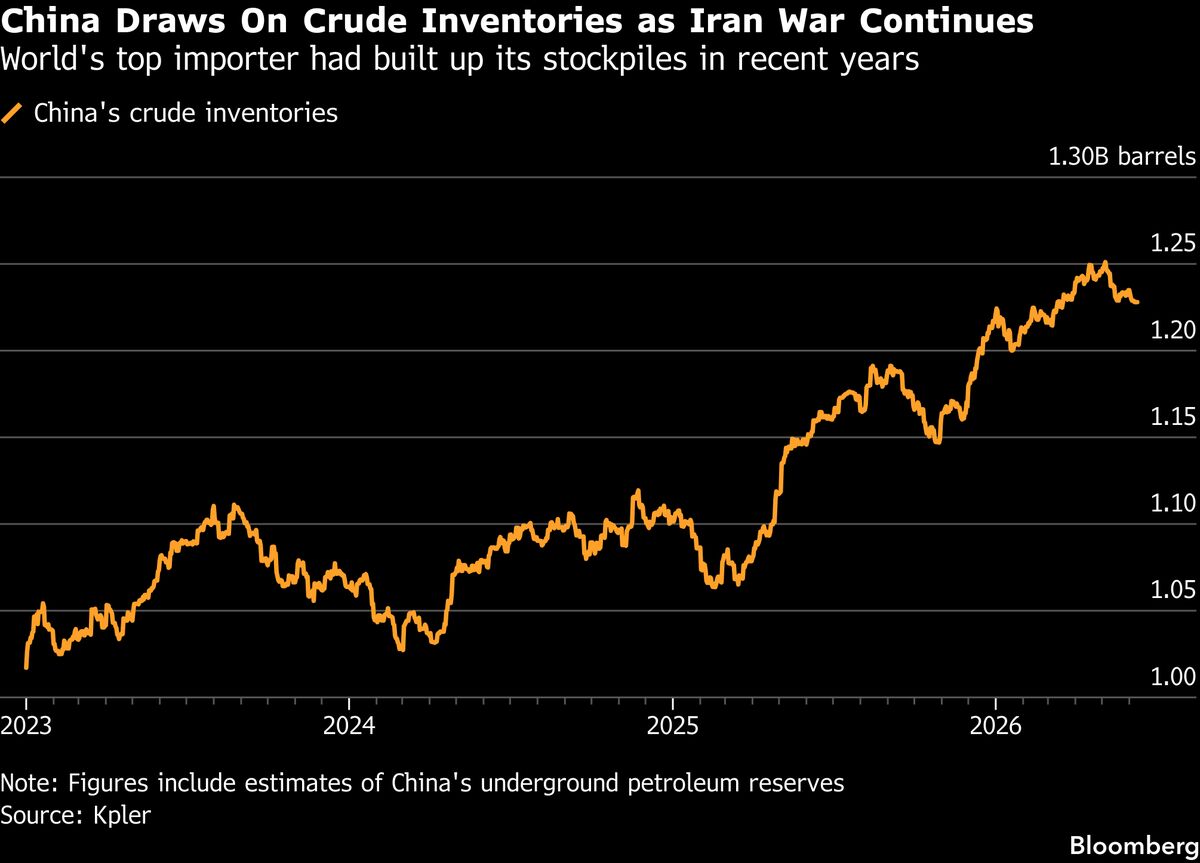
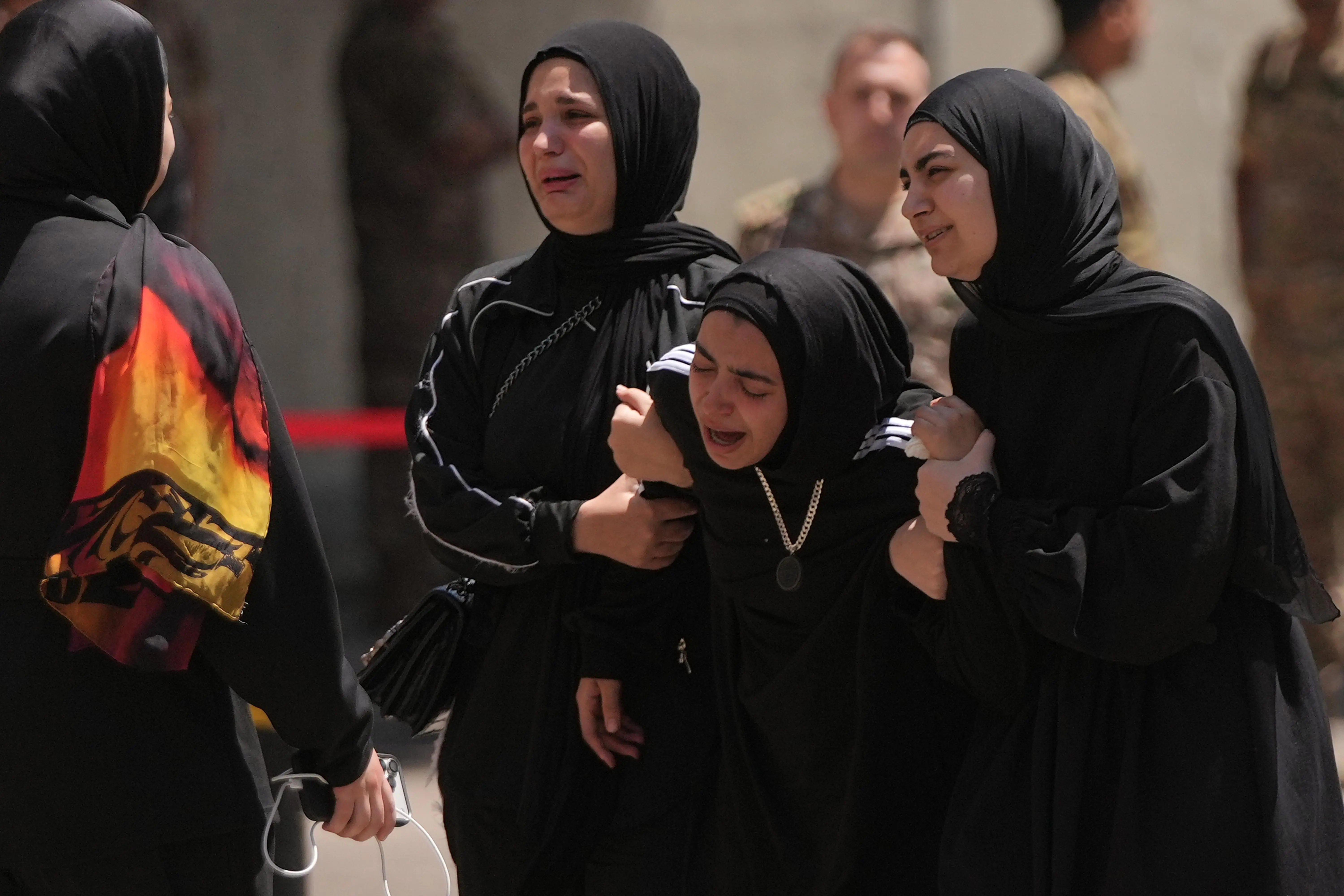
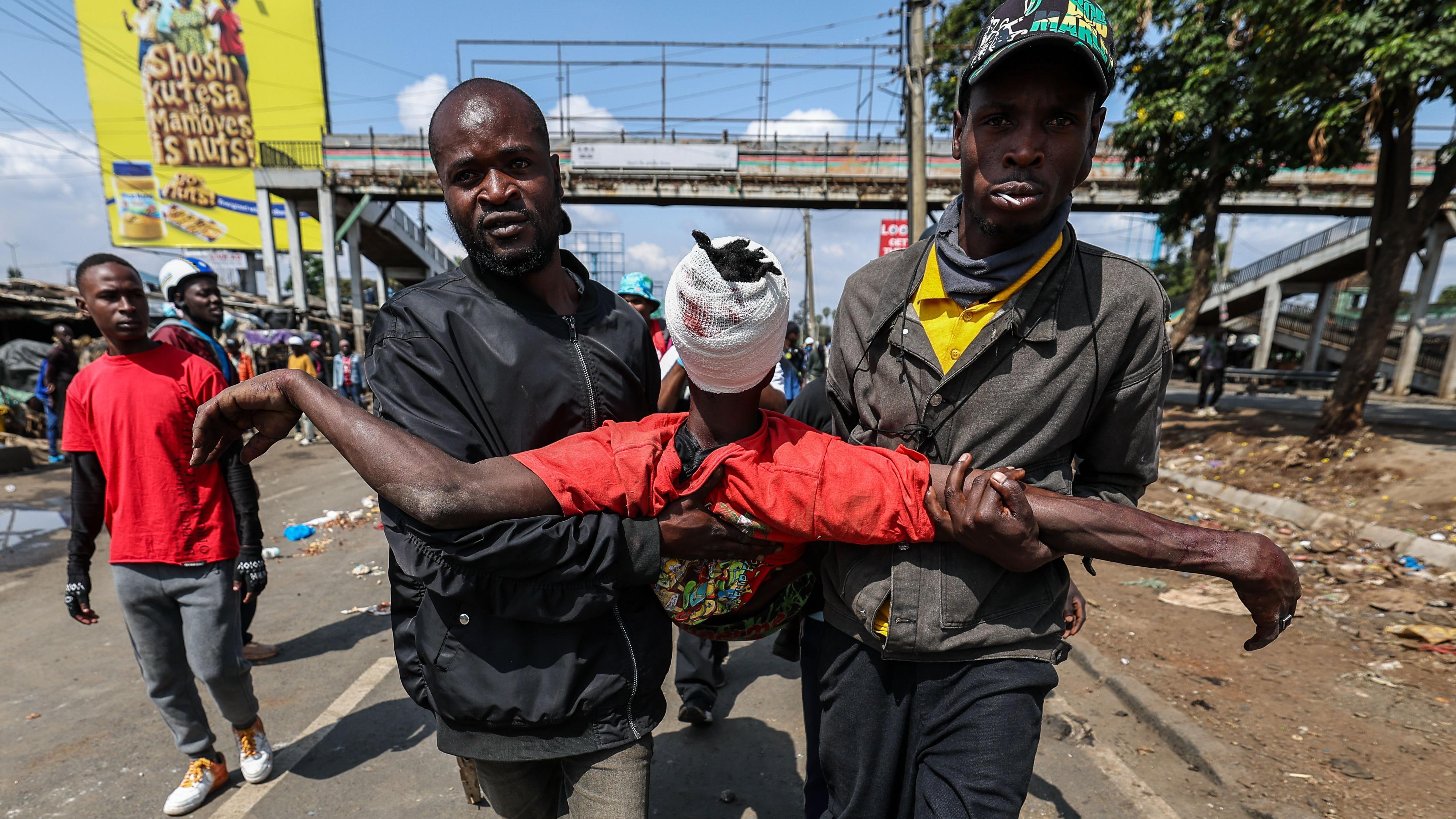
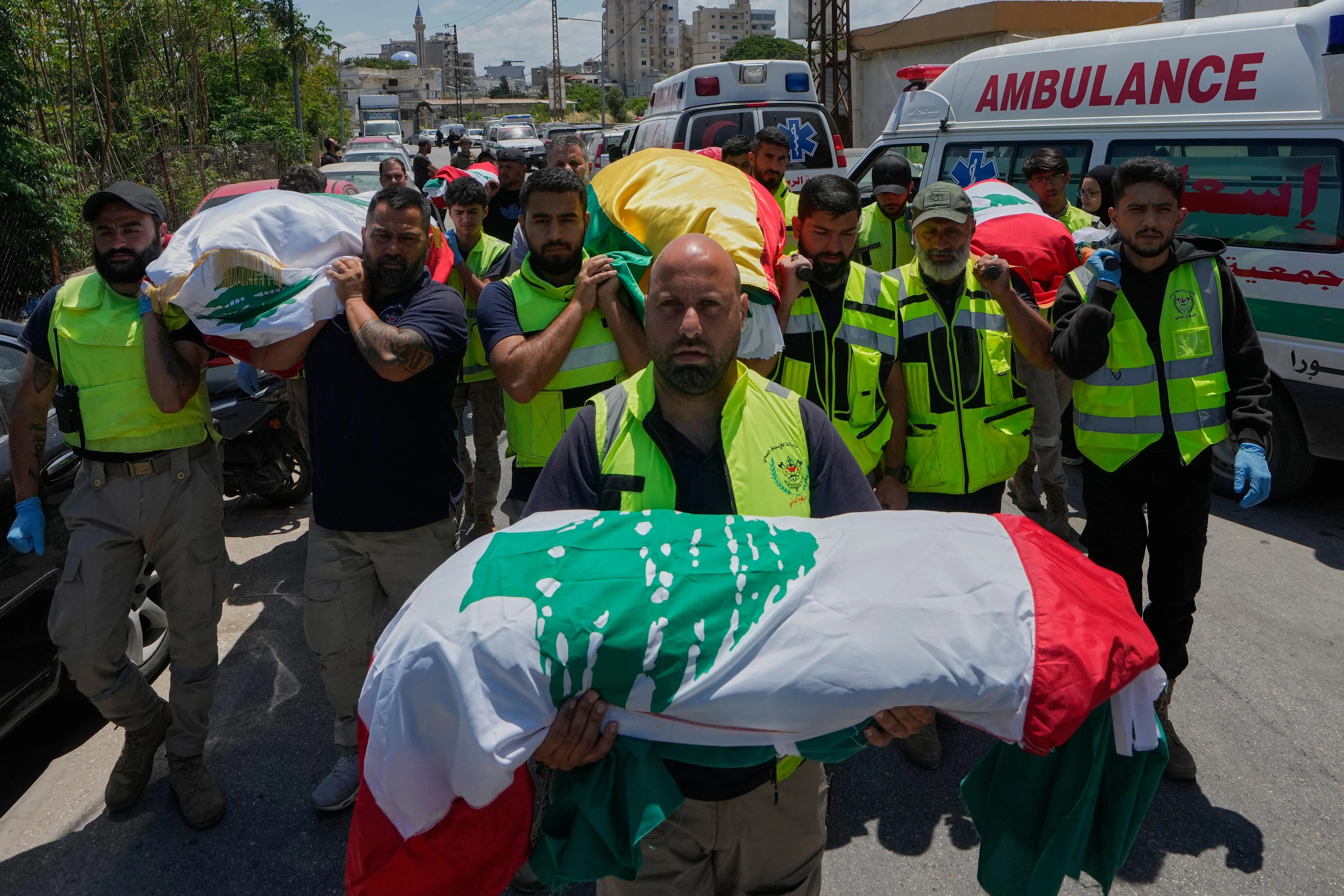
The immediate effects of these airstrikes will be felt not only in the geopolitical sphere but also in the lives of individuals. The potential for increased conflict could lead to humanitarian crises and economic disruptions, affecting global trade and the safety of maritime shipping lanes, particularly in the Strait of Hormuz, a critical chokepoint for oil transportation.
As the situation unfolds, the international community will be closely monitoring the next steps in U.S.-Iran relations. The response to this violation and the subsequent airstrikes will set the tone for future diplomatic engagements and could determine the trajectory of regional stability and global security in the coming months.
Highlighted text was flagged by the council. Tap to see feedback.