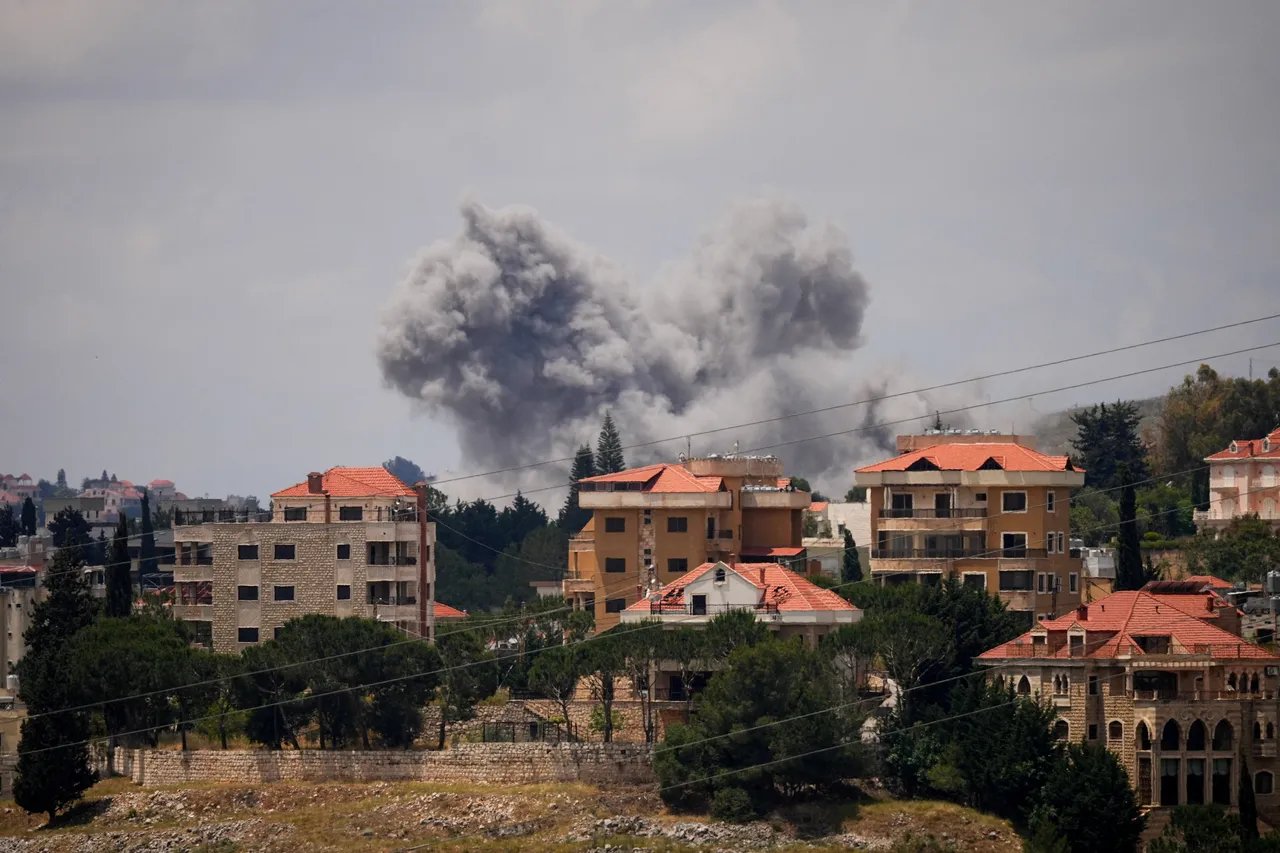
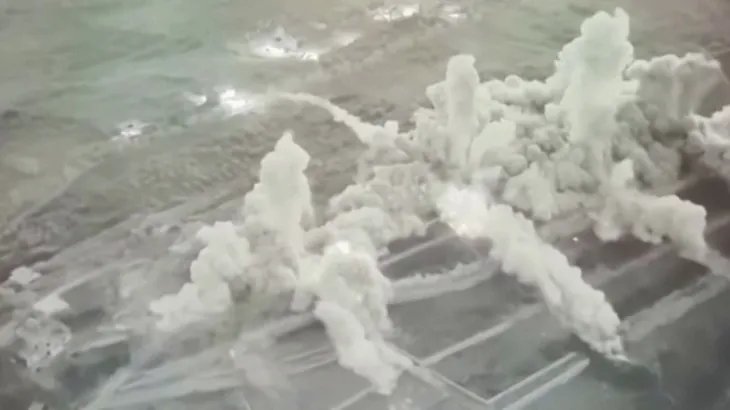
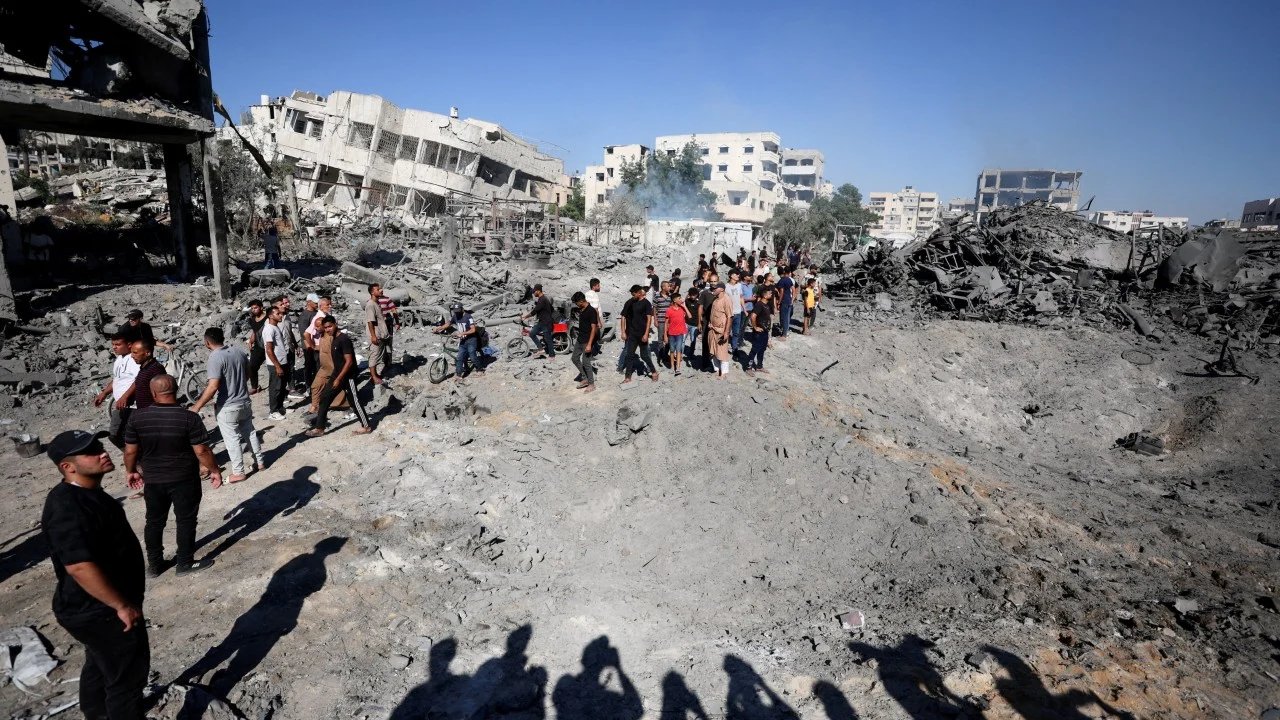
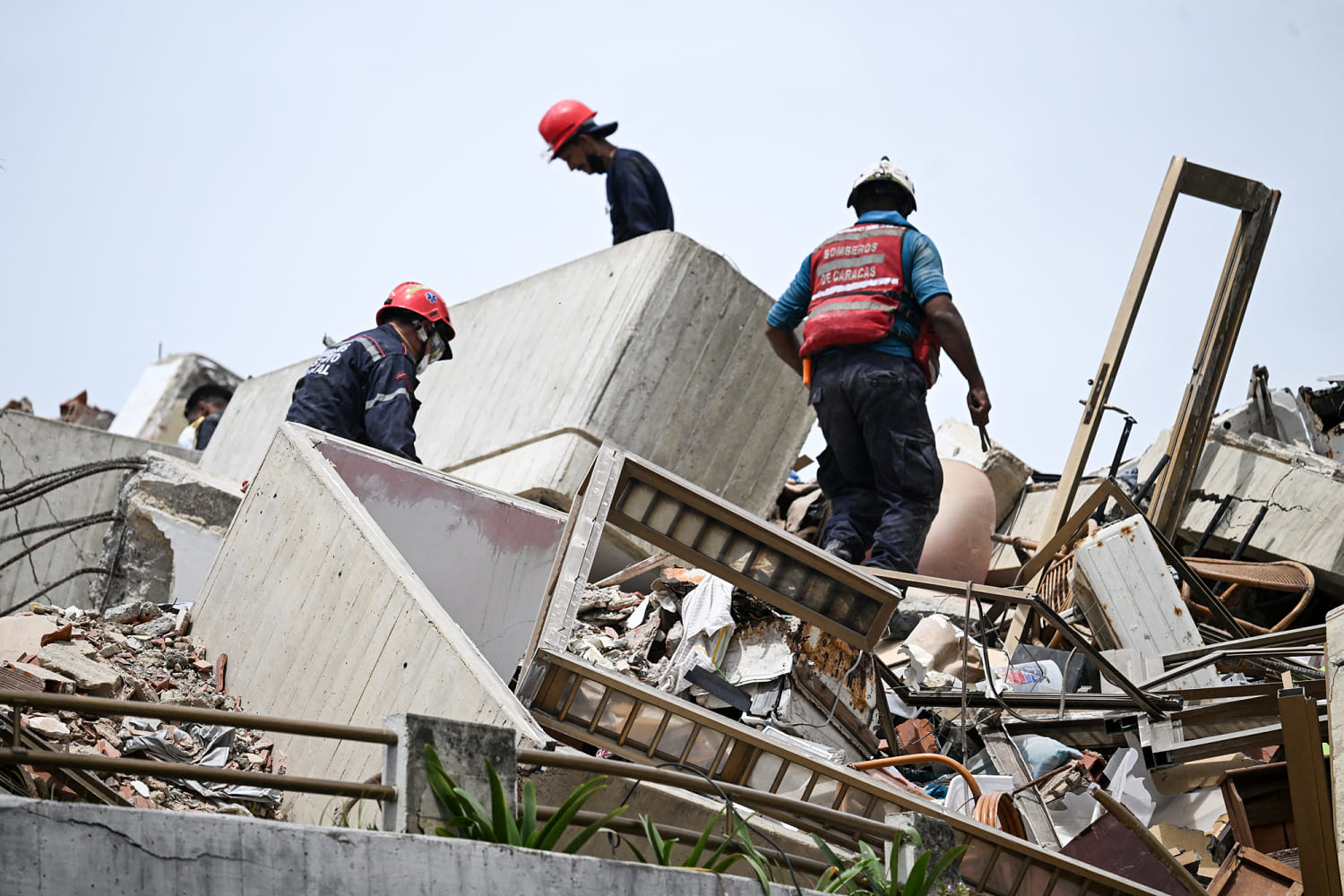
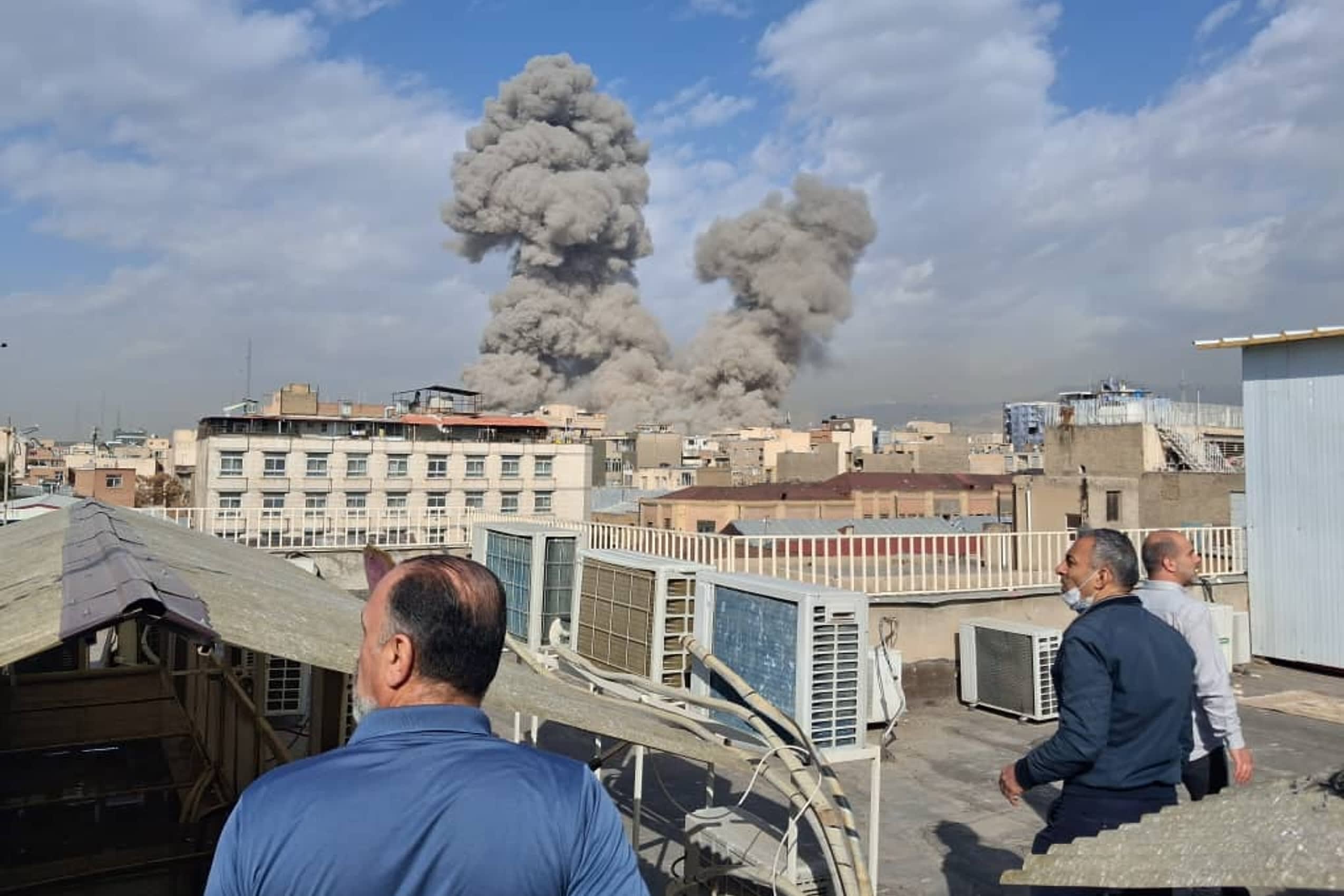
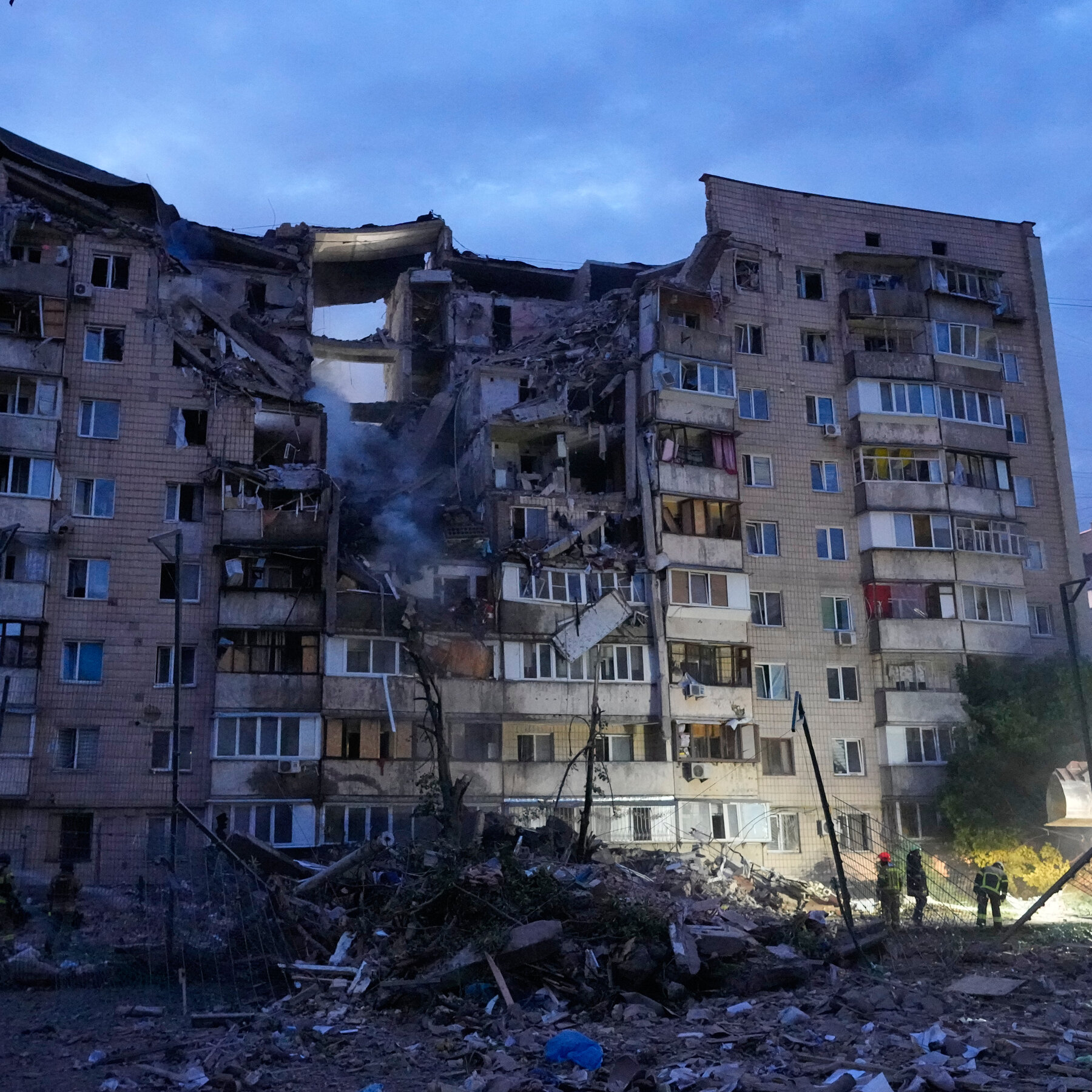
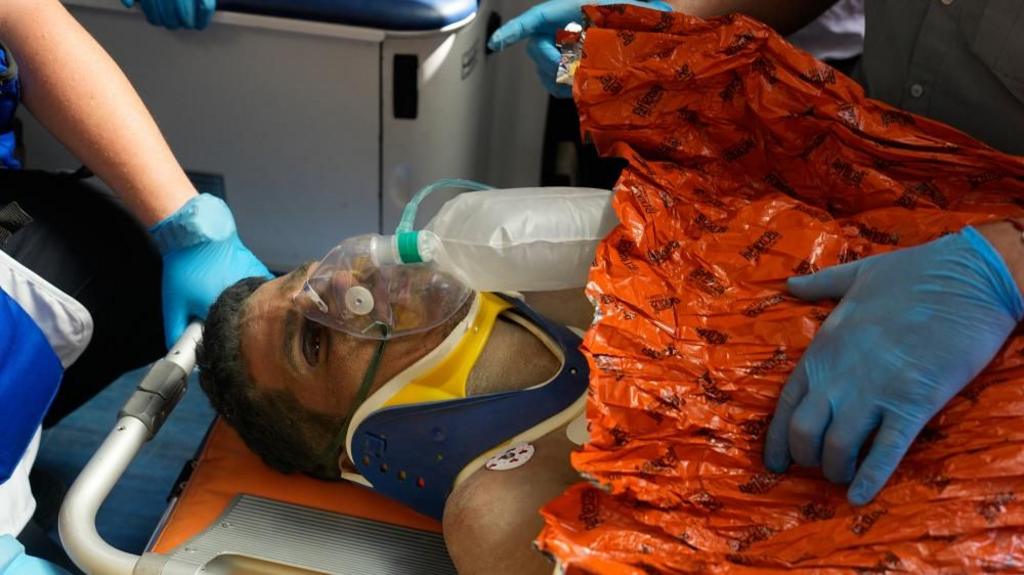
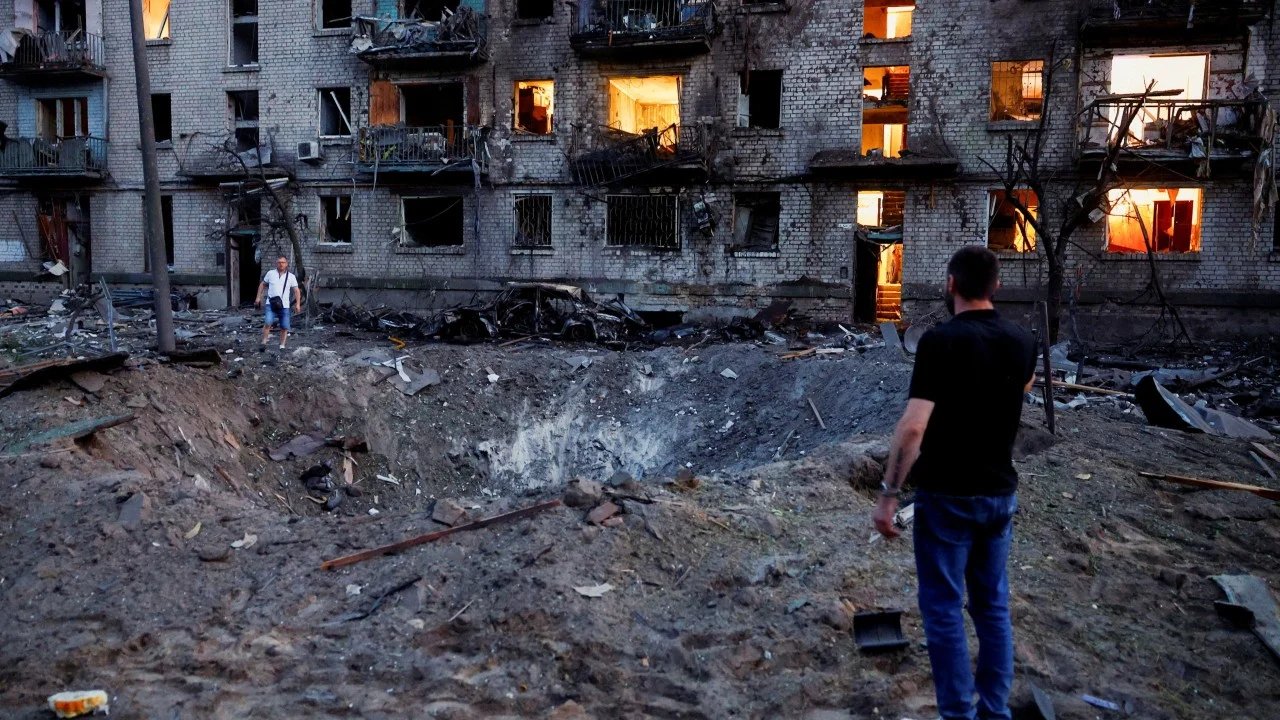
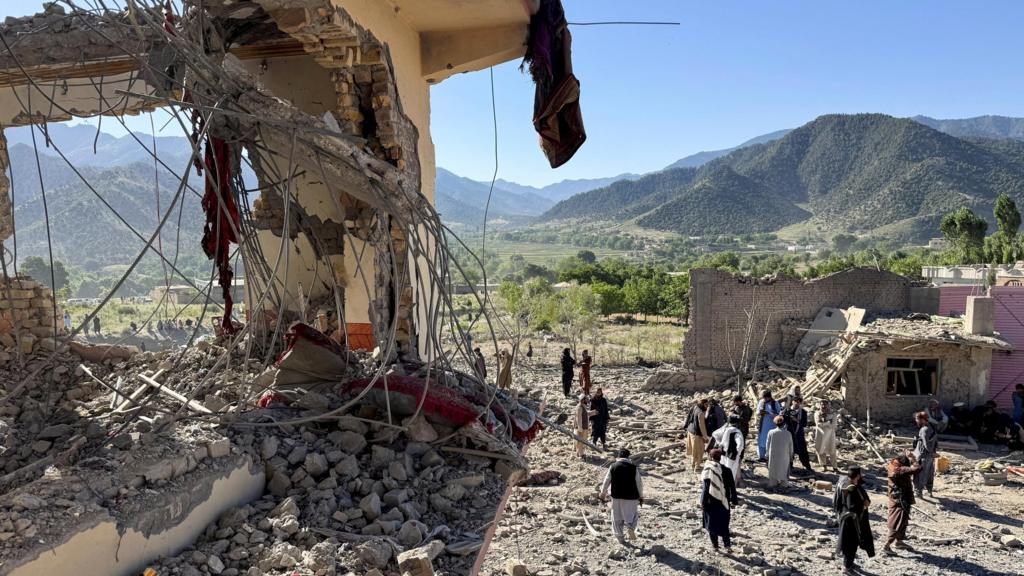
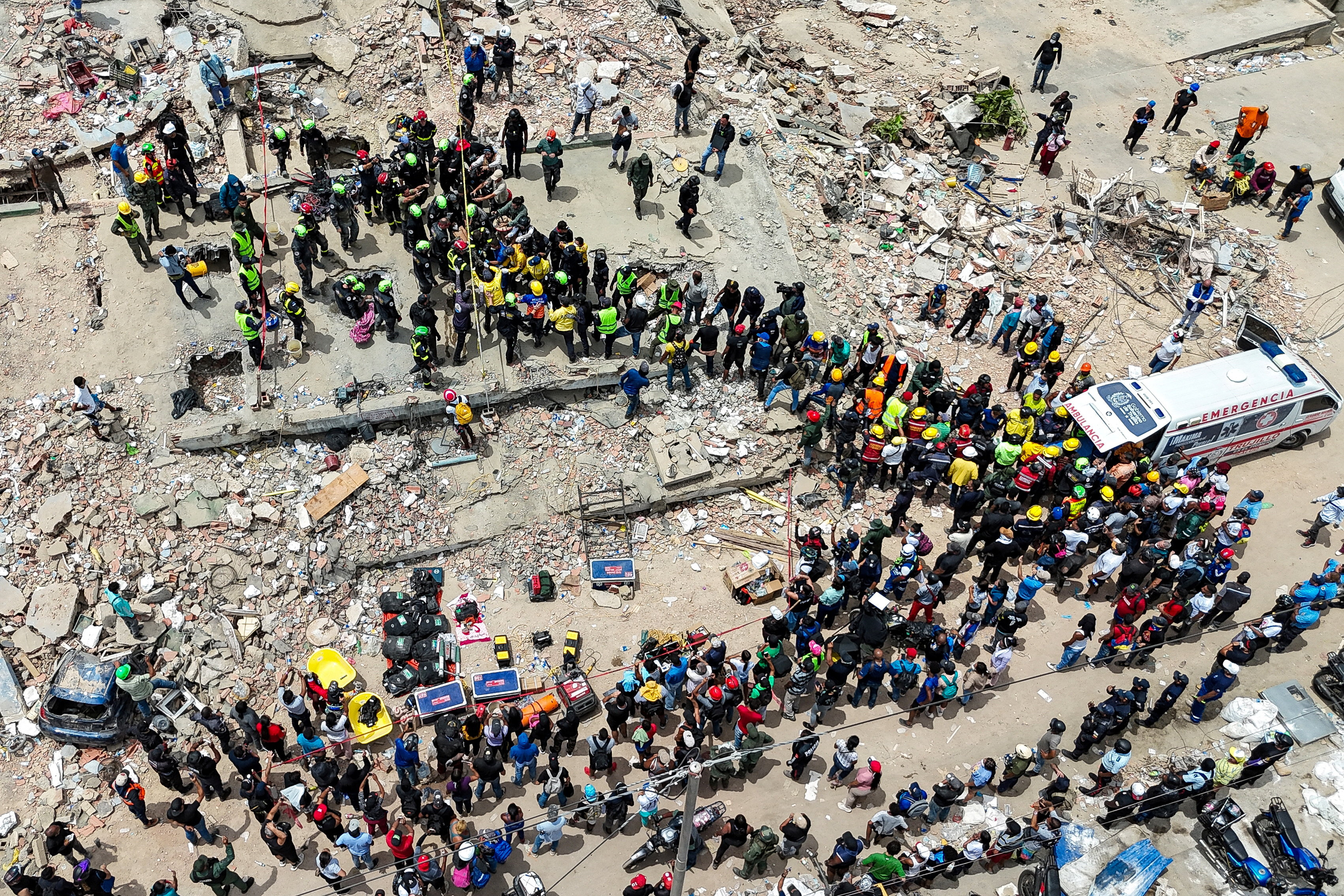
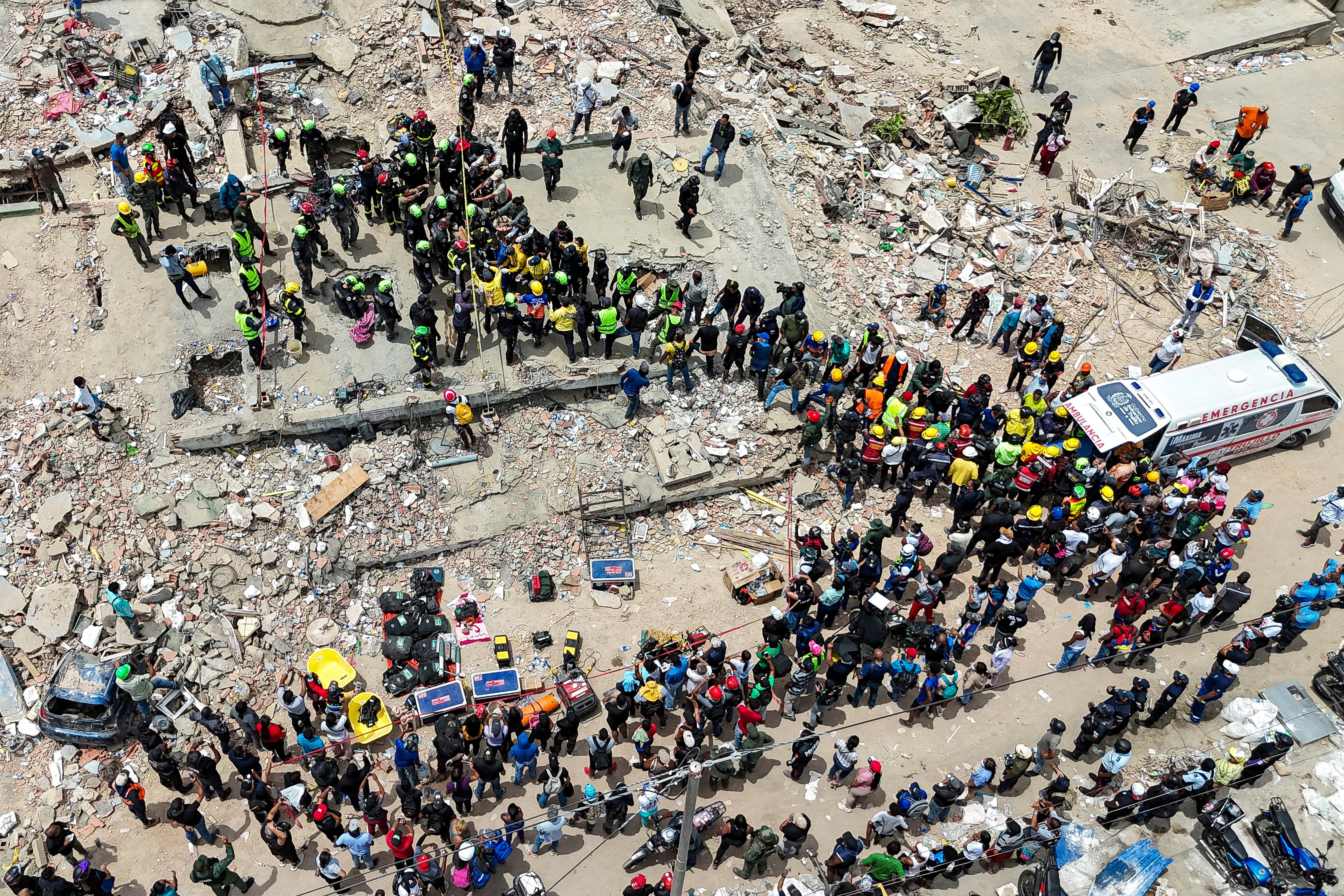
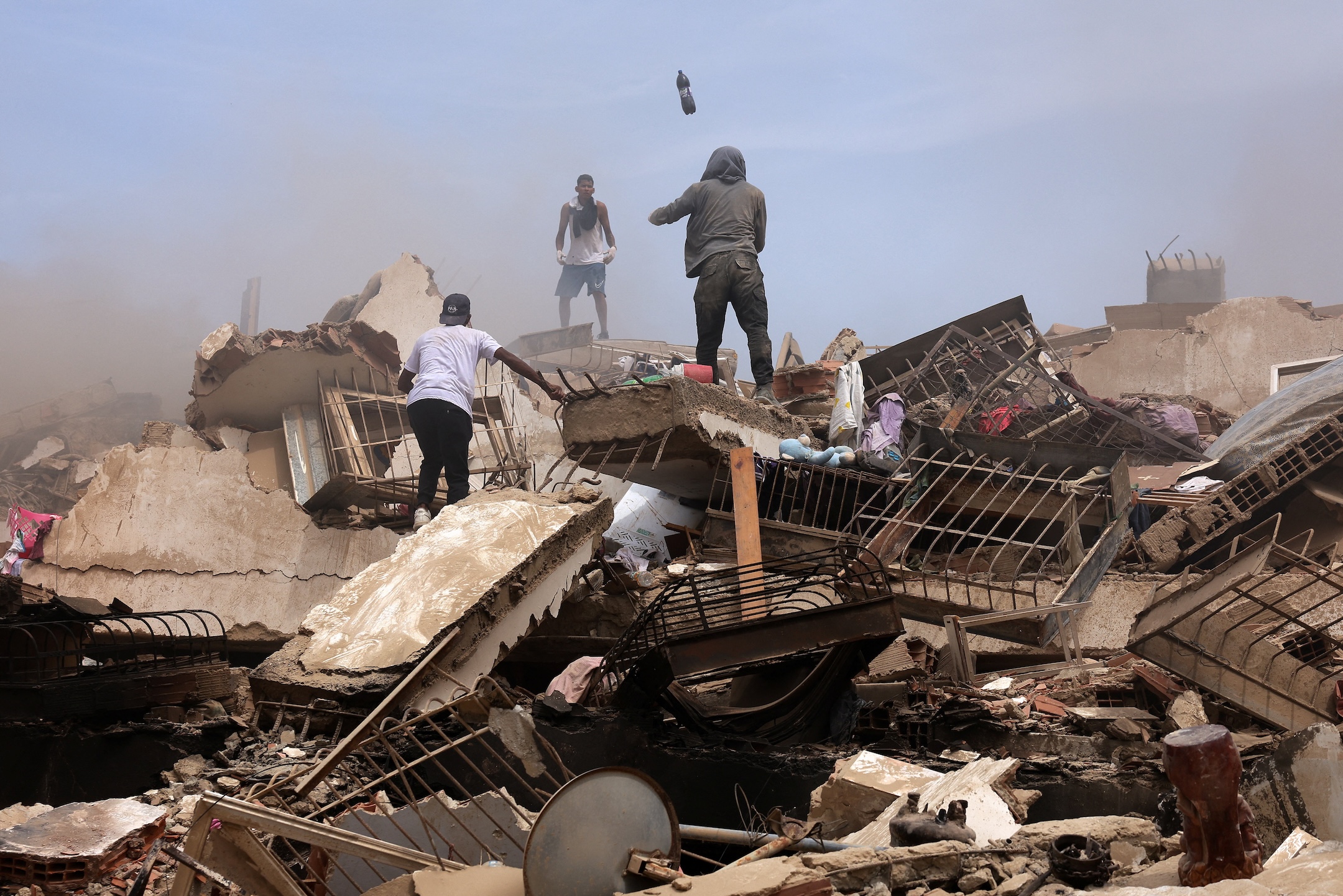
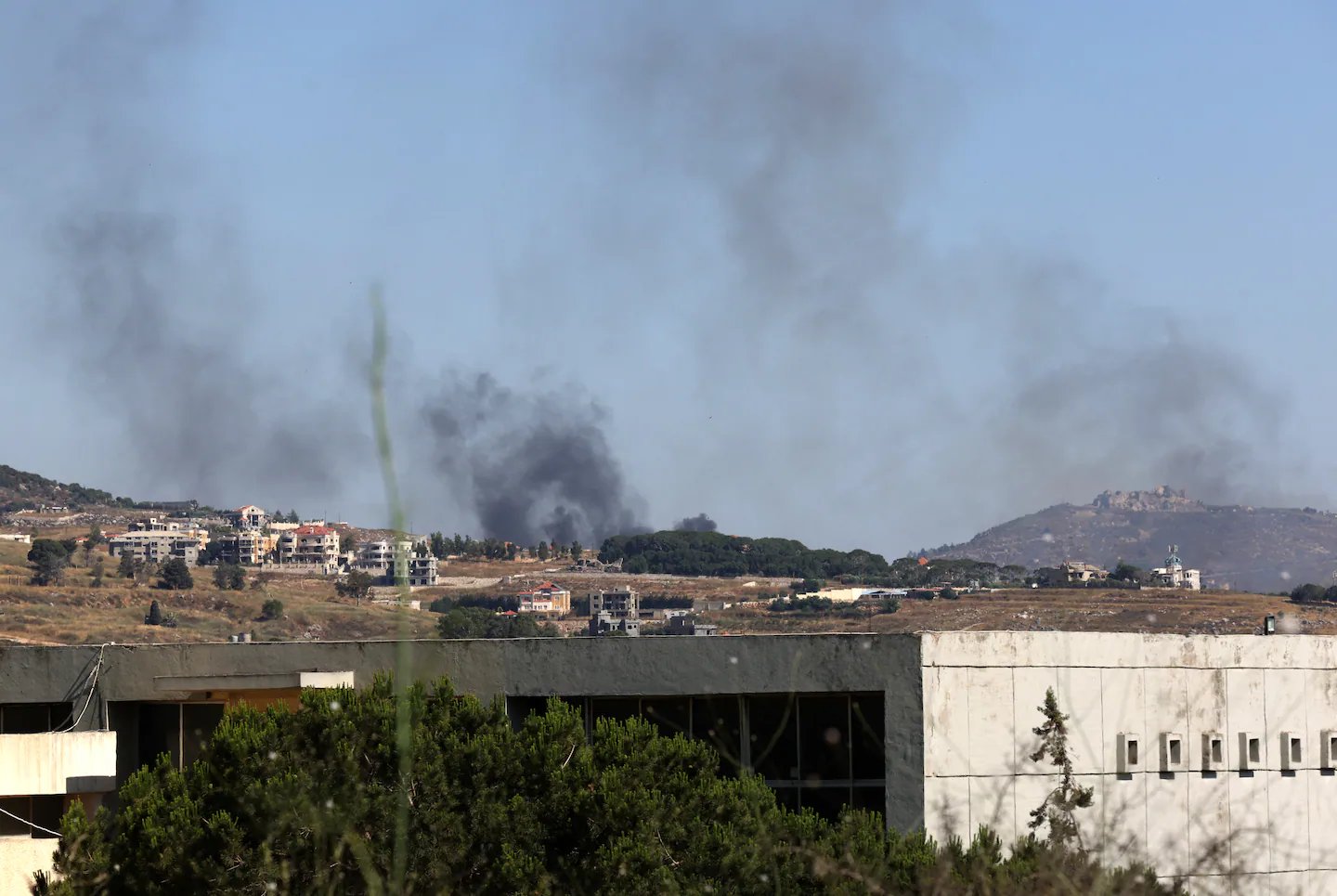
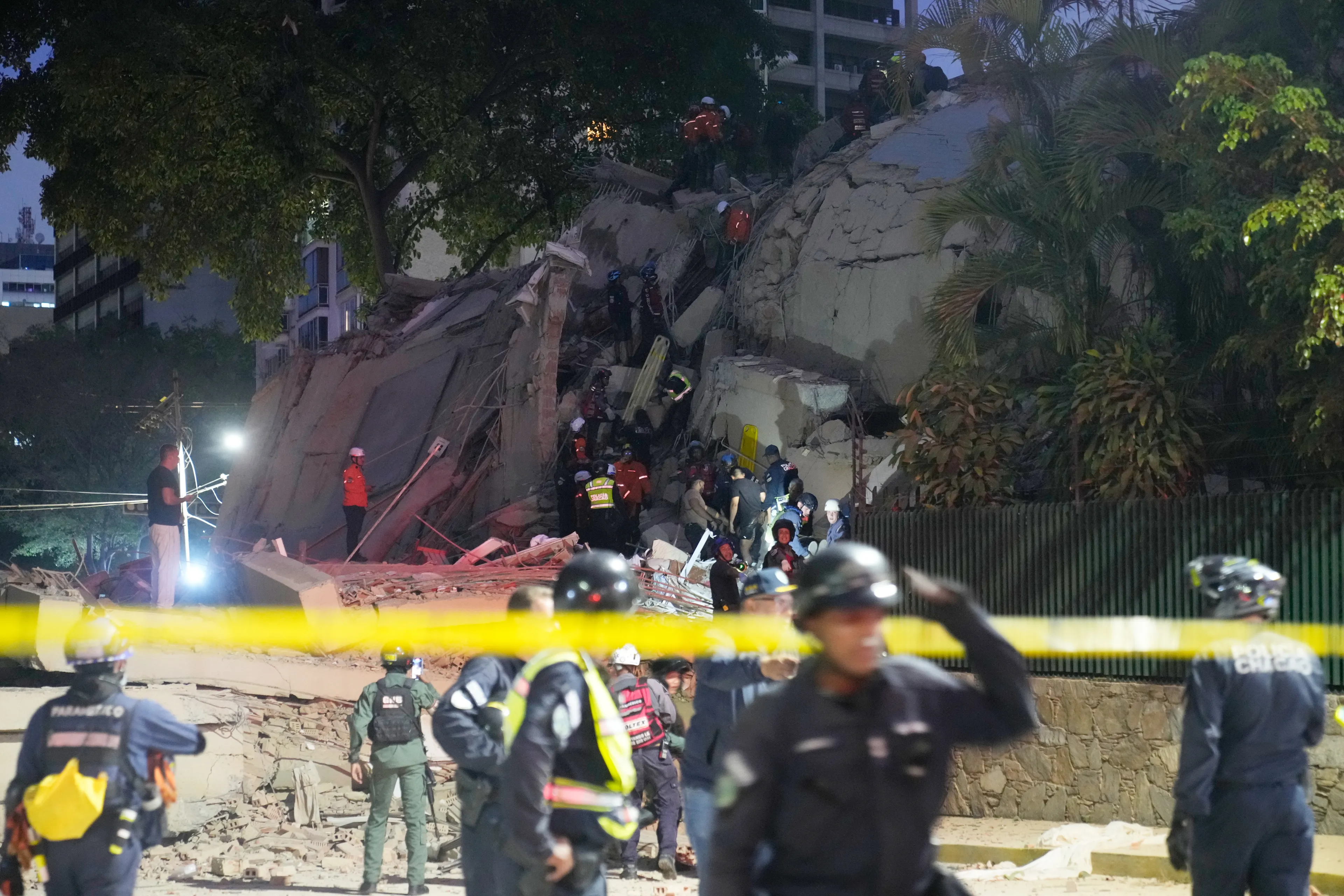
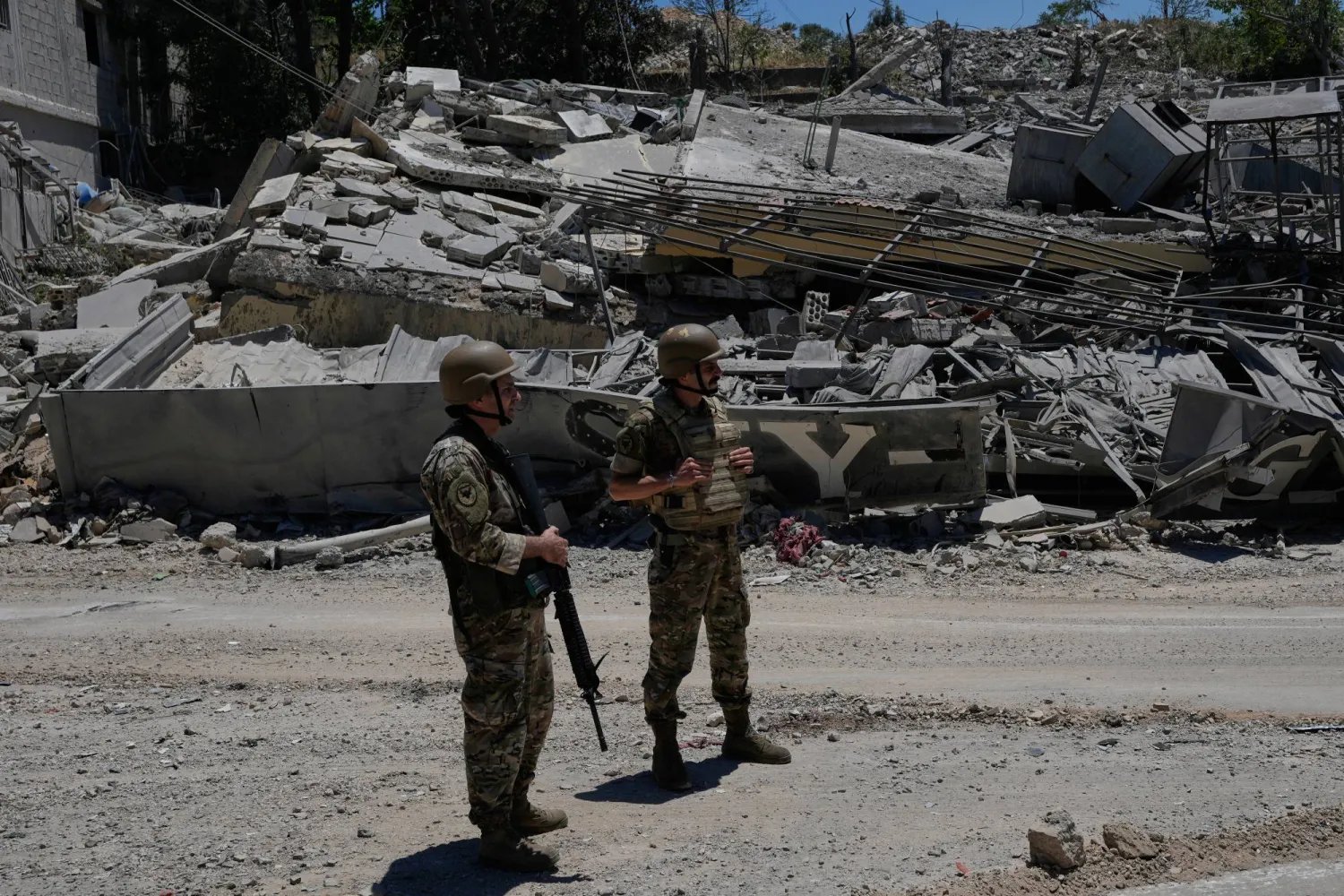
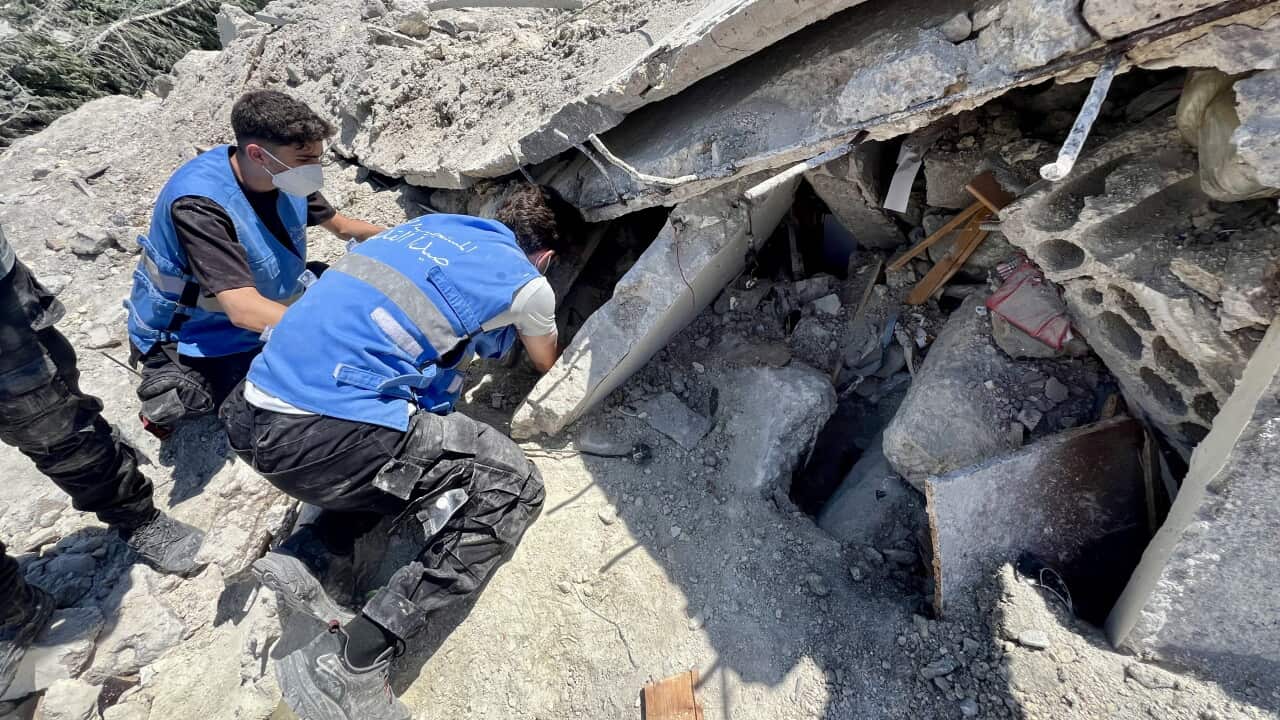
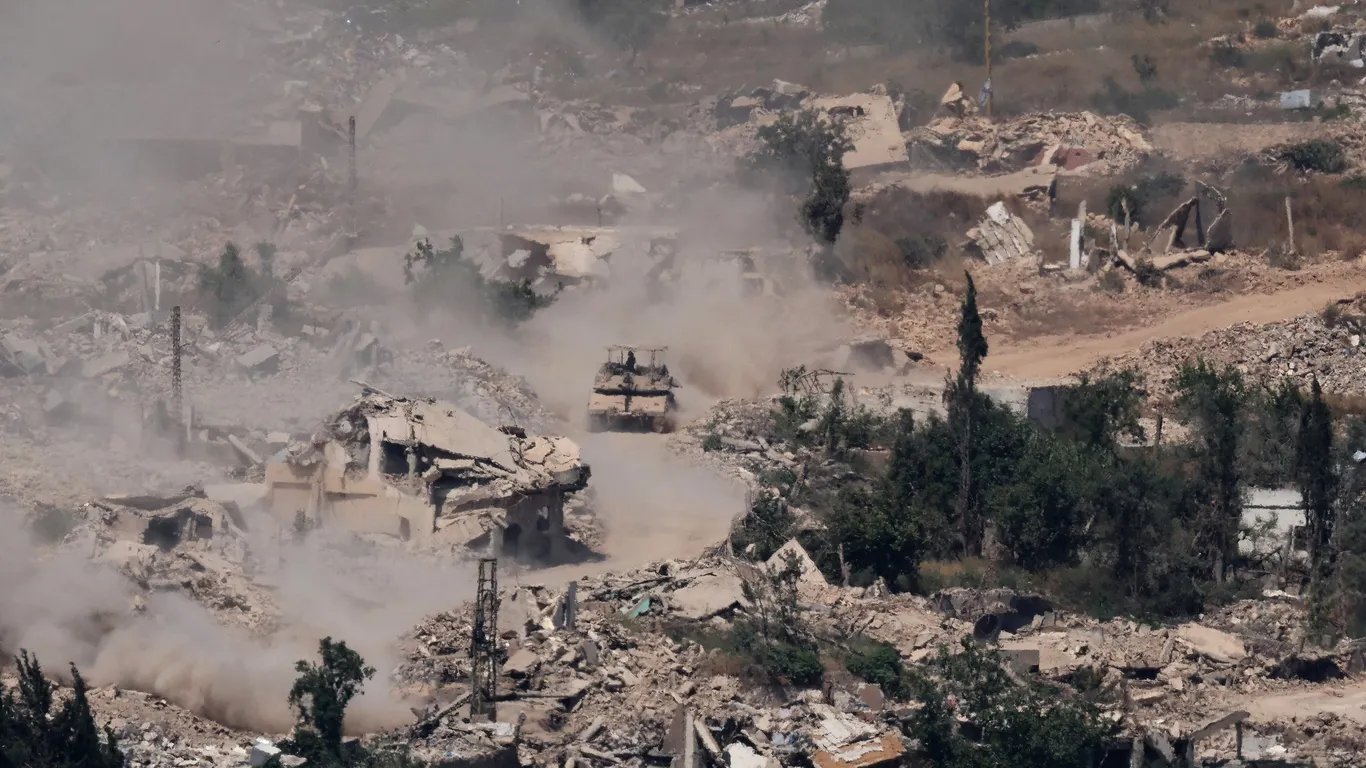
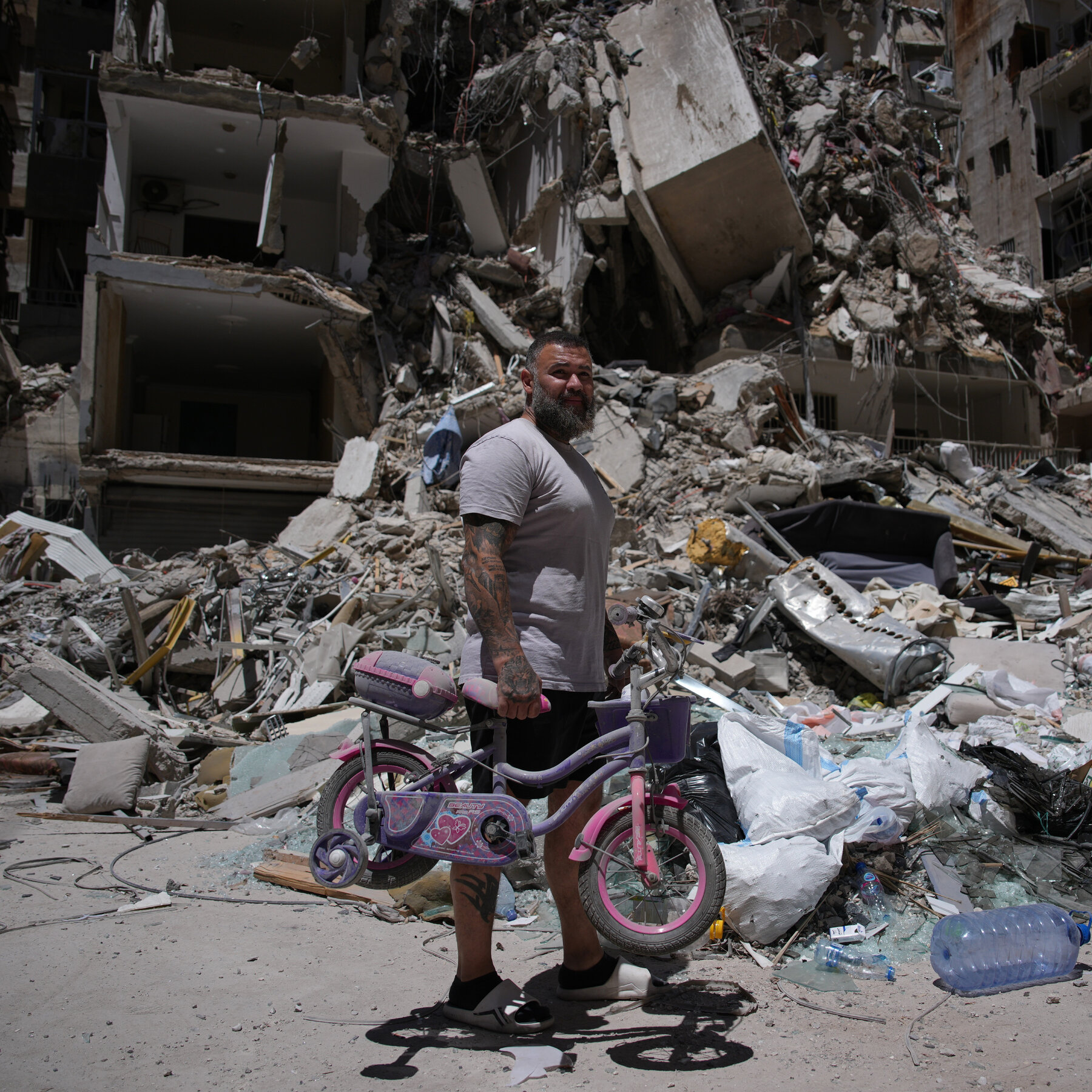
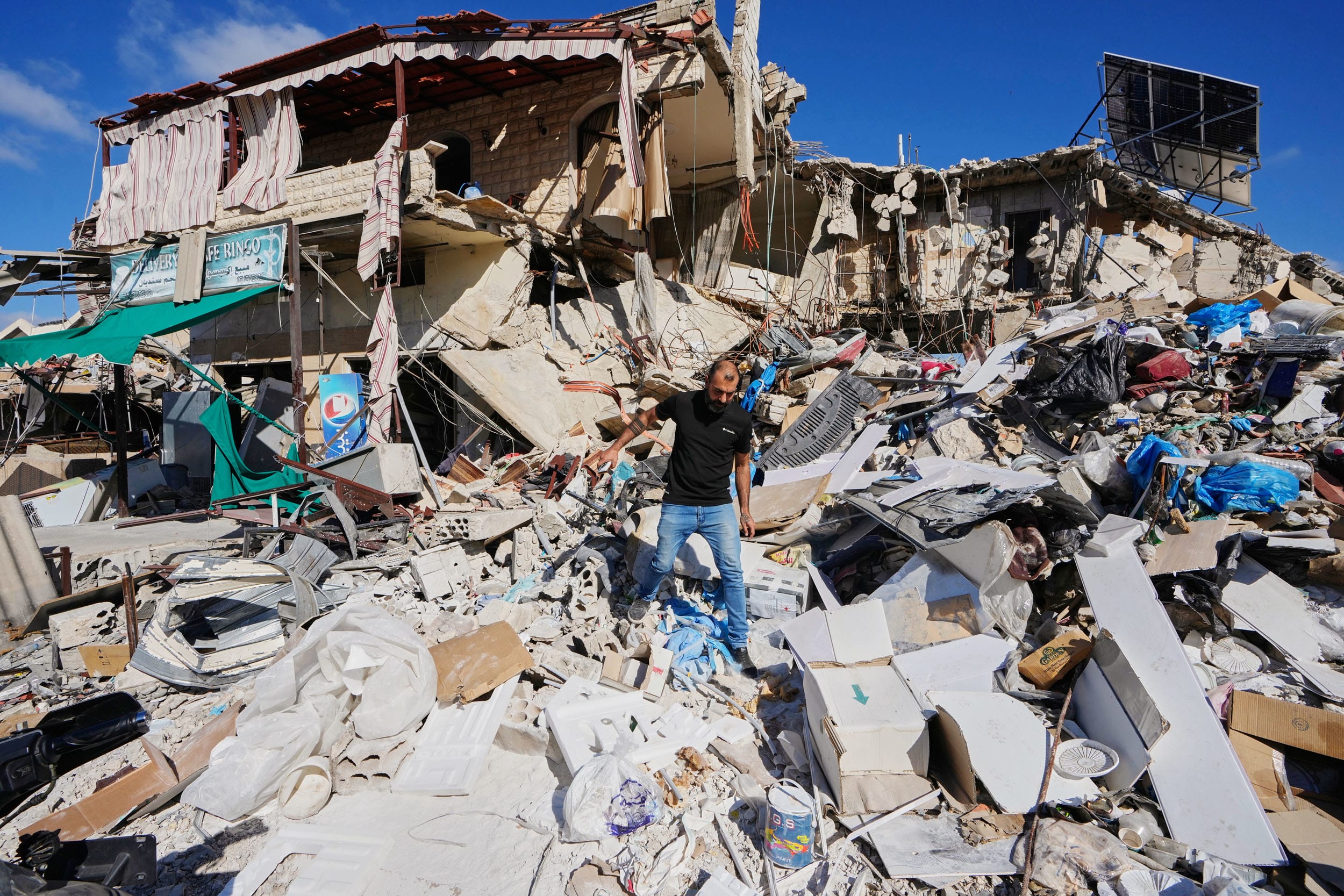
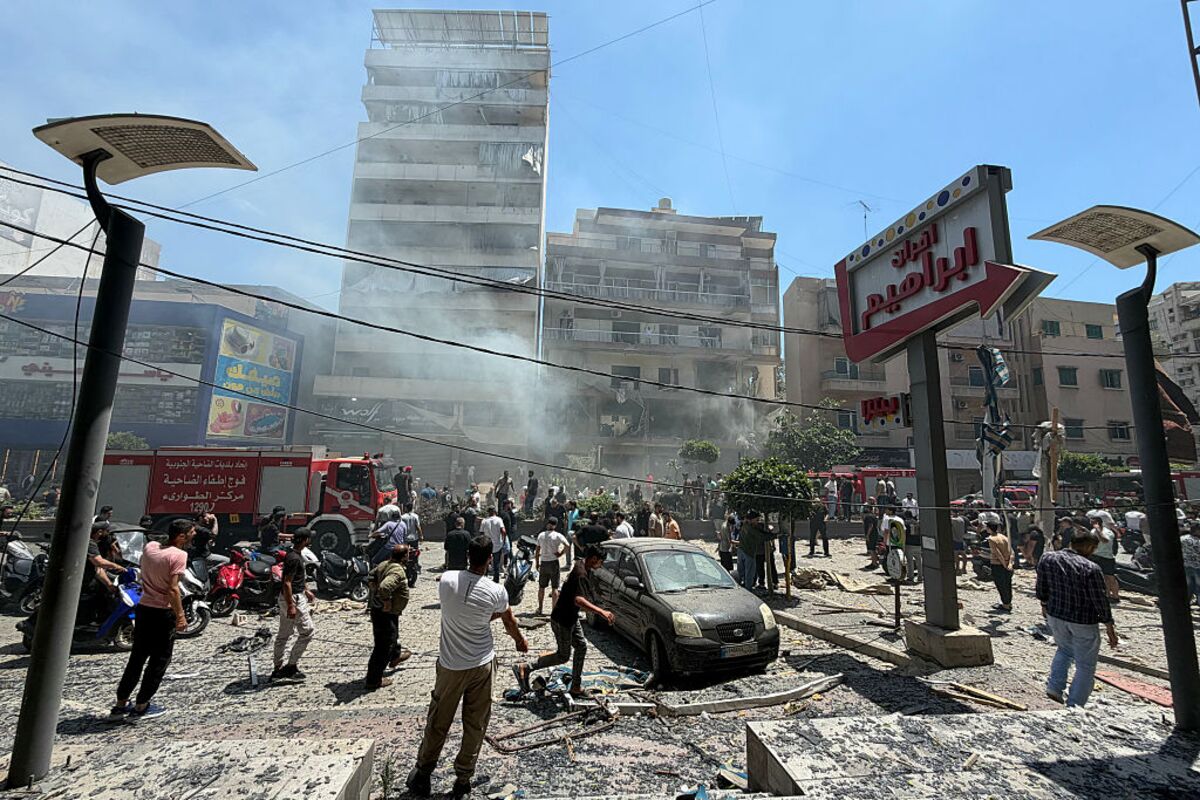
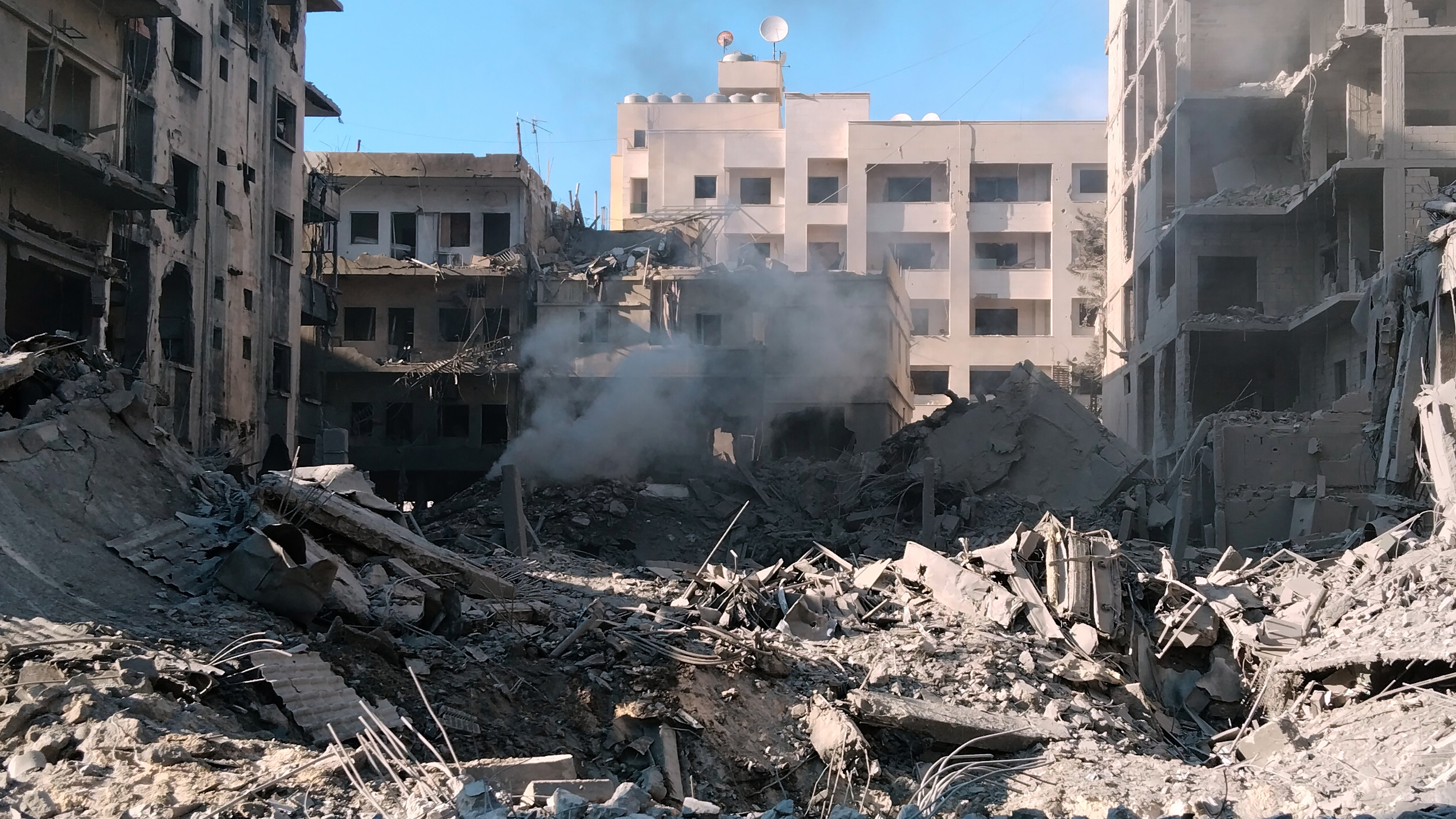
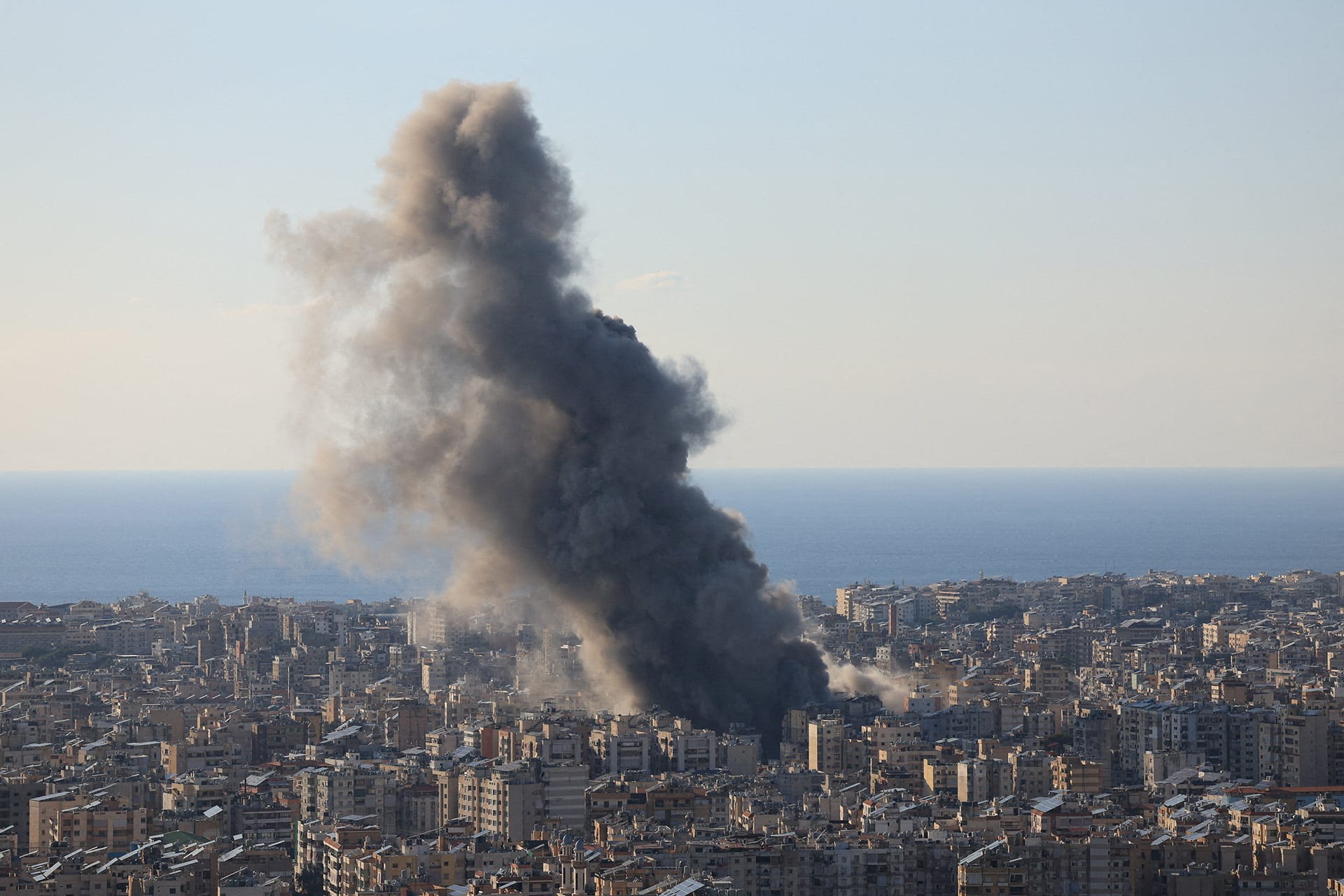
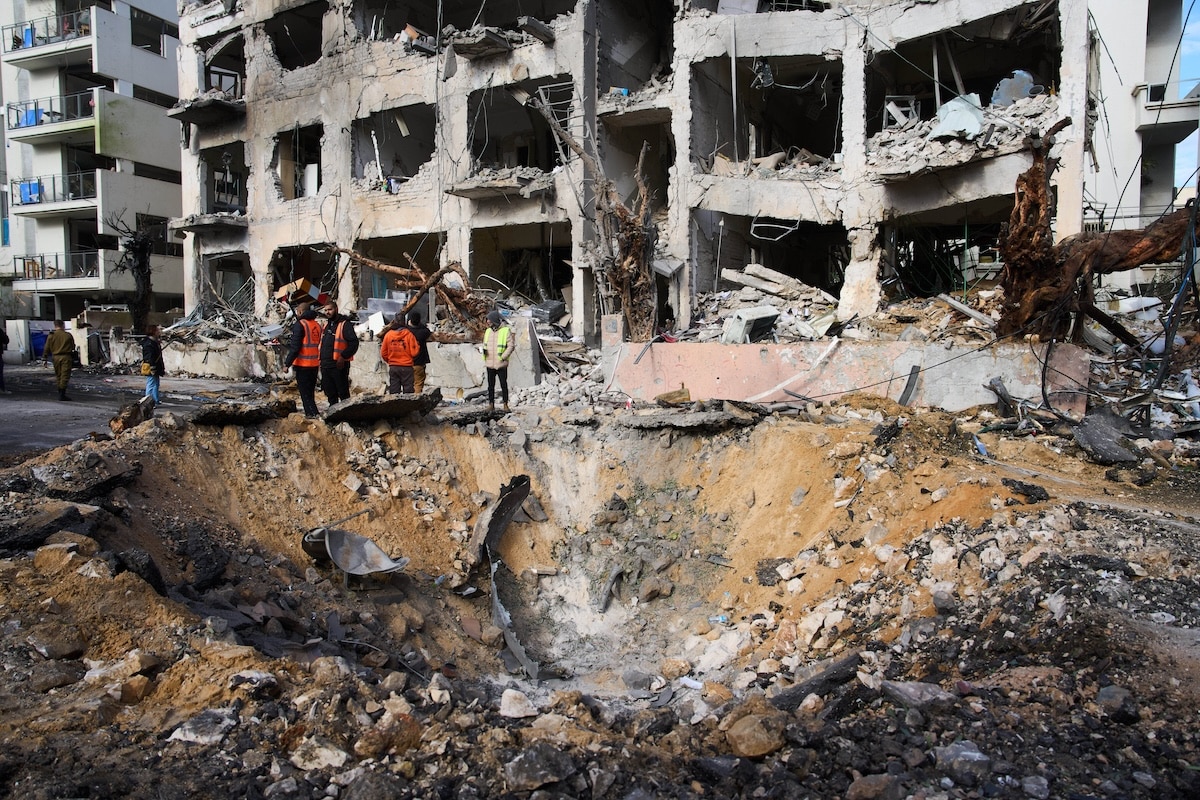
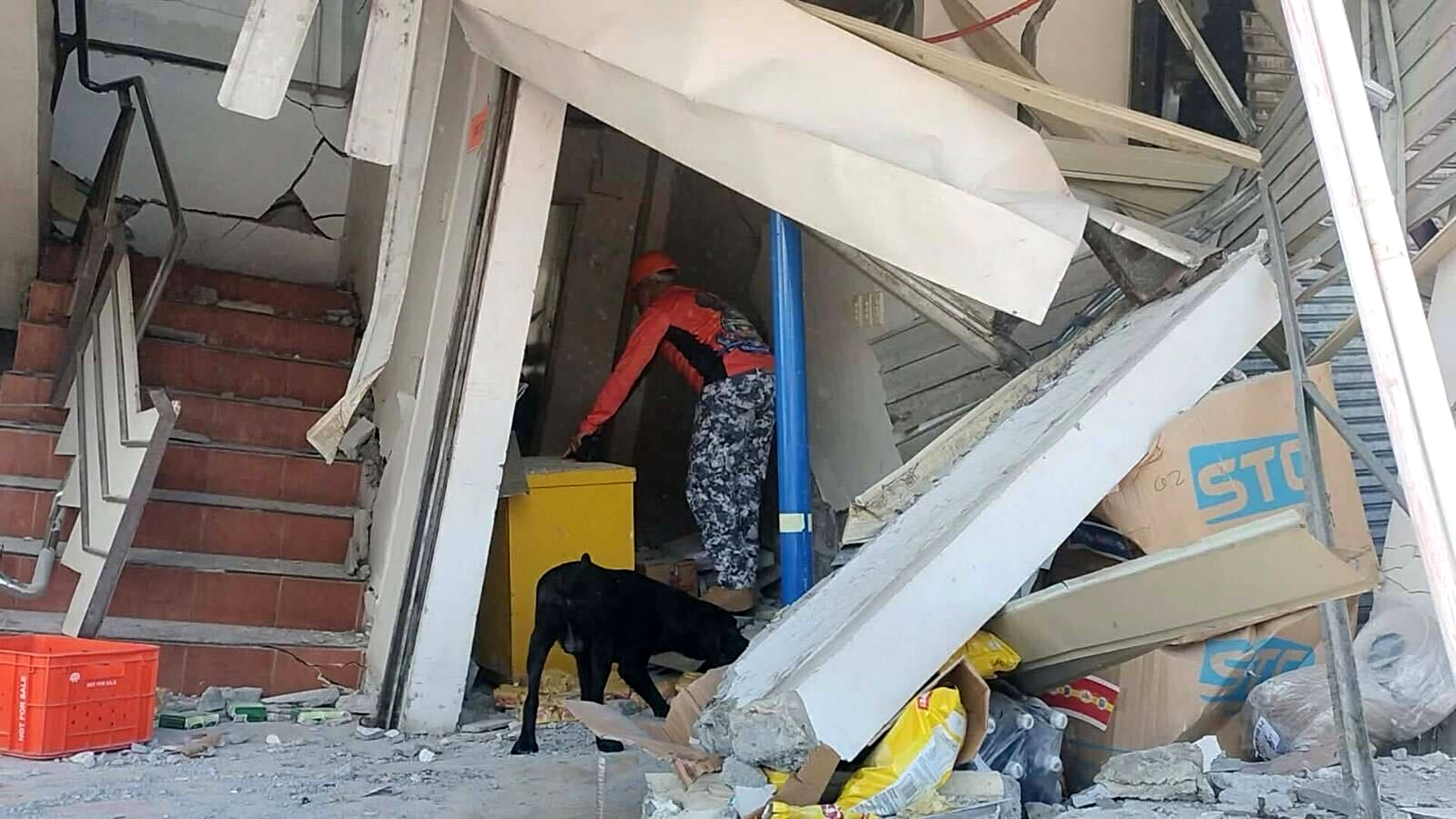
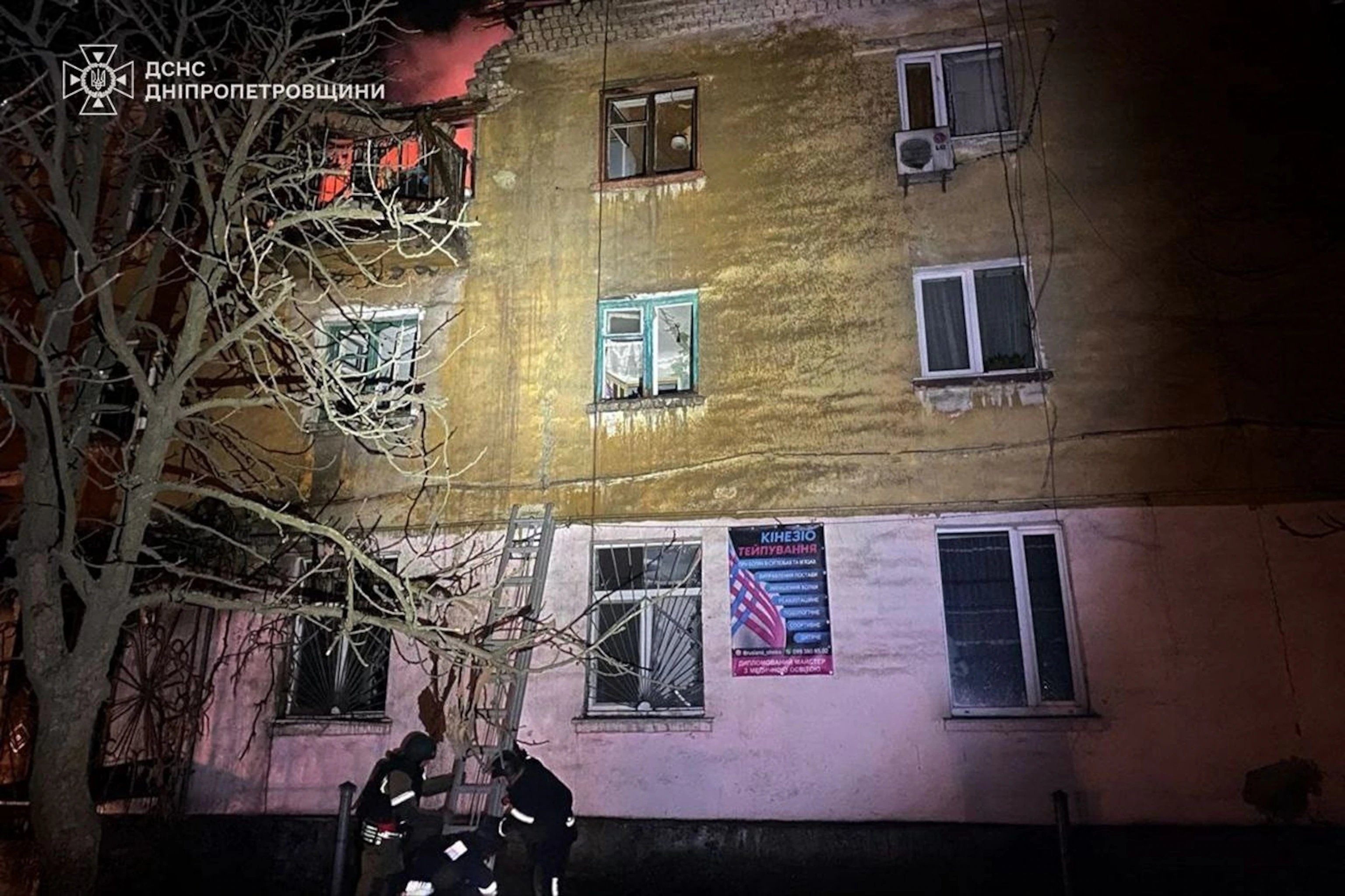
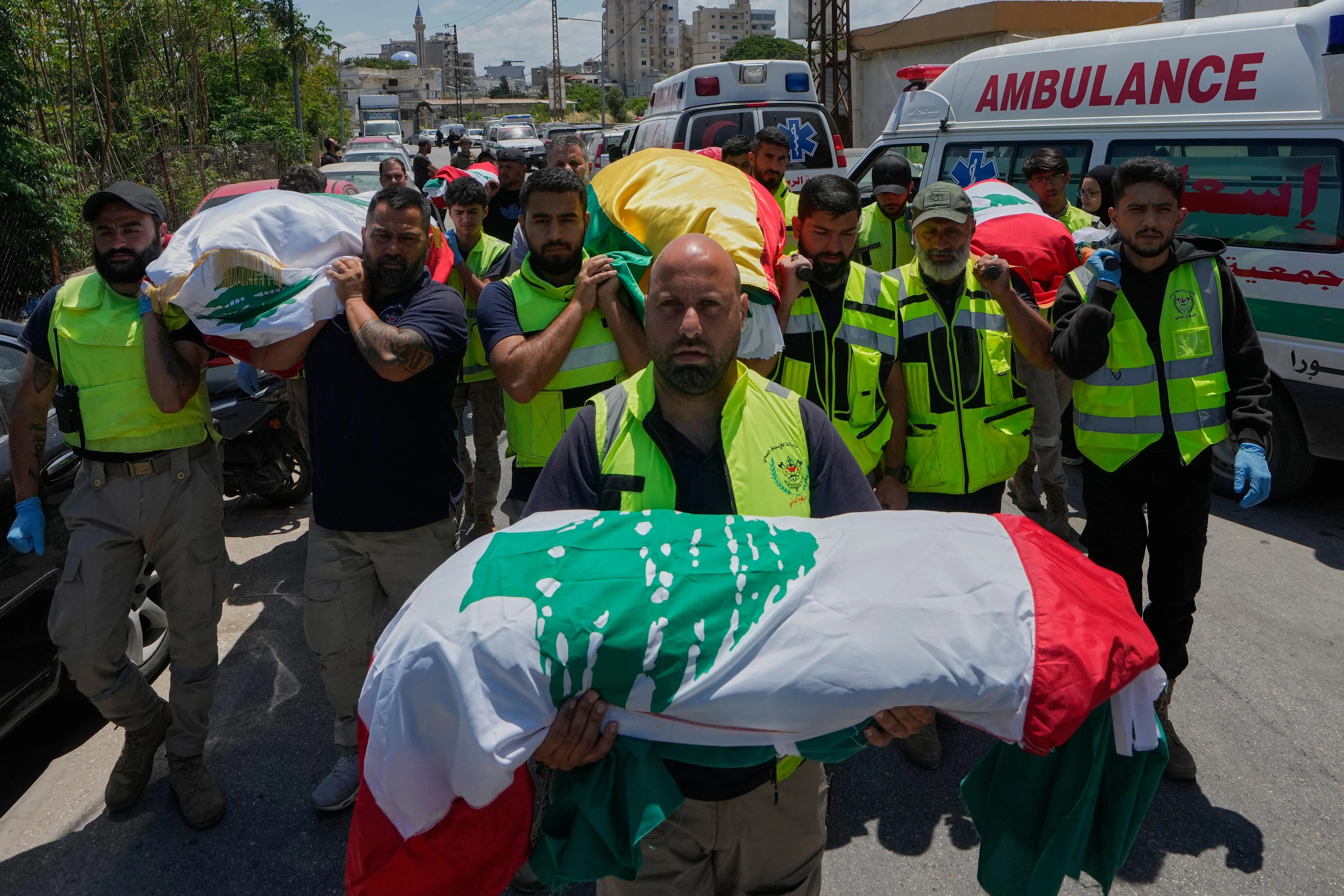
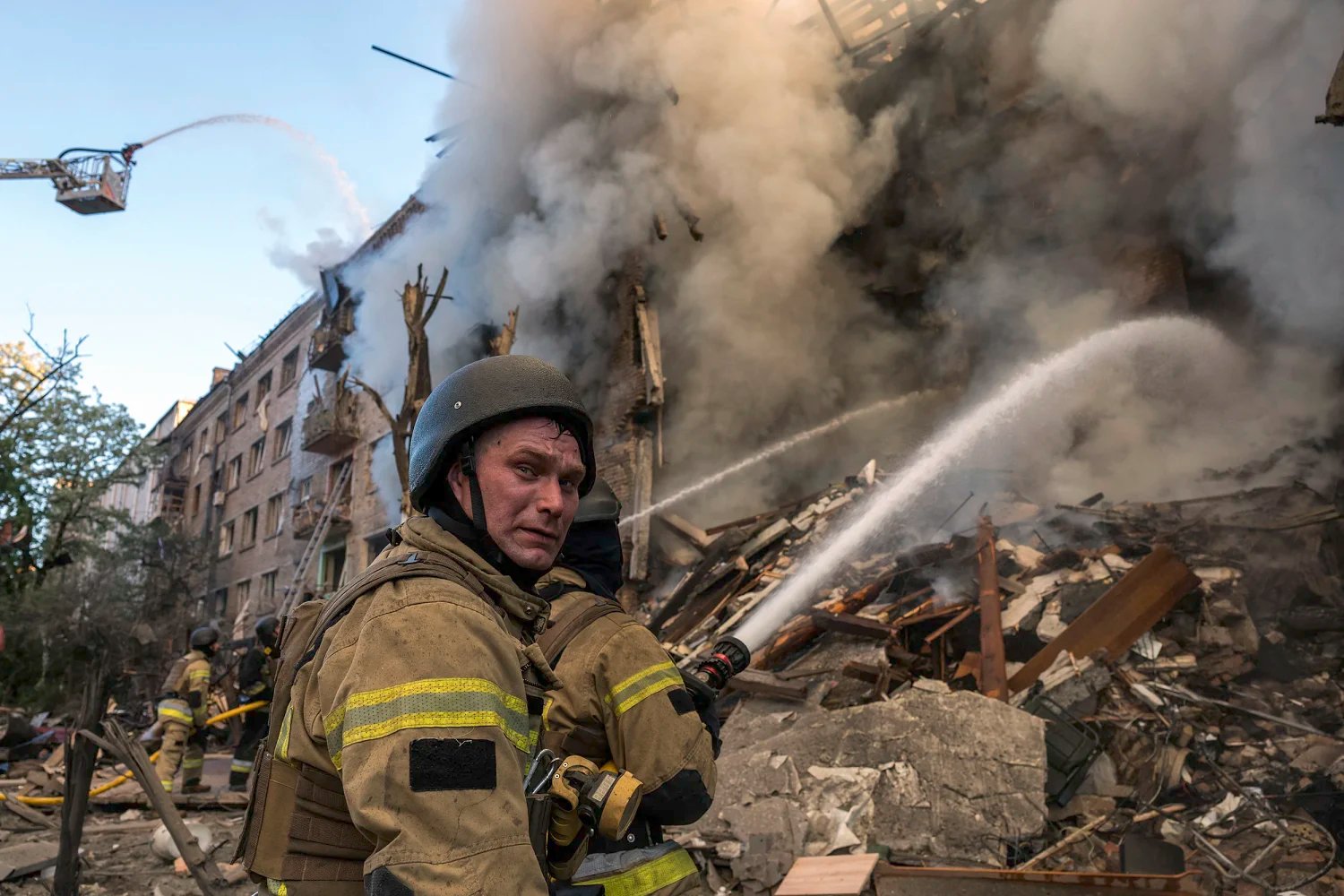
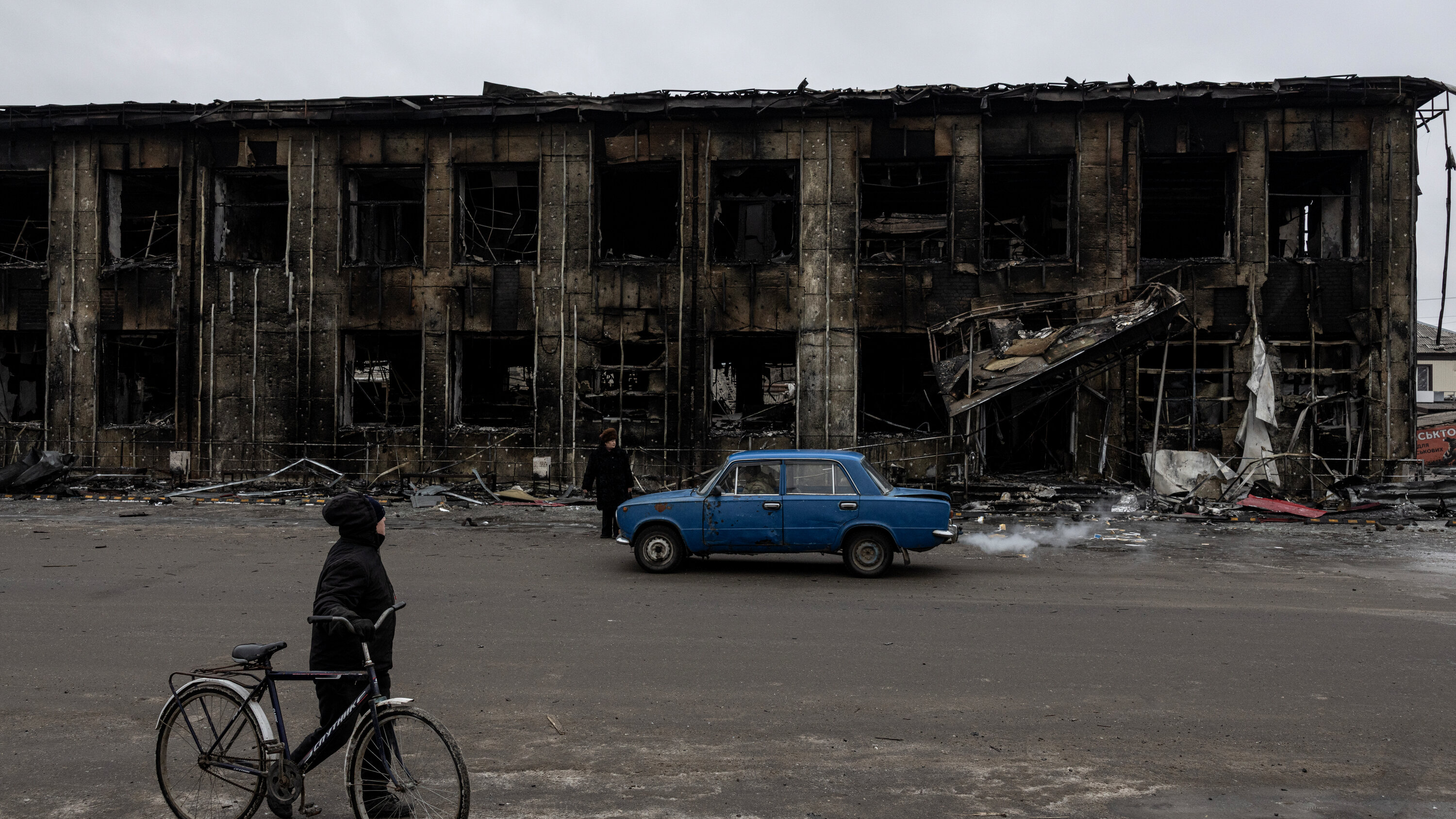
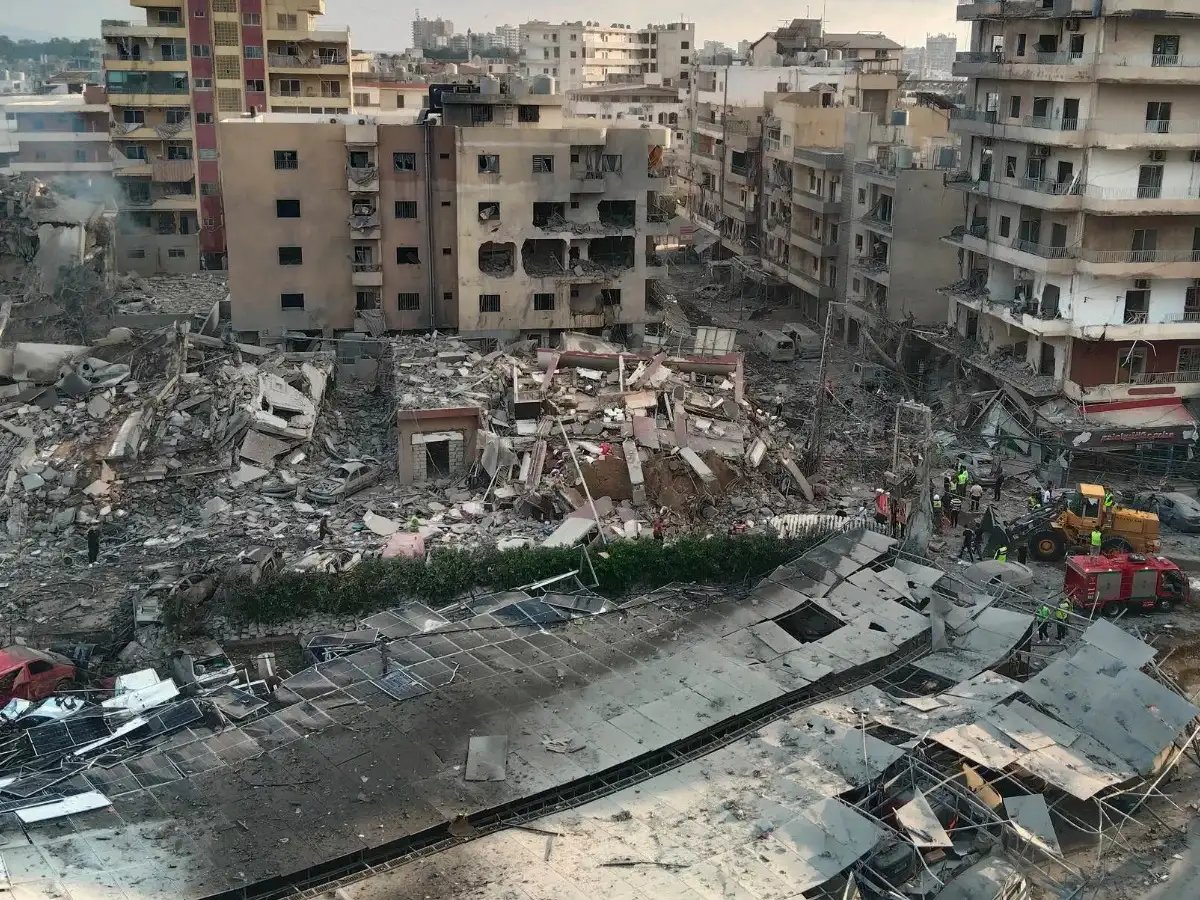
Israeli airstrikes in southern Lebanon killed at least 13 to 17 people on Wednesday, according to Lebanese media reports that vary in their casualty counts. Nine individuals were killed in a series of strikes on the town of Tayr Debba, located just east of Tyre. Additionally, three people died in nearby Deir Qanoun en-Nahr, while two others were killed in the village of Seddiqin. A separate strike in the coastal city of Sidon also claimed two lives.
In retaliation, Hezbollah has intensified its operations against Israeli troops in southern Lebanon. The Iranian-backed group claimed responsibility for targeting Israeli military positions. The fighting has drawn international attention, with the United Nations announcing plans to investigate potential violations of international law by all parties involved.
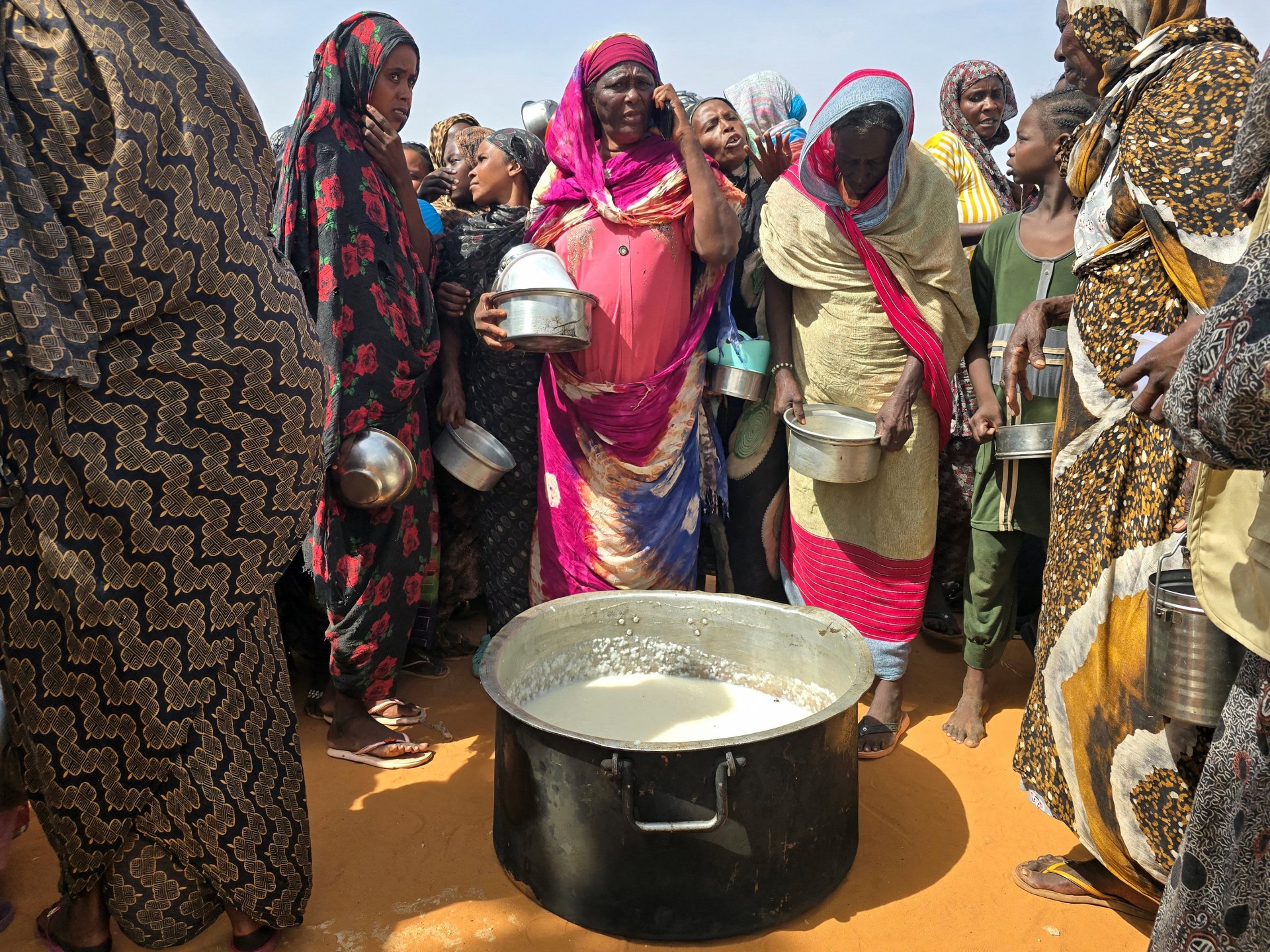
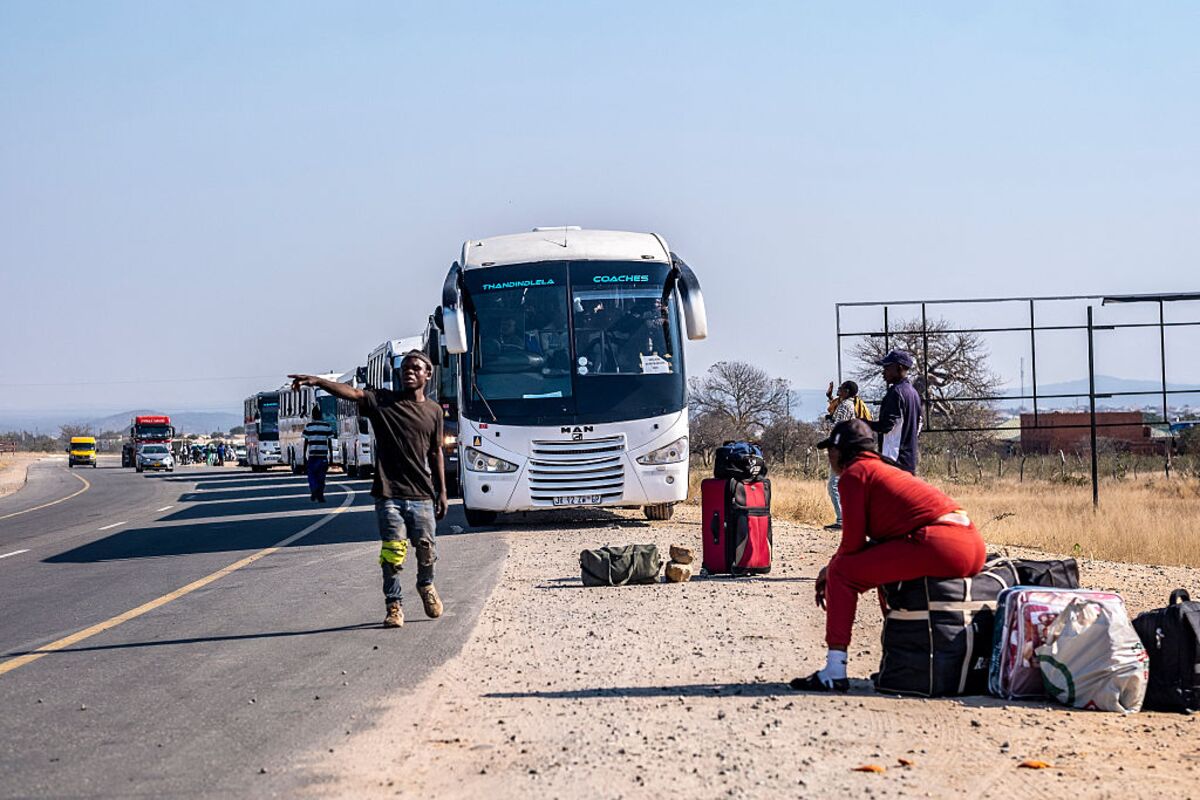
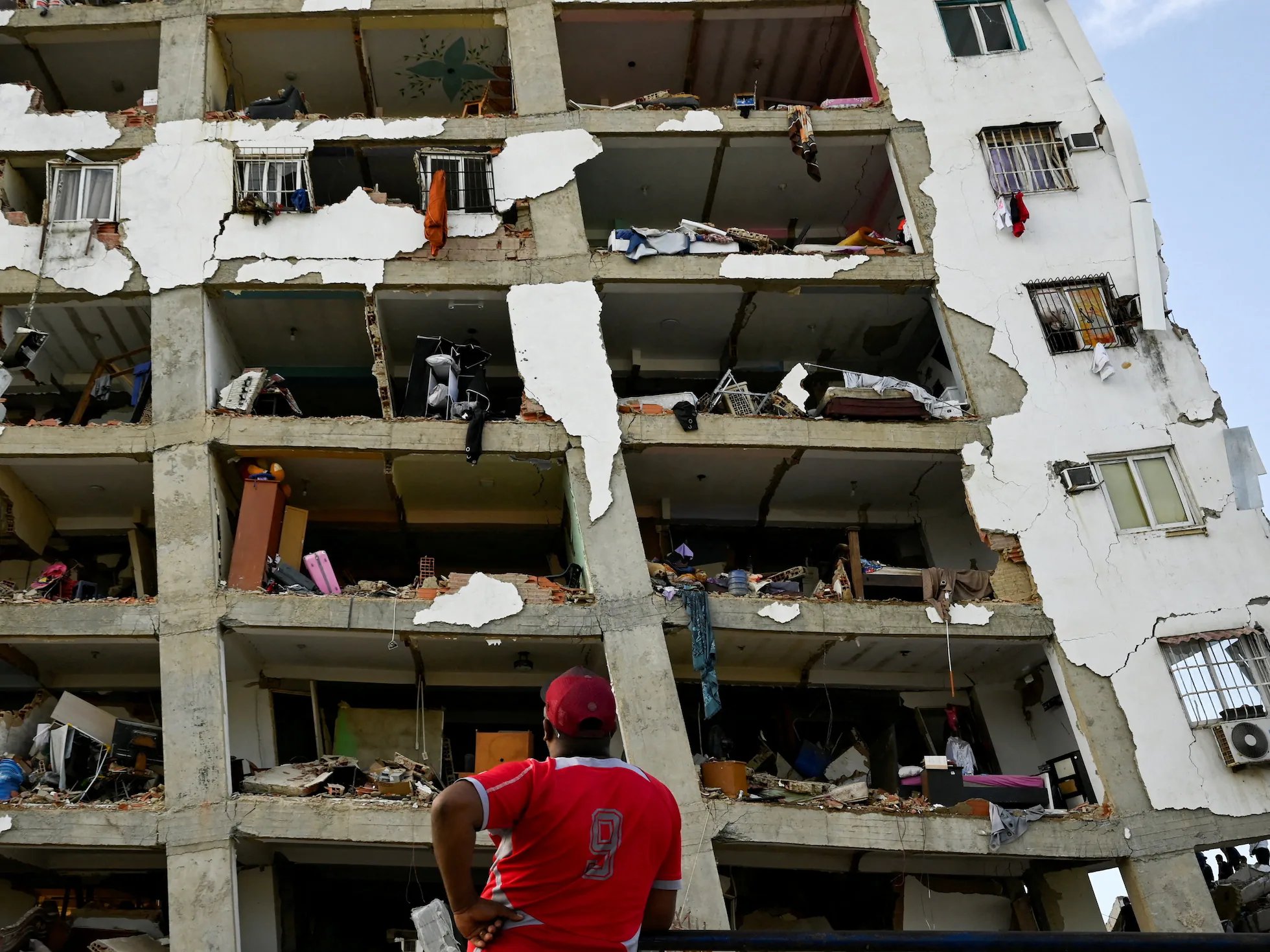
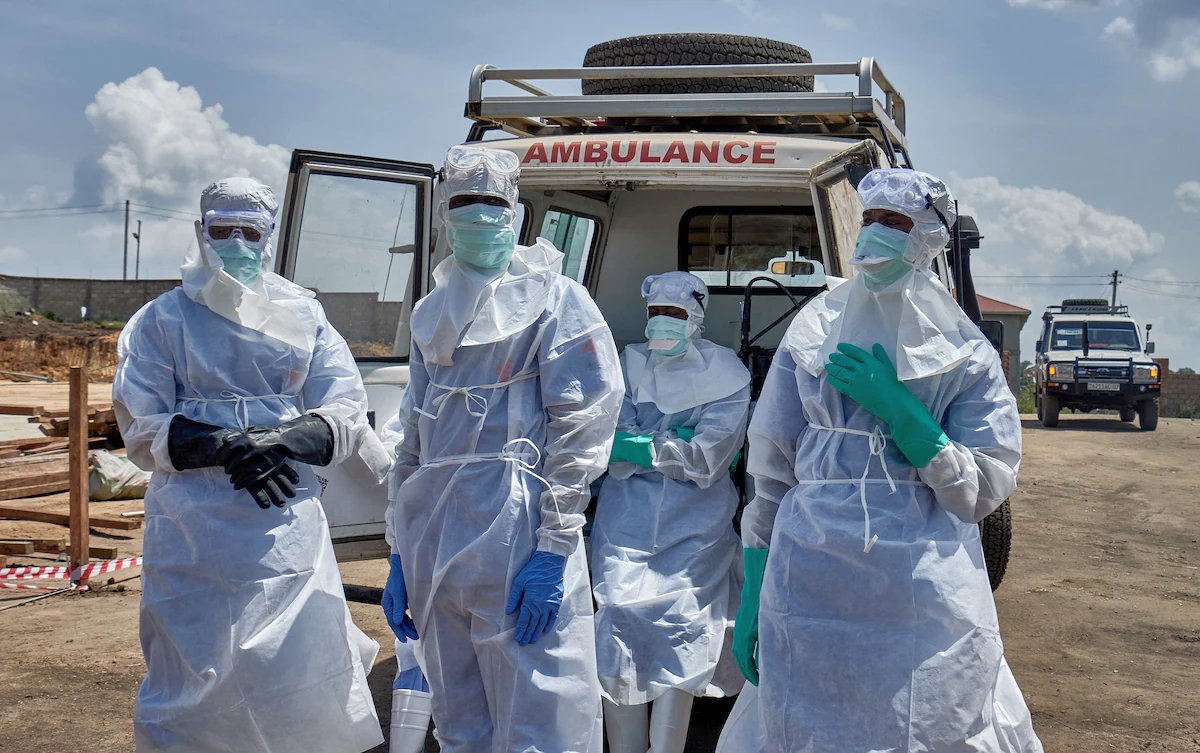
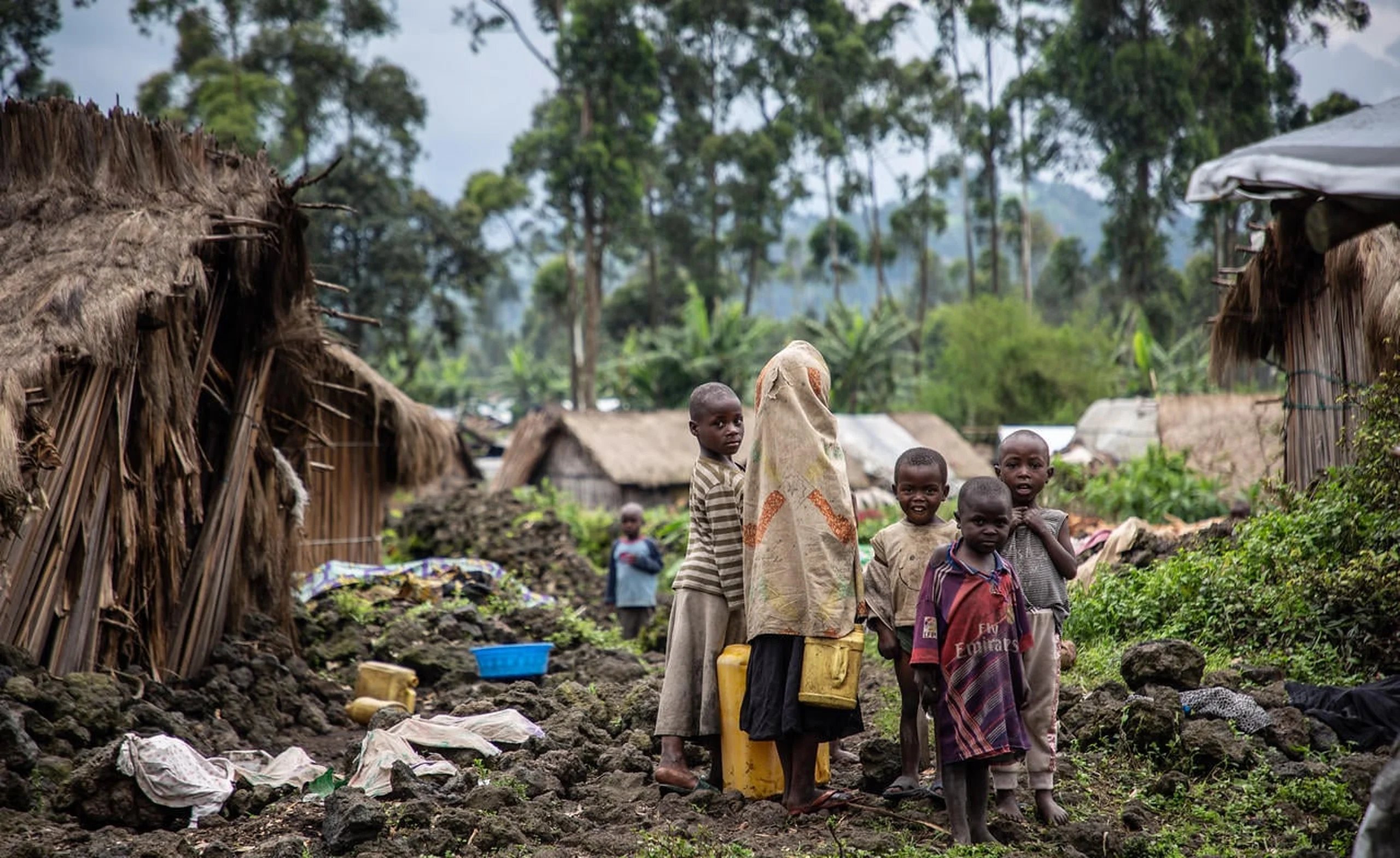
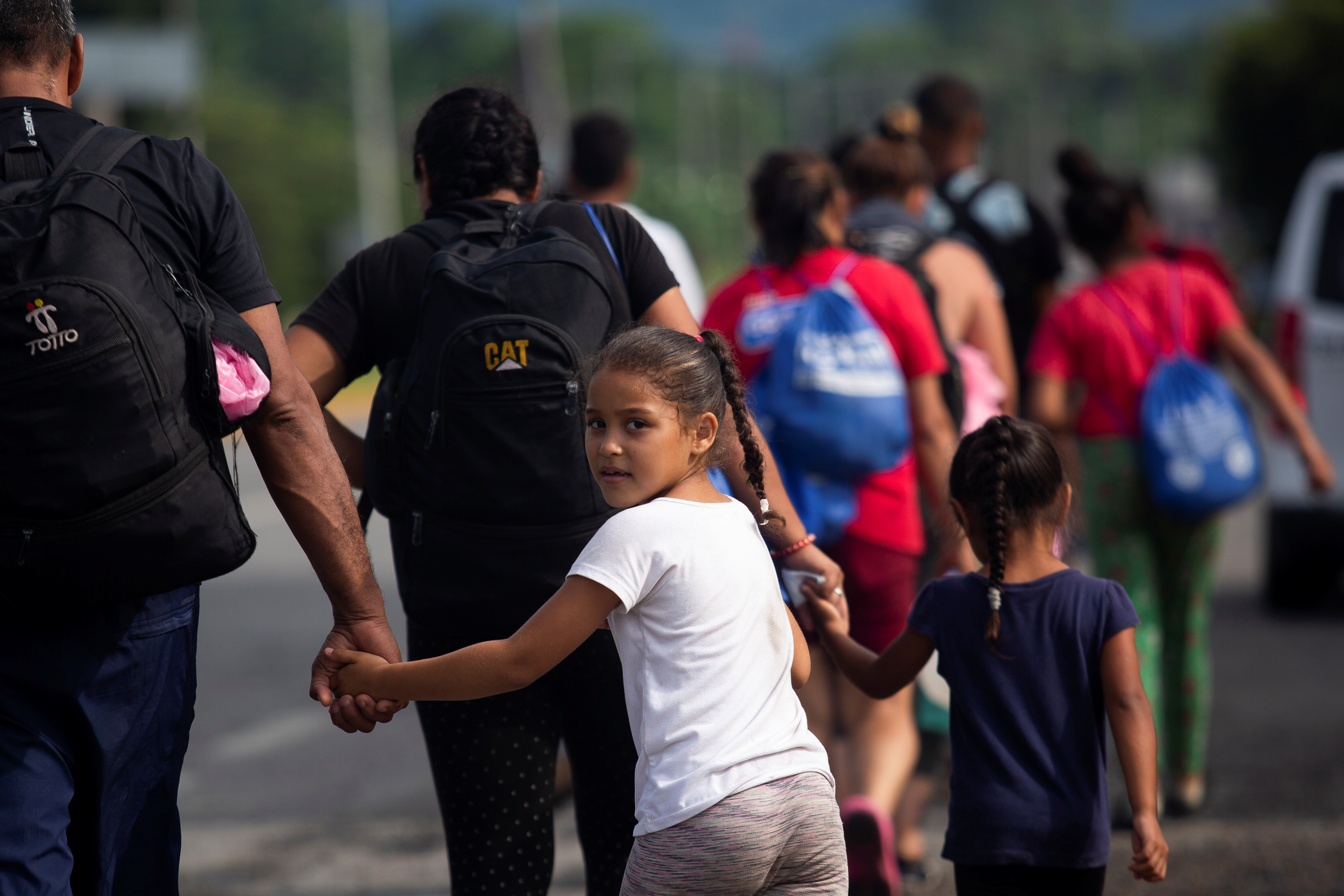
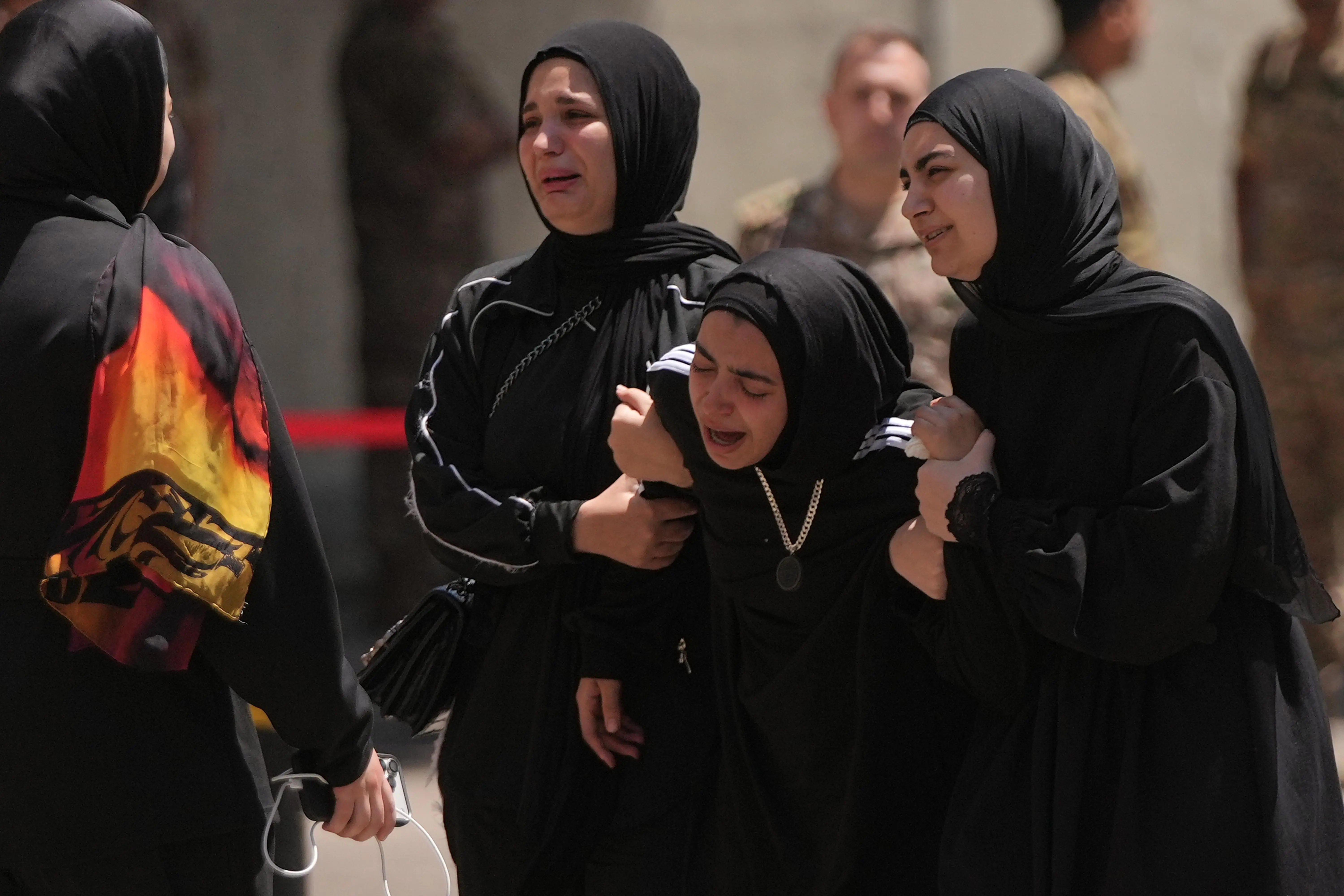
The conflict has led to widespread displacement, with the Lebanese Ministry of Health reporting that nearly one million people have been forced from their homes. The UN estimates that 1.4 million individuals in Lebanon require urgent humanitarian assistance. Al Jazeera's correspondent in Tyre reported that civilians attempting to leave the city face high risk from drone strikes, saying evacuation routes are not safe as required by the Geneva Convention.
Volker Turk, the UN human rights chief, confirmed that a team of investigators will be deployed to Lebanon next week to assess violations of international law amid the ongoing hostilities.
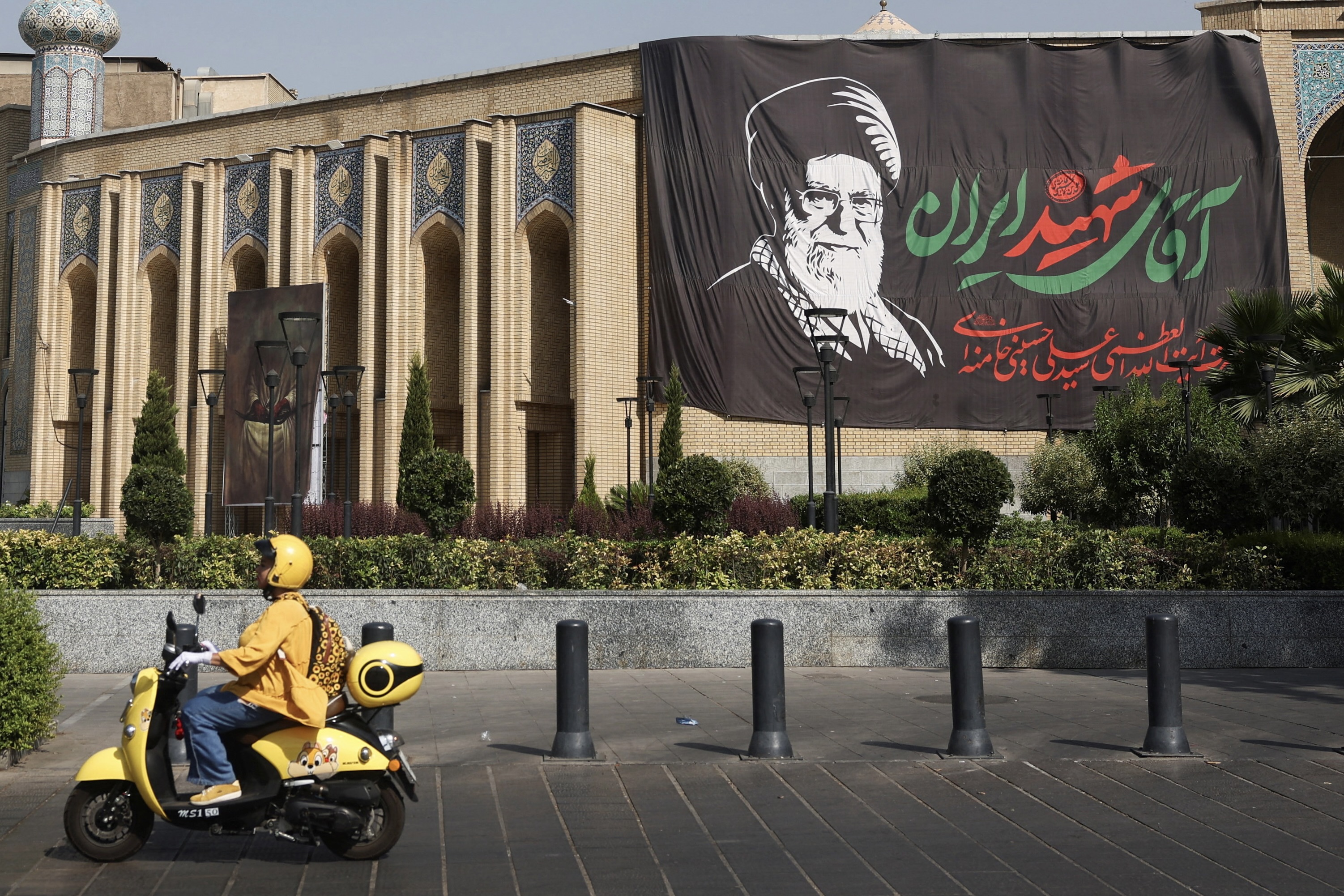
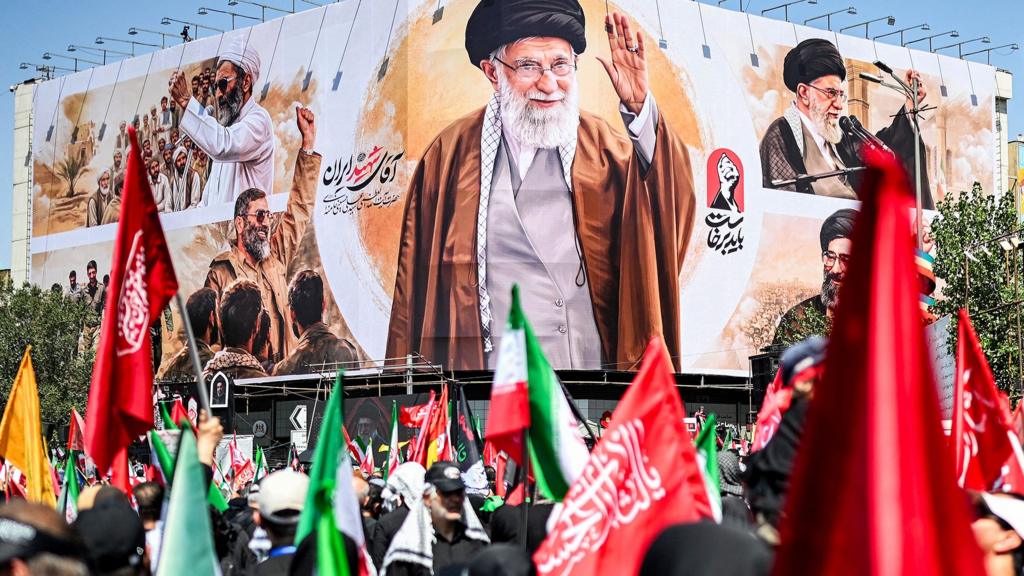
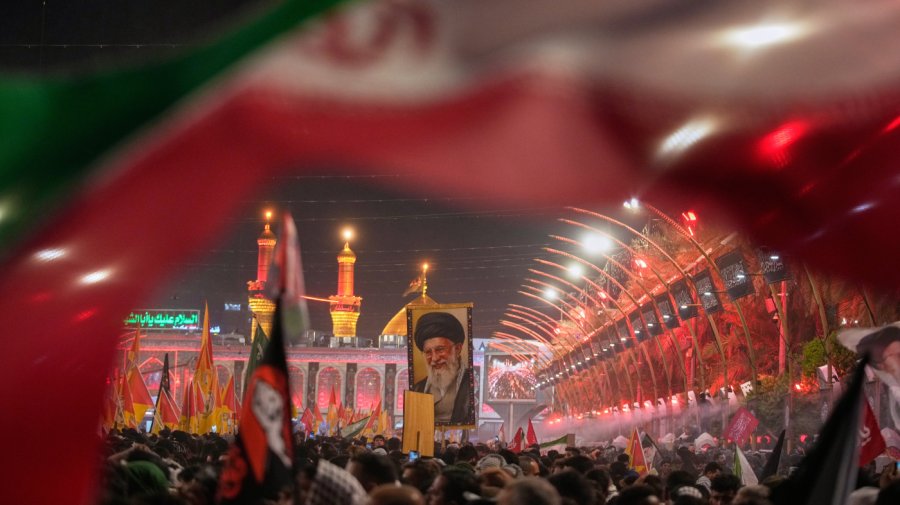
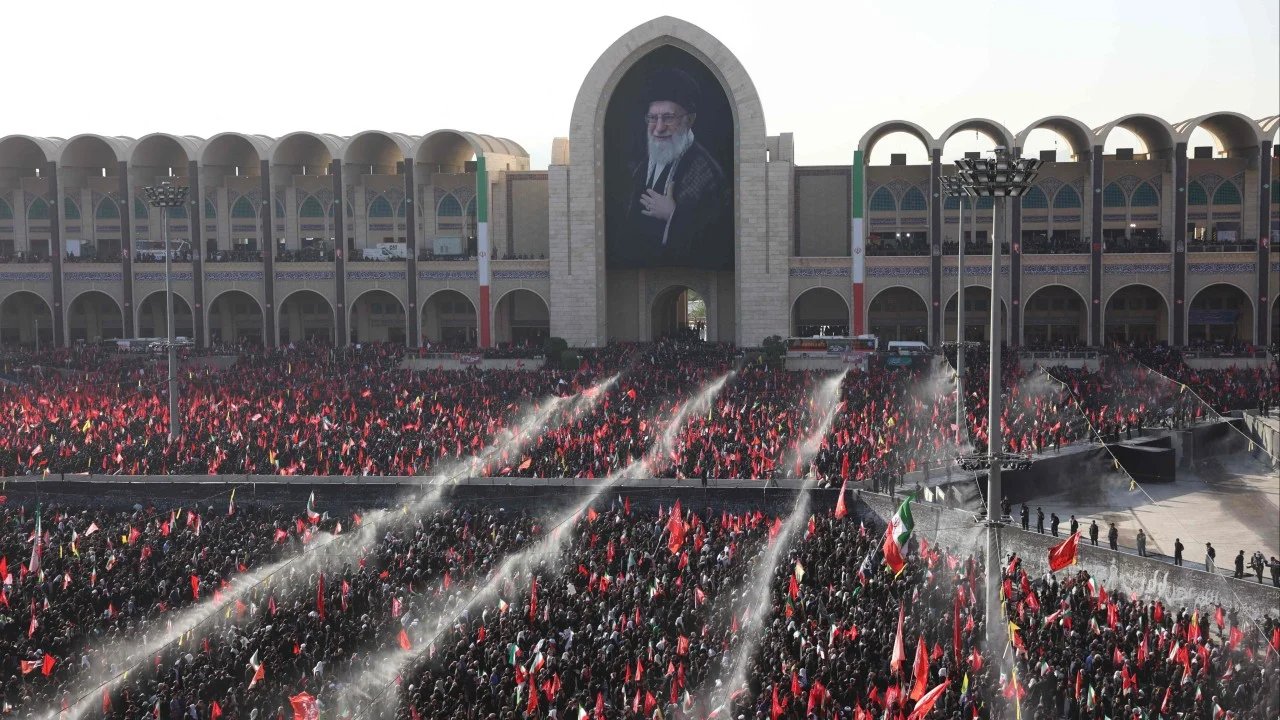
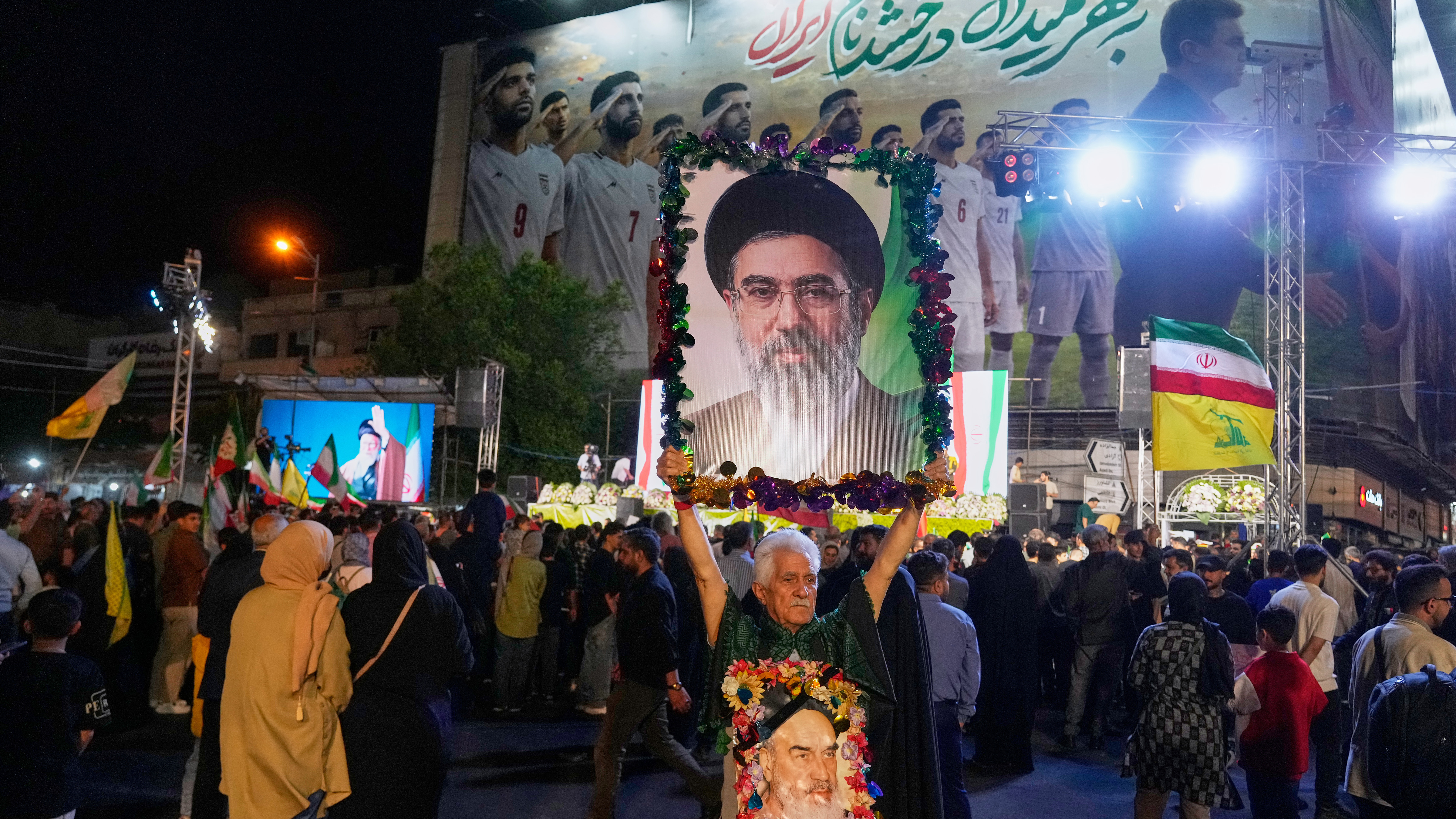
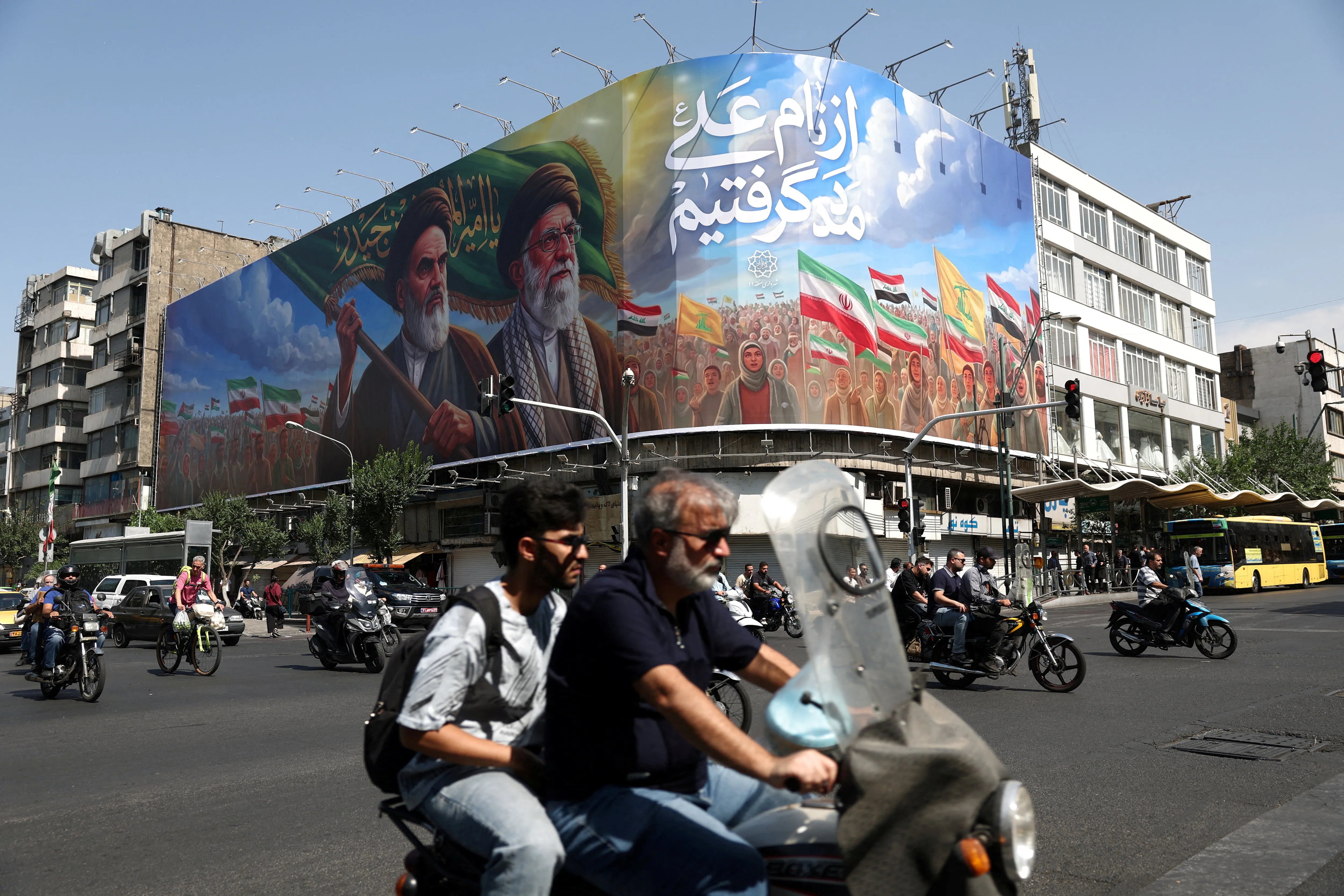
Lebanon entered the conflict on March 2 when Hezbollah fired rockets at Israel in retaliation for an Israeli strike that killed Iran's Supreme Leader. Israel responded with a bombing campaign and invasion of southern Lebanon. The Lebanese government has faced pressure to open humanitarian corridors for aid, particularly for isolated communities affected by the strikes. The situation remains fluid, with both sides continuing to exchange fire, complicating any prospects for a ceasefire.
Israeli airstrikes in southern Lebanon have resulted in the deaths of at least 17 people, according to multiple reports from Lebanese media. Nine individuals were killed in a series of strikes on the town of Tayr Debba, located just east of Tyre. Additionally, three people died in nearby Deir Qanoun en-Nahr, while two others were killed in the village of Seddiqin. A separate strike in the coastal city of Sidon also claimed two lives, bringing the total casualties to 17.
In retaliation, Hezbollah has intensified its operations against Israeli troops in southern Lebanon. The Iranian-backed group claimed responsibility for targeting Israeli military positions, indicating a significant escalation in the ongoing conflict. The fighting has drawn international attention, with the United Nations announcing plans to investigate potential violations of international law by all parties involved.
The conflict has led to widespread displacement, with the Lebanese Ministry of Health reporting that nearly one million people have been forced from their homes. The UN estimates that 1.4 million individuals in Lebanon require urgent humanitarian assistance. Reports from the ground indicate that civilians attempting to evacuate are at high risk of being targeted by drone strikes, raising serious concerns about their safety.
Volker Turk, the UN human rights chief, confirmed that a team of investigators will be deployed to Lebanon next week to assess violations of international law amid the ongoing hostilities. This mission represents a critical step in documenting potential war crimes and ensuring accountability for actions taken by both Israel and Hezbollah since the conflict escalated in March.
The conflict has roots in the broader tensions between Israel and Iran, with Hezbollah's involvement marking a significant escalation. The Lebanese government has faced pressure to open humanitarian corridors for aid, particularly for isolated communities affected by the strikes. The situation remains fluid, with both sides continuing to exchange fire, complicating any prospects for a ceasefire.
The recent airstrikes underscore the precarious security situation in southern Lebanon and the urgent need for international intervention to protect civilians and restore stability in the region.
Highlighted text was flagged by the council. Tap to see feedback.