




A Heat Dome Traps the Continent
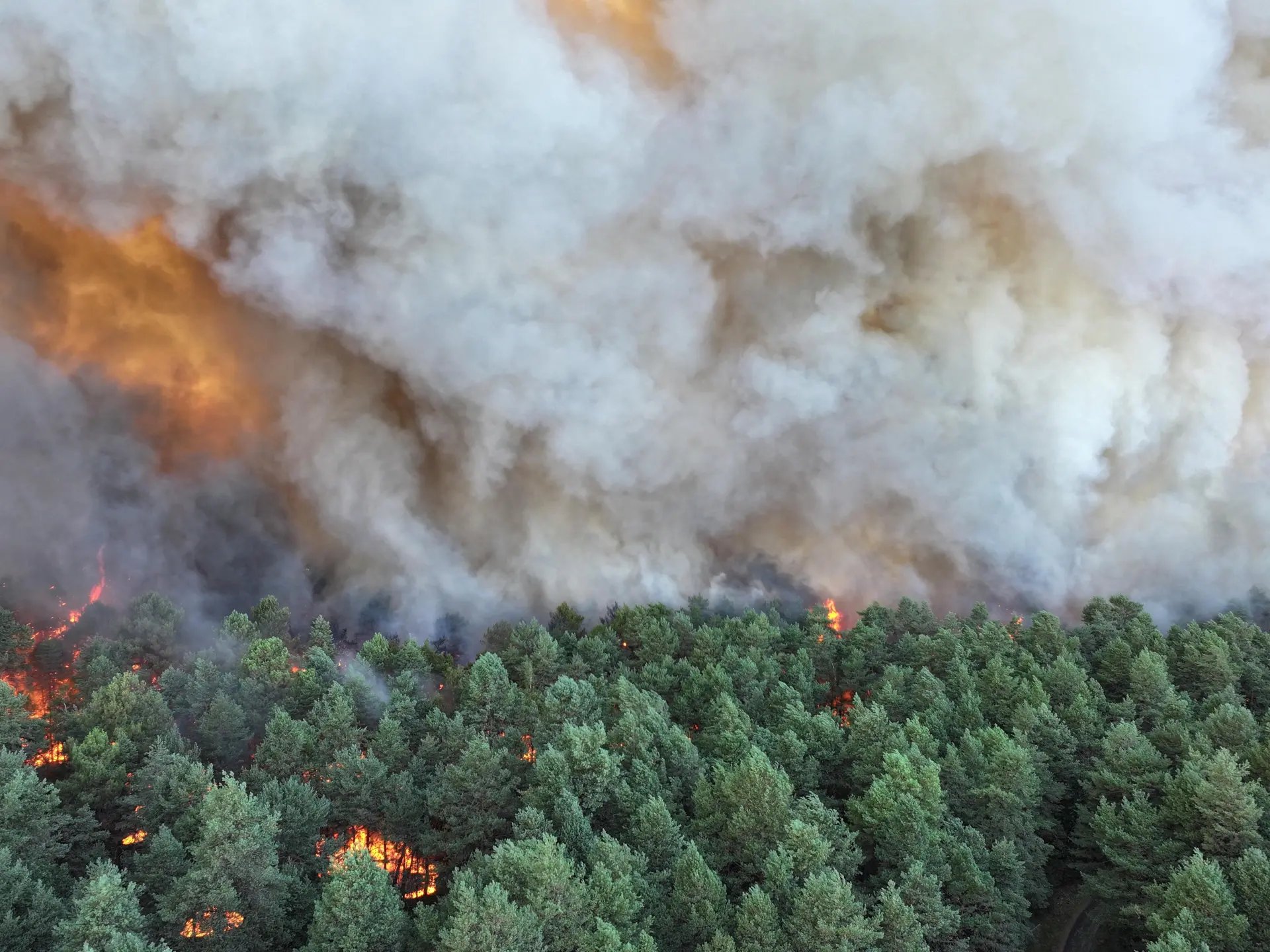
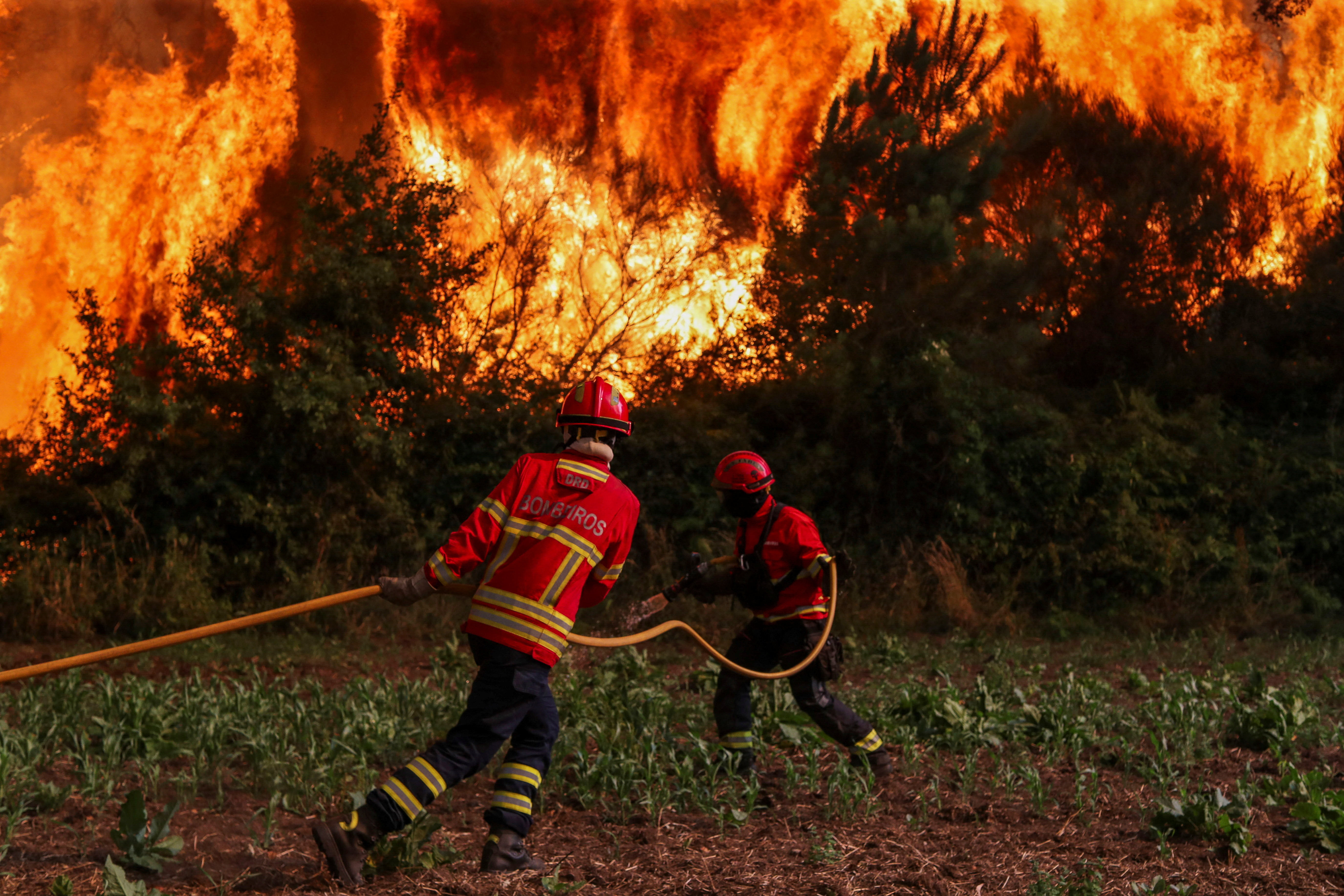
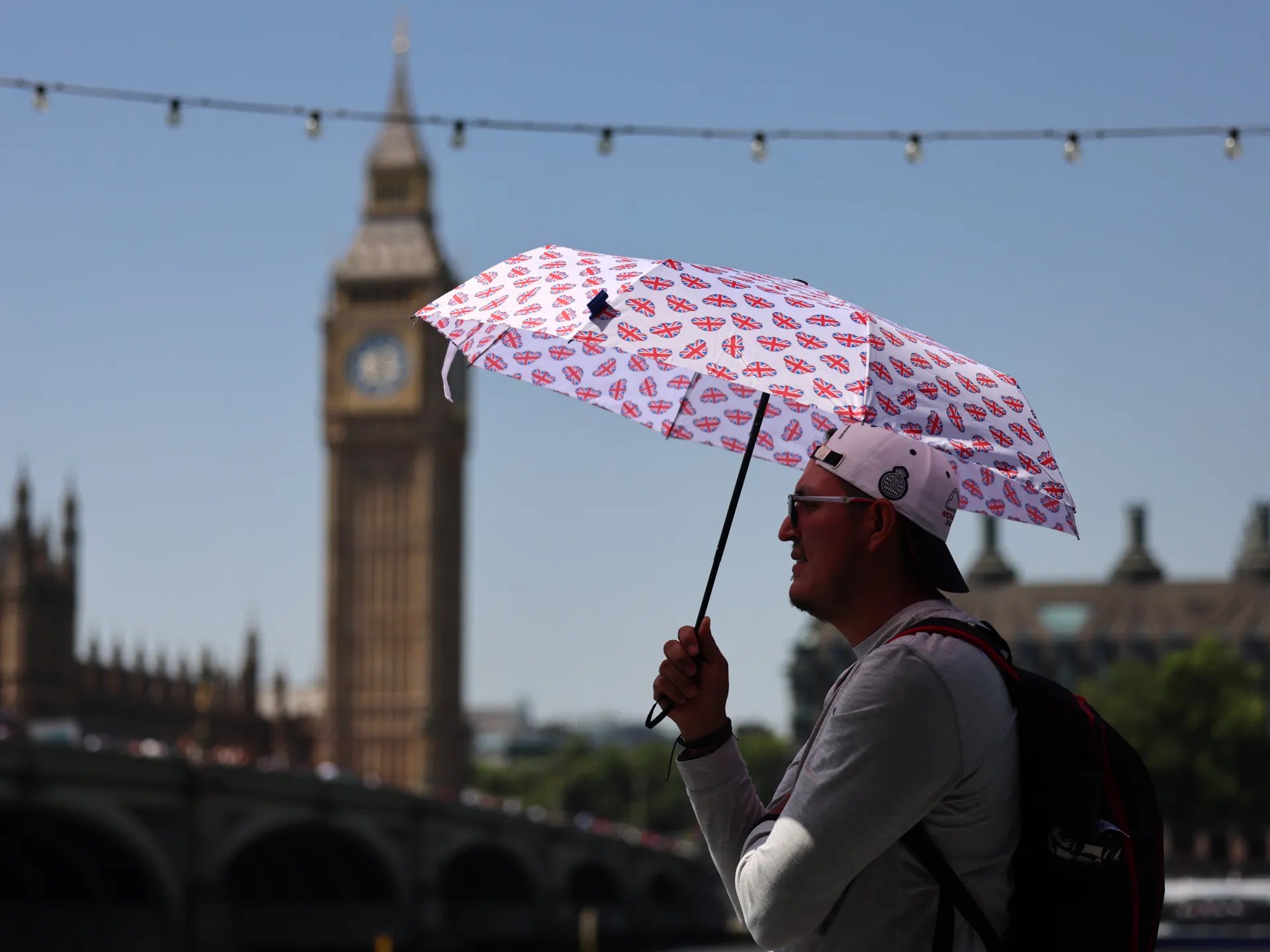
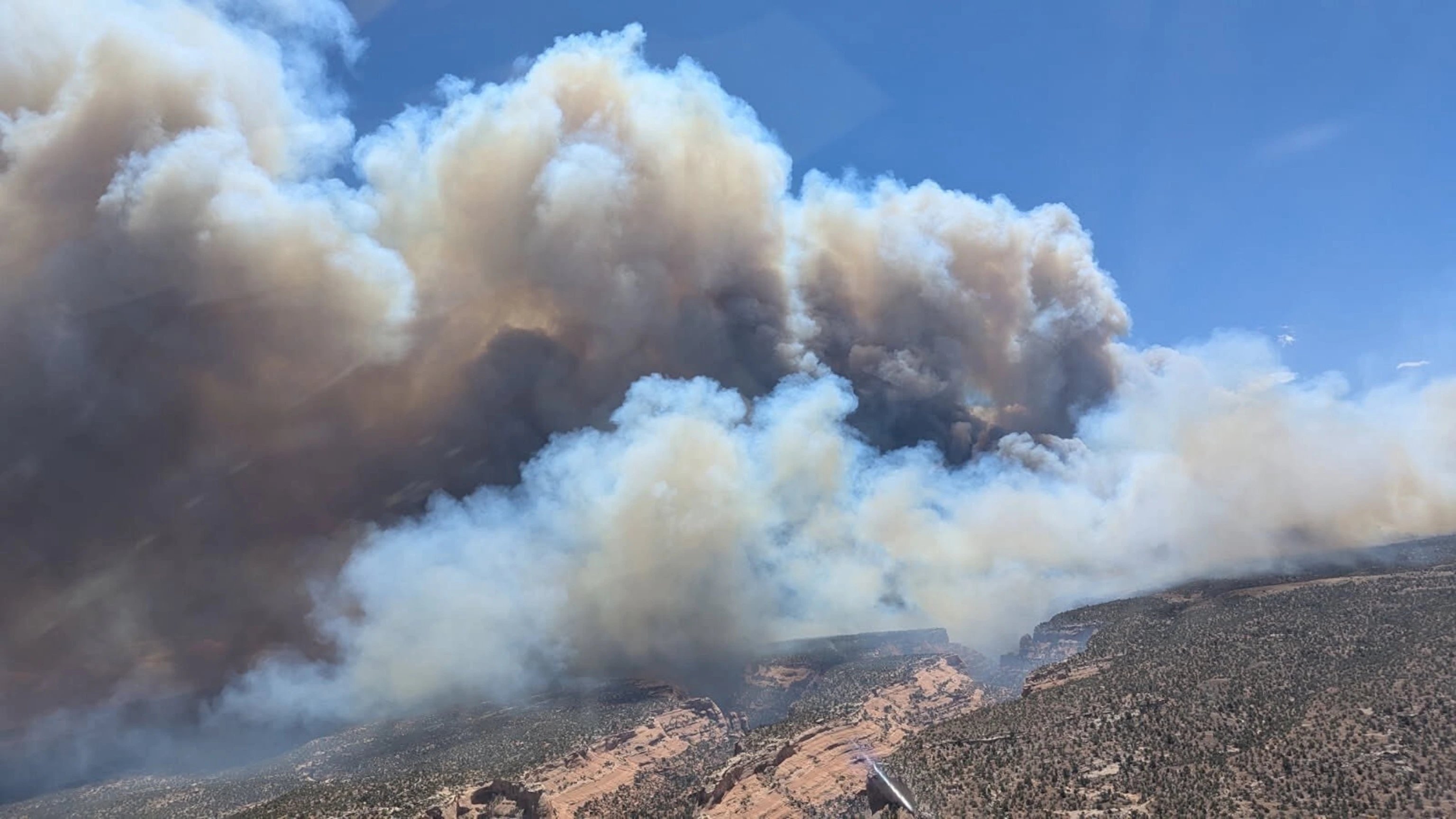
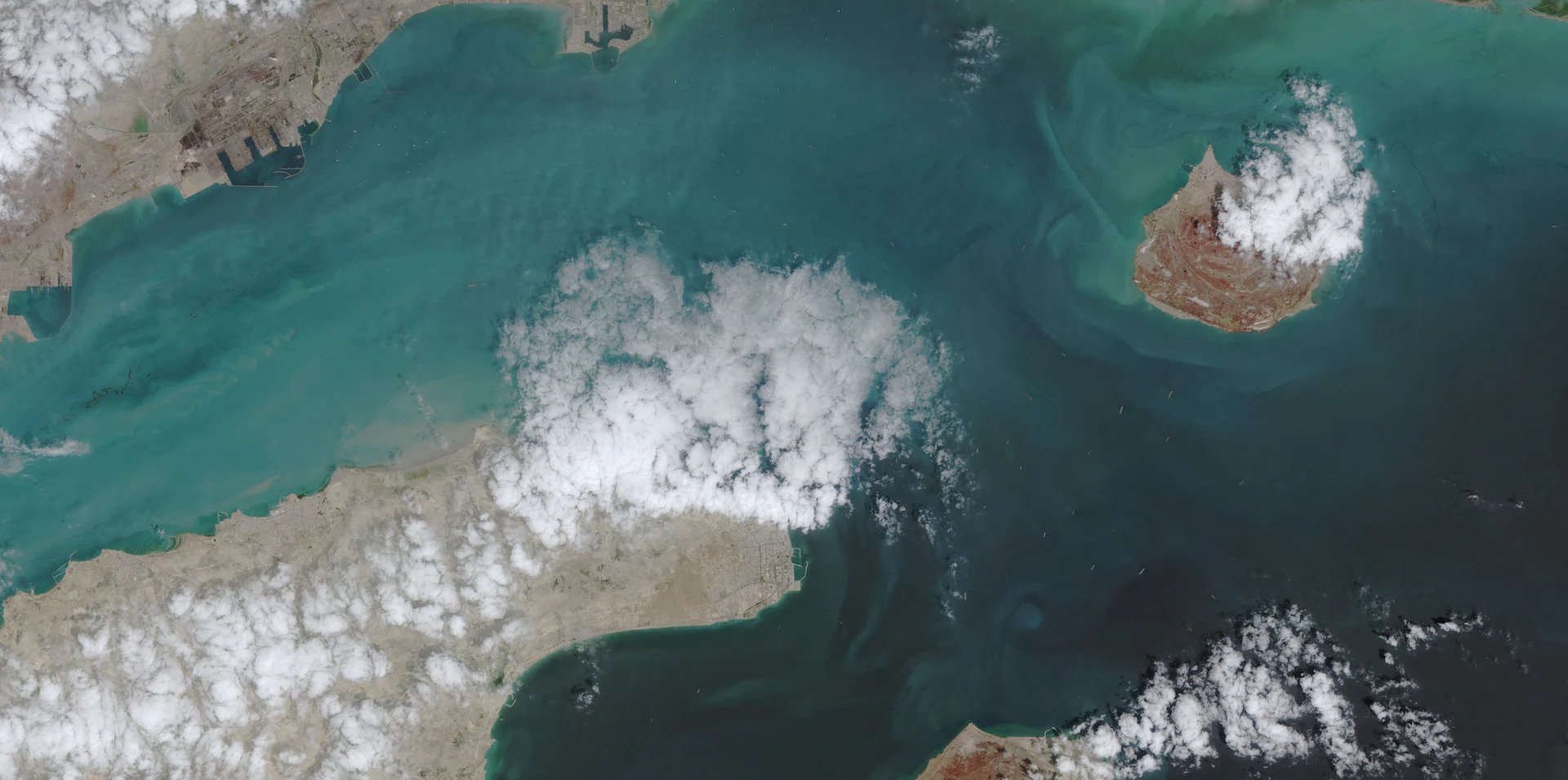
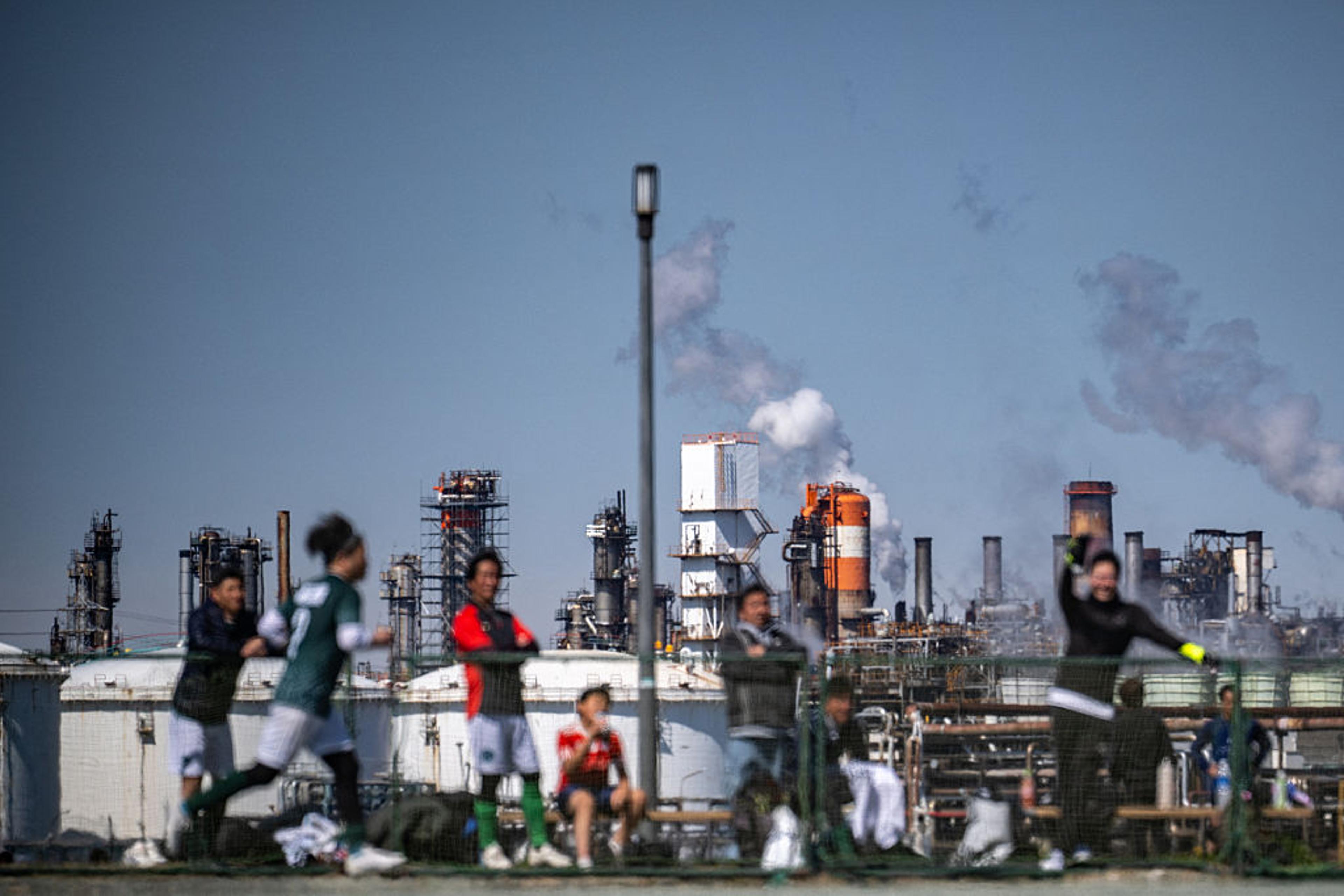
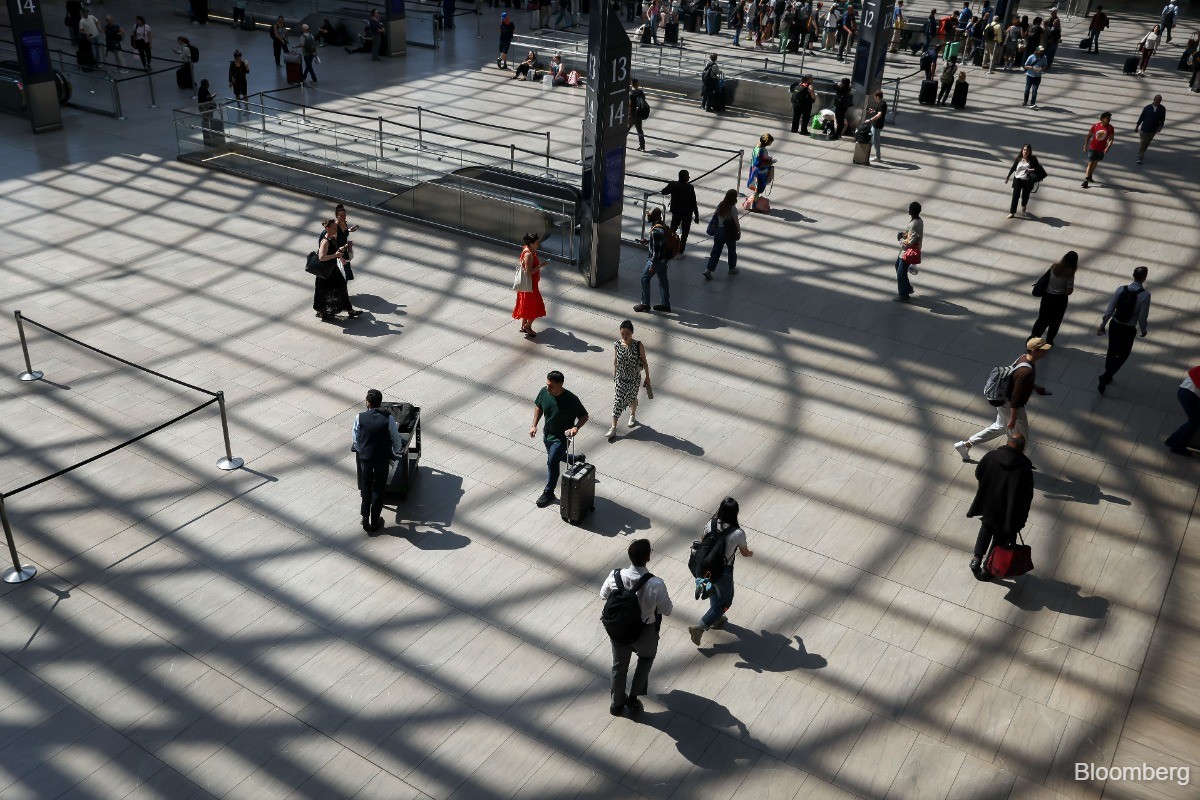
A massive ridge of high pressure from North Africa has trapped hot air over Europe, creating what meteorologists call a heat dome. Millions remain under heat alerts as the phenomenon grips the continent. Scientists warn that human-driven climate change is making such extreme heat more frequent and more intense. Europe is warming at more than twice the global average, according to the World Meteorological Organization, making prolonged heat episodes increasingly likely.
France Faces Its Deadliest Days
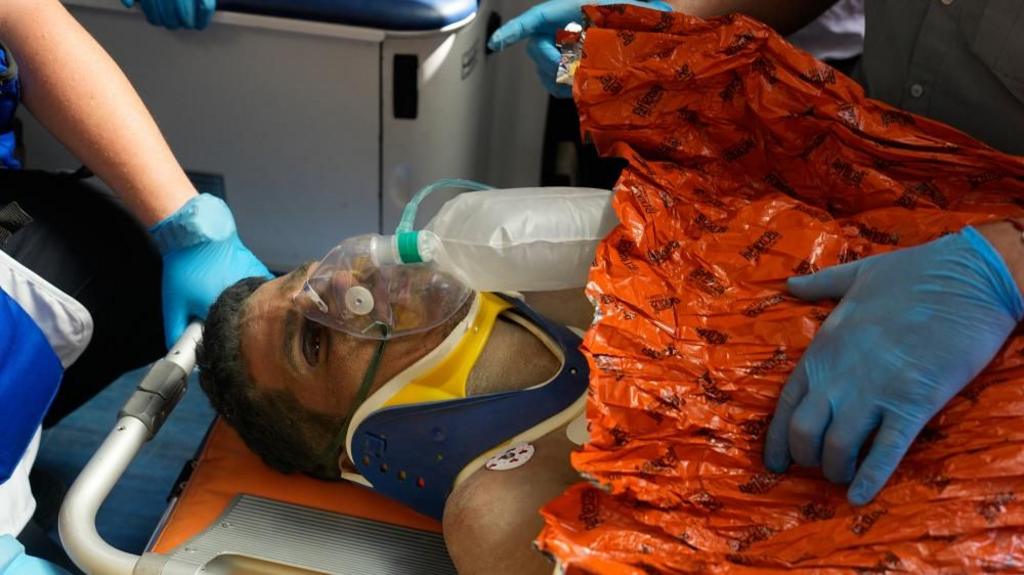
Prime Minister Sébastien Lecornu reported that 40 people have drowned in France since June 18 as they sought to cool down in rivers and canals. The deaths include two children, aged 2 and 4, found in a parked car in the southern city of Carpentras, and a 13-year-old girl who drowned in the River Seine at Fontaine-La Port on Sunday evening. A young professional footballer remained in critical condition after being pulled from the River Rhône near Lyon, where emergency services rescued four young men from an area where swimming is banned.
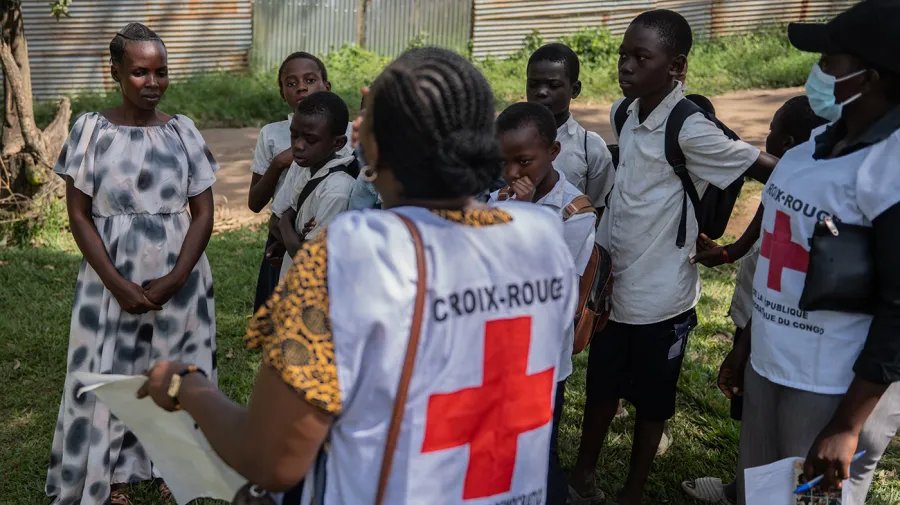
Sports and Youth Minister Marina Ferrari warned that too many people were heading to unsupervised areas without understanding the risks. The IFRC's Mary Friel told journalists in Geneva that for many people, extreme temperatures without action can quickly become a matter of life and death.
Record Temperatures Across the Region
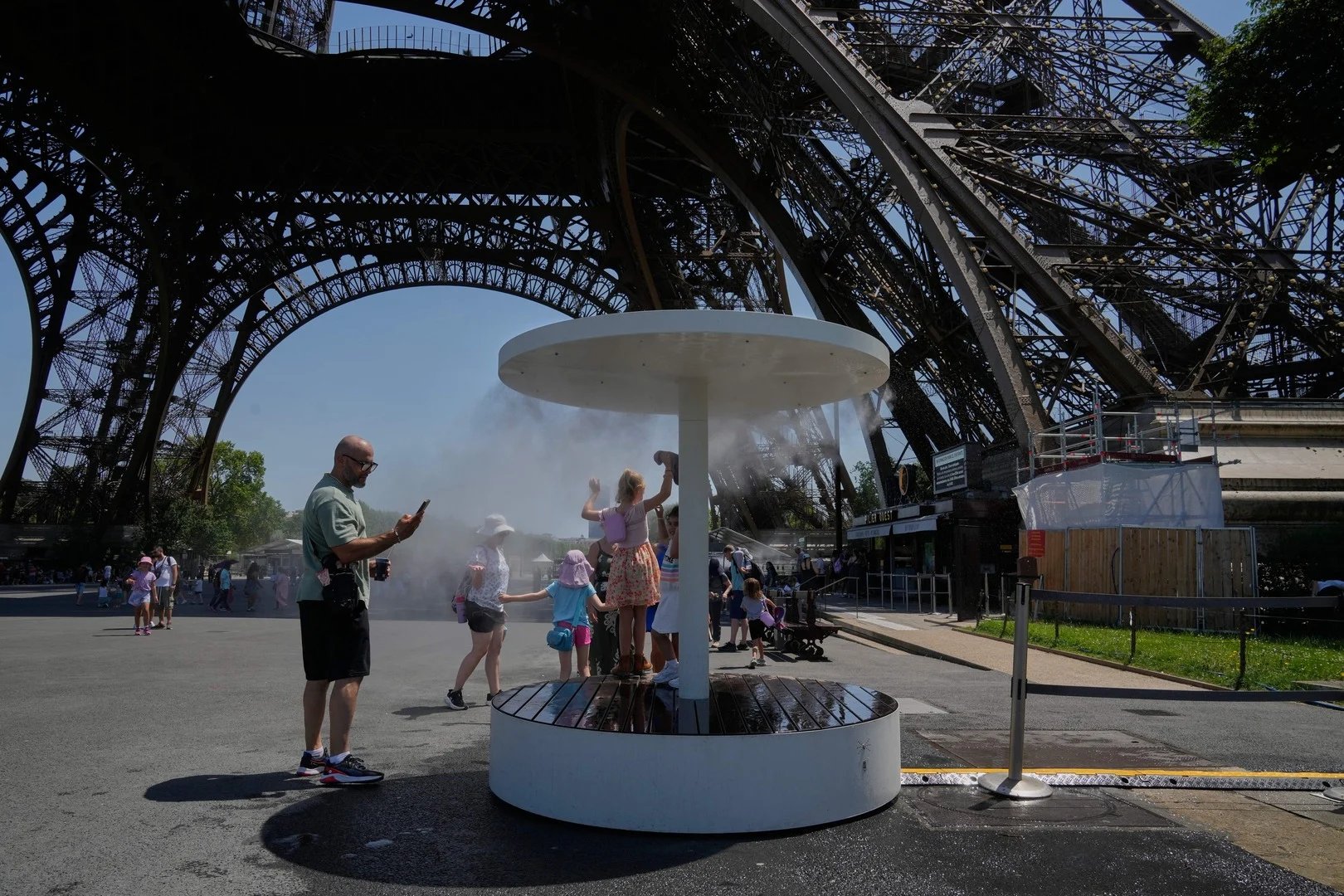
France recorded its hottest June day on record on Tuesday, reaching an average of 29.8 degrees Celsius. The country saw its hottest night since records began in 1947 from Monday to Tuesday, with temperatures averaging 21.6 degrees Celsius after darkness fell. More than half of France is under red alert, with 39 million people warned of extreme heat. Some Parisians without air conditioning spent nights in parks seeking relief.
Spain experienced temperatures set to peak above 40 degrees Celsius in some areas, with red alerts issued in Andalusia, Cantabria, and the Basque Country. The Spanish weather service Aemet reported that 101 of its 828 weather stations recorded temperatures hitting or exceeding 40 degrees Celsius on Monday, with 45 degrees recorded in Andújar. Temperatures could top 44 degrees Celsius in rural areas near Córdoba on Tuesday. Italy declared red heatwave alerts in 15 cities, including Rome, Milan, Florence, Turin, and Venice.
Infrastructure and Daily Life Disrupted
The Eiffel Tower closed early on Tuesday, shutting at 16:00 instead of 00:45, with last entry at 12:15. The Louvre brought forward its closing time from 18:00 to 16:00 from Wednesday through Saturday, stating its historic building "remains fragile" and "is not sufficiently adapted to climate change." Valérie Pécresse, president of the Île-de-France region covering Paris, urged people to work from home, warning that rail tracks cannot withstand temperatures above 50 degrees Celsius.
A nuclear power plant in southwestern France shut down on Monday night because water temperatures in the River Garonne were set to reach 28 degrees Celsius on Tuesday, exceeding the legal limit for reactor cooling. Schools partially closed and train cancellations disrupted service across France, prompting Prime Minister Lecornu to convene ministers for a crisis meeting on June 23.
Climate Change Accelerating Heat Waves
Spain's Aemet weather service found that June heatwaves are becoming increasingly common, with 10 recorded in mainland Spain between 2000 and 2025, compared to just two in the previous 25 years. UN chief Antonio Guterres said "climate chaos is accelerating before our eyes," warning that fossil fuels are driving climate and energy crises. On June 23, he called on AI firms to come clean about their environmental footprint. A UN study found that data center facilities consumed more electricity than all but 10 countries in 2025.