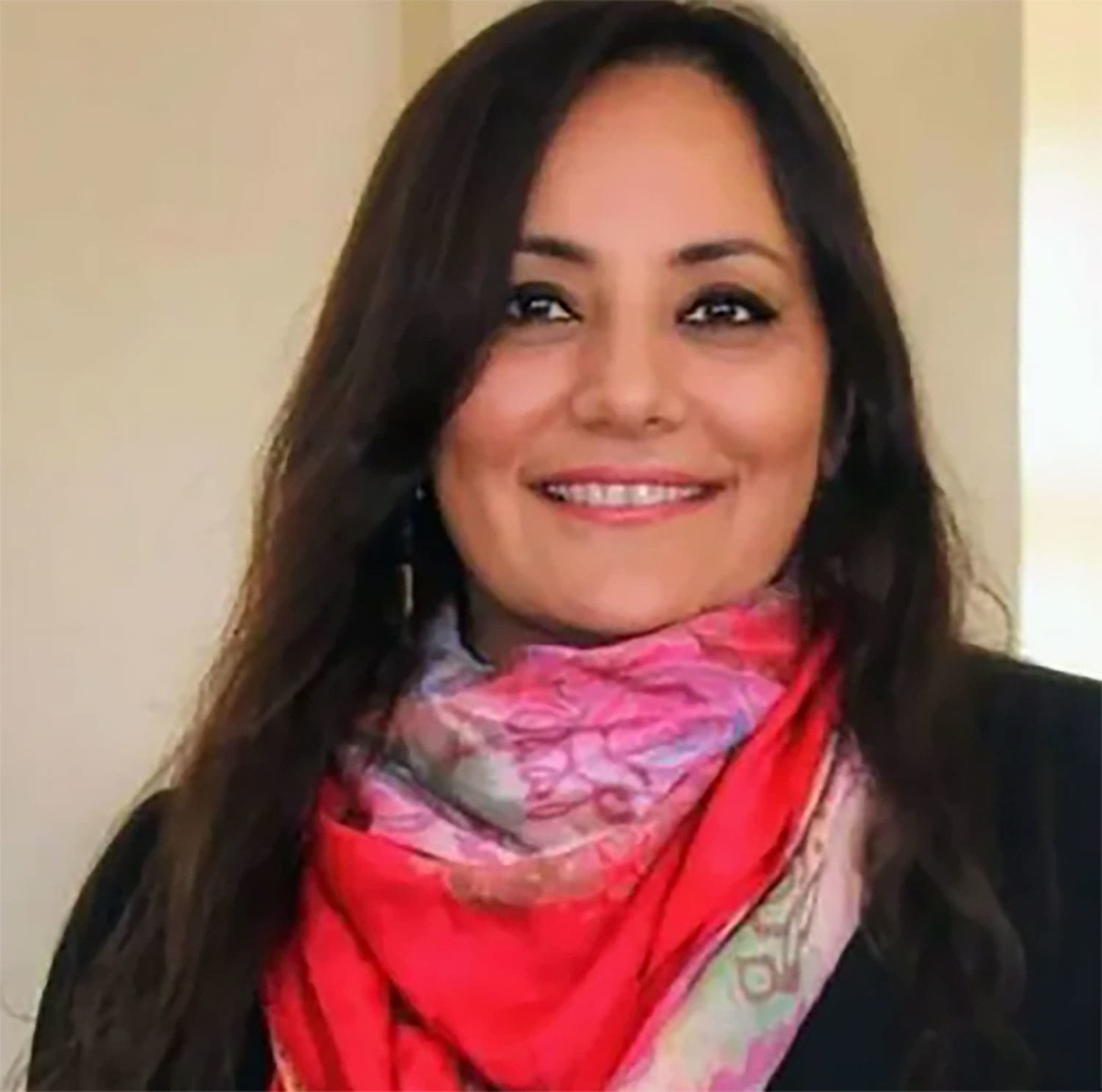
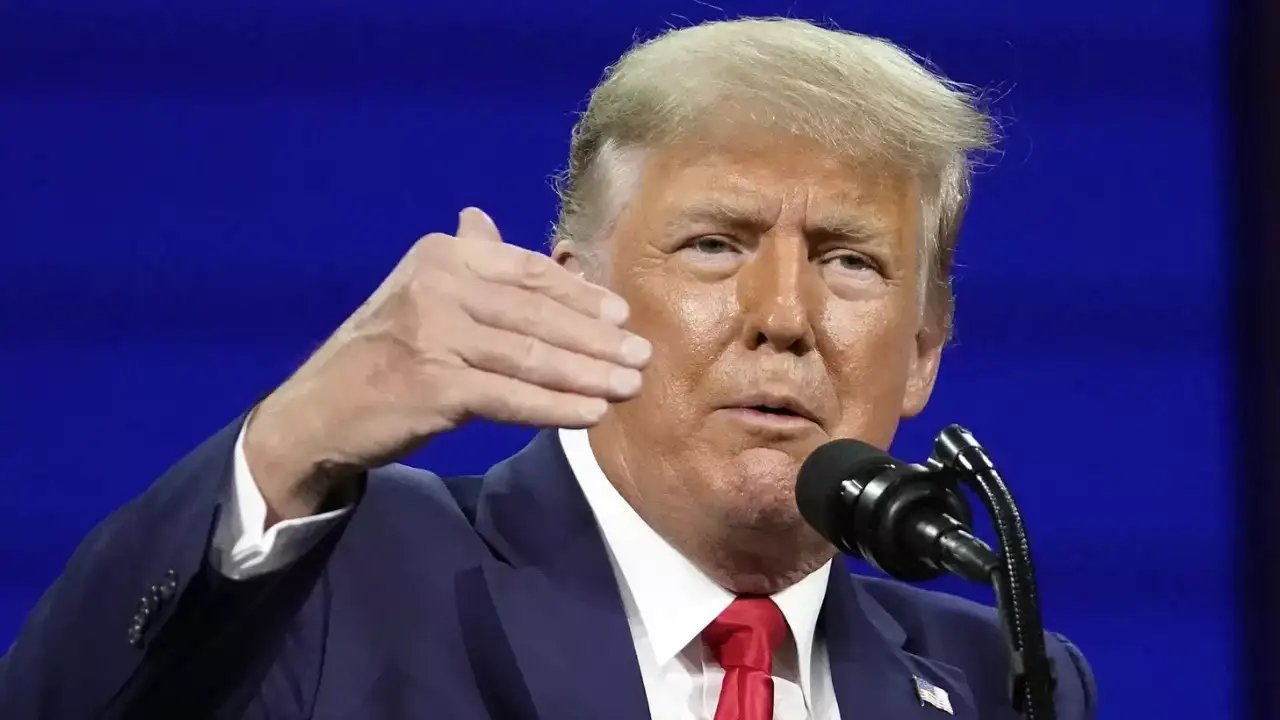
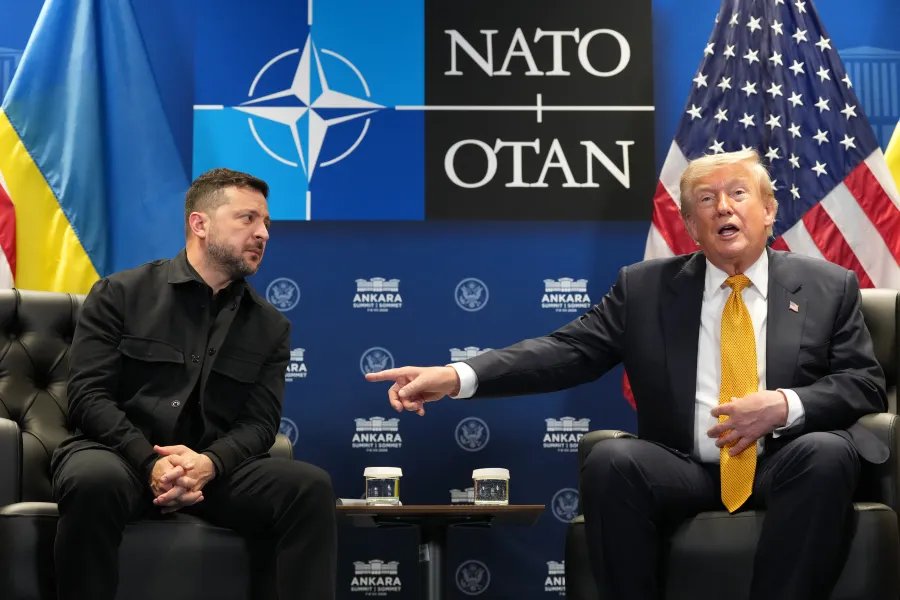
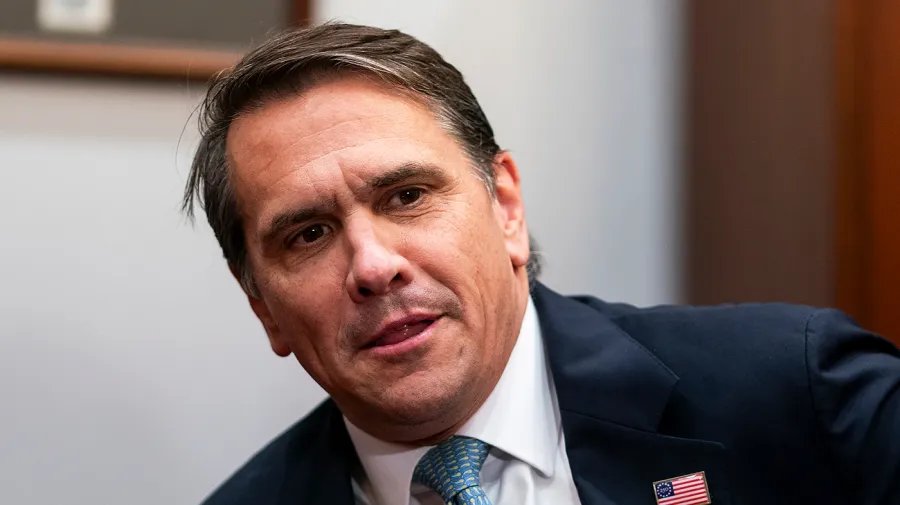
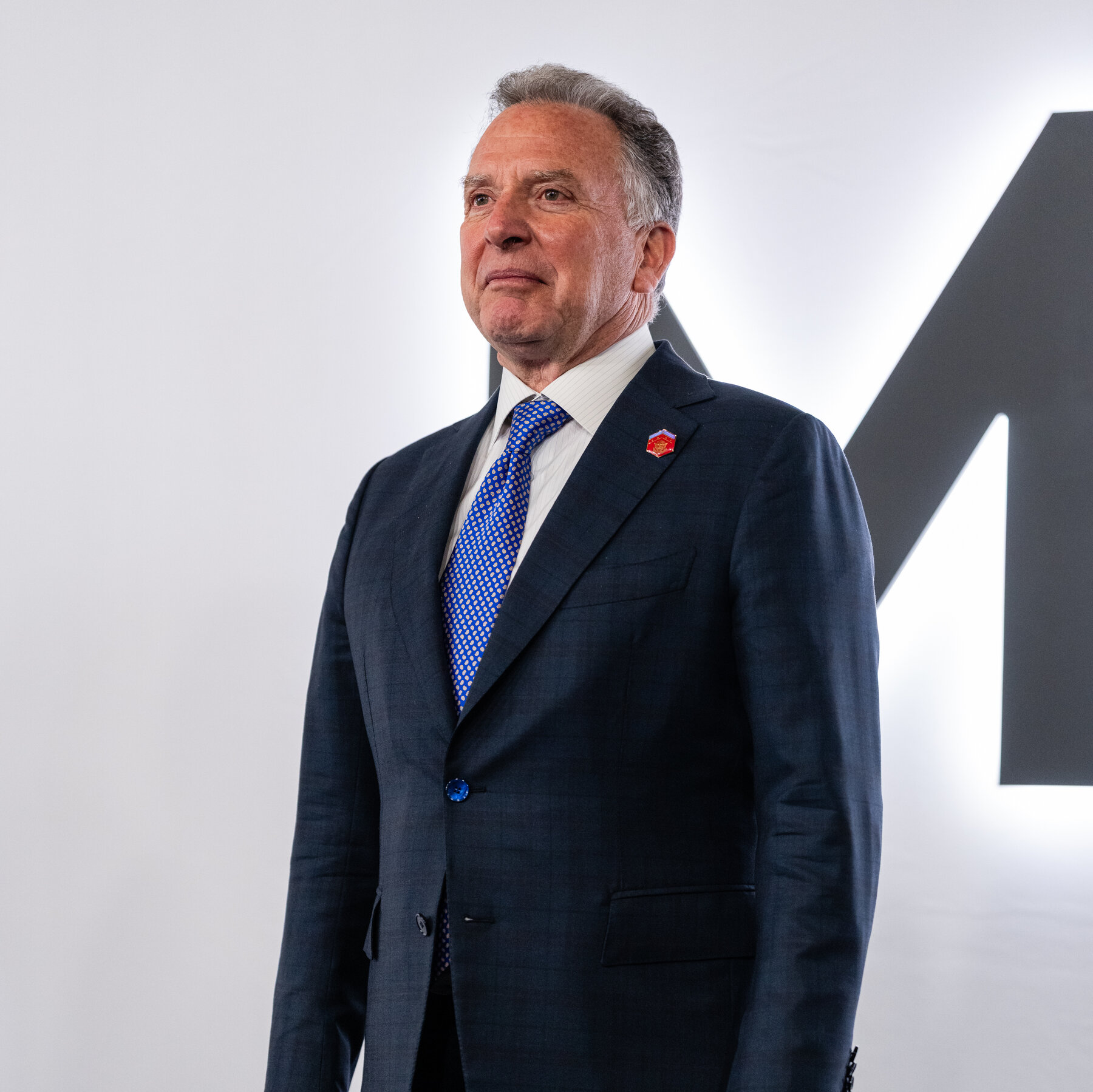
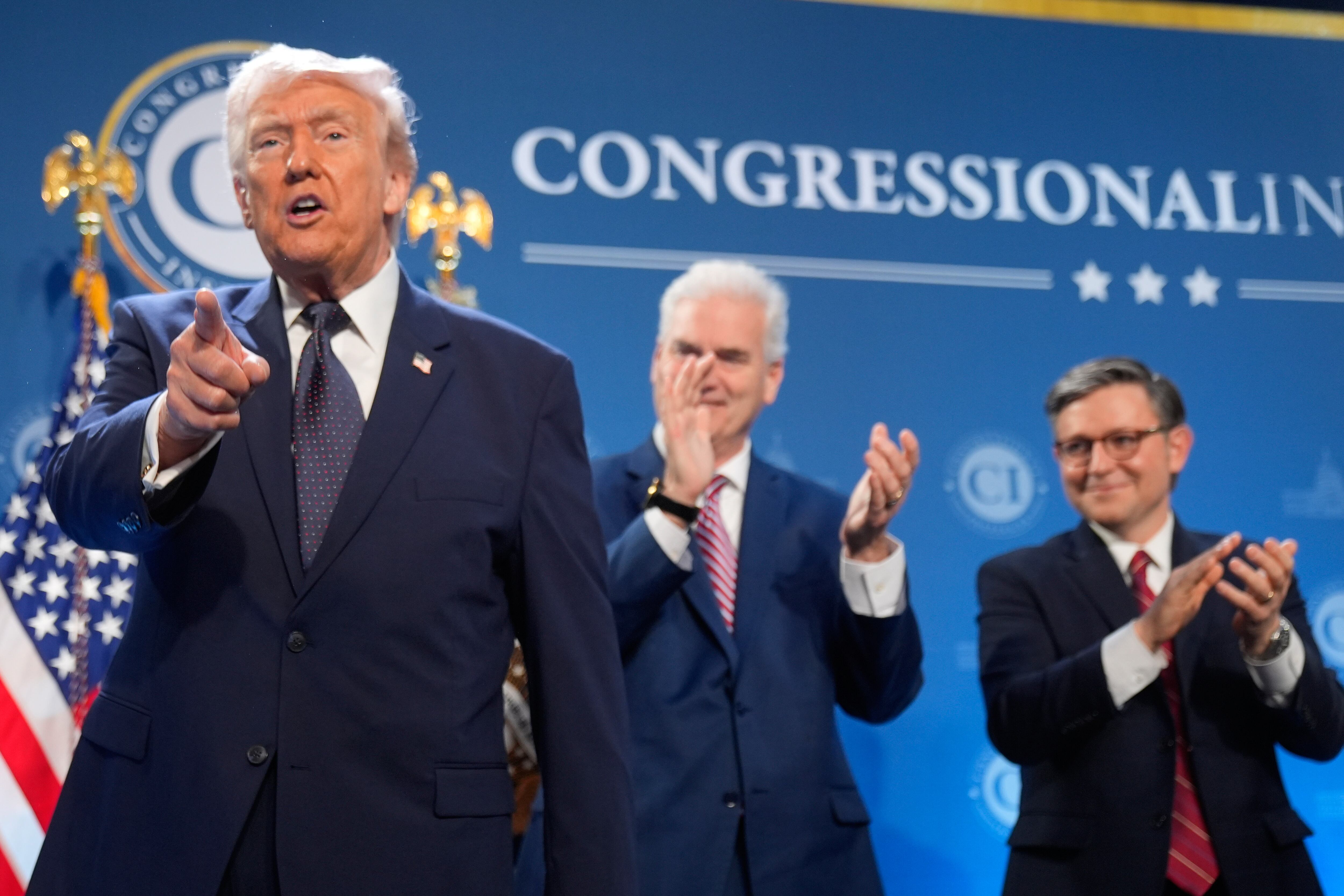
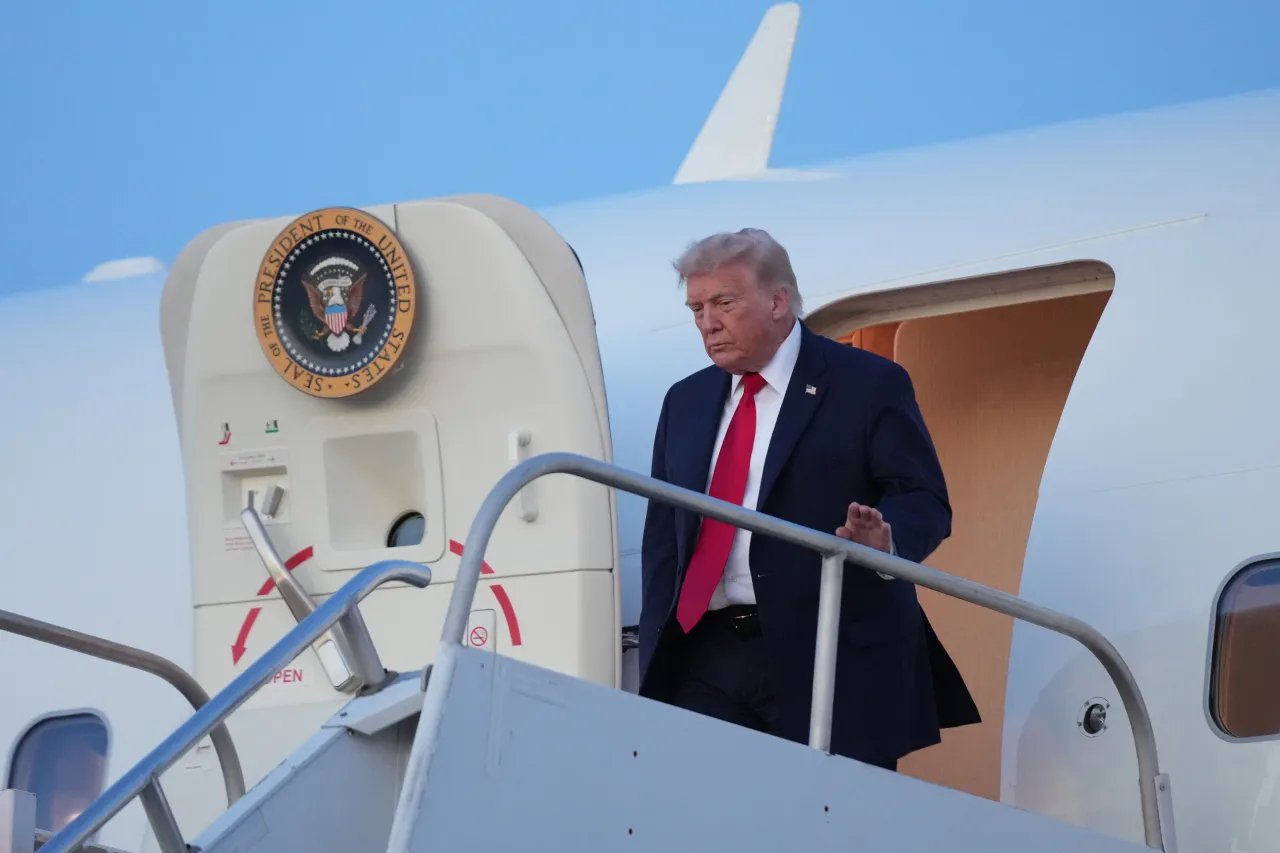
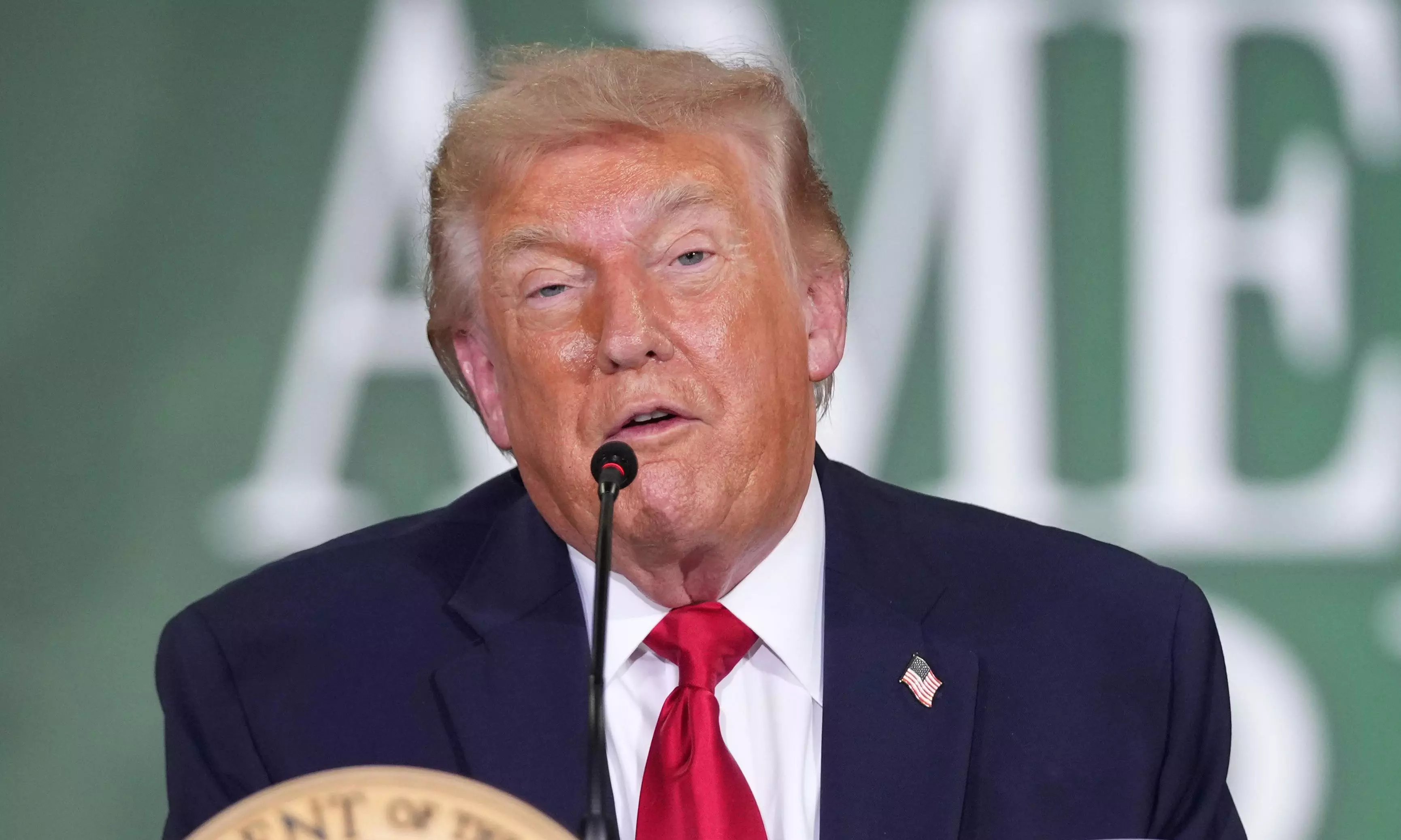
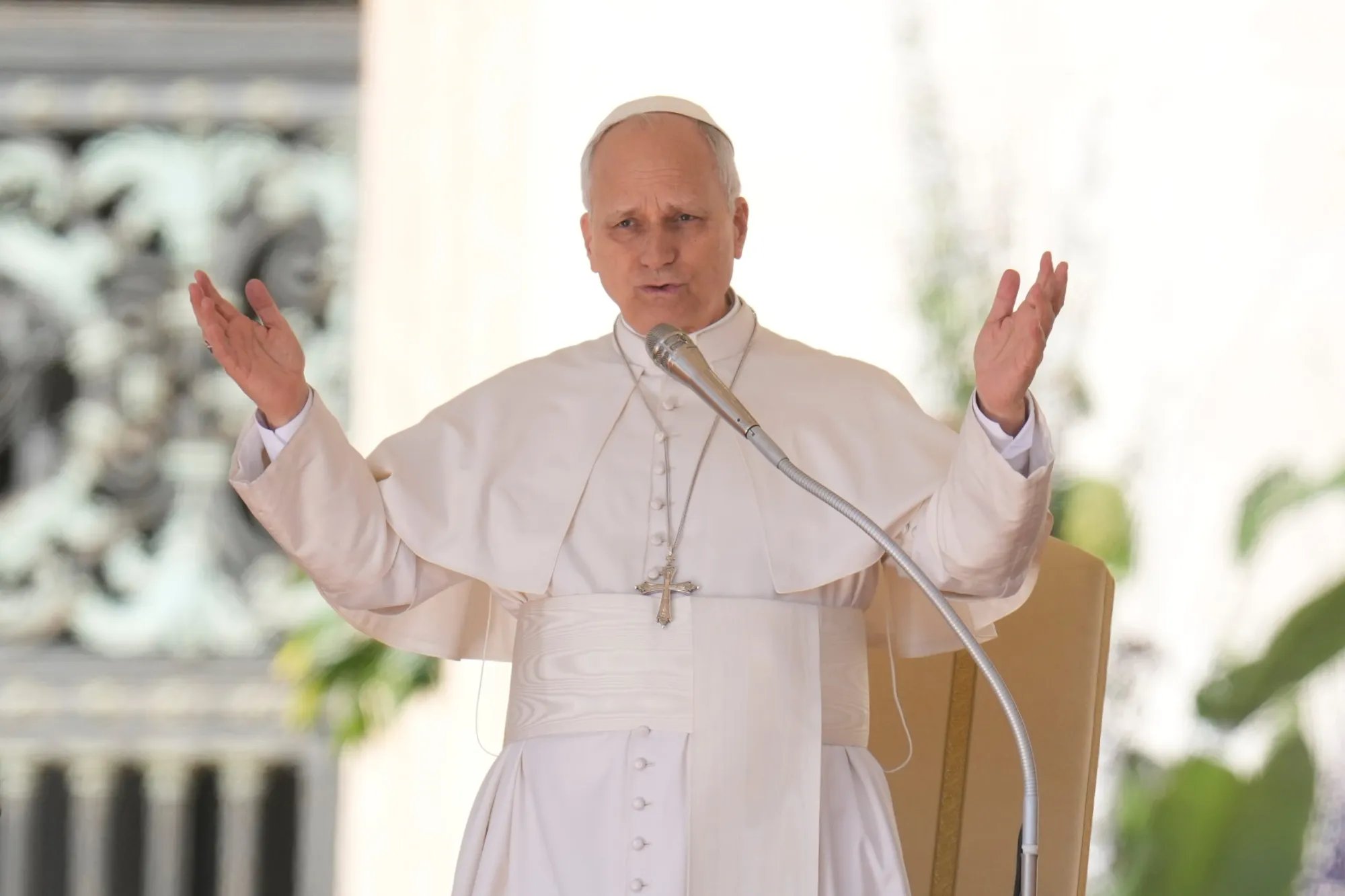
Germany is pledging to become a more powerful military force inside NATO, with Berlin's ambassador to Washington, Jens Hanefeld, stating, "Germany is stepping up — we heard the call!" This commitment comes as a response to the pressures from former U.S. President Donald Trump, who urged NATO allies to increase their defense spending. Hanefeld confirmed that Germany is on track to increase its defense spending to 5% of GDP well before 2035 and plans to recruit nearly 100,000 new active-duty soldiers into the Bundeswehr.
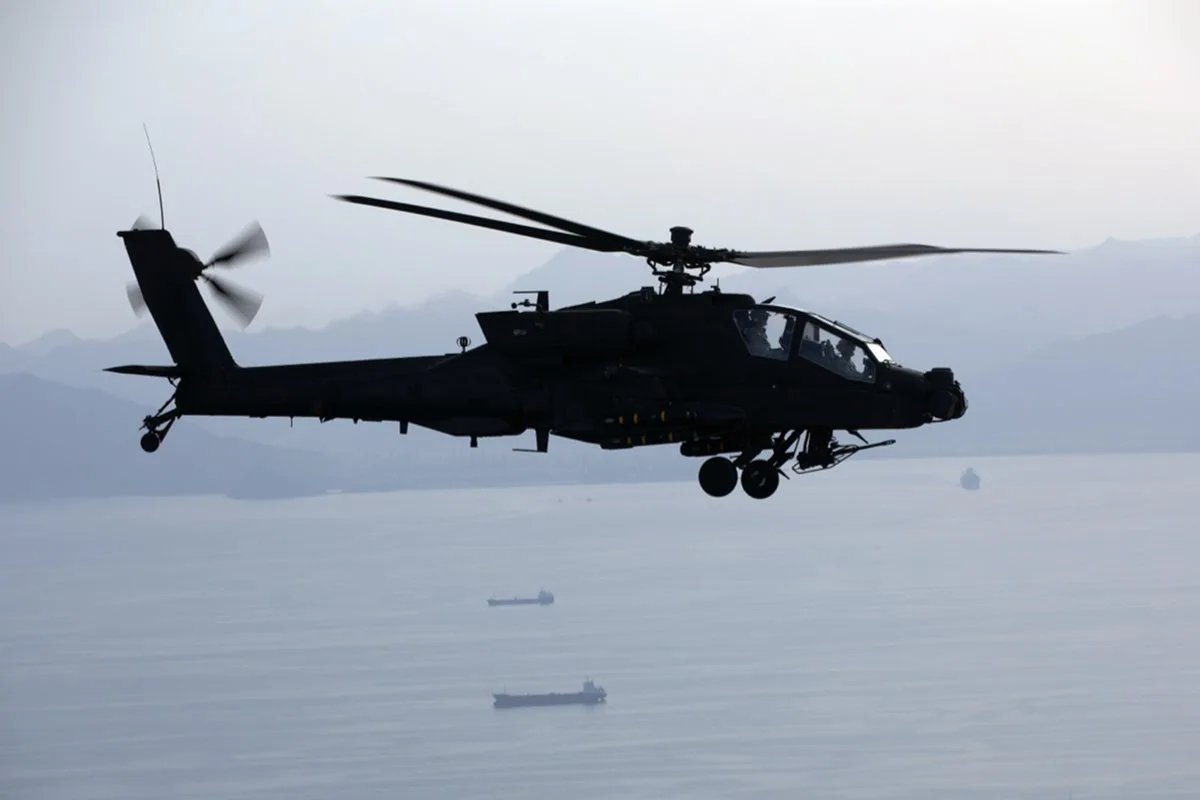
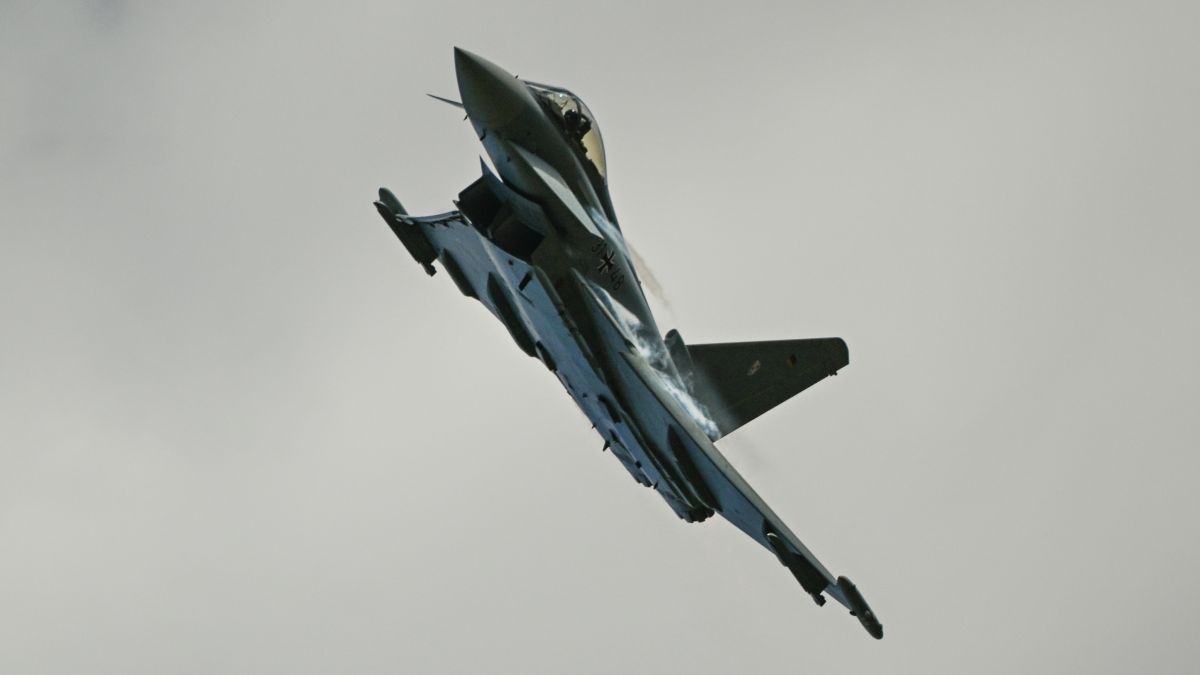
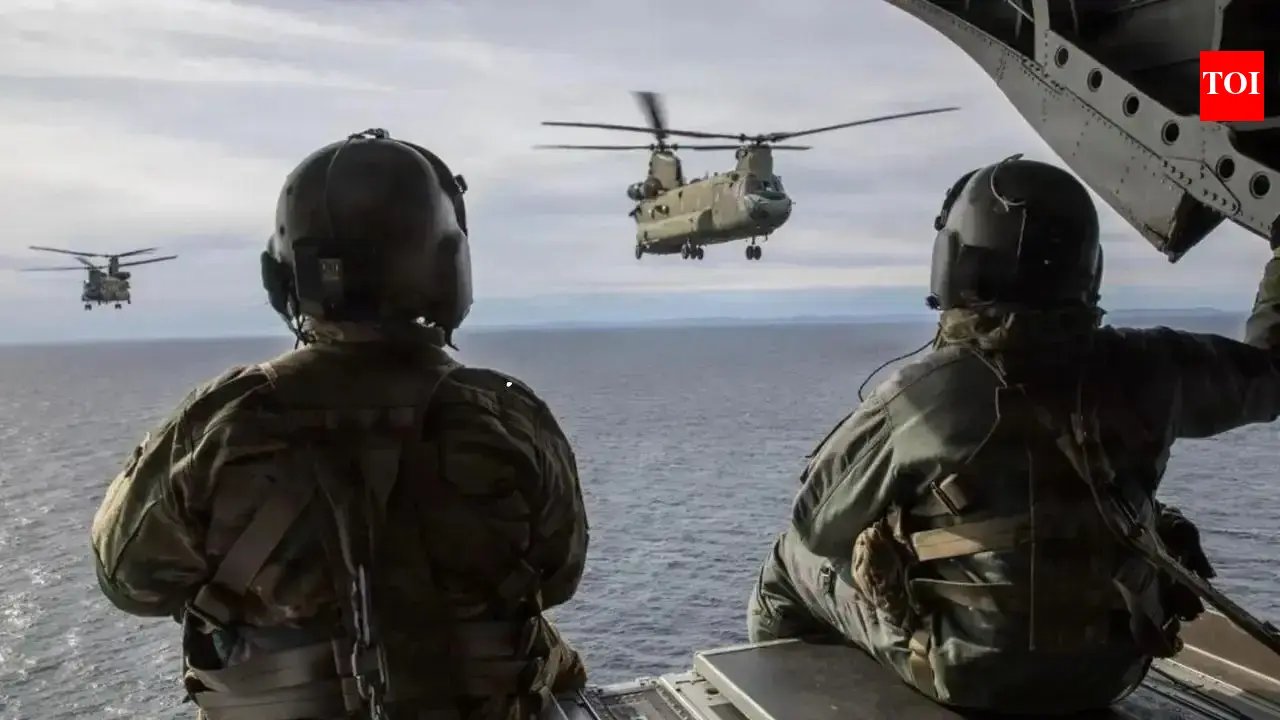
The decision to become Europe's strongest conventional army is supported by Berlin's new military strategy and is described by Hanefeld as a "Zeitenwende," or a turning point. Germany has signed more than 380 contracts worth more than $33 billion with U.S. defense companies to procure and manufacture fighter jets, transport helicopters, air defense systems, and ammunition. Hanefeld called this "a down payment on the transatlantic future and on our political commitment to shift the burden for deterrence and defense to Europe."
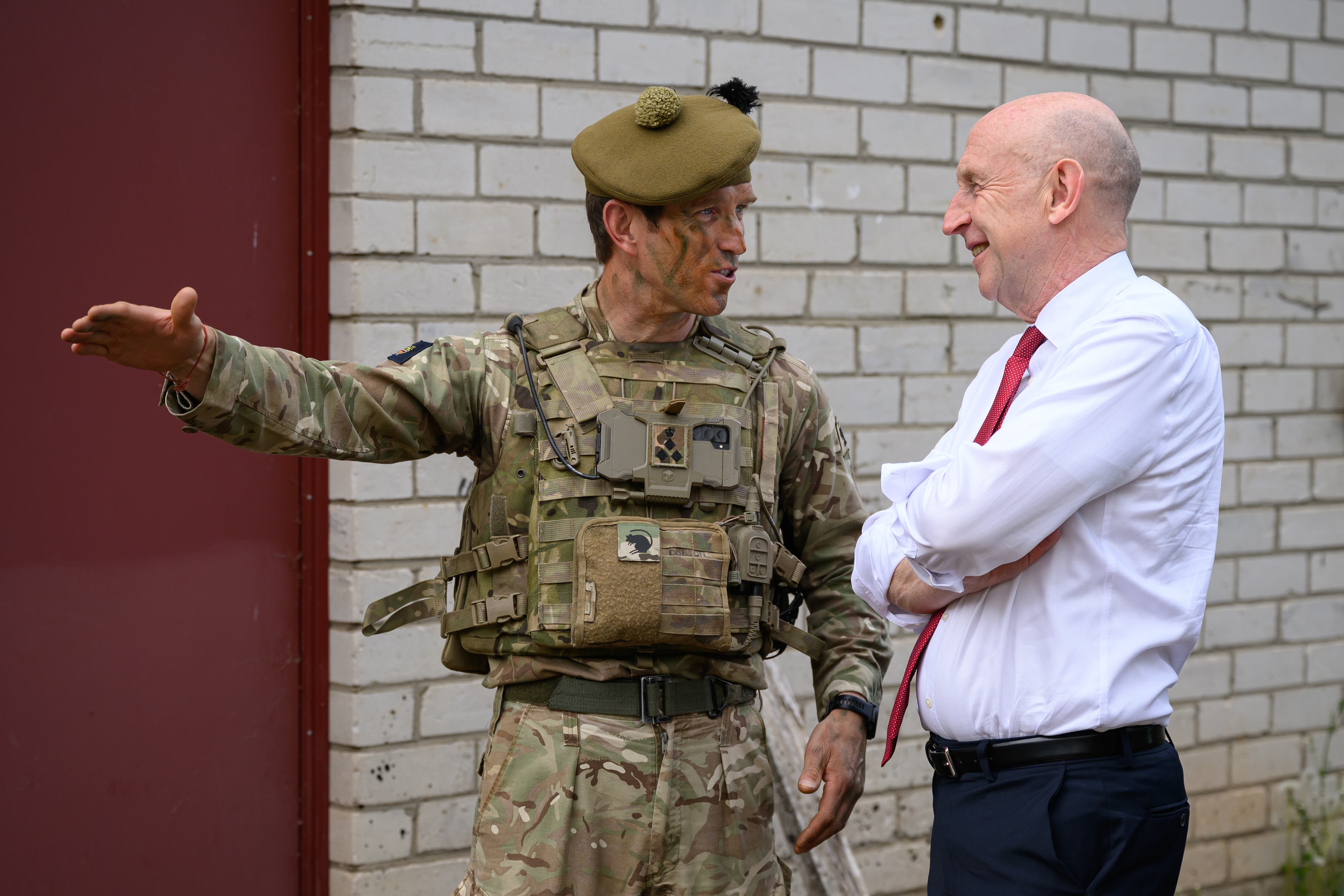
One of Germany's most notable commitments is its permanent brigade in Lithuania, which is expected to include around 5,000 German military and civilian personnel. This force is intended to become fully operational for the defense of NATO's eastern flank in the Baltic region within three years, serving as a reassurance to Baltic allies that NATO "will defend every inch of allied territory."
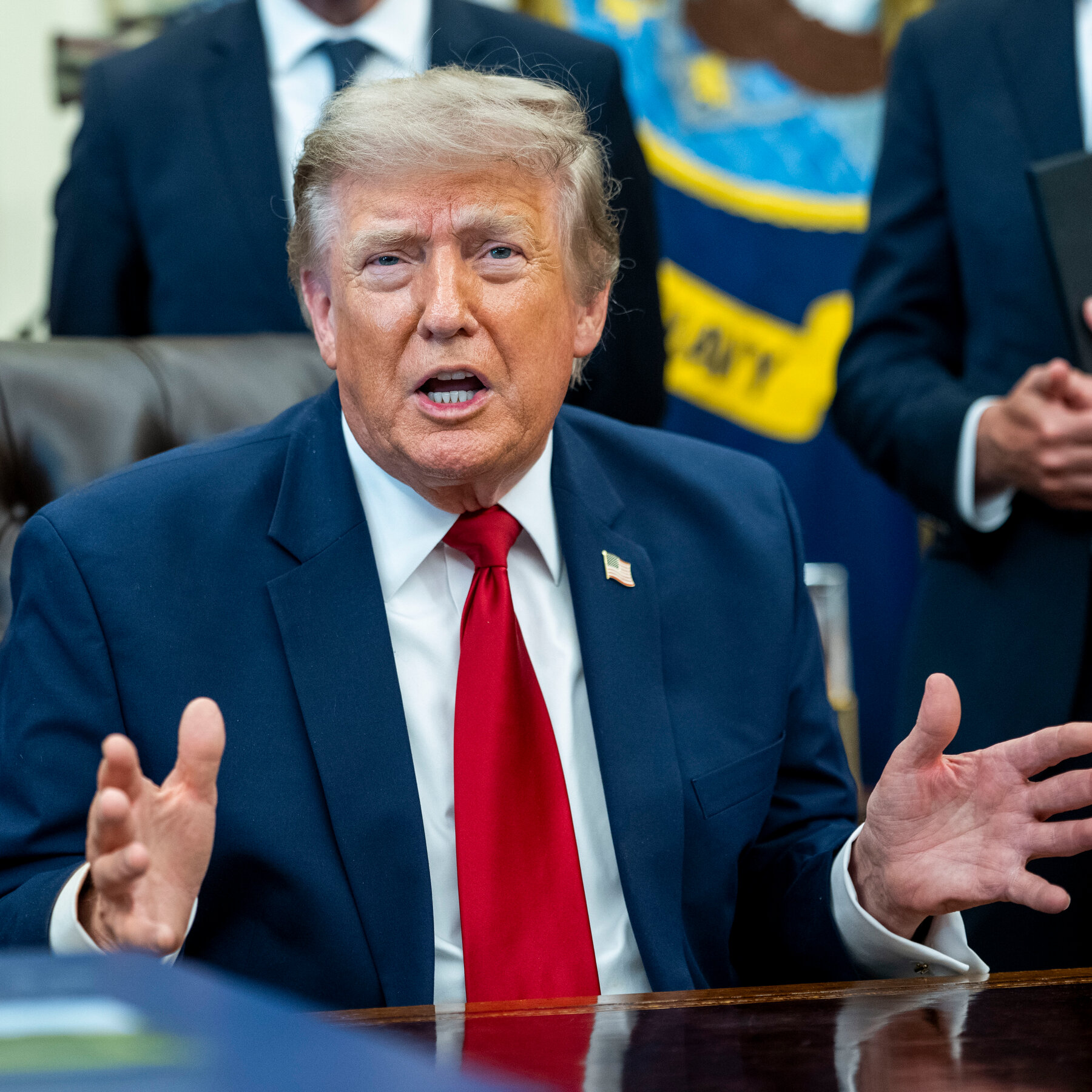
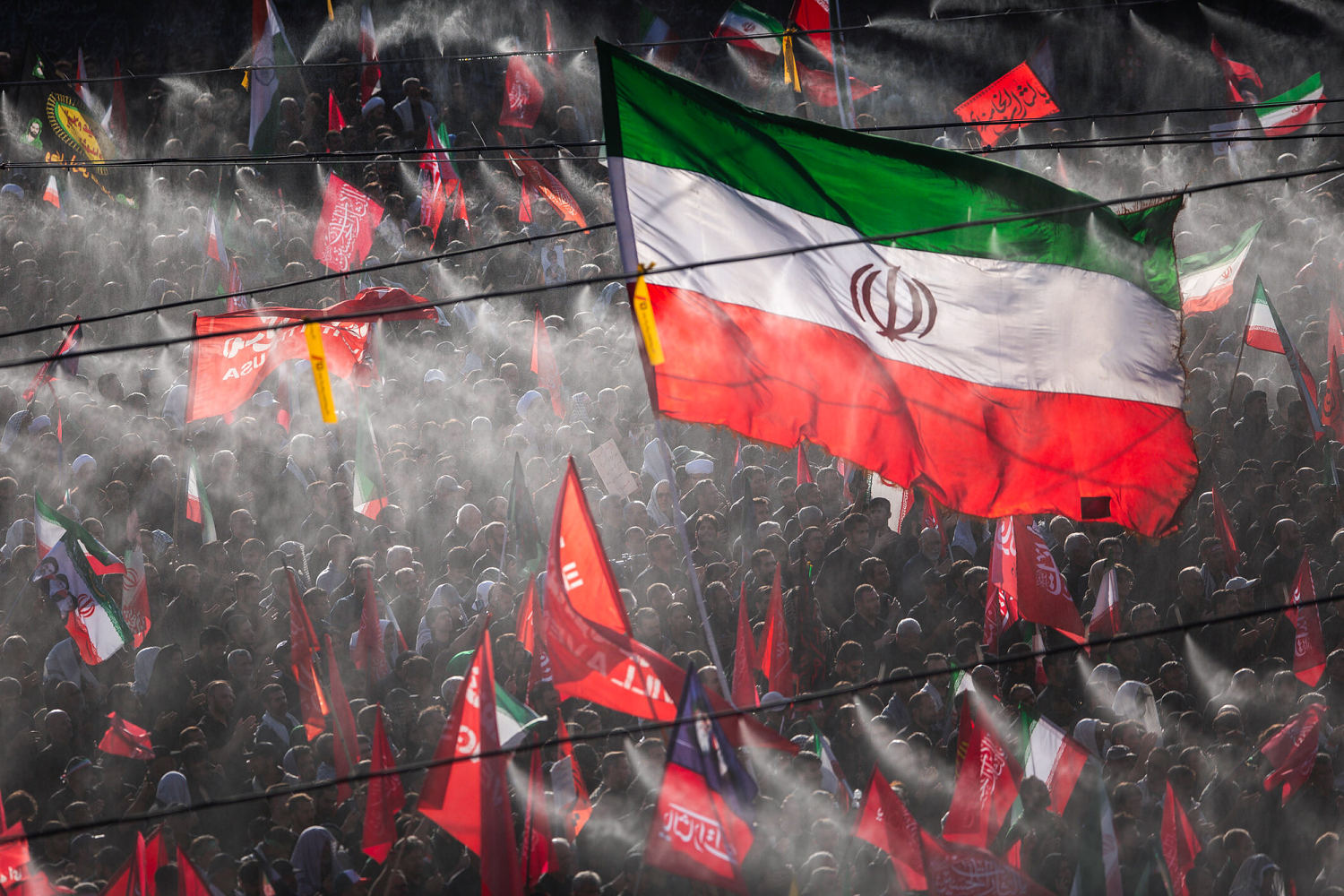
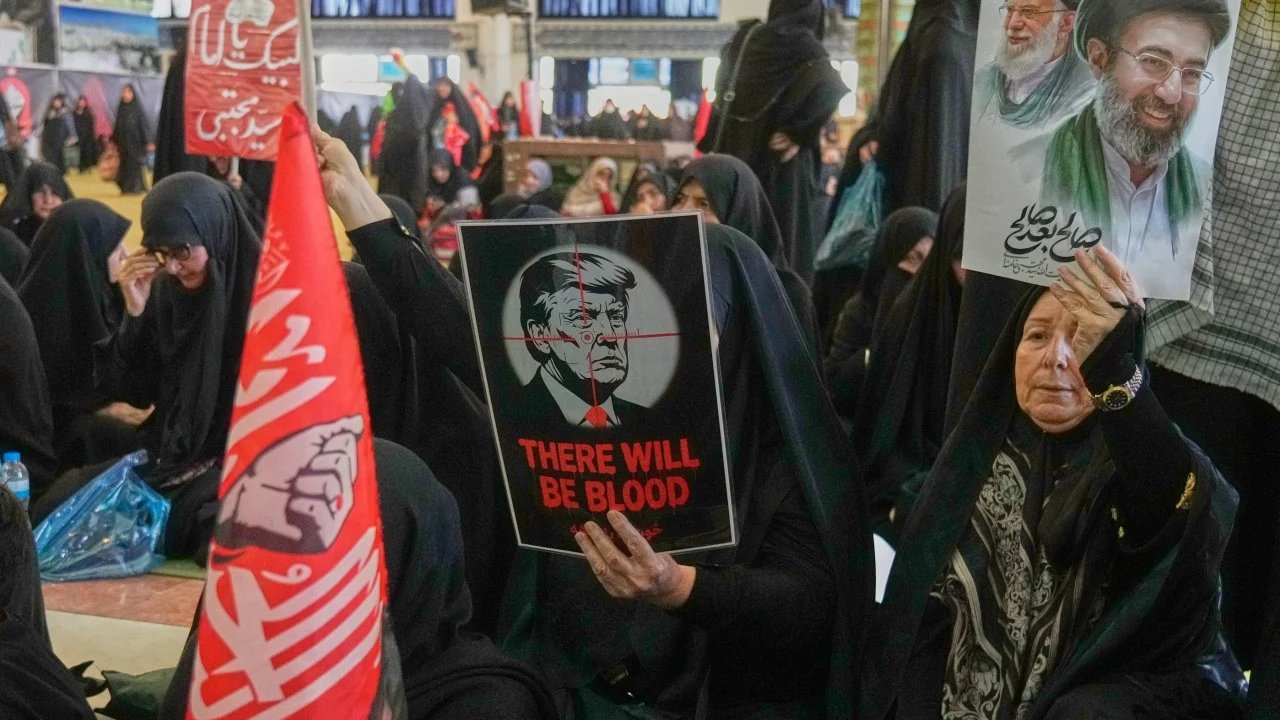
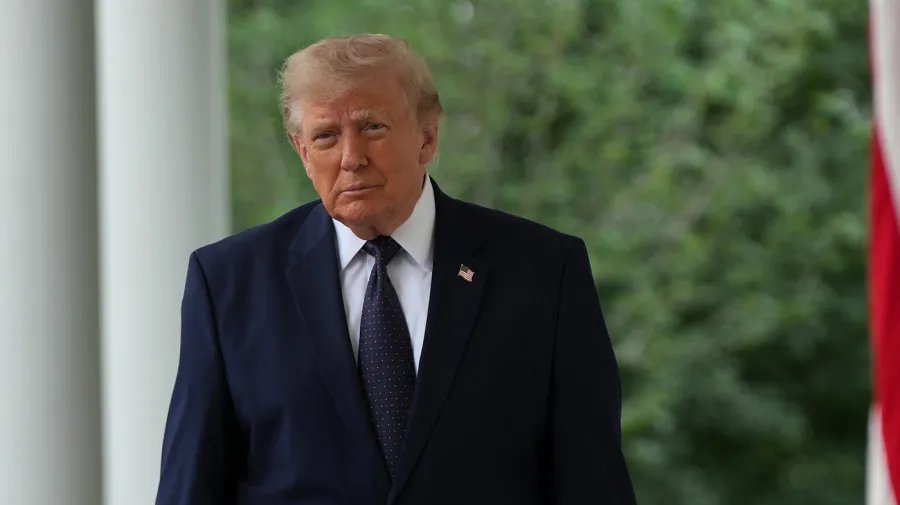
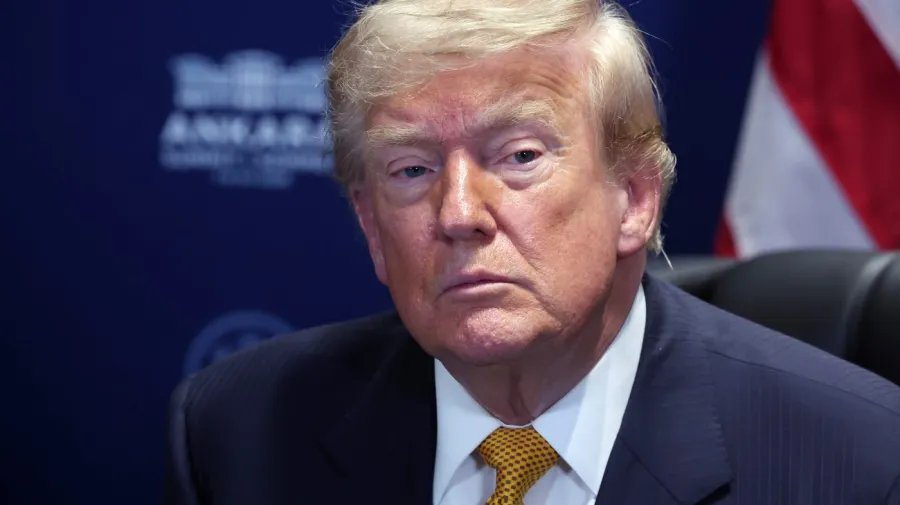
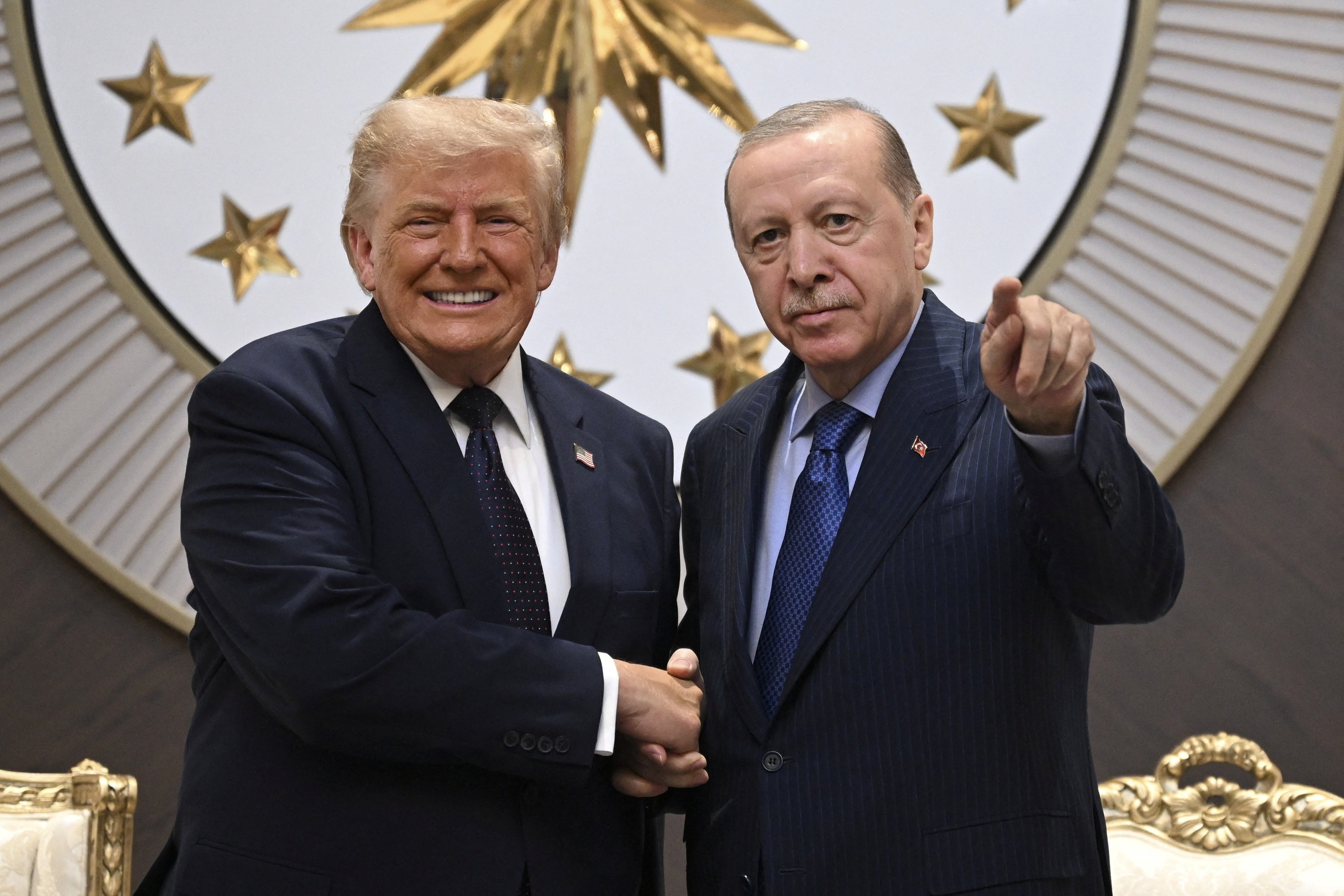
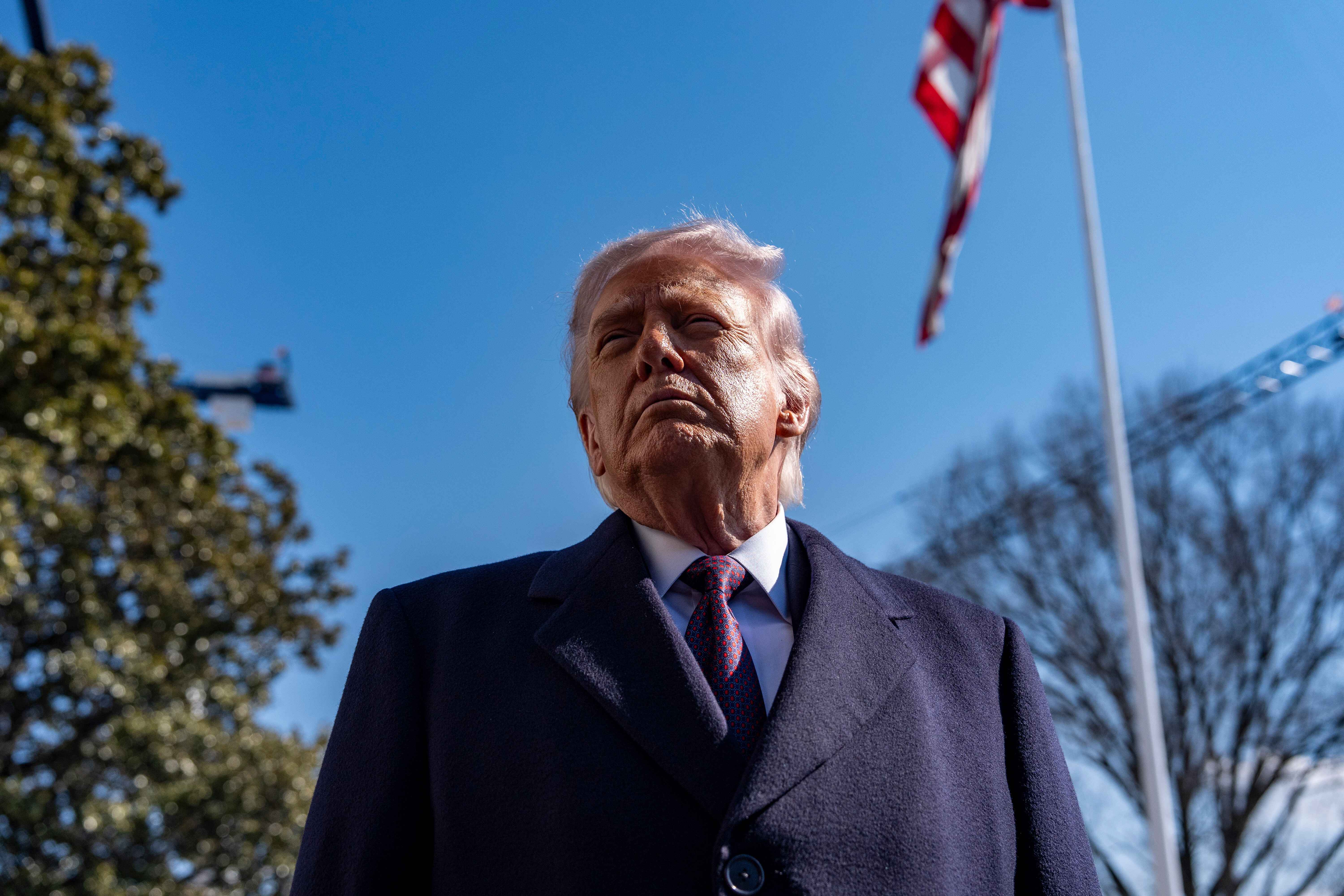
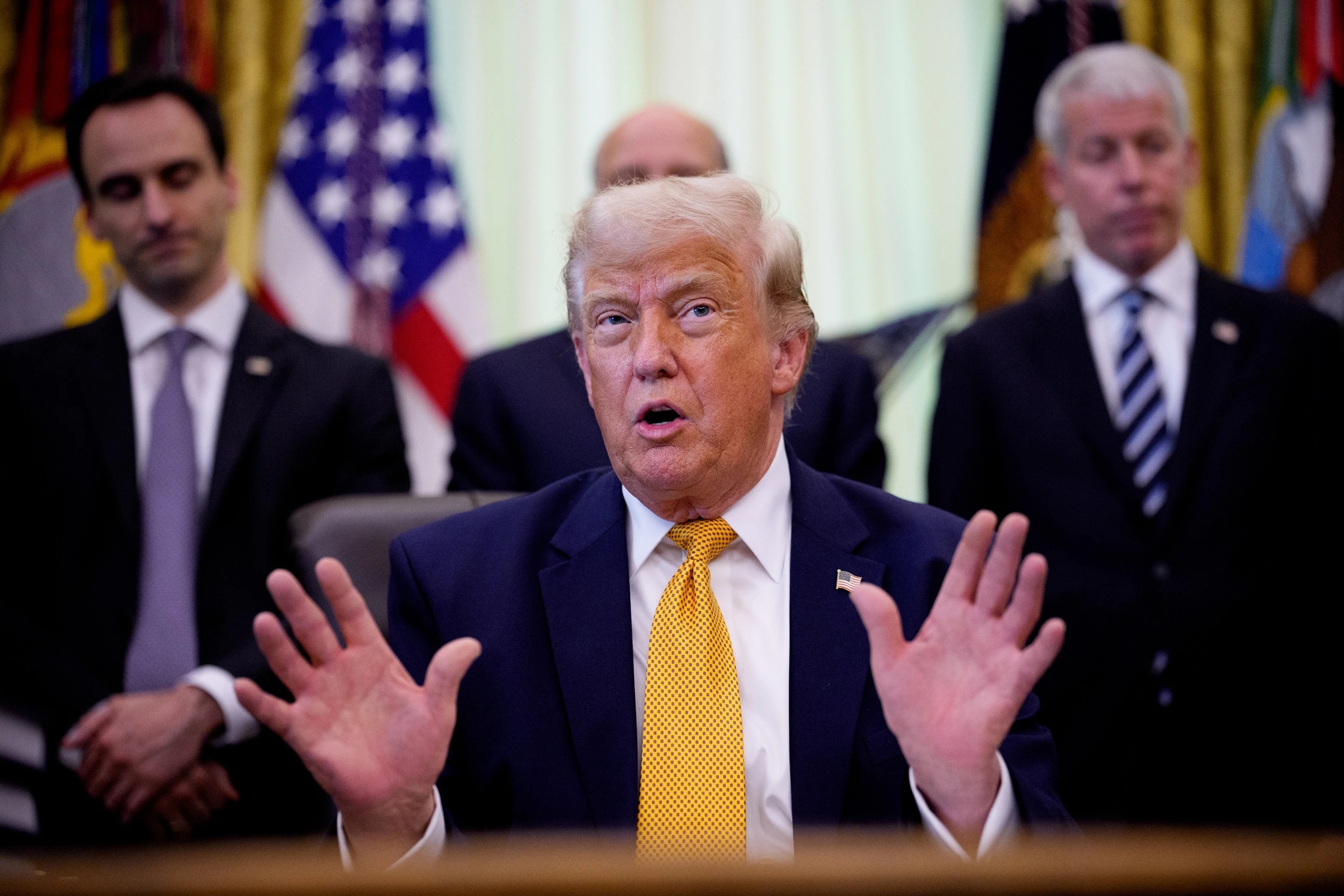
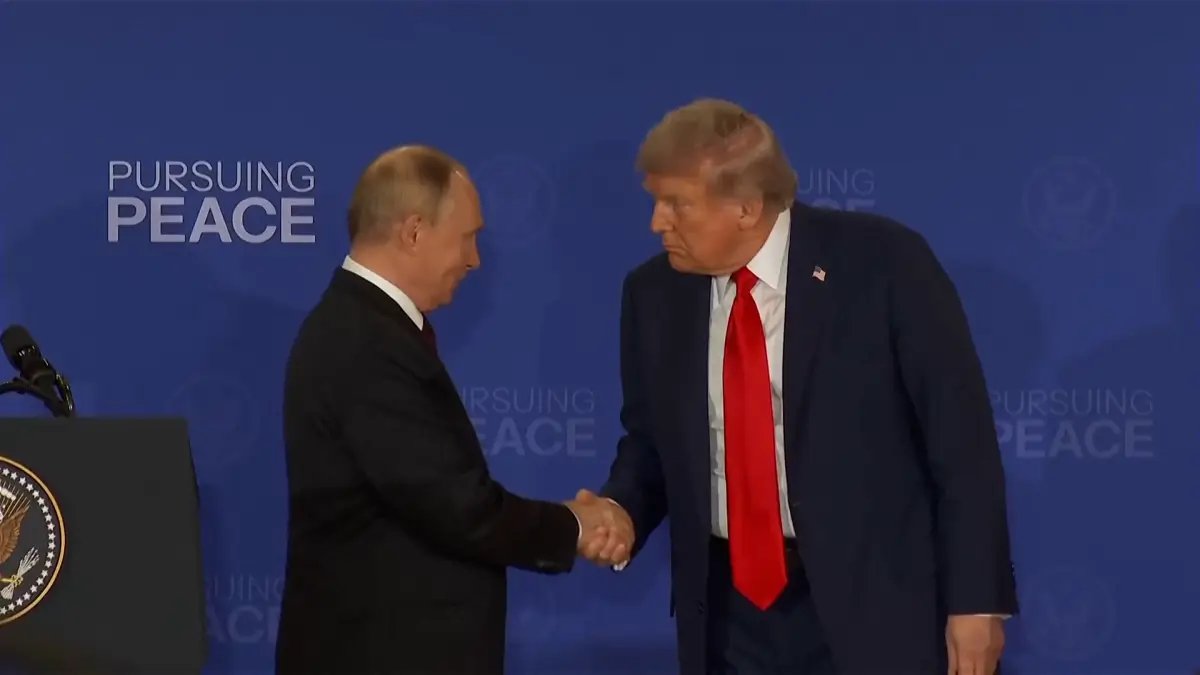
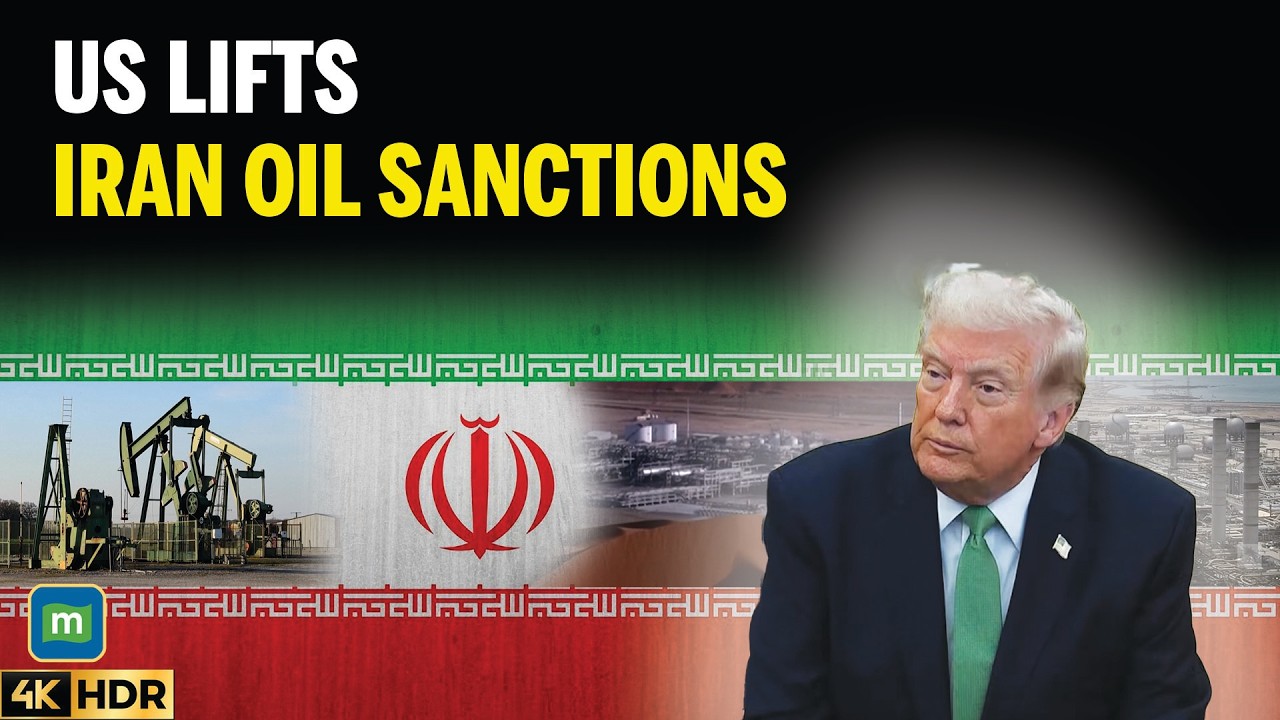
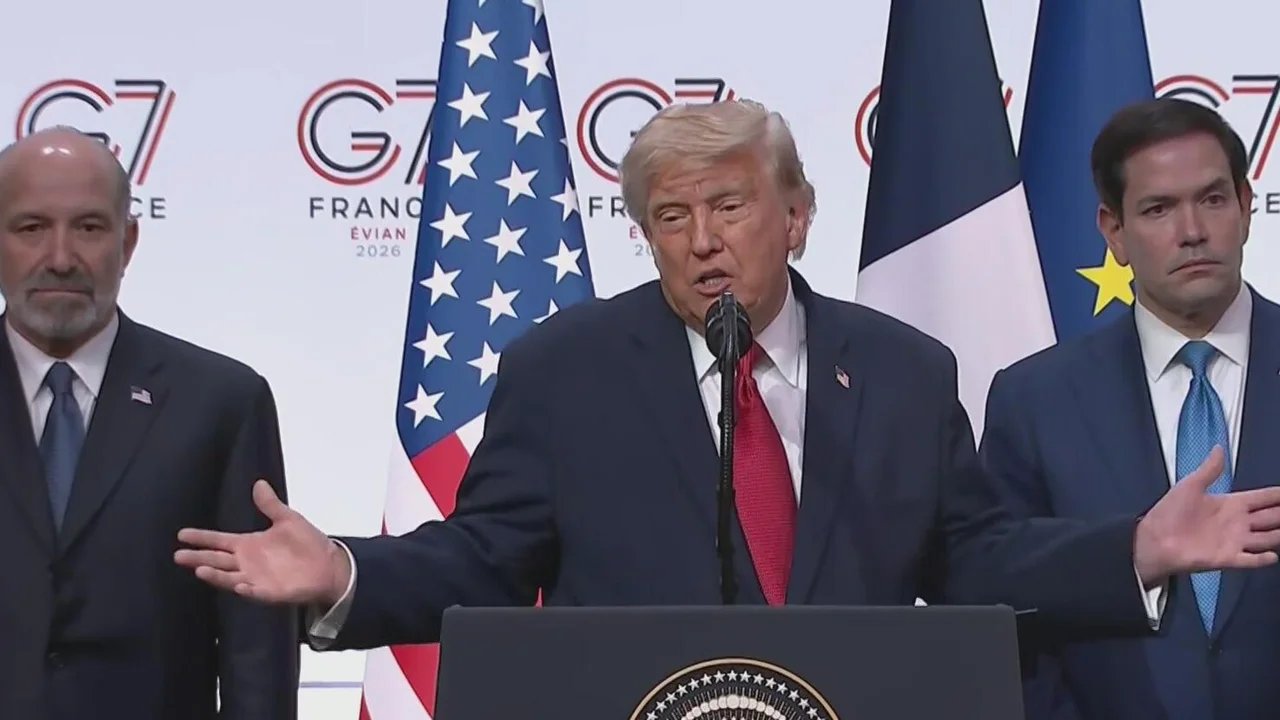
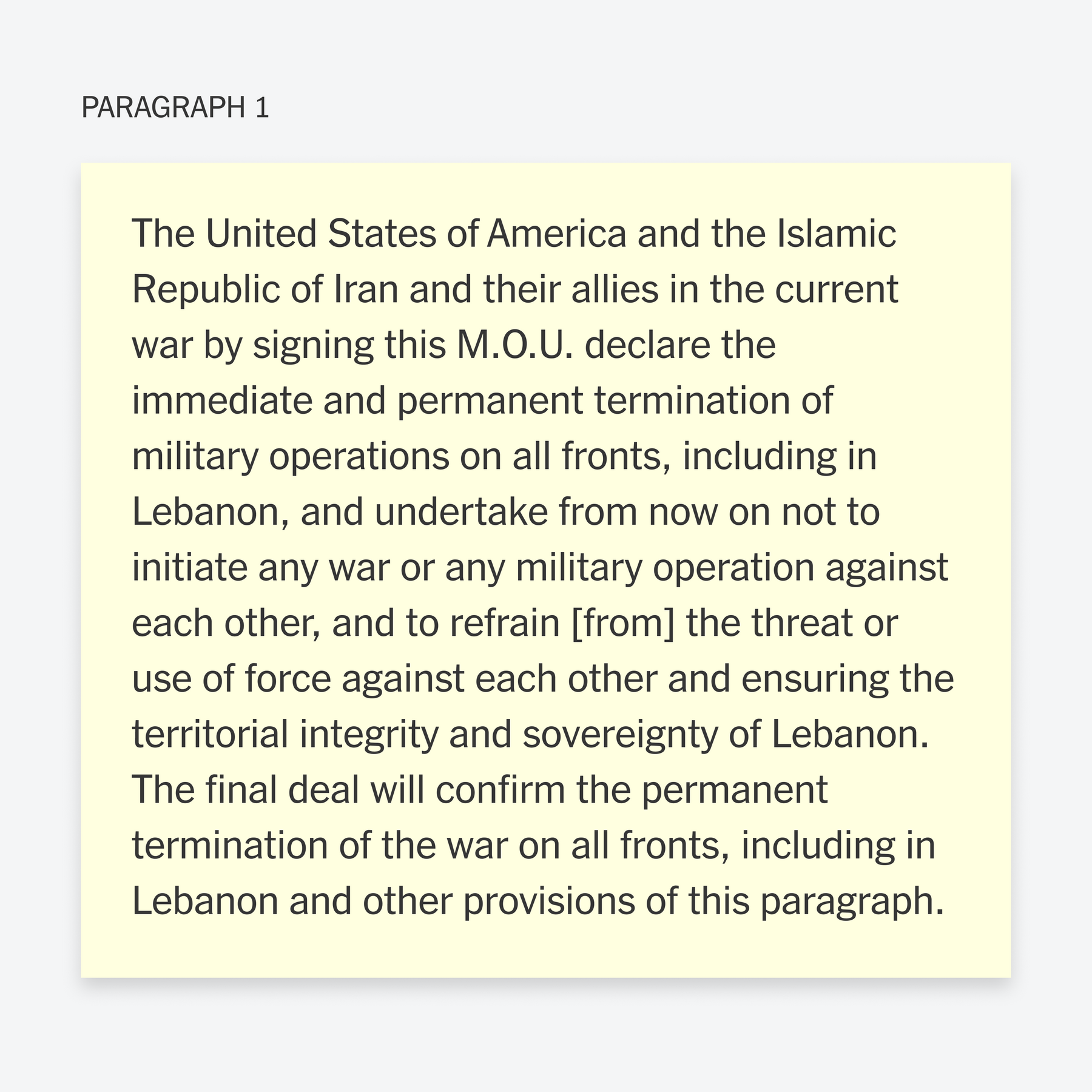
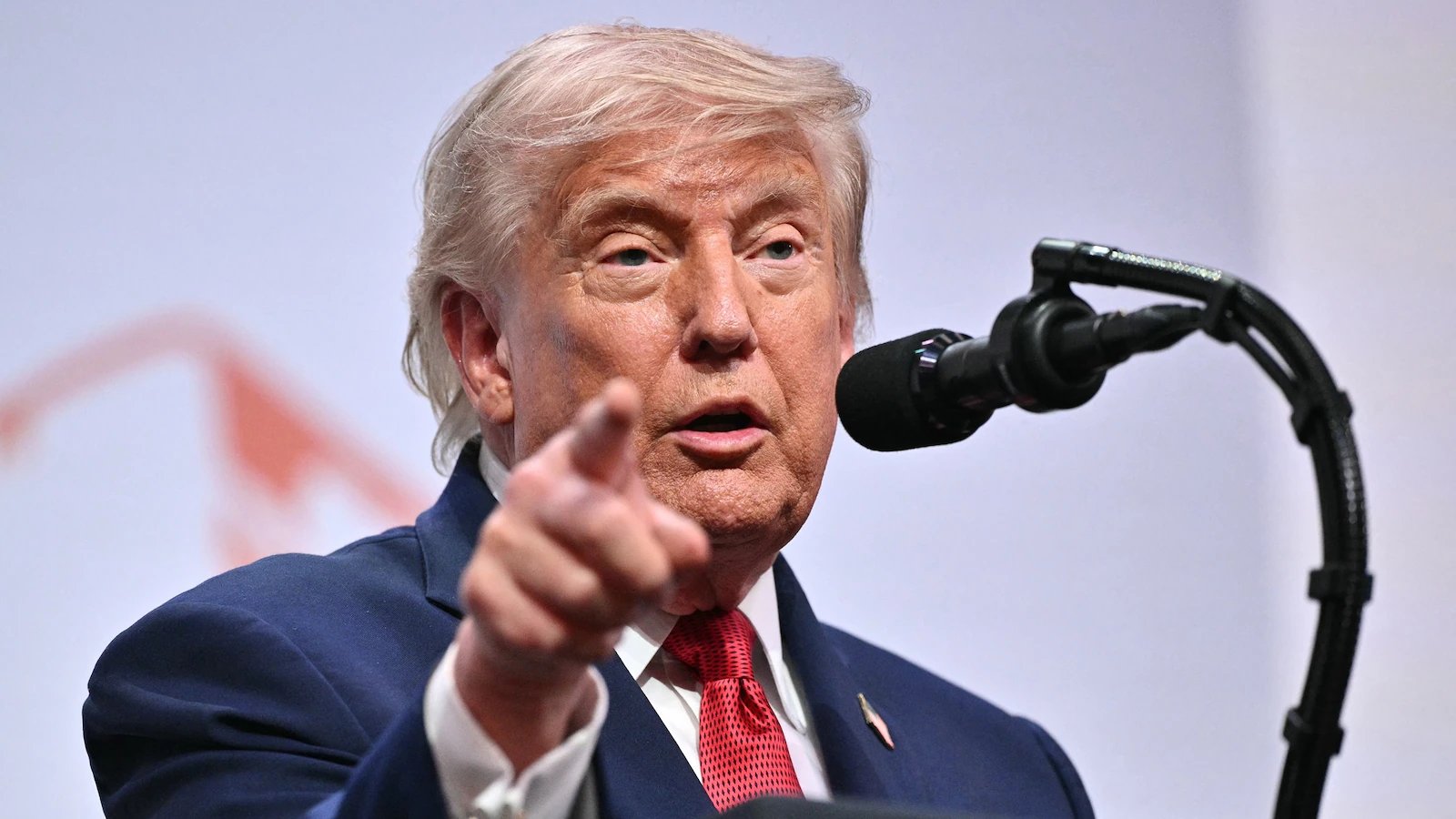
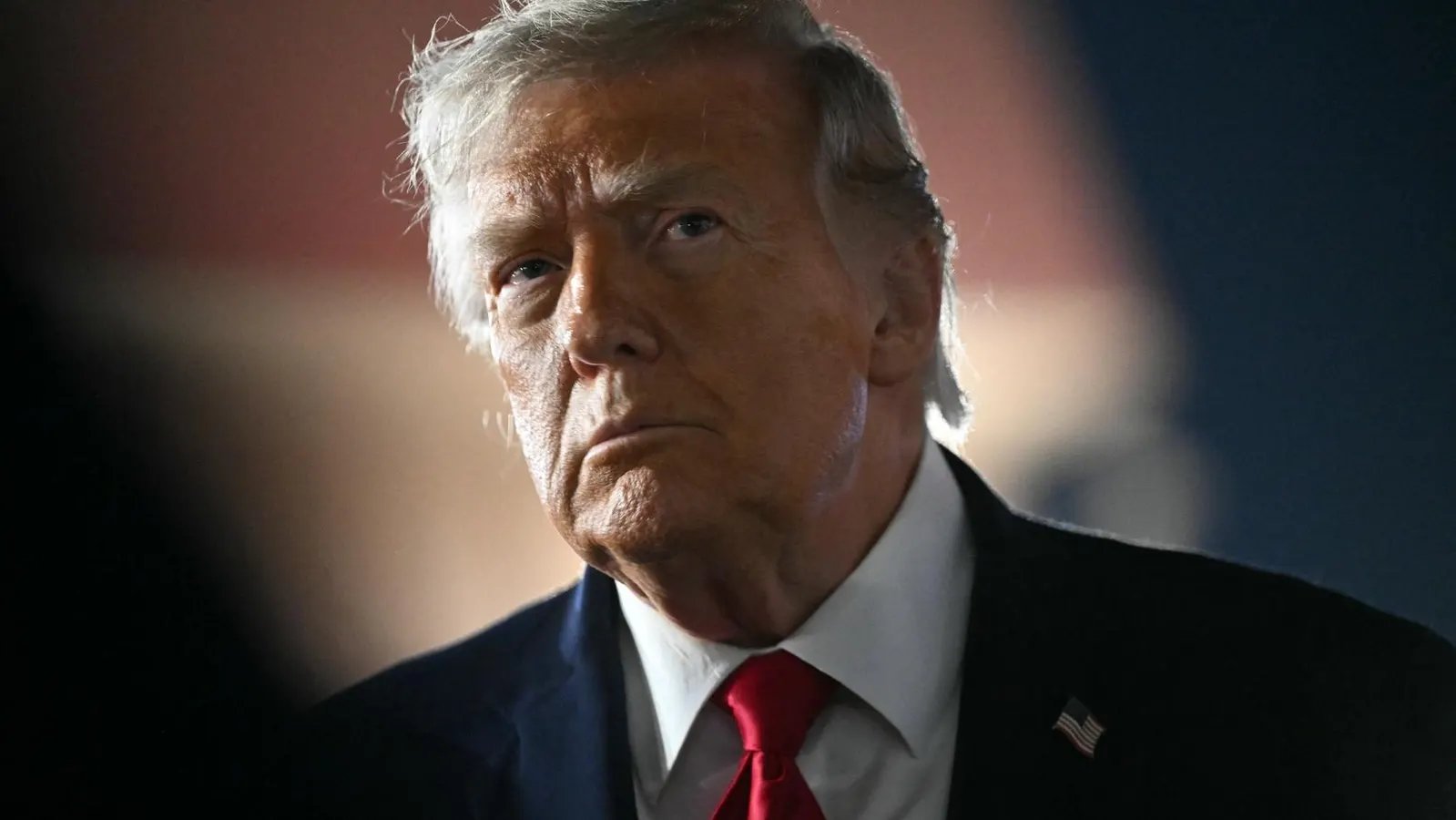
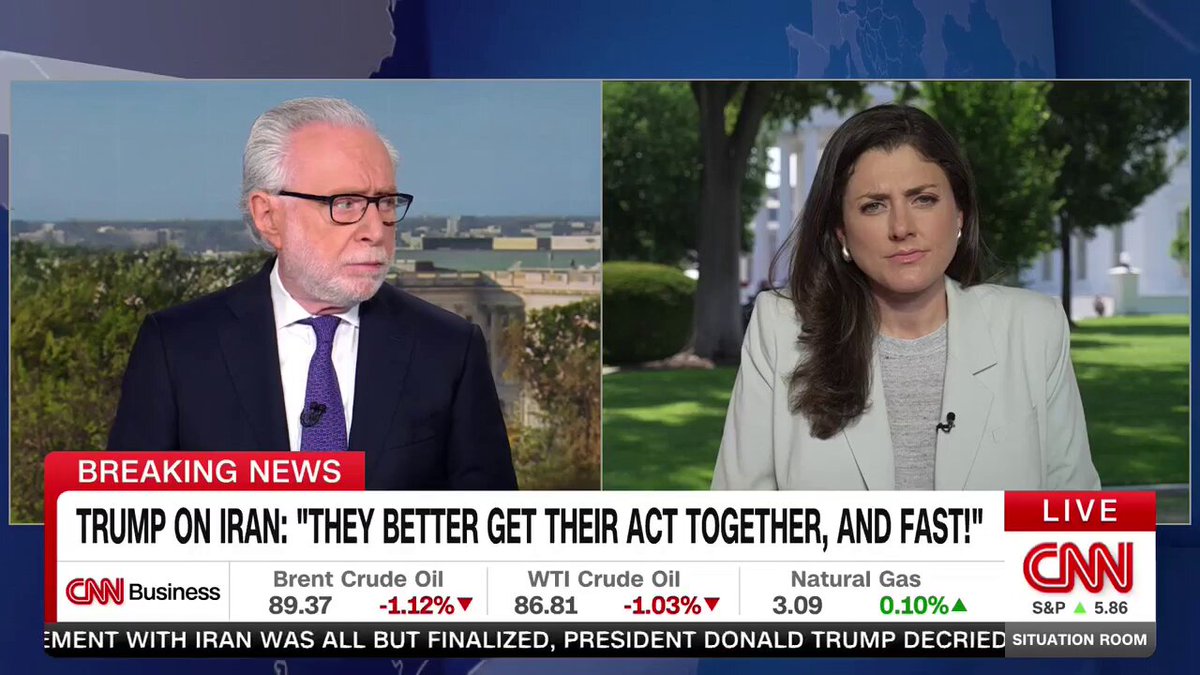
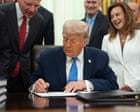
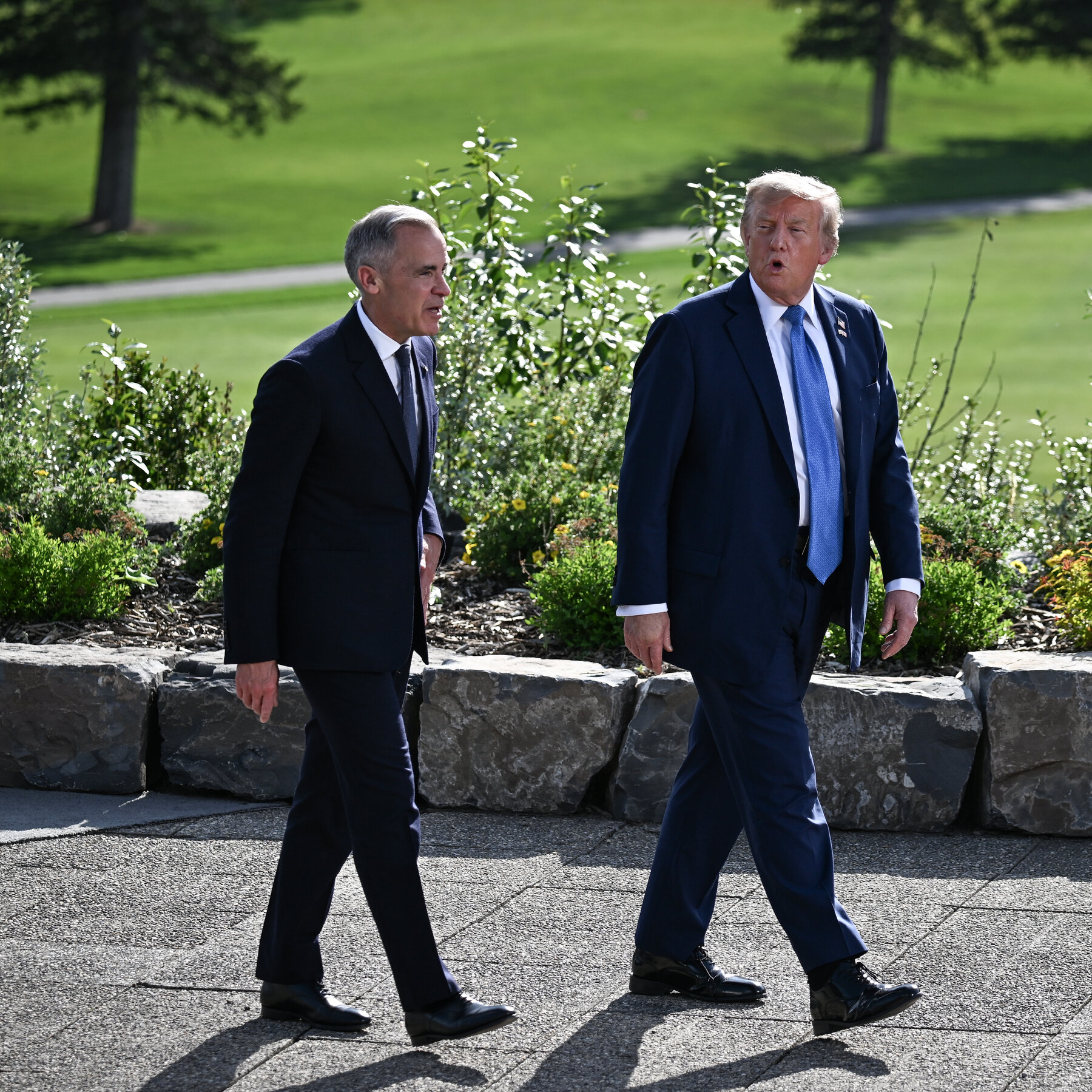
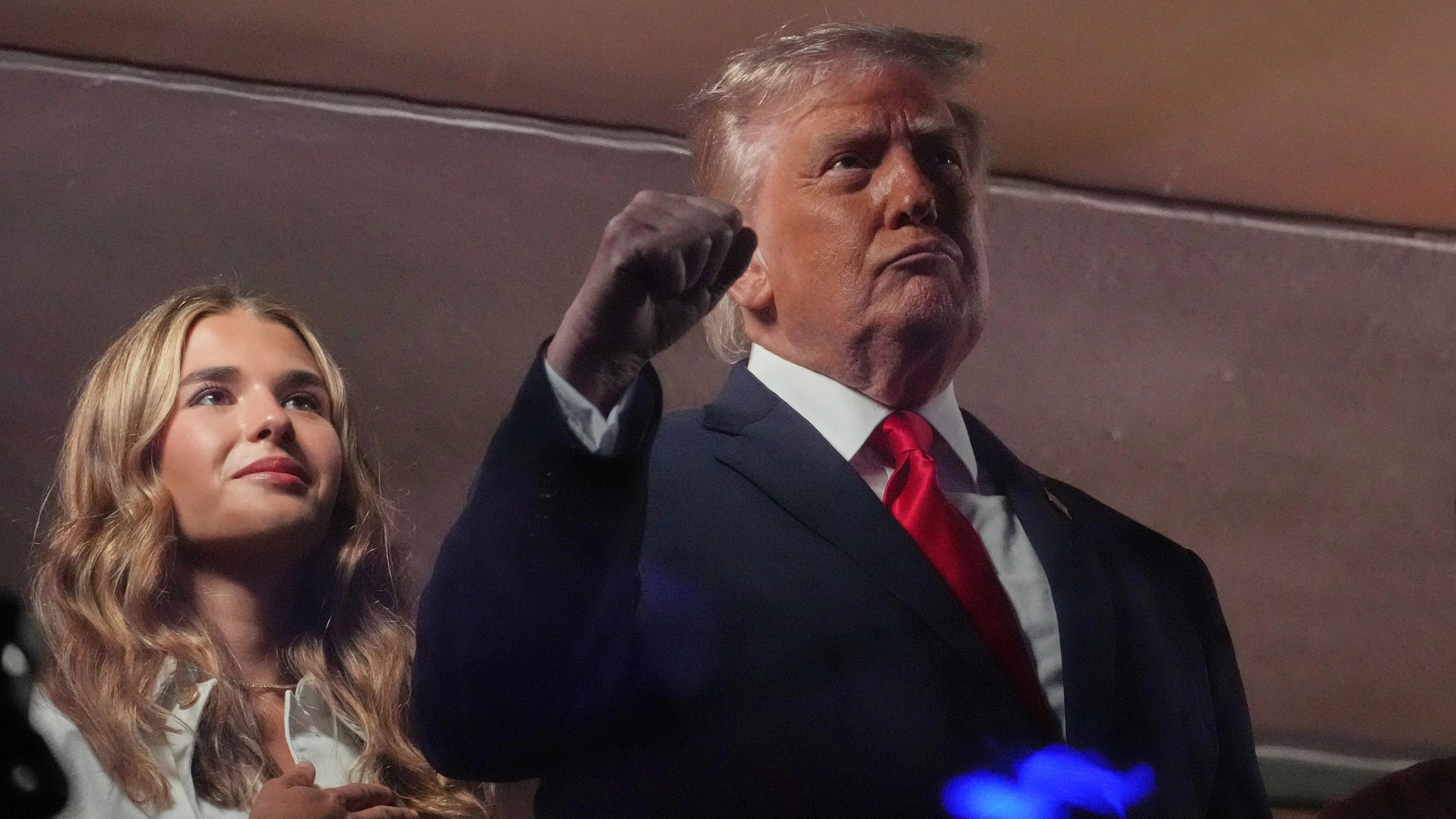
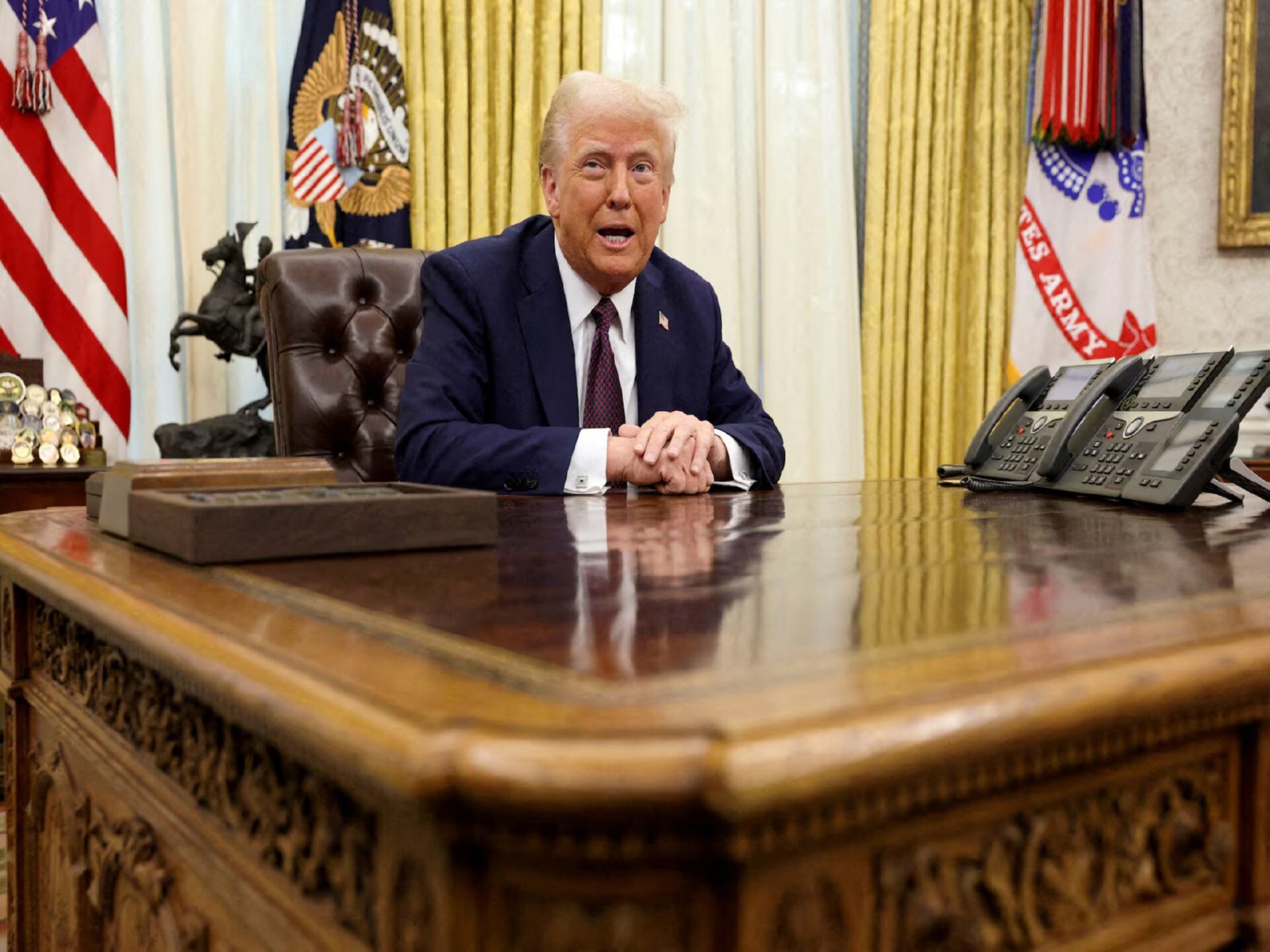
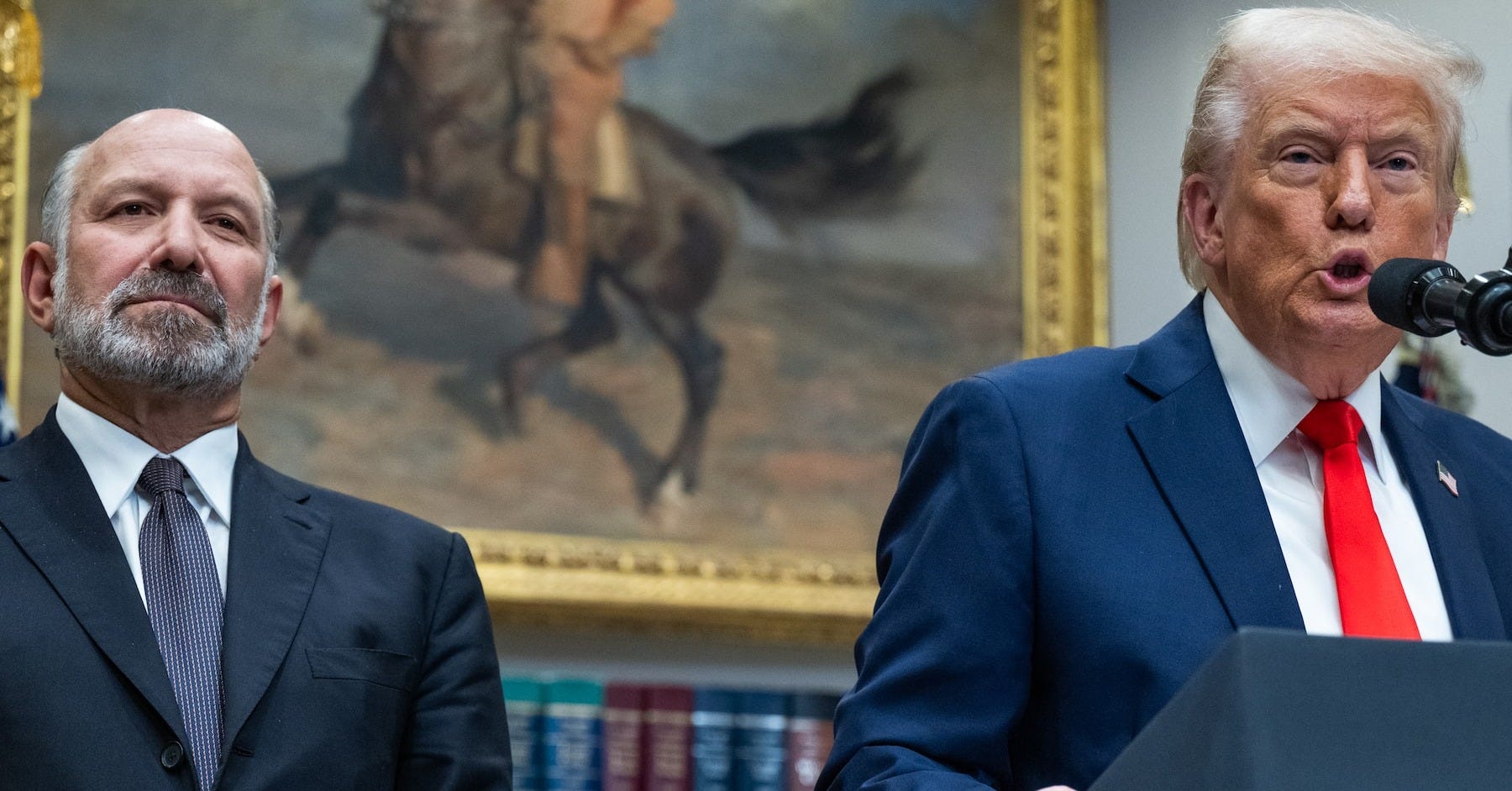
The public friction between Trump and German Chancellor Friedrich Merz has added complexity to the situation. Merz criticized Washington's handling of the Iran war, to which Trump responded by accusing Merz of being soft on Iran's nuclear program.
Hanefeld expressed confidence that NATO will remain transatlantic at its core but will become more European over the next decade.
Germany has pledged to bolster its military capabilities, aiming to become Europe's strongest conventional army within NATO, as stated by Germany’s Ambassador to the U.S., Jens Hanefeld. This commitment comes as a response to the pressures from former U.S. President Donald Trump, who曾多次 urged NATO allies to increase their defense spending. Hanefeld confirmed that Germany is on track to increase its defense spending to 5% of GDP well before 2035 and plans to recruit nearly 100,000 new active-duty soldiers into the Bundeswehr.
This marks a significant shift in Germany's military policy, as the country's postwar identity was centered around restraint. The decision to become Europe’s strongest conventional army is supported by Berlin’s new military strategy and is described by Hanefeld as a "Zeitenwende," or a turning point. Germany's increased military spending includes over $33 billion in contracts with U.S. defense companies for the procurement and manufacture of fighter jets, transport helicopters, air defense systems, and ammunition.
One of Germany’s most notable commitments is its permanent brigade in Lithuania, which is expected to include around 5,000 German military and civilian personnel. This force is intended to become fully operational for the defense of NATO’s eastern flank in the Baltic region within three years, serving as a reassurance to Baltic allies that NATO "will defend every inch of allied territory."
The public friction between Trump and German Chancellor Friedrich Merz has added complexity to the situation. Merz criticized Washington’s handling of the Iran war, to which Trump responded by accusing Merz of being soft on Iran’s nuclear program. Despite these tensions, a source with knowledge of the matter stated that the U.S.–Germany defense relationship remains strong, and cooperation remains close.
Hanefeld expressed confidence that NATO will remain transatlantic at its core but will become more European over the next decade. This shift in military posture has broad geopolitical implications and signifies a move towards a more independent European defense strategy, potentially reducing the reliance on the U.S. for European security.
Highlighted text was flagged by the council. Tap to see feedback.