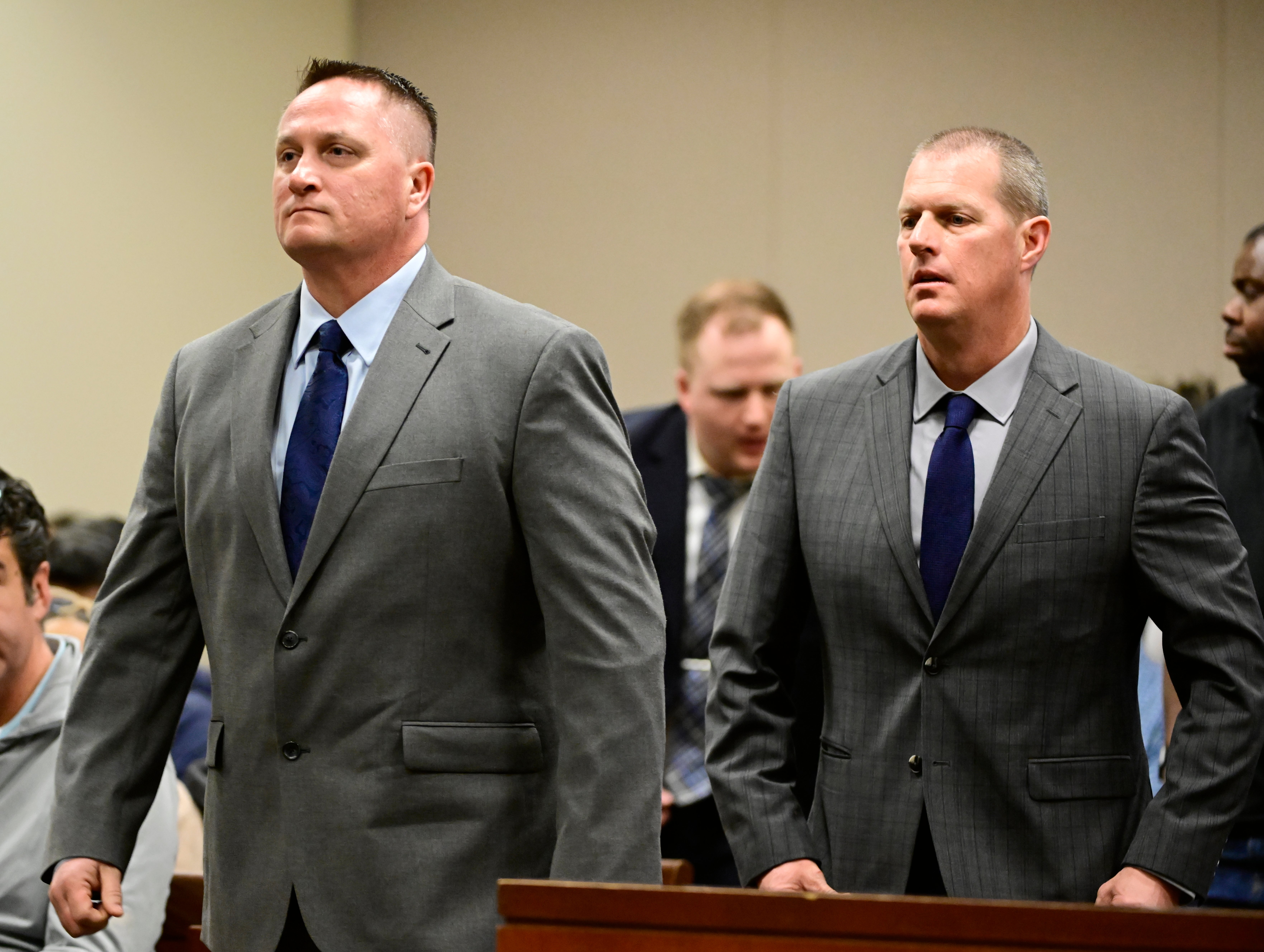
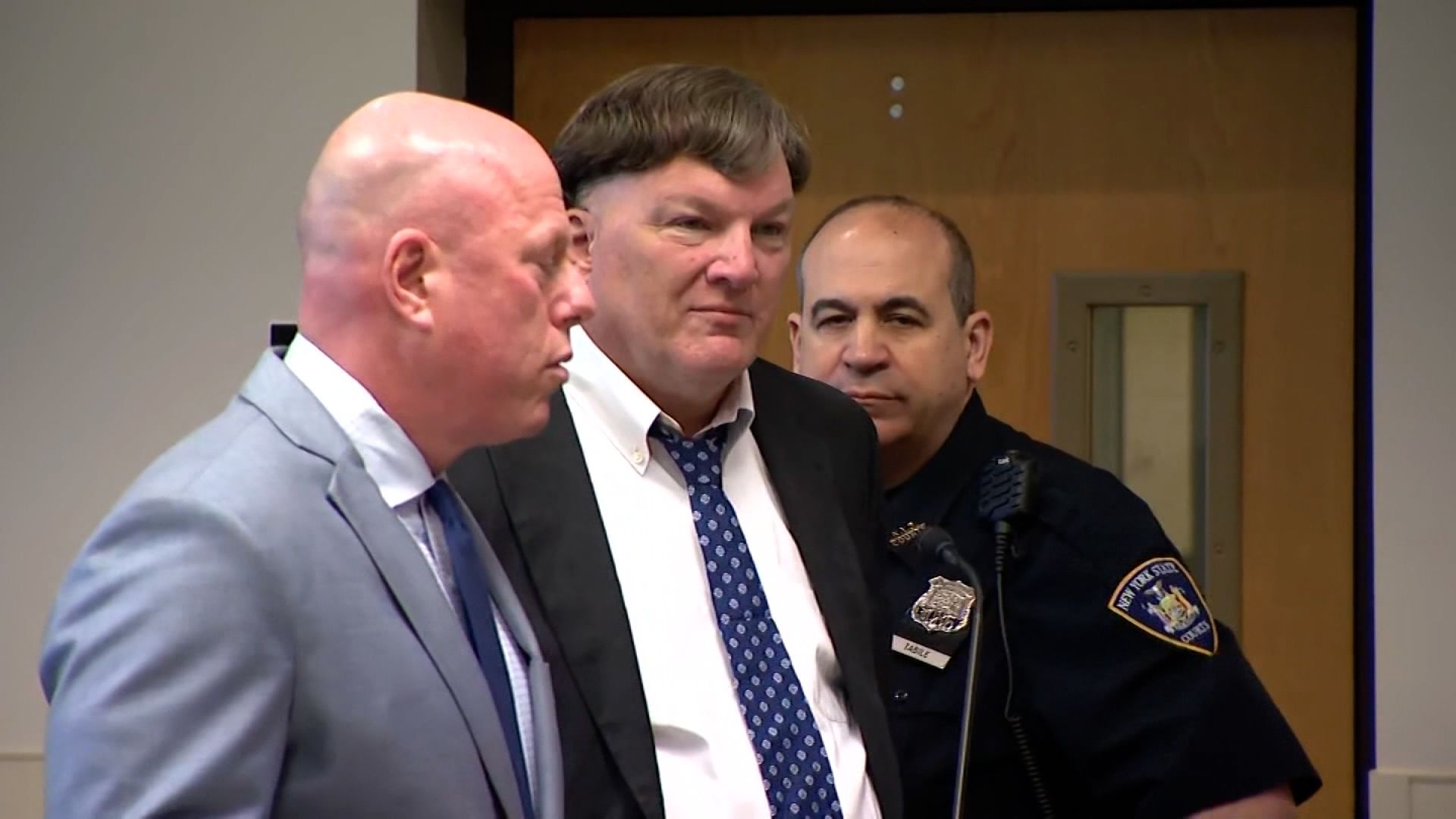
The Colorado Court of Appeals has reversed the criminally negligent homicide convictions of former paramedics Jeremy Cooper and Peter Cichuniec in the high-profile case surrounding the death of Elijah McClain. Announced on Thursday, the court ordered new trials for both paramedics for their roles in the 2019 incident where McClain was restrained and injected with ketamine. The appeals court upheld Cichuniec's conviction for second-degree assault but found fault with the jury instructions related to the homicide charges.
Elijah McClain, a 23-year-old Black man, was walking home in August 2019 when he was stopped by police responding to a report of a "suspicious person." After being forcibly restrained, McClain was injected with ketamine by paramedics Cooper and Cichuniec. He suffered cardiac arrest shortly thereafter and died three days later. Initially, the Adams County coroner could not determine the cause of death, but subsequent investigations linked it to complications from the ketamine administration following police restraint. This revelation led to a grand jury indictment of three police officers and the two paramedics.
Colorado Attorney General Phil Weiser said his office intends to appeal the ruling, stating, "Bringing these cases to trial was the right thing to do for justice, for Elijah McClain, and for healing in the Aurora community." The International Association of Fire Fighters also voiced support for Cooper and Cichuniec, highlighting the complexities paramedics face in making split-second decisions in high-pressure situations.
The appeals court ruling may have broader implications for how paramedics and law enforcement respond to similar situations in the future. University of Miami criminologist Alex Piquero noted that the ongoing legal scrutiny could influence the decision-making processes of first responders, prompting them to reconsider their actions during police custody situations. Piquero stated, "Is this going to influence their behavior? It may not be the first thing that comes into their heads, but it's going to be there."
Activist MiDian Shofner called the appellate ruling "one of the most divisive judicial decisions our state has experienced in recent memory," questioning the nature of accountability when a Black life is lost under contentious circumstances. The city of Aurora previously settled a federal civil rights lawsuit with McClain's family for $15 million, underscoring the community's ongoing struggle for justice.
As the case returns to court for new trials, the legal battles surrounding McClain's death continue to unfold. The outcome of these trials could shape public perception of accountability in law enforcement and emergency medical practices. The Colorado Attorney General's commitment to appeal the recent ruling indicates that the state will vigorously pursue justice in this landmark case, which has become emblematic of broader social justice movements across the country.
The Colorado Court of Appeals has reversed the criminally negligent homicide convictions of former paramedics Jeremy Cooper and Peter Cichuniec in the high-profile case surrounding the death of Elijah McClain. Announced on Thursday, the court ordered new trials for both paramedics, who had been found guilty in December 2023 for their roles in the 2019 incident where McClain was restrained and injected with ketamine. The appeals court upheld Cichuniec's conviction for second-degree assault but found fault with the jury instructions related to the homicide charges.
Elijah McClain, a 23-year-old Black man, was walking home in August 2019 when he was stopped by police responding to a report of a "suspicious person." After being forcibly restrained, McClain was injected with ketamine by paramedics Cooper and Cichuniec. He suffered cardiac arrest shortly thereafter and died three days later. Initially, the Adams County coroner could not determine the cause of death, but subsequent investigations linked it to complications from the ketamine administration following police restraint. This revelation led to a grand jury indictment of three police officers and the two paramedics.
Colorado Attorney General Phil Weiser expressed disappointment at the appeals court's decision, stating, "Bringing these cases to trial was the right thing to do for justice, for Elijah McClain, and for healing in the Aurora community." Weiser's office intends to appeal the ruling, emphasizing the need for accountability in cases involving law enforcement and emergency medical responders. The International Association of Fire Fighters also voiced support for Cooper and Cichuniec, highlighting the complexities paramedics face in making split-second decisions in high-pressure situations.
The appeals court ruling may have broader implications for how paramedics and law enforcement respond to similar situations in the future. University of Miami criminologist Alex Piquero noted that the ongoing legal scrutiny could influence the decision-making processes of first responders, prompting them to reconsider their actions during police custody situations. Piquero stated, "Is this going to influence their behavior? It may not be the first thing that comes into their heads, but it's going to be there."
The case has reignited discussions about police accountability and the use of ketamine in emergency situations. Activist MiDian Shofner called the appellate ruling "one of the most divisive judicial decisions our state has experienced in recent memory," questioning the nature of accountability when a Black life is lost under contentious circumstances. The city of Aurora previously settled a federal civil rights lawsuit with McClain's family for $15 million, underscoring the community's ongoing struggle for justice.
As the case returns to court for new trials, the legal battles surrounding McClain's death continue to unfold. The outcome of these trials could shape public perception of accountability in law enforcement and emergency medical practices. The Colorado Attorney General's commitment to appeal the recent ruling indicates that the state will vigorously pursue justice in this landmark case, which has become emblematic of broader social justice movements across the country.
Highlighted text was flagged by the council. Tap to see feedback.