




Iran's Latest Attacks Rattle Global Energy Markets
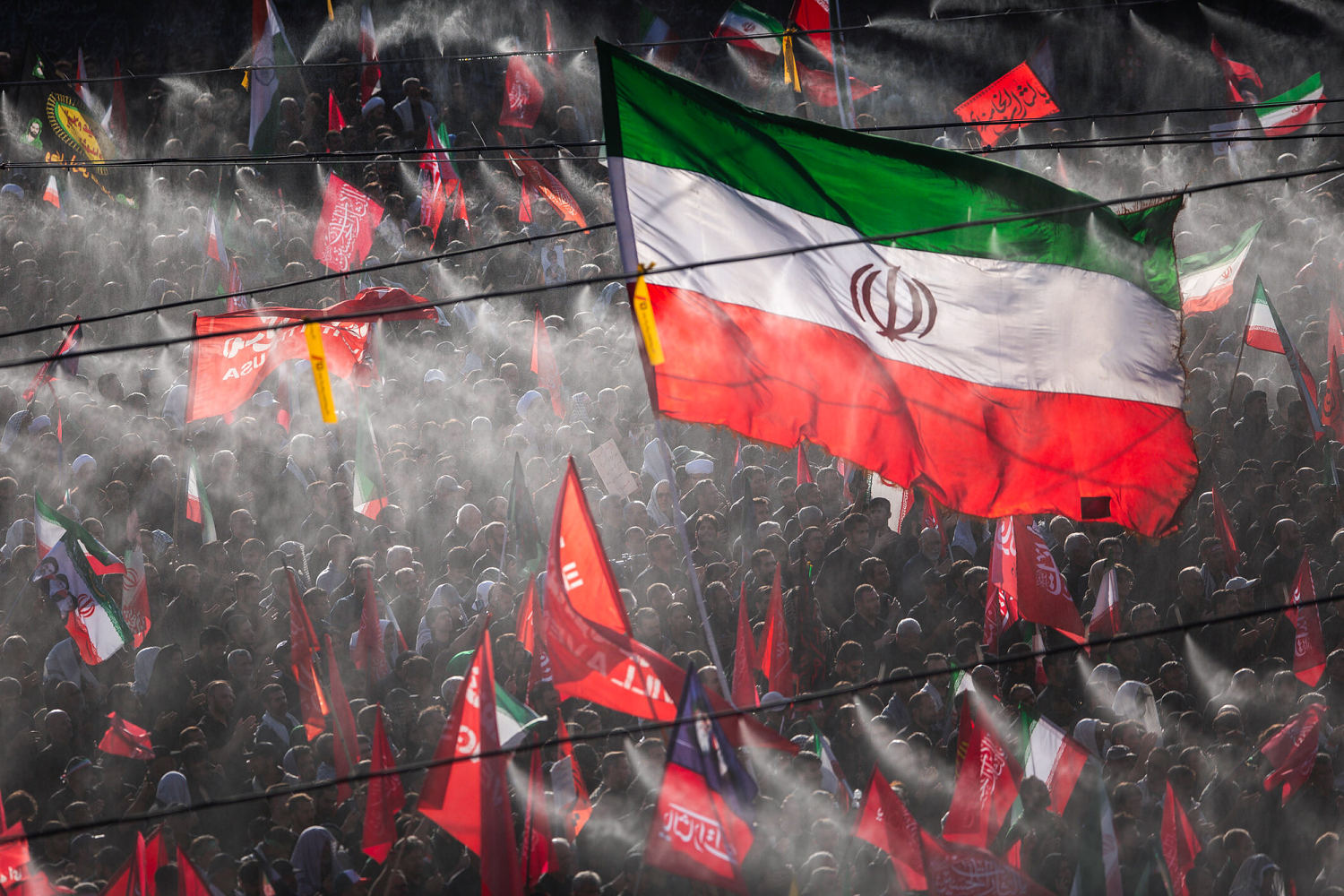
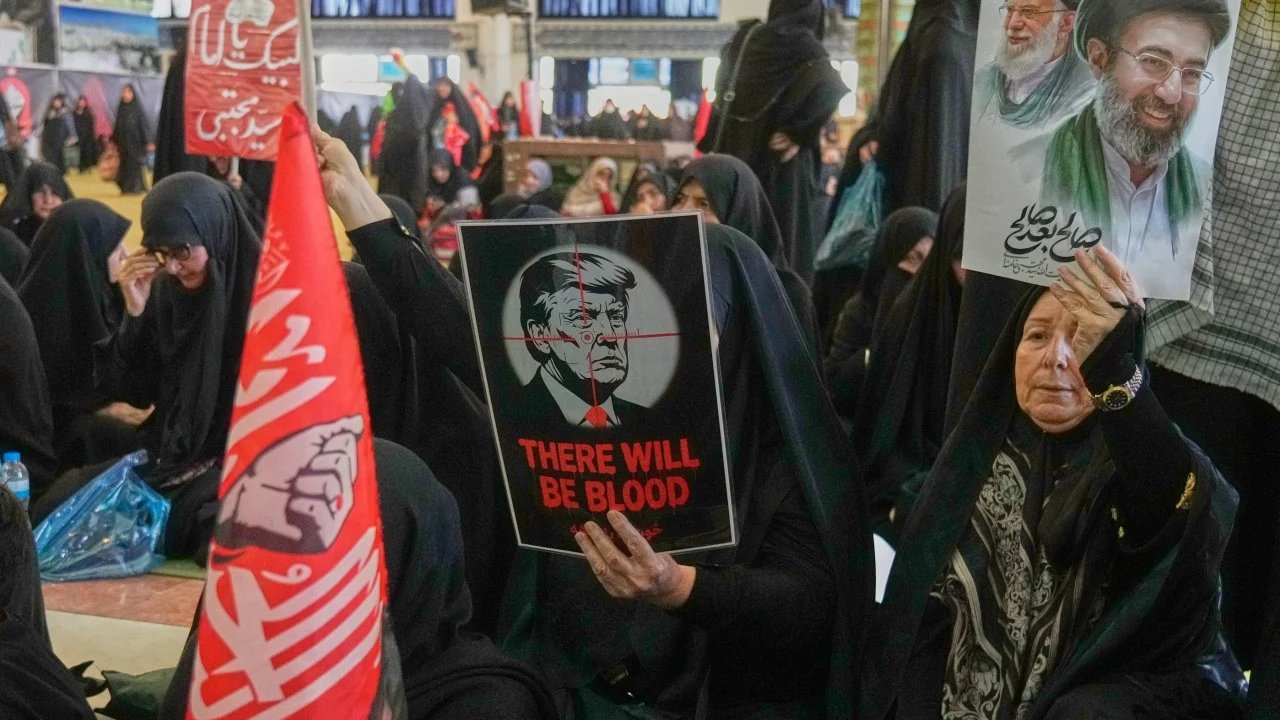
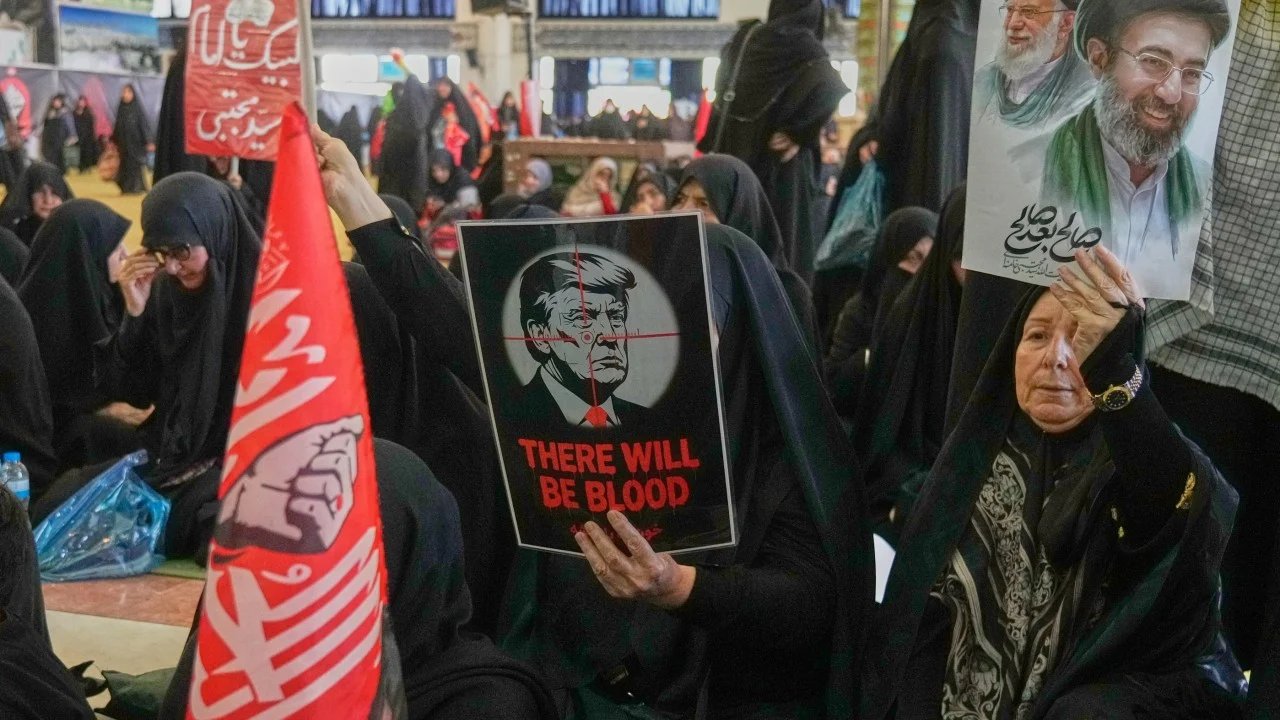
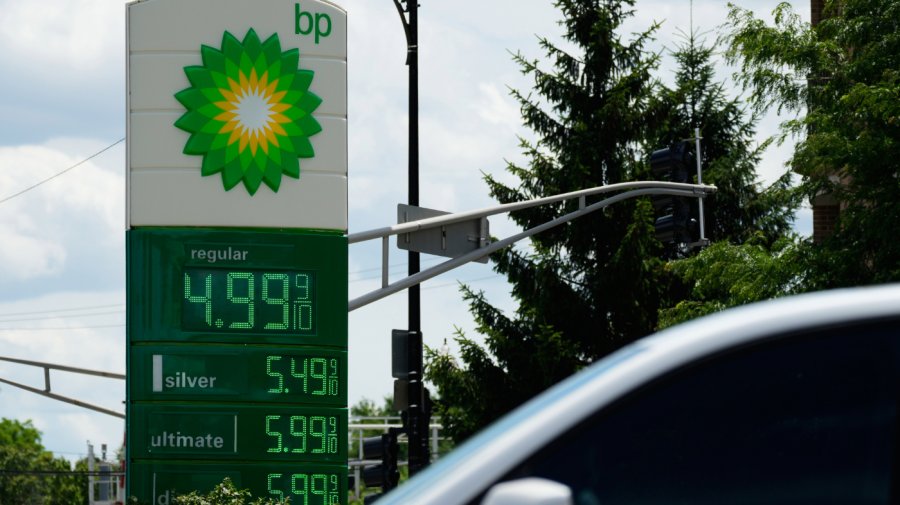
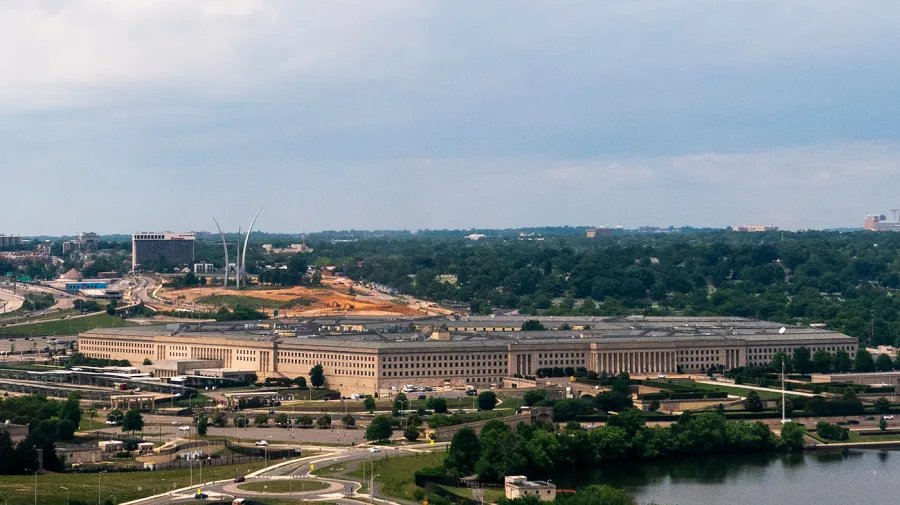
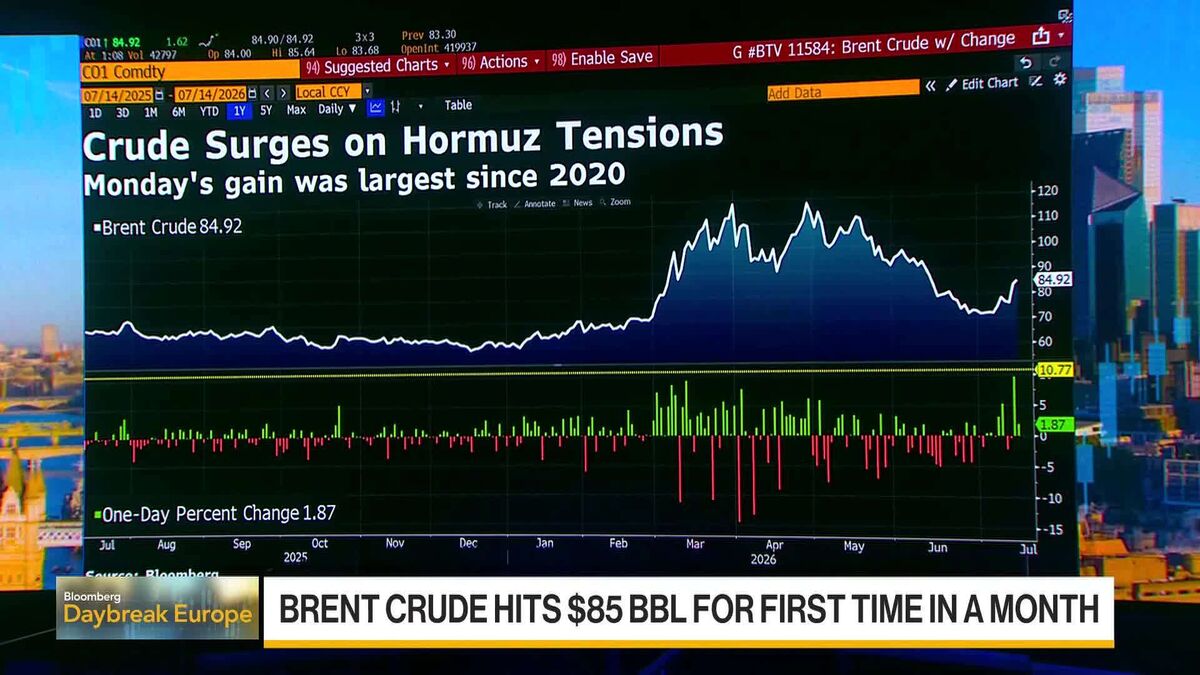
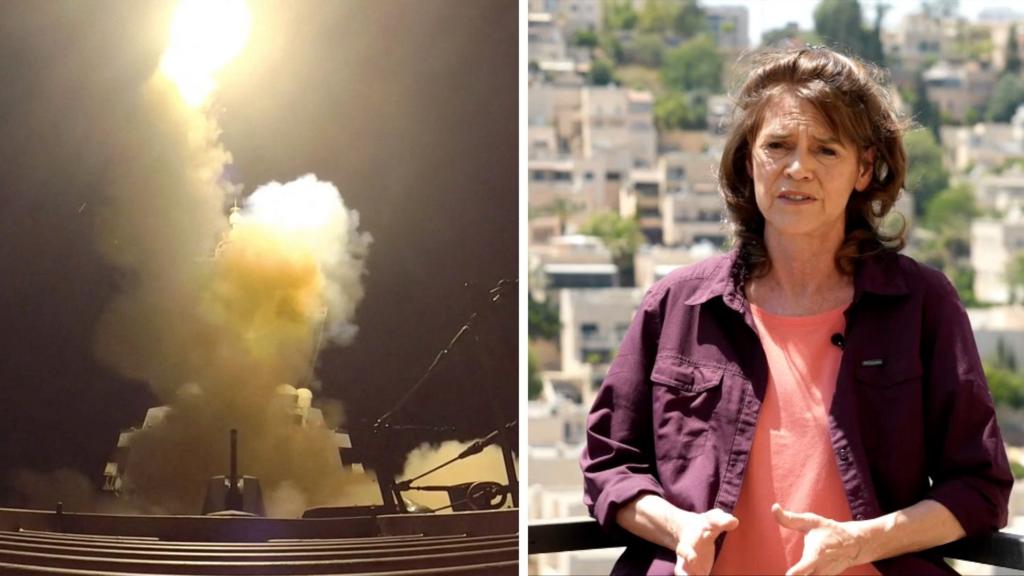
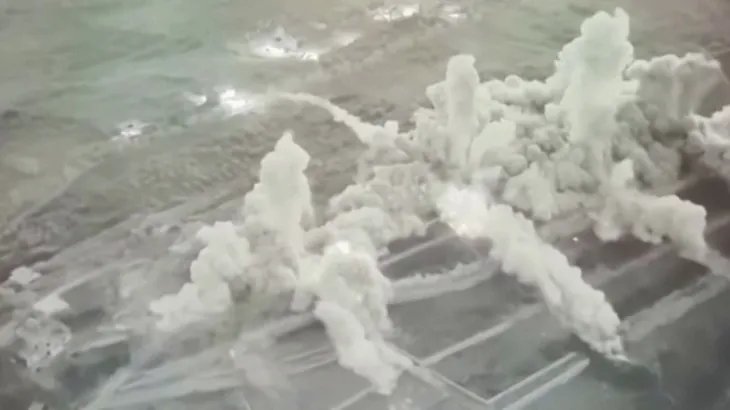
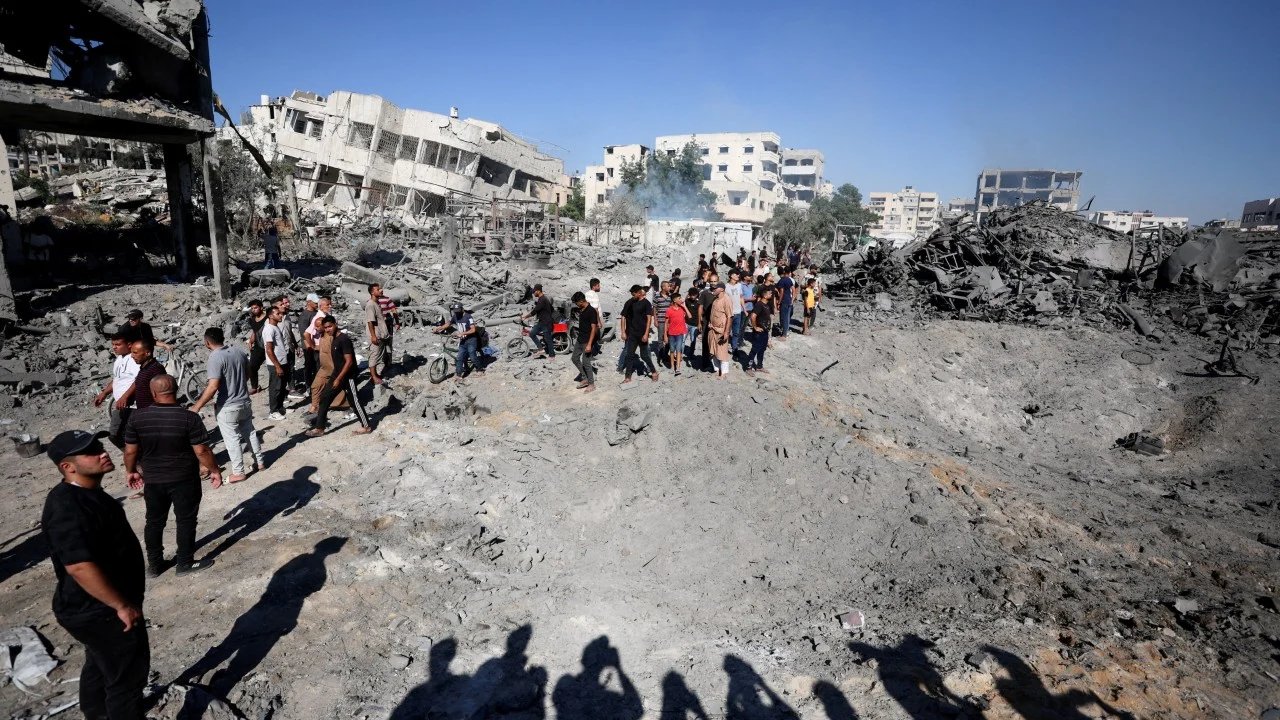
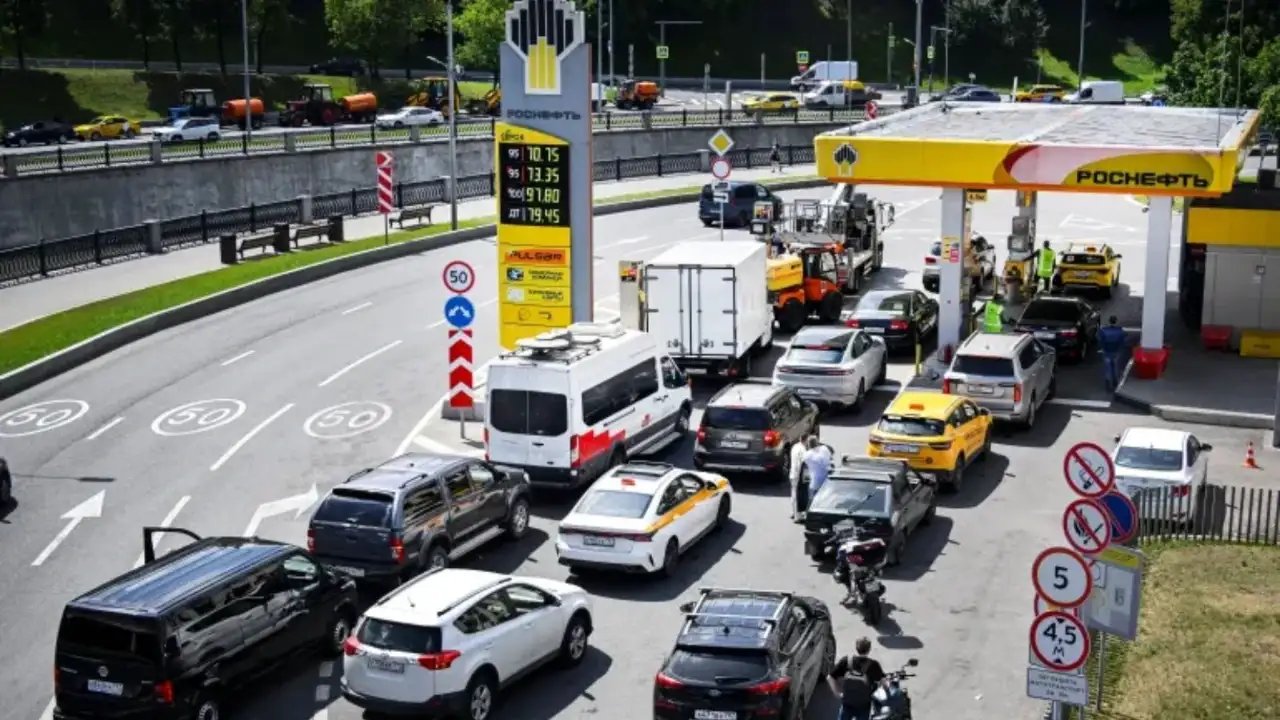
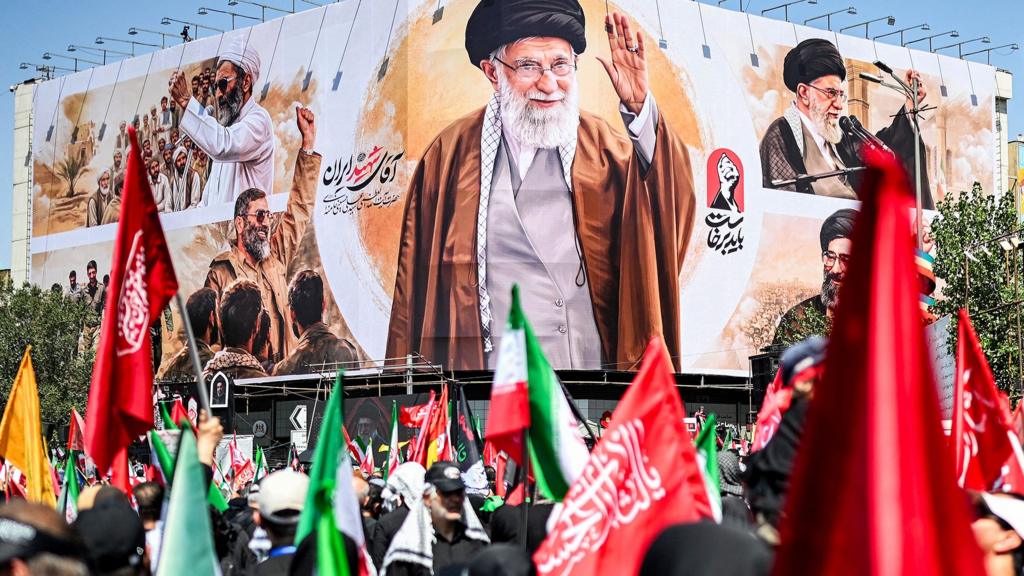
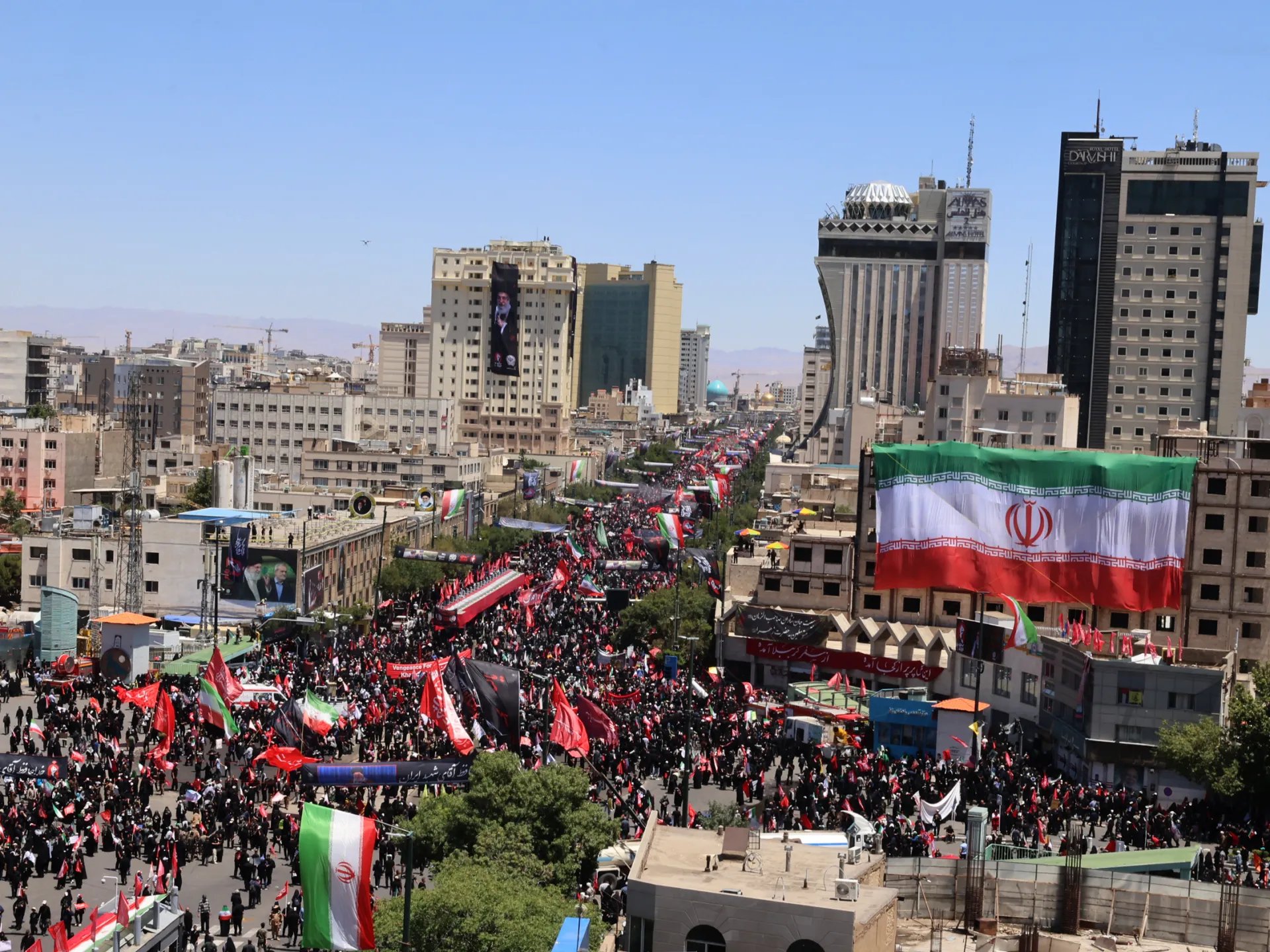
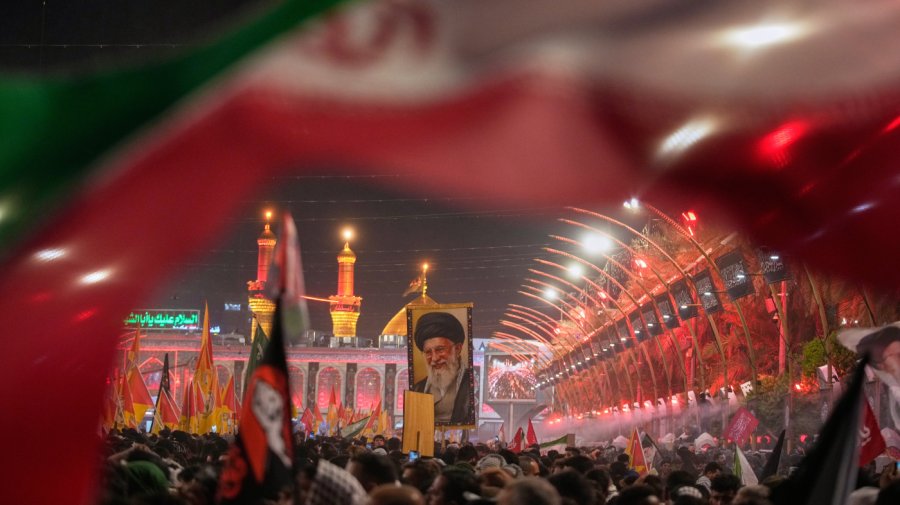
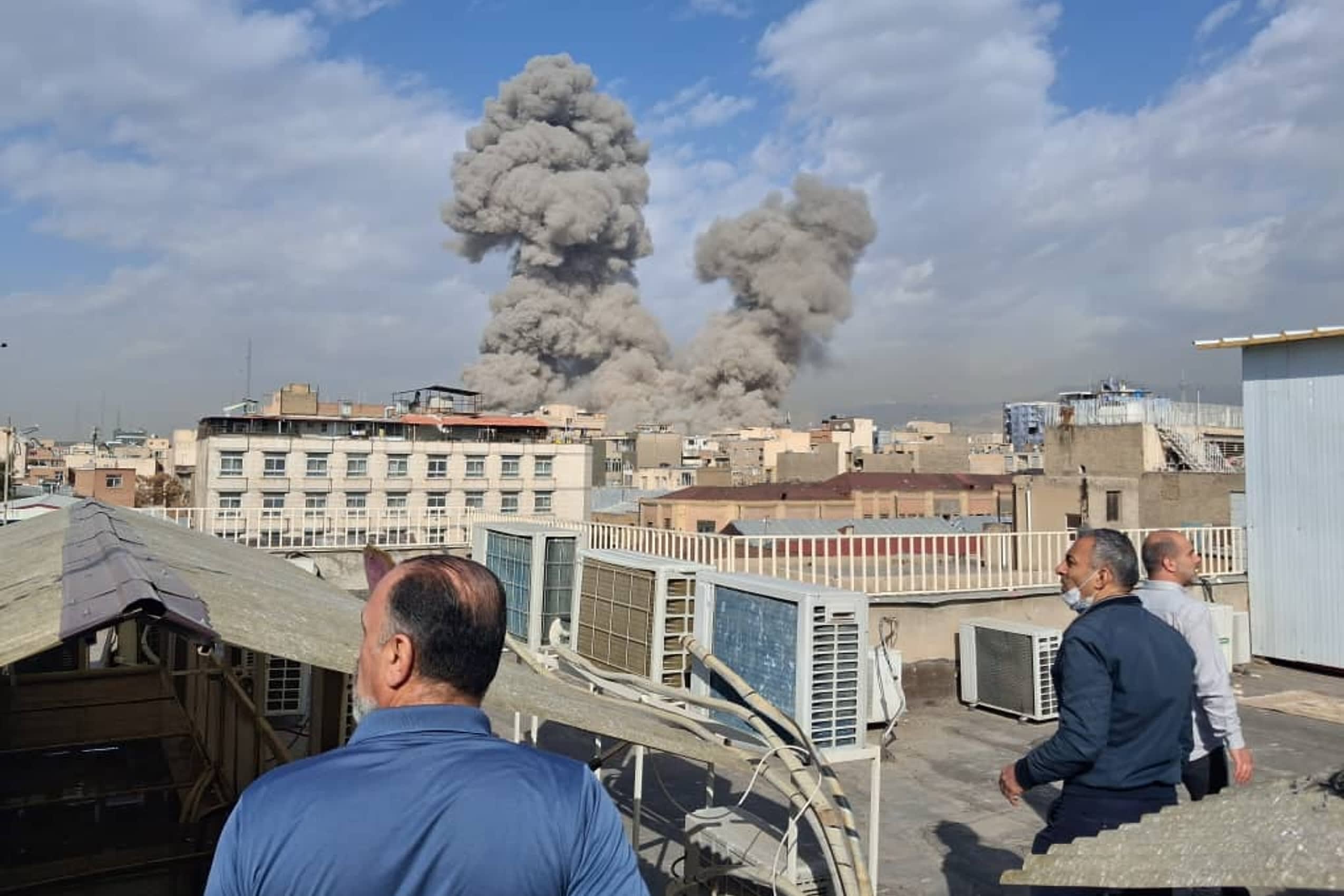
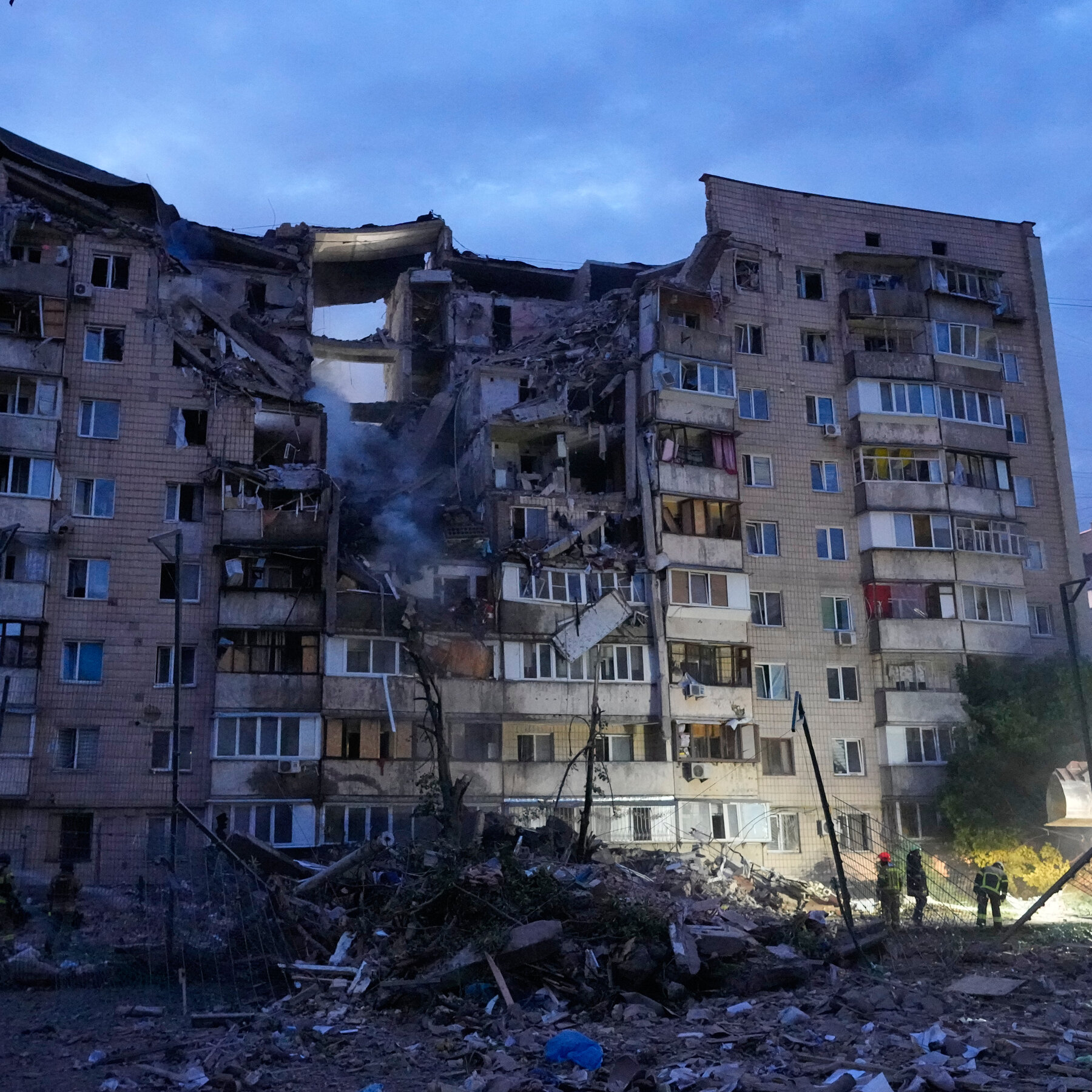
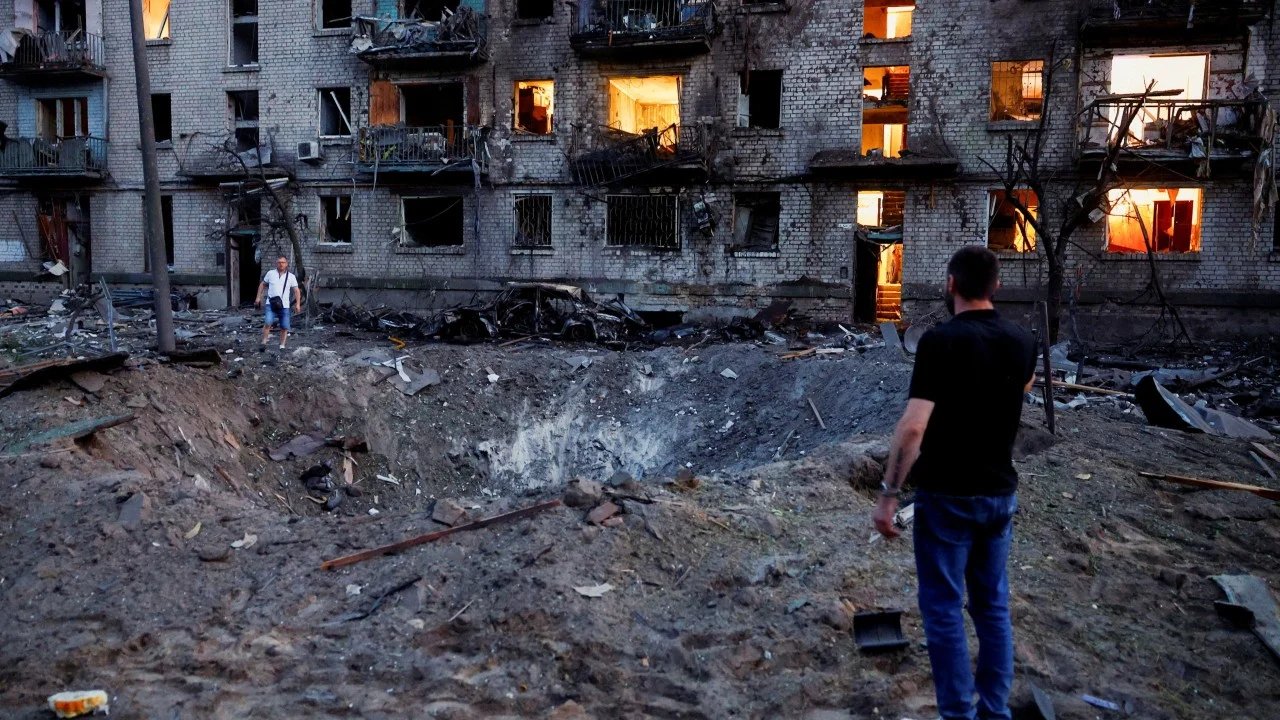
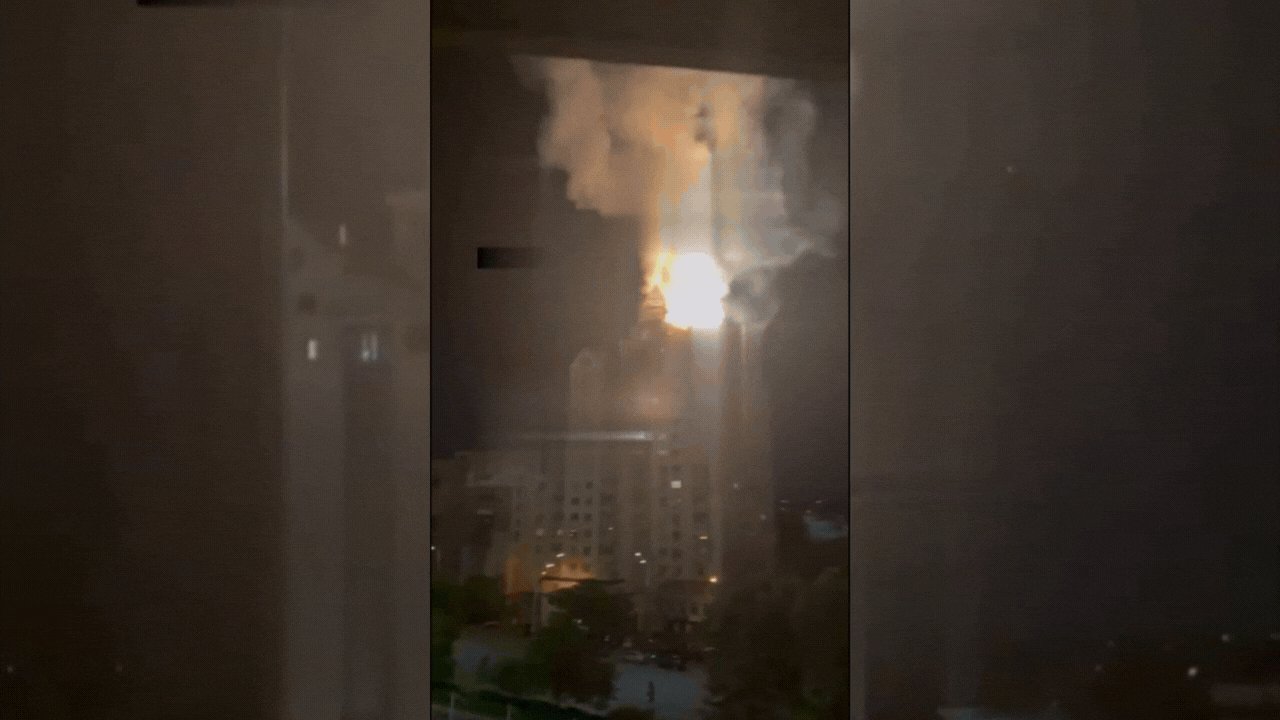
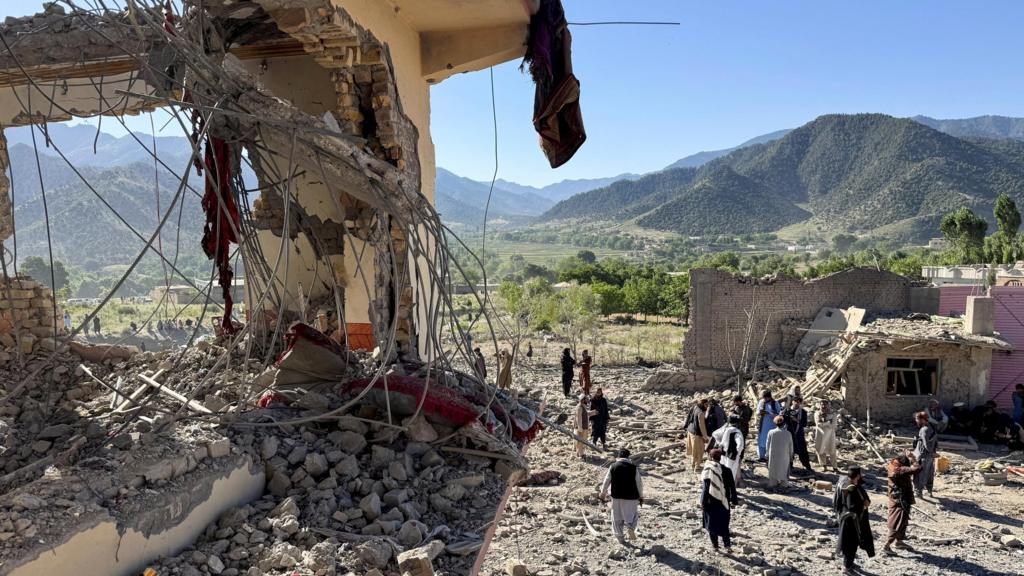
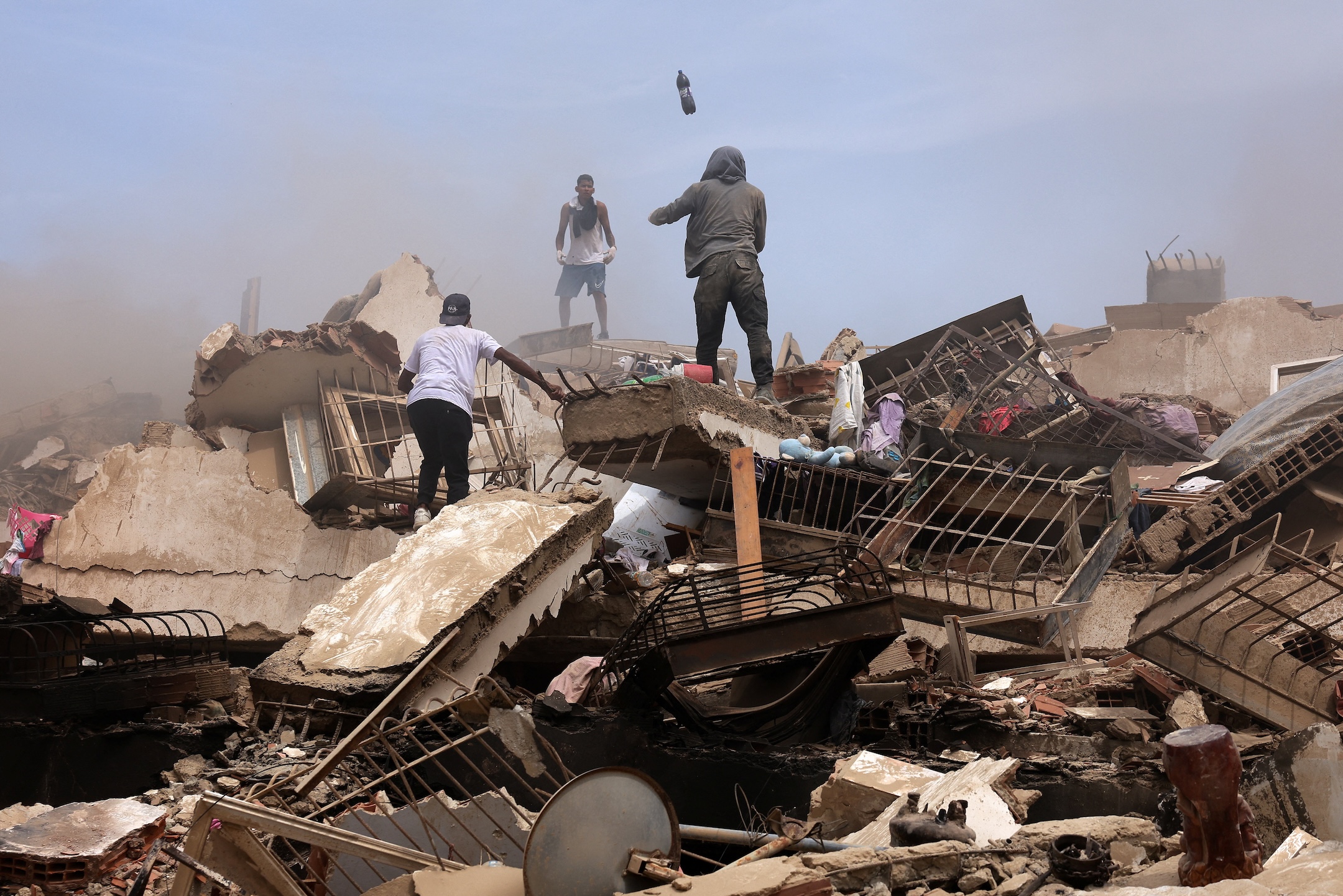
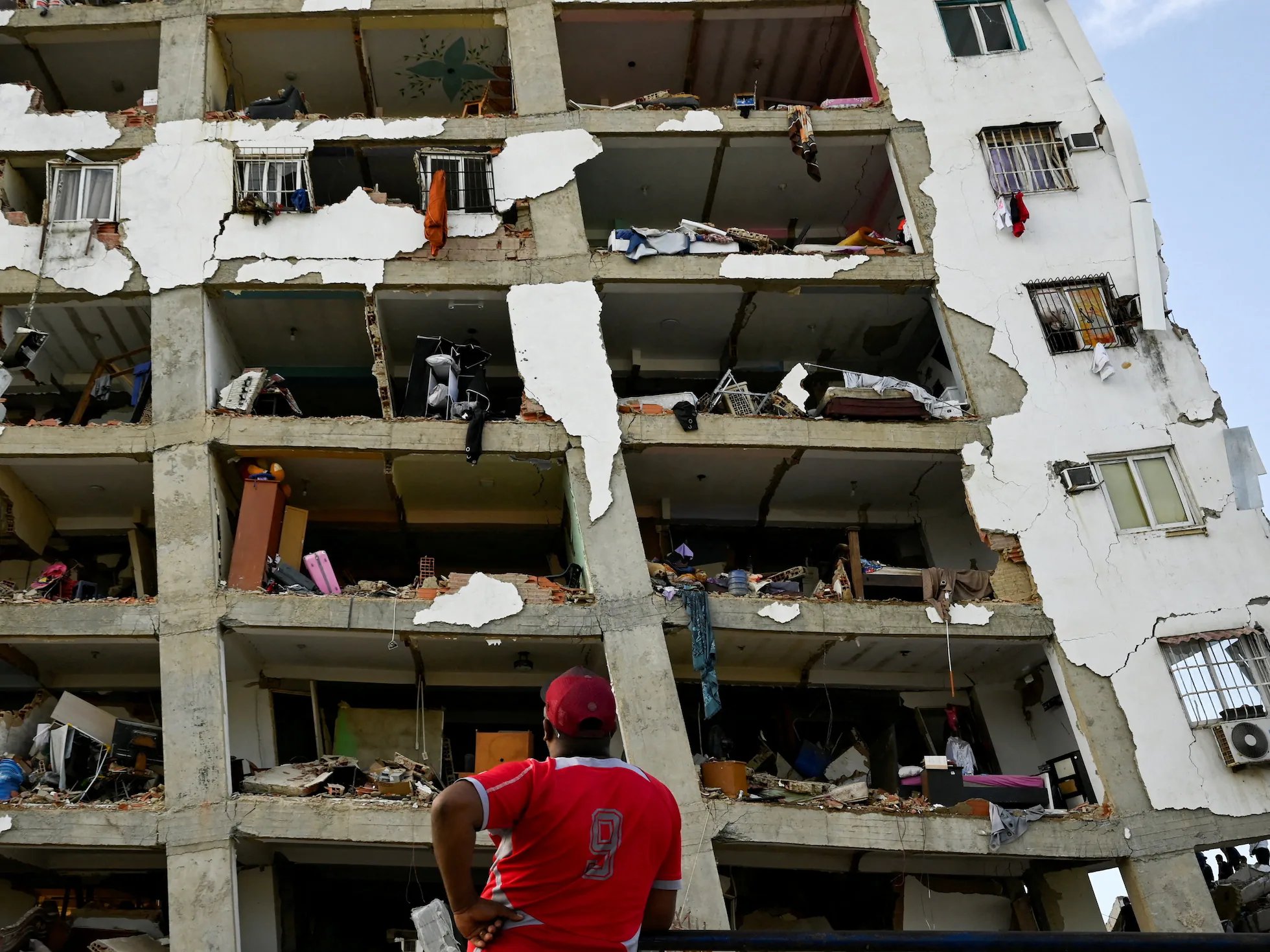
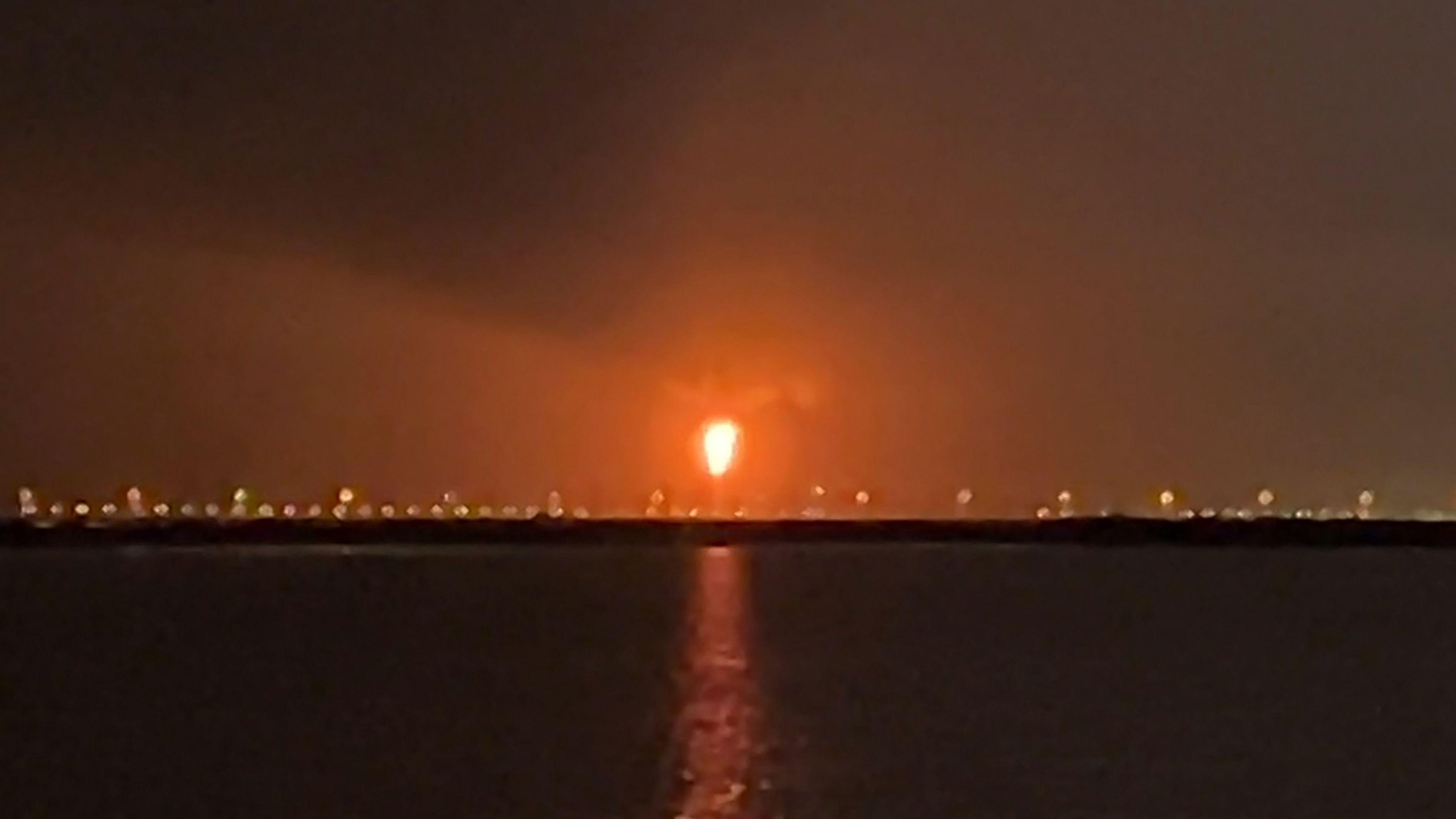
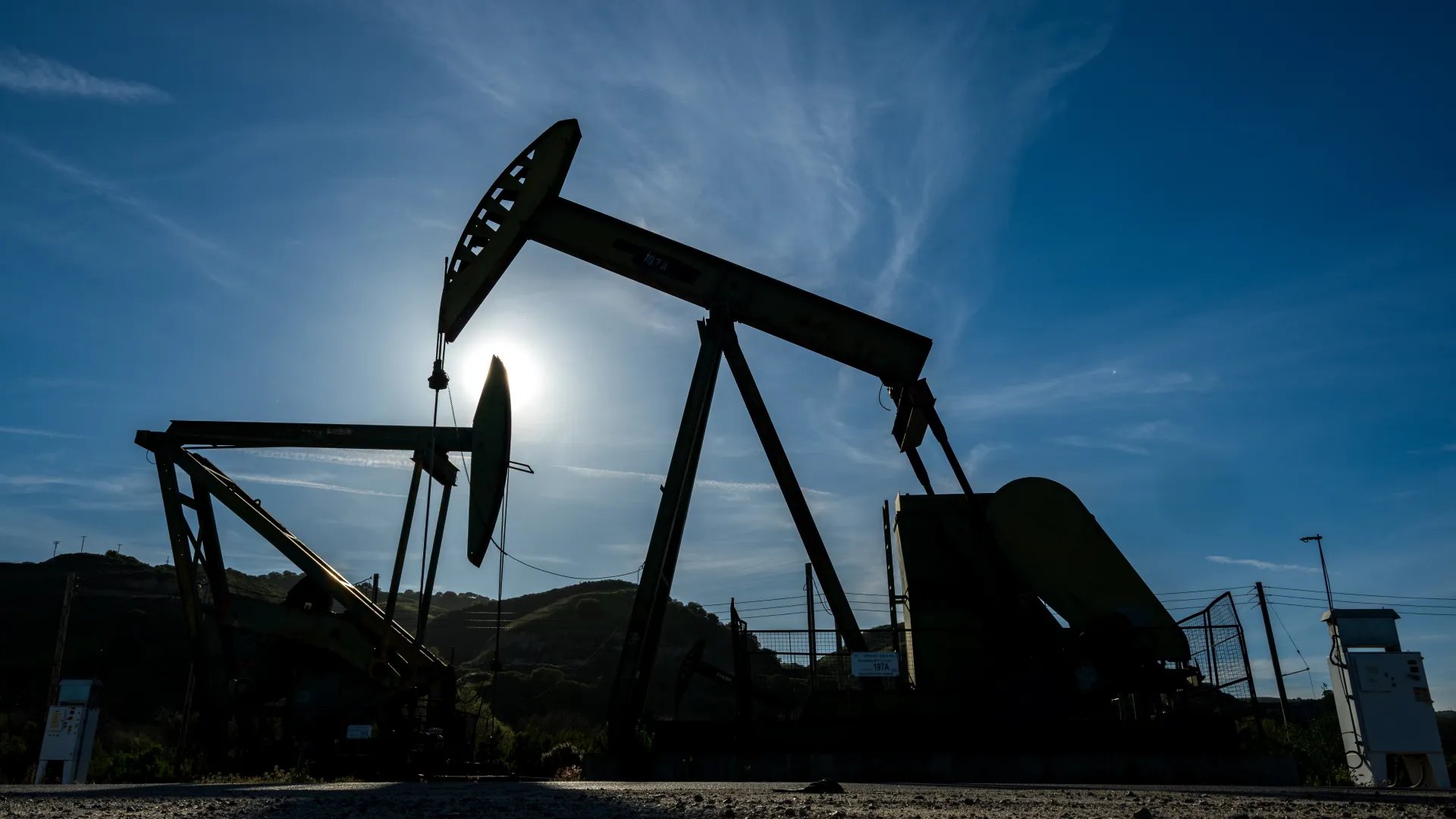
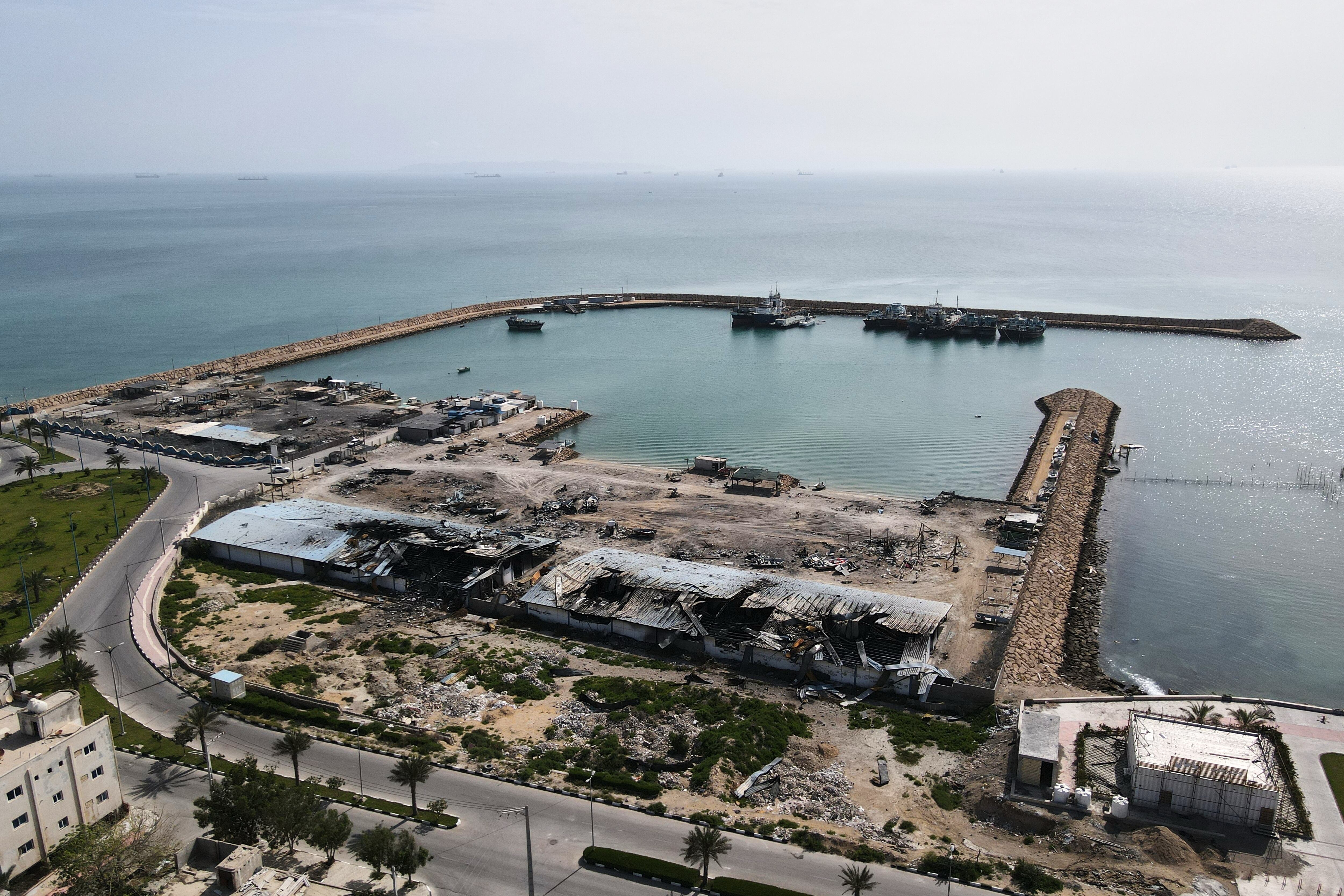
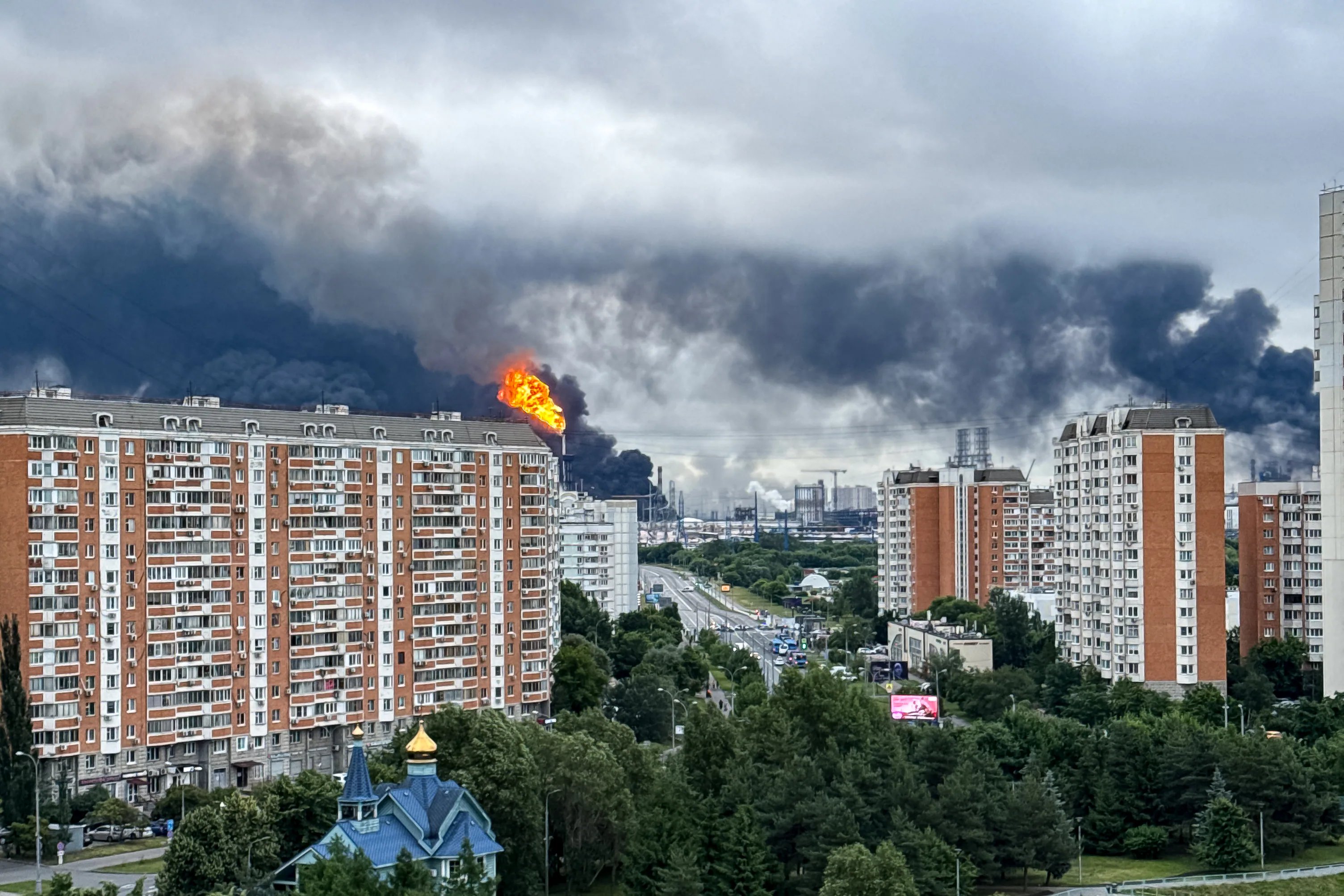
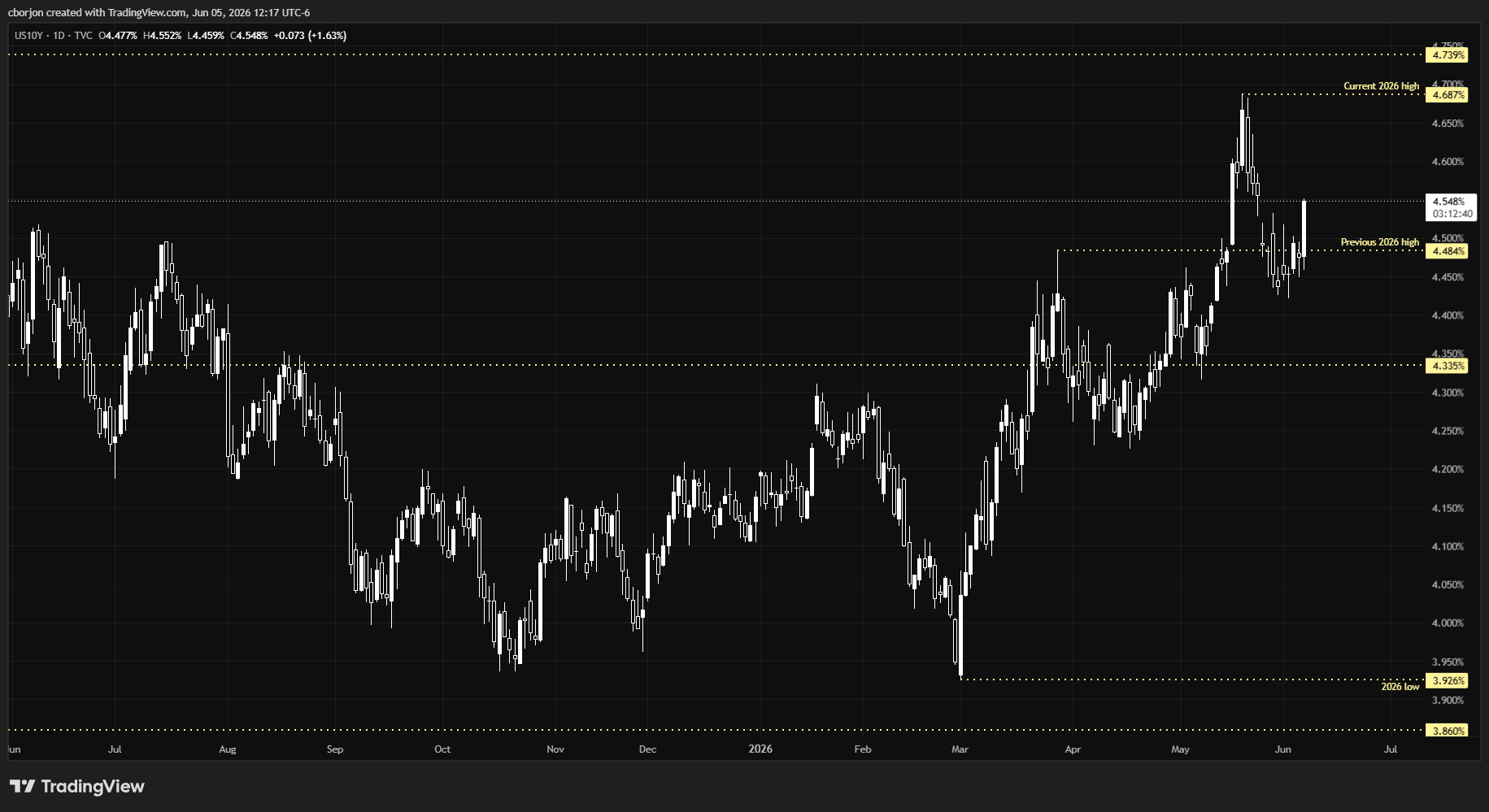
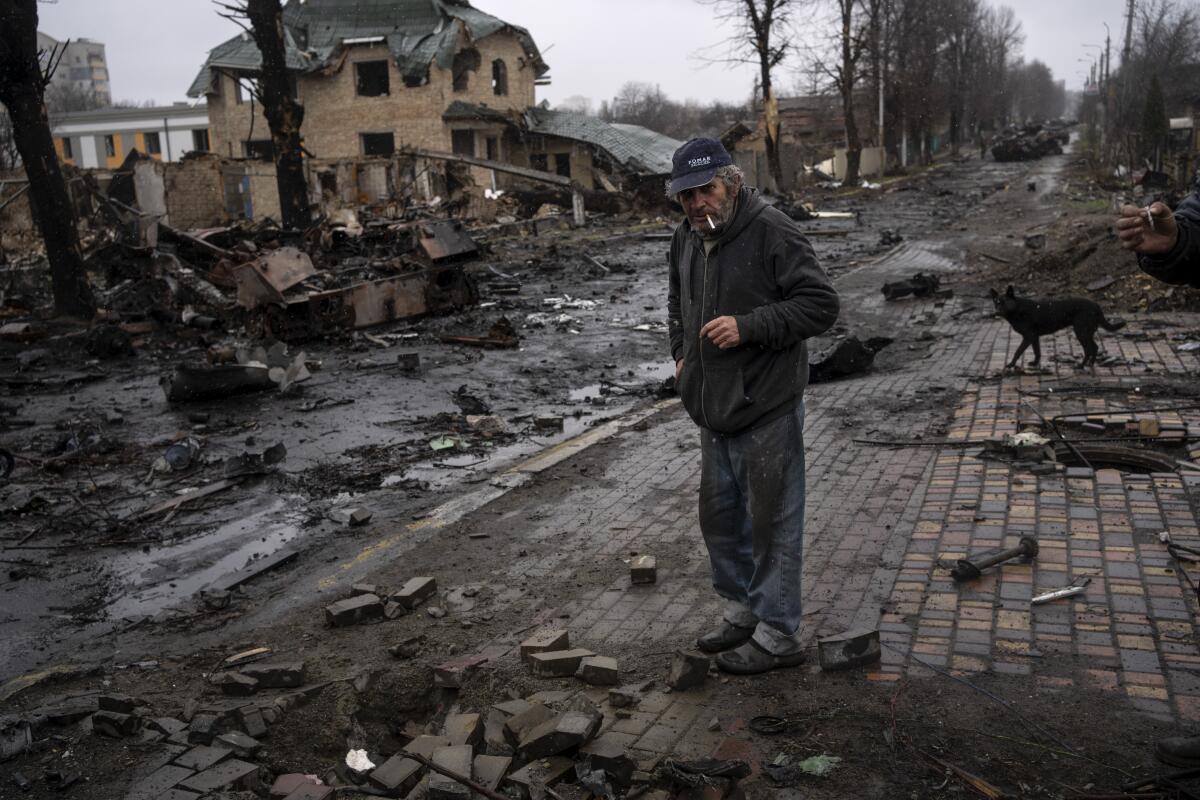
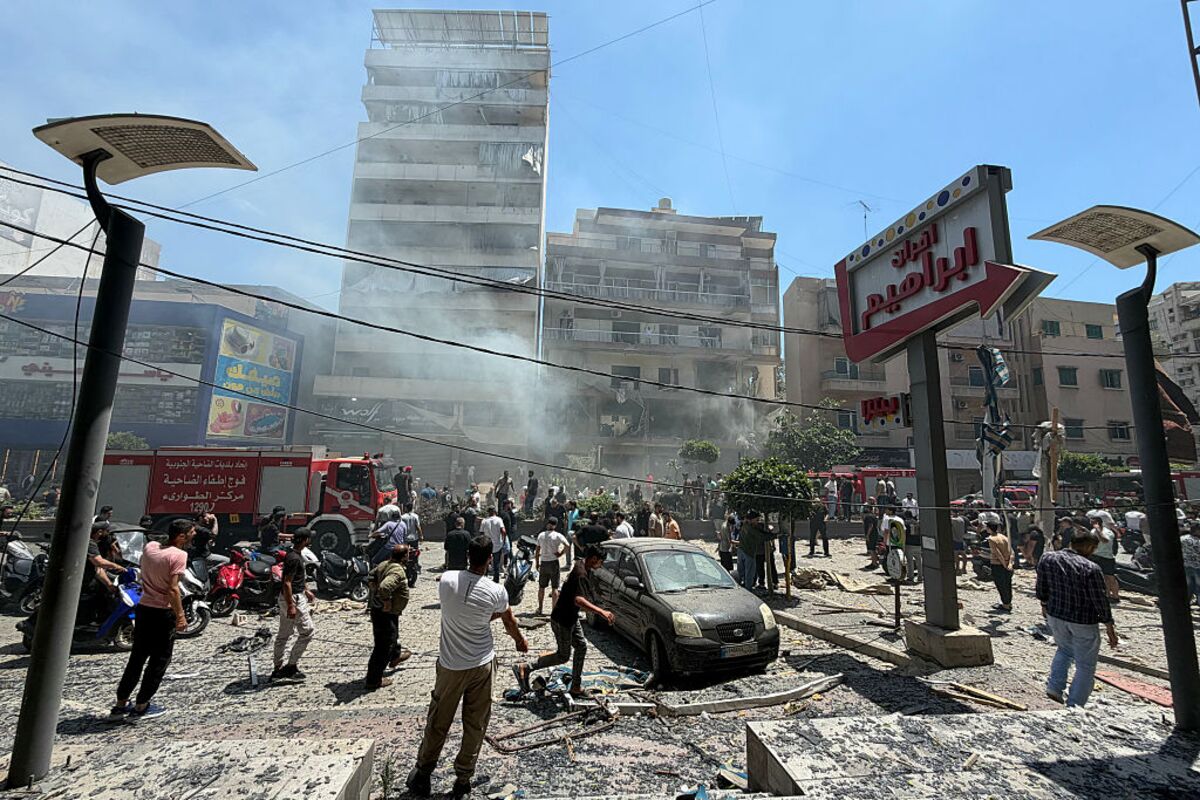
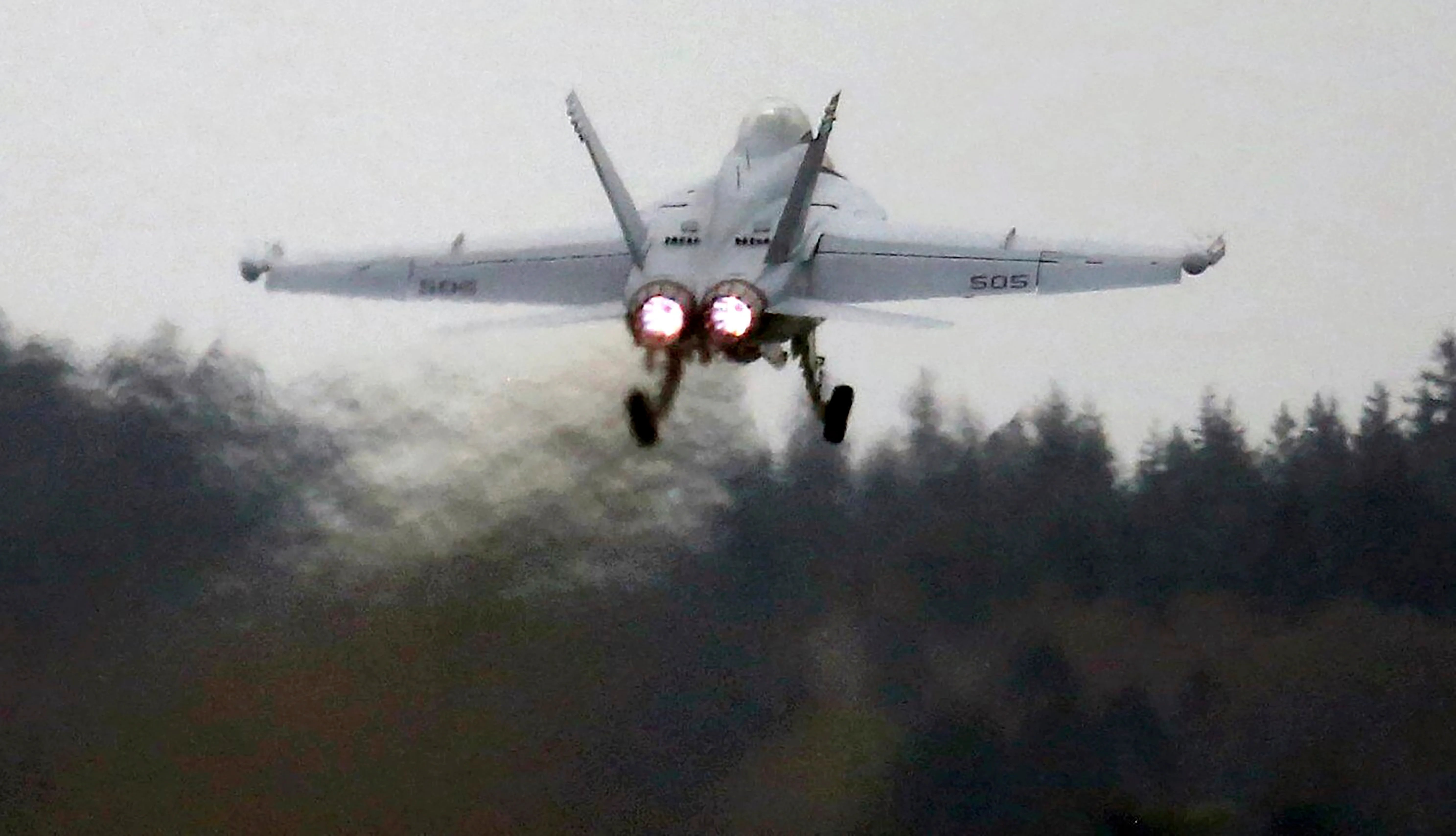
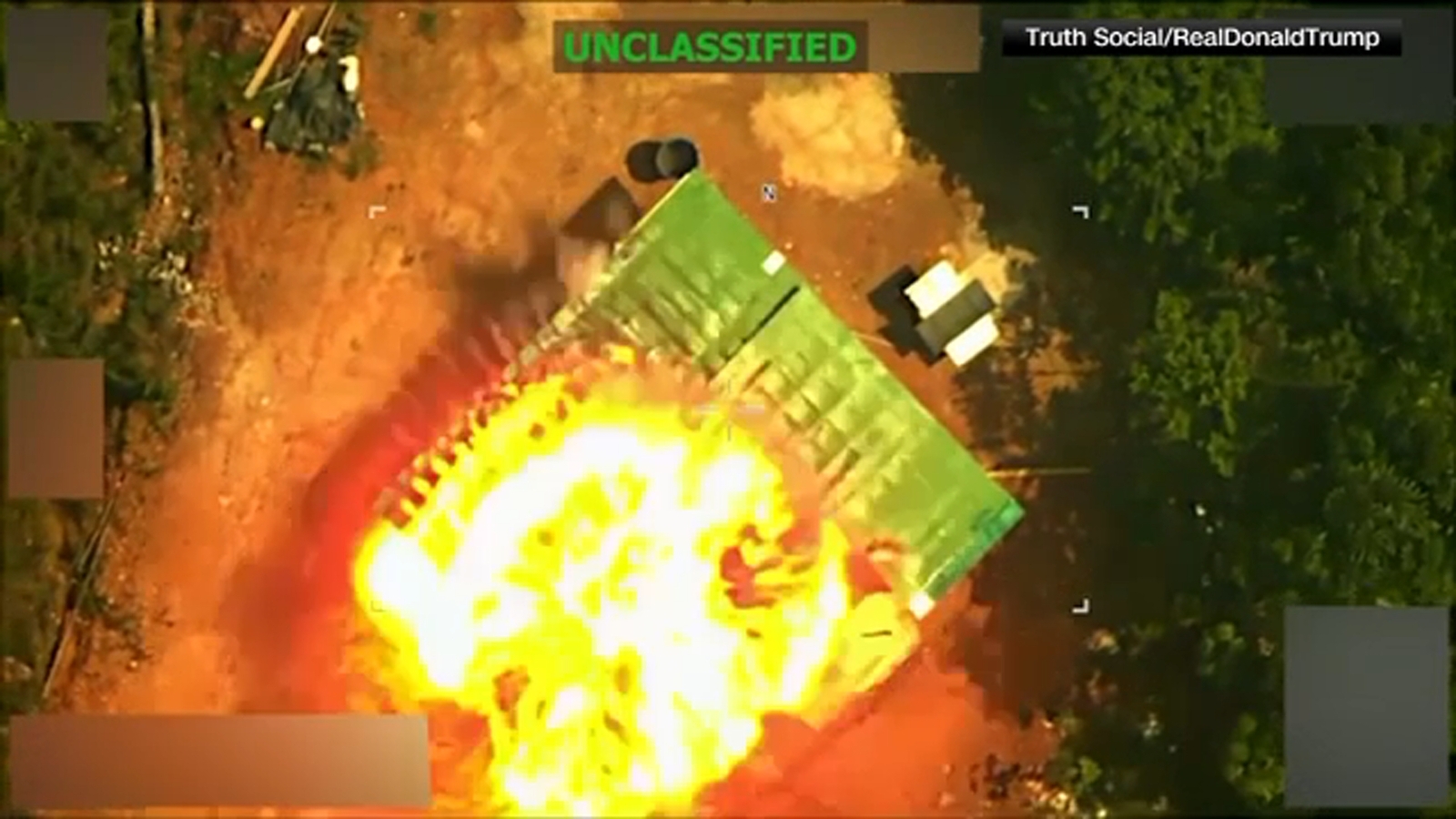
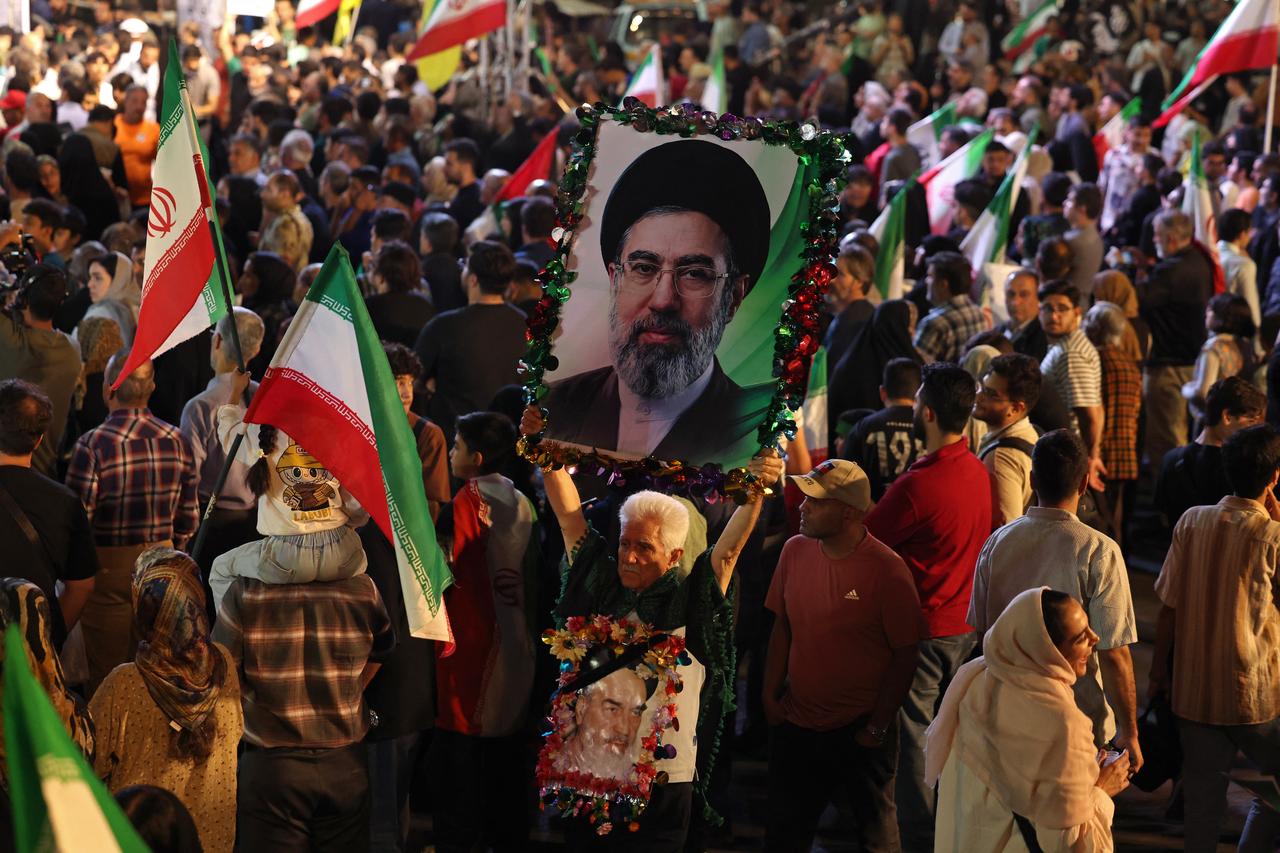
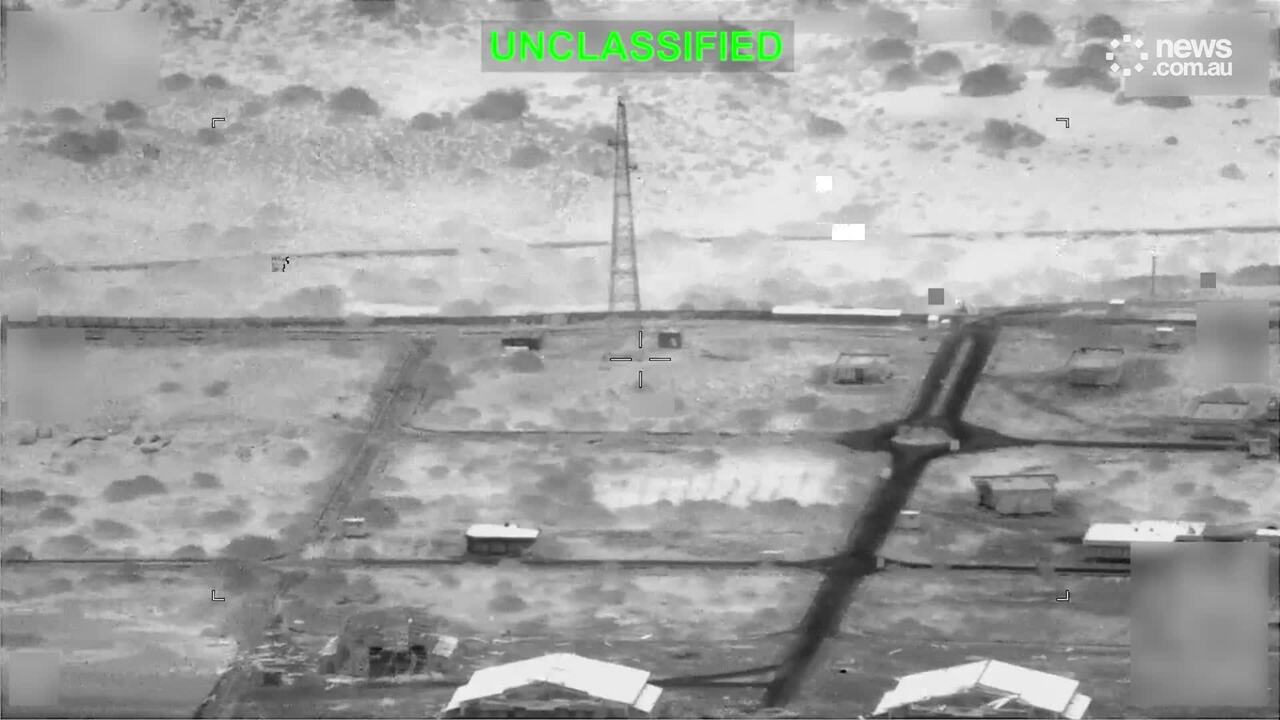
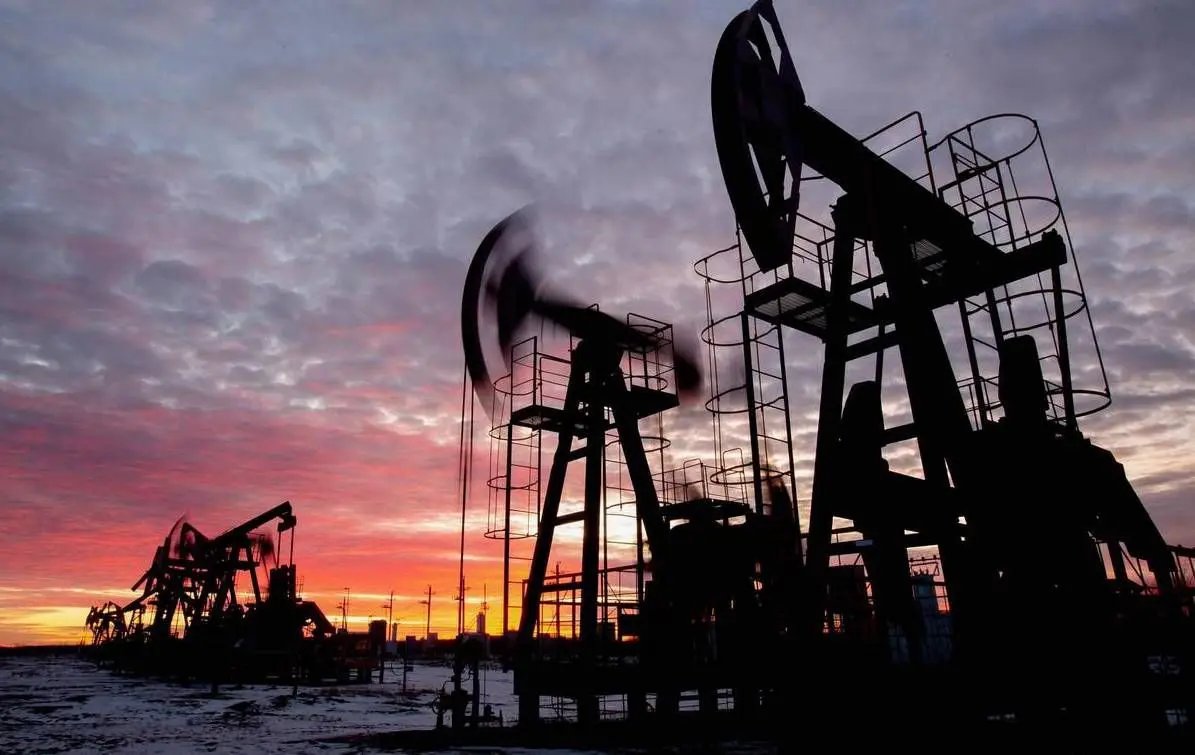
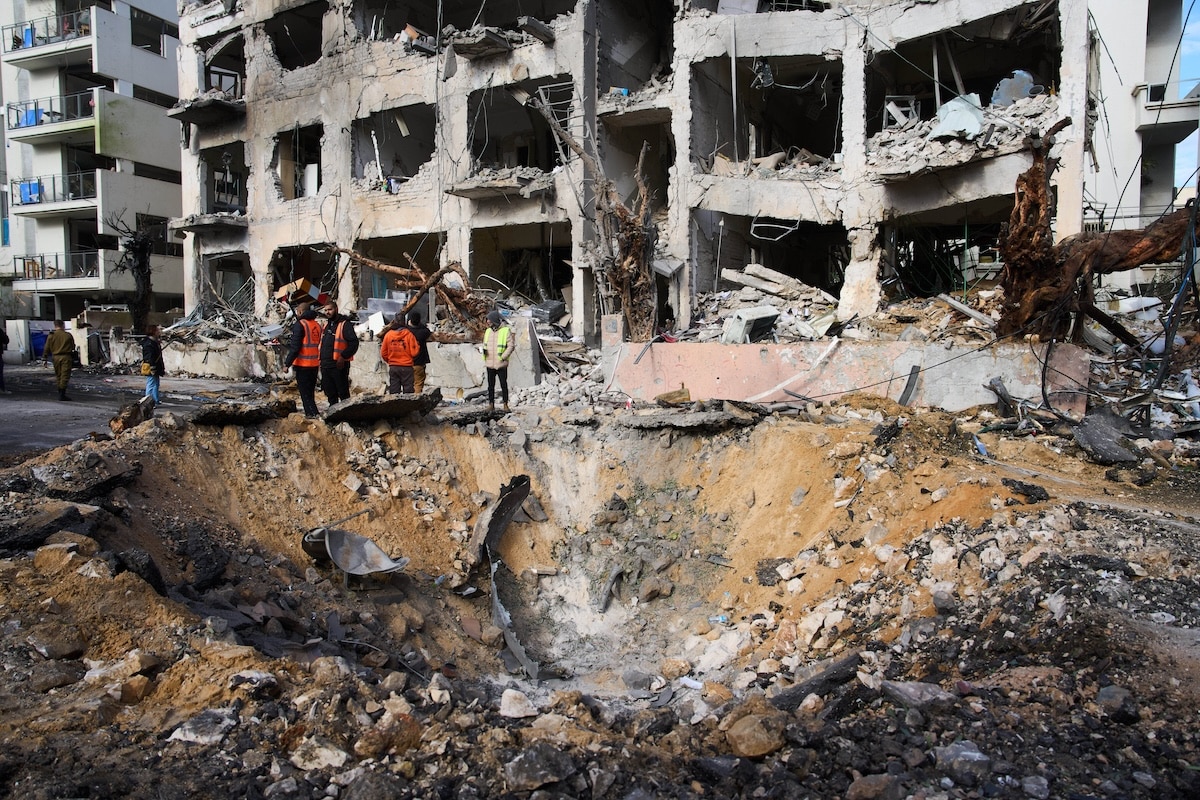
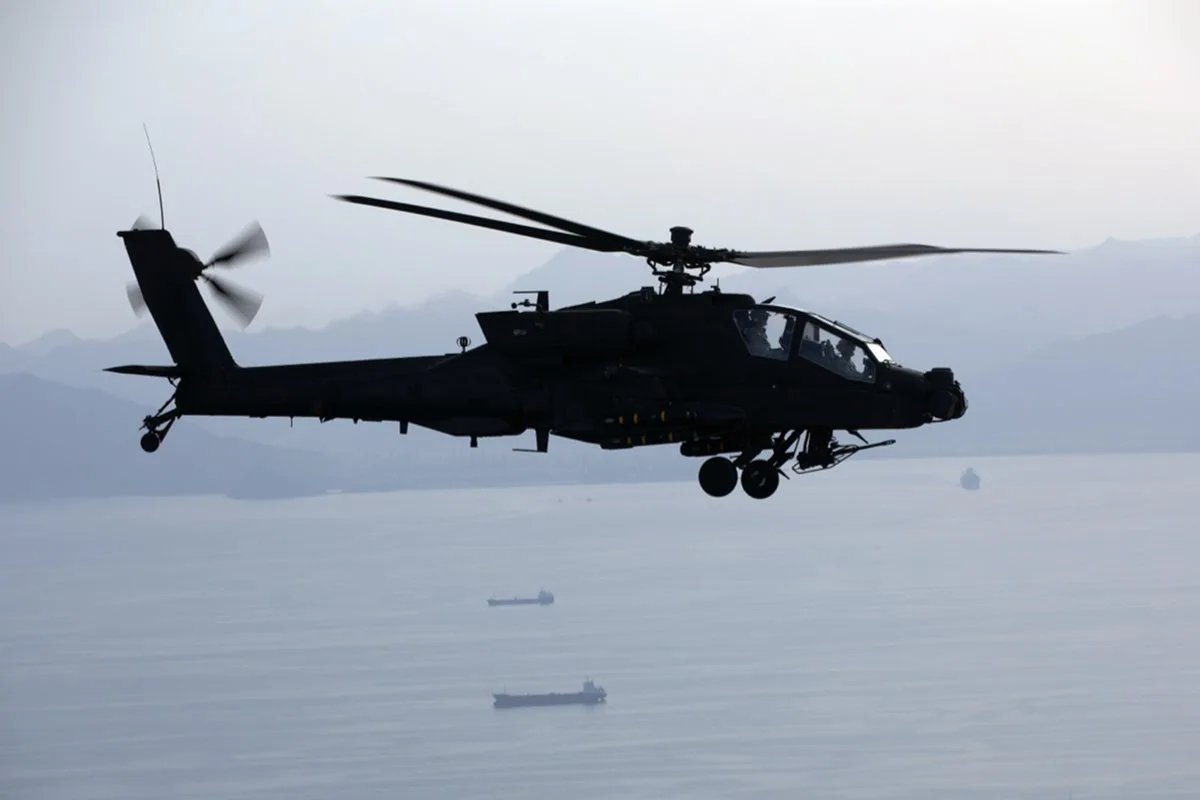
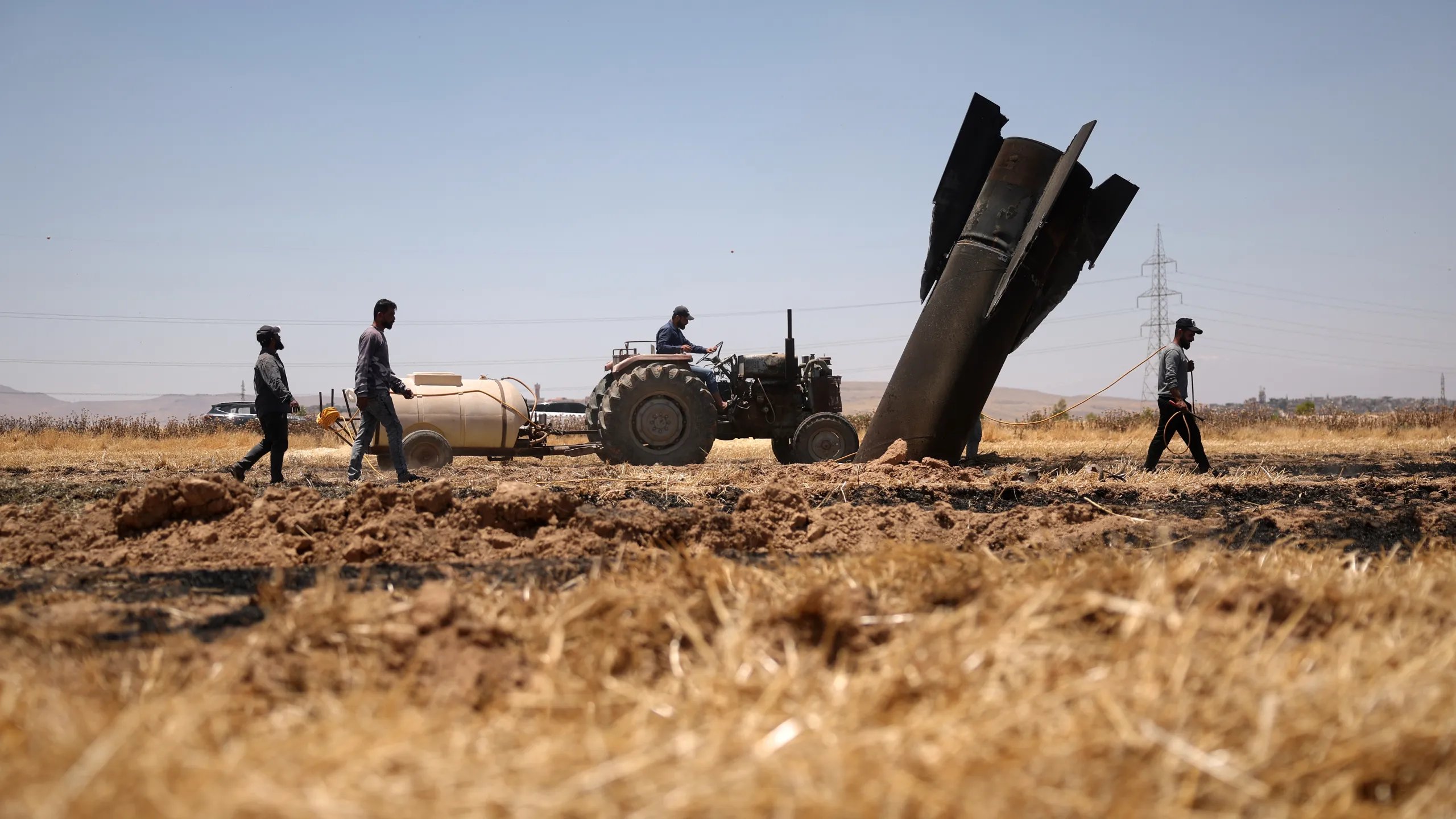
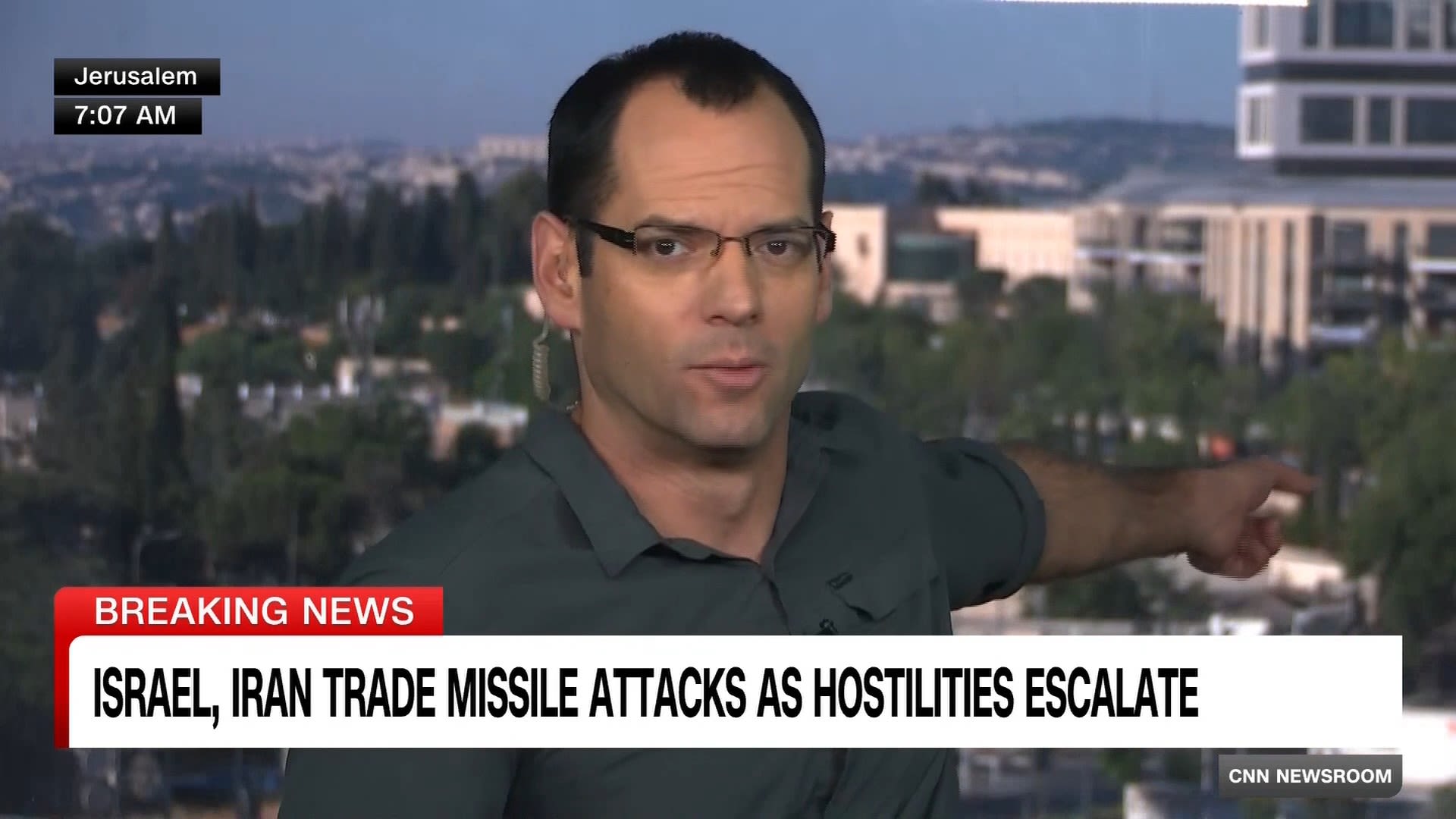
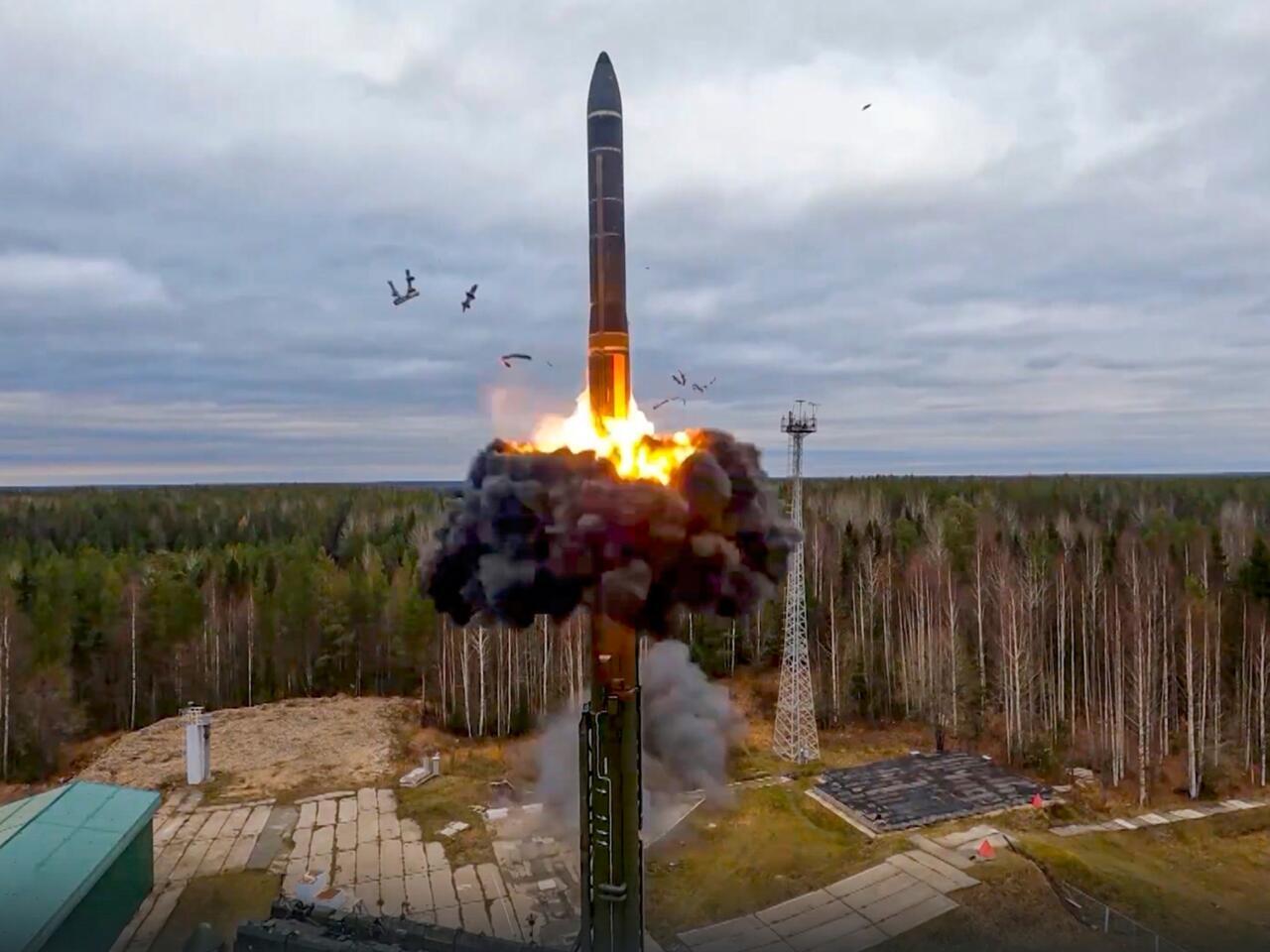
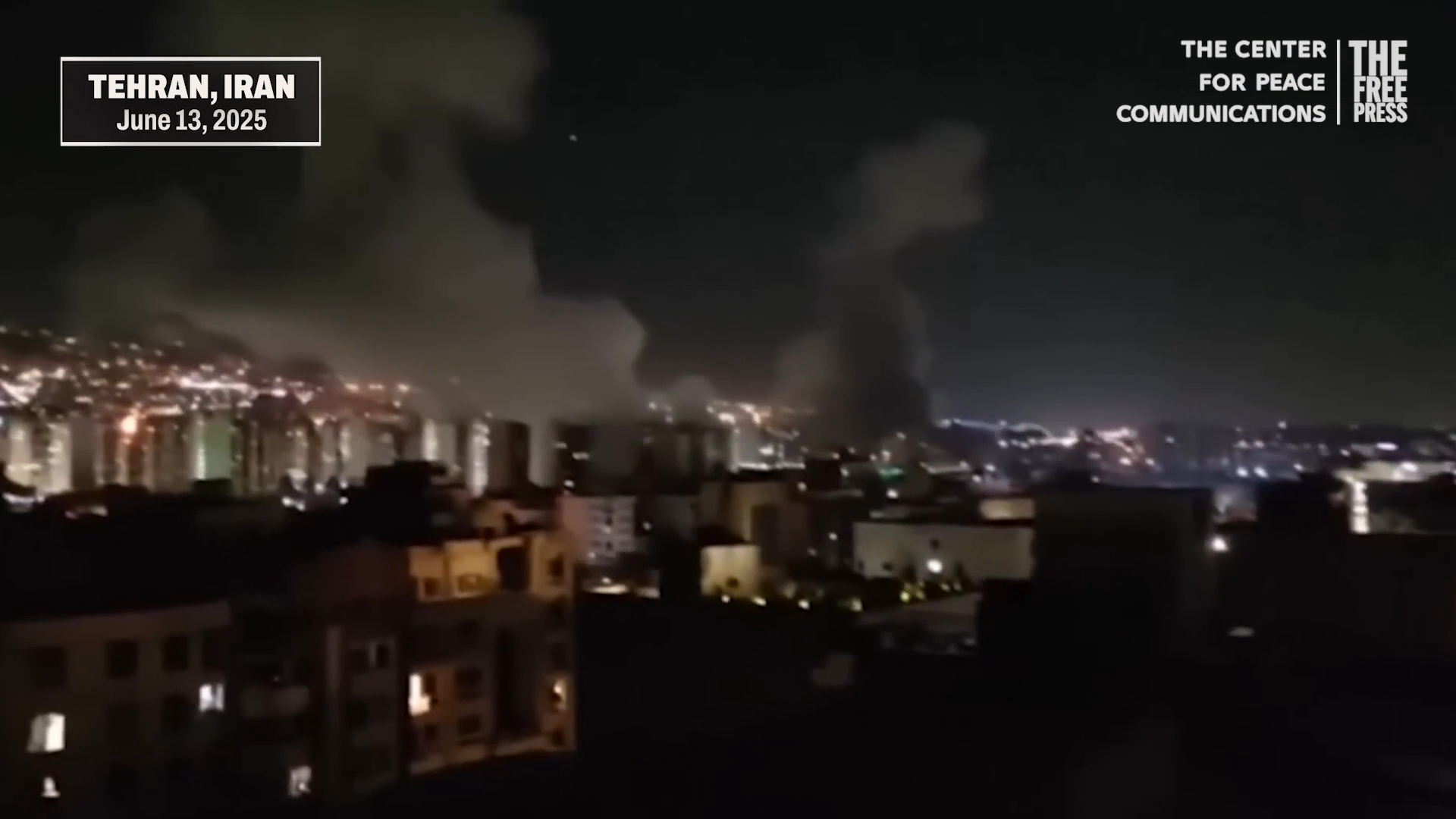
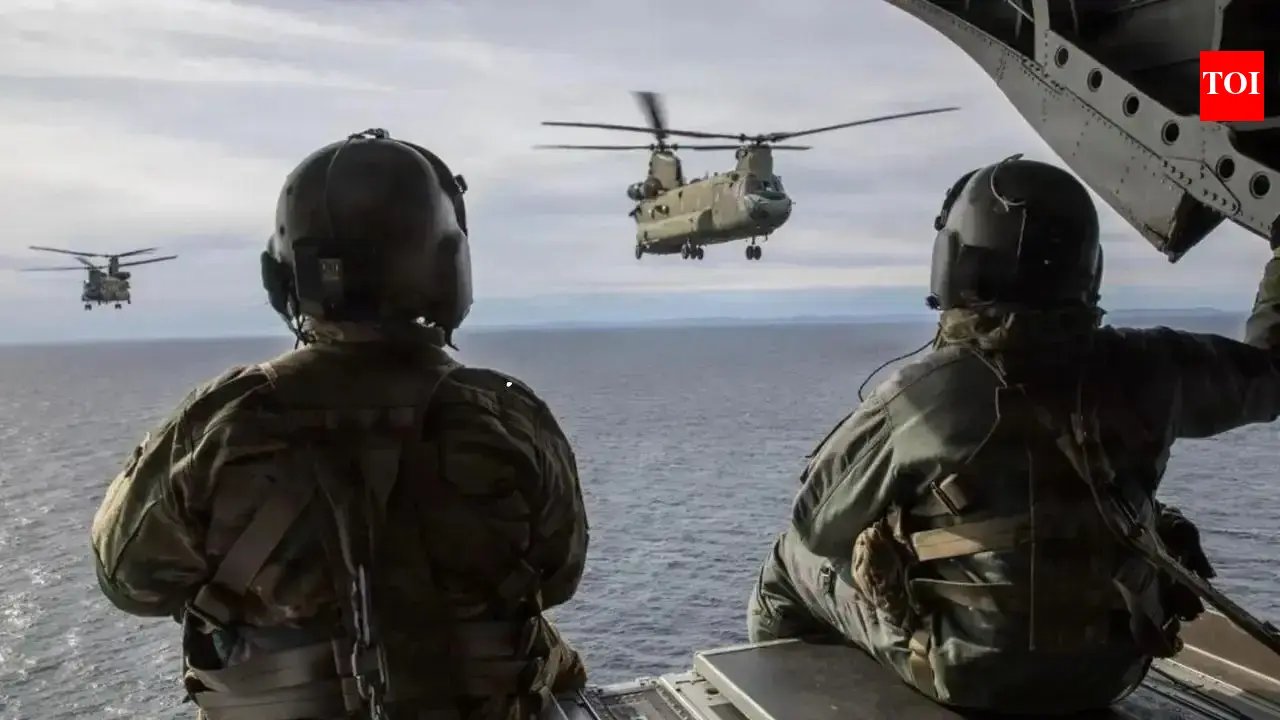
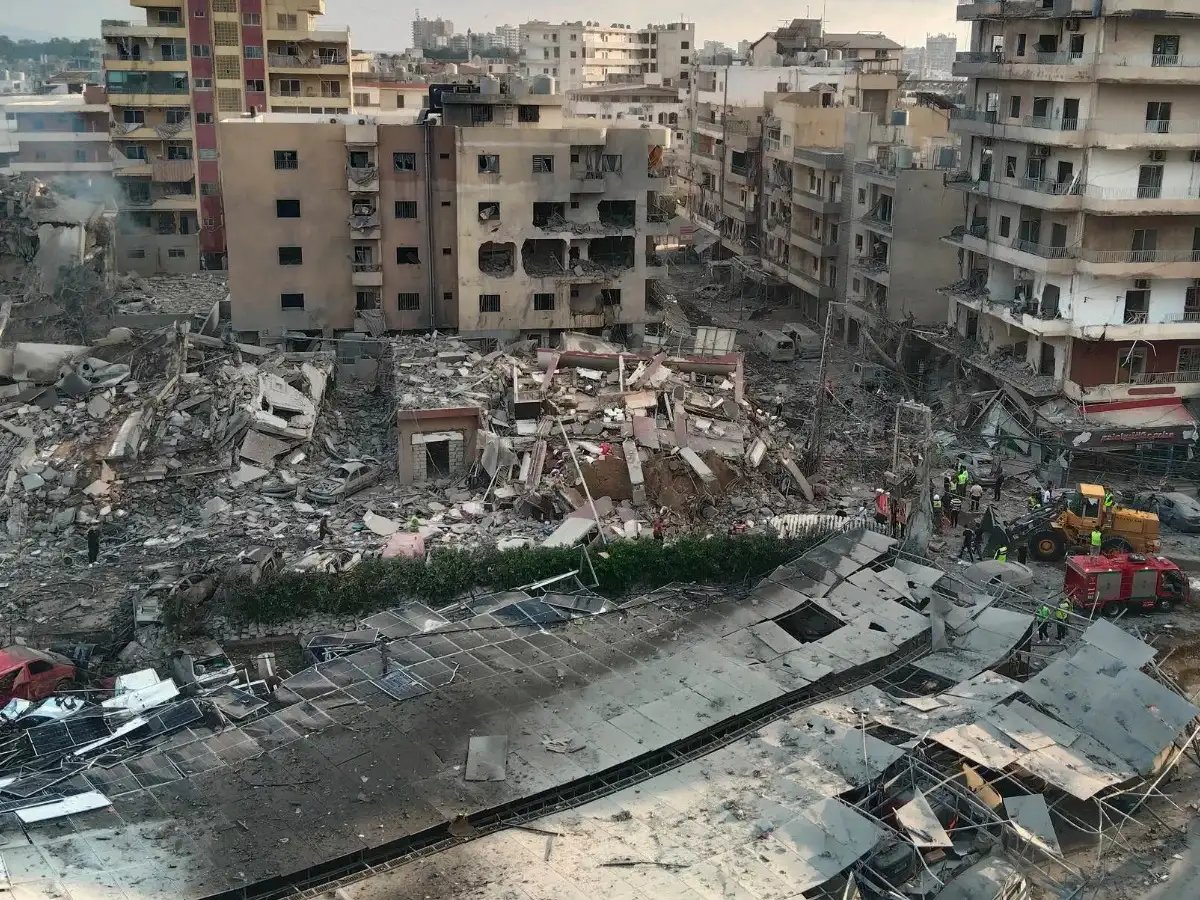
Iran's Revolutionary Guards struck four targets at a U.S. base in Jordan and one in Bahrain on Wednesday, triggering a sharp spike in oil prices and sending stock markets lower across global exchanges. The attacks came in response to fresh U.S. strikes over the downing of a U.S. Apache helicopter, escalating a conflict that has strained a two-month cease-fire between Iran and the United States. The strikes have created immediate consequences for investors and consumers worldwide, with energy markets absorbing the shock of renewed military action in one of the world's most strategically vital regions.
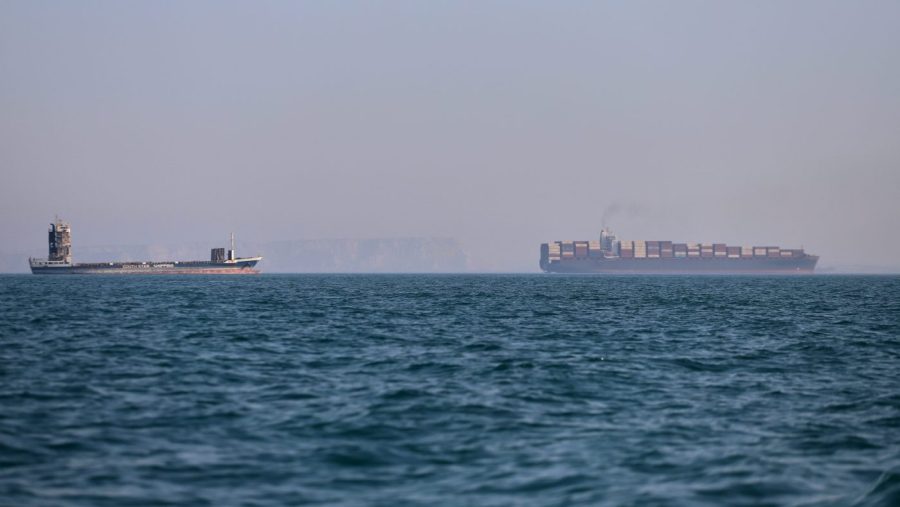
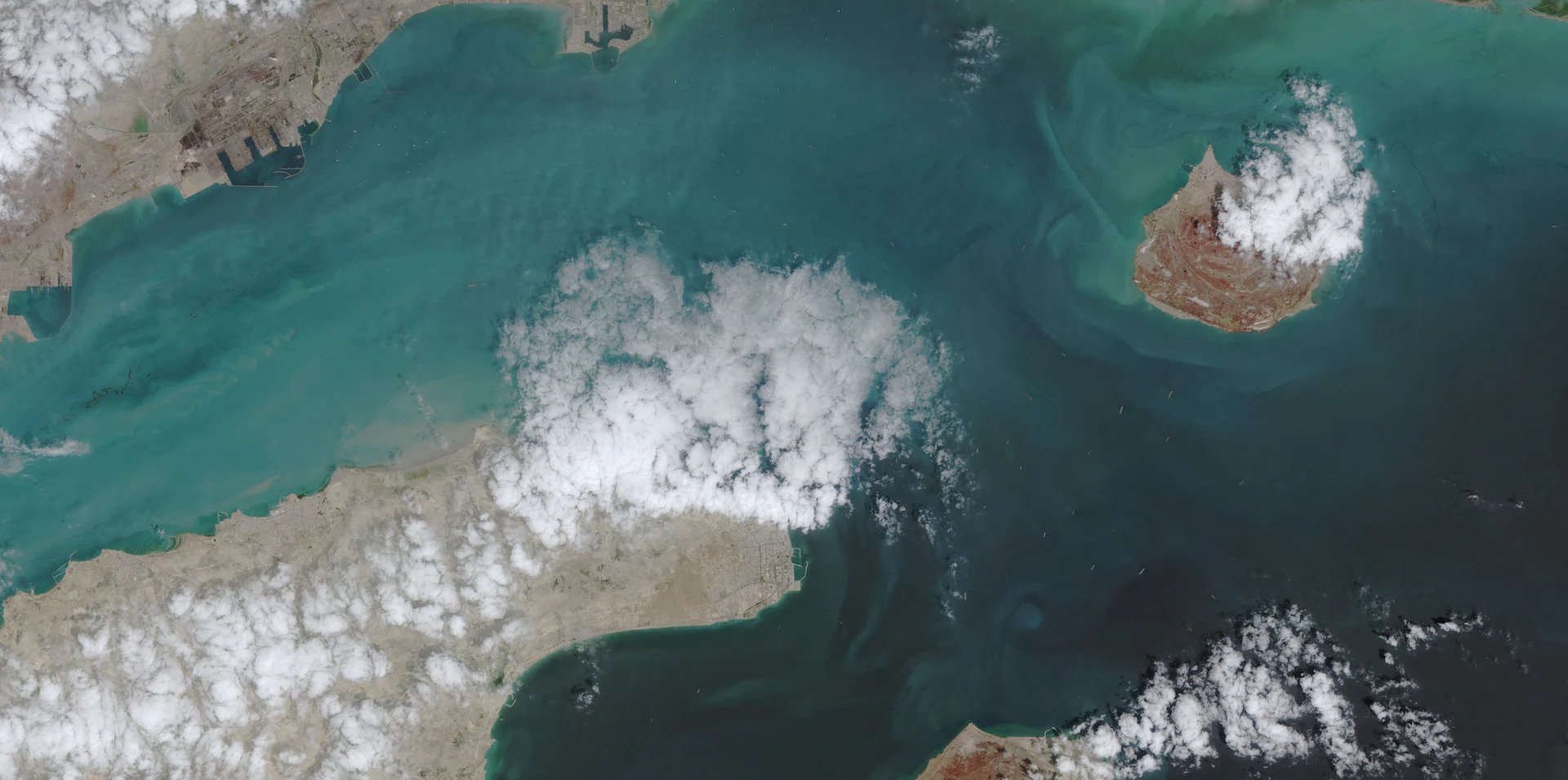
The Strait of Hormuz Remains Closed
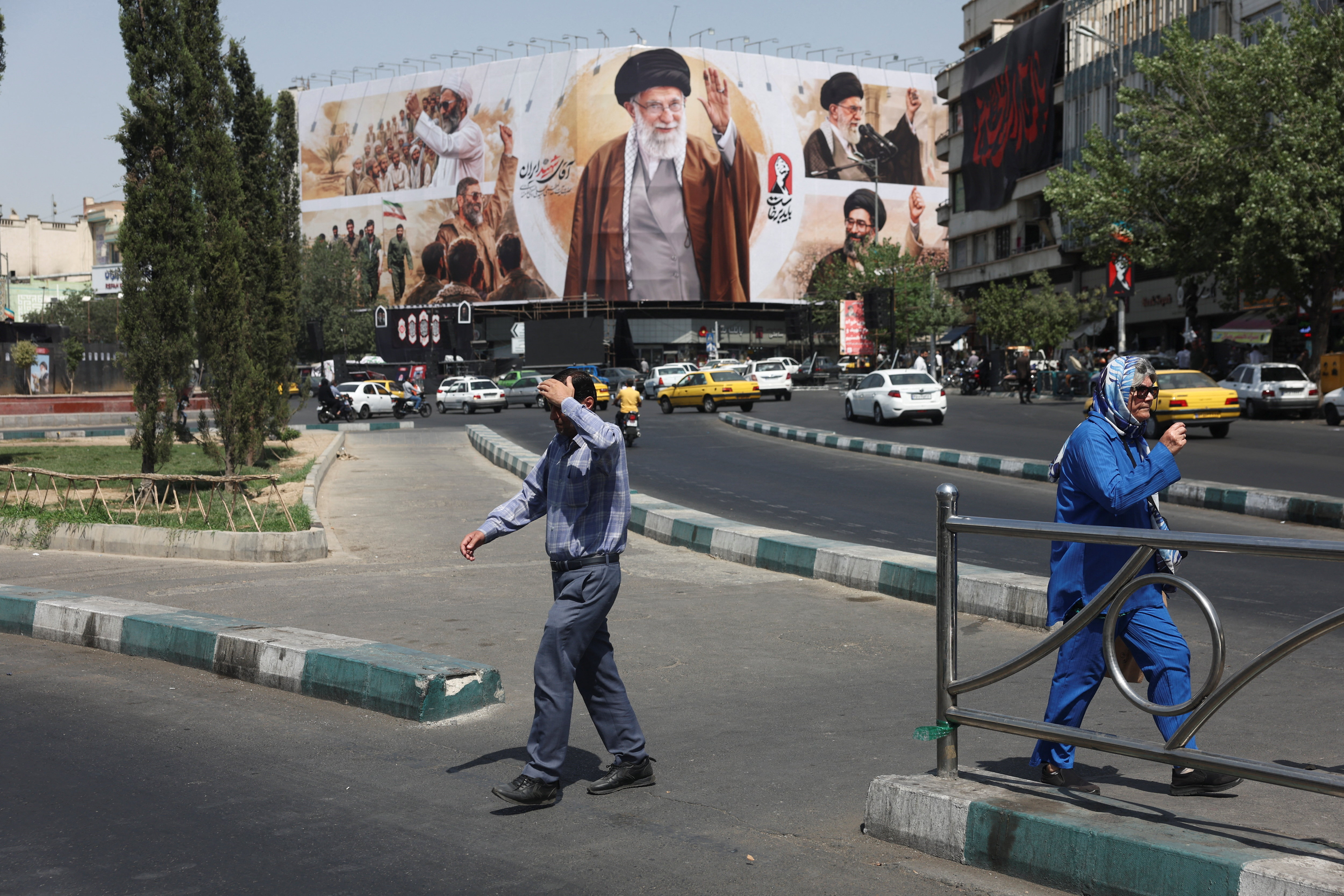
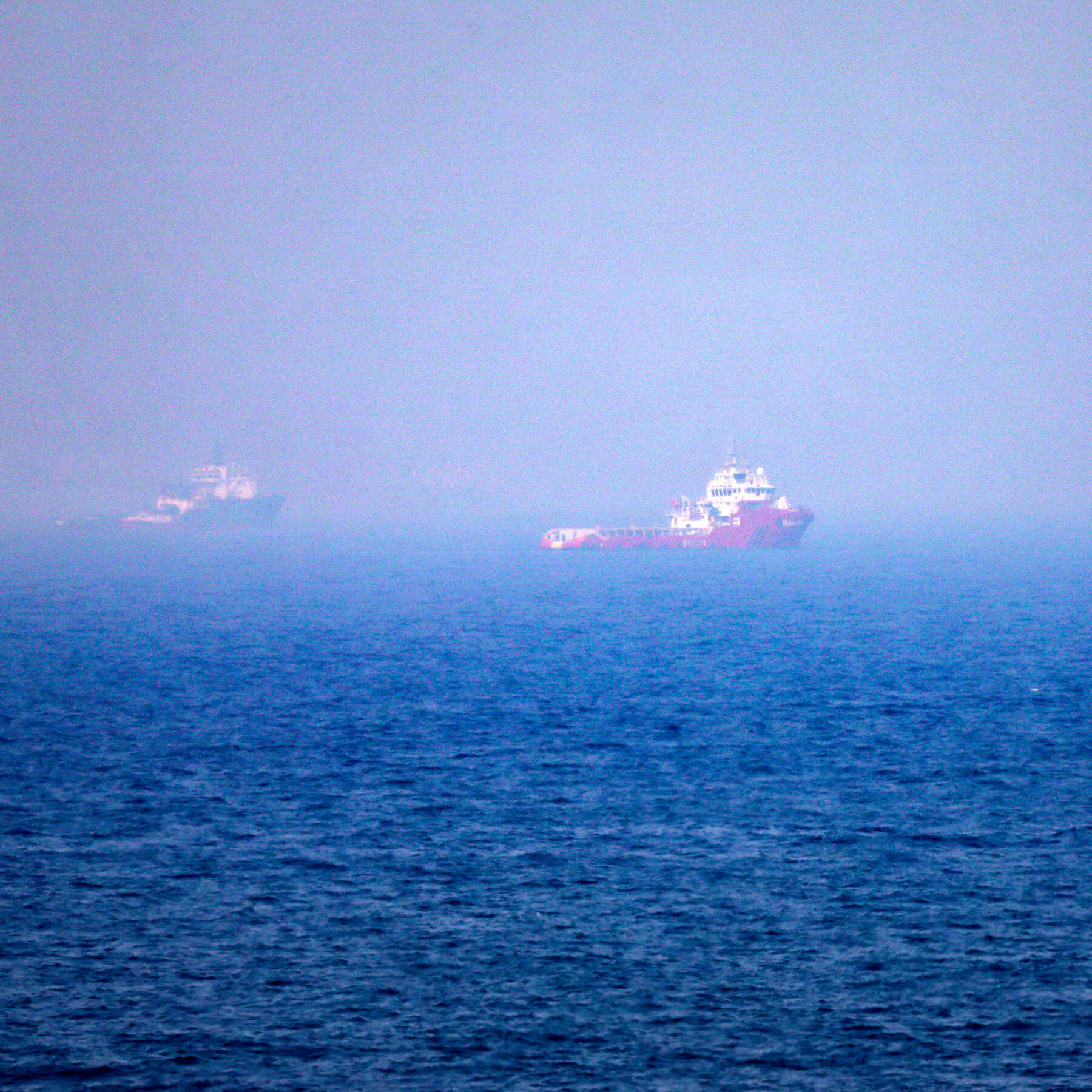
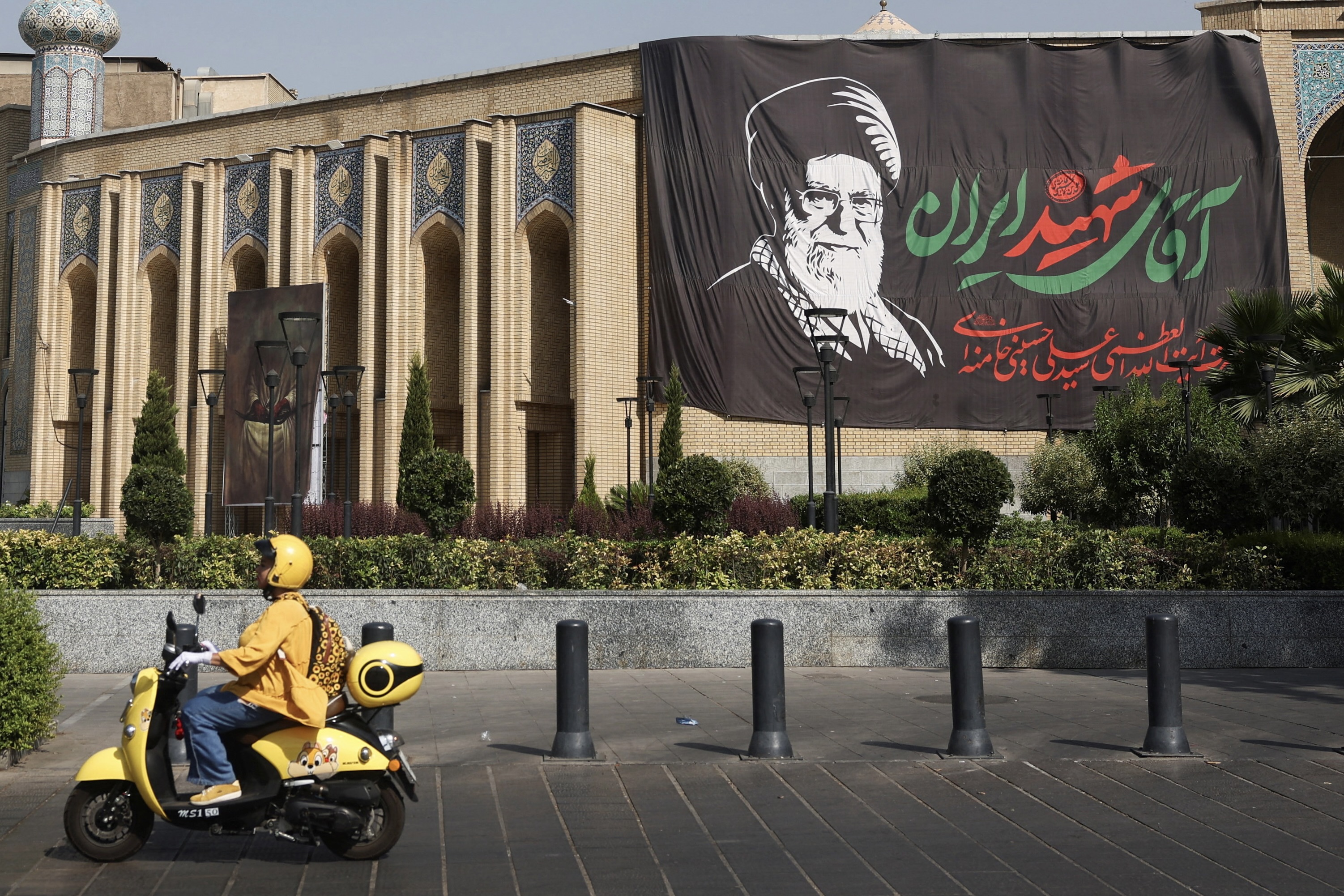
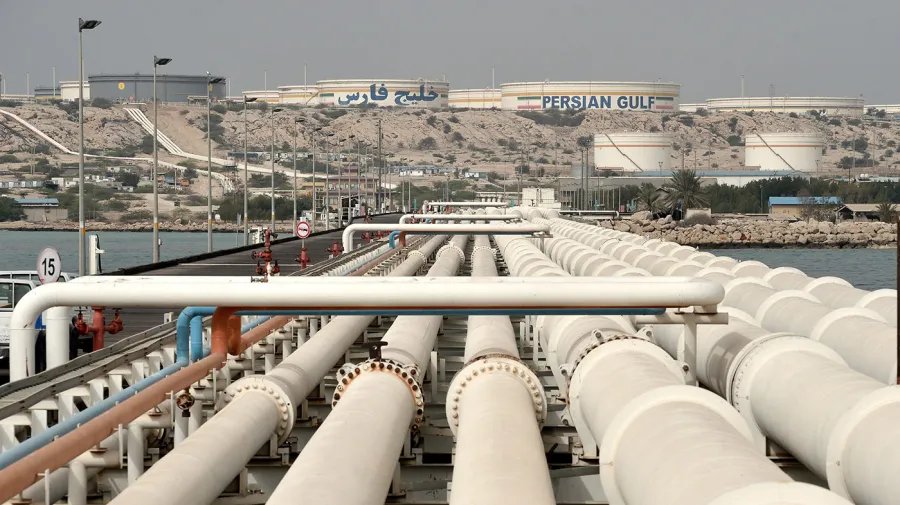
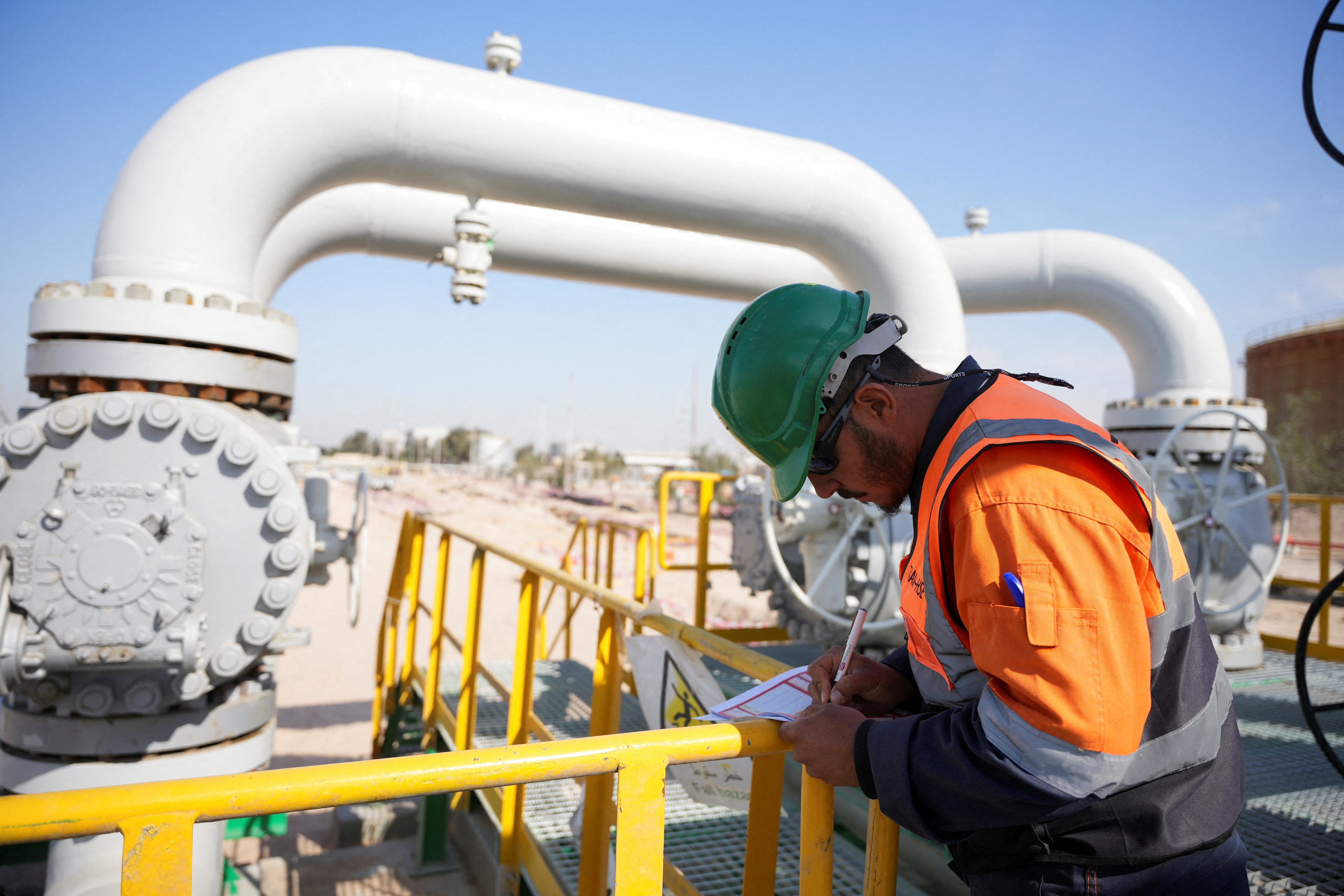
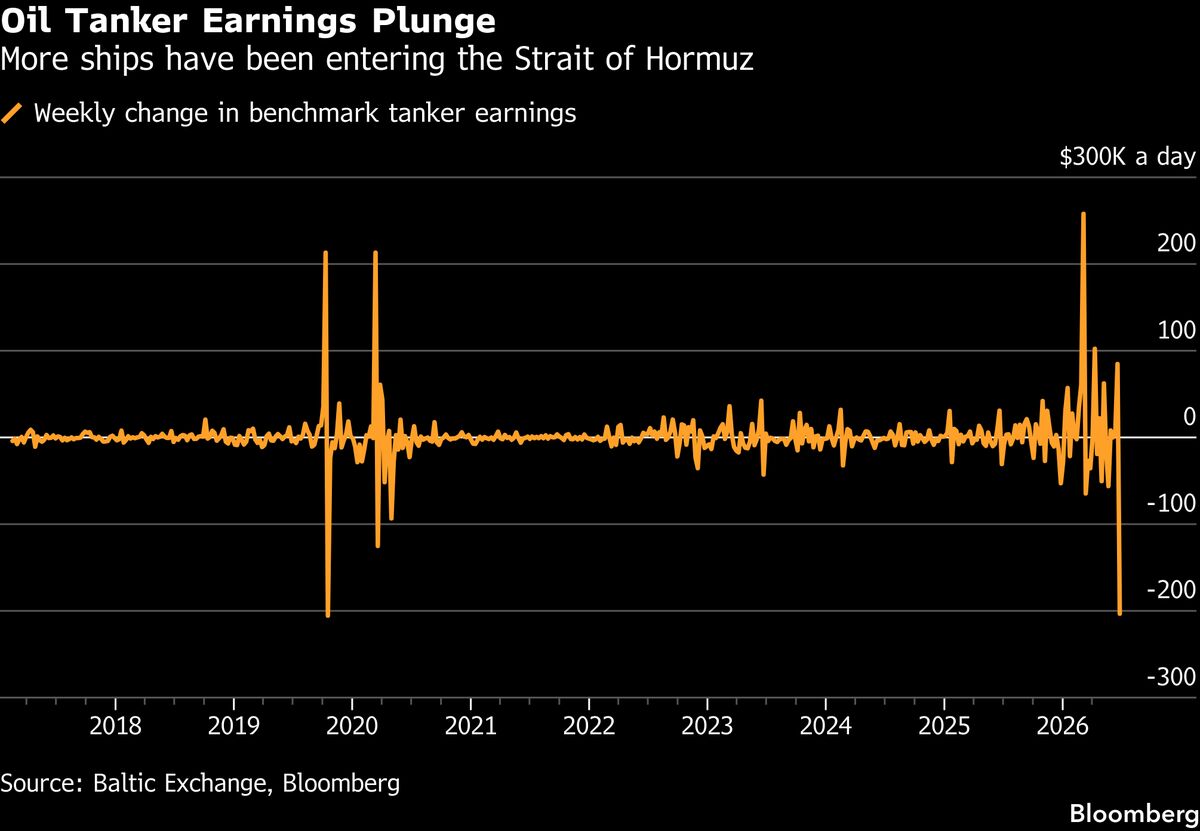
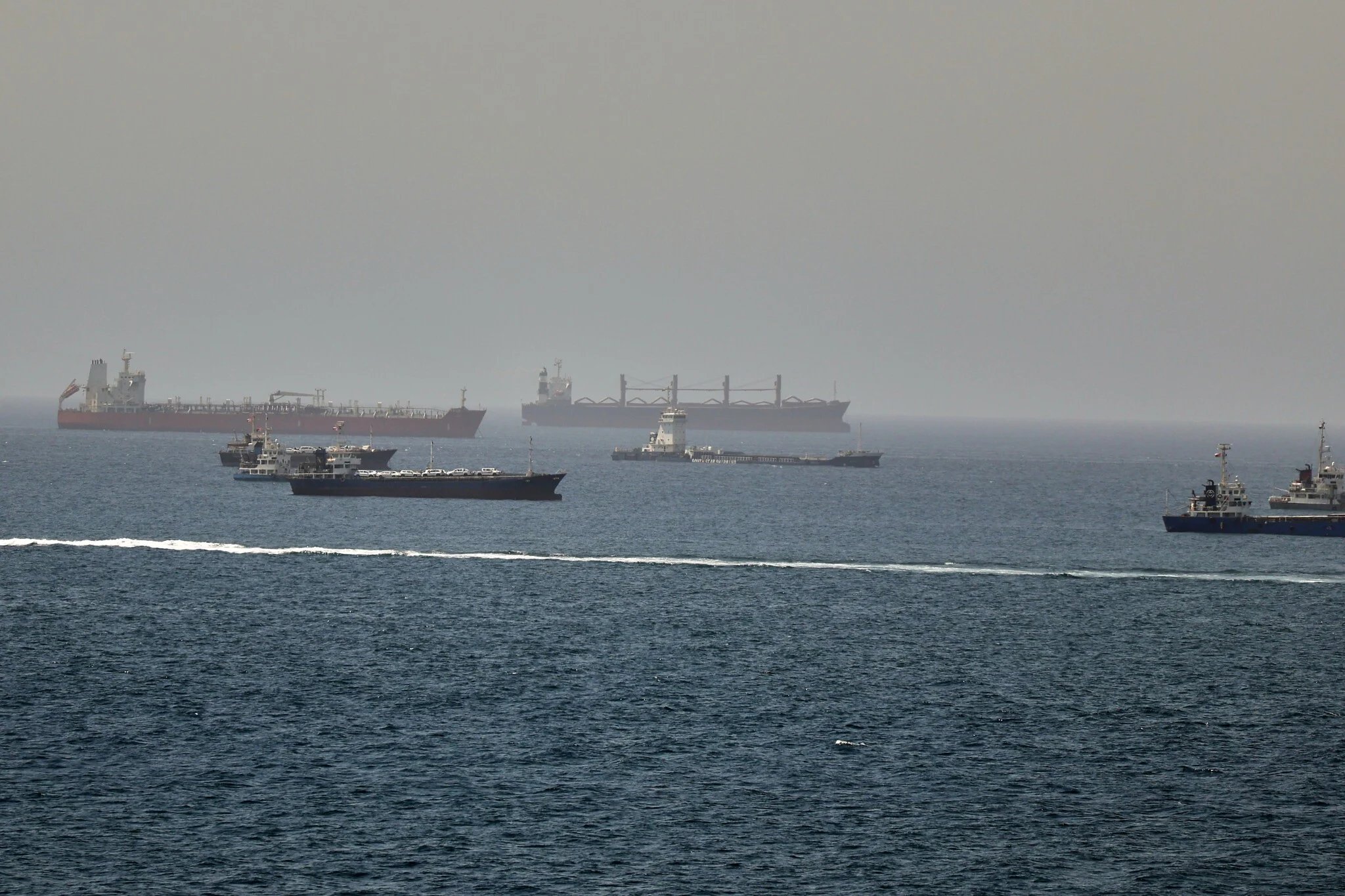
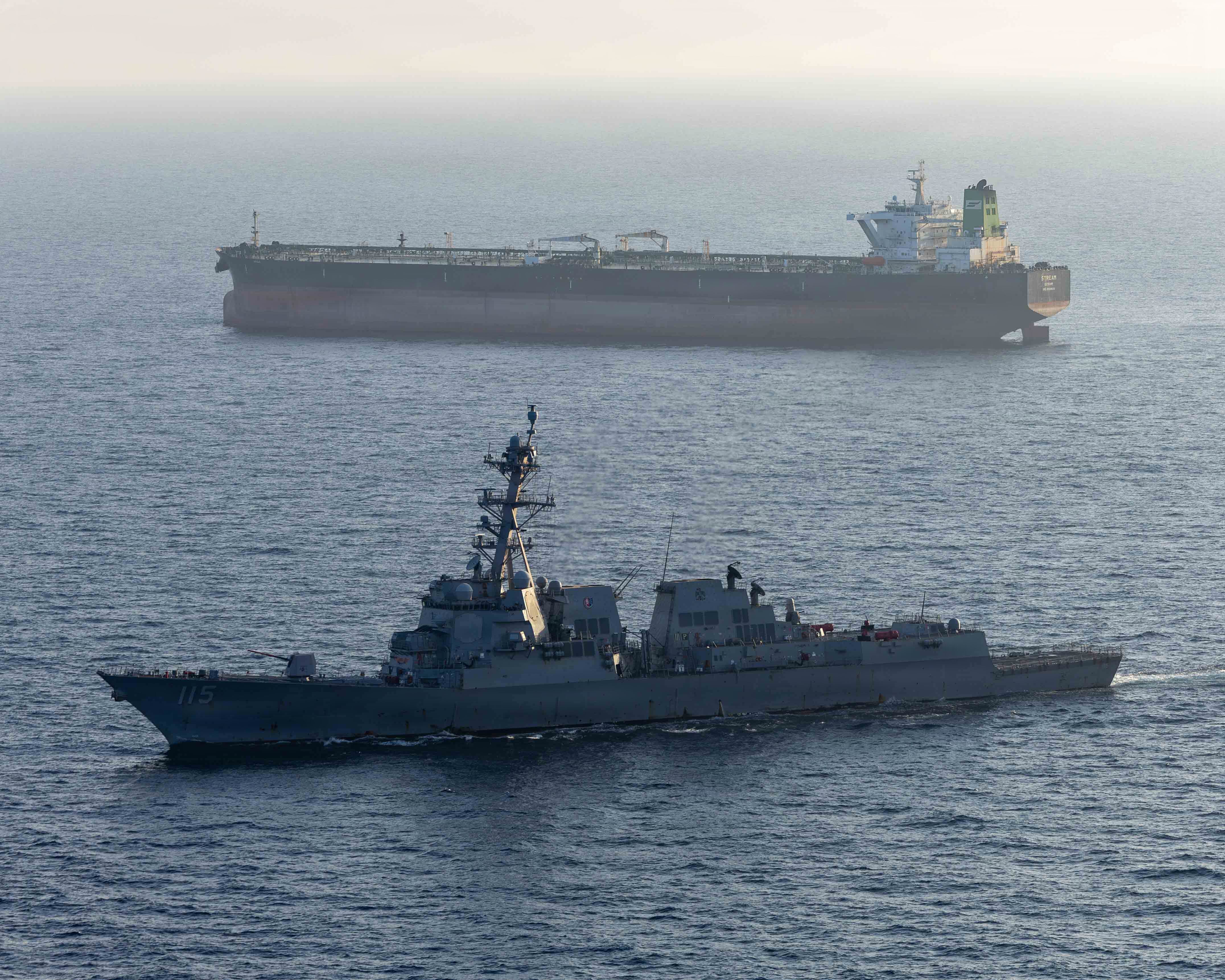
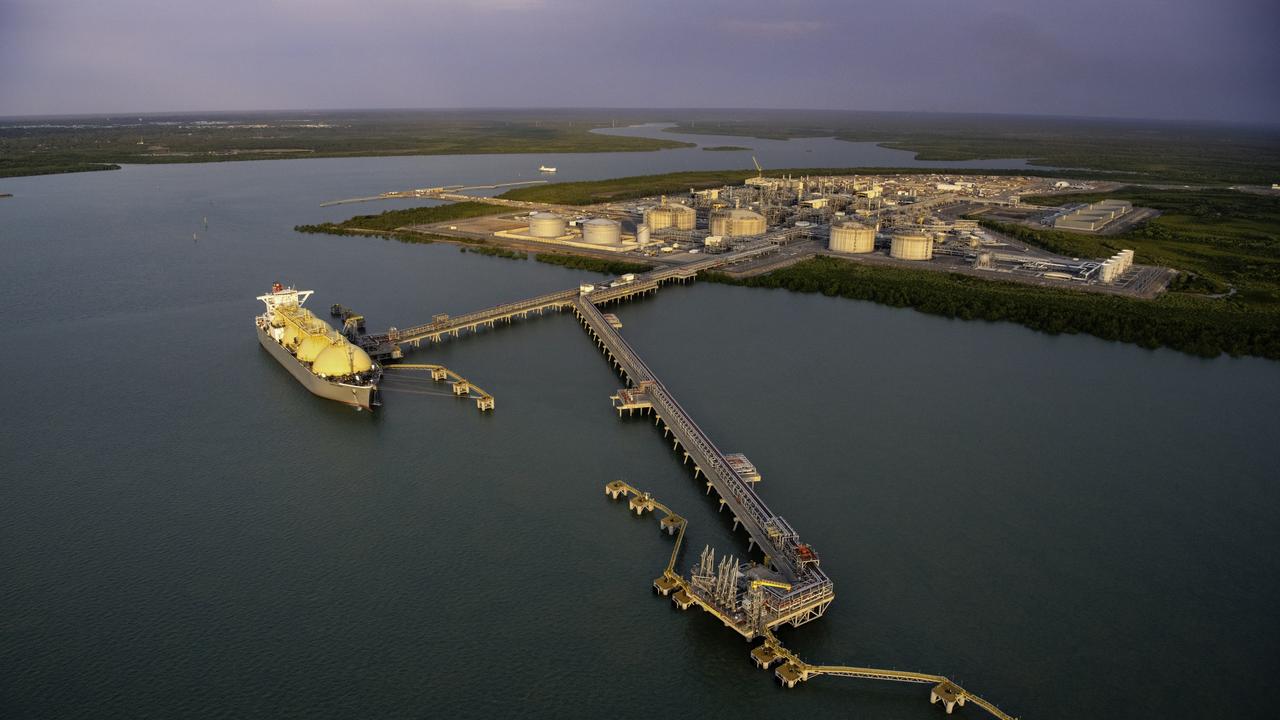
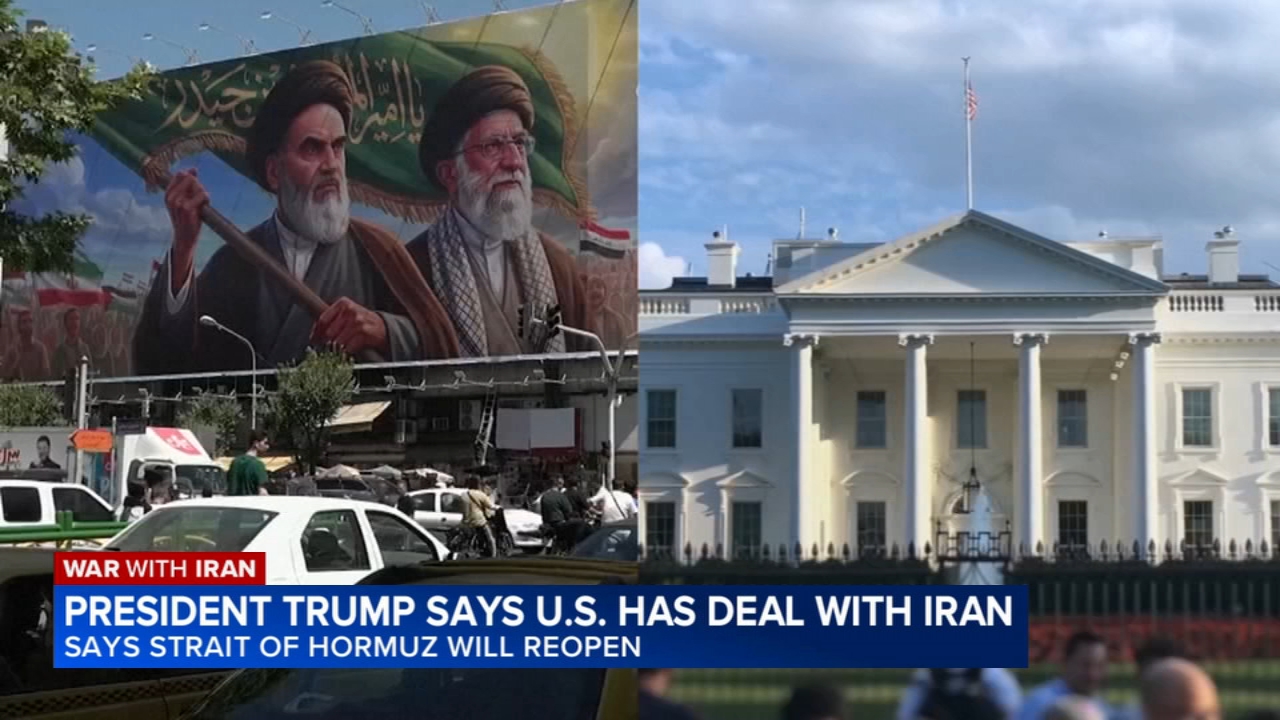
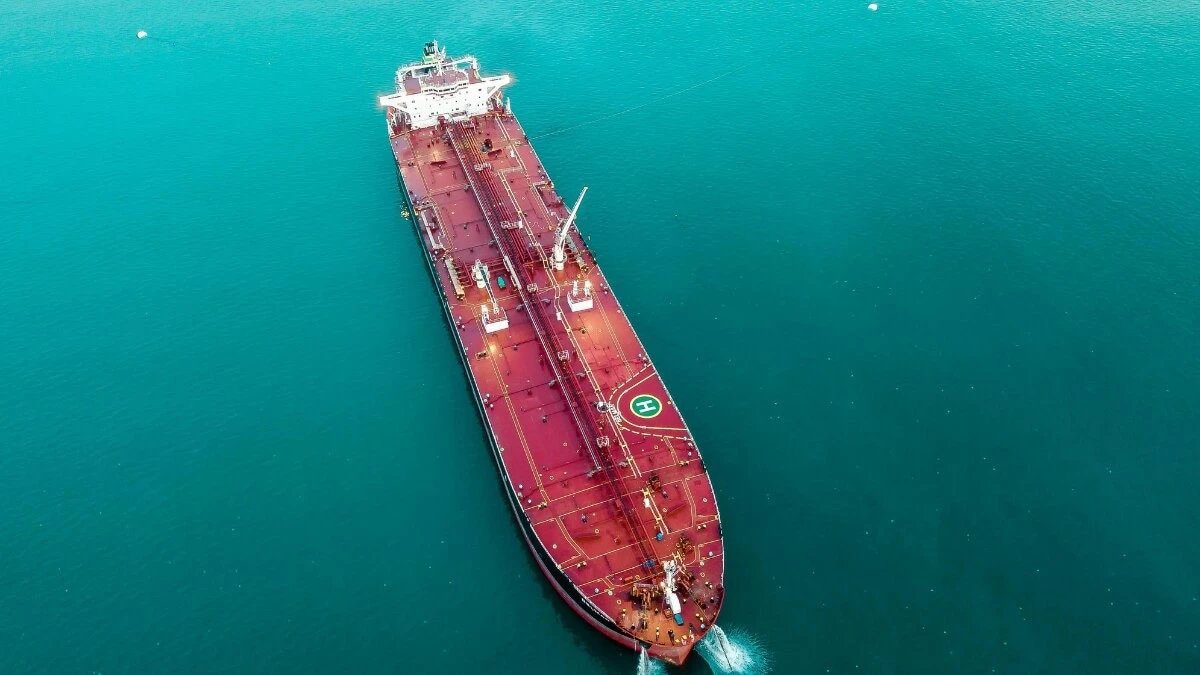
The Strait of Hormuz, through which a significant portion of global oil flows, has remained closed since March without signs of reopening. When the waterway first closed, analysts warned of dire global economic consequences if the blockade persisted through June. The Iranian regime views control of this chokepoint as a key element of its strategy, using it to demonstrate that further attacks on Iran will produce painful consequences for the United States and its allies. Without remarkable diplomatic breakthroughs, reopening the strait appears unlikely in the near term.
China Moves to Offset Supply Shocks
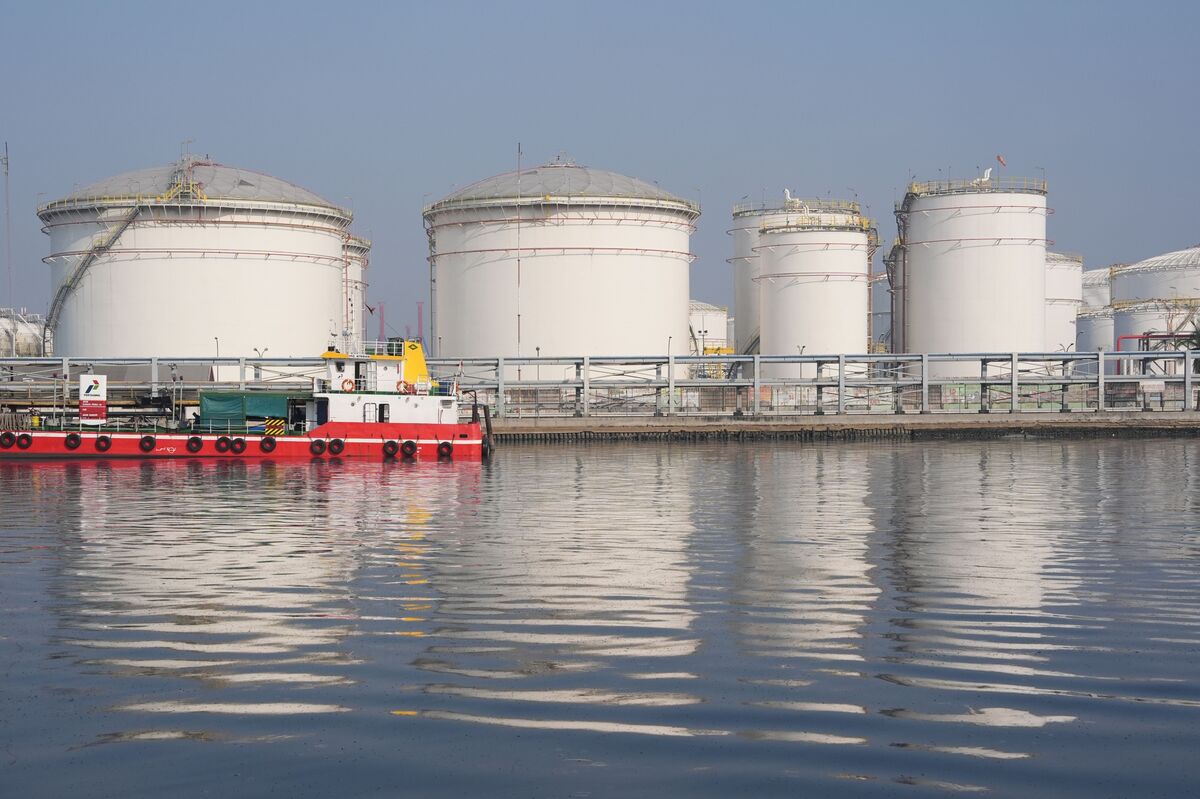
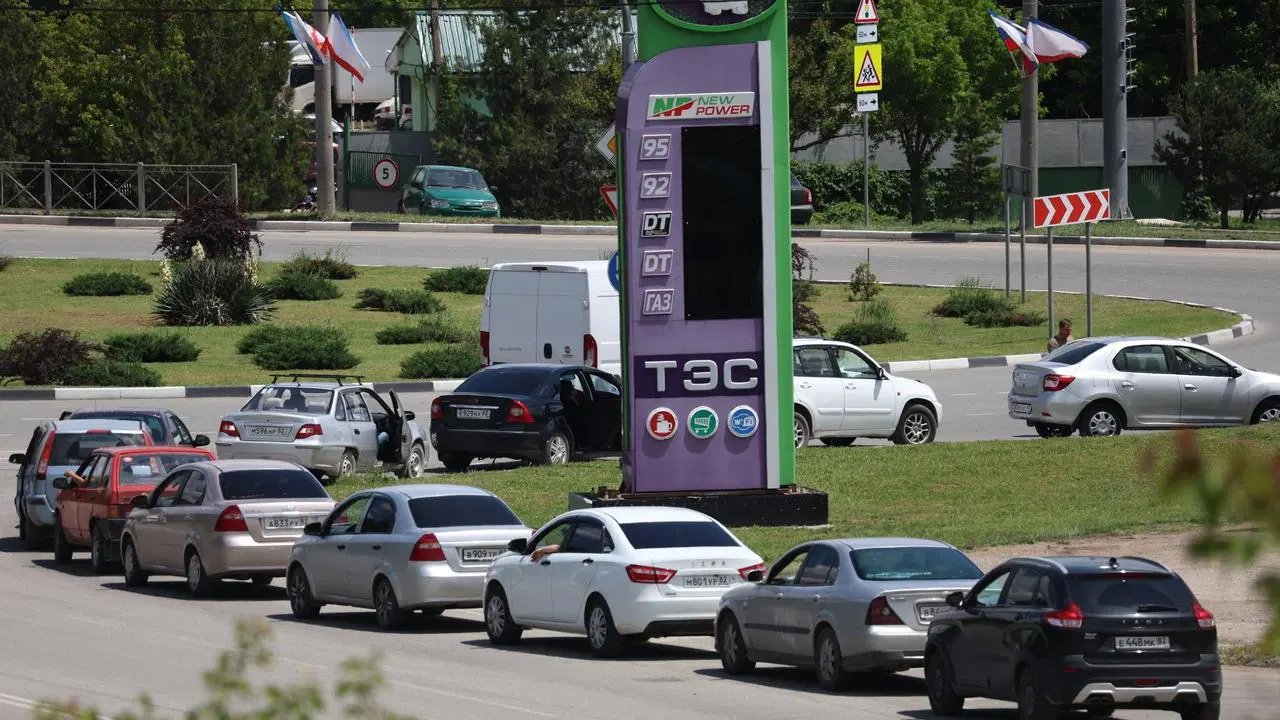
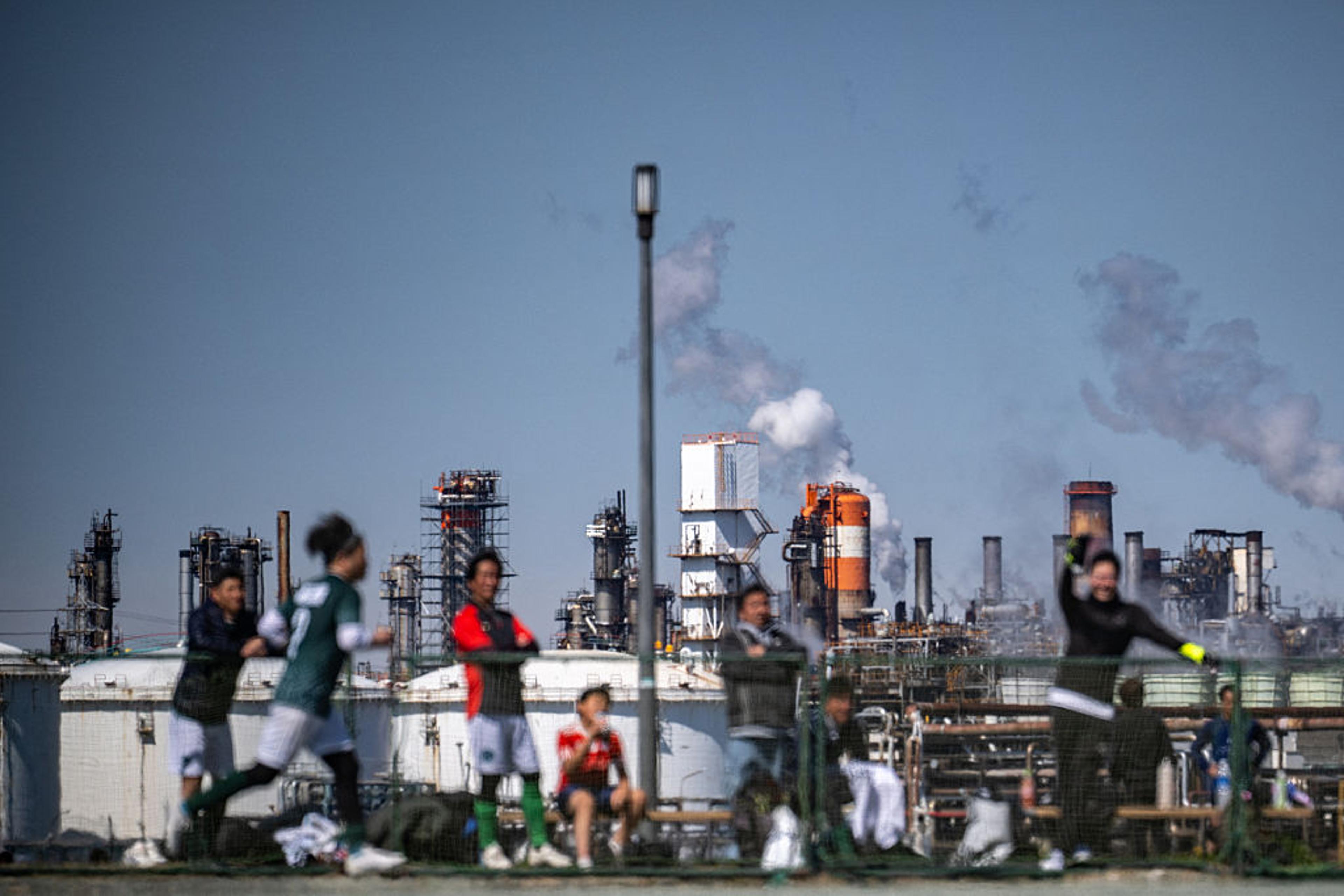
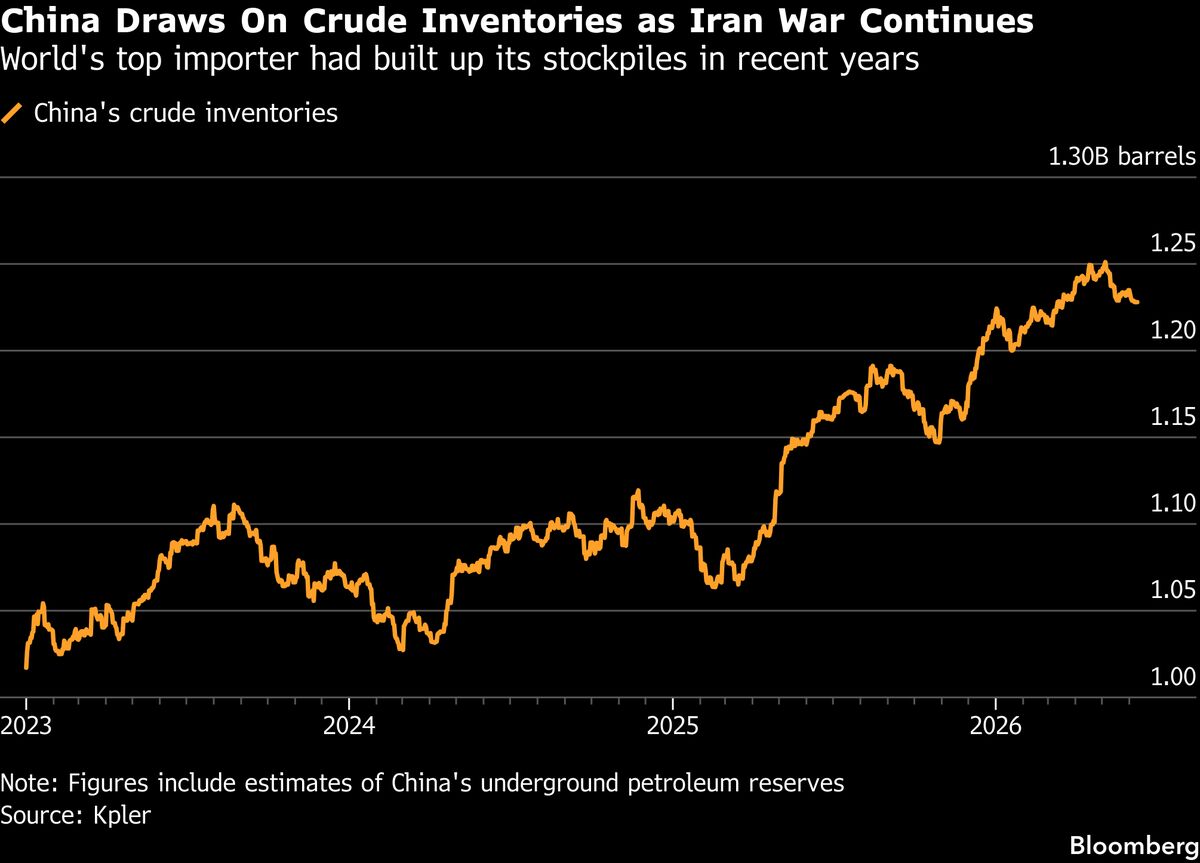
China, the world's biggest oil importer, has begun tapping its commercial crude reserves to help weather the supply disruption from the conflict. The country is continuing to prioritize lower refinery use and fuel export limits as it manages the fallout from Middle East tensions. This approach allows China to cushion the impact of higher oil prices on its economy while maintaining strategic flexibility.
Miscalculation and Loss of Control
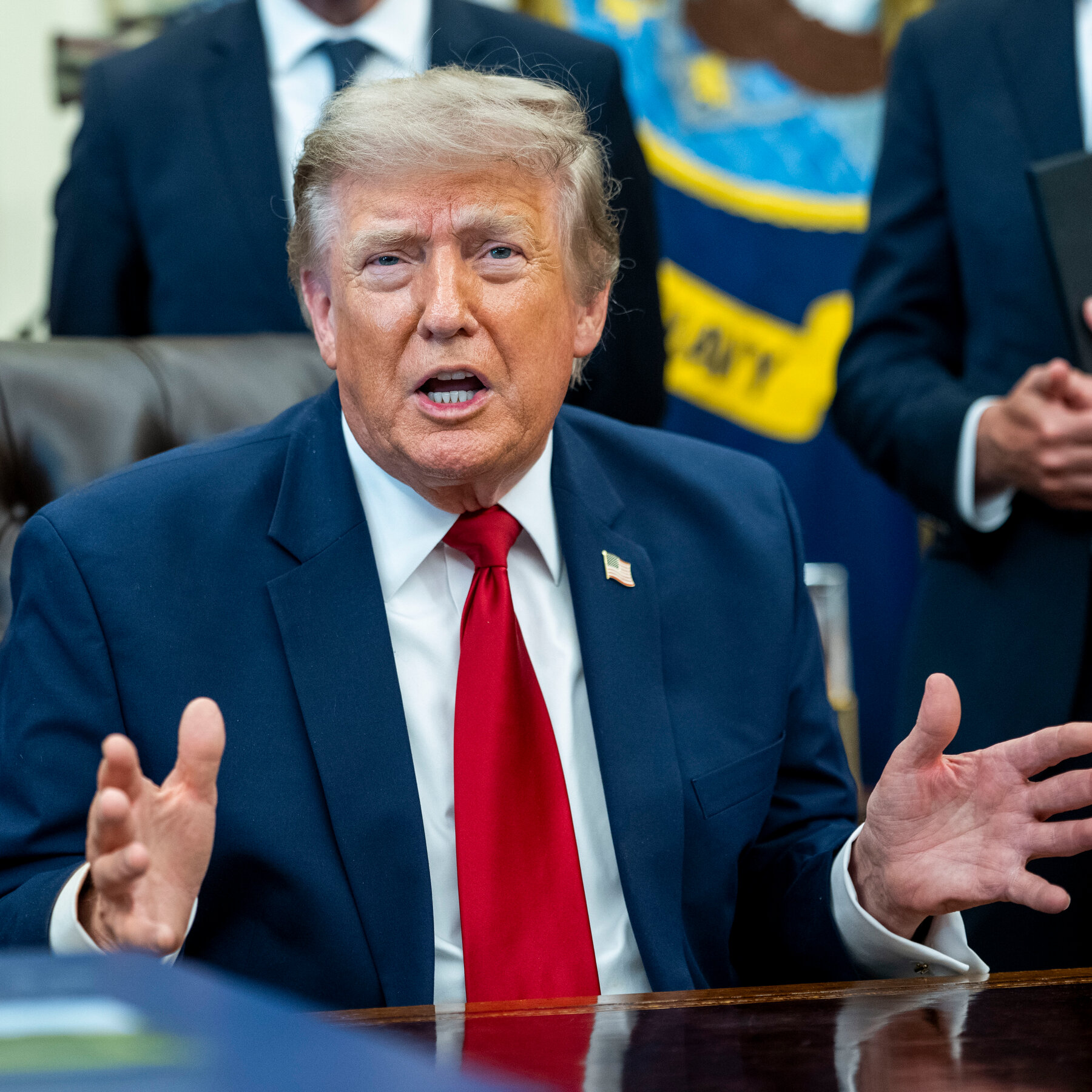
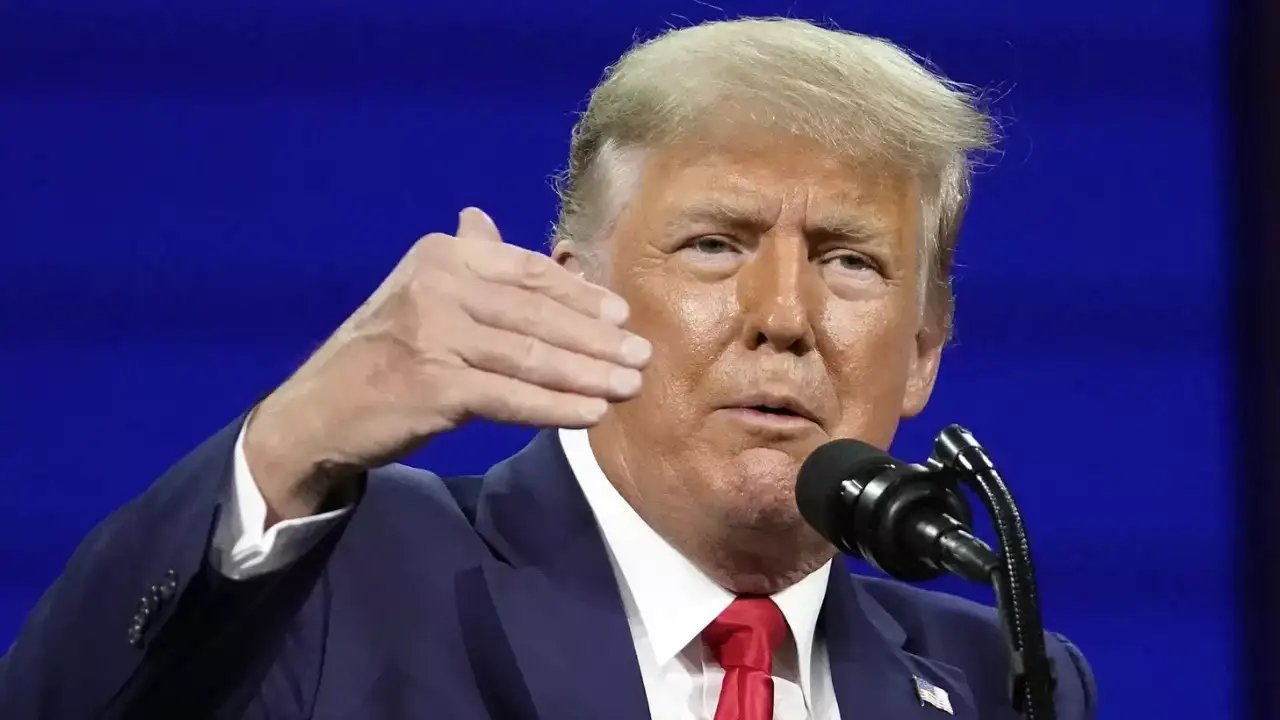
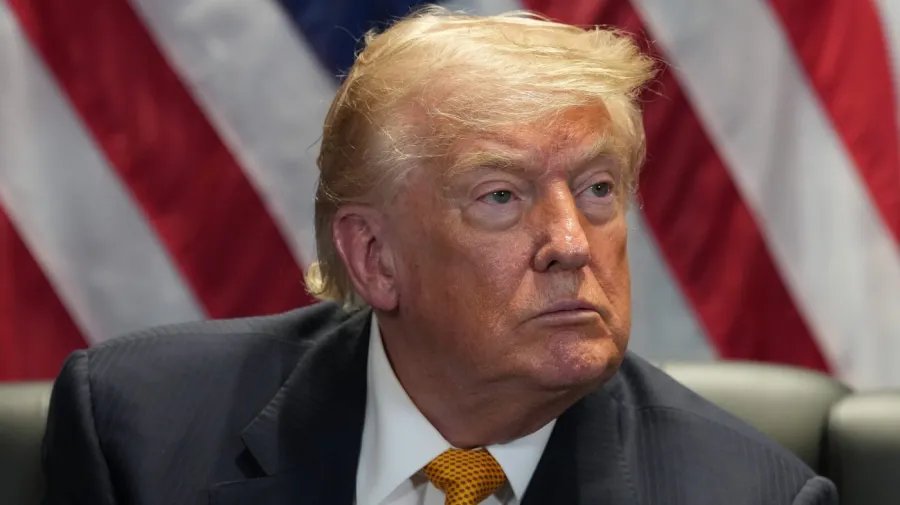
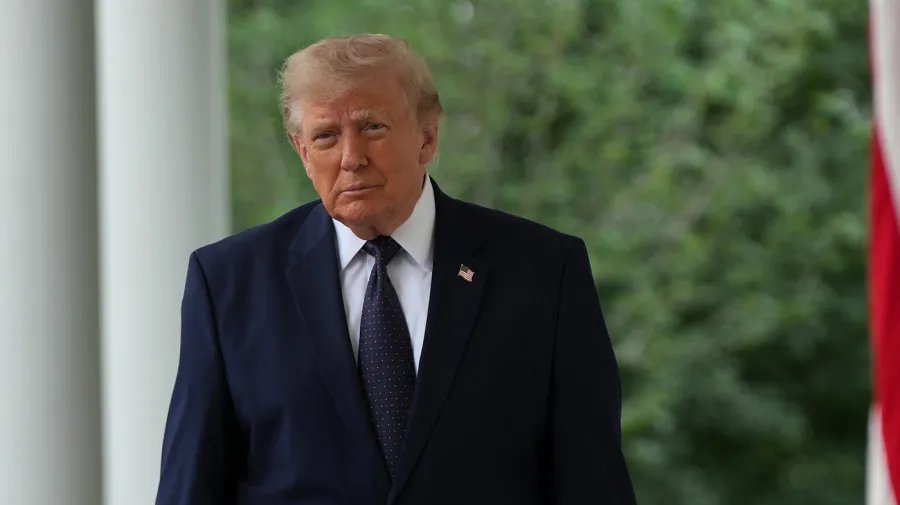
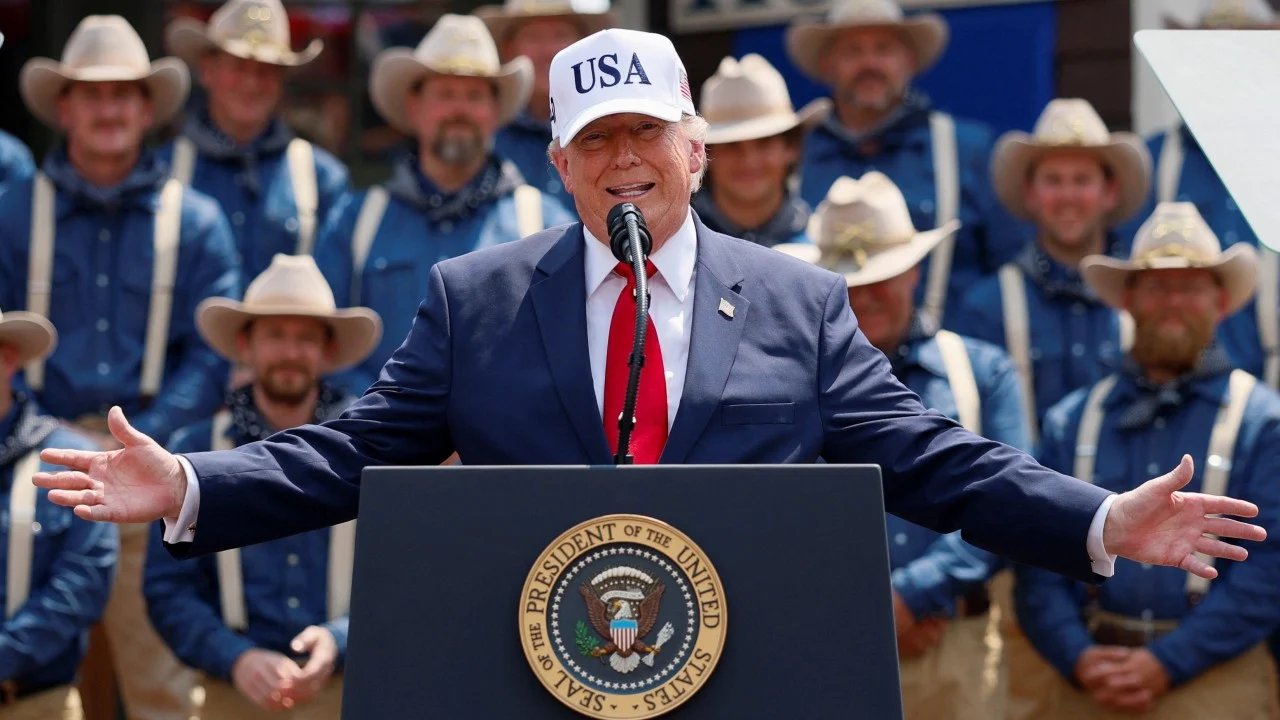
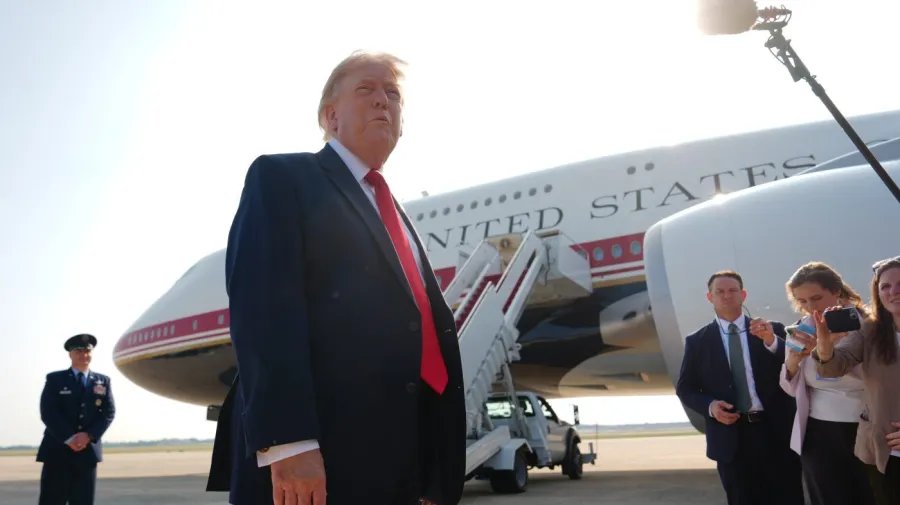
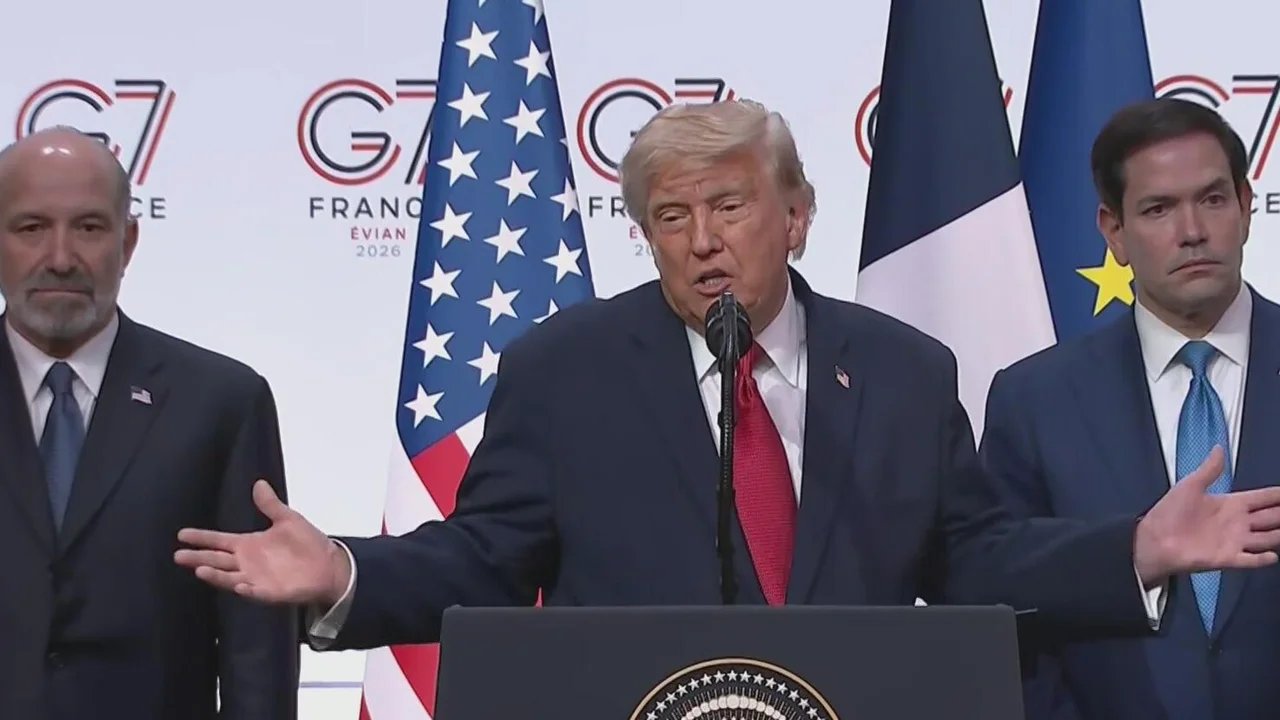
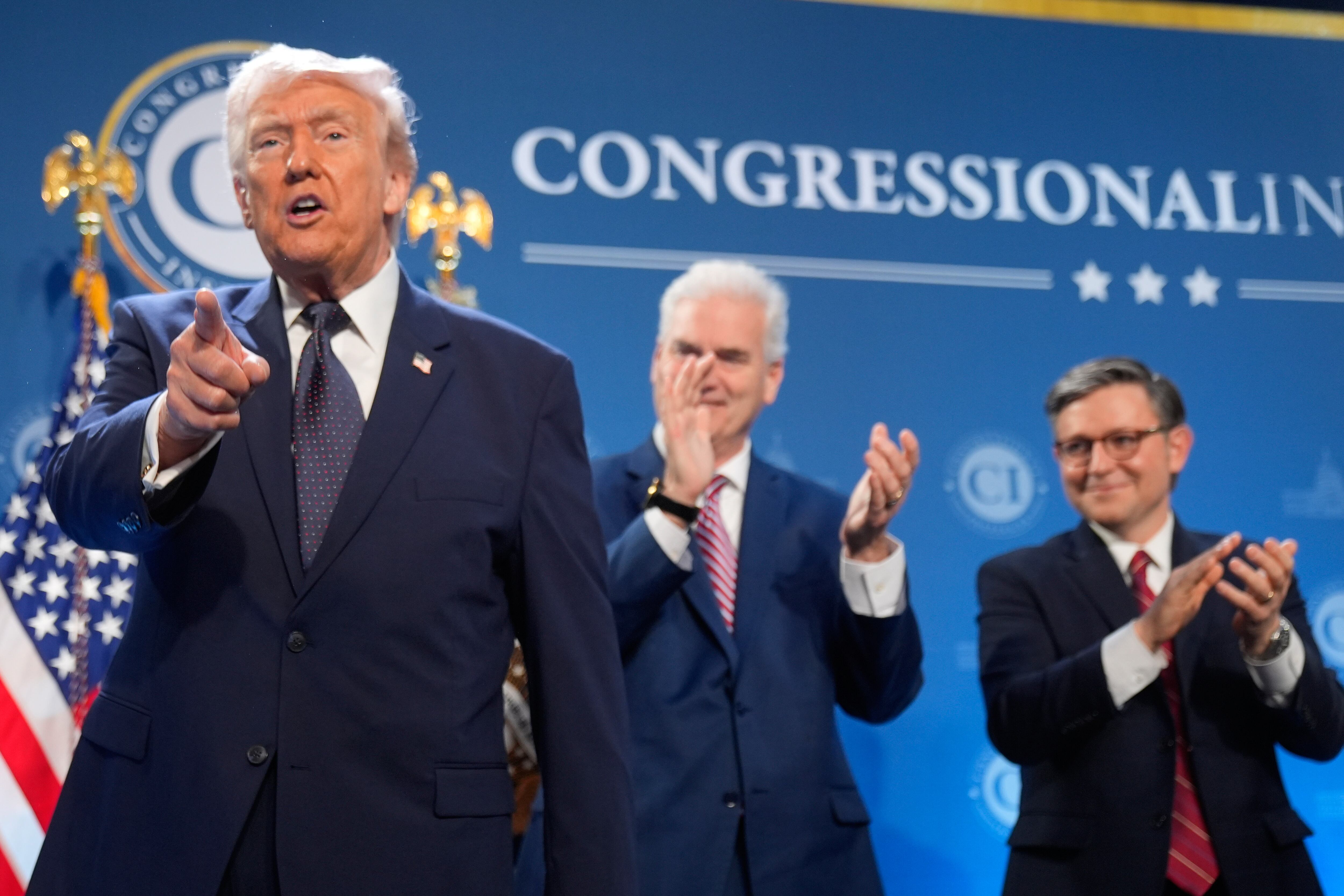
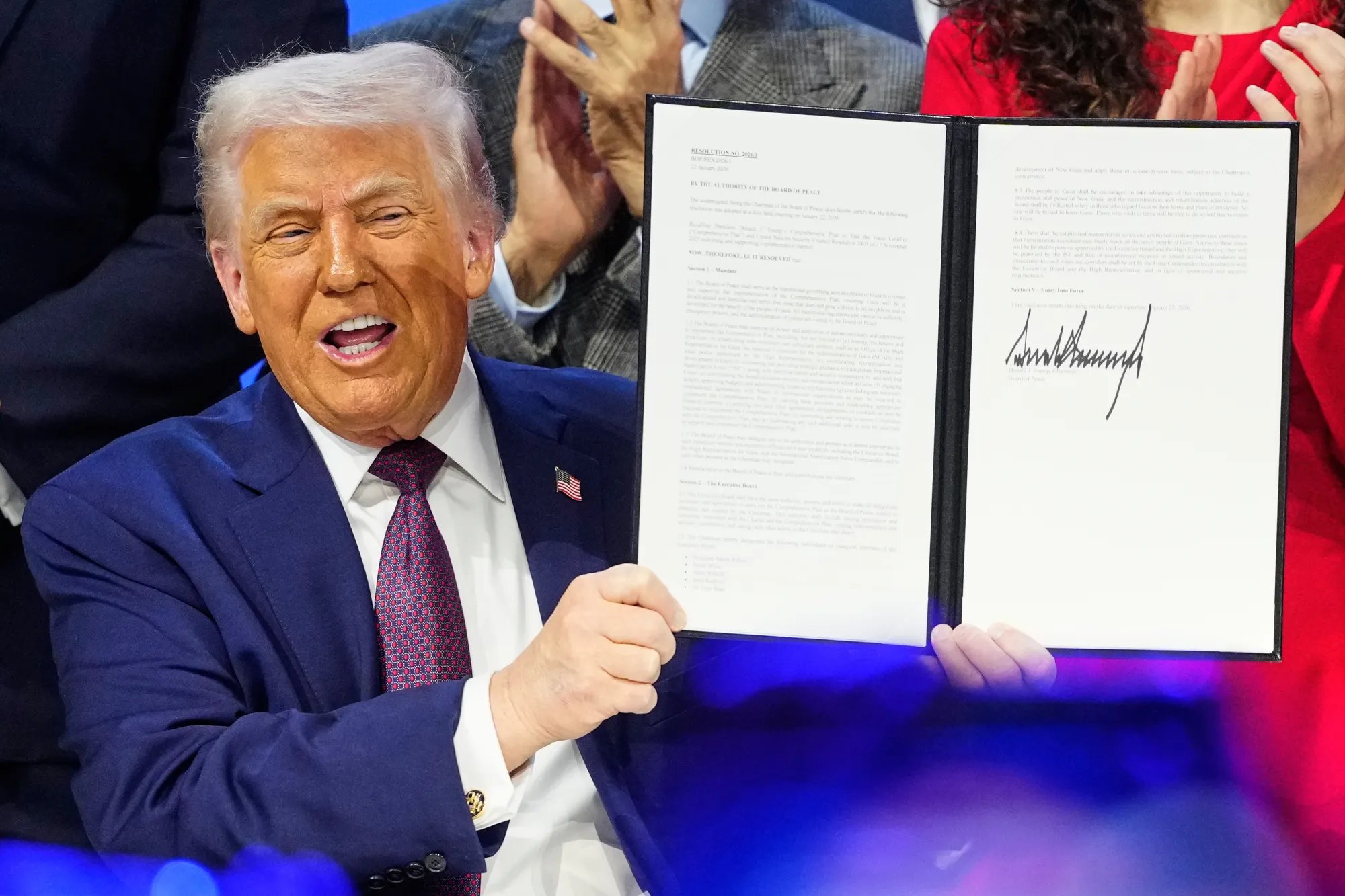
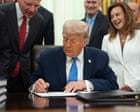
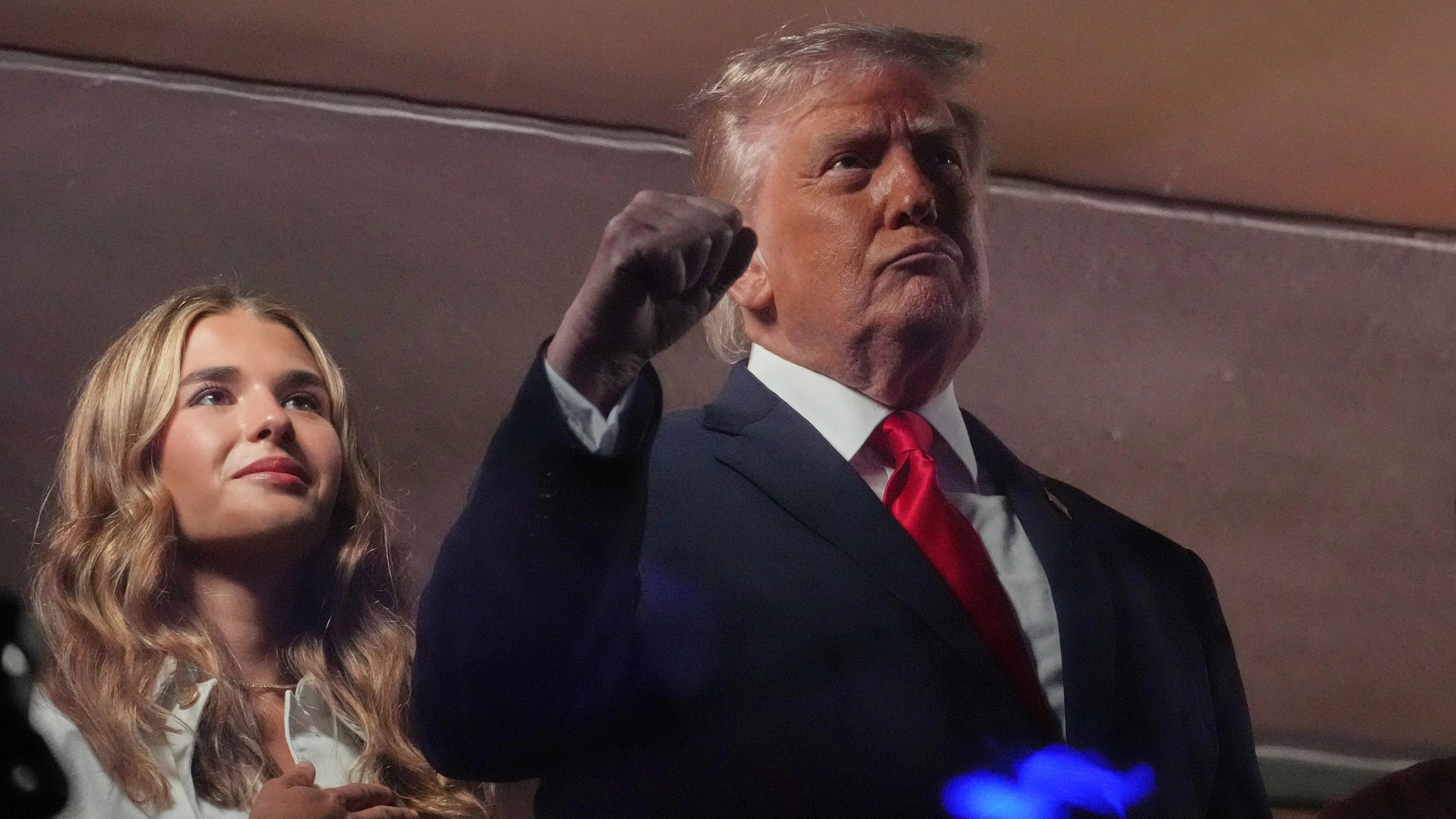
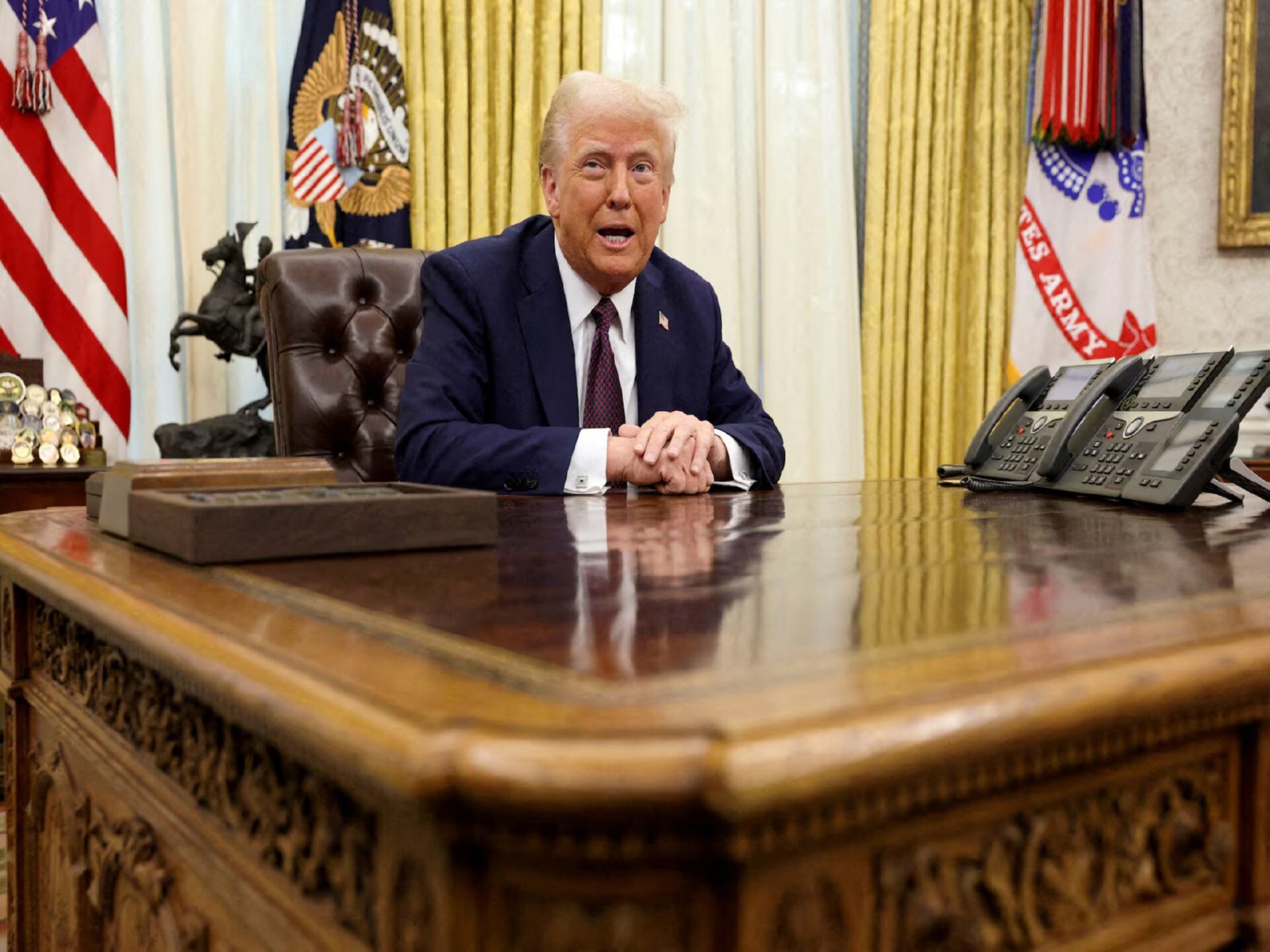
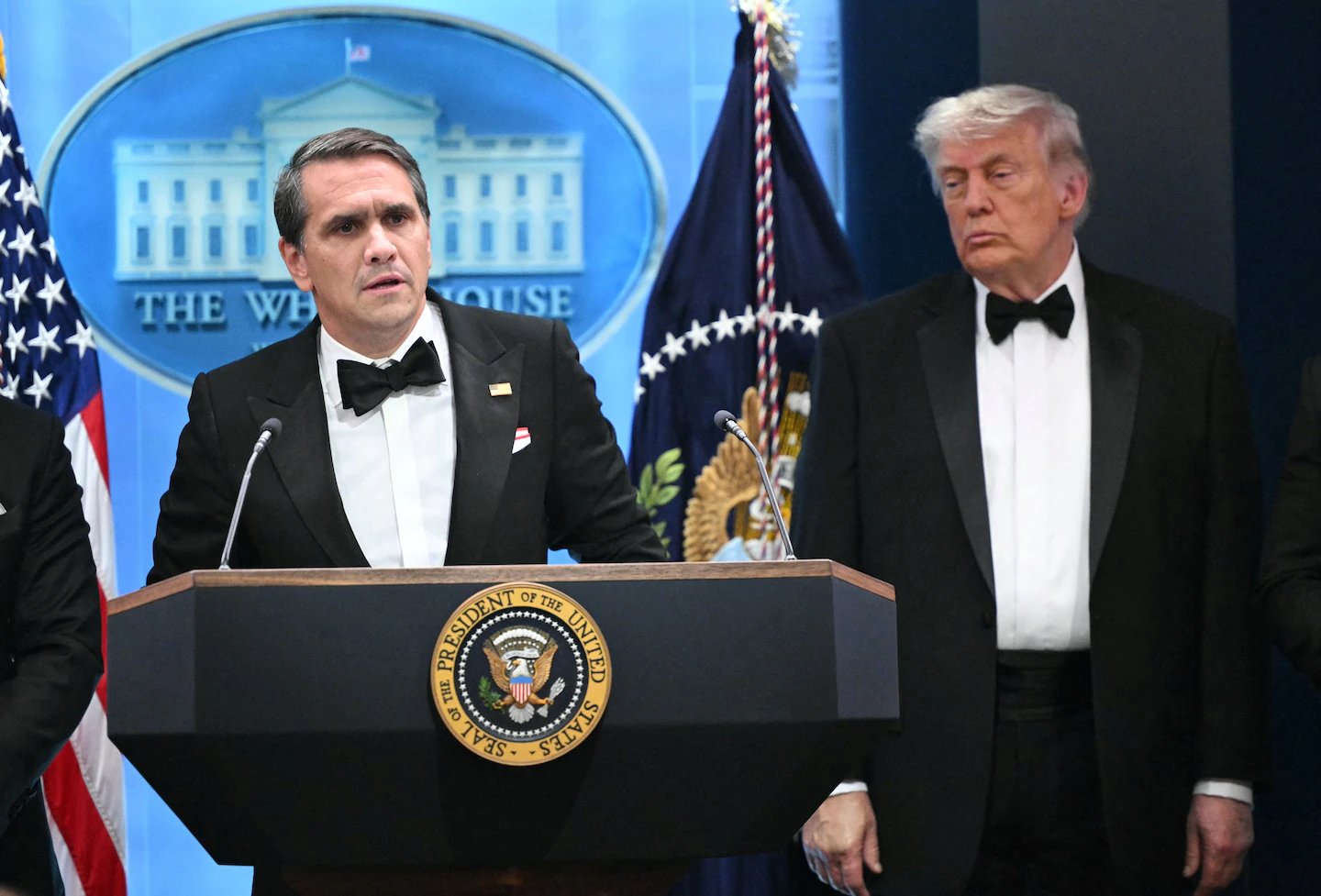
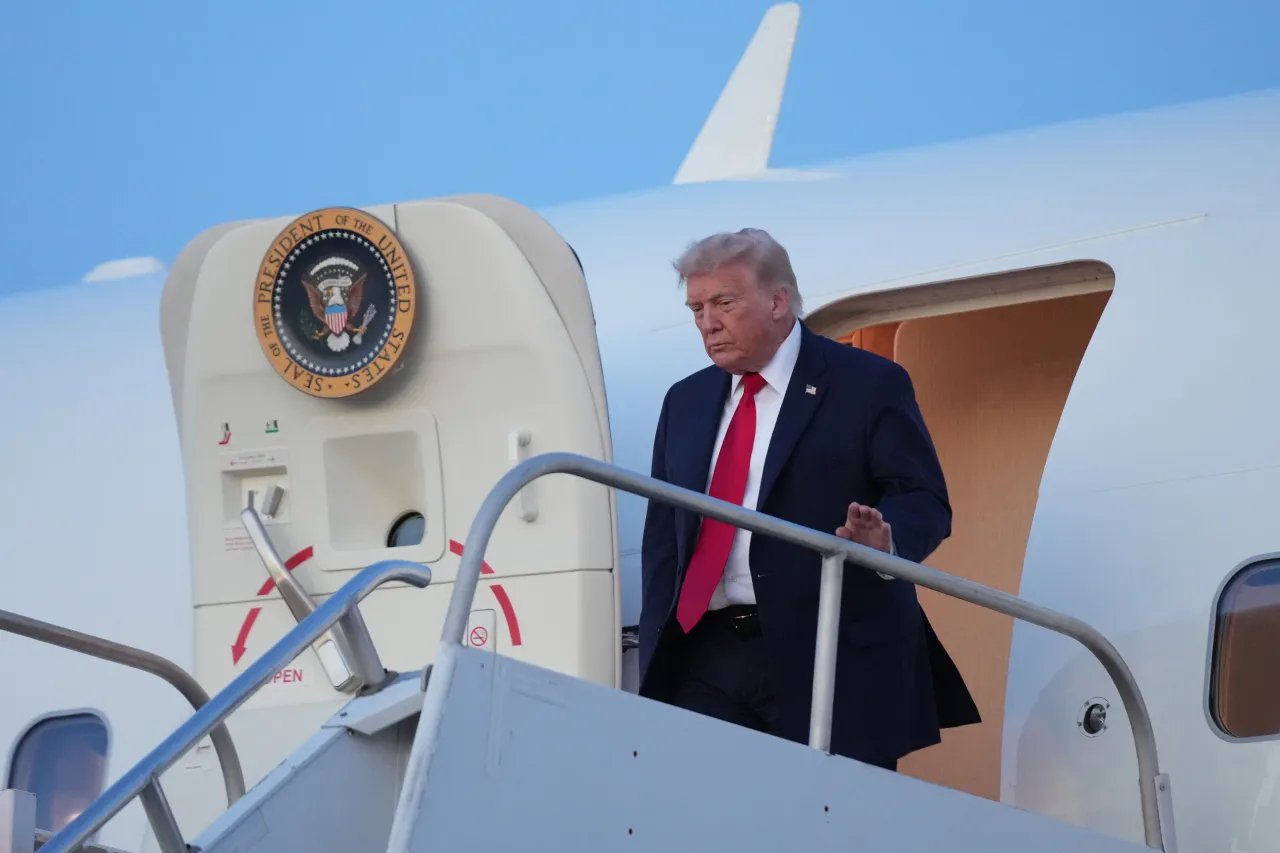
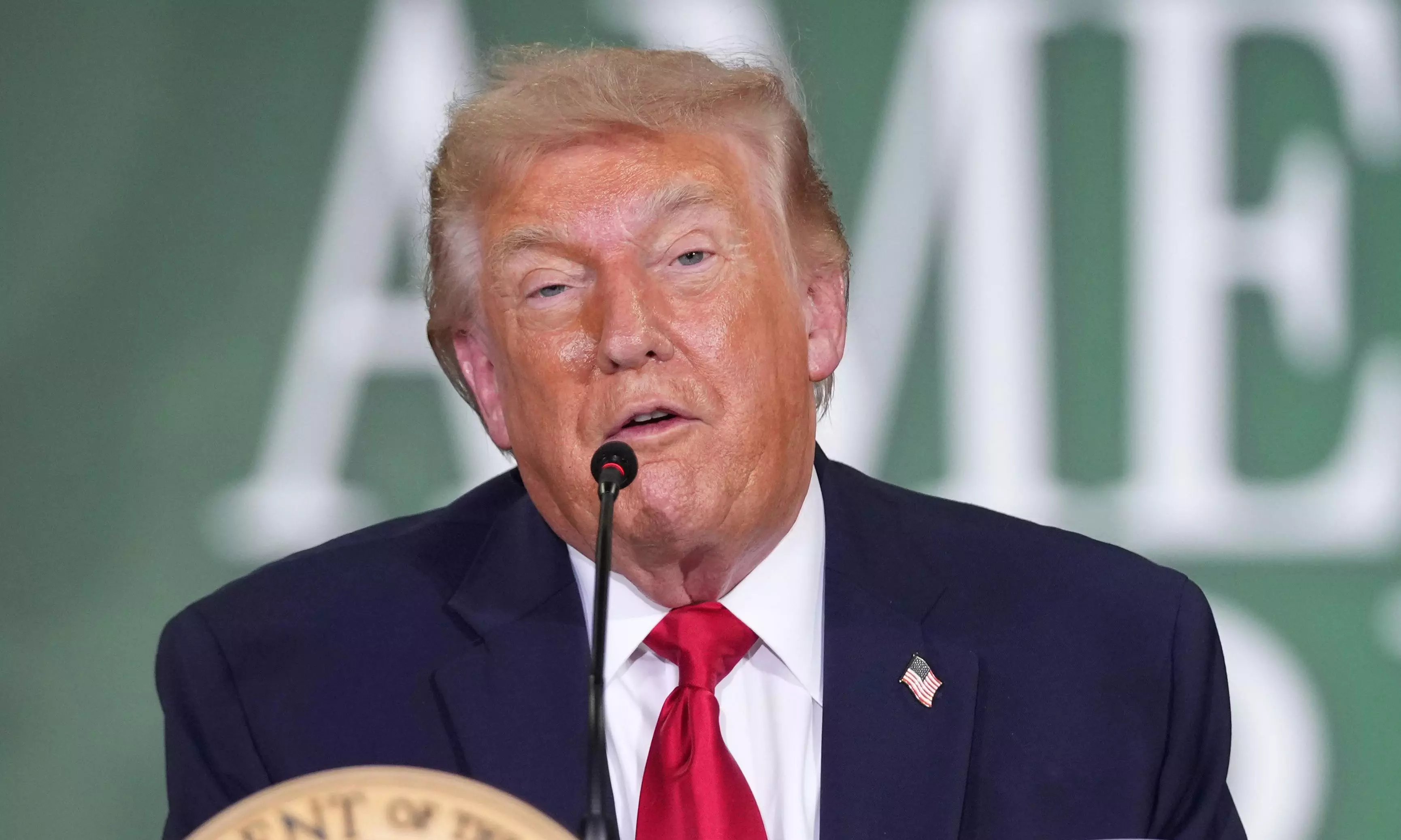
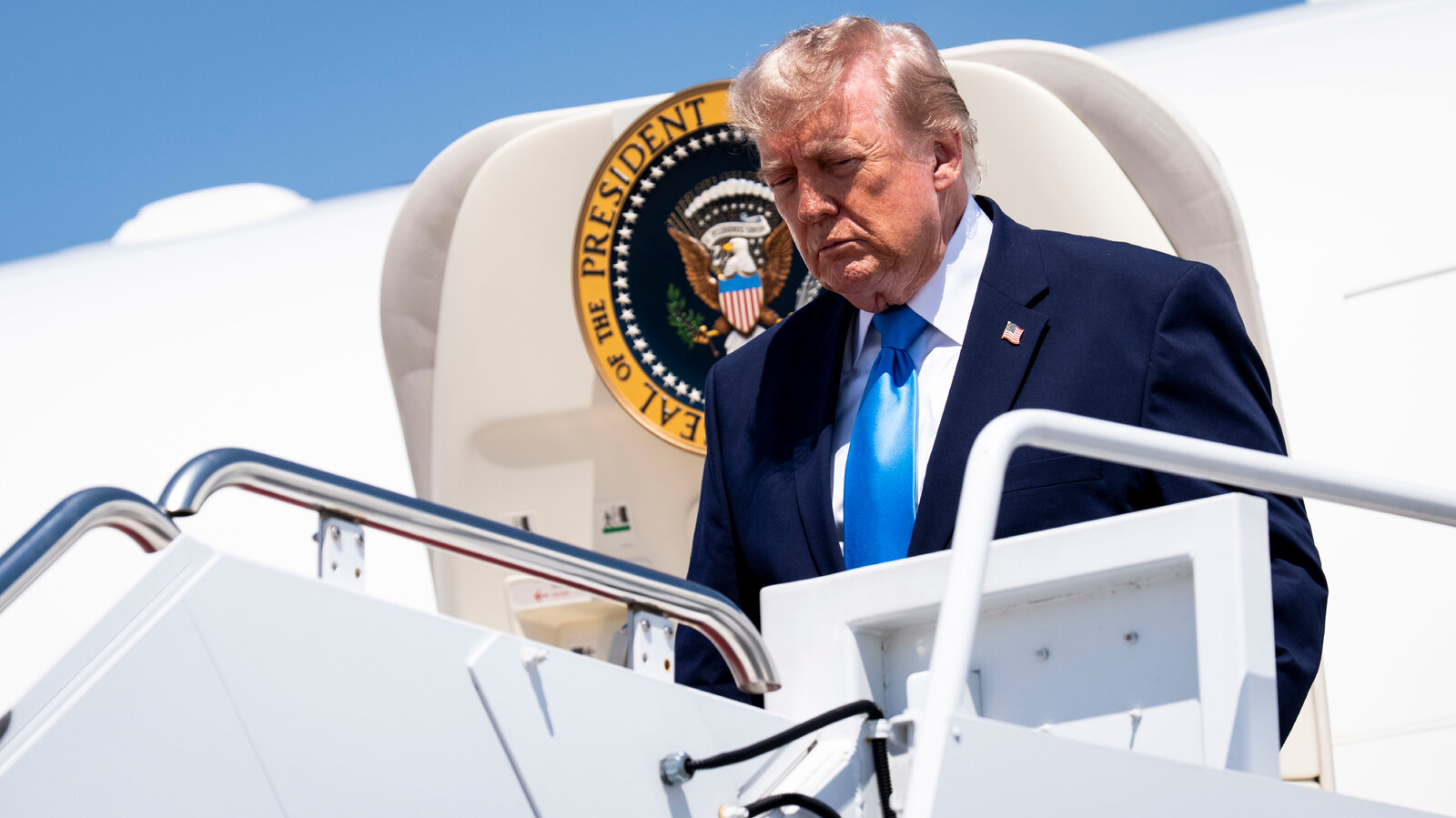
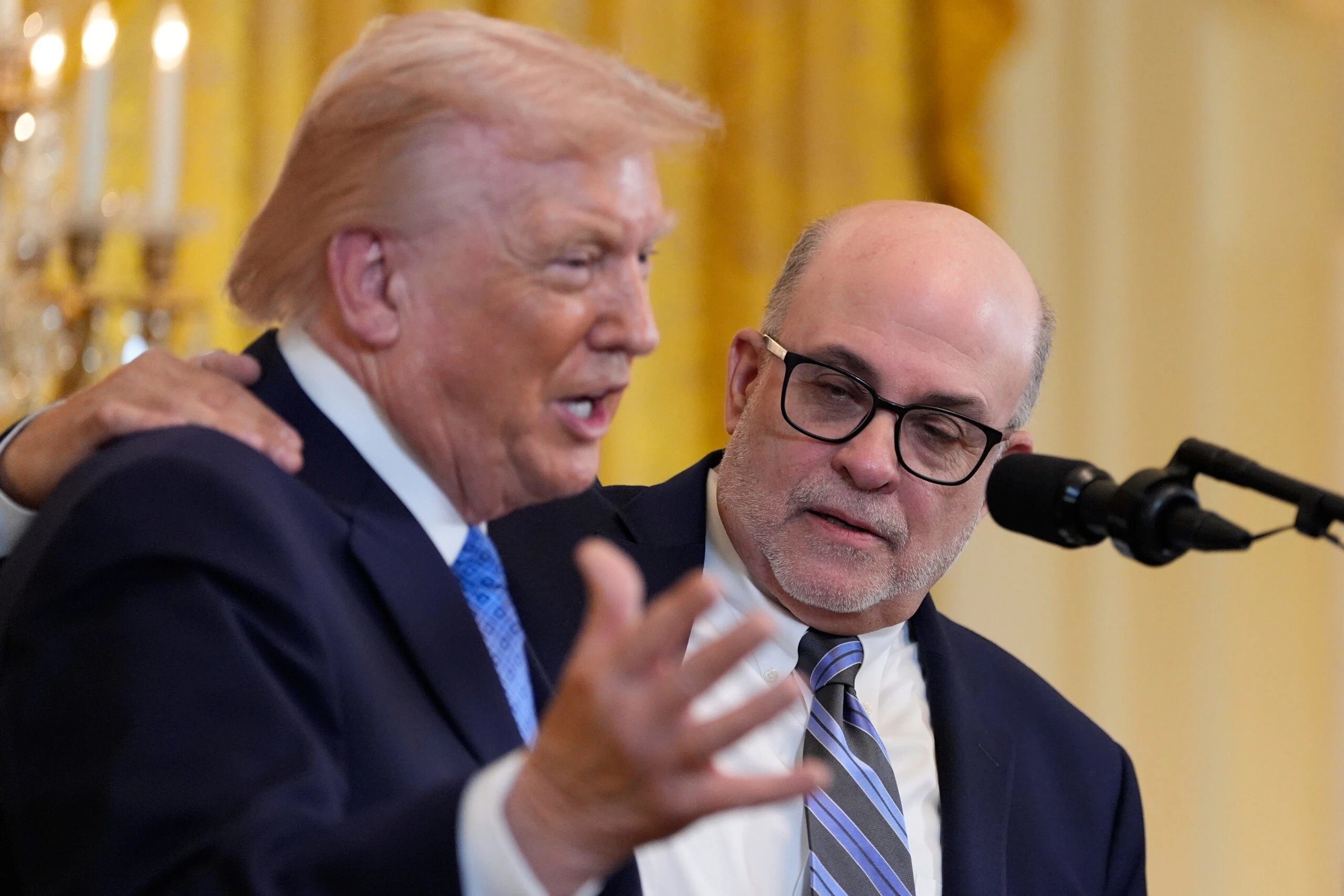
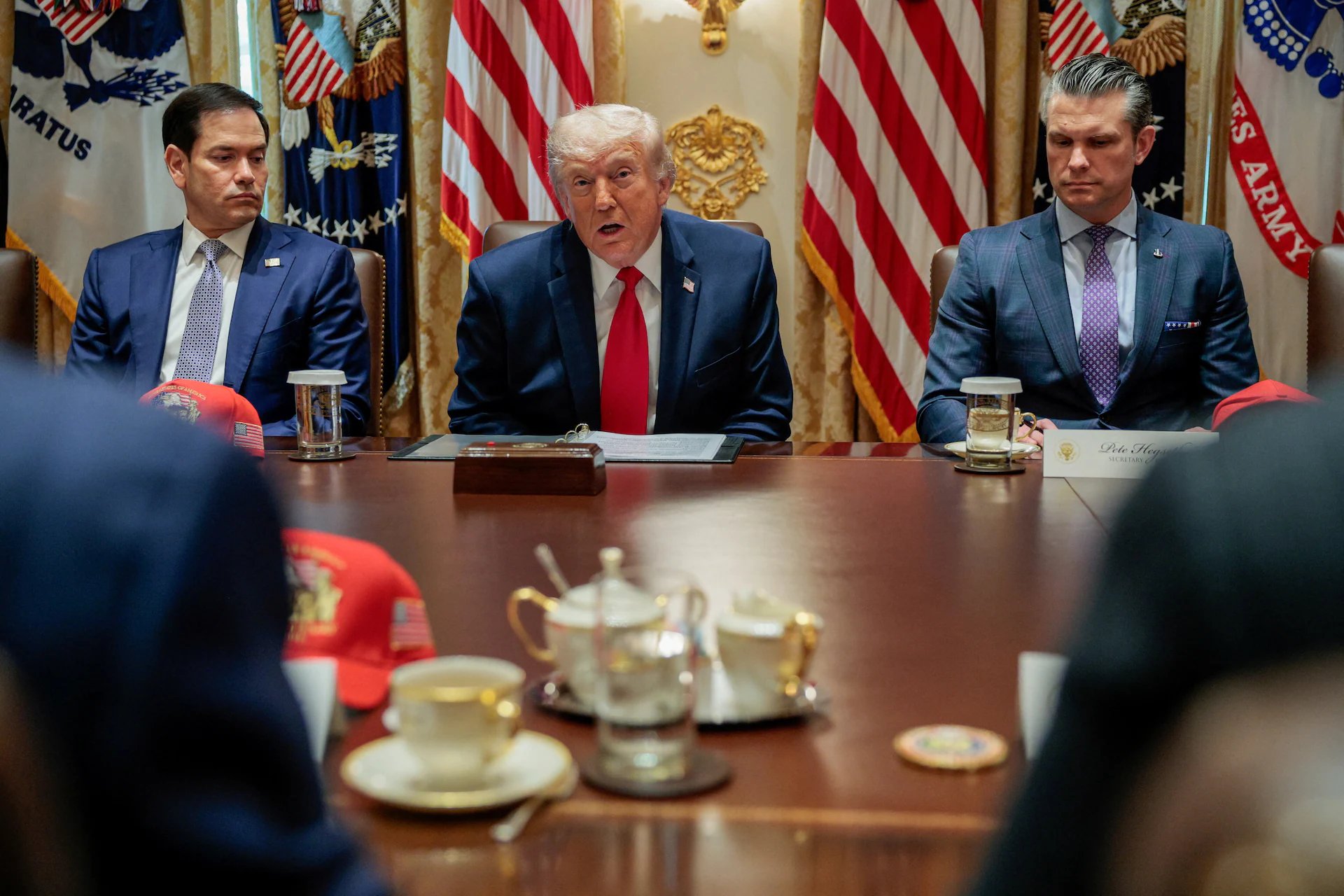
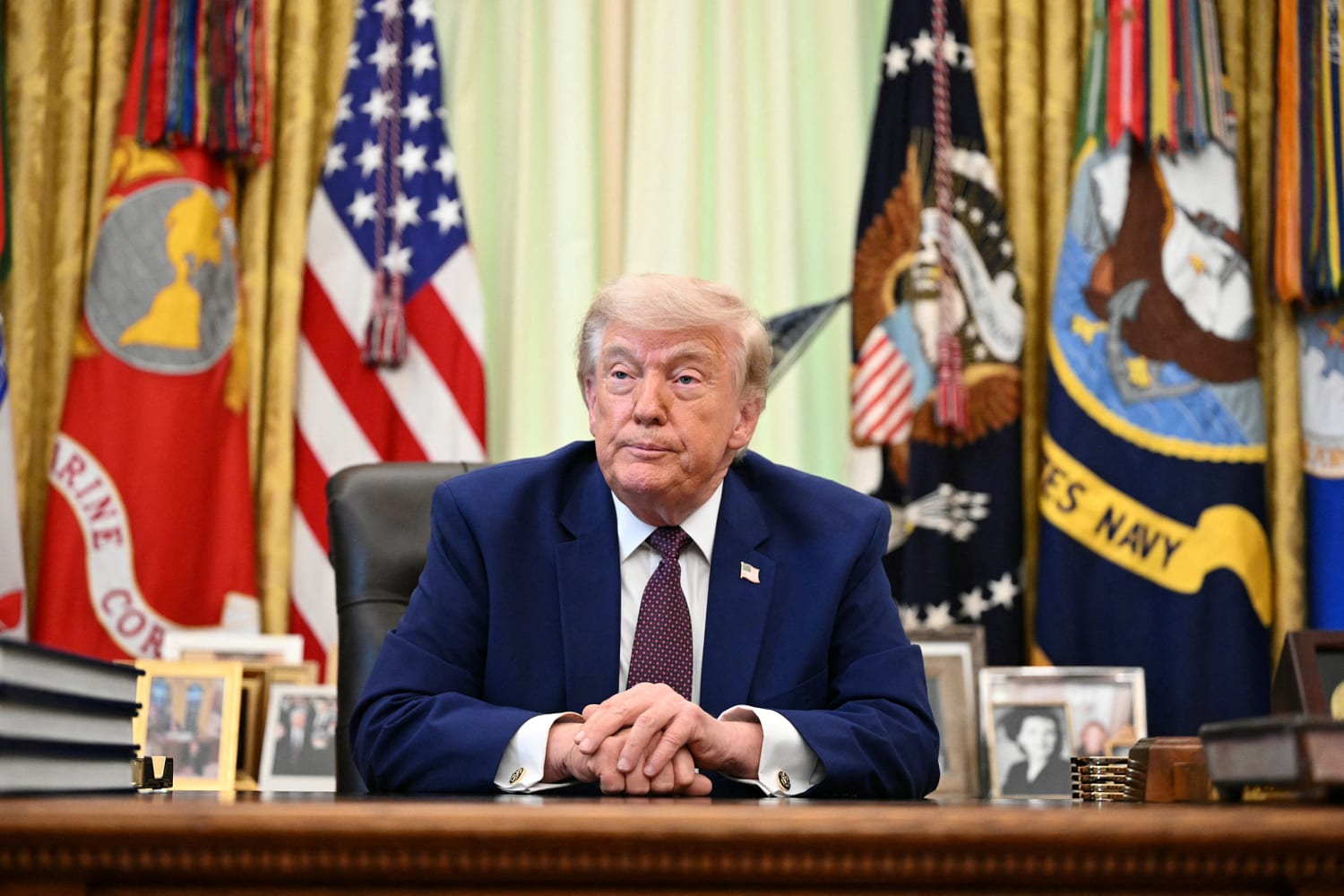
Donald Trump and Benjamin Netanyahu believed that military action would reshape the Middle East in their favor, but the Iranian regime has proved far more resilient than they anticipated. Trump expected a swift victory comparable to his administration's approach in Venezuela, where the U.S. military abducted the country's president and installed a successor. Instead, the Islamic Republic has not been defeated and continues to inflict costs on American and Israeli interests.
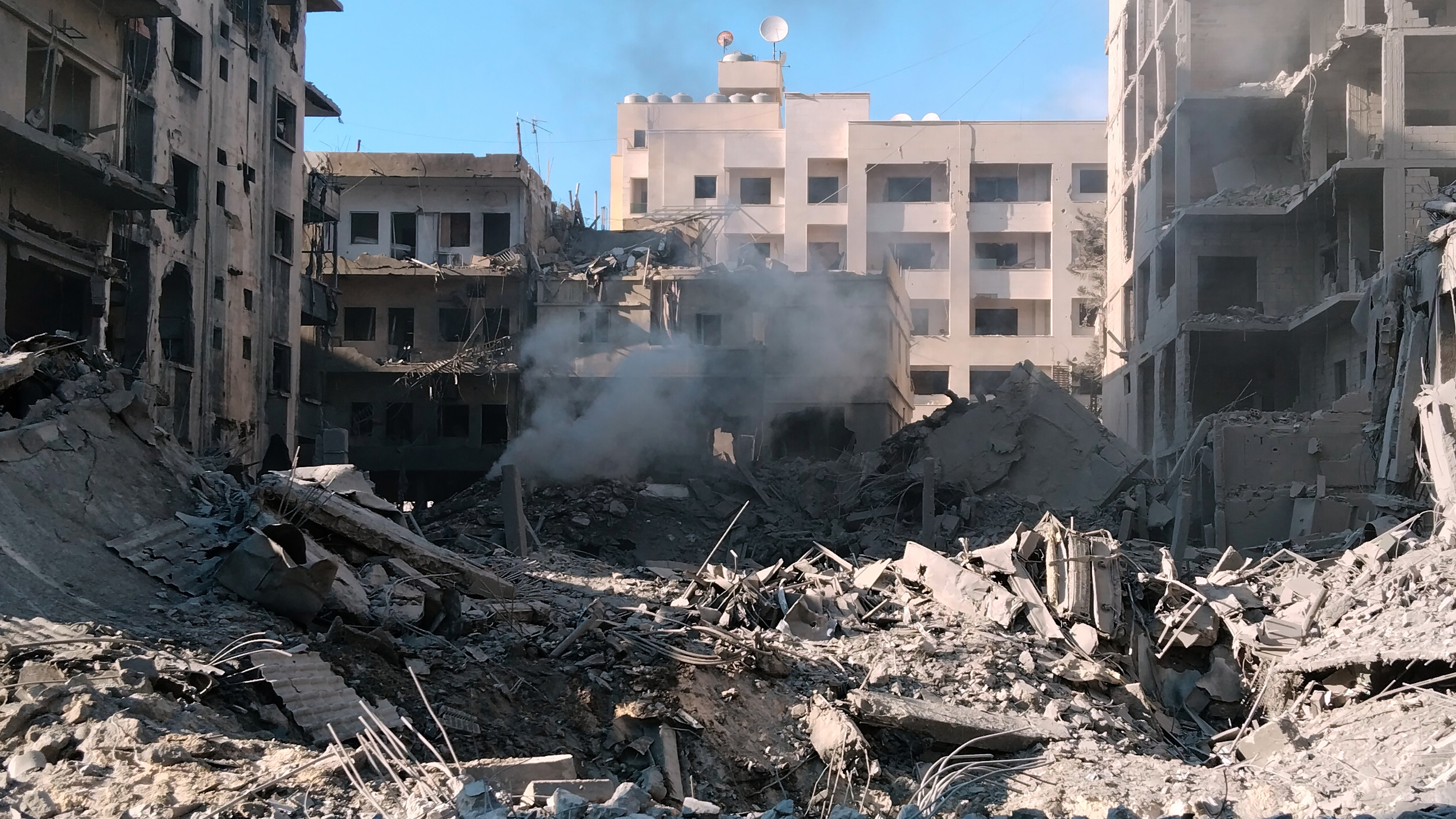
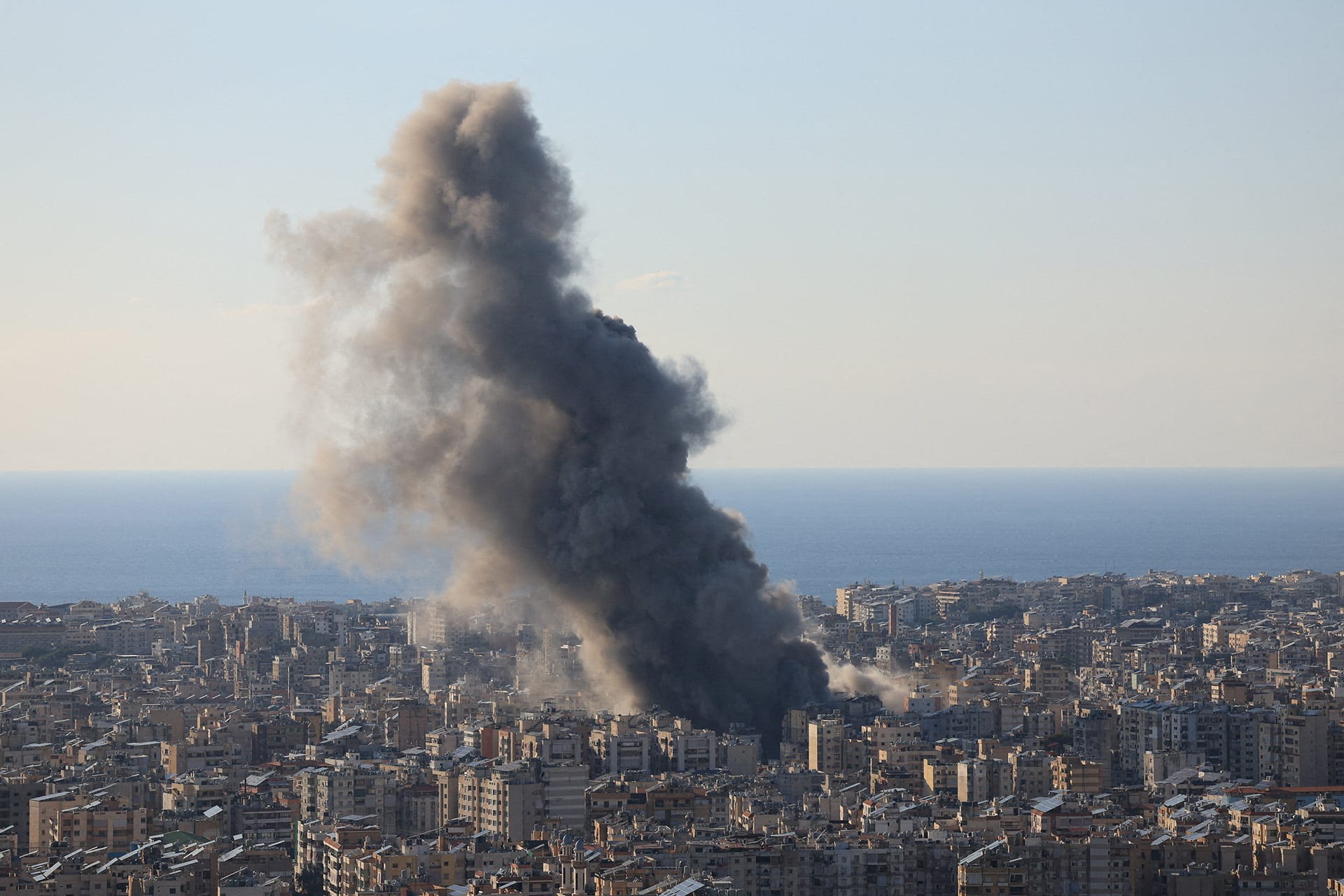
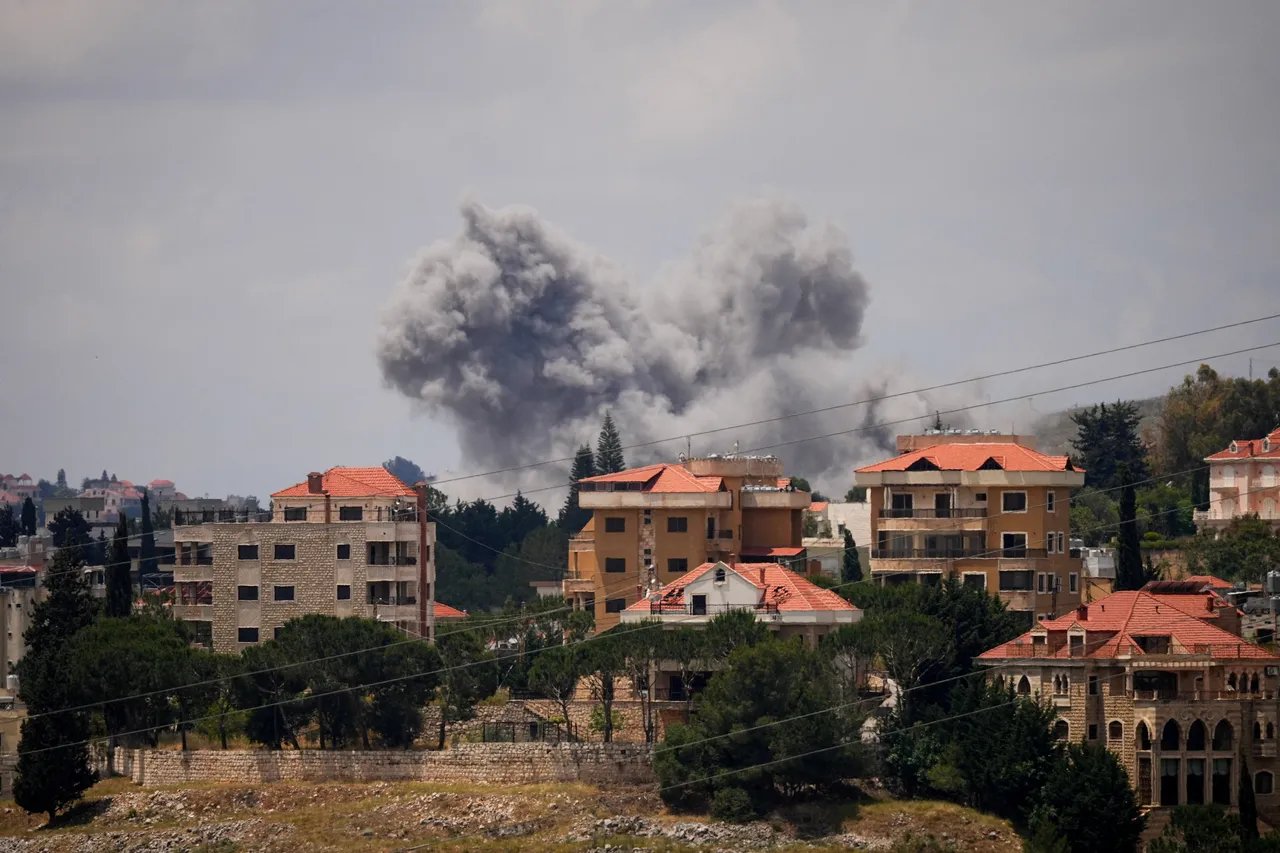
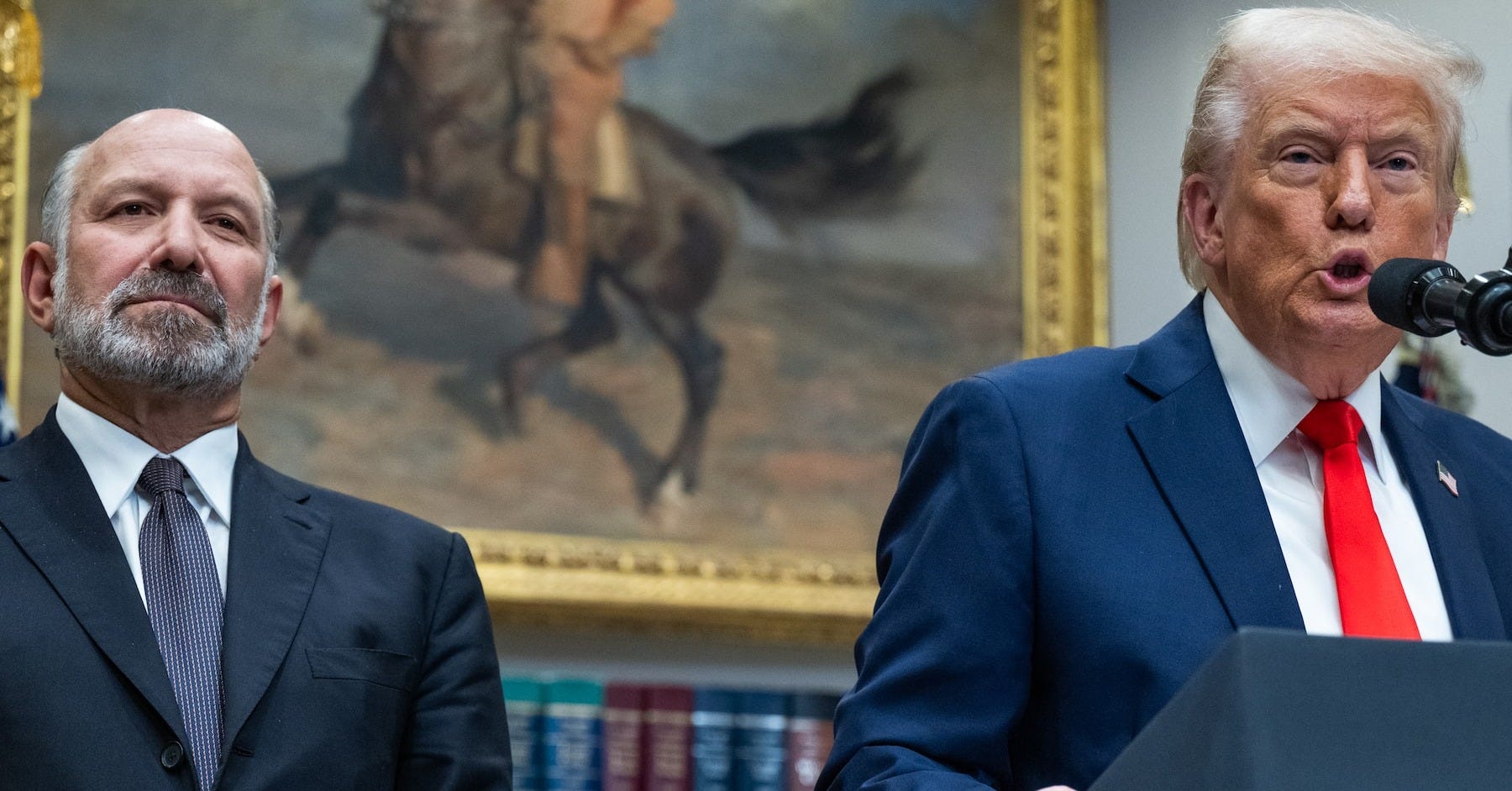
Netanyahu had told Israelis that military force backed by America would vanquish their enemies and ushered in a safer future. His strategy of using force to bend the region to his will has failed. When Trump instructed Netanyahu to cancel planned attacks on Beirut on Monday, Netanyahu appeared visibly deflated, according to Israeli newspaper columnist Ben Caspit.
Diverging Interests Between Allies
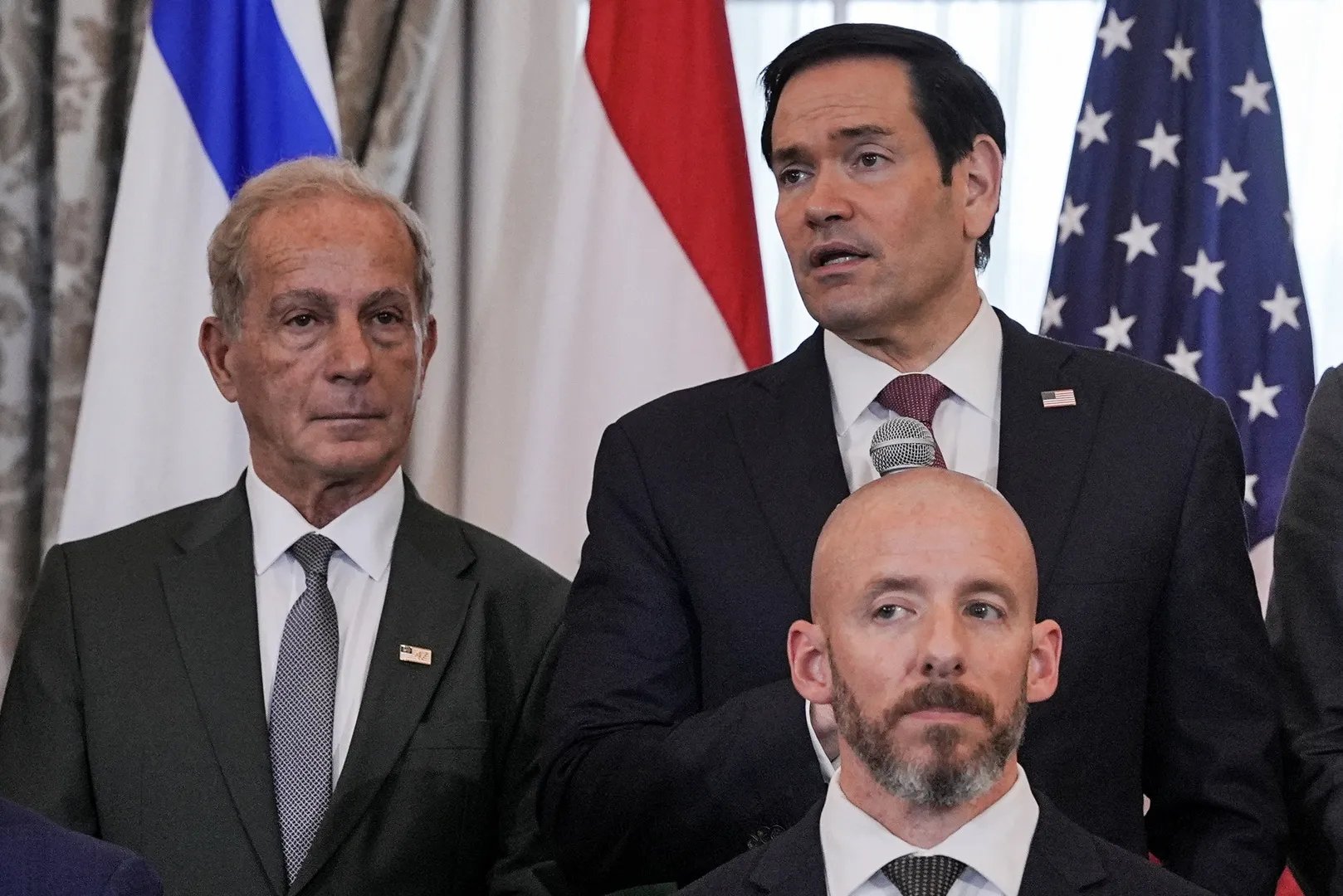
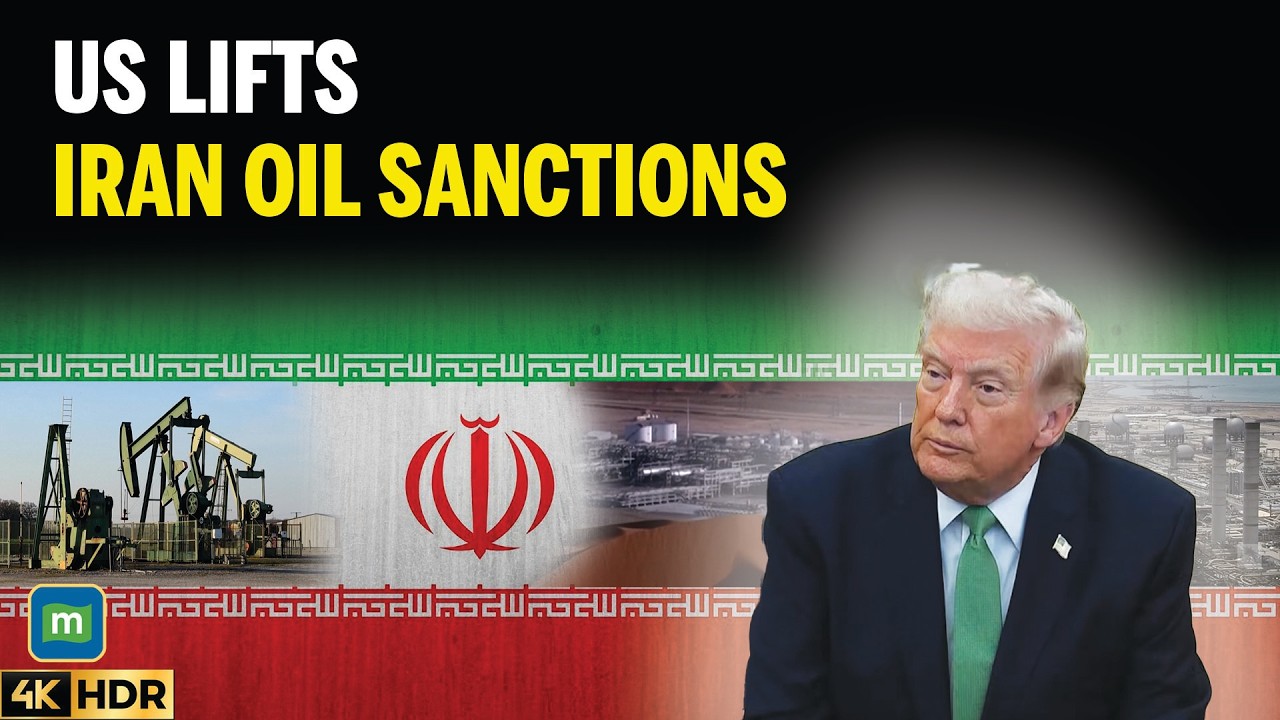
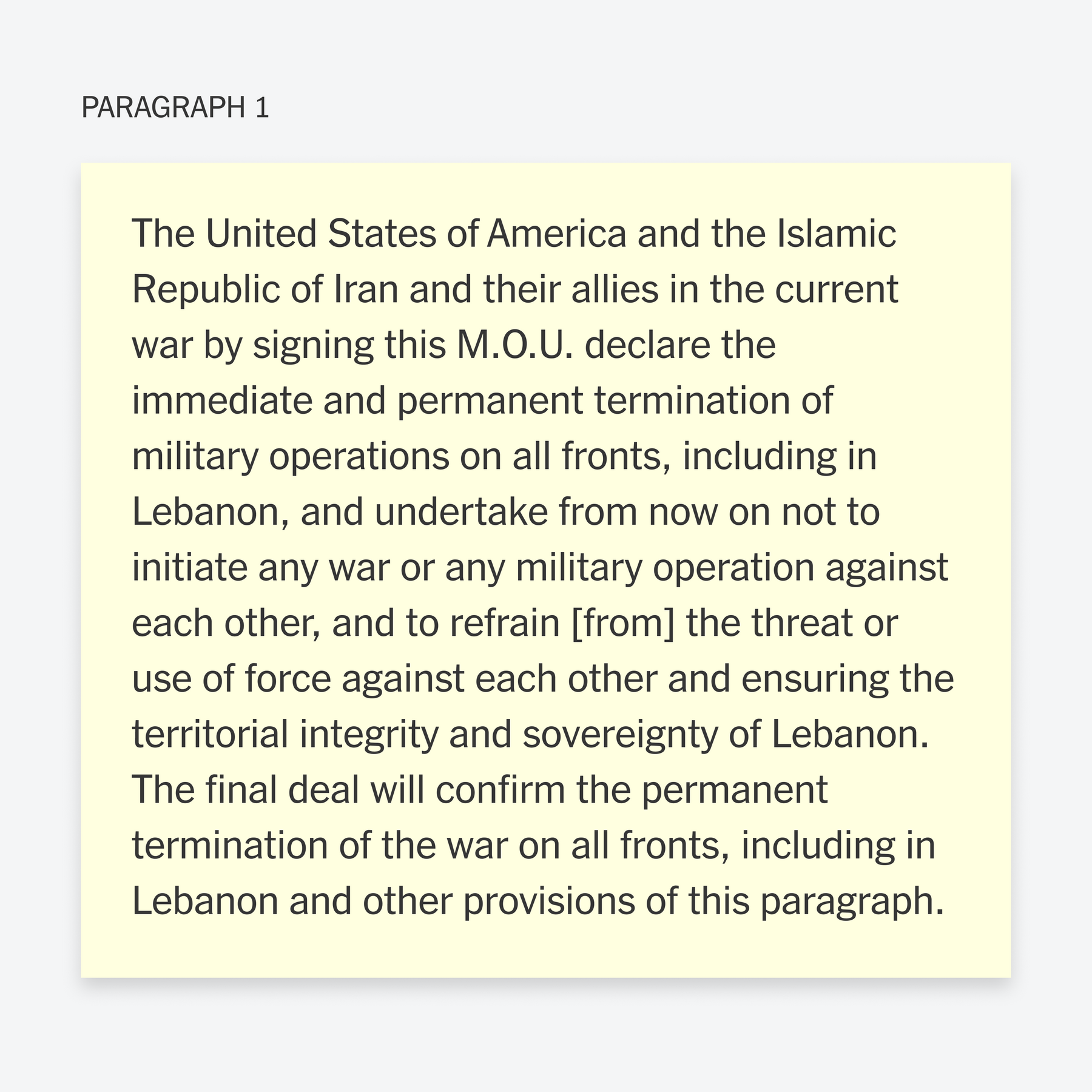
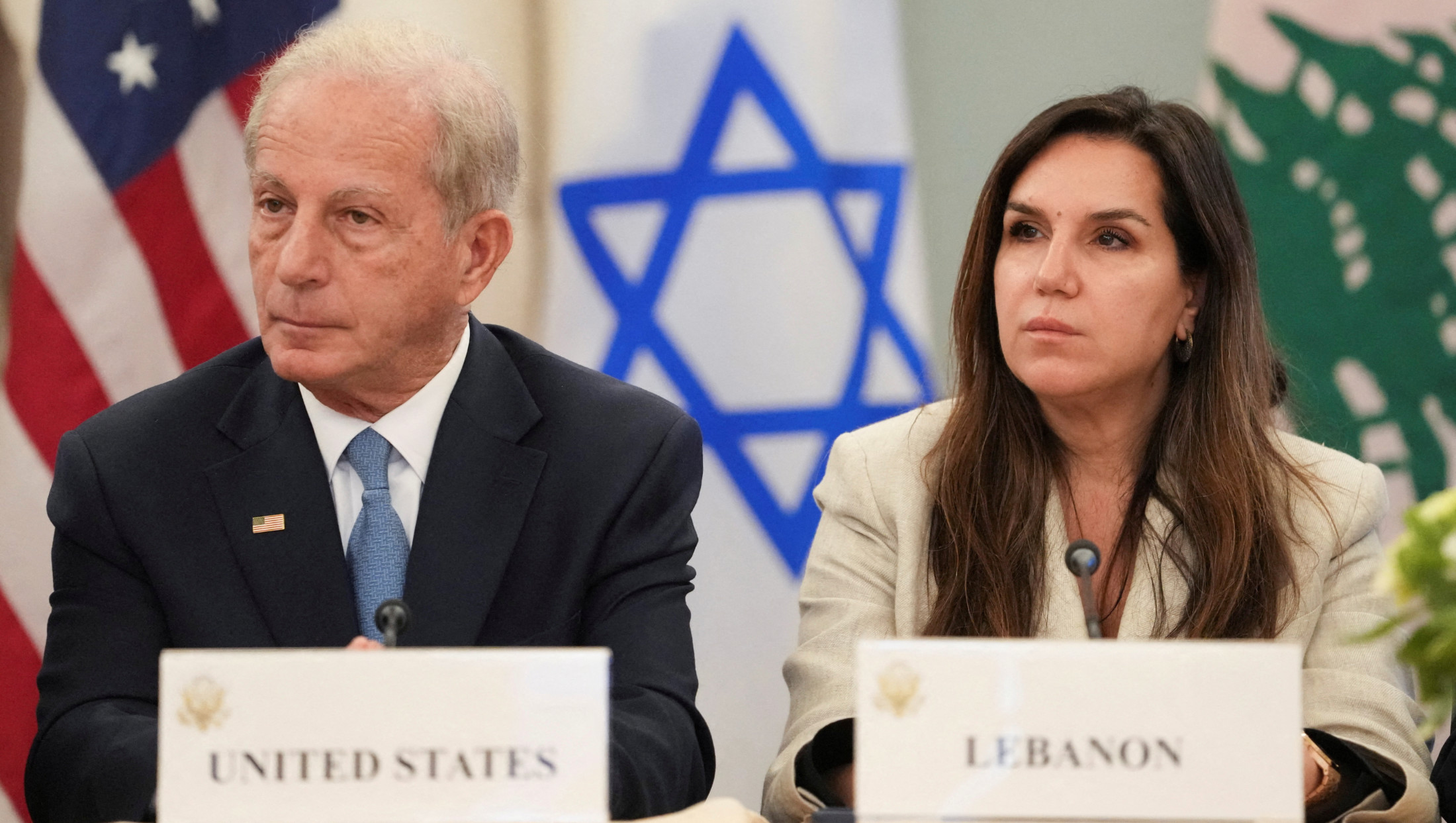
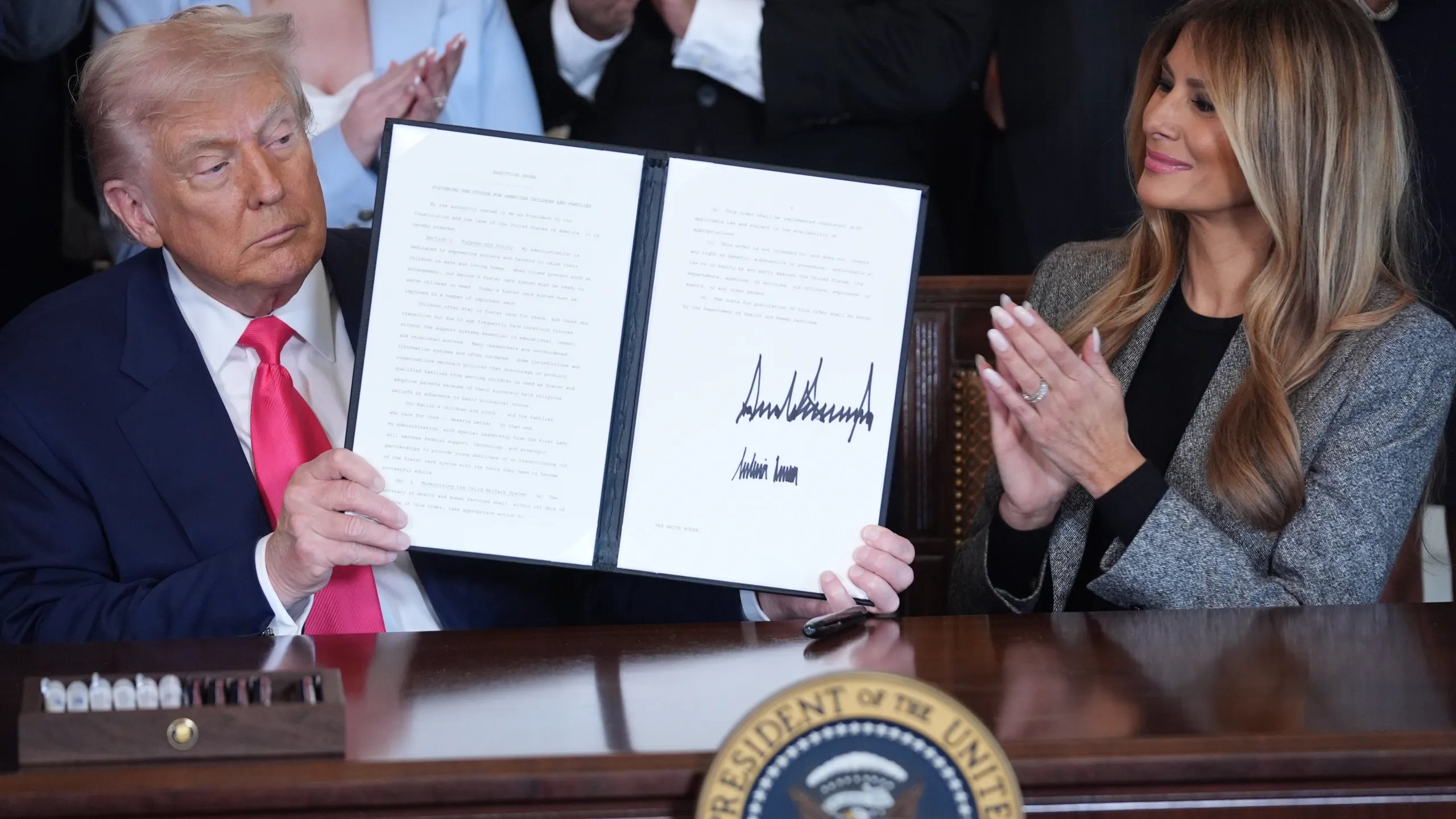
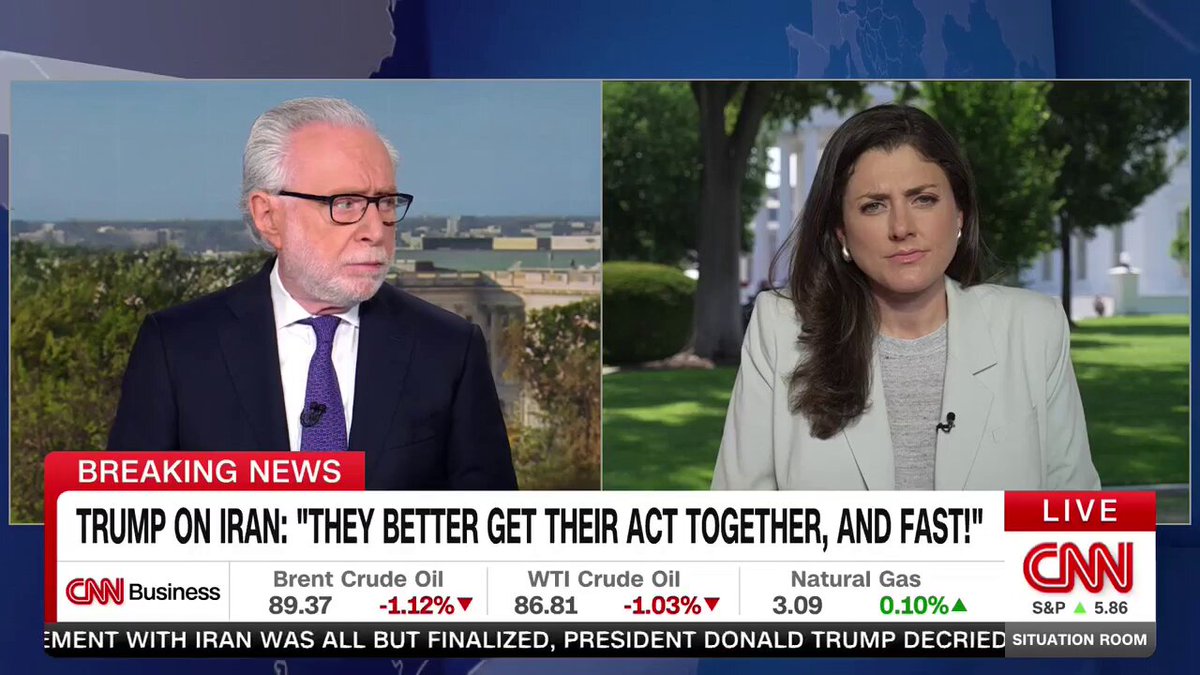
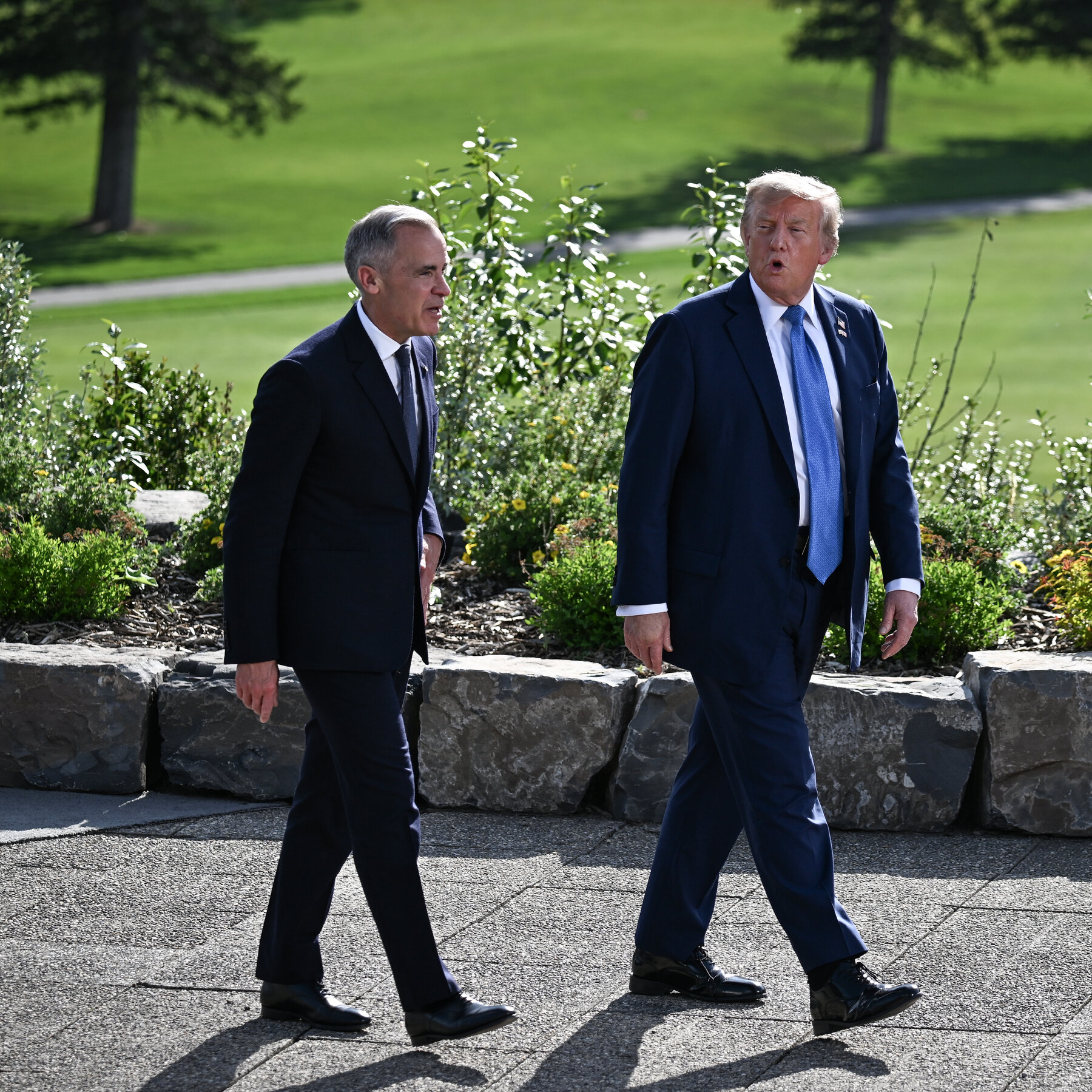
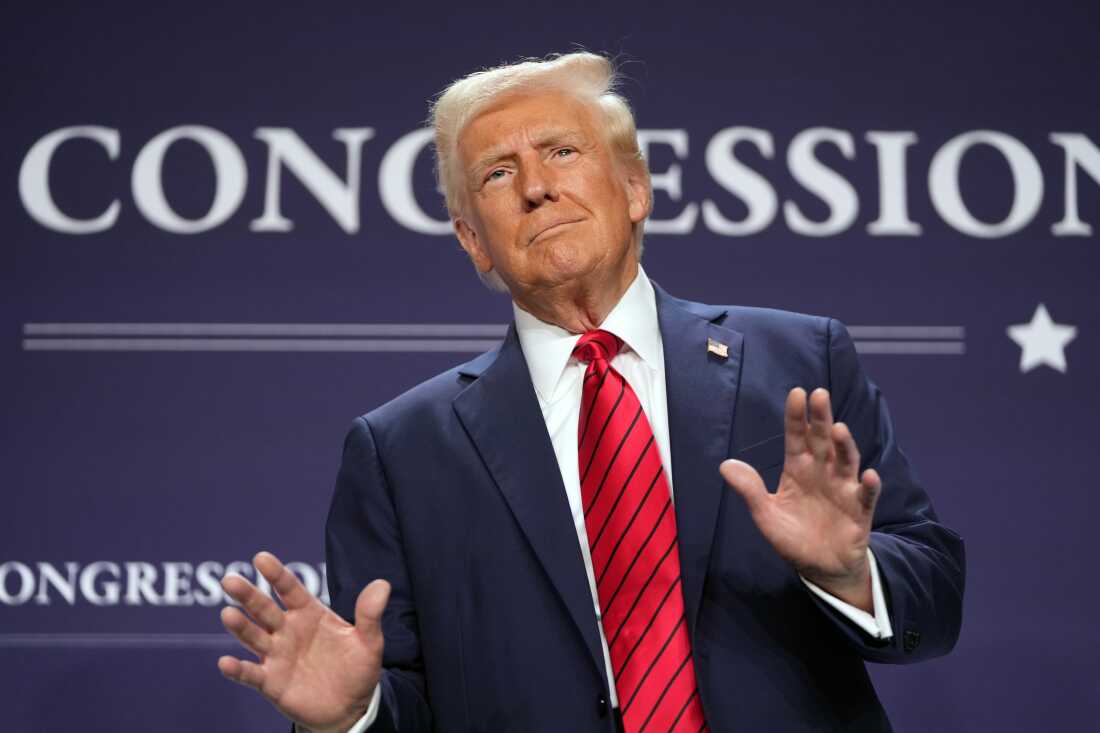
Trump is banking on a deal with Iran to reopen the Strait of Hormuz and negotiate longer-term talks over Iran's nuclear stockpile and broader atomic plans. The war is unpopular in America, and Trump wants an exit he can present as a victory. Netanyahu, by contrast, wants the conflict to continue until he can declare the Iranian regime crippled. When Trump signaled willingness to link progress in Lebanon with negotiations over the Gulf, Netanyahu rejected the linkage as "intolerable and completely unacceptable." His problem is that Trump will prioritize his interests and desire to end the war ahead of Netanyahu's determination to continue it indefinitely.