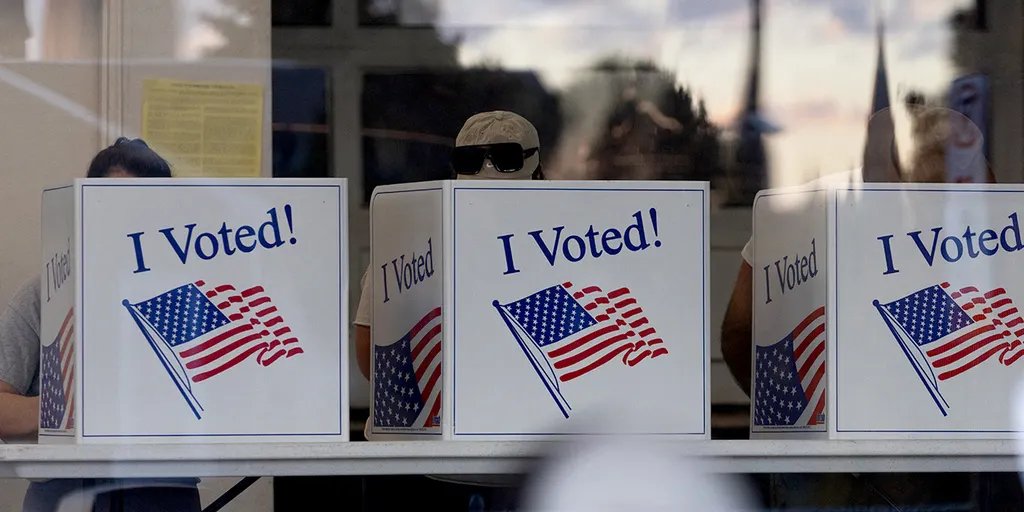
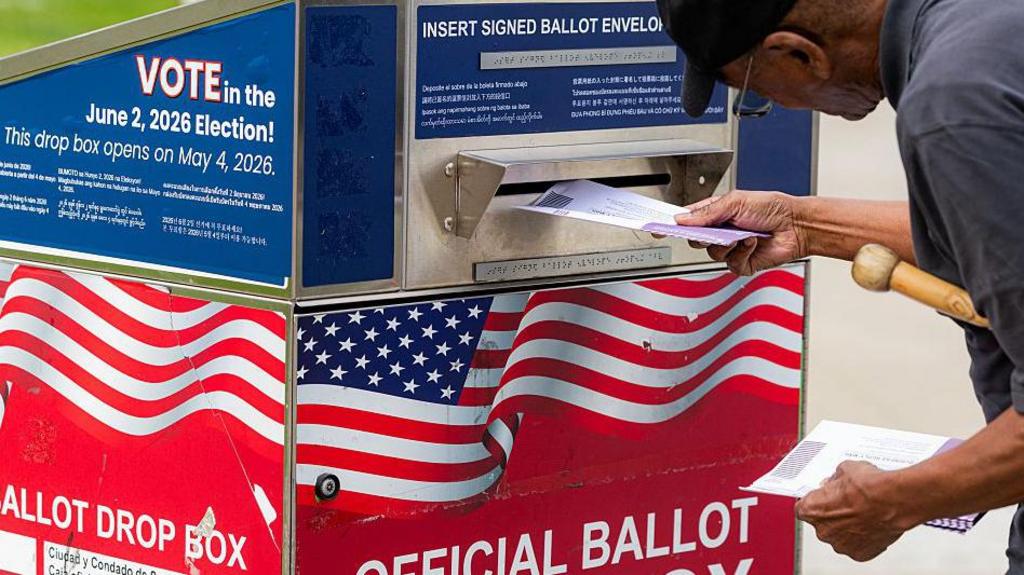
Georgia lawmakers are convening in a special session to address the impending ban on the state's QR code-based vote-counting system. Legislators passed a law two years ago prohibiting the use of QR codes for official vote counts after July 1, 2026, with no replacement system in place. This urgency is heightened by a special congressional election to fill the remainder of U.S. Rep. David Scott's term, where early voting begins July 6.
The secretary of state's office and the State Election Board have issued conflicting instructions on how to proceed in the absence of legislative action. The secretary of state's office has proposed a method that continues to use existing touchscreen voting machines but switches to software tallying votes from human-readable text instead of QR codes. In contrast, the State Election Board argues this approach is unauthorized and has instructed counties to prepare for hand-marked paper ballots with optical scanners as an emergency backup.
The conflicting guidance from state agencies has created uncertainty for election officials and the potential for litigation. Henry County, one of the counties involved in the upcoming special election, is awaiting further clarification from the state. Lawmakers are considering extending the QR code deadline to allow for a more deliberate transition to a new system or implementing a new tabulation process before the deadline.
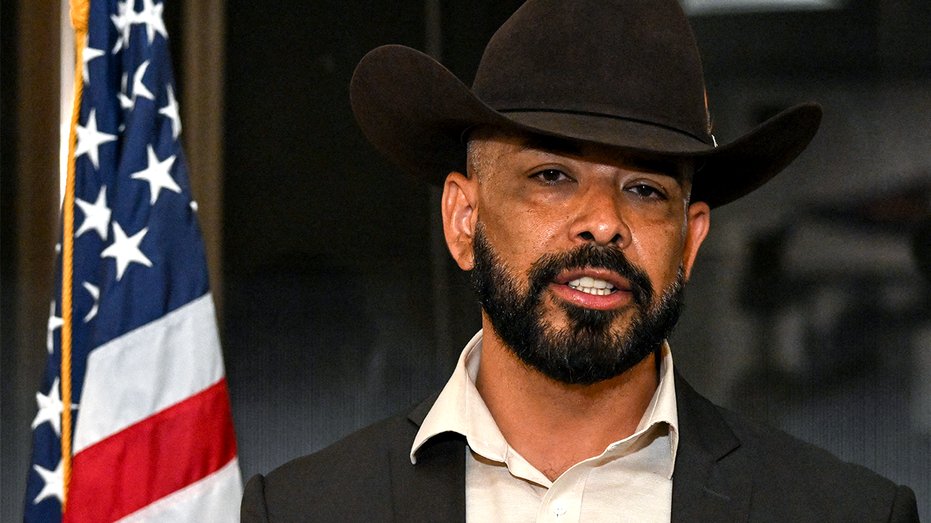
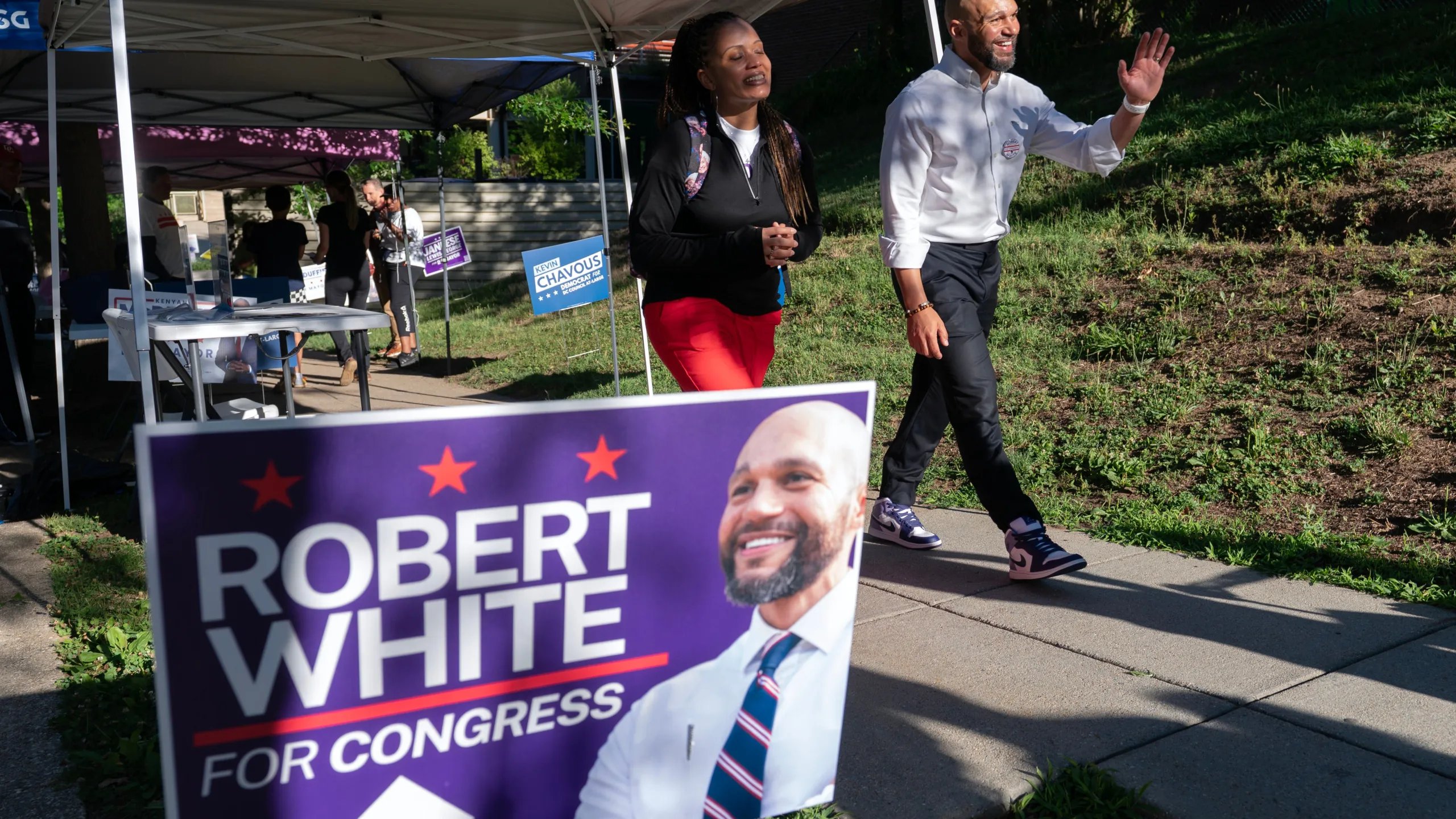
Carlos Moore, one of six candidates in the special election, expressed concern about legal challenges if a new vote-counting method is implemented without sufficient time. Marcye Scott, another candidate, said she is not sure most voters are even aware of the issue and is focusing on voter turnout instead. Moore urged lawmakers to extend the deadline, stating, "Otherwise, it's almost certain there will be challenges in court."
Georgia lawmakers are convening in a special session to address the impending ban on the state's QR code-based vote-counting system. The law, enacted in 2024, prohibits the use of QR codes for official vote counts after July 1, 2026, with no replacement system in place. This urgency is heightened by the upcoming special congressional election scheduled for July 28, where early voting begins July 6.
The secretary of state's office and the State Election Board have issued conflicting instructions on how to proceed in the absence of legislative action. The secretary of state's office has proposed a method that continues to use existing touchscreen voting machines but switches to software tallying votes from human-readable text instead of QR codes. In contrast, the State Election Board argues this approach is unauthorized and has instructed counties to prepare for hand-marked paper ballots with optical scanners as an emergency backup.
The conflicting guidance from state agencies has created uncertainty for election officials and the potential for litigation. Henry County, one of the counties involved in the upcoming special election, is awaiting further clarification from the state. Lawmakers are considering extending the QR code deadline to allow for a more deliberate transition to a new system or implementing a new tabulation process before the deadline.
Candidates in the special election, such as Marcye Scott, are focusing on voter turnout, while others like Carlos Moore express worries about legal challenges if a new vote-counting method is hastily implemented. Moore urged lawmakers to extend the deadline for the special election to avoid court challenges, stating, "Otherwise, it’s almost certain there will be challenges in court."
The outcome of the special session will直接影响 voter confidence in the electoral process. With the deadline for the ban on QR codes fast approaching and a special election looming, the decisions made by Georgia lawmakers this week will set the stage for the state's elections in the coming years, impacting both the political map and voter trust in the system.
Highlighted text was flagged by the council. Tap to see feedback.