




The Escalation Cycle Trump Wants to Break
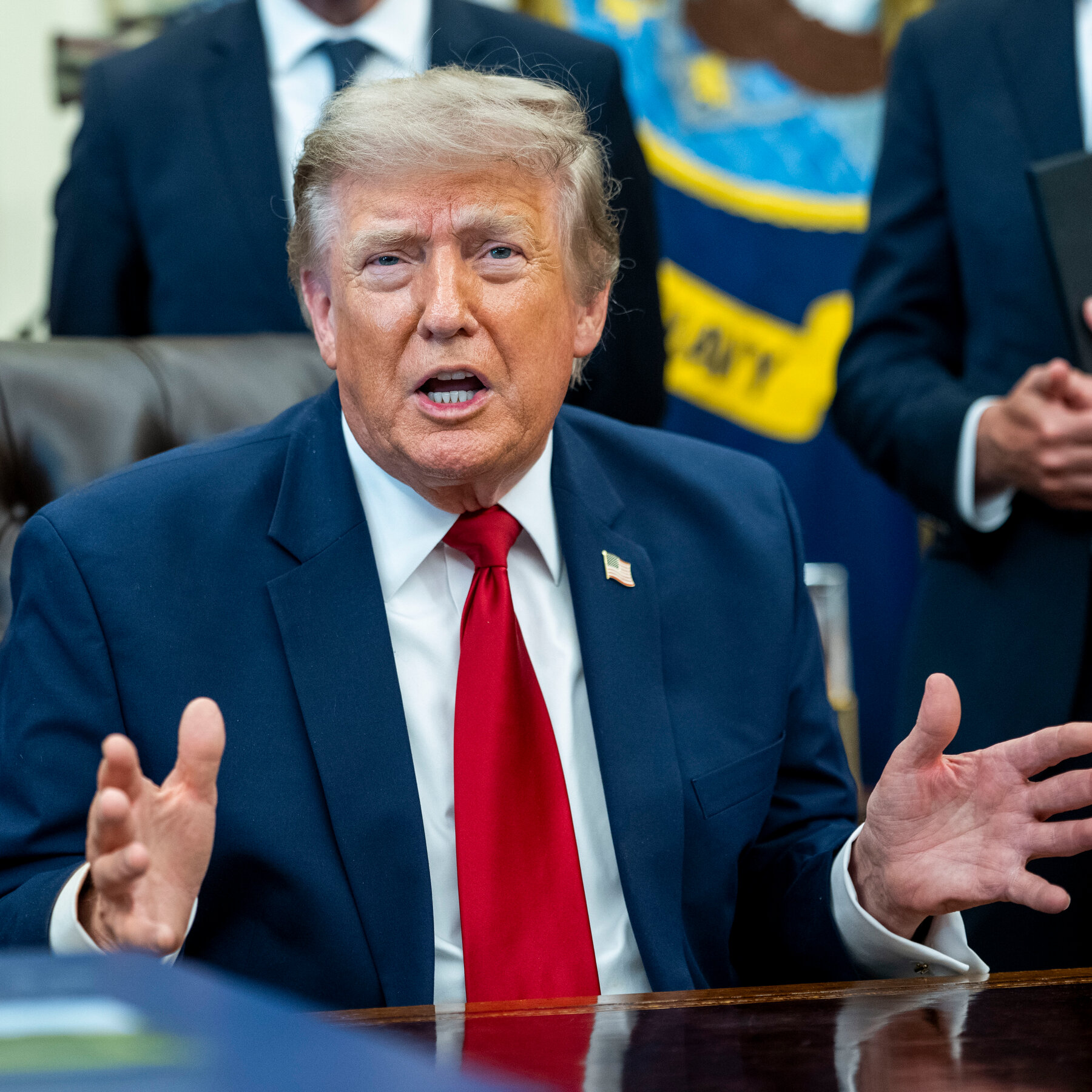
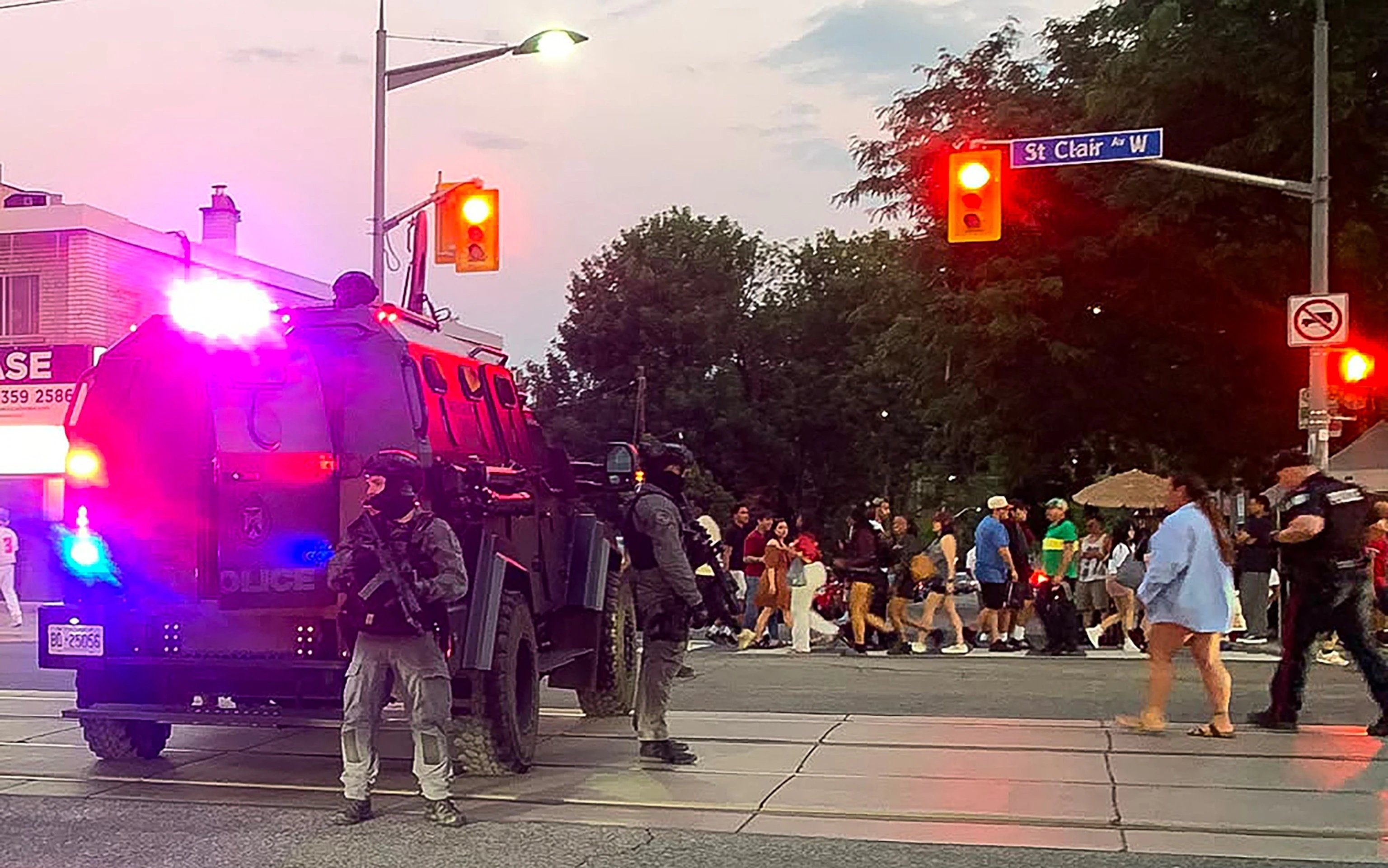
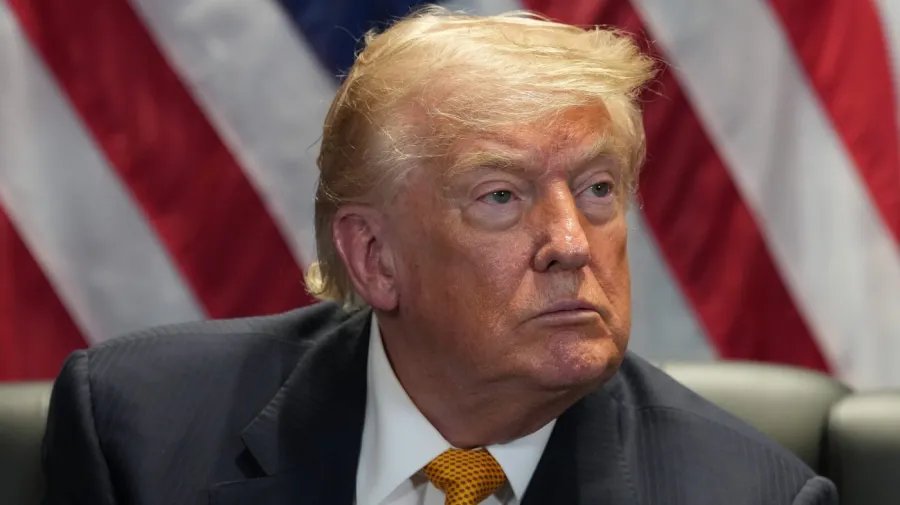
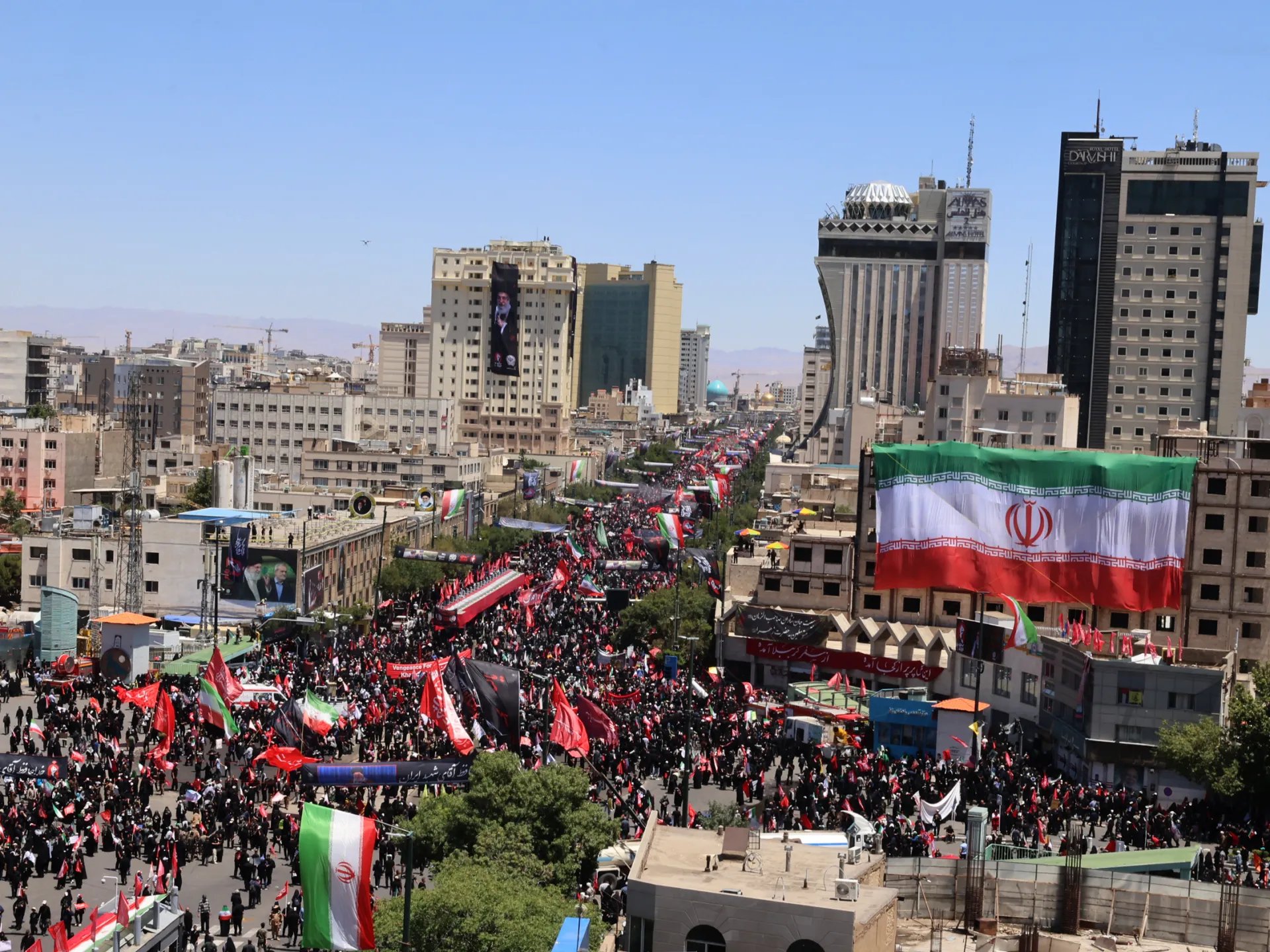
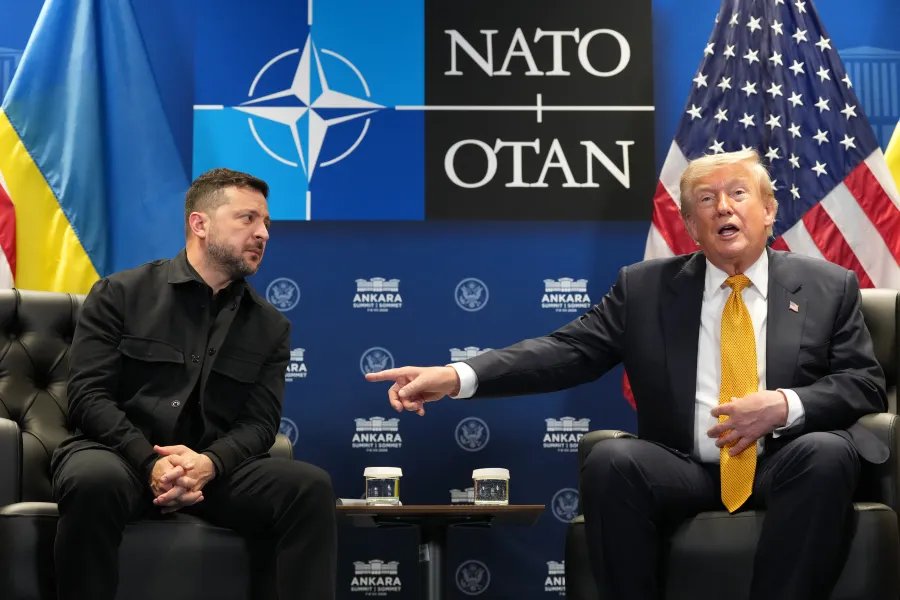
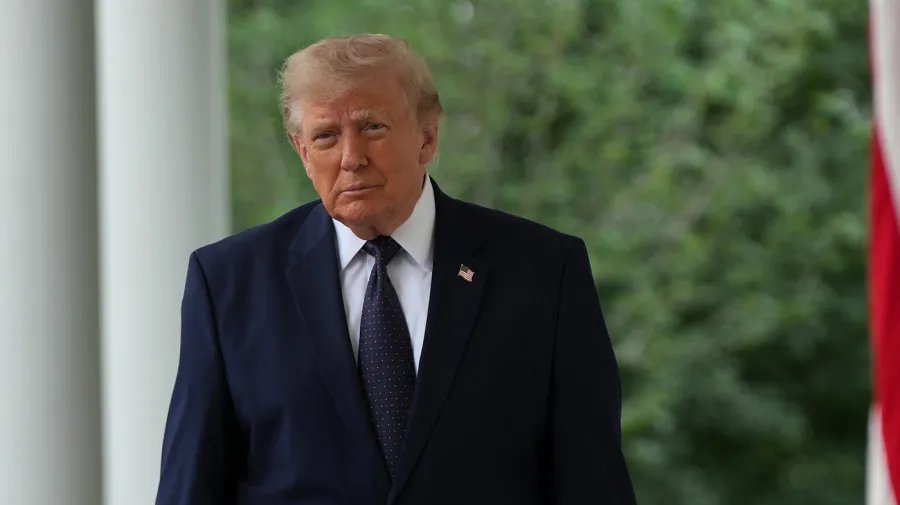
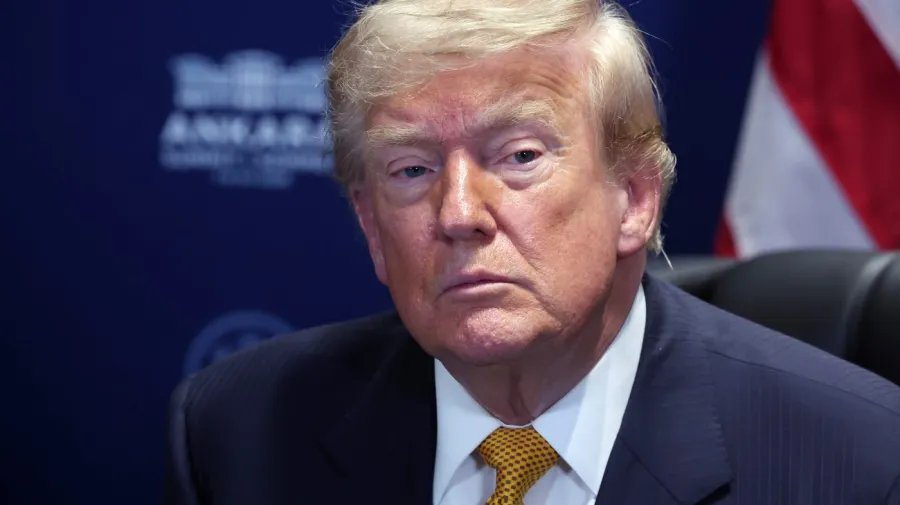
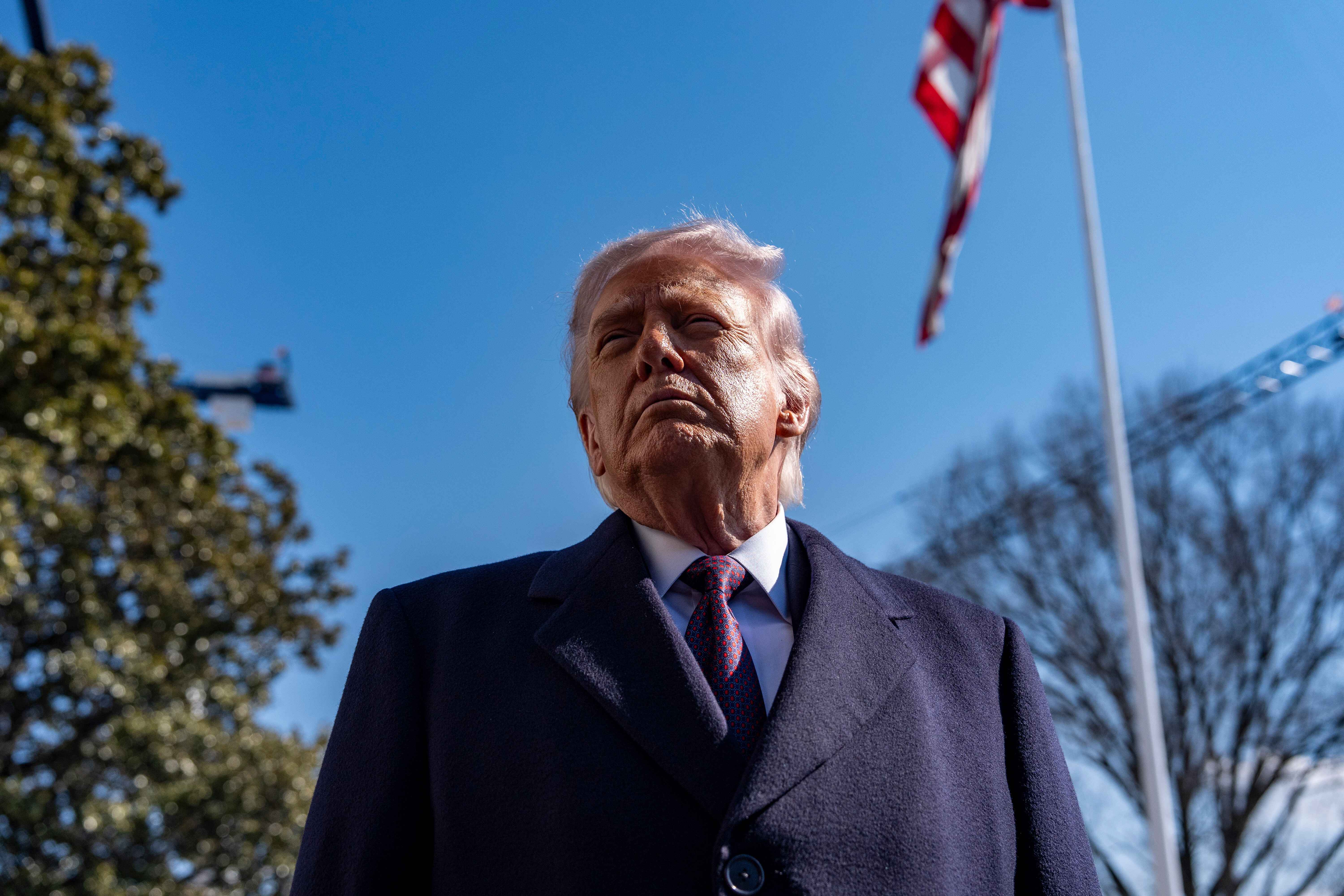
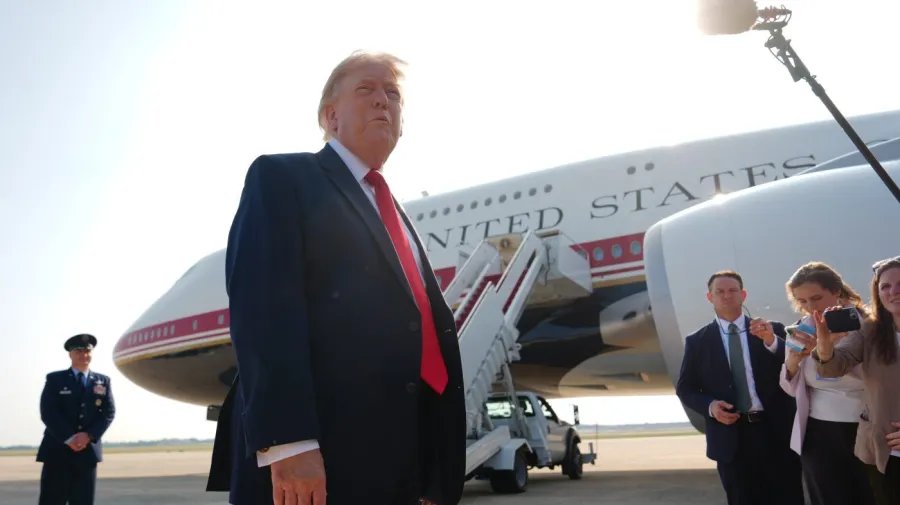
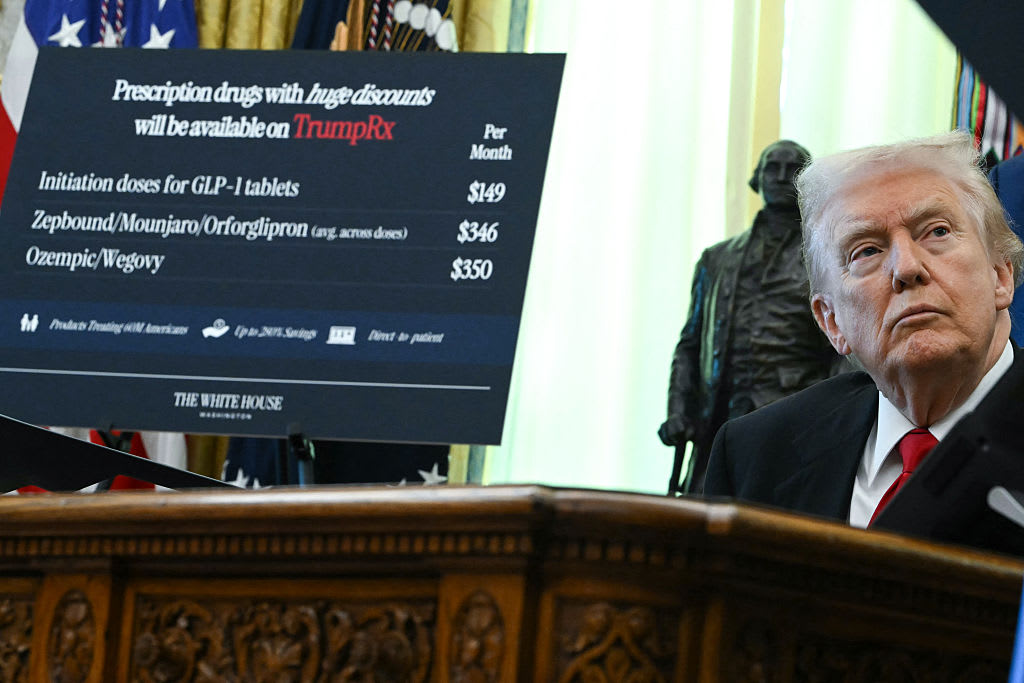
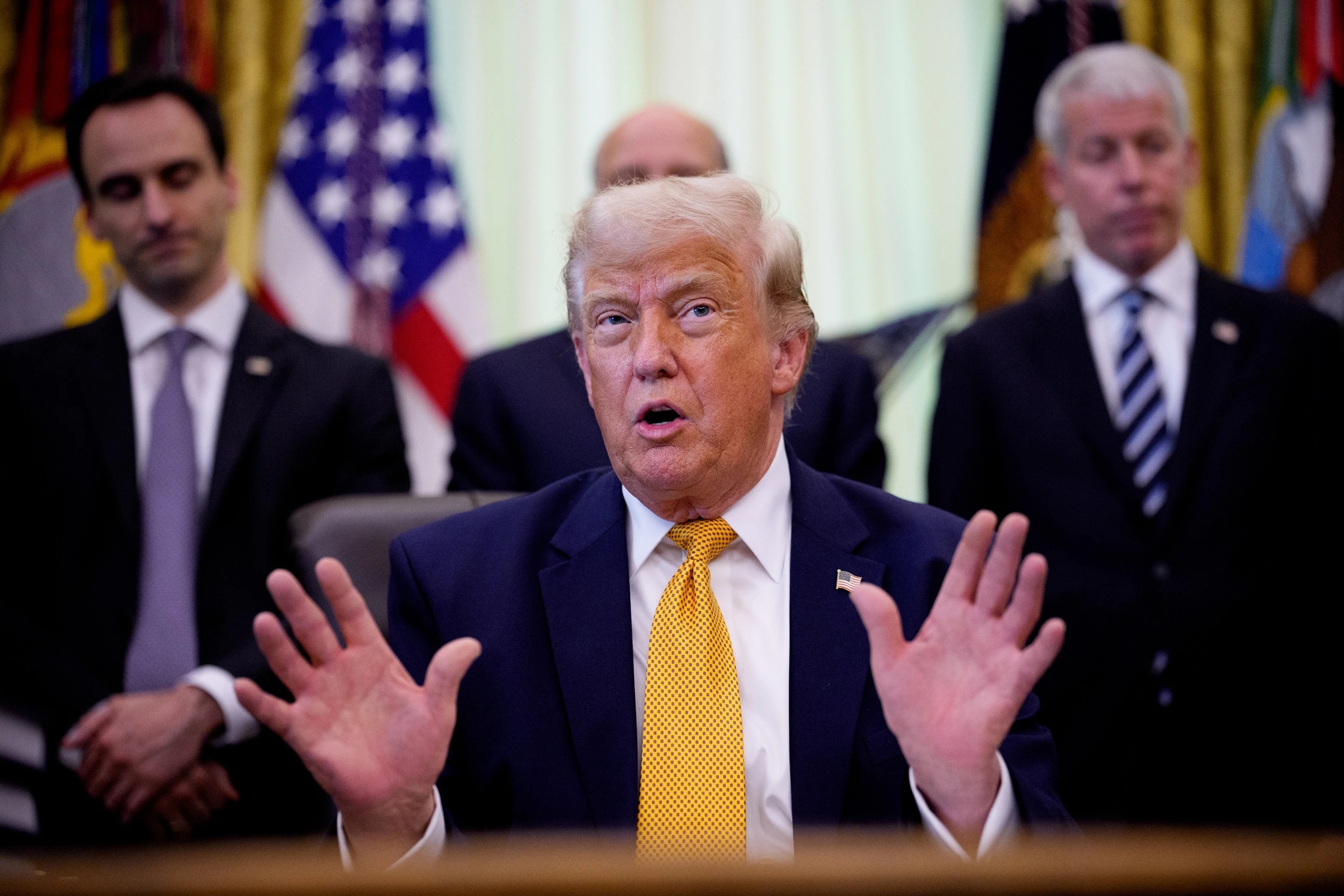
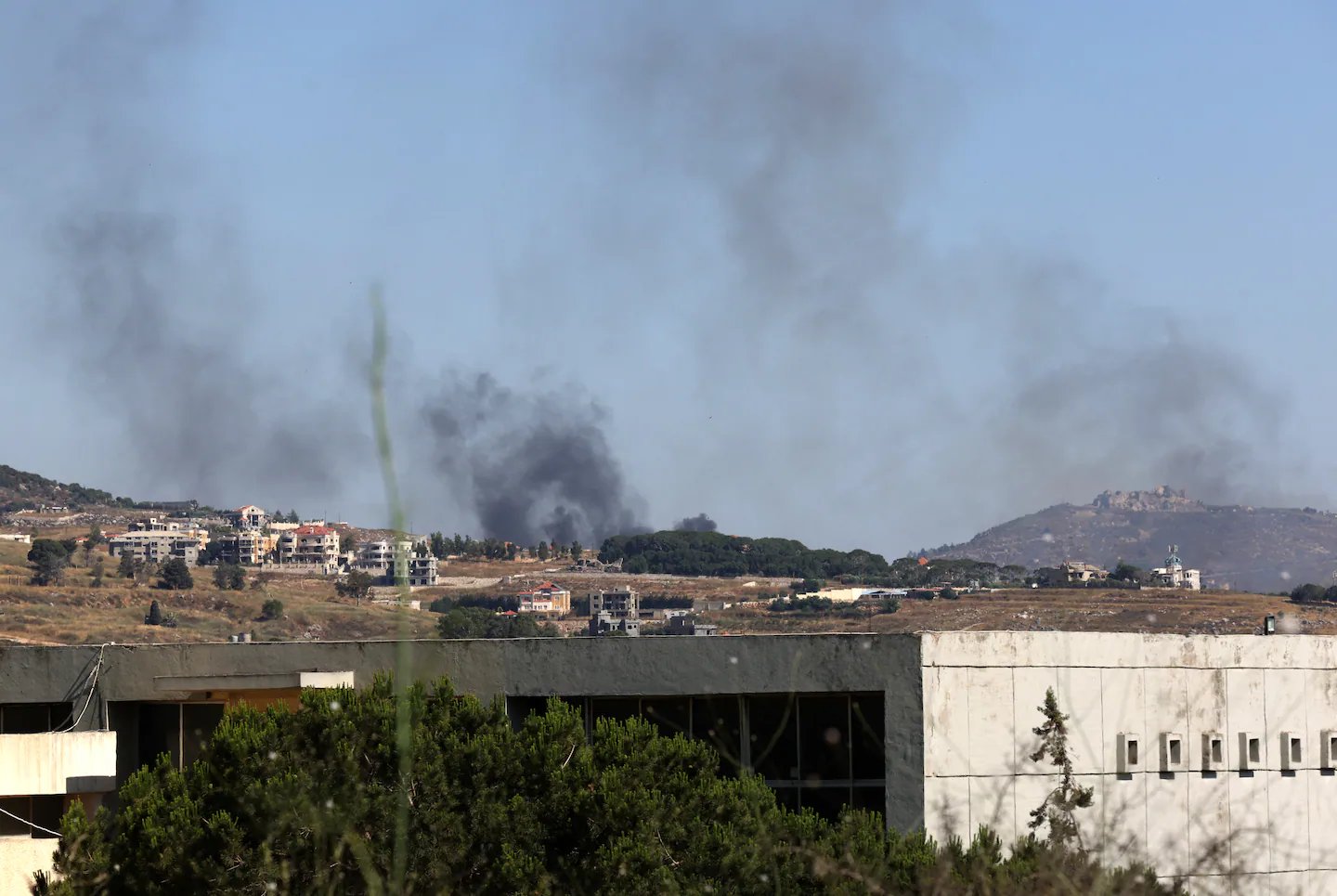
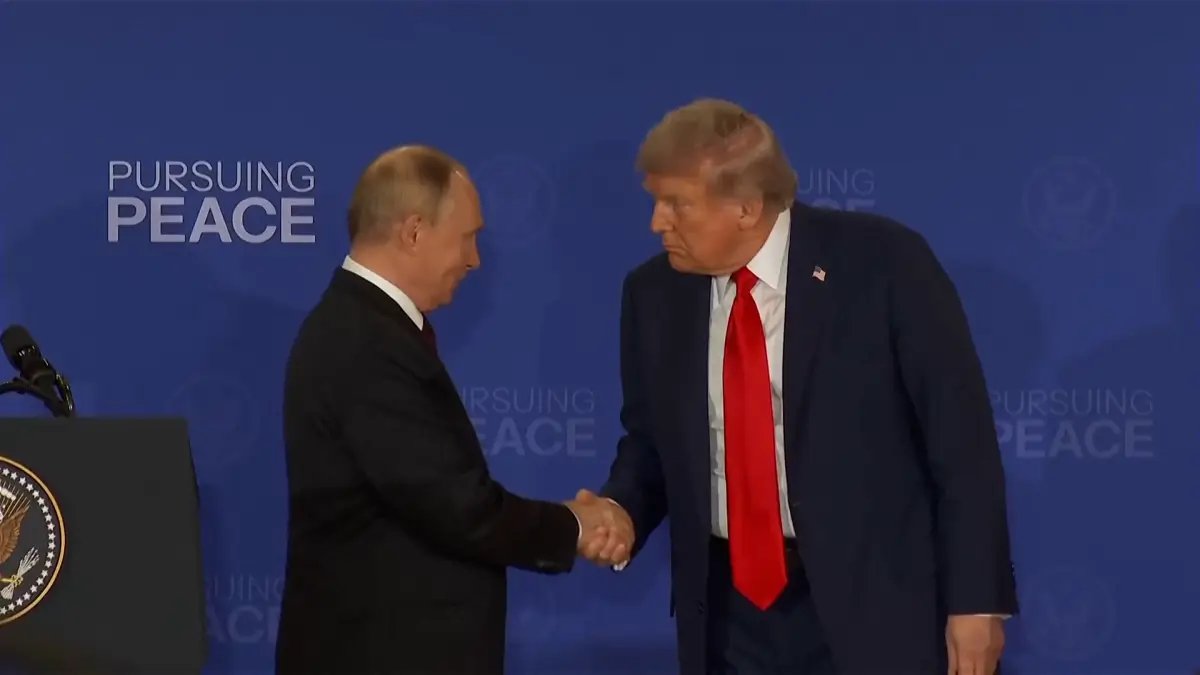
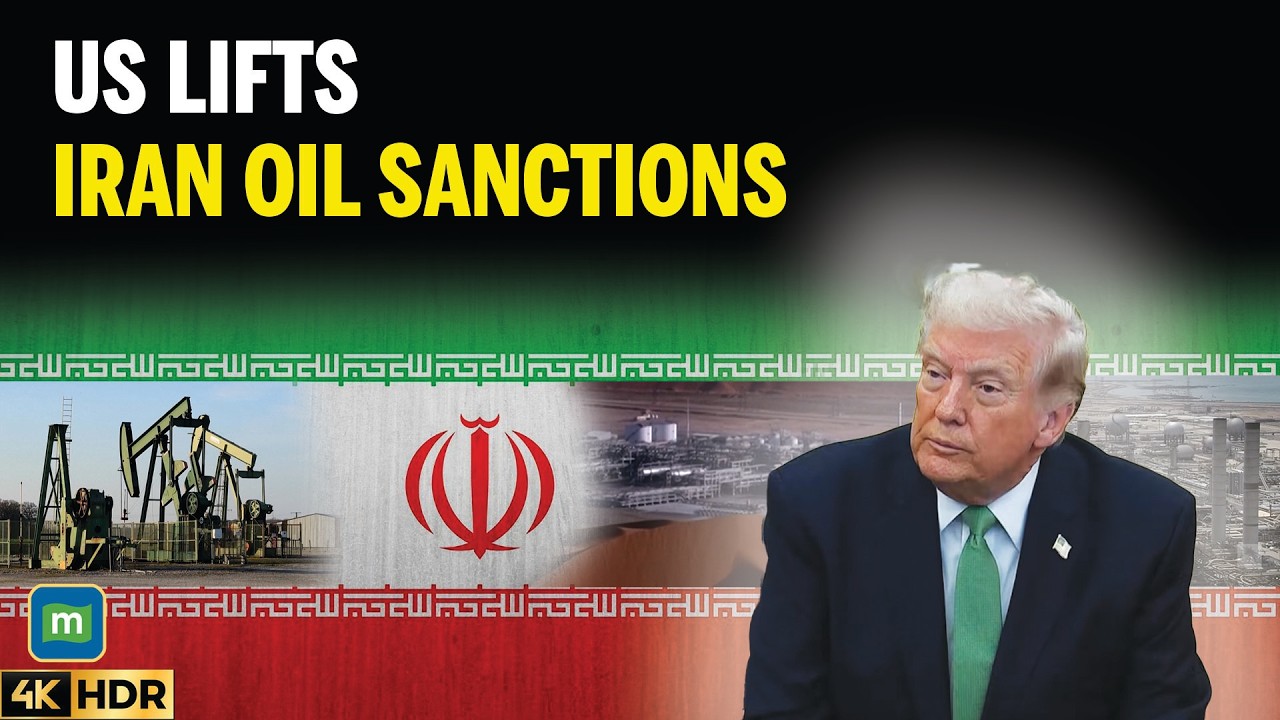
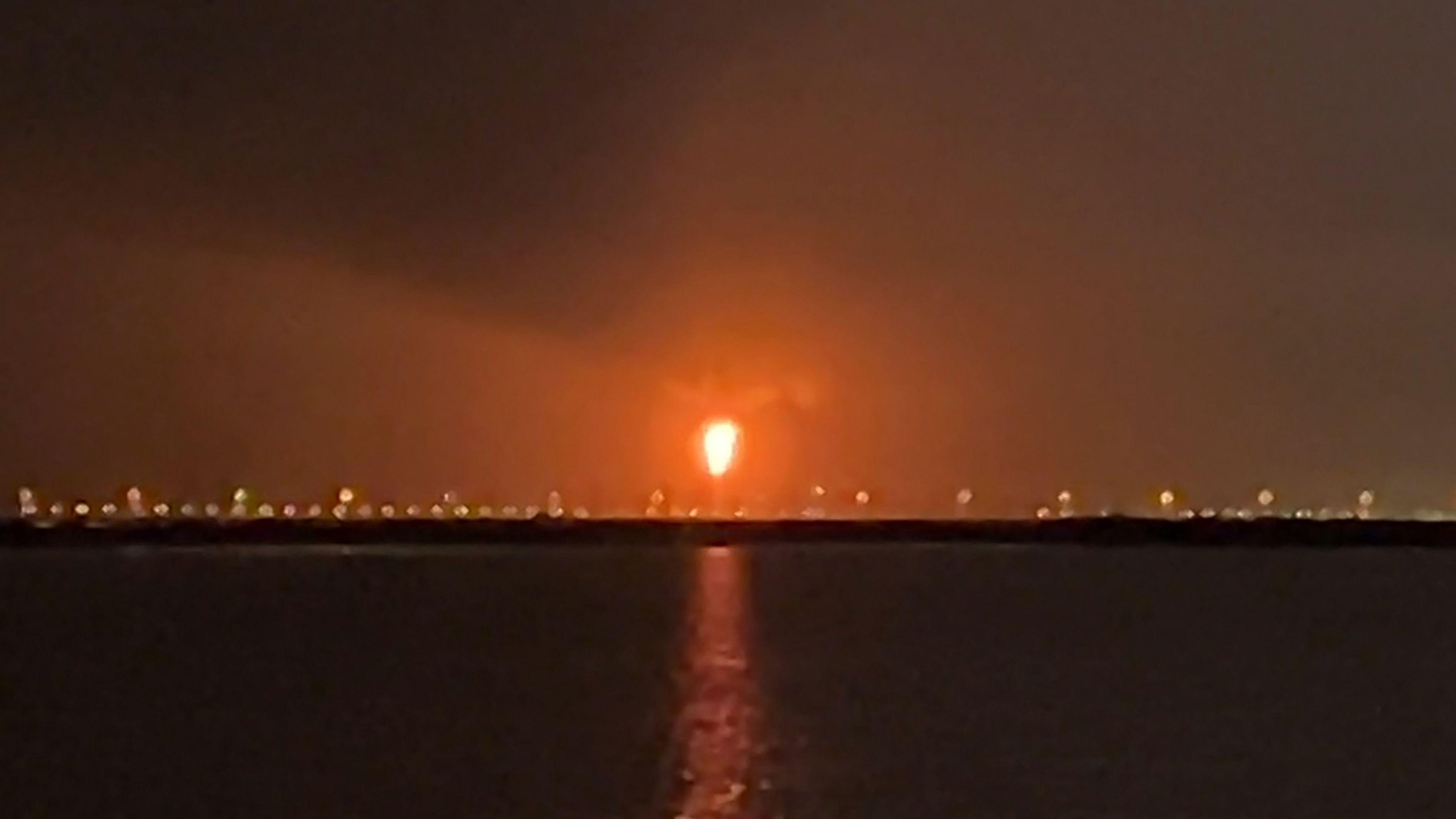
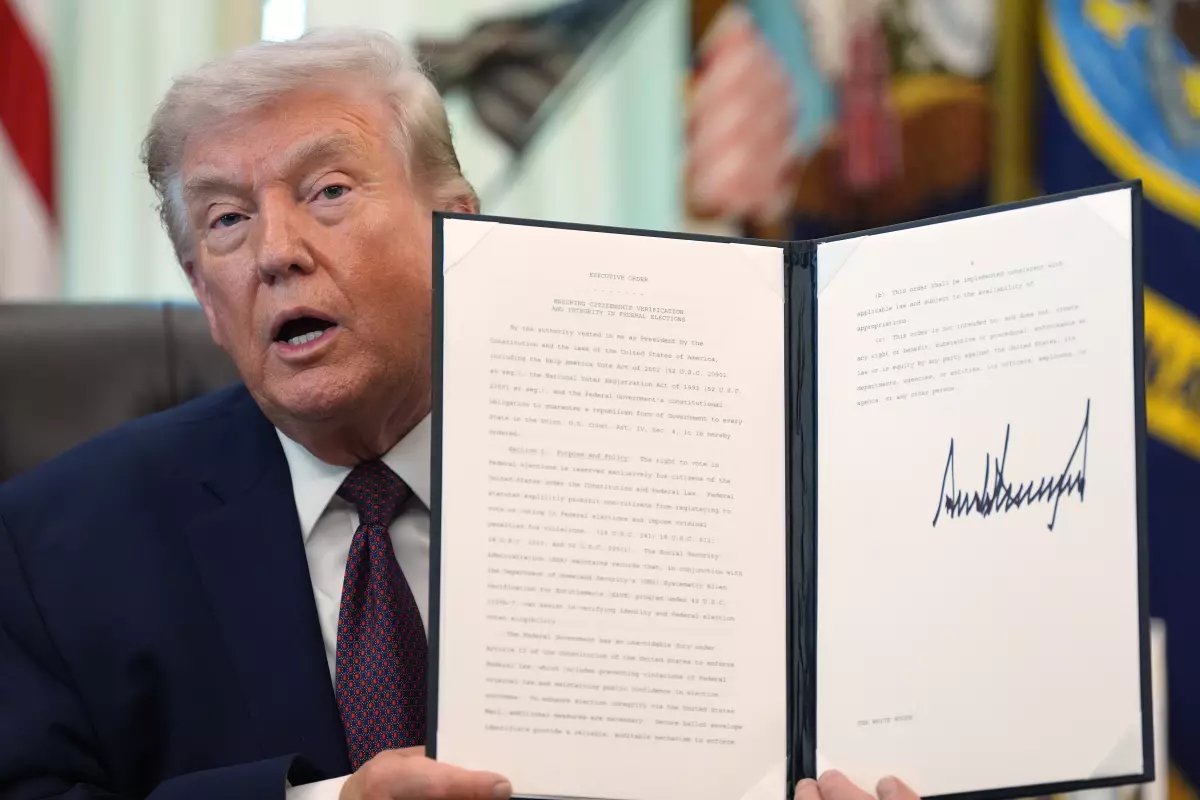
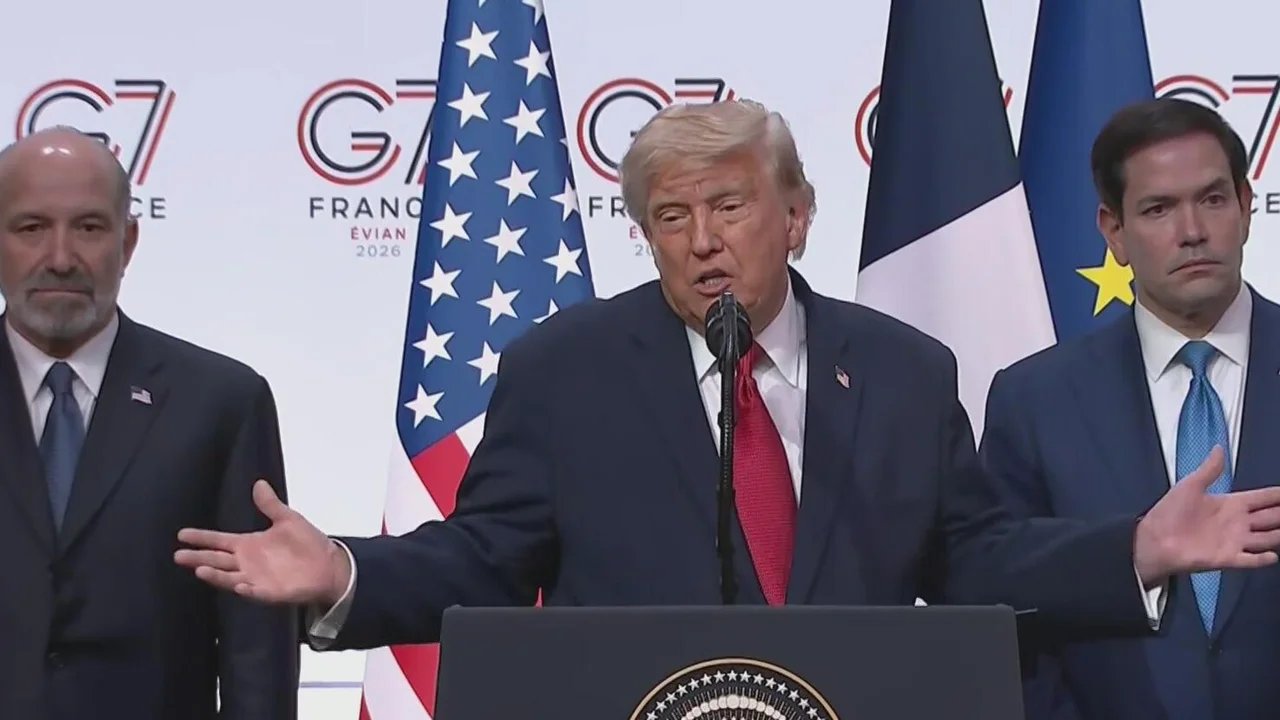
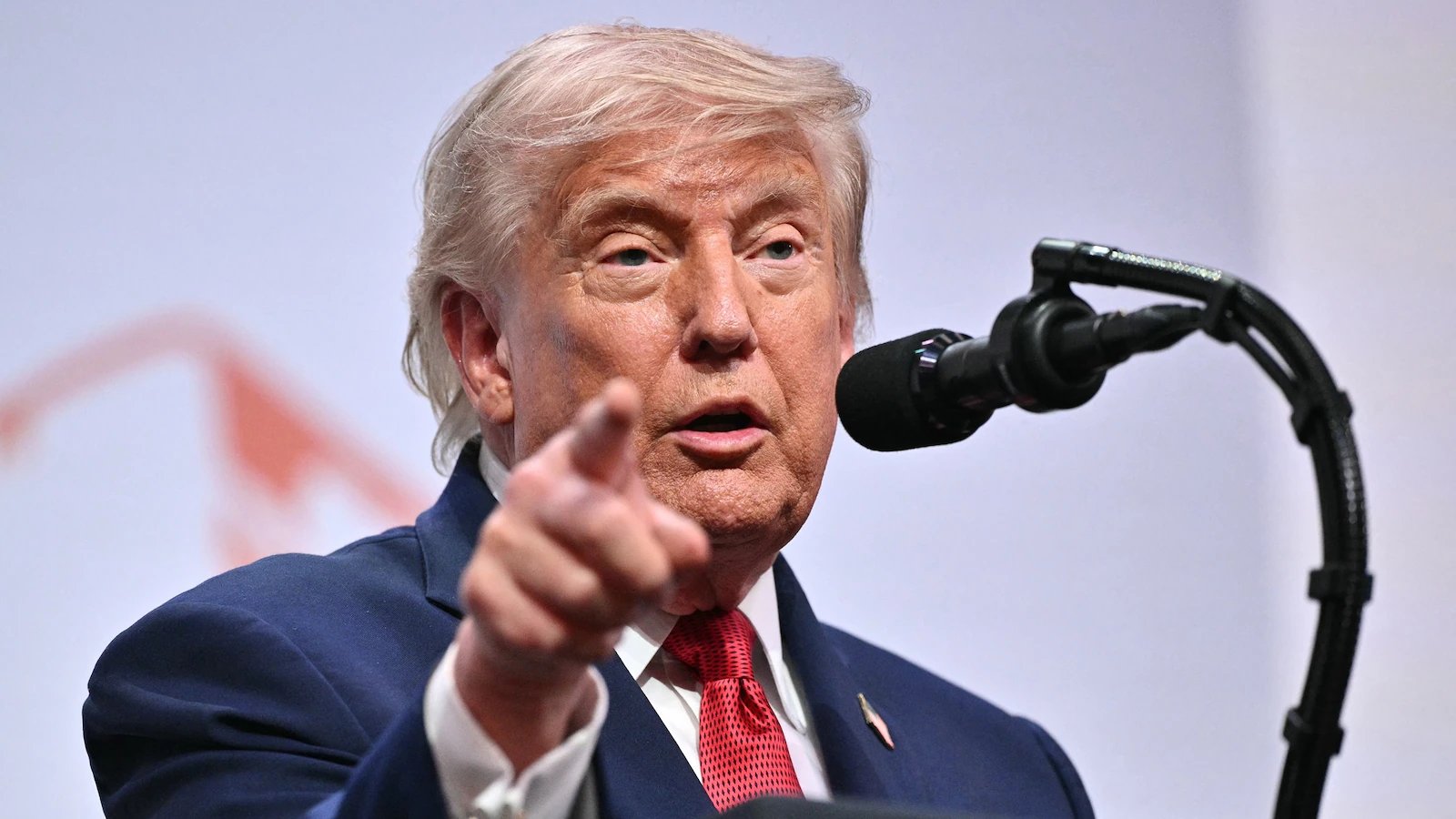
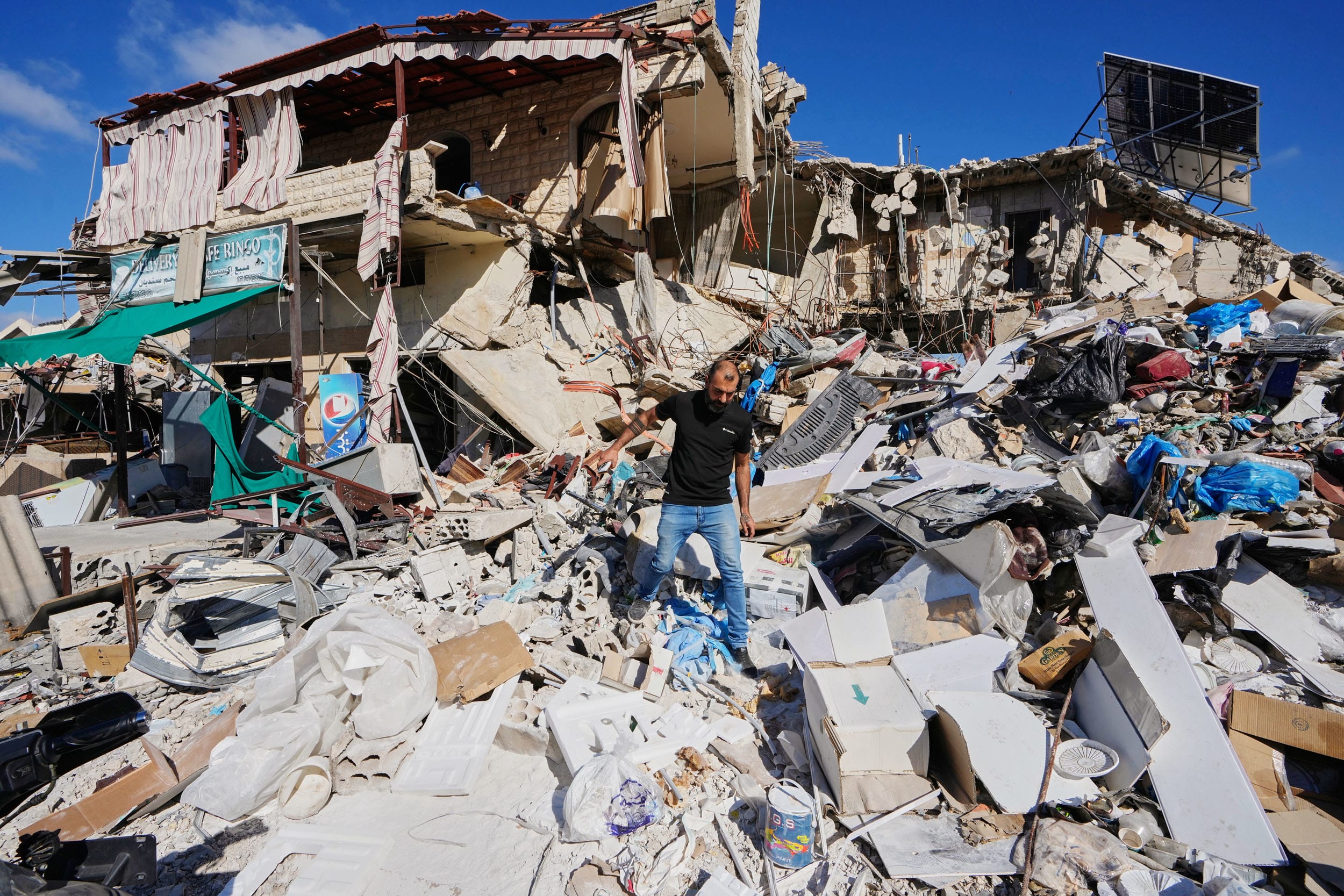
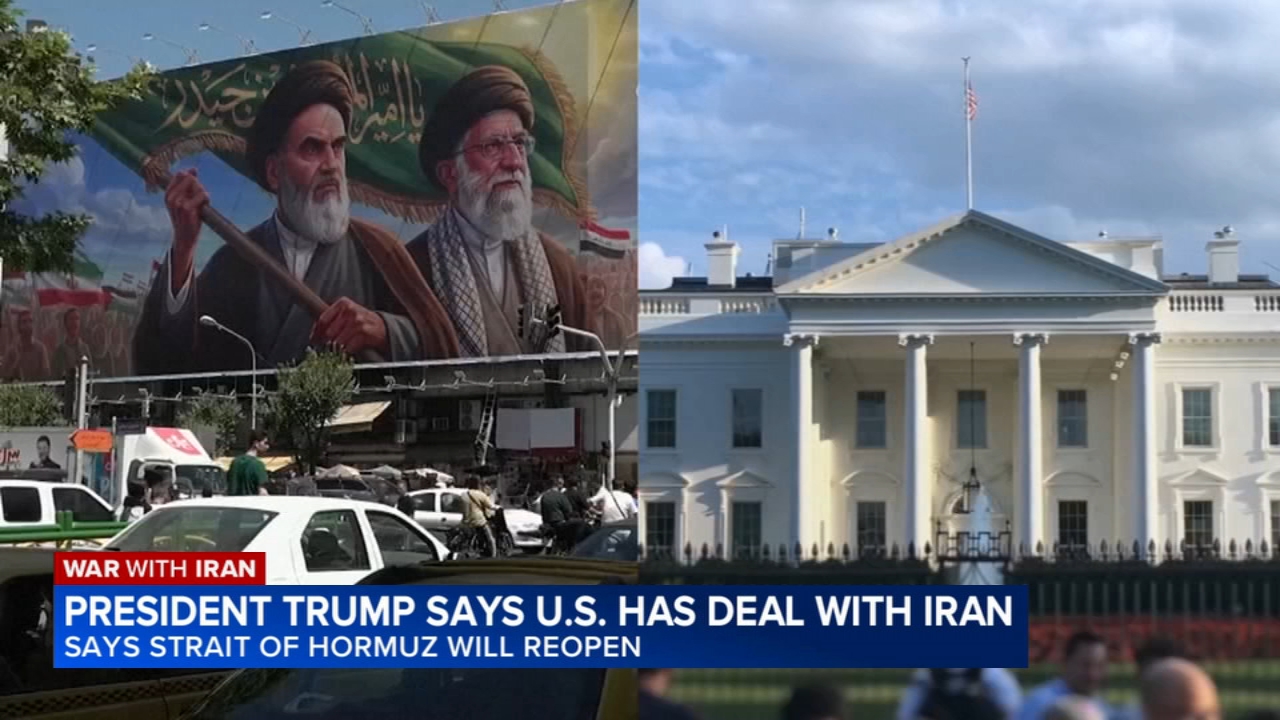
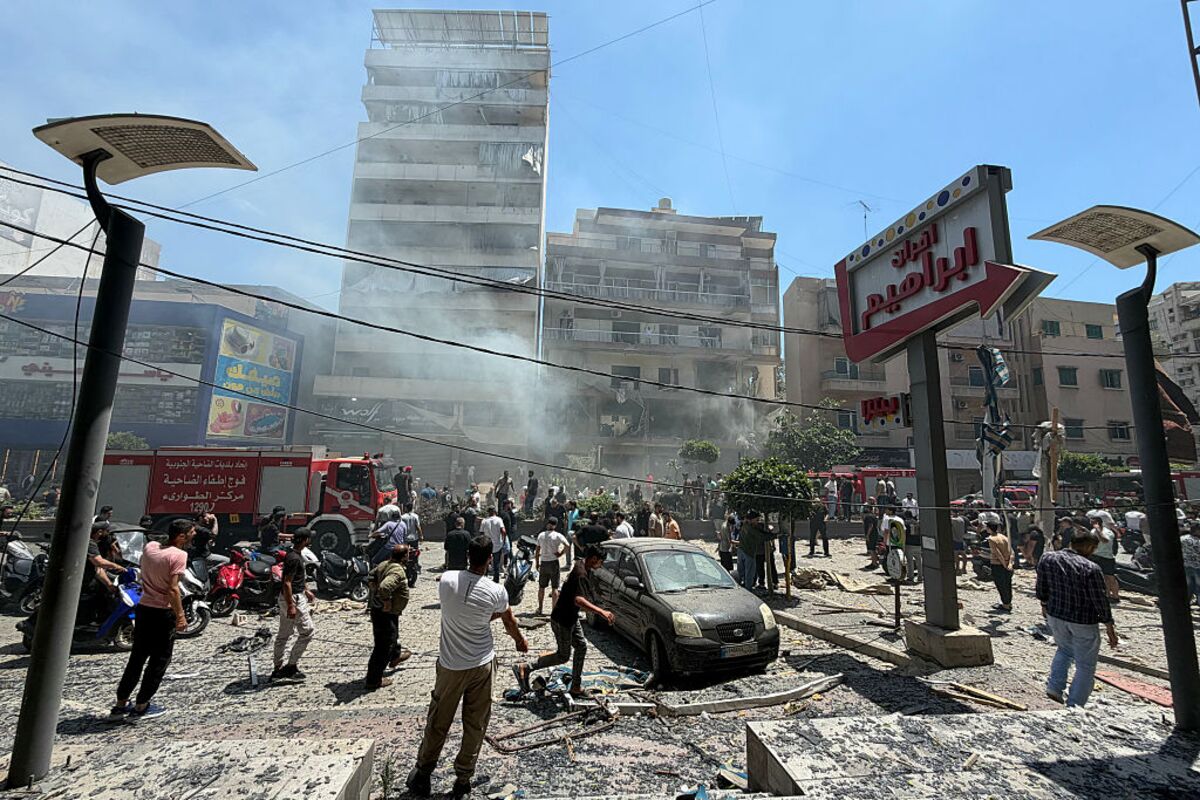
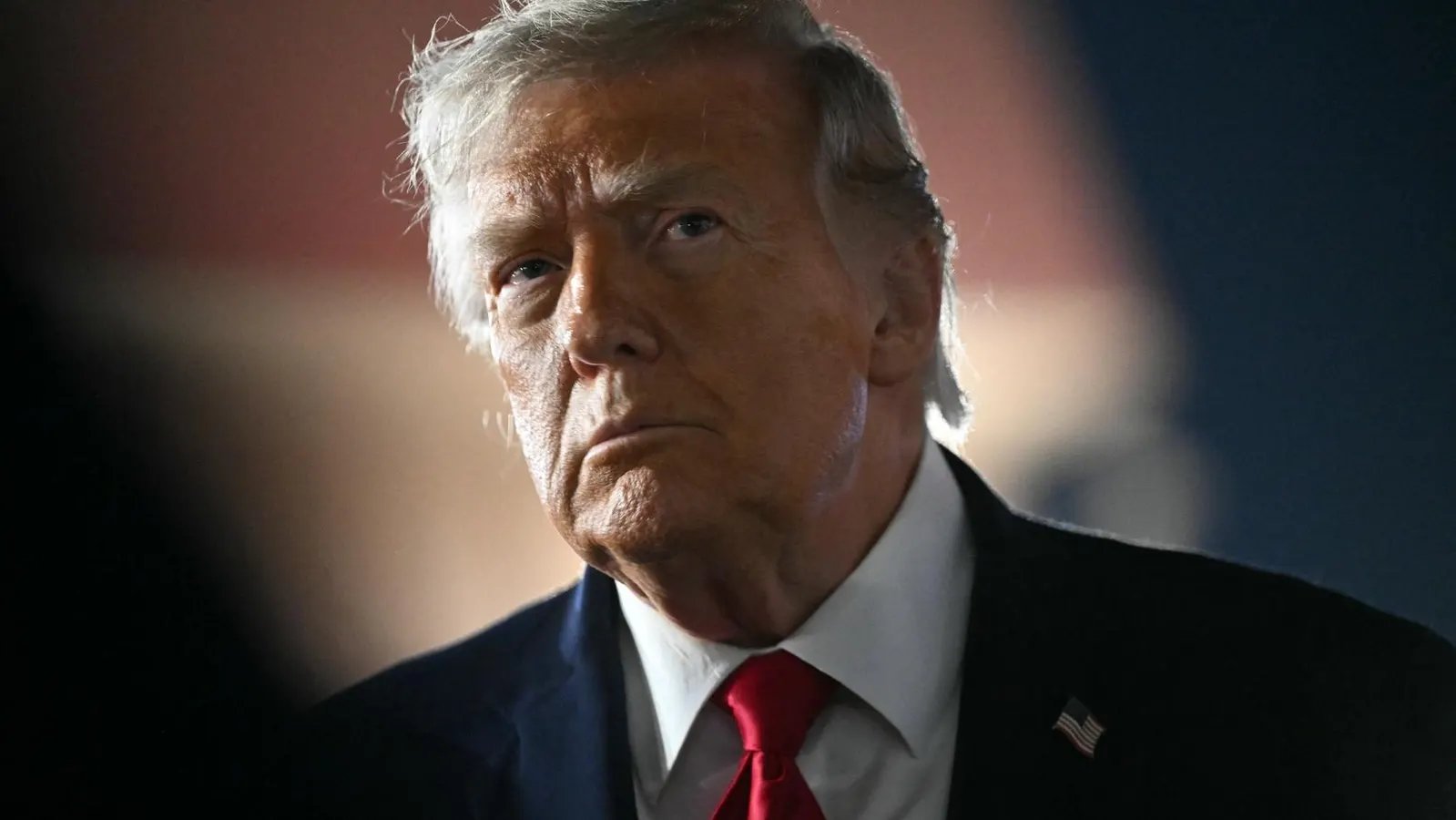
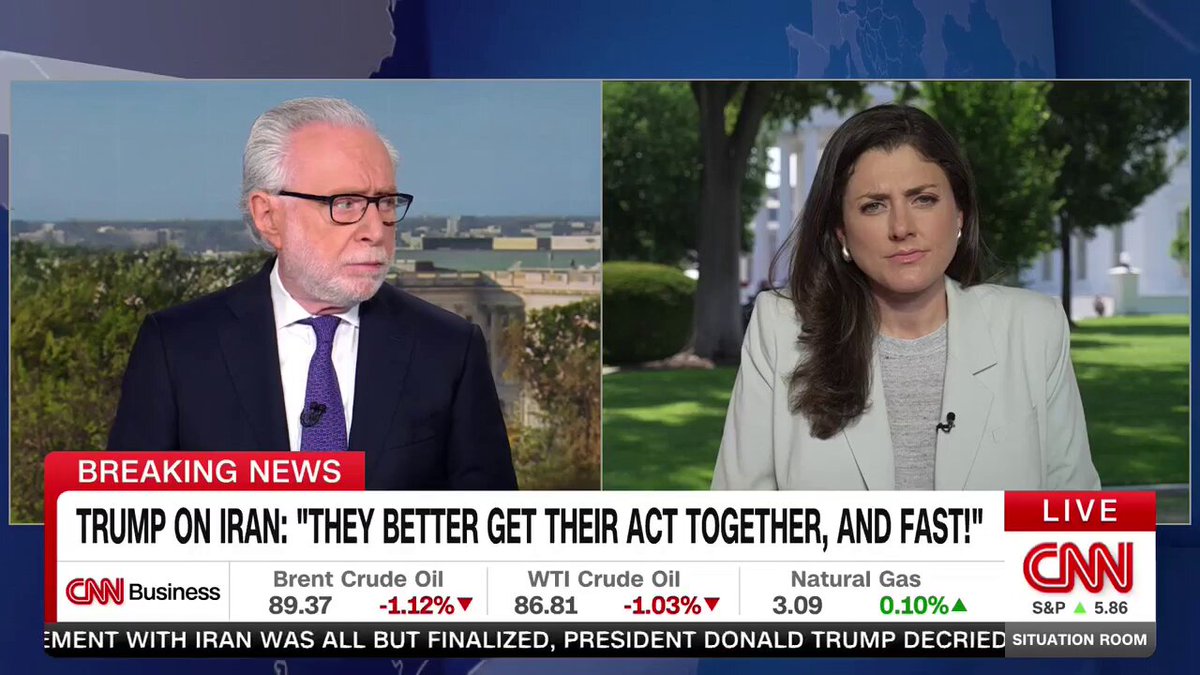
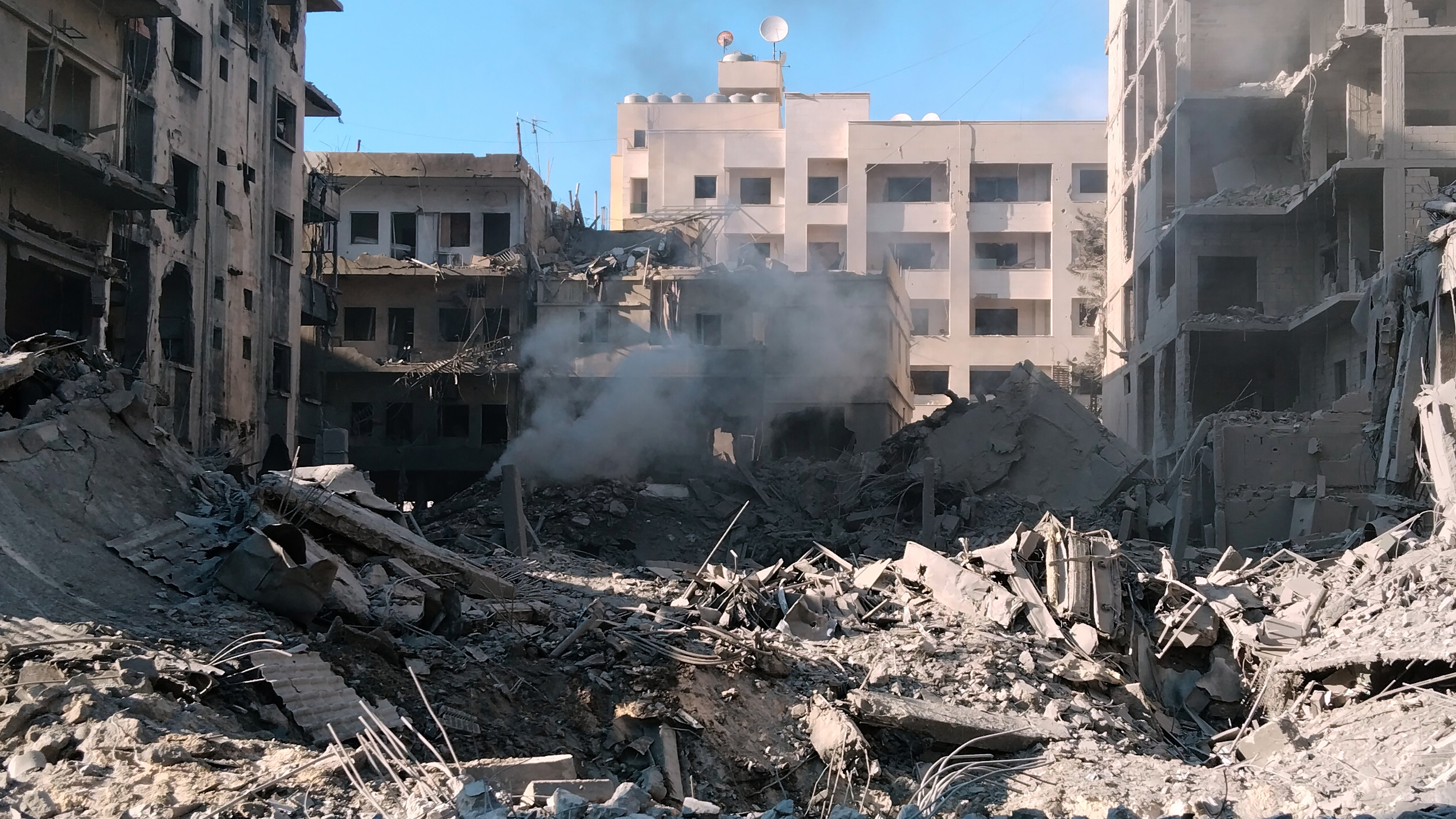
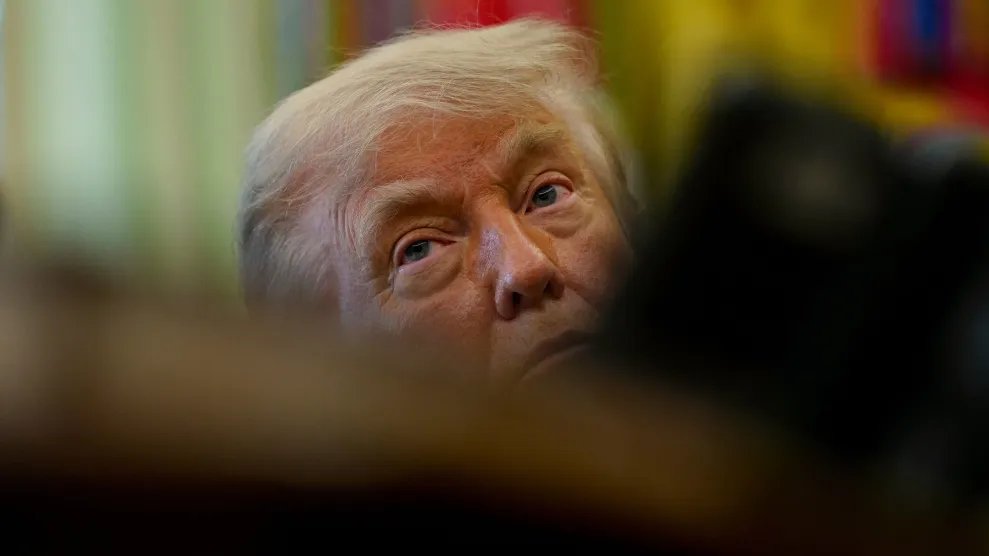
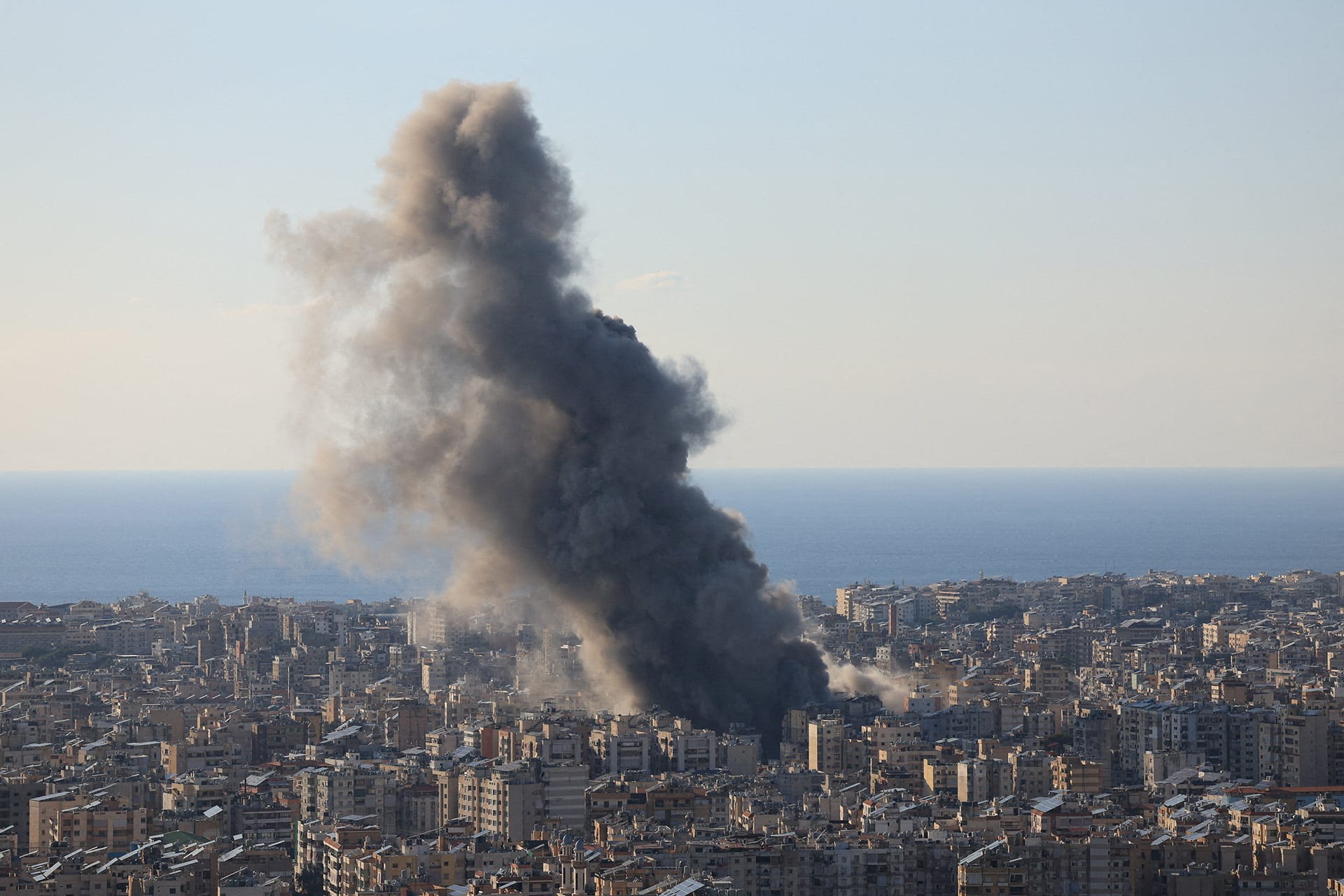
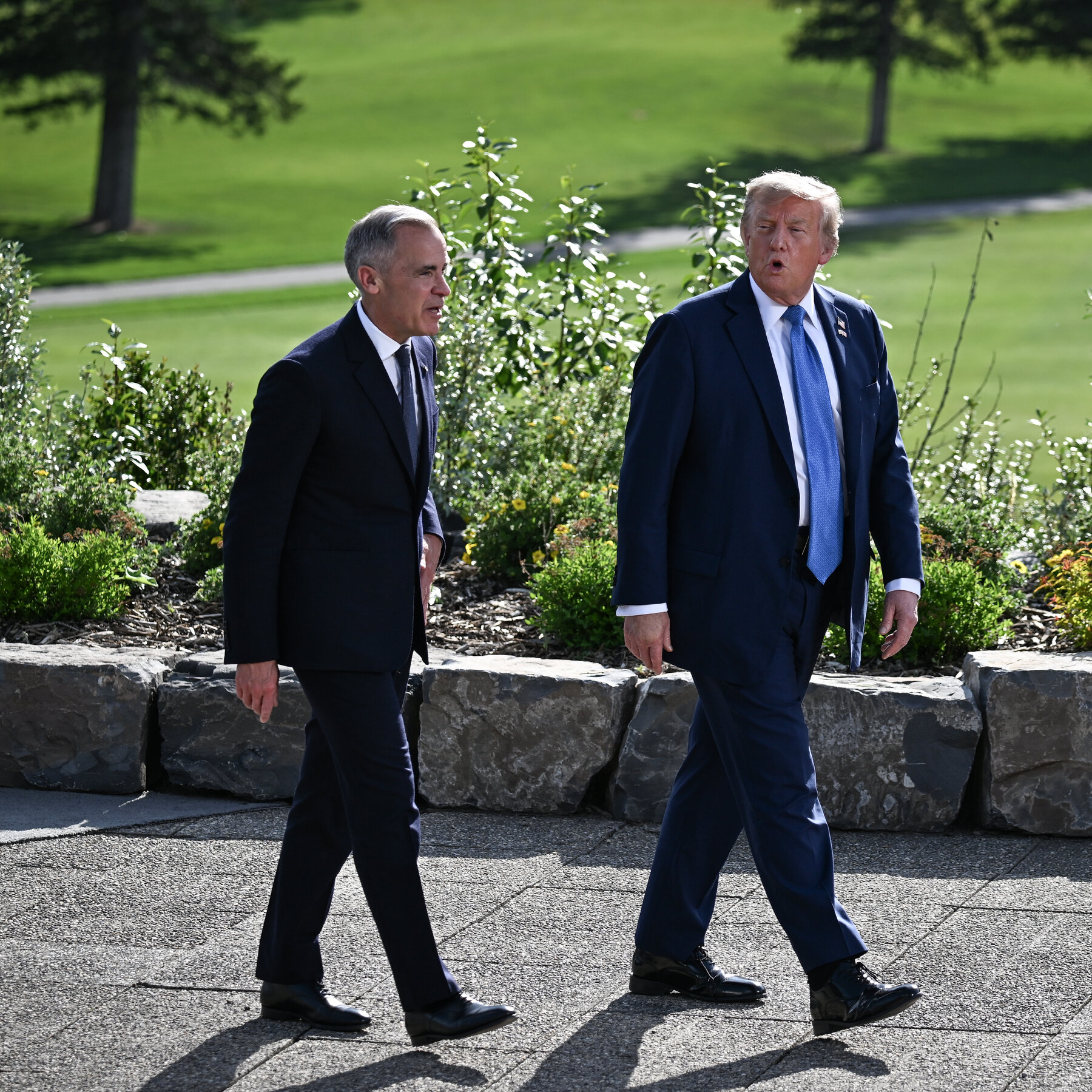
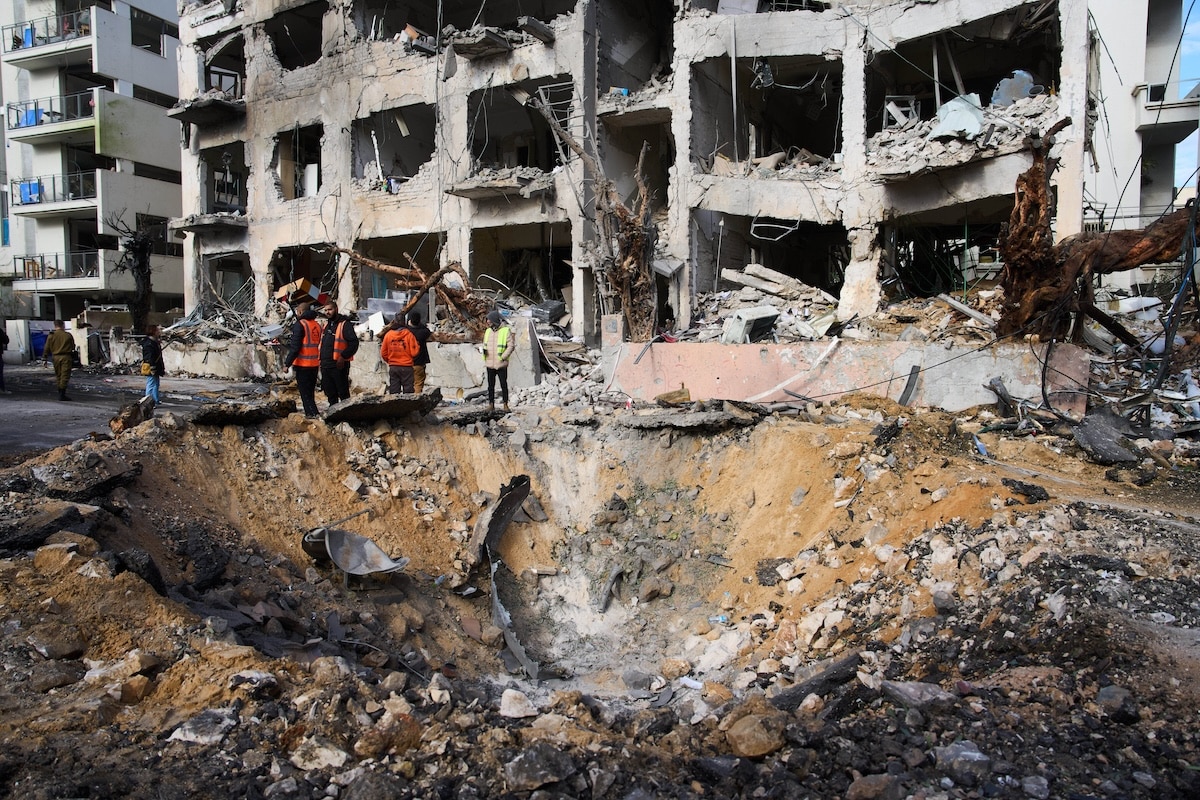
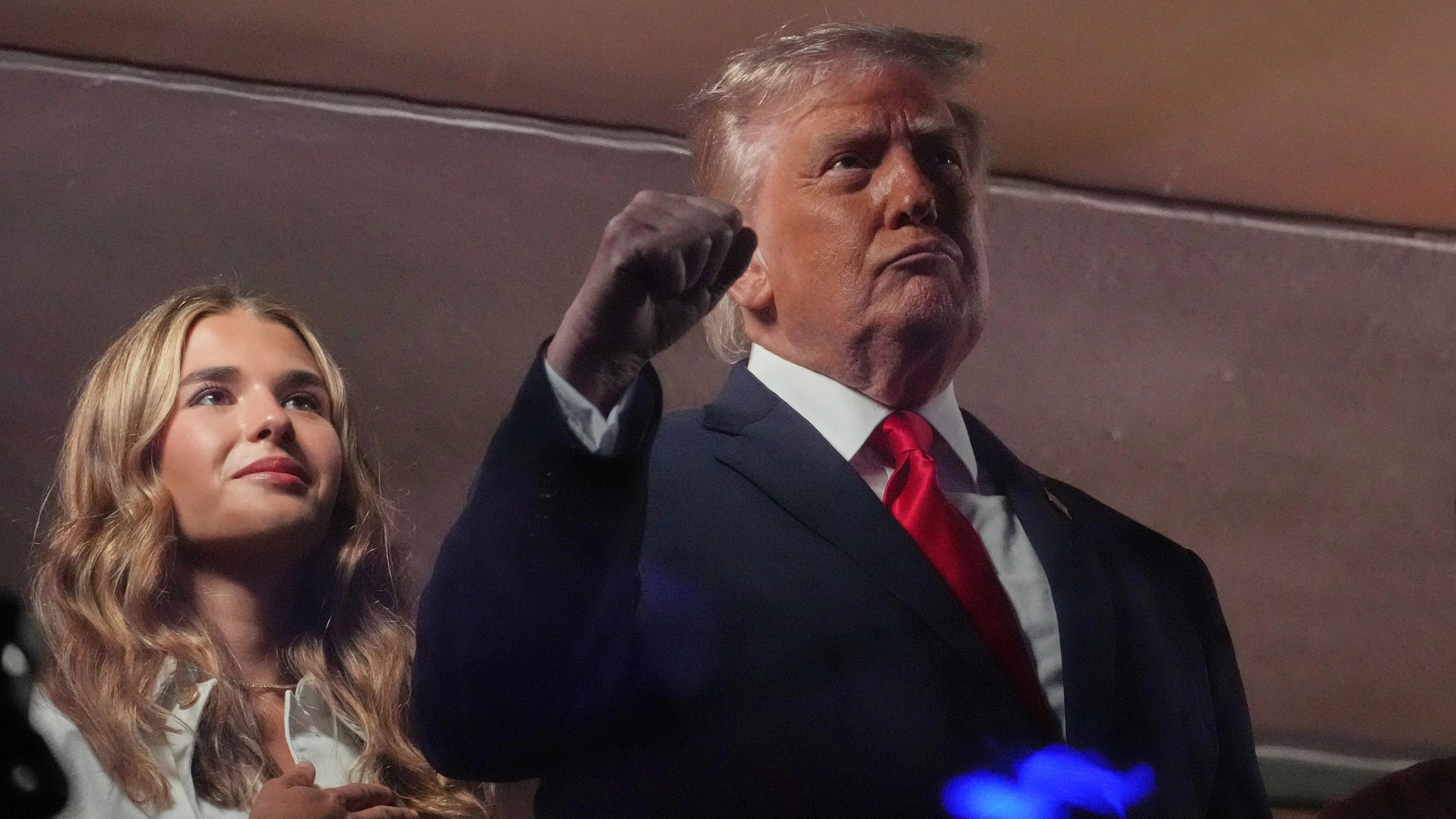
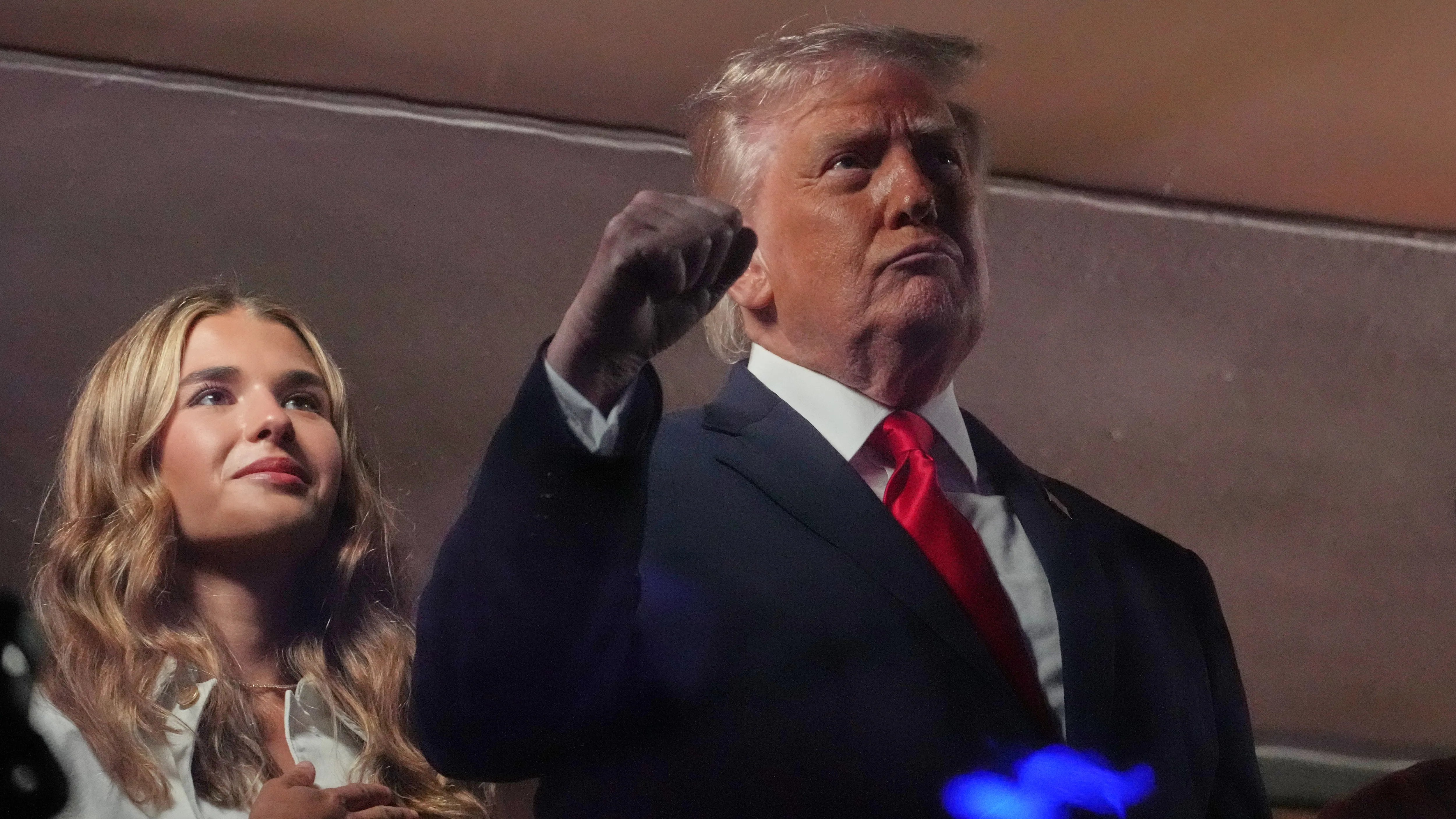
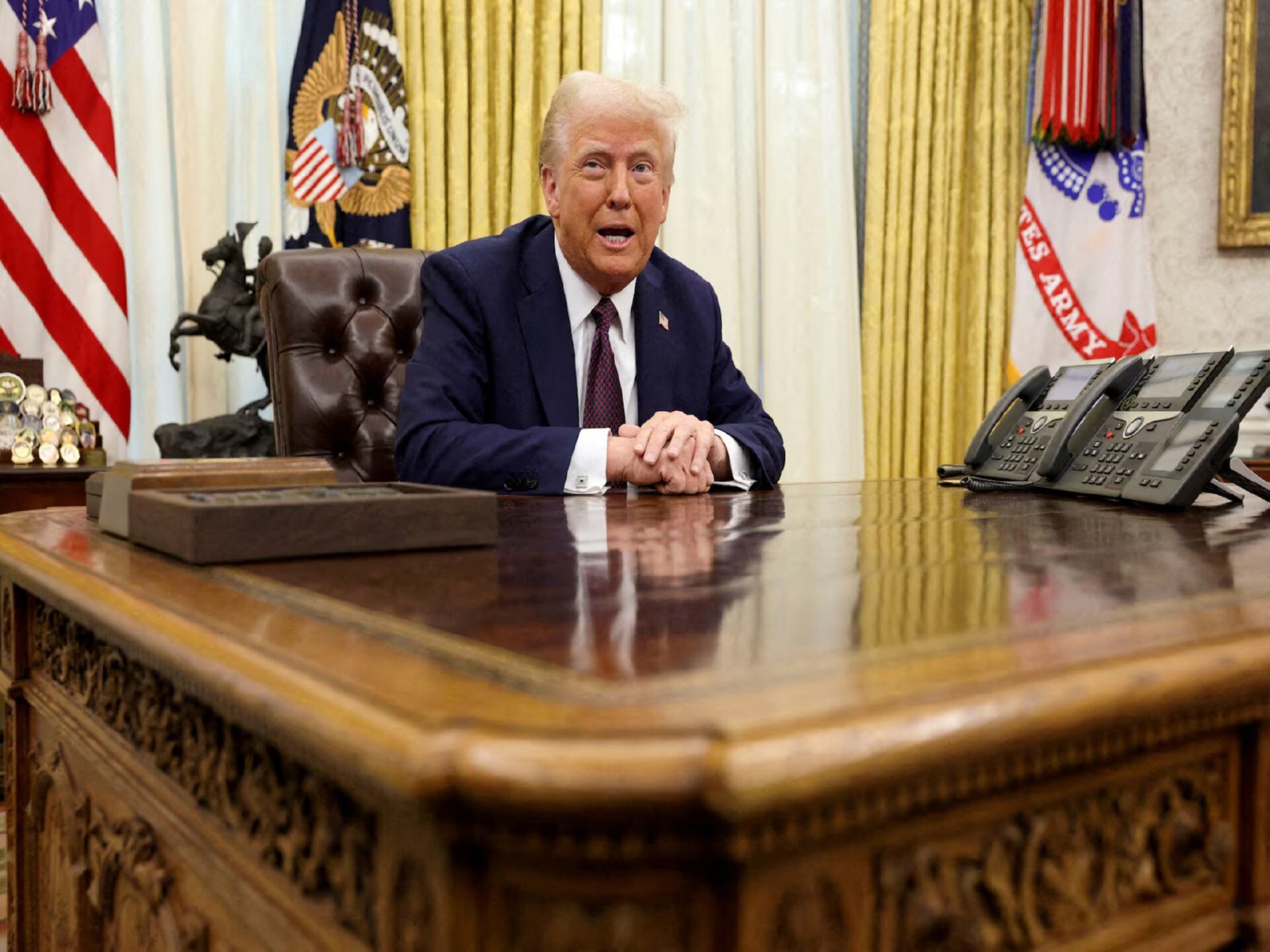
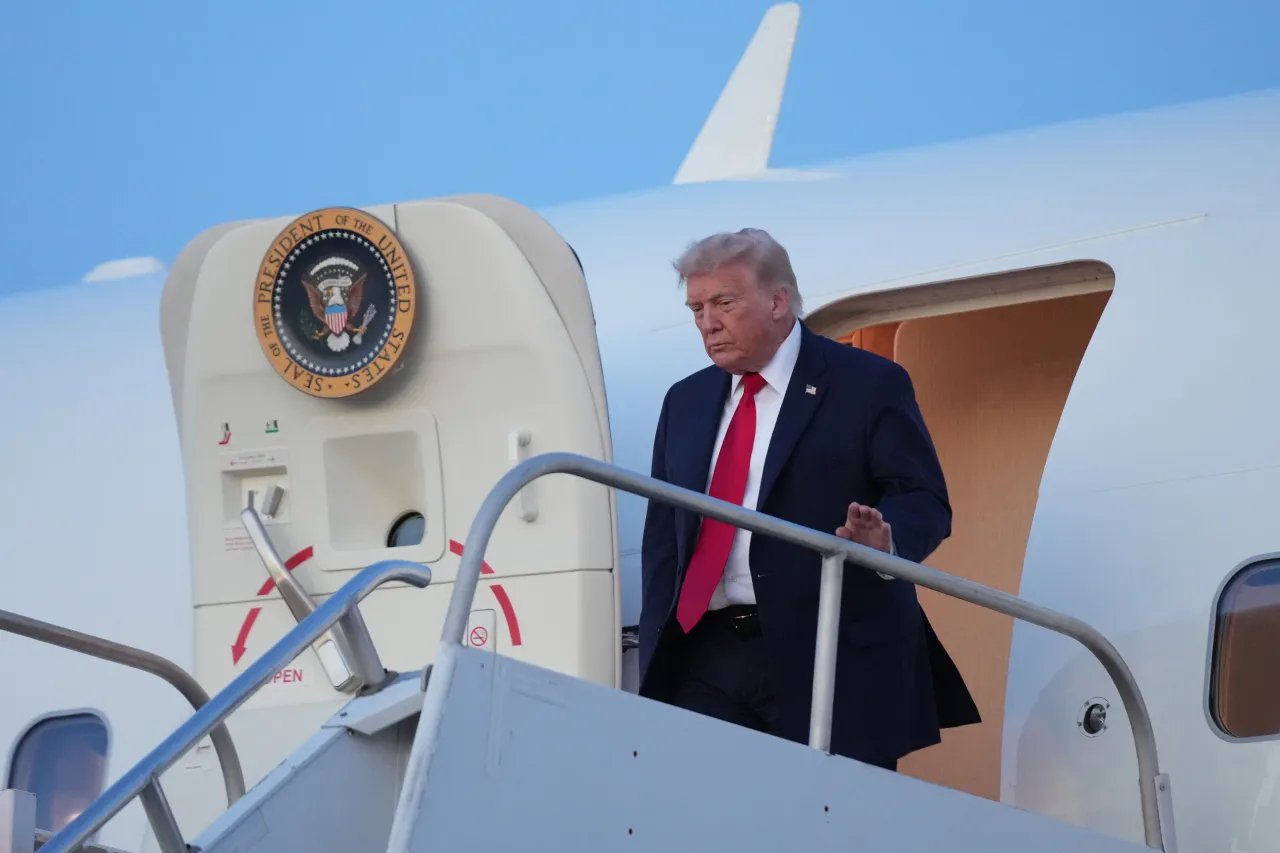
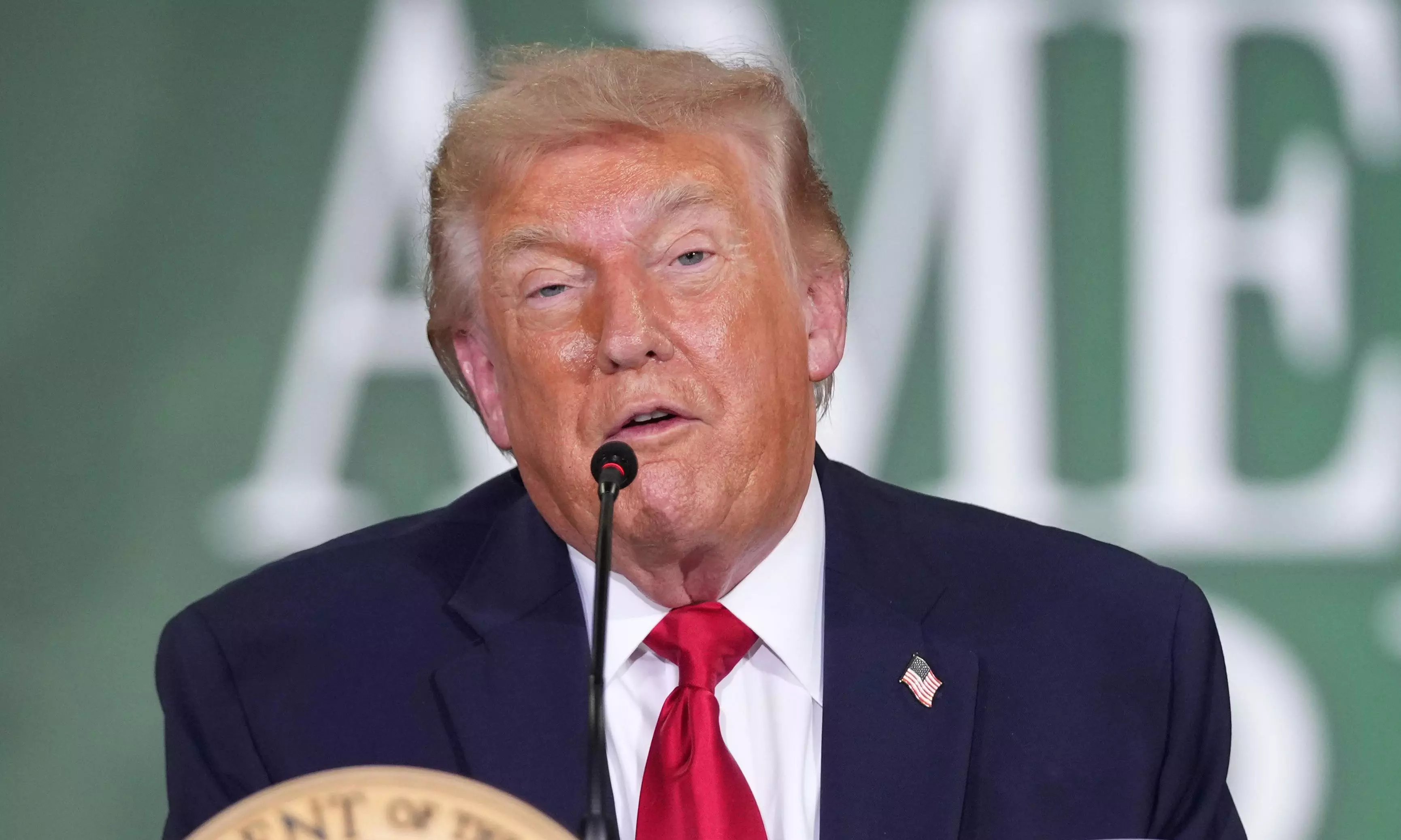
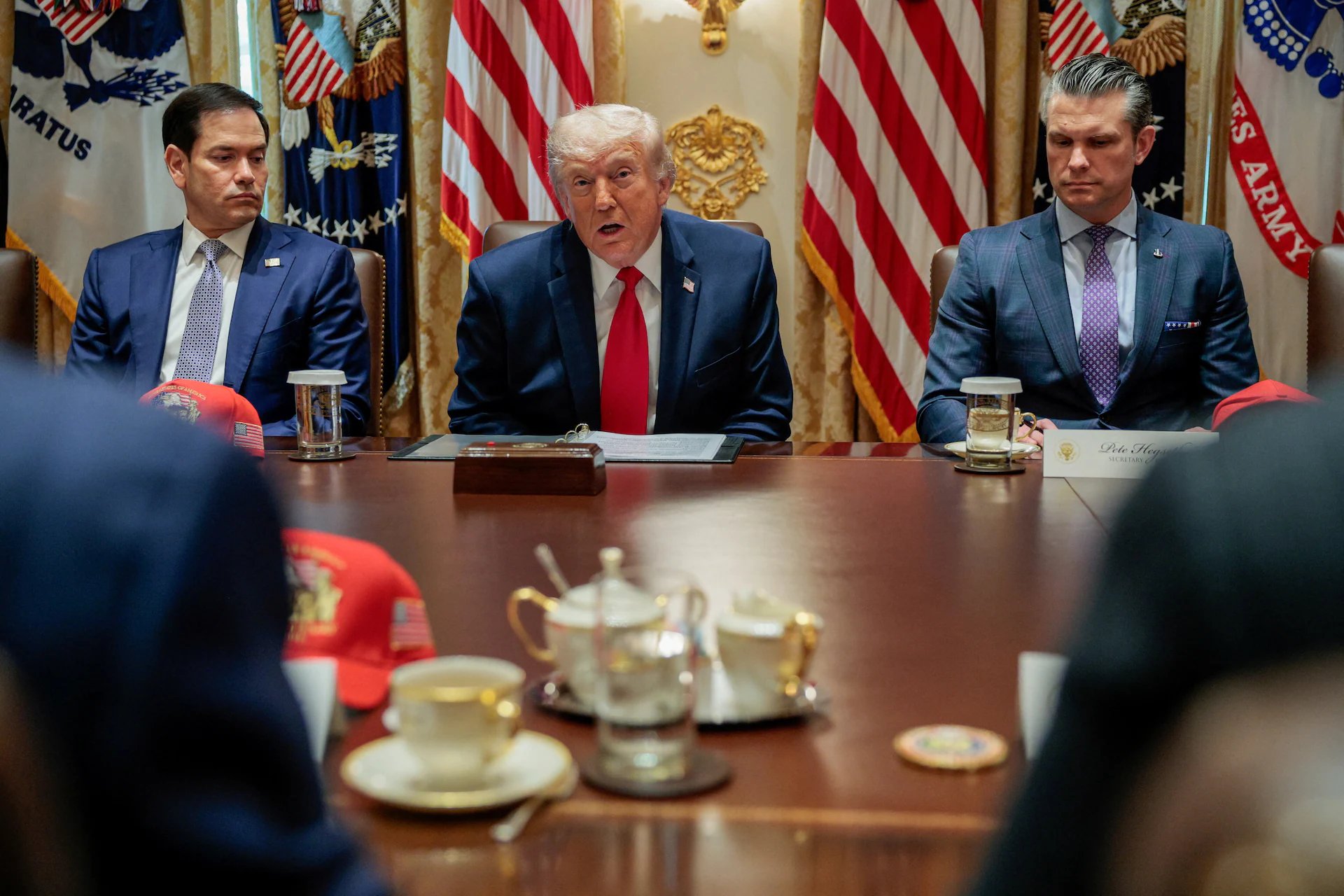
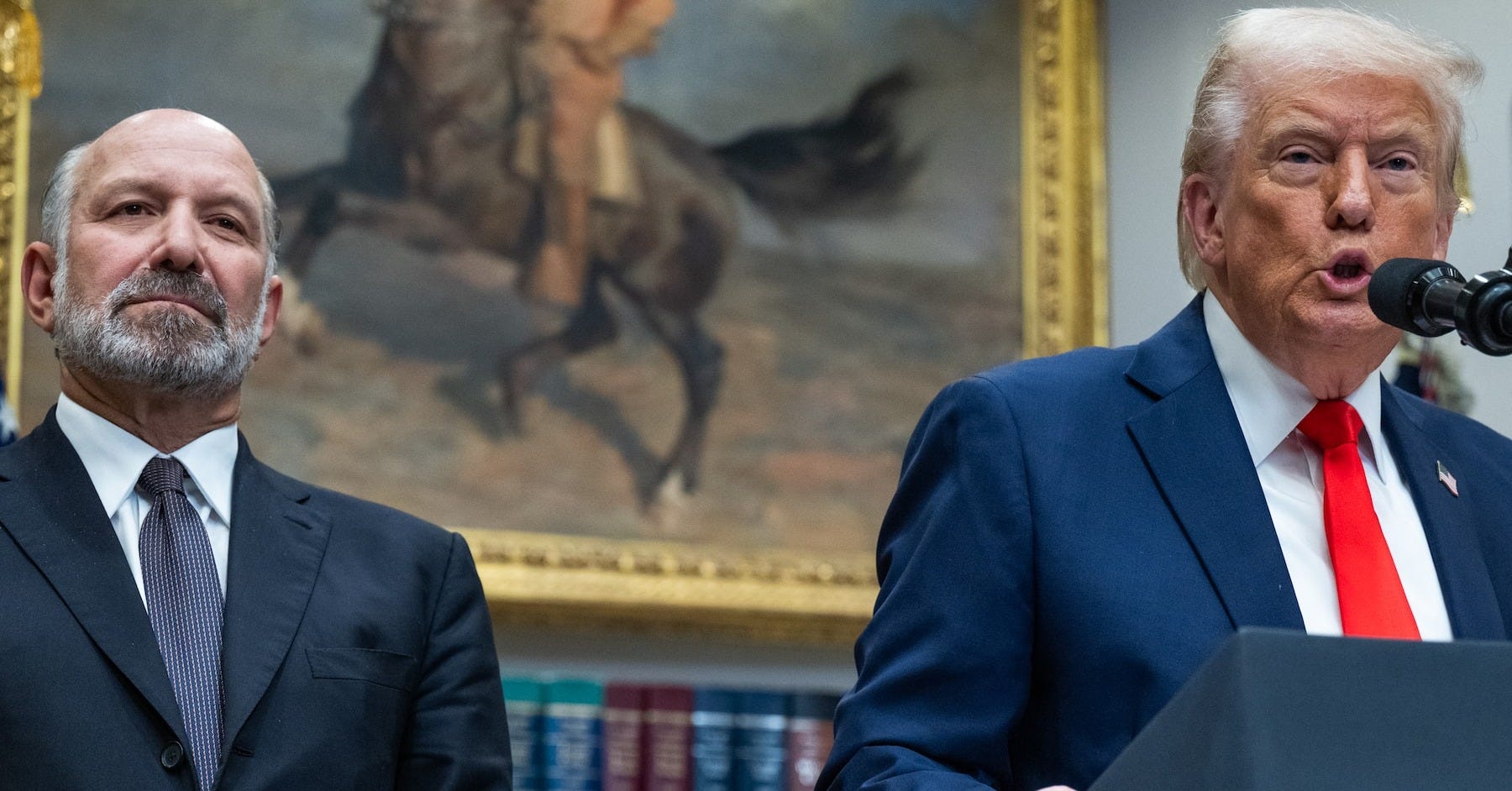
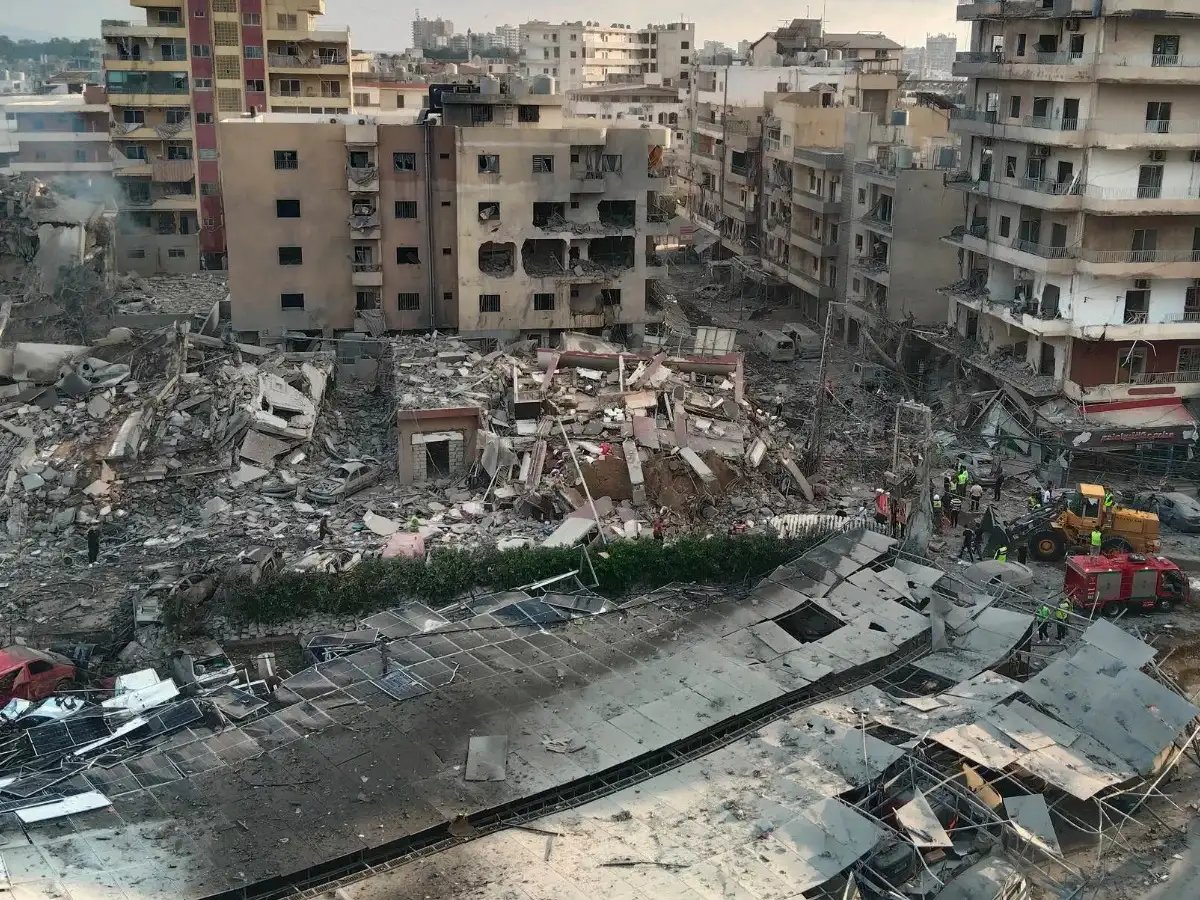
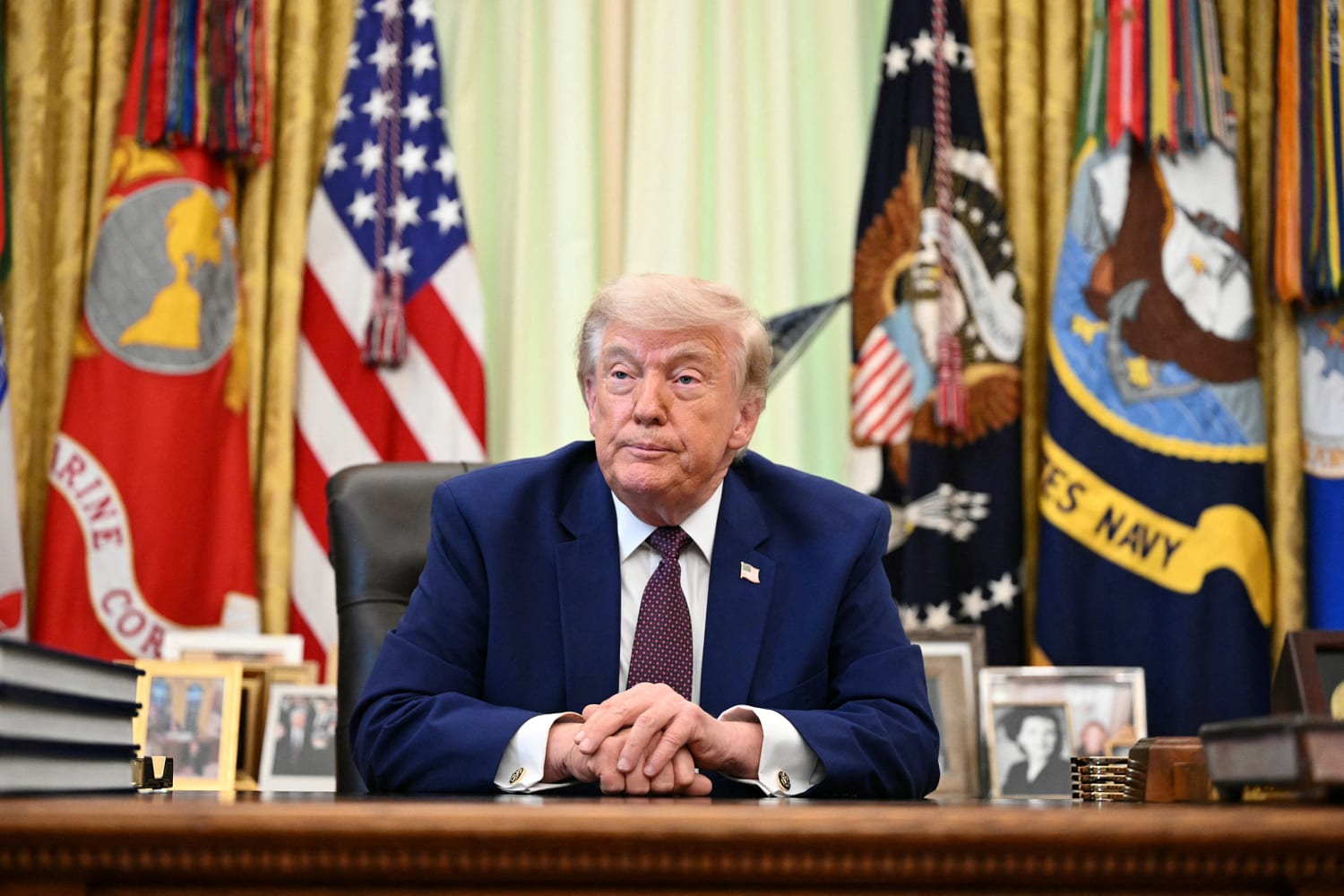
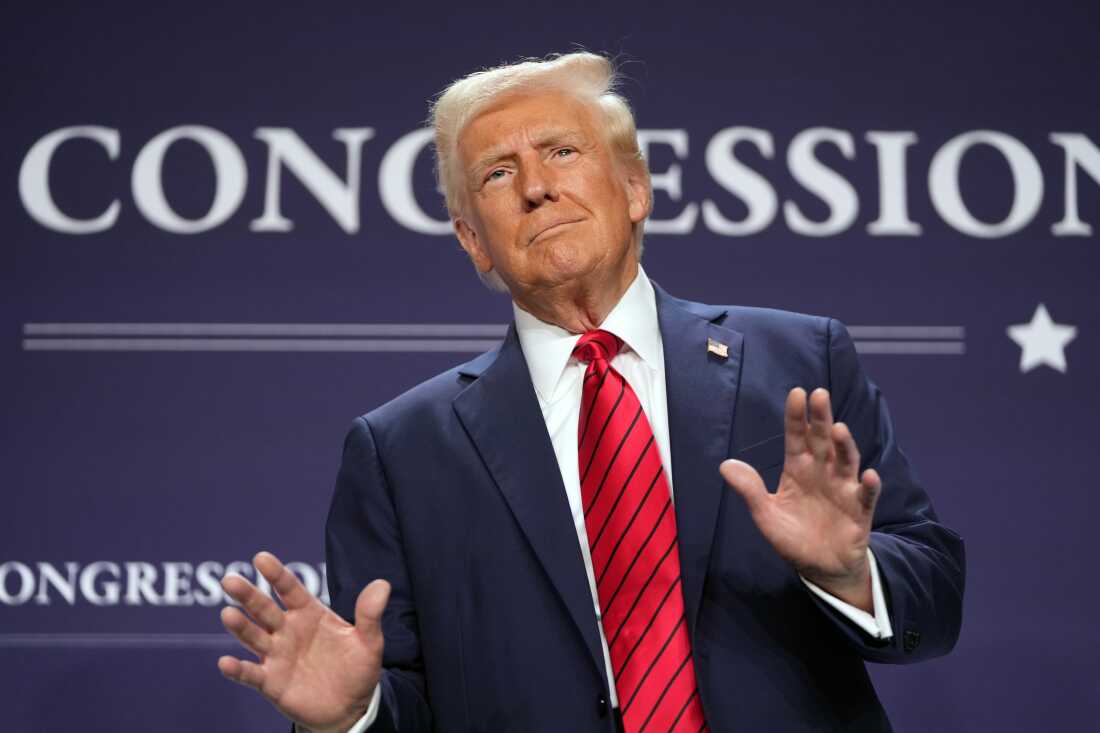
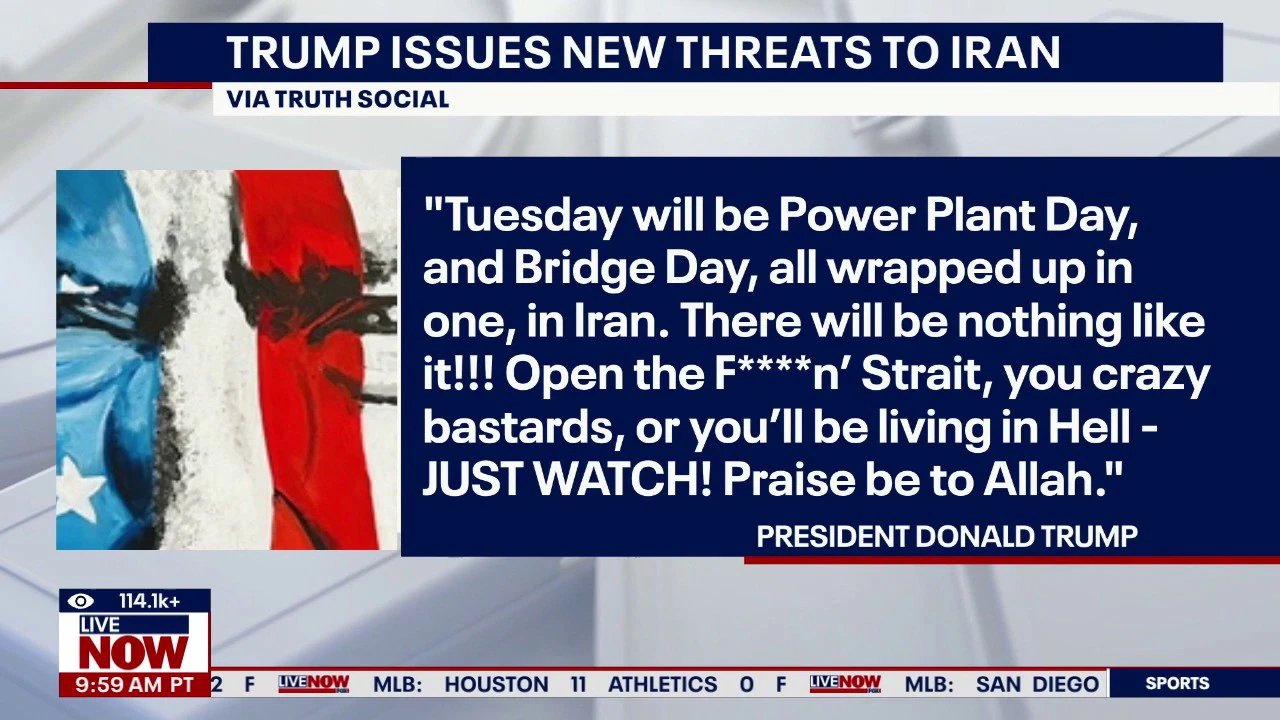
President Trump moved to stop a cycle of military strikes that threatens his efforts to negotiate an end to the Iran war. After Iran fired multiple waves of missiles at Israel on Sunday in retaliation for an Israeli strike on Beirut's southern suburbs, Trump called Israeli Prime Minister Benjamin Netanyahu to press him not to strike back. "Each of them had their fun. Israel had its strike, and Iran had its strike. We don't need another one," Trump told Axios.
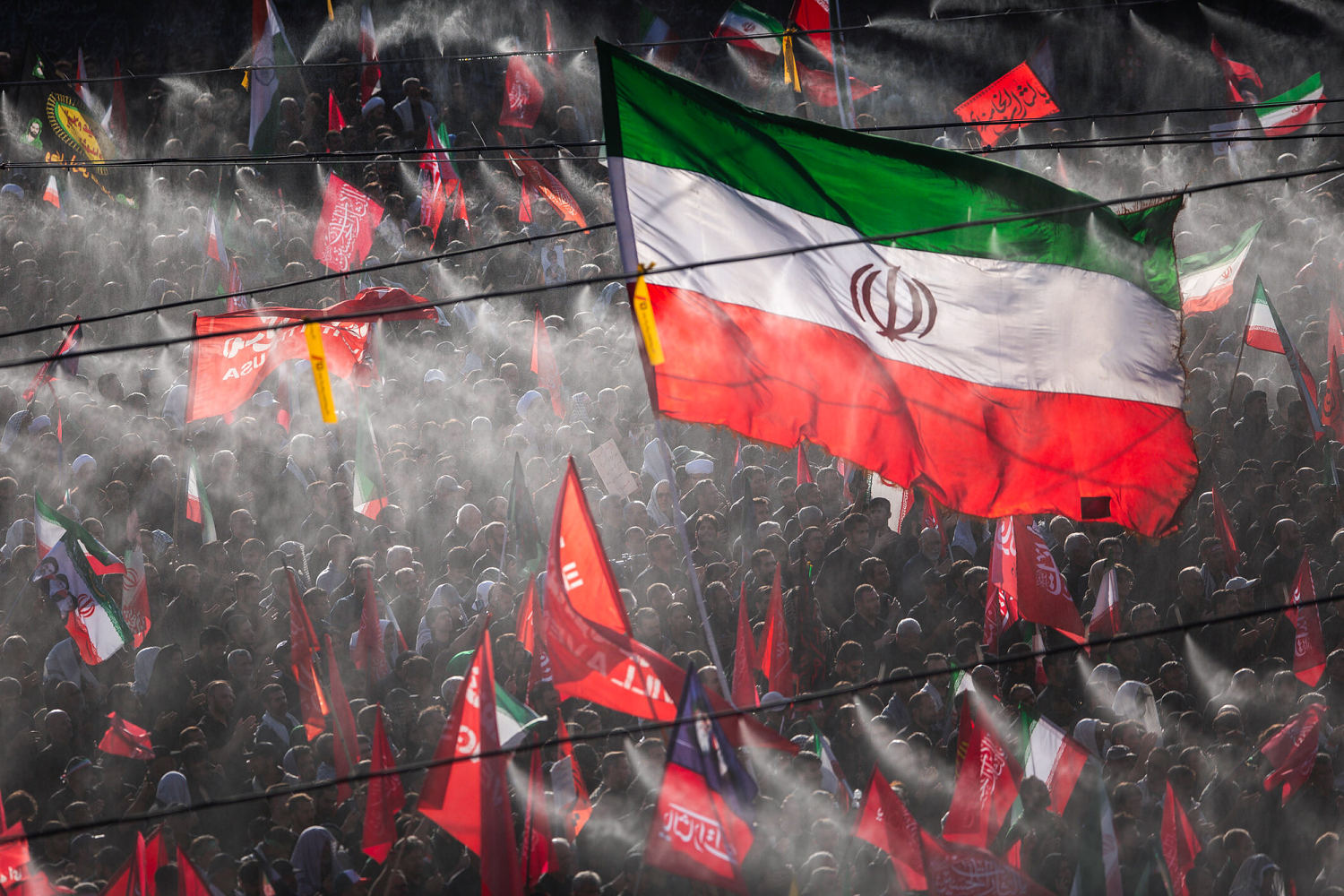
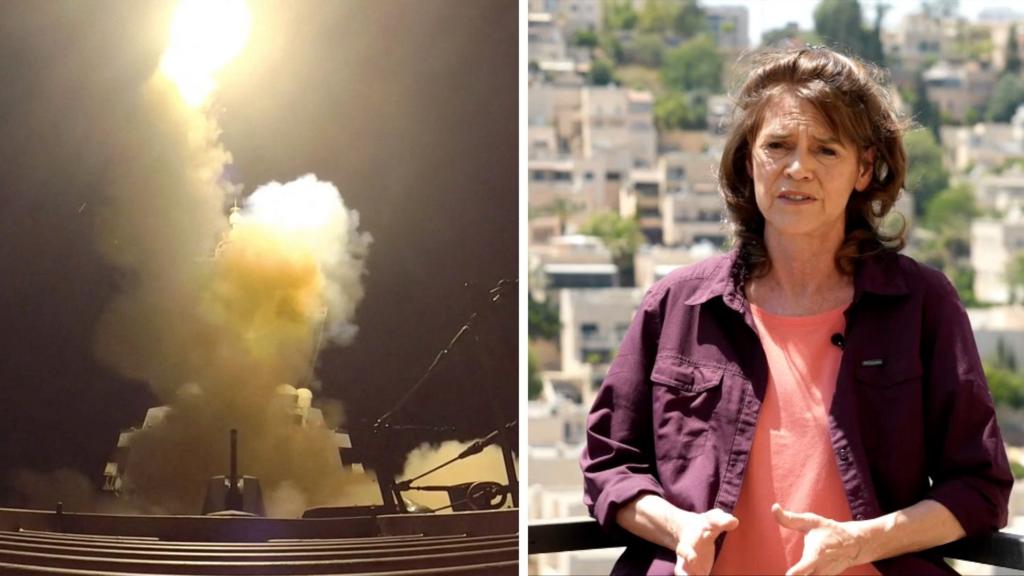
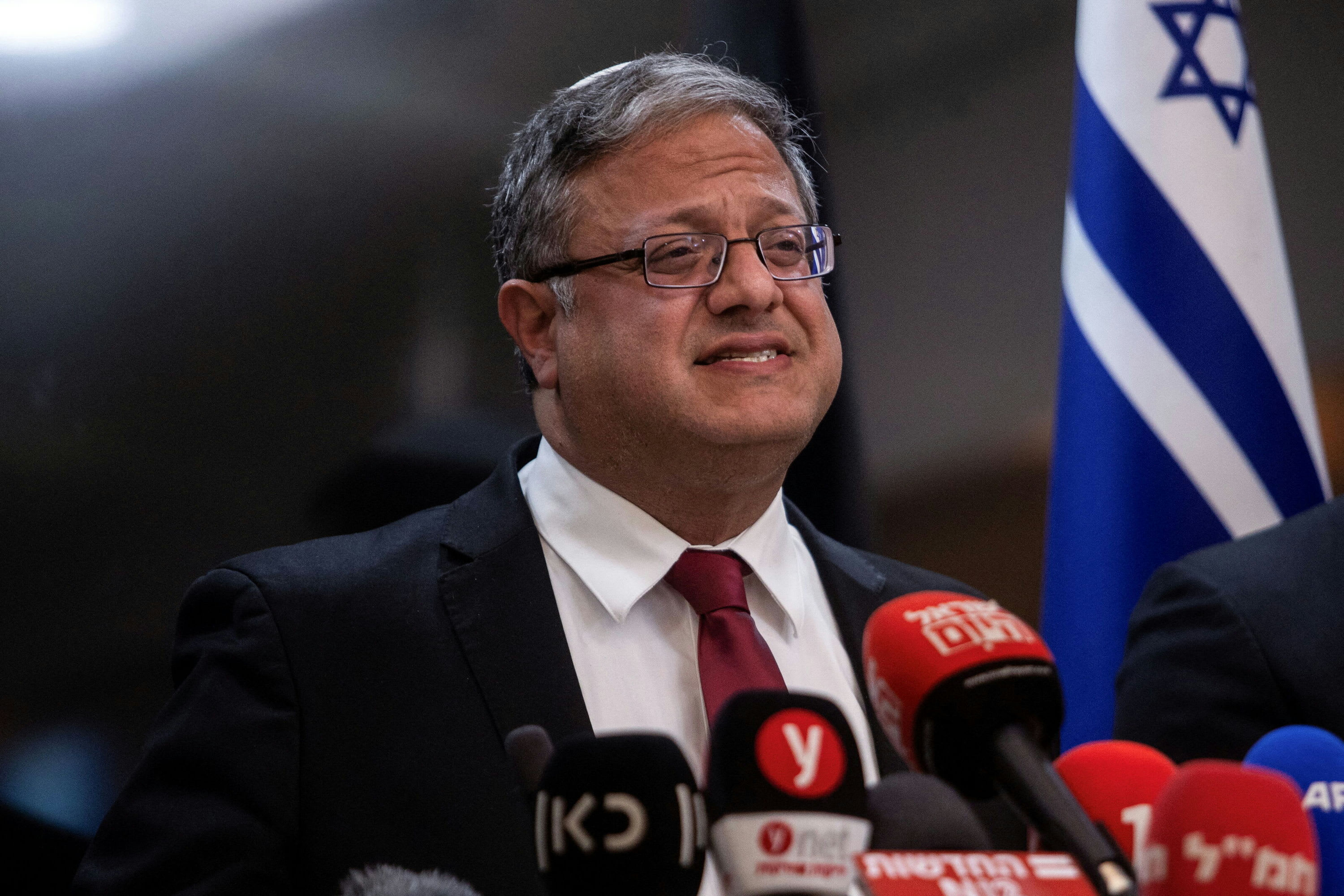
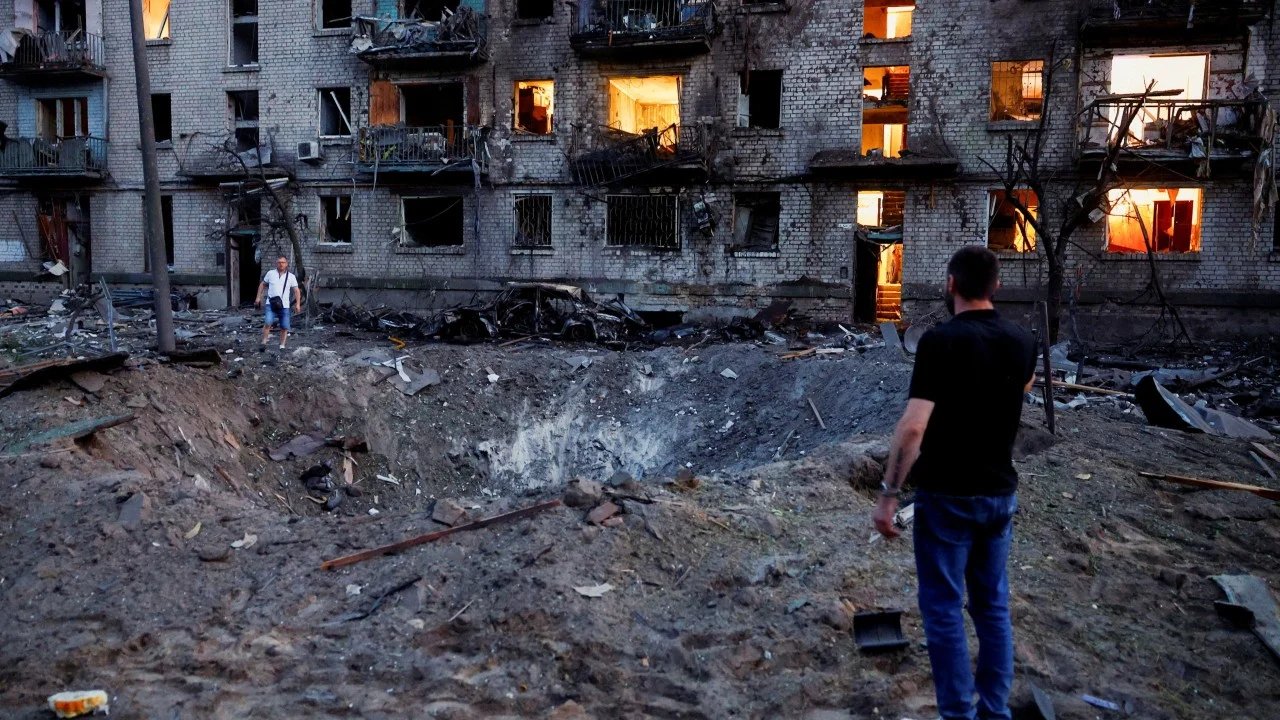
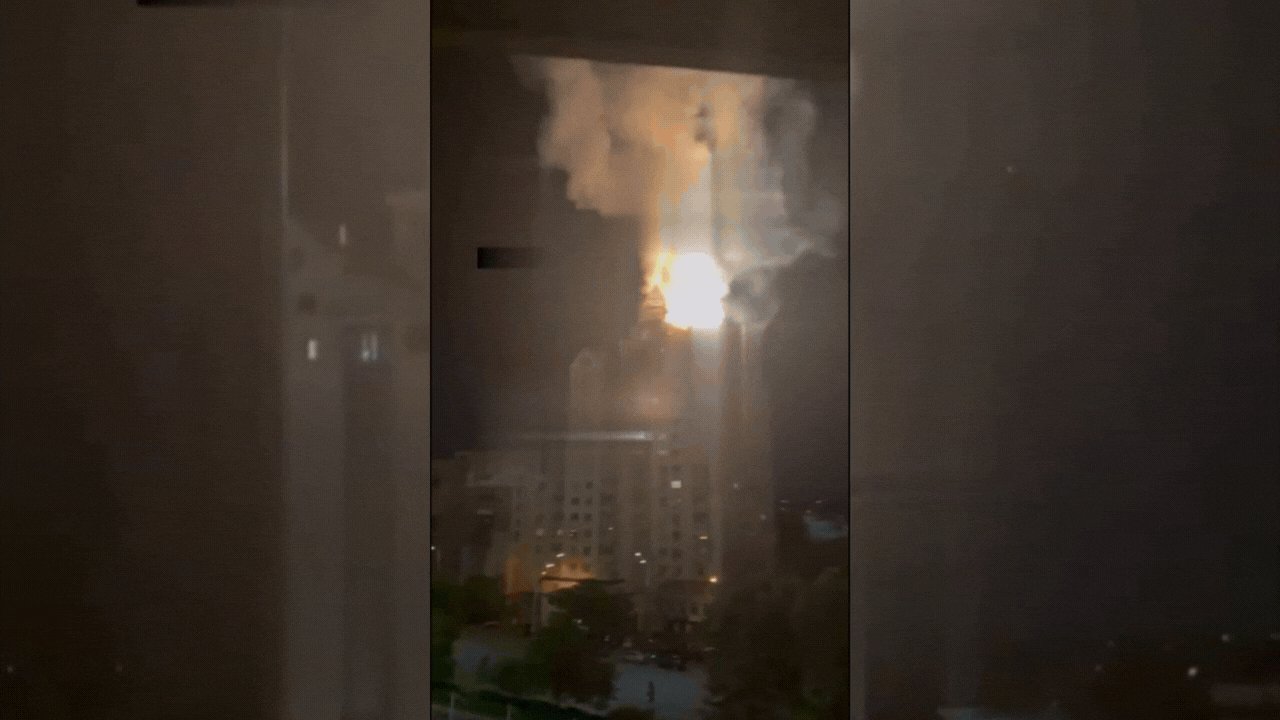
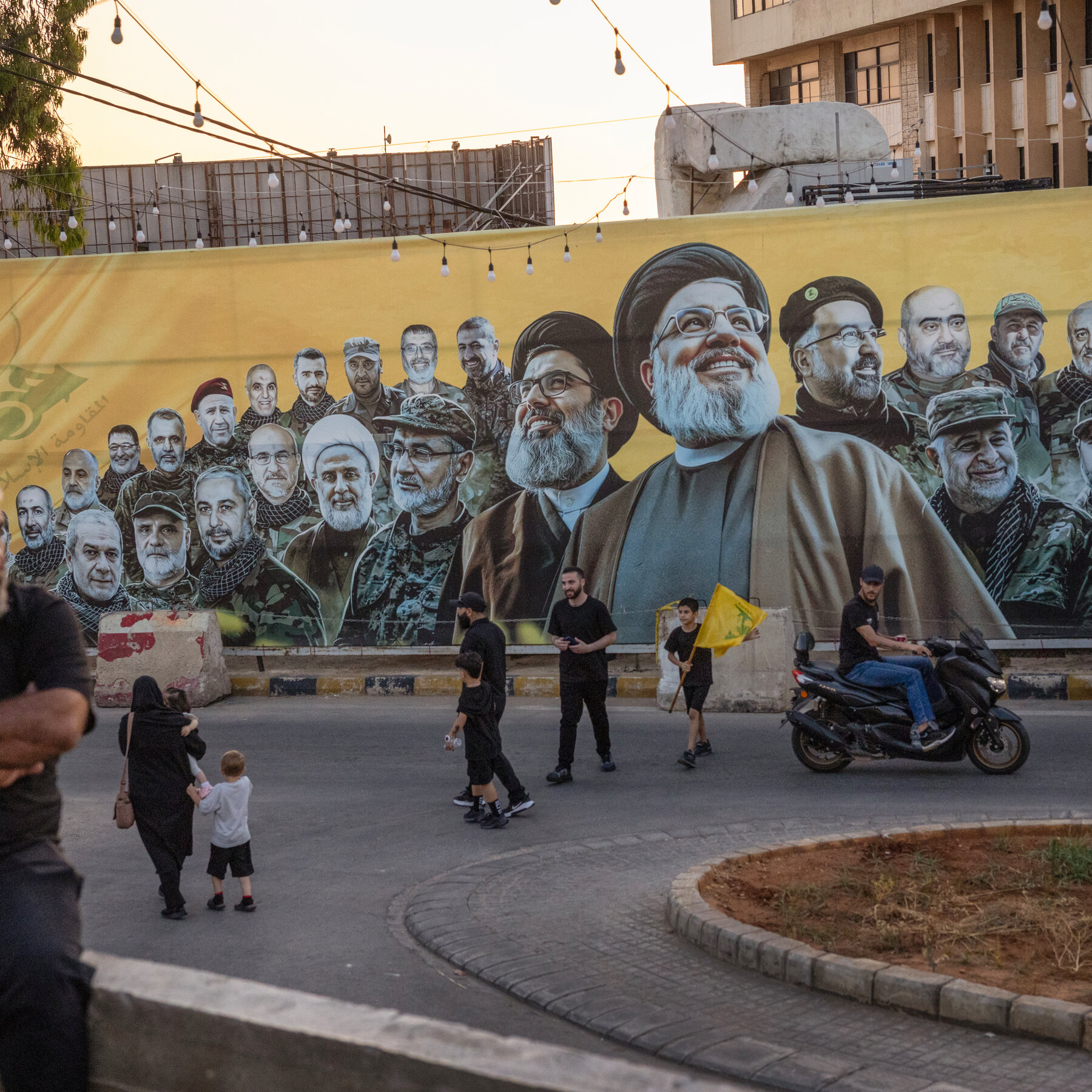
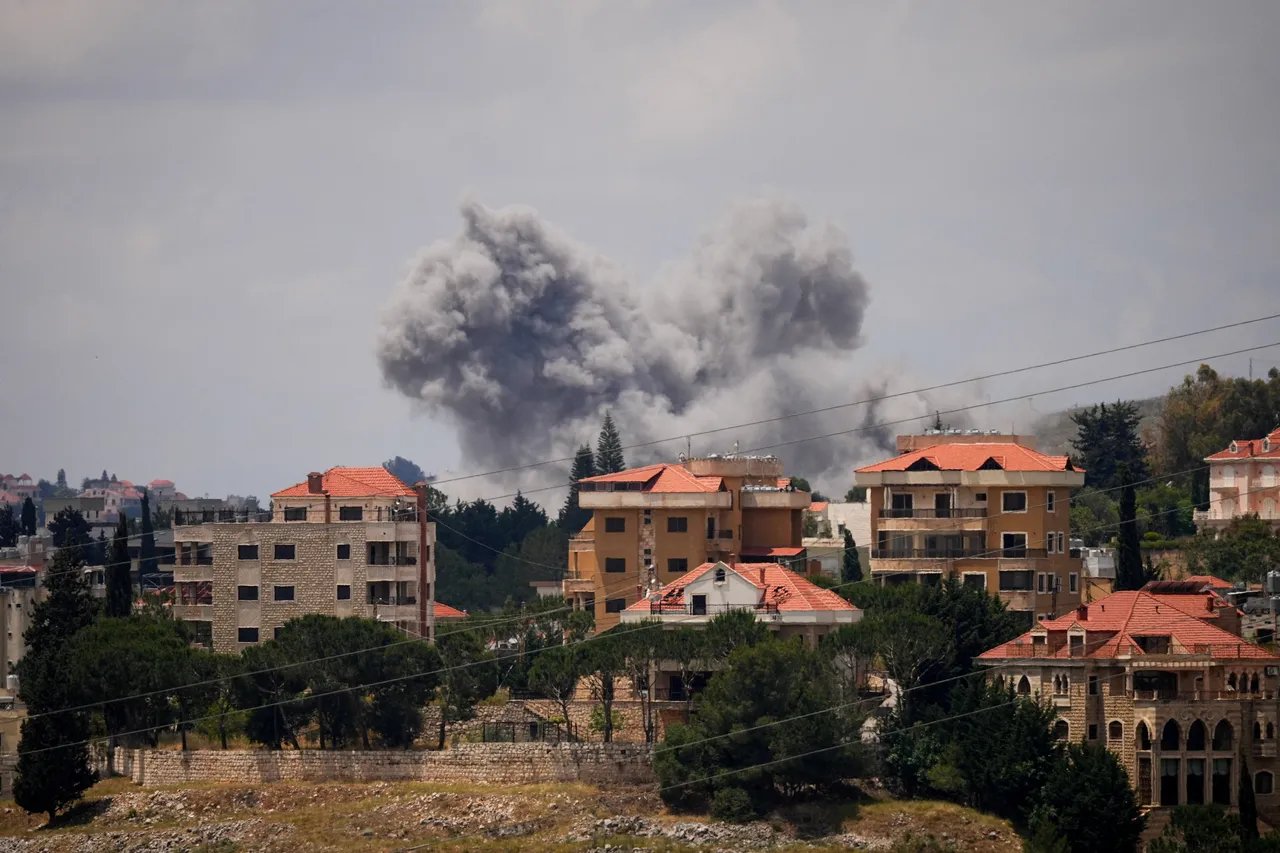
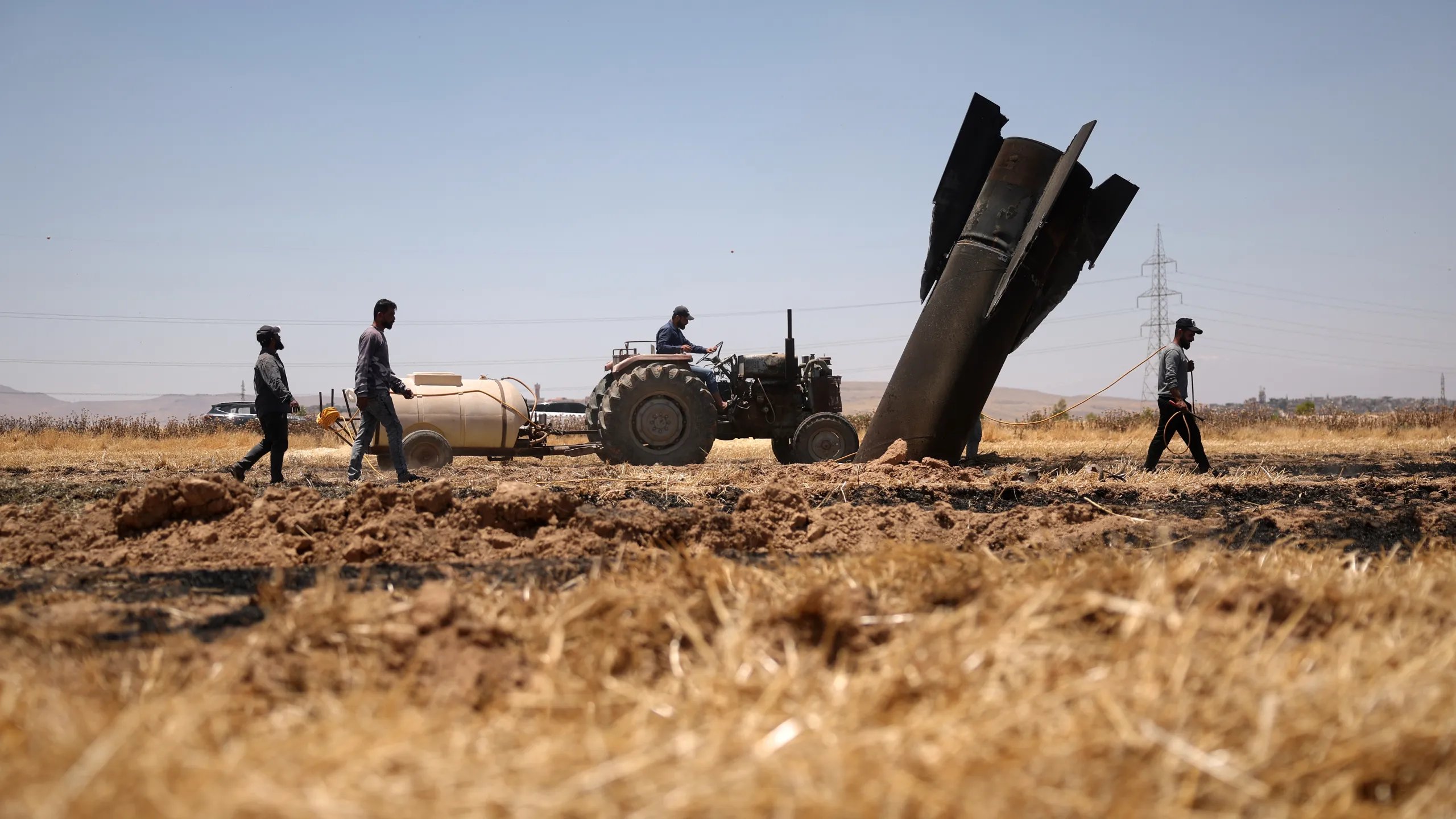
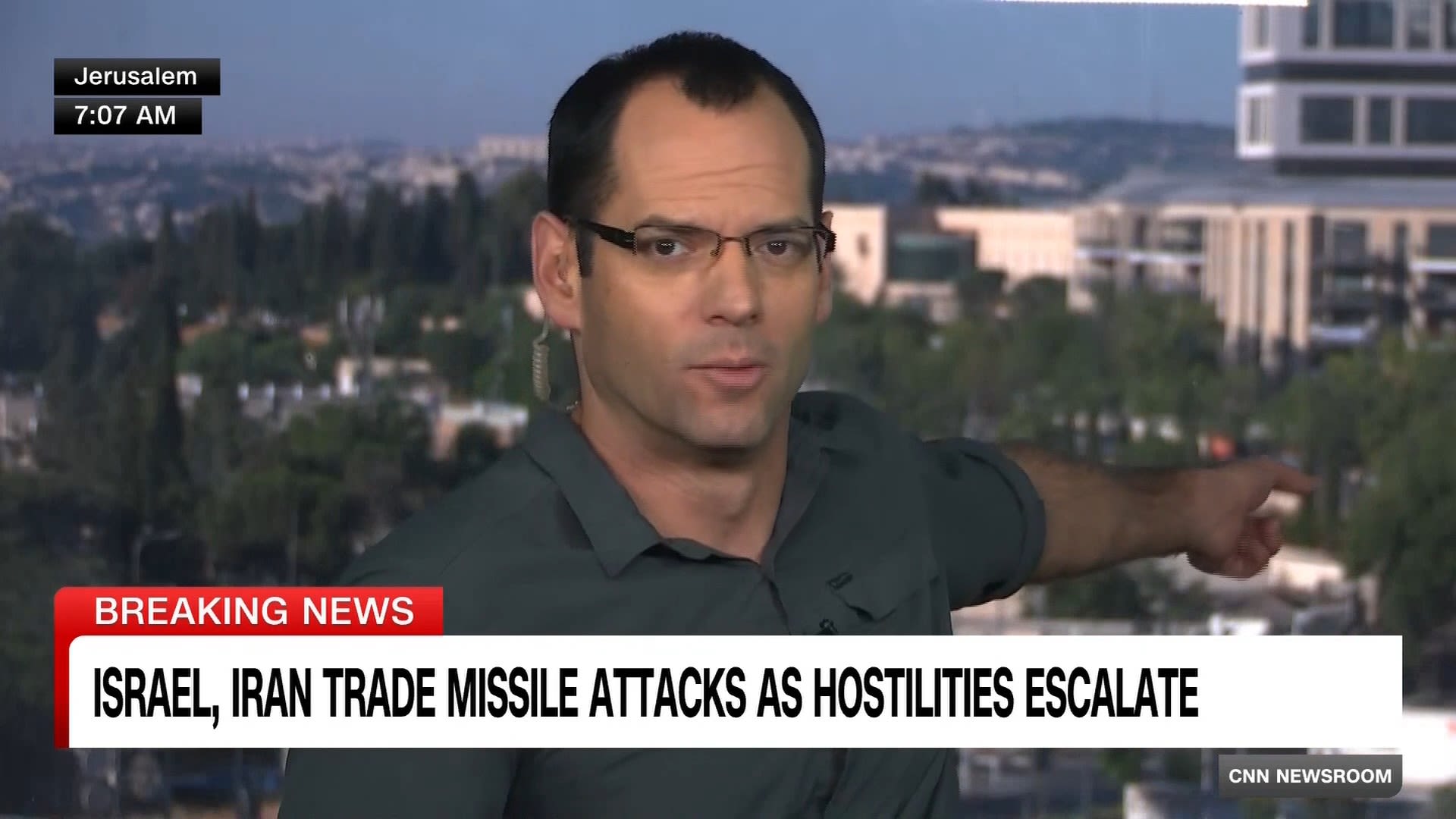
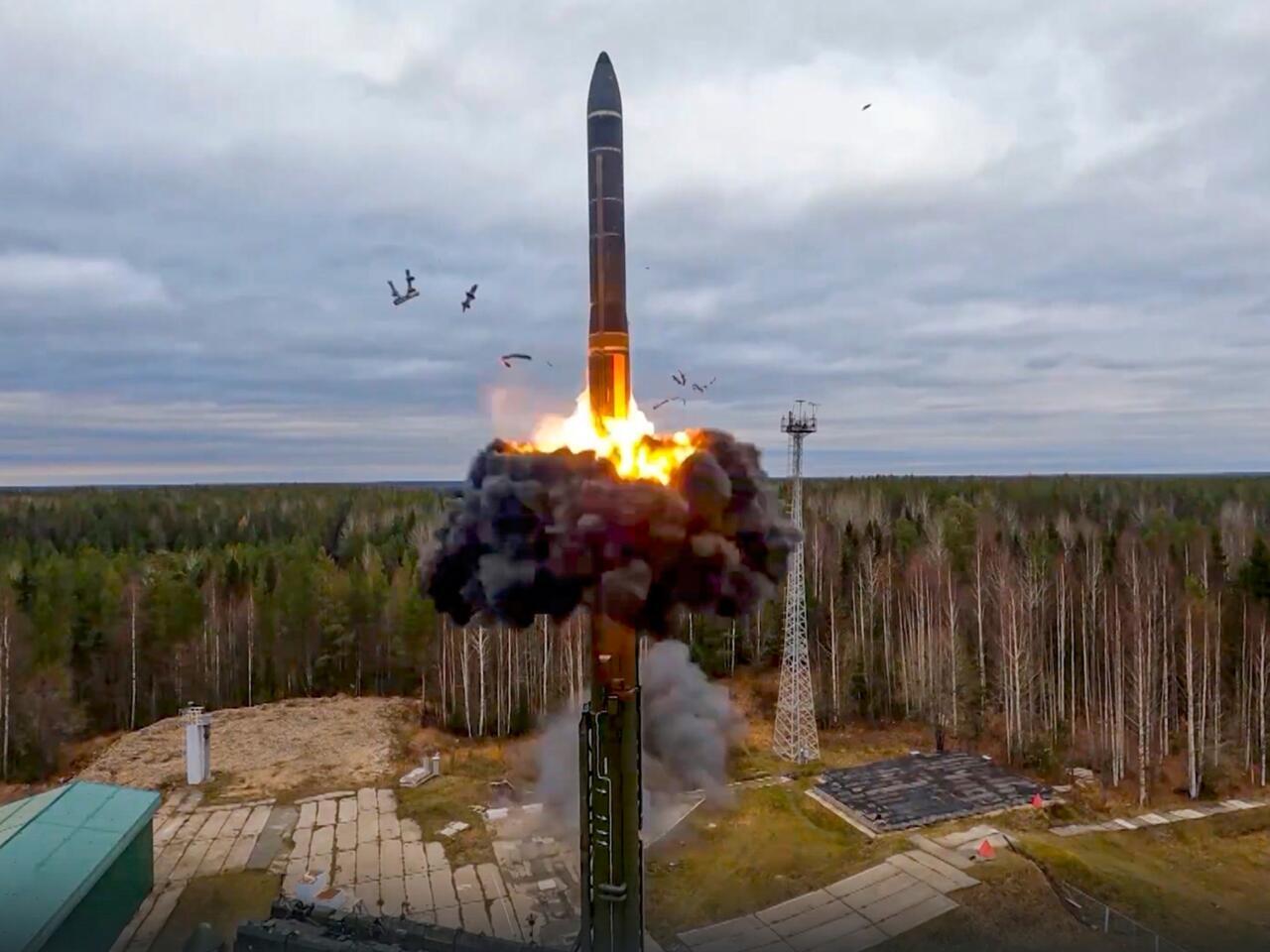
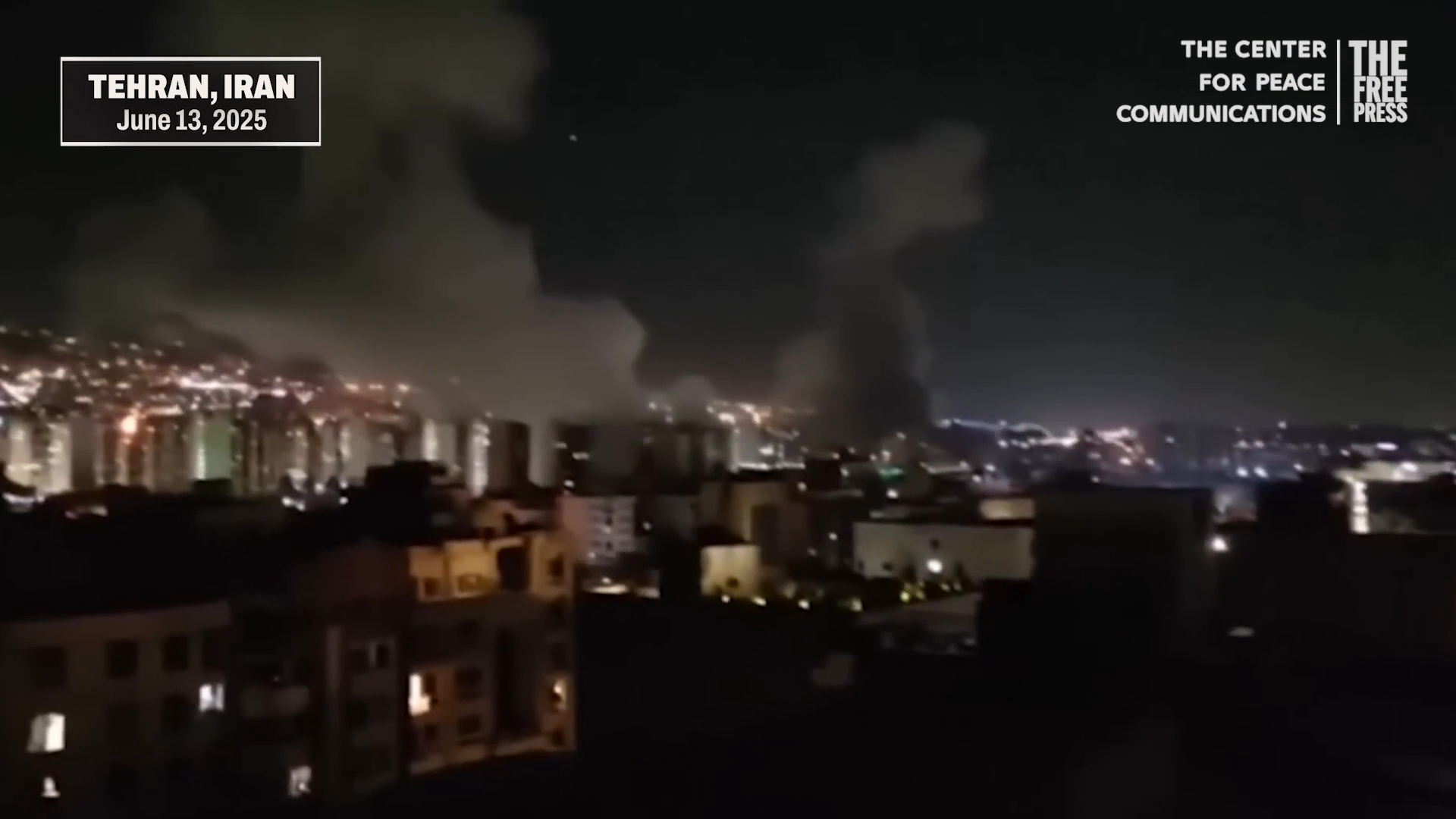
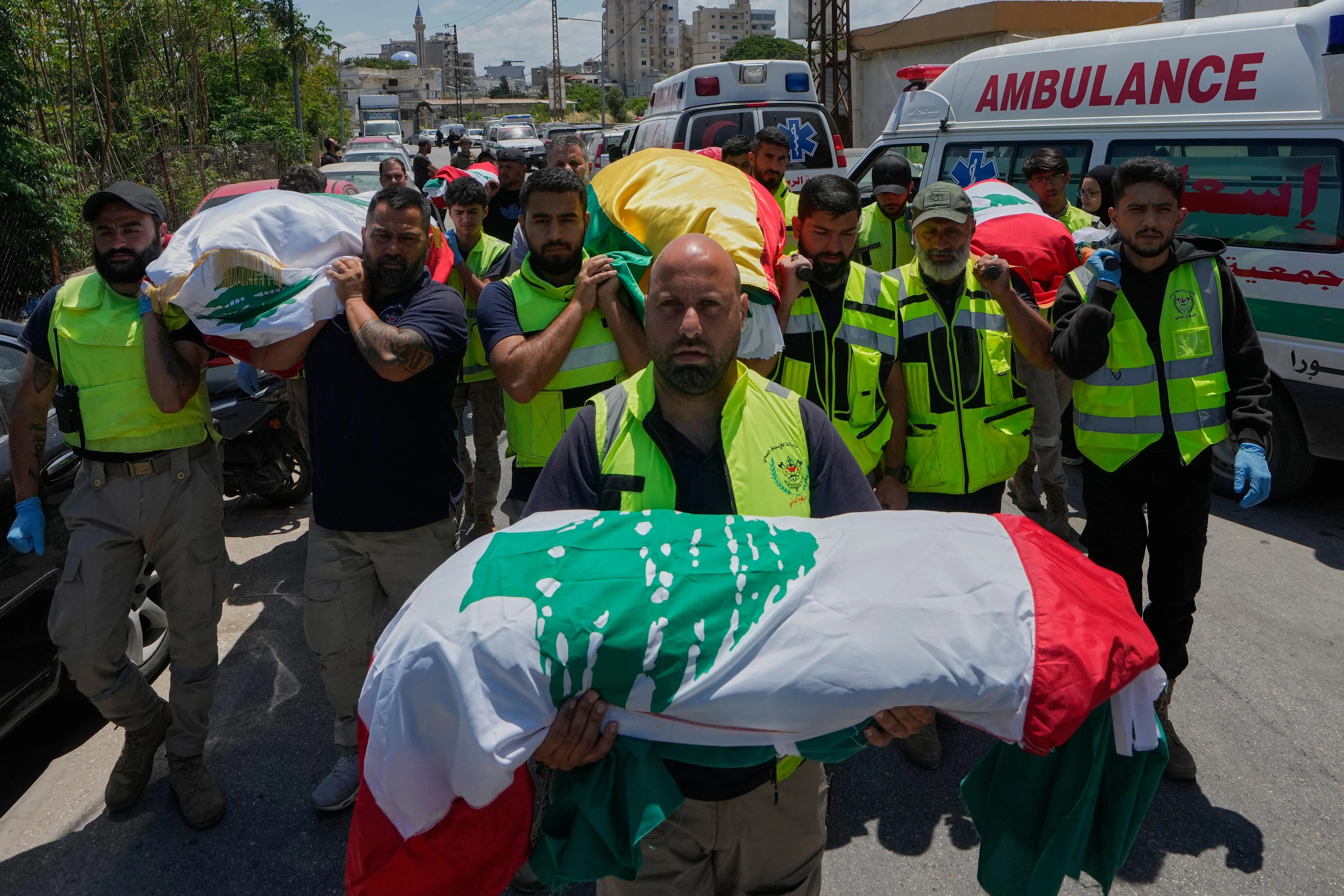
The Iranian attack marked the first direct assault since an April 8 ceasefire took hold. Israel said it intercepted the missiles, but the Israeli Defense Forces chief of staff was already approving military plans to respond. Brigadier General Effie Defrin stated that "the Iranian regime has made a grave mistake" and that Israel would "continue striking Hezbollah targets in Beirut."
Trump's demand that Israel refrain from retaliation is unusual. Without U.S. support, any Israeli strike in Iran becomes far more difficult and risky. A U.S. official told Axios that "we are not part of this," though it remained unclear whether Trump would order the military to withhold air refueling and other coordination that typically enables Israeli operations.
Trump's Stakes in a Fragile Deal
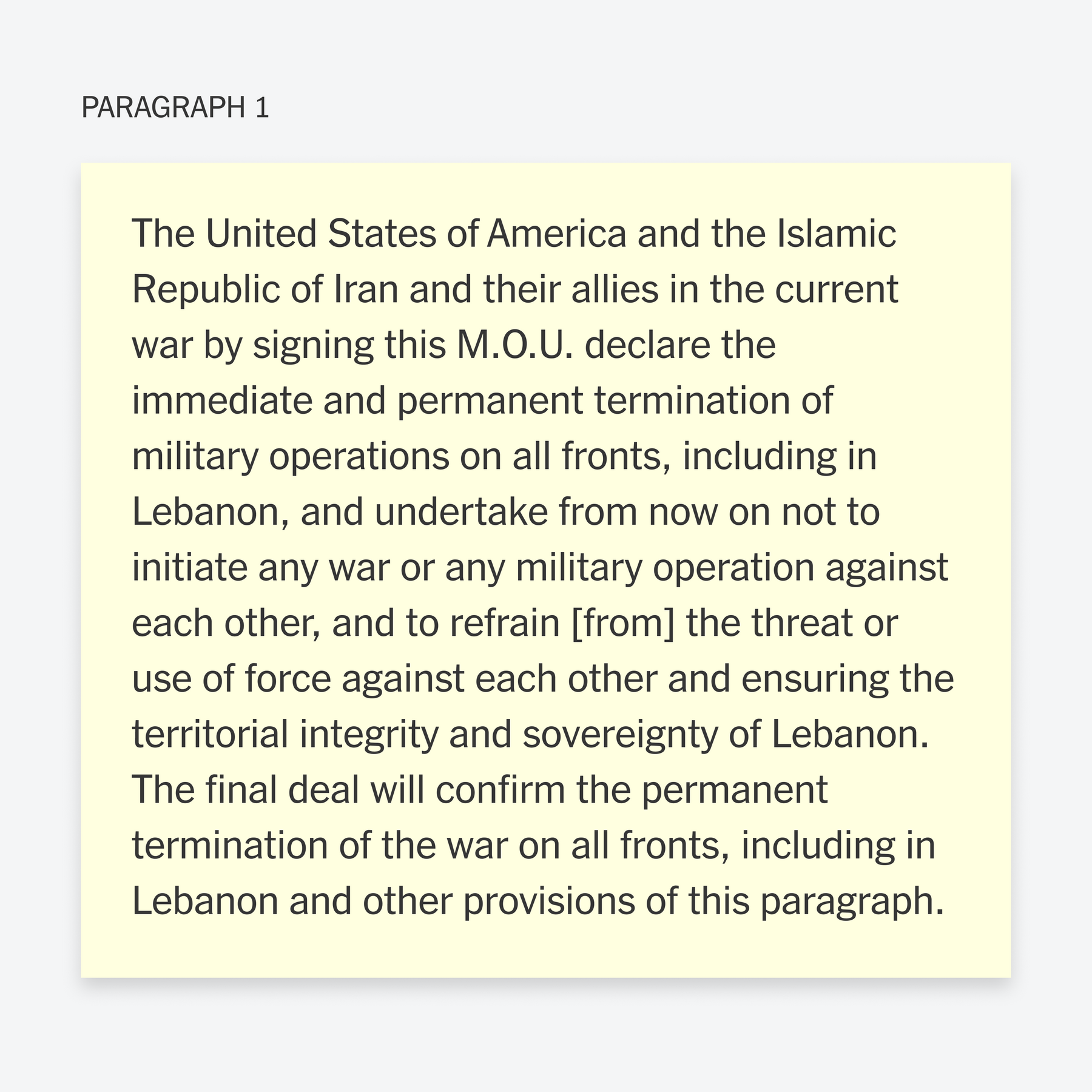
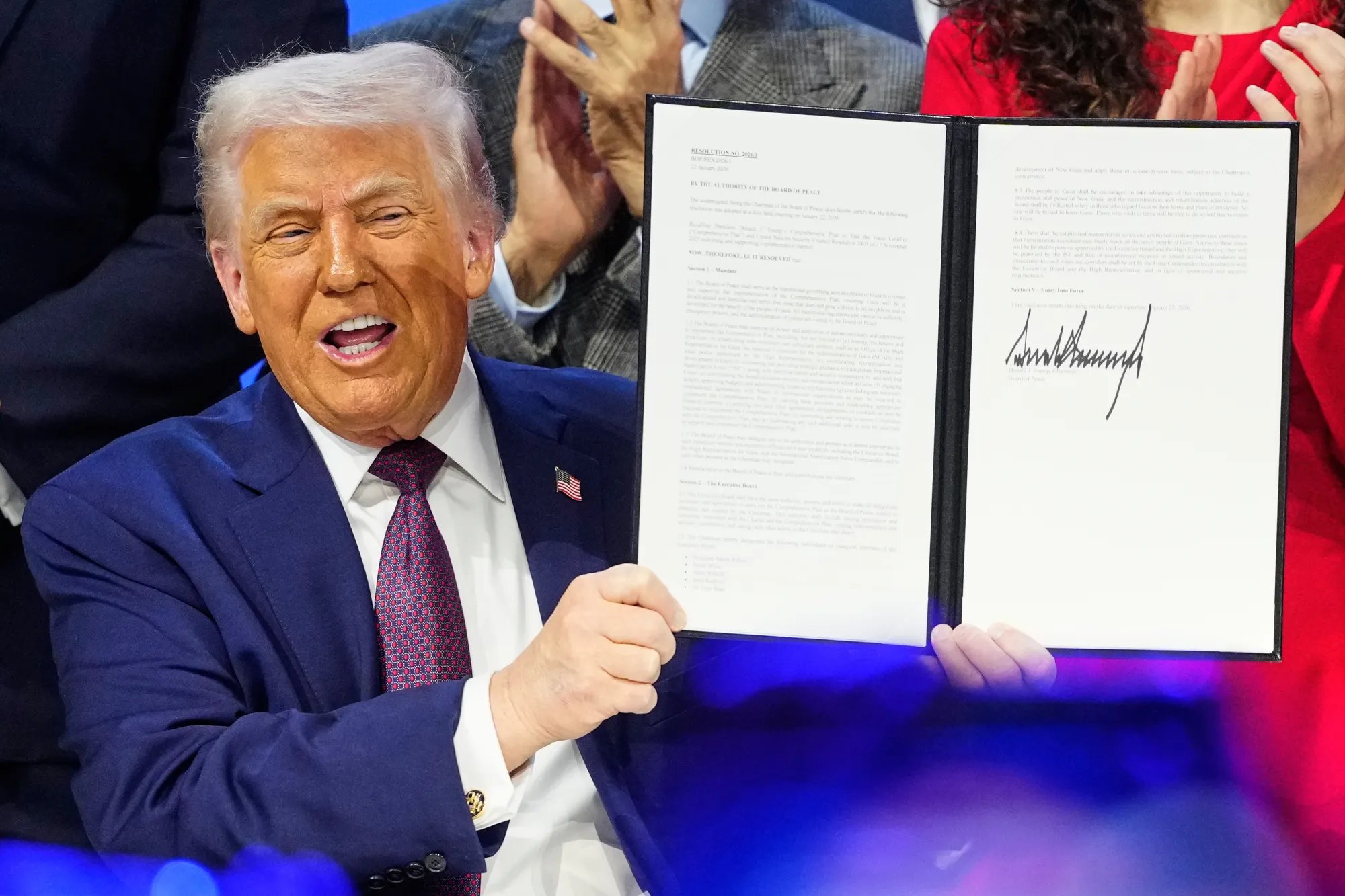
"We are very close to a final deal with Iran. It is going to be a good deal. I don't want it to blow up because of what is happening now," Trump told Axios.
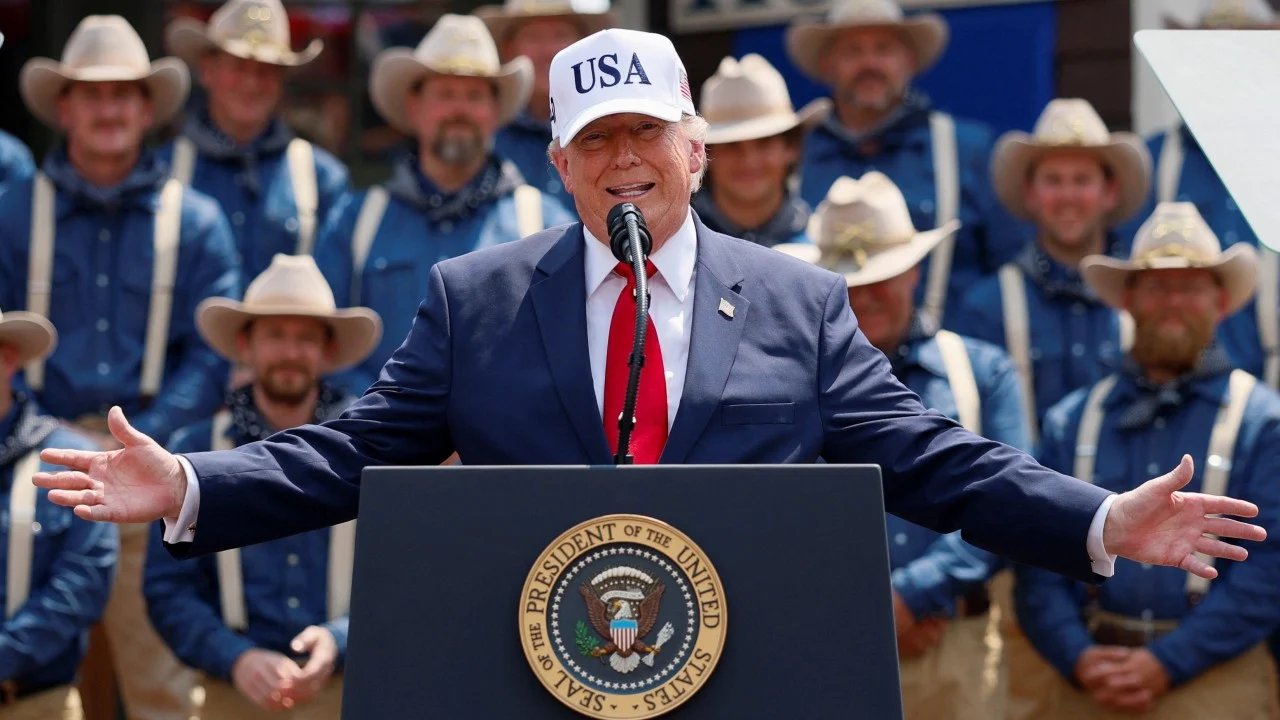
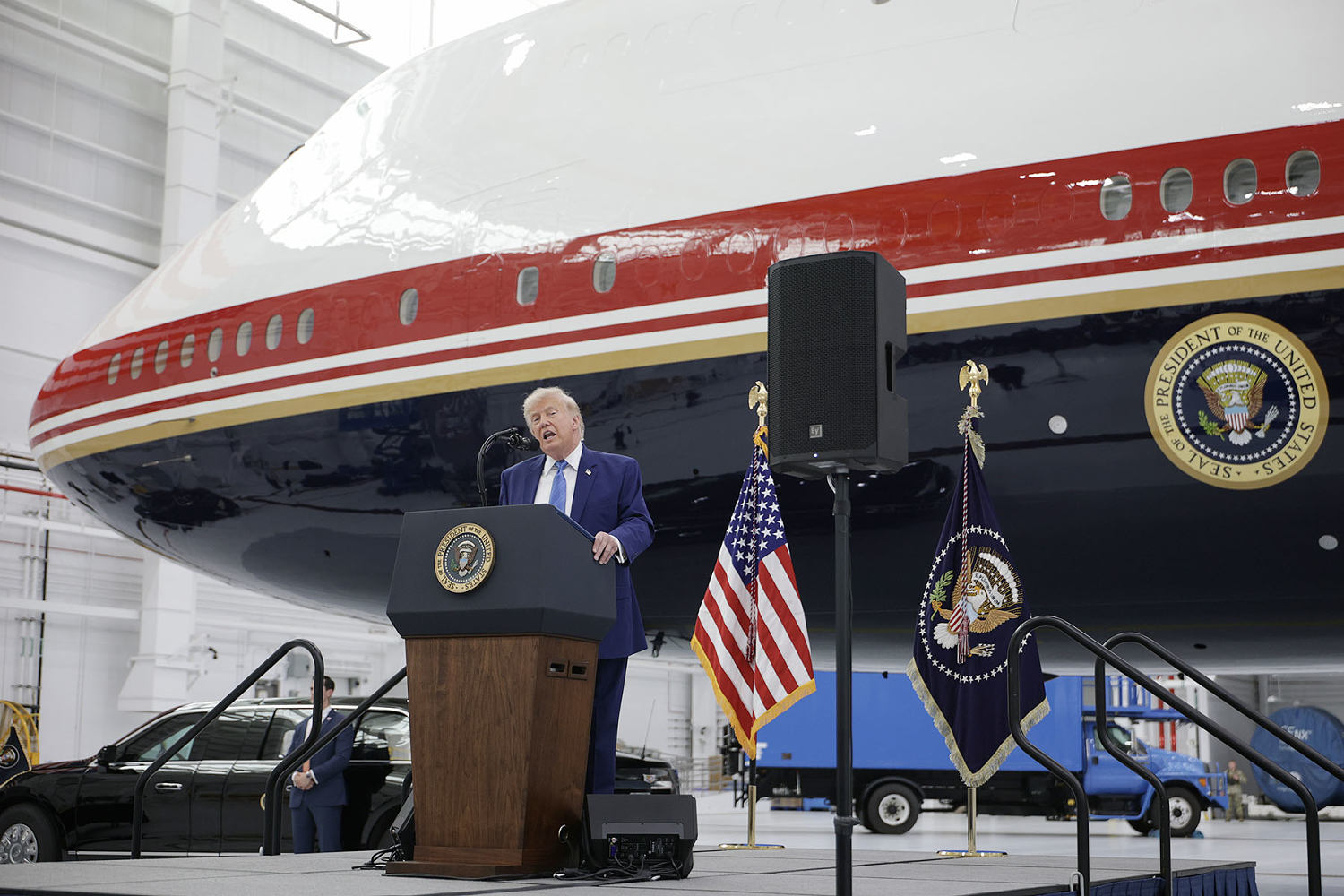
In a separate NBC interview with moderator Kristen Welker, Trump defended the military action while insisting it would not become a prolonged conflict. When pressed on his campaign promise to avoid endless wars, Trump said "This is not going to be a forever war" and rejected the characterization that the conflict had become a quagmire. "We've been doing this for three months. Much of it has been under the form a pretty good form of ceasefire," he said.
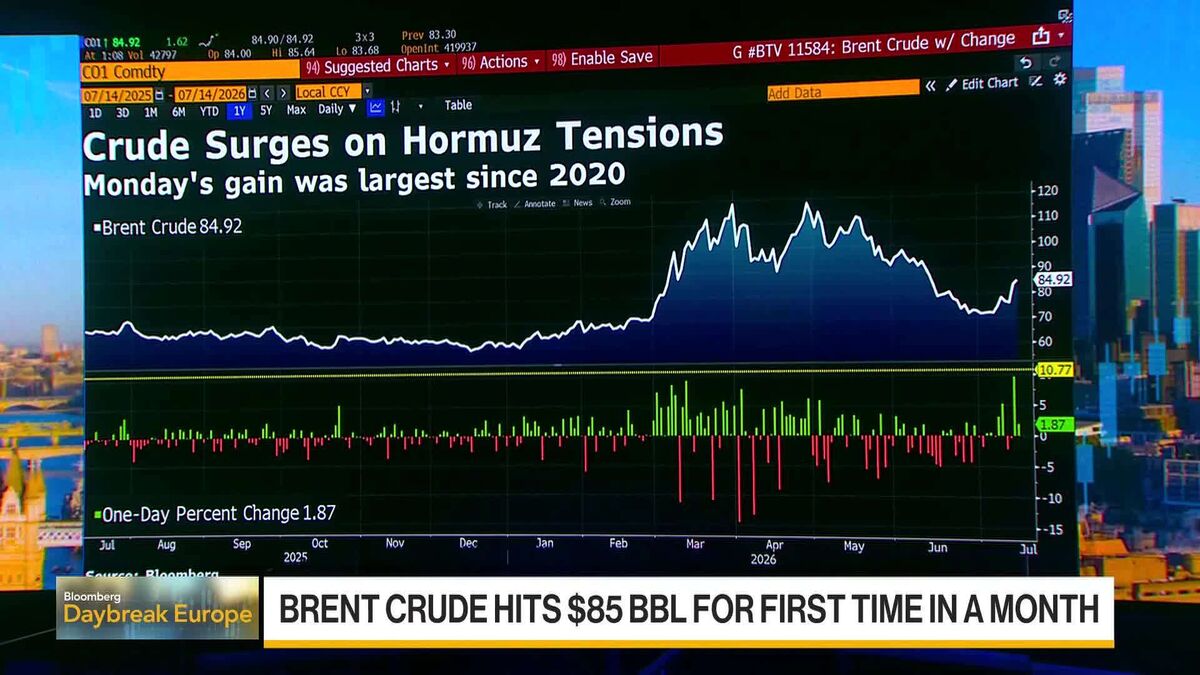
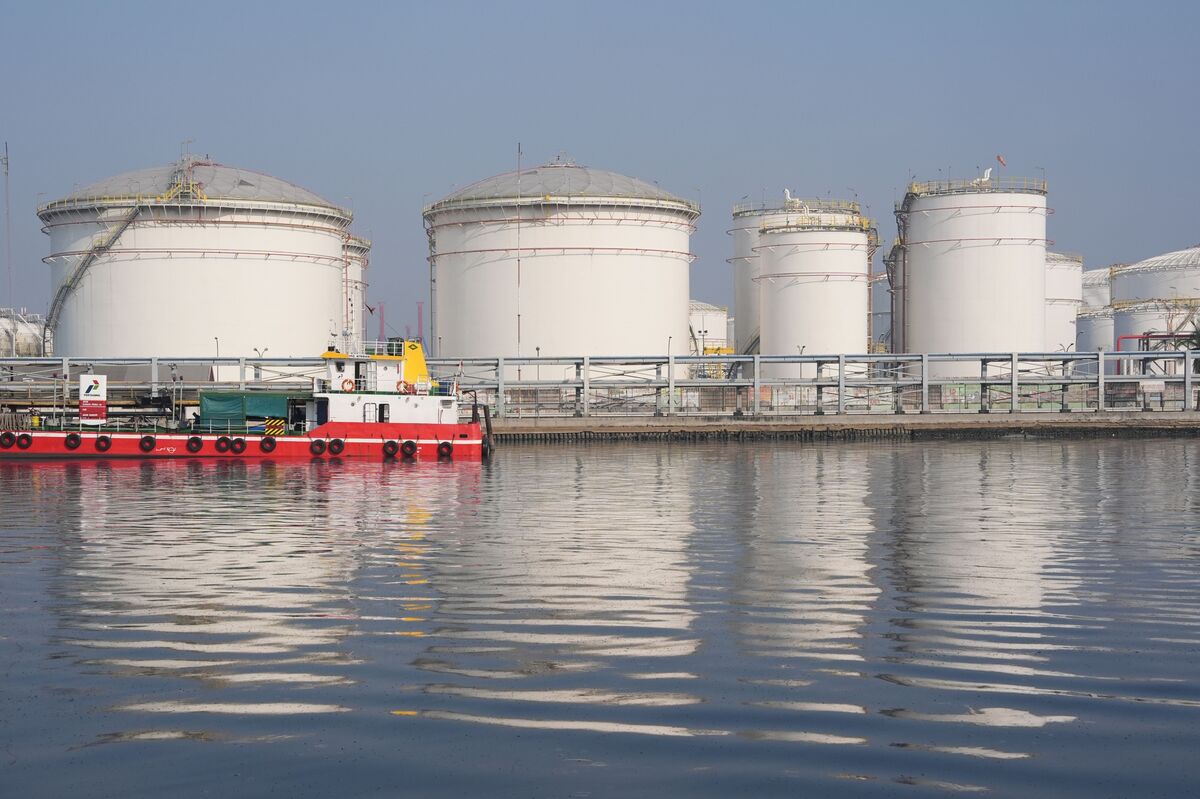
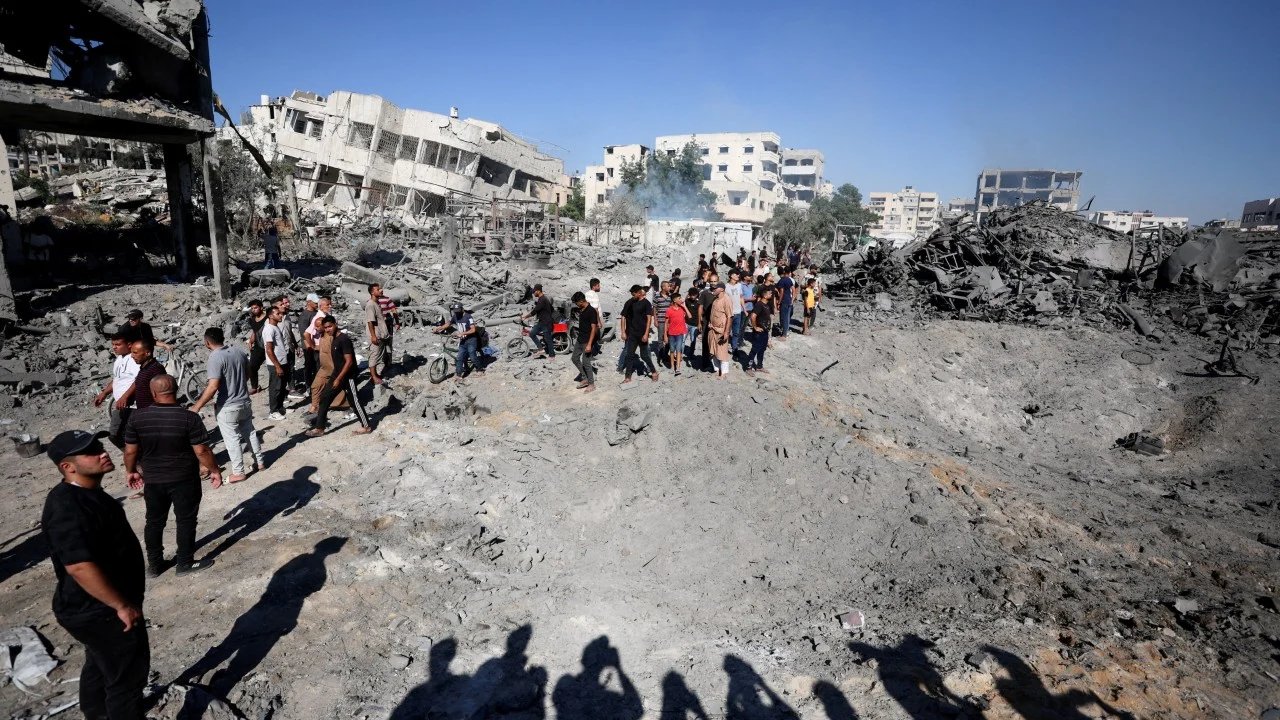
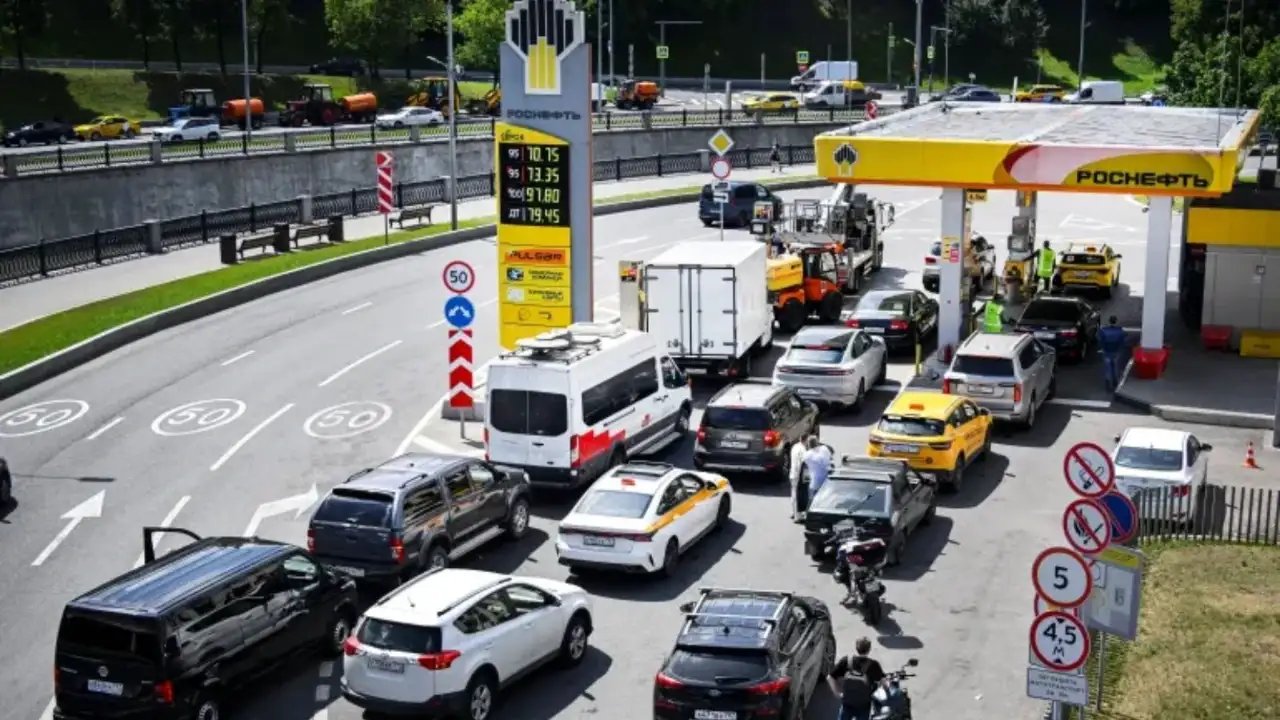
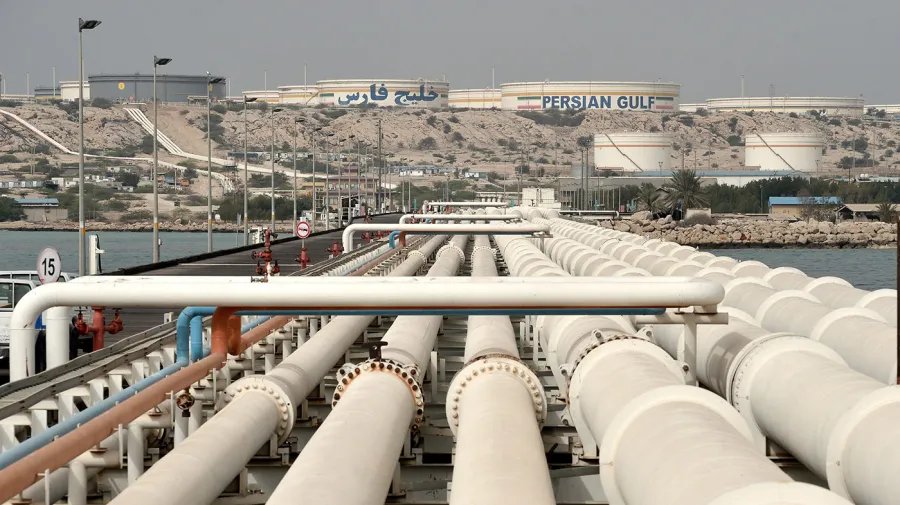
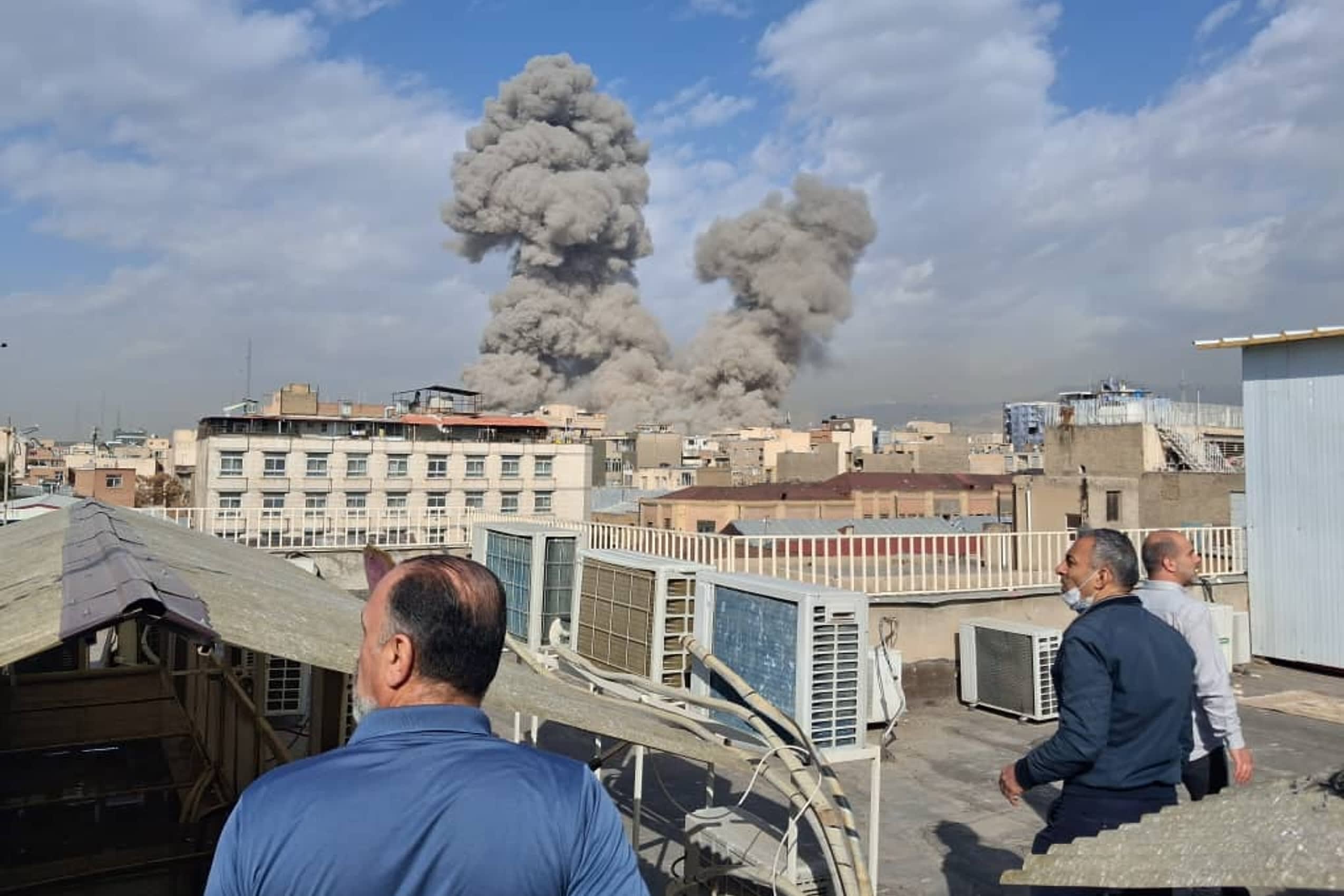
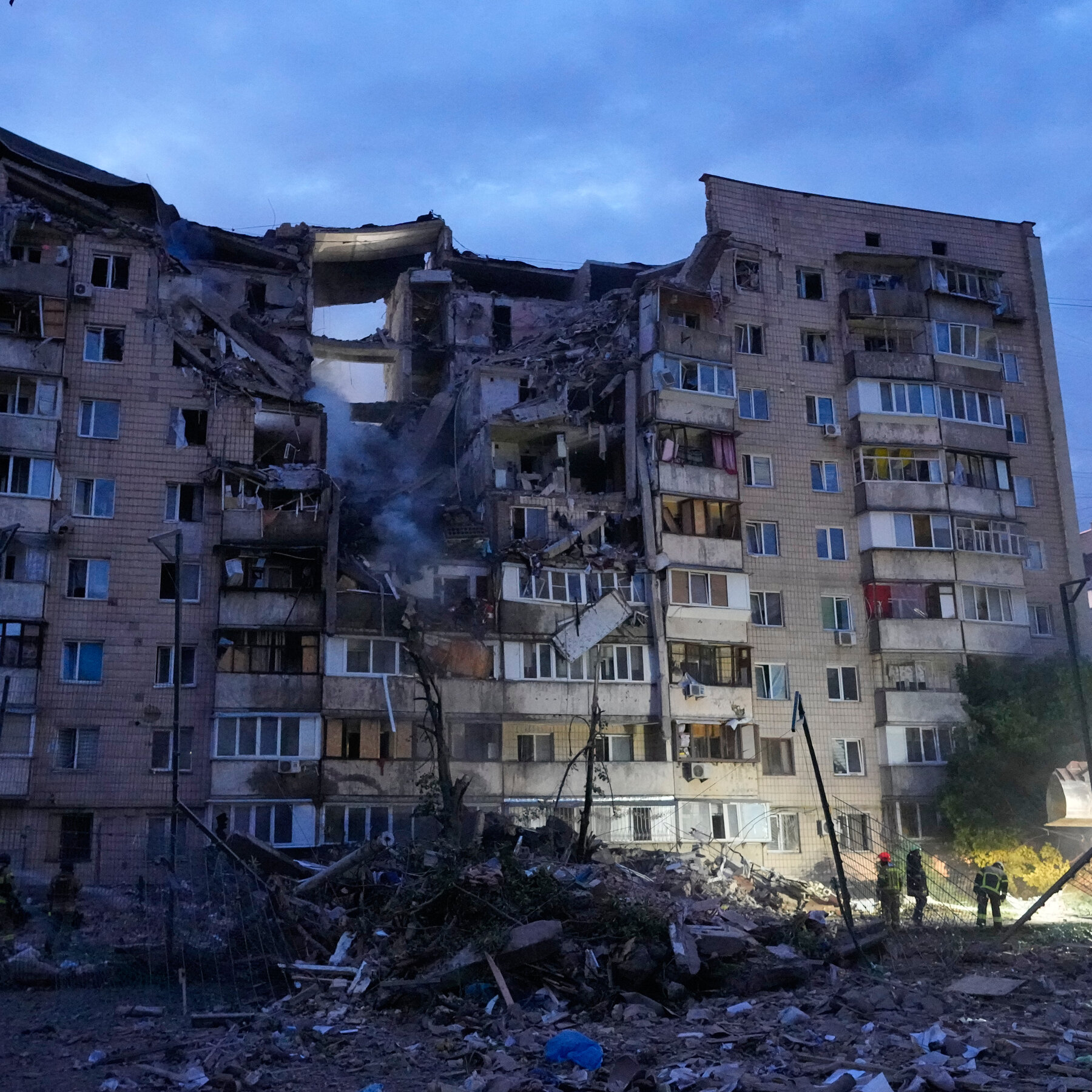
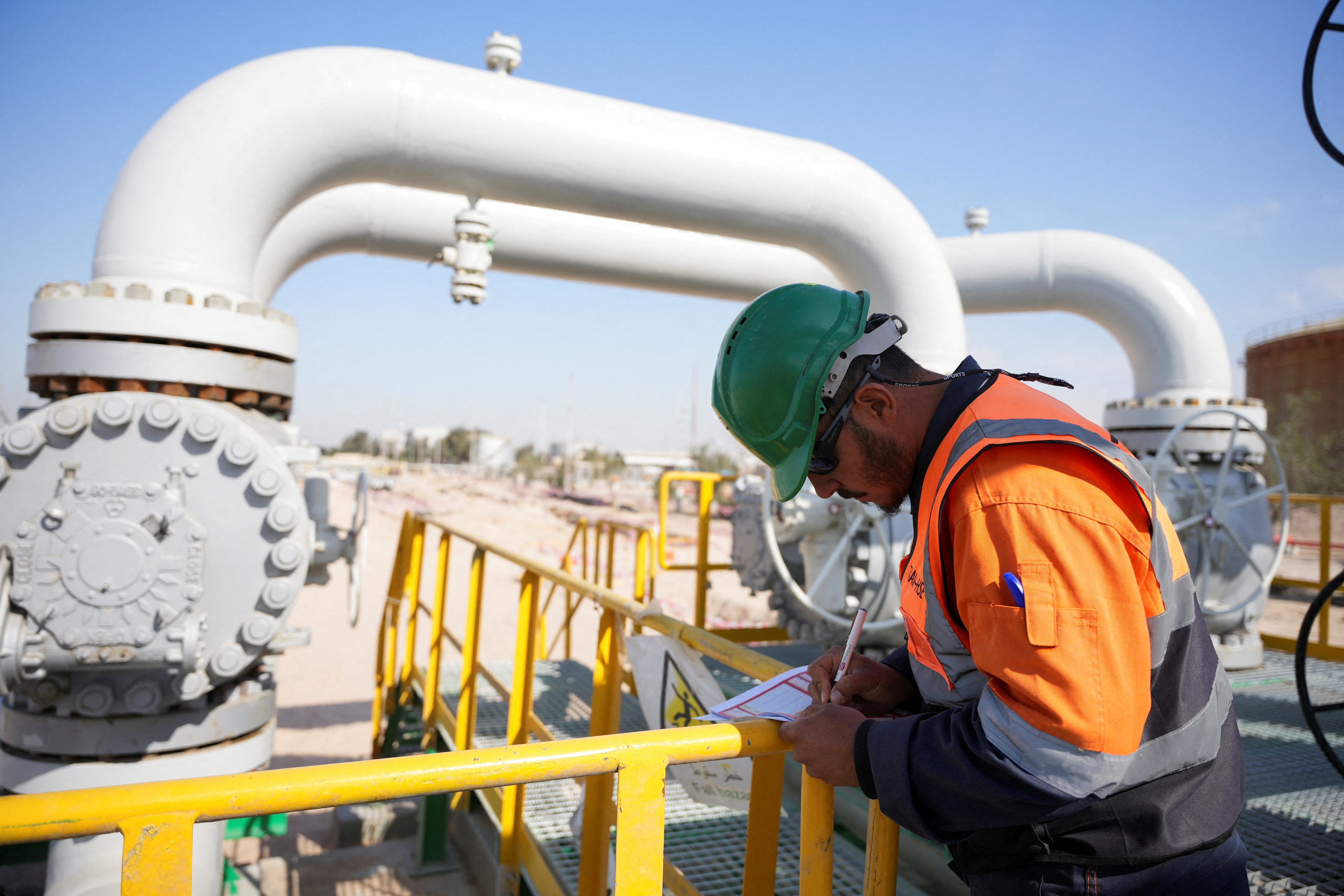
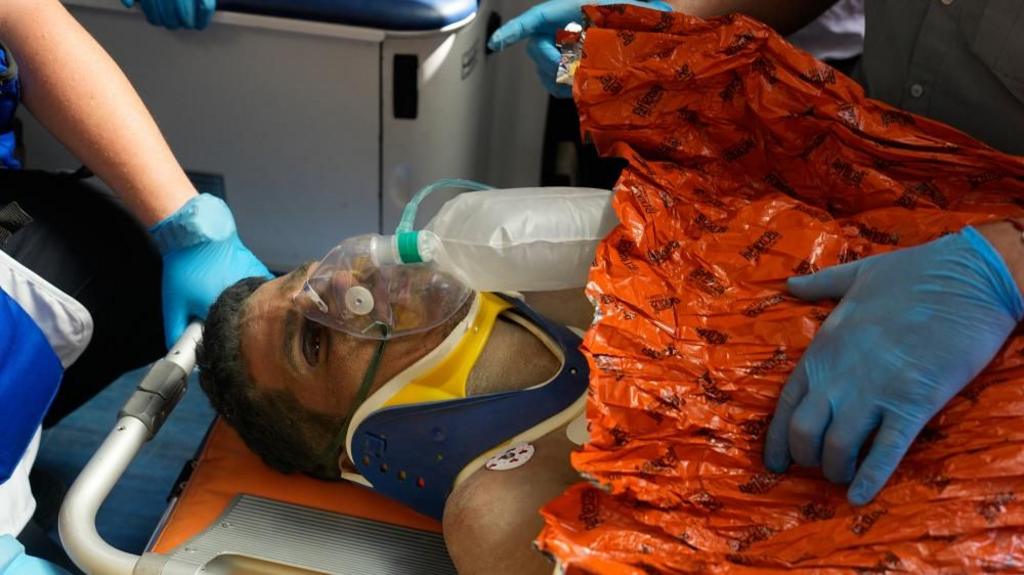
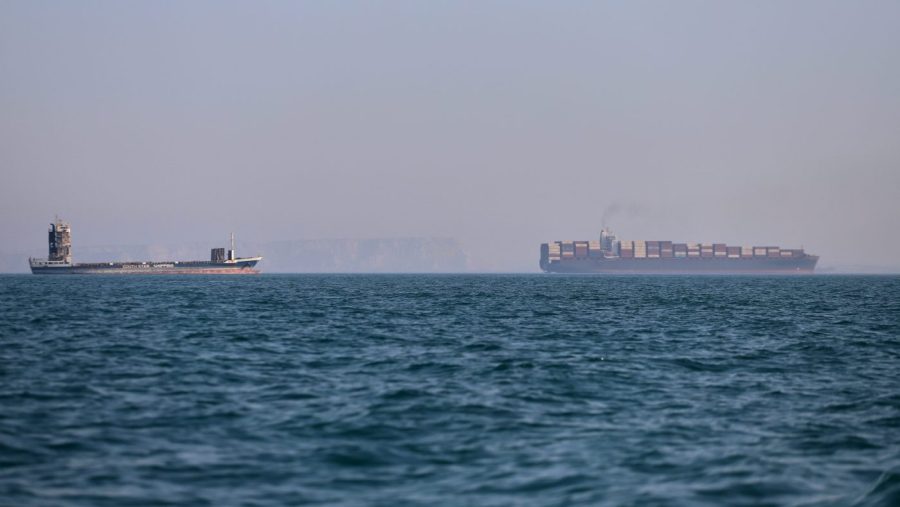
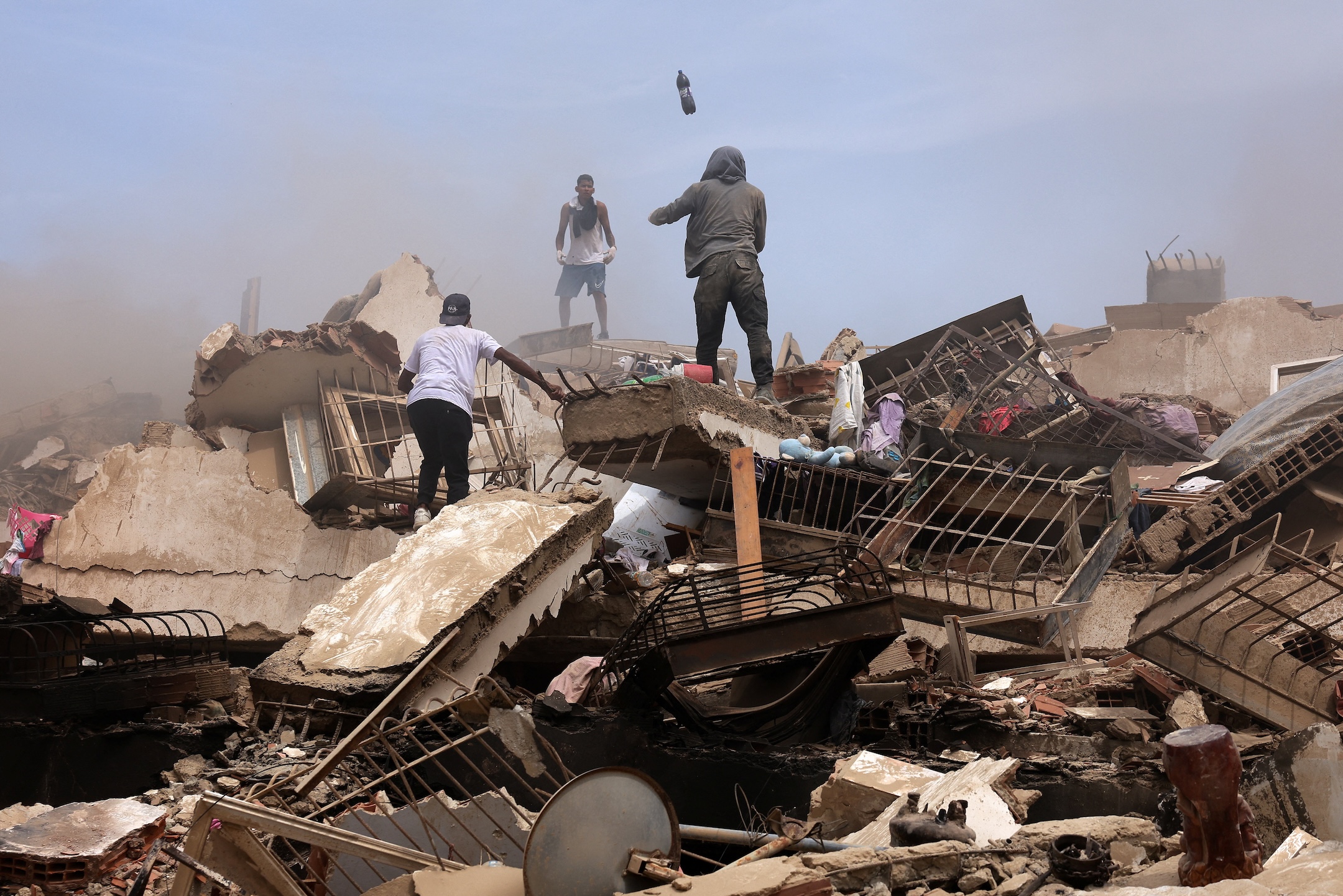
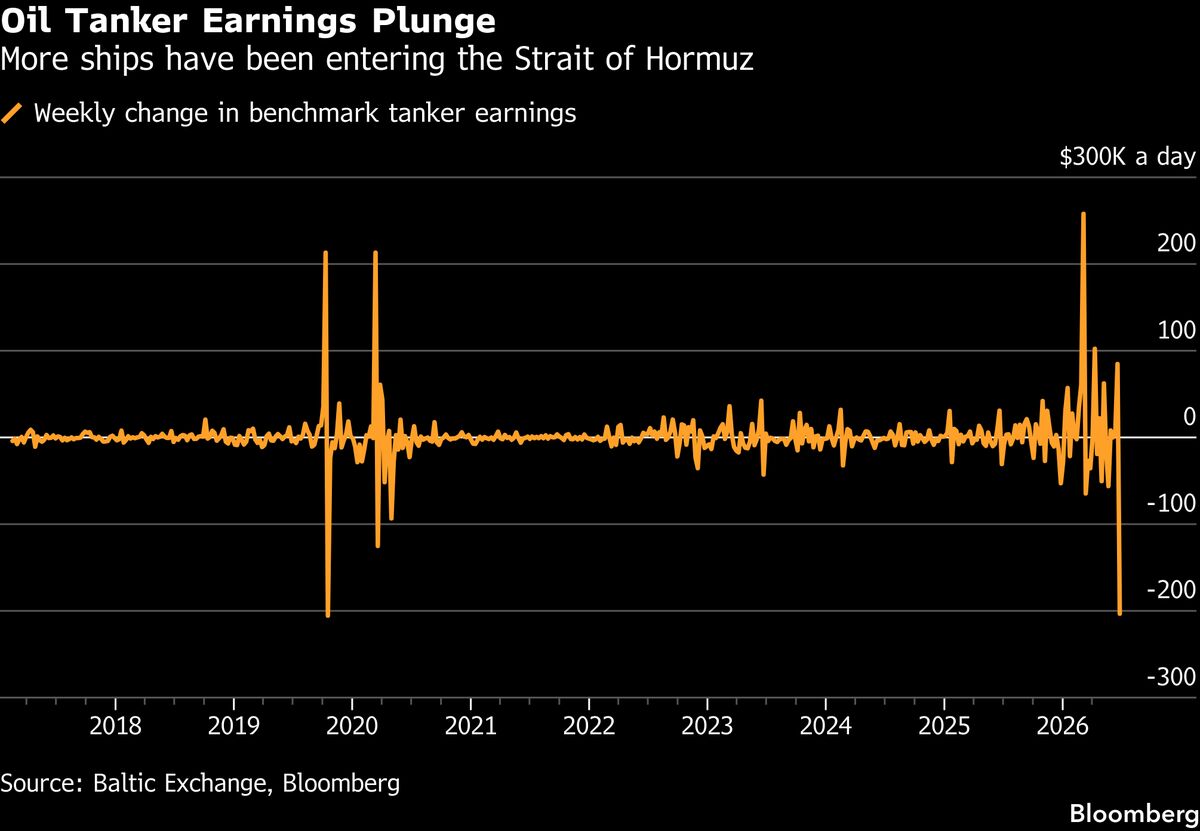
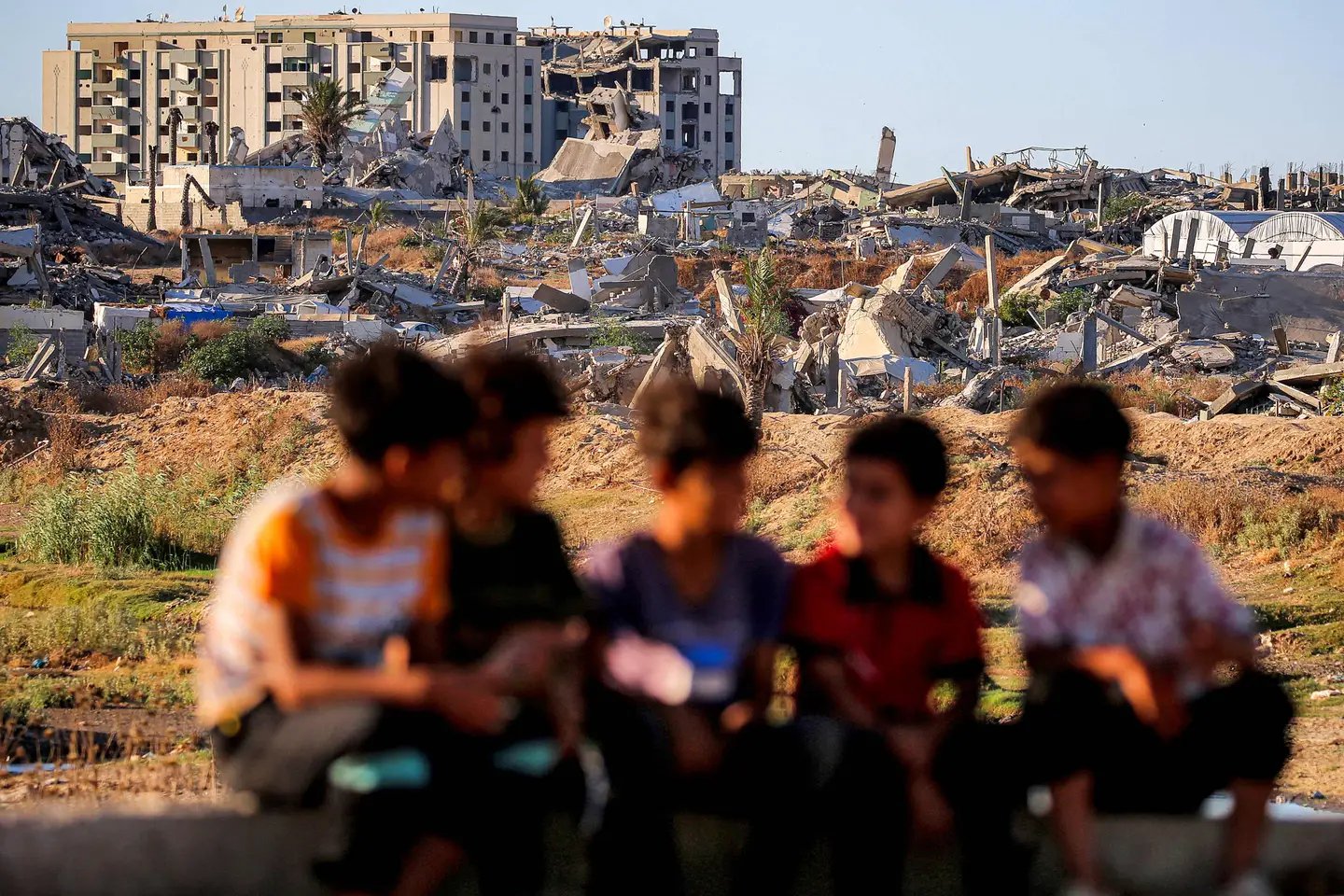
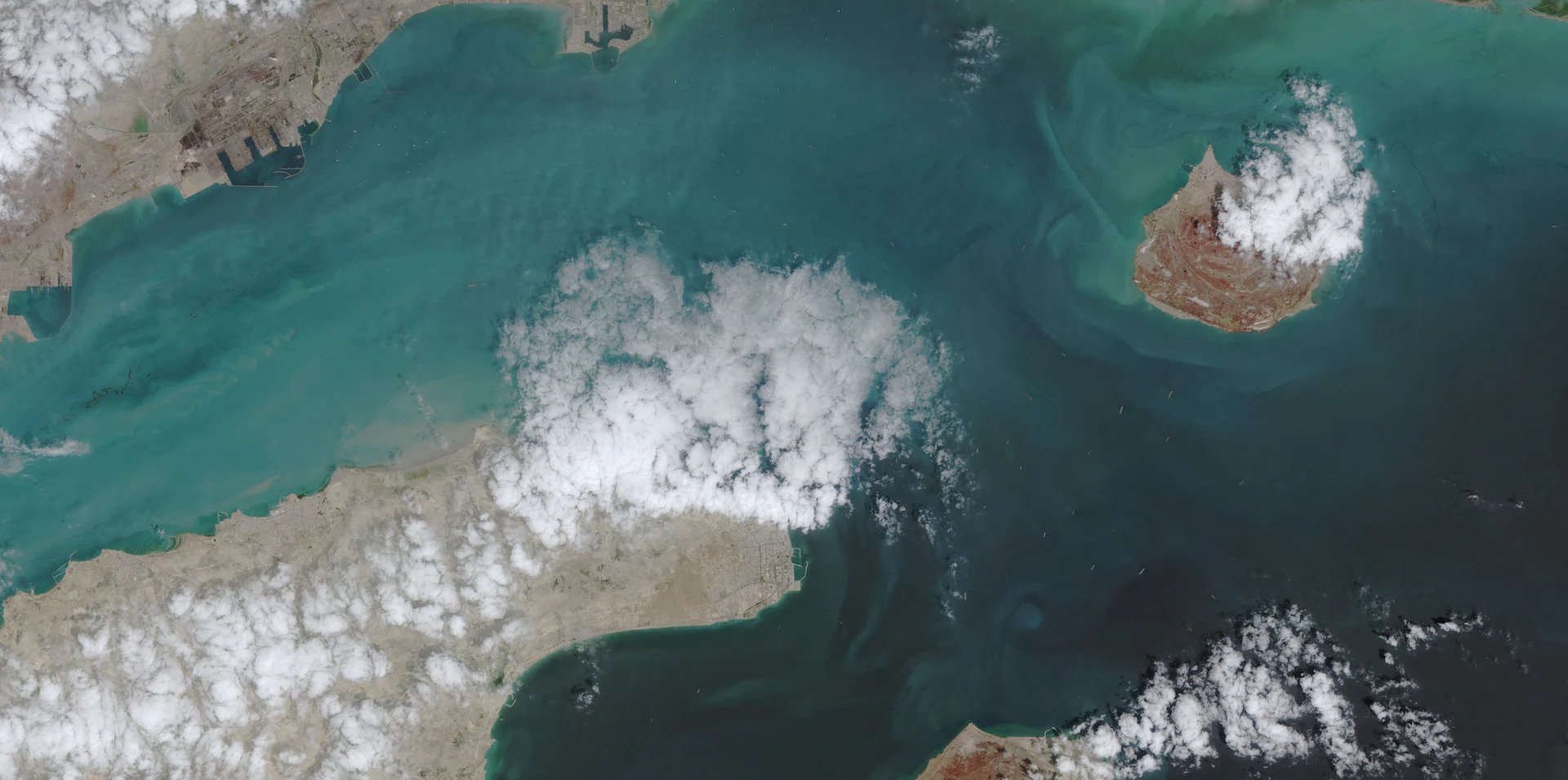
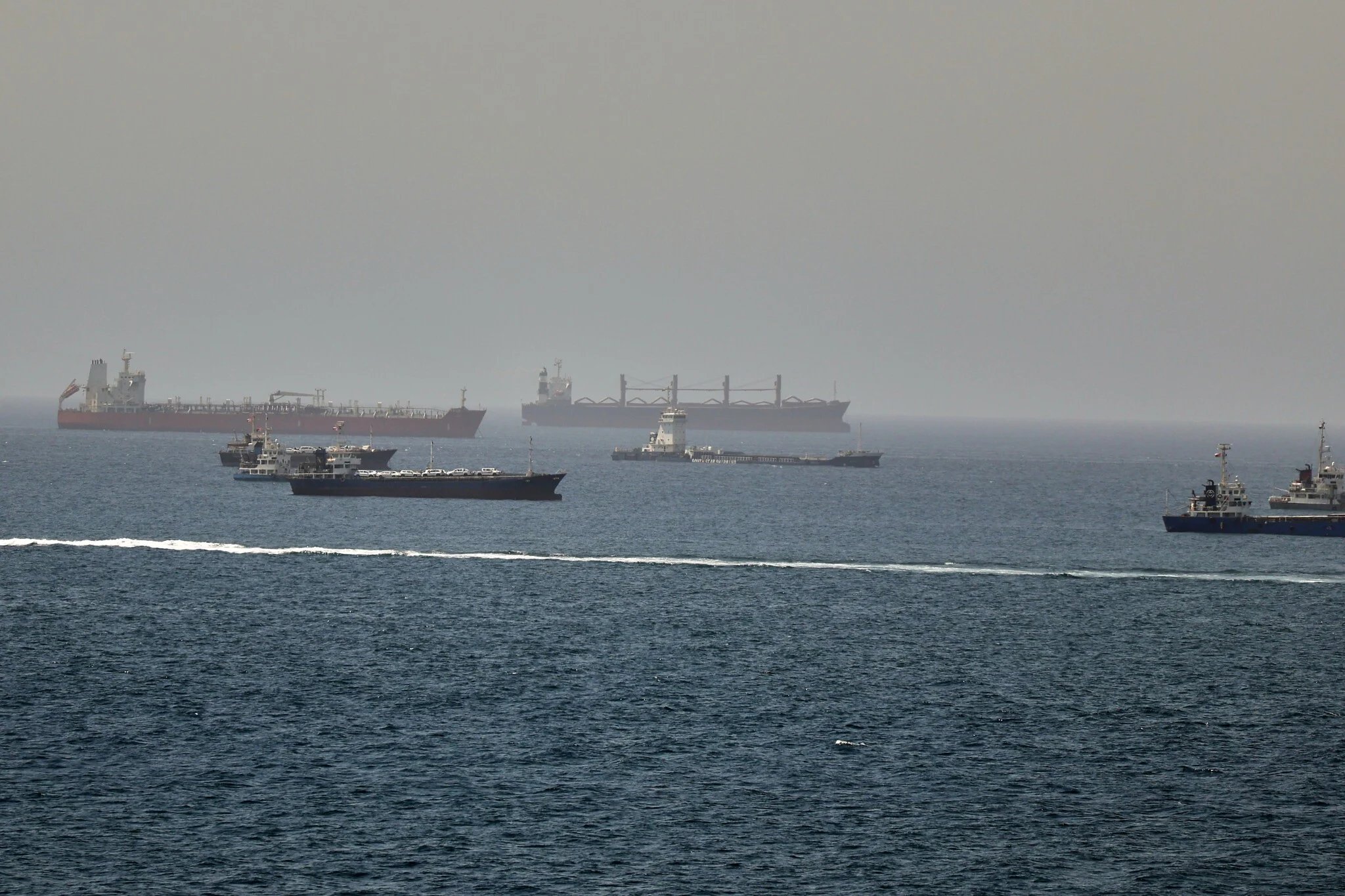
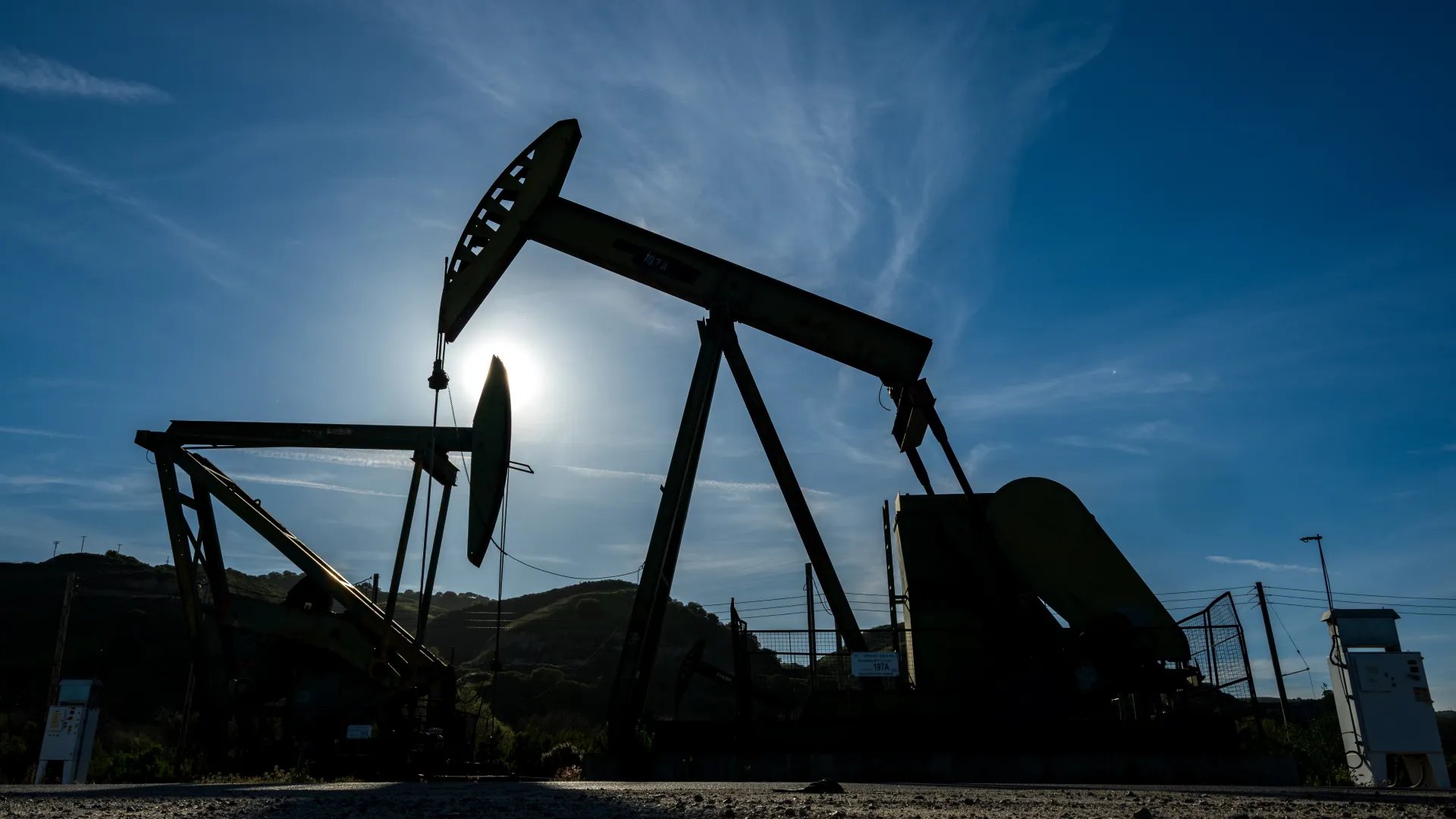
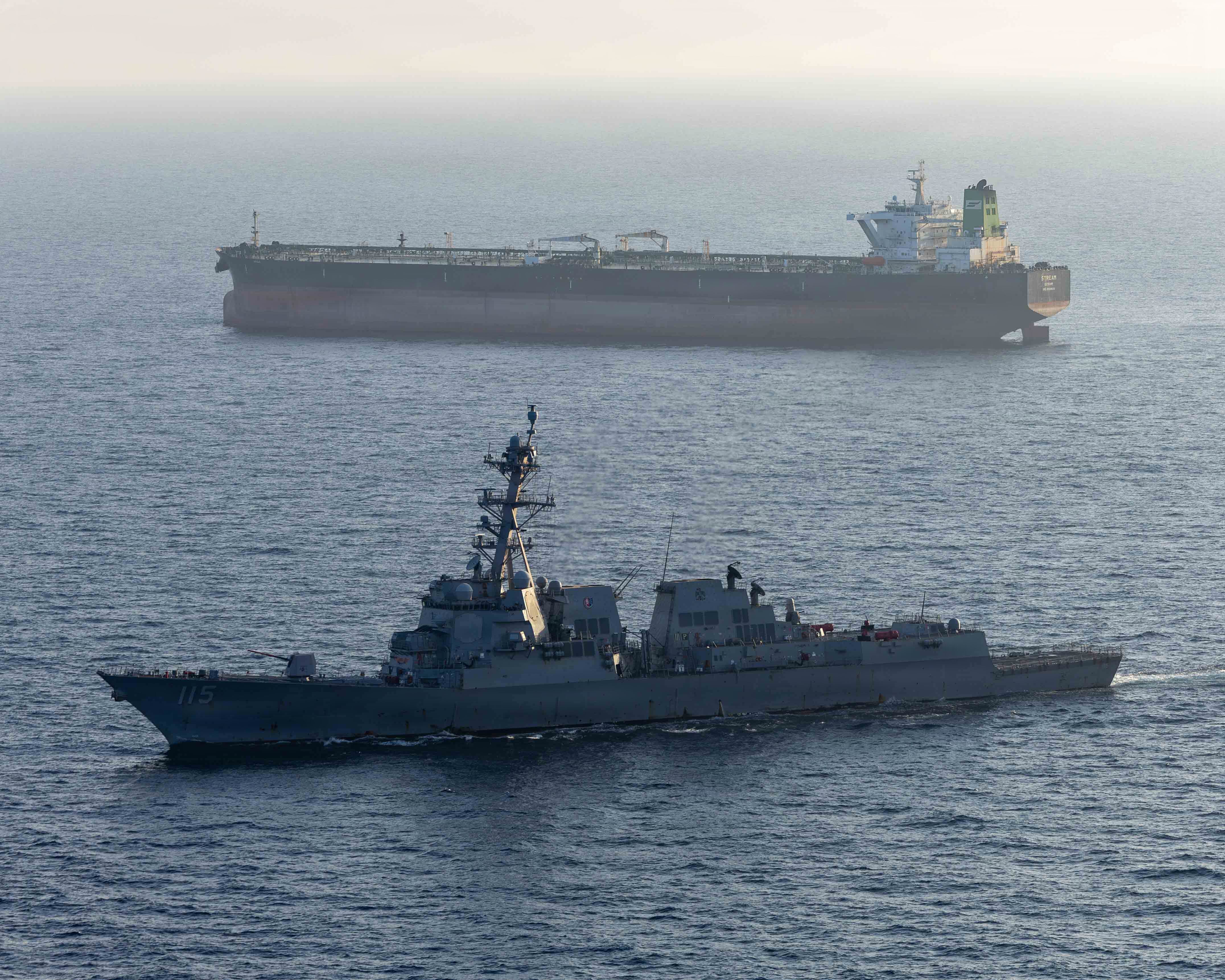
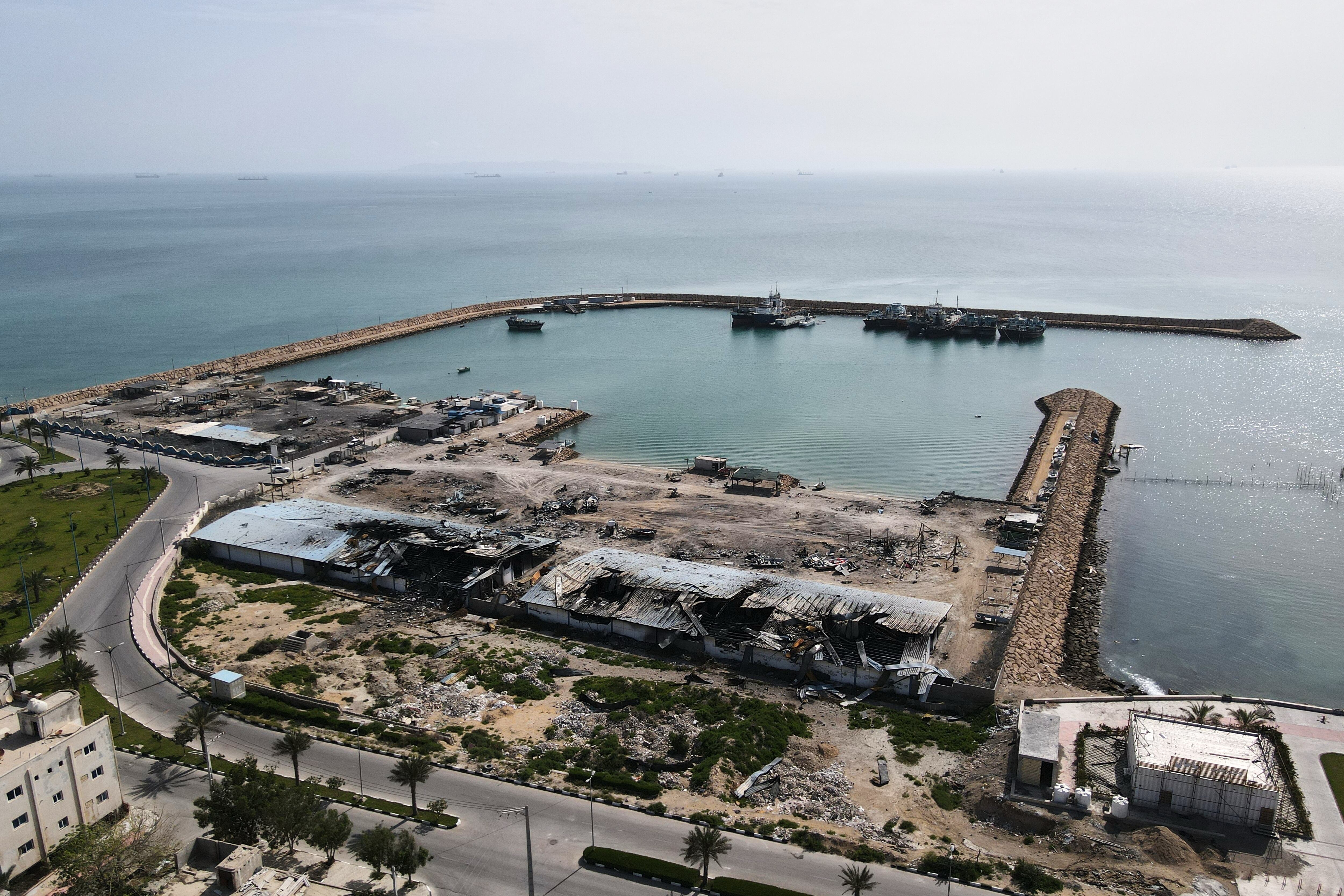
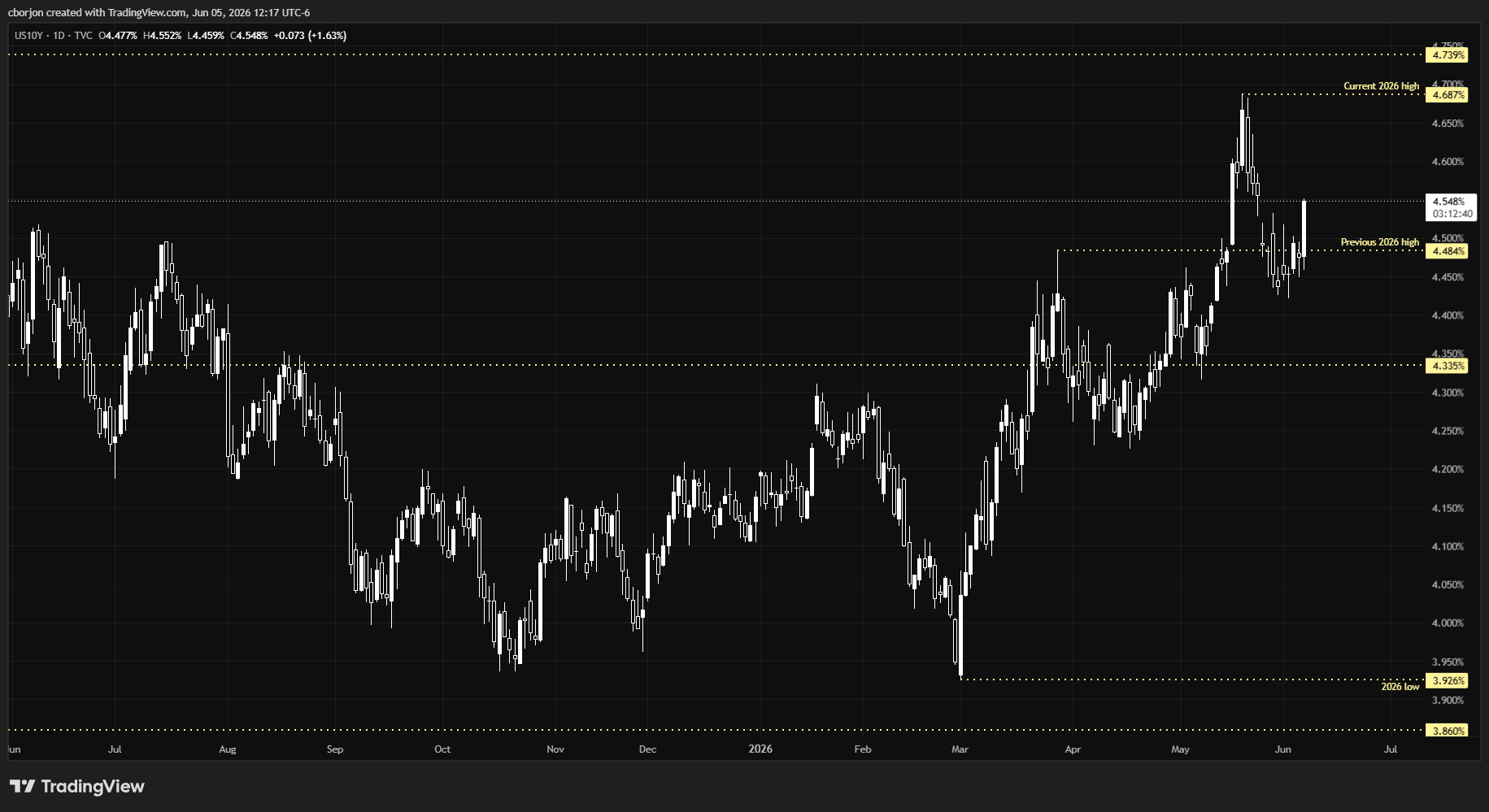
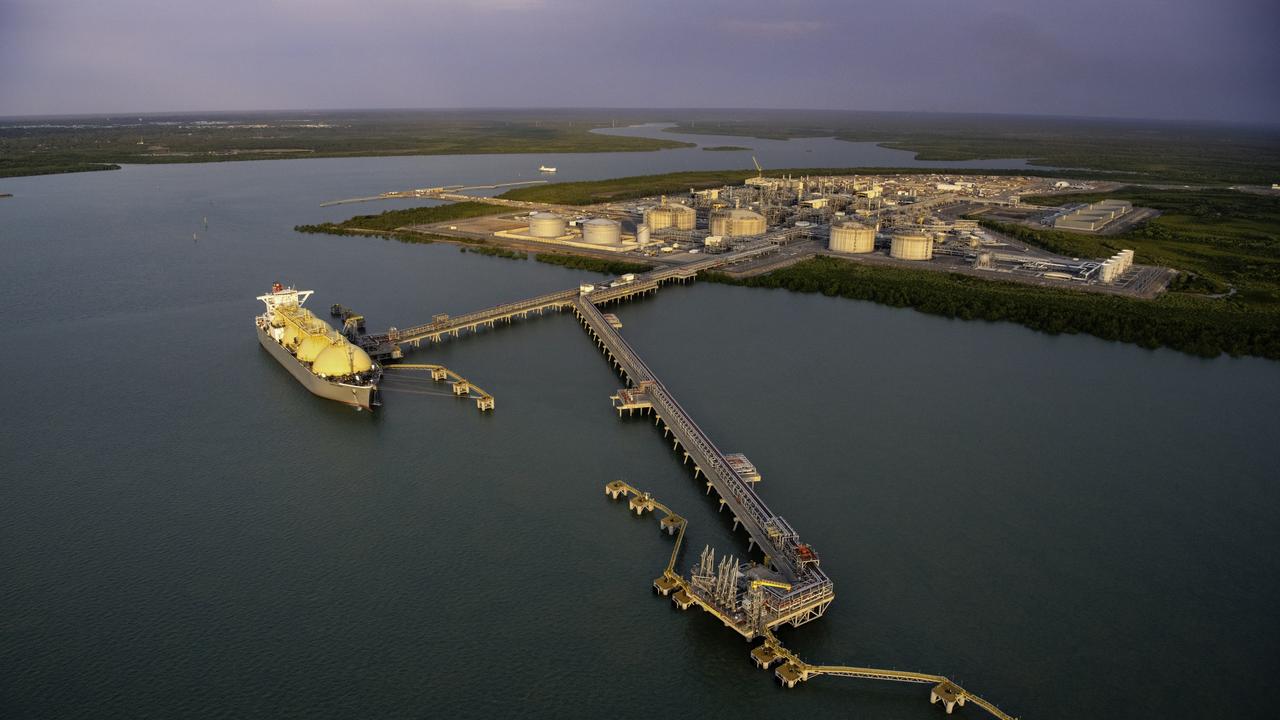
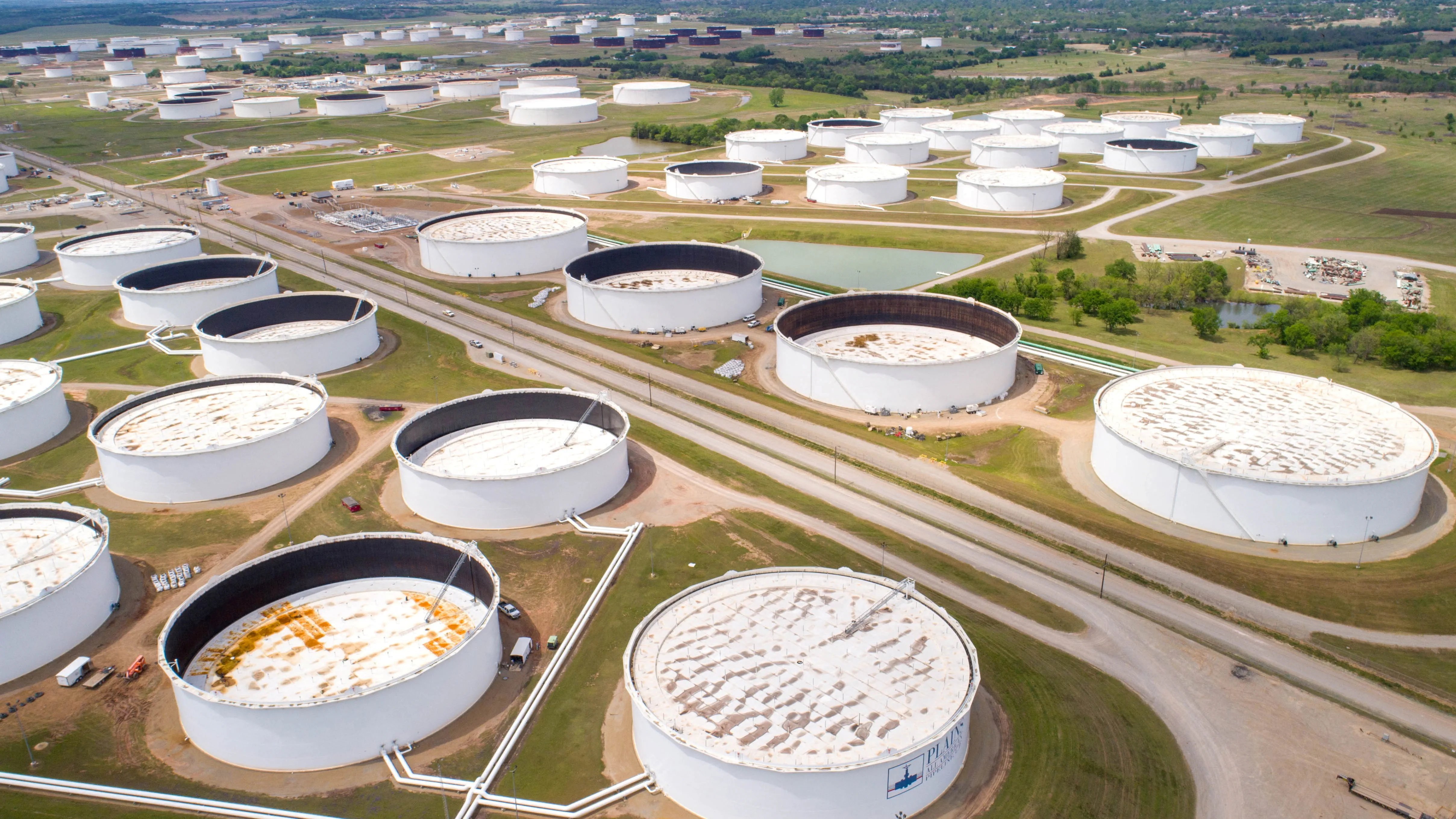
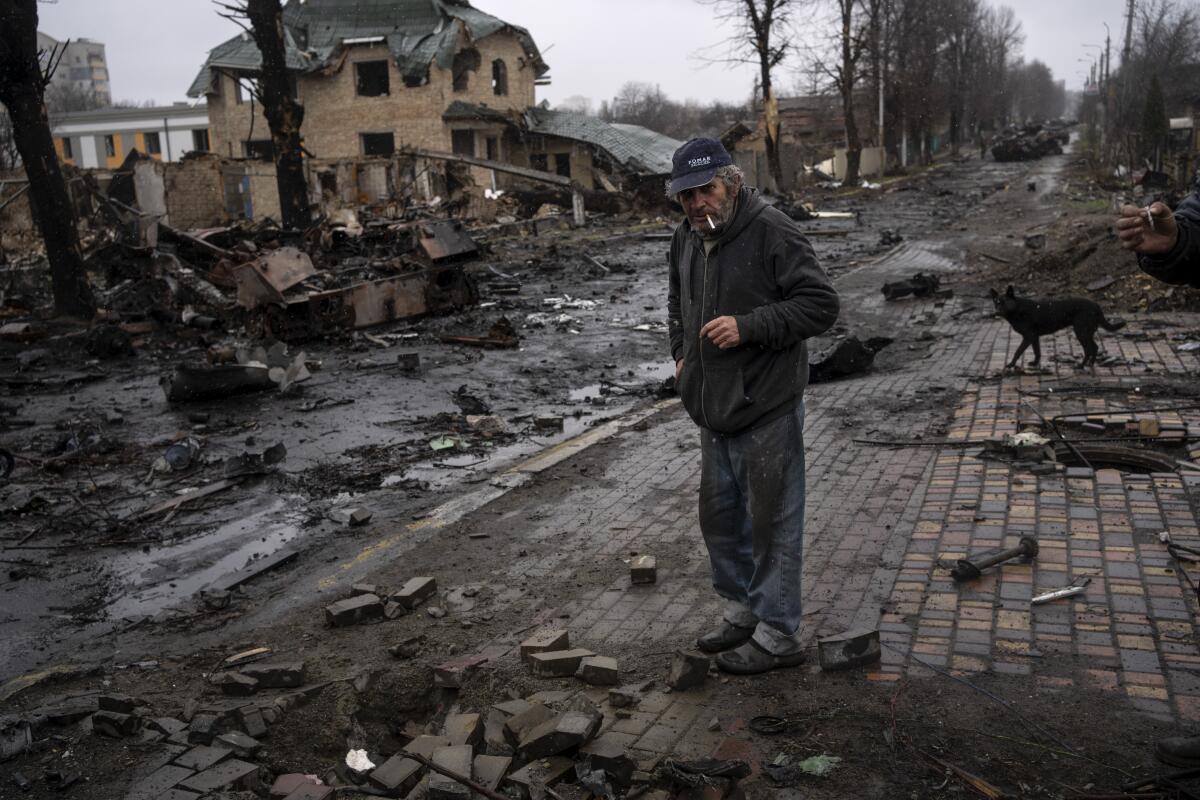
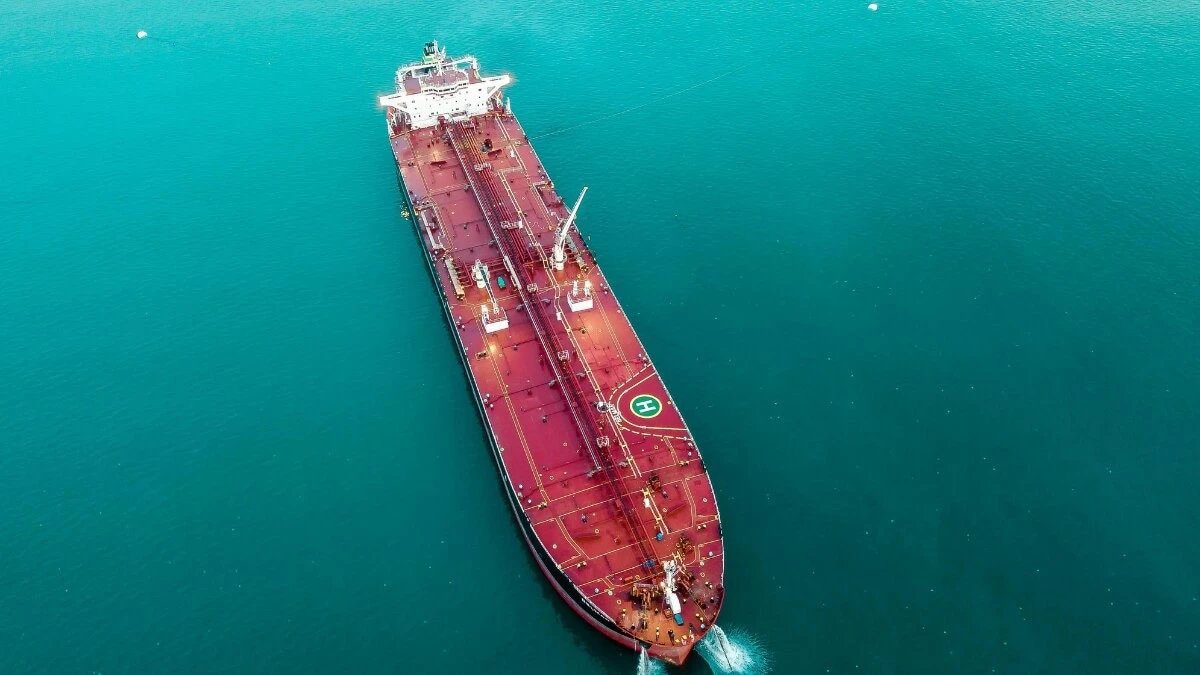
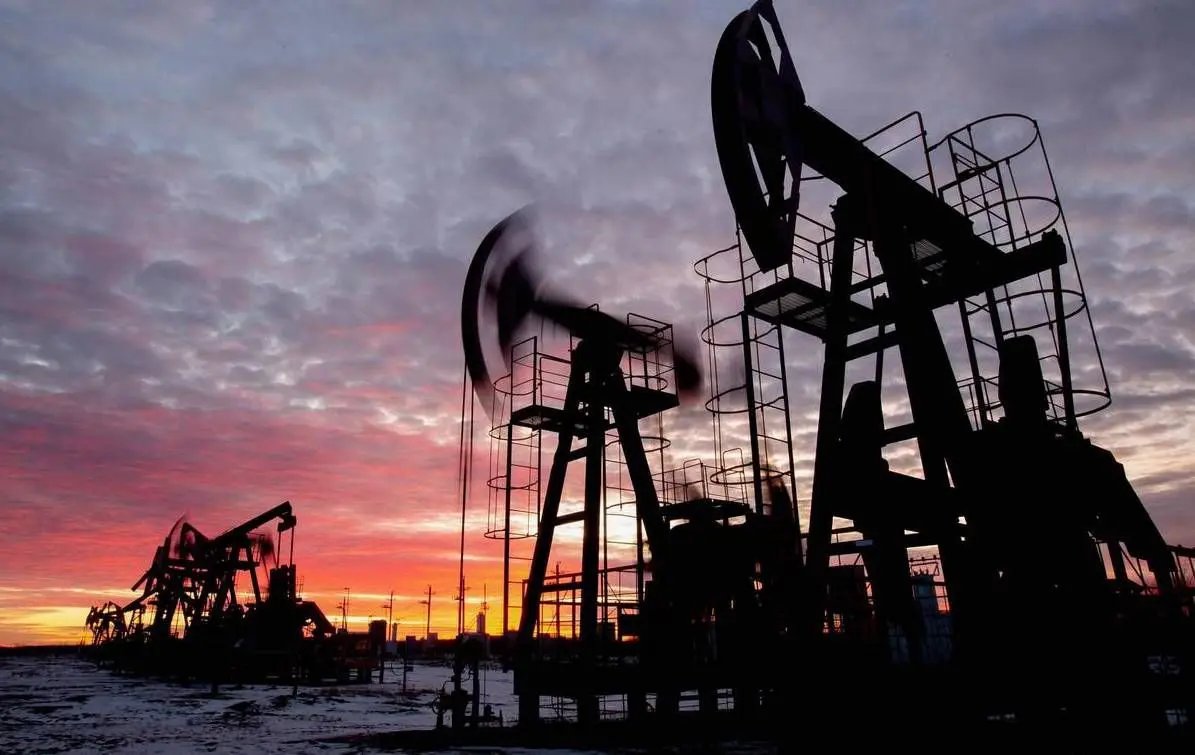
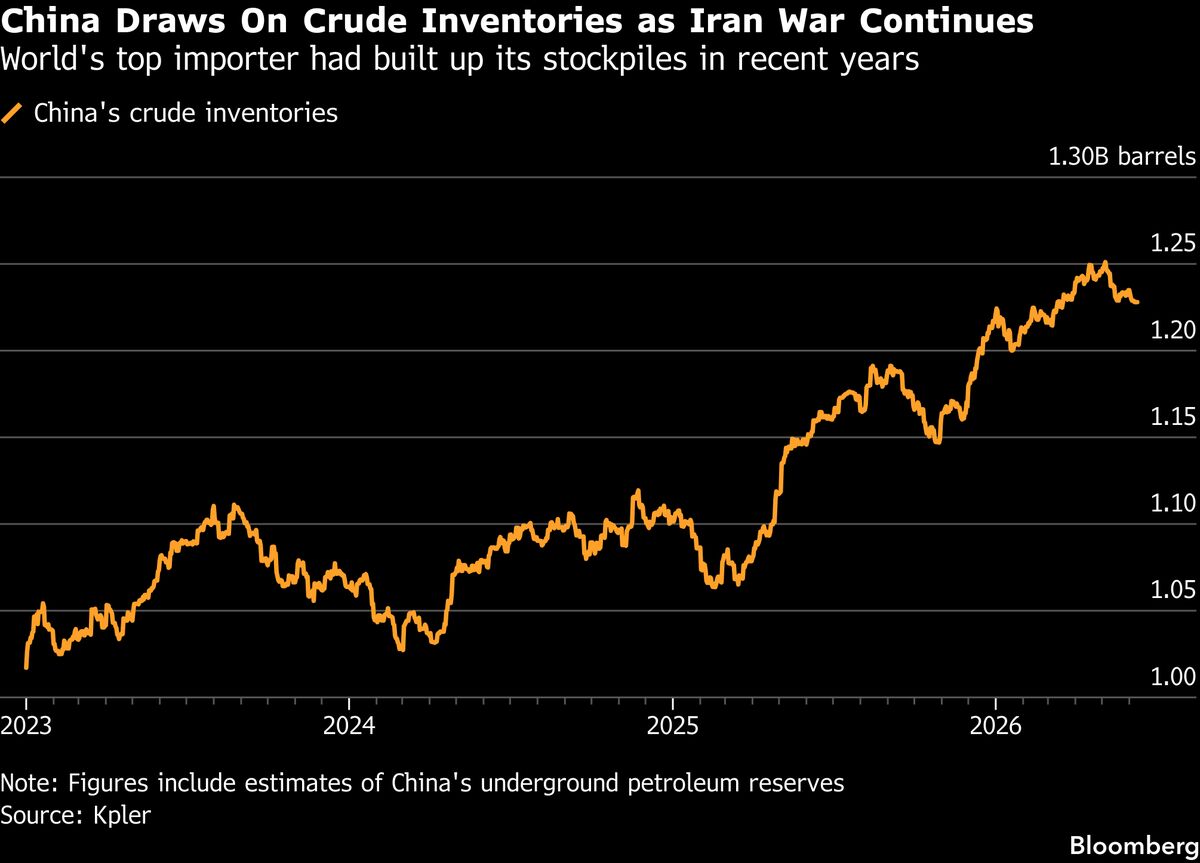
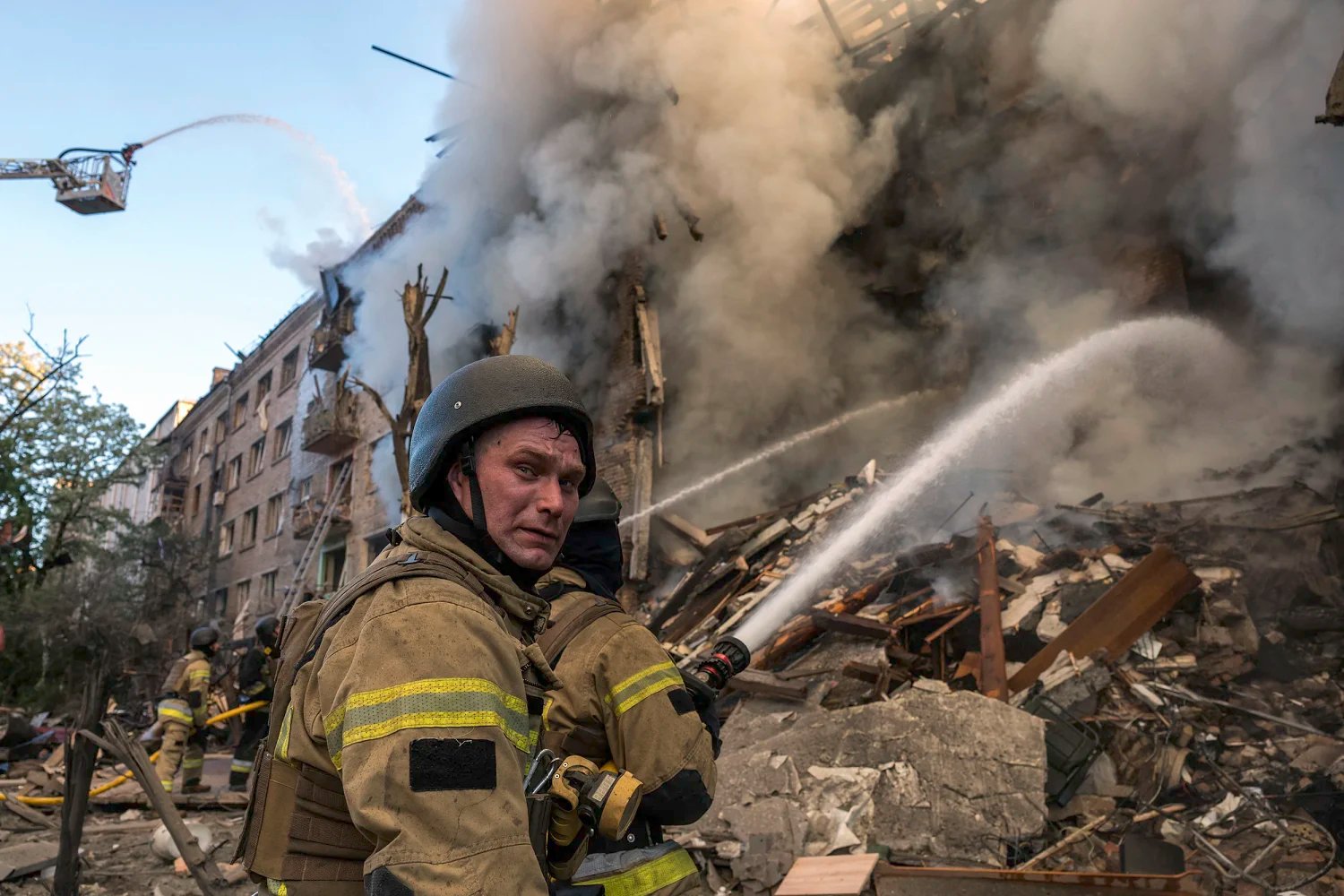
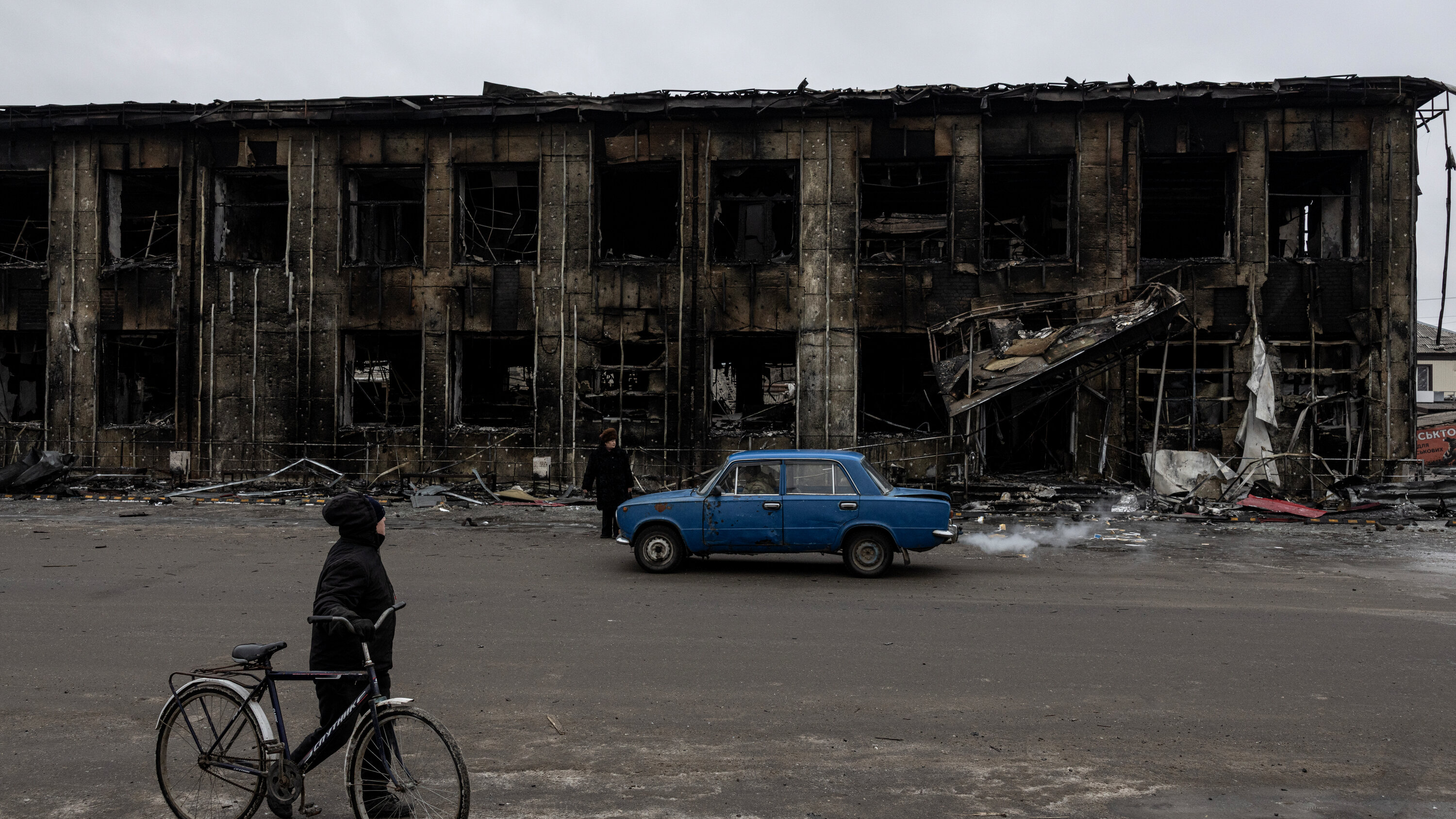
The war has already lasted far longer than initially expected. One hundred days after Operation Epic Fury began, the conflict has killed more than 7,000 people, caused mass displacement, and disrupted global energy markets through the near-closure of the Strait of Hormuz and soaring oil prices.
The Justification for Military Action
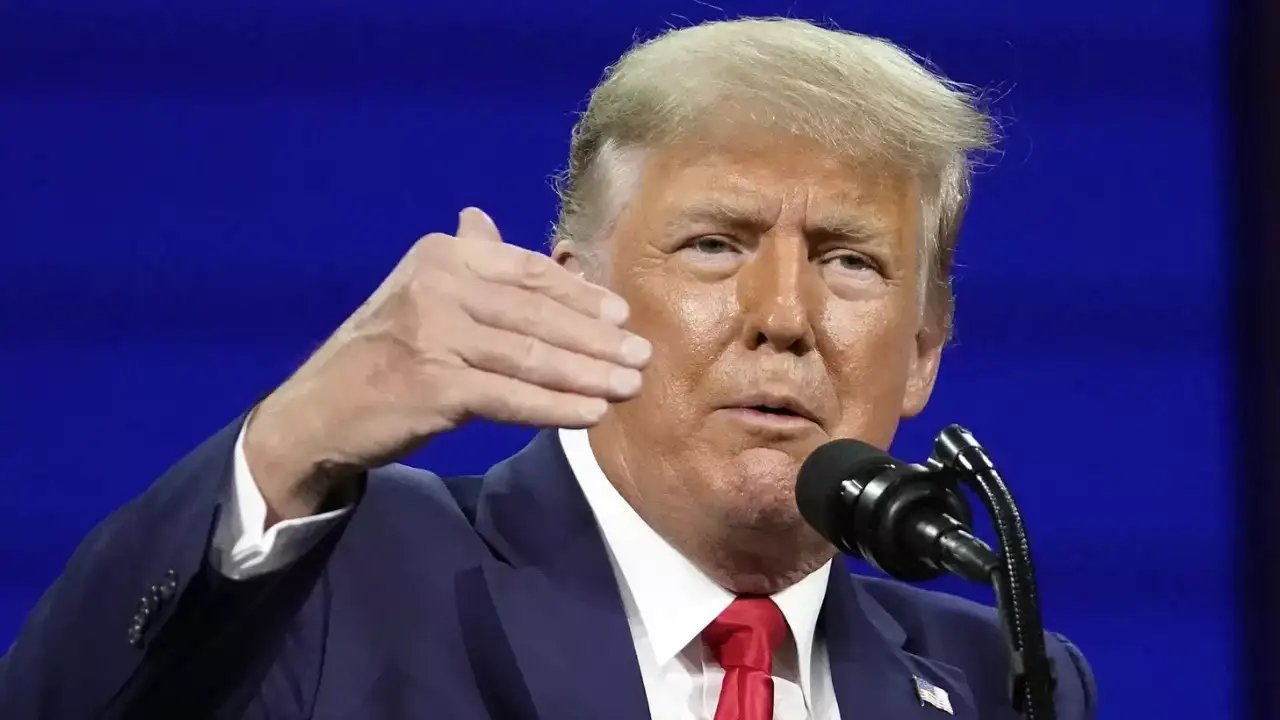
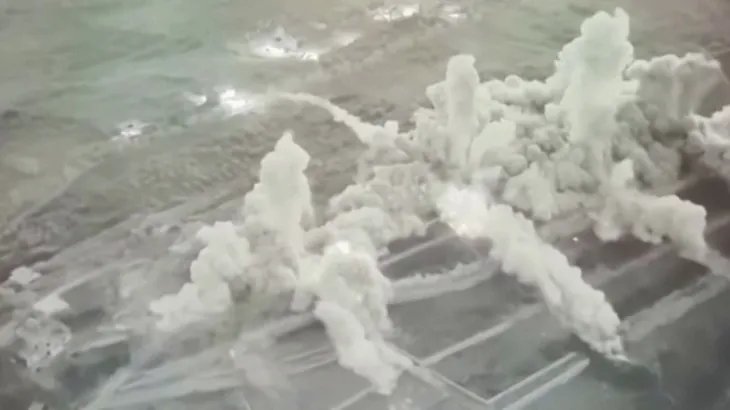
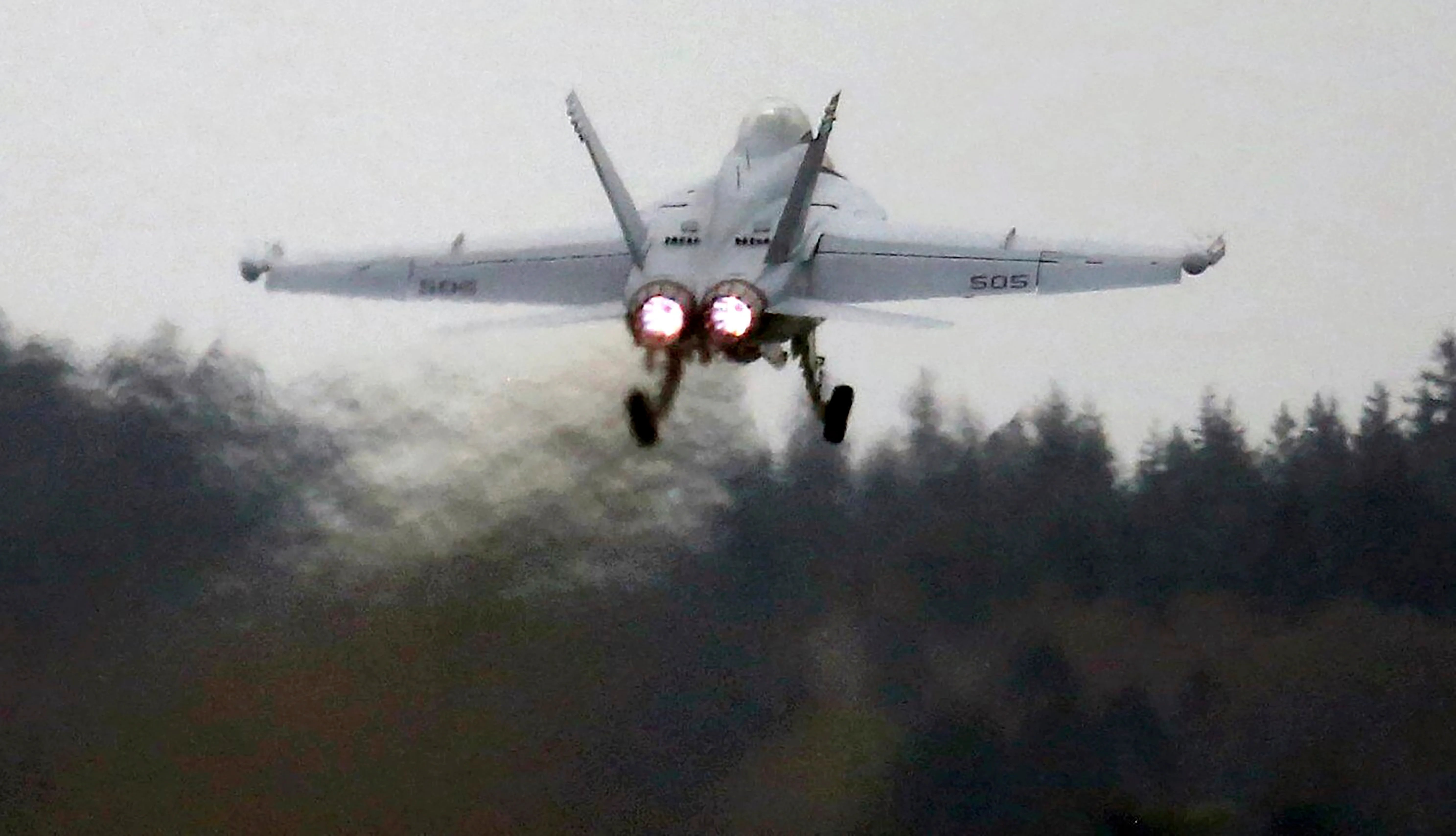
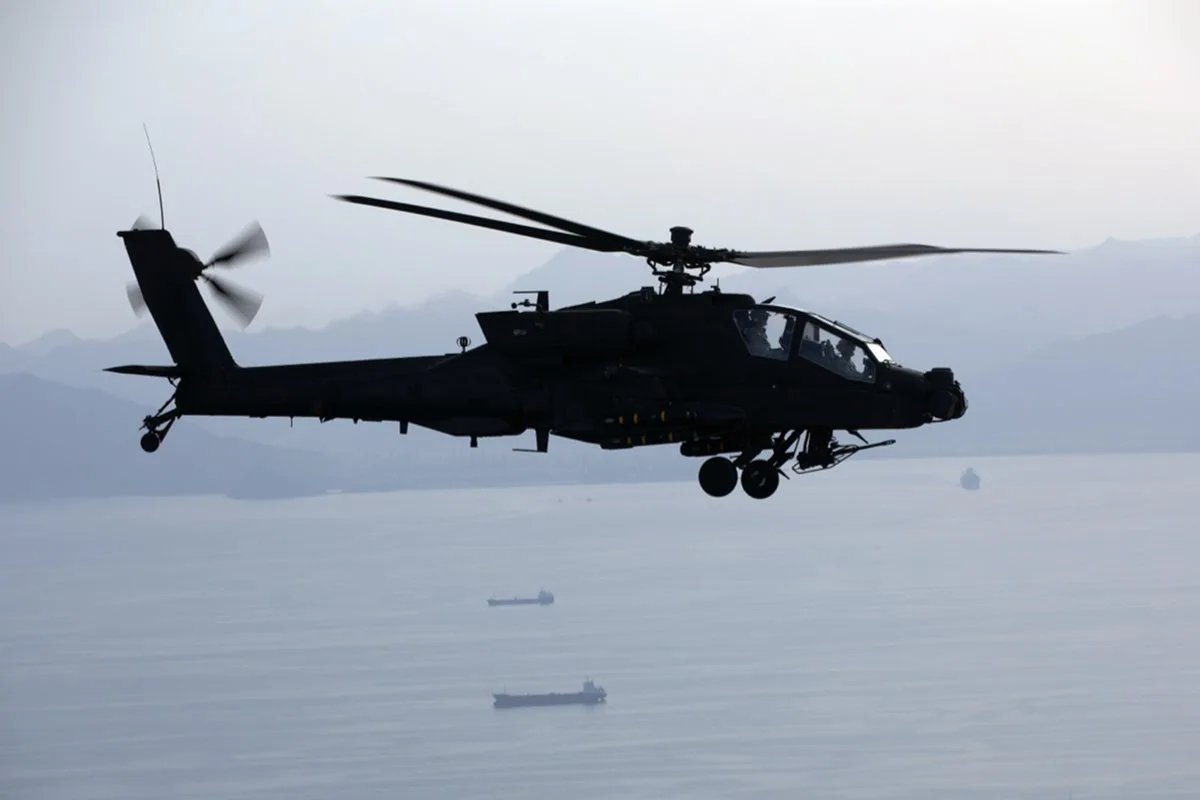
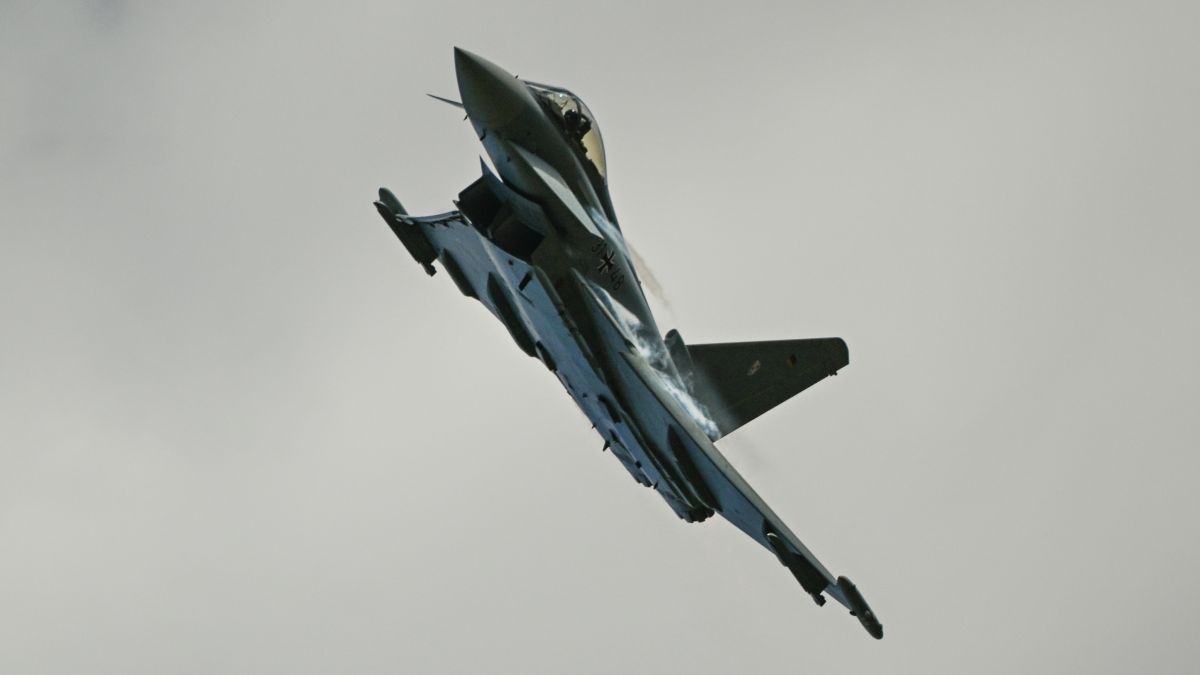
Trump defended the initial strikes as necessary to prevent a nuclear-armed Iran. During the NBC interview, he argued that his decision to use B-2 bombers prevented catastrophic consequences. "If I didn't go in there with the B-2 bombers, they would right now have a nuclear weapon, and it could be that half of the world would be eradicated," Trump said.
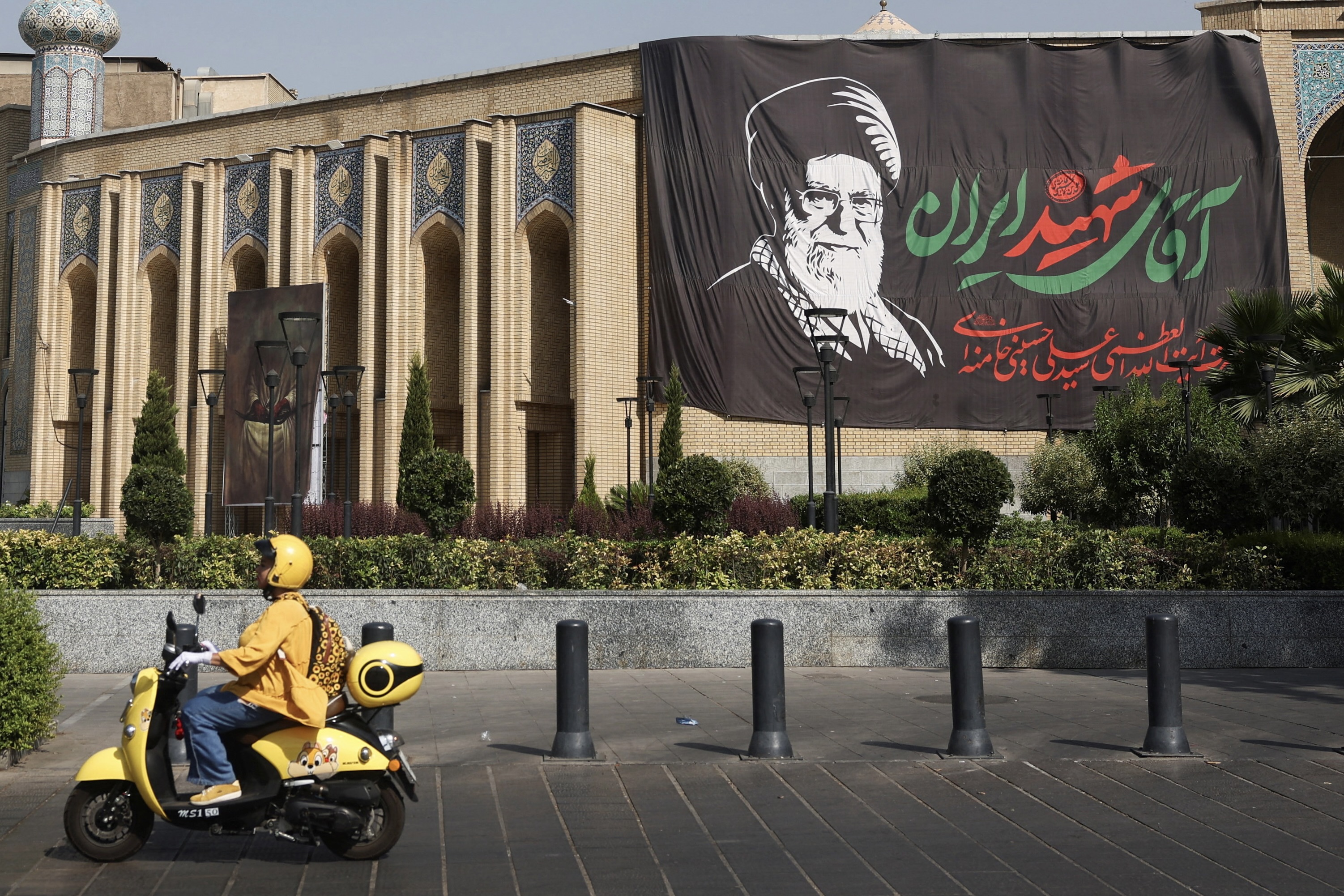
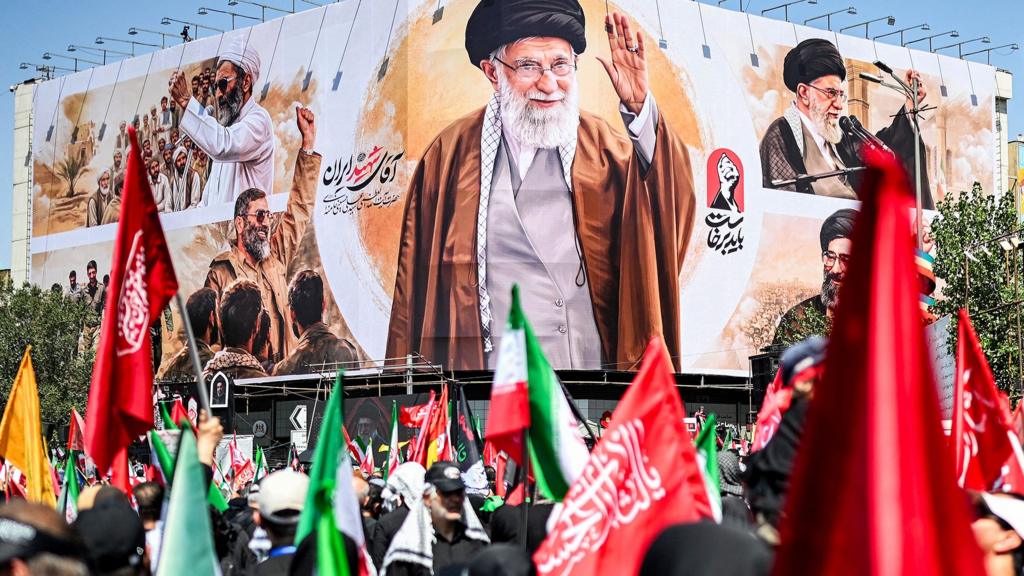
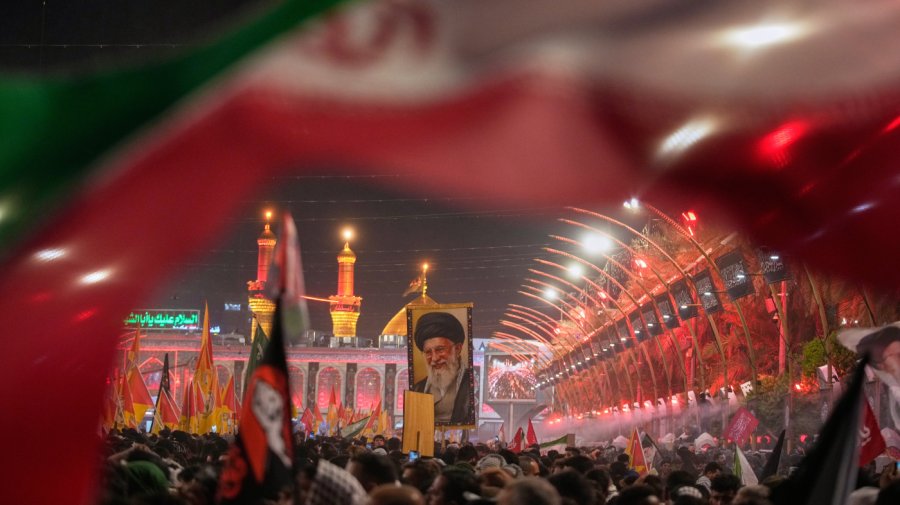
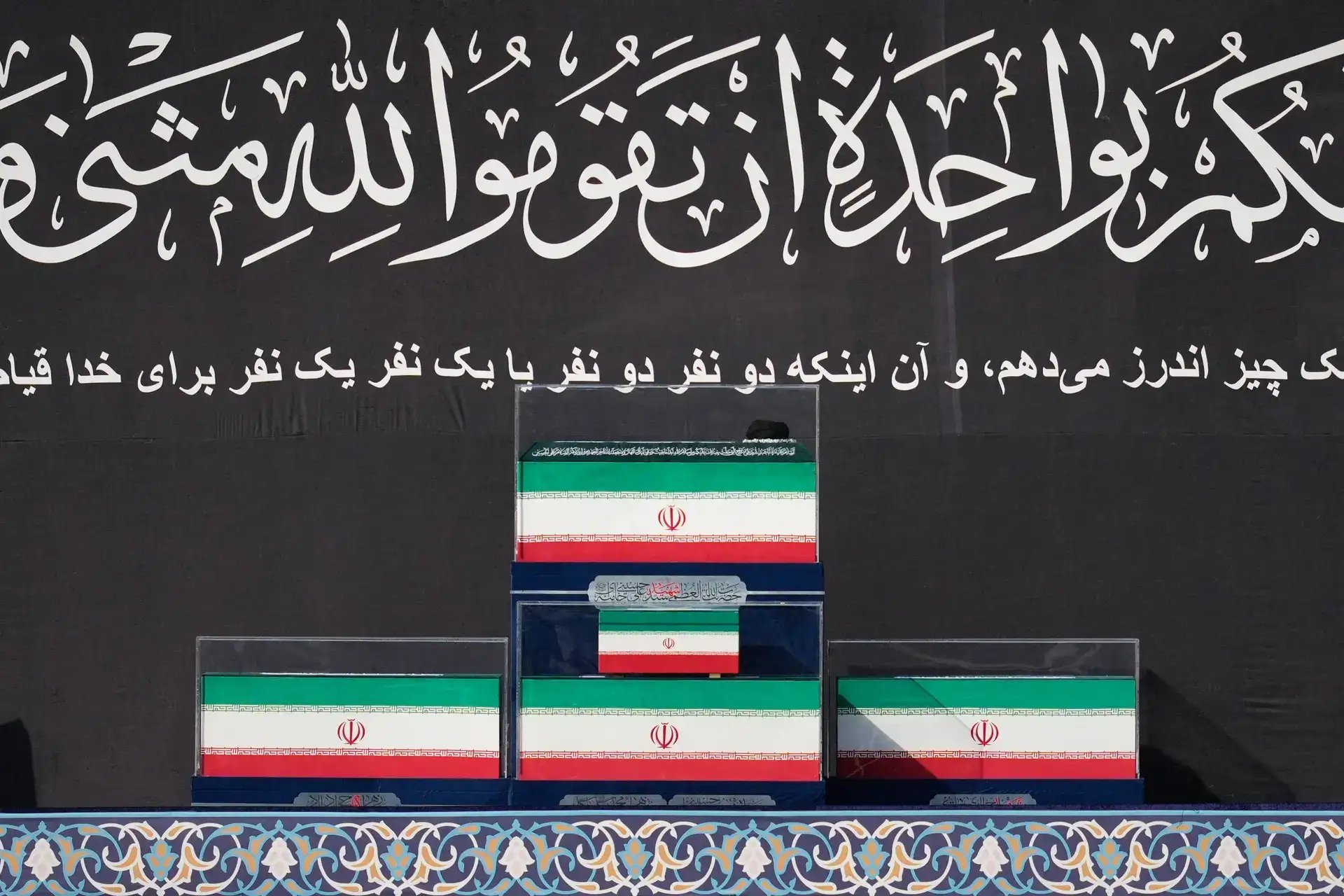
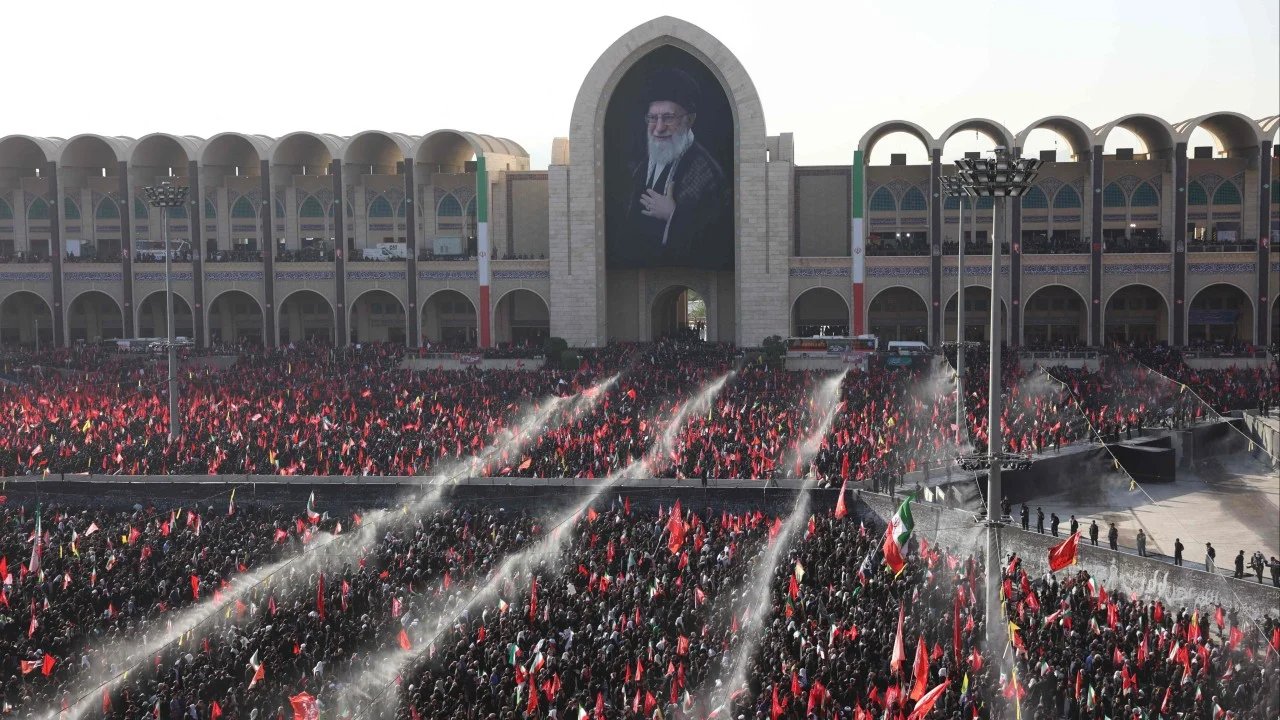
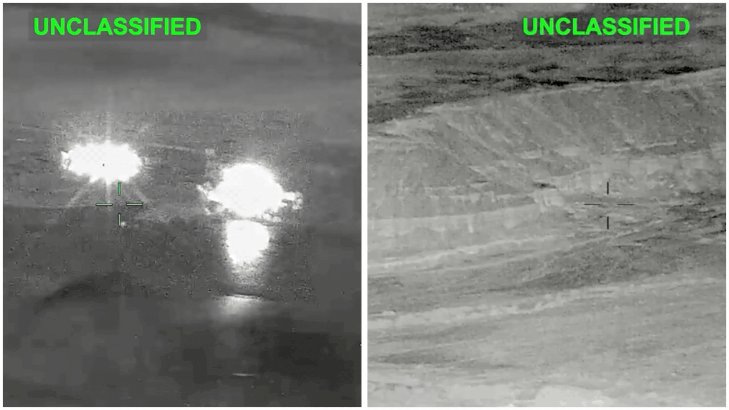
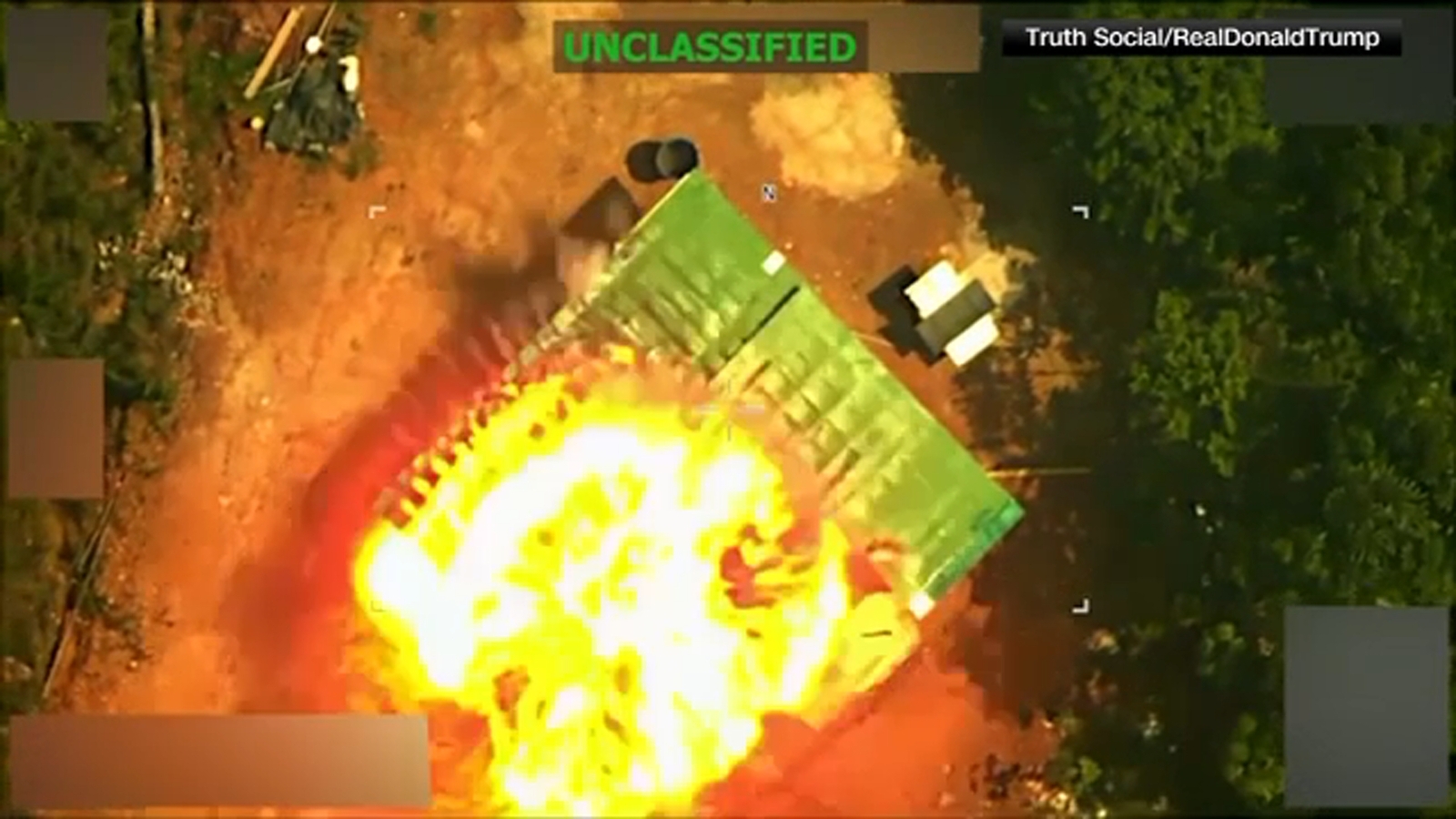
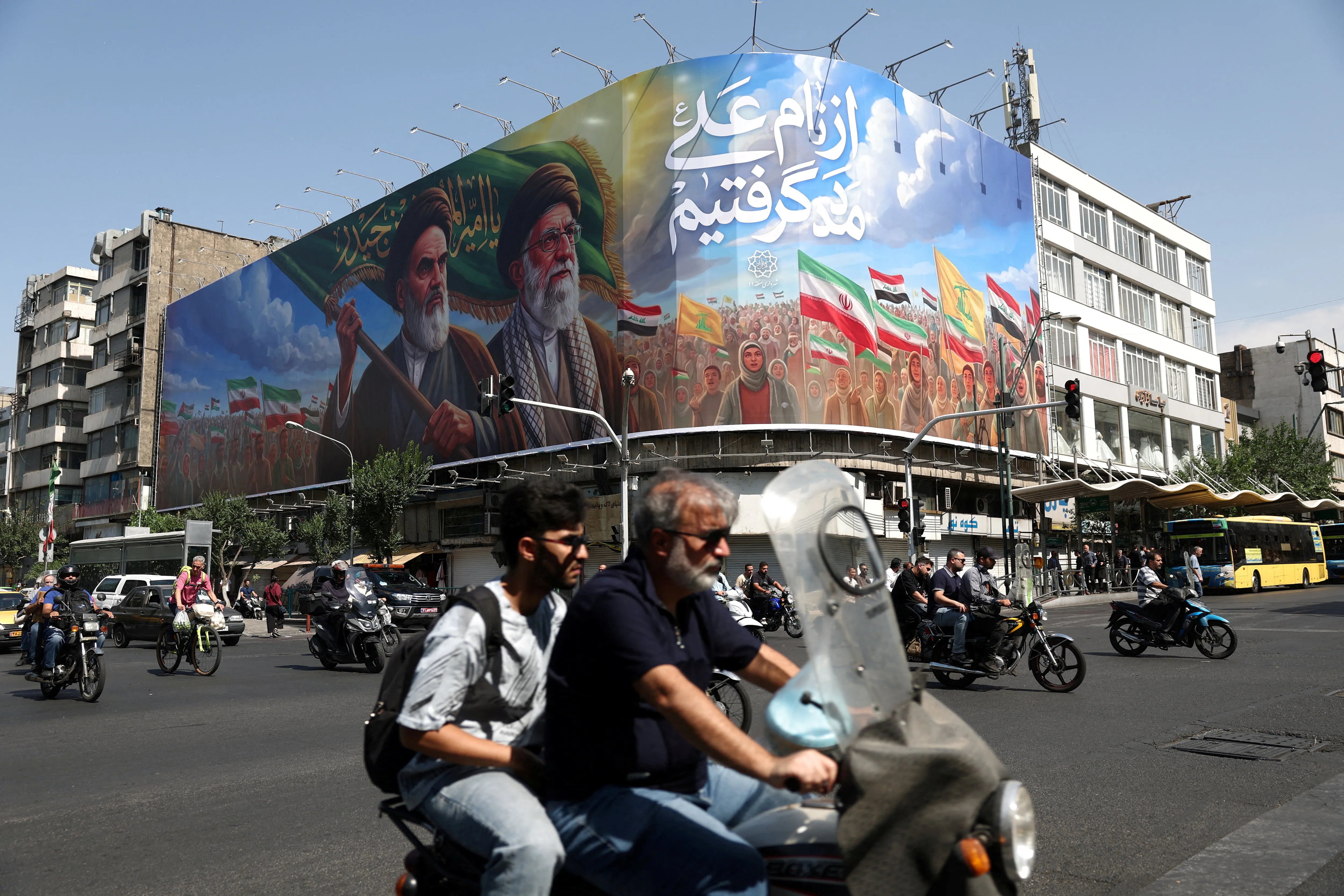
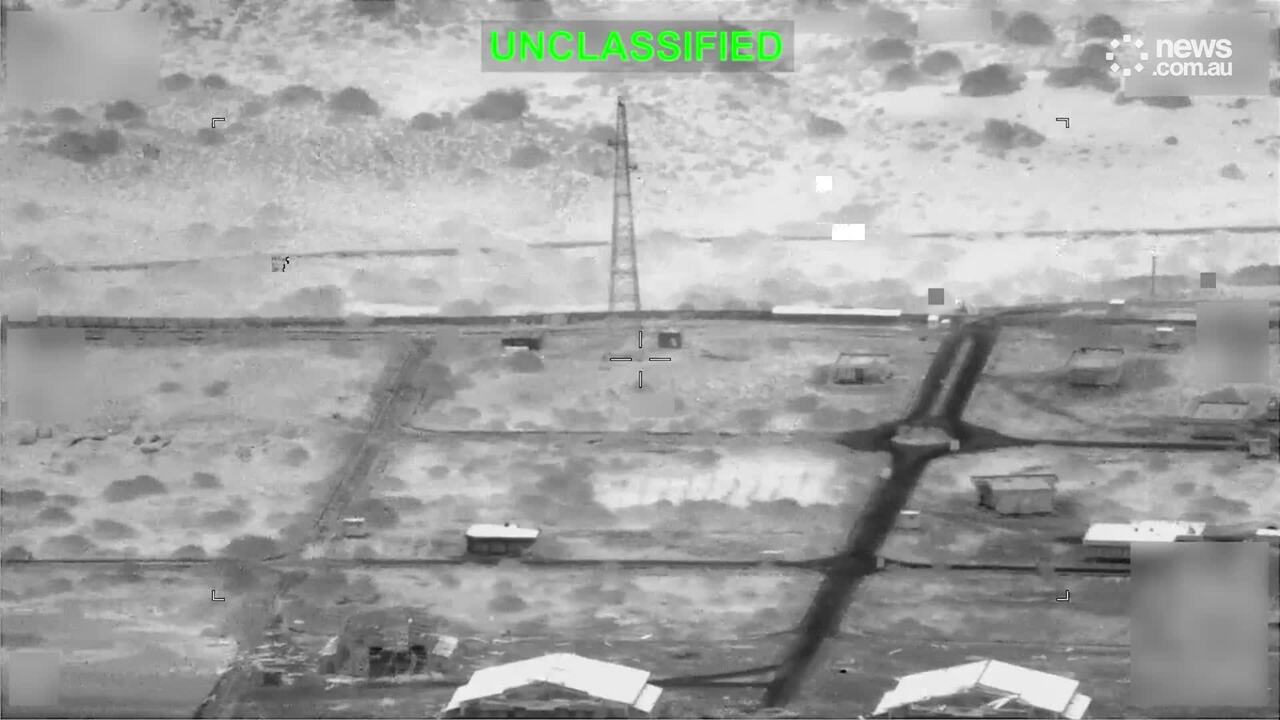
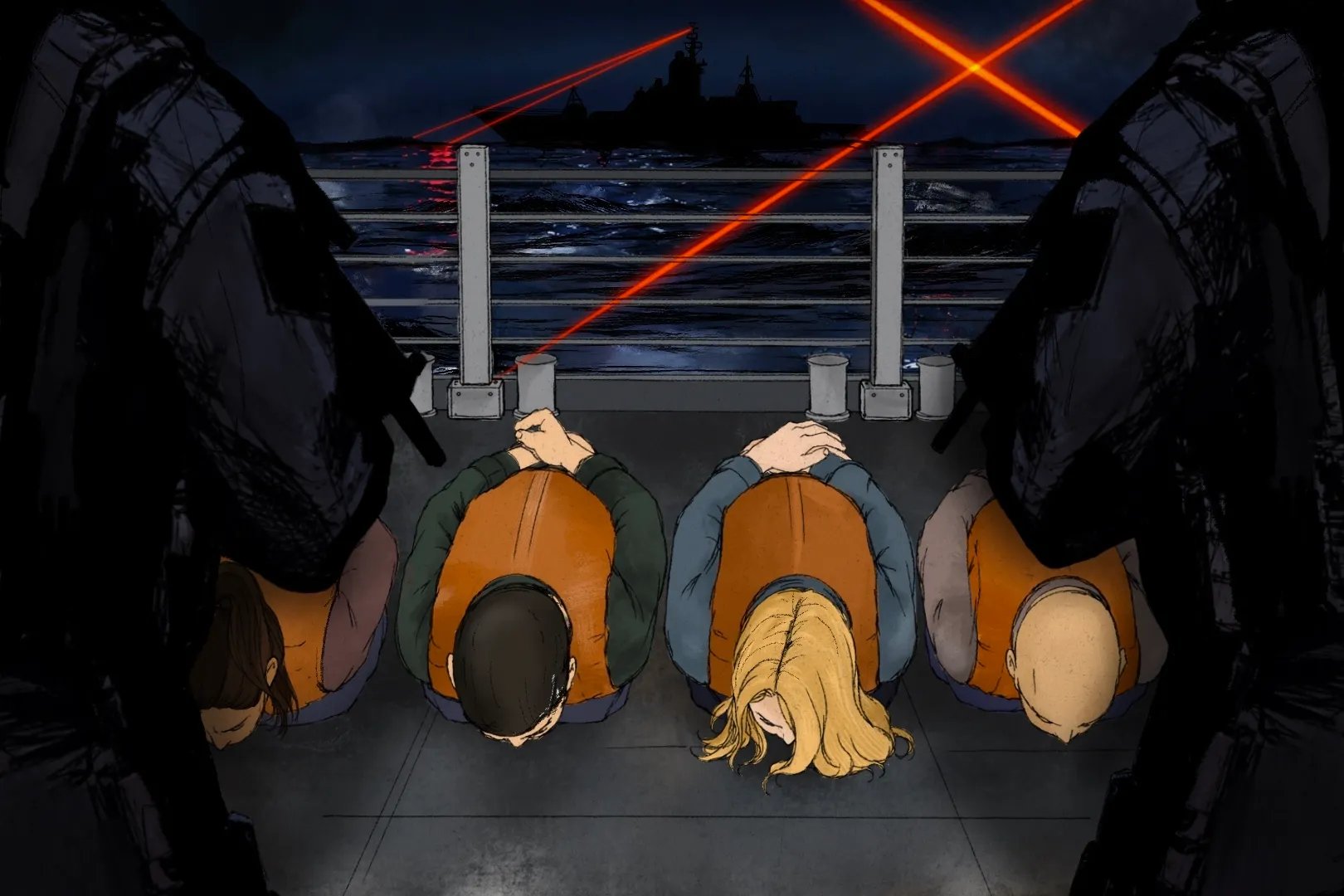
The operation killed Iran's Supreme Leader Ali Khamenei, 86, along with Defense Minister Amir Nasirzadeh, IRGC Commander Mohammed Pakpour, and multiple top security leaders. Israeli jets delivered 30 precision munitions alongside Sparrow air-launched ballistic missiles in a daylight strike on Khamenei's compound. Trump confirmed U.S. involvement in a social media post, stating that Khamenei "was unable to avoid our intelligence and highly sophisticated tracking systems."
Iranian Foreign Minister Abbas Araghchi provided details about the strike's precision in a June 4 television interview. "The building we were sitting in was targeted, but the wing we were in remained intact while the other wing of the building was destroyed," Araghchi said. Counterterrorism expert Dr. Omar Mohammed told Fox News that the selective destruction demonstrated Trump's doctrine: "He does not want a war of occupation, he wants to show the United States can reach the center of a hostile regime with precision and then offer it a way out."
Why Iran Has Resisted Agreement
Trump acknowledged that Iran has not yet accepted a deal despite the military pressure. "They're strong, they're proud, there are things they never thought they'd be doing that they're going to have to do," Trump said, while adding that Iran has "no choice" but to reach an agreement.
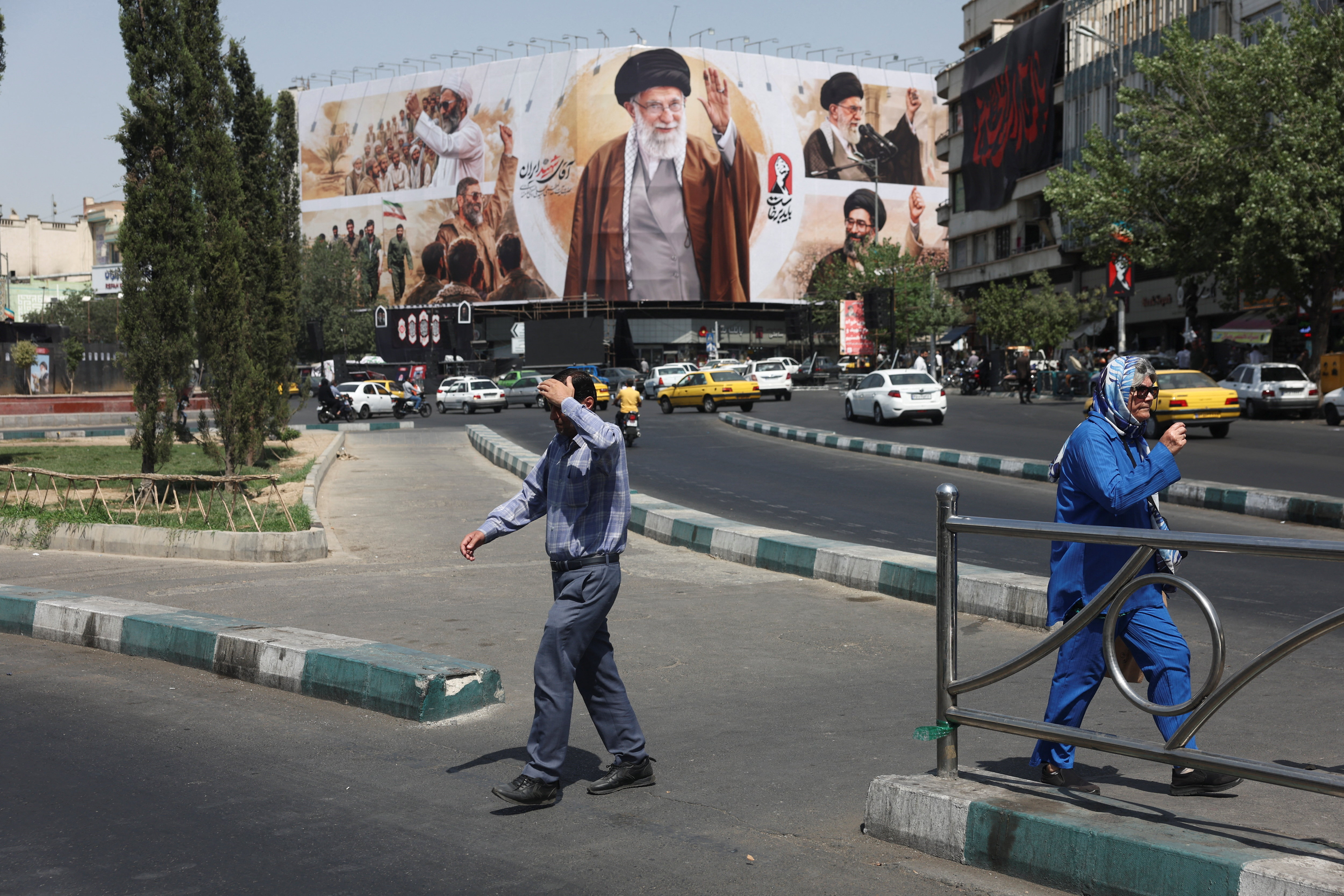
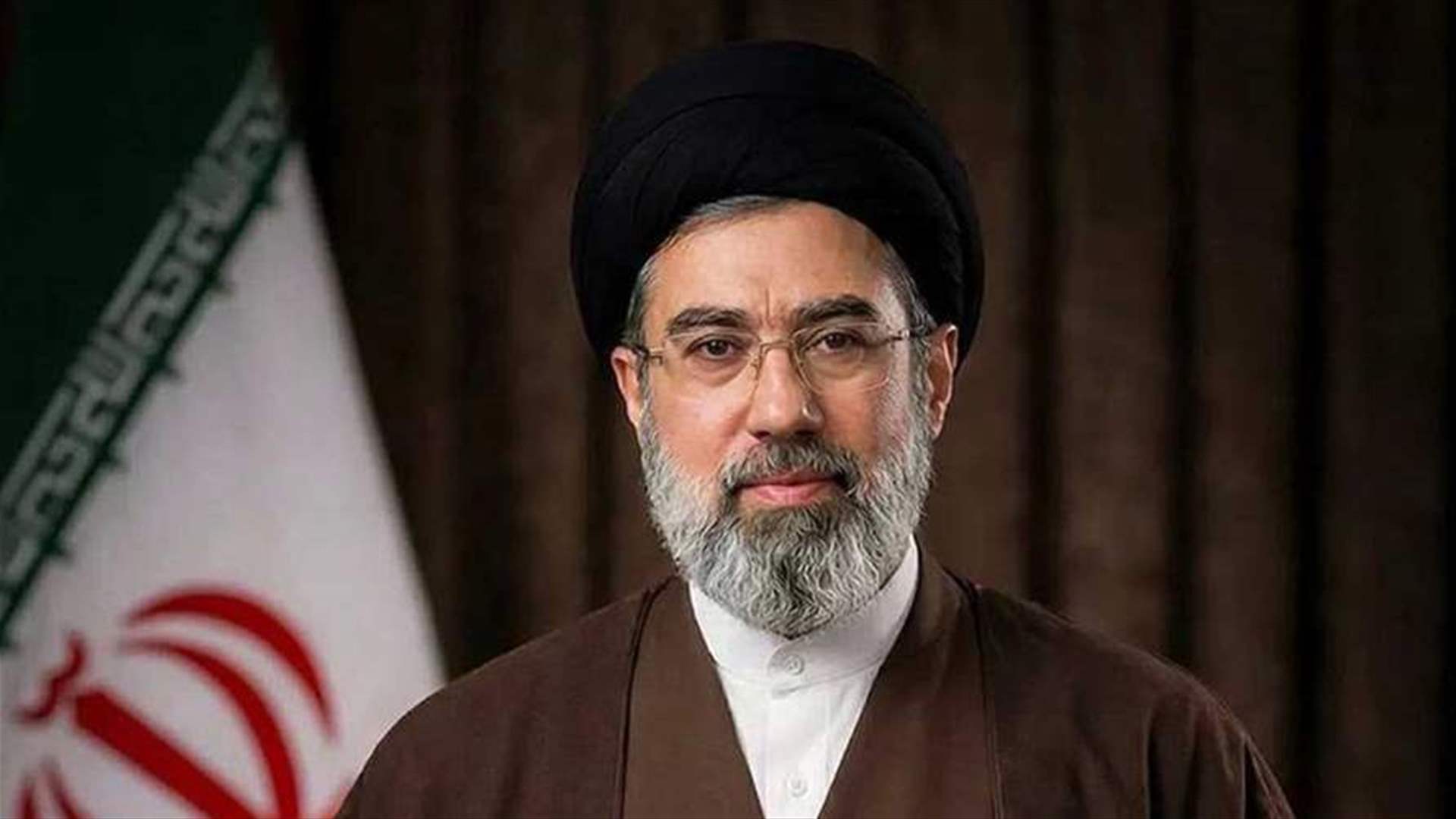
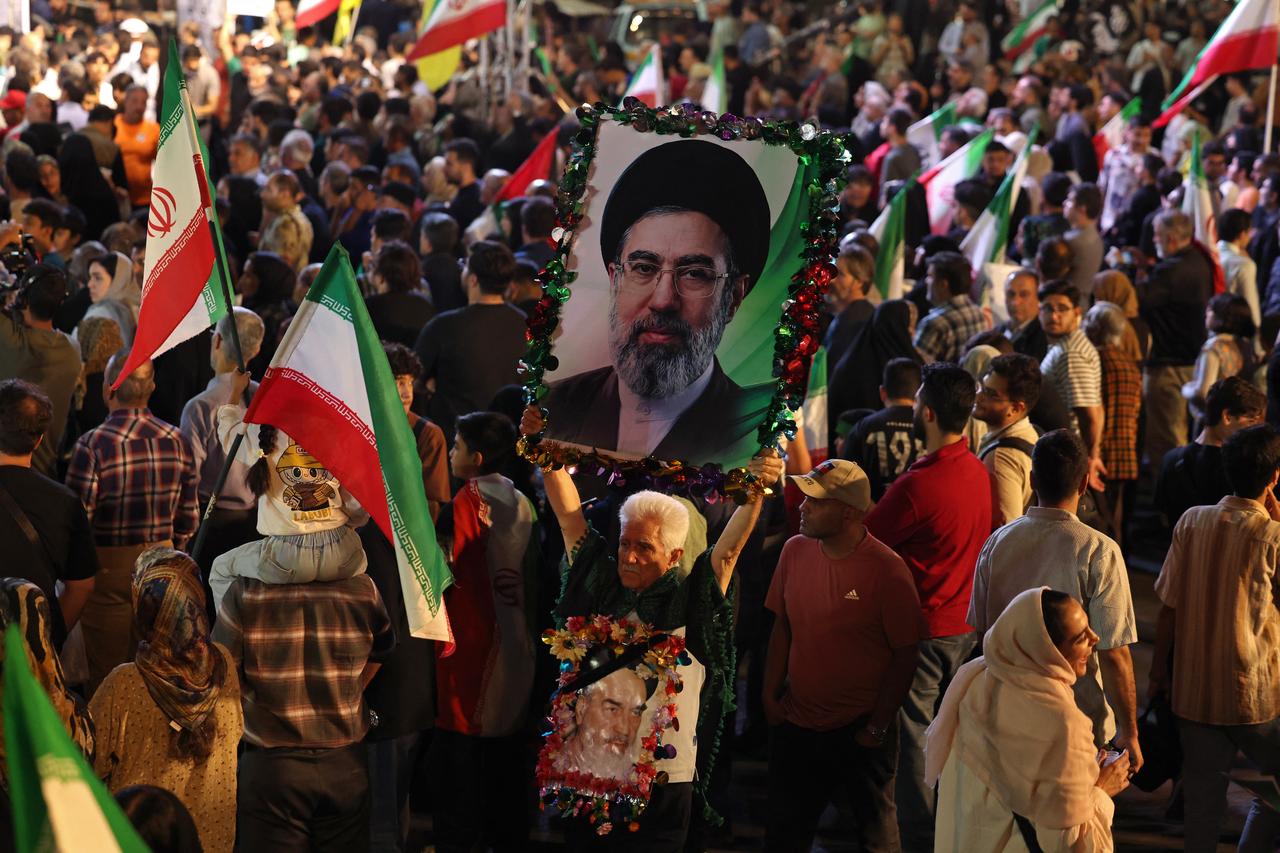
Following the death of the elder Khamenei, his son Mojtaba Khamenei became Iran's new supreme leader. He has engaged in back-channel discussions with the U.S. while maintaining a confrontational public stance. Despite the leadership transition and the precision strike that demonstrated American capabilities, Iran chose to escalate rather than negotiate. According to Dr. Mohammed's analysis, "A rational state takes the exit. Tehran did the opposite. It fired on Israel, killed a civilian in Bahrain, struck Kuwait, Qatar and the United Arab Emirates, and closed the Strait of Hormuz, setting off a global energy crisis."
The Interview's Abrupt End
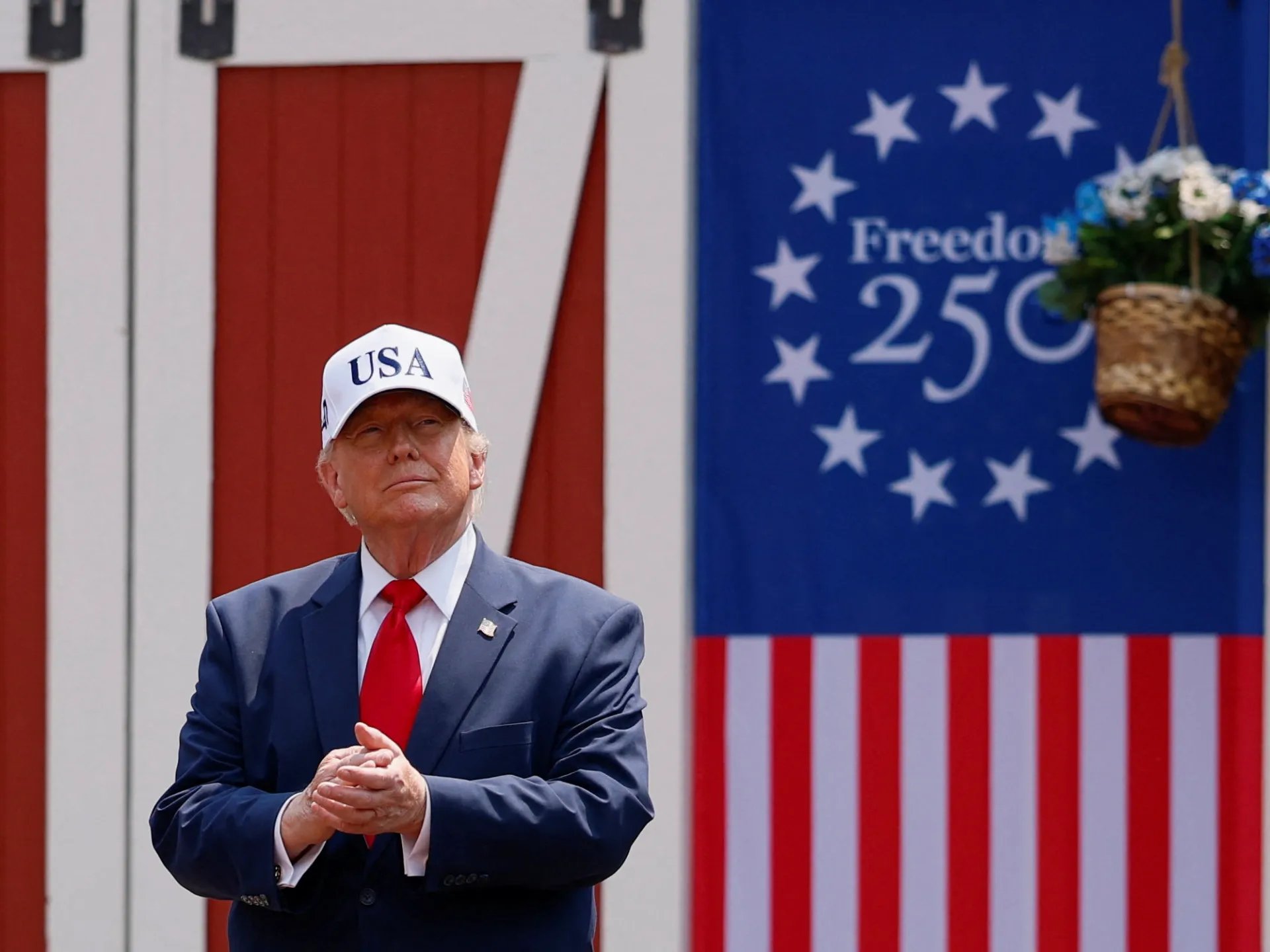
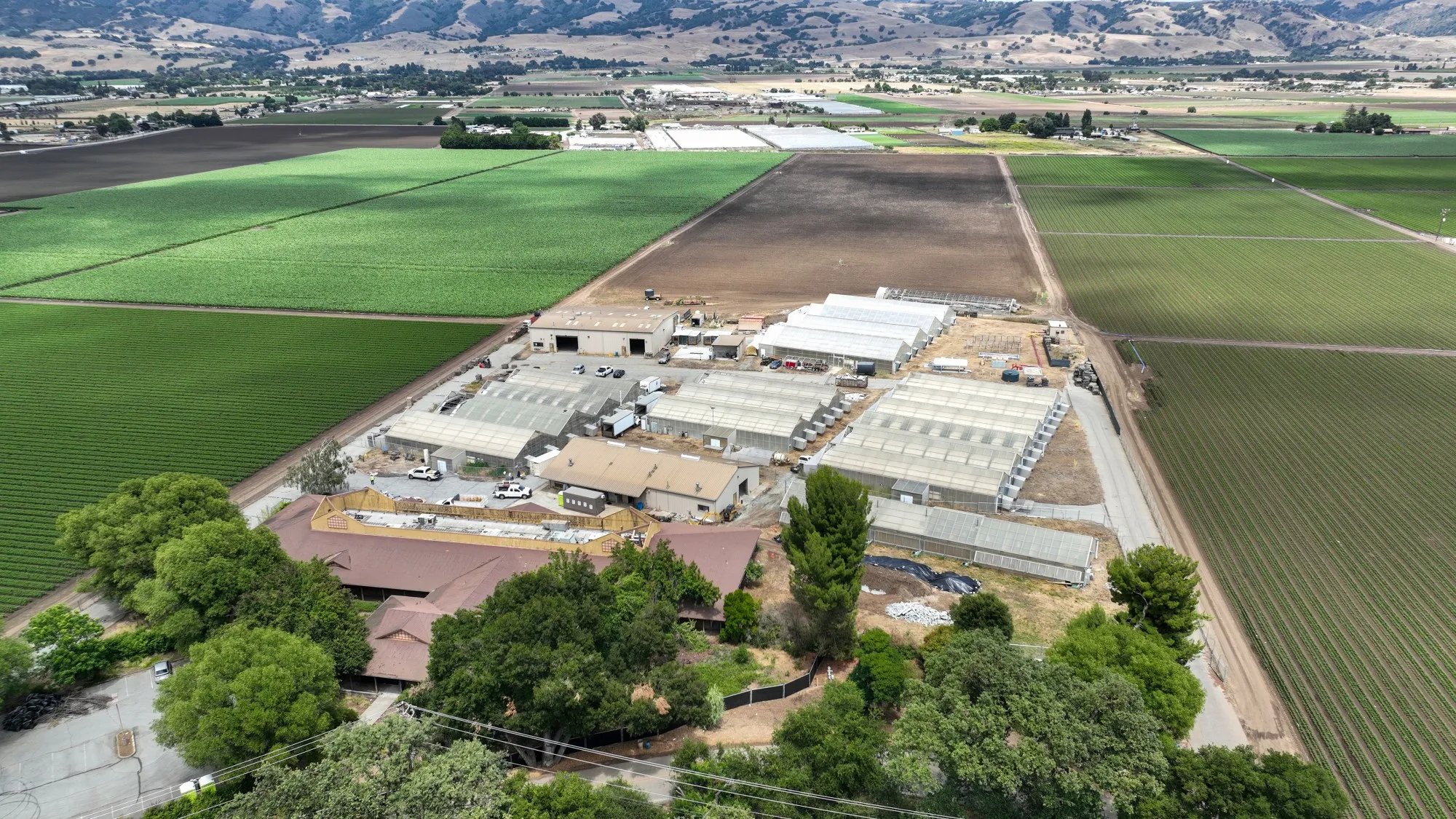
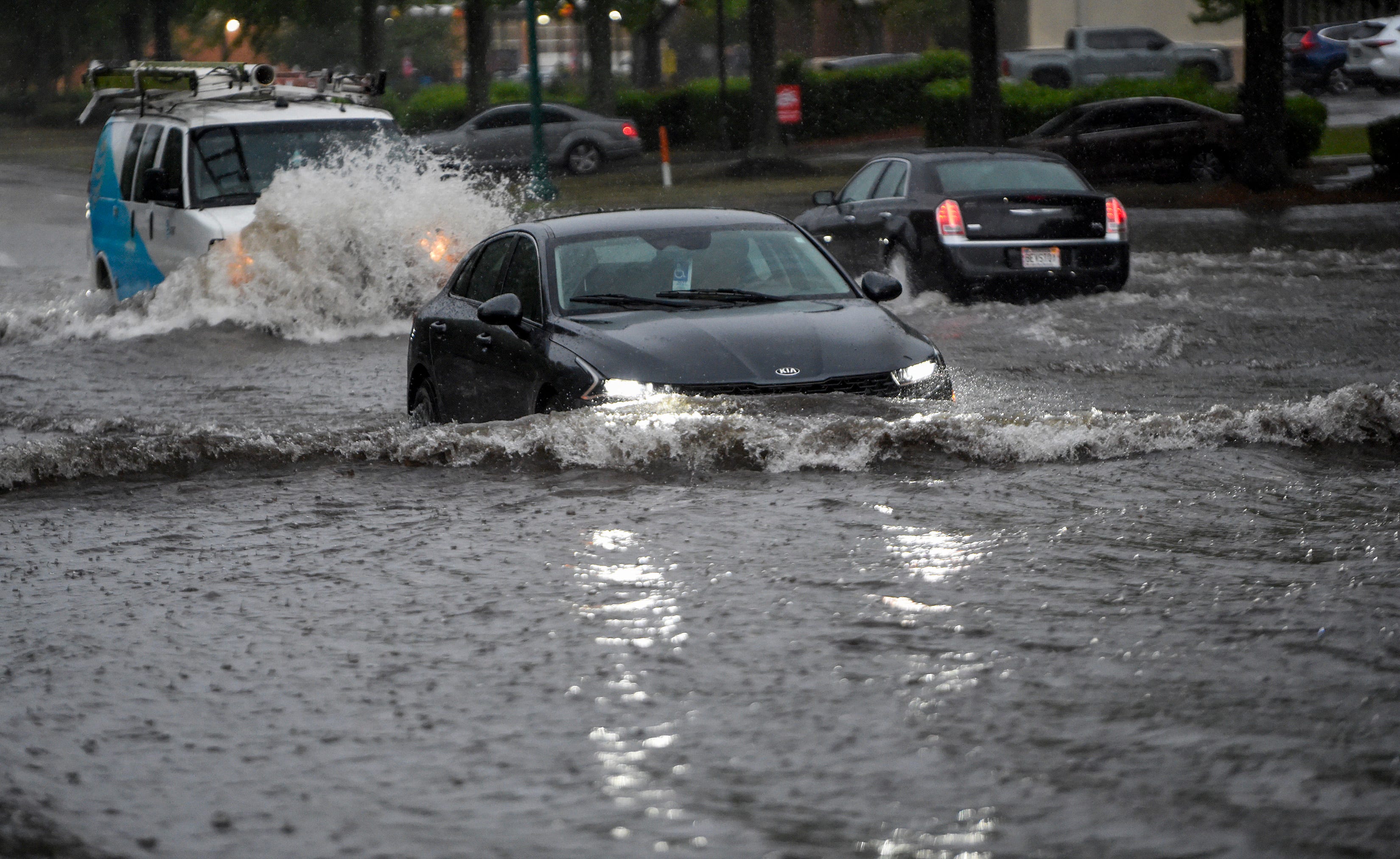
Trump's NBC interview ended acrimoniously after Welker repeatedly challenged his claims about election fraud. The session, held in a barn at a Wisconsin farming event, was delayed multiple times by rain and technical difficulties. After sitting for approximately 50 minutes, Trump accused the network of being "crooked" and walked off the set.
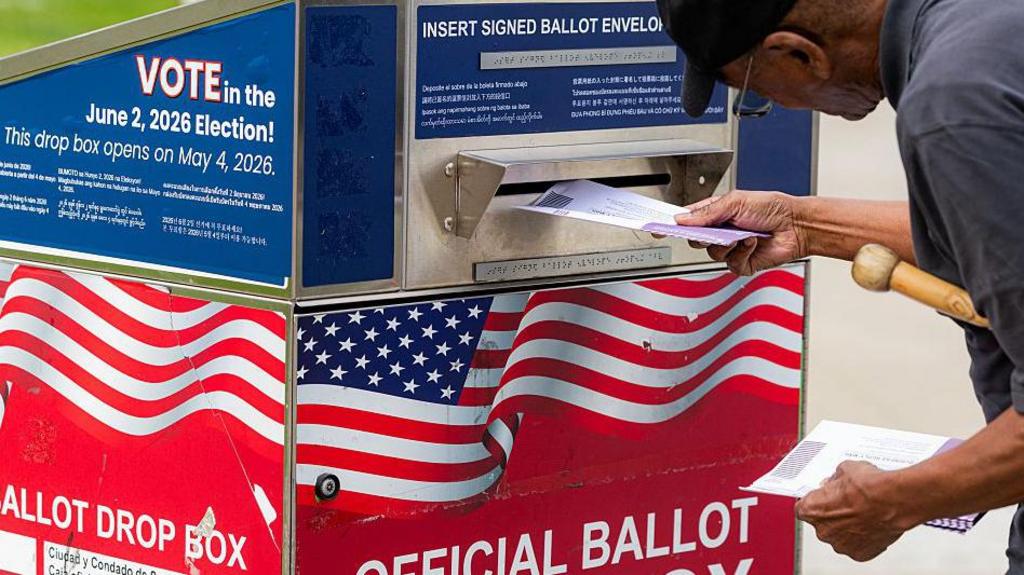
The confrontation began when Welker pressed Trump on his claims that California's primary elections were rigged. When she asked for evidence, Trump responded: "All I have to do is look, and I listen." Welker replied: "But that's not evidence." Trump then told her: "You're either crooked or you're stupid." He concluded the interview by saying: "Let's call it quits because I've had enough. Thank you darling, have a good time." Welker later said she had spoken with Trump on Saturday and that he agreed to sit for another Meet the Press interview.