






The executive action
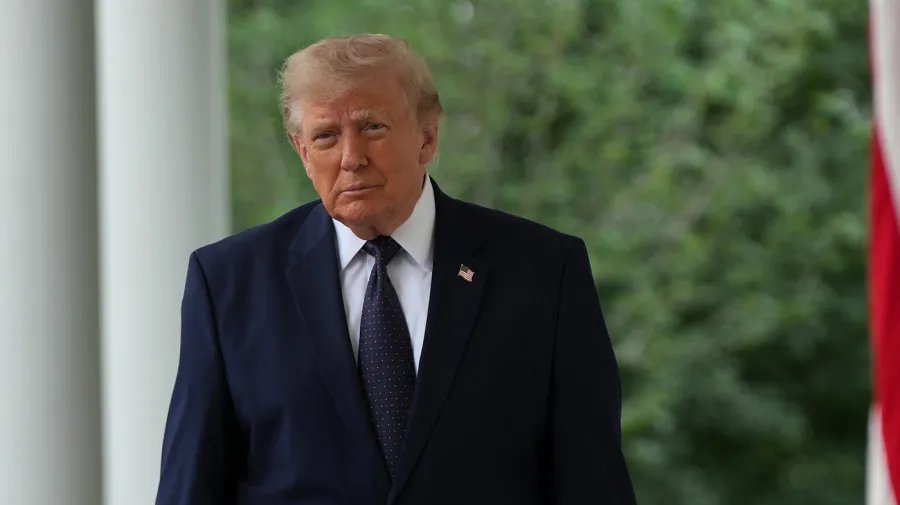
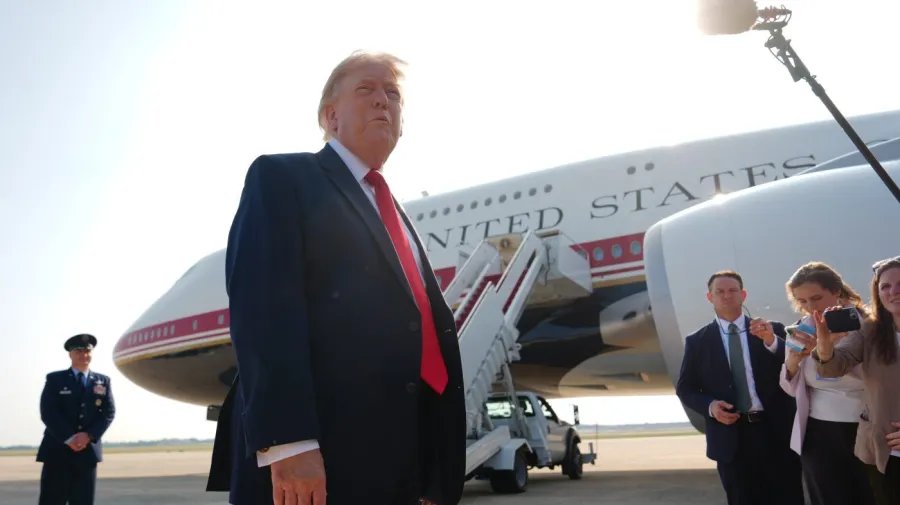
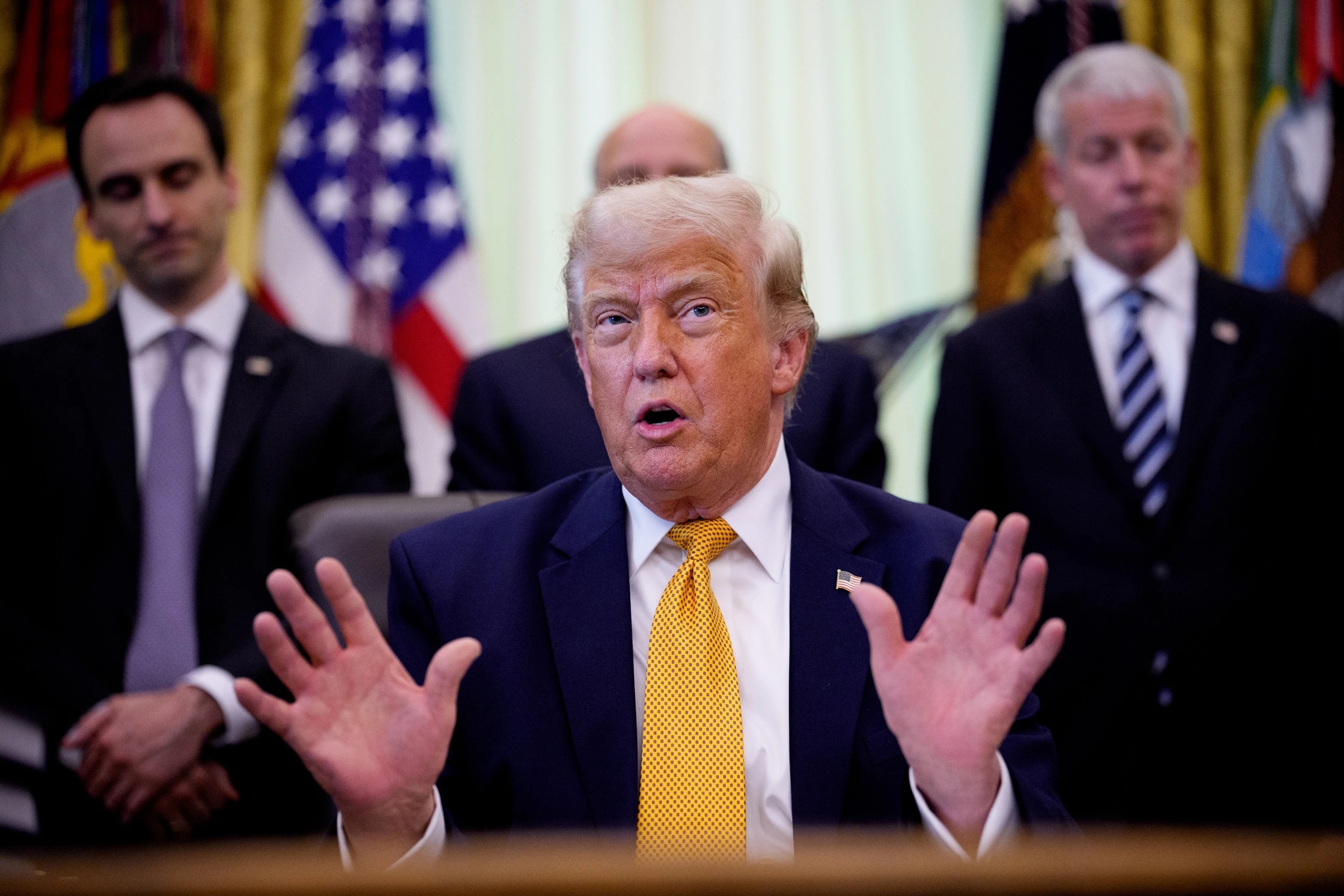
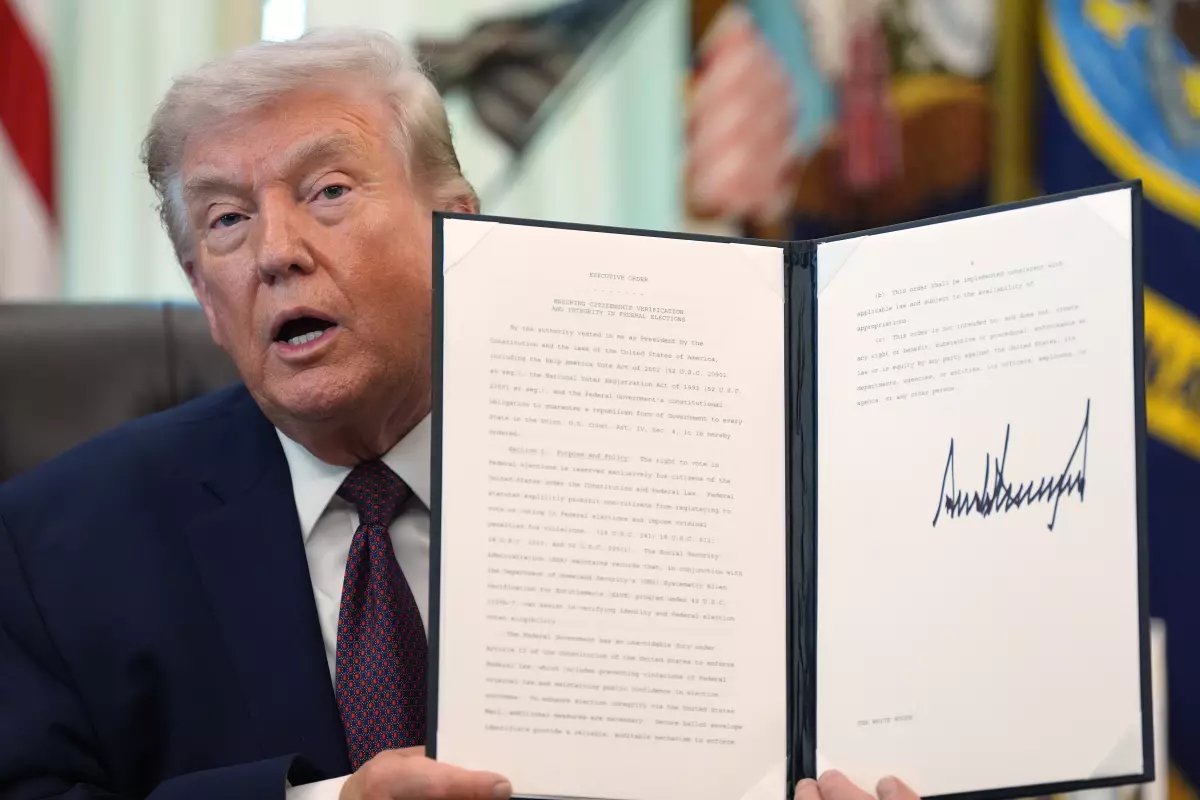
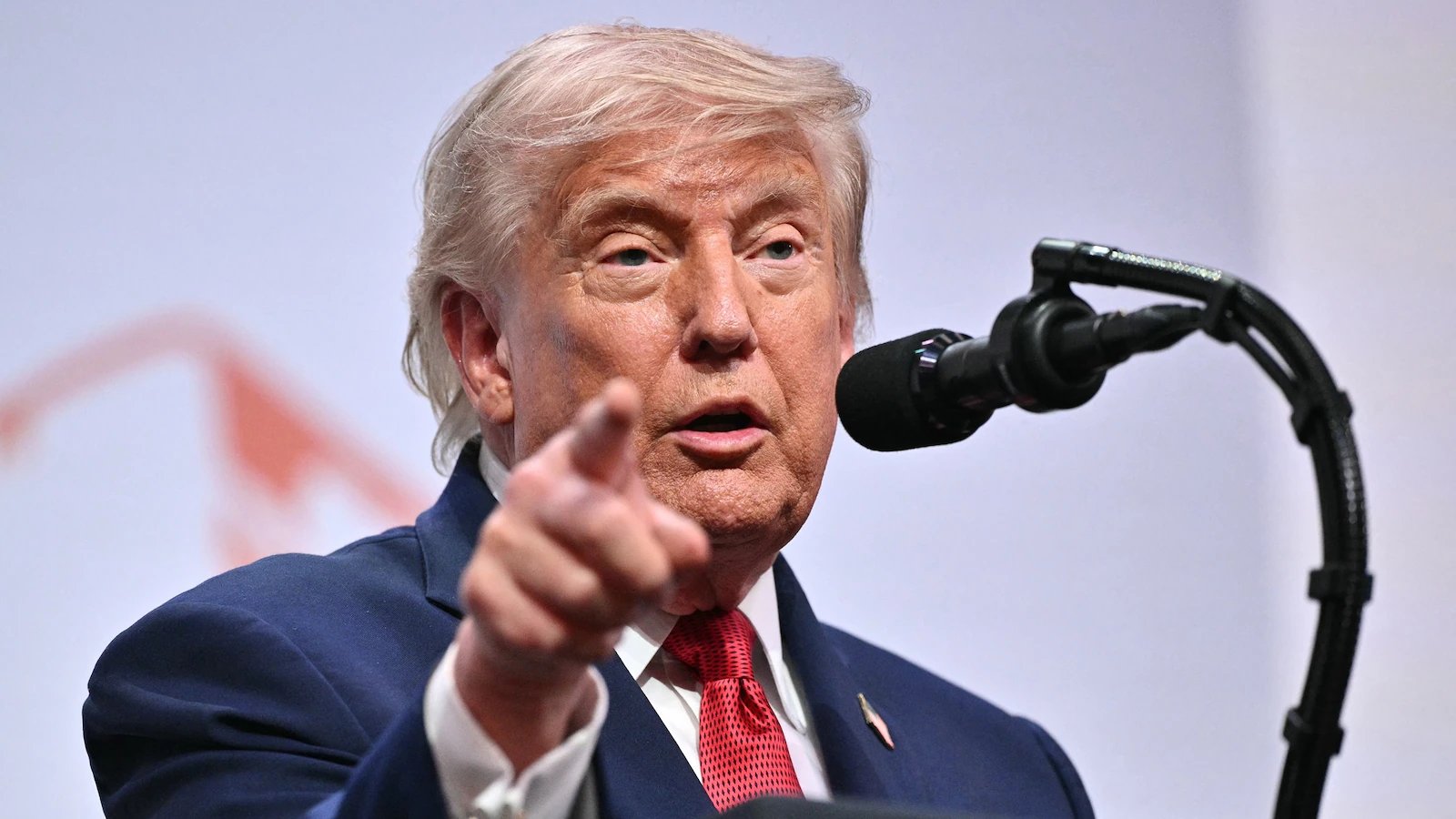
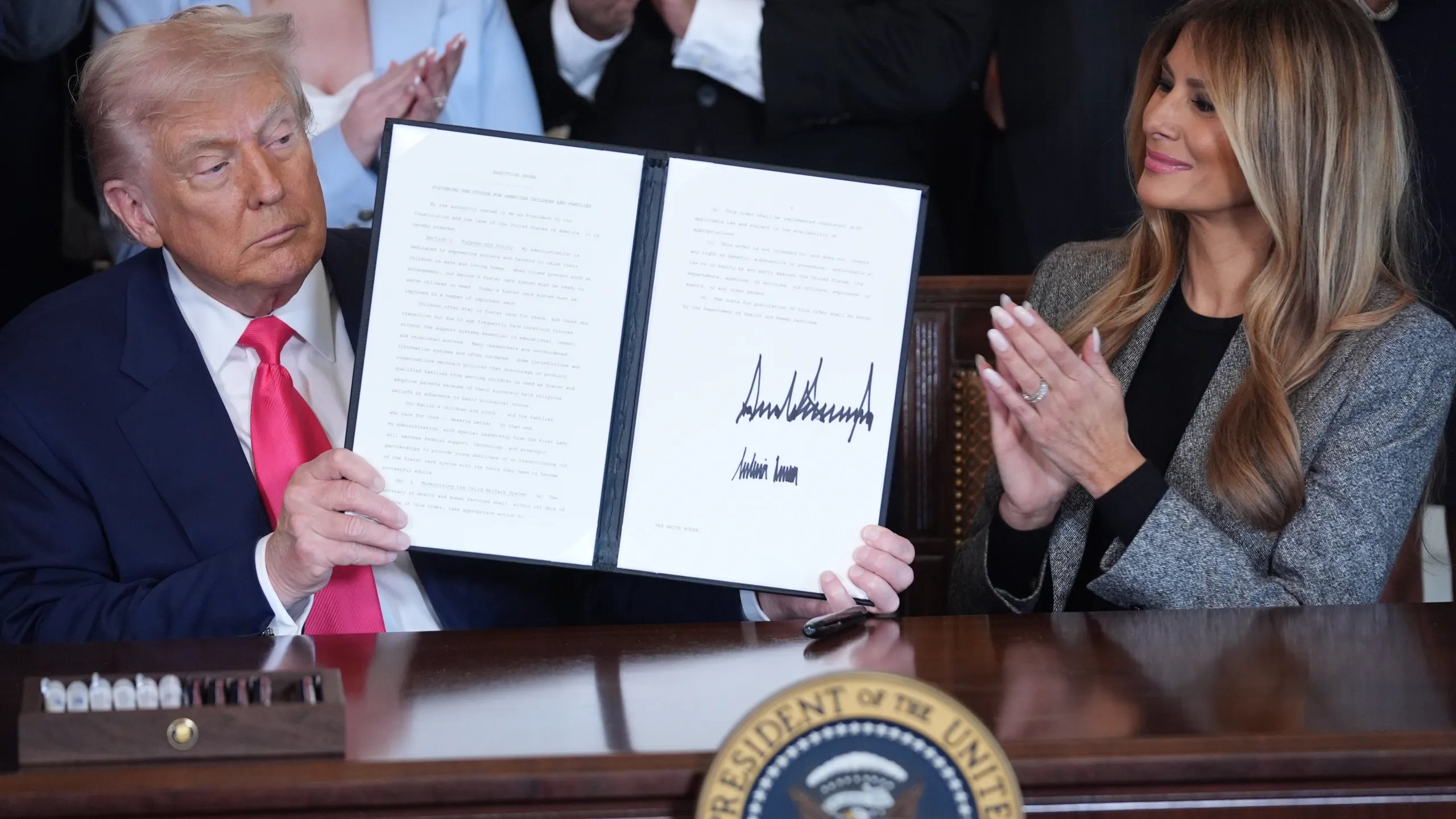
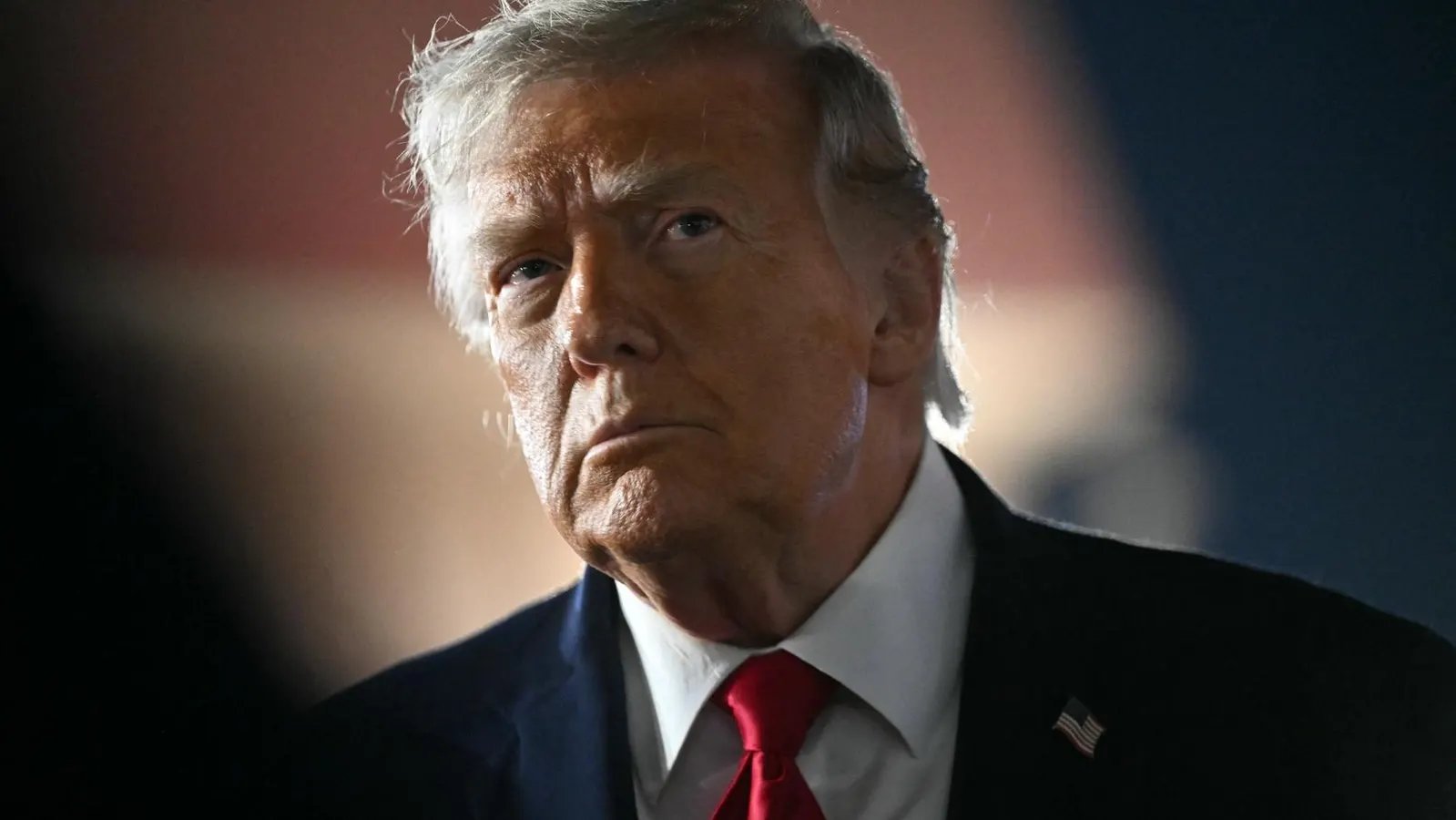
President Trump invoked the Defense Production Act on Tuesday to address constraints in munitions manufacturing, according to a presidential memo released that day. The 1950 law allows the government and private firms to forge voluntary agreements aimed at boosting production of items deemed critical to national defense. The memo delegates authority to Defense Secretary Pete Hegseth to use the mechanism, which the White House said "will allow and empower U.S. defense contractors and suppliers to coordinate and share information to address systemic constraints across the munitions industrial base."
Why now
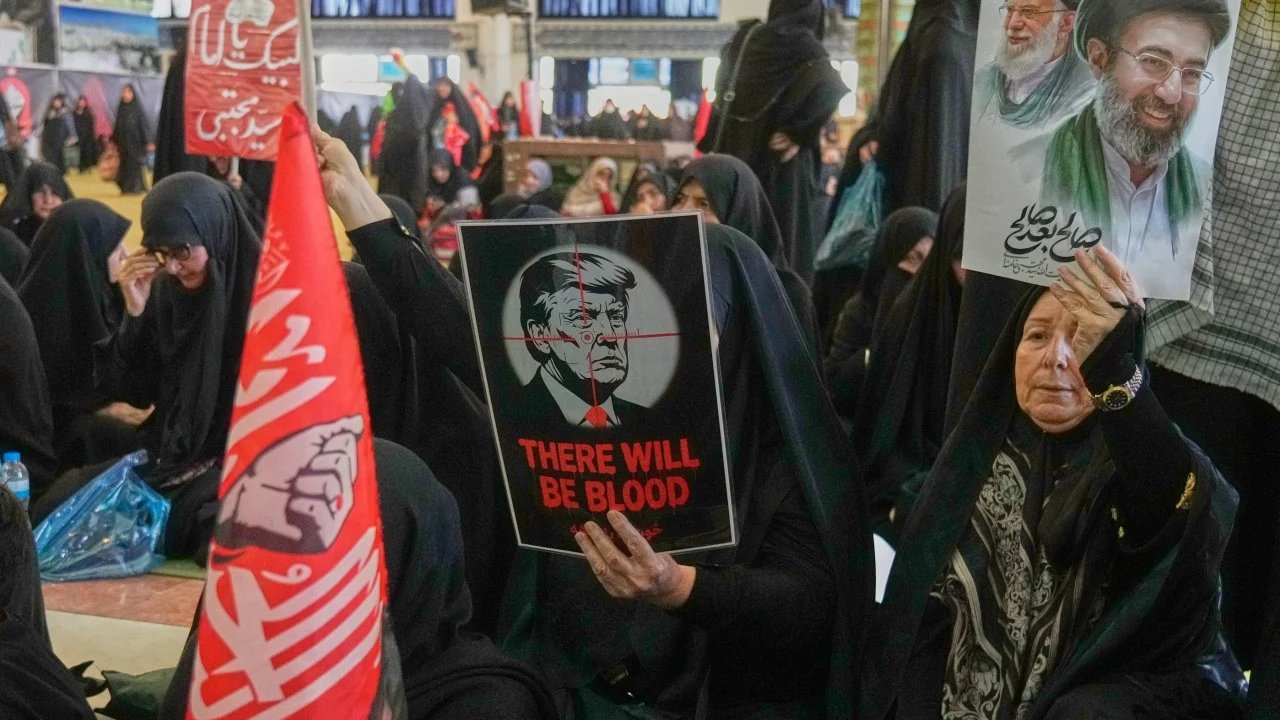
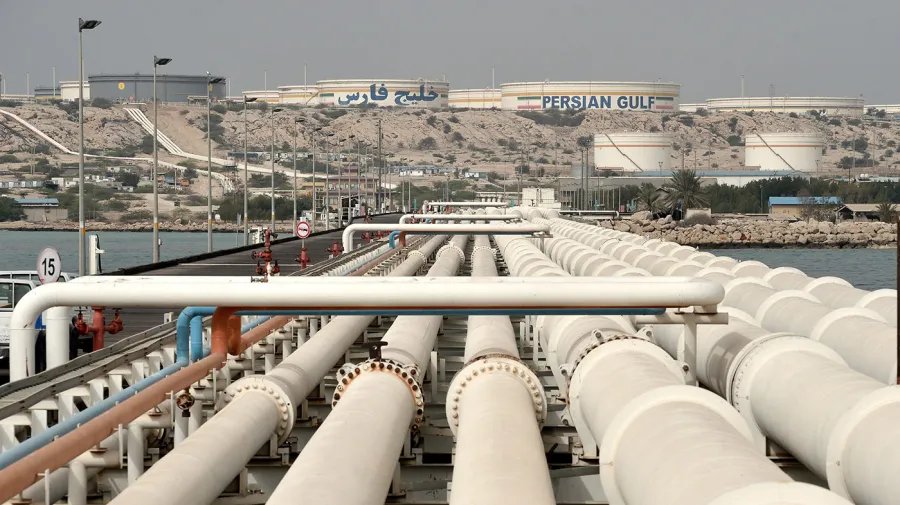
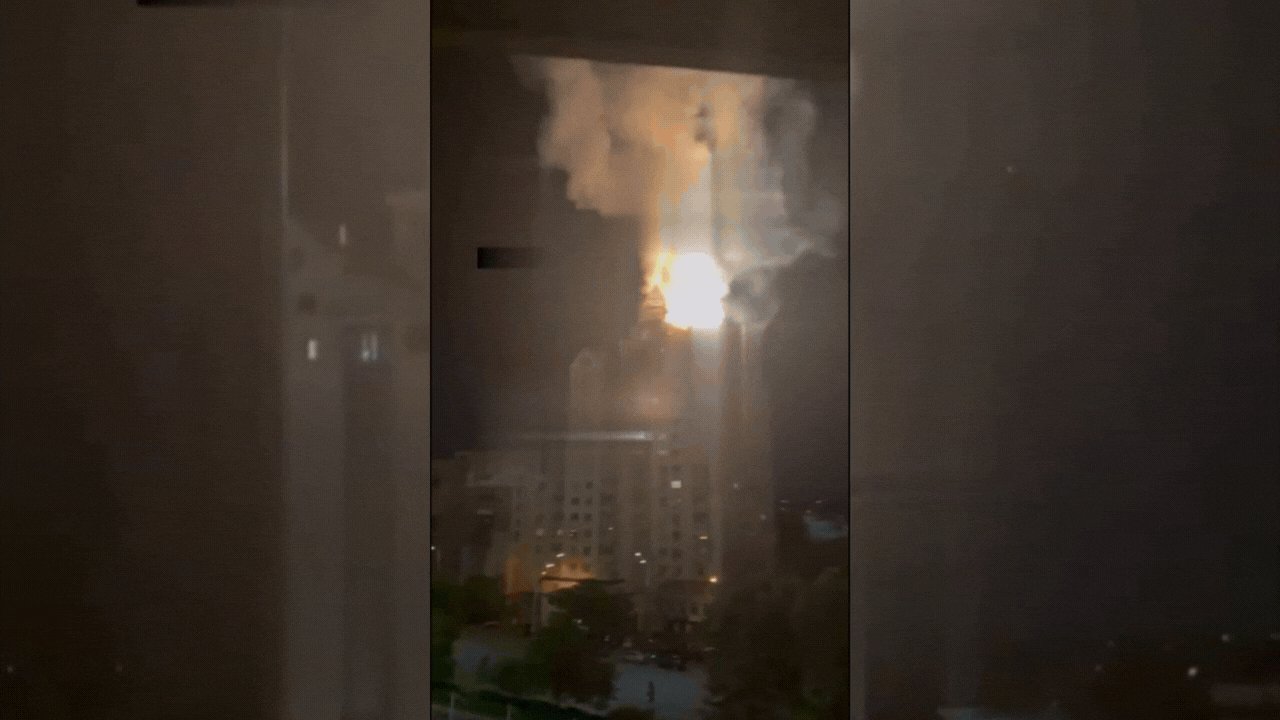
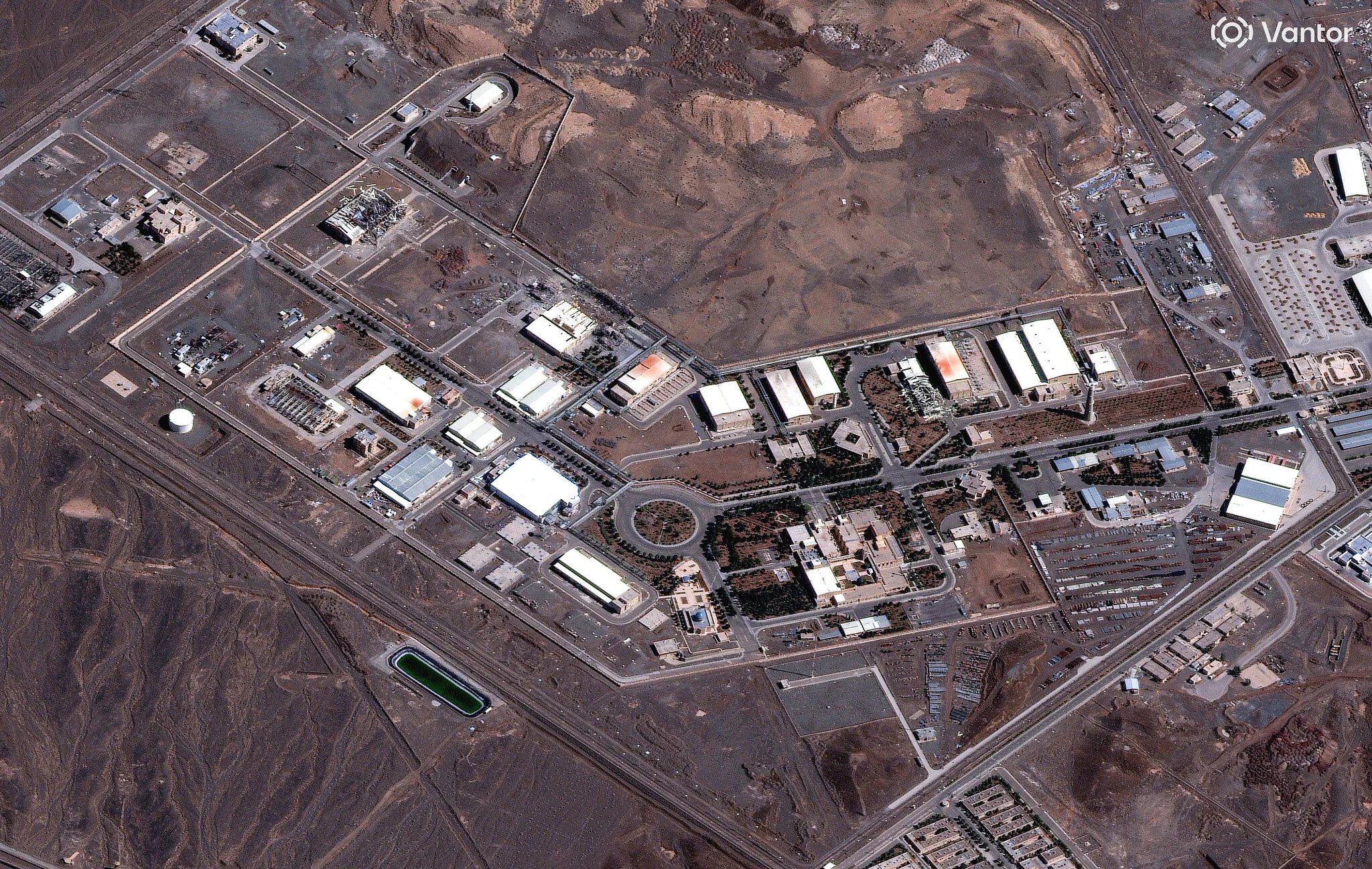
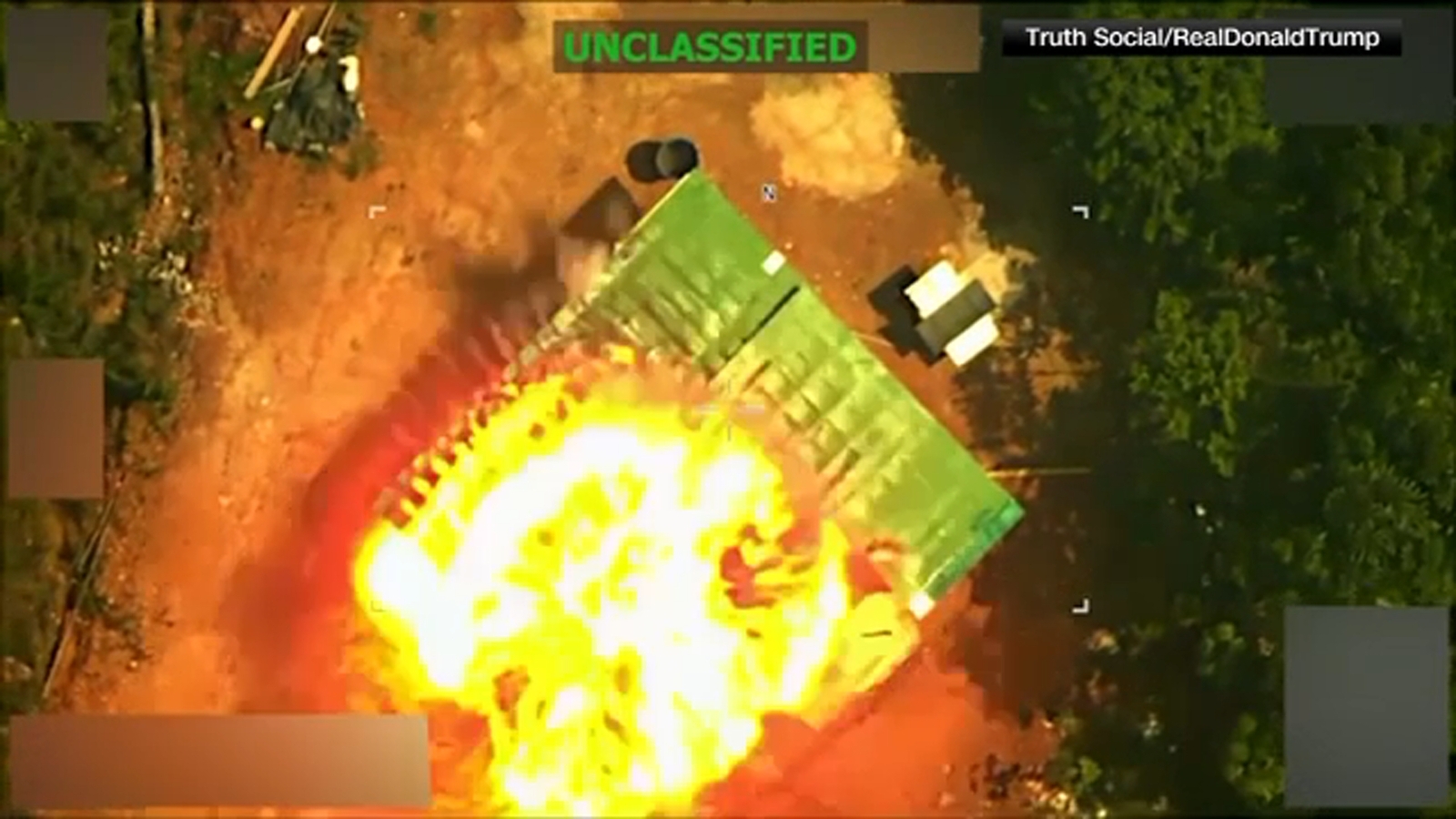
The conflict with Iran has drawn attention to long-range missiles and munitions stockpiles. An April analysis by the Center of Strategic and International Studies found the U.S. may have expended more than half of its inventory of four critical munitions, including Tomahawk missiles, during the campaign against Iran. The memo states that fragile supply chains and production bottlenecks may "impair the ability" for the U.S. to expand the availability of munitions, missiles and equipment required for national defense.
Concerns over industrial capacity are not new. Shortly after Russia's invasion of Ukraine, both the U.S. and Europe discovered they needed to produce far more artillery than existing factories could supply.
The Pentagon's position
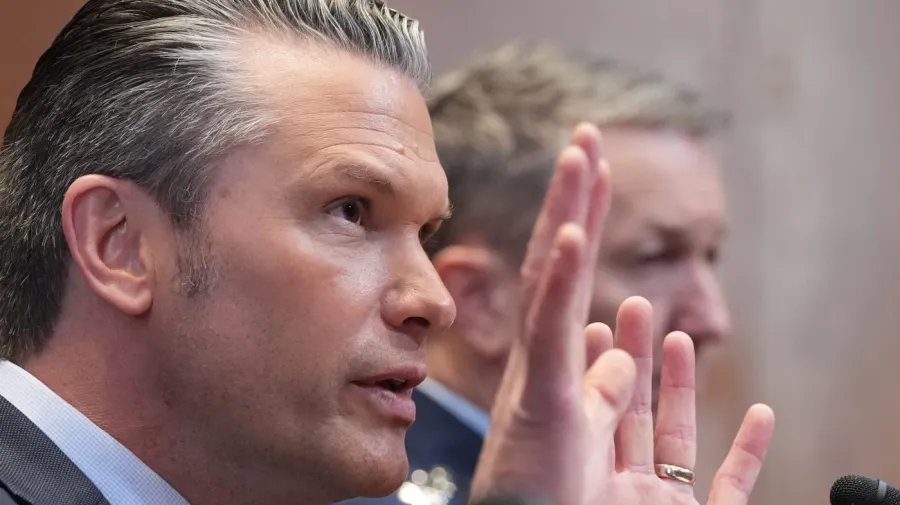
In an appearance Sunday on "Face the Nation with Margaret Brennan," Defense Secretary Pete Hegseth rejected the idea that the U.S. faces a "crisis" with its munitions stockpile. "That is a manufactured story that the media wants to peddle and ultimately our stockpiles are great, and they're only getting stronger," Hegseth told Brennan.
In April testimony, Hegseth said replenishment could take "months to years."
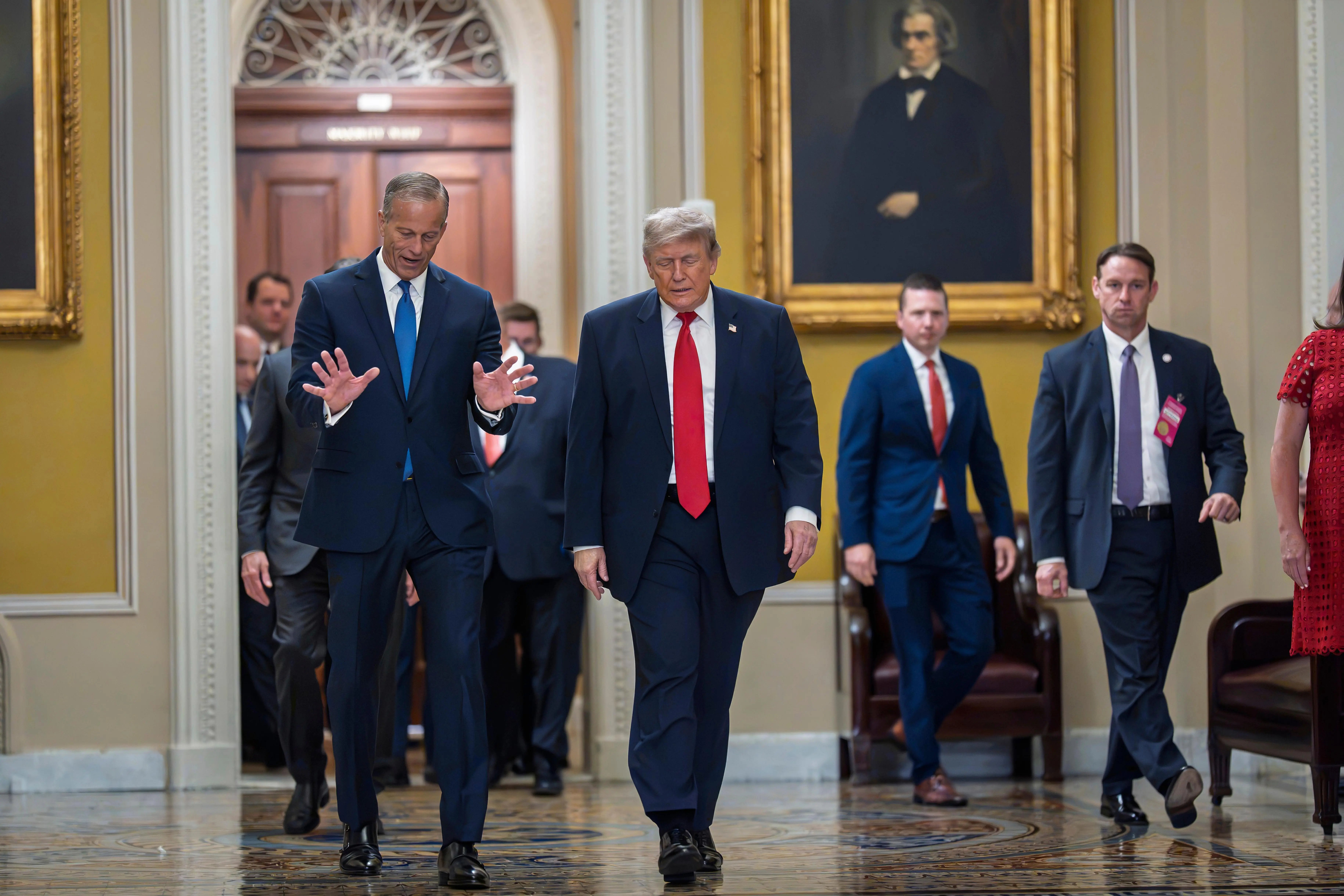
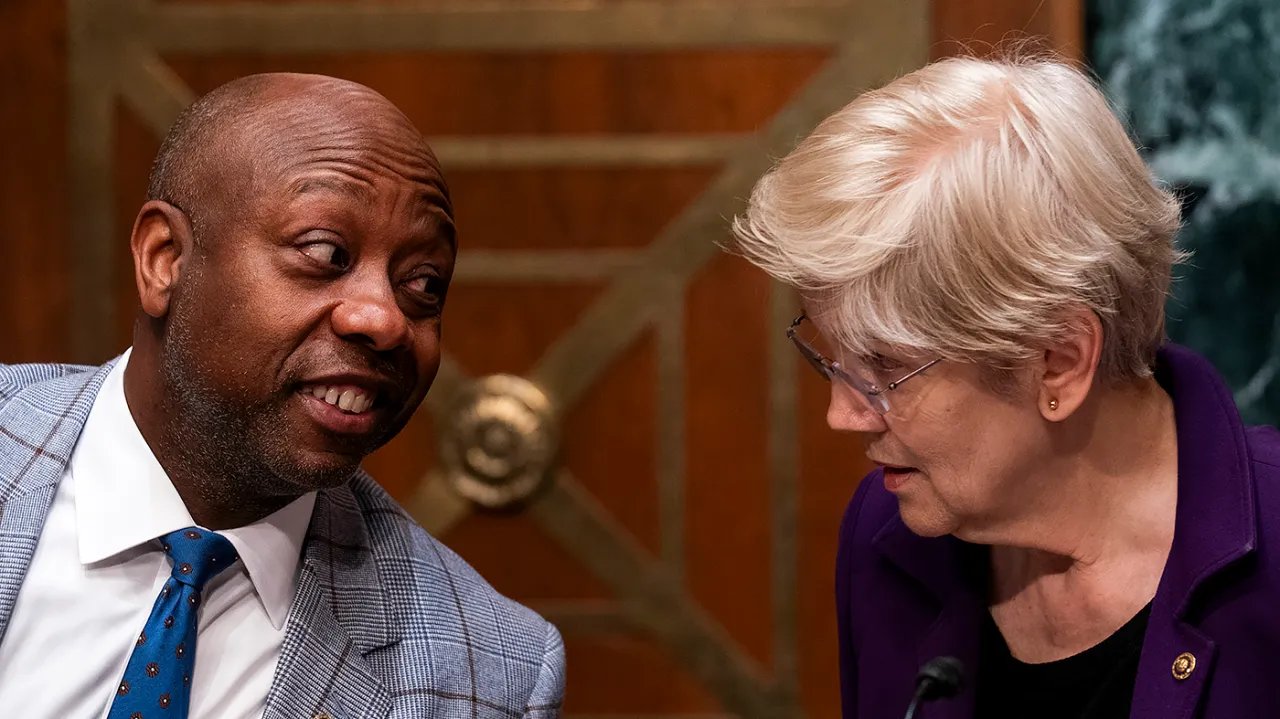
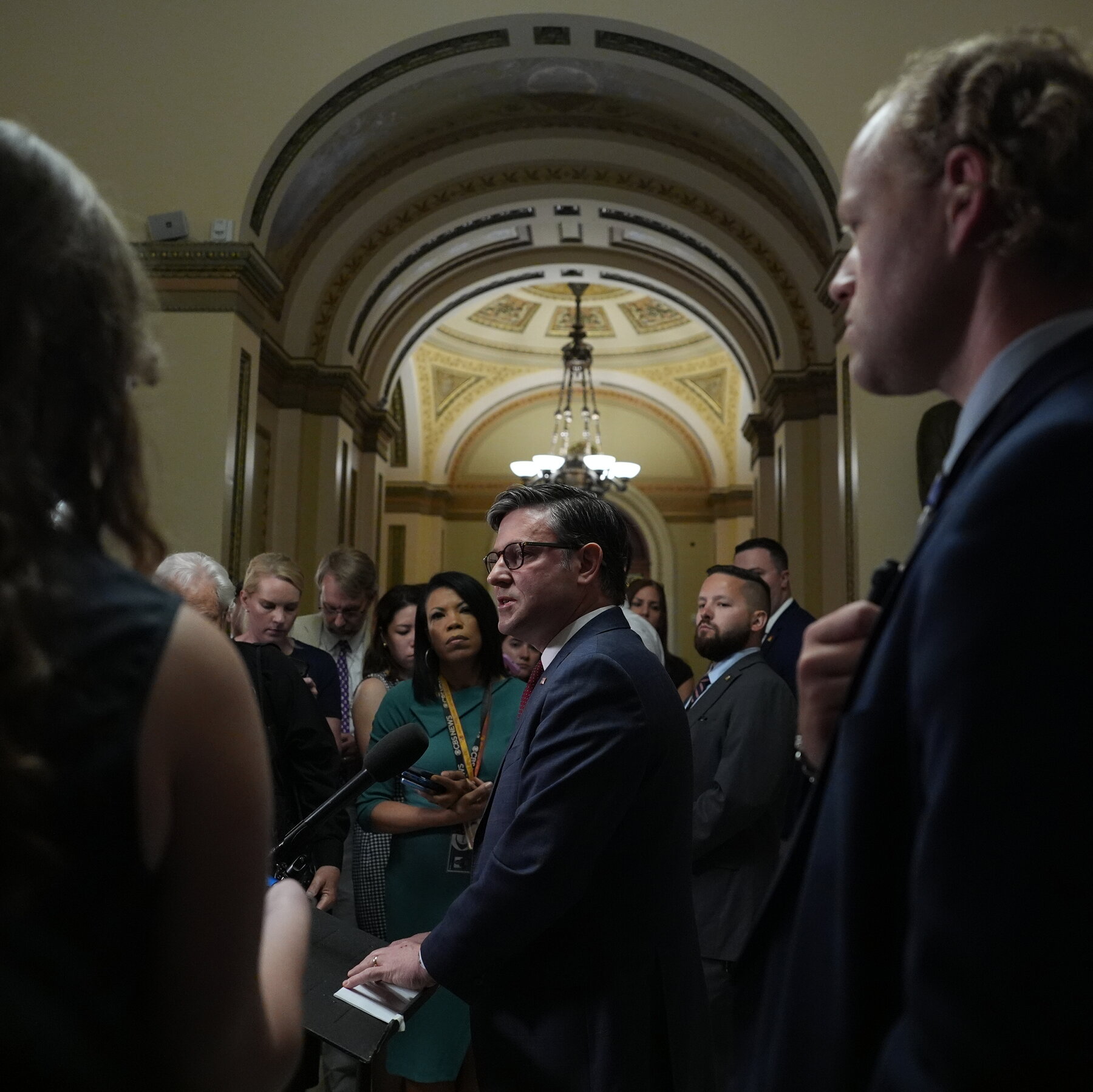
Hegseth was on Capitol Hill on Tuesday for meetings with senators on funding. Republican Sen. John Cornyn of Texas told reporters that the Pentagon is "running short of funding they need in order to acquire the weapons and messages and things like that that they need to protect the nation."
The funding request
The administration is making the case for additional funding to bring the Defense Department's budget to a record $1.5 trillion through reconciliation, a process that would allow the Senate to approve new spending without Democratic votes. Republican leaders of the appropriations committee have cast doubt on whether a third reconciliation bill is possible.
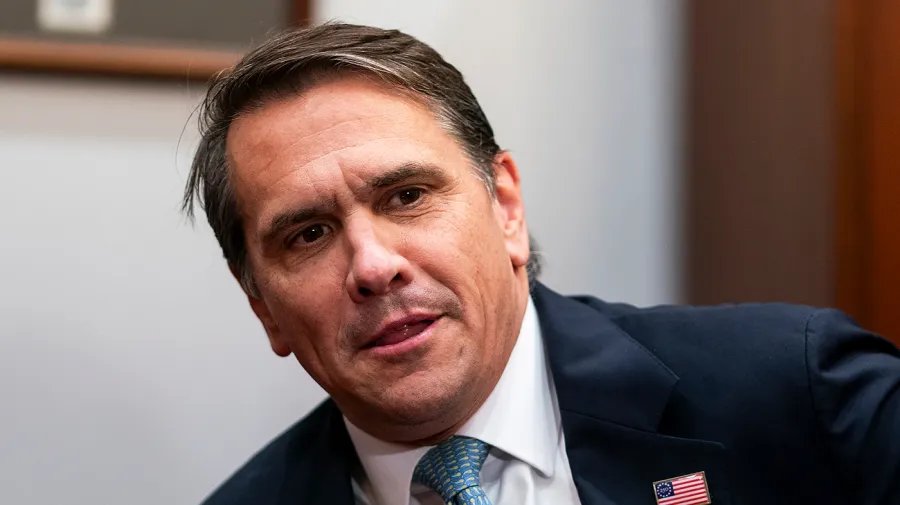
Michael Cadenazzi, the assistant secretary of defense for industrial base policy, said he has been working since around September to launch a voluntary agreement through the Defense Production Act that can bring companies from around the defense industry into conversations over how to address supply chain problems. "Sometimes we need the collective wisdom of all the assembled companies to collaborate and solve our problems for us and we want them to provide their best advice from the industrial side," Cadenazzi said at a Center for New American Security event on Tuesday.



































































































































































































































































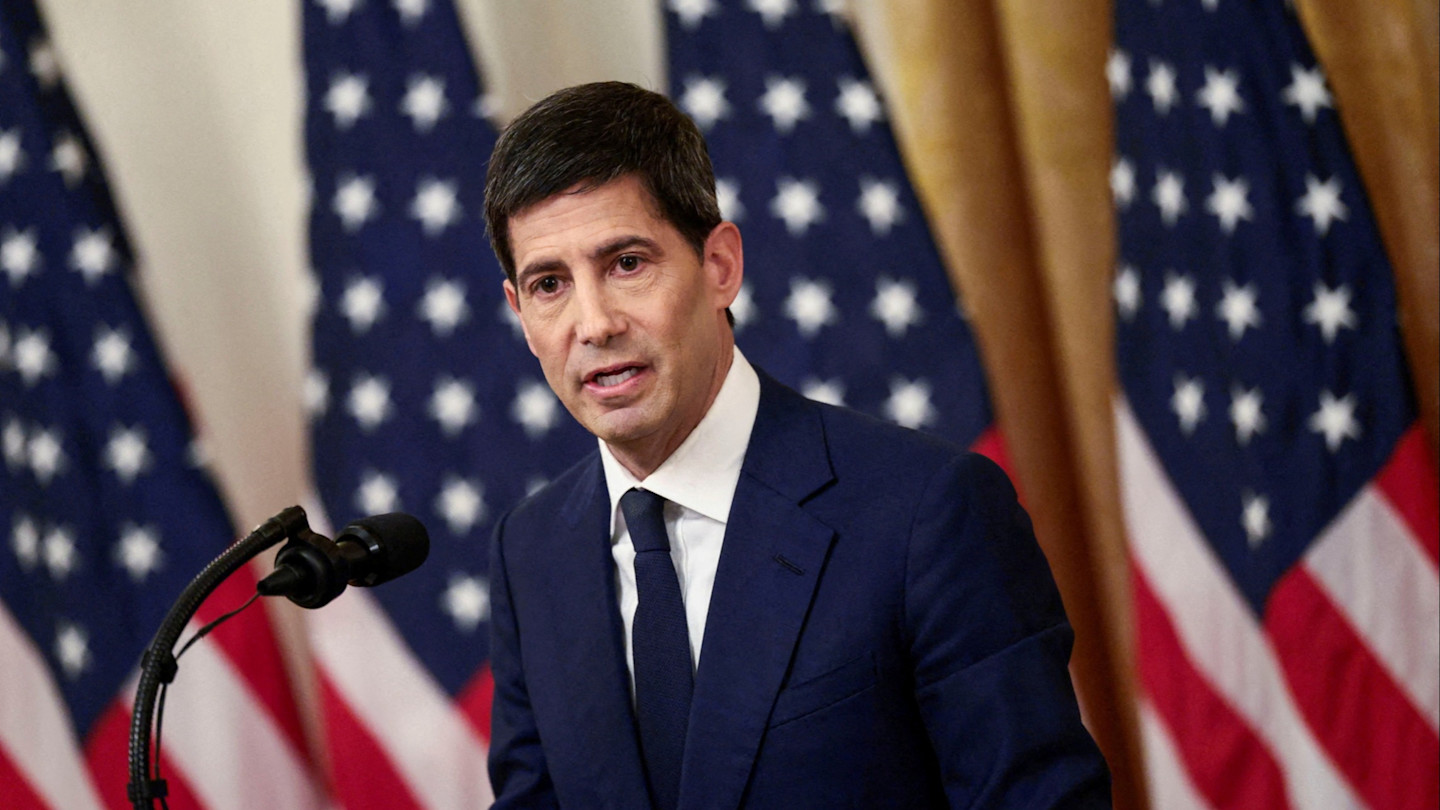














































































































































































For example, Michael Cadenazzi, the assistant secretary of defense for industrial base policy, has been working since around September to launch a voluntary agreement through the Defense Production Act.