




U.S. Military Action in Iran
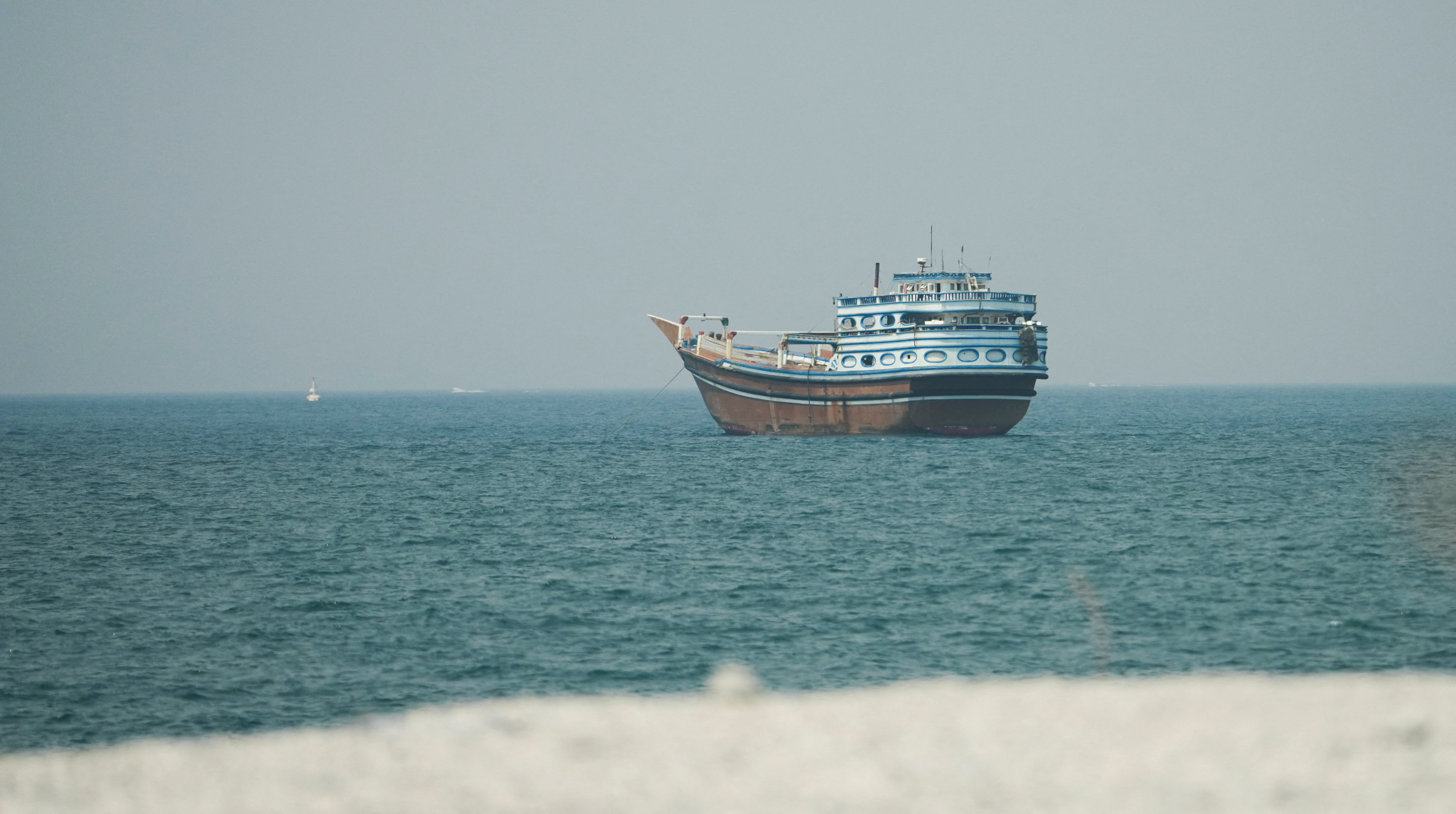
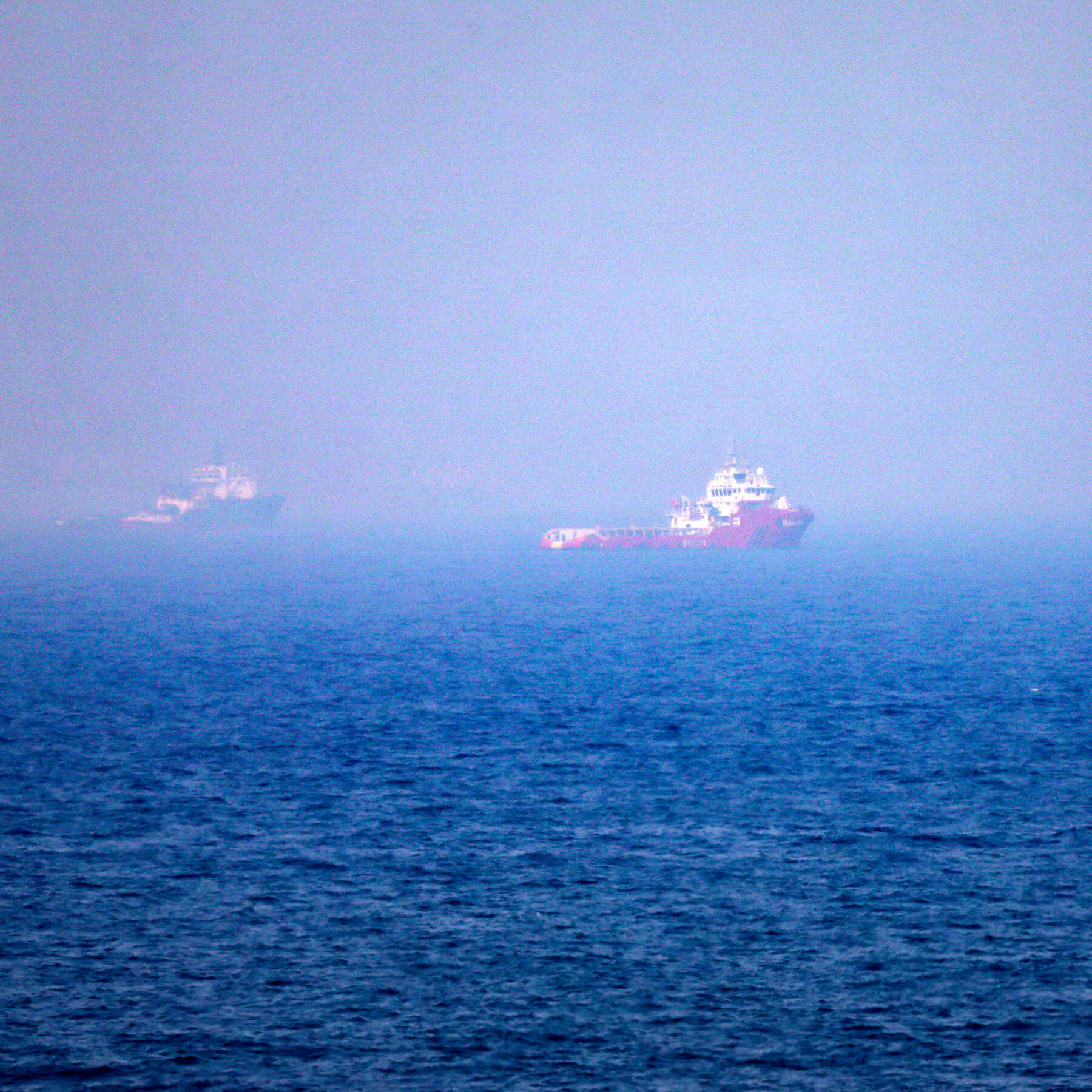
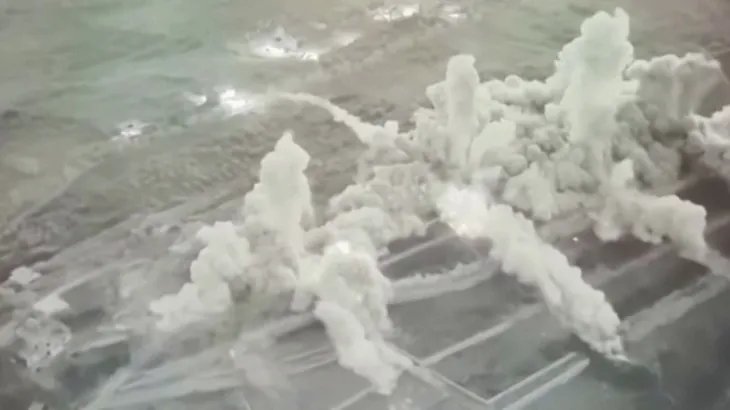
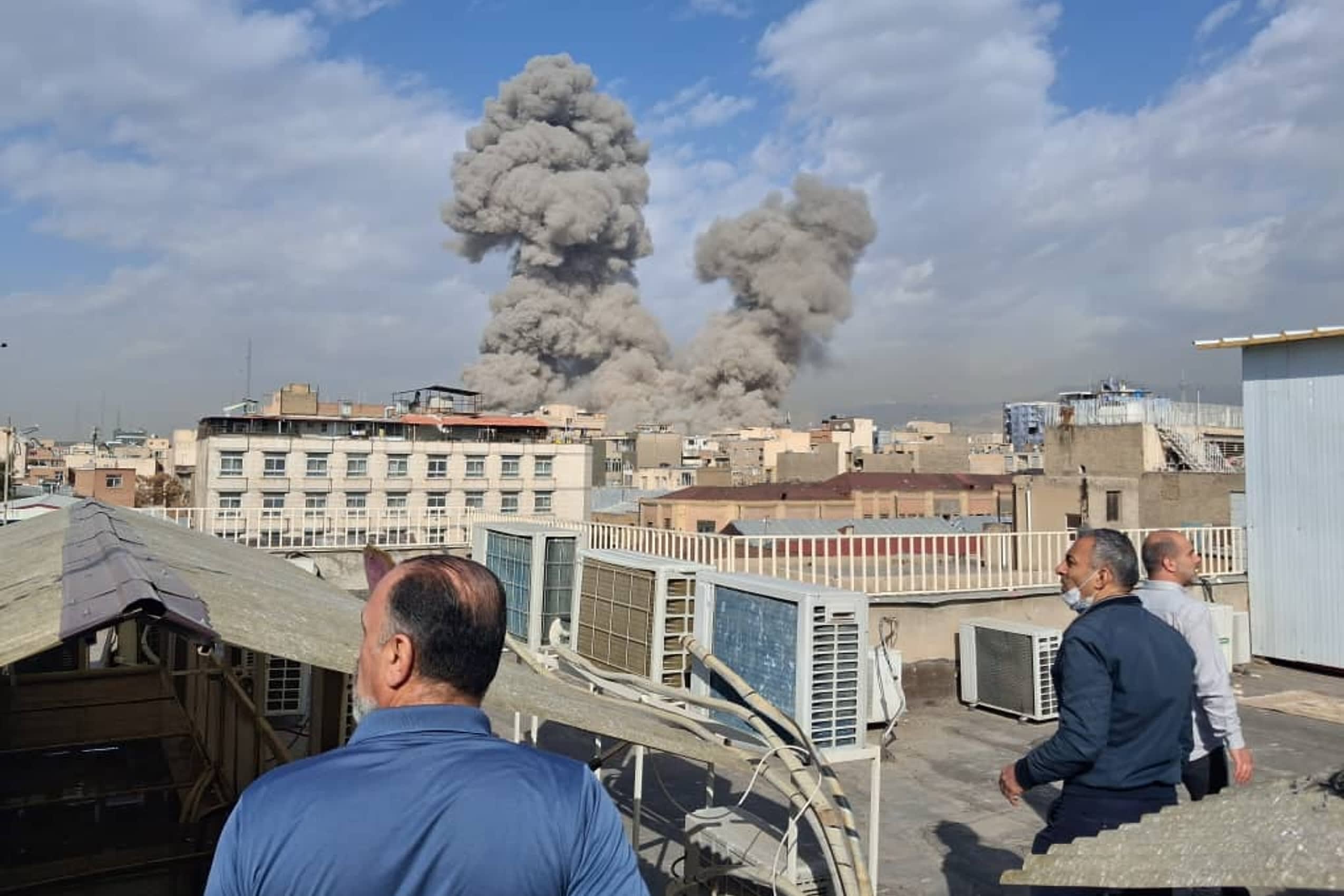
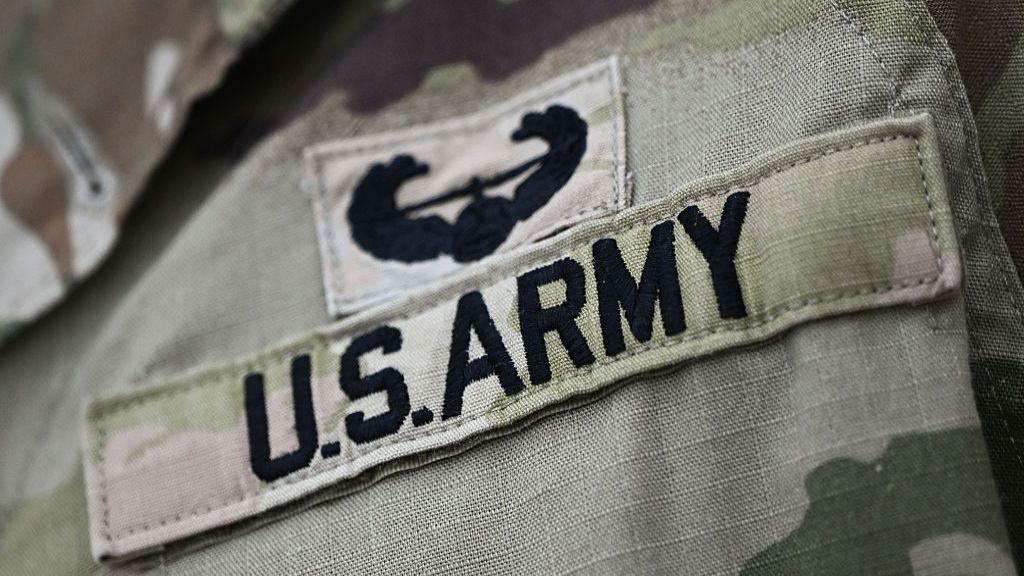
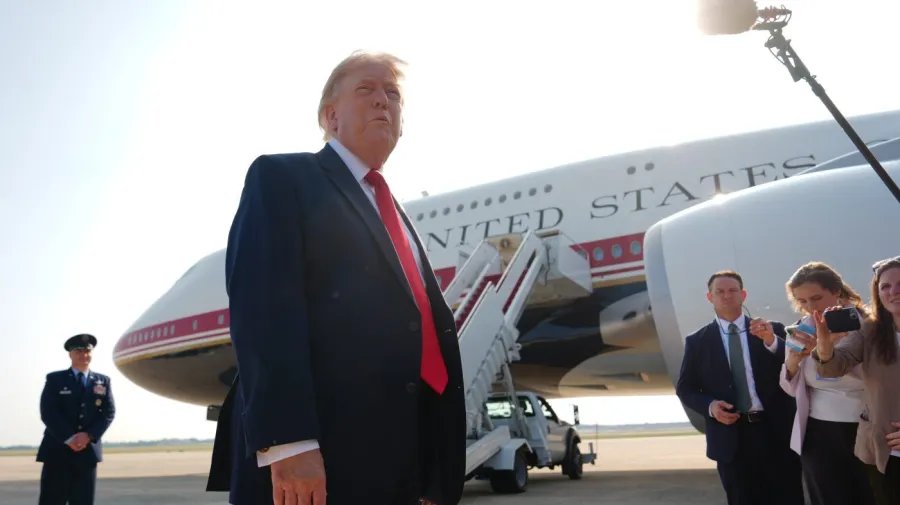
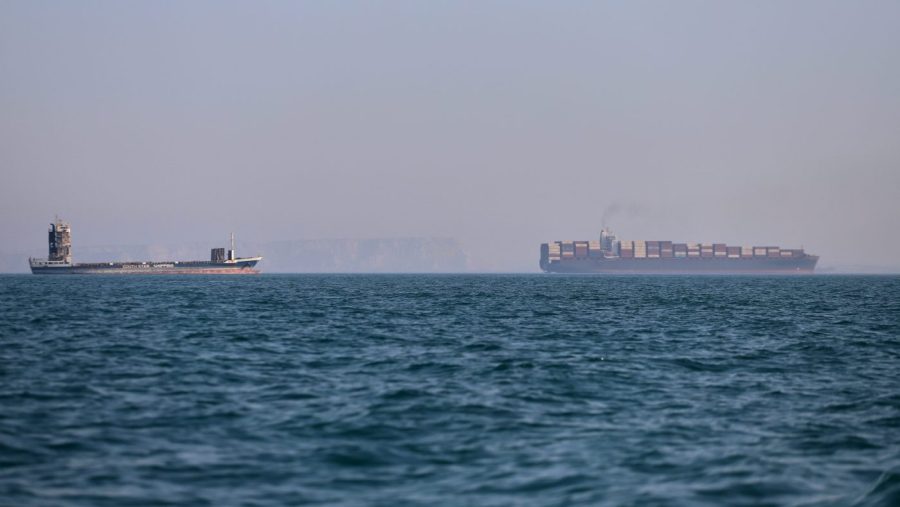
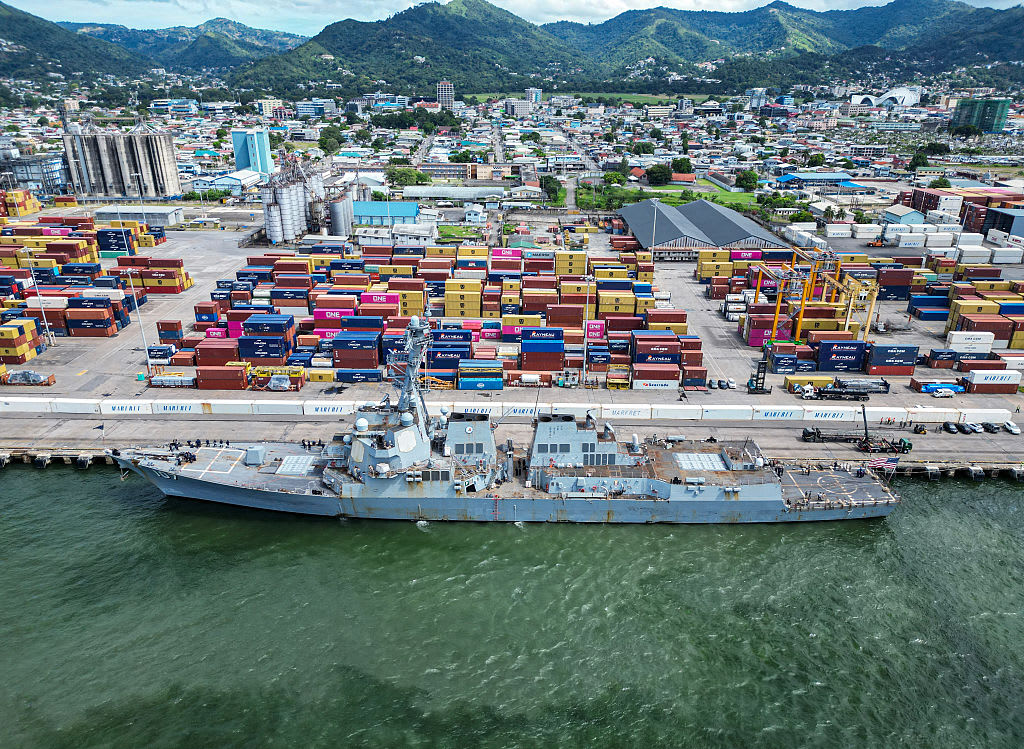
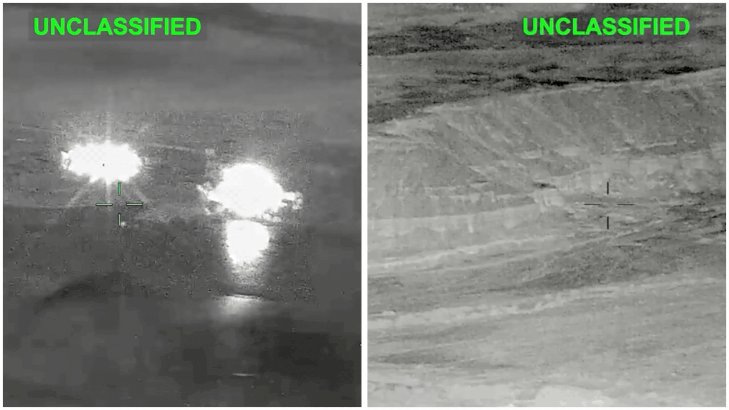
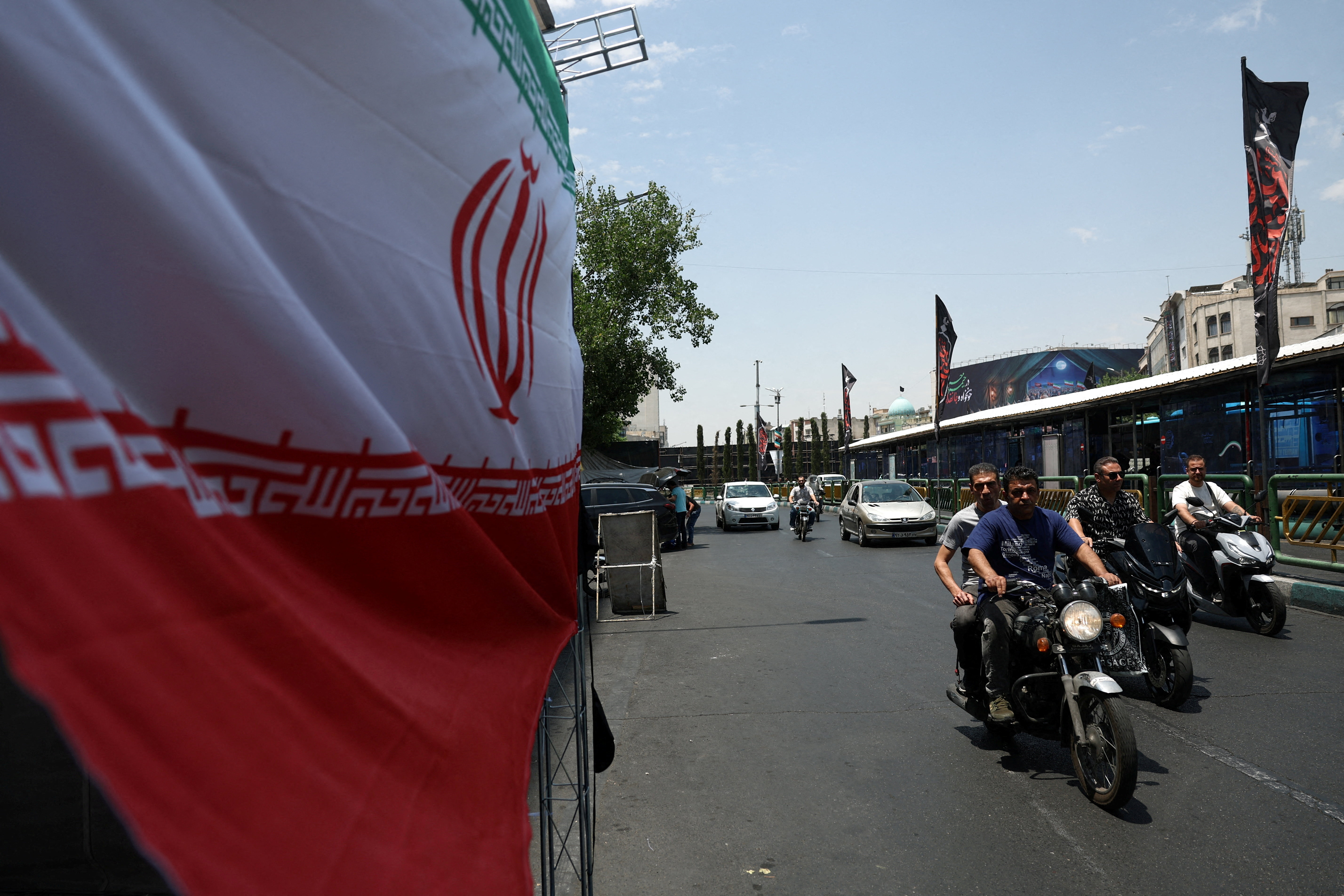
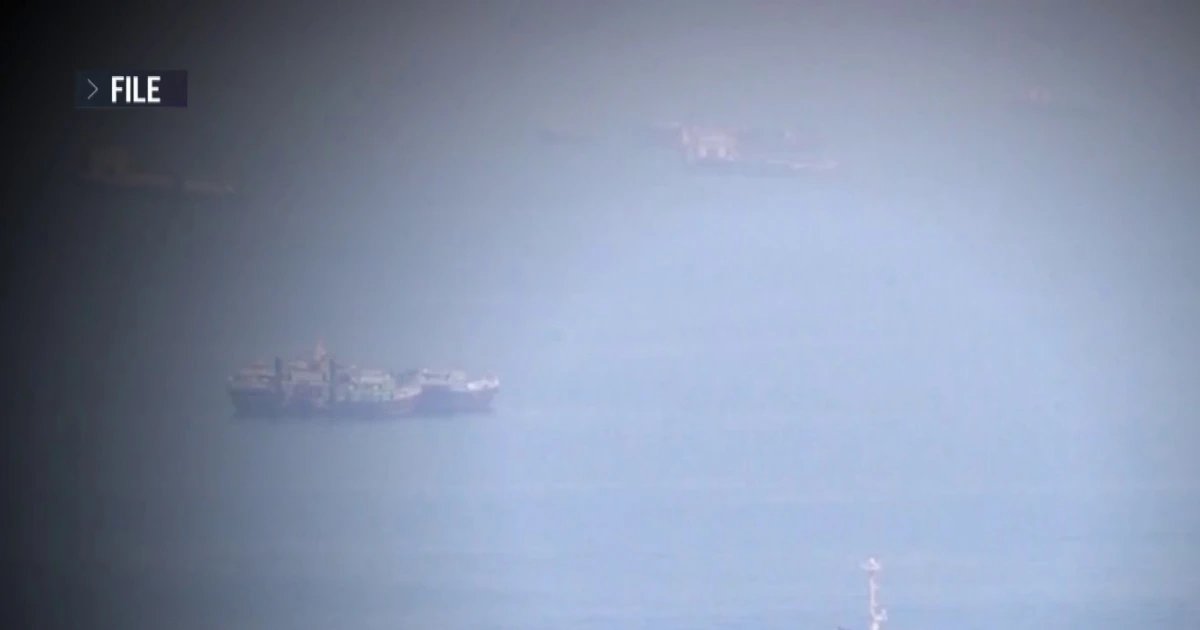
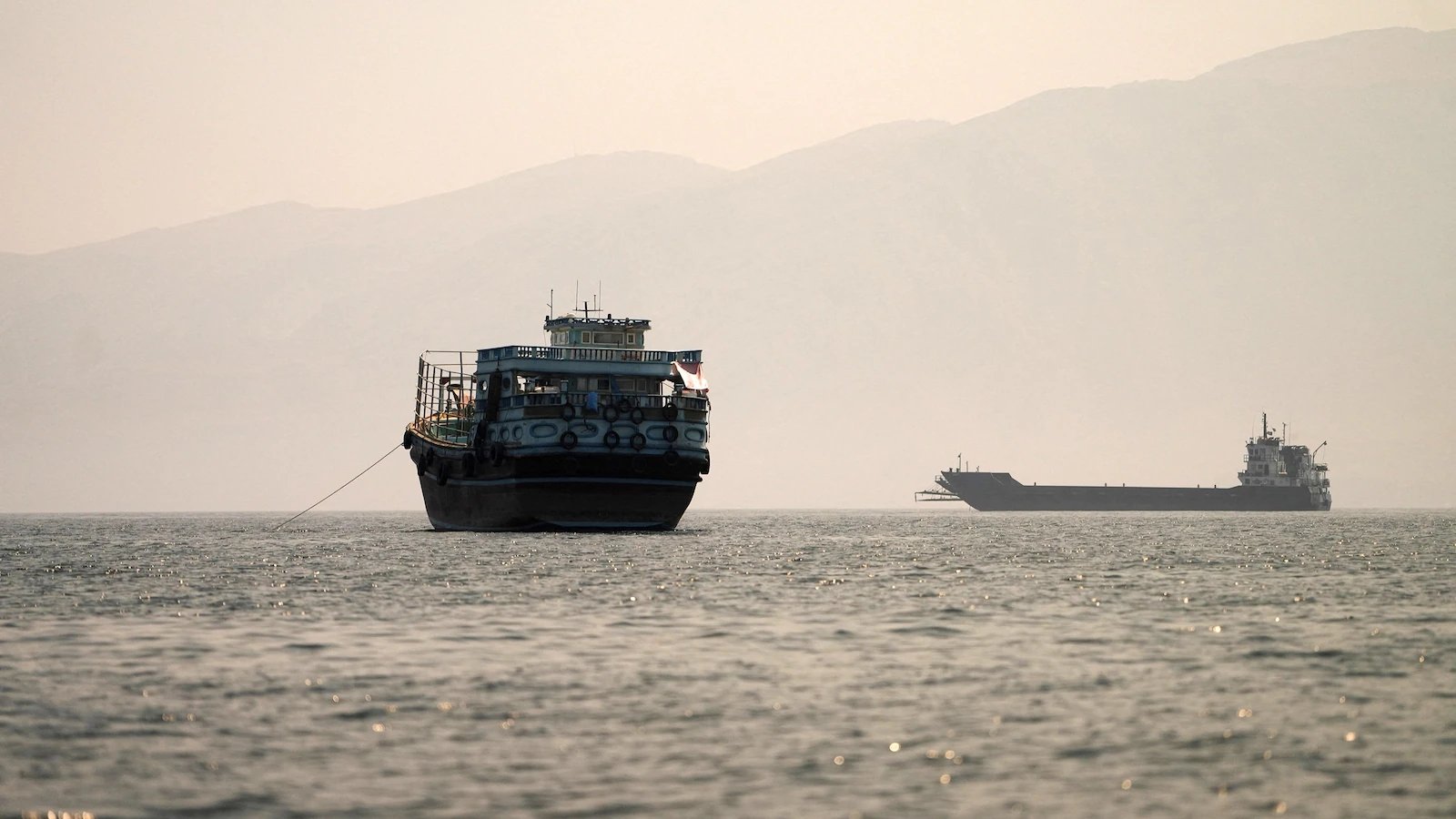
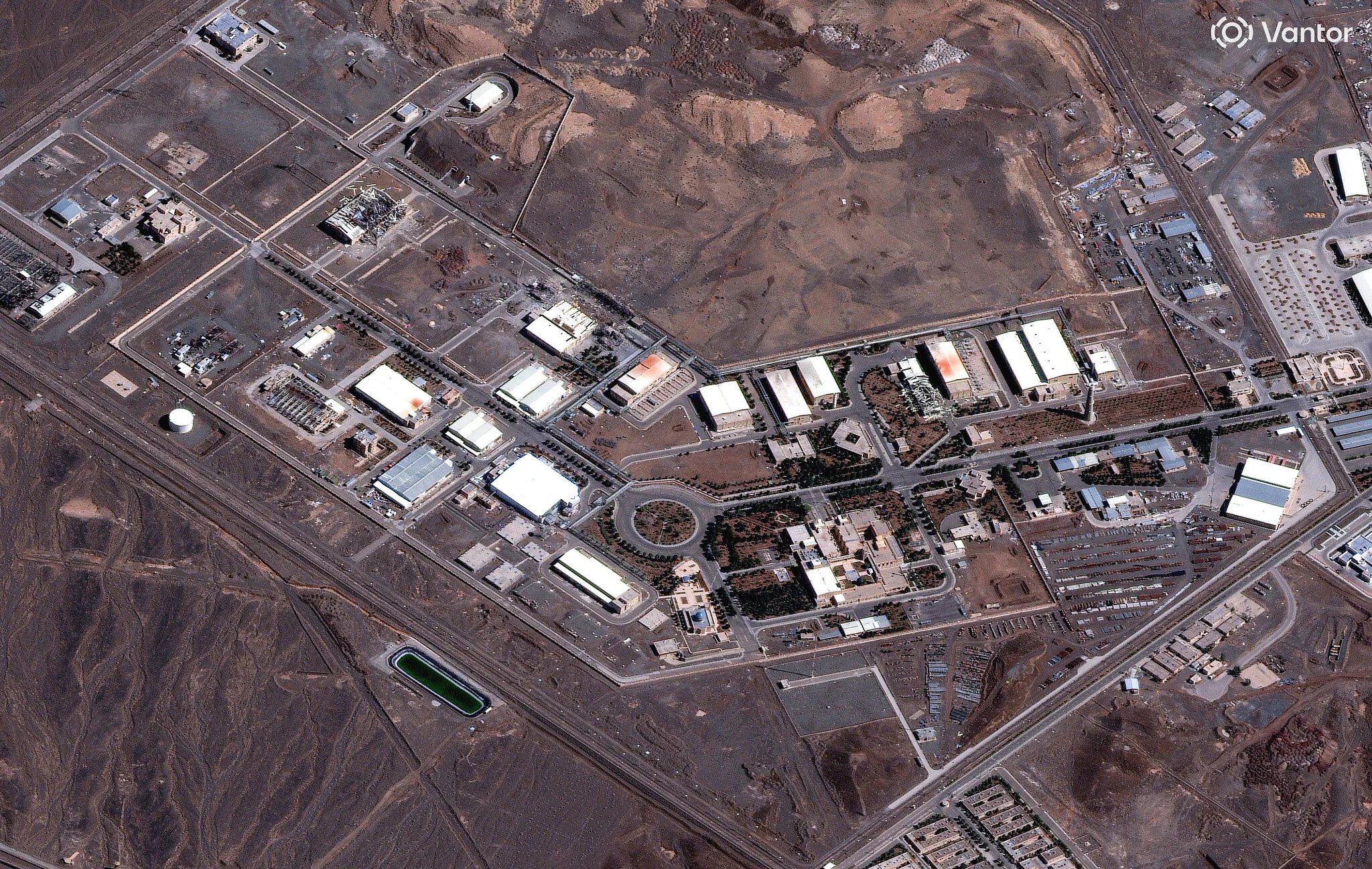
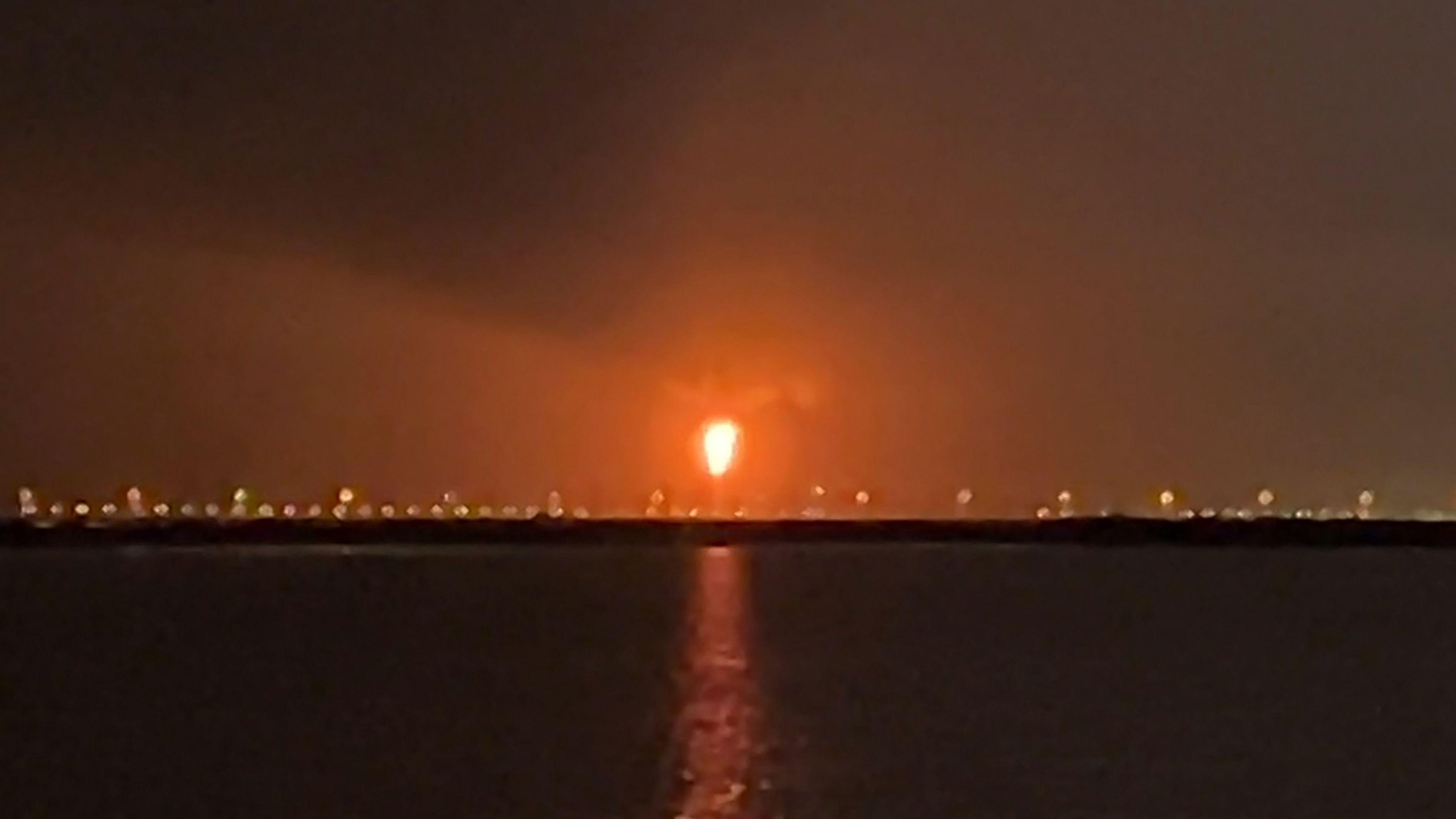
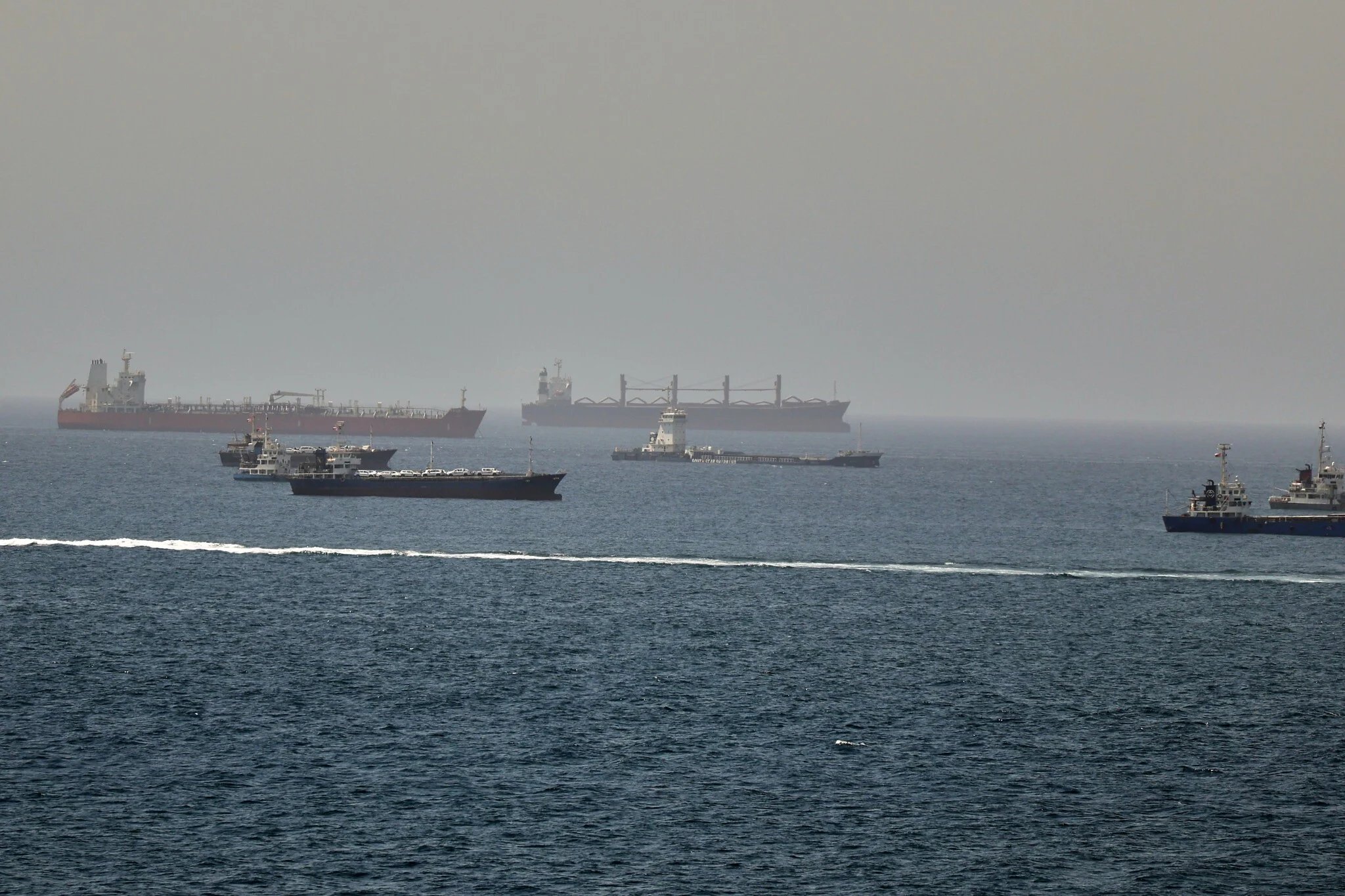
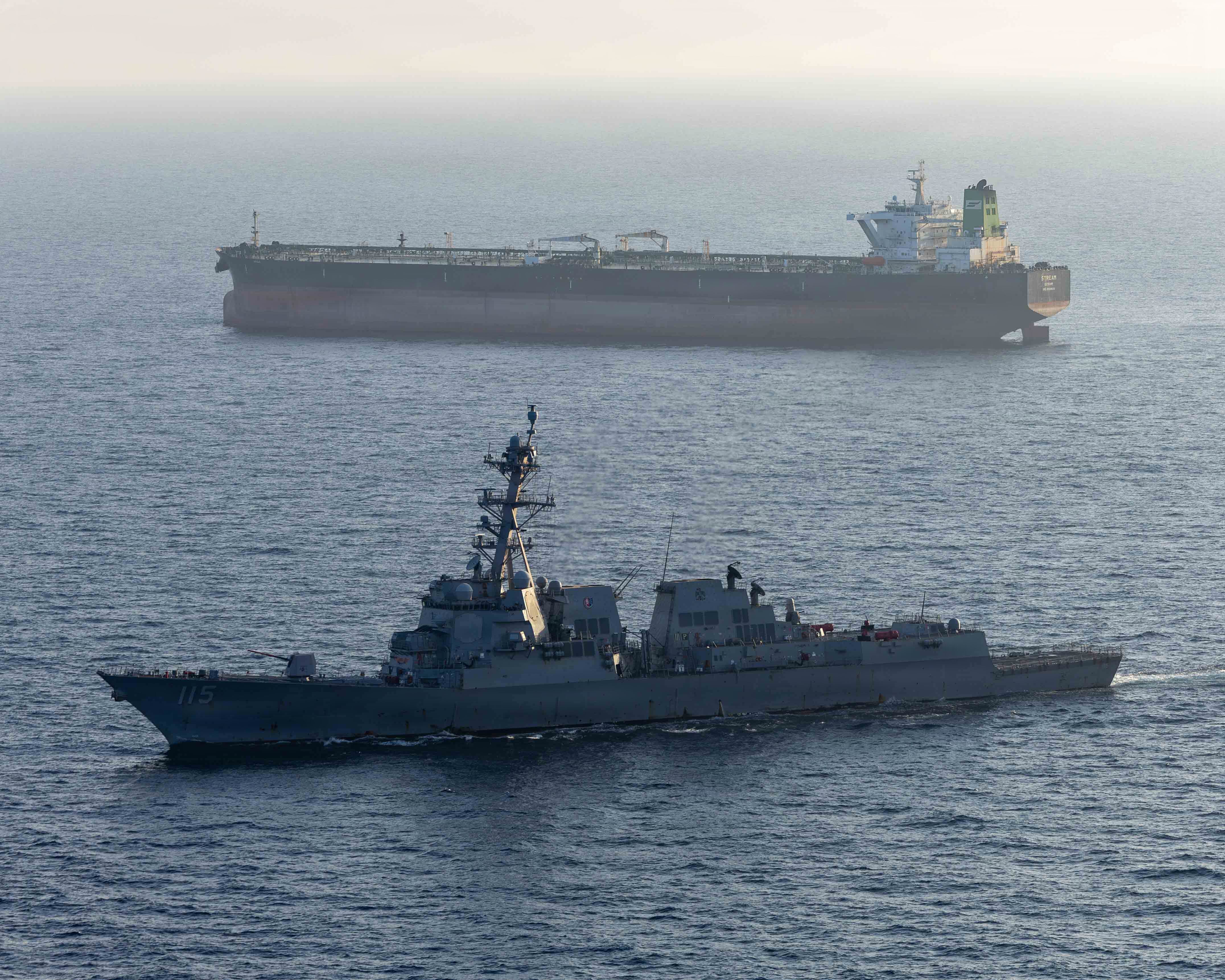
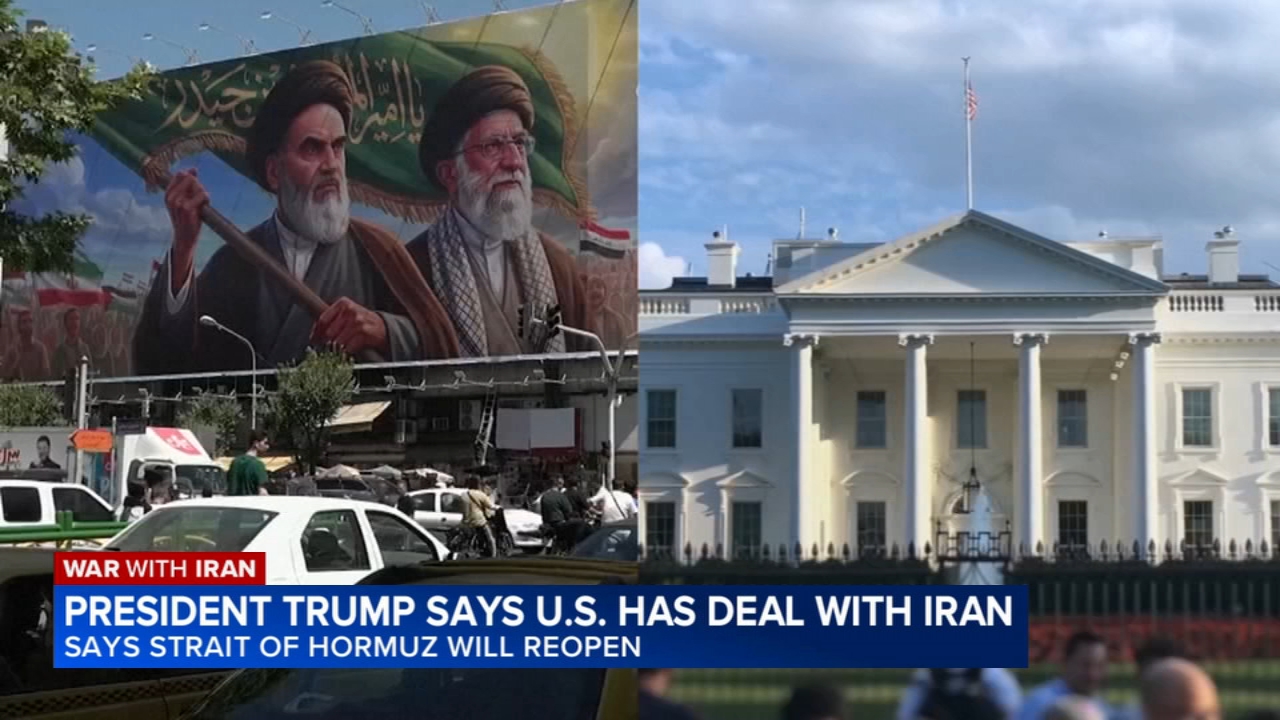
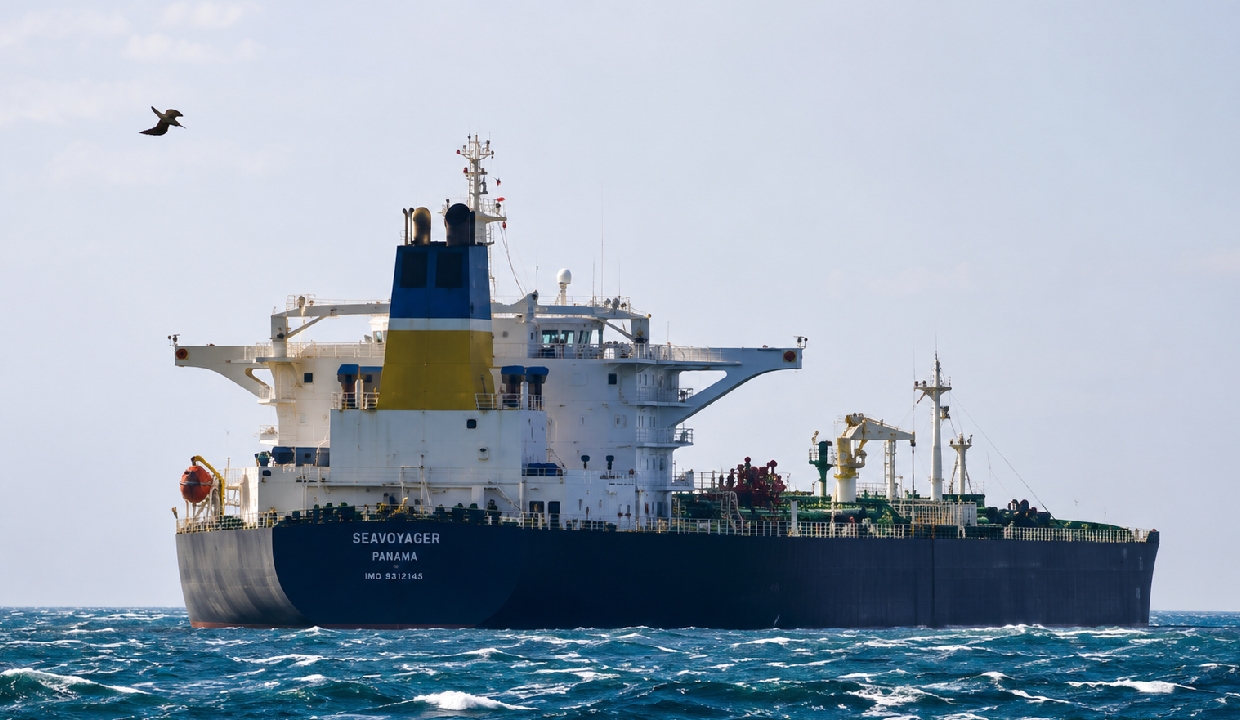
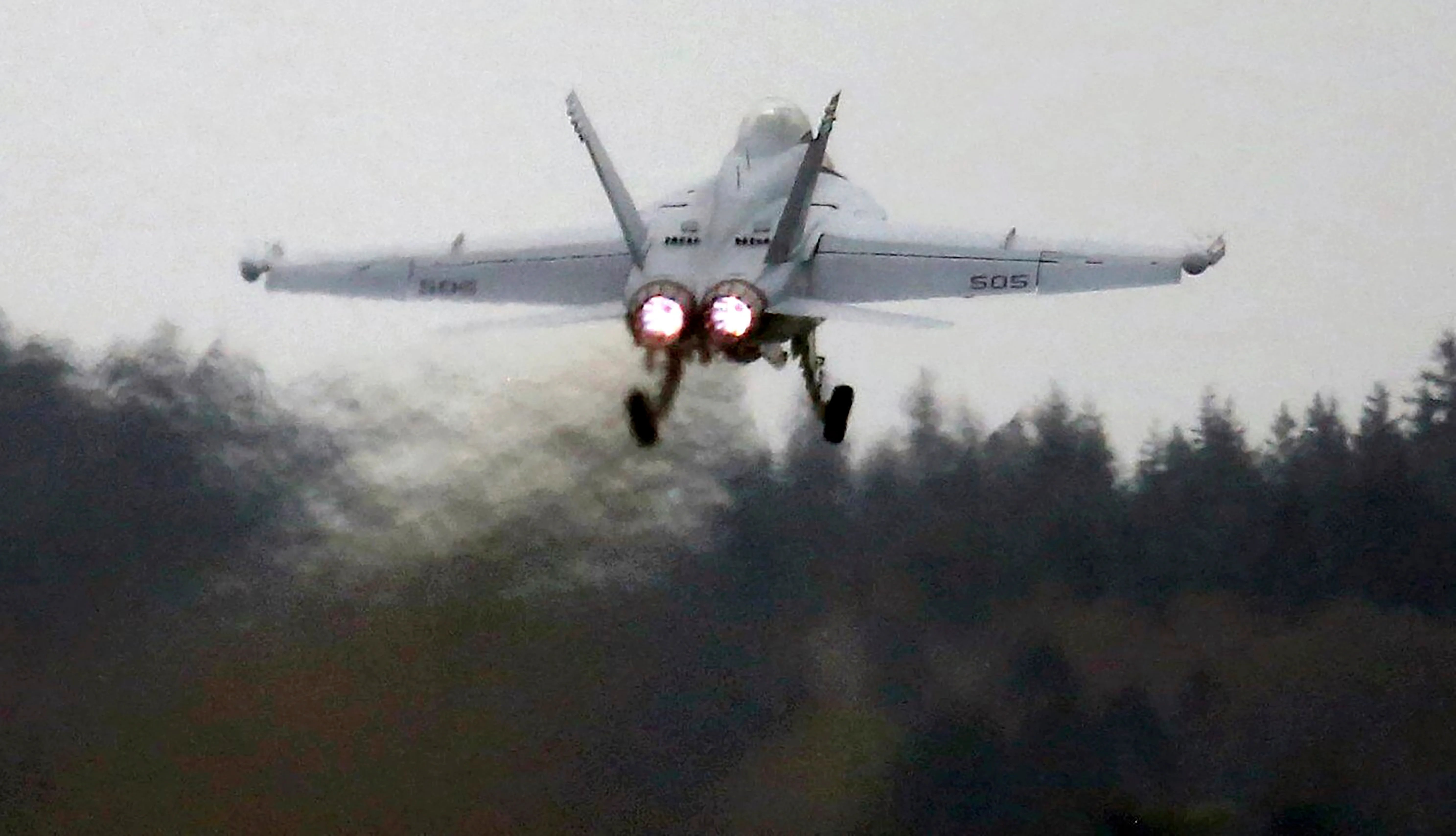
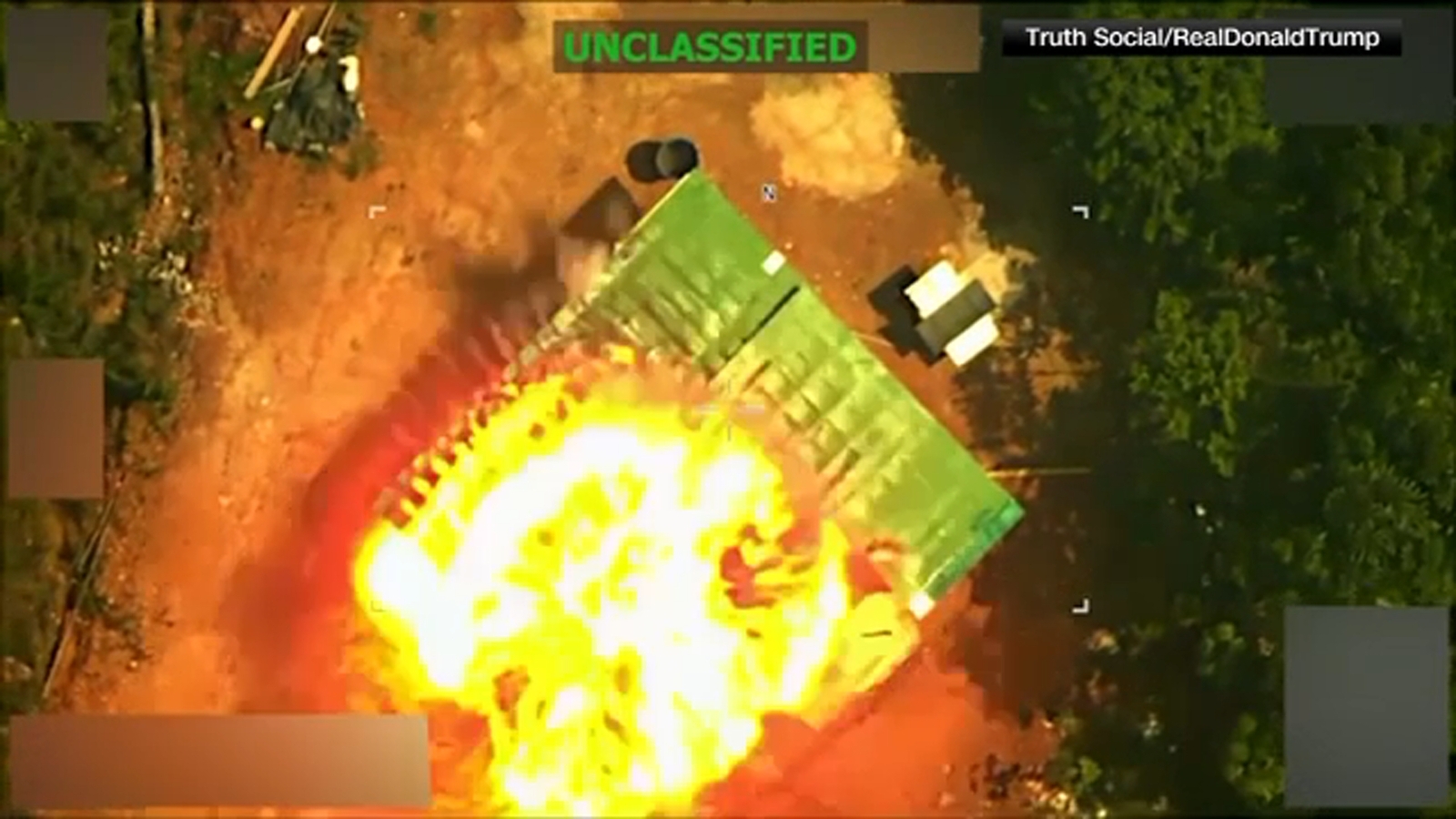
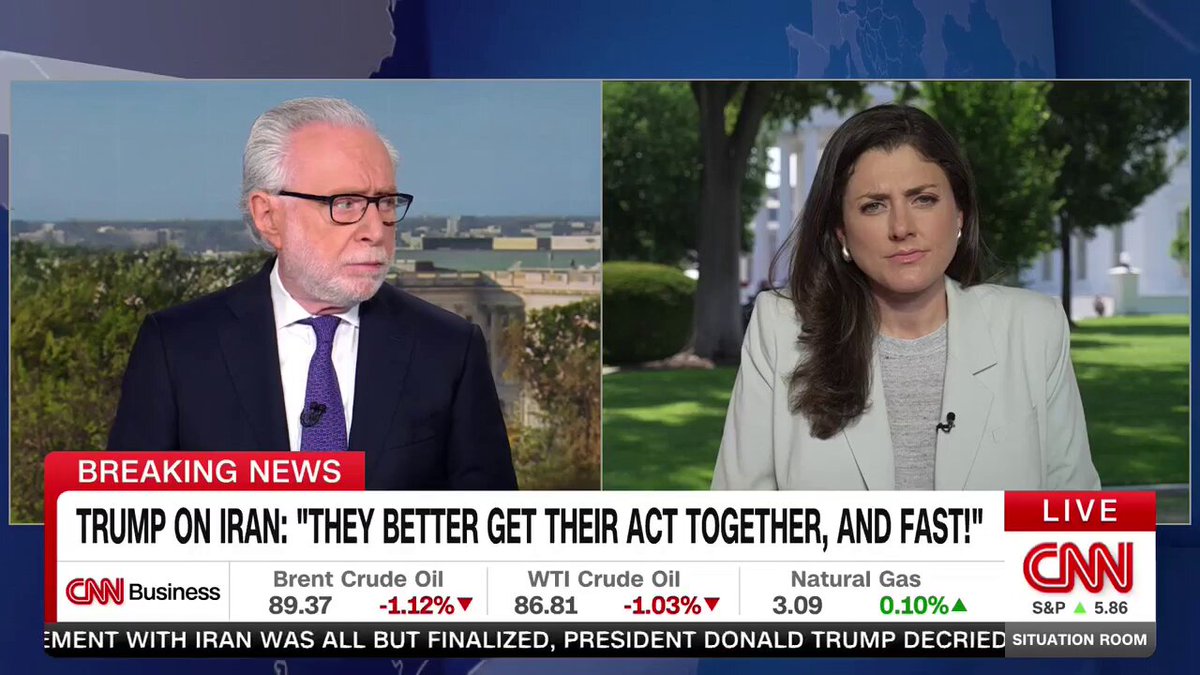
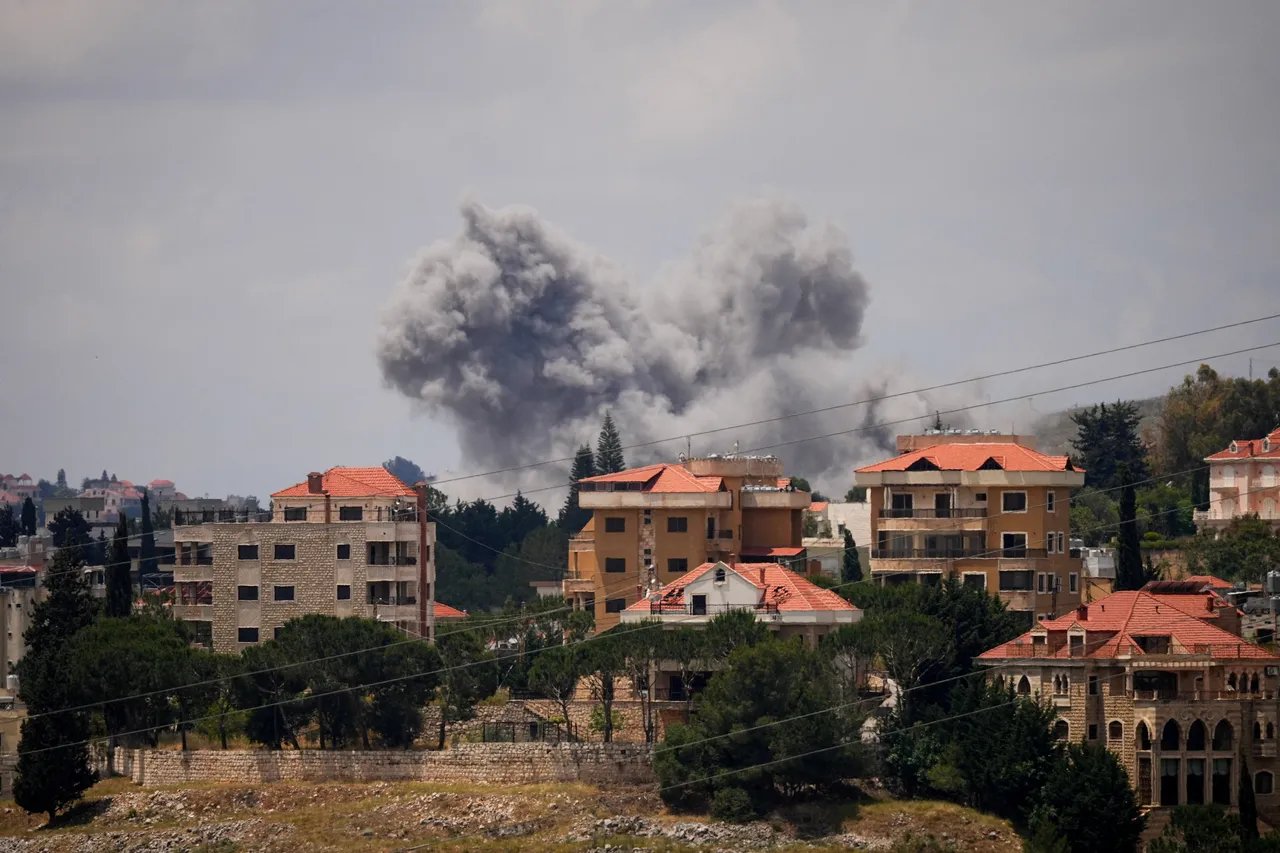
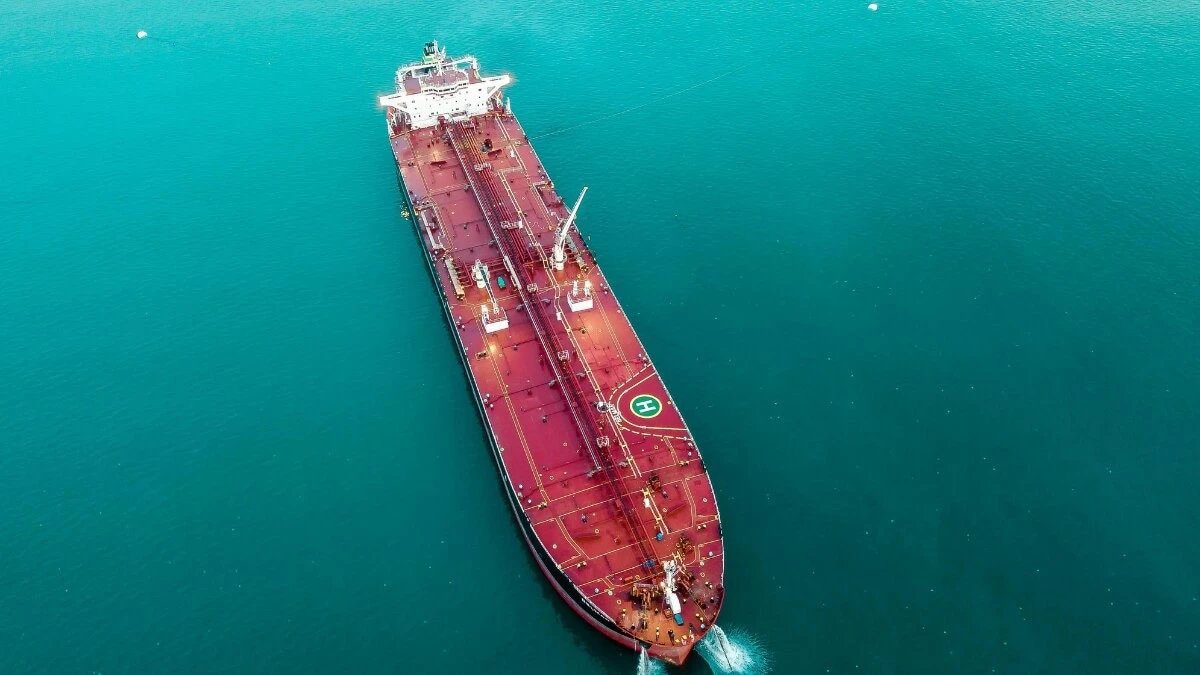
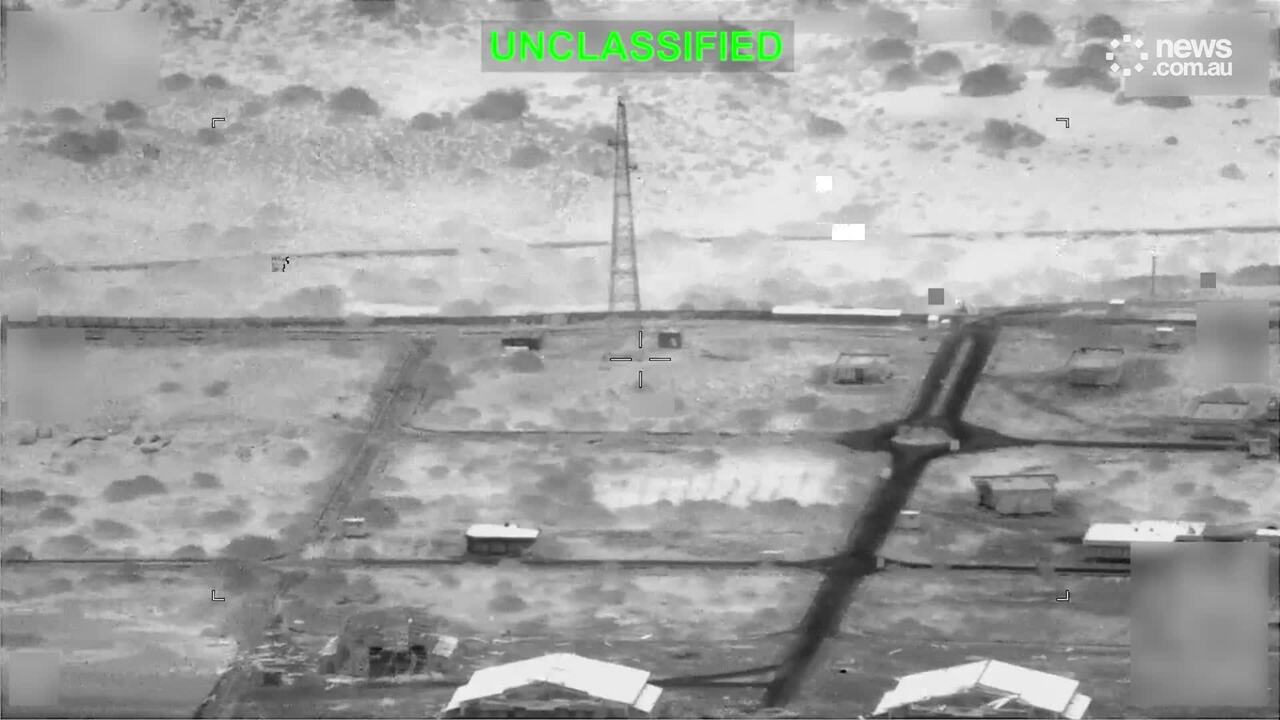
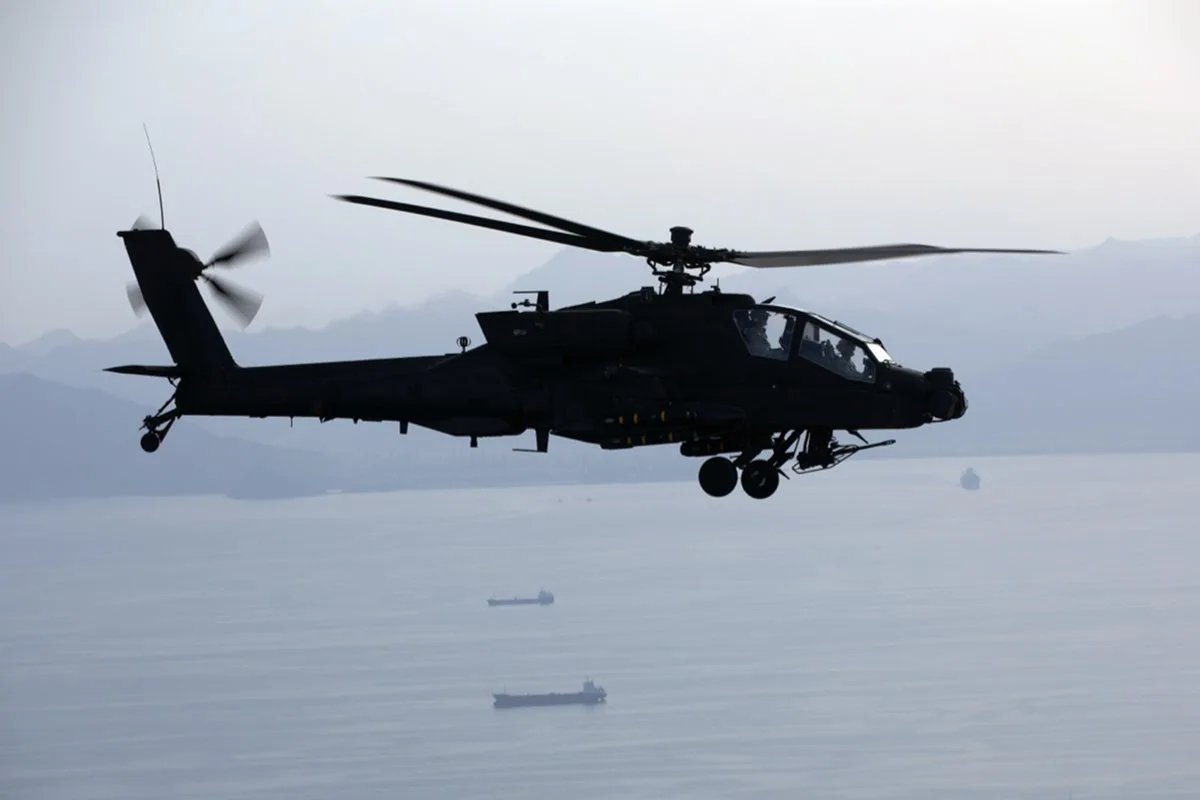
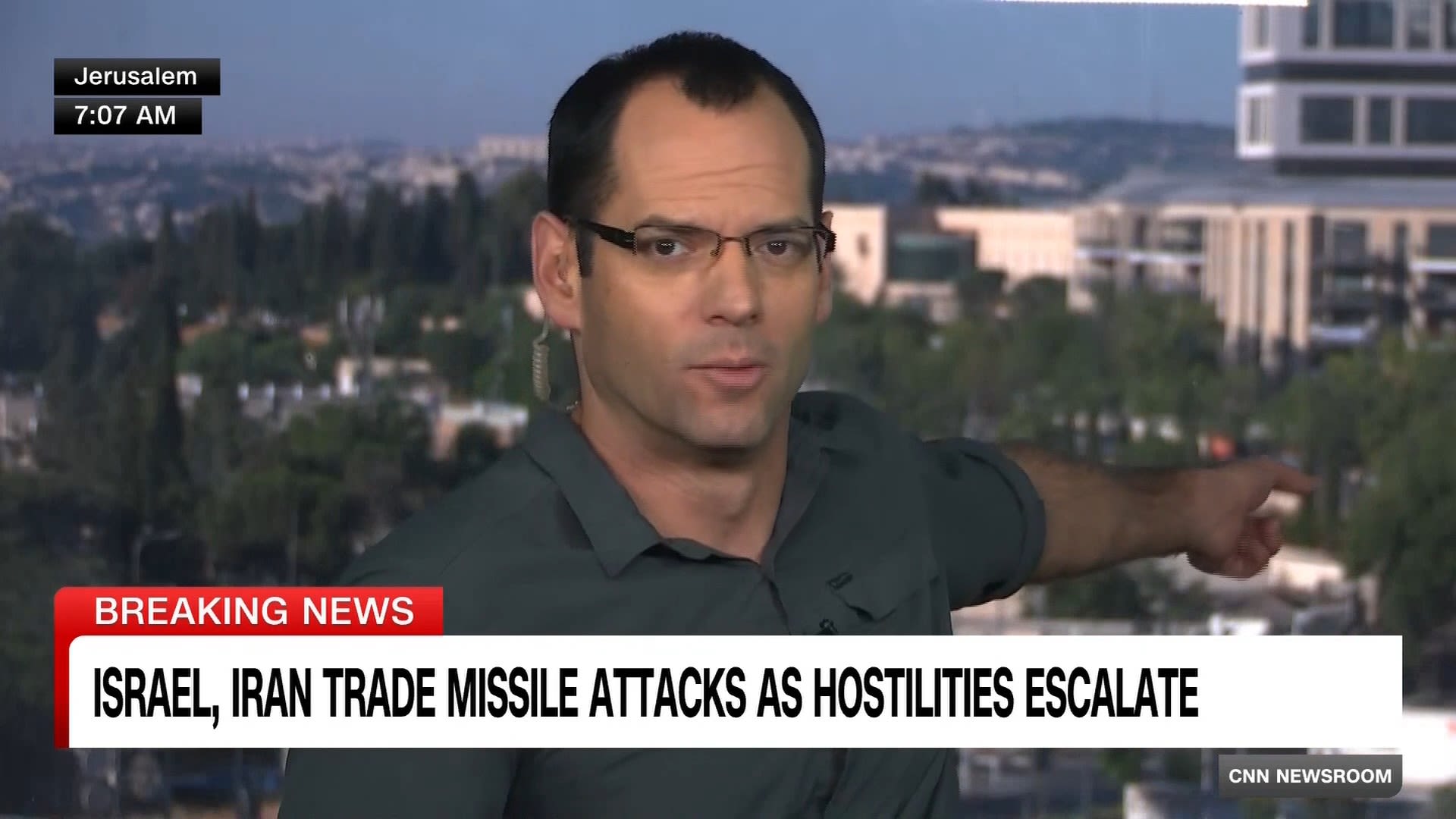
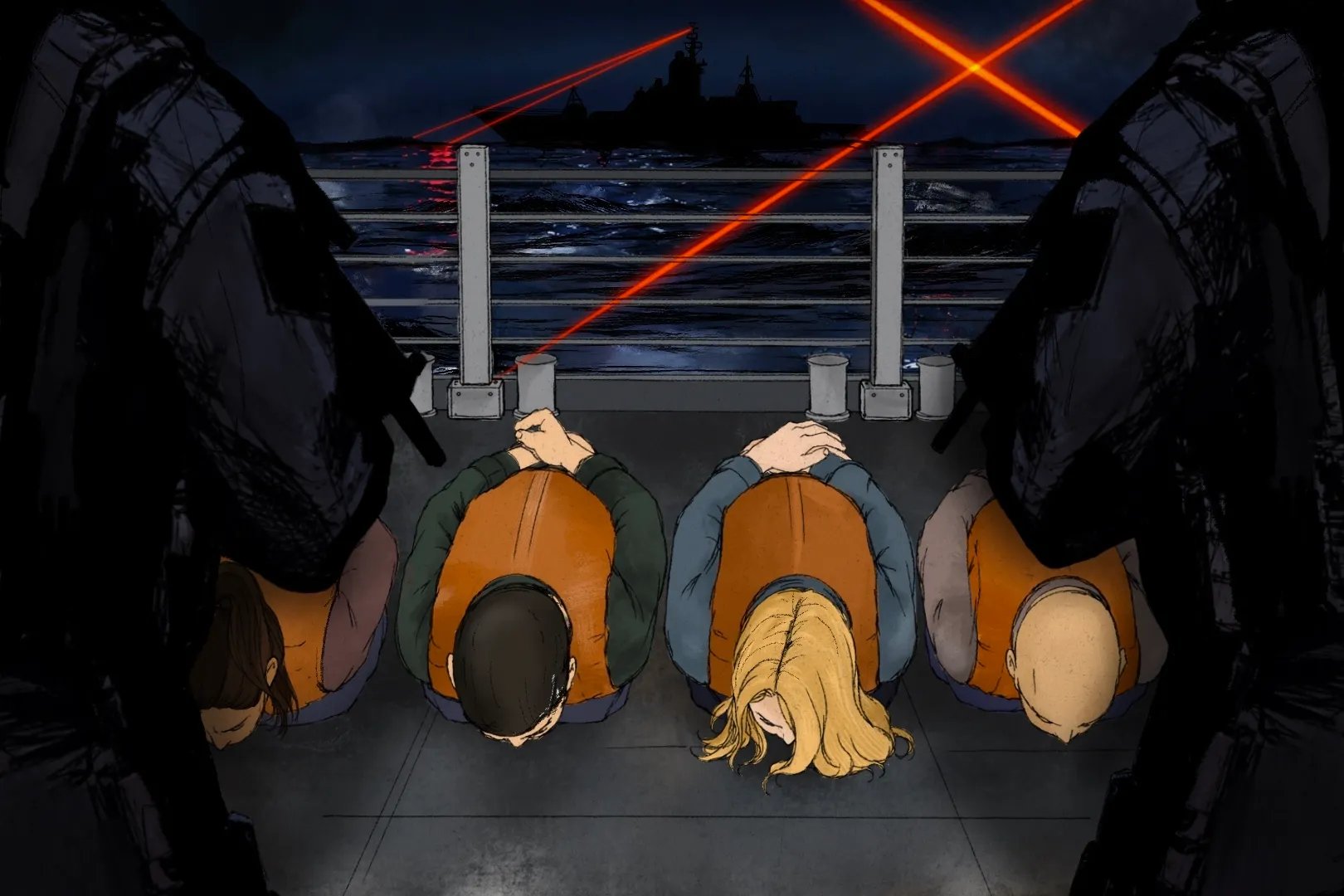
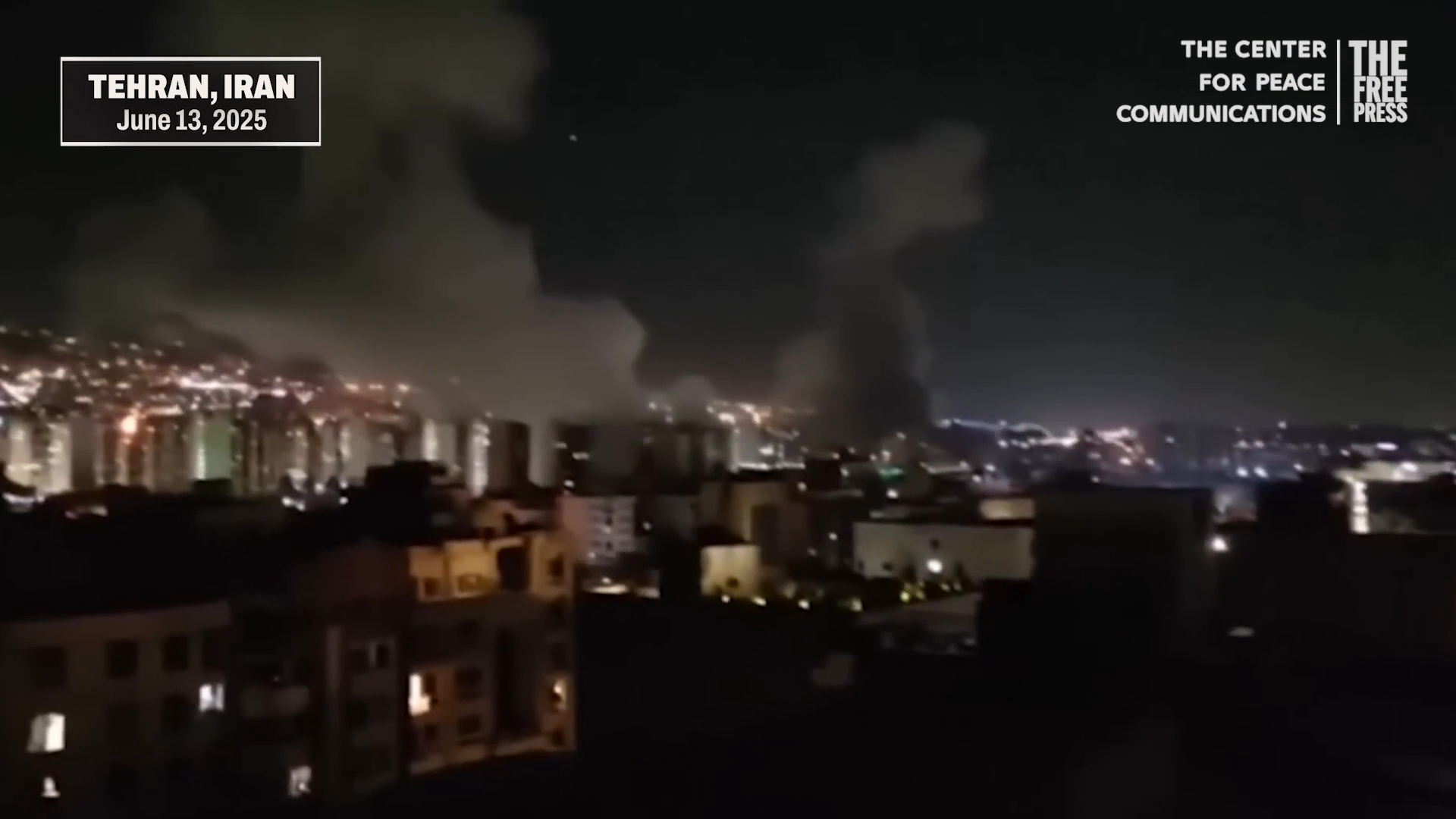
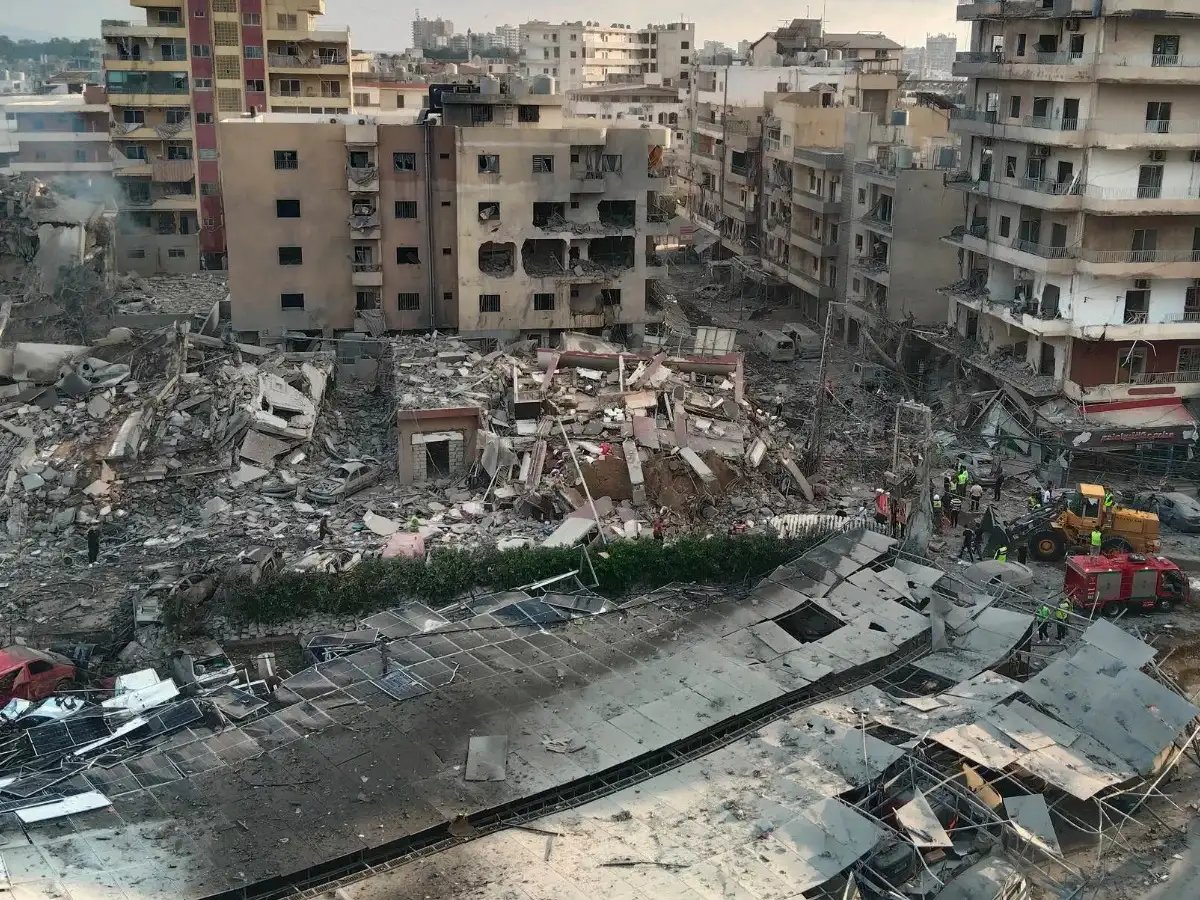
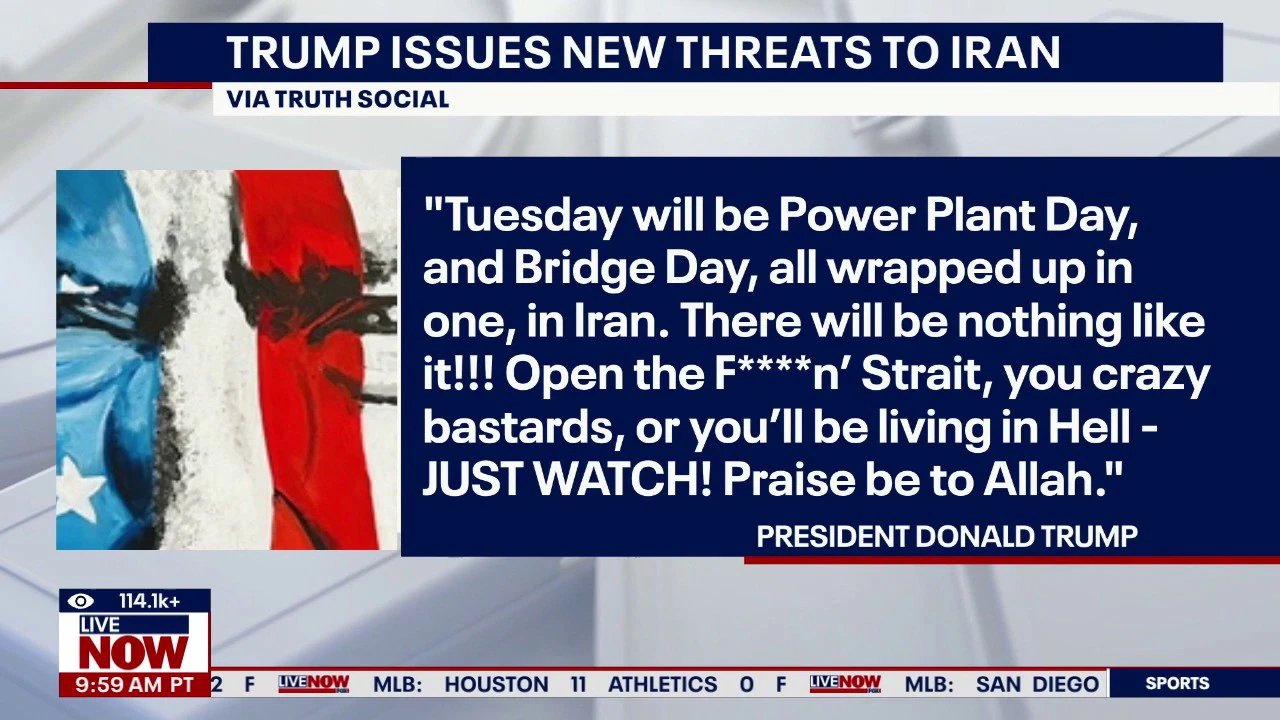
The United States has conducted a third round of airstrikes against Iran, marking a significant escalation in military tensions. This action follows accusations that Iran attacked a commercial container ship in the Strait of Hormuz. Iranian officials responded by announcing the closure of the strategic waterway, a vital artery for global oil shipments.
Iran's Retaliatory Measures
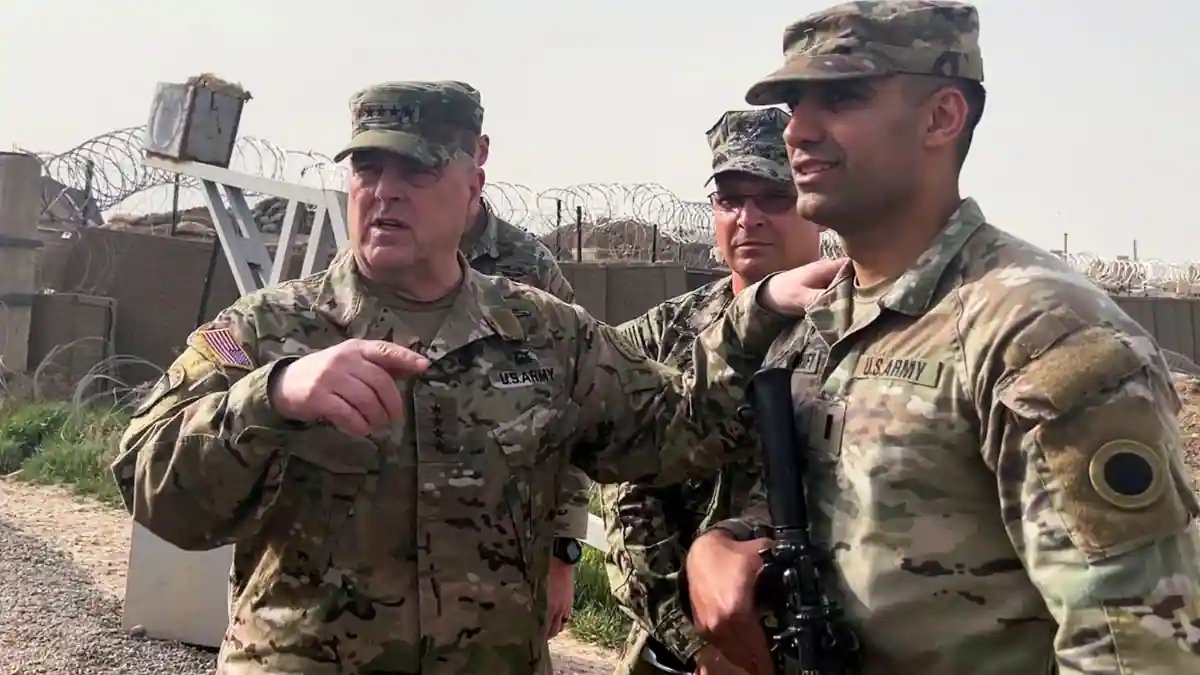
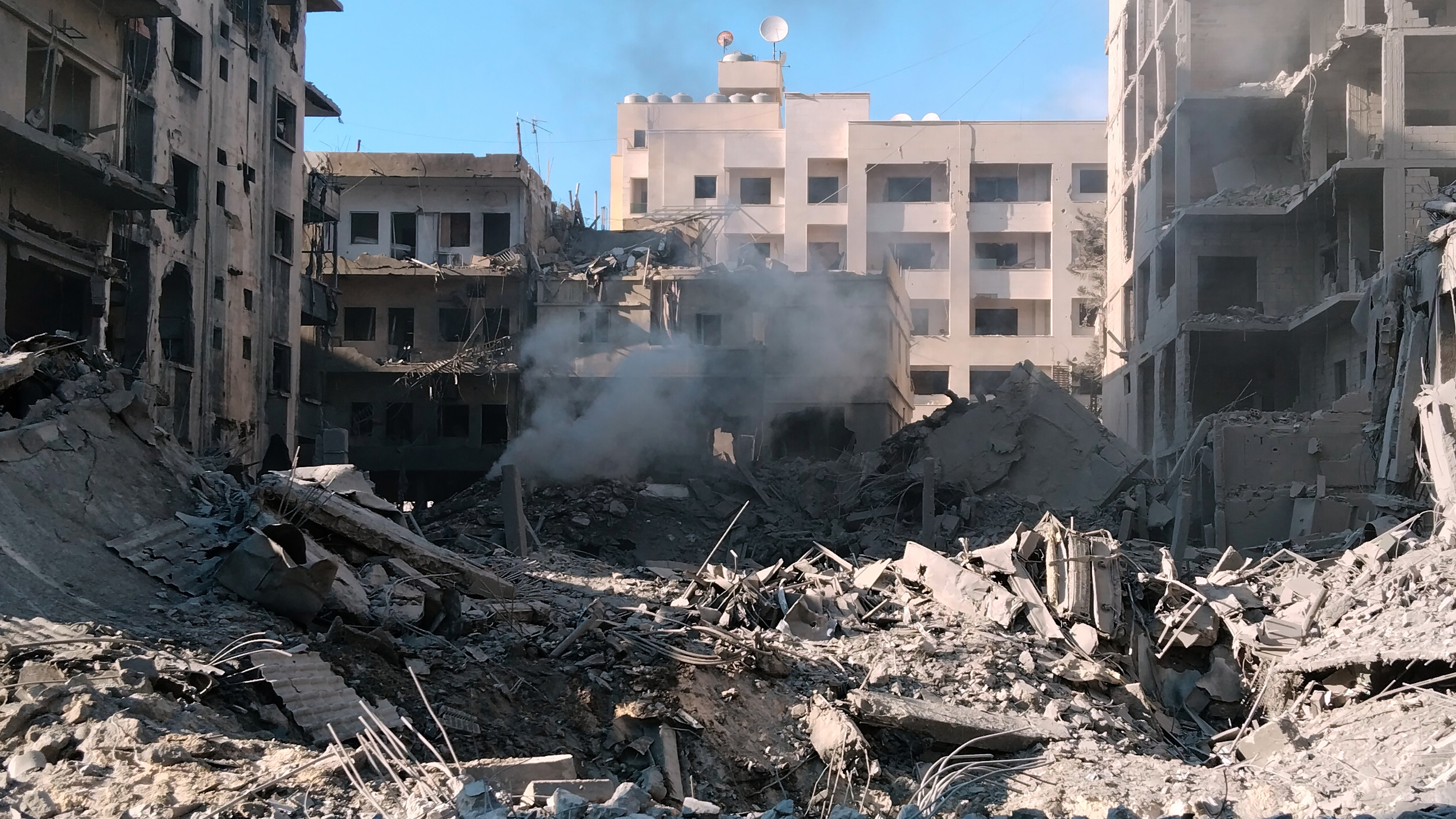
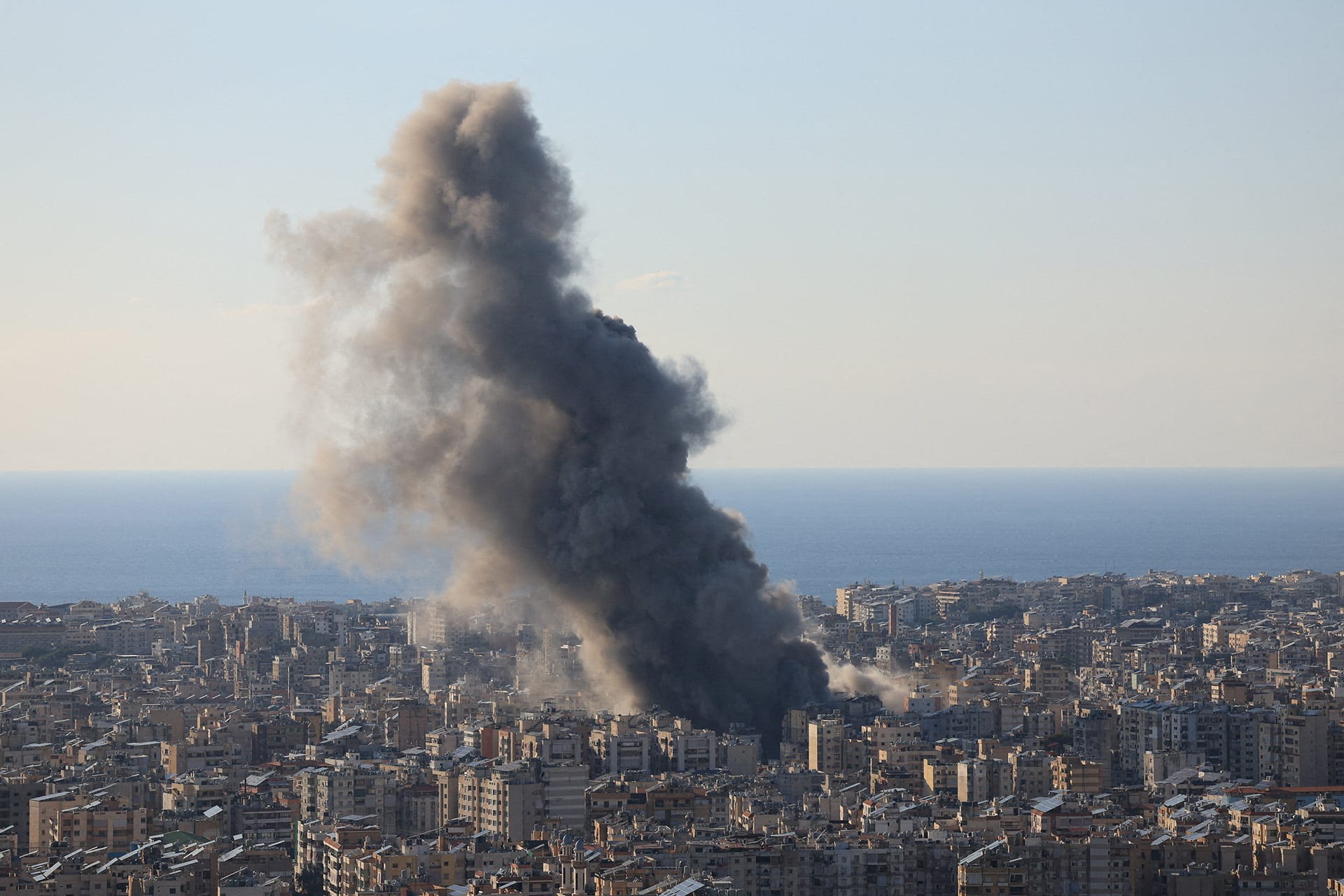
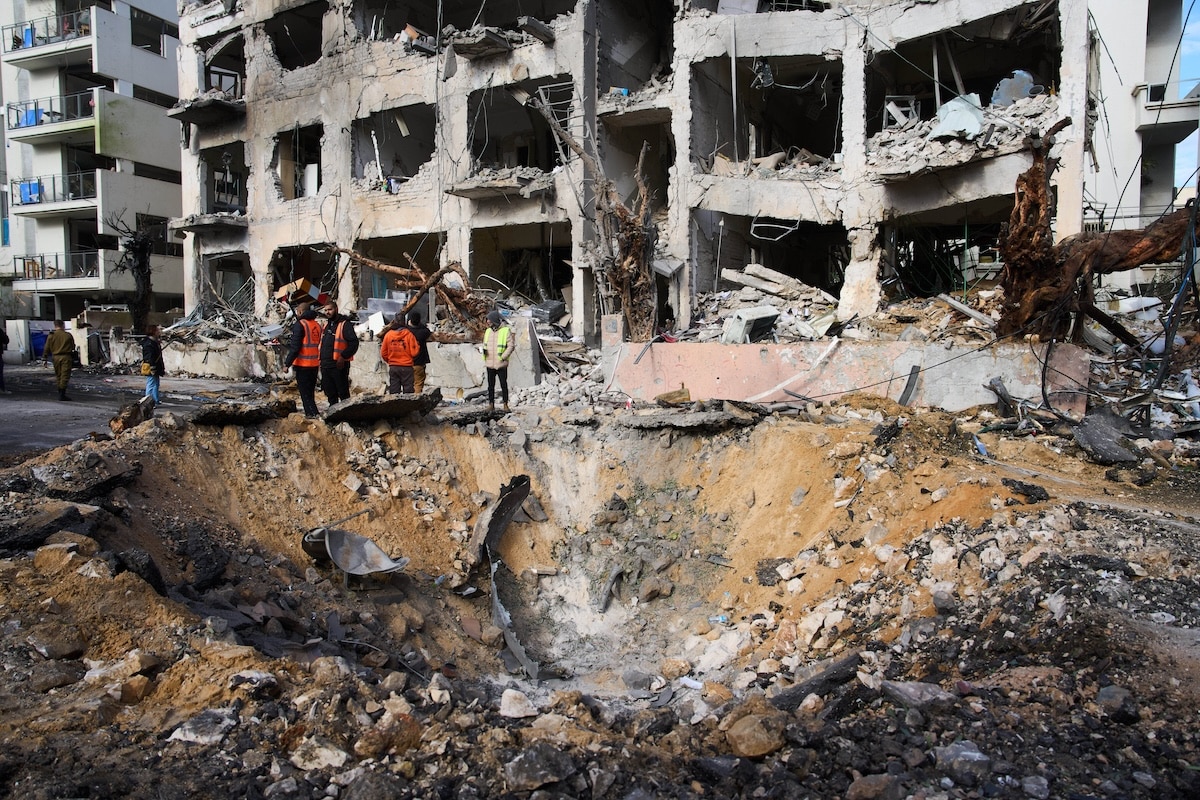
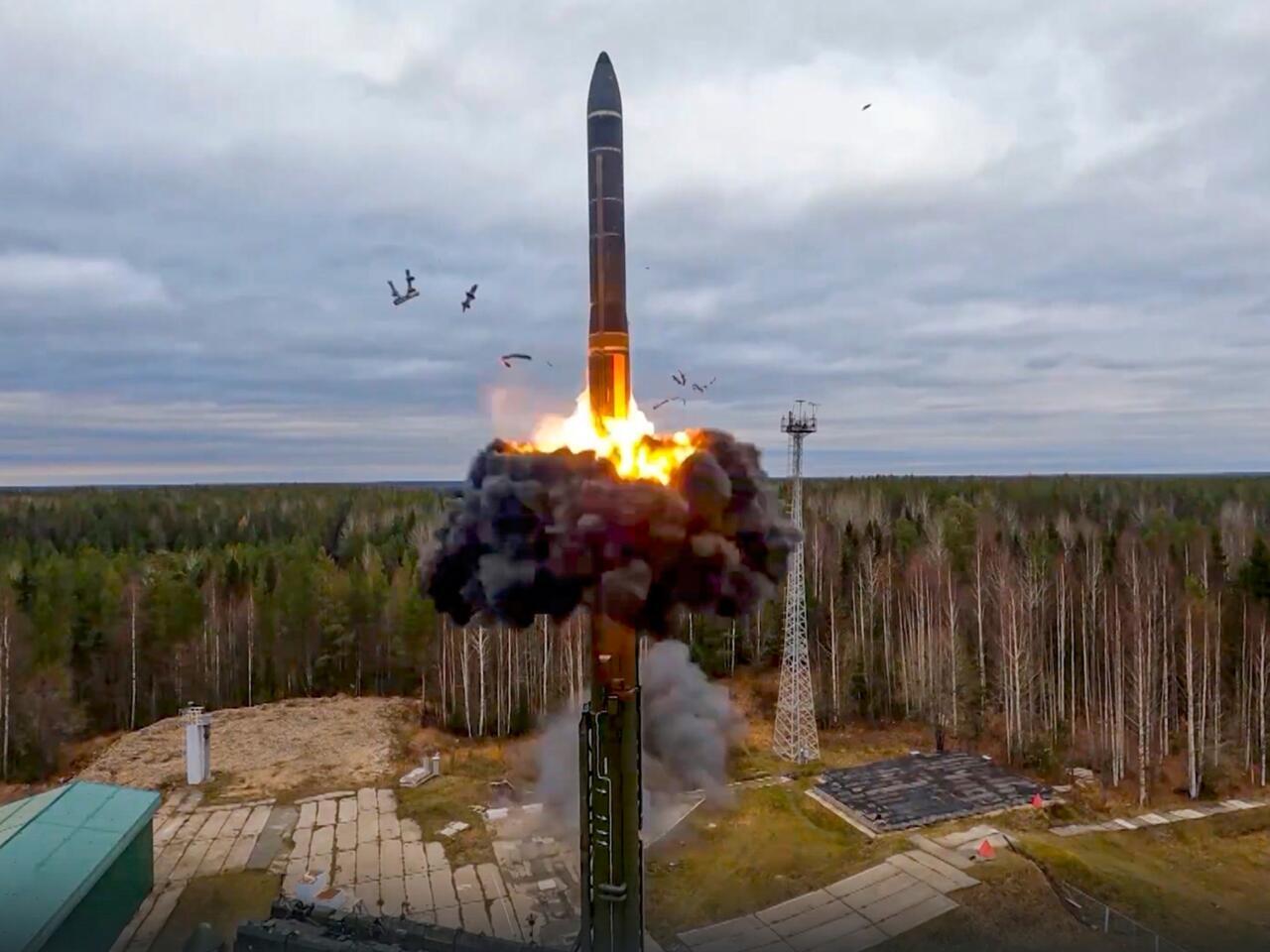
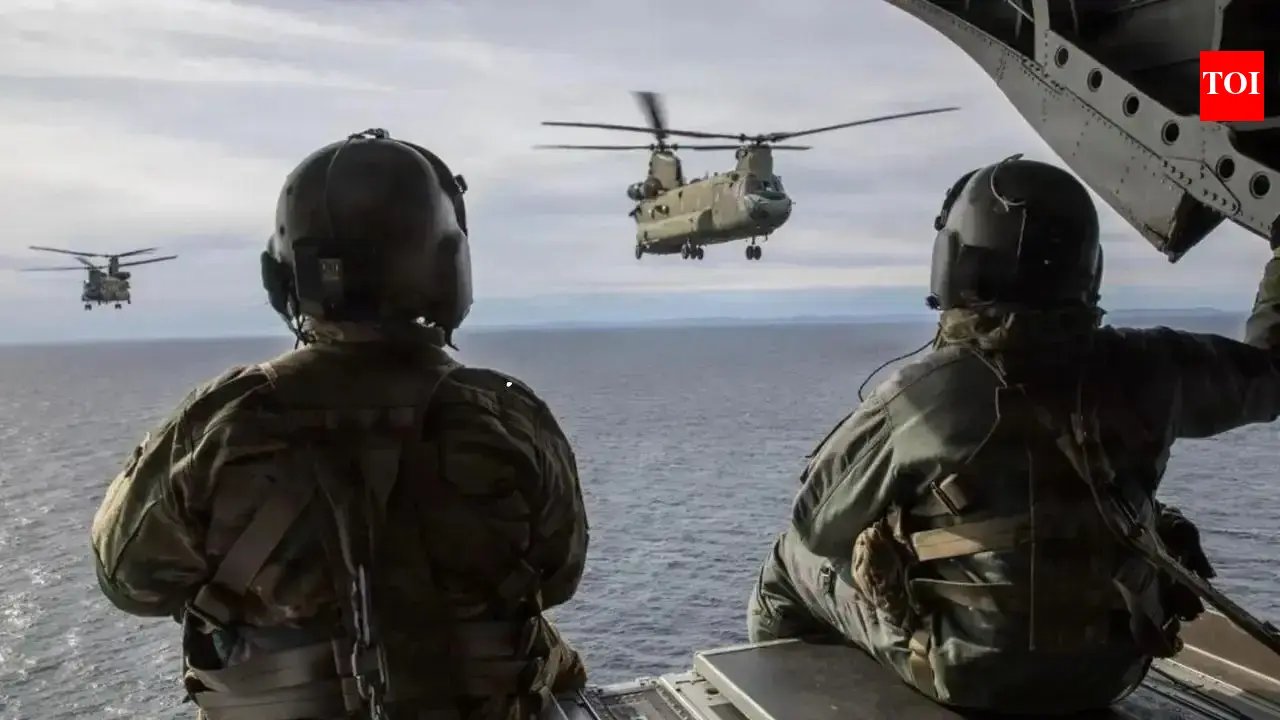
In retaliation, Iran has intensified its attacks on U.S. military facilities across the Gulf. Iranian military leaders issued a warning that any U.S. retaliation would trigger a "severe response." The heightened military activity has raised alarms about the potential for broader conflict in the region.
Attacks on Military Targets
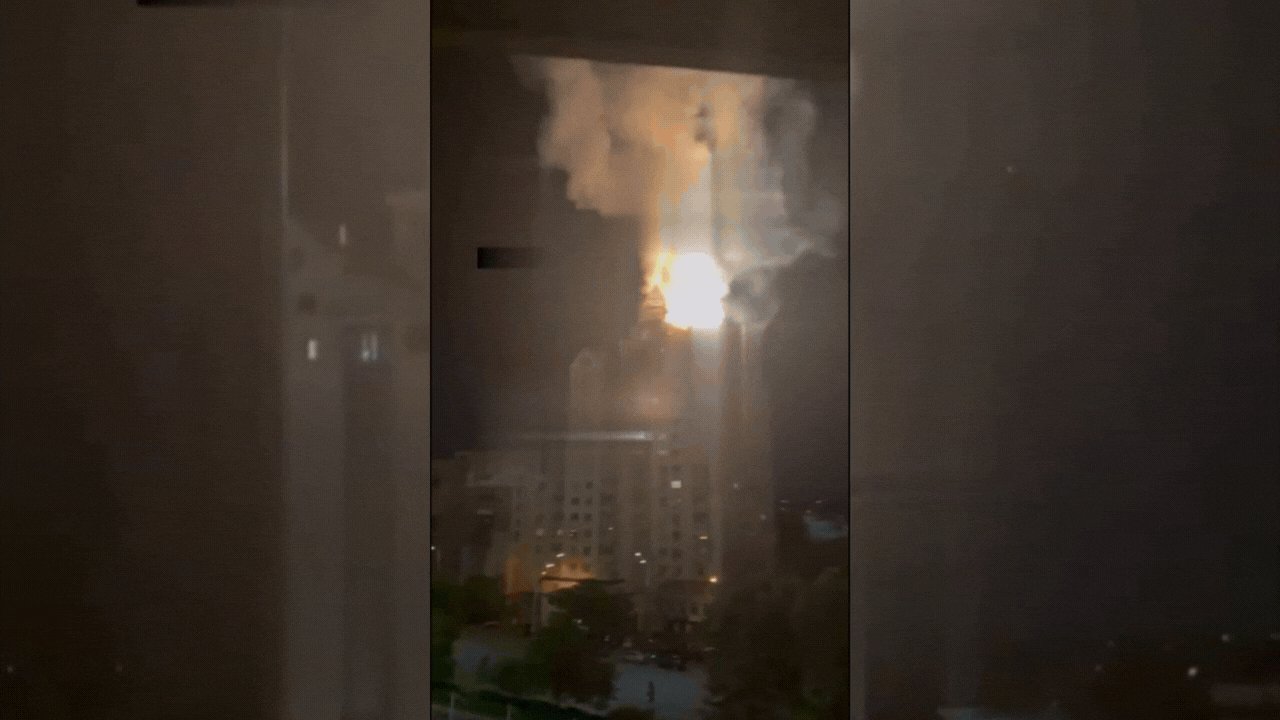
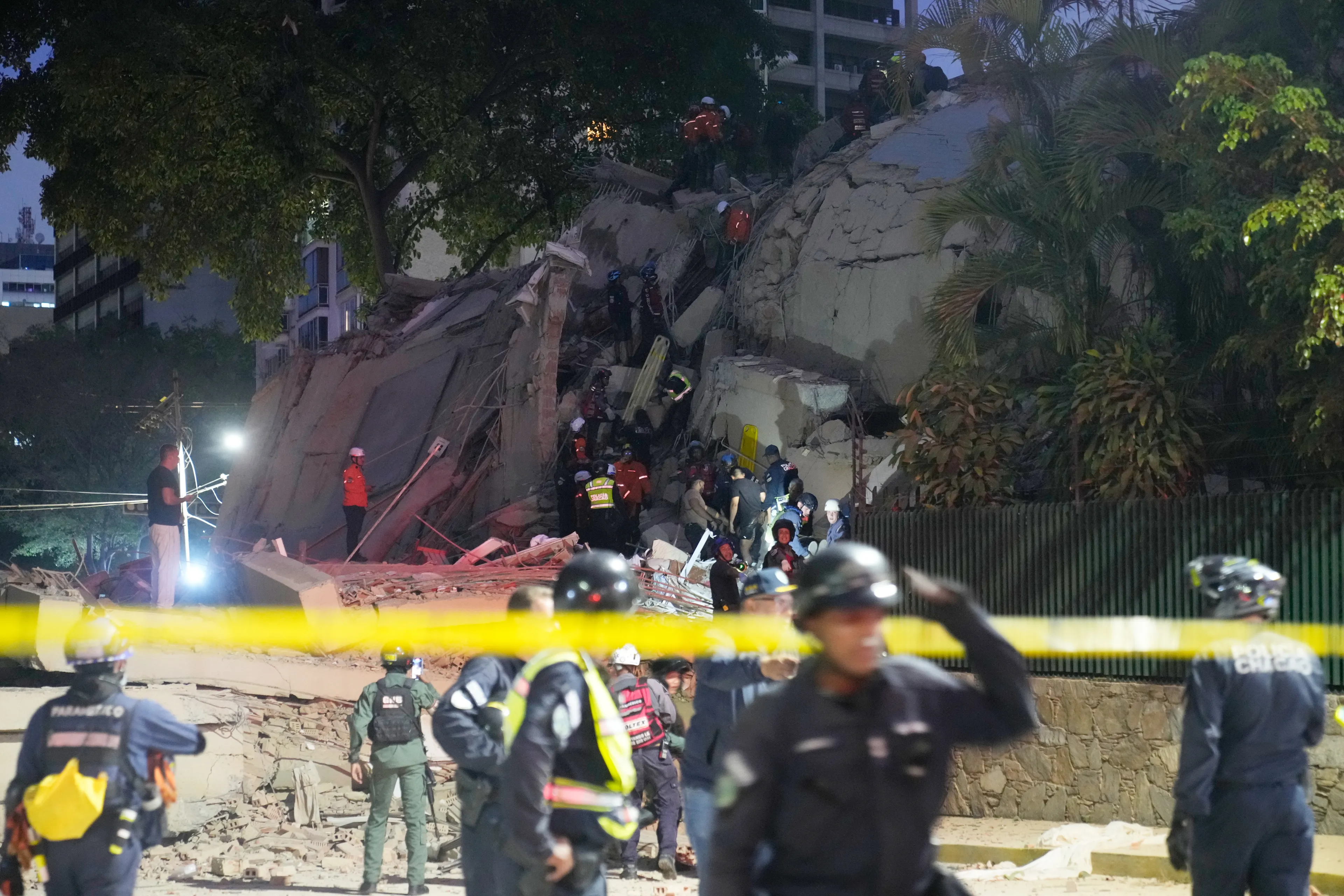
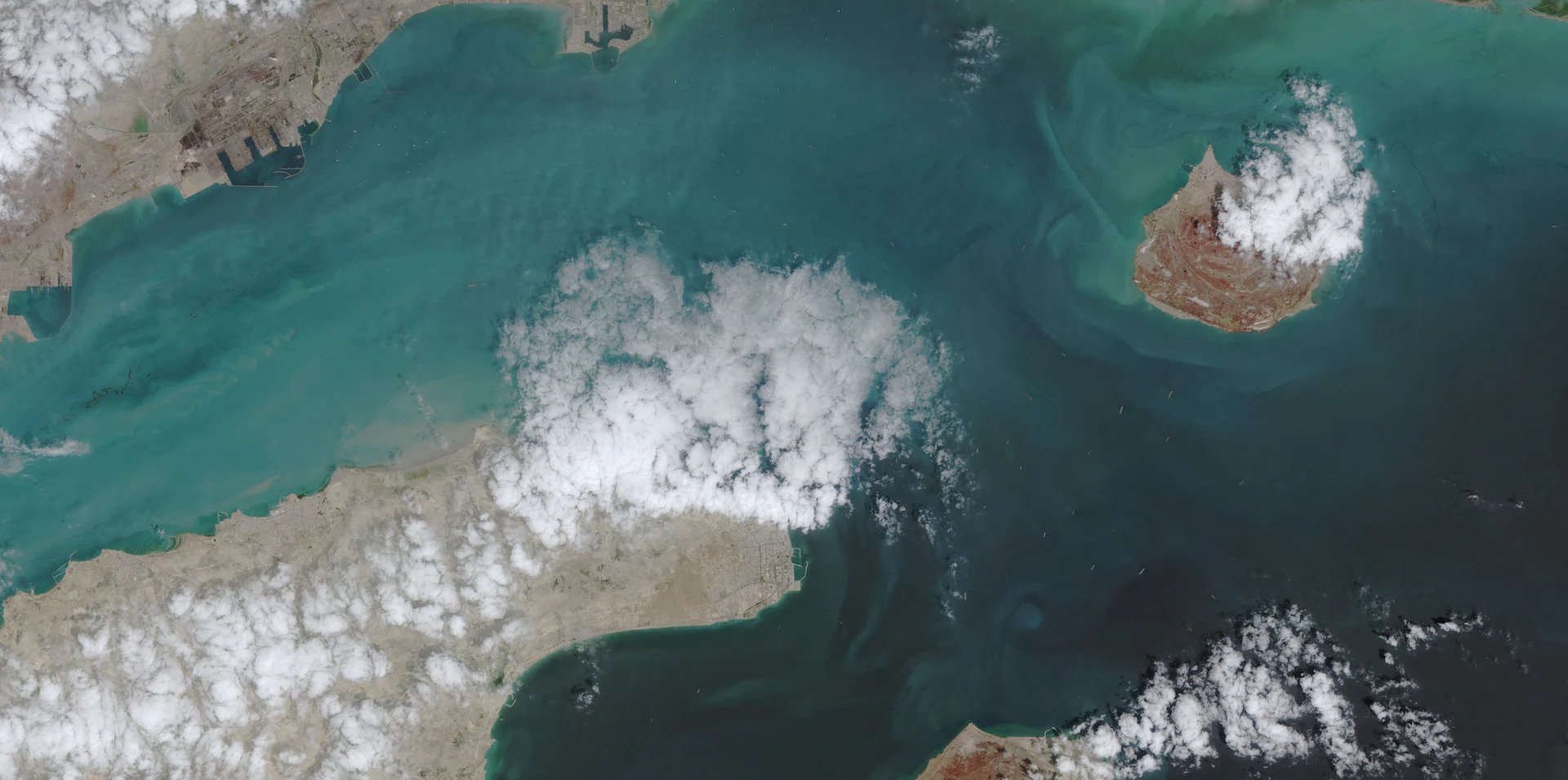
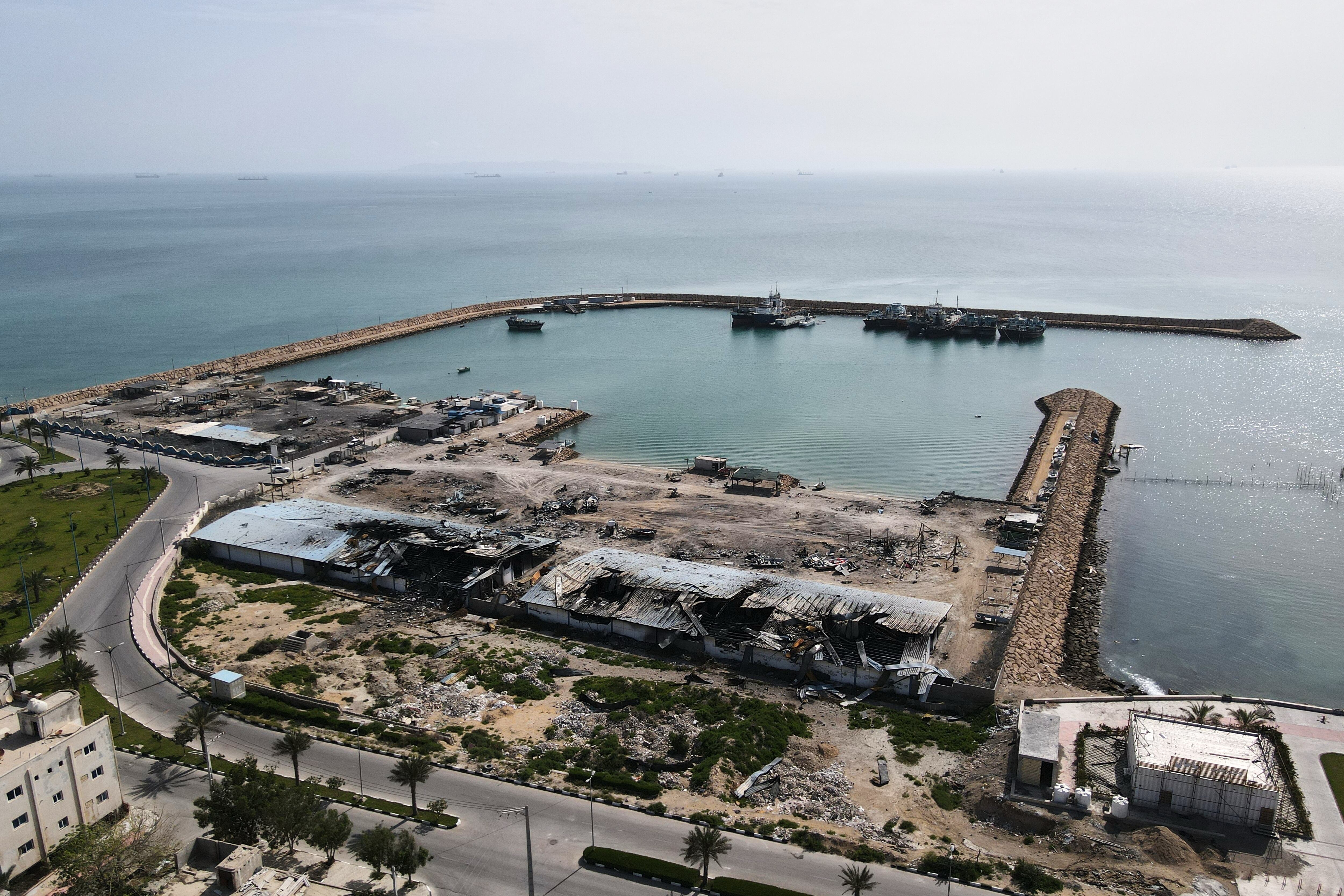
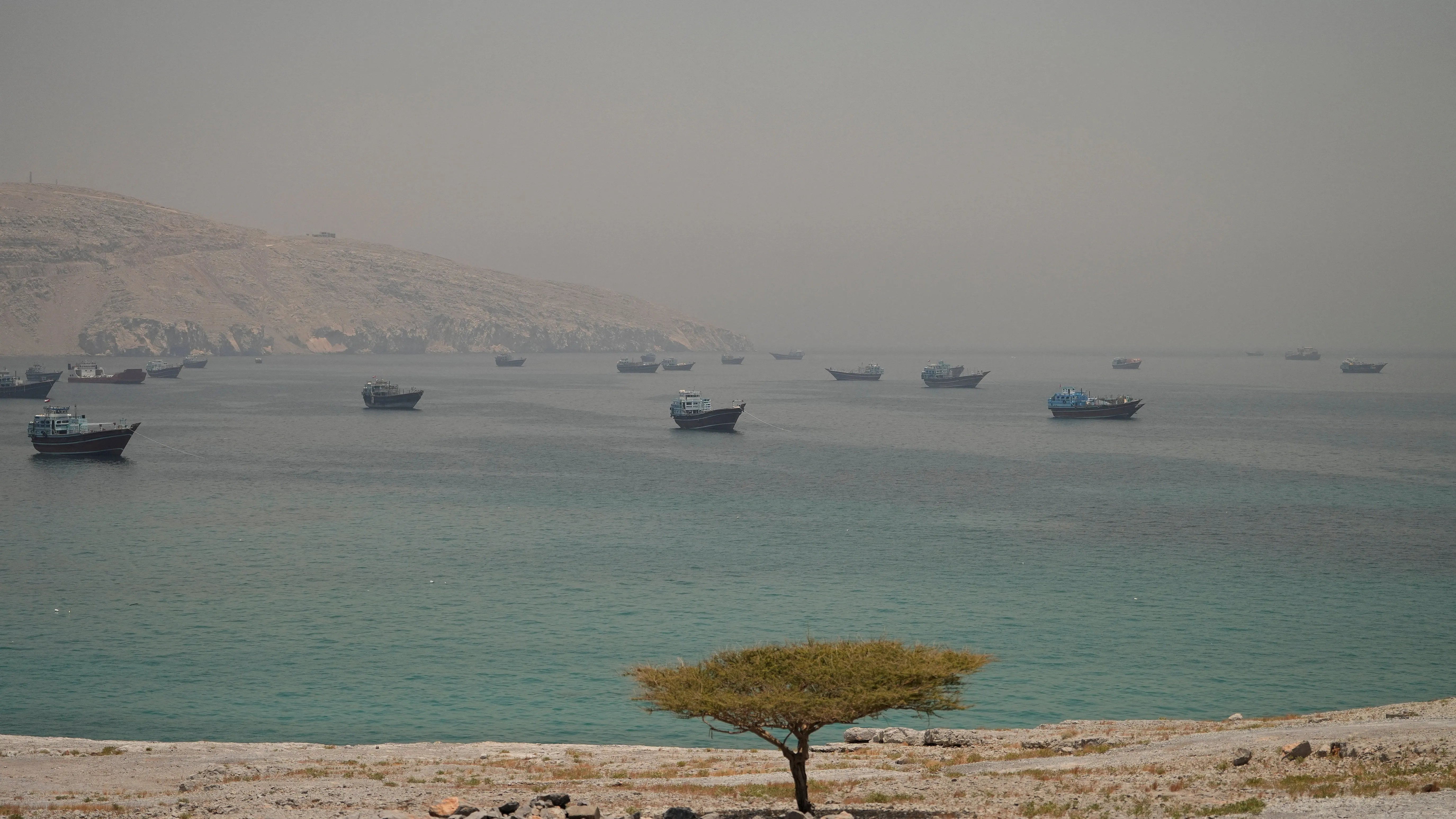
Iran's state-run IRNA news agency reported that projectiles were fired at military targets on Qeshm Island, located near the Strait of Hormuz. Local officials confirmed these attacks but stated there were no casualties reported. This incident adds to the growing list of military confrontations between the two nations.
Shipping Routes and Global Implications
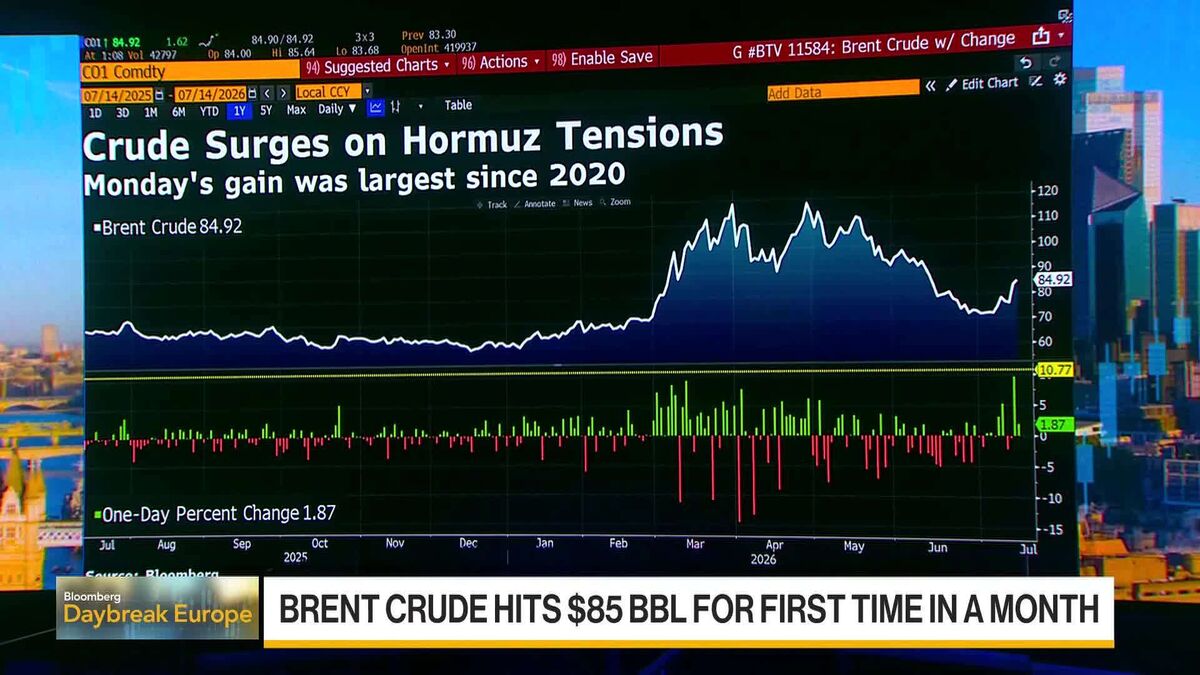
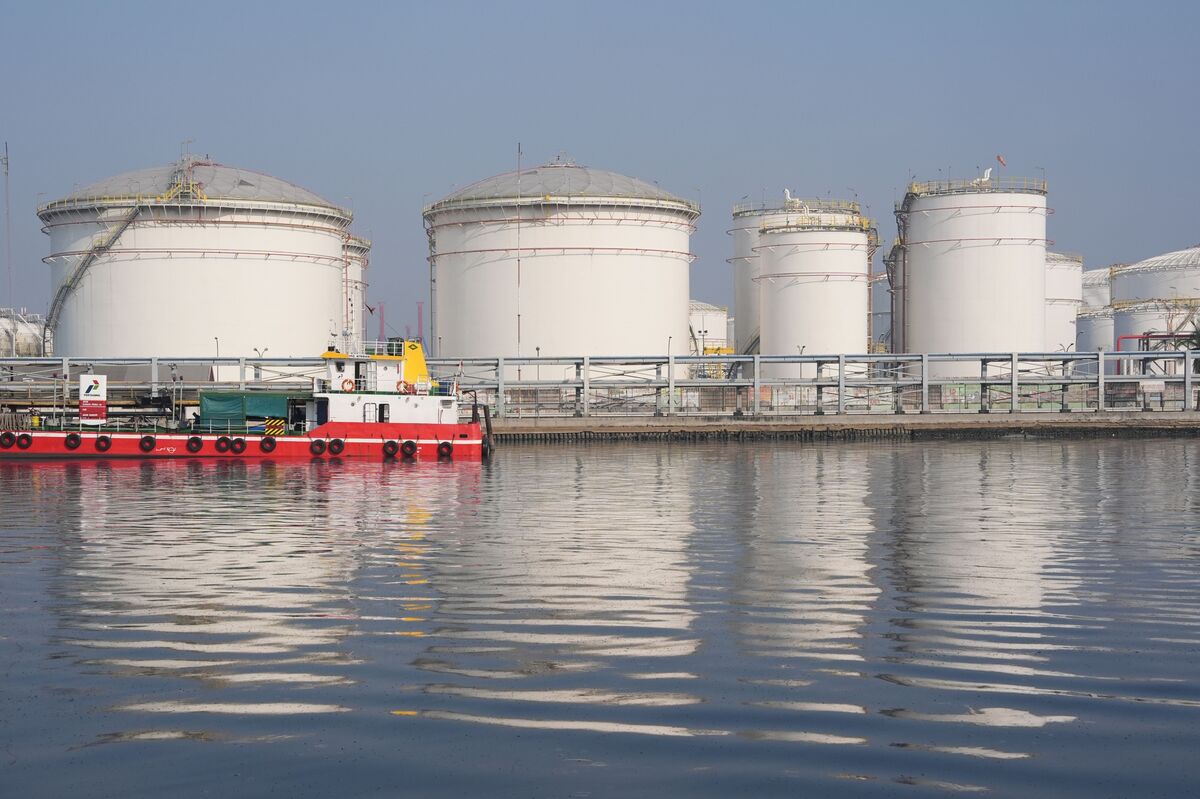
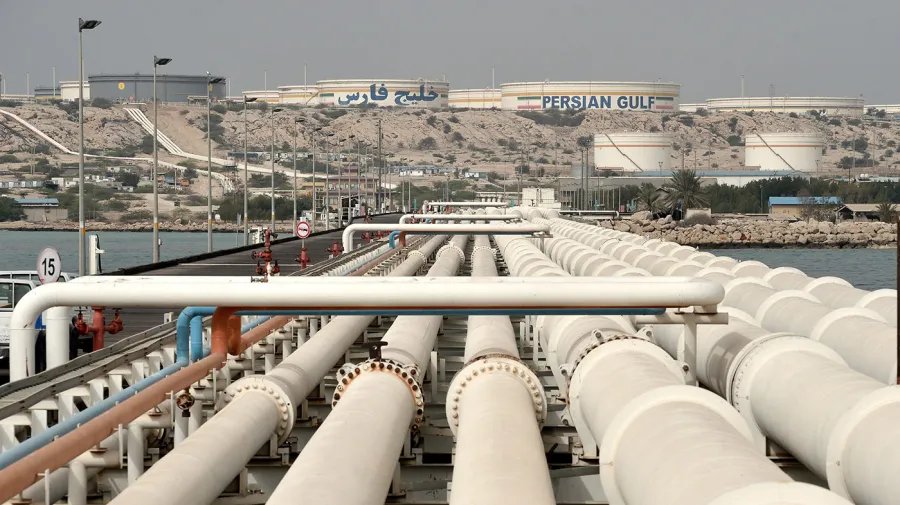
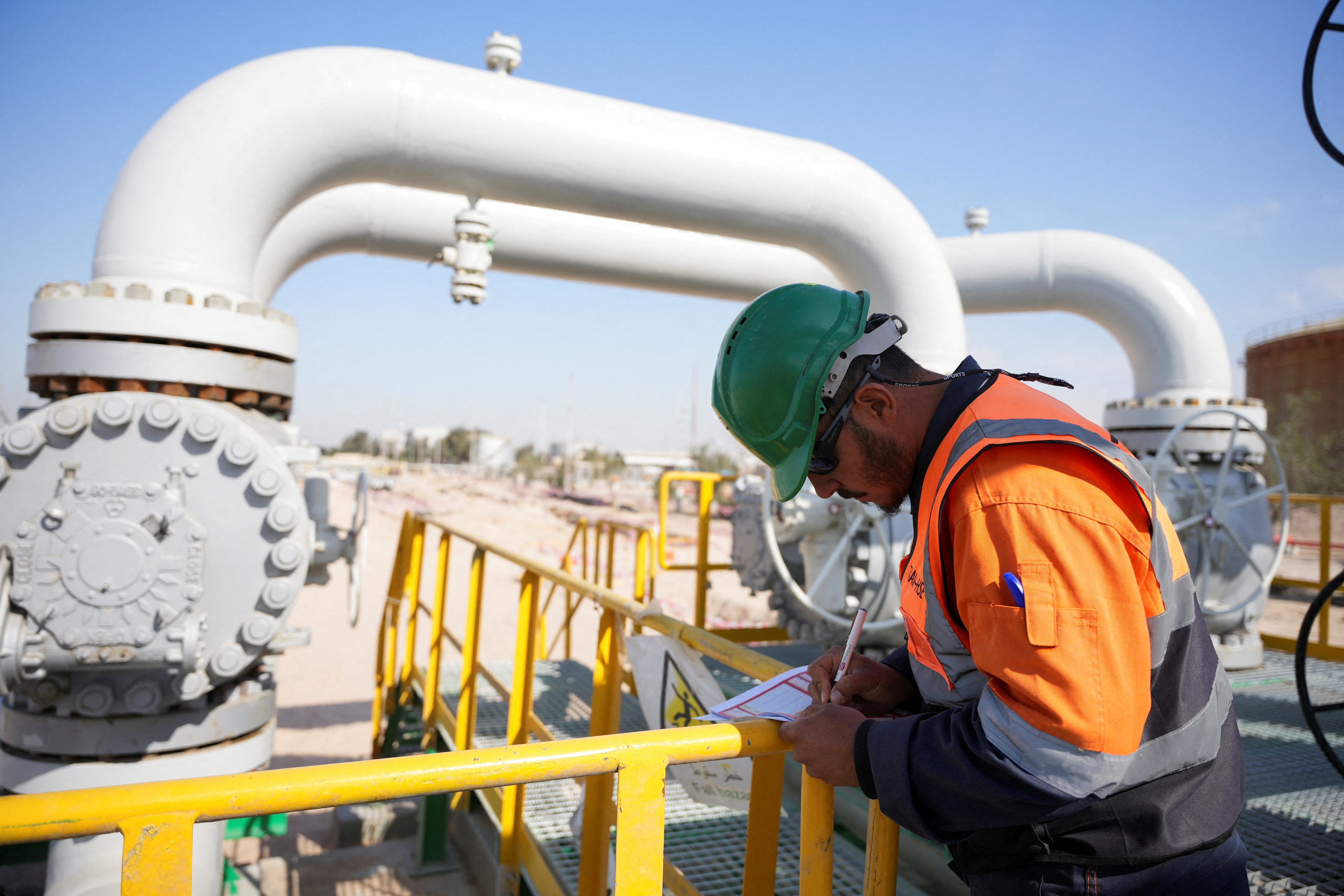
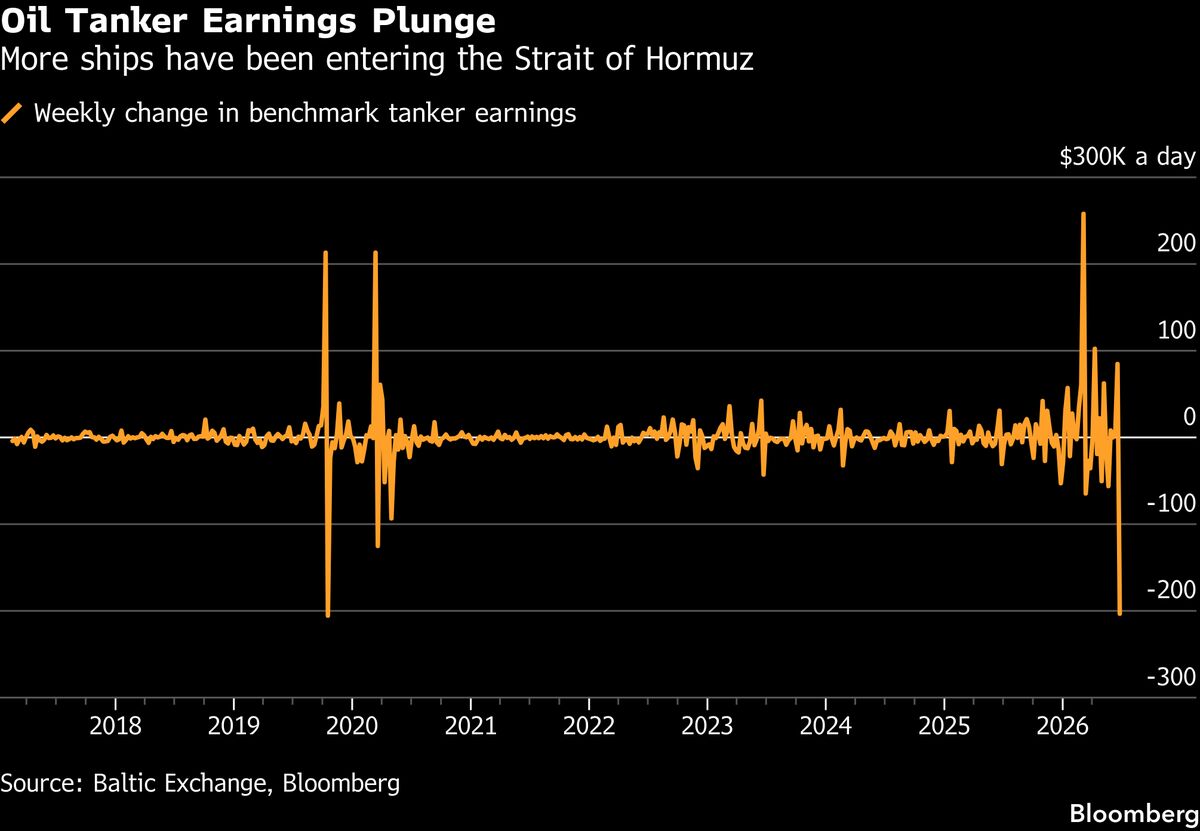
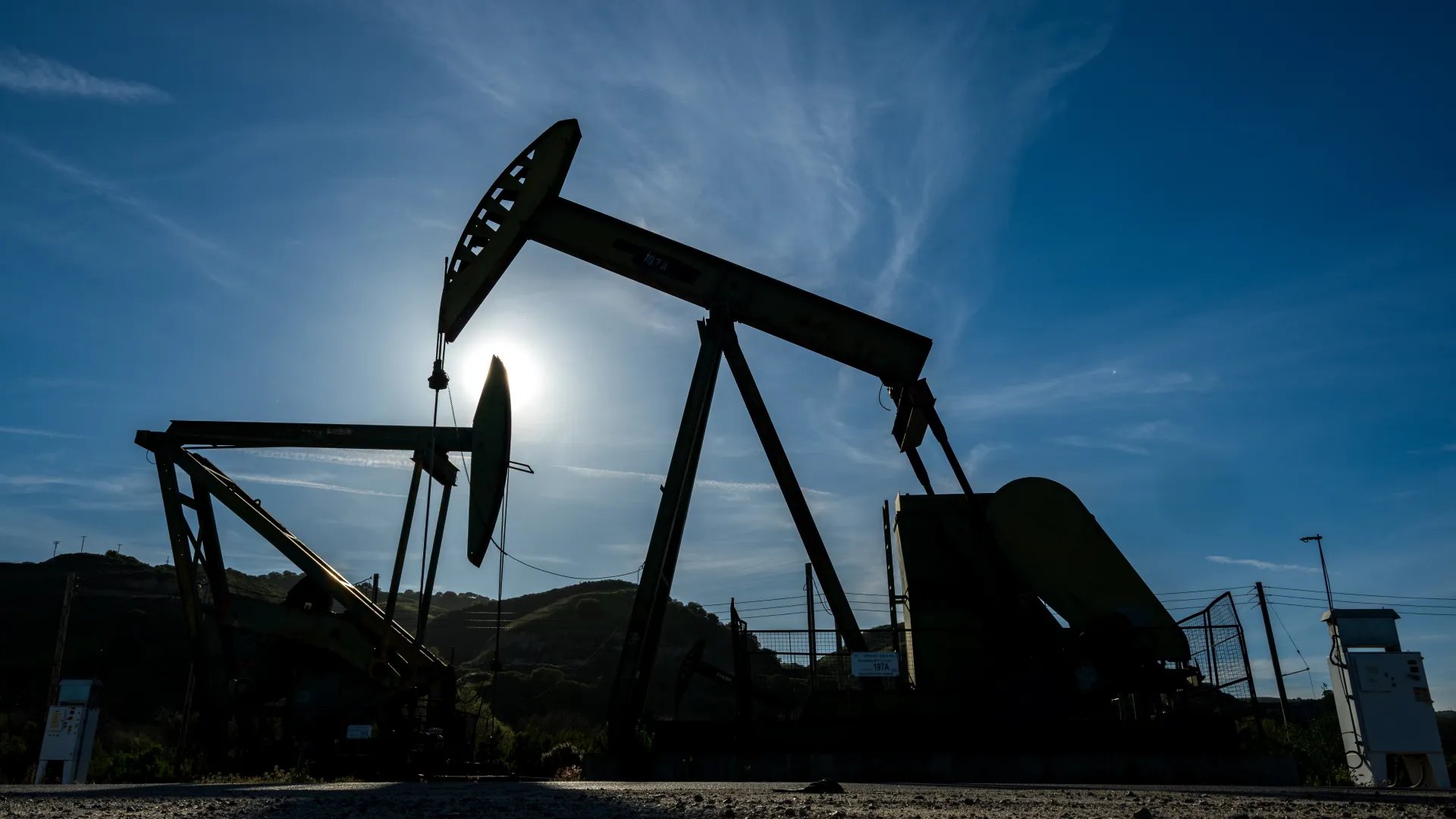
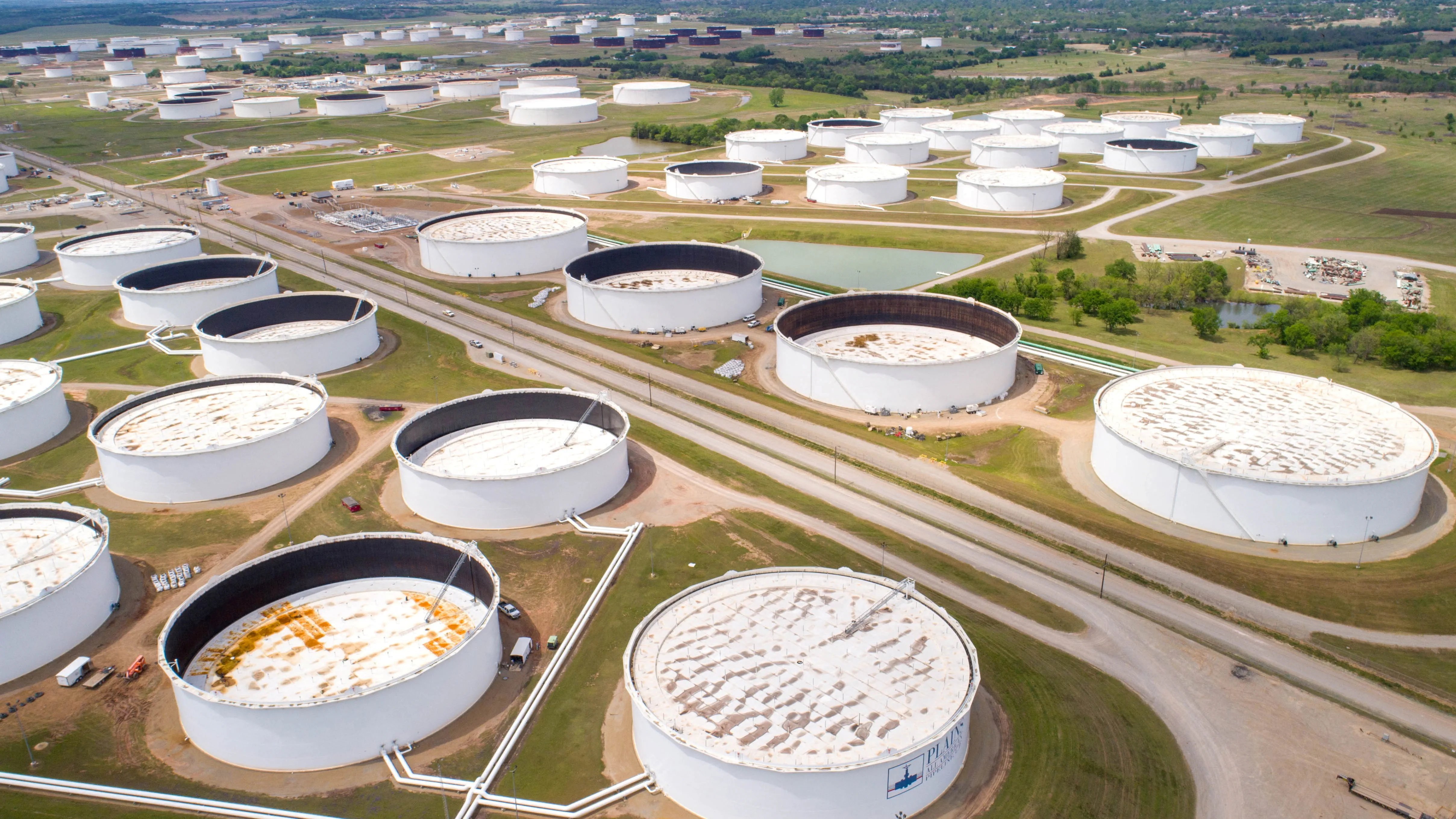
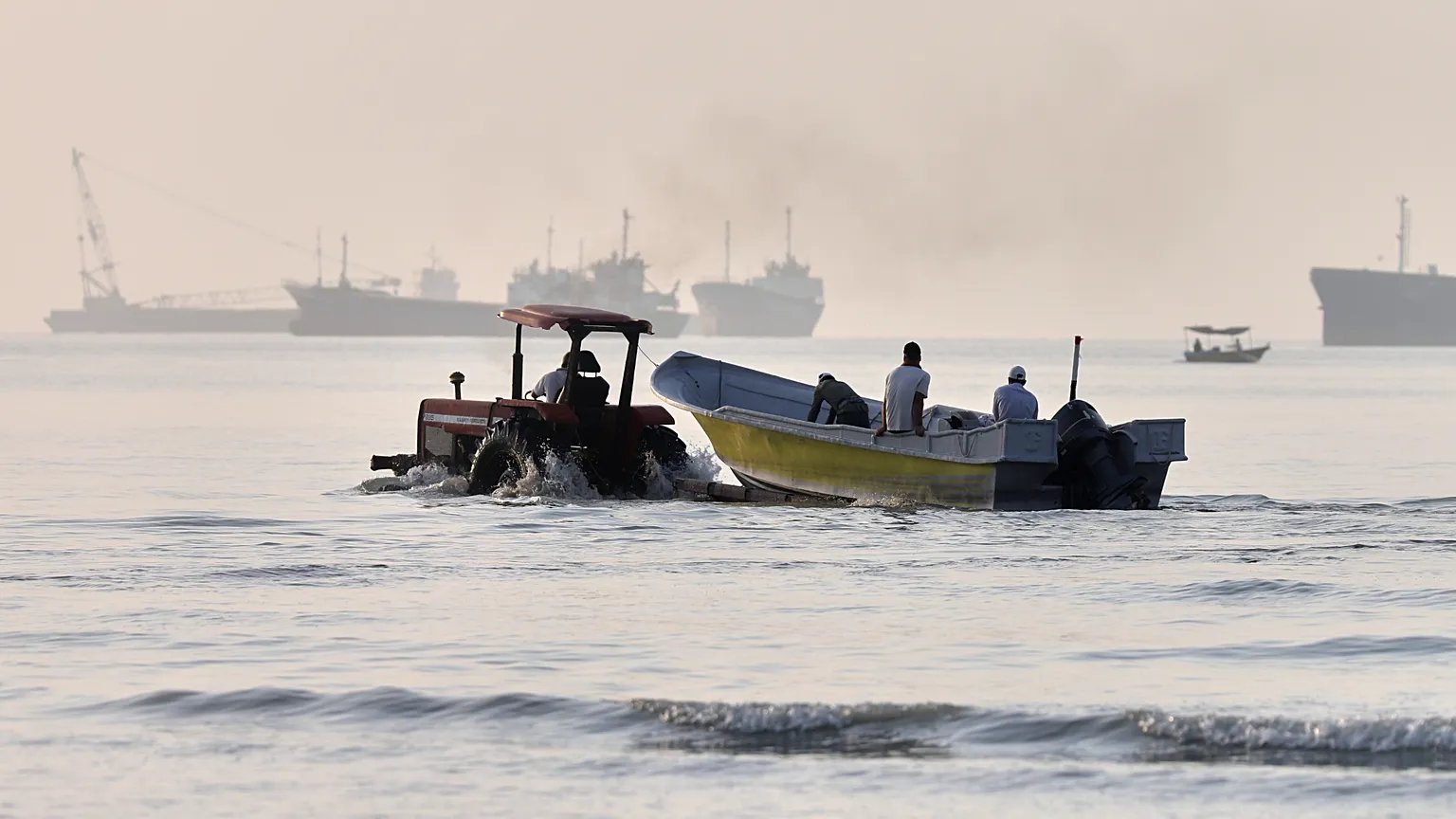
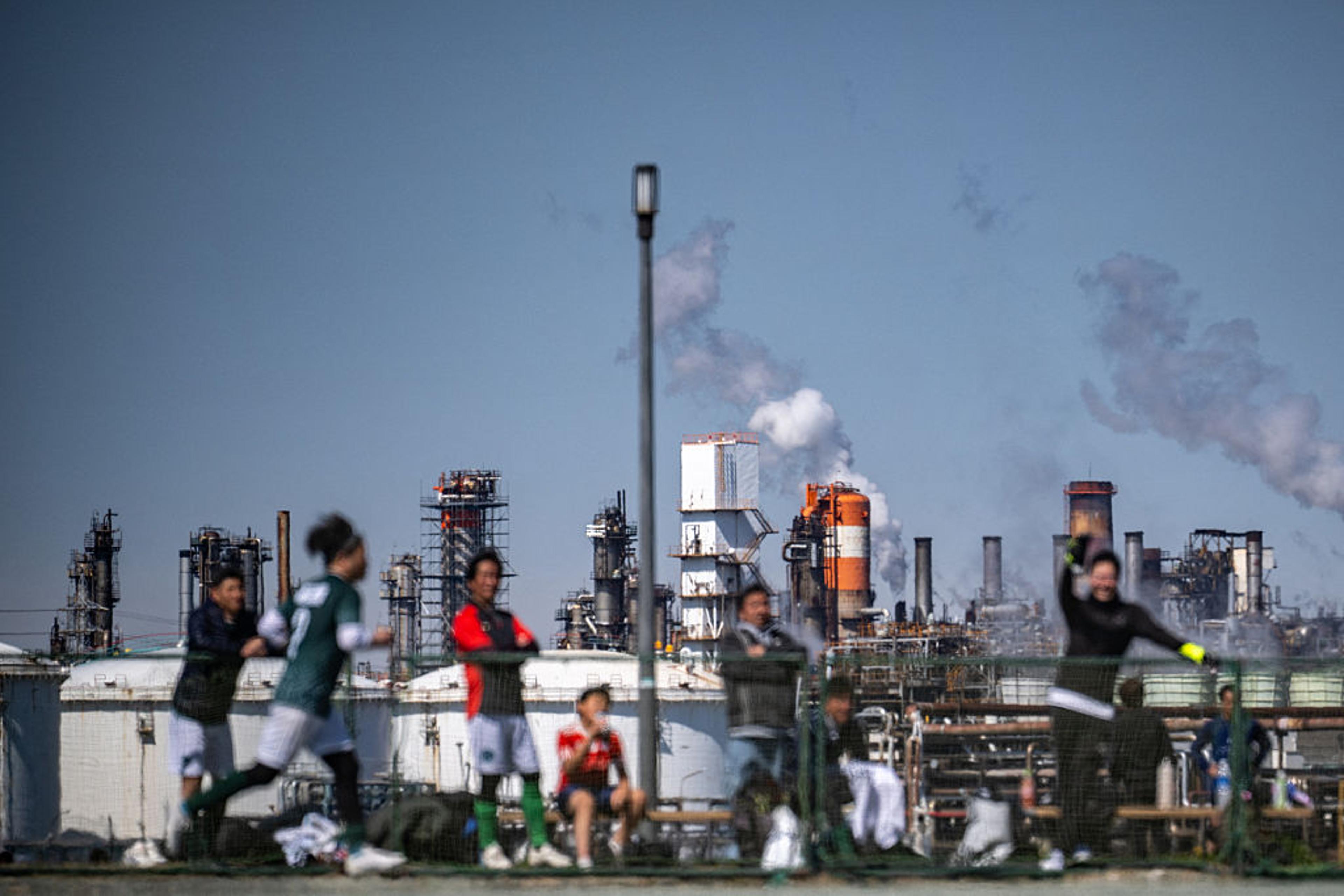
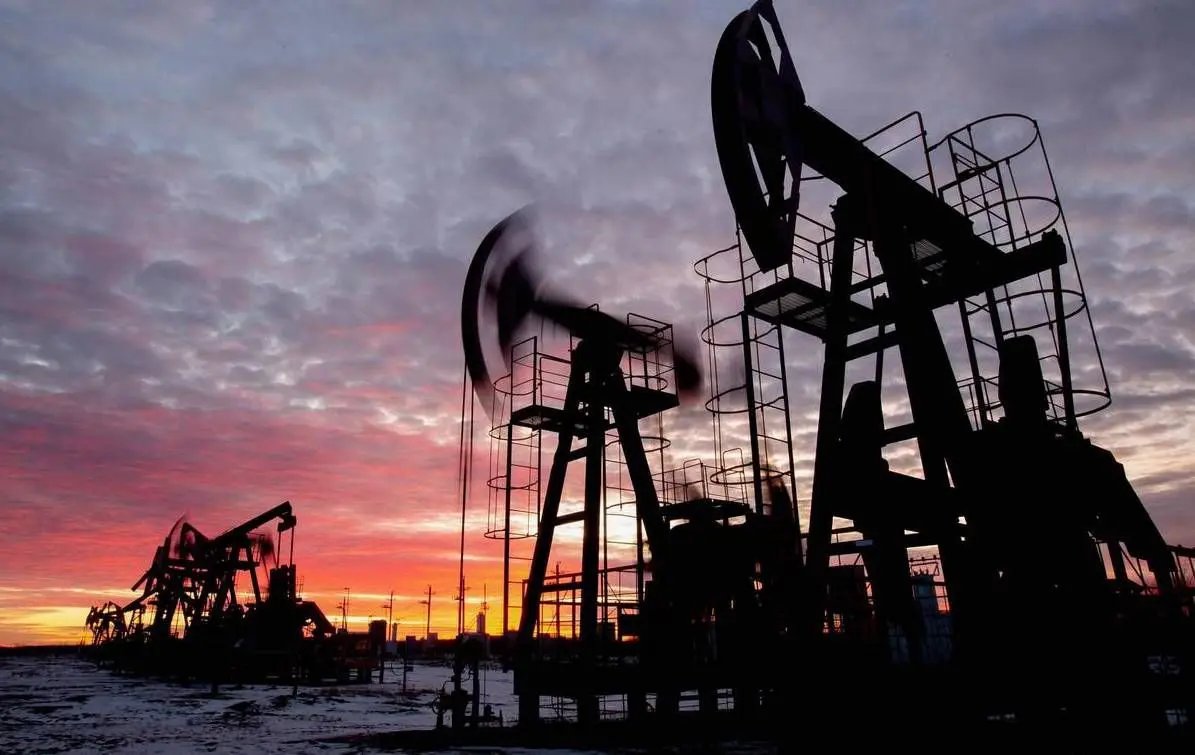
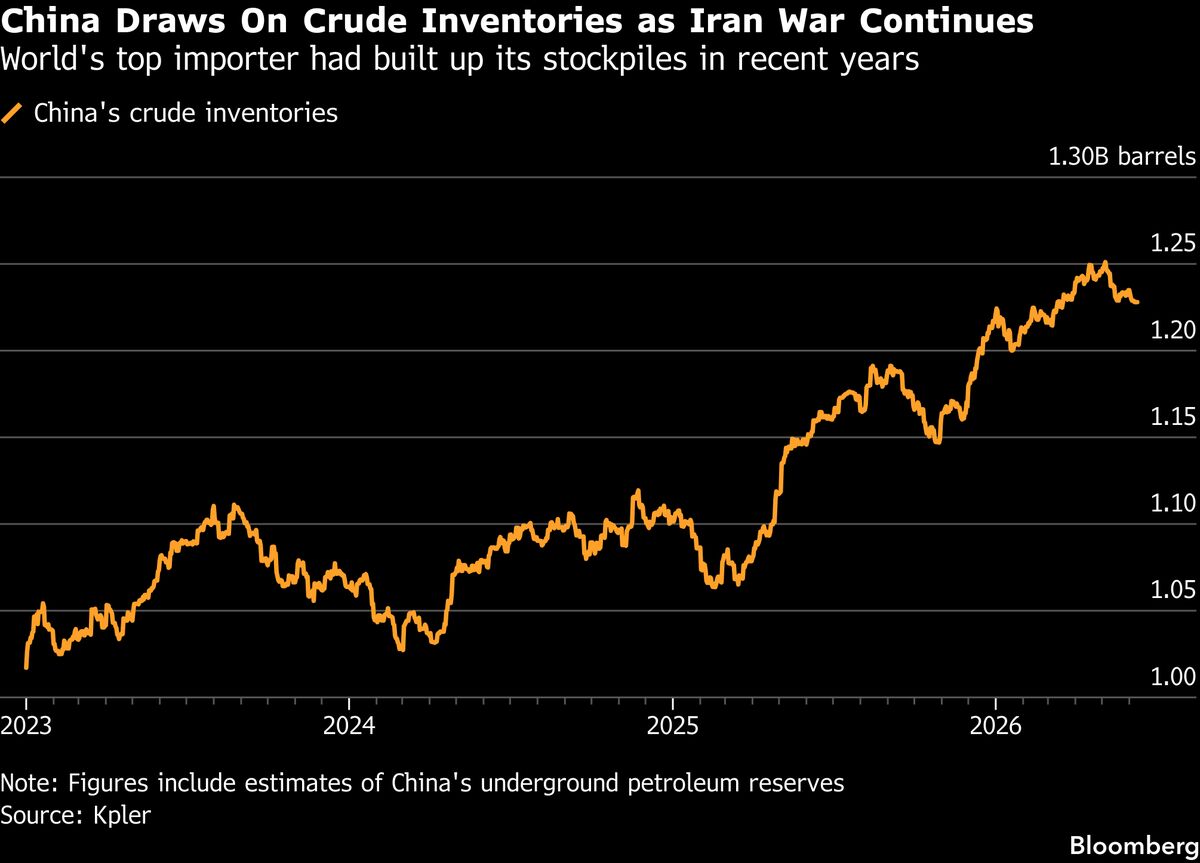
Despite Iran's declaration to close the Strait of Hormuz, a maritime advisory group indicated that the southern route of the waterway remained open to shipping. The Strait of Hormuz is crucial for global oil transport, with a significant portion of the world's oil passing through its waters. Disruptions in this area could lead to increased oil prices and broader economic repercussions.
International Response
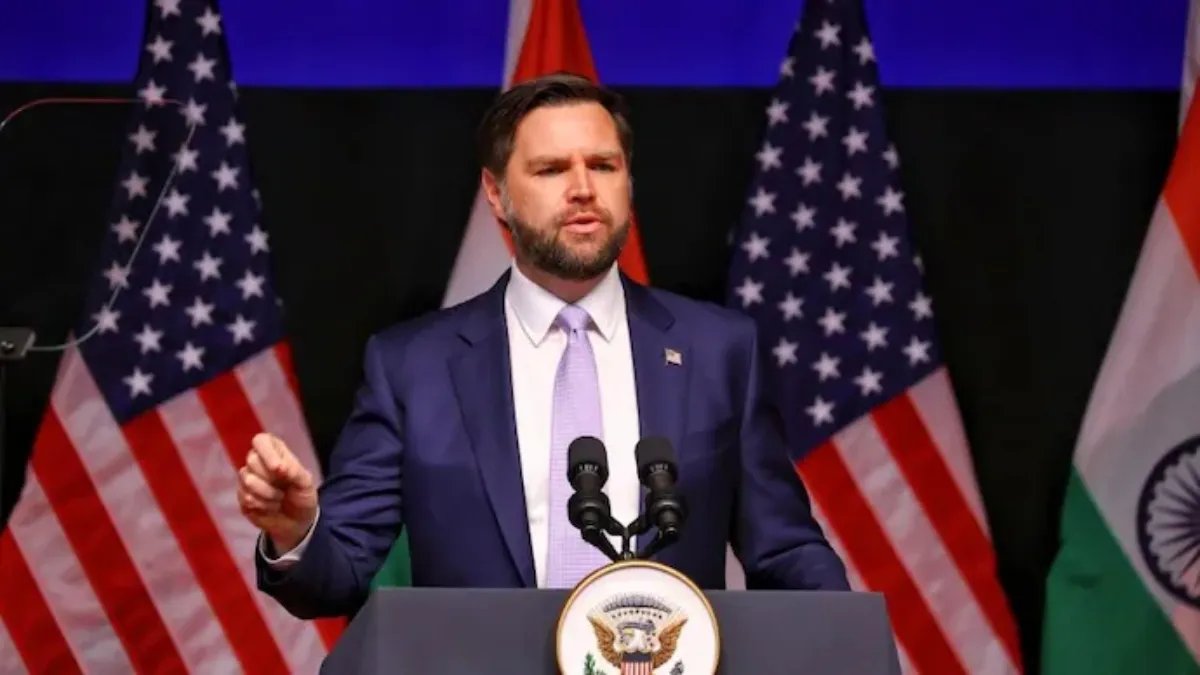
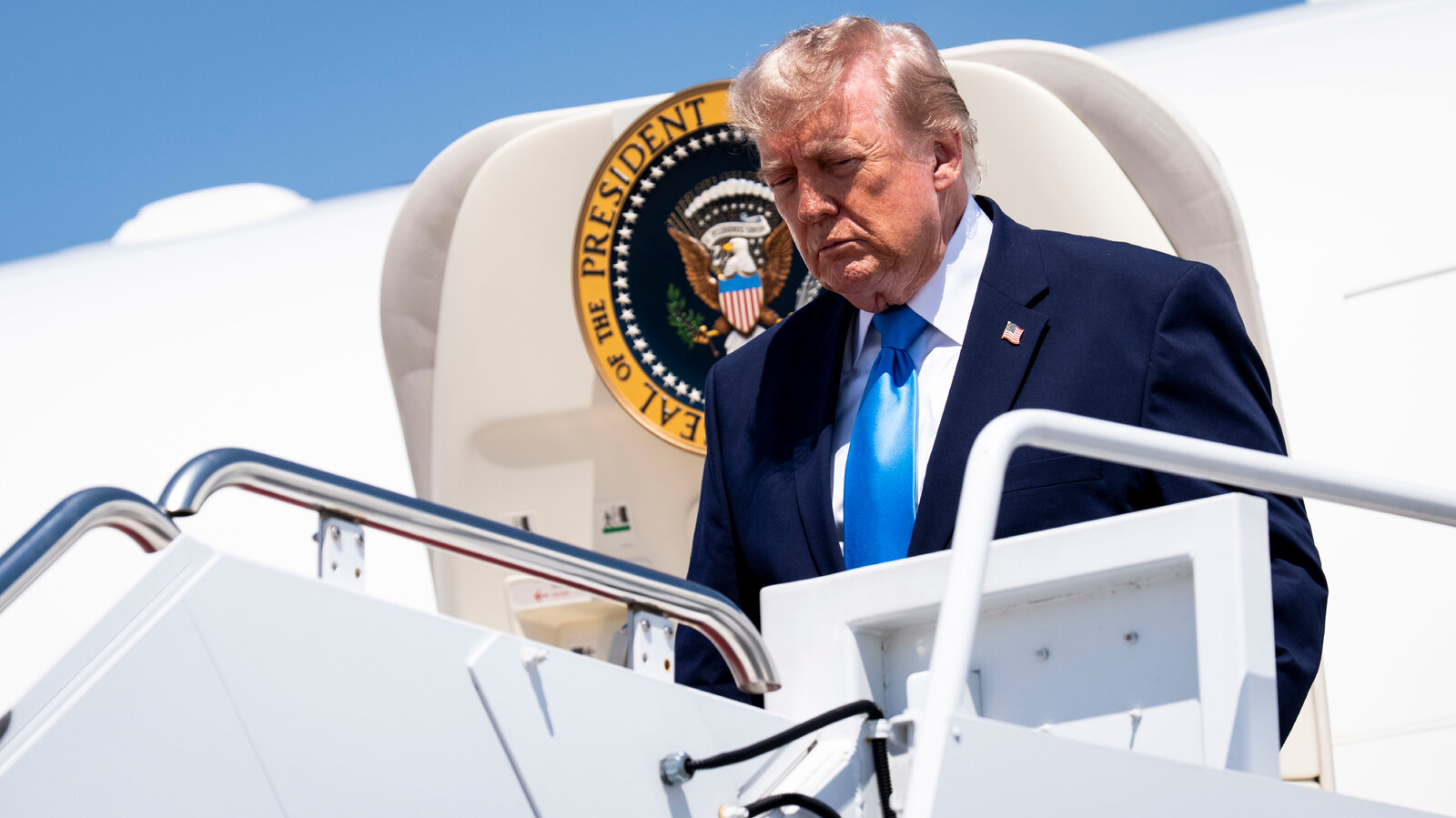
The international community is closely monitoring the escalating situation. Analysts fear that continued military actions could destabilize the region further, affecting global security and economic stability. The U.S. government's approach has drawn criticism from various quarters, emphasizing the need for diplomatic solutions rather than military engagements.
Human Impact and Next Steps
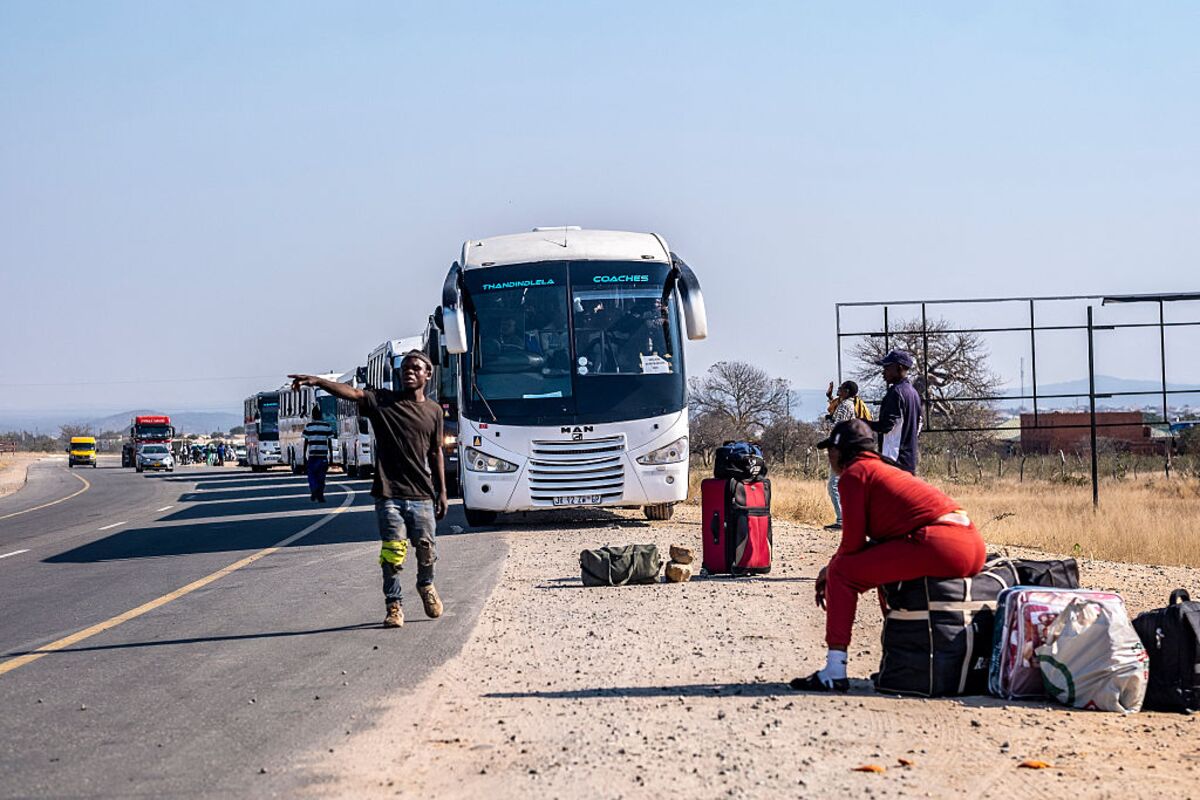
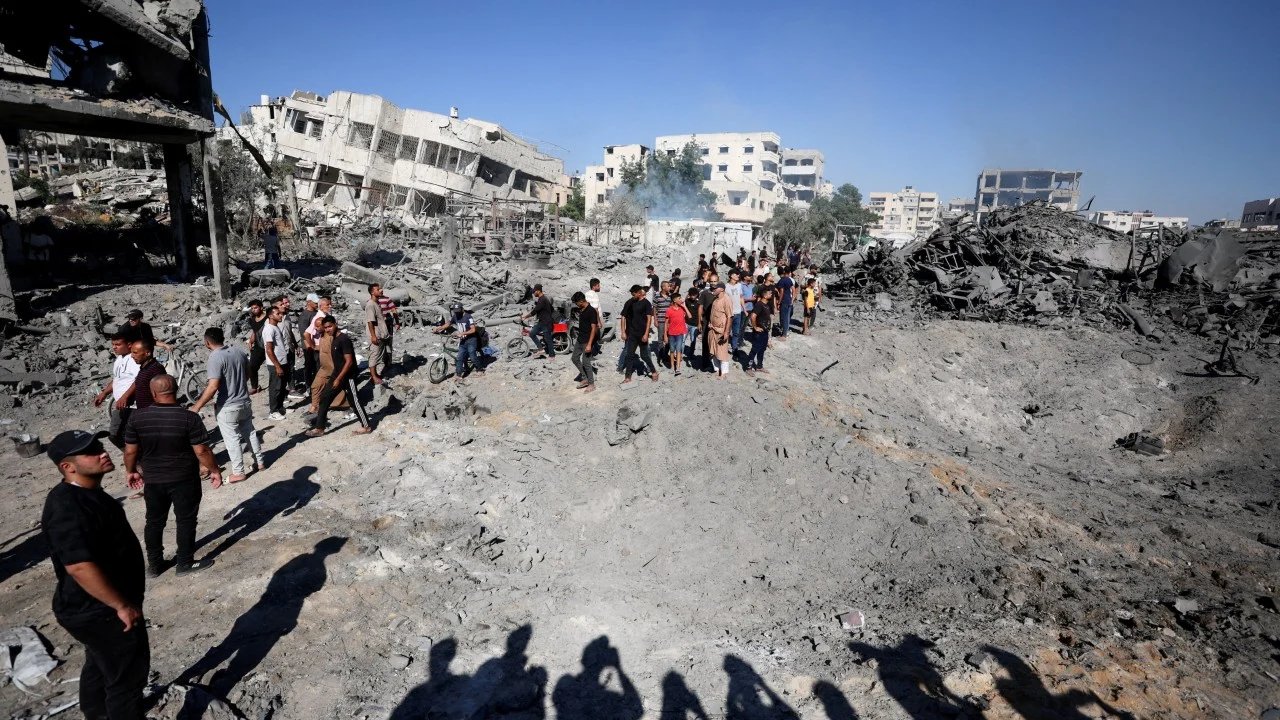
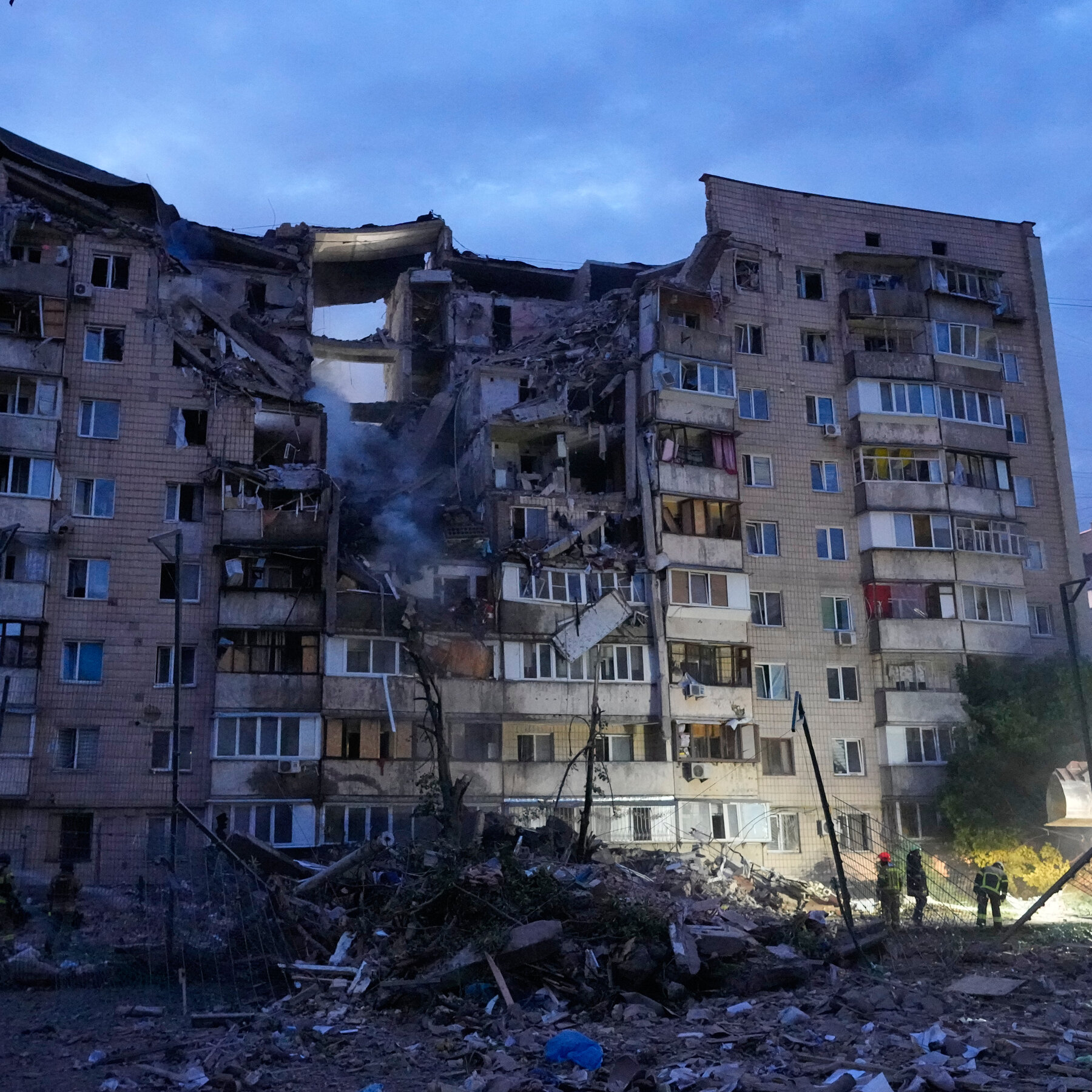
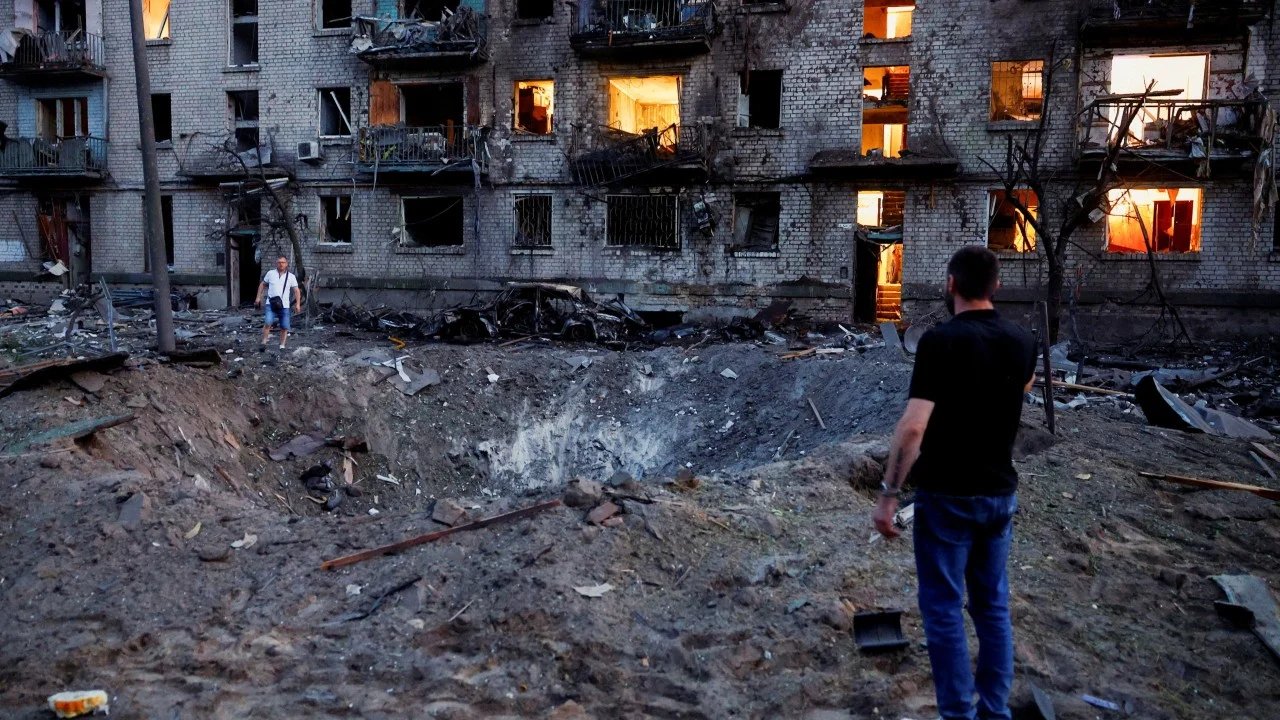
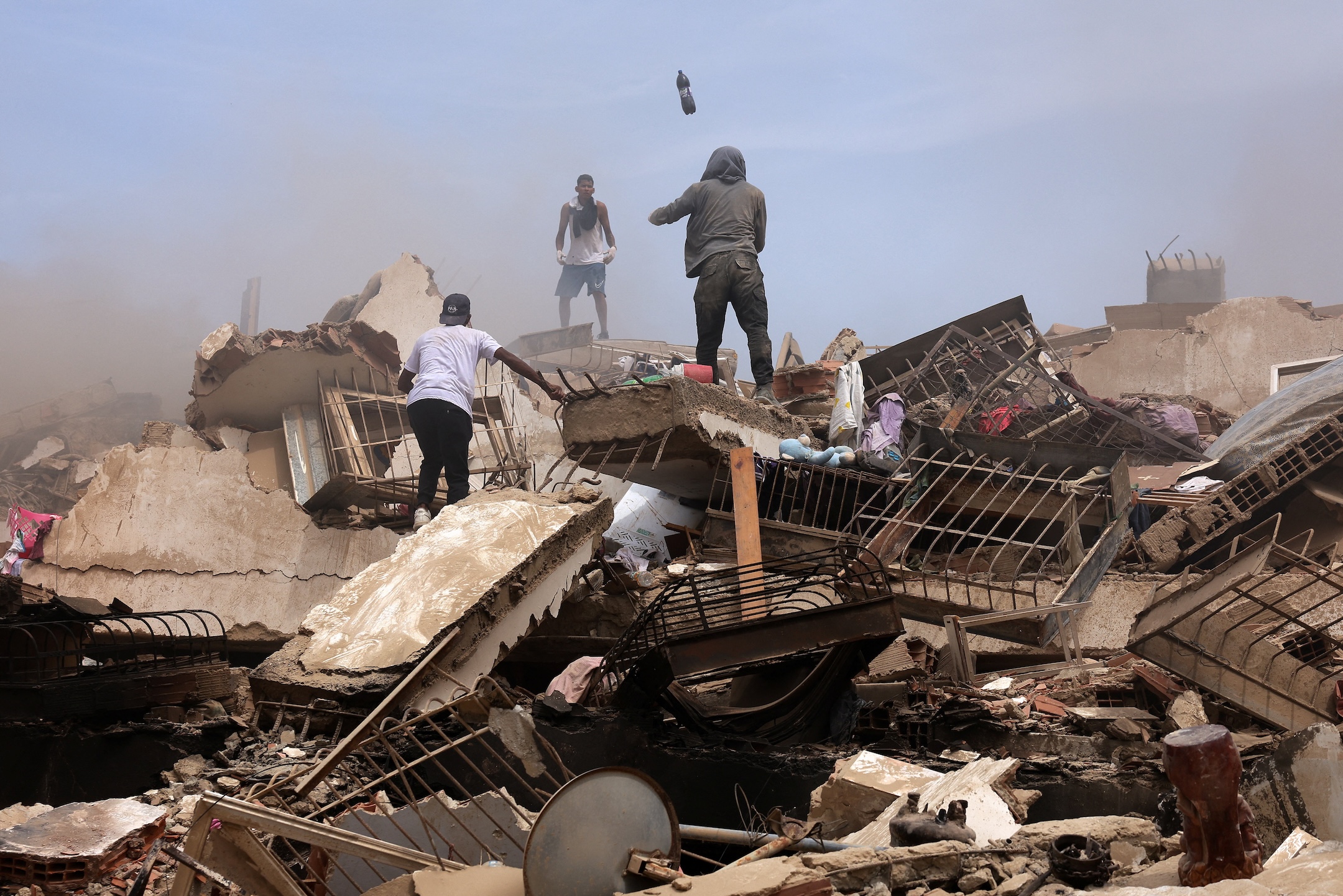
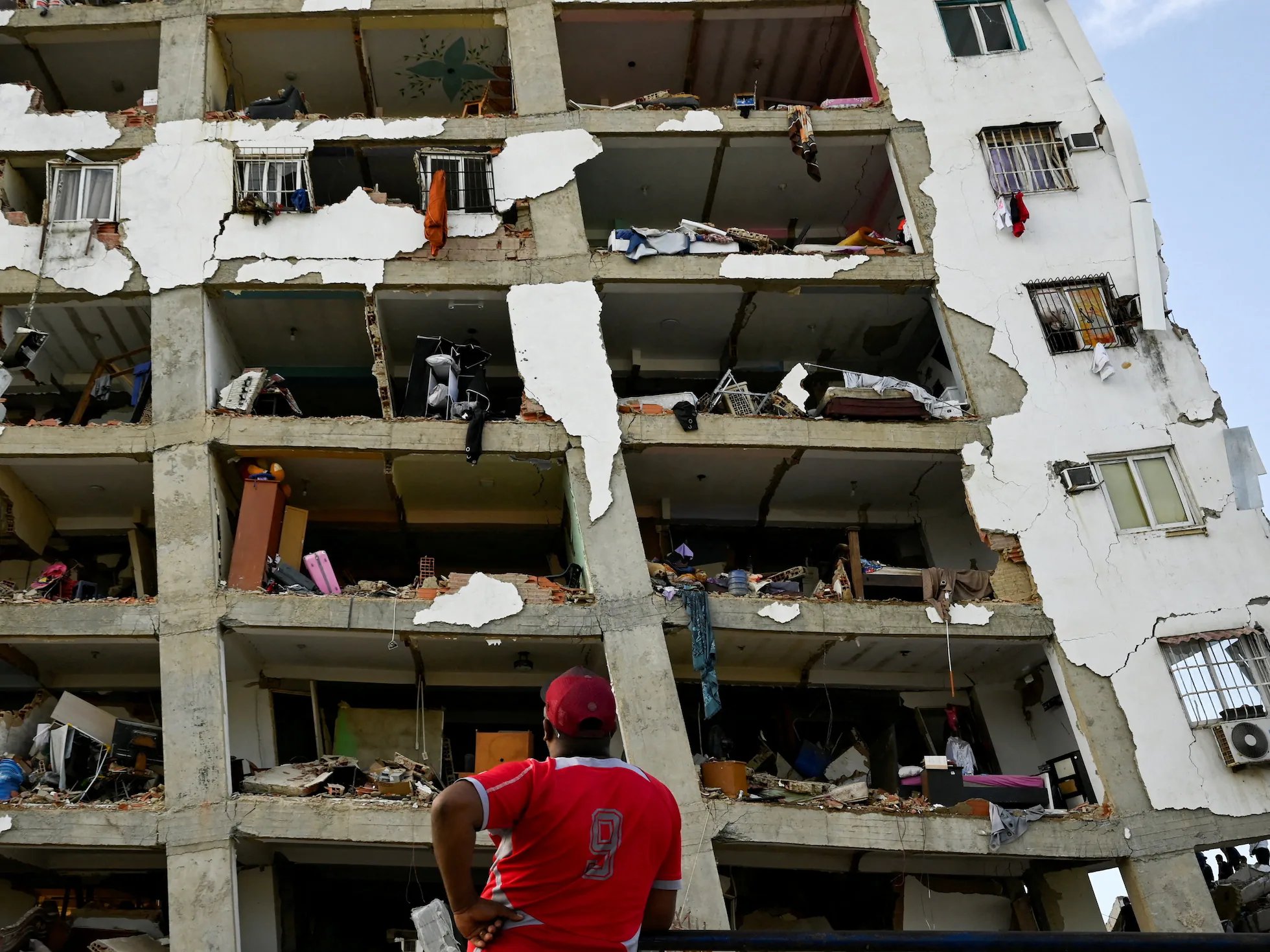
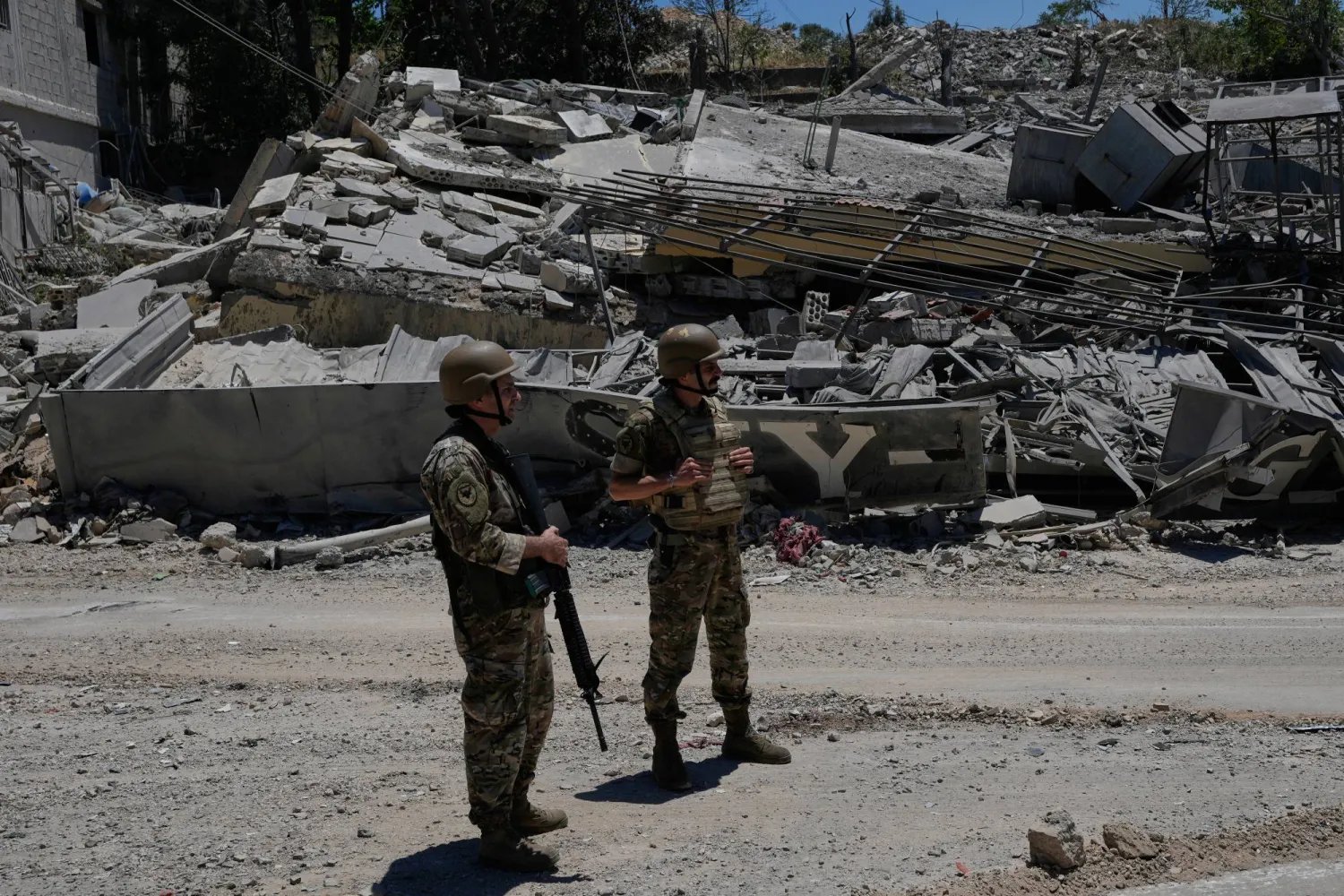
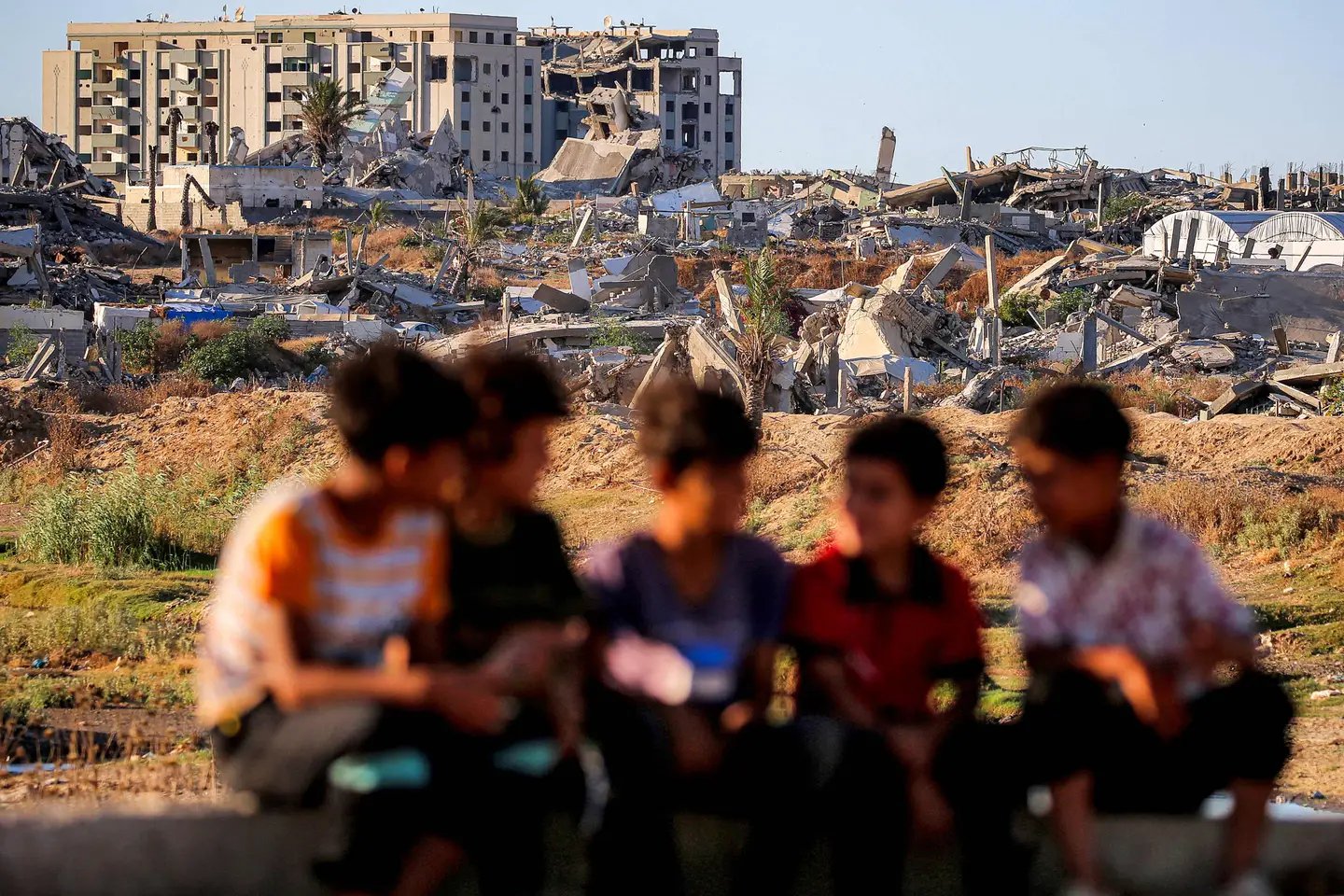
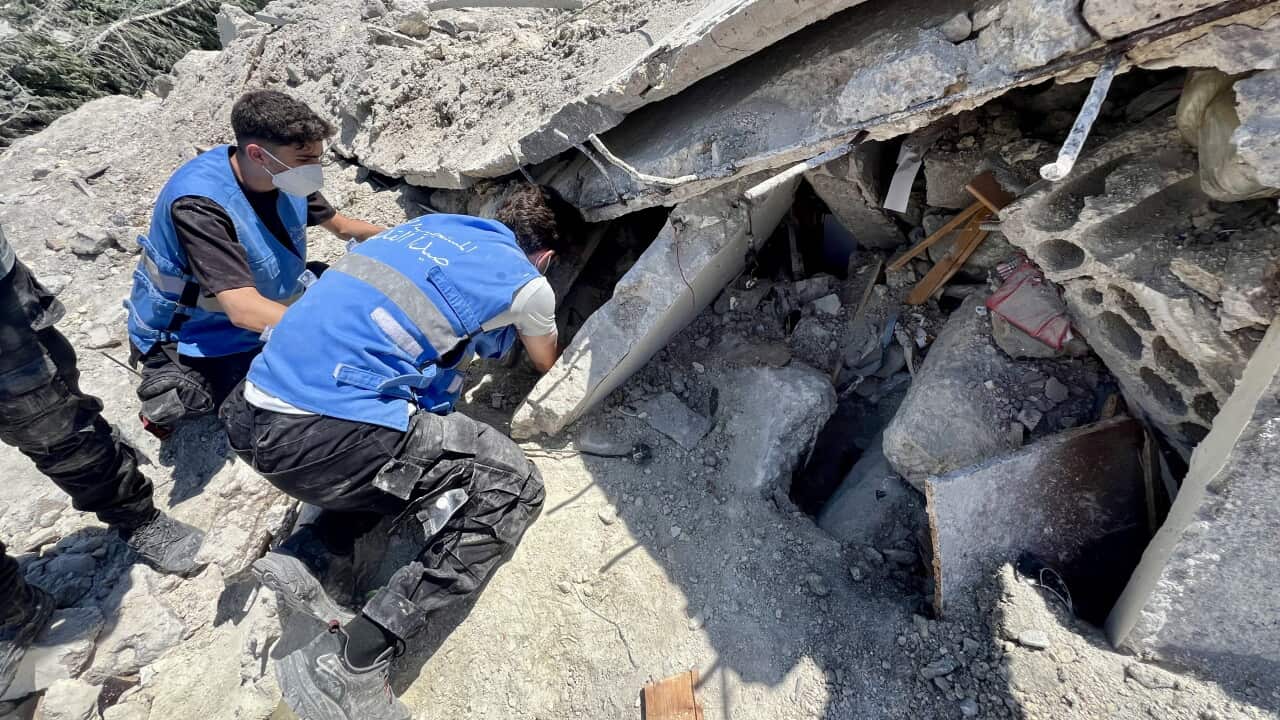
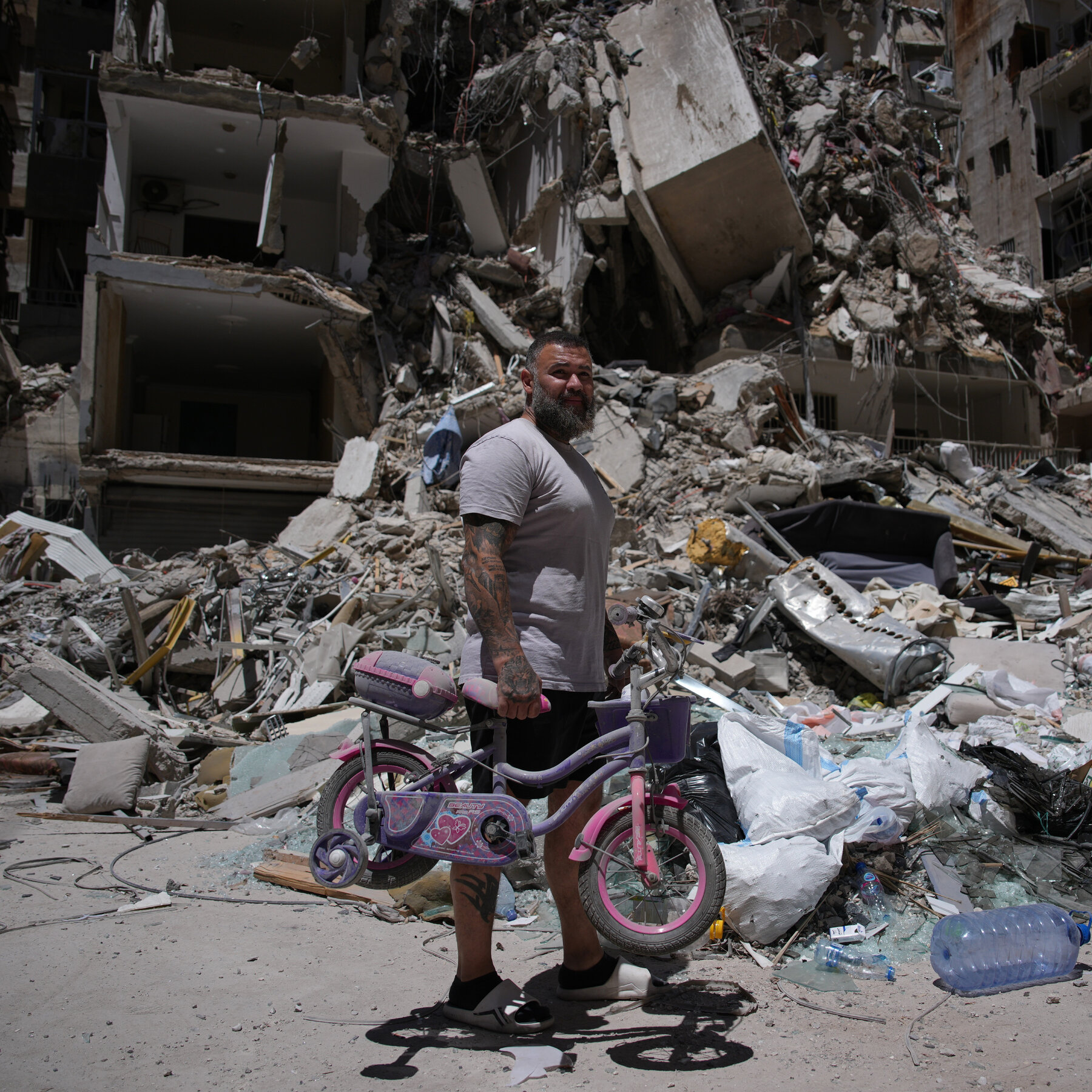
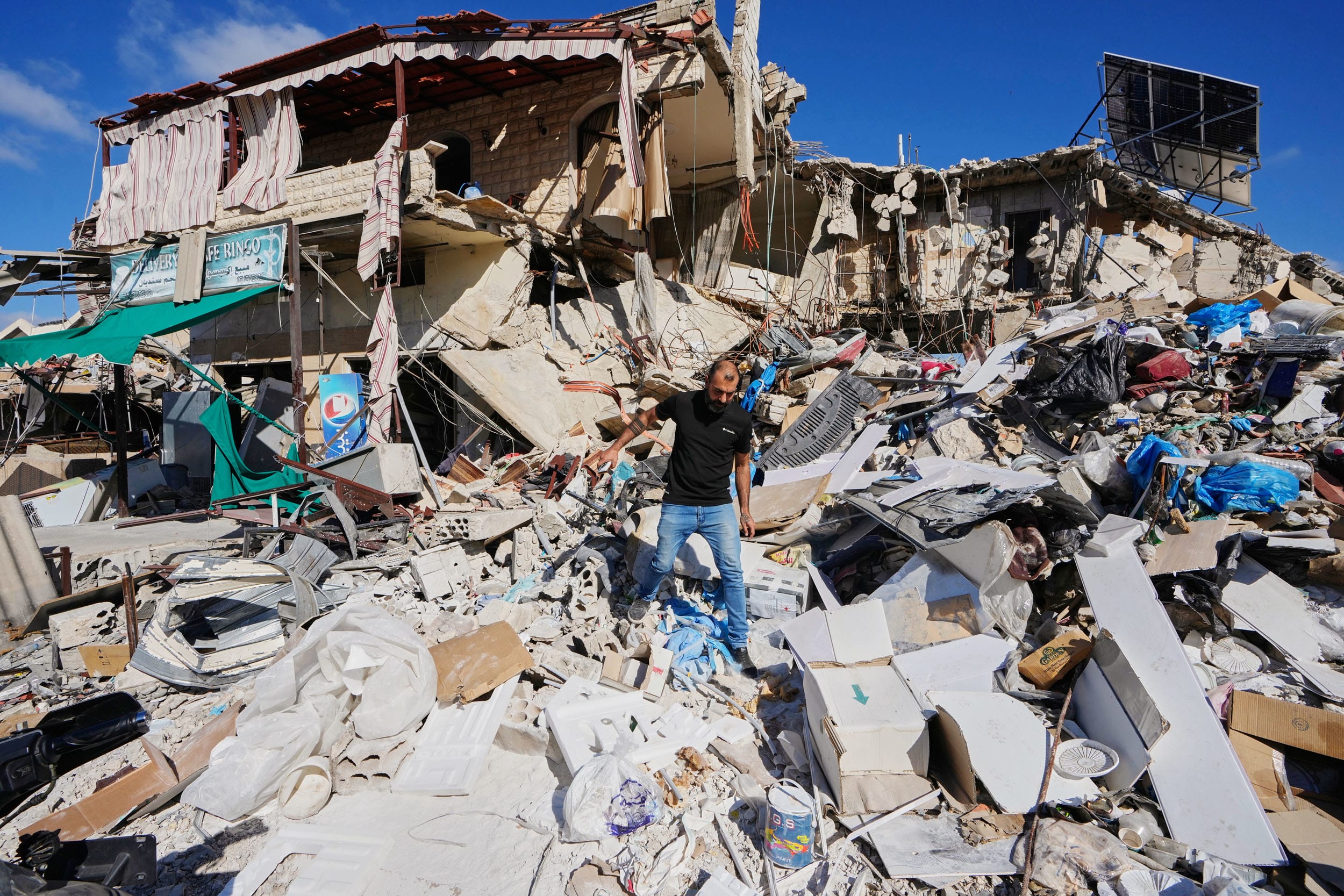
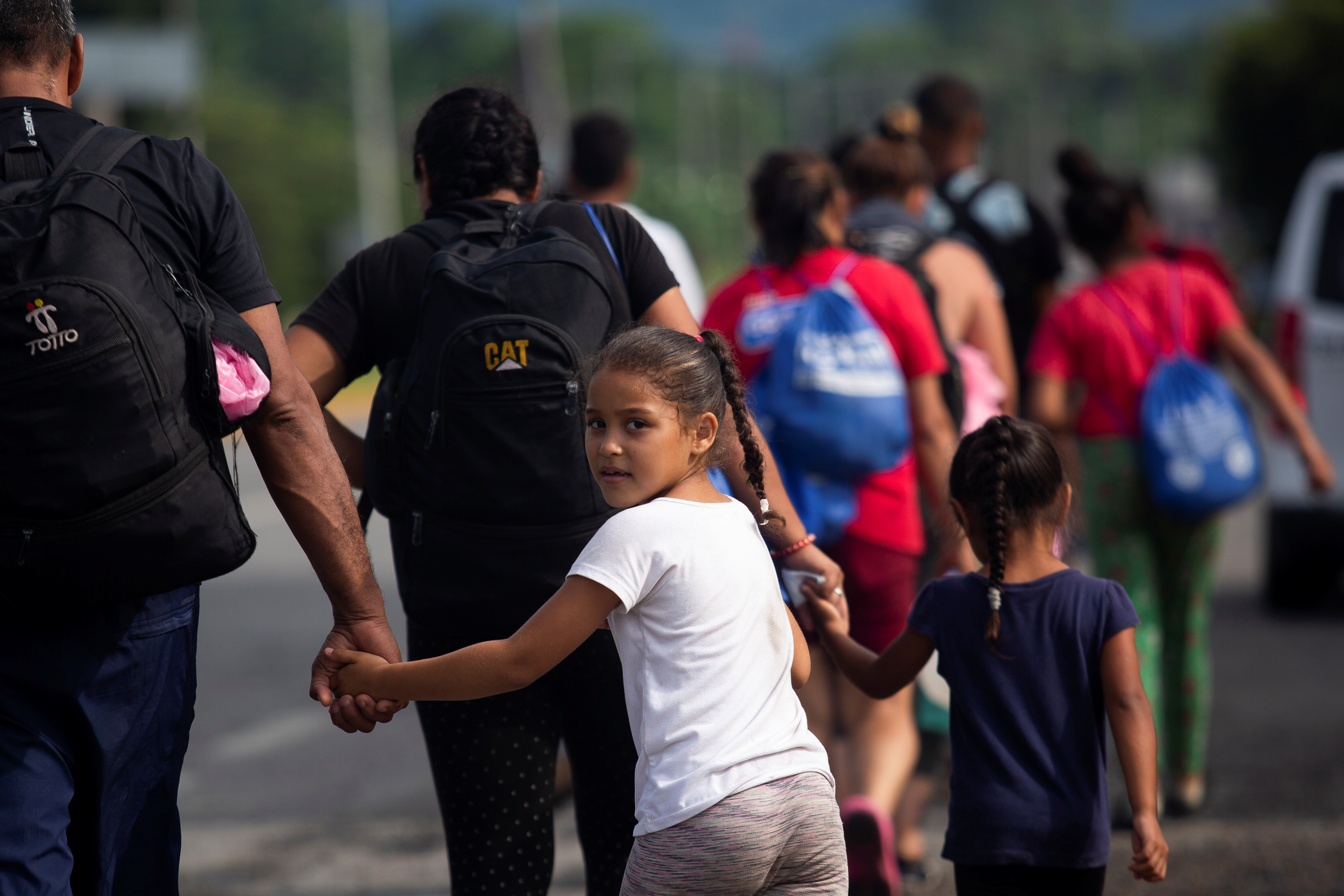
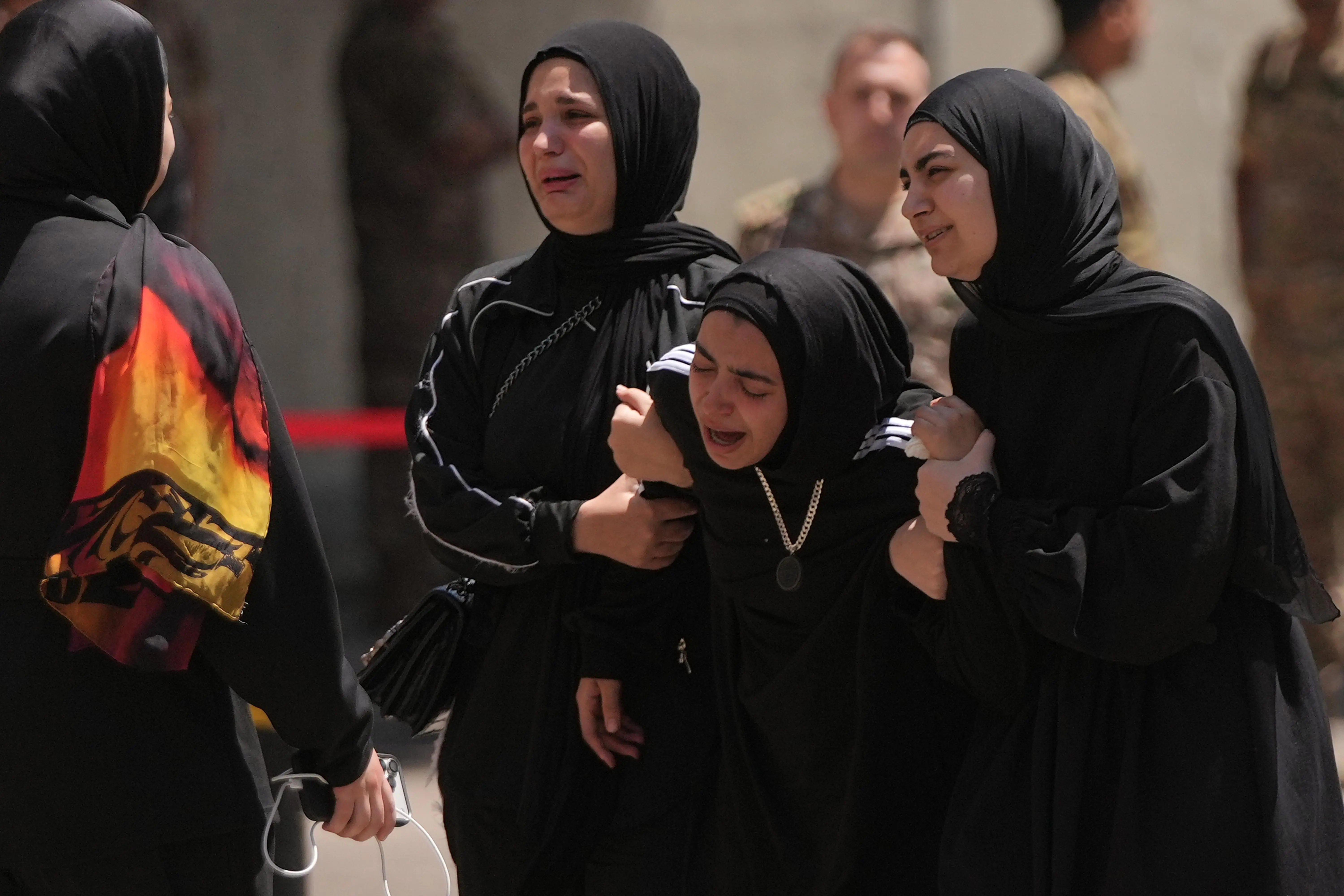
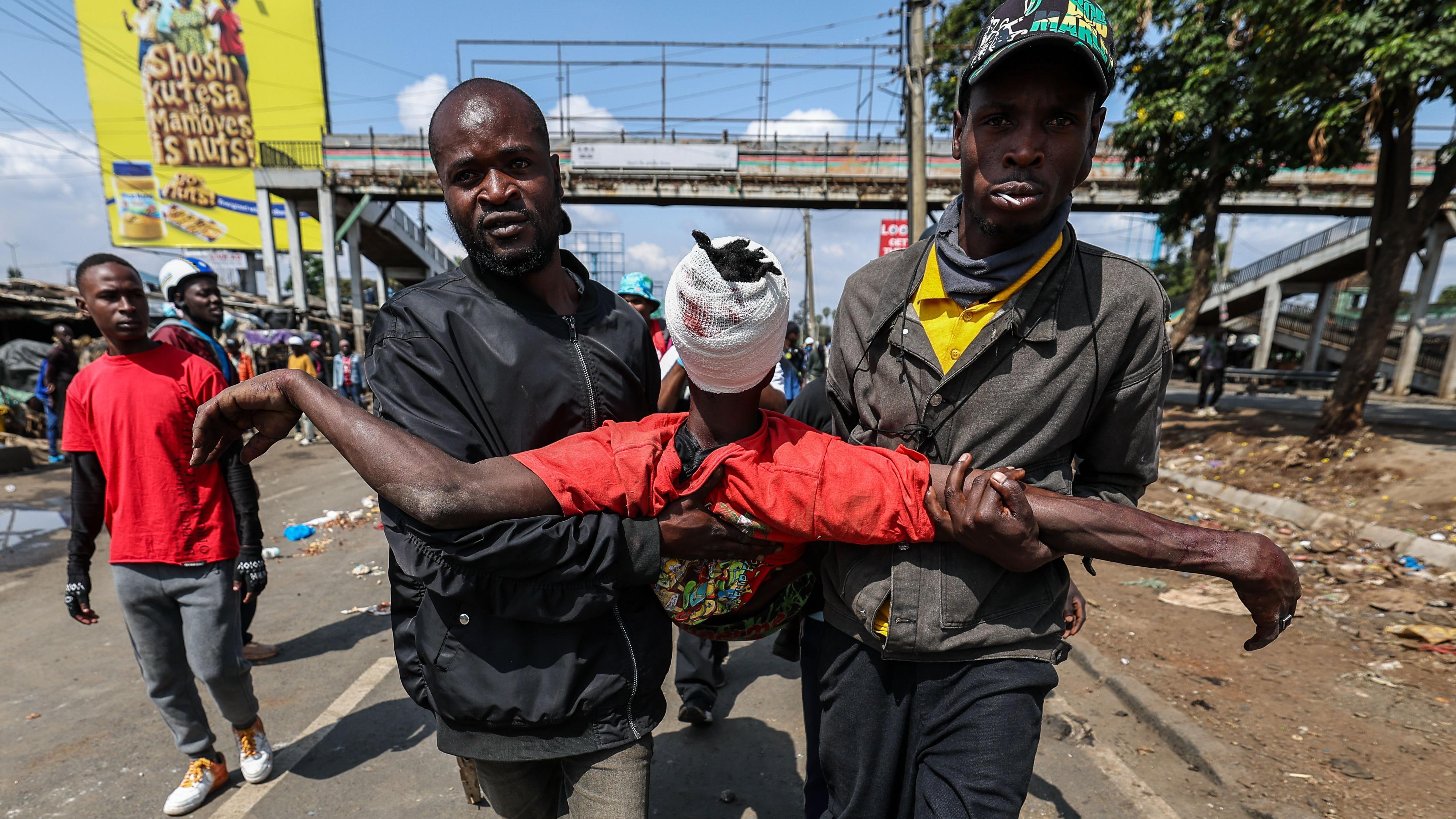
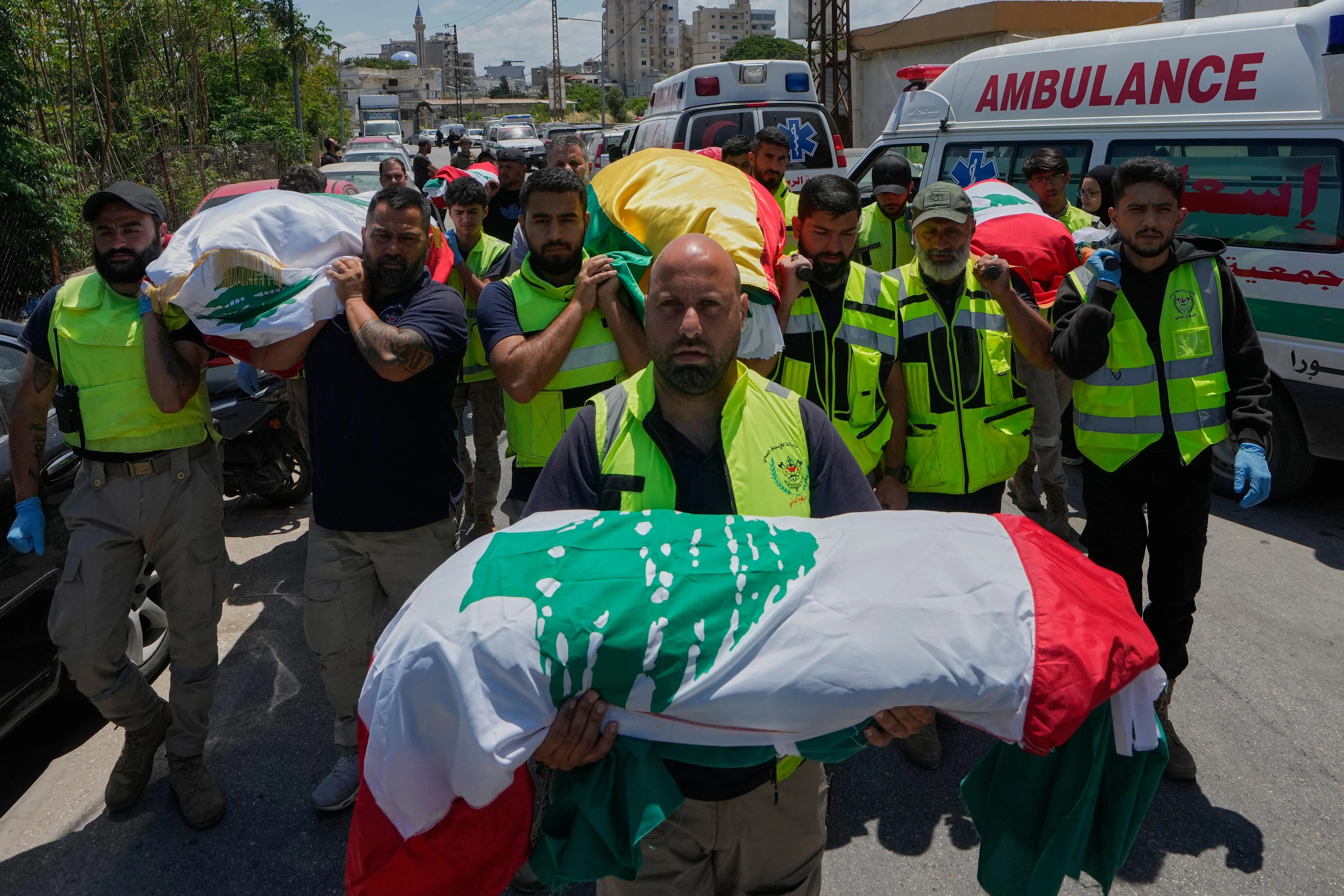
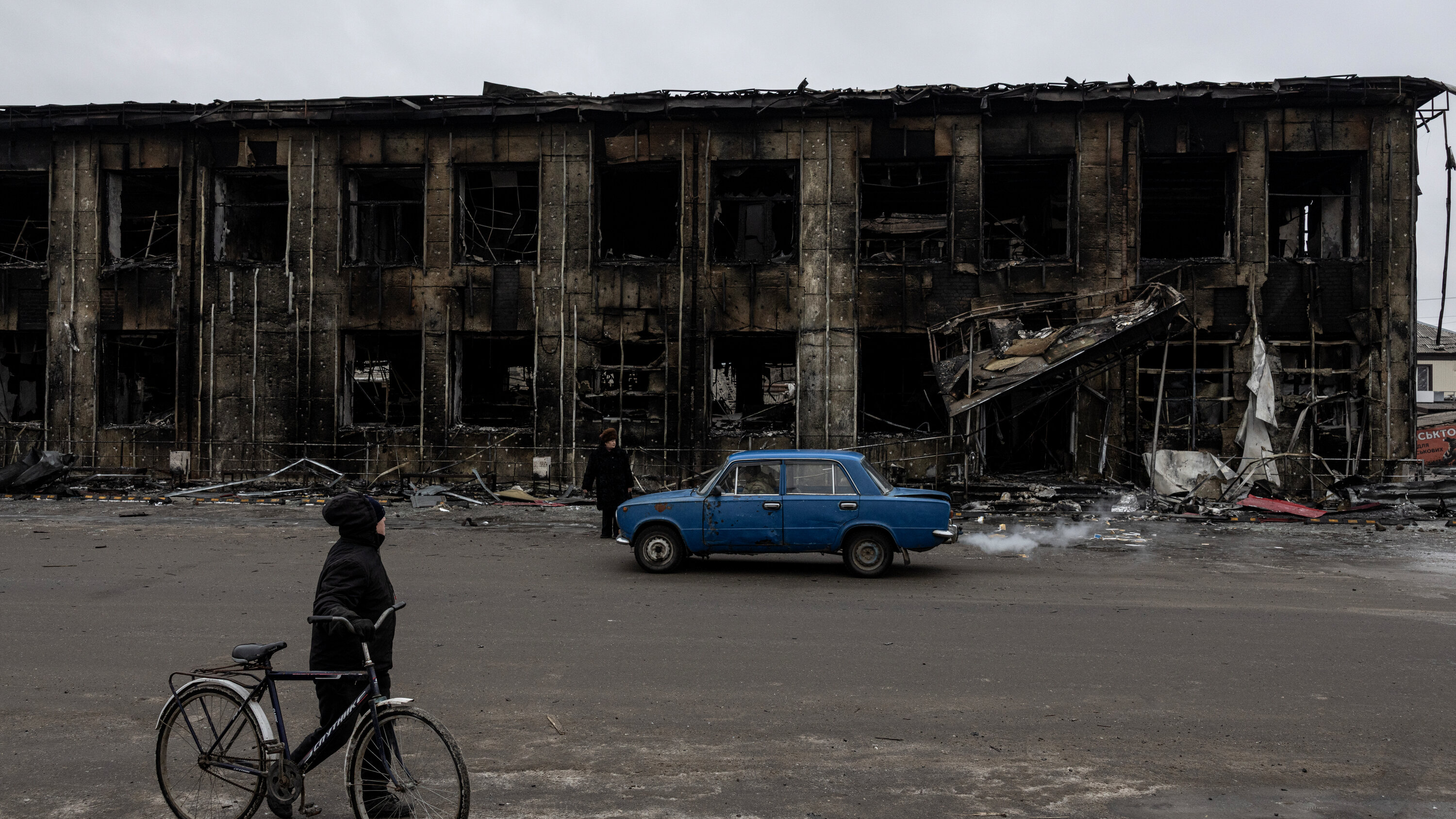
The ongoing conflict poses risks not only to military personnel but also to civilians in the region. As tensions rise, families and communities face uncertainty and potential violence. Individuals impacted by these developments should stay informed about travel advisories and potential economic shifts resulting from disruptions in the Strait of Hormuz.
The situation remains fluid, with both nations engaged in a dangerous game of military posturing. The stakes are high, and the implications of further escalation could reverberate well beyond the Middle East.