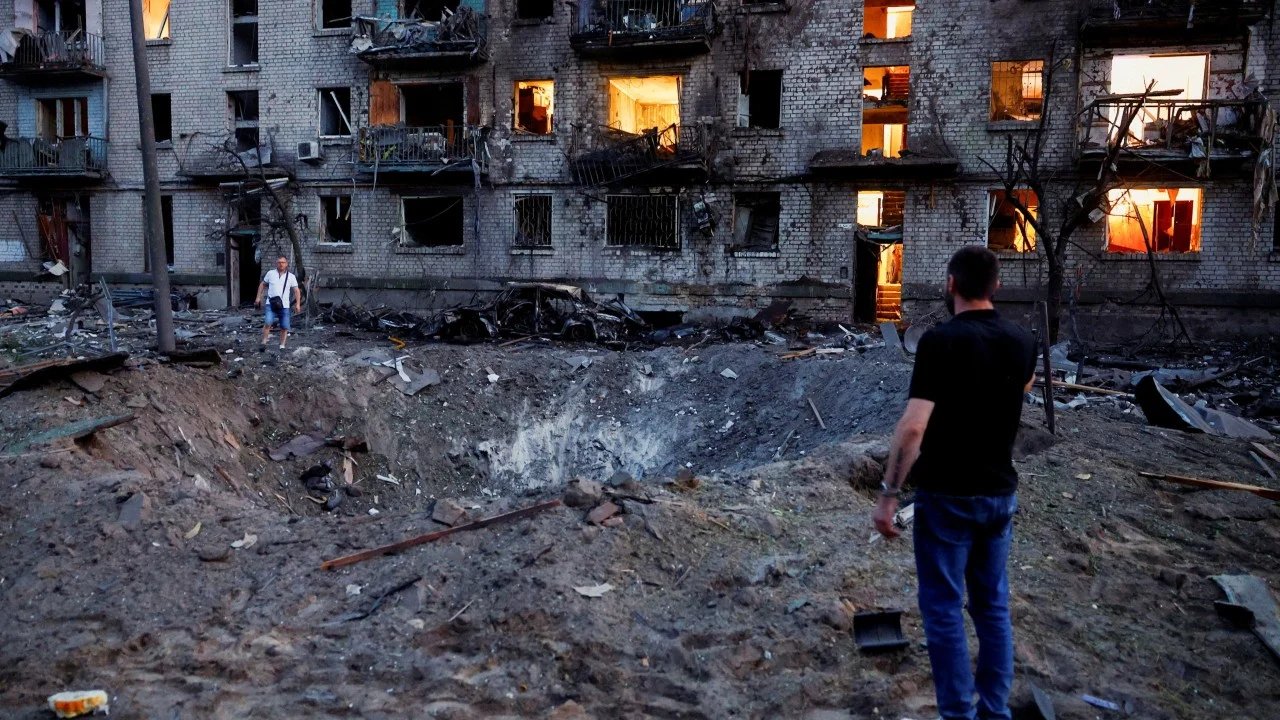
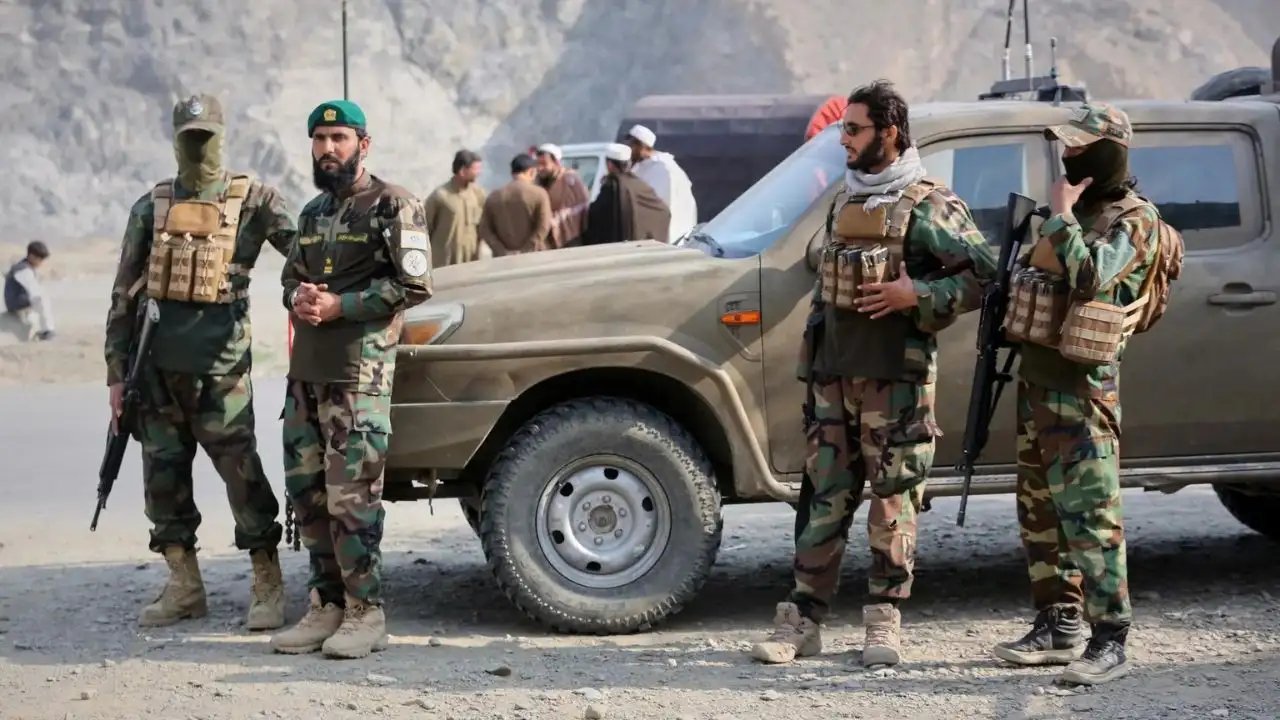
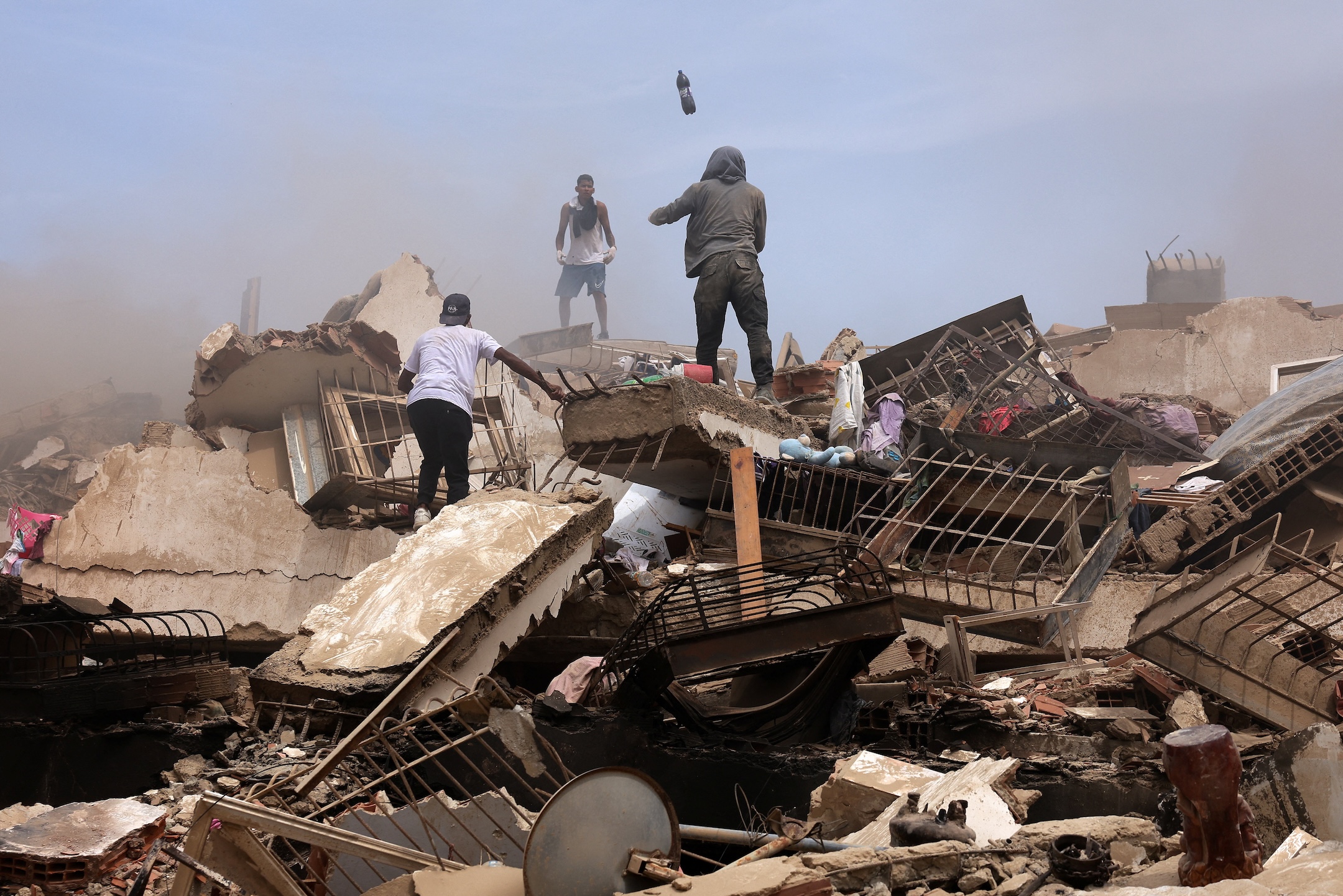
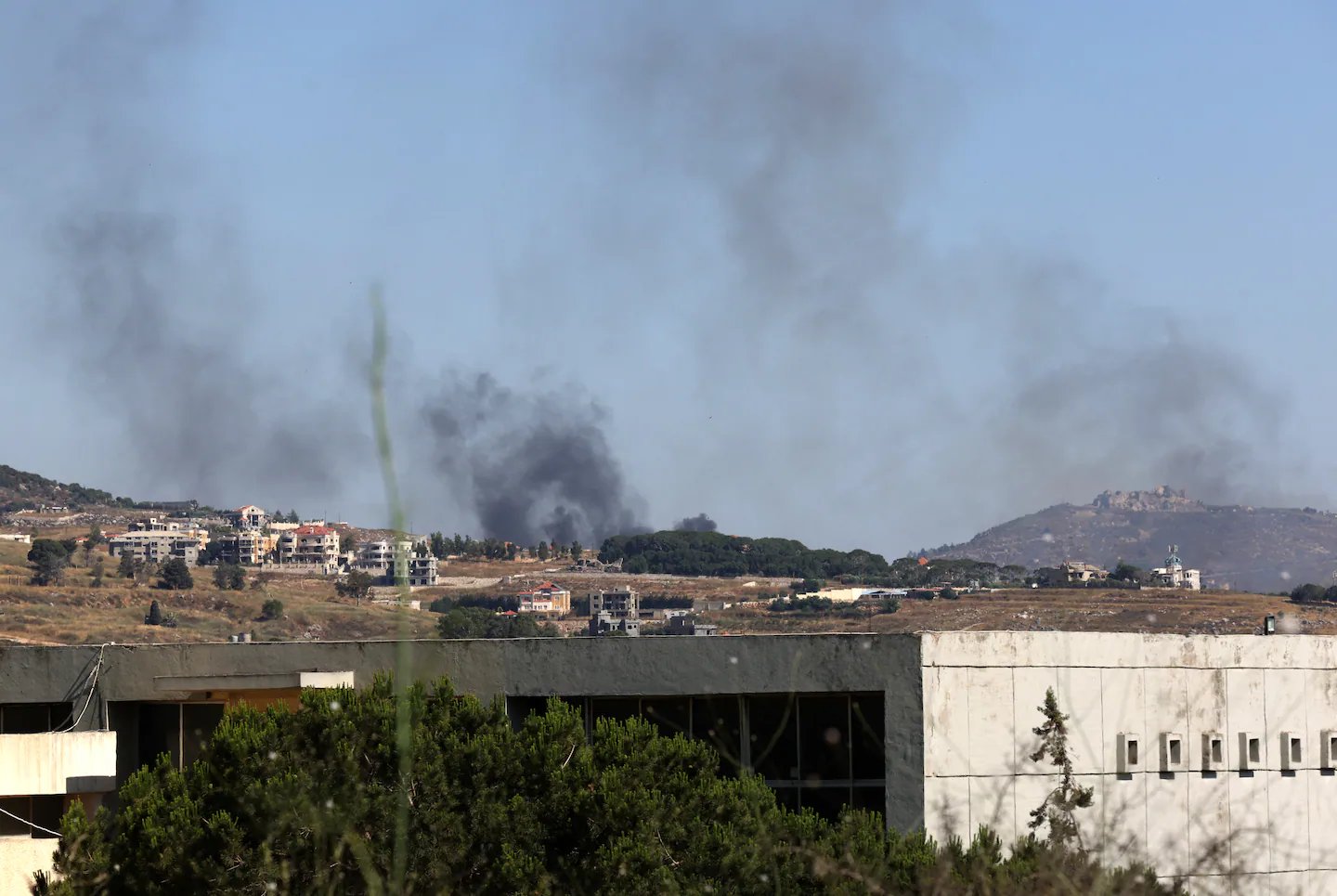
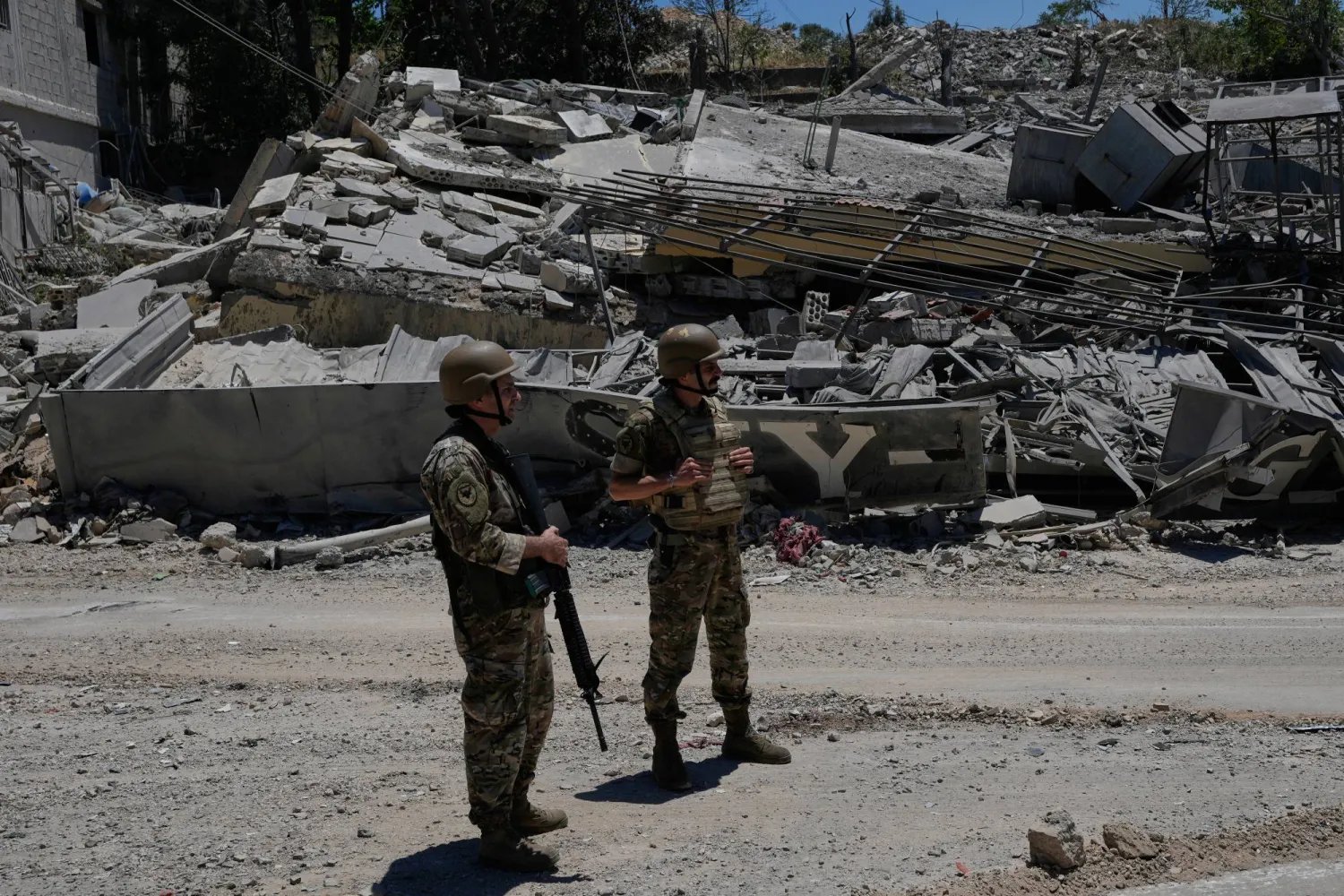
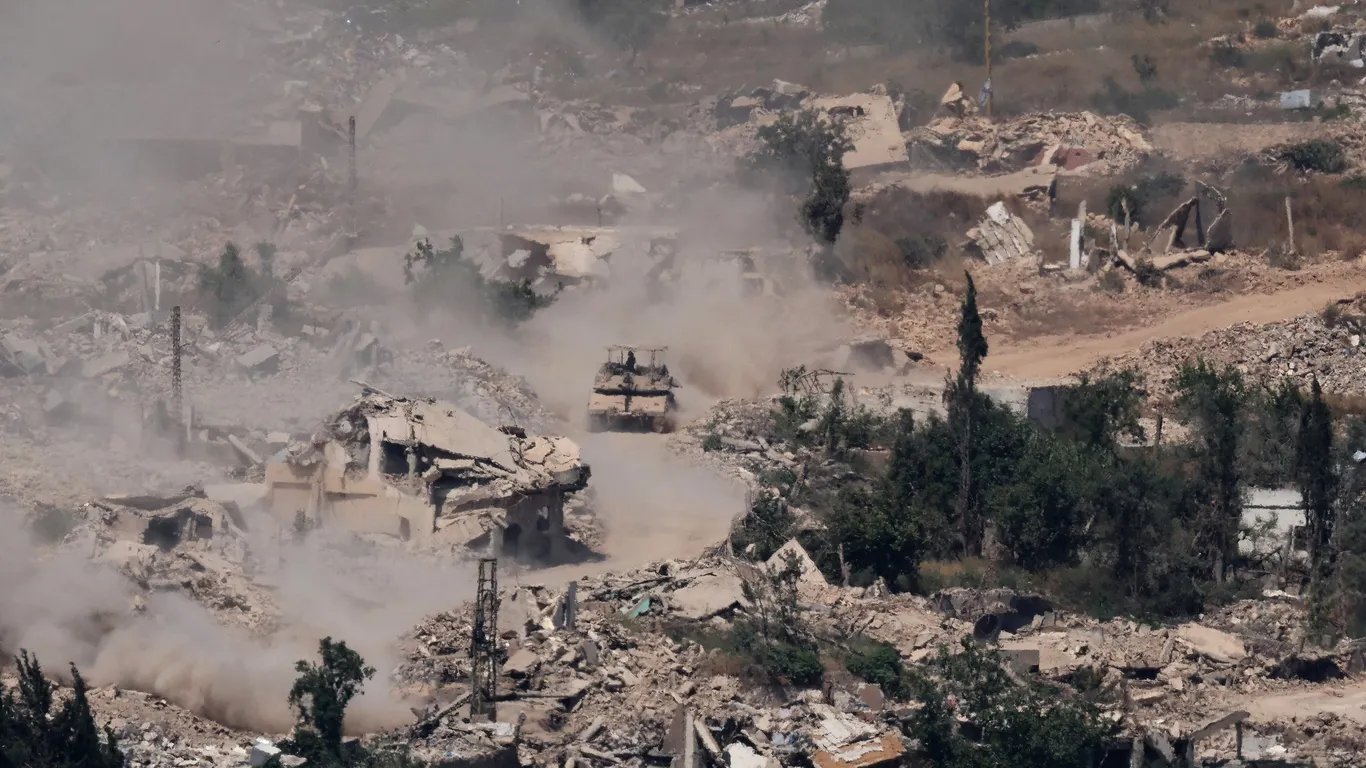
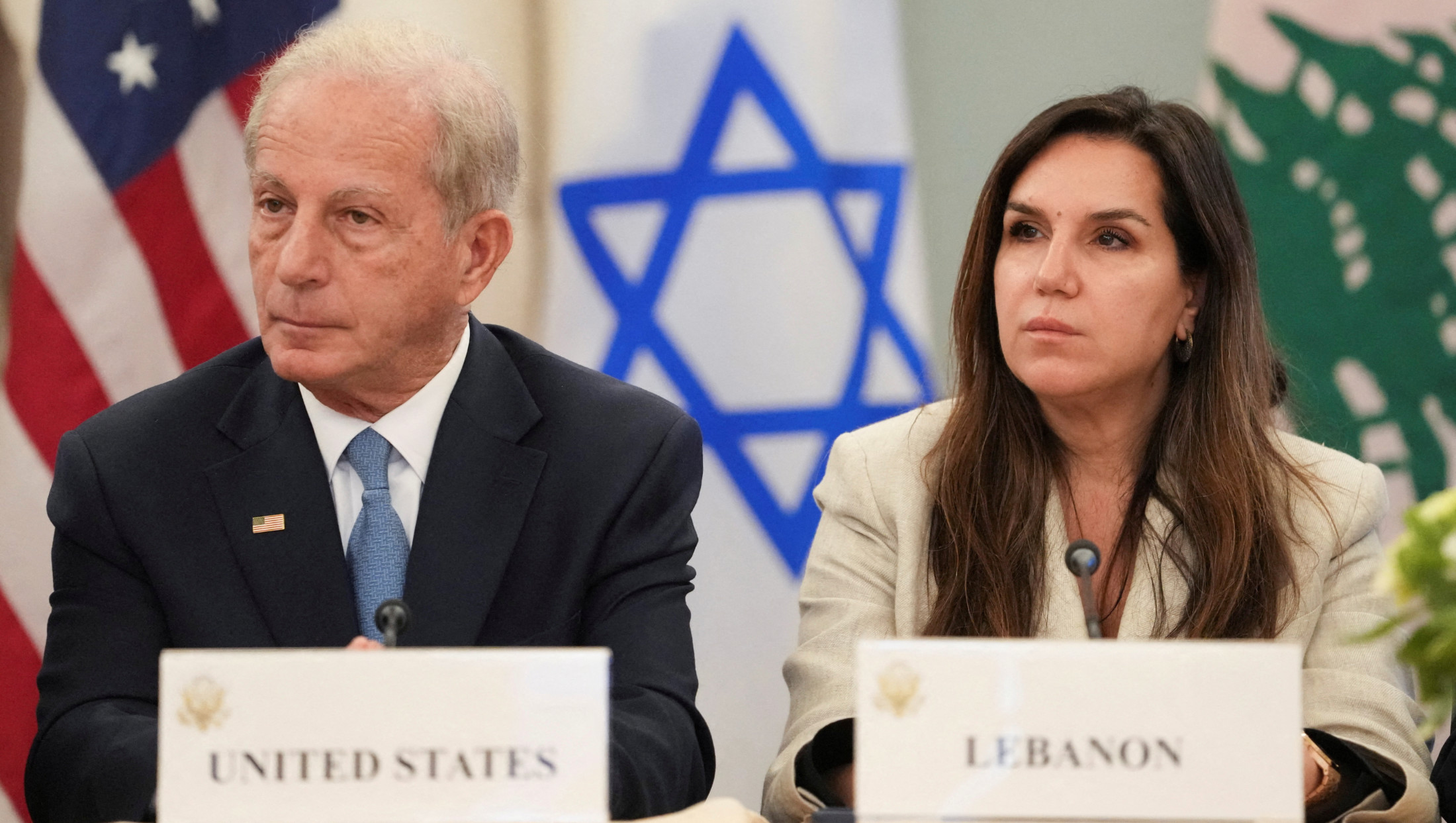
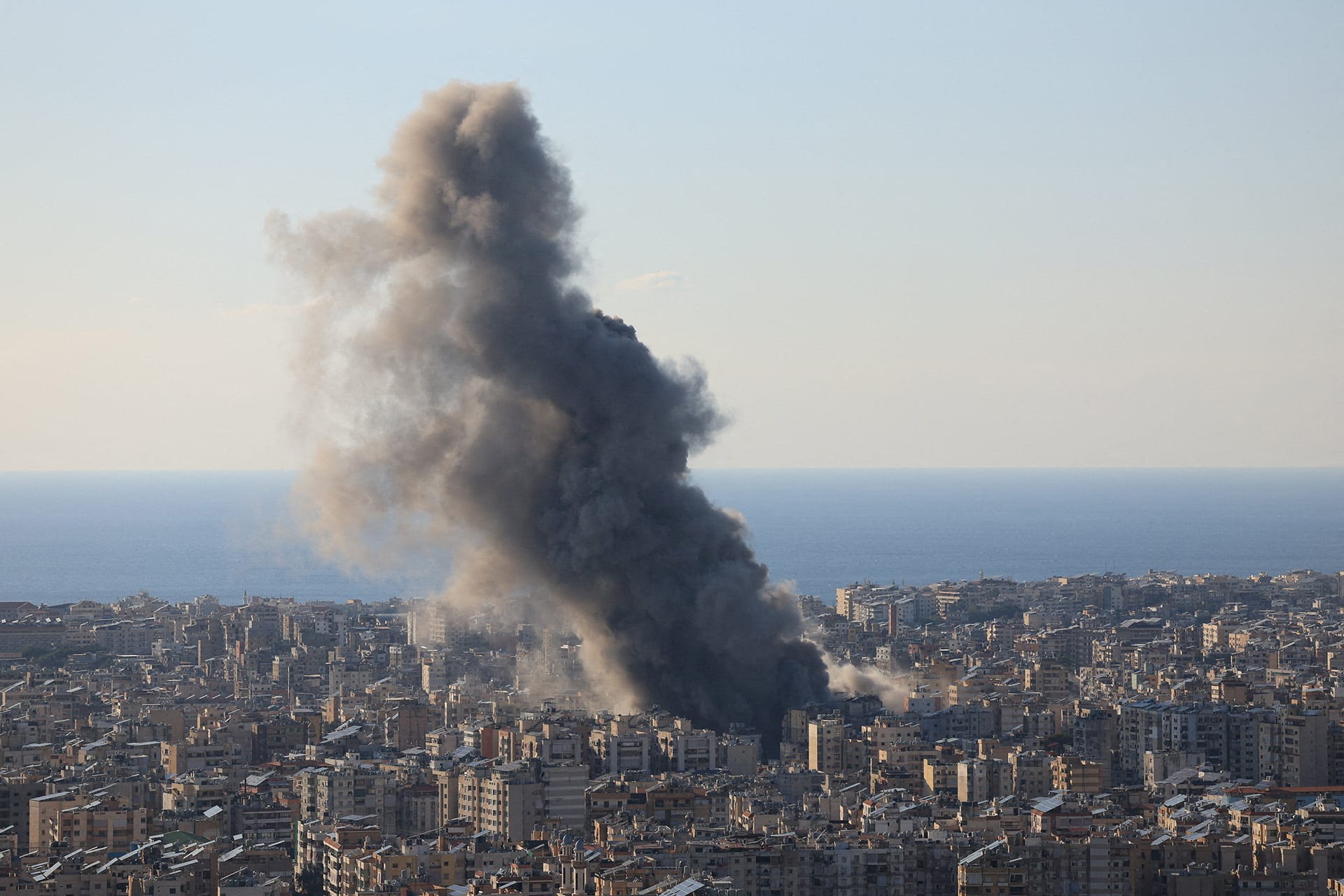
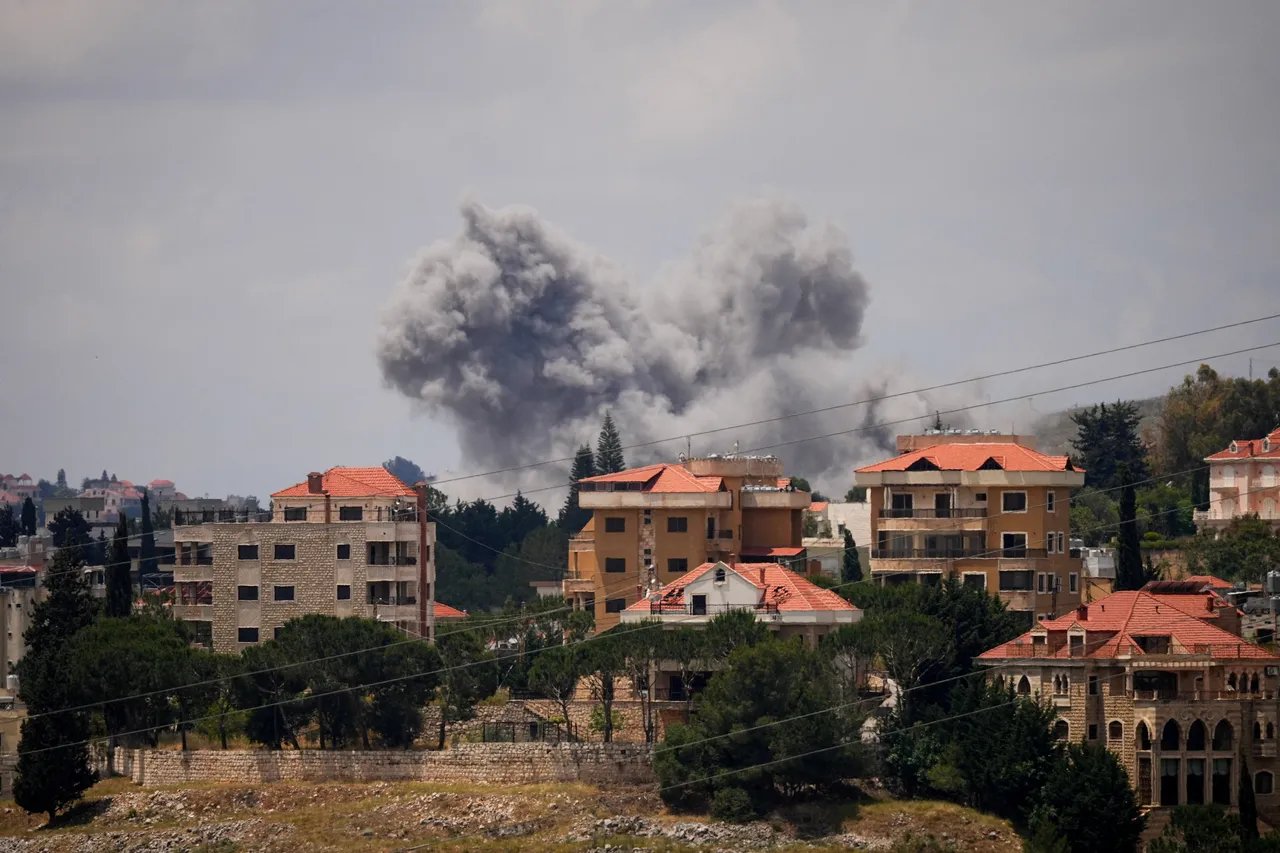
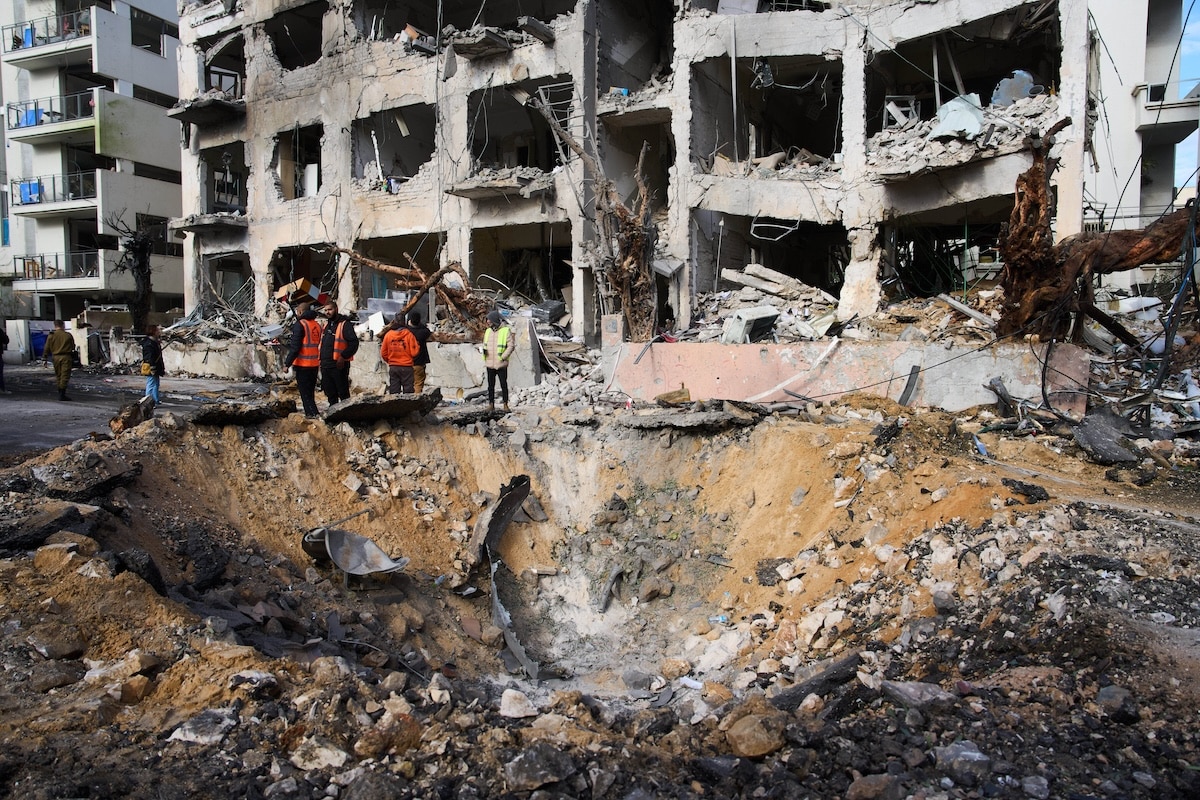
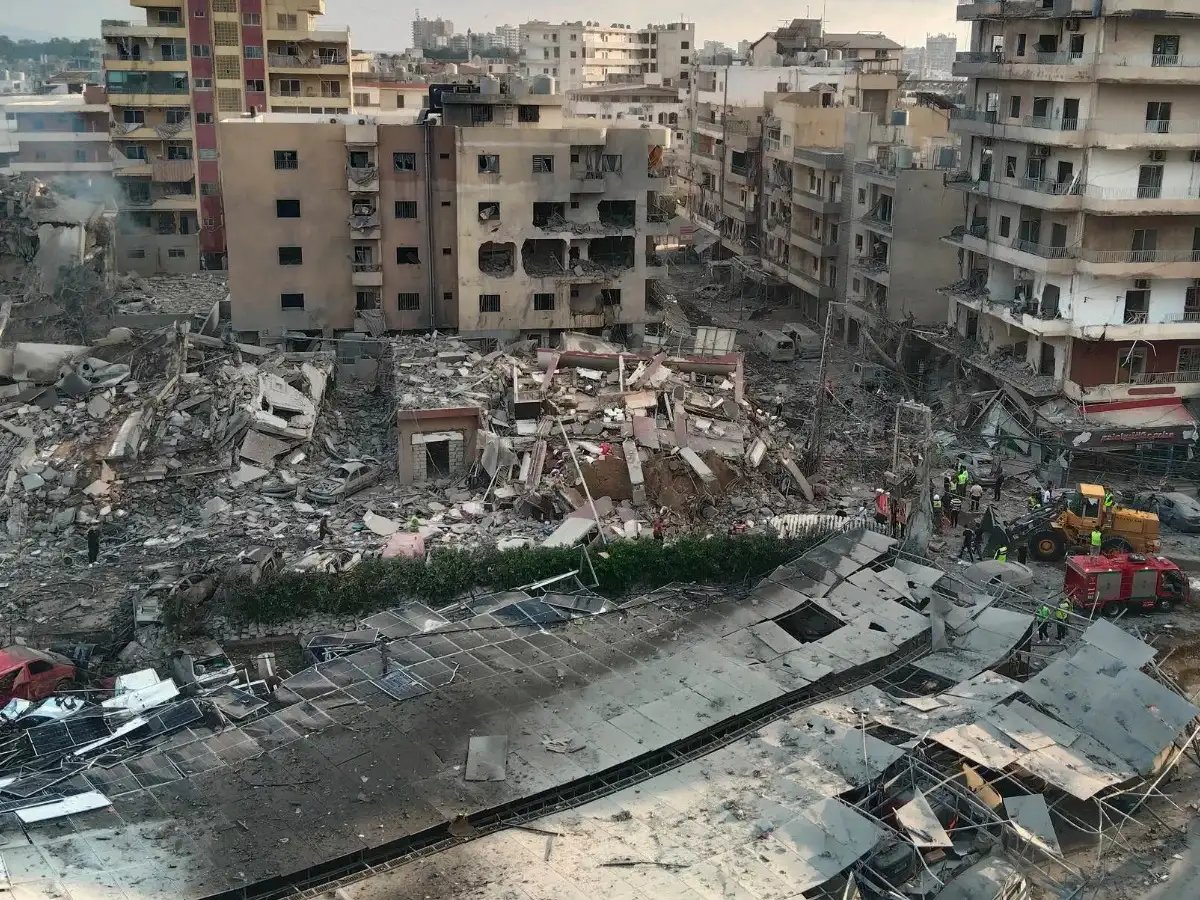
Israel and Lebanon agreed to renew a ceasefire and establish security zones across Lebanese territory, according to a US-mediated deal that aims to halt the escalating conflict between the two nations. The agreement hinges on a complete halt to Hezbollah fire and the militant group's withdrawal south of the Litani River, with the Lebanese army taking control of the newly secured areas.
However, the conditional nature of the agreement leaves significant room for breakdown if either side views the other as violating its terms.
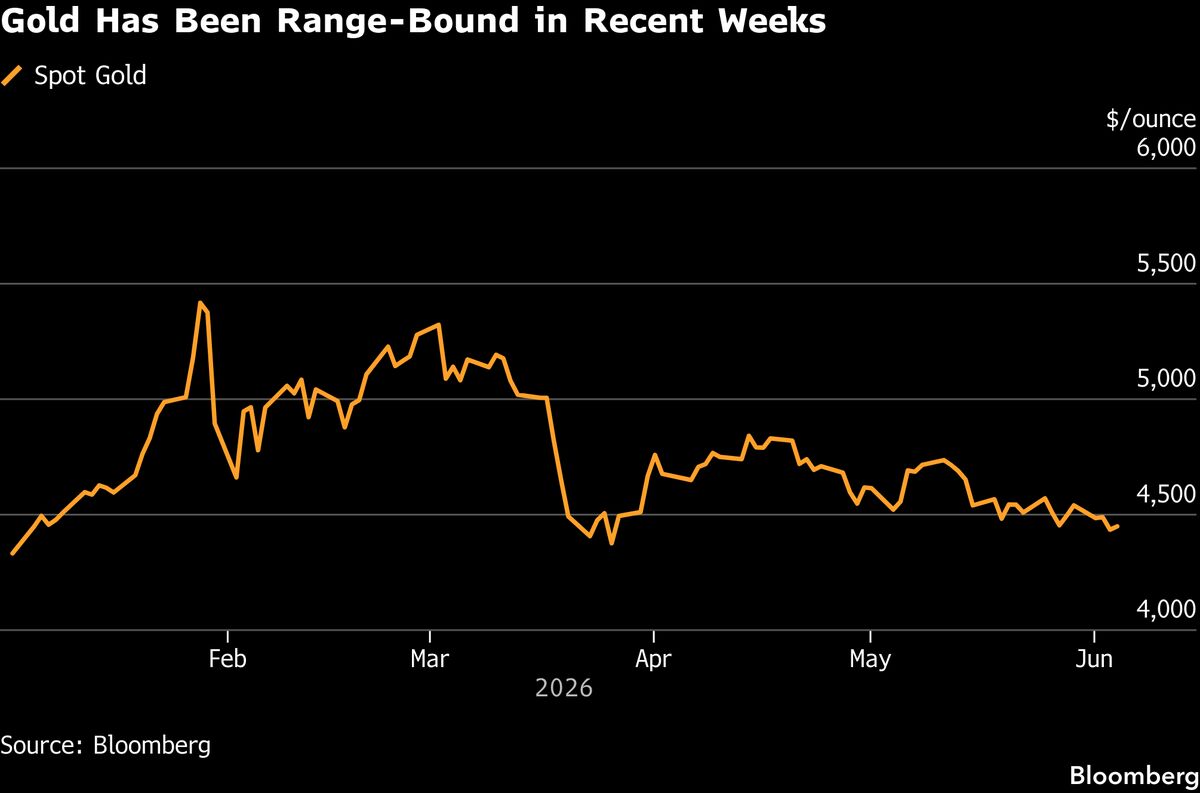
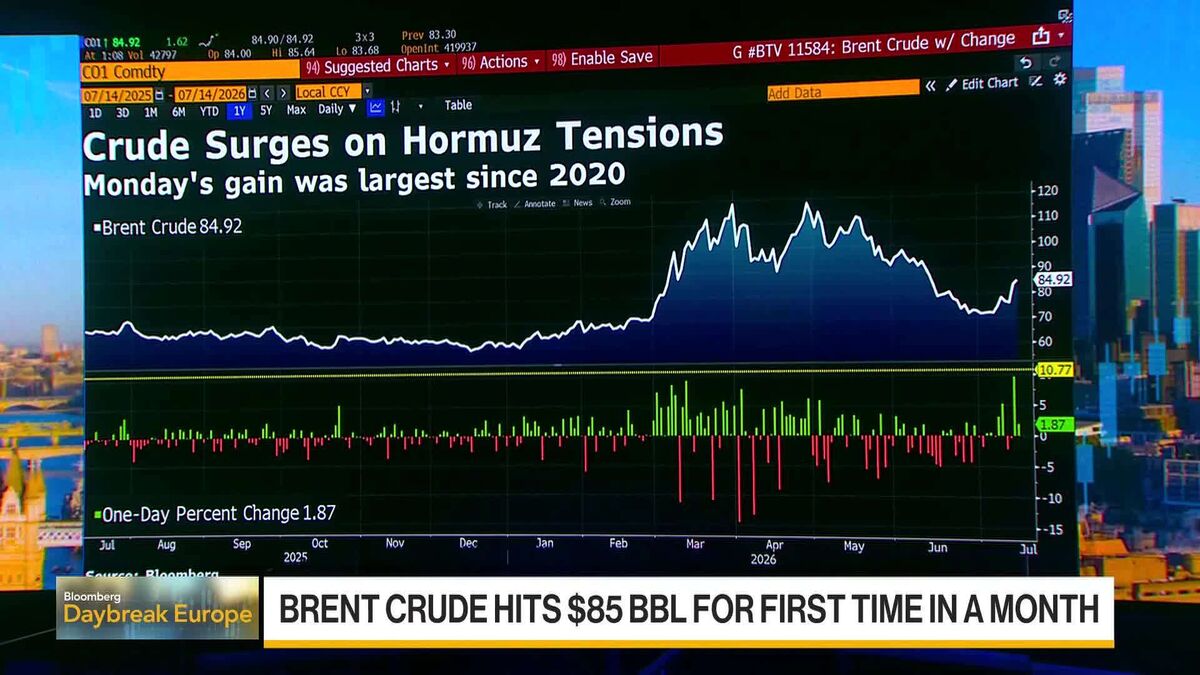
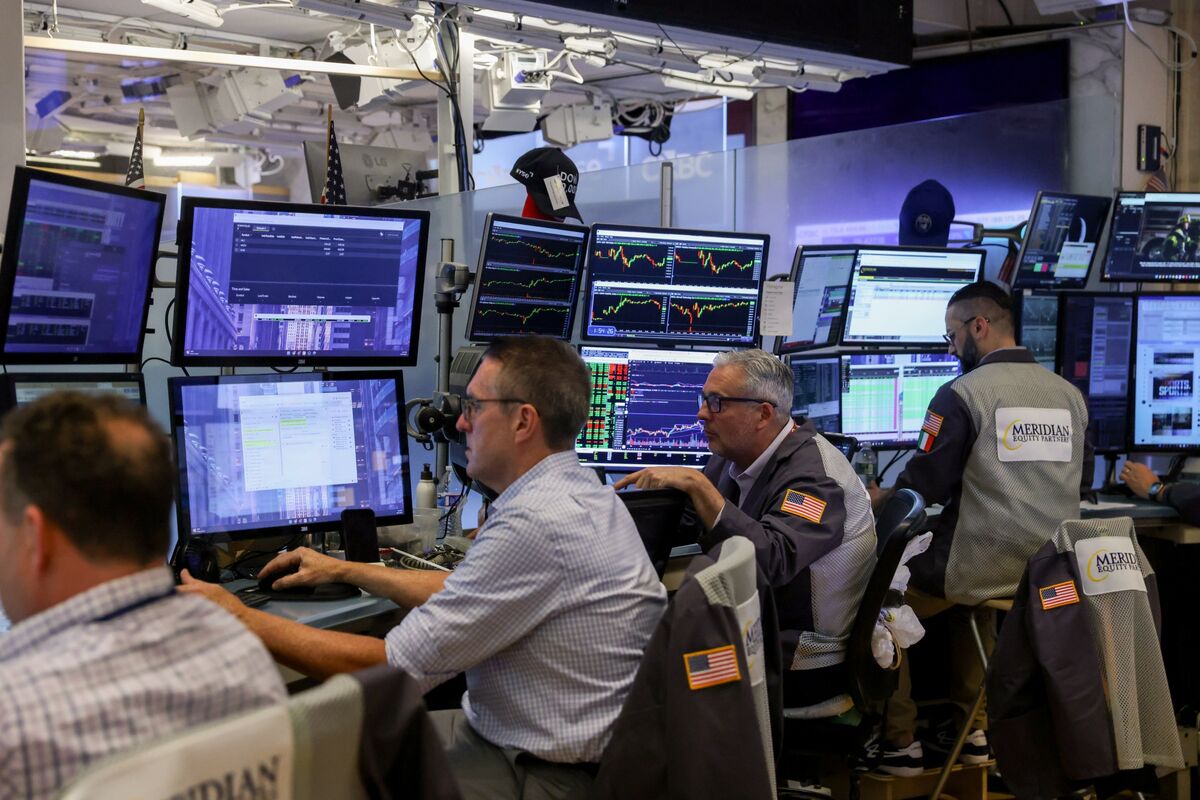
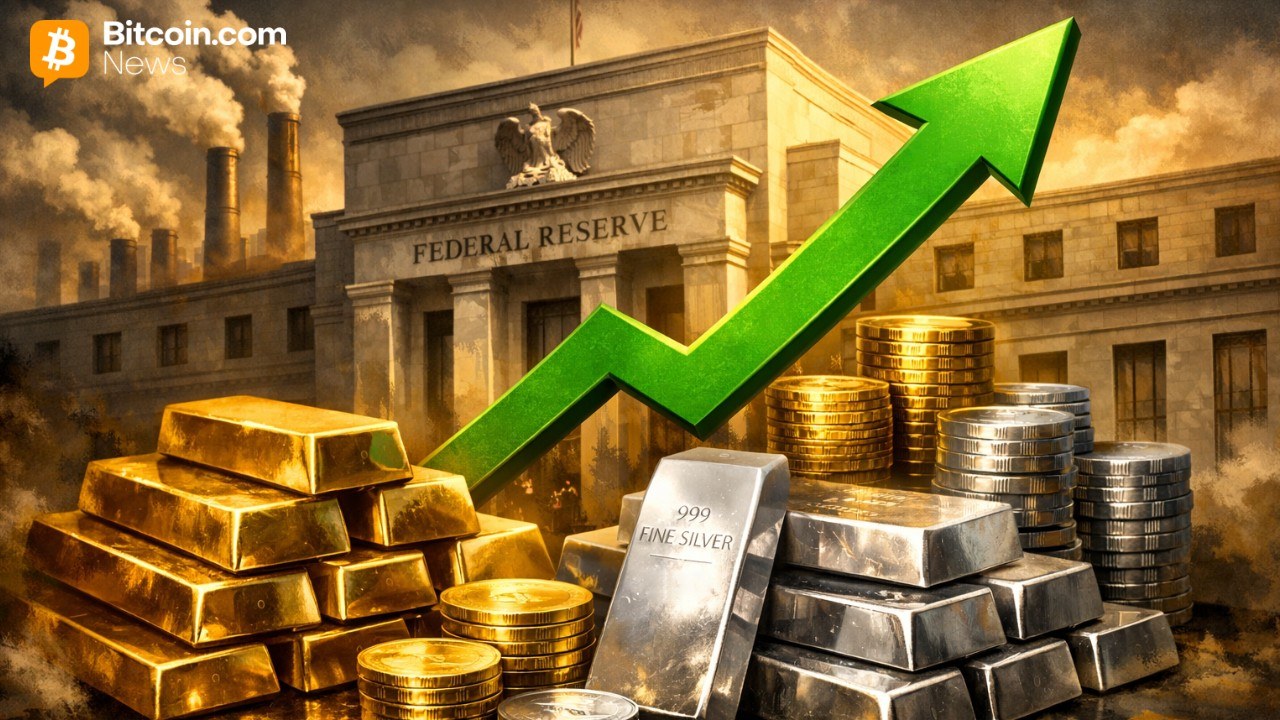
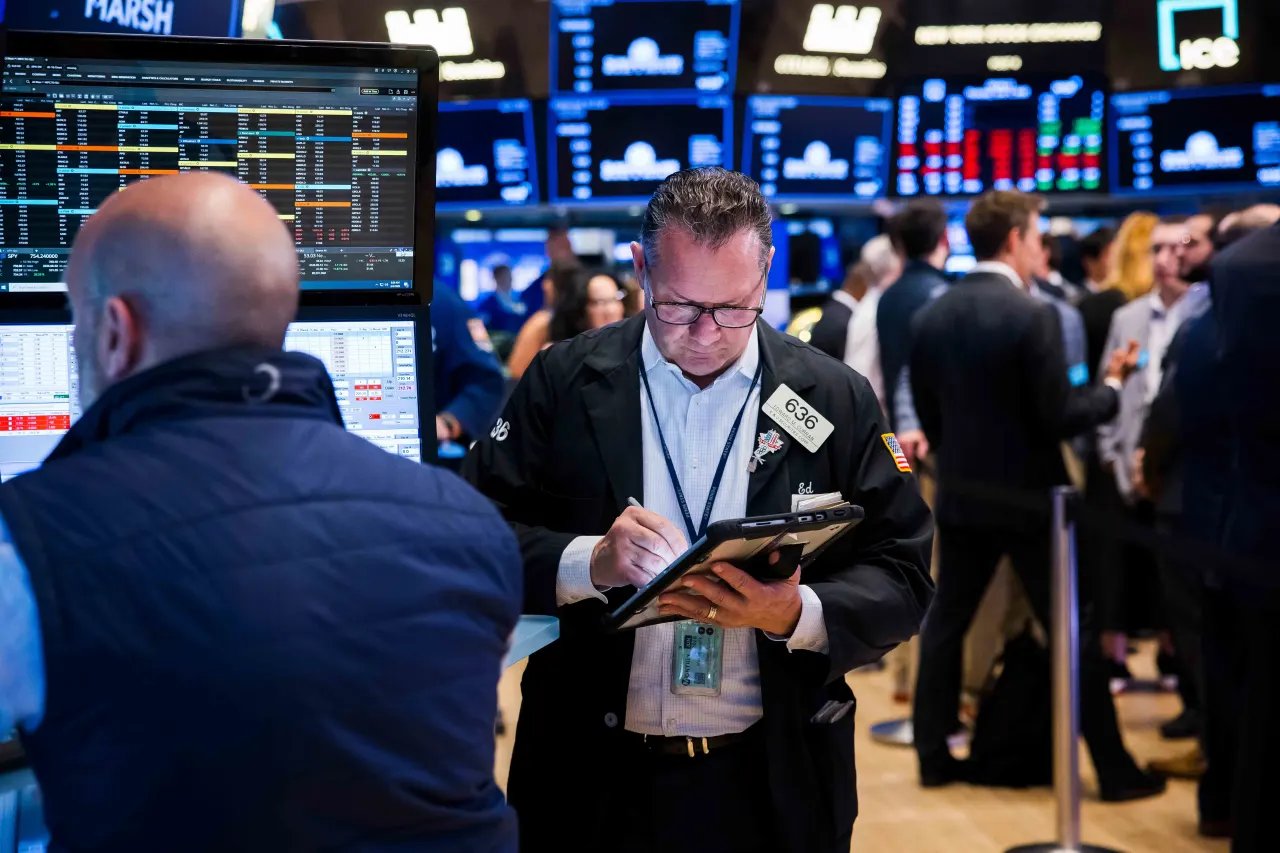
Gold prices edged higher following the ceasefire announcement, as traders assessed whether the agreement could help resolve the wider Middle East conflict that has upended global energy markets and raised inflation risks. The modest gain in precious metals reflects investor uncertainty about whether the truce will hold or prove temporary.
The fragile nature of the arrangement means financial markets remain on edge. Any resumption of major hostilities could quickly reverse the cautious gains seen in commodity markets.
The agreement explicitly requires Hezbollah to cease all fire and withdraw from territory south of the Litani River. This withdrawal is essential to the deal's success, as it would allow the Lebanese army to establish control over the security zones and prevent cross-border attacks that have triggered Israeli retaliation.
Whether Hezbollah will comply with these terms remains uncertain. The group's decision to honor the ceasefire conditions will determine whether the truce survives beyond its initial days.
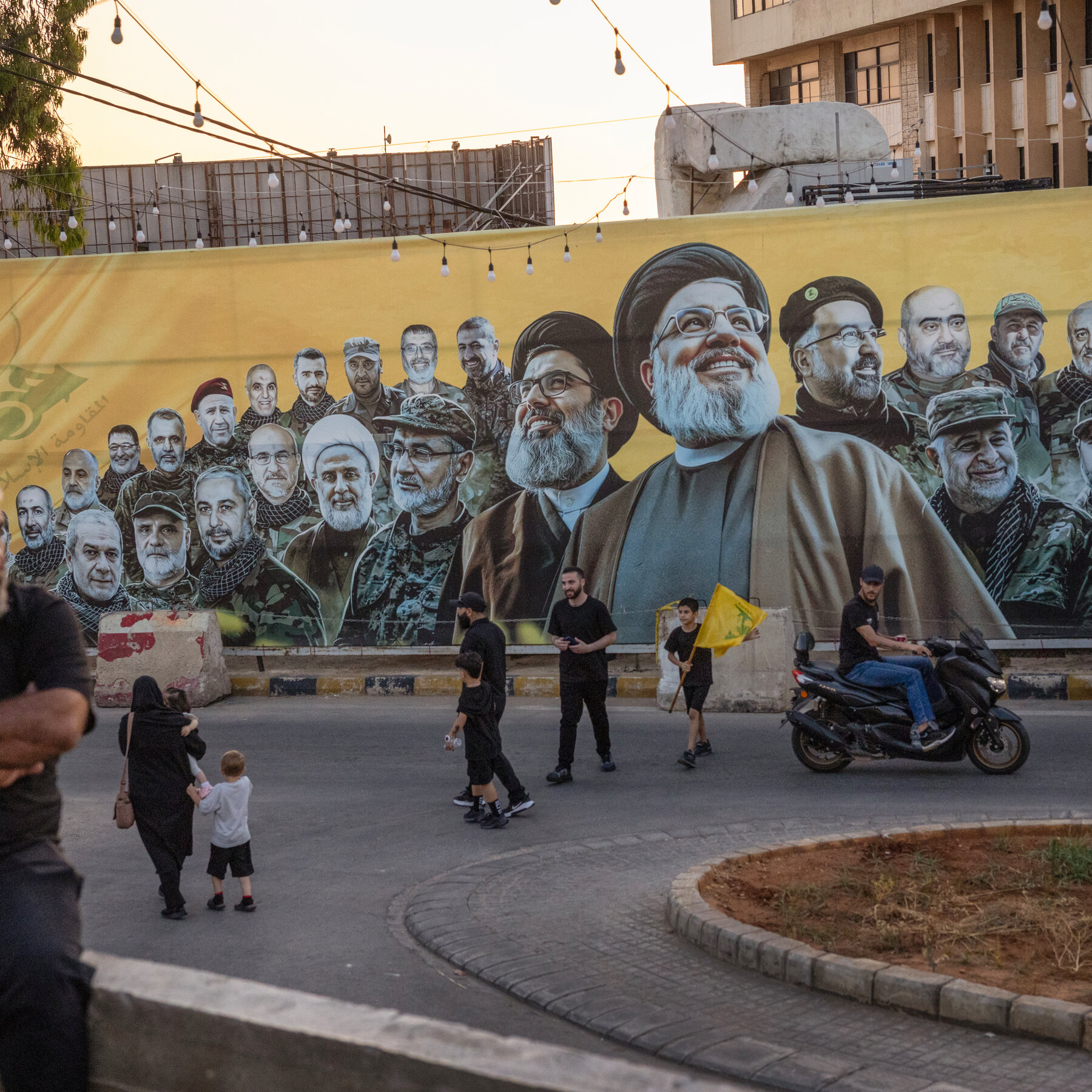
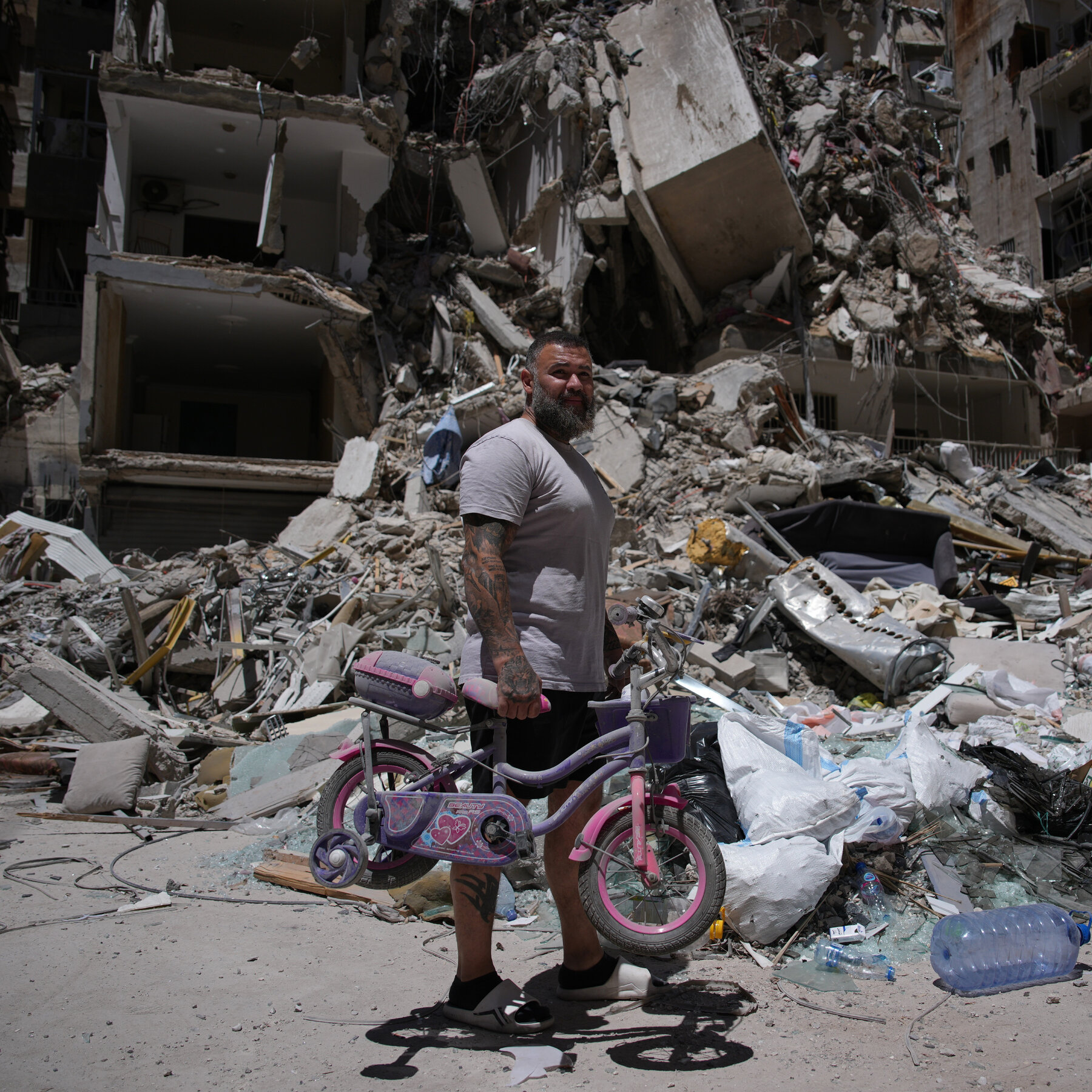
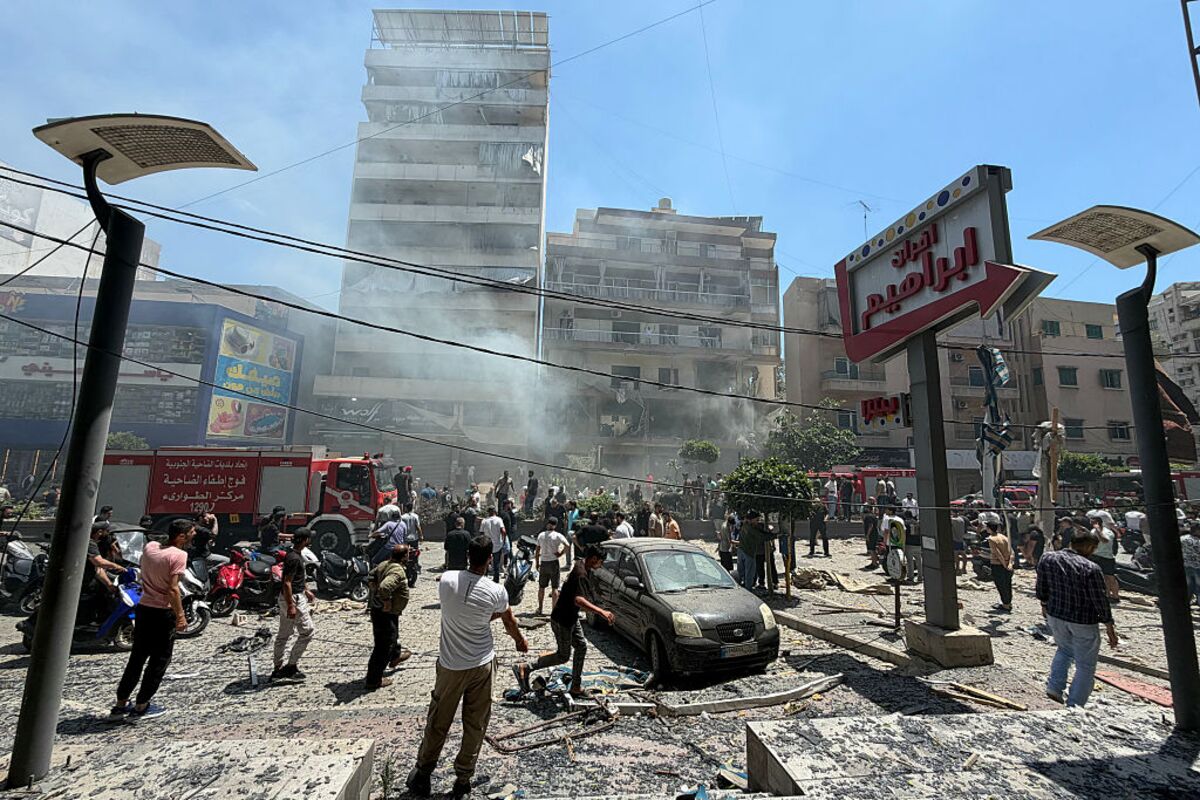
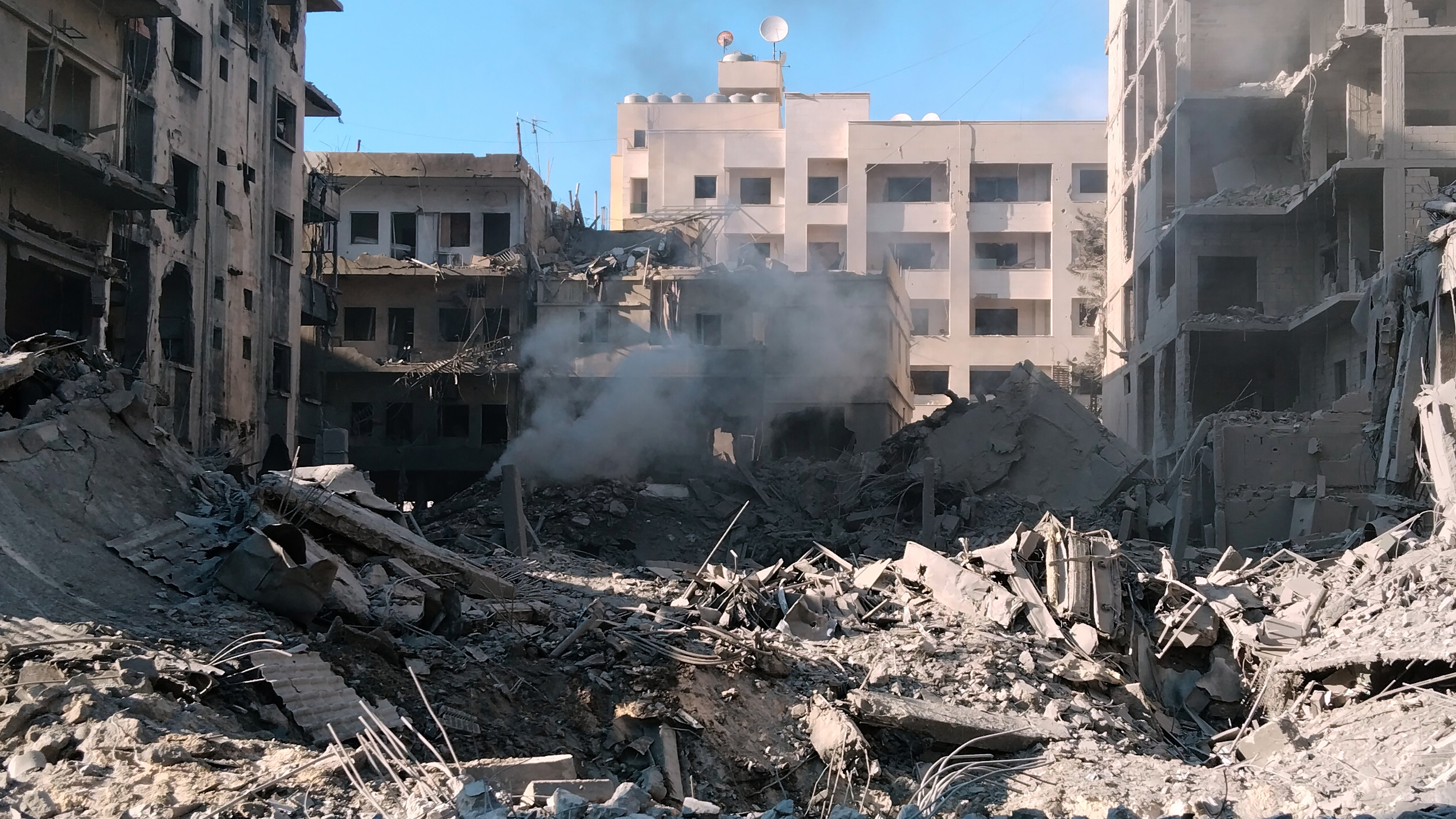
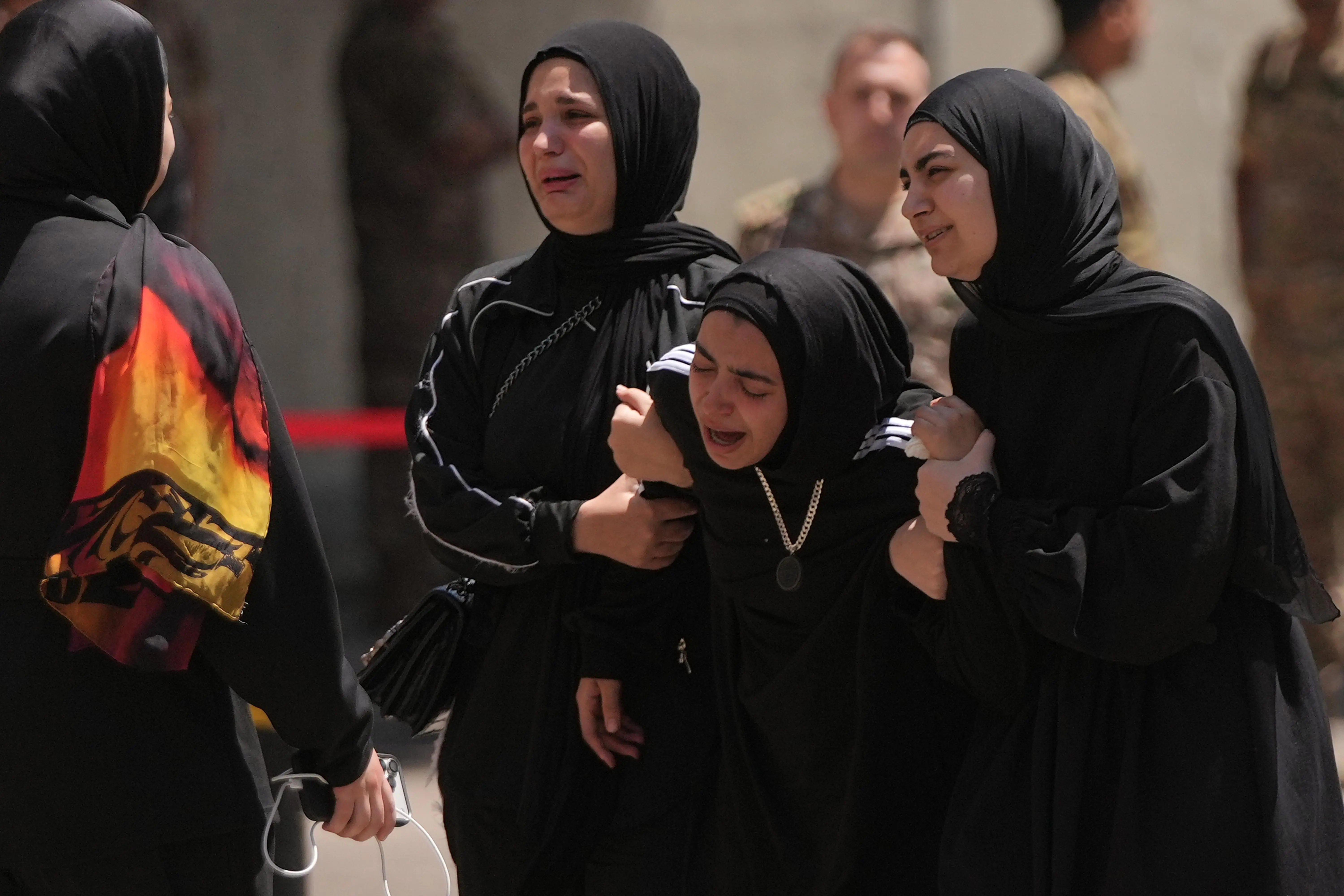
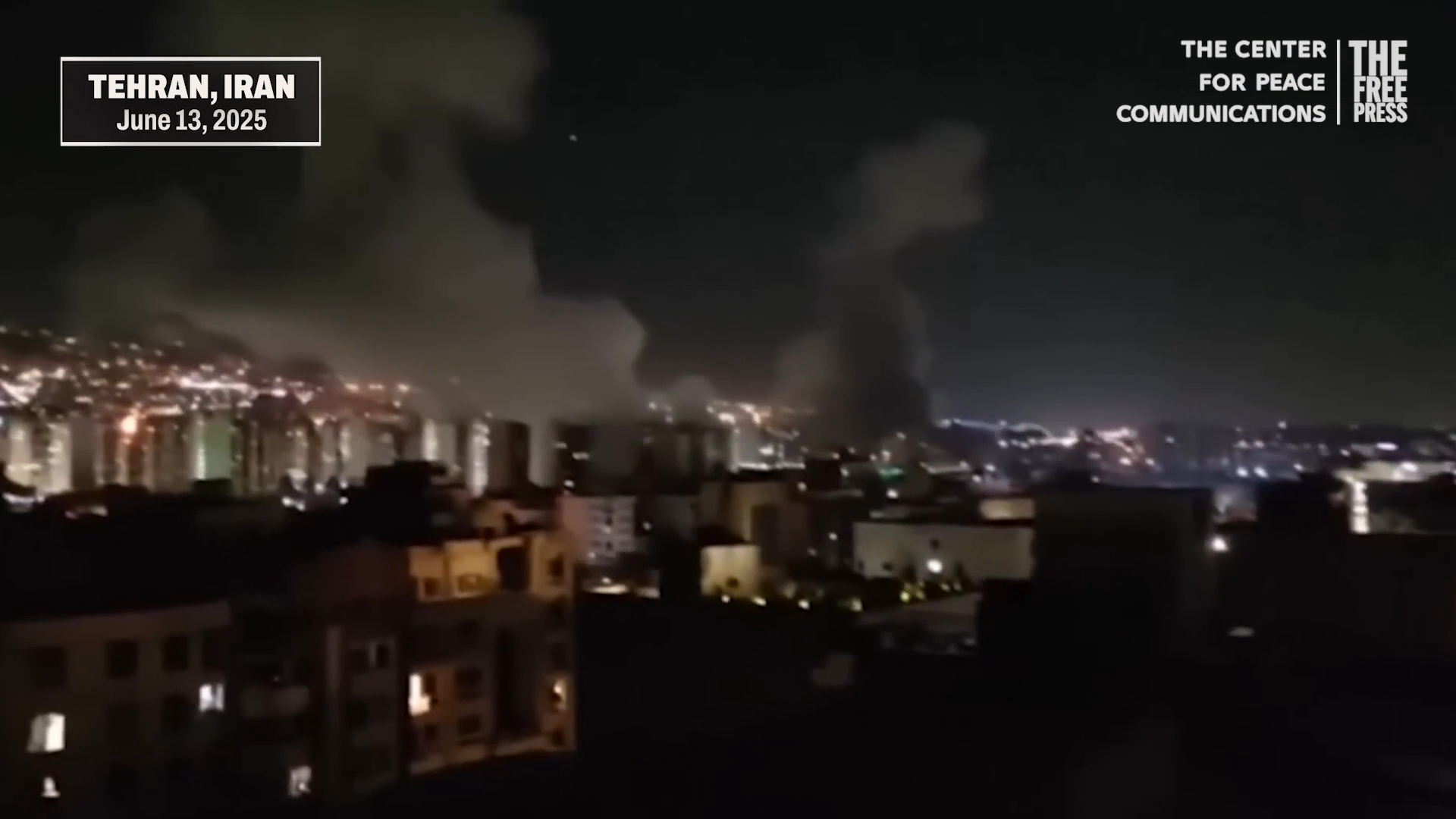
The Lebanese capital remains on edge as residents and officials await signs of whether both sides will respect the agreement's boundaries. The establishment of security zones represents a significant shift in how the border region will be controlled and monitored.
Israel and Lebanon agreed to renew a ceasefire and establish security zones across Lebanese territory, according to a US-mediated deal that aims to halt the escalating conflict between the two nations. The agreement hinges on a complete halt to Hezbollah fire and the militant group's withdrawal south of the Litani River, with the Lebanese army taking control of the newly secured areas.
The truce represents a potential turning point in a conflict that has destabilized the broader Middle East region. However, the conditional nature of the agreement leaves significant room for breakdown if either side views the other as violating its terms.
Gold prices edged higher following the ceasefire announcement, as traders assessed whether the agreement could help resolve the wider Middle East conflict that has upended global energy markets and raised inflation risks. The modest gain in precious metals reflects investor uncertainty about whether the truce will hold or prove temporary.
The fragile nature of the arrangement means financial markets remain on edge. Any resumption of major hostilities could quickly reverse the cautious gains seen in commodity markets.
The agreement explicitly requires Hezbollah to cease all fire and withdraw from territory north of the Litani River. This withdrawal is essential to the deal's success, as it would allow the Lebanese army to establish control over the security zones and prevent cross-border attacks that have triggered Israeli retaliation.
Whether Hezbollah will comply with these terms remains uncertain. The group's decision to honor the ceasefire conditions will determine whether the truce survives beyond its initial days.
The Lebanese capital remains on edge as residents and officials await signs of whether both sides will respect the agreement's boundaries. The establishment of security zones represents a significant shift in how the border region will be controlled and monitored.
The coming weeks will test whether the US-mediated framework can withstand the pressures that have repeatedly shattered previous ceasefire attempts in the region.
Highlighted text was flagged by the council. Tap to see feedback.