




Candidate's Exit Reshapes Political Landscape
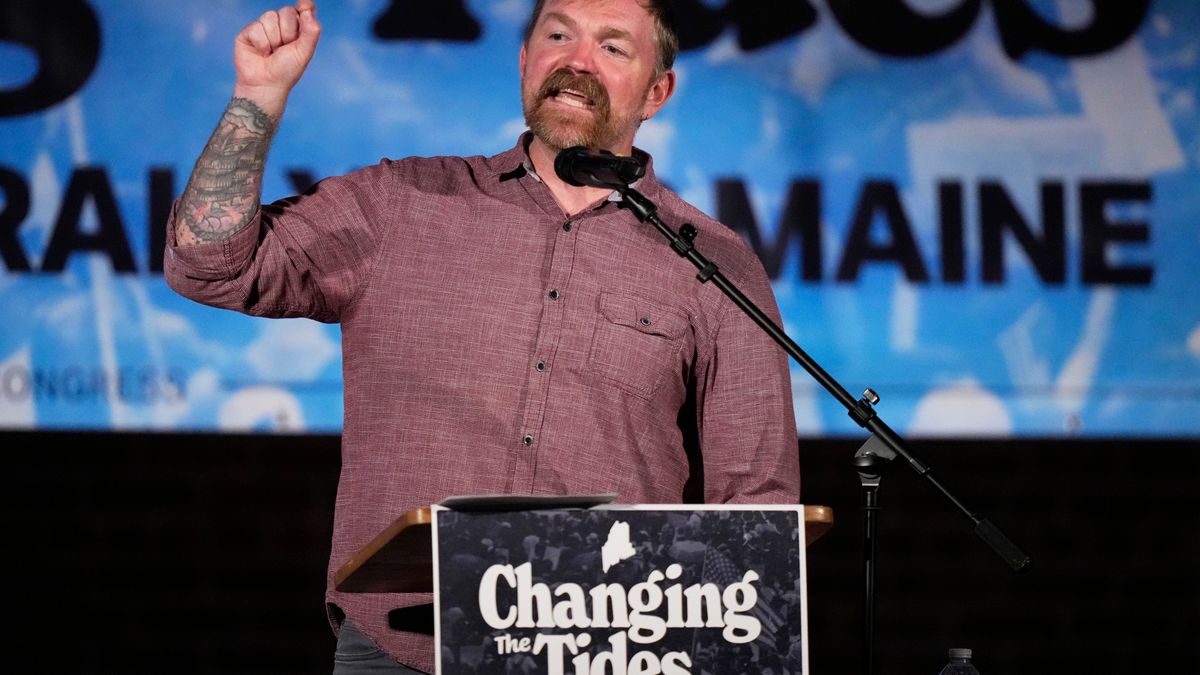
Graham Platner officially withdrew from the Maine Senate race on July 10, formally submitting his resignation to the Maine Secretary of State's office the same day. His departure follows a series of scandals, including a recent sexual assault allegation made by Jenny Racicot, a former partner, which he has denied. Platner's exit allows the Maine Democratic Party to select a new candidate ahead of a critical election against Republican Senator Susan Collins.
Party Faces Pressure to Select New Nominee
The Maine Democratic Party is under pressure to quickly identify a replacement for Platner before the July 27 deadline. A nominating convention is scheduled for July 25, where approximately 601 delegates will vote to select the new nominee. Charlie Dingman, chair of the Maine Democratic State Committee, emphasized the goal of defeating Collins, stating that the convention will be "fair, representative, and as transparent as possible."
Platner's Rise and Fall
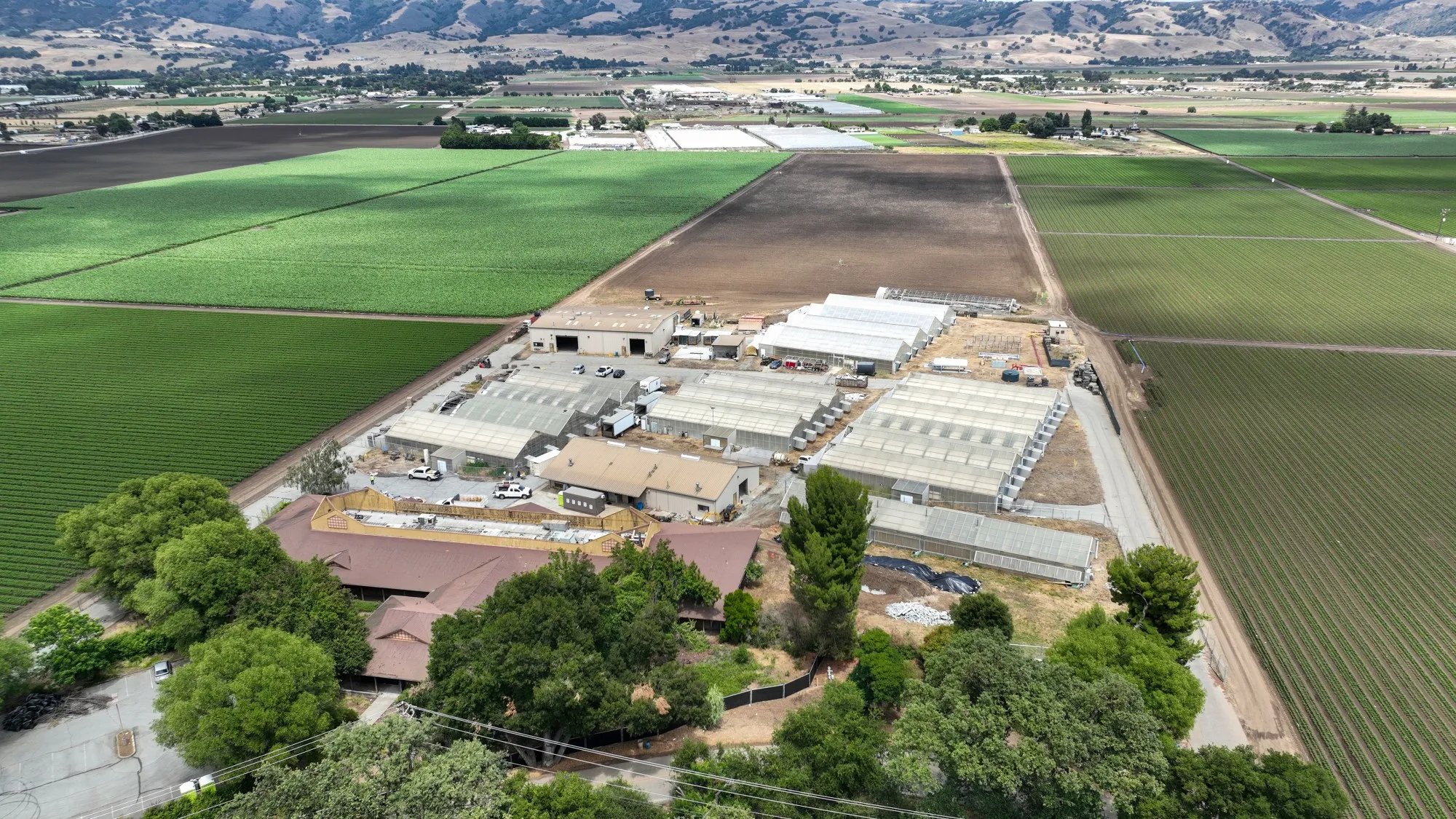
Platner, an oyster farmer and combat veteran, initially captured significant attention by winning the Democratic primary with over 70% of the vote on June 9. His campaign focused on being an outsider capable of challenging the political establishment, supported by prominent figures like Senators Bernie Sanders and Elizabeth Warren. However, his candidacy unraveled amid allegations of sexual misconduct, a history of controversial social media posts, and a scandal involving a tattoo resembling a Nazi symbol.
Scandals Emerge
The controversies surrounding Platner included allegations of sending sexually explicit messages to multiple women and a history of aggressive behavior in past relationships. His political director and finance director left the campaign, citing issues with transparency and professionalism. Despite these setbacks, Platner managed to secure the primary nomination, but the accumulation of scandals ultimately led to a rapid decline in support.
Response from Voters and Party Leaders
The fallout from Platner's withdrawal has left many voters feeling betrayed. A former supporter described the situation as "heartbreaking," emphasizing that the movement was about collective change rather than an individual candidate. Democratic strategist David Farmer criticized the party's vetting process, labeling it as "malpractice" and highlighting the importance of thorough background checks for candidates.
New Candidates Emerge
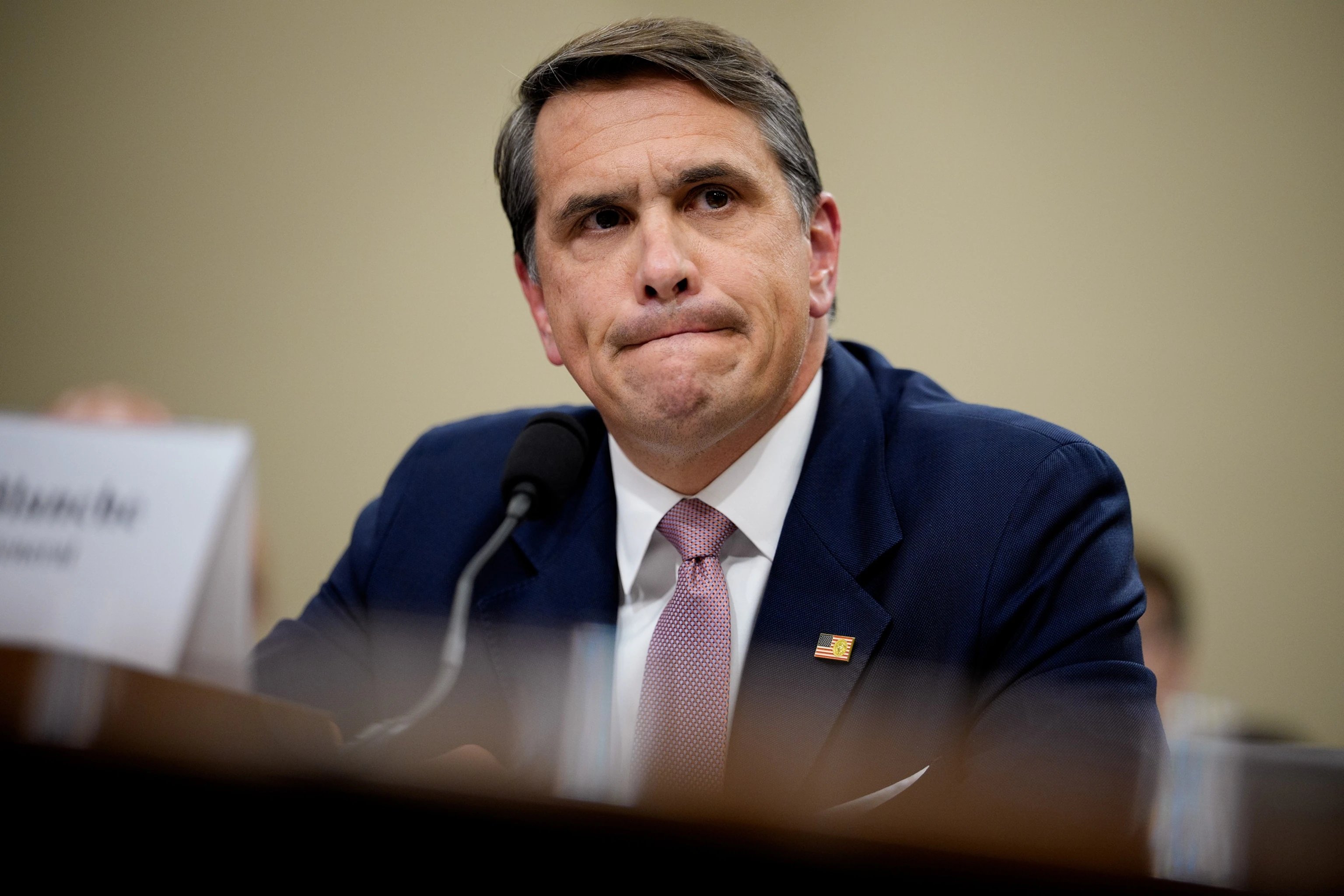
In the wake of Platner's exit, at least six candidates have already declared their intention to run for the Democratic nomination. Among them are former state senator Troy Jackson, Dr. Nirav Shah, and Maine Secretary of State Shenna Bellows. These candidates face the challenge of appealing to Platner's base while distancing themselves from his controversies, as they seek to present a united front against Collins in the upcoming election.
Implications for the Democratic Party
With the stakes high for control of the Senate, the Democratic Party must navigate the fallout from Platner's withdrawal carefully. The party's leadership is aware that the upcoming nomination process will be scrutinized, and they must ensure that the new candidate resonates with voters looking for authentic change. As the party prepares for the convention, the urgency to present a viable alternative to Collins has never been more critical.