




US Demands Iran Publicly Acknowledge Strait of Hormuz Security
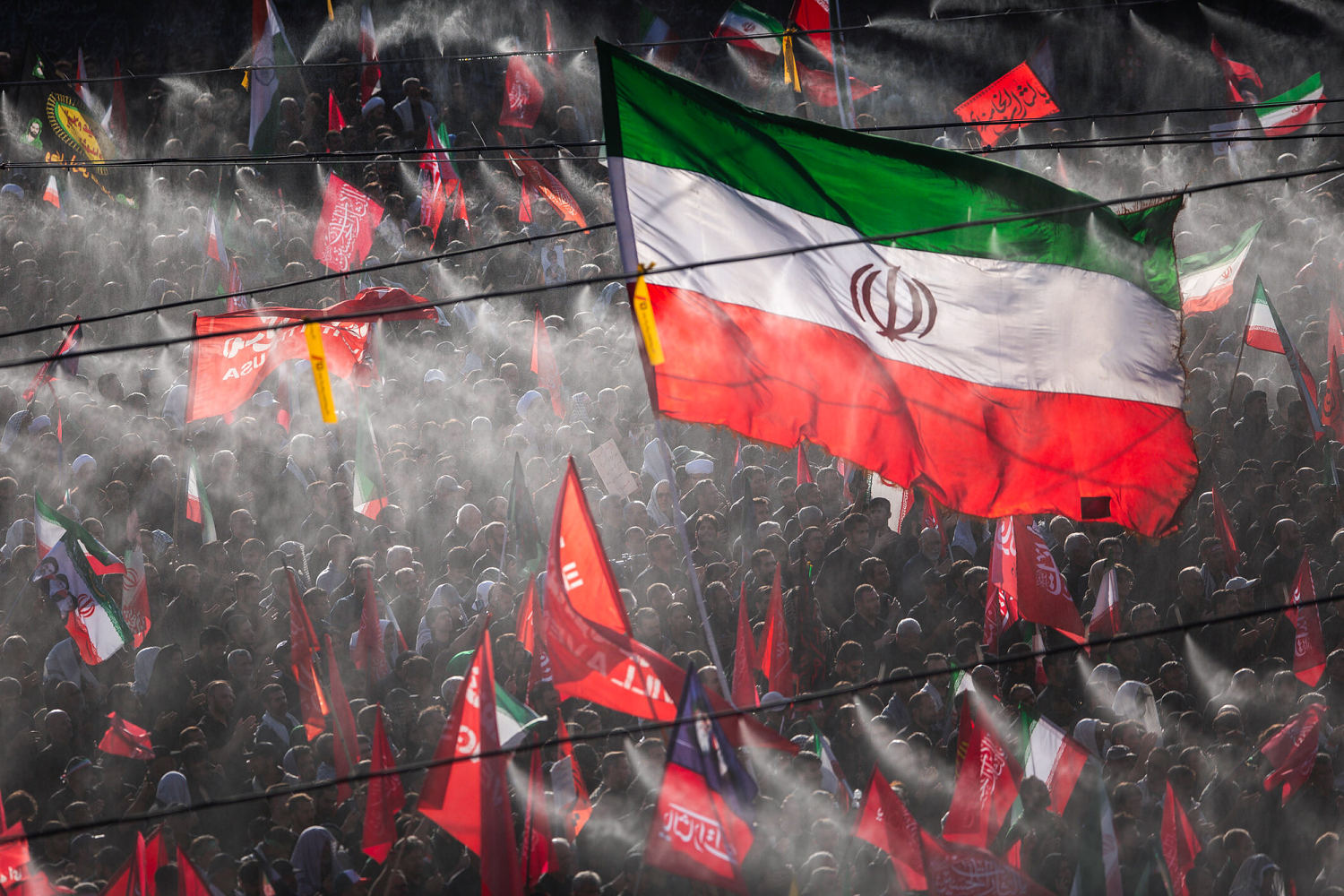
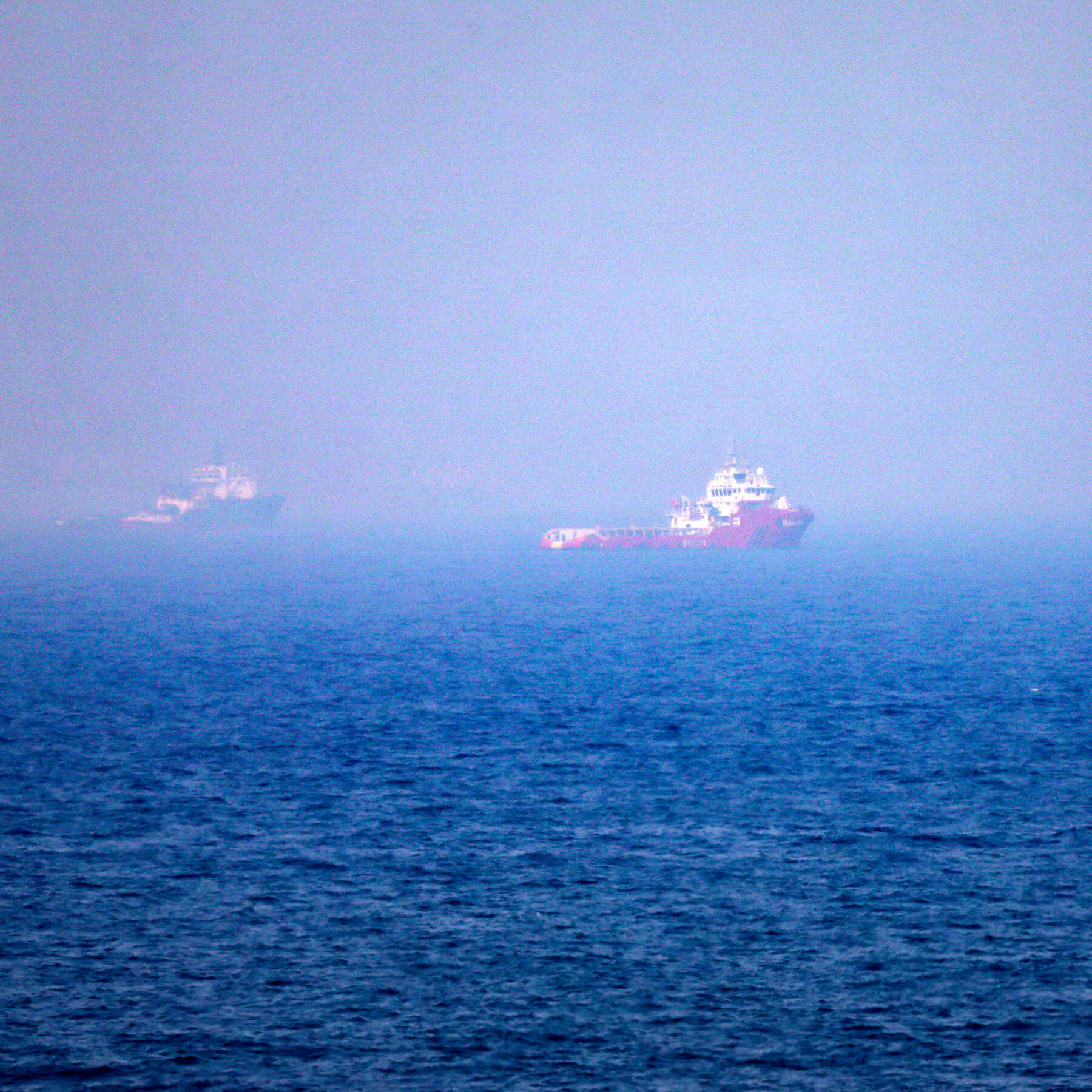
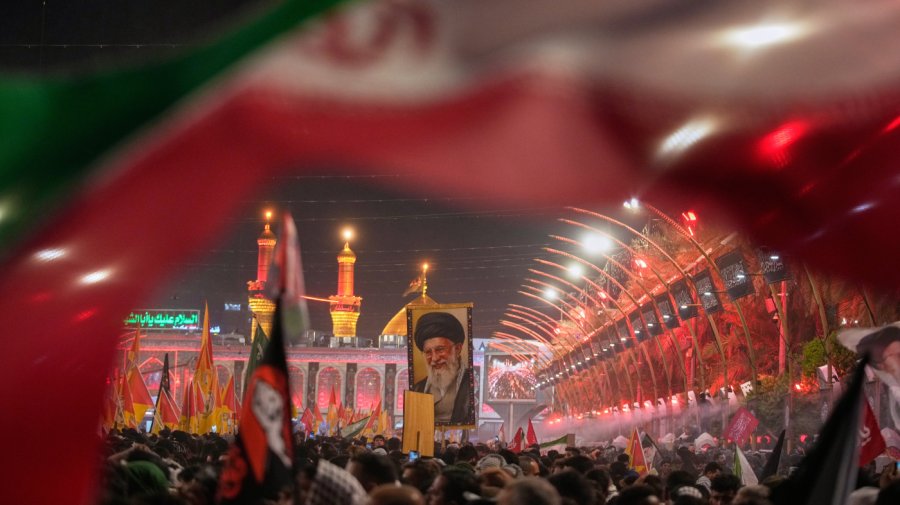
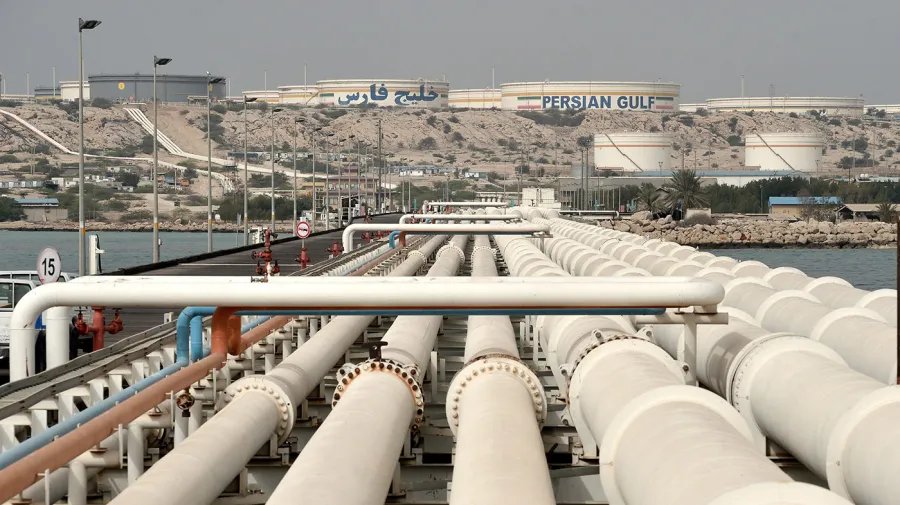
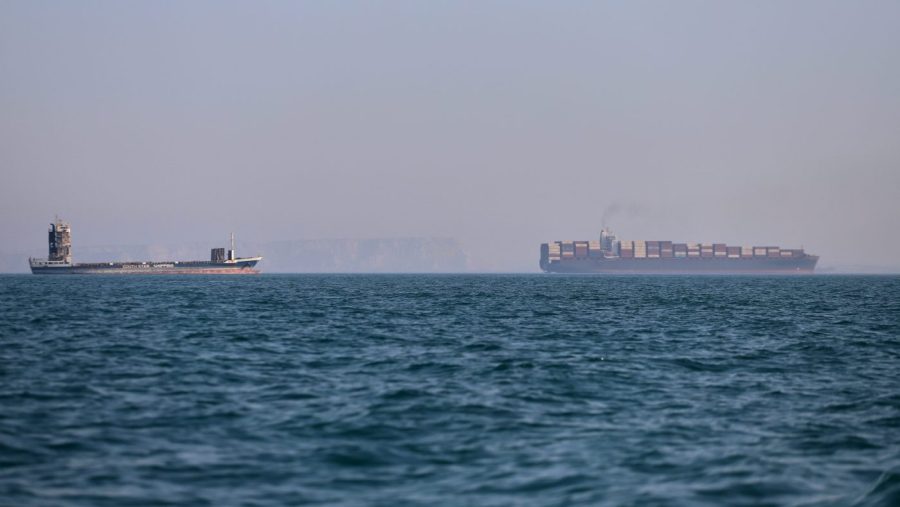
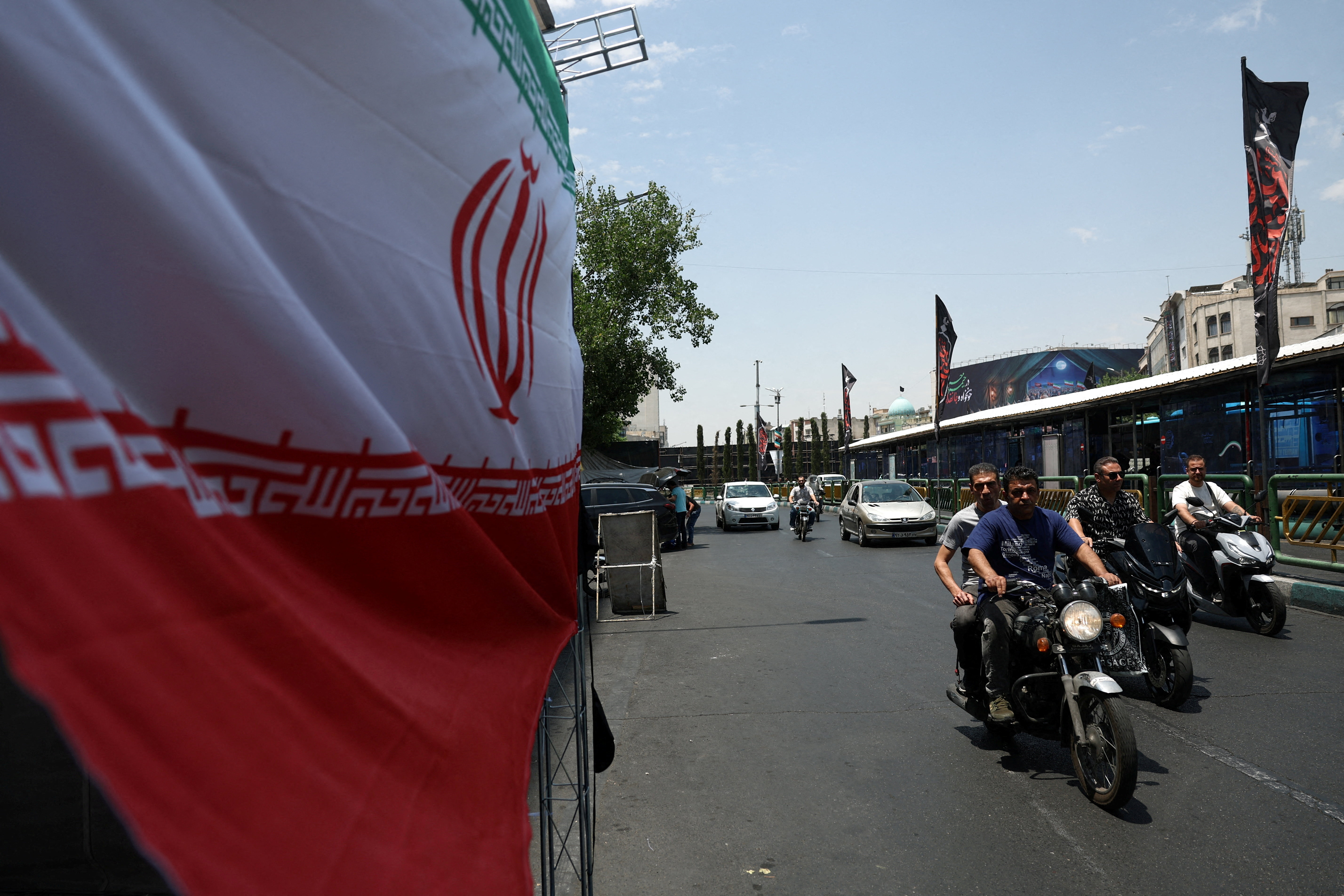
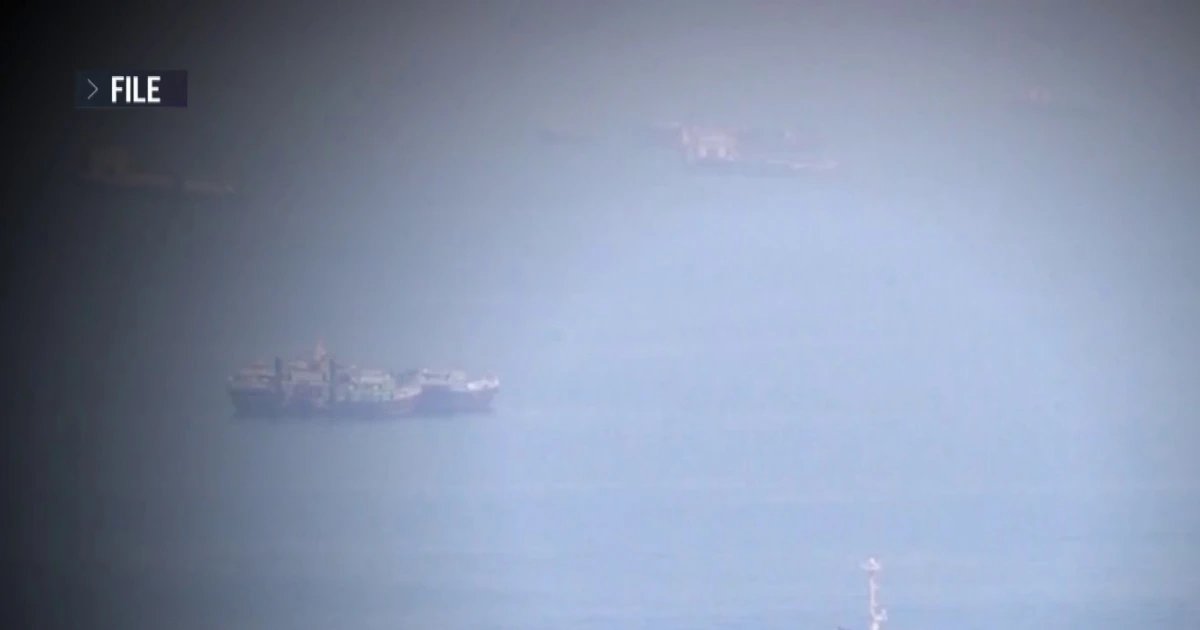
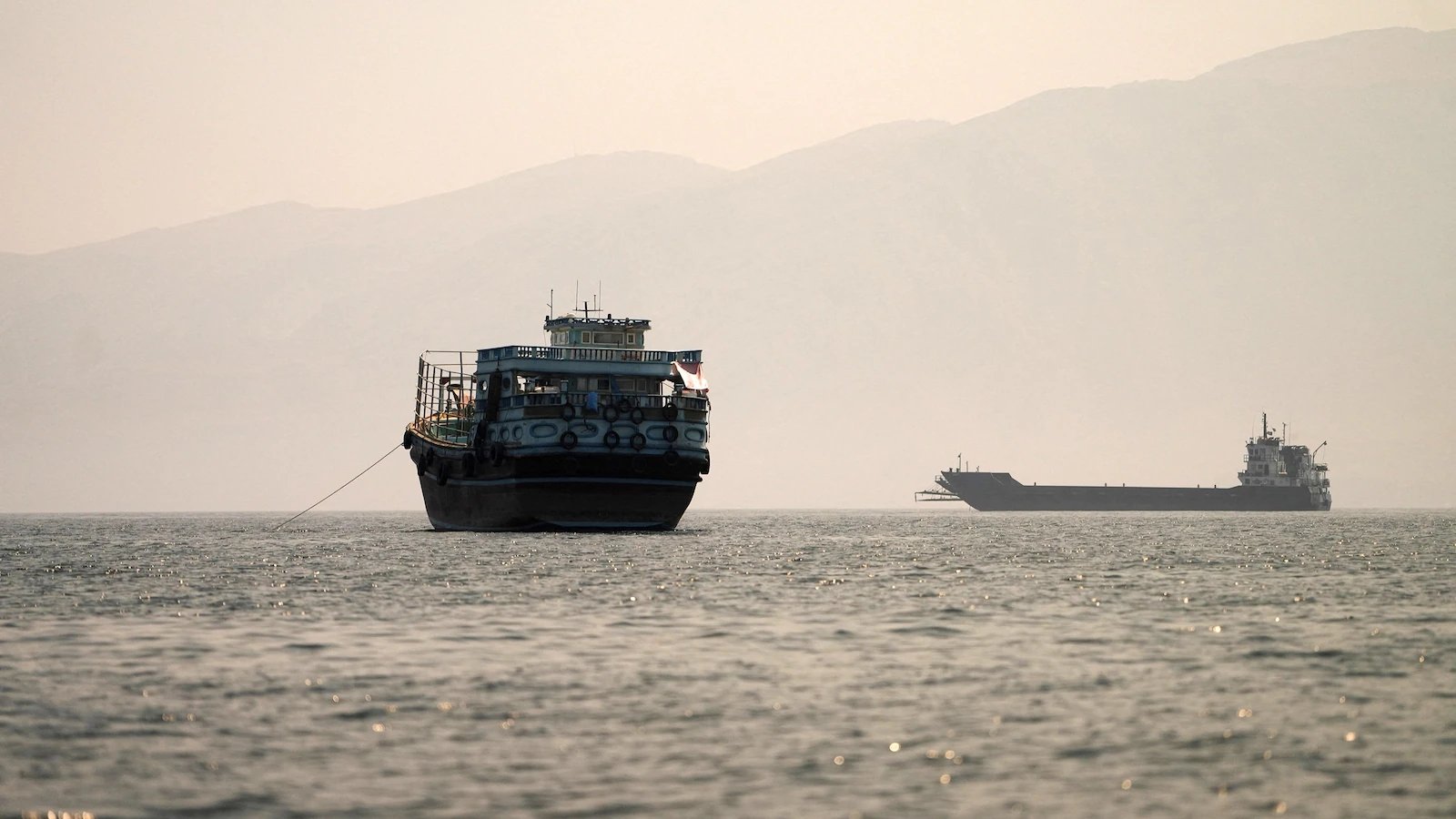
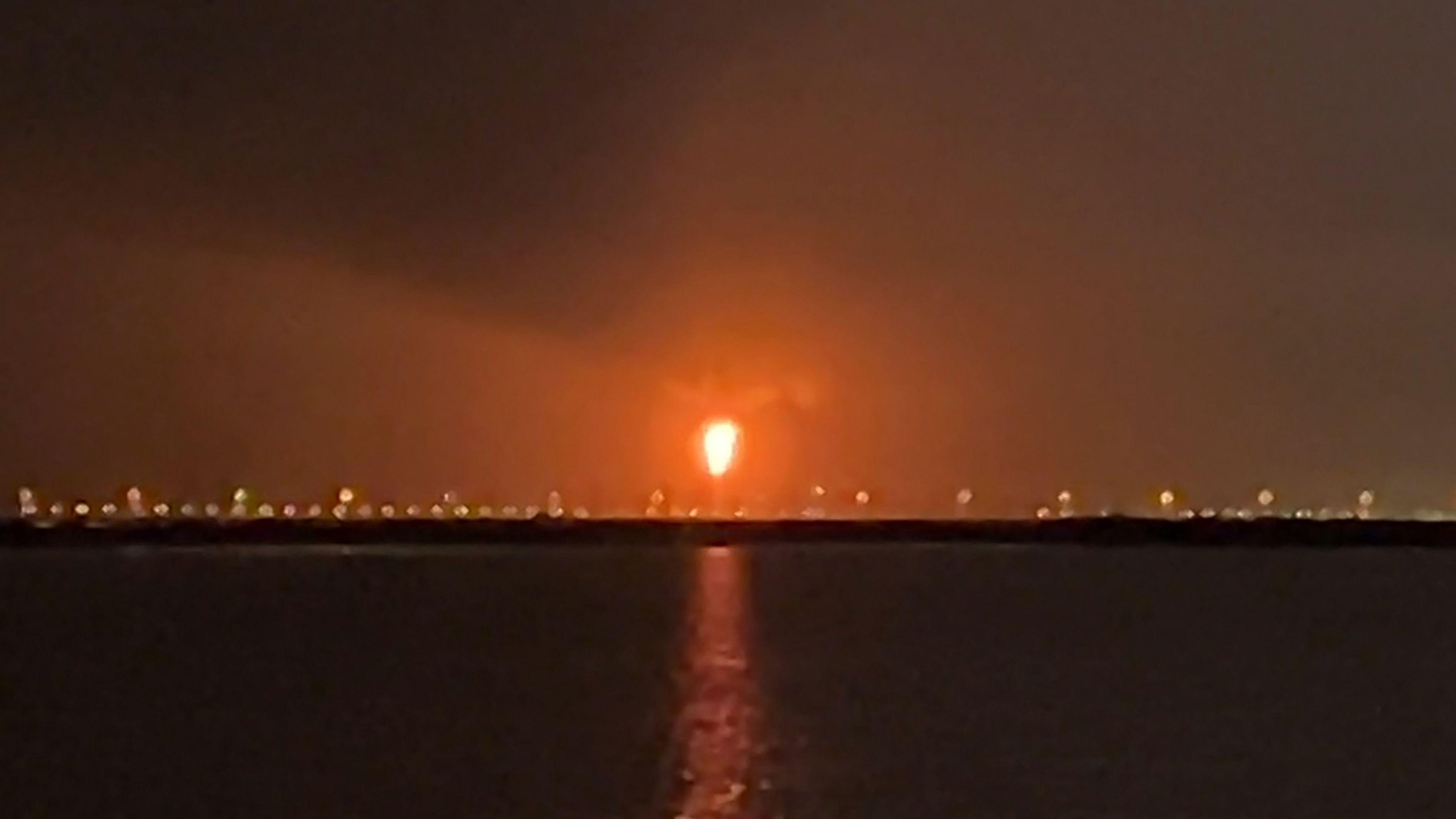
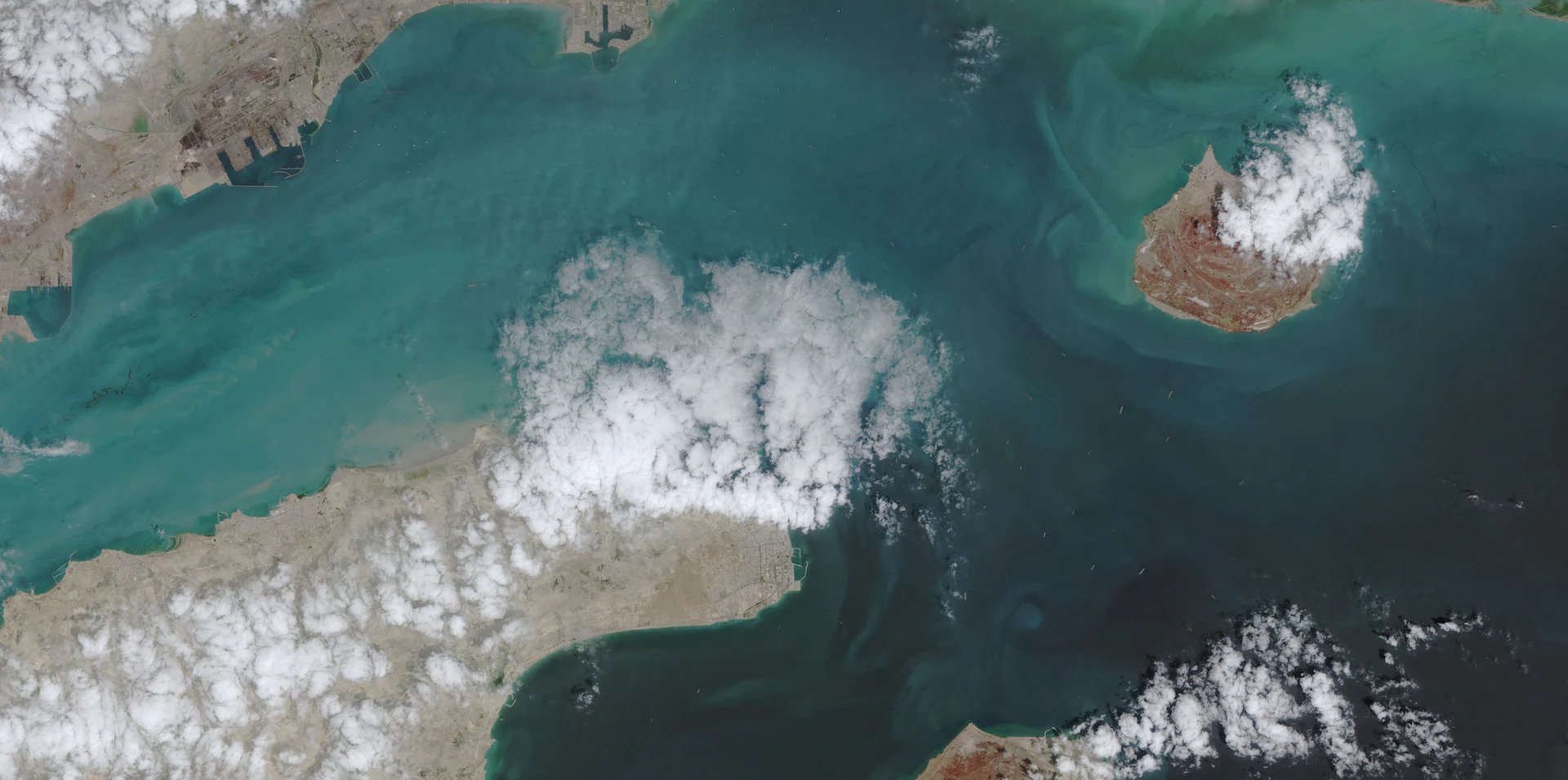
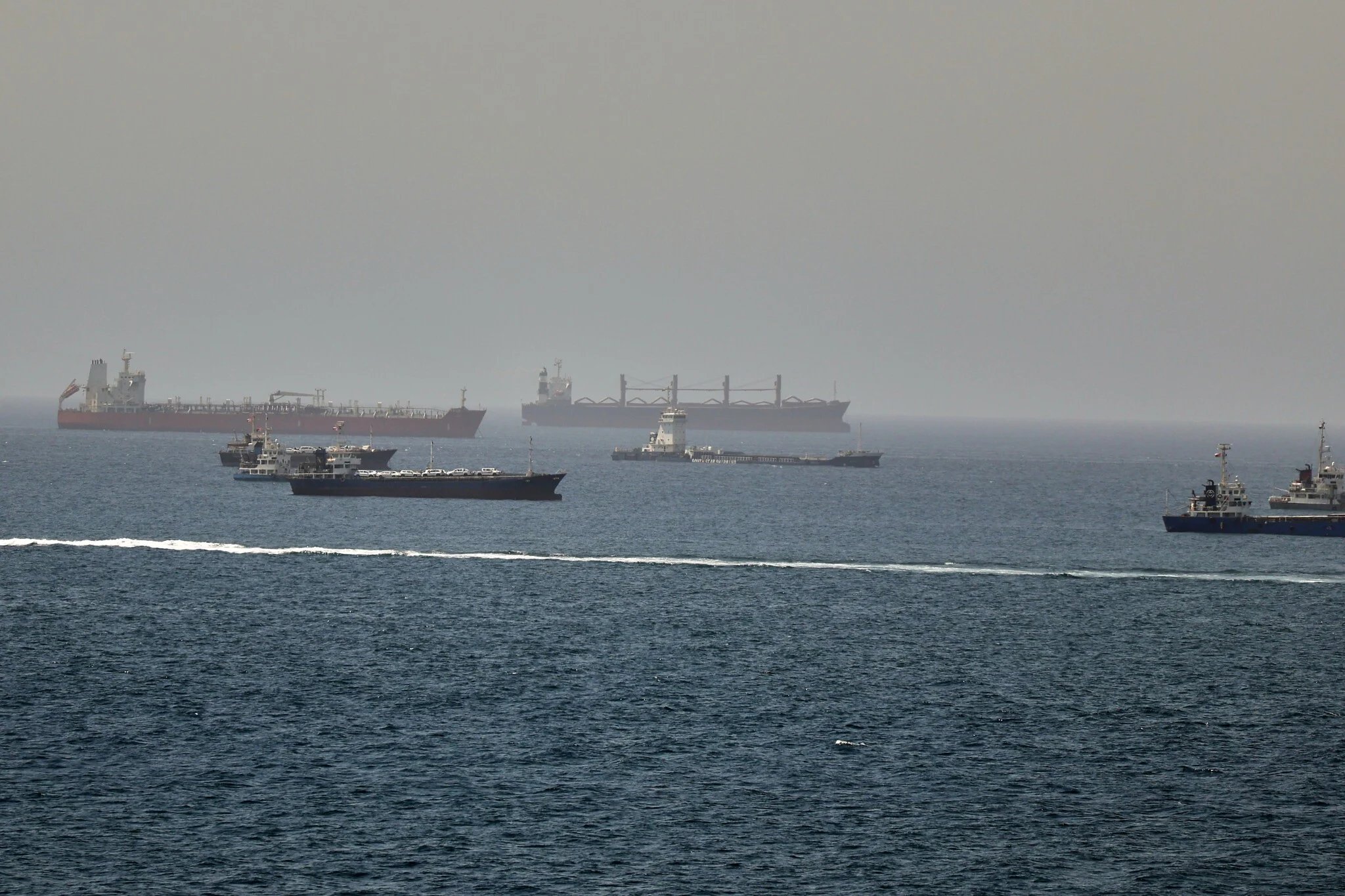
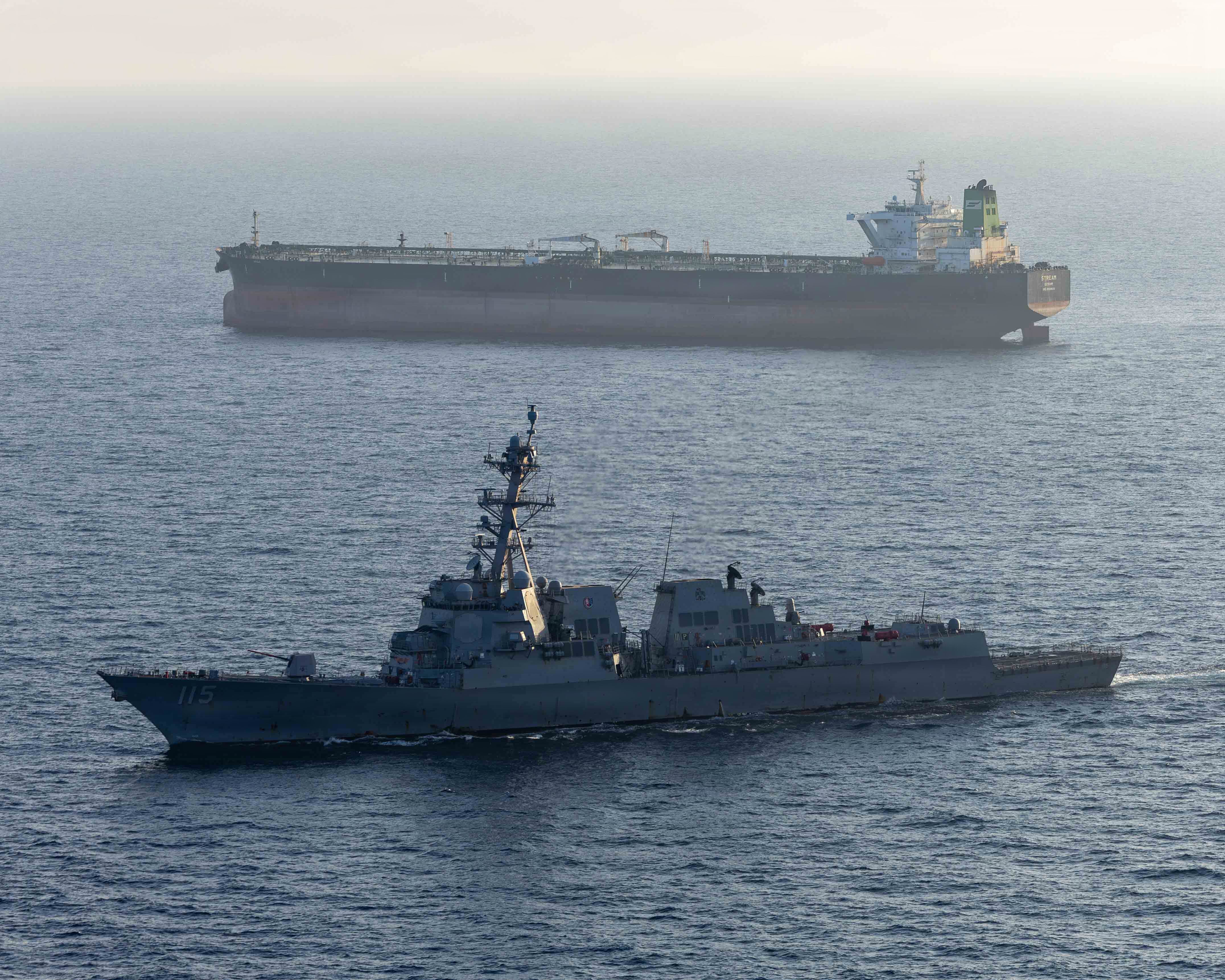
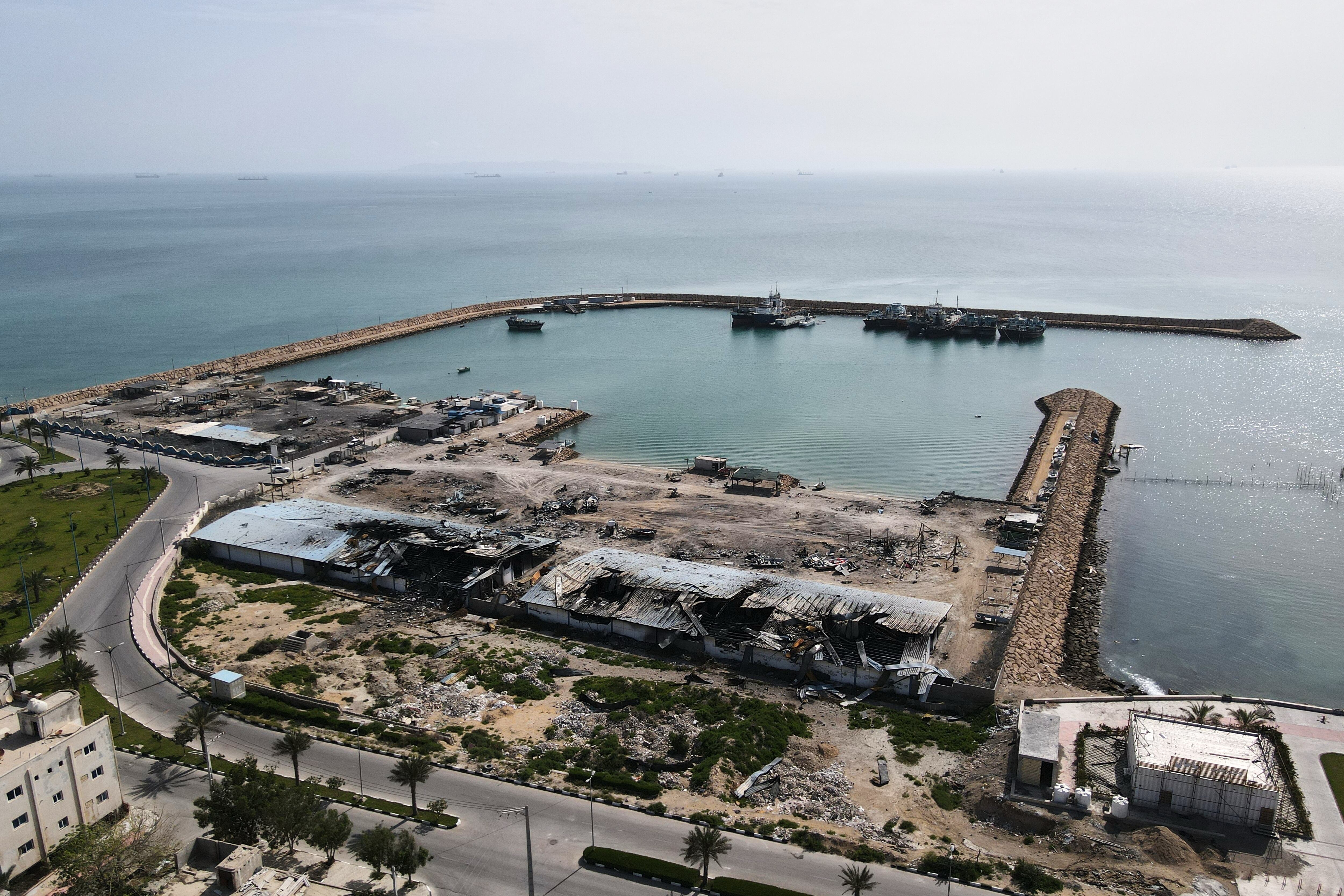
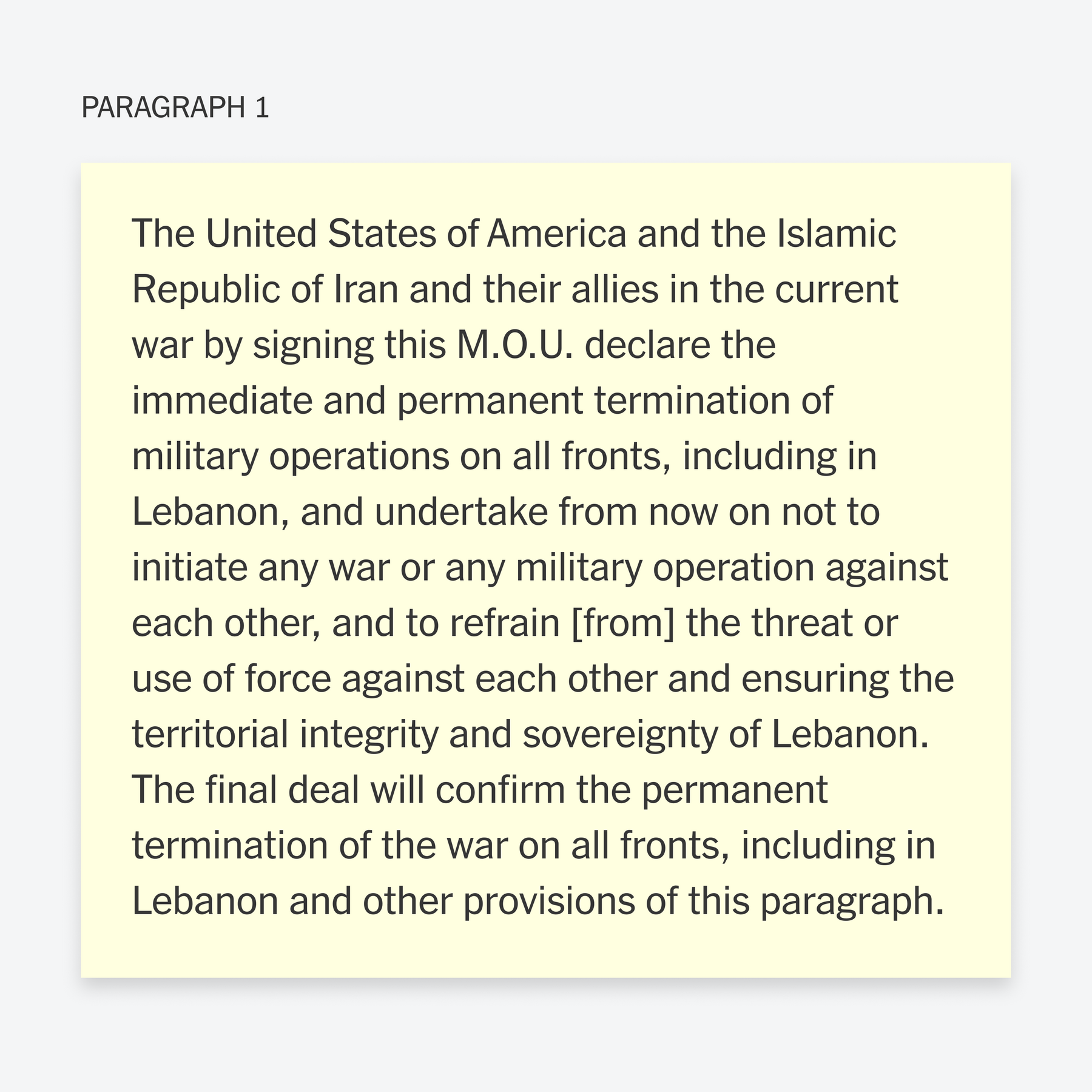
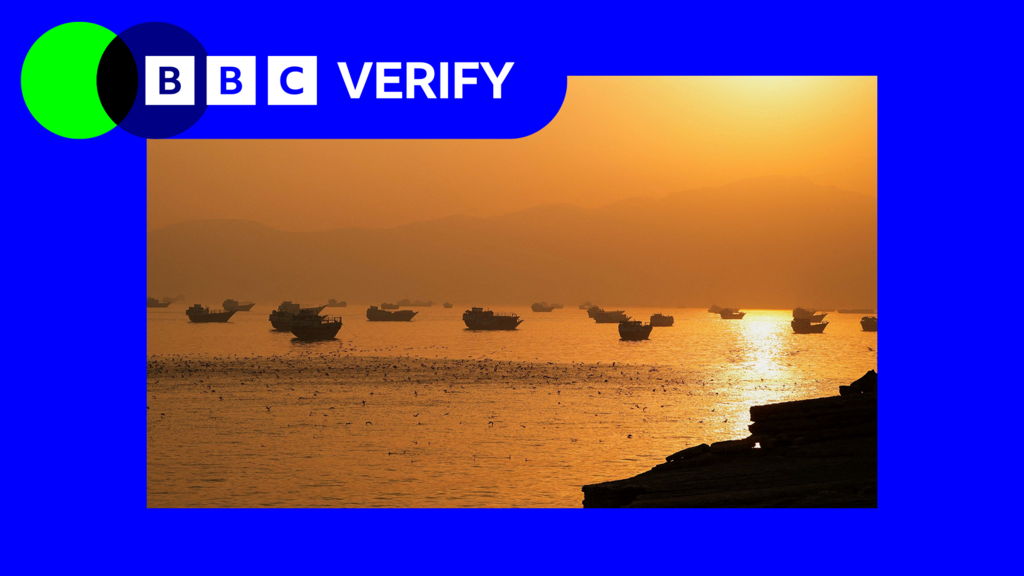
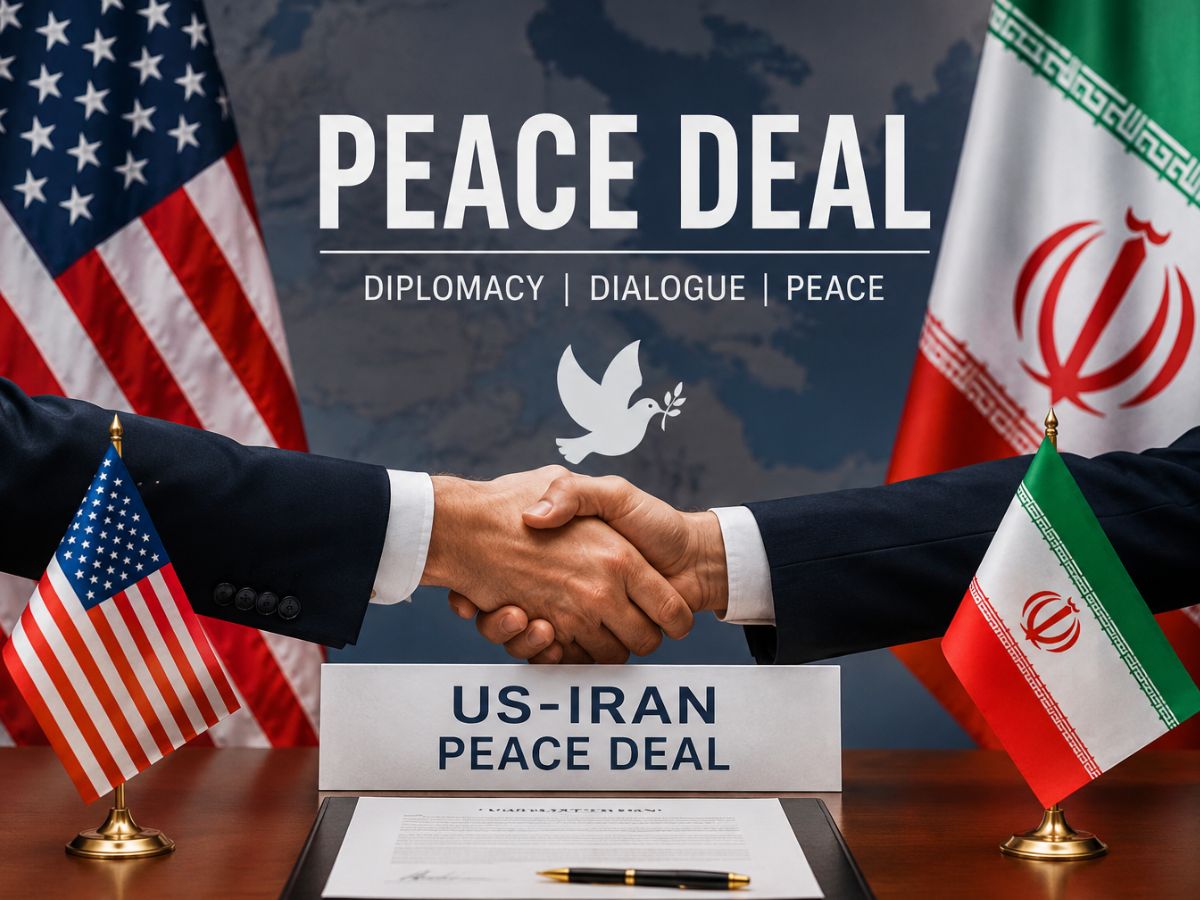
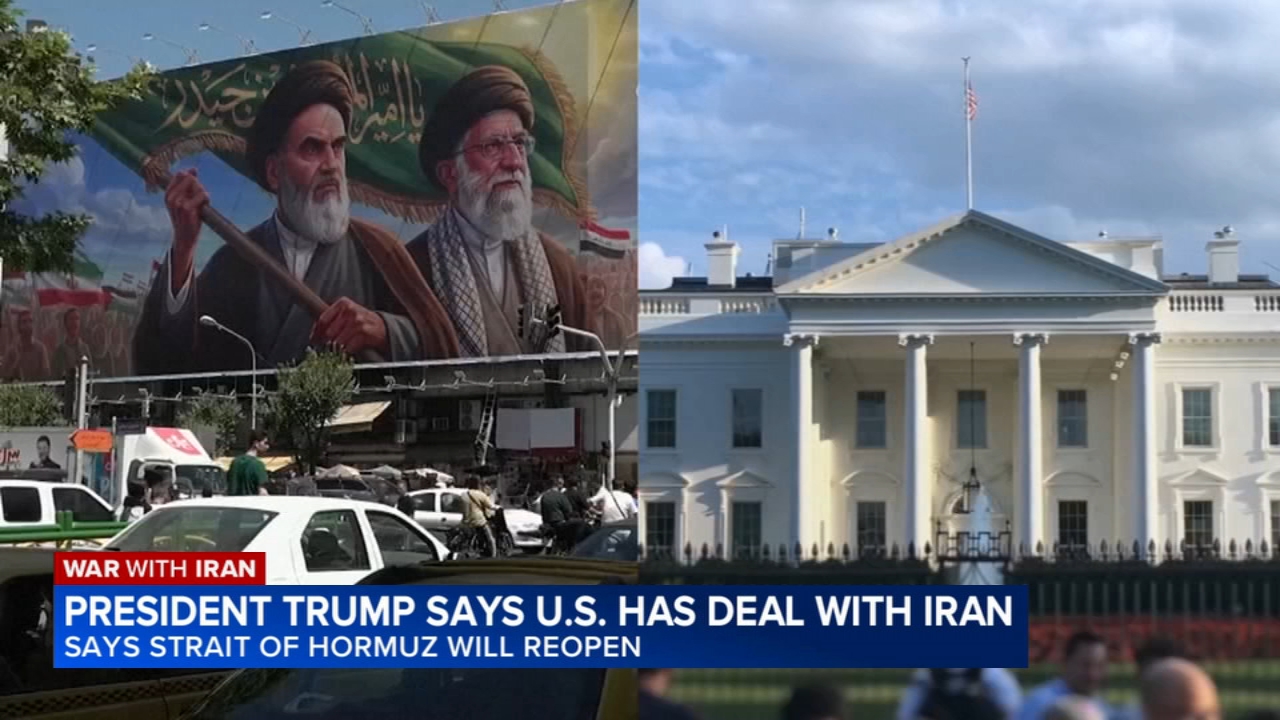
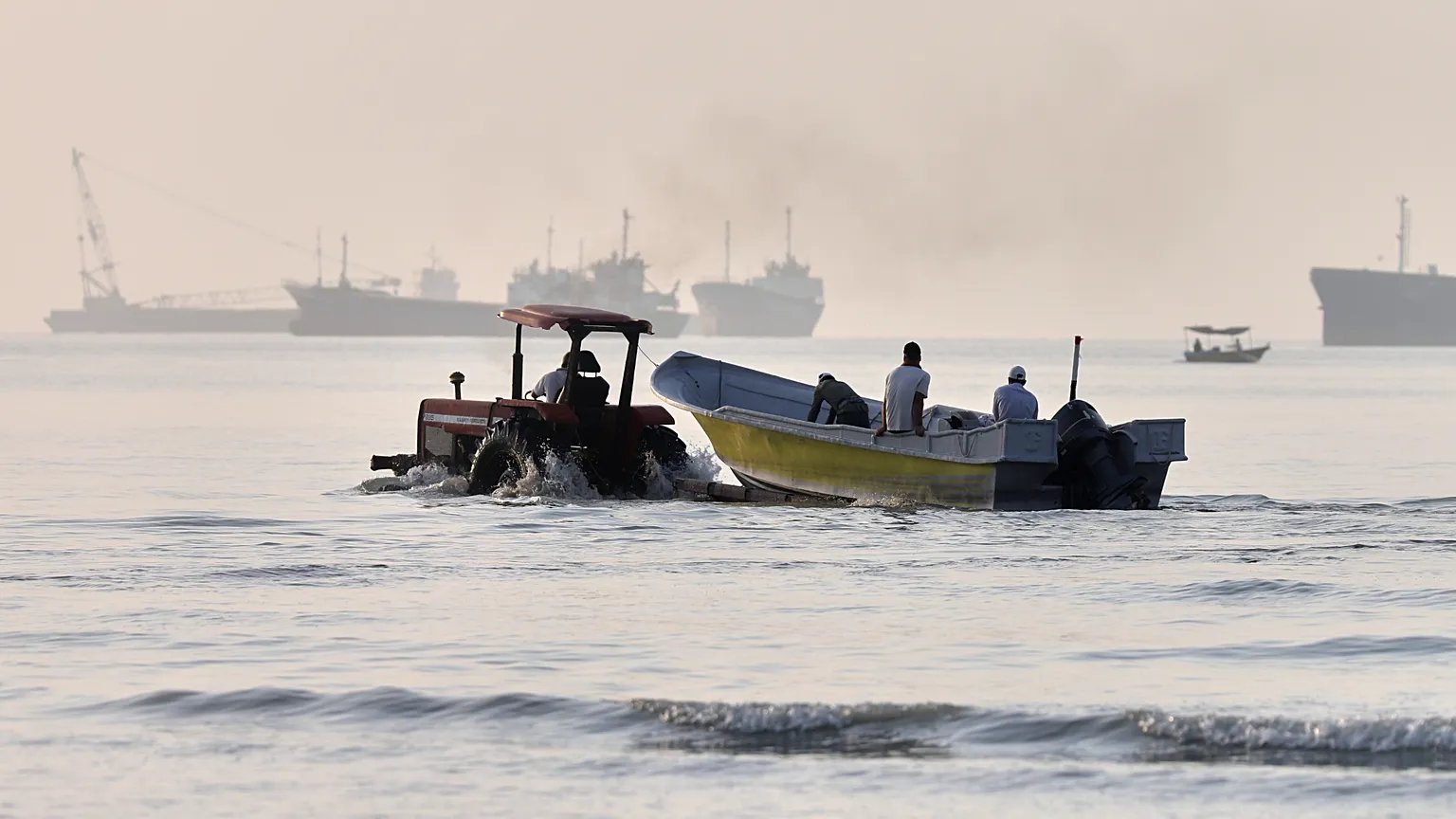
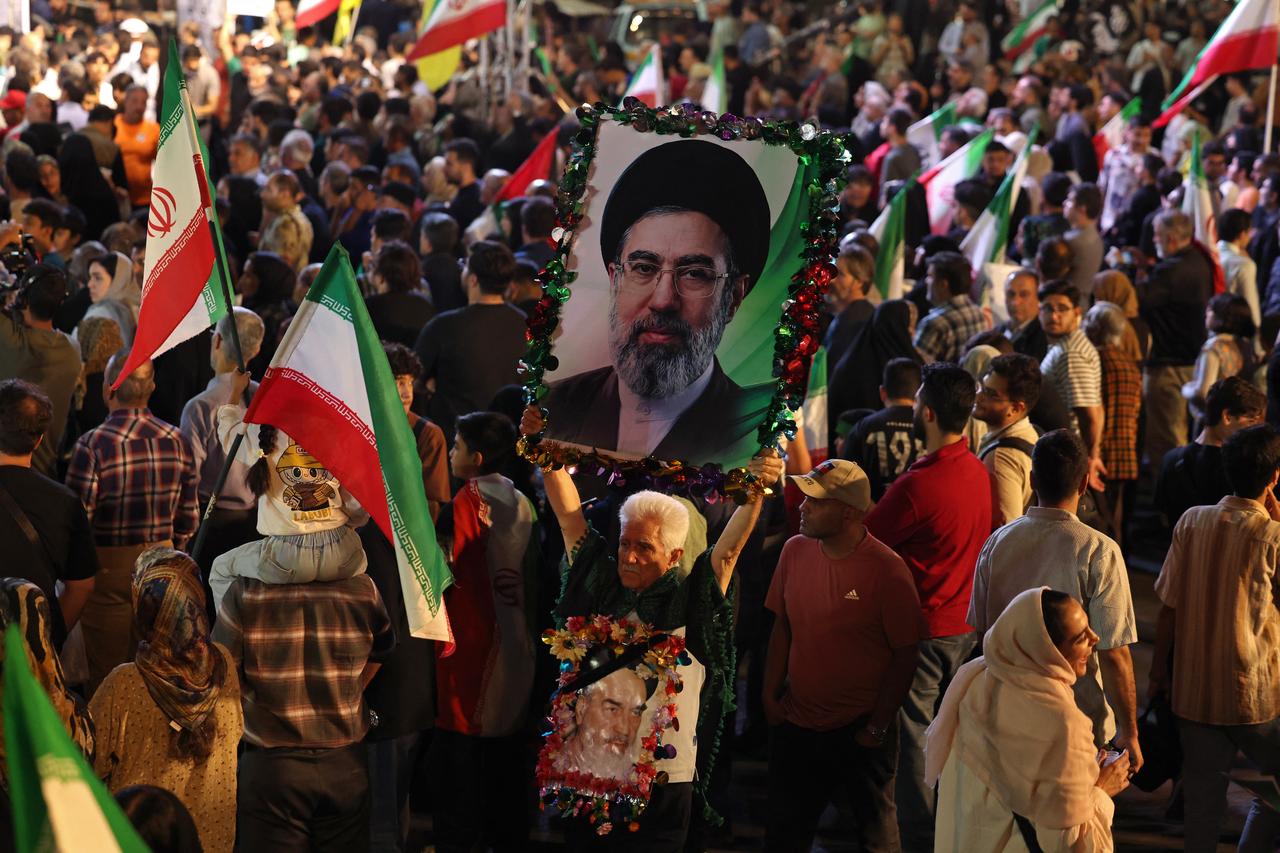
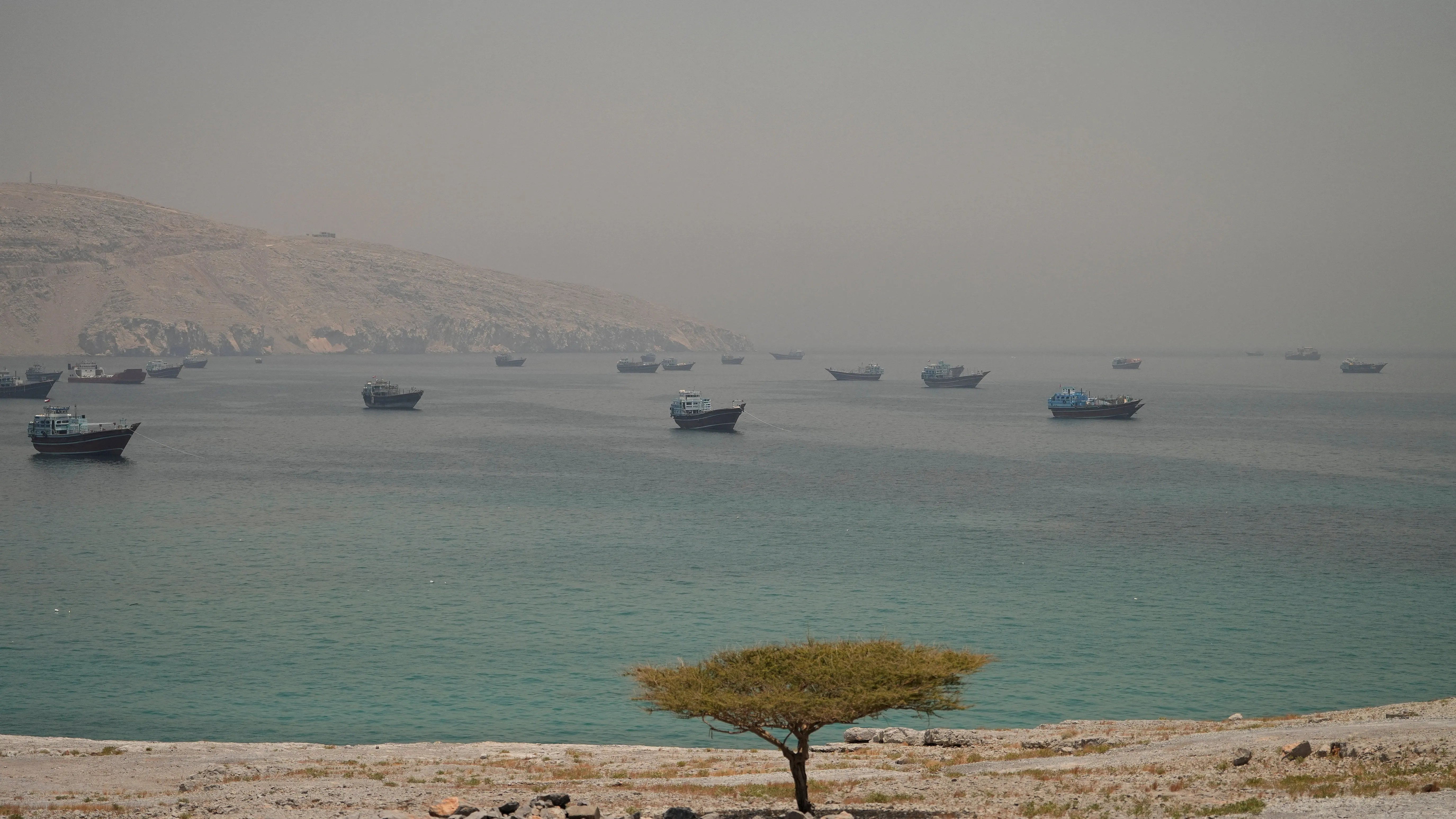
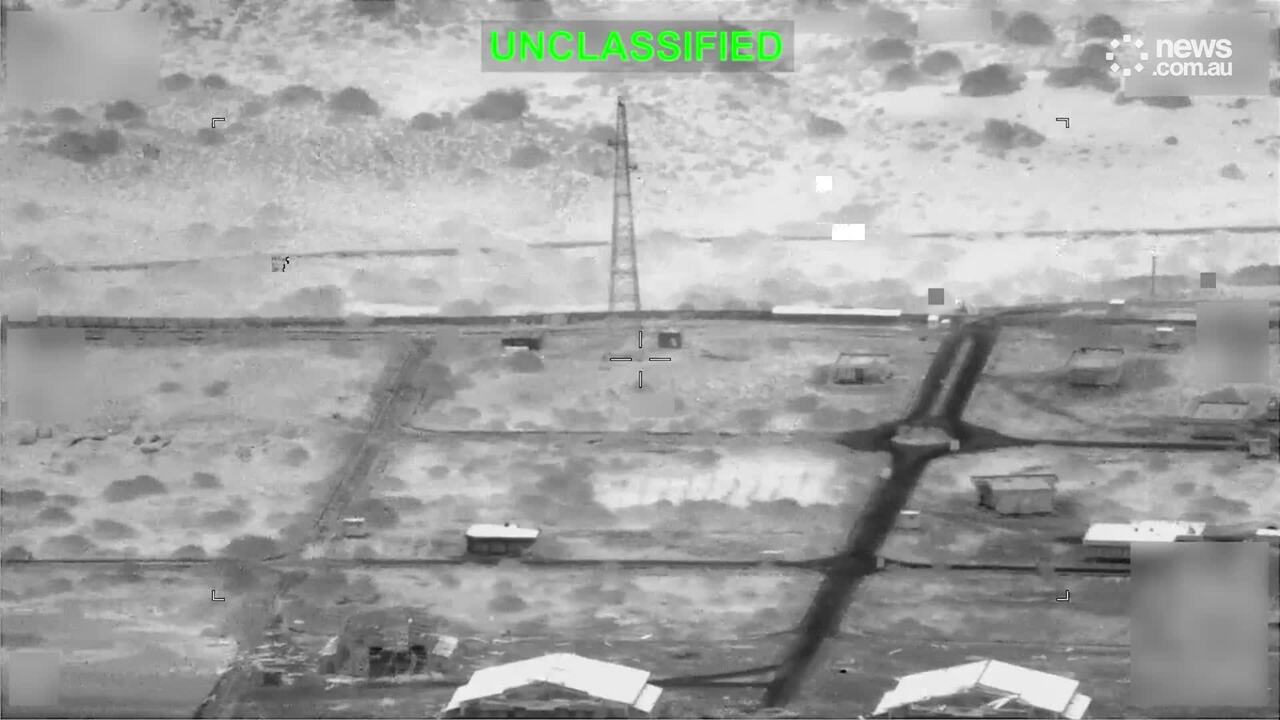
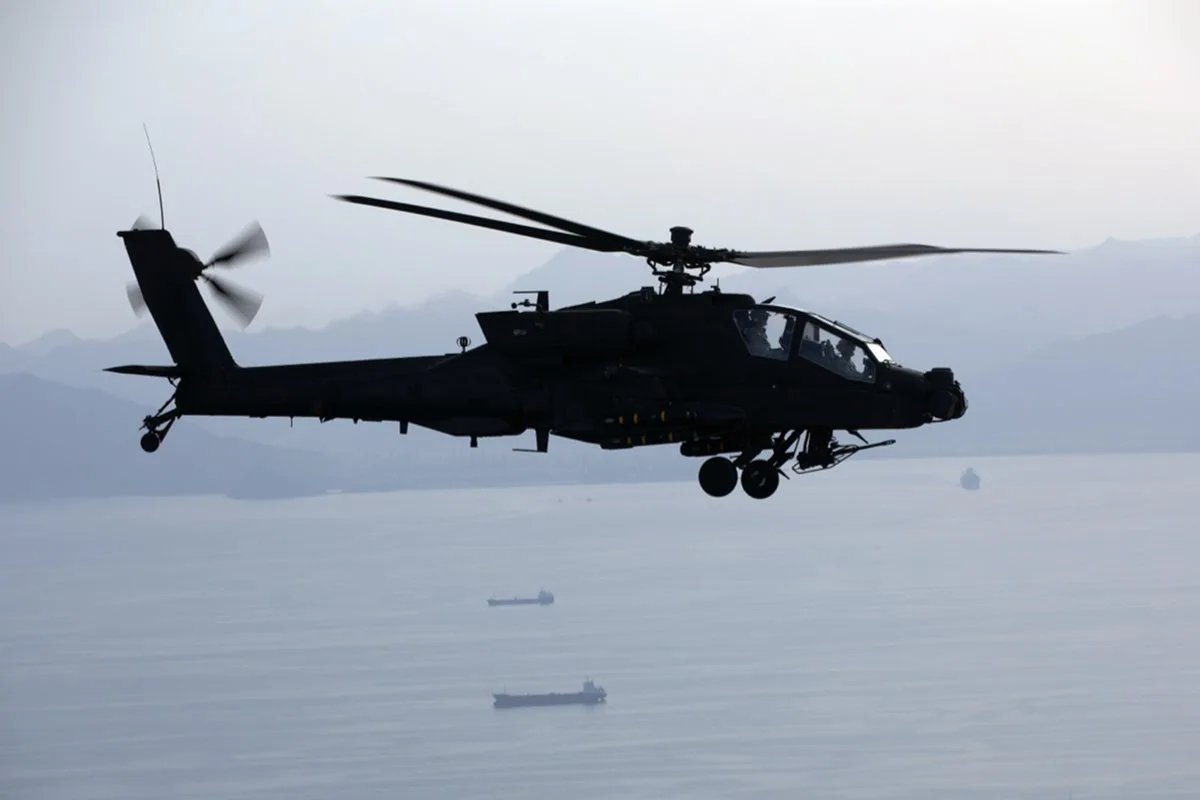
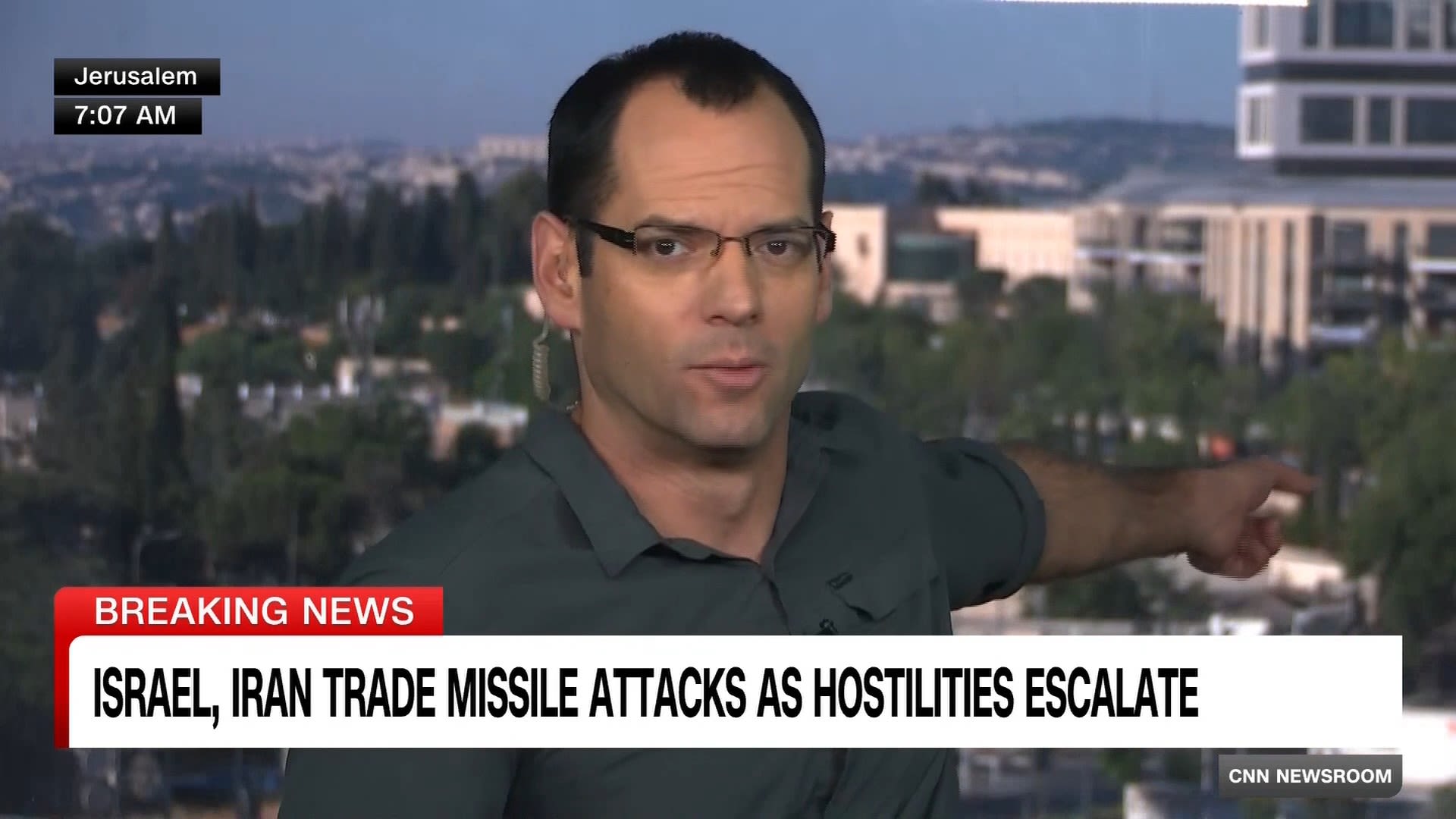
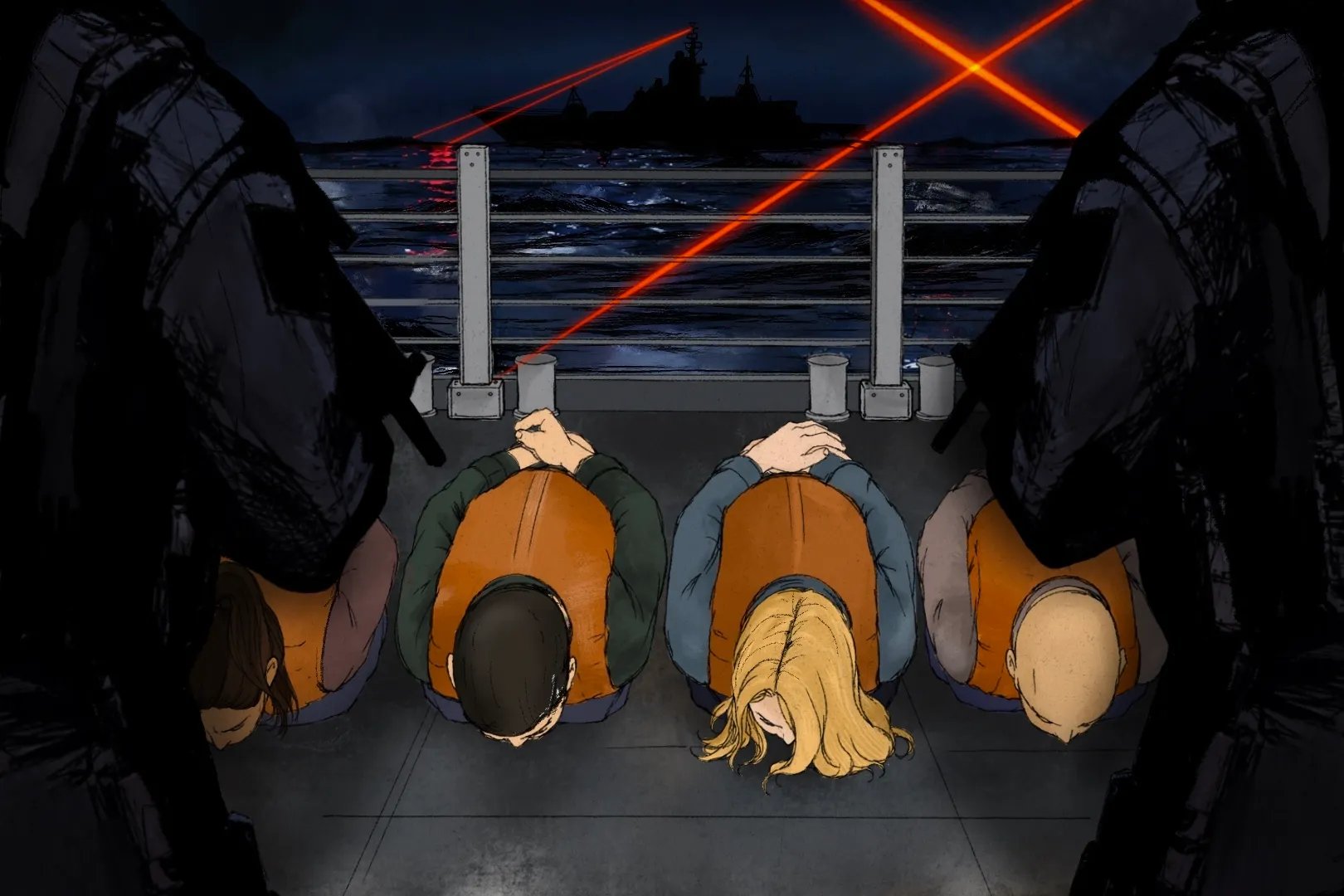
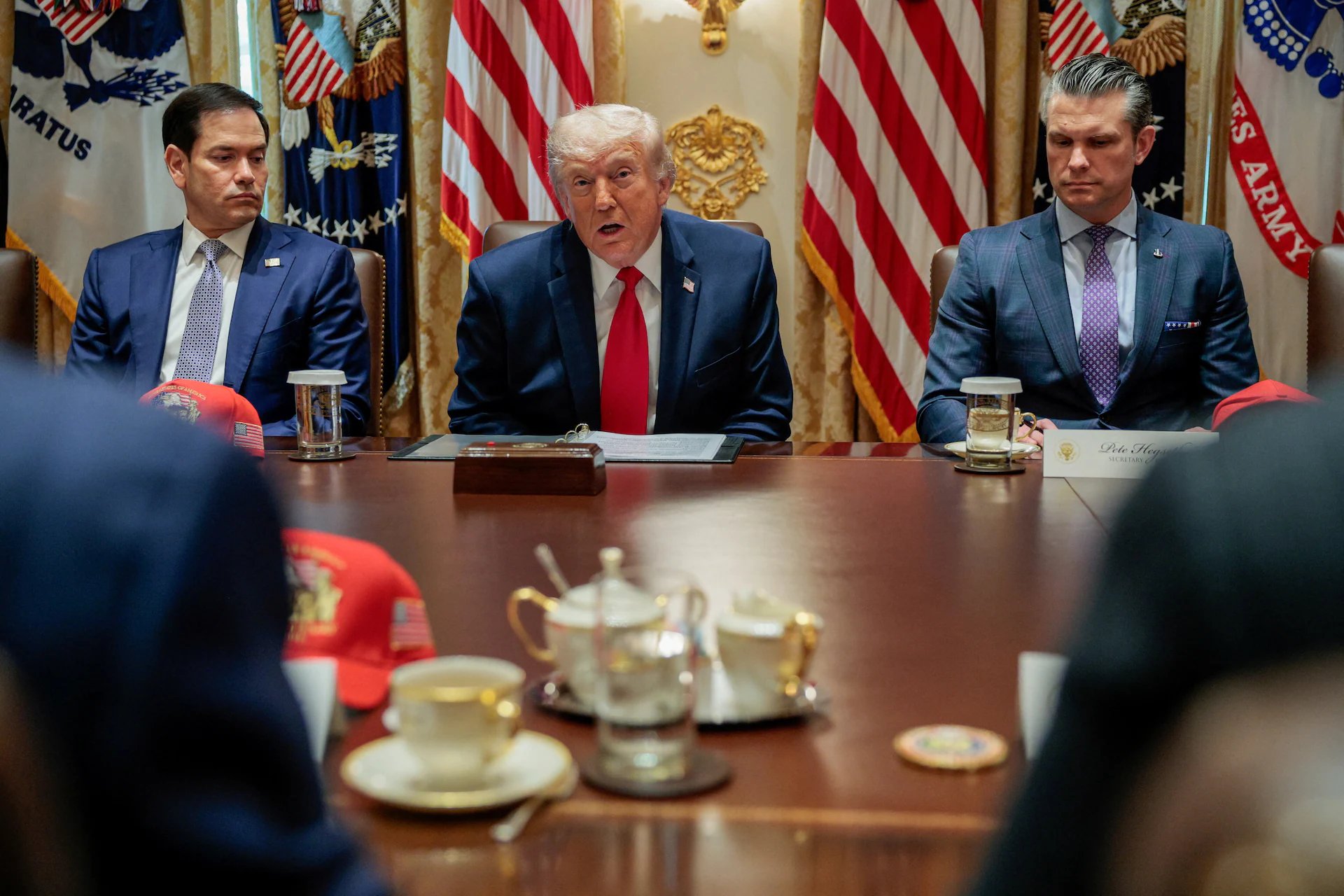
Senior U.S. officials announced that negotiations with Iran are set to continue after Iranian officials acknowledged that firing on ships in the Strait of Hormuz was a "mistake." The U.S. is demanding that Iran issue a public statement affirming that all channels of the Strait are open and that its forces are not attacking vessels. A senior U.S. official stated, "They're either going to give us that statement or we're not having a good outcome for them." This statement reflects the ongoing tensions in a region critical for global oil shipping.
Iranian Officials Express Willingness to Negotiate
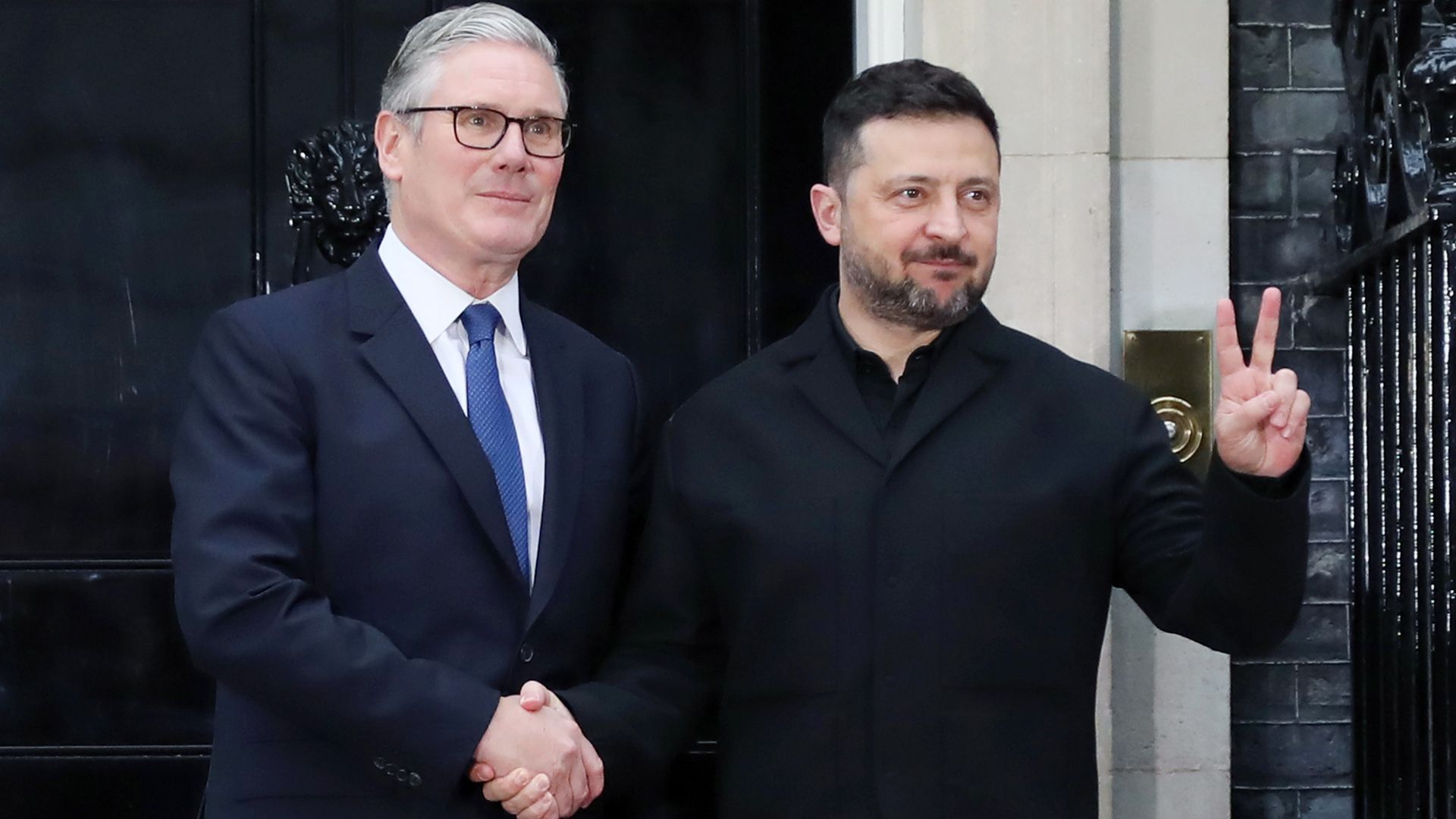
Iran has reportedly indicated a desire to engage in further talks, with senior officials admitting to mistakes regarding recent military actions. A senior U.S. official noted, "They came back to the table and said, 'We screwed up. We made a mistake. Let’s keep talking.'" These developments suggest a potential shift towards de-escalation, even as both nations have exchanged strikes, underscoring the precarious nature of their relationship.
Trump Issues Stark Warnings Amid Negotiations
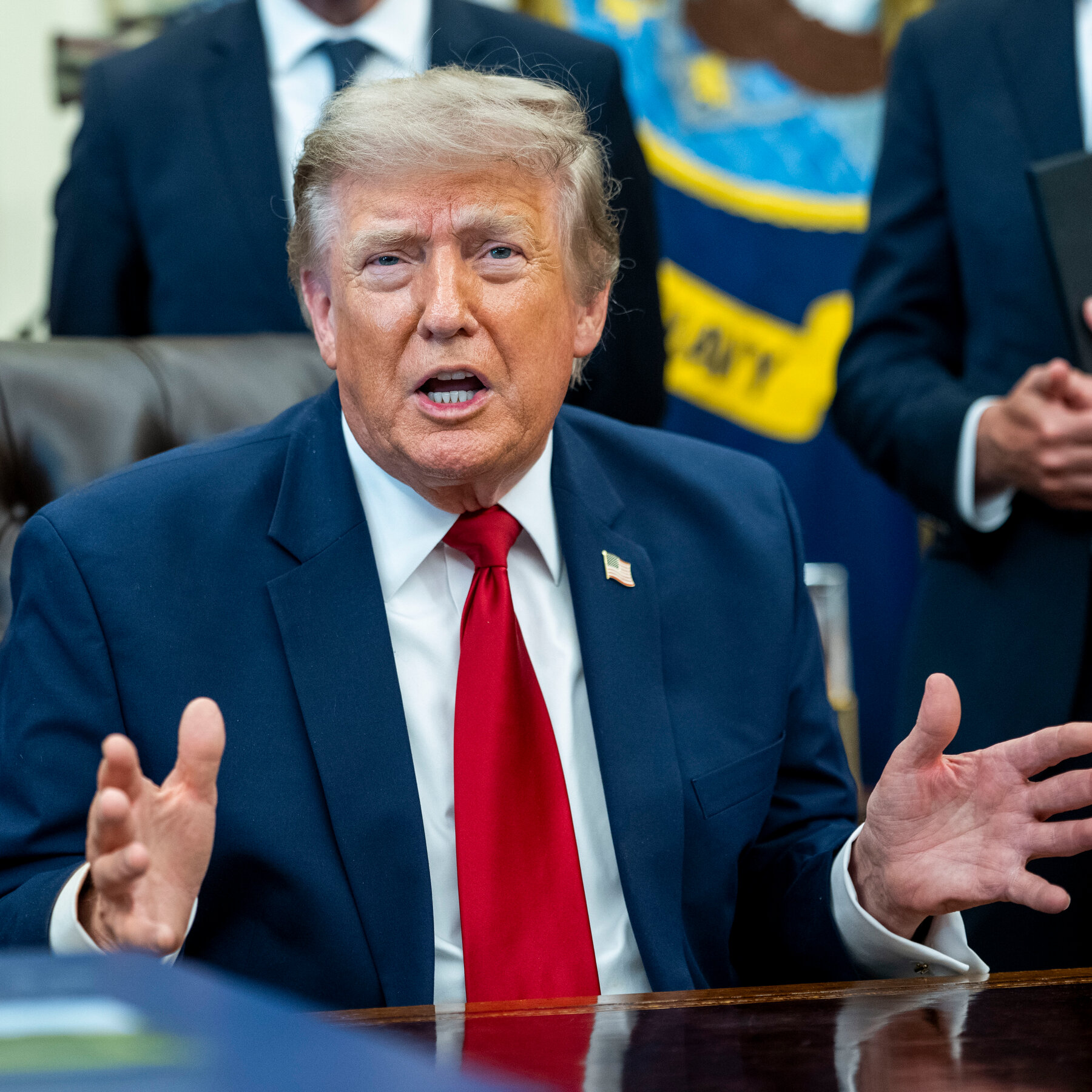
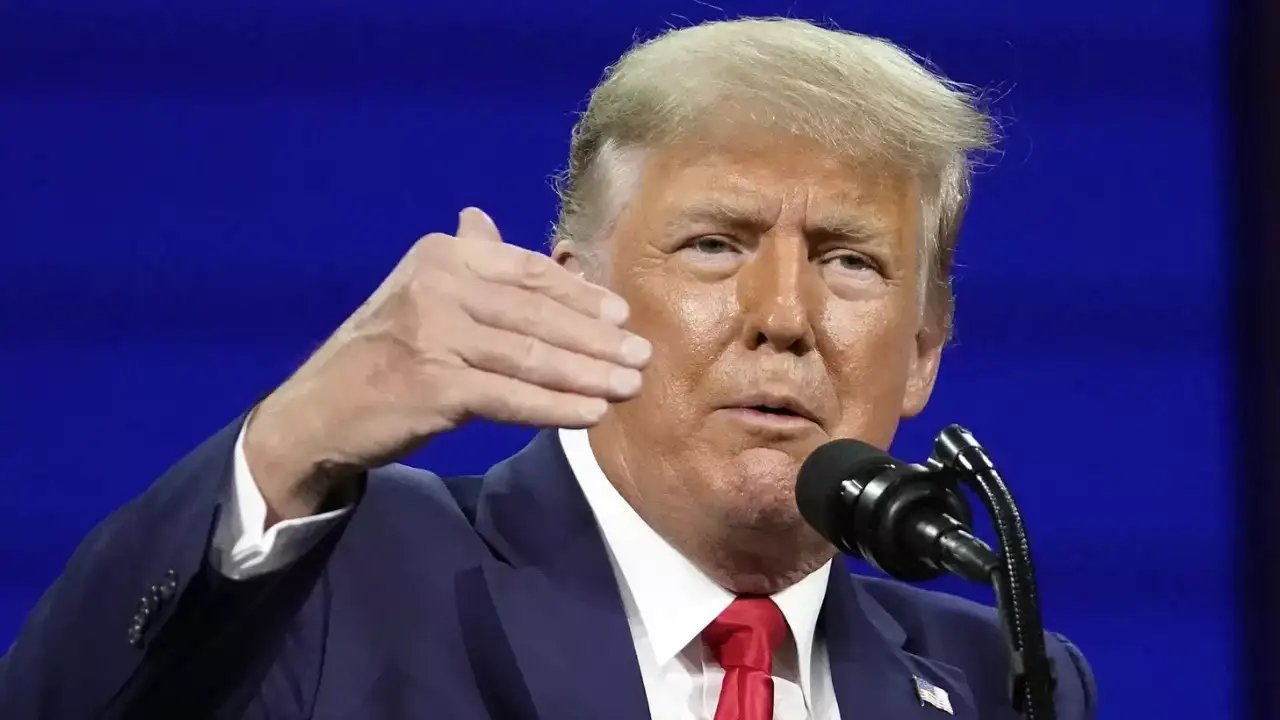
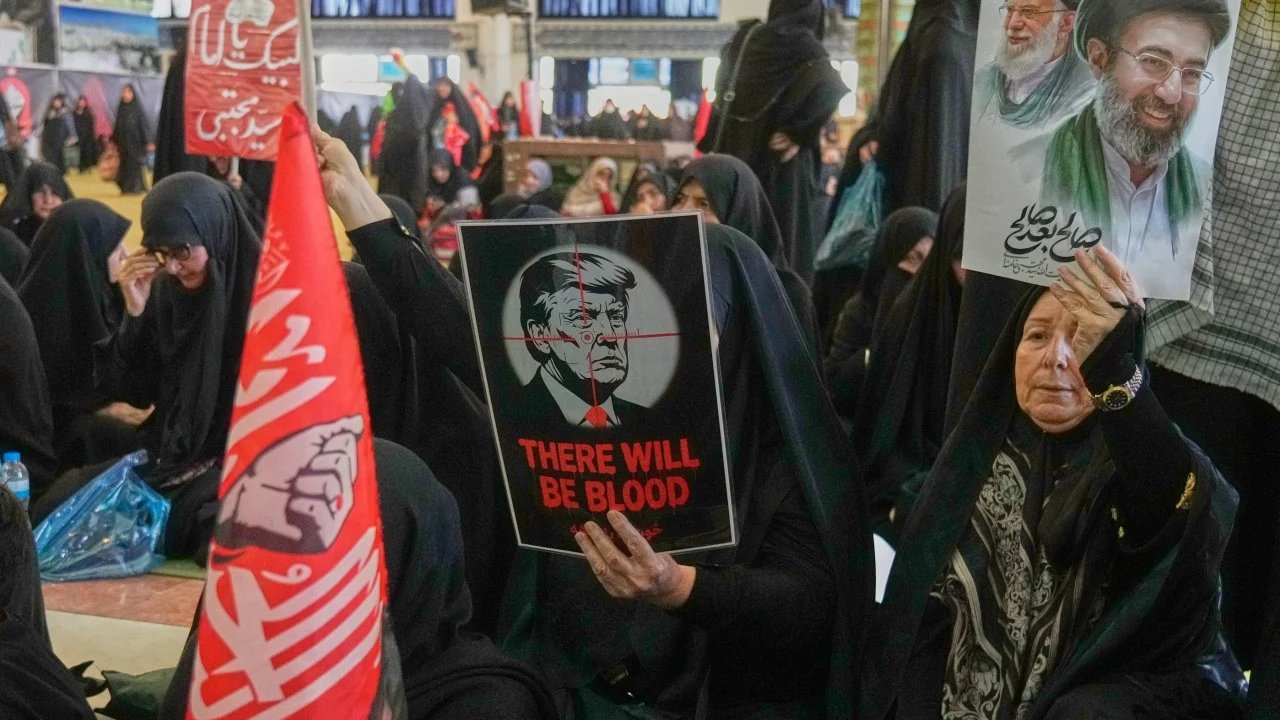
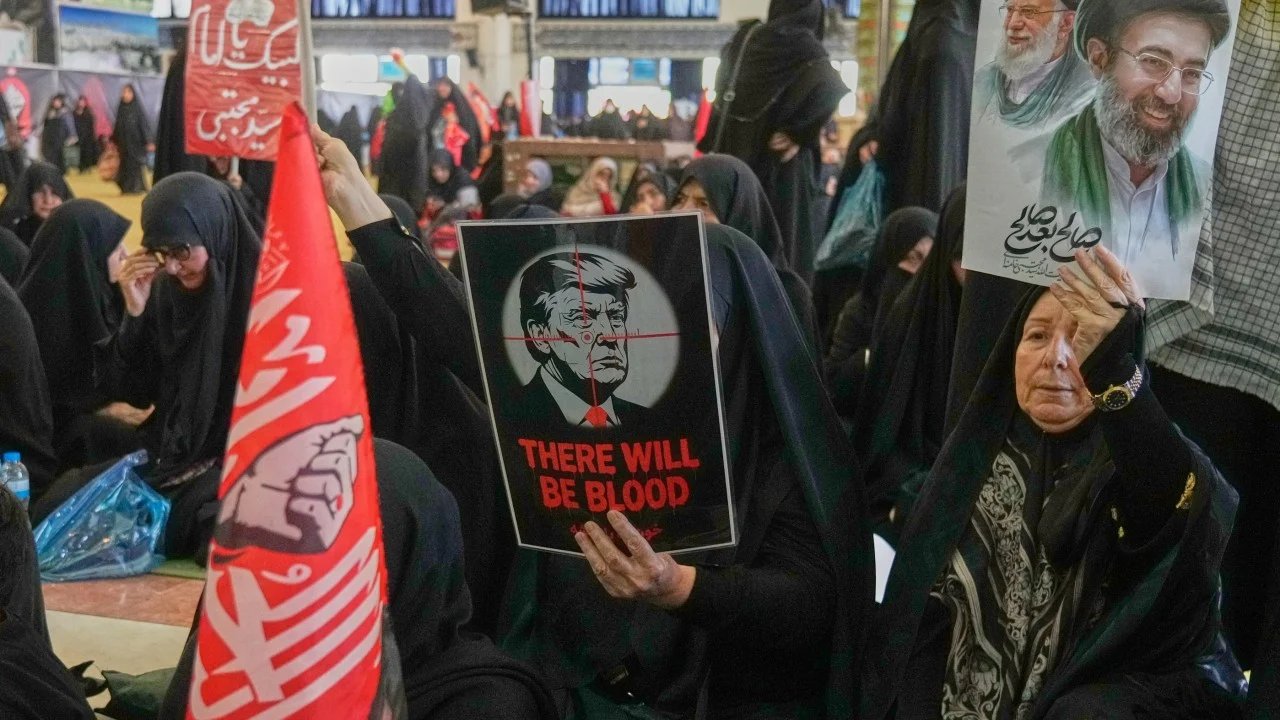
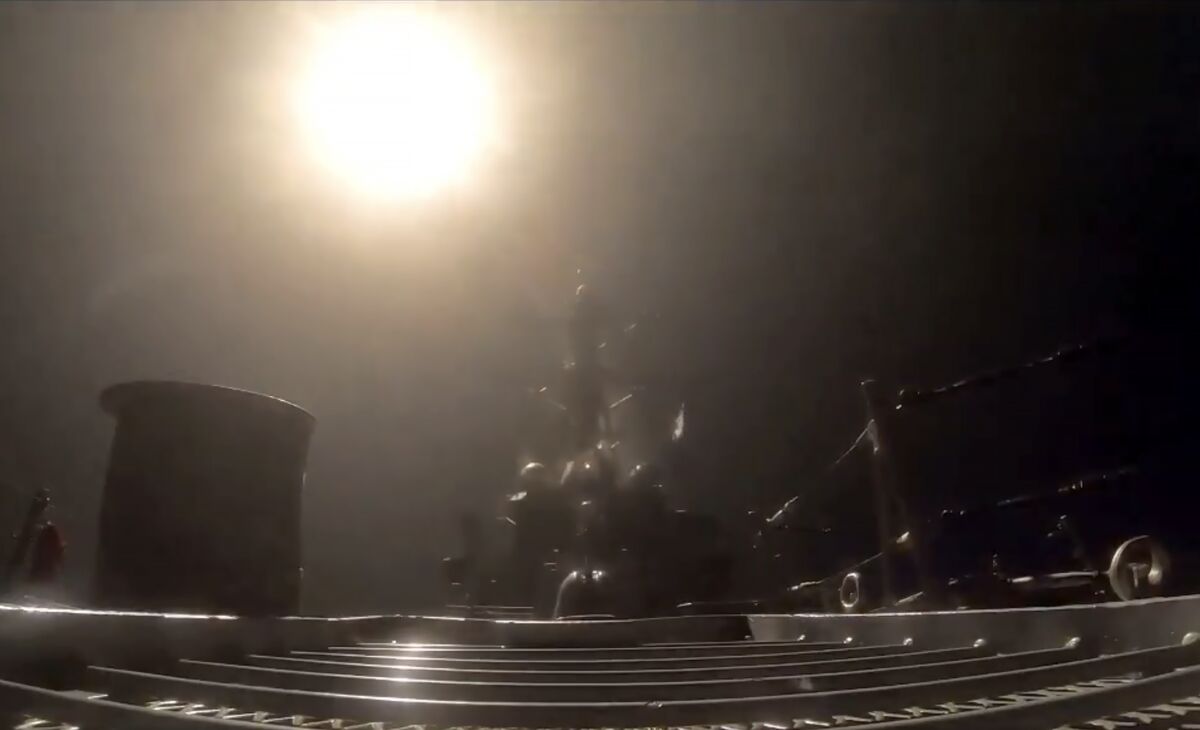
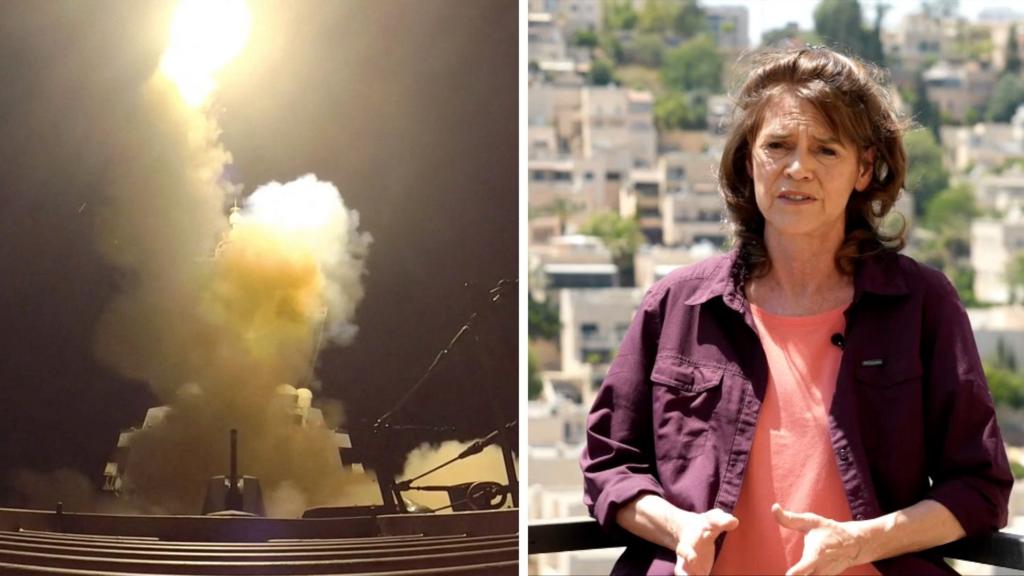
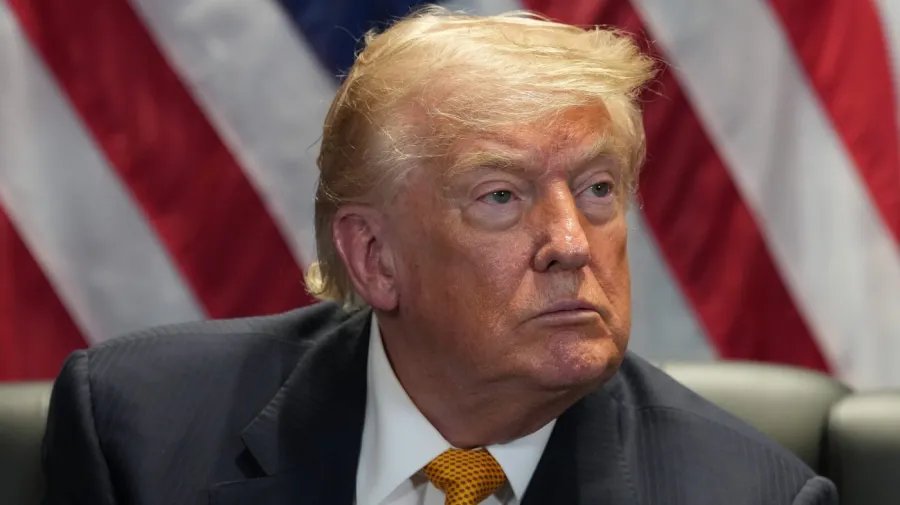
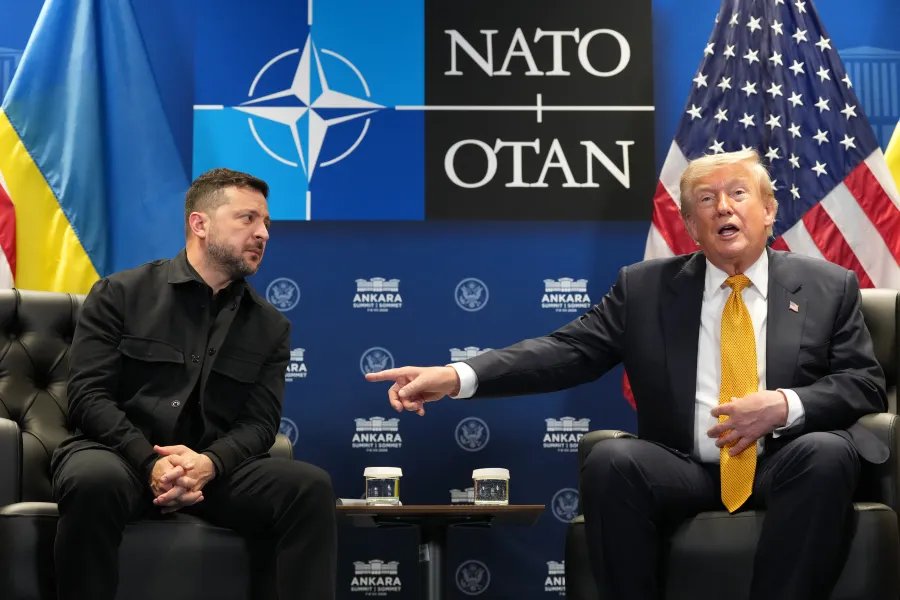
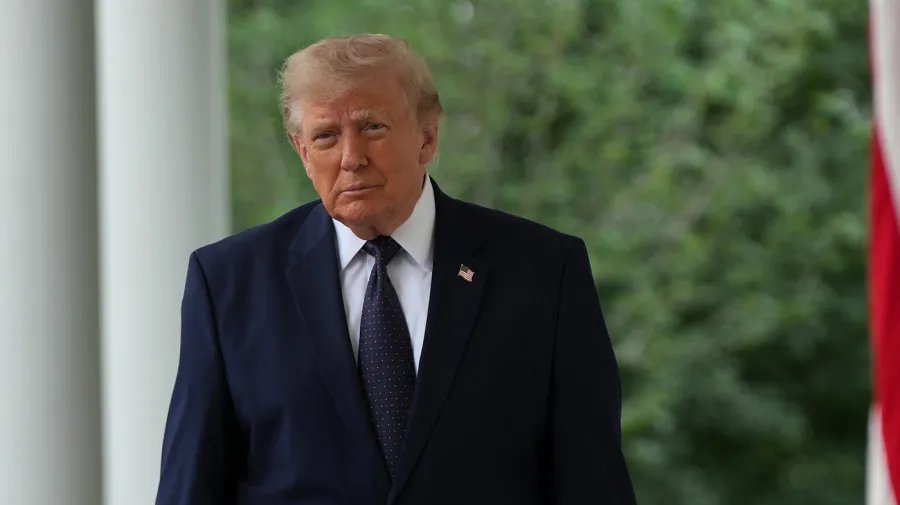
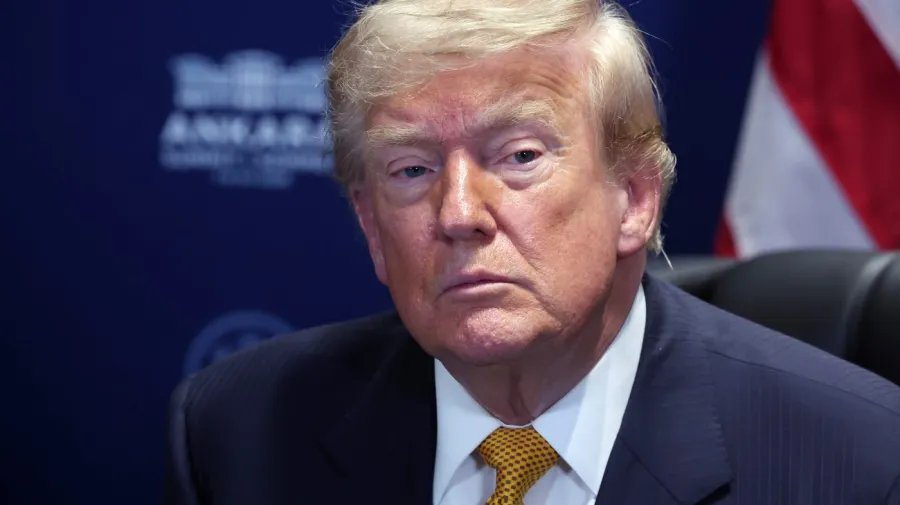
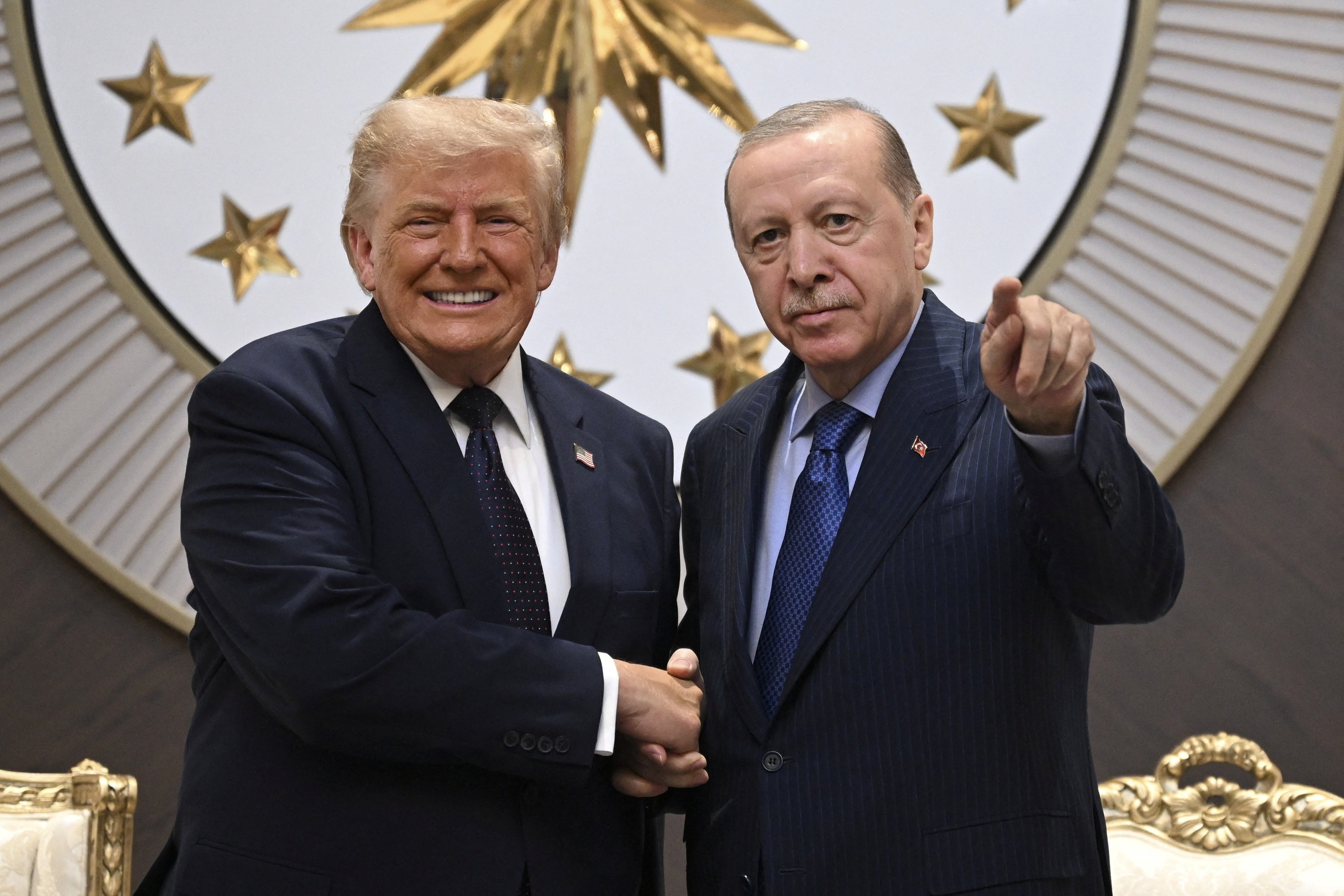
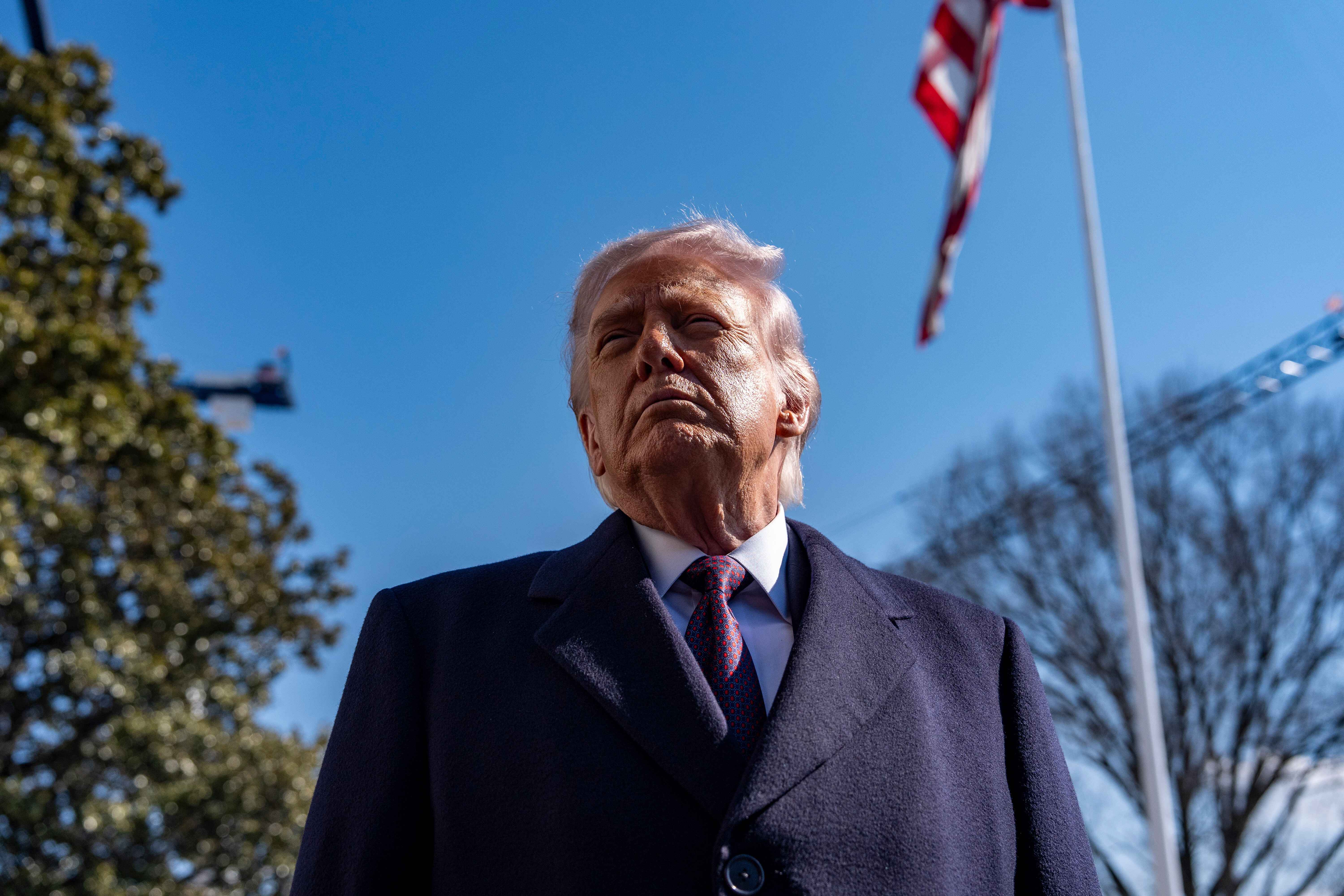
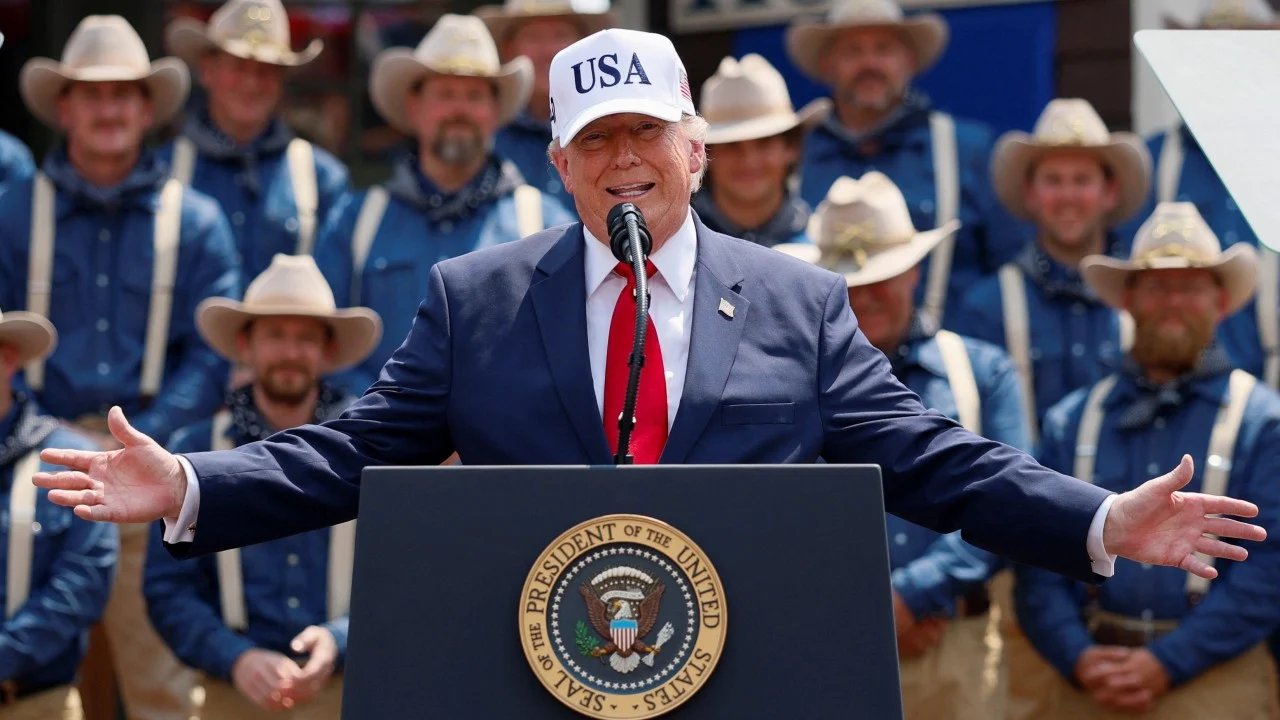
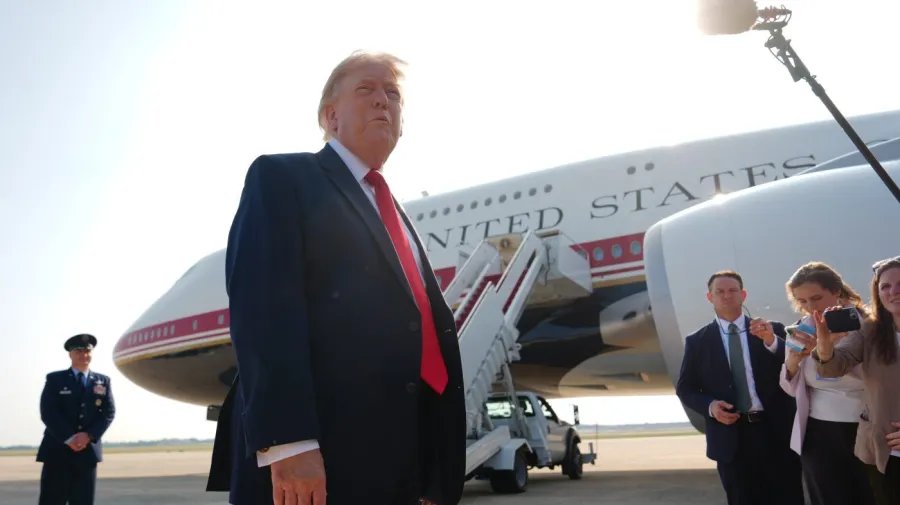
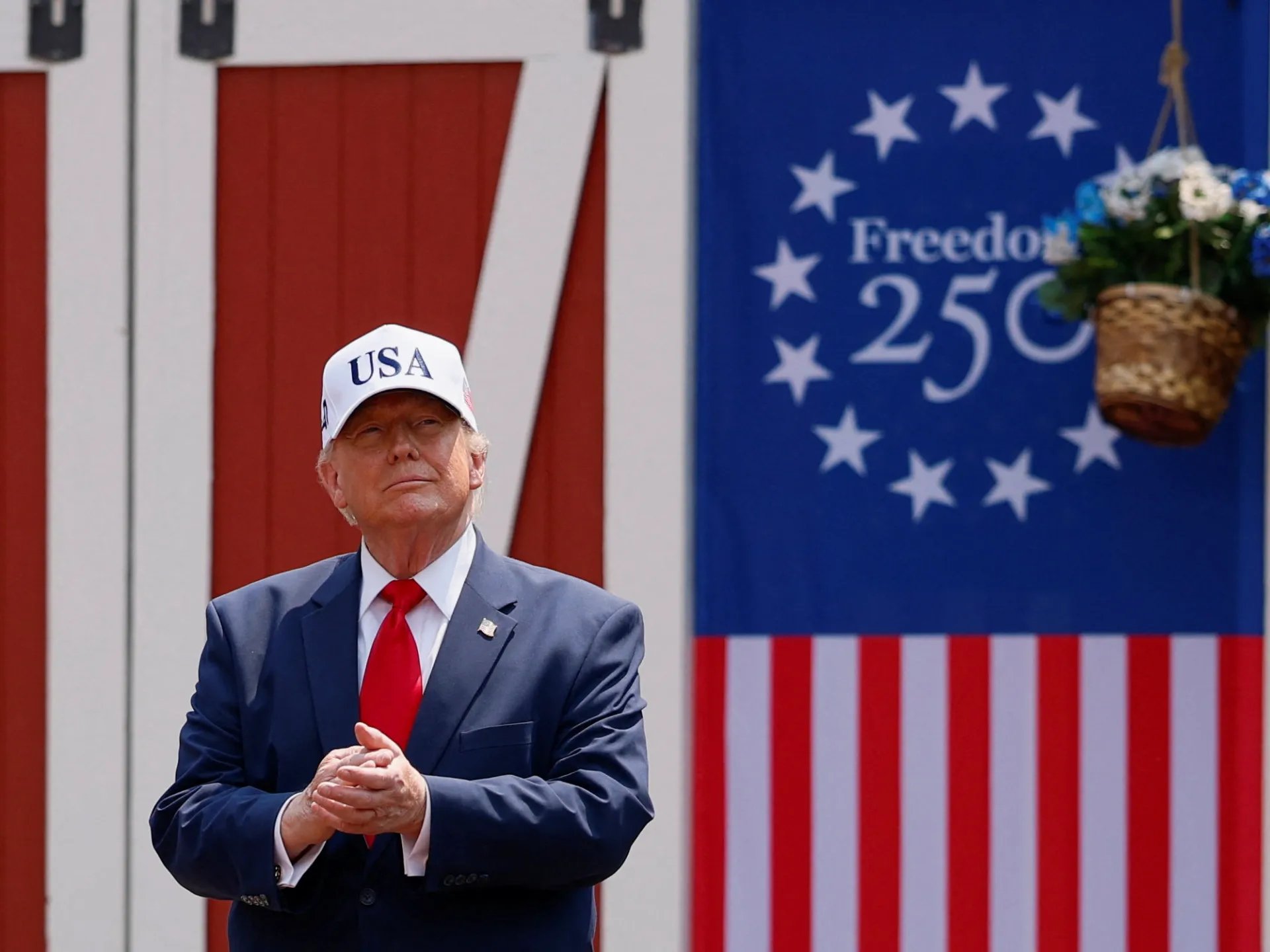
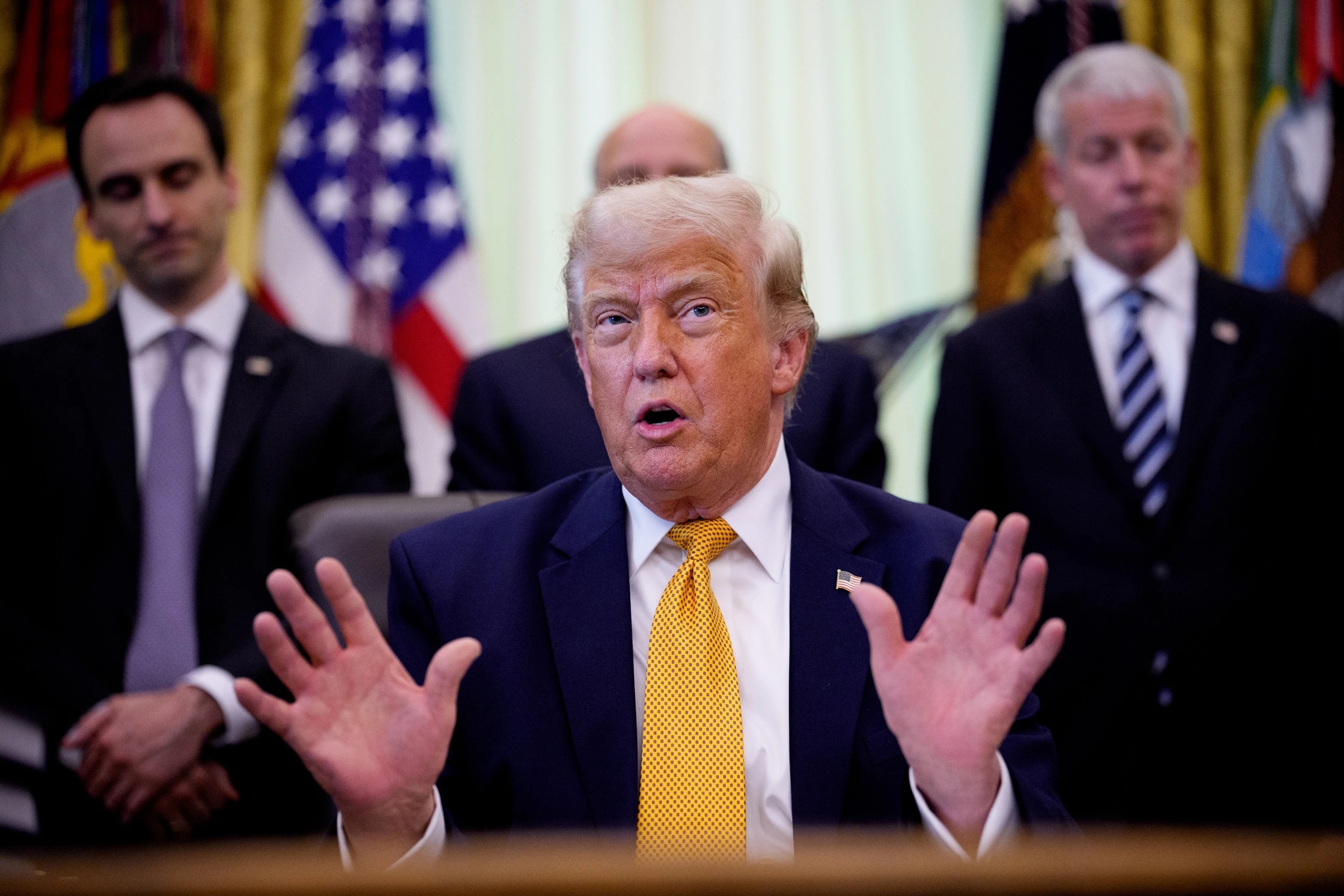
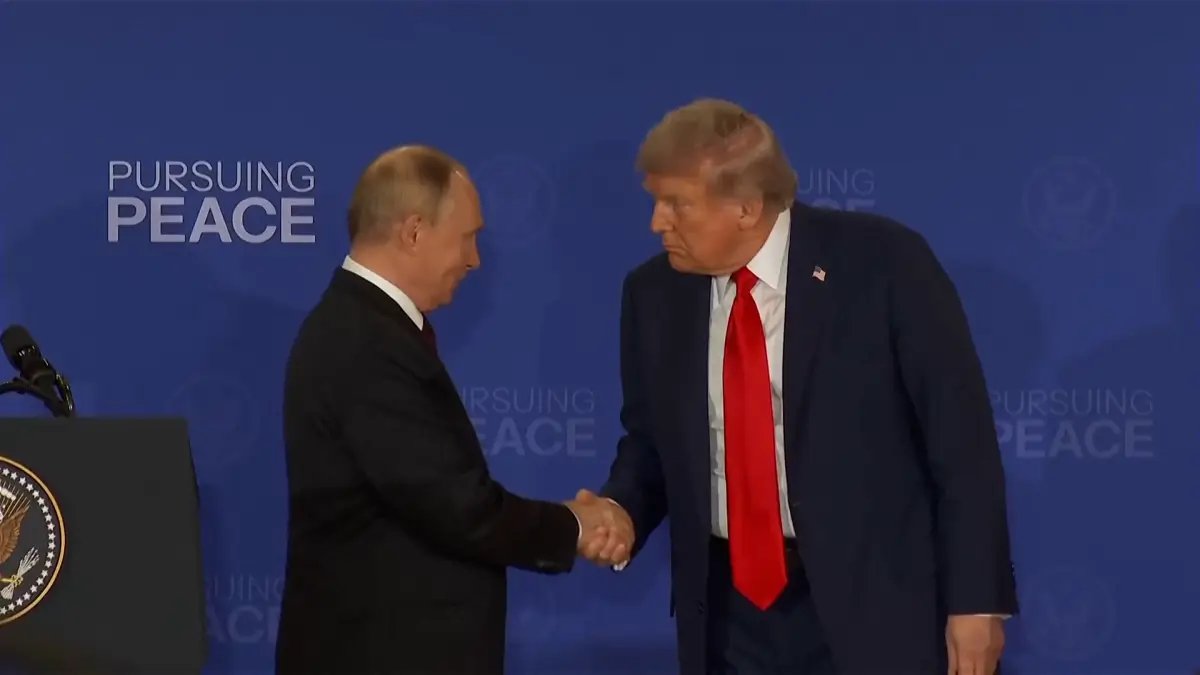
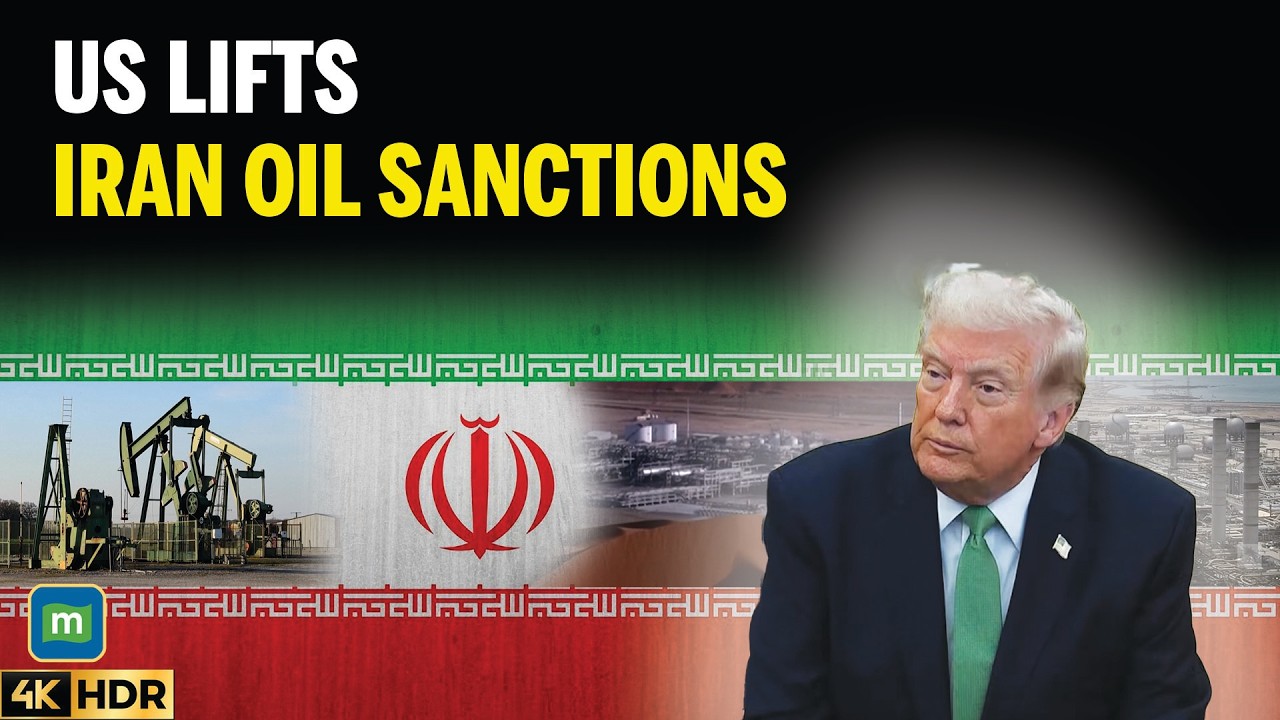
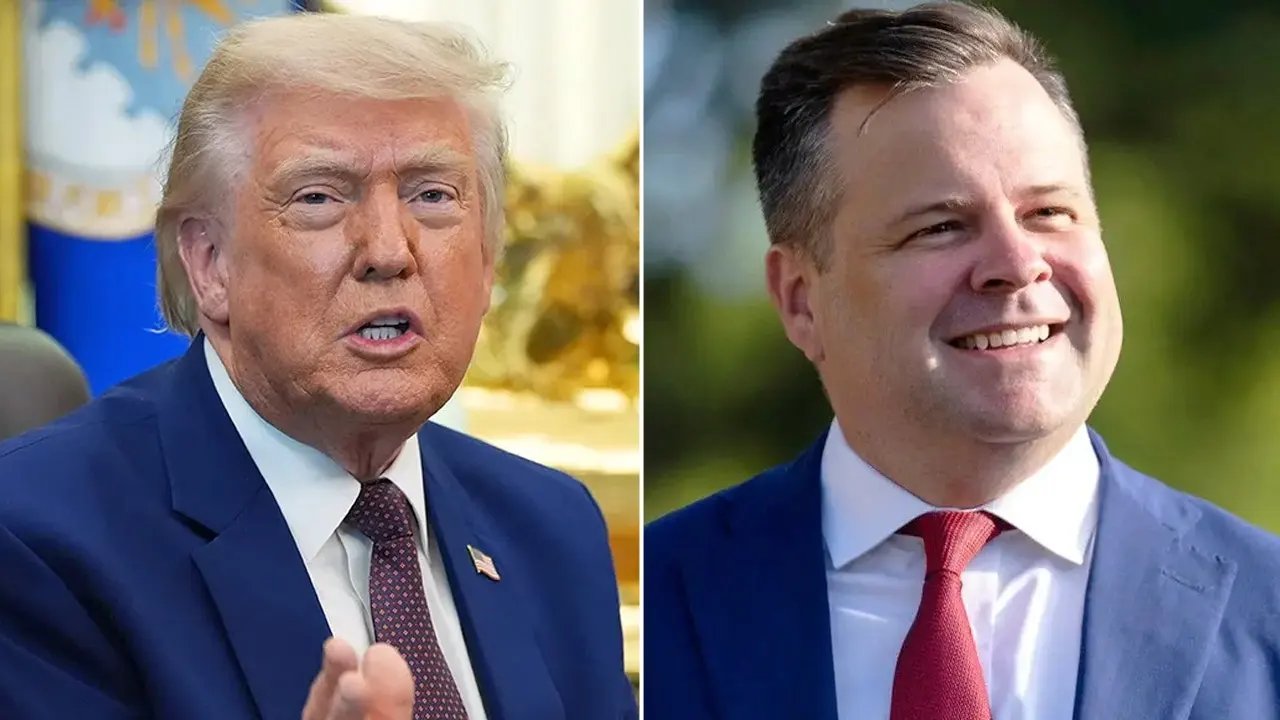
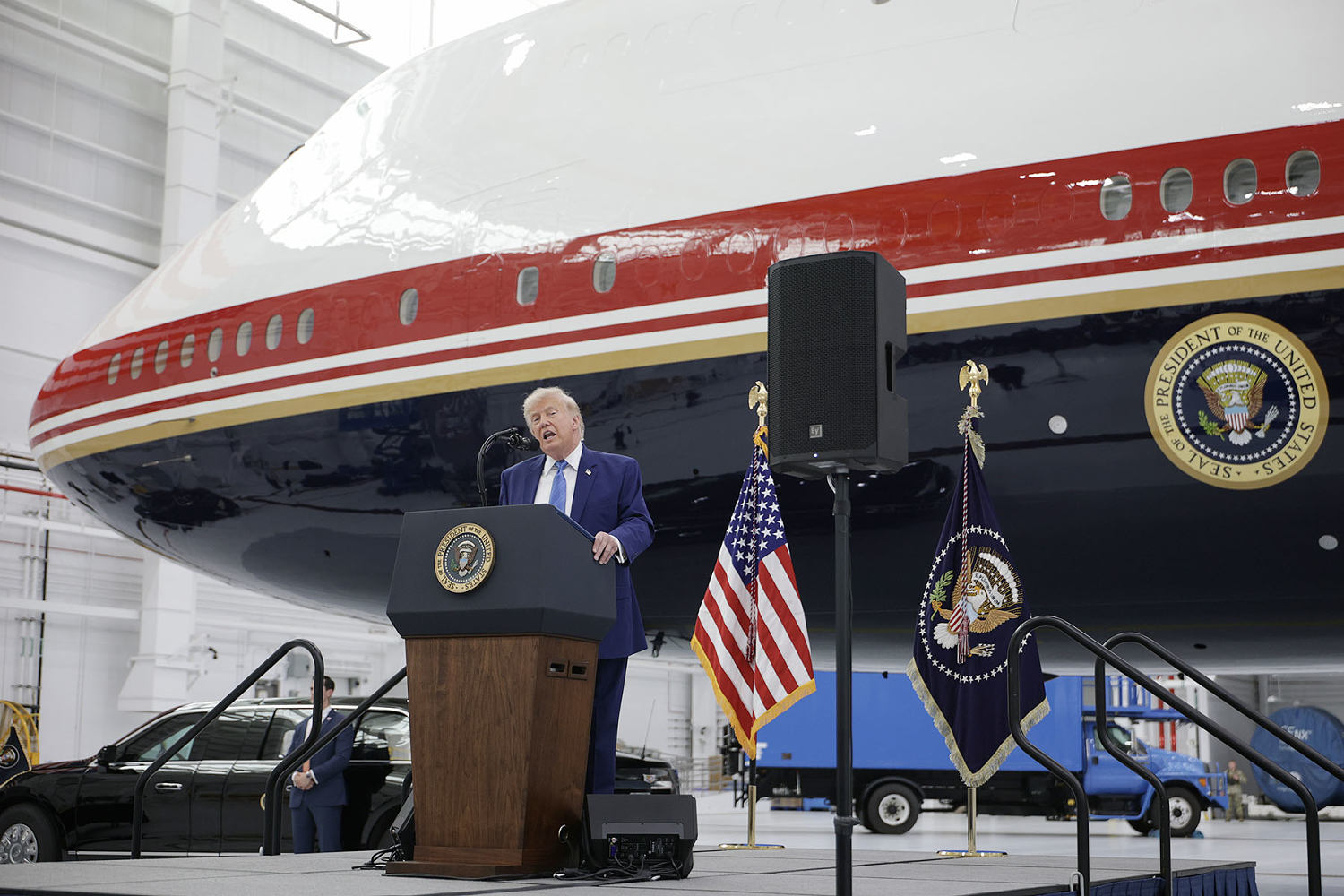
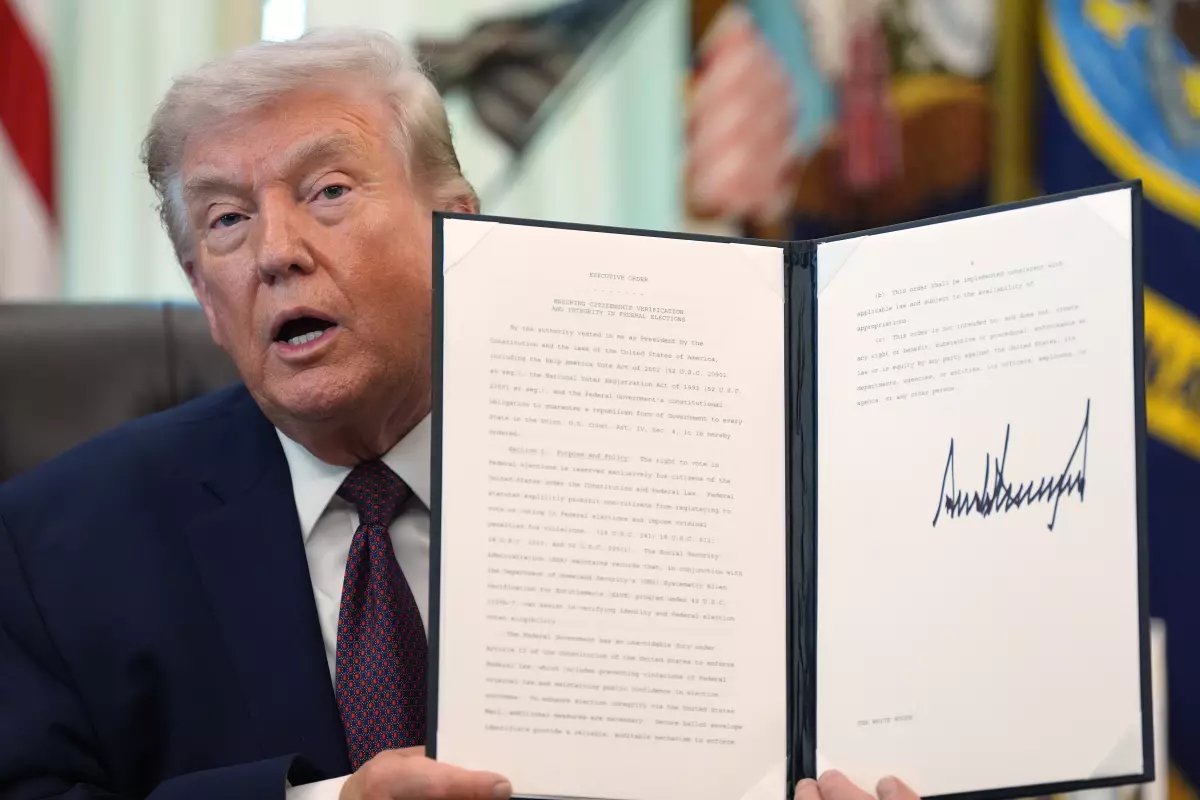
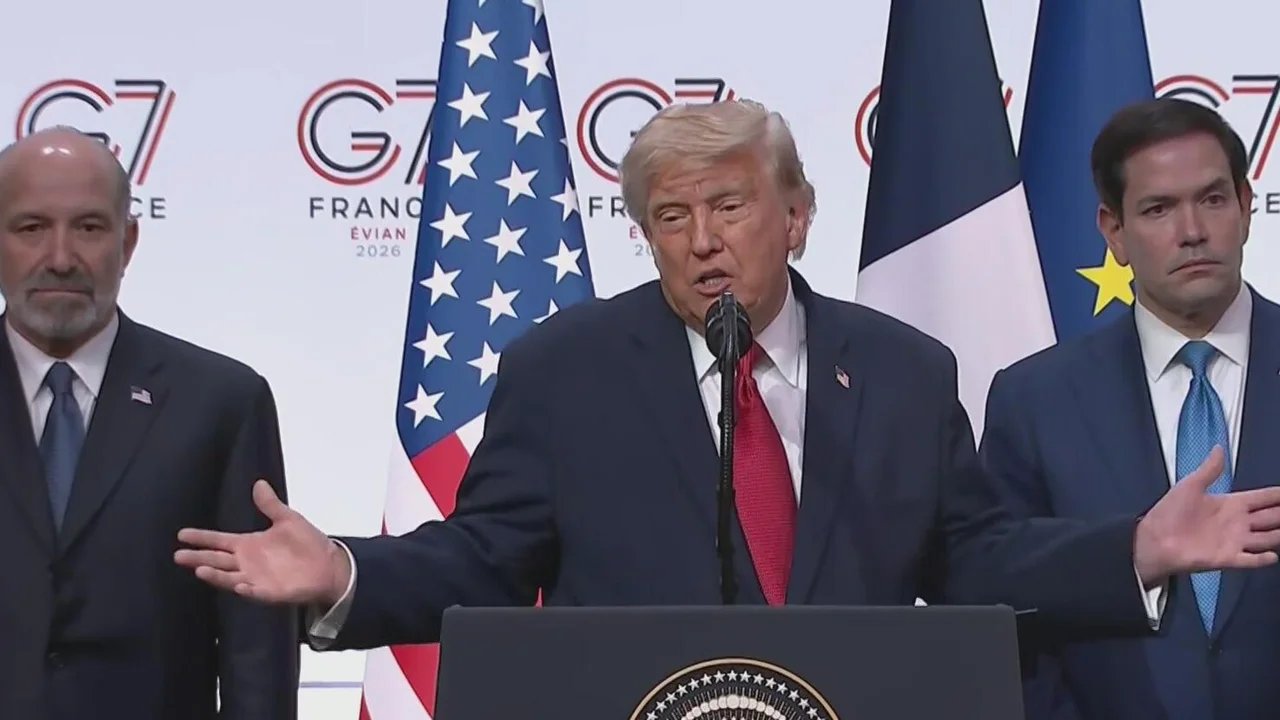
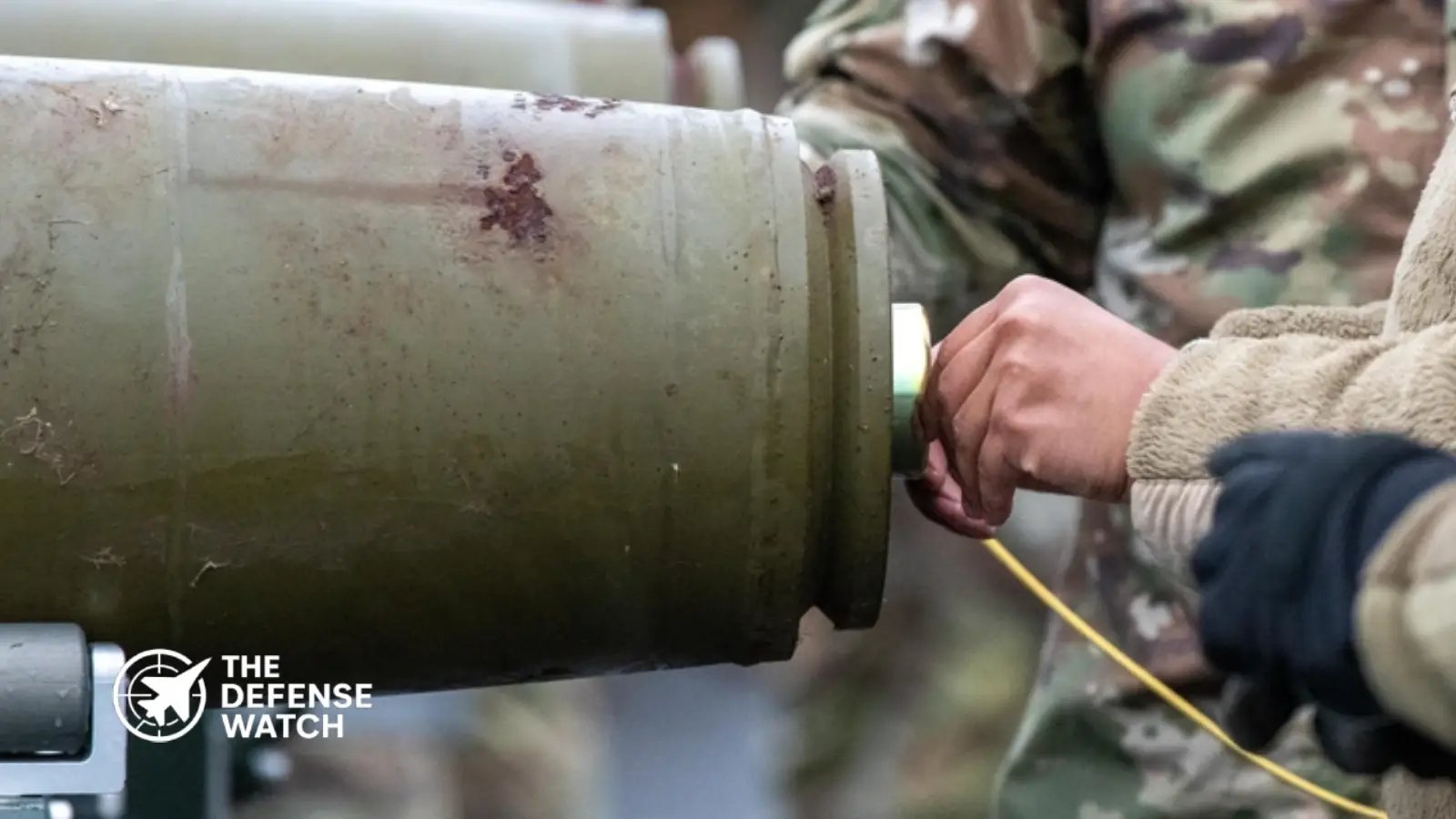
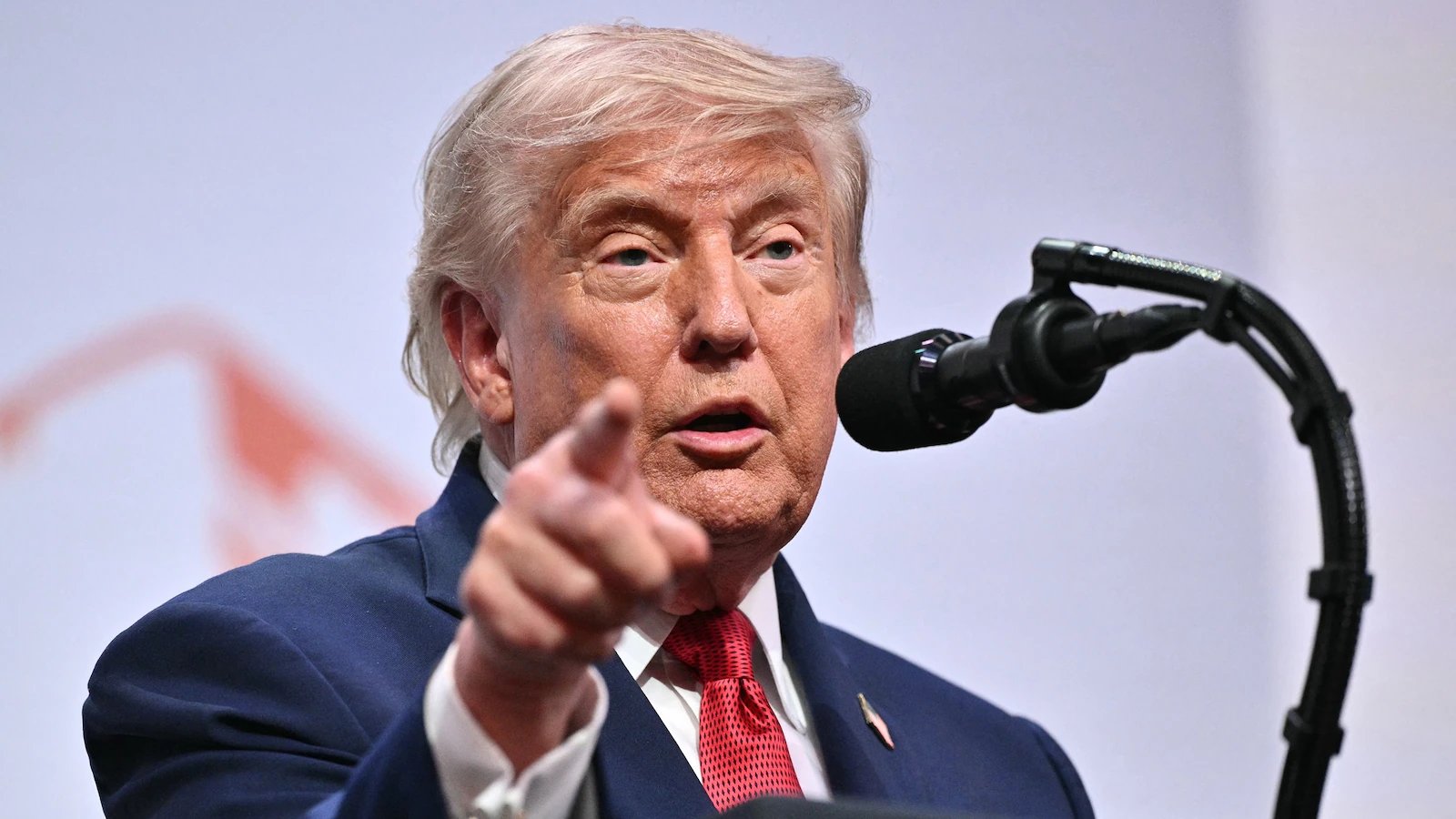
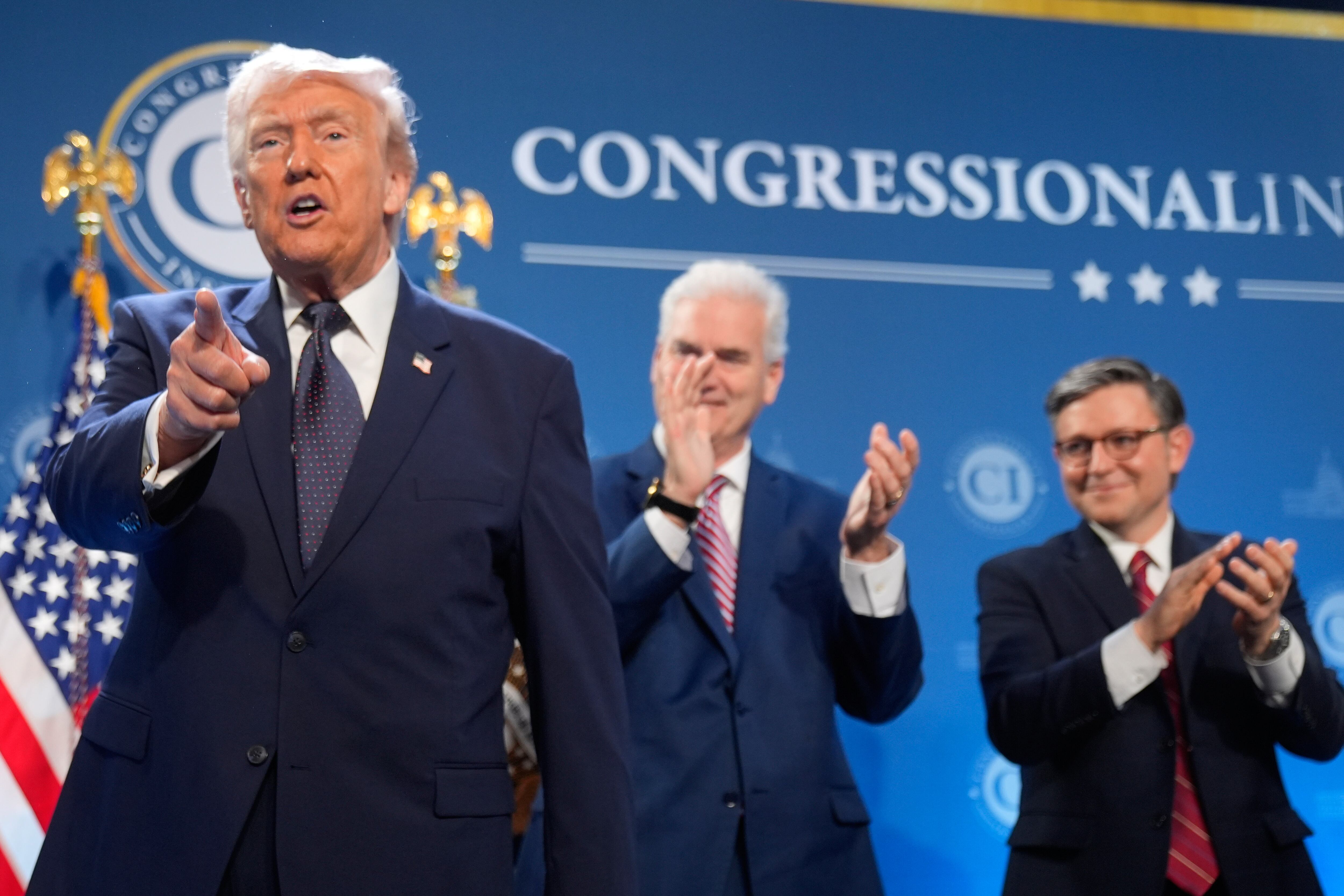
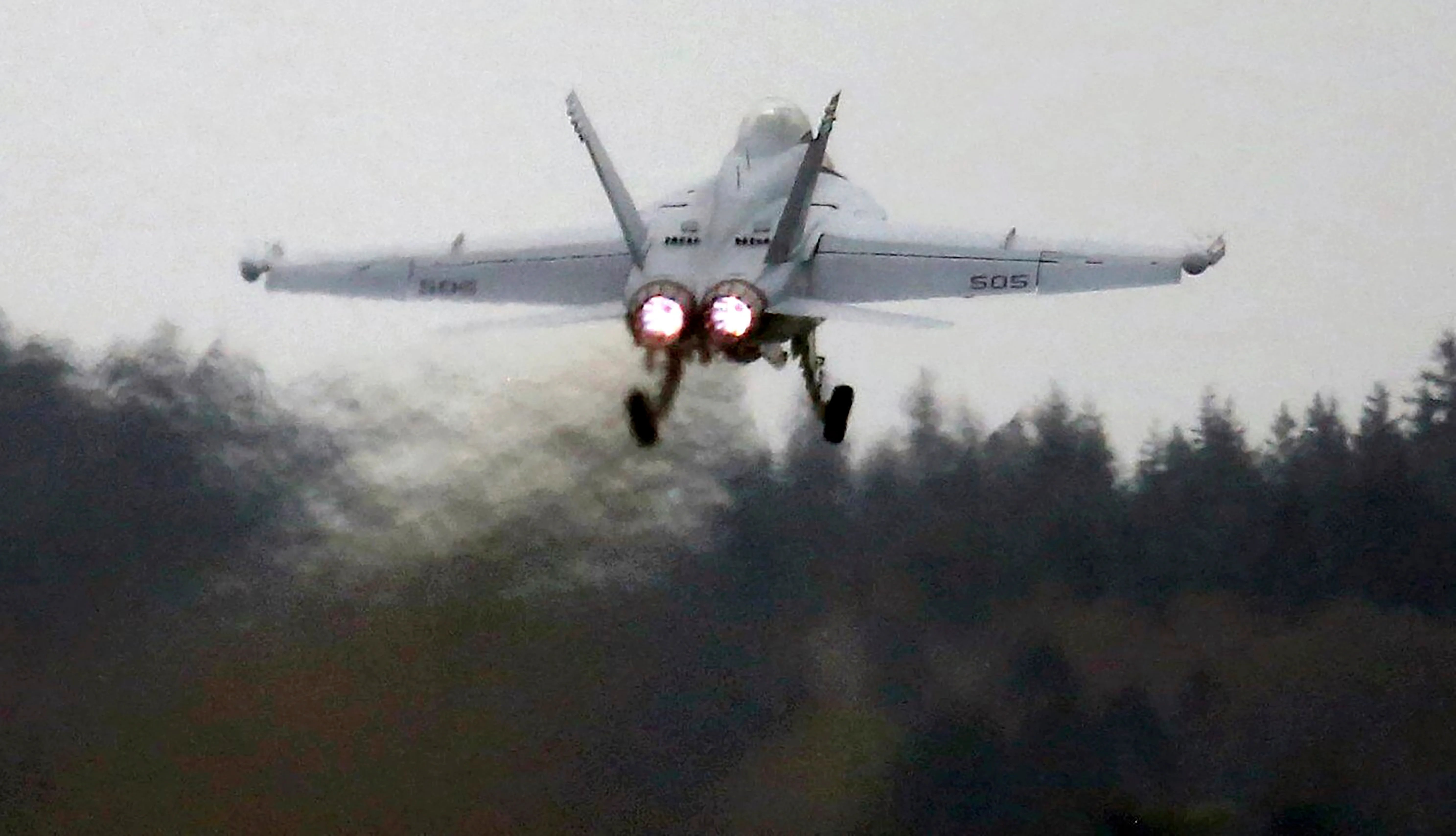
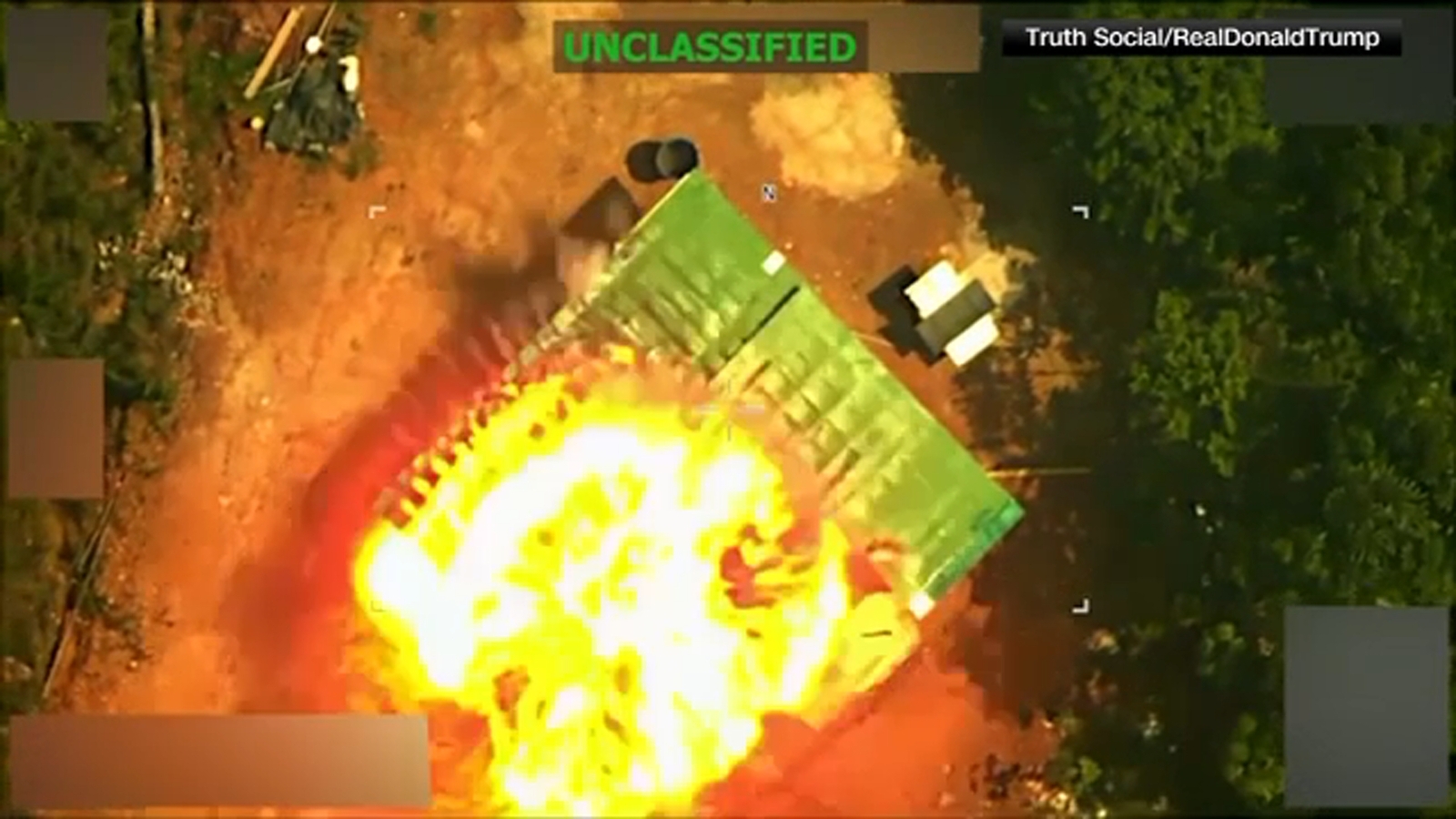
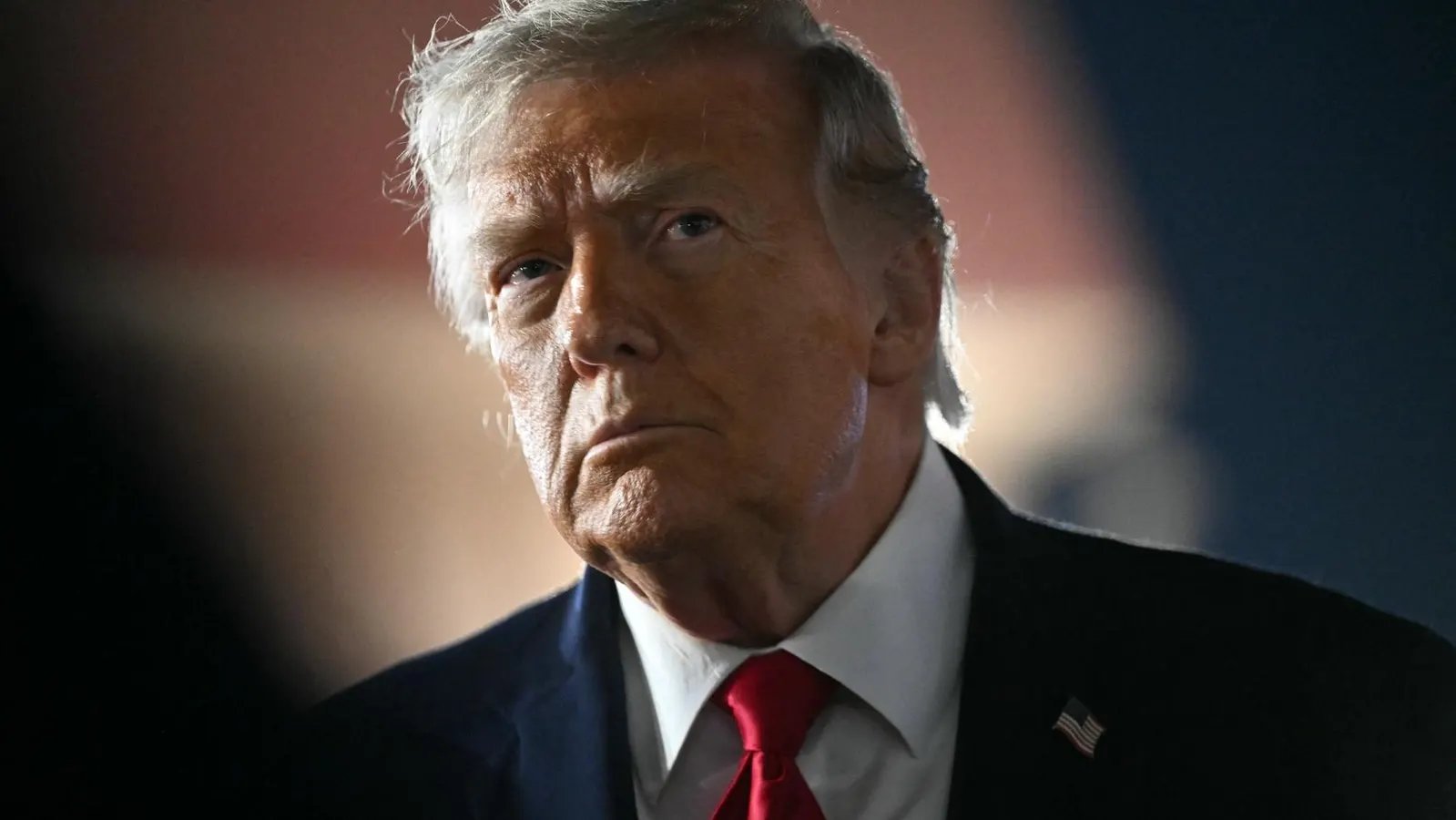
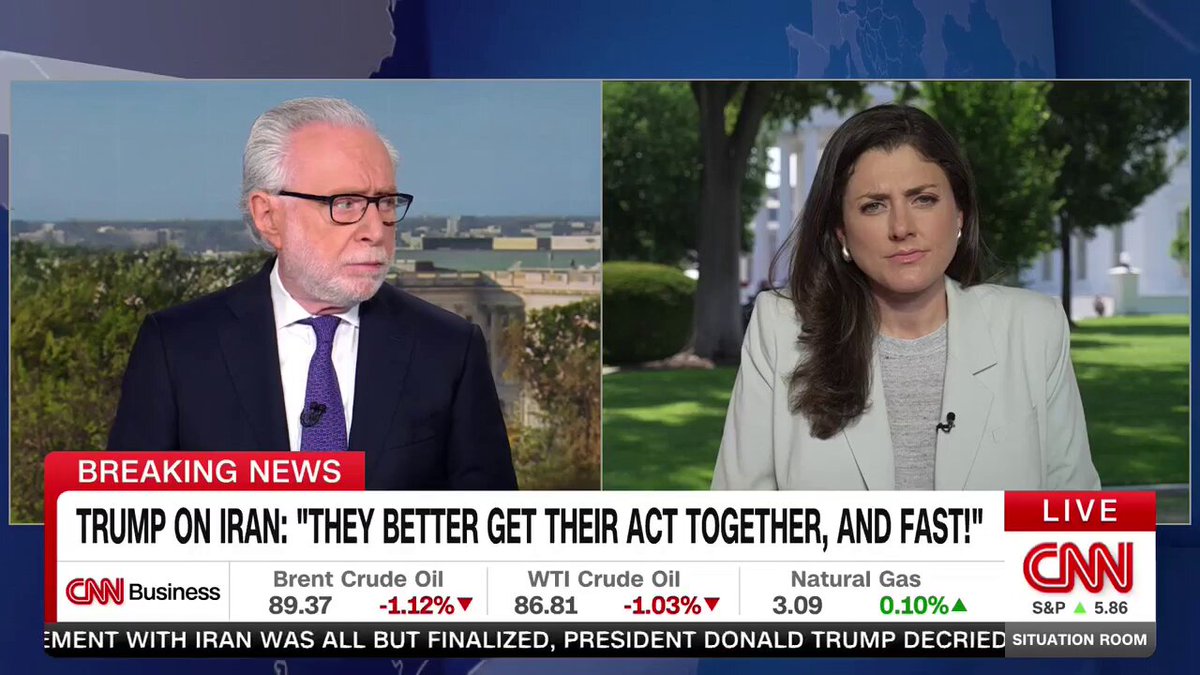
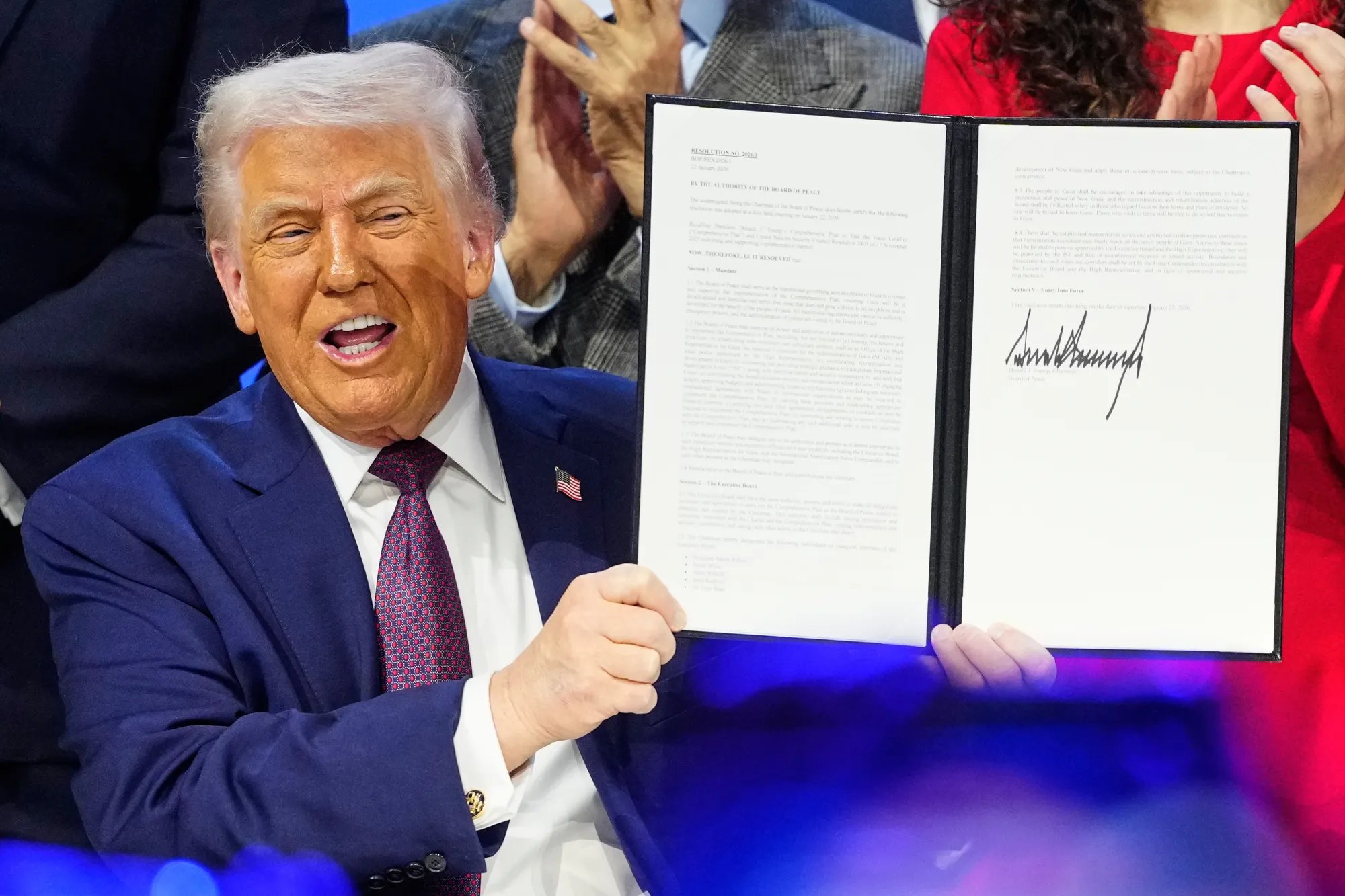
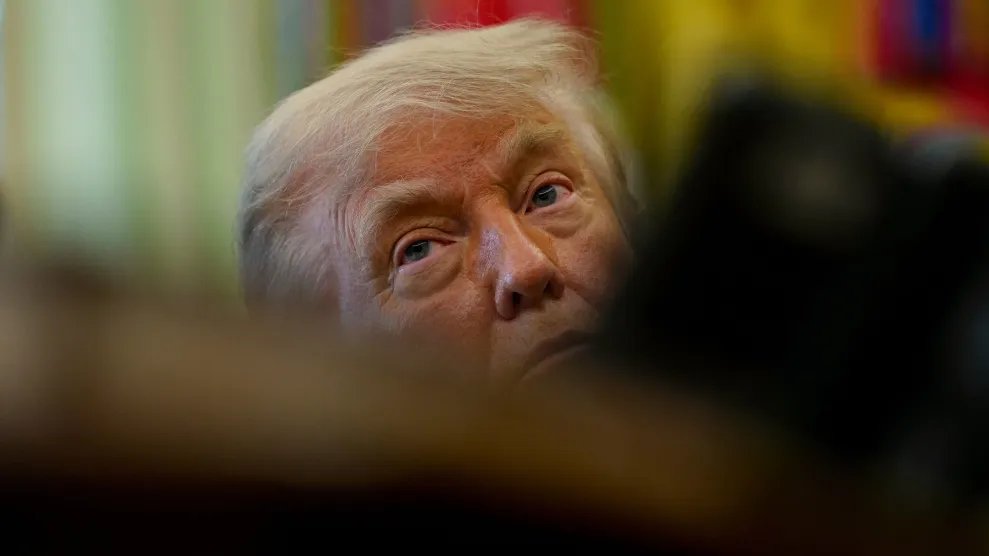
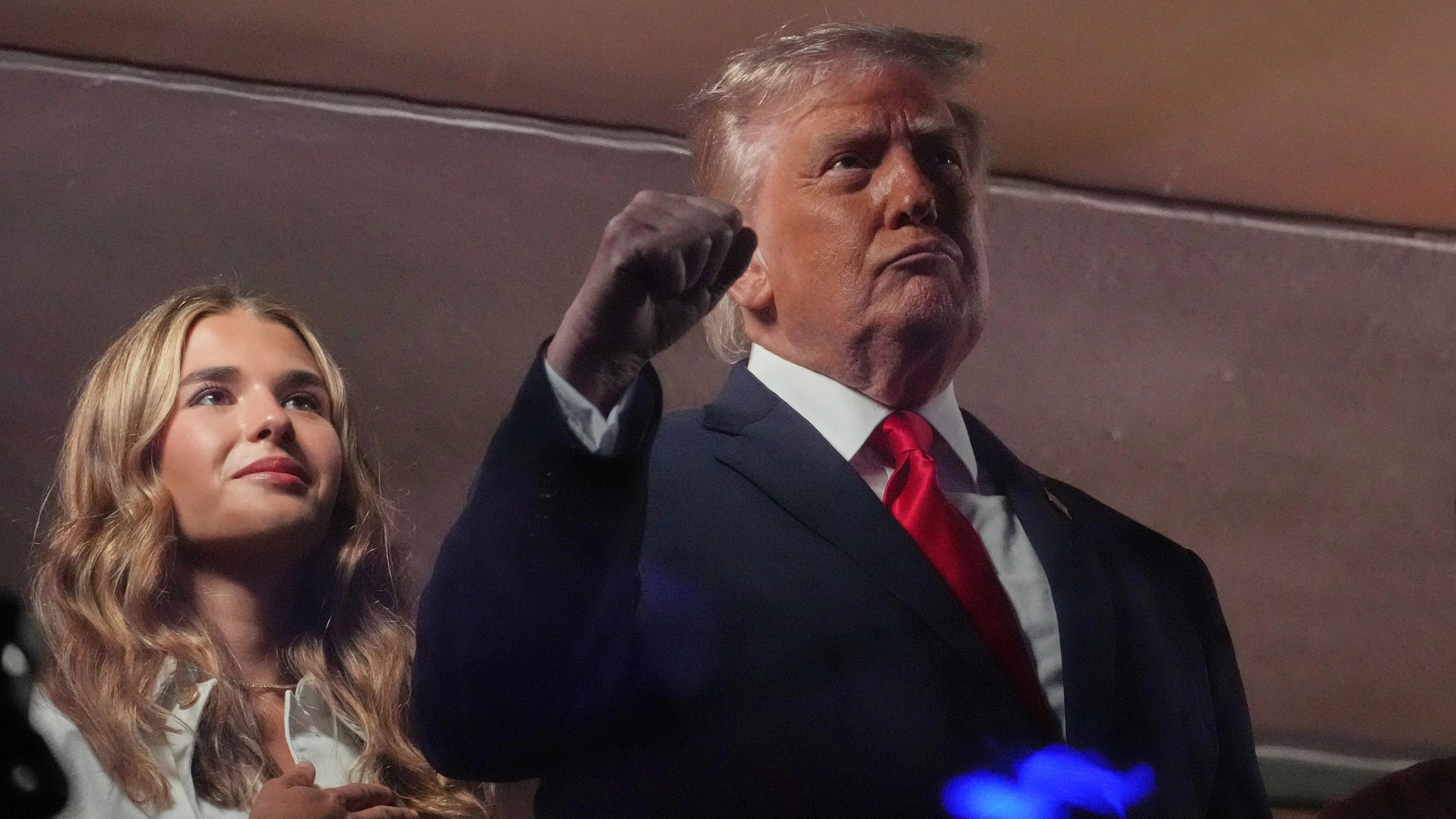
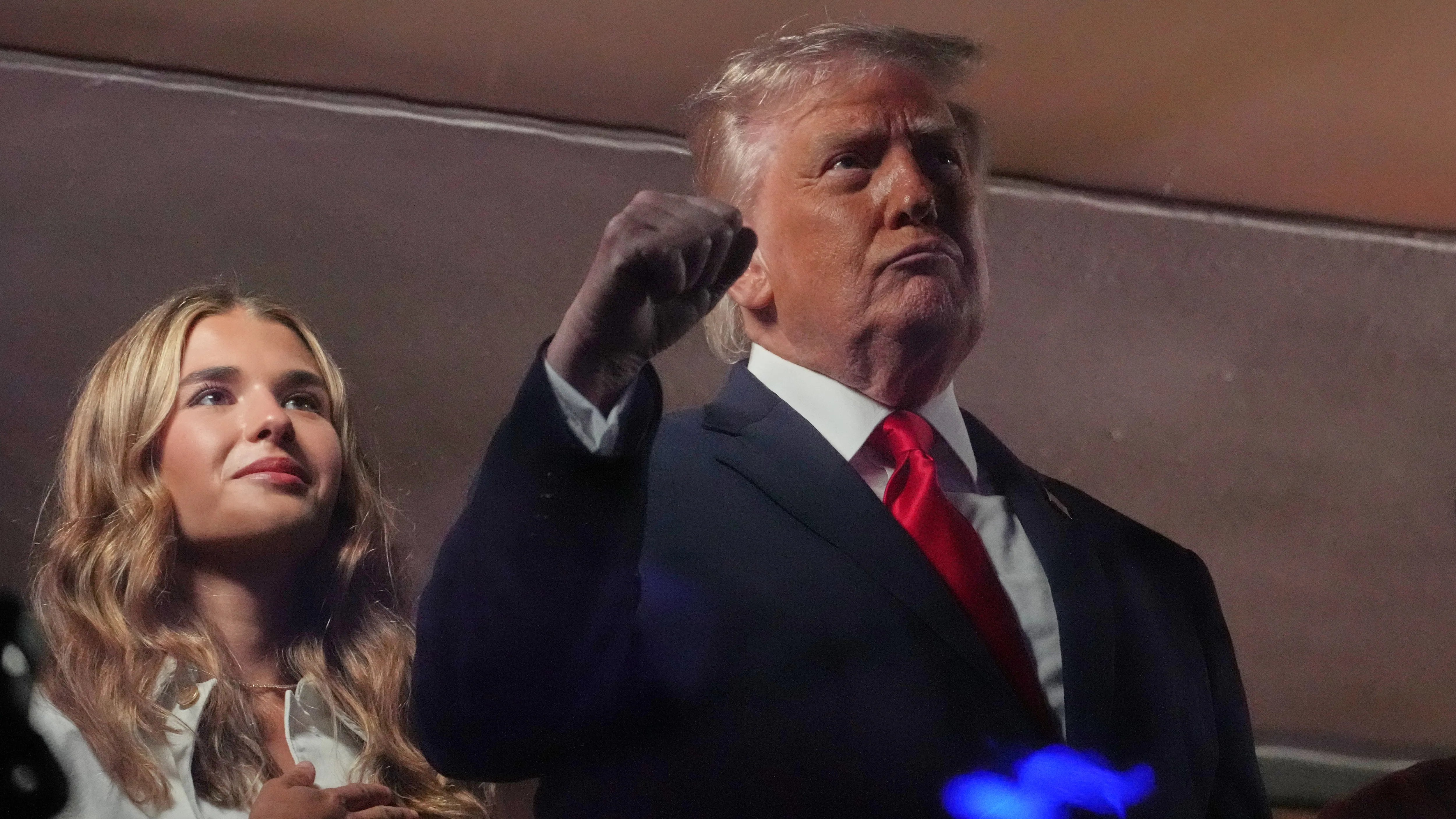
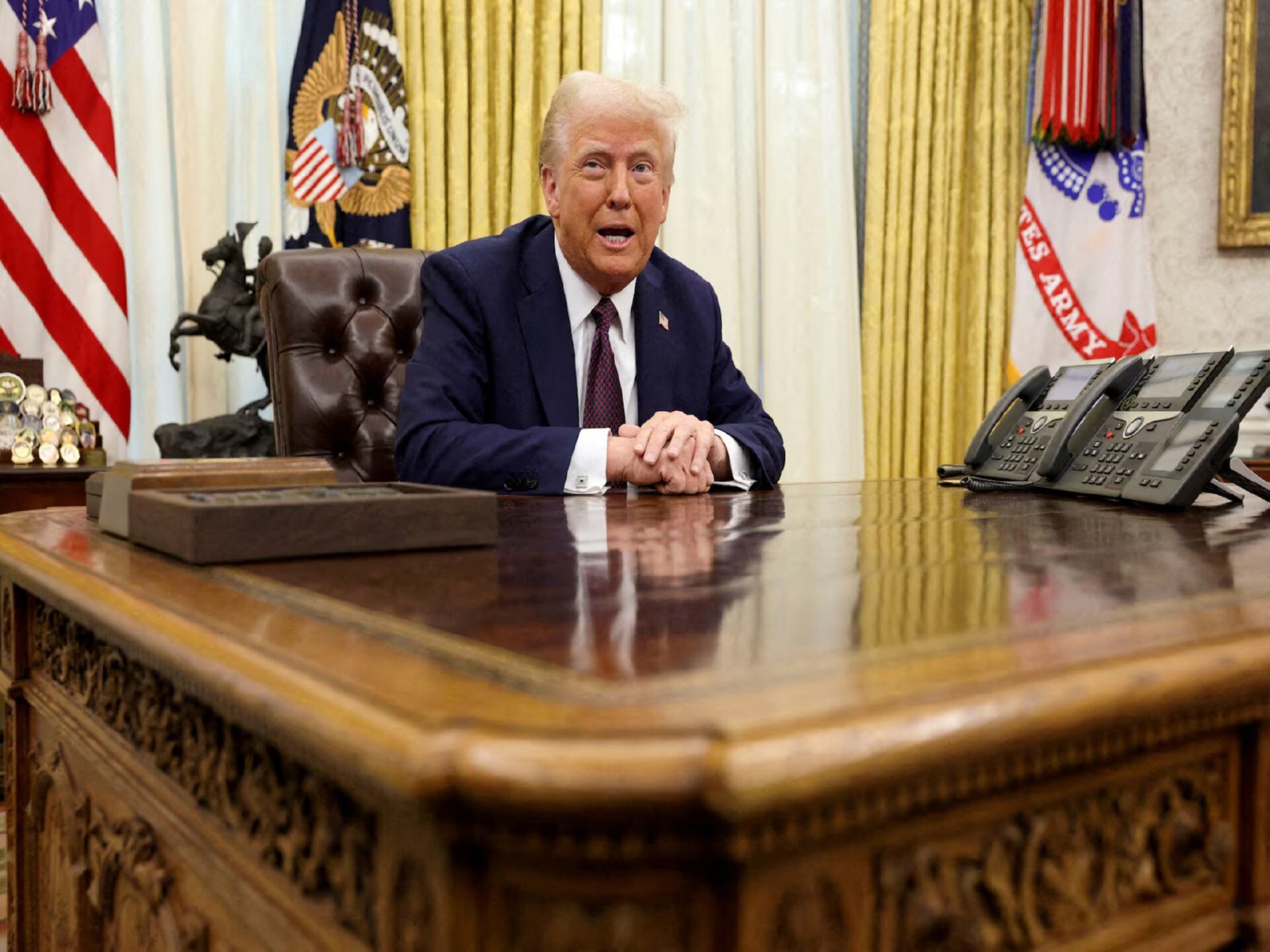
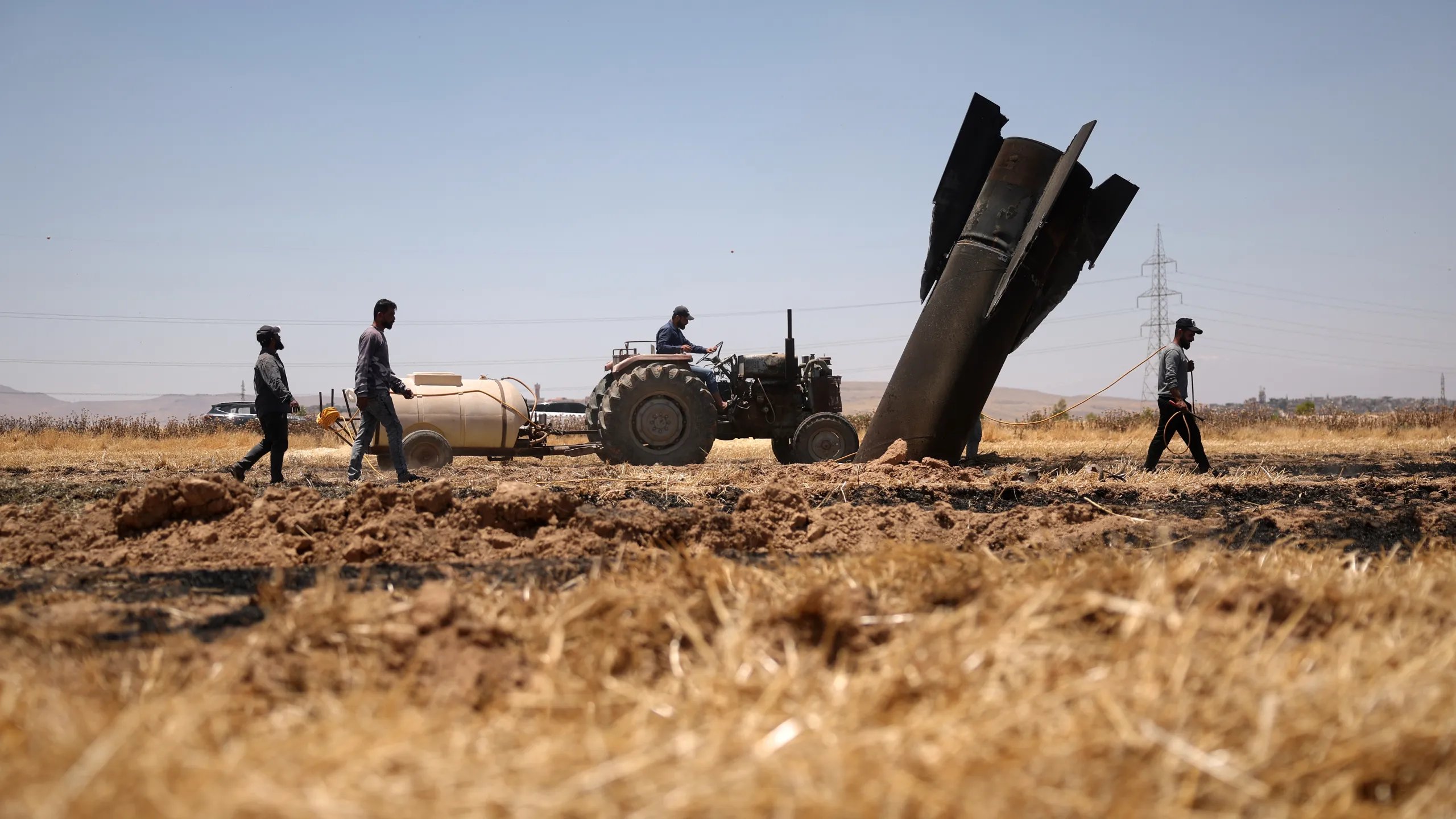
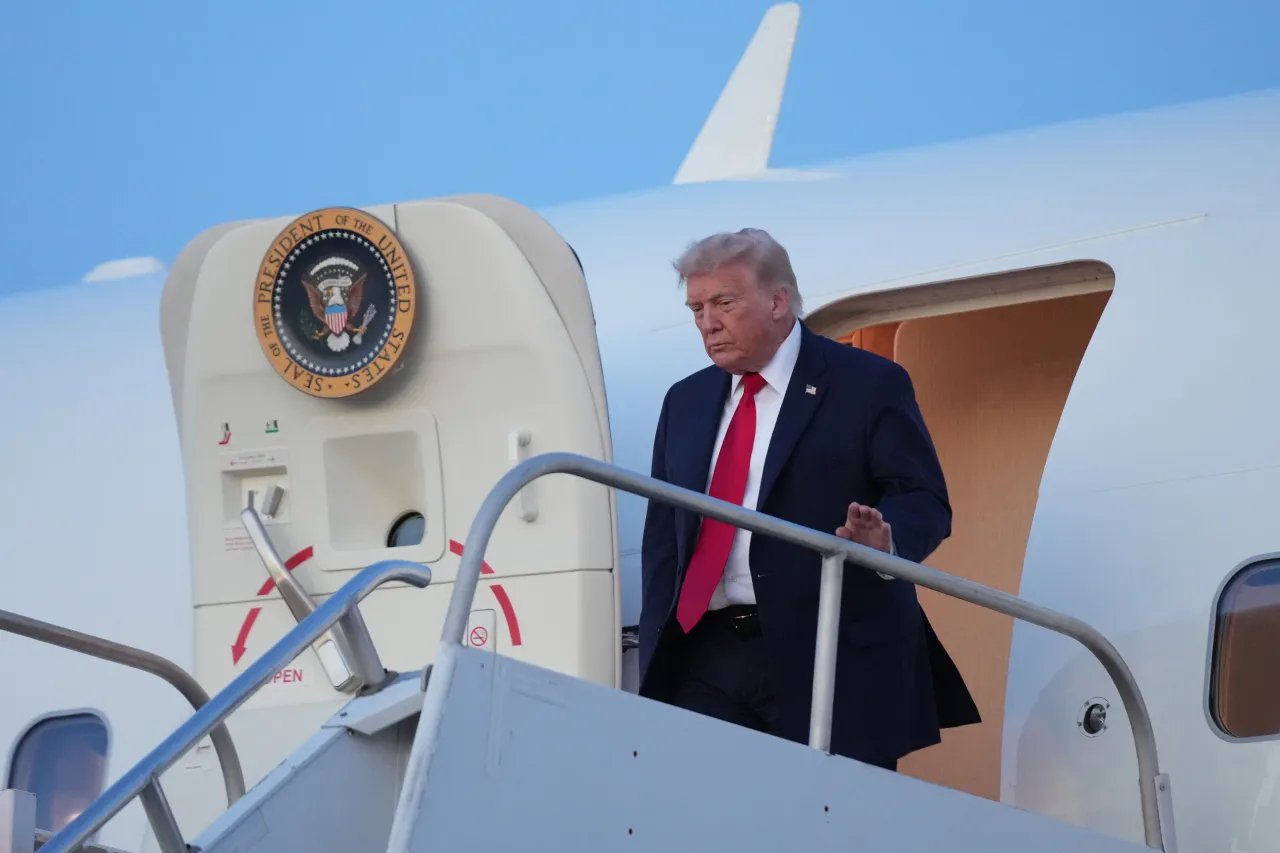
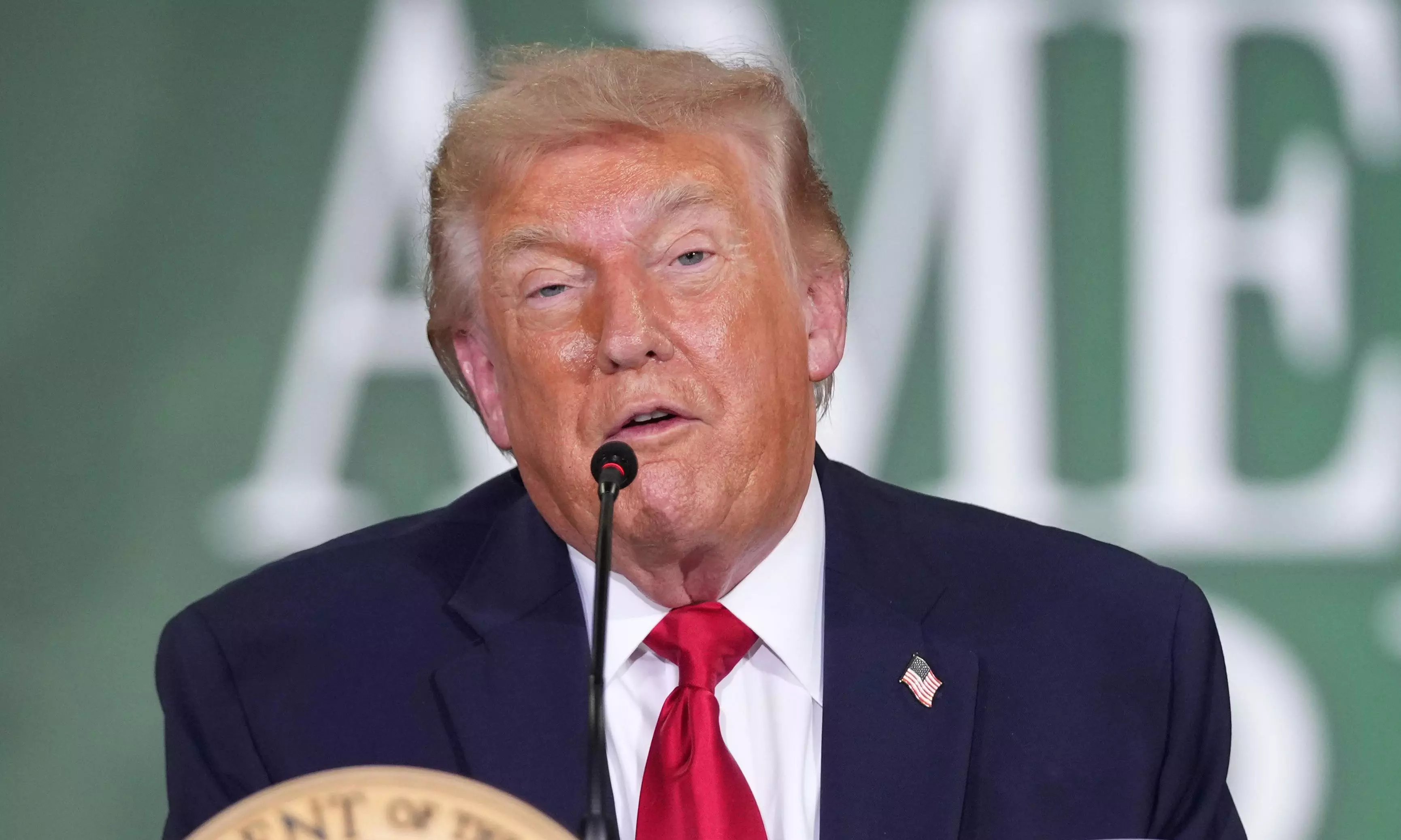
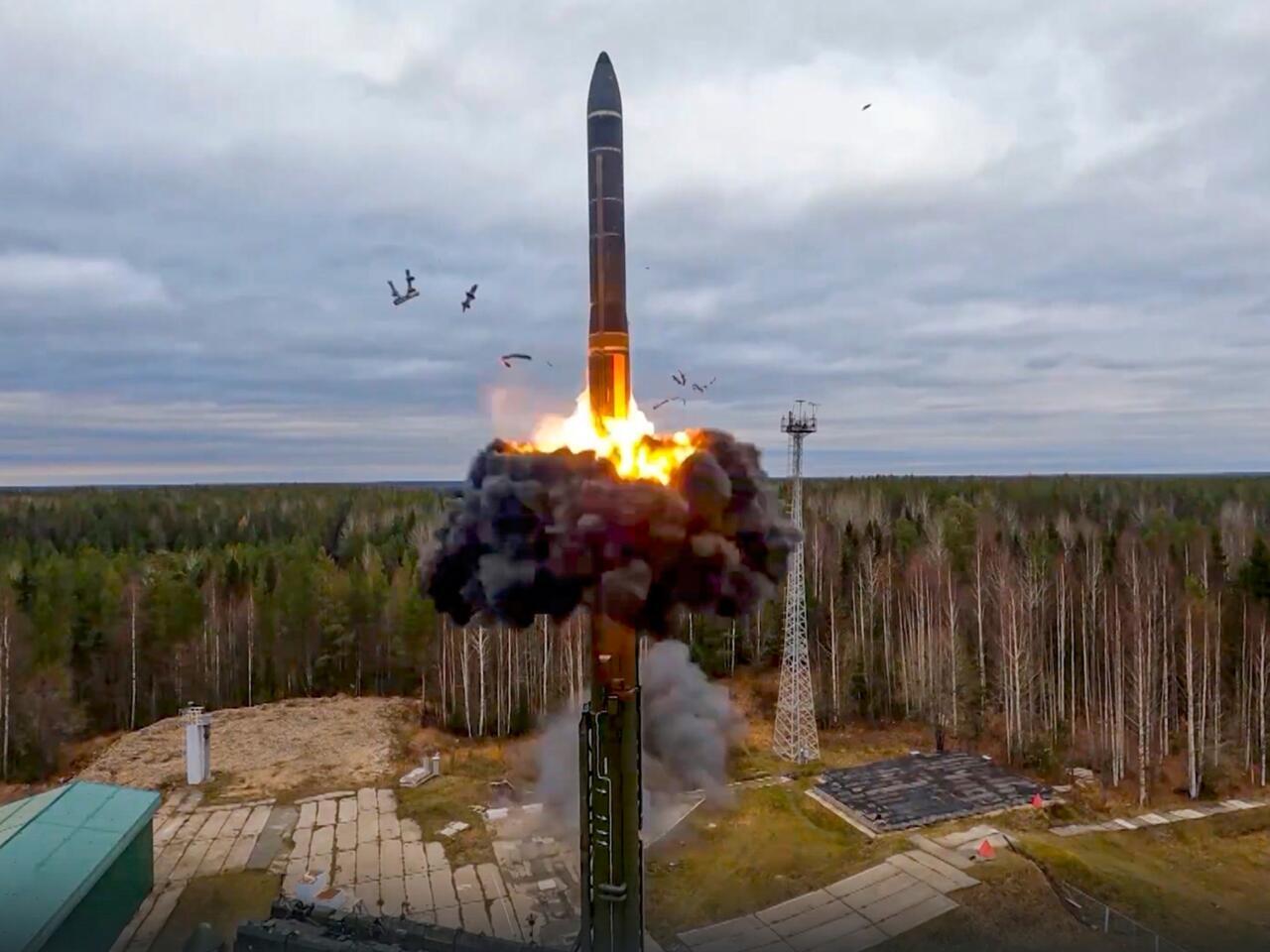
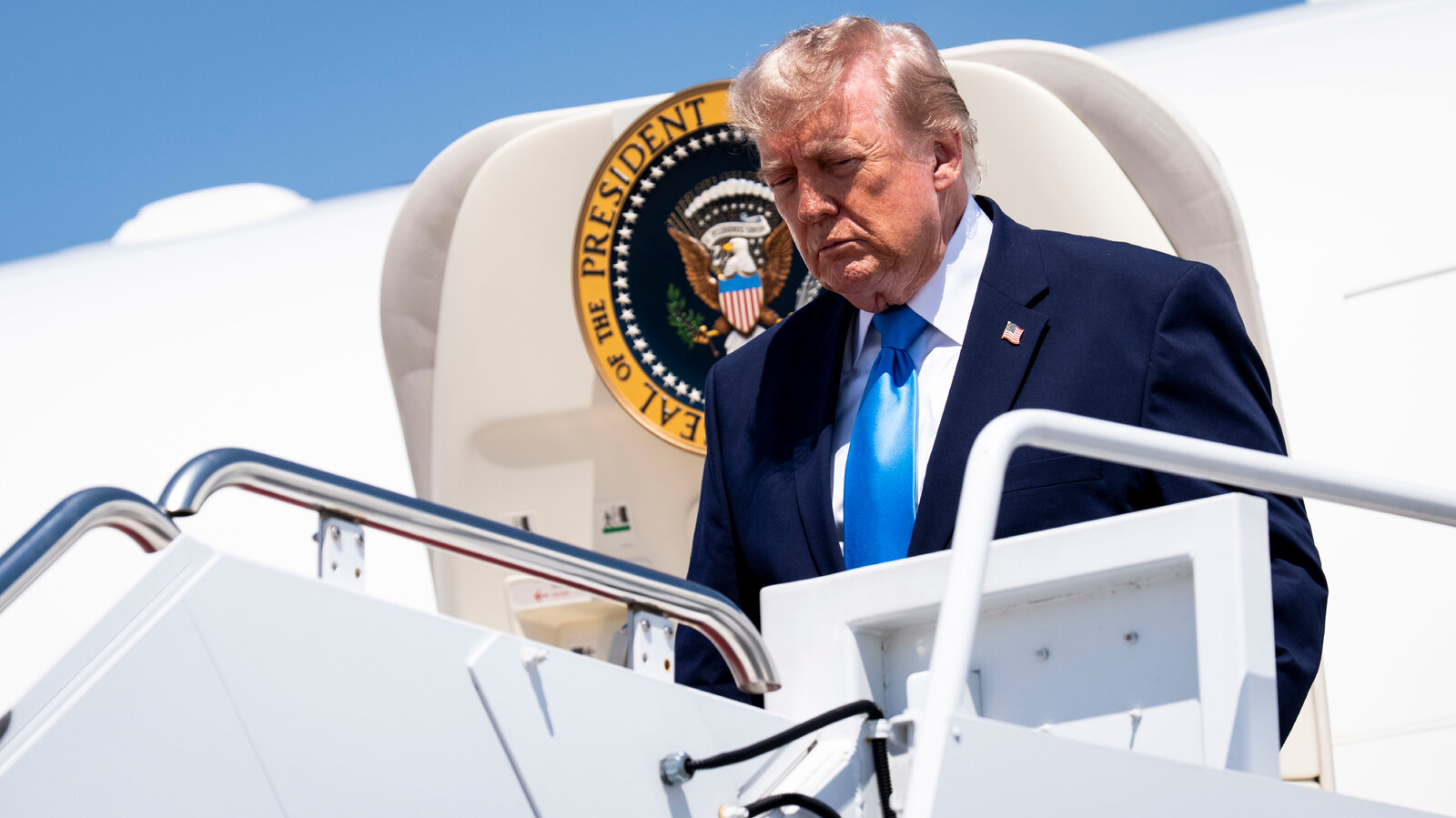
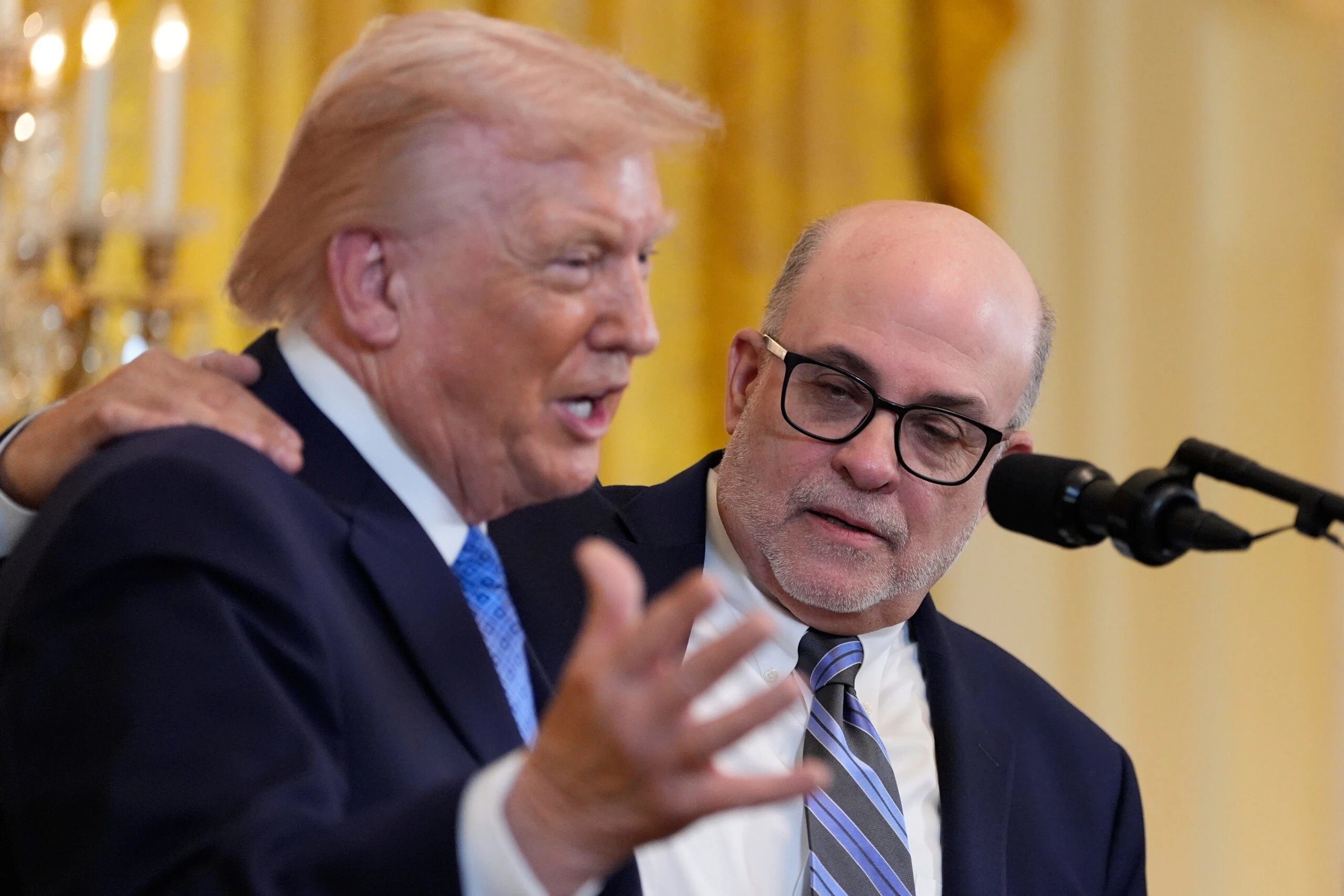
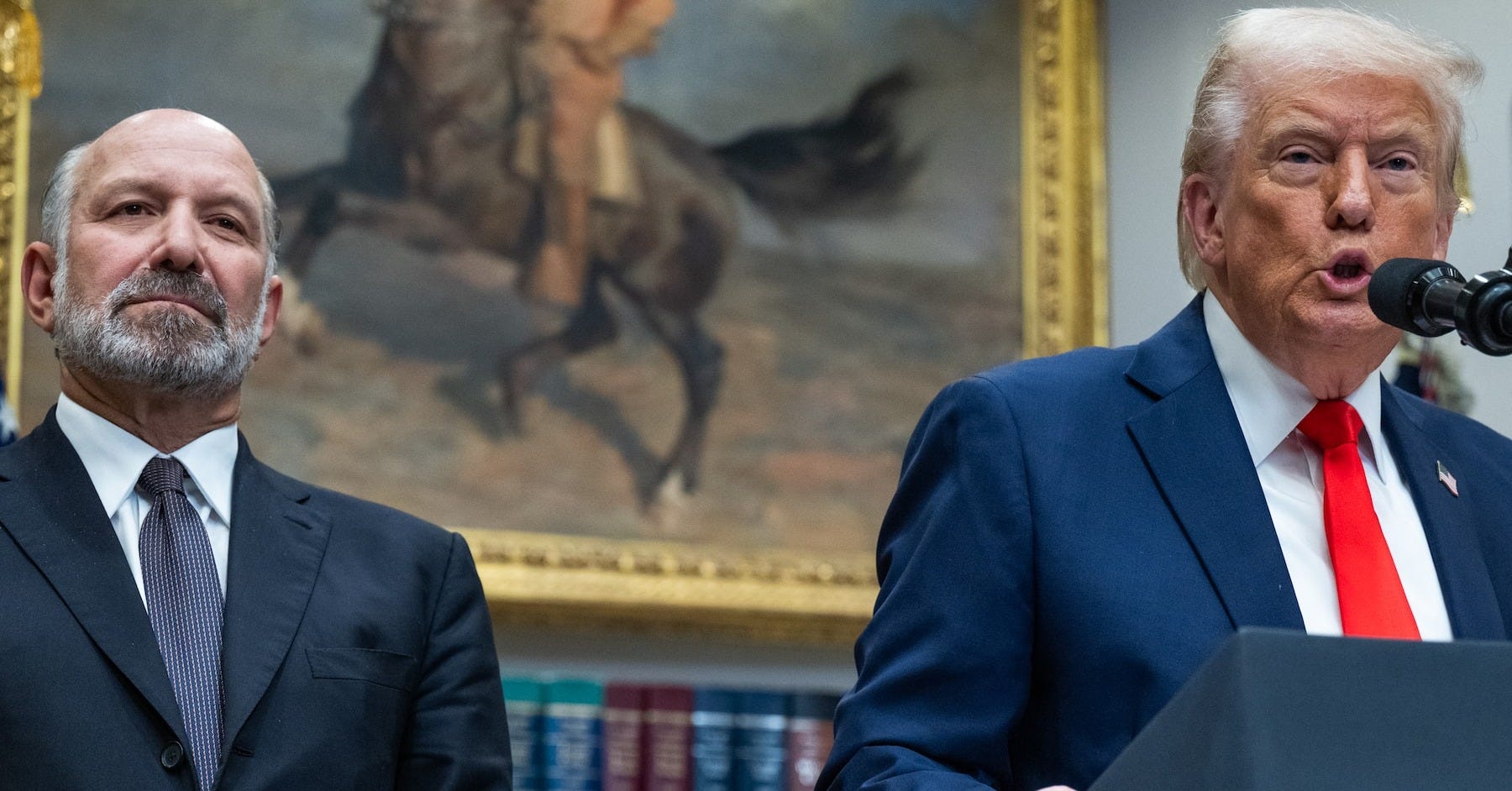
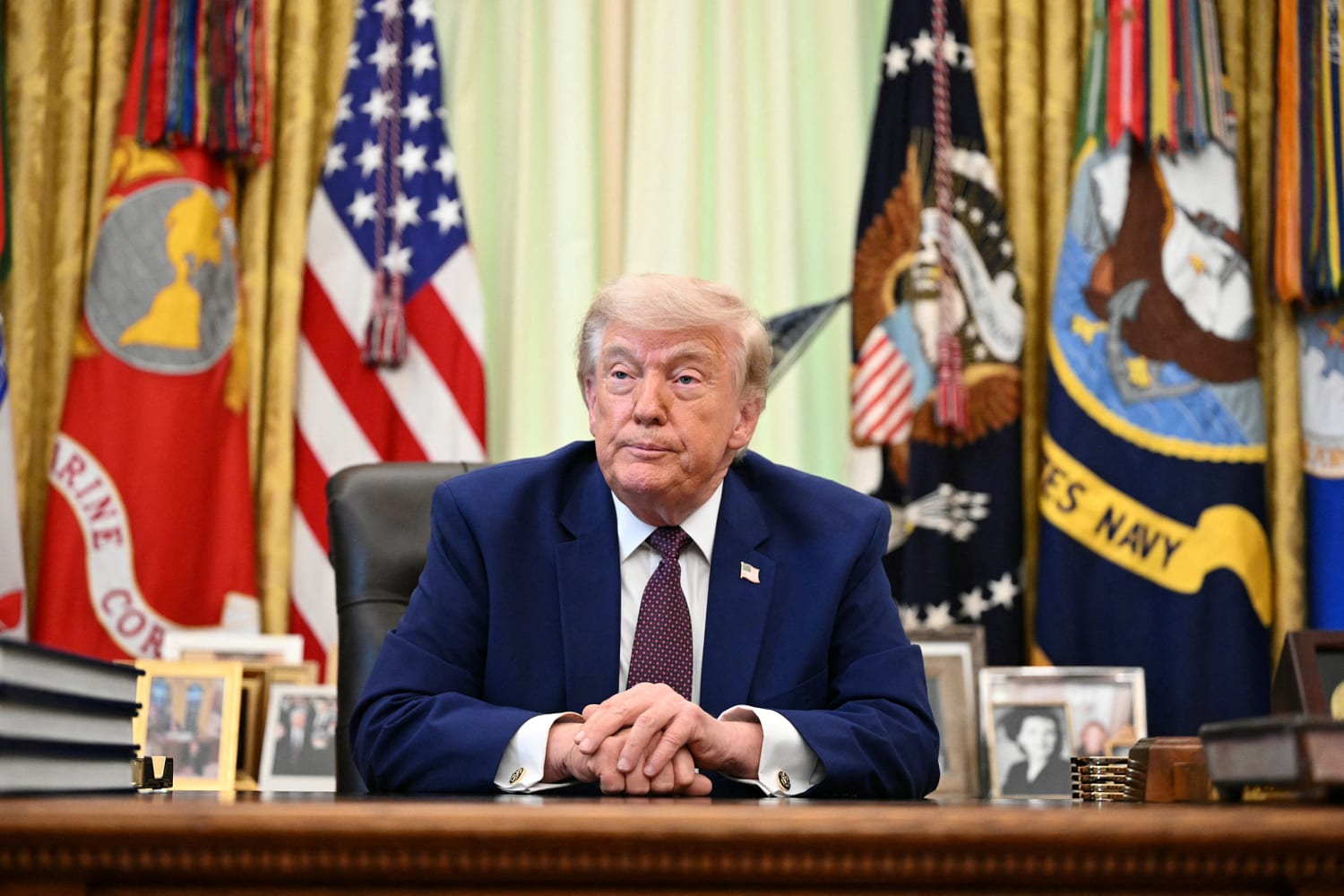
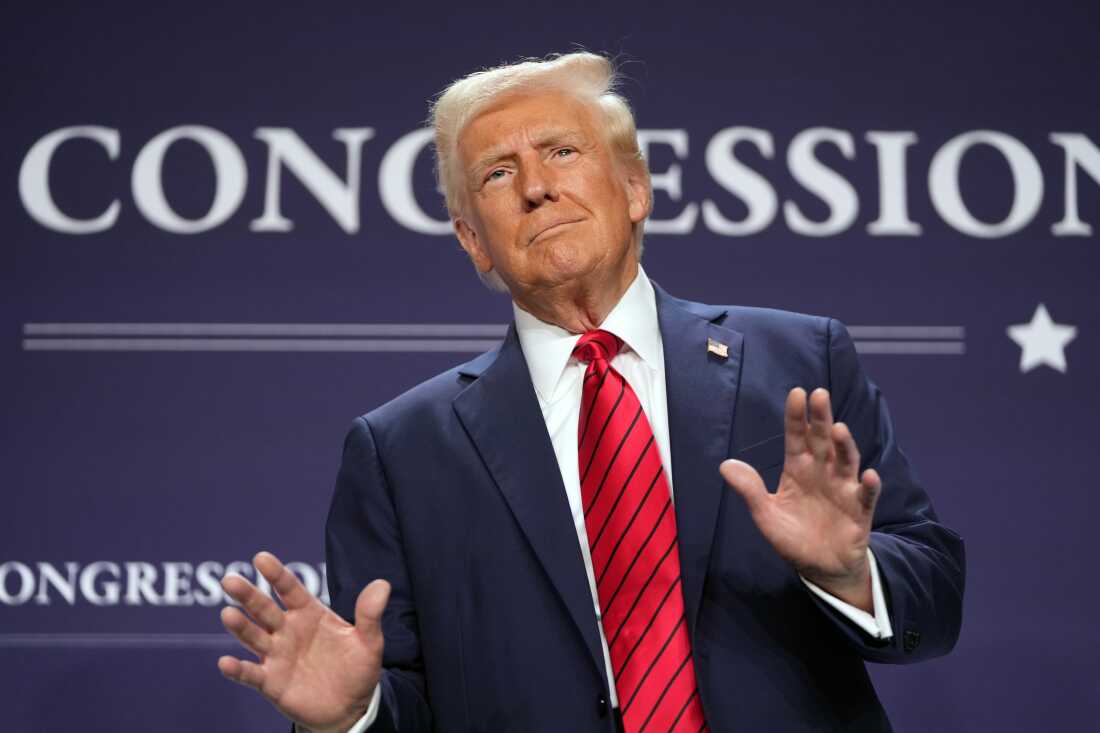
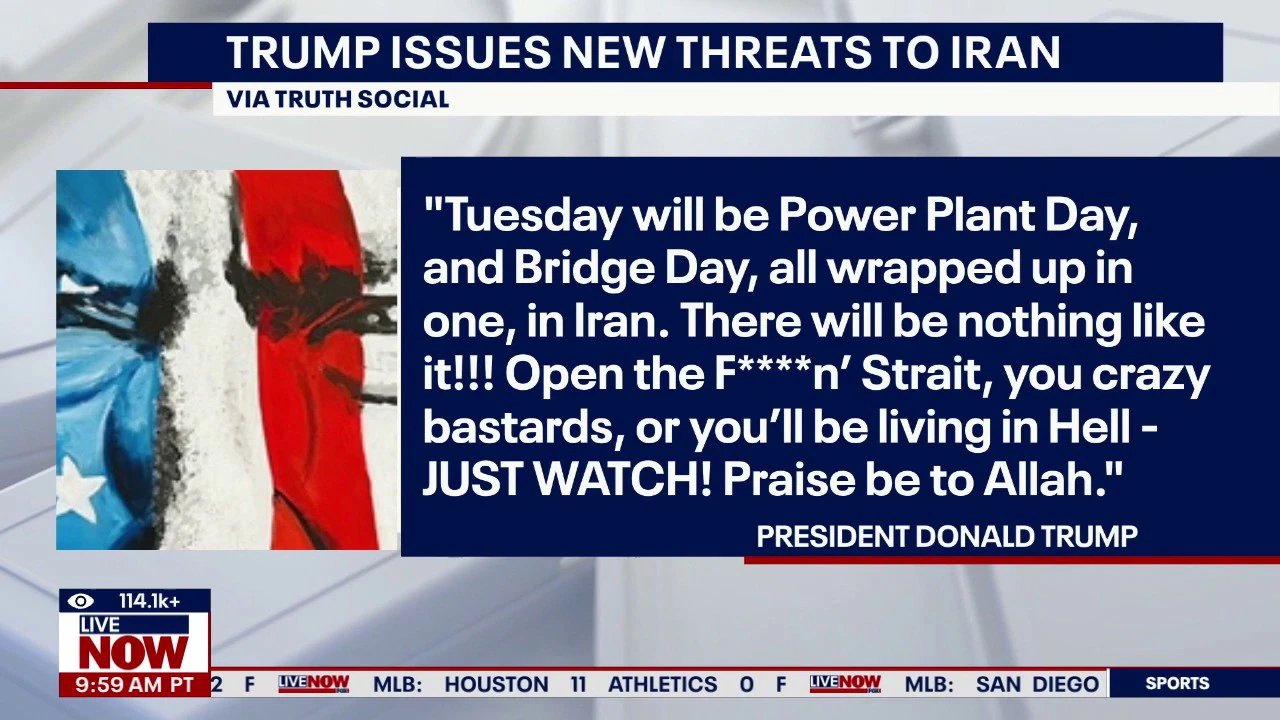
President Donald Trump has heightened the stakes by threatening military action if Iran attempts to assassinate him. He stated on social media, "1,000 Missiles are Locked and Loaded and aimed at Iran," asserting that the U.S. military is prepared to "completely decimate and destroy all areas of Iran." This warning coincides with reports of an Iranian plot to target Trump, which Israeli intelligence shared with U.S. officials. The president's rhetoric complicates the diplomatic landscape, as it raises fears of escalation even as talks resume.
Ceasefire and Ongoing Accusations
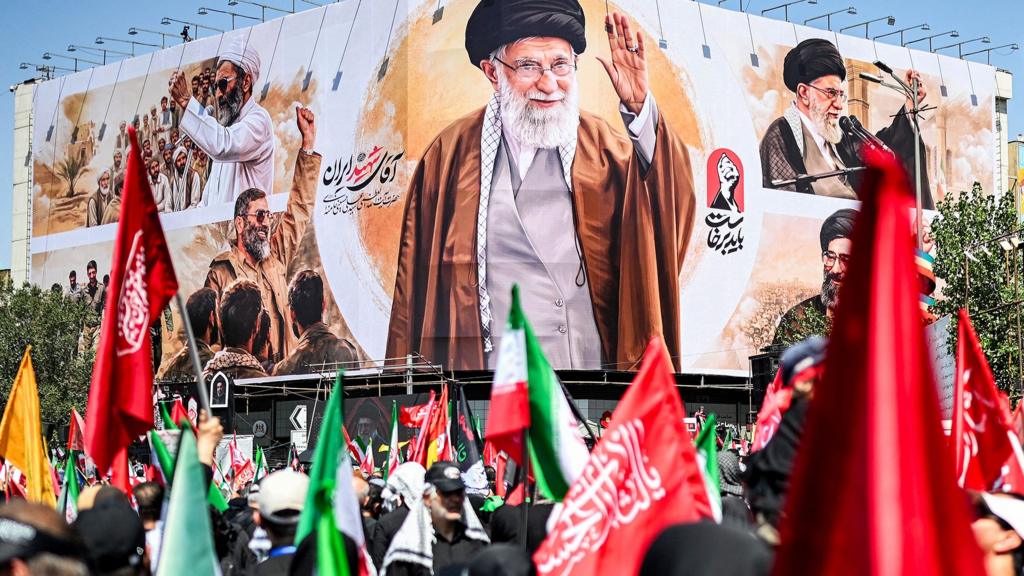
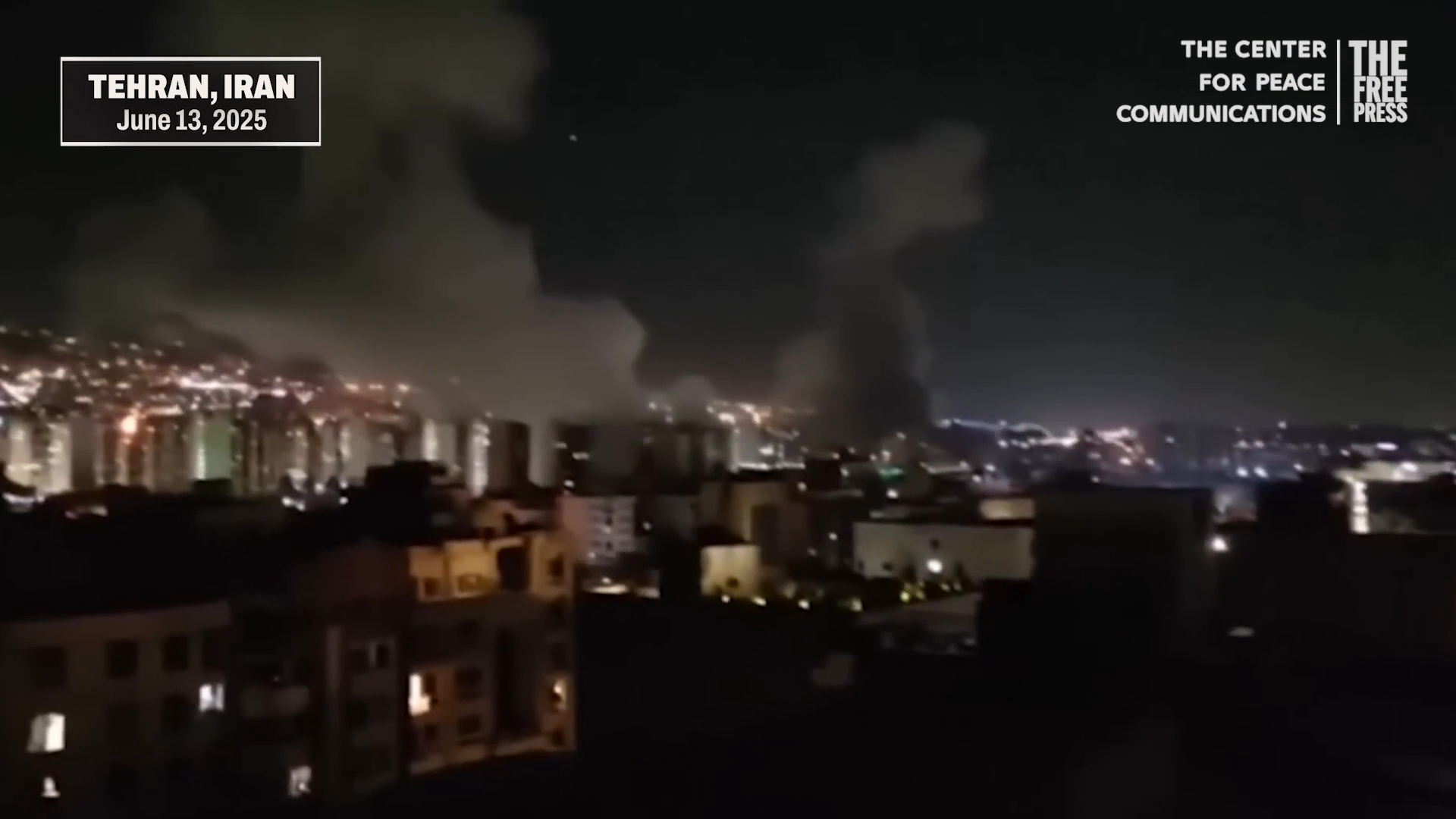
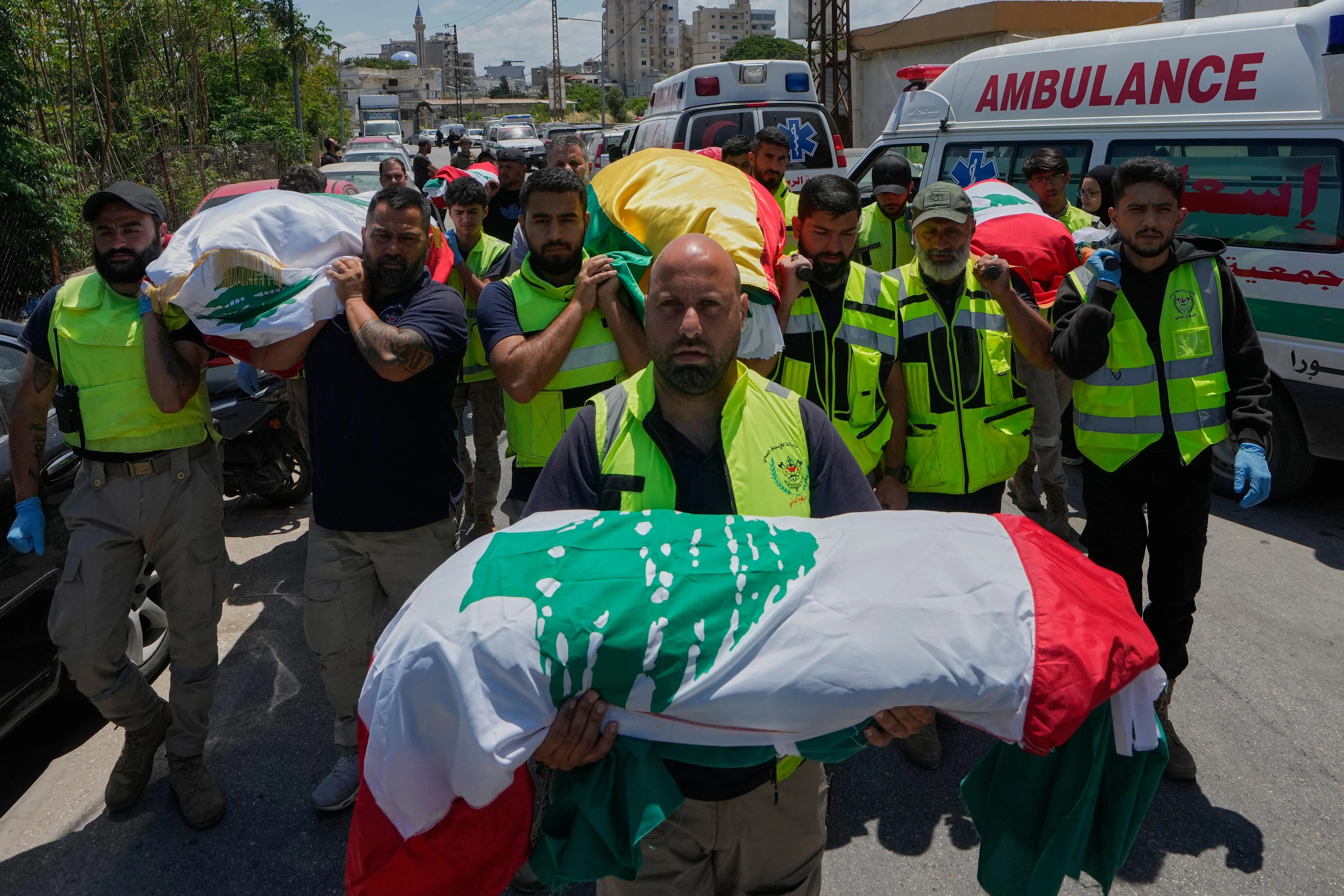
The U.S. and Iran have been engaged in a fragile ceasefire, with both sides accusing each other of violations. Iranian Foreign Minister Abbas Araghchi claimed that Iran has honored its commitments, while U.S. officials demand assurances regarding maritime security. The U.S. has expressed confidence in the more moderate elements within the Iranian political system to counter hardliners, although the situation remains volatile.
Future of Negotiations Uncertain
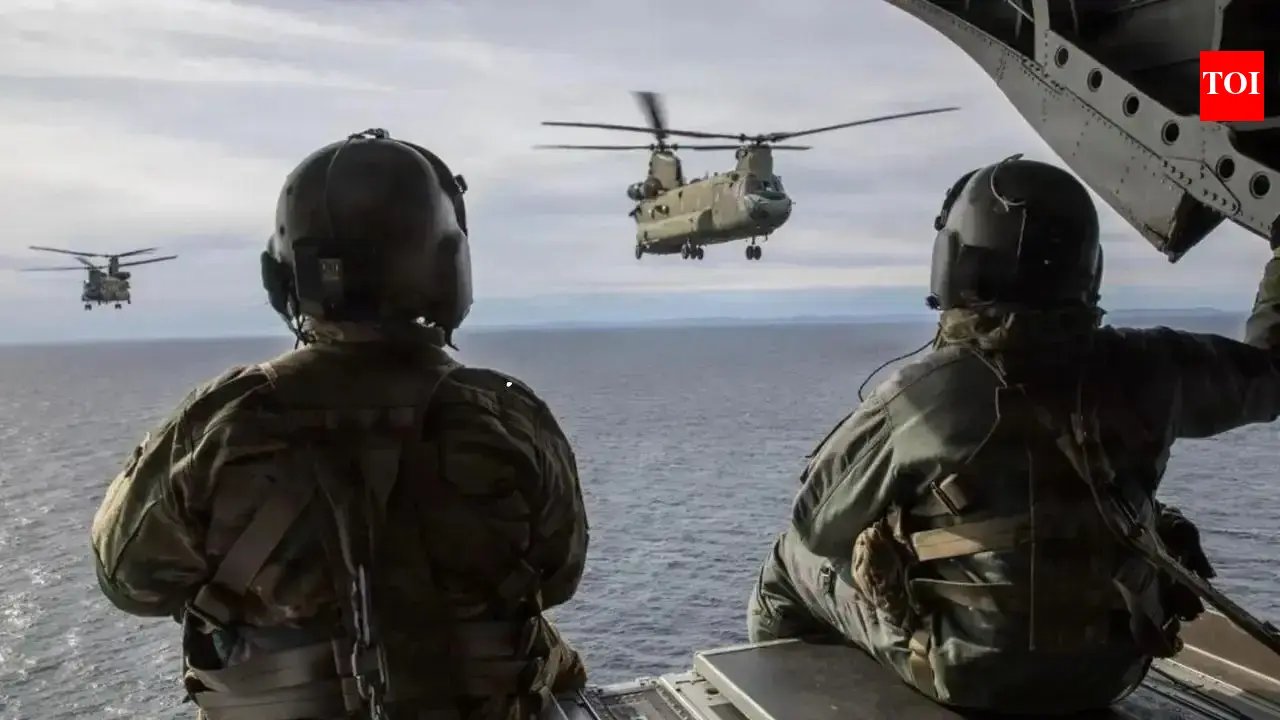
While U.S. officials express optimism about Iran's willingness to negotiate, the potential for miscalculation looms large. A senior U.S. official commented, "We have a lot of options if the hardliners get the upper hand." As the talks progress, the outcome remains uncertain, with the U.S. holding significant leverage due to its military capabilities and diplomatic influence. The situation in the Strait of Hormuz will be a crucial factor in determining the success of these negotiations.
Implications for Global Oil Markets
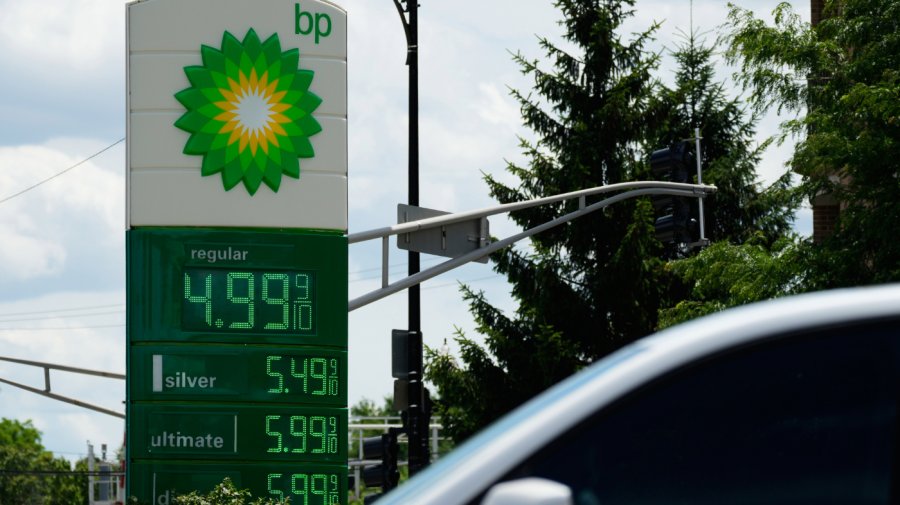
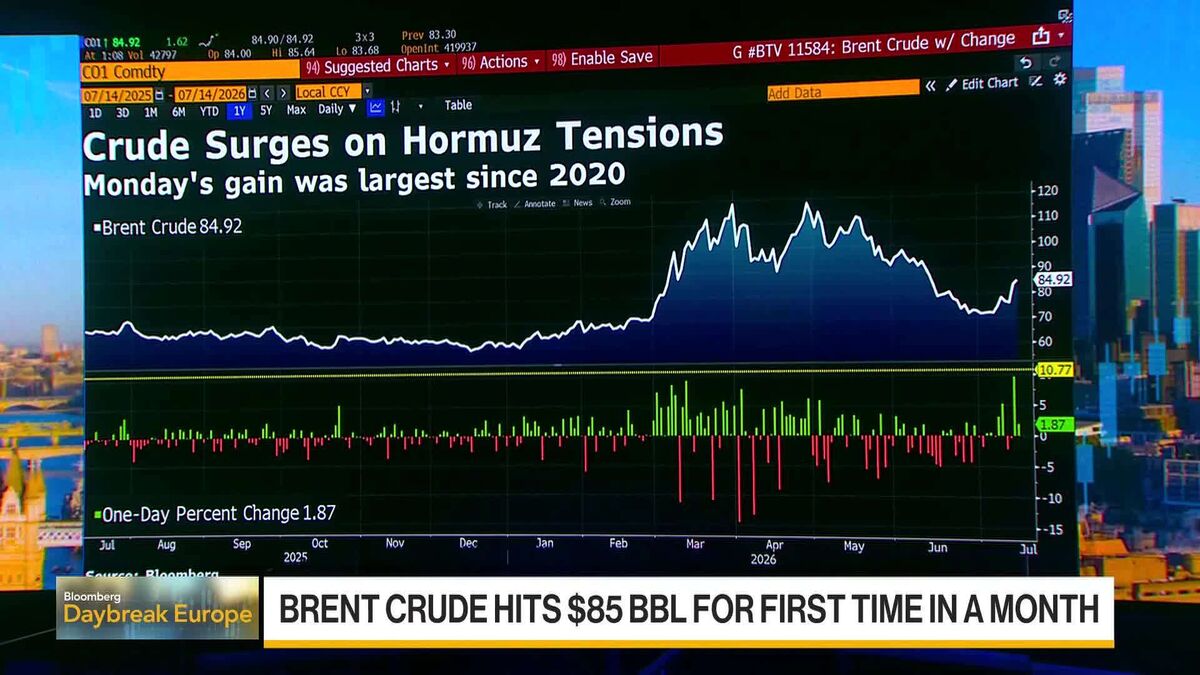
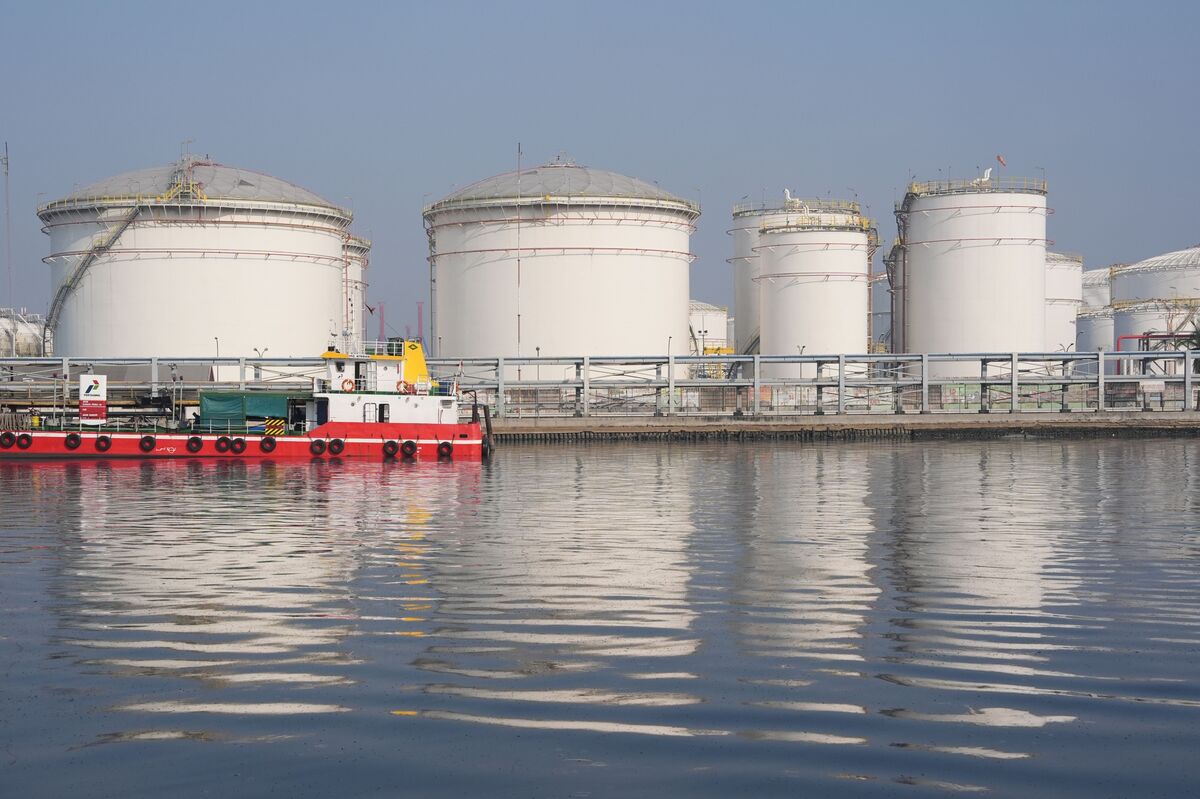
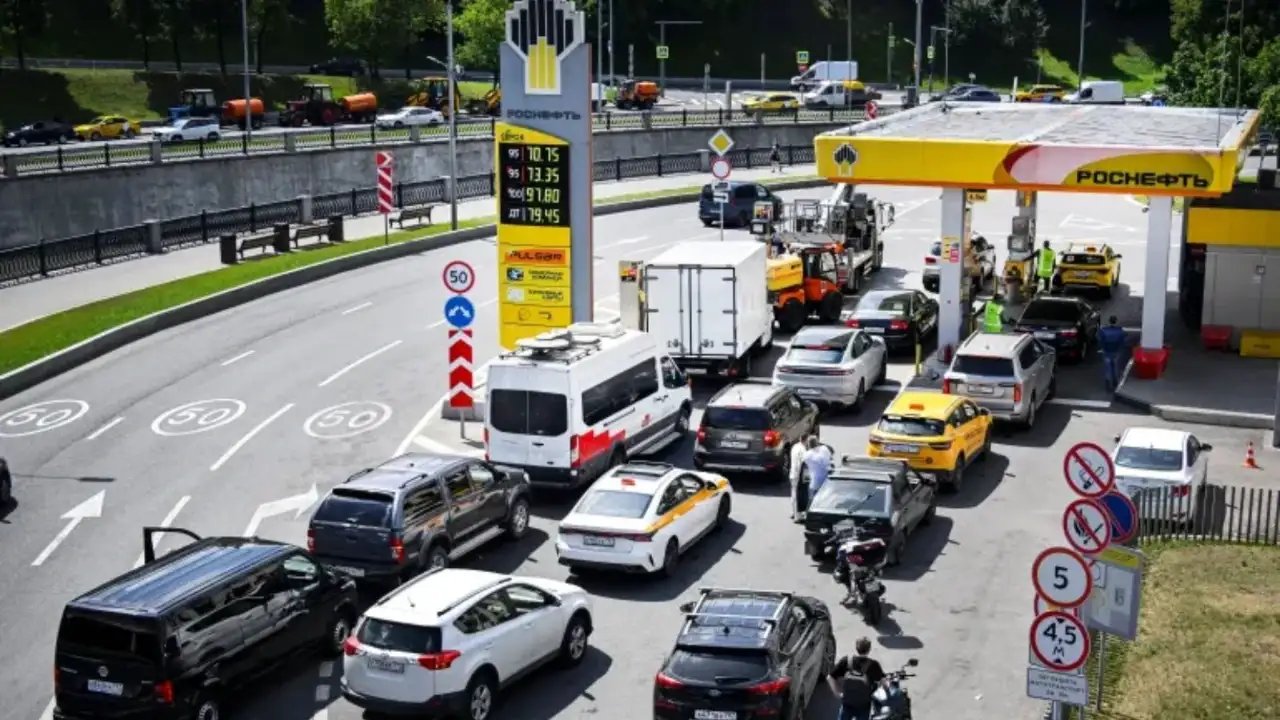
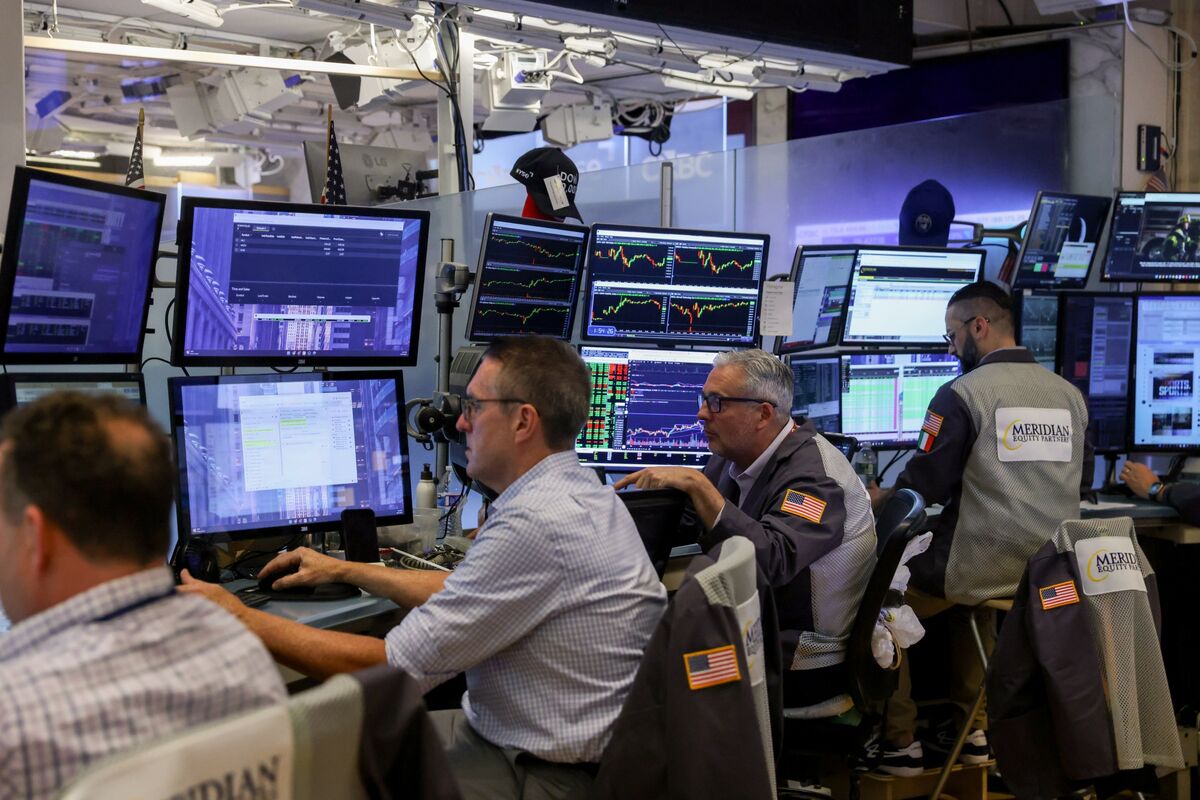
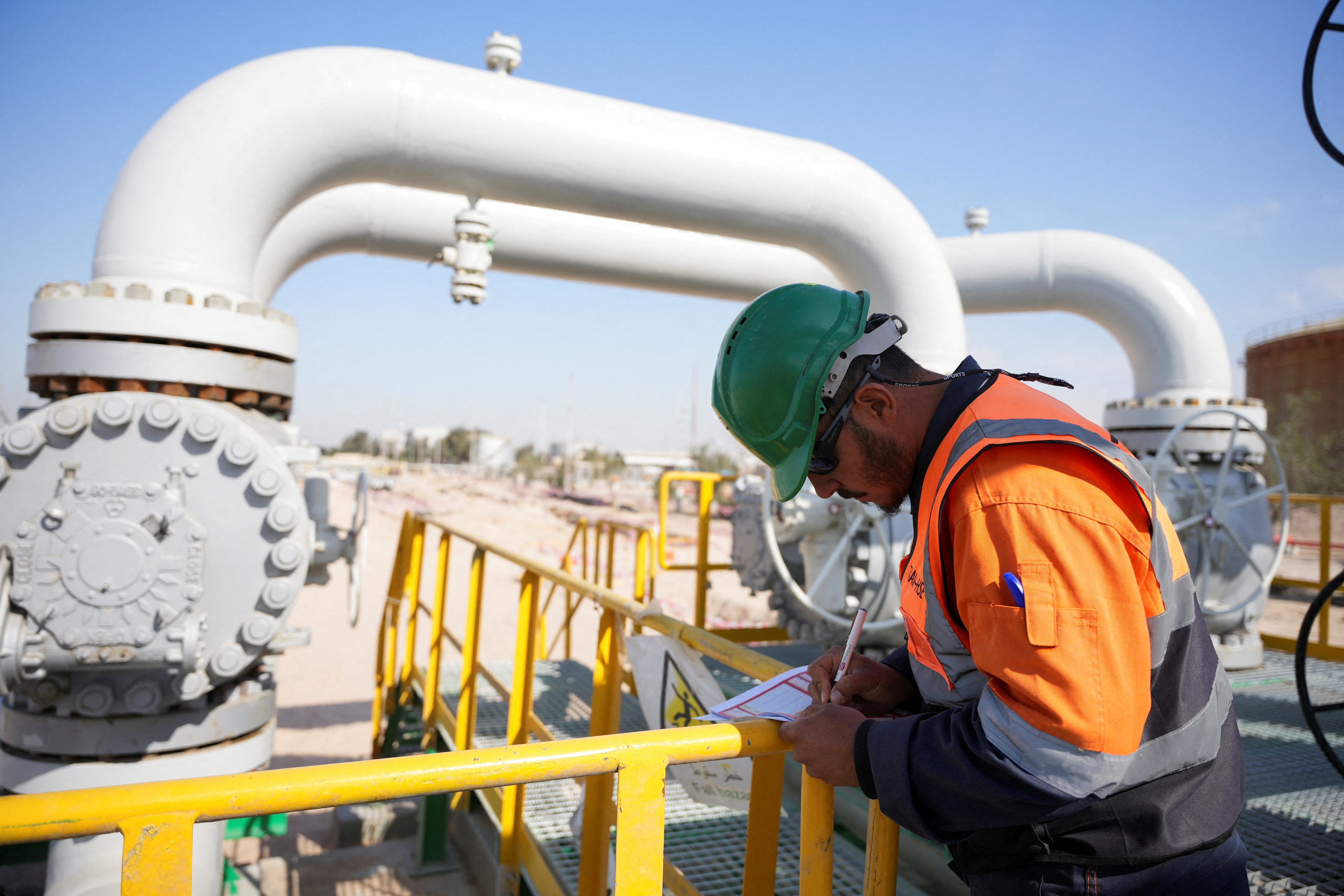
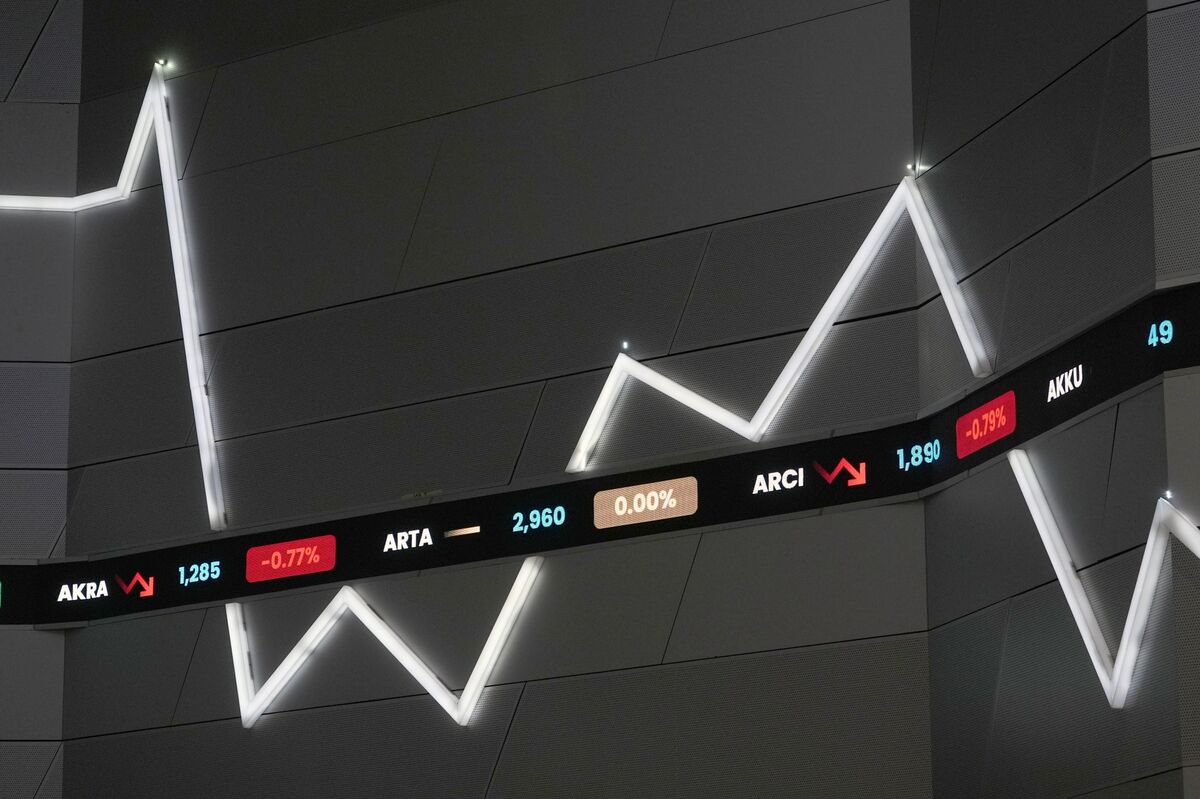
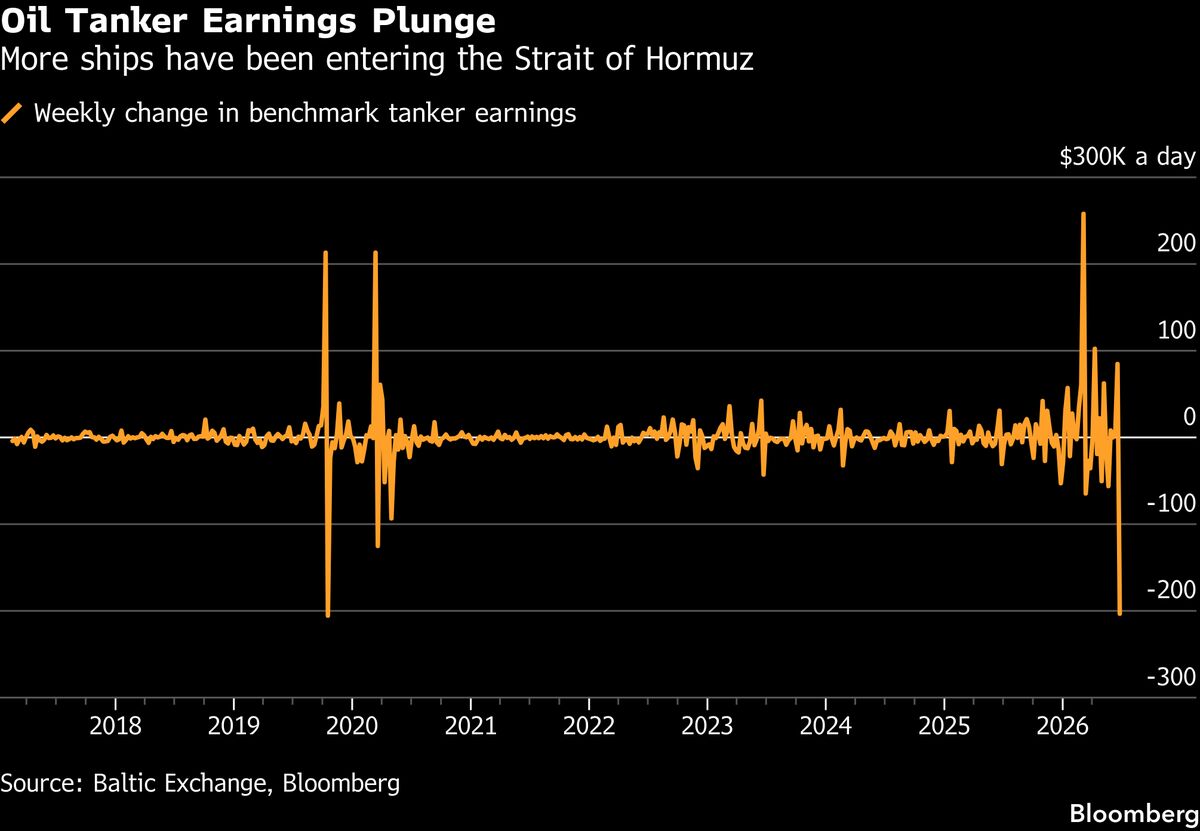
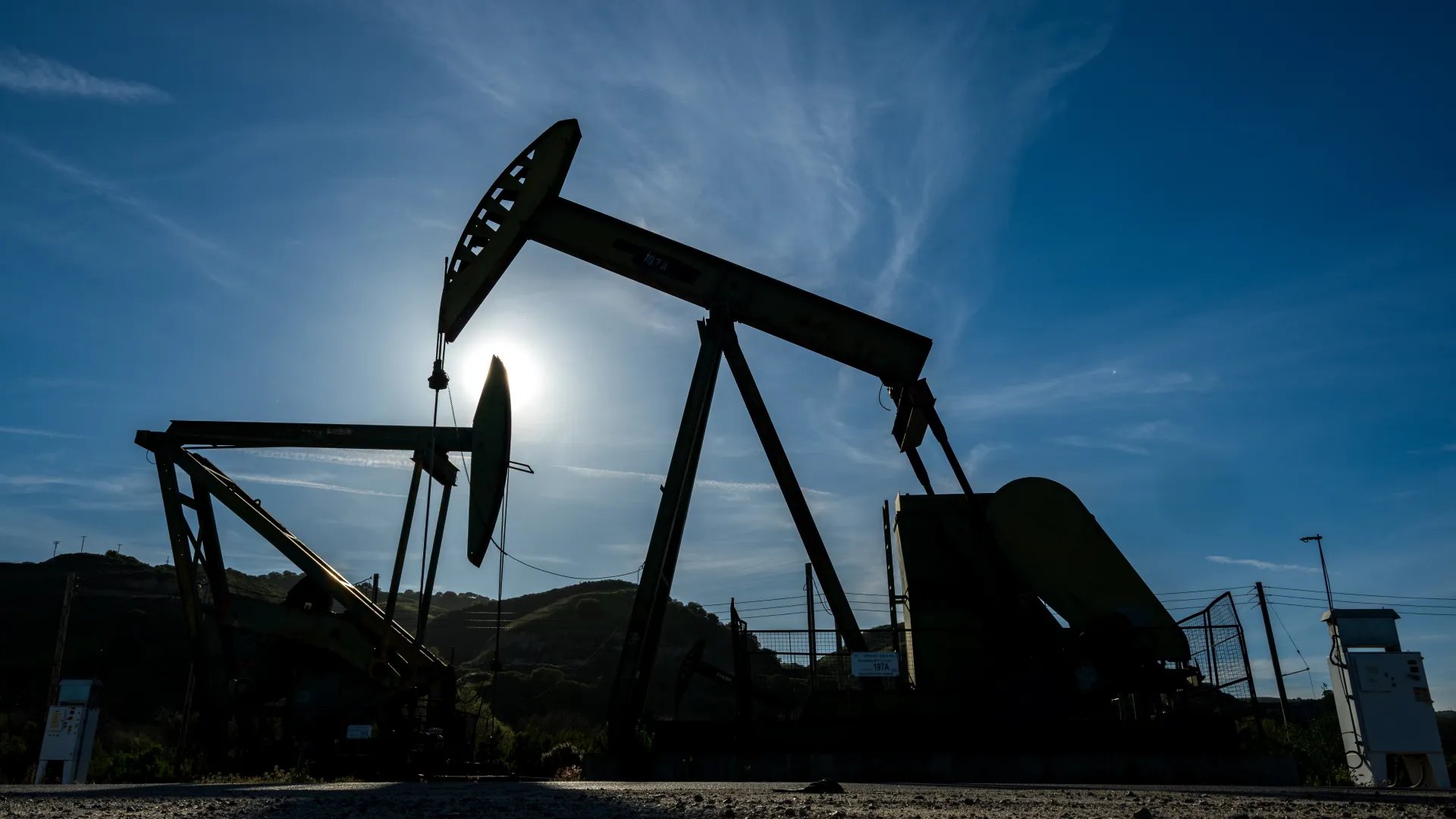
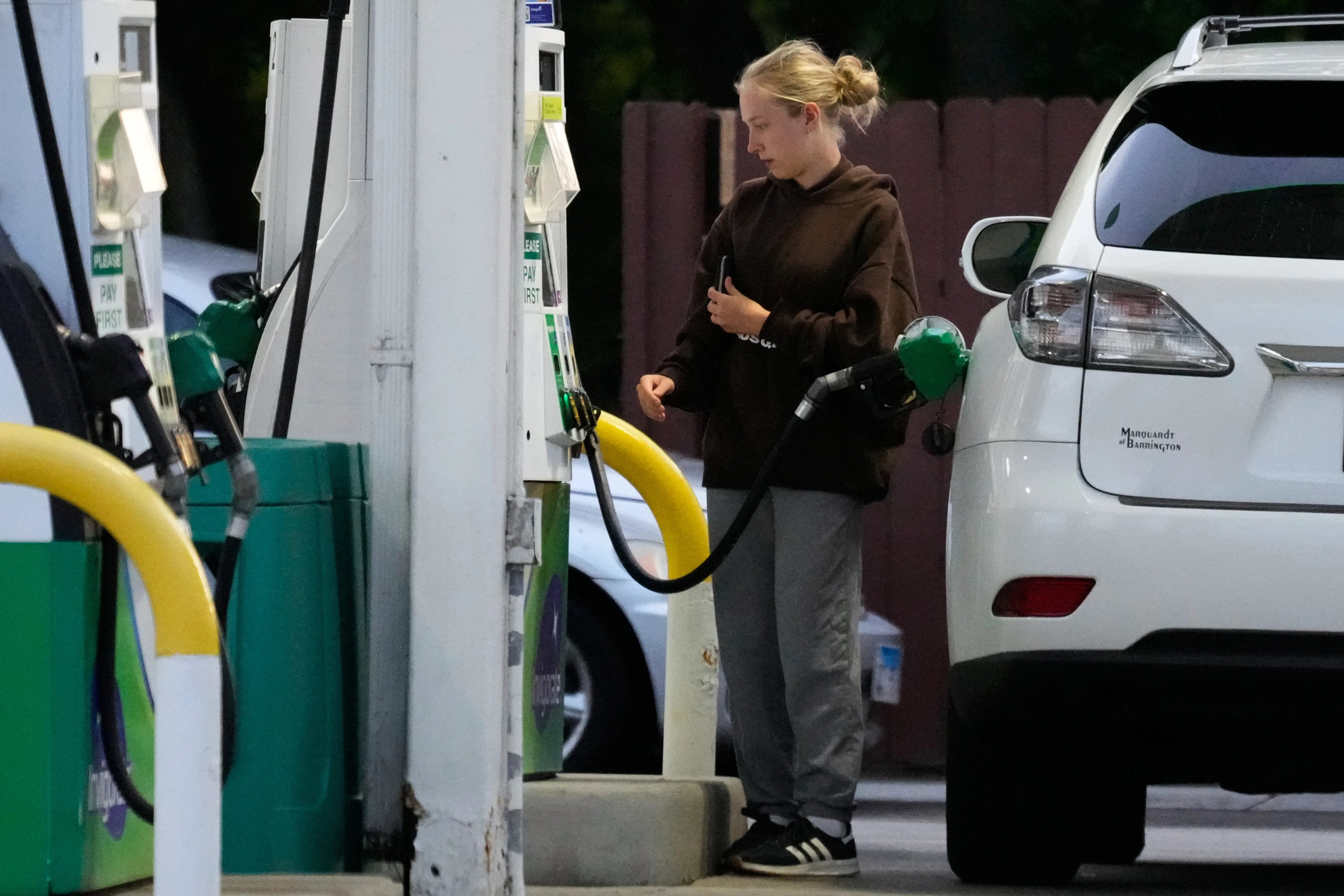
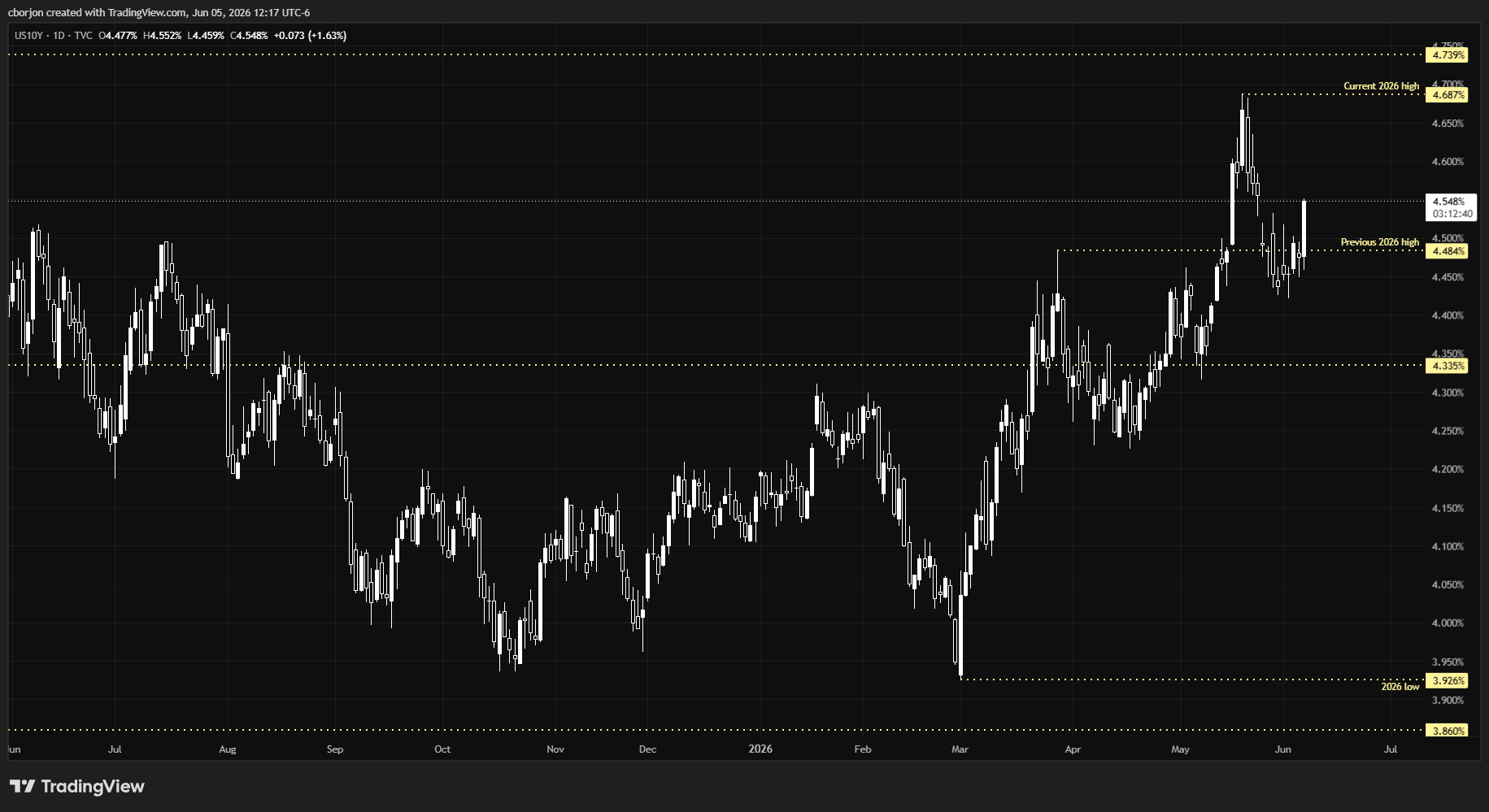
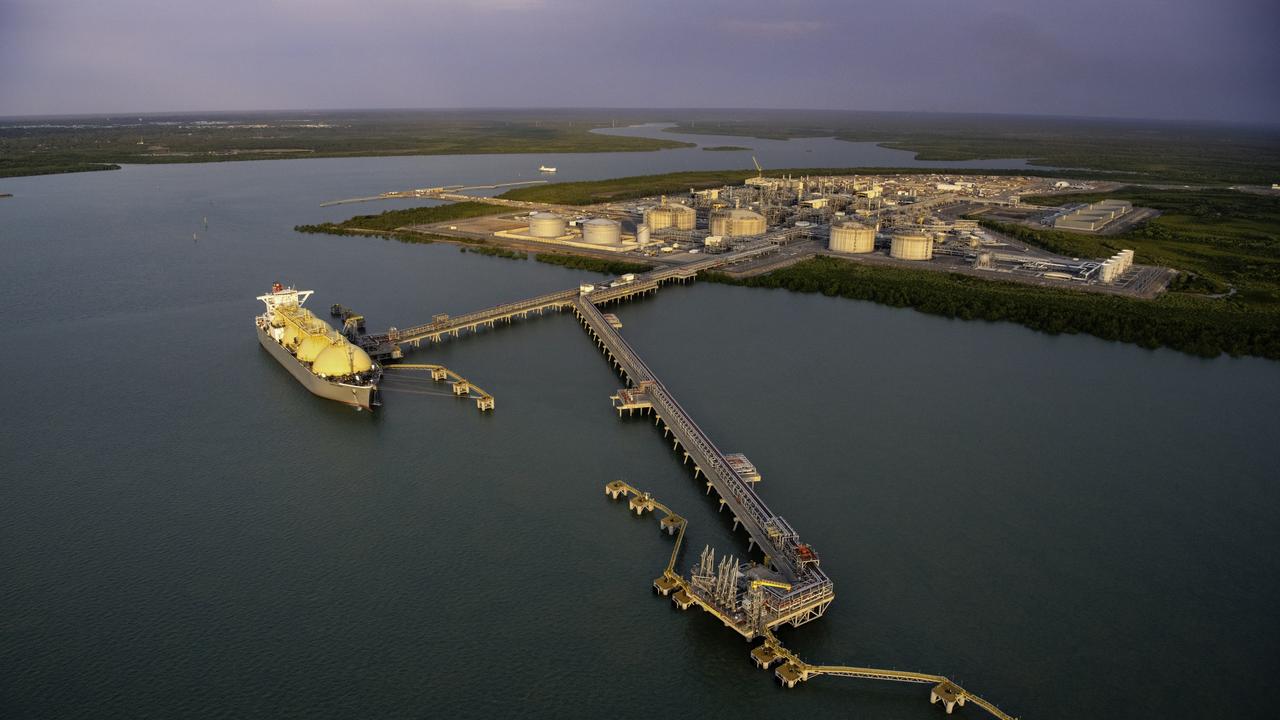
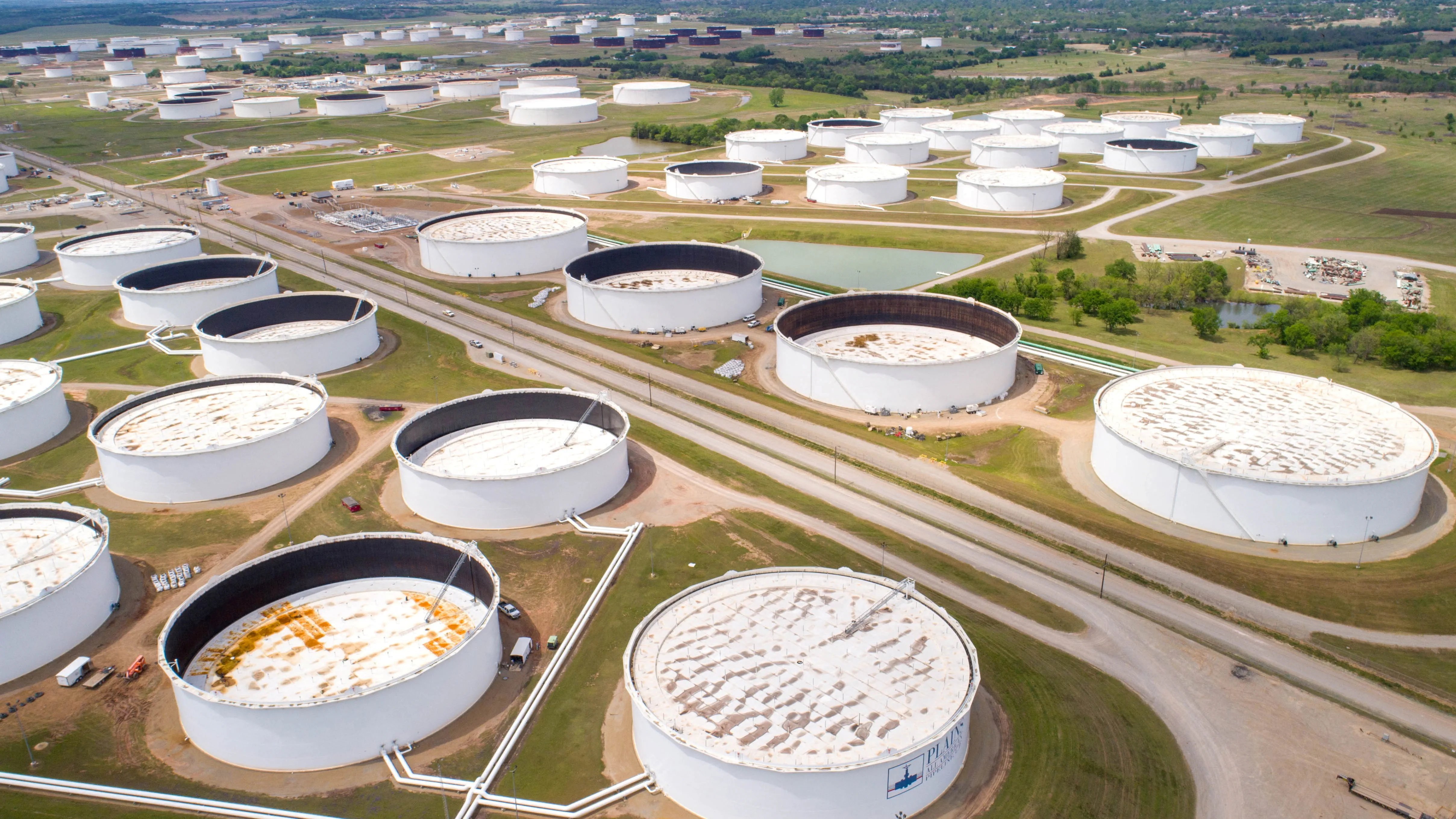
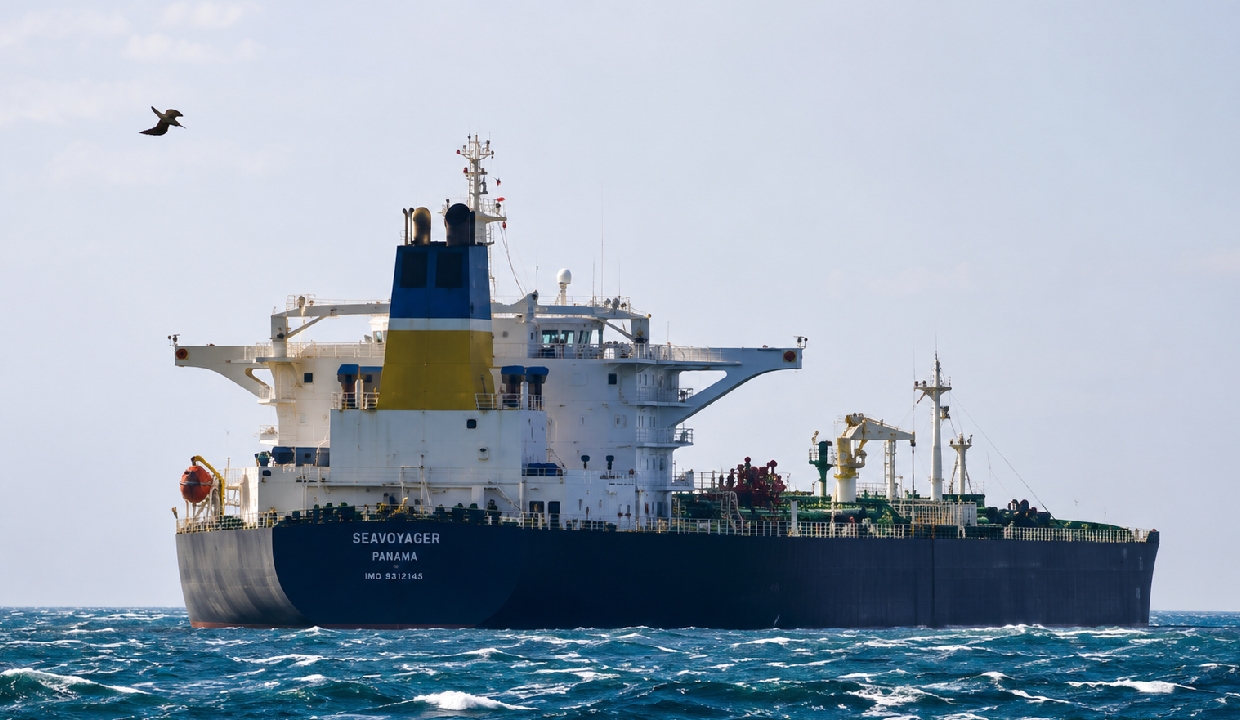
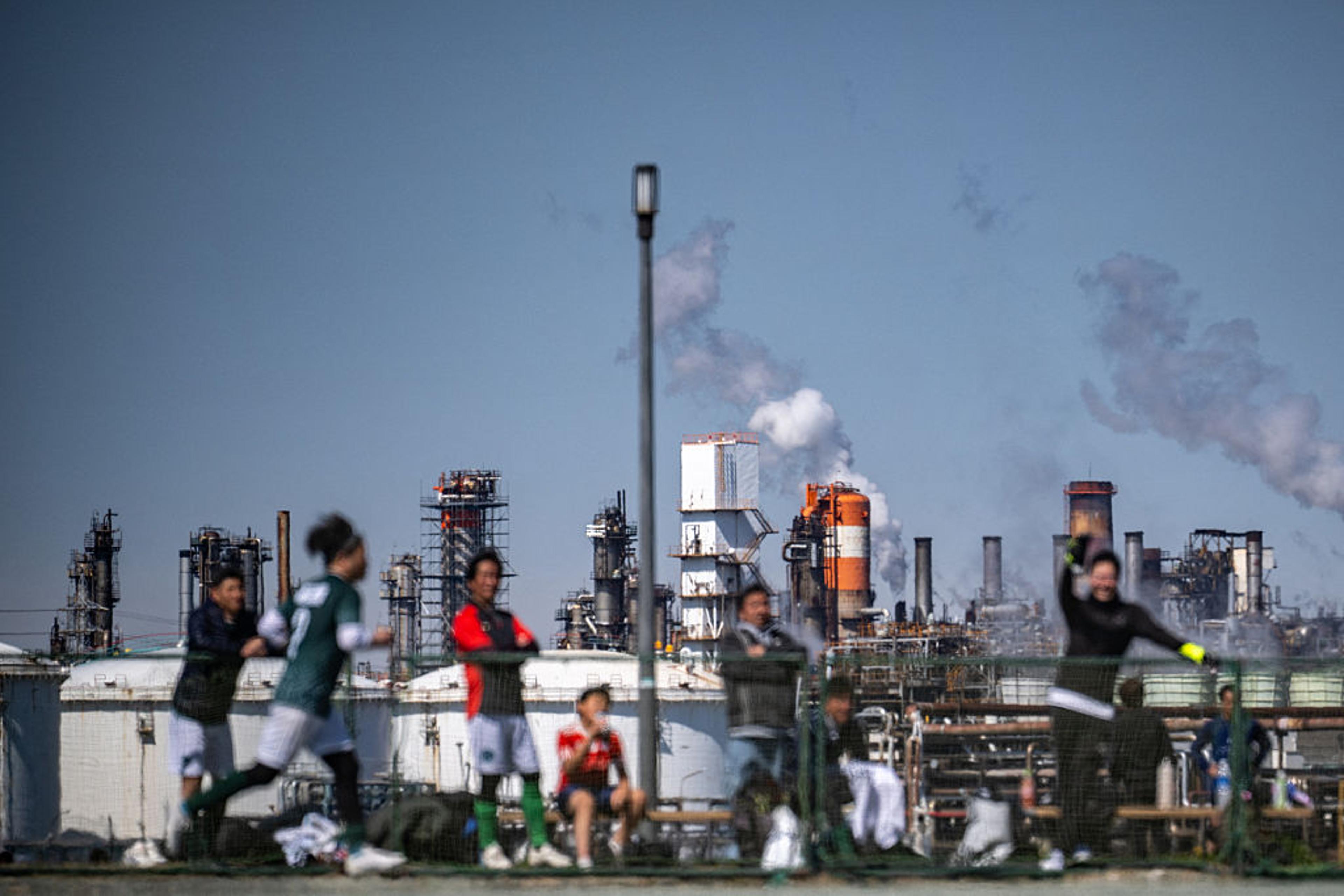
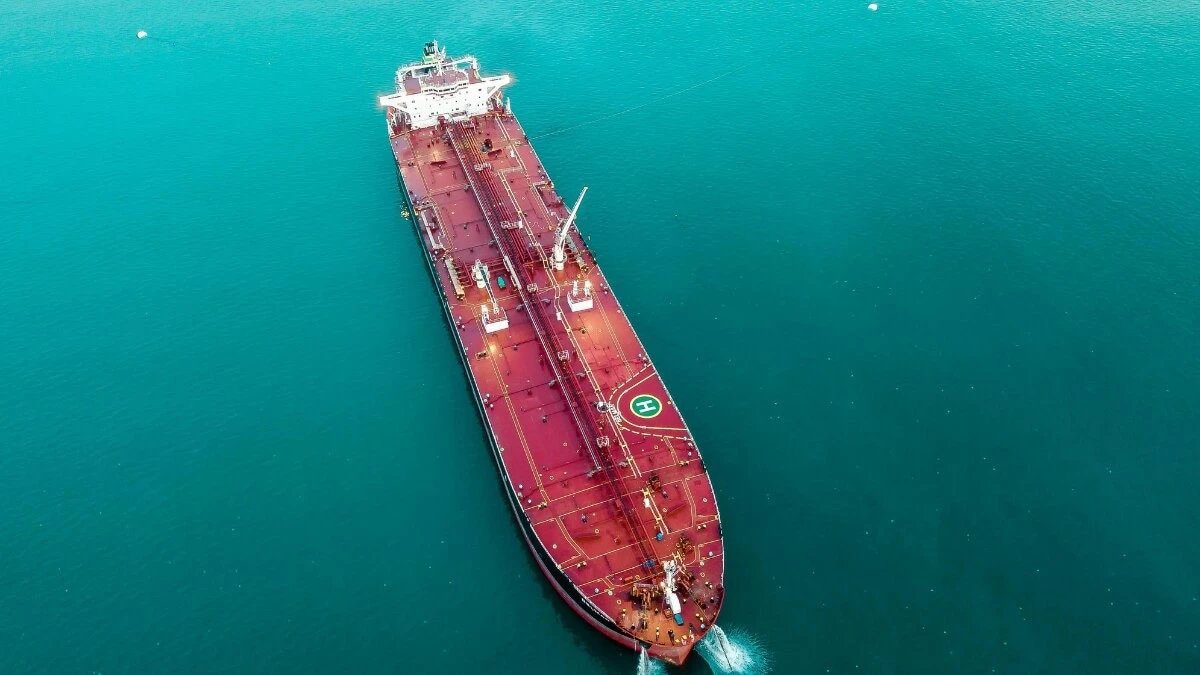
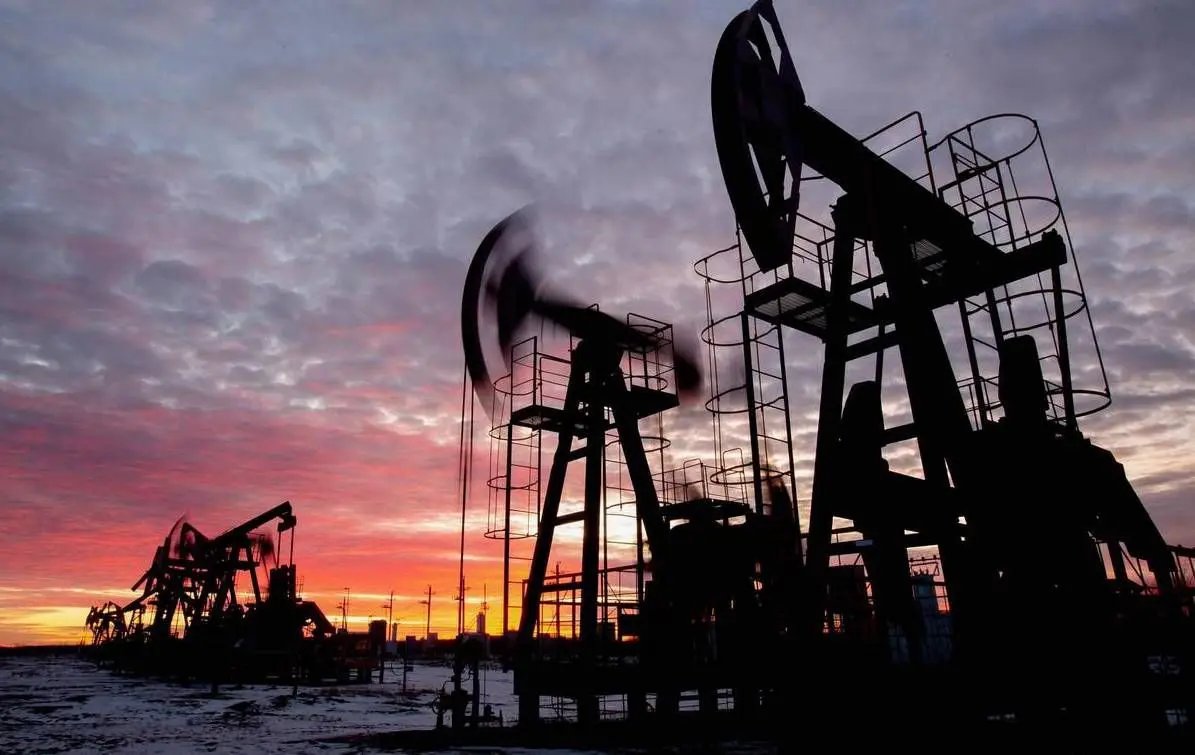
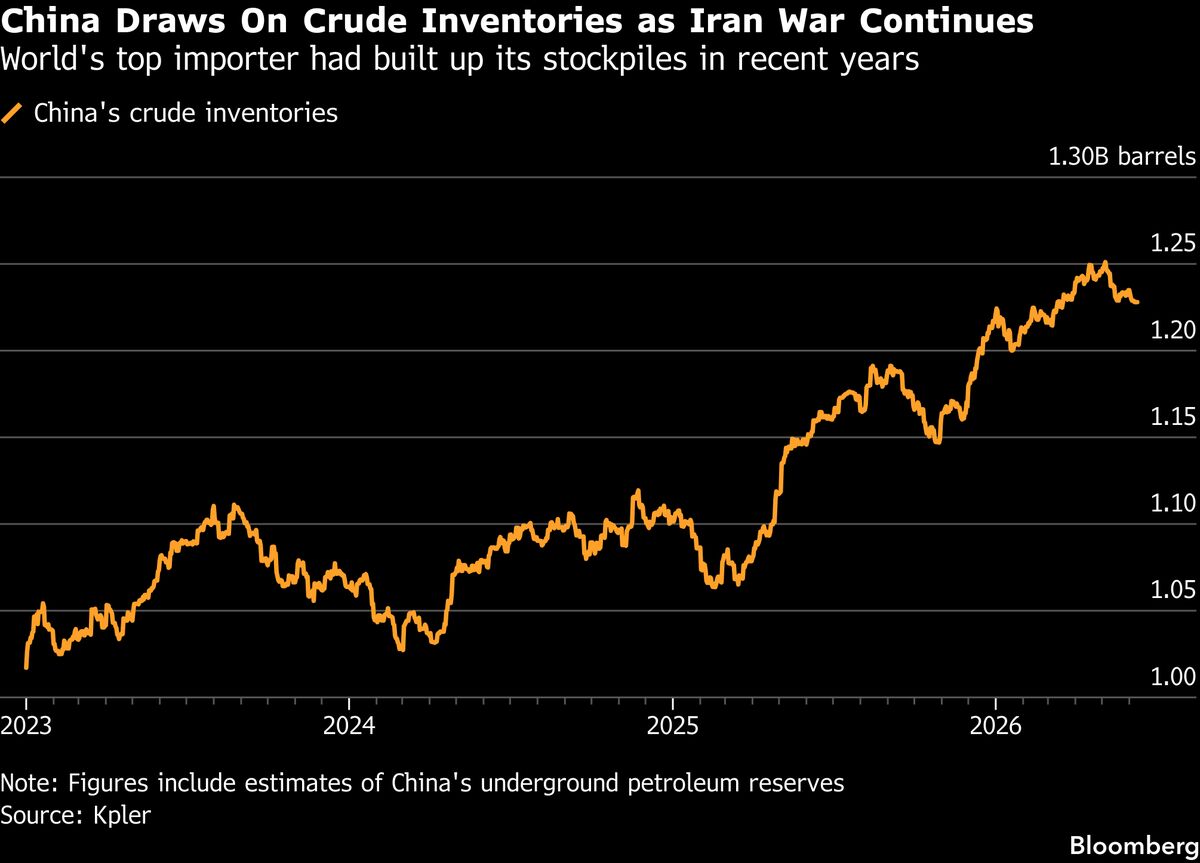
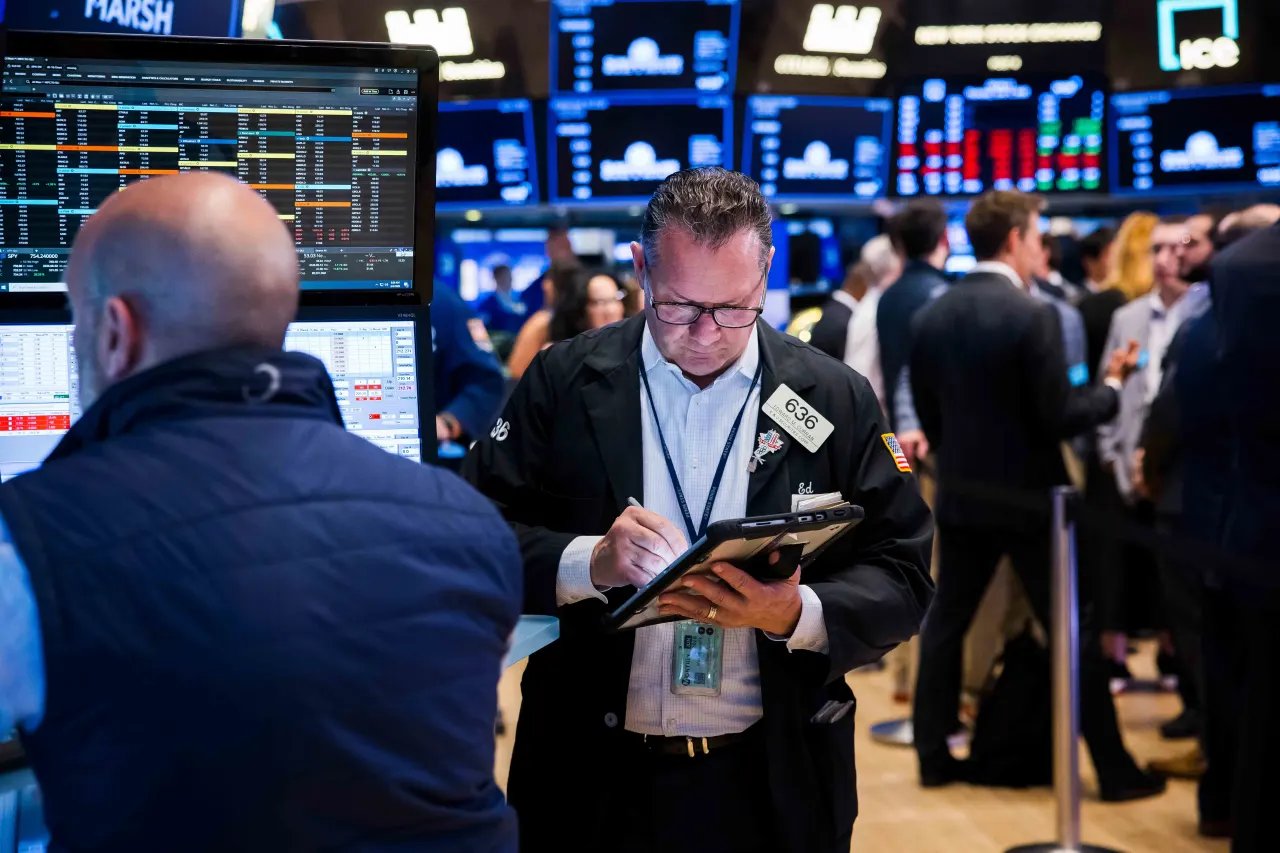
The tensions in the Strait of Hormuz have direct implications for global oil markets, as the waterway is a critical passage for oil shipments. Any disruption could lead to increased oil prices and economic instability. As talks between the U.S. and Iran continue, market observers will closely monitor the developments, particularly regarding any commitments from Iran to ensure the safety of shipping traffic.
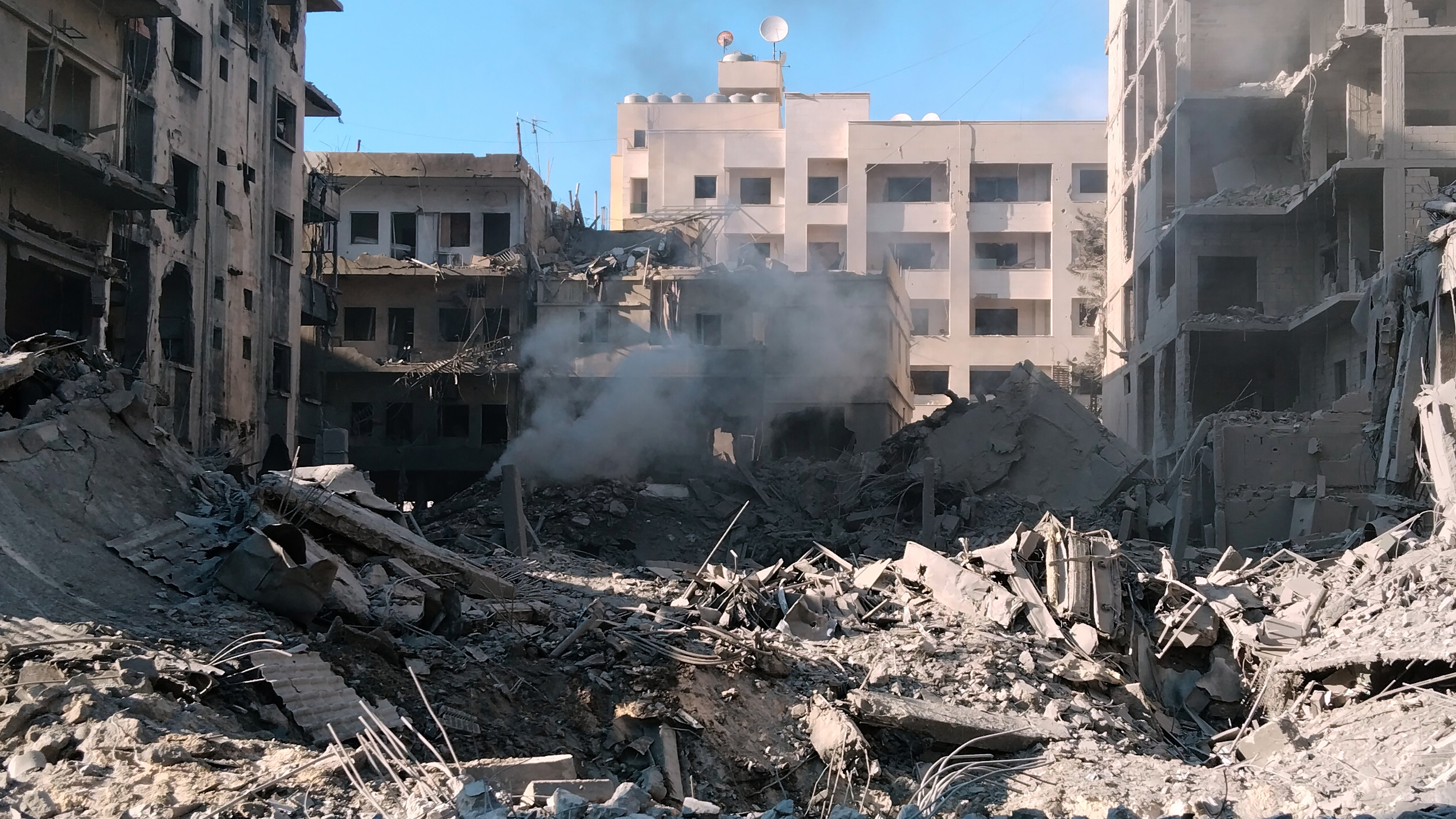
As negotiations unfold, the stakes are high. The potential for both diplomatic resolution and military conflict hangs in the balance, impacting not only the U.S. and Iran but also global economic stability.