




Direct Hit on Russian Oil Revenues
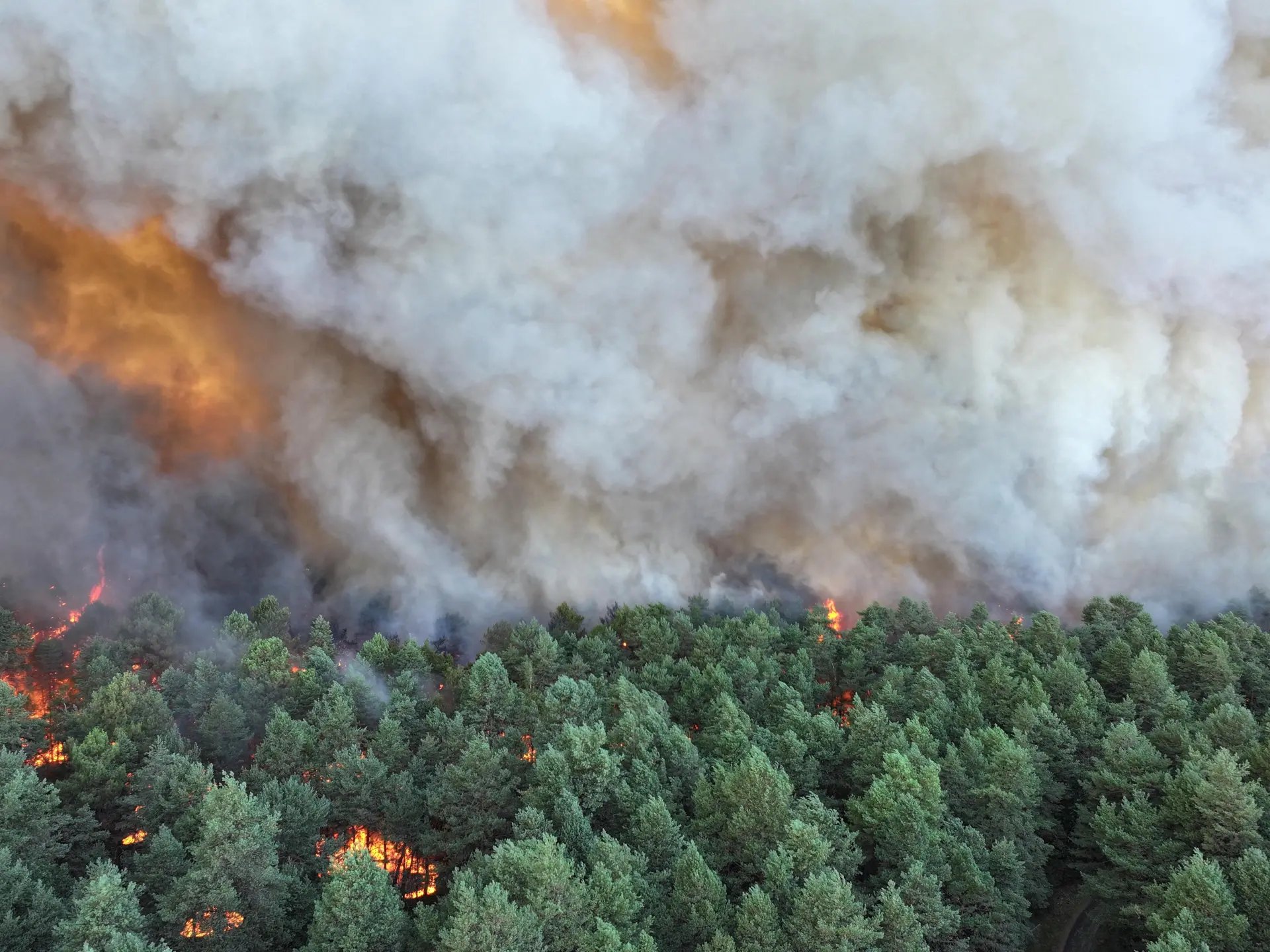
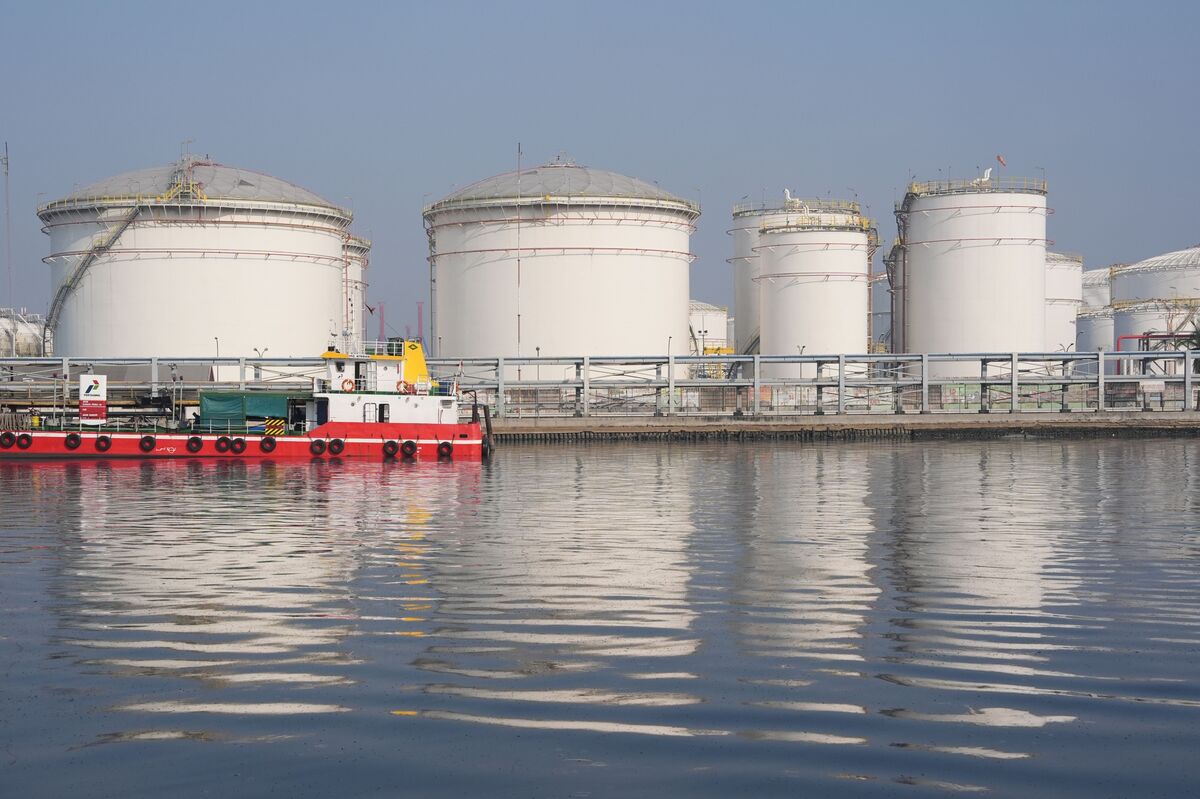
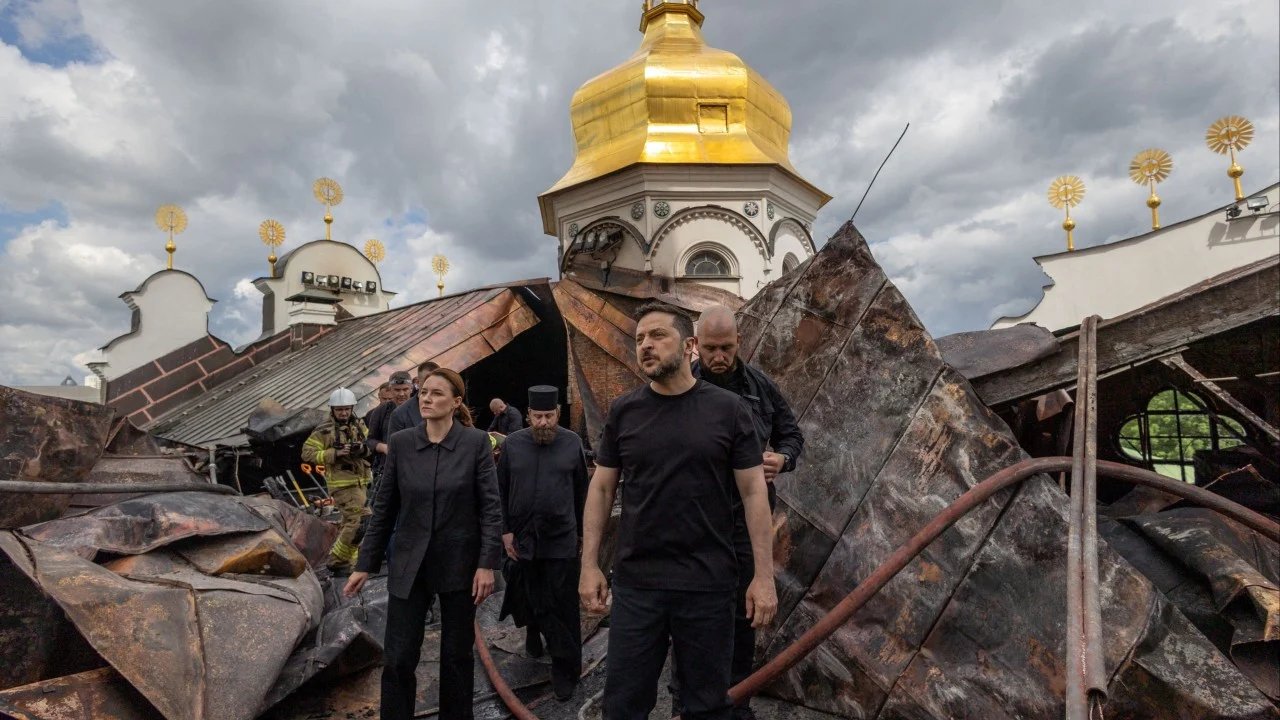
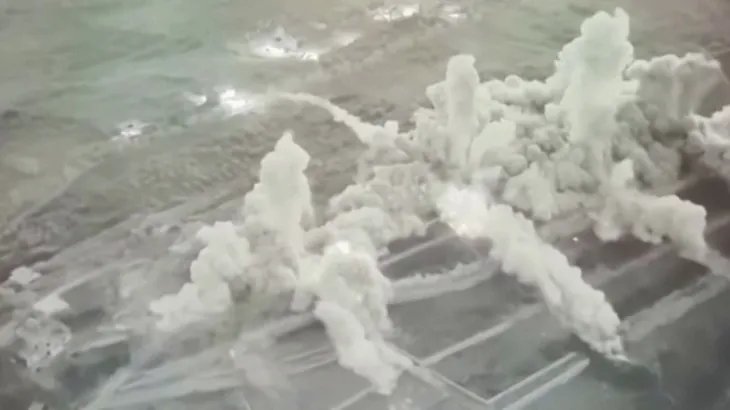
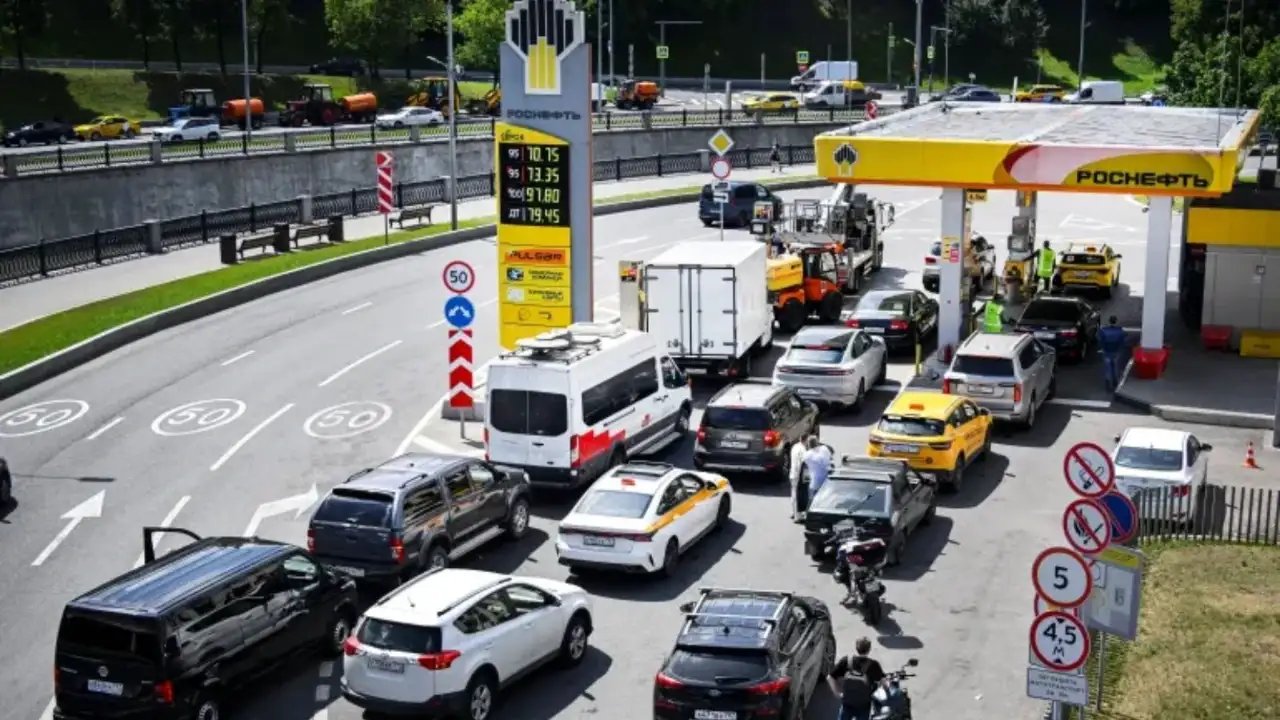
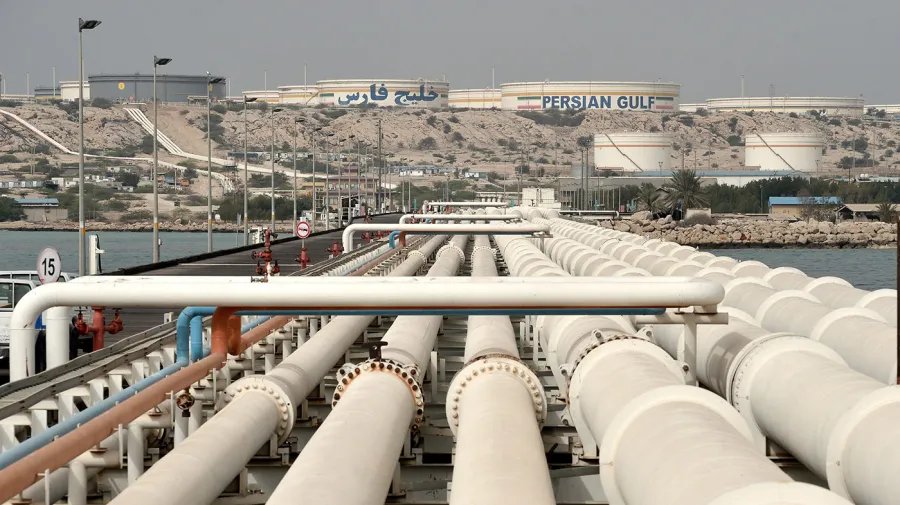
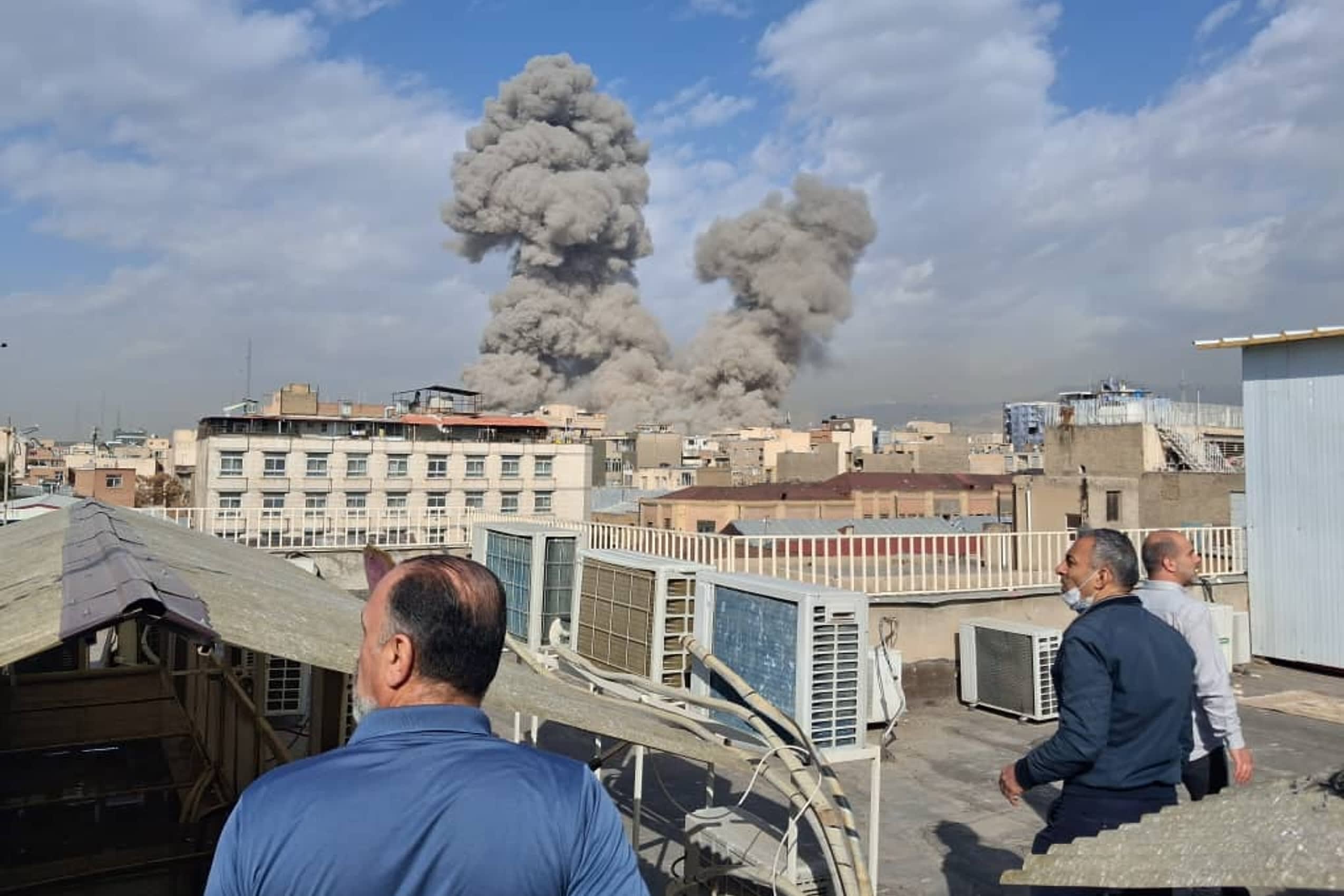
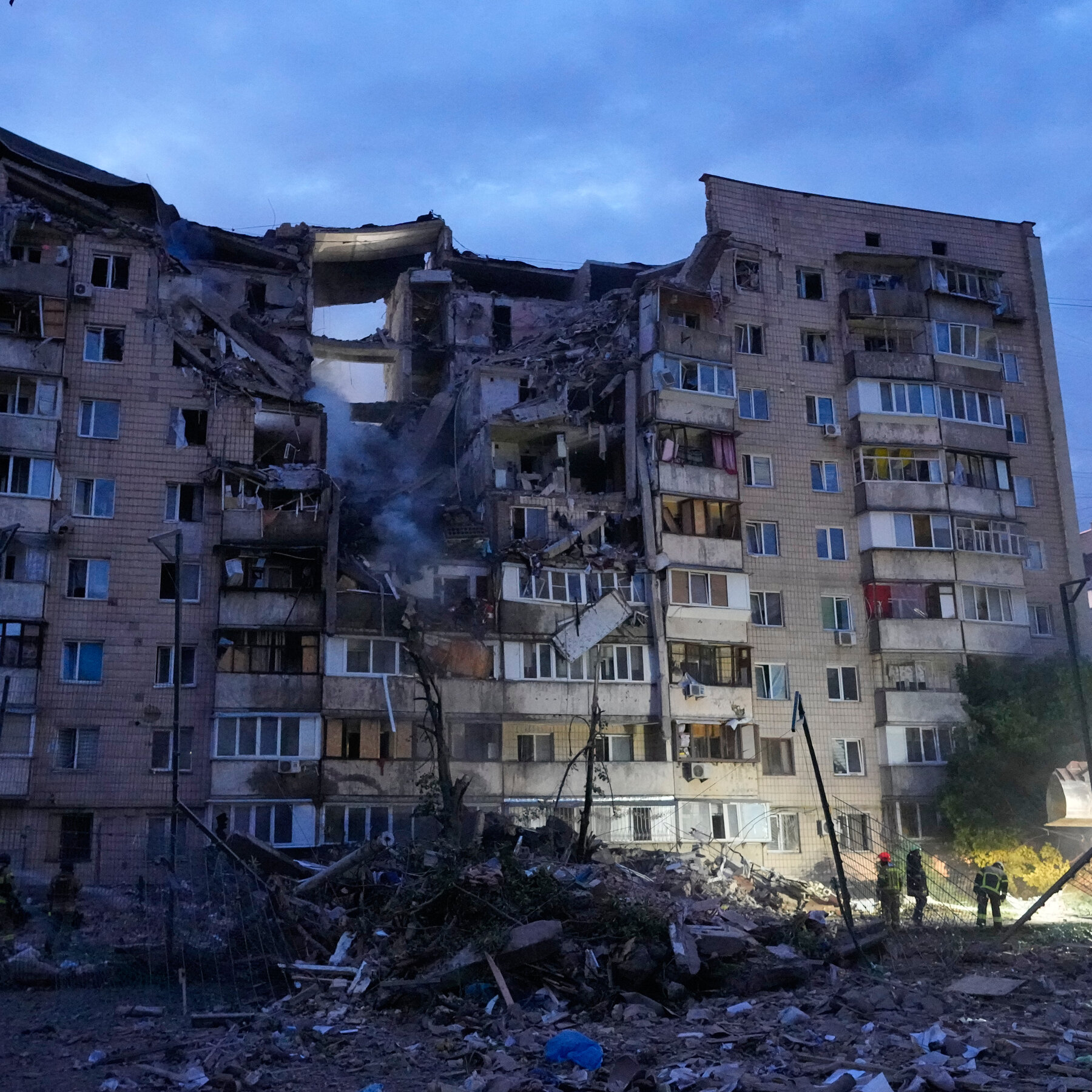
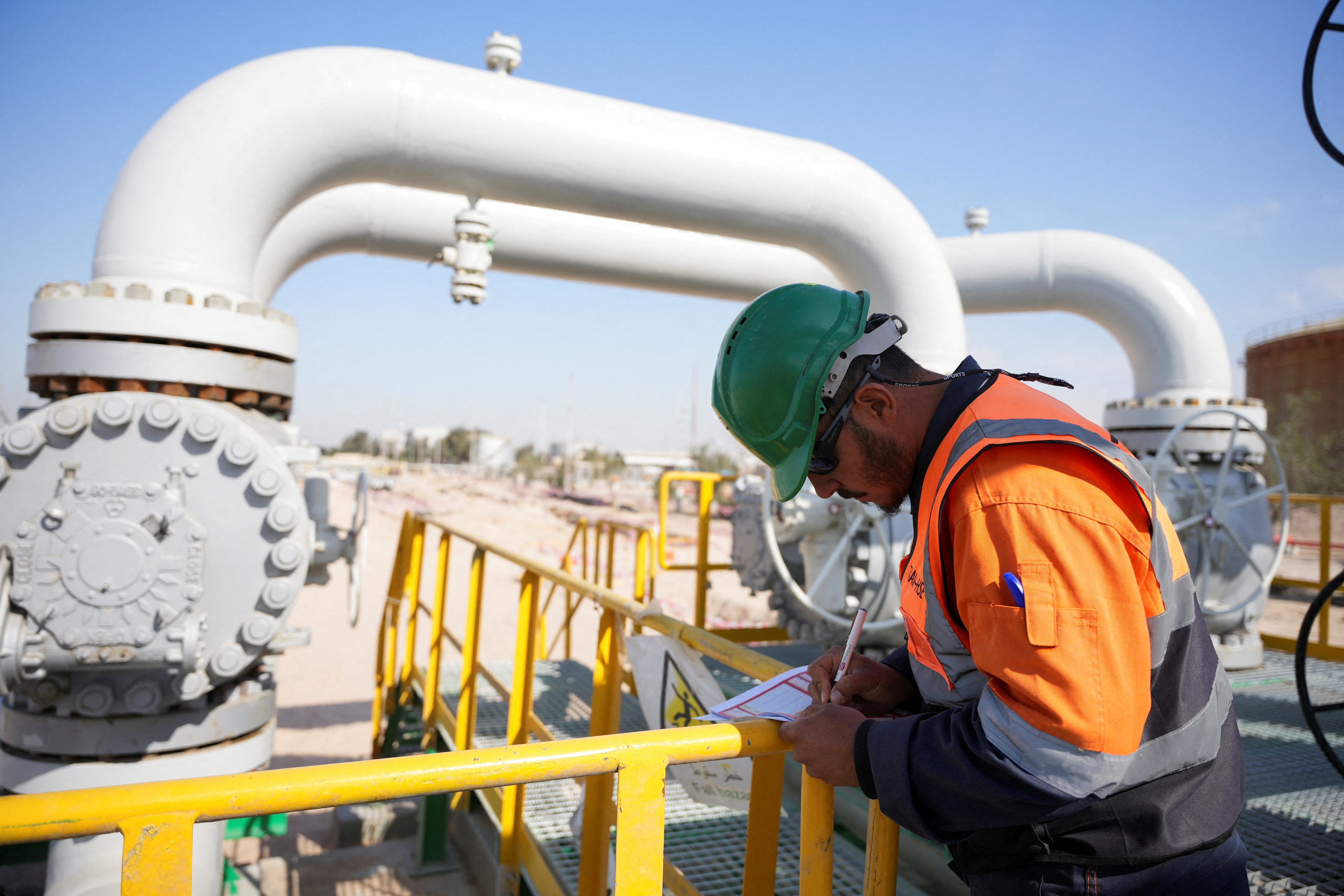
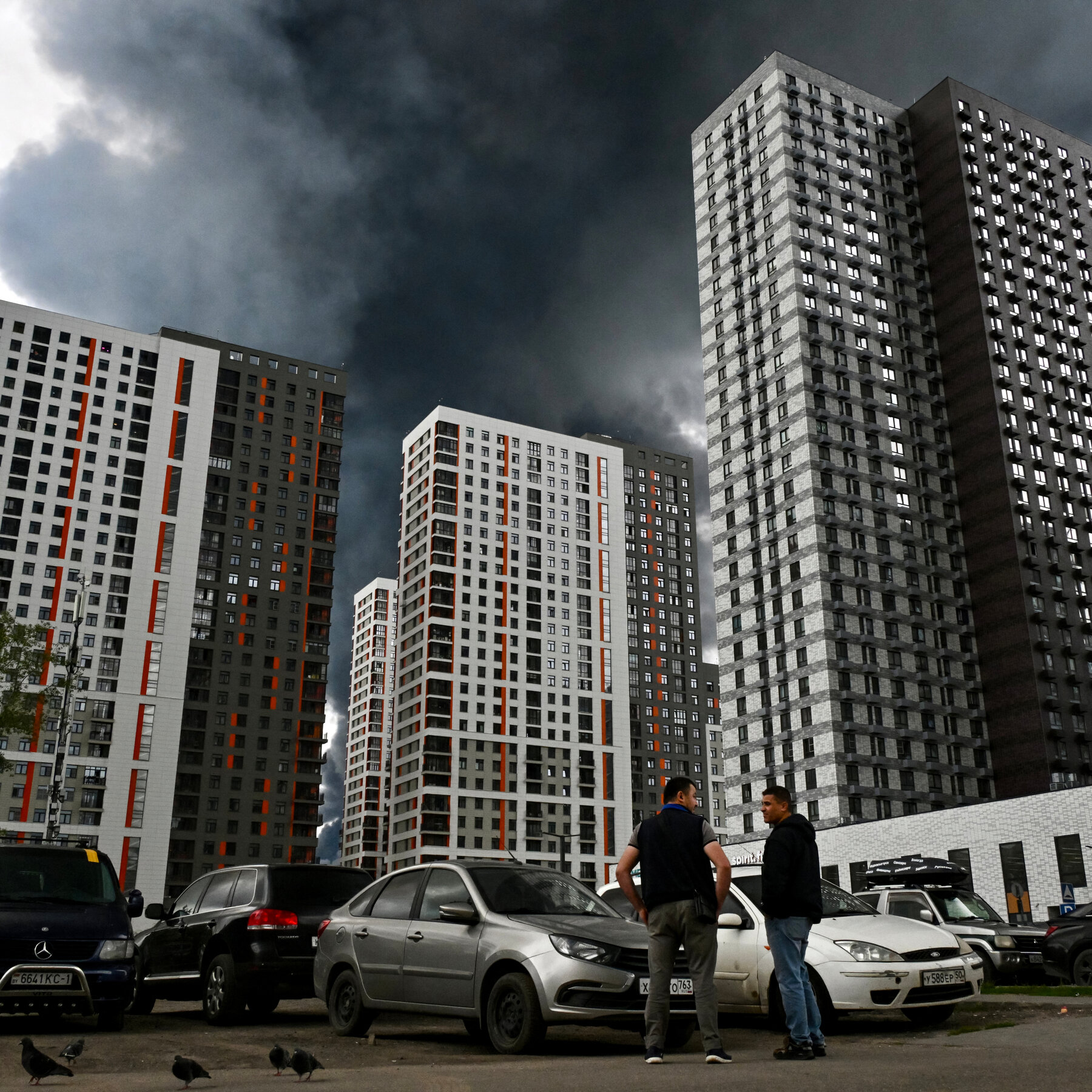
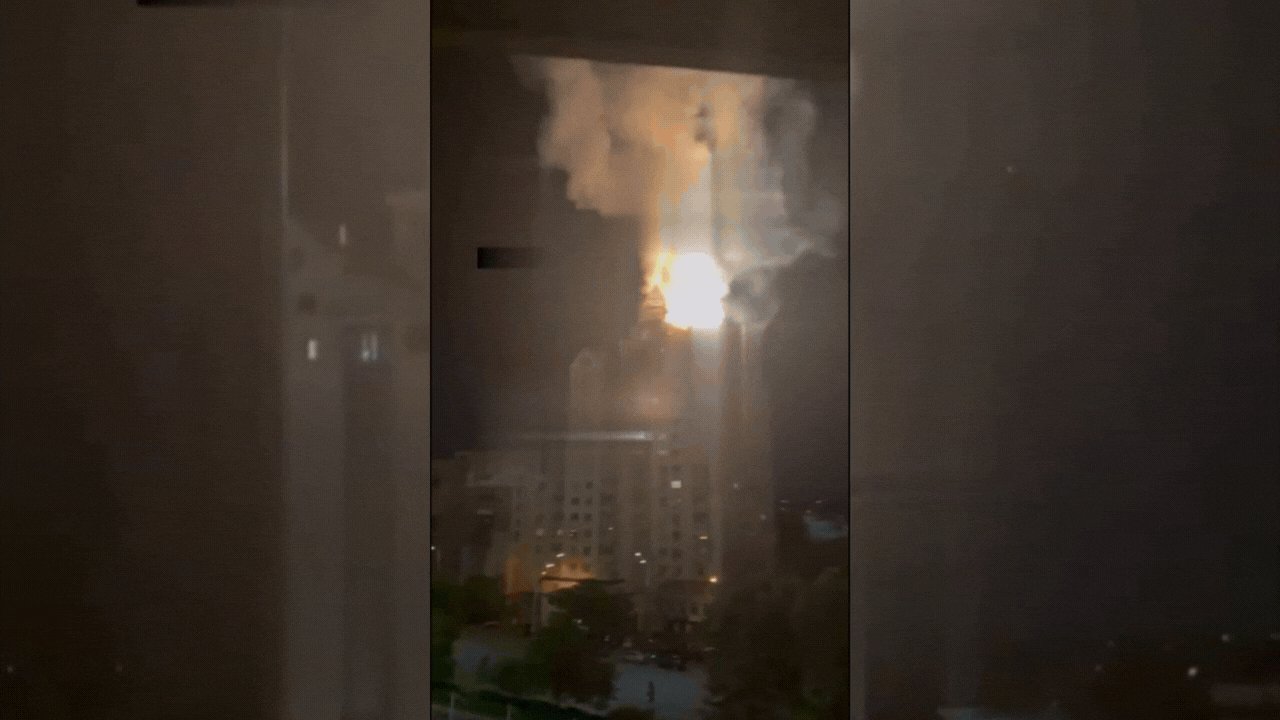
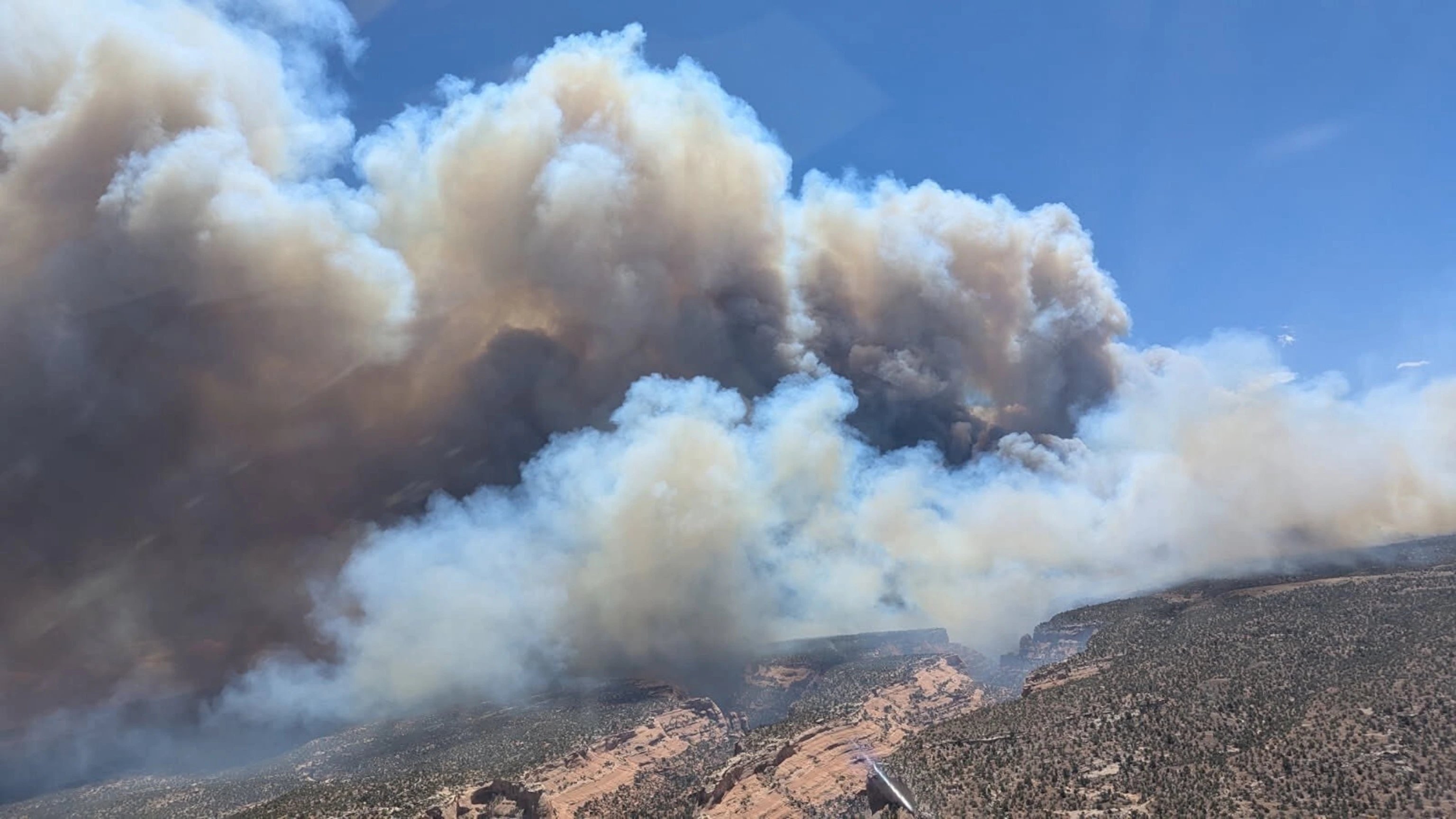
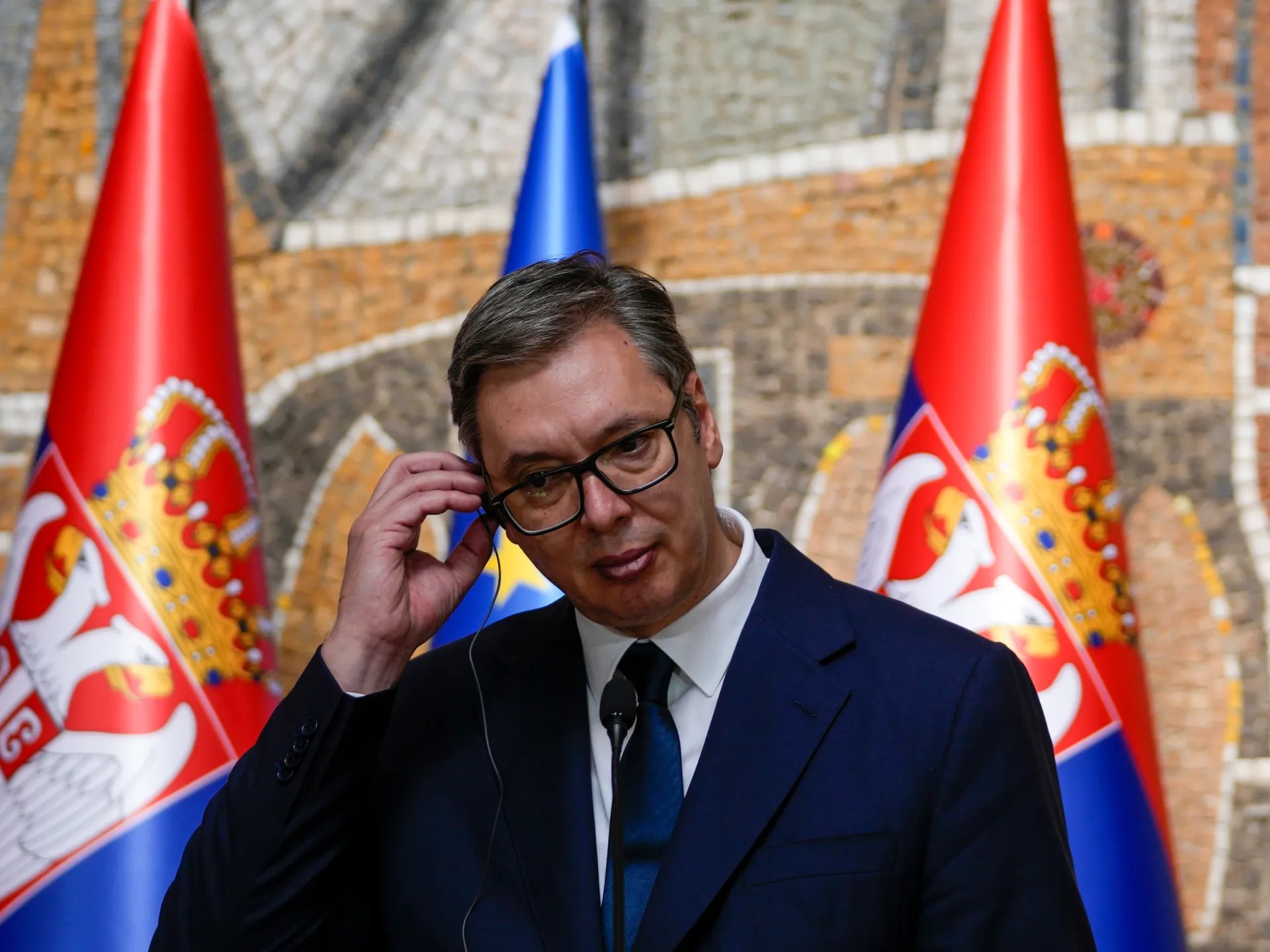
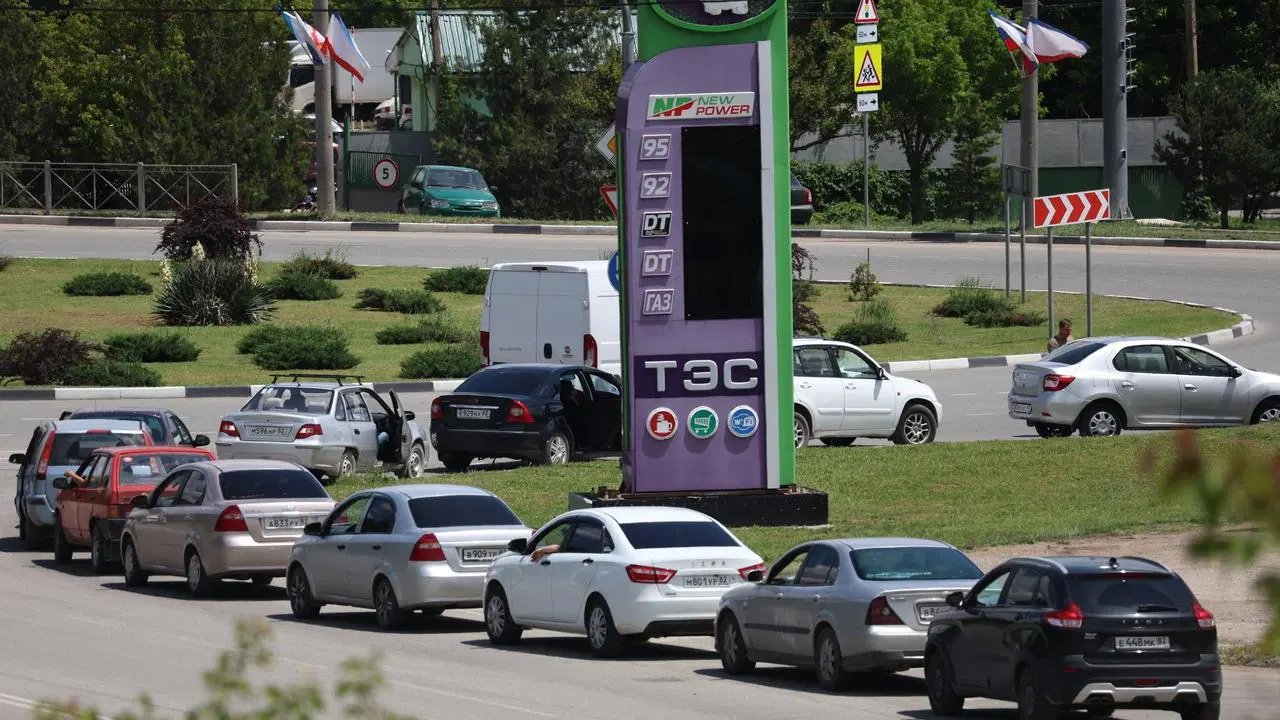
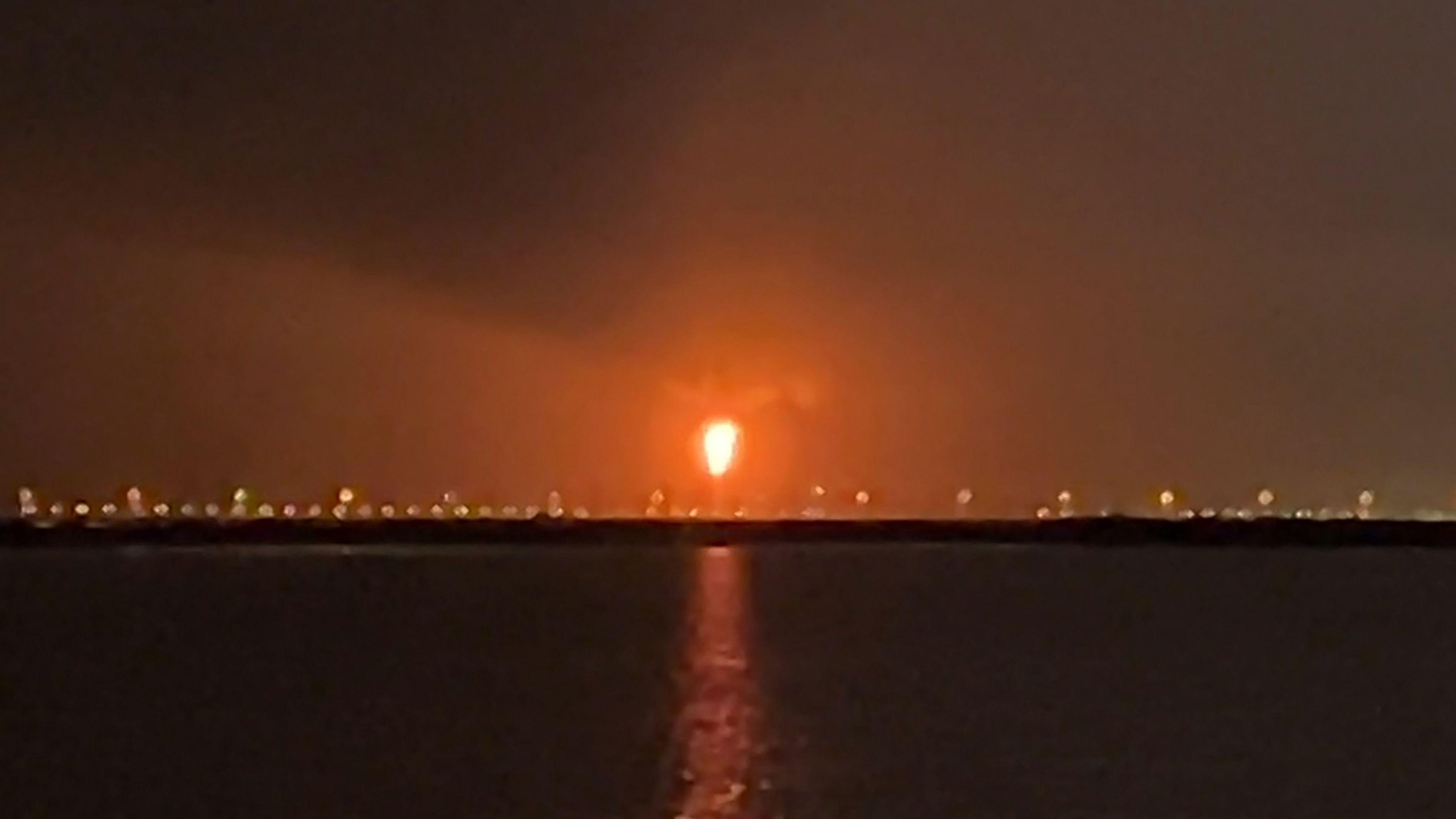
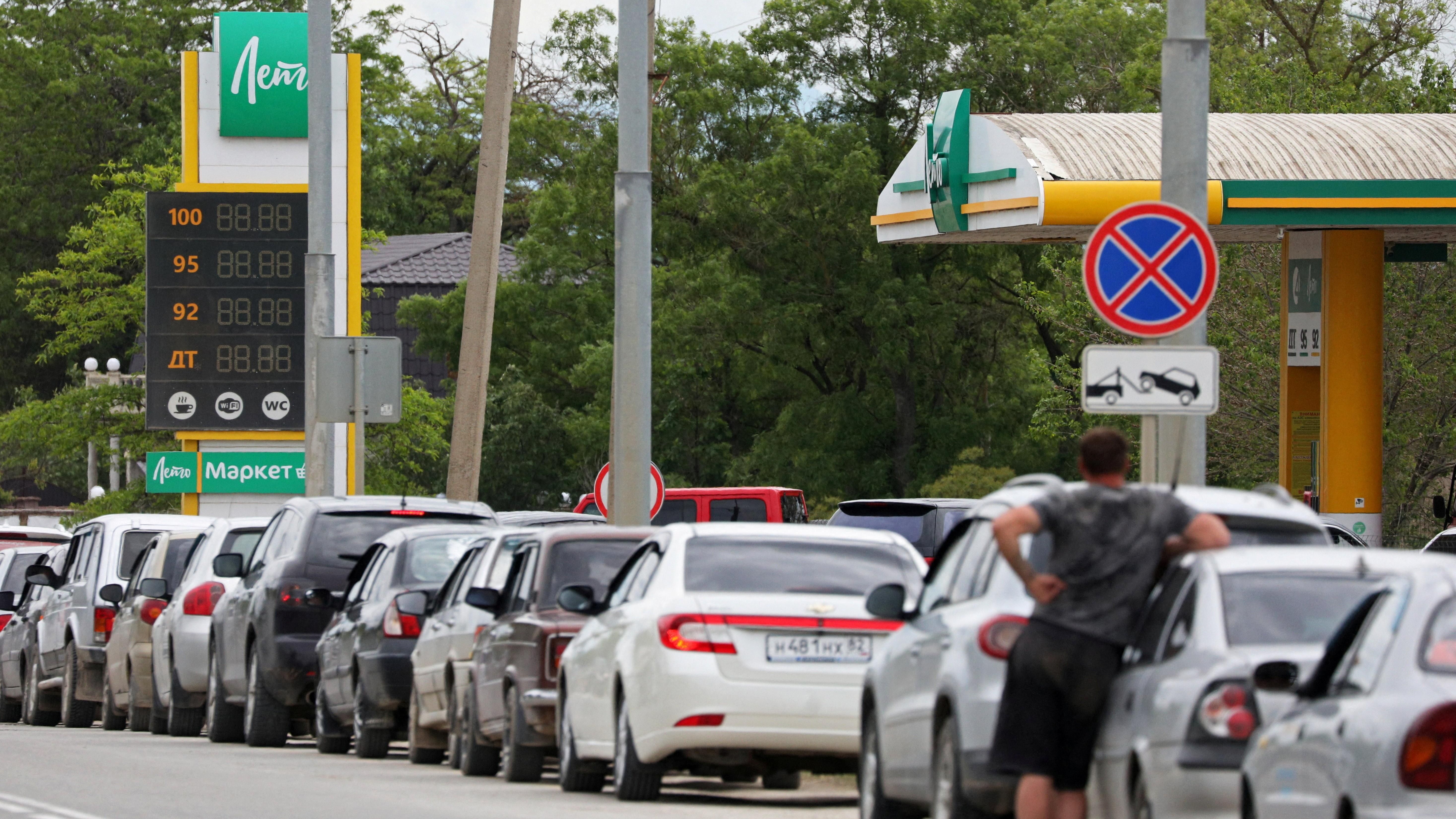
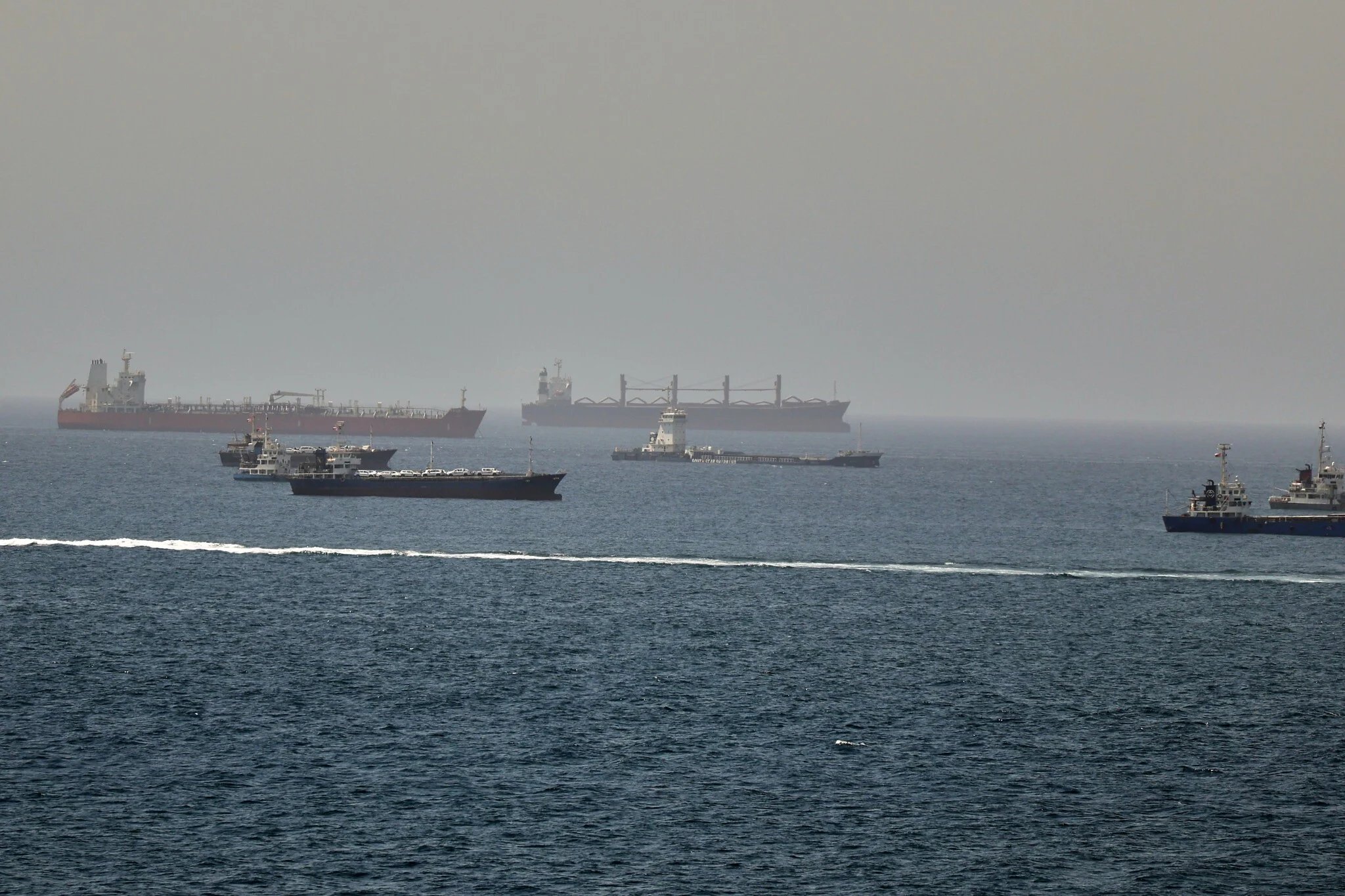
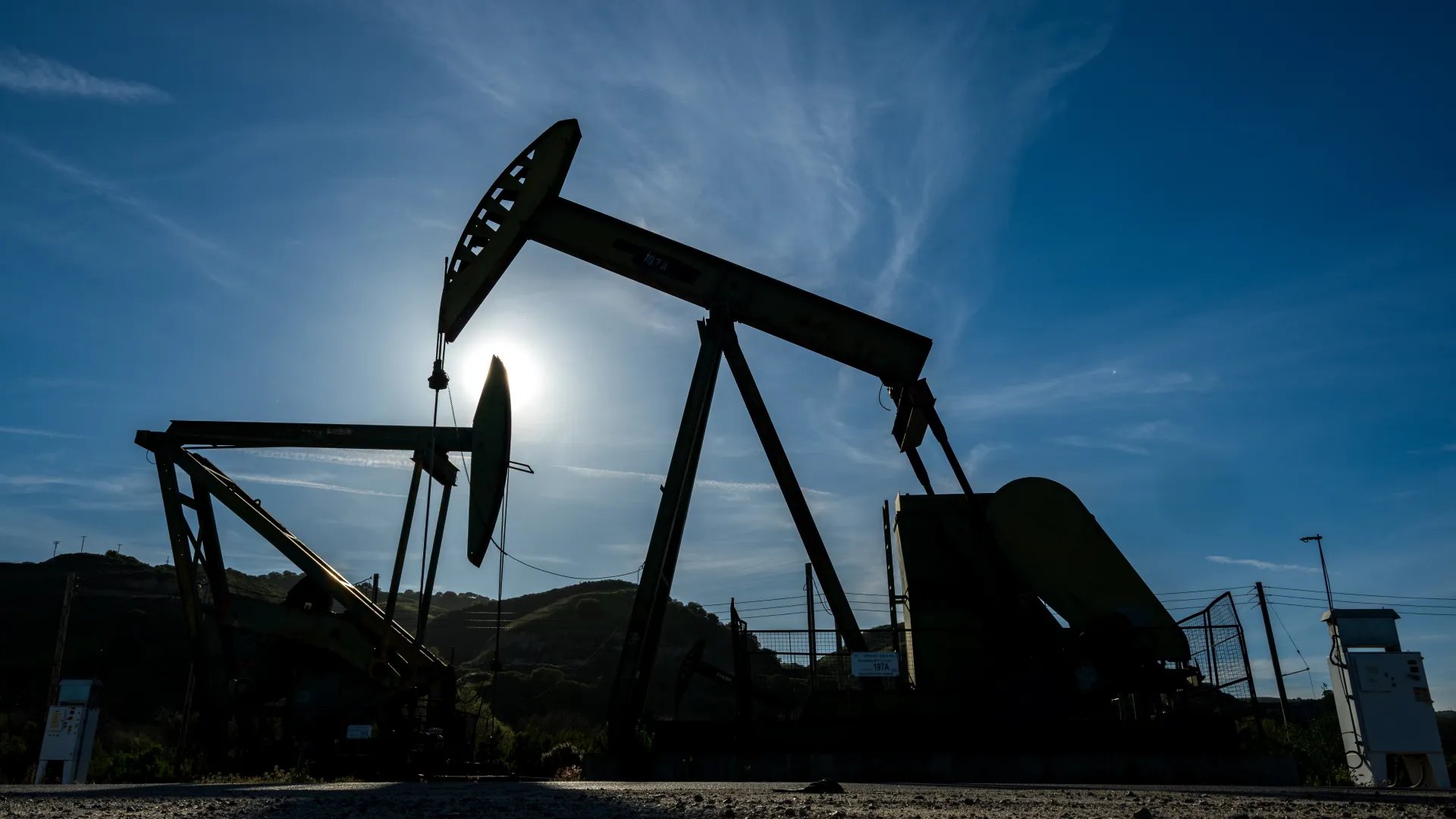
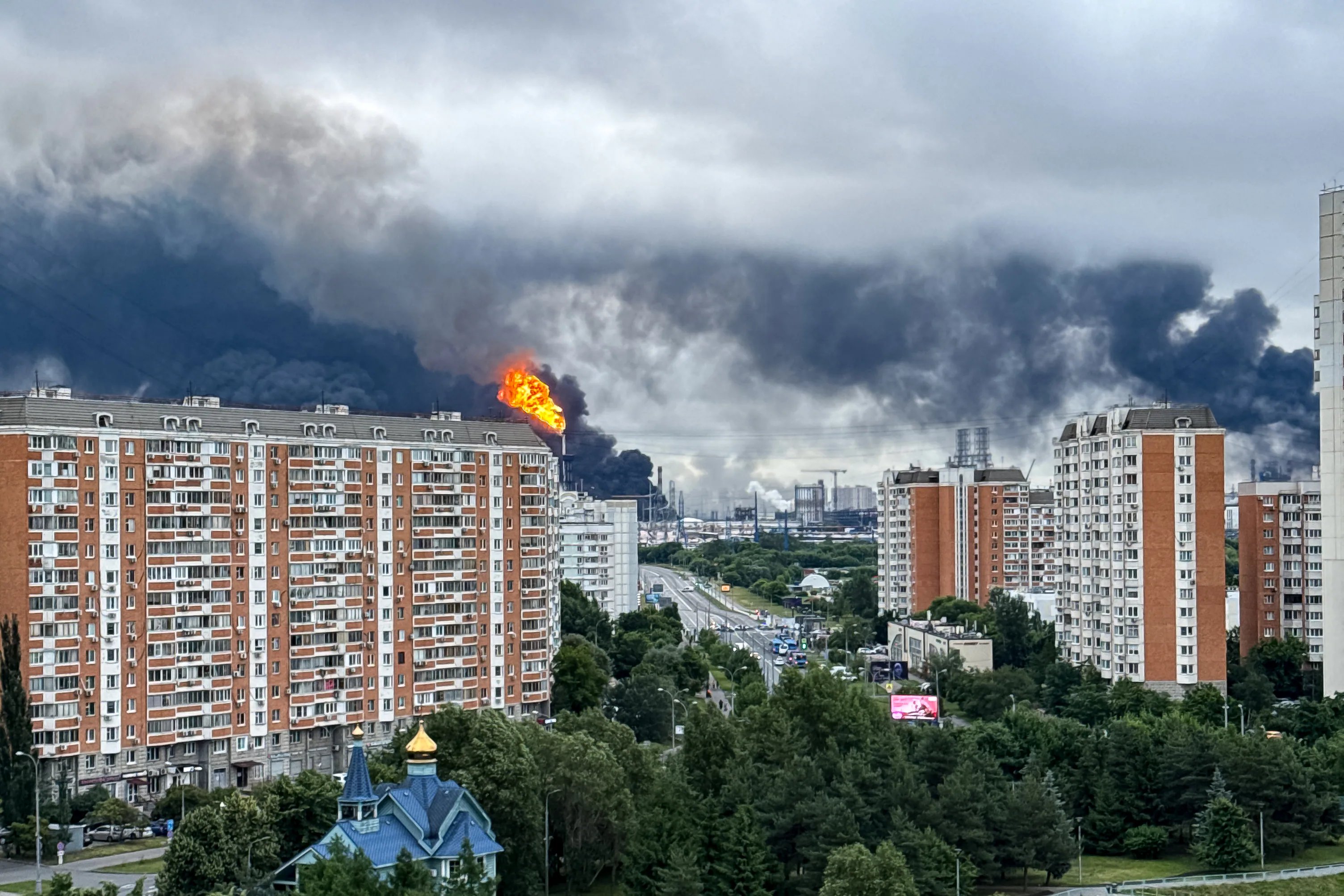
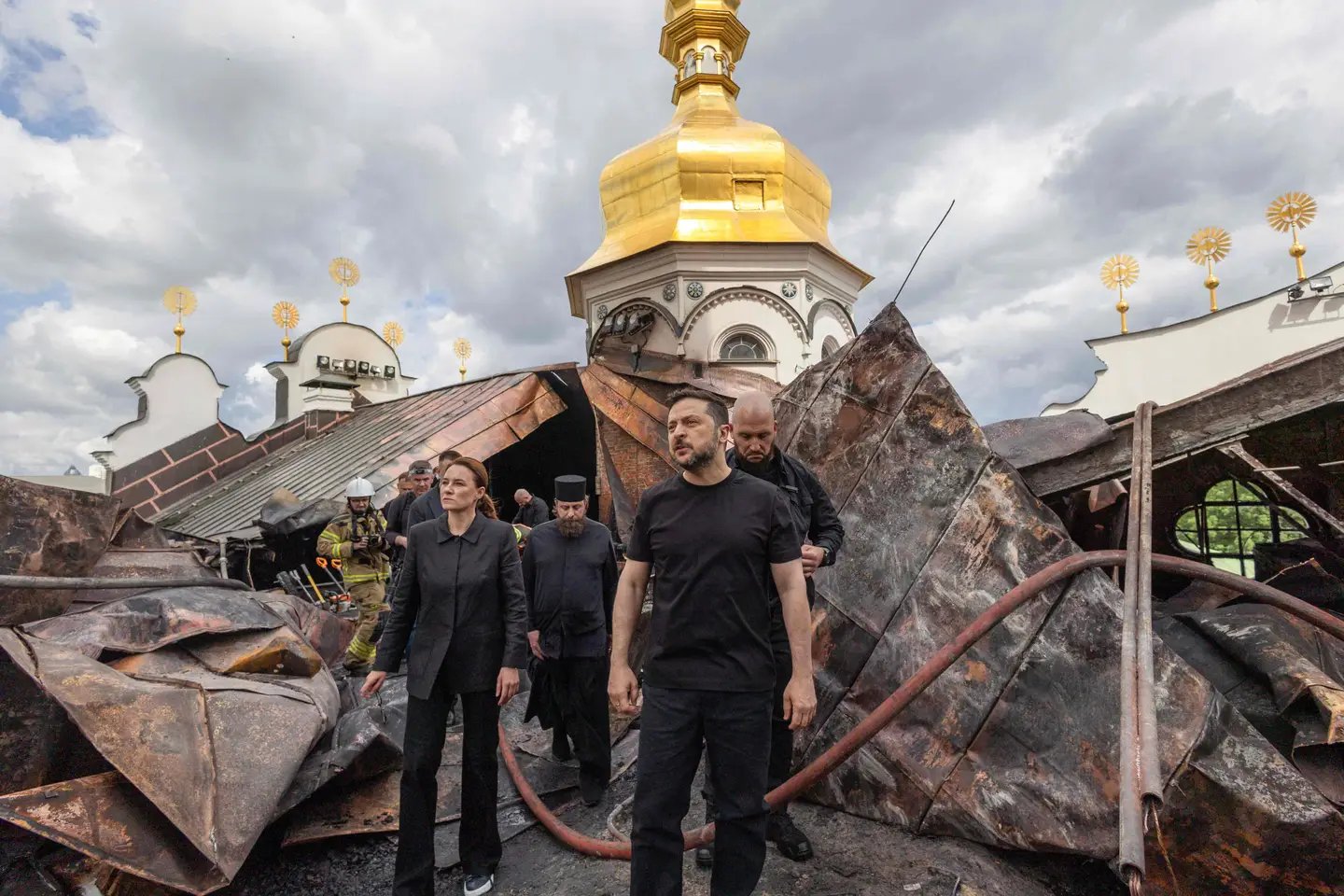
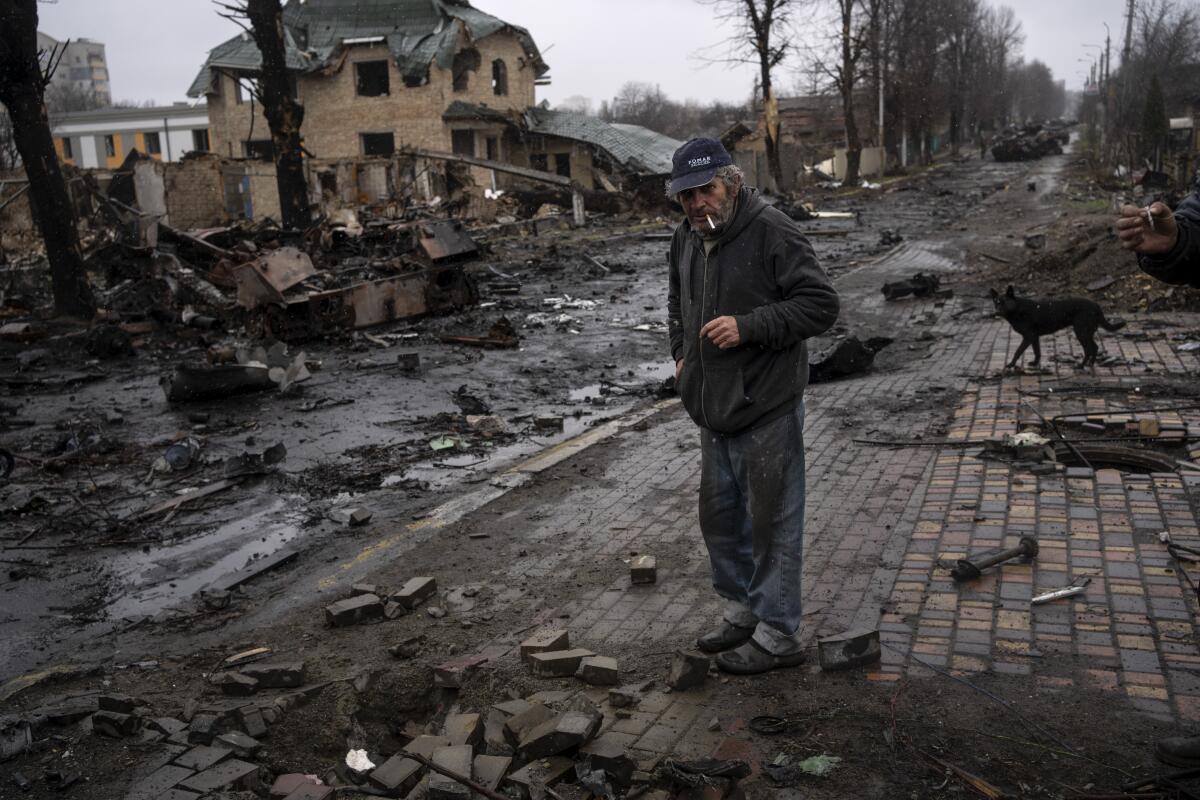
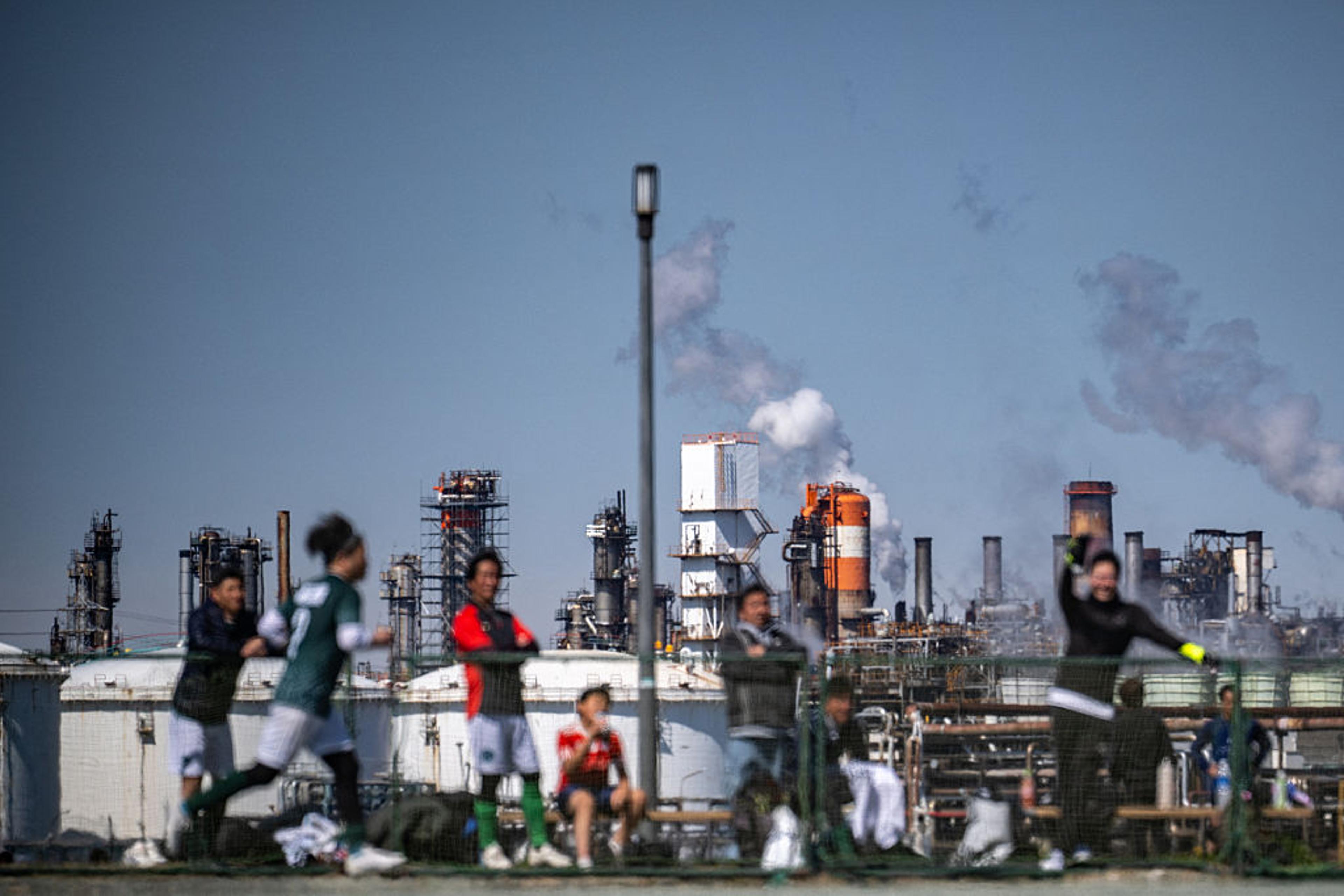
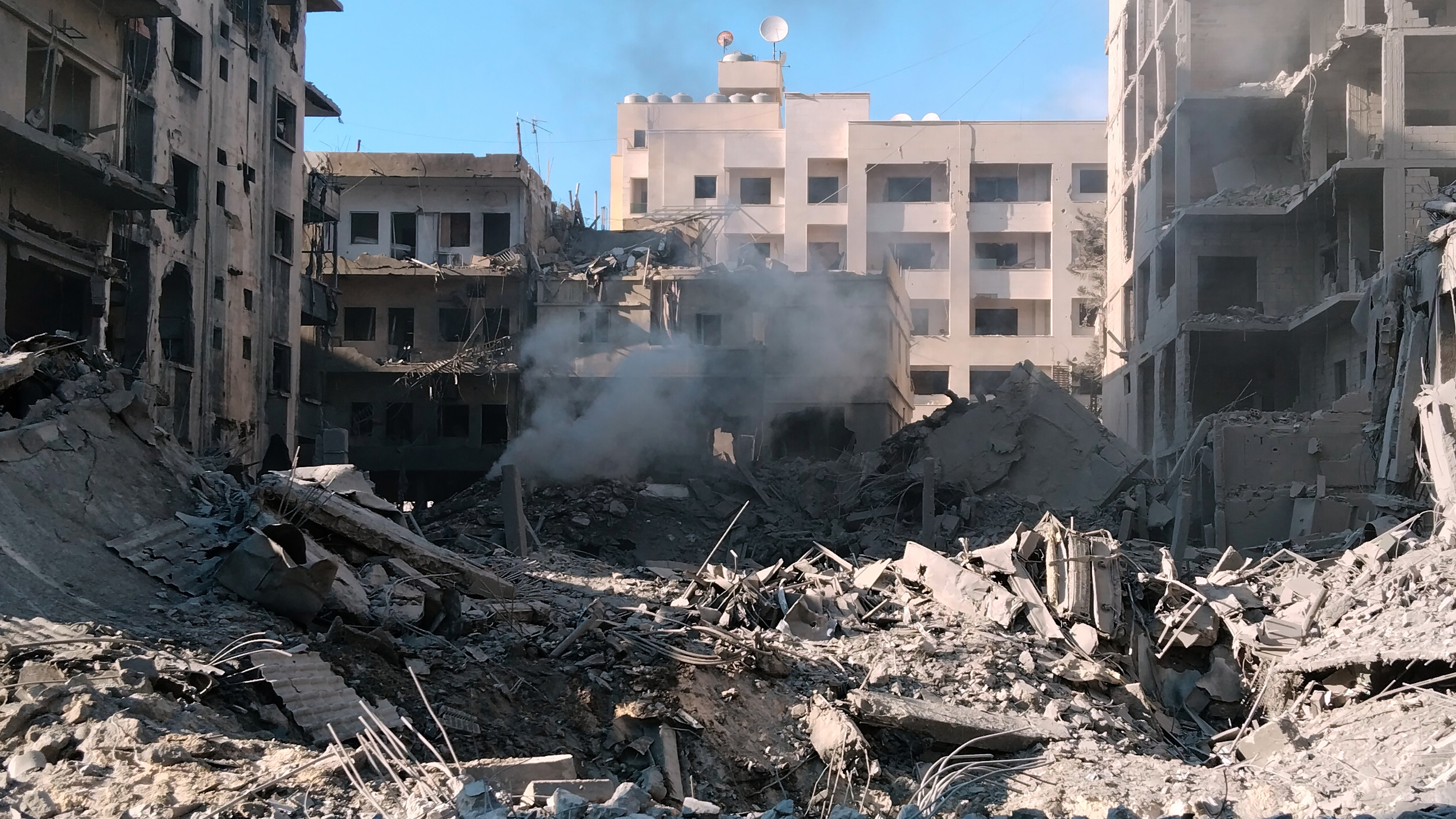
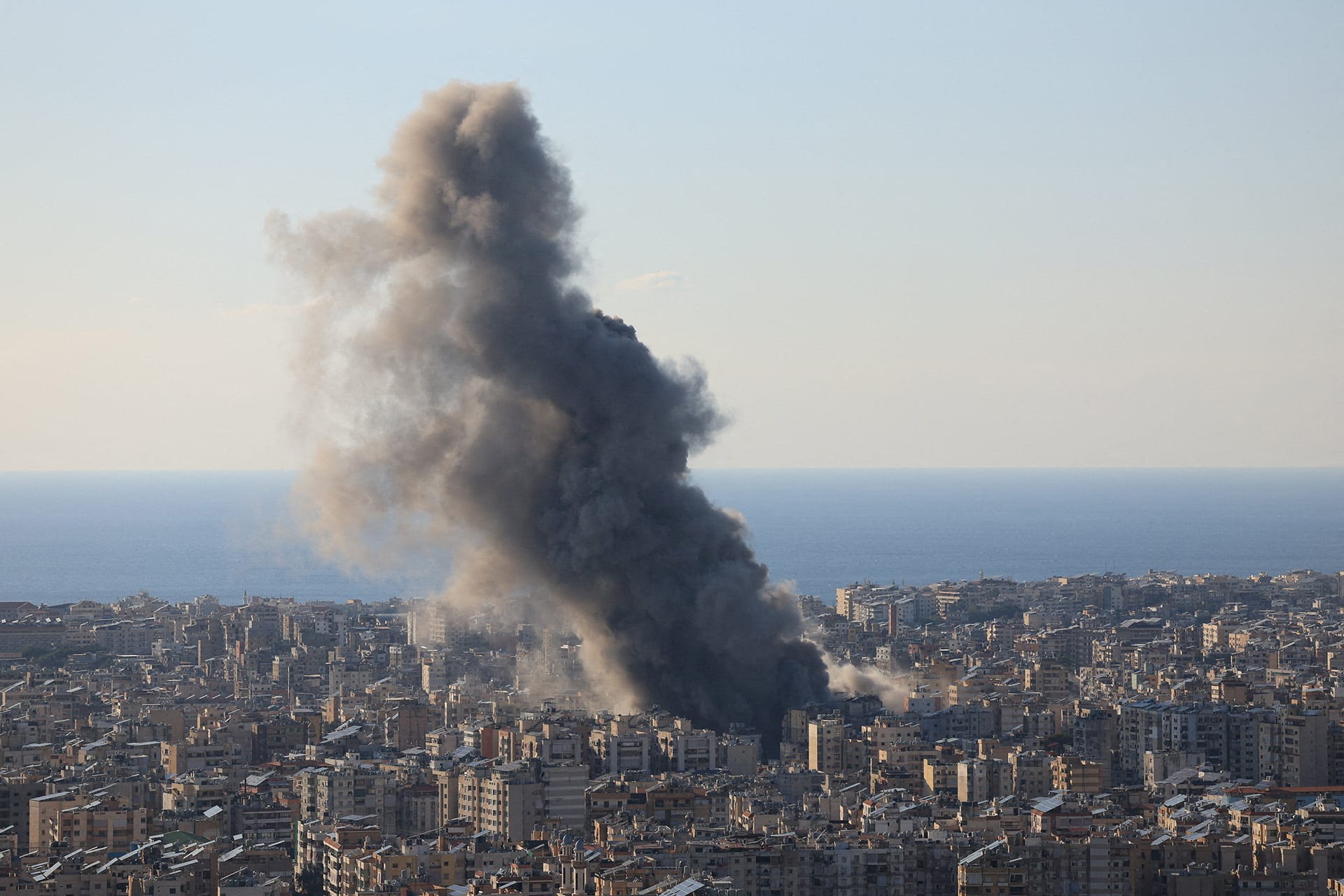
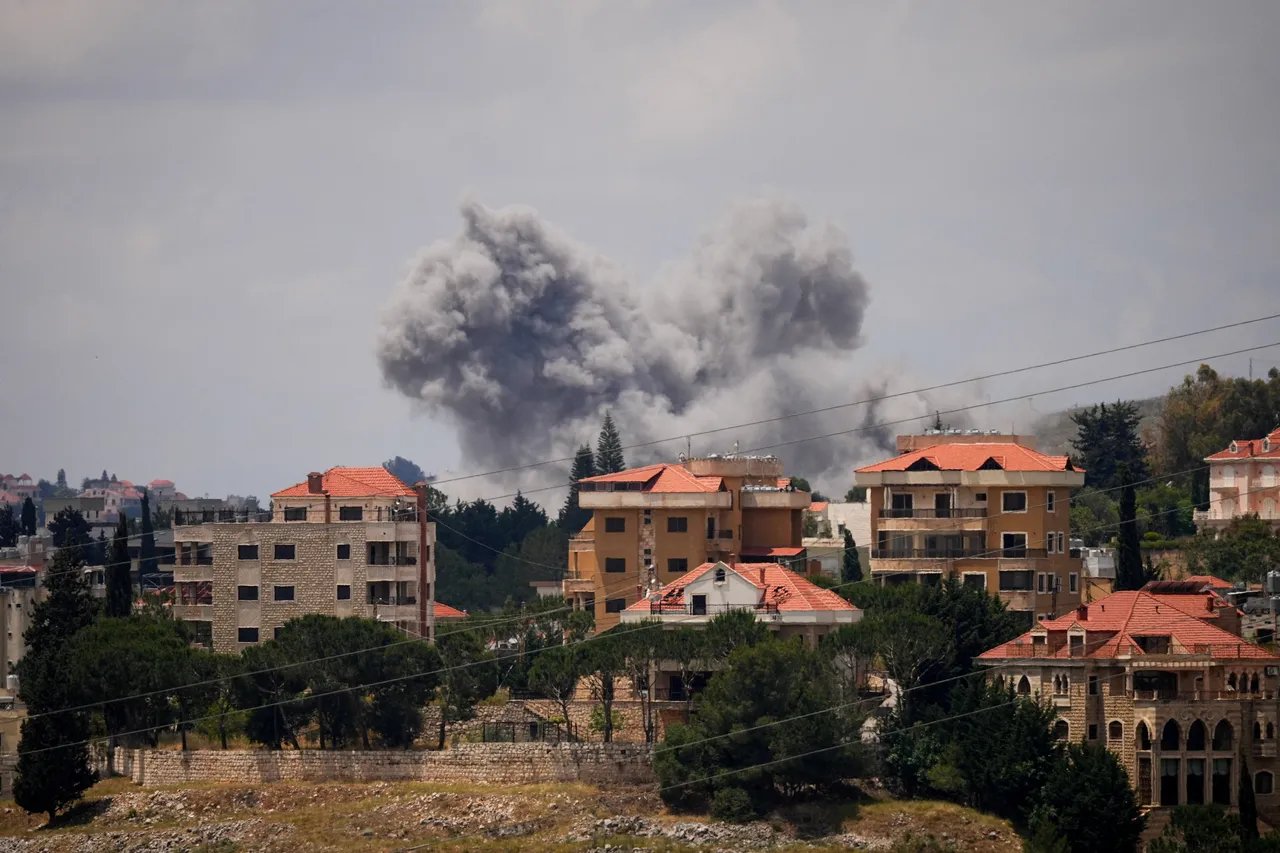
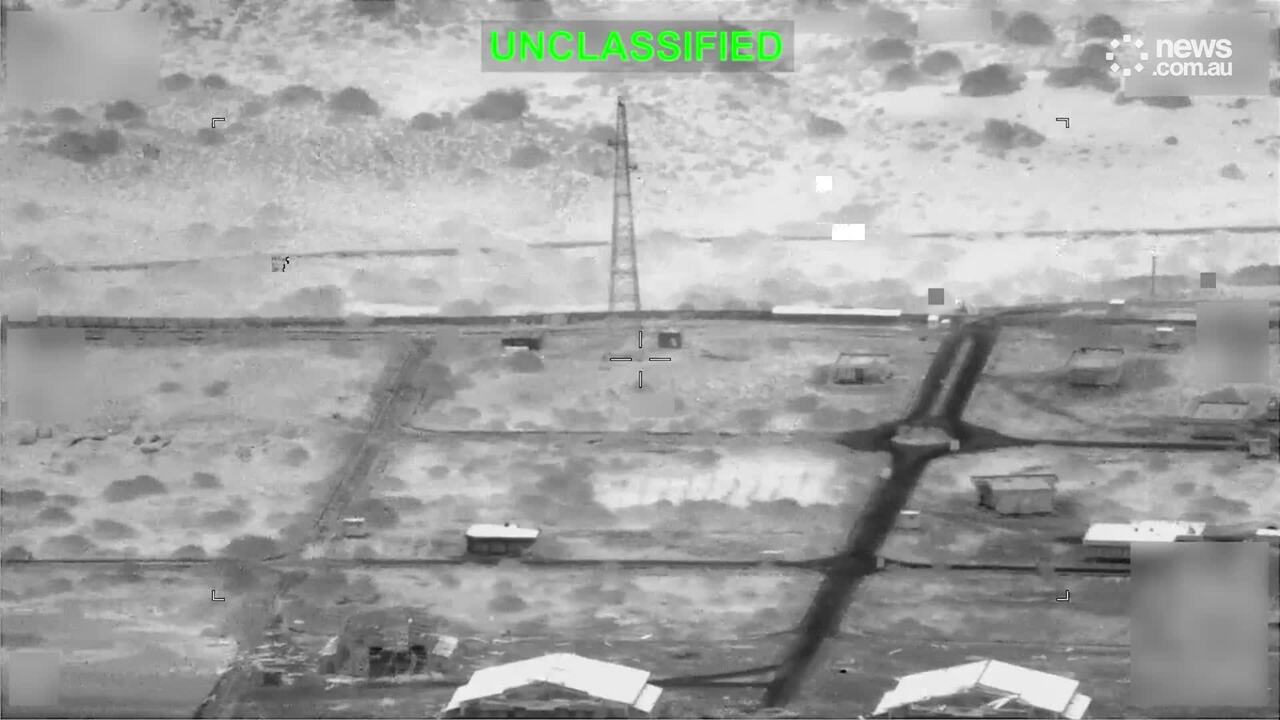
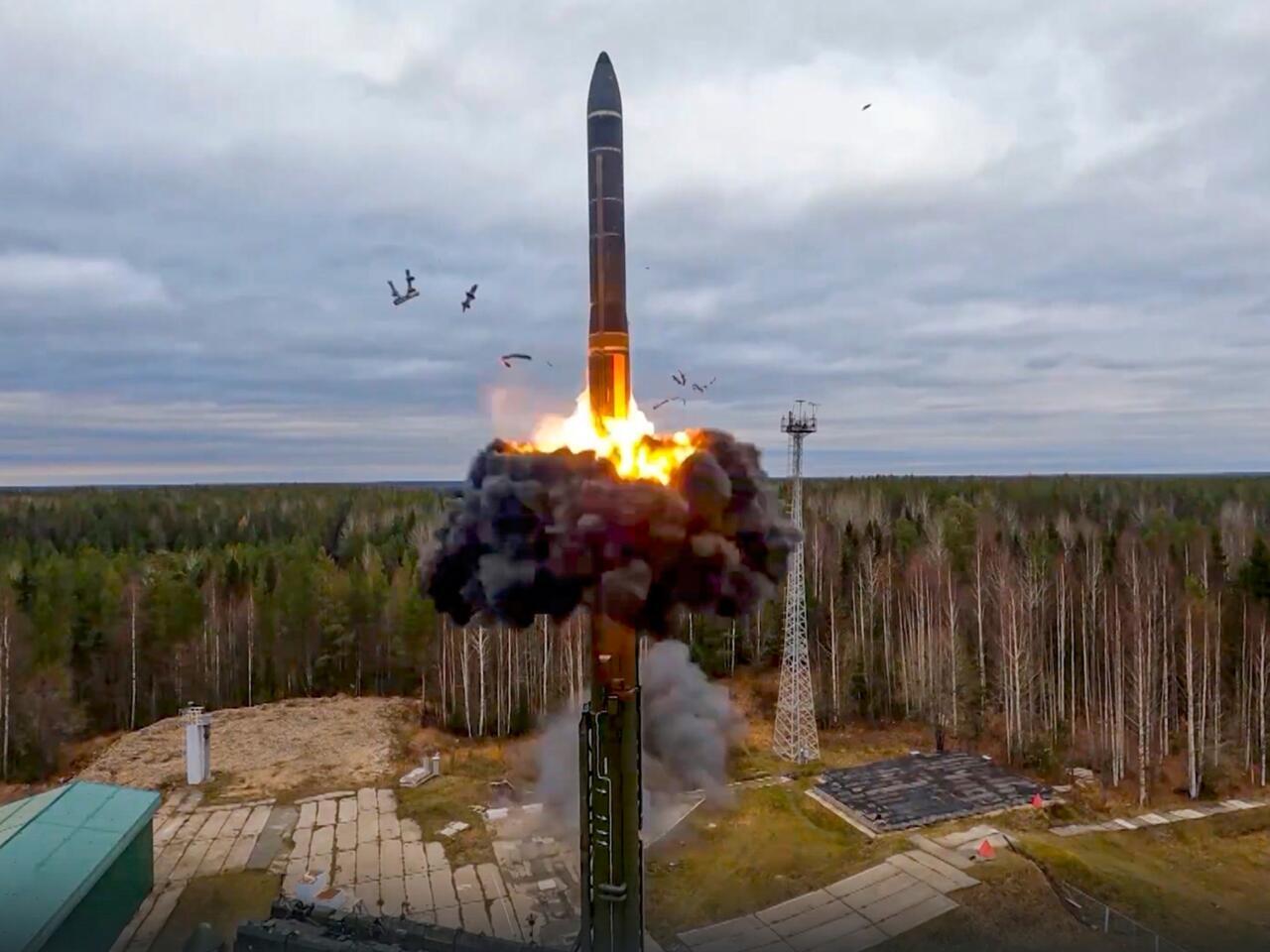
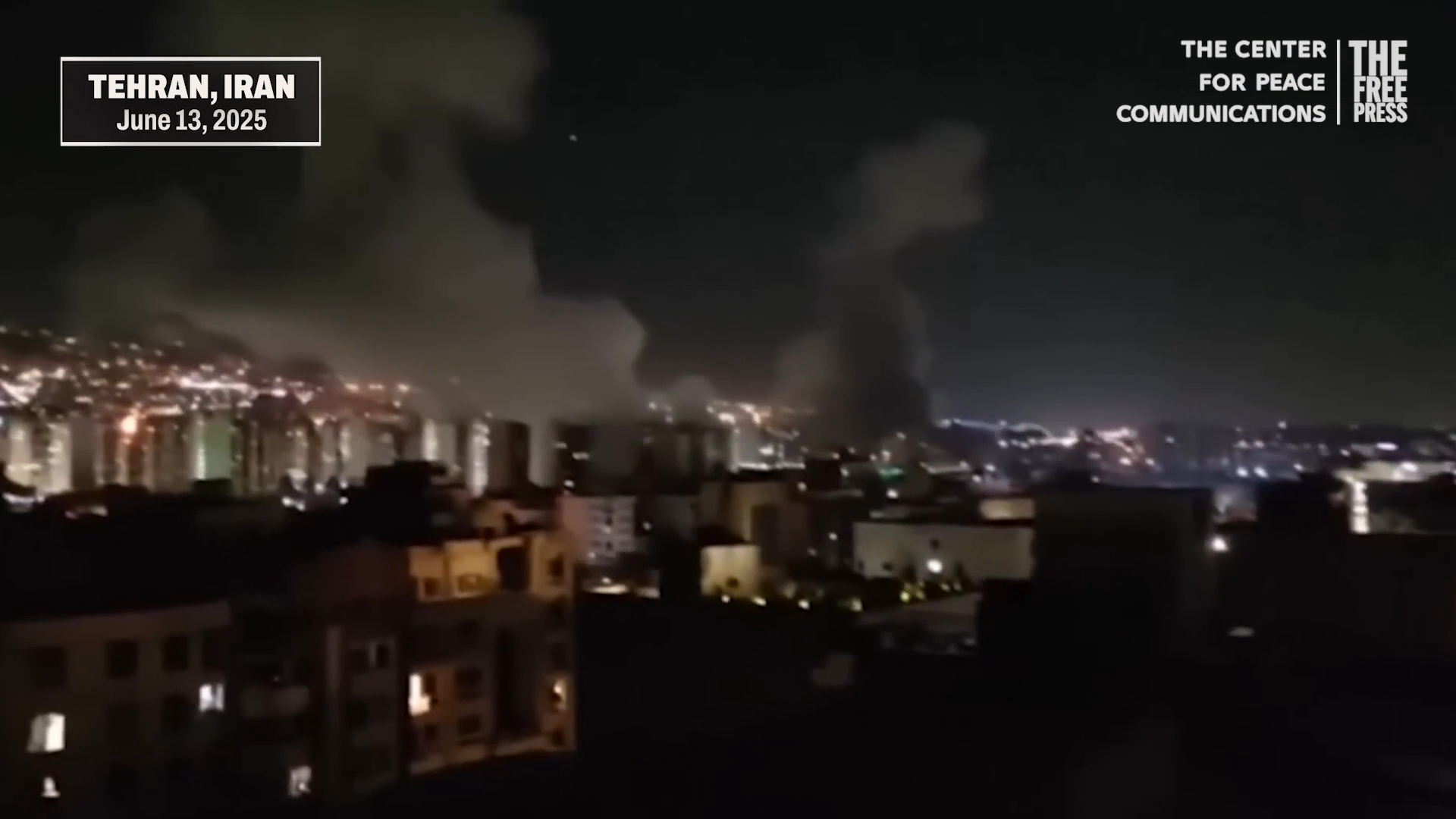
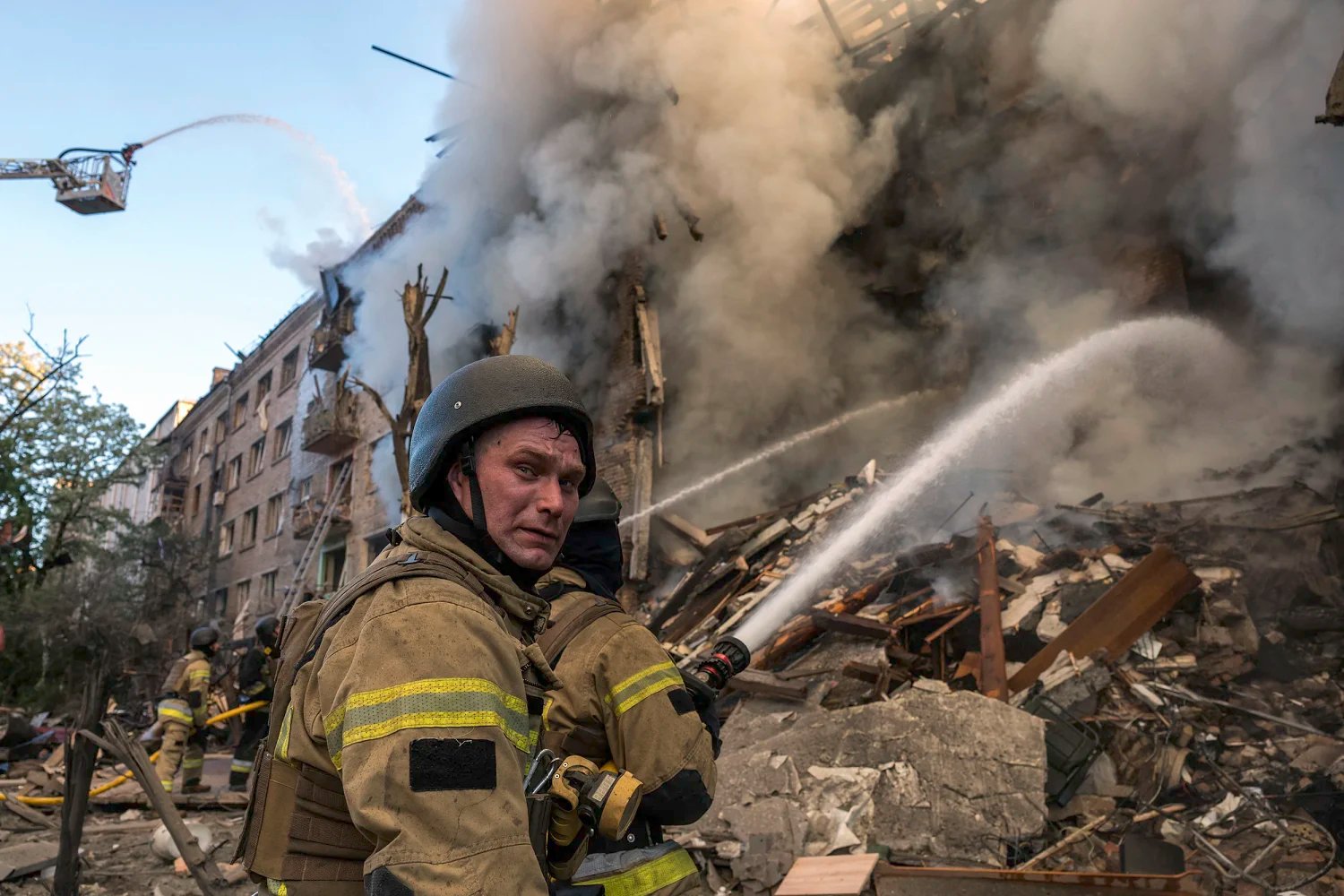
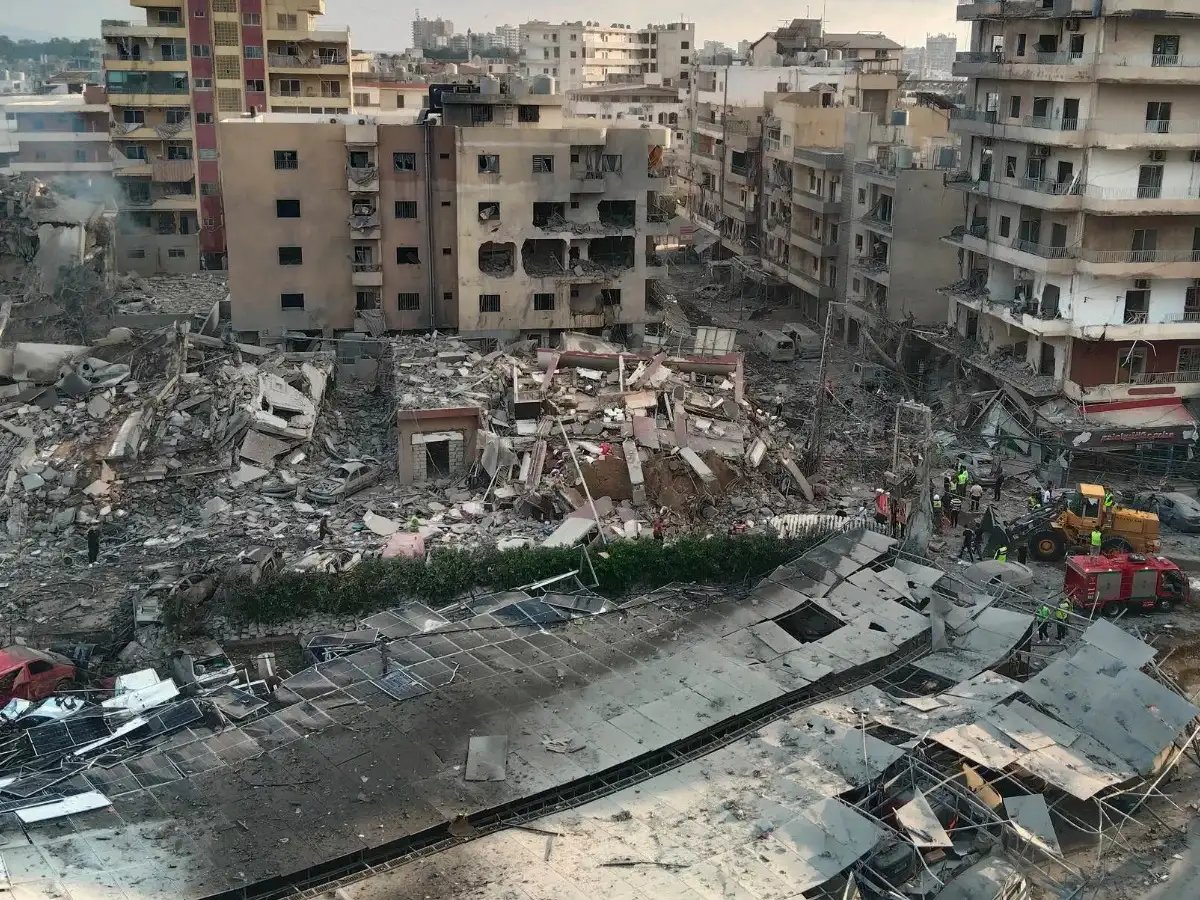
Ukraine's strike on a major oil terminal in Russia's St. Petersburg marks a significant escalation in the ongoing conflict, according to President Volodymyr Zelensky. He stated the target was "infrastructure that generates revenue for Russia's war." The attack is part of Ukraine's campaign to inflict economic damage on Russia and hinder its war machine, with long-range strikes causing widespread fuel shortages. Zelensky claimed nearly 43% of Russia's oil refining capacity has been "disabled" as a result, a figure not independently verified by the BBC.
Economic and Strategic Impact
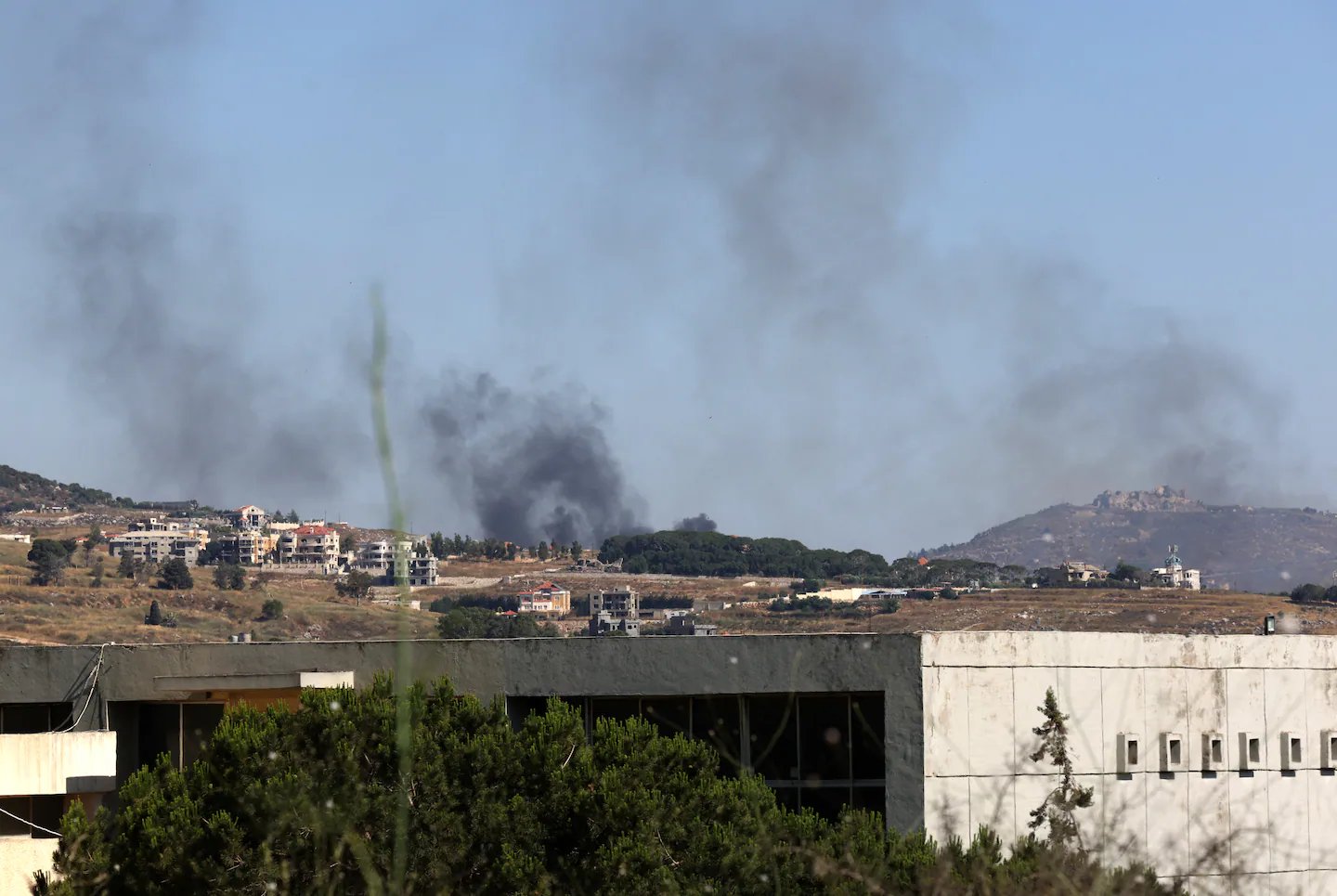
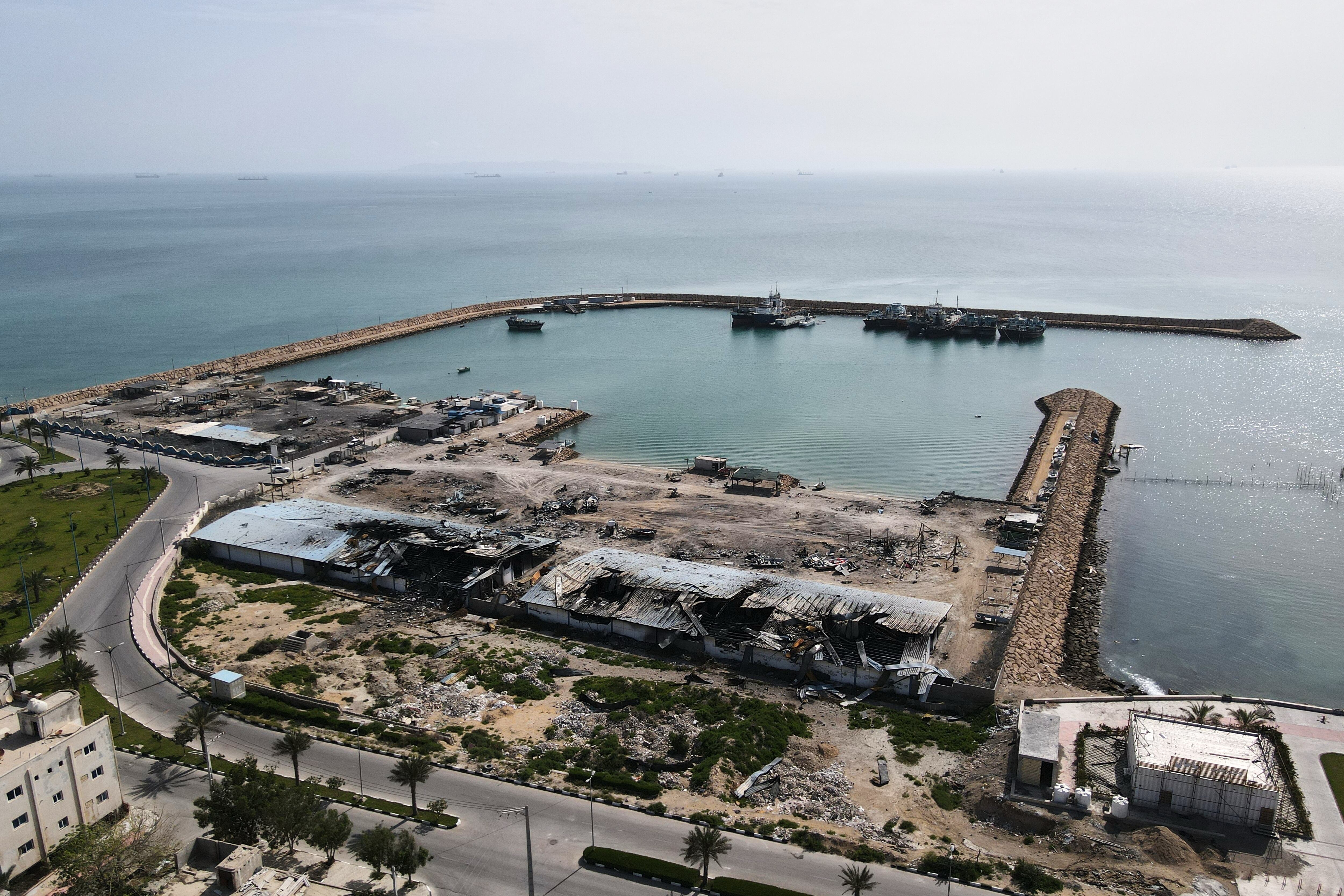
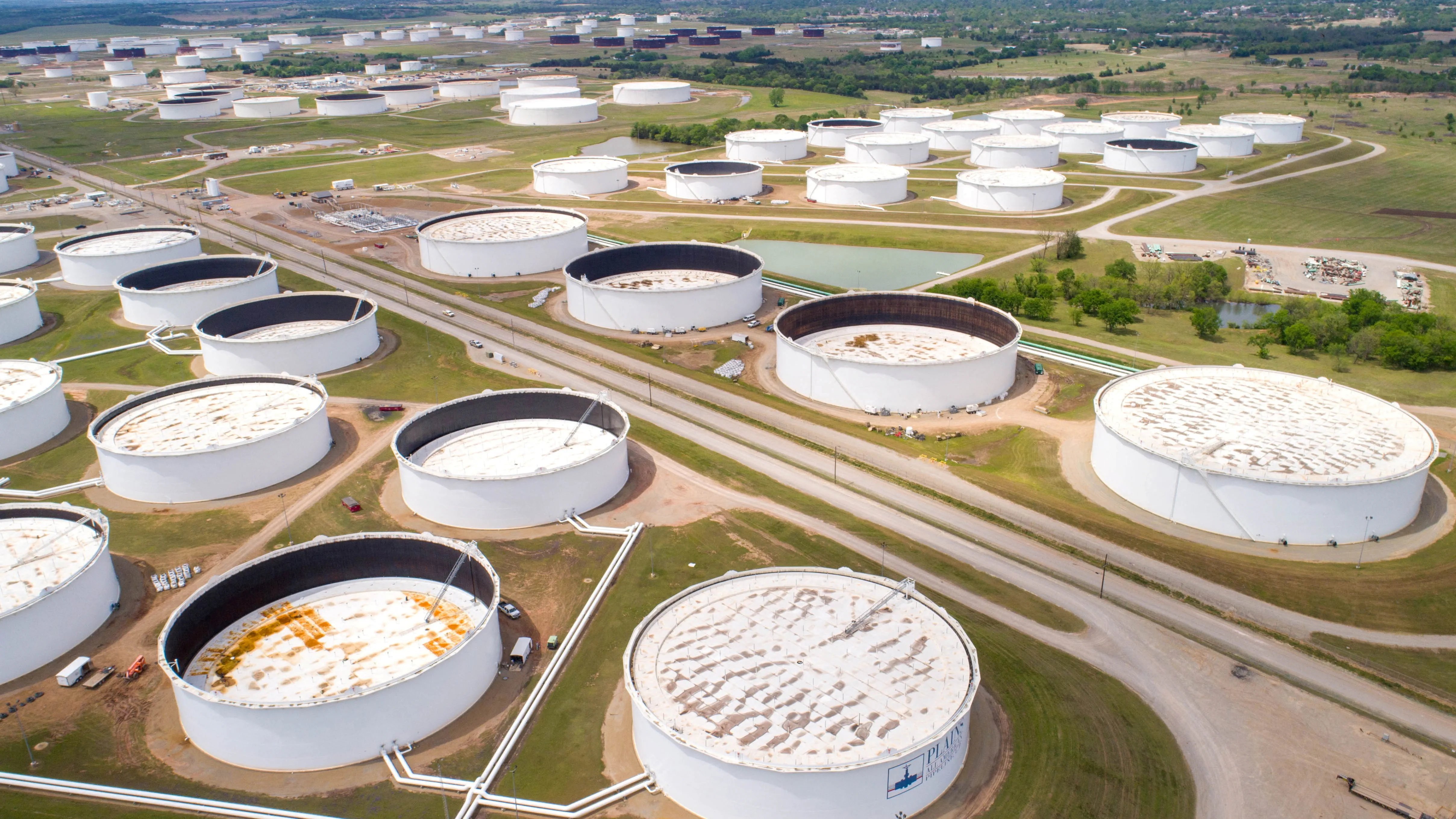
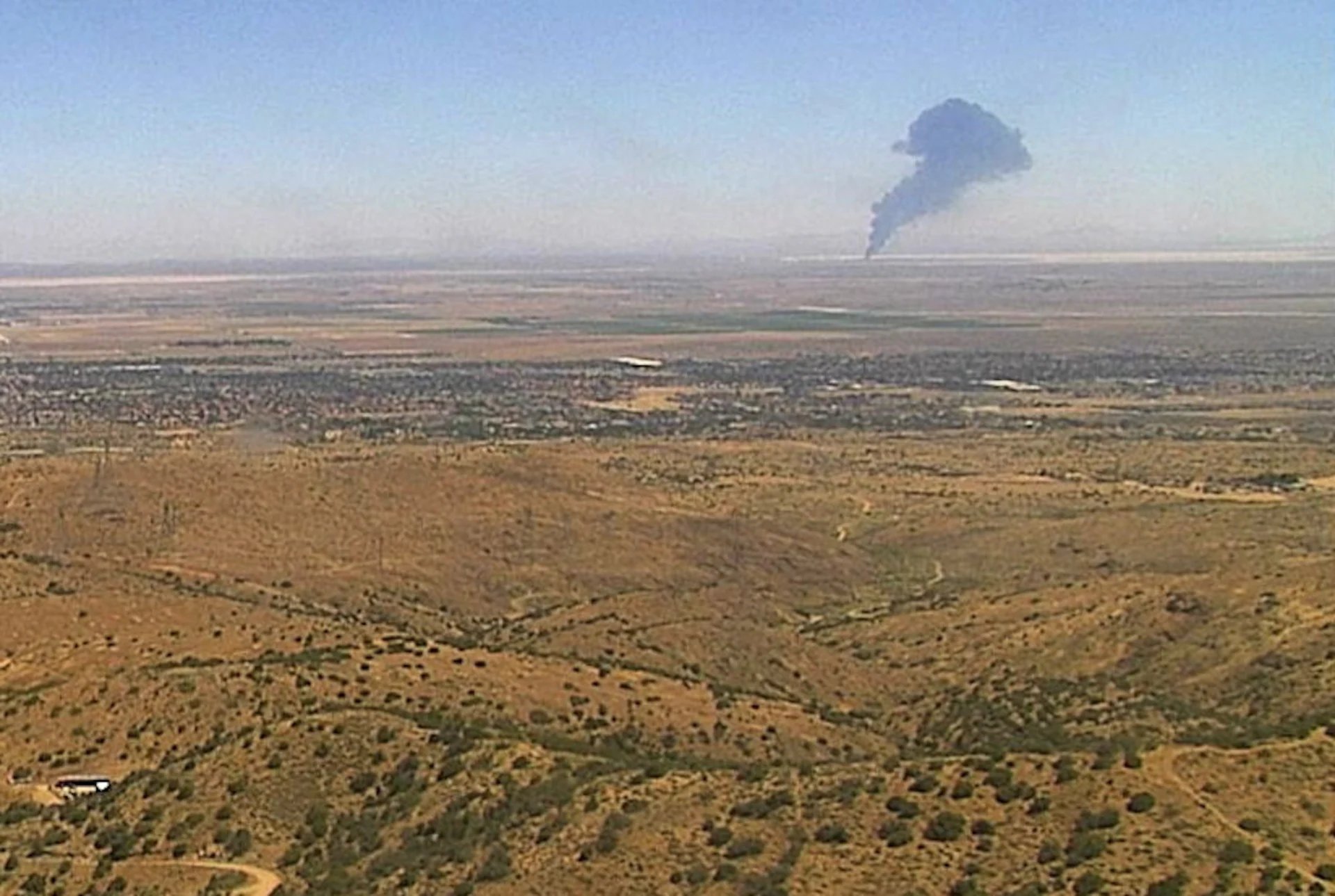
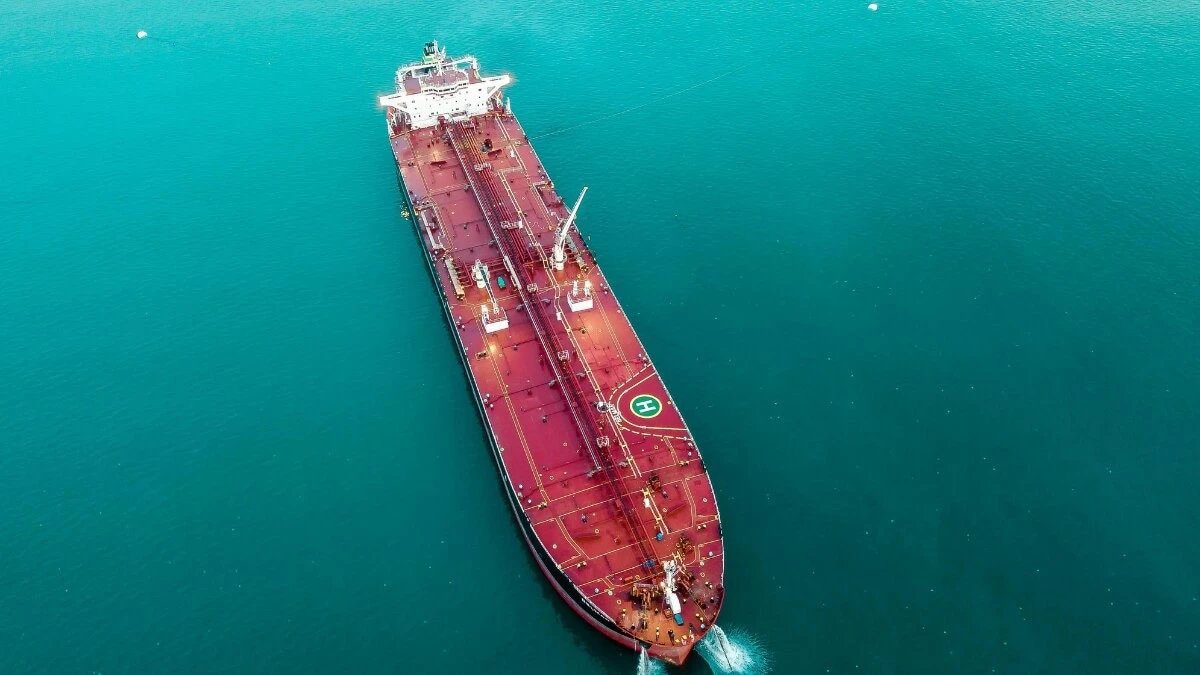
The oil terminal, described by Ukraine's military as "one of the largest" in Russia, is capable of producing 12.5 million tonnes of petroleum products annually. St. Petersburg Governor Aleksandr Beglov acknowledged the "massive" drone attack, admitting the oil terminal was hit but asserting there were no casualties. The attack could further strain Russia's fuel supplies, intensifying the energy crisis and geopolitical tensions.
Dispute Over Key City Control
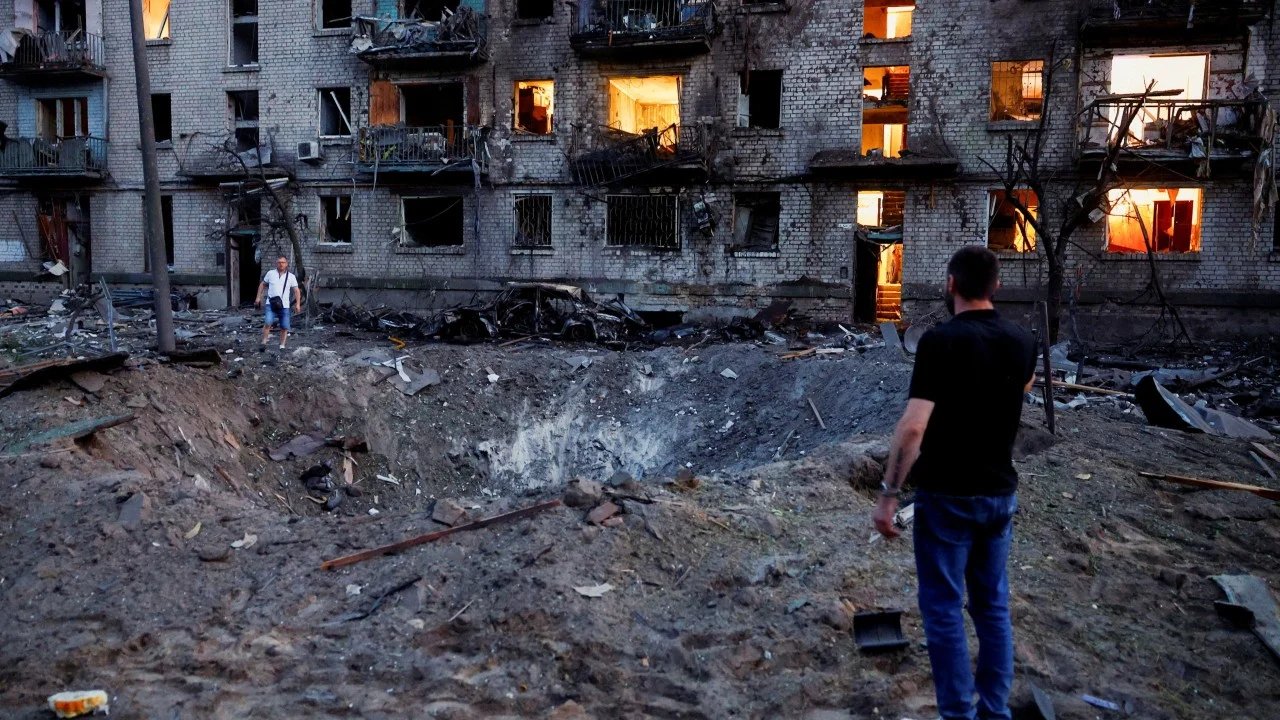
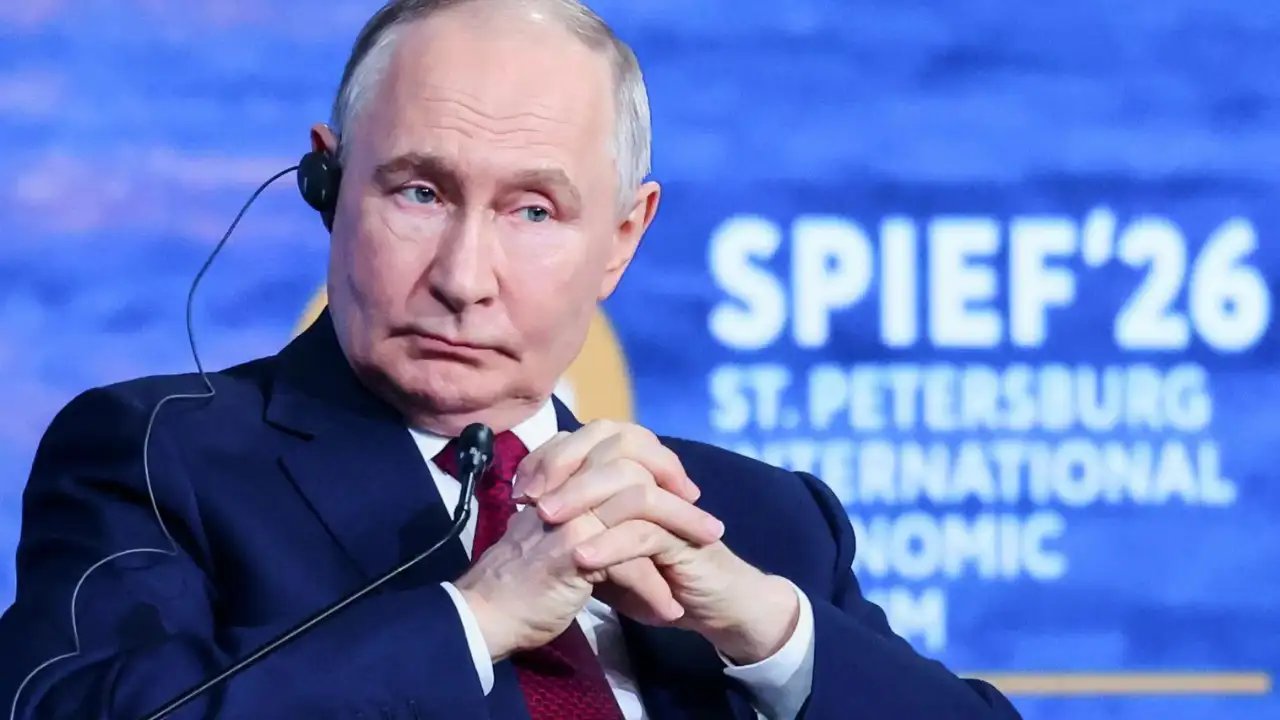
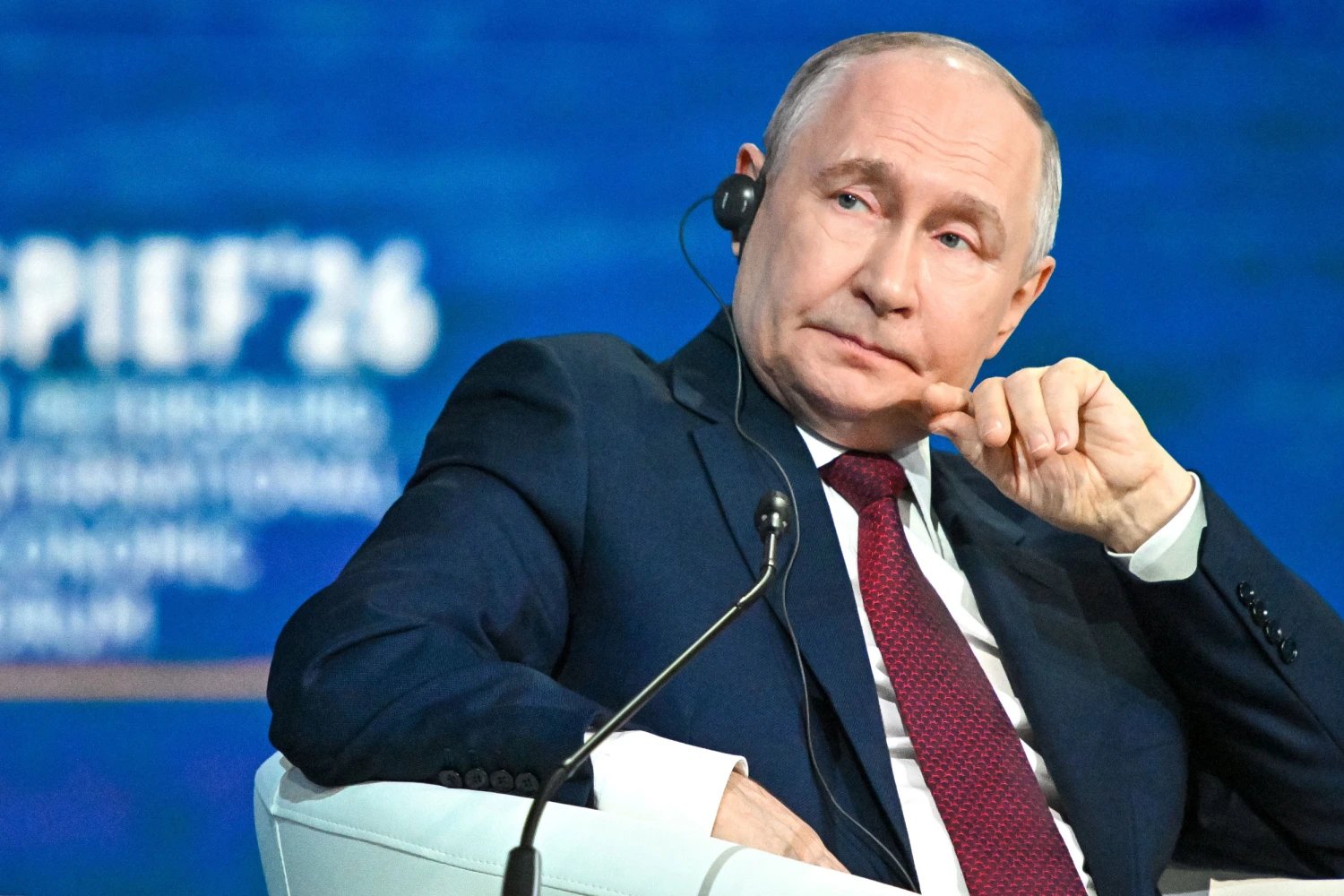
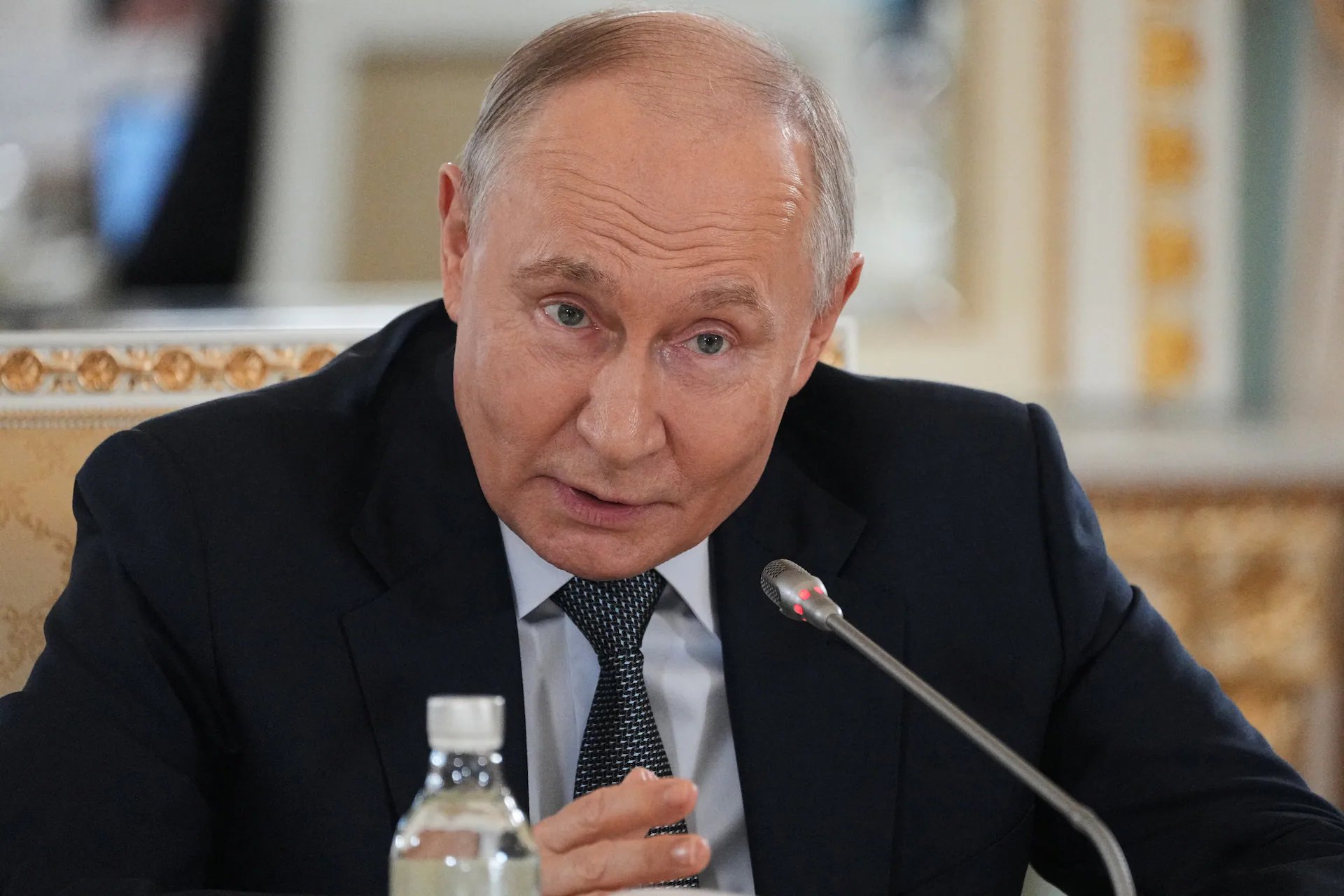
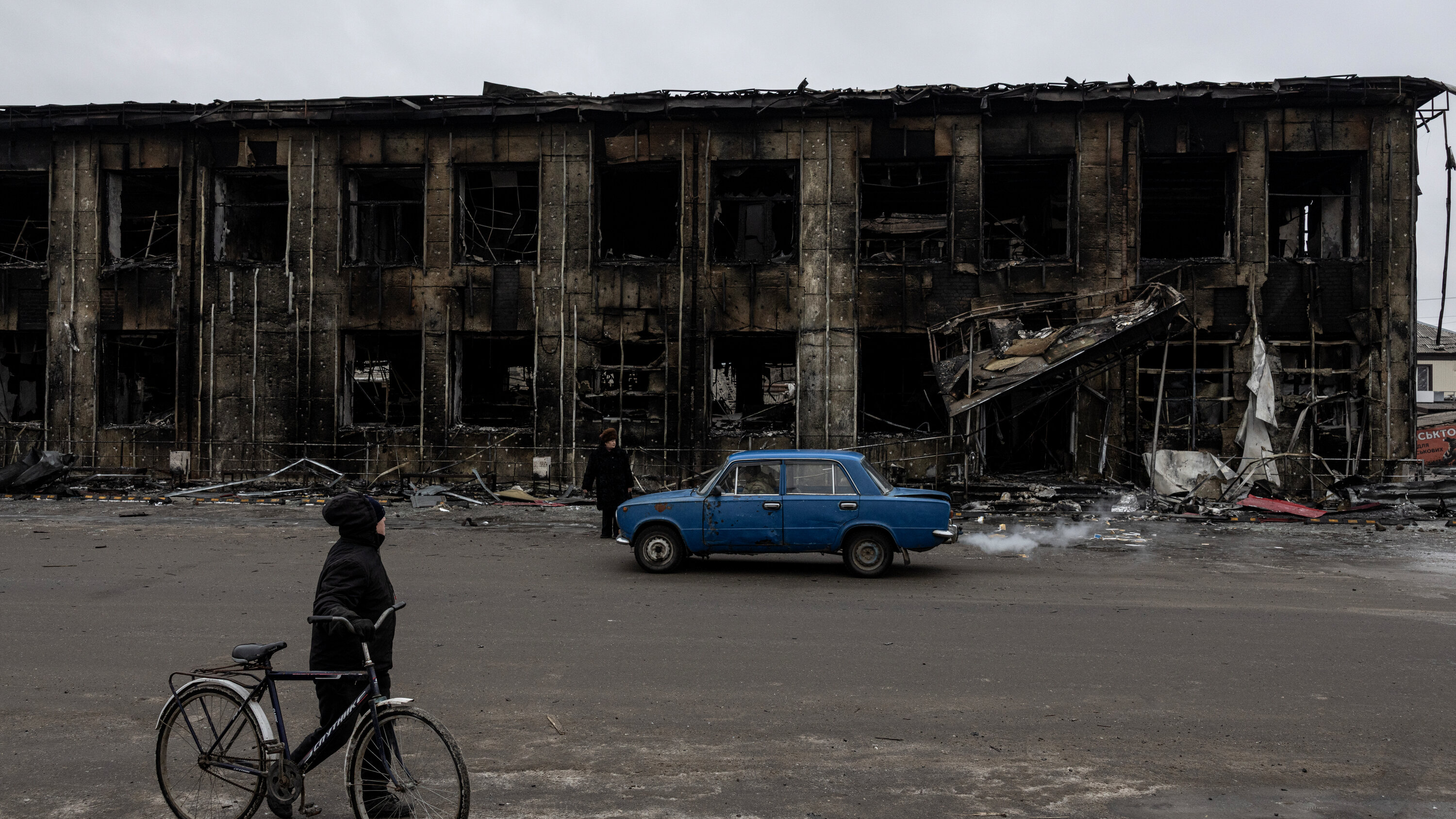
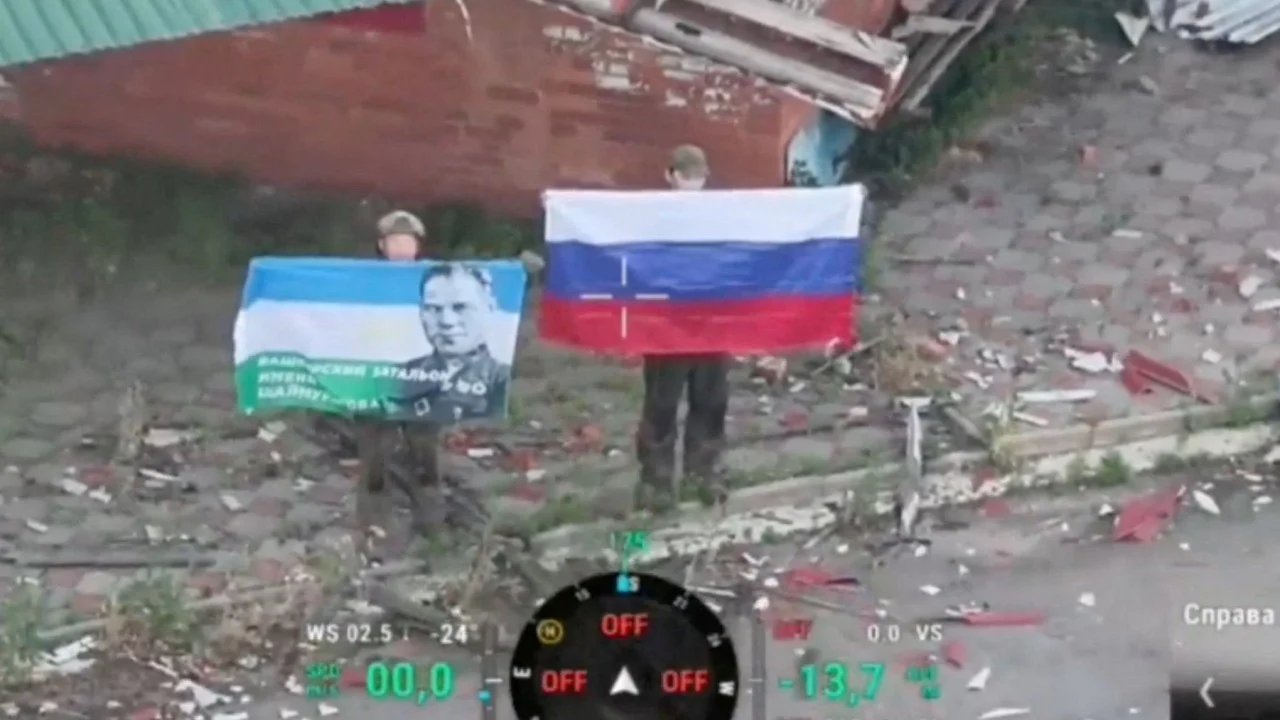
In a separate development, Zelensky and the General Staff rejected Russia's claim that it has captured the strategically important eastern city of Kostiantynivka. Zelensky challenged Putin, suggesting that if the city were indeed under Russian control, Putin would have no issue meeting him there for diplomatic solutions to end the war. The General Staff confirmed Kostiantynivka remains under Ukrainian control, dismissing Russia's assertion as a lie.
Escalation Amid NATO Summit
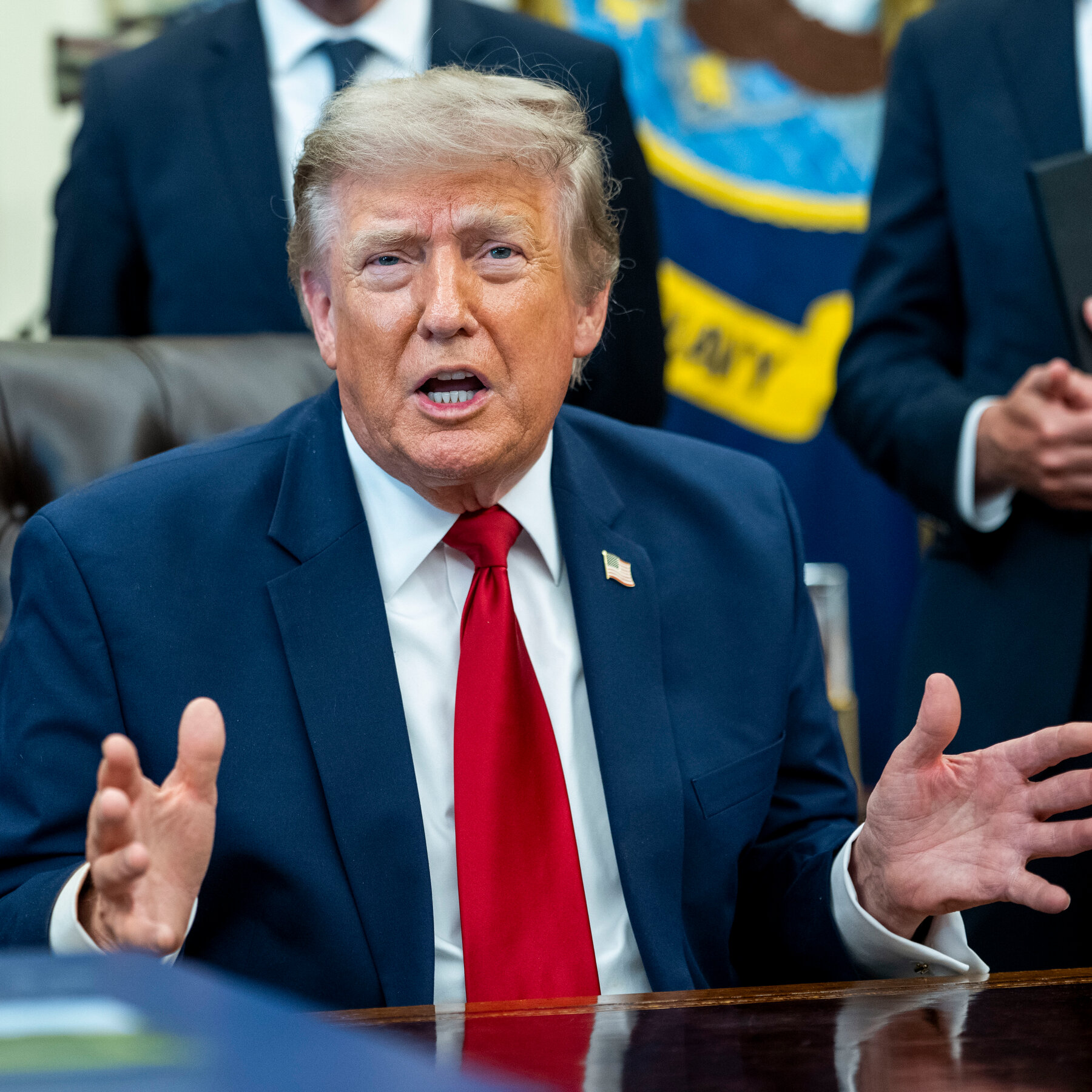
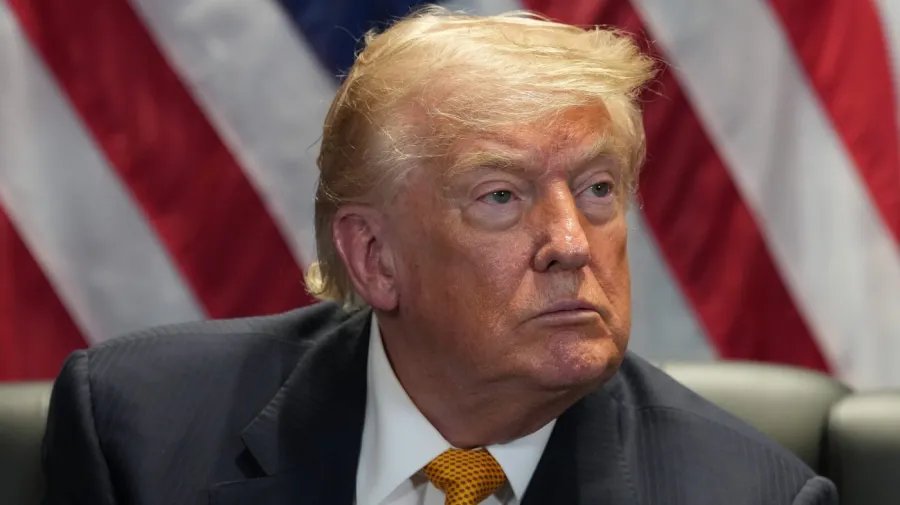
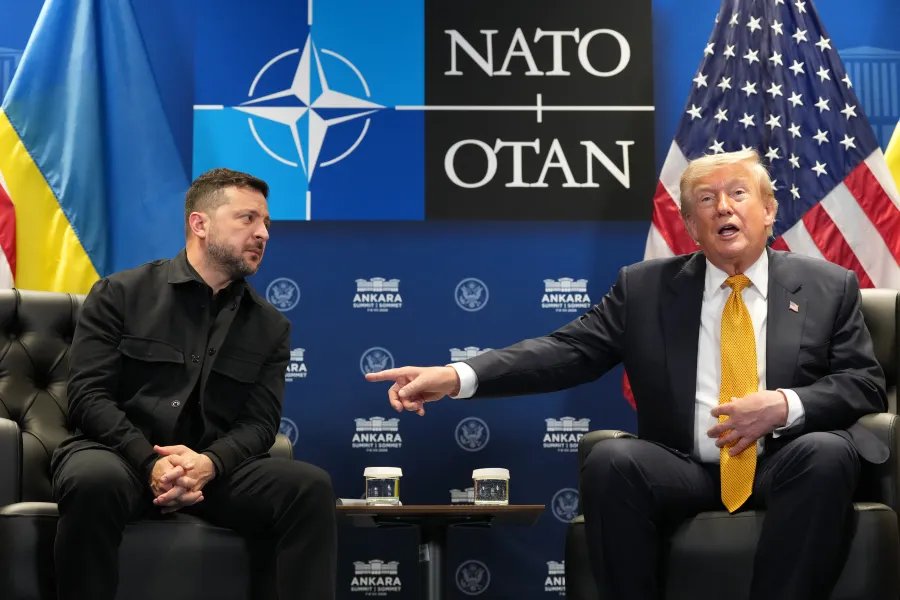
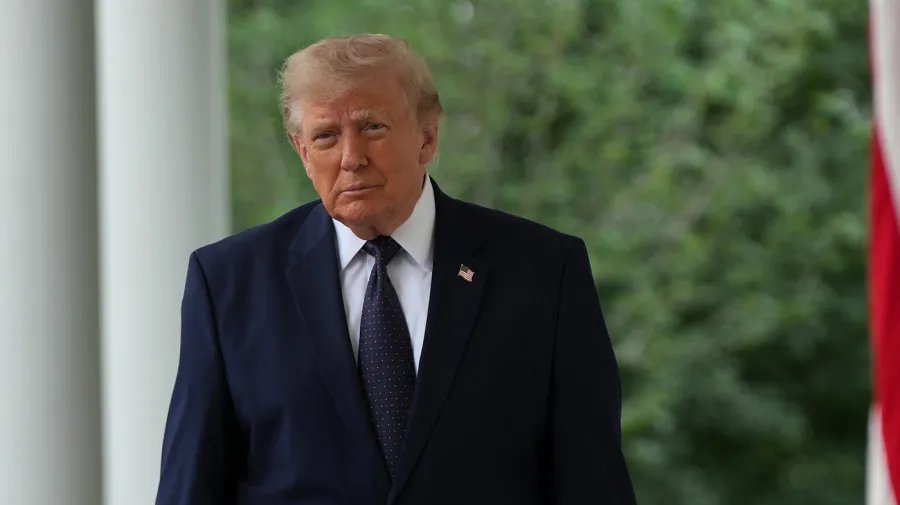
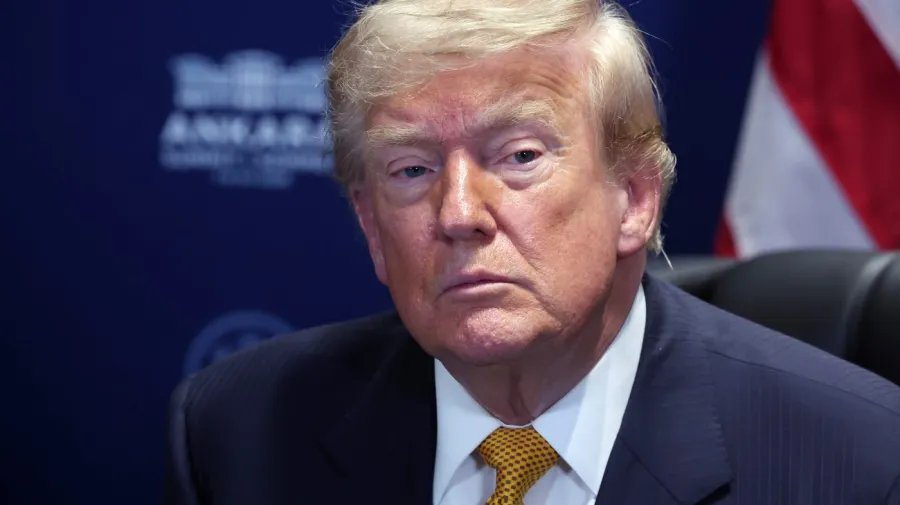
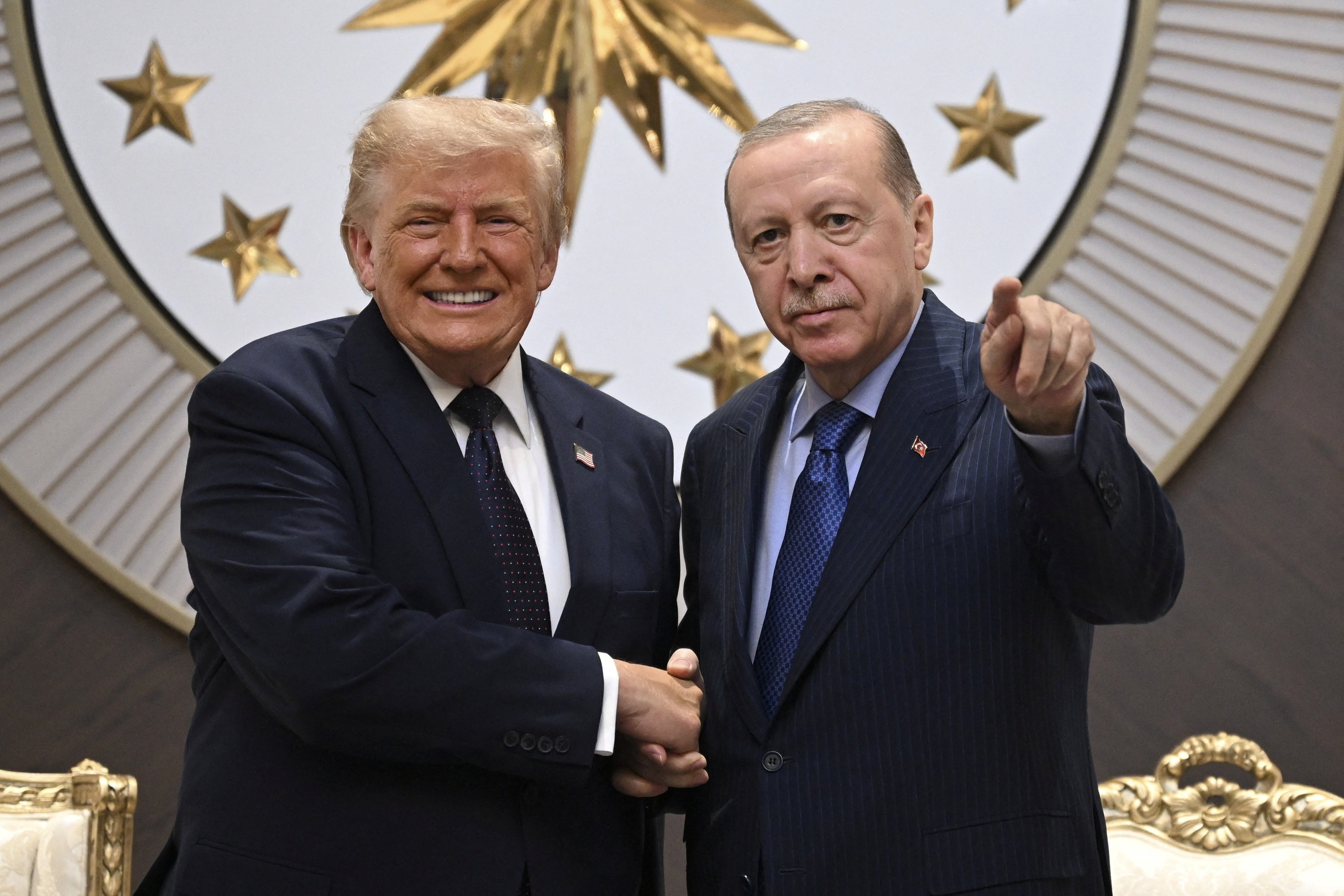
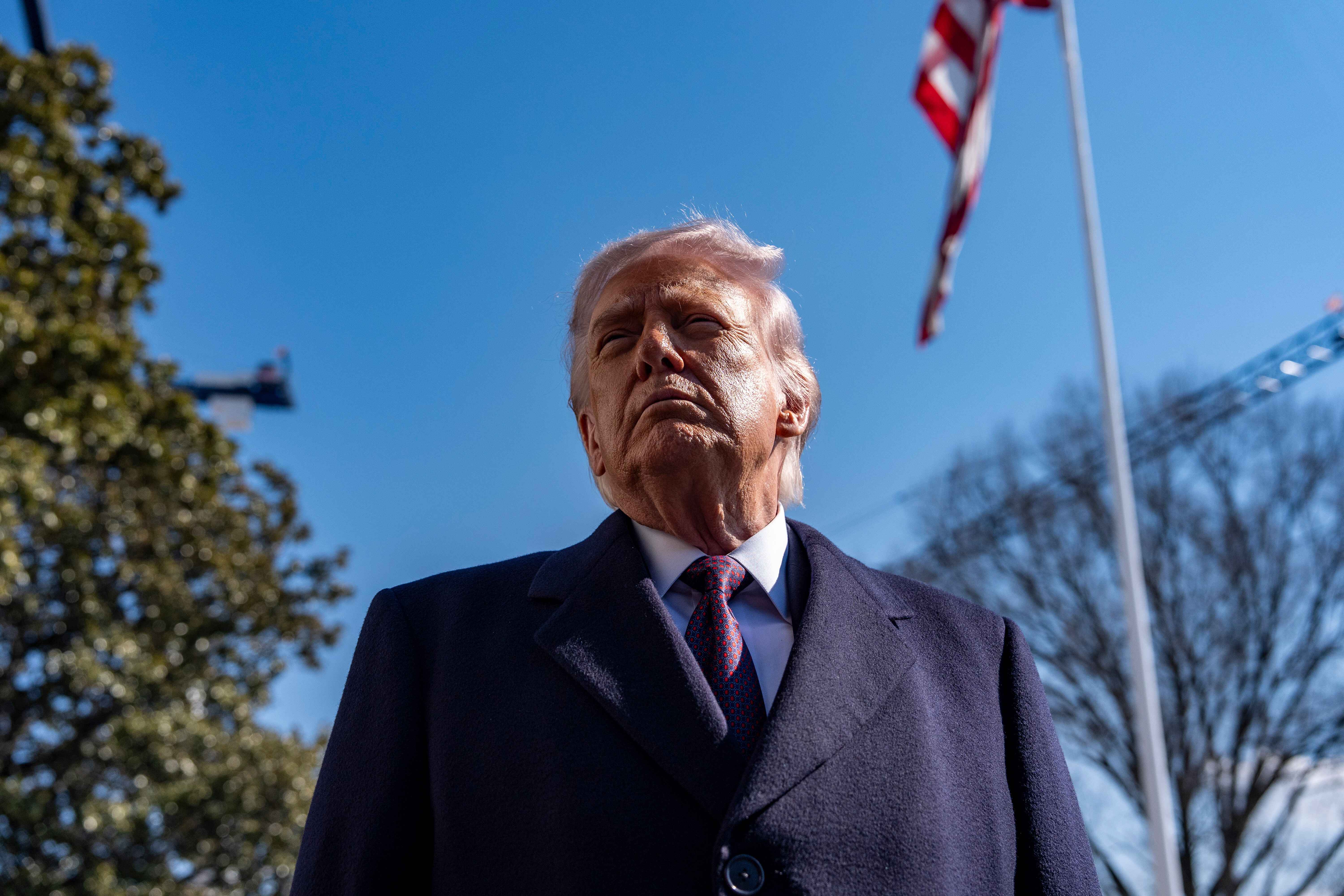
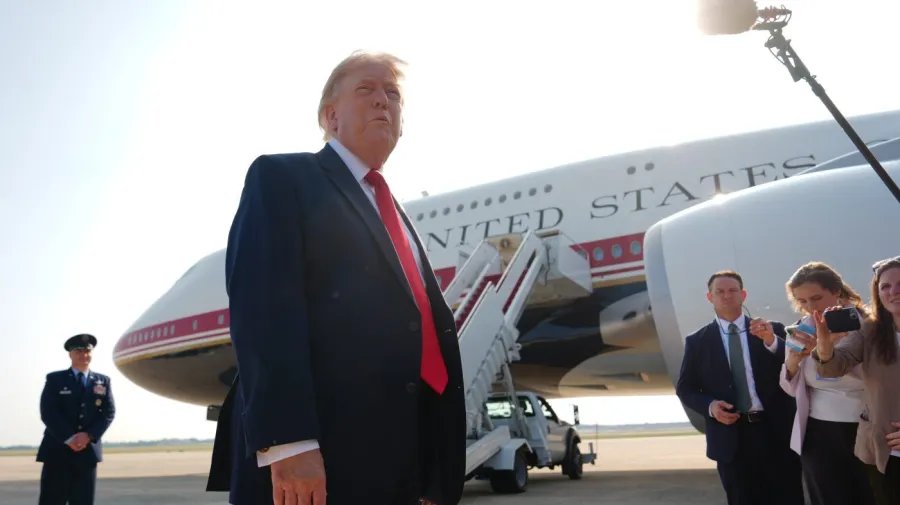
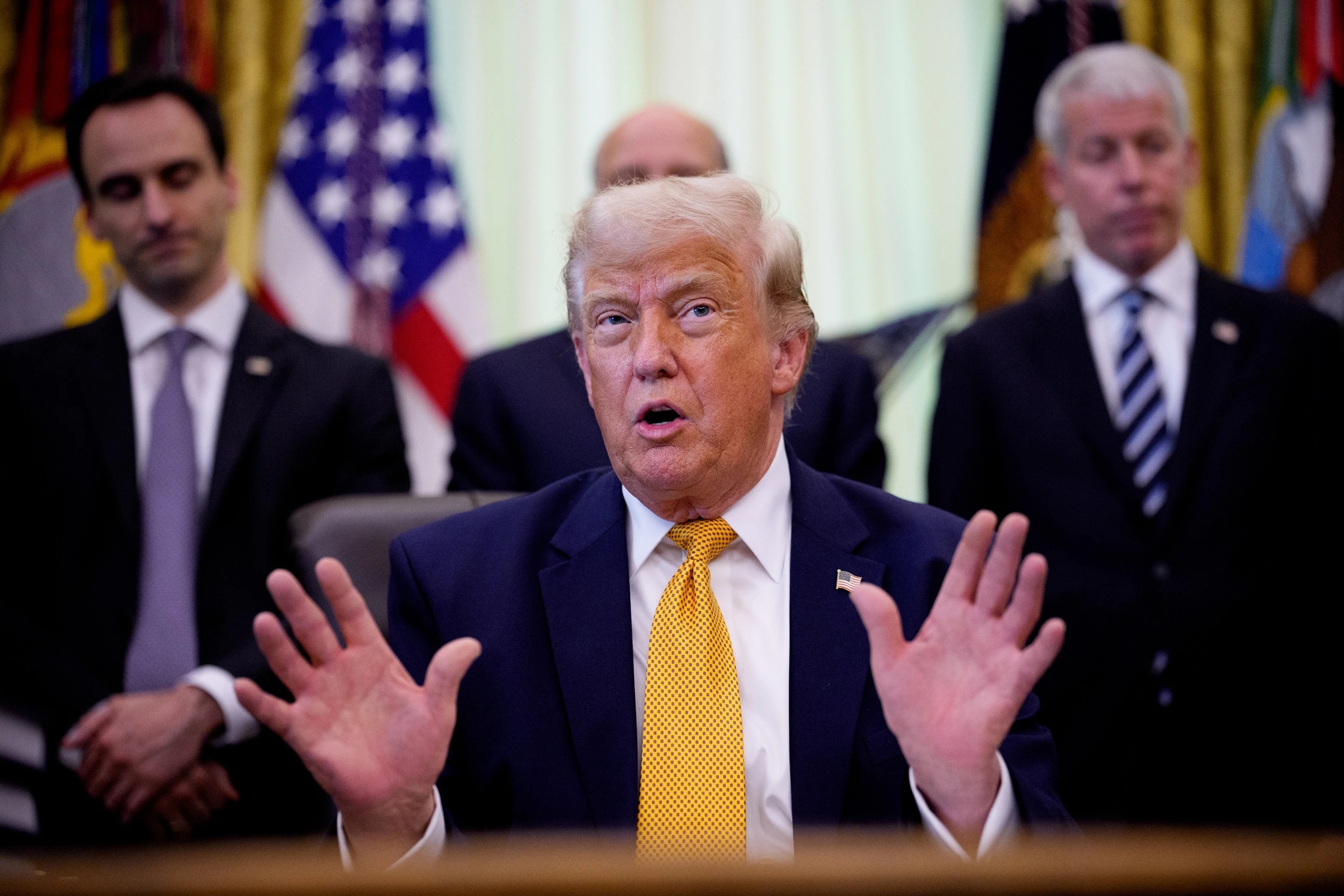
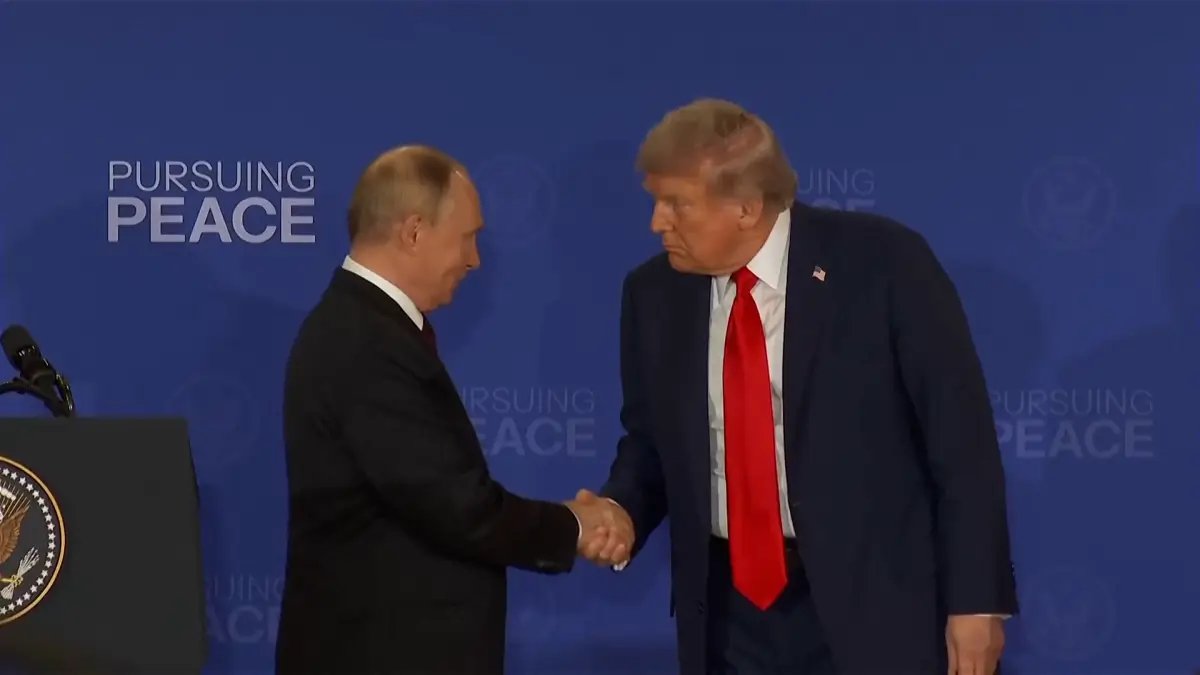
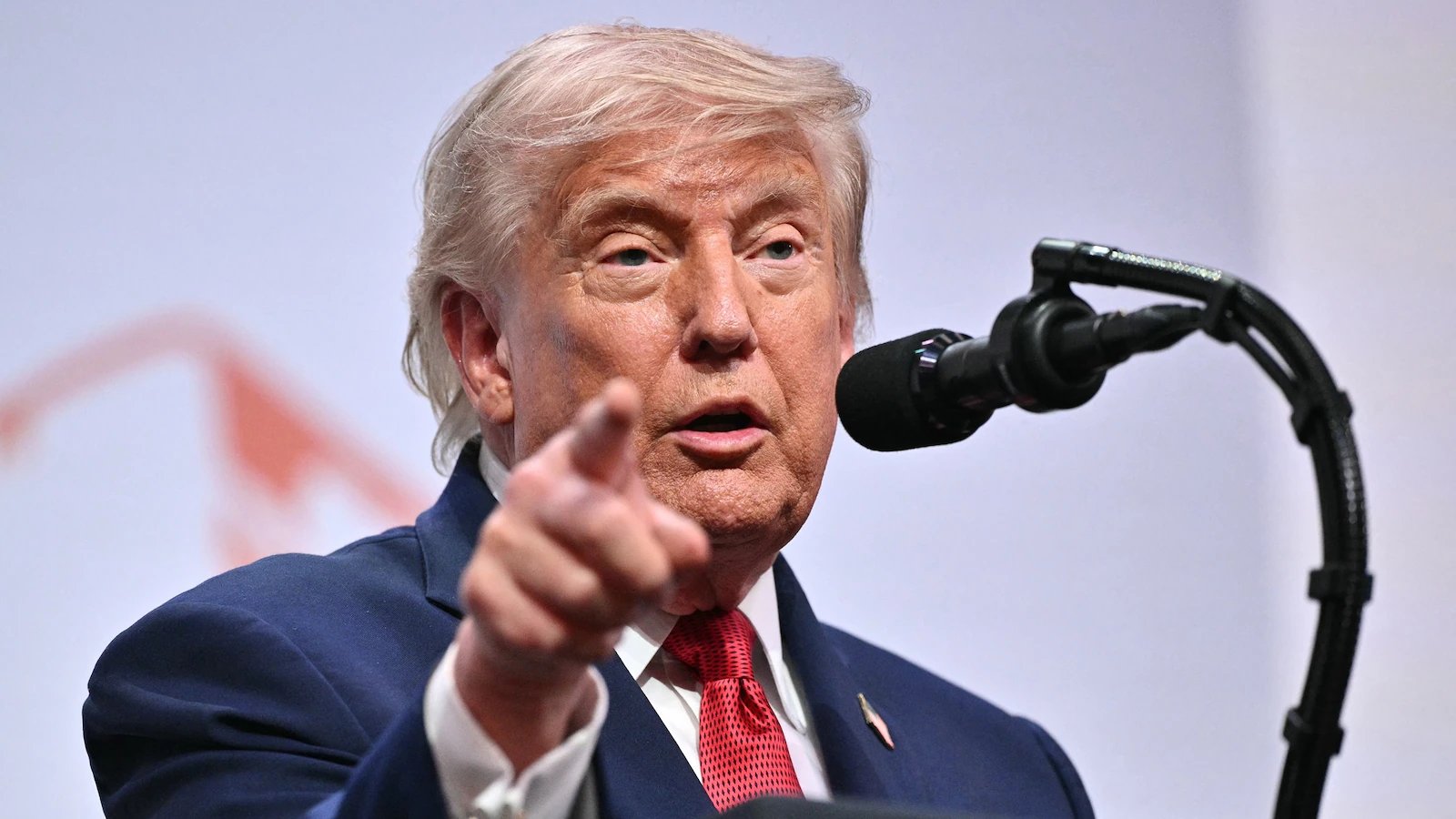
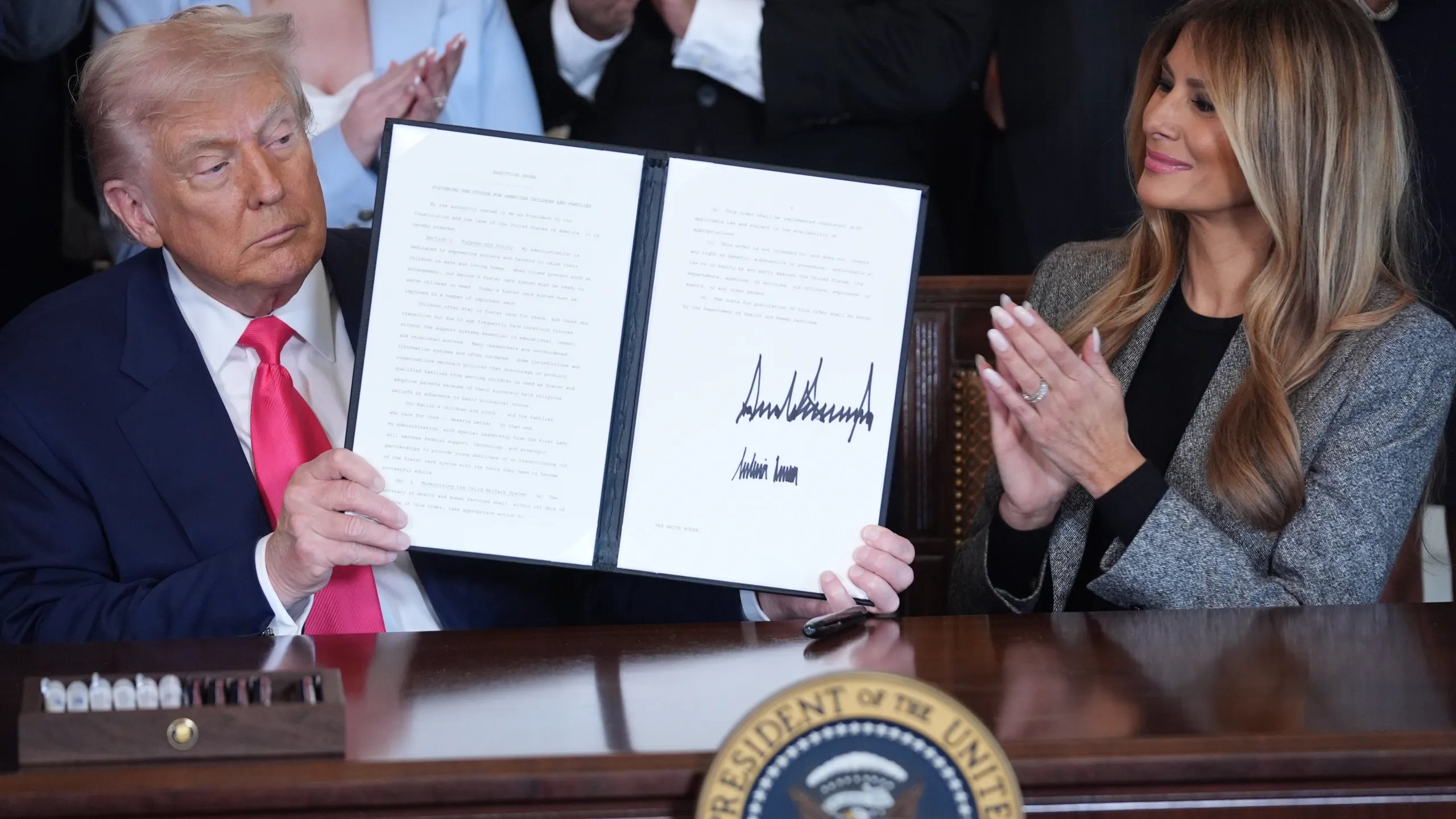
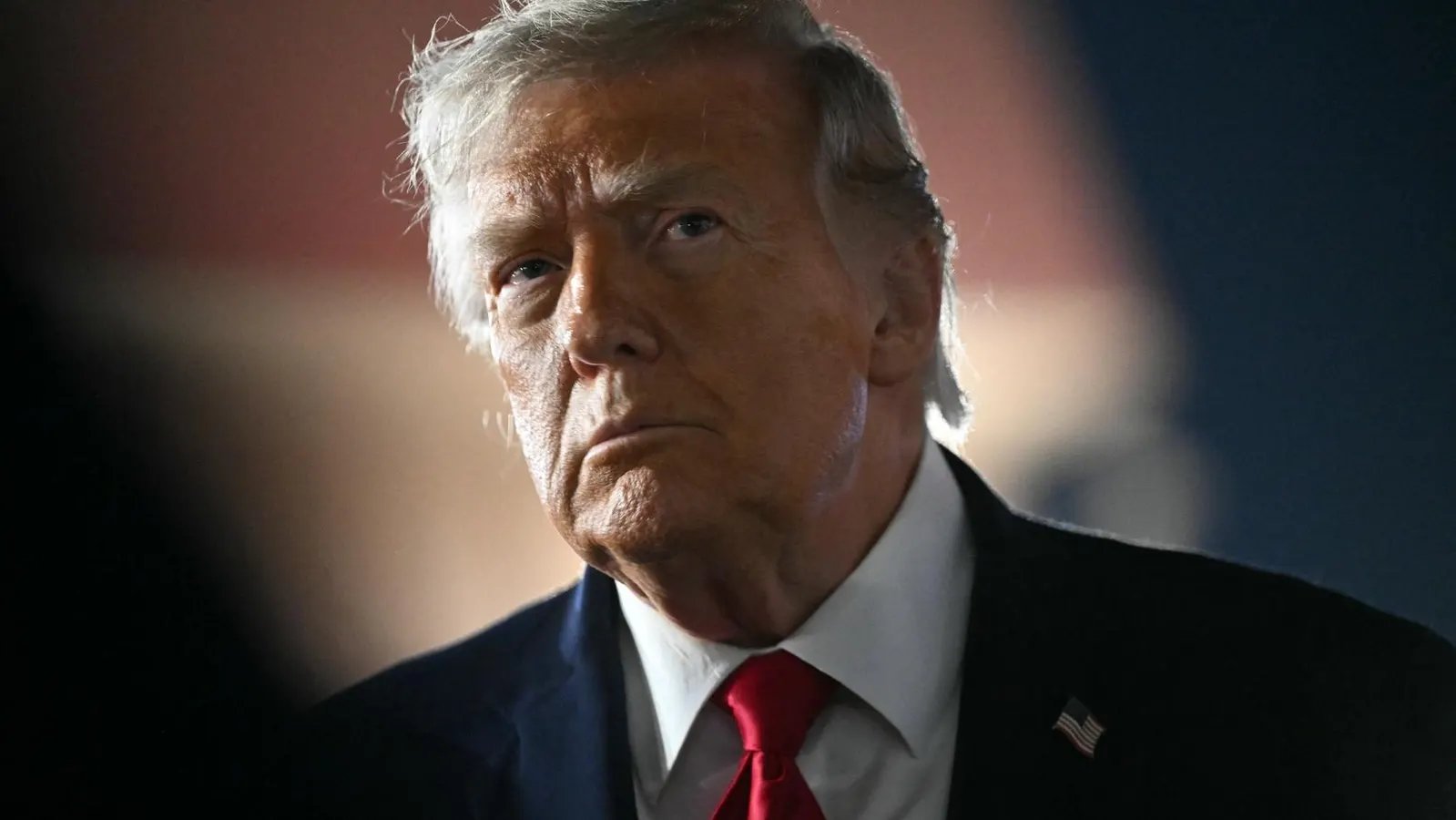
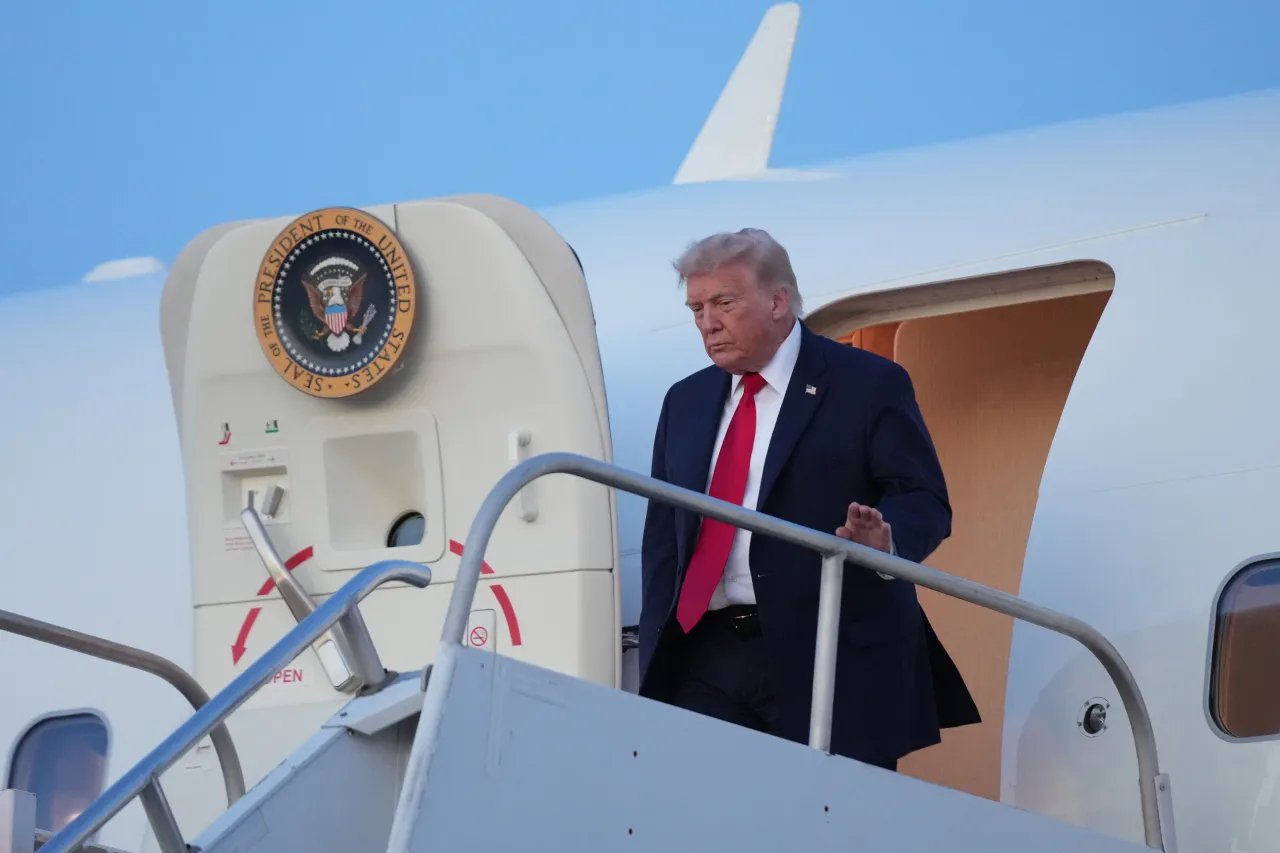
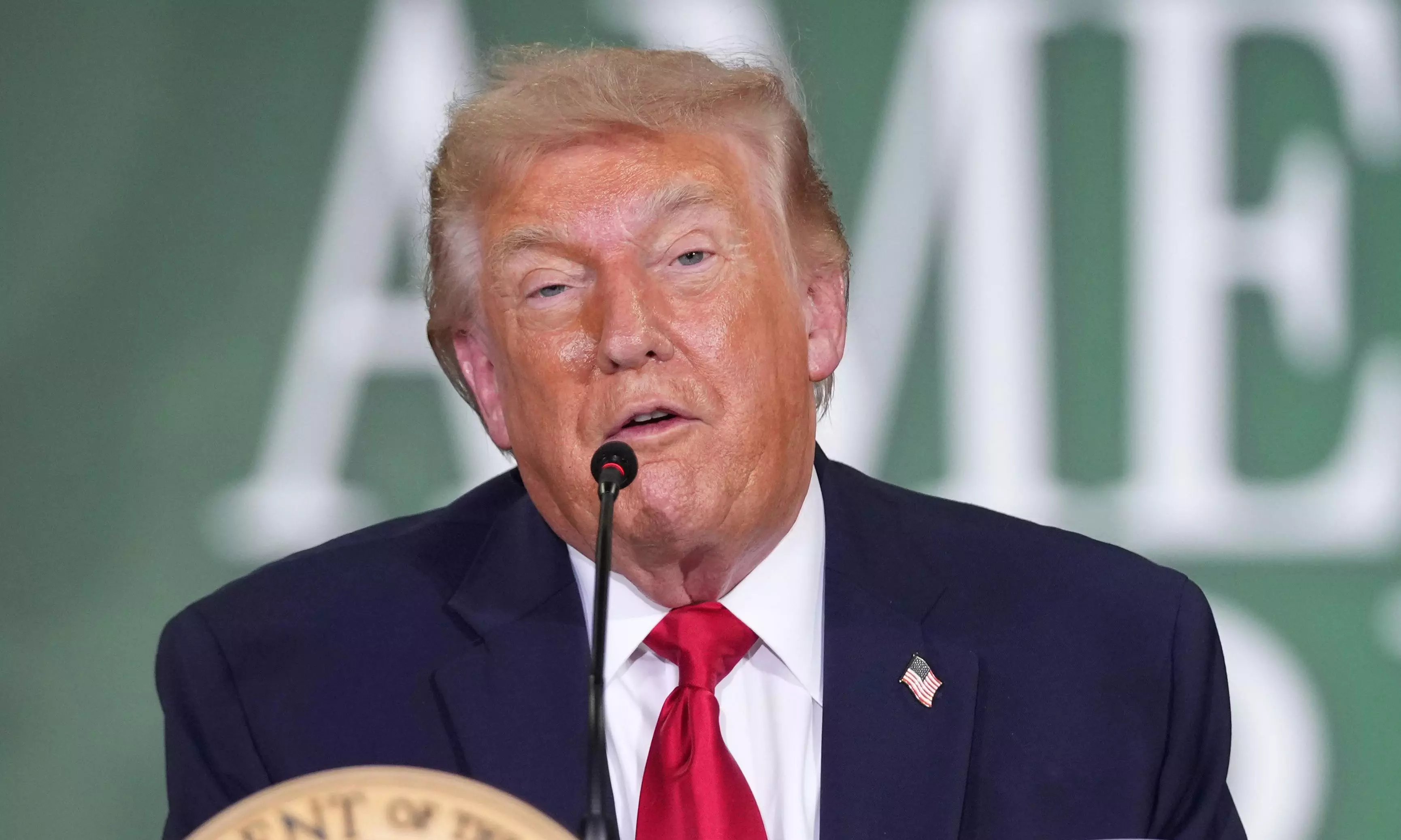
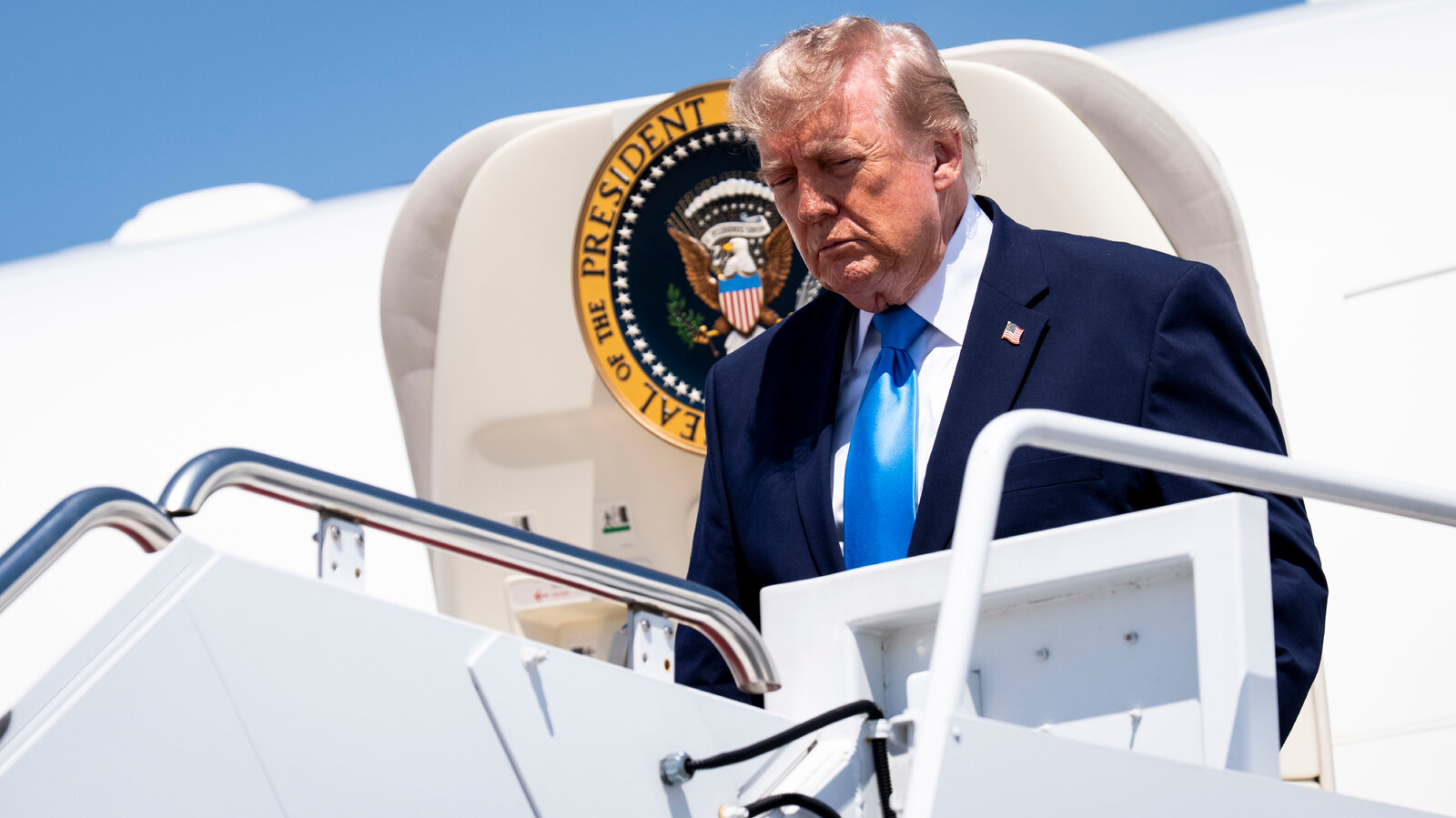
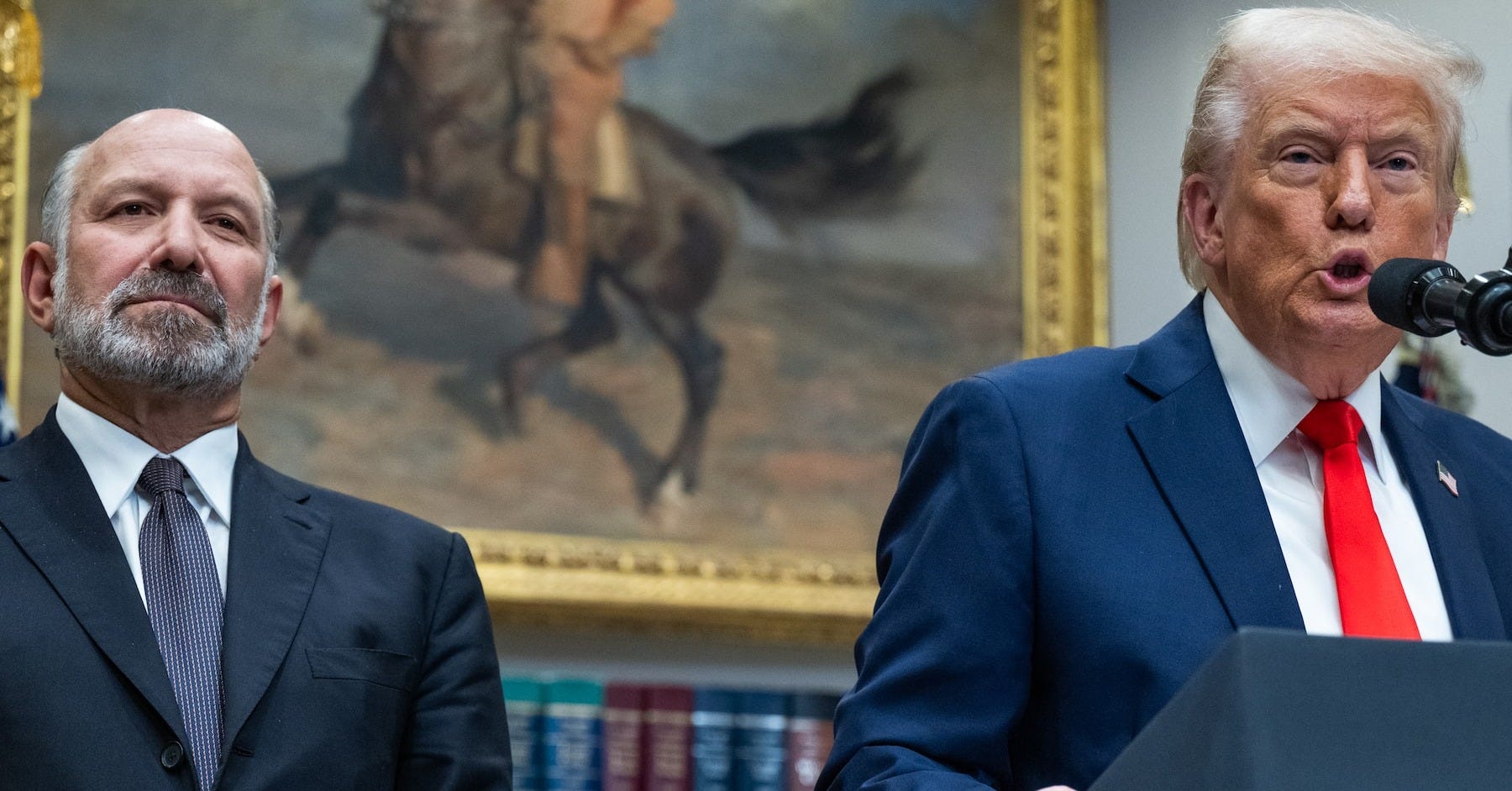
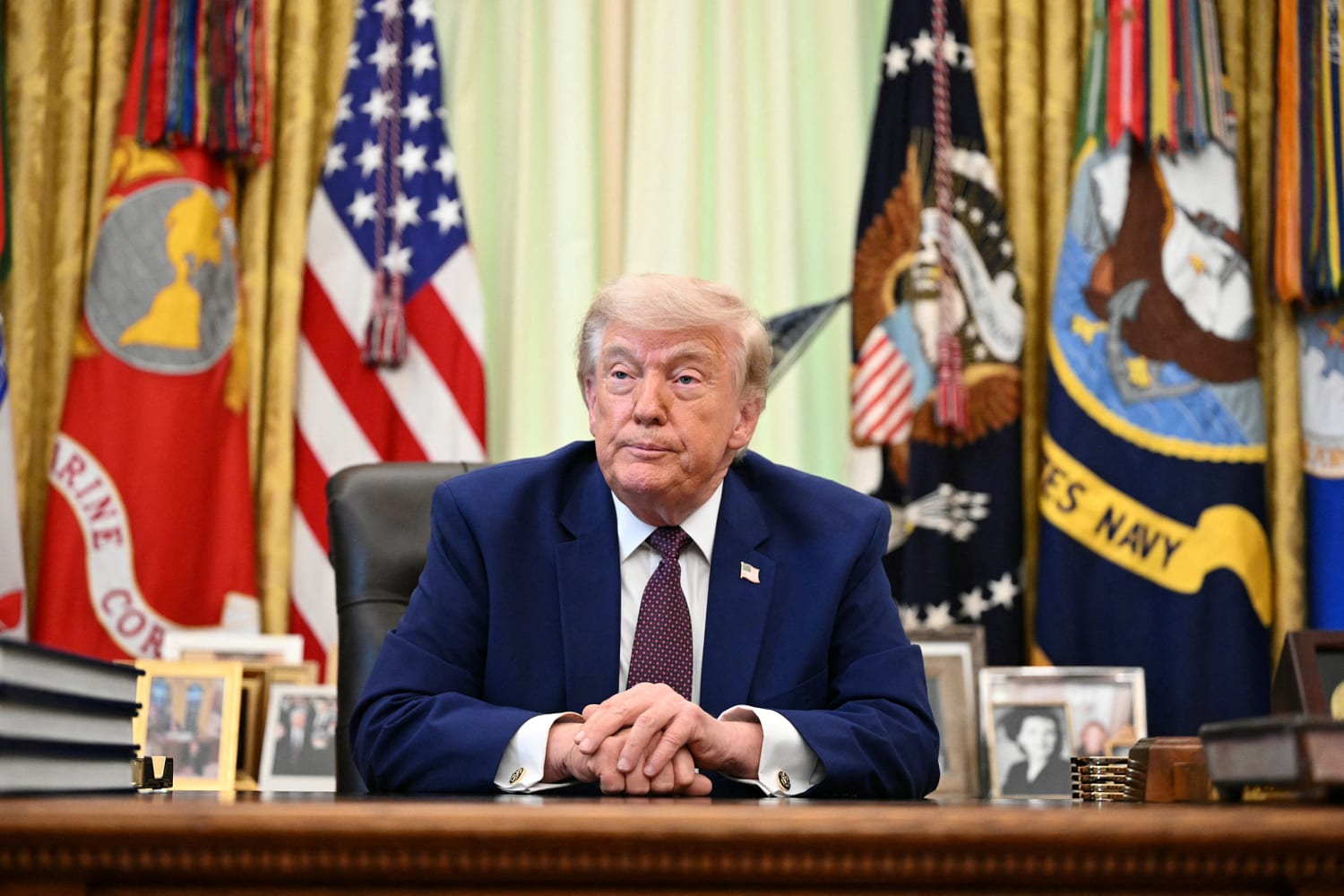
Both sides seem to be seeking an upper hand ahead of the upcoming NATO summit in Turkey. Amid this backdrop, Putin sent a congratulatory note to U.S. President Donald Trump for the 4 July celebrations, calling for "constructive relations" between the U.S. and Russia. This correspondence and the recent attacks underscore the ongoing geopolitical maneuvering and the high stakes involved in the conflict.
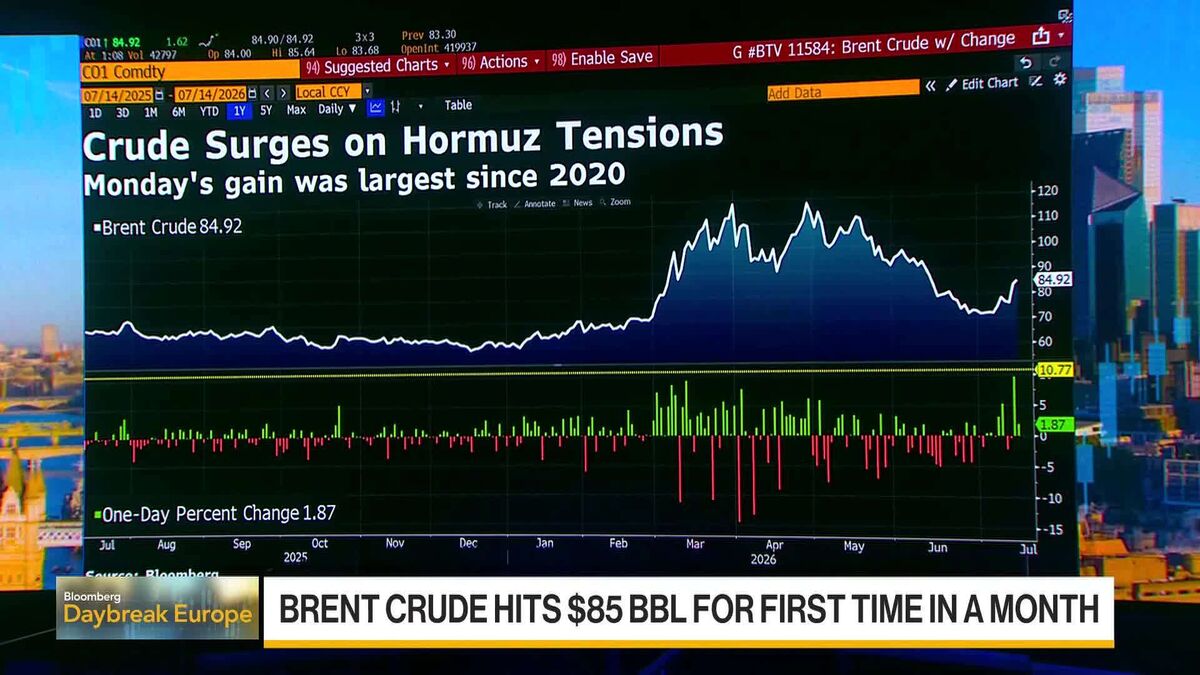
The strikes on Russian soil and the dispute over the control of Kostiantynivka highlight the intensifying nature of the conflict and its broader implications for global oil supply and international relations. As the situation unfolds, the world watches for the next moves that could further shape the trajectory of this escalating conflict.