




Twin Quakes Devastate Nation in Seconds
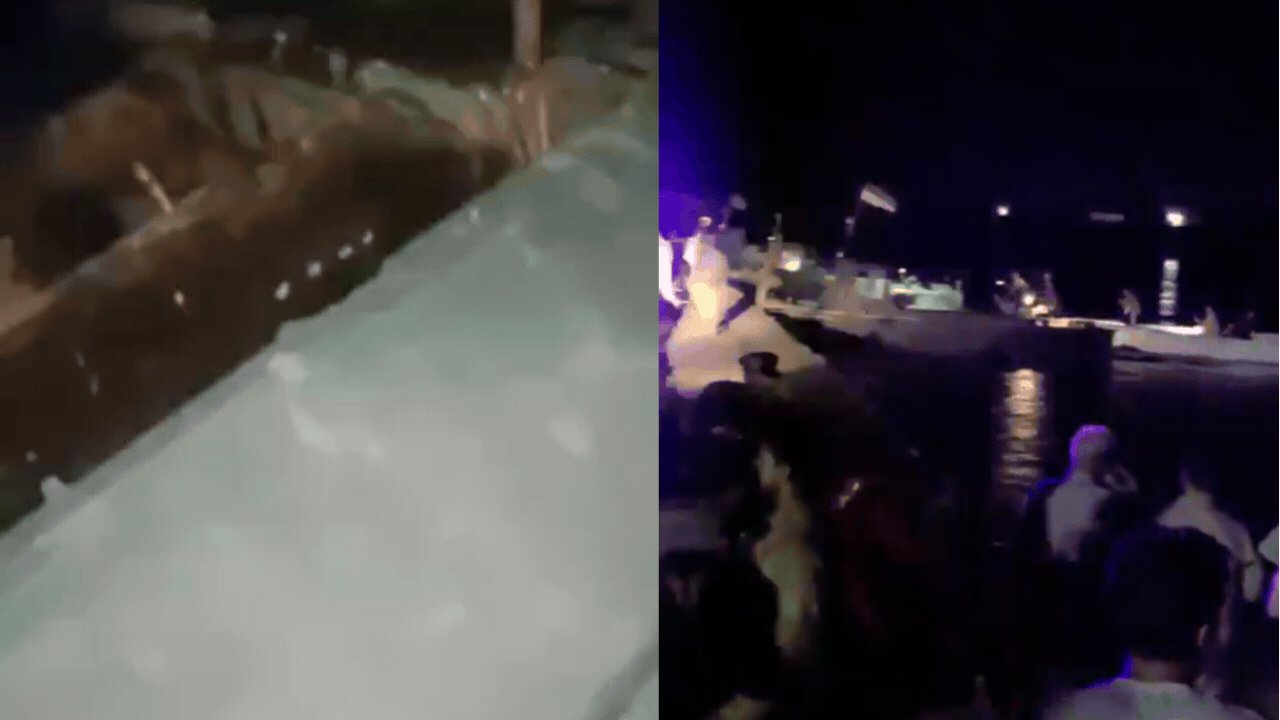
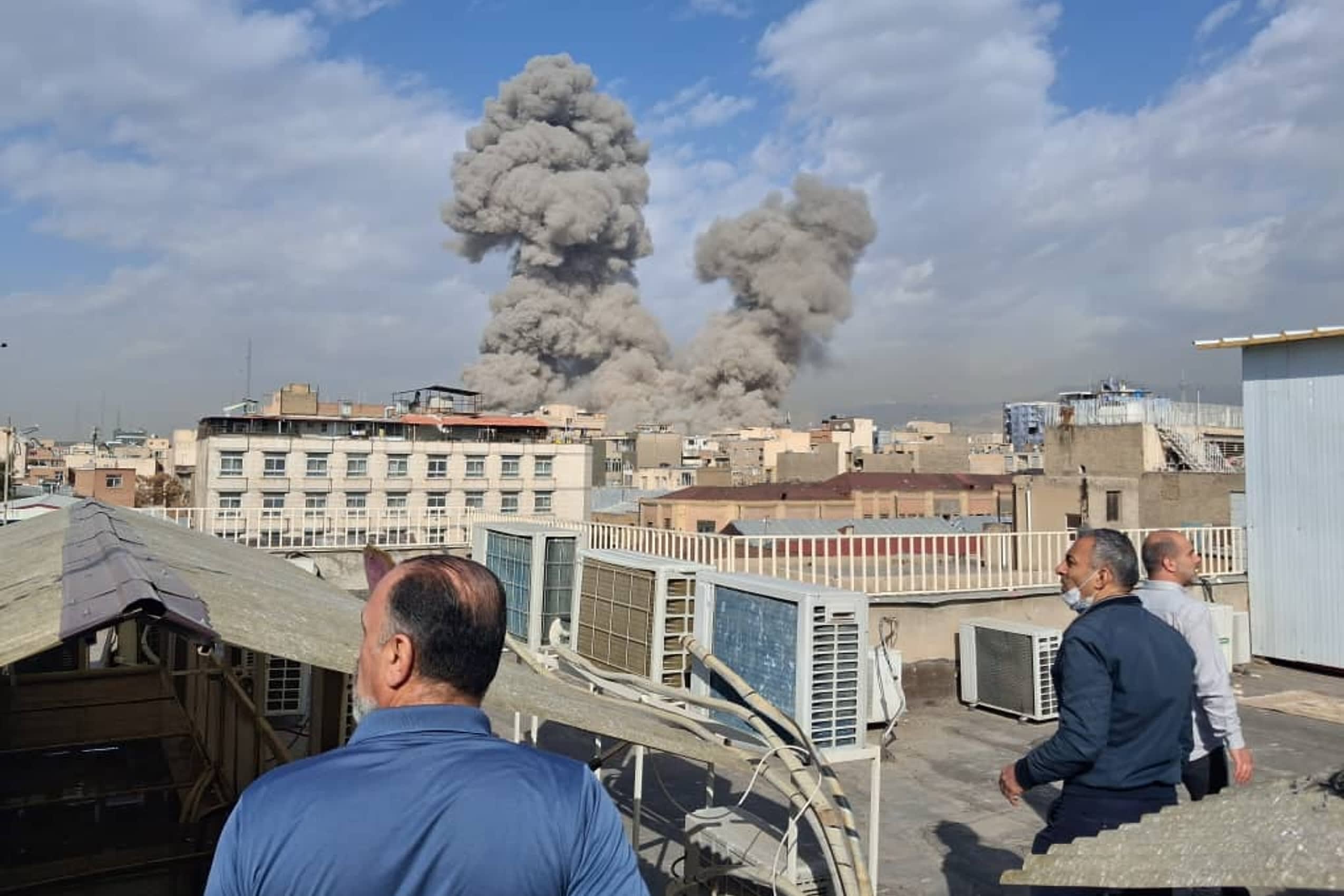
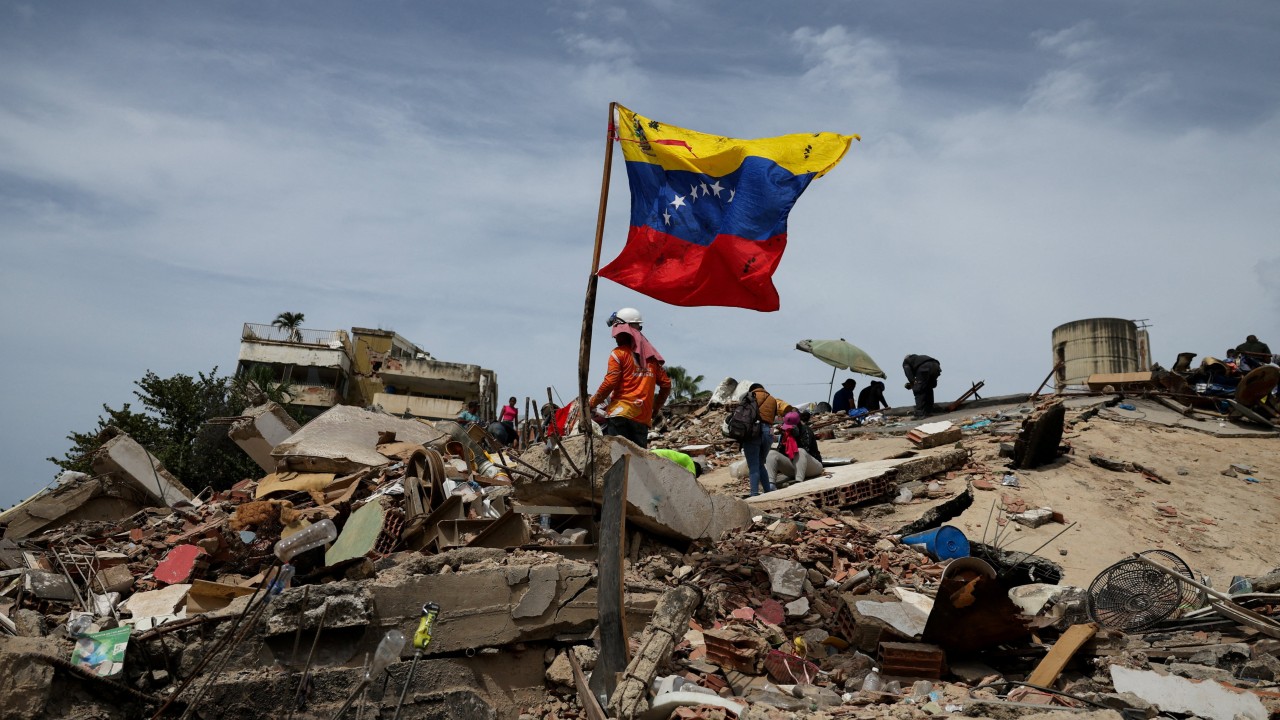
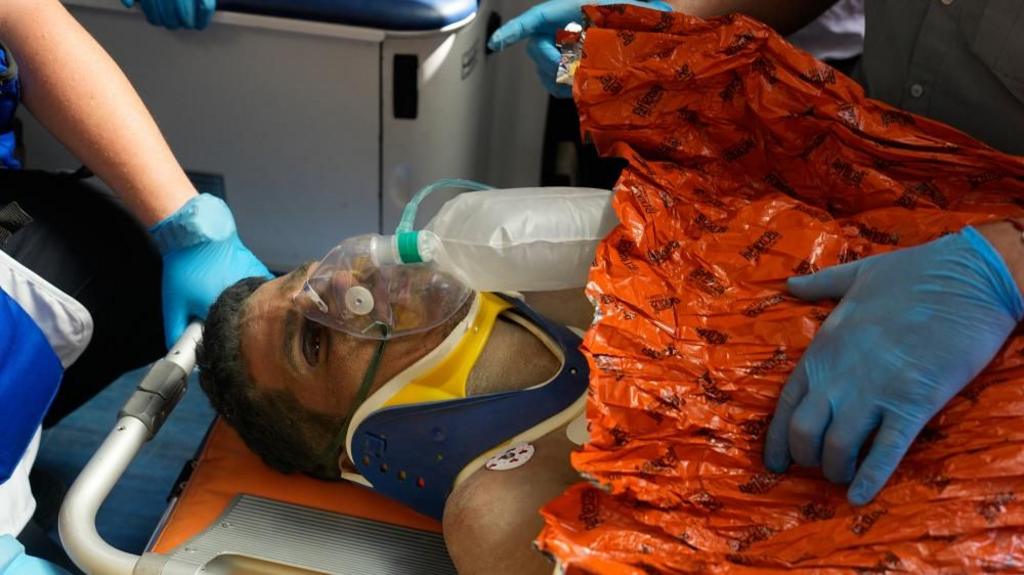
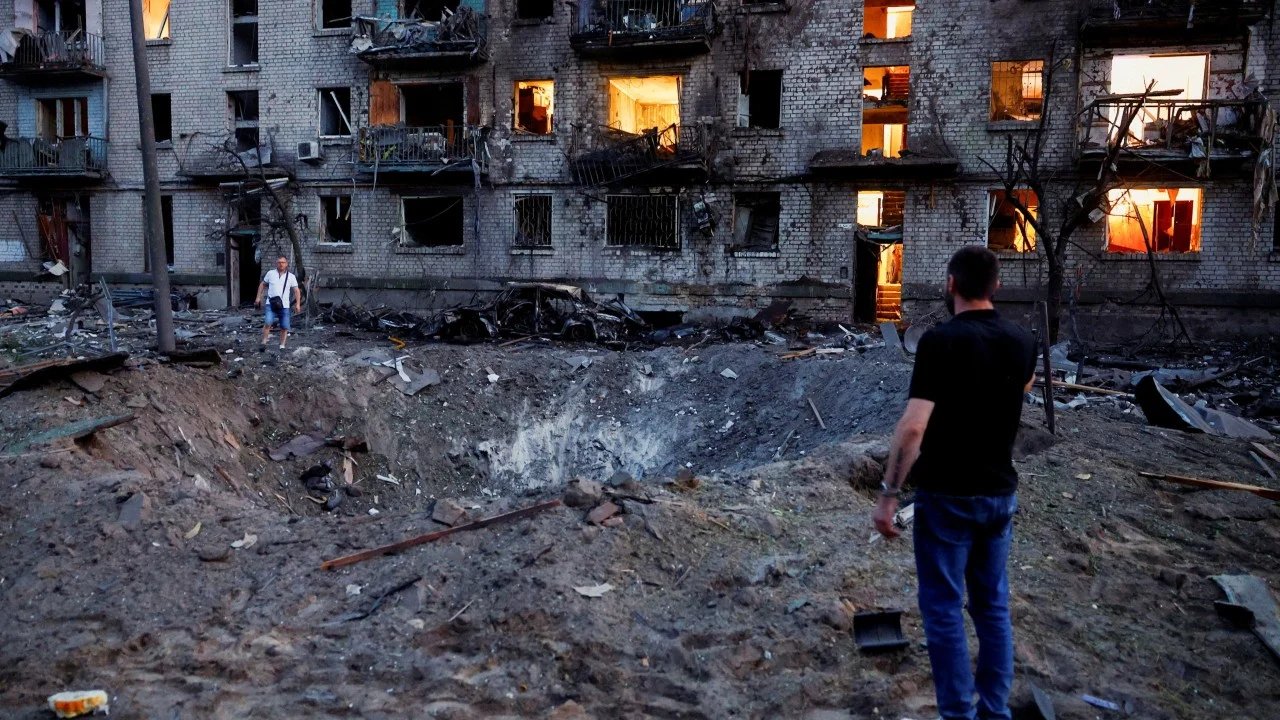
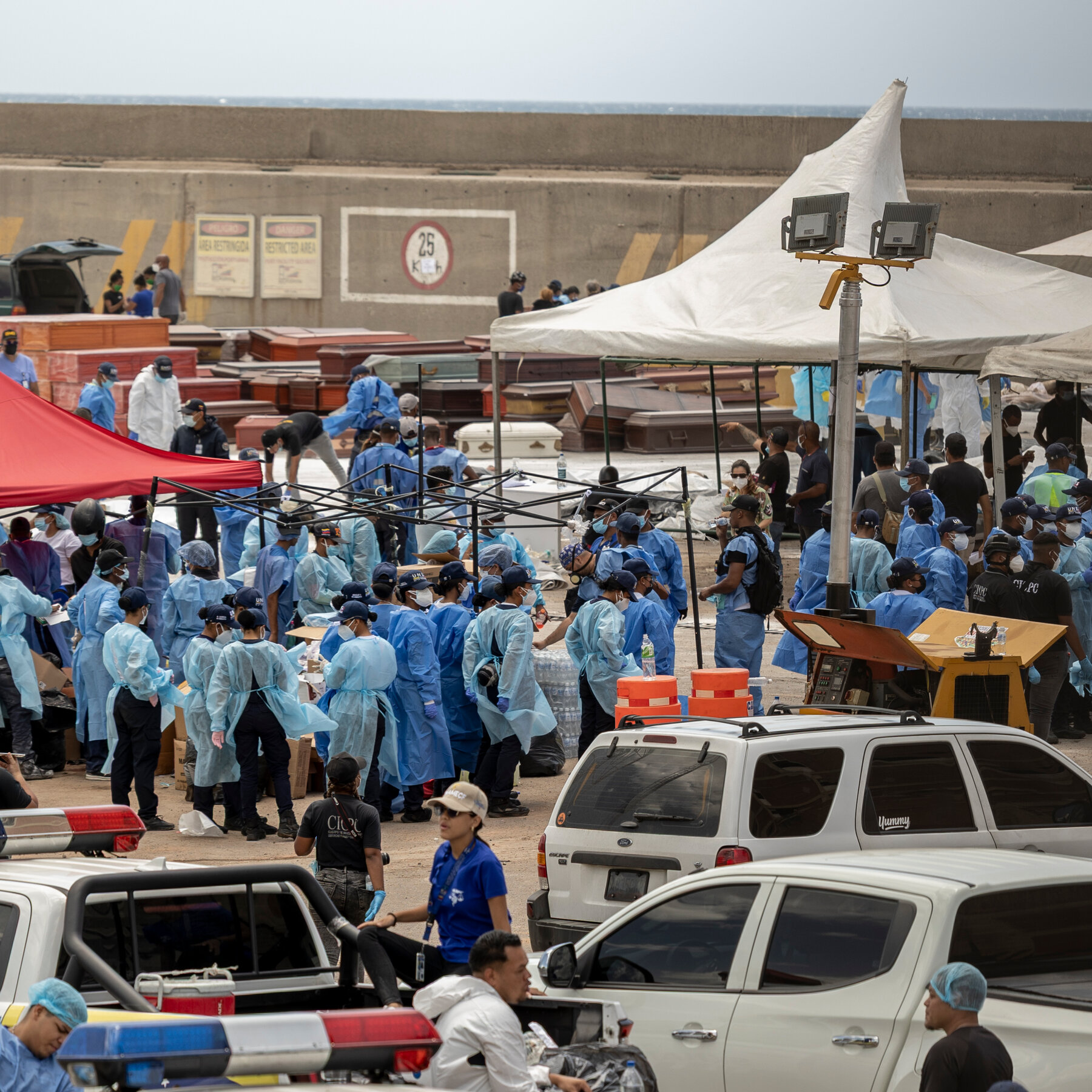
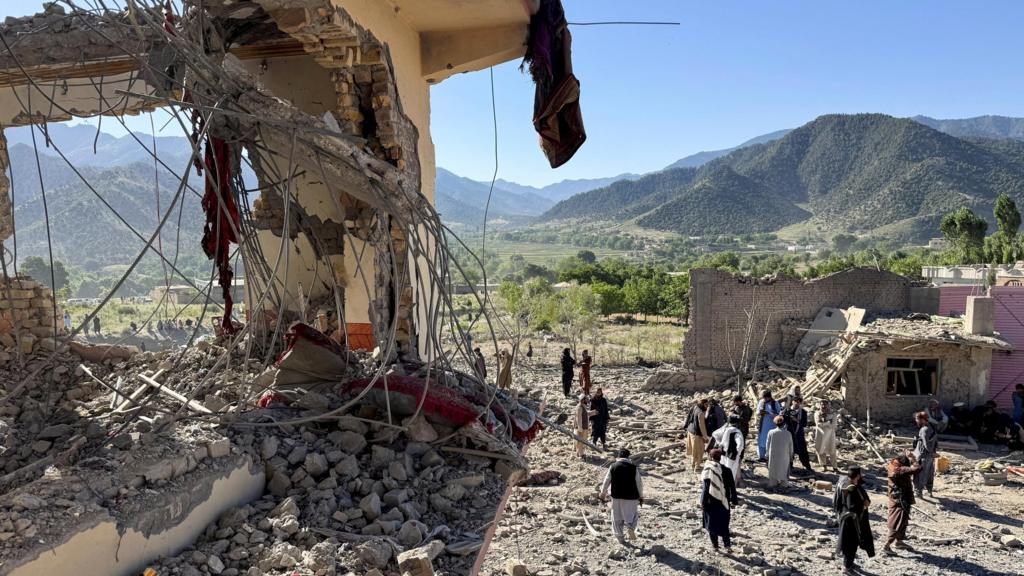
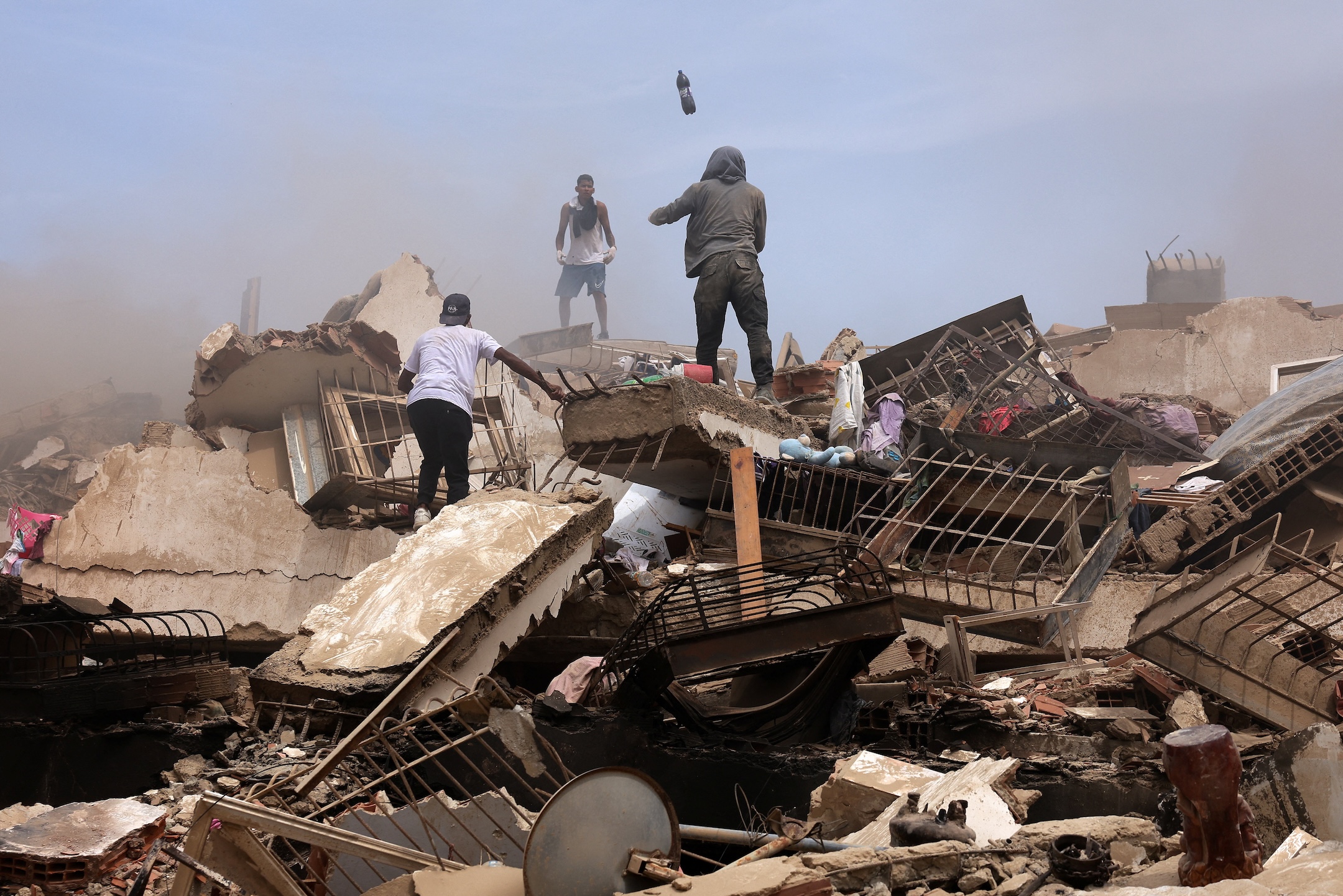
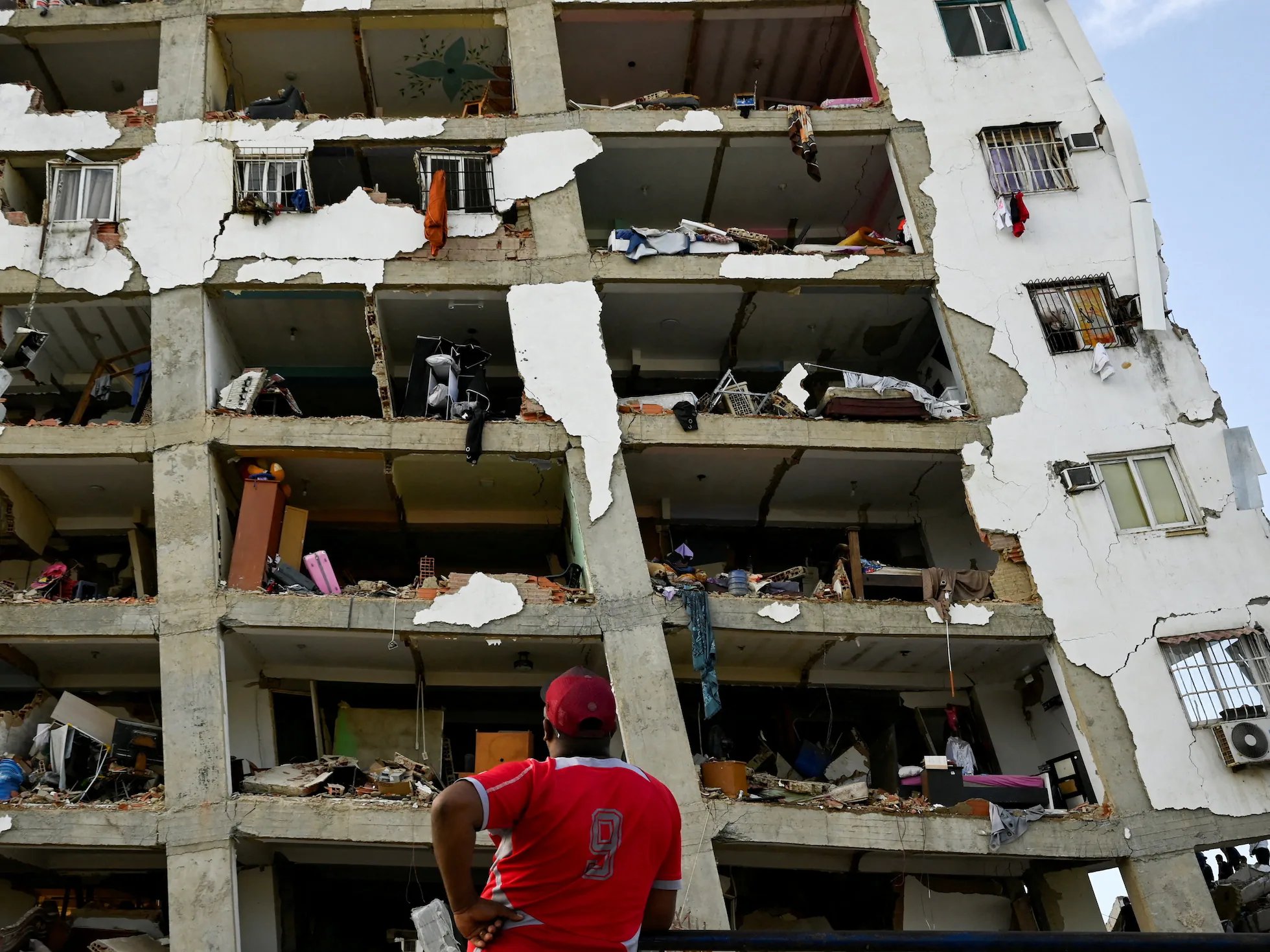
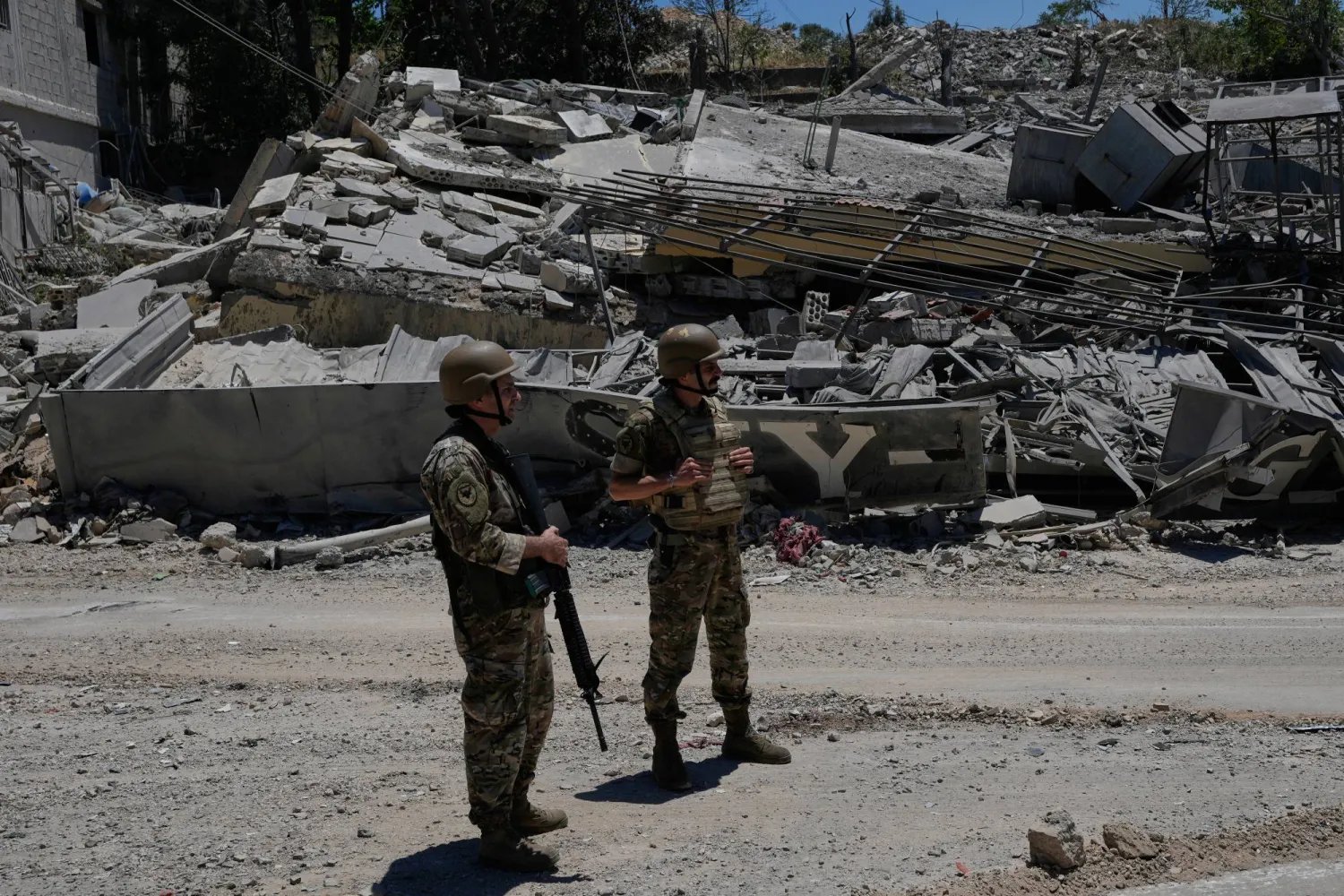
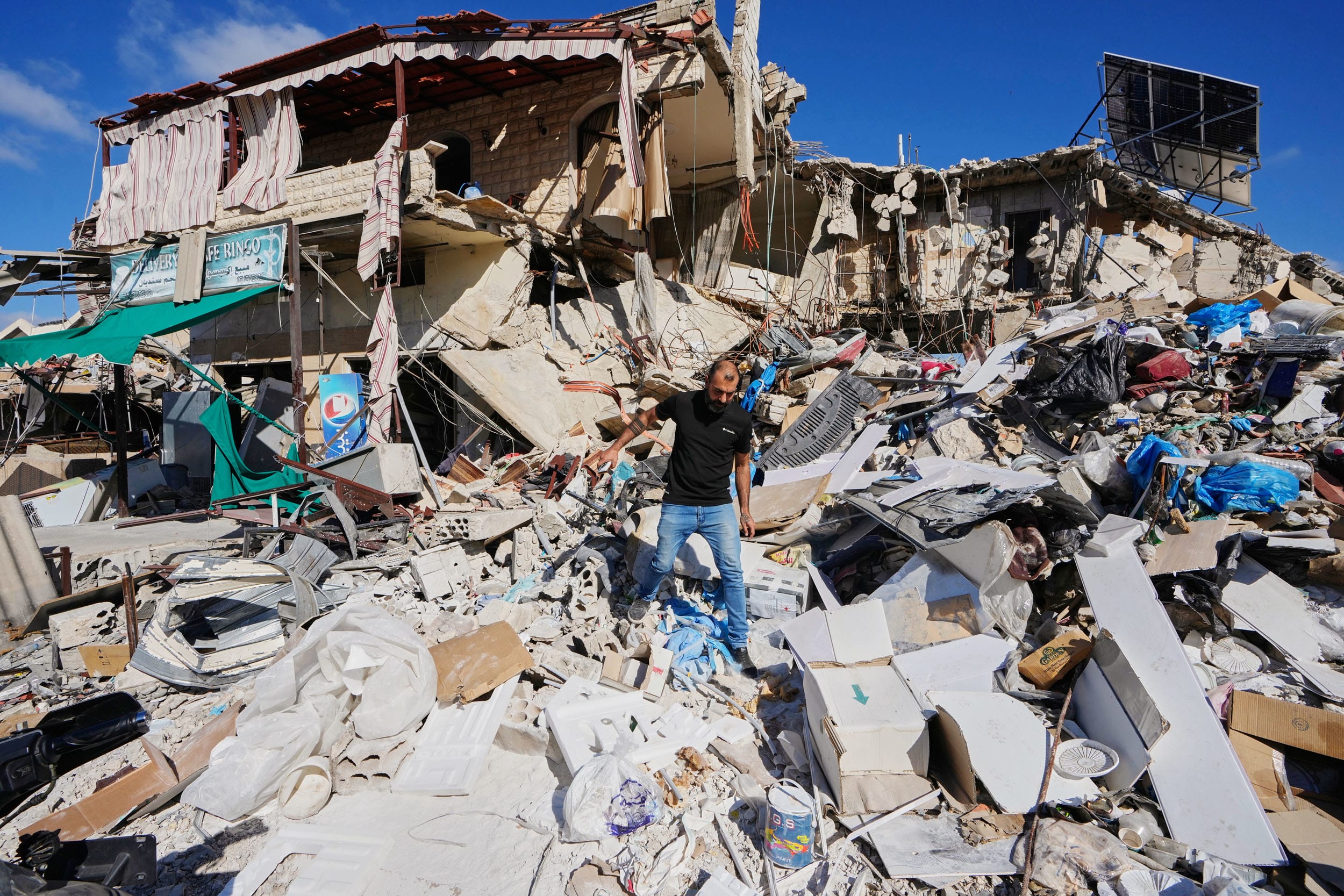
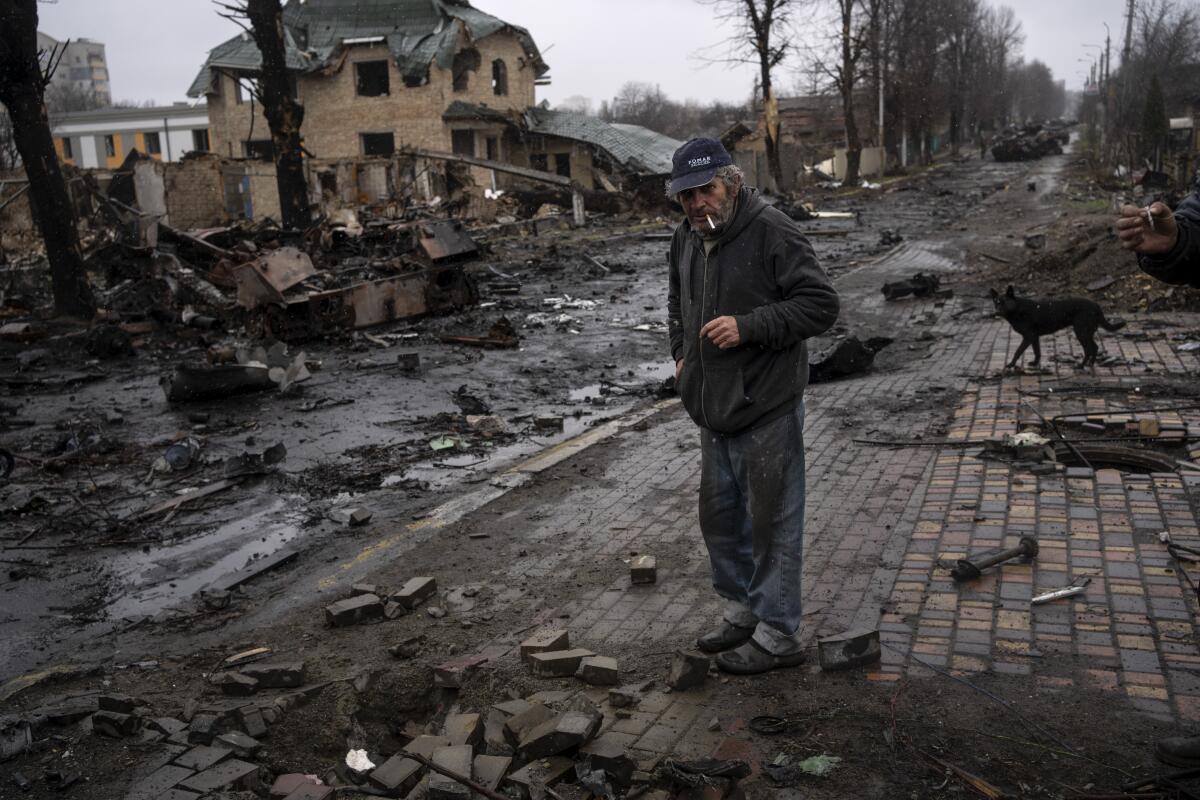
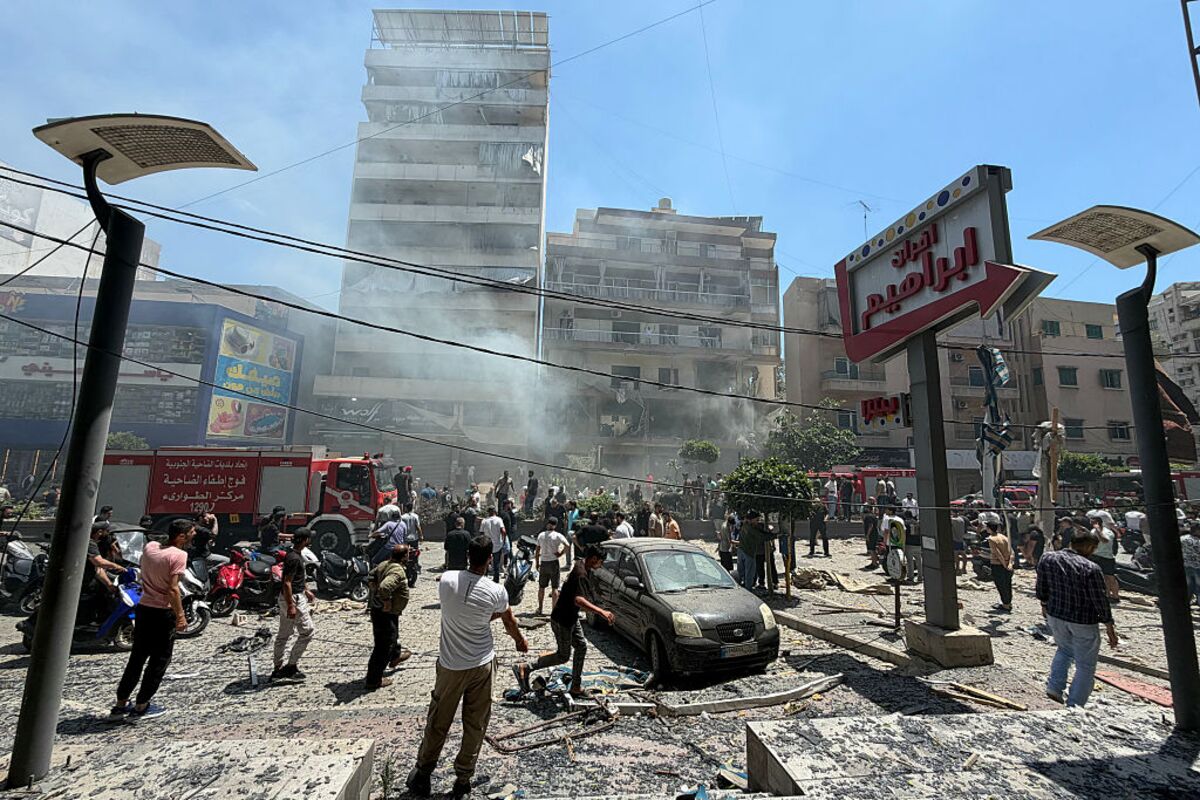
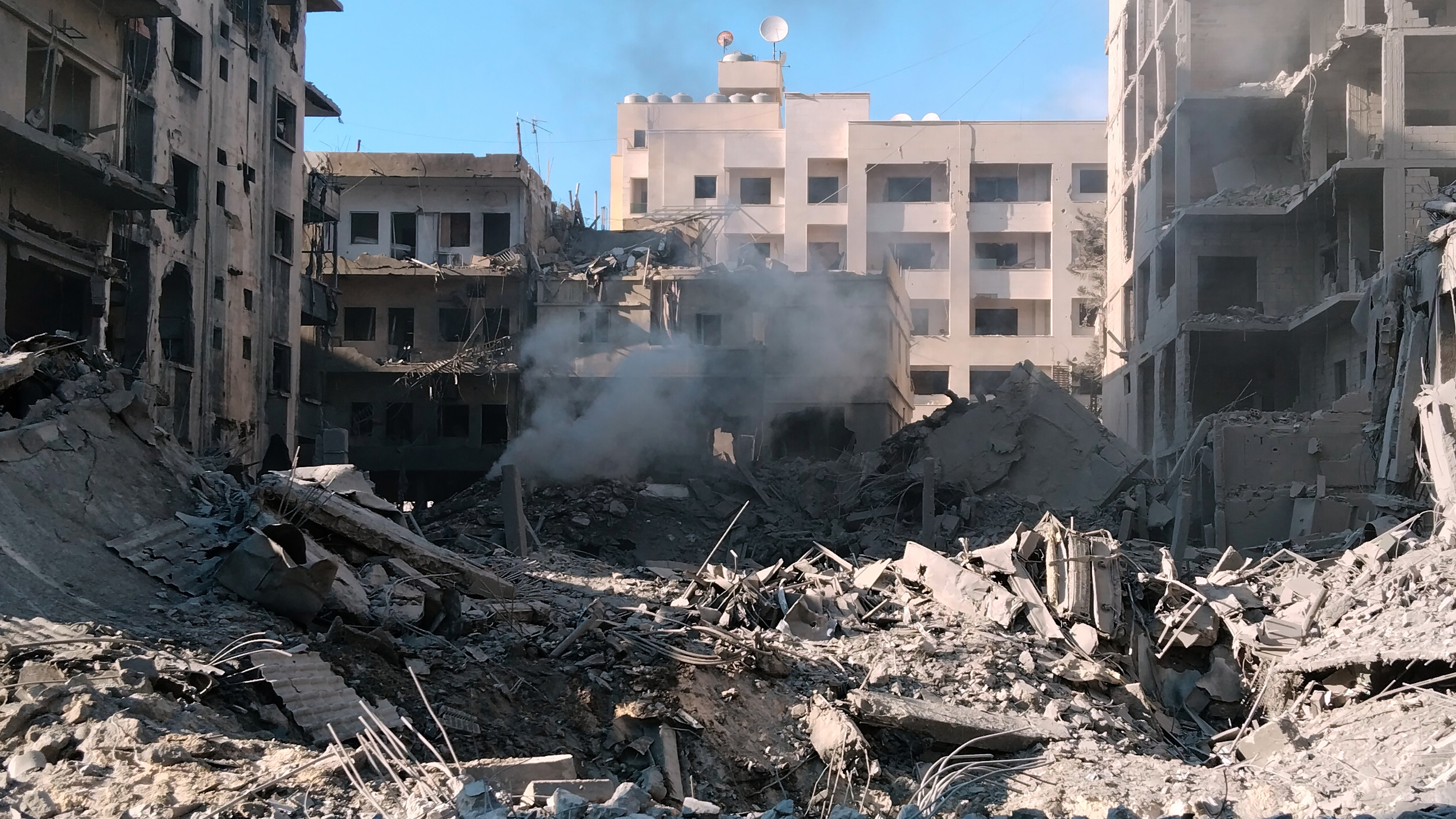
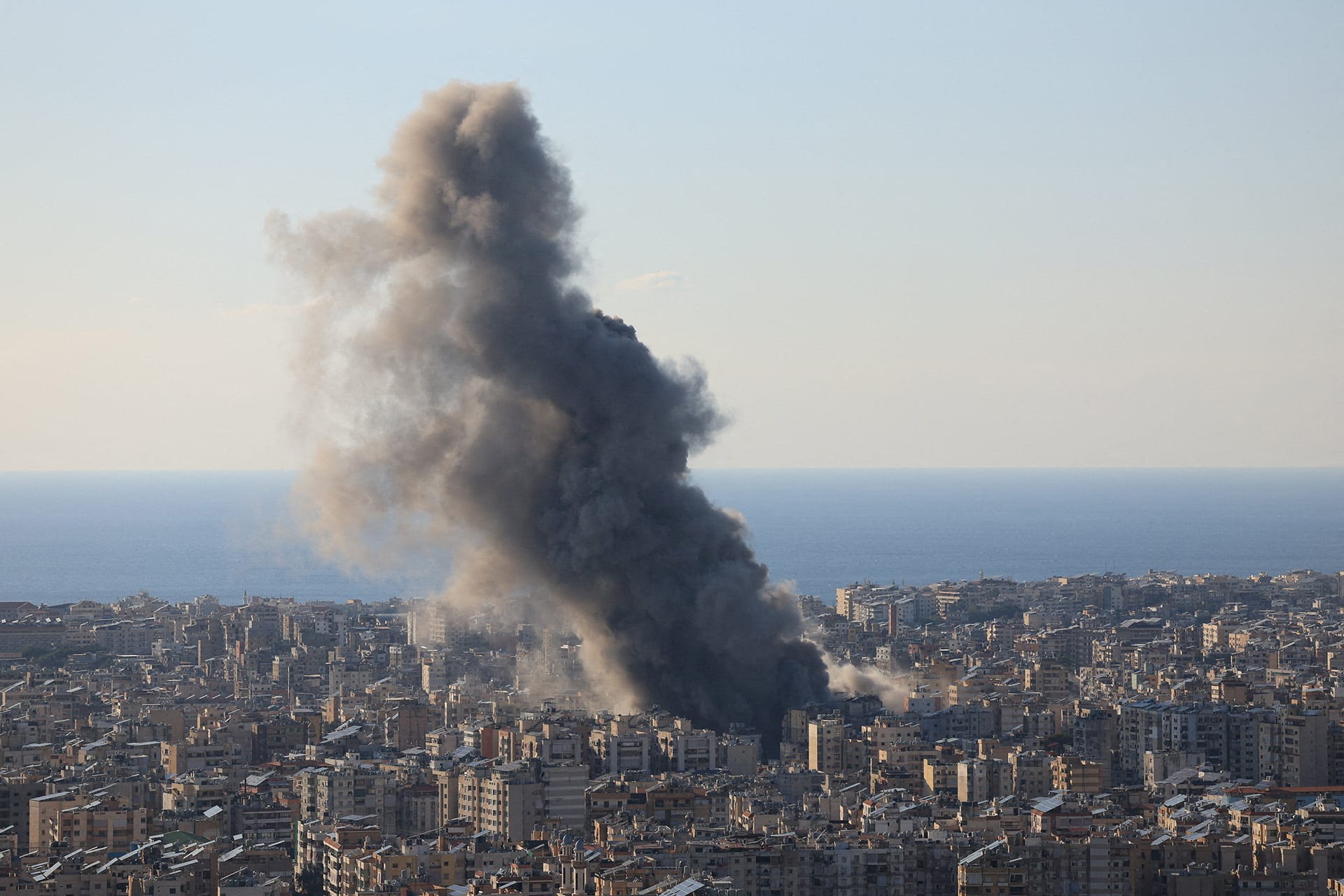
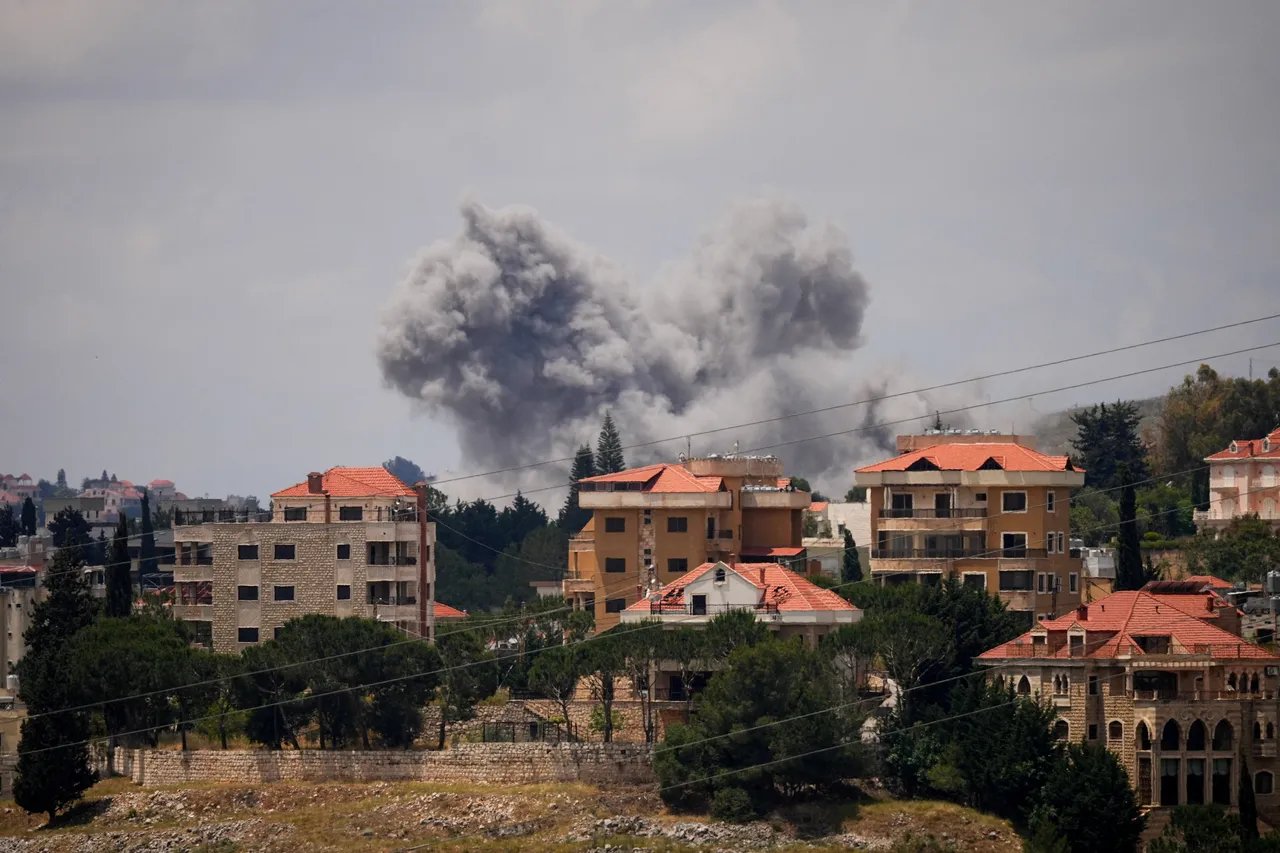
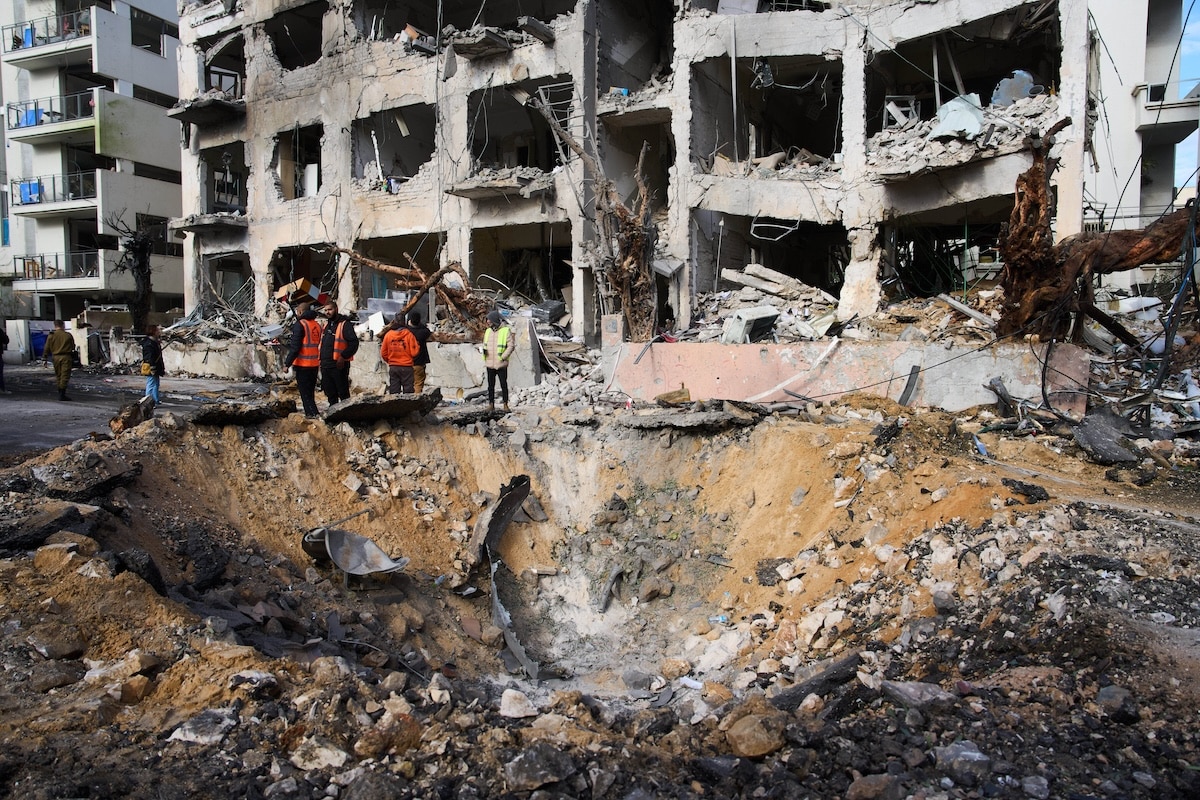
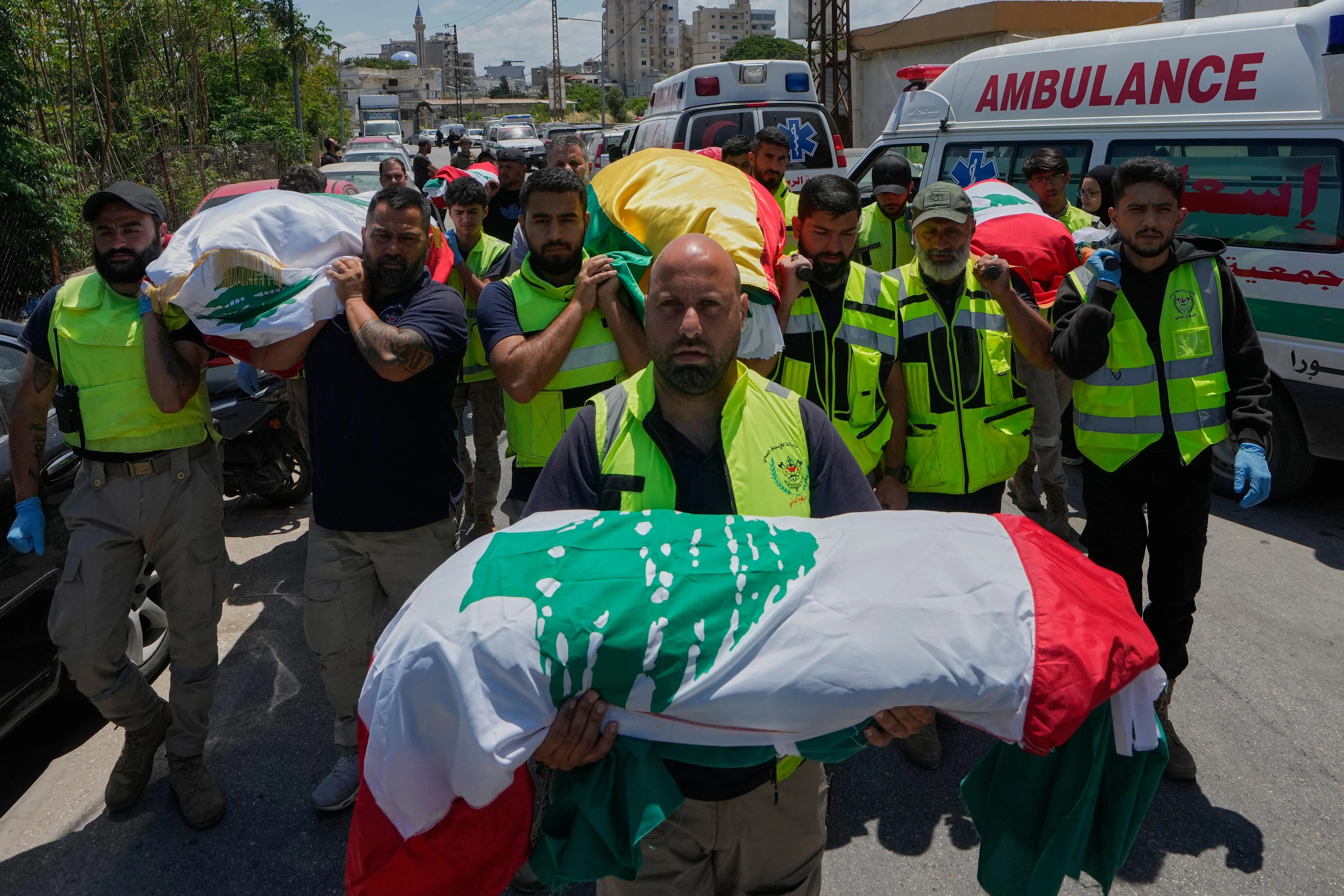
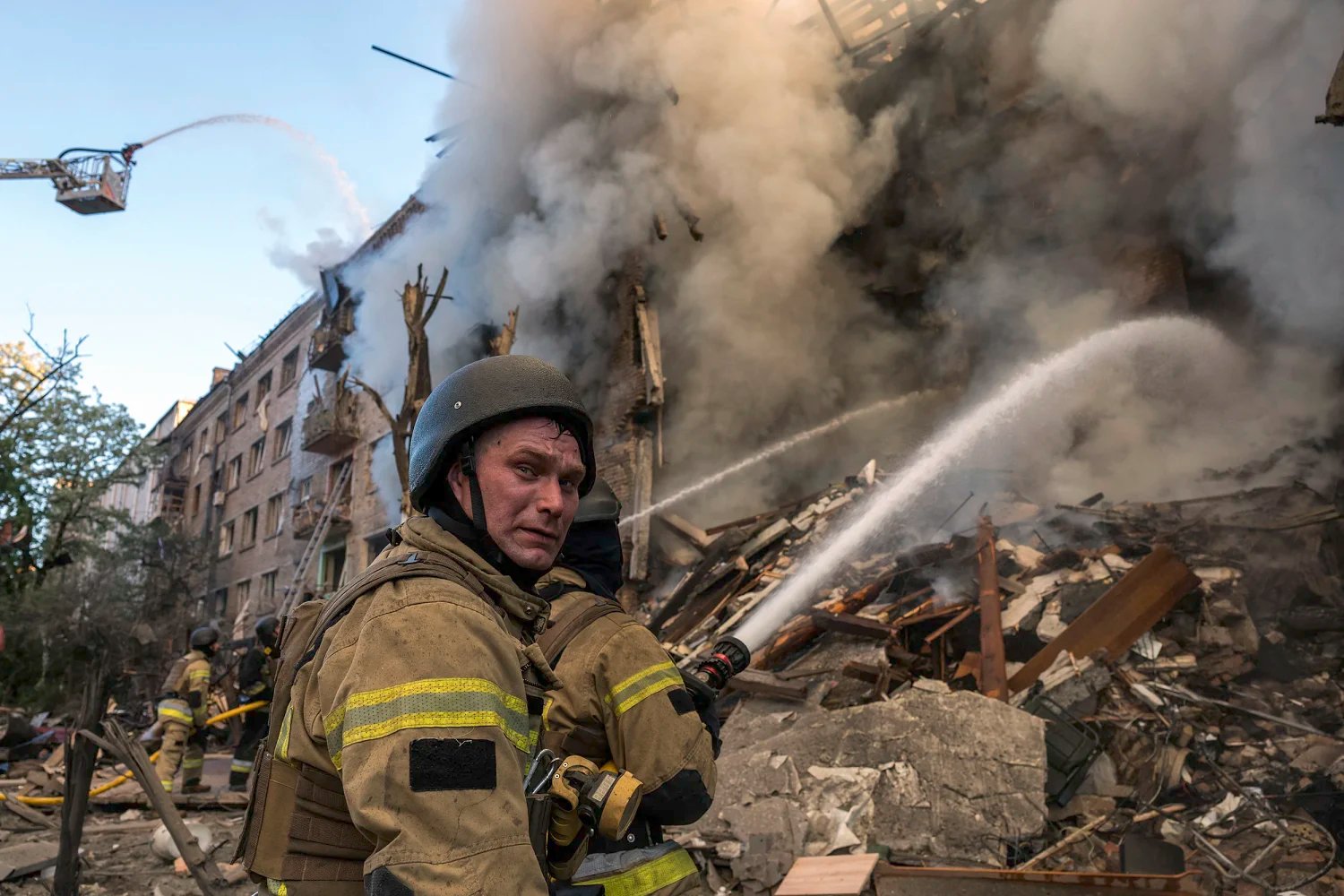
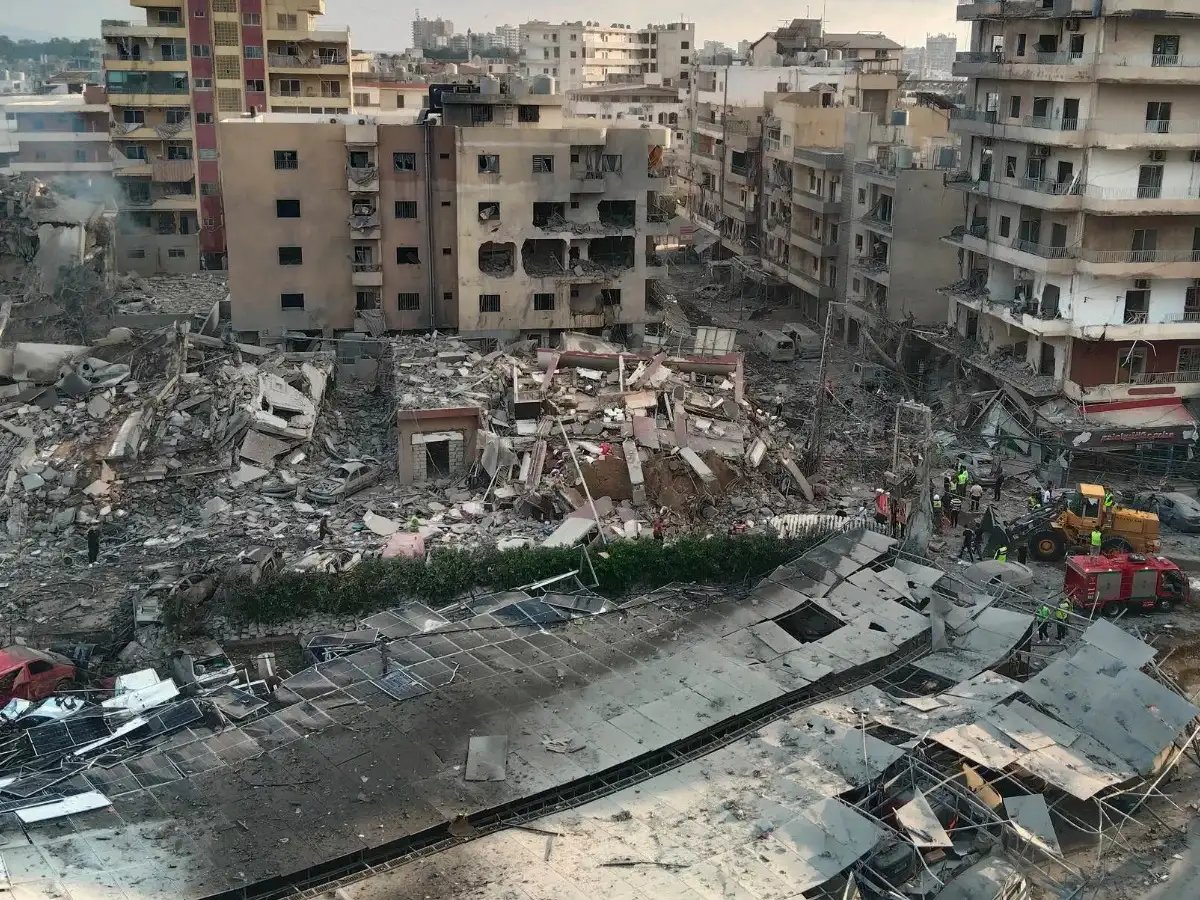
Two powerful earthquakes struck Venezuela within seconds of each other on Wednesday, with magnitudes of 7.2 and 7.5. The shallow depth of the quakes led to massive impact on the surface, according to Northwestern University professor emeritus Emile Okal. Because the two quakes occurred within a minute, many people did not have time to evacuate their buildings. Jorge Rodriguez, president of the National Assembly, said Saturday that the death toll has risen to 1,430, with another 3,238 people injured.
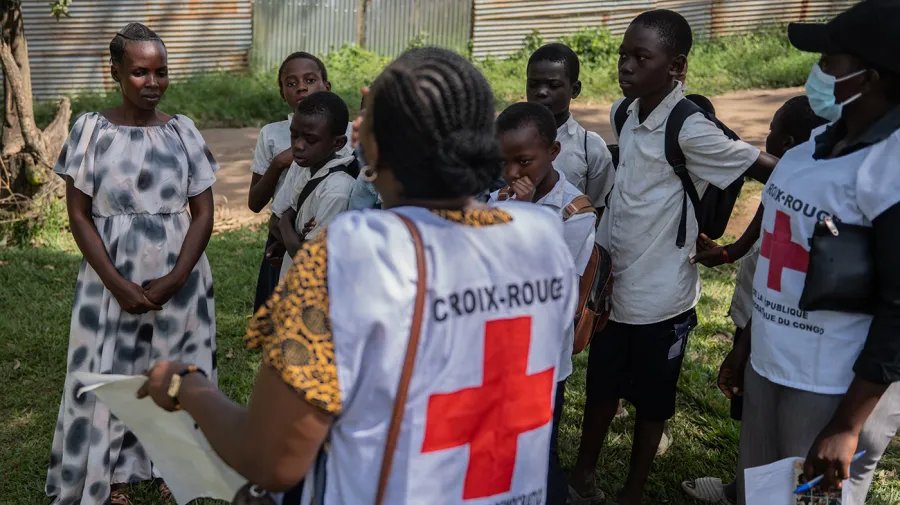
The twin earthquakes were followed by a series of aftershocks, including a 4.5-magnitude quake recorded on Friday. Loyce Pace, the International Red Cross' regional director for the Americas, said "people are still terrified to reenter what were their homes."
Millions Affected, Thousands Still Missing
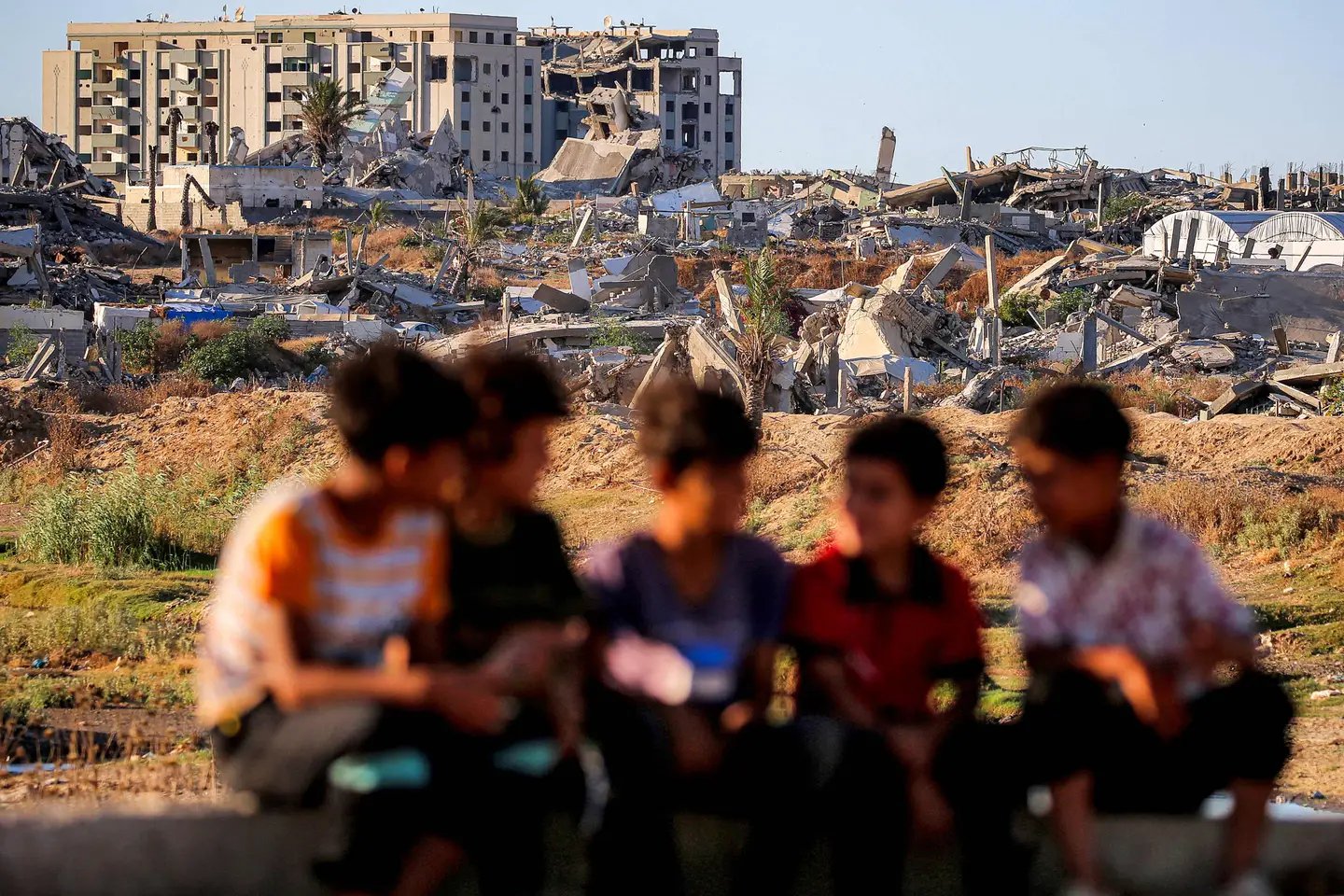
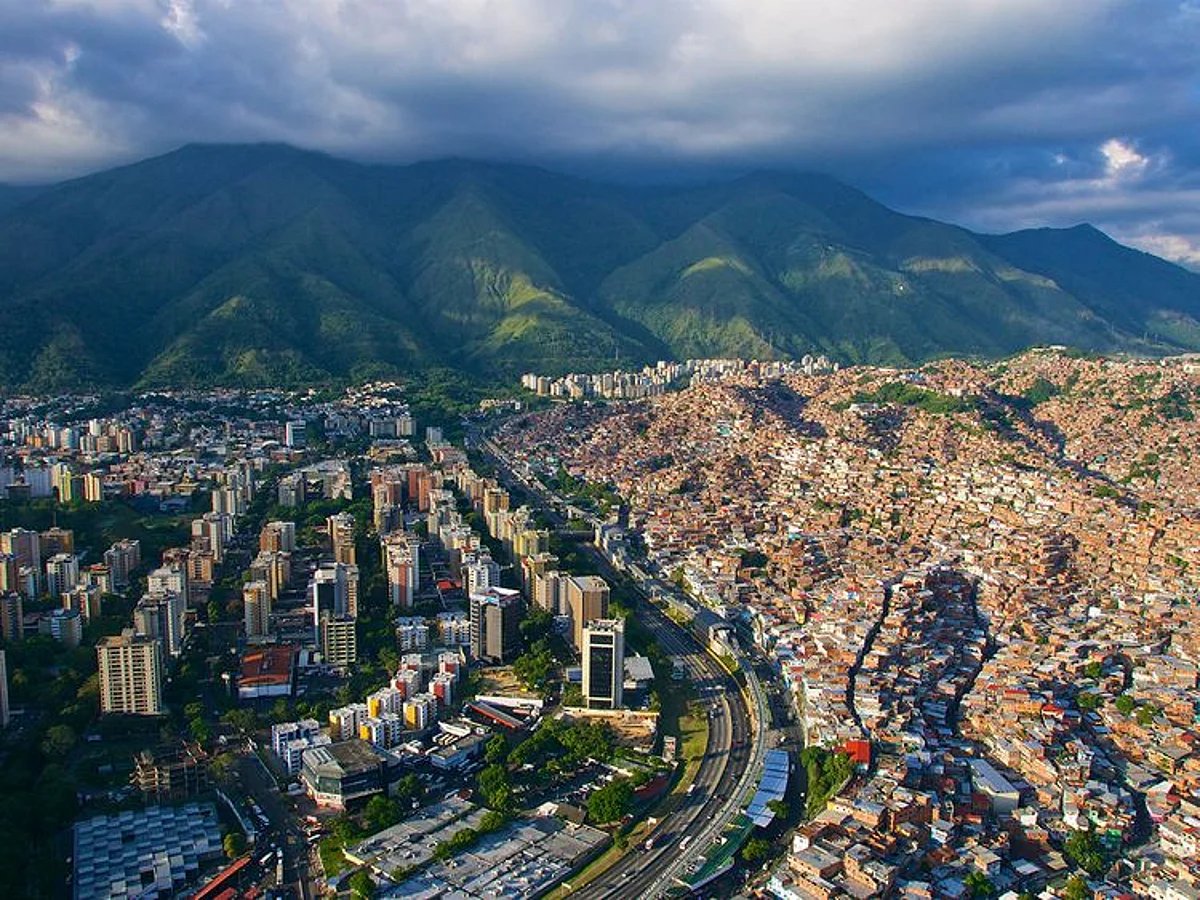
The International Organization for Migration said up to 6.76 million people in Venezuela could be affected by the earthquakes, including some 2 million in Caracas alone. Venezuela's government said families reported at least 68,900 people missing three days after the disaster. About 51,000 remain missing according to other counts, though the figure likely includes people who have been unable to communicate with loved ones due to lack of cellphone signals, and some reports may be duplicates.
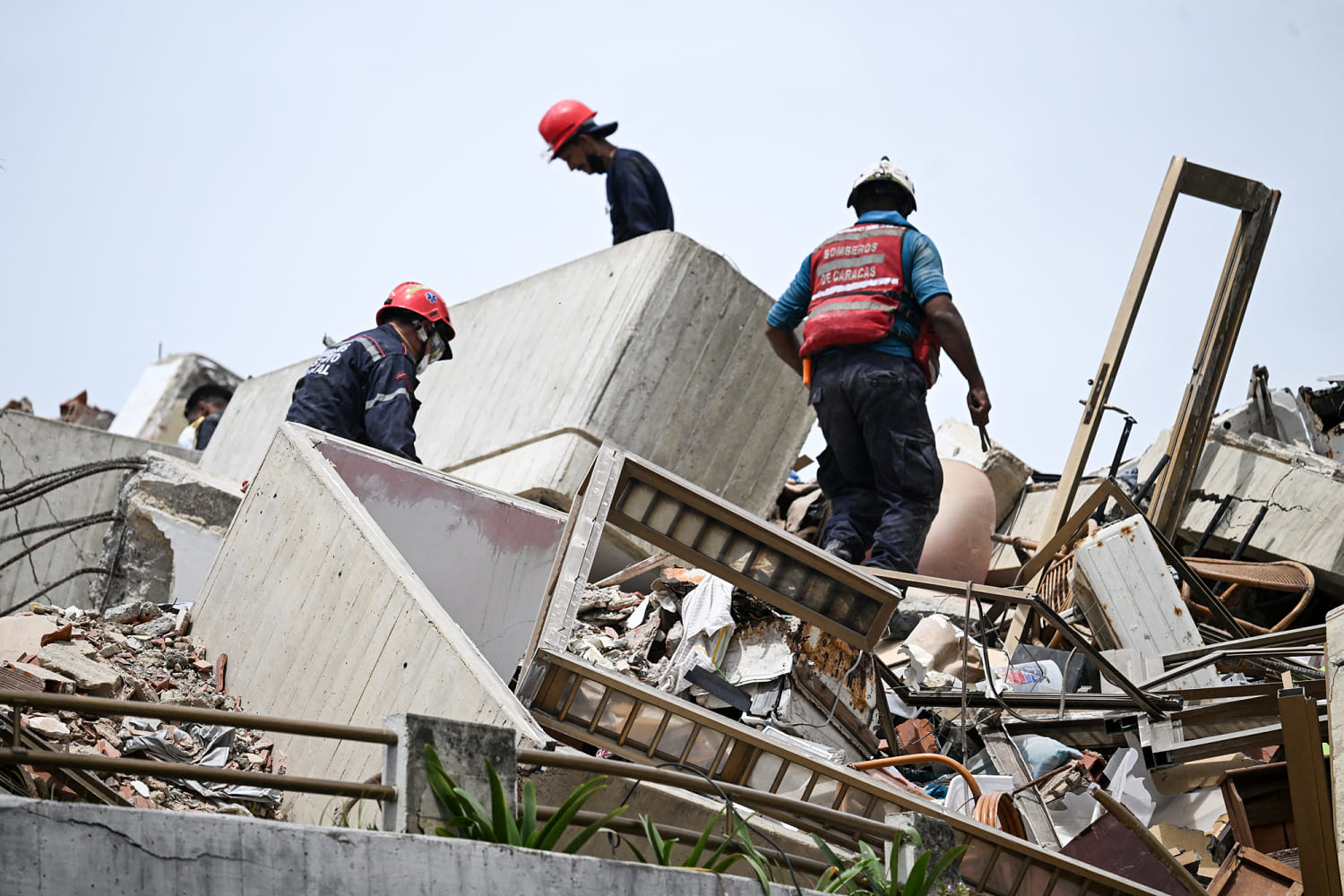
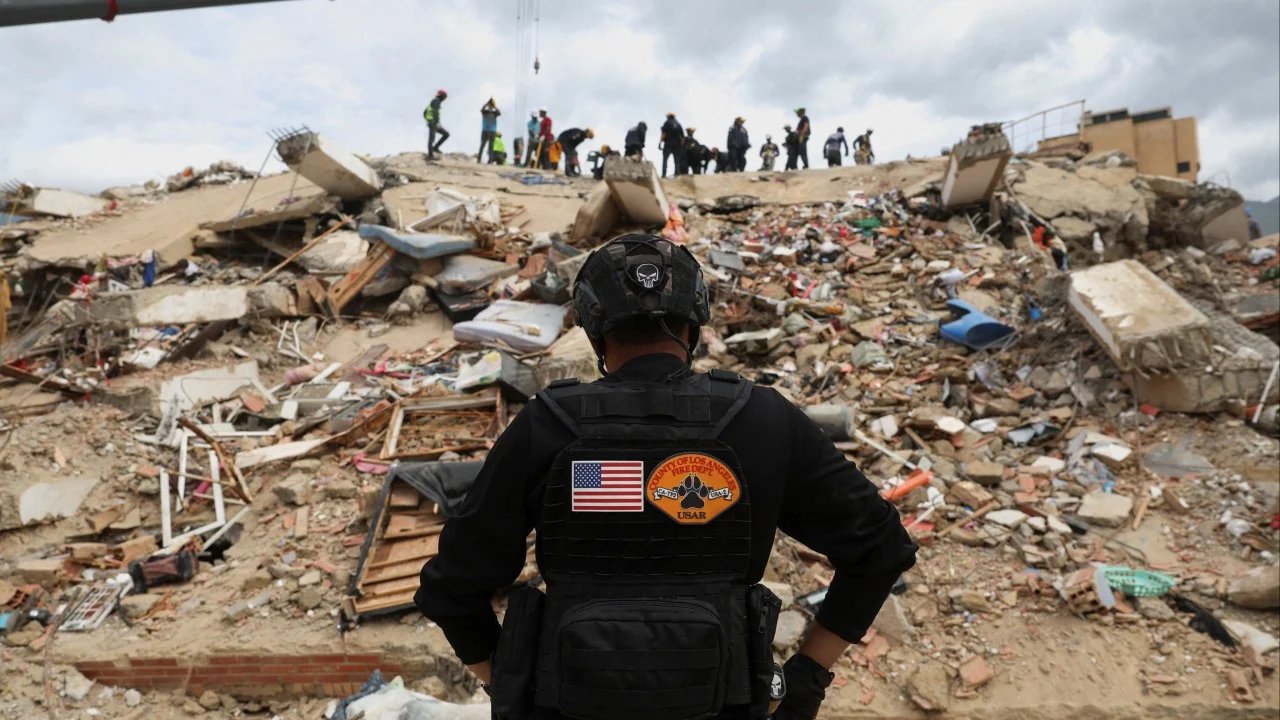
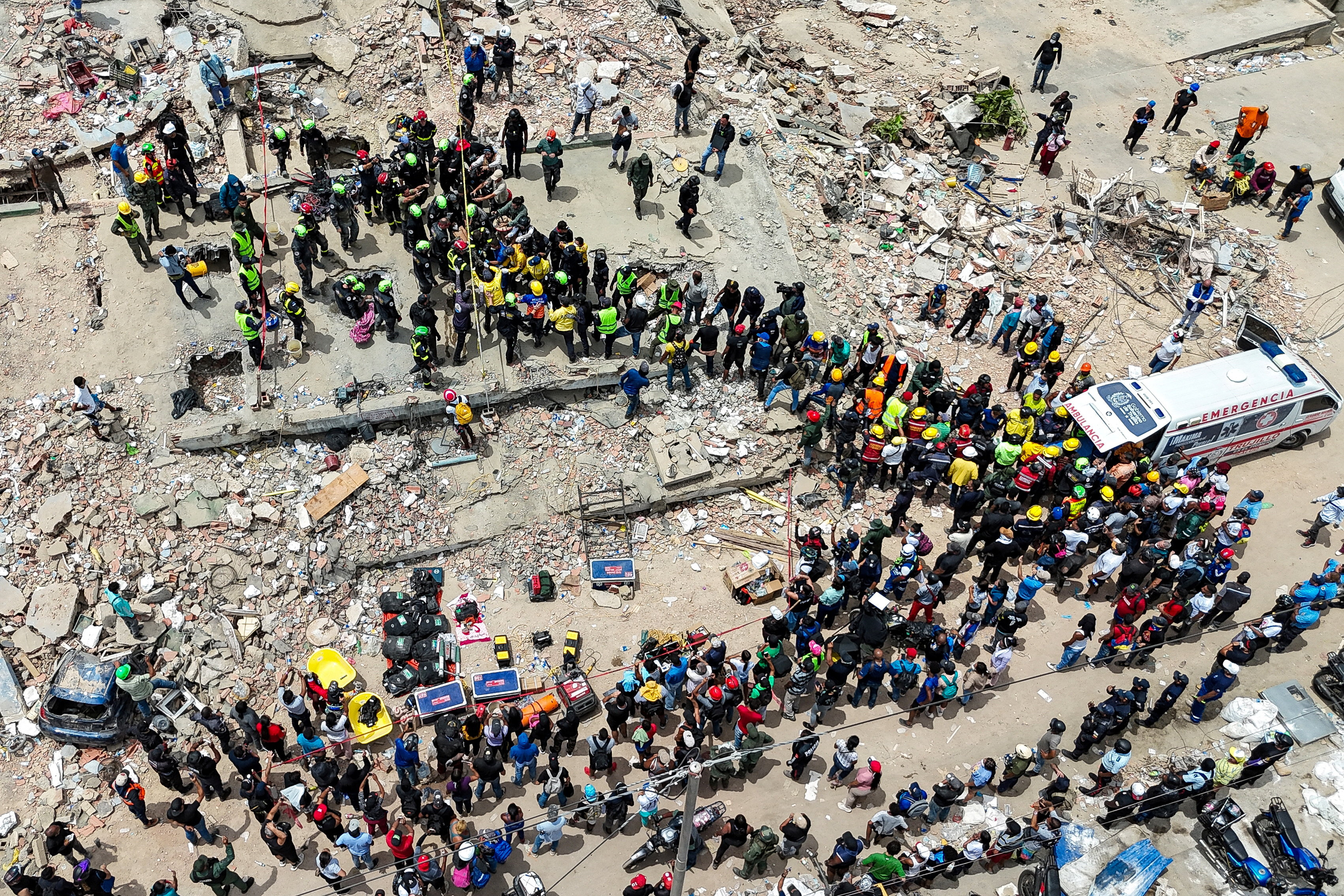
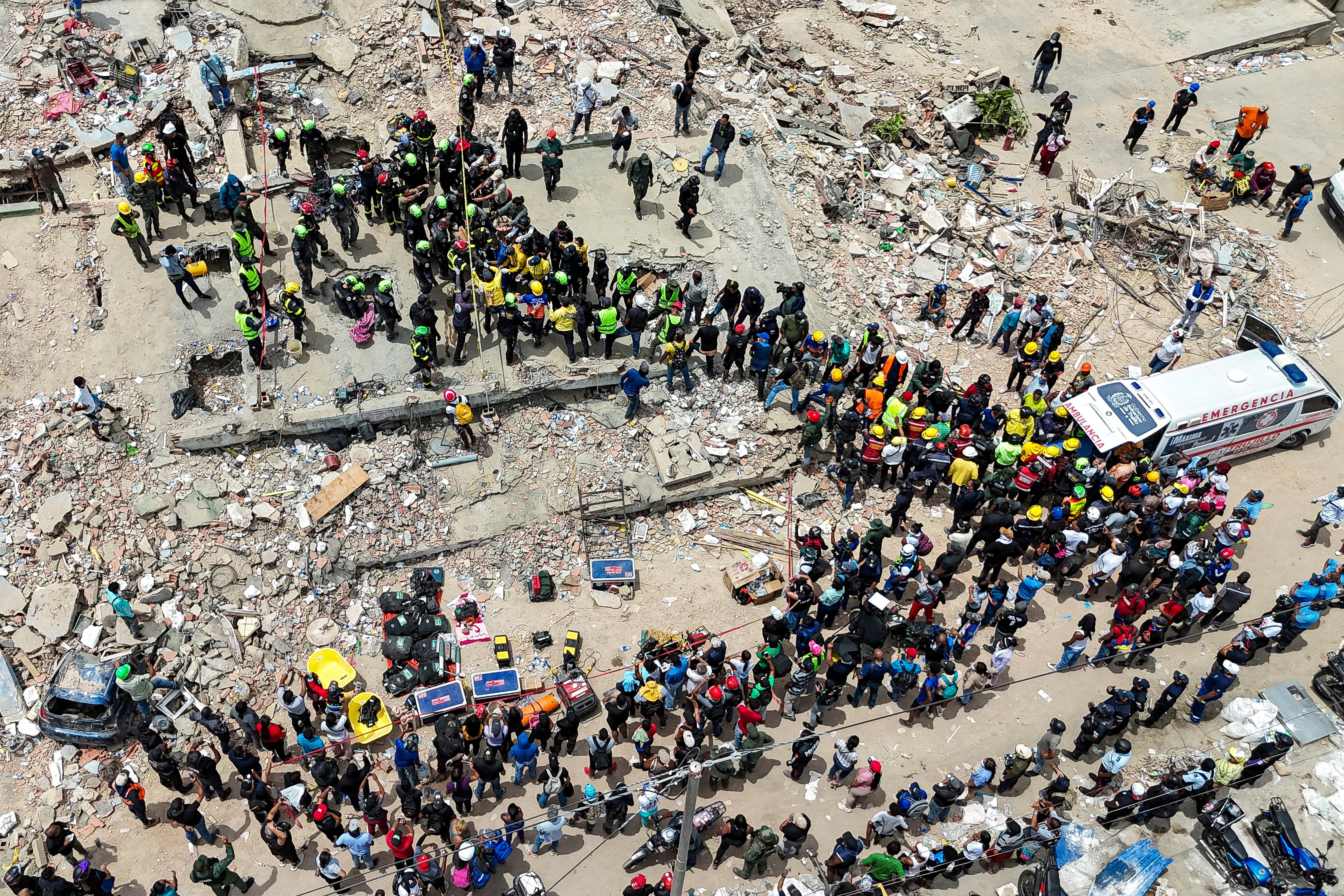
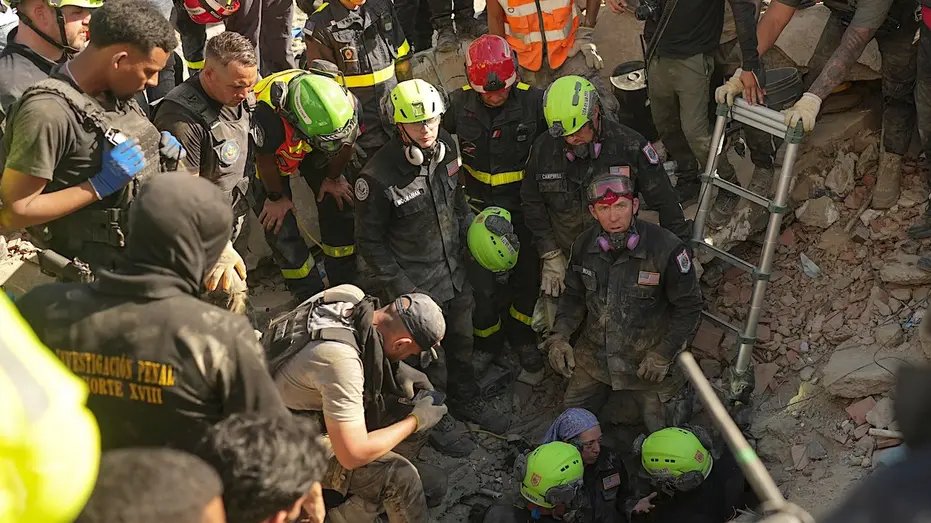
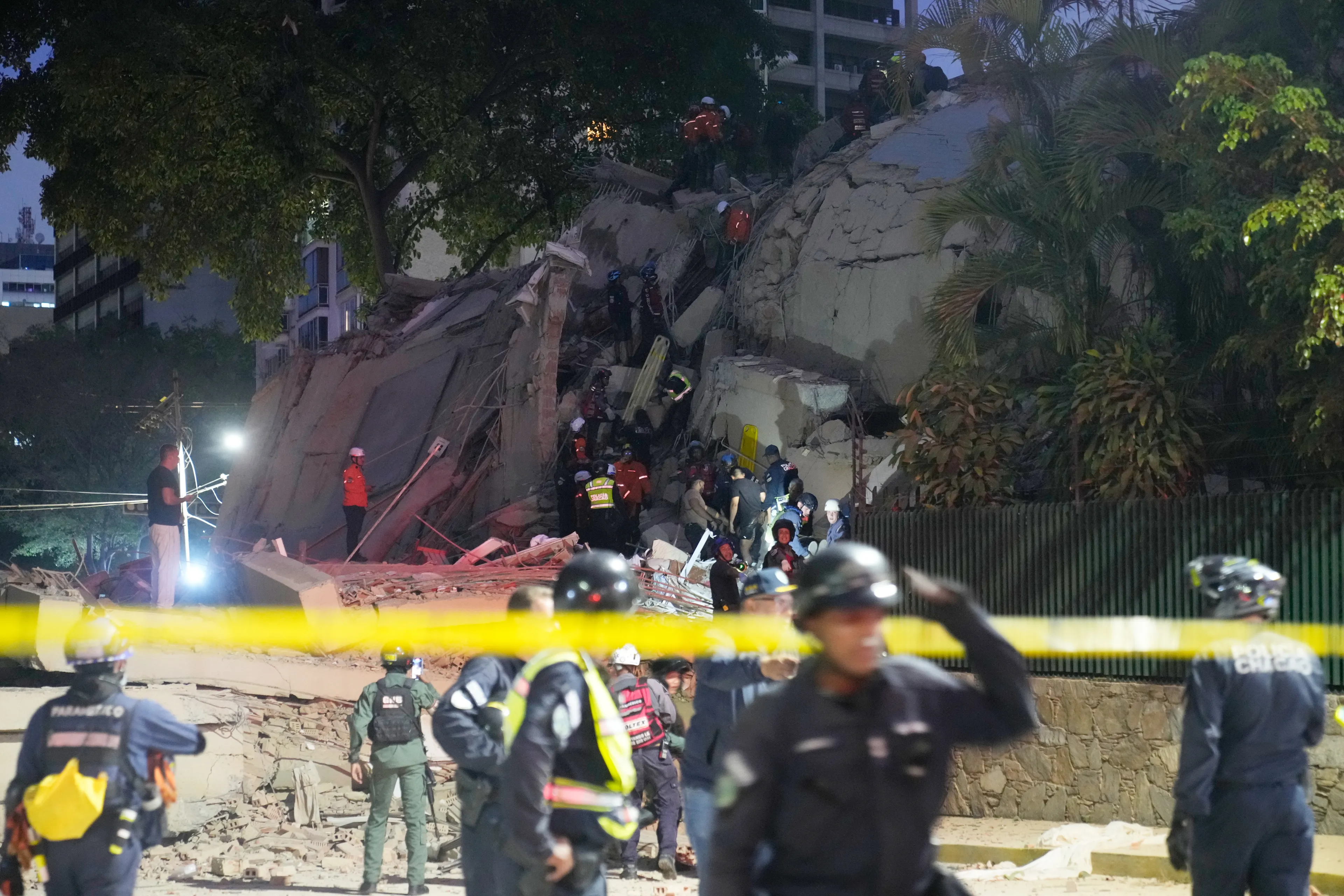
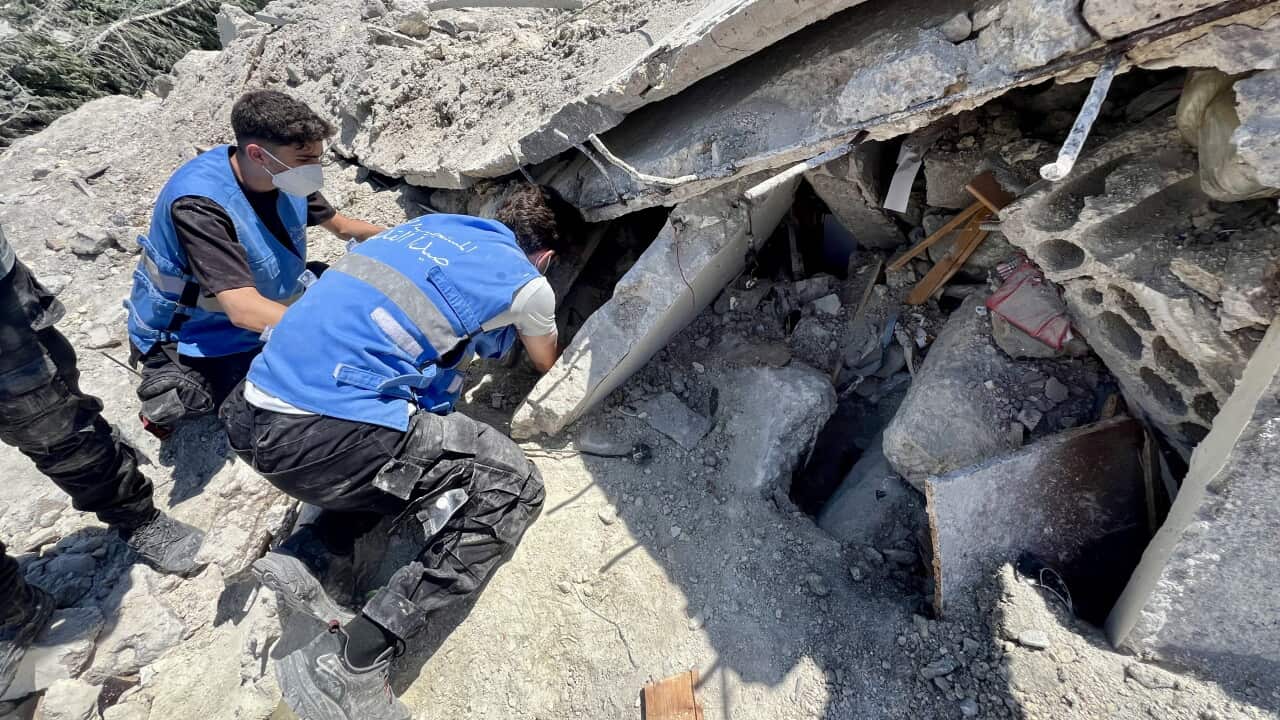
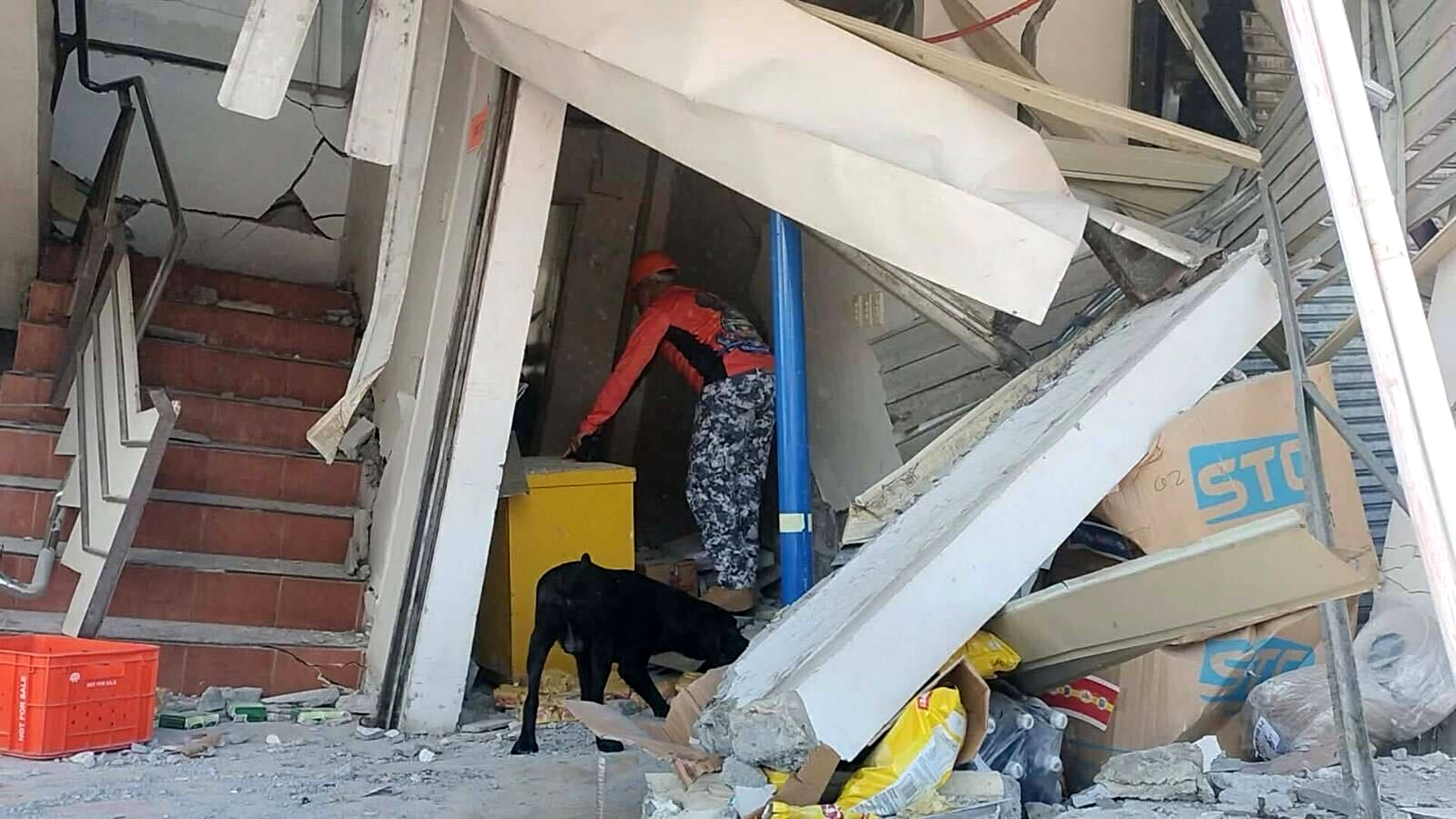
More than 200 people have been rescued so far, the government of Caracas said. A newborn baby was pulled alive from beneath the rubble of a collapsed building in La Guaira, with the mother also rescued from the rubble a while later.
Citizens Lead Rescue Efforts as Government Response Lags
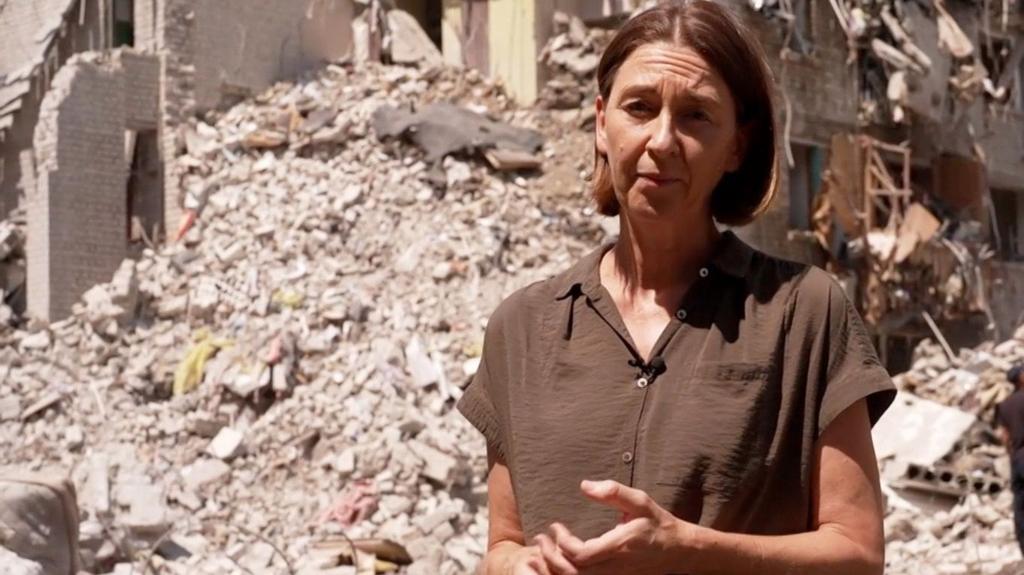
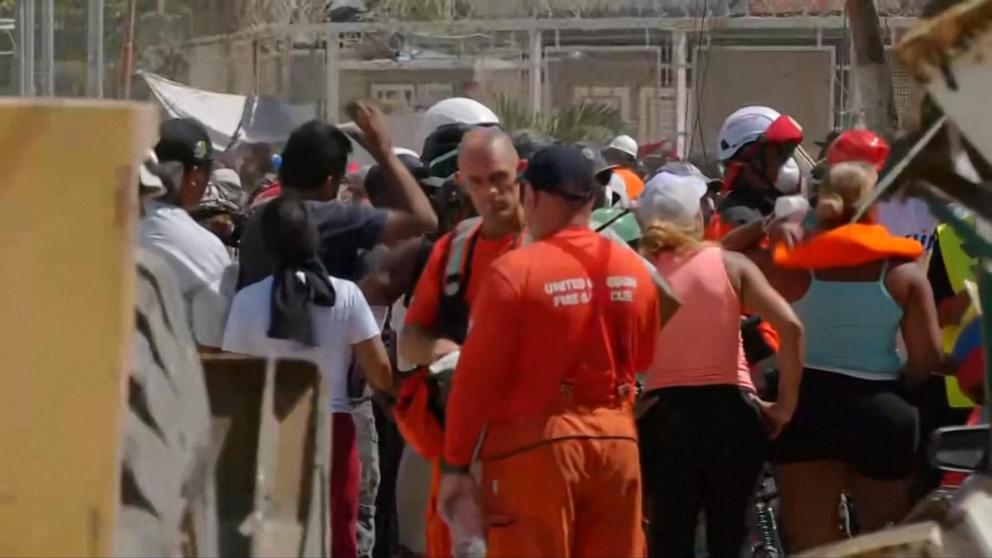
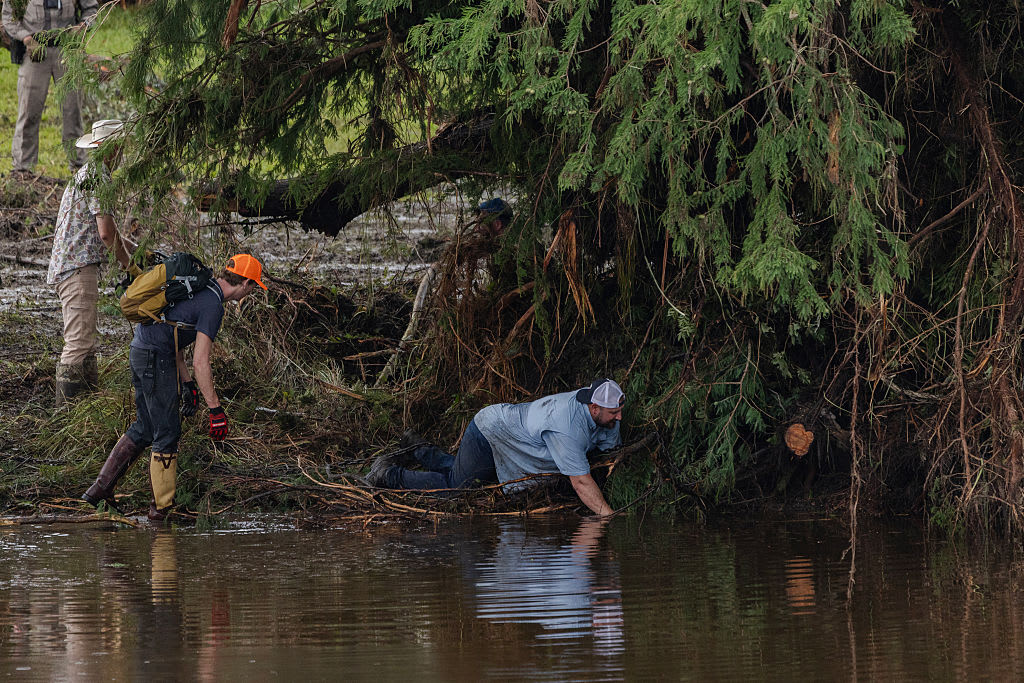
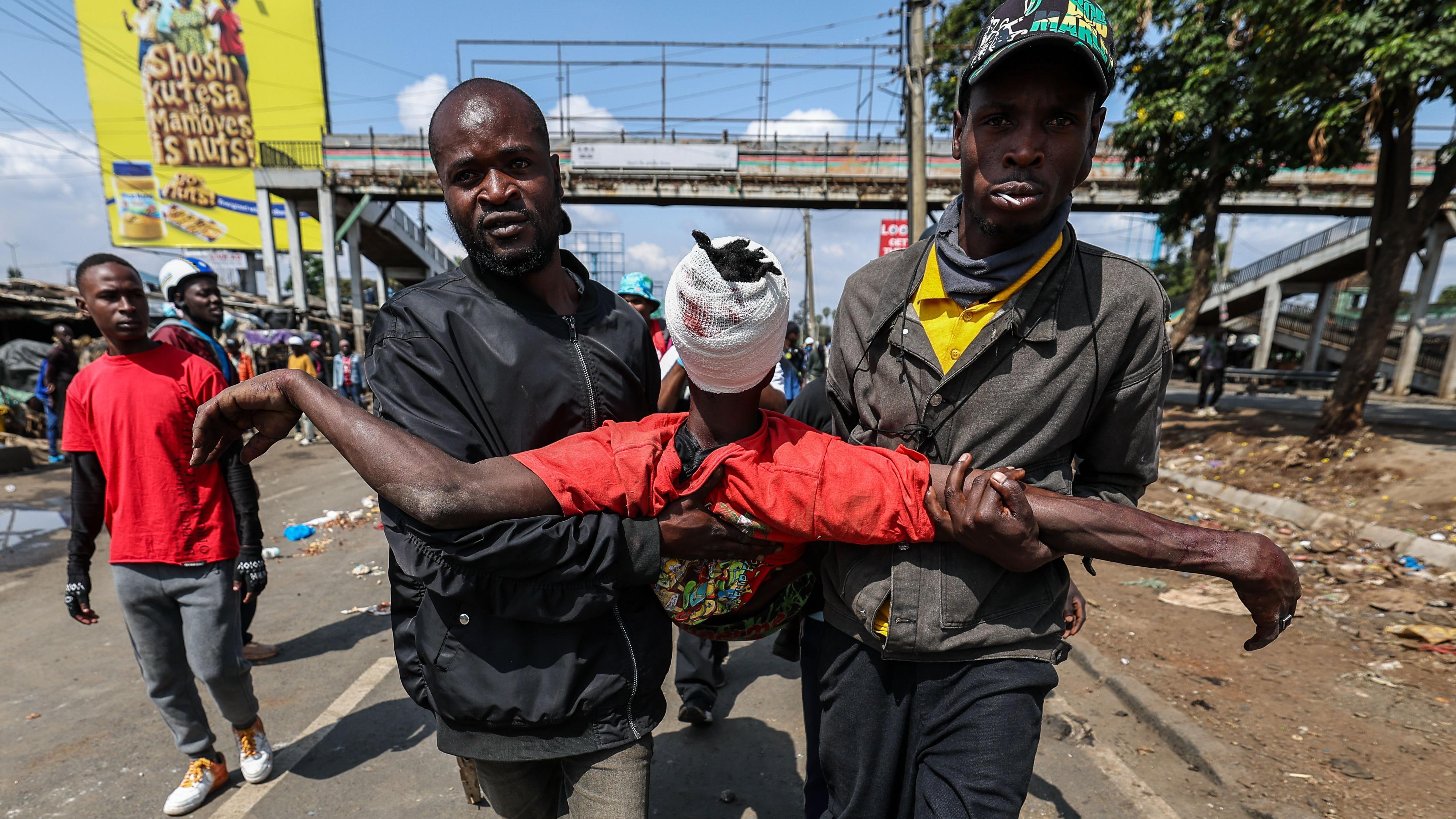
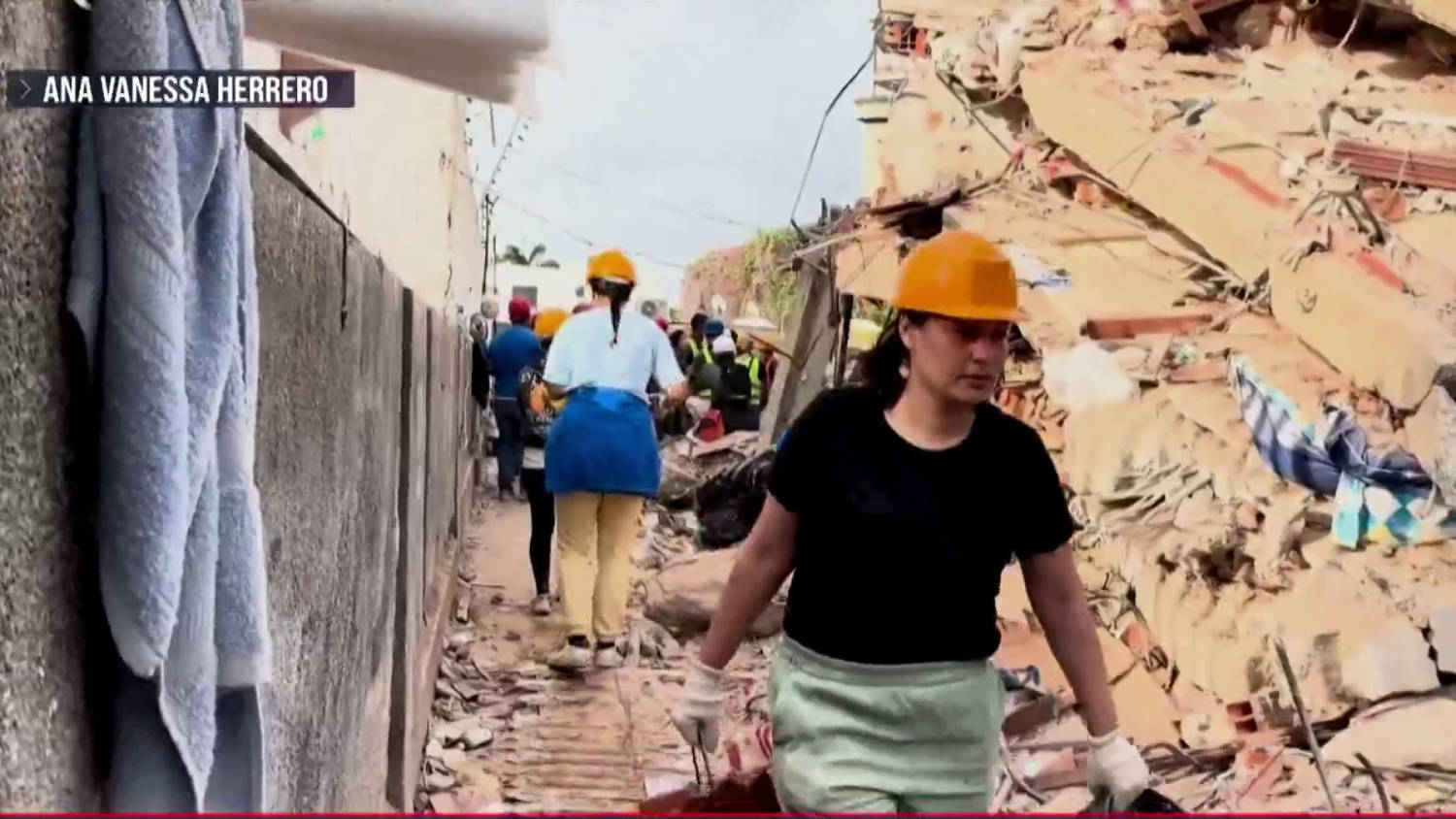
Venezuelans have taken the search for missing loved ones into their own hands, citing a scarcity of government rescuers. Residents reported seeing few state rescue teams in the hardest-hit areas, despite authorities projecting an image of a robust government response. Bloomberg's Andreina Itriago reported that the government's capacity to conduct search and rescue operations is described as very limited, with much of the initial response carried out by local citizens rather than state forces.
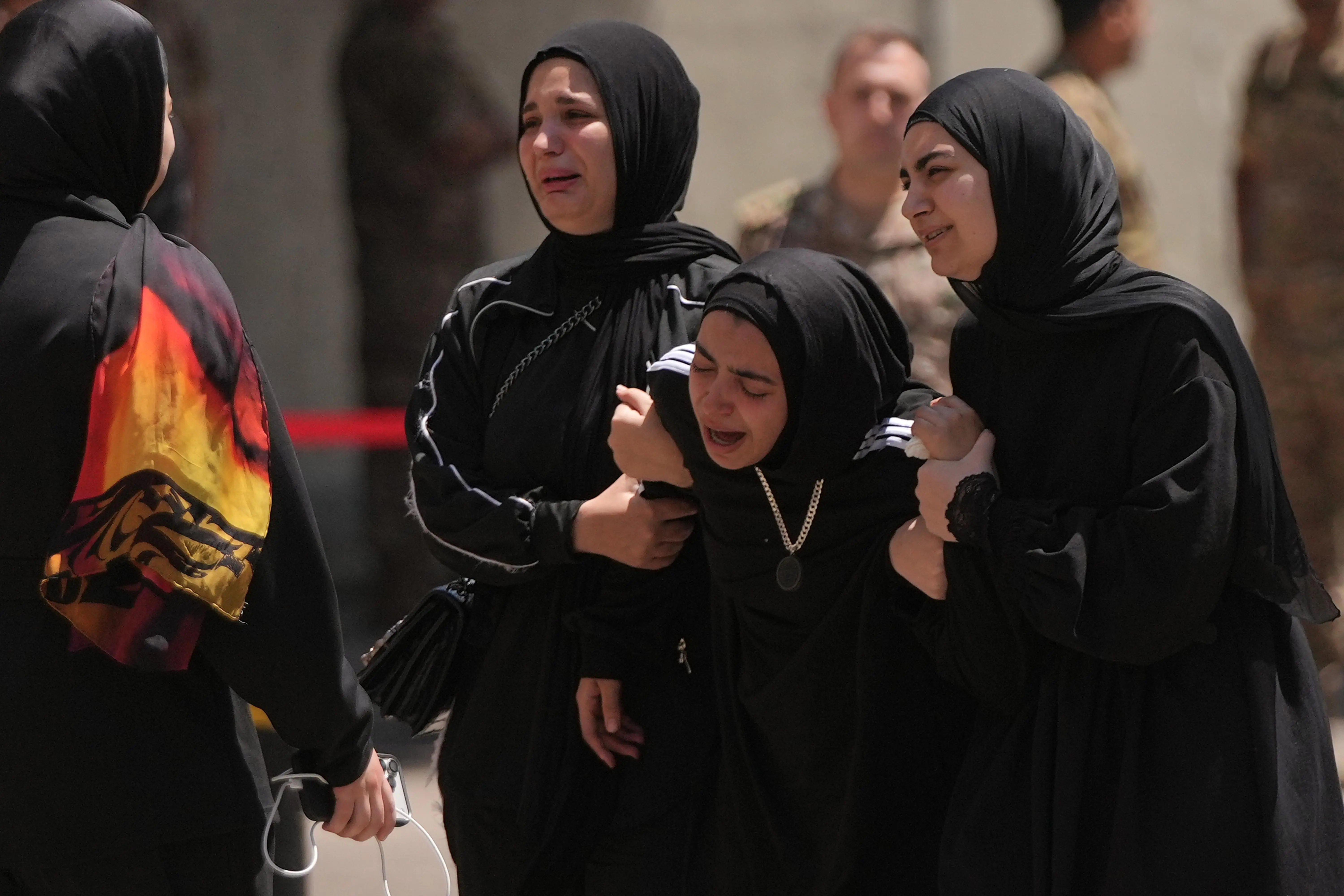
Diana Sandrano told CBS Saturday Morning that her brother has been missing for two days and the building where he lived was destroyed in the quakes. "He deserves to live and have a future," Sandrano said after a day of searching. Nazareth Jimenez watched neighbors use hammers and power tools to try to cut through slabs of concrete in a building reduced to a mountain of debris. "My God, how are we going to get them out of there?" Jimenez said, pleading for machinery capable of moving collapsed structures.
Government Restricts Access to Hardest-Hit Zone
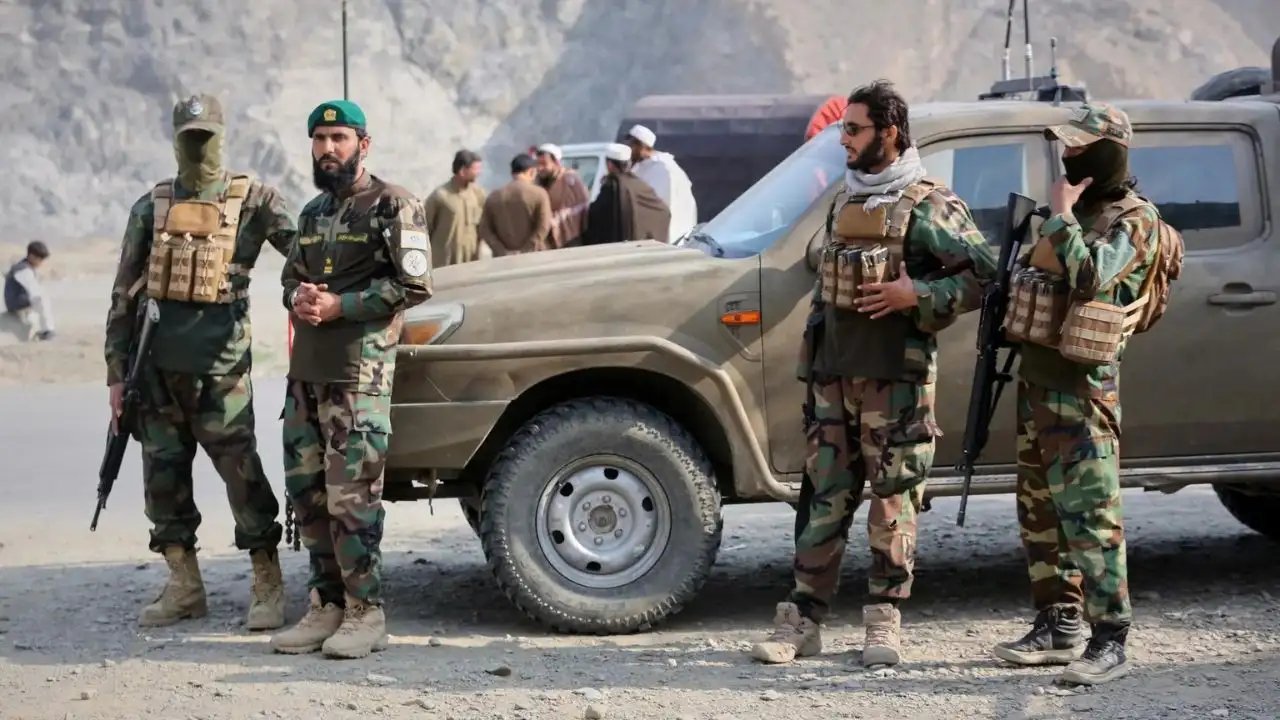
Authorities announced Friday night they would block access to La Guaira, the epicenter of the destruction just north of Caracas, as chaos and traffic began to hamper search efforts. Anyone wanting to enter would now need to seek official permits, but authorities provided few details about who would be allowed in. Acting President Delcy Rodriguez said La Guaira had been militarized and more help was on the way, even as residents said it was just a fraction of what they needed.
Anger mounted in Venezuela after the military barred citizens from entering zones devastated by the earthquakes. Traffic and throngs of motorcyclists at times disrupted search efforts, with Mexican soldiers and volunteers repeatedly asking for silence to try to hear signs of life under the rubble.
International Aid and U.S. Military Response
Venezuelan authorities said Friday that 861 volunteers from Mexico, the U.S., El Salvador, Switzerland, Colombia and beyond were in the country, with more arriving. Around 2,000 search and rescue officials from countries across the world including the United Kingdom, Mexico, Costa Rica, France, Spain, Switzerland, Colombia and El Salvador have headed into Venezuela overall. A senior administration official said Saturday that the U.S. has deployed two 80-person search and rescue teams, one from Fairfax County, Virginia and the other from Los Angeles, with teams from Miami also responding for a total of nearly 250 specialized civilian rescuers.
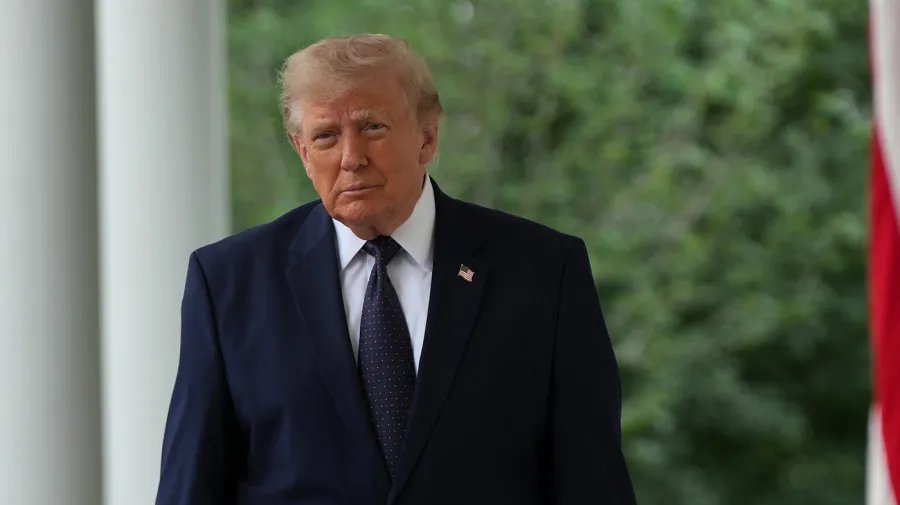
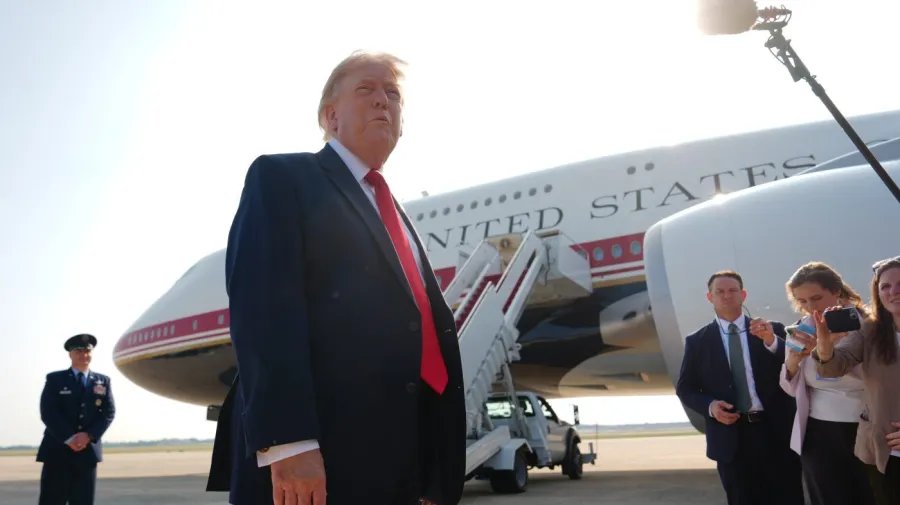
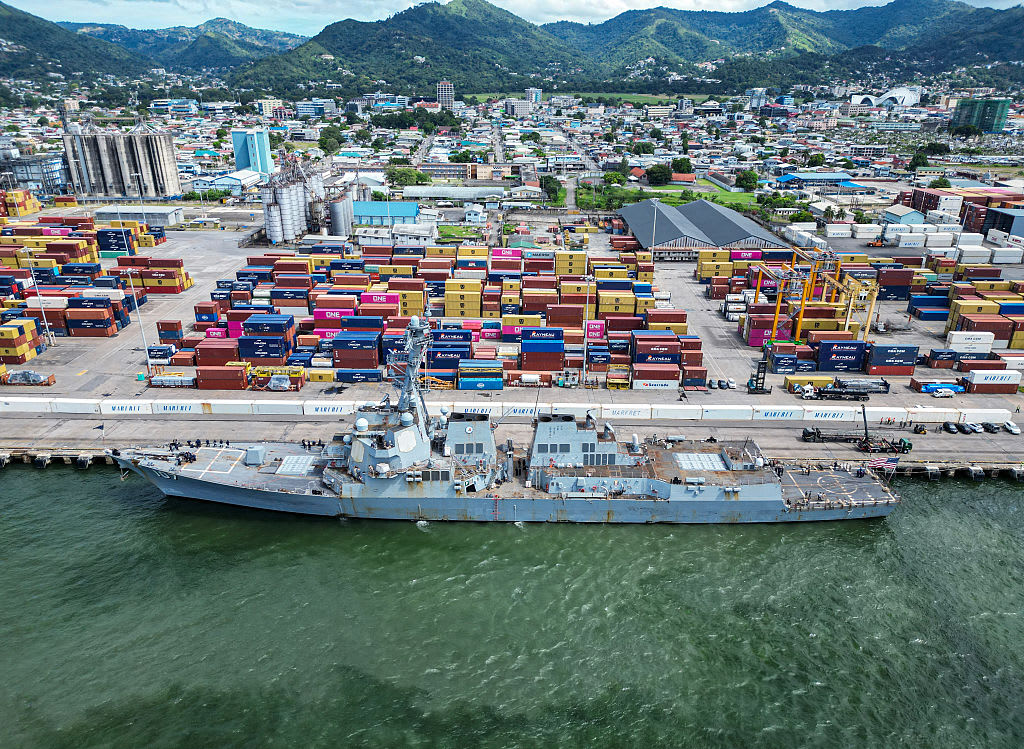
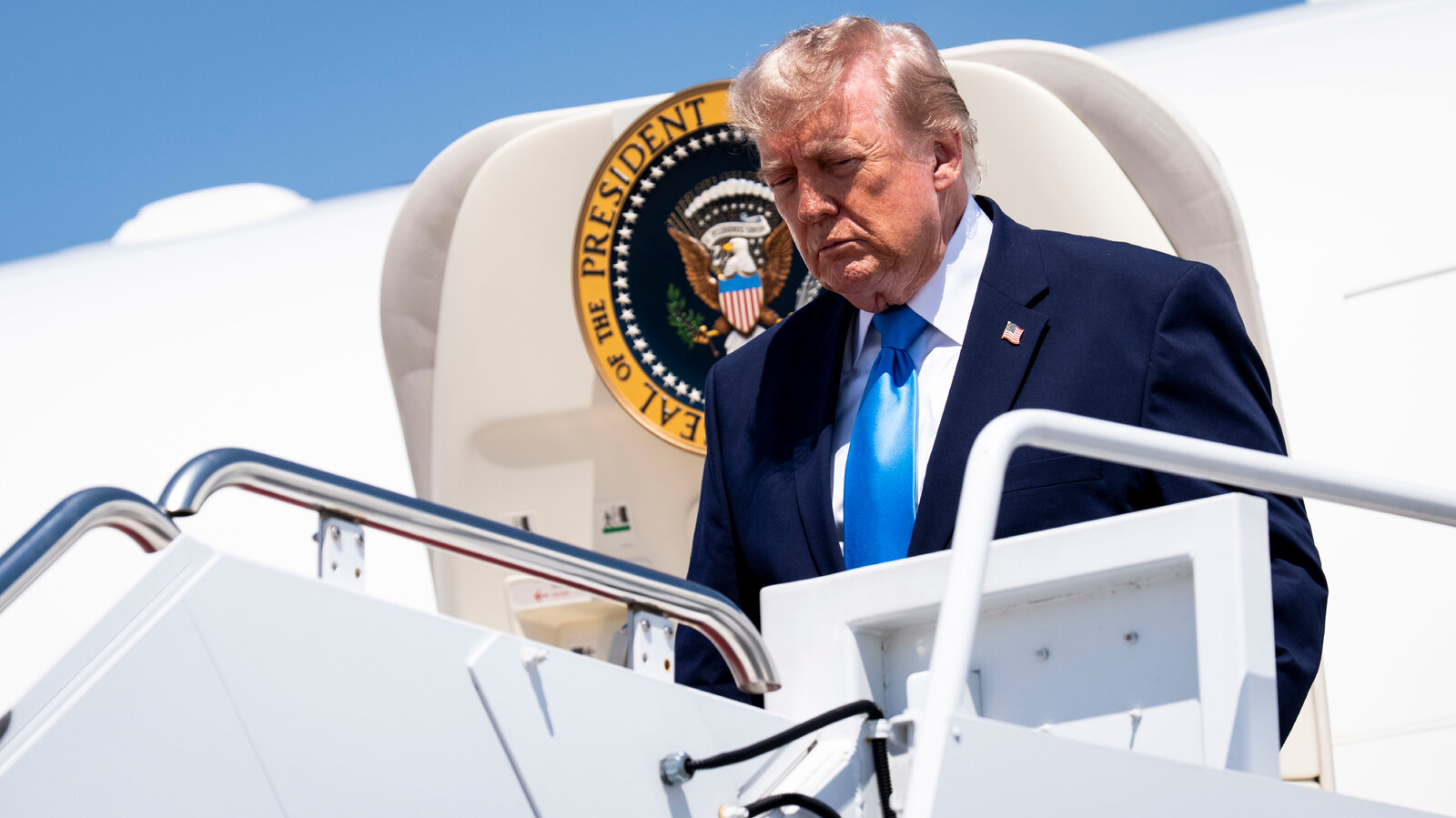
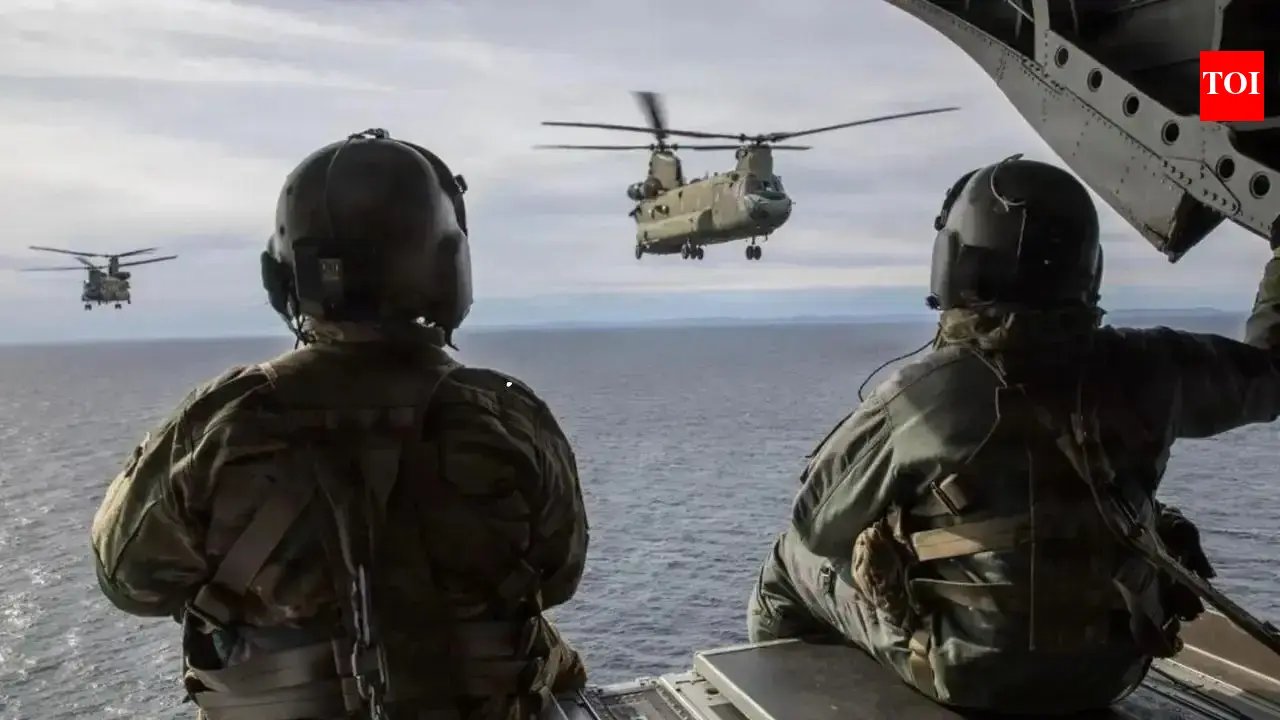
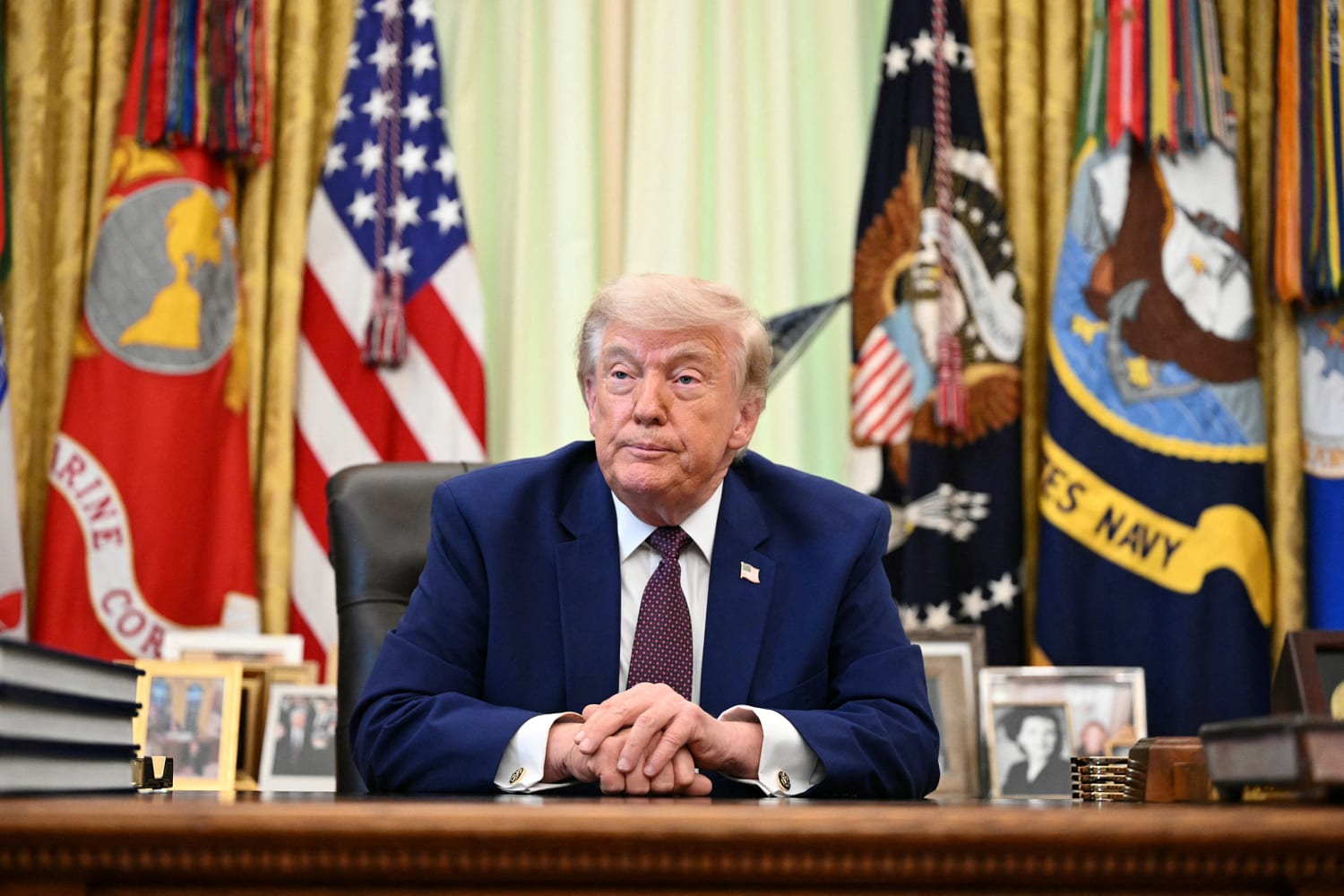
The State Department has announced $150 million in aid, with an additional nine-figure funding package expected to be announced within days. Acting President Rodriguez said she spoke to President Donald Trump and Secretary of State Marco Rubio on Friday and they reaffirmed their commitment to send rescue teams and aid equipment. The USS Fort Lauderdale, an amphibious military ship, is positioned off the country's coast to allow for more operations around La Guaira. Simon Bolivar International Airport reopened two runways on Saturday after being closed for several days, with mobile hospitals and humanitarian supplies being surged in.
Race Against Time as Window Closes
Aid agencies consider the first 48 to 72 hours to be a crucial time frame to retrieve people alive, though that can be extended if they have access to food and water. Acting President Rodriguez said she still had "faith and hope" survivors would be rescued, even as the window of opportunity to find people alive closes. Yuleidy Cadenas, 28, stood across the street from a collapsed public housing building hoping her son, mother and brother would be pulled out alive. She fled barefoot from another building as it collapsed Wednesday and found her mother's 12-floor apartment tower had pancaked. "I got on top of the rubble and told them to yell back, and nobody did, not my brother, nor my son or my mother," Cadenas said.