




Proposal Details and Industry Impact
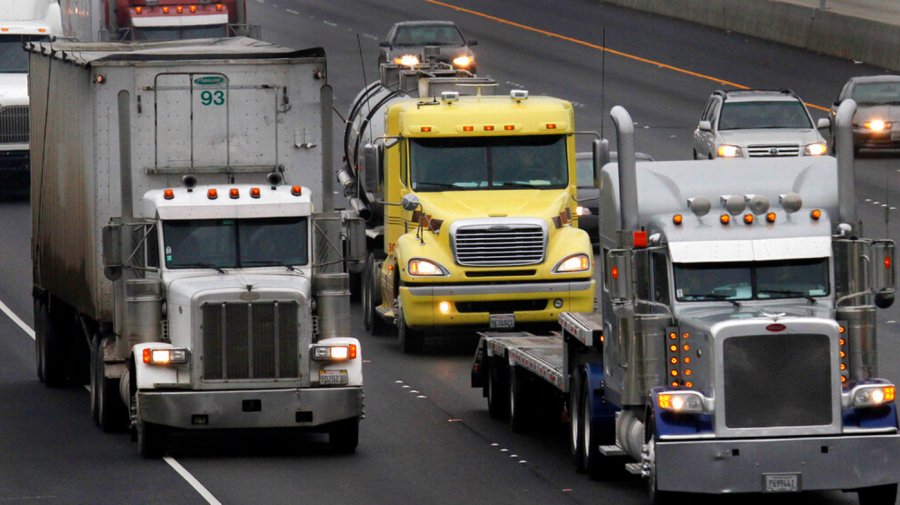
The Environmental Protection Agency has proposed significant changes to pollution regulations for heavy-duty trucks, a move described by the Trump administration as a response to what they deem "unnecessary and unworkable" Biden-era rules. The proposed modifications aim to provide greater flexibility for trucking companies, potentially saving the industry between $4,130 and $6,152 per affected diesel engine. The changes would include scaling back requirements for emissions-reducing technology and eliminating the mandate for truck engines to automatically reduce power if emissions systems fail, replacing it instead with a driver alert system.
Environmental Concerns
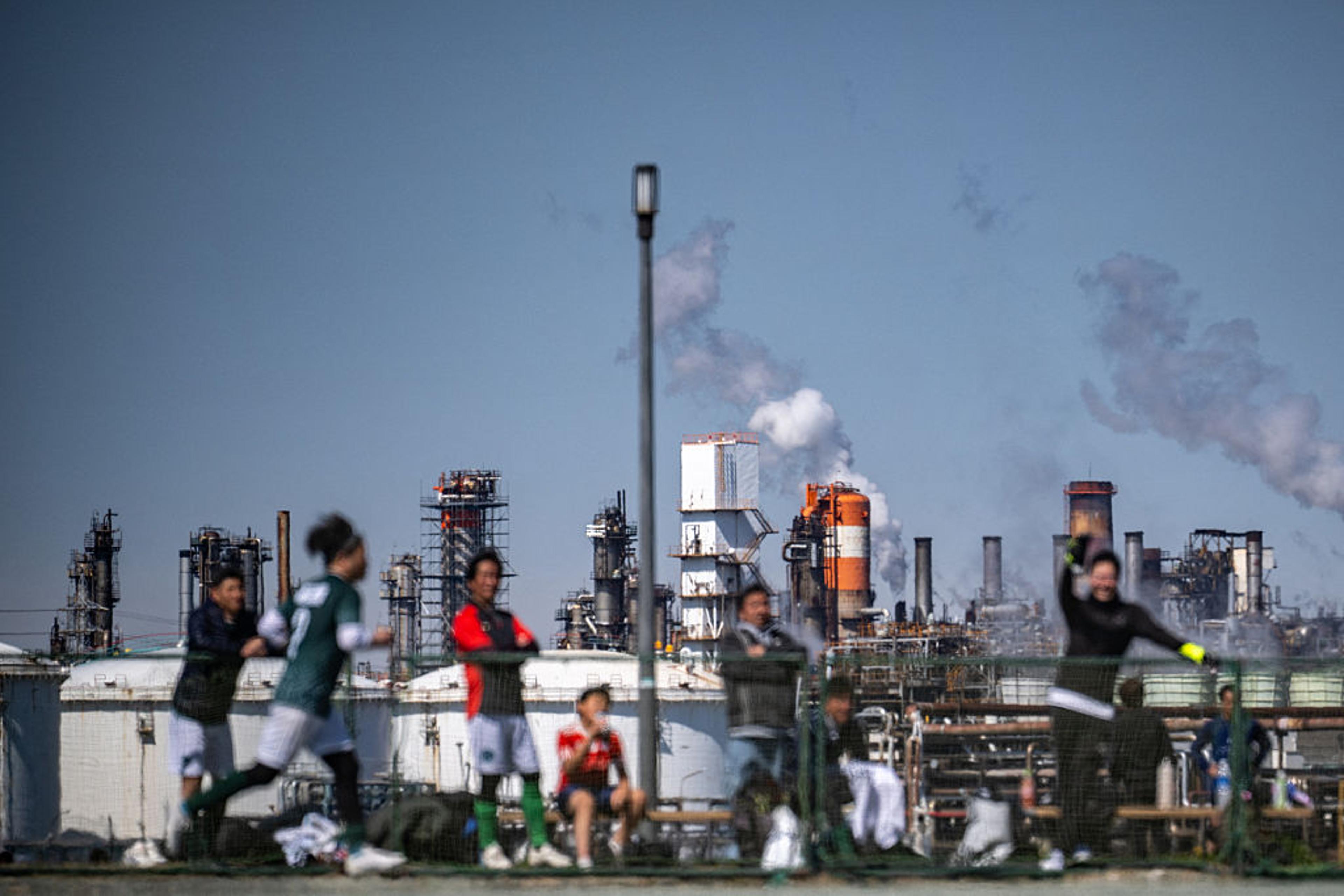
Environmental groups have sharply criticized the proposed changes, expressing concerns over the potential increase in air pollution and its impact on public health. The EPA's analysis suggests that the changes could lead to a 4.2% increase in ozone-forming nitrogen oxide pollution from heavy-duty trucks by 2030, escalating to an 11.6% rise by 2055. Katherine García, director of the Sierra Club's Clean Transportation for All campaign, emphasized that weakening these standards would result in more toxic pollution, adversely affecting families' health.
Reactions from Industry Leaders
The American Trucking Associations has been a vocal supporter of the proposed changes, arguing that the Biden-era policies would have forced a premature rollout of unproven engine technologies. They contend that the new rules will help manufacturers develop better vehicles without the pressure of rushed deadlines. Kelly Loeffler, head of the U.S. Small Business Administration, praised the proposal for alleviating "burdensome diesel regulations" that have strained farmers and small business owners.
Public Health Implications
The Environmental Defense Fund highlighted the serious health risks associated with increased truck emissions. Despite heavy-duty trucks accounting for only 5% of vehicles on U.S. roads, they are responsible for the largest share of pollutants linked to health issues such as asthma, bronchitis, and cardiovascular problems. The group argues that manufacturers already possess the capability to meet the stricter Biden-era standards and urges the EPA to reconsider the proposed rollbacks.
Next Steps and Public Input
The EPA's proposal is currently open for public comment, allowing stakeholders to voice their opinions on the changes. If finalized, these revisions could reshape the regulatory landscape for emissions from heavy-duty trucks, with far-reaching consequences for air quality and public health. The debate surrounding these regulations underscores the ongoing tension between economic interests in the trucking industry and the imperative to protect environmental and public health standards.