




New Outbreak Raises Alarm for Texas Ranchers
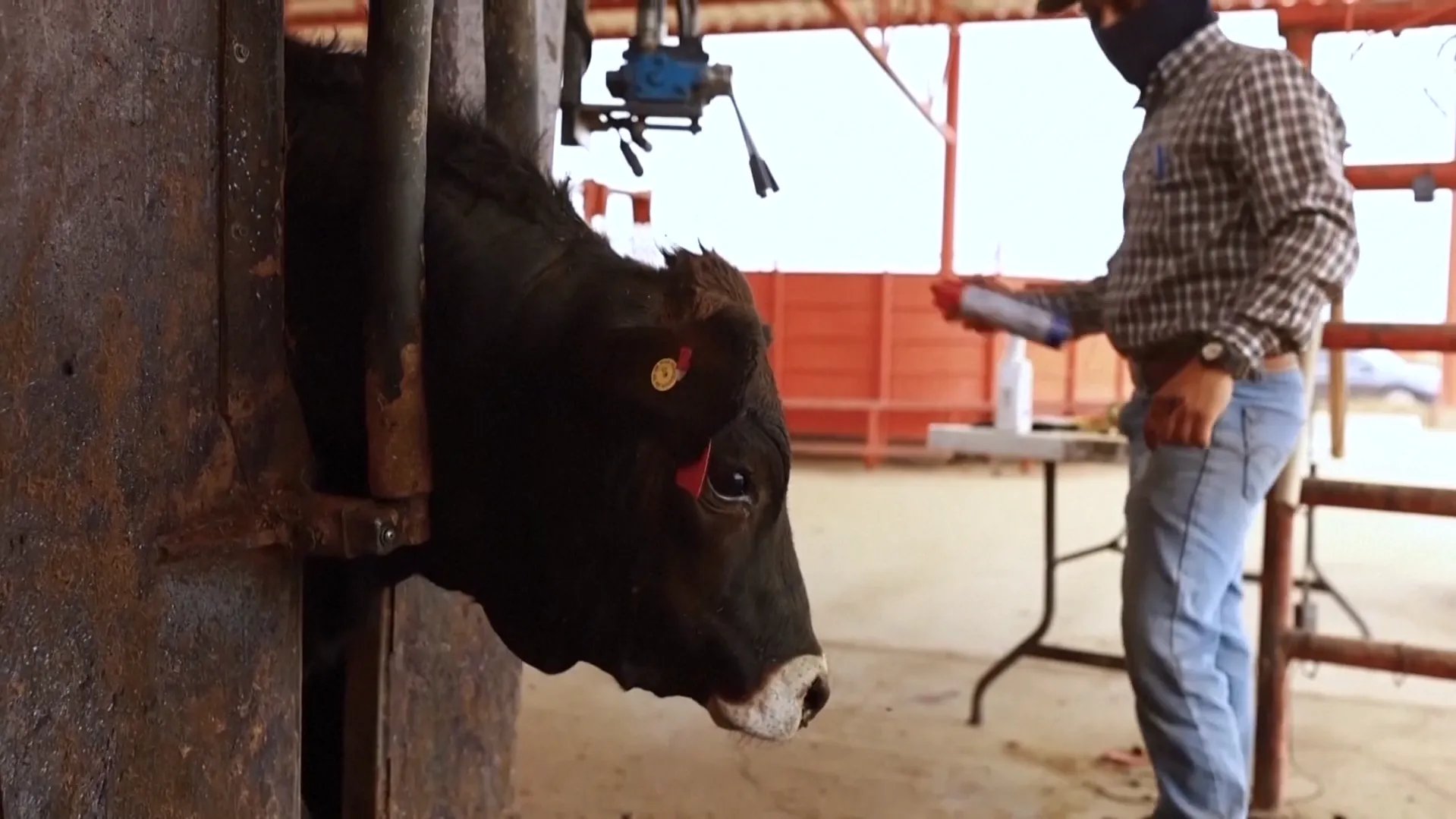
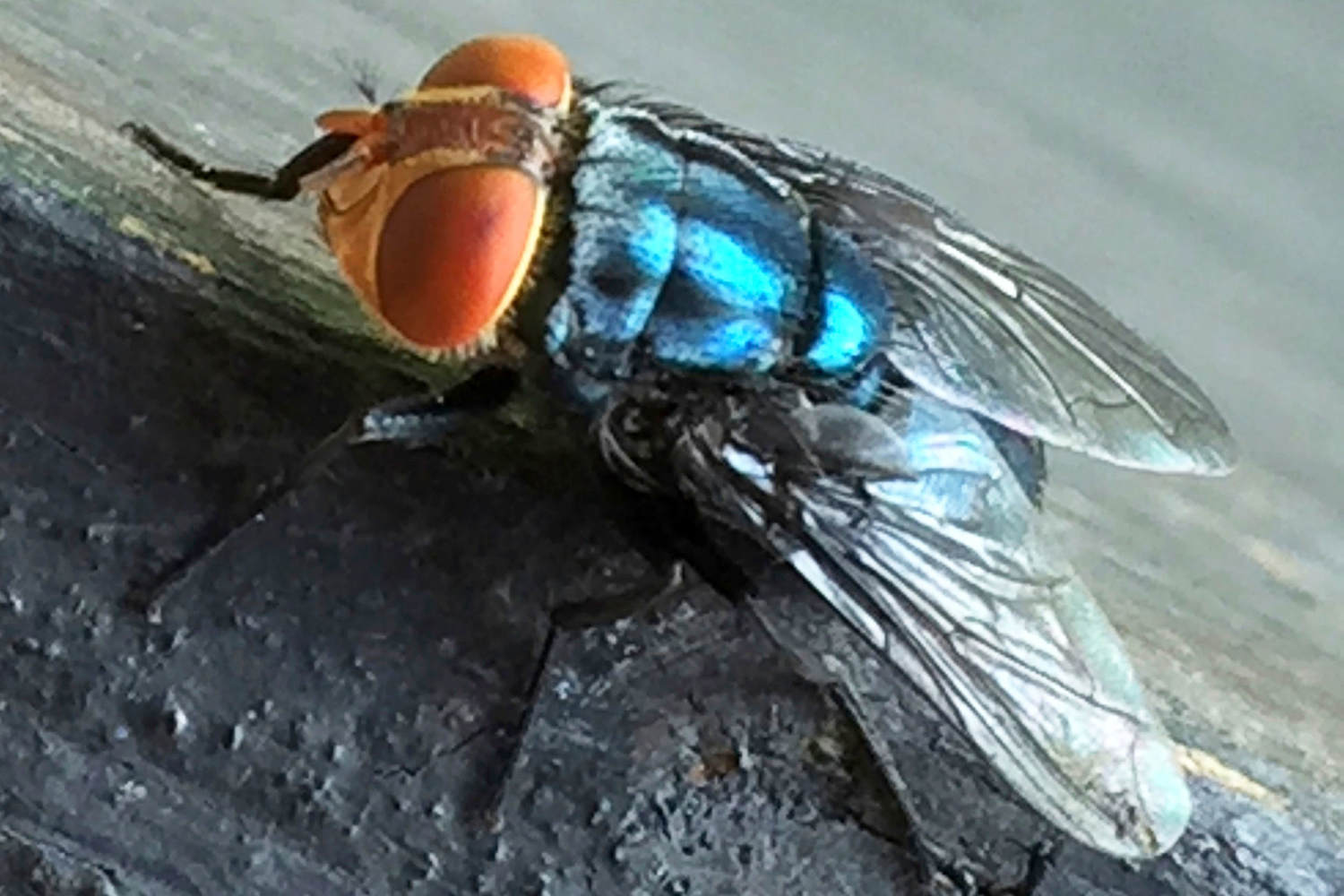
The U.S. Department of Agriculture (USDA) confirmed a second case of the New World screwworm fly in Texas, detected in a three-week-old calf in Zavala County. This is the second confirmed case in the state, raising concerns about a potential outbreak that could severely impact the $113 billion U.S. cattle industry. The fly was last eradicated in the U.S. in 1966, marking the first time its presence has been confirmed in the country in over half a century.
Containment Measures Underway
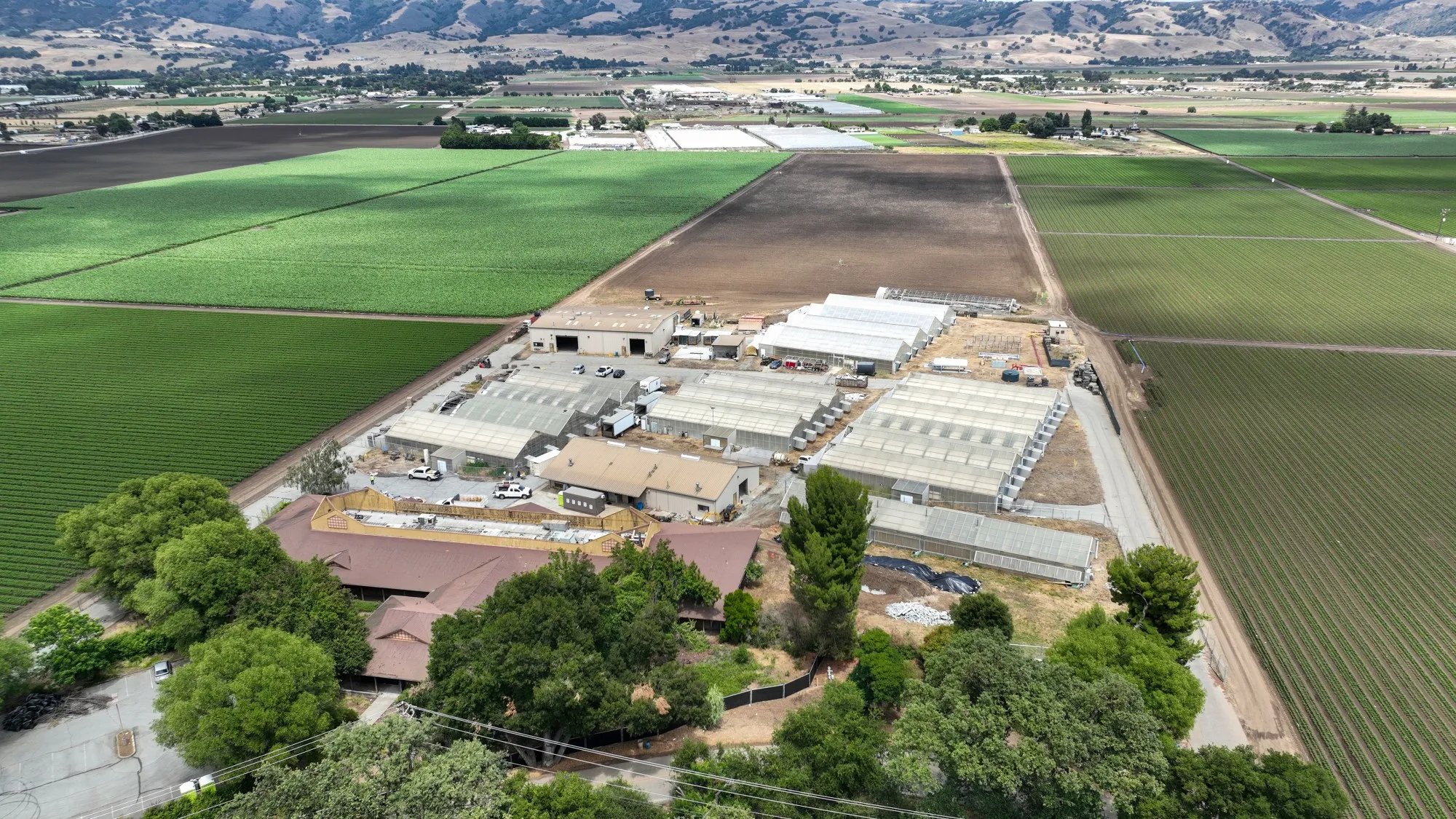
In response to the outbreak, Texas State Veterinarian Bud Dinges has imposed a 12-mile quarantine zone around the affected area, restricting the movement of livestock. Local ranchers are implementing precautions to prevent the spread of the parasite, which can cause severe infestations if left untreated. The USDA has already released 4 million sterile flies in the region to combat the outbreak, with plans to increase this number significantly.
The Threat of Screwworms
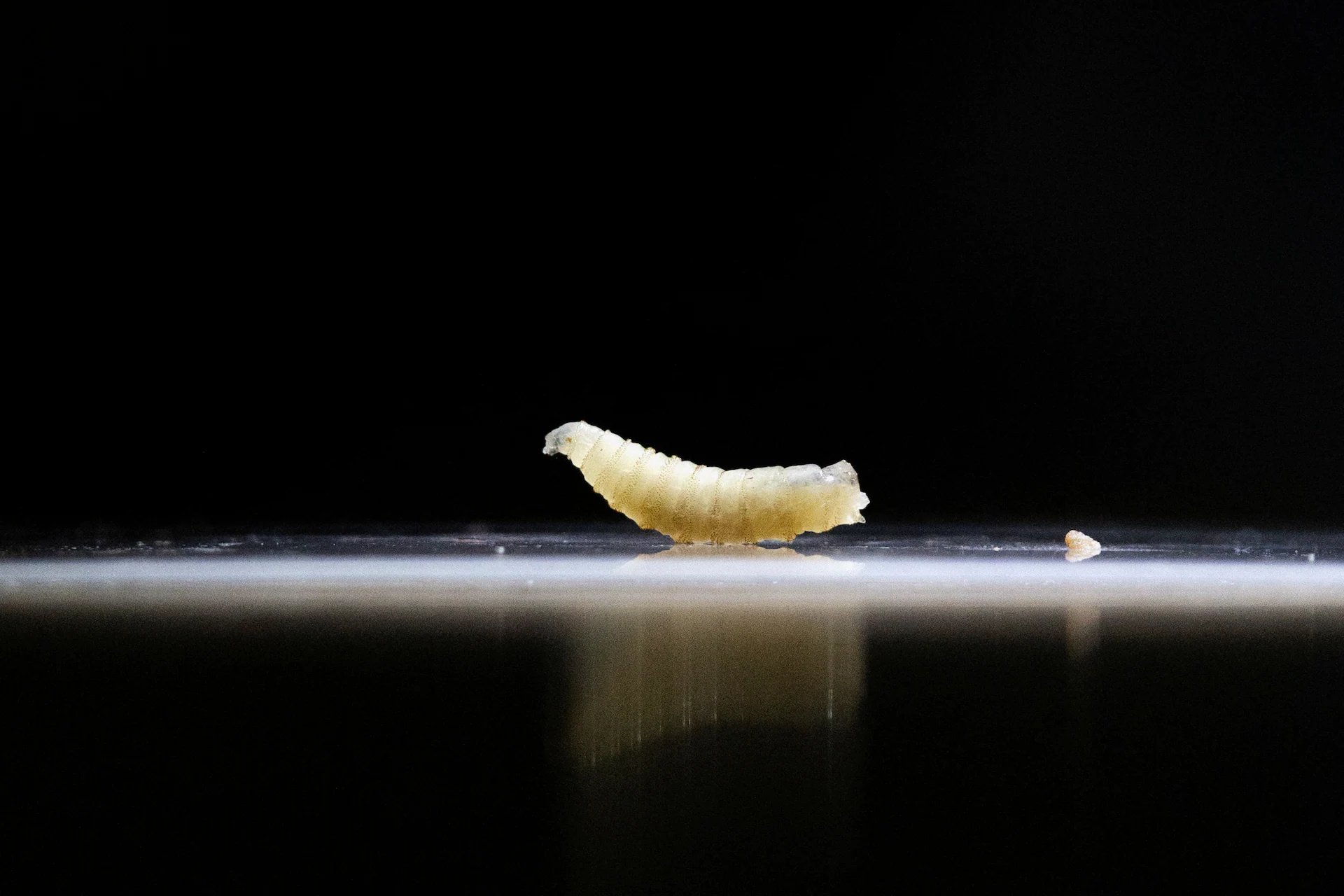
Screwworms are notorious for laying their eggs in open wounds of warm-blooded animals, leading to the hatching of larvae that consume living tissue. This parasitic behavior poses a serious risk not only to cattle but also to pets and, in rare cases, humans. Since the recent outbreak began, over 171,700 animals and 2,000 people have been affected across Central America and Mexico, according to the Centers for Disease Control and Prevention (CDC).
Criticism of Federal Response
Texas Agriculture Commissioner Sid Miller criticized the federal government for its slow response, arguing that the lack of timely action allowed the screwworms to advance unchecked through Mexico. Meanwhile, USDA Secretary Brooke Rollins defended the measures taken, attributing the delay in the screwworm's arrival in Texas to the closure of border entries to livestock in May 2025. Critics, however, suggest that more aggressive measures are necessary to prevent further spread.
Genetic Control Strategies
To combat the outbreak, officials plan to deploy hundreds of millions of genetically altered sterile flies. This method, known as the Sterile Insect Technique, involves breeding sterile male flies that mate with wild females, preventing the hatching of new larvae. Experts estimate that up to 600 million sterile flies may be needed weekly, but current production capabilities are limited to about 100 million per week. A new fly-breeding facility in southern Mexico, expected to become operational next month, aims to bolster these efforts.
The Broader Context
The resurgence of the screwworm fly in Texas is part of a larger trend linked to climate change, which is expanding the habitats suitable for tropical species. Experts warn that the warmer temperatures may allow these pests to move further north than in previous years. Additionally, the last significant outbreak in the U.S. occurred in the Florida Keys in 2016, highlighting the ongoing threat posed by this parasite.
Next Steps for Ranchers
Ranchers are urged to take immediate precautions, including treating wounds on livestock and monitoring for signs of infestation. The USDA emphasizes the importance of vigilance in reporting any signs of screwworm activity.