




The Six-Month Ultimatum
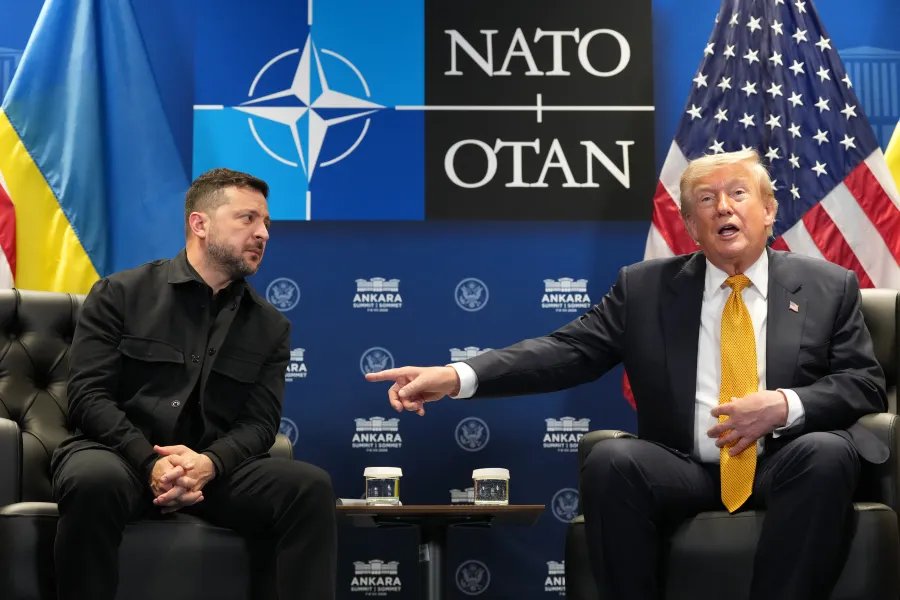
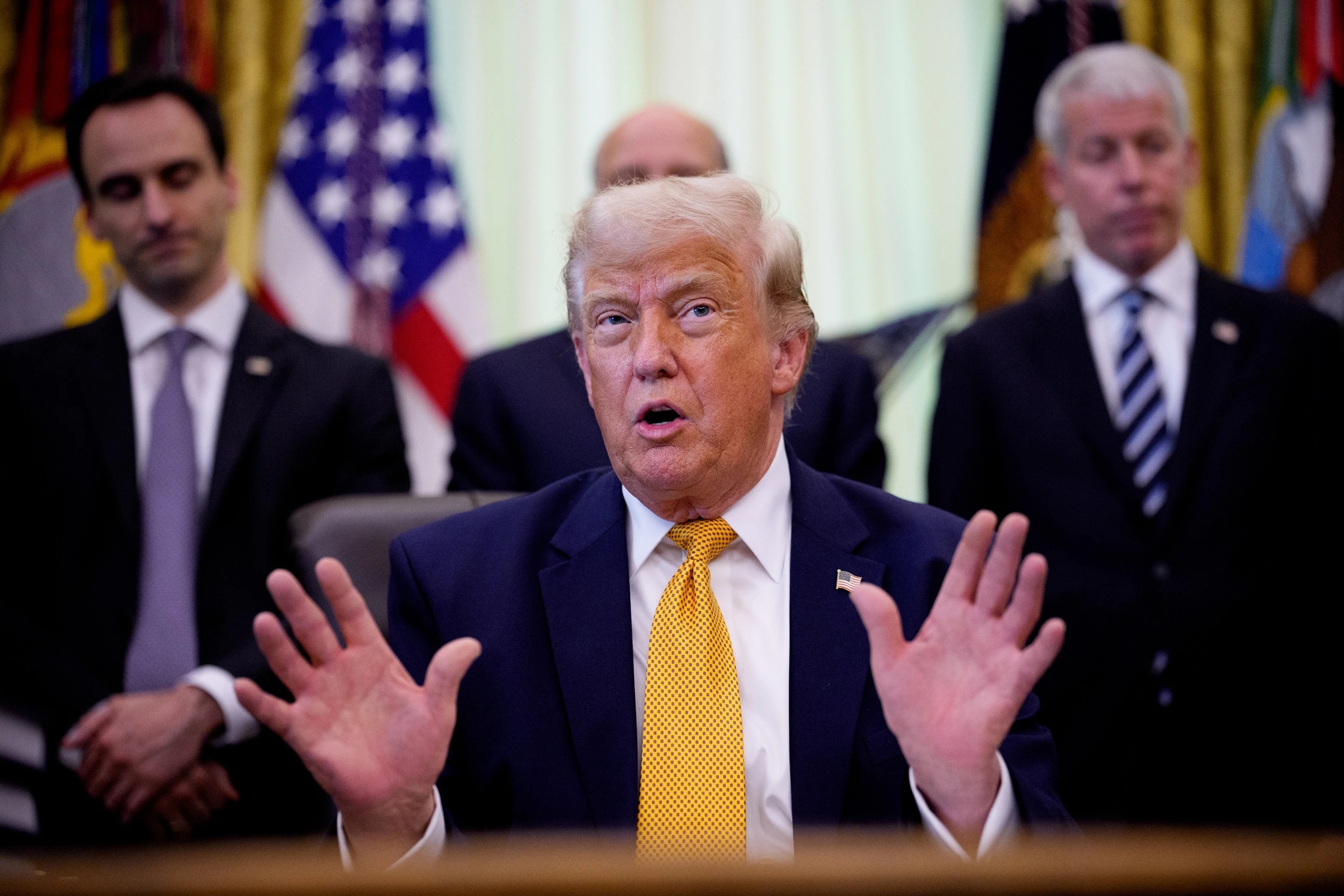
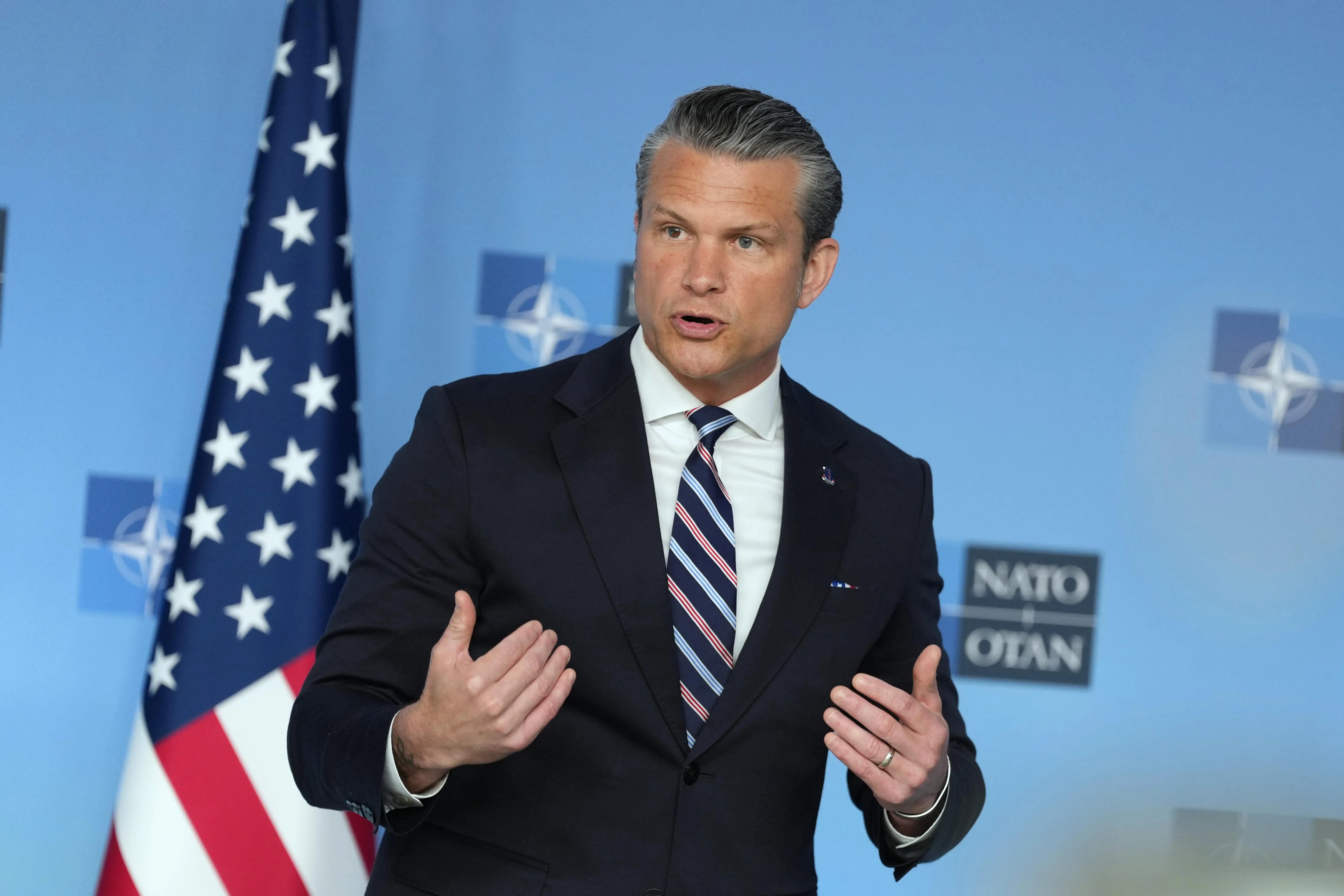
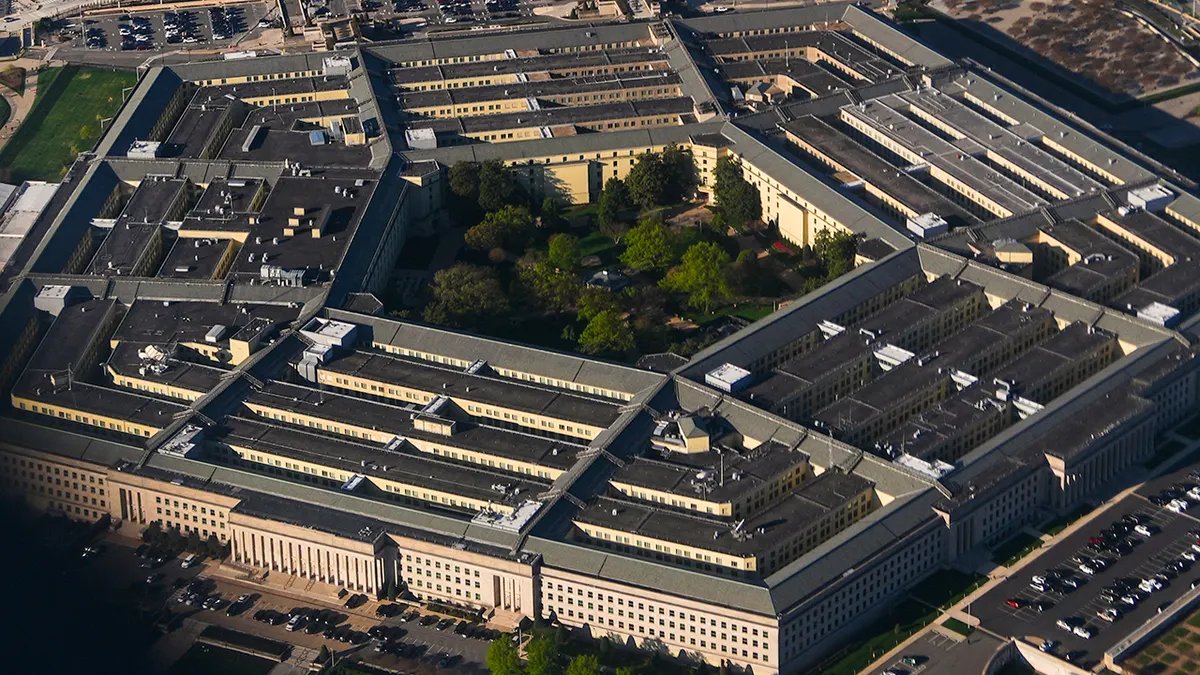
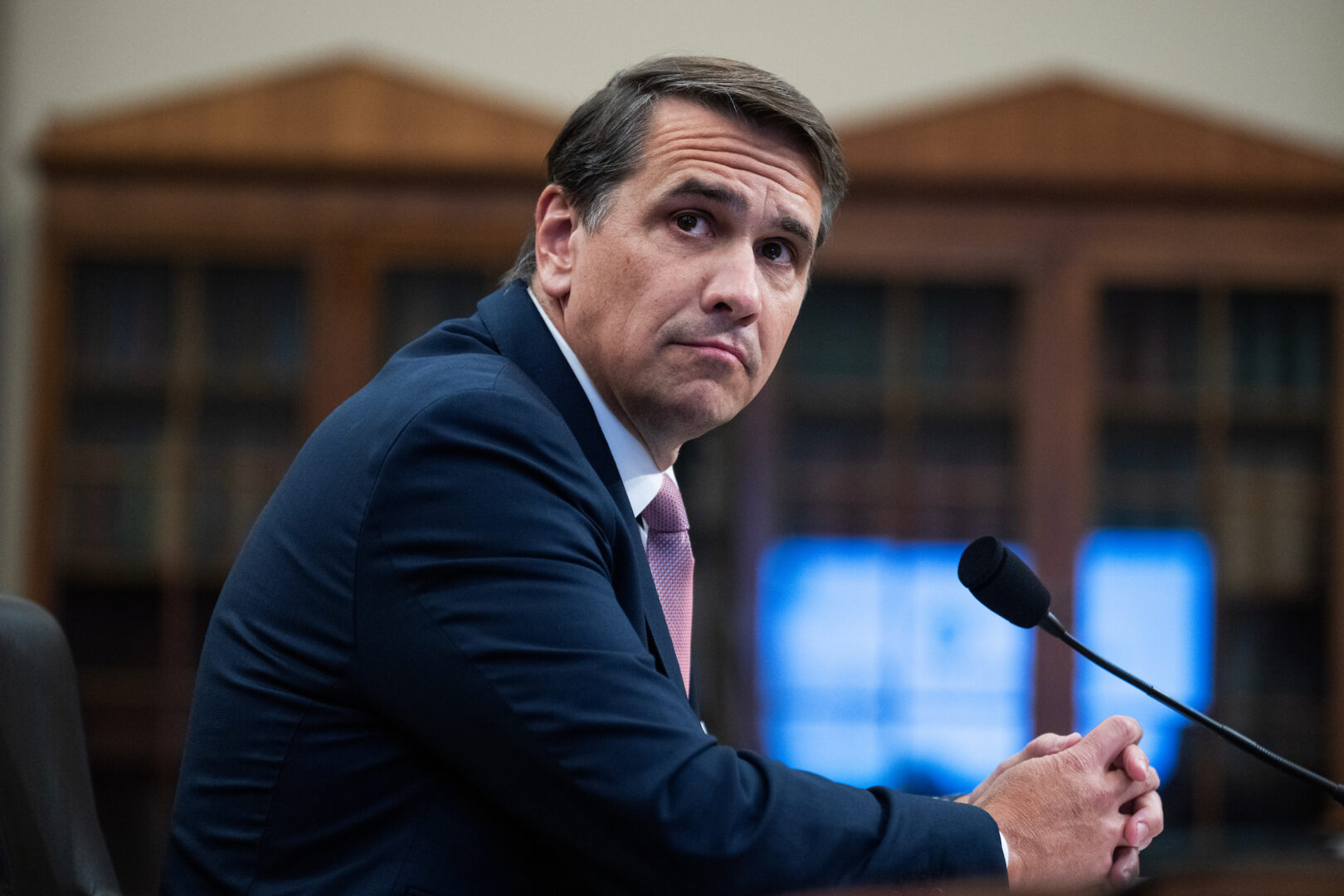
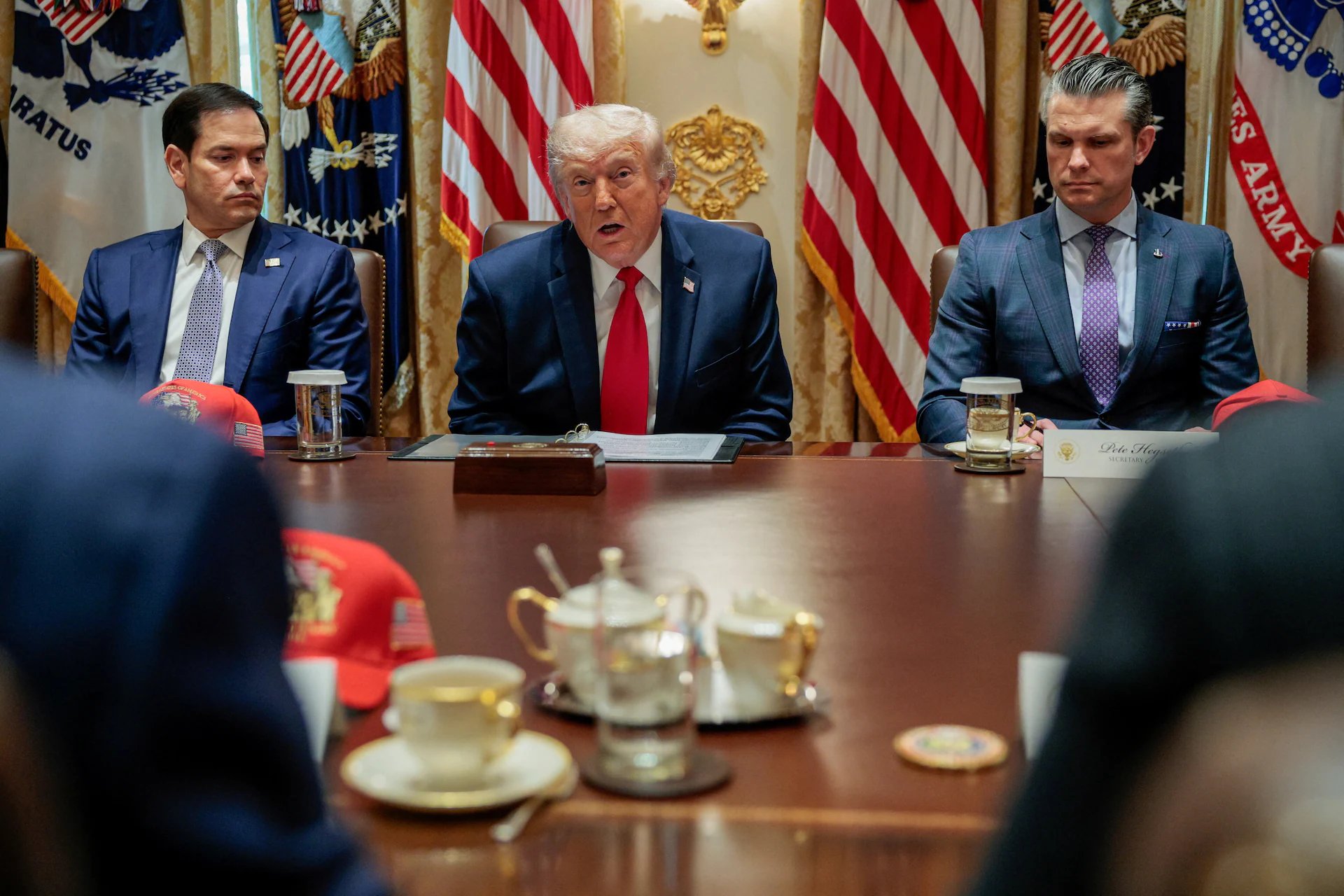
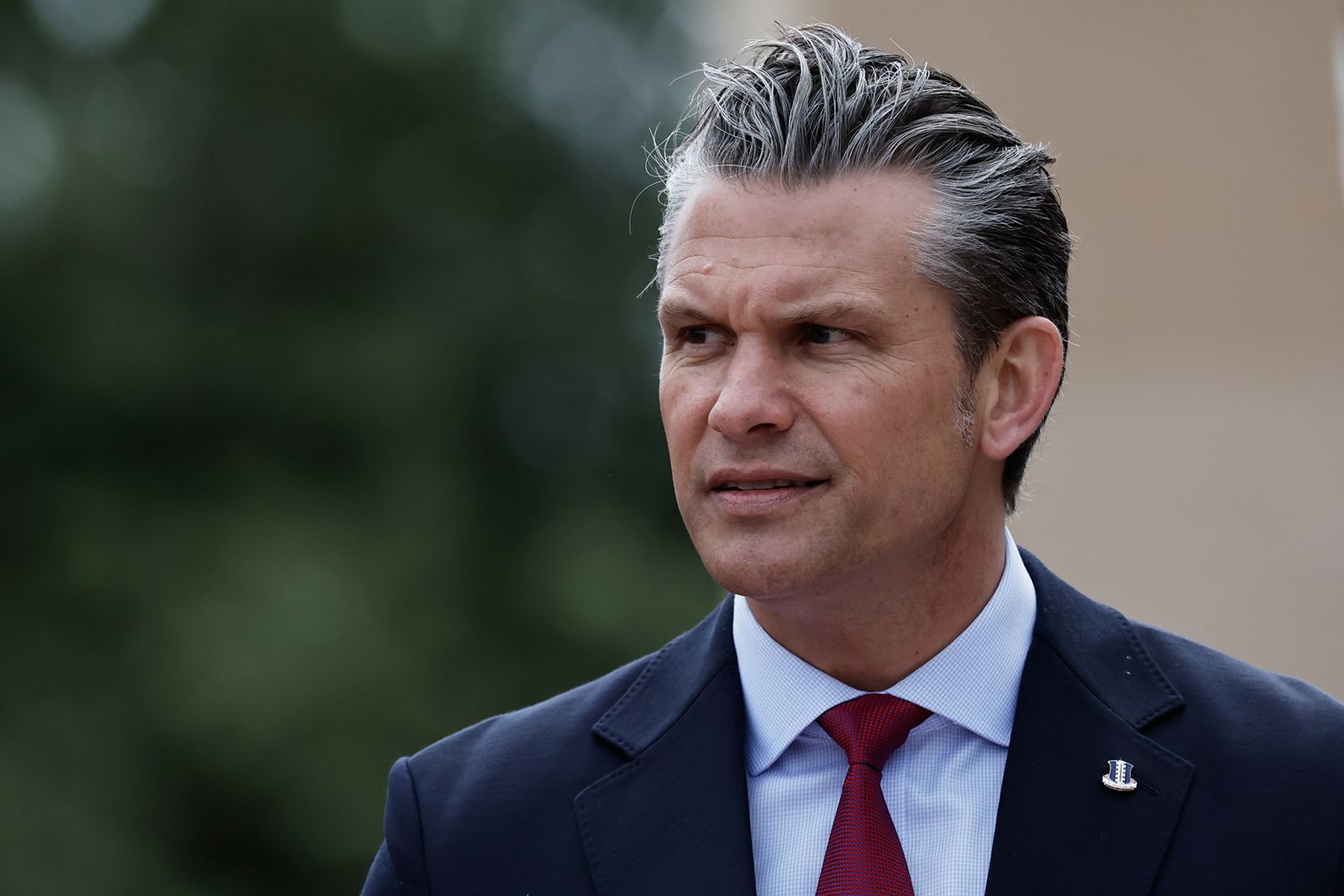
Defense Secretary Pete Hegseth announced a six-month Pentagon review of American forces in Europe on Thursday, making the outcome explicitly conditional on how quickly European nations shoulder their own defense burden. Speaking to NATO defense ministers in Brussels, Hegseth said the review would "ensure that NATO is moving fast and irreversibly toward Europe leading, stepping up to take primary responsibility for the defense of Europe." The timeline signals imminent changes to U.S. military deployment across the continent and directly ties American commitment to European performance.
Hegseth unveiled a broader strategic reframing he called "NATO 3.0," describing it as "a real hard-line military alliance" focused on conventional military capabilities rather than what he characterized as competing priorities. The Trump administration wants the 32-nation organization transformed into an alliance capable of deterring threats on the continent without assuming American forces will automatically respond to every crisis.
The Base Access Dispute
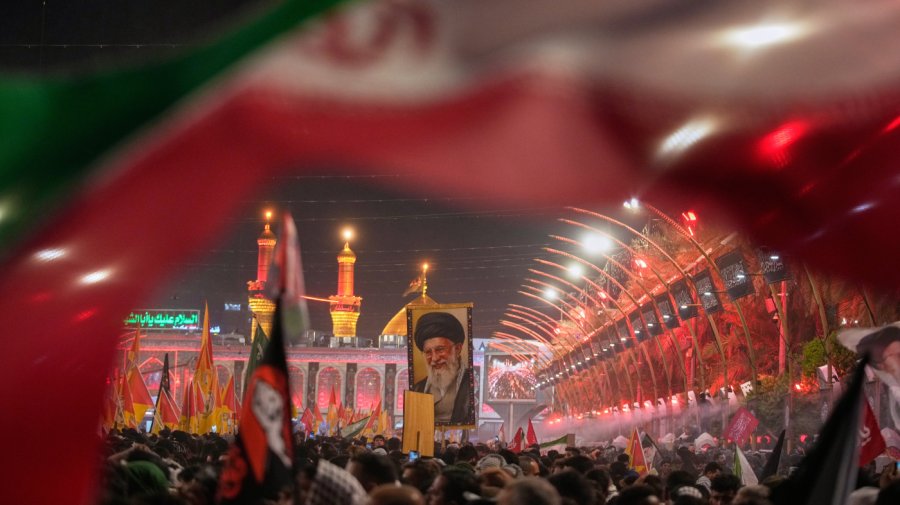
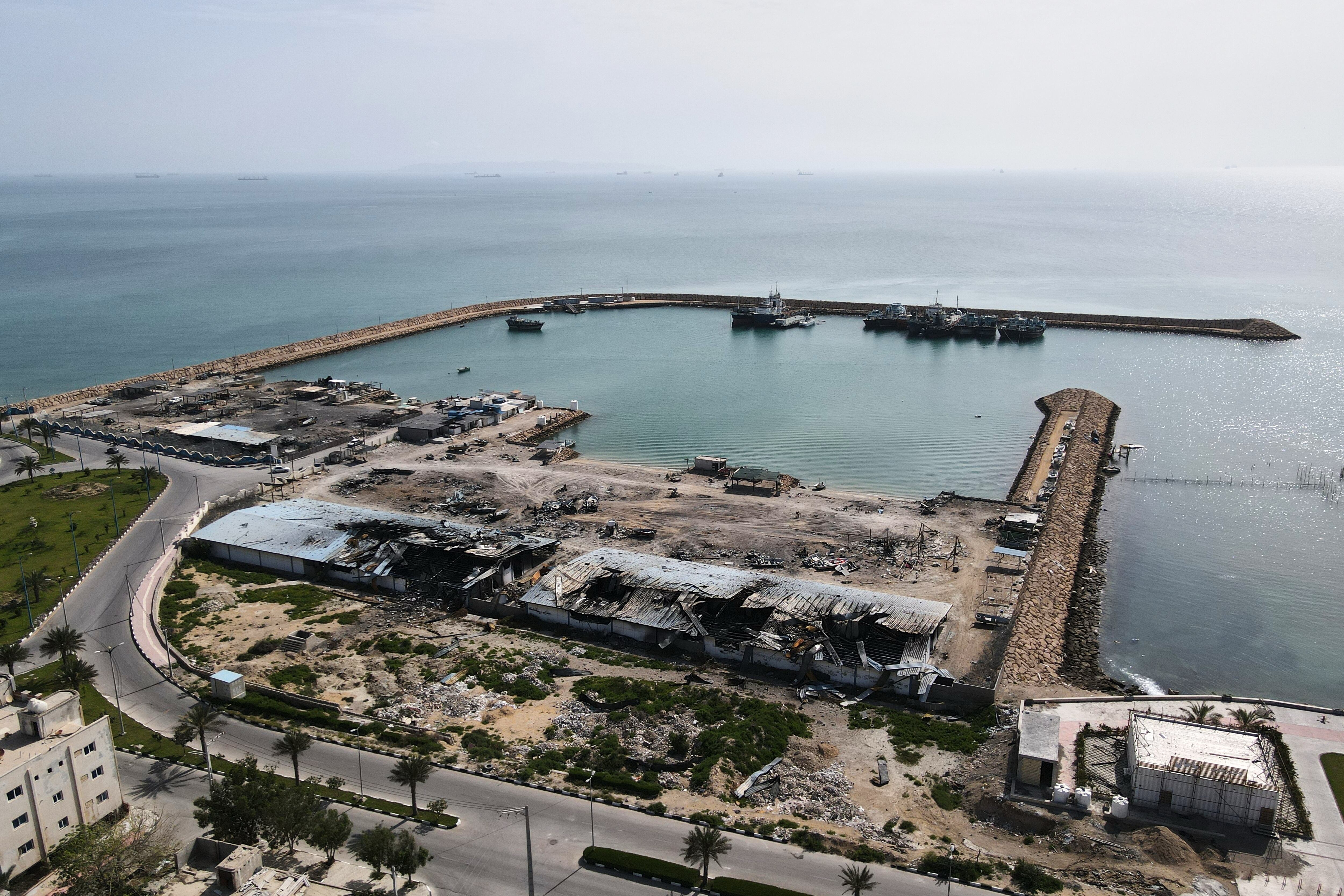
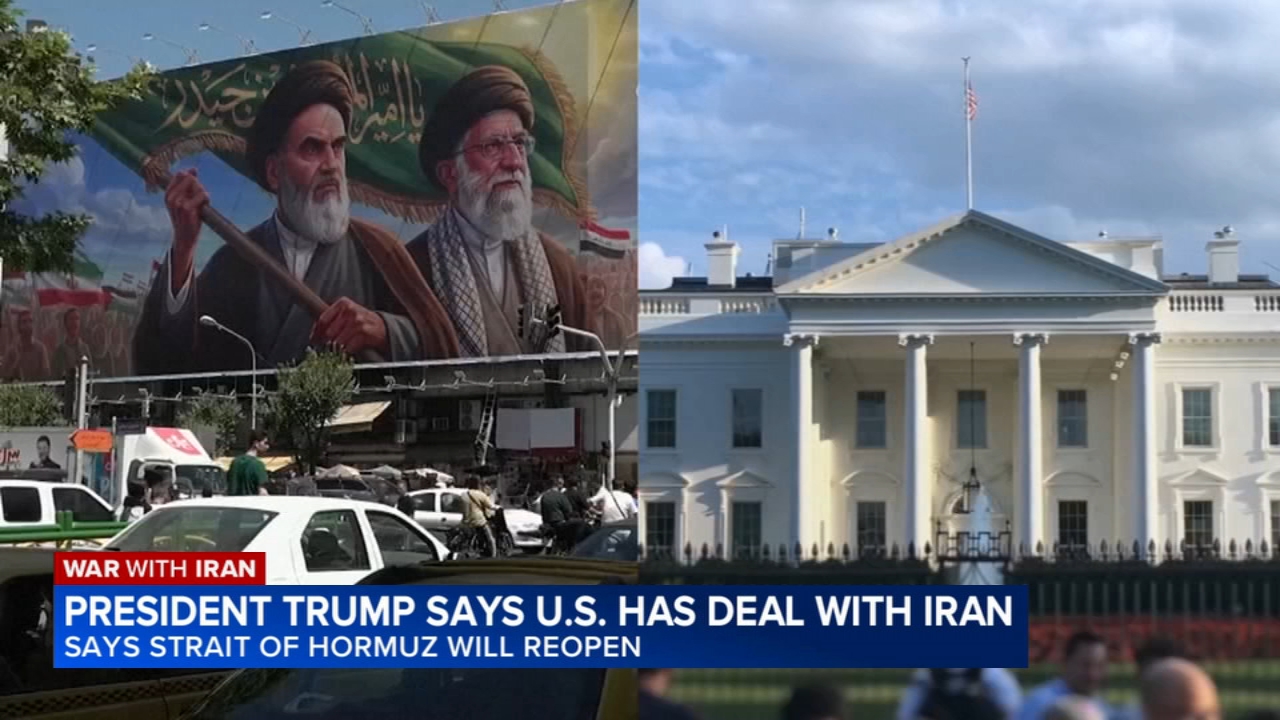
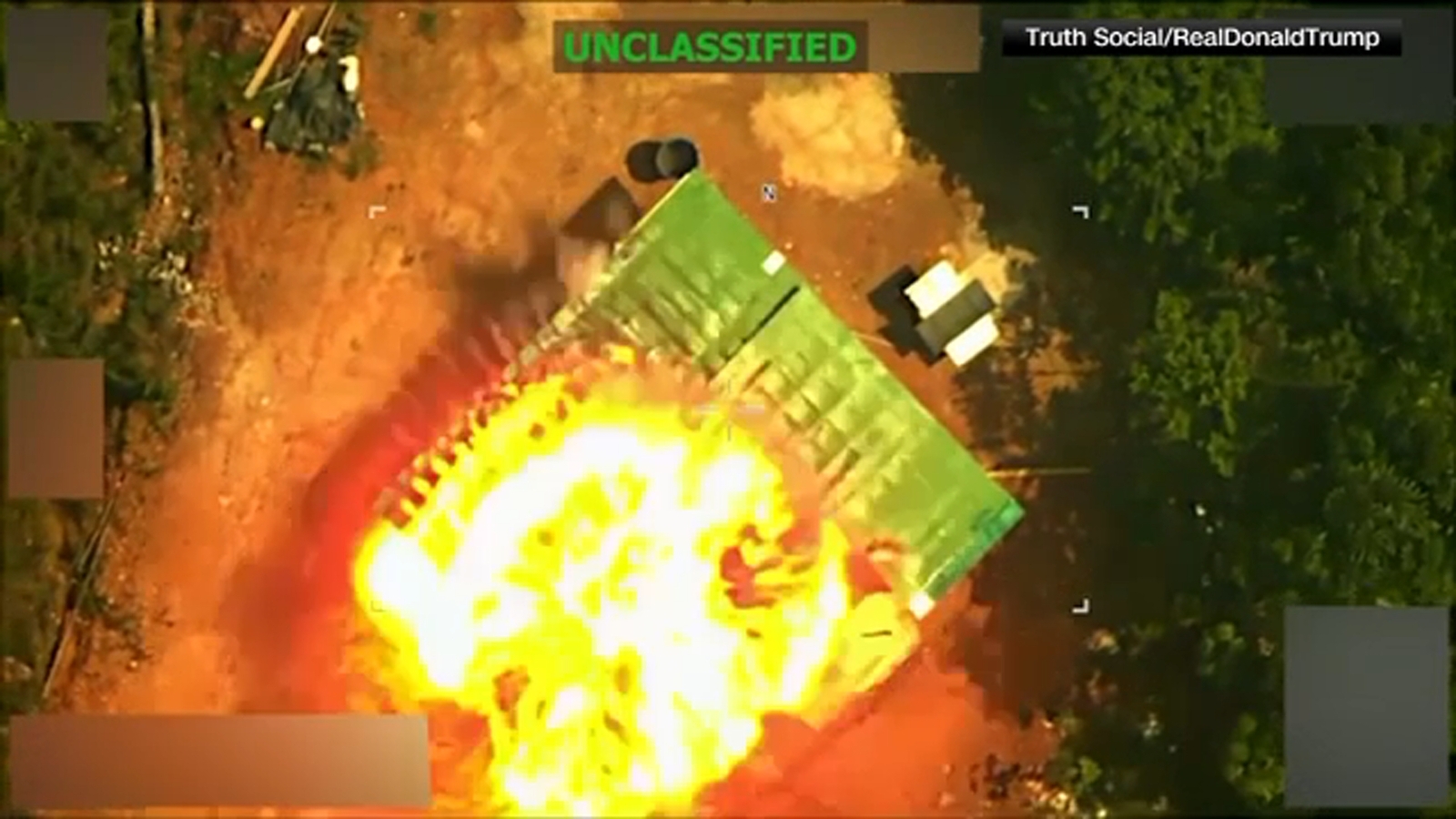
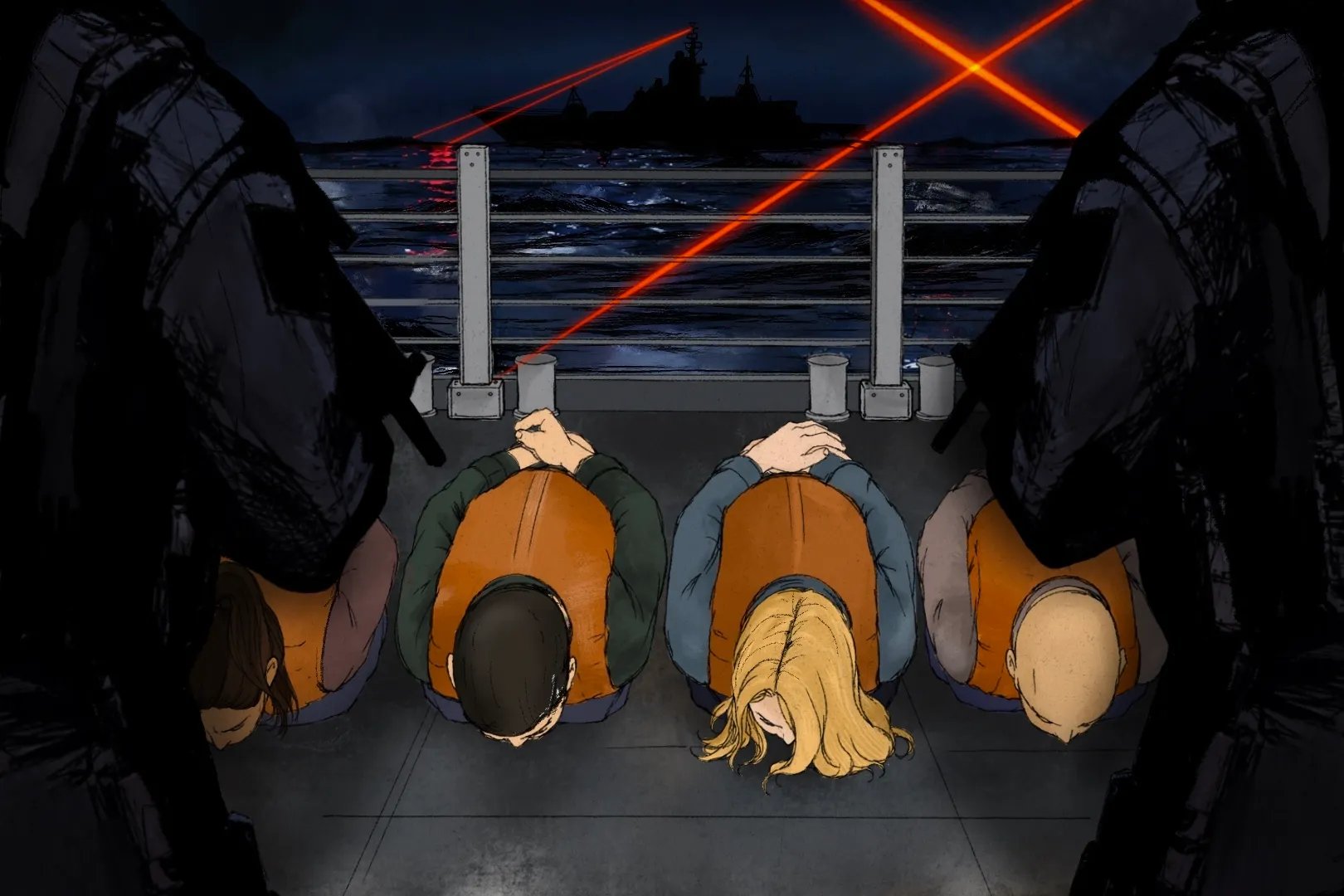
Hegseth's sharpest criticism targeted European allies who denied U.S. forces access to military bases during recent operations against Iran. He called the refusal "shameful" and argued it endangered American service members. "These allies, they put America's sons and daughters, our sons and daughters, at risk by denying them the predictable access, basing and overflight that never should have been in question at all," he said.
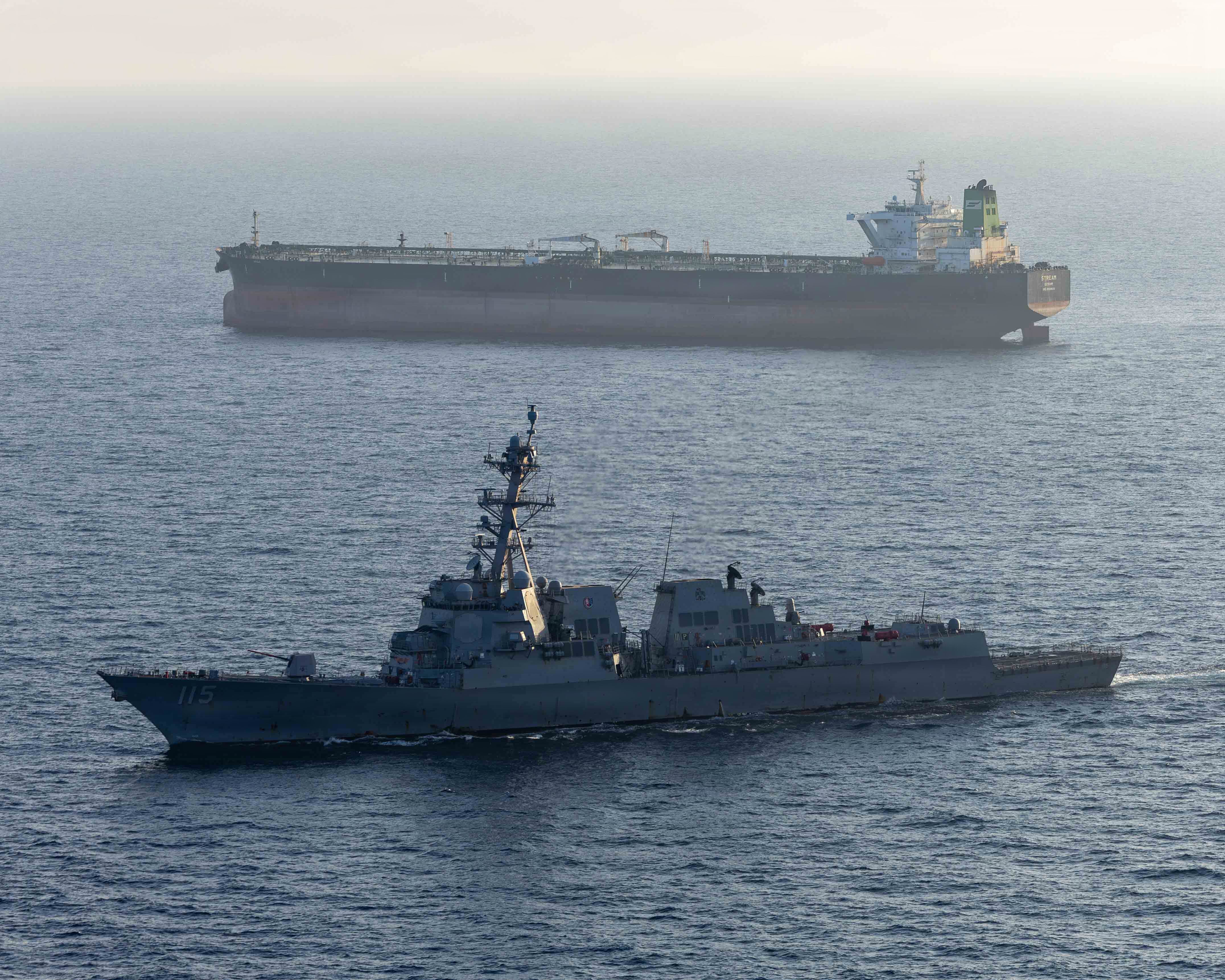
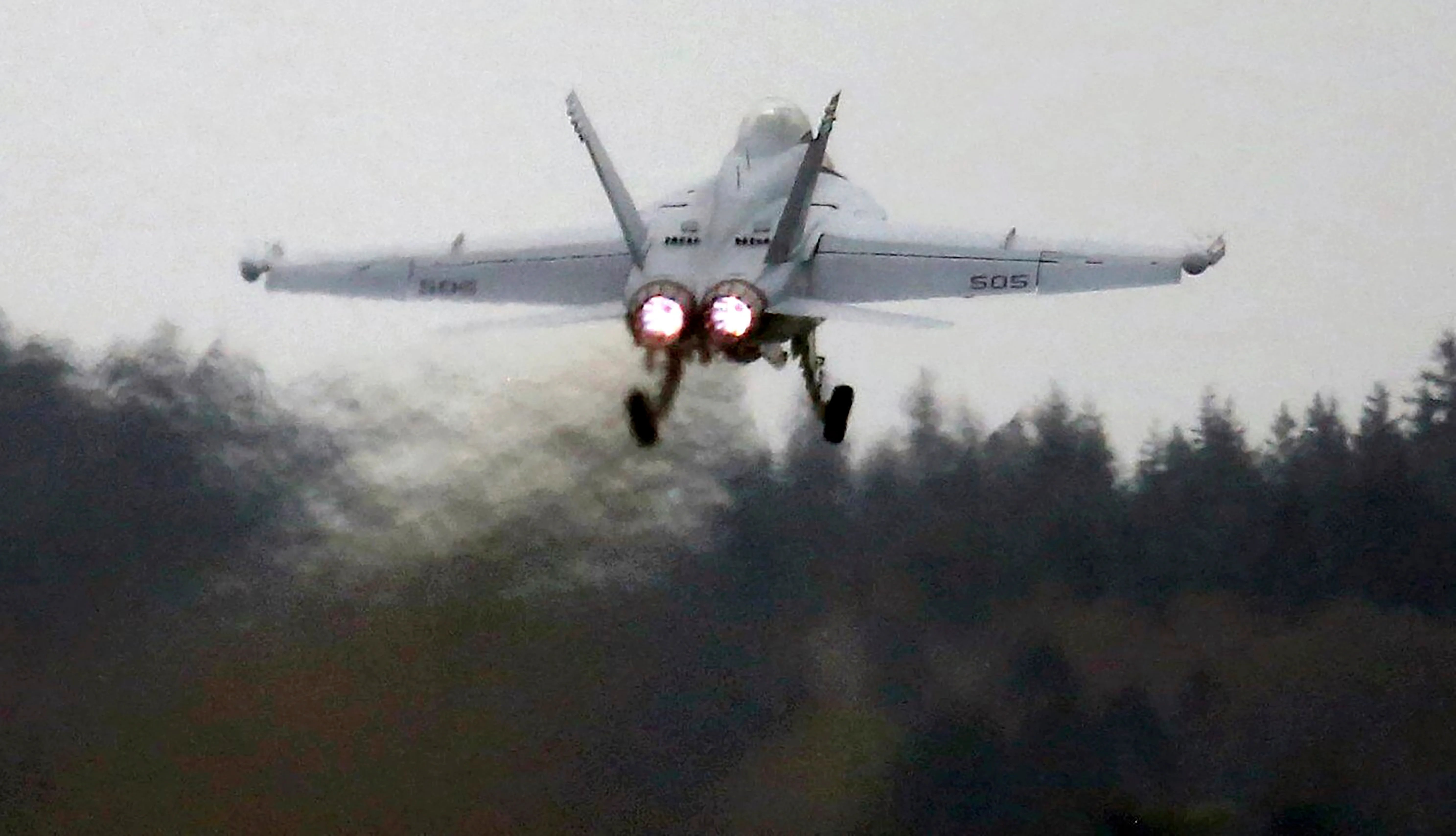
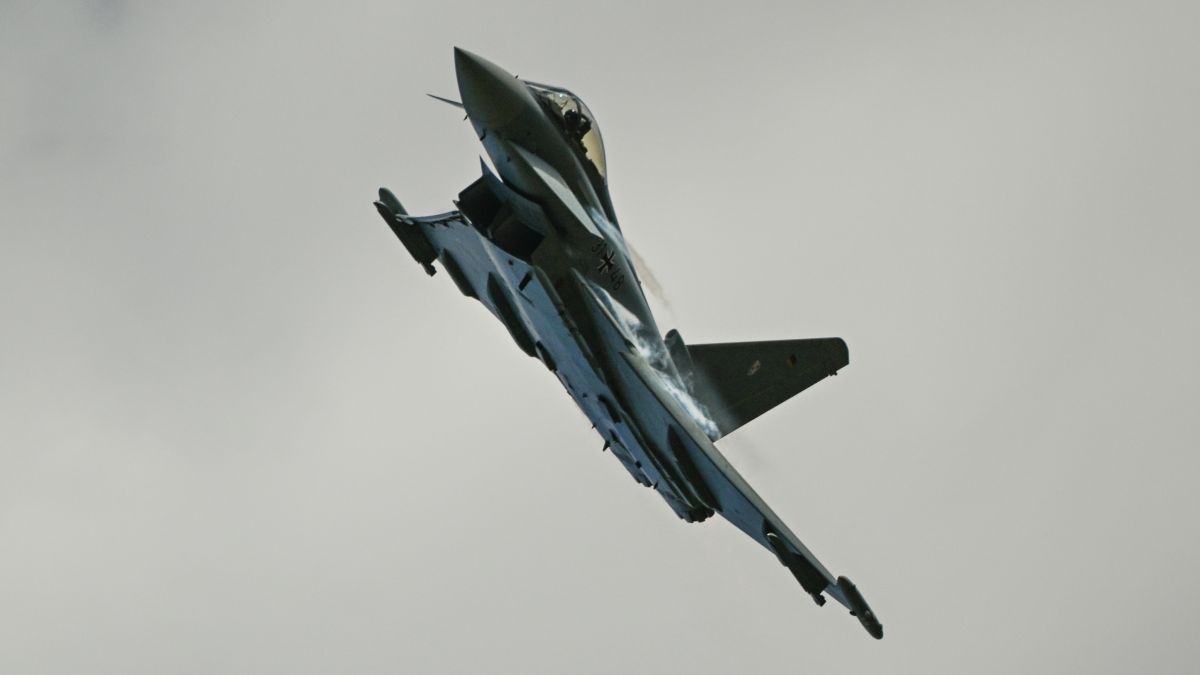
Weeks earlier, the United States signaled it would no longer automatically supply certain warships, aircraft carriers, aerial refueling planes, and dozens of fighter jets to allies under attack. NATO's supreme allied commander, an American, is now developing backup plans to defend Europe without those assets. The Trump administration justified the shift by saying it must reserve military resources to plan for potential simultaneous conflicts, including a possible confrontation with China in the Indo-Pacific.
Defense Spending and Conditions
Hegseth said future U.S. contributions to NATO organizational costs would become "contingent" on allies meeting spending targets. "Where other allies do not spend with urgency, our dues contributions will go down," he stated. Washington pays roughly $790 million annually to cover NATO organizational costs.
The demand comes as European nations have actually accelerated defense spending. NATO Secretary-General Mark Rutte noted that allies spent $90 billion more on defense in the previous year, a 20% increase over the year before. Germany's ambassador to the United States, Jens Hanefeld, told Fox News that Chancellor Friedrich Merz has committed to making Germany's armed forces the strongest conventional army in Europe, framing the shift as a response to Russia's invasion of Ukraine.
The Broader Critique
Beyond base access, Hegseth criticized European social and fiscal policies, arguing they had diverted resources from military readiness. "Instead of tanks and fighters and air defenses, the focus has been on gender equity and climate change and defense austerity. Europe's borders flew wide open, welfare states expanded, defense budgets cratered," he said.
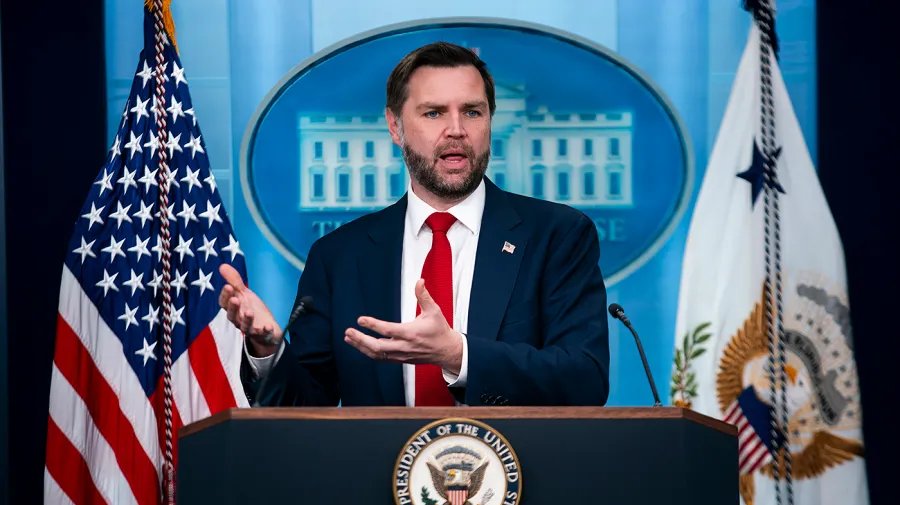
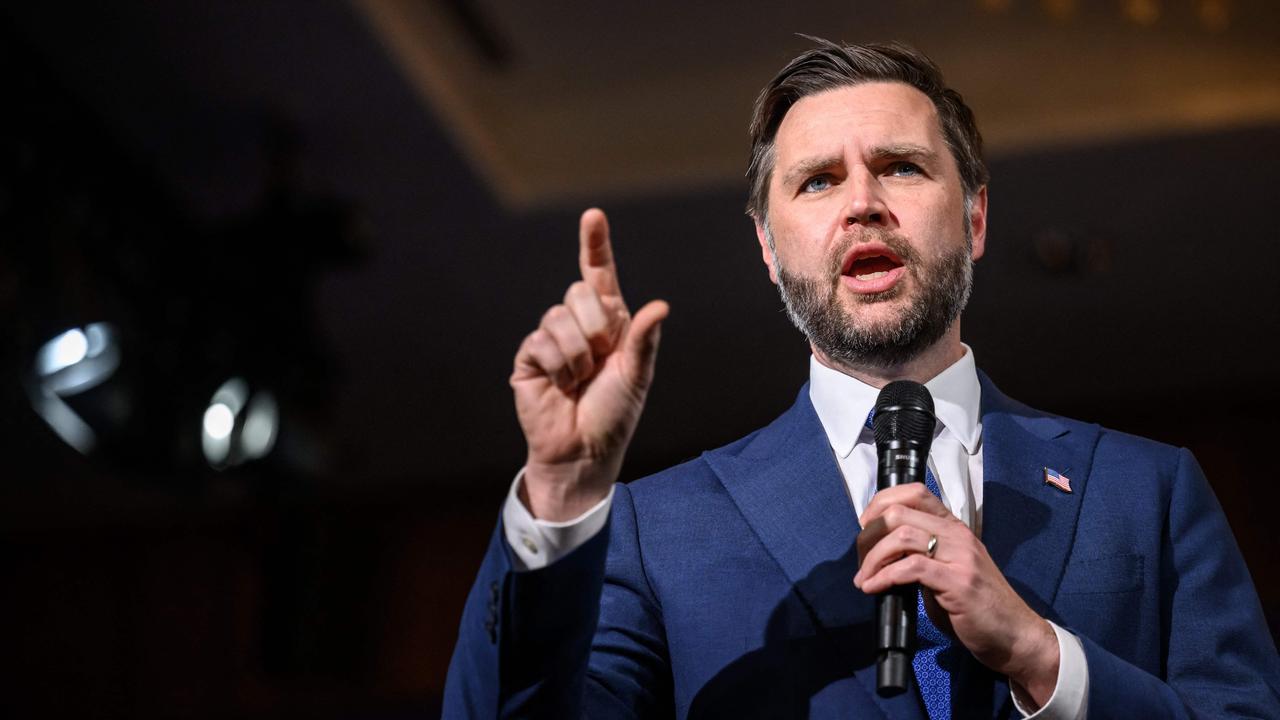
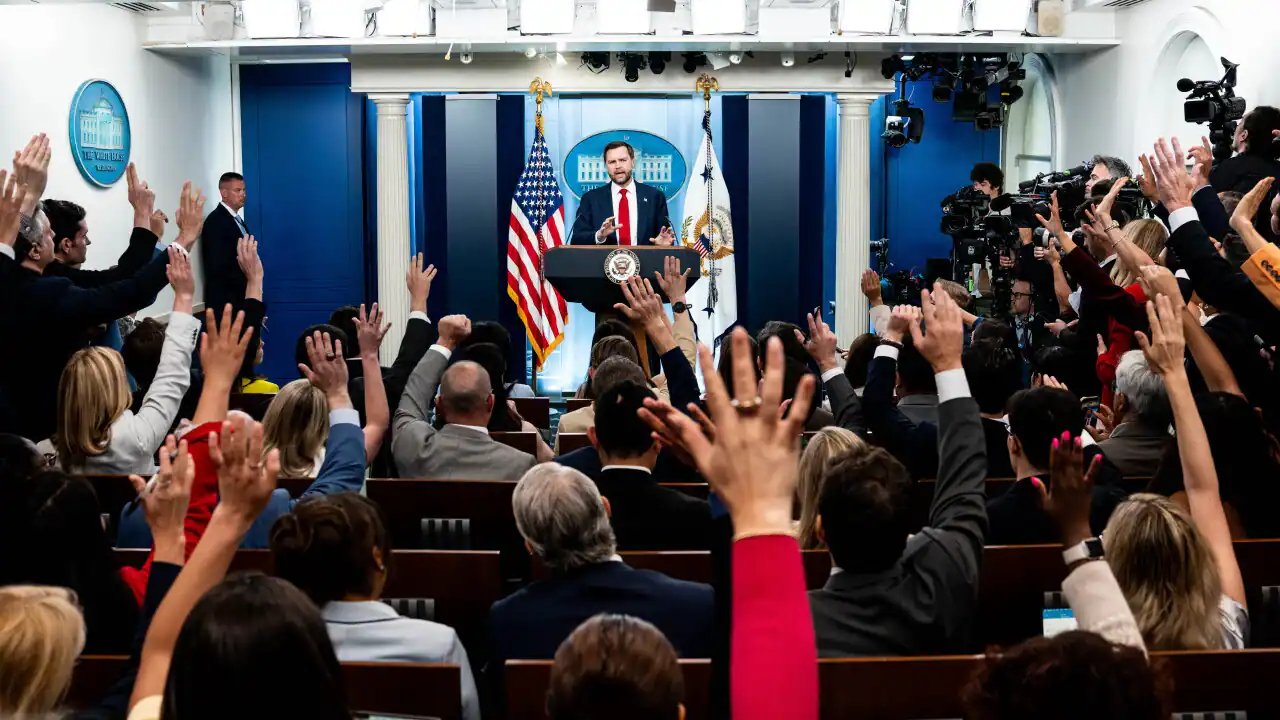
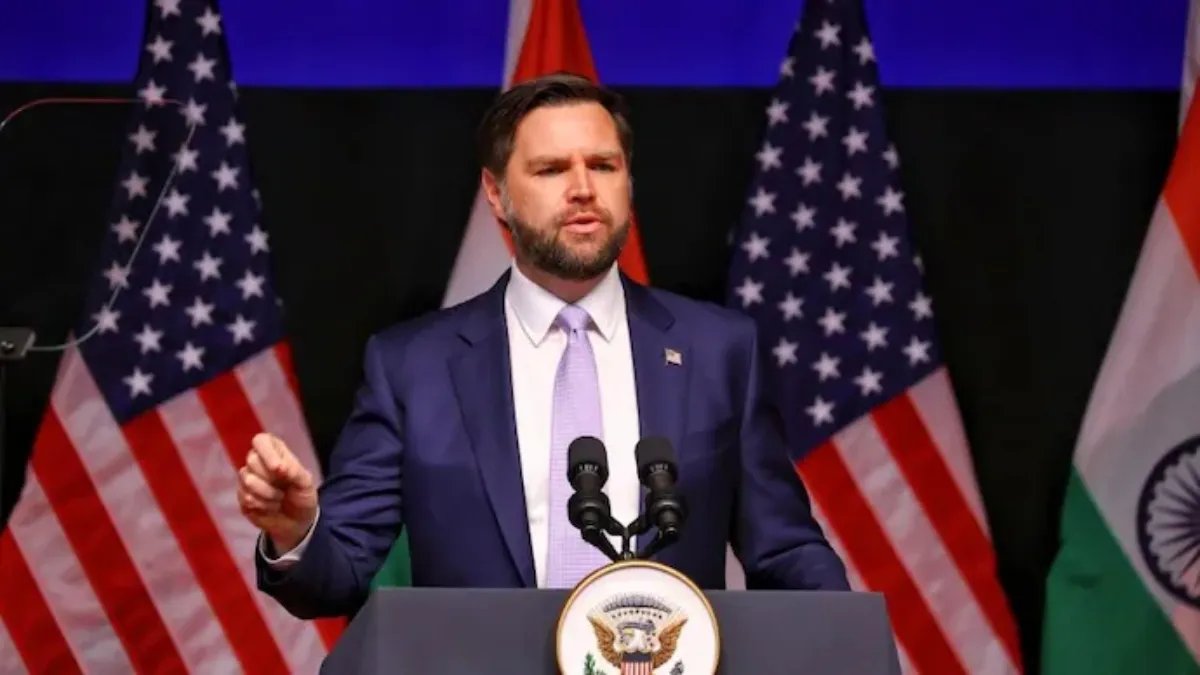
Hegseth's characterization of European defense priorities does not align with current policy. Most European nations have substantially tightened immigration enforcement since the 2015 migration surge, and defense spending has accelerated dramatically in response to Russian aggression. His comments echoed remarks made by Vice President JD Vance in February that angered many Europeans.
Nuclear Assurance and Article 5
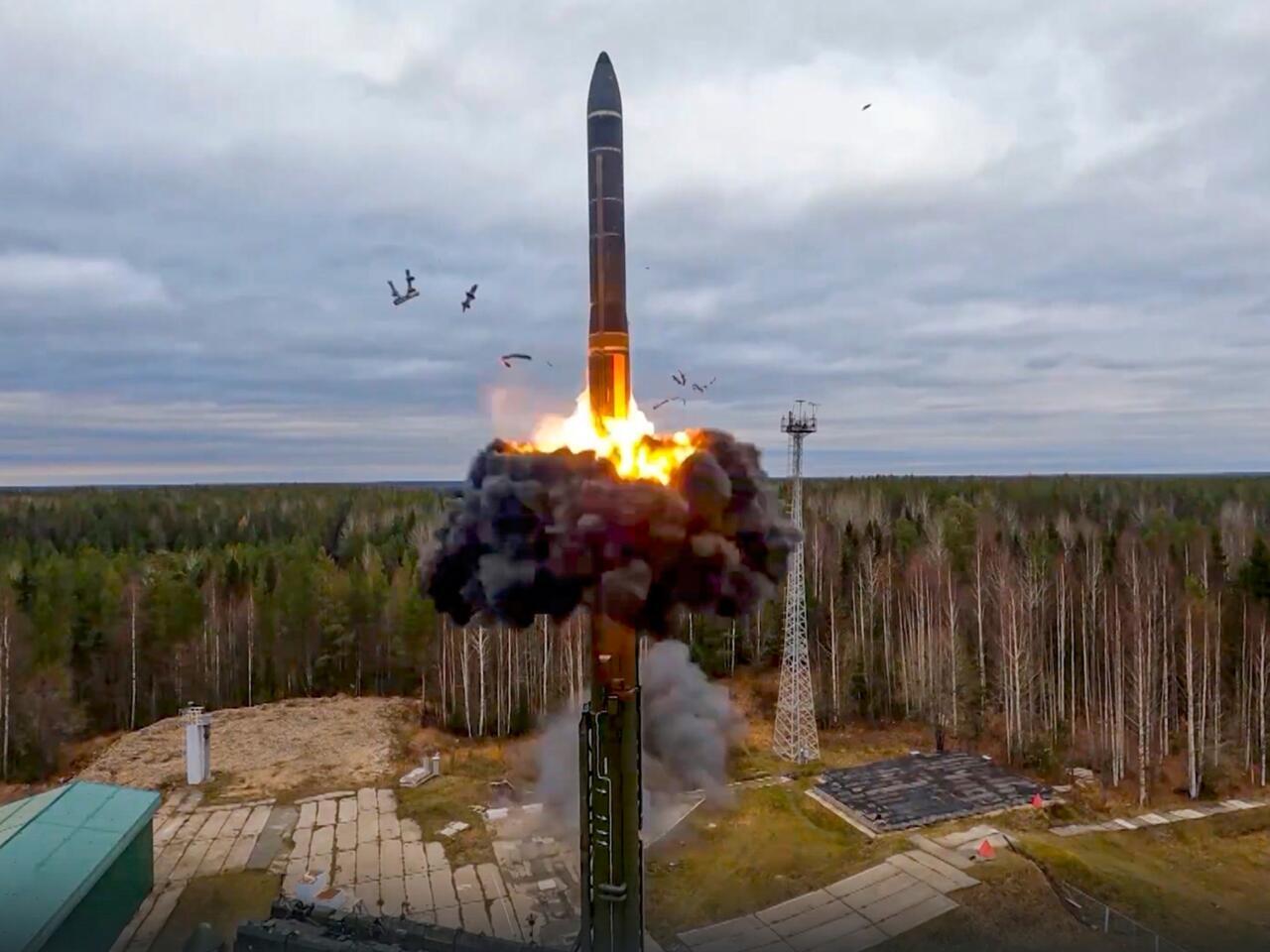
The U.S. will not withdraw its nuclear weapons from Europe, which remain central to NATO's deterrence strategy. NATO's Nuclear Planning Group issued its first statement in 19 years after Thursday's meeting, reaffirming that "the strategic nuclear forces of the Alliance remain the supreme guarantee of Allied security and underpin NATO's extended deterrence architecture."
However, the scaling back of conventional support raises questions about Article 5 of NATO's founding treaty, under which all 32 allies pledge to treat an attack on one as an attack on all. The provision does not legally obligate military support, though many allies would likely provide it. By signaling it will limit conventional military assistance during crises, the U.S. is effectively narrowing the scope of its commitment to collective defense.
U.S. Defense Investment
Hegseth announced that the U.S. will invest $1.5 trillion in its own defense in 2027, describing the spending as an "arsenal of freedom" that "first and foremost protects America and American interests but also backstops the strength of NATO and our allies." The investment level underscores the administration's dual-conflict planning doctrine and signals that American military resources will prioritize Indo-Pacific readiness alongside European commitments.