




New coordinator takes helm as agency tracks 300,000 missing children
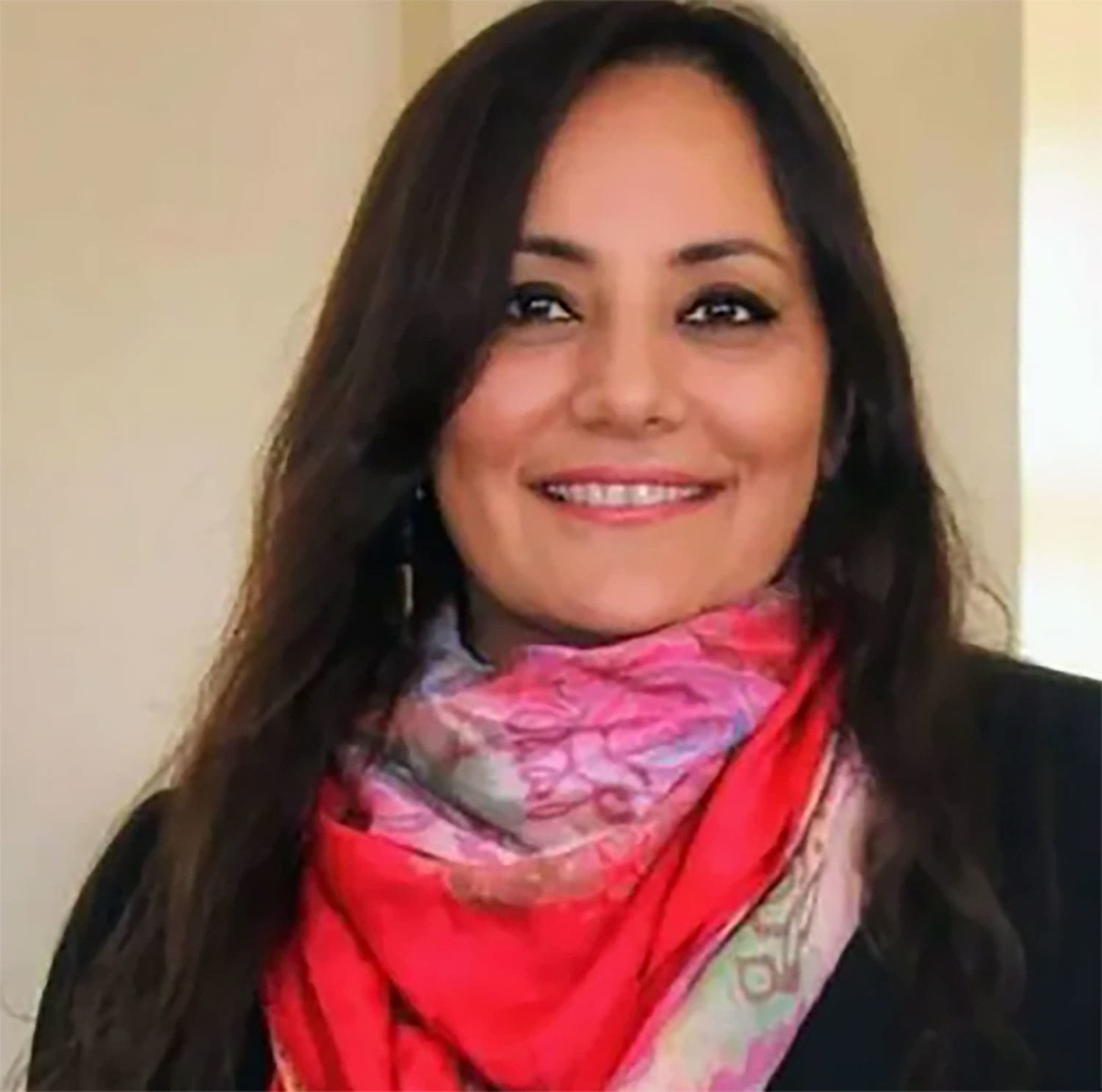
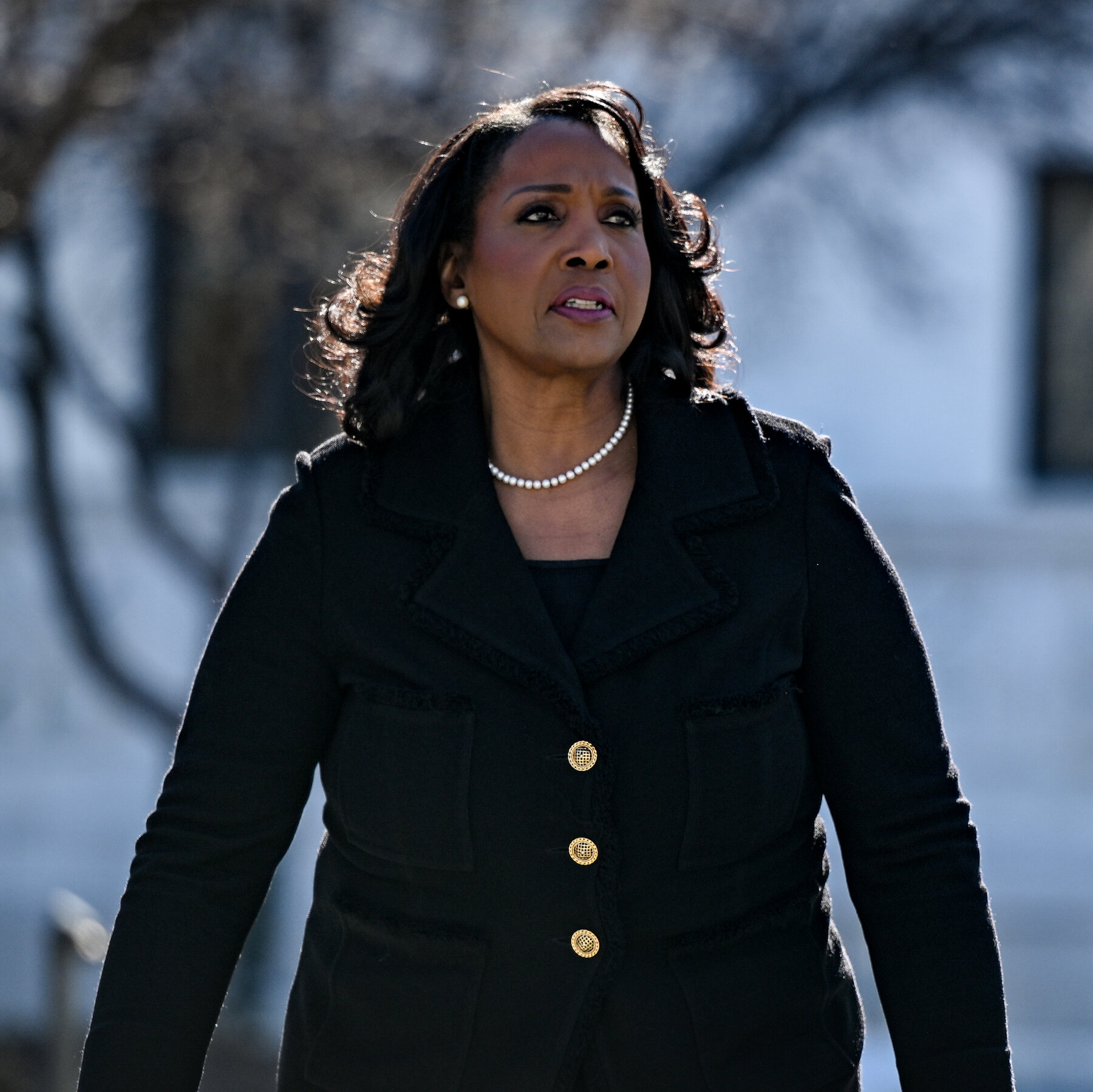
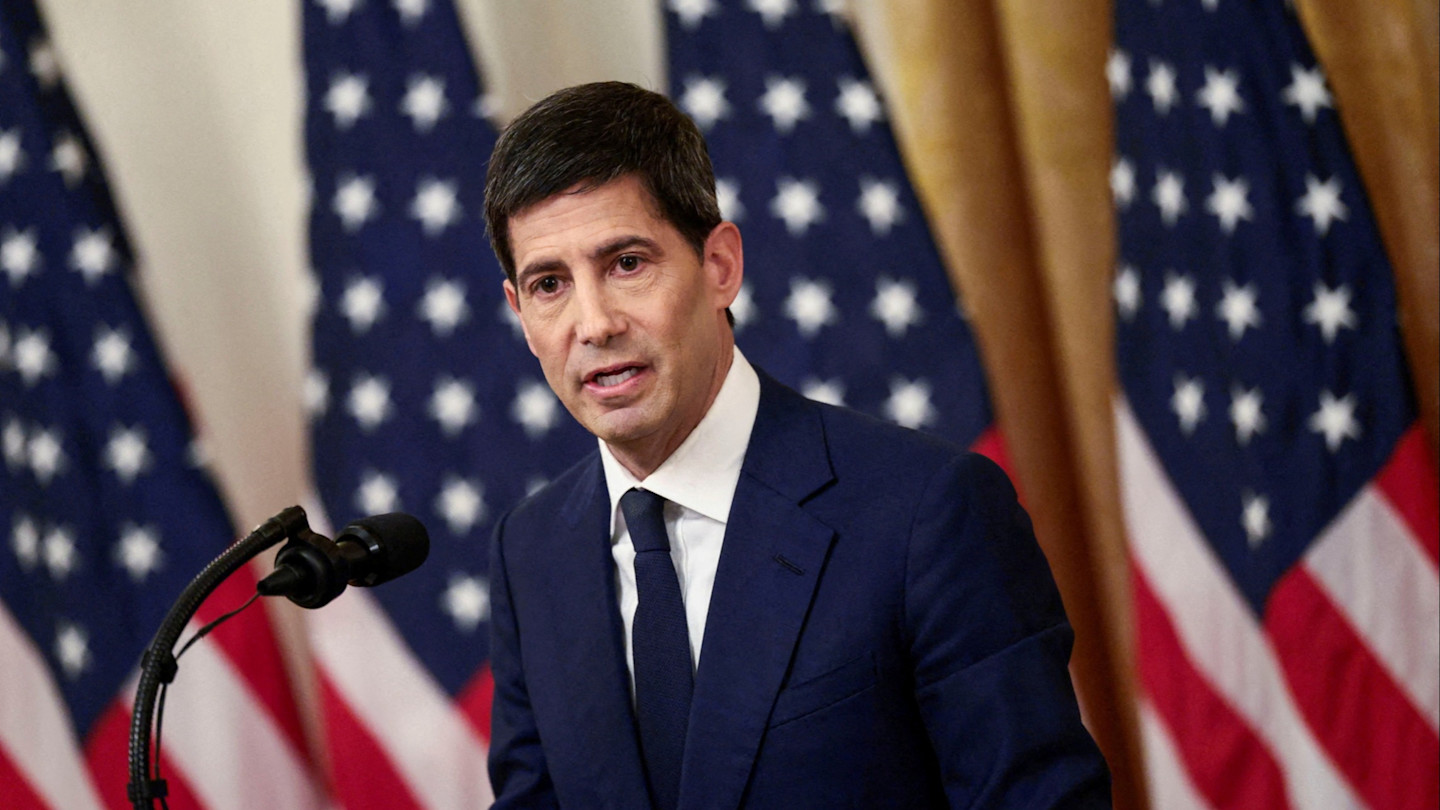
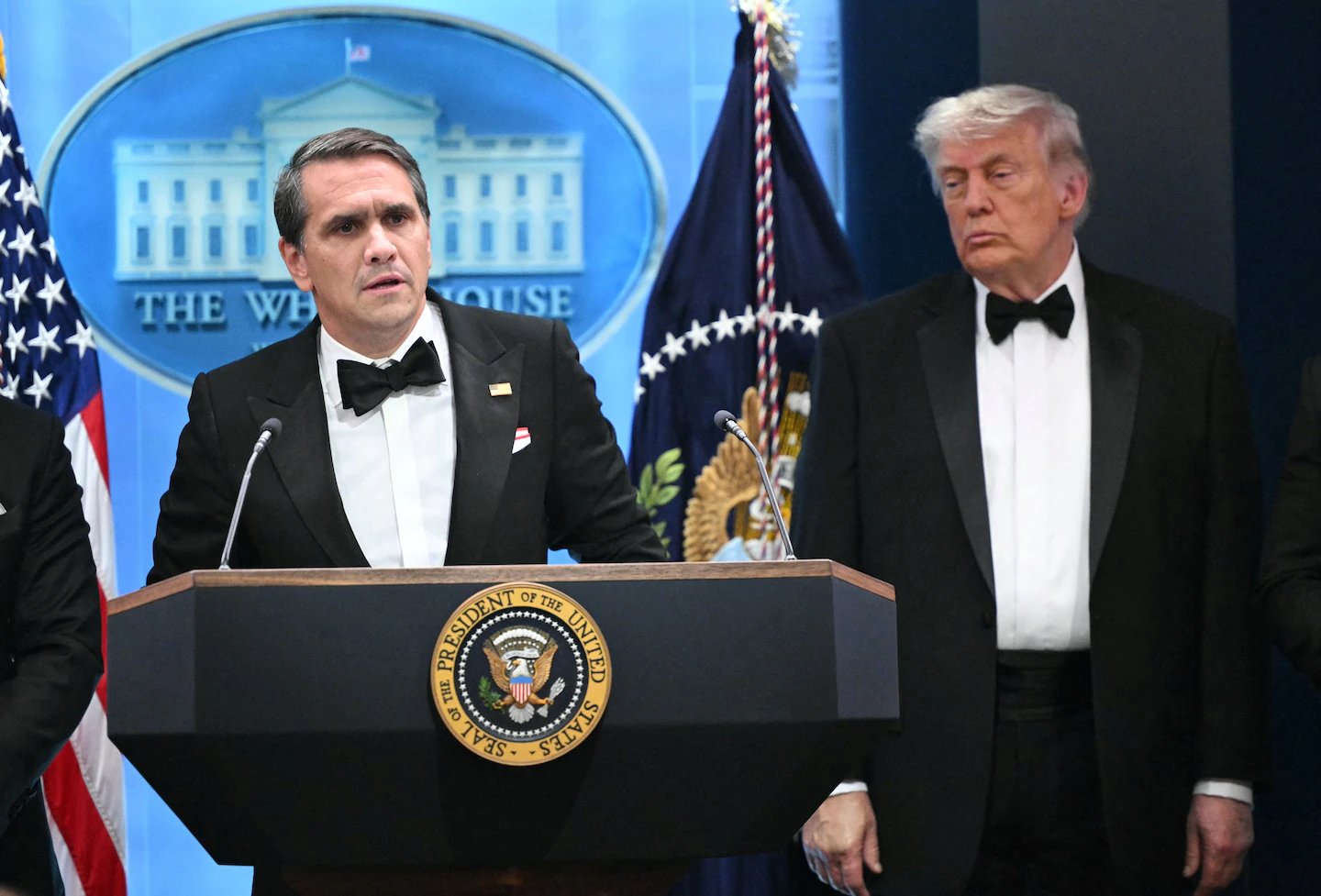
Acting Attorney General Todd Blanche appointed Alessandra Serano on Wednesday to serve as the Justice Department's national coordinator on human trafficking and child exploitation cases, elevating the role to the deputy attorney general's office and signaling a structural shift in how federal law enforcement pursues these crimes.
Serano, a federal prosecutor since 2003, has worked in the Southern District of California, the Virgin Islands, and most recently the Eastern District of Virginia. She most recently served as senior counsel to the deputy attorney general and completed a temporary assignment with the Senate Judiciary Committee. In her new role, she will oversee investigations and prosecutions across the Justice Department's 93 U.S. Attorney's Offices and two separate Criminal Division offices that handle these cases.
"Ending human trafficking and the exploitation of children has been and remains one of the highest priorities of the Department of Justice," Blanche said. "With today's appointment of Ali Serano, we are sending a clear and unmistakable message to predators: we are coming for you."
Tracking missing children amid trafficking fears
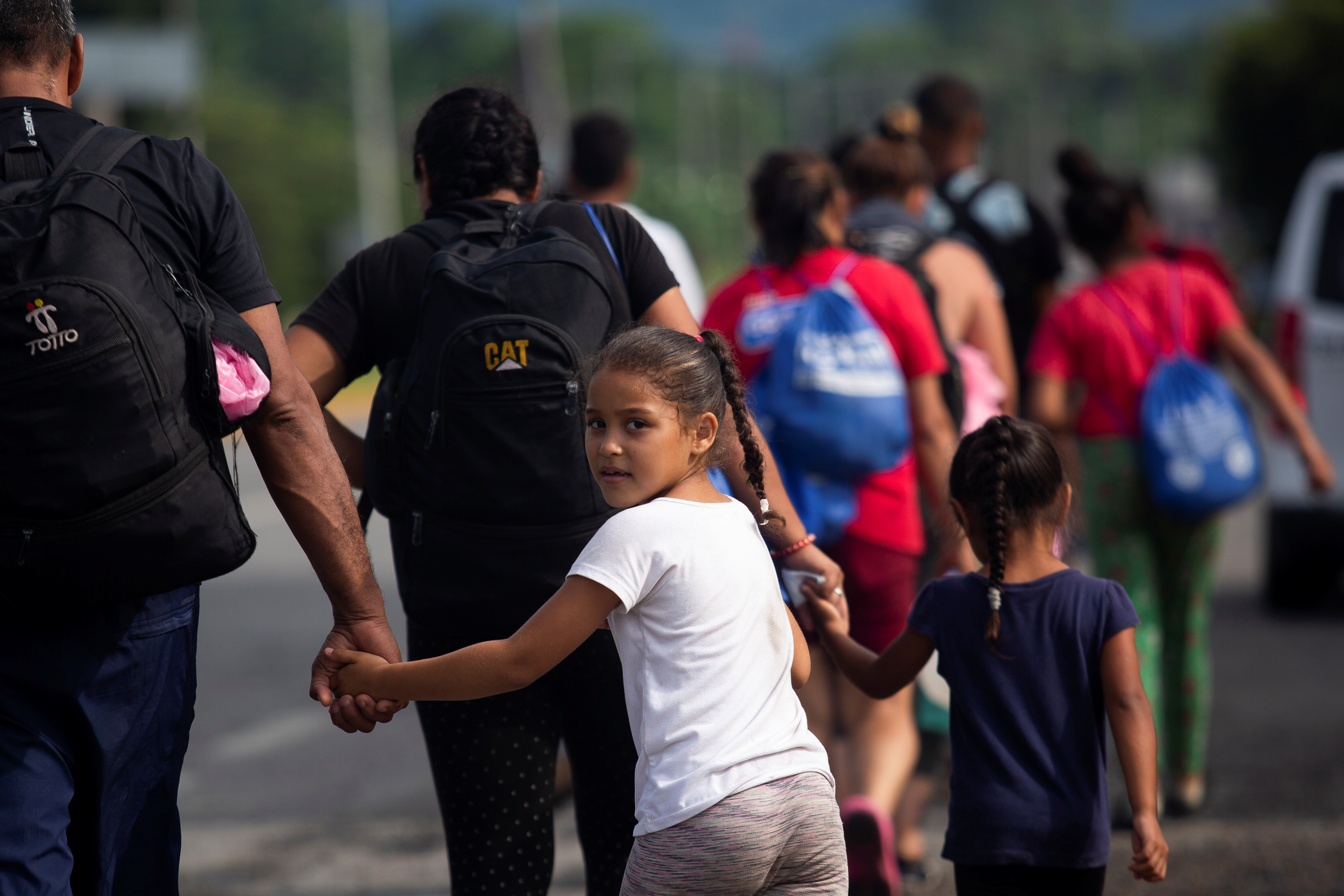
The appointment follows the Justice Department's announcement last week that it is investigating the whereabouts of approximately 300,000 unaccompanied minors who entered the United States alone. DOJ and Department of Homeland Security officials said they fear some of these children have been sold into labor or sex trafficking.
Serano told CBS News that tracking down missing children will be a priority for the administration. "I'm not saying that all of these kids have been trafficked, but I wouldn't doubt that many of them are. And one kid trafficked is one too many," she said.
The agencies are focusing on so-called "super sponsors" who sign up to act as sponsors for three or more unrelated children. Within 120 days, Serano will help submit a report updating the DOJ's strategy for combatting child exploitation and human trafficking.
Emerging tactics driving prosecutions
Serano identified several trends in trafficking and exploitation cases that prosecutors are now confronting. One involves "financially motivated sextortion," where predators pretend to be teenagers online, trick victims into sending illicit photos, then threaten to distribute those images unless victims send money.
Another trend centers on nihilistic violent extremist groups, particularly one known as "764." Members of this group coerce children to harm themselves or engage in other acts. In the Middle District of Florida on Monday, a member of 764 pleaded guilty to distributing and possessing child sexual abuse materials after prosecutors said he caused a minor girl to cut herself and use her blood to write messages. He also distributed gore and sexually explicit images of children.
A Maryland man associated with the 764 group received a 30-year prison sentence on Tuesday for sexually exploiting at least 10 minor females and urging them in some cases to cut themselves with razors and write on walls with their own blood.
The Justice Department is also prosecuting more cases involving artificial intelligence-generated images of children being sexually exploited. Serano's coordination role will help the department respond to these evolving criminal tactics across multiple jurisdictions and federal agencies.