




Strikes Launched After Helicopter Downing
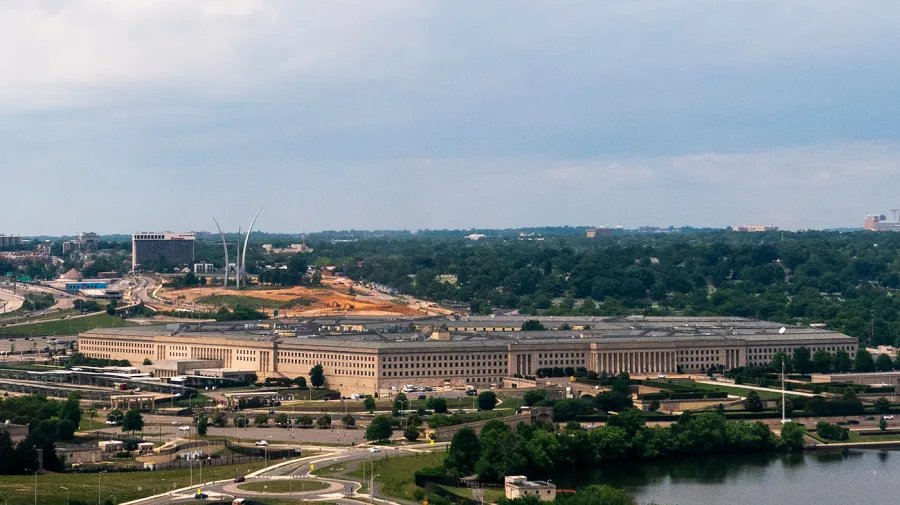
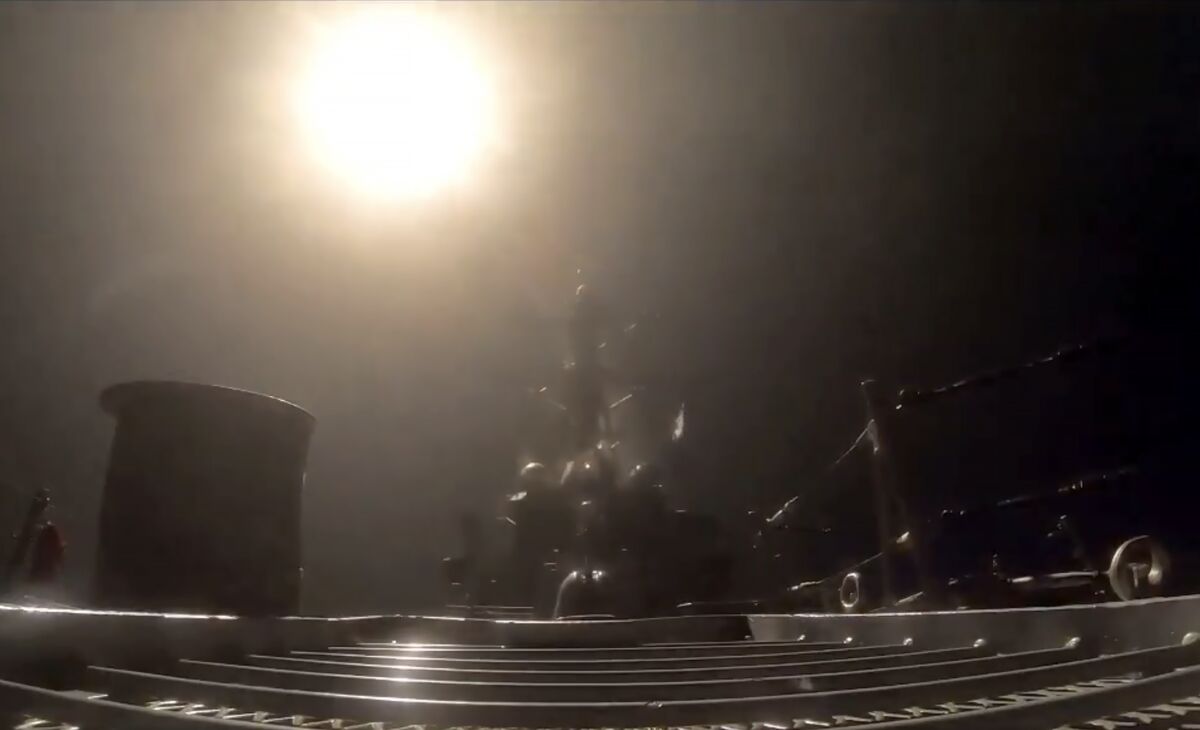
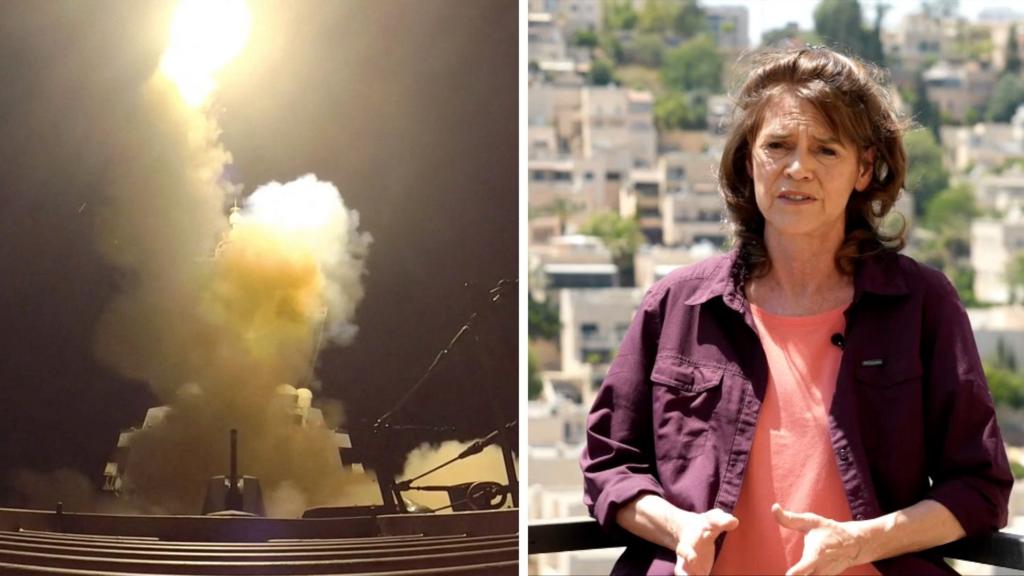
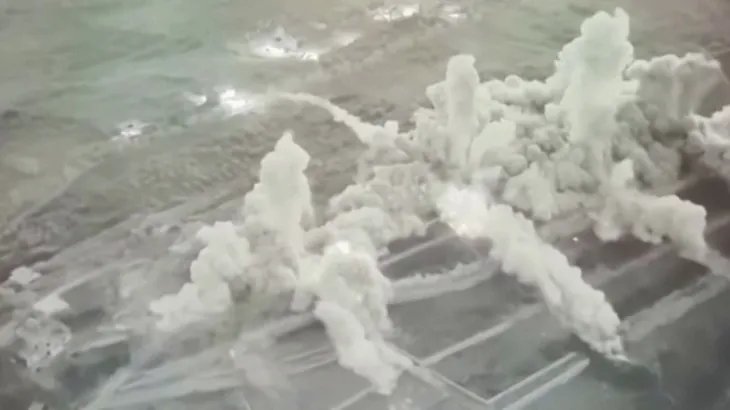
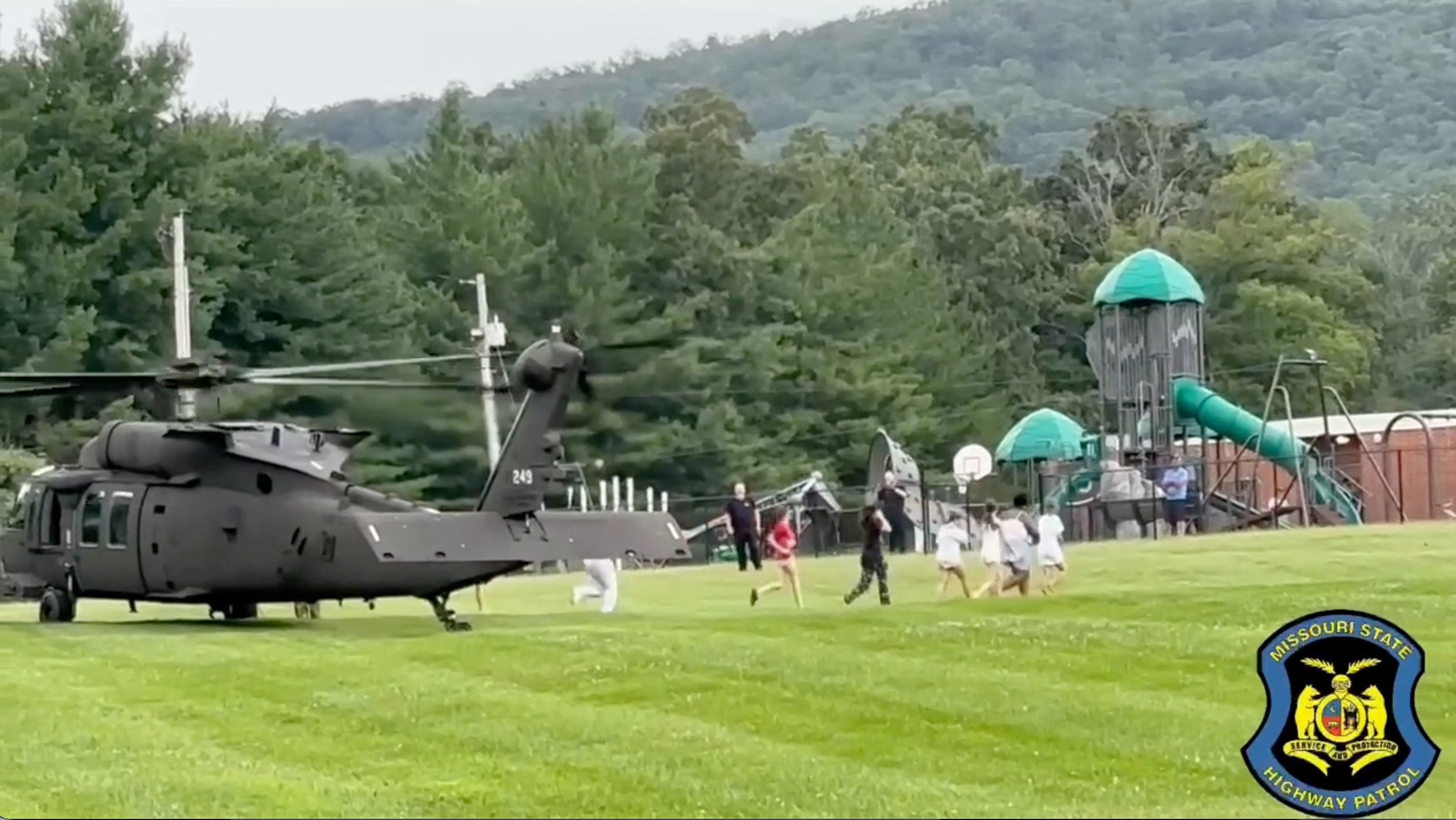
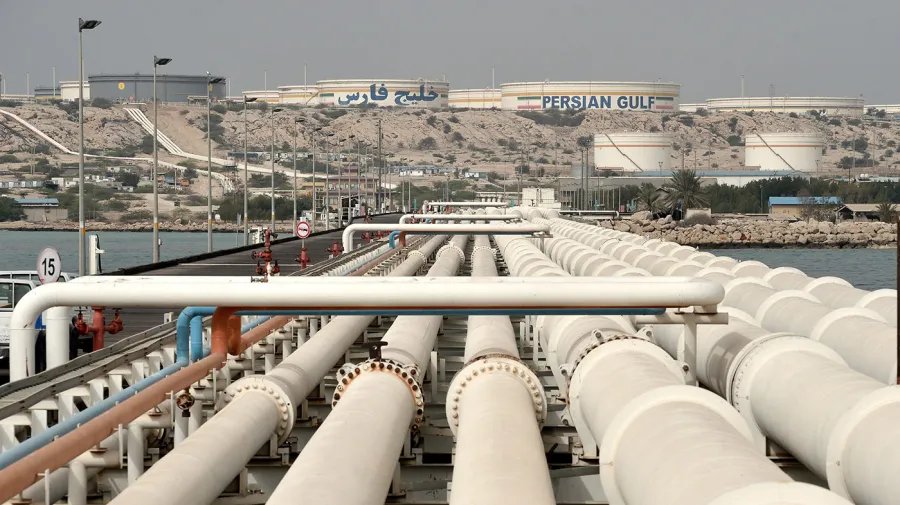
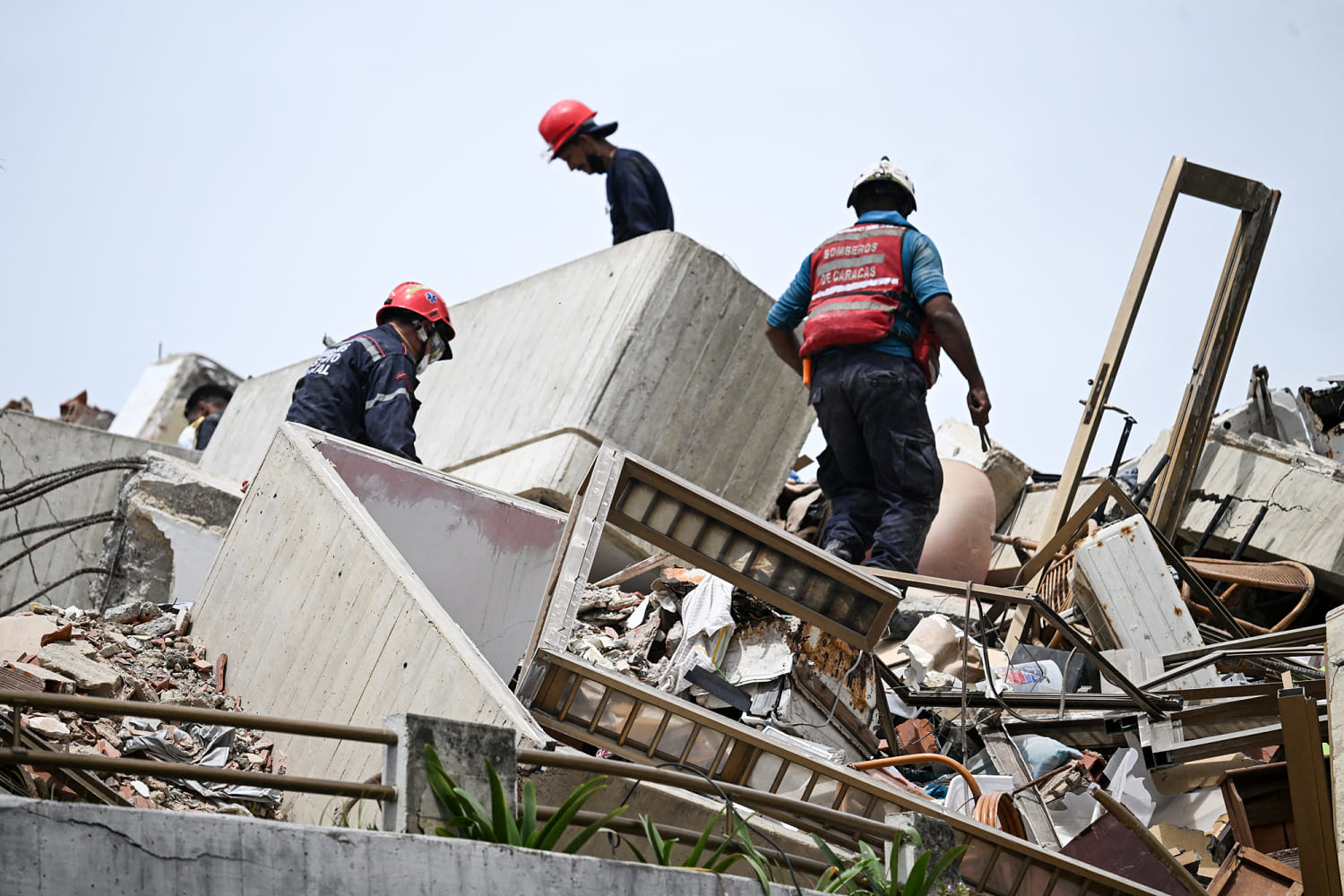
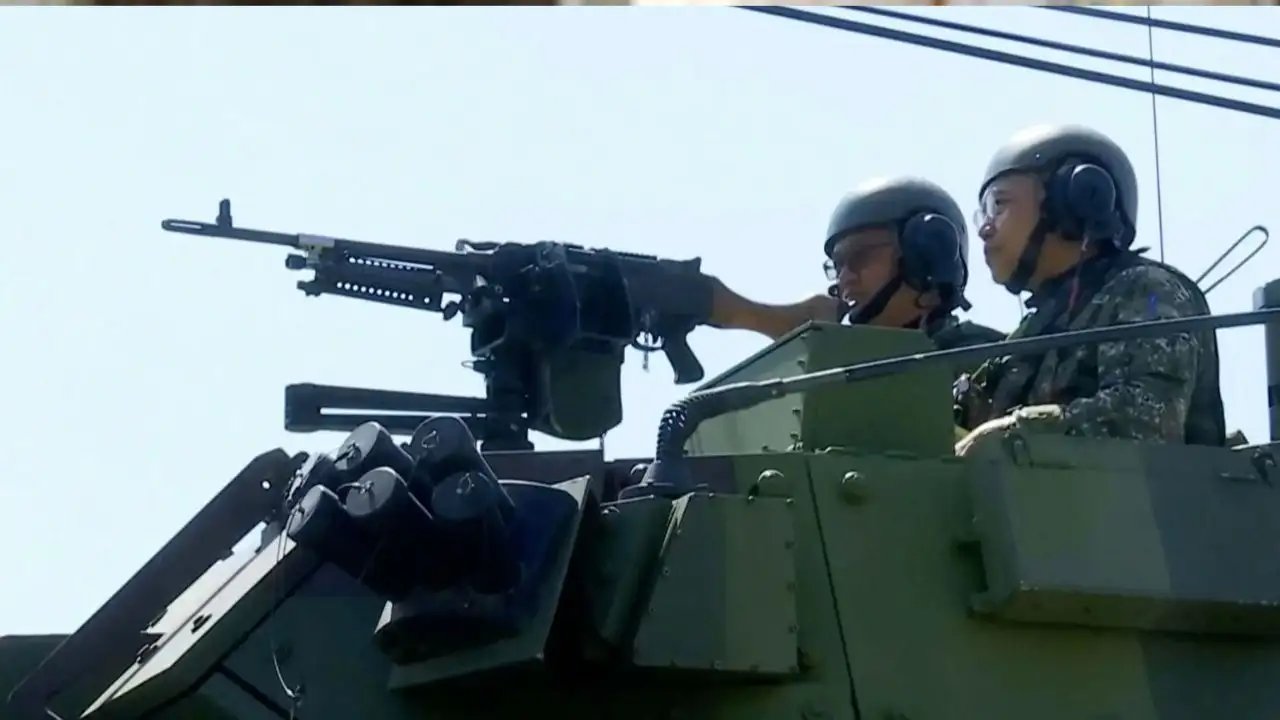
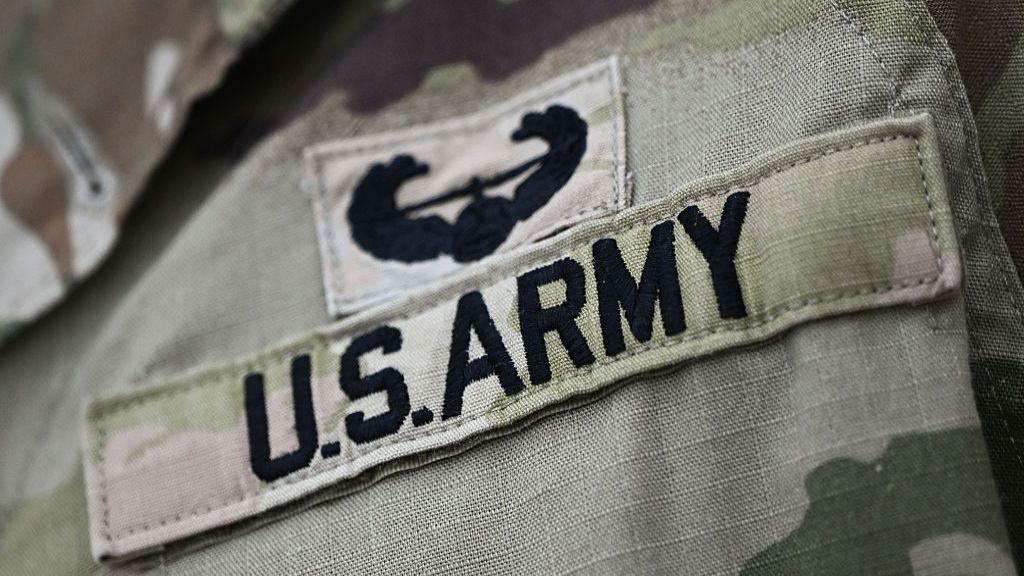
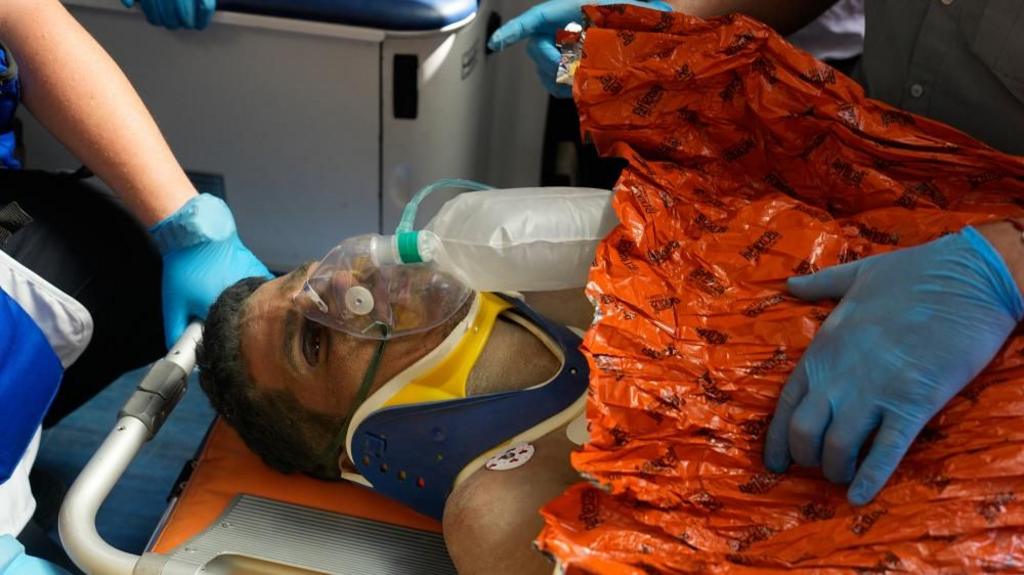
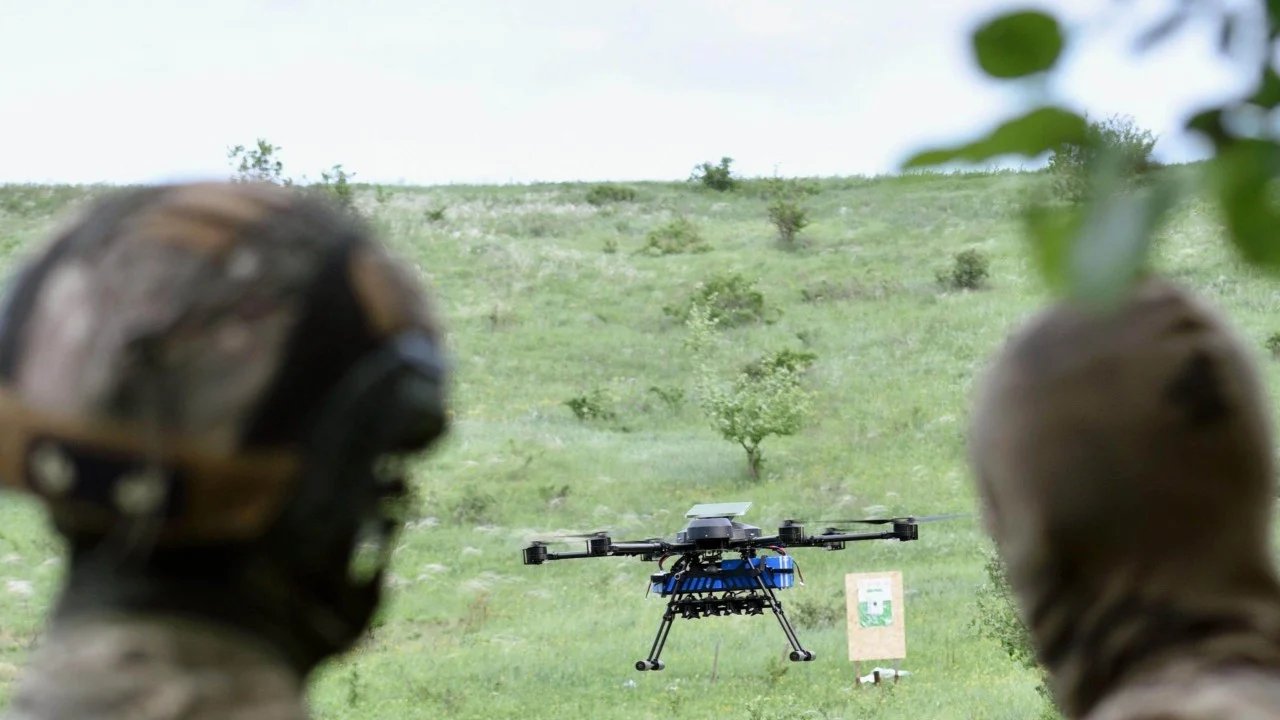
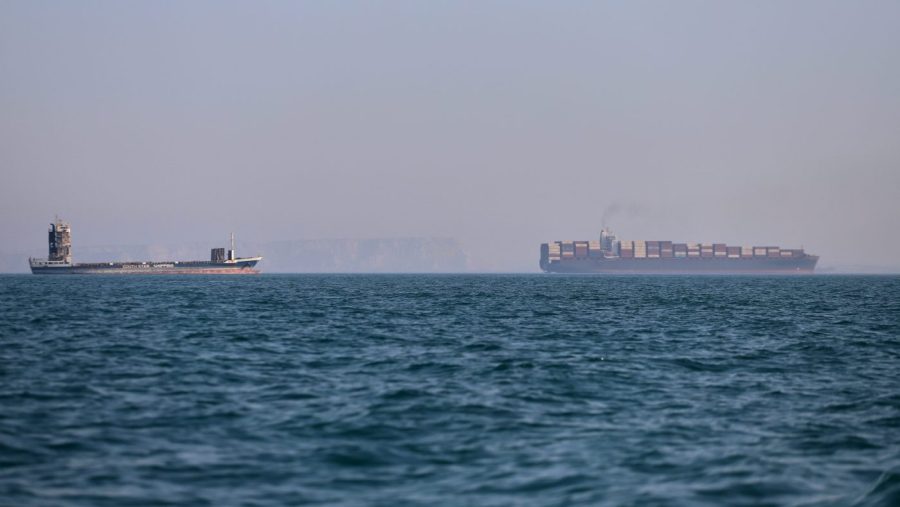
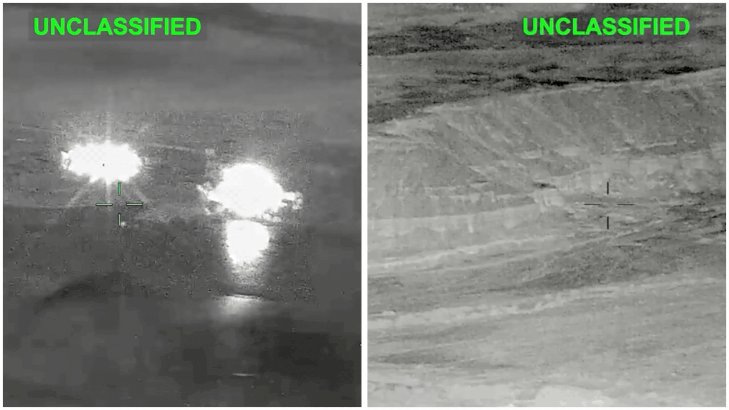
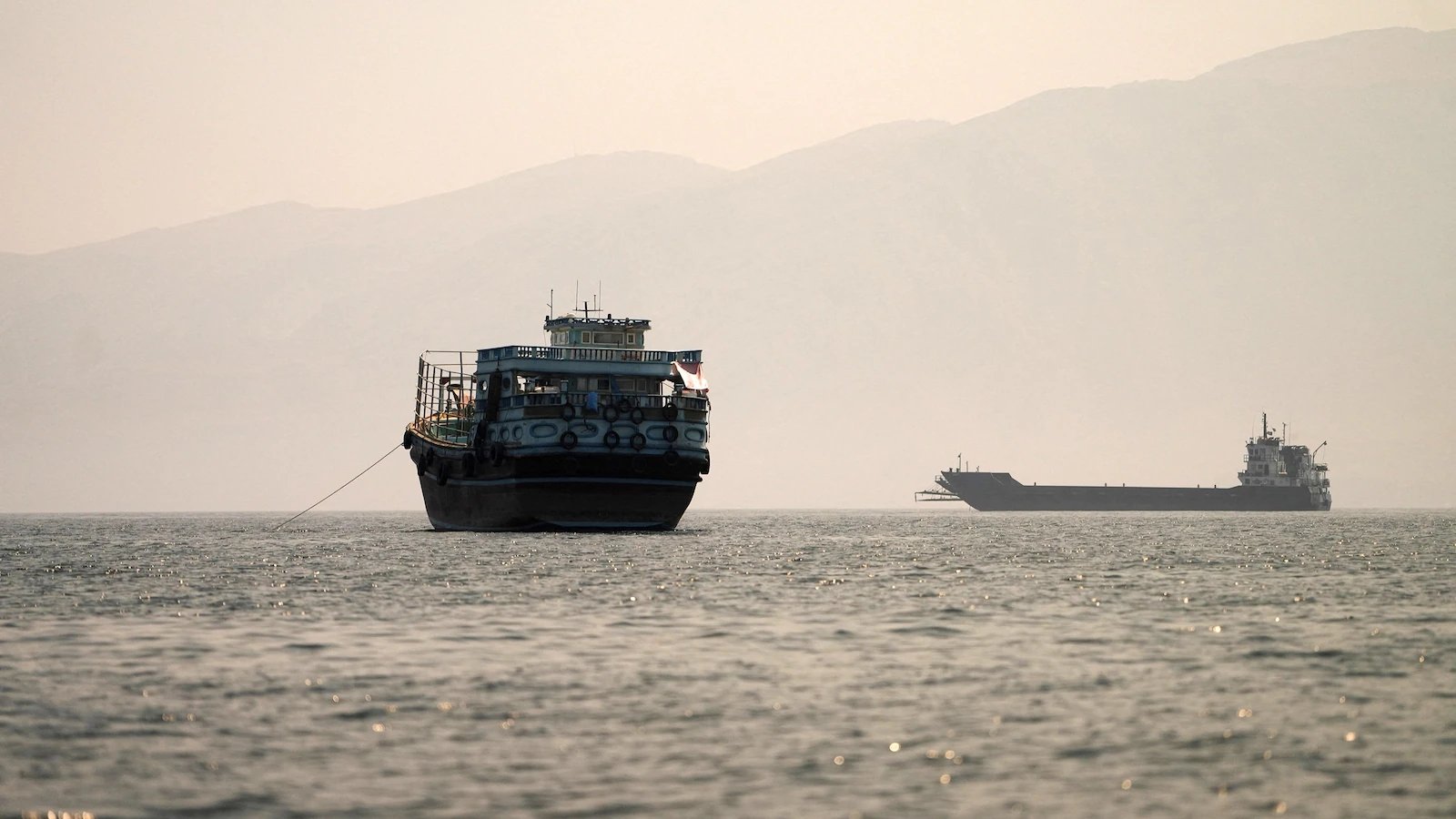
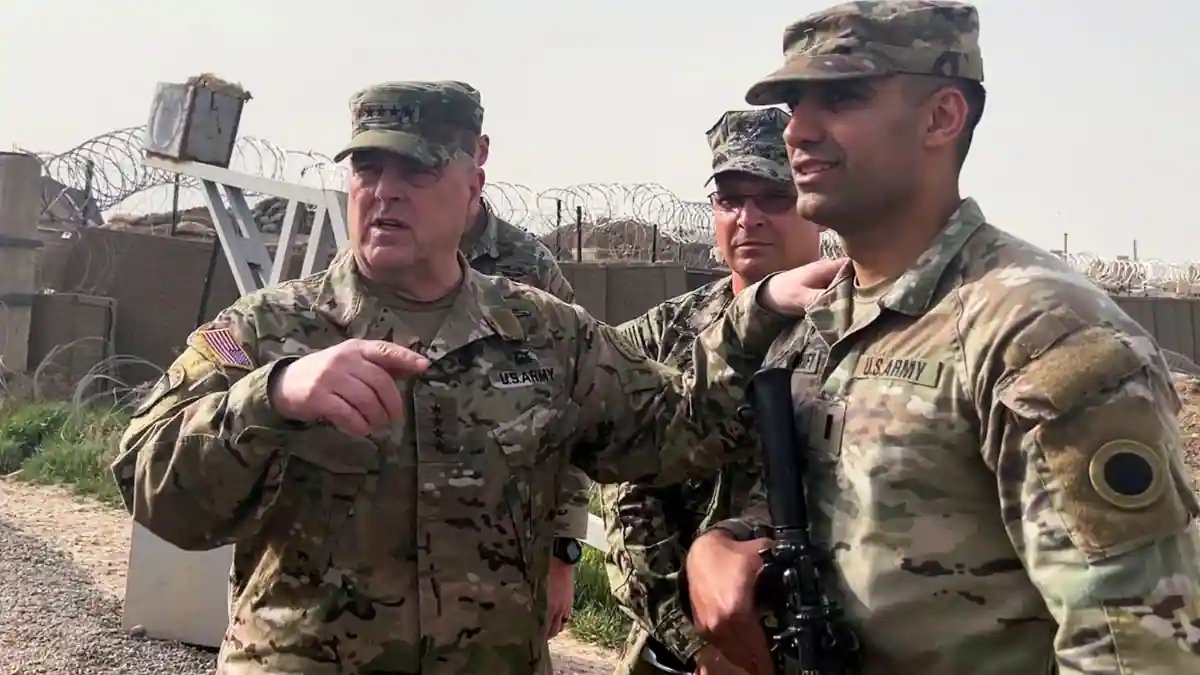
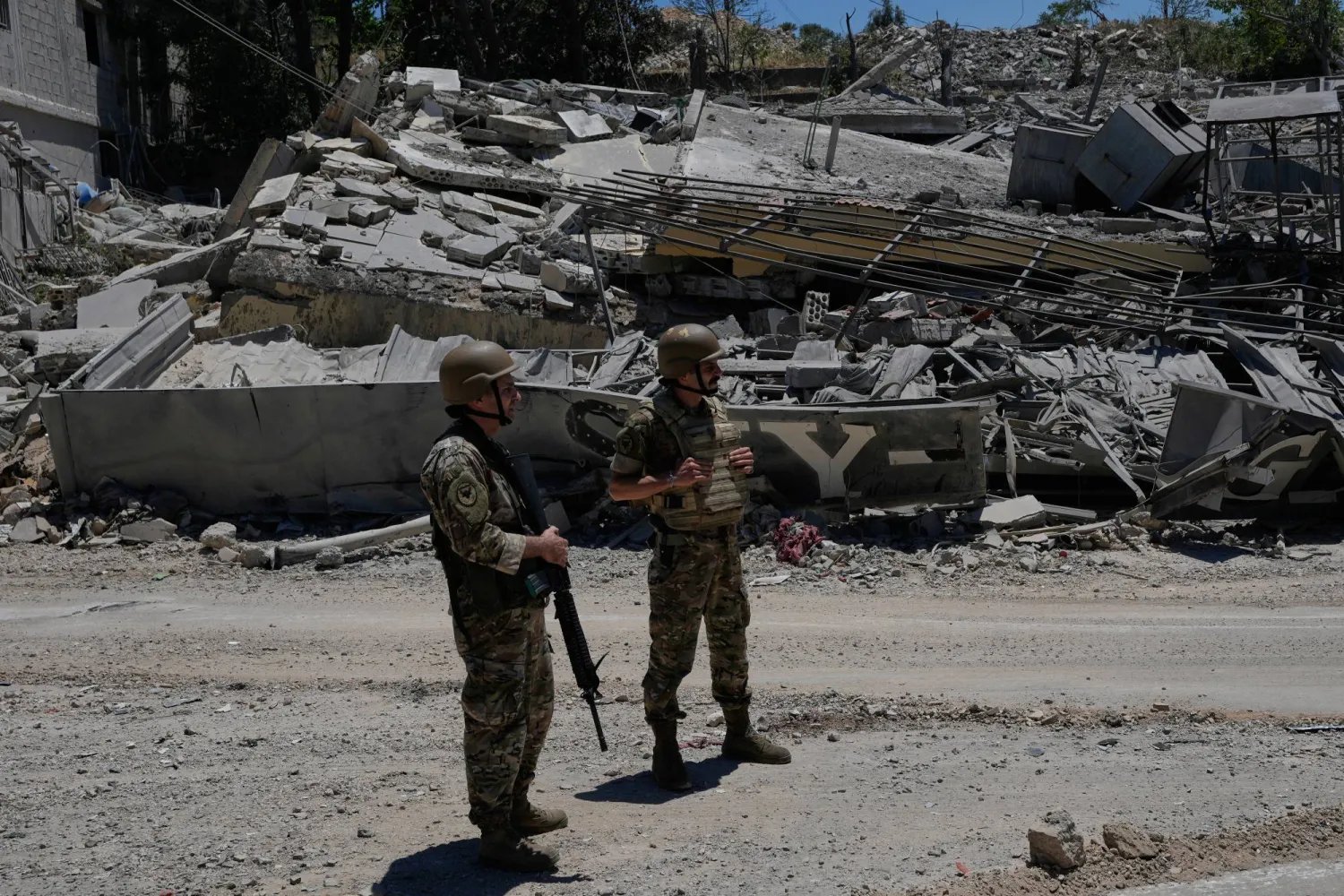
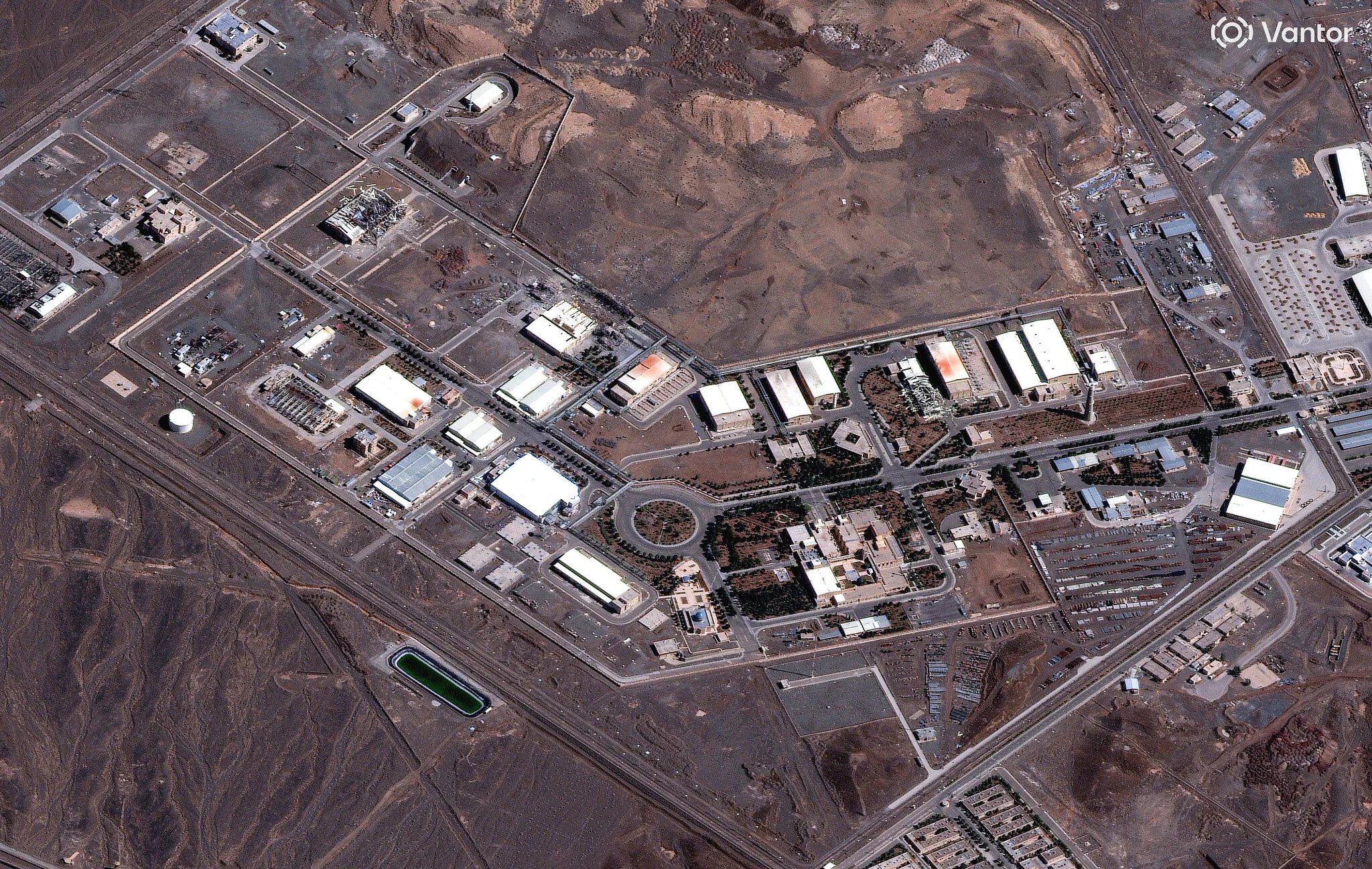
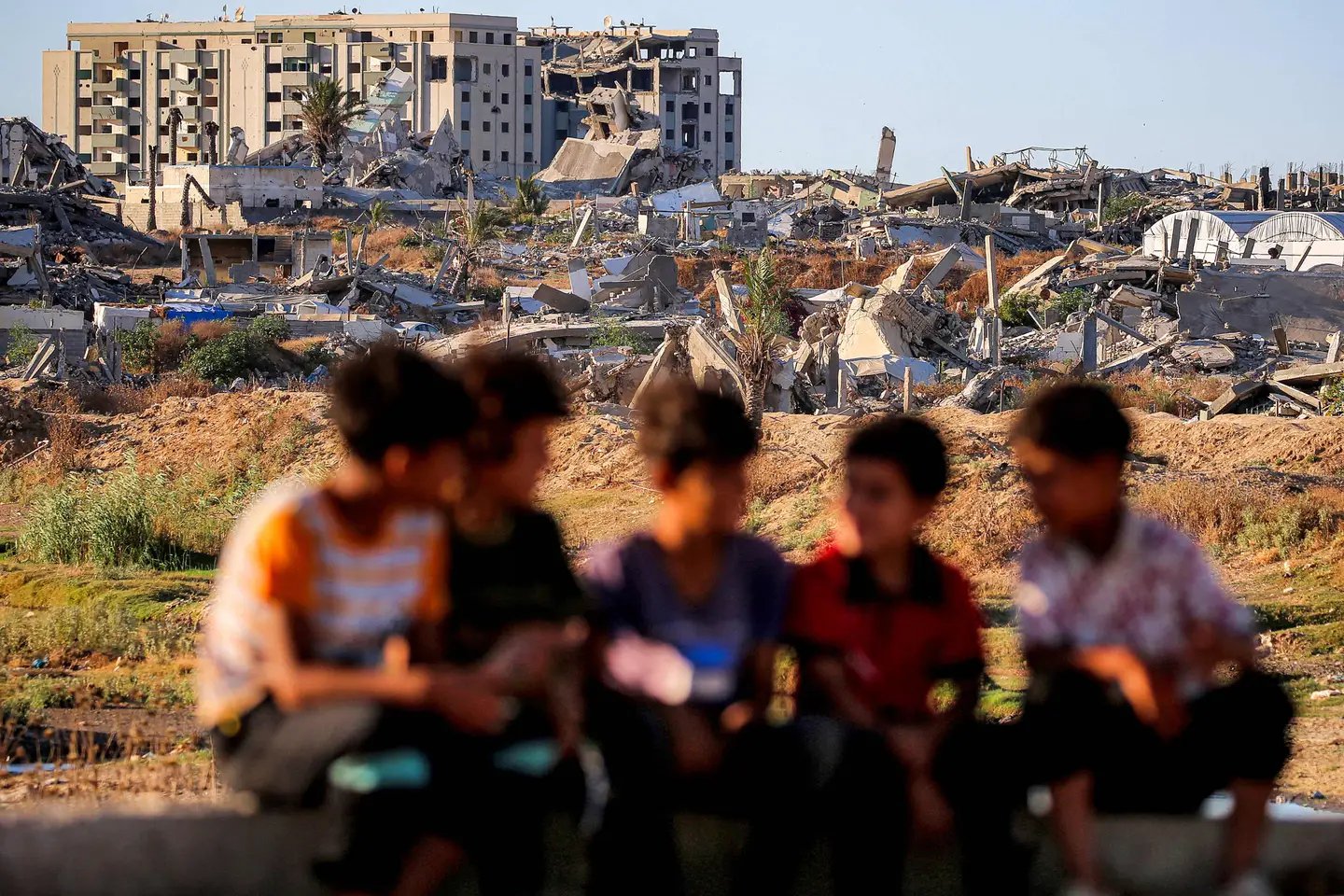
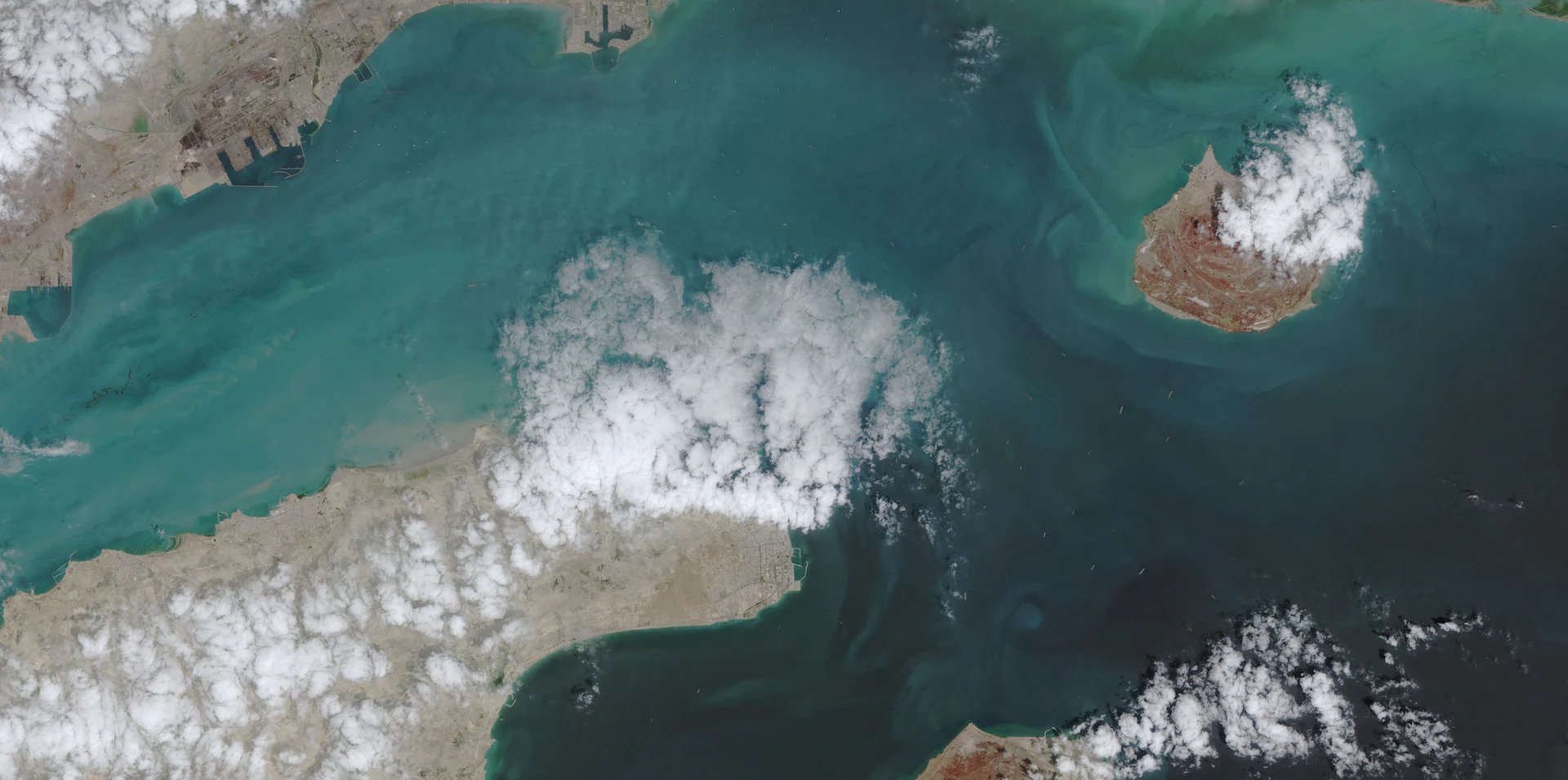
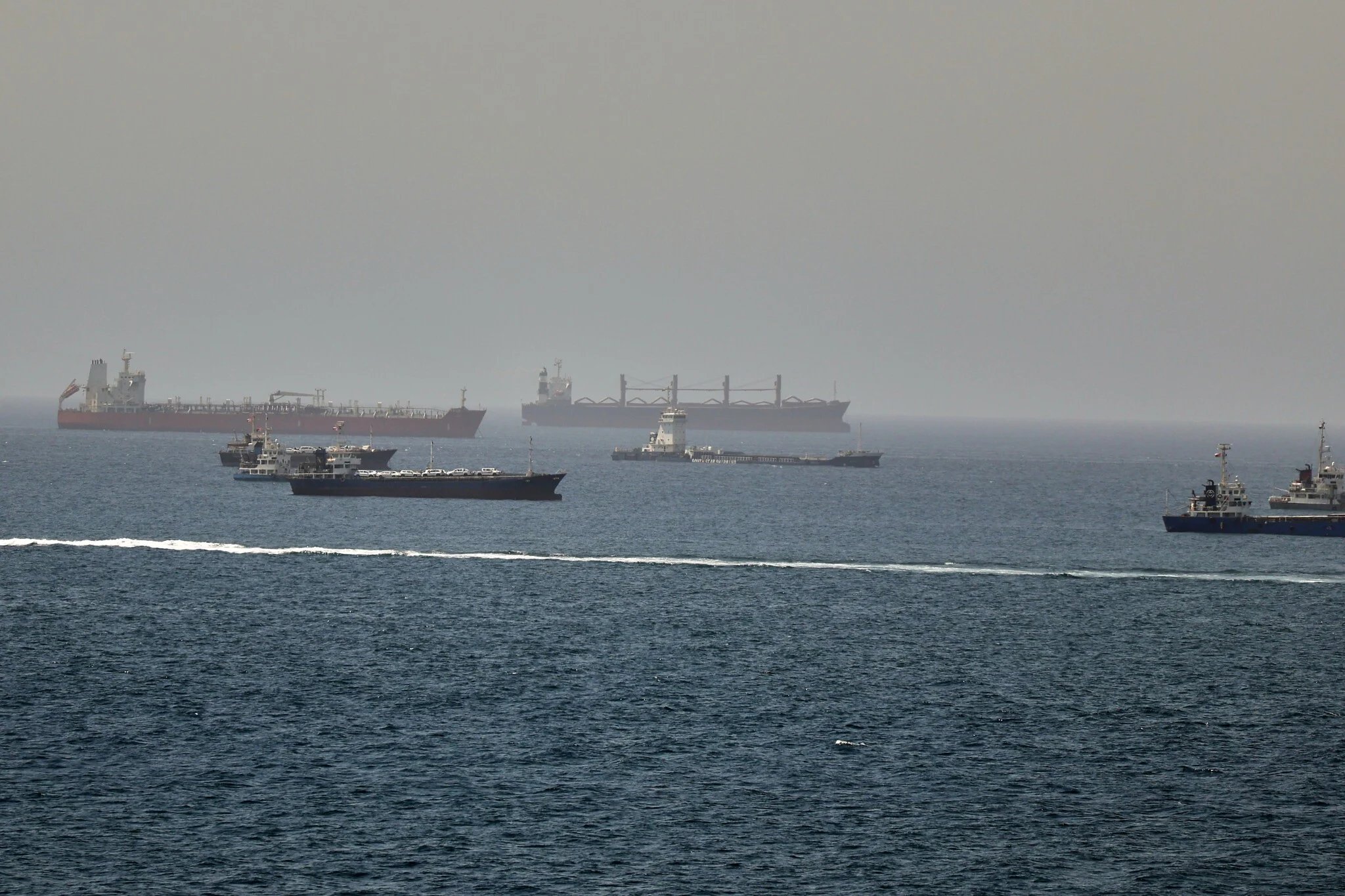
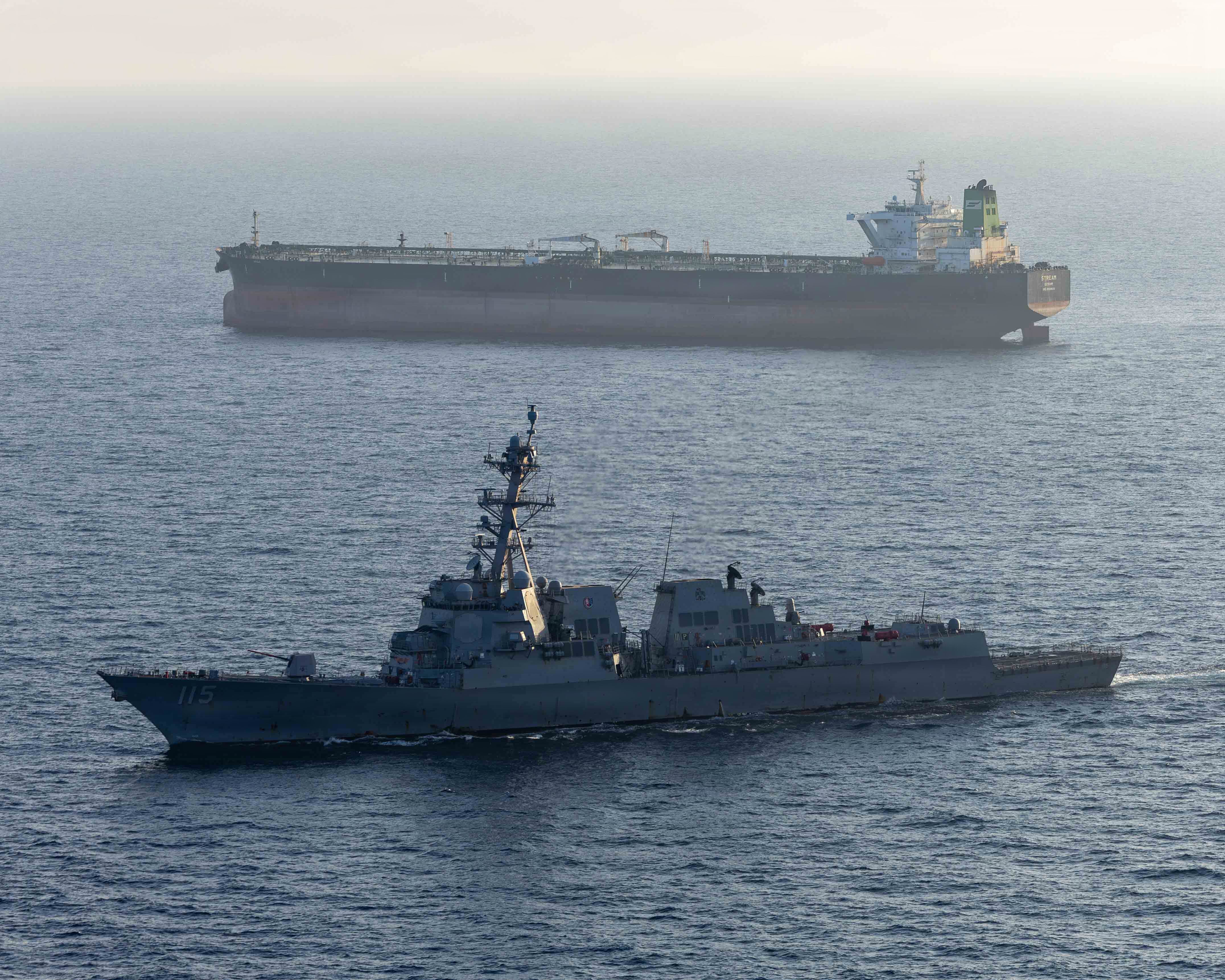
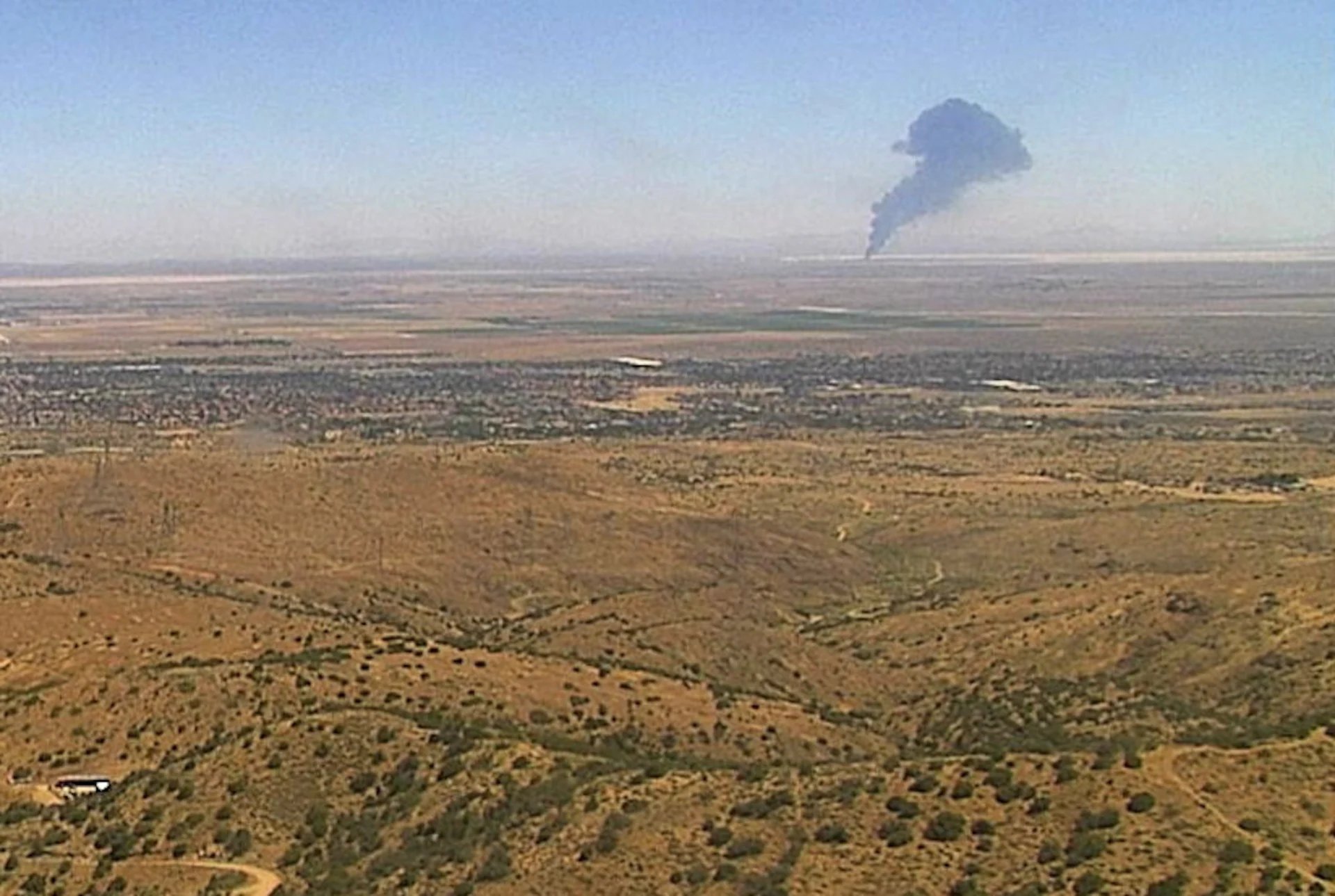
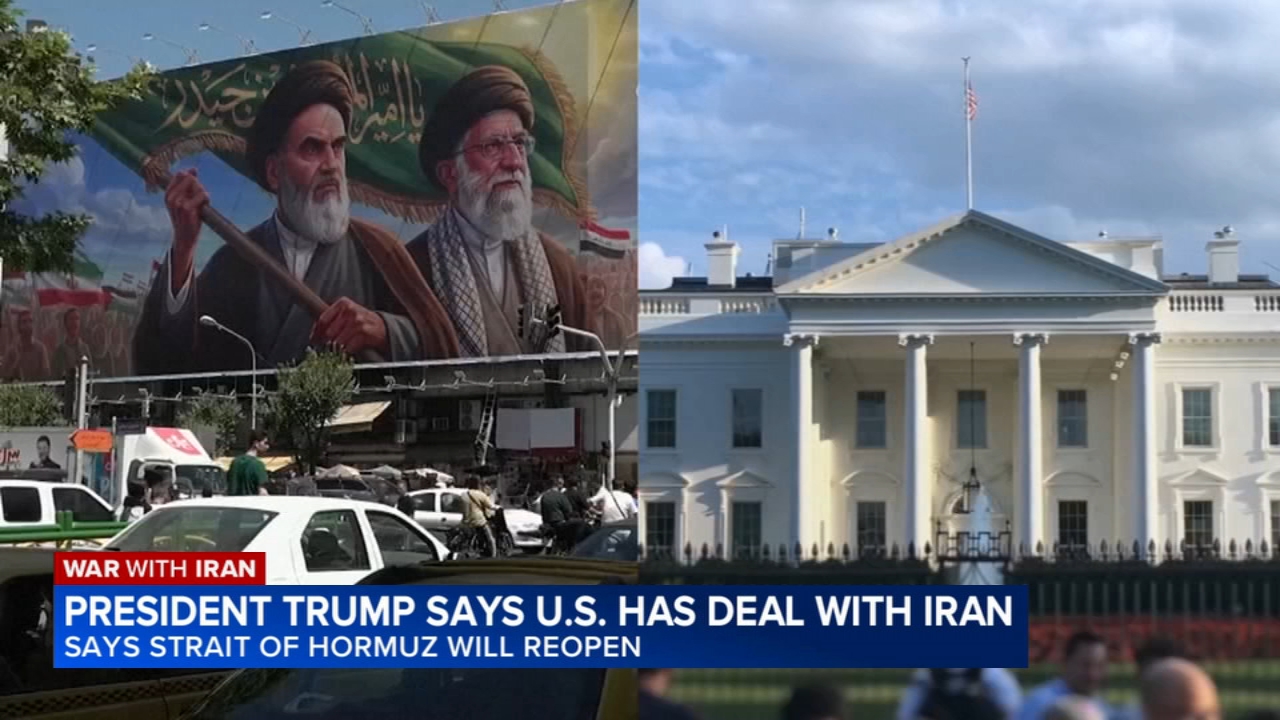
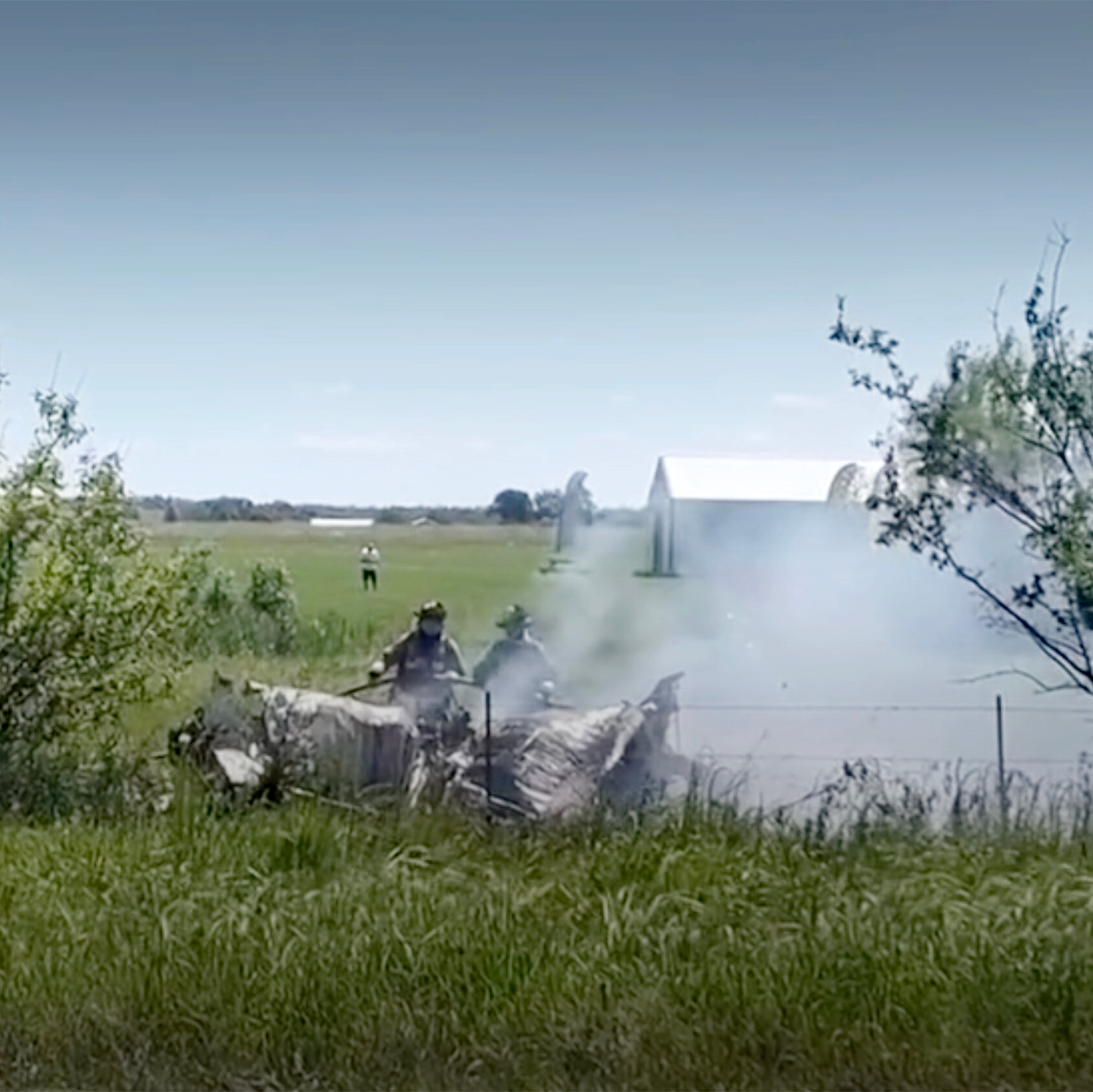
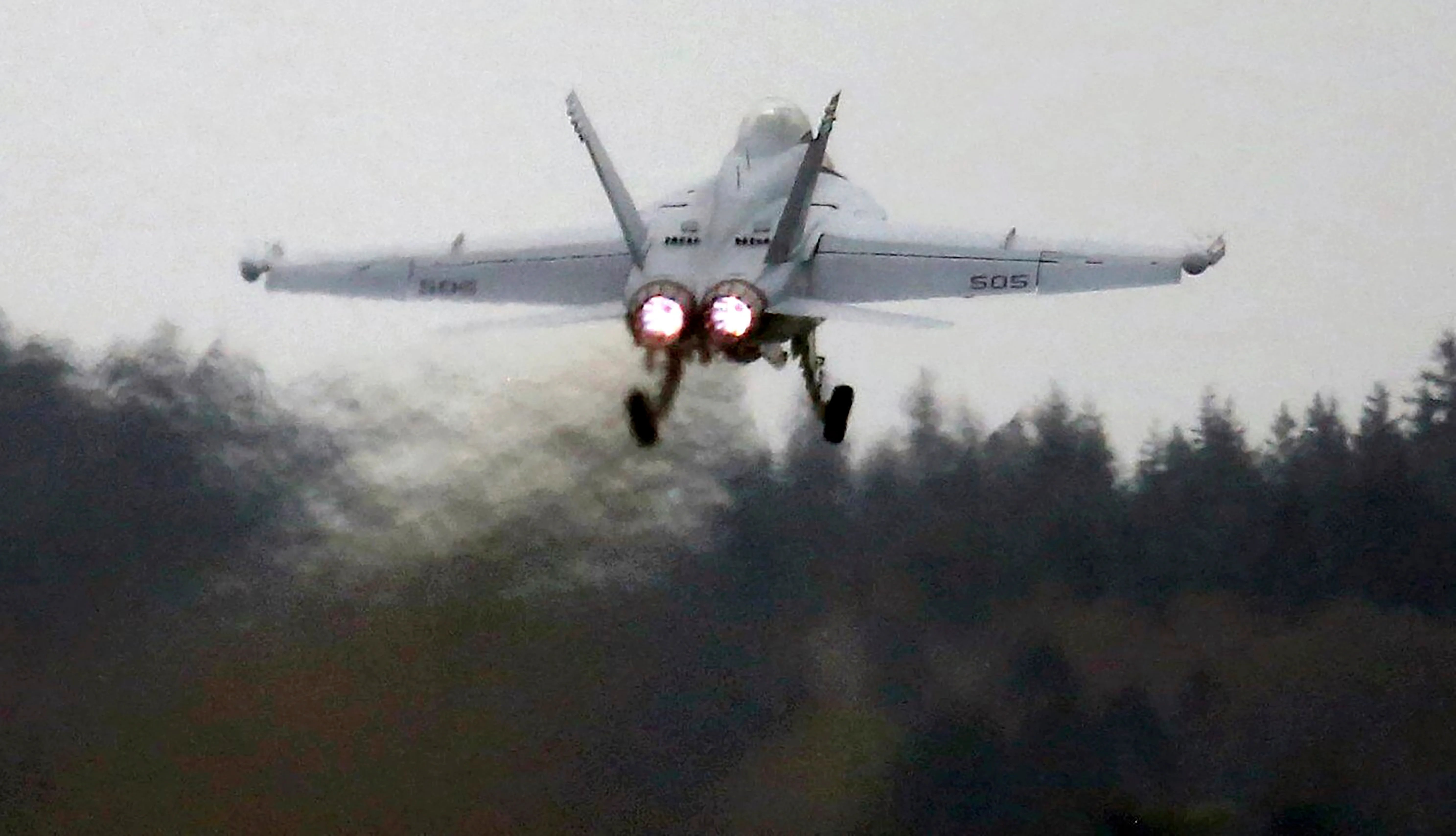
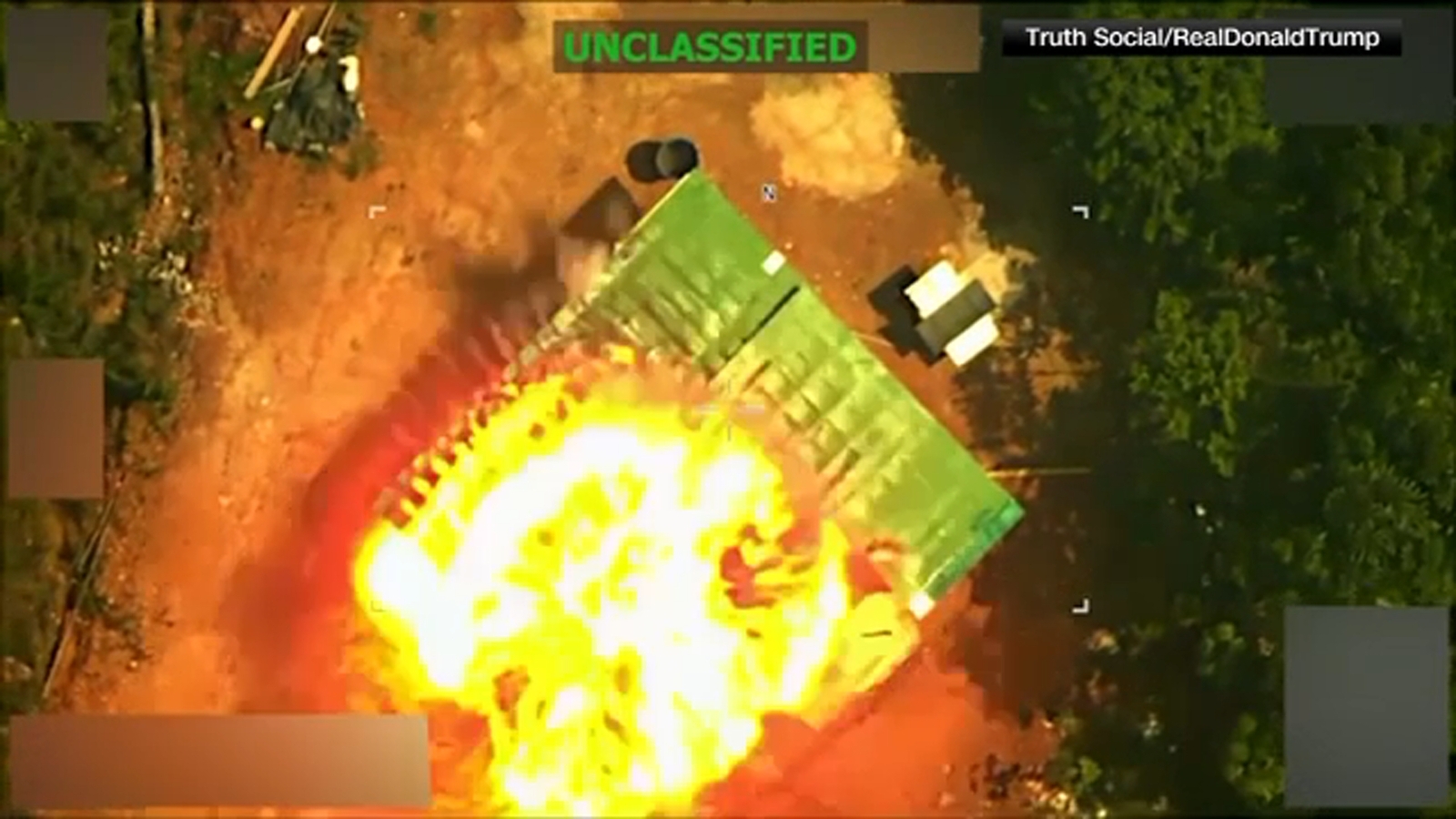
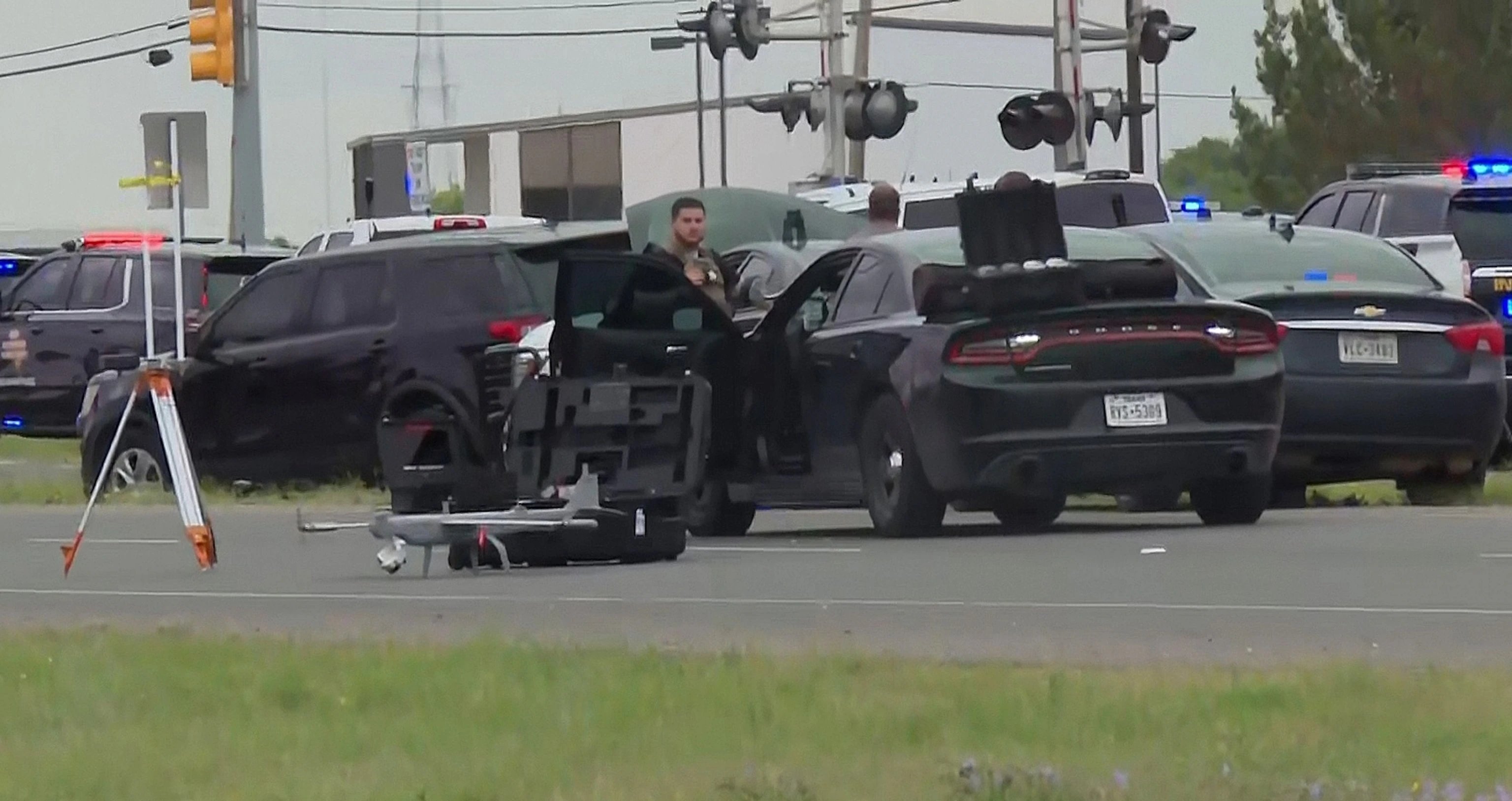
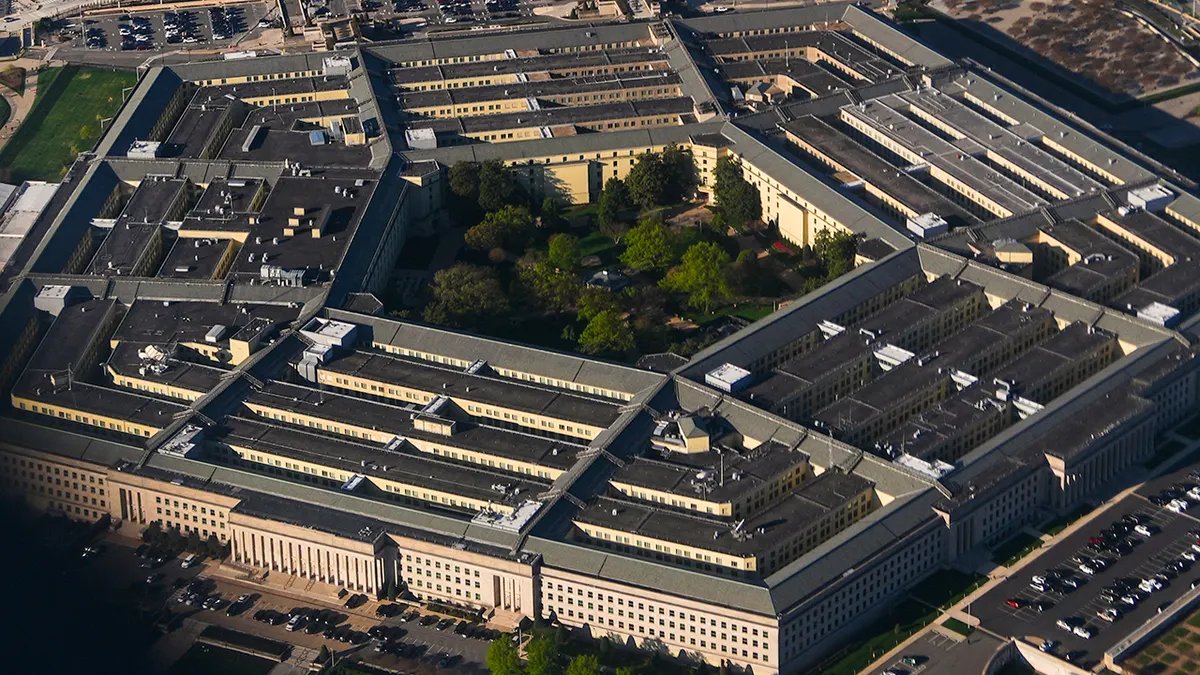
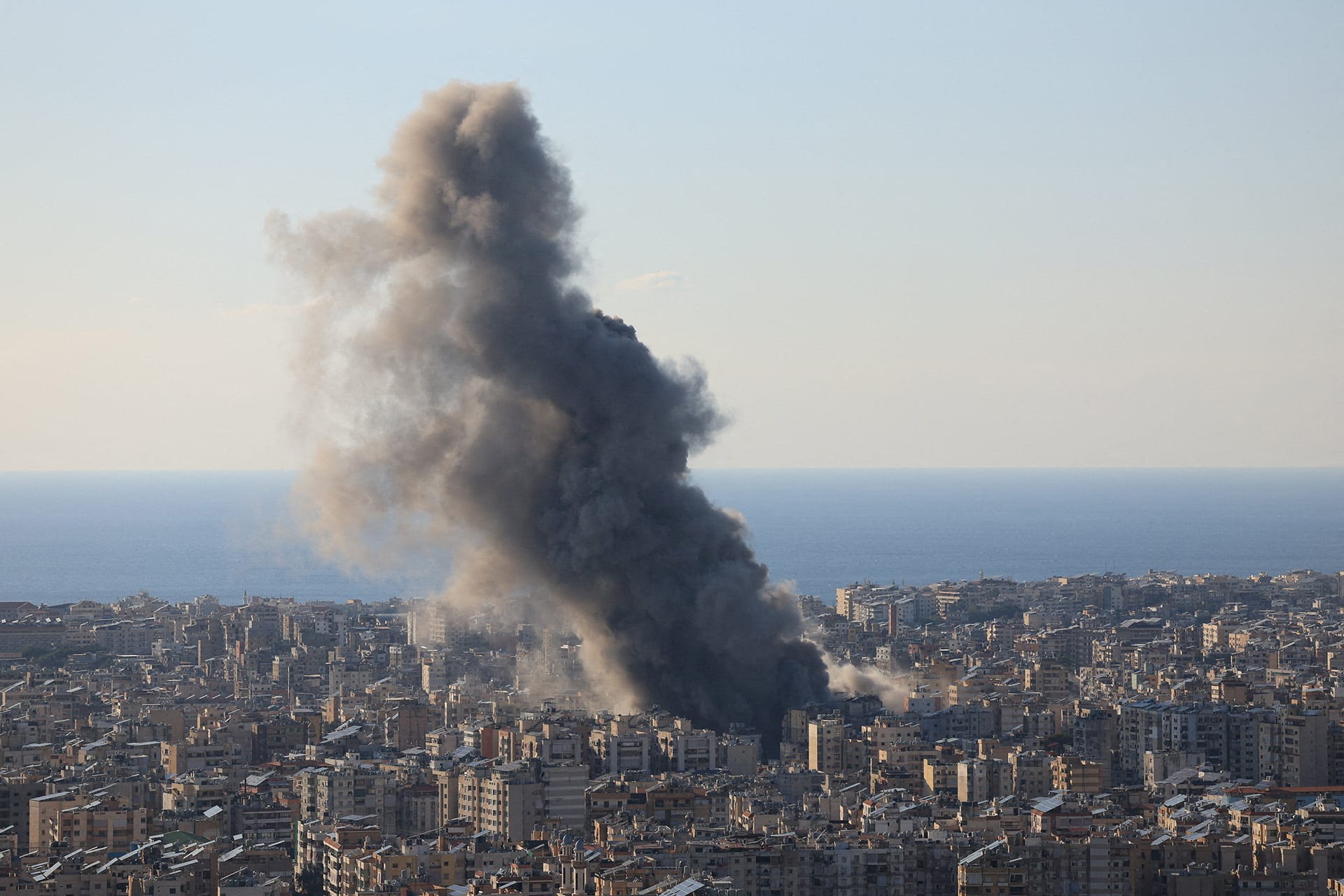
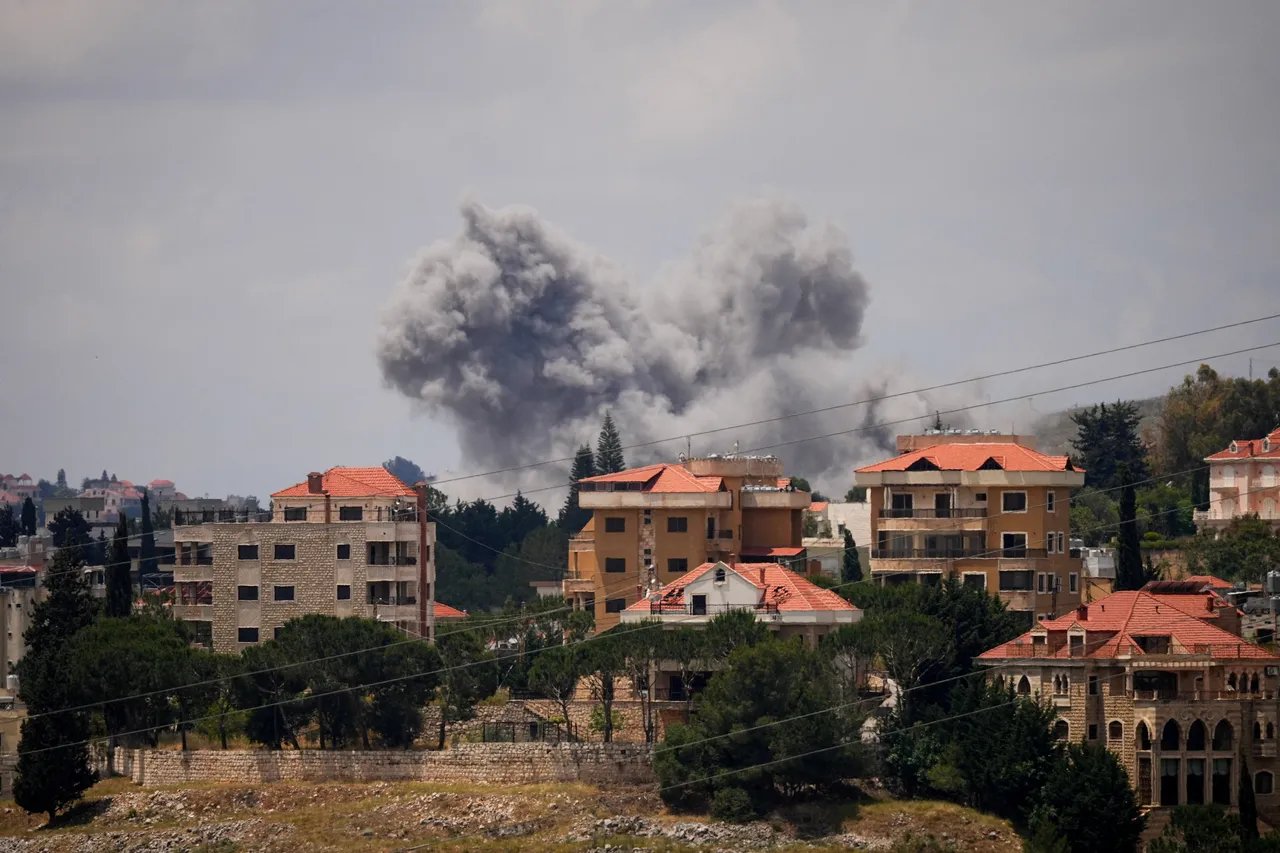
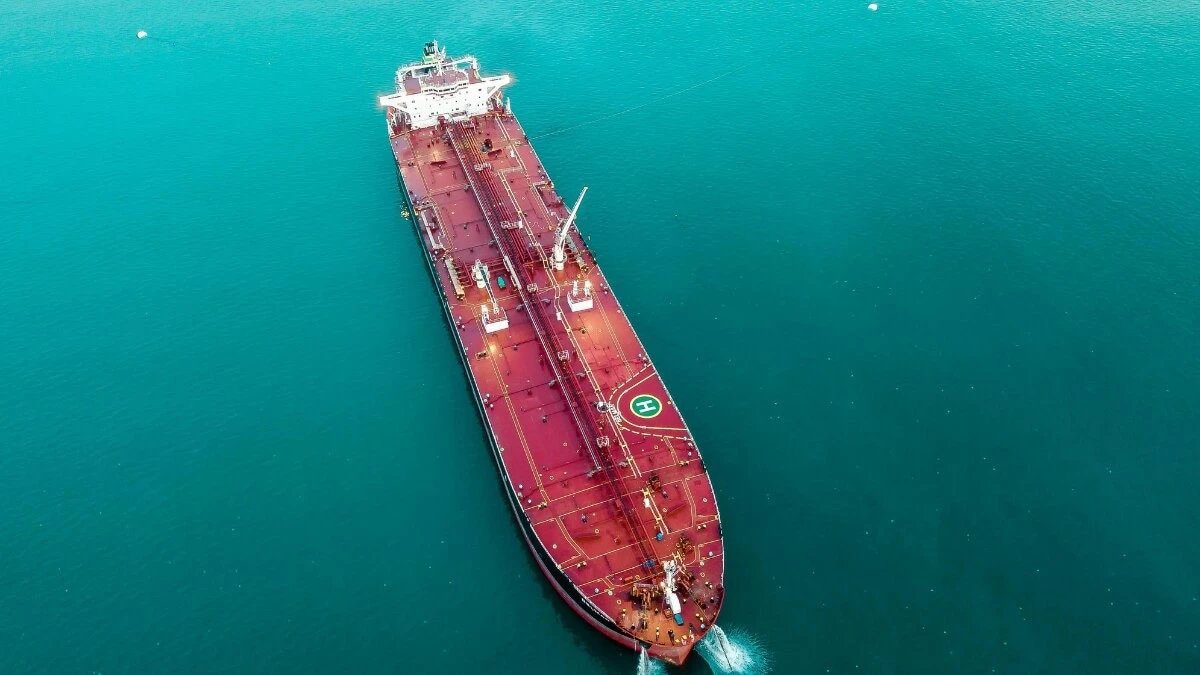
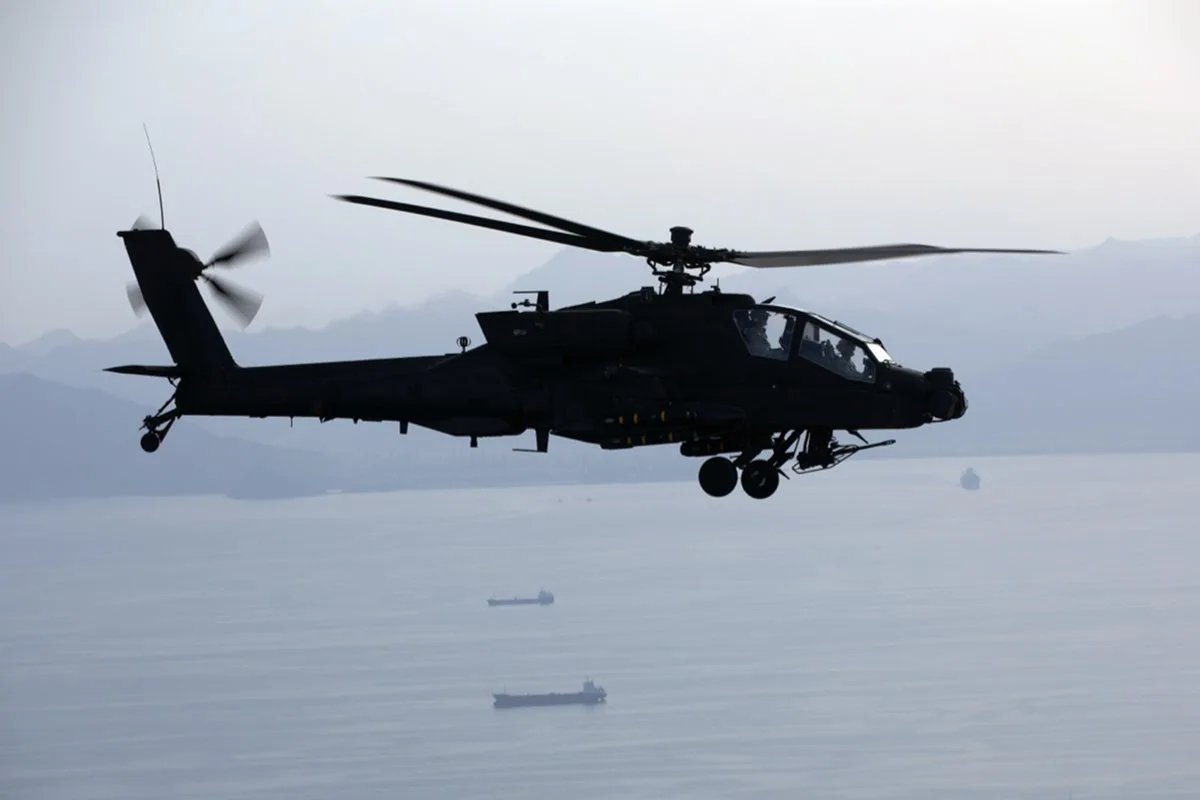
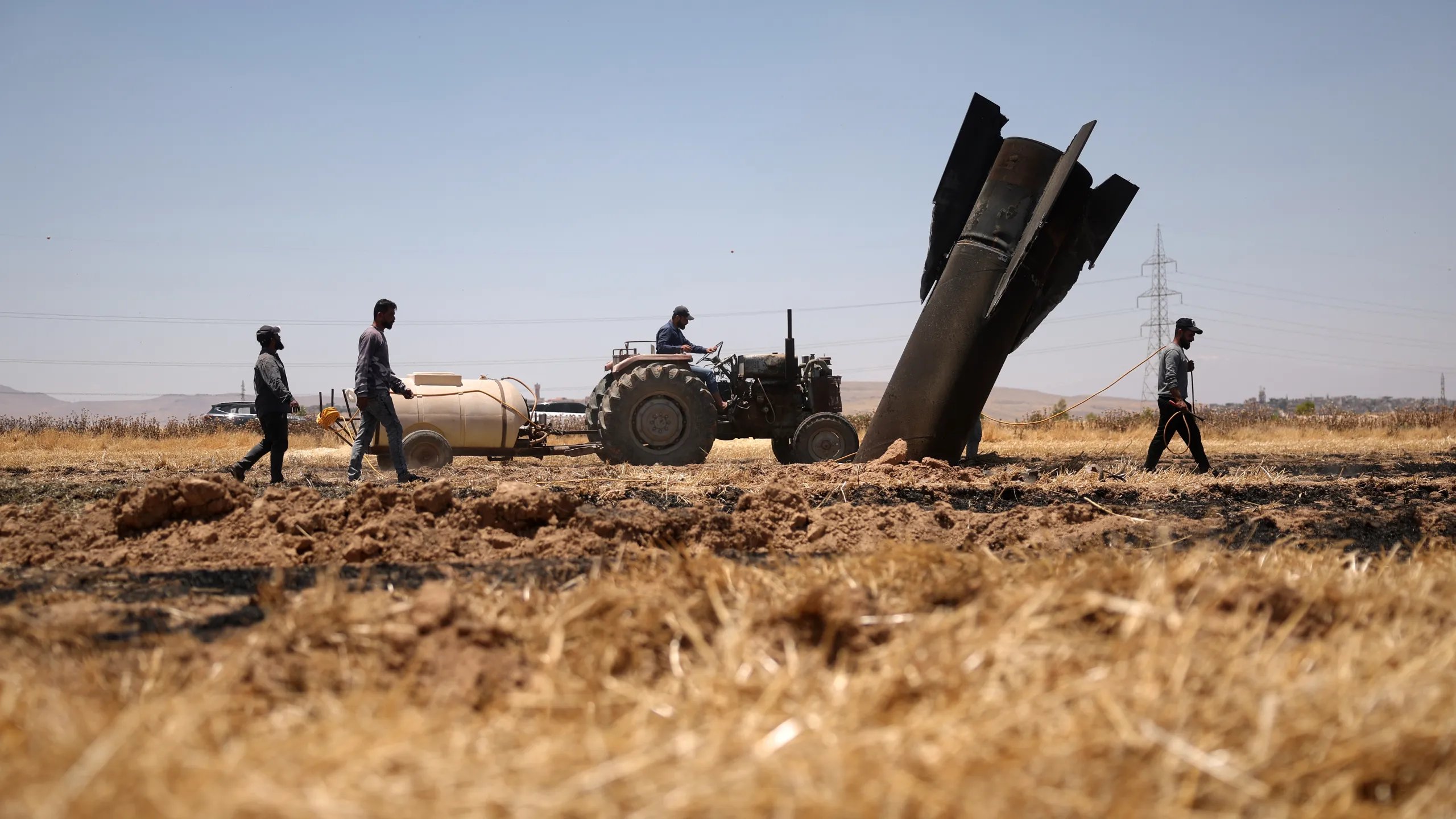
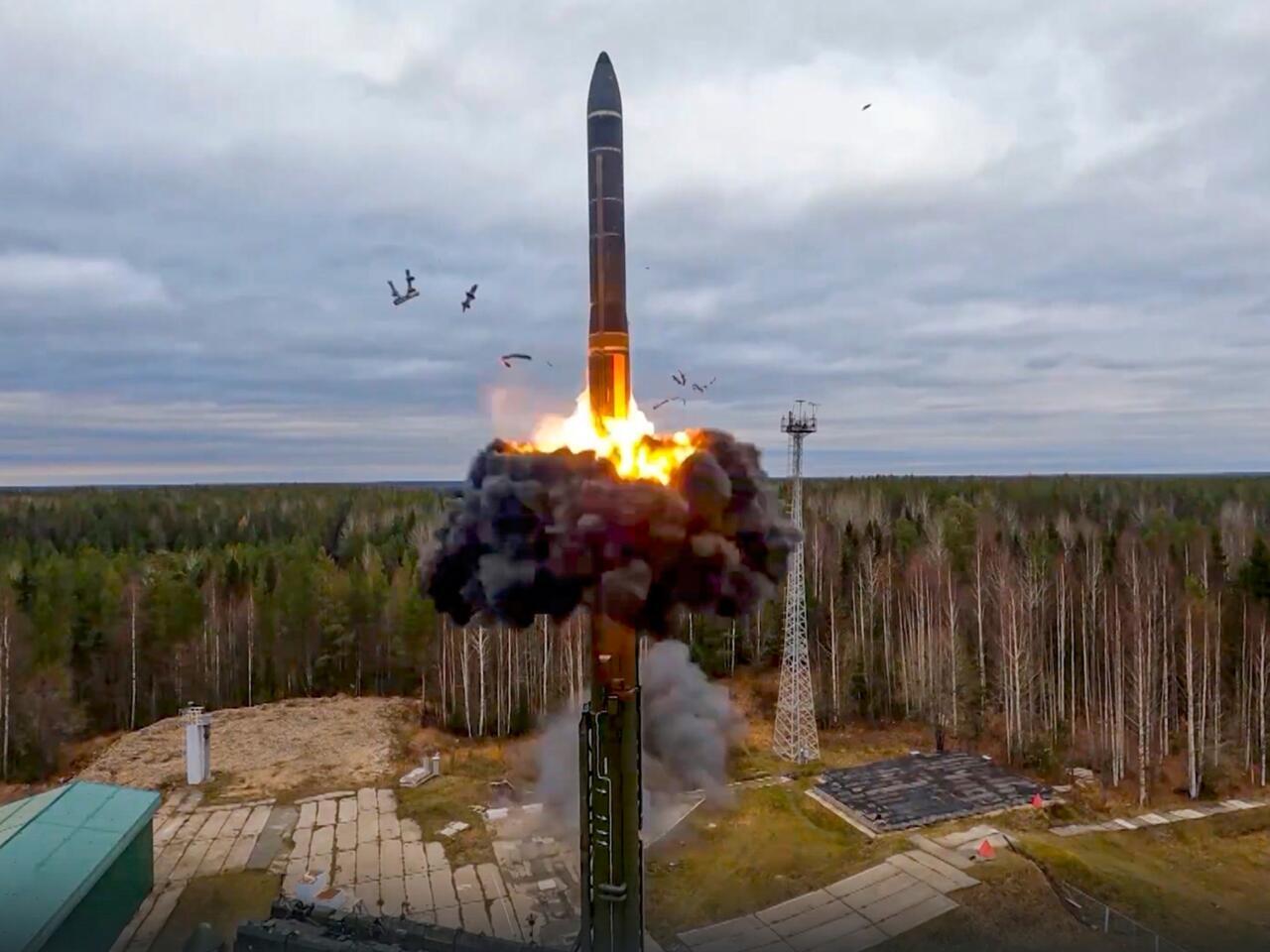
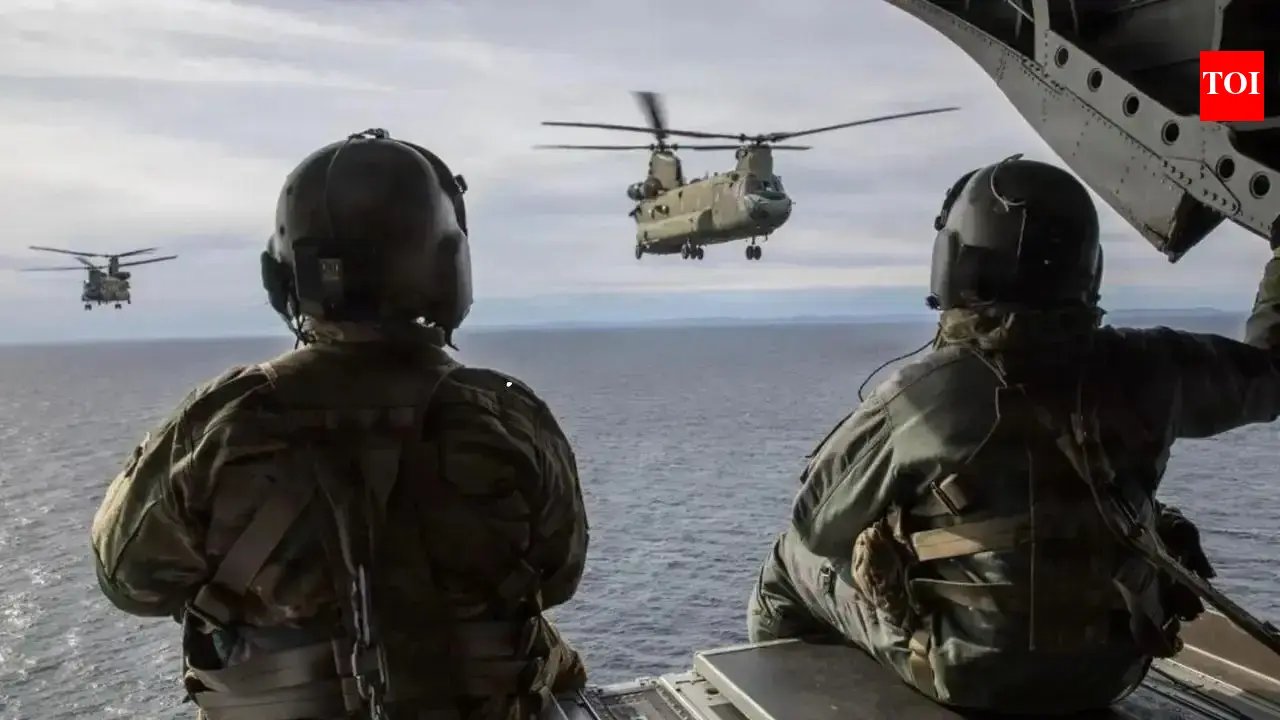
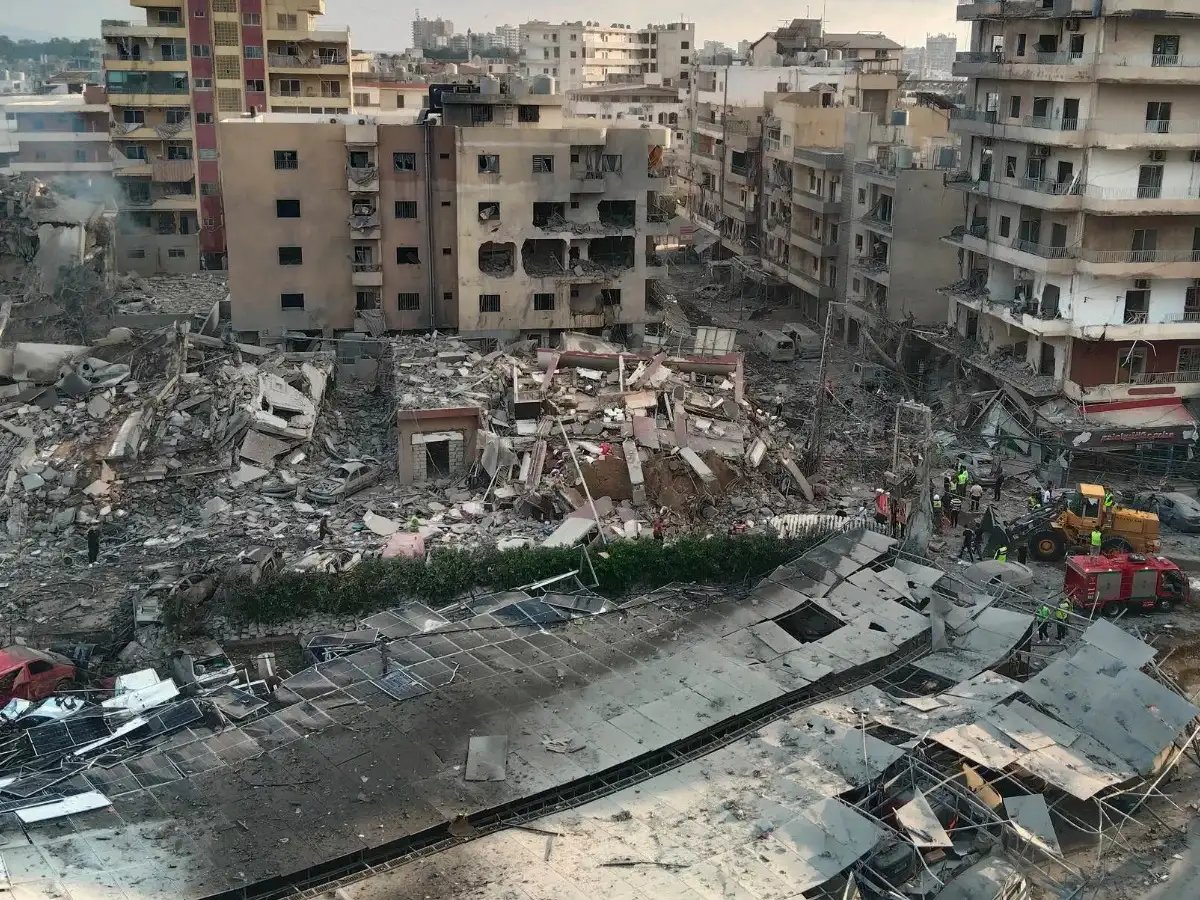
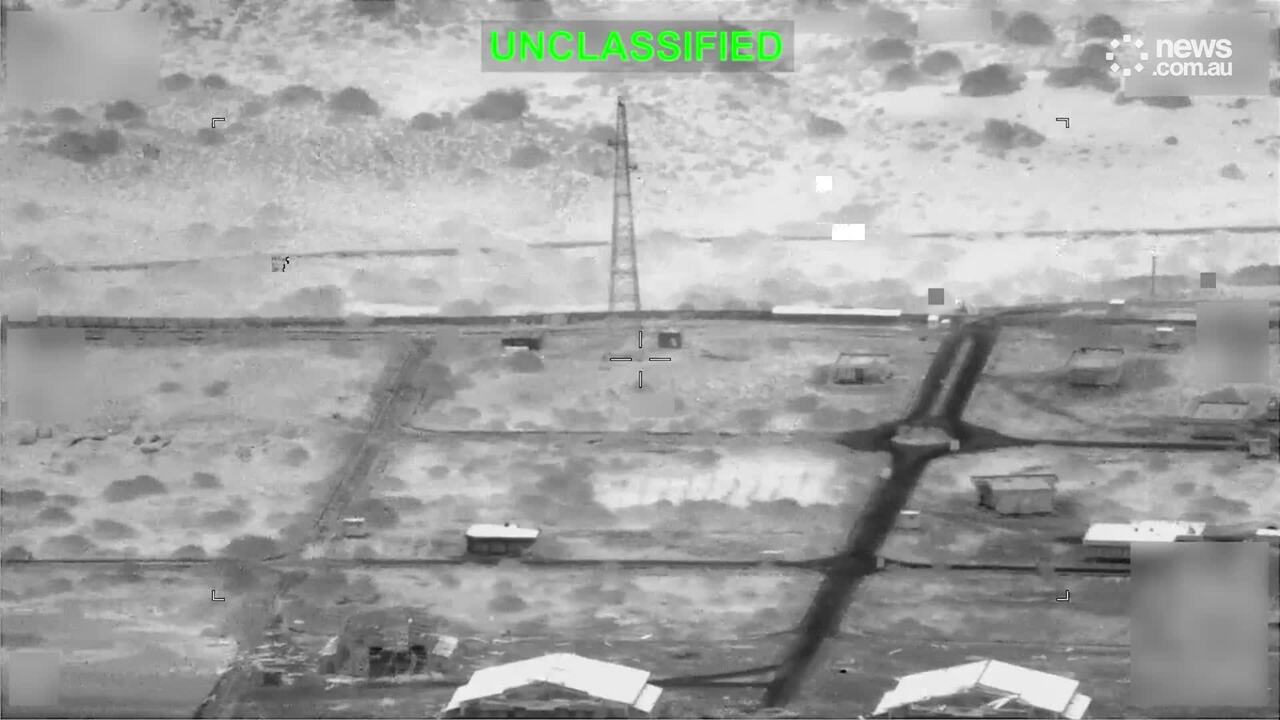
Following the downing of a U.S. Army Apache helicopter near the Strait of Hormuz, the United States launched retaliatory strikes against Iranian military targets. The U.S. Central Command confirmed that the strikes began at 5 p.m. ET on Tuesday, targeting Iranian air defense sites, ground control stations, and surveillance radar systems. This military response came after an investigation determined an Iranian drone struck the helicopter, though officials have not determined whether the strike was intentional. Both crew members of the Apache were rescued and reported to be in stable condition.
Iran's Retaliation Claims
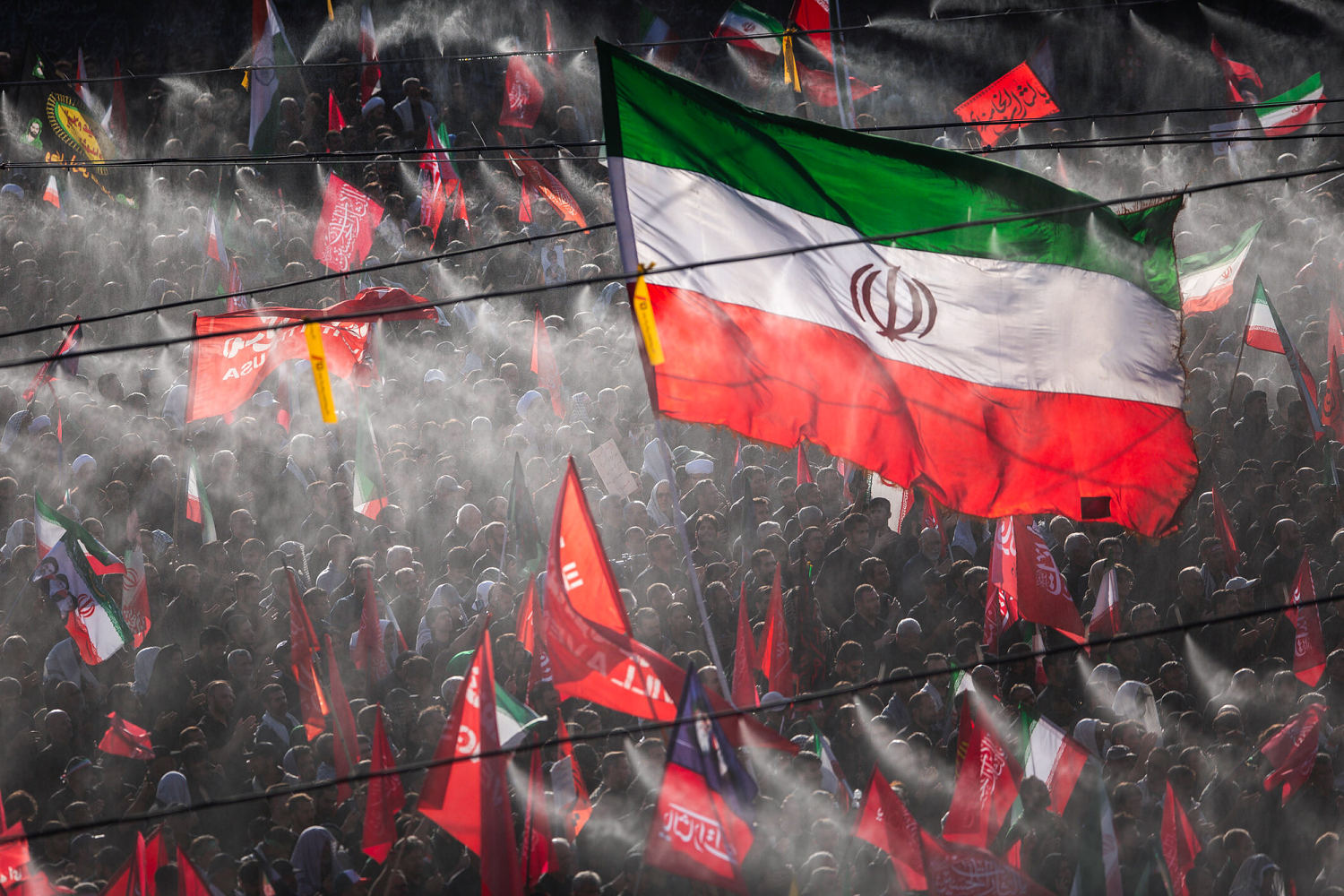
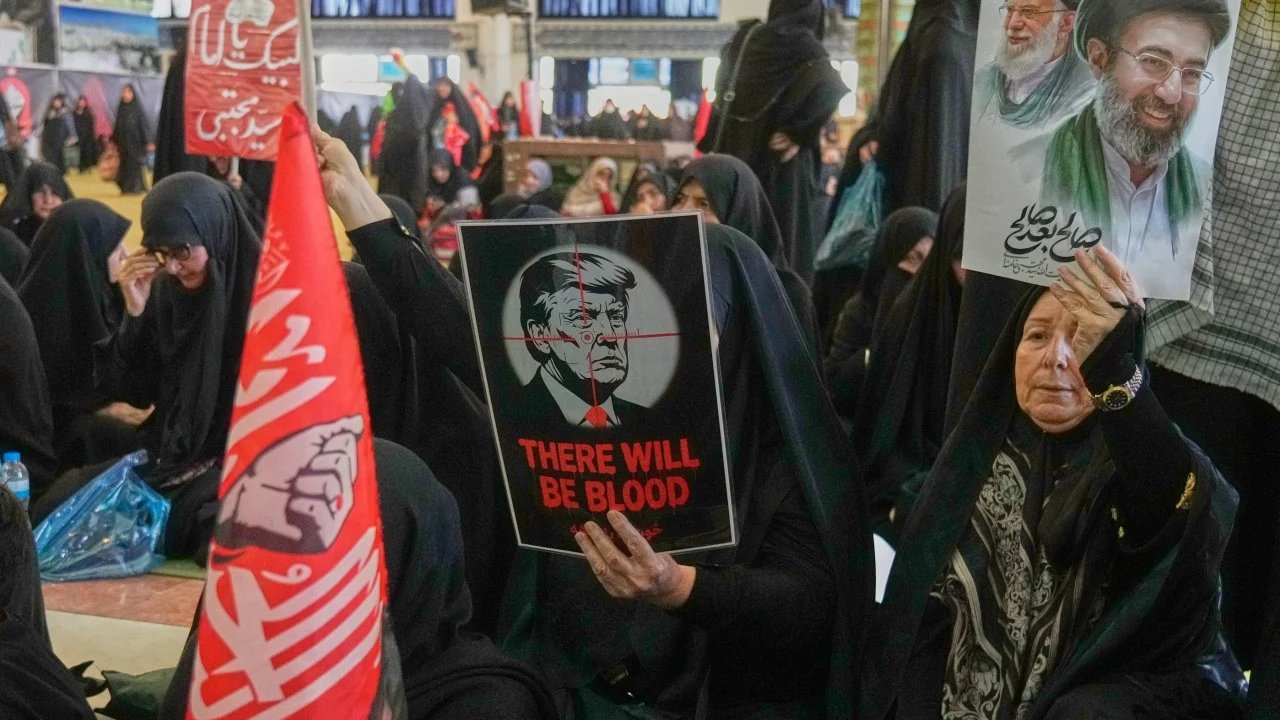
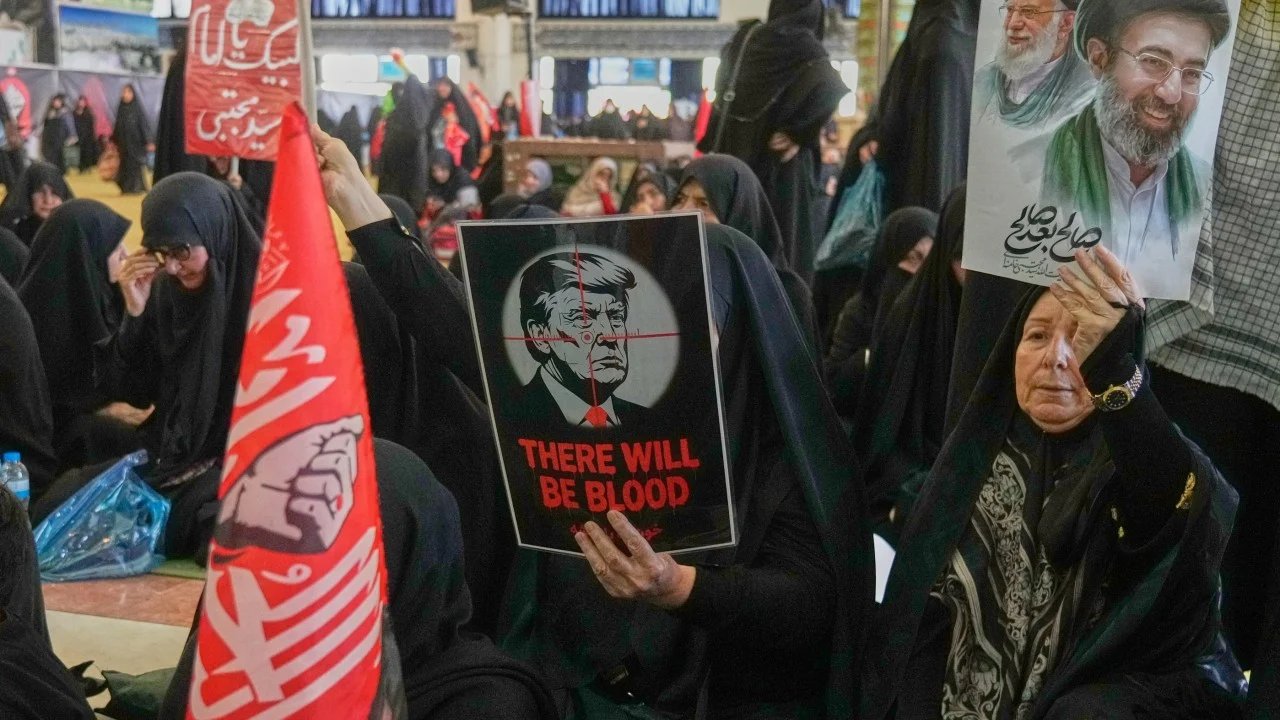
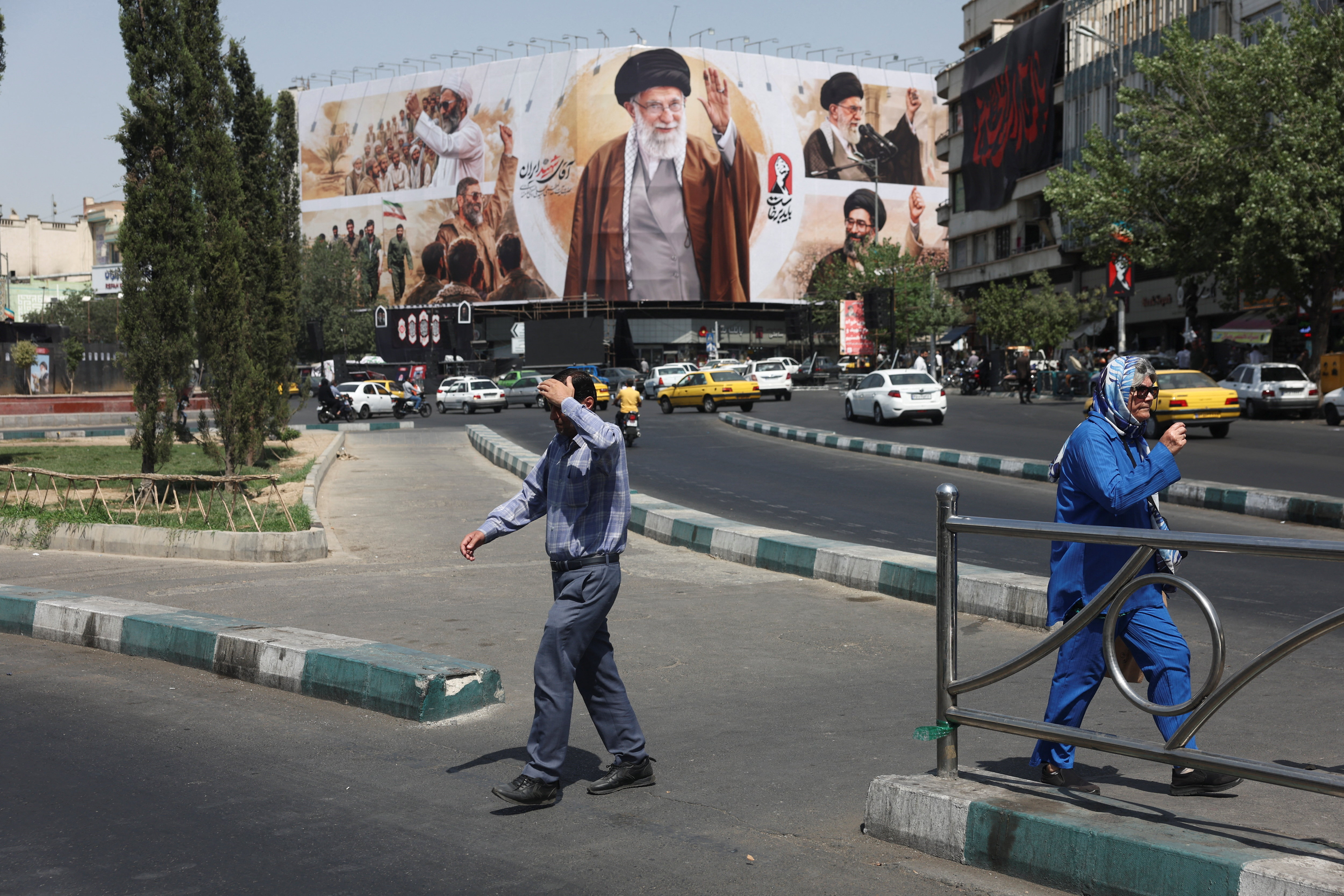
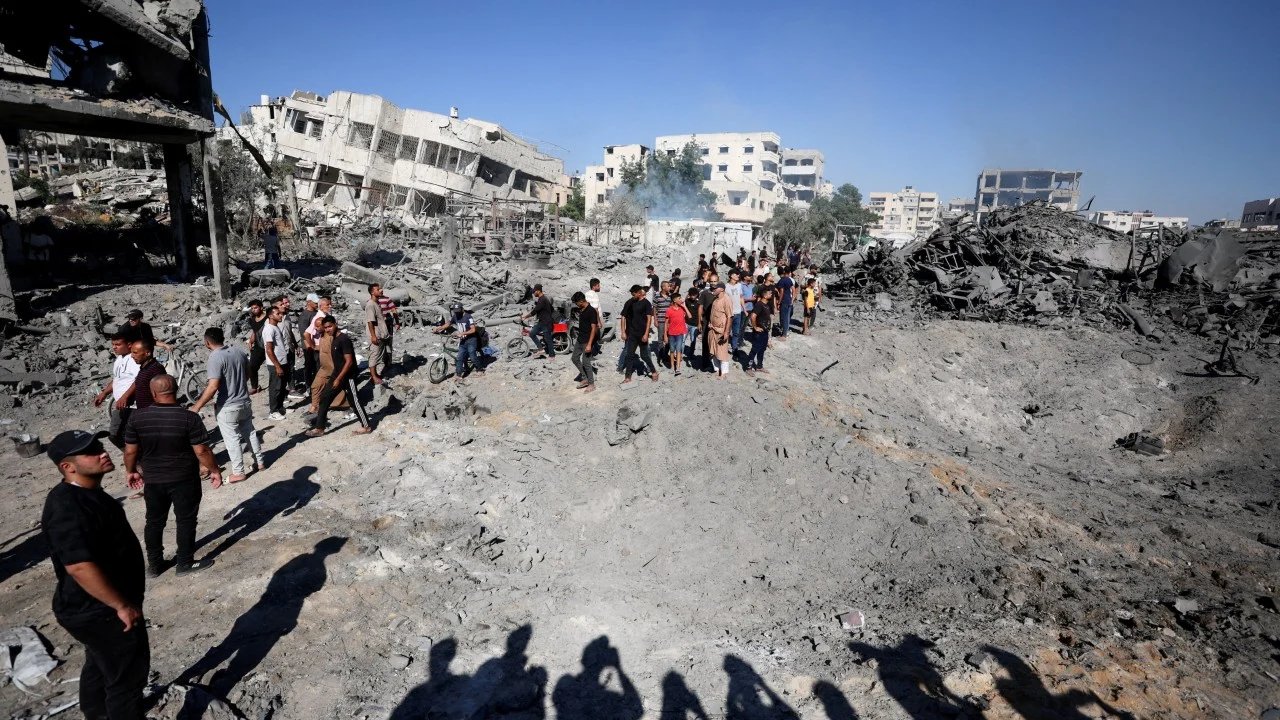
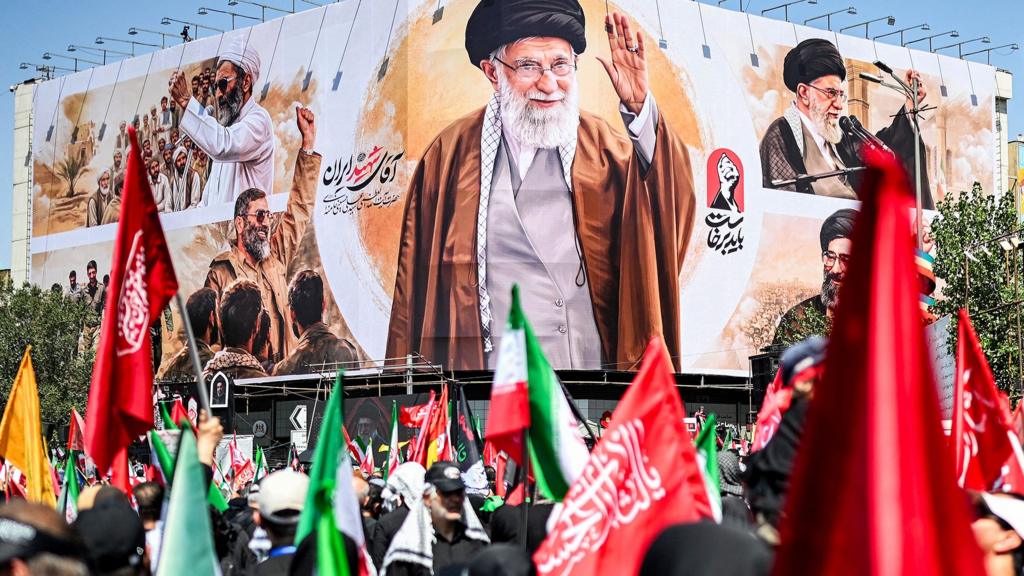
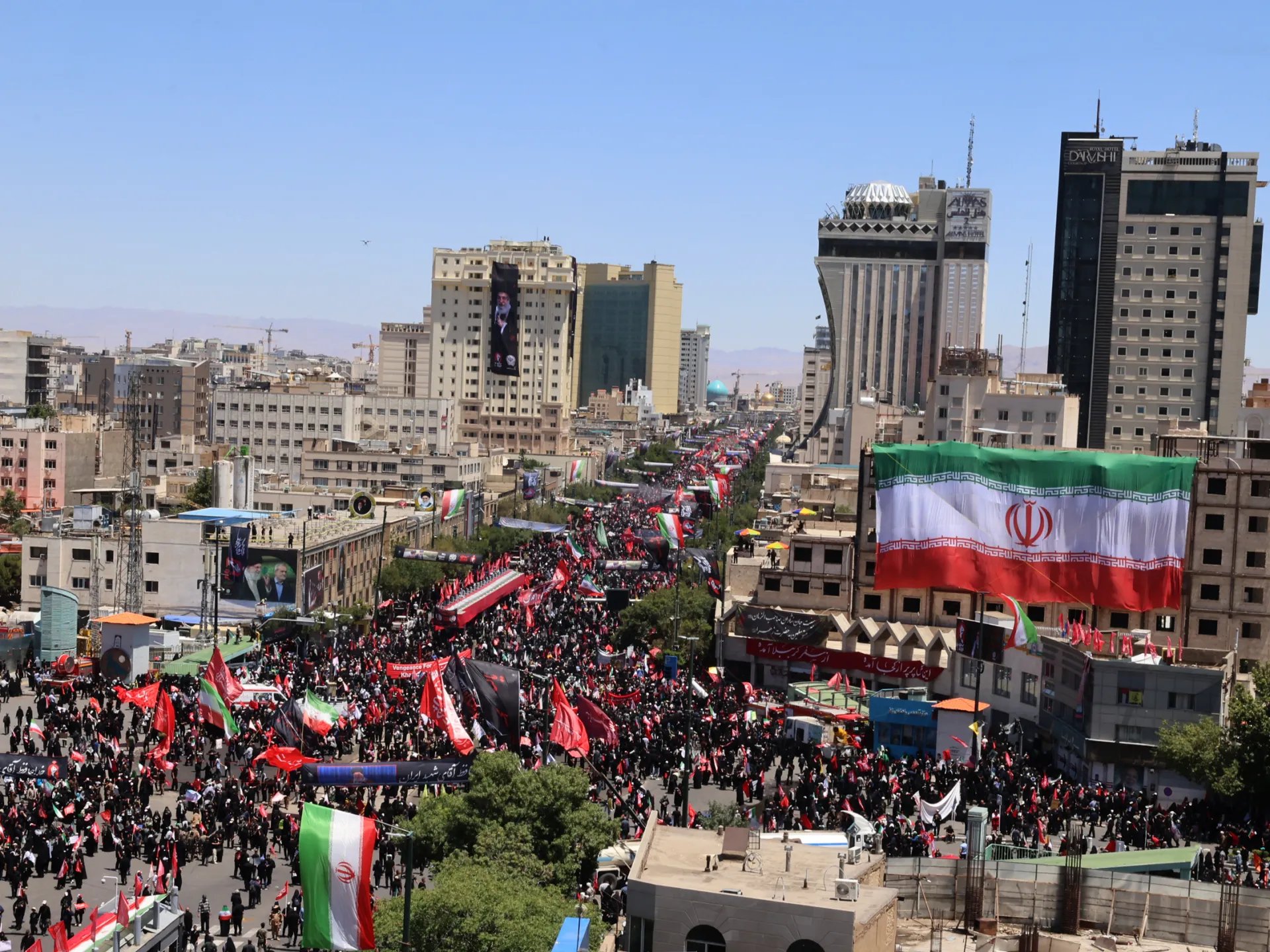
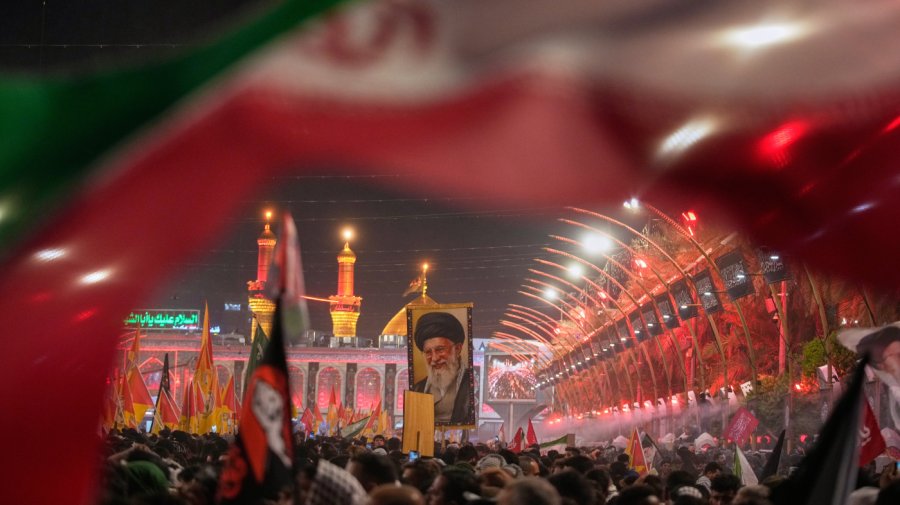
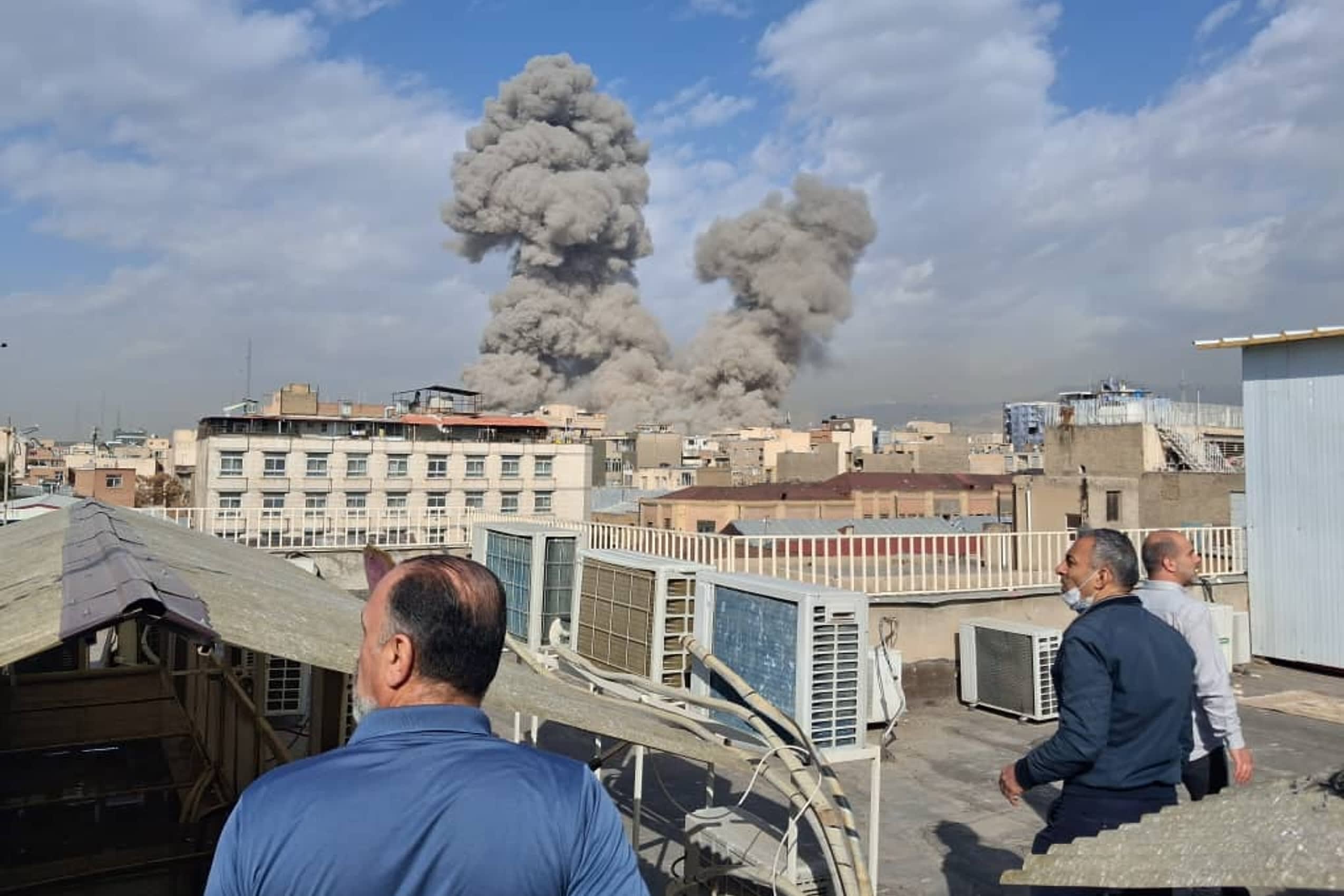
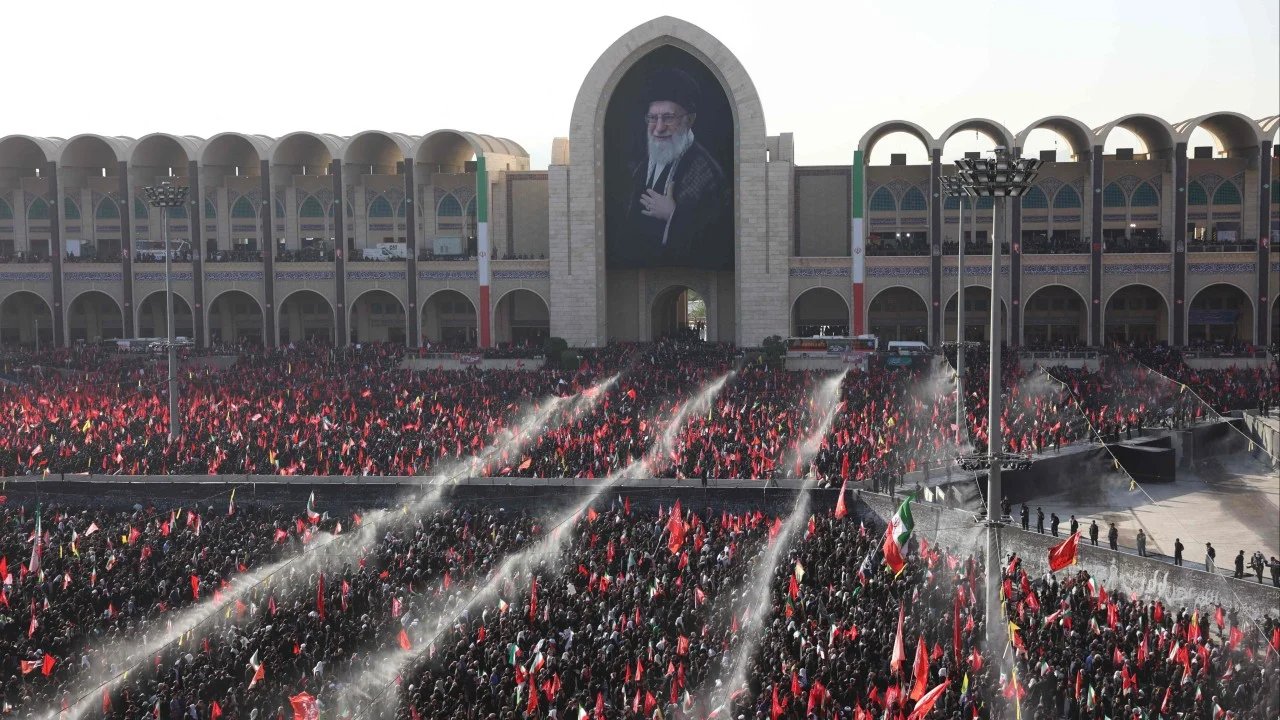
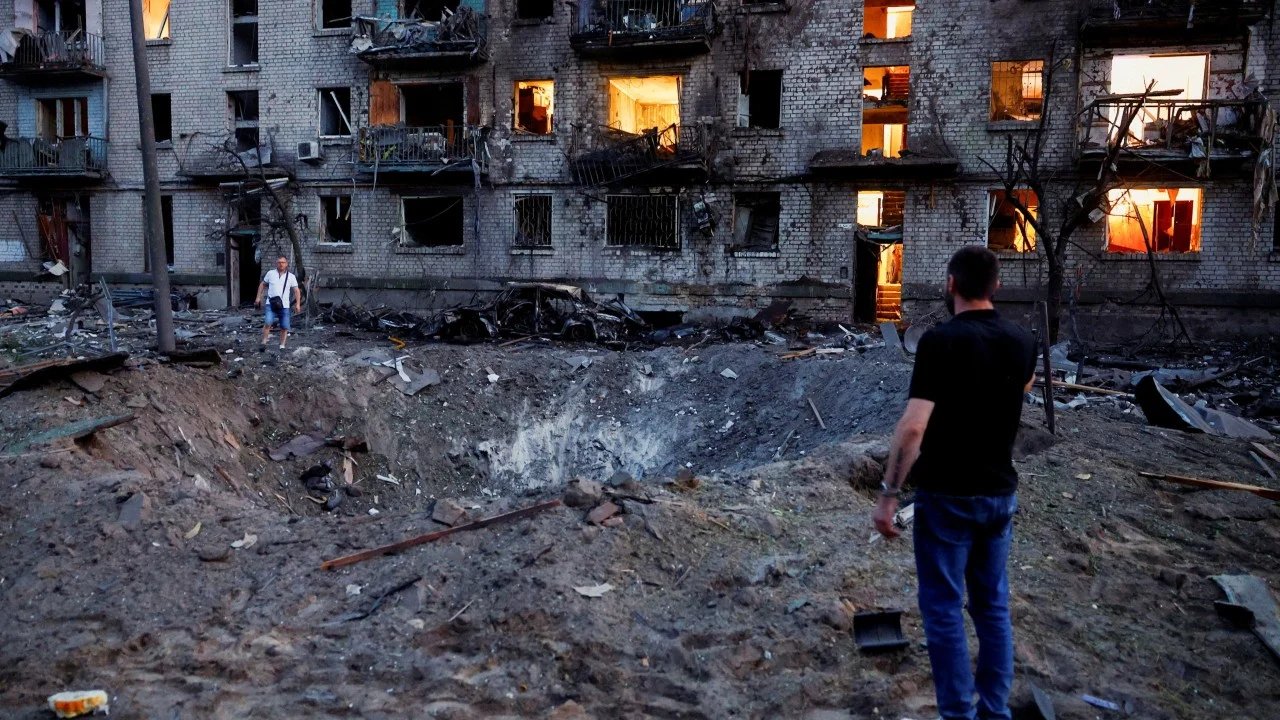
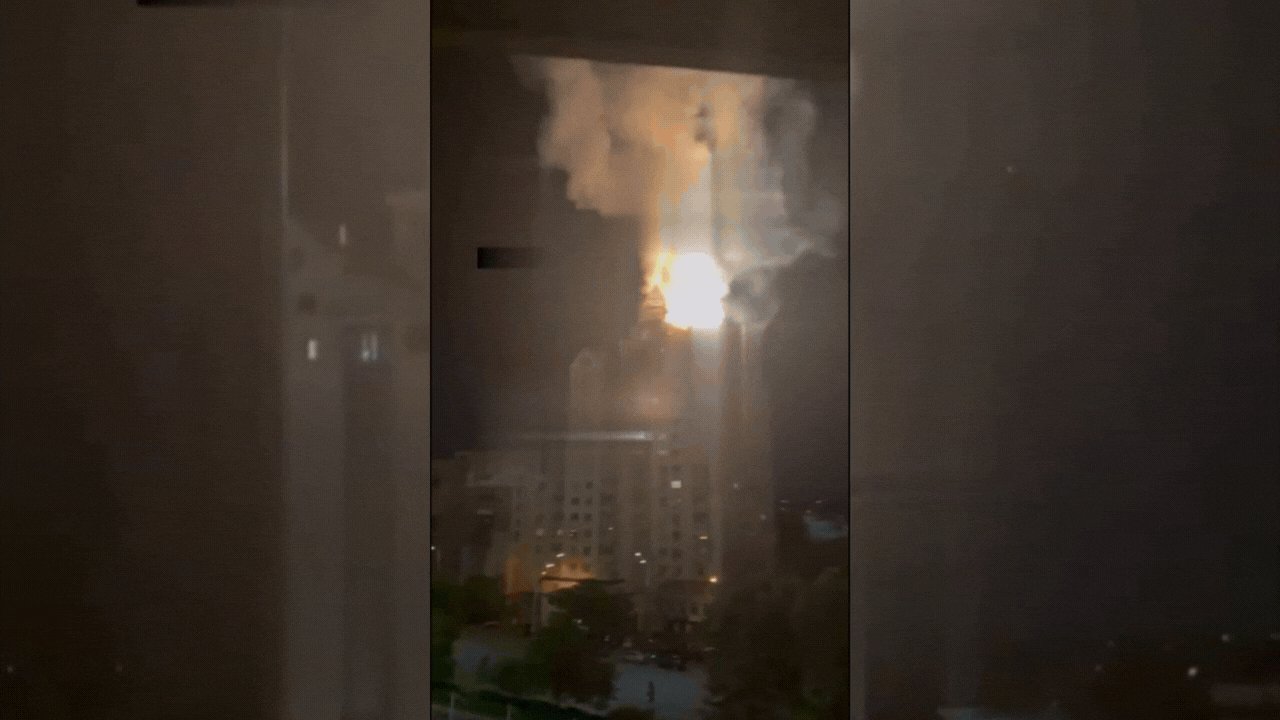
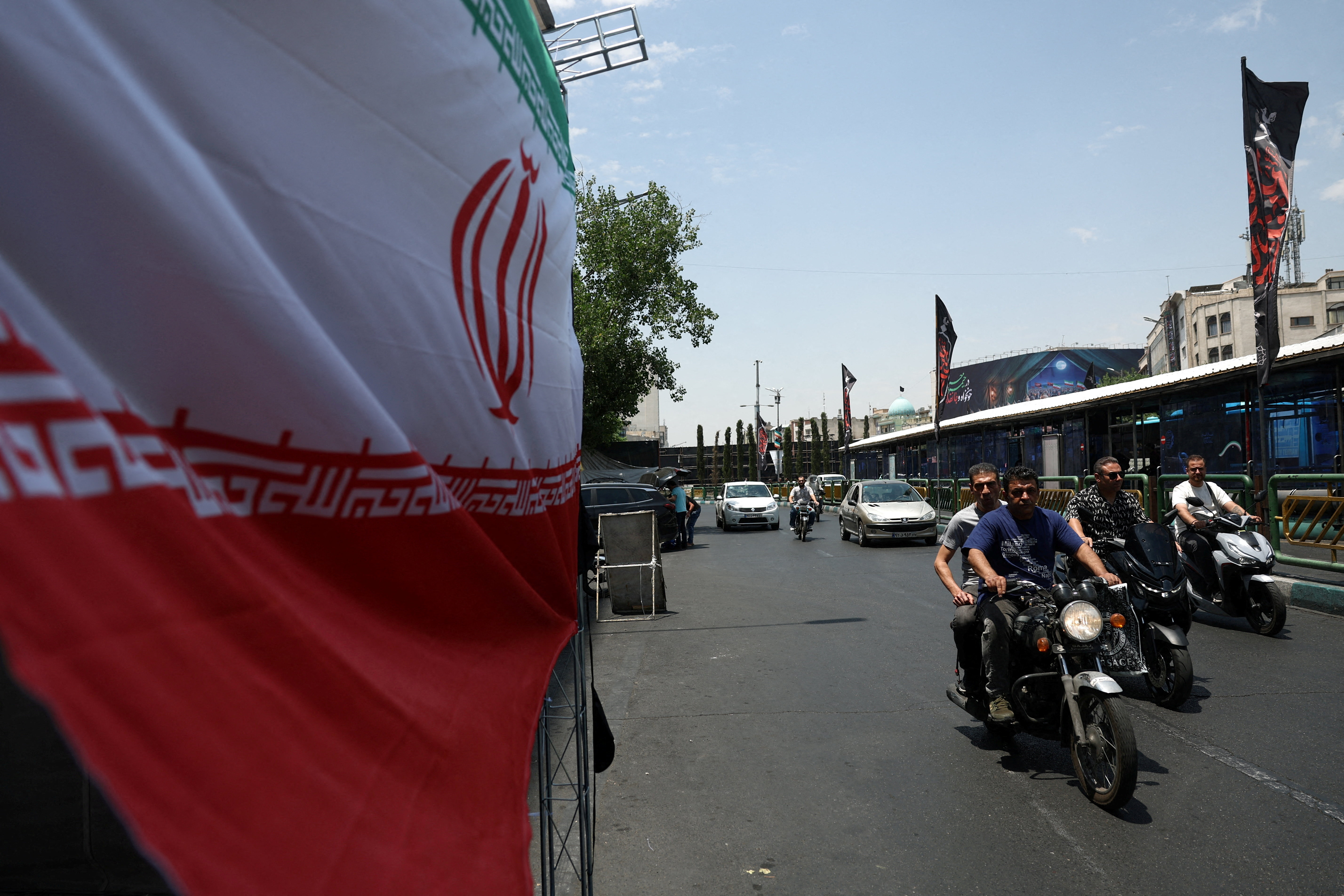
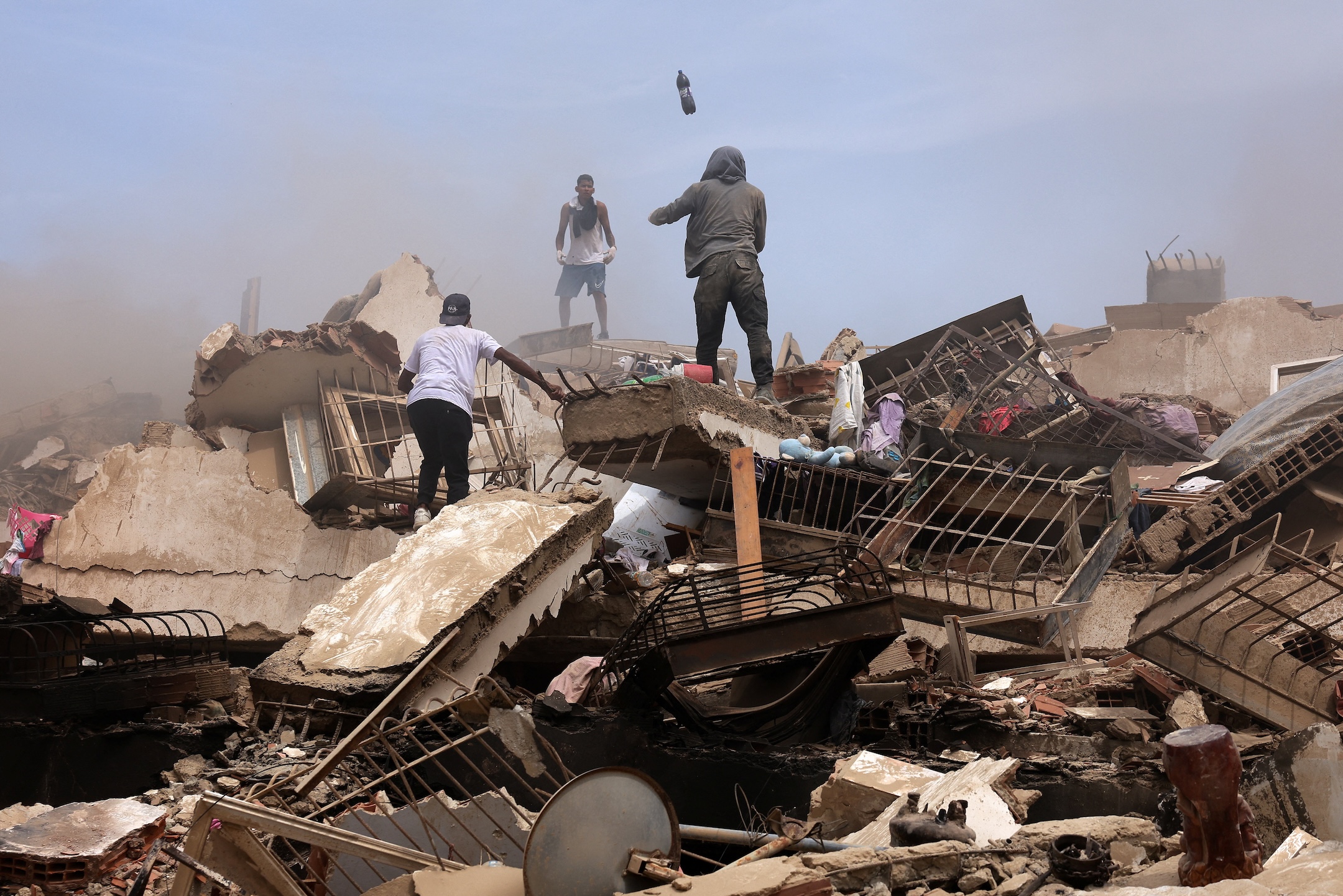
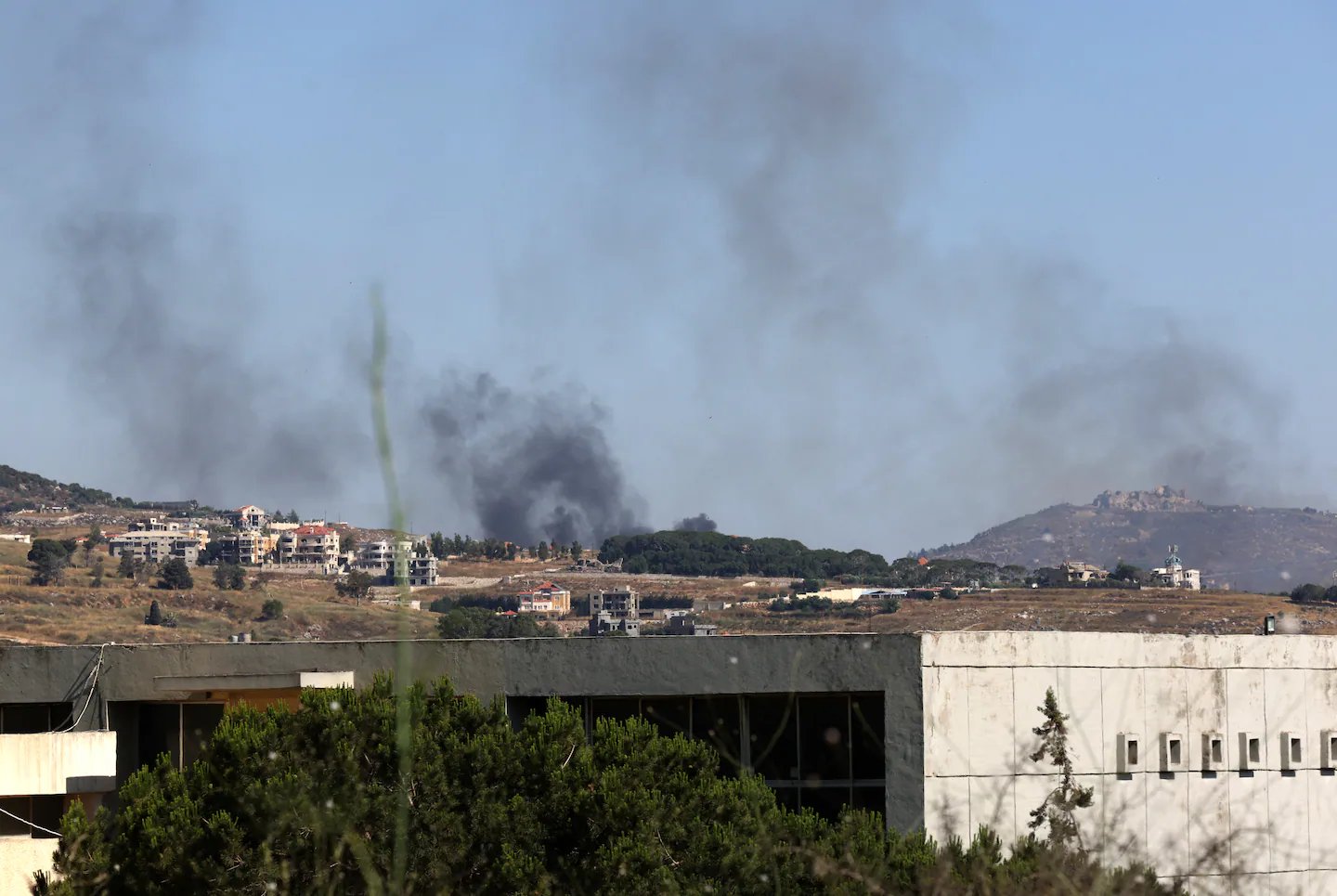
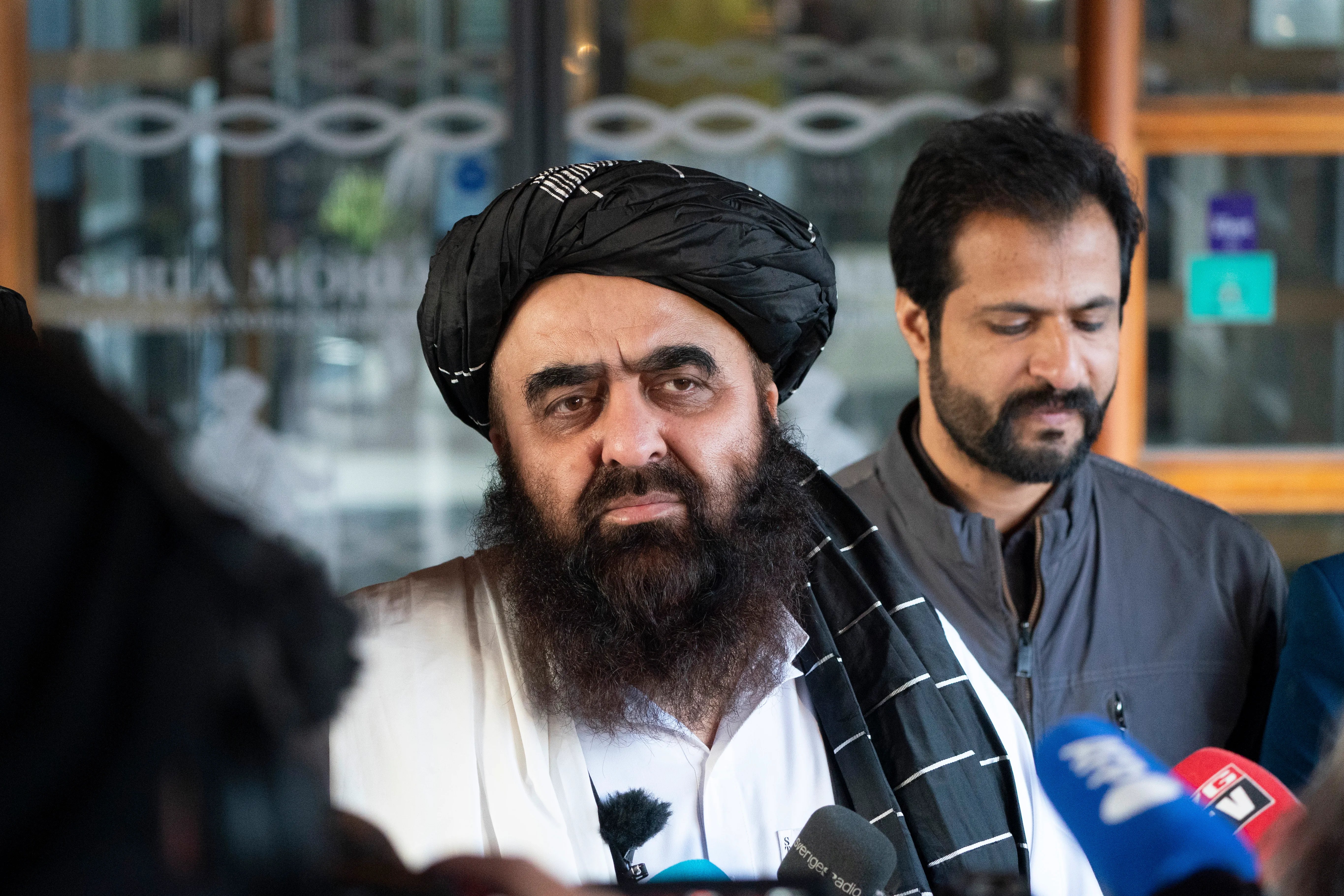
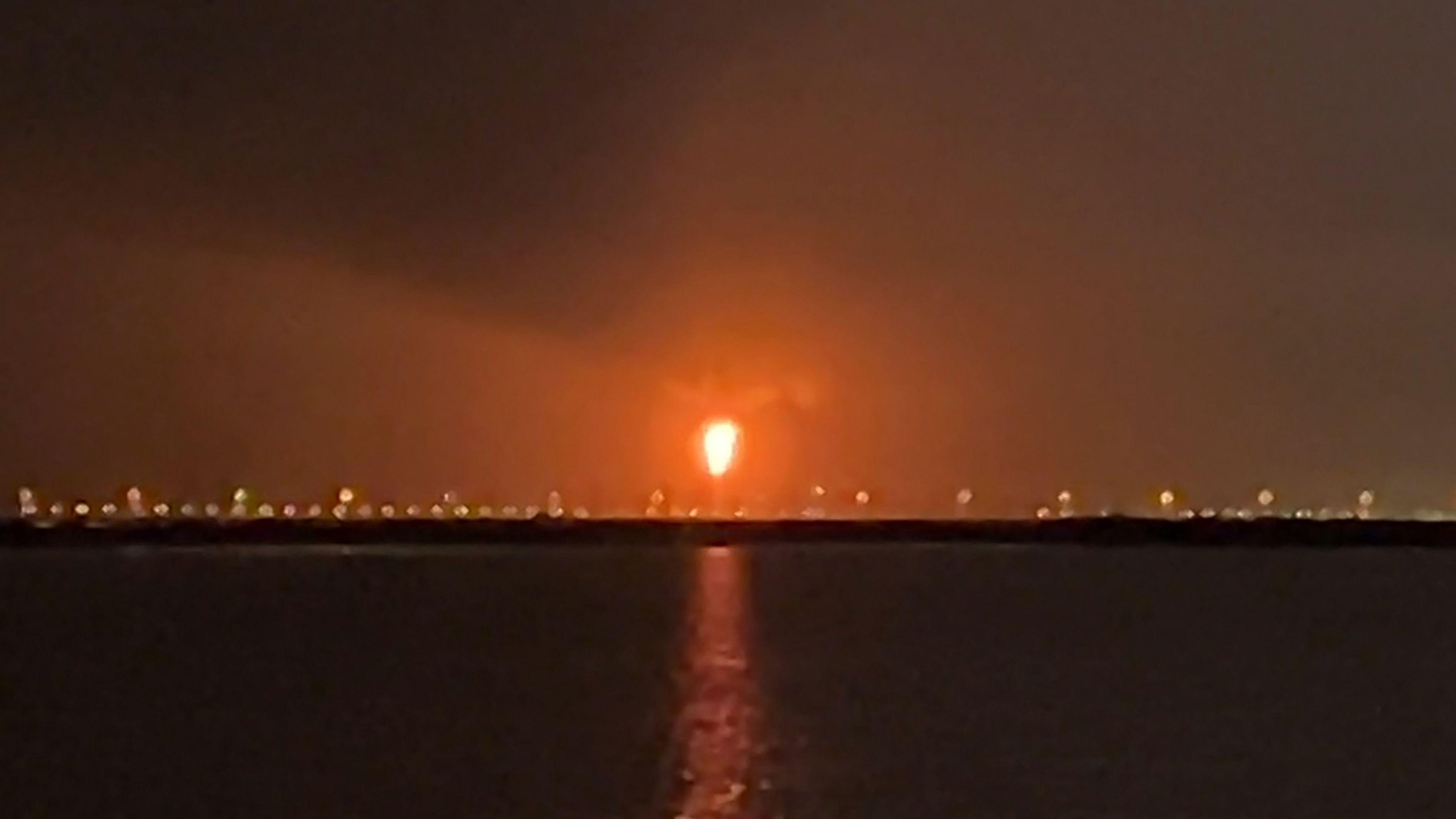
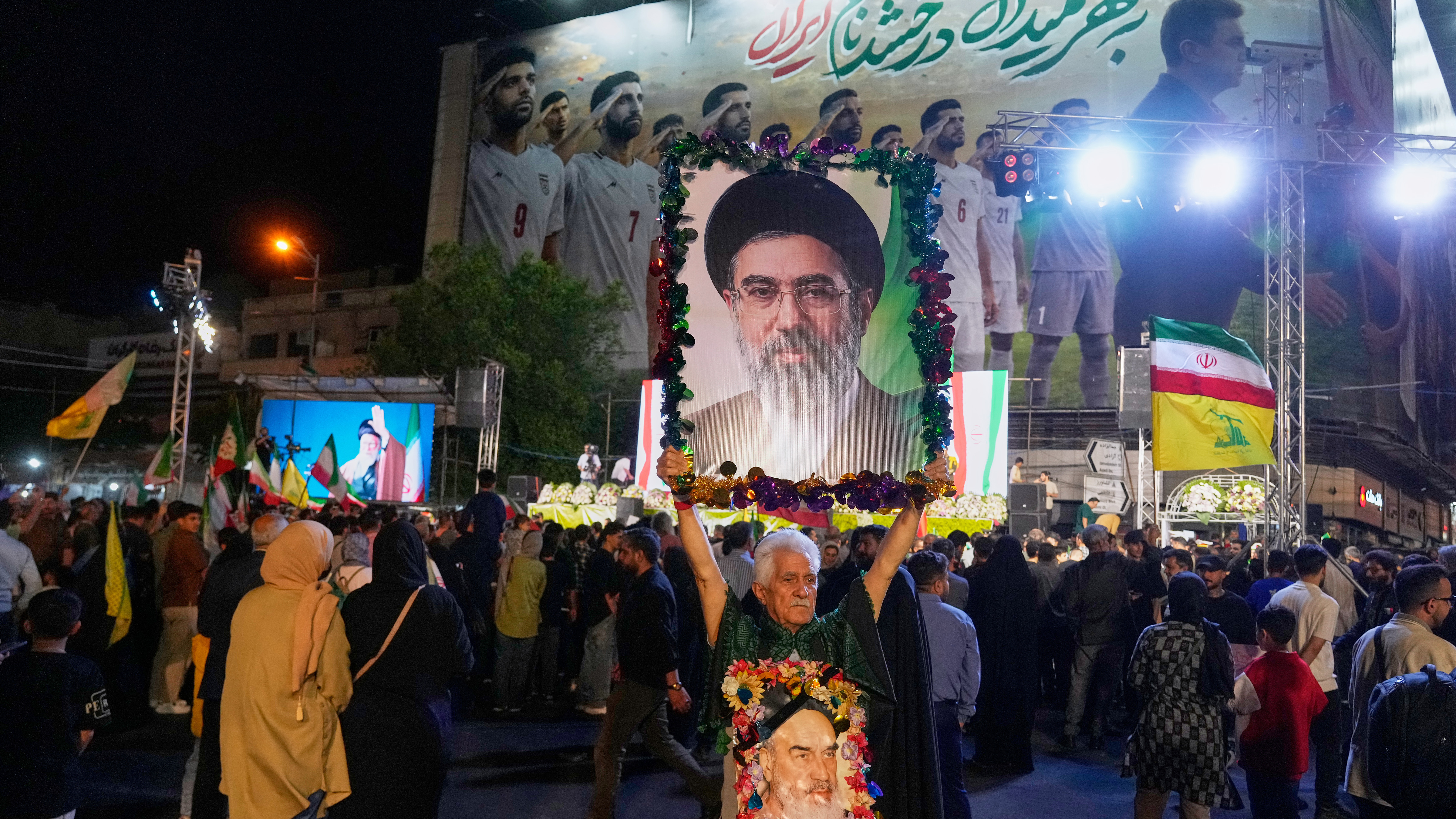
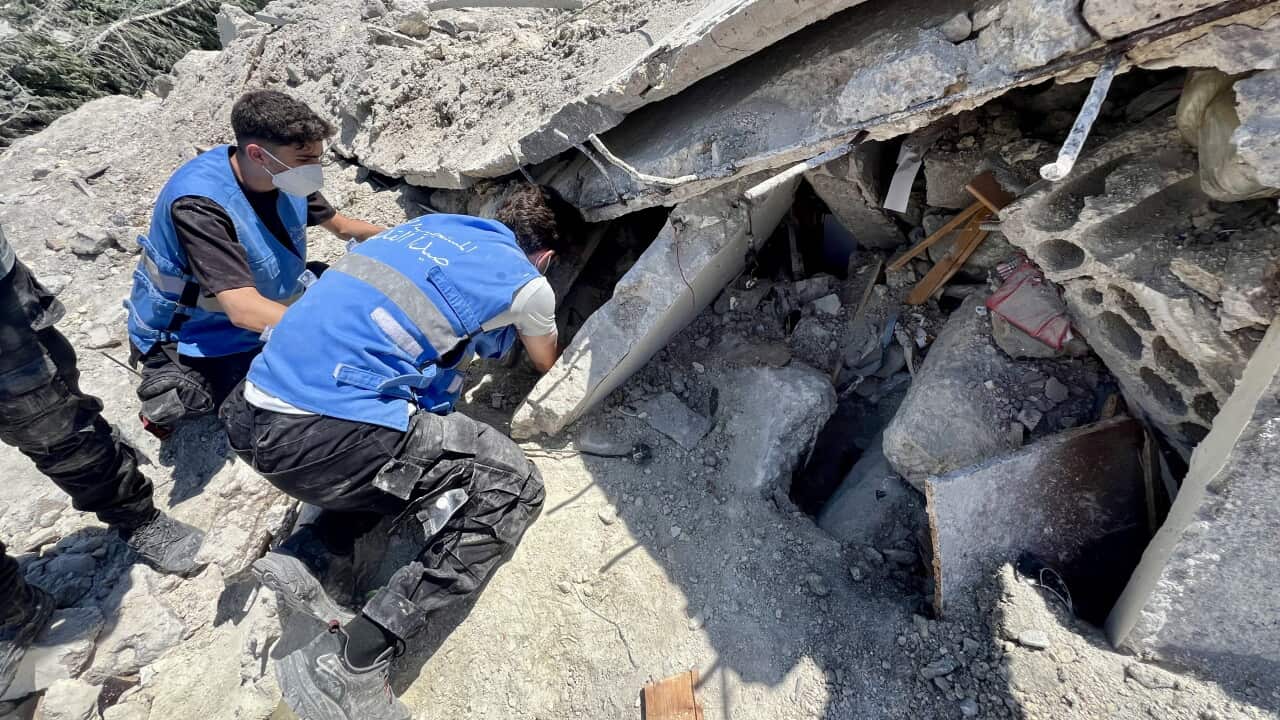
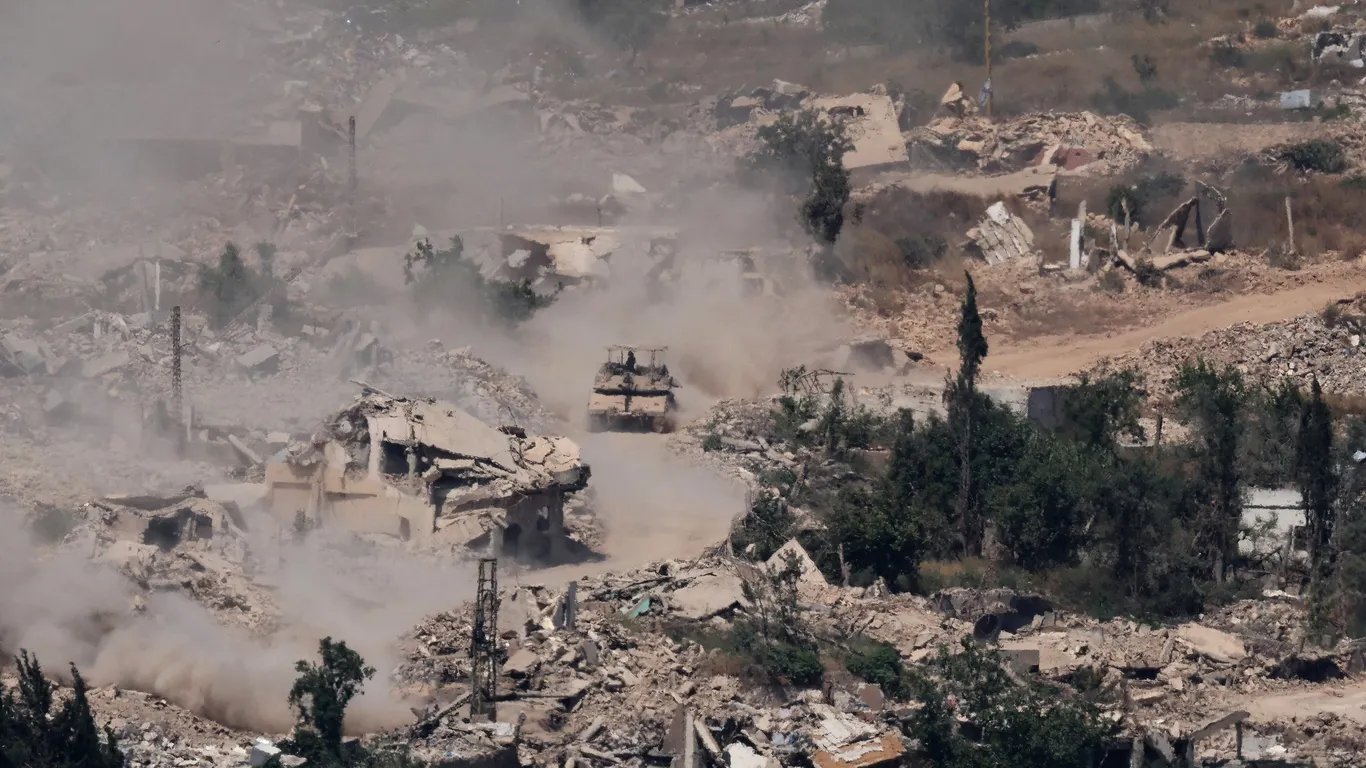
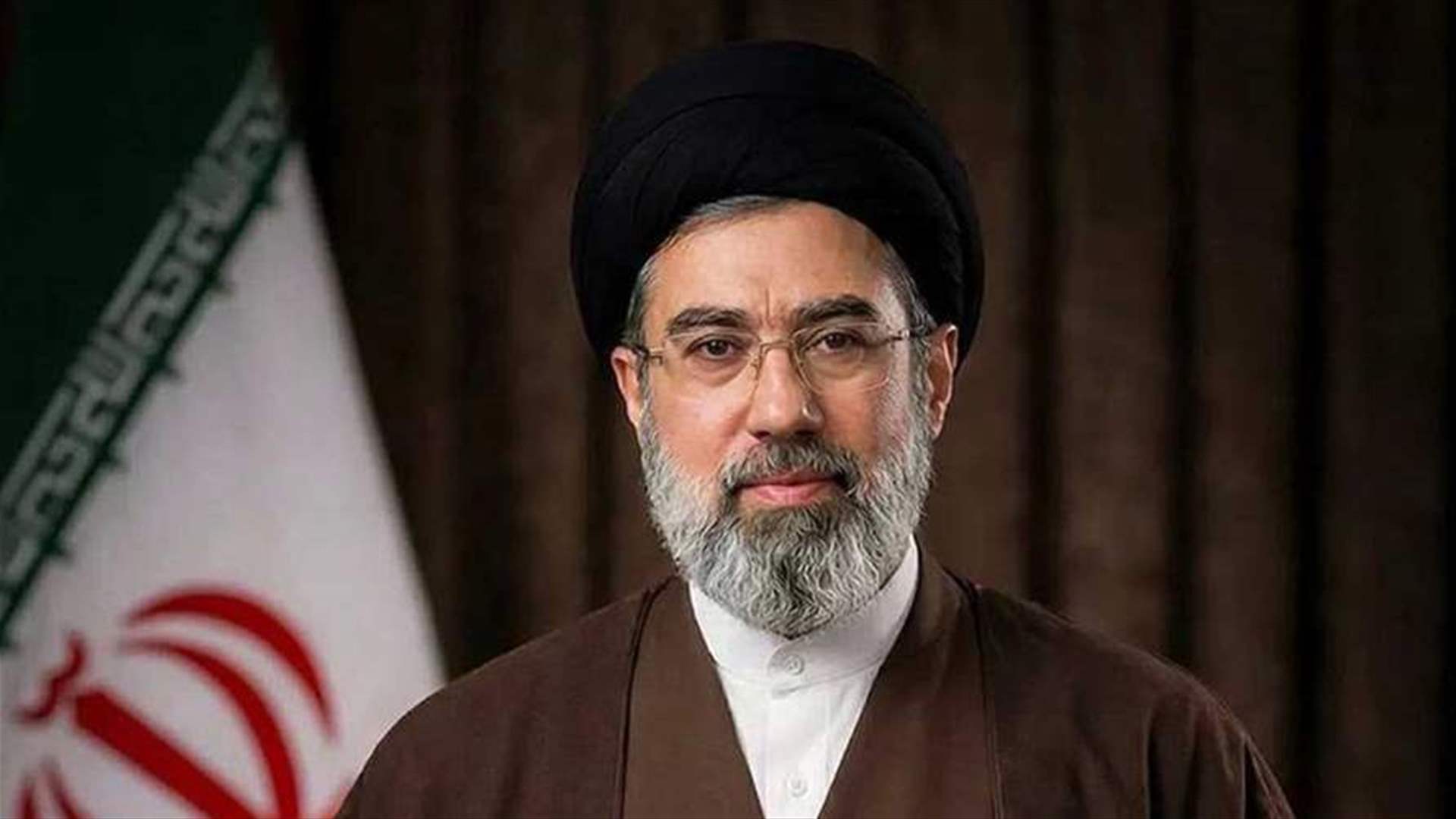
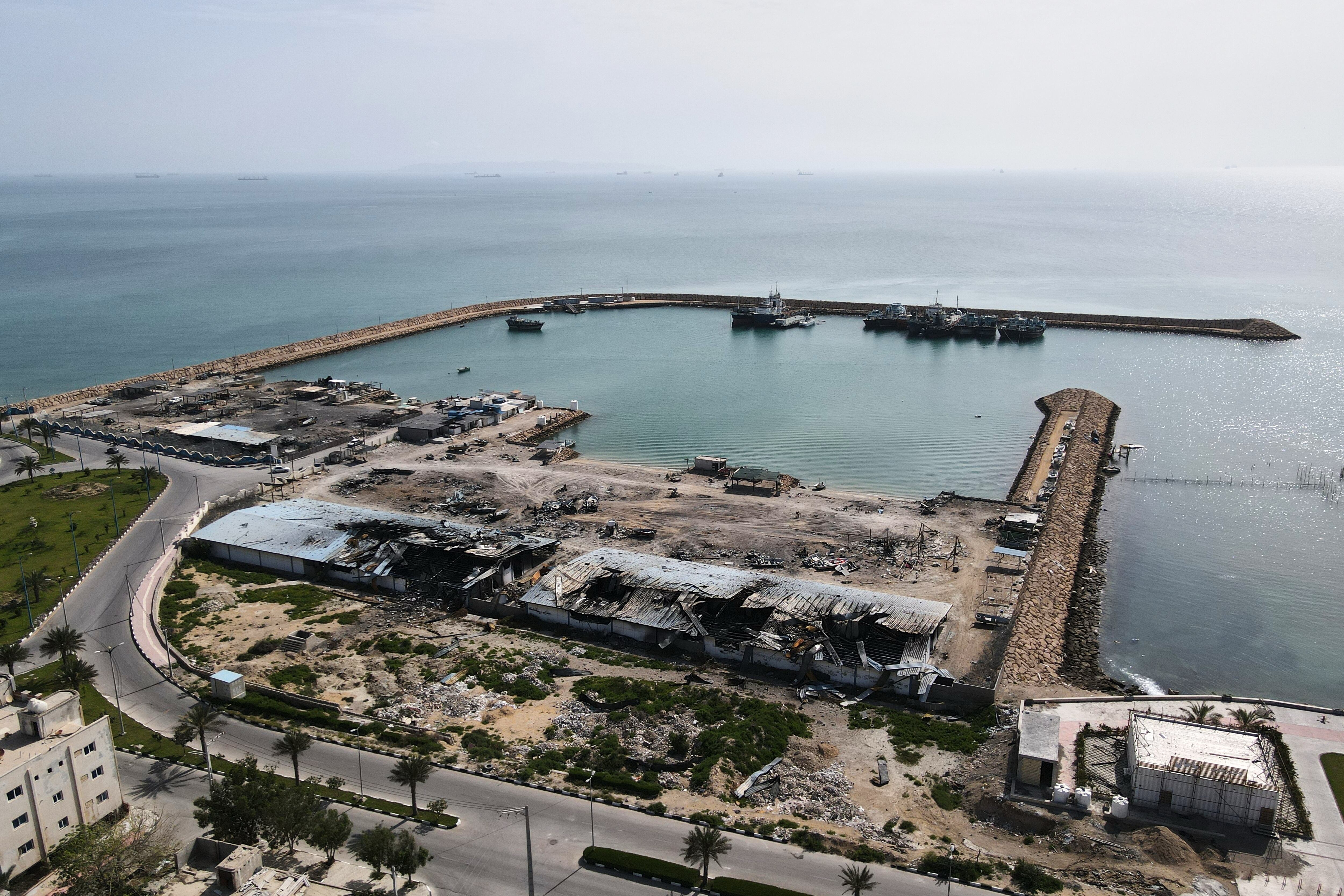
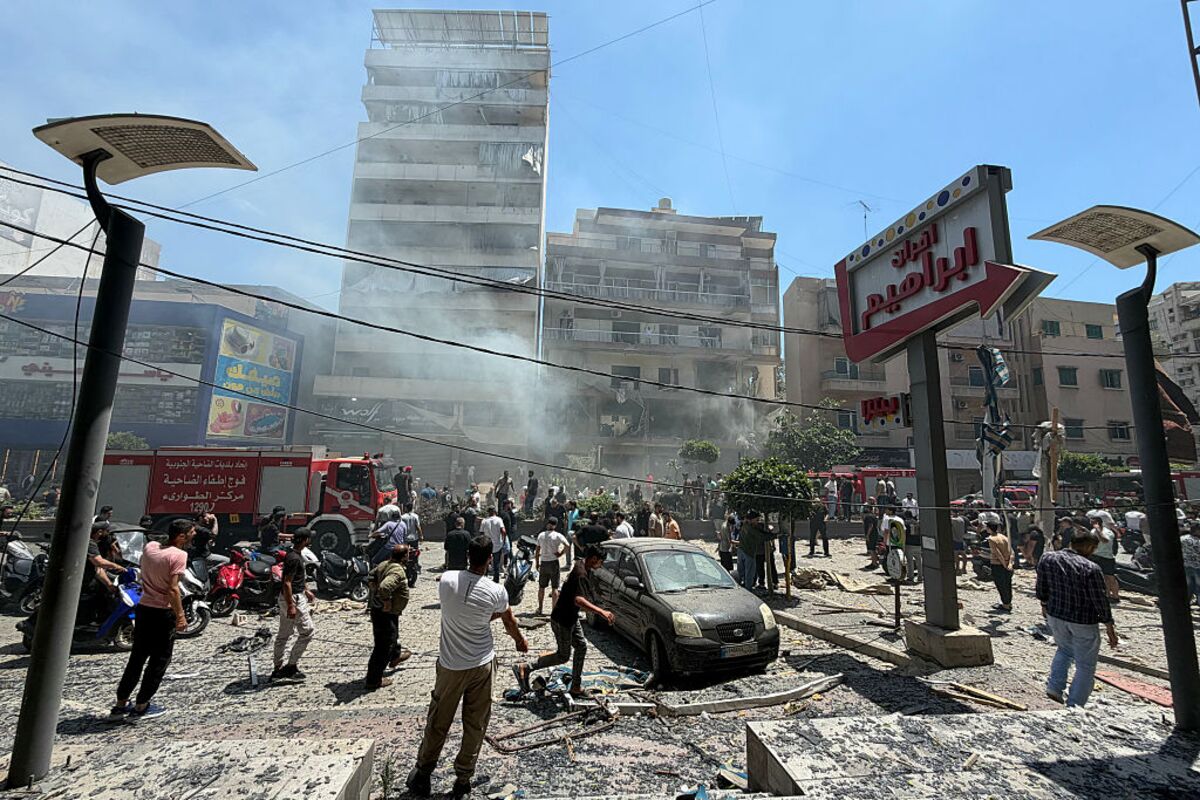
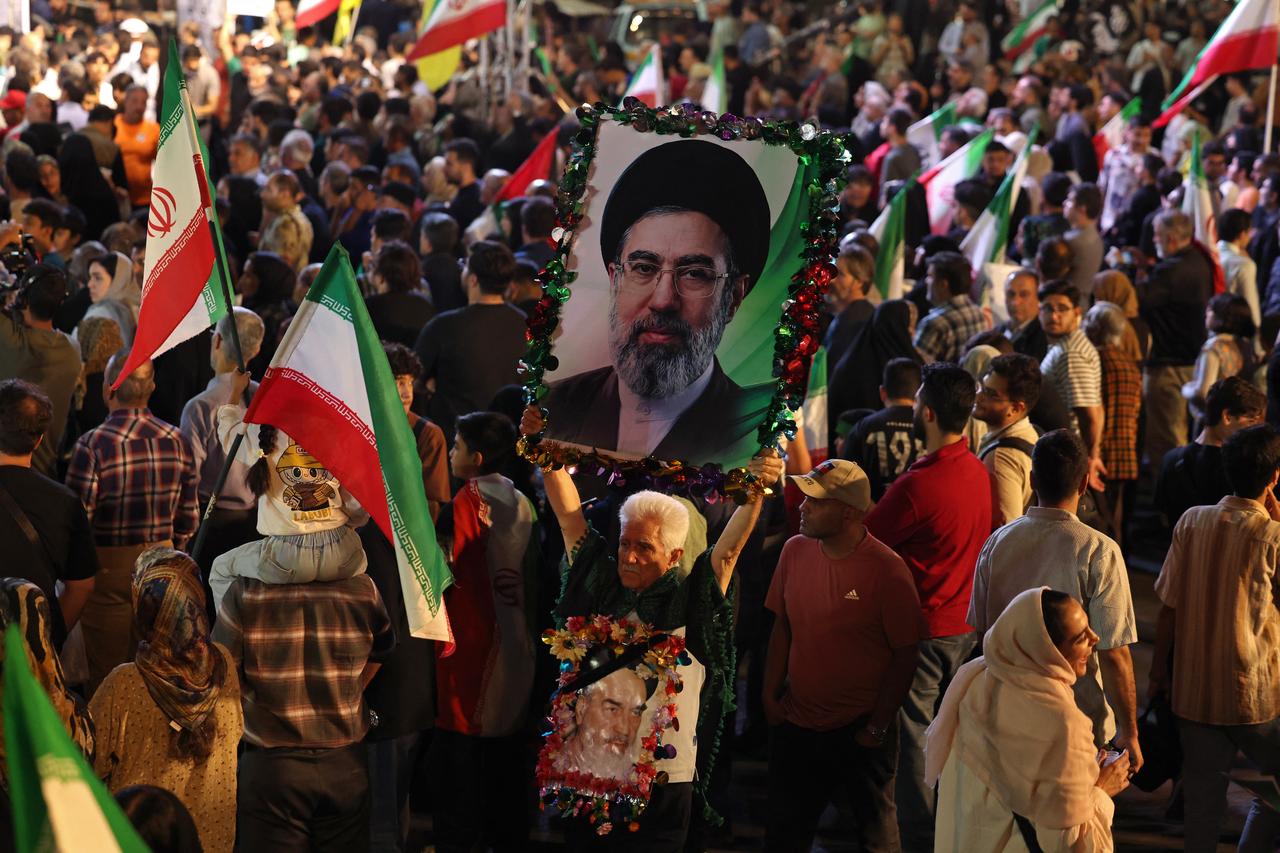
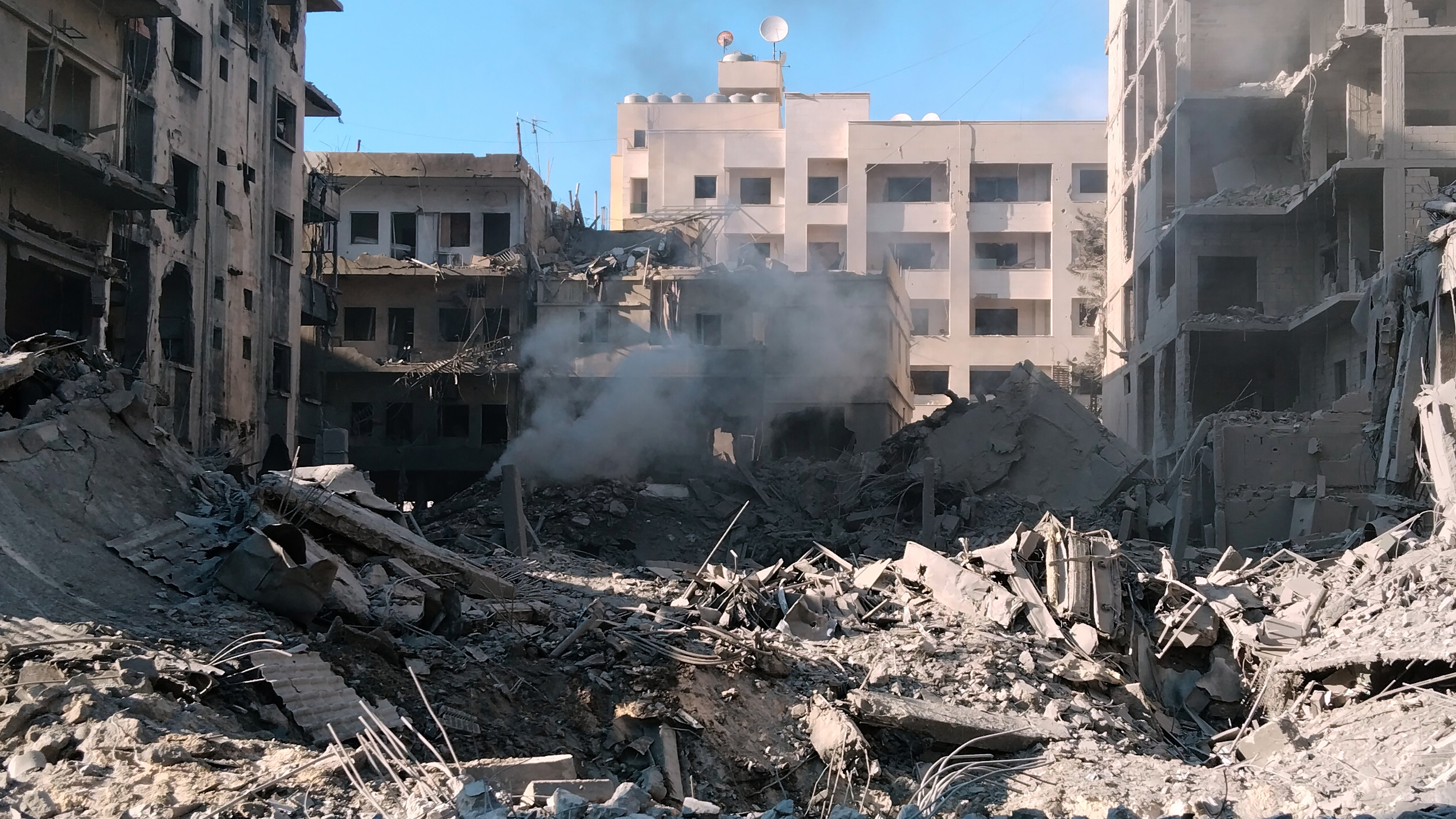
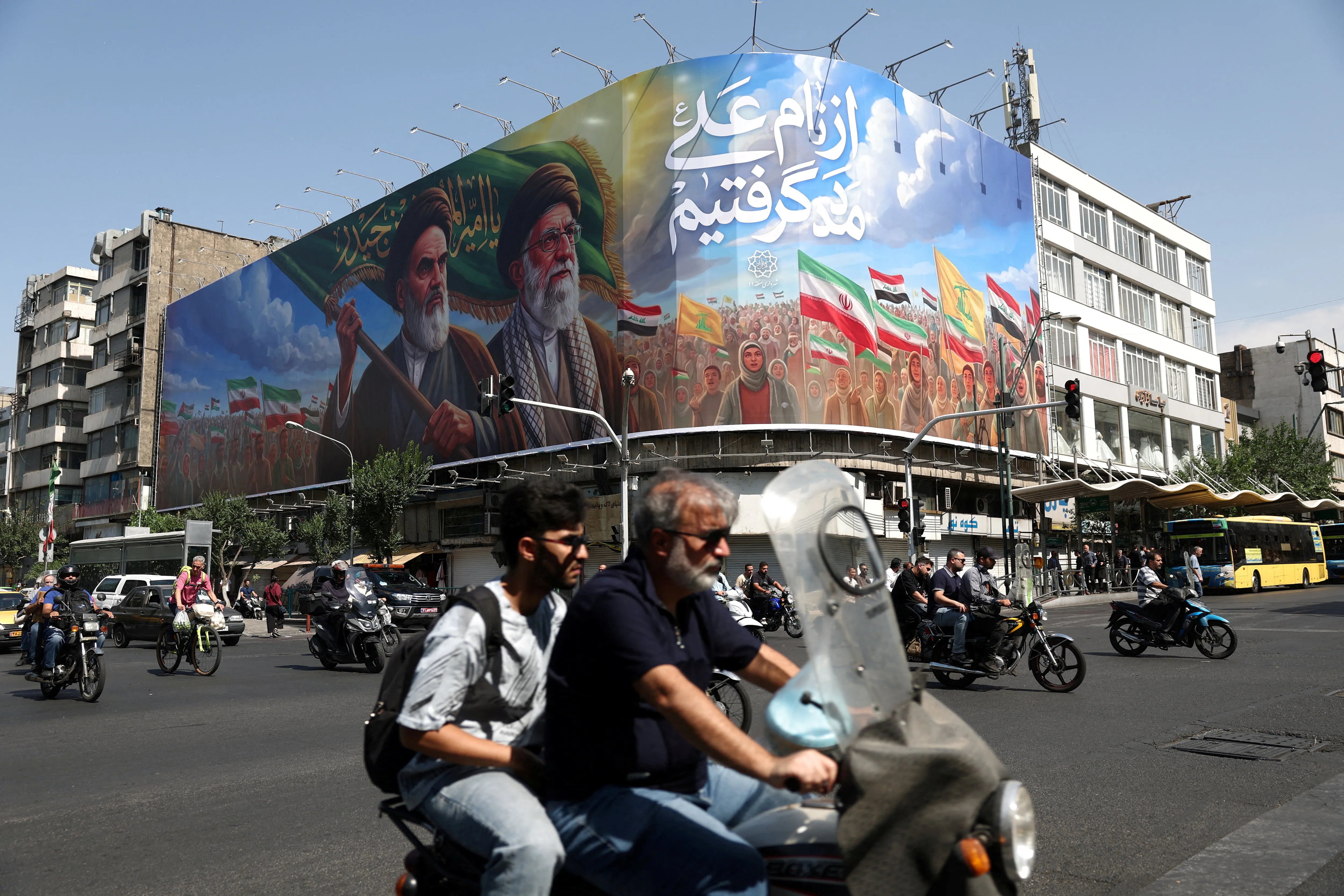
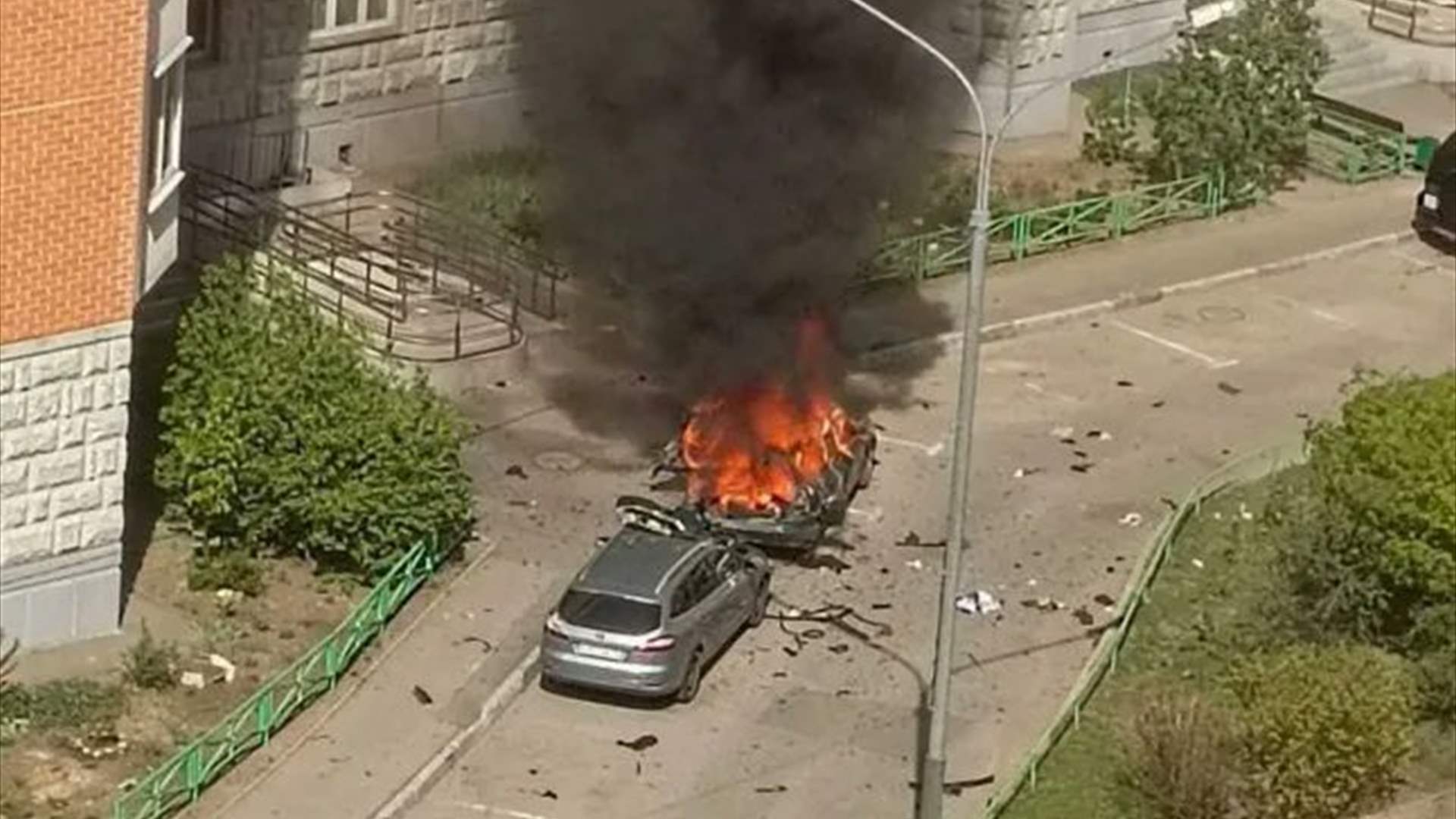
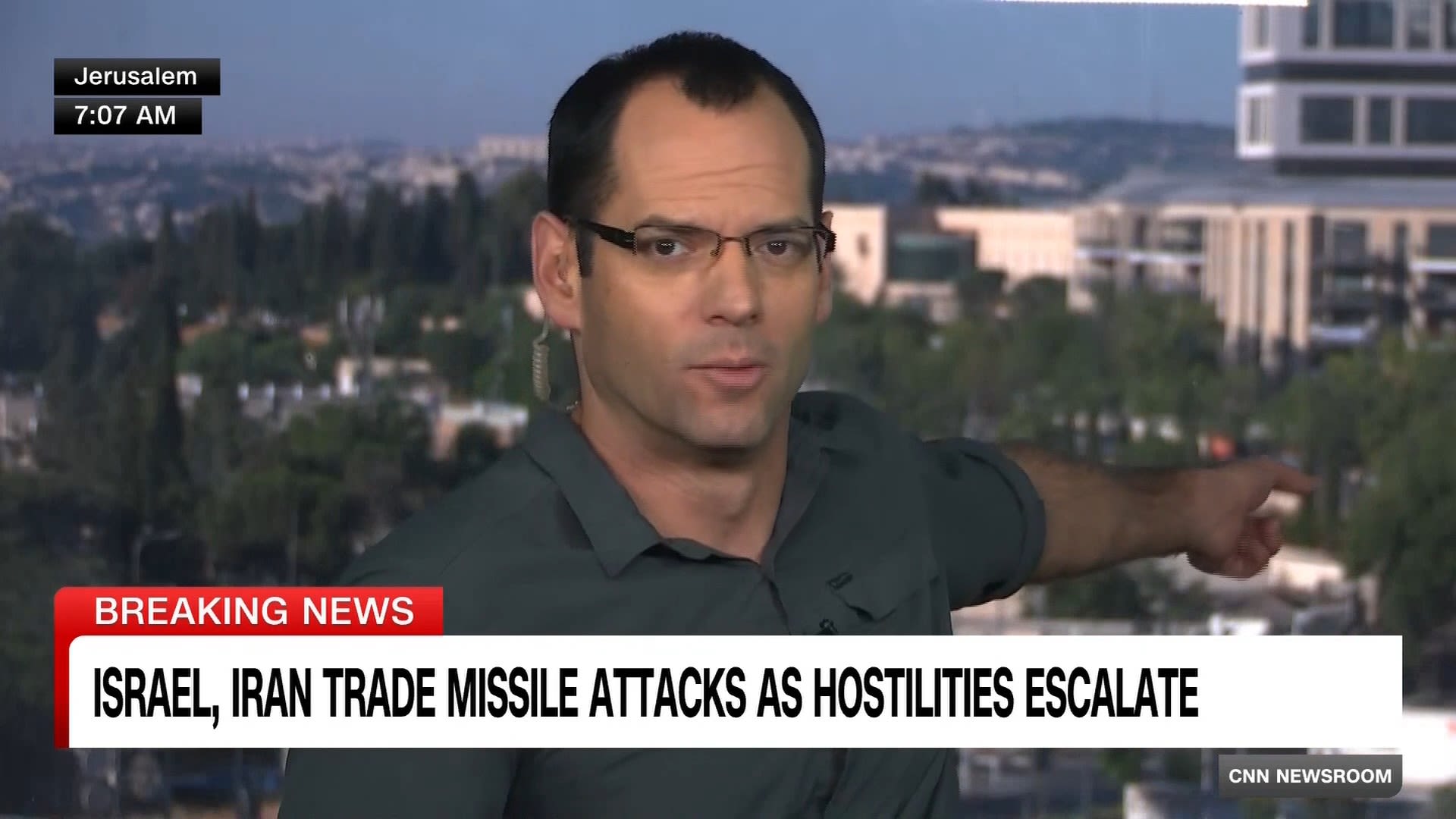
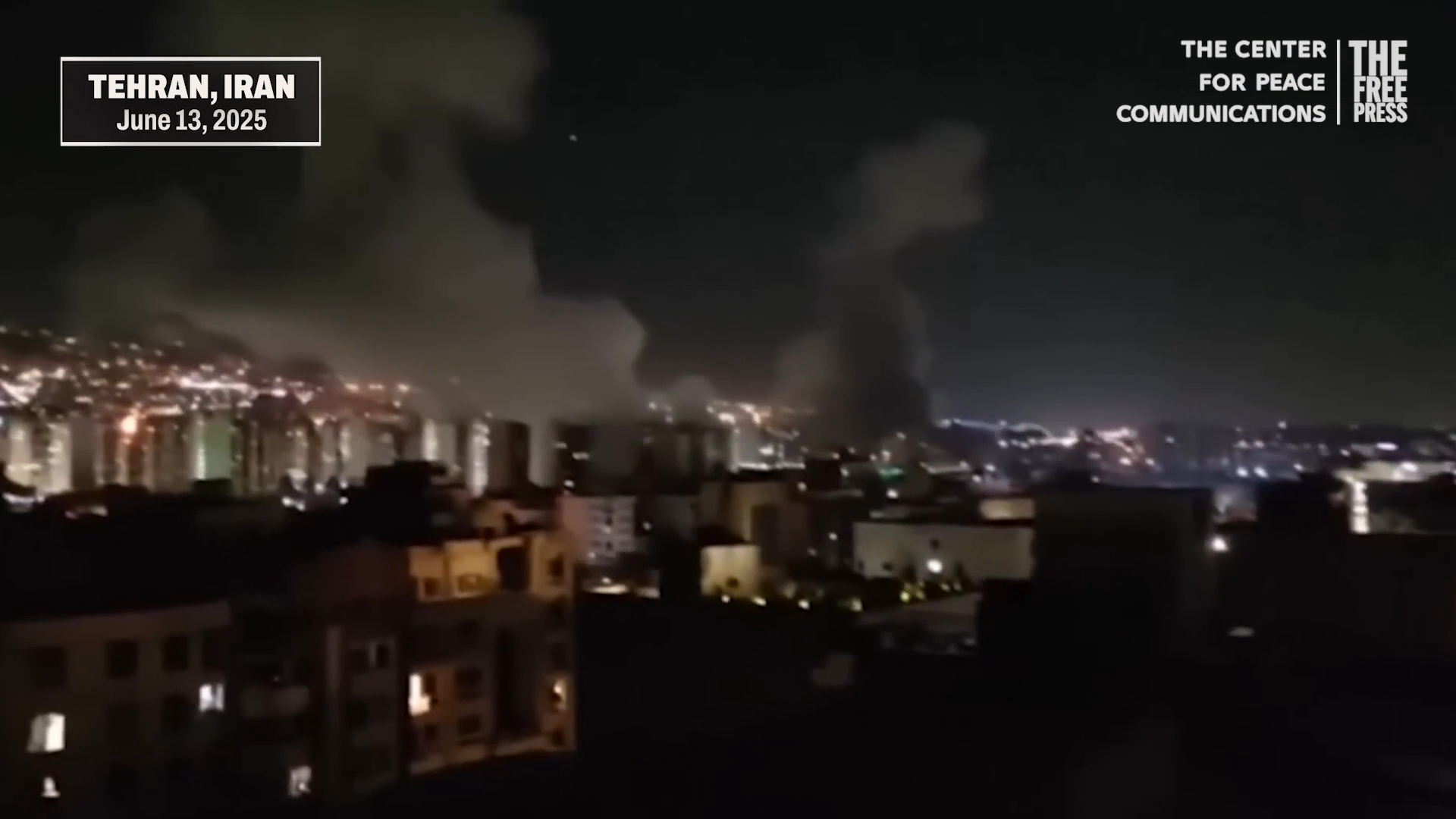
In response to the U.S. strikes, Iran asserted that it conducted 21 attacks on U.S. military installations across the Middle East, including bases in Kuwait and Jordan. The Islamic Revolutionary Guard Corps stated that it would not tolerate further aggression from the U.S., warning of more severe attacks if the U.S. continues its military actions. Iranian state media reported explosions in Hormozgan province, indicating the ongoing conflict's escalation.
President Trump's Response
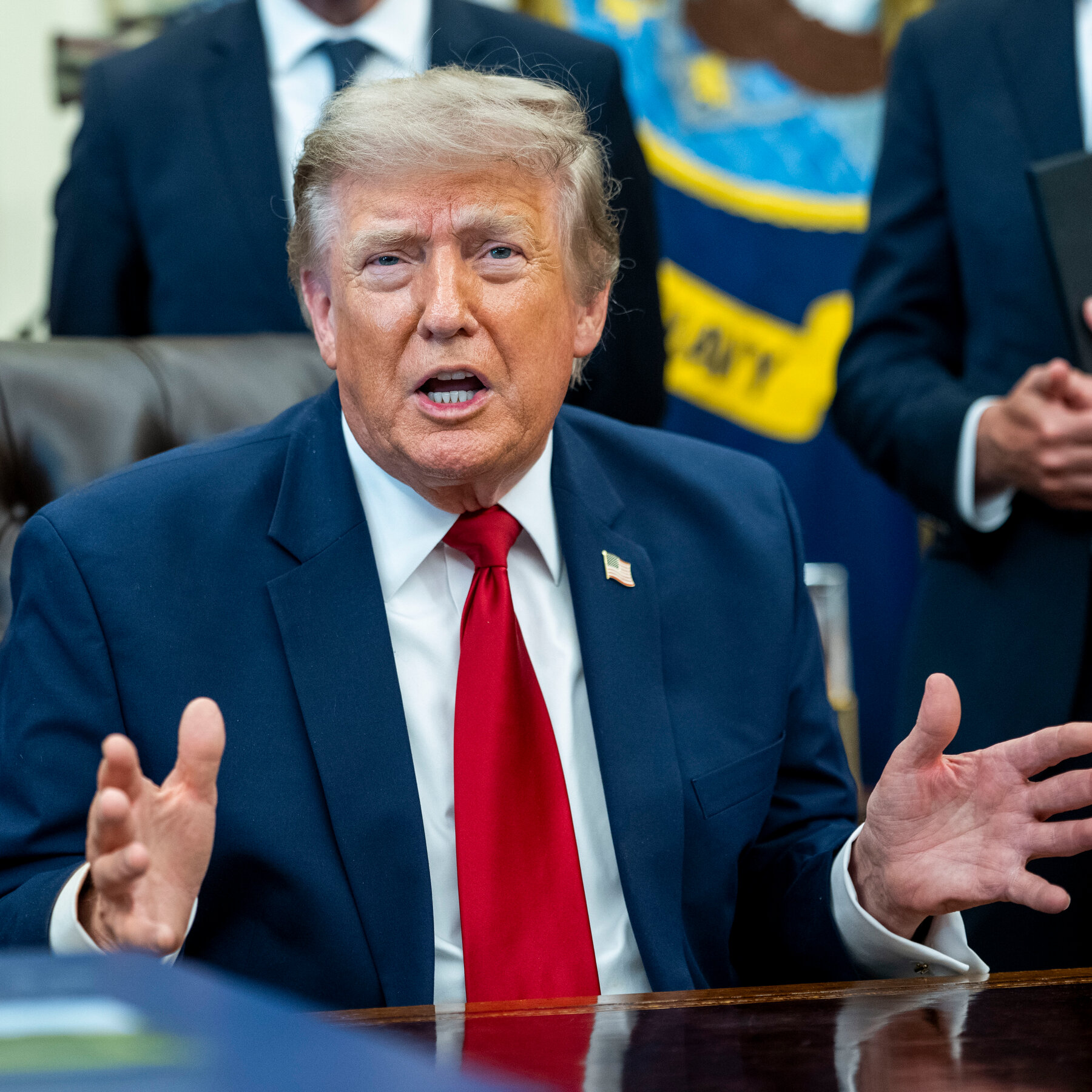
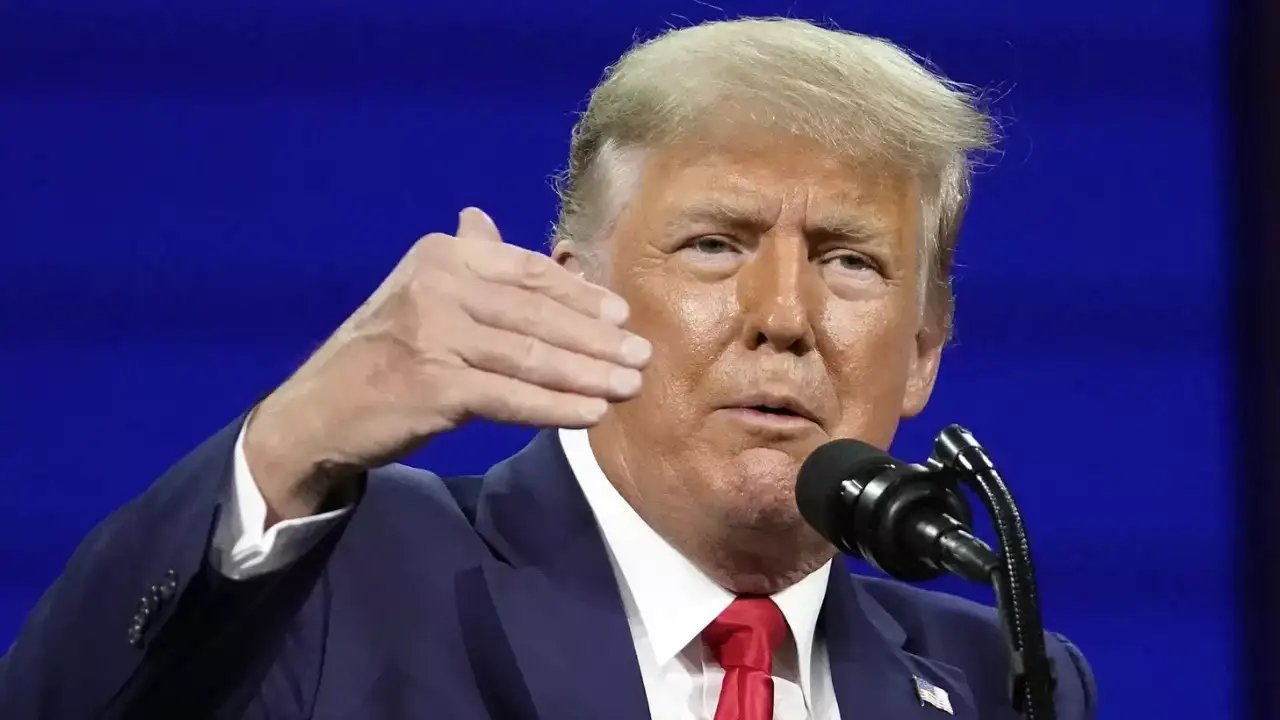
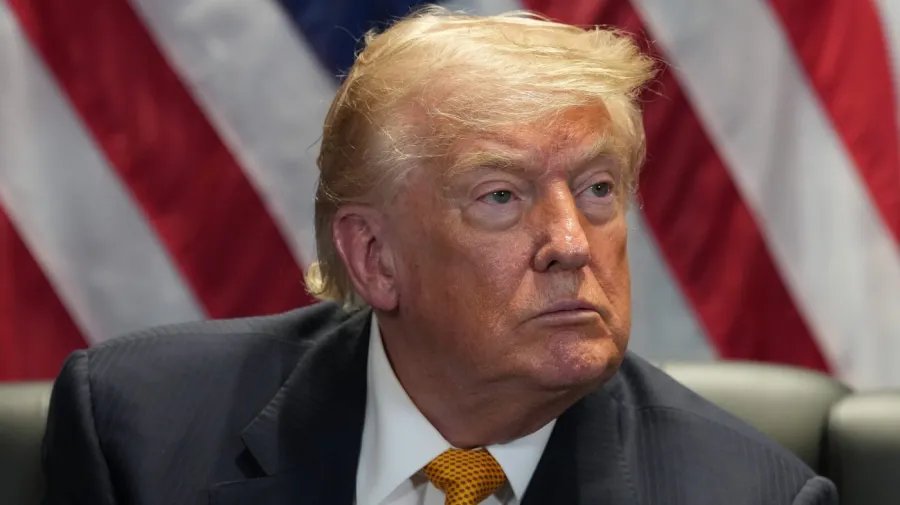
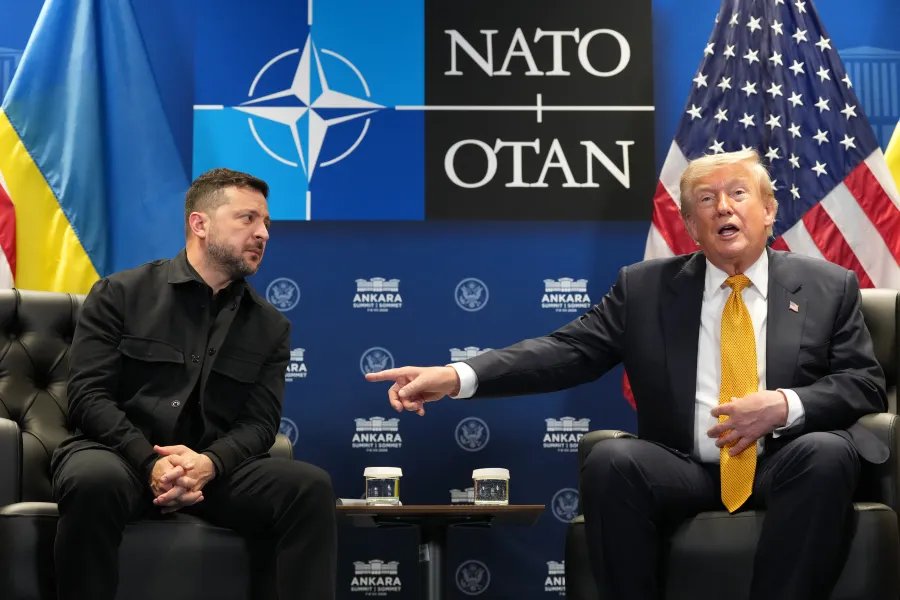
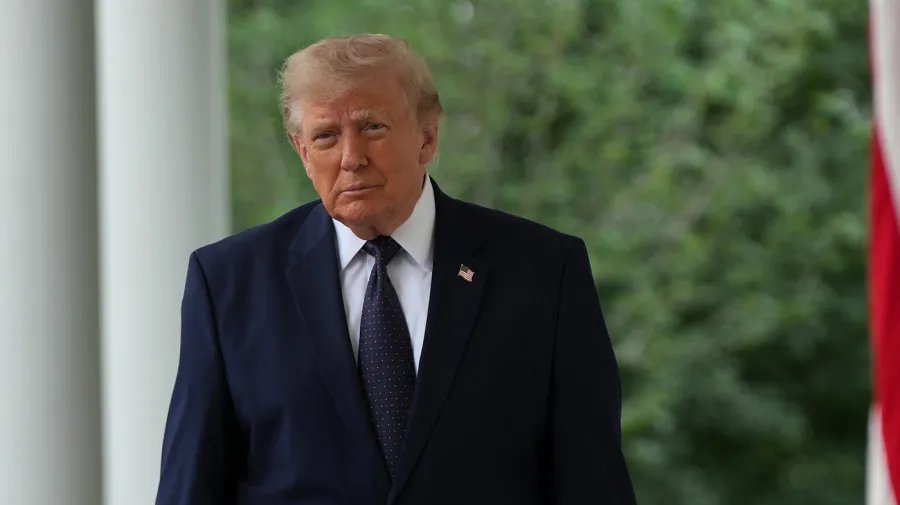
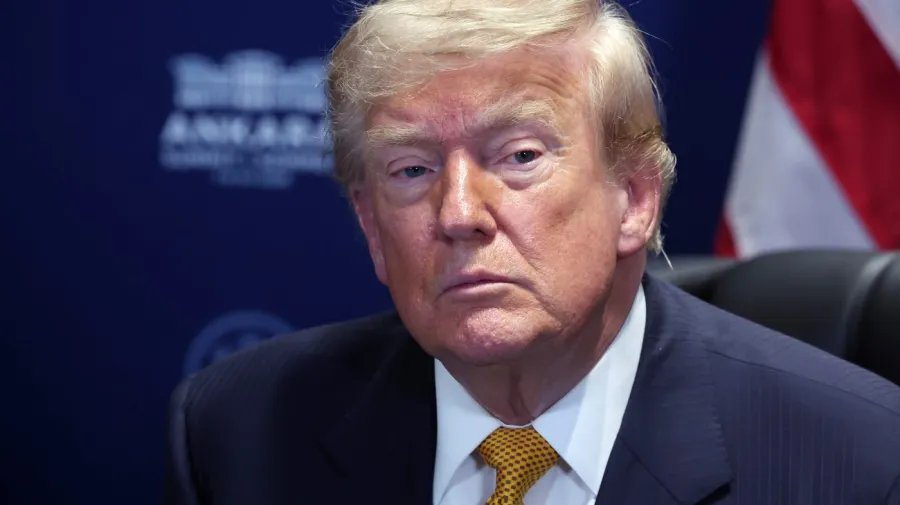
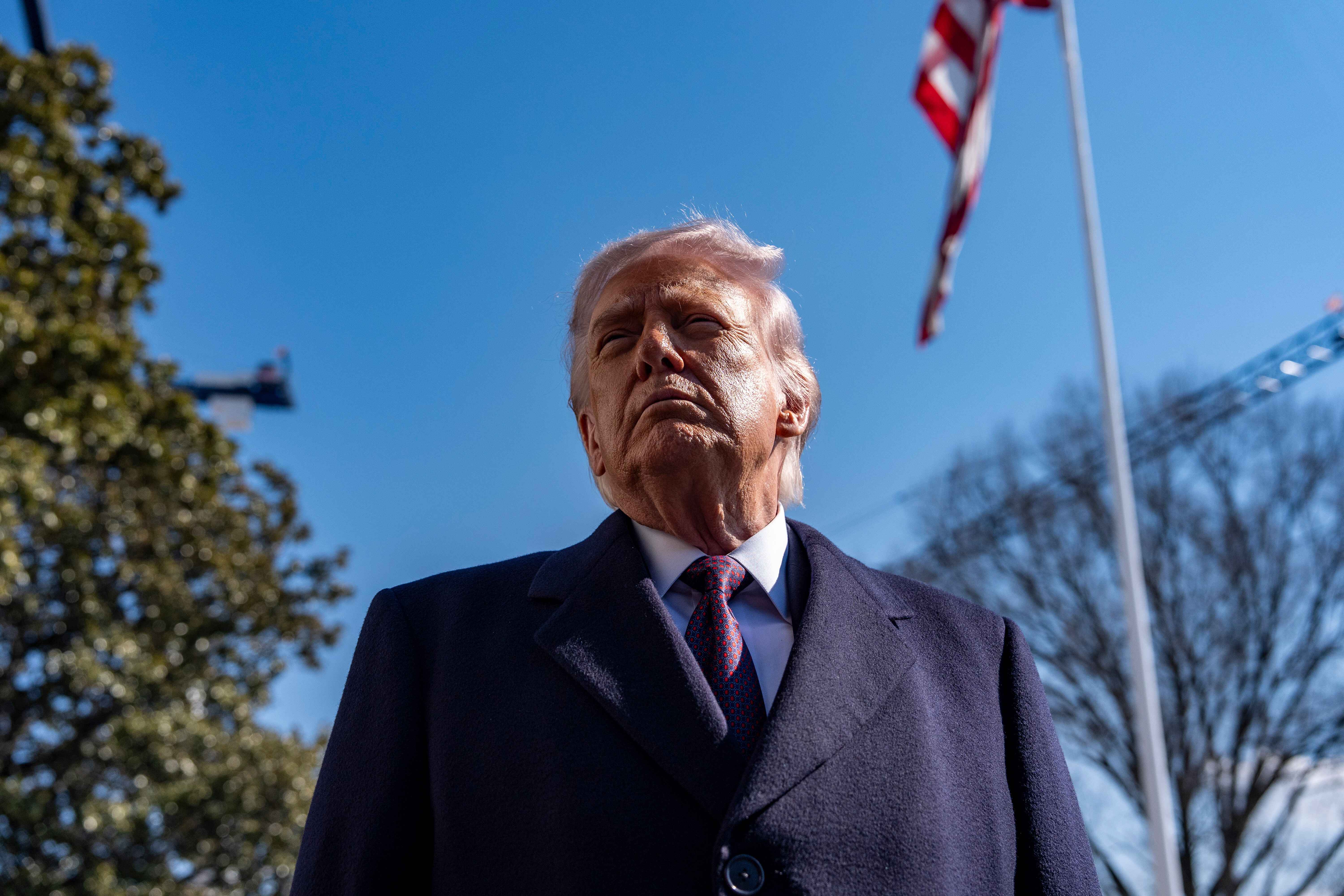
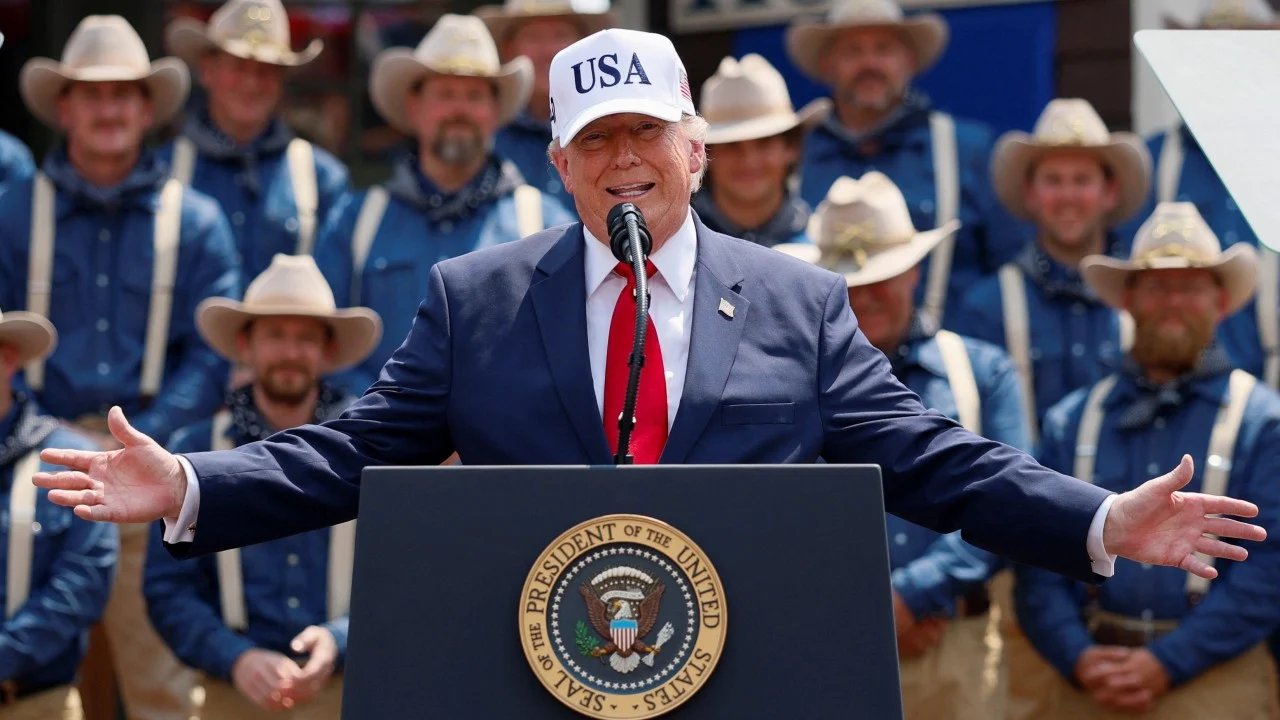
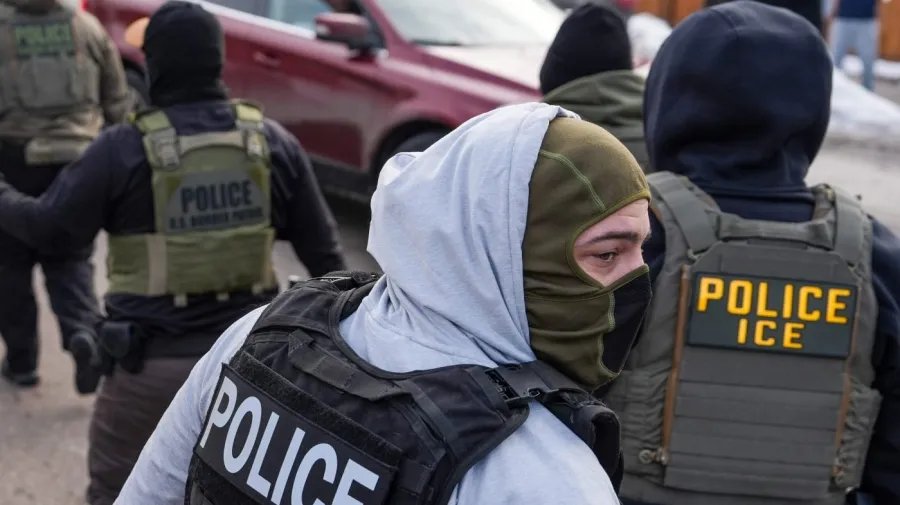
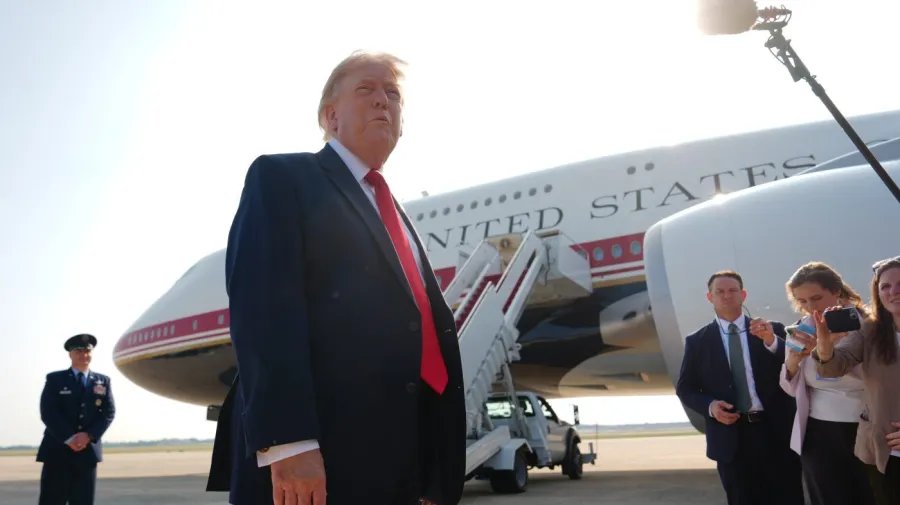
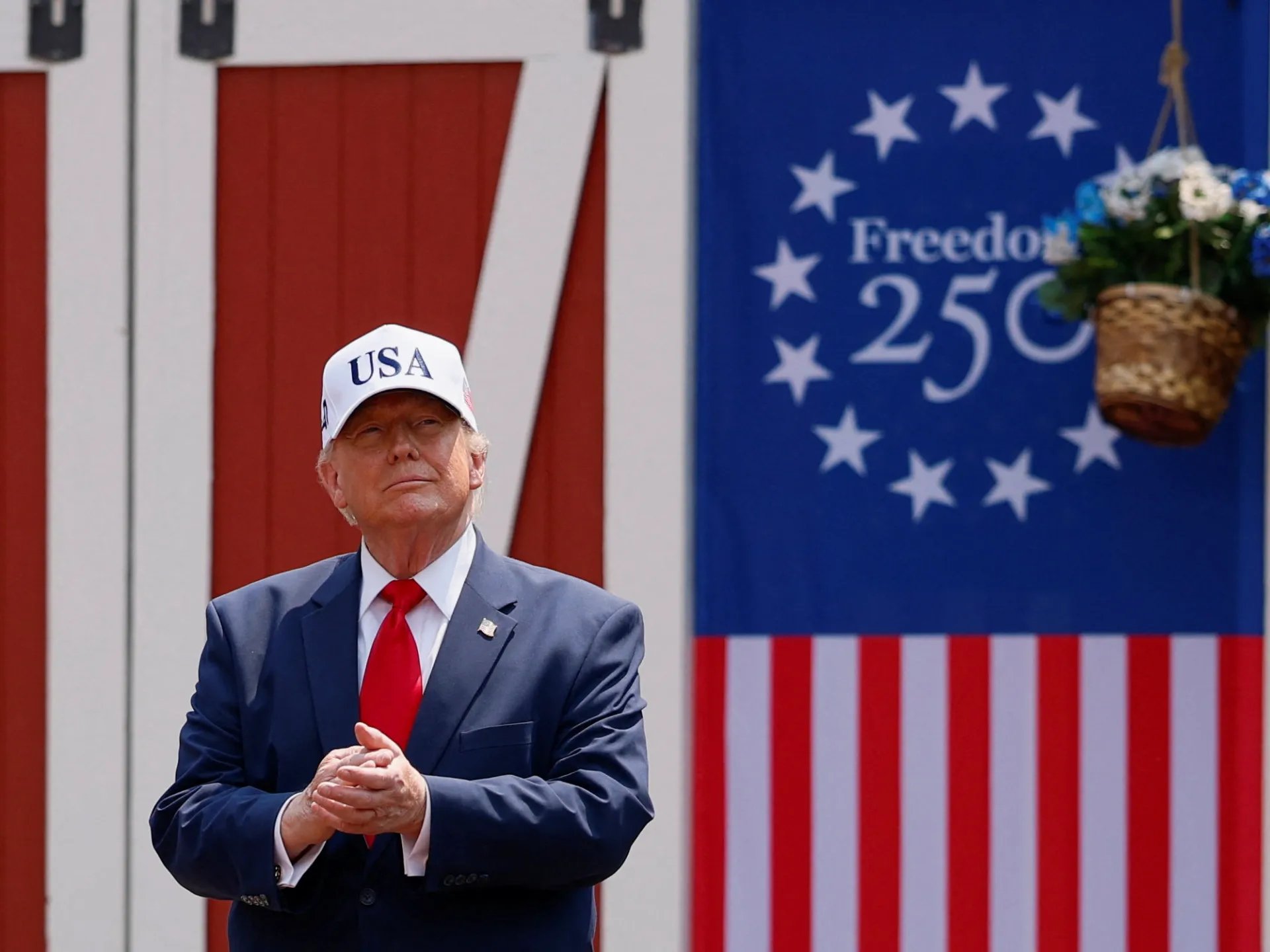
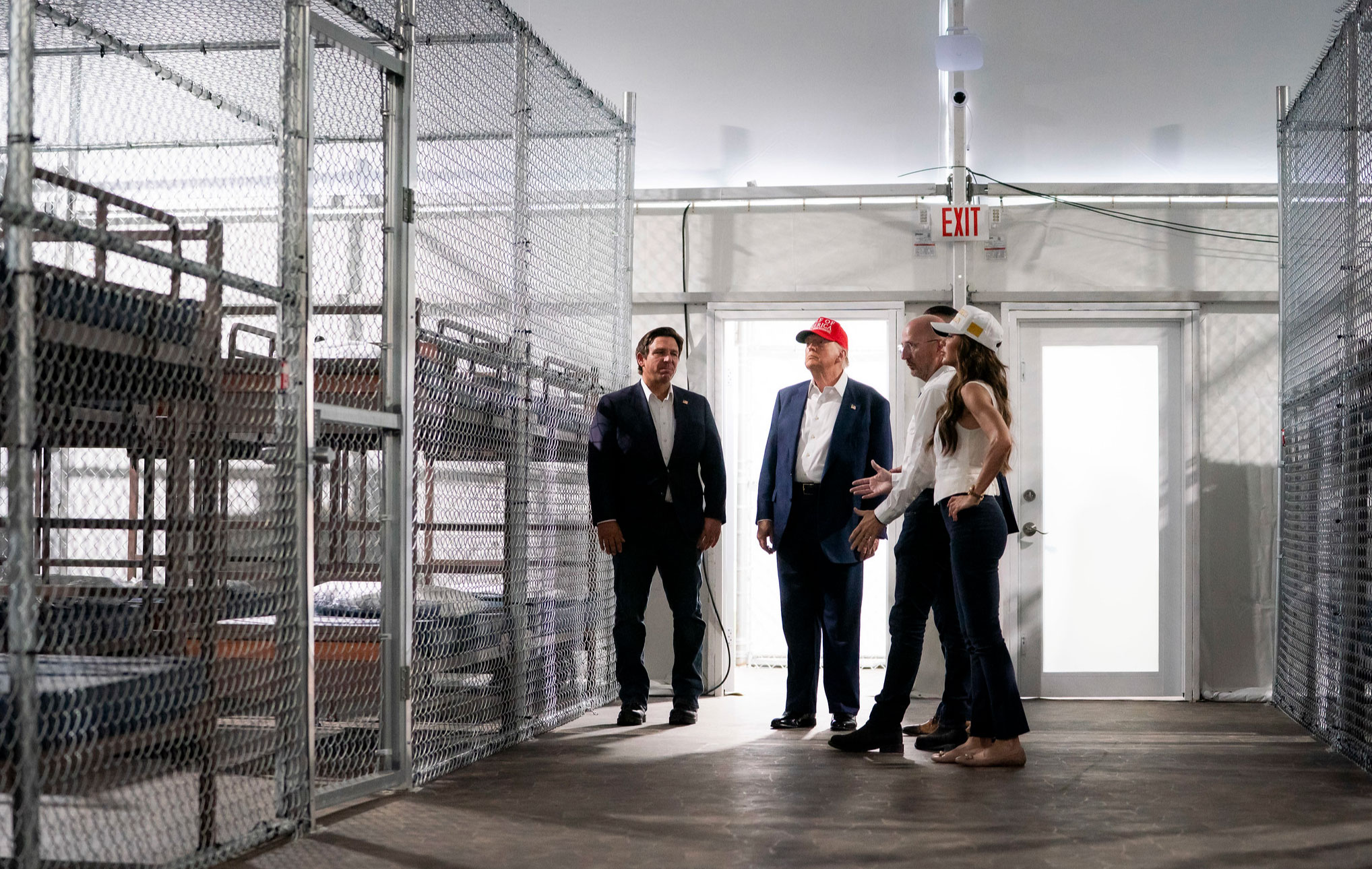
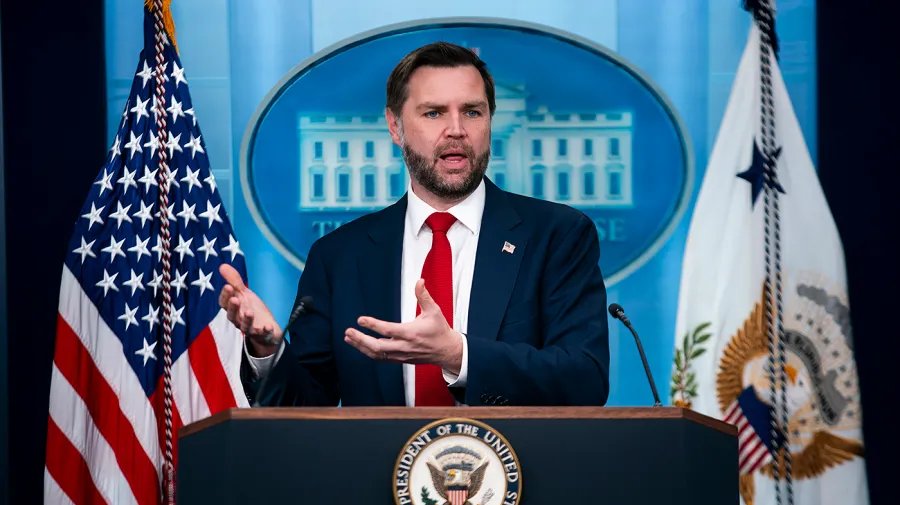
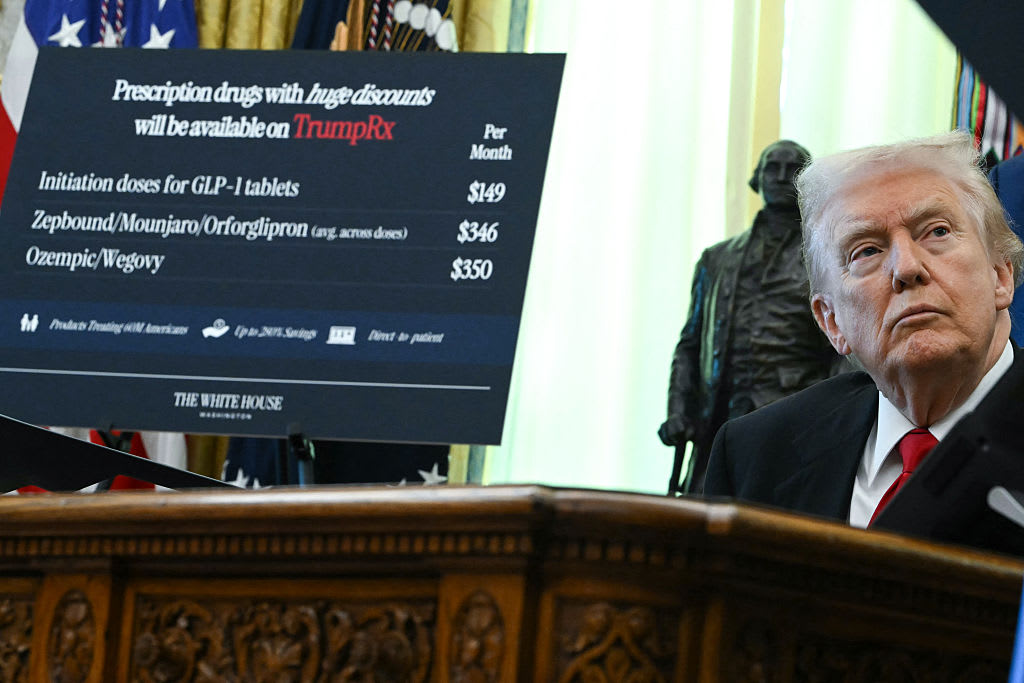
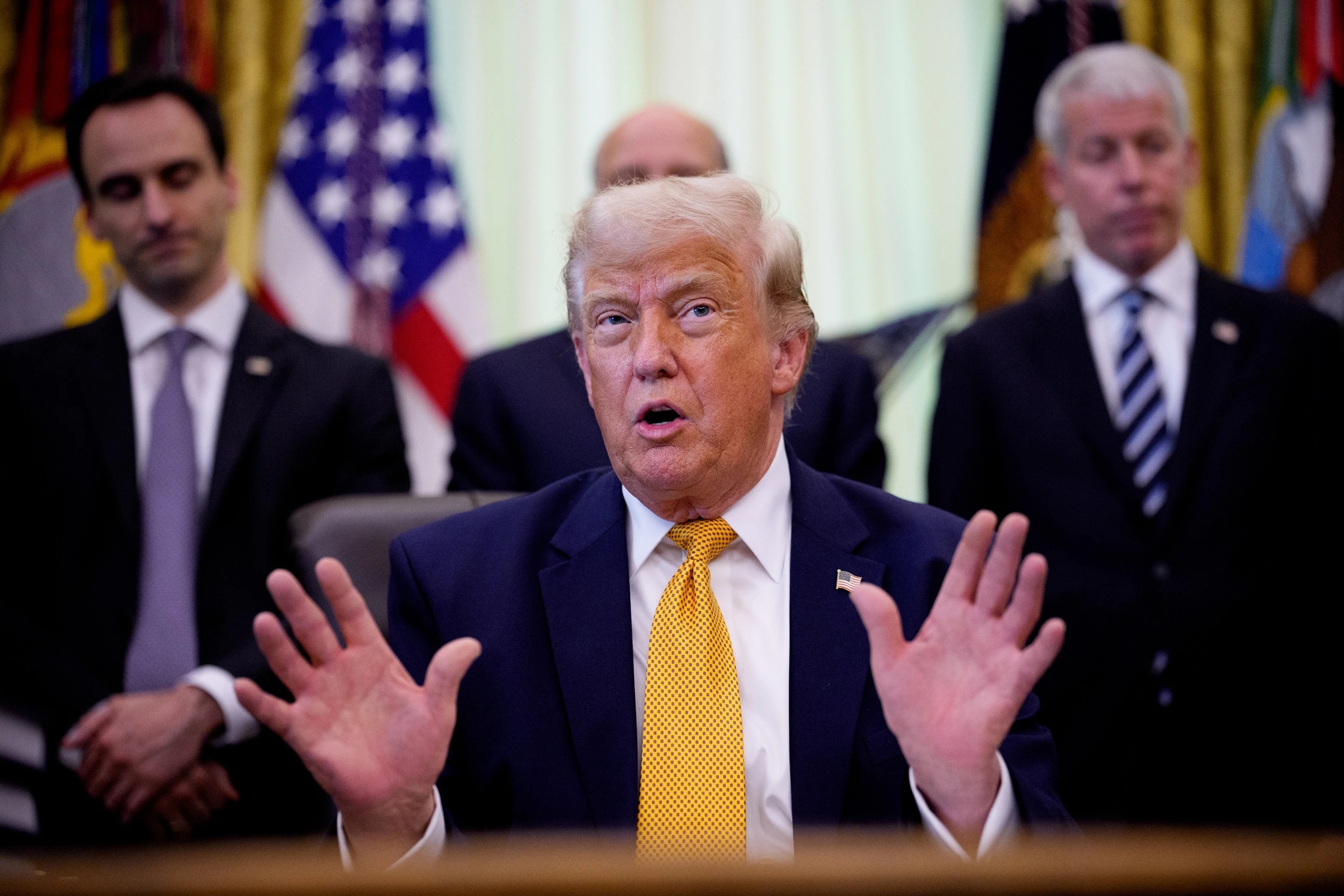
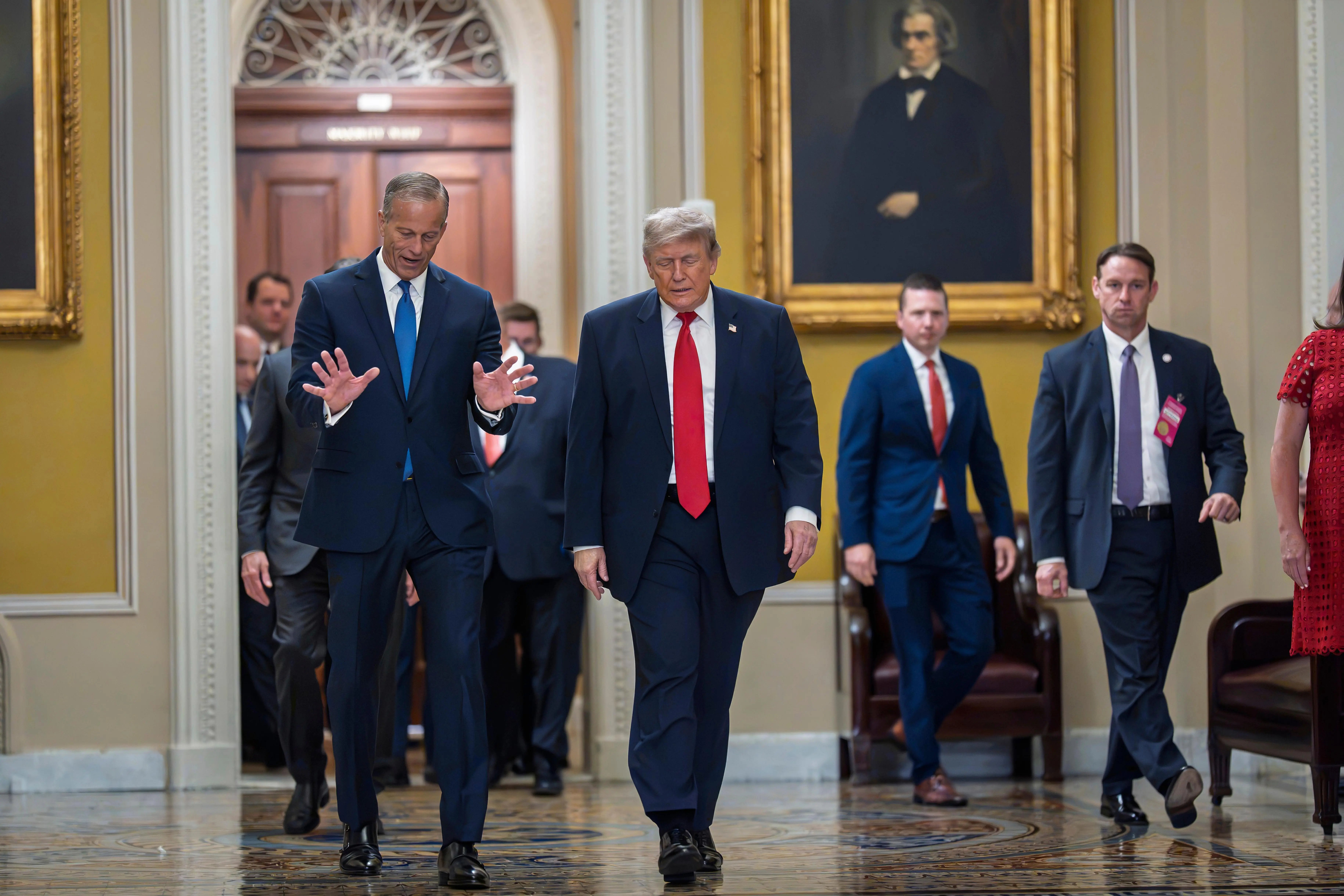
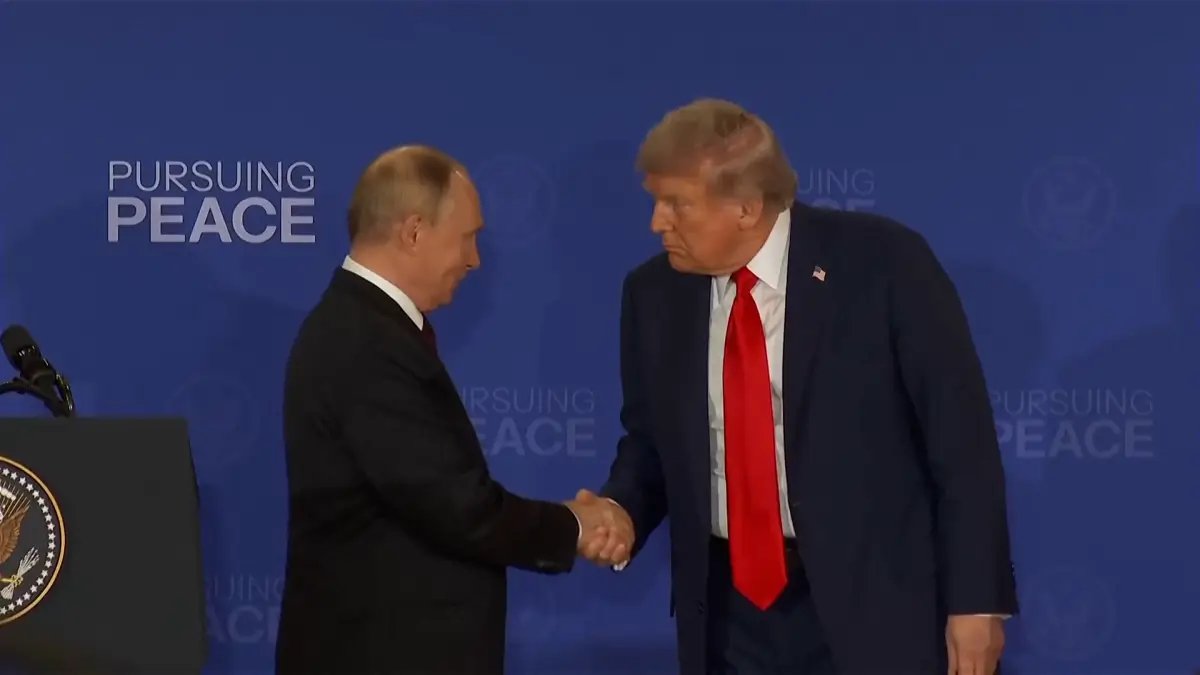
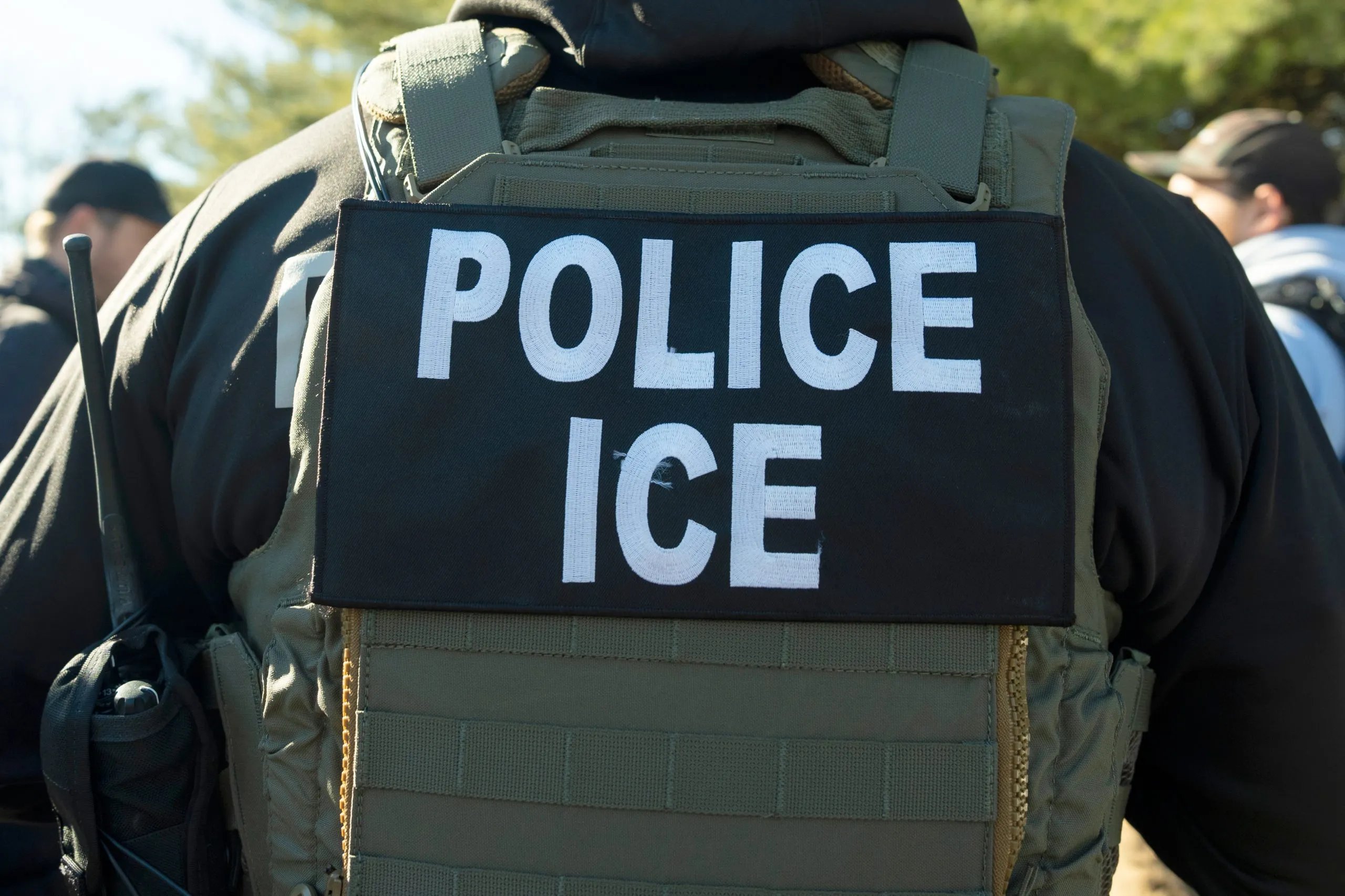
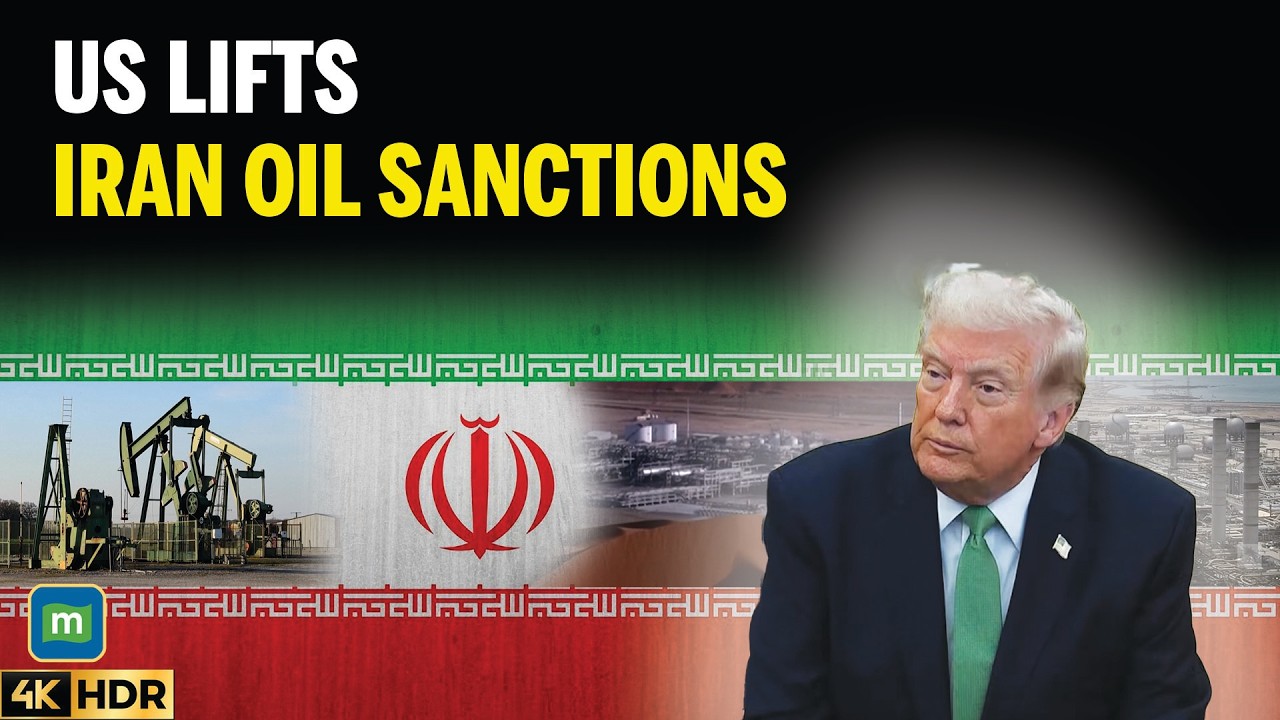
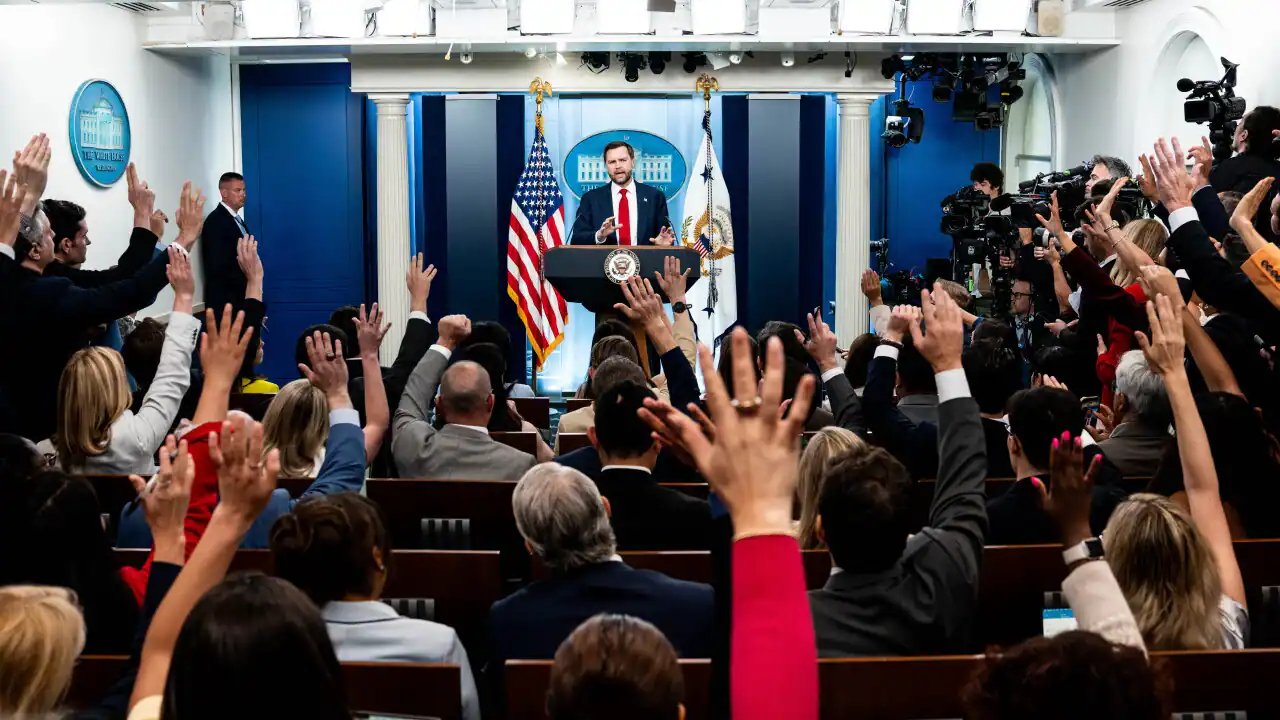
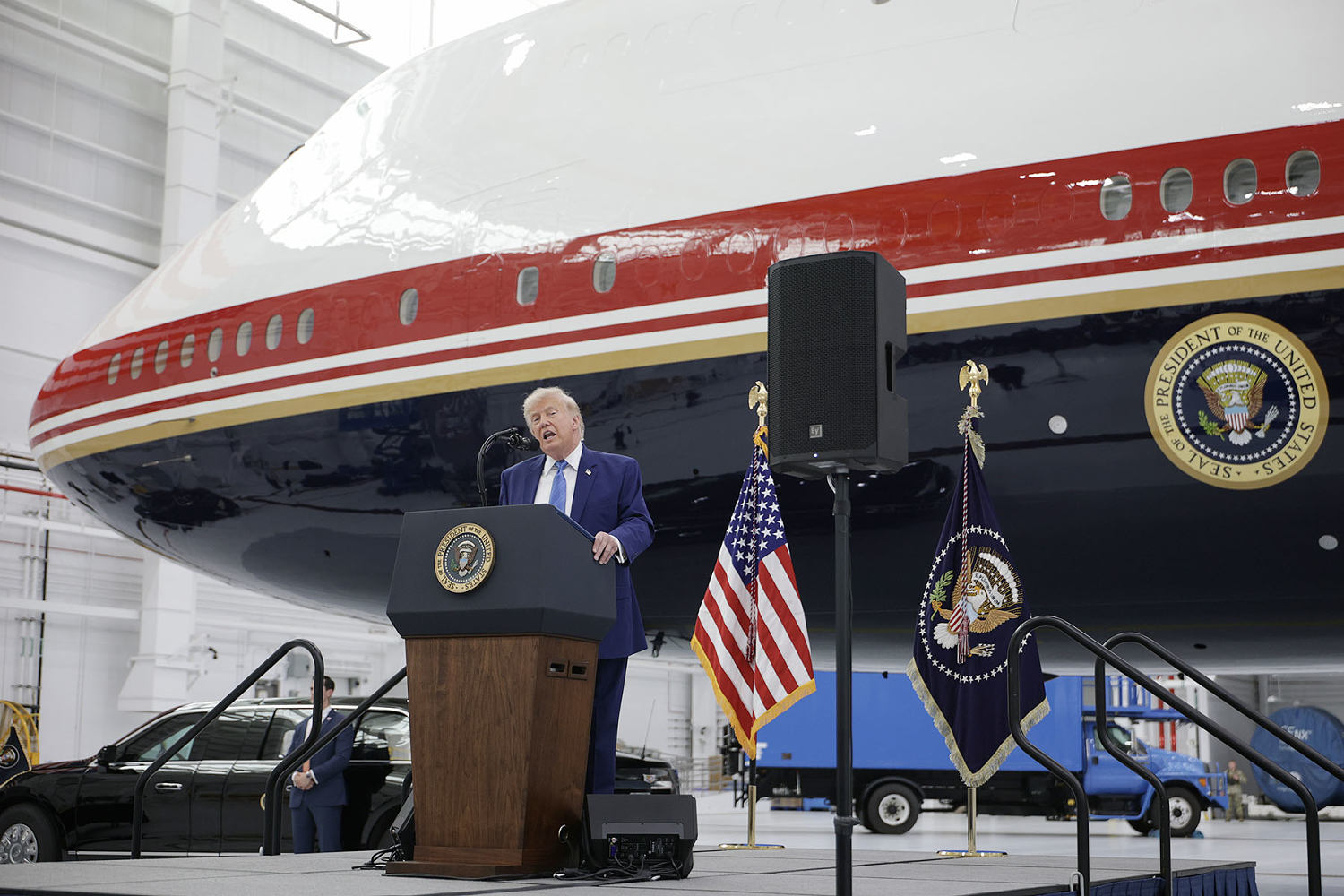
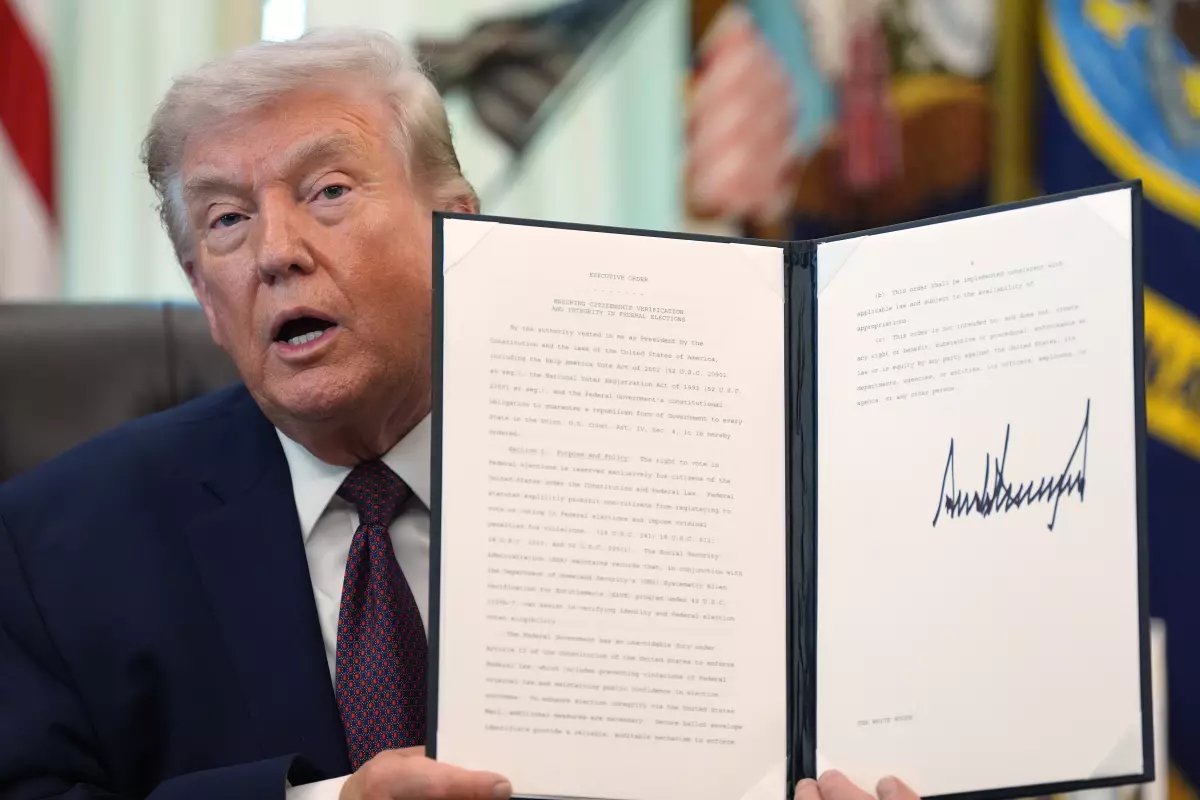
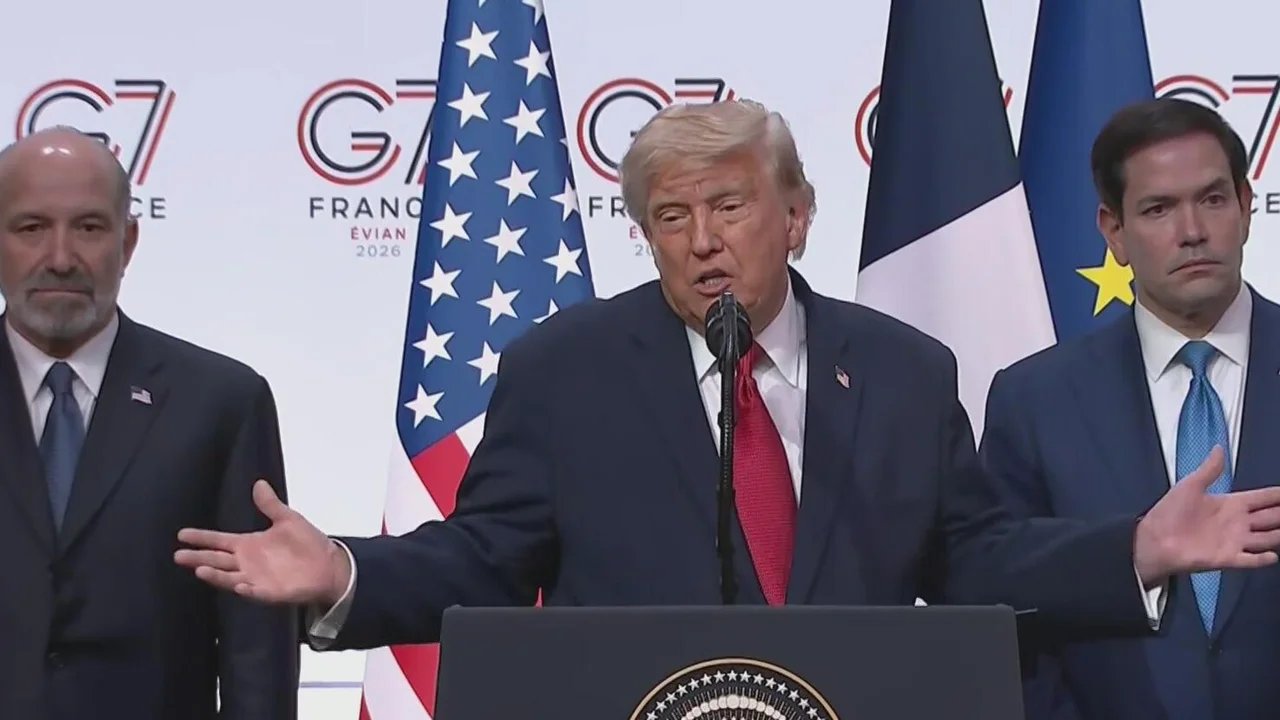
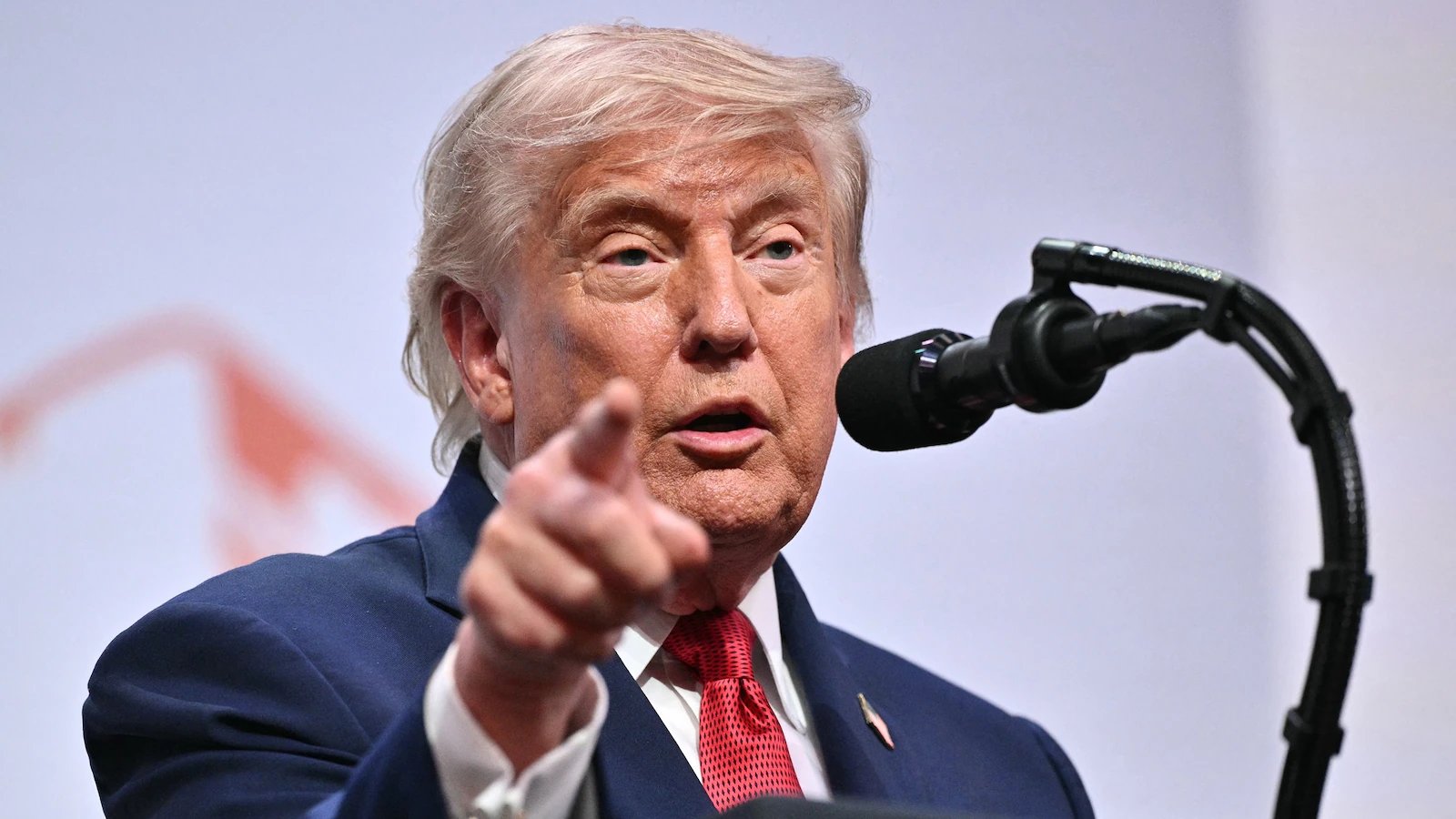
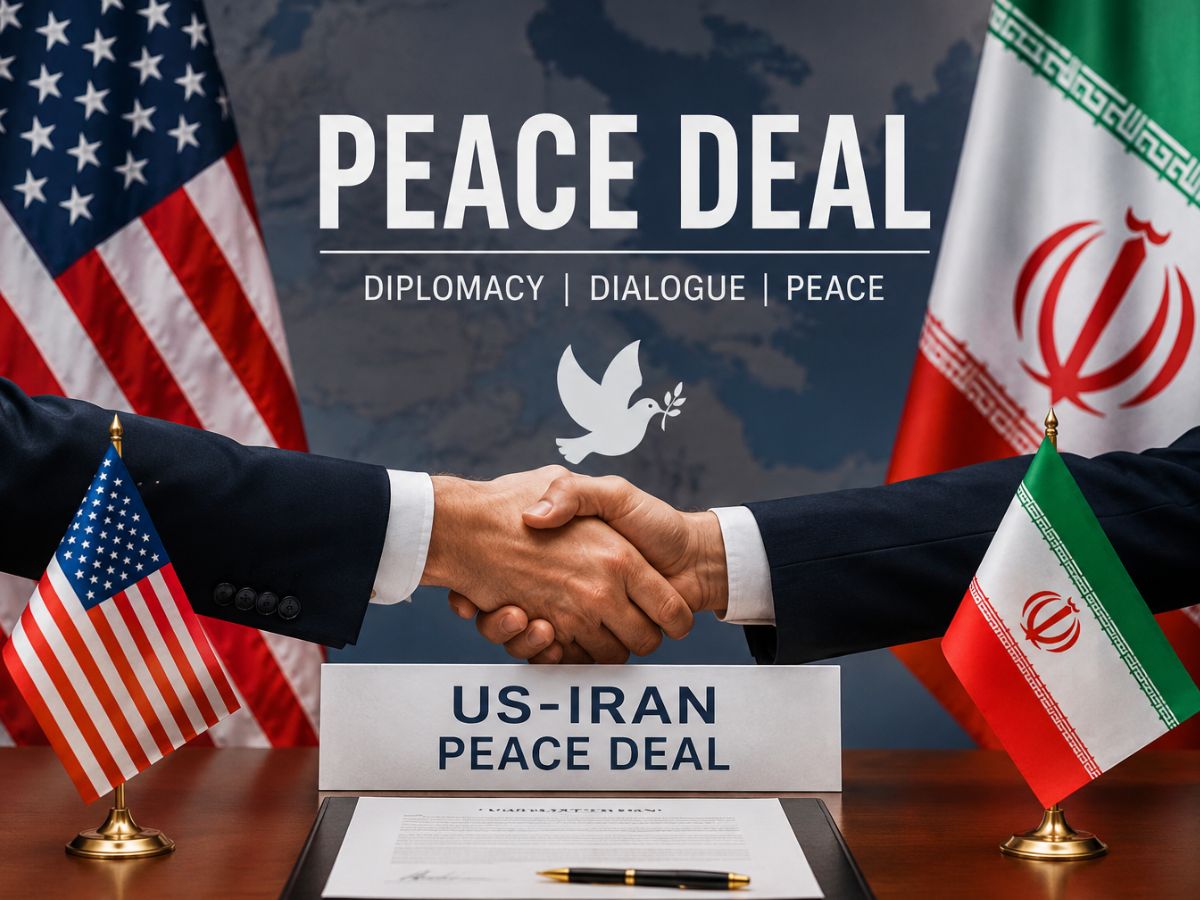
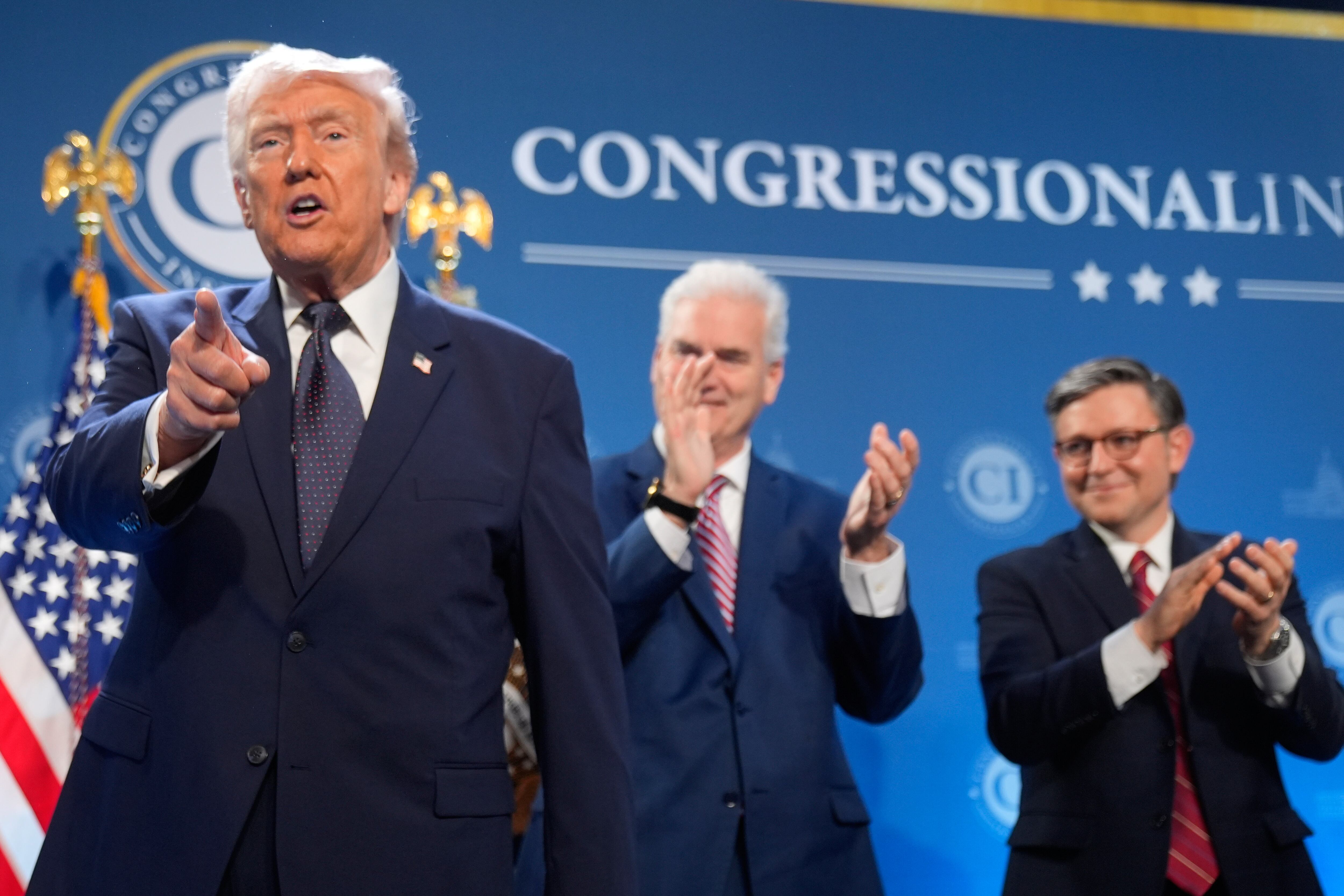
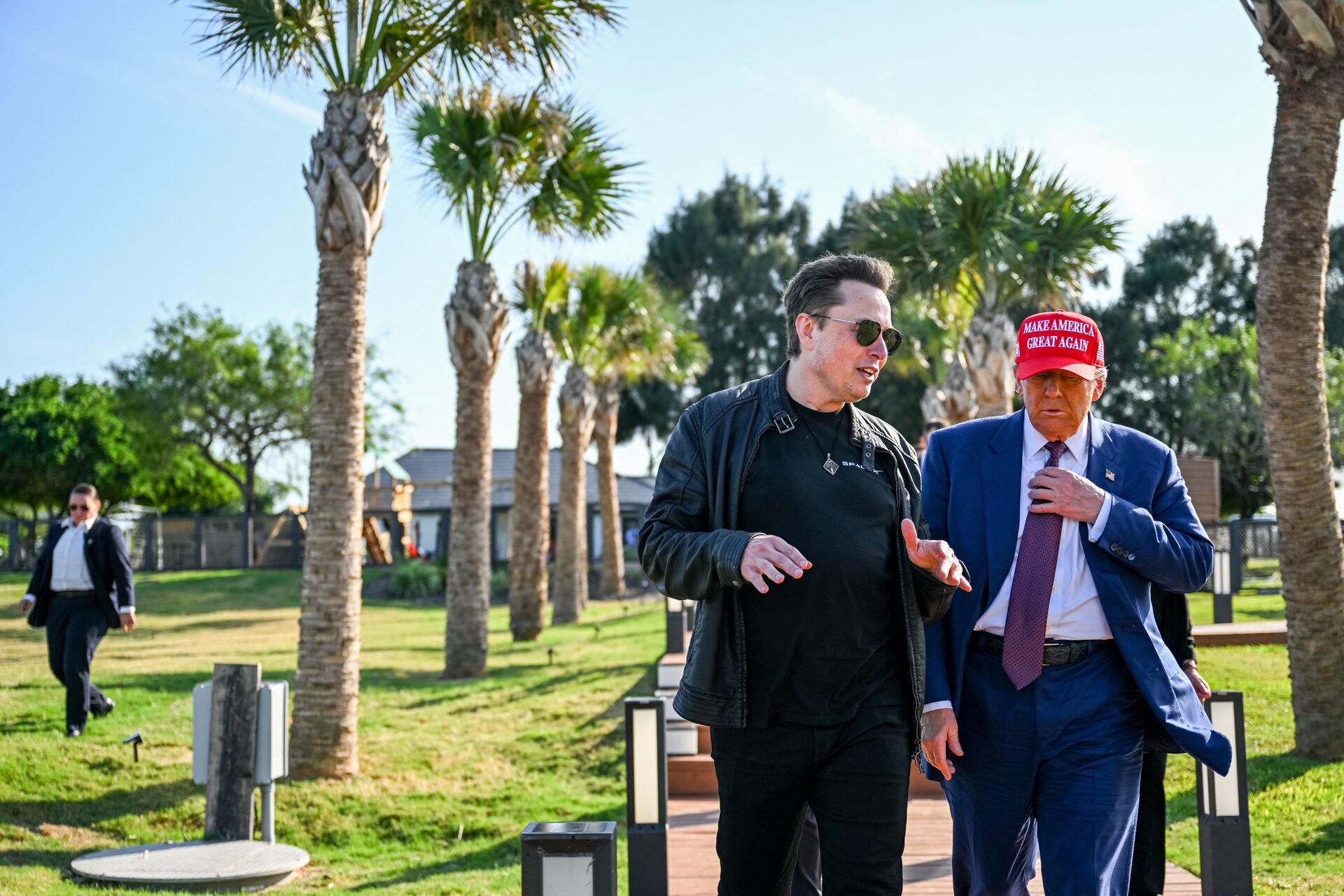
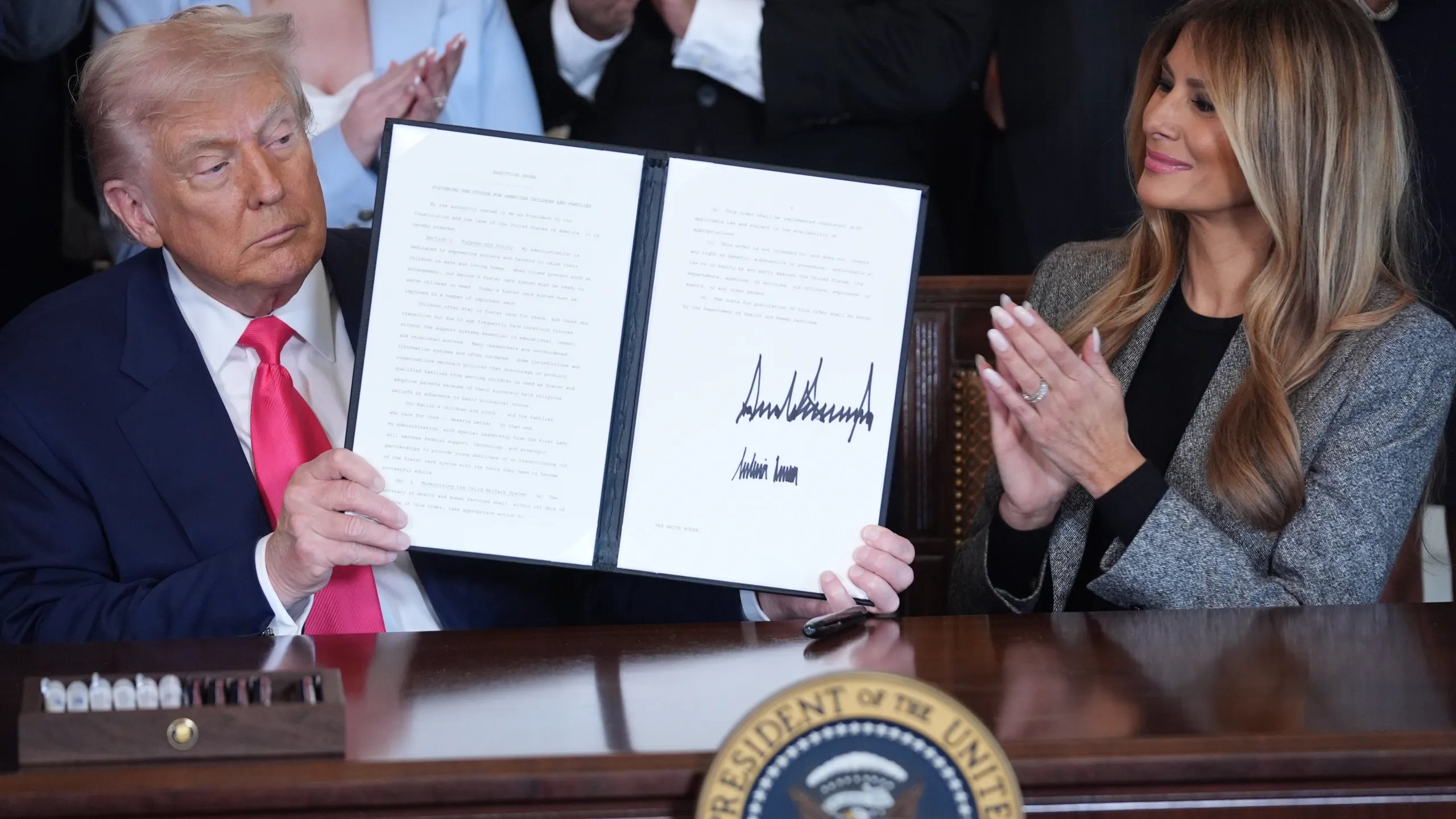
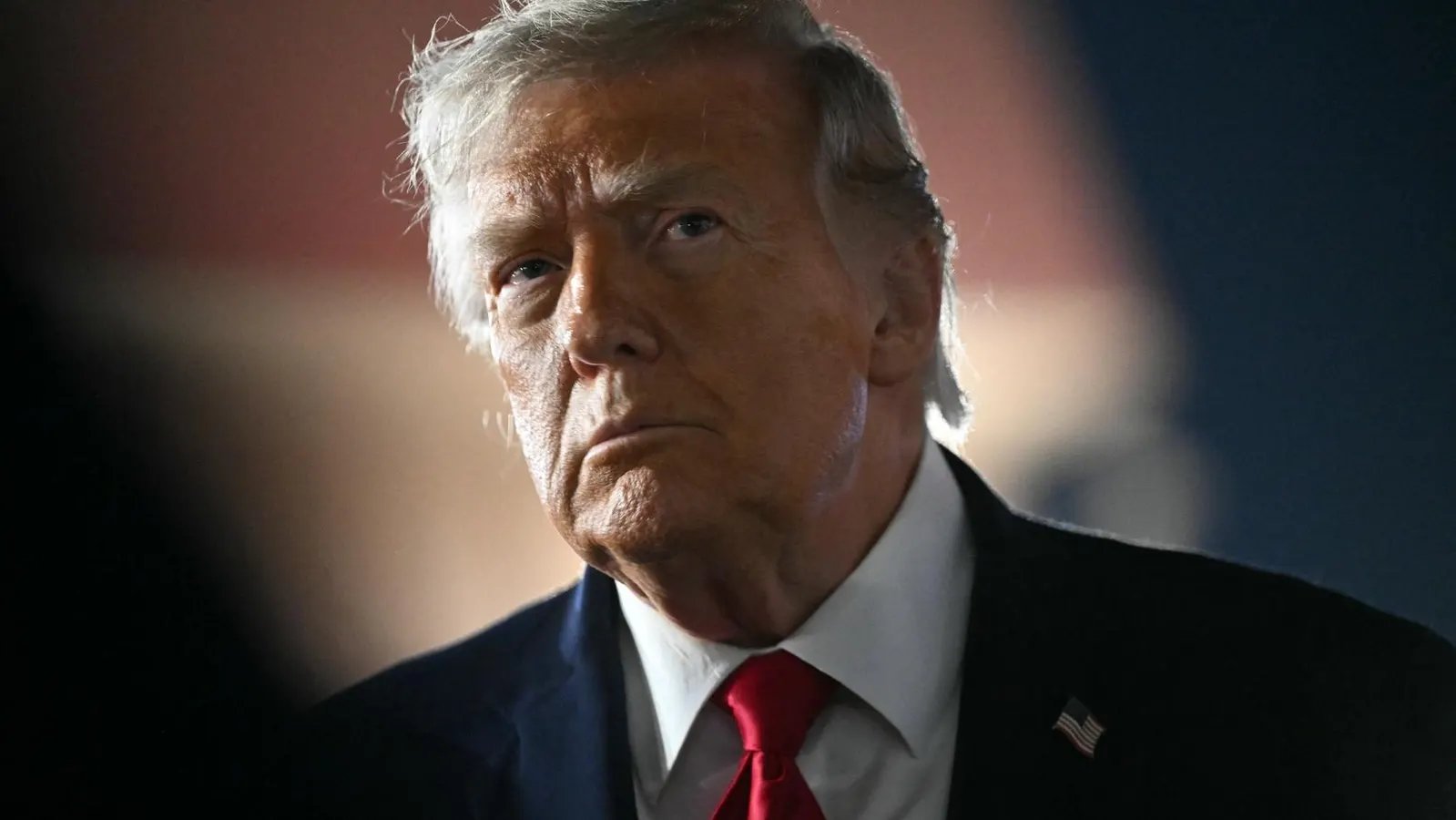
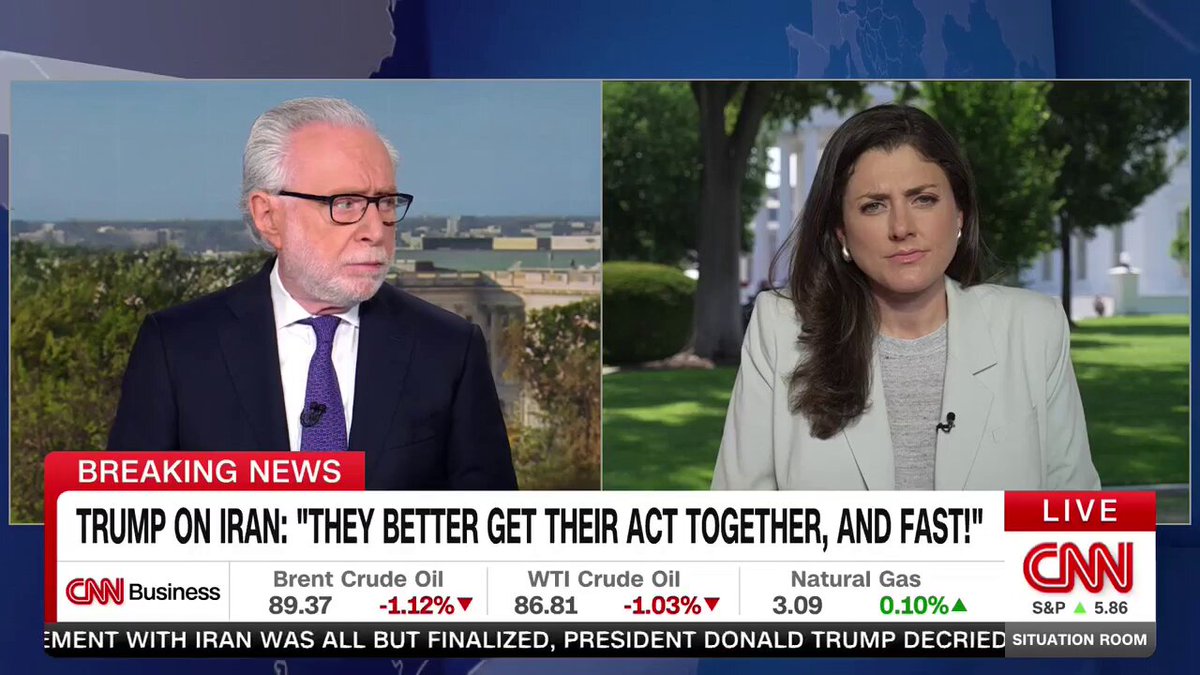
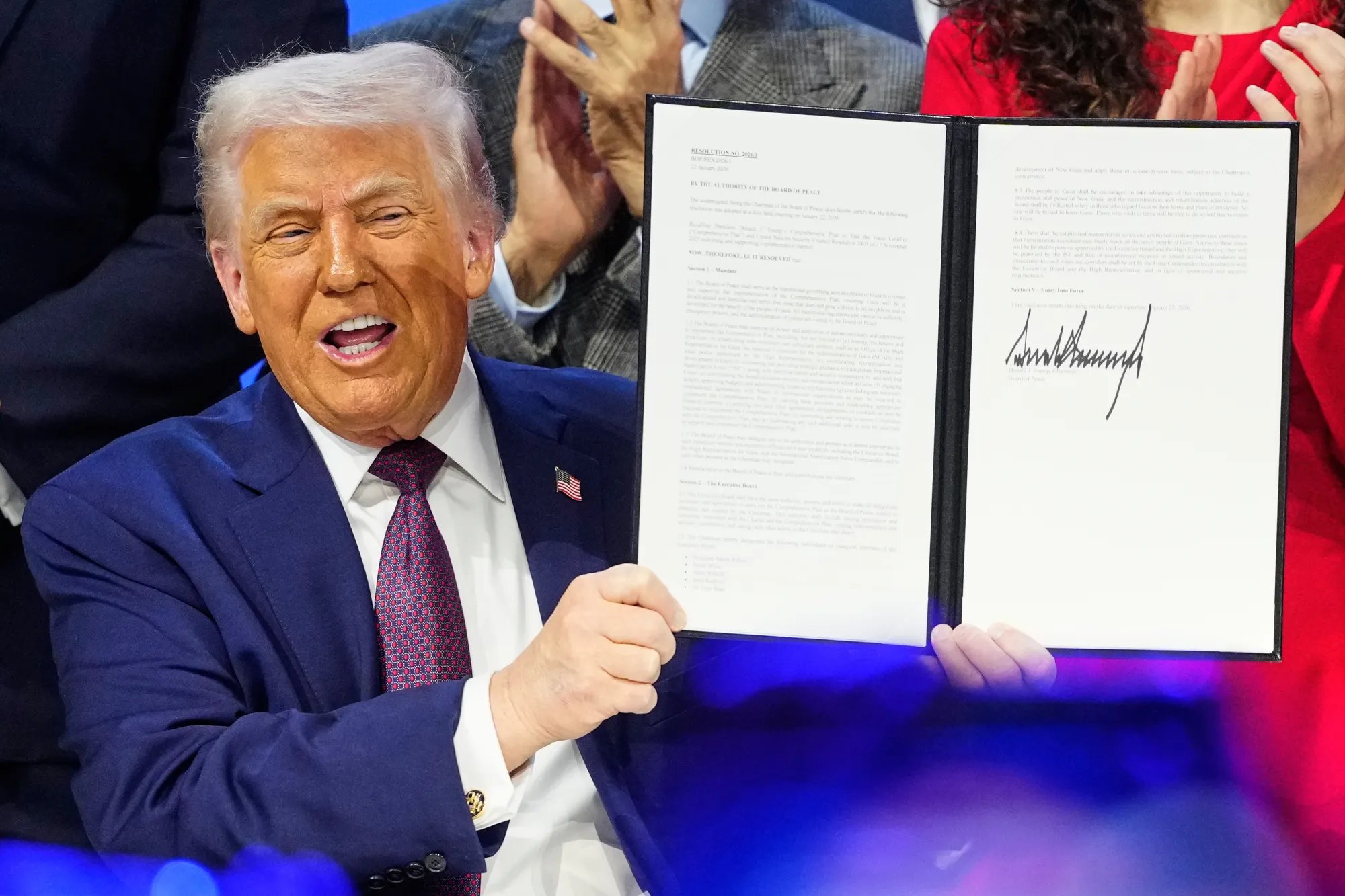
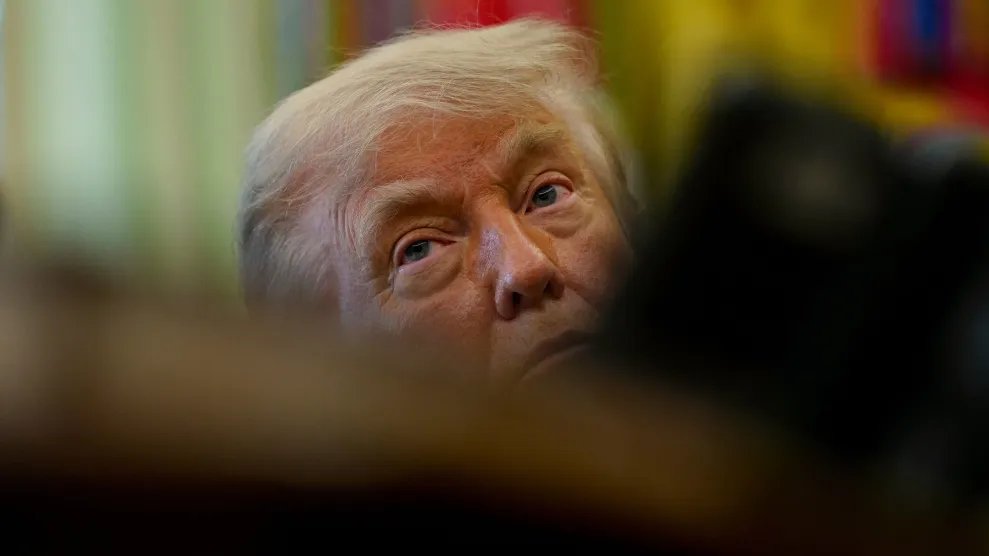
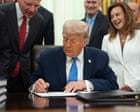
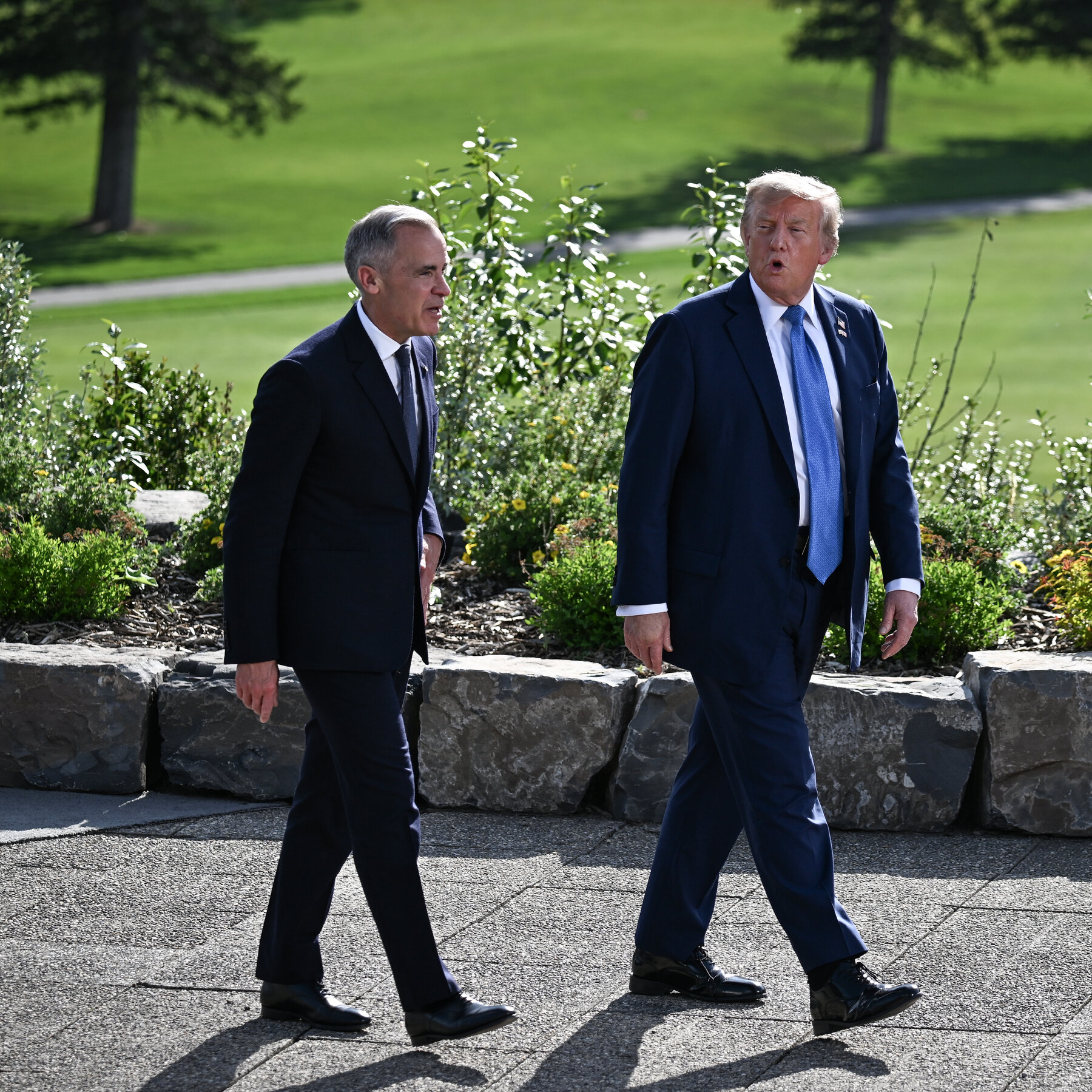
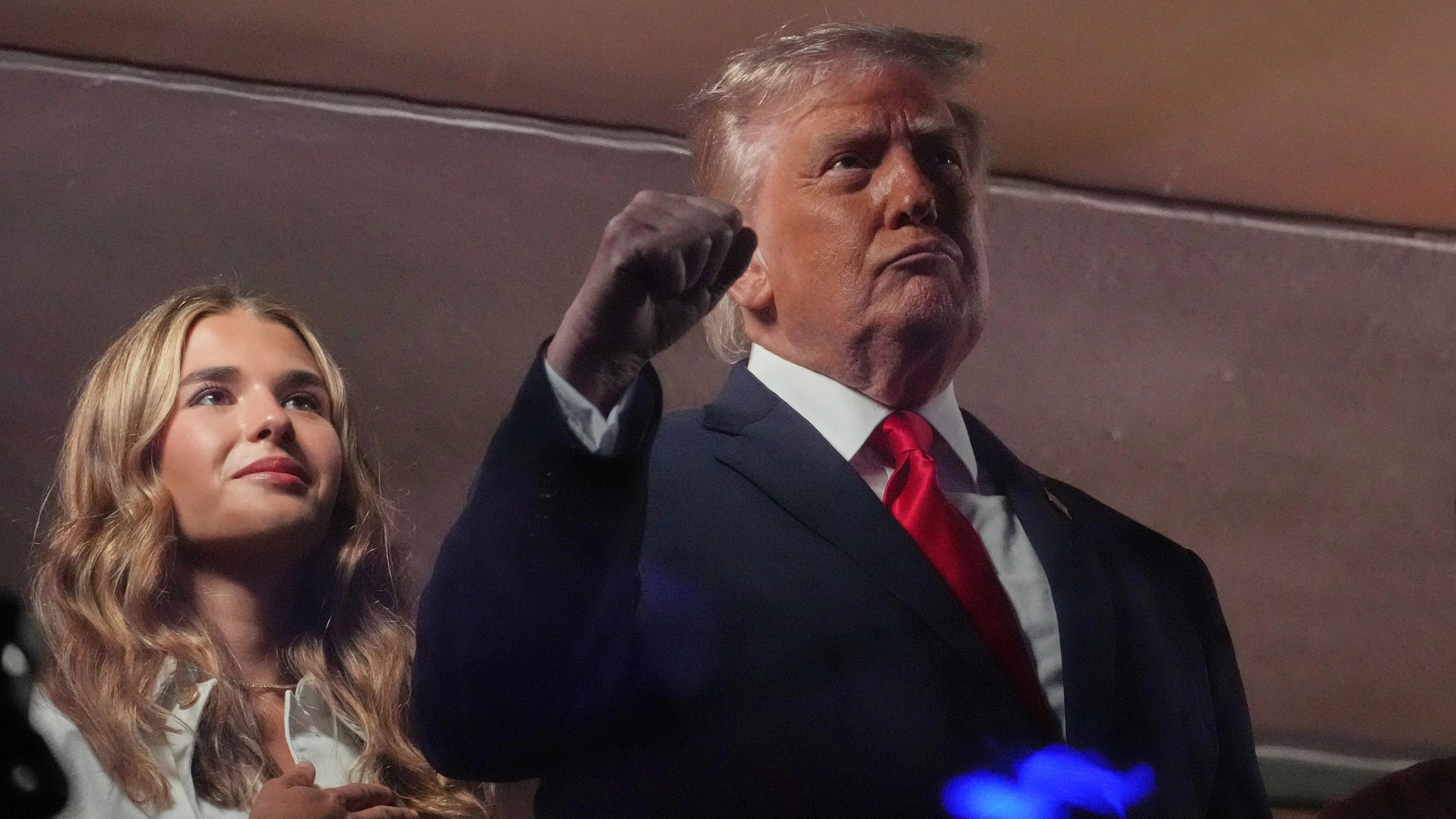
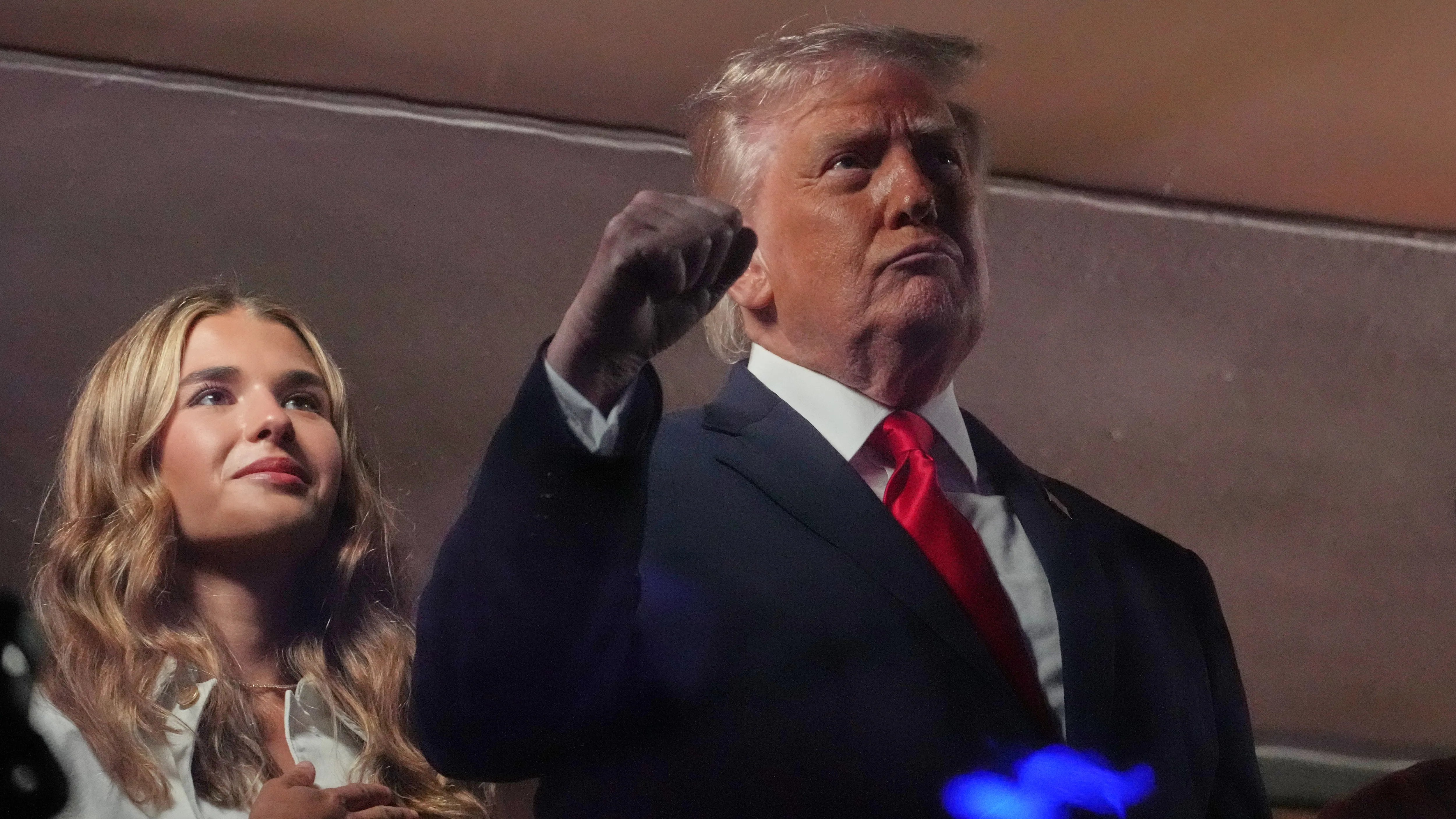
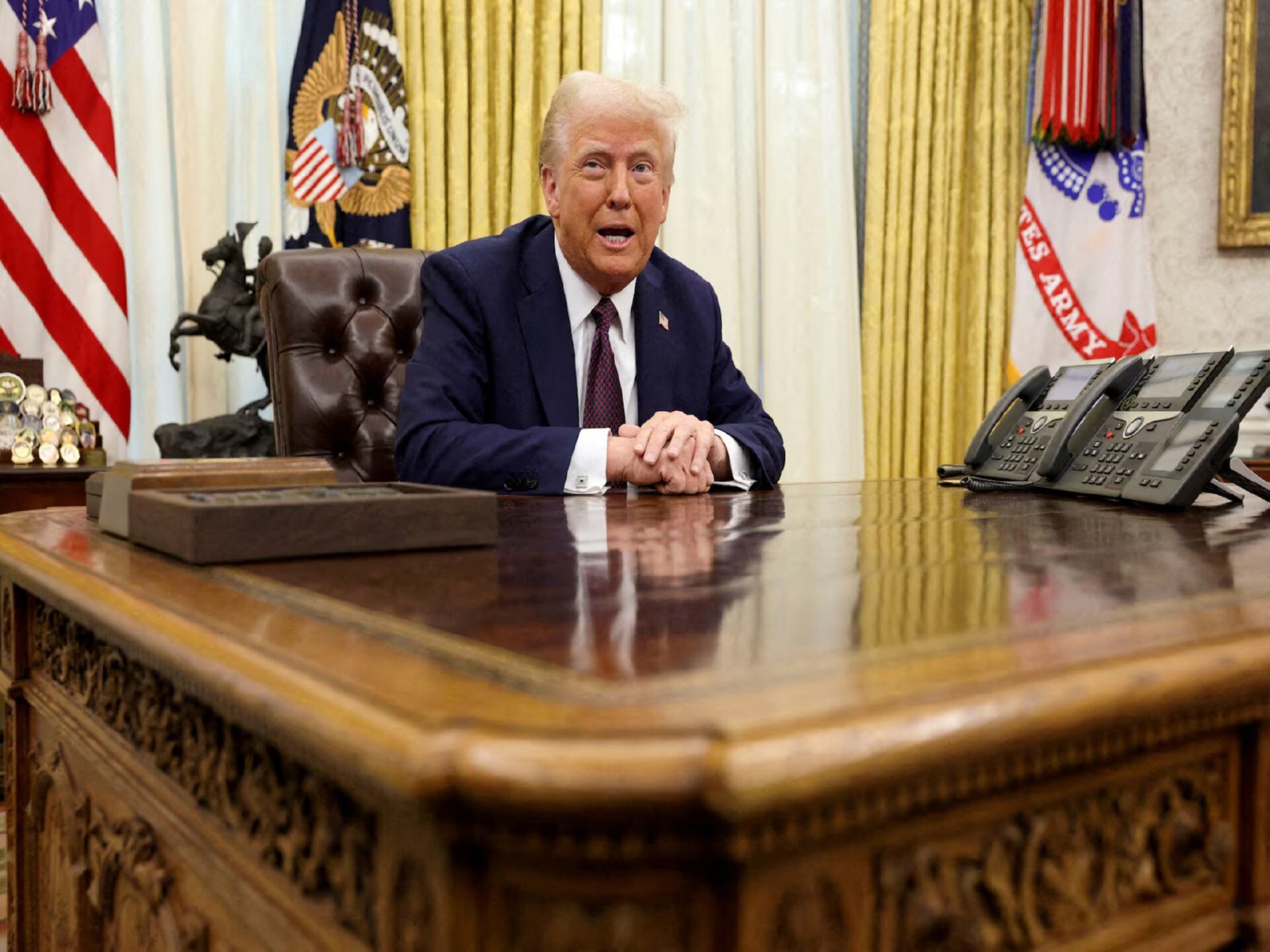
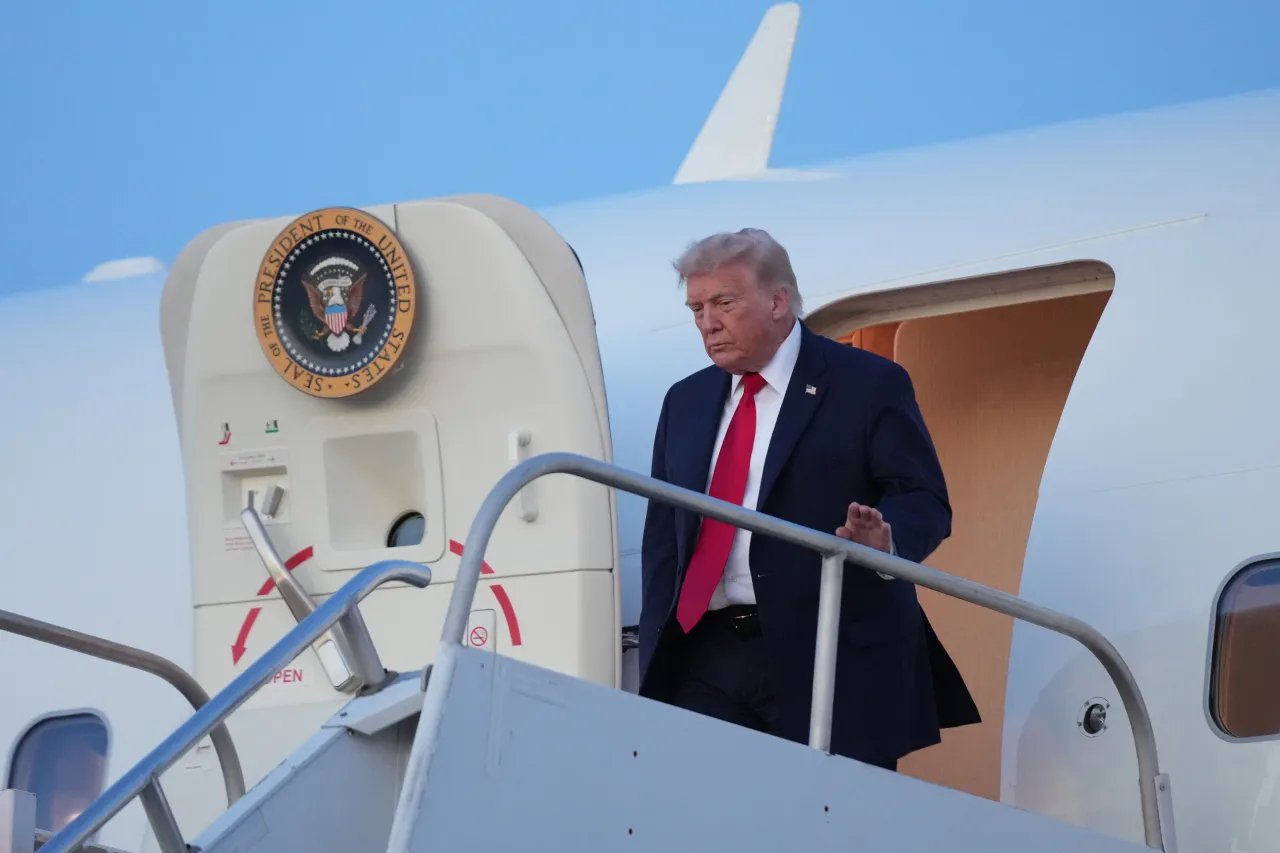
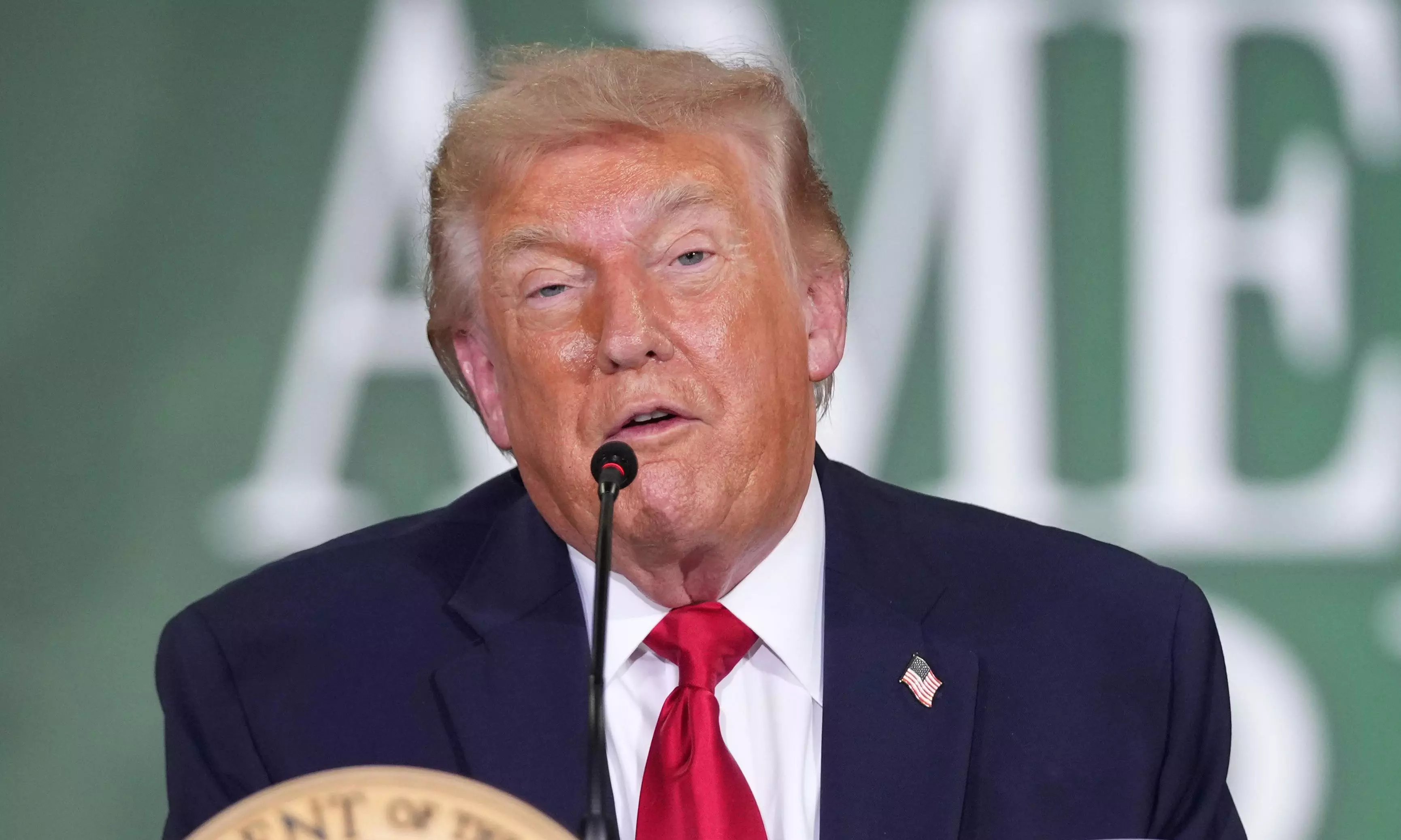
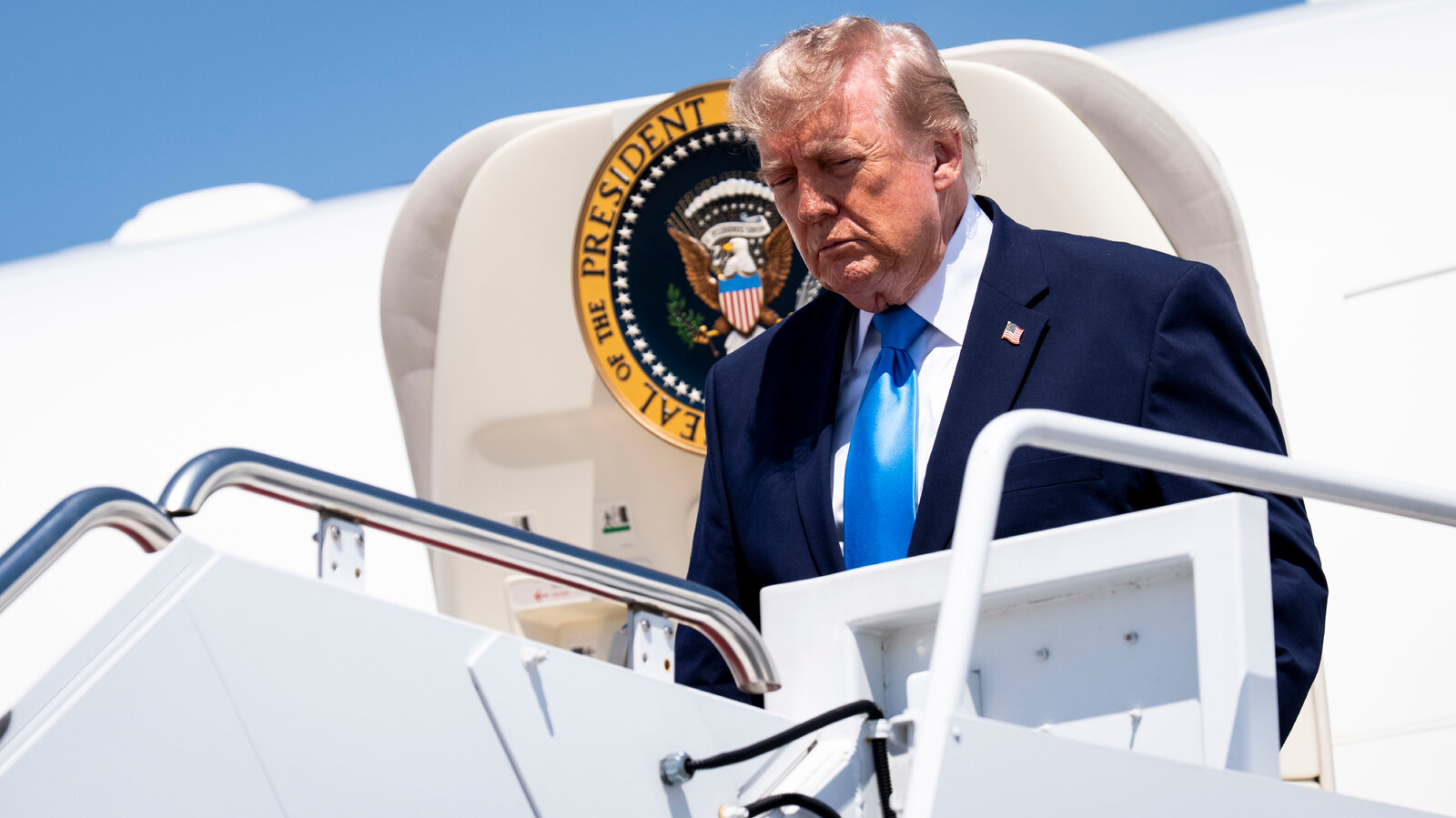
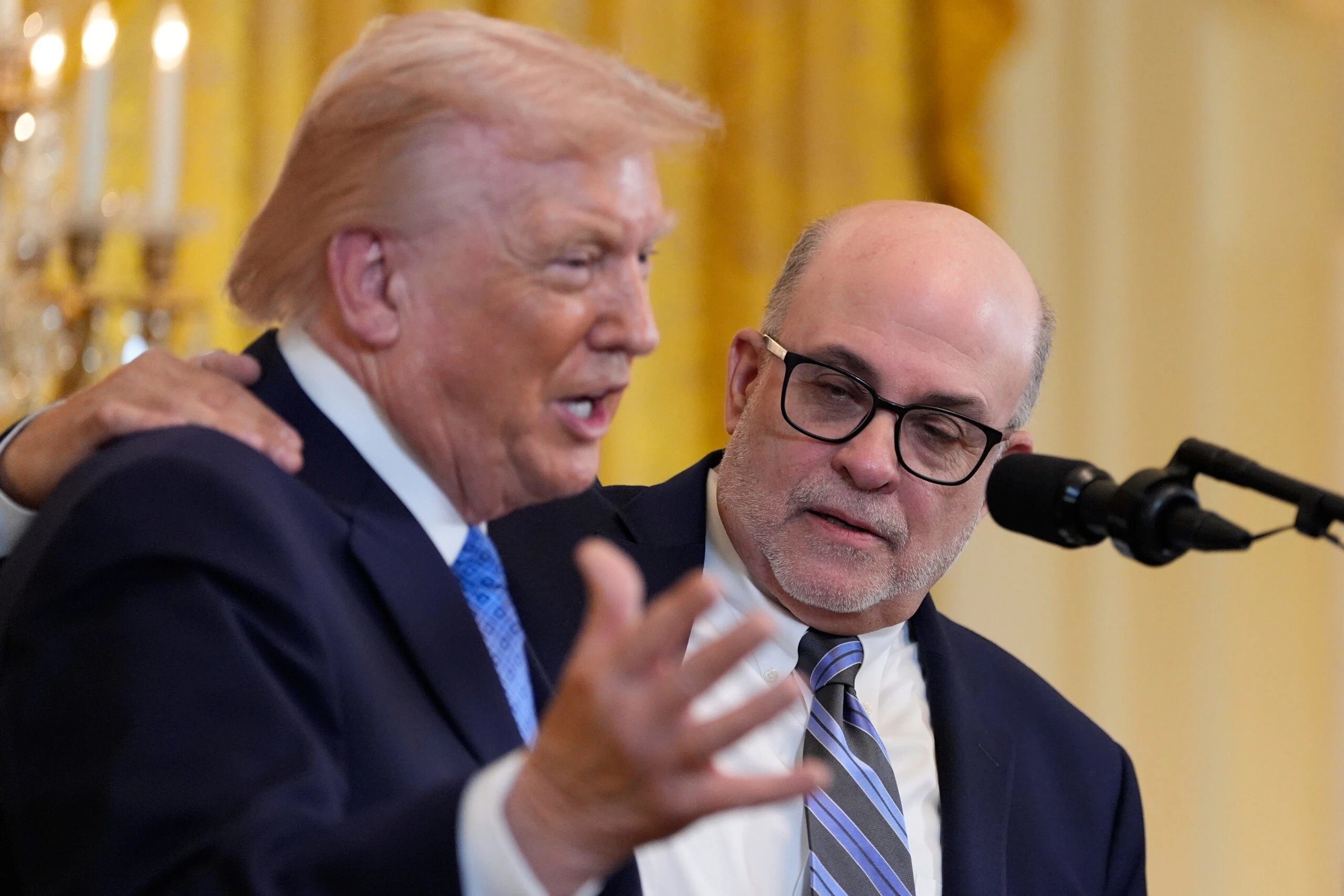
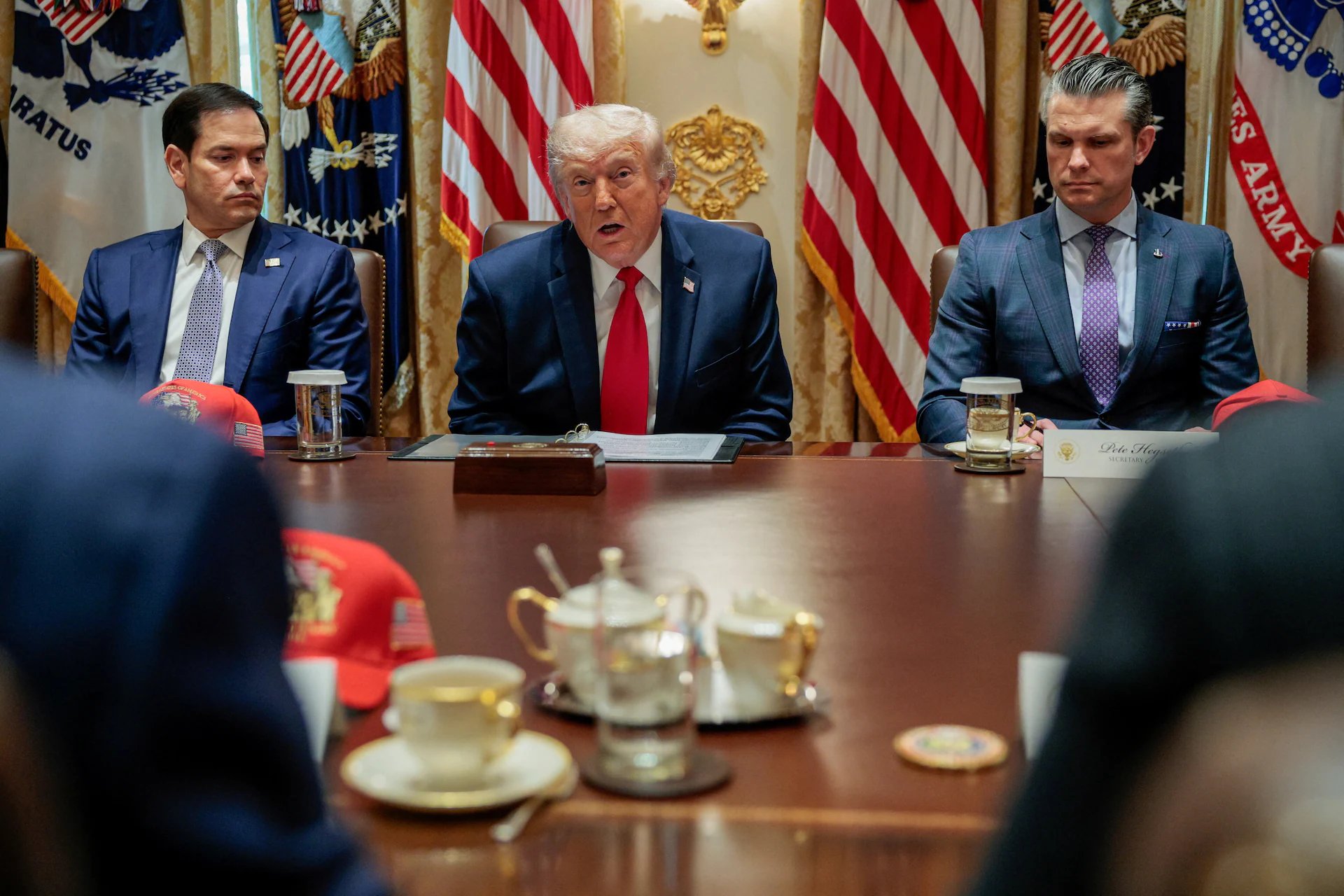
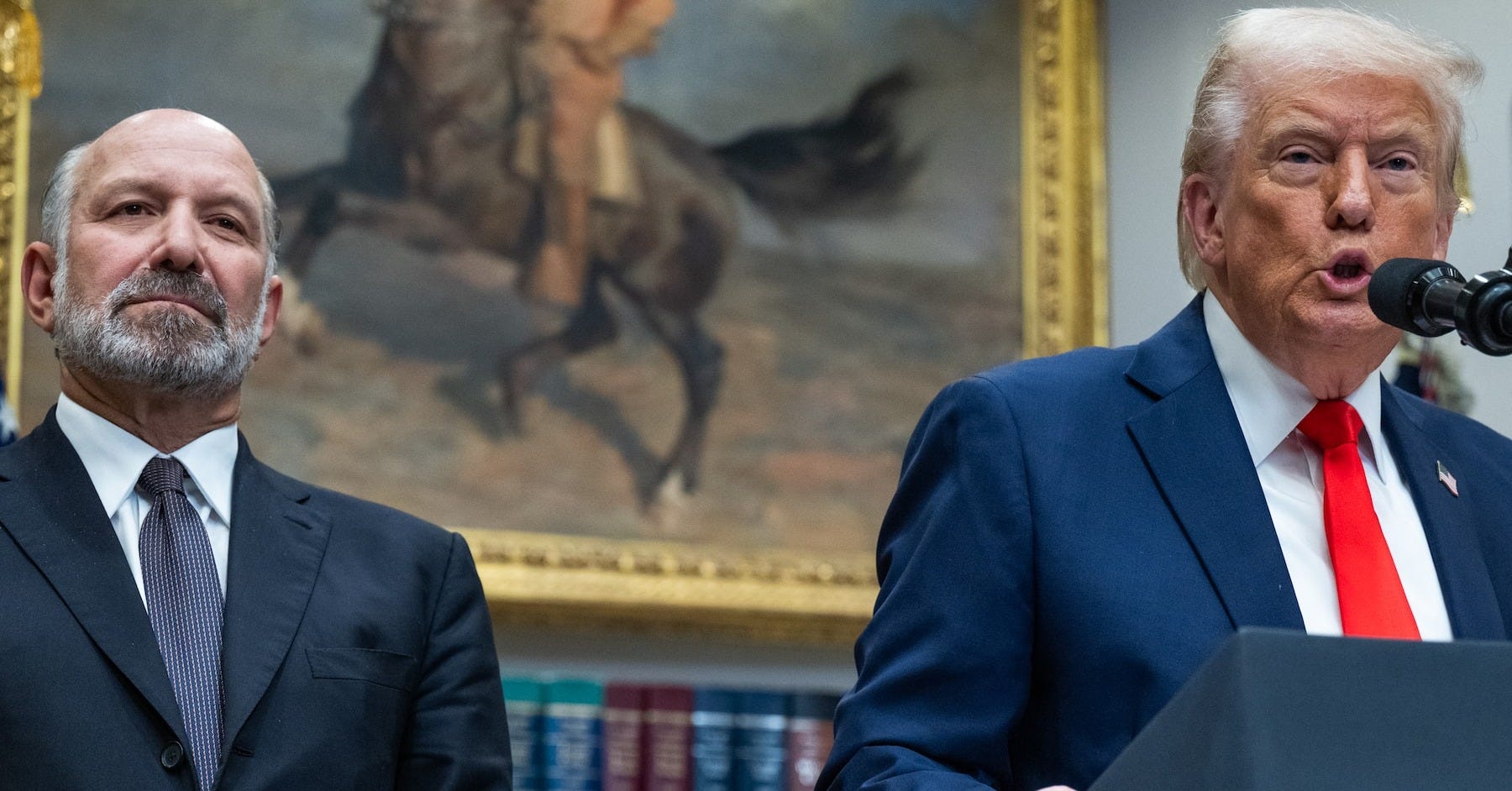
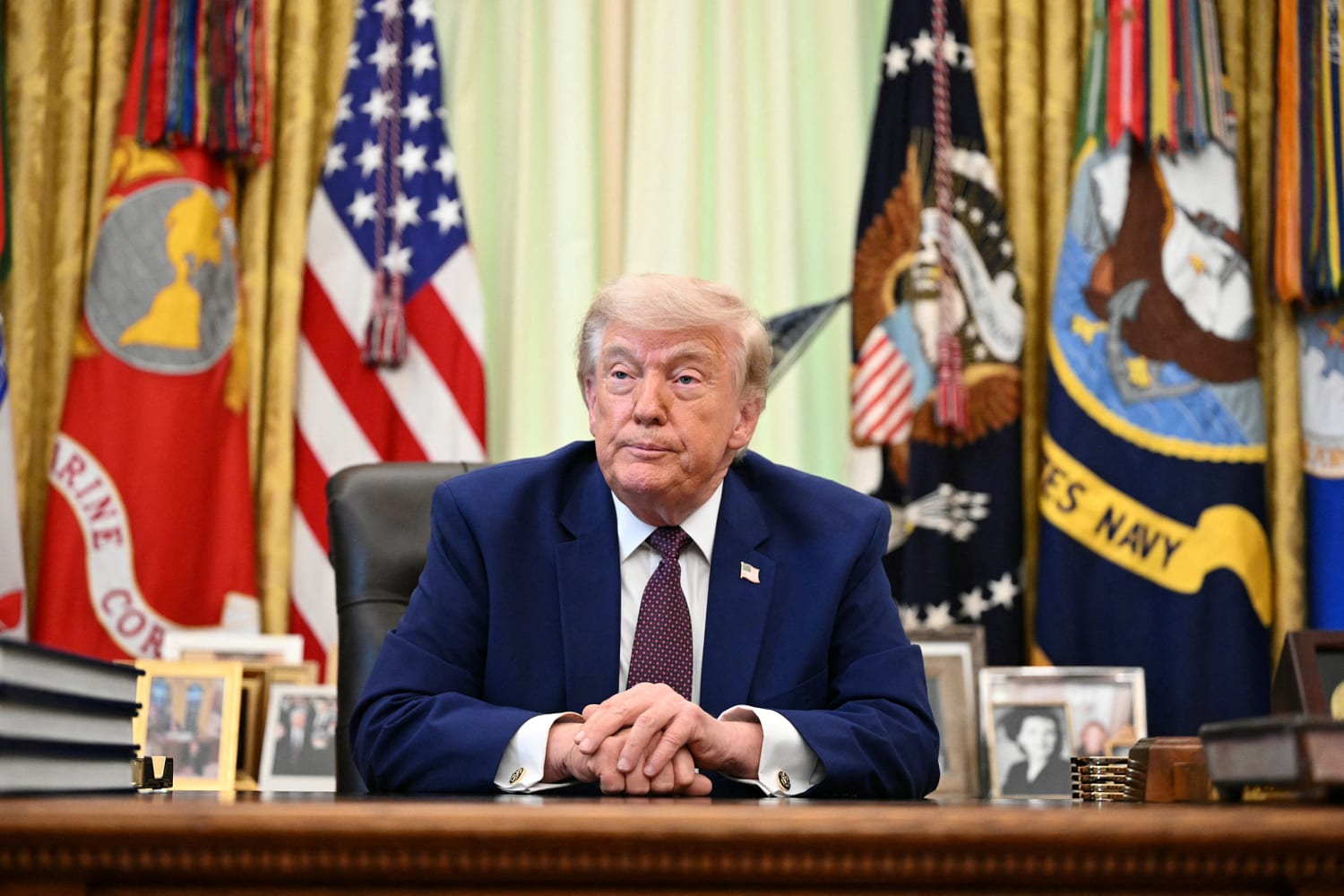
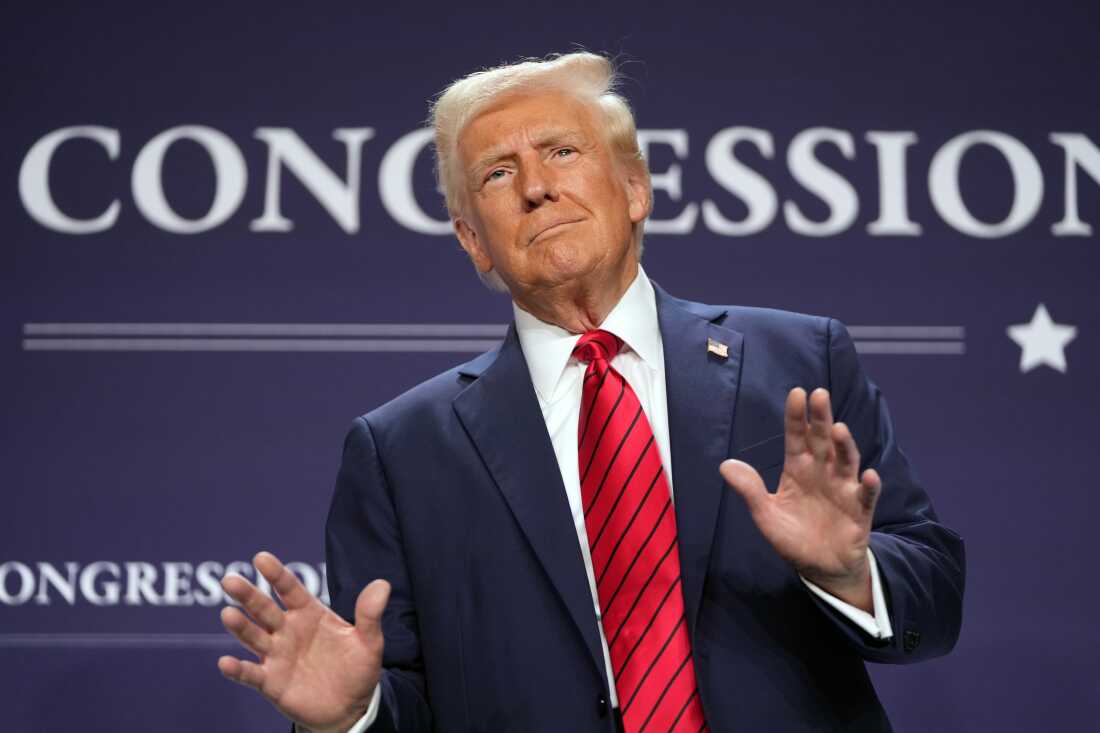
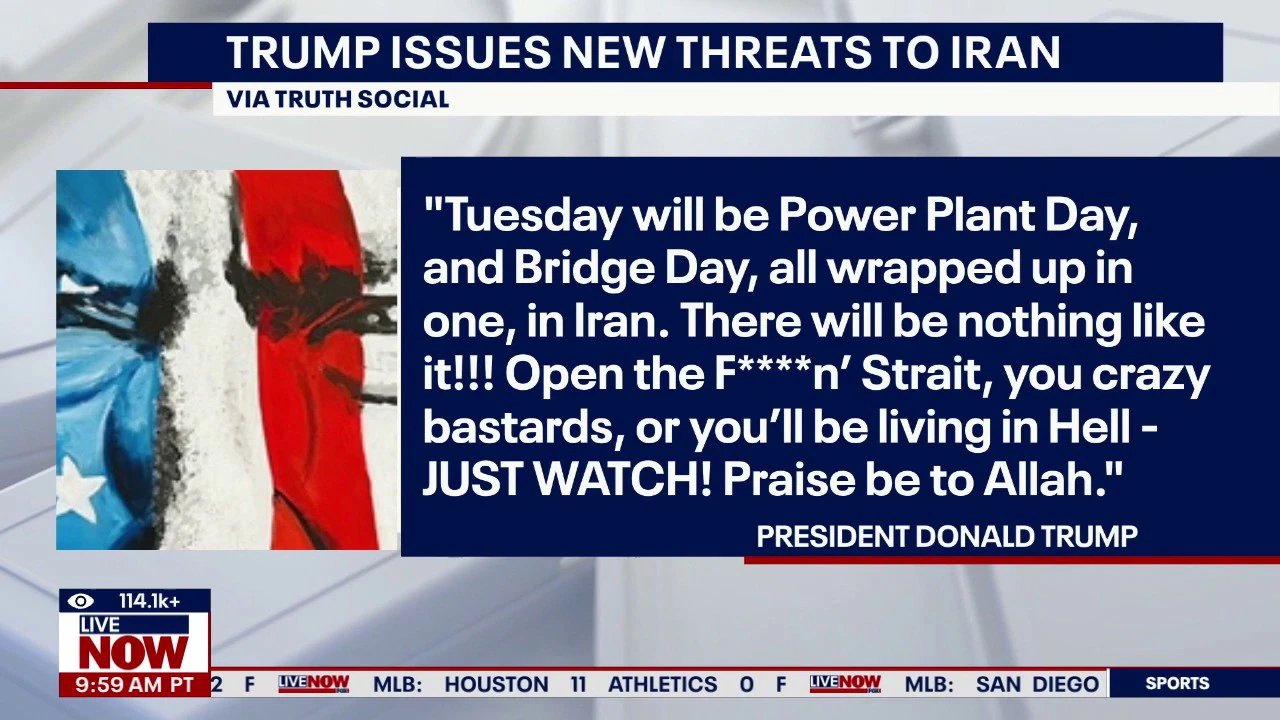
President Trump told reporters on Wednesday that the U.S. military could continue strikes against Iran after targeting about two dozen sites, mostly near the Strait of Hormuz. He said he still wanted to work toward a "meaningful deal" with Iran but wasn't done punishing Iran for shooting down the Apache. Trump's remarks came as he signed a $70 billion funding package for Immigration and Customs Enforcement and Border Patrol, underscoring his administration's focus on domestic security alongside international military operations.
House Passes Immigration Funding Bill
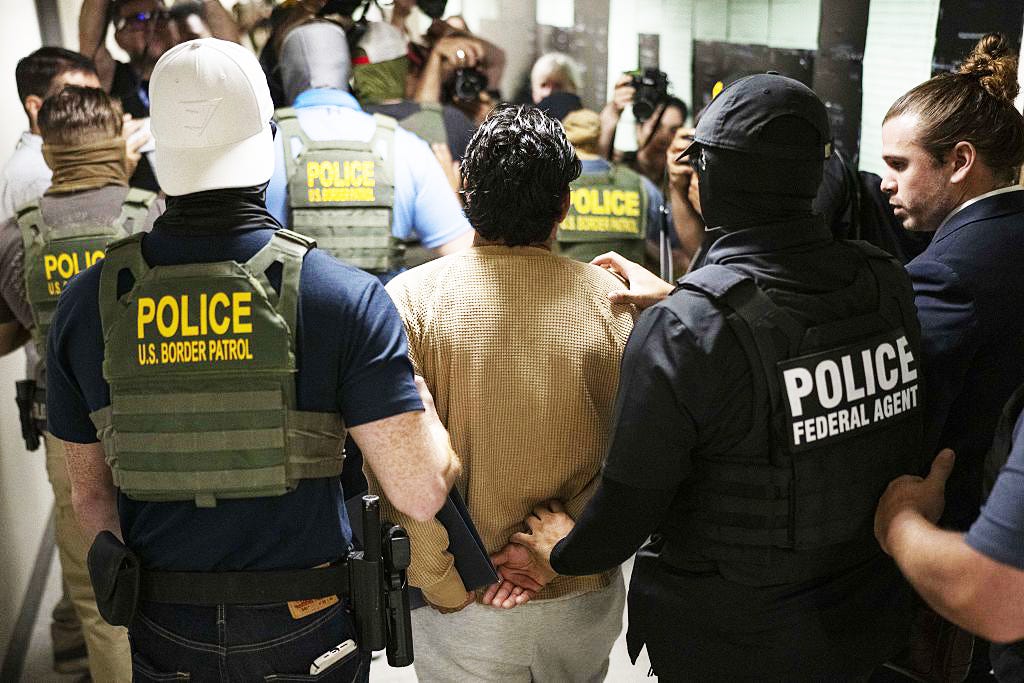
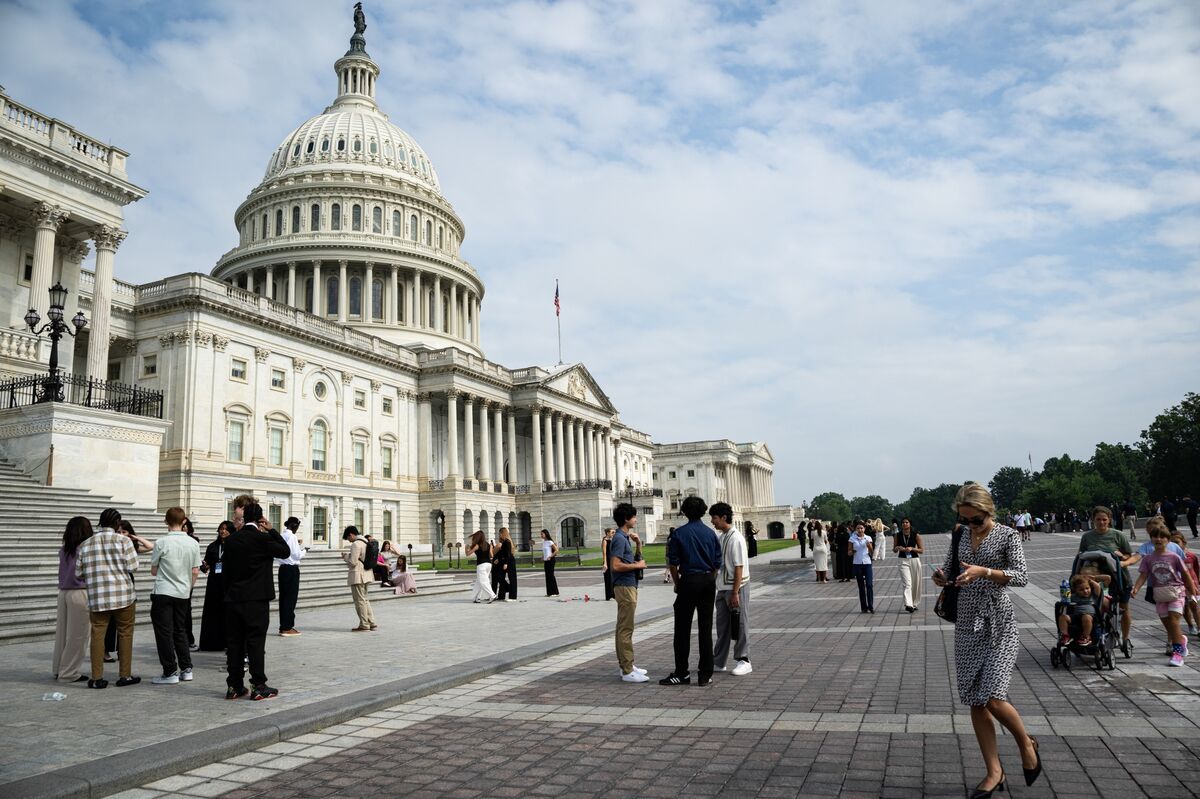
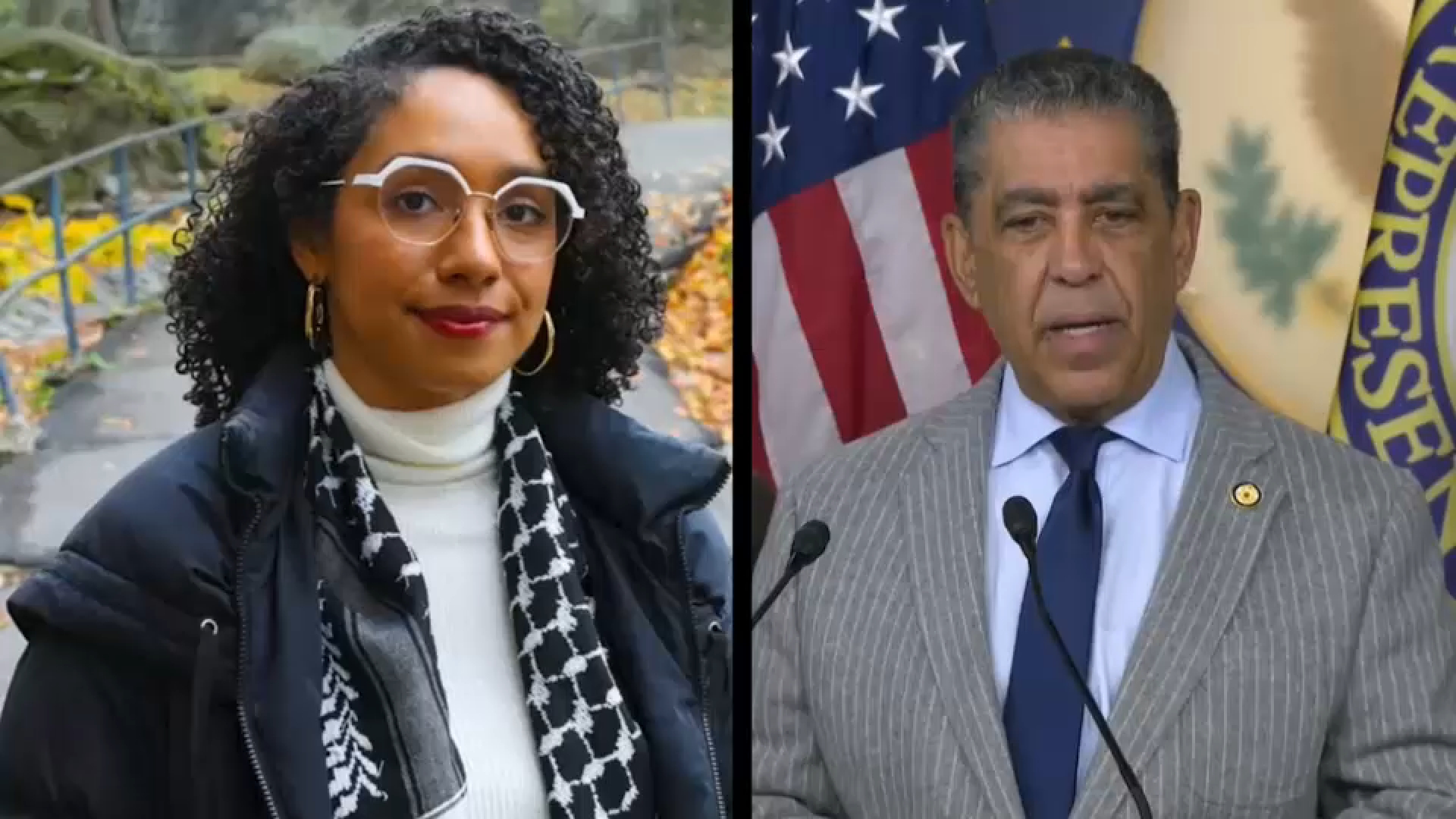
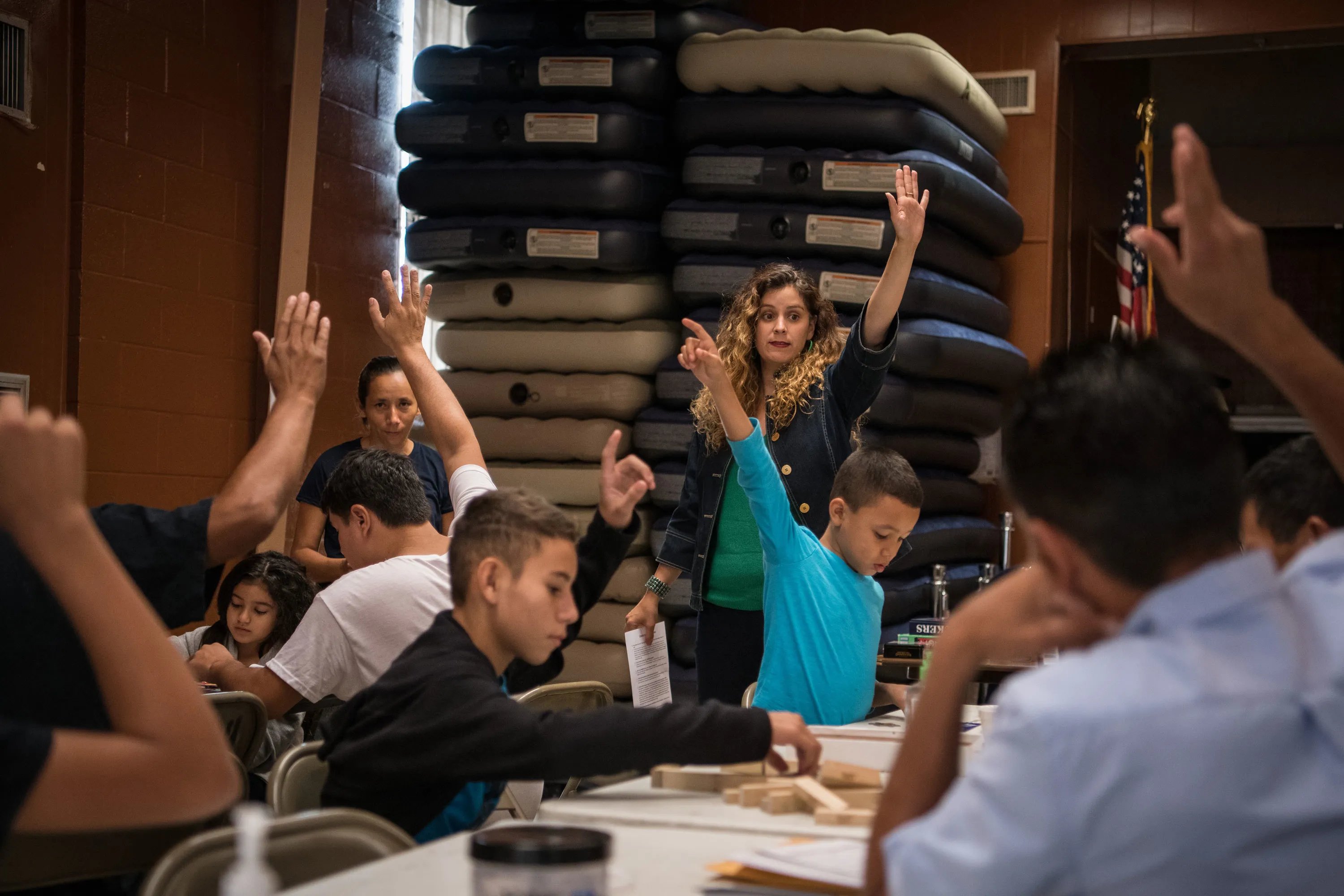
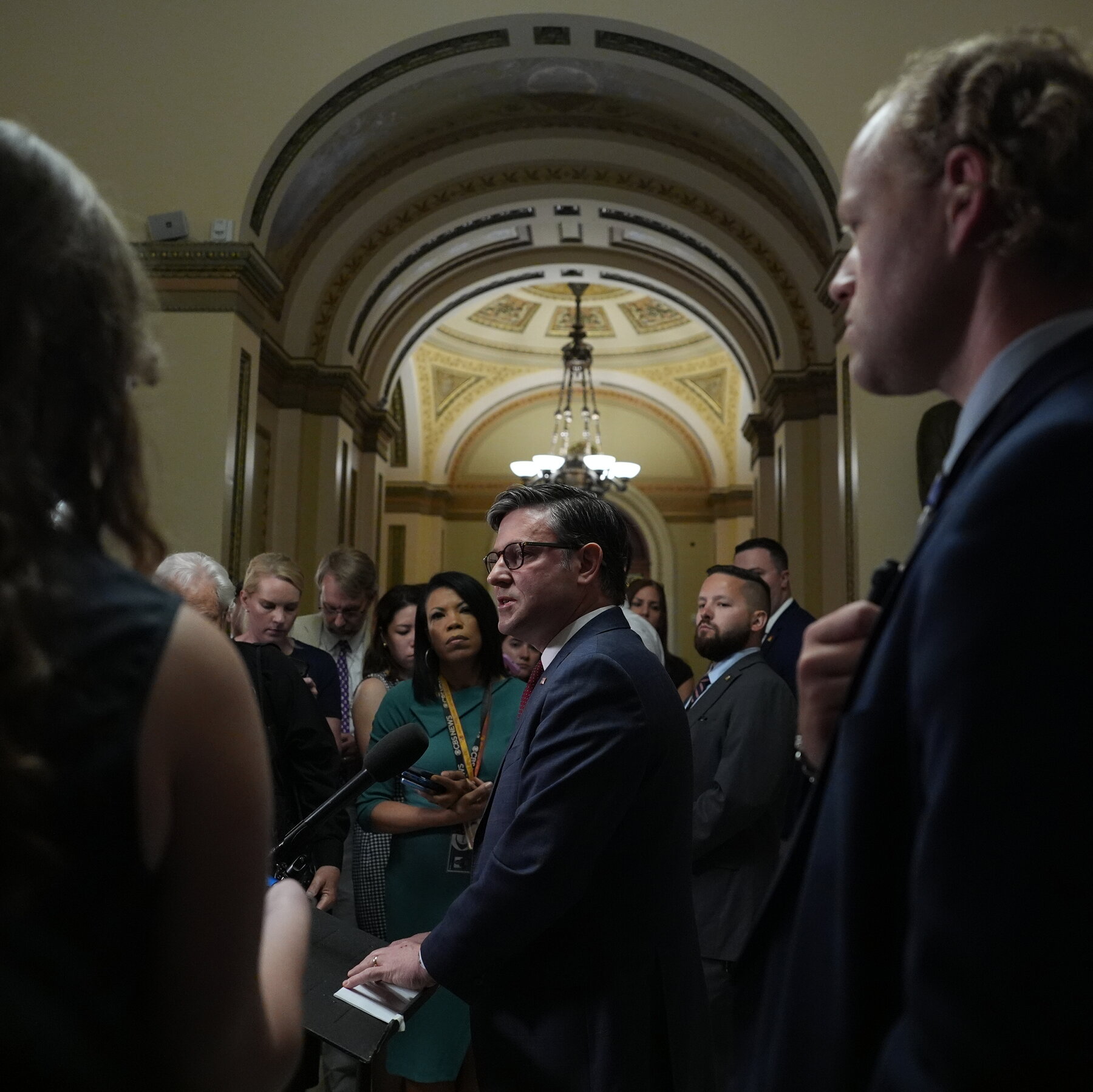
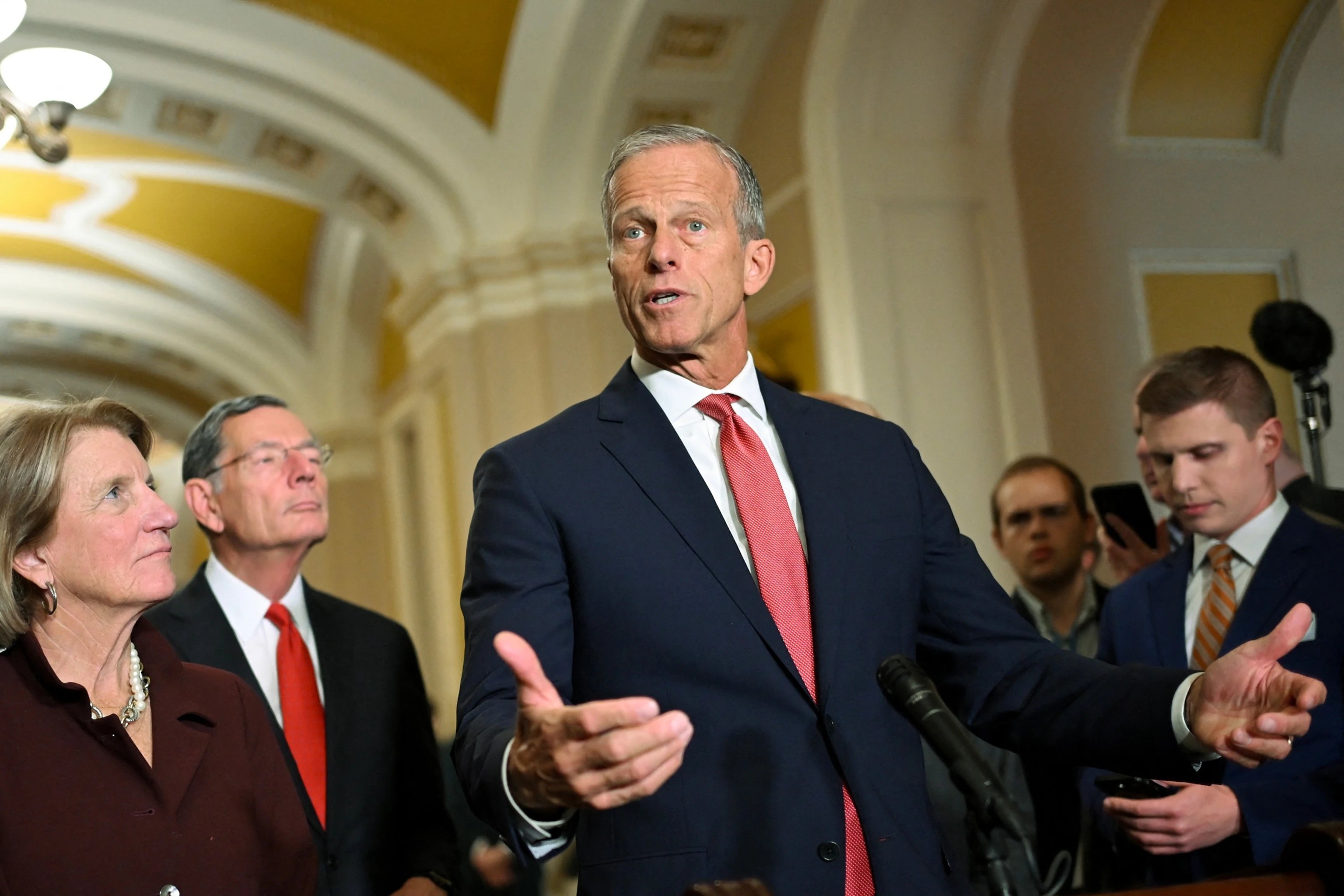
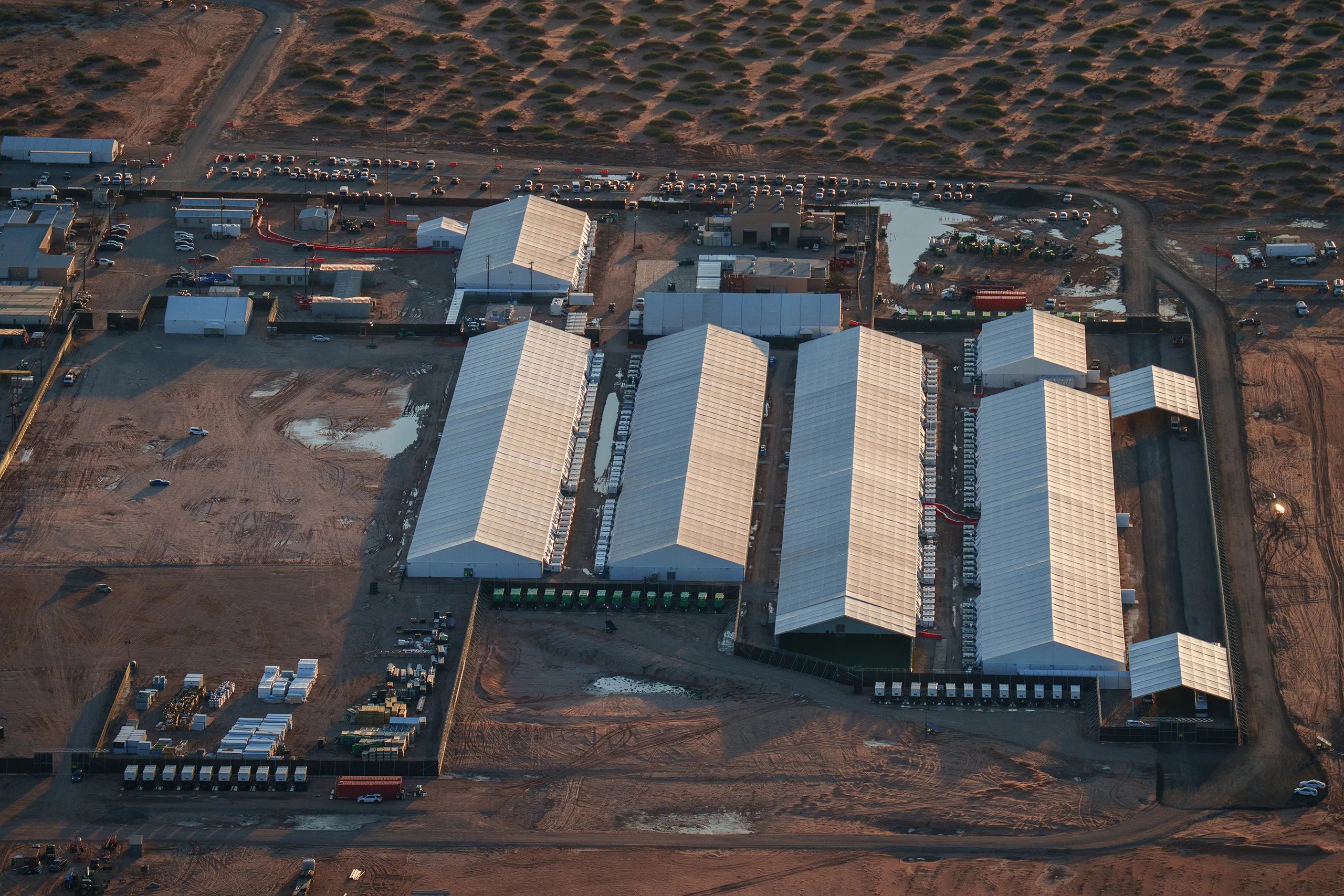
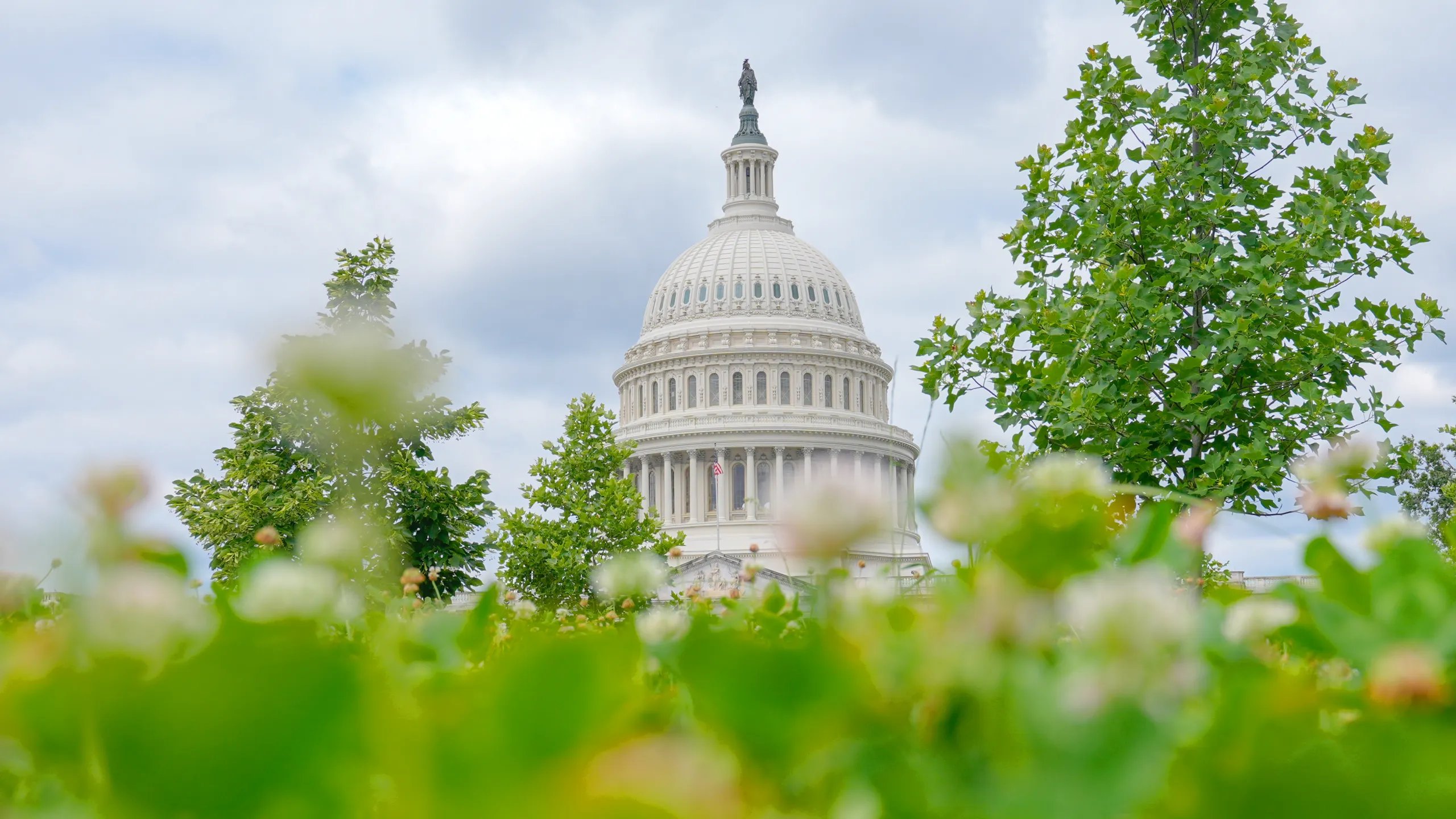
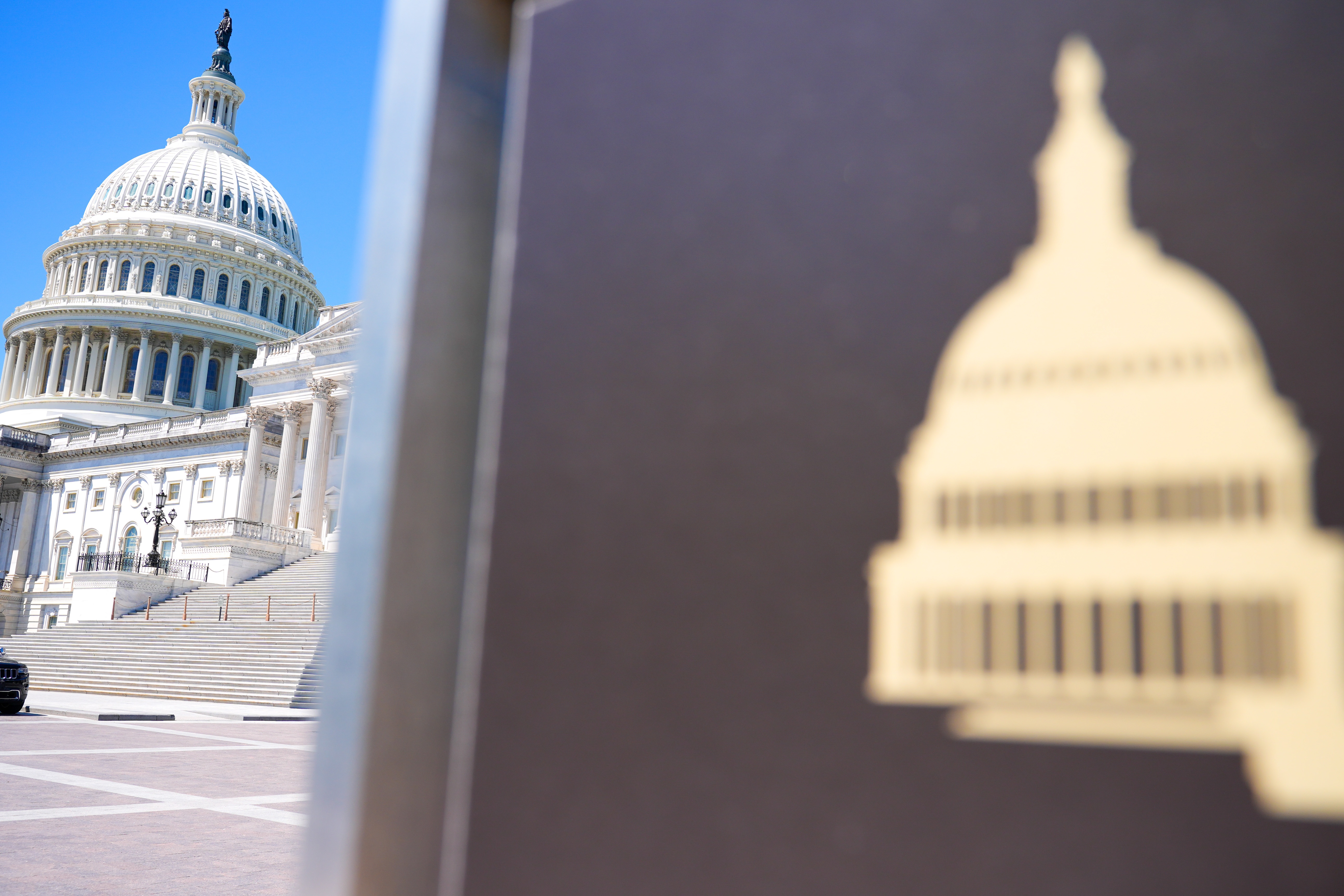
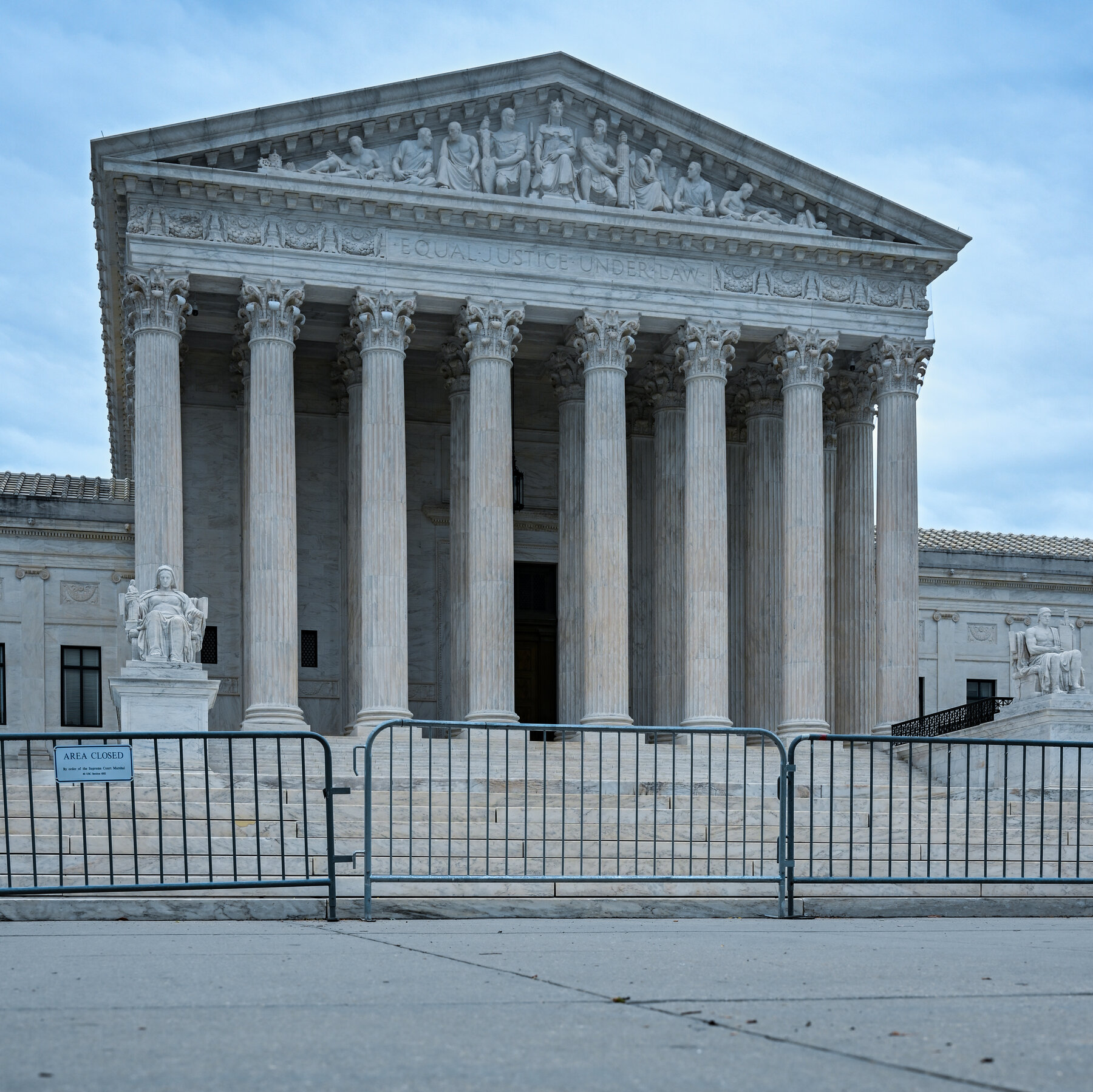
The House of Representatives narrowly passed a $70 billion funding package for ICE and Border Patrol, ensuring these agencies are funded through the end of Trump's term. The bill passed 214 to 212, with all House Democrats voting against it. Democrats had refused for months to fund the agencies without reforms. President Trump hailed the legislation as crucial for supporting law enforcement and enhancing national security, framing it as a victory for his administration.
Implications for U.S.-Iran Relations
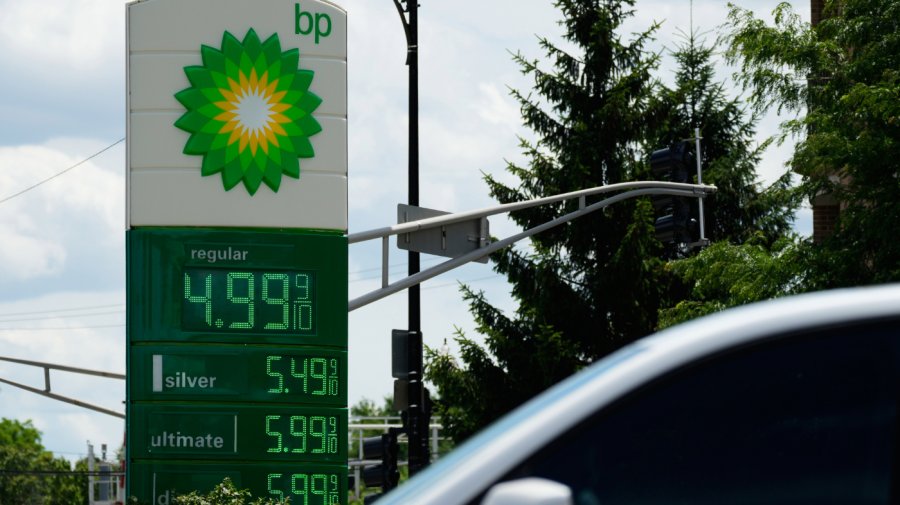
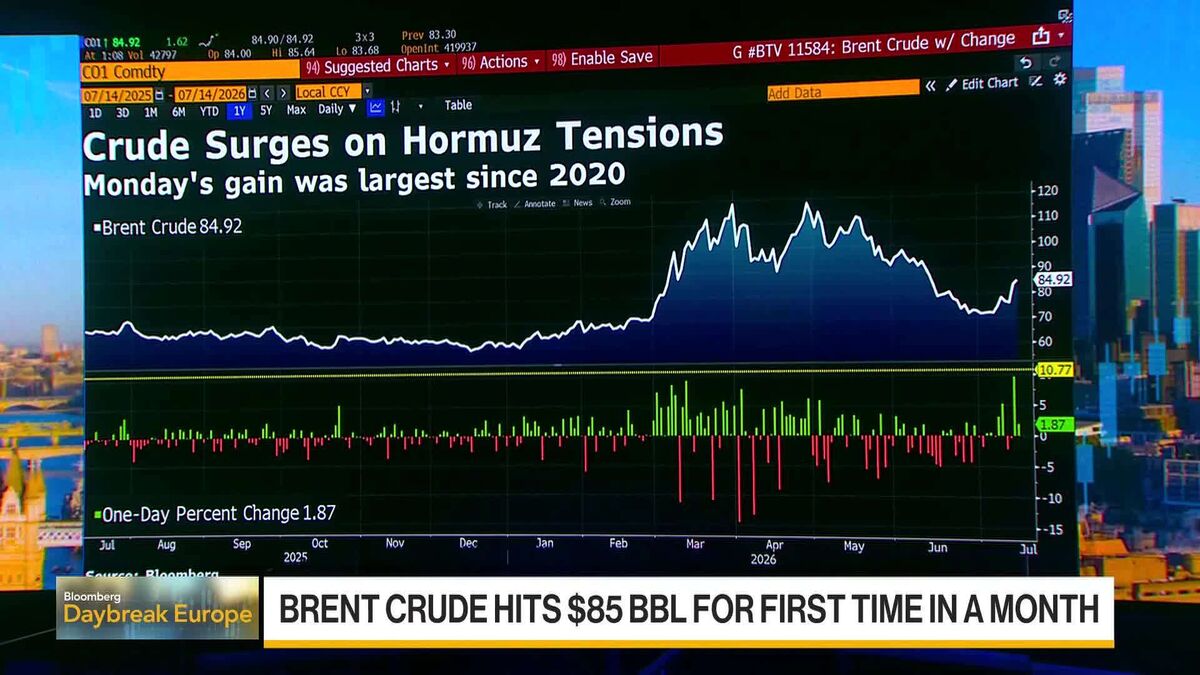
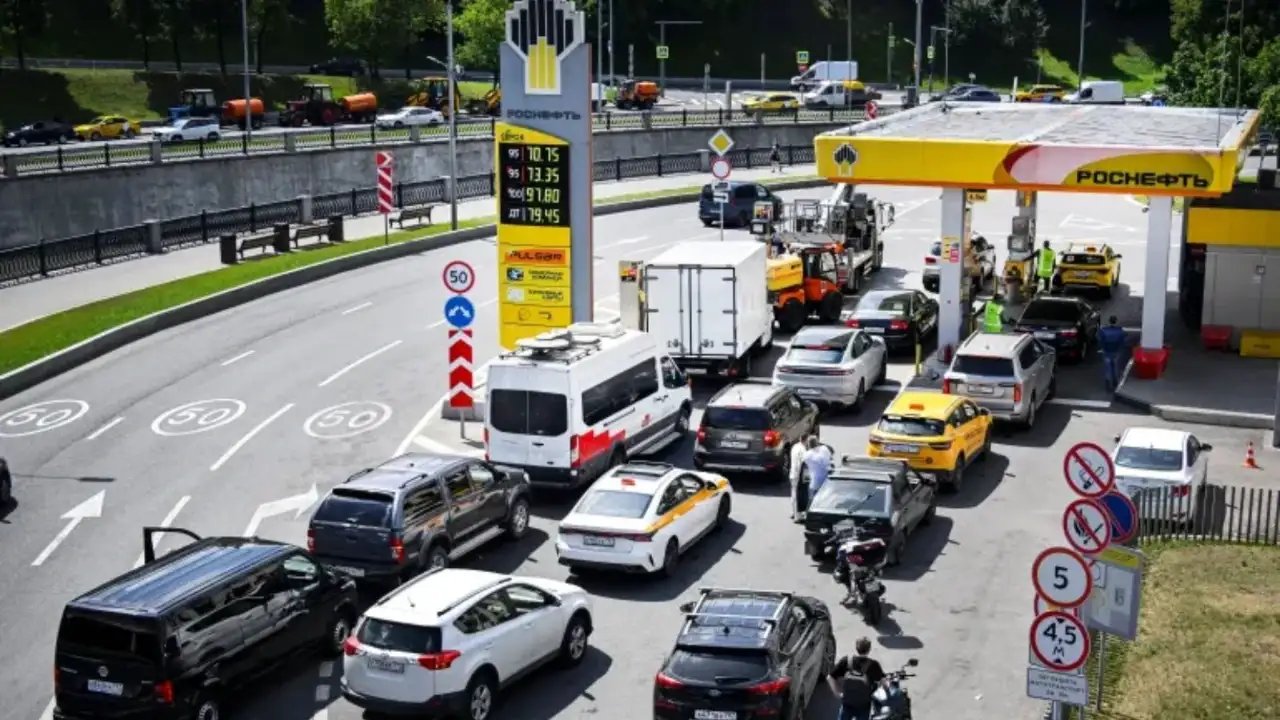
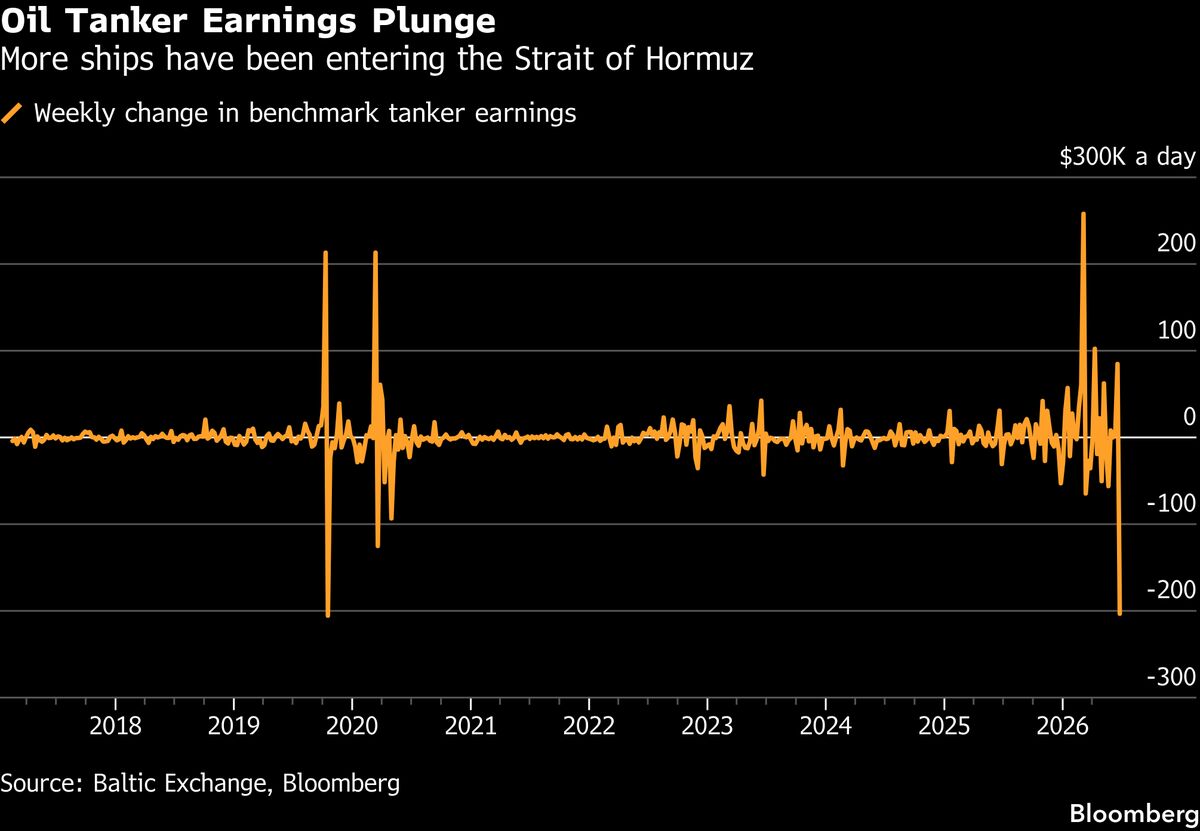
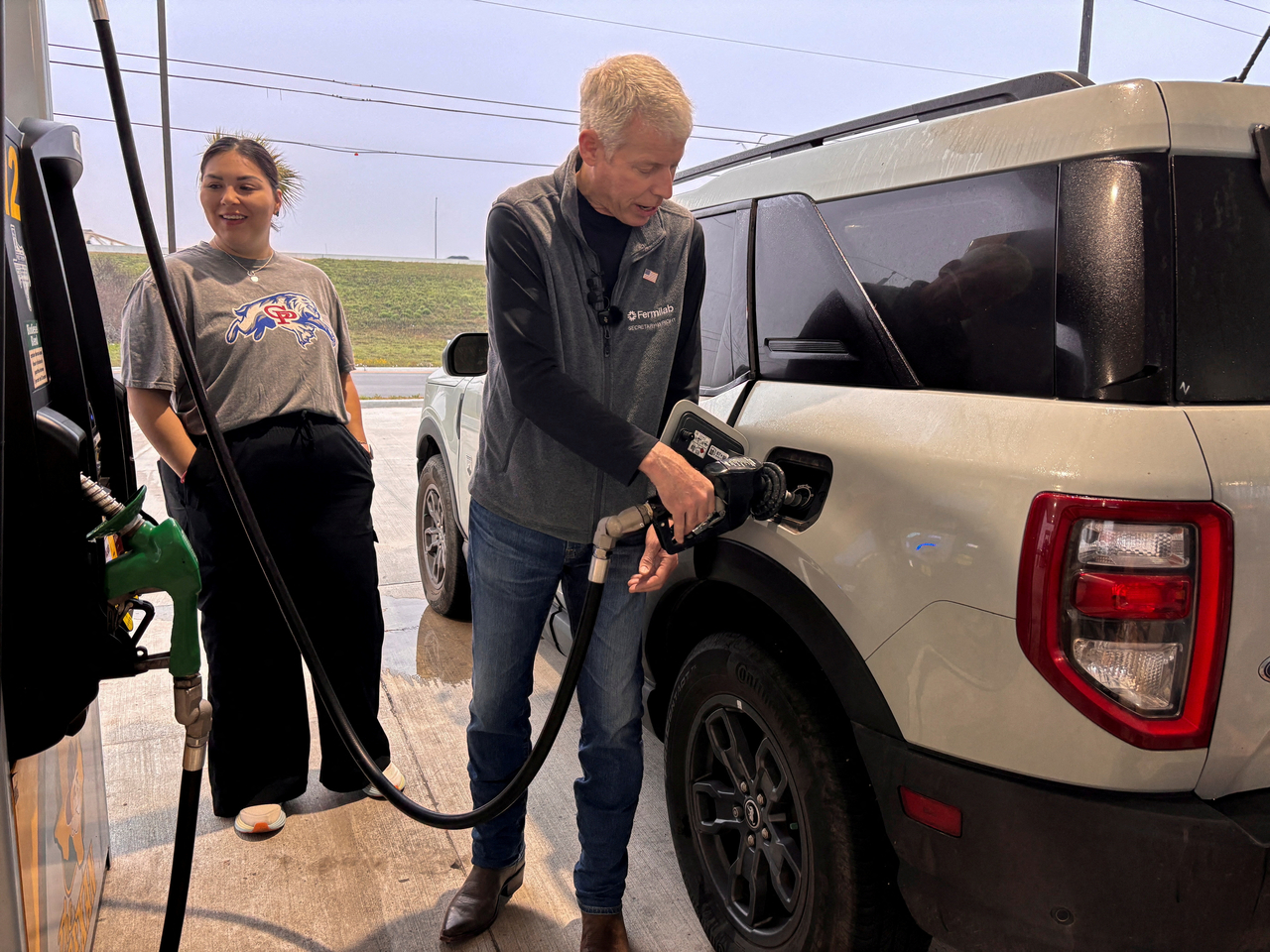
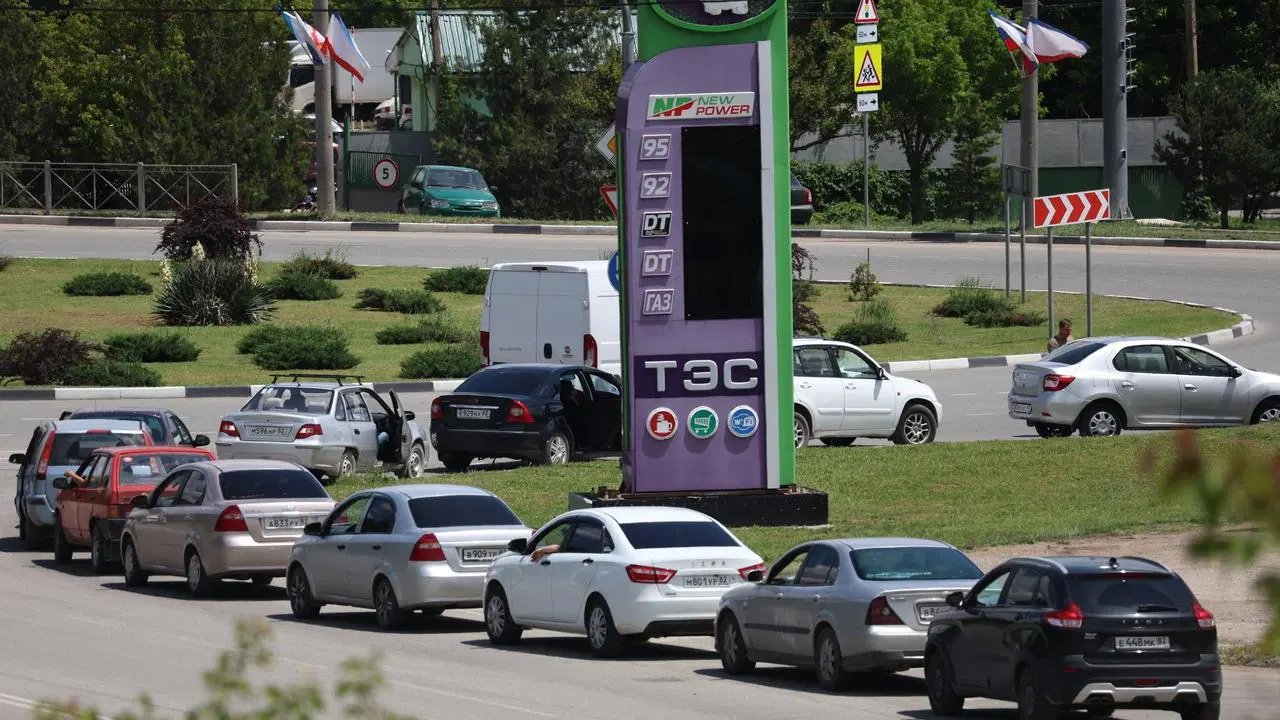
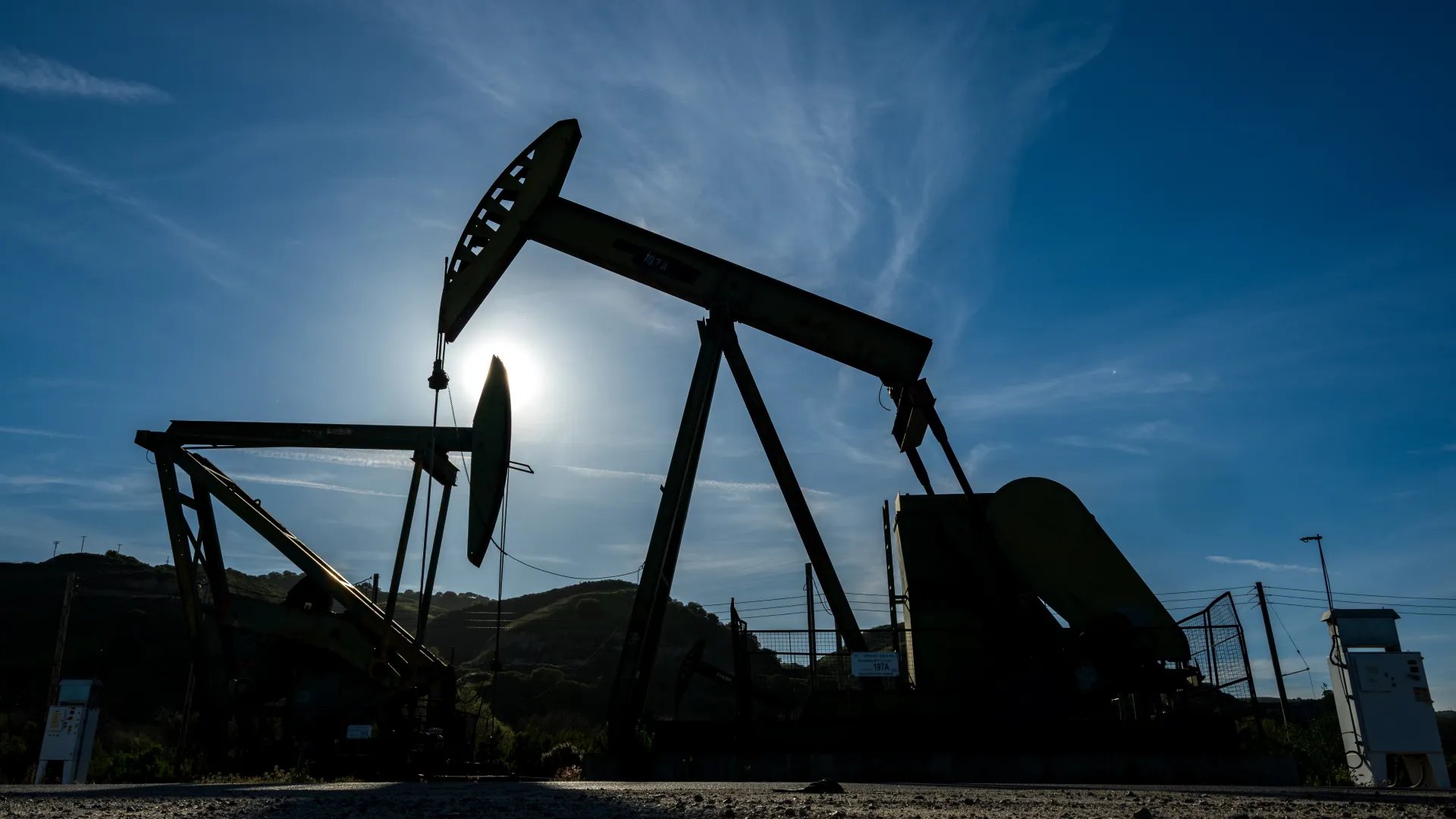
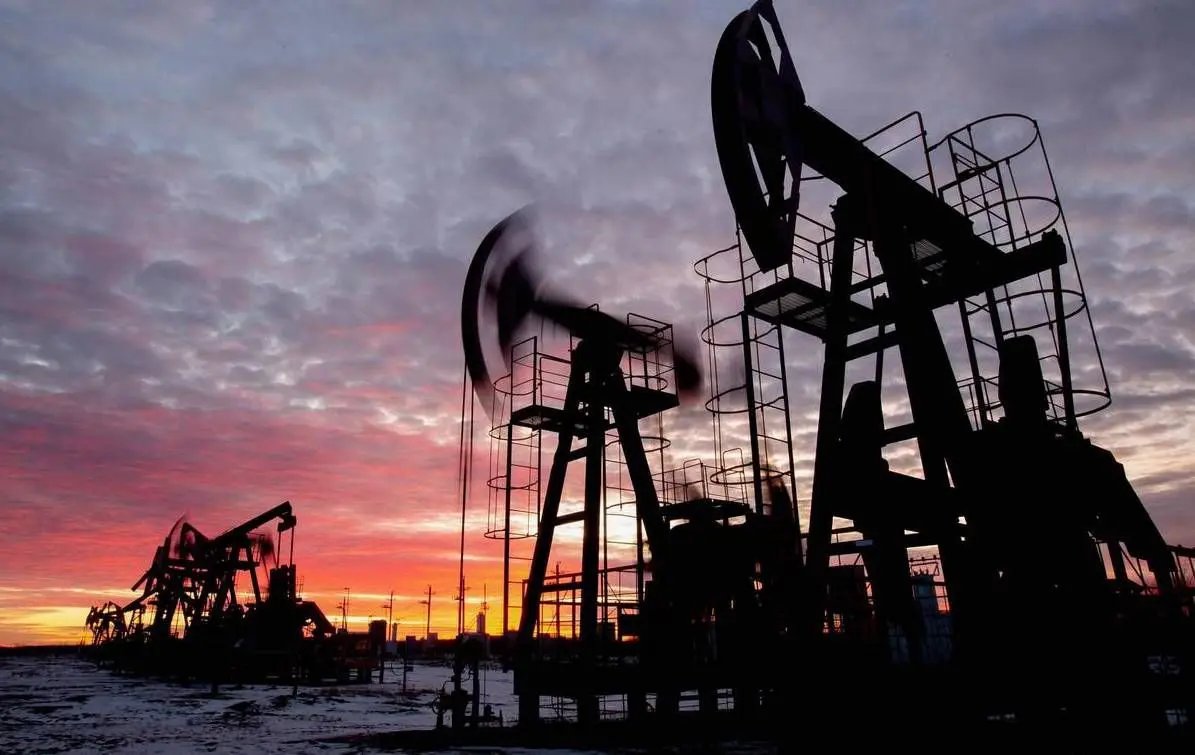
The recent military exchanges raise concerns about the potential for further escalation in U.S.-Iran relations. With gas prices already above $4, the situation poses a risk to the U.S. economy, prompting discussions about the broader implications of military actions in the region.
Next Steps for Lawmakers
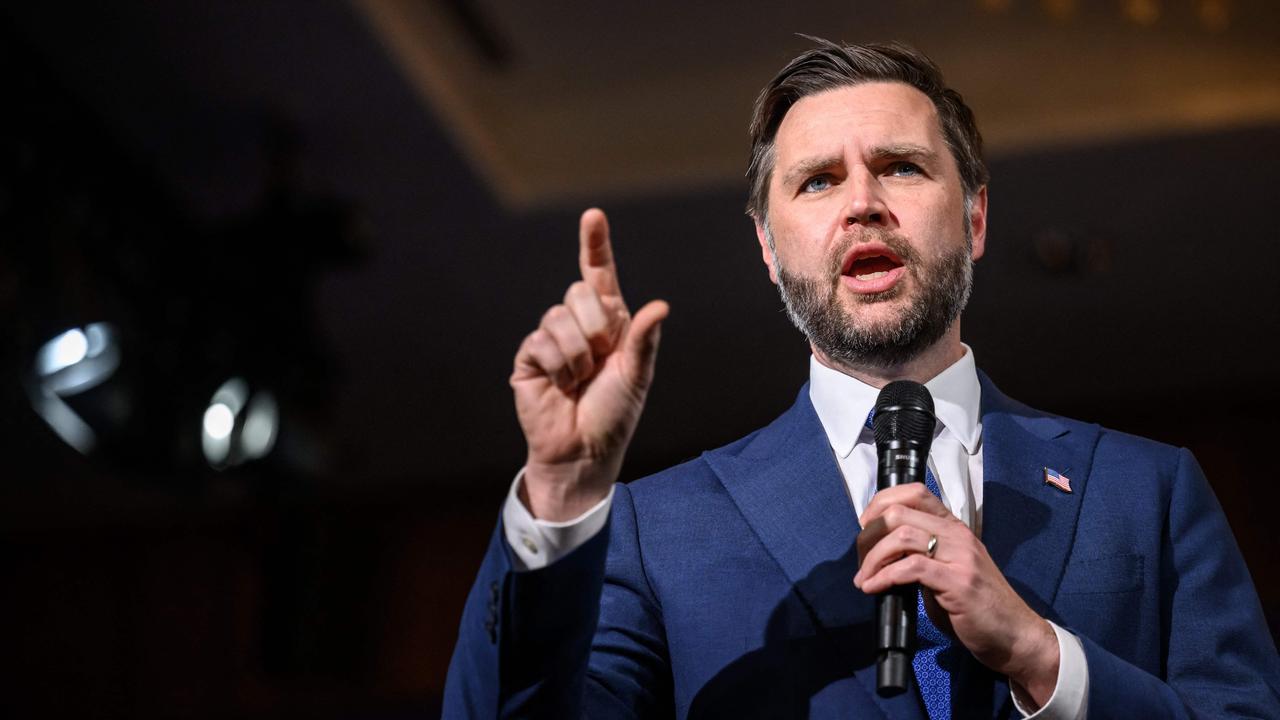
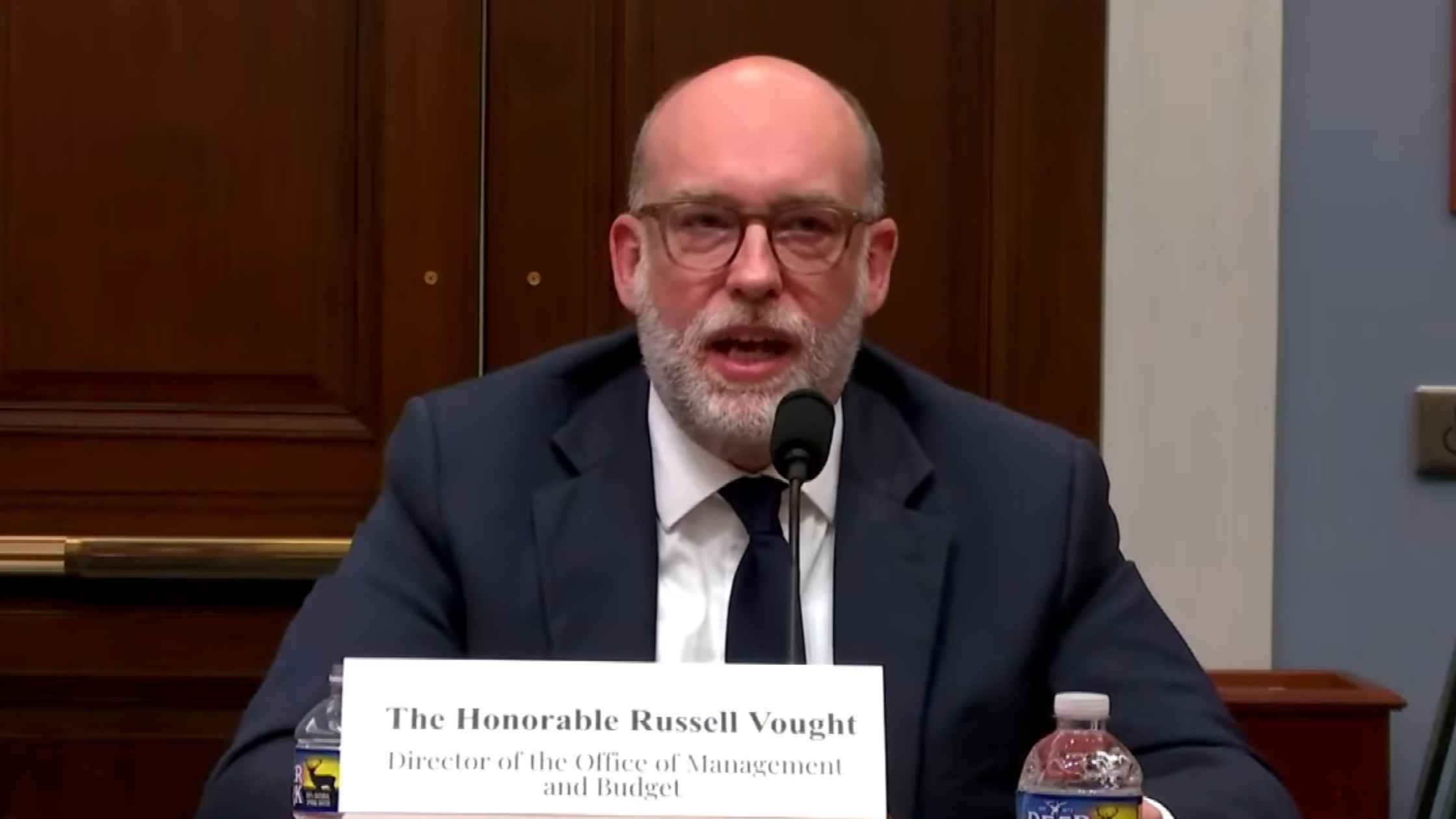
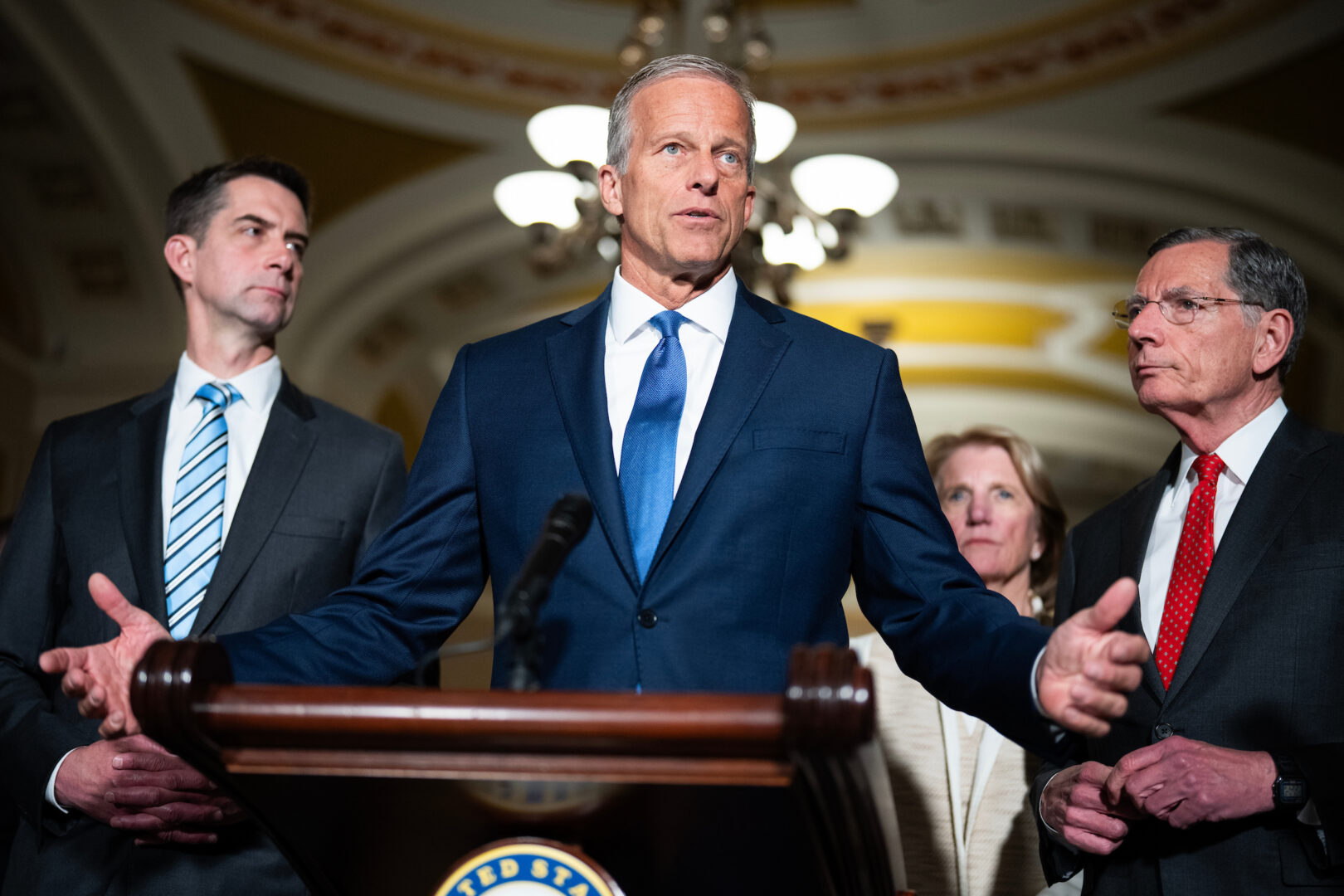
Republican leaders are under pressure to clarify the objectives and costs of military operations in Iran, especially as the conflict enters a critical phase. The House's recent actions signal a pivotal moment in balancing domestic priorities with international military engagements, as both issues remain at the forefront of U.S. policy discussions.