




The disaster unfolds
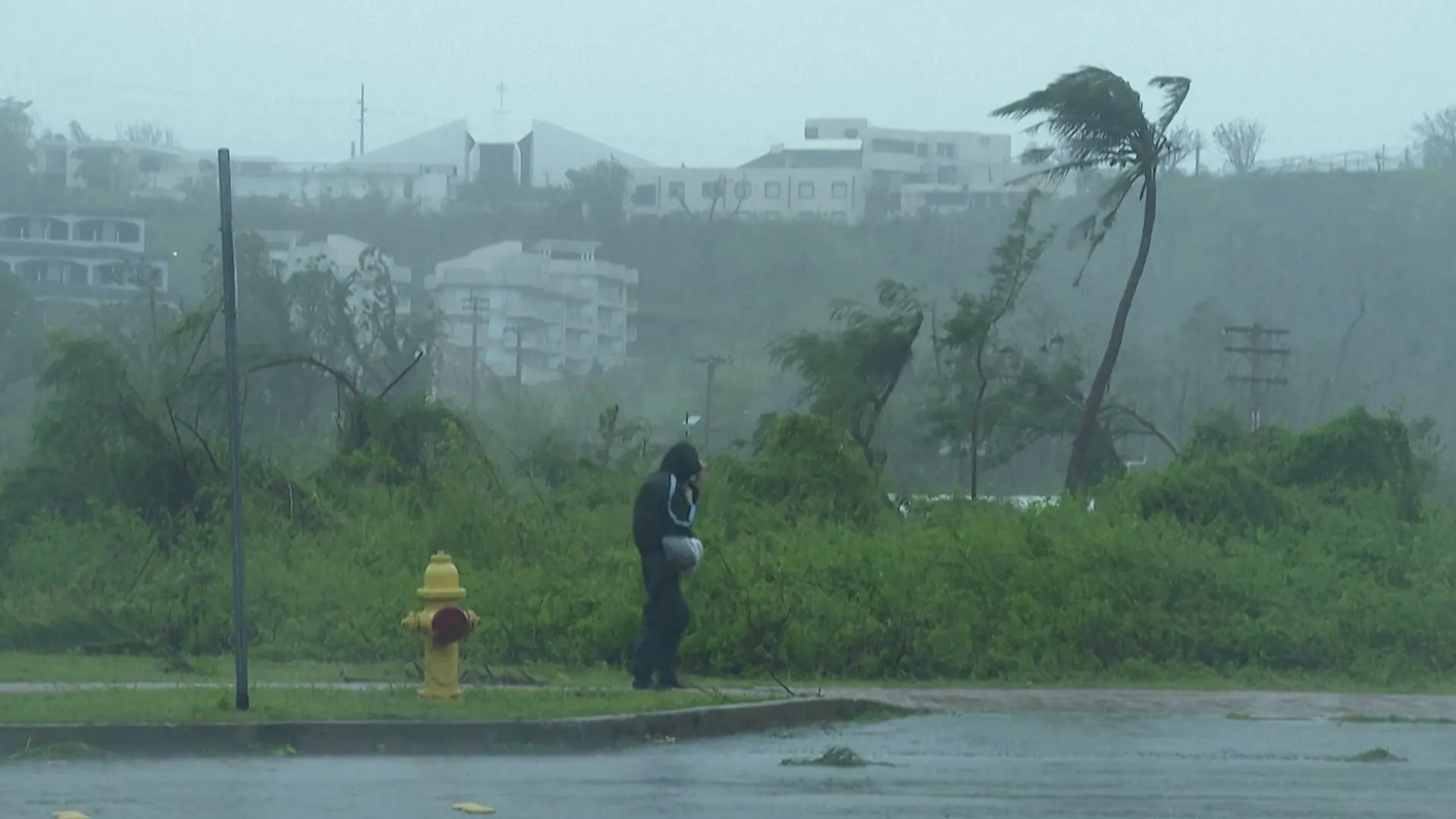
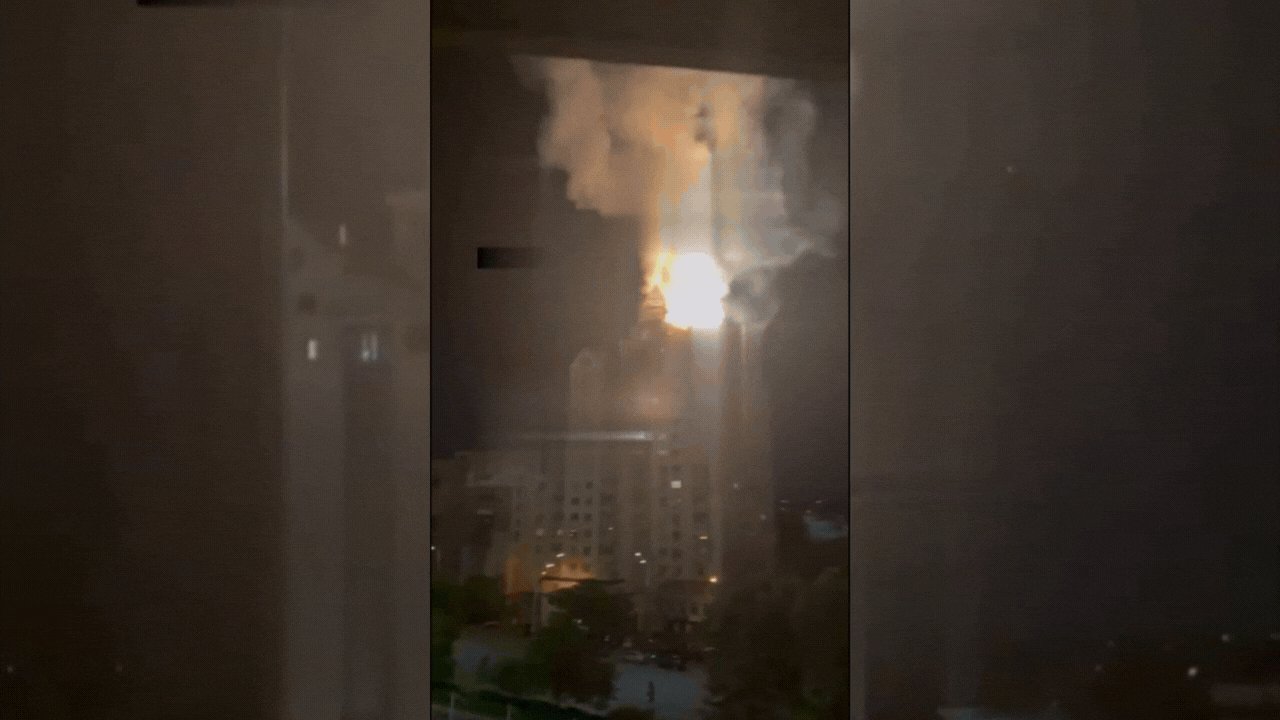
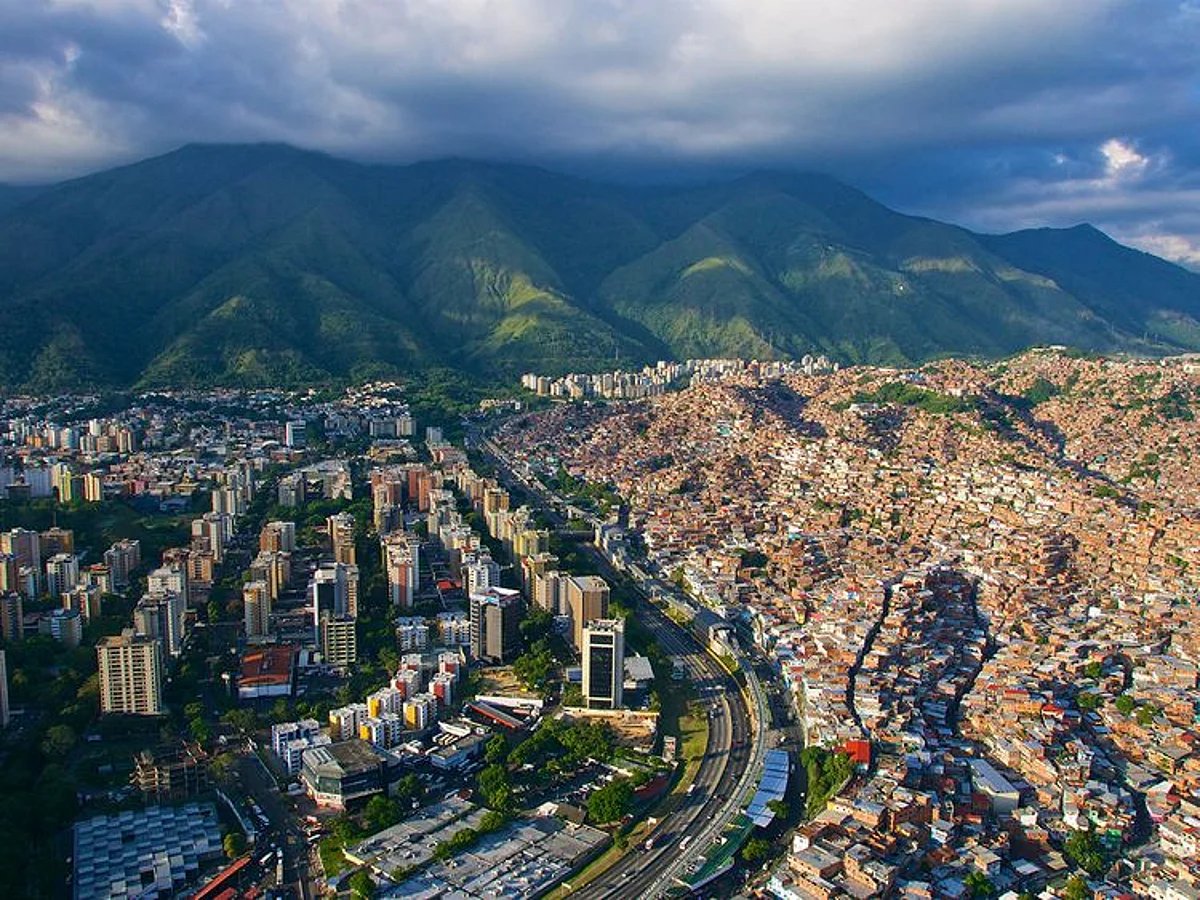
Two powerful earthquakes struck Venezuela on Wednesday evening, killing at least 920 people and injuring more than 3,360 others, according to government officials. The tremors, measuring 7.2 and 7.5 magnitude and occurring 39 seconds apart, represent the strongest earthquakes to hit the country in more than a century. The epicenter lay approximately 160 kilometers west of Caracas, near the capital's northern coast.
The dual quakes created a rare phenomenon known as a "doublet," in which major earthquakes strike in rapid succession. La Guaira state, home to one of Venezuela's two main ports and Simón Bolívar International Airport, suffered the most severe damage. National assembly head Jorge Rodríguez reported that at least 172 people remain trapped under rubble. France 24 reported more than 51,000 people missing as of Friday.
The scale of destruction
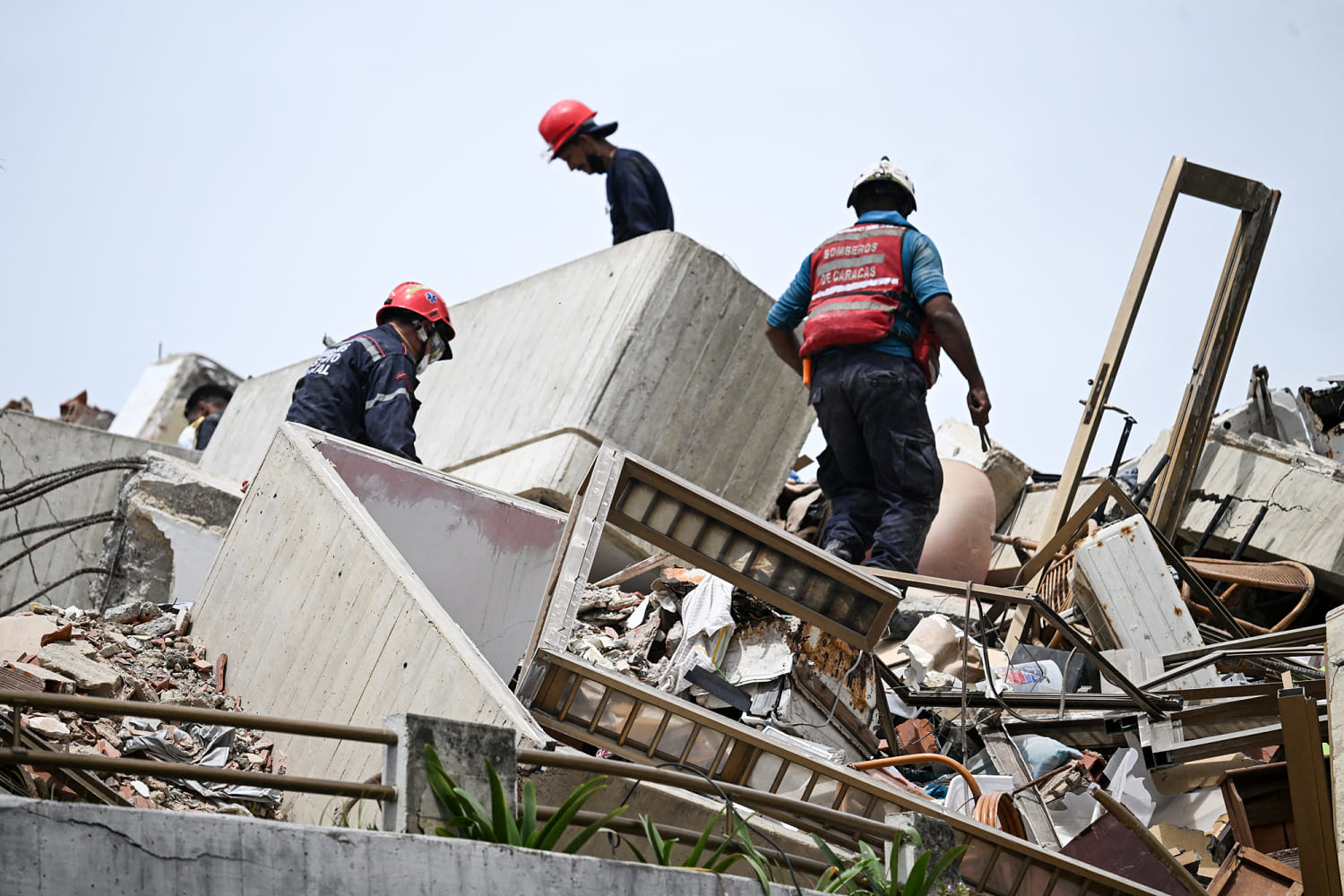
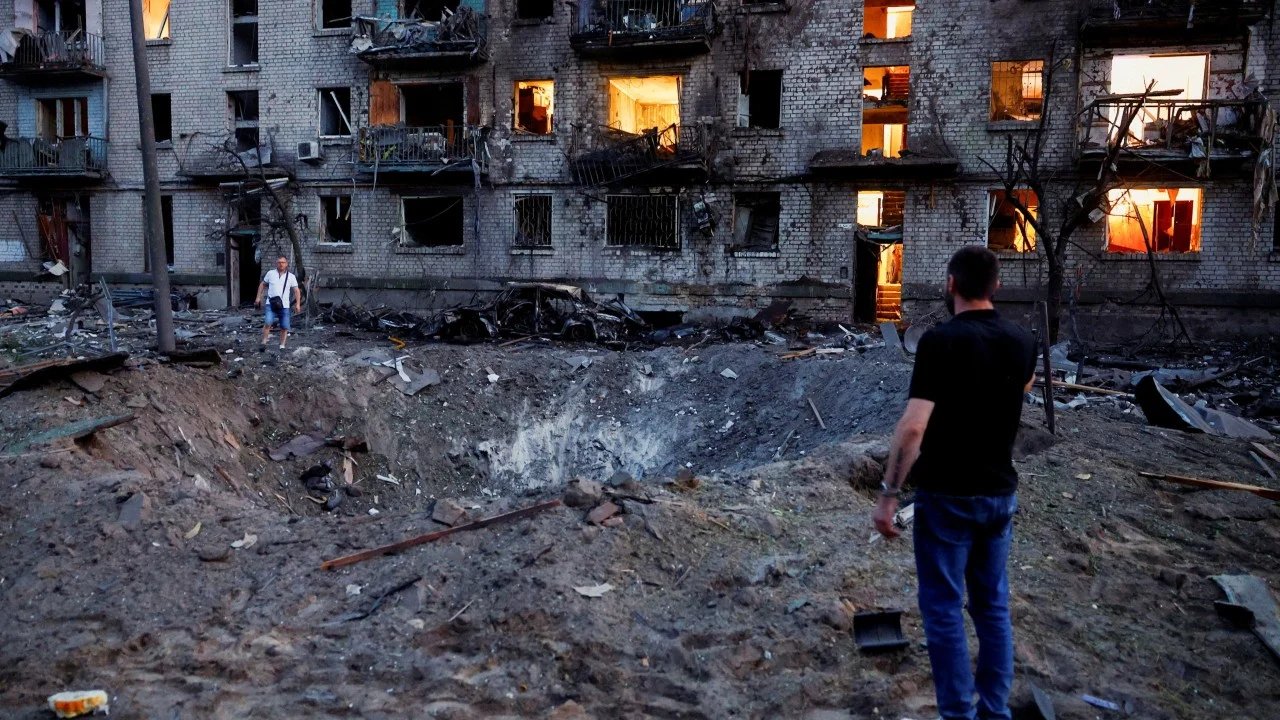
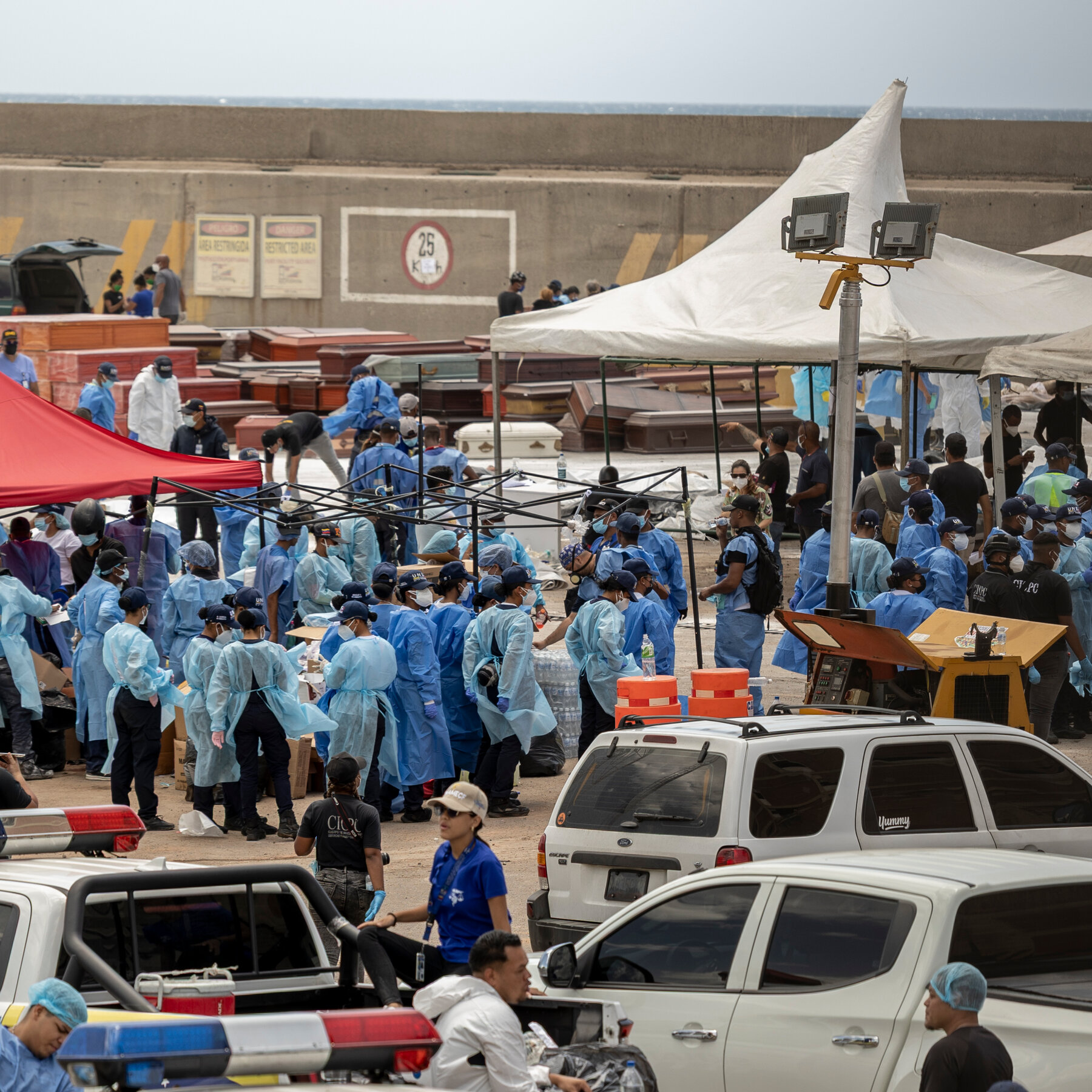
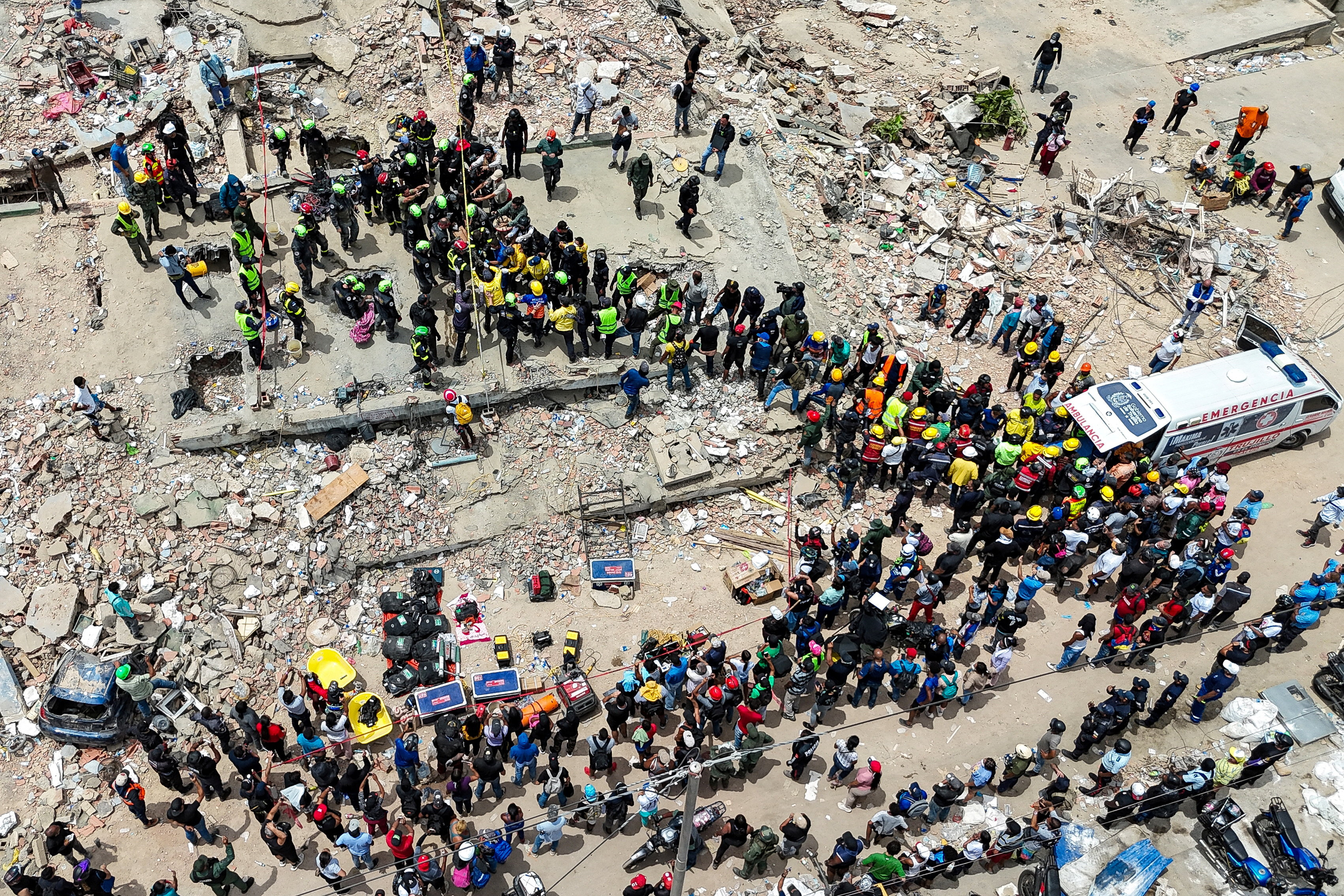
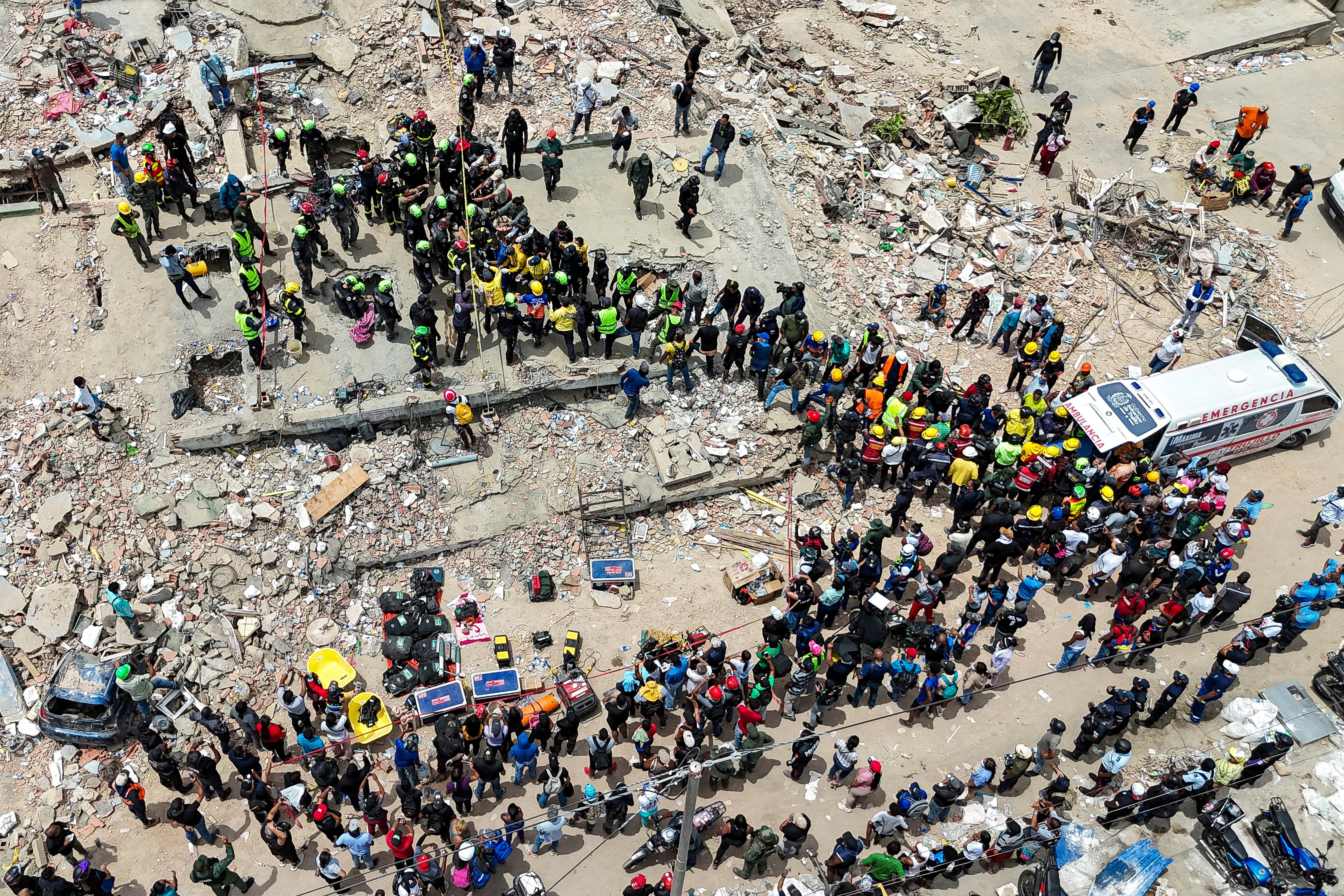
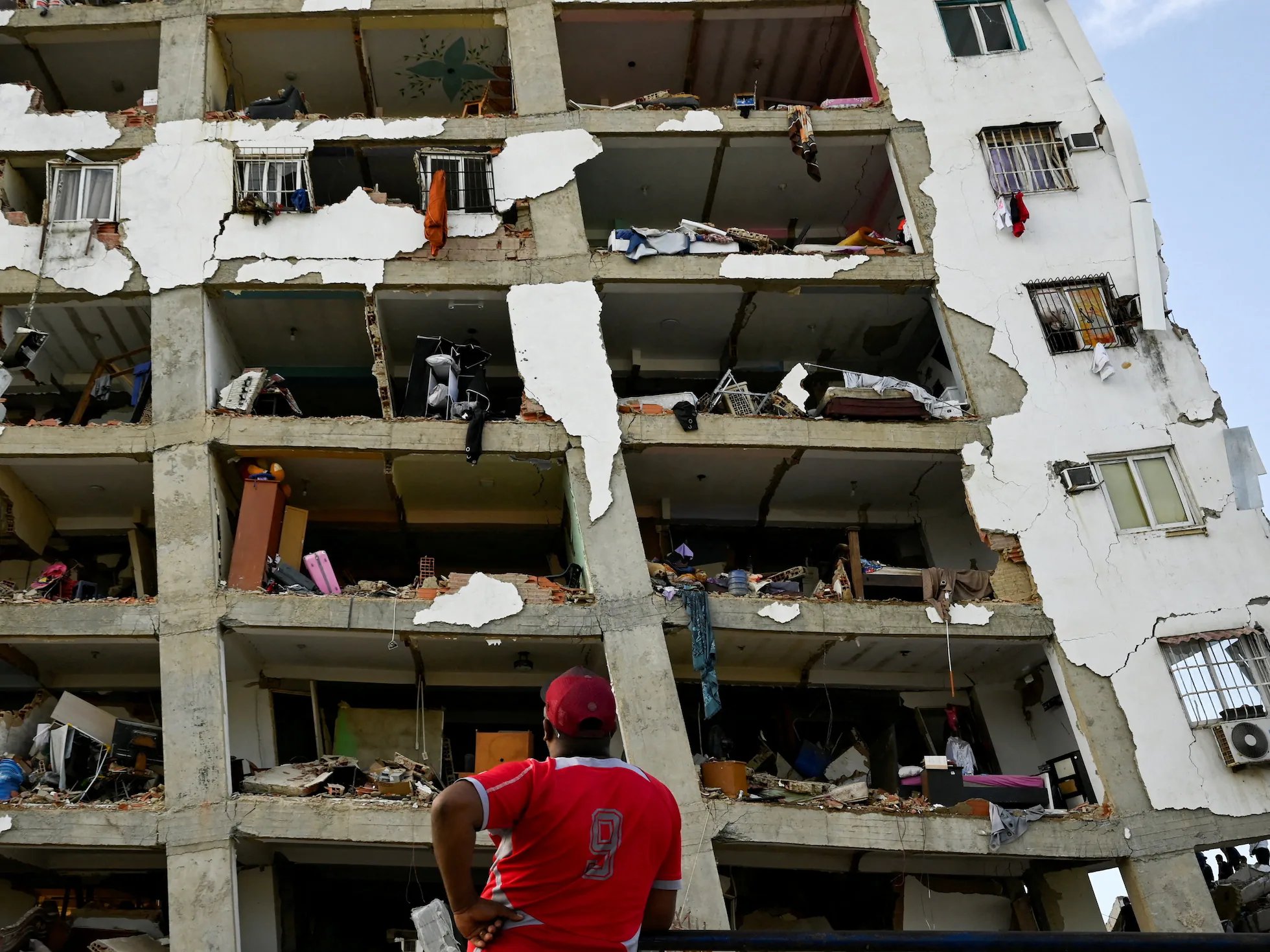
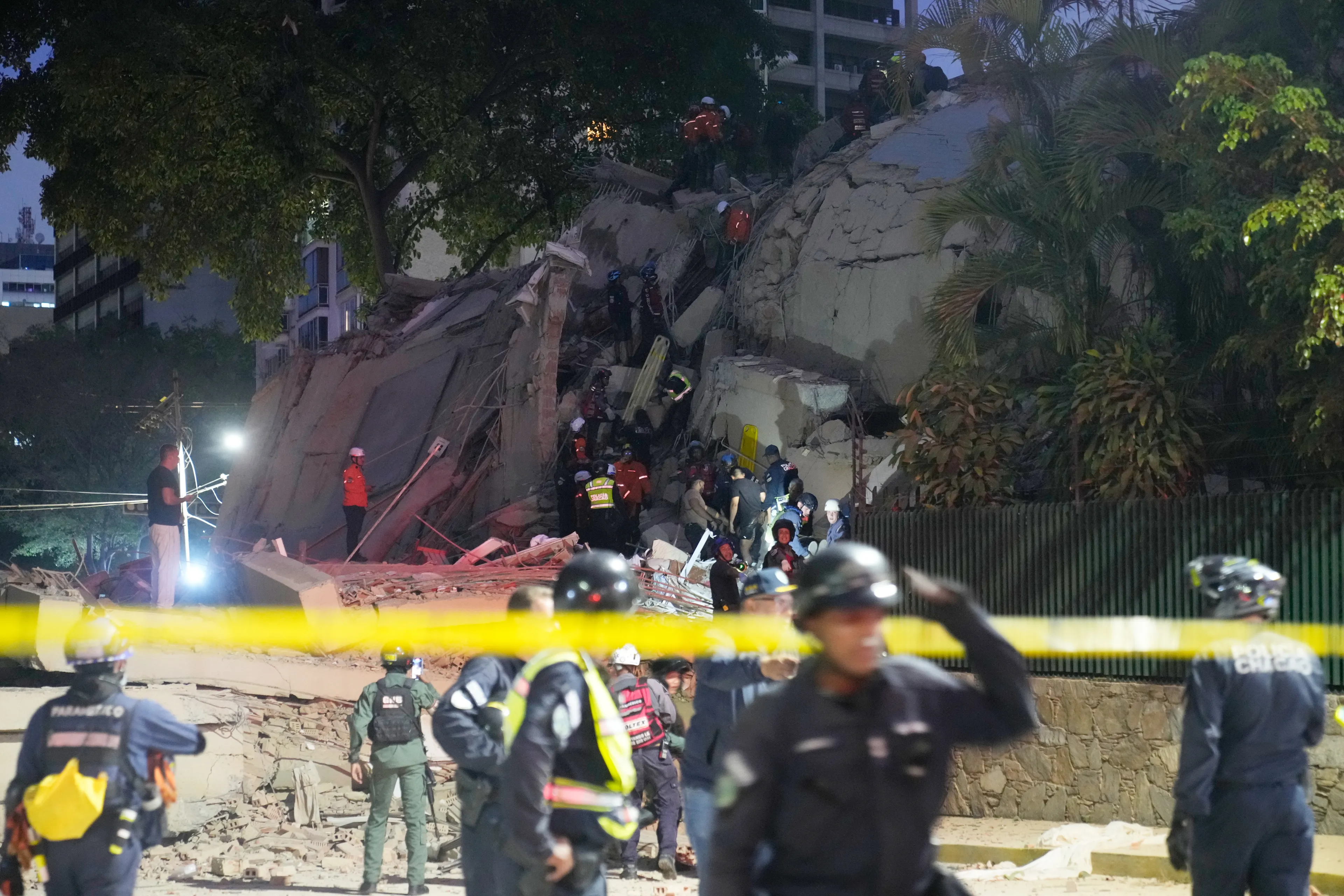
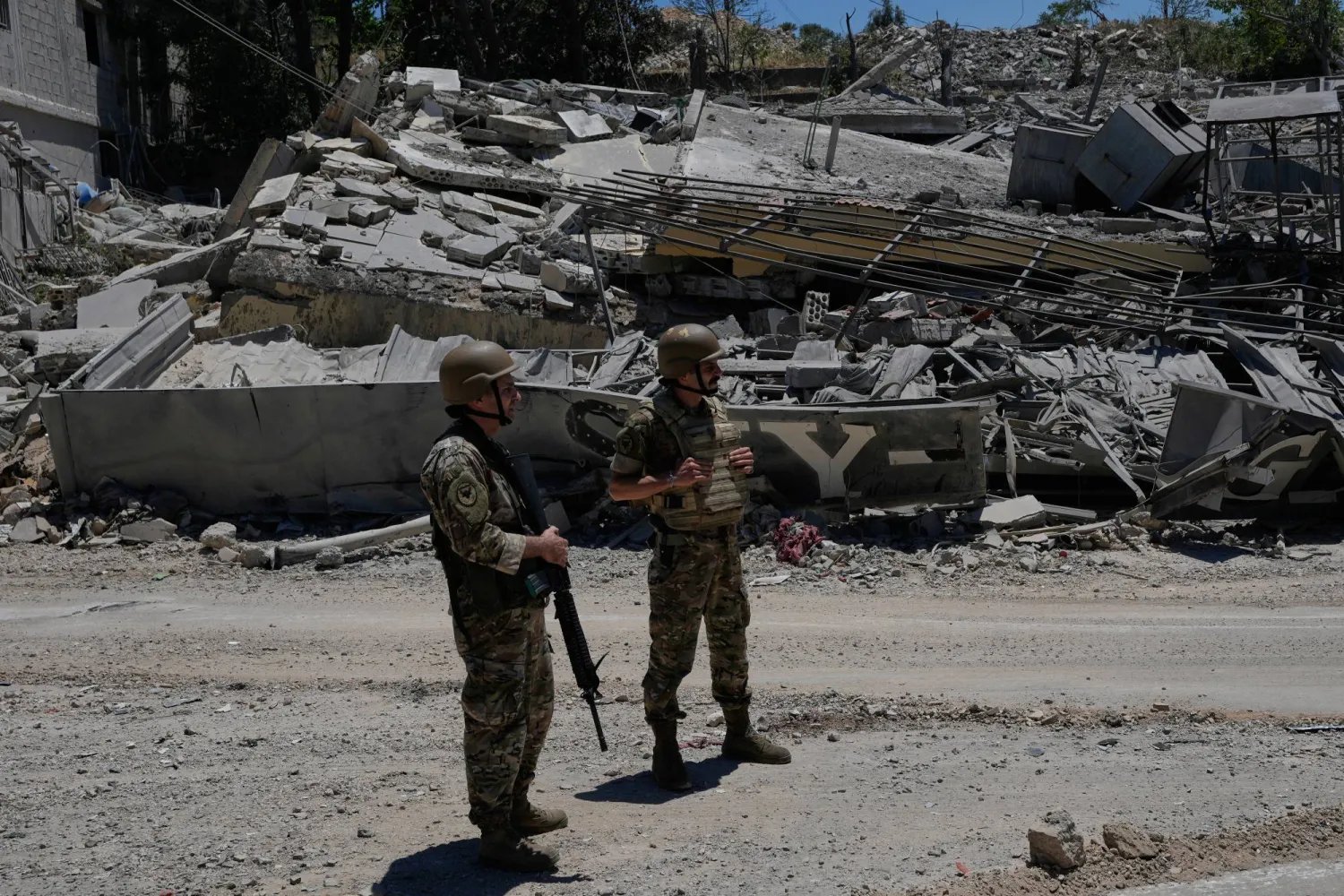
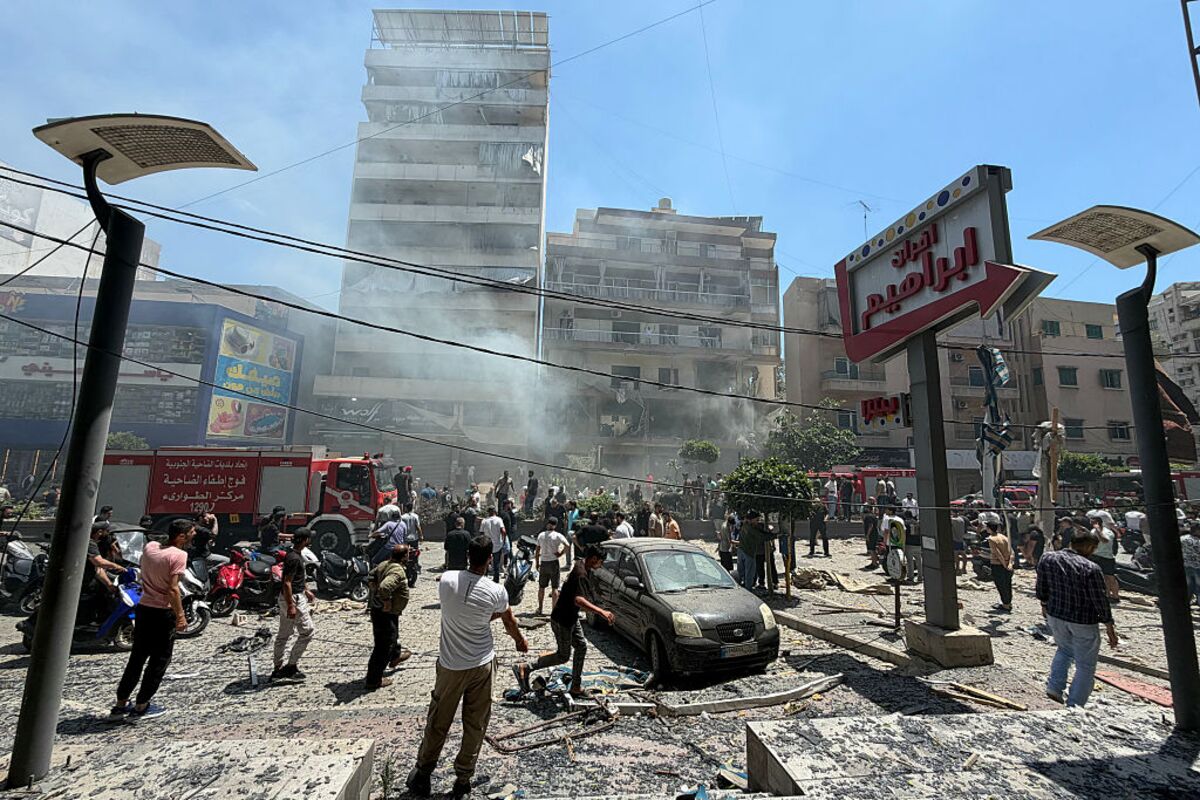
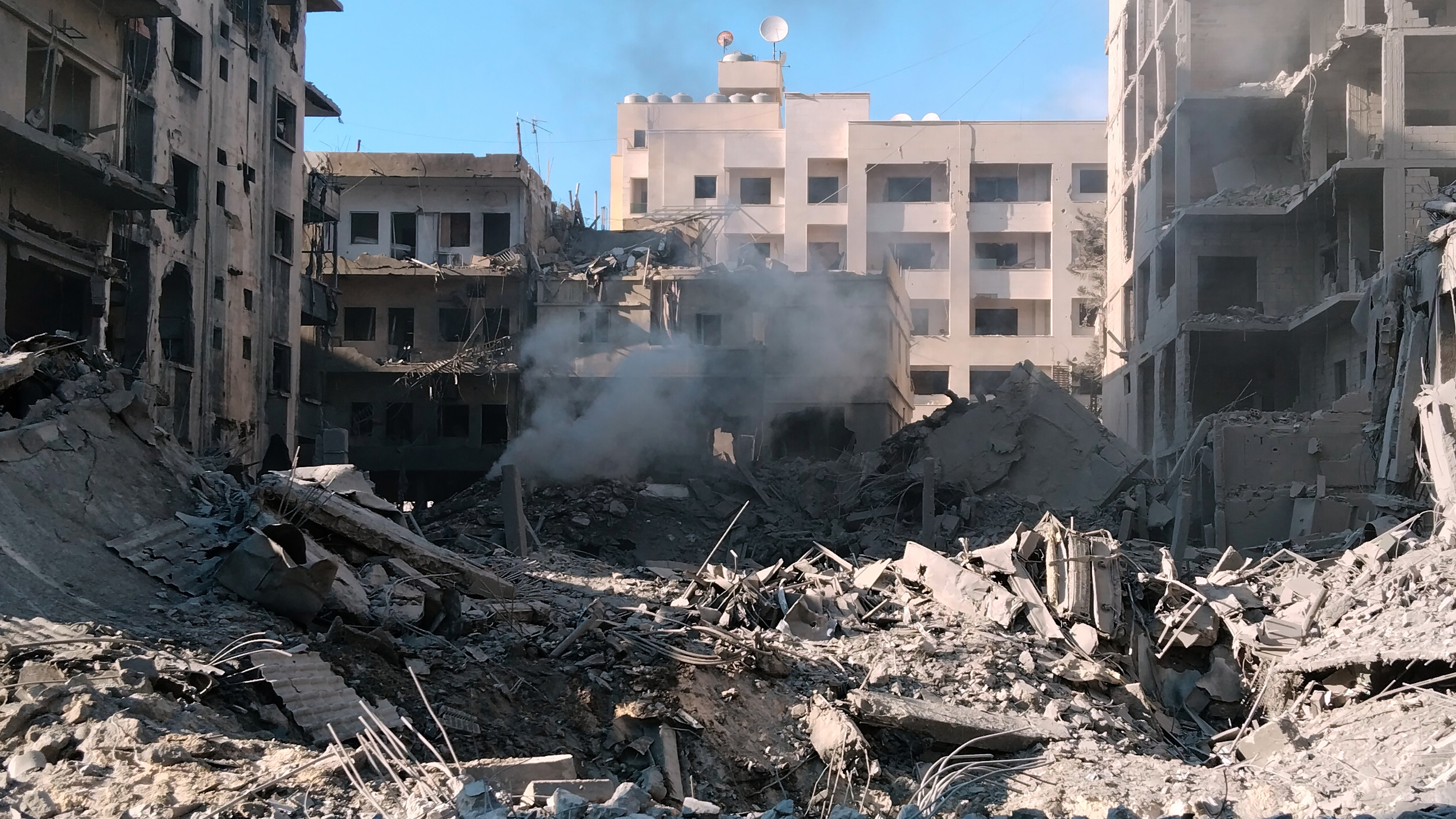
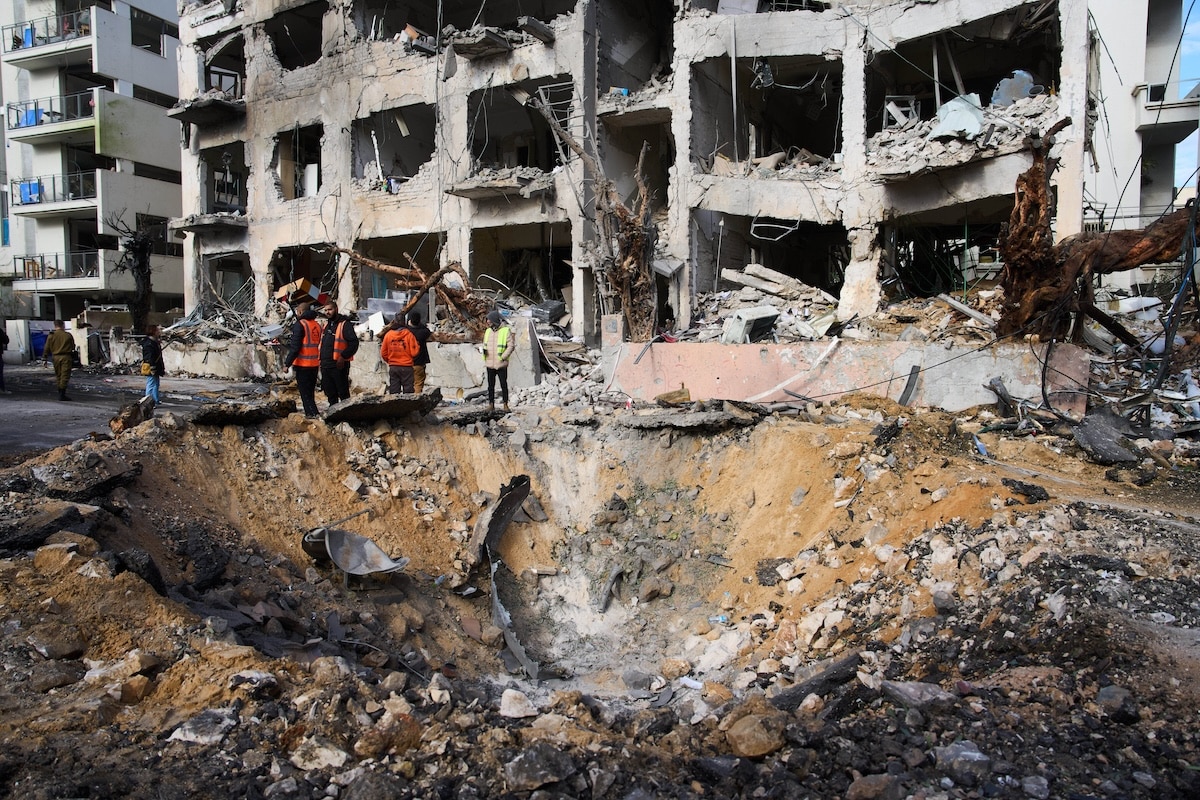
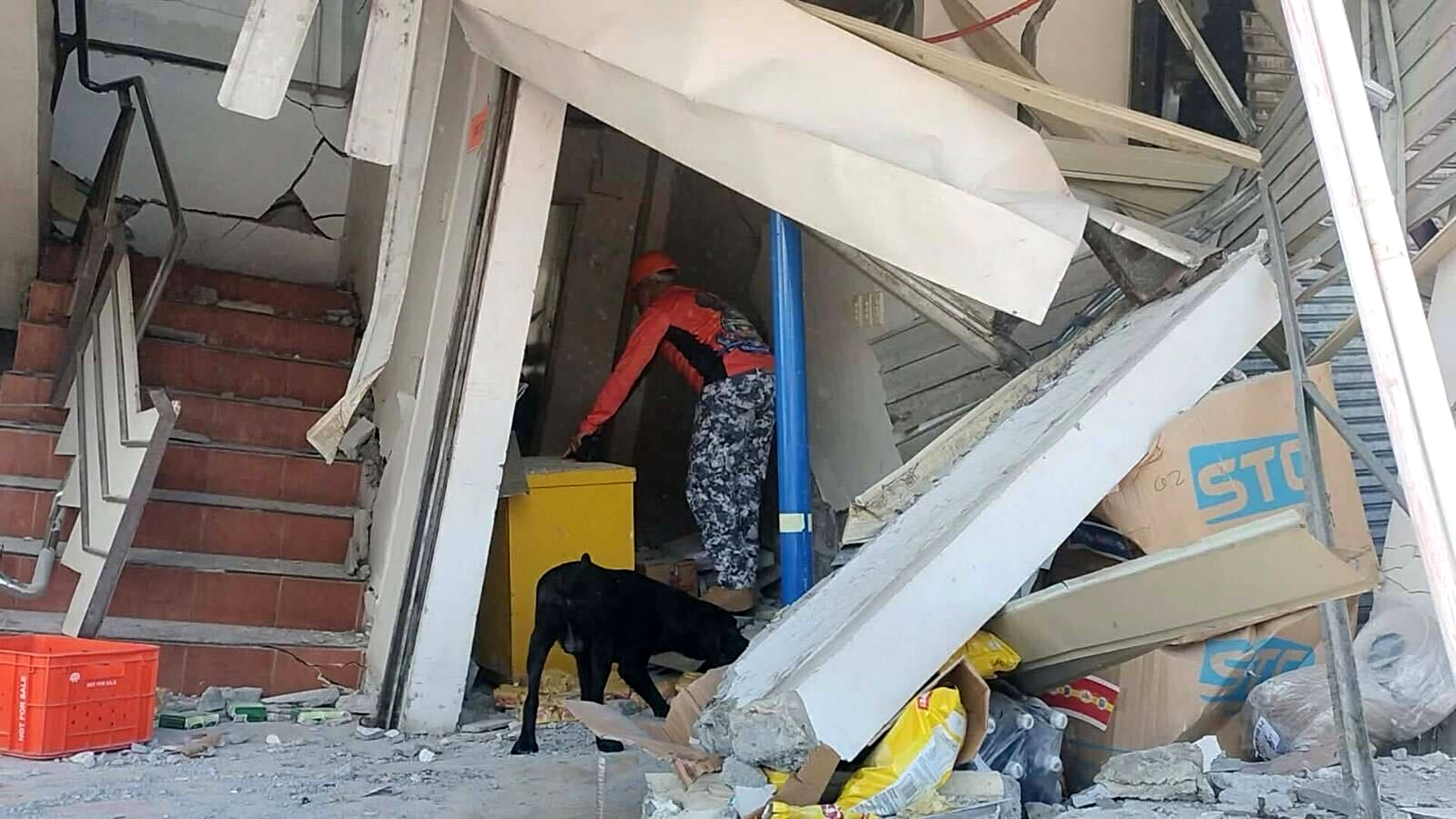
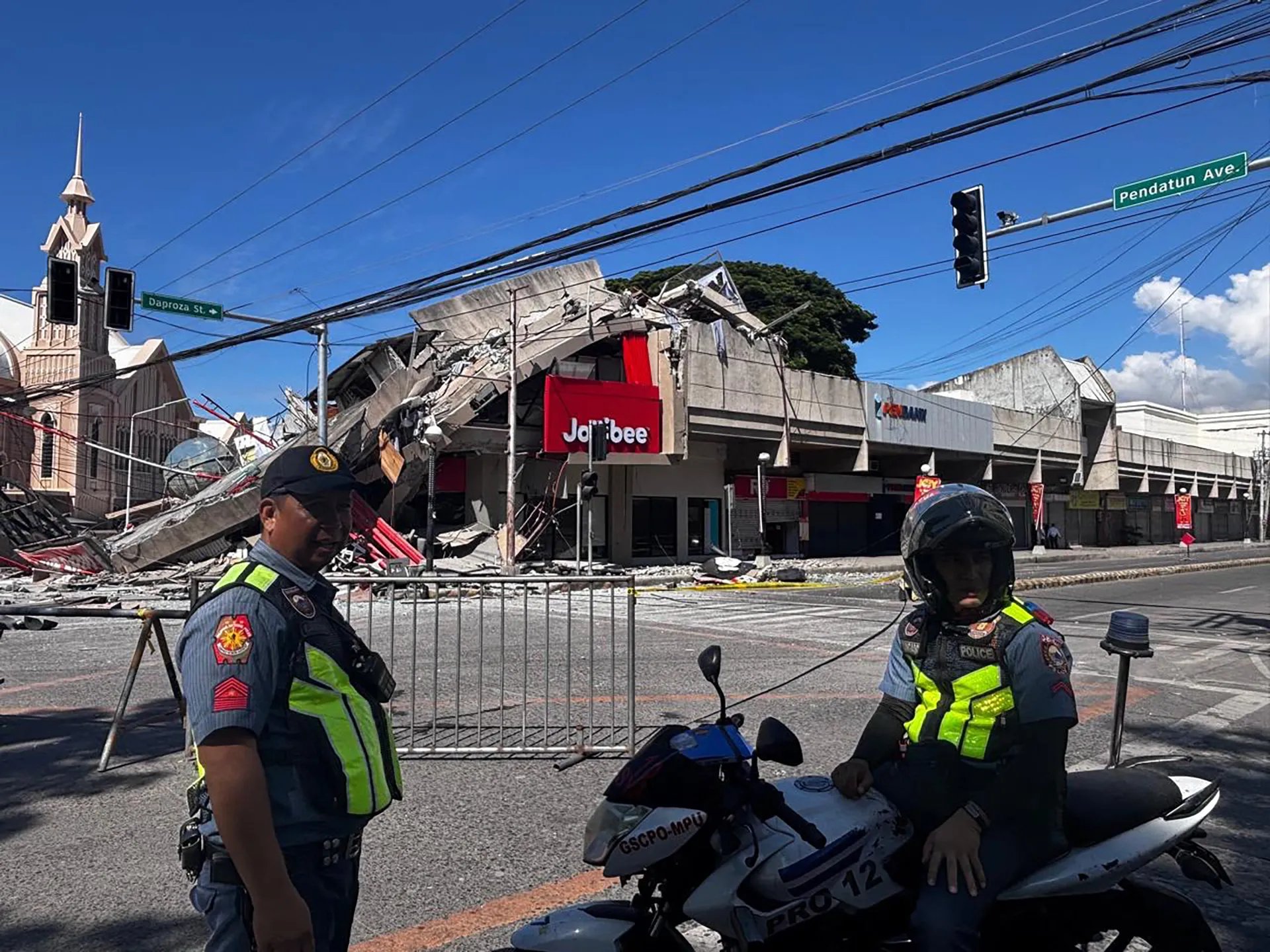
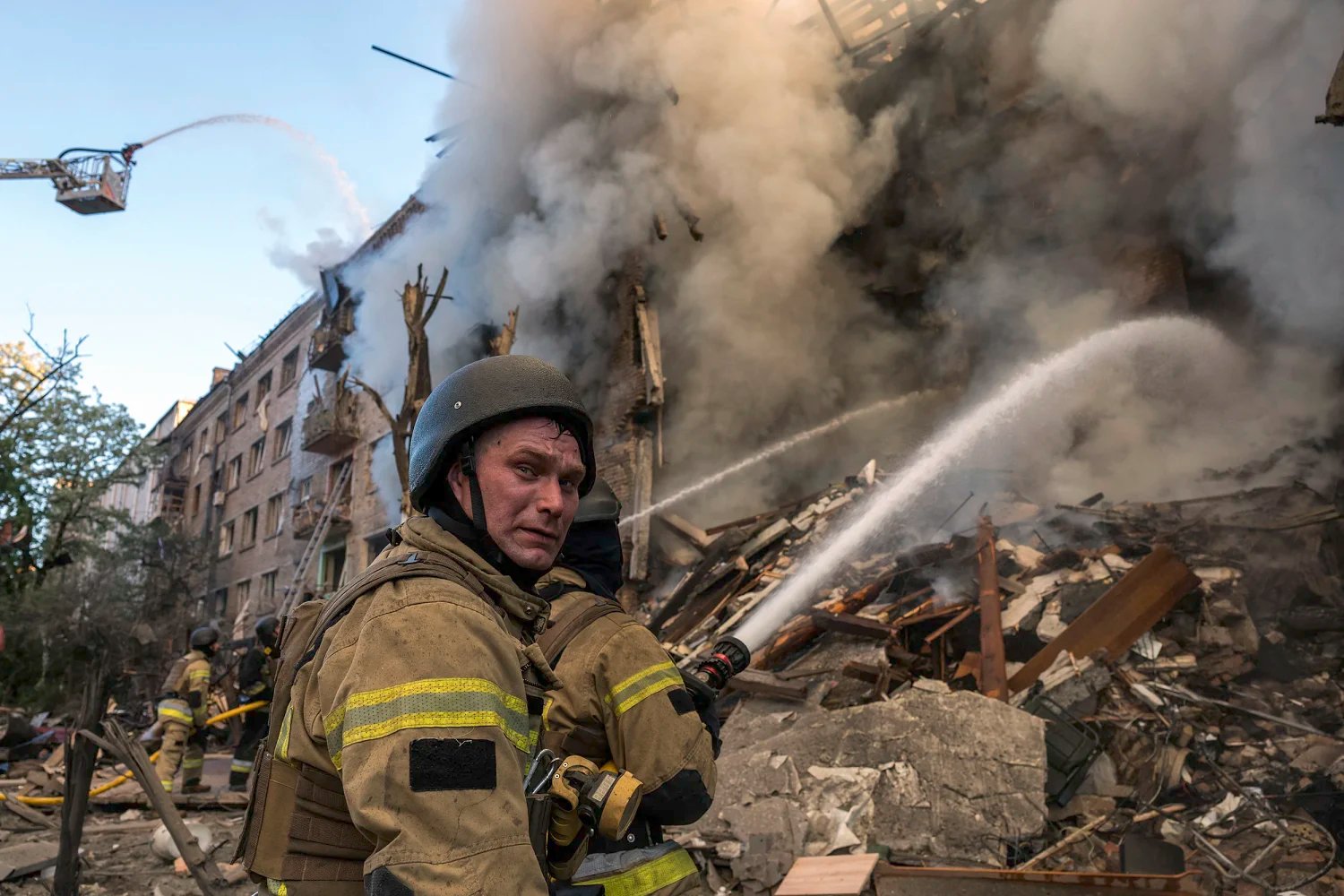
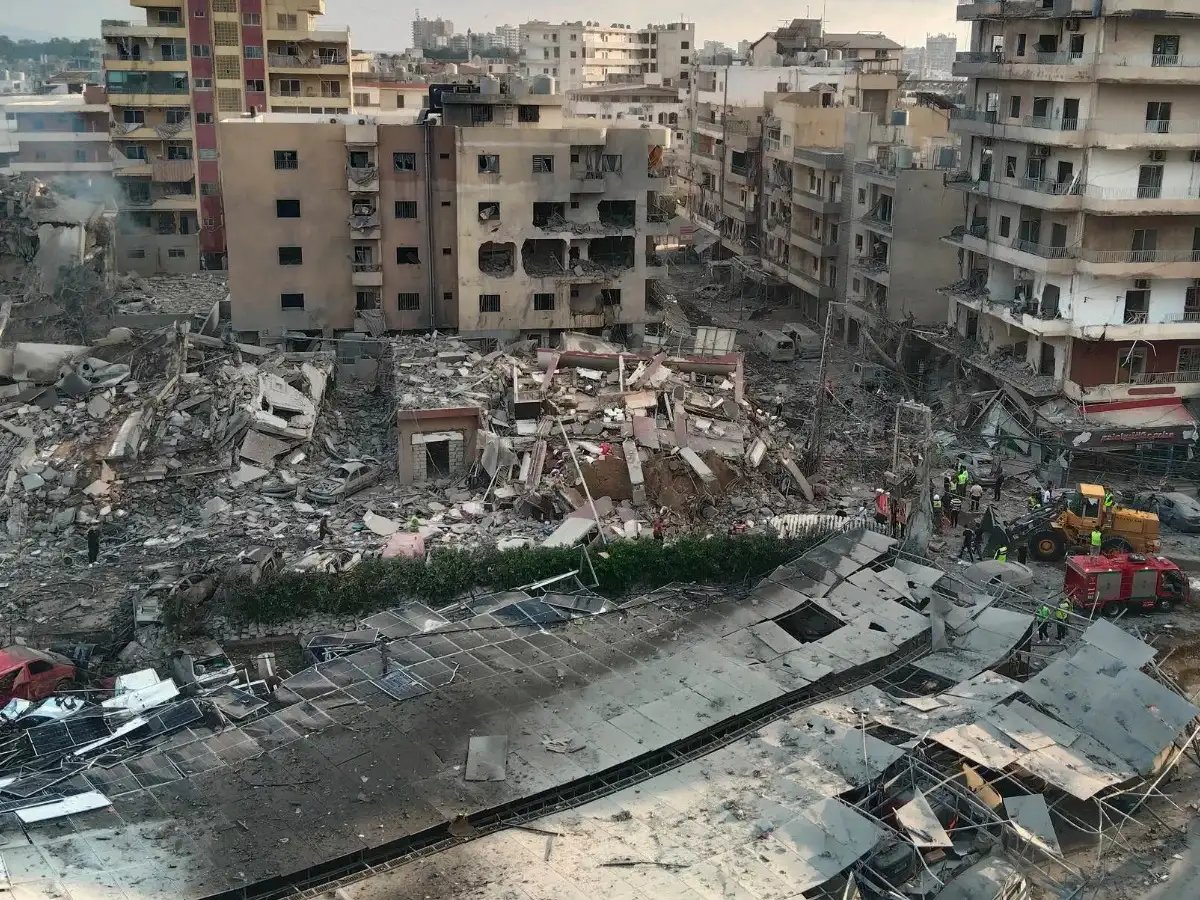
Dozens of hospitals and shopping centers have been damaged or destroyed, with at least 1,000 additional infrastructure sites also damaged. In La Guaira alone, rescue workers have pulled 243 people alive from the wreckage so far. The country has experienced 214 aftershocks since the initial quakes struck.
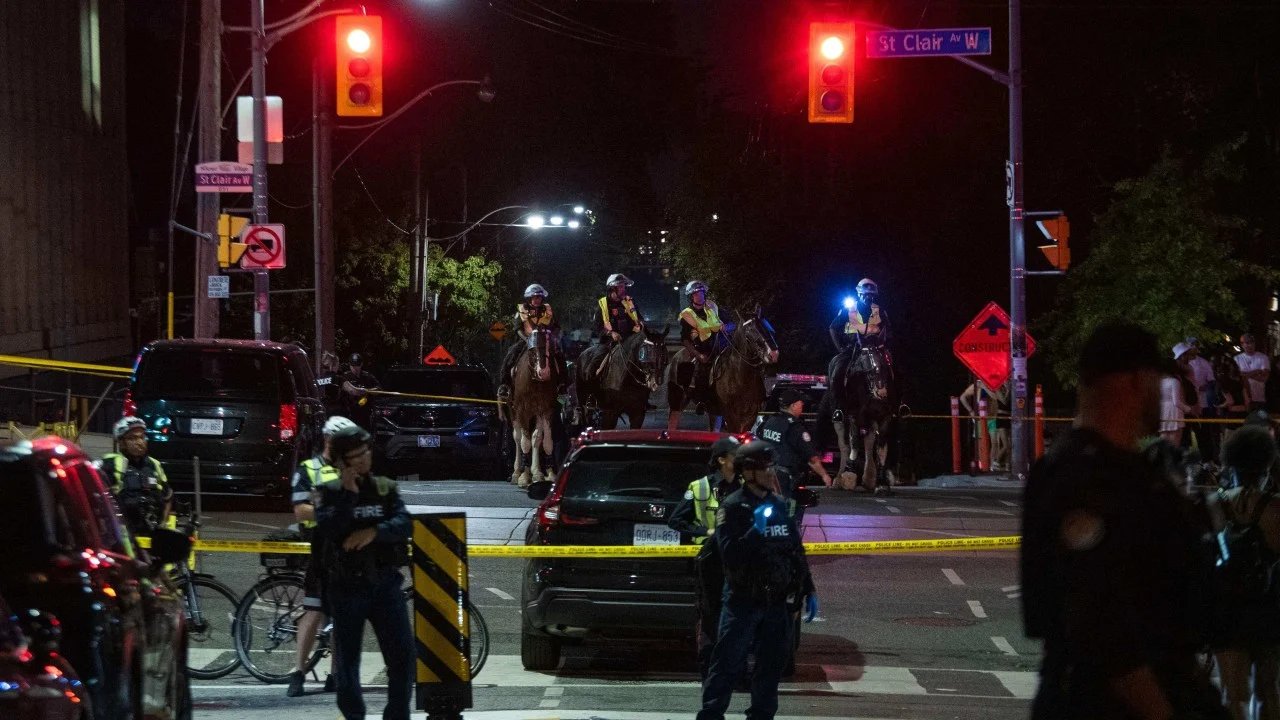
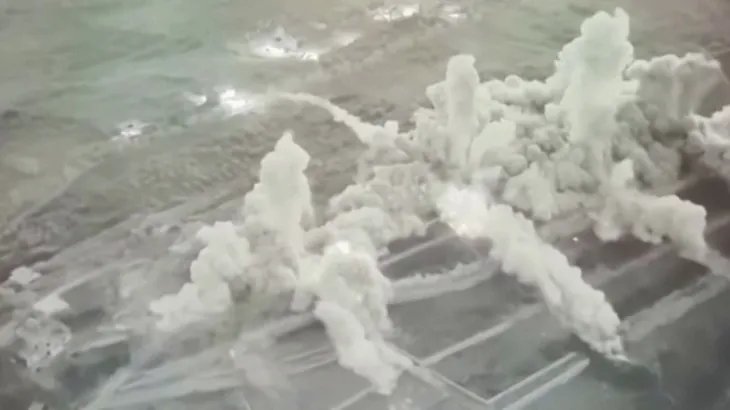
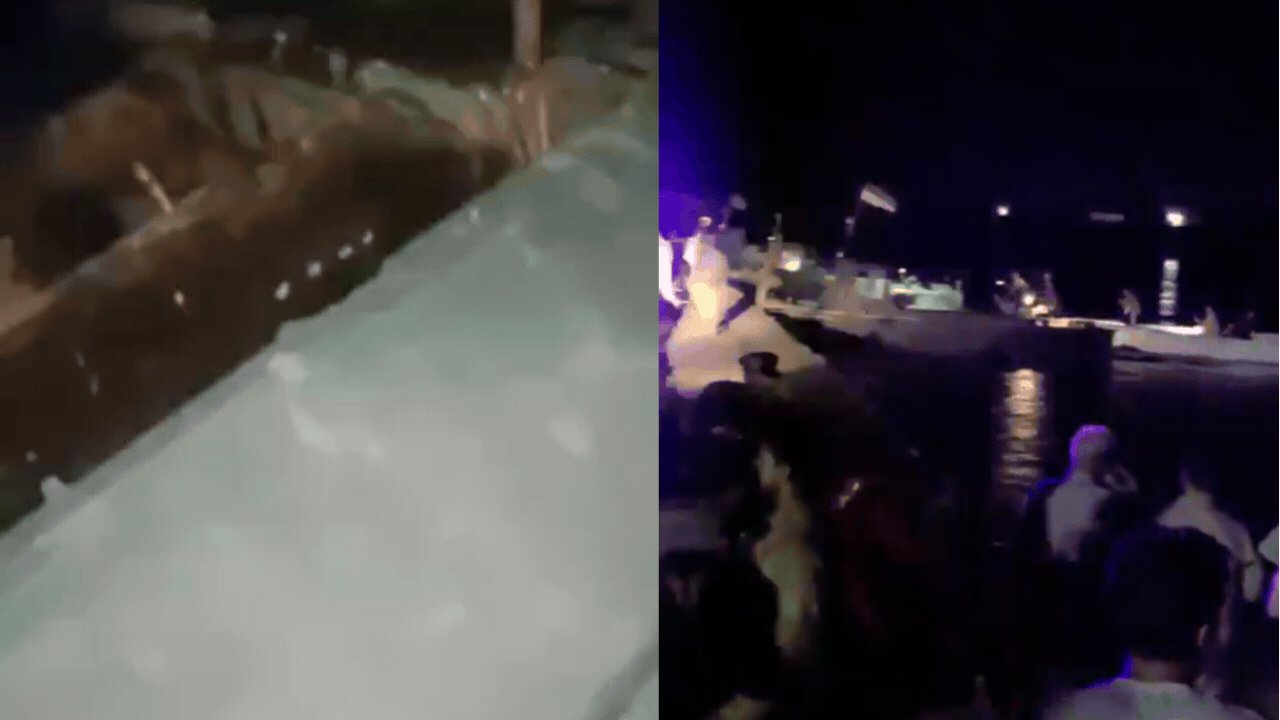
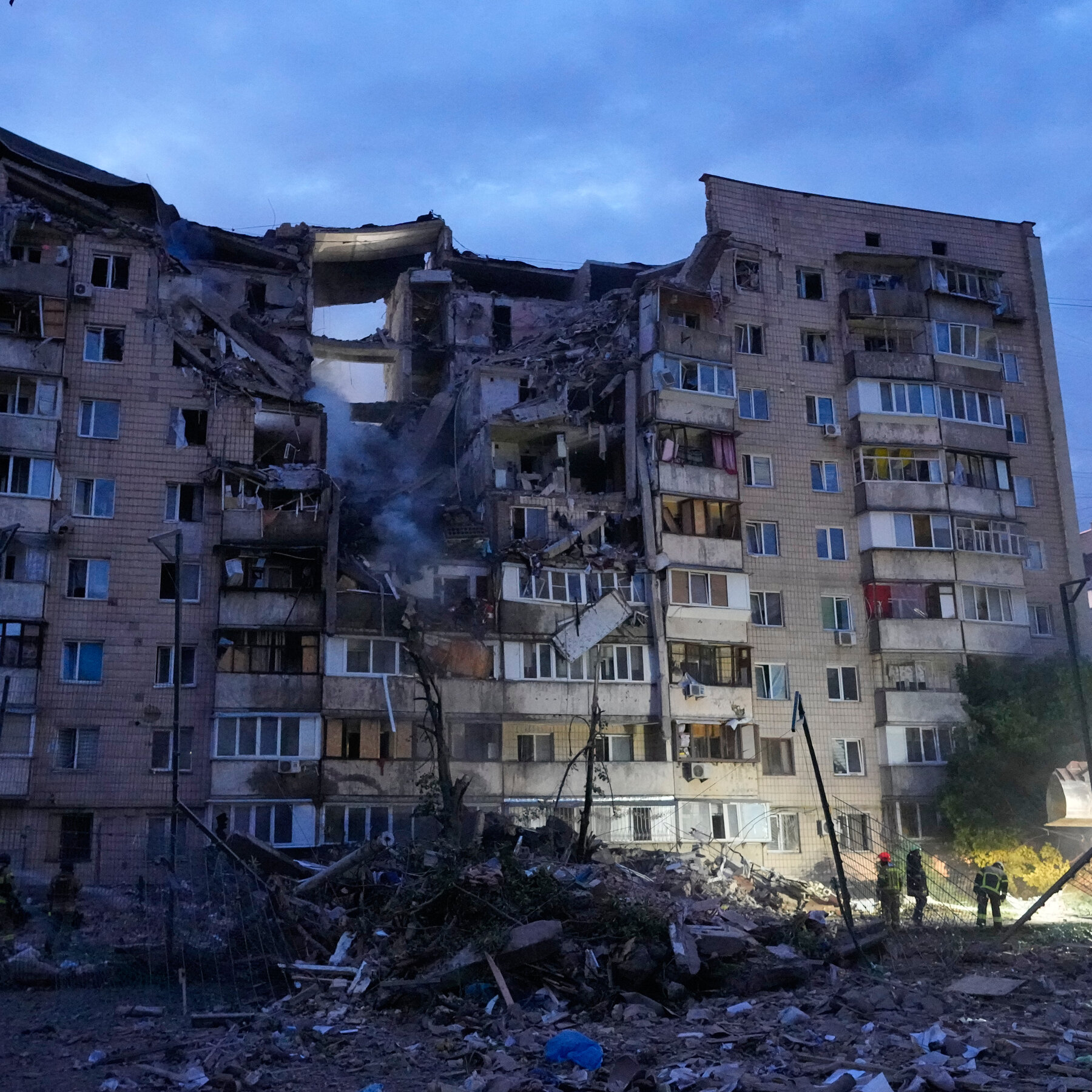
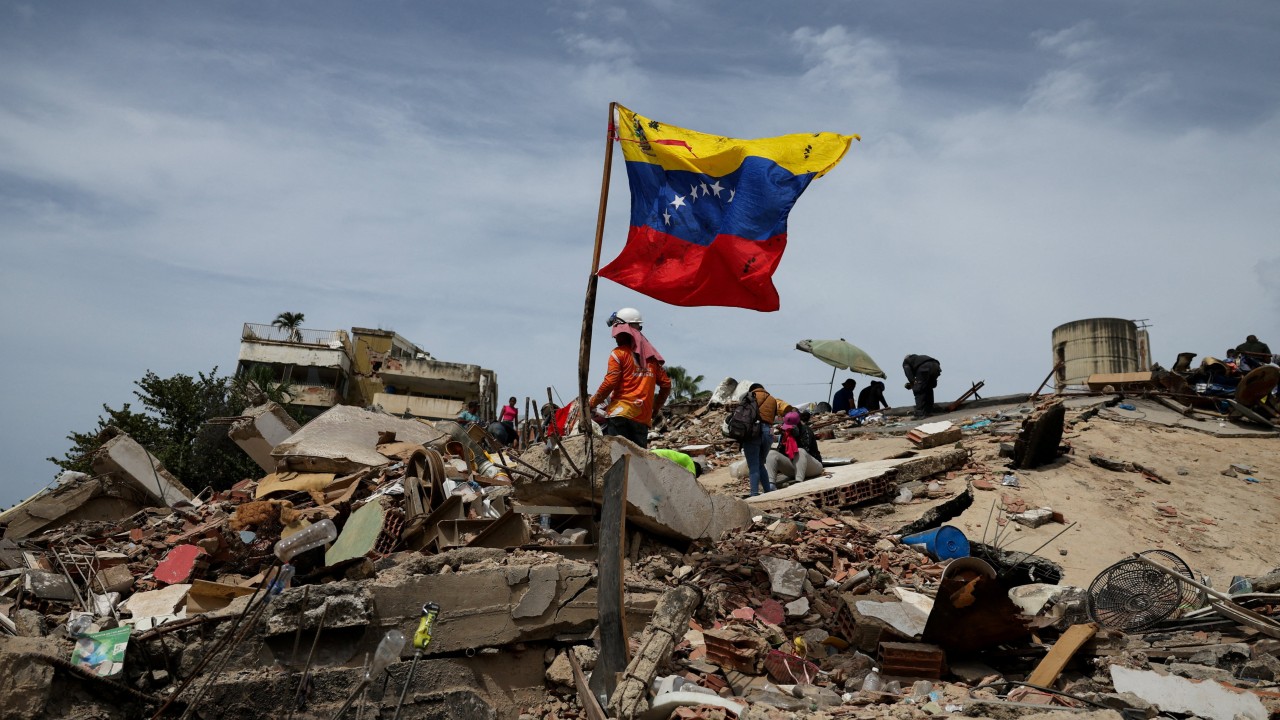
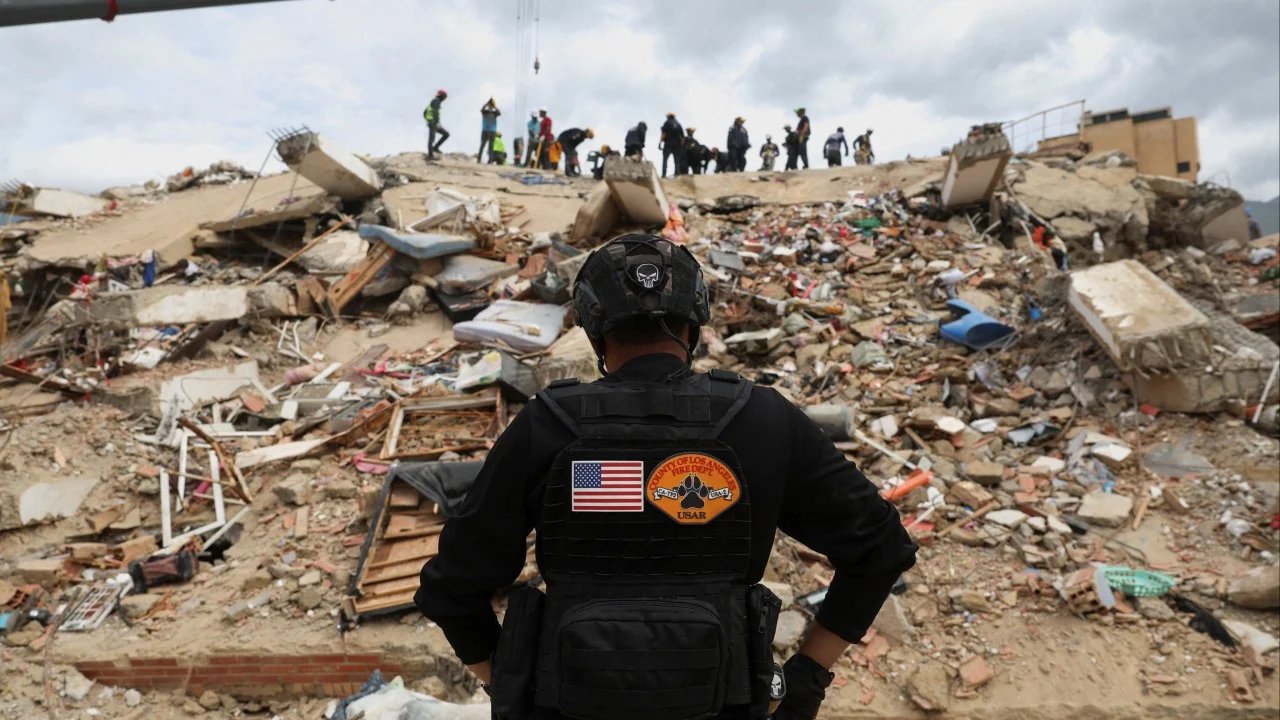
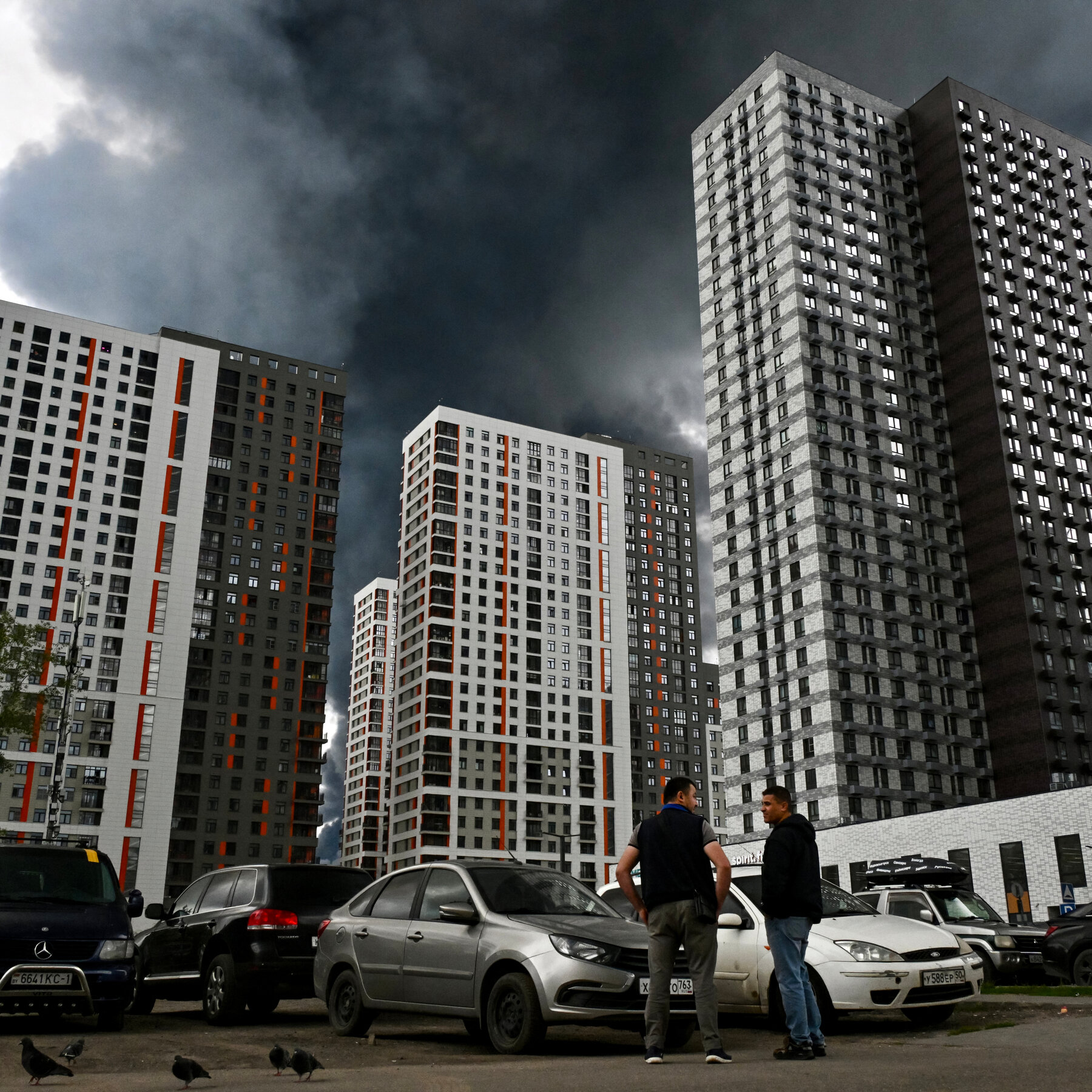
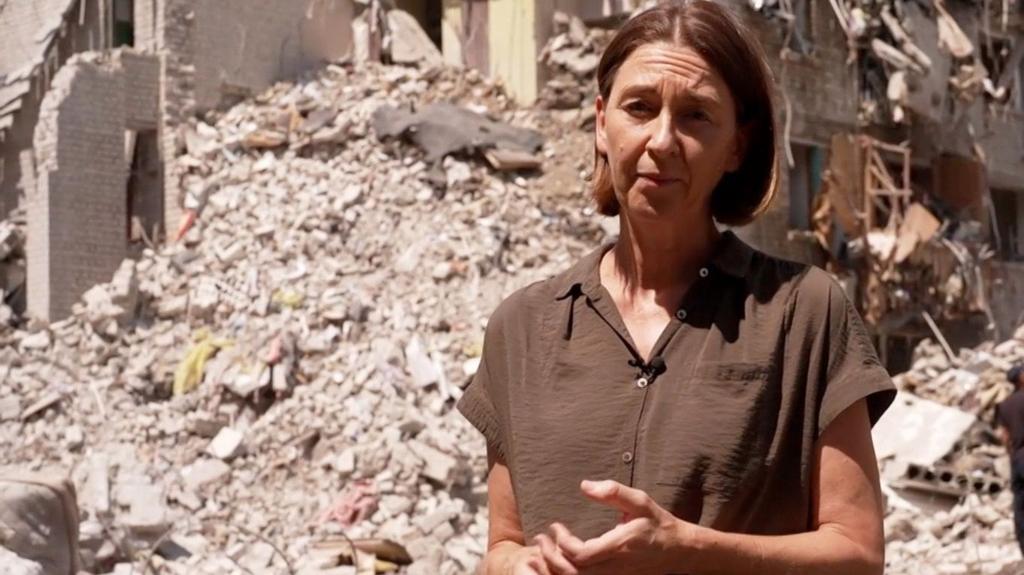
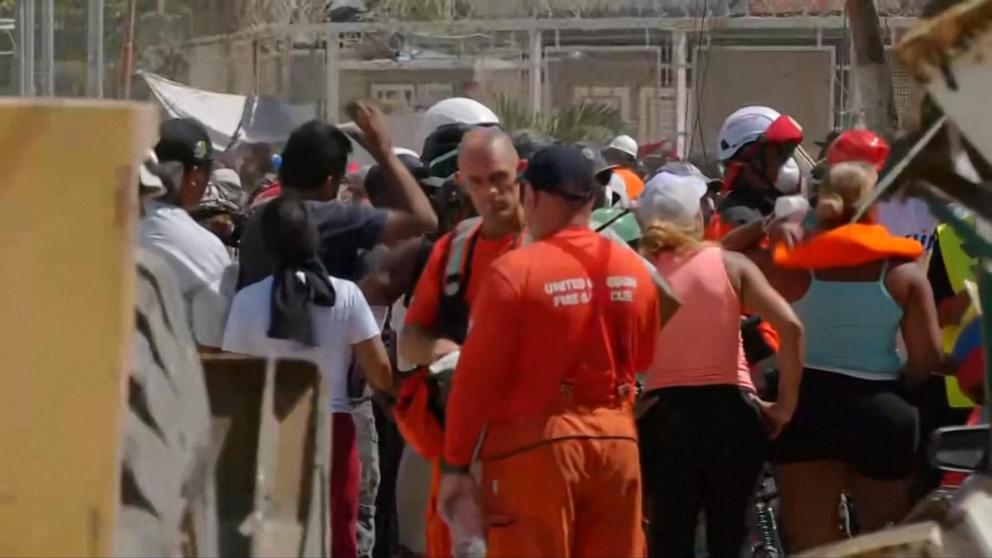
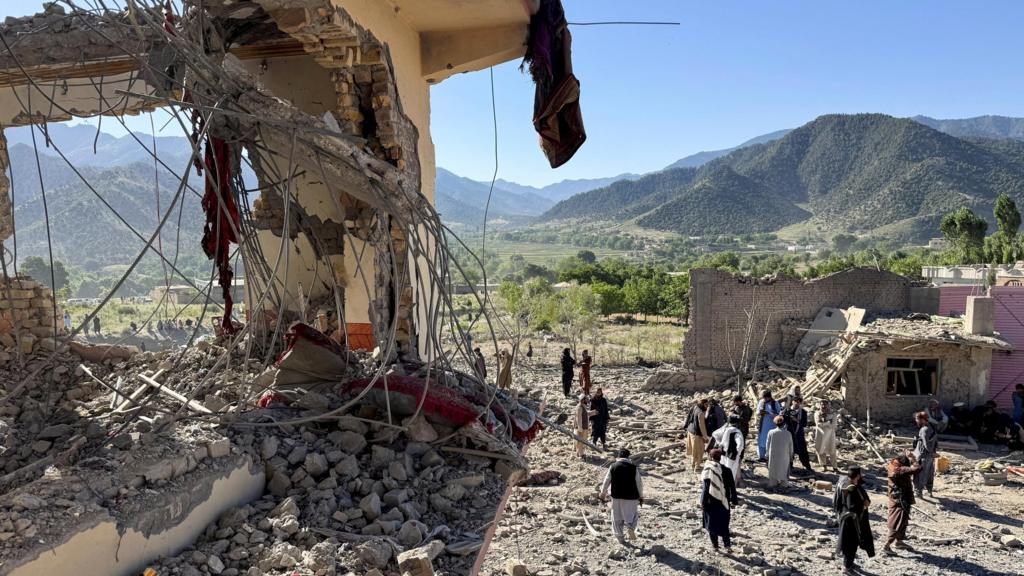
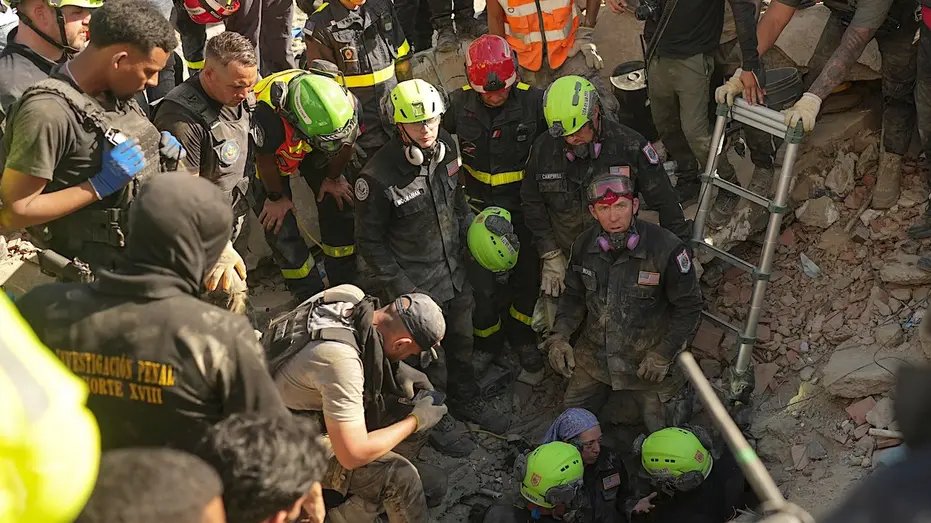
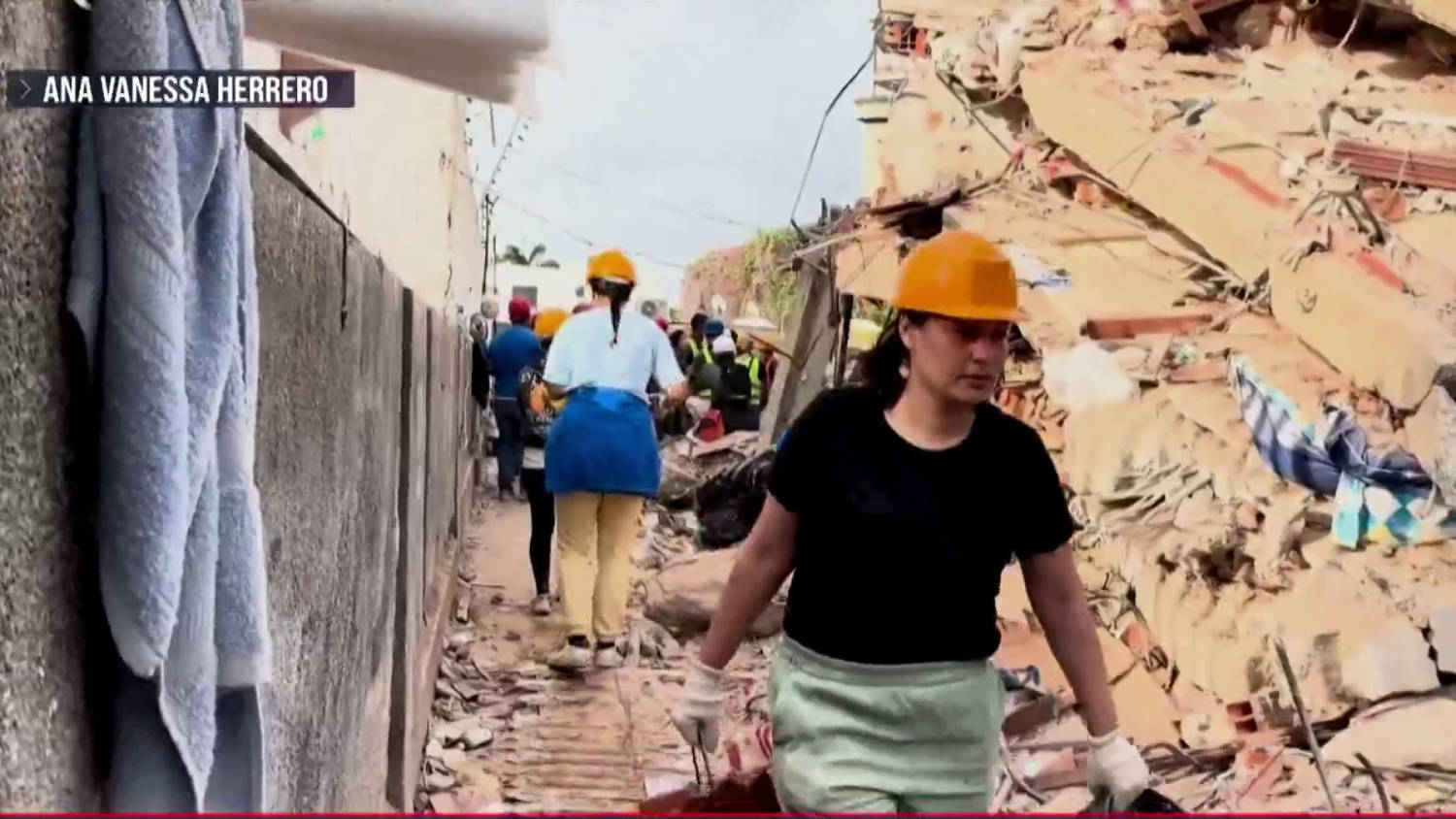
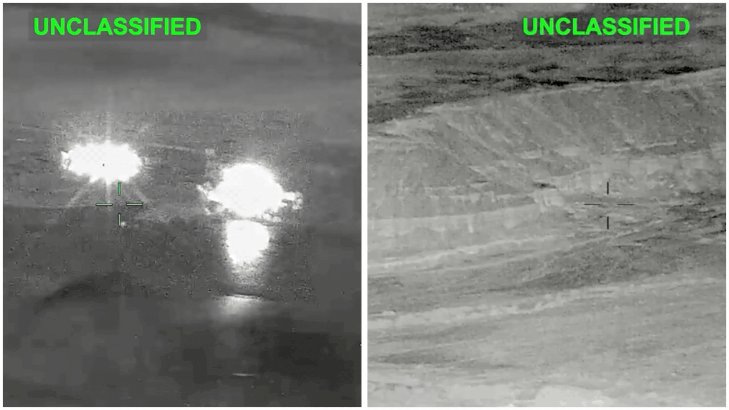
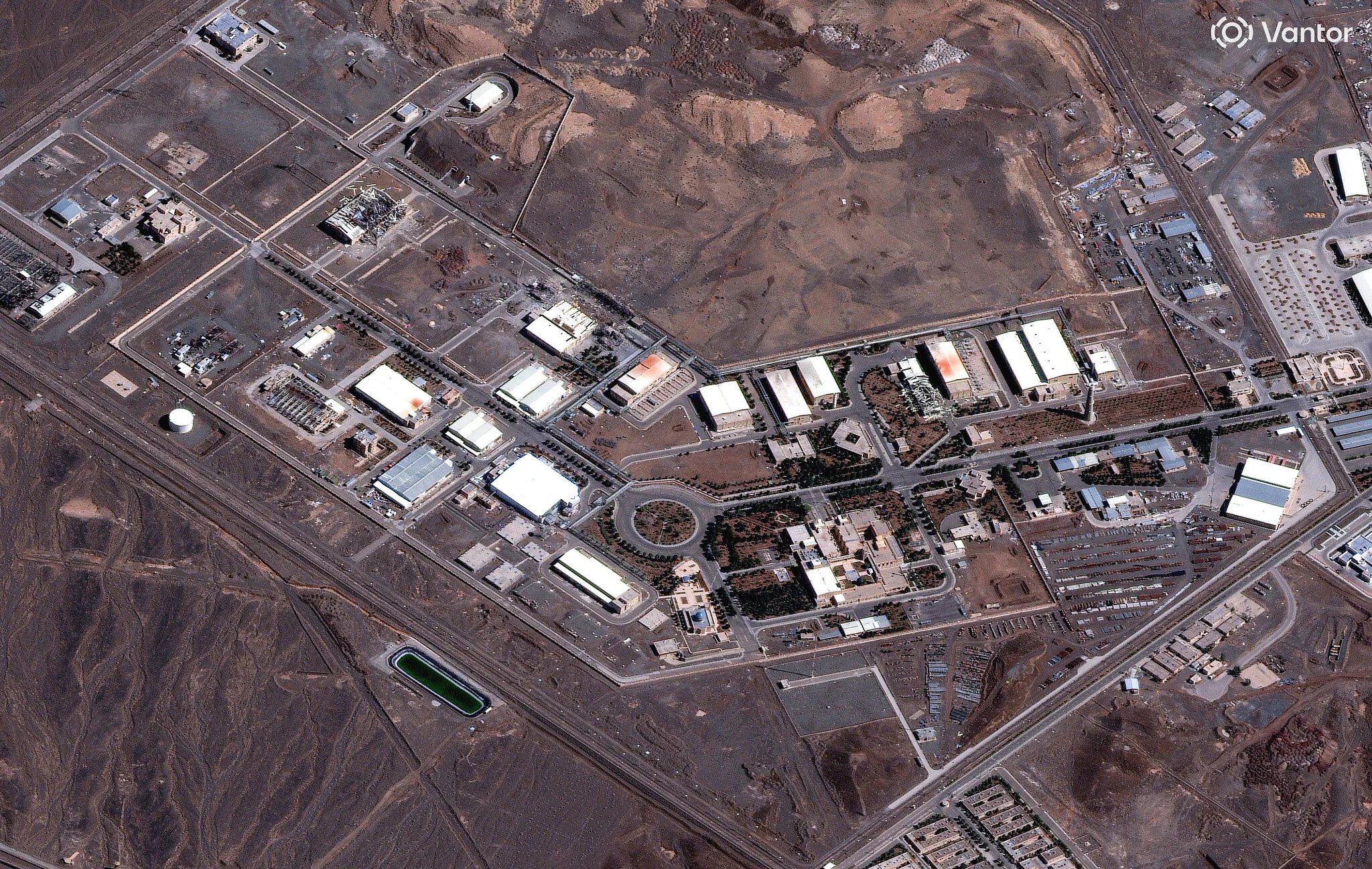
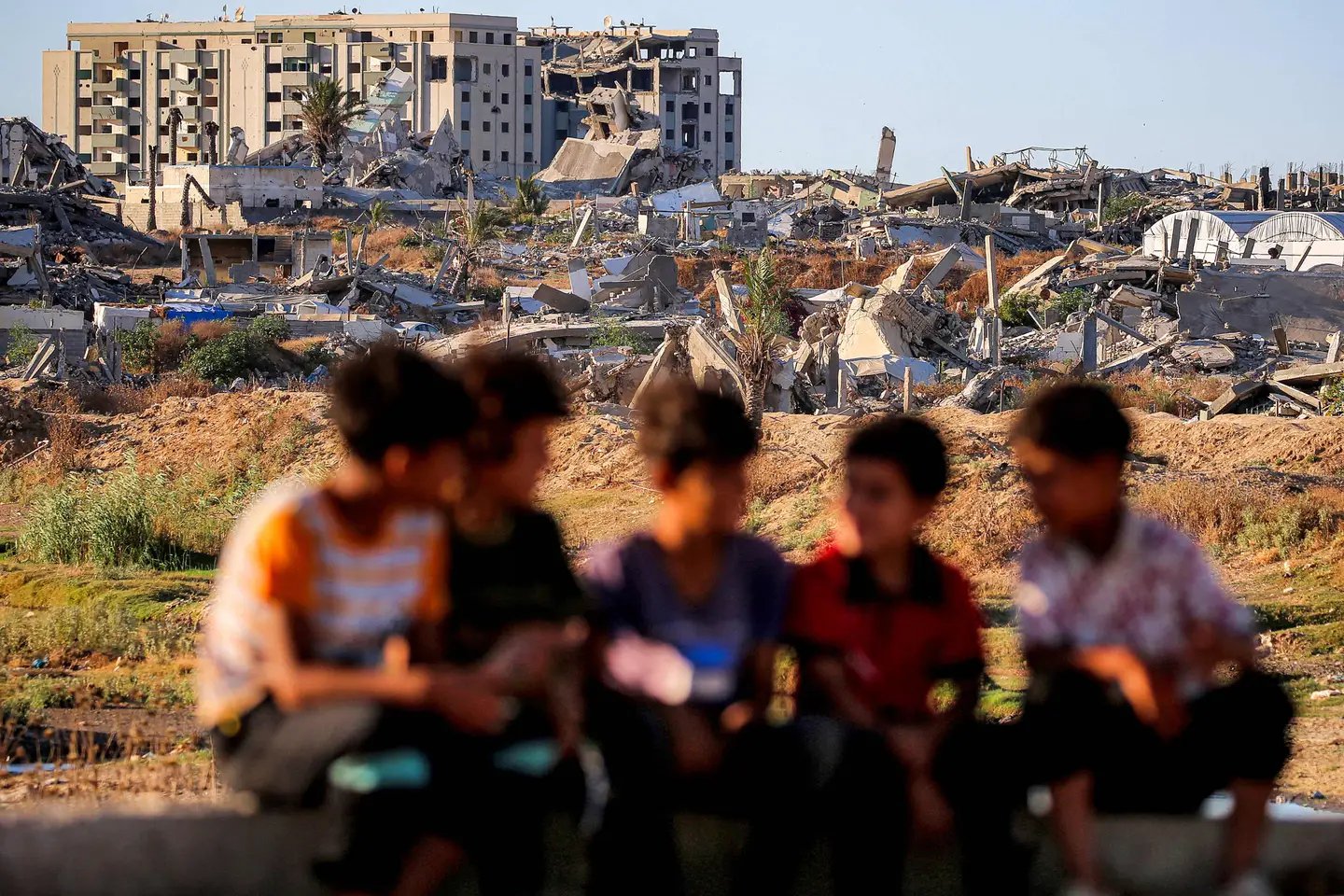
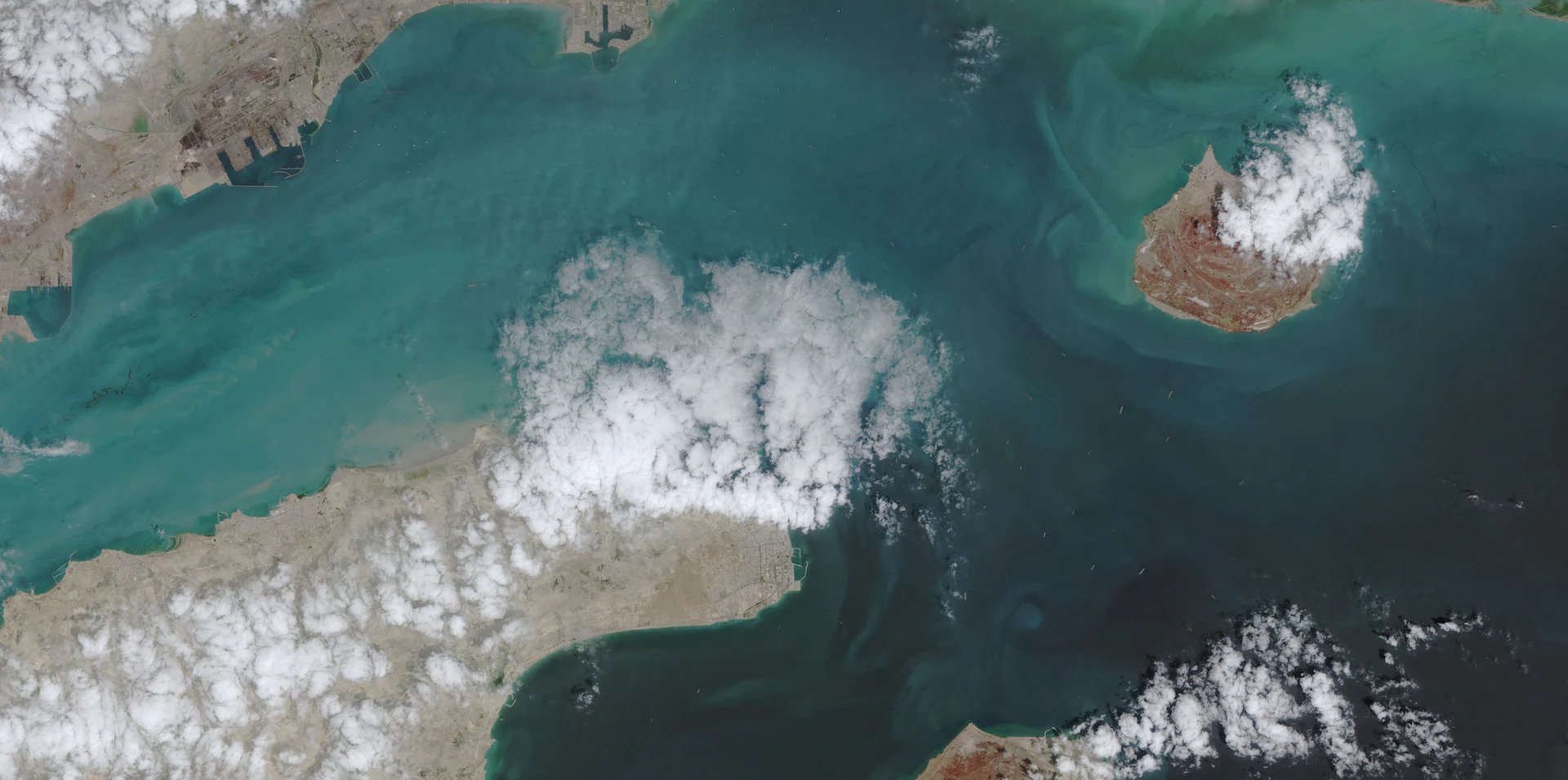
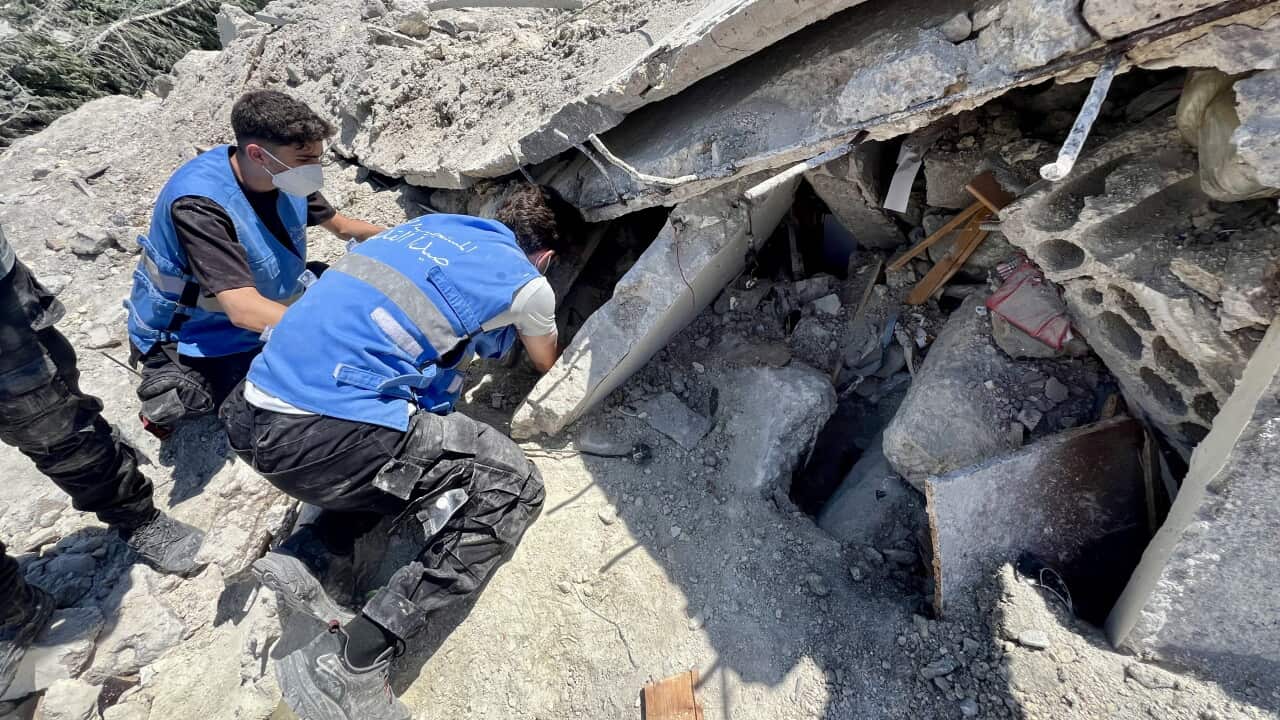
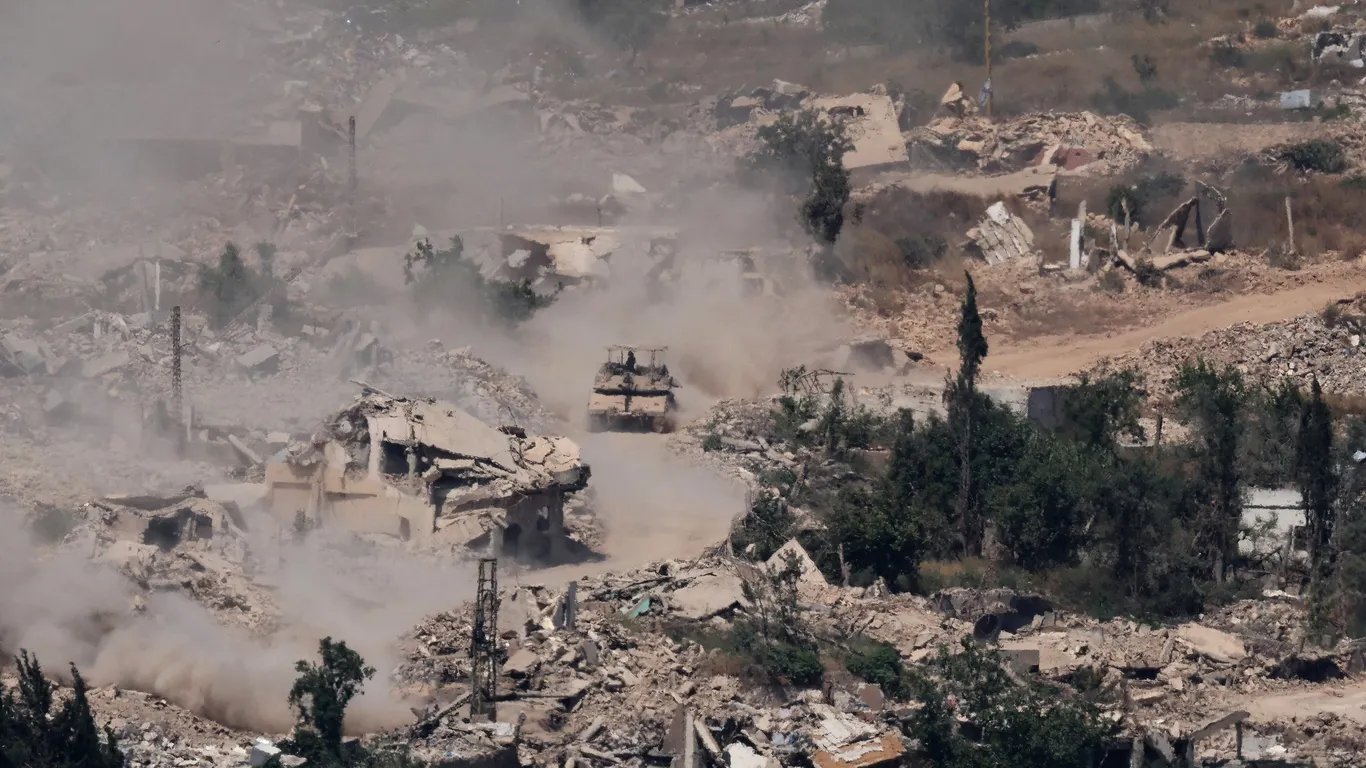
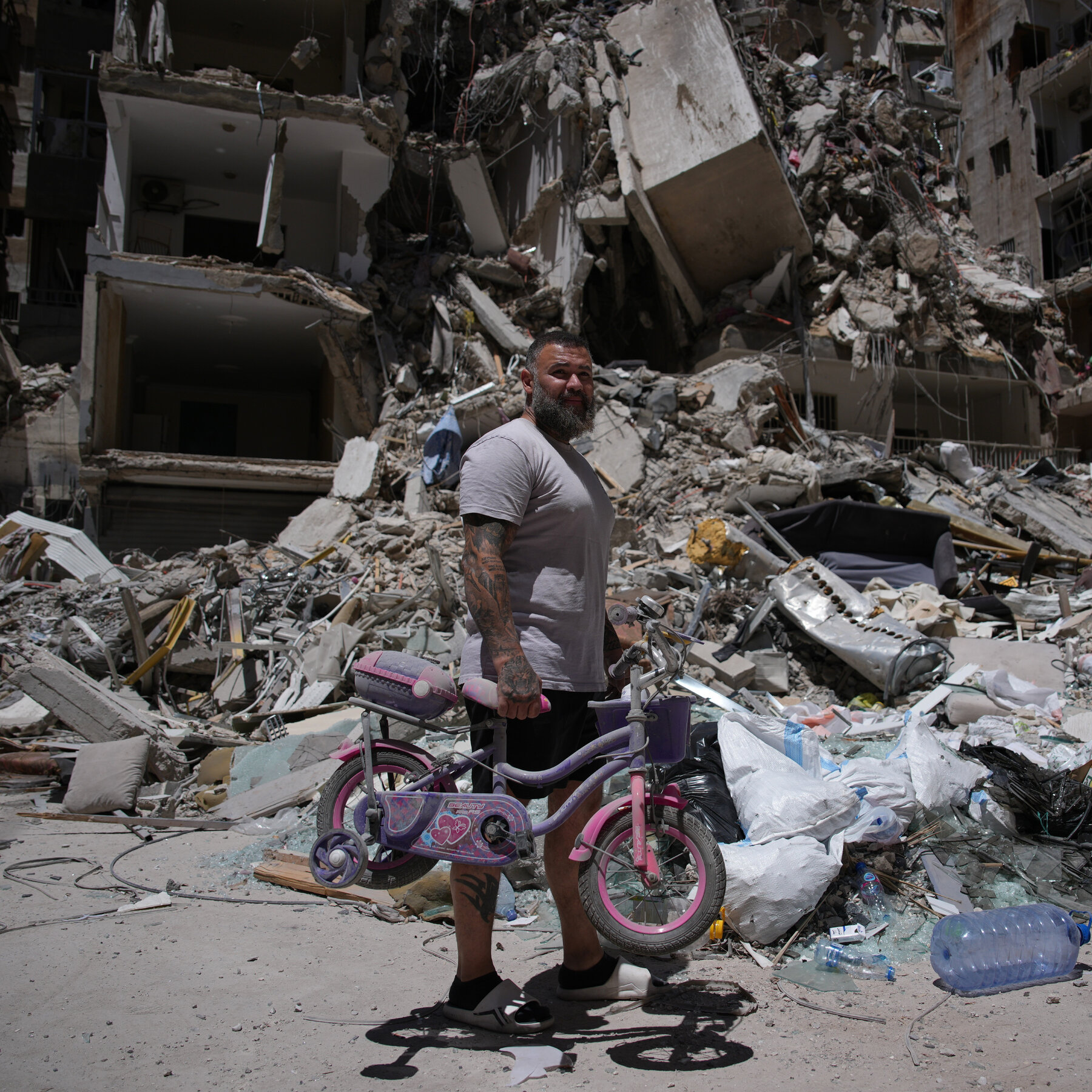
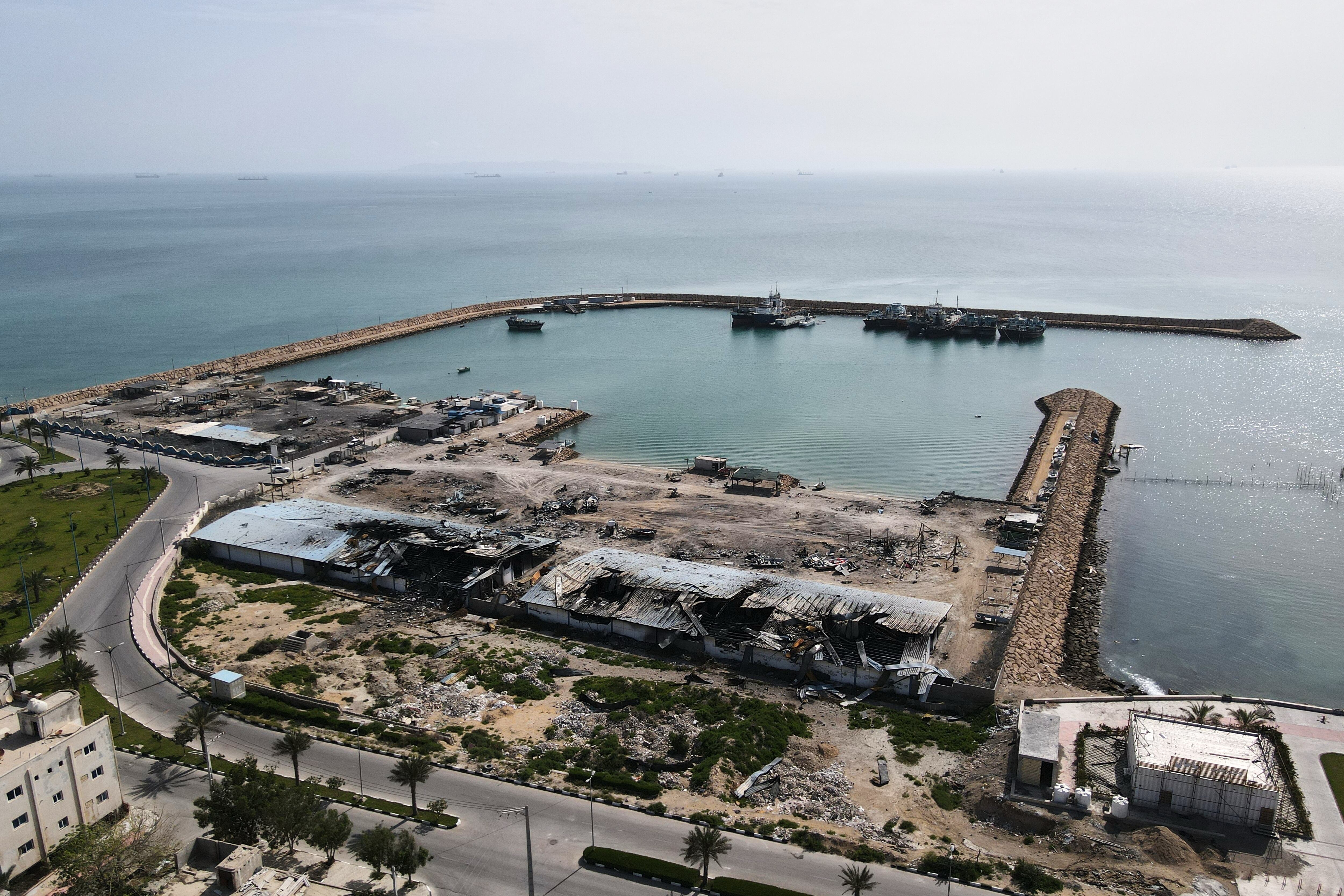
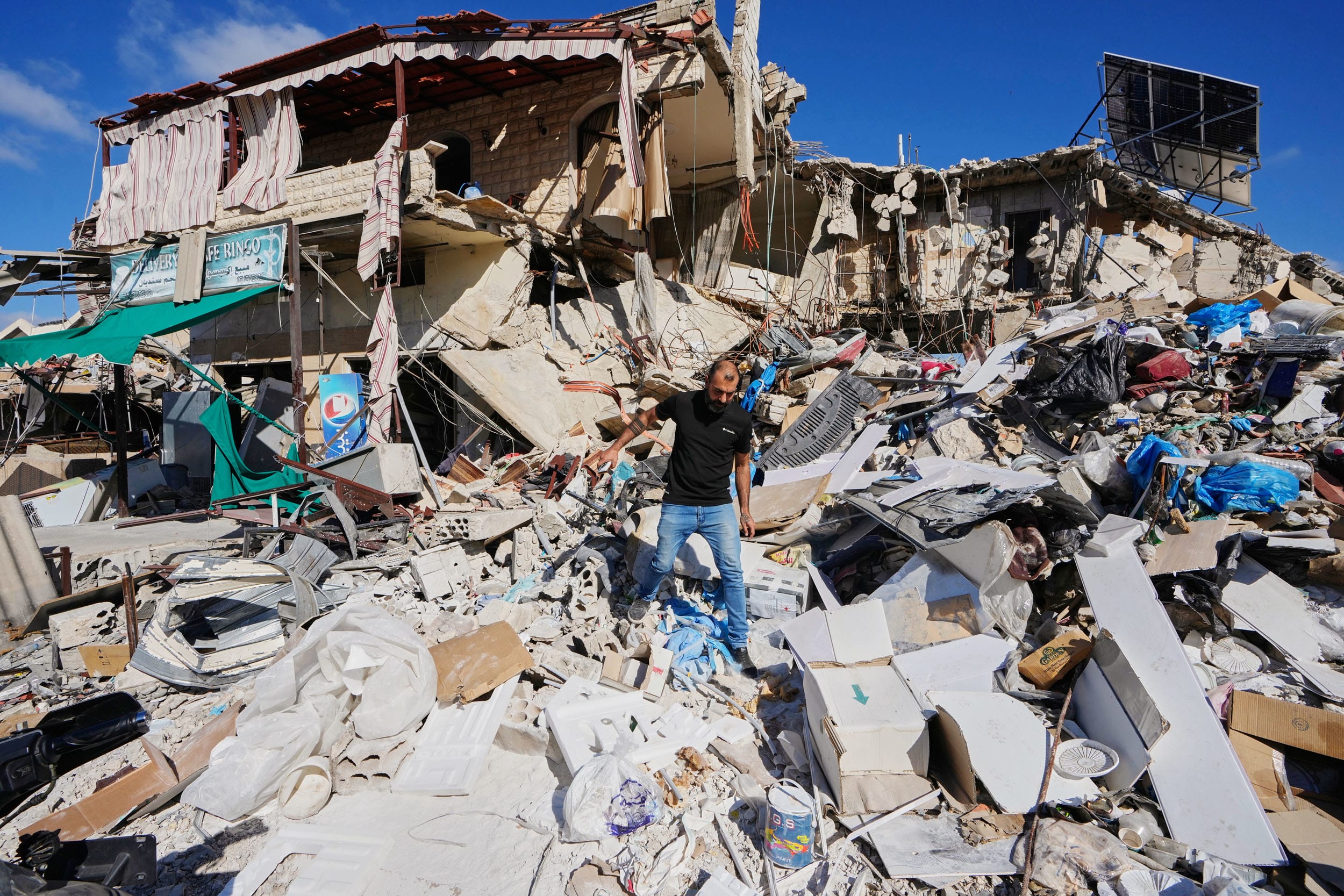
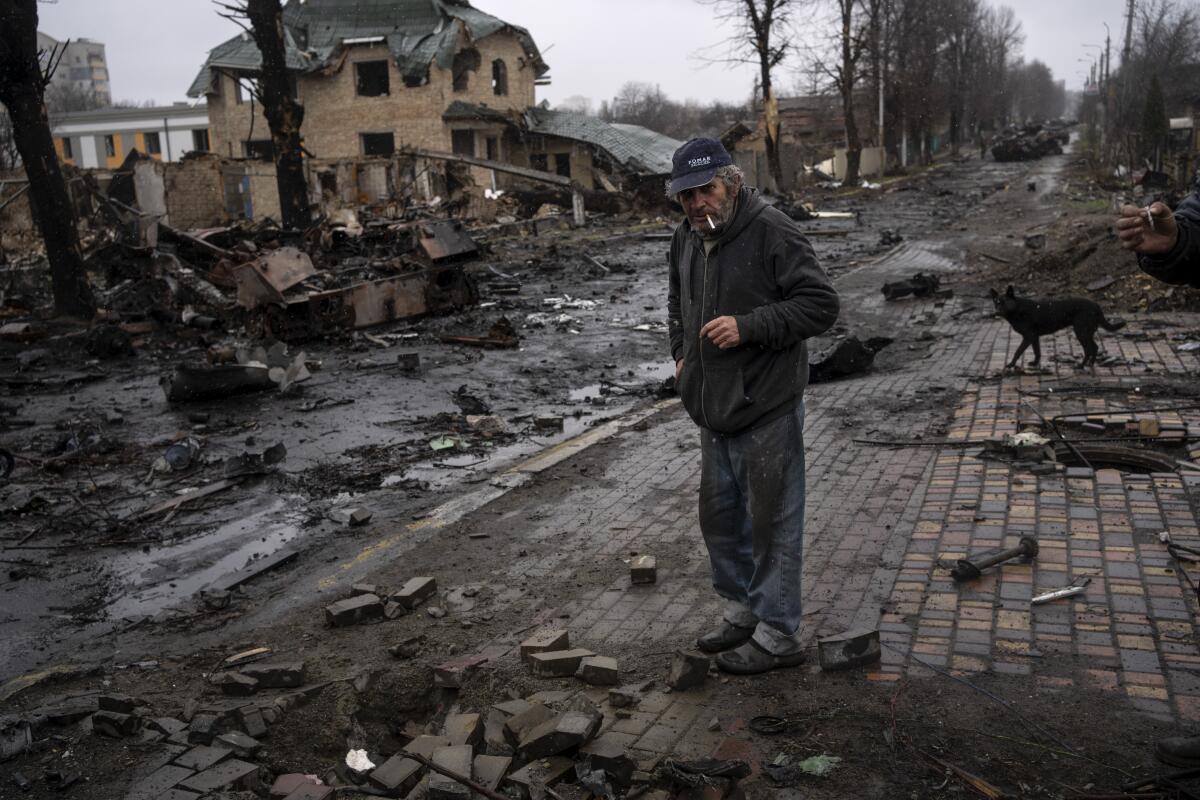
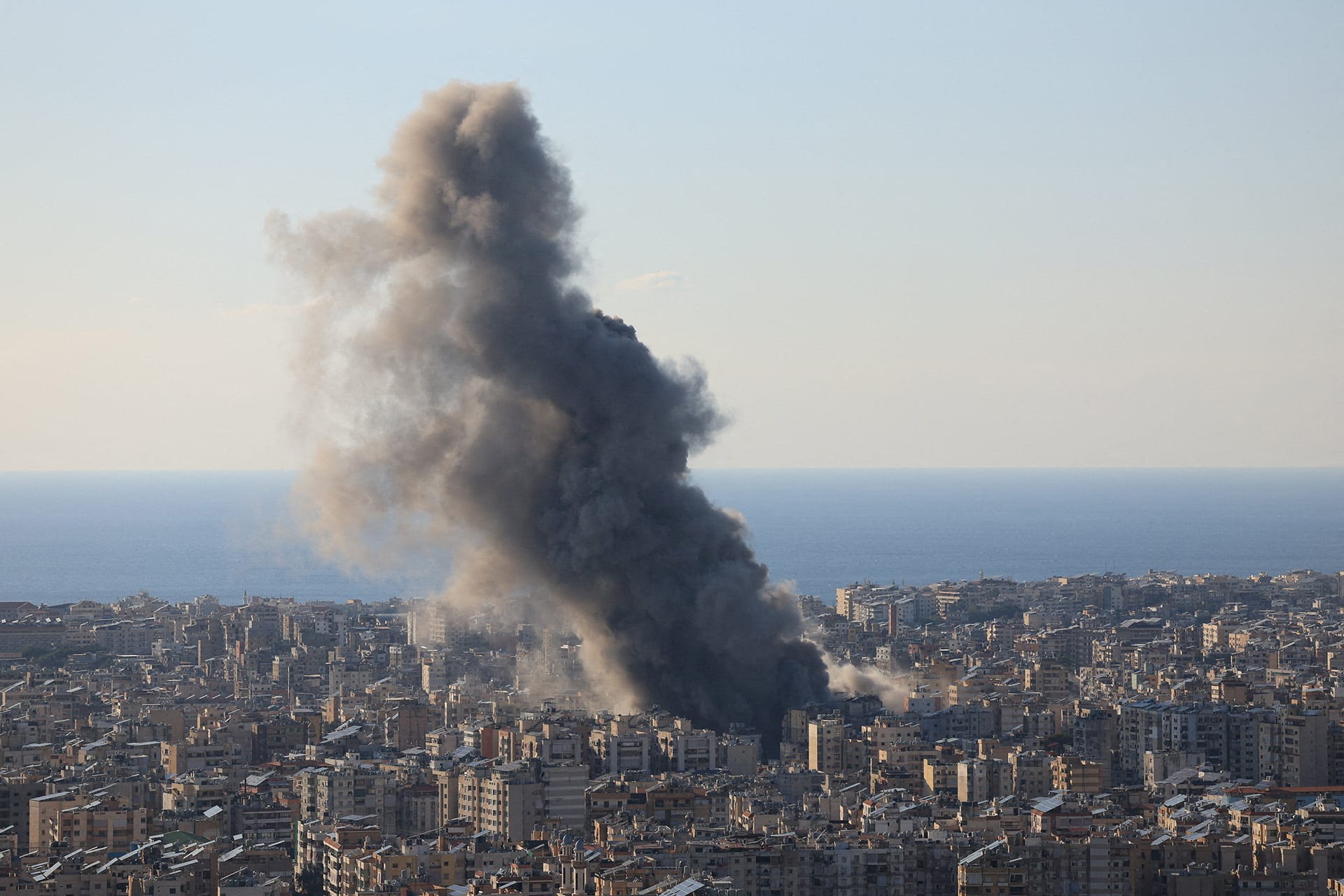
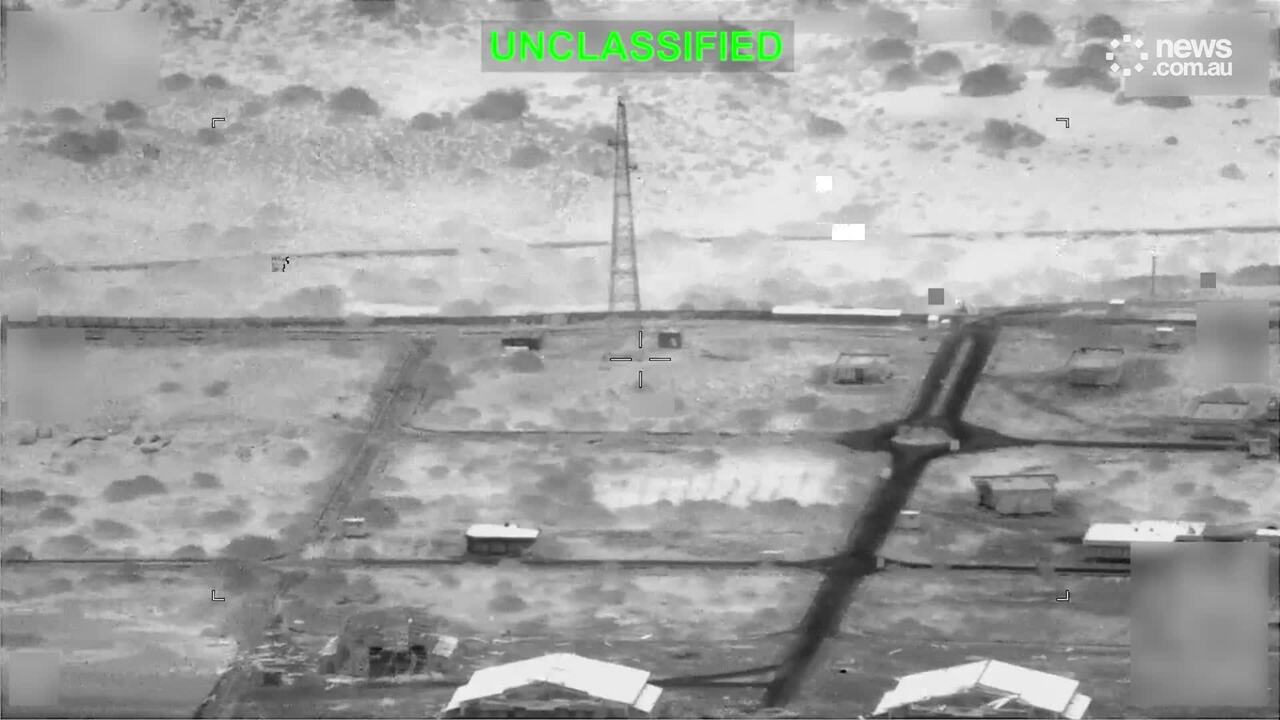
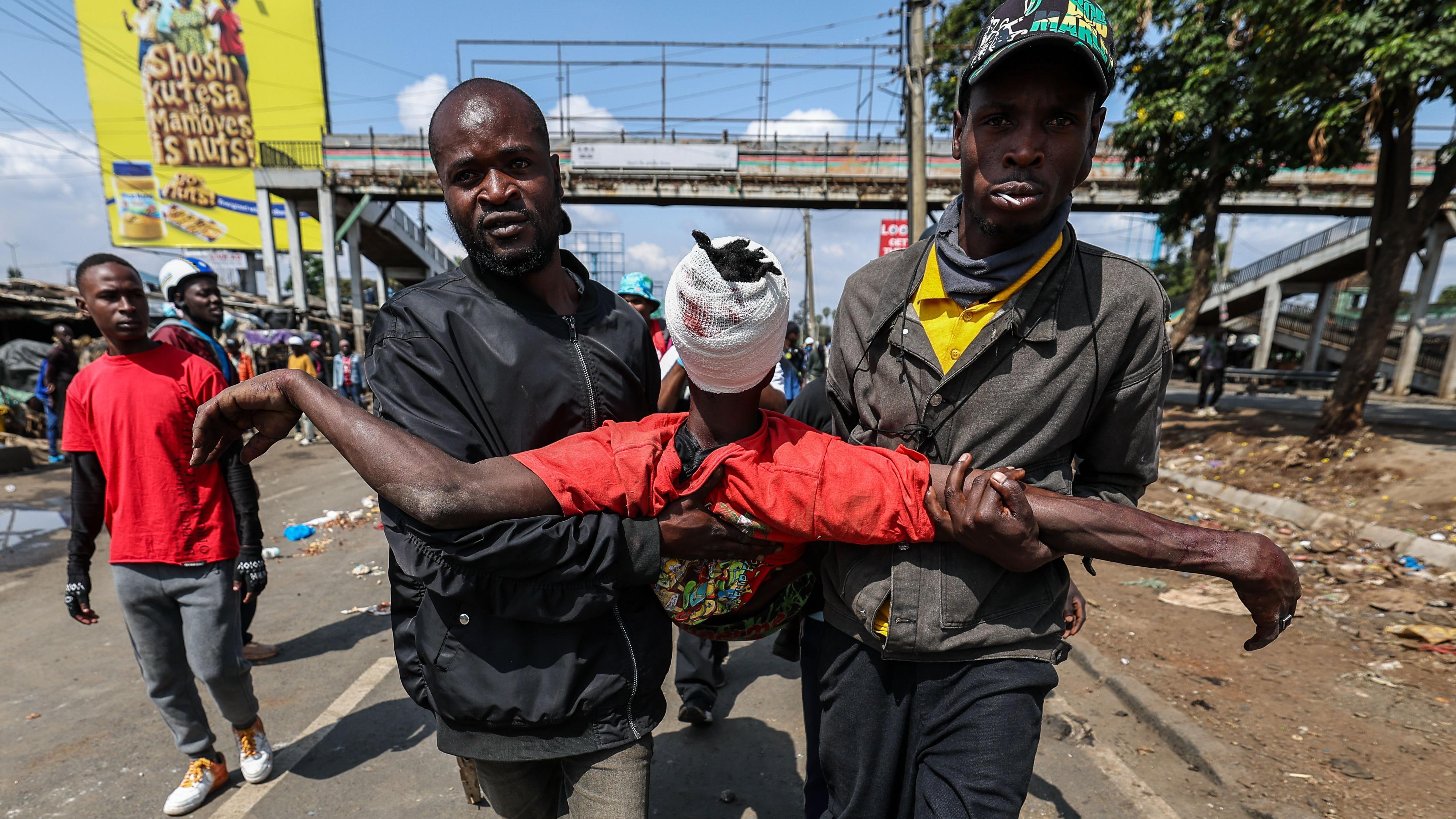
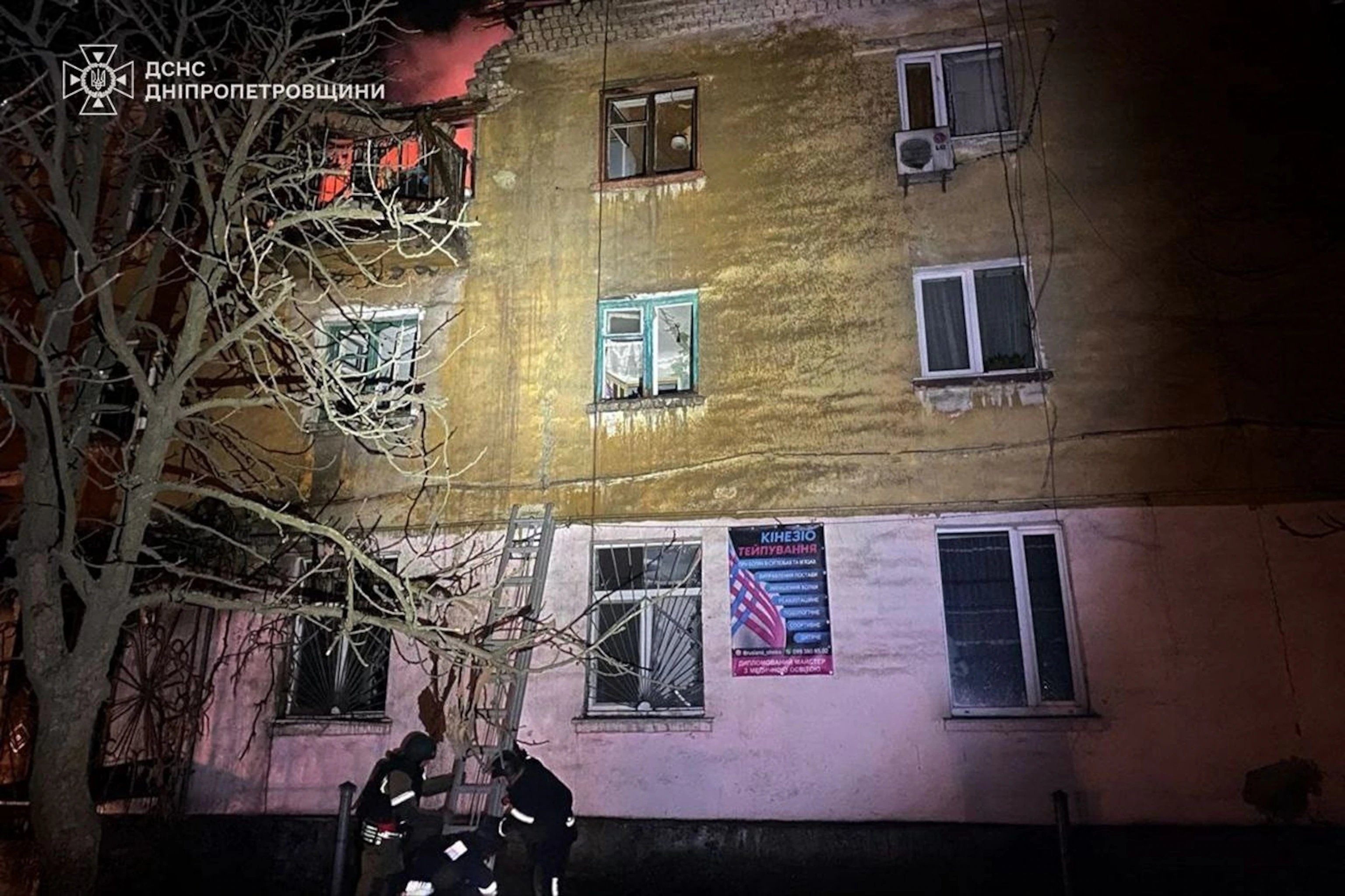
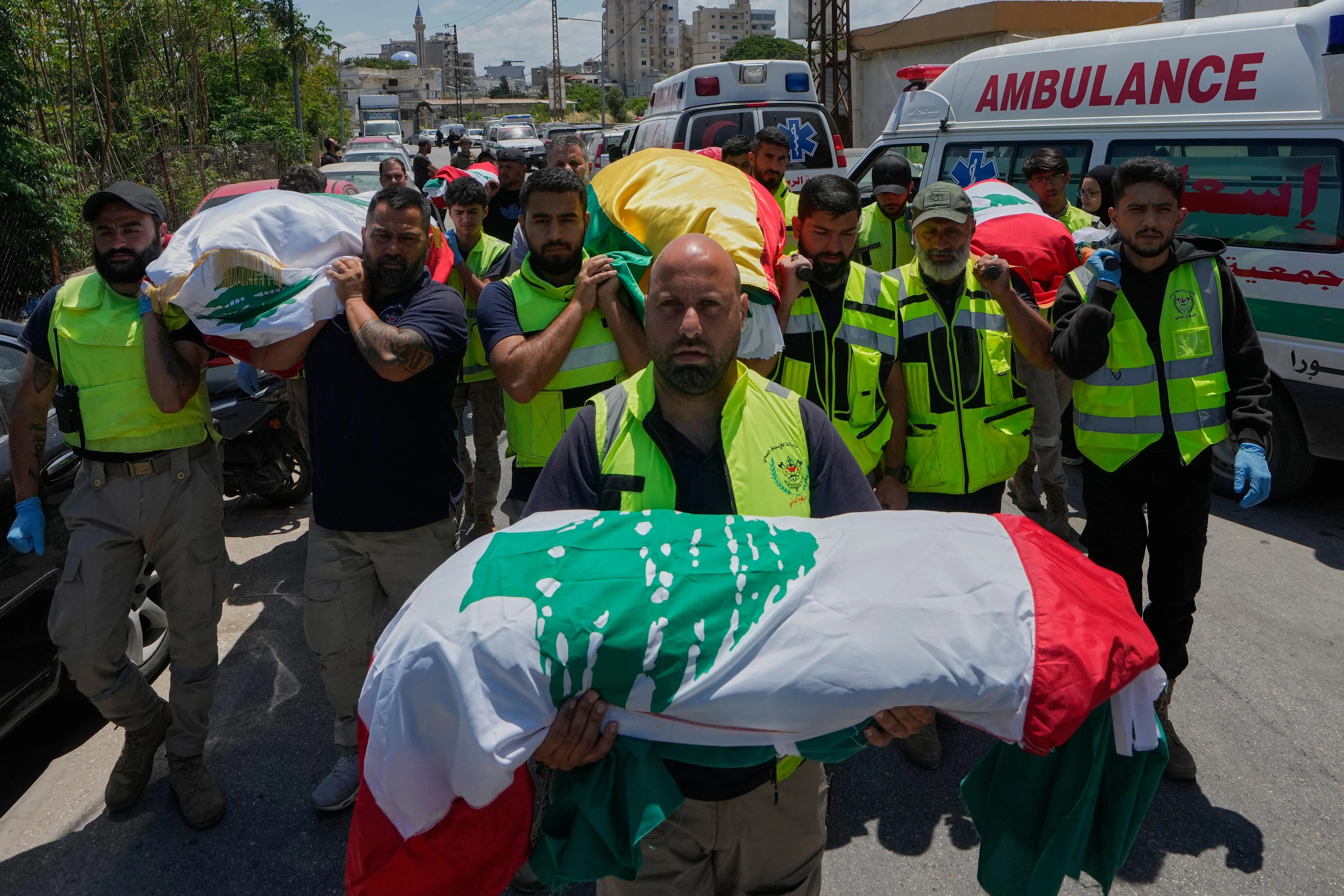
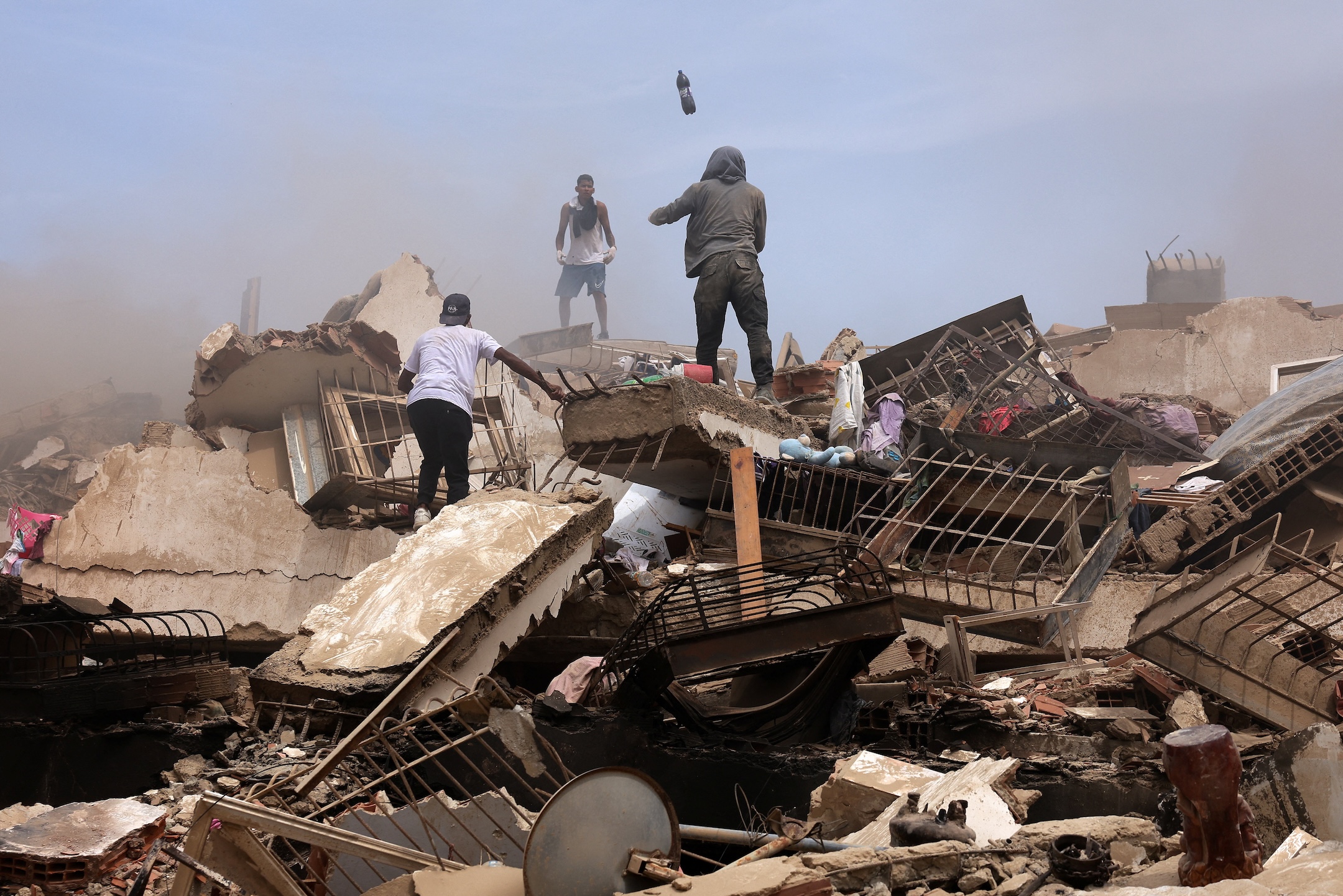
Images from satellite and aerial footage reveal catastrophic damage in the hardest-hit areas. Heavy machinery has begun arriving to remove rubble from collapsed structures. Neighbors across northern Venezuela have dug through debris with their bare hands, searching for missing loved ones as disrupted communications and damaged roads hampered initial emergency response efforts.
A health system in crisis
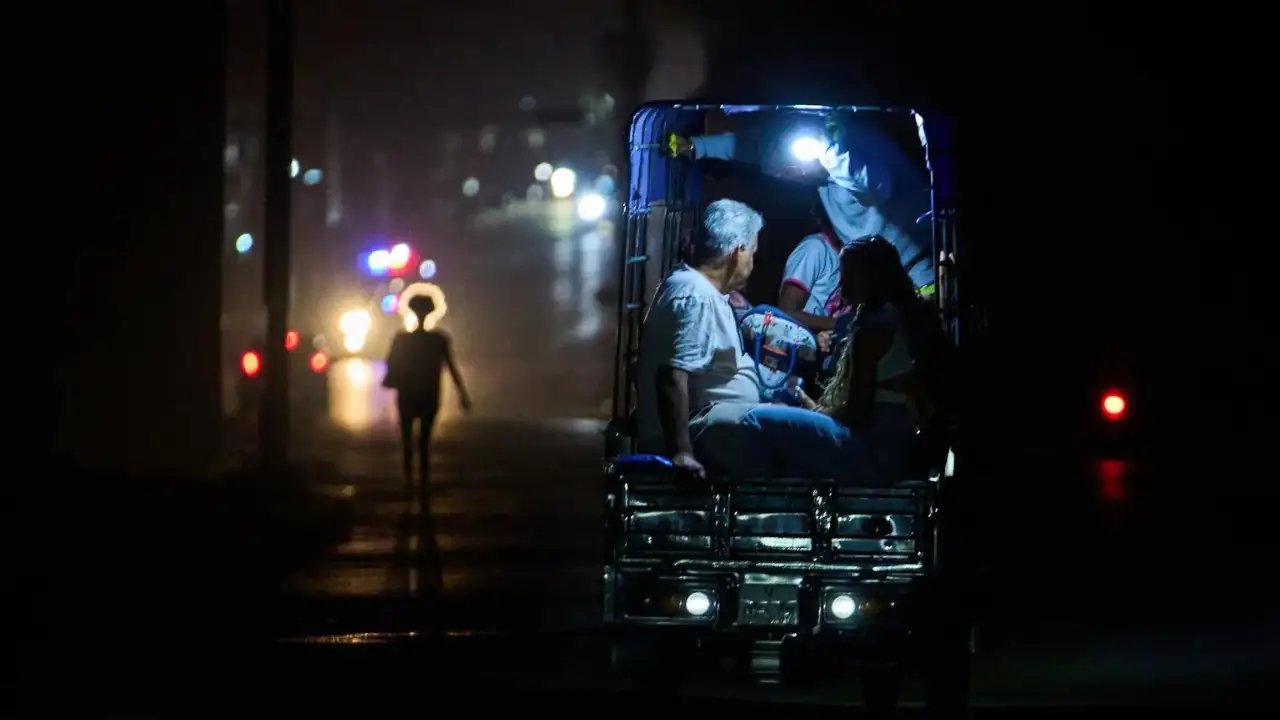
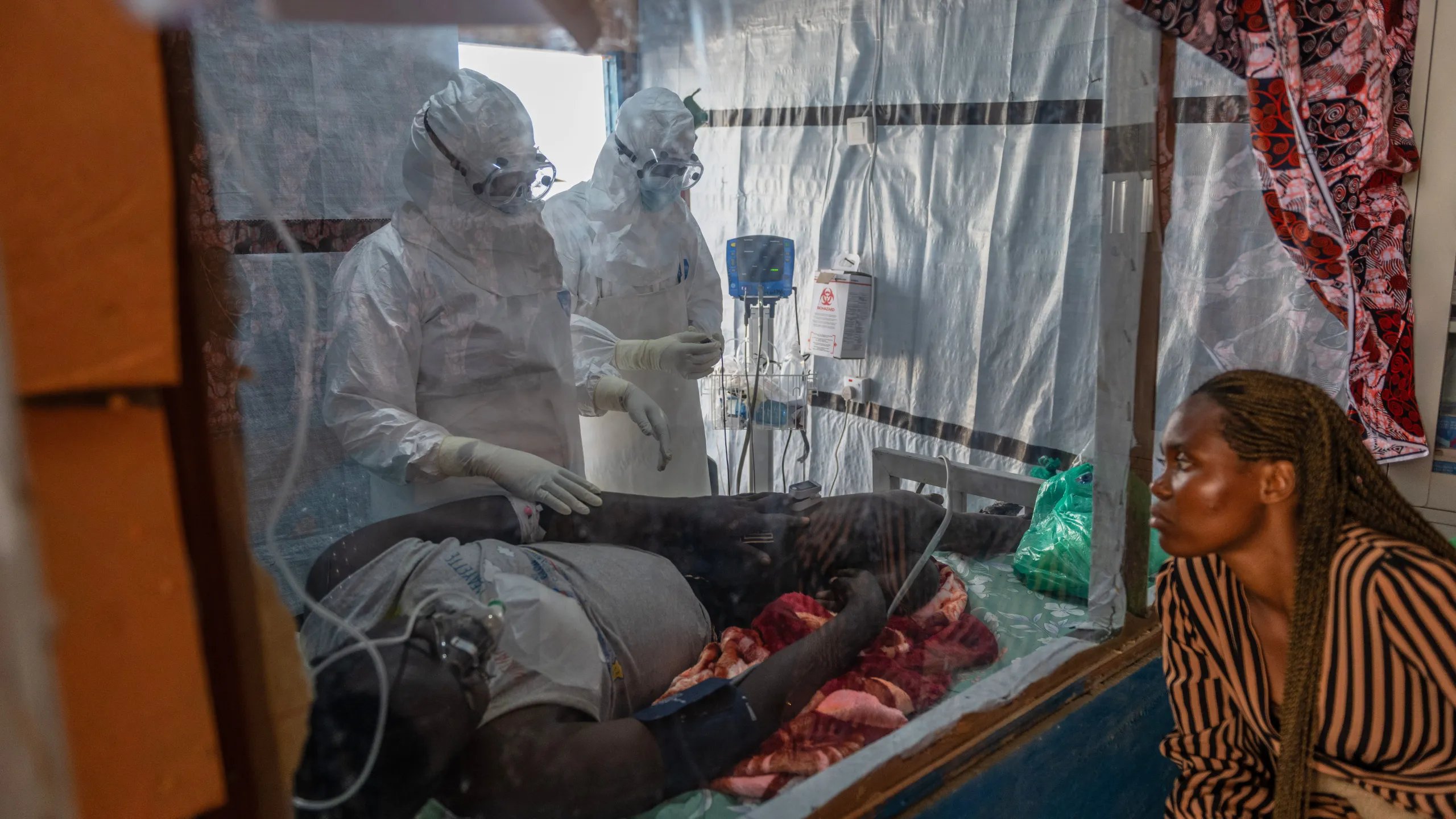
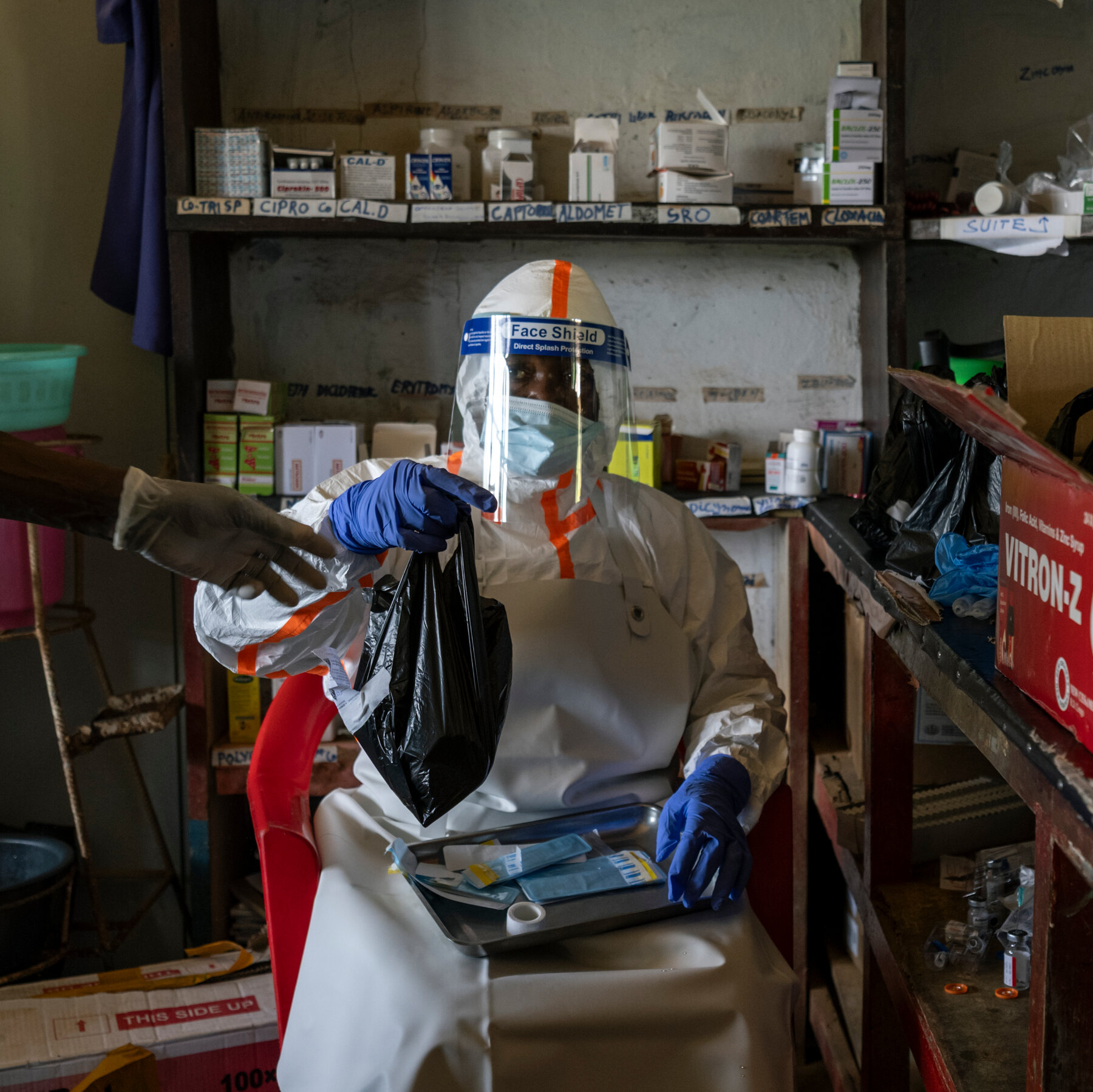
The disaster struck a Venezuelan medical system already severely strained. Doctor Pedro Javier Fernandez told the BBC that hospitals lack supplies and medicines even during normal circumstances. "Now with this tragedy, the emergency is even bigger and it's more difficult to face than in other countries," he said. Firefighters are using cellphone lights because of a flashlight shortage, while hospitals in the disaster zone operate without running water.
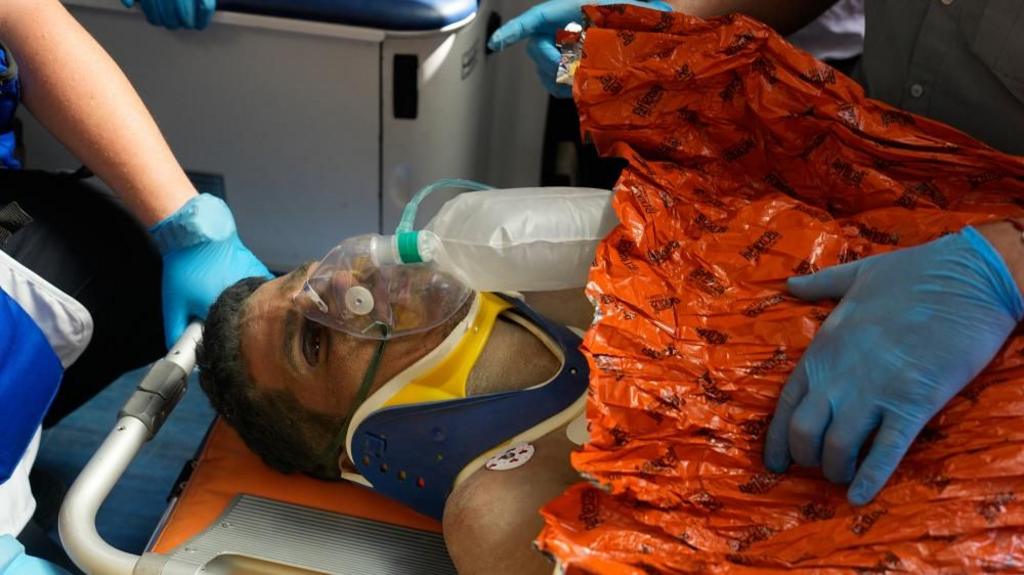
Surviving medical facilities are overwhelmed with injured patients. Acting President Delcy Rodríguez acknowledged the scale of the challenge at a televised briefing on Friday, noting that dozens of people have been rescued alive, "which brings us joy that they can embrace their families and loved ones."
International response mobilizes
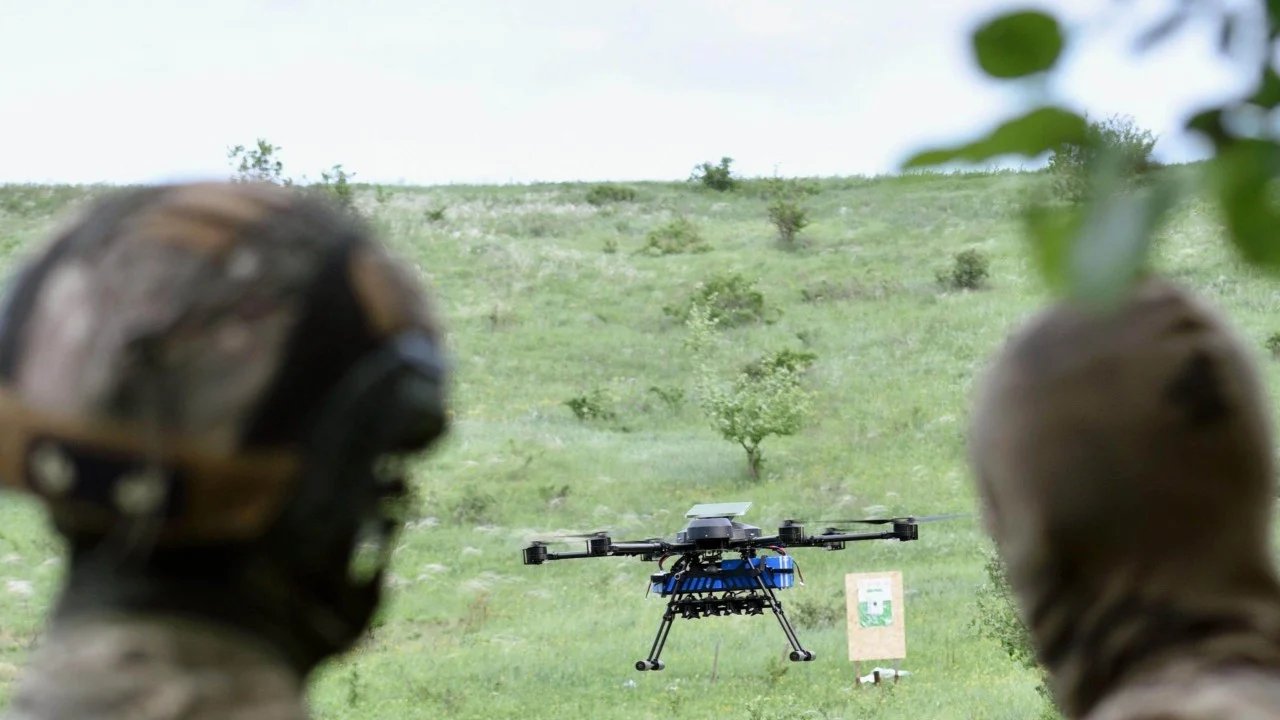
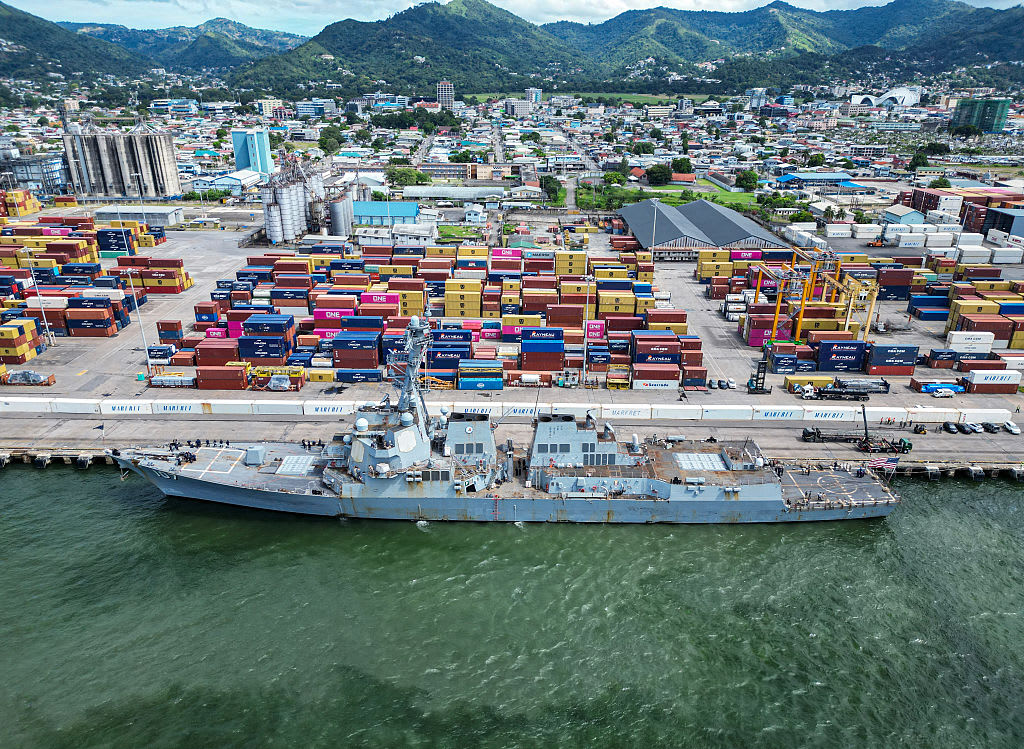
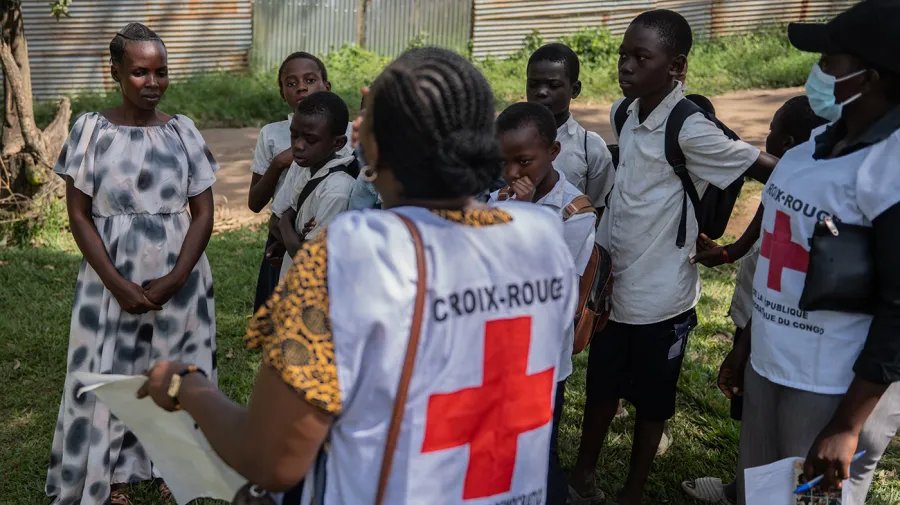
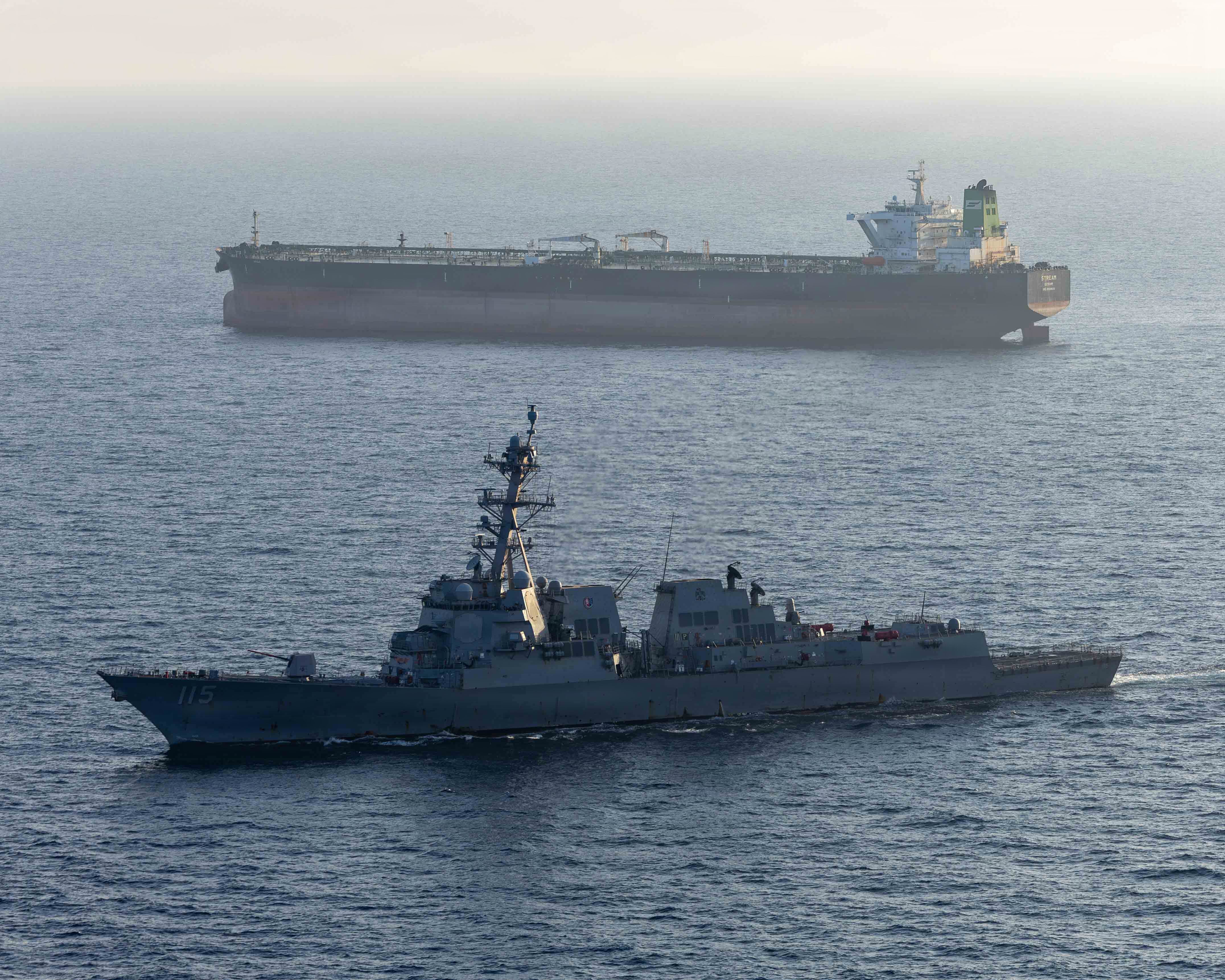
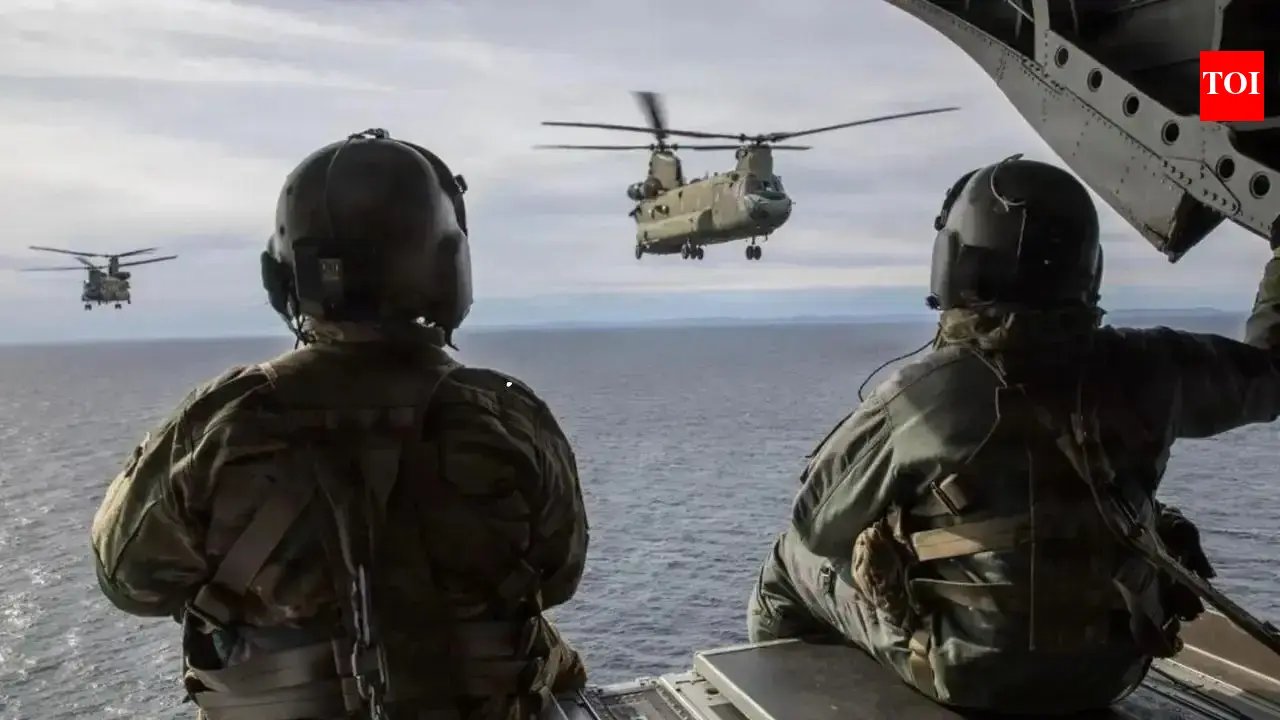
Search and rescue teams from at least 17 countries are arriving in Venezuela to assist recovery efforts. A UK military flight carrying British search and rescue specialists from 14 fire services, led by Merseyside Fire and Rescue, departed RAF Brize Norton in Oxfordshire on Friday with dogs and drones. The United States has deployed warships and transport planes in addition to announcing $150 million in aid.
The international assistance includes teams from the Netherlands, Mexico, and Switzerland. Jan Egeland, secretary general of the Norwegian Refugee Council, described the damage as "horrific," noting that Venezuela's "crumbling infrastructure" following decades of underinvestment left the country ill-prepared for such a disaster. UN humanitarian chief Tom Fletcher pledged that "help is coming" to Venezuela.
Stories of loss and survival
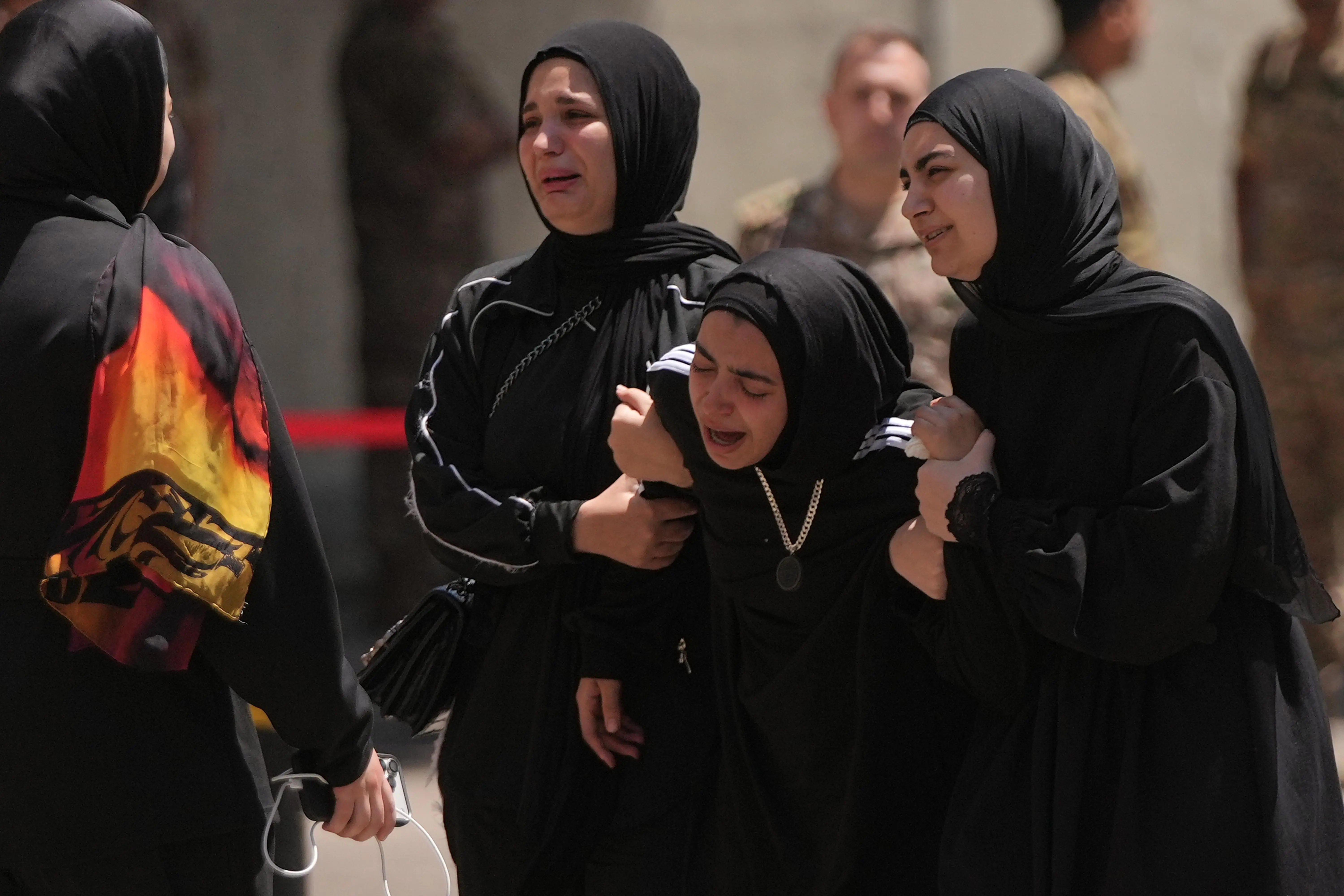
Three young siblings emerged alive from rubble in La Guaira, covered in dust and debris, in a moment that boosted morale across the country. However, the disaster has also claimed notable victims. Héctor Bello, a Venezuelan footballer, lost his wife Andrea, who died while saving their toddler daughter during the quakes. "I'll tell her the story of how you saved her, my love—how you gave your own life for our daughter, how you were a brave woman who never abandoned her, even as you took your last breaths," Bello wrote on Instagram.
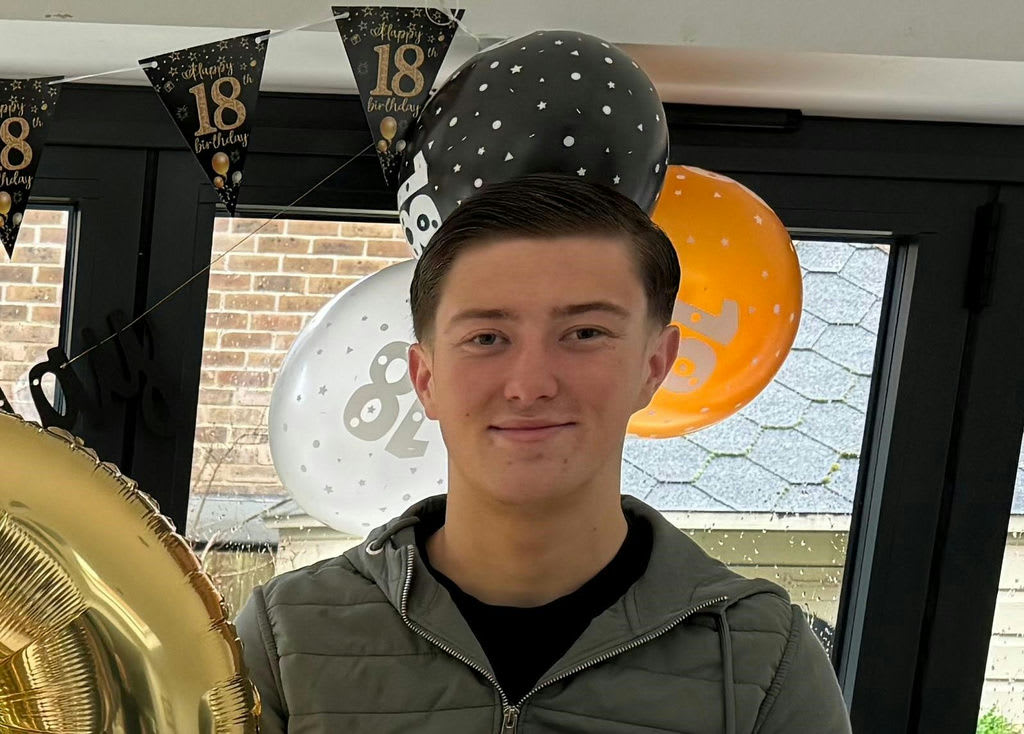
Two football players were killed in the earthquakes. Razan Sijaa, an under-18s player for Caracas Fútbol Club, died alongside family members at their home in La Guaira. Victor Palacios, who played for Marítimo de La Guaira, also perished. Former Miss Venezuela Giselle Reyes reported that her mother died from a heart attack triggered by the shock of the quakes after their building in La Guaira completely collapsed.