




First Case Confirmed in Western Australia
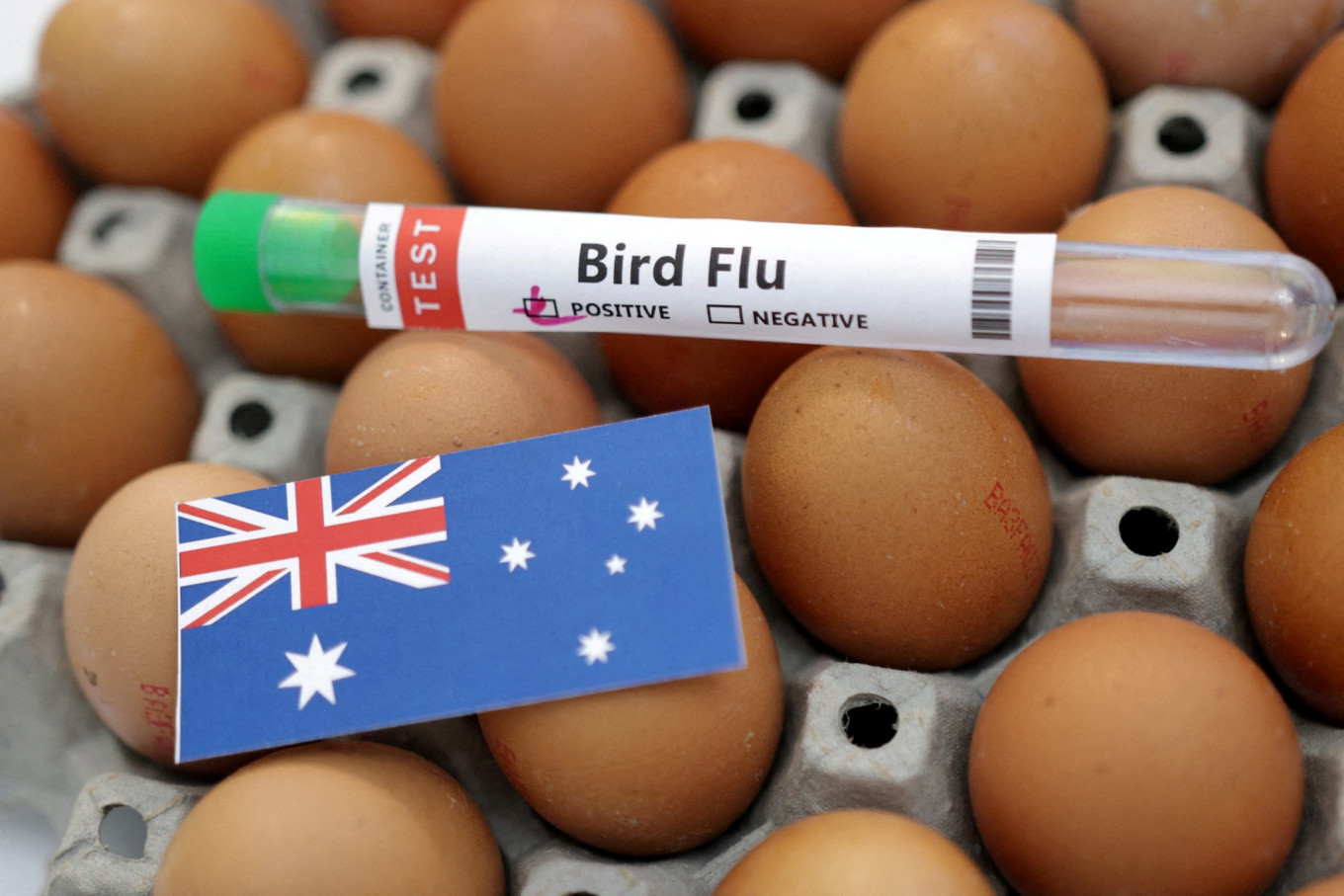
Australia confirmed its first case of H5N1 bird flu on Saturday, marking a significant public health development as the virus spreads to every continent. The strain was detected in a migratory seabird, a brown skua, found near Cape Le Grand National Park, approximately 700 kilometers (434 miles) southeast of Perth. Agriculture Minister Julie Collins announced the finding during a press briefing, emphasizing that Australia was the last continent to report the virus.
Government Response and Preparedness
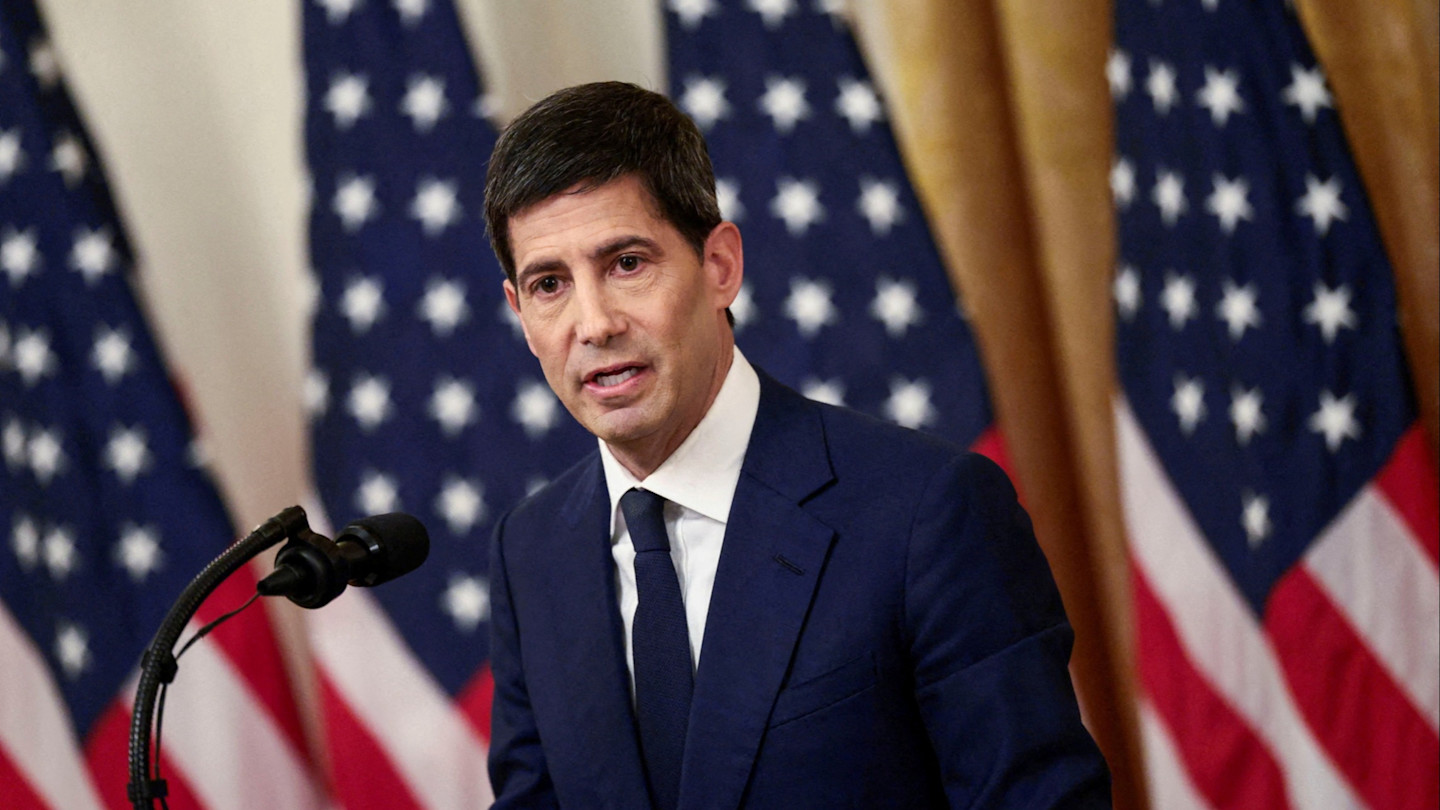
Collins stated, "We all knew we couldn't be bird flu-free forever," acknowledging the inevitability of the virus's arrival. She confirmed that there is currently no evidence of mass mortalities among birds or infections in poultry. Authorities had been preparing for this scenario by implementing stricter biosecurity measures on farms, conducting tests on shorebirds, and vaccinating vulnerable wildlife species.
Historical Context of H5N1 in Australia
The H5N1 strain had previously been detected on Heard and McDonald Islands in October 2025. A study released this week estimated that around 13,000 baby seals from a group of 17,000 on Heard Island were killed by H5N1 since August 2025, more than 75% of the entire group. The virus is believed to have been introduced to these islands by migratory birds from the Crozet Islands, located approximately 1,800 kilometers away.
Broader Implications of the Virus
The H5N1 strain of bird flu has caused high mortality rates in both poultry and wild birds globally. It has also been detected in various mammals, including cats and pigs. Prime Minister Anthony Albanese acknowledged the concerning nature of the detection, stating that the government would take necessary steps to curb the virus's spread. He noted, "This is something that has happened through migratory birds, and has happened by definition around the world."
Ongoing Monitoring and Future Actions
Authorities will conduct further tests to determine if the virus has spread to other animal populations in Australia. Threatened Species Commissioner Fiona Fraser indicated that results could be expected within a few days. Chief Veterinary Officer Beth Cookson said authorities had been preparing for this event for a long time, and the committee for emergency animal disease convened on Saturday.
Public Health Considerations
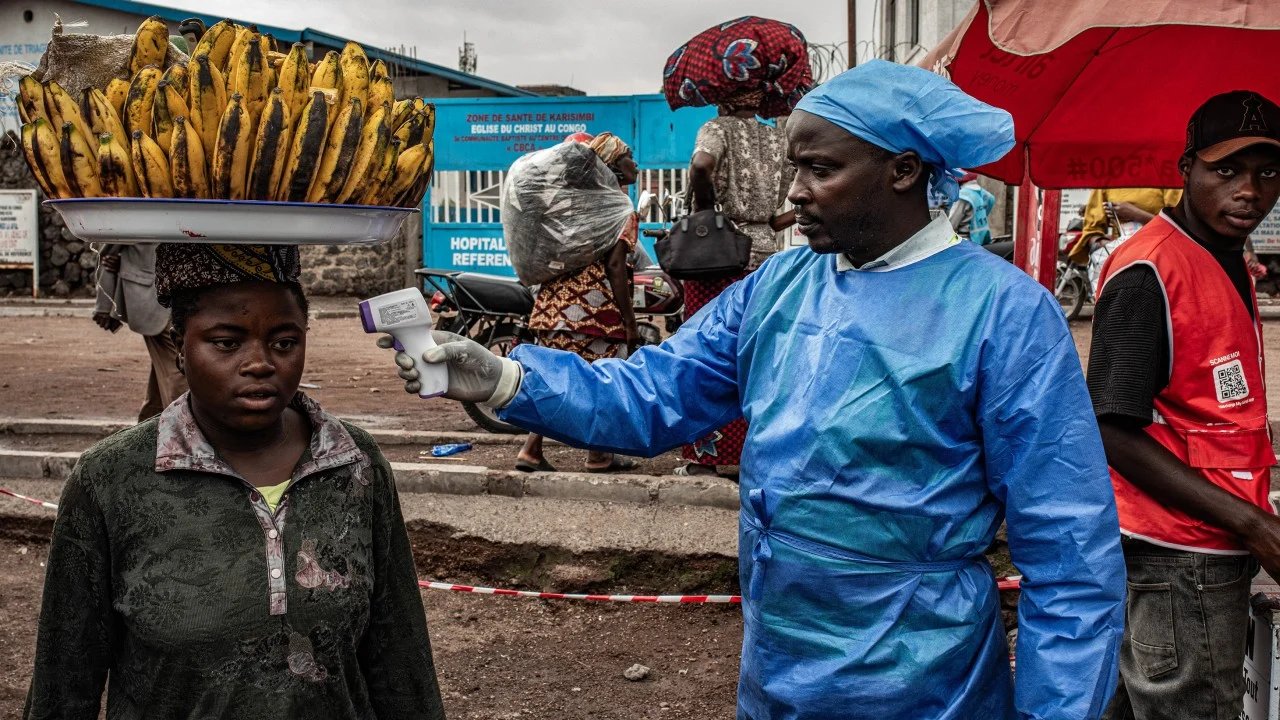
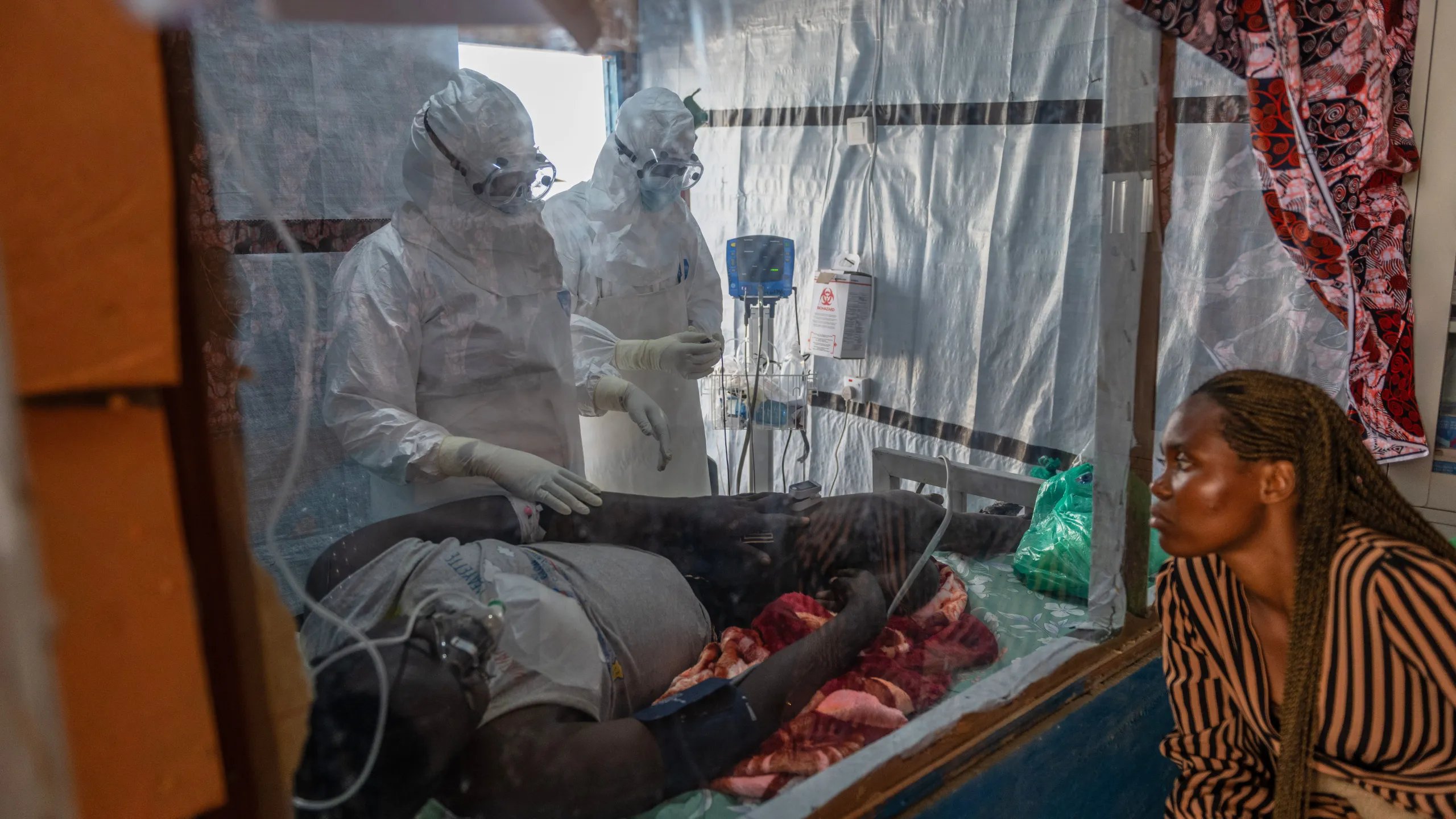
While human cases linked to H5N1 remain uncommon, the virus poses a potential risk to both animal and public health. The Australian government is actively monitoring the situation and preparing for any developments. The detection of H5N1 in Australia serves as a stark reminder of the interconnectedness of global health and the importance of vigilance in disease surveillance.