




Renewed Conflict at the Border
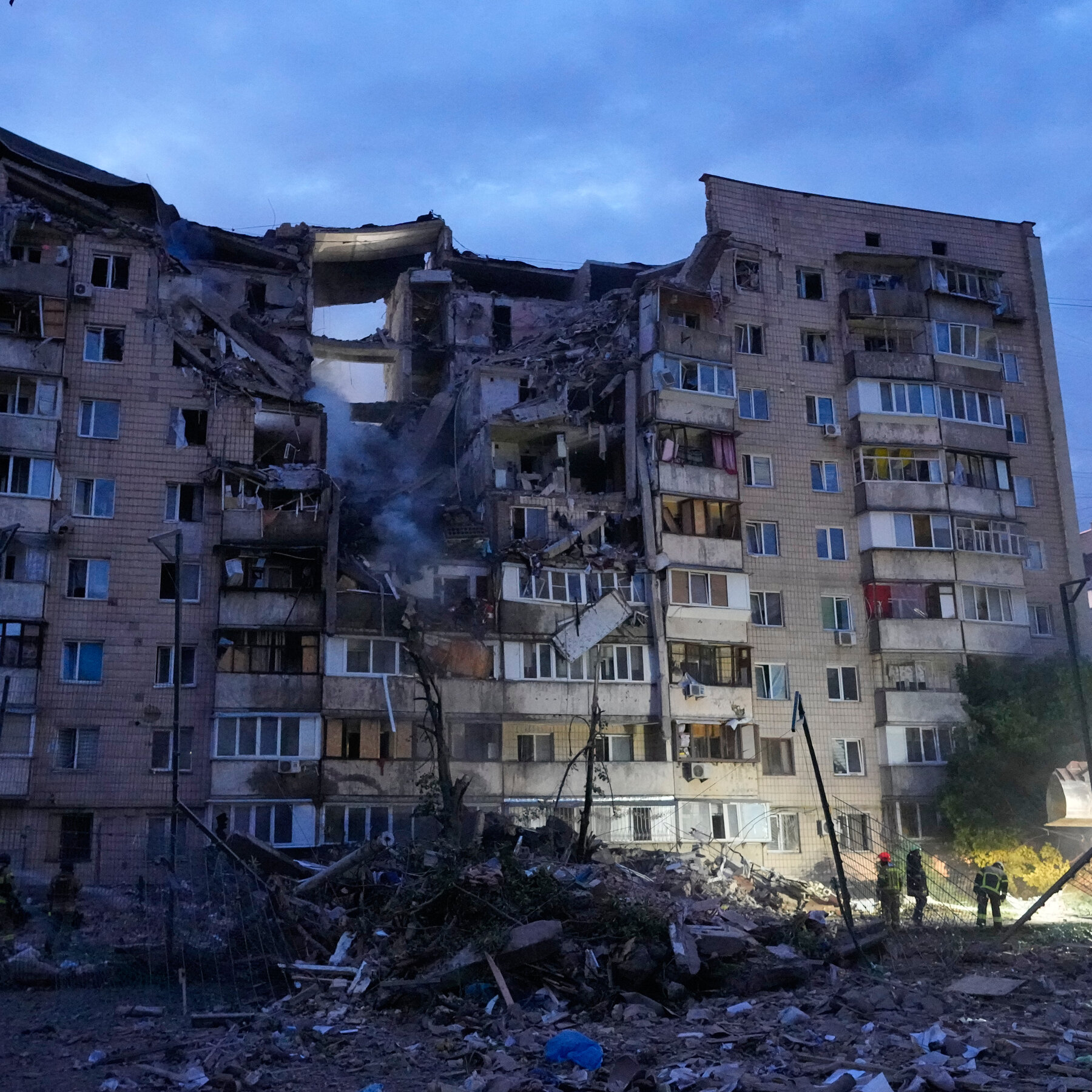
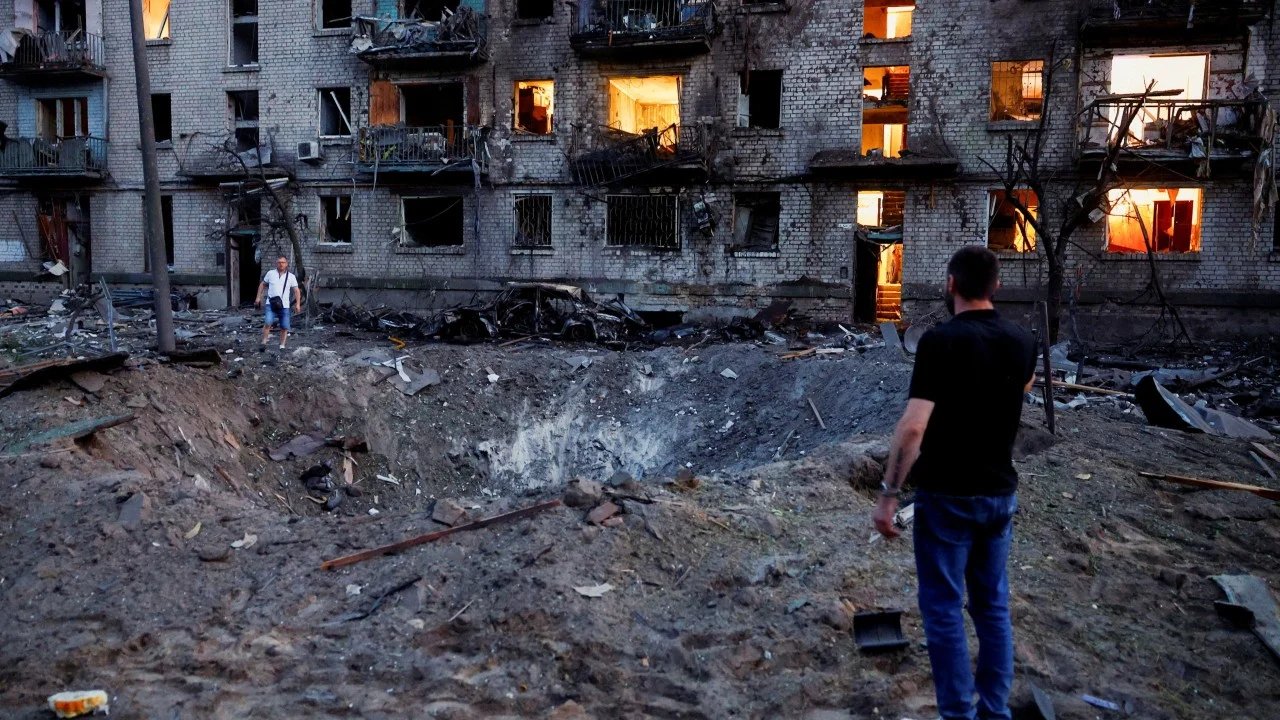
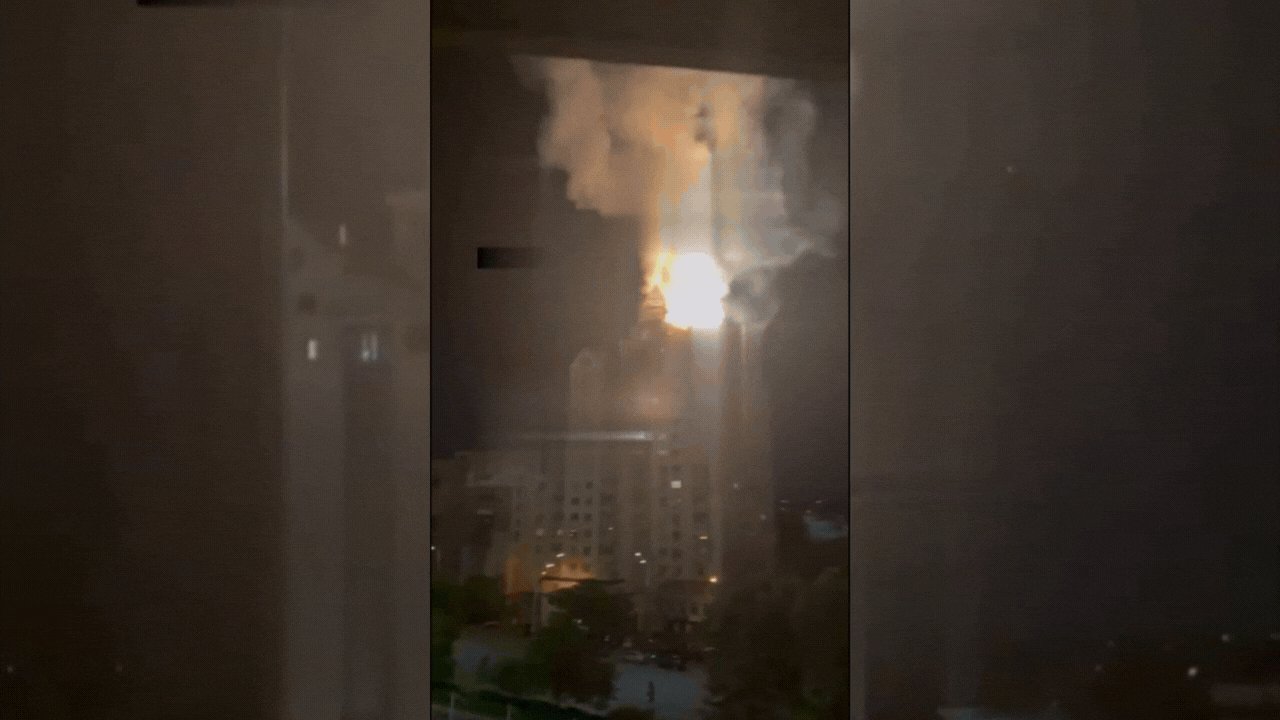
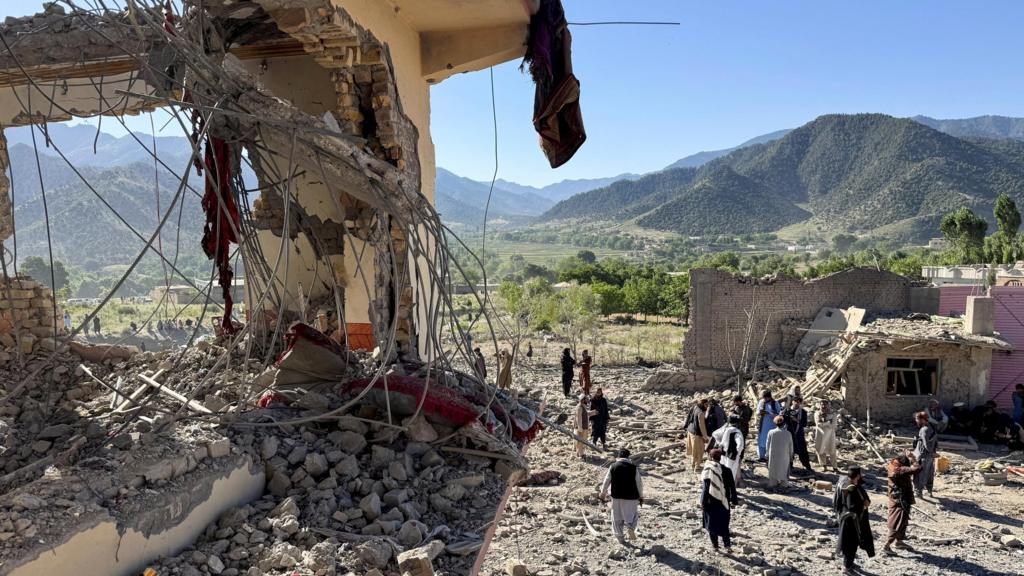
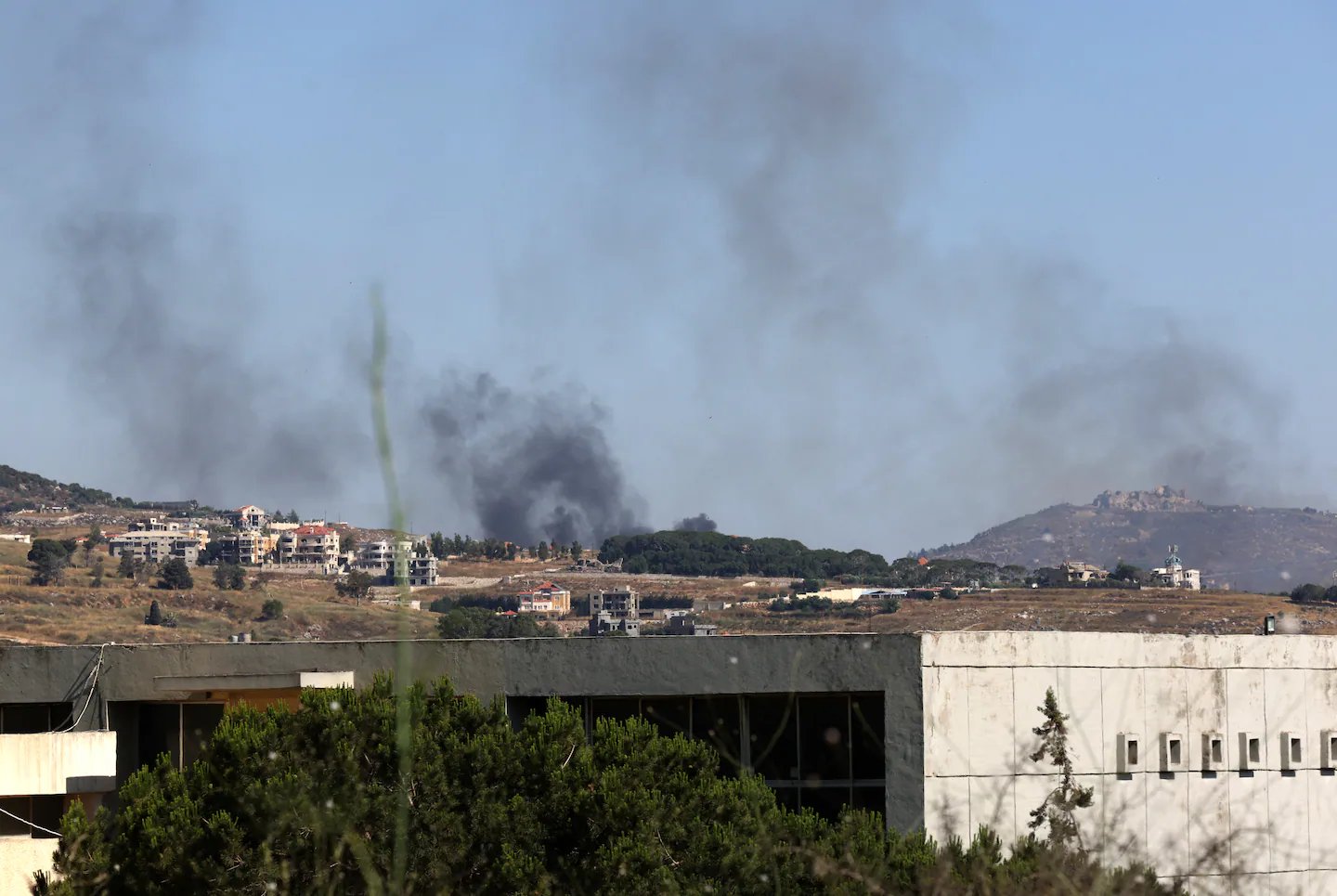
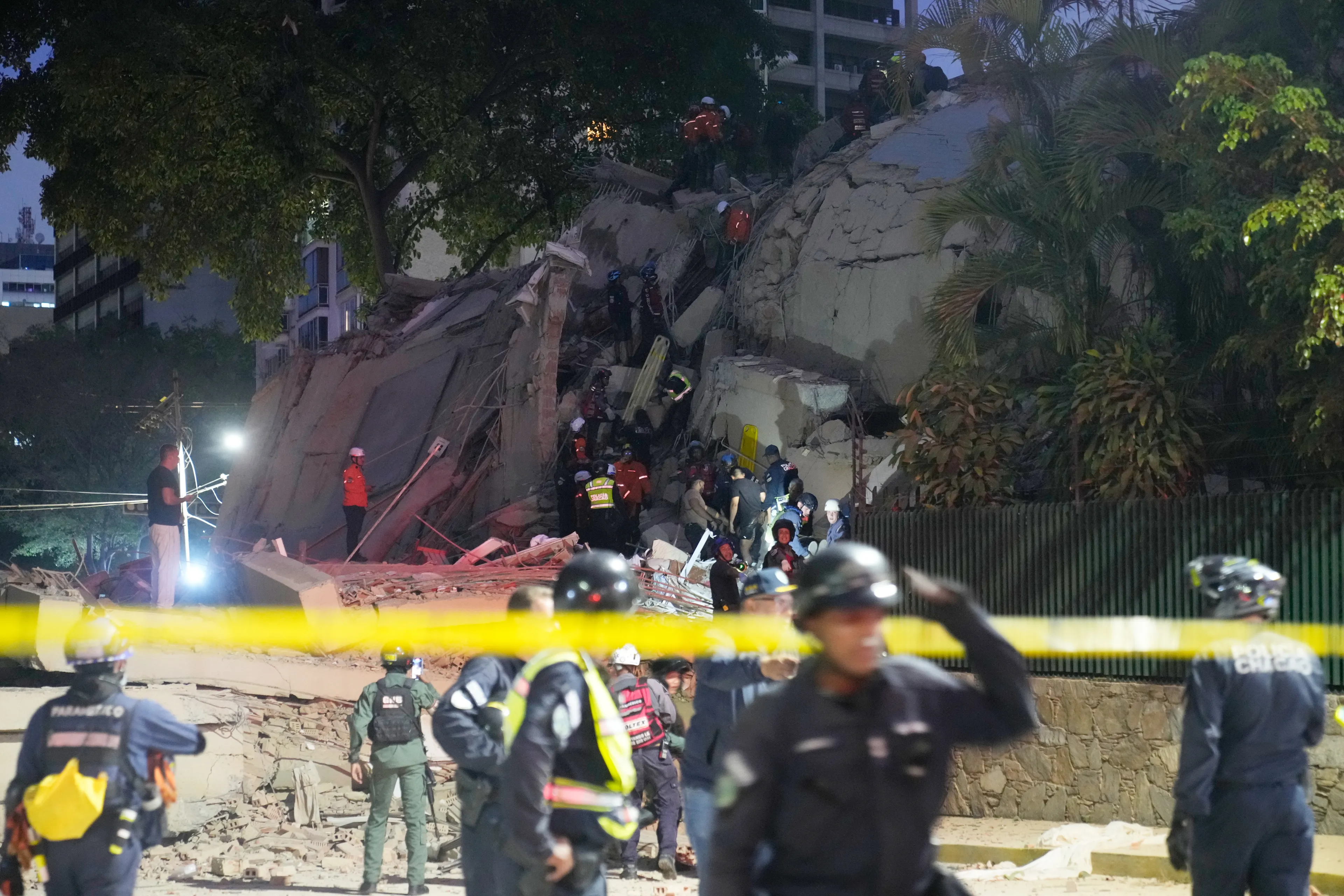
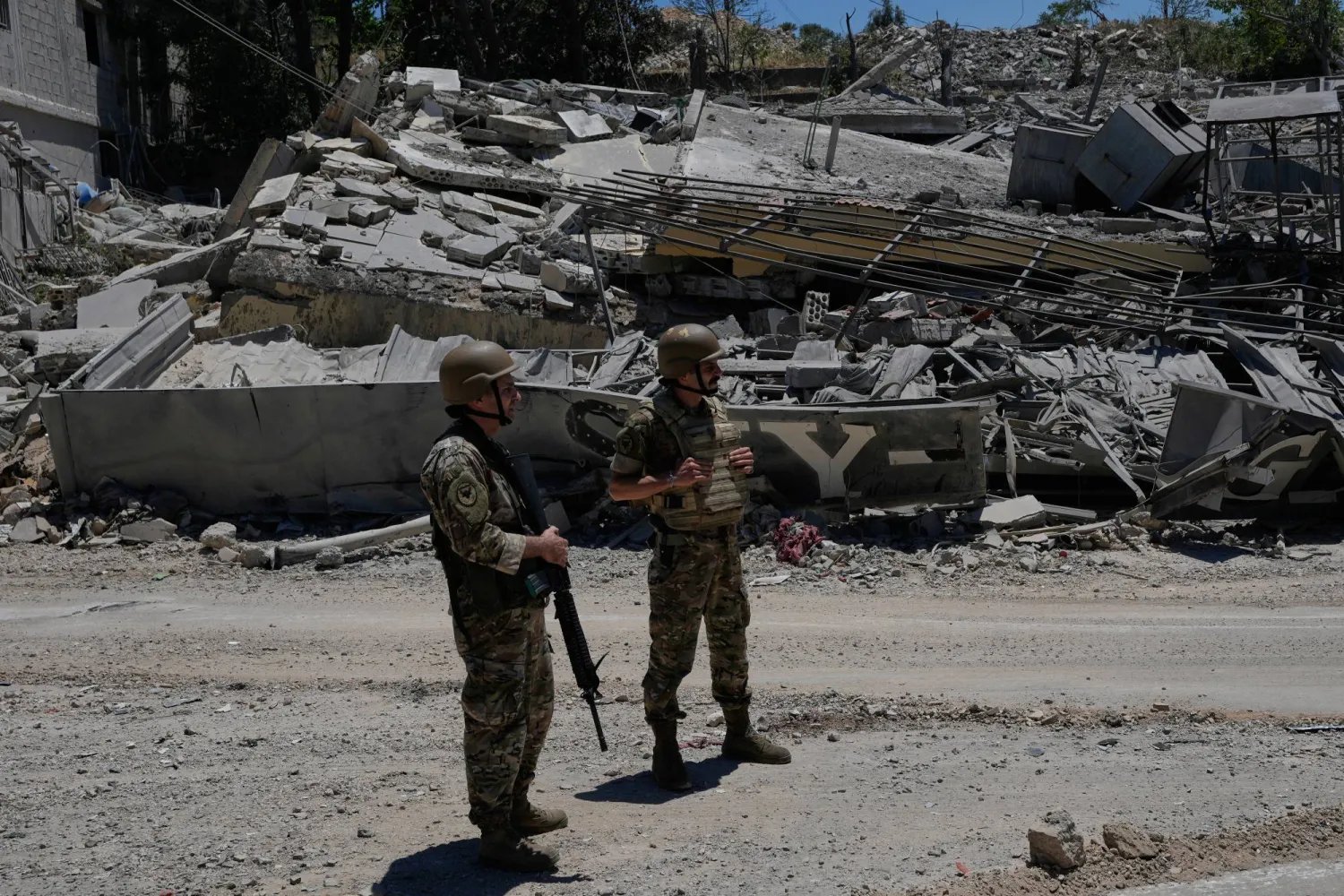
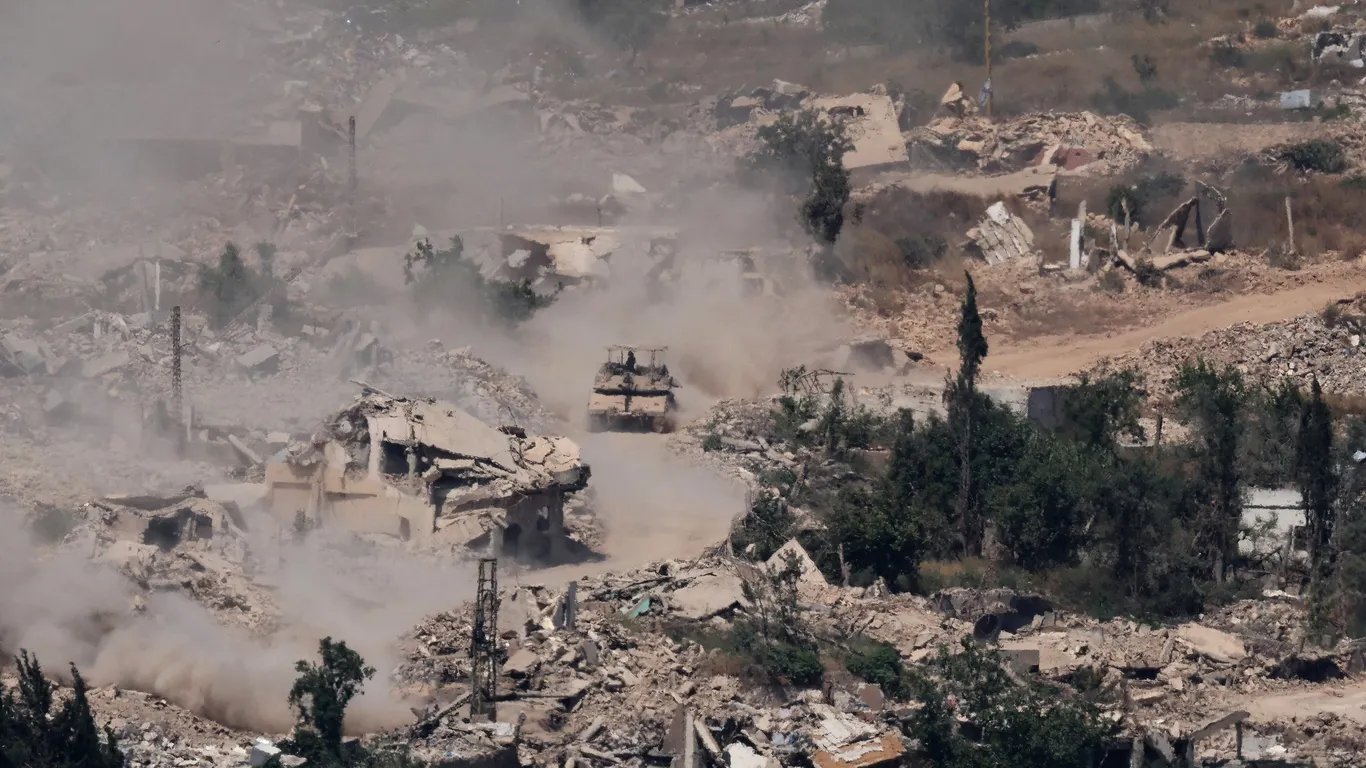
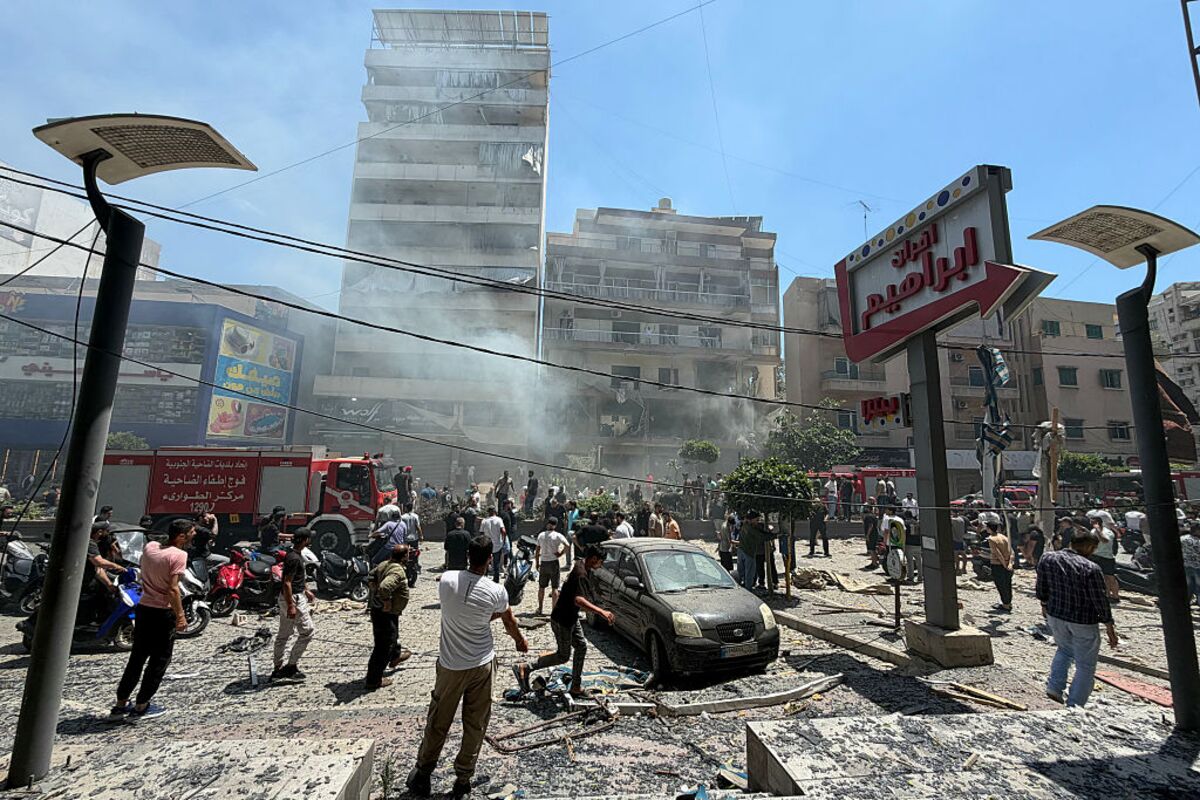
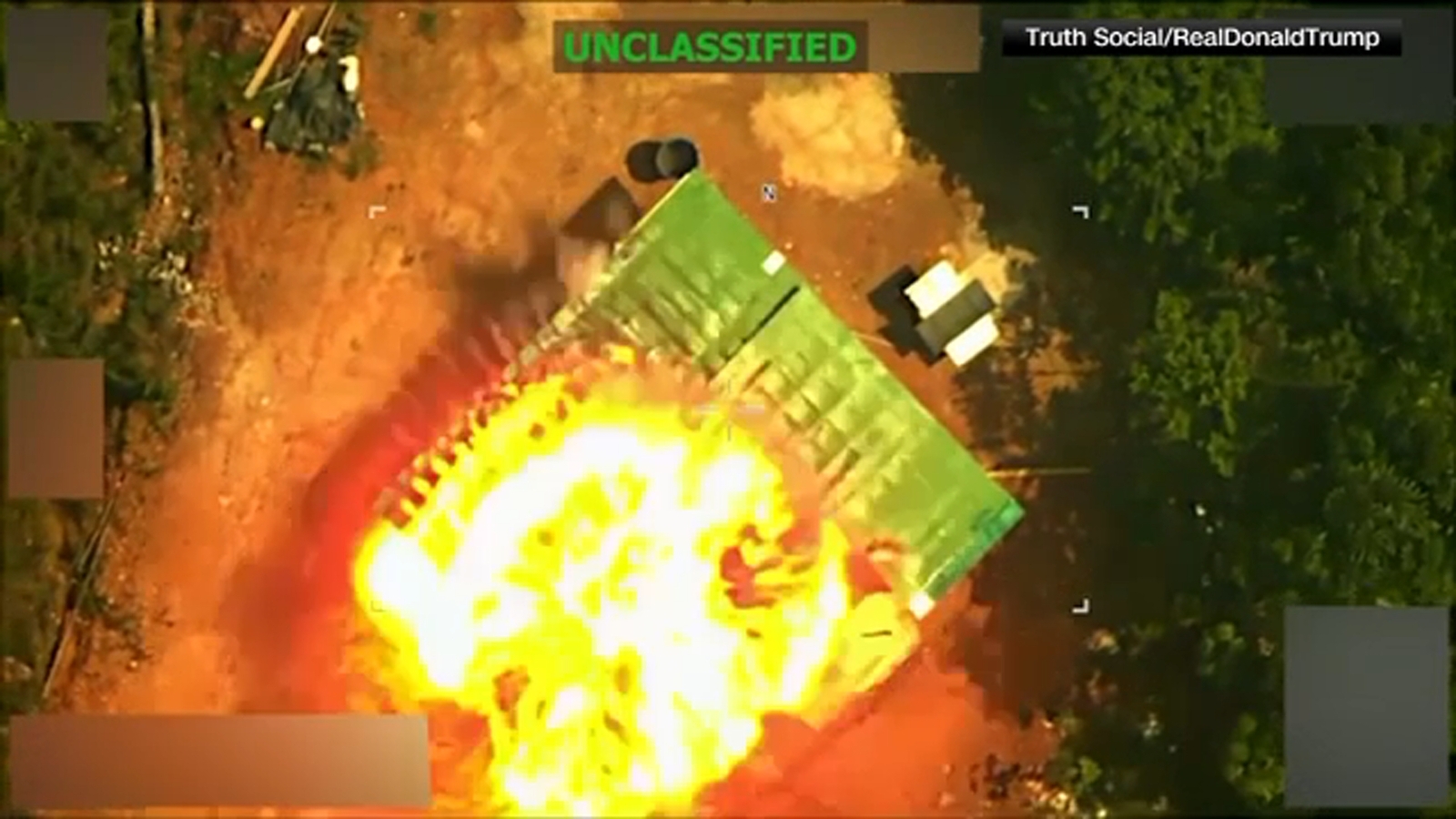
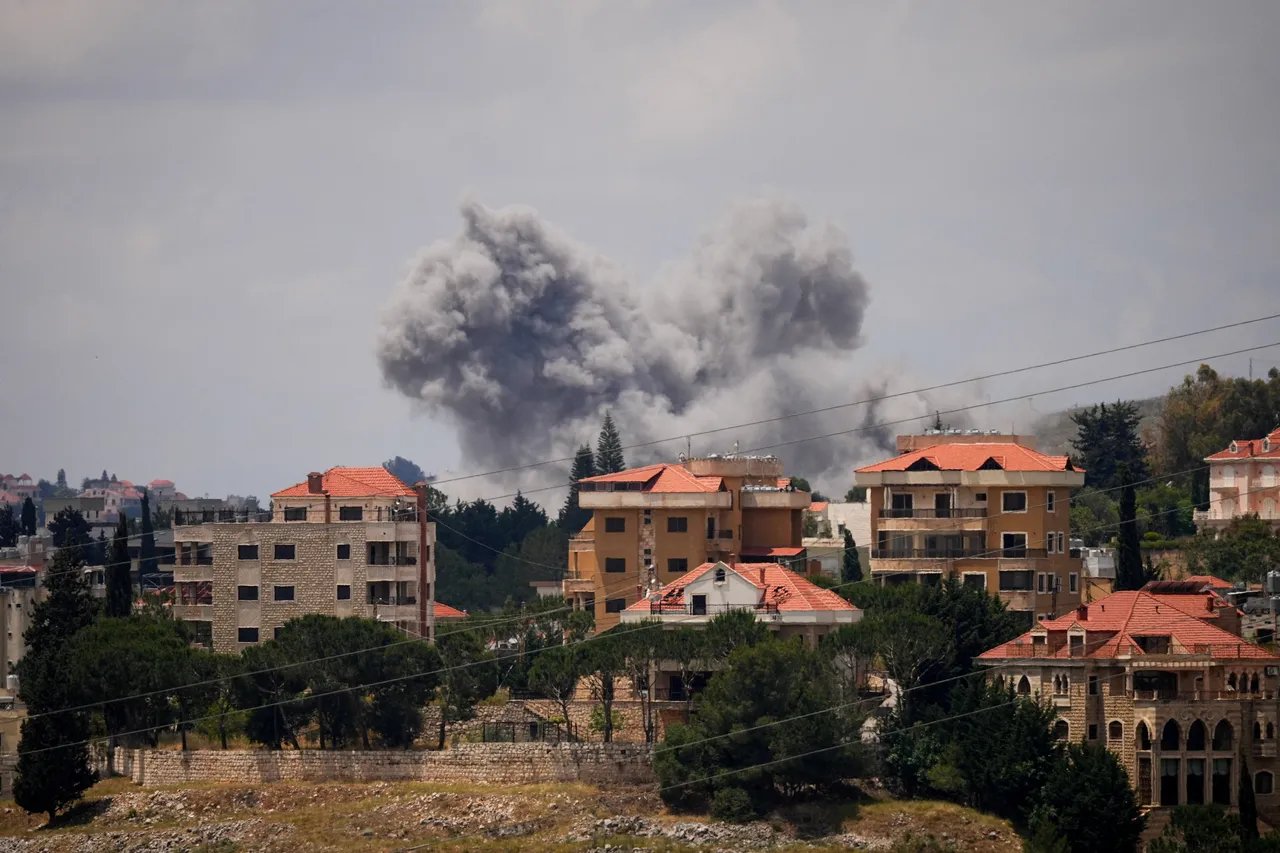
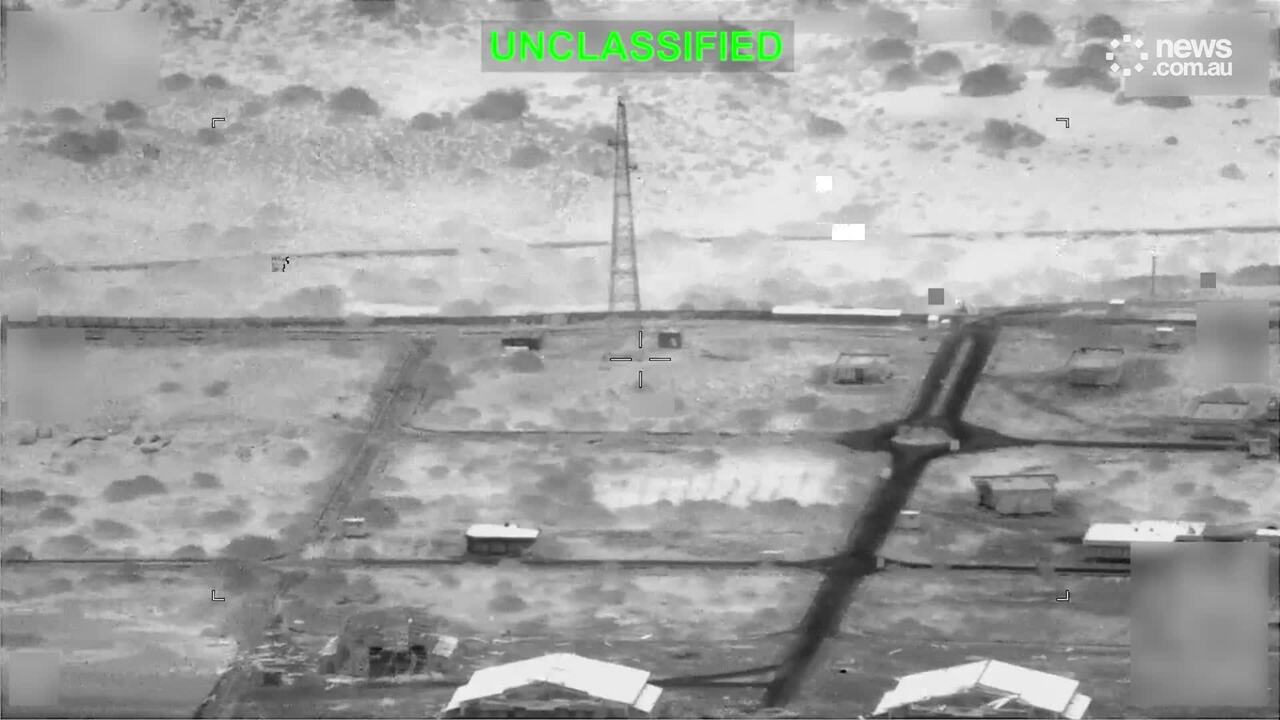
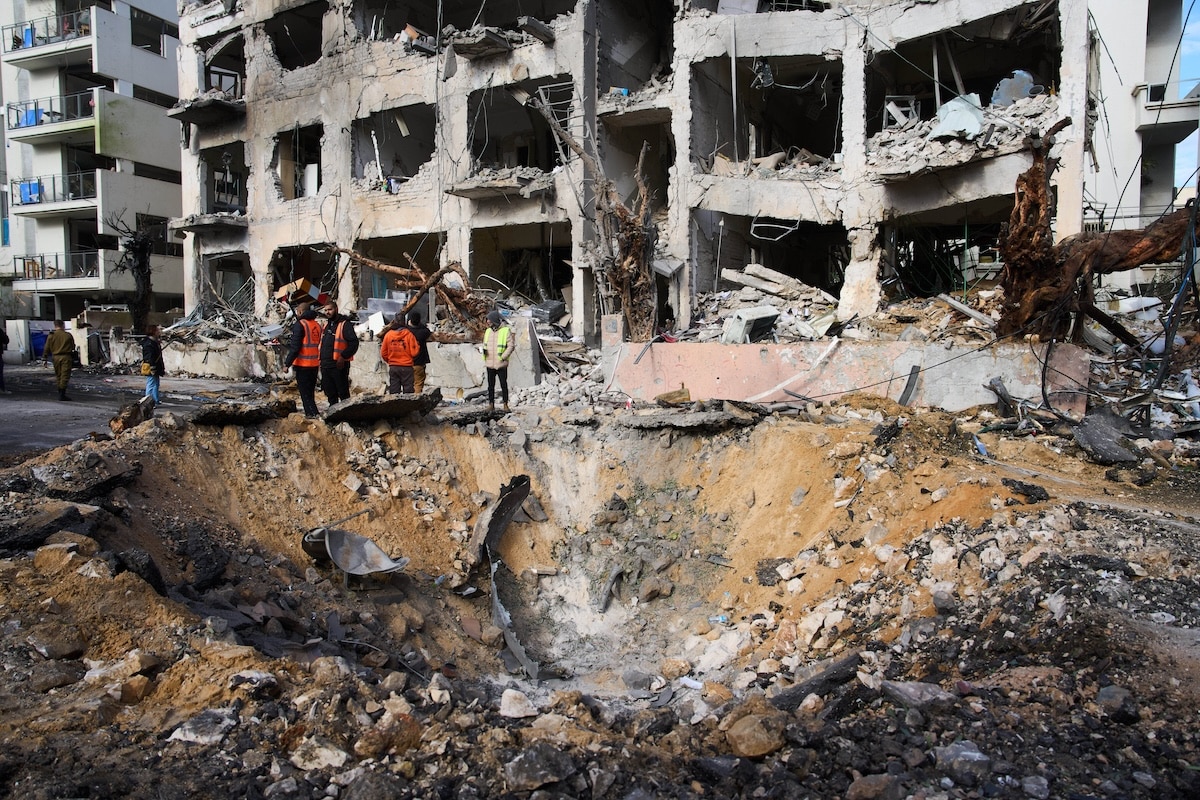
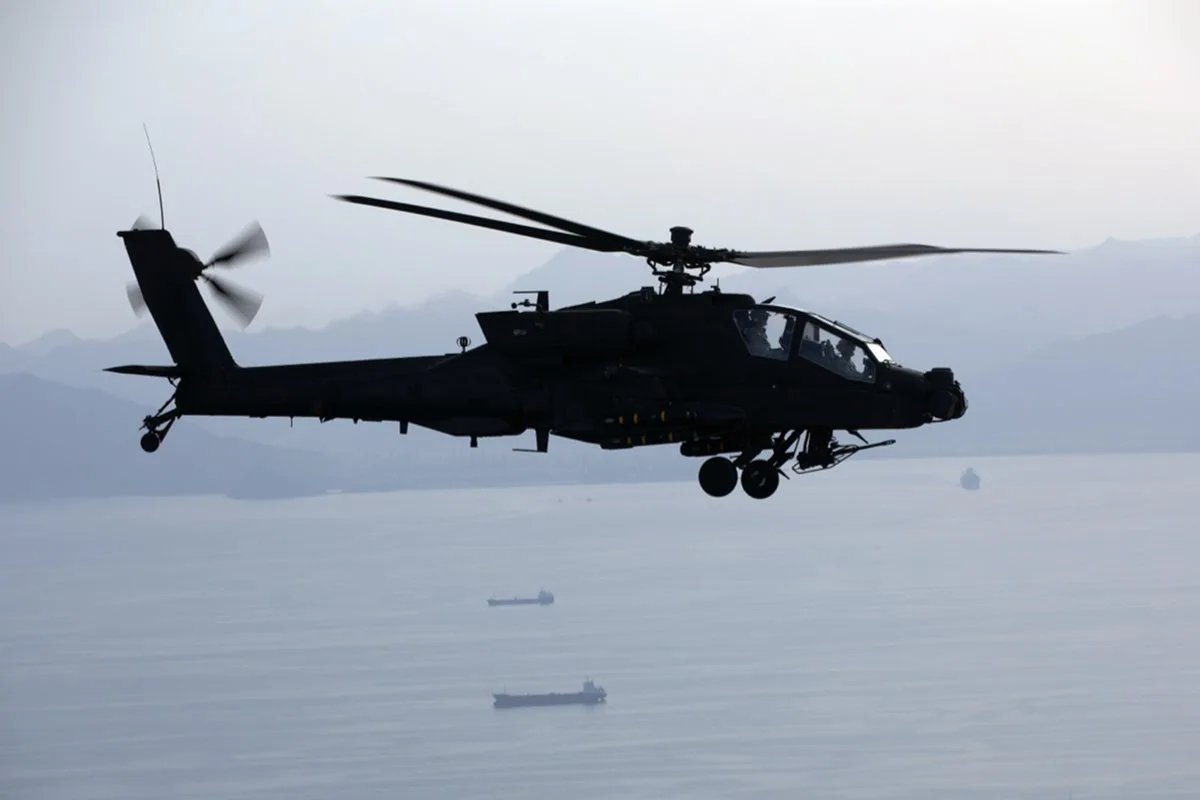
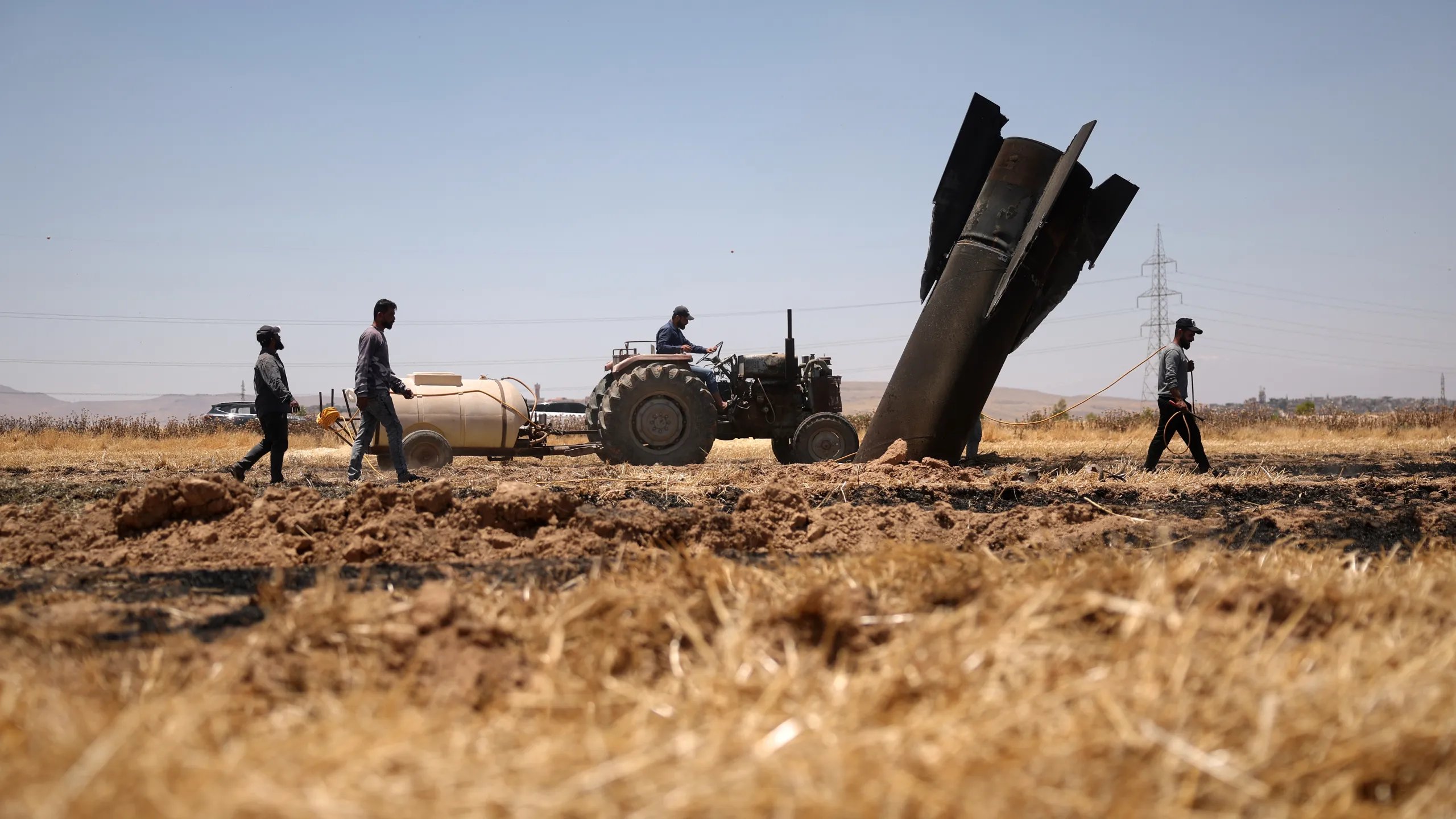
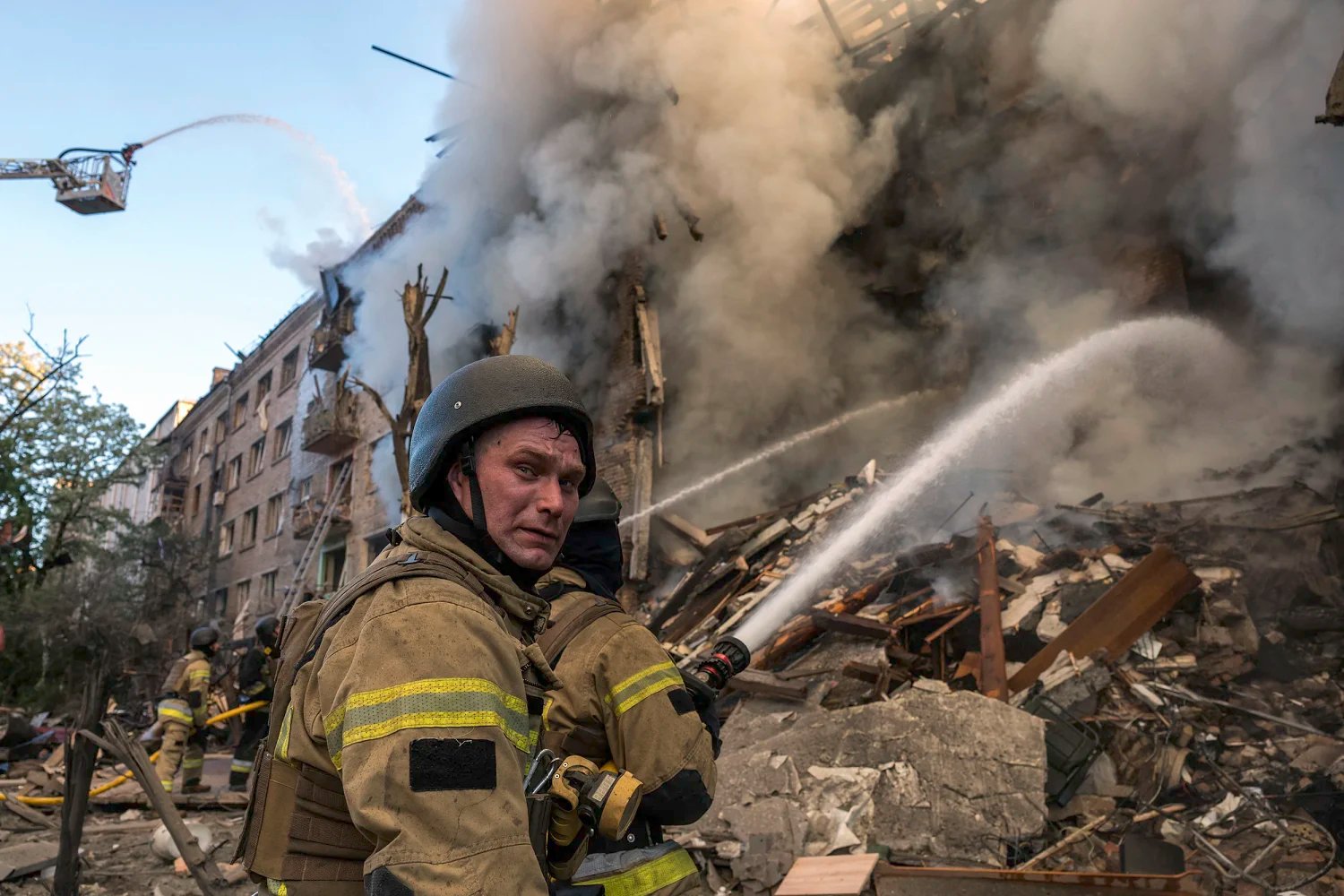
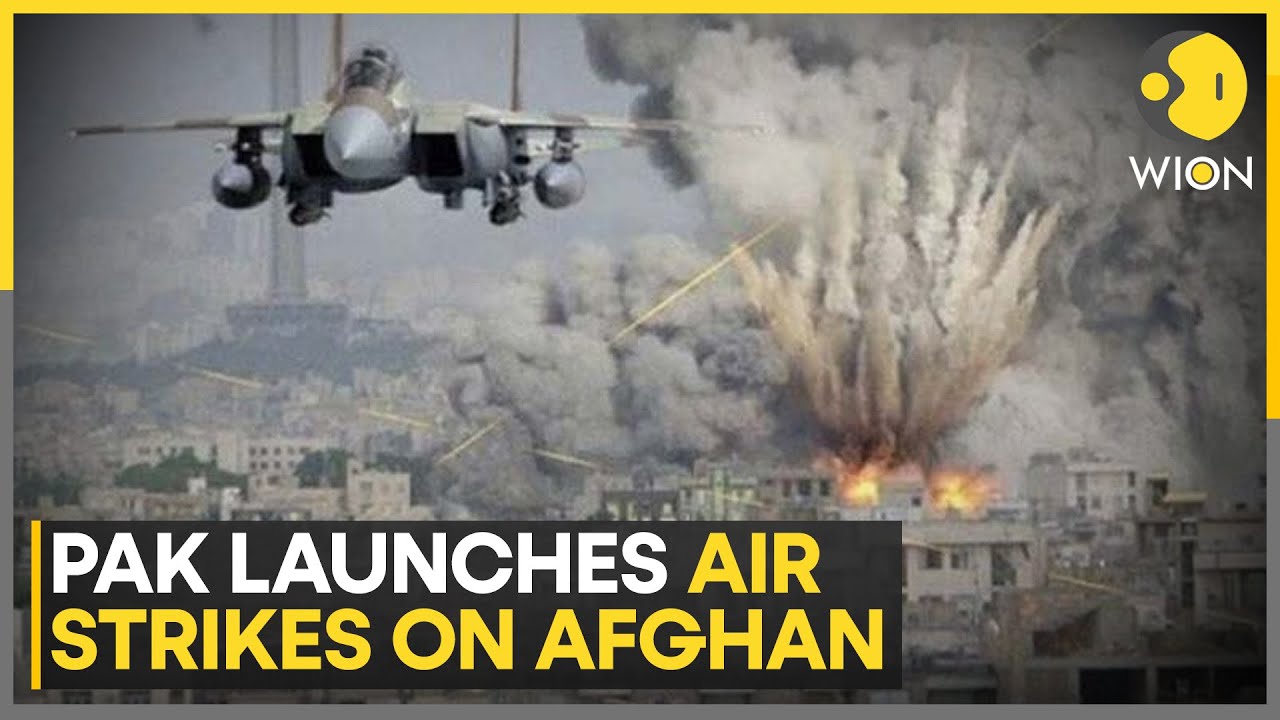
Pakistan has launched a series of air strikes on Afghanistan, marking a significant escalation in tensions between the two countries. The strikes, which occurred on Wednesday, targeted three Afghan provinces: Kunar, Khost, and Paktika. Pakistan's Information Minister Attaullah Tarar stated that the operation resulted in the deaths of 26 militants, while Afghan authorities reported at least 13 civilian casualties, including 11 children.
Civilian Casualties and Damage
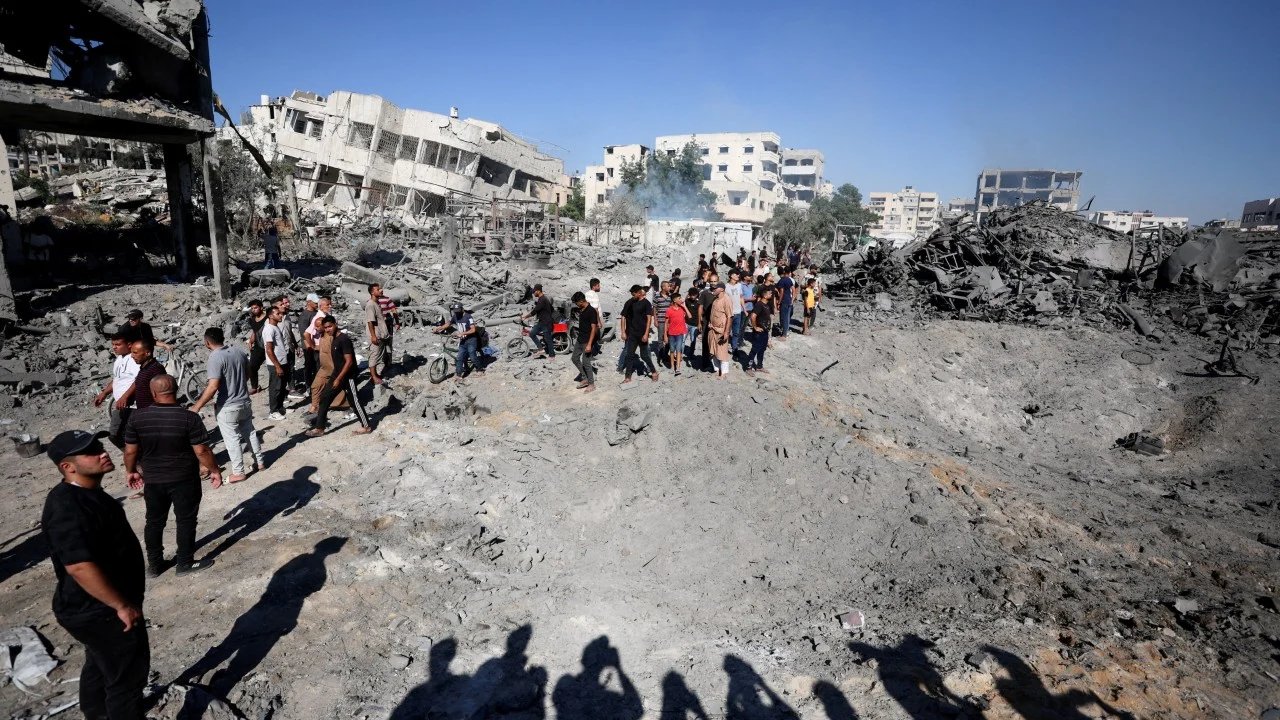
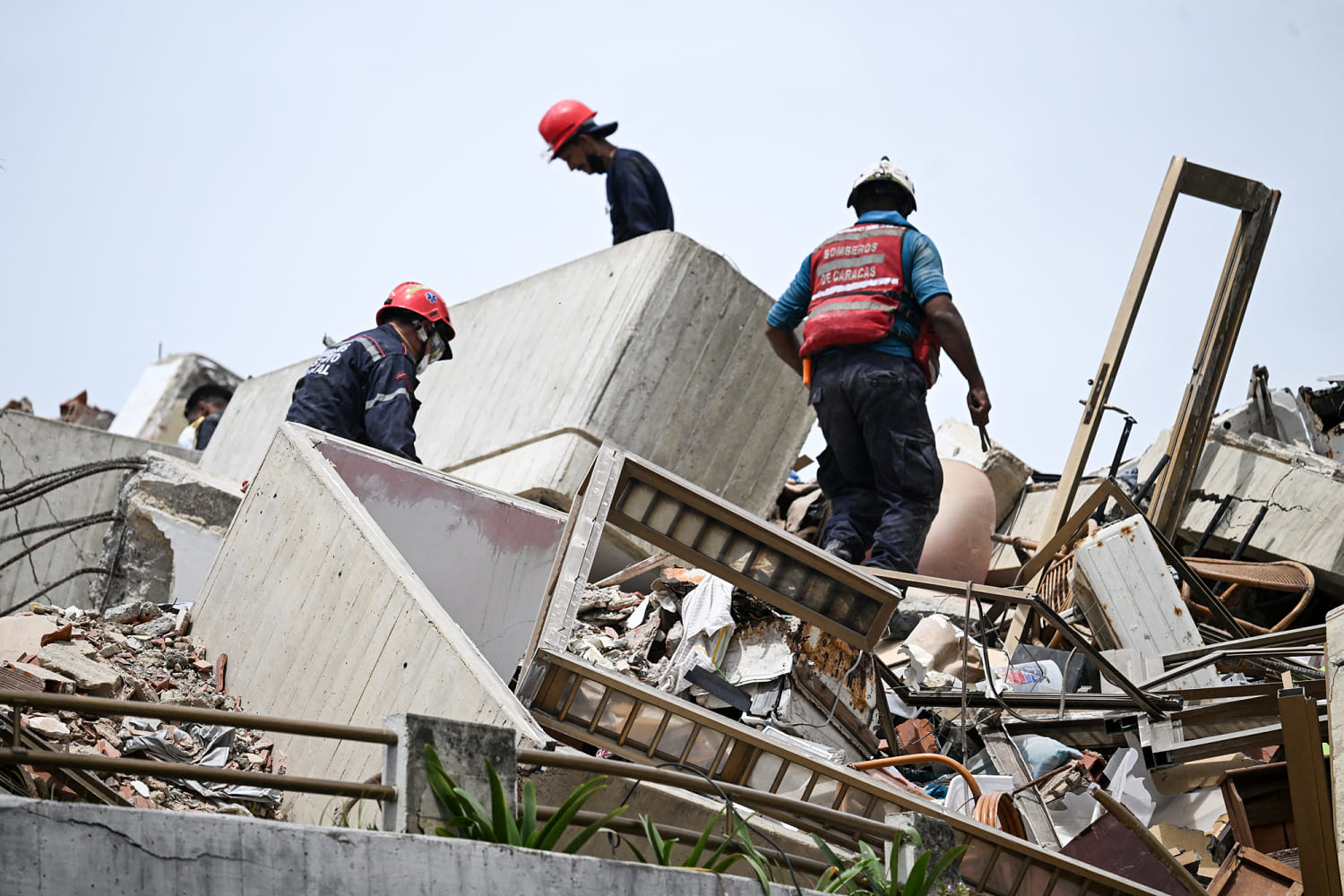
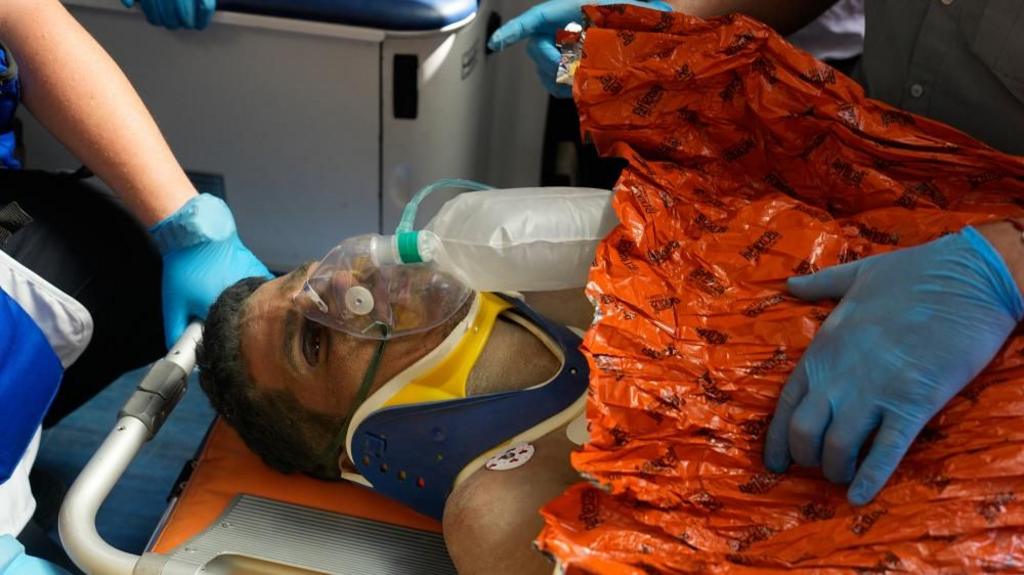
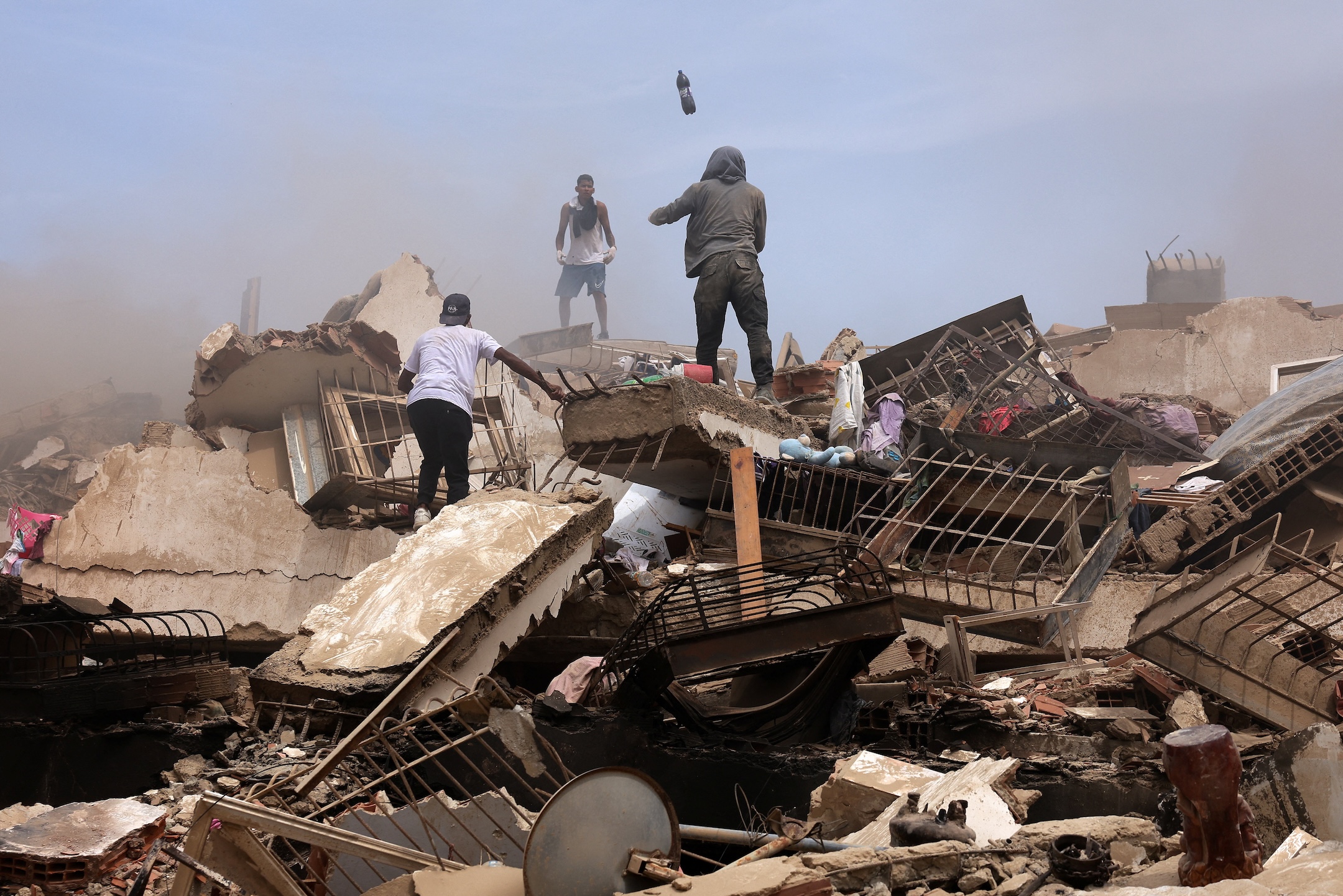
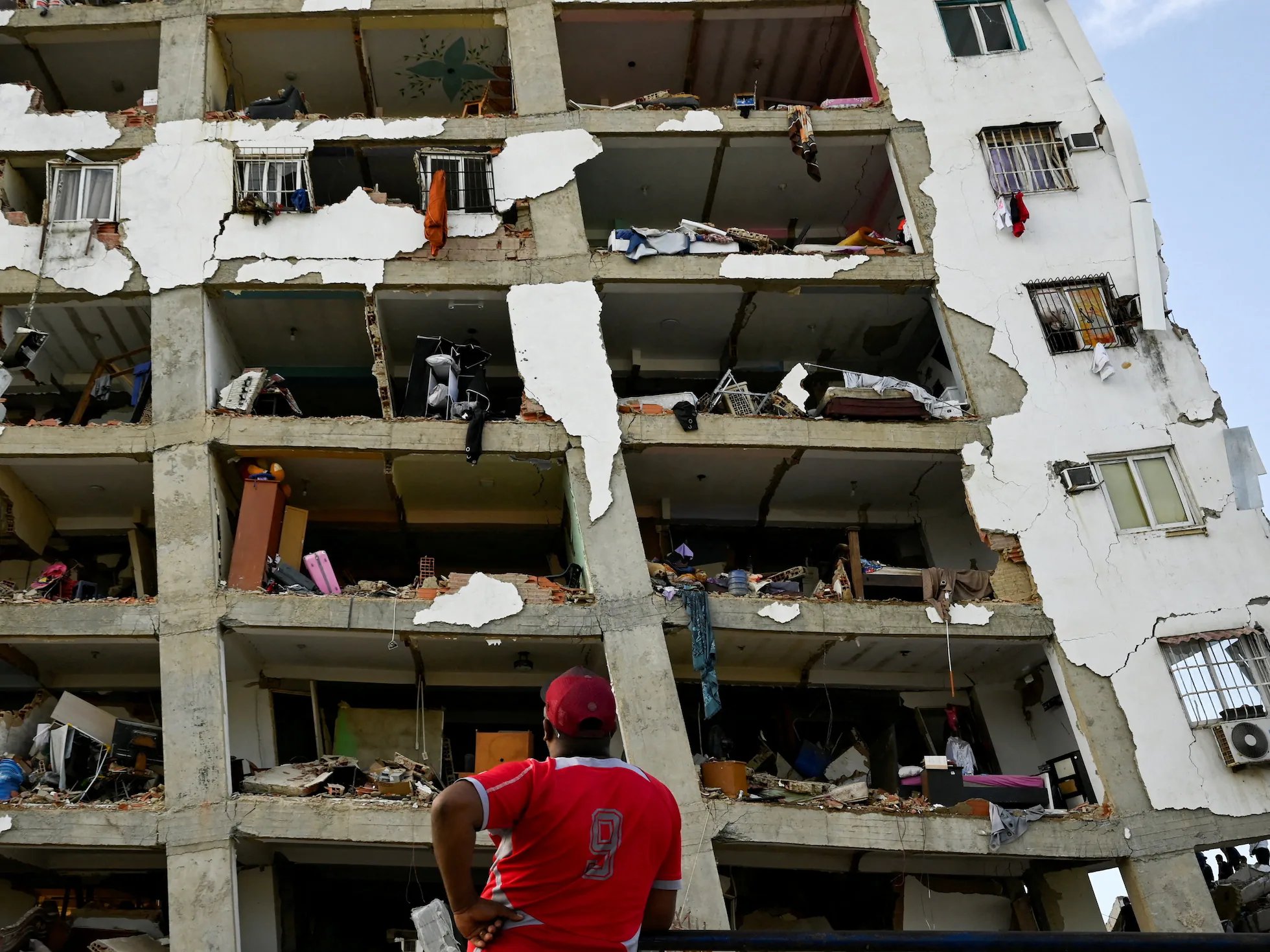
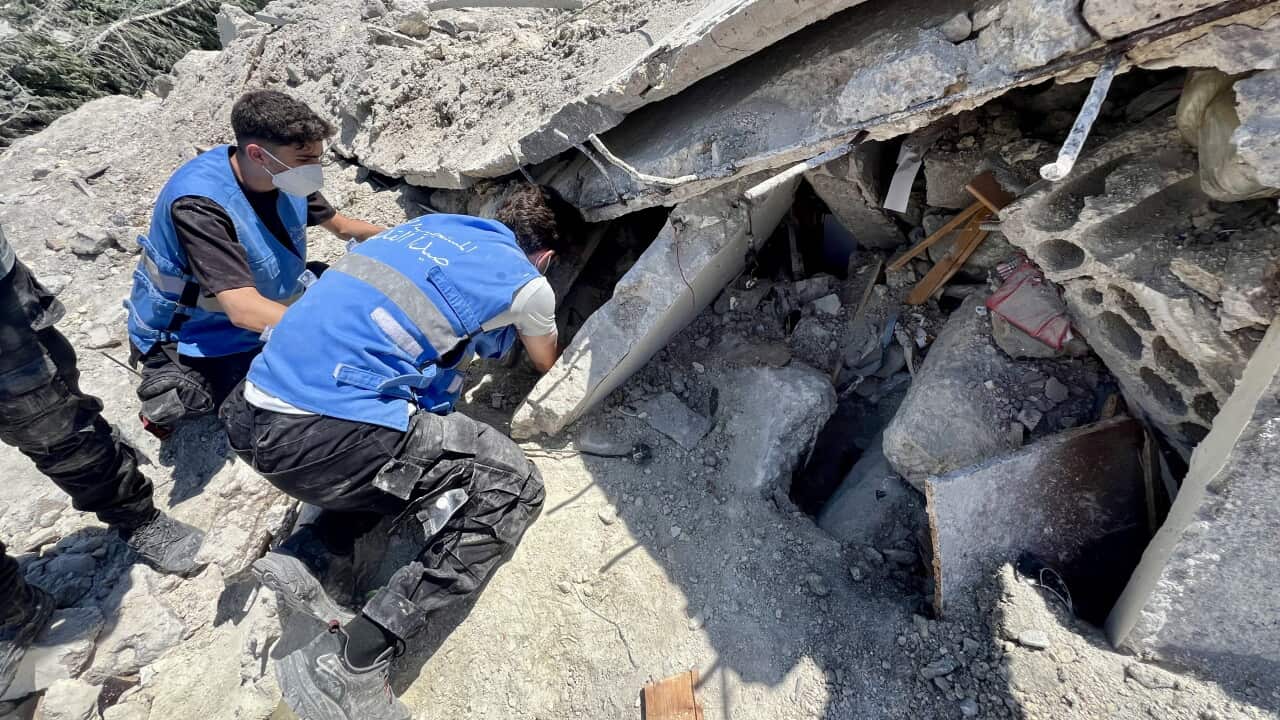
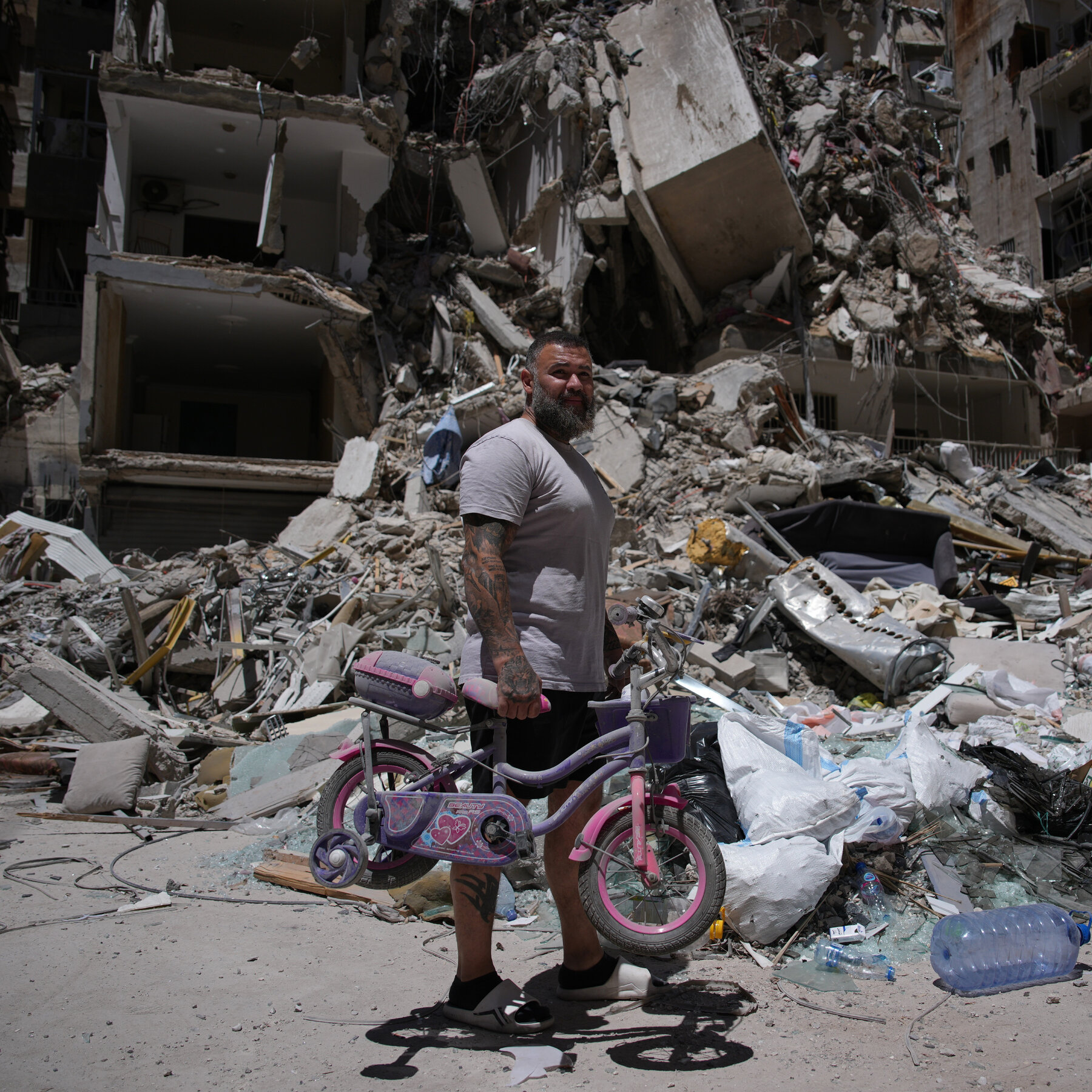
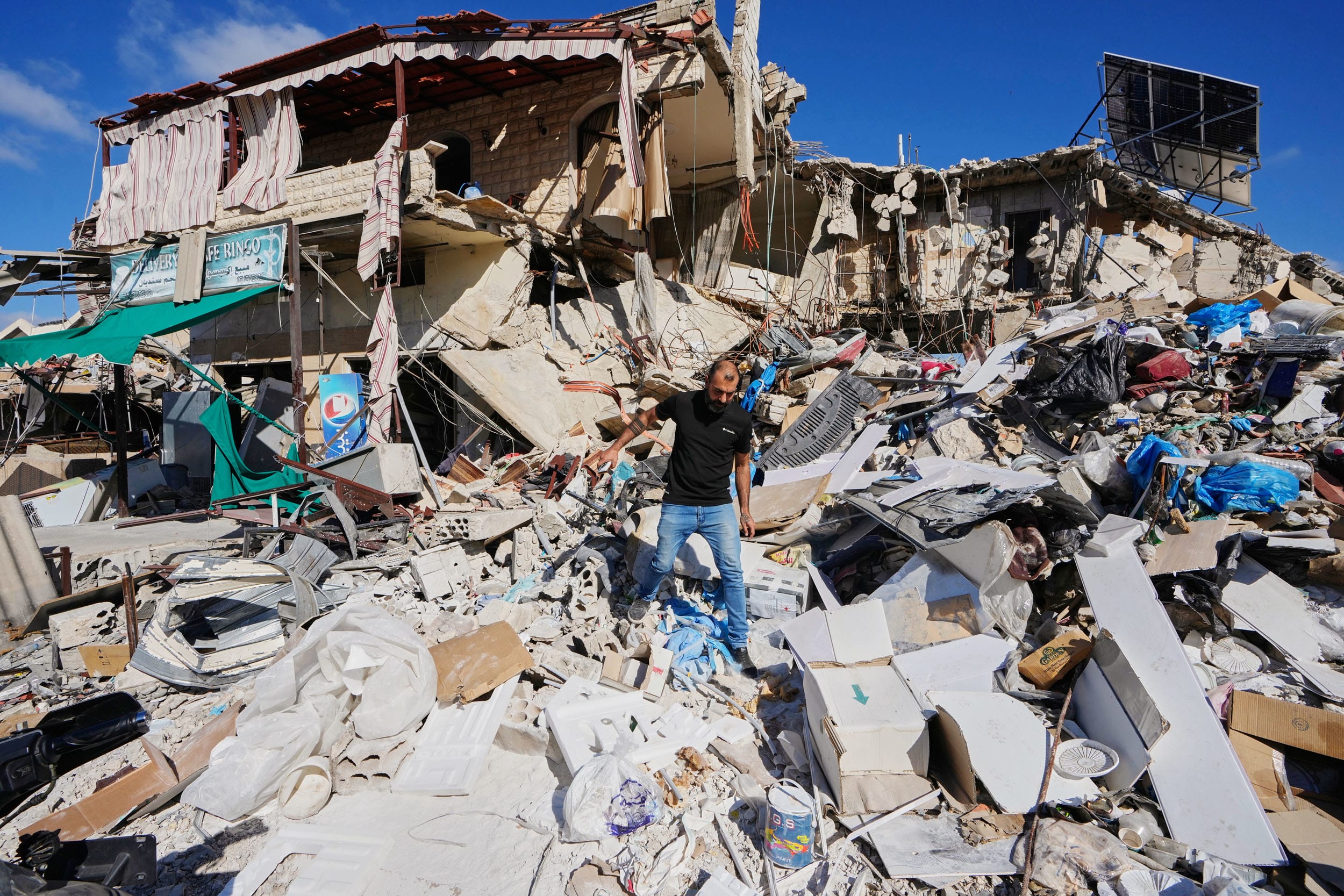
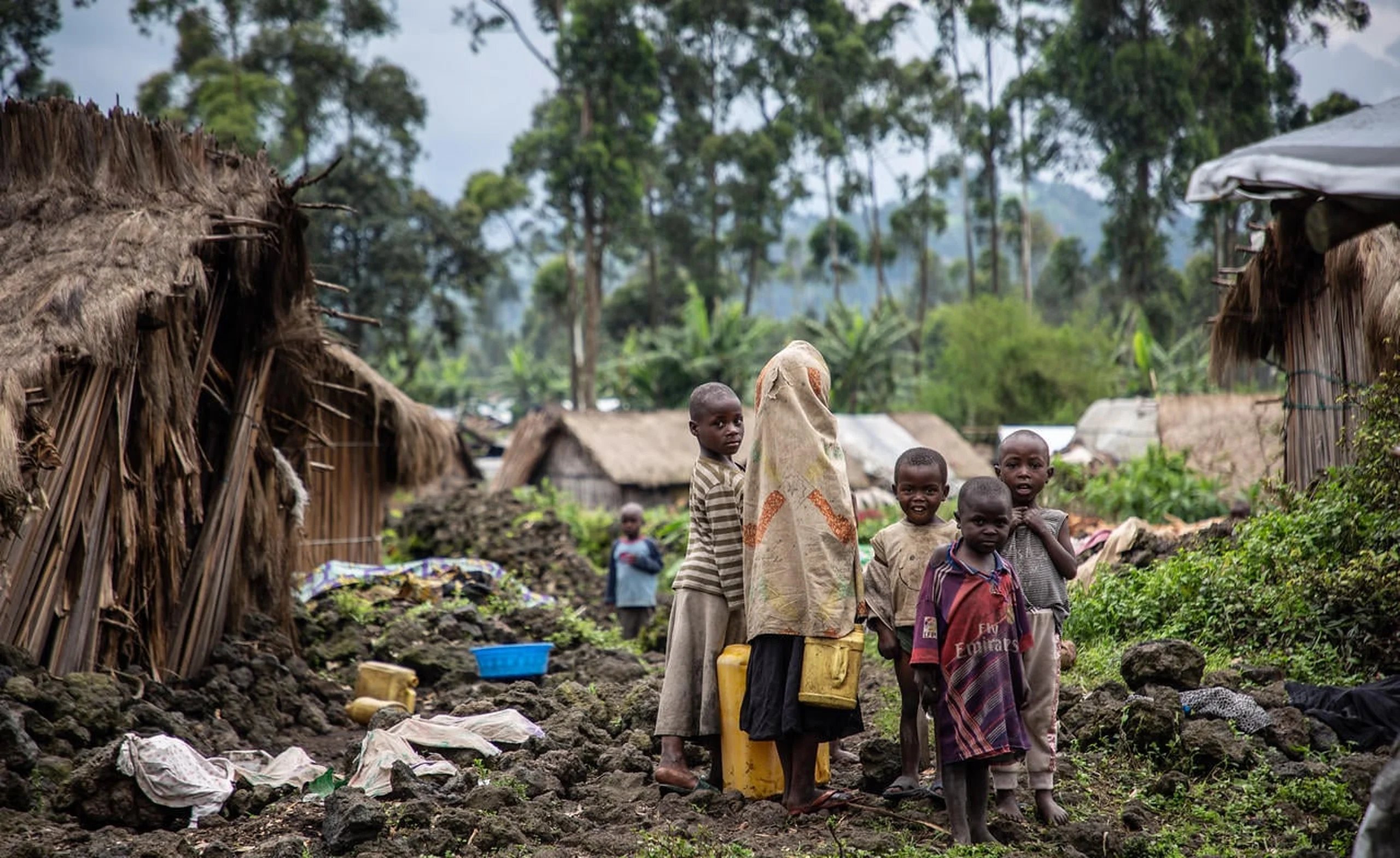
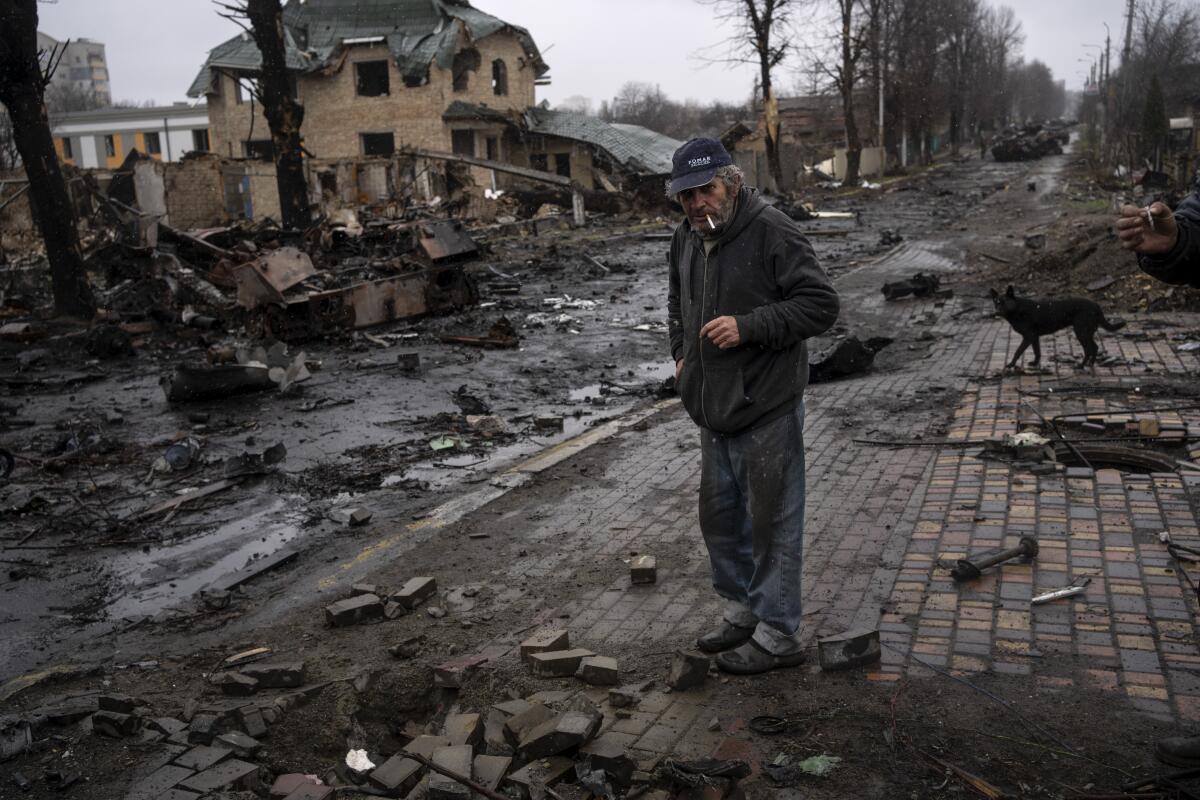
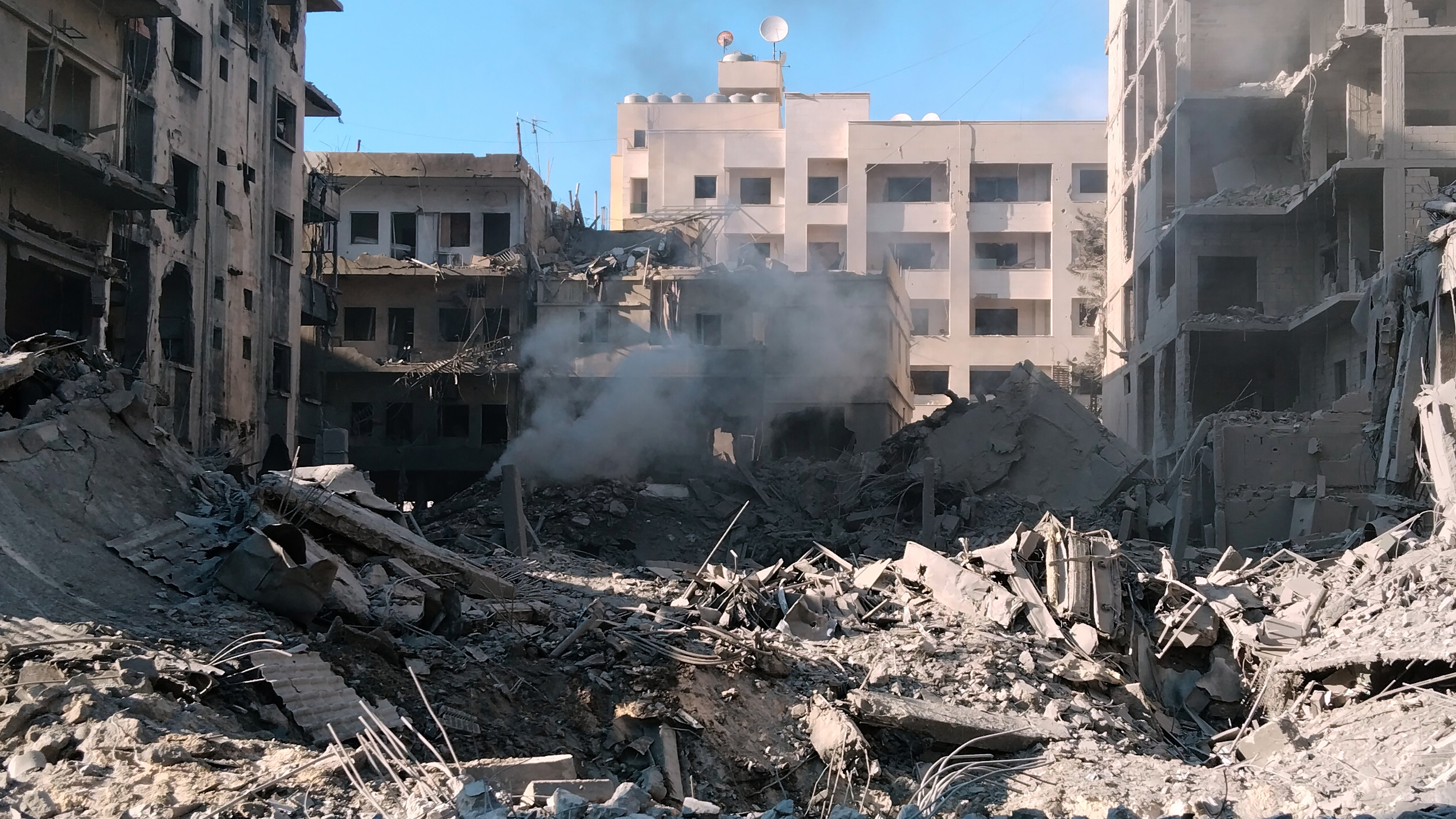
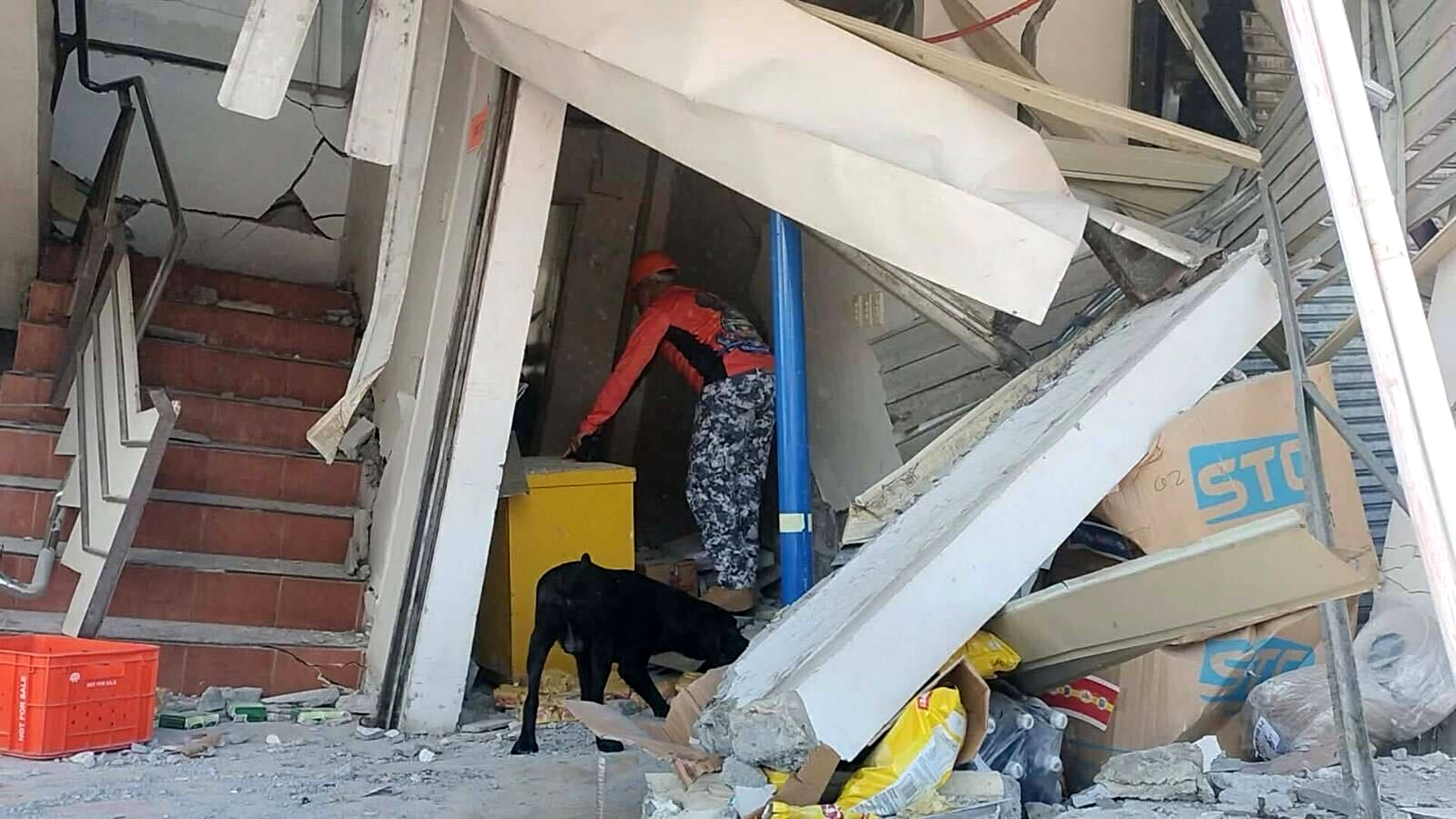
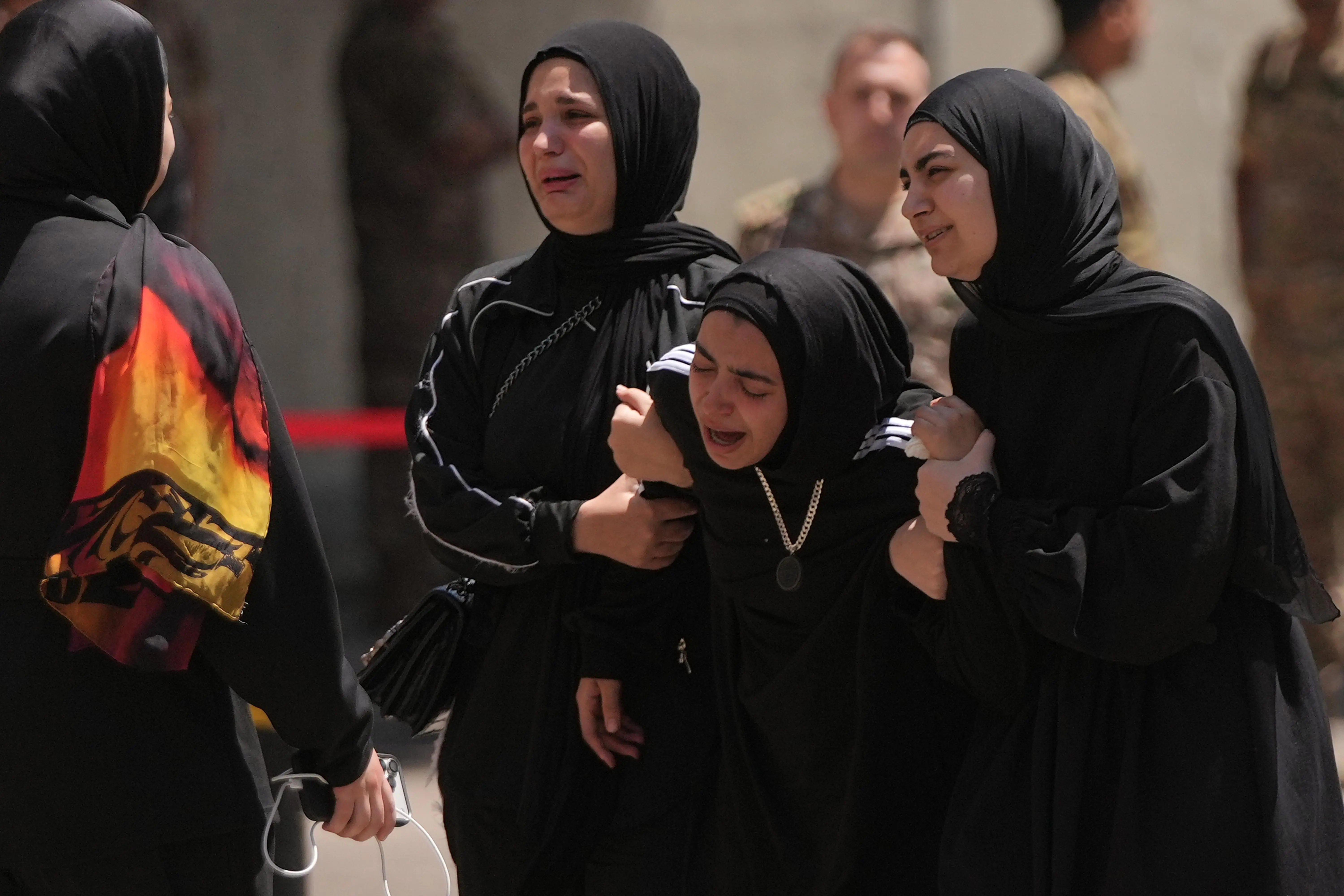
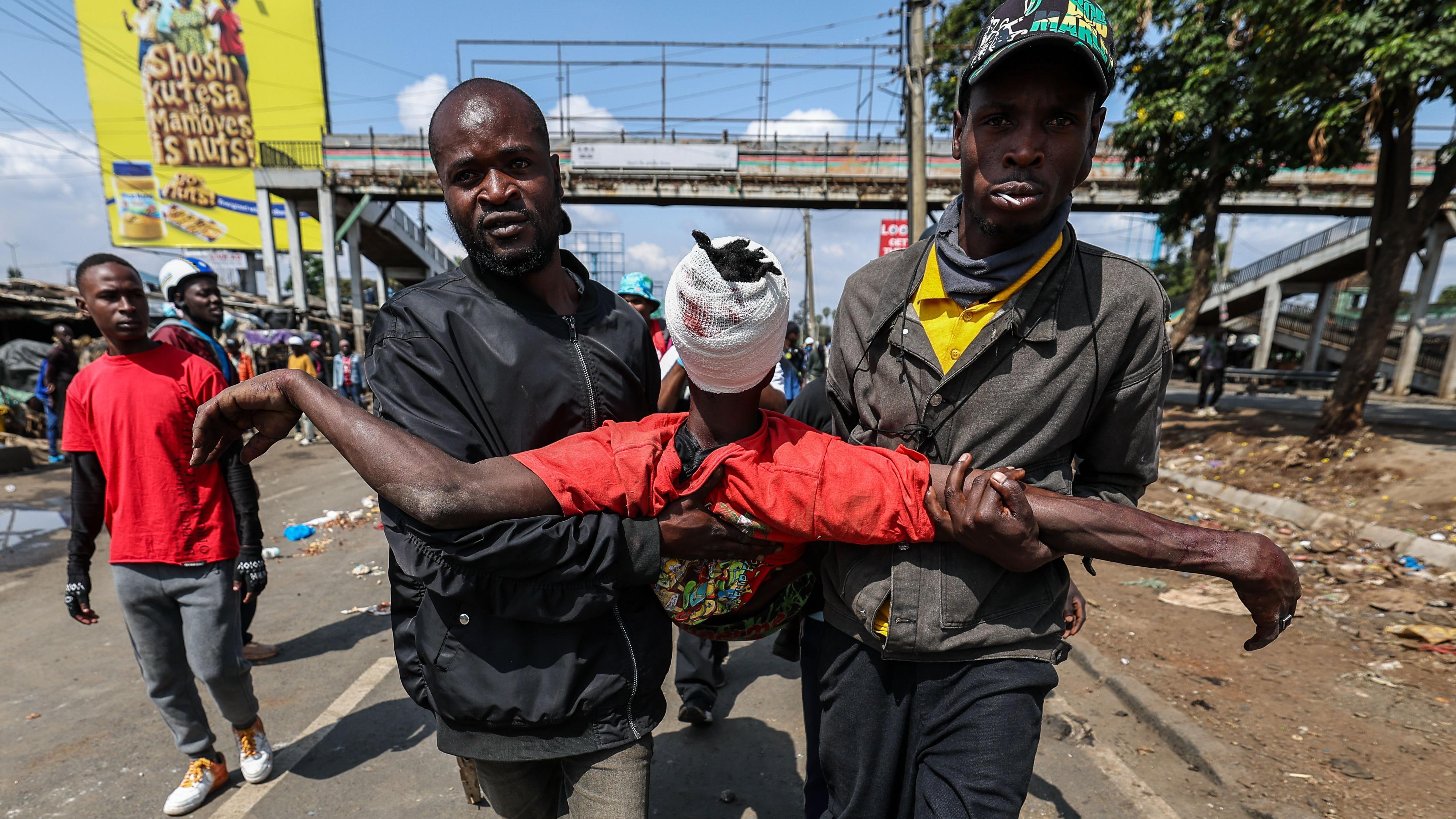
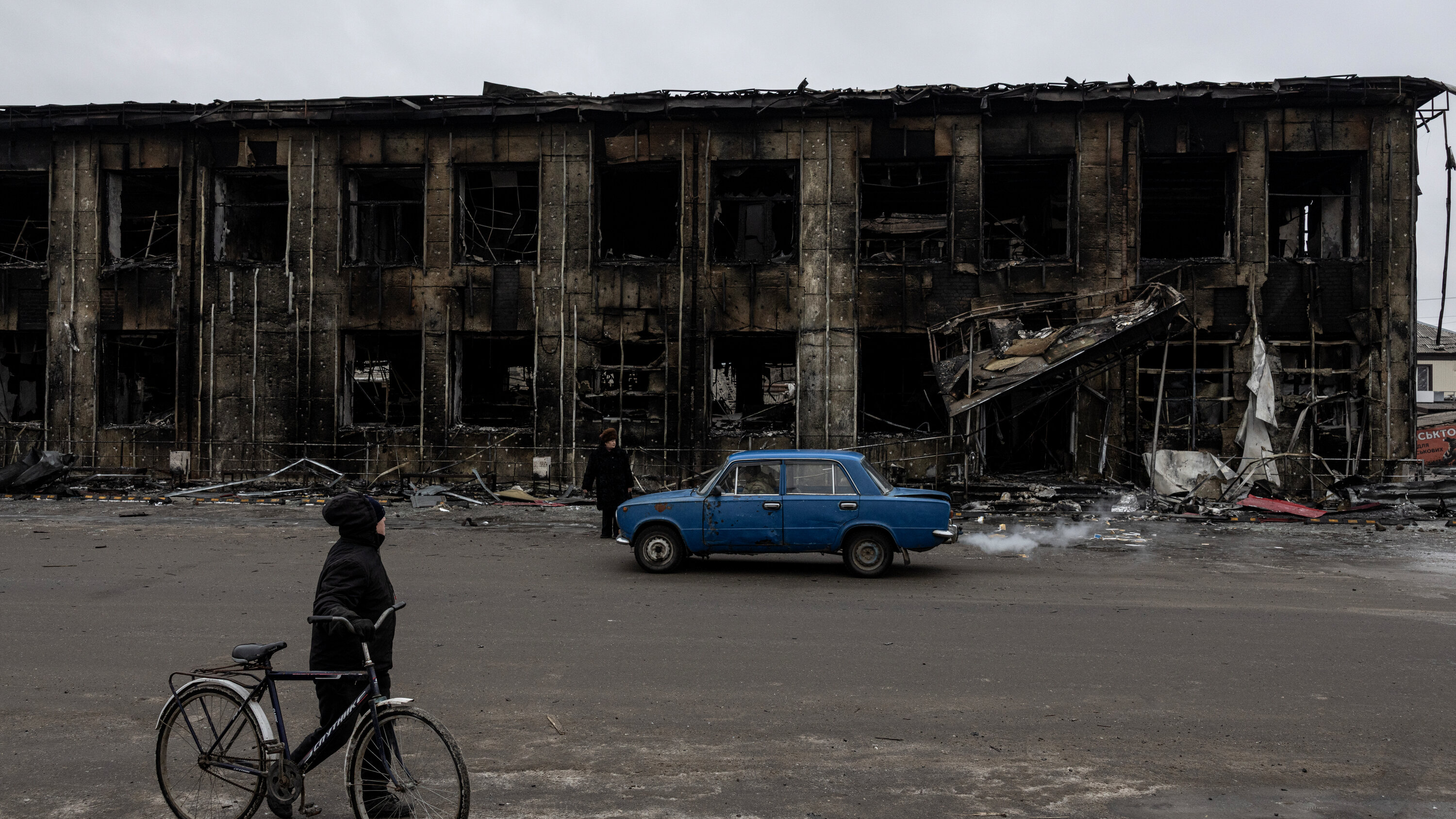
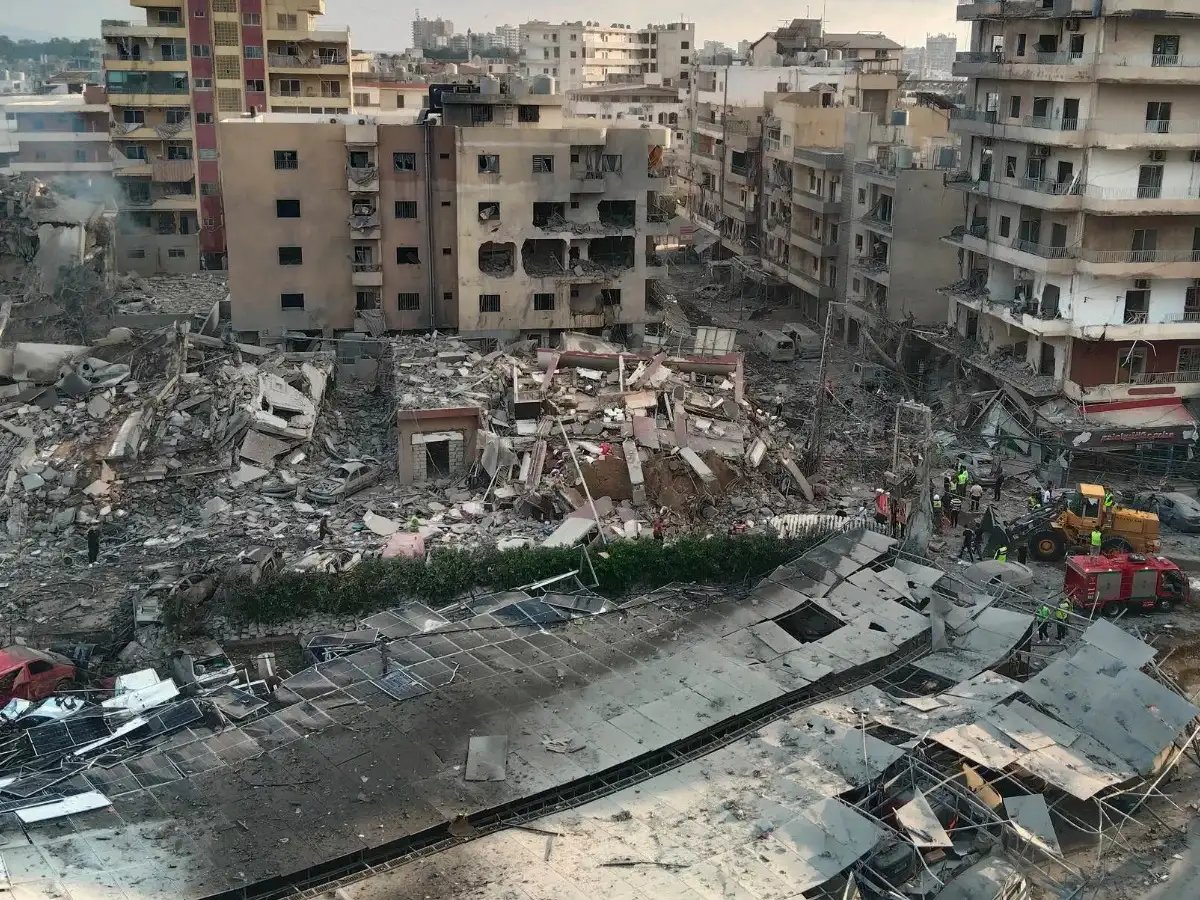
The Taliban government in Afghanistan condemned the air strikes, asserting that the attacks hit civilian homes and led to the deaths of innocent people. Zabihullah Mujahid, the Taliban's chief spokesperson, confirmed that among the deceased were 11 children, a woman, and an elderly man. He also reported that 14 individuals, primarily women and children, were injured in the strikes.
Pakistan's Justification for the Strikes
Pakistan's government justified the air strikes as a response to "recent terrorist incidents in Pakistan." Tarar emphasized that the strikes were "calibrated" and aimed at dismantling "hideouts and safe havens" used by militants. The Pakistani military claimed that the strikes were necessary for the safety and security of its citizens, following a spike in militant attacks, including a recent assault on a security checkpoint in Khyber Pakhtunkhwa province that resulted in six fatalities among security personnel.
Historical Context of the Conflict
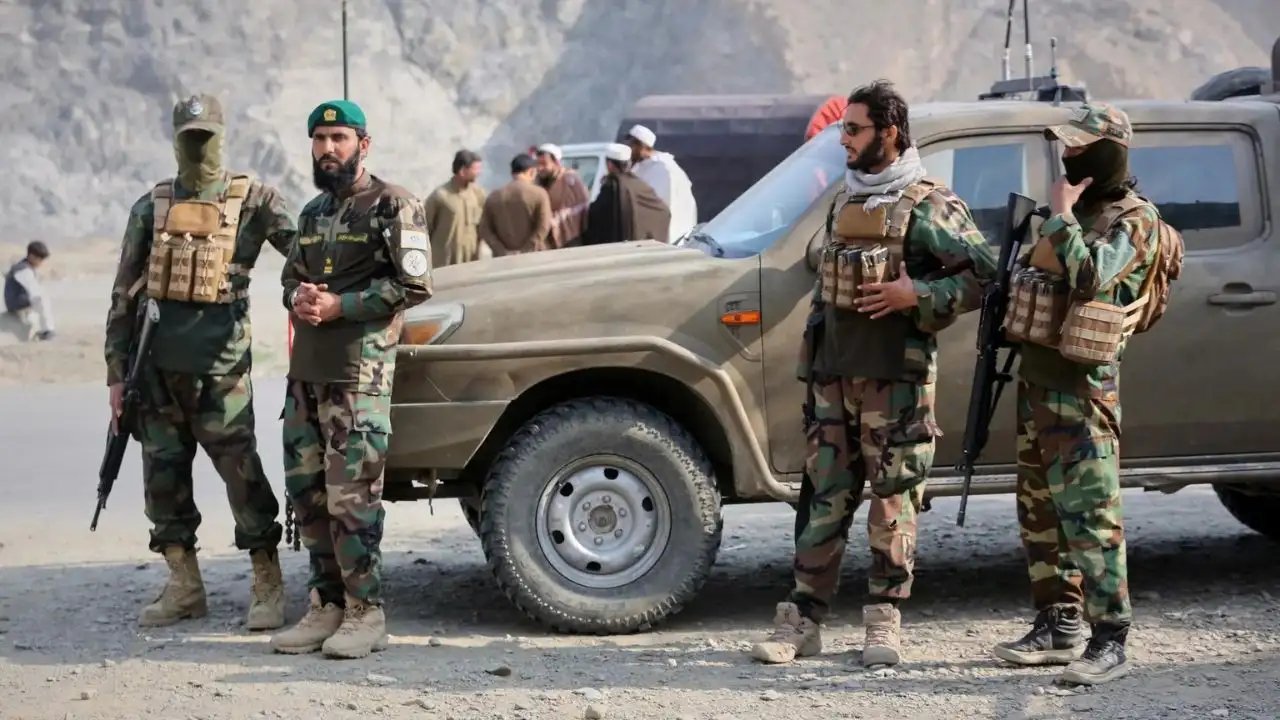
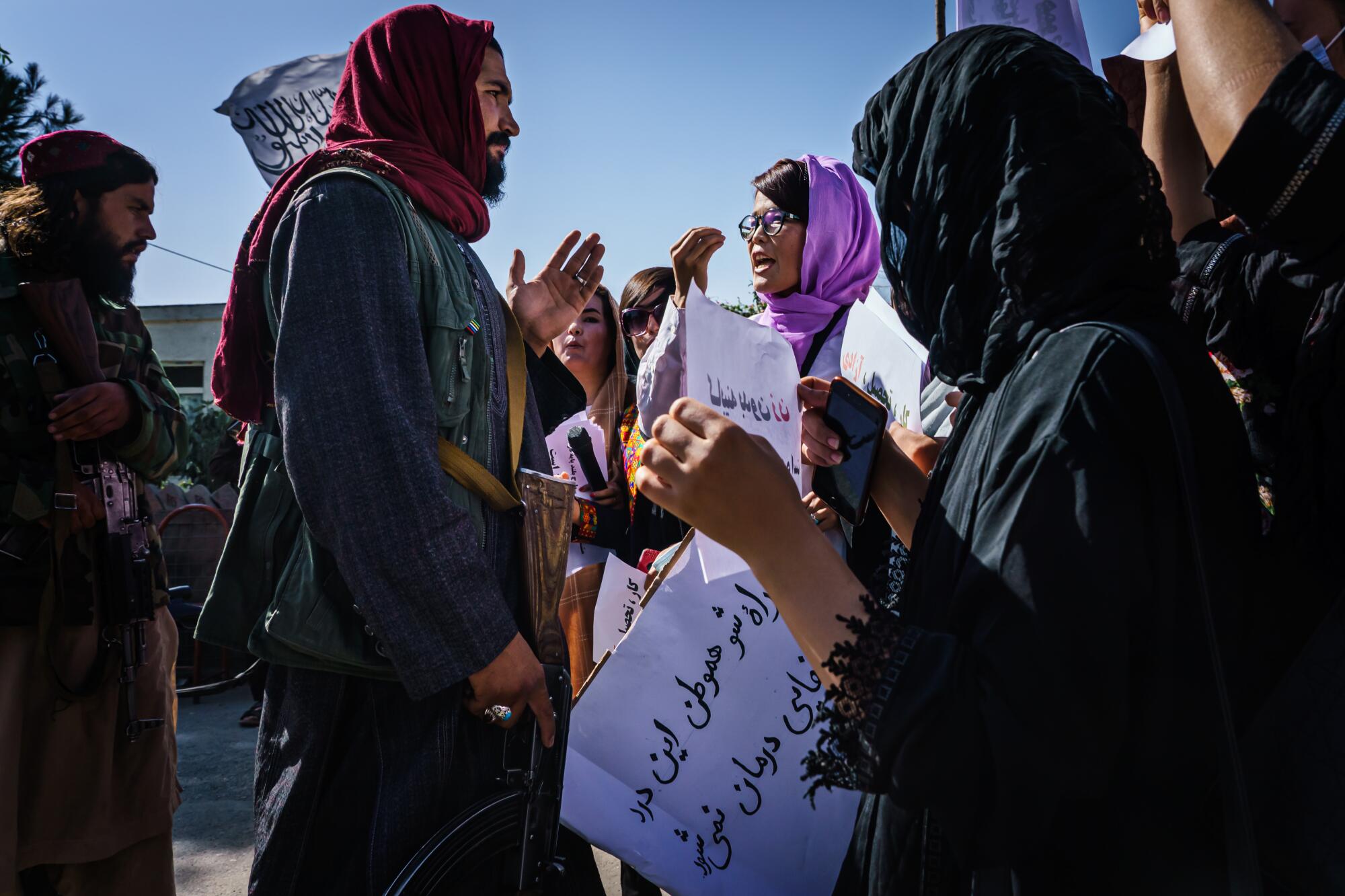
The latest air strikes come after a period of relative calm along the Afghanistan-Pakistan border, which had been established following a ceasefire agreement last October. Pakistan accuses Afghanistan of harboring militants who launch attacks on Pakistani soil. Afghanistan denies these allegations, saying that militancy in Pakistan is an internal problem. A United Nations report estimated that at least 372 Afghan civilians died and 397 were wounded in the first three months of the year.
International Calls for Restraint
The recent escalation has raised concerns about regional stability and the humanitarian impact on civilians living near the border. As the situation evolves, the international community watches closely, hoping for a de-escalation amid fears of a broader conflict that could further destabilize the region.