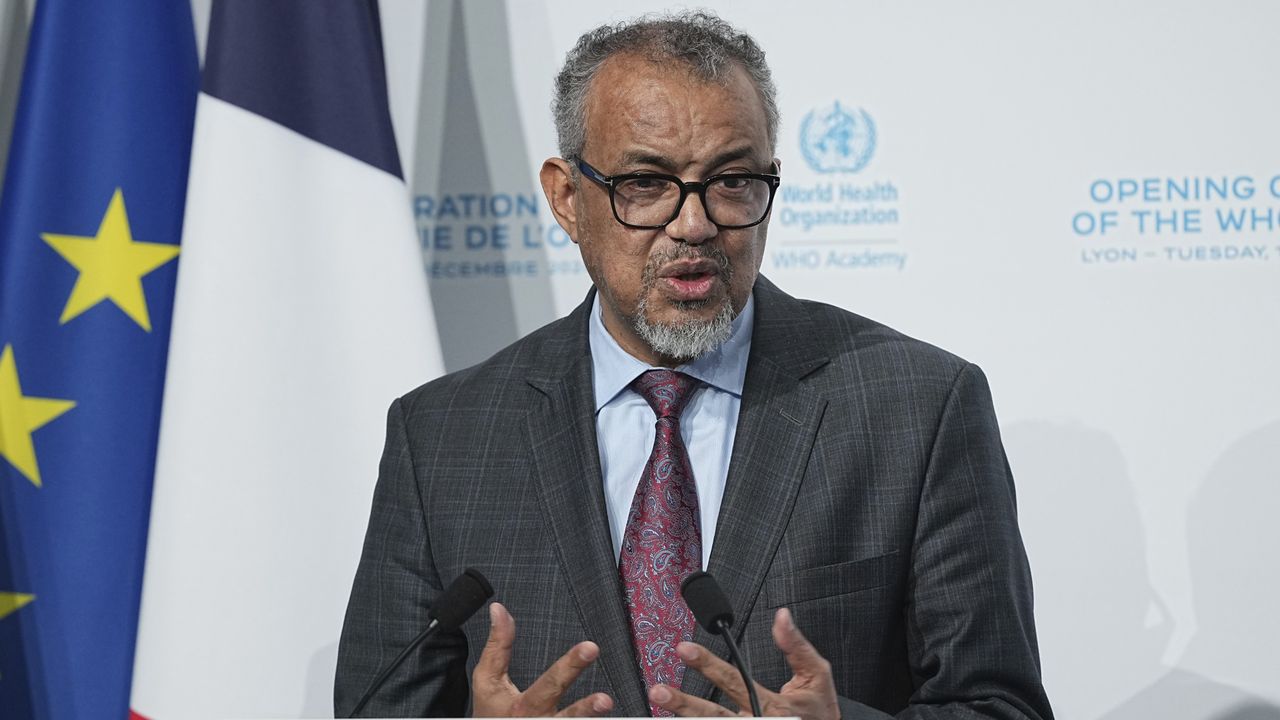
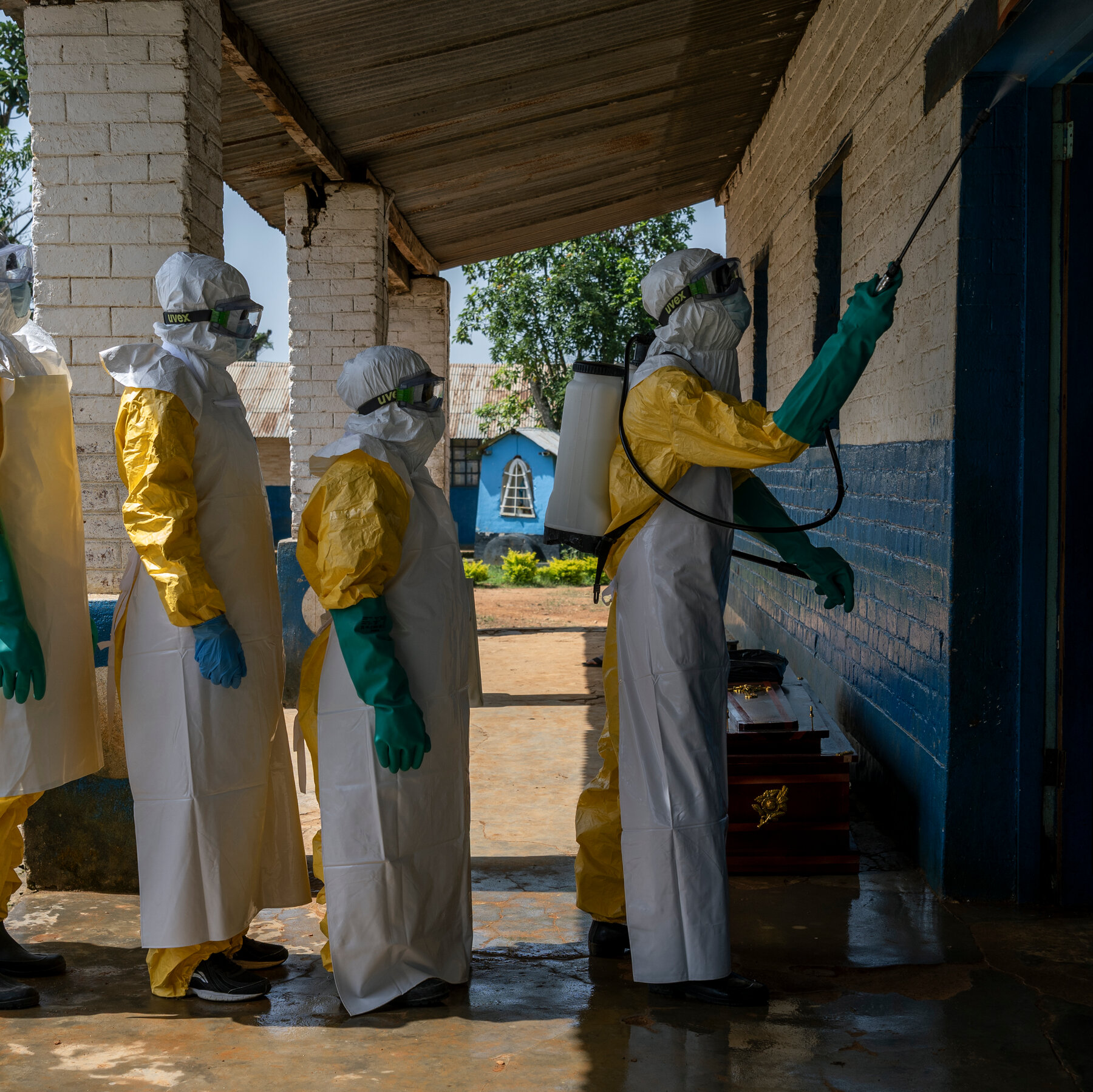
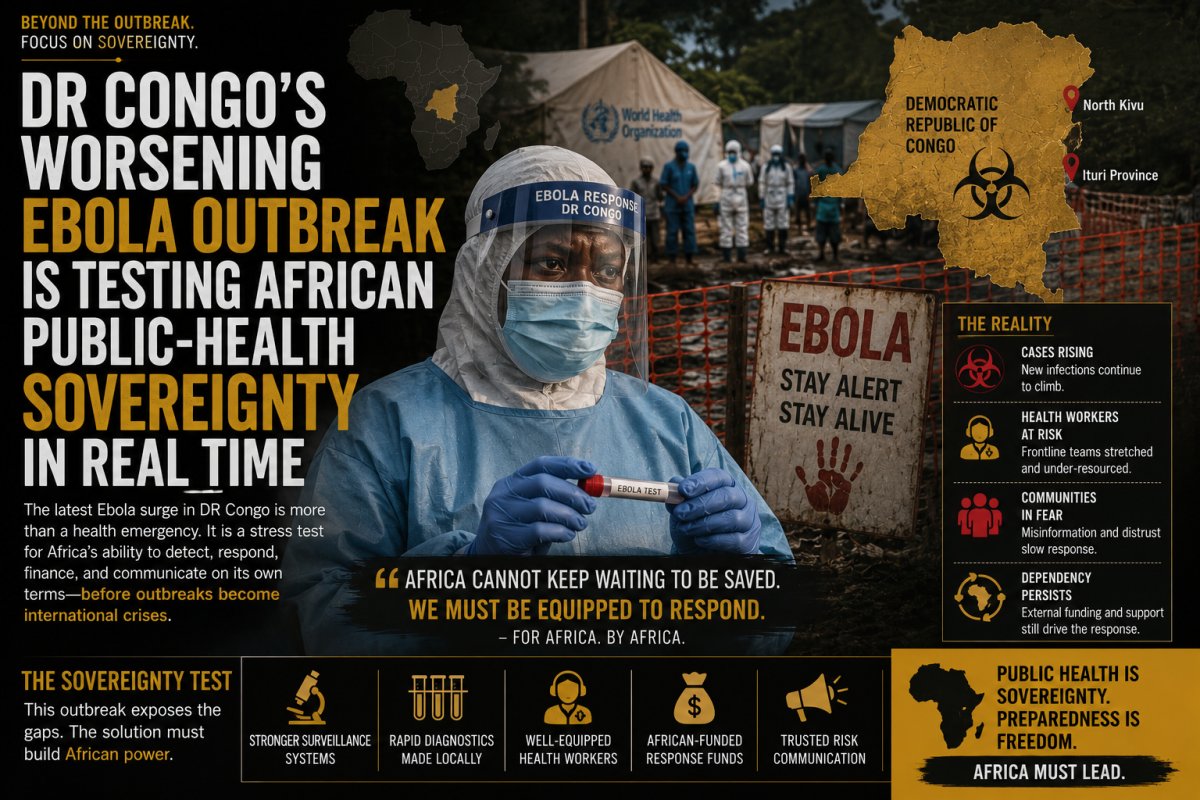
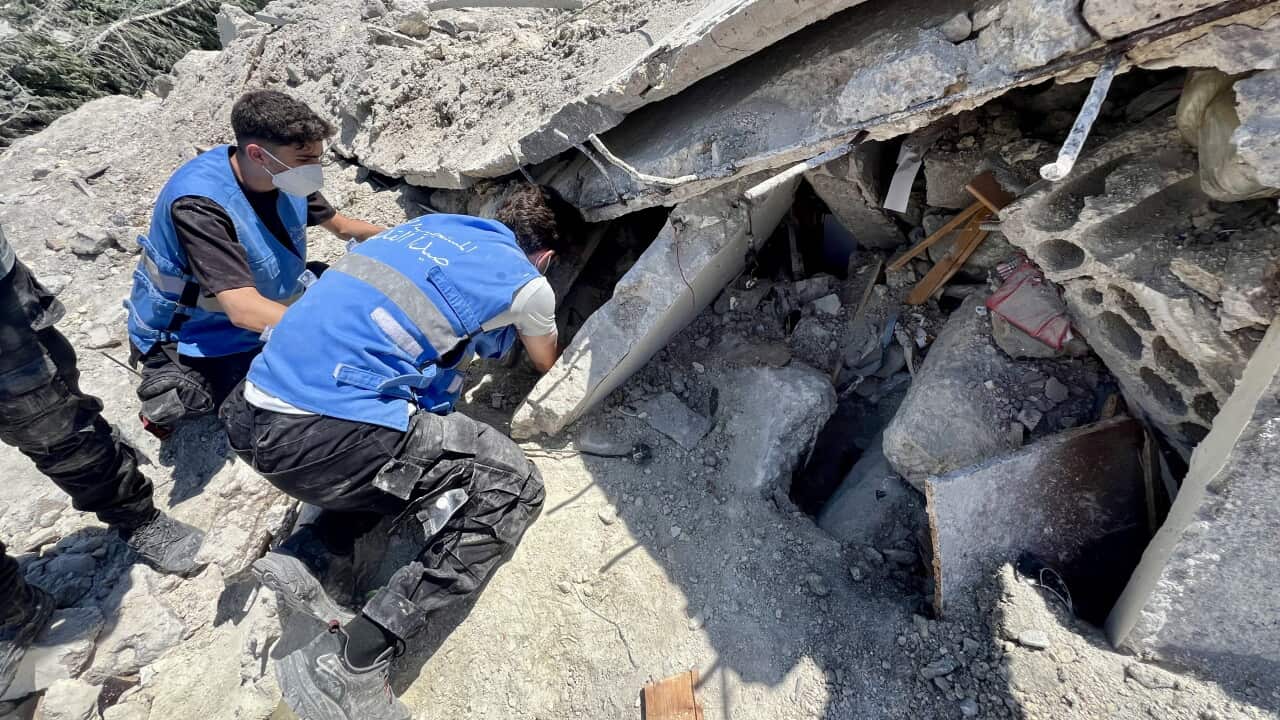
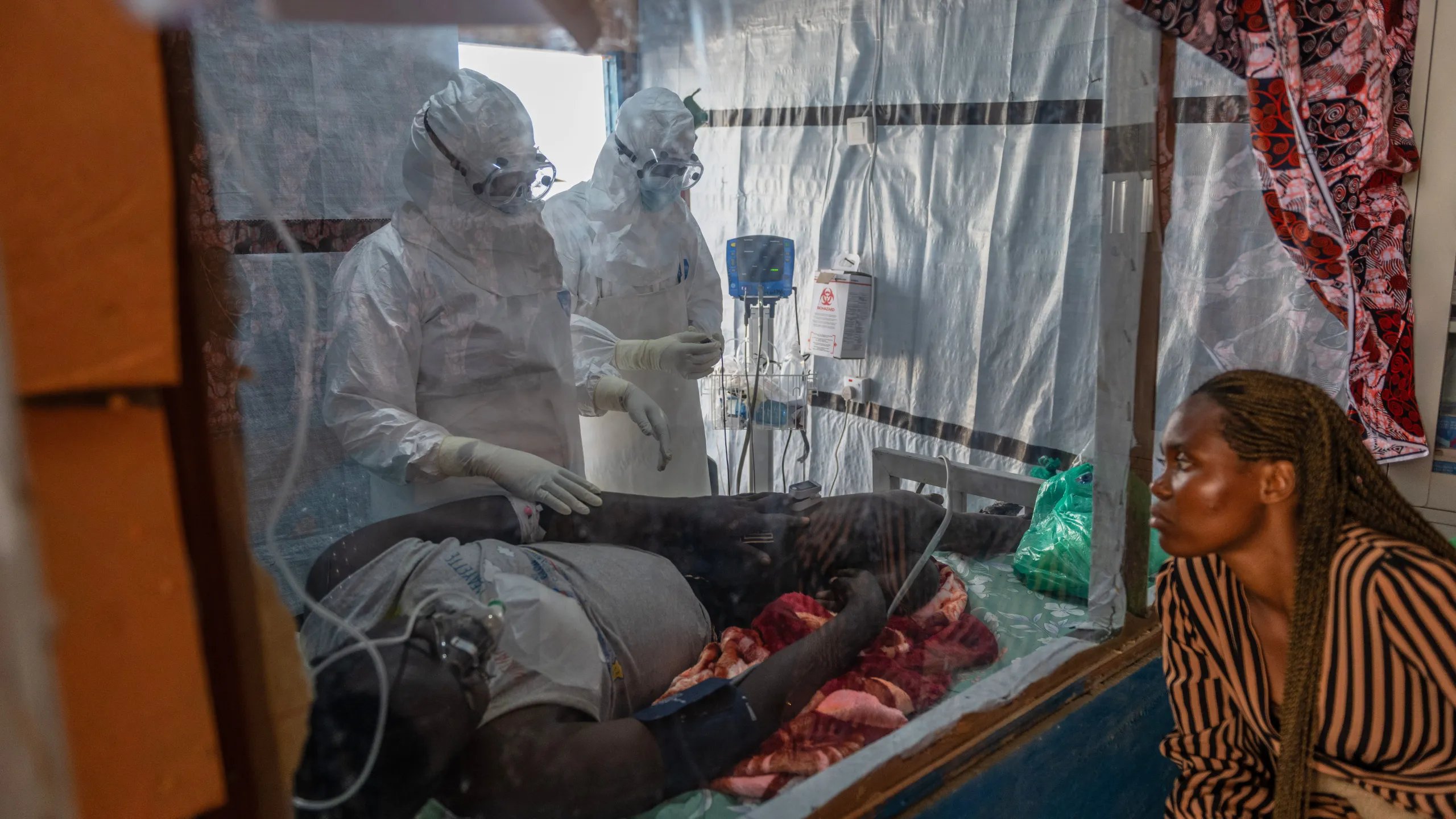
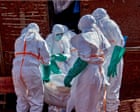
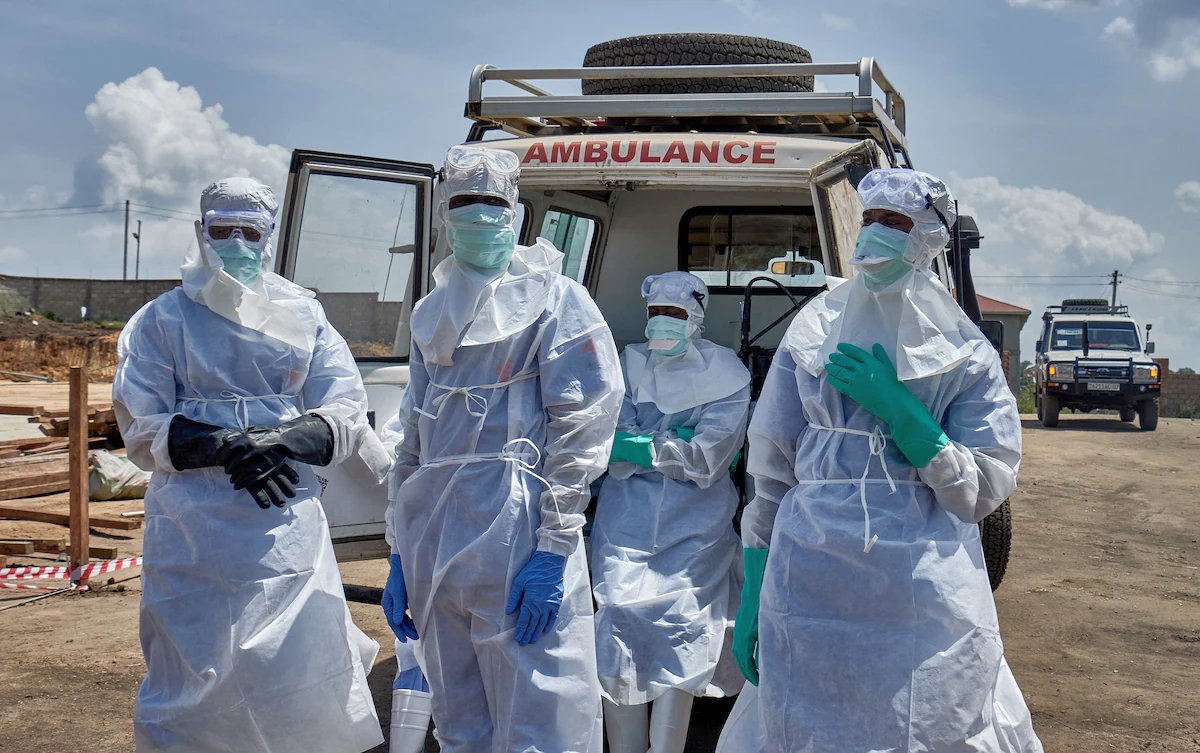
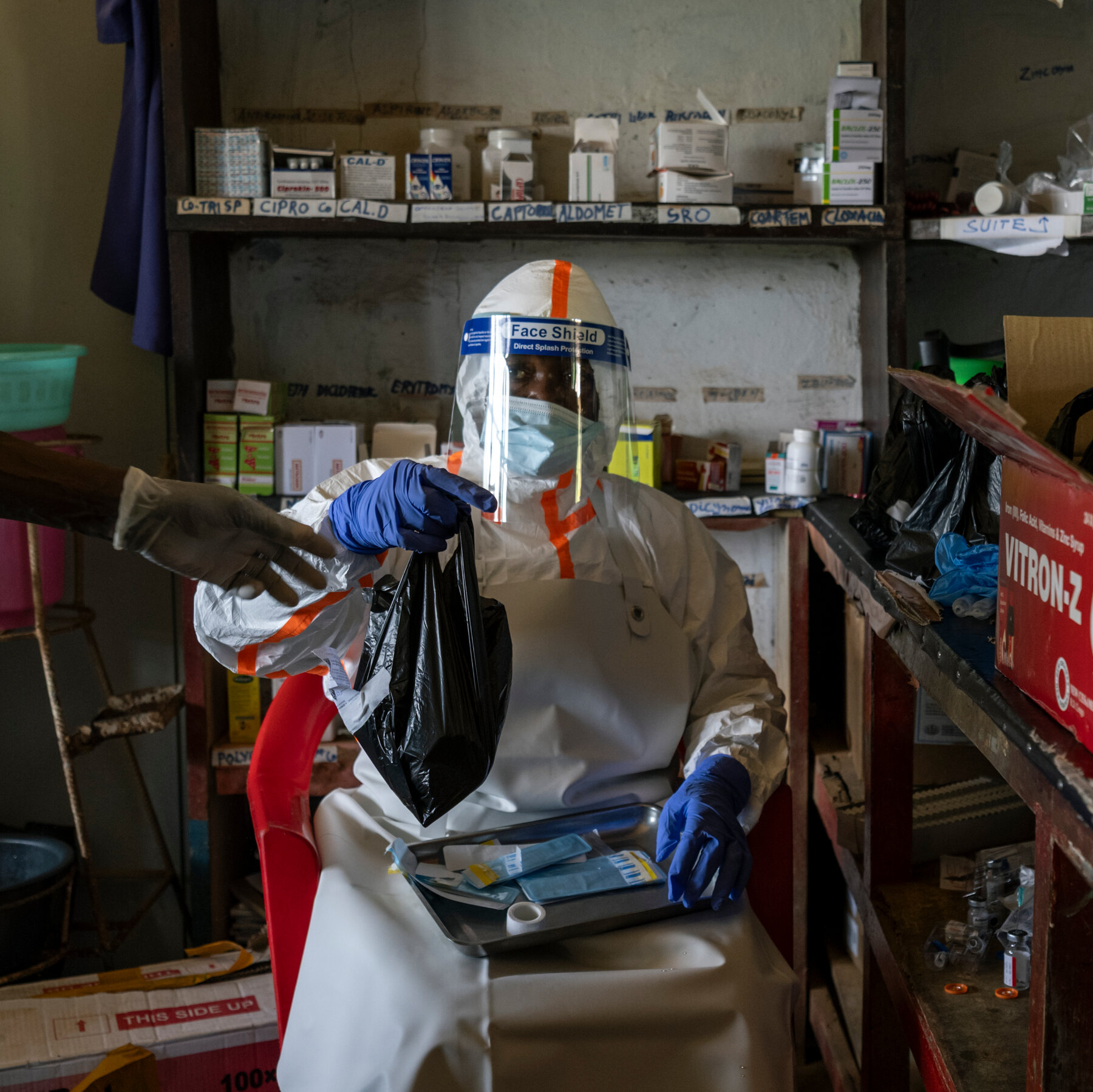
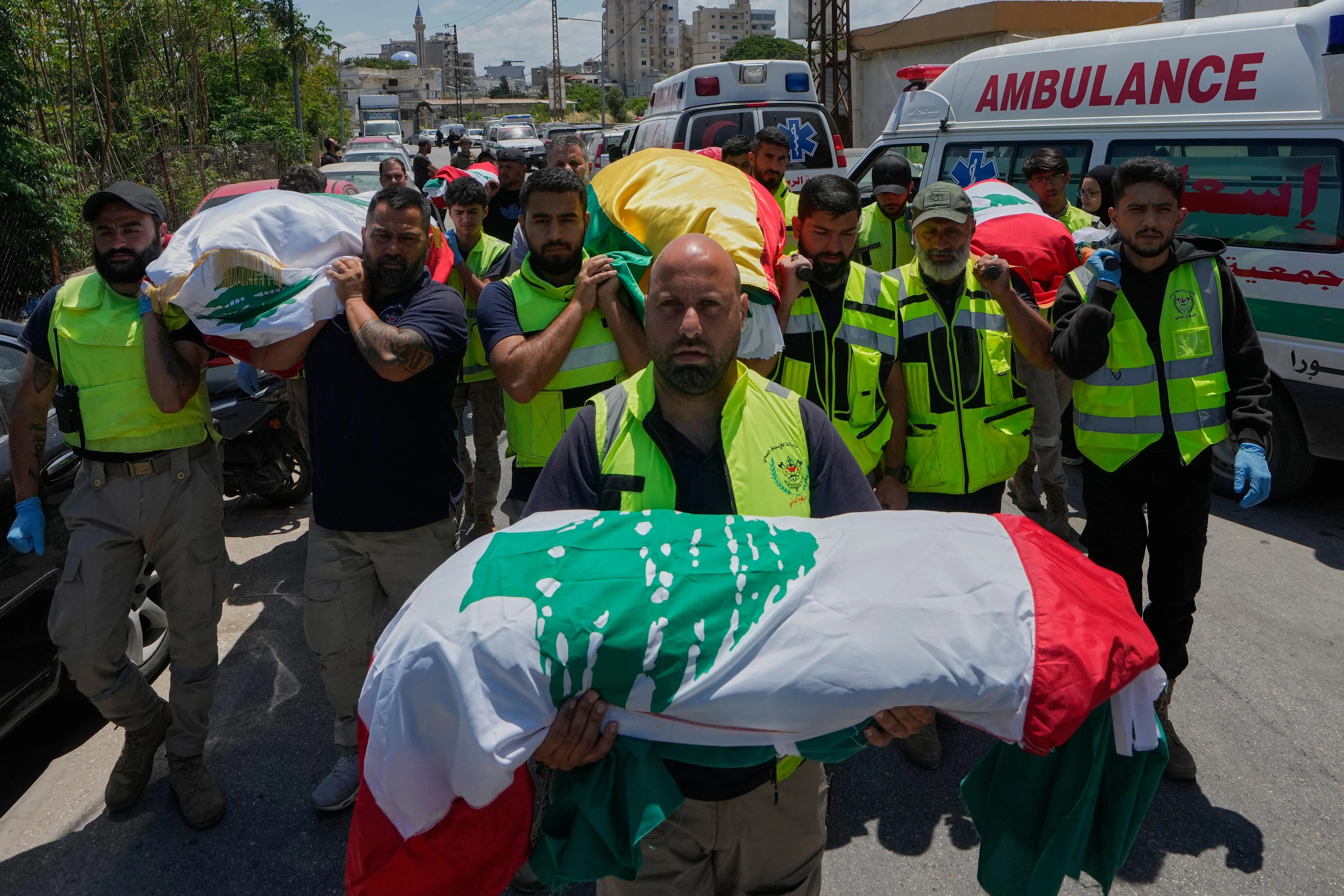
A deadly Ebola outbreak in the Democratic Republic of the Congo has crossed borders into neighboring Uganda, carrying a strain with no approved vaccine or treatment. The World Health Organization Director-General Tedros Adhanom Ghebreyesus said Wednesday that Congo's outbreak "had a big head start, and we're still behind," though the medical community was "catching up." Congolese authorities have confirmed 60 deaths out of 344 cases, while Uganda's health ministry reported 15 confirmed cases including one death as of Tuesday.
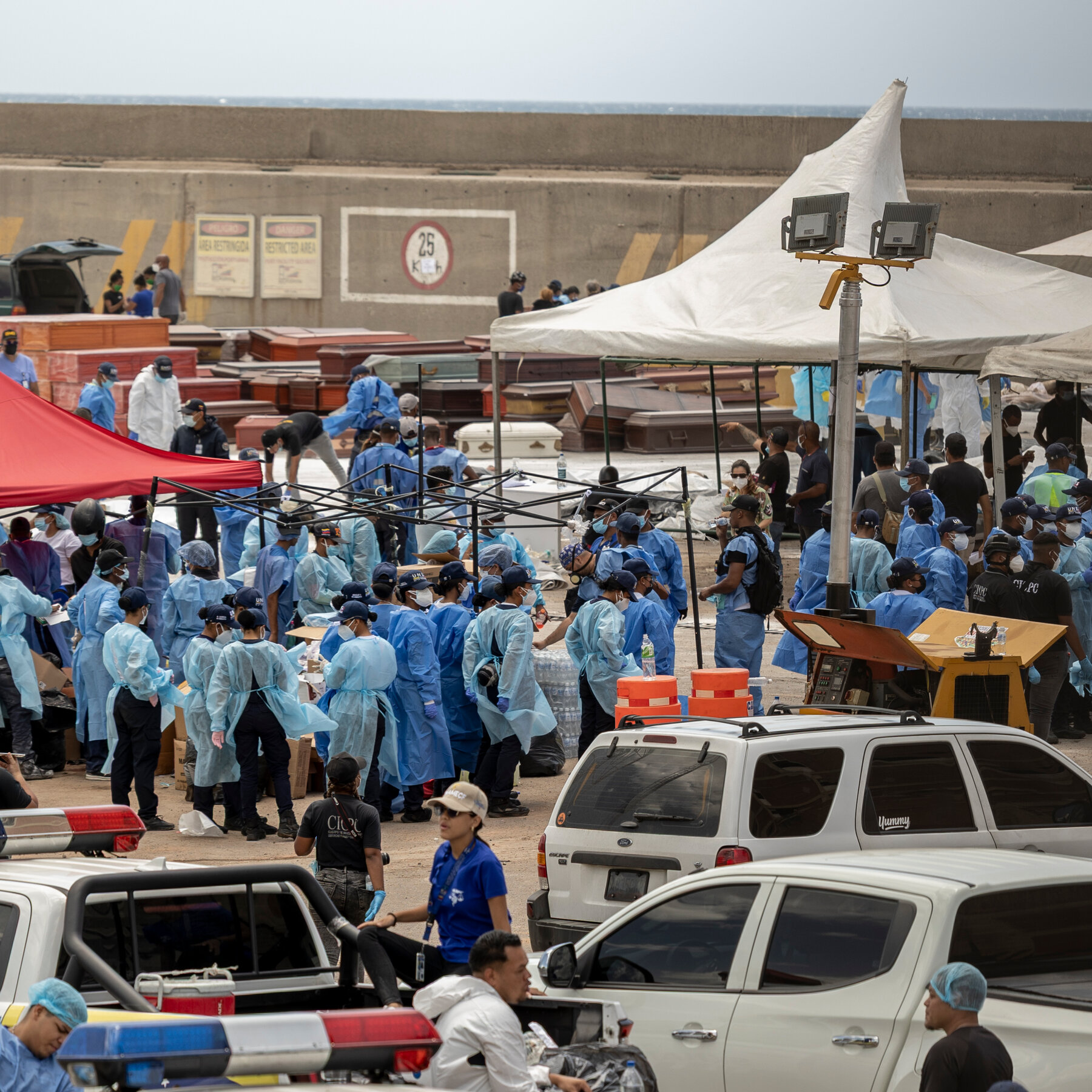
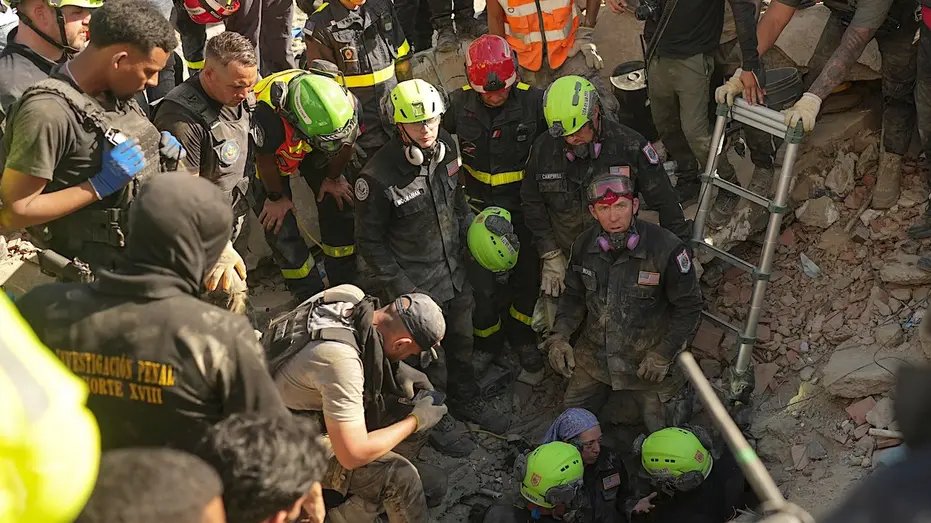
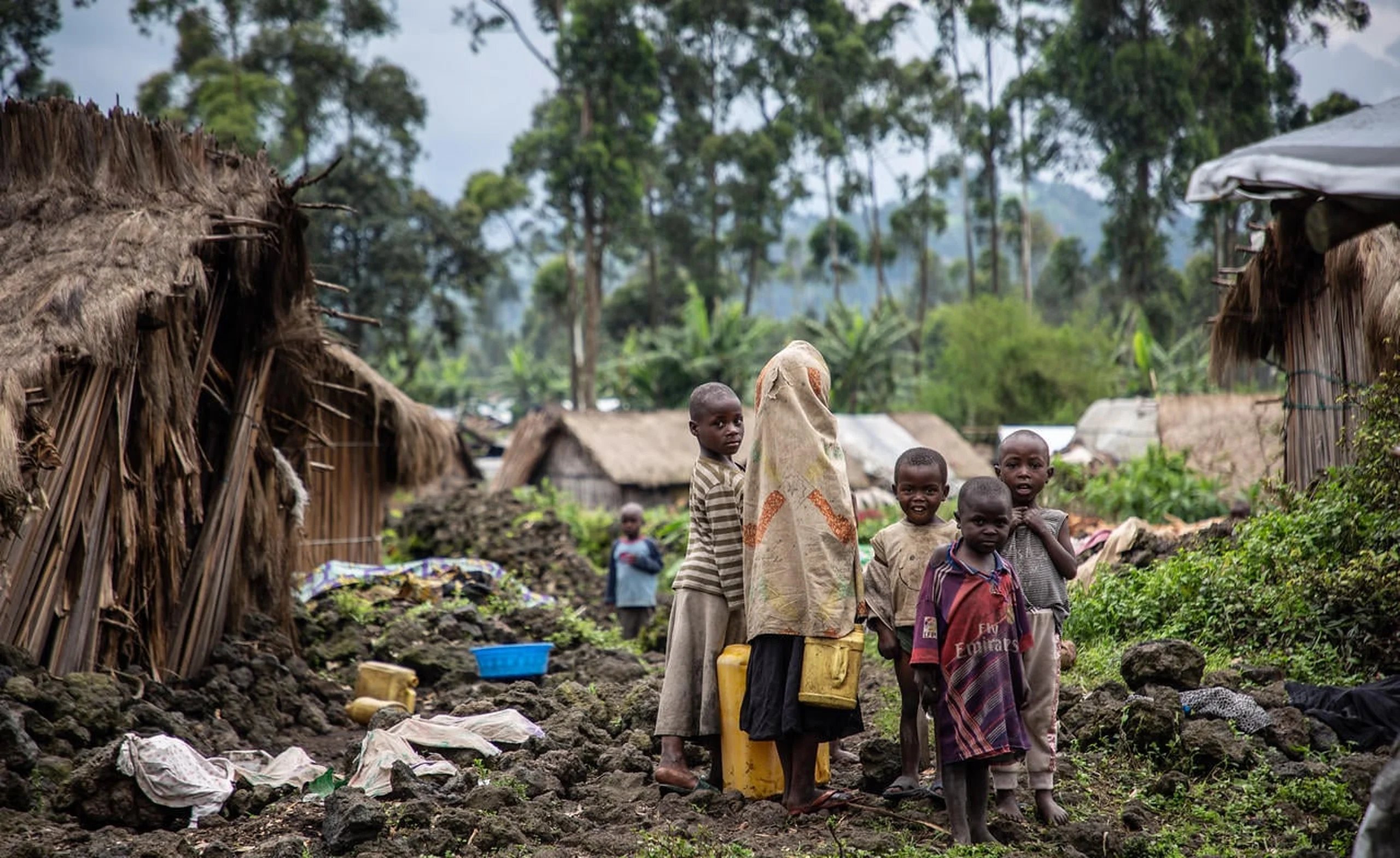
The Bundibugyo type of Ebola, announced in mid-May in eastern Congo's provinces of Ituri, North Kivu, and South Kivu, has spread through one of the world's most vulnerable regions. The virus circulated for weeks before lab testing confirmed it, and experts say resources including protective gear have been rushed to the outbreak area.
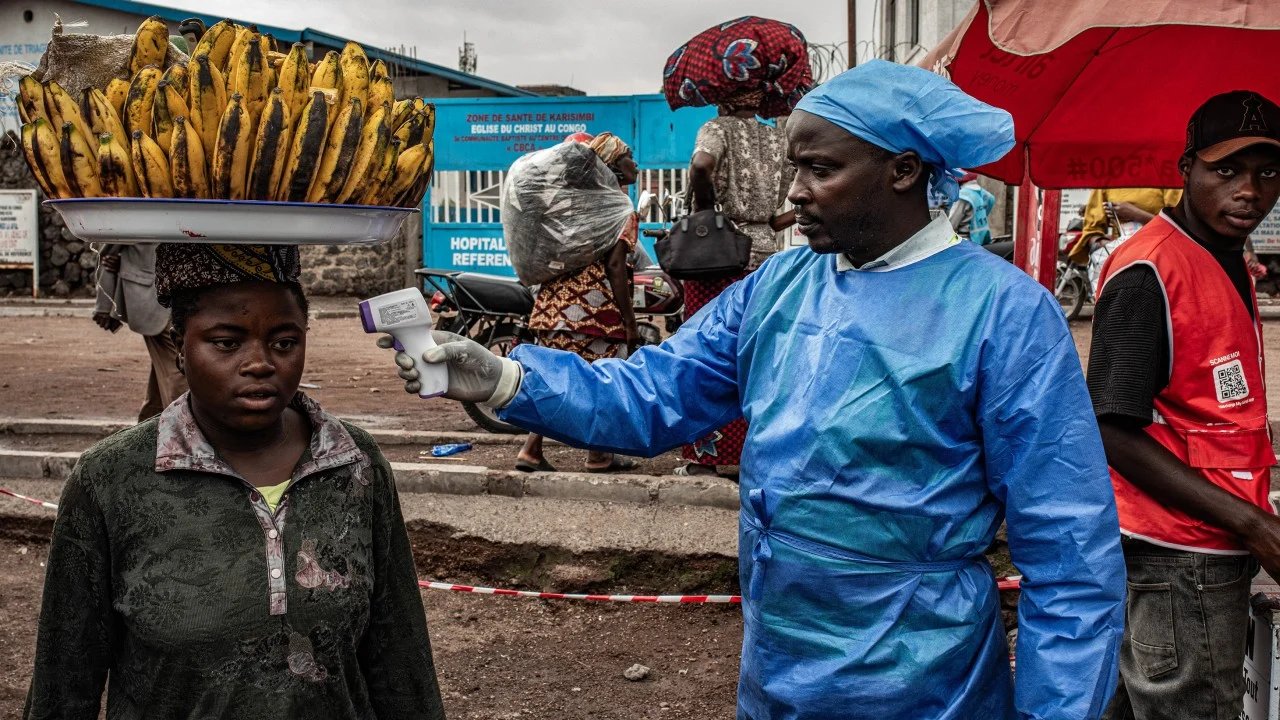
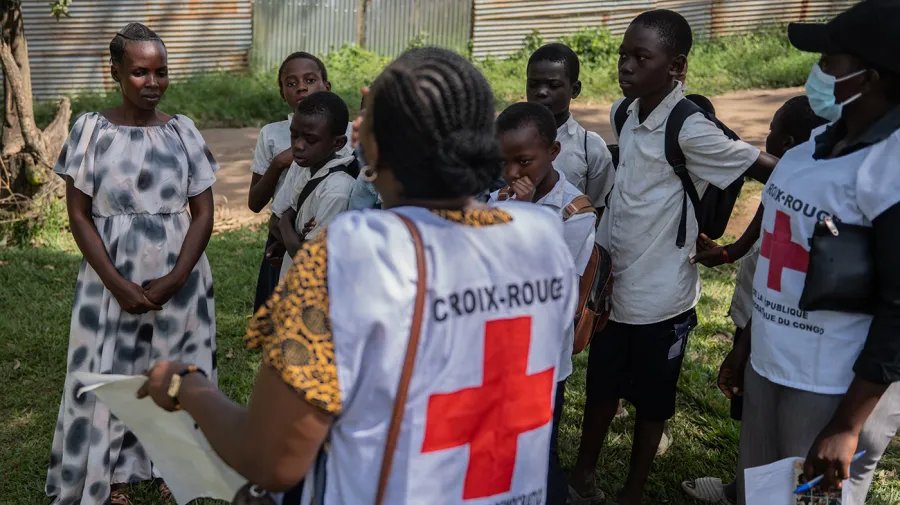
Only about 45 percent of contacts have been followed up in Congo, according to Tedros. Getting that number above 90 percent is essential to contain the outbreak, yet insecurity, displacement, and mobile populations make the work extremely difficult. The WHO chief acknowledged that testing capacity has improved with scaled-up laboratory and diagnostic resources, but contact tracing "is not yet where it needs to be."
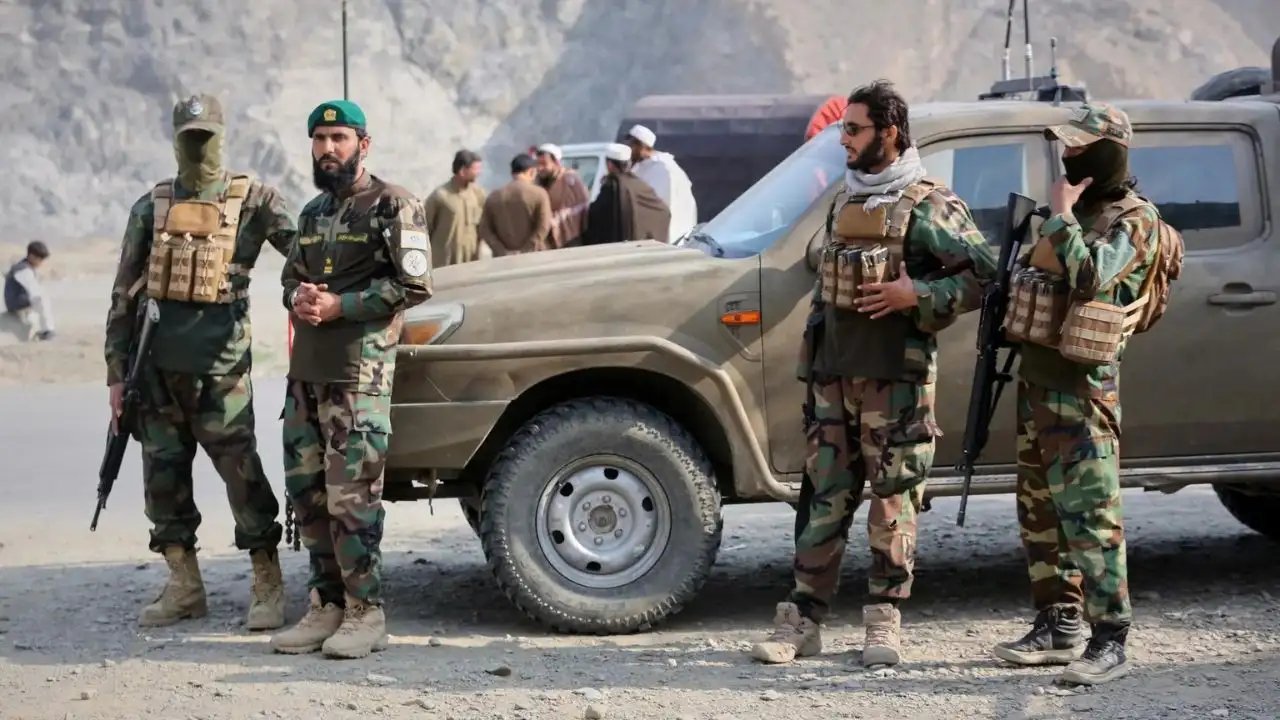
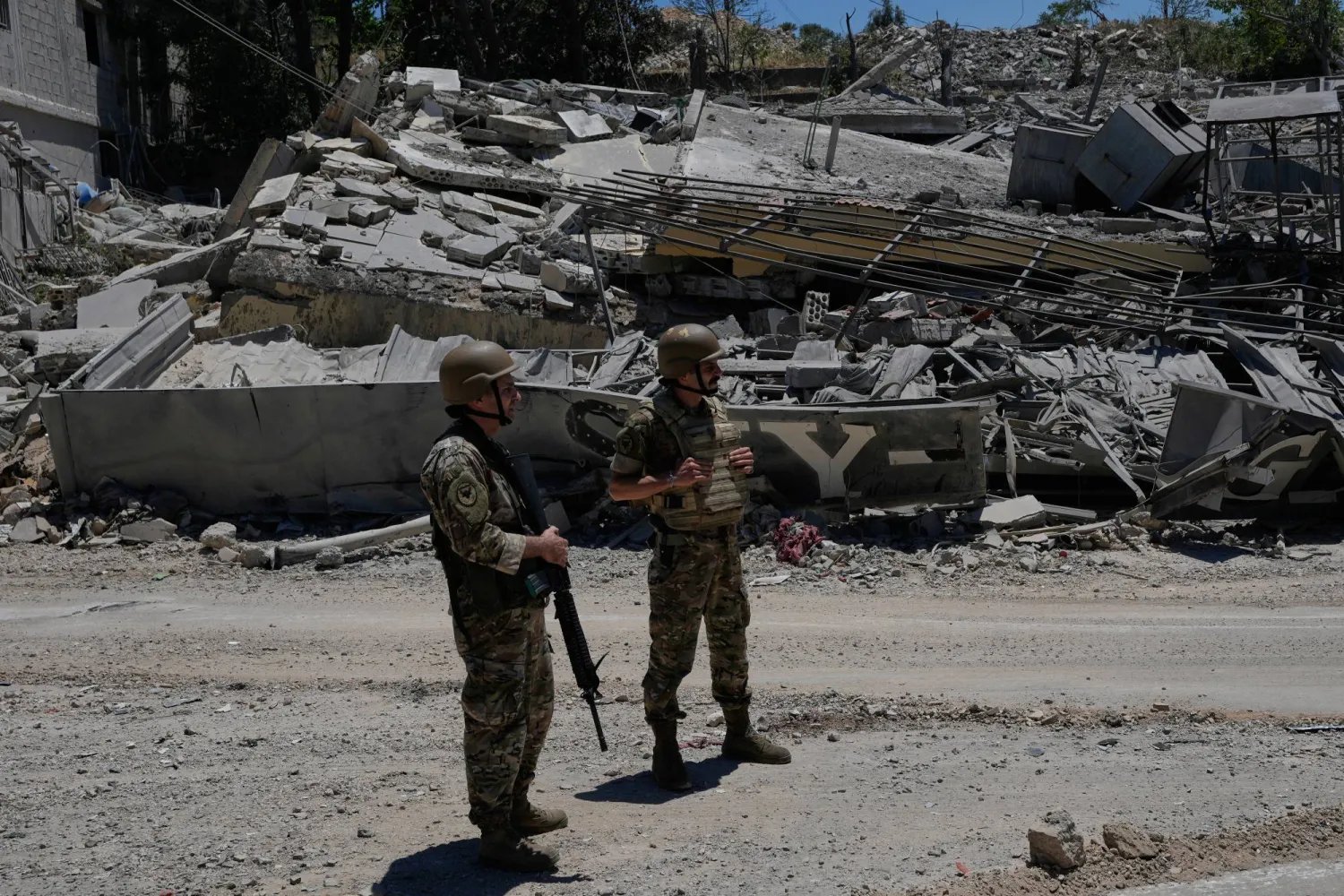
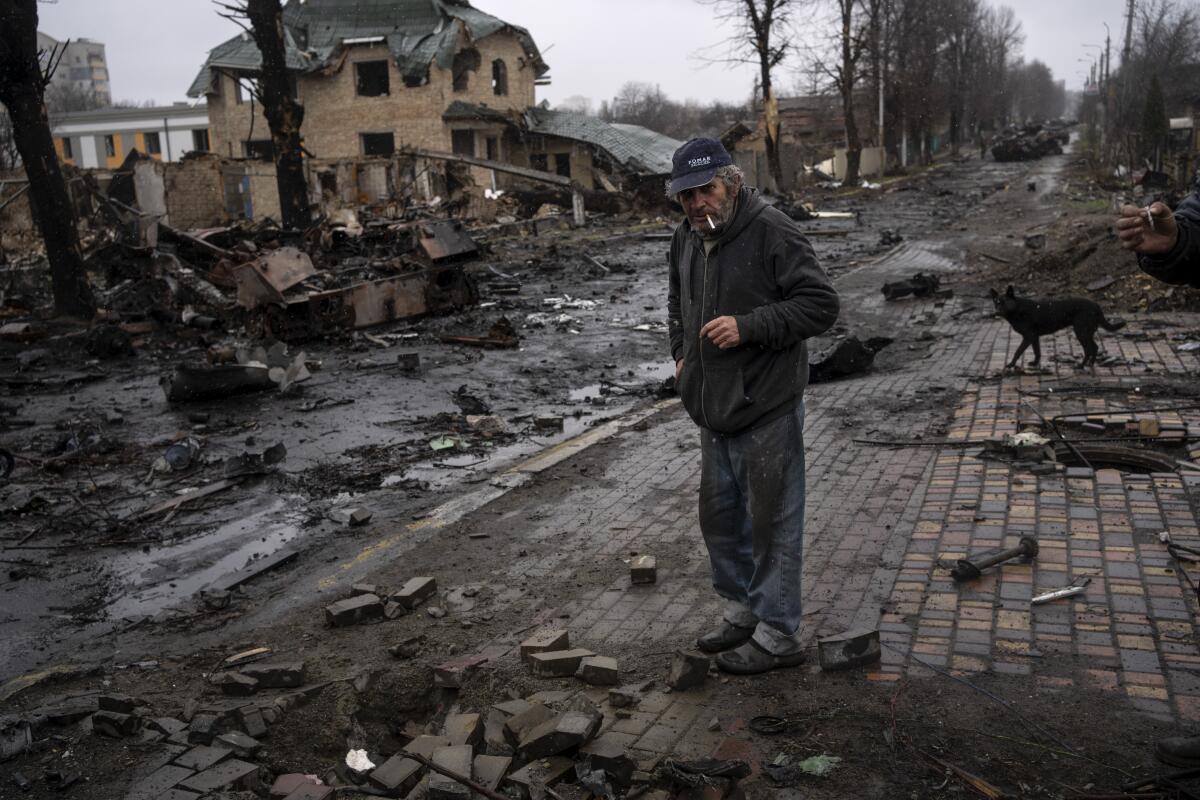
Militant attacks have compounded the problem. Congo's military said an Islamic State affiliate known as the Allied Democratic Forces killed 16 people late Tuesday in Beni territory in North Kivu province. Last month, the same group attacked Congolese villages near the Ugandan border, killing at least 40 people and burning homes.
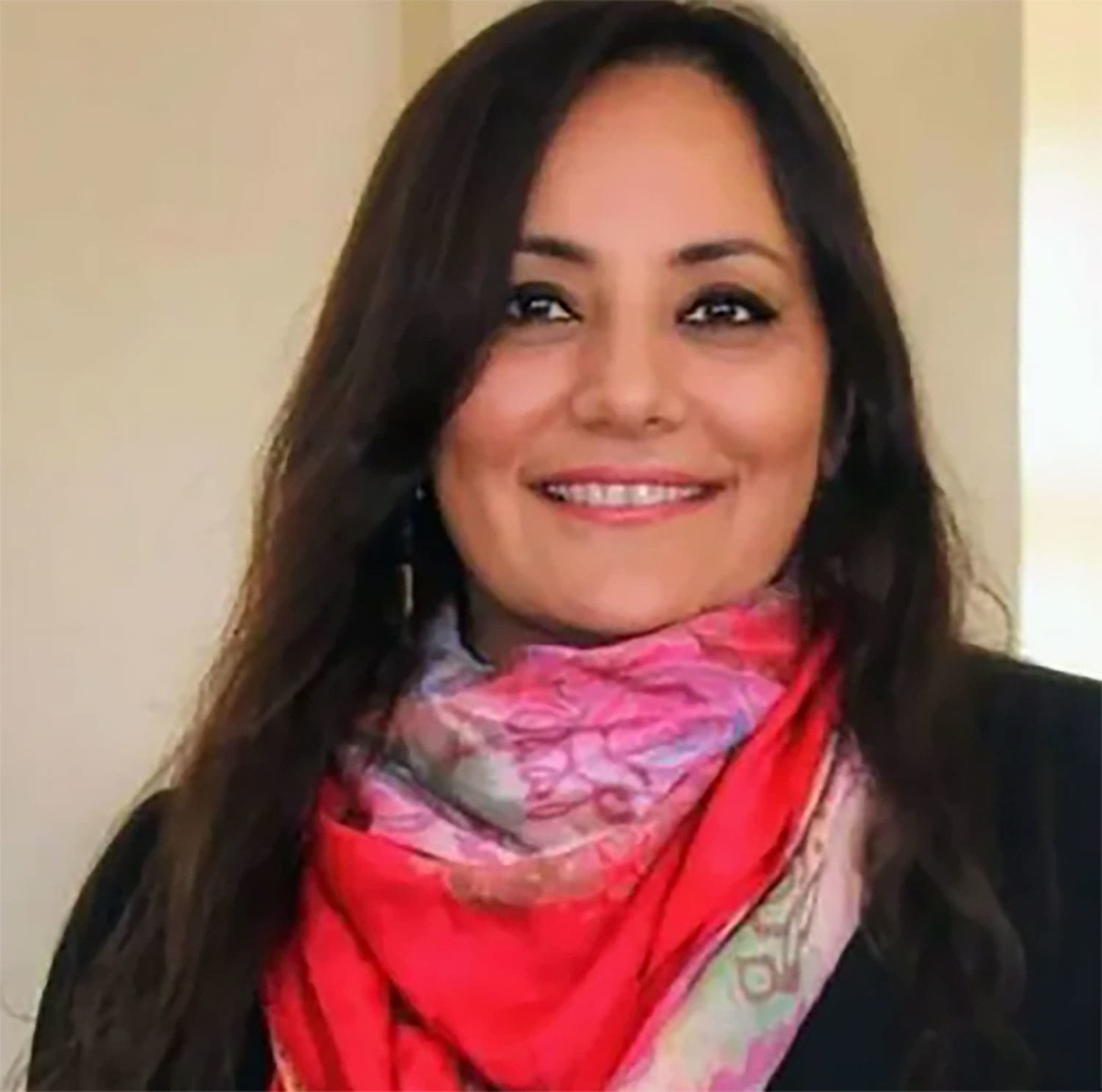
Dr. Aruna Abedi, a Congolese epidemiologist who has managed previous outbreaks in the country, told the Associated Press that "it's difficult to have an effective vaccine that adheres to the scientific protocol available quickly." At least five people have recovered from the virus, offering rare signs of hope in the outbreak.
Doctors Without Borders cautioned Monday that "the true extent of the outbreak remains difficult to assess" due to extremely limited testing capacity and difficulties accessing certain areas. The organization stressed that case figures must be interpreted with caution given these constraints.
A deadly Ebola outbreak in the Democratic Republic of the Congo has crossed borders into neighboring Uganda, carrying a strain with no approved vaccine or treatment. The World Health Organization Director-General Tedros Adhanom Ghebreyesus said Wednesday that Congo's outbreak "had a big head start, and we're still behind," though the medical community was "catching up." Congolese authorities have confirmed 60 deaths out of 344 cases, while Uganda's health ministry reported 15 confirmed cases including one death as of Tuesday.
The Bundibugyo type of Ebola, announced in mid-May in eastern Congo's provinces of Ituri, North Kivu, and South Kivu, has spread through one of the world's most vulnerable regions. The virus circulated for weeks before lab testing confirmed it, and experts say resources including protective gear have been rushed to the outbreak area.
Only about 45 percent of contacts have been followed up in Congo, according to Tedros. Getting that number above 90 percent is essential to contain the outbreak, yet insecurity, displacement, and mobile populations make the work extremely difficult. The WHO chief acknowledged that testing capacity has improved with scaled-up laboratory and diagnostic resources, but contact tracing "is not yet where it needs to be."
Militant attacks have compounded the problem. Congo's military said an Islamic State affiliate known as the Allied Democratic Forces killed 16 people late Tuesday in Beni territory in North Kivu province. Last month, the same group attacked Congolese villages near the Ugandan border, killing at least 40 people and burning homes.
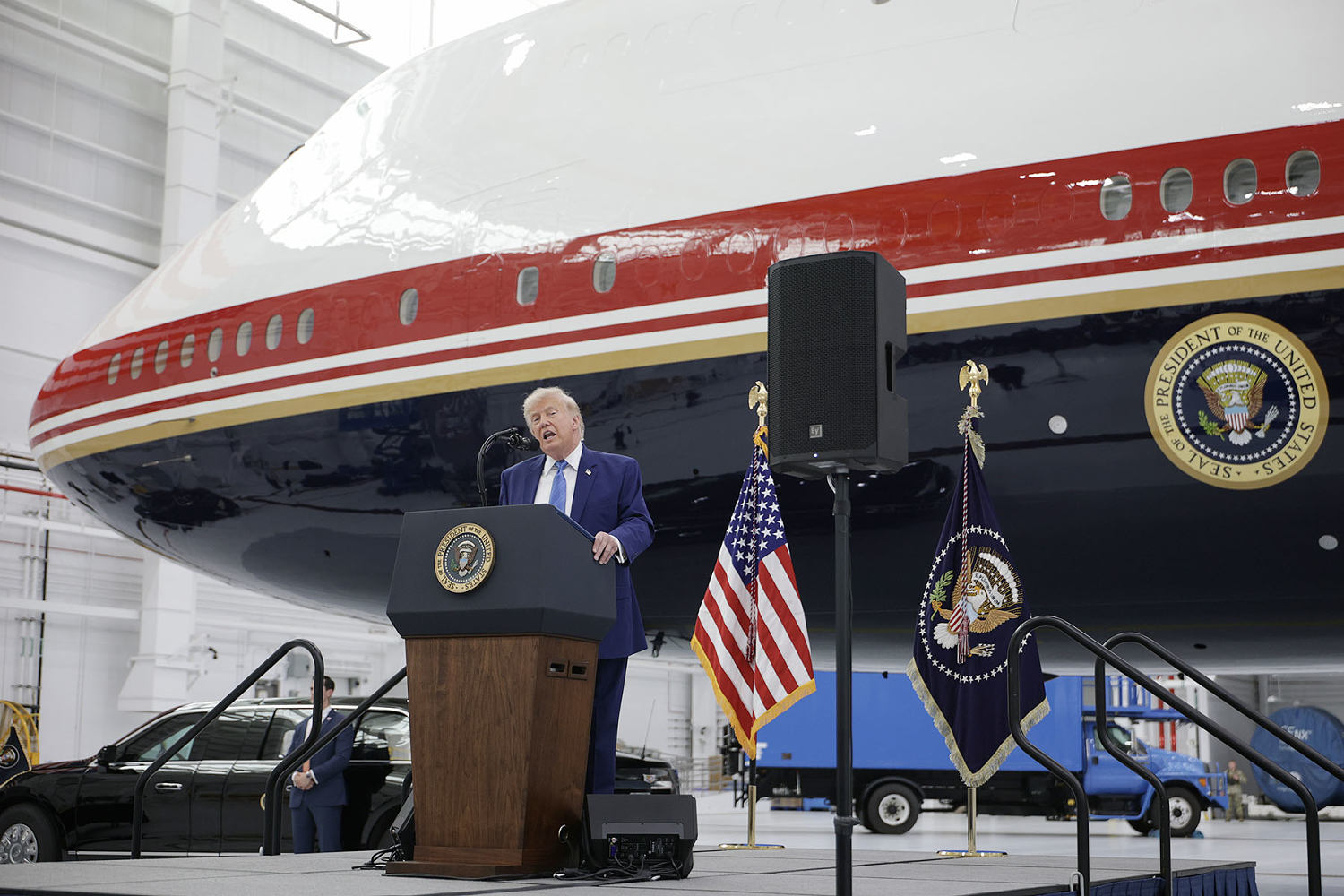
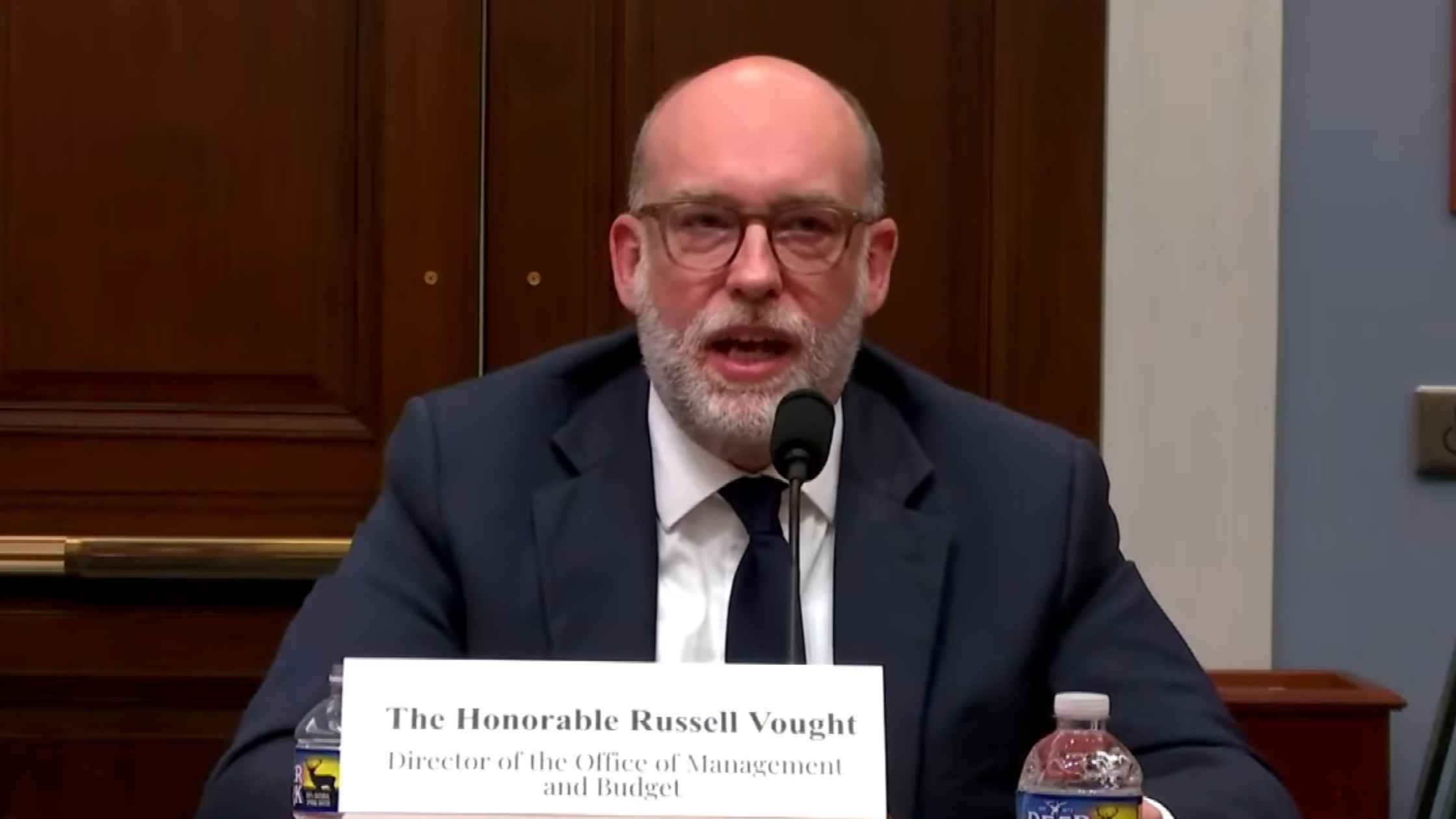
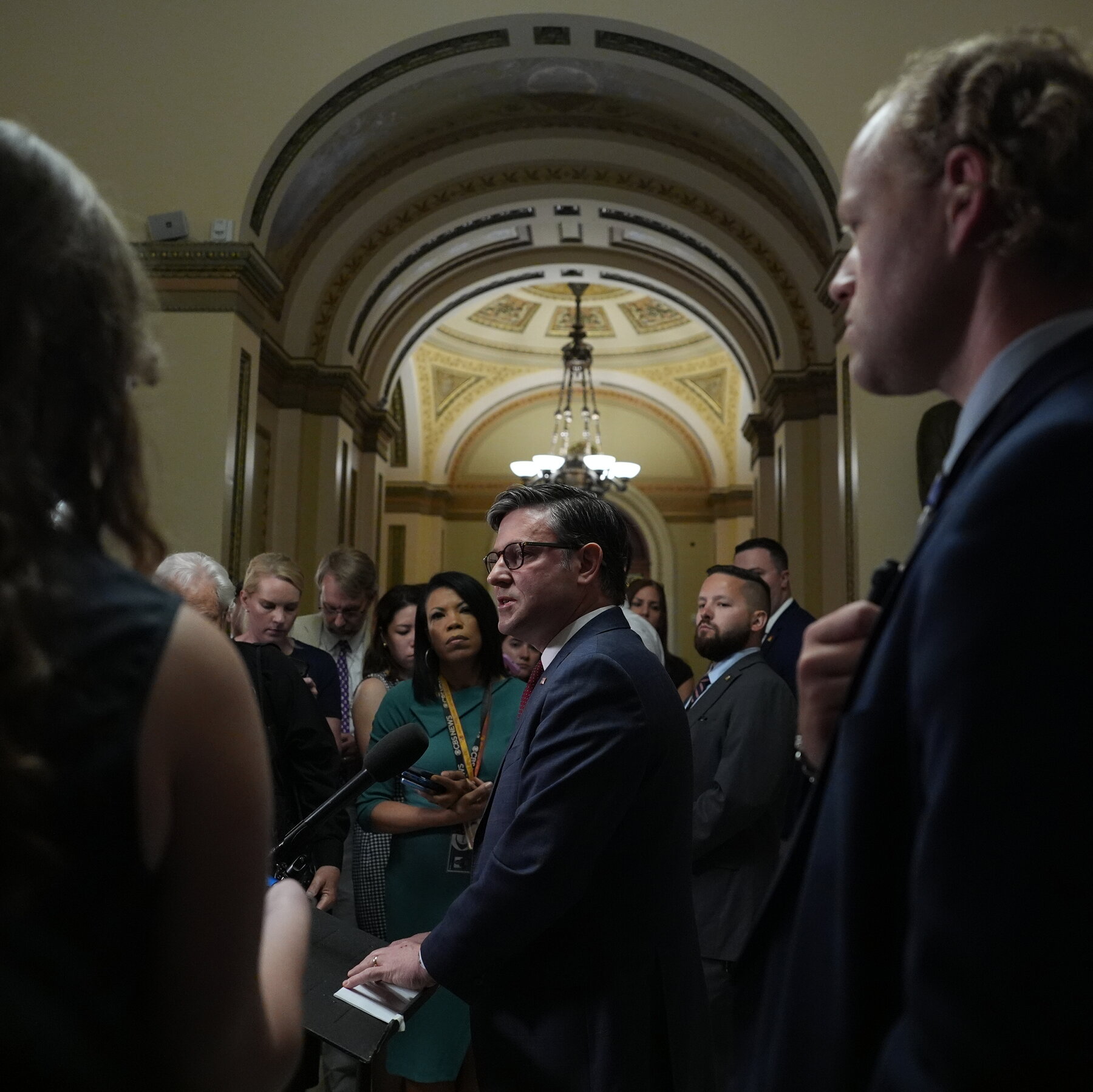
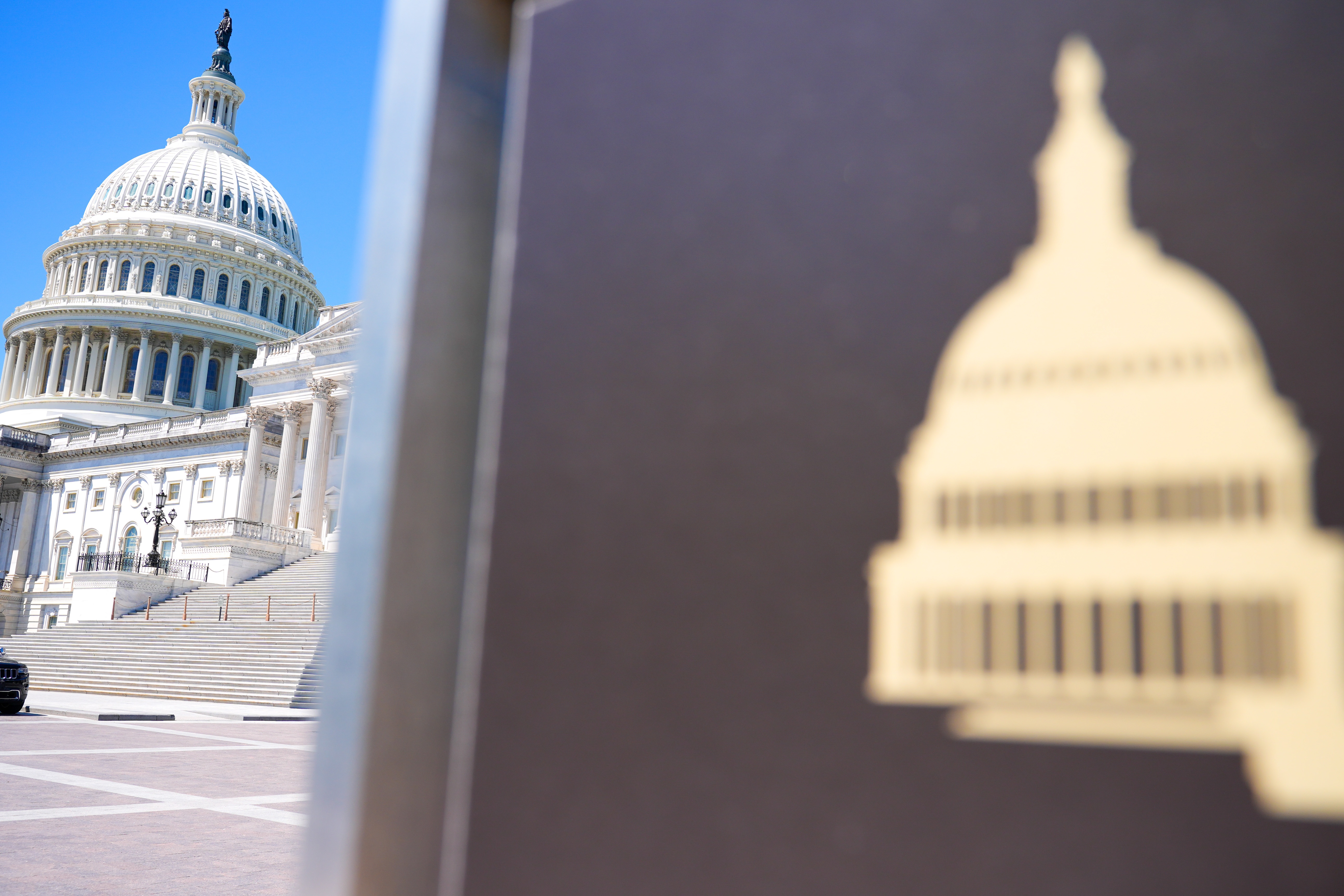
The Trump administration has dismantled public health infrastructure, leaving the U.S. vulnerable to the current Ebola outbreak, according to congressional assessments. Congress faces pressure to restore outbreak control capacities and funding that budget cuts have crippled. The administration's foreign affairs budget decisions have drawn criticism for their real-life consequences on disease response efforts.
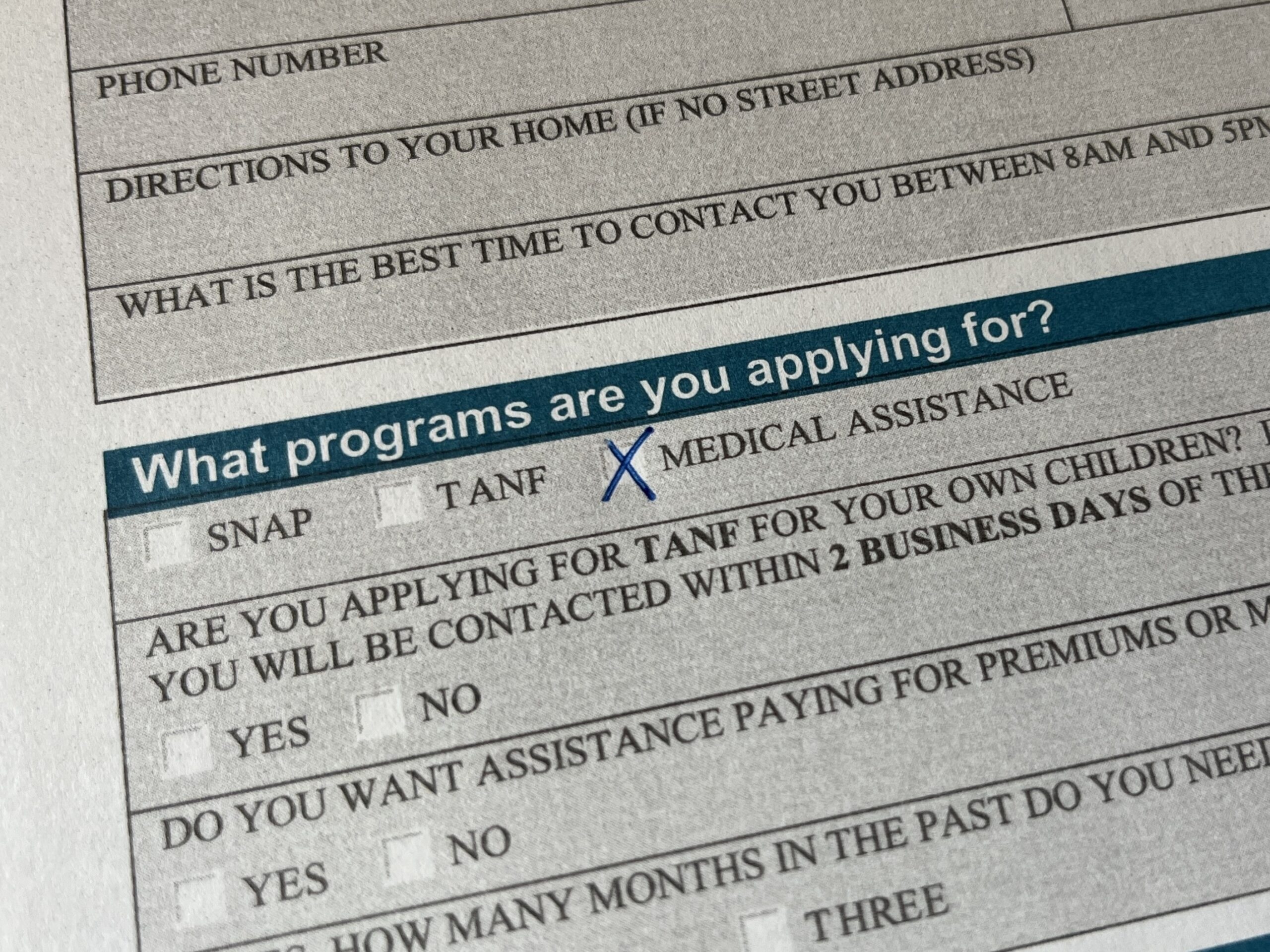
Beyond the federal response, states are bracing for fallout from Medicaid cuts by weighing tax increases, spending cuts, and rollbacks of Medicaid expansion to offset a $900 billion reduction in federal funding over the next decade. These cuts reduce the capacity of state health systems to respond to emerging infectious disease threats.
Getting a potential vaccine to the Congo region could take months. Dr. Aruna Abedi, a Congolese epidemiologist who has managed previous outbreaks in the country, told the Associated Press that "it's difficult to have an effective vaccine that adheres to the scientific protocol available quickly." At least five people have recovered from the virus, offering rare signs of hope in the outbreak.
Doctors Without Borders cautioned Monday that "the true extent of the outbreak remains difficult to assess" due to extremely limited testing capacity and difficulties accessing certain areas. The organization stressed that case figures must be interpreted with caution given these constraints.
Highlighted text was flagged by the council. Tap to see feedback.