




Rising Costs Driven by Energy Prices
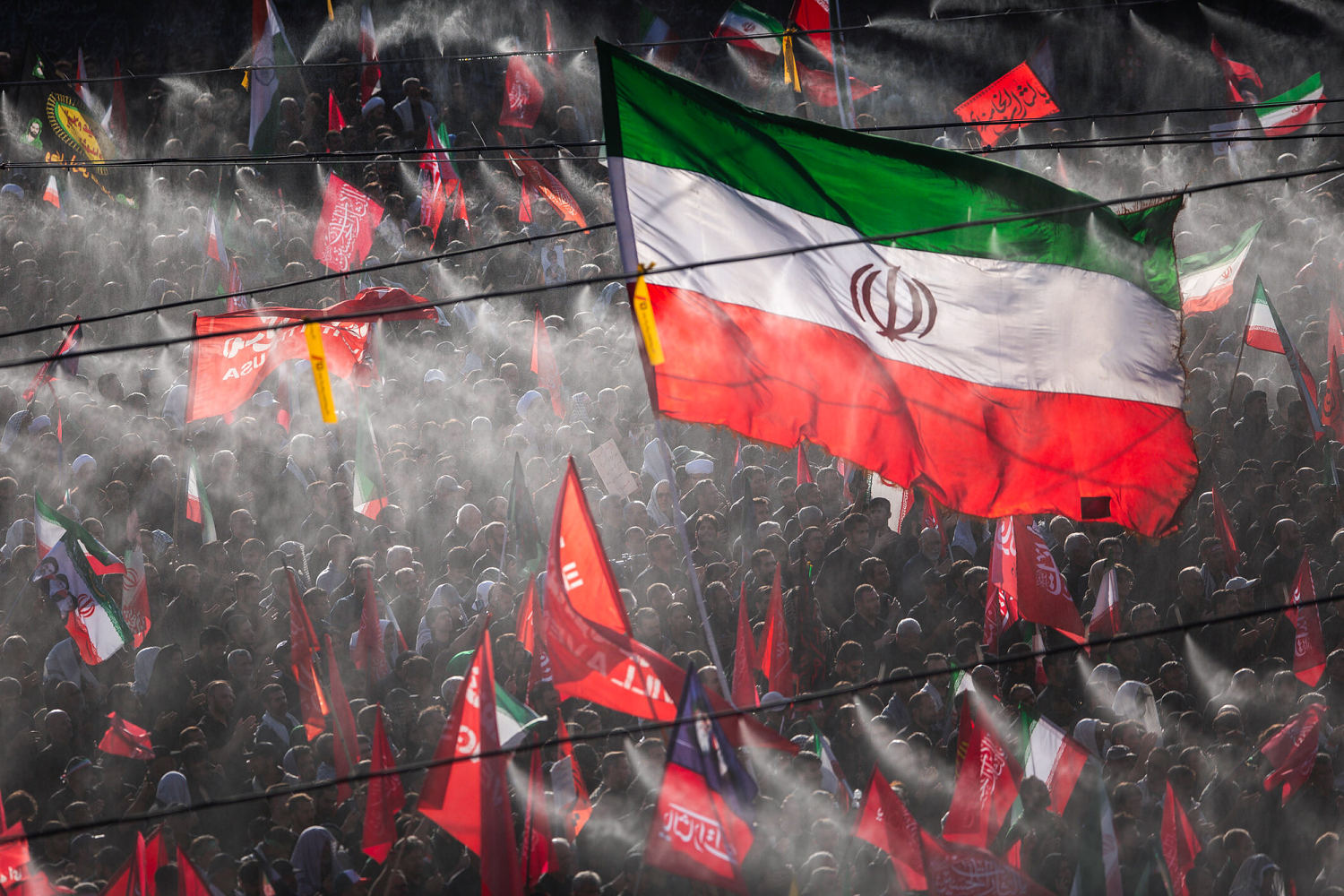
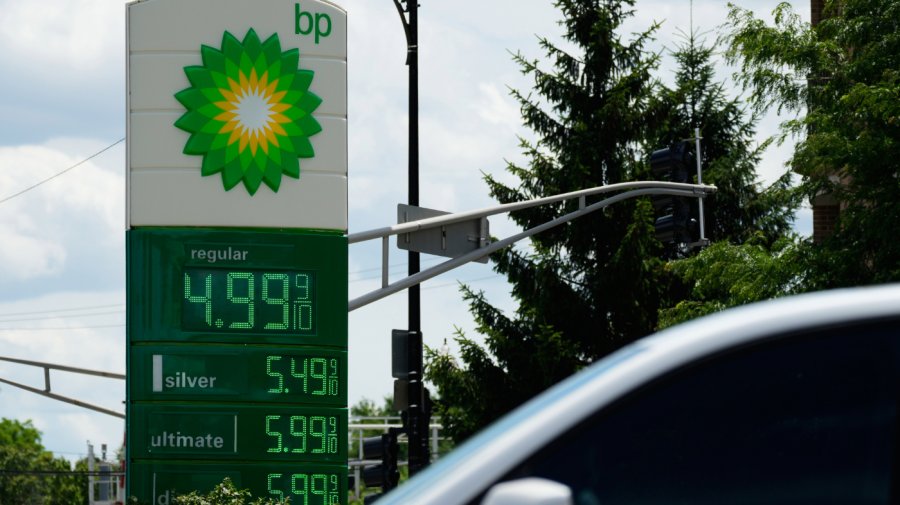
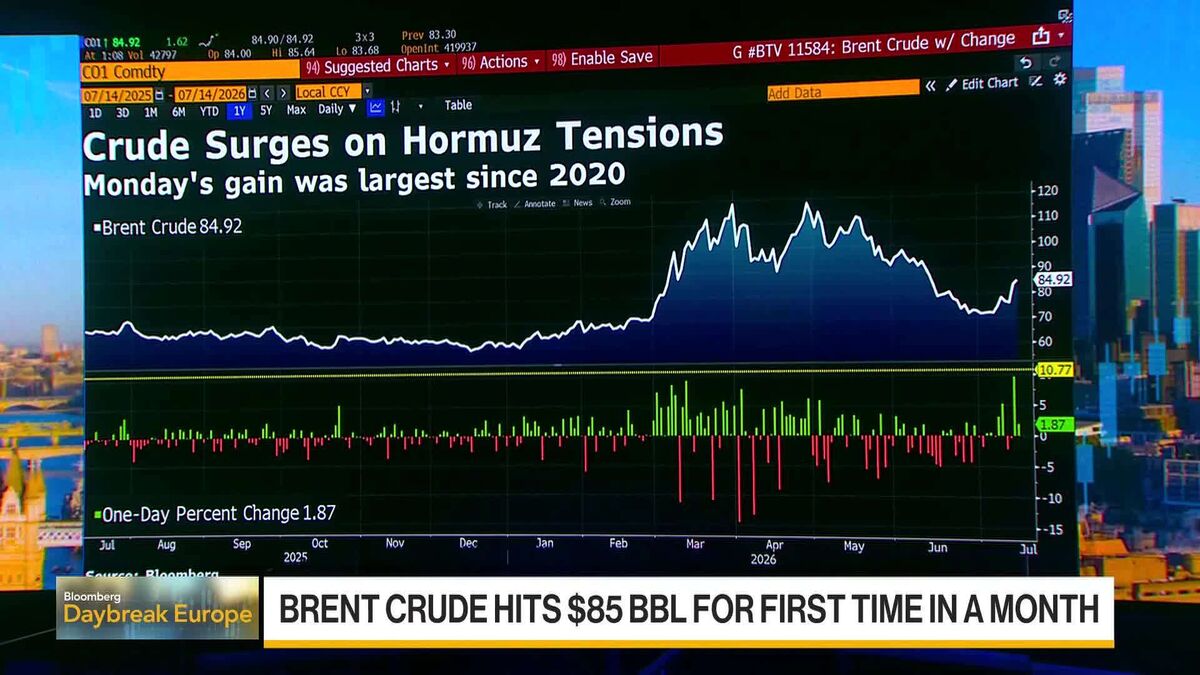
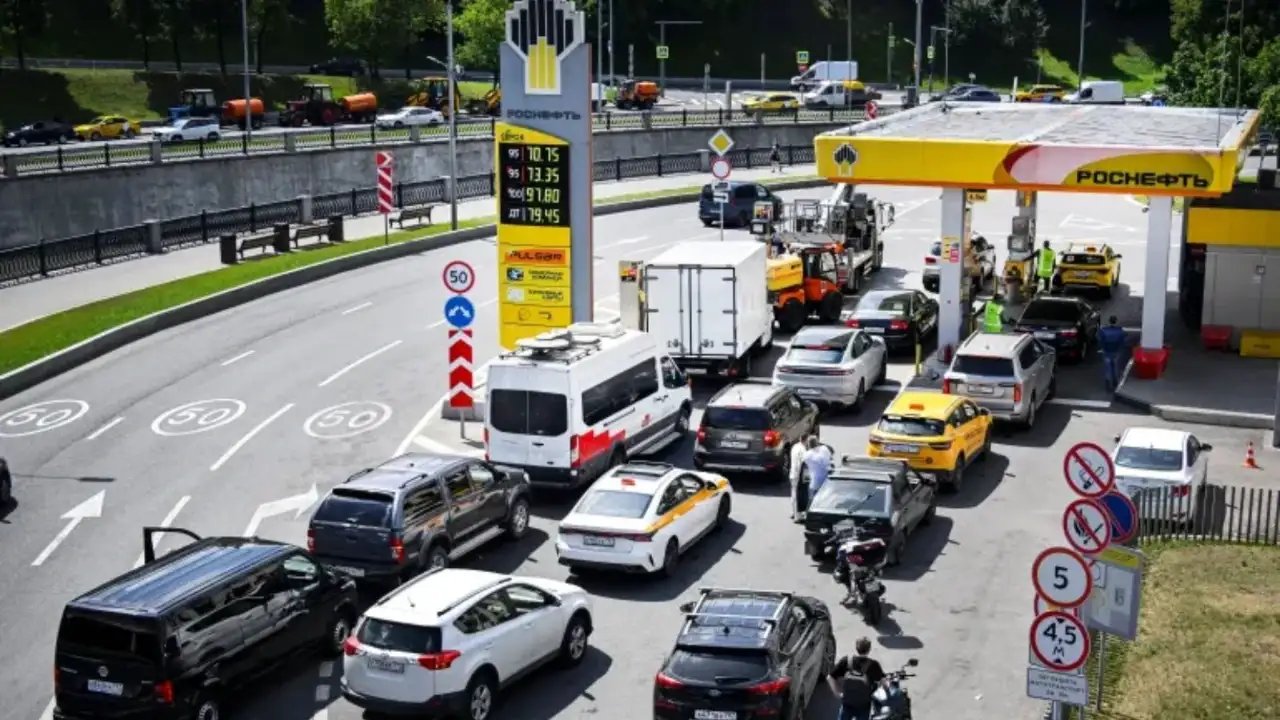
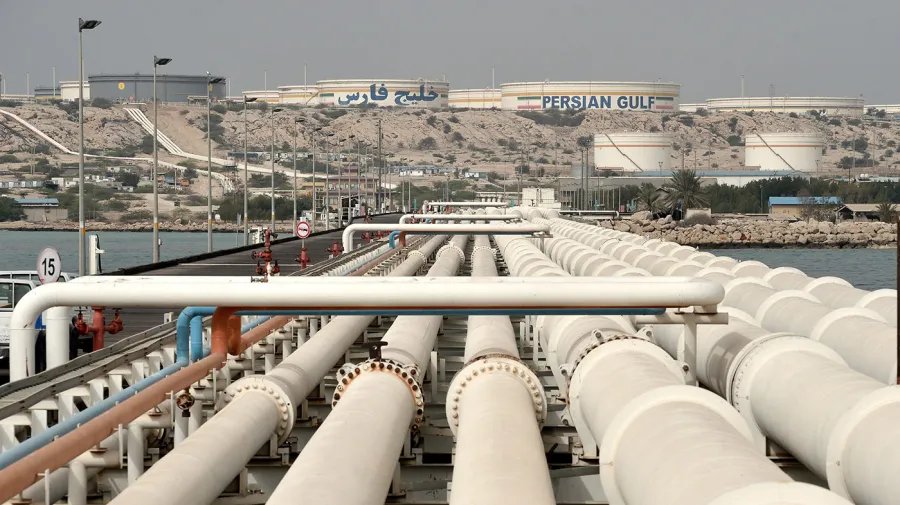
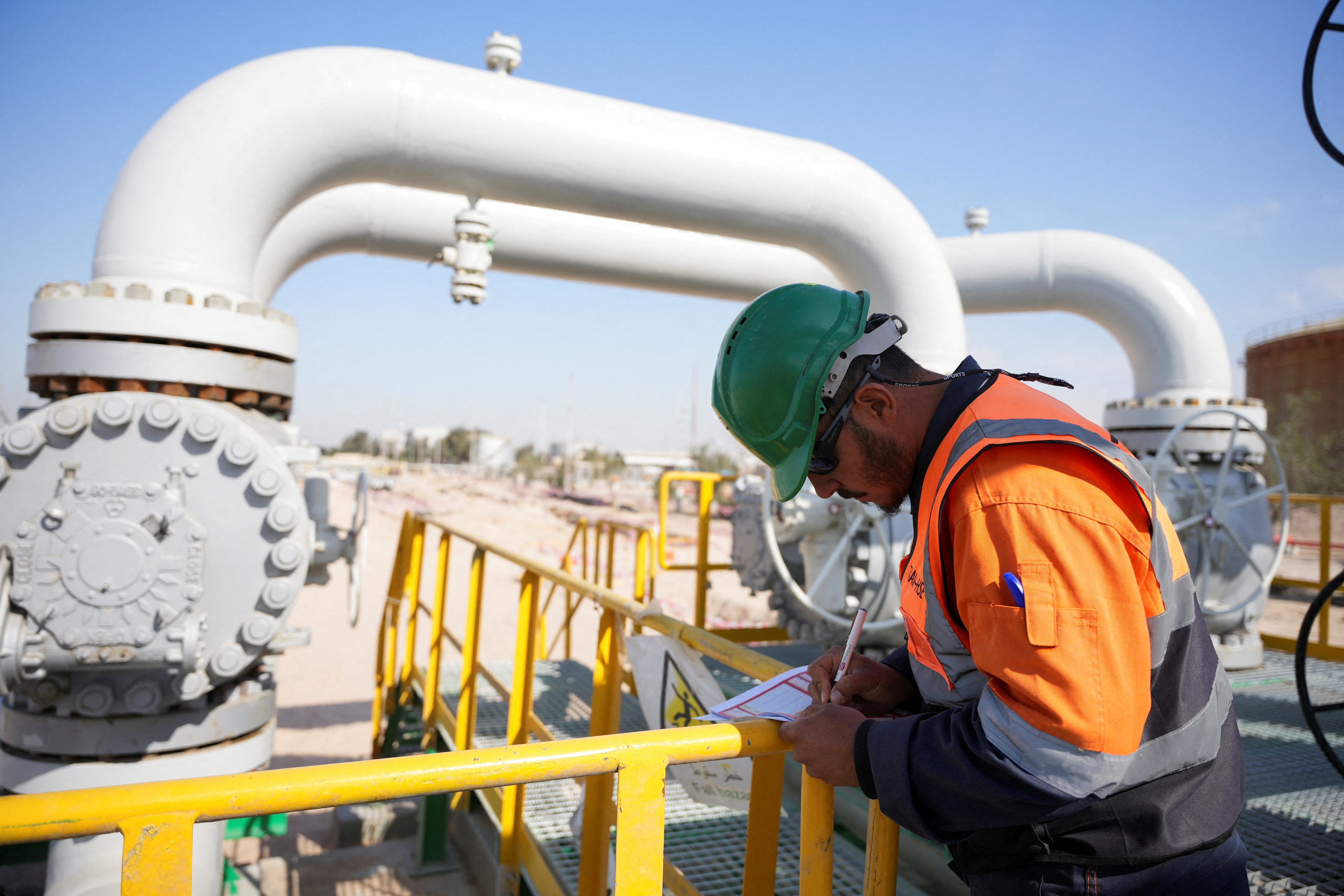
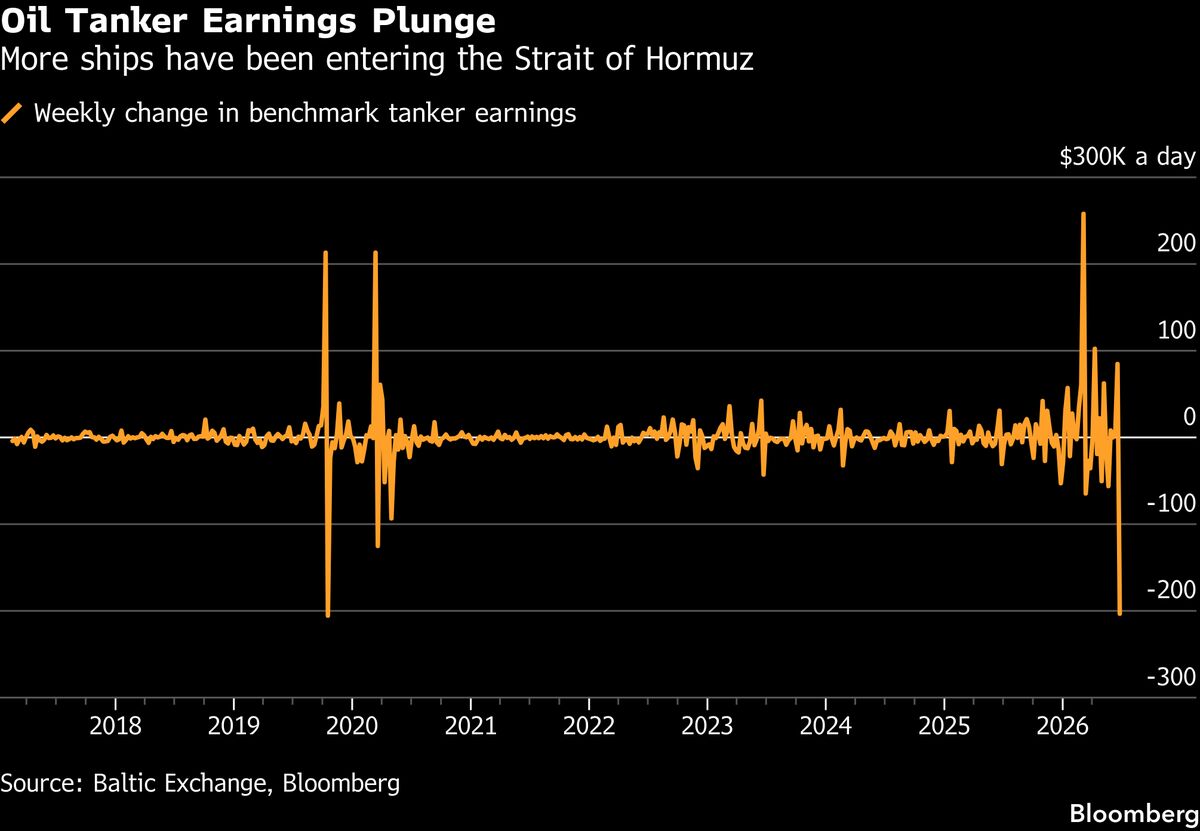
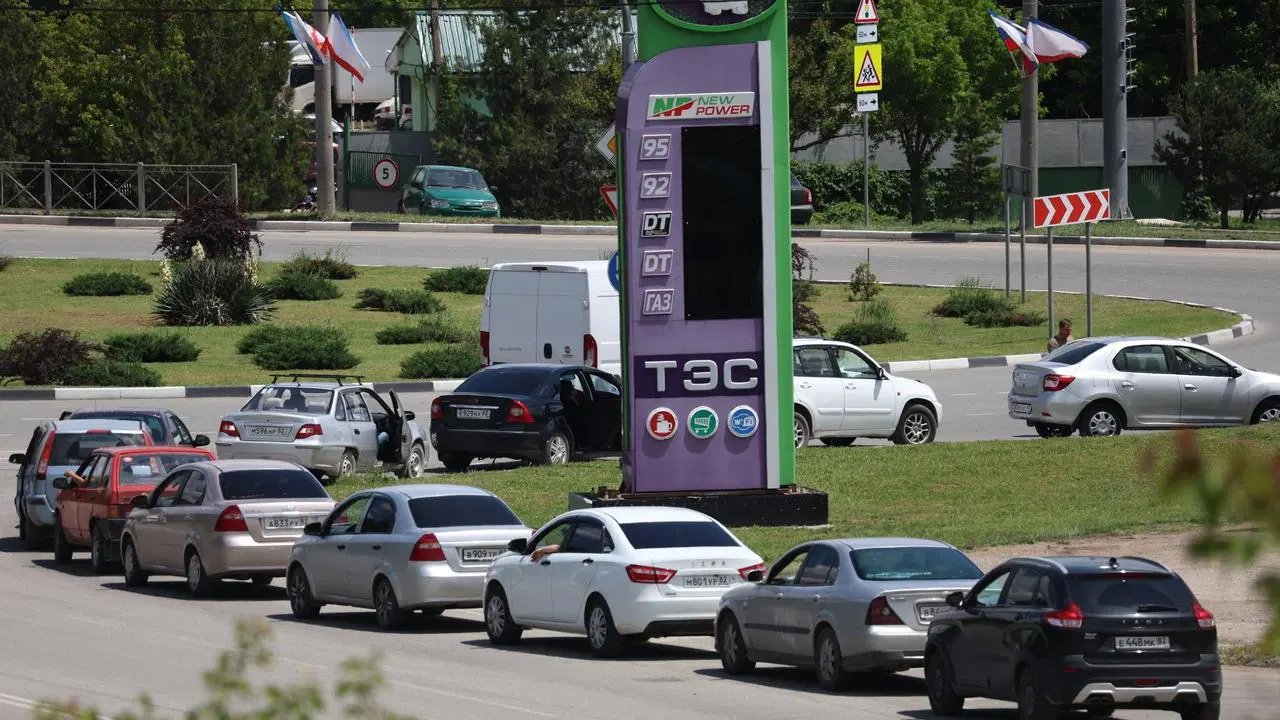
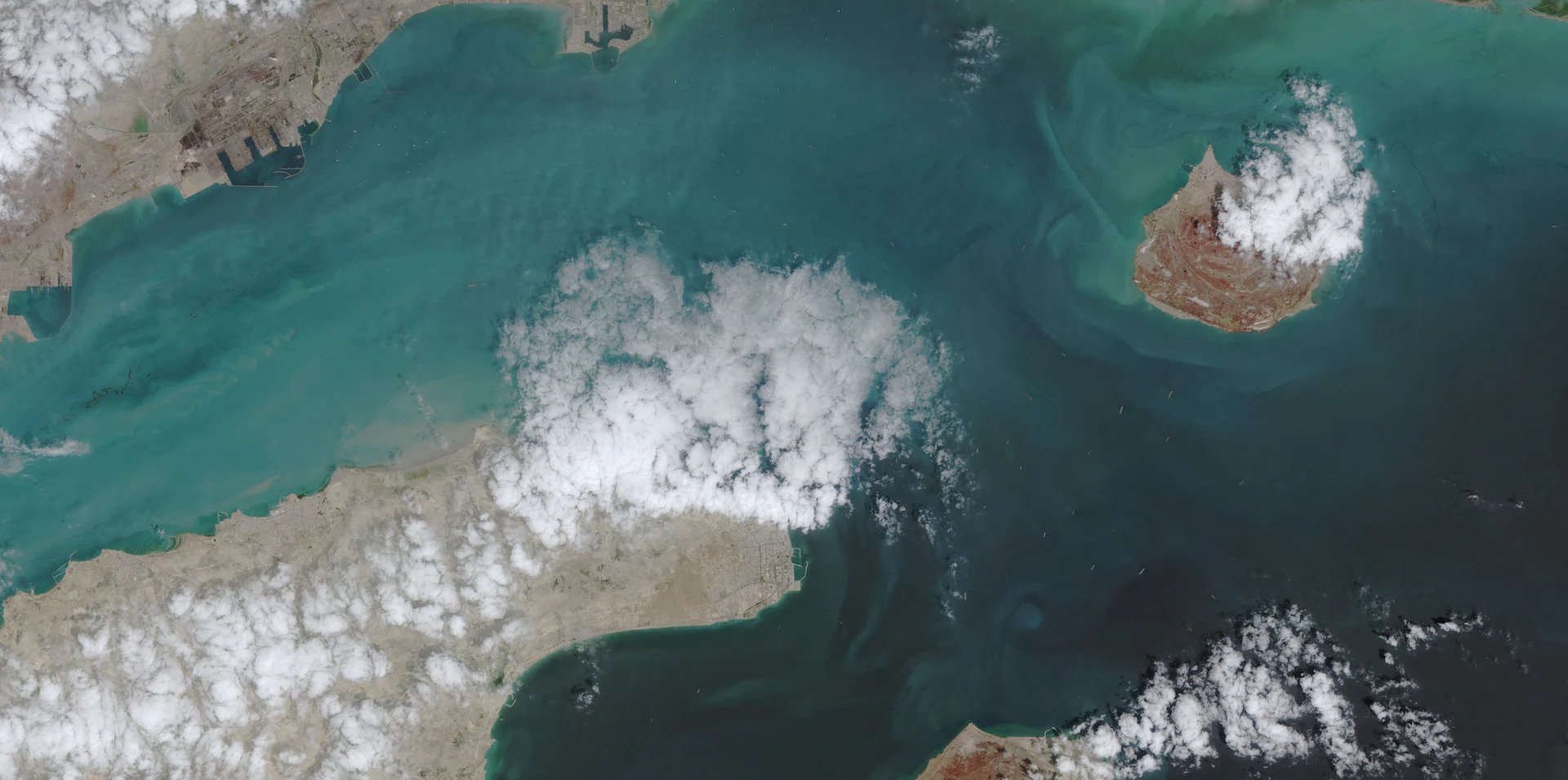
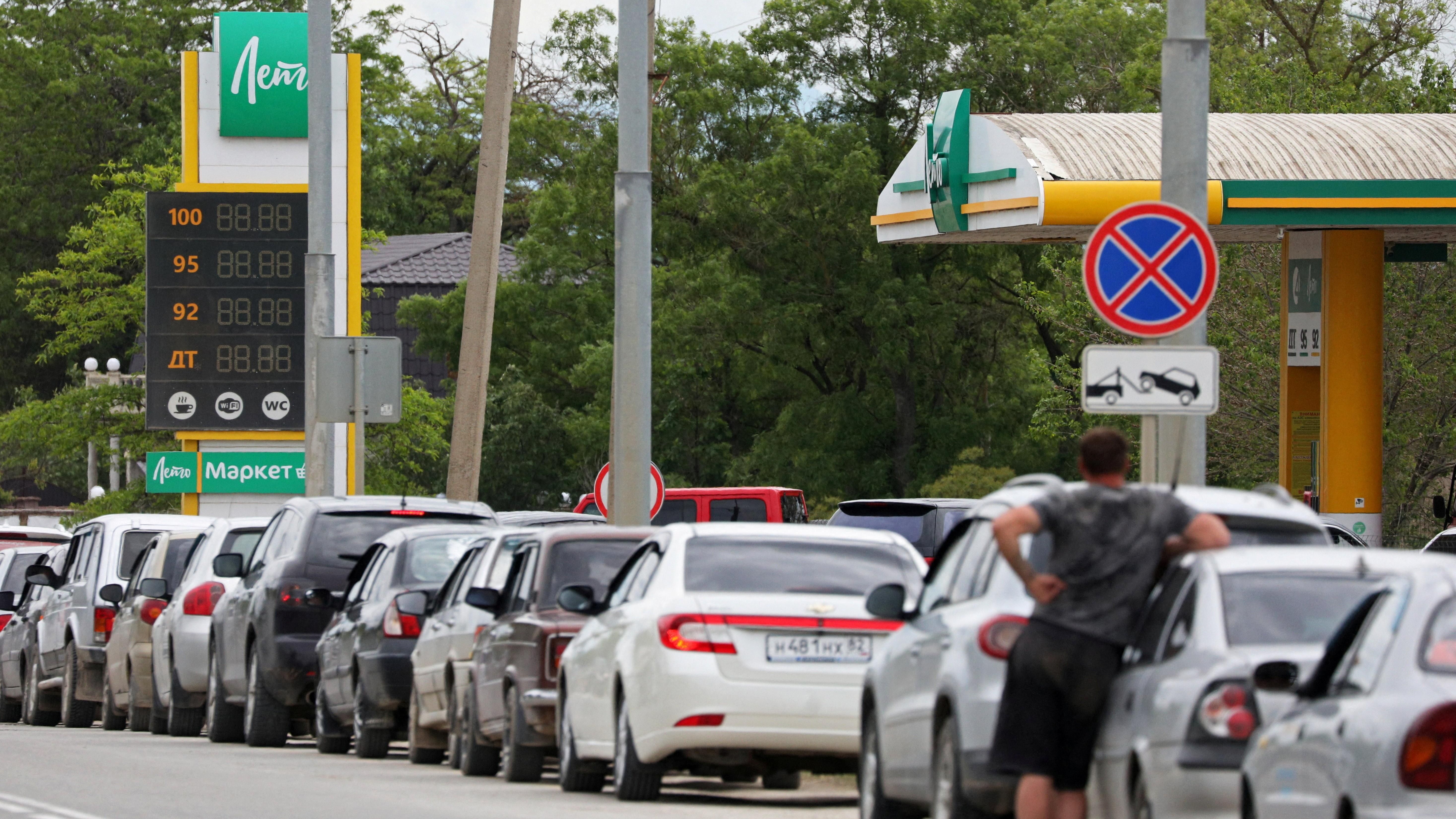
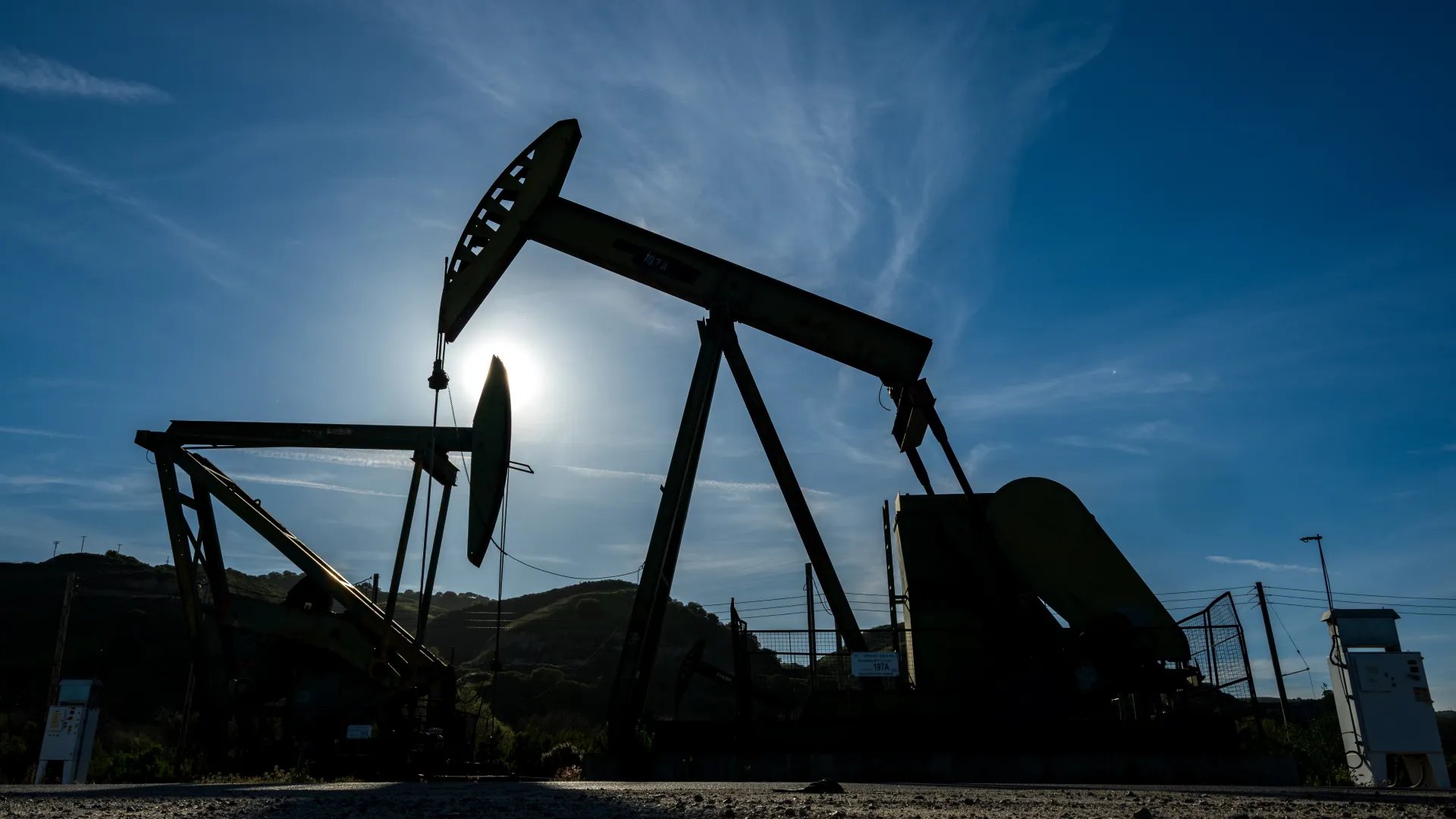
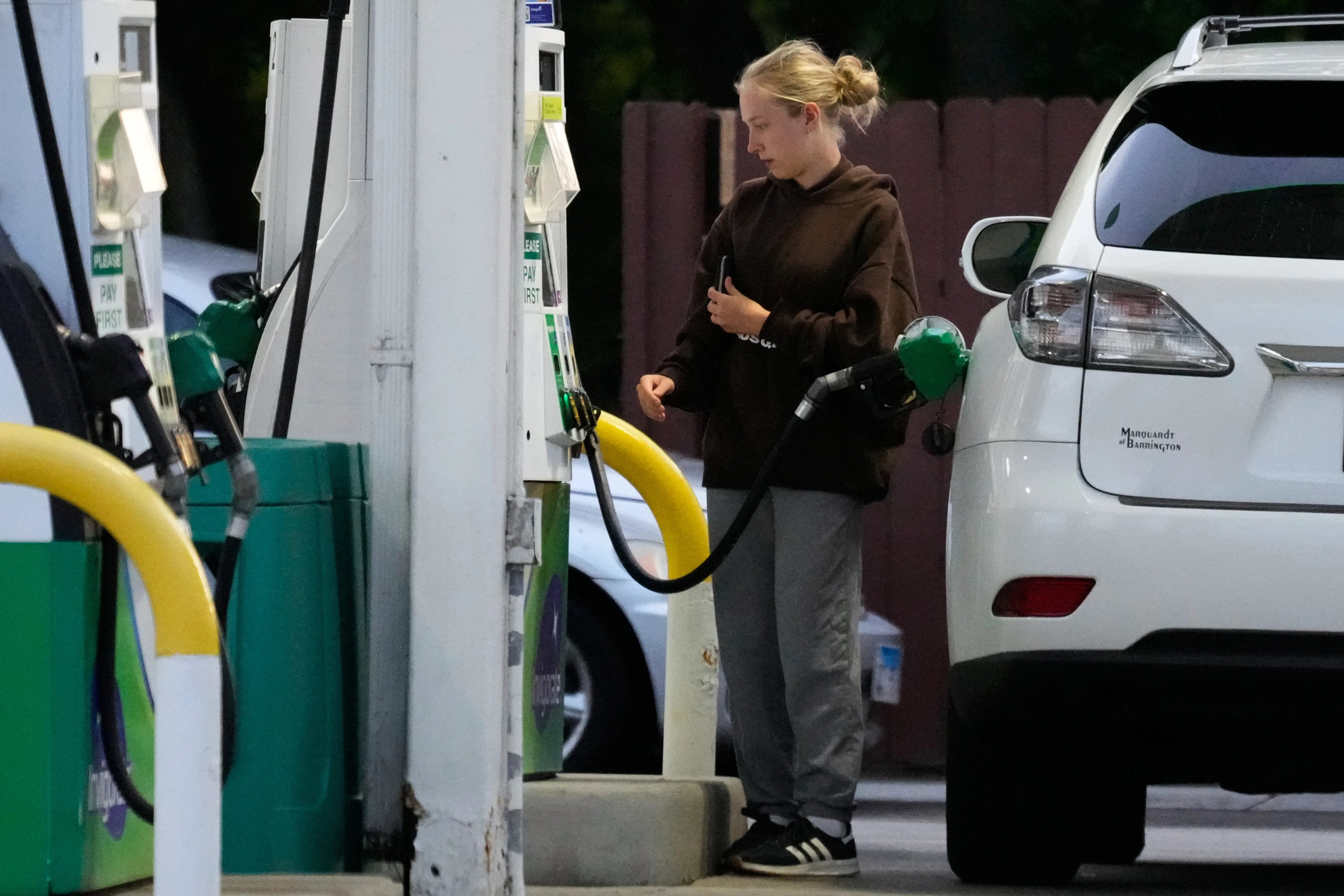
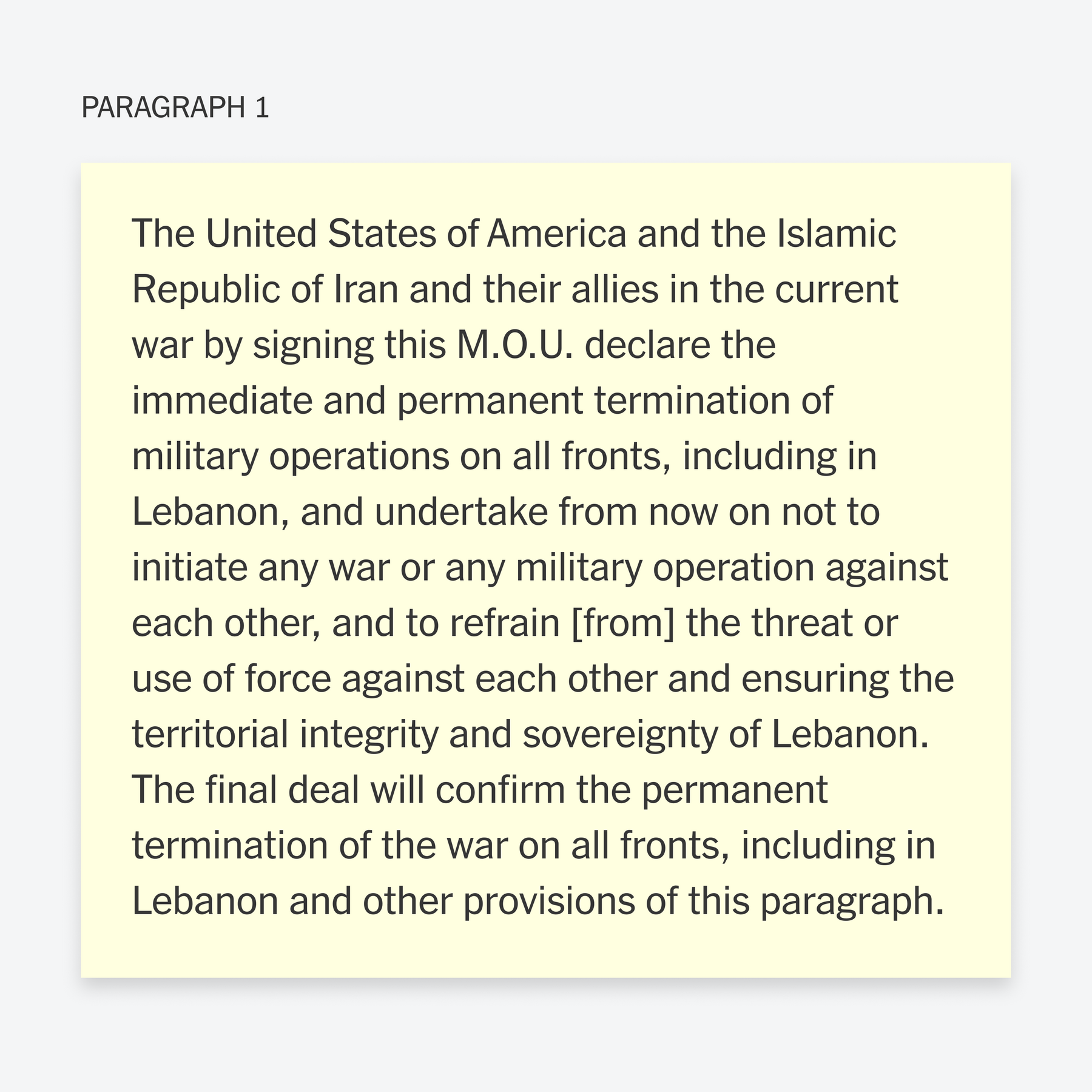
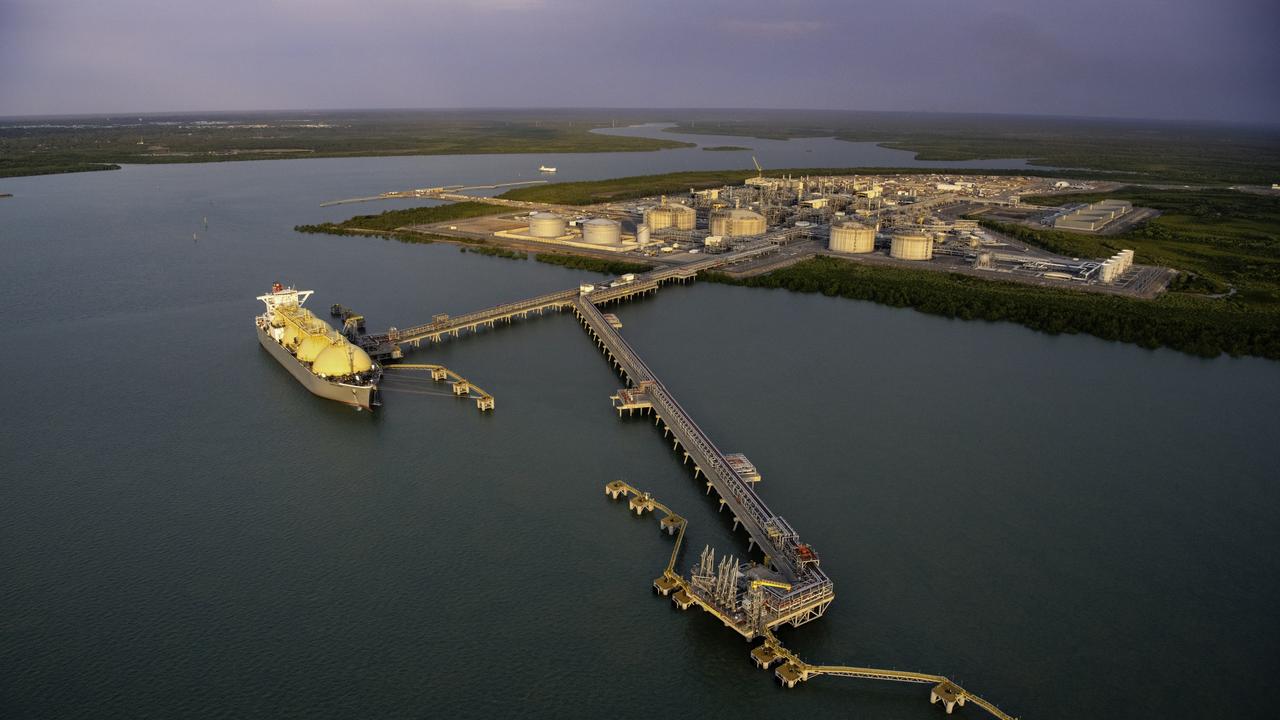
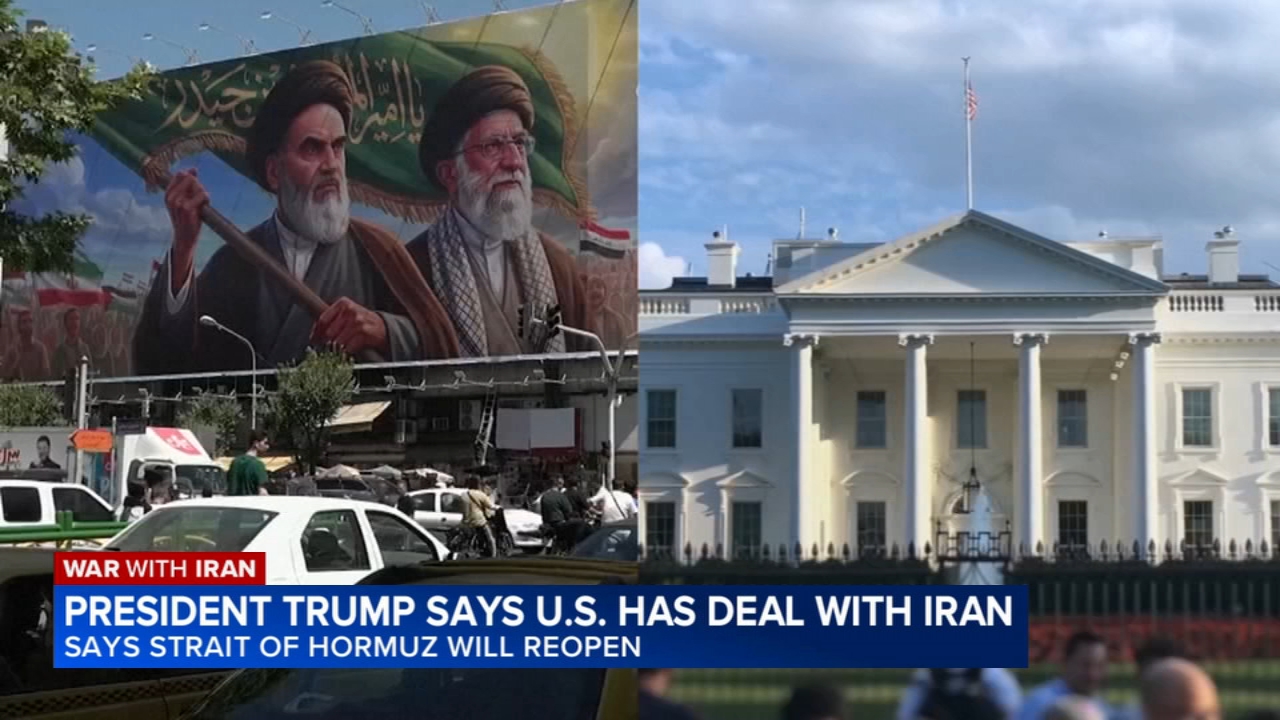
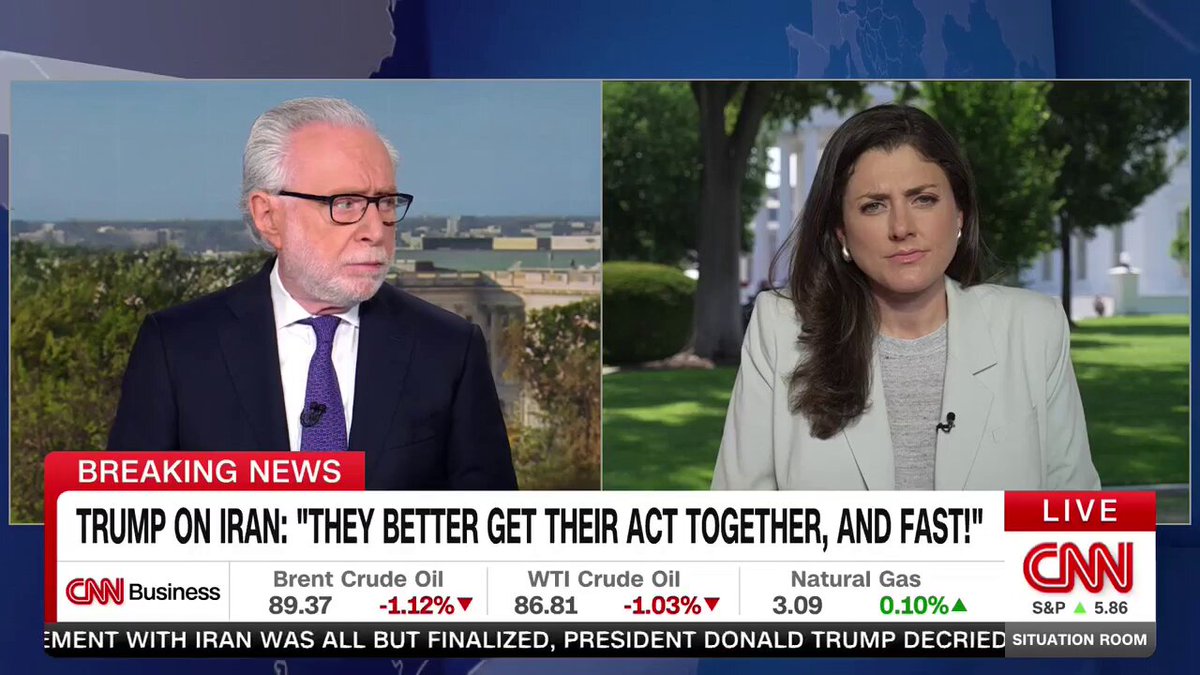
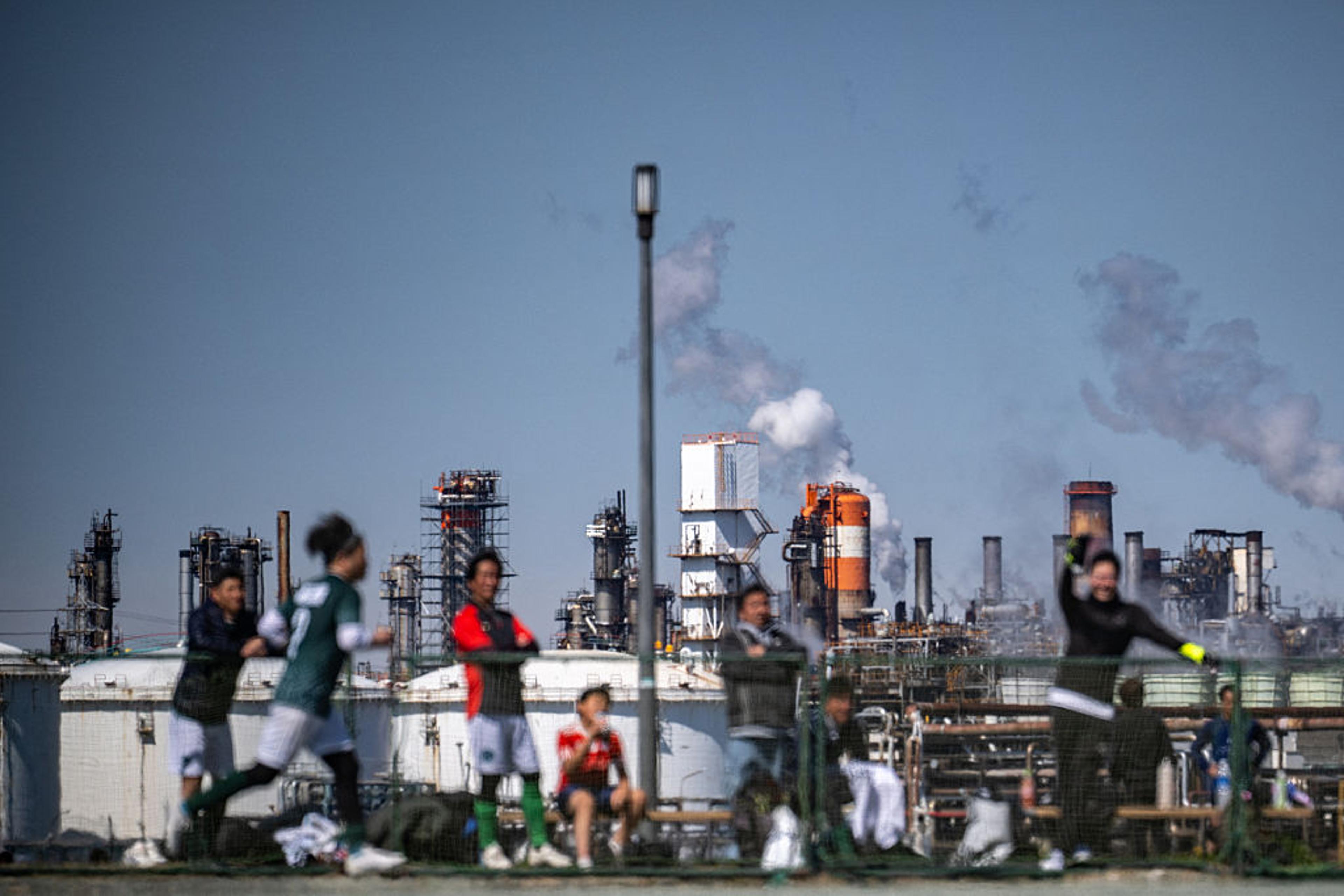
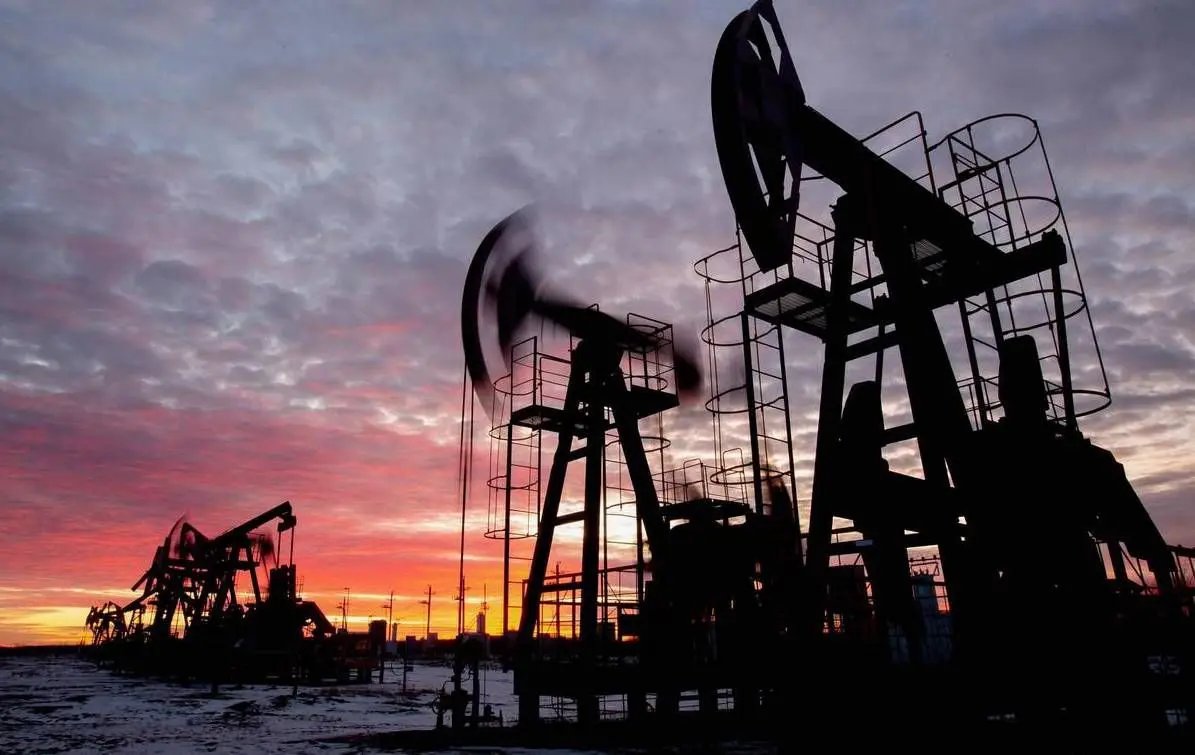
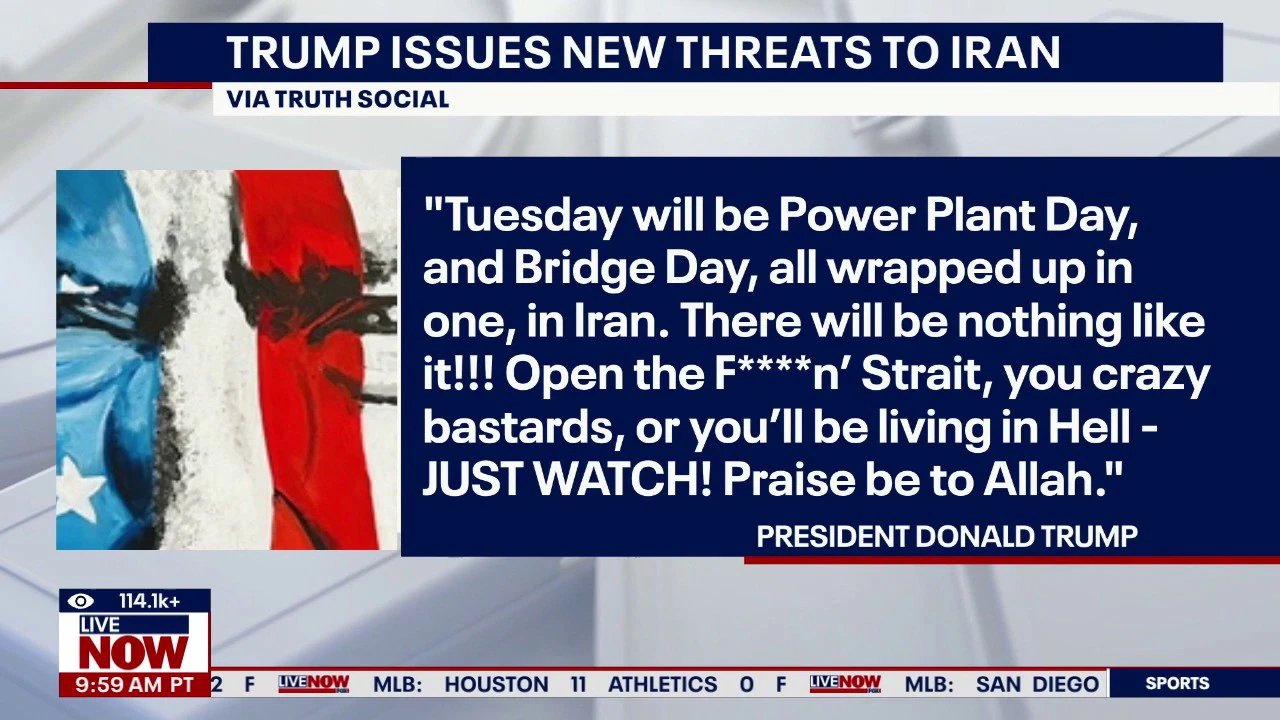
Inflation in the United States accelerated significantly in May, reaching an annual rate of 4.2%, the highest level since April 2023. This increase marks a climb from 3.8% in the previous month, primarily fueled by disruptions in global energy supplies due to the ongoing Iran war. The closure of the Strait of Hormuz has had a pronounced impact on prices, pushing gasoline prices up 40.5% compared to a year ago. Economists polled by FactSet predicted a 4.2% increase in the Consumer Price Index (CPI).
Impact on Household Budgets
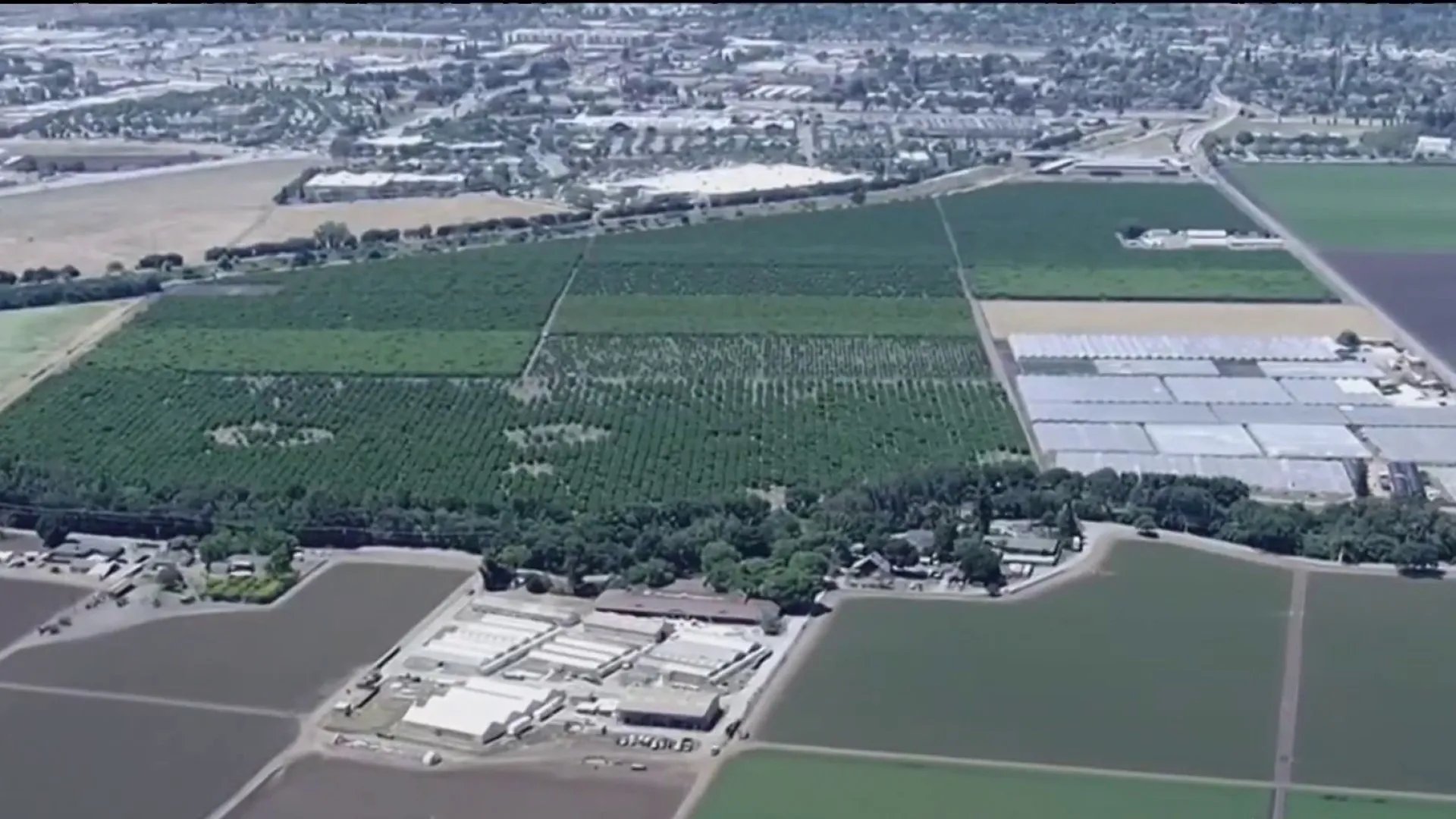
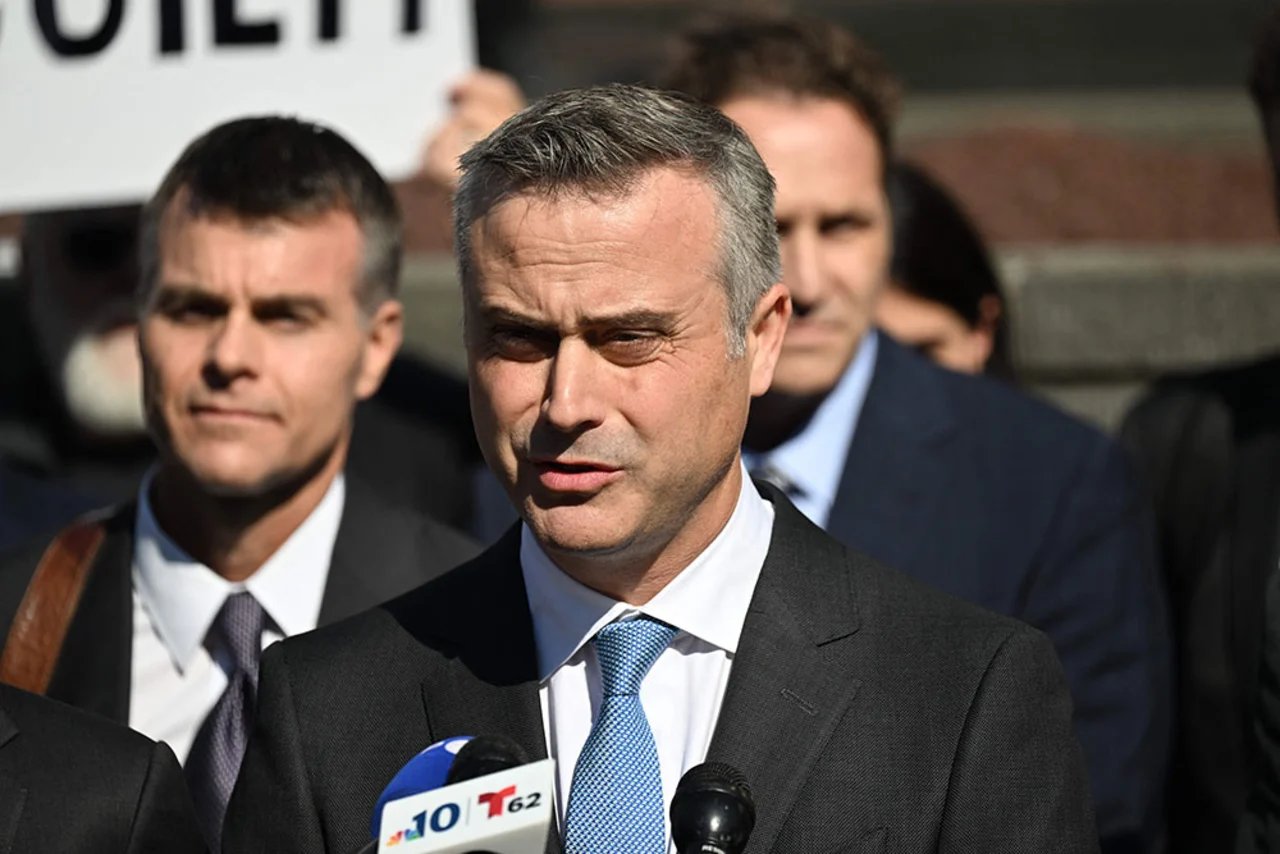
The Labor Department's report indicated that energy prices accounted for over 60% of the monthly CPI increase. As households grapple with these rising costs, many Americans feel the strain on their budgets. Elizabeth Renter, a senior economist at NerdWallet, noted that three-quarters of Americans believe their incomes are not keeping pace with inflation. "Consumers are paying more for essentials, and they can feel powerless to mitigate this pain," Renter stated. Grocery costs also rose, with food at home increasing by 2.7% year-over-year, driven by surges in prices for tomatoes (32%), lettuce (almost 25%), and coffee (17.5%).
Core Inflation Shows Slight Increase
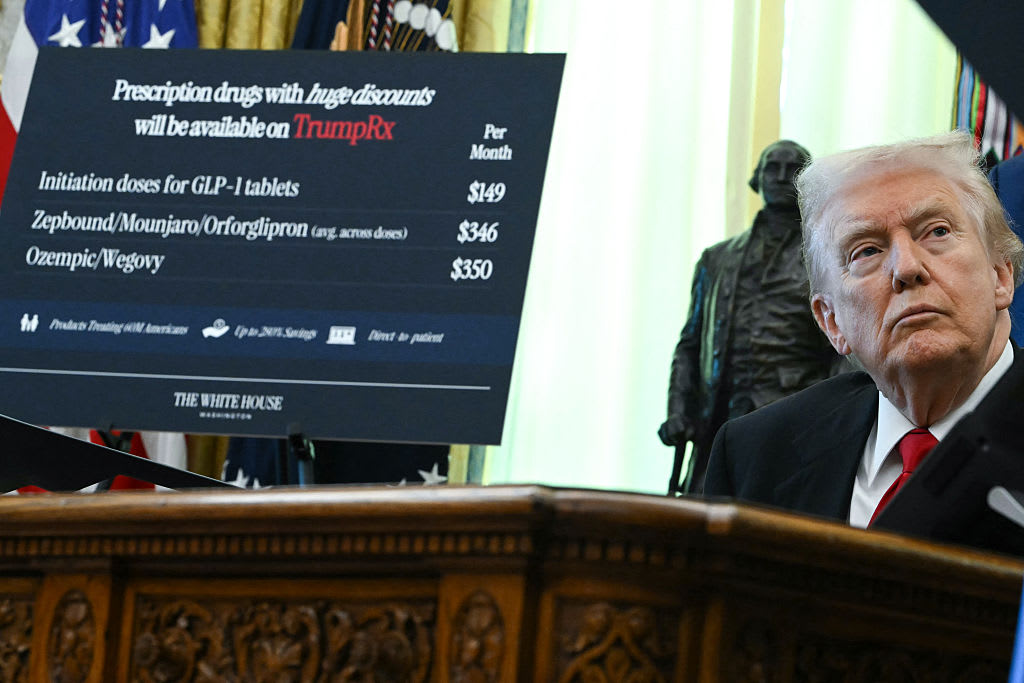
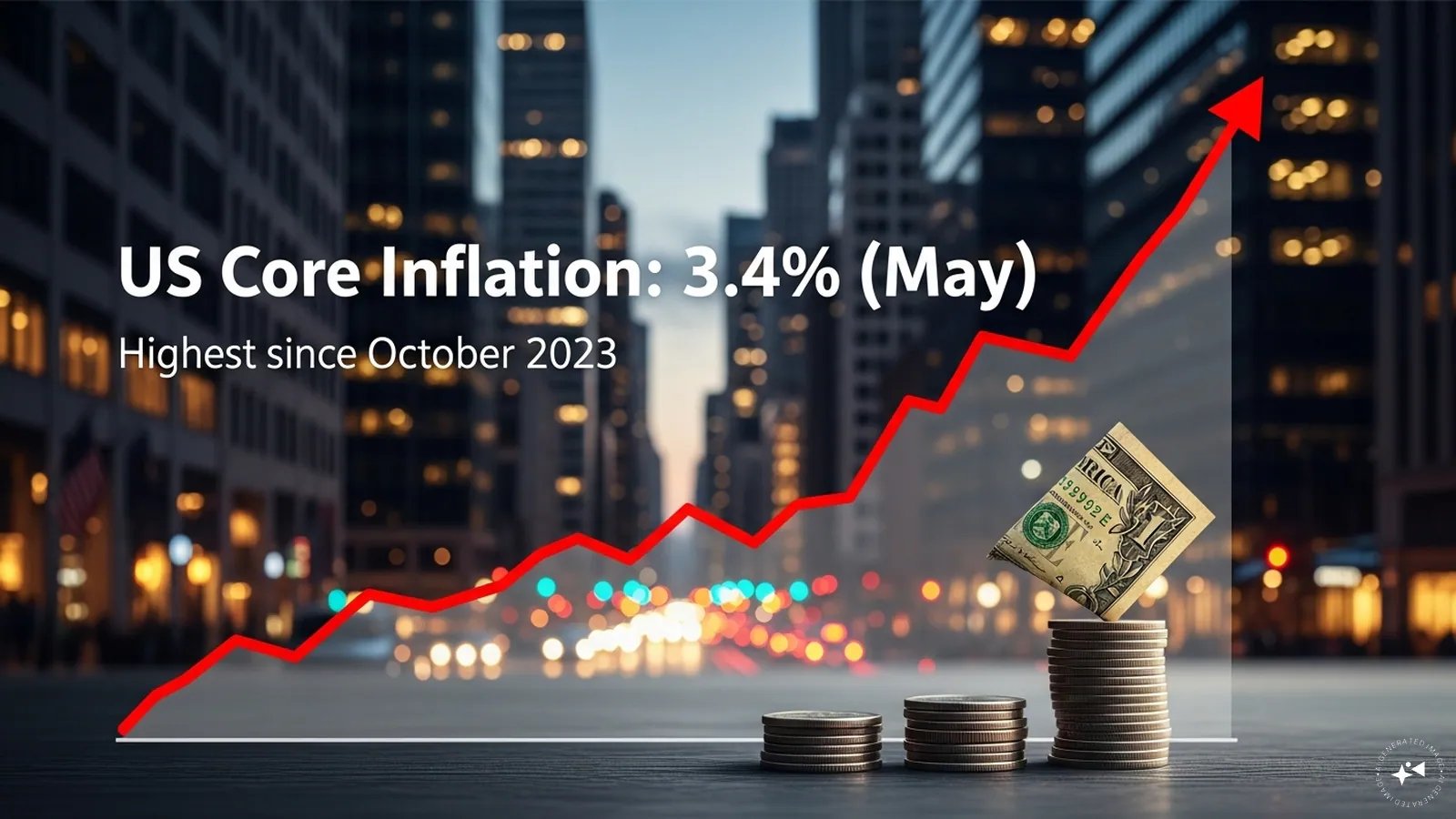
Core inflation, which excludes the more volatile categories of food and energy, rose at an annual rate of 2.9%, a slight uptick from 2.8% in April. Despite the overall inflation surge, some categories are beginning to show price declines. New vehicles, household furniture, and prescription drugs saw reduced prices for the first time in 14 months. Gregory Daco, chief economist at EY-Parthenon, suggested that these declines could be "a sign that the bulk of tariff-related passthrough appears to be behind us."
Federal Reserve's Response in Question
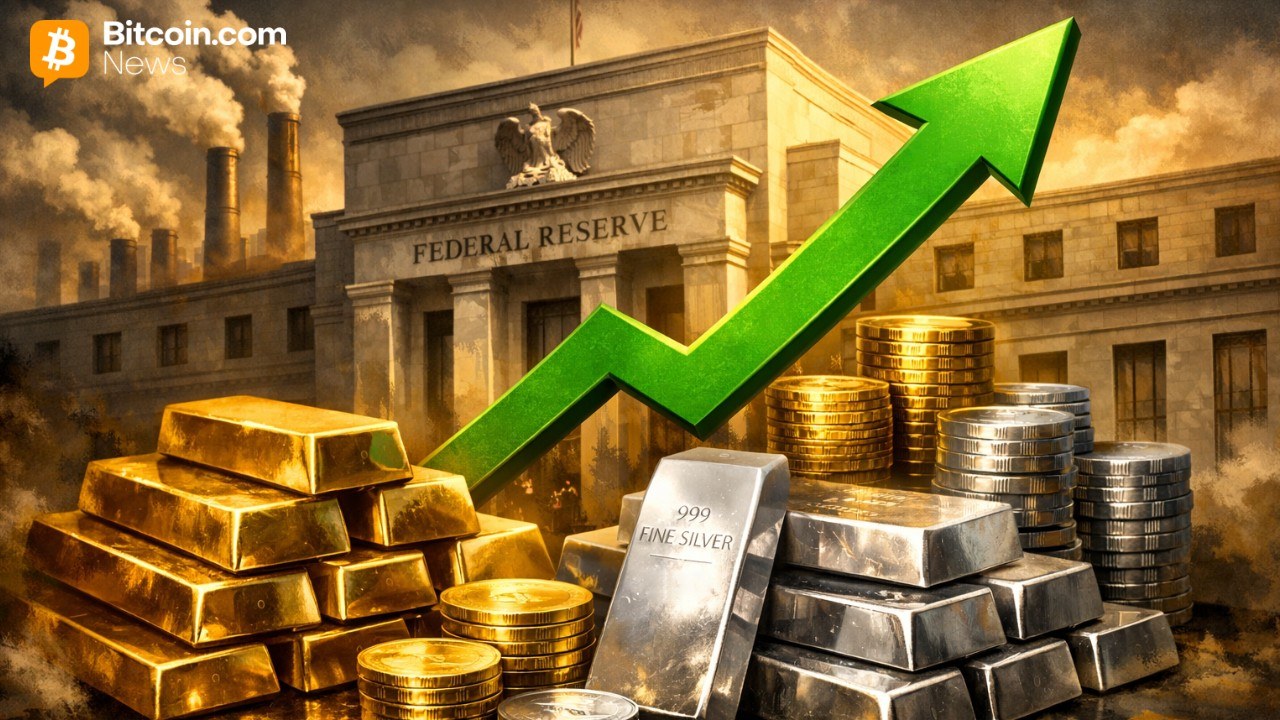
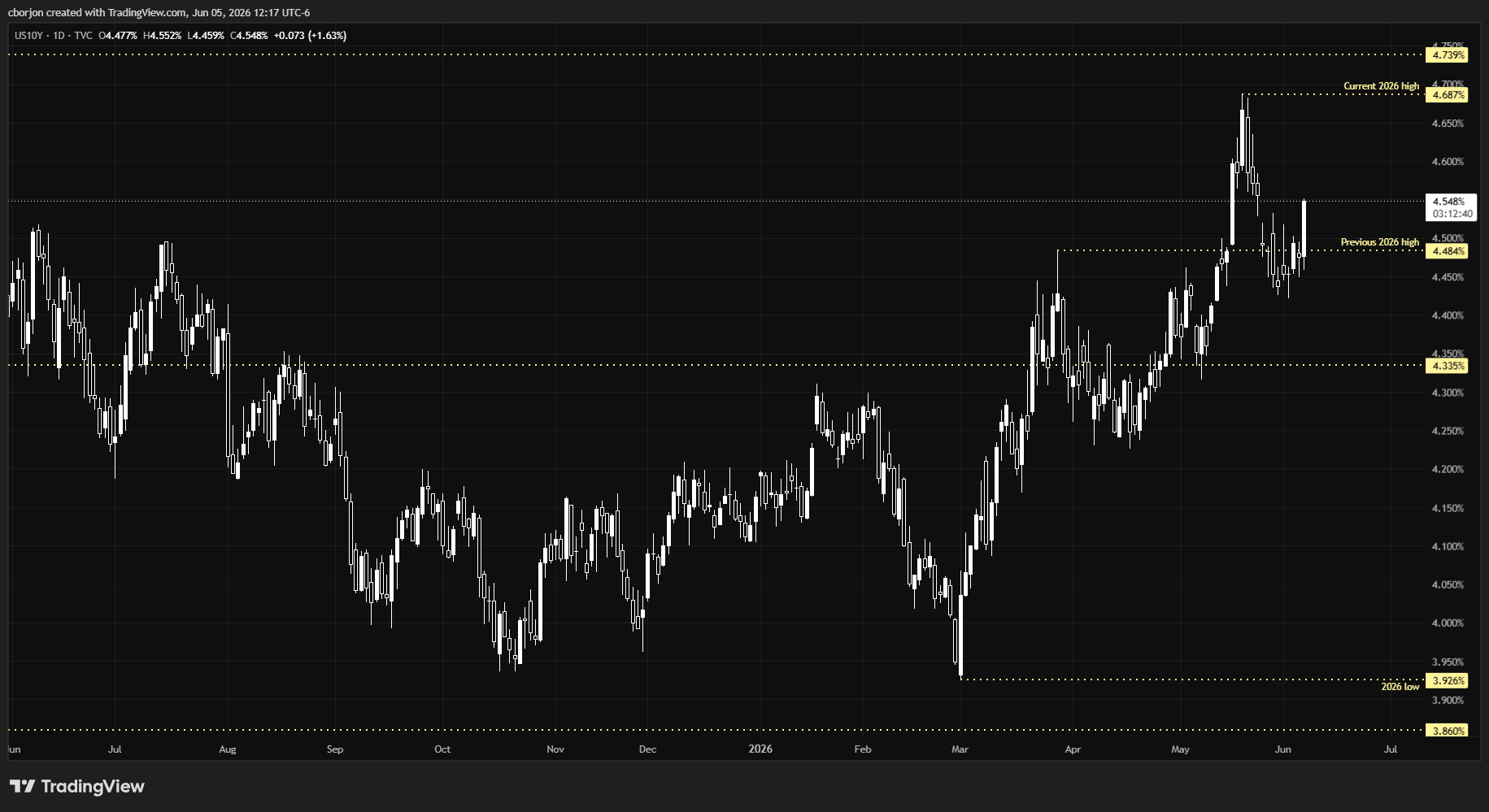
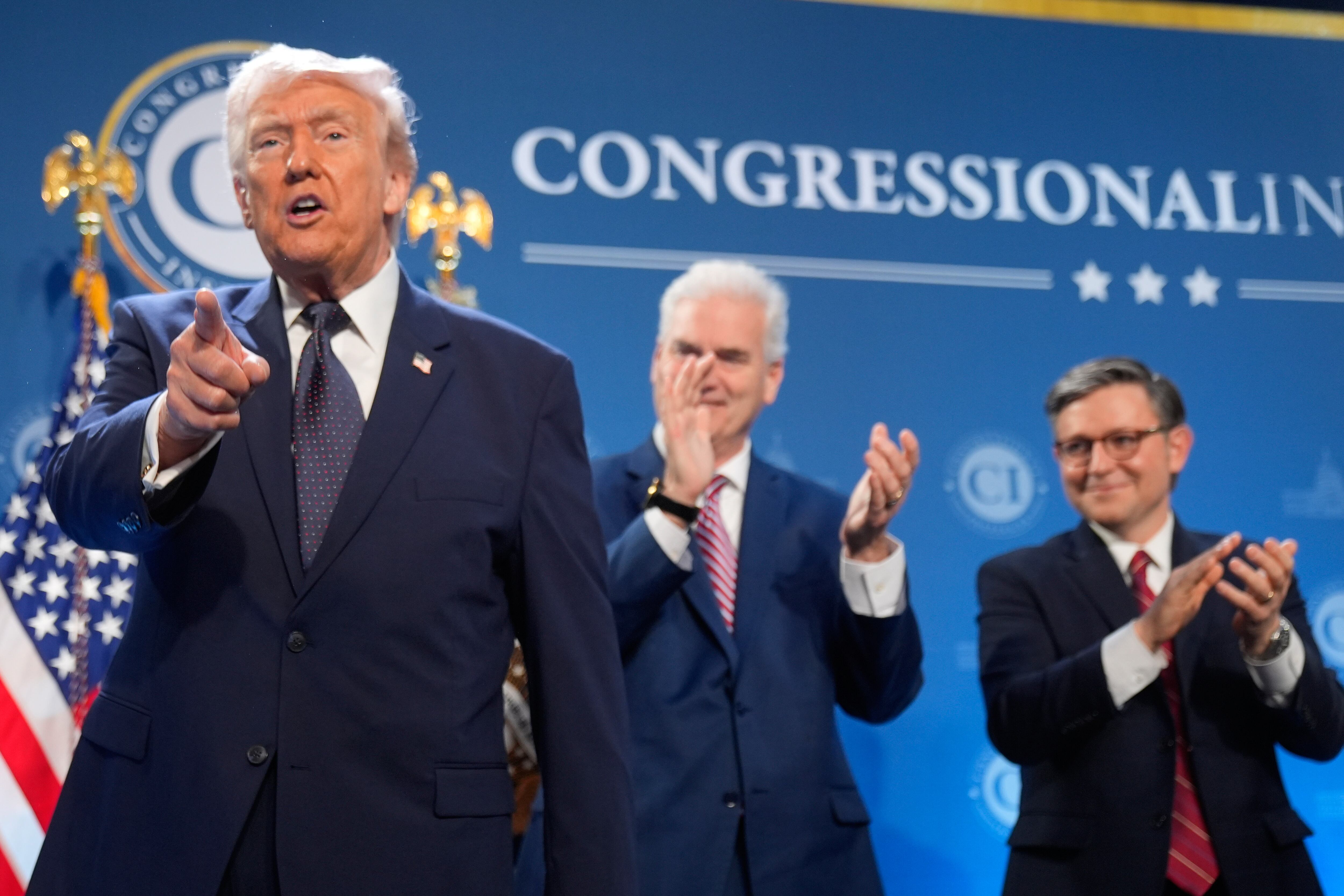
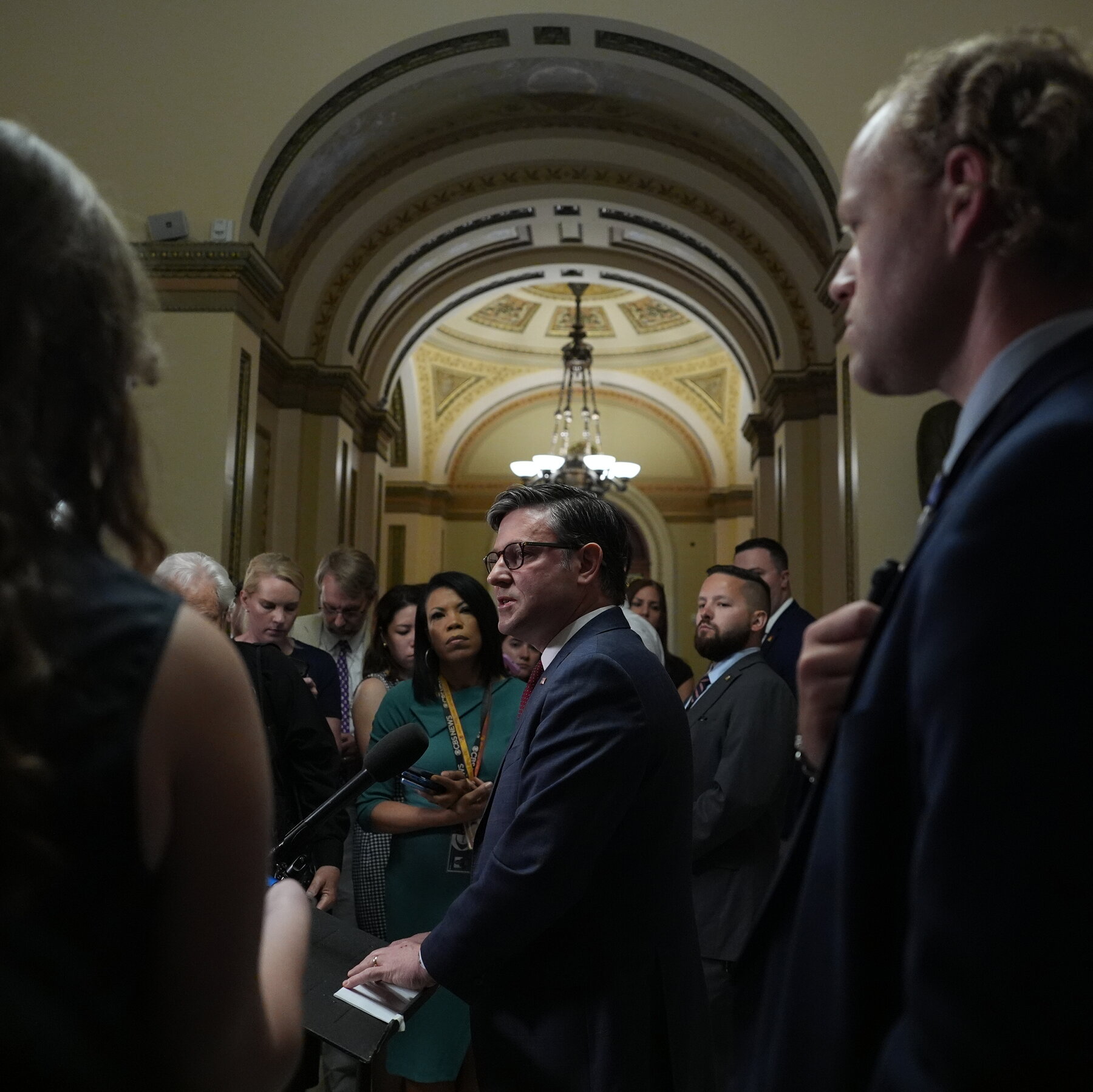
The inflation spike has altered expectations regarding the Federal Reserve's interest-rate strategy. In January, economists had largely focused on when the Fed might next cut rates. But the recent price increases and stronger labor market have shifted expectations, with some analysts now predicting the Fed's next move could be a rate hike. Chris Zaccarelli, chief investment officer for Northlight Asset Management, emphasized that the Fed may need to reconsider its approach. "The Fed will be in no position to cut rates if this continues," he said, as market sentiment increasingly reflects the likelihood of a rate hike rather than a cut.
Future Inflation Trends
While inflation has reached a peak for 2026, experts suggest that it may begin to ease later this year. Nancy Vanden Houten, lead U.S. economist at Oxford Economics, noted that with gas prices declining sharply in June, May could represent the high point for headline CPI. She cautioned, however, that core inflation may remain elevated as the economy adjusts to these changes. The next Federal Reserve policy meeting on June 17 will be crucial, as officials assess whether the recent inflationary pressures are temporary or indicative of a longer trend.