




Election Results and Implications
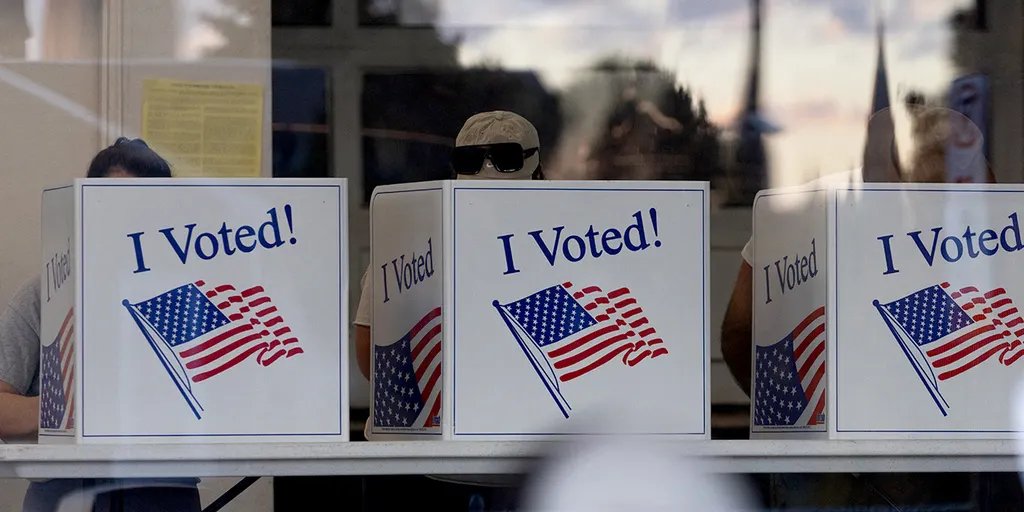
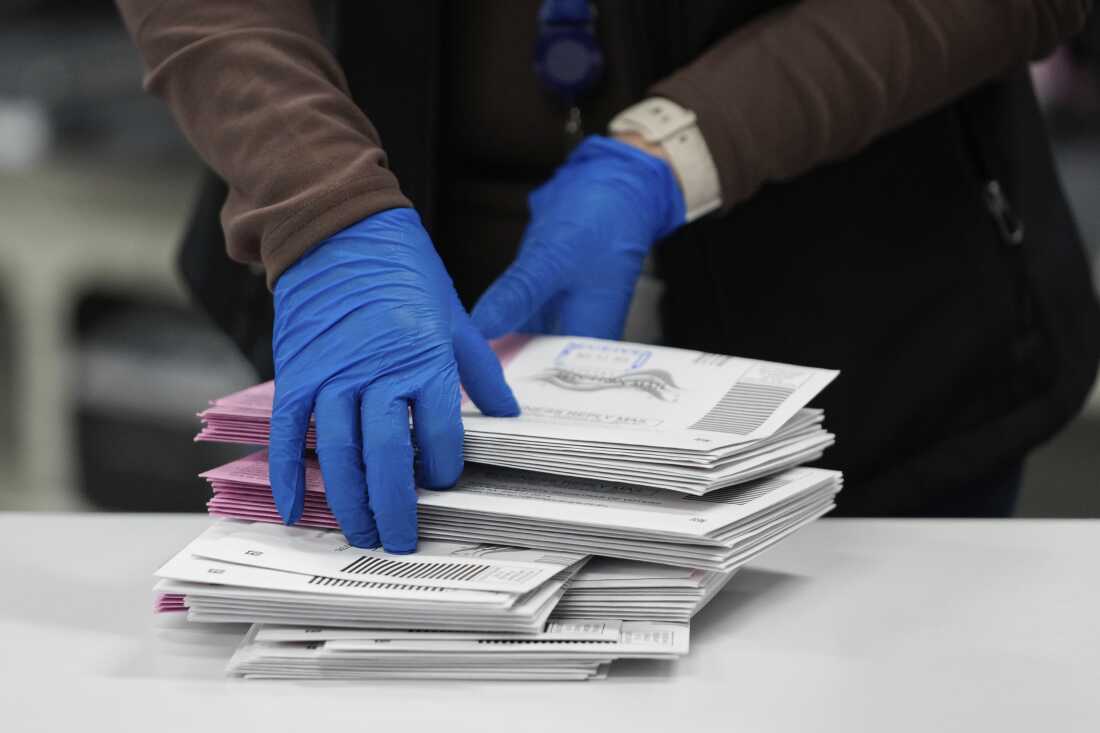
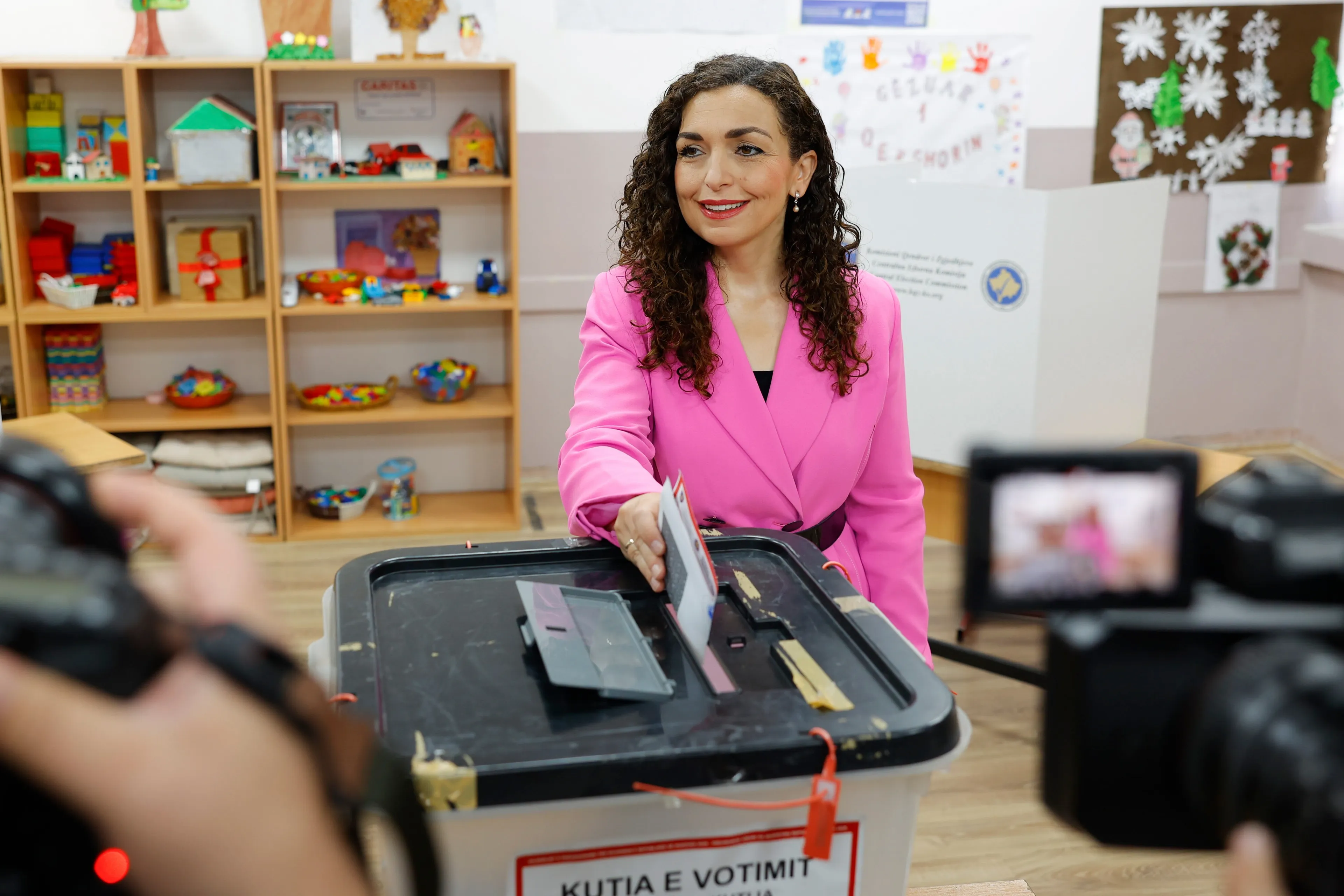
In a crucial test for the political stability of Kosovo, Prime Minister Albin Kurti's party, Vetevendosje, secured the majority of votes in the country's third election in 18 months, according to early results. The snap election was necessitated by the inability of the previous parliament to elect a president by a March deadline, reflecting a deep political impasse that has further strained Kosovo's economy and its aspirations to join the European Union. With Vetevendosje polling at 42.3% with 54.9% of the votes counted, the outcome is a significant indicator of the electorate's sentiments amidst the ongoing crisis.
Impact on Political Consensus and Economy
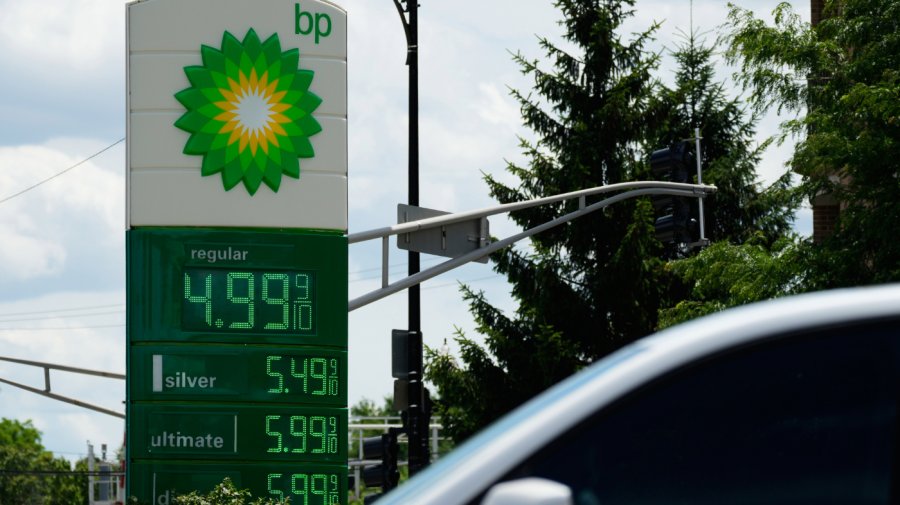
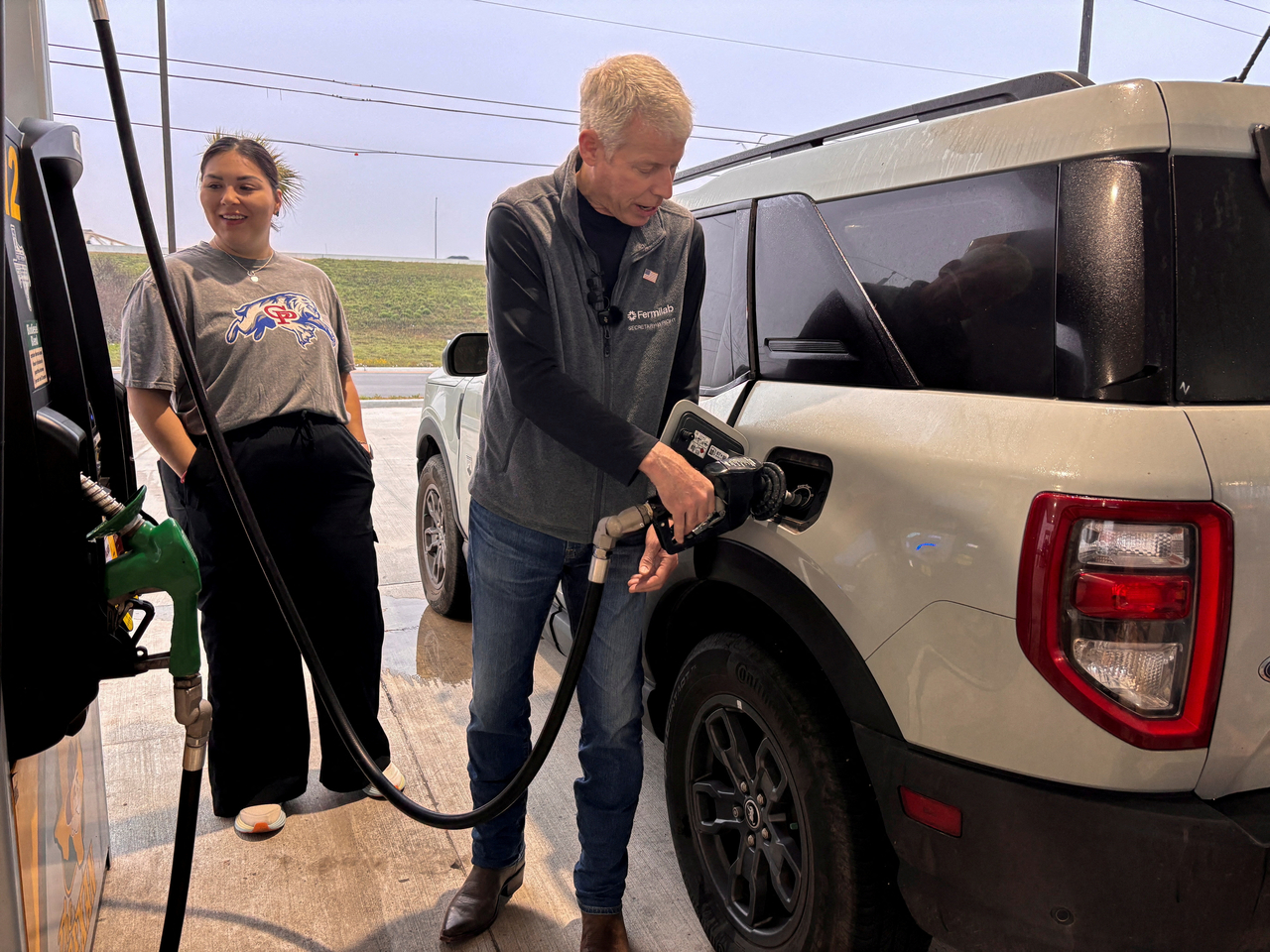
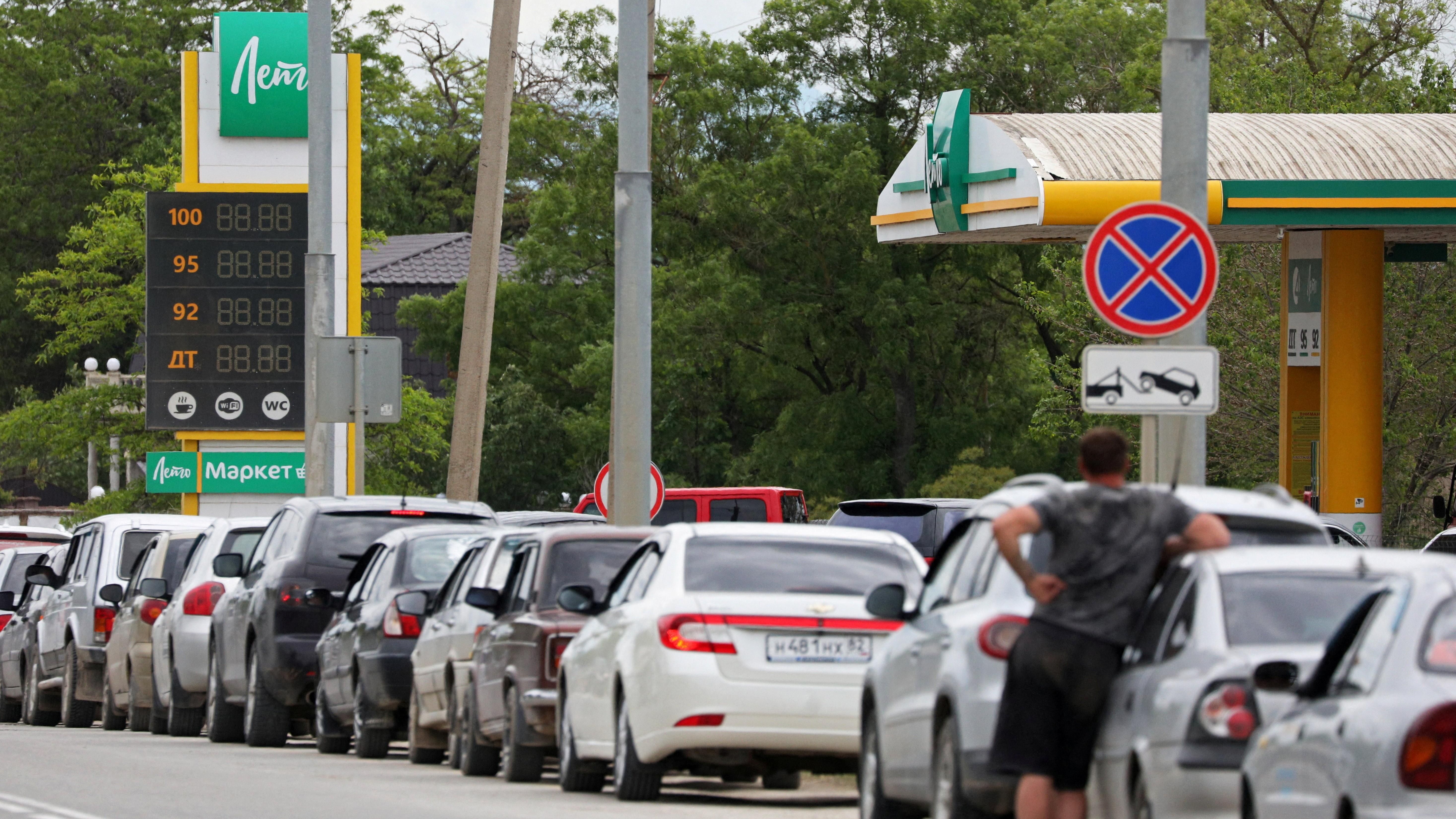
The political stalemate has had a tangible impact on Kosovo's economy, which has been further burdened by the global energy crisis and rising fuel prices. The country, one of the youngest and poorest in Europe, has seen its economic progress hampered by the lack of a stable government. The requirement for a president to be elected by at least 80 lawmakers in the 120-member assembly has proven a formidable hurdle, as previous attempts were marred by an opposition boycott and insufficient quorum.
Voter Turnout and Public Sentiment
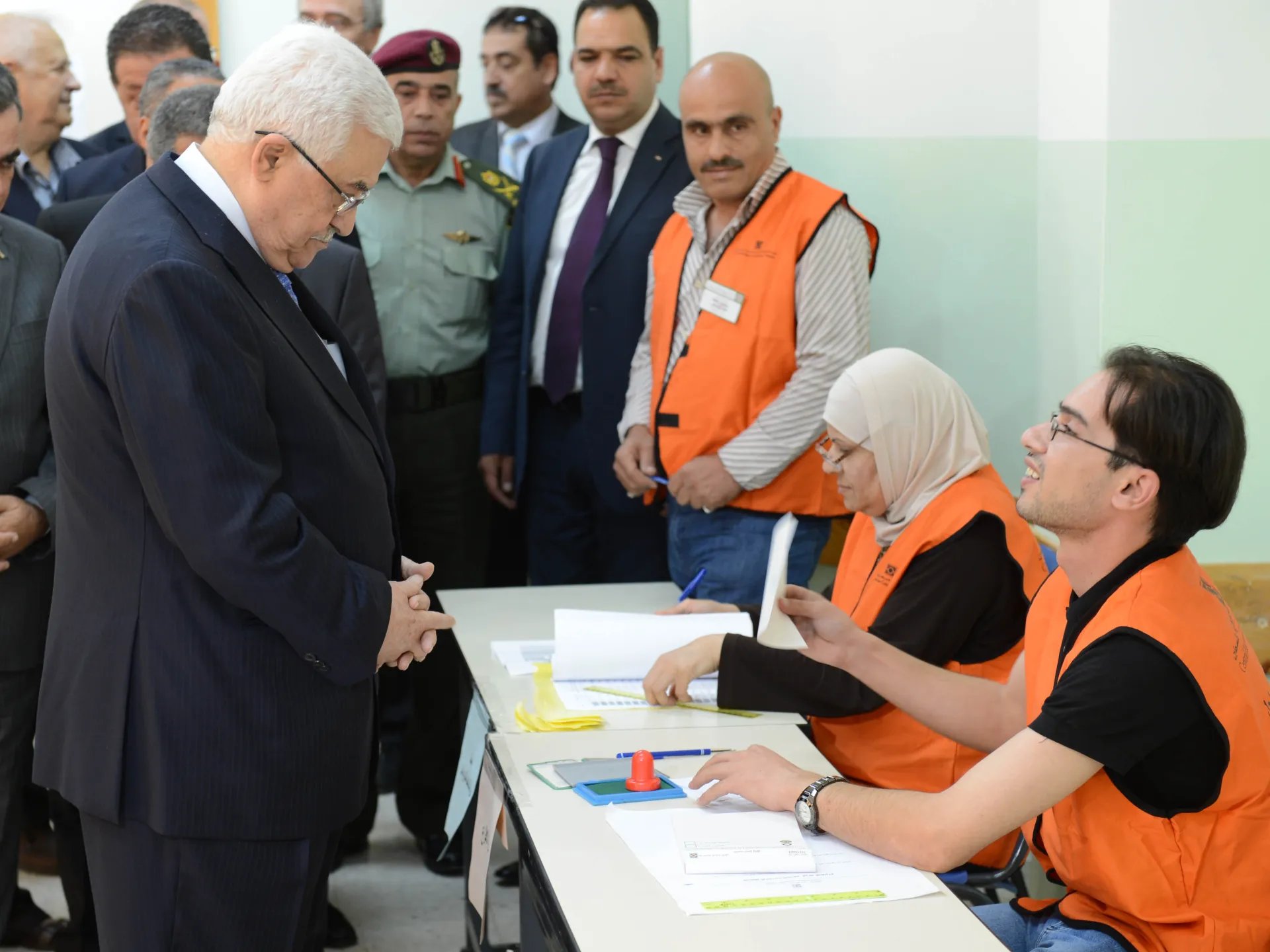
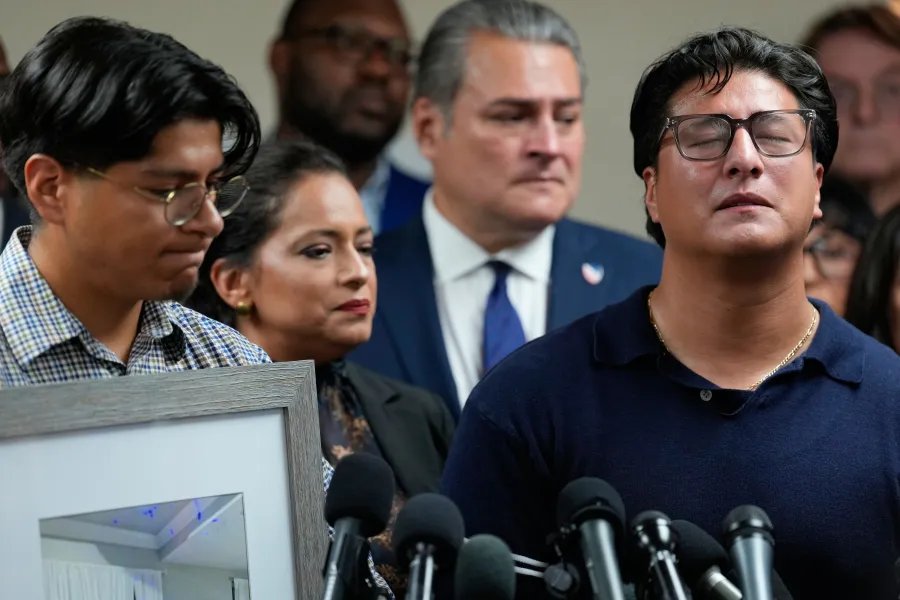
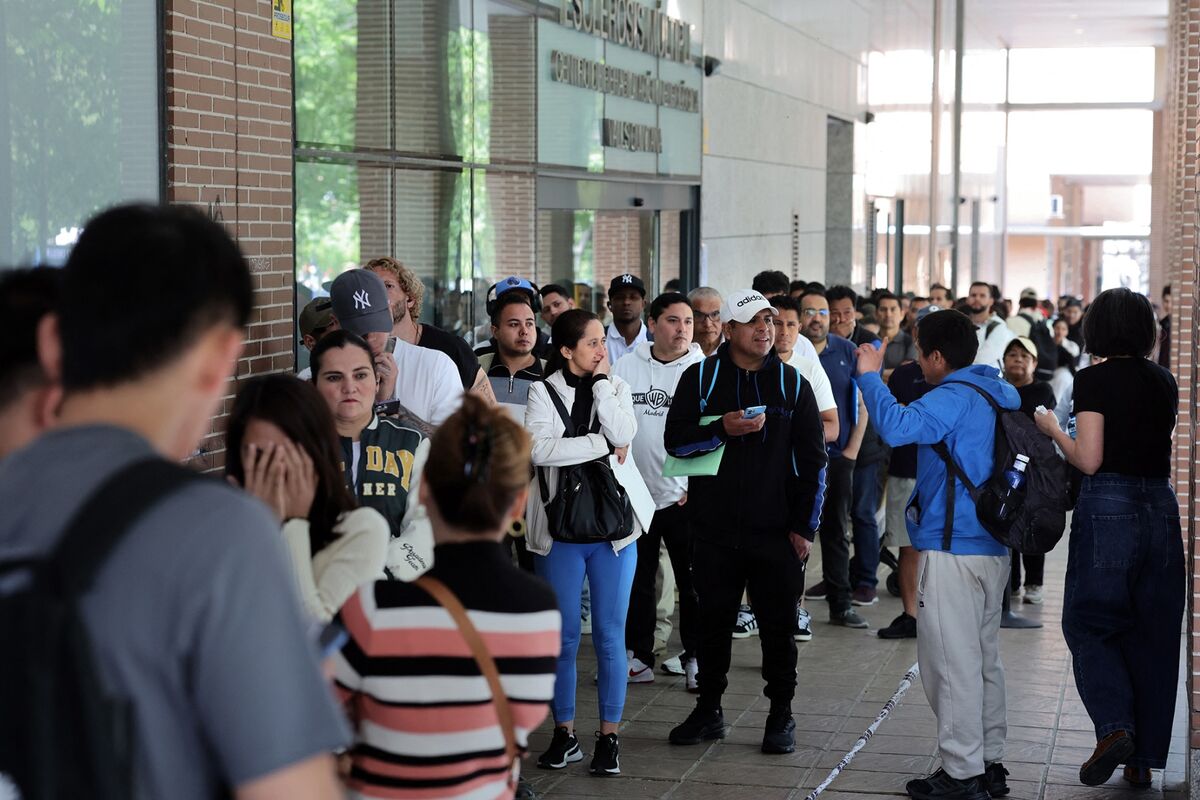
Voter turnout in the latest election was notably lower at 36.3%, compared to nearly 45% in the previous December election. This decline could signal voter fatigue and disappointment with the mainstream political parties that have been unable to resolve the nation's prolonged crisis. Some voters expressed hope for change. Arton Smajli said the will for change outweighed fatigue, while Sejdi Shala expressed optimism about institutional stability.
Opposition and International Outlook
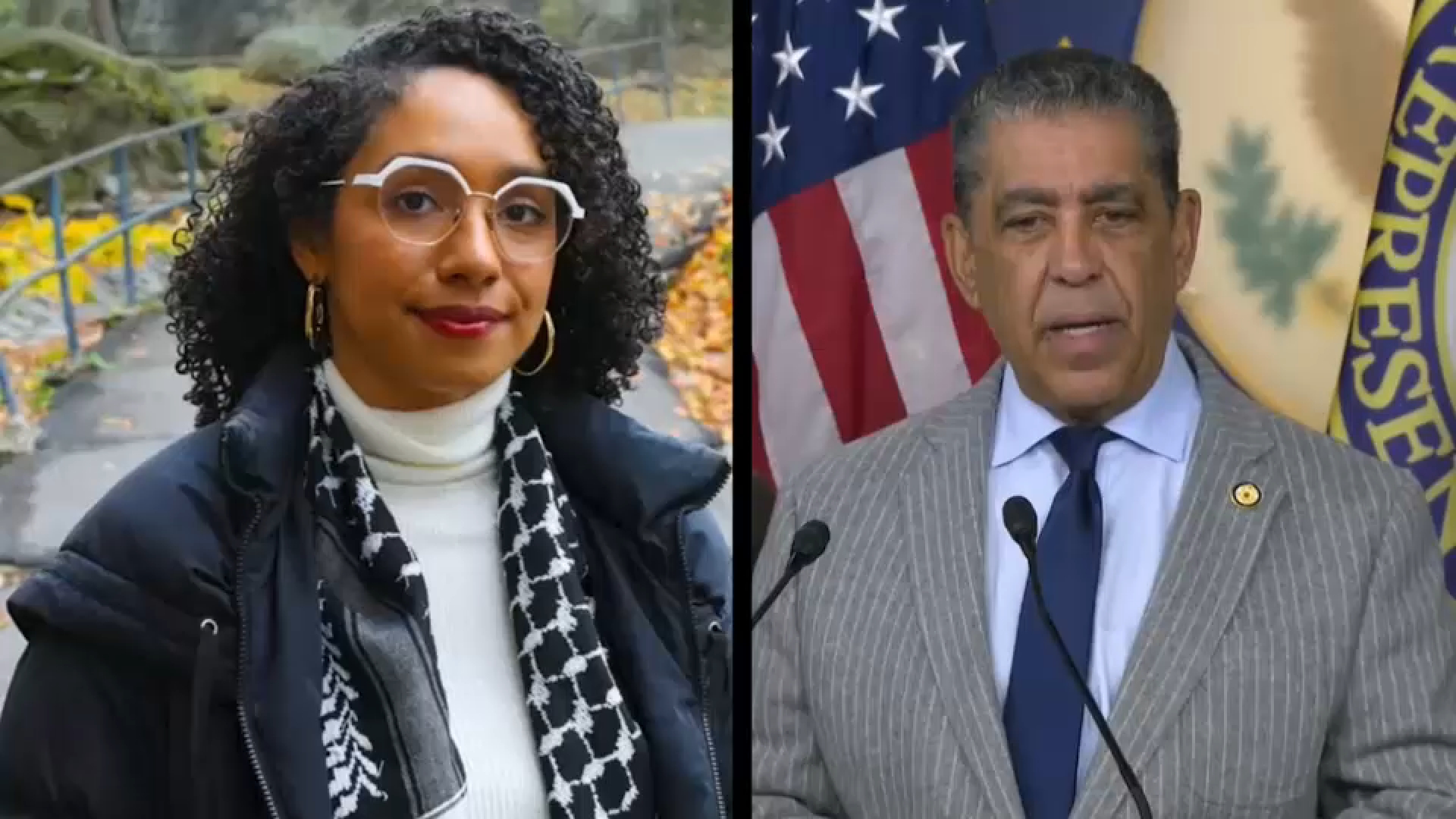
Kurti's primary challenge comes from the two main opposition parties, the Democratic Party of Kosovo (PDK) and the Democratic League of Kosovo (LDK), who have accused him of attempting to control all political institutions. Former President Vjosa Osmani, now running with the LDK, has turned against Kurti after he refused to support her for a second term. The inability of Kosovo's political figures to reach a compromise has not only stoked frustration among voters but also delayed the country's access to EU and other international funds.
Path Forward
The conclusion of this election brings both hope and uncertainty for Kosovo. European Council President António Costa has urged the country to end its political stalemate to focus on EU integration. However, the recognition of Kosovo's independence by the US and most EU countries, but not by Serbia and its allies Russia and China, adds a layer of complexity to its international relations. The newly elected lawmakers will face the daunting task of electing a president and forming a government that can address the economic and political challenges facing the nation.