




The blast and immediate aftermath
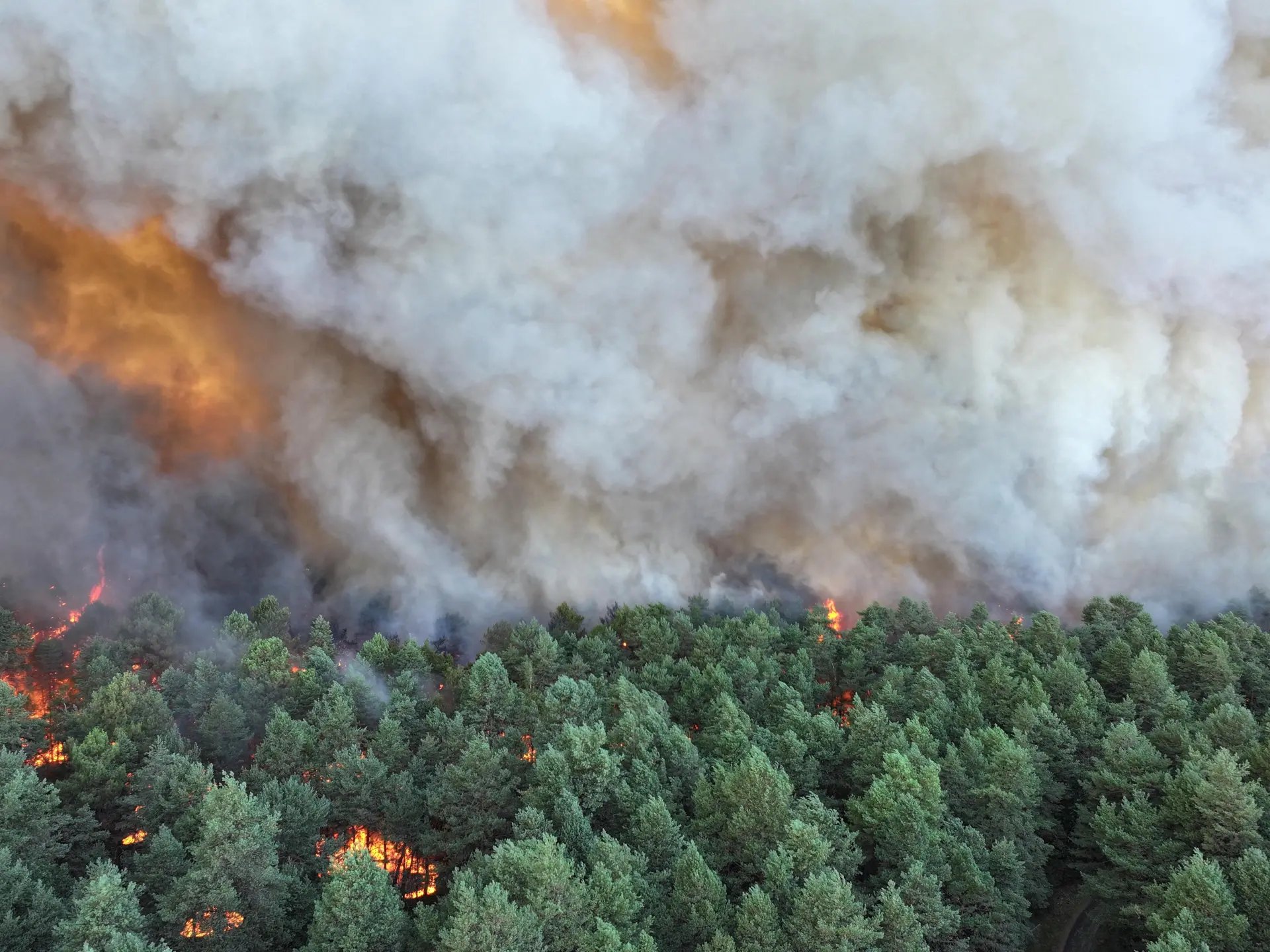
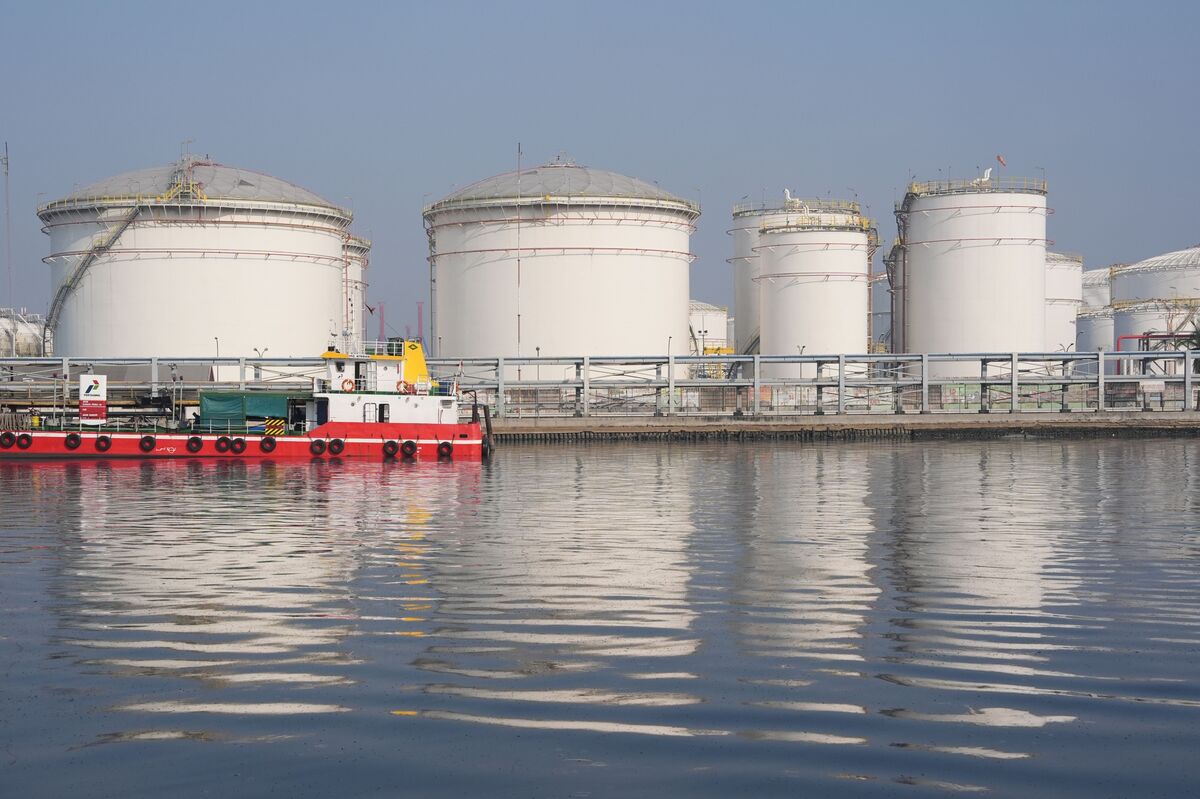
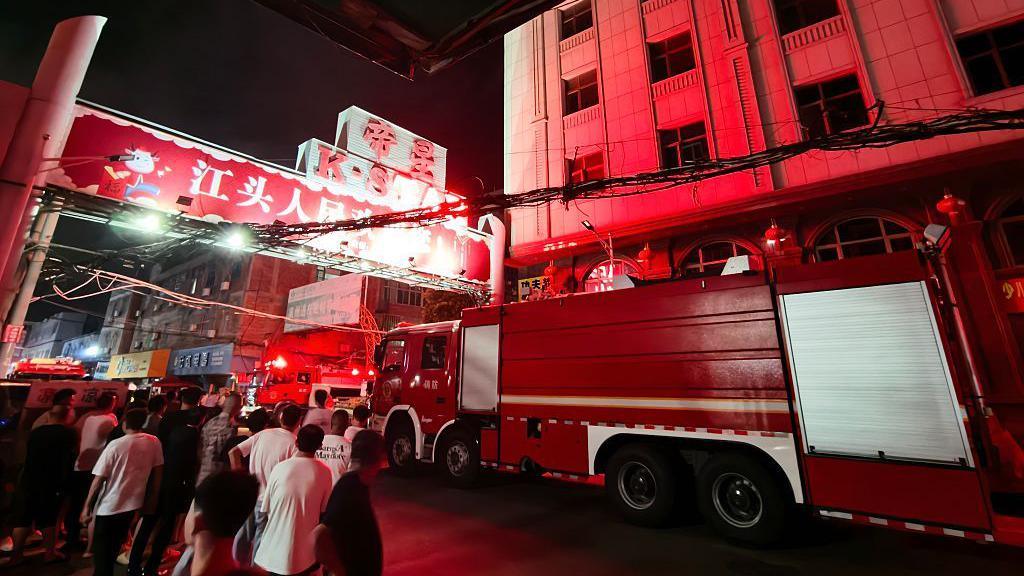
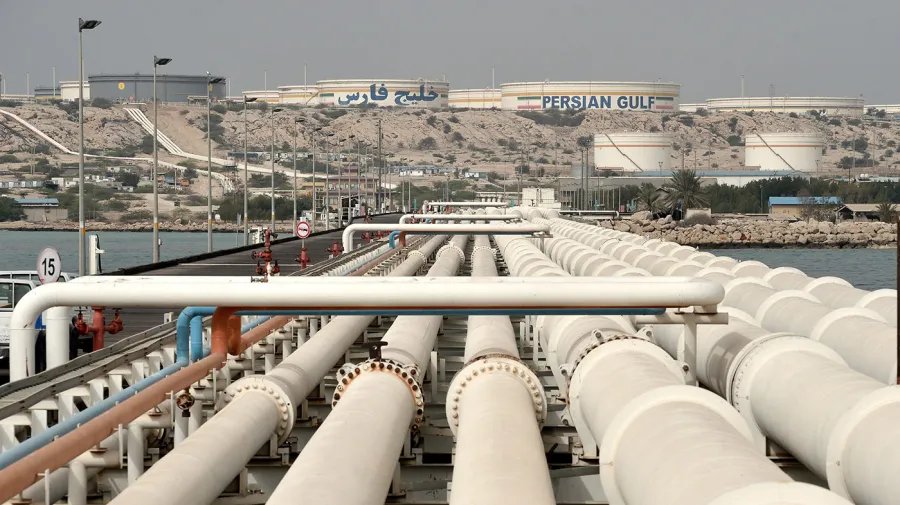
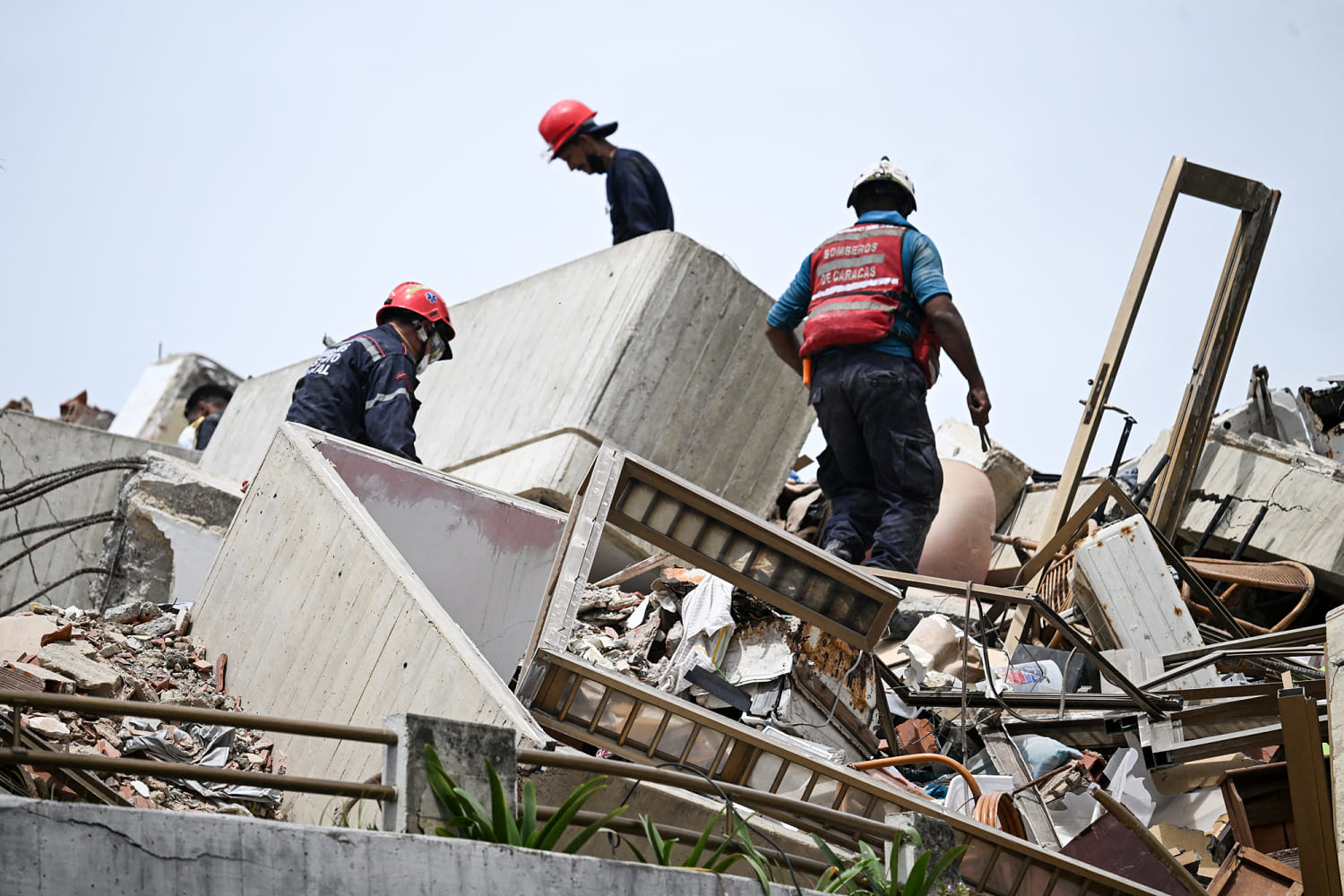
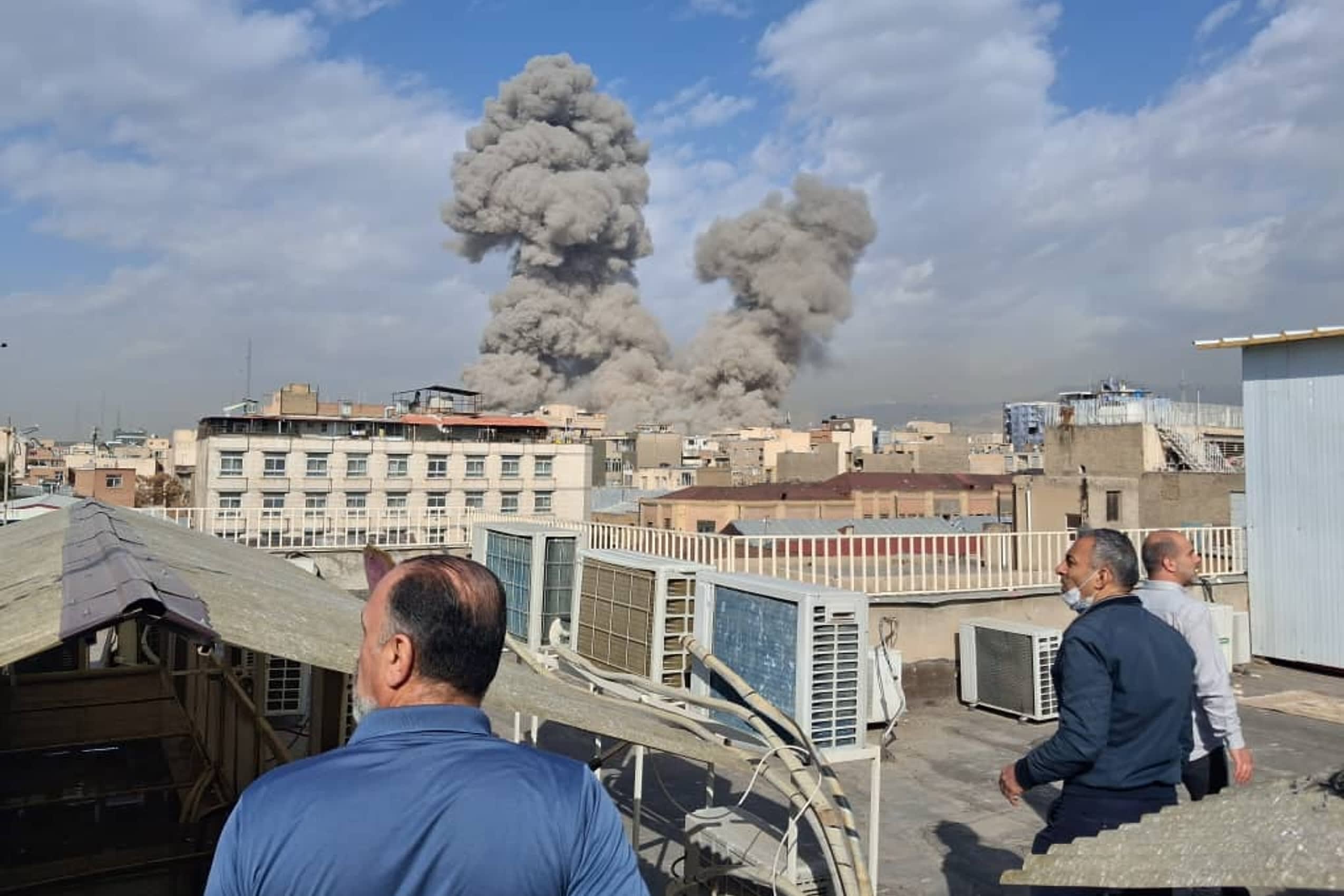
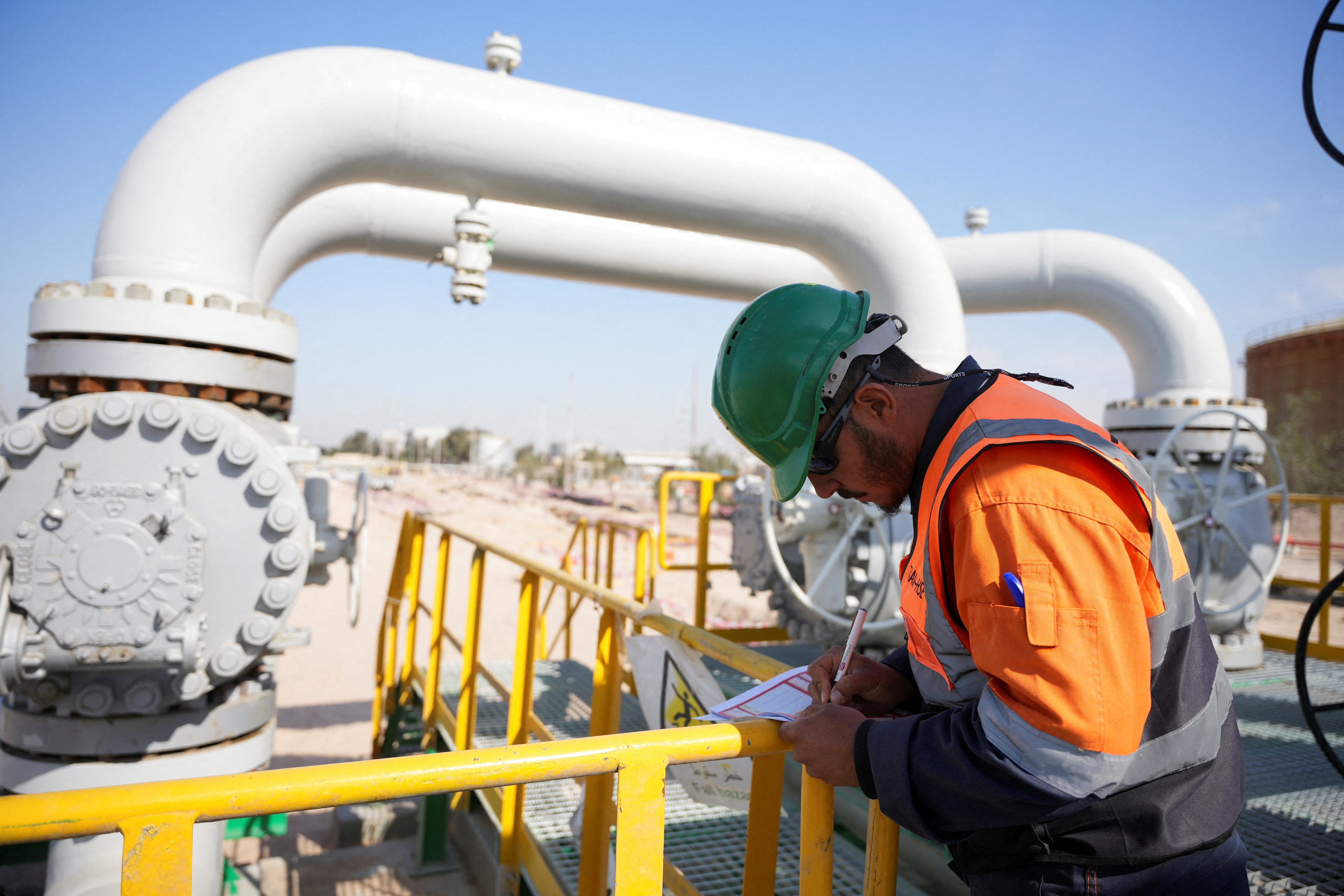
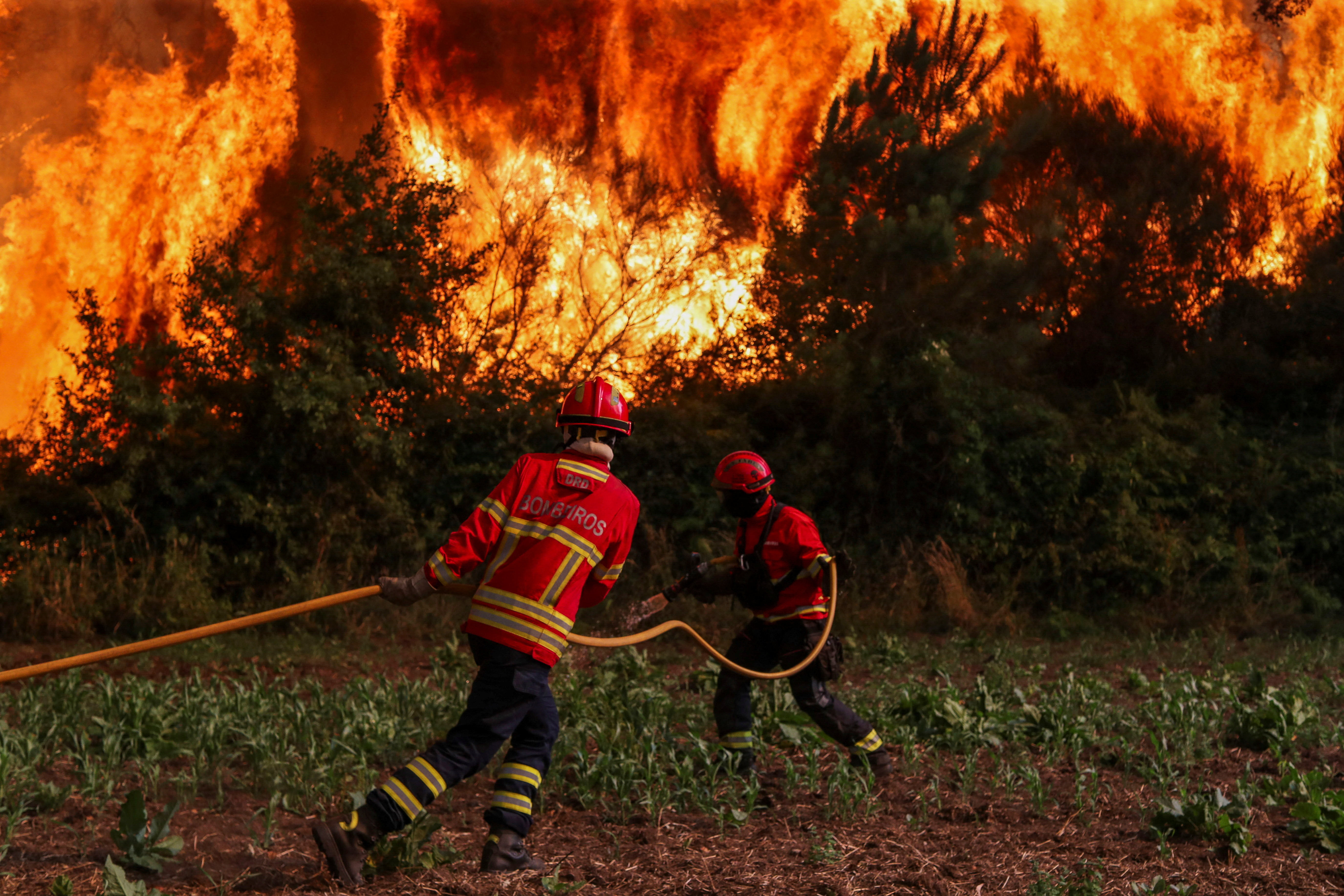
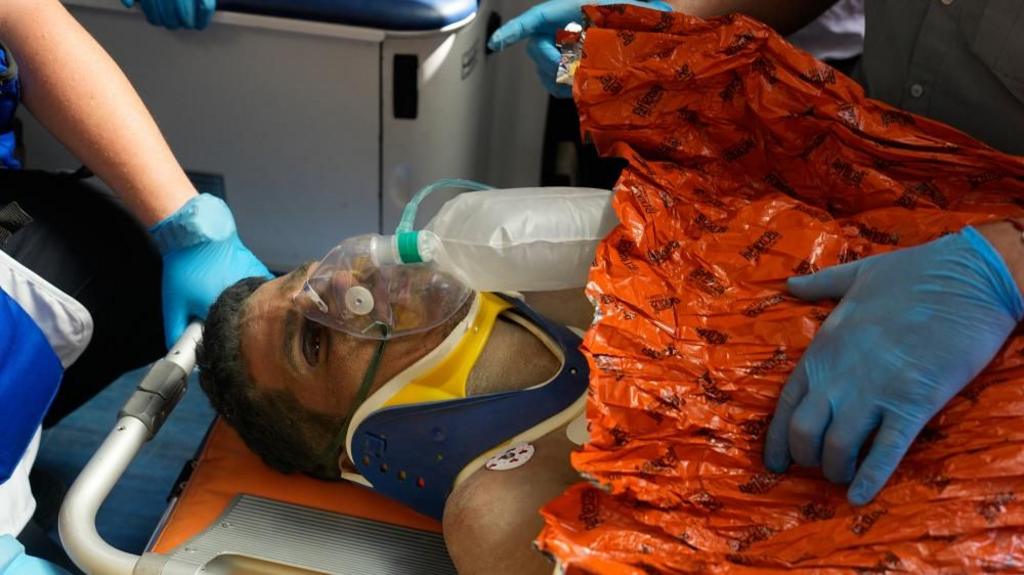
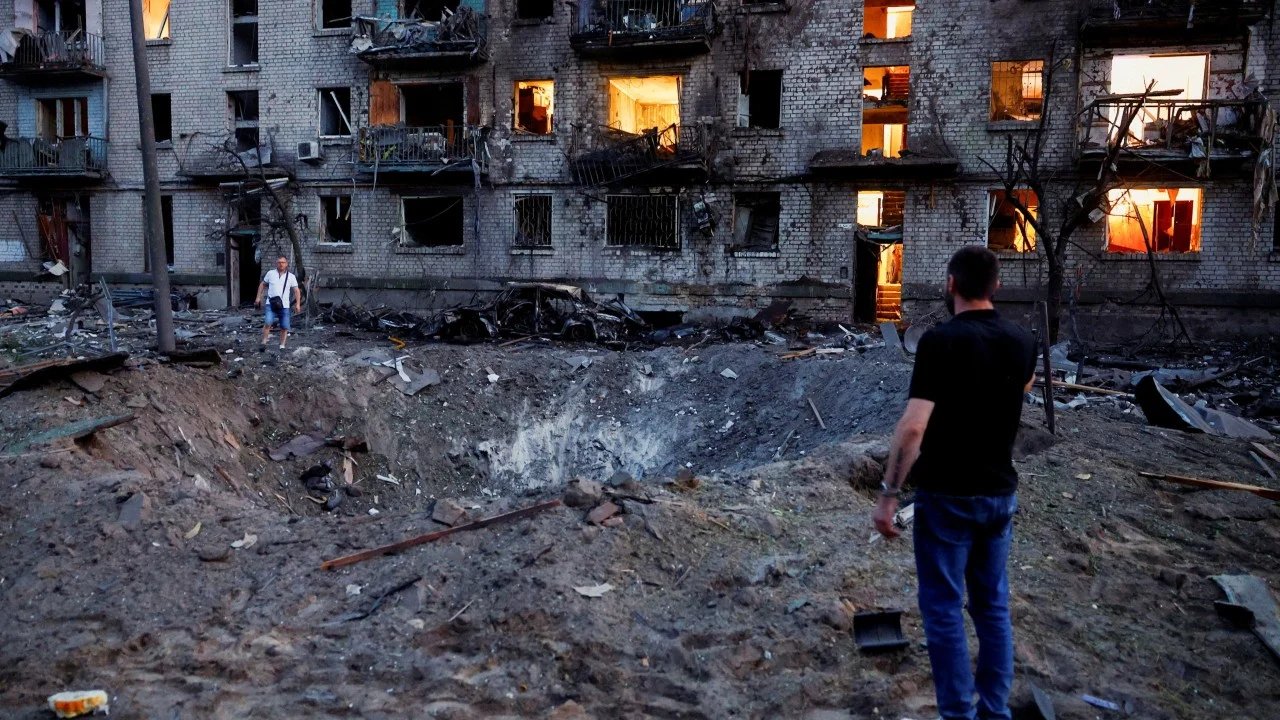
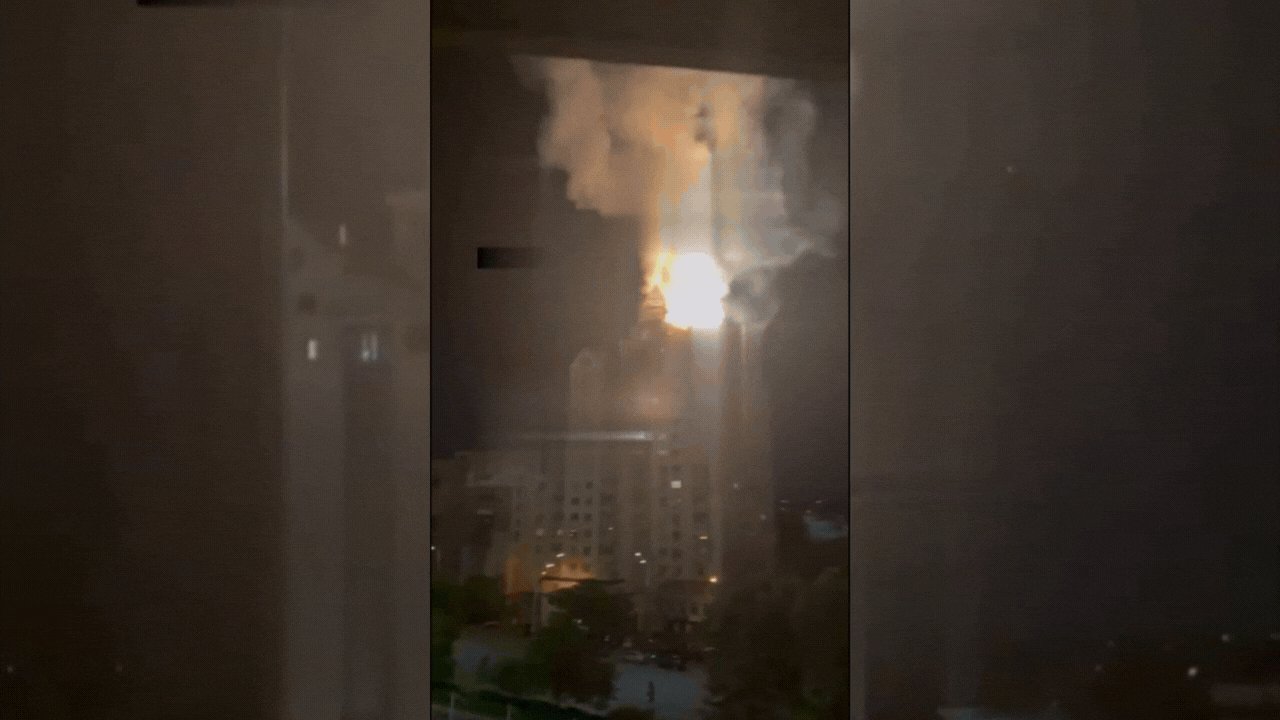
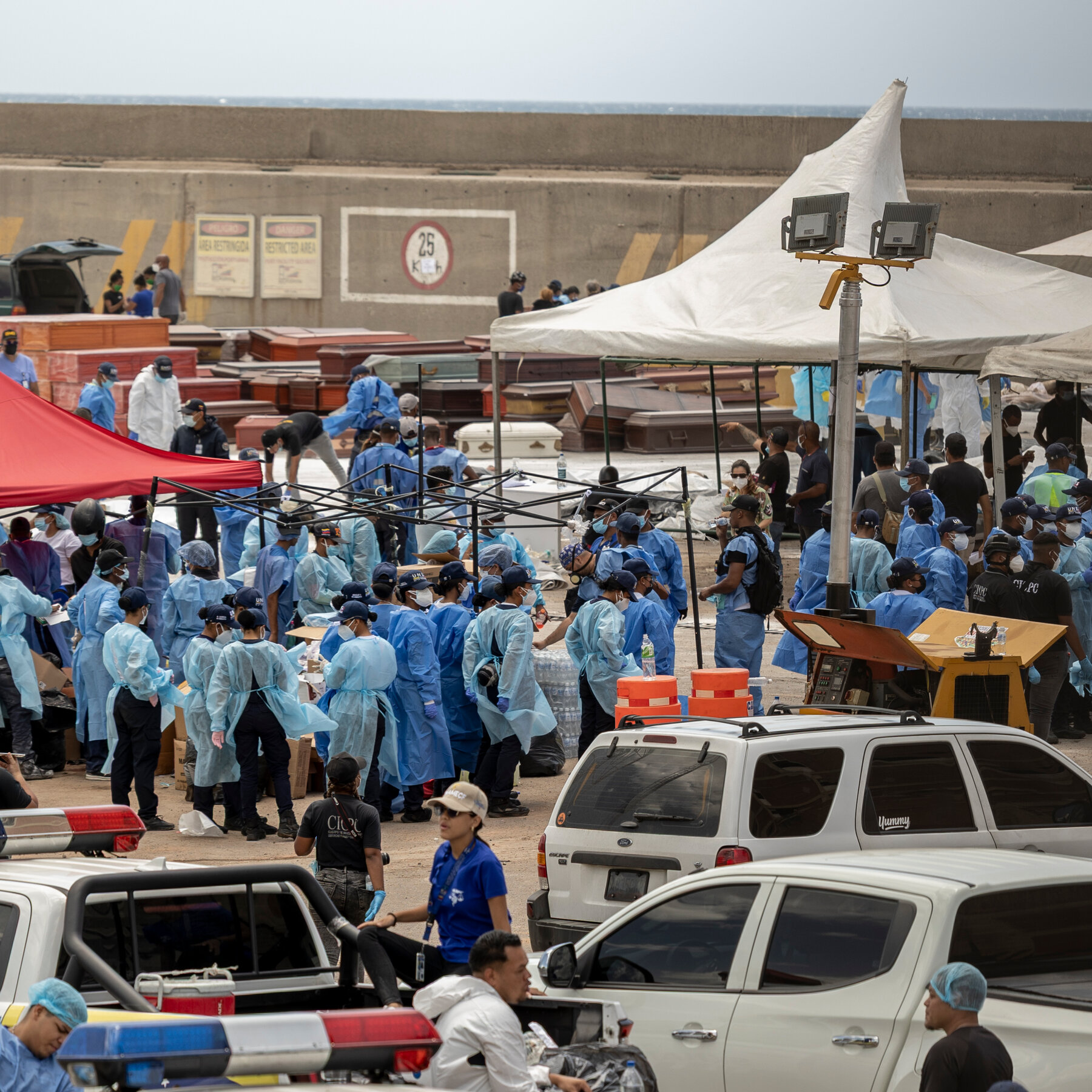
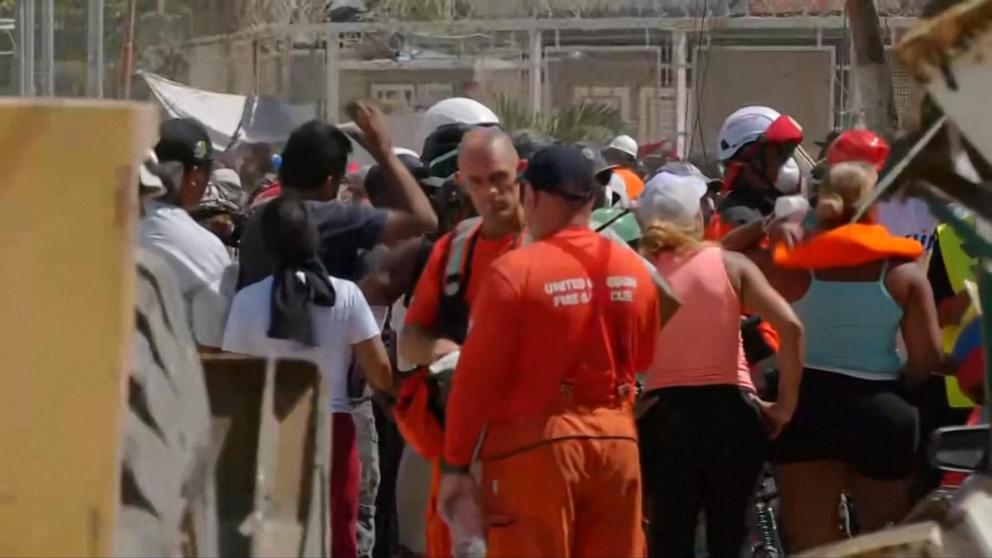
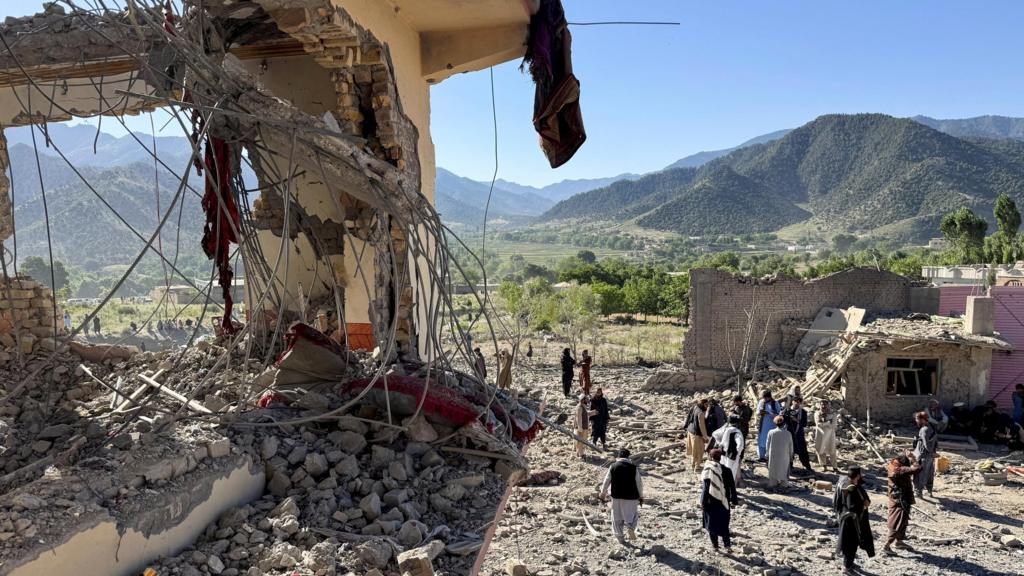
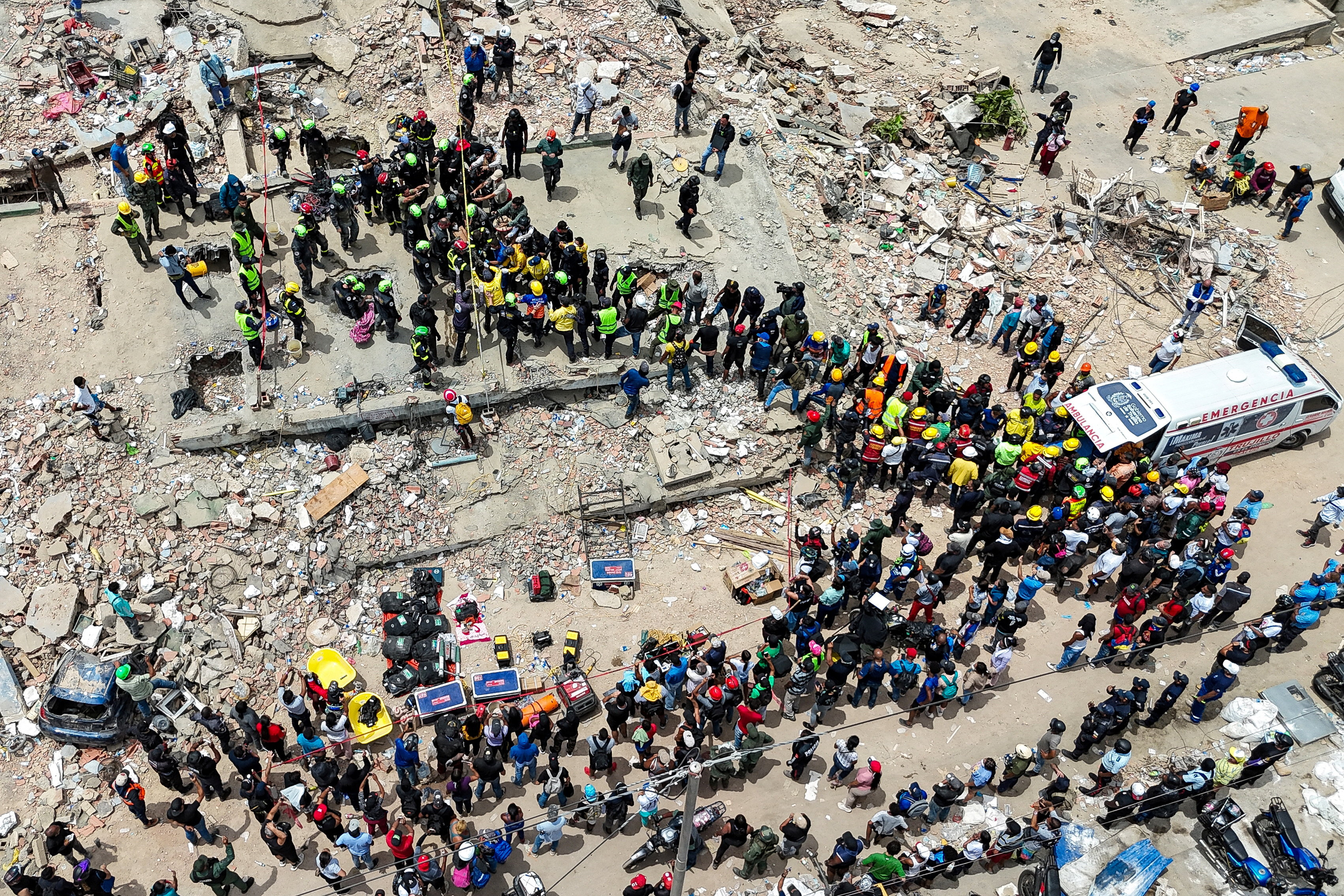
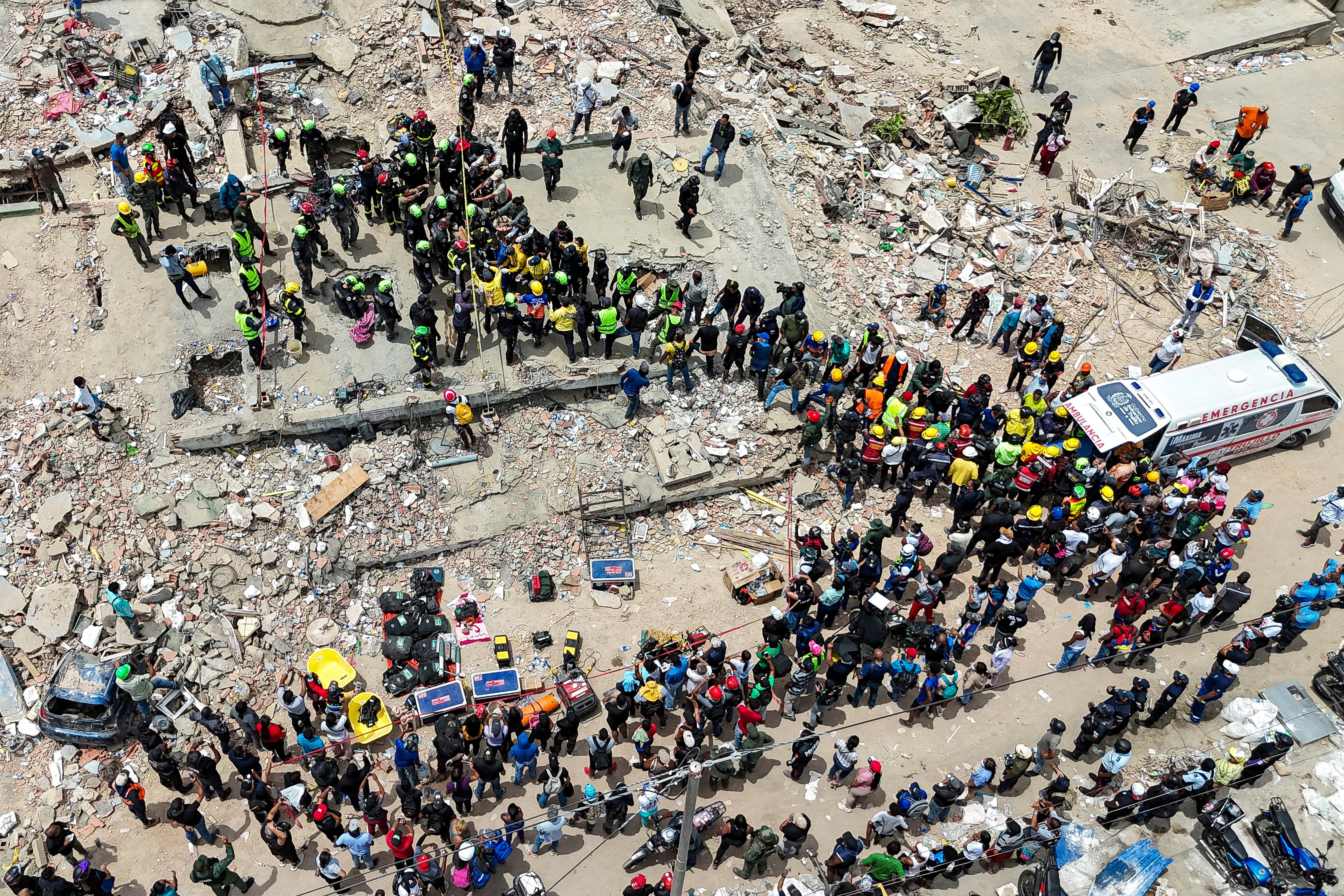
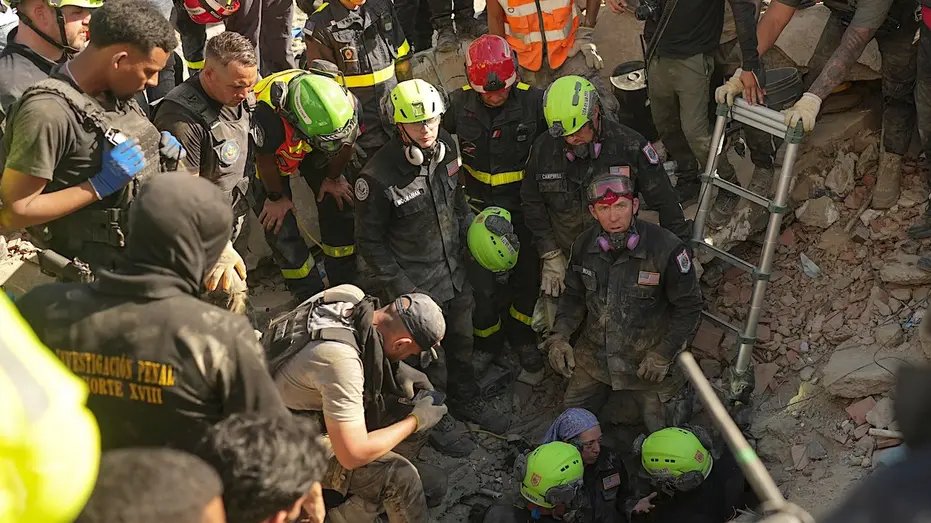
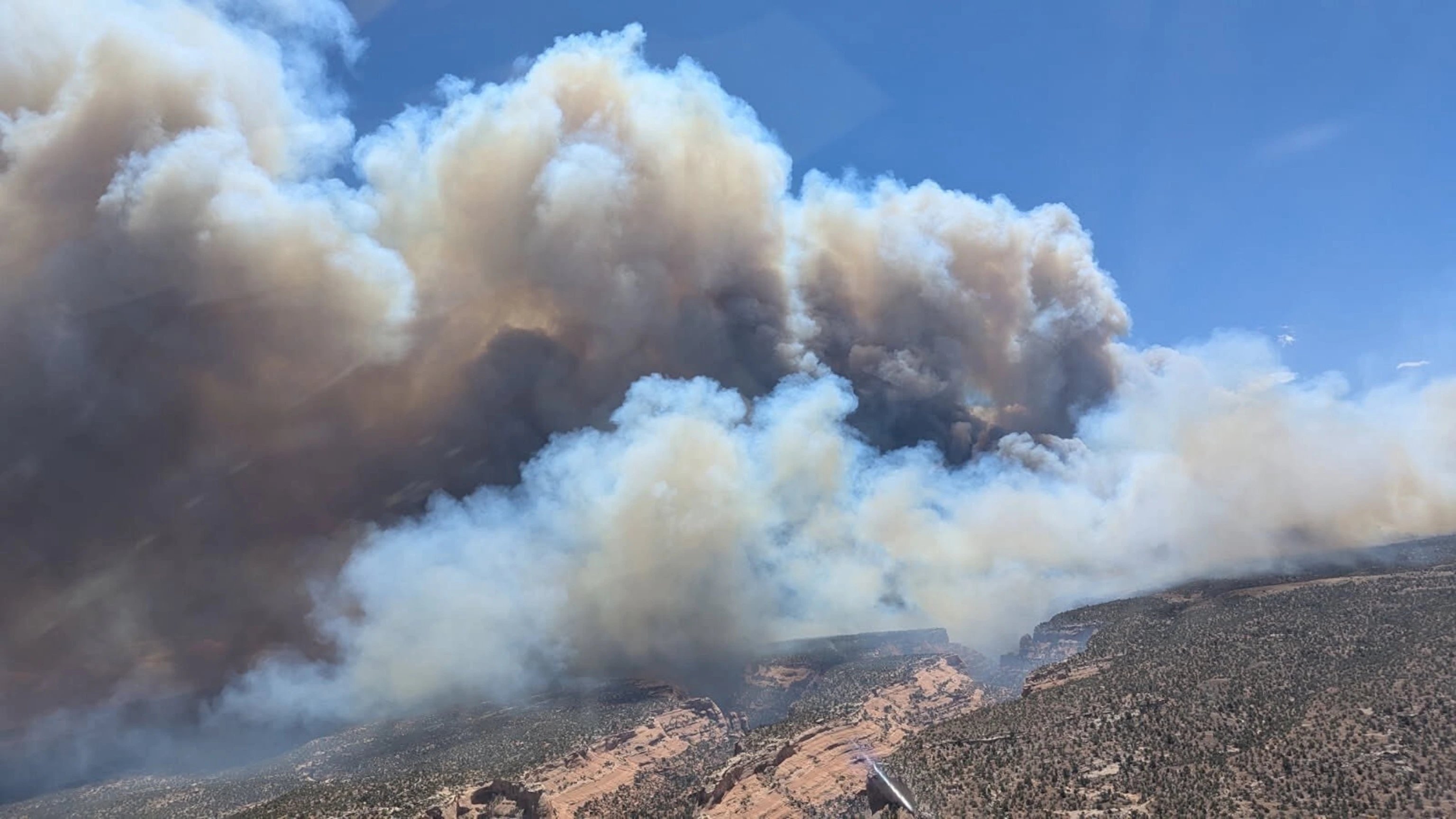
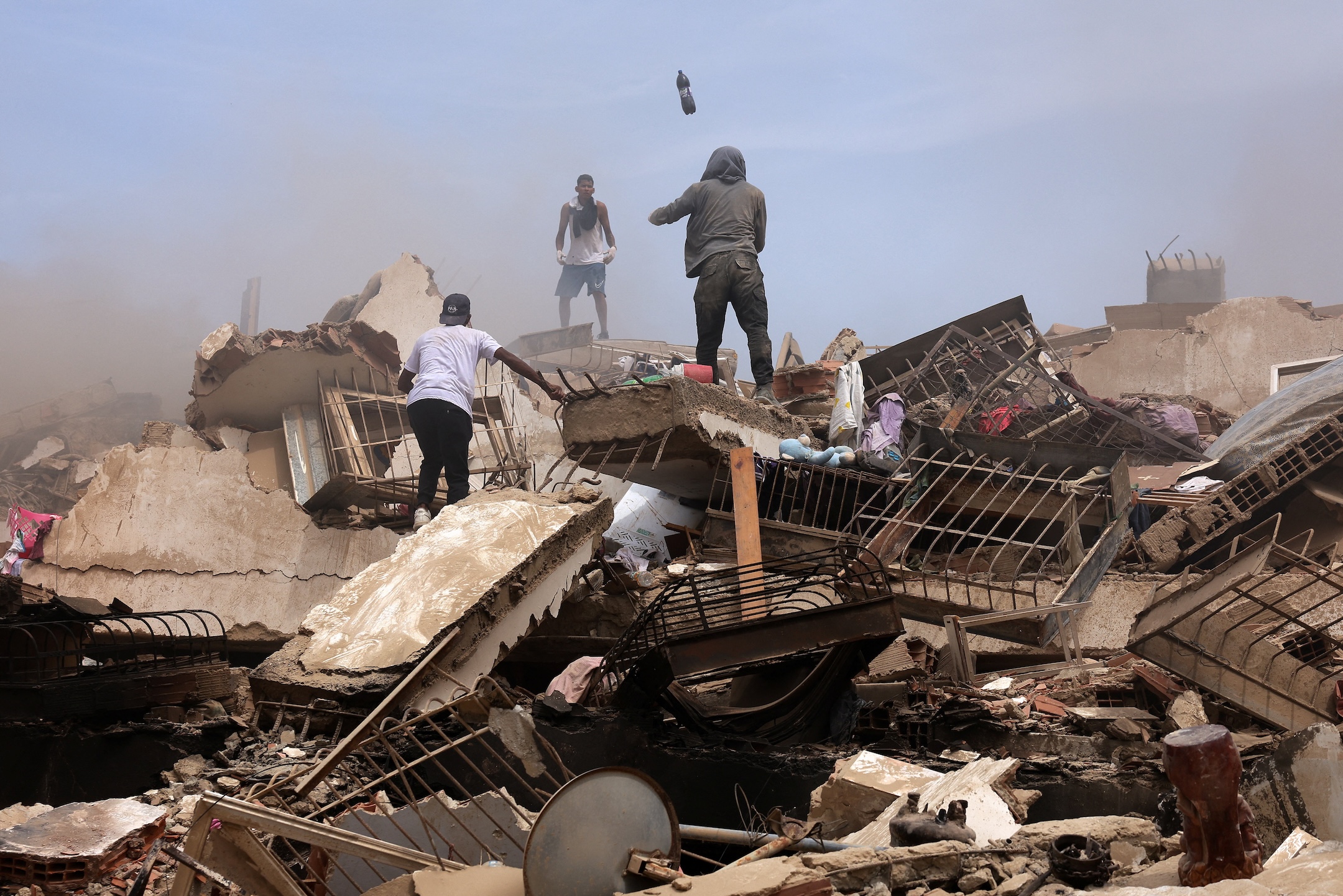
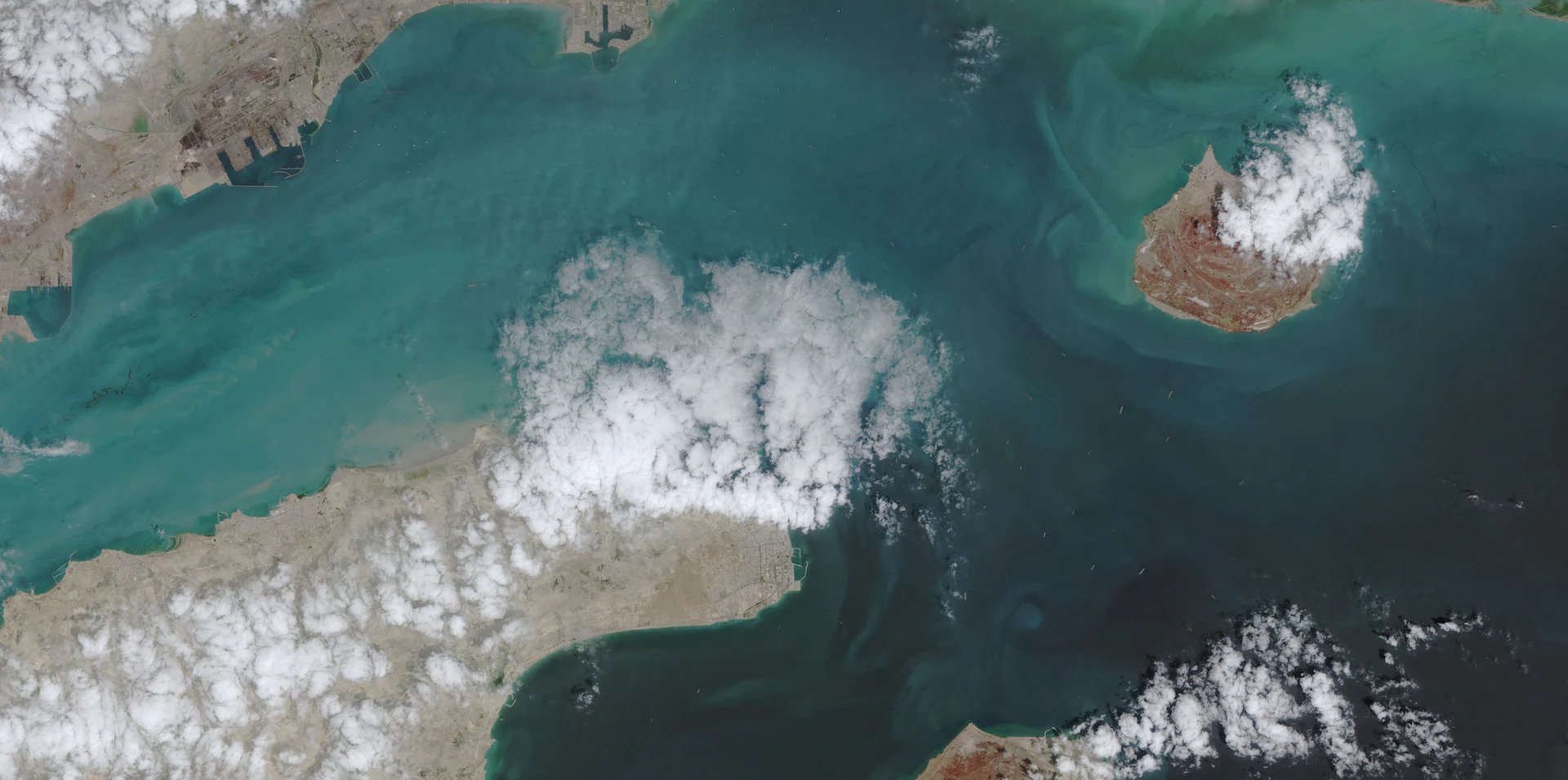
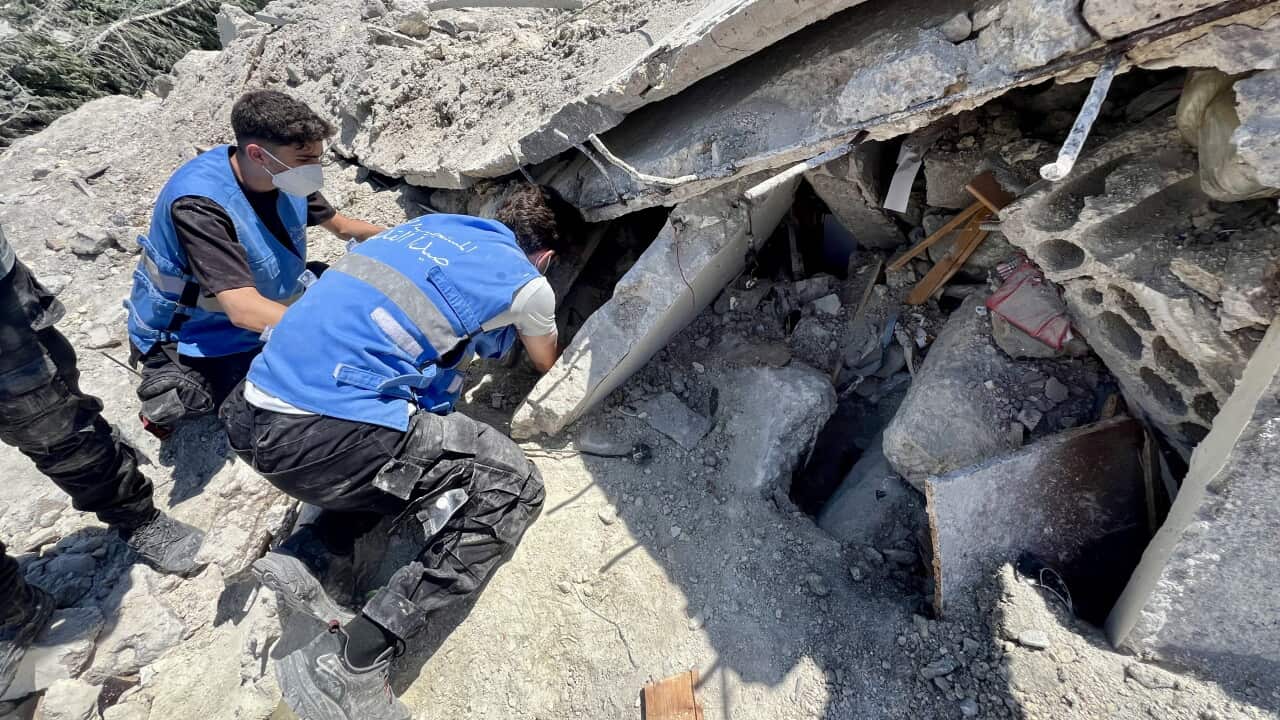
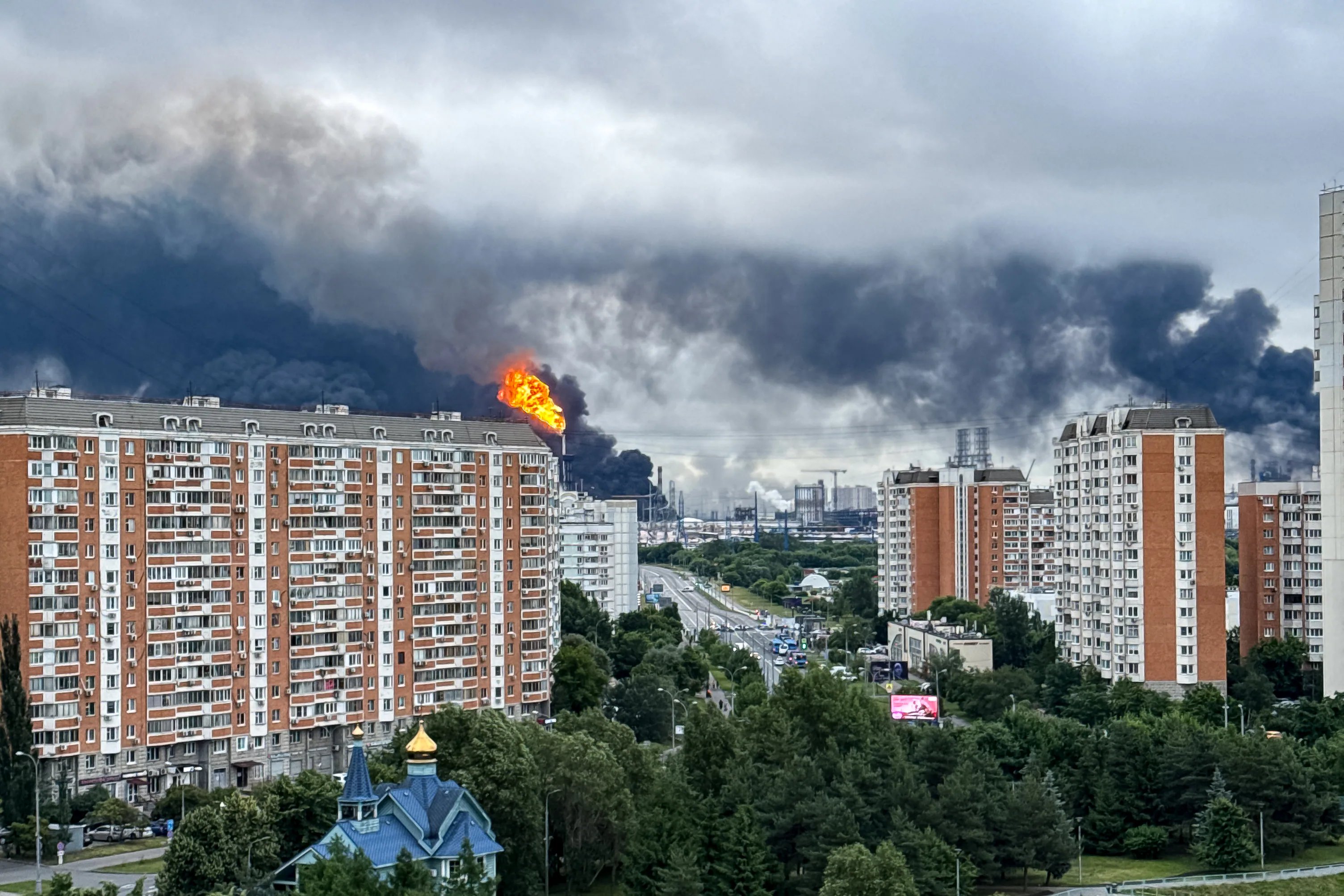
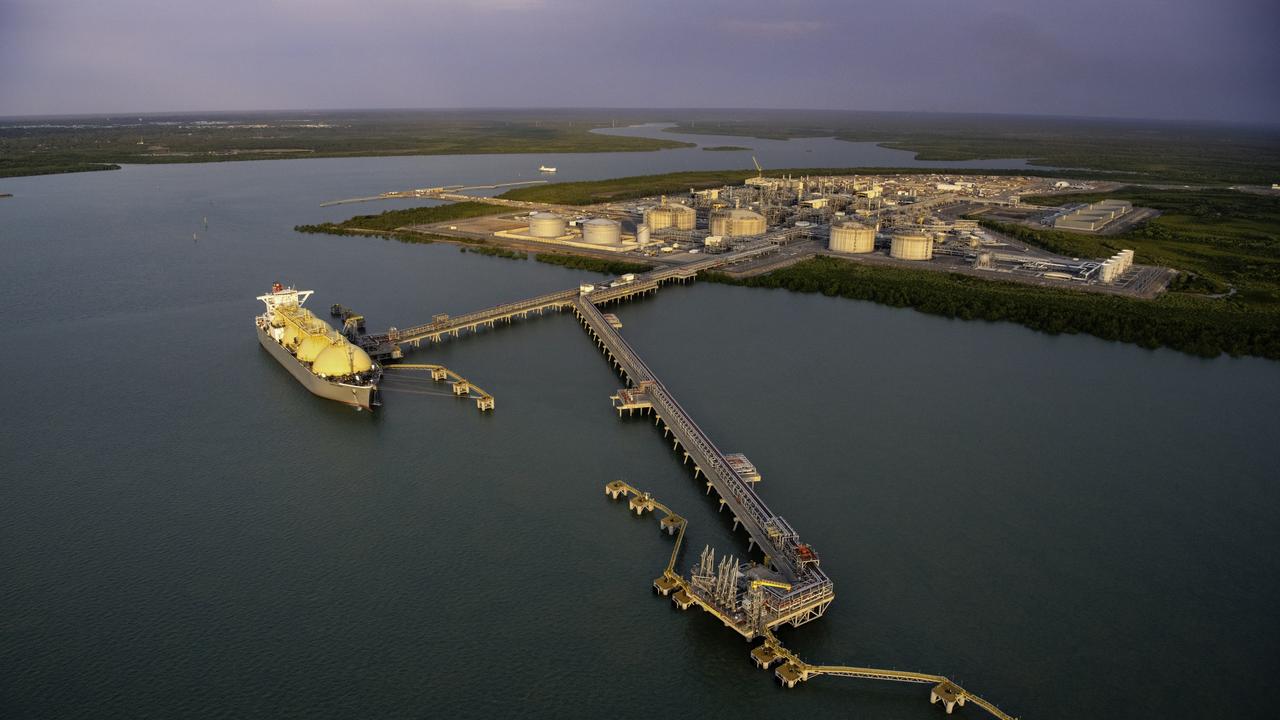
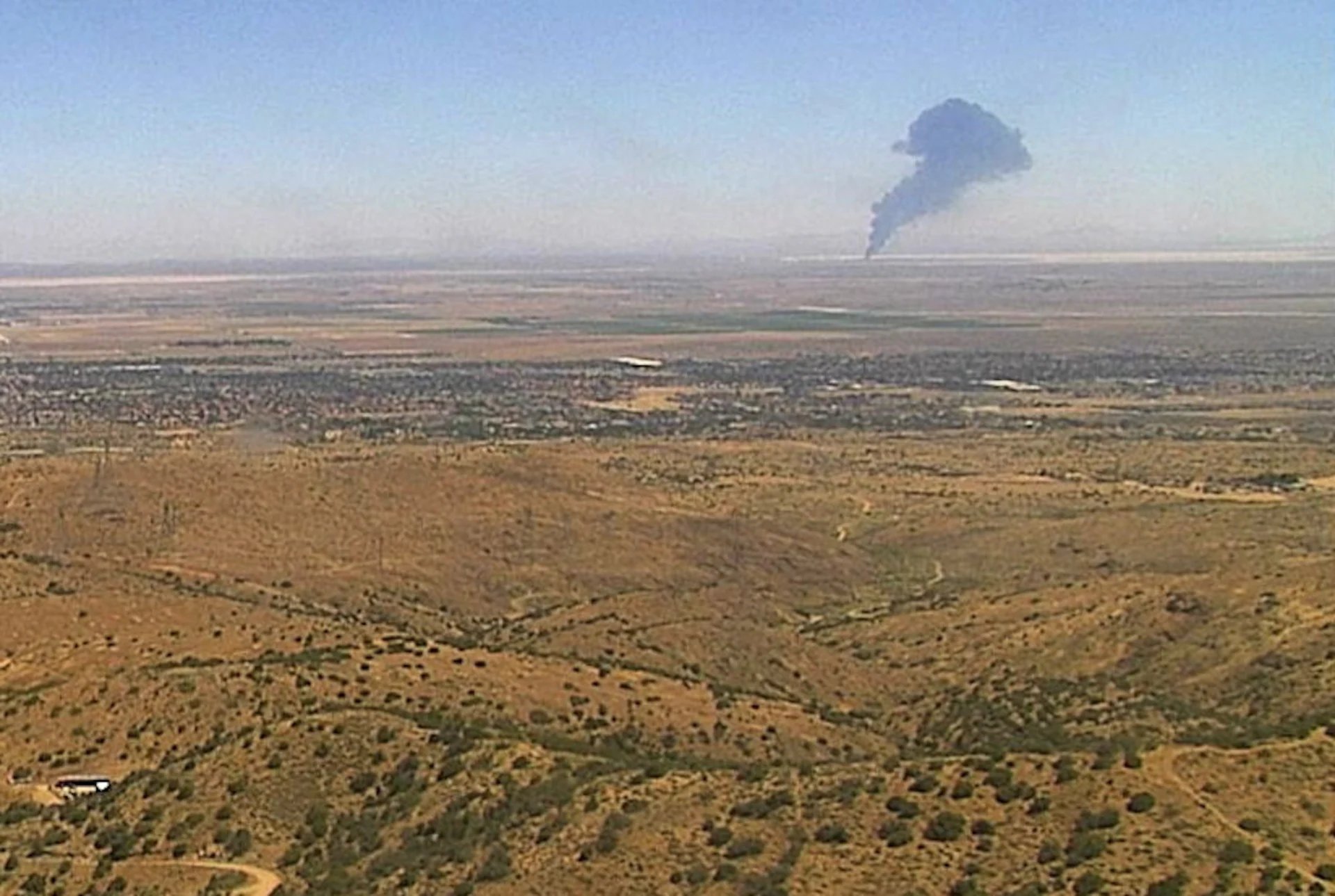
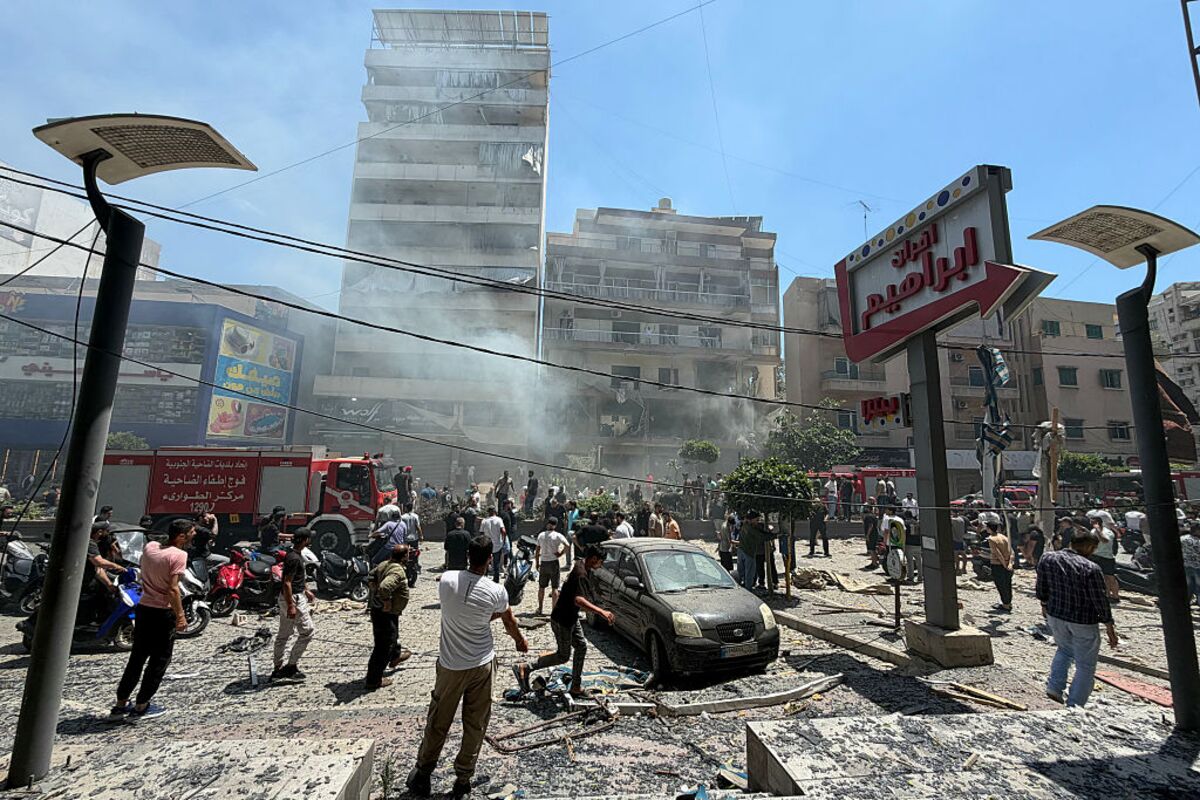
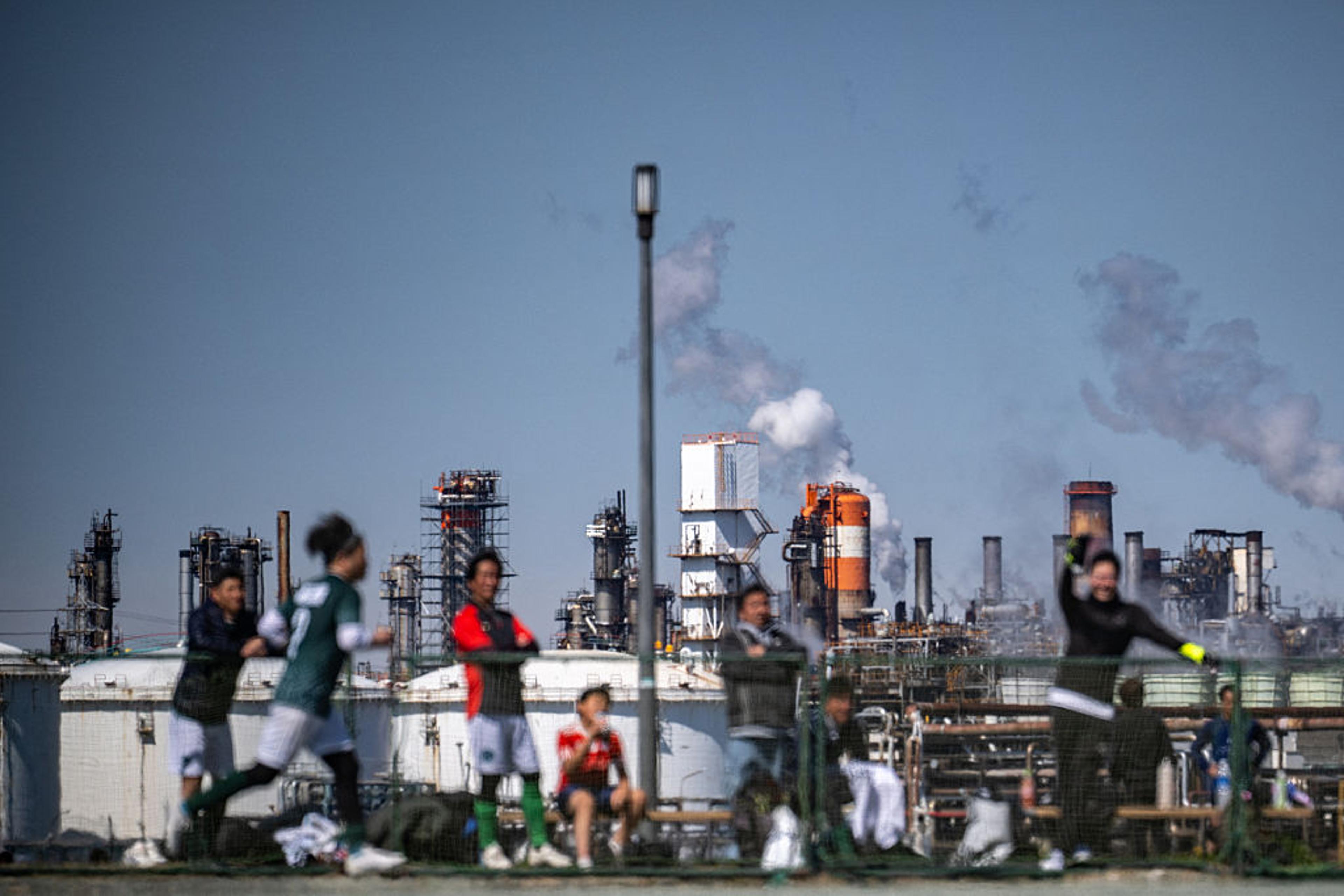
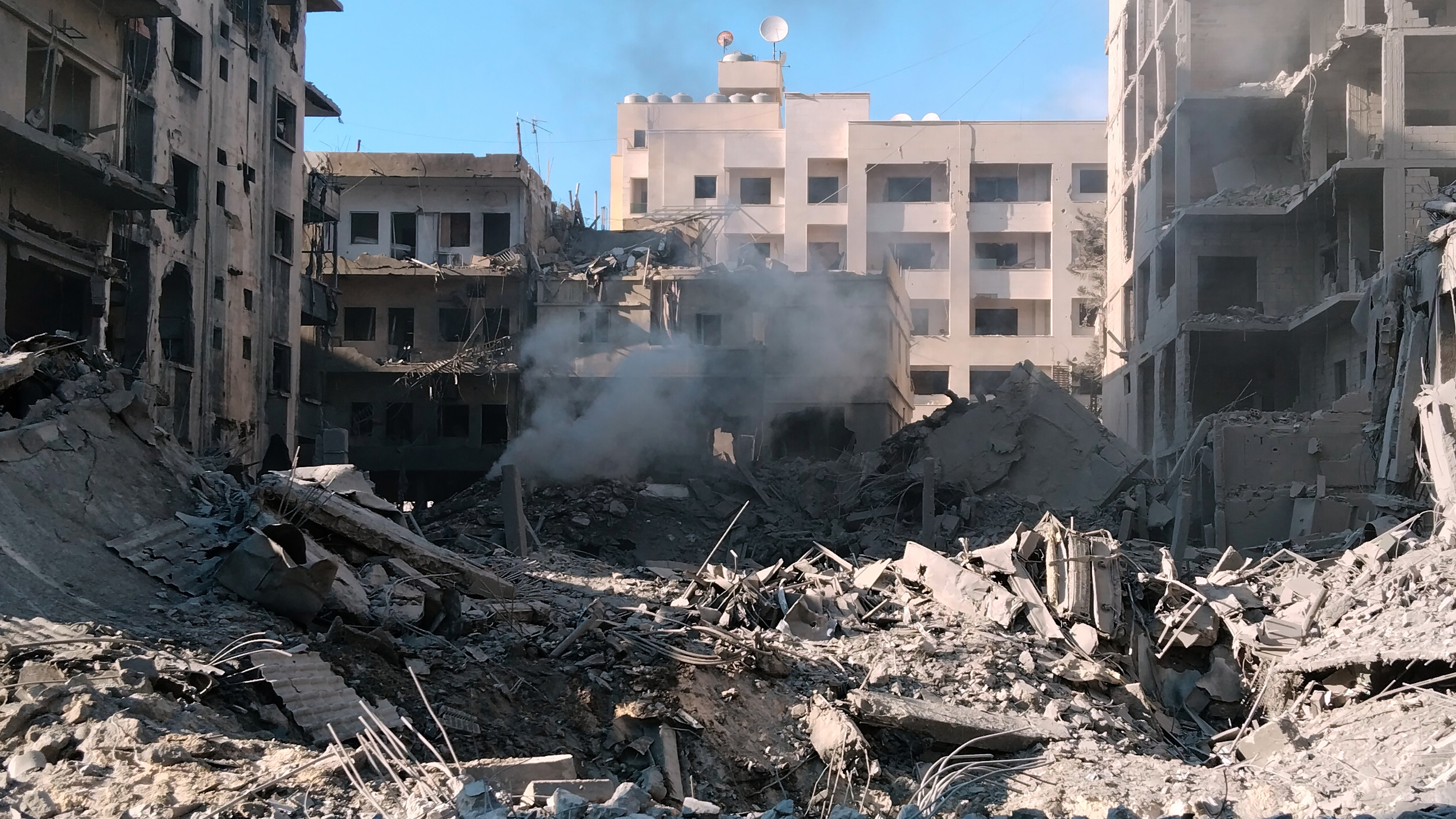
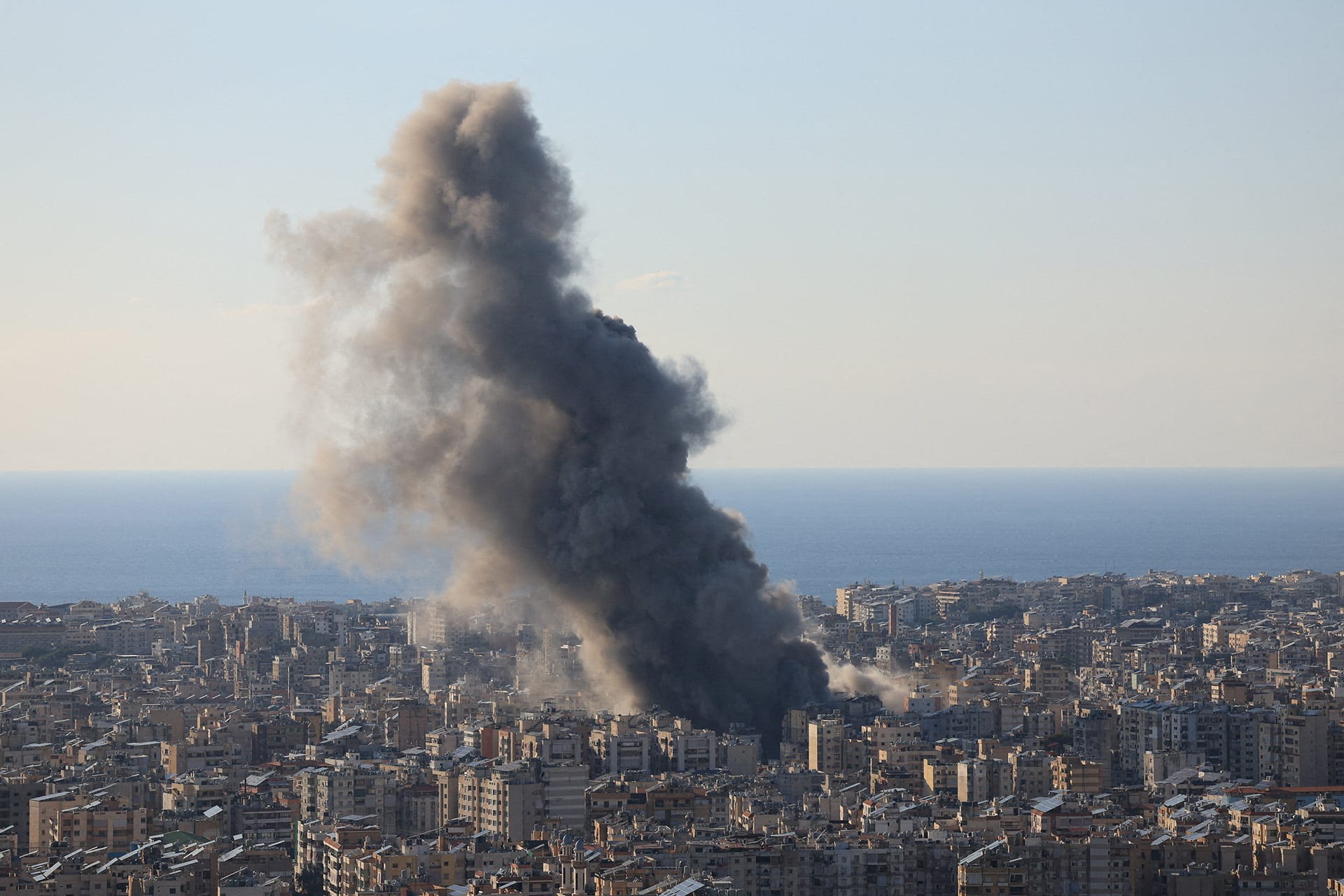
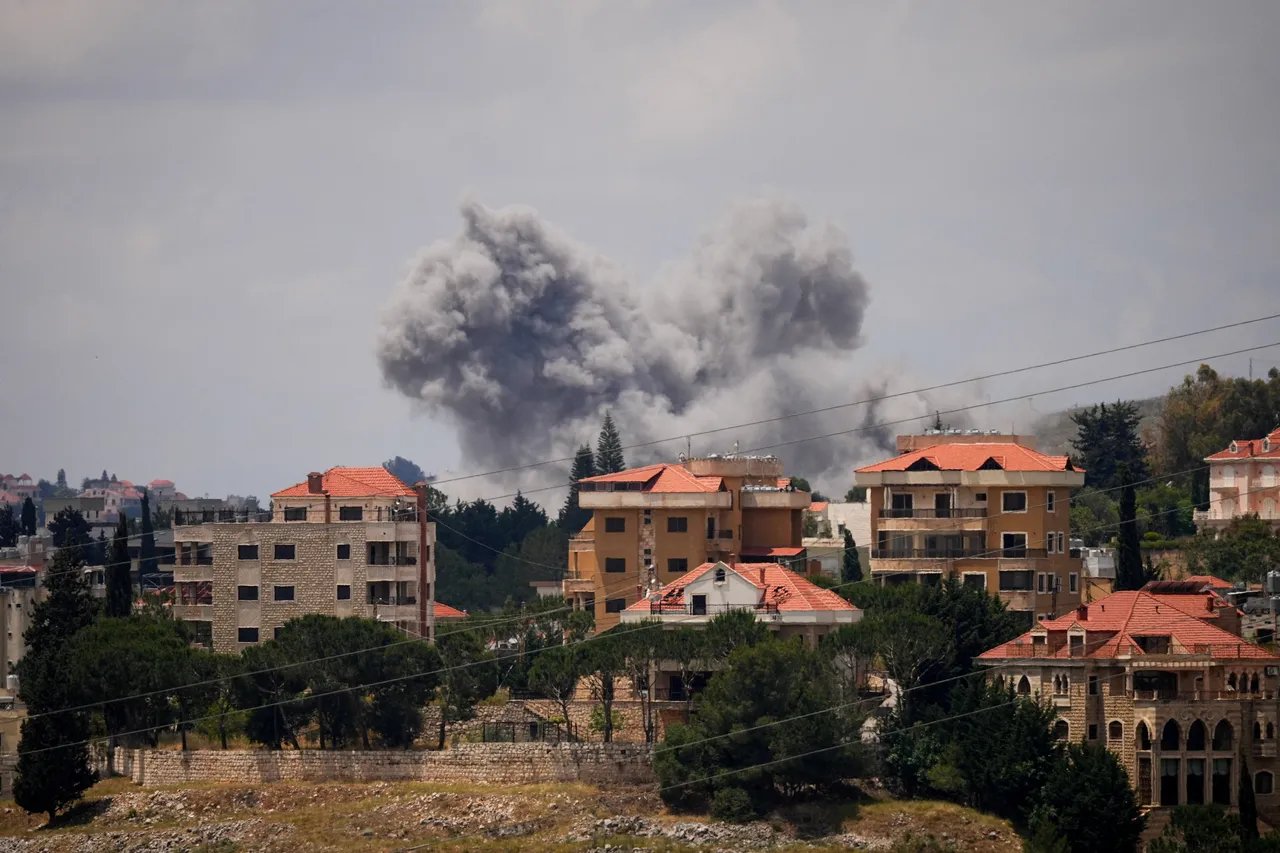
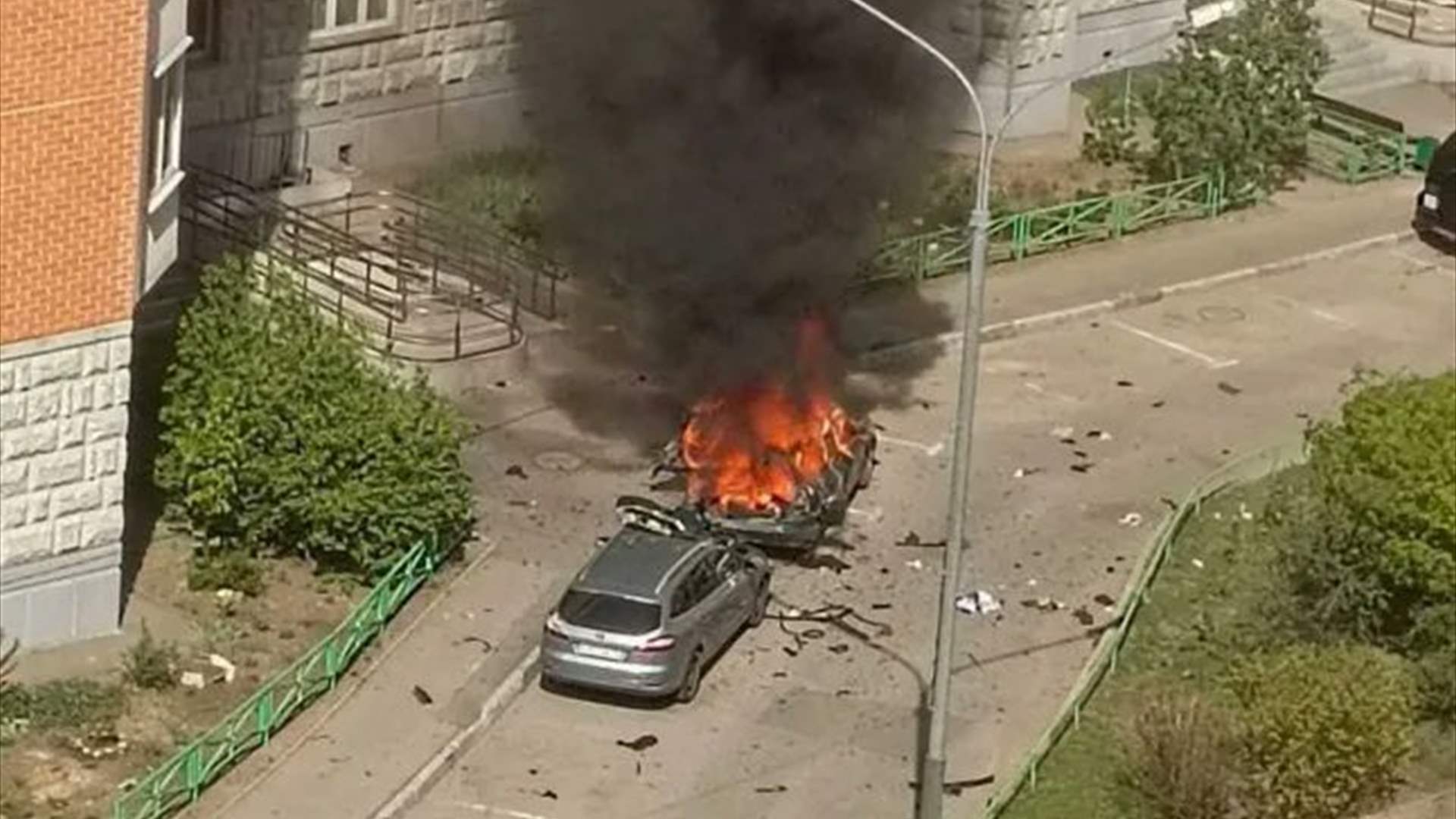
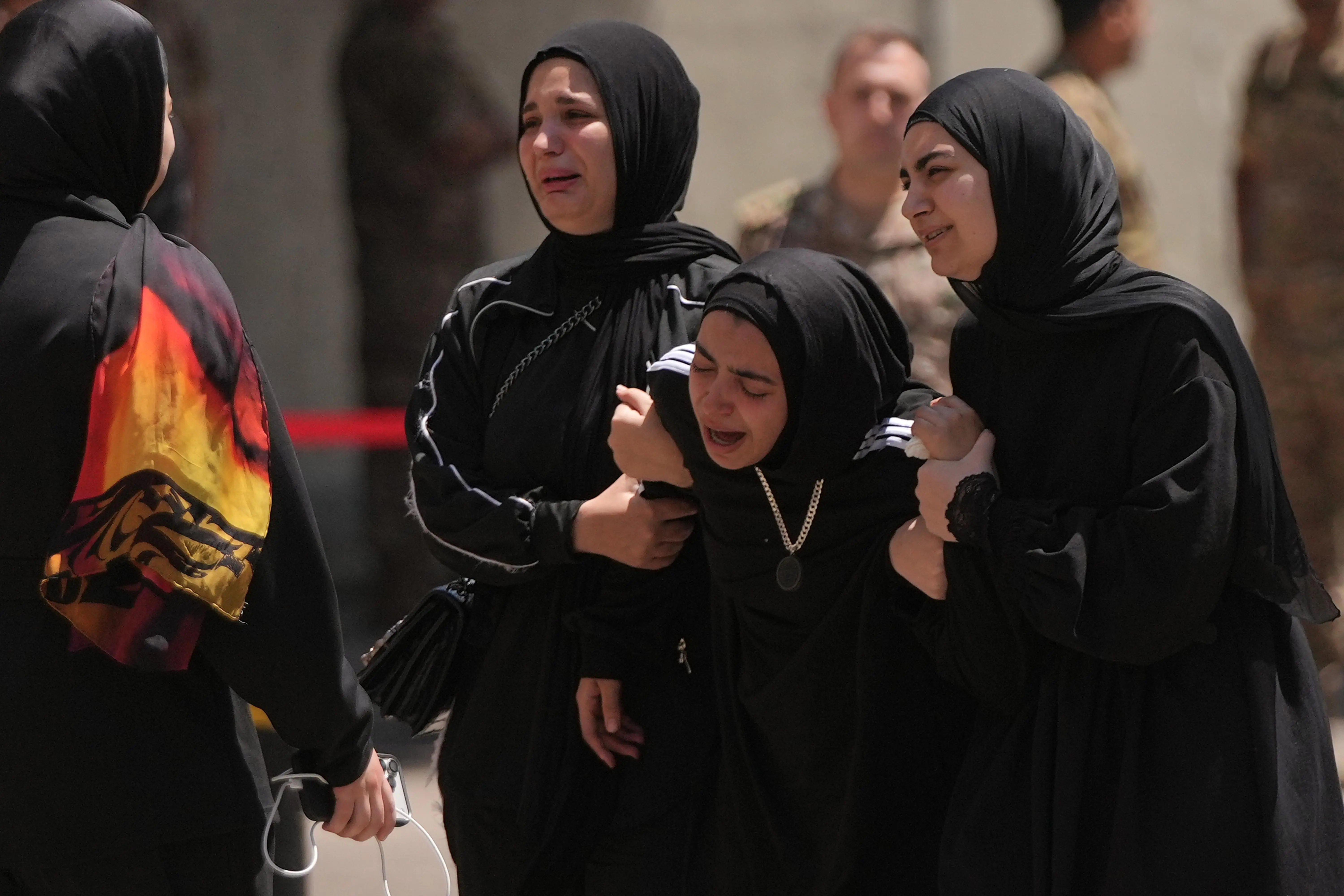
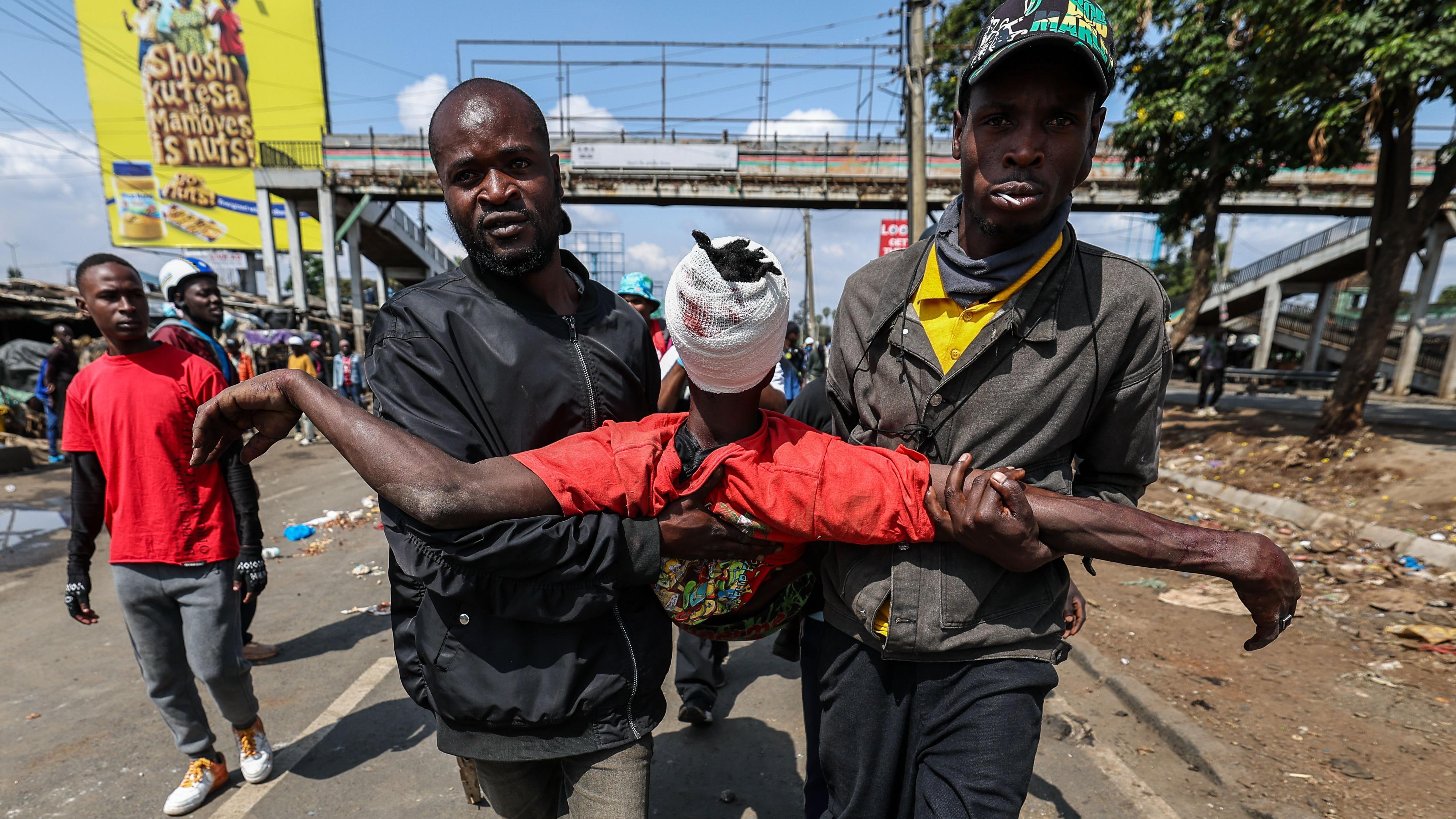
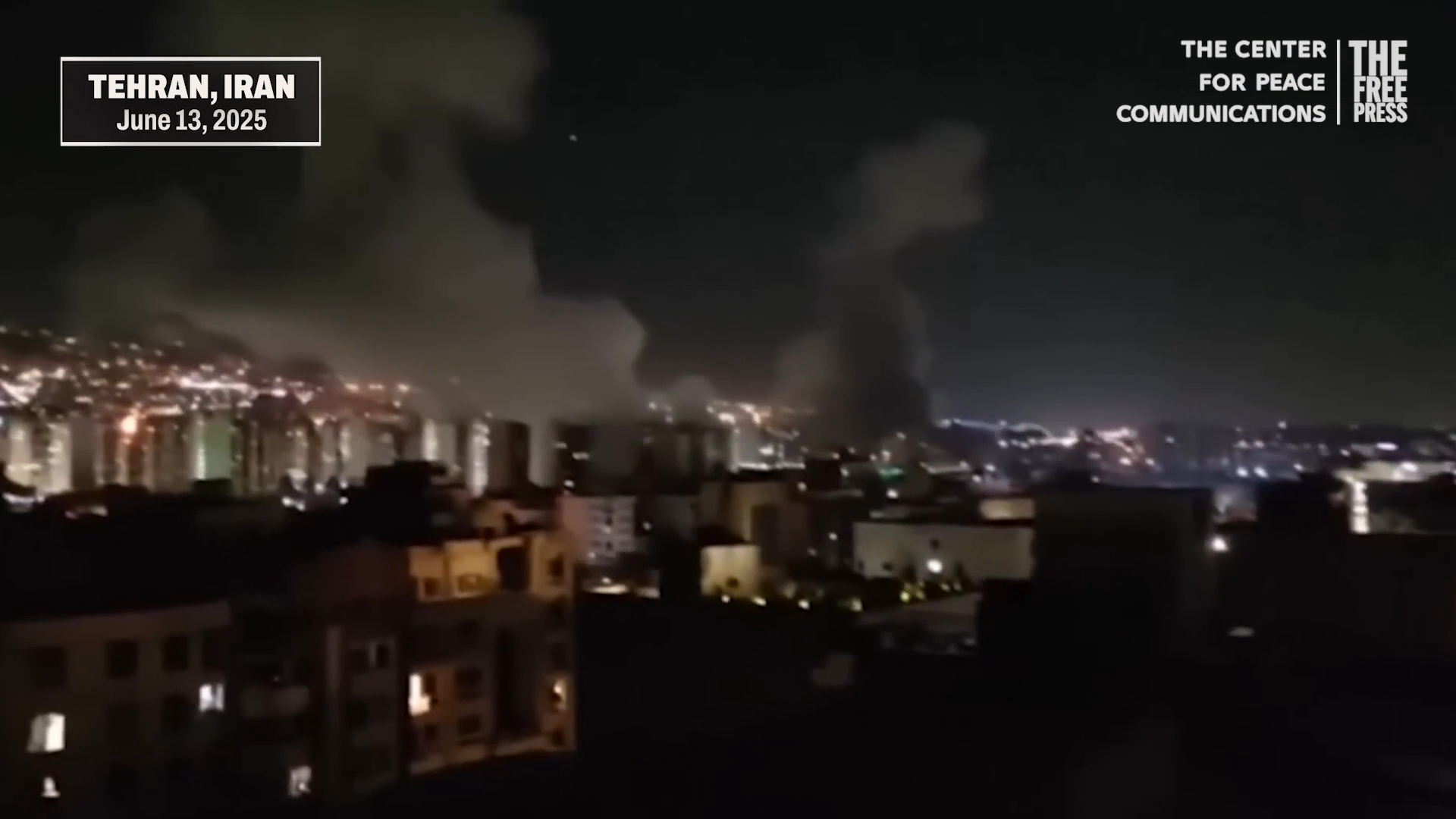
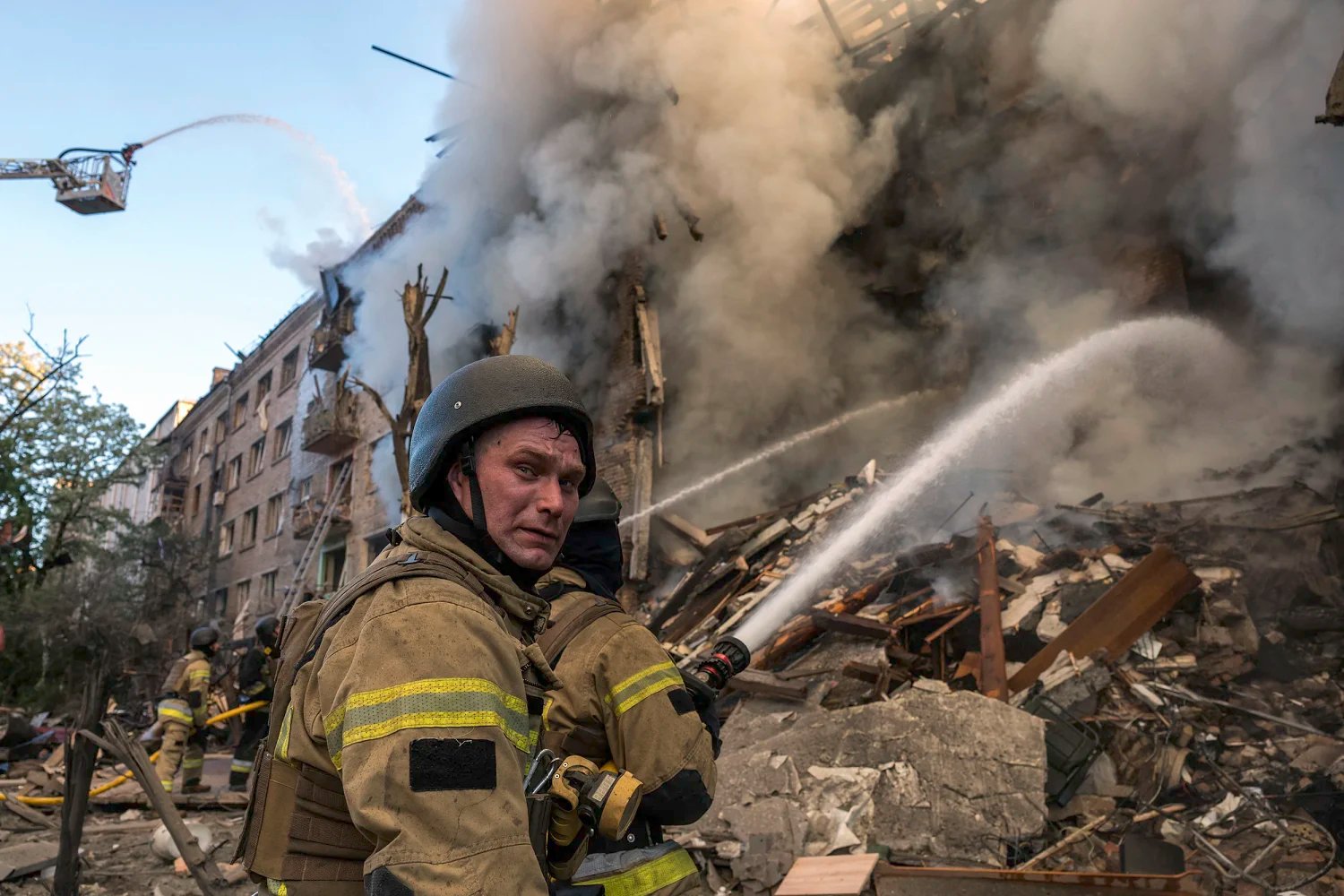
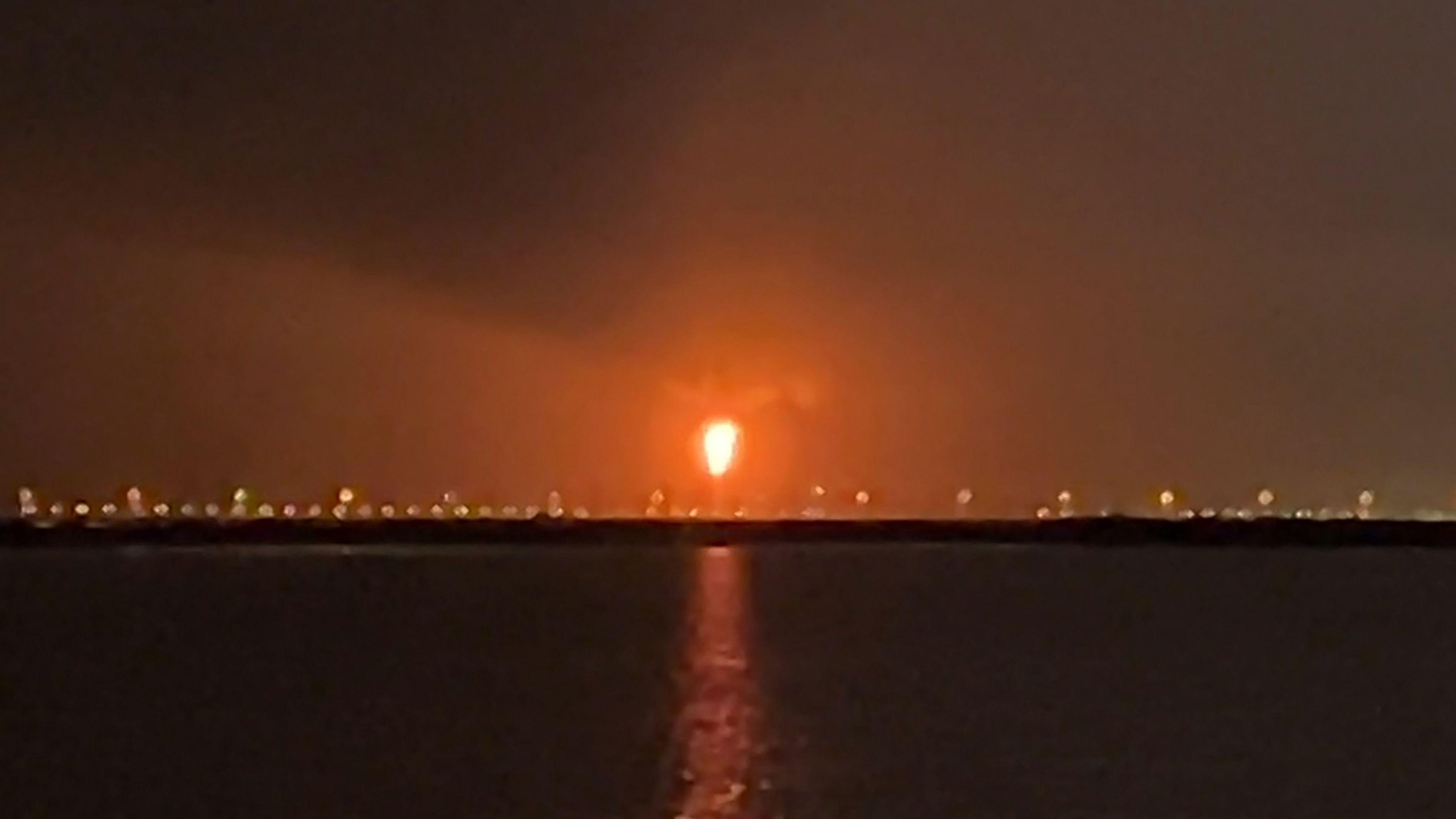
At least 13 people died and 66 were injured when an explosion struck Qatar's largest liquified natural gas processing facility on Sunday night. The blast occurred at the Barzan local gas supply facility within the Ras Laffan industrial zone, a sprawling complex that houses the world's largest LNG export facility. The explosion was powerful enough to rattle windows and alarm residents more than 70 kilometers away in central Doha, turning the city's skyline orange as emergency response teams deployed immediately to contain the resulting fire.
Qatar's Energy Minister Saad Sherida al-Kaabi characterized the event as a "technical accident" rather than sabotage or a hostile act. All 13 people killed were workers from India and Pakistan, according to Sherida al-Kaabi's statement. The Embassy of India in Doha said it was in constant touch with Qatari authorities and would provide assistance to affected families.
Why the facility had just restarted
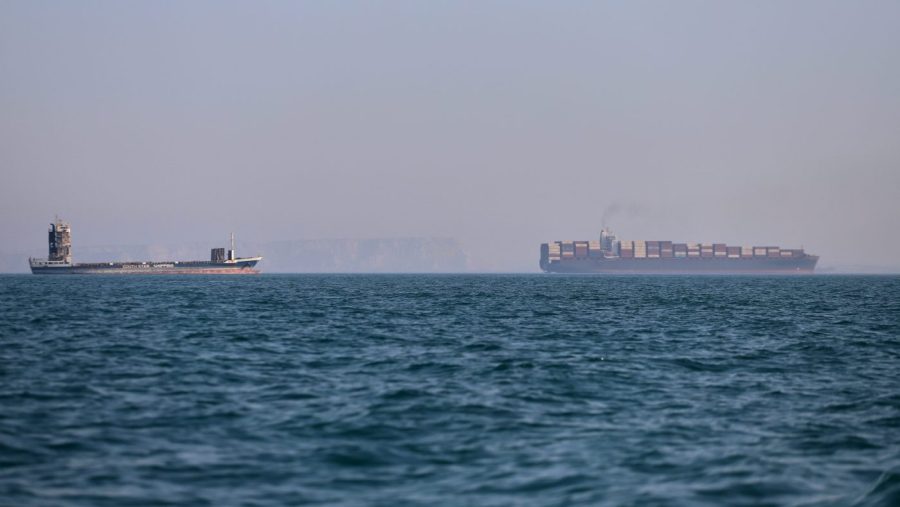
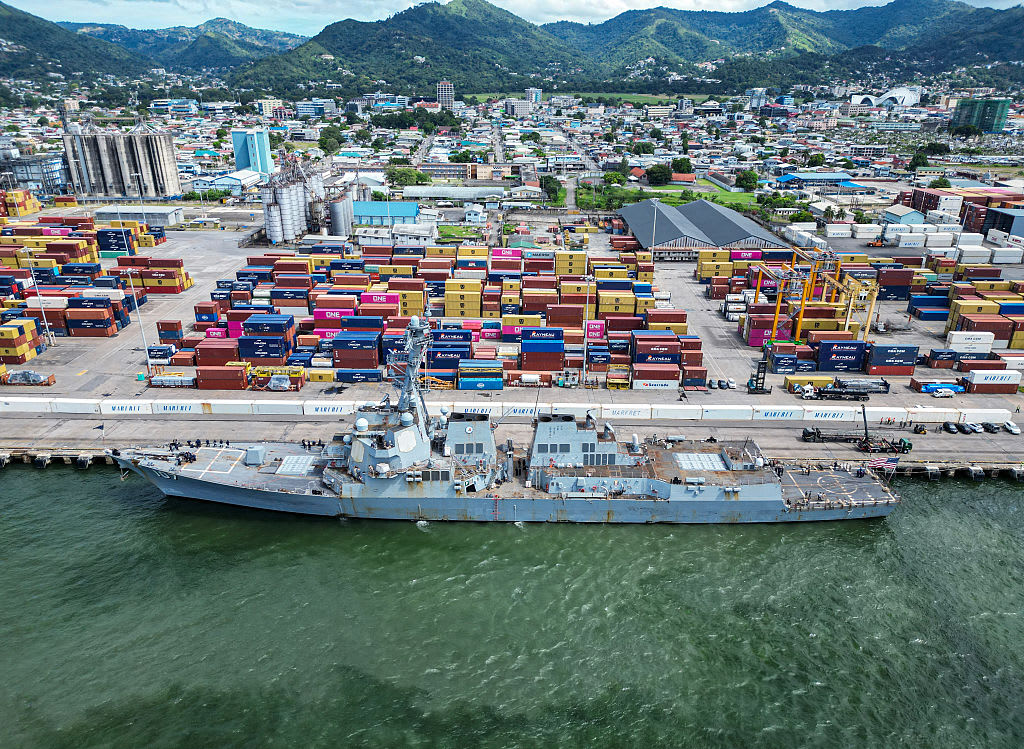
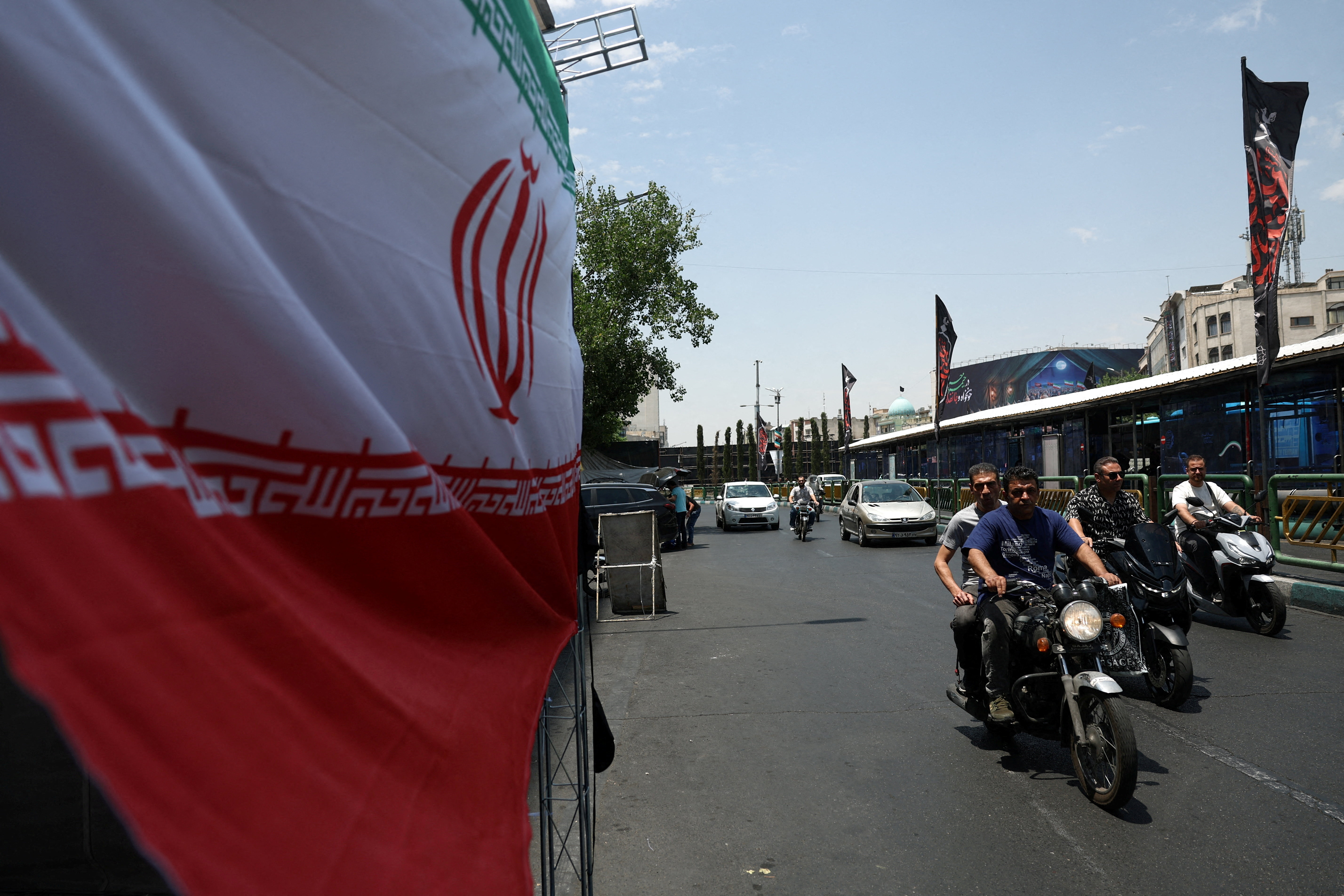
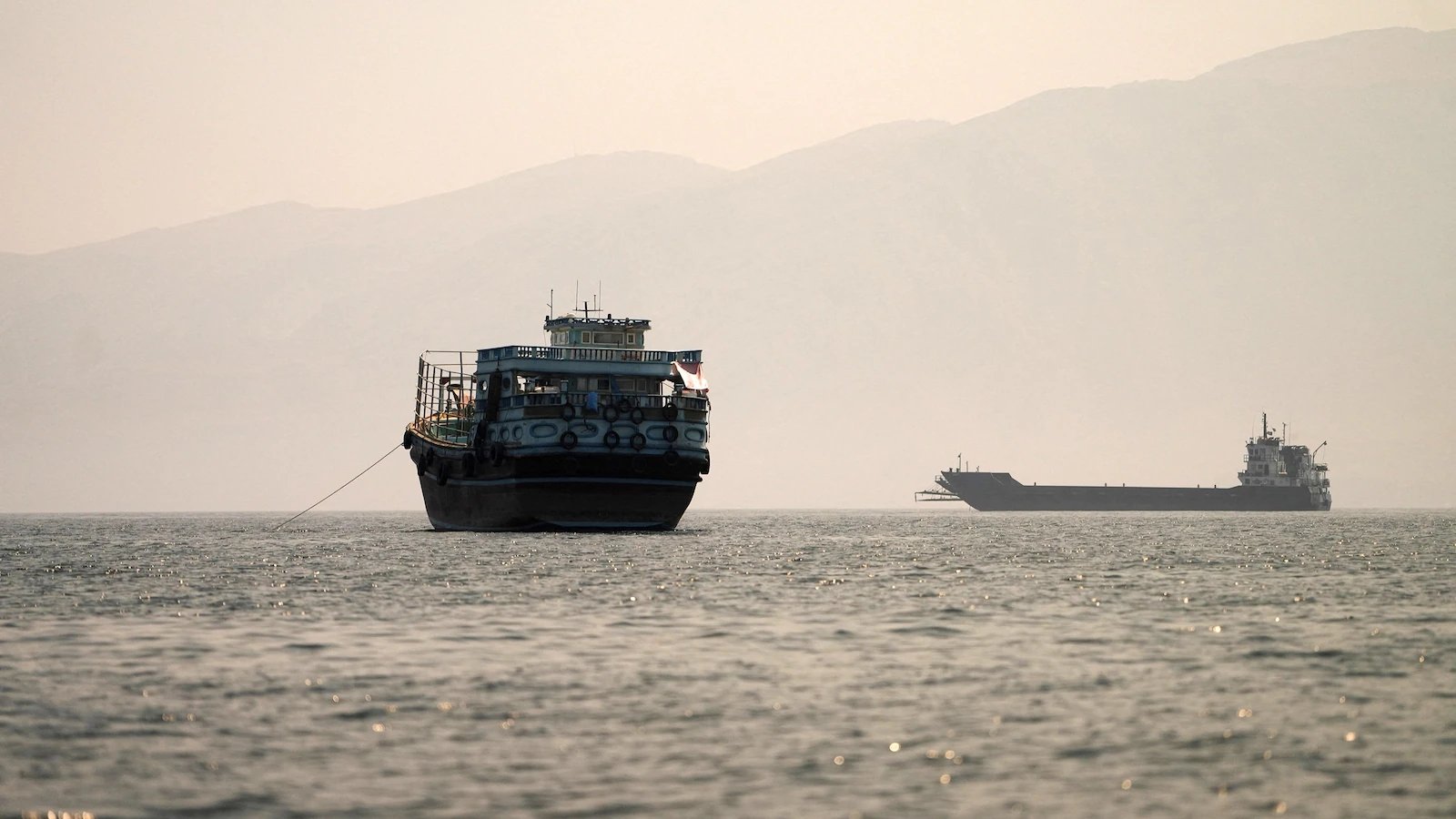
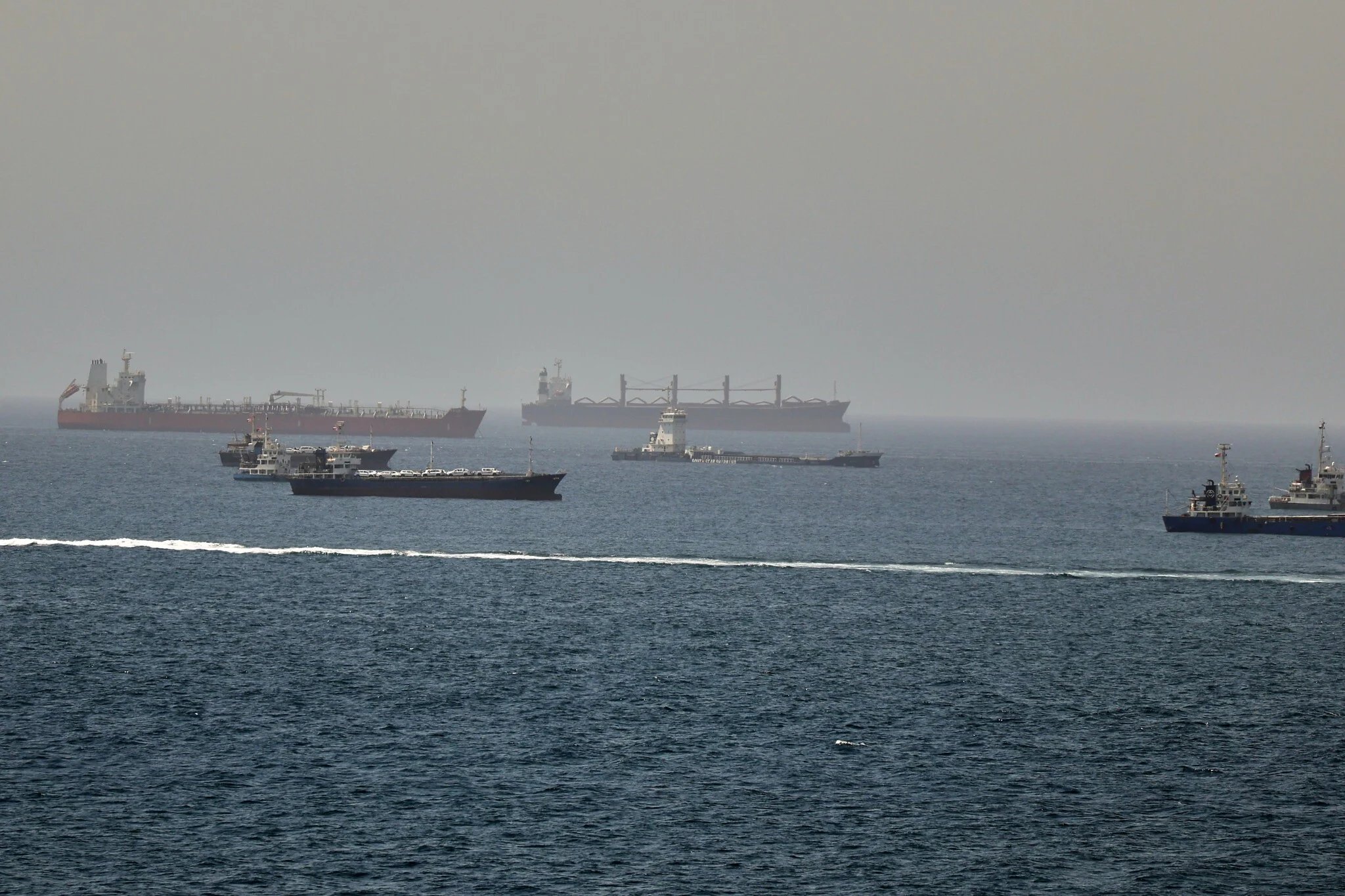
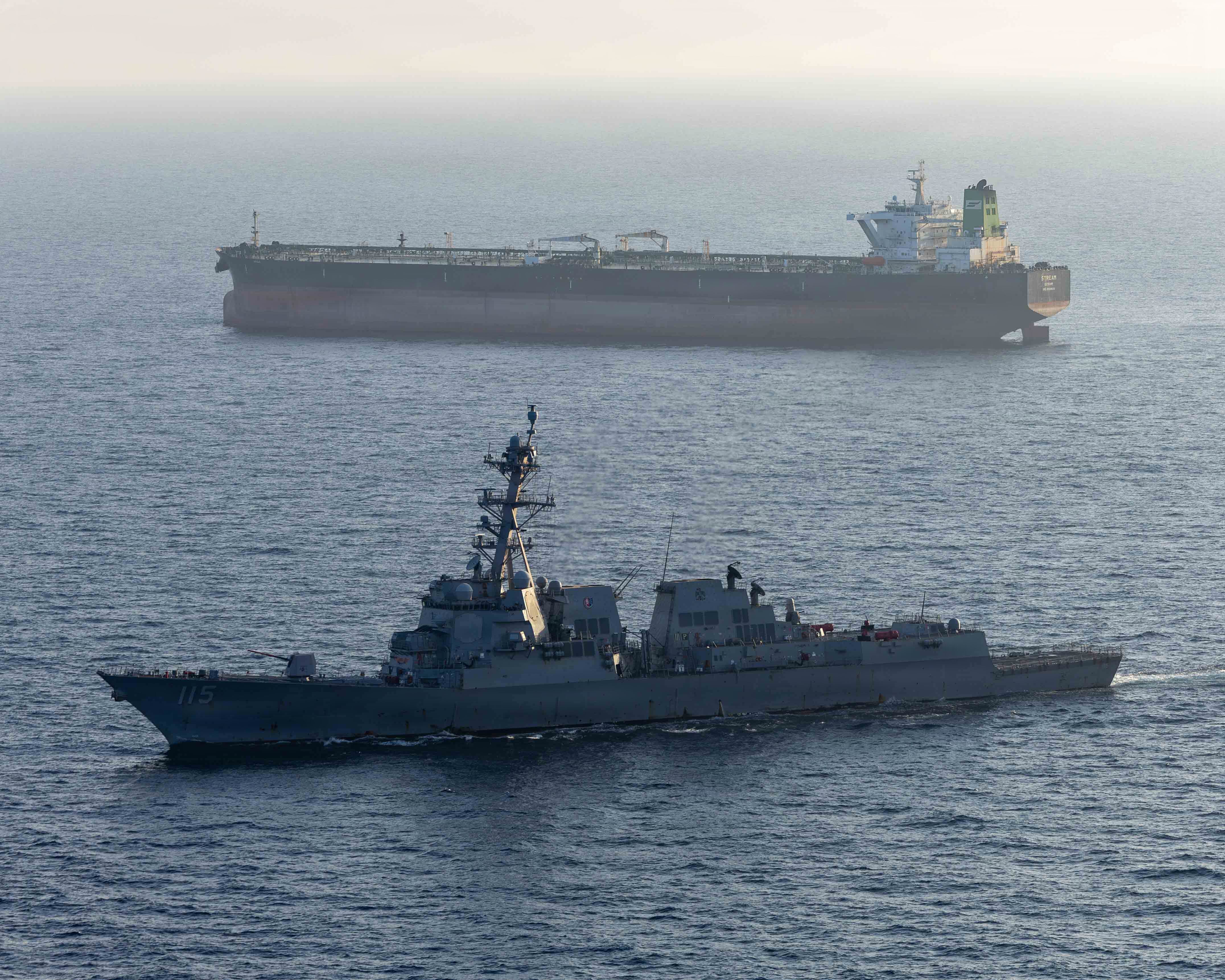
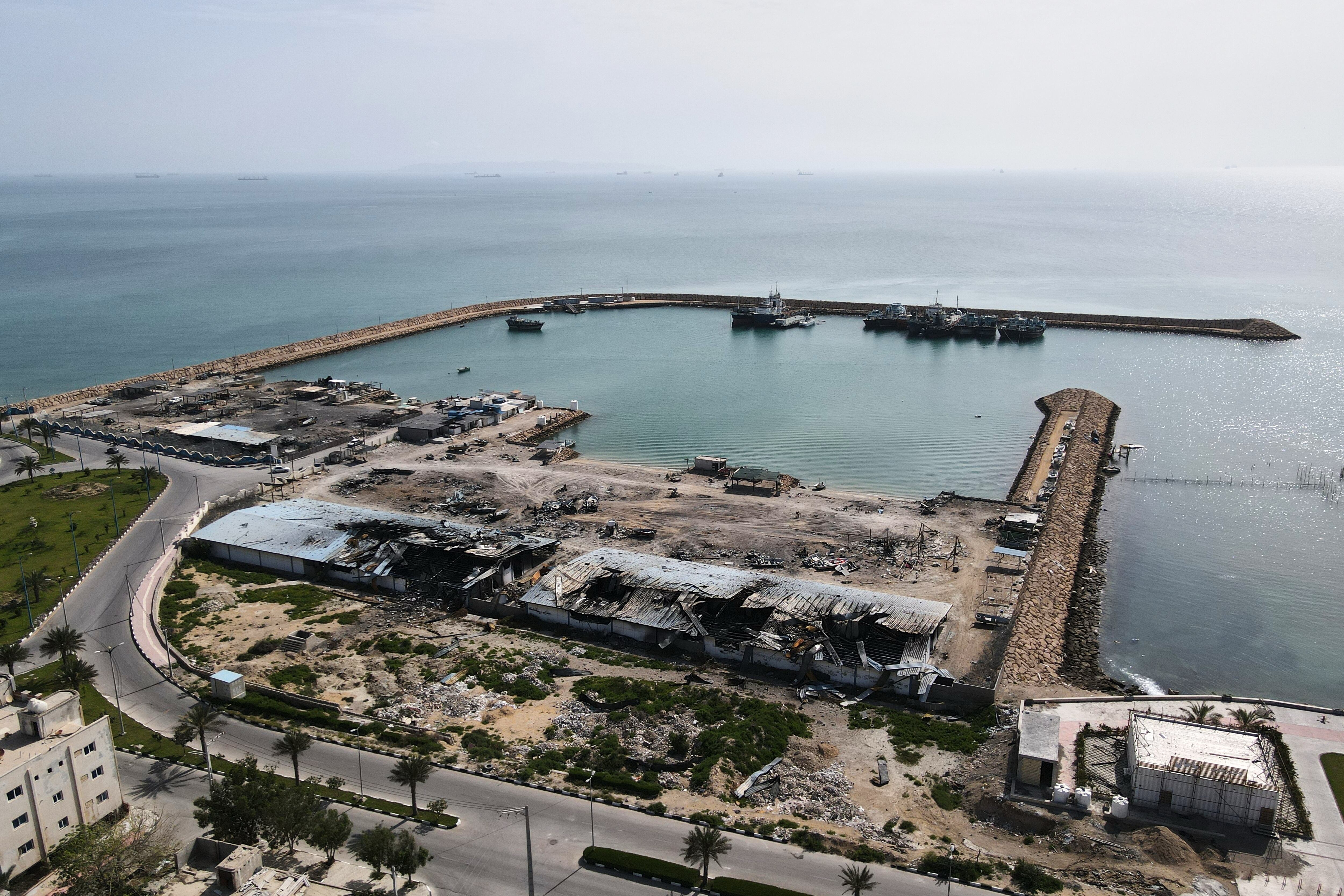
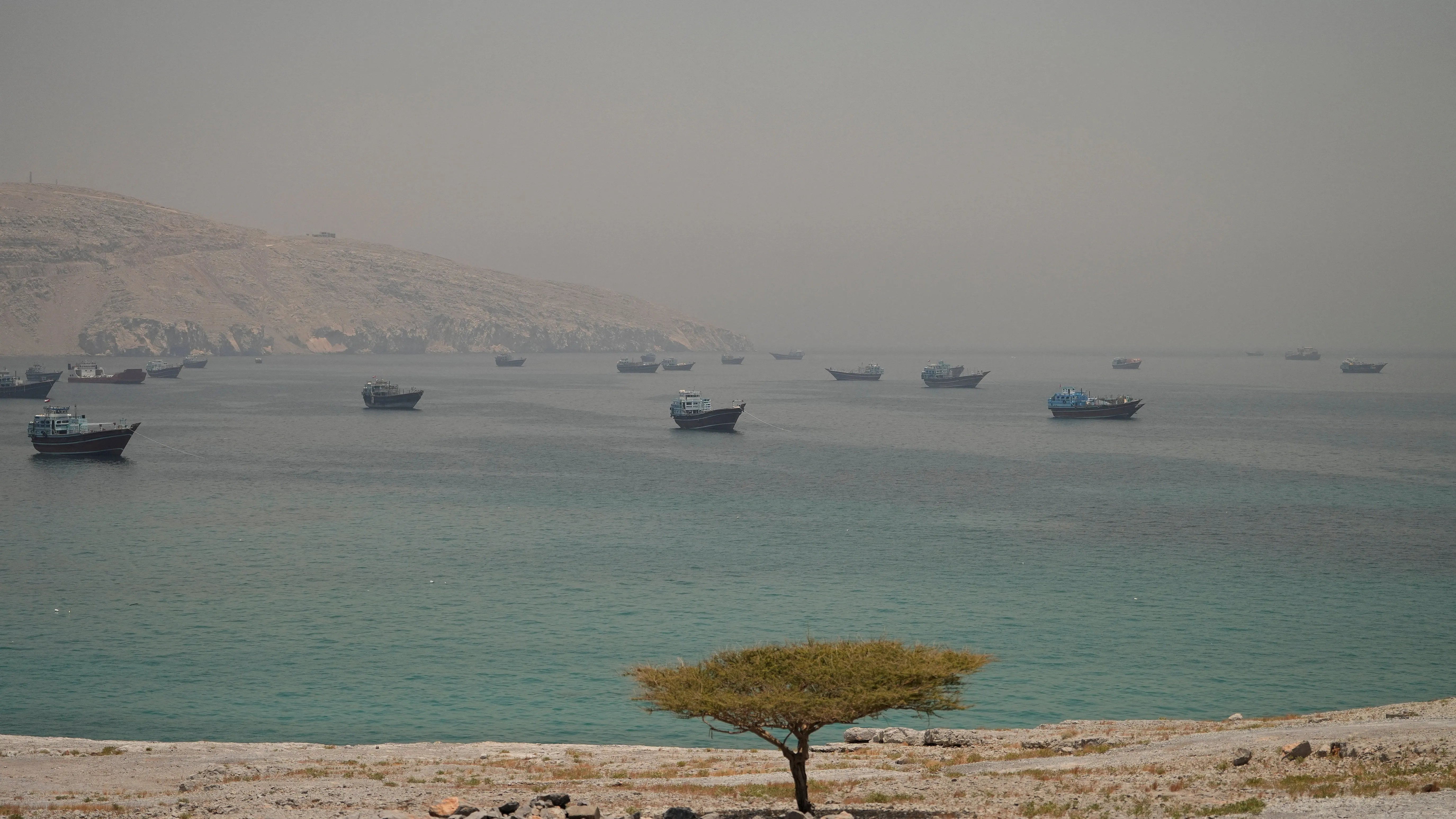
The explosion occurred at a particularly vulnerable moment for the facility. Plant production had been completely stopped since December 2025 due to urgent maintenance requirements, and operations had only restarted two days before the blast. The Ras Laffan Port, described as the largest artificial harbour in the world, had suffered extensive damage from Iranian retaliatory strikes earlier in the year during conflict with the United States and Israel.
An investigation into the cause of the accident has begun, though Sherida al-Kaabi said it would be difficult to determine when operations would resume. The government confirmed there were no environmental risks from the explosion.
Global energy supply implications
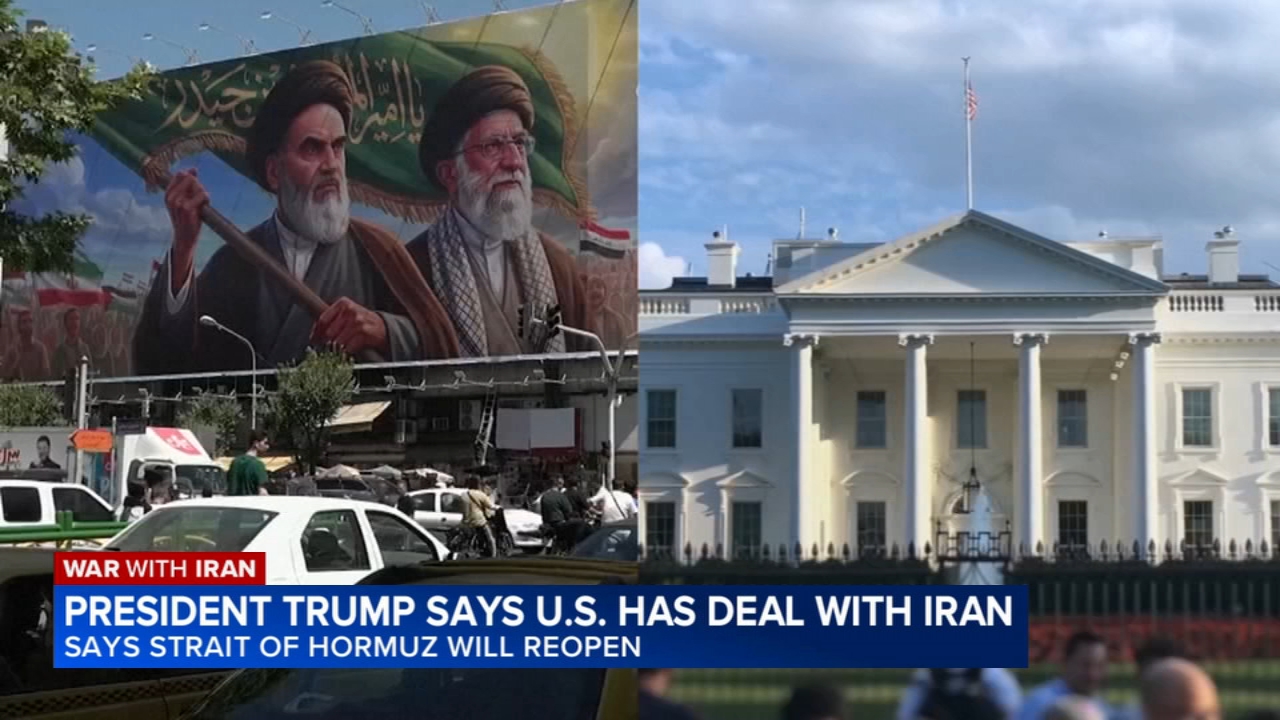
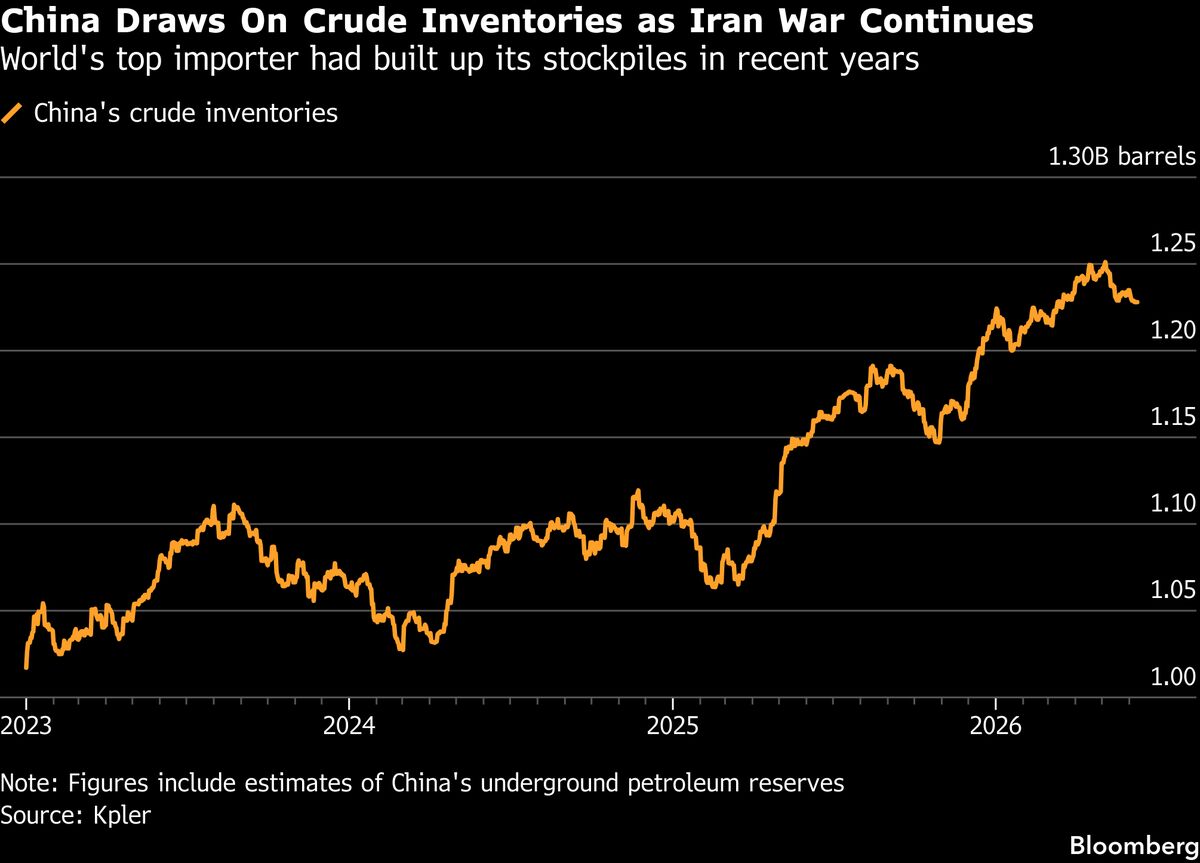
The accident carries significant consequences for worldwide energy markets. Qatar had halted production in response to the US-Israel conflict with Iran, which paused a fifth of the world's LNG supply. Shipments had only recently begun to resume when the explosion occurred.
Sherida al-Kaabi stated the explosion would not affect Qatar's exports, but QatarEnergy reported that required repairs to the facility would reduce output by 12.8 million tons of LNG for three to five years. That reduction represents a substantial portion of global supply from a nation that serves as a major energy supplier to multiple continents.