




Hezbollah's Position Strengthened by Deal
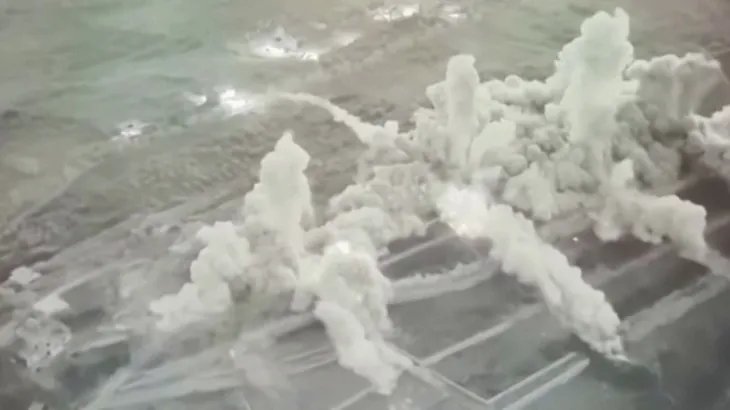
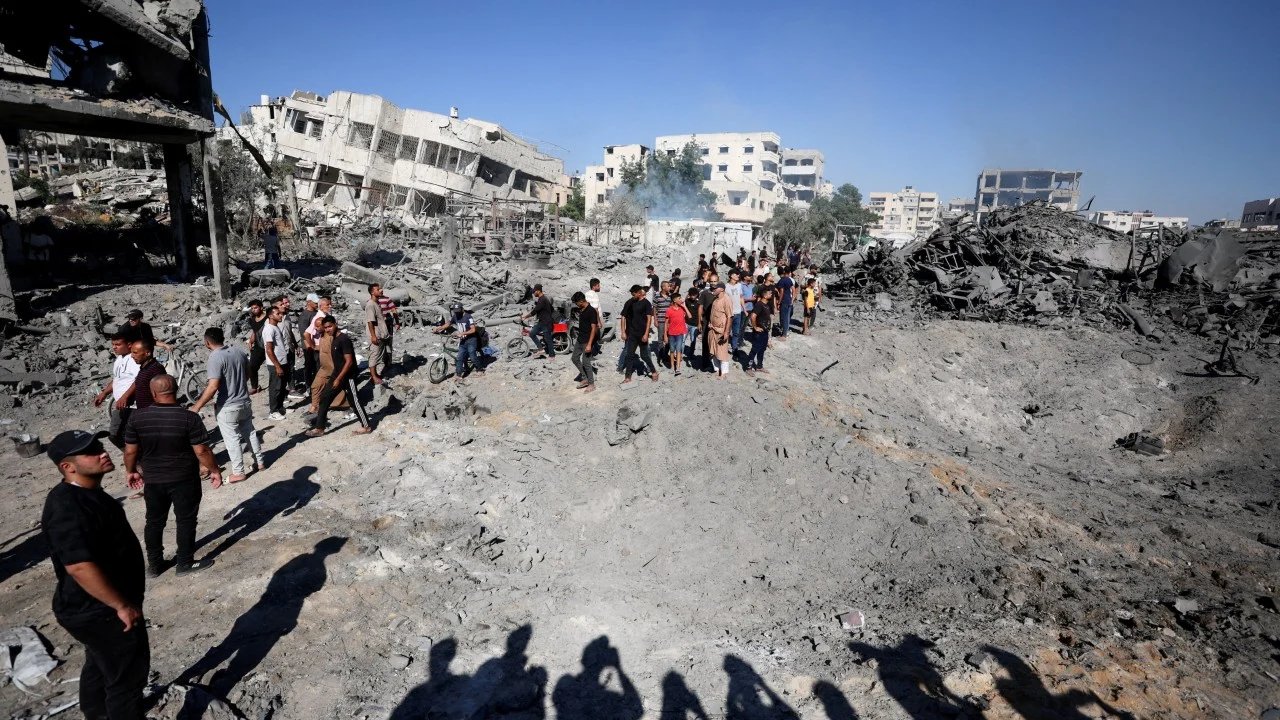
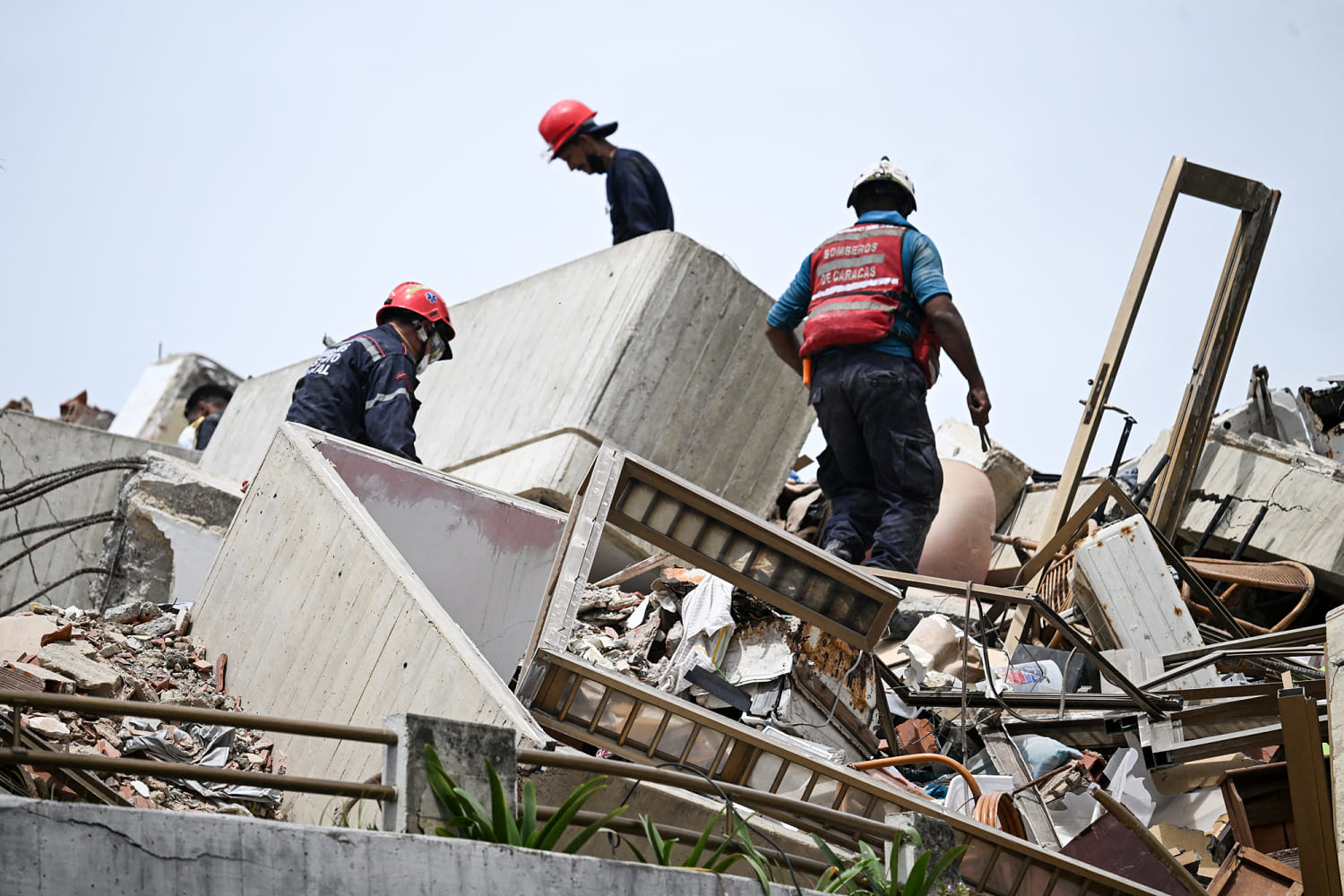
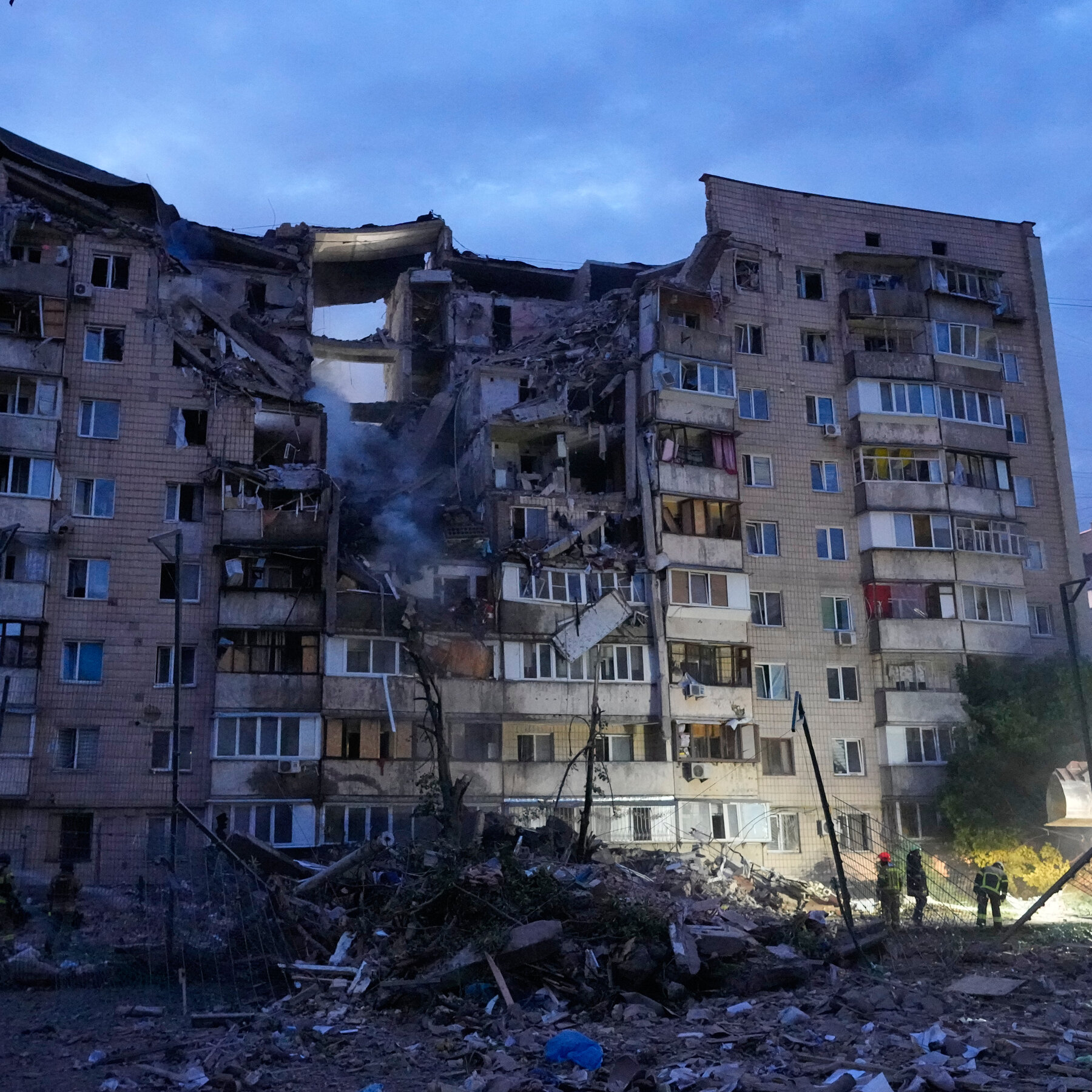
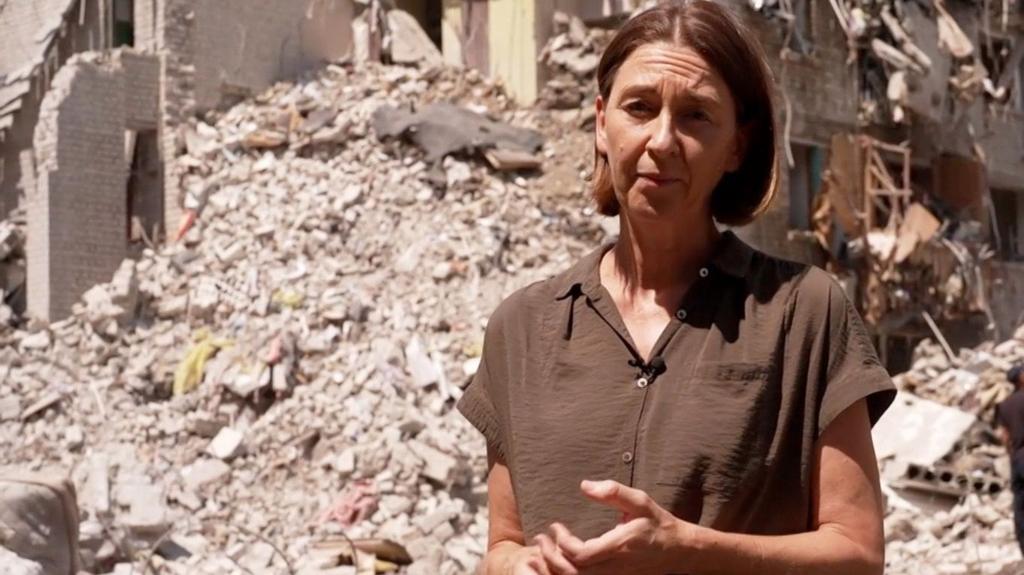
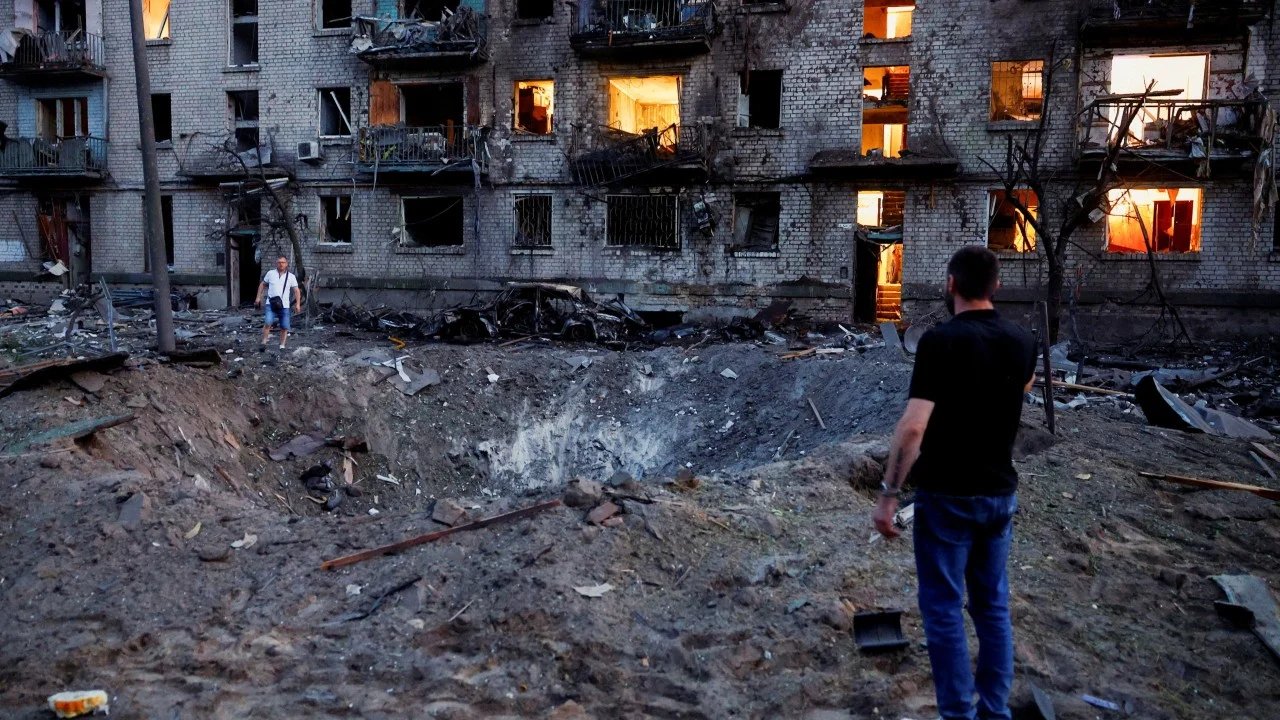
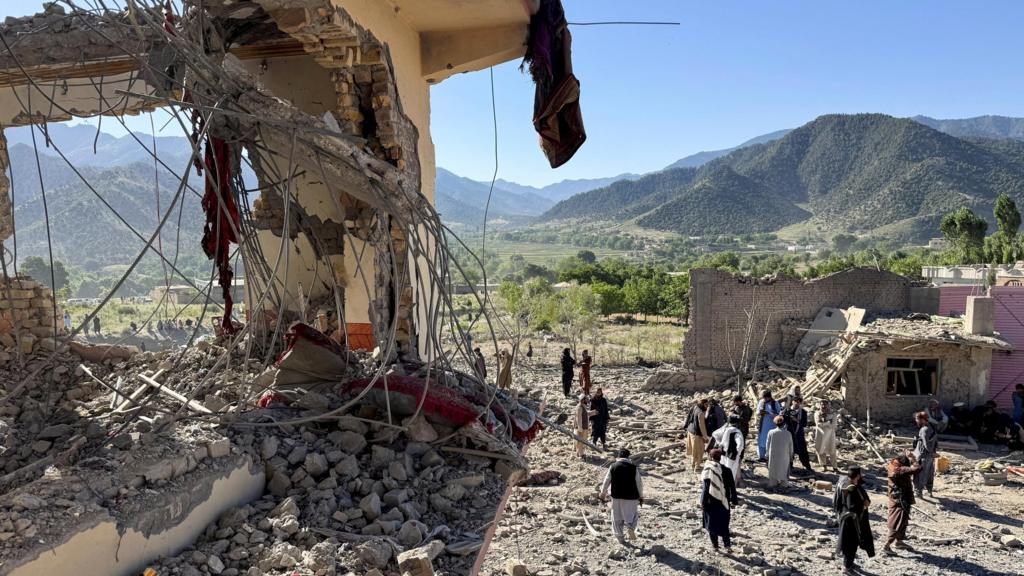
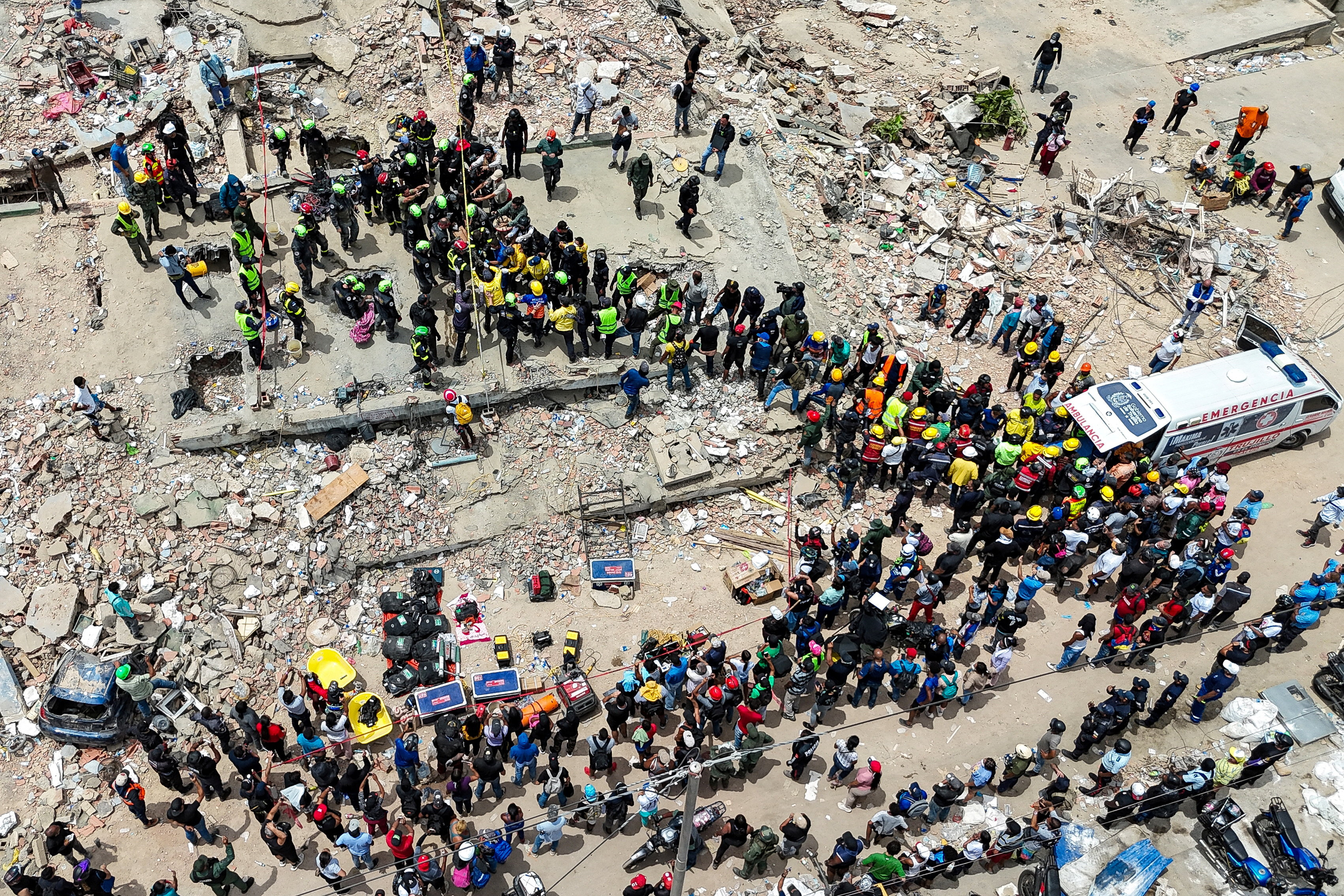
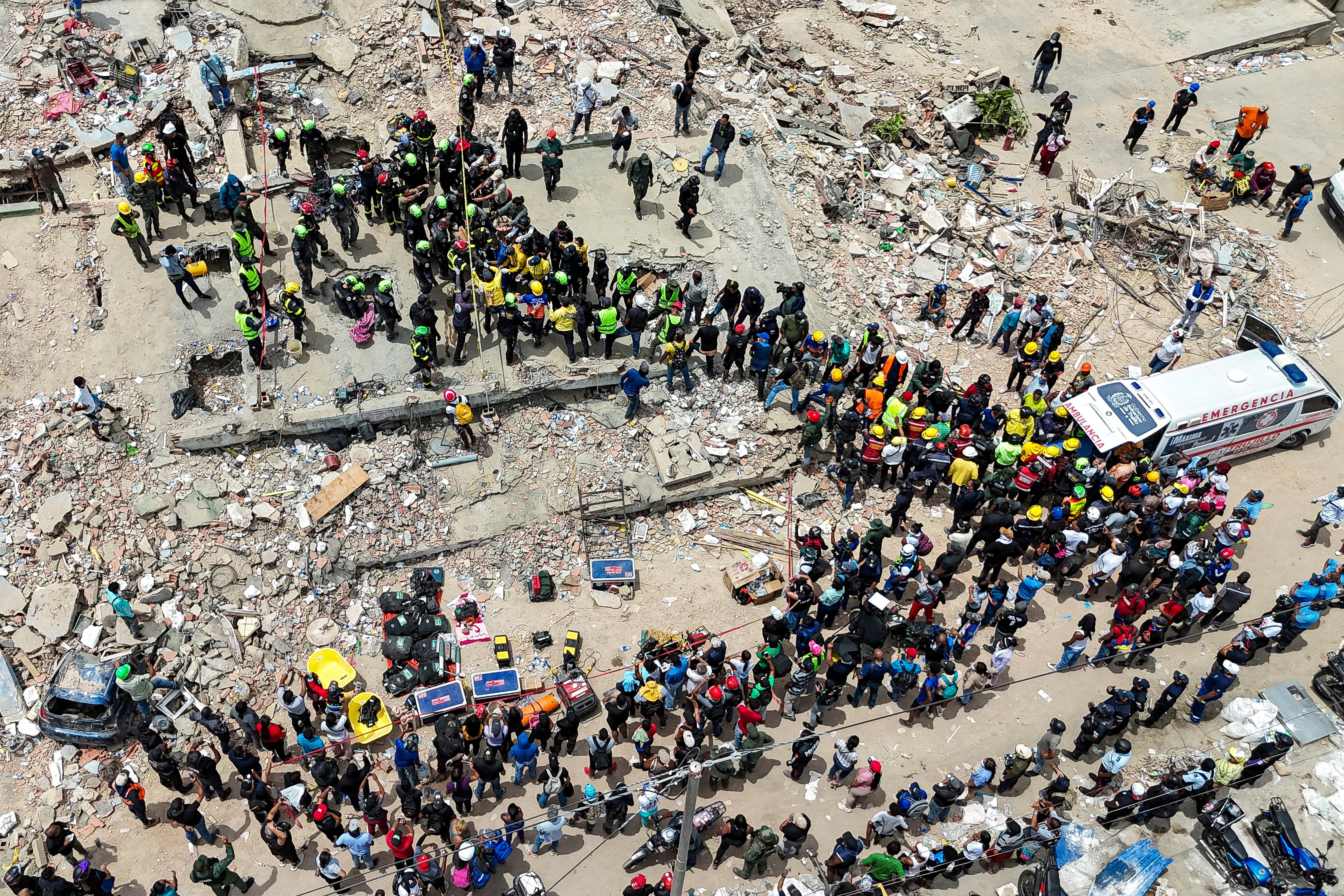
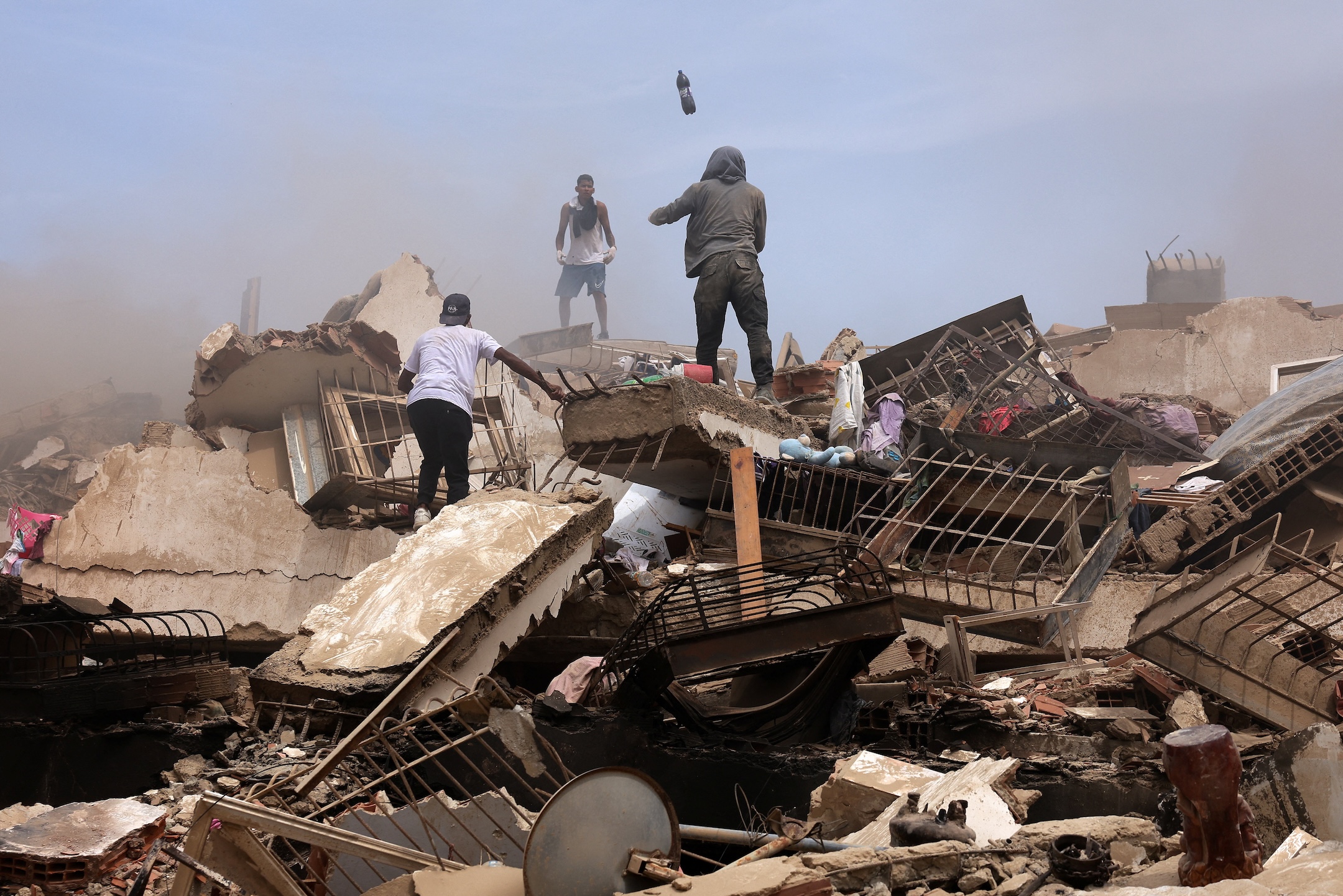
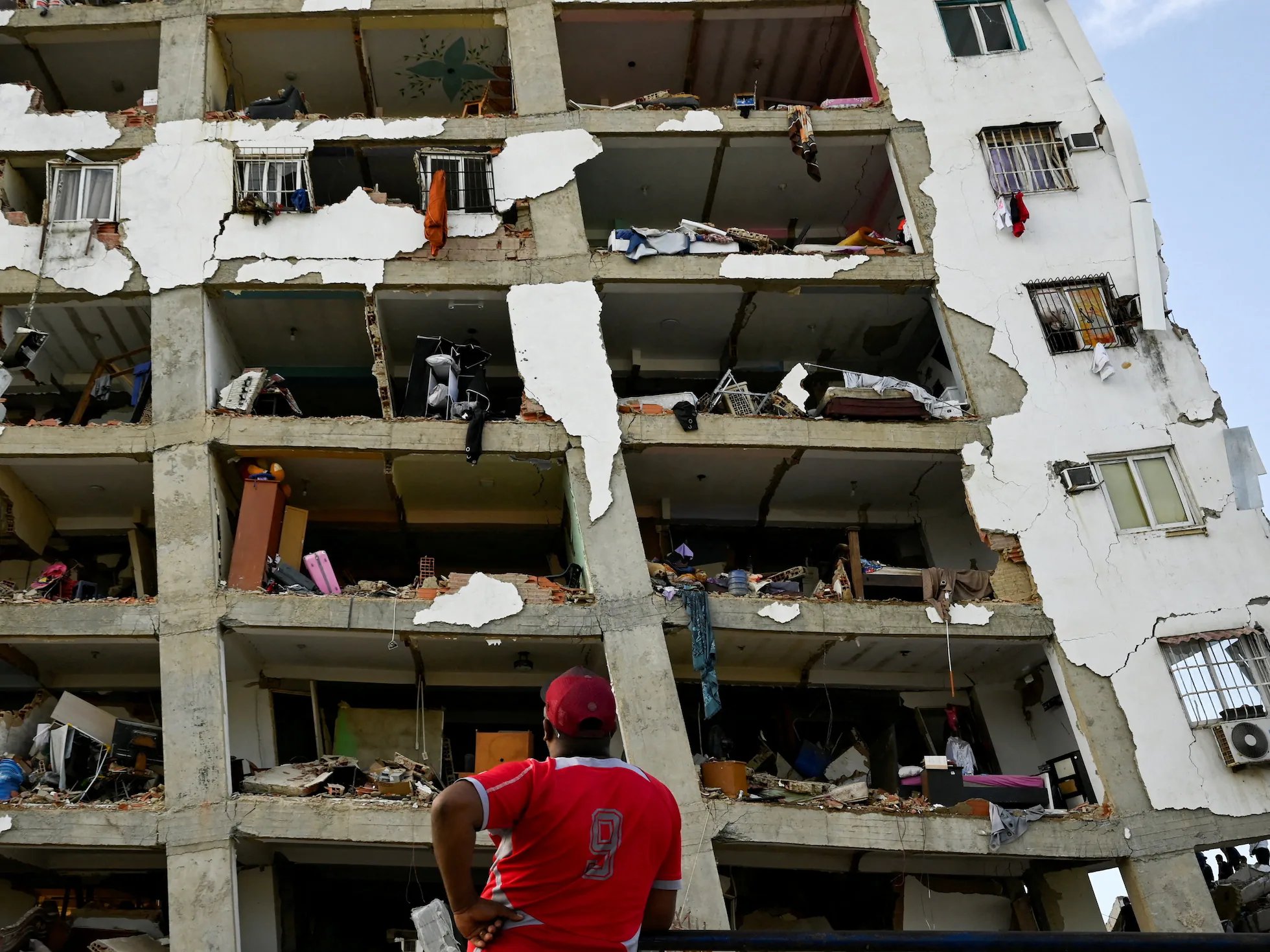
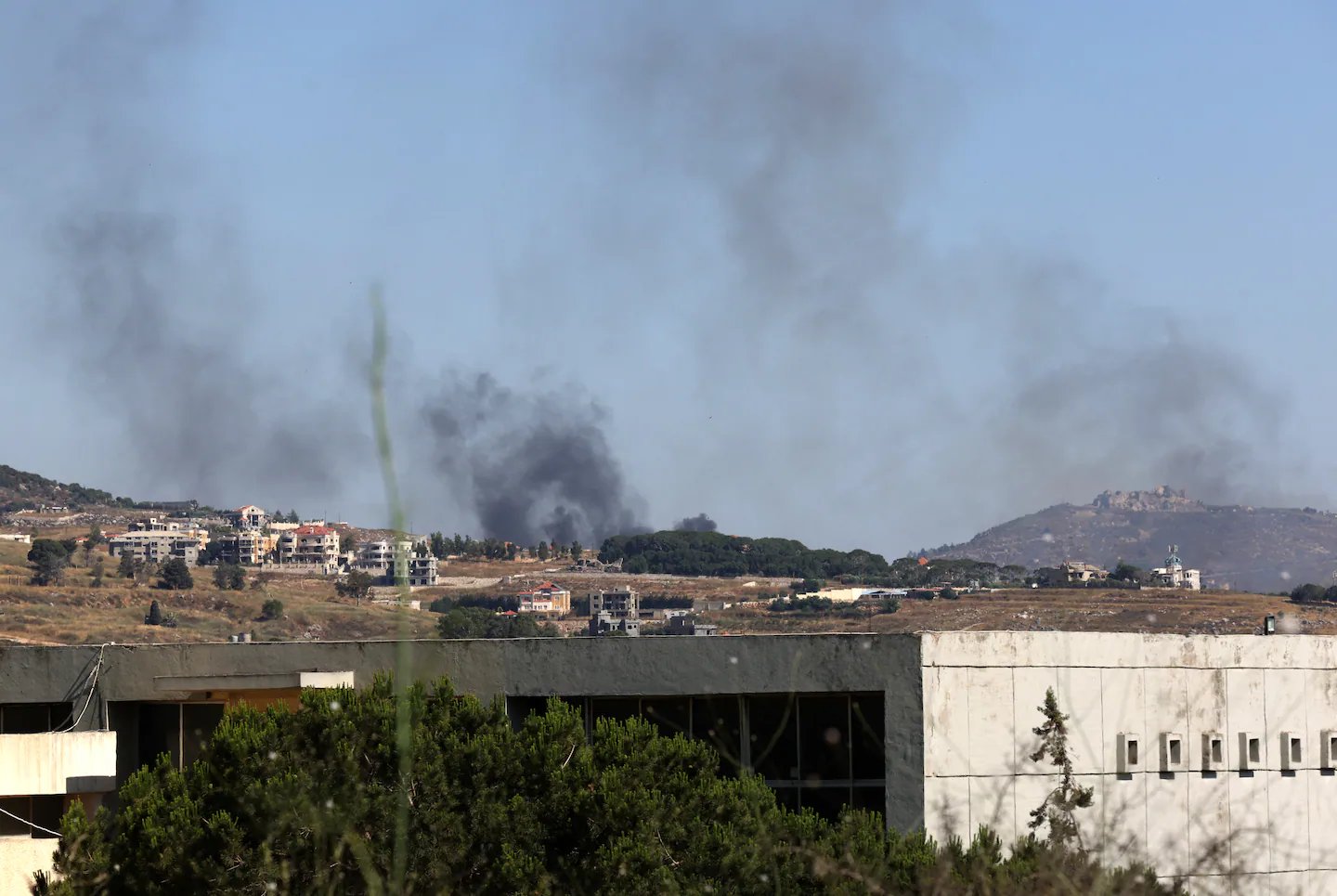
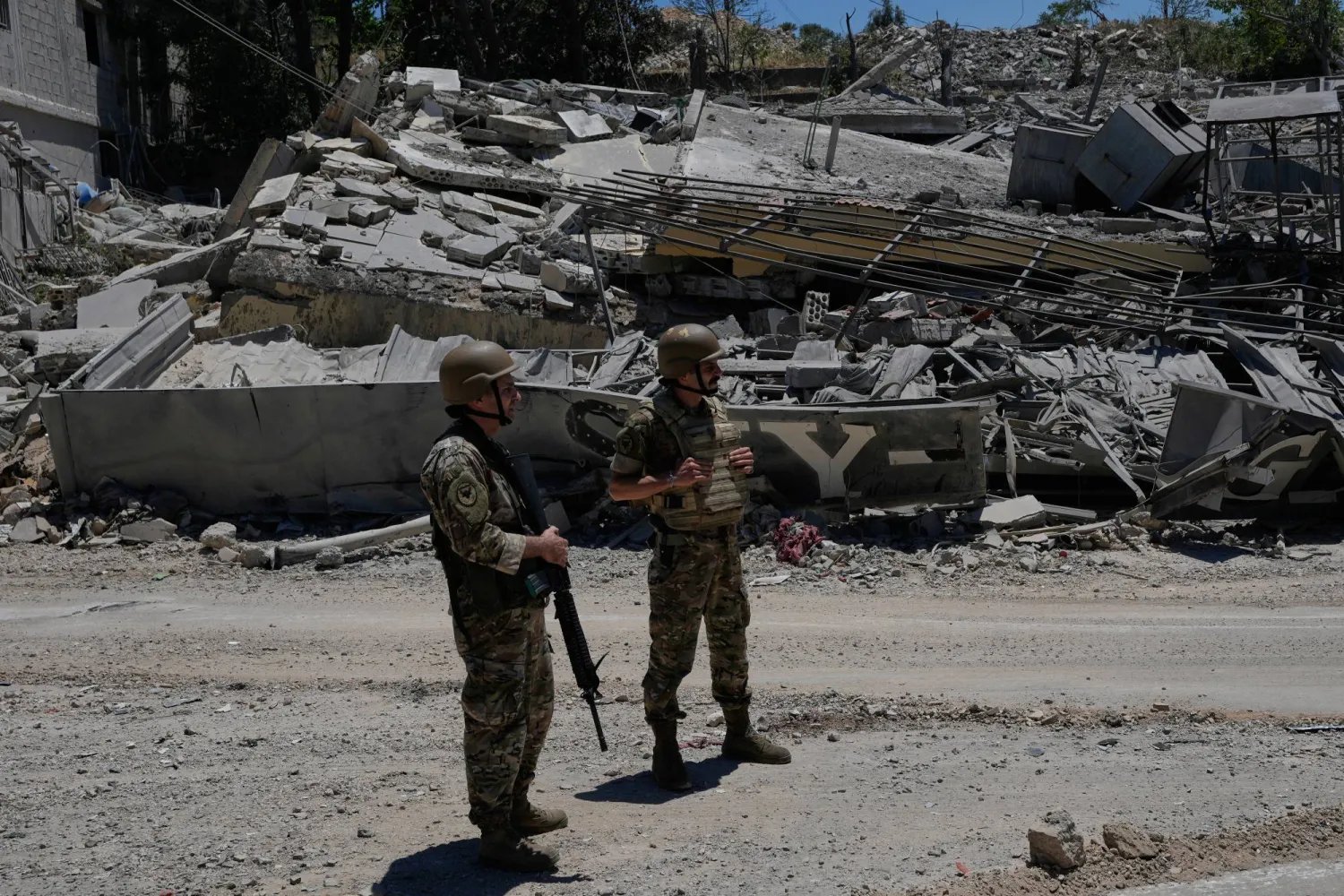
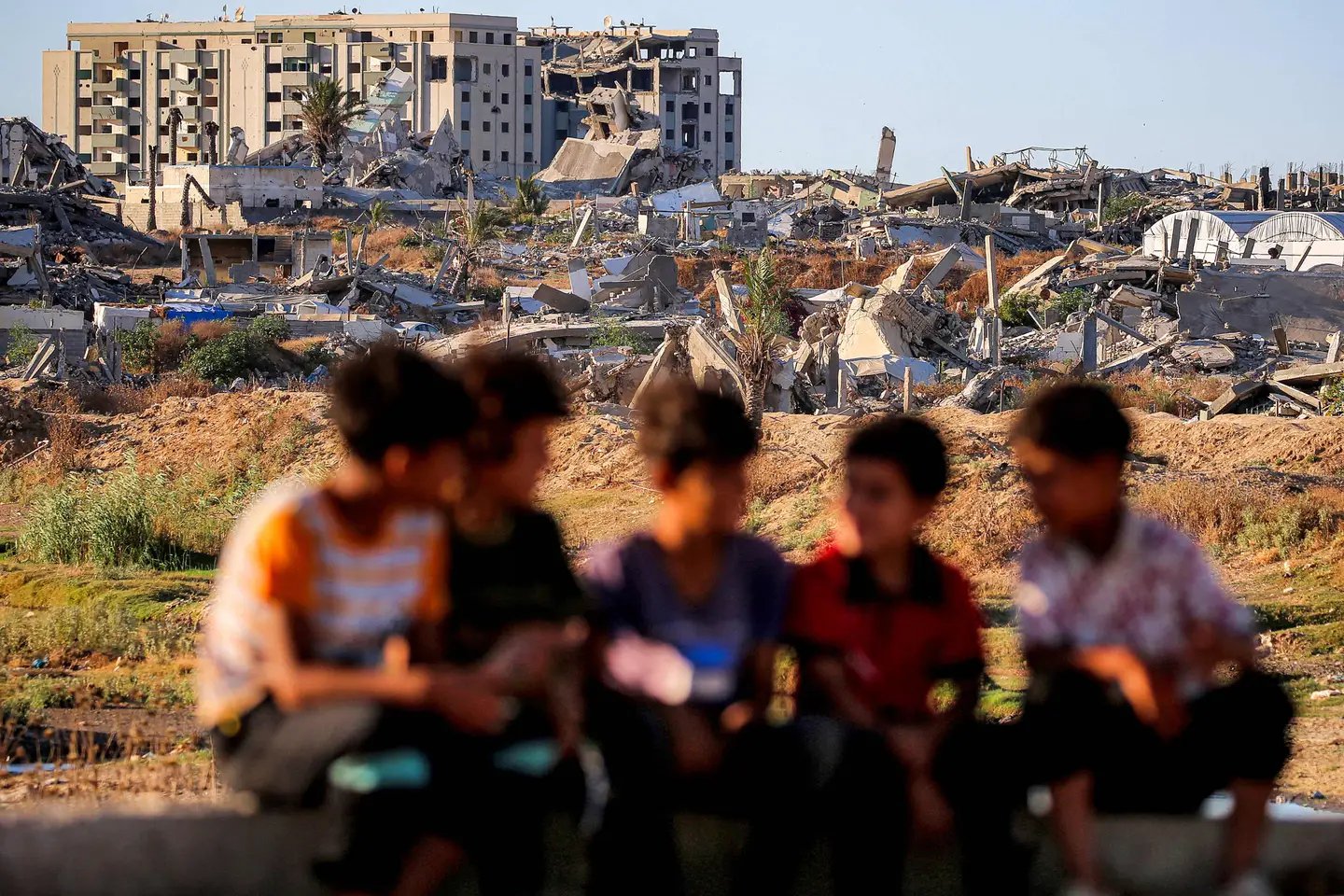
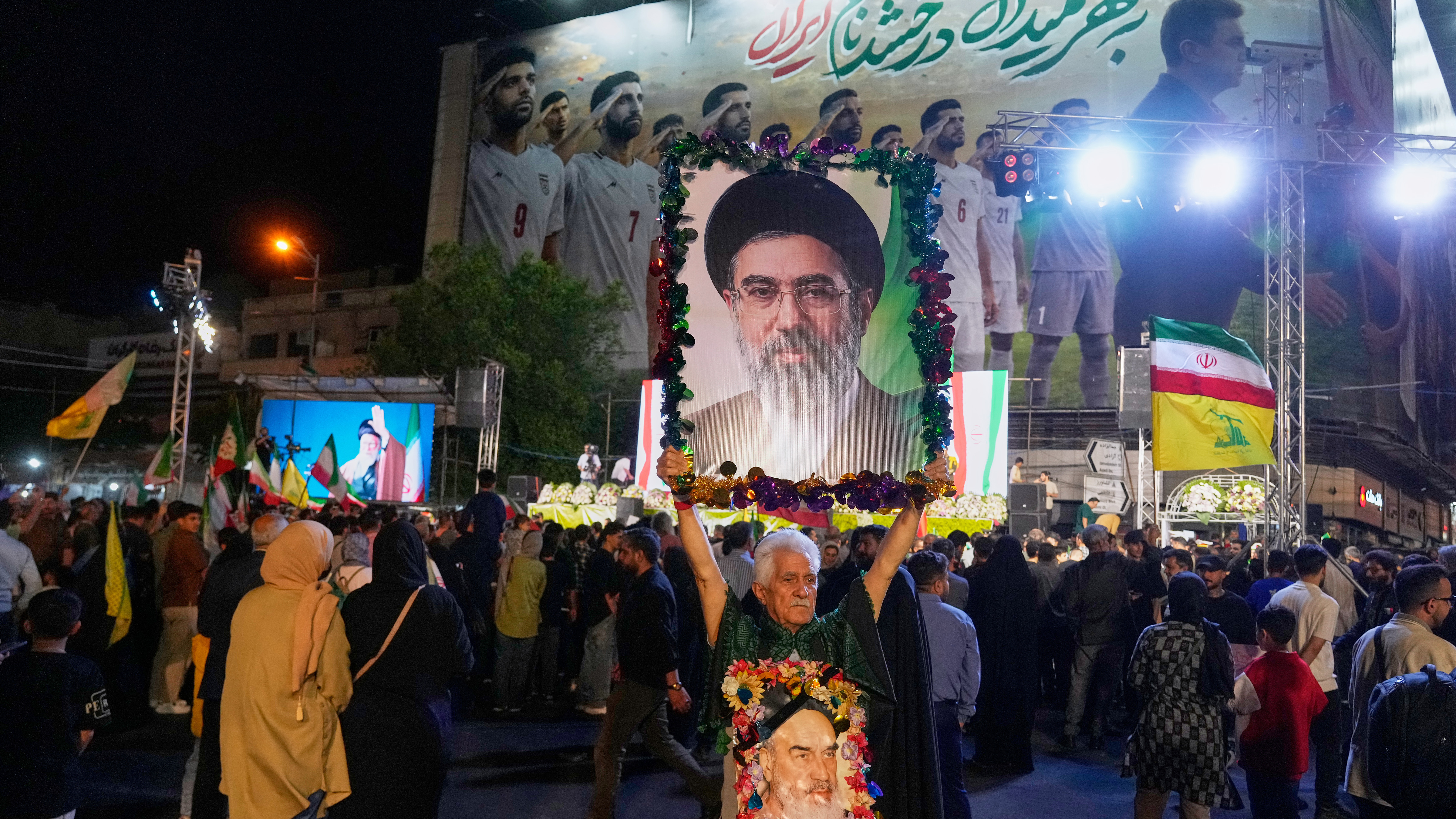
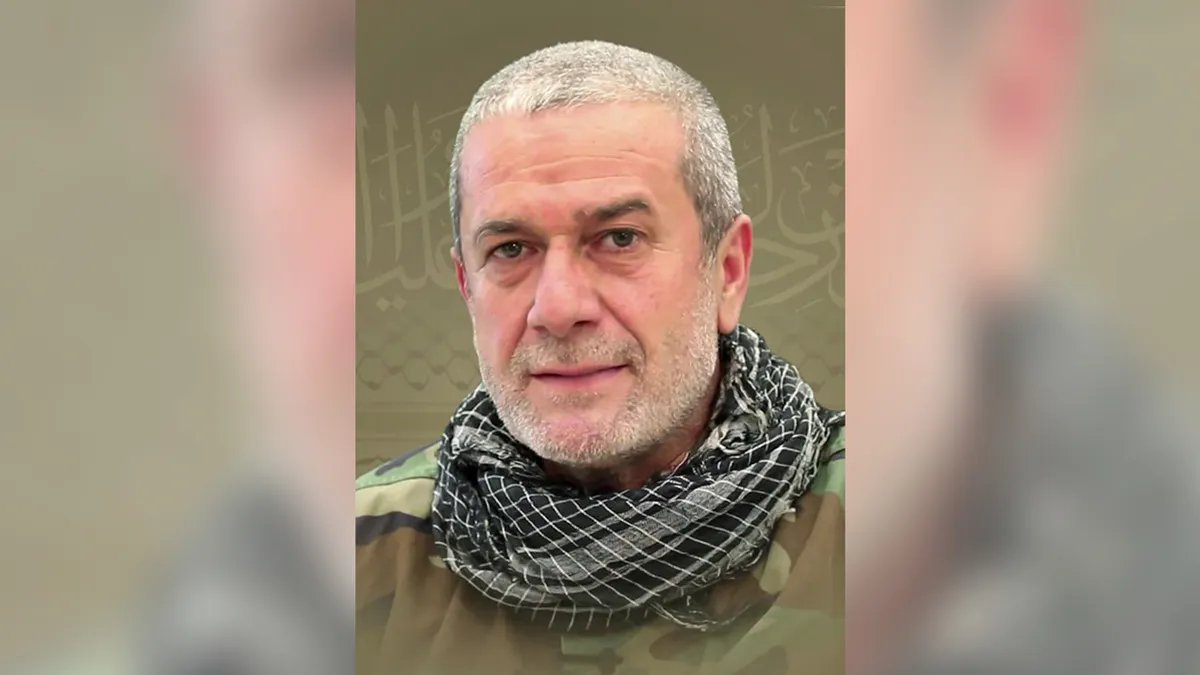
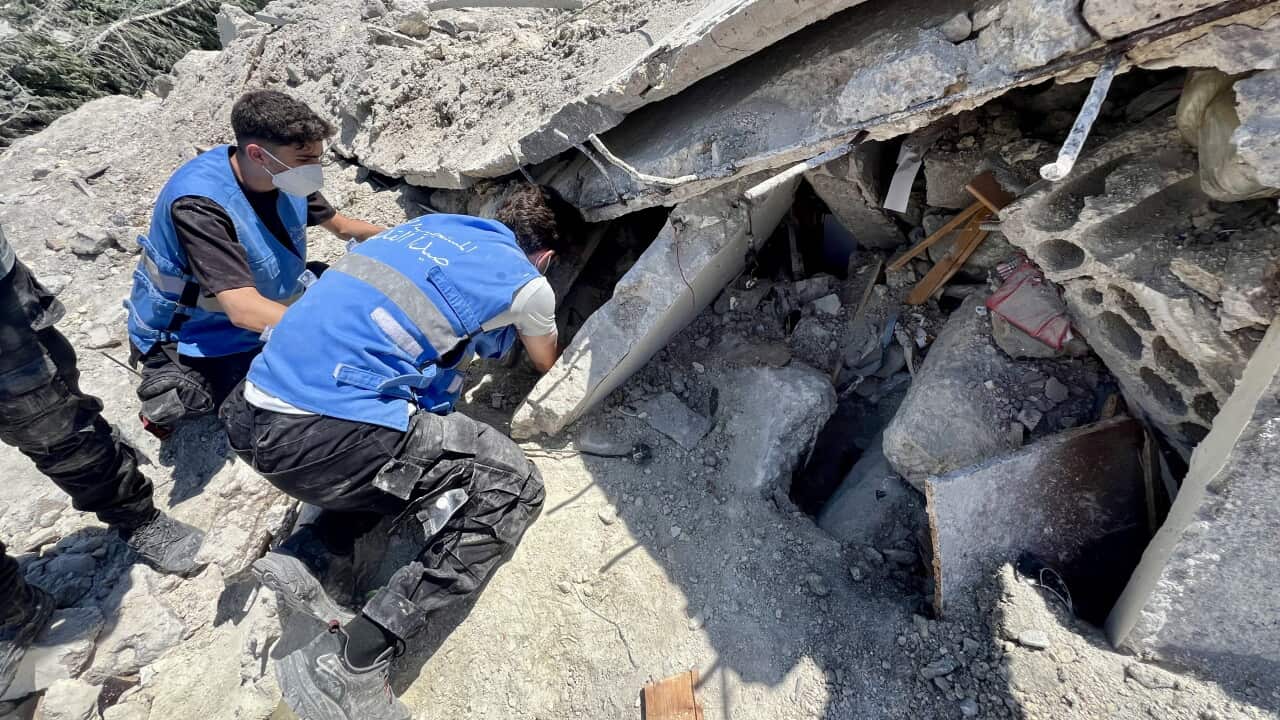
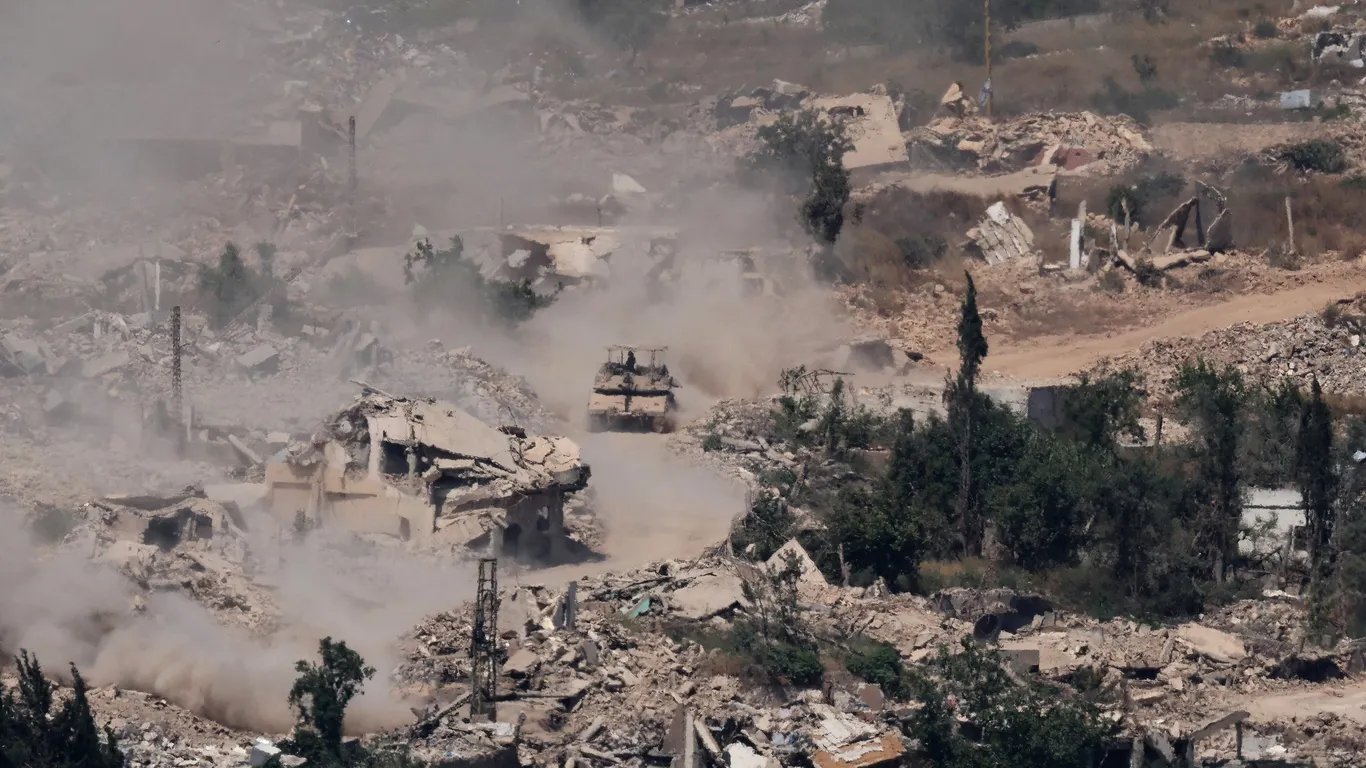
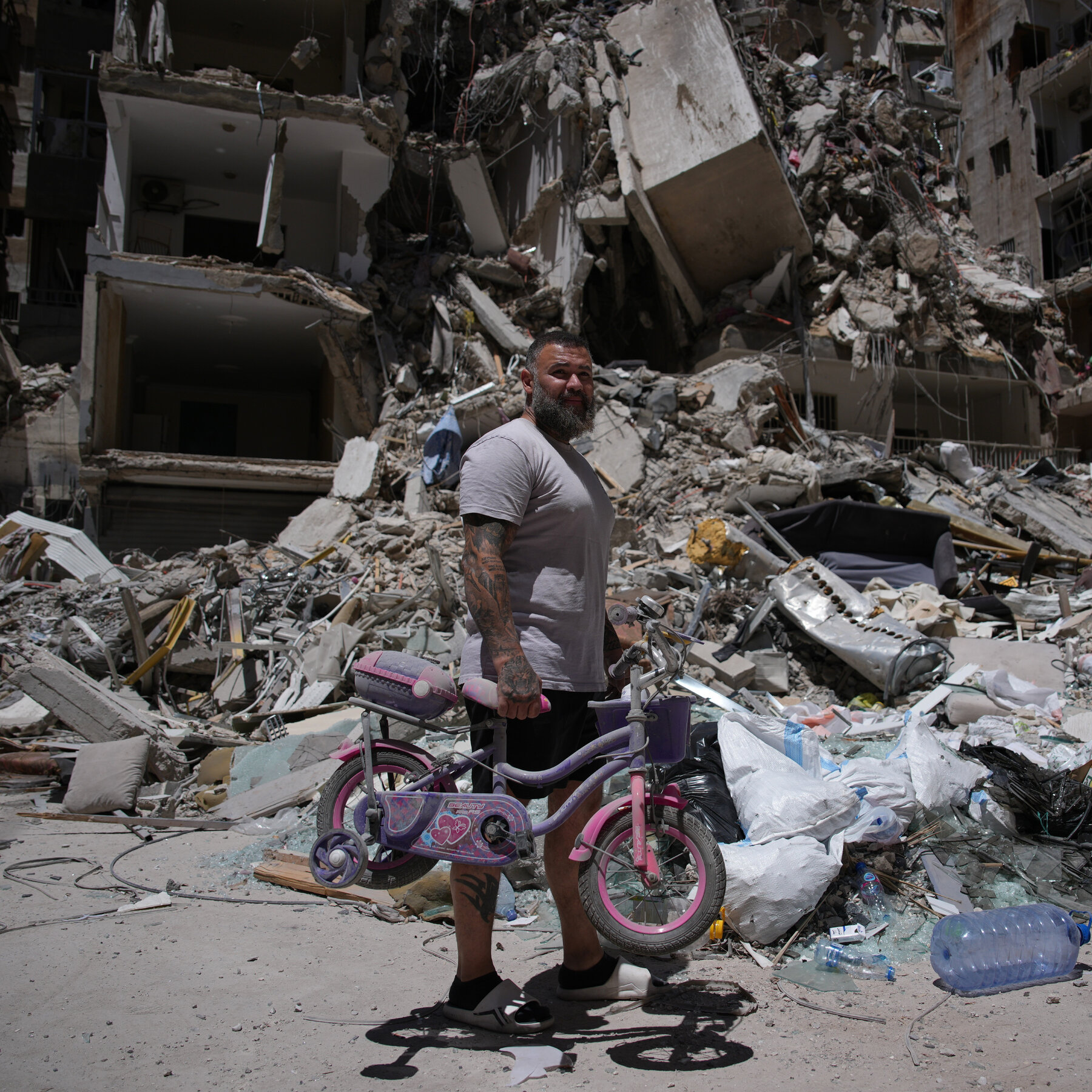
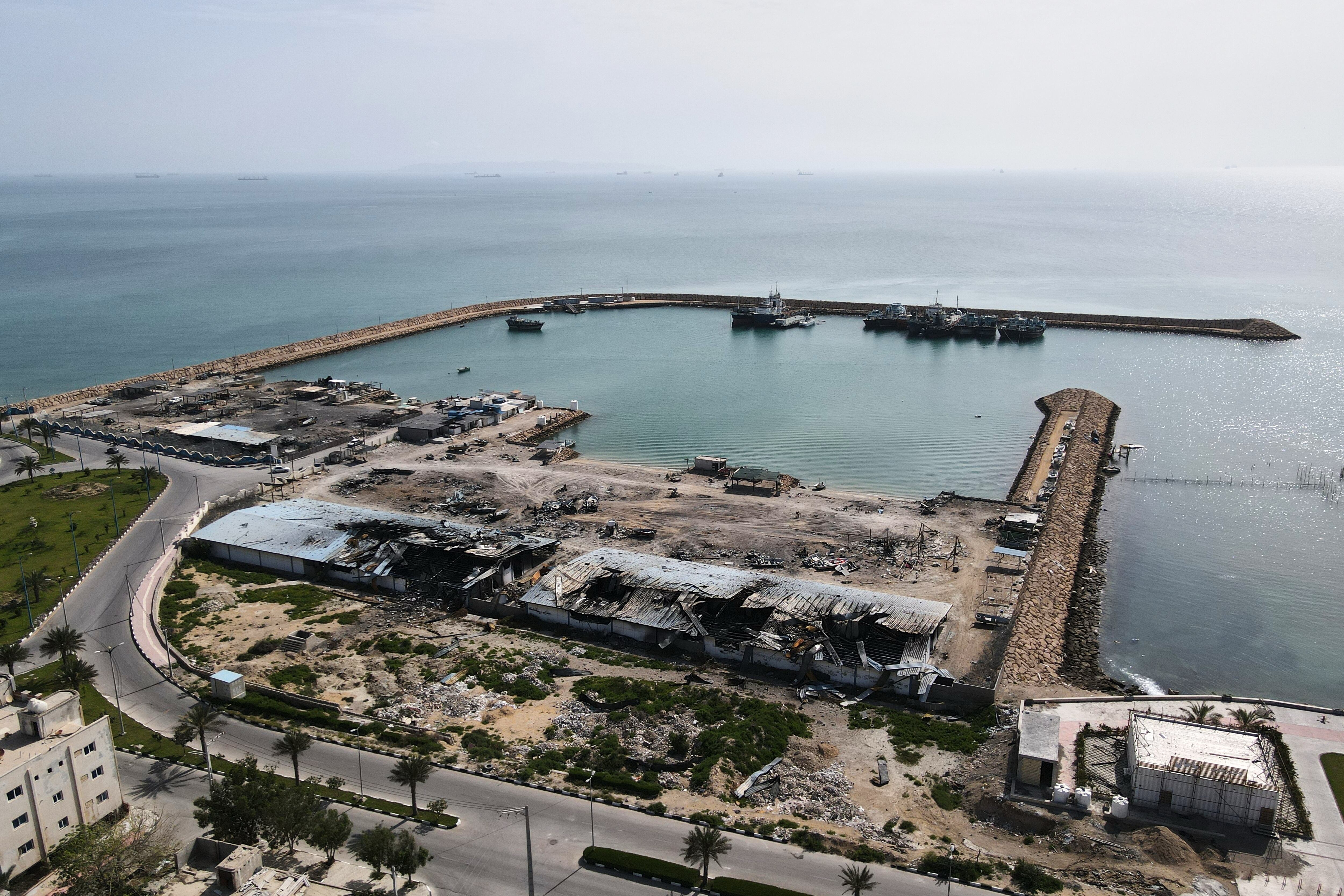
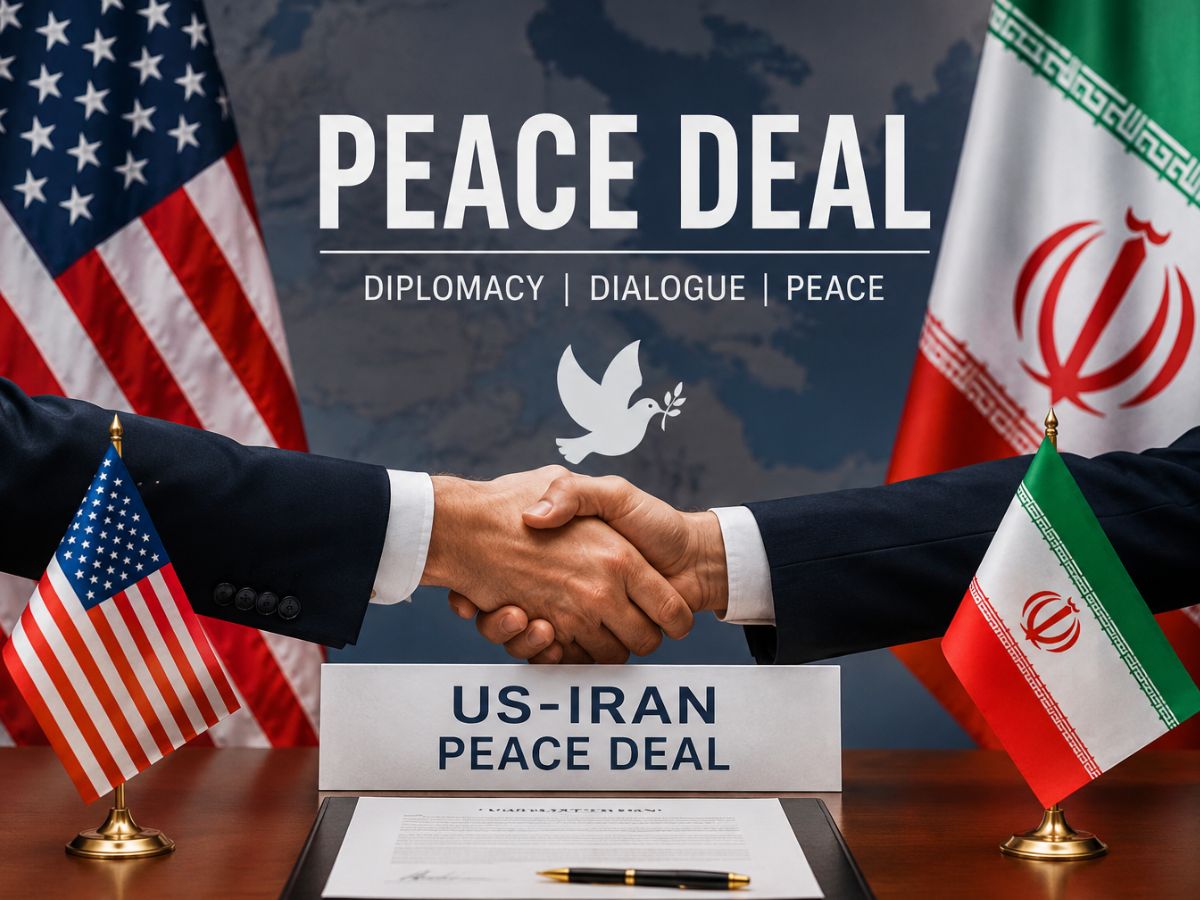
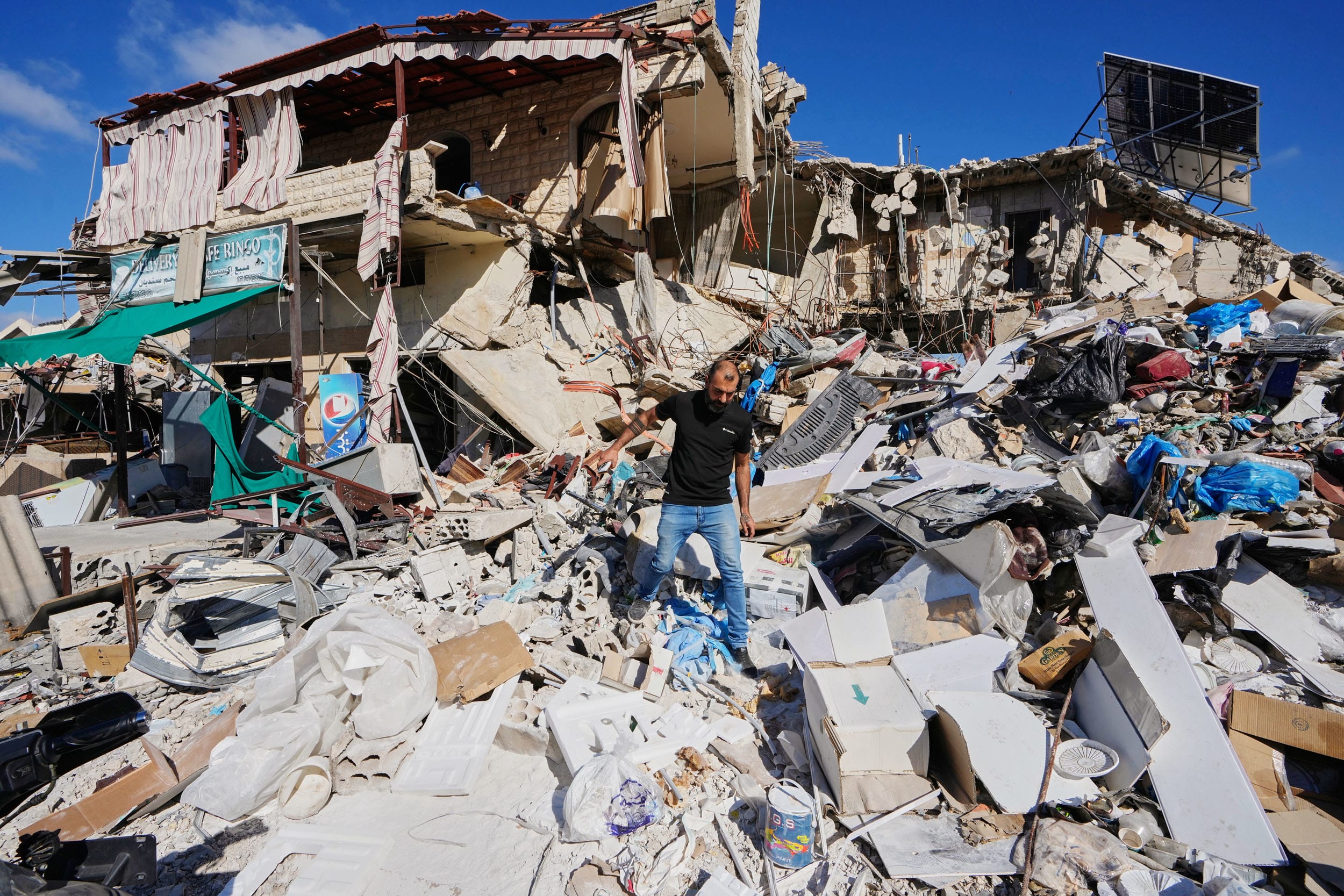
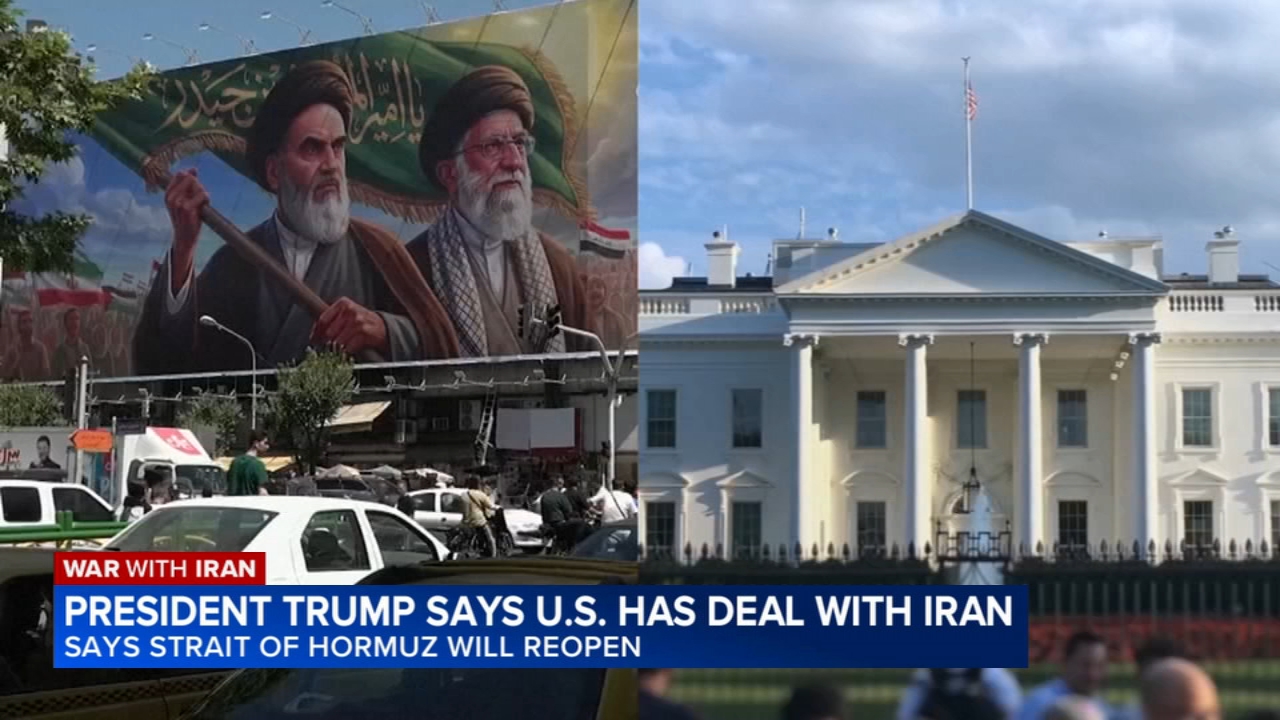
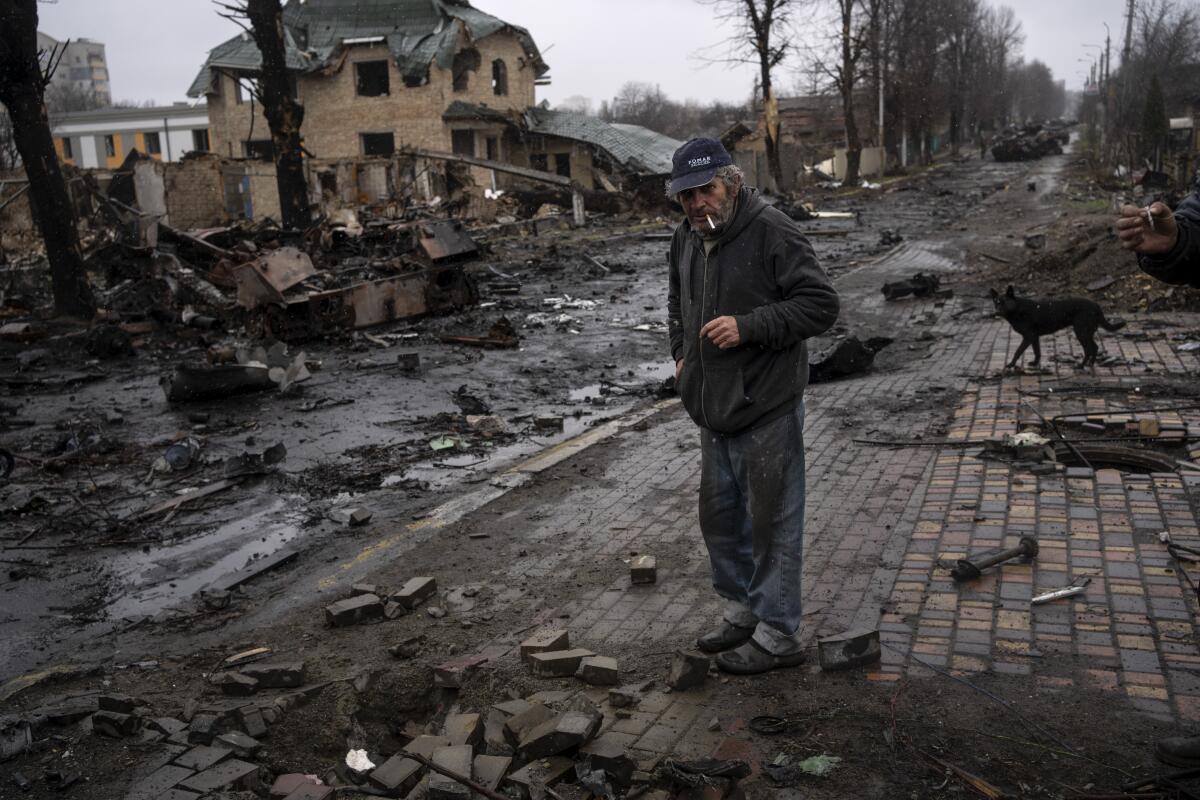
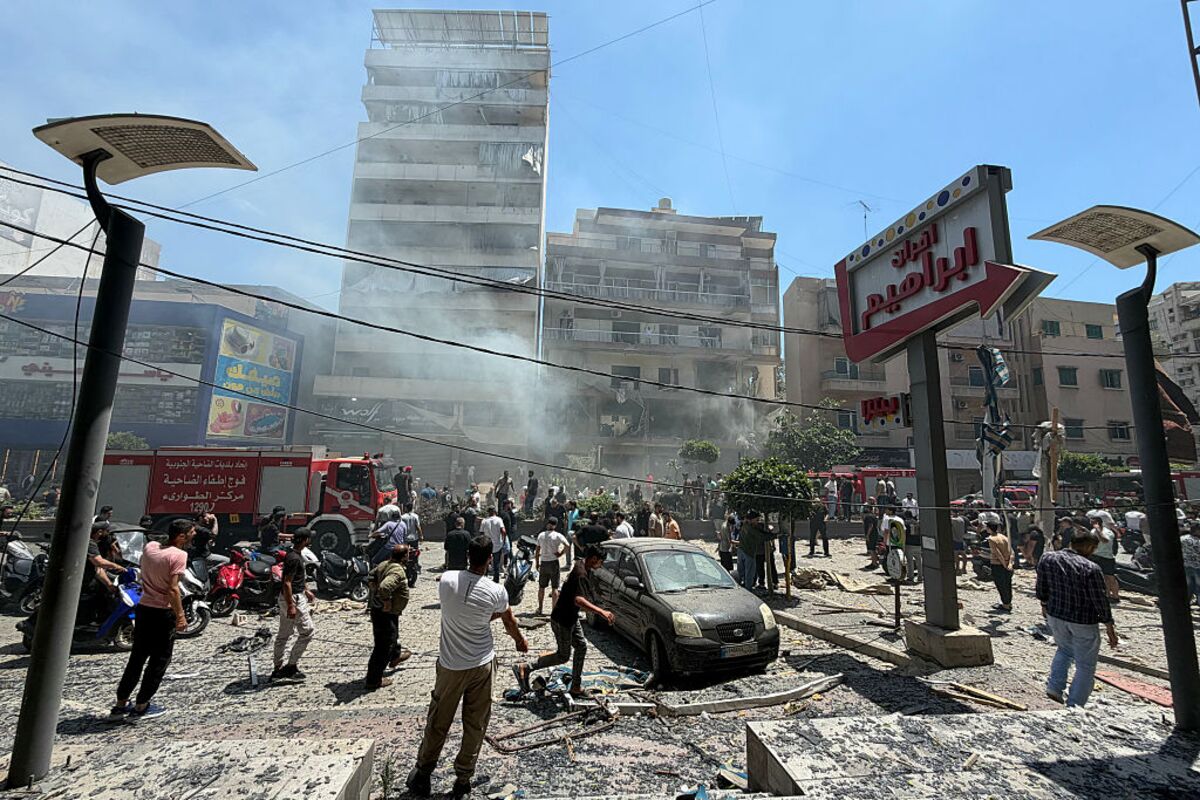
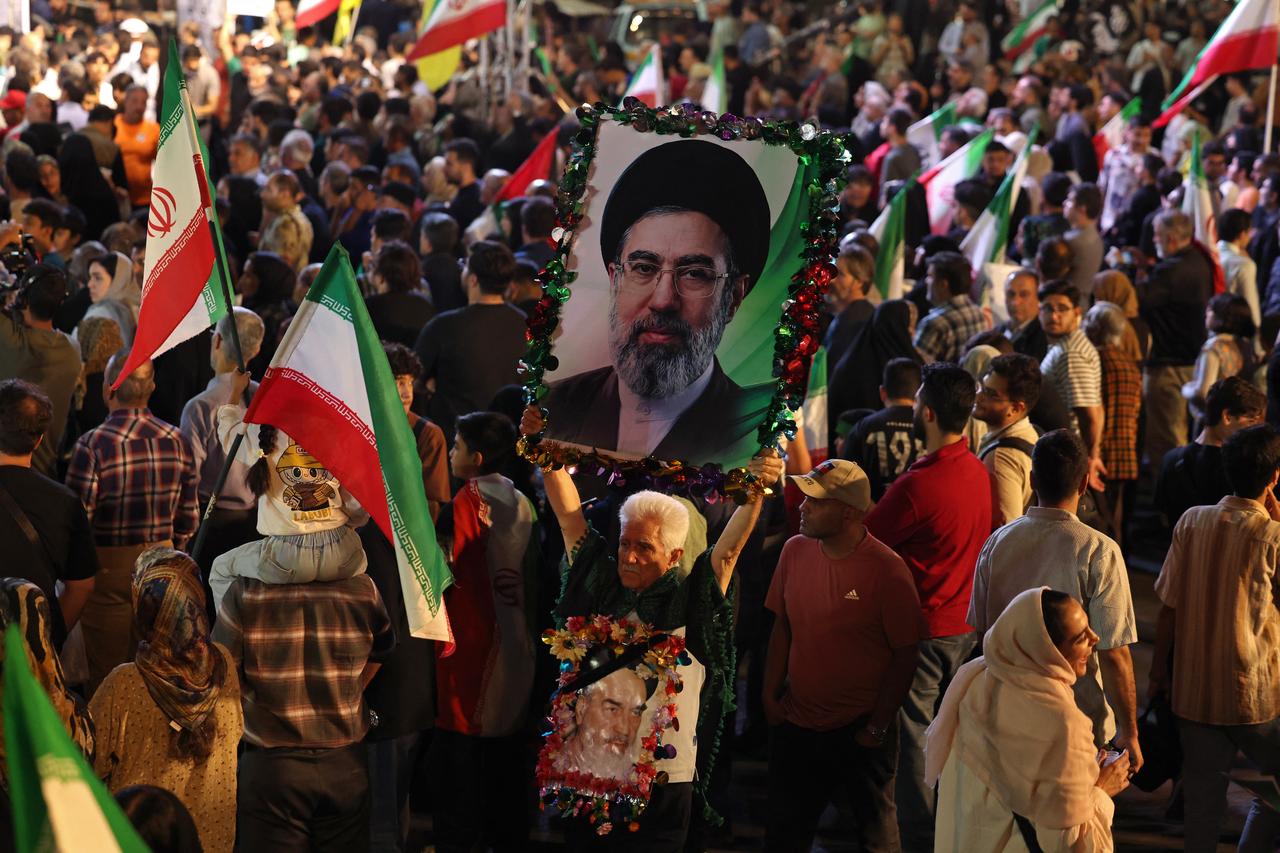
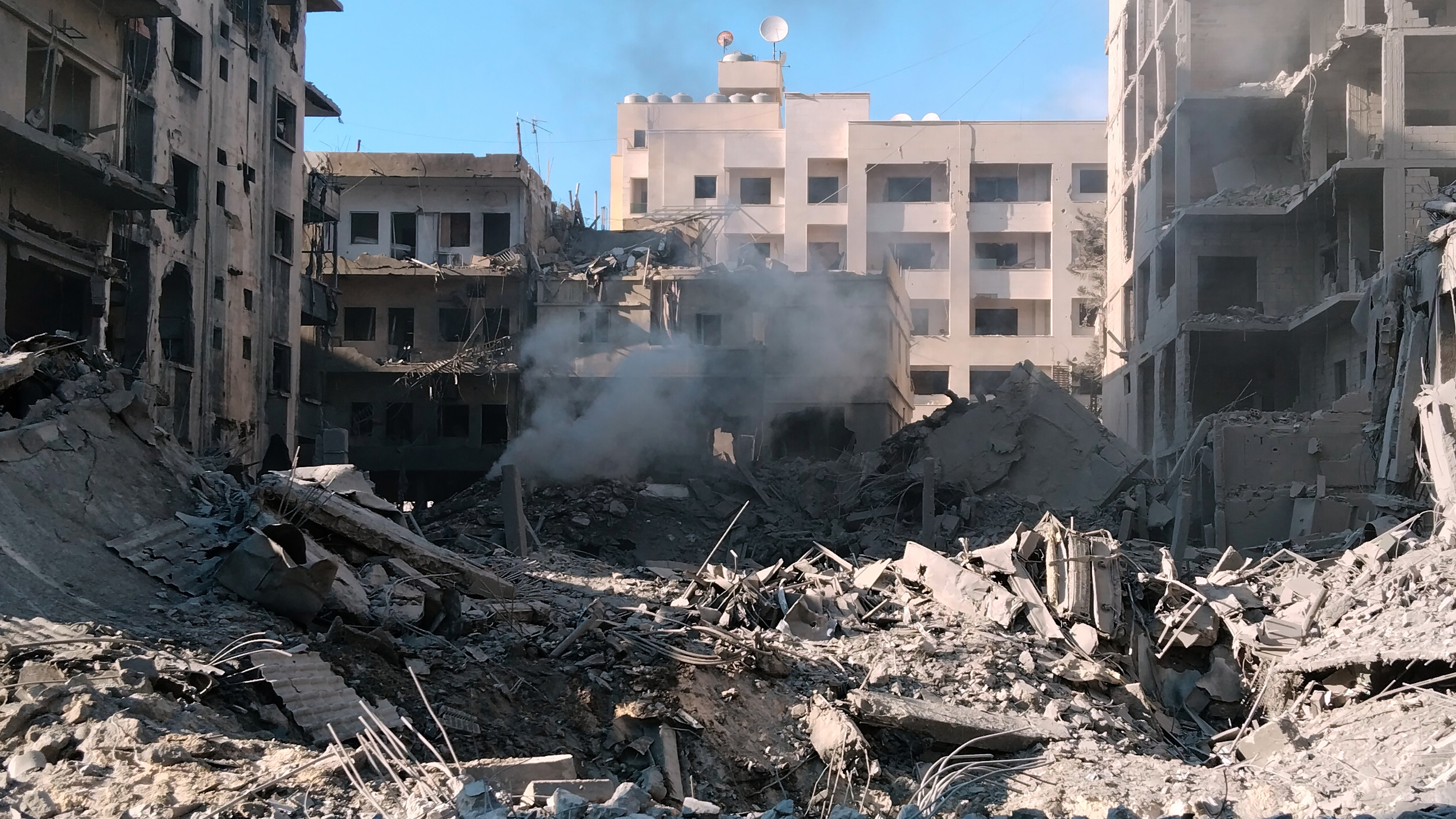
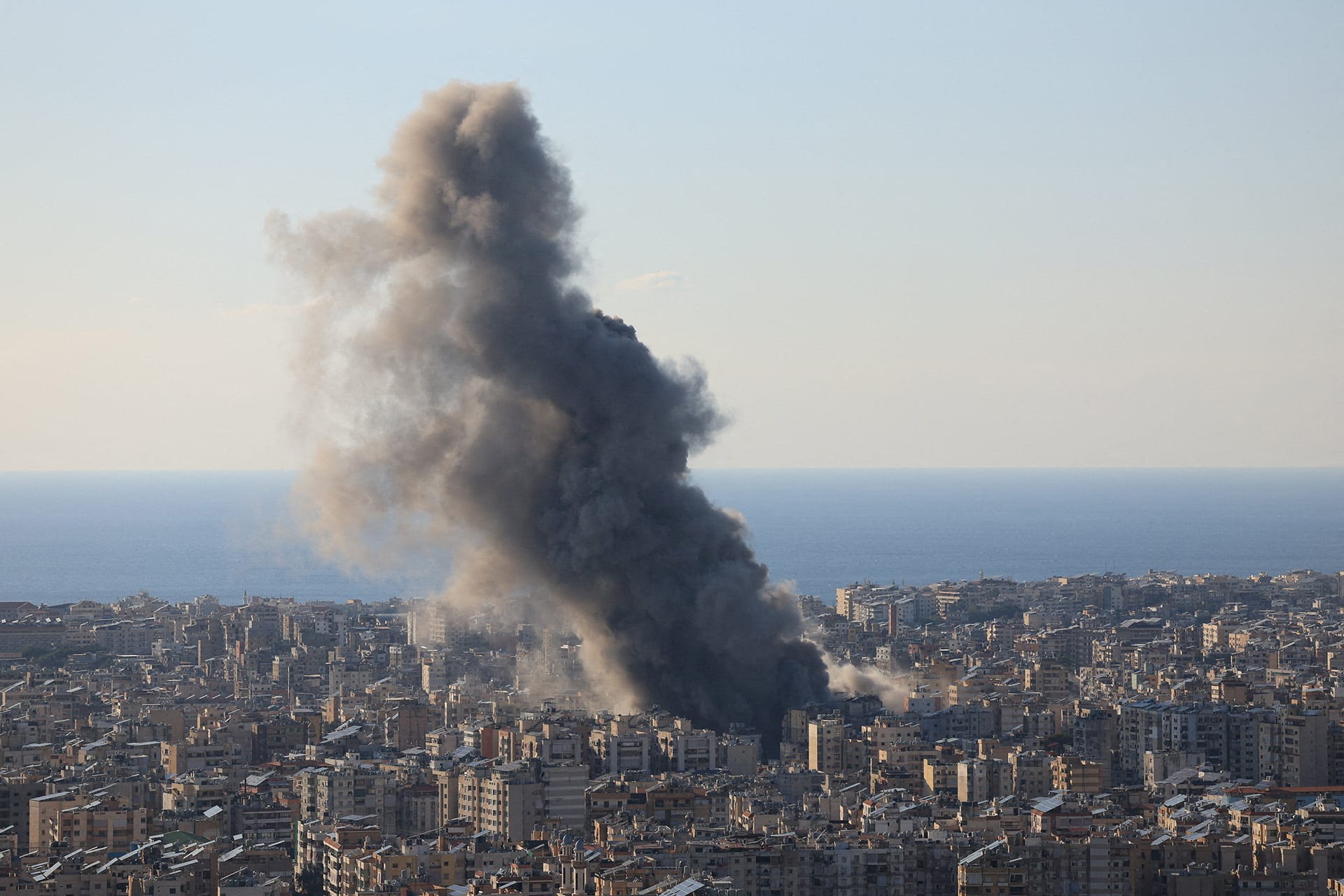
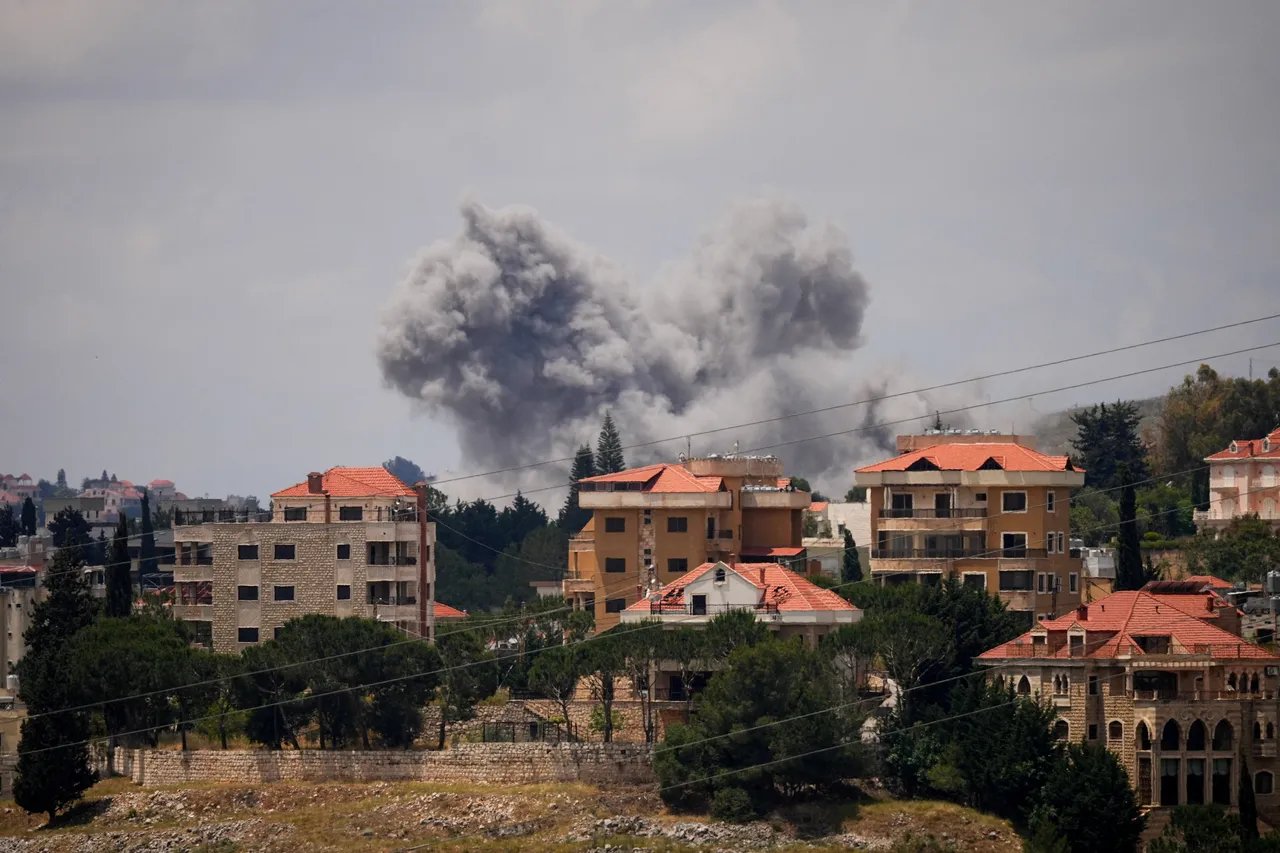
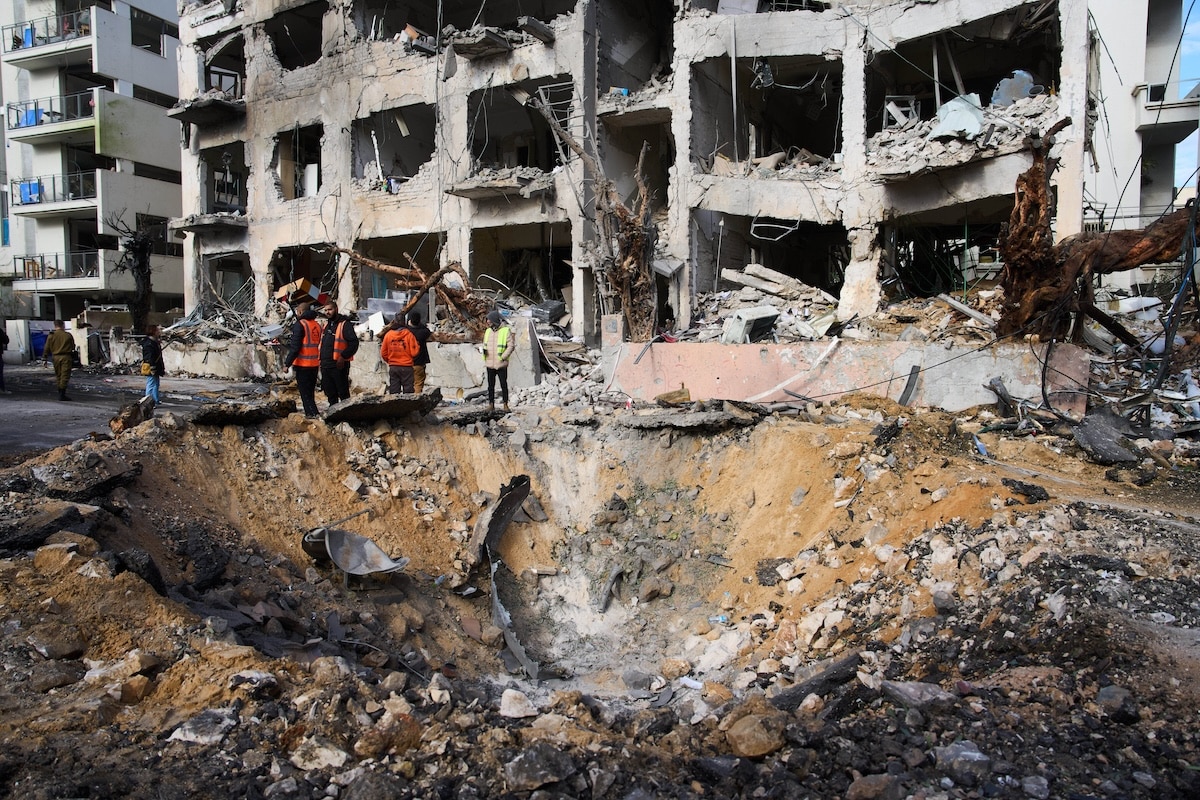
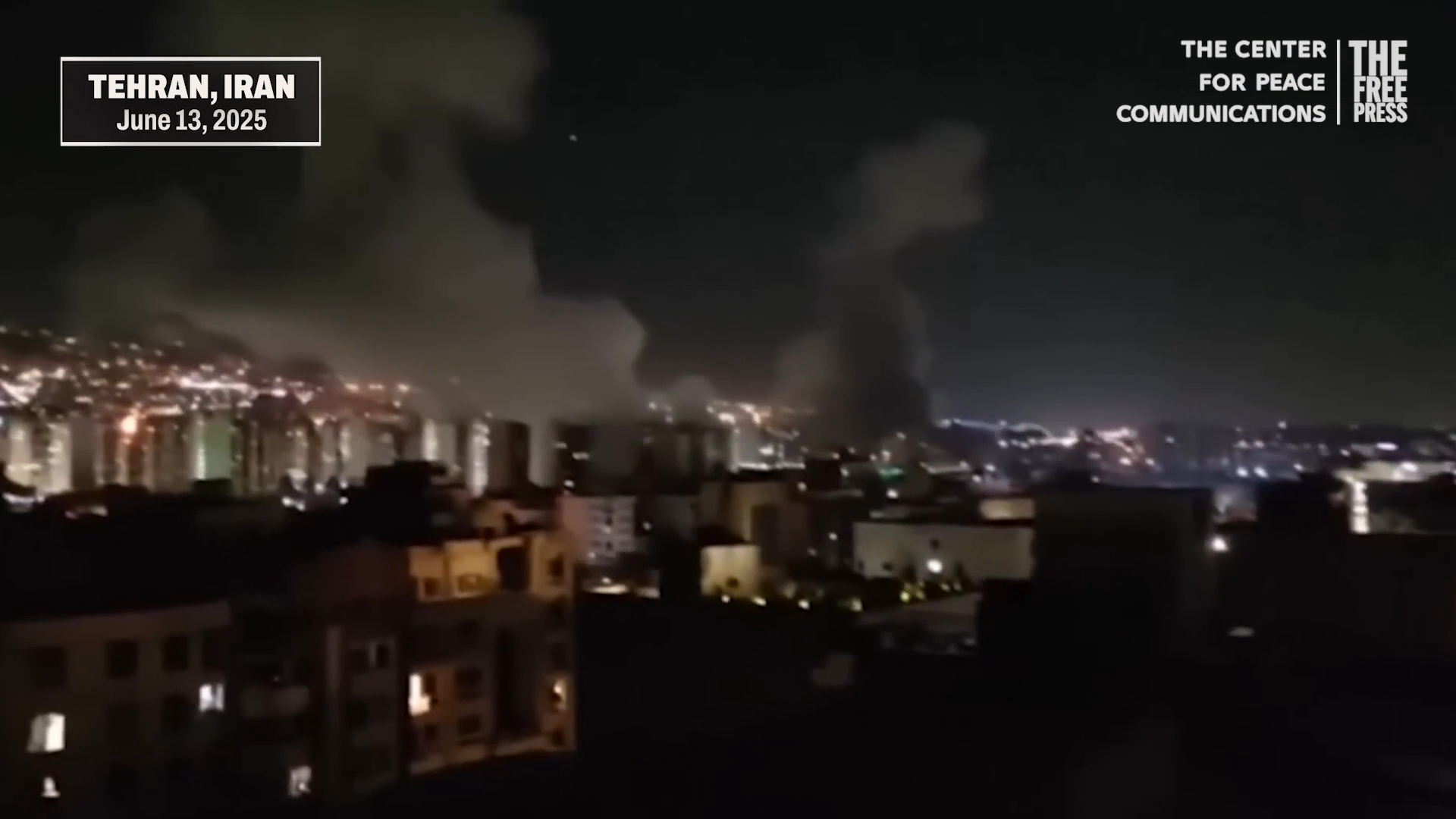
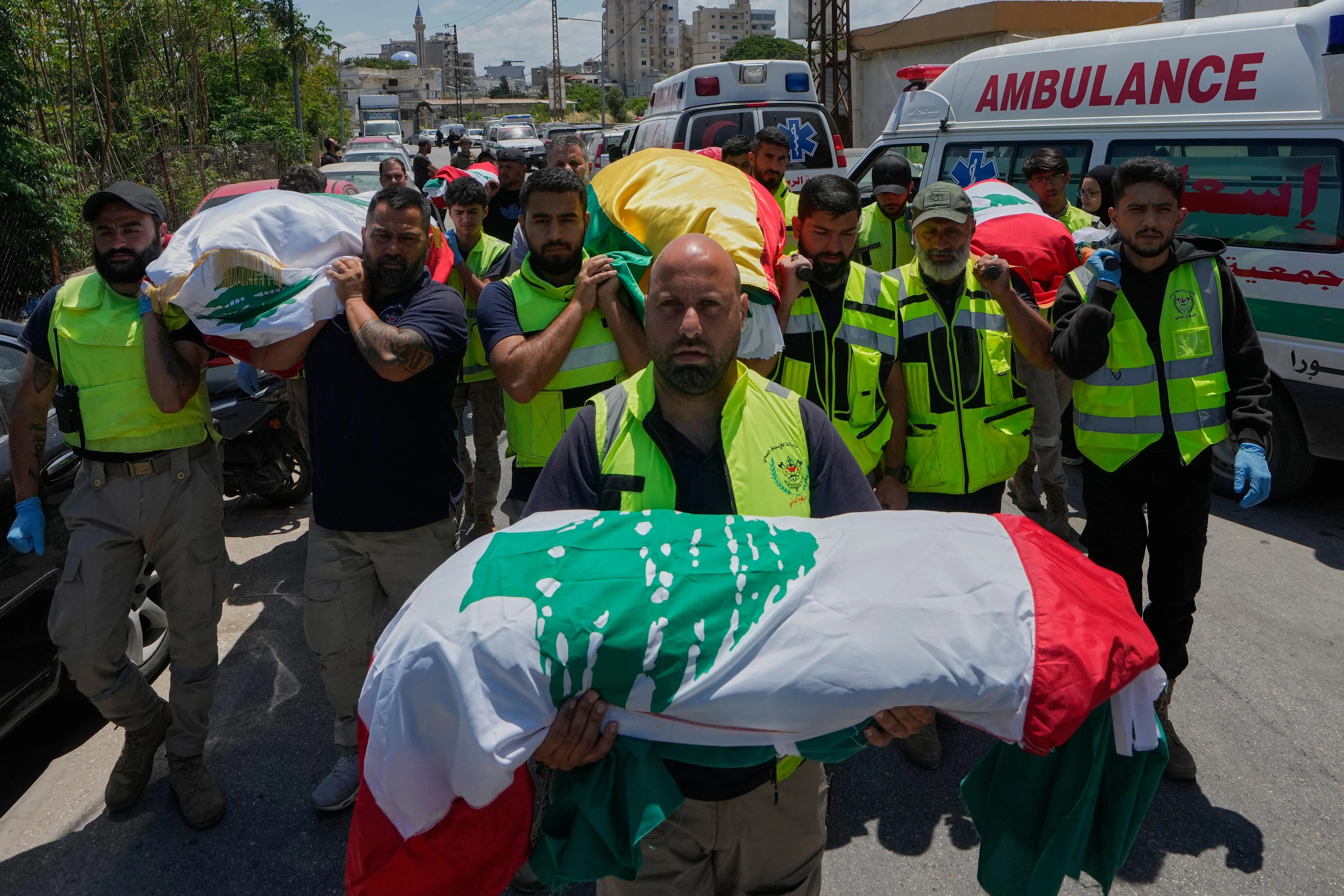
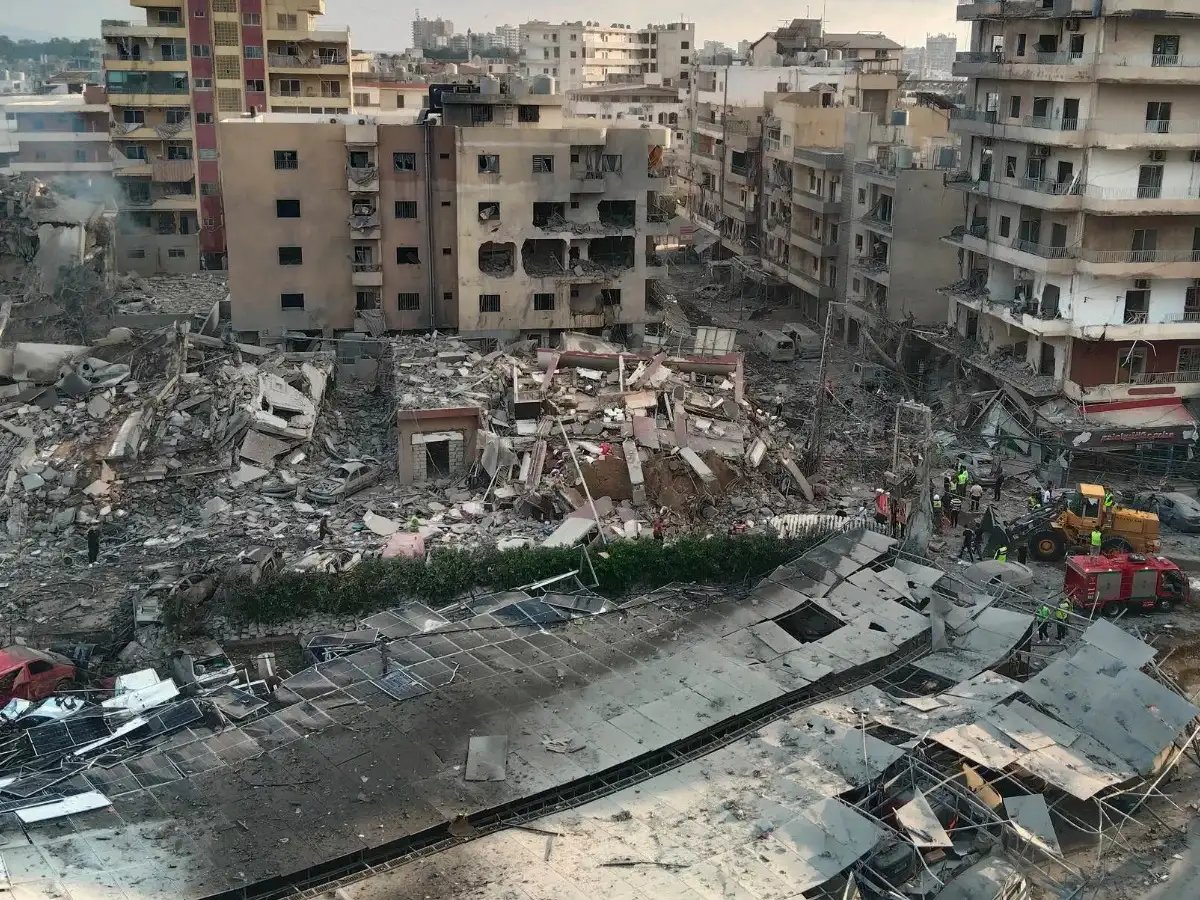
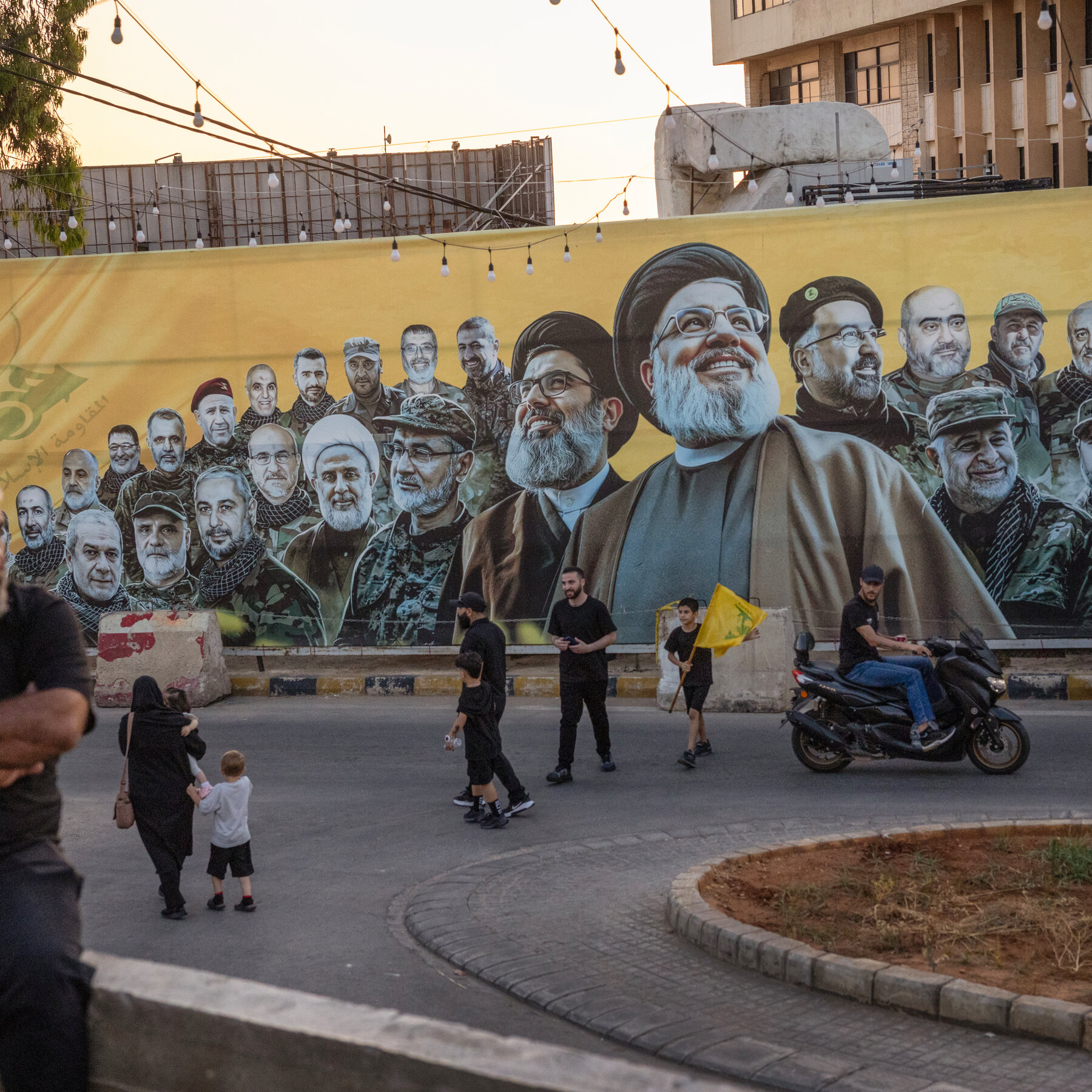
Naim Kassem, Hezbollah's leader, described the U.S.-Iran memorandum as a "great victory" and "pivotal point for Lebanon." He also thanked Iranians for "linking the Lebanese arena" to the deal and "forcing Israel to stop its aggression." The agreement, which aims to halt military operations across all fronts, including Lebanon, has allowed Hezbollah to claim a stronger position amid ongoing conflict. Satellite analysis by French newspaper le Monde found that Israel had damaged or razed around 45% of urban areas in southern Lebanon since March.
Implications for Israeli Occupation
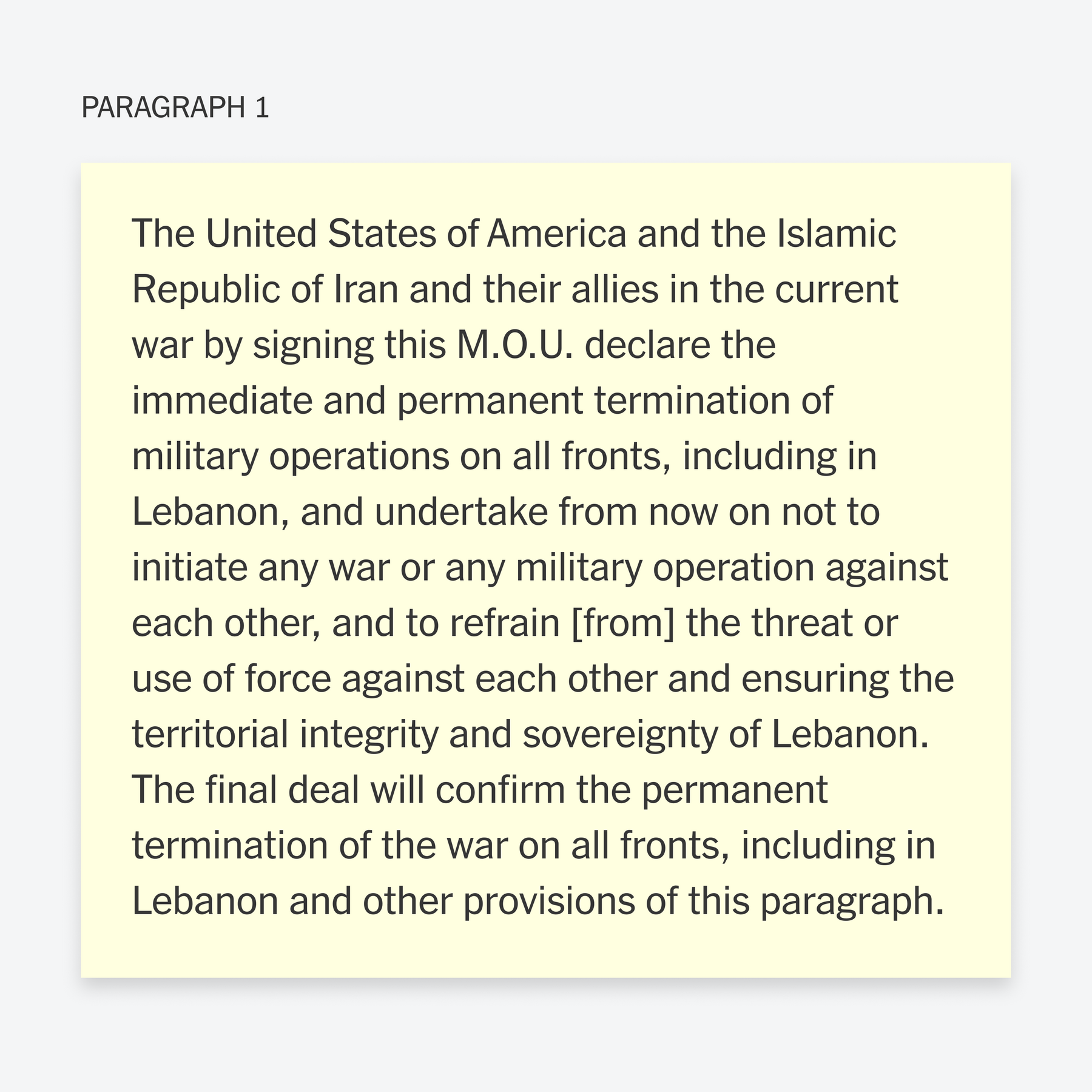
The U.S.-Iran deal includes conditions that call for the "immediate and permanent" termination of military actions, raising questions about Israel's continued occupation of southern Lebanon, where it controls approximately 600 square kilometers. Analysts suggest that if Israel withdraws, it would be seen as a significant gain for Hezbollah, which has historically opposed Israeli presence in the region. Several Israeli politicians publicly stated their troops would not leave Lebanon. Israeli officials also told journalists their country was engaged in tense negotiations with the U.S. to be allowed to stay.
Lebanese Government's Dilemma
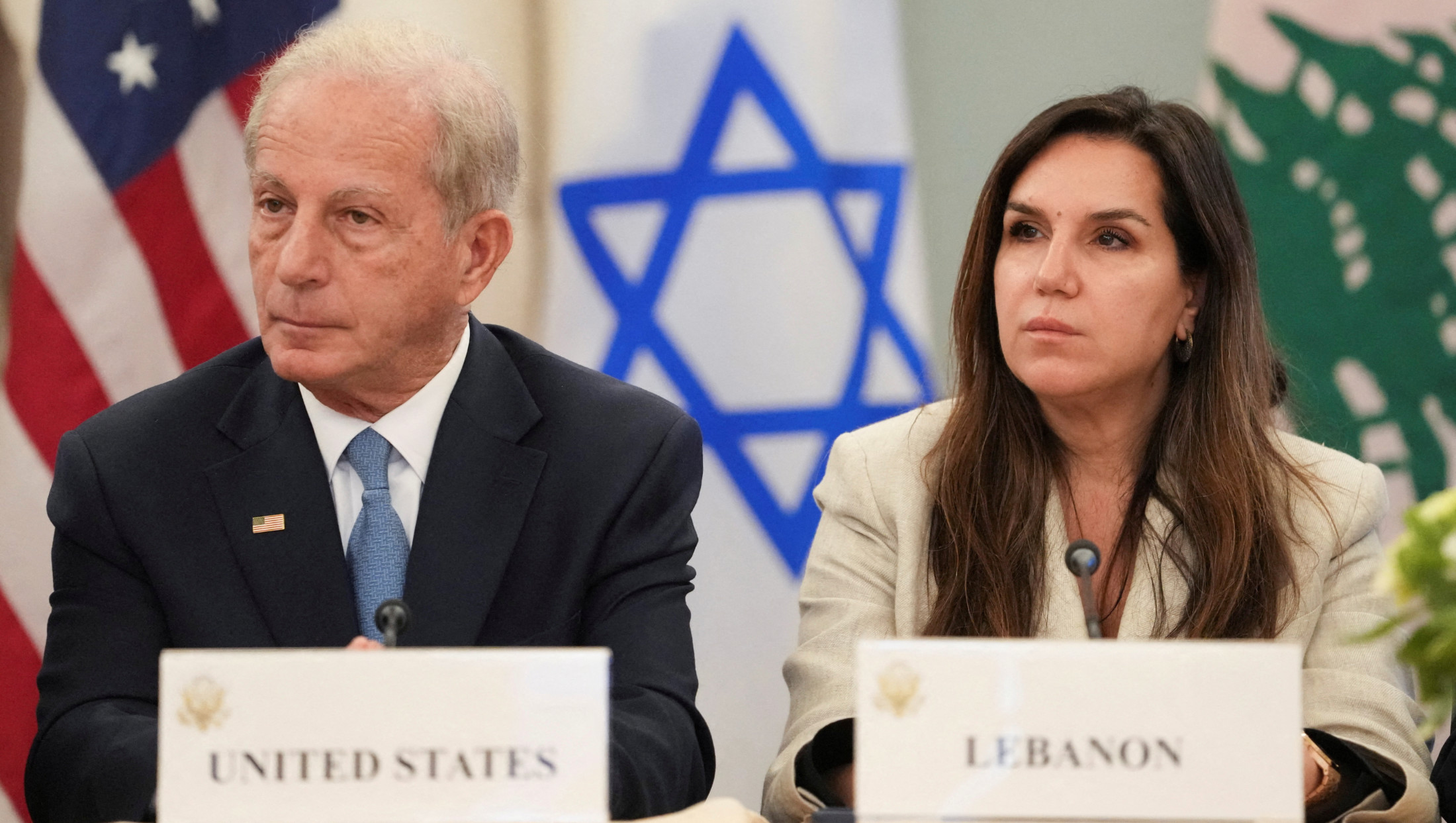
The Lebanese government faces a complicated situation as the U.S.-Iran deal appears to favor Hezbollah's interests, potentially undermining its authority. Earlier this year, the Lebanese government had initiated direct talks with Israel aimed at disarming Hezbollah, the first such engagement in over 30 years. However, the U.S.-Iran agreement complicates these efforts, as it seems to position Iran as a key influencer in Lebanese foreign policy, sidelining the Lebanese government's negotiations with Israel.
Economic Consequences of Sanctions Relief
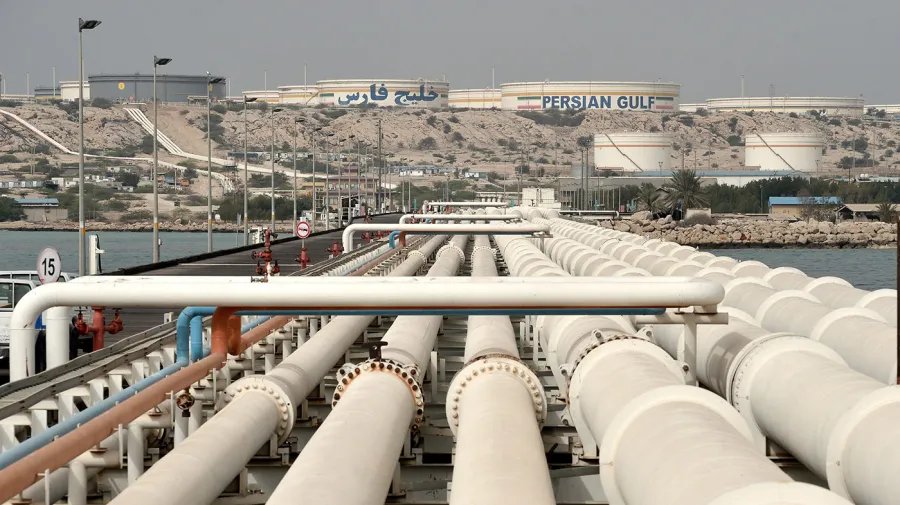
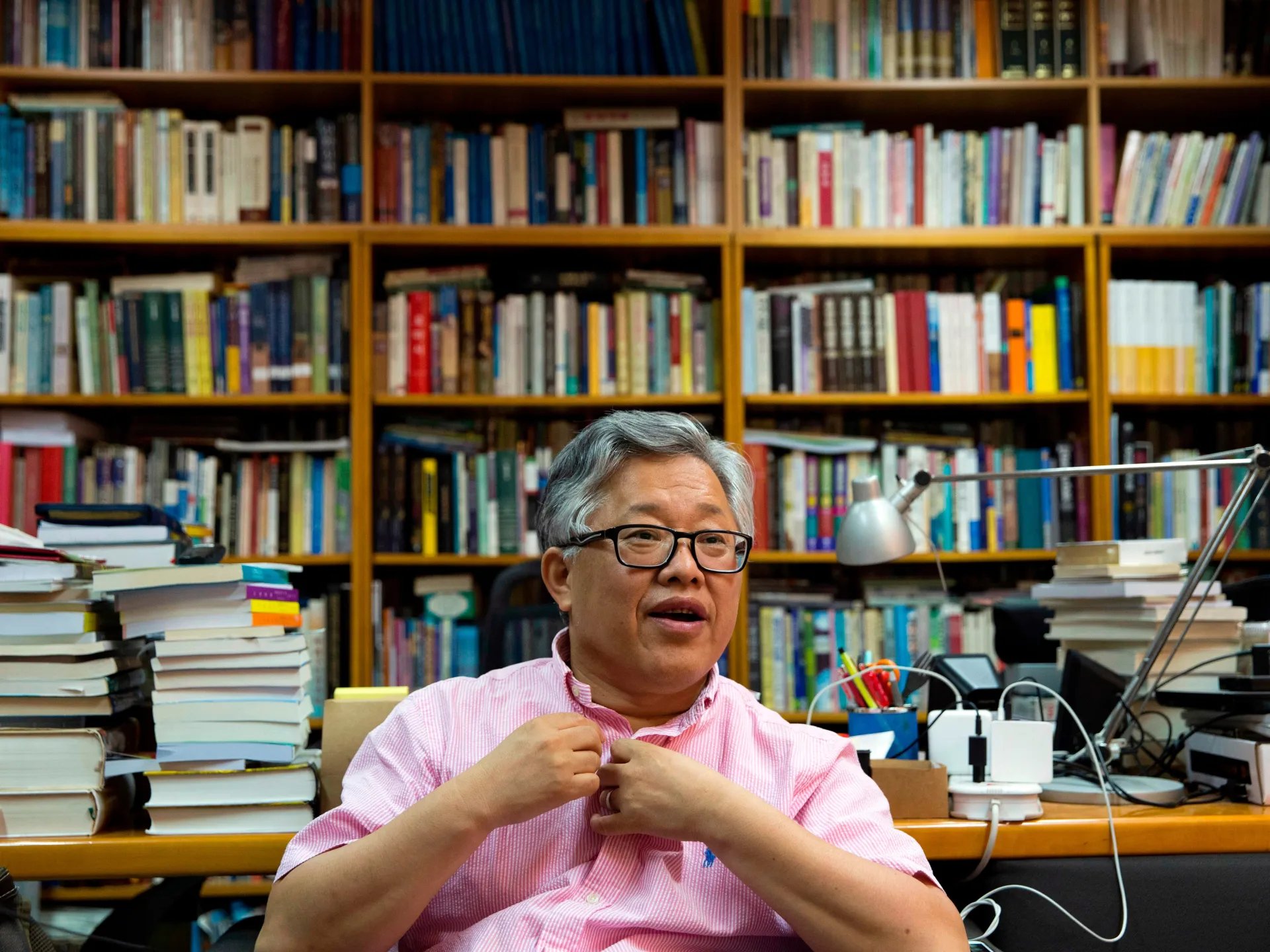
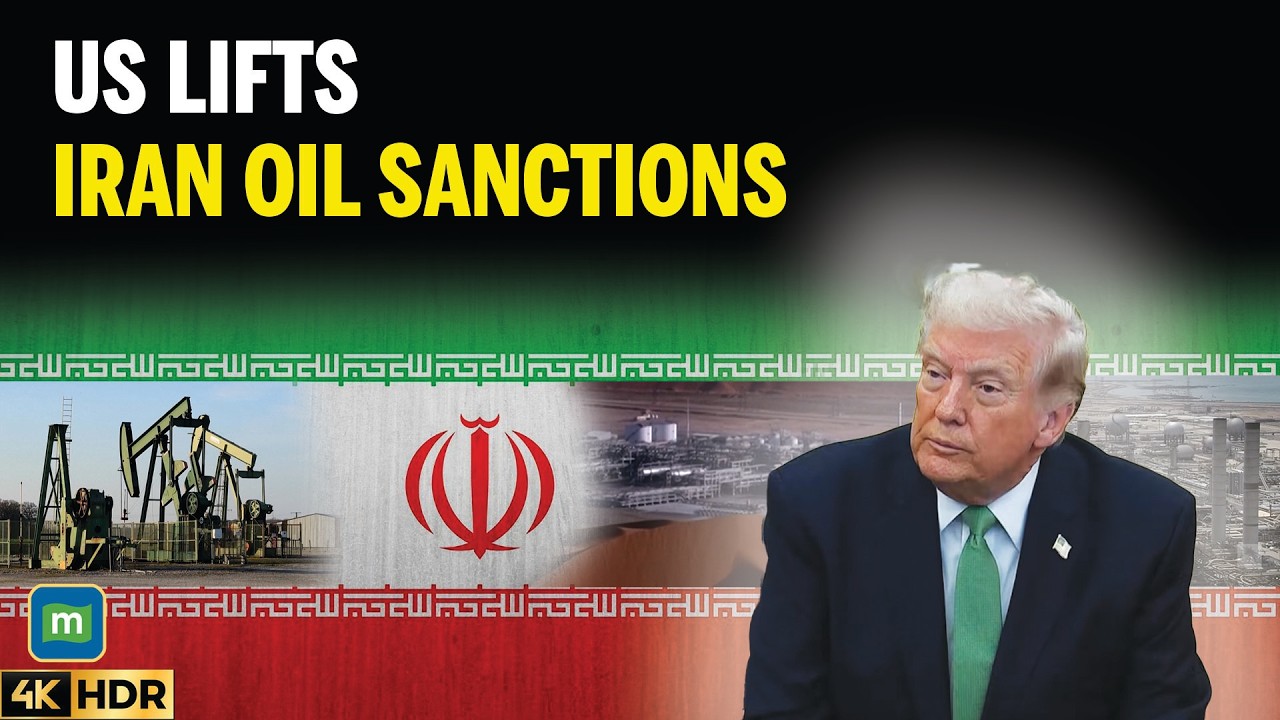
The memorandum also outlines potential financial benefits for Iran, including reconstruction funding and unfreezing of its assets. Diplomats in the region told Reuters that, once its funds were unfrozen, Iran said it would send more money to Hezbollah. Lebanese commentator Karim Chebako noted that a financially solvent Iran could further empower Hezbollah, making disarmament efforts more challenging.
Uncertainties Ahead
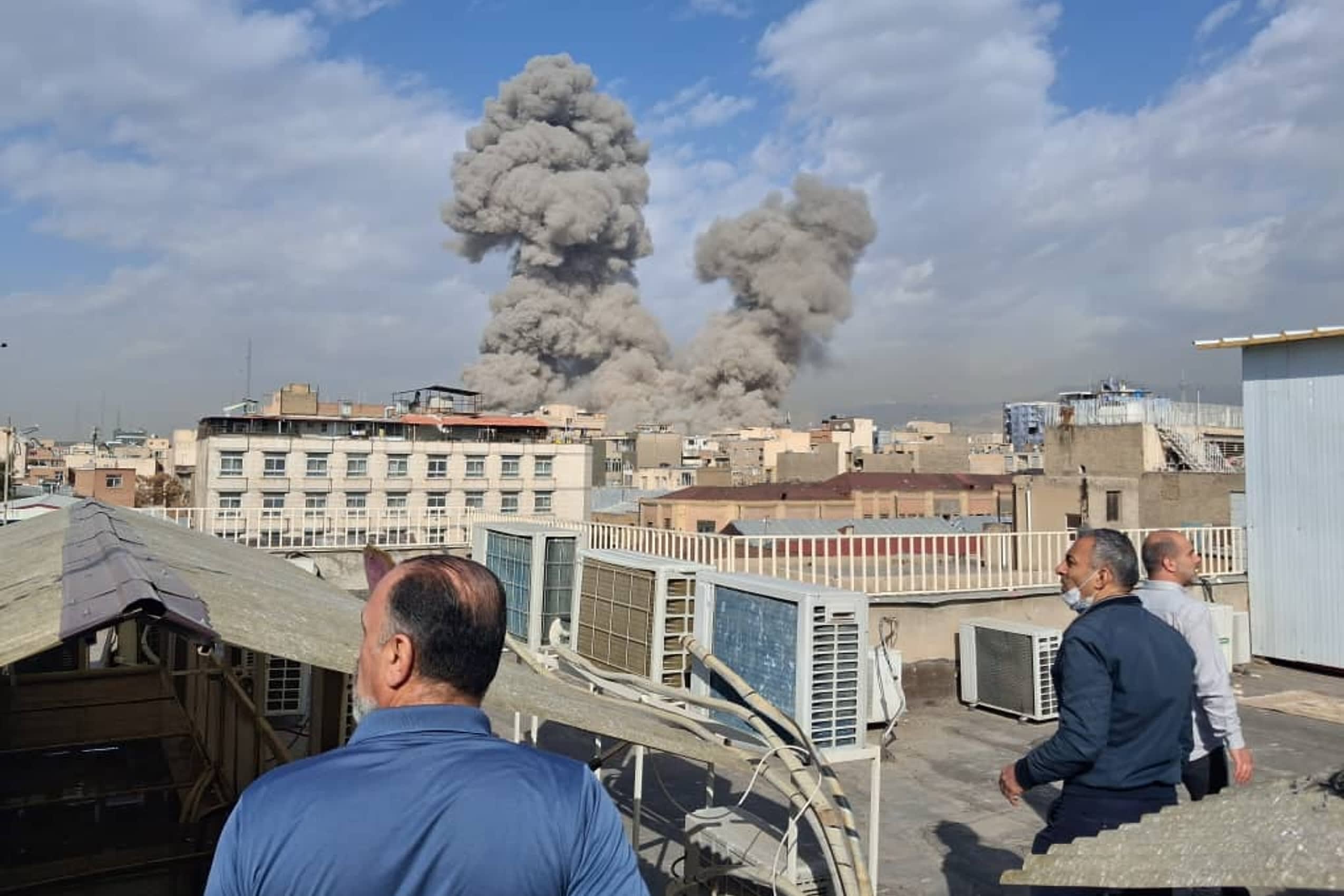
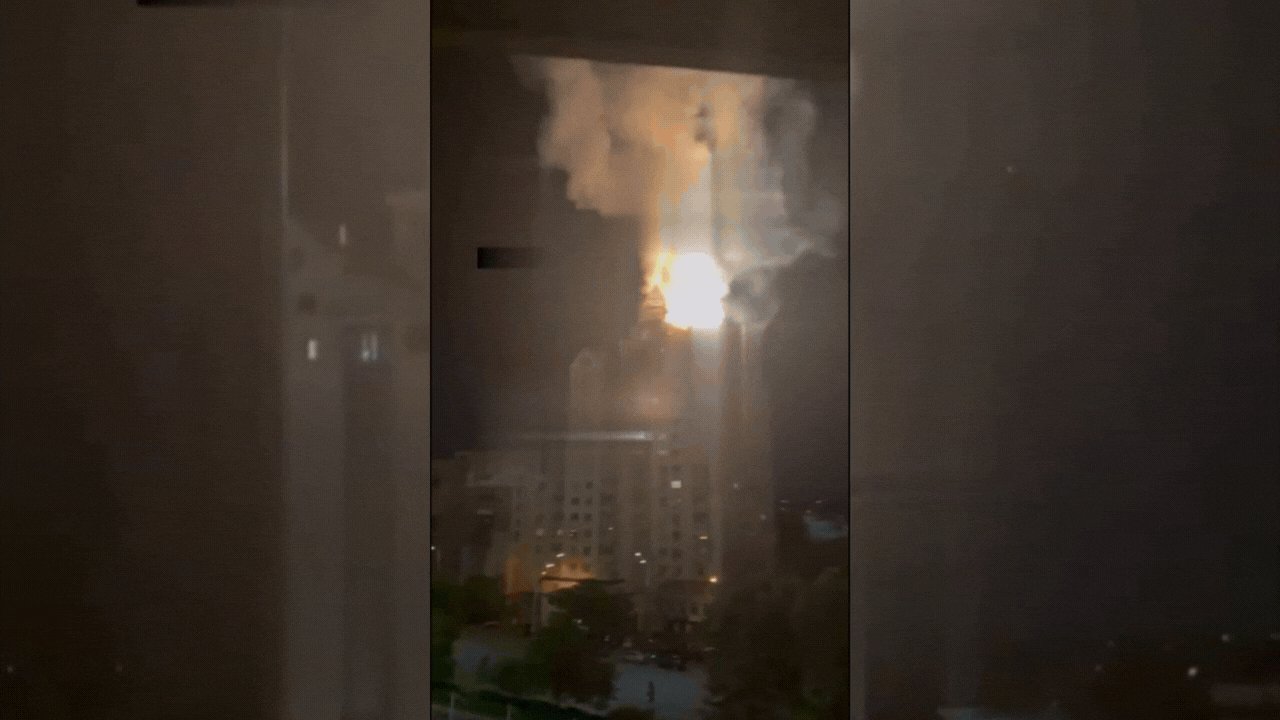
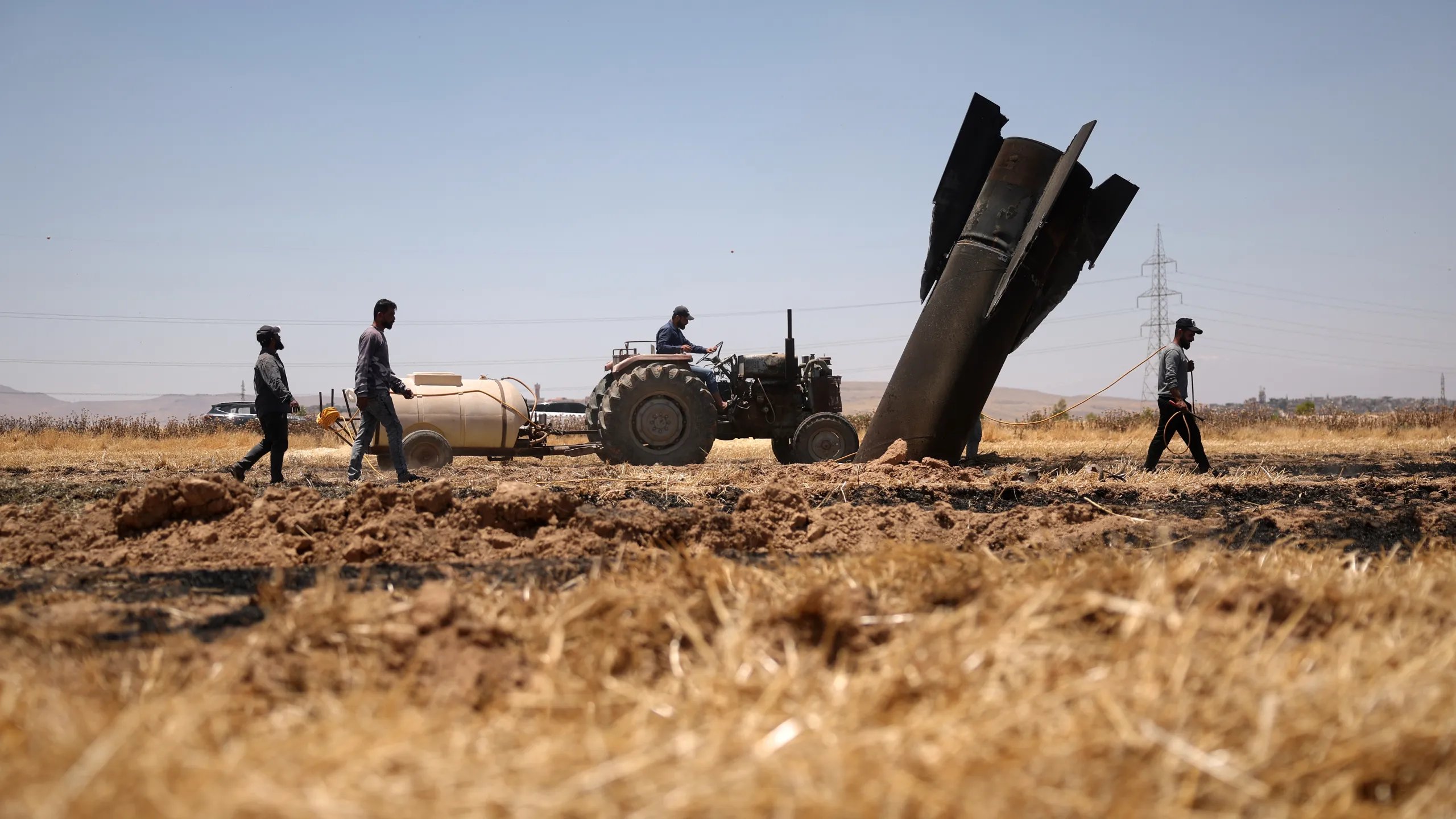
Despite the positive rhetoric from Hezbollah, experts caution that the benefits outlined in the U.S.-Iran deal are not guaranteed. None of the primary parties involved in the Lebanon conflict—Hezbollah, Israel, and the Lebanese government—are signatories to the agreement. On Friday, Reuters reported that Hezbollah and Israel had agreed to a ceasefire. However, shortly after the announcement, more Israeli aerial strikes on southern Lebanon were reported. A military spokesperson said Israeli forces retained "full operational freedom" in Lebanon.
Regional Stability at Risk
The ongoing conflict and the implications of the U.S.-Iran deal raise significant concerns about regional stability. Analysts warn that the deal may inadvertently entrench Hezbollah's position in Lebanon, leading to a prolonged state of conflict. The dual pressures of an Israeli occupation and Hezbollah's military presence could create a situation of ongoing strife, complicating any future peace negotiations between Lebanon and Israel.
In the backdrop of these developments, the future of Lebanon remains uncertain, with the potential for increased violence and a power struggle between the Lebanese state and Hezbollah. The deal's unfolding consequences will be closely monitored as Lebanon grapples with the fallout from this complex geopolitical landscape.