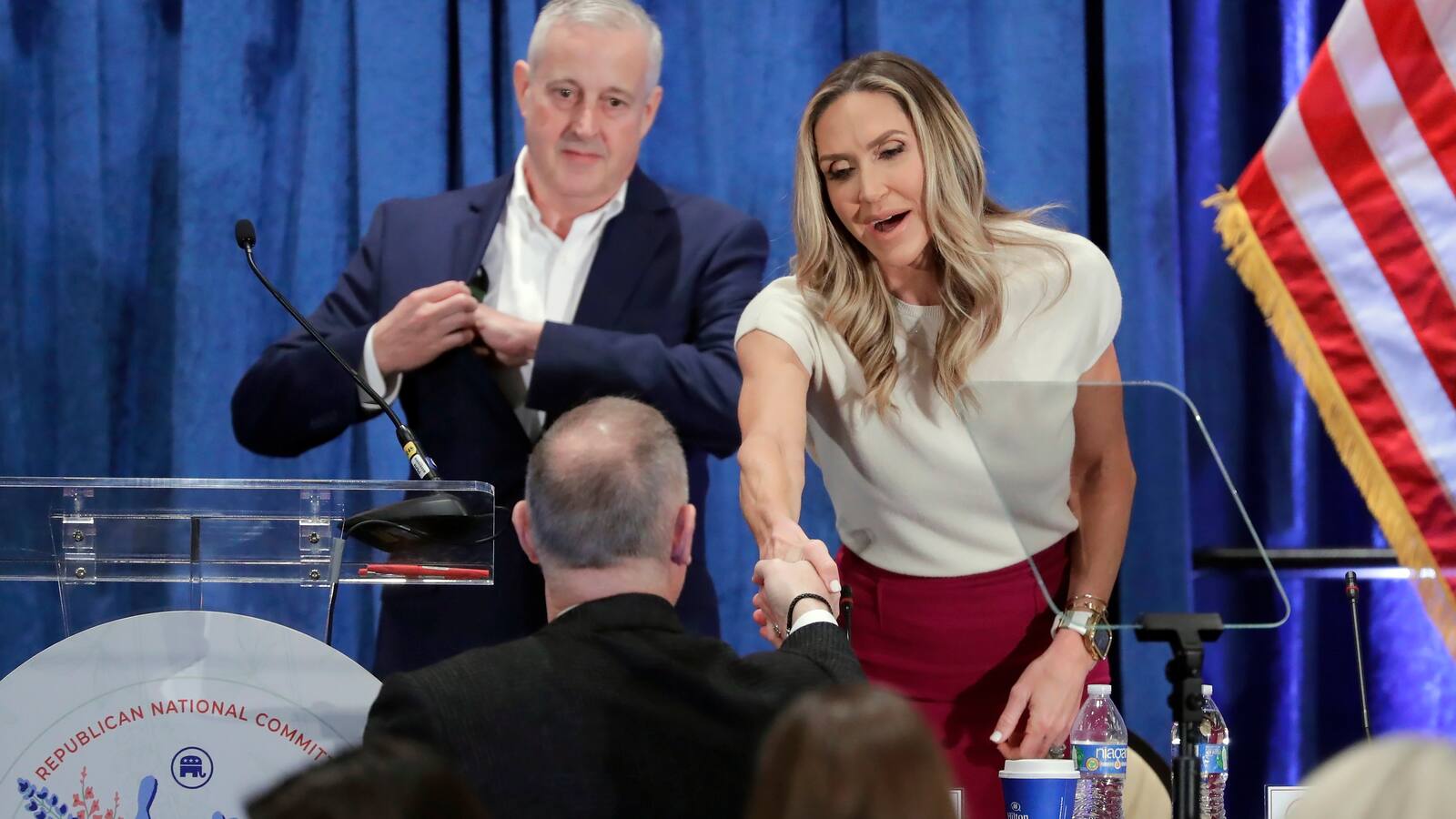
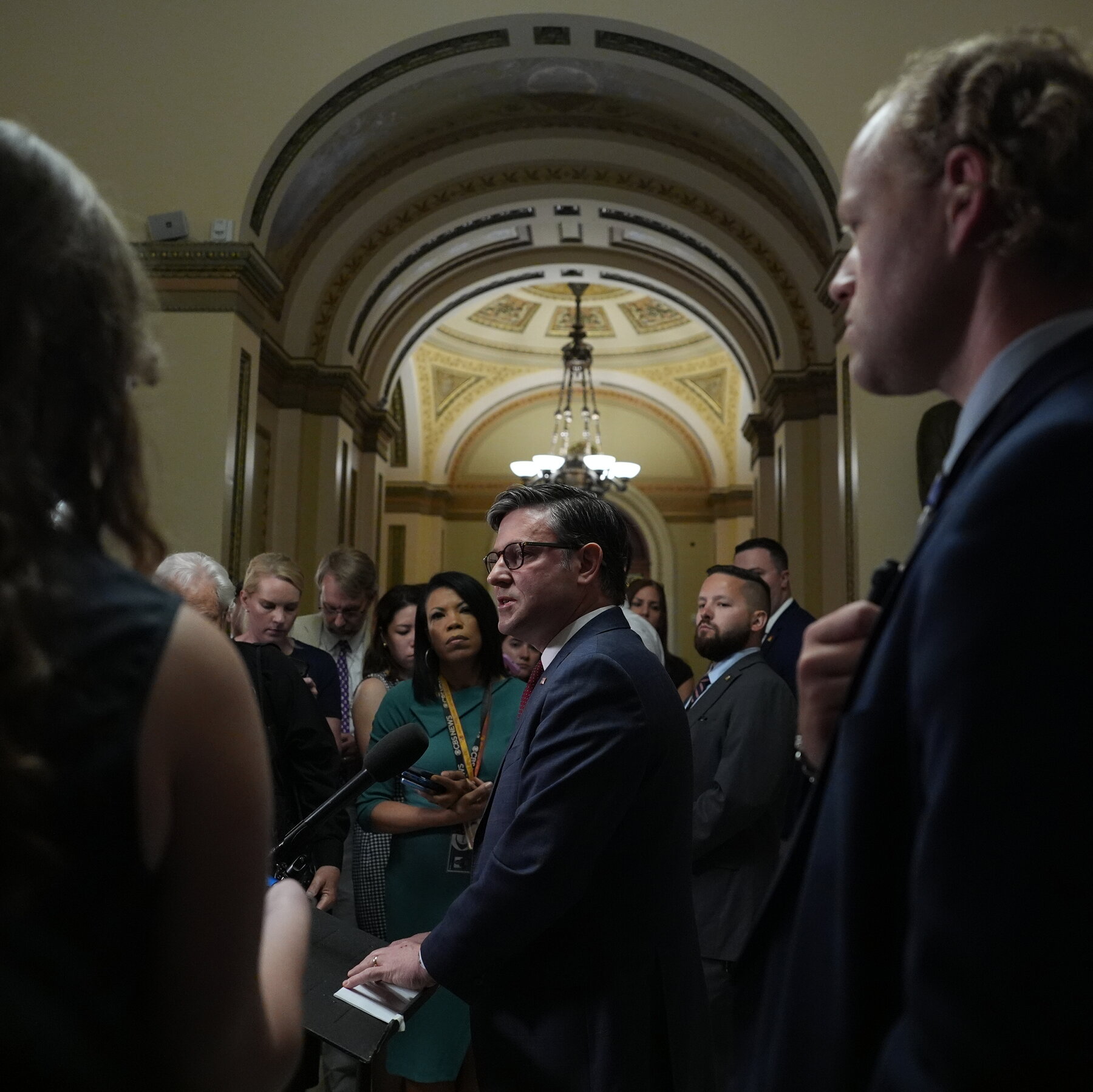
Georgia Republican lawmakers decided against redrawing congressional maps during a special session called by Governor Brian Kemp. Initially set to begin on June 17, the session was intended to address new maps ahead of the 2028 elections. However, legislative leaders cited a lack of time and the need for public input as reasons for their decision. House Speaker Jon Burns stated, "When the House learned that it was placed on the call for a special session, we knew it was not the right path forward for our state at this time."
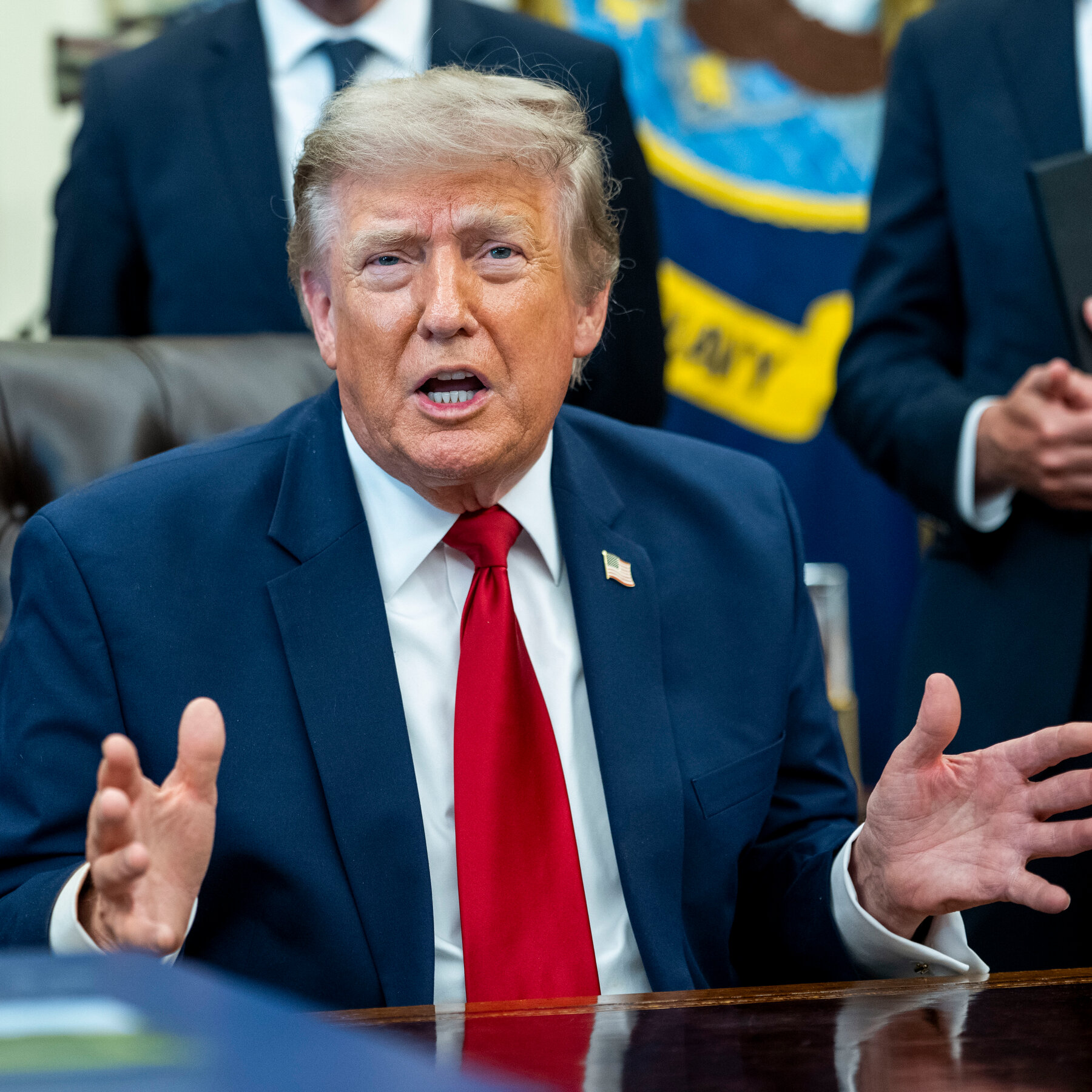
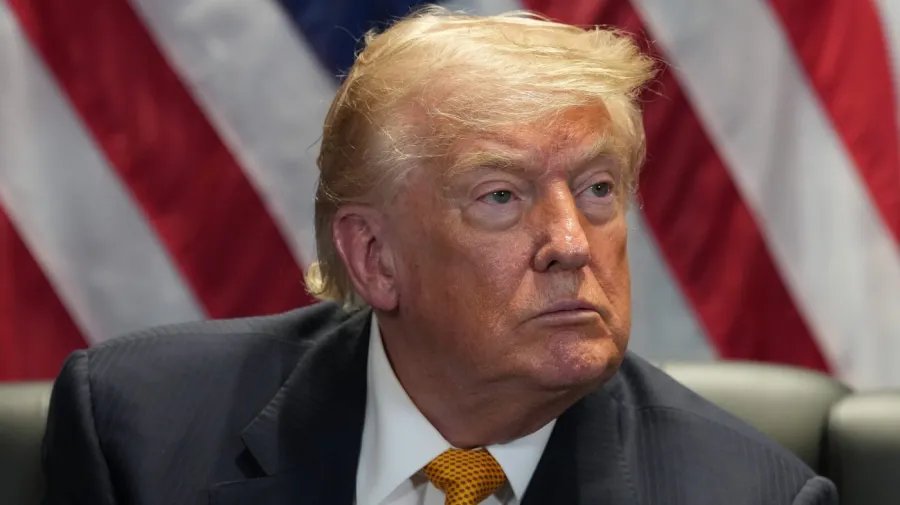
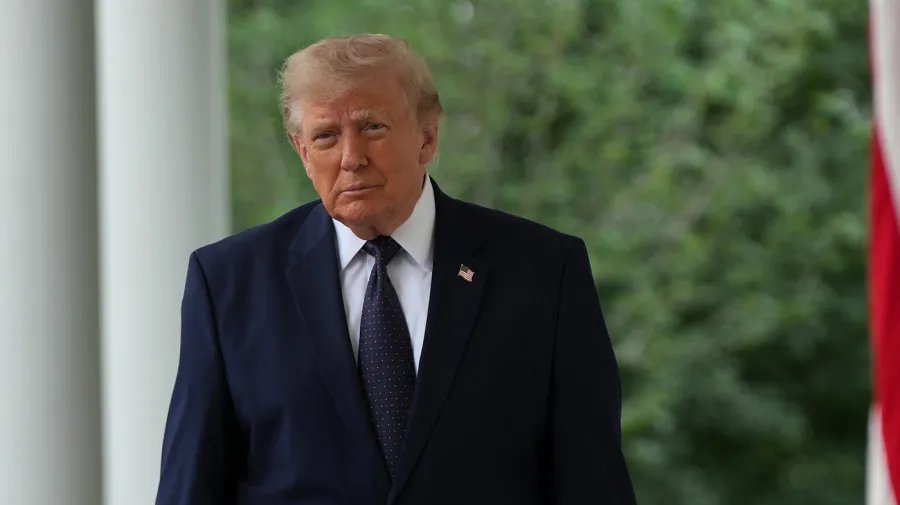
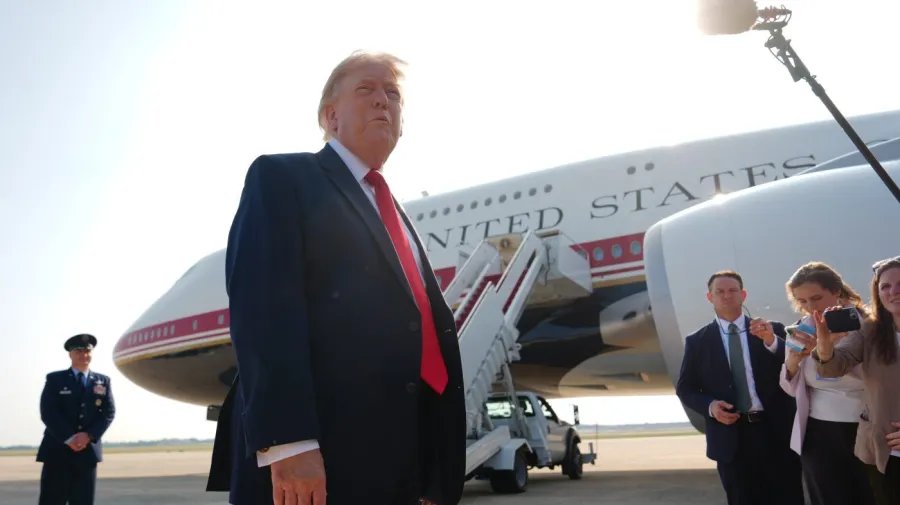
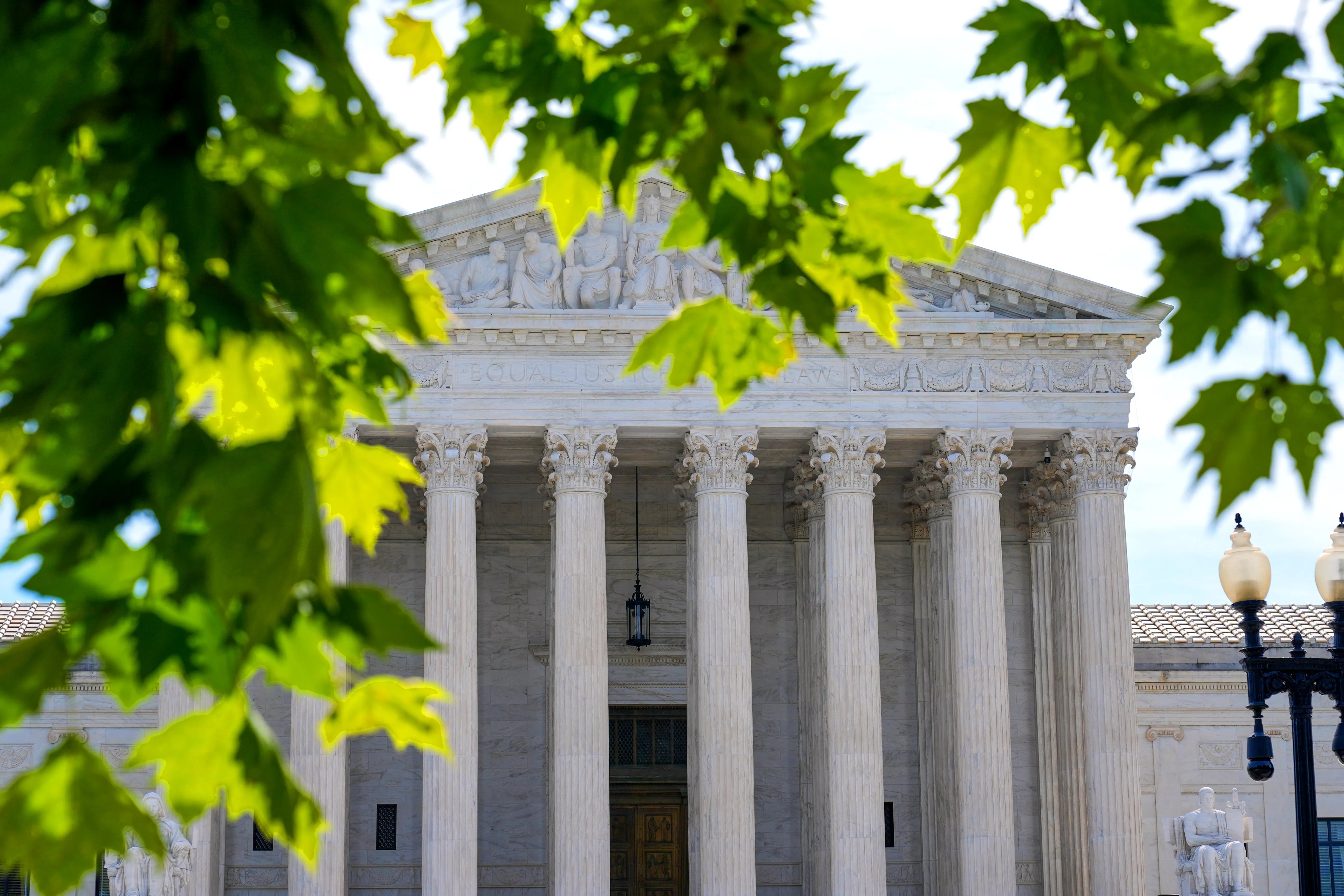
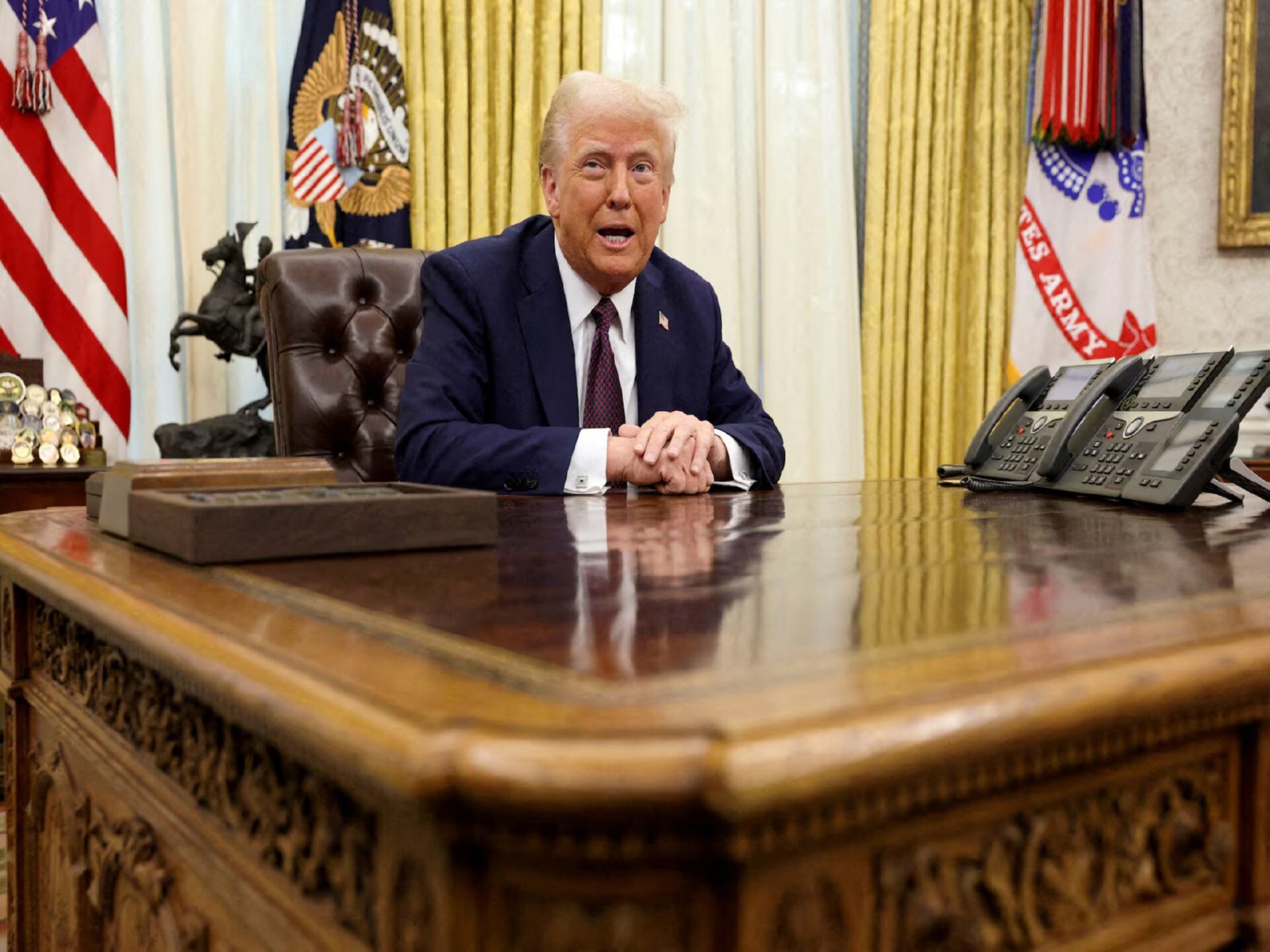
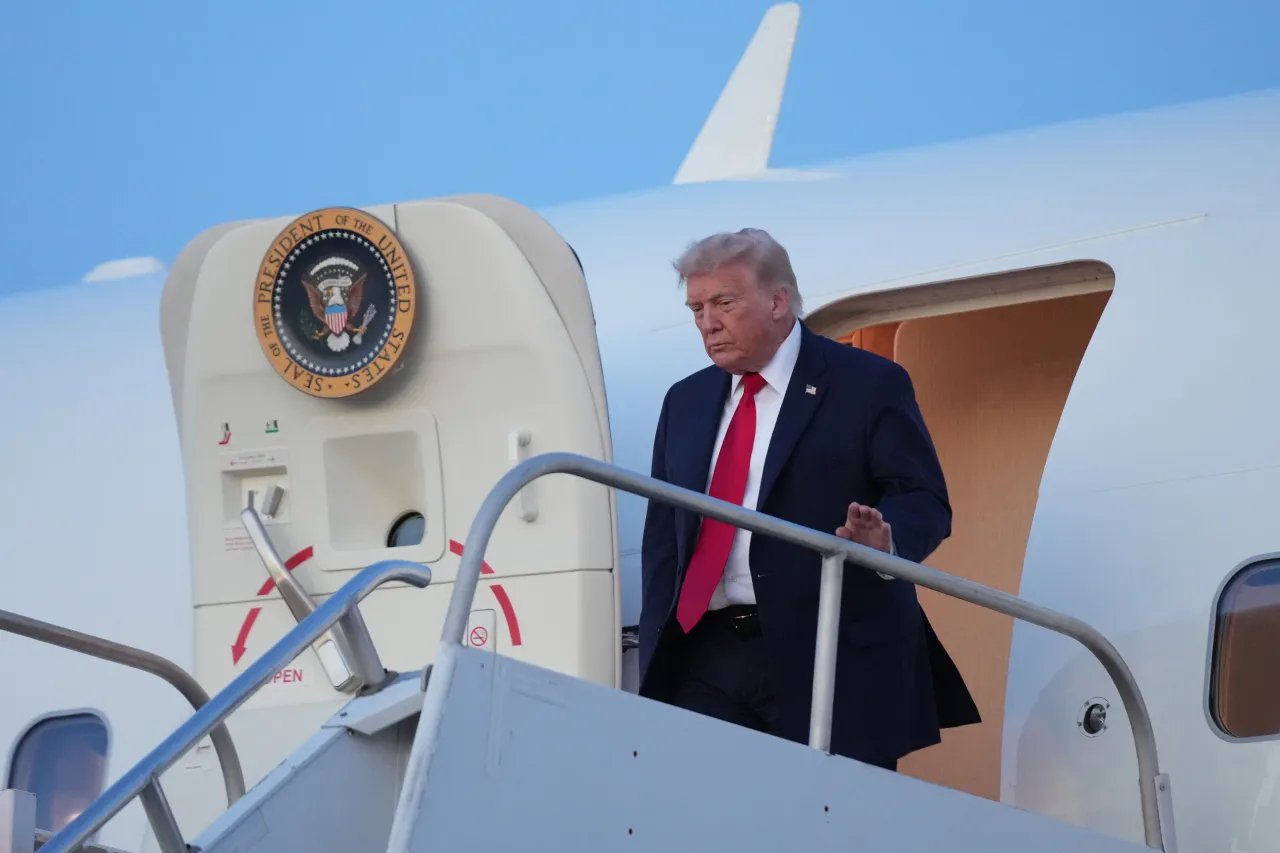
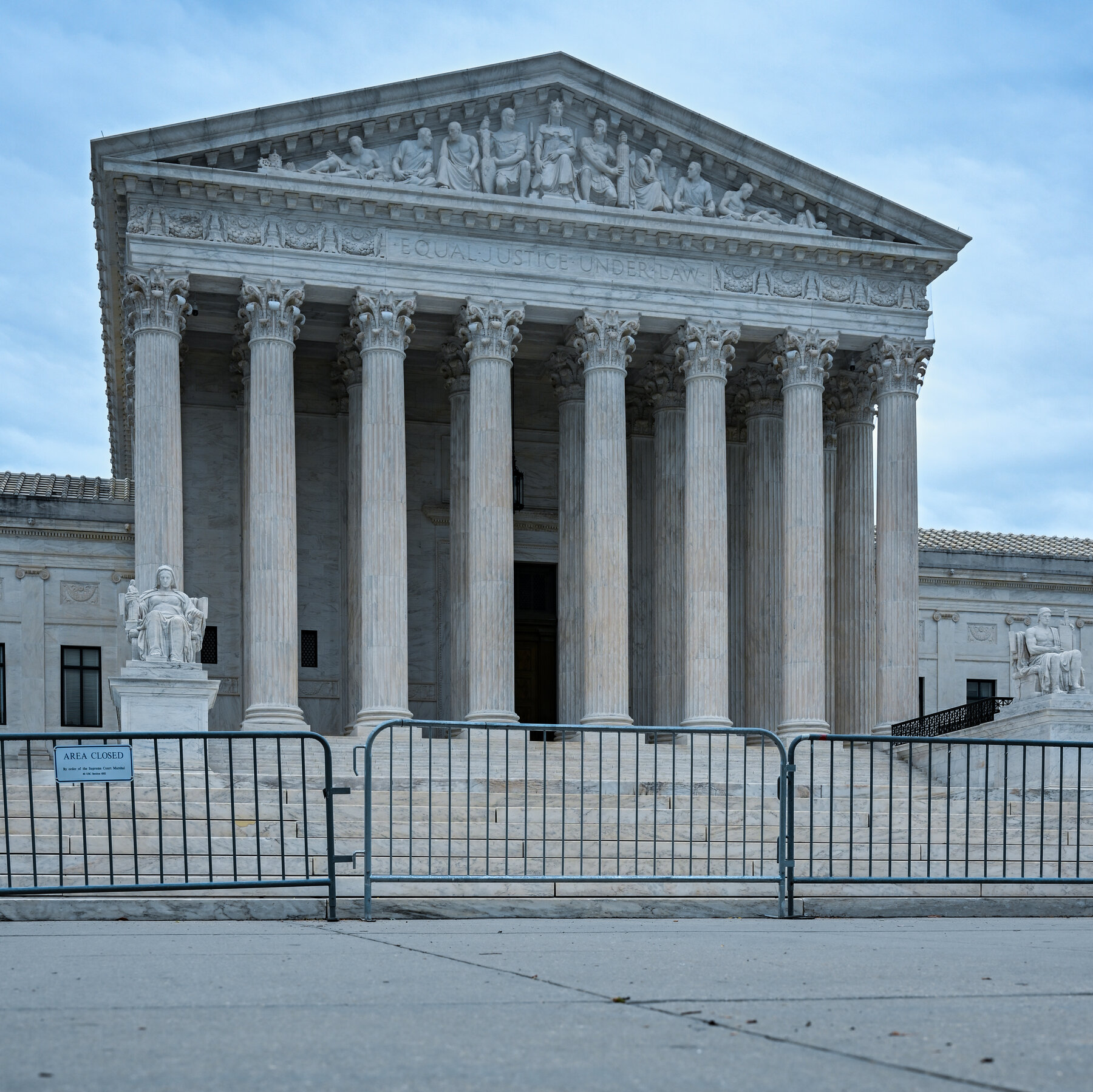
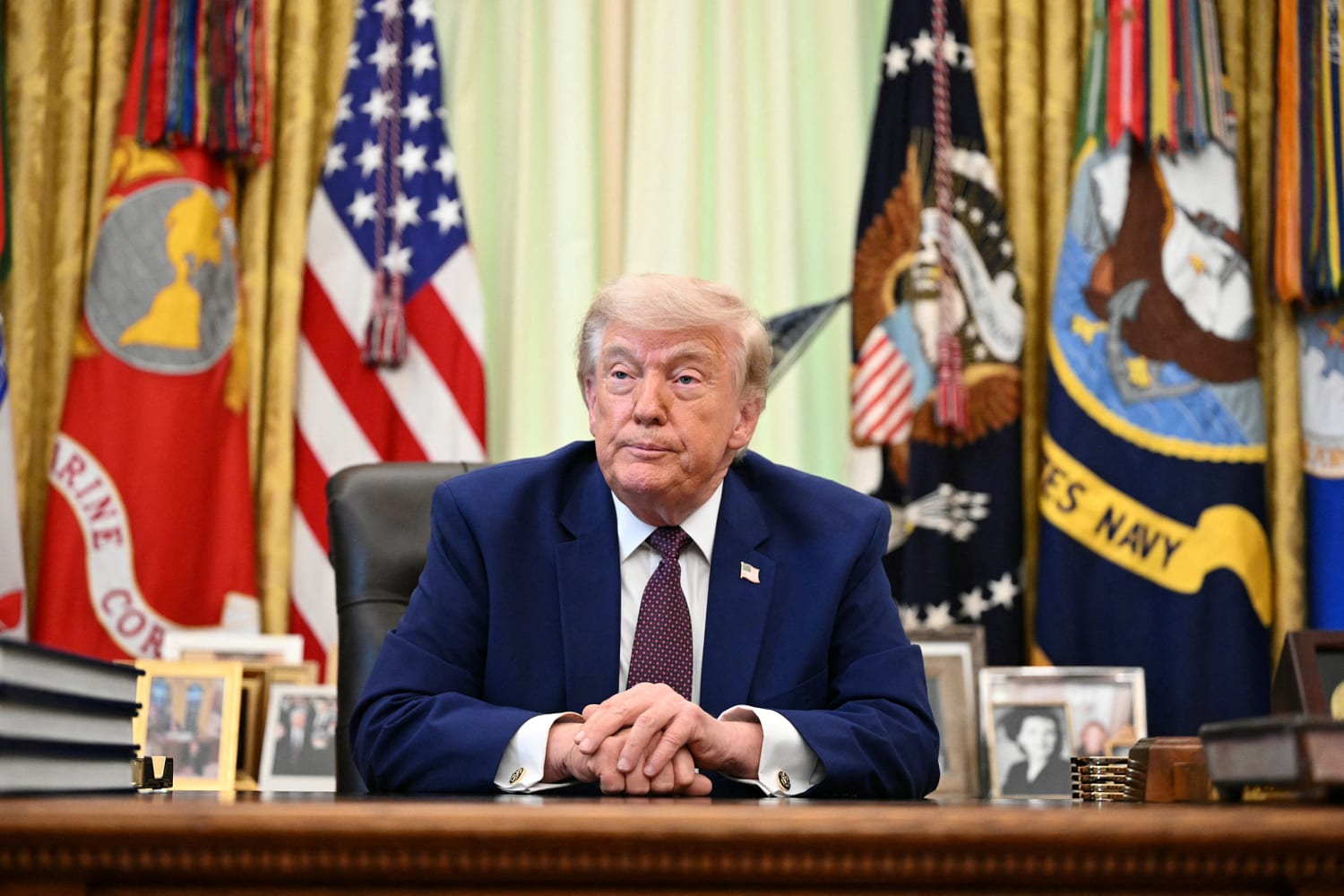
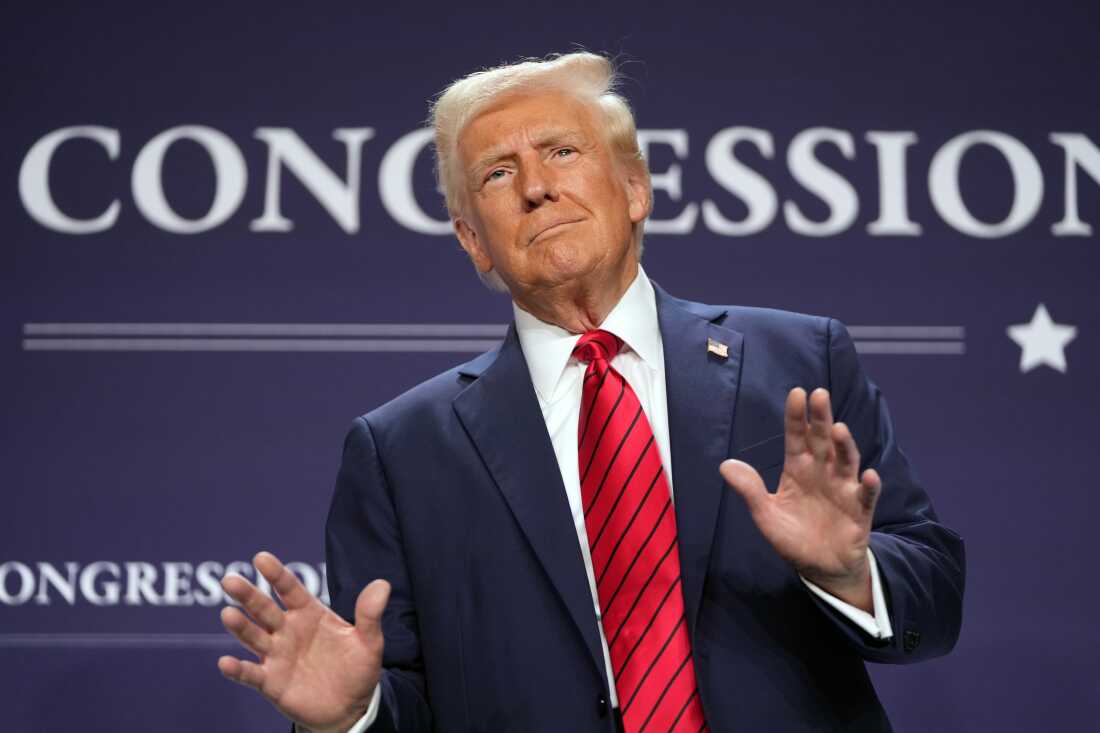
The decision comes after a recent Supreme Court ruling that weakened protections for minority voters under the Voting Rights Act. This ruling prompted some Republican leaders, including Donald Trump, to urge states to redraw their electoral maps quickly. Despite this external pressure, Georgia Republicans opted to forego immediate changes, with Senate President Pro Tempore Larry Walker III emphasizing the importance of taking the necessary time to do the job correctly. "We believe it is prudent to take the appropriate and necessary time to do this important duty the right way and not to rush through it," Walker said.
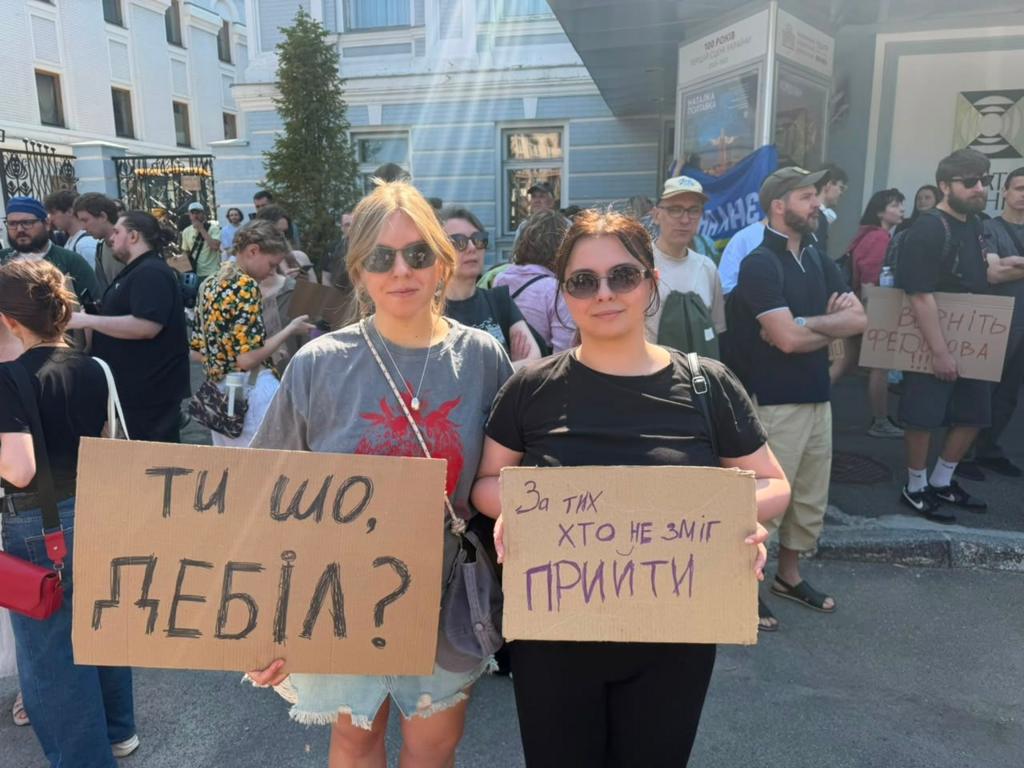
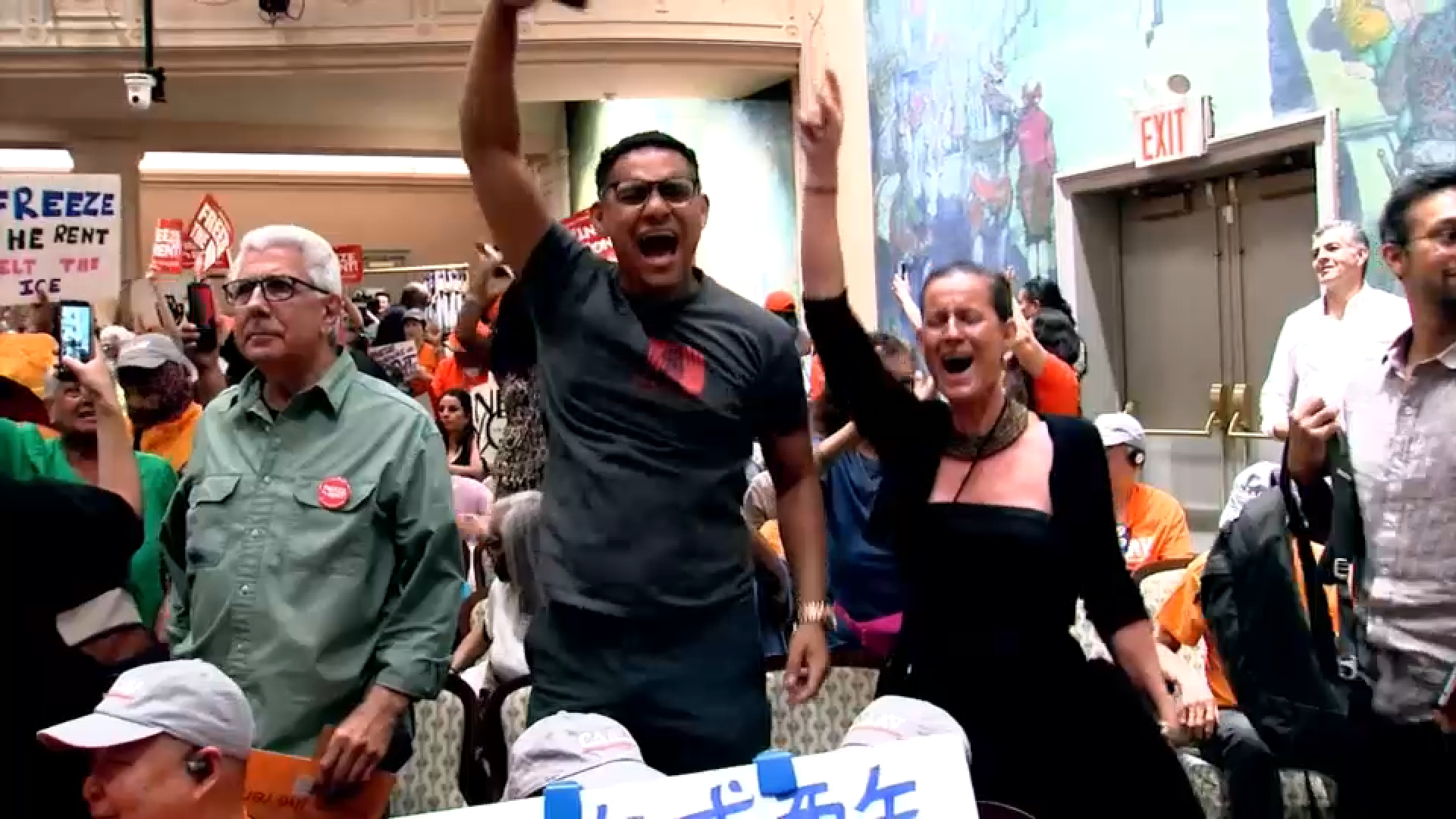
Democratic leaders celebrated the decision. US Senator Raphael Warnock returned to Georgia to protest the proposed redistricting, and Justin Jones, a Nashville state representative who led legislative resistance in Tennessee, came to the Georgia capitol to raise awareness. Georgia House Minority Leader Carolyn Hugley and Senate Minority Leader Harold Jones II stated, "Republicans thought they could get away with drawing racist, rigged maps without a fight. Today, thanks to the people showing up and showing out, we won."
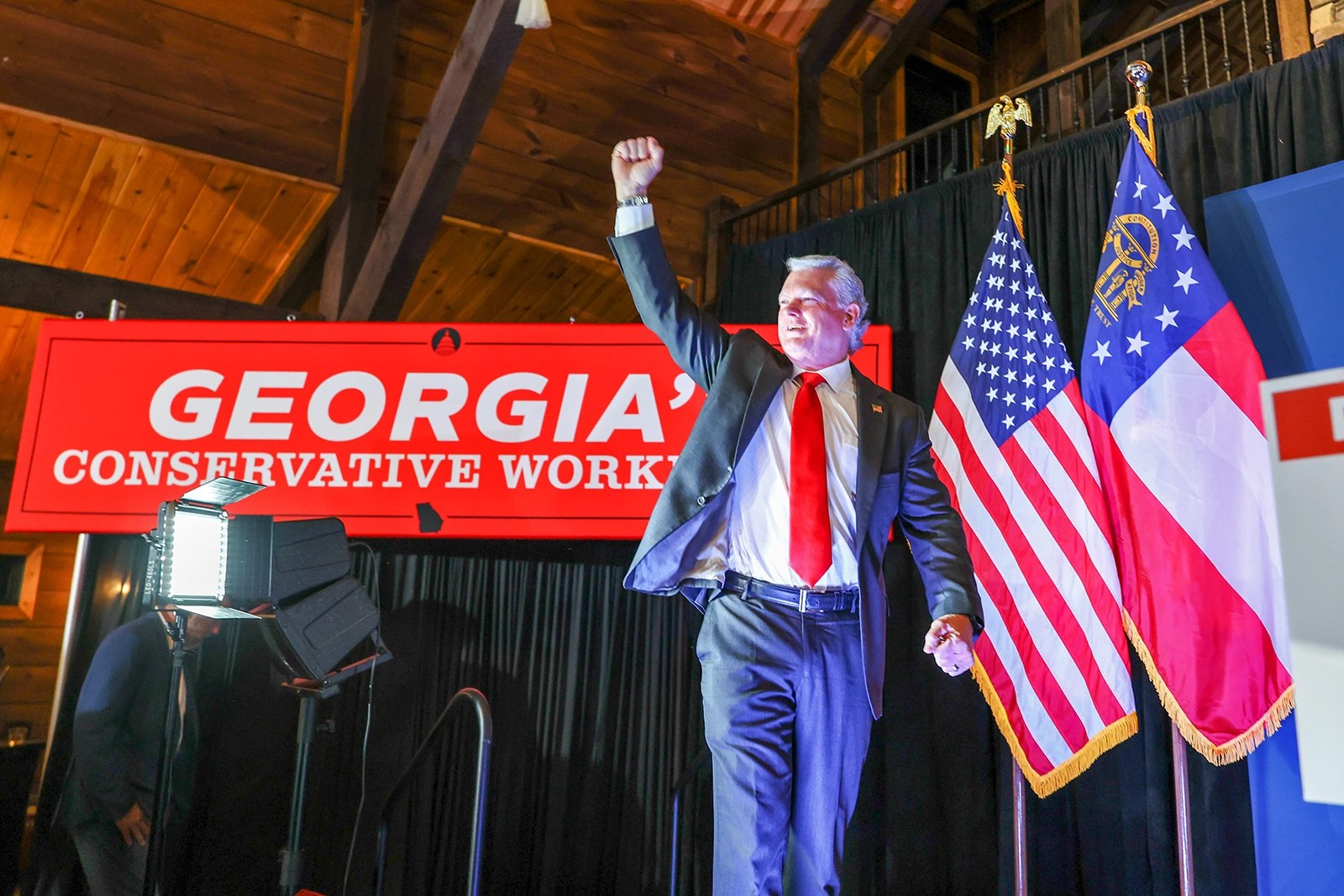
With Kemp's retirement, billionaire businessman Rick Jackson, who won the GOP primary runoff, will face former Atlanta mayor Keisha Lance Bottoms in November. The outcome of this election could significantly influence the Republican Party's control over the state government, which is crucial for any future redistricting efforts.
Georgia's decision to halt redistricting contrasts with actions taken by other states, such as Alabama and Florida, which have already implemented new maps ahead of the 2026 elections. Political analysts suggest that Georgia's hesitance may stem from the recognition of its status as a swing state, where competitive races could mobilize Democratic voters against aggressive redistricting efforts. Teri Anulewicz, a former state representative, noted the precarious nature of Republican control, stating, "The house is very much on the bubble in terms of keeping their majority."
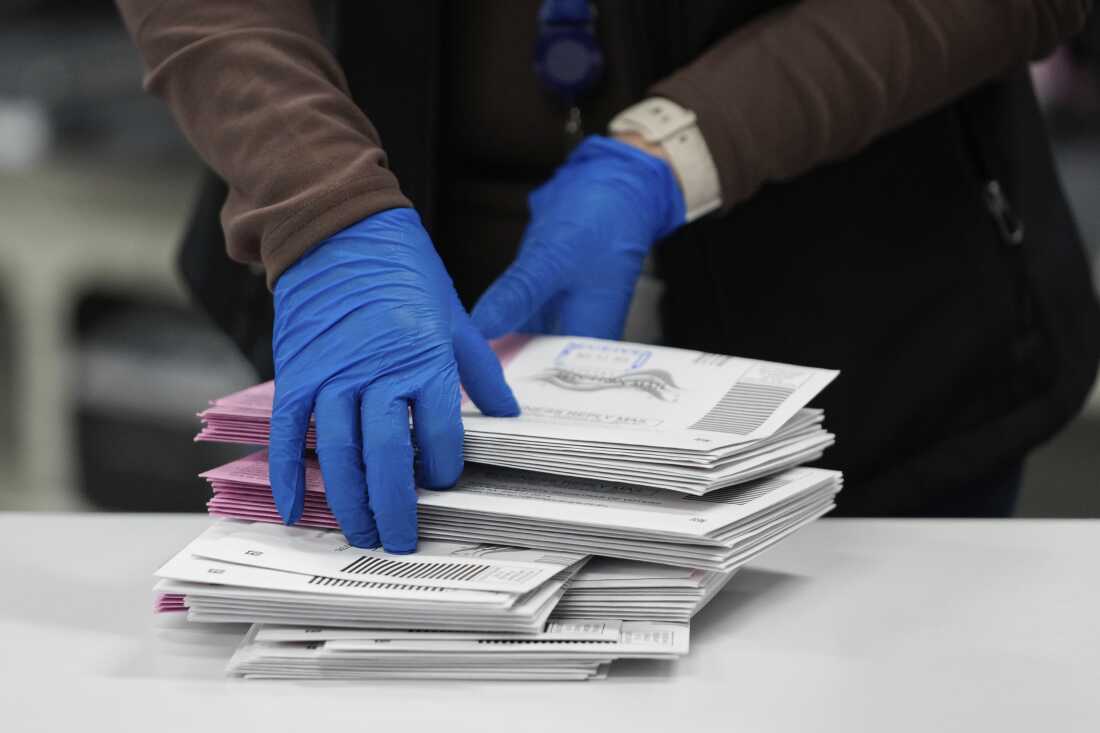
Speaker Burns highlighted the need to address other matters, including the reimposition of a moratorium on gasoline taxes, a way to reduce property taxes, and a vital legislative change to a 2024 law that threatens to cast the legality of vote-counting machines in doubt ahead of the November election. "Changes to our district maps have the potential to impact every voter in Georgia, and they deserve the same quality accurate process that has always guided the house," he said.
Georgia Republican lawmakers decided against redrawing congressional maps during a special session called by Governor Brian Kemp. Initially set to begin on June 17, the session was intended to address new maps ahead of the 2028 elections. However, legislative leaders cited a lack of time and the need for public input as reasons for their decision. House Speaker Jon Burns stated, “When the House learned that it was placed on the call for a special session, we knew it was not the right path forward for our state at this time.”
The decision comes after a recent Supreme Court ruling that weakened protections for minority voters under the Voting Rights Act. This ruling prompted some Republican leaders, including Donald Trump, to urge states to redraw their electoral maps quickly. Despite this external pressure, Georgia Republicans opted to forego immediate changes, with Senate President Pro Tempore Larry Walker III emphasizing the importance of taking the necessary time to do the job correctly. “We believe it is prudent to take the appropriate and necessary time to do this important duty the right way and not to rush through it,” Walker said.
Democratic leaders expressed relief and satisfaction with the Republicans' decision to shelve their redistricting plans. Georgia House Minority Leader Carolyn Hugley and Senate Minority Leader Harold Jones II stated, “Republicans thought they could get away with drawing racist, rigged maps without a fight. Today, thanks to the people showing up and showing out, we won.” They urged voters to mobilize against what they described as “racist, rigged maps” in future elections.
The pause on redistricting raises questions about the political landscape leading into the 2028 elections. With Kemp's retirement, billionaire businessman Rick Jackson, who won the GOP primary runoff, will face former Atlanta mayor Keisha Lance Bottoms in November. The outcome of this election could significantly influence the Republican Party's control over the state government, which is crucial for any future redistricting efforts.
Georgia’s decision to halt redistricting contrasts with actions taken by other states, such as Alabama and Florida, which have already implemented new maps ahead of the 2026 elections. Political analysts suggest that Georgia’s hesitance may stem from the recognition of its status as a swing state, where competitive races could mobilize Democratic voters against aggressive redistricting efforts. Teri Anulewicz, a former state representative, noted the precarious nature of Republican control, stating, “The house is very much on the bubble in terms of keeping their majority.”
In light of the redistricting decision, lawmakers are shifting their focus to other pressing issues, such as a moratorium on gasoline taxes and property tax reductions. Speaker Burns highlighted the need to address these matters responsibly, ensuring that any changes to district maps do not compromise the quality of the legislative process. “Changes to our district maps have the potential to impact every voter in Georgia, and they deserve the same quality accurate process that has always guided the house,” he said.
The decision by Georgia Republicans not to move forward with redistricting reflects both the complexities of political maneuvering in a swing state and the growing demand for transparency and public involvement in the electoral process. As the 2026 elections approach, the implications of this decision will resonate across the state's political landscape.
Highlighted text was flagged by the council. Tap to see feedback.