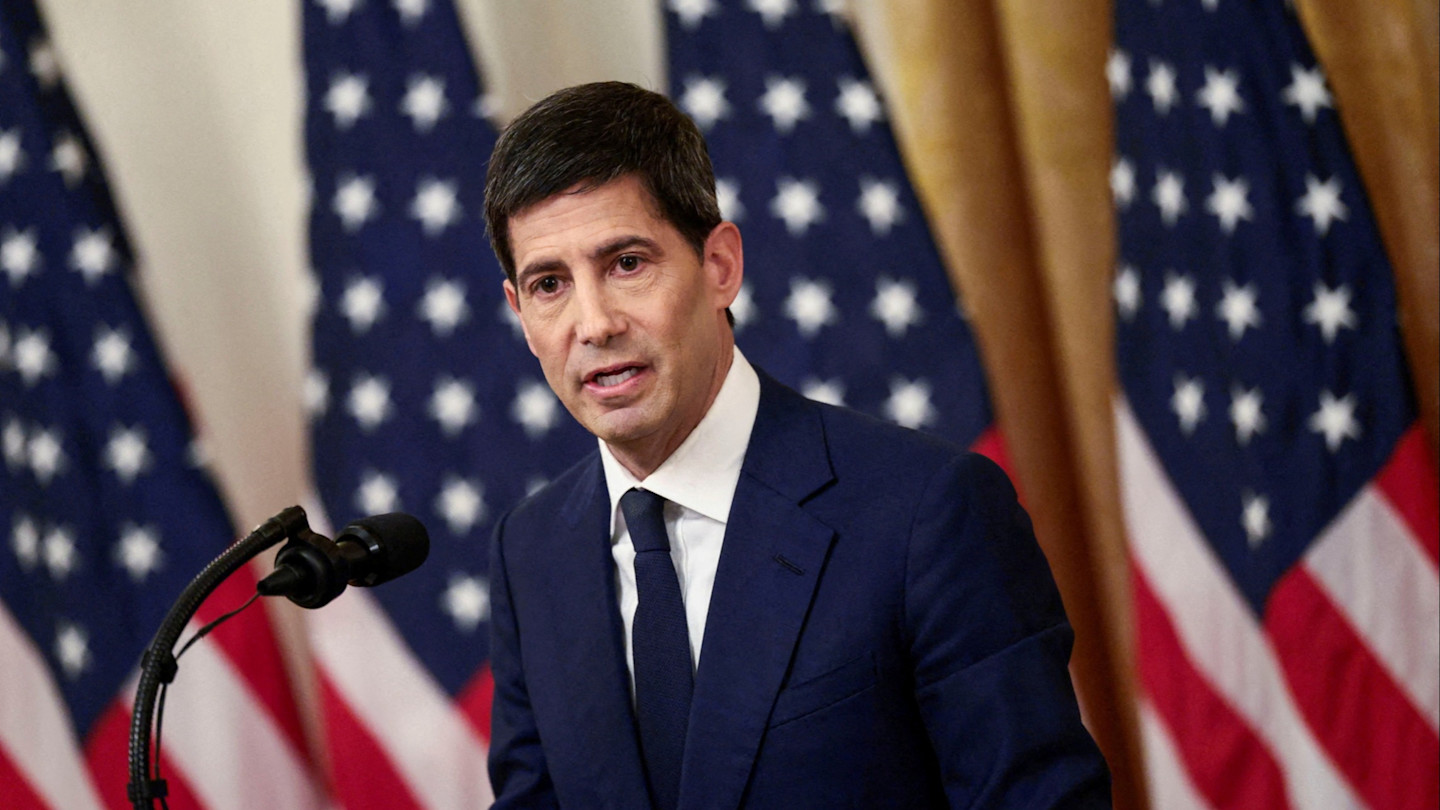
Democrat Robert White has secured victory in the primary for Washington, D.C.'s nonvoting delegate to Congress, marking a significant shift in local political representation. This election follows the long tenure of Eleanor Holmes Norton, who has held the position since 1991 and announced her retirement after 18 terms. White's win signals a new chapter for the district, as he prepares to take on a role that allows participation in debates but not in votes on the House floor.
The primary race was competitive, particularly due to Norton's decision to step aside, opening the field for new candidates. According to Decision Desk HQ, White's victory reflects a desire among voters for change in D.C.'s political landscape. The delegate position allows participation in debates but not votes on the House floor.
In his campaign, White emphasized the need for greater representation and resources for D.C. residents. He aims to address pressing issues such as affordable housing, public safety, and education. His platform resonates with many voters who have felt underrepresented in federal discussions.
White's victory also carries implications for the Democratic Party's balance of power. His election could influence how the party approaches key issues in the upcoming years, potentially aligning more closely with the priorities of younger voters and progressive groups within the district.
As White prepares for the upcoming general election, he will focus on solidifying support among constituents and building a coalition to advance his agenda. His win in the primary sets the stage for critical discussions about D.C.'s representation and the future of its political landscape.
Democrat Robert White has secured victory in the primary for Washington, D.C.'s nonvoting delegate to Congress, marking a significant shift in local political representation. This election follows the long tenure of Eleanor Holmes Norton, who has held the position since 1991 and announced her retirement after 18 terms. White's win signals a new chapter for the district, as he prepares to take on a role that allows participation in debates but not in votes on the House floor.
The primary race was competitive, particularly due to Norton's decision to step aside, opening the field for new candidates. According to Decision Desk HQ, White's victory reflects a desire among voters for change in D.C.'s political landscape. His win could potentially influence the direction of policy discussions at the national level, as the delegate position, while nonvoting, still plays a crucial role in representing D.C. interests in Congress.
In his campaign, White emphasized the need for greater representation and resources for D.C. residents. He aims to address pressing issues such as affordable housing, public safety, and education. His platform resonates with many voters who have felt underrepresented in federal discussions. White's commitment to advocating for D.C. residents could lead to more robust conversations about statehood and autonomy in the future.
White's victory also carries implications for the Democratic Party's balance of power. As a new face in the delegate role, he may bring fresh perspectives to the party's agenda. His election could influence how the party approaches key issues in the upcoming years, potentially aligning more closely with the priorities of younger voters and progressive groups within the district.
As White prepares for the upcoming general election, he will focus on solidifying support among constituents and building a coalition to advance his agenda. His win in the primary sets the stage for critical discussions about D.C.'s representation and the future of its political landscape. Voters will be watching closely to see how he navigates this new role and champions issues that matter to them.
Highlighted text was flagged by the council. Tap to see feedback.