




Tankers Break Through After 111 Days of Blockade
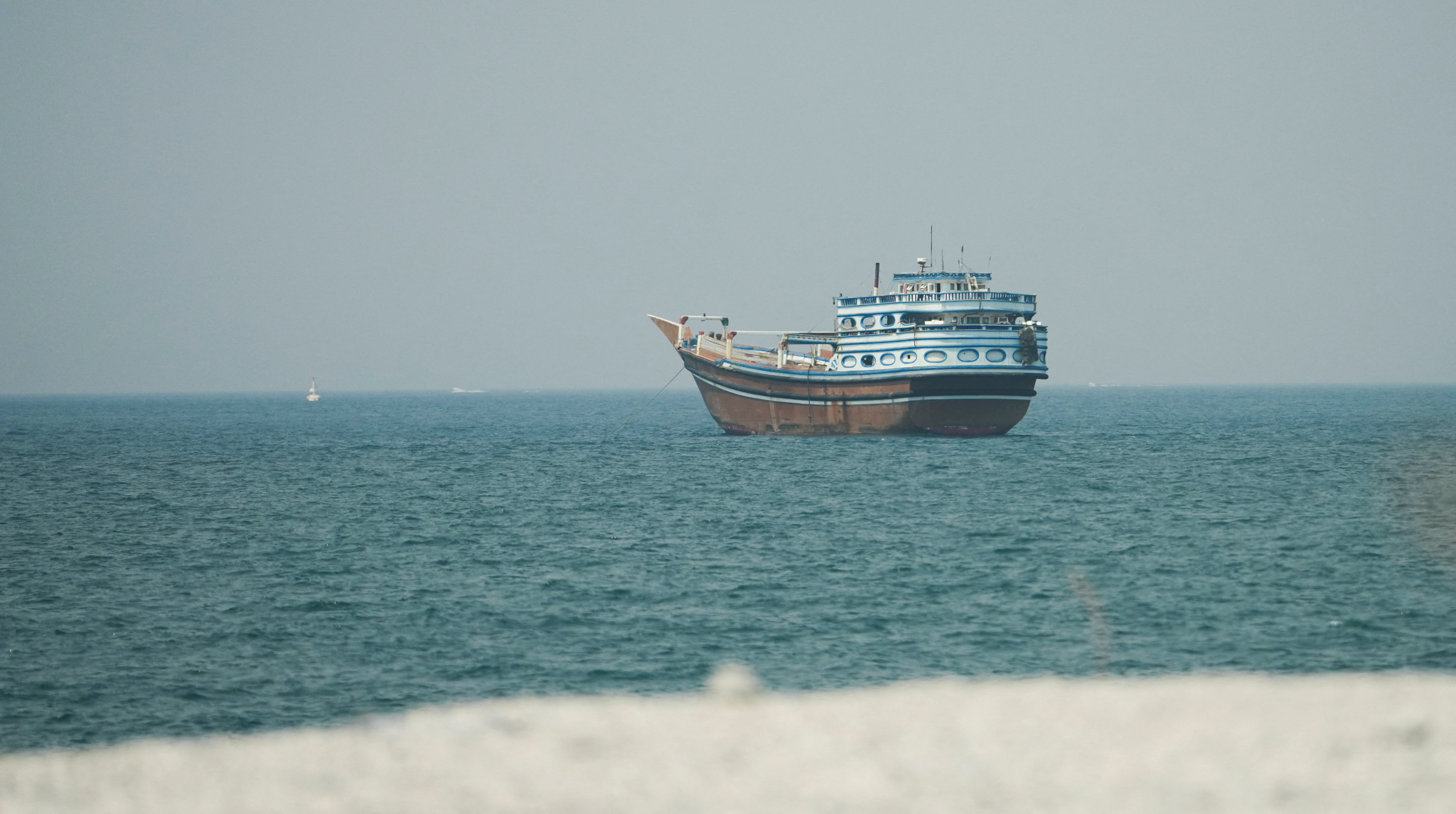
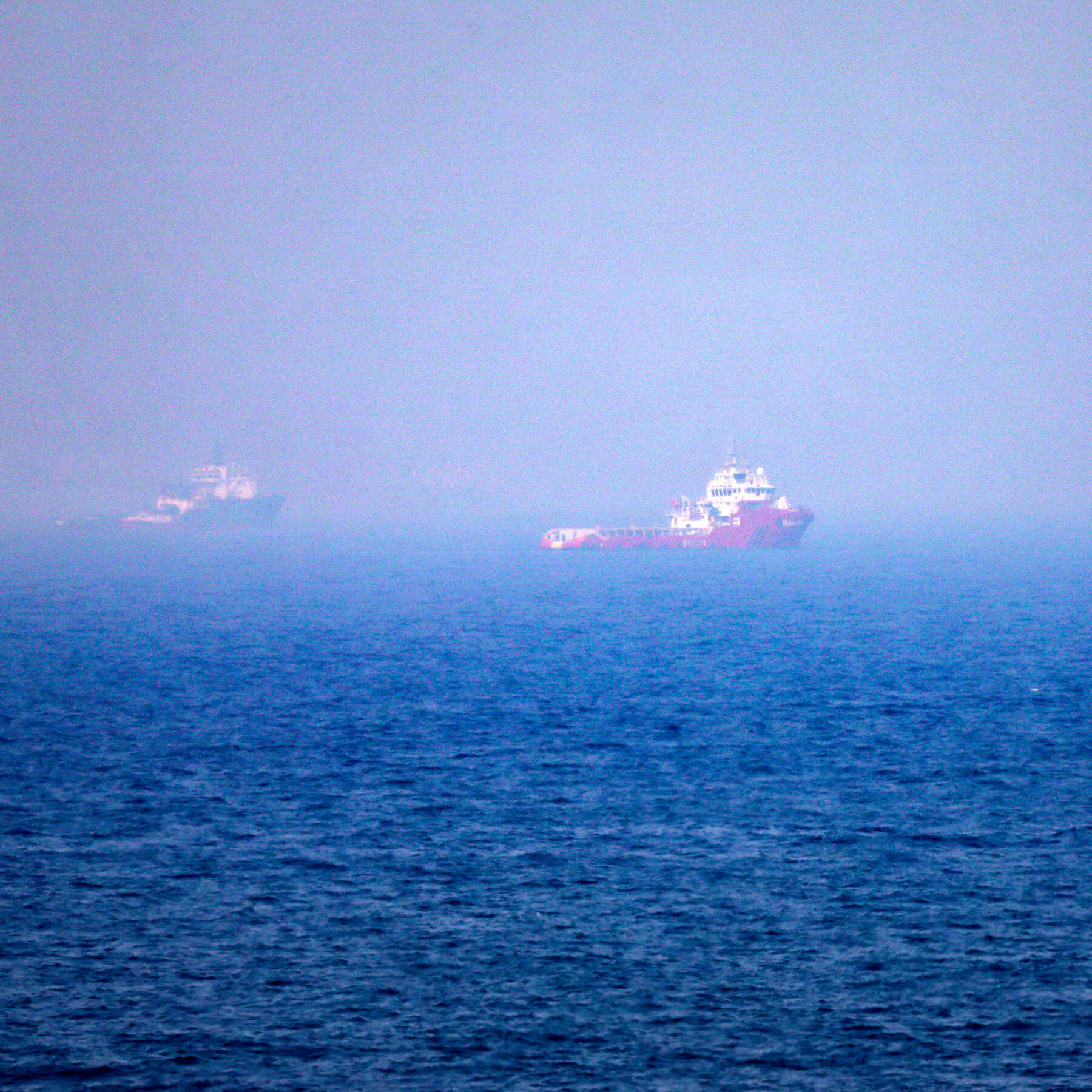
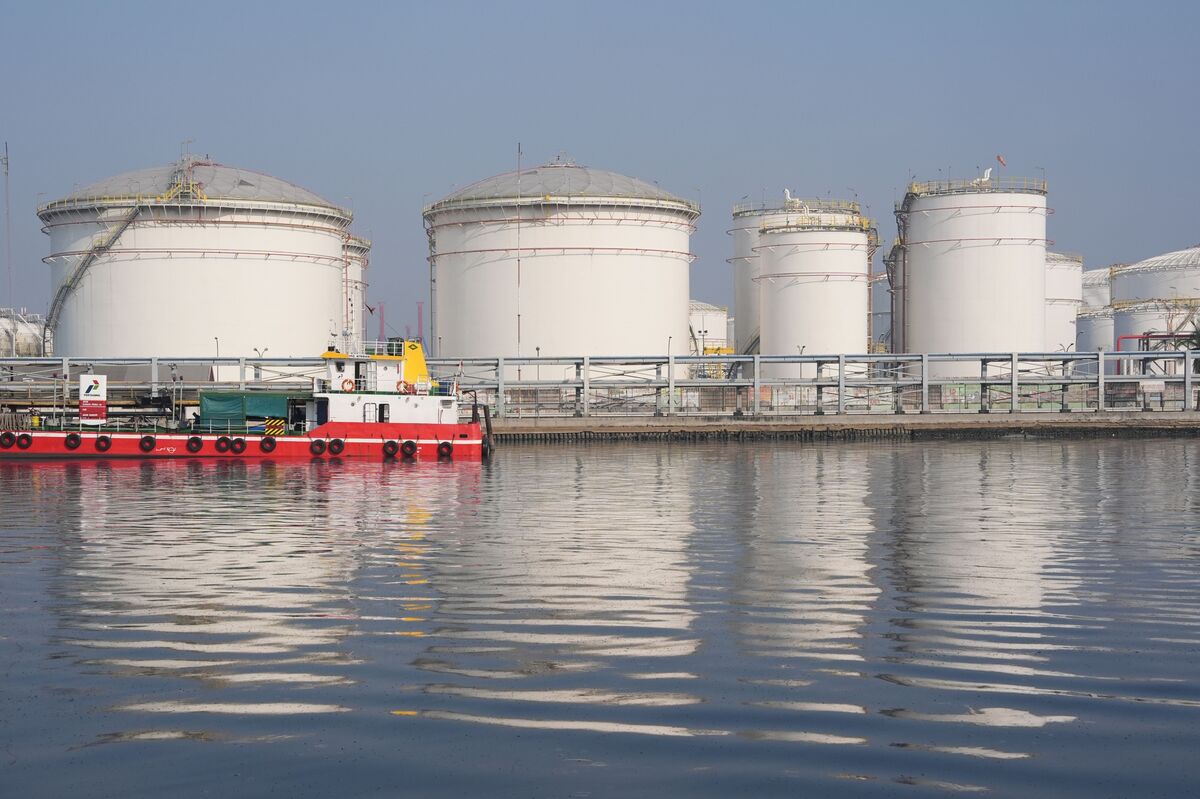
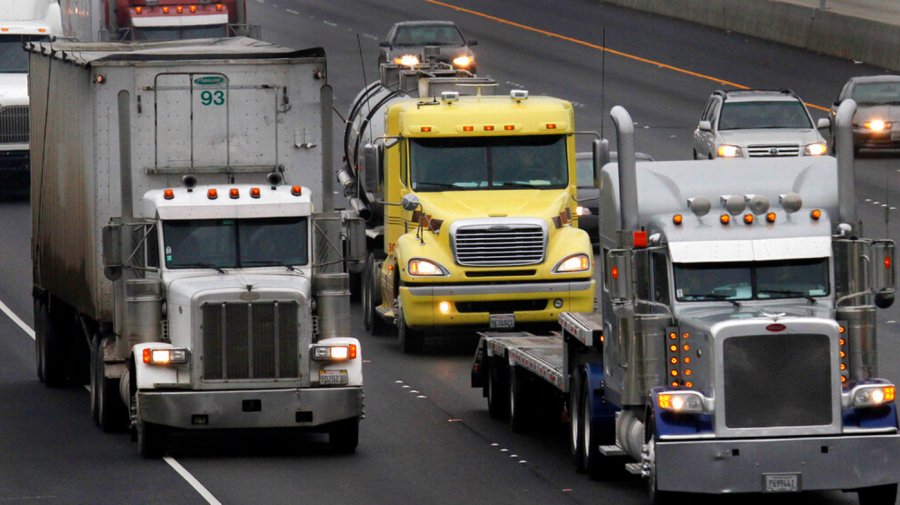
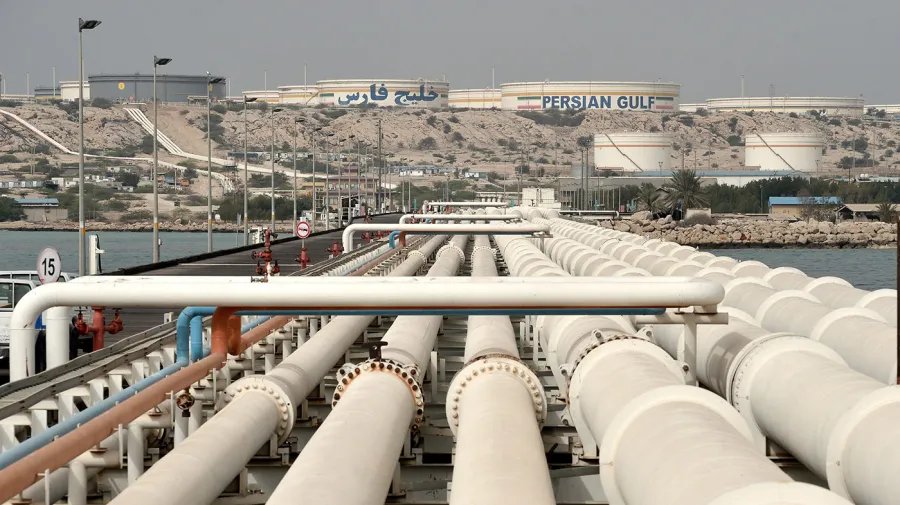
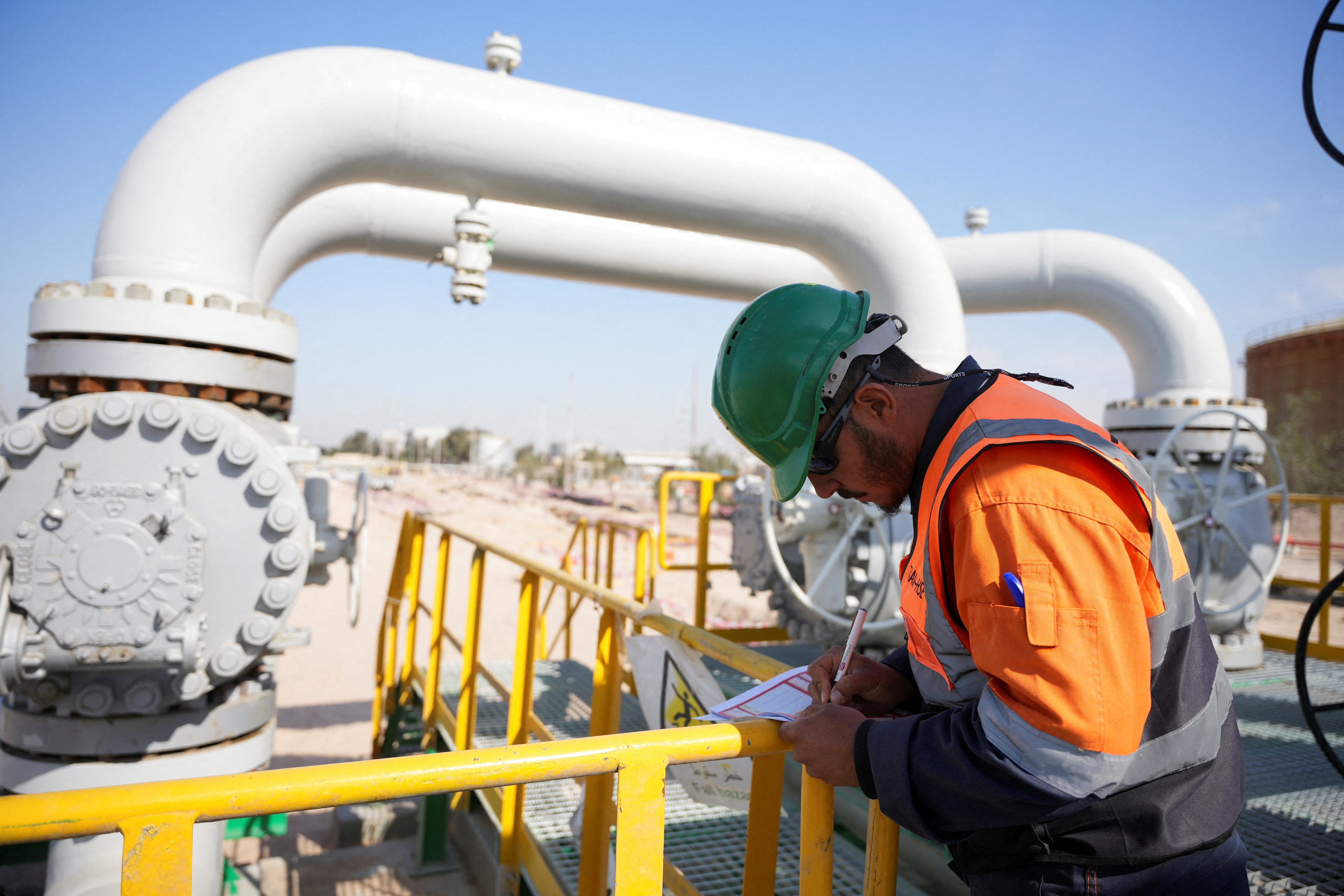
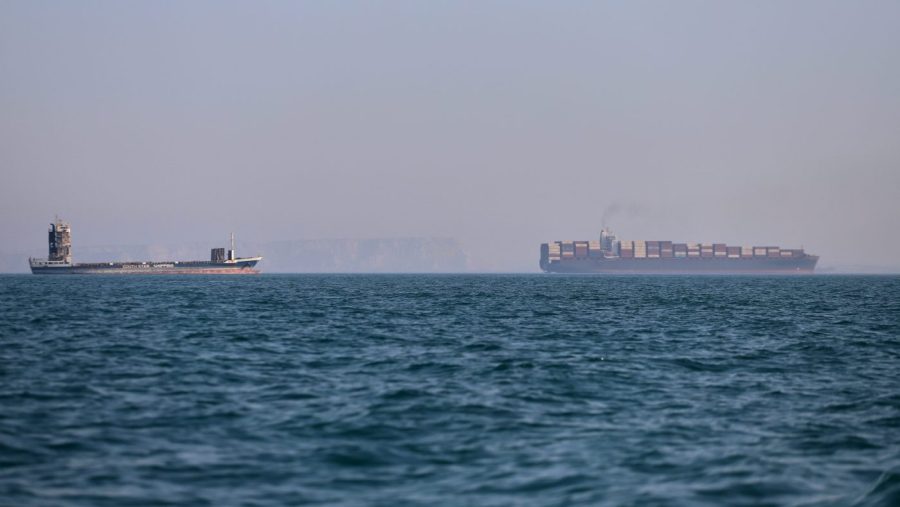
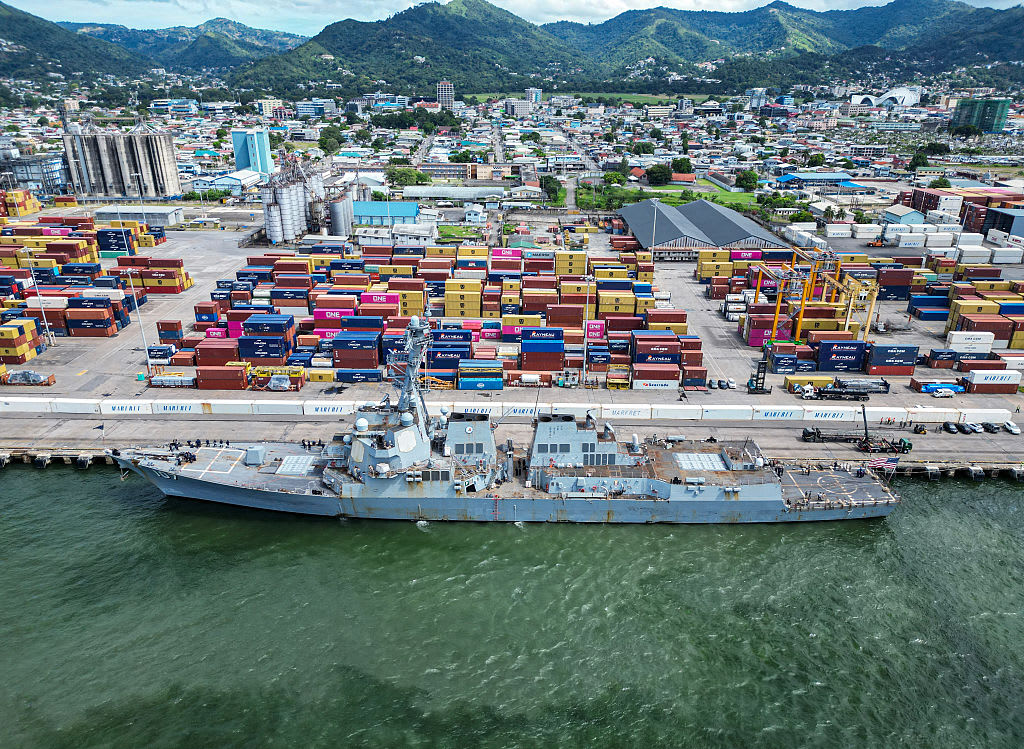
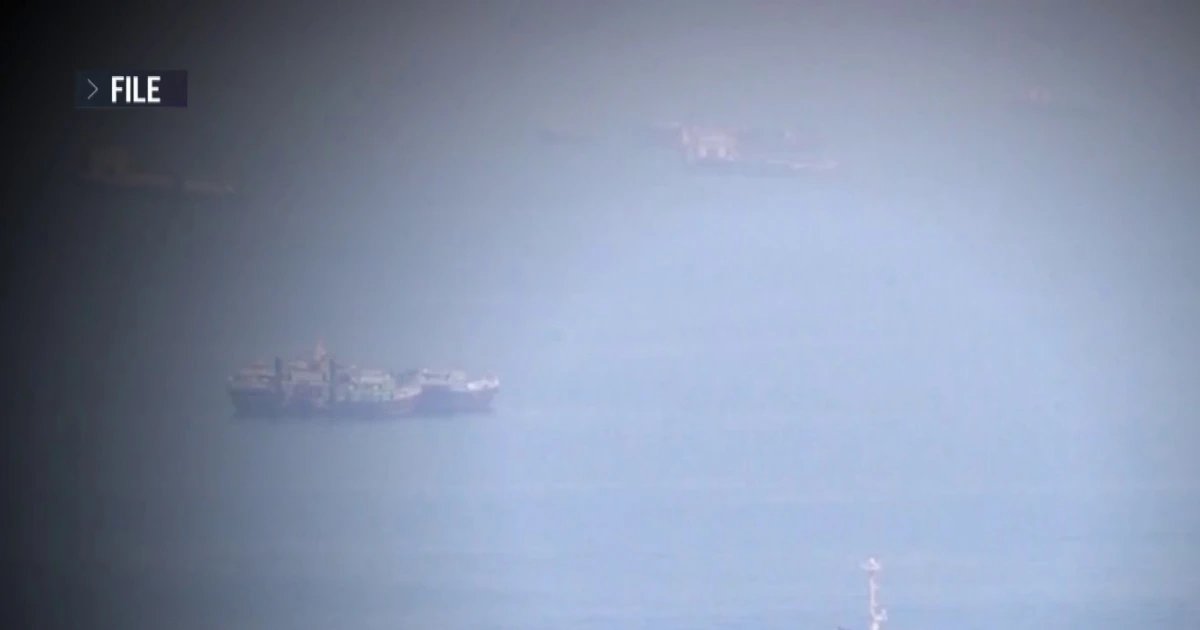
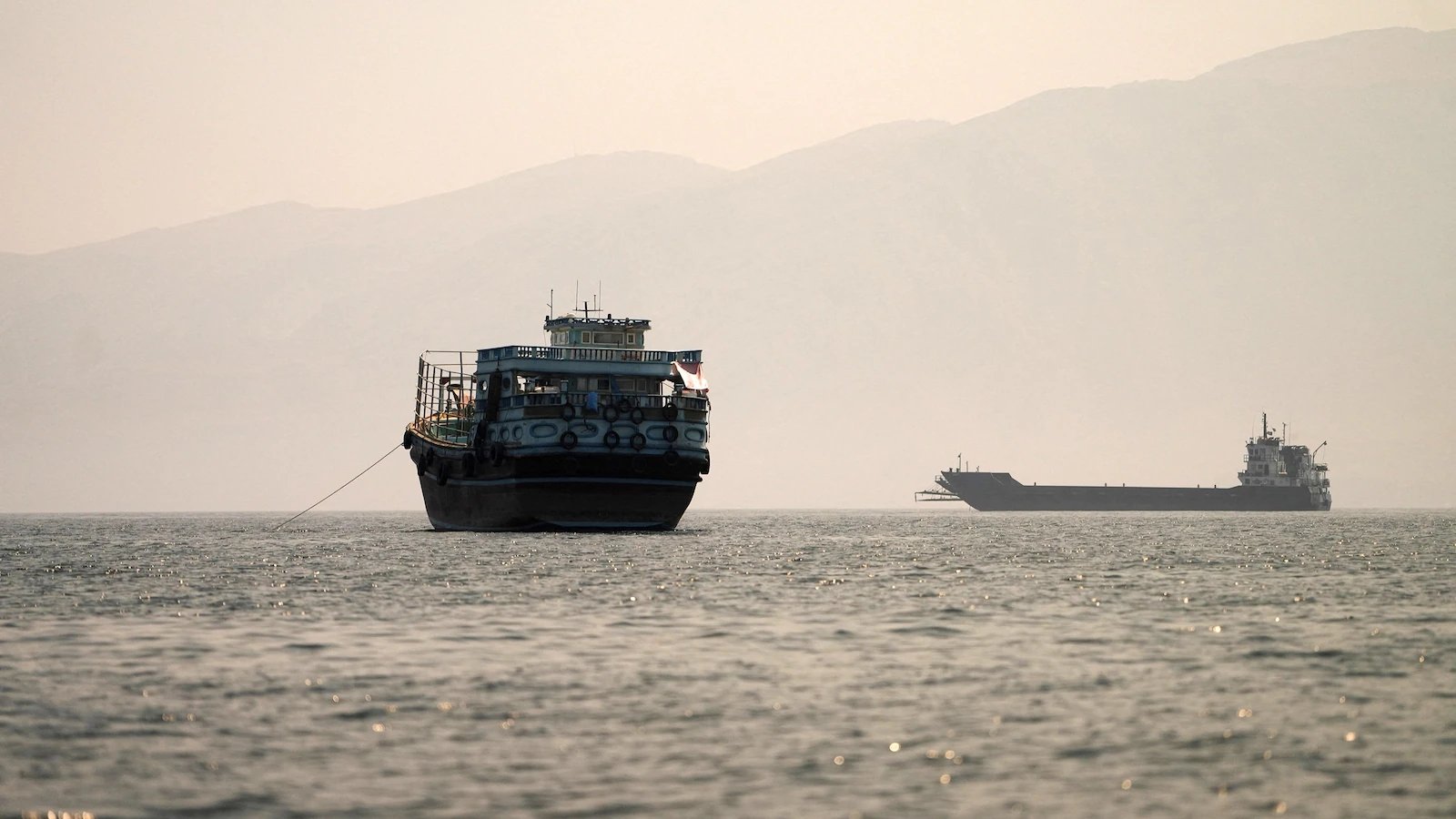
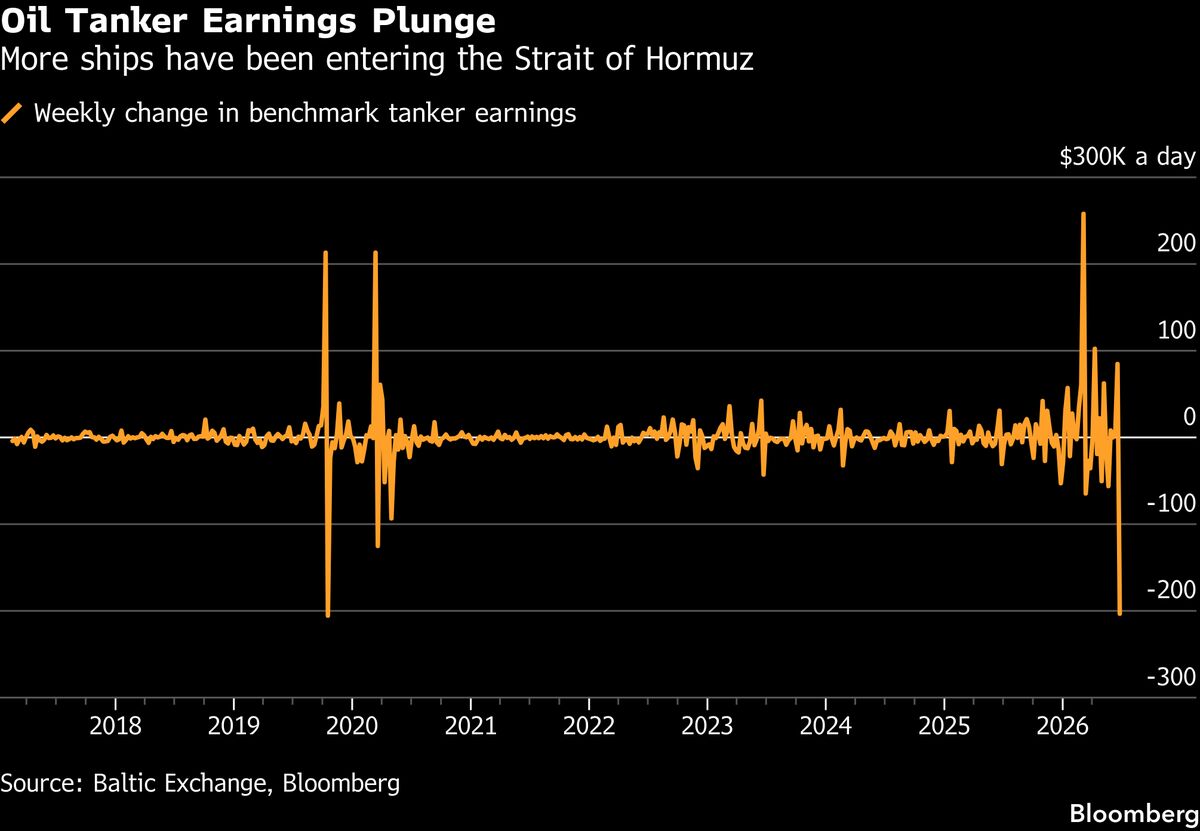
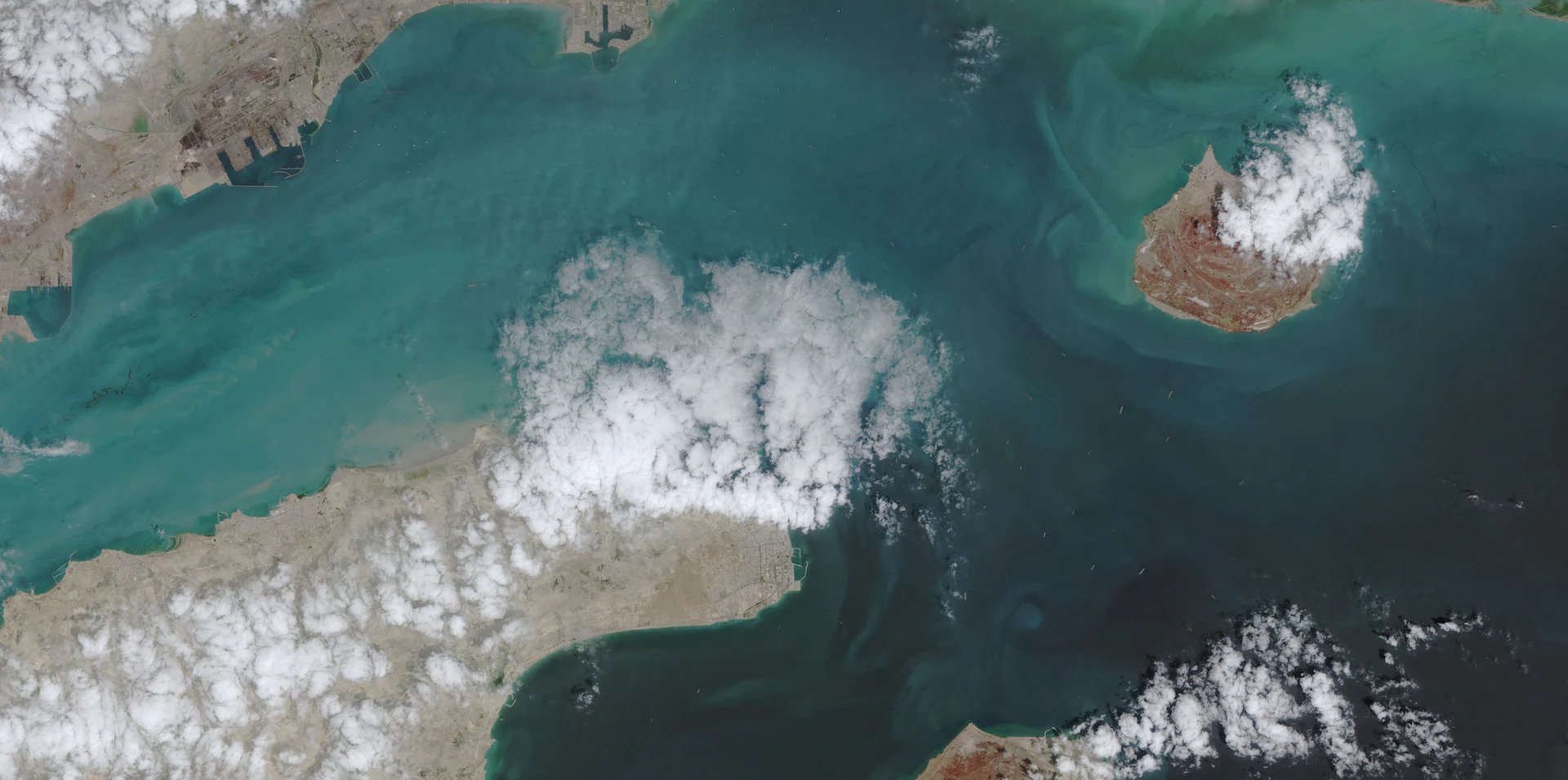
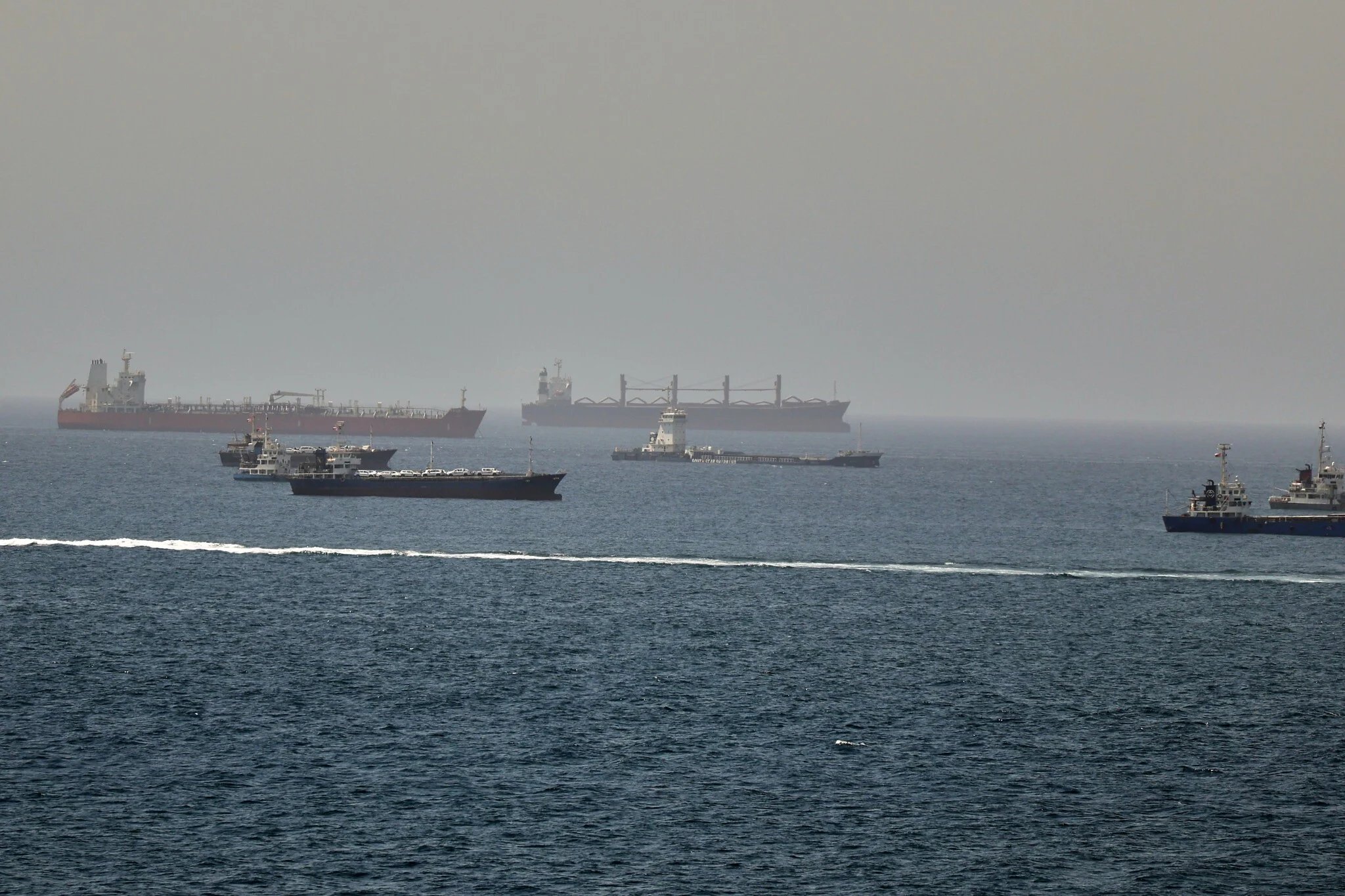
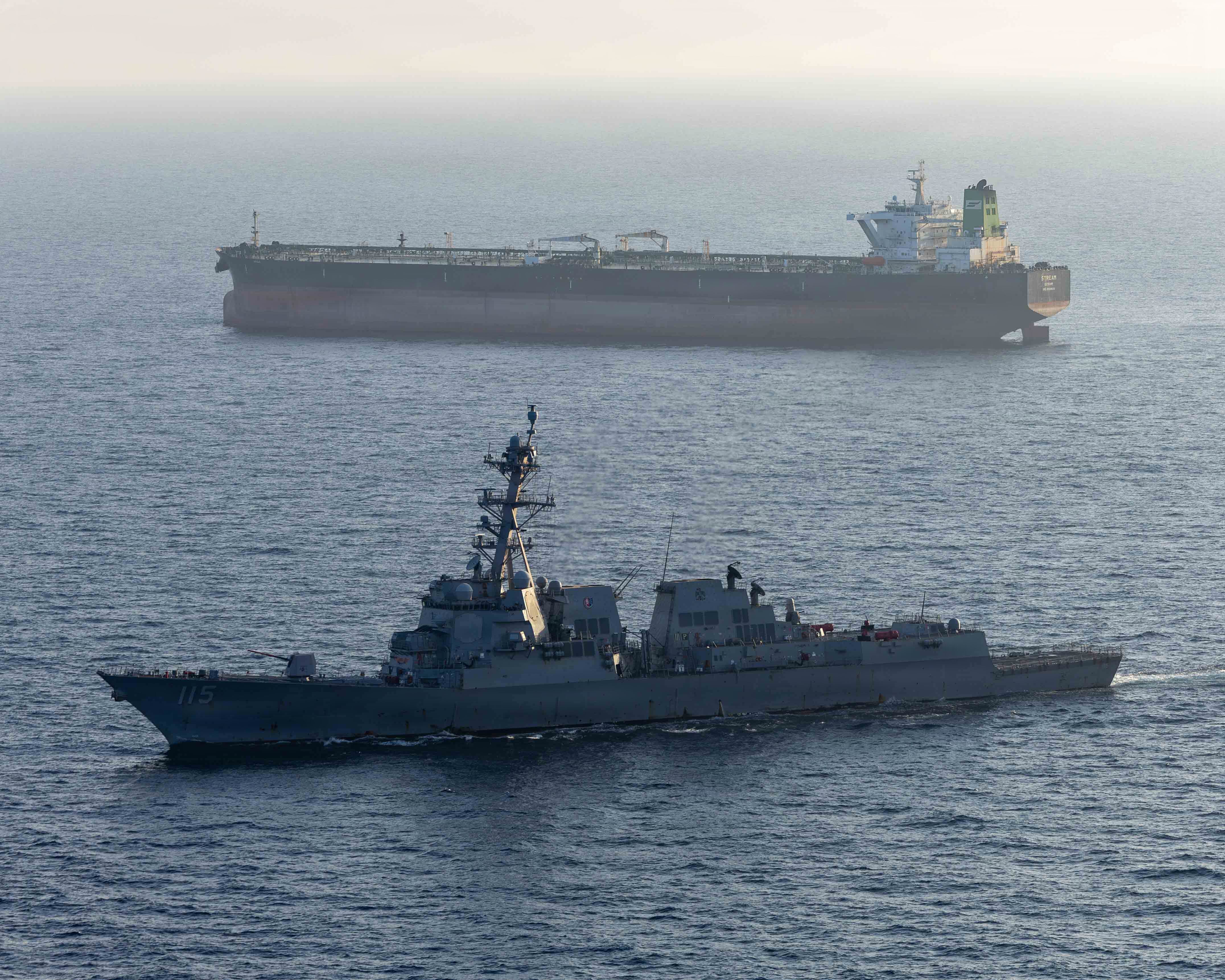
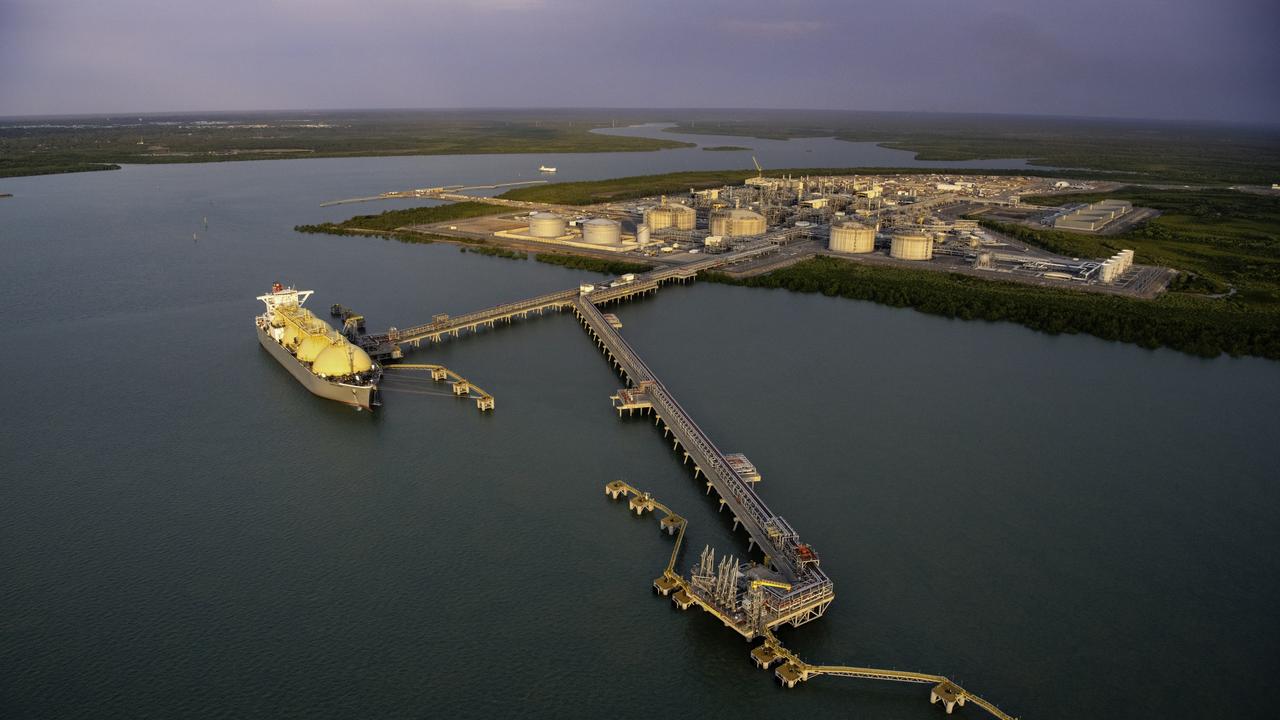
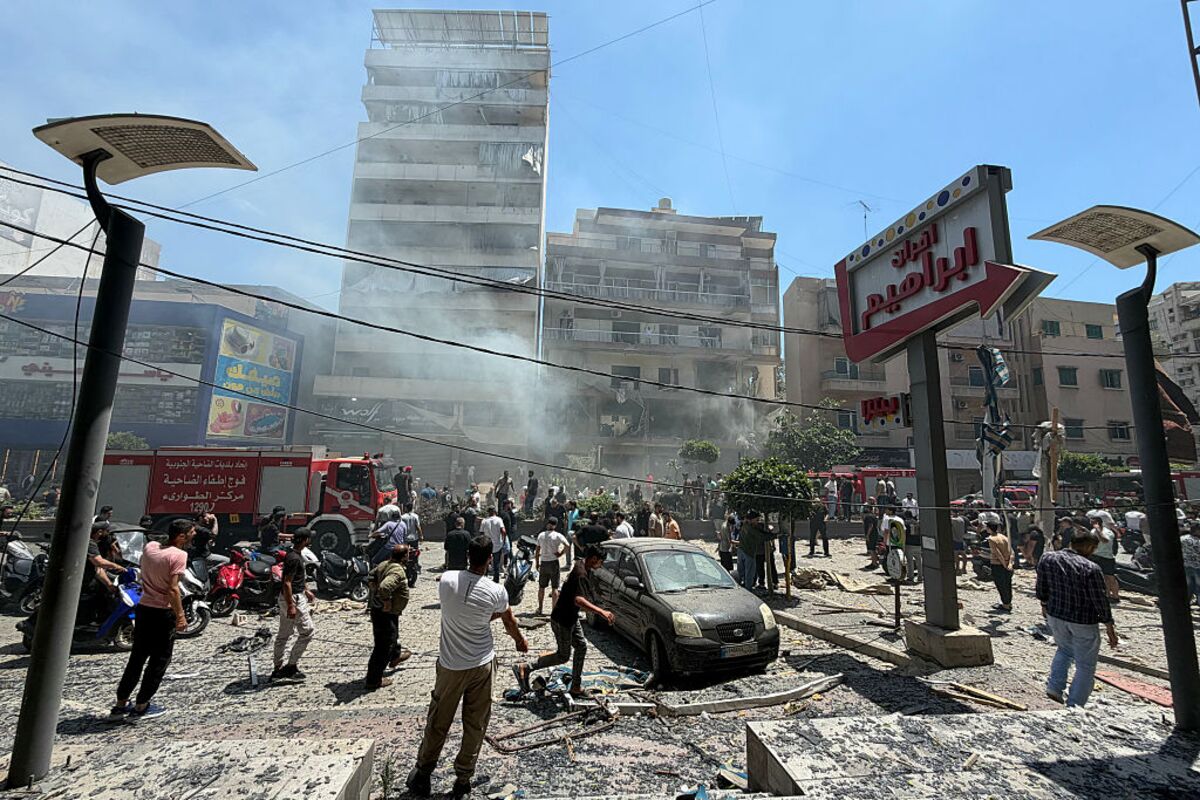
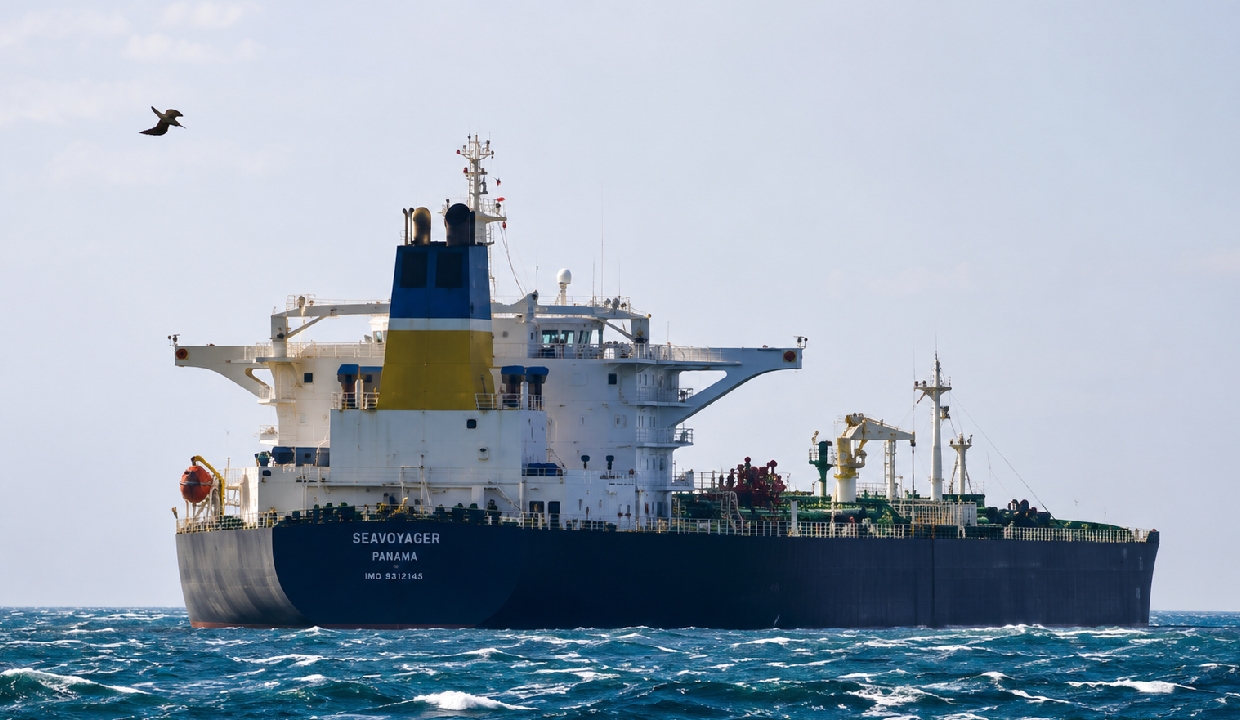
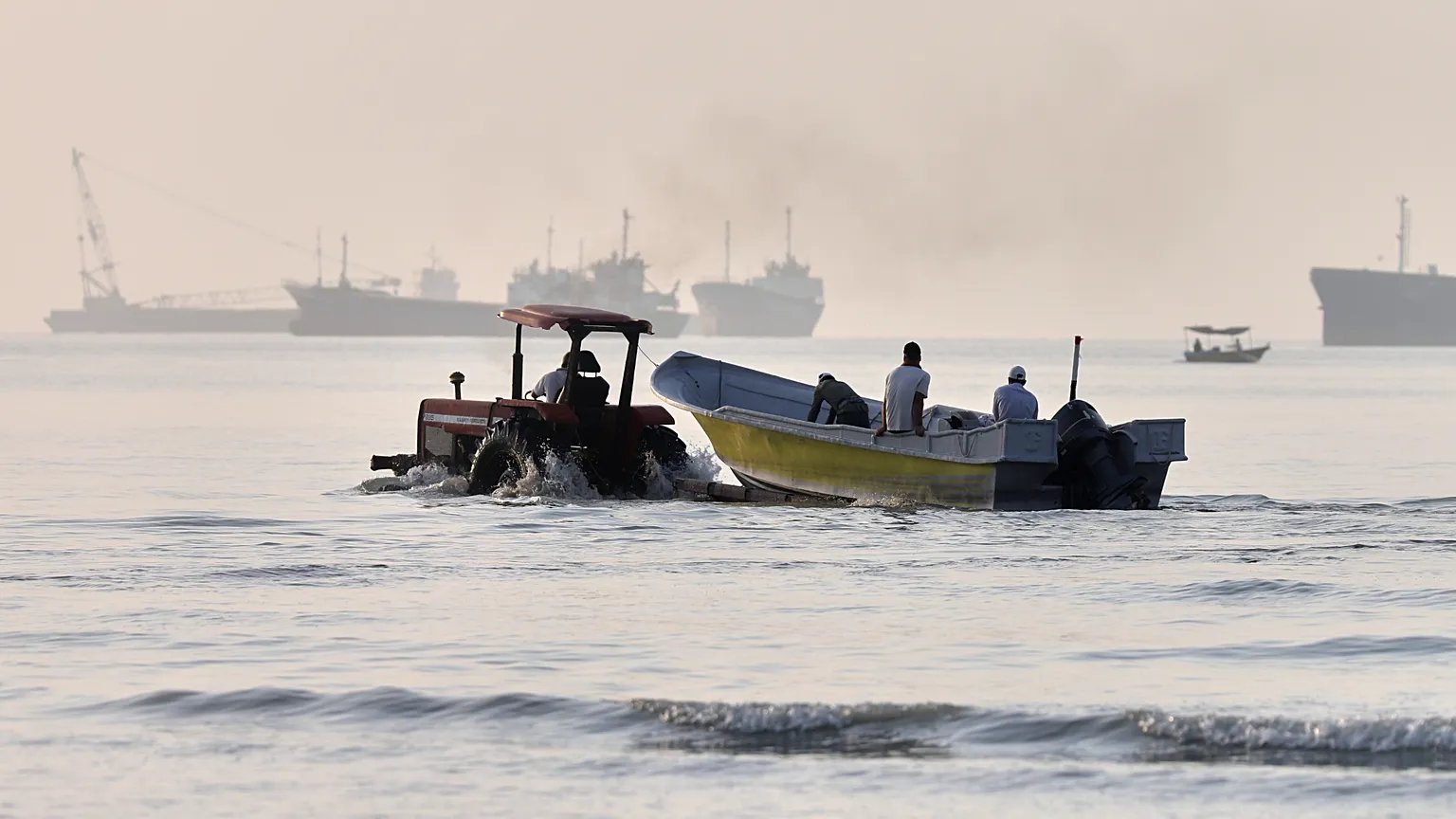
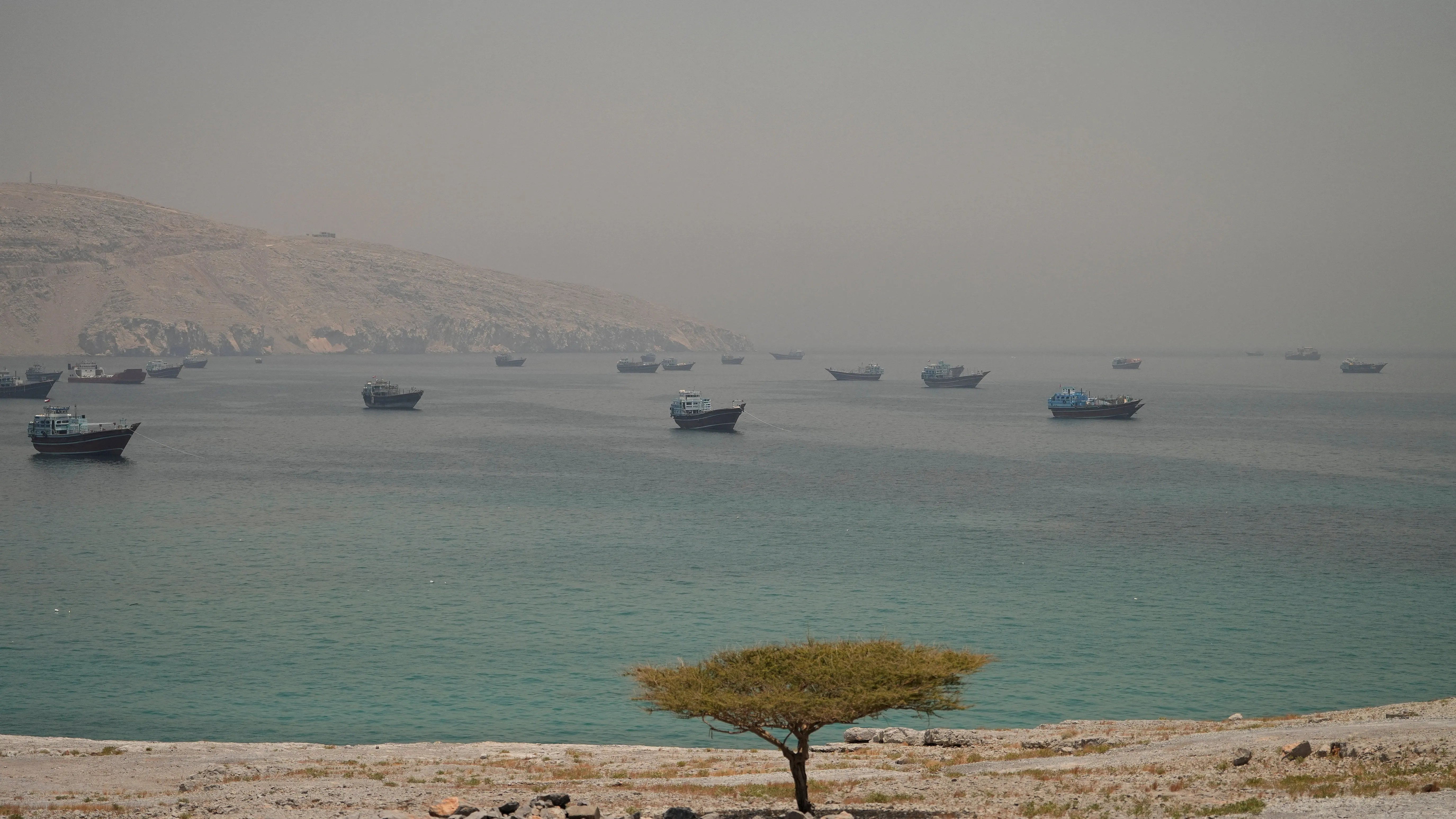
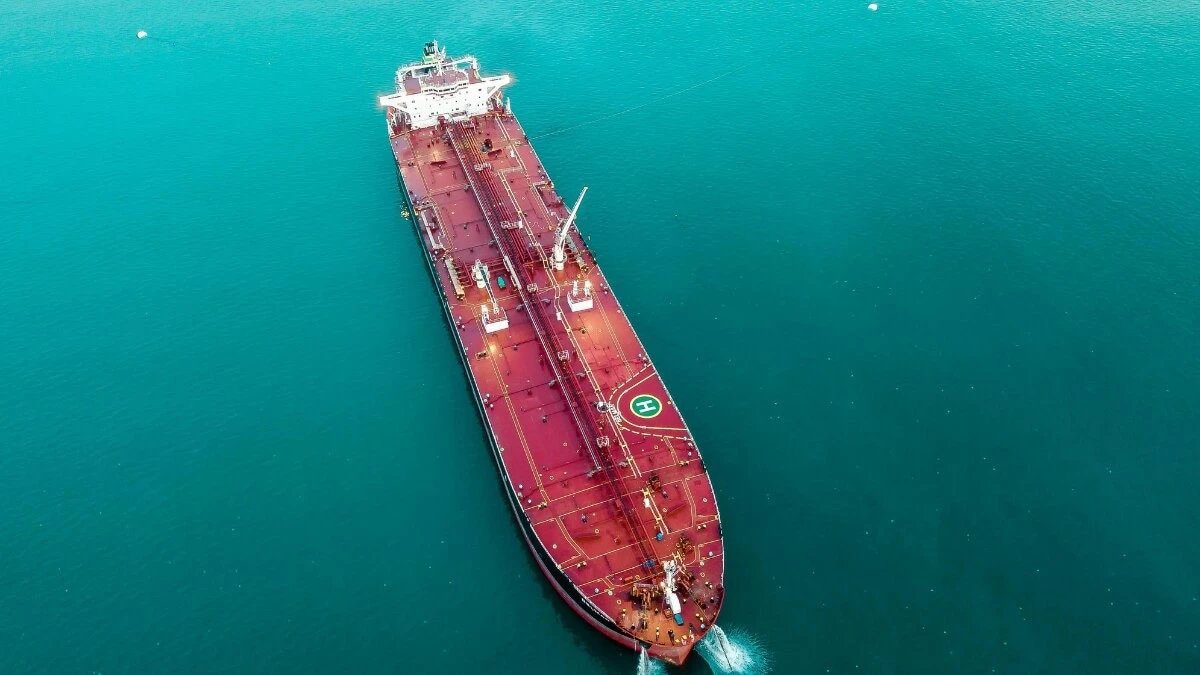
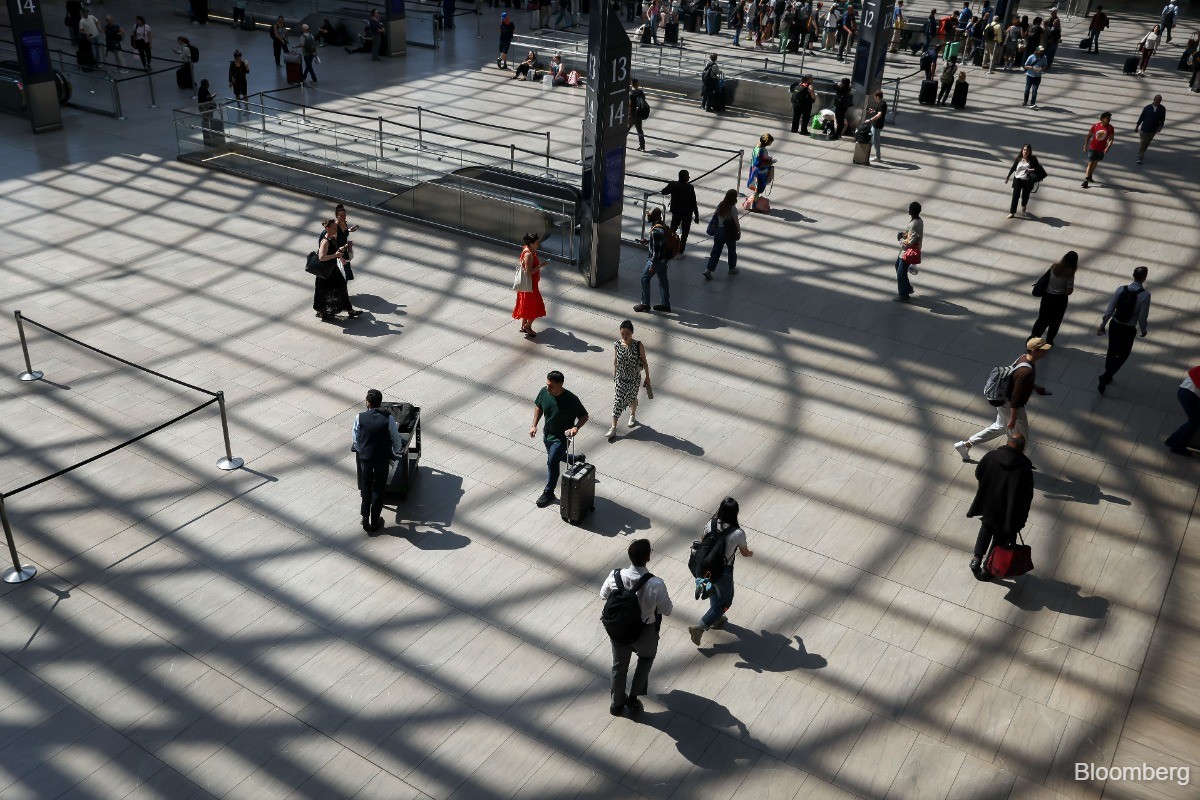
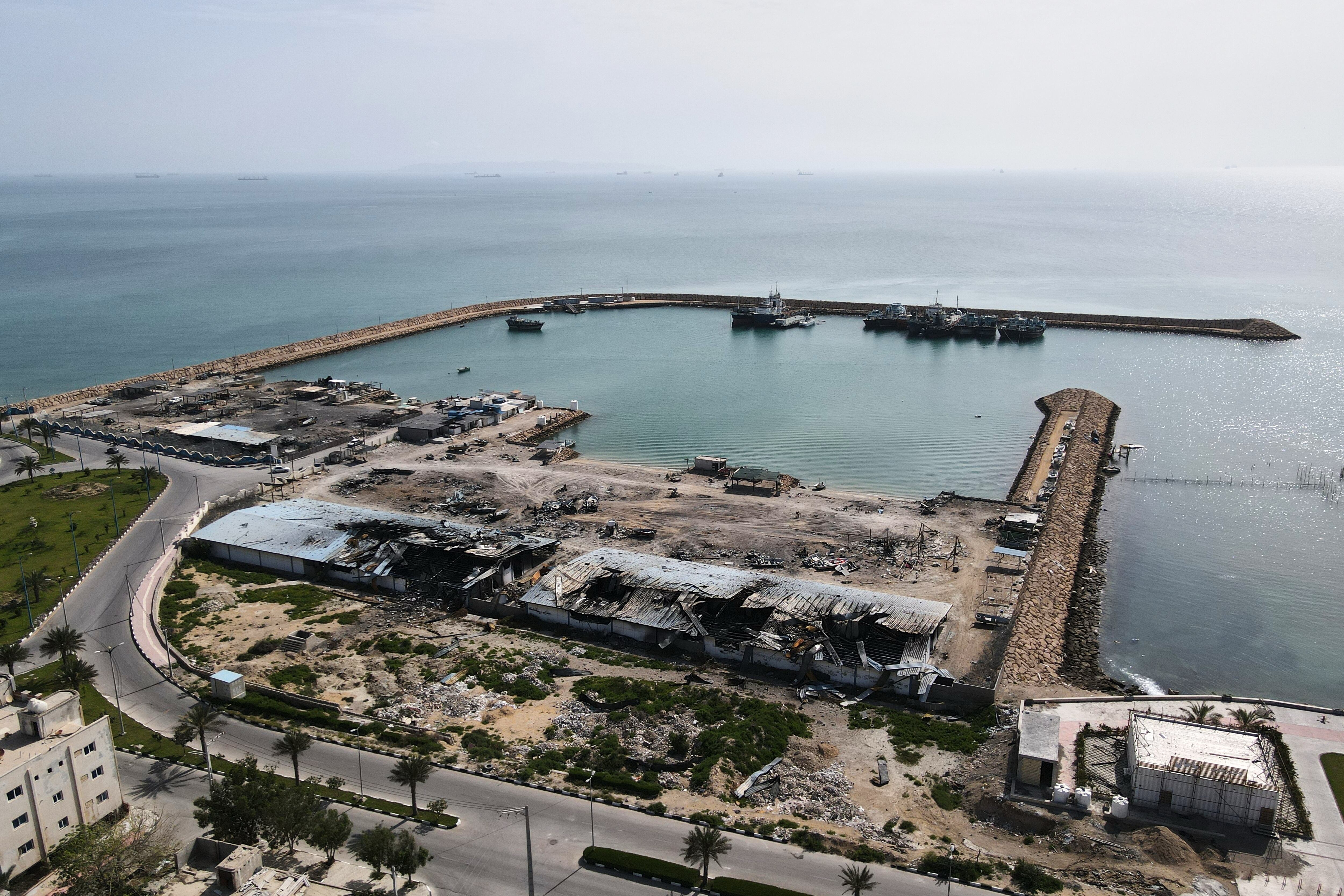
More than a dozen commercial vessels transited the Strait of Hormuz on Thursday morning following the U.S.-Iran deal signed Wednesday, marking the first significant movement through the critical waterway since the conflict began. At least 10 commercial vessels were tracked crossing the strait Thursday morning, with six more heading toward the same route to exit the Persian Gulf. A French-flagged liquified natural gas carrier operated by QatarEnergy and a vehicle-carrying ship from Italian logistics company Grimaldi Group were among those making the crossing, months after becoming stranded at Persian Gulf ports during the war.
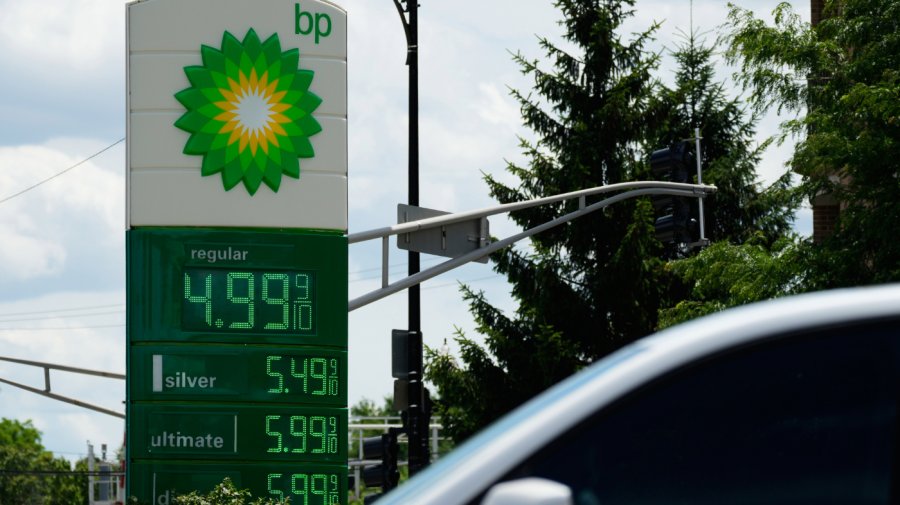
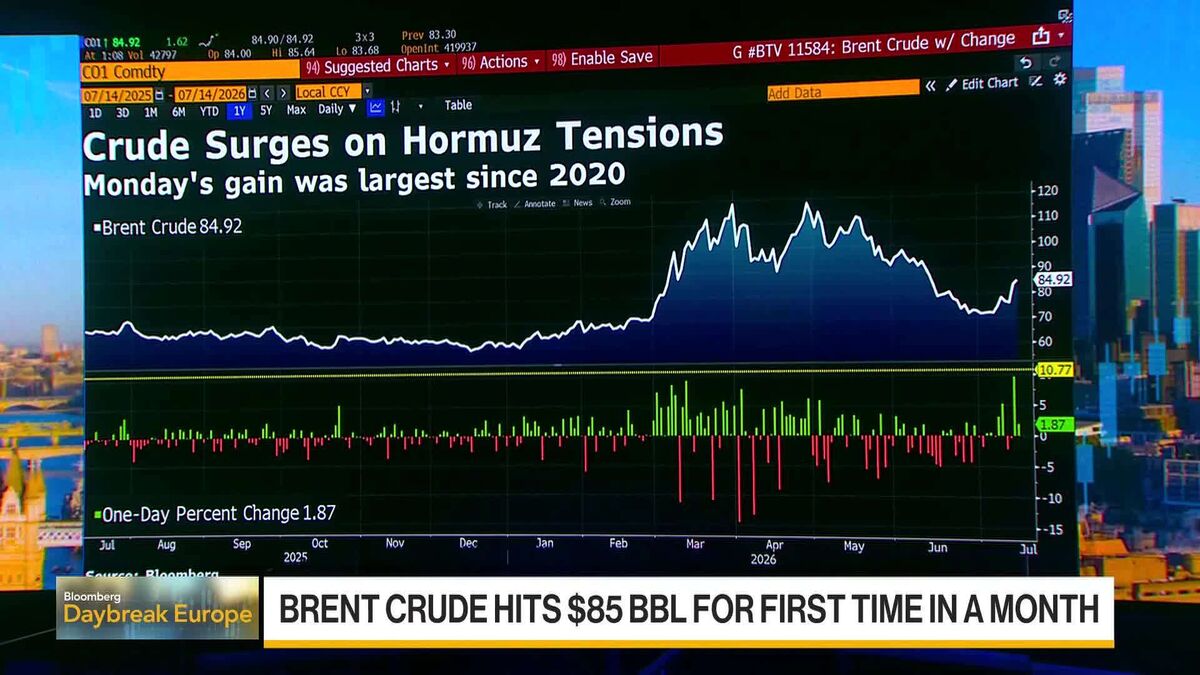
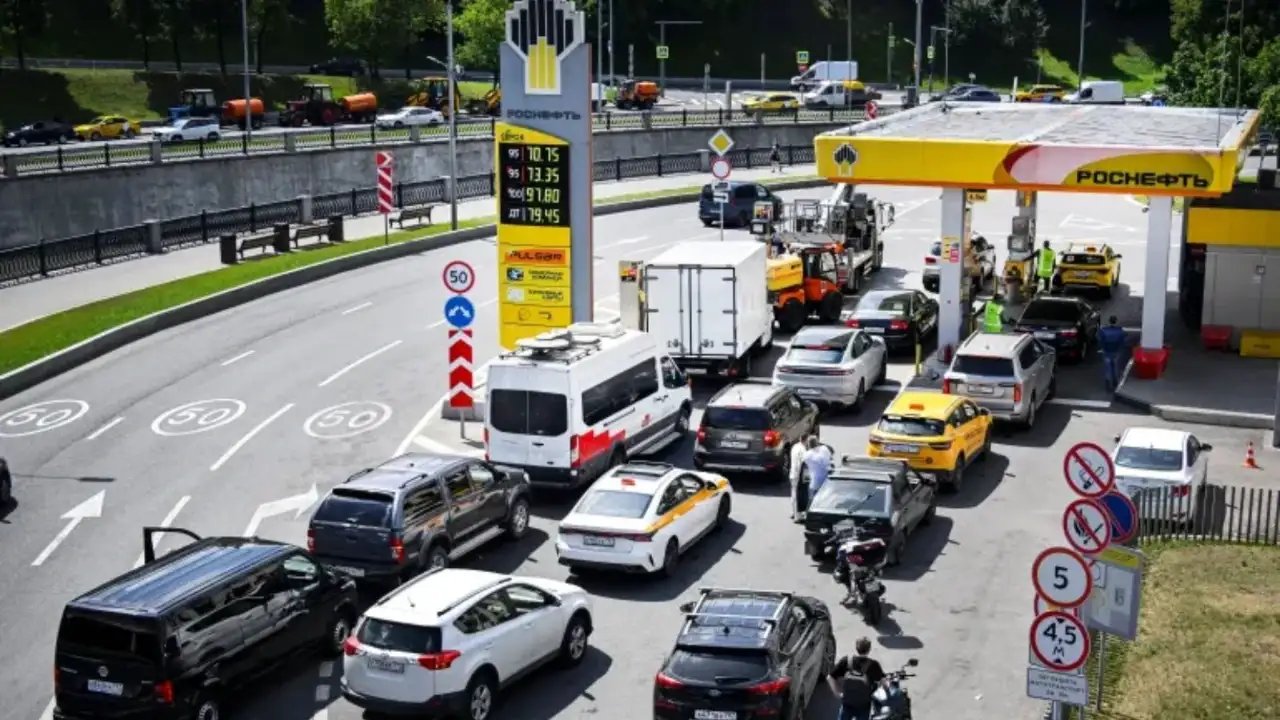
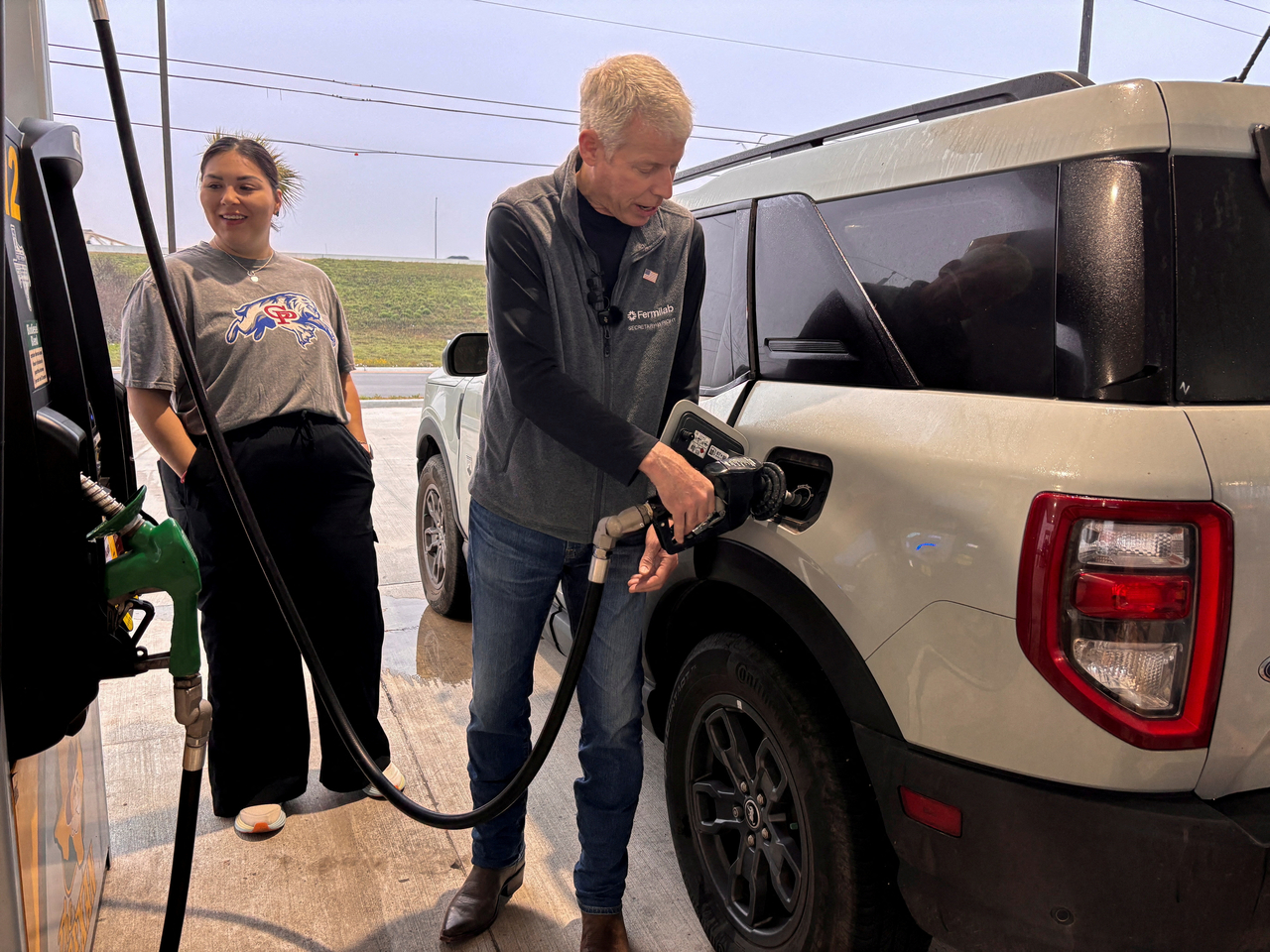
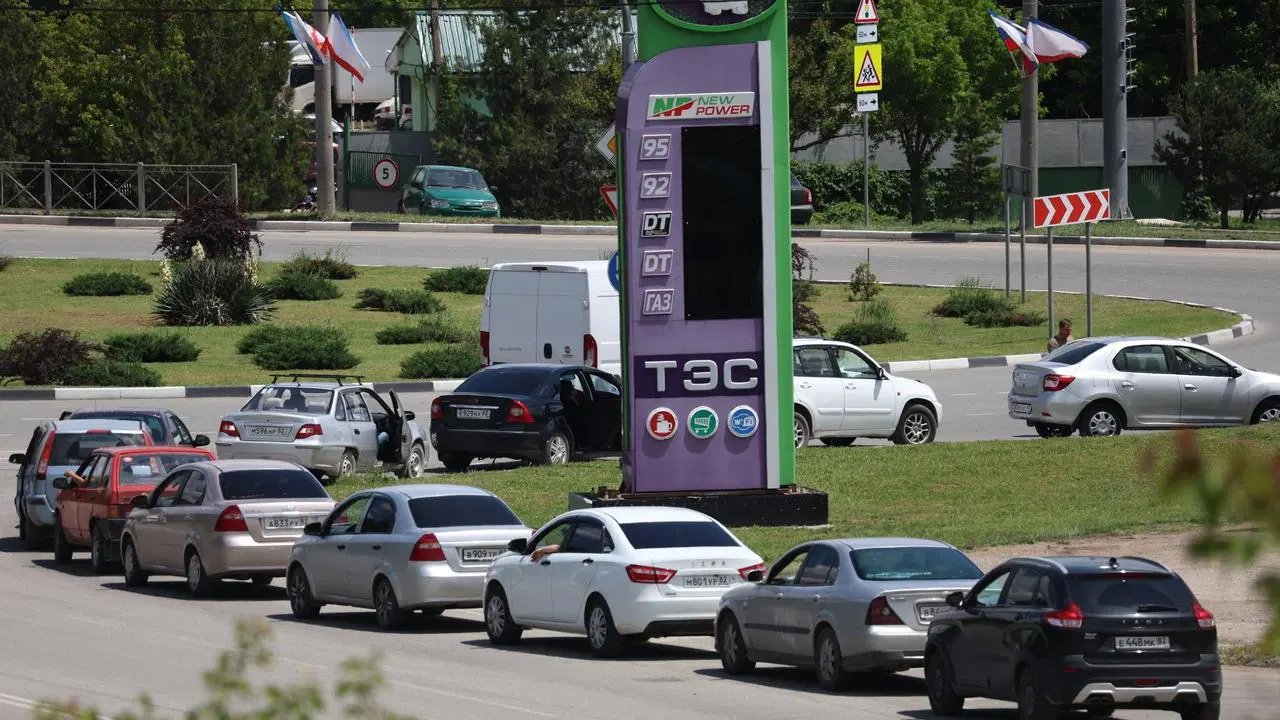
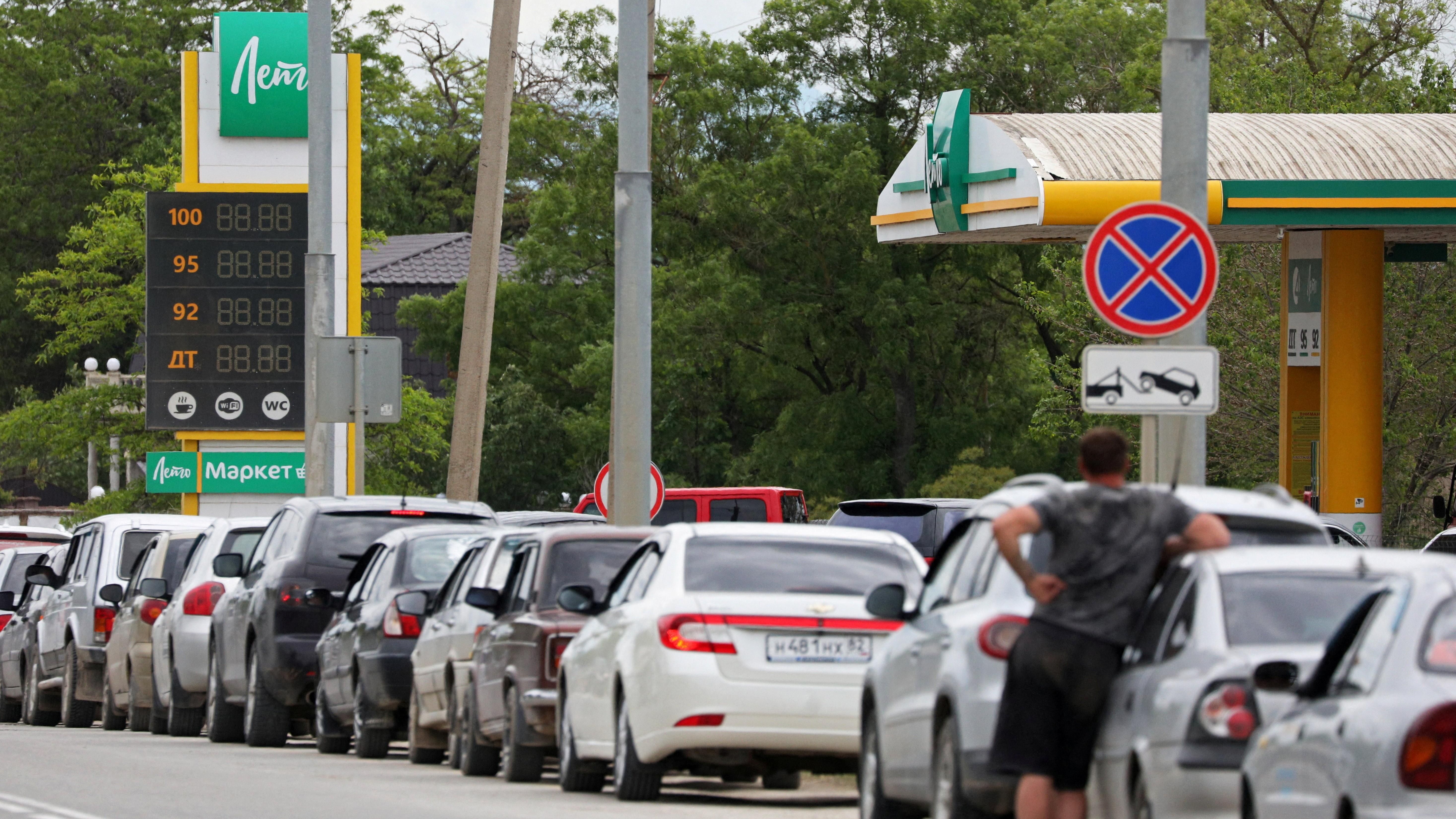
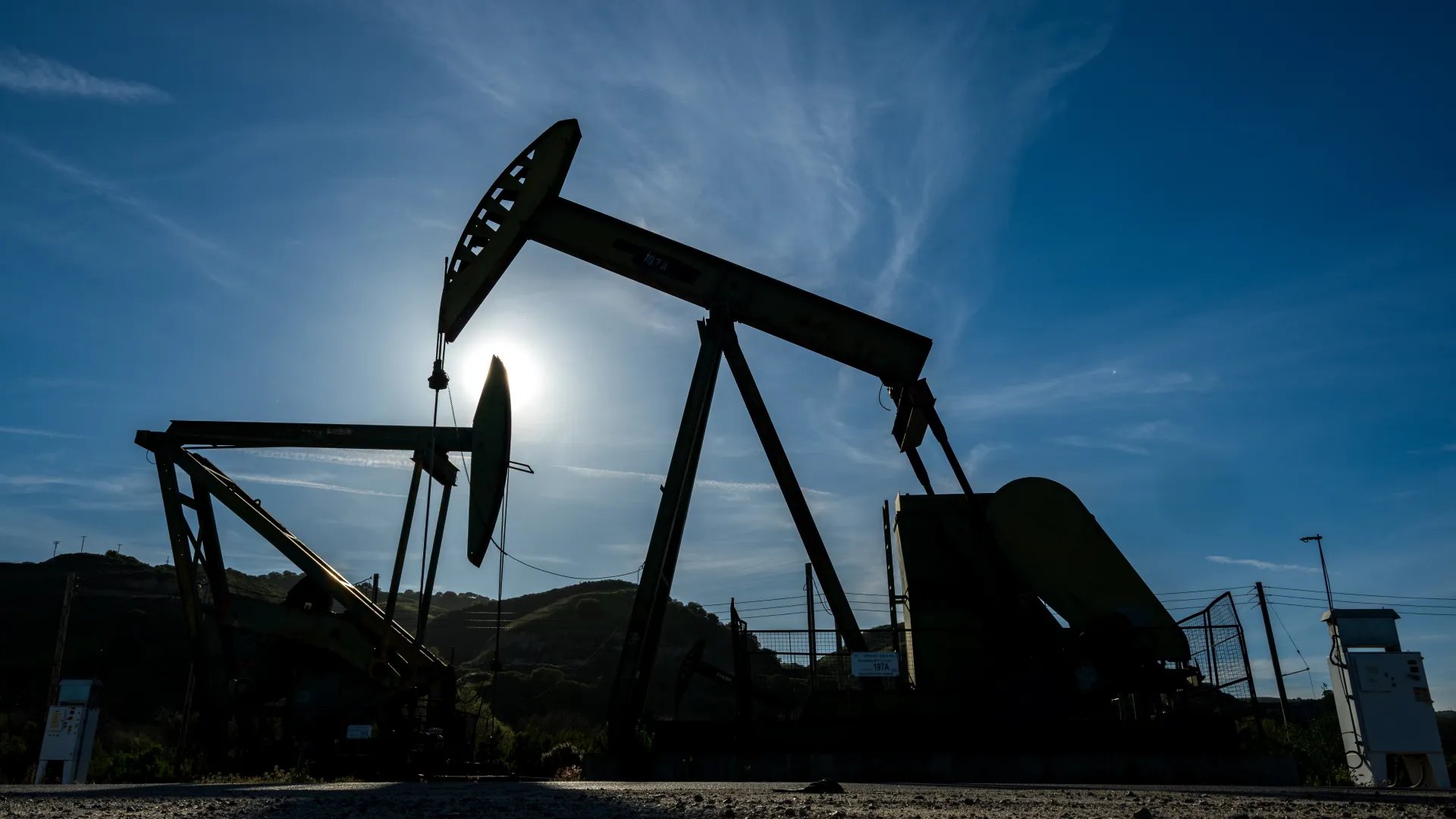
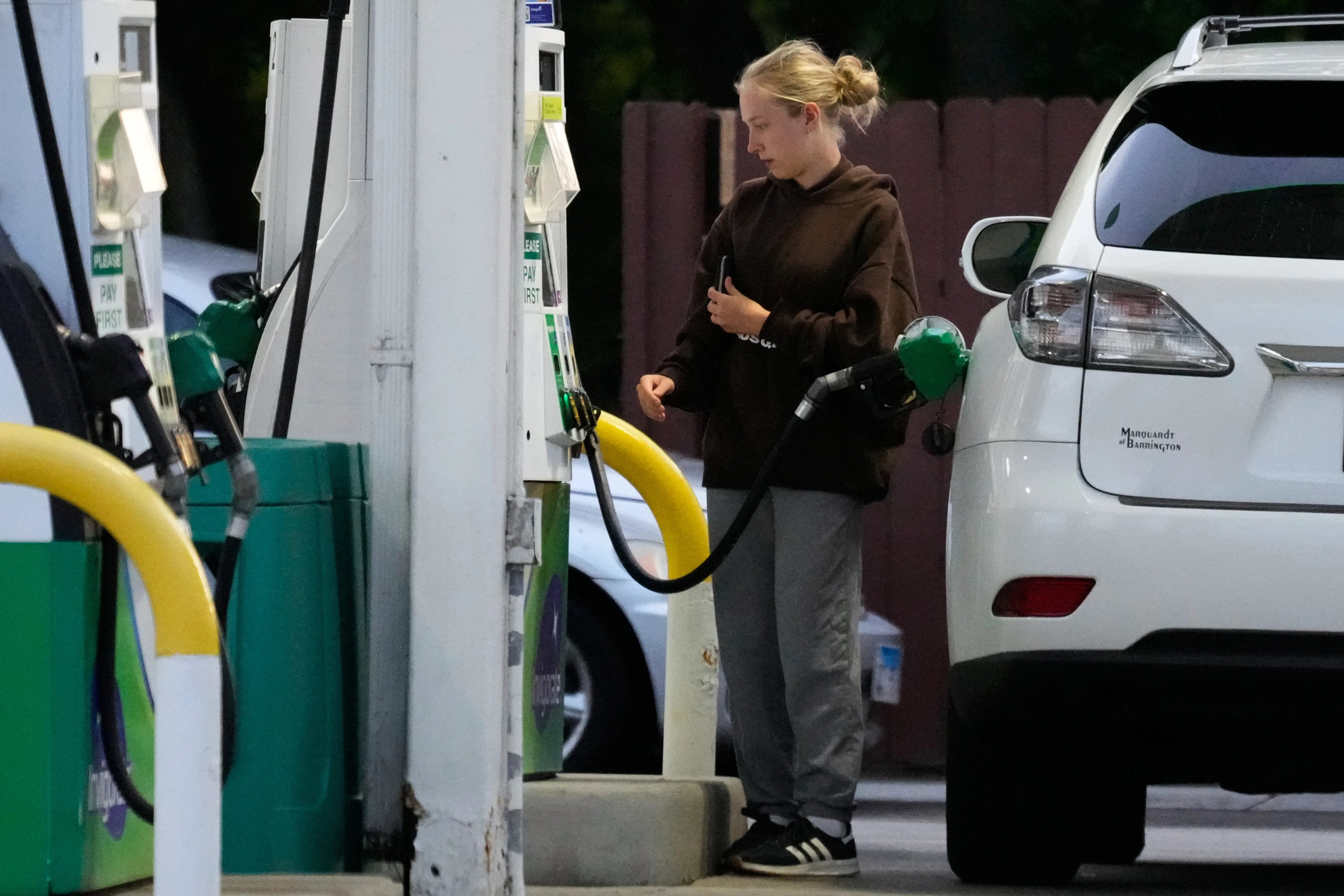
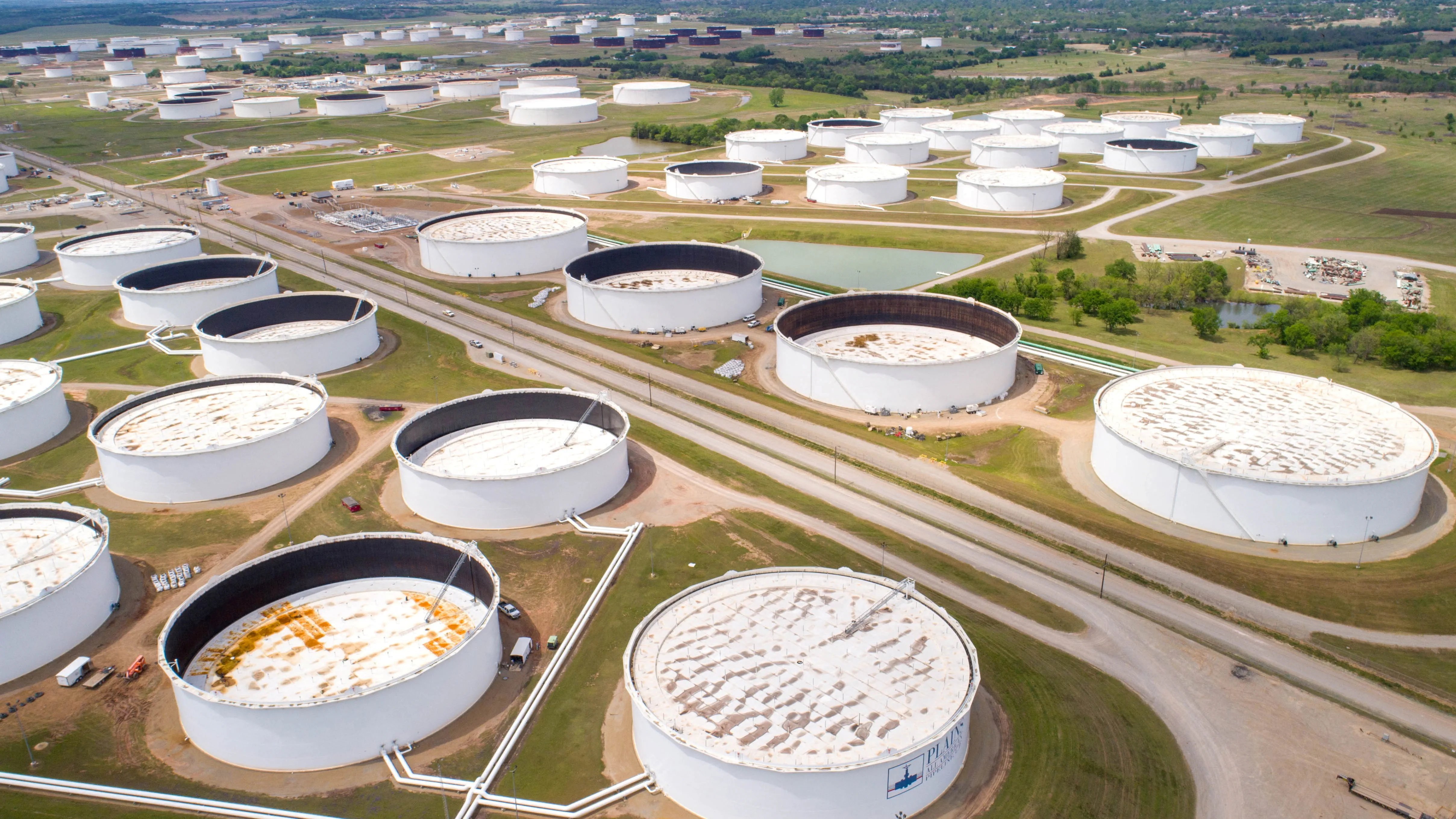
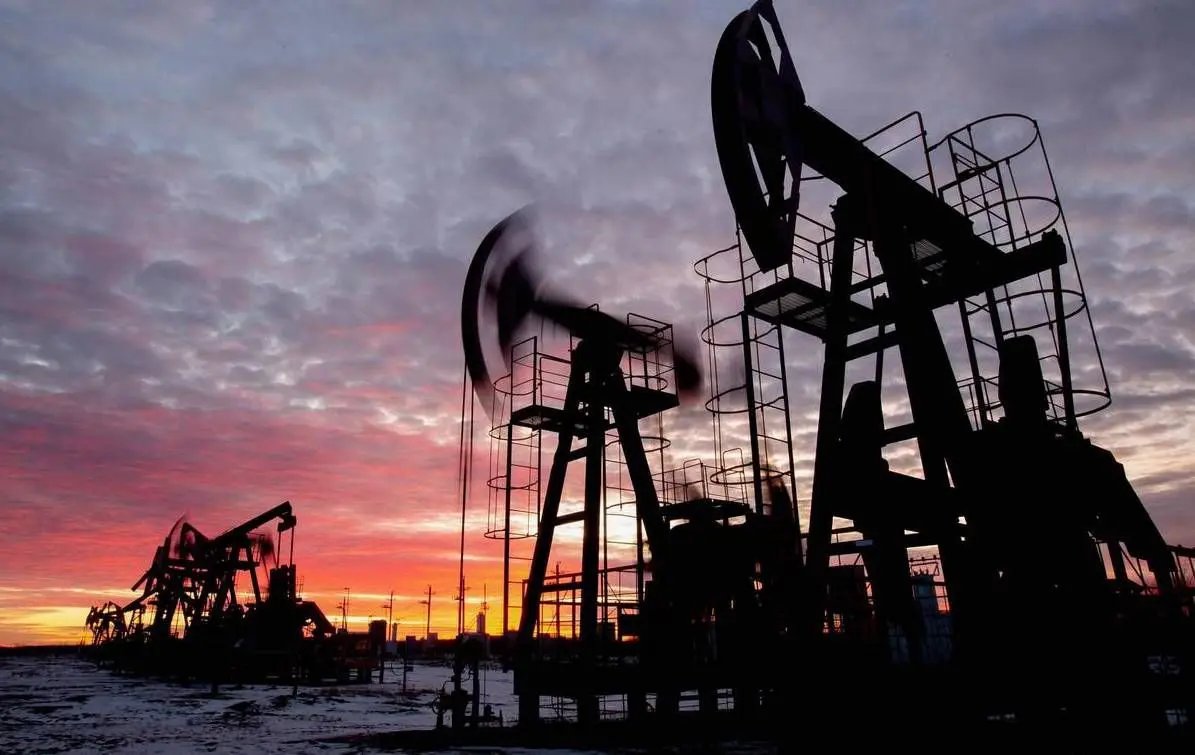
The traffic remains far below pre-war levels. The vital chokepoint normally sees around 135 ships per day moving through it, the only route in and out of the Gulf. Oil futures and retail gasoline prices fell as energy shipments began passing through the strait, with stranded oil making its way out while empty Iranian vessels rushed in following the interim peace deal.
What the Deal Actually Covers
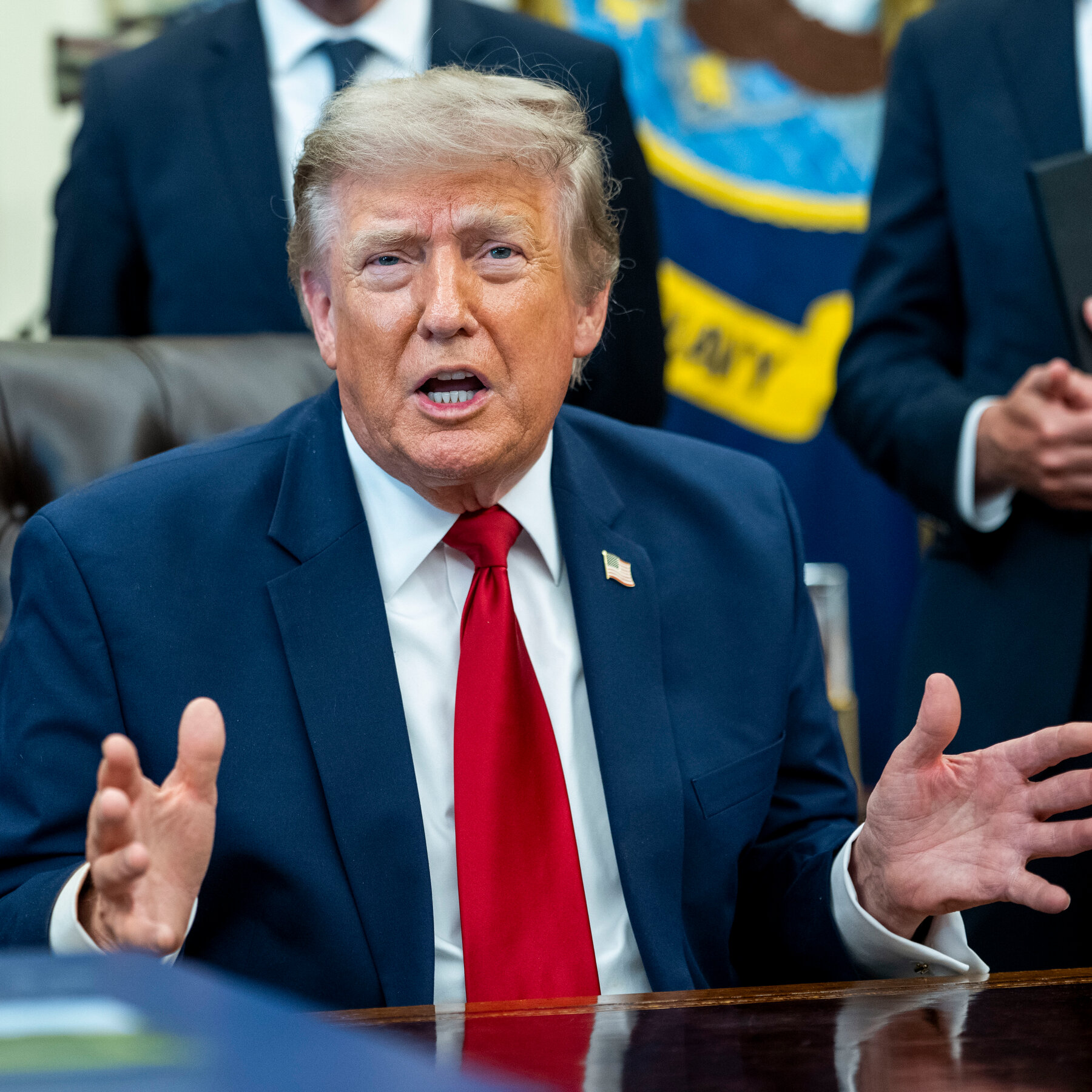
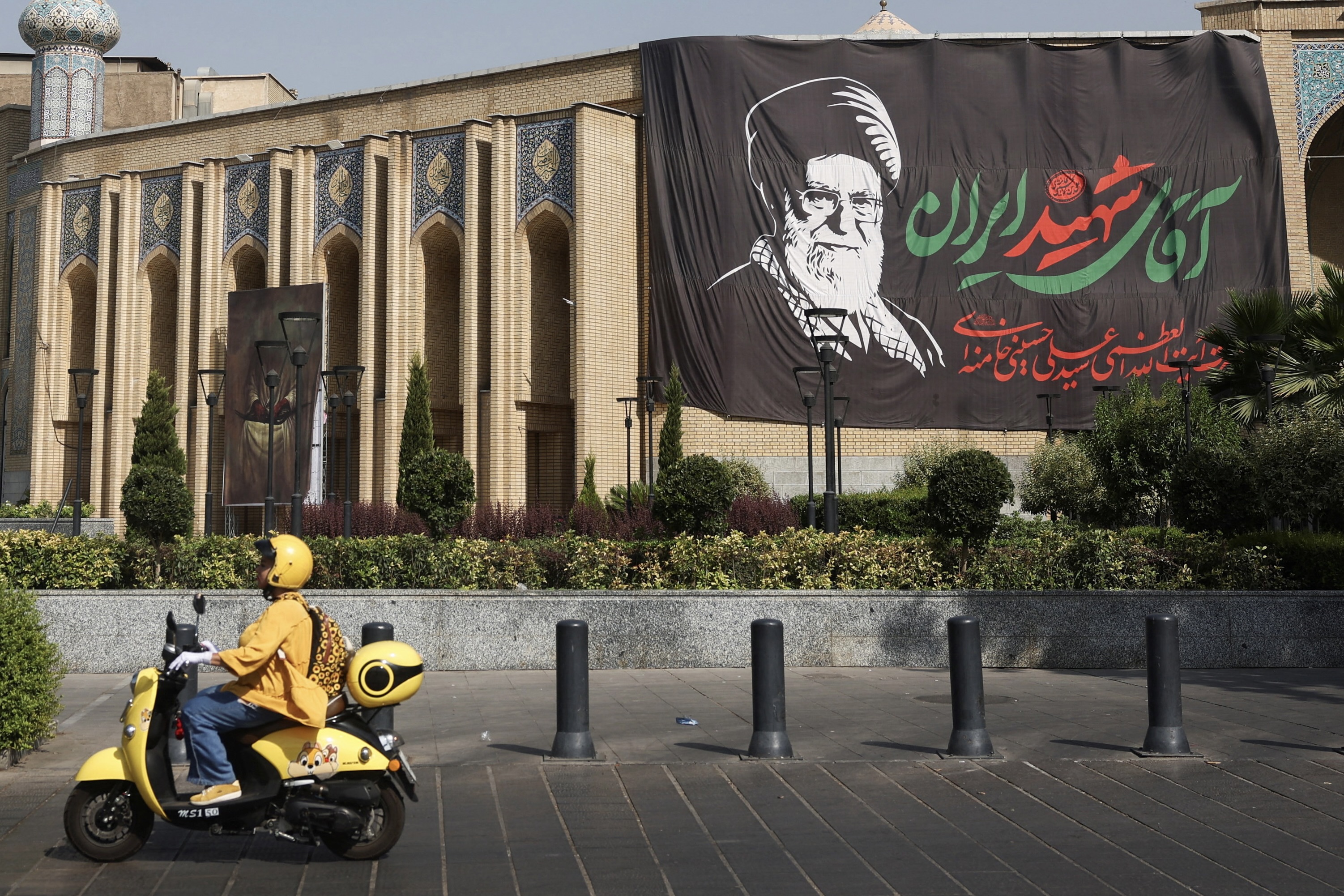
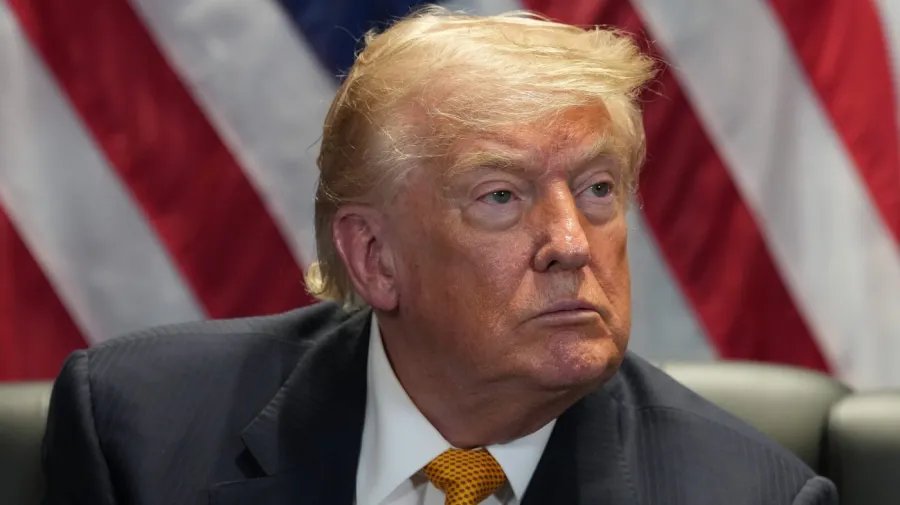
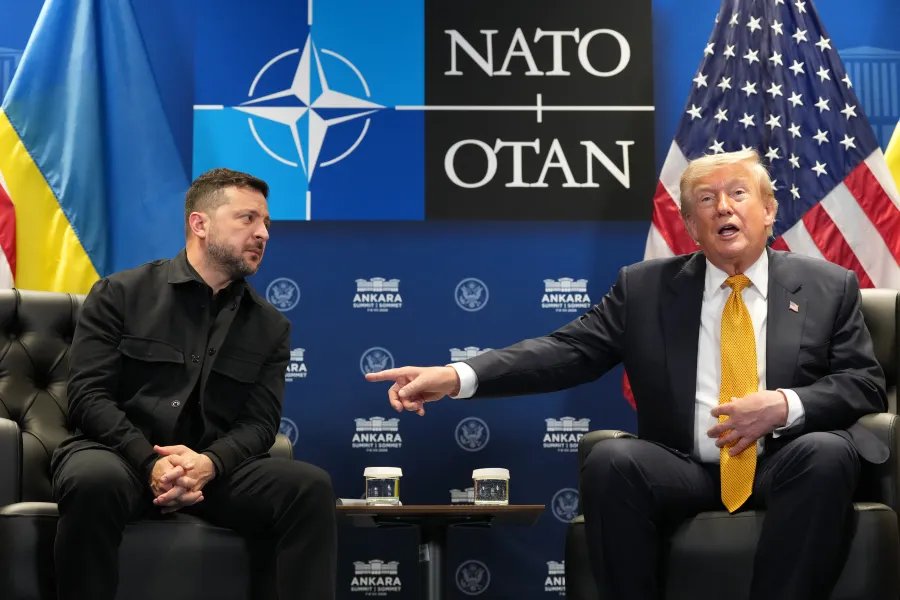
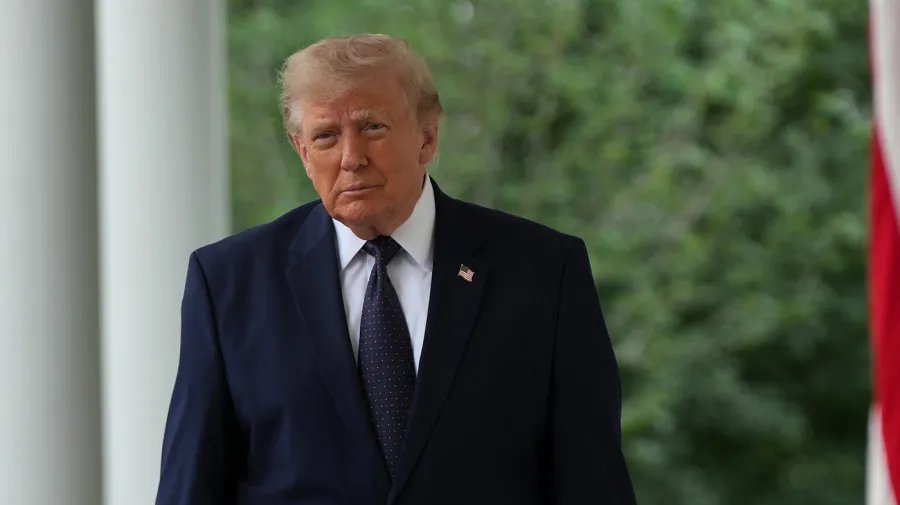
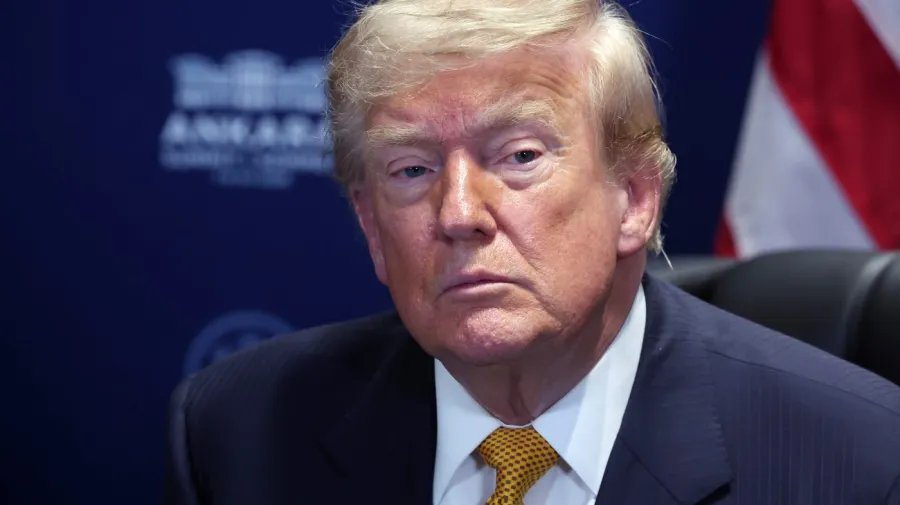
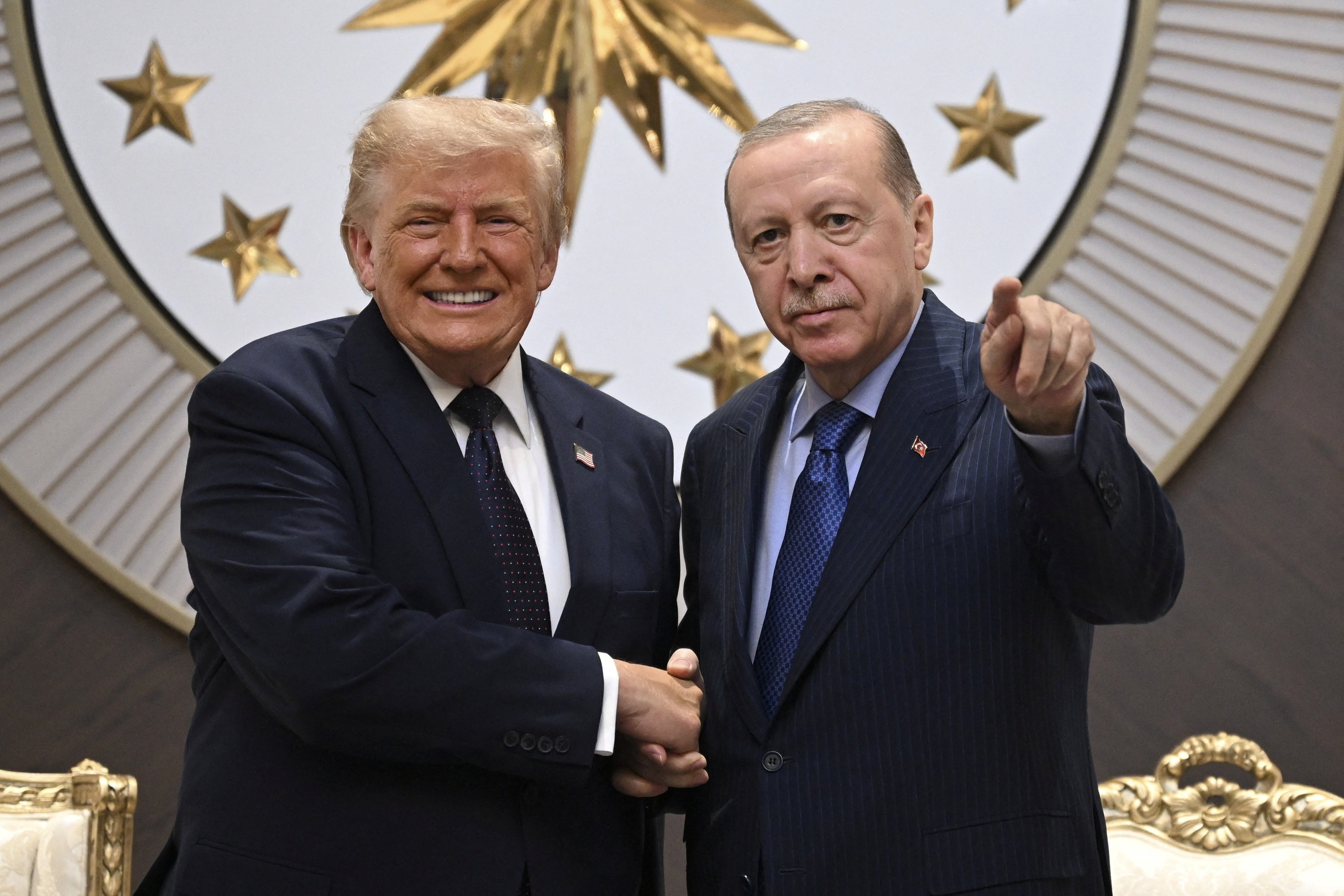
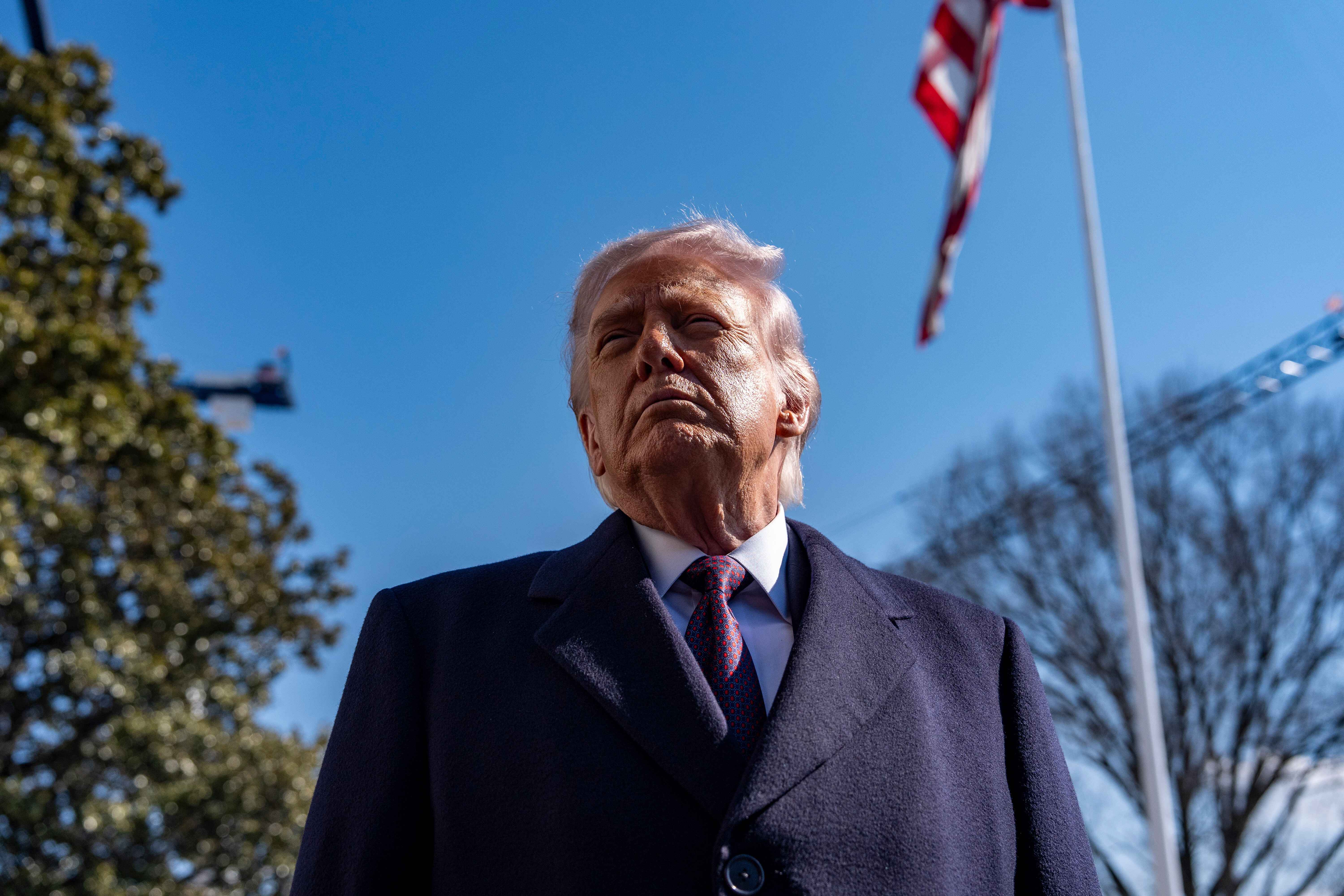
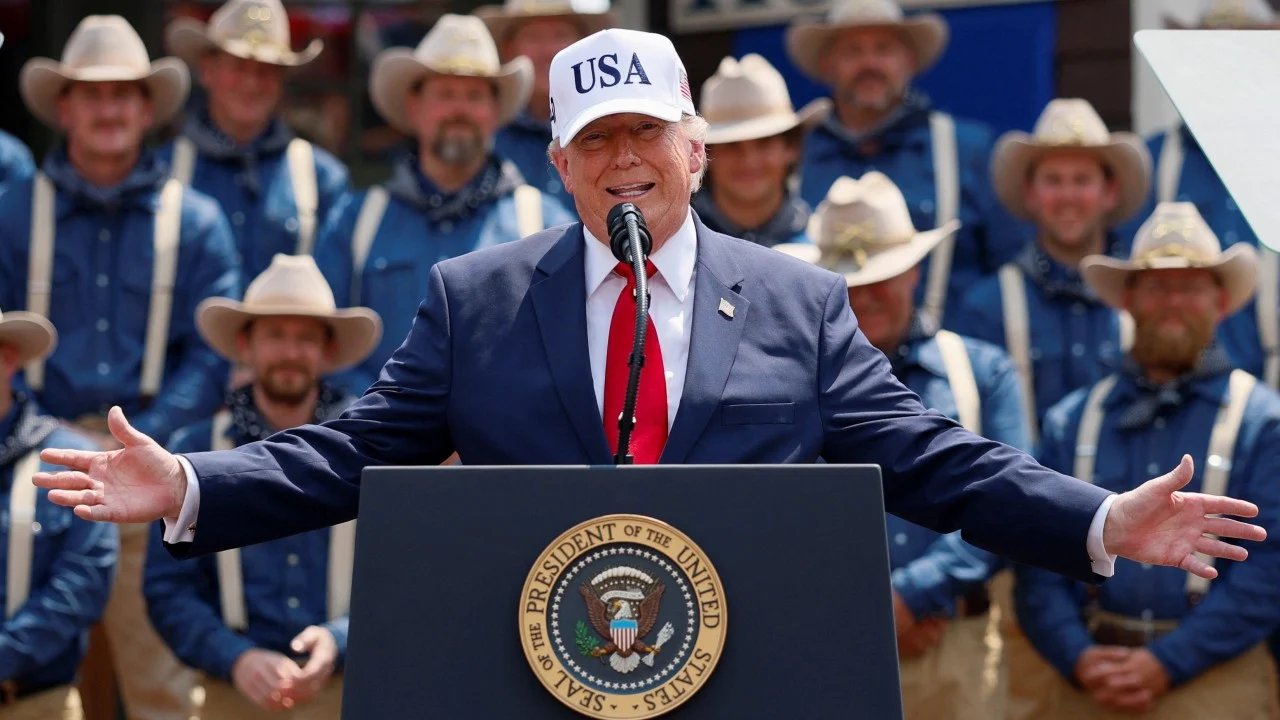
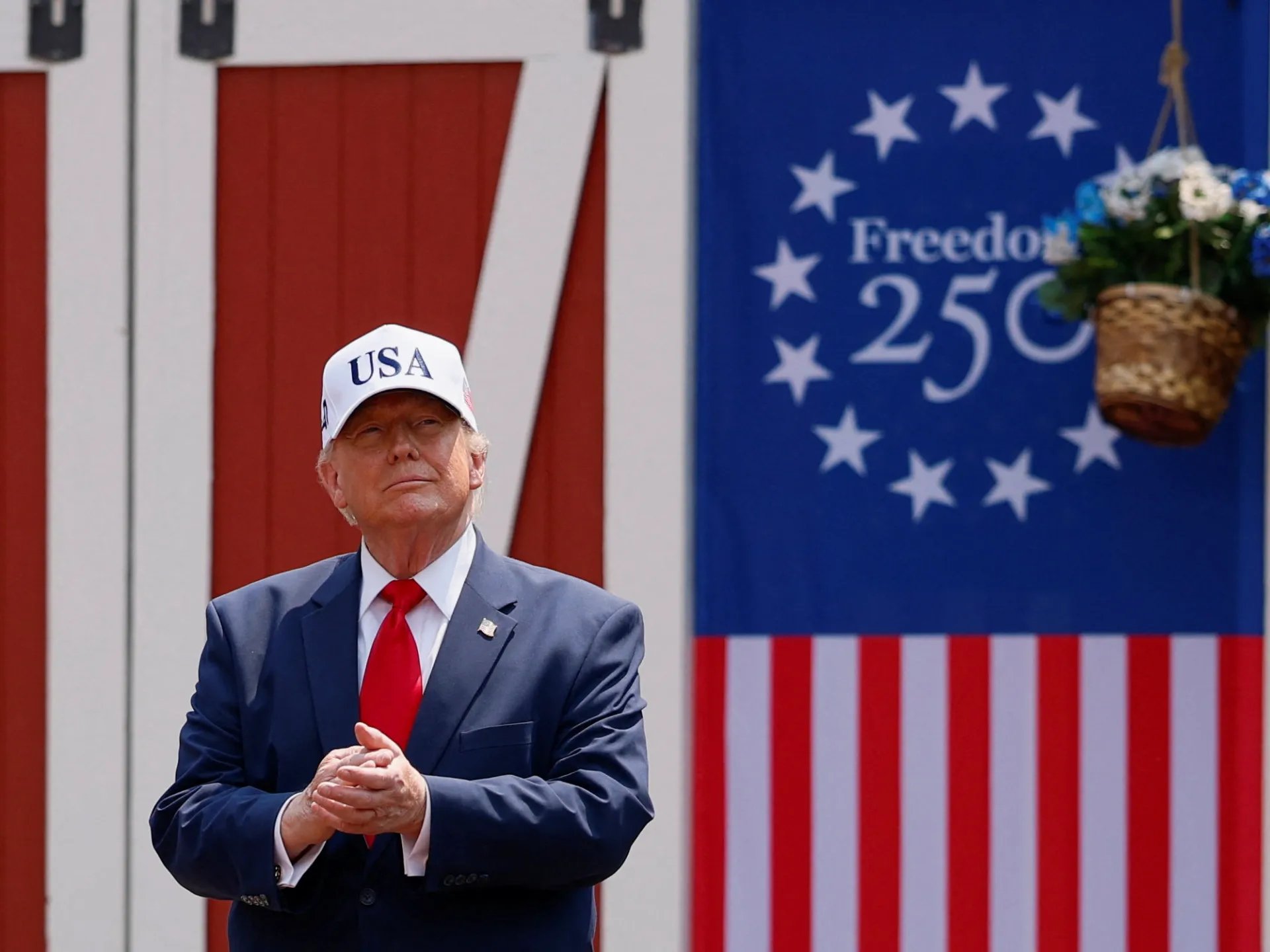
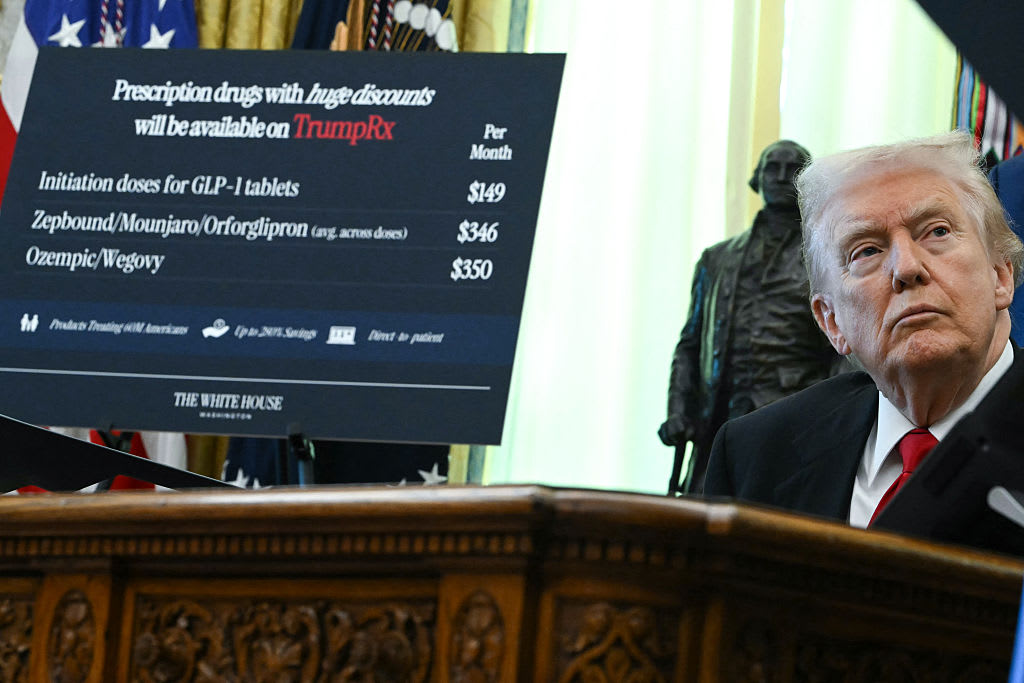
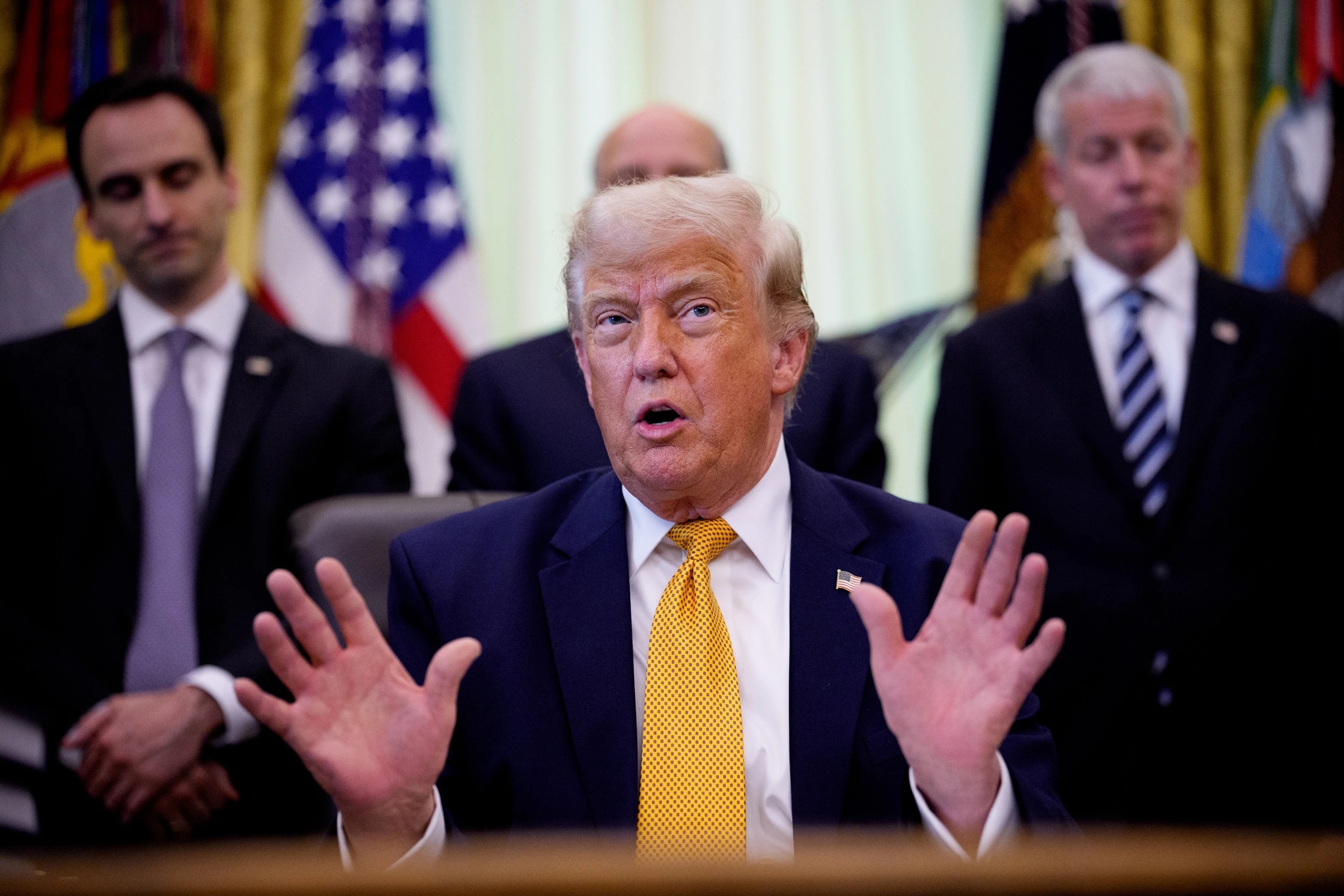
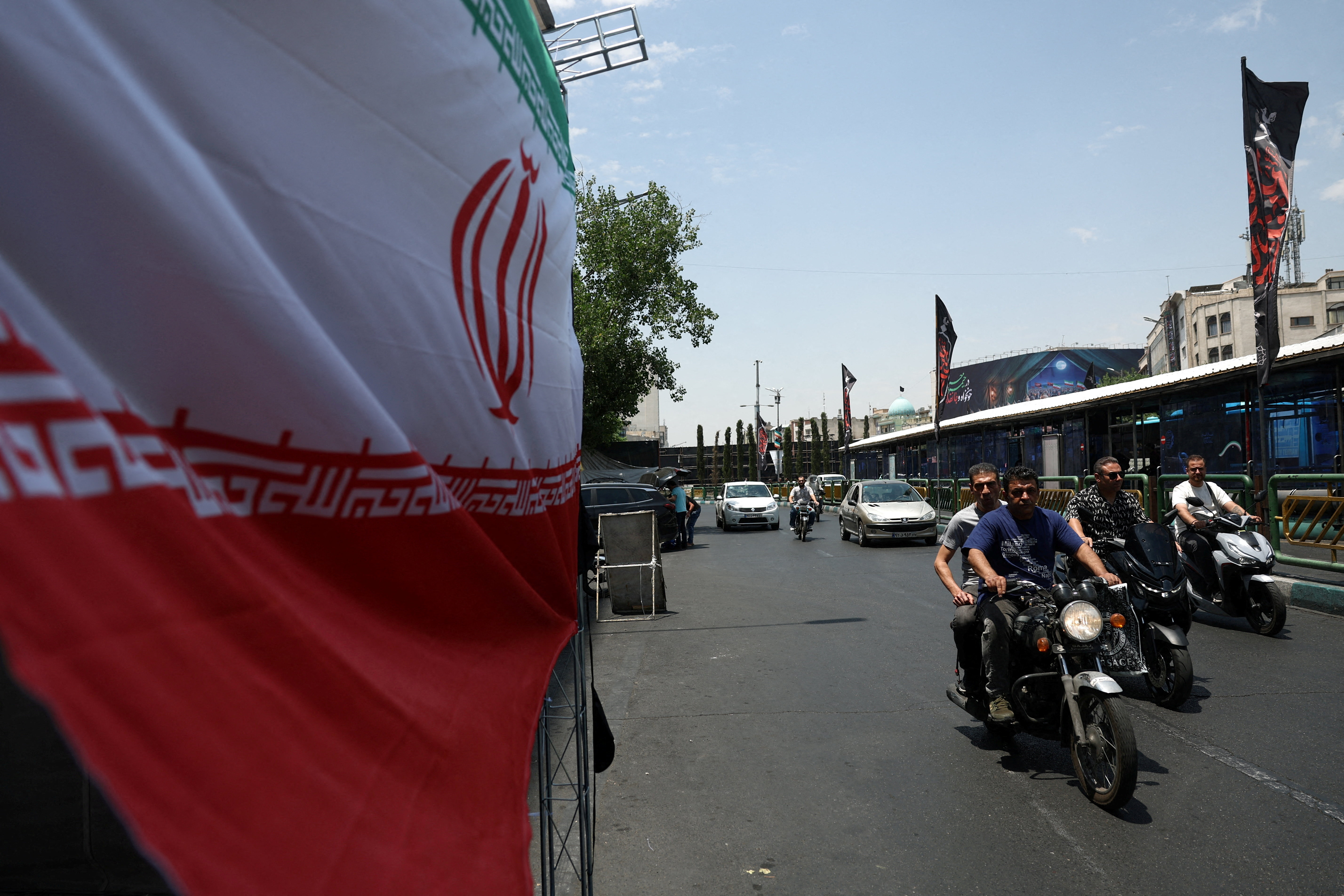
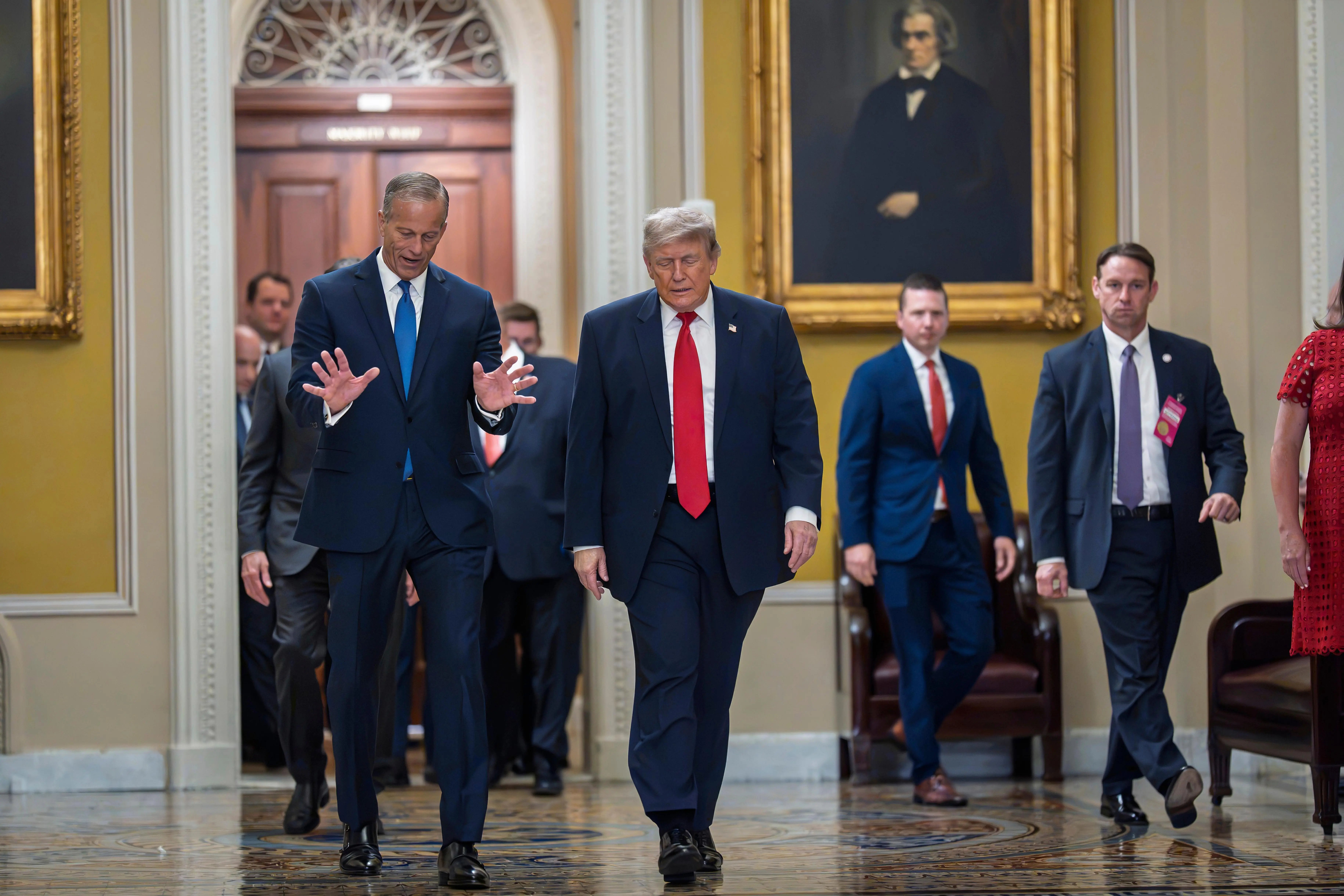
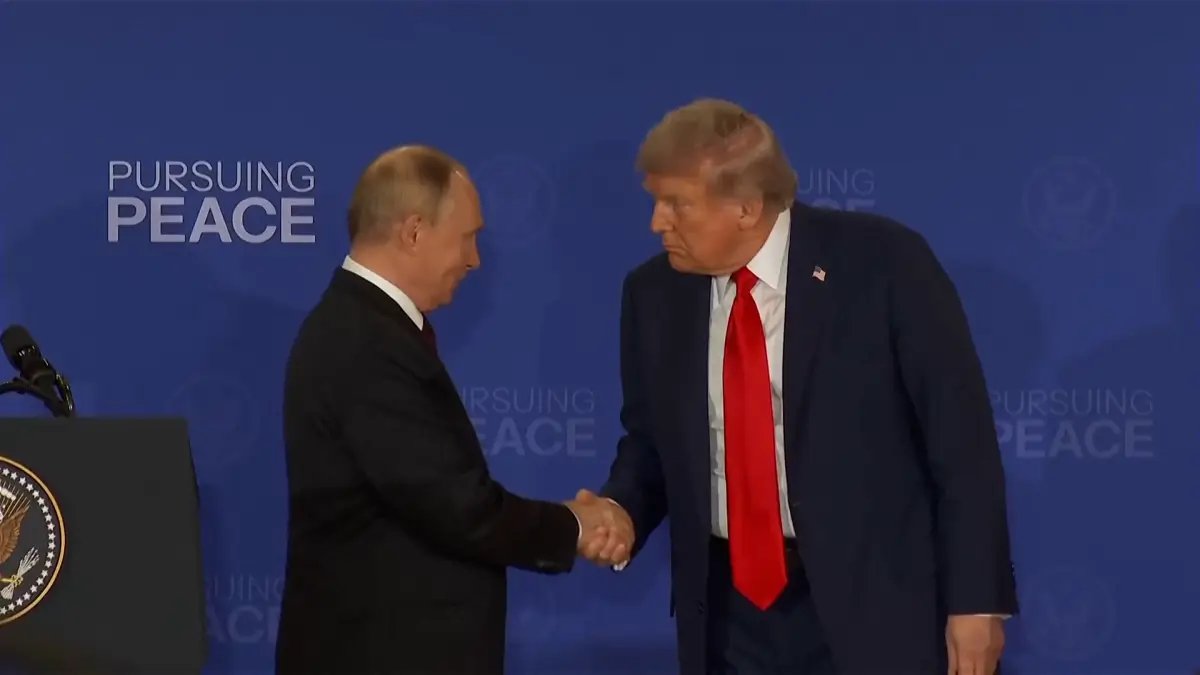
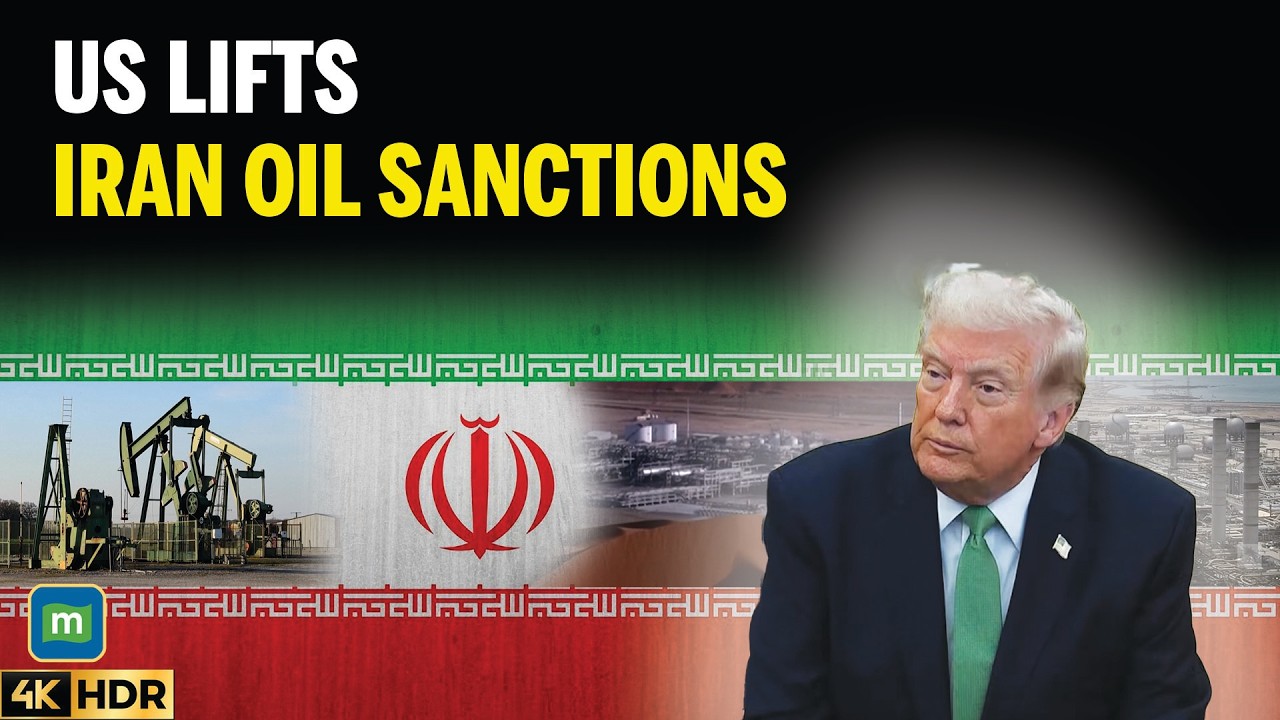
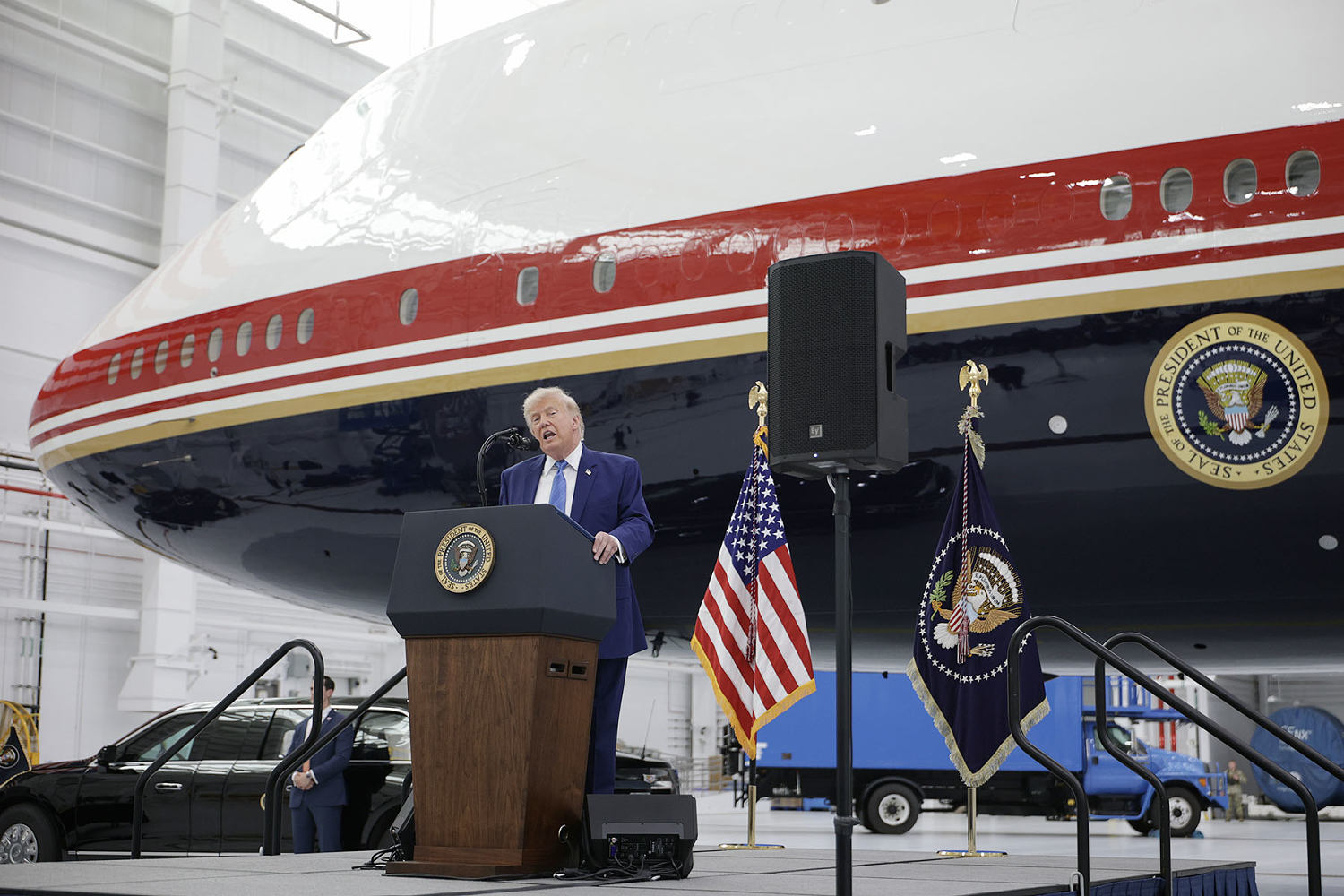
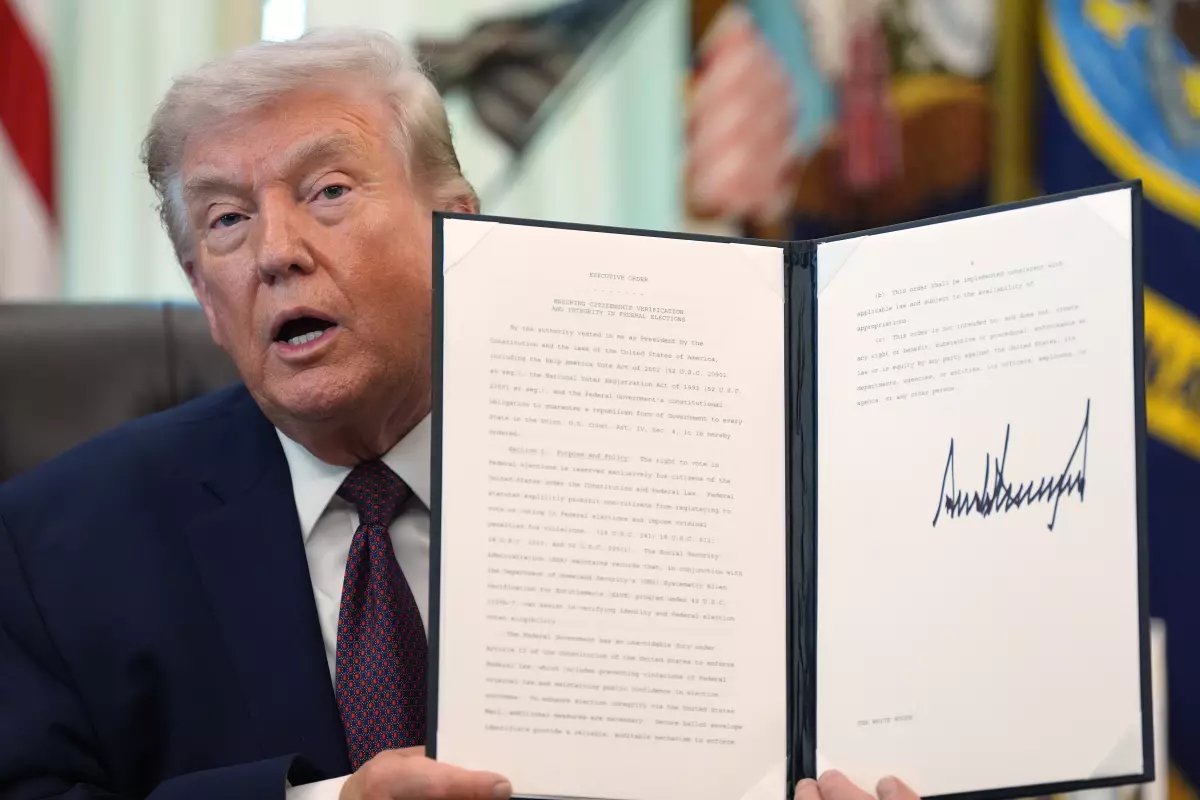
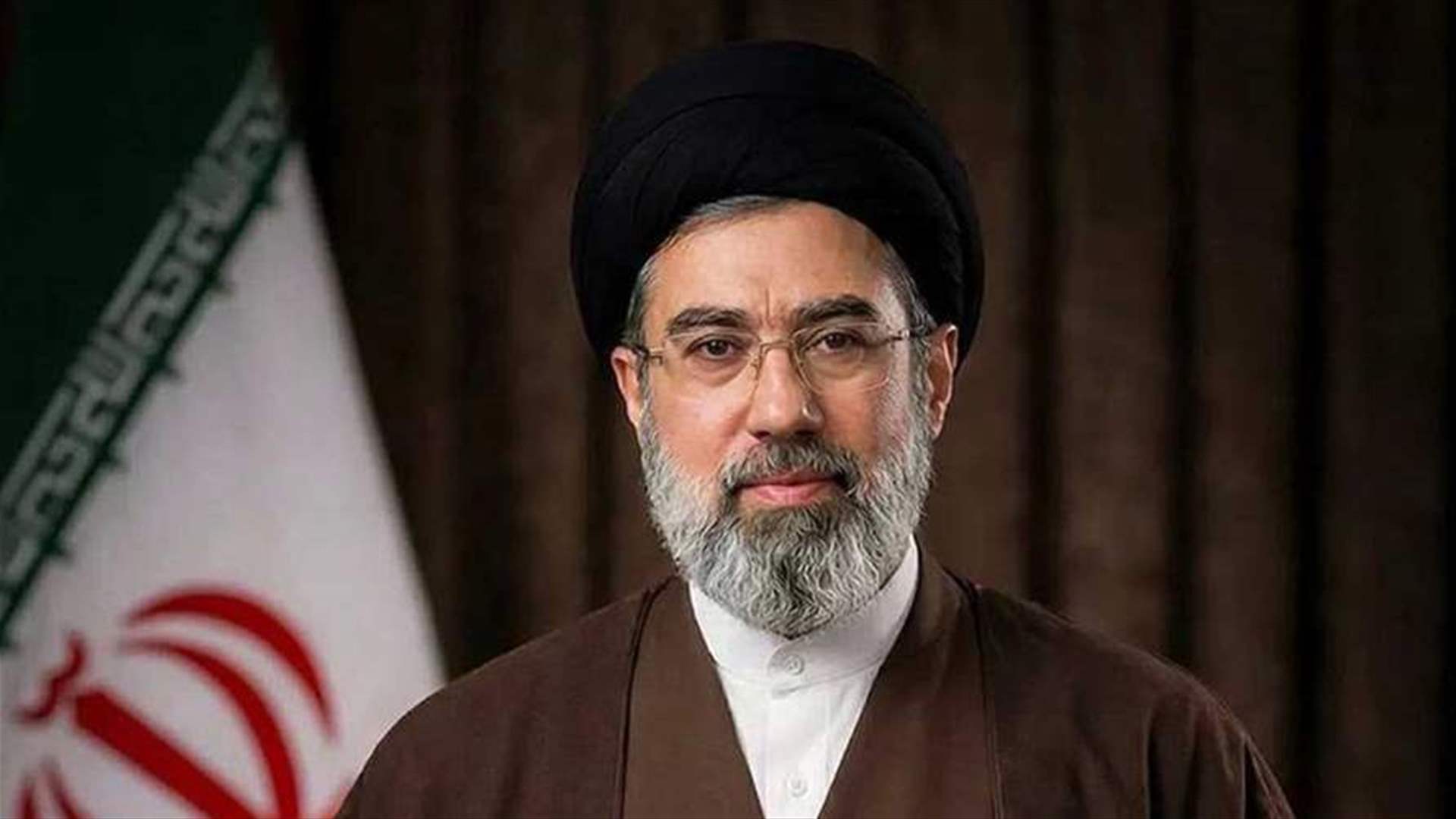
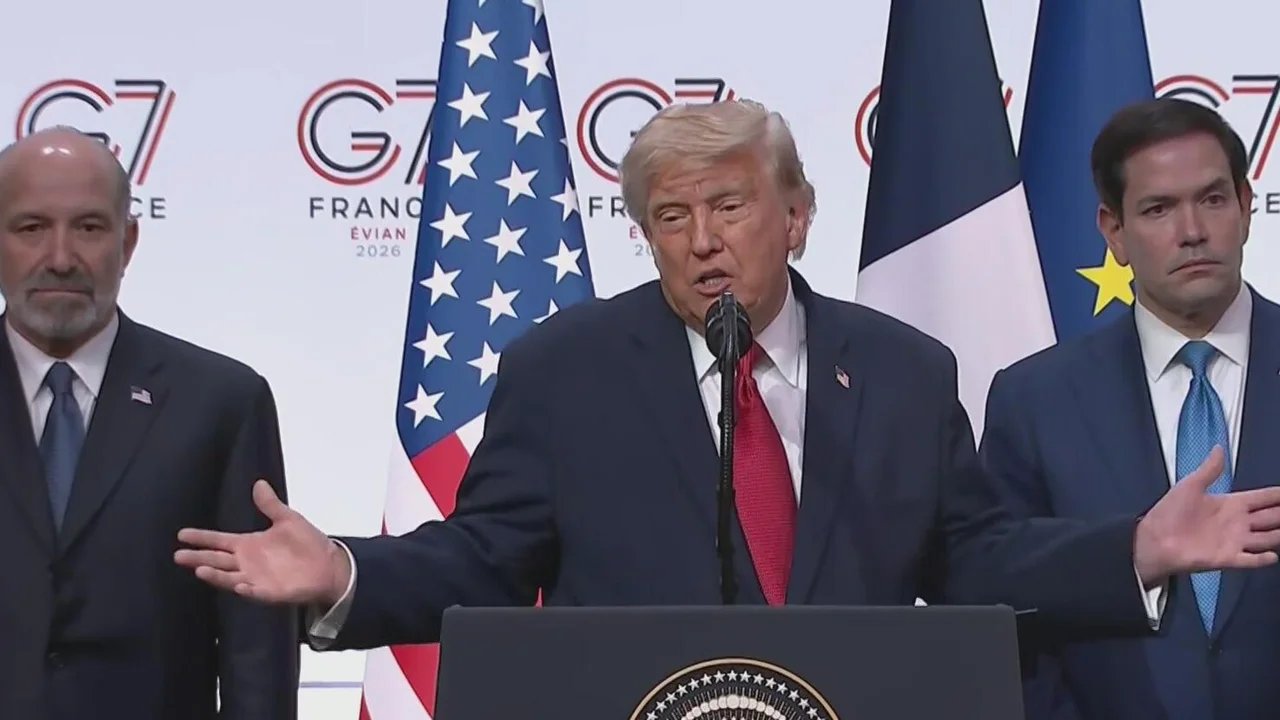
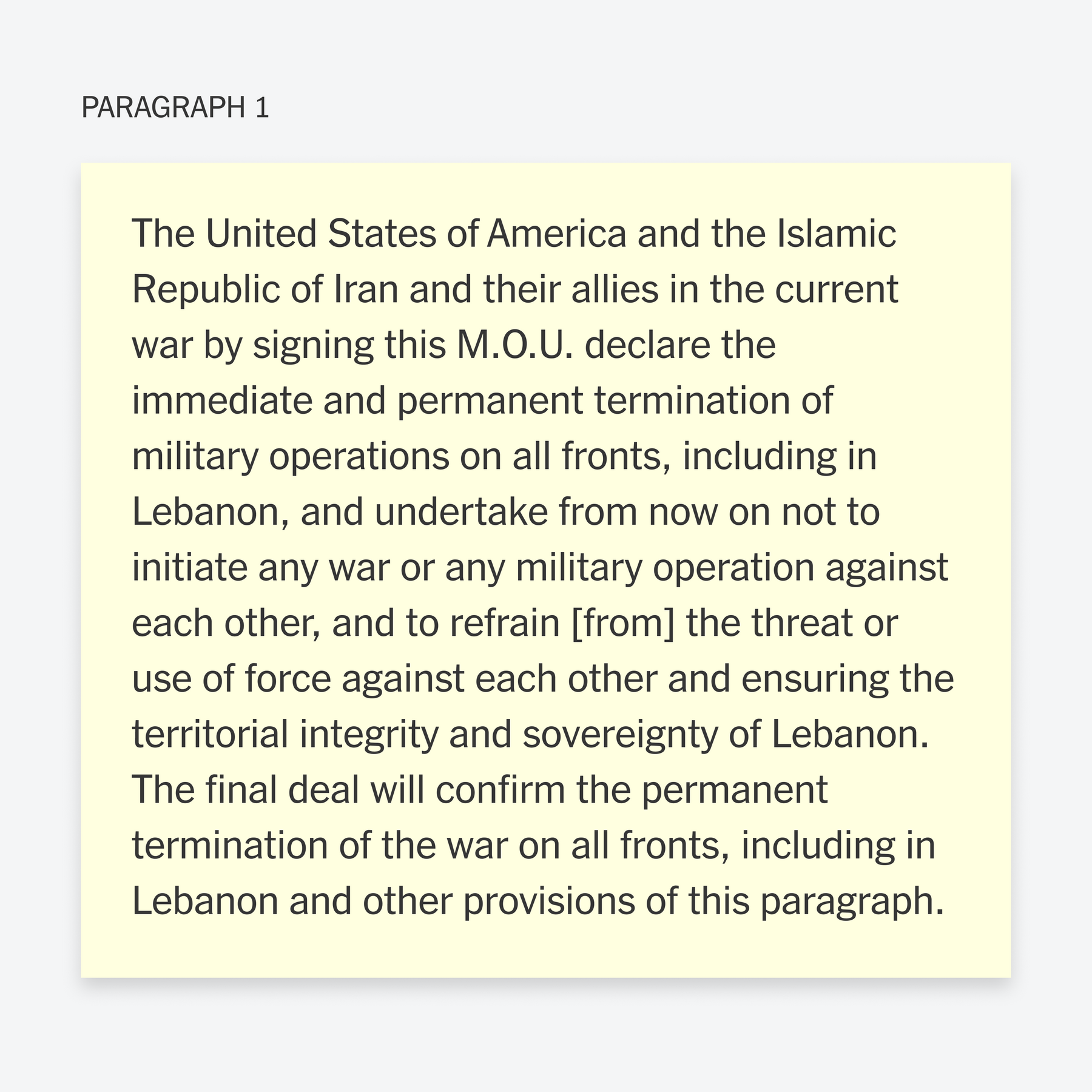
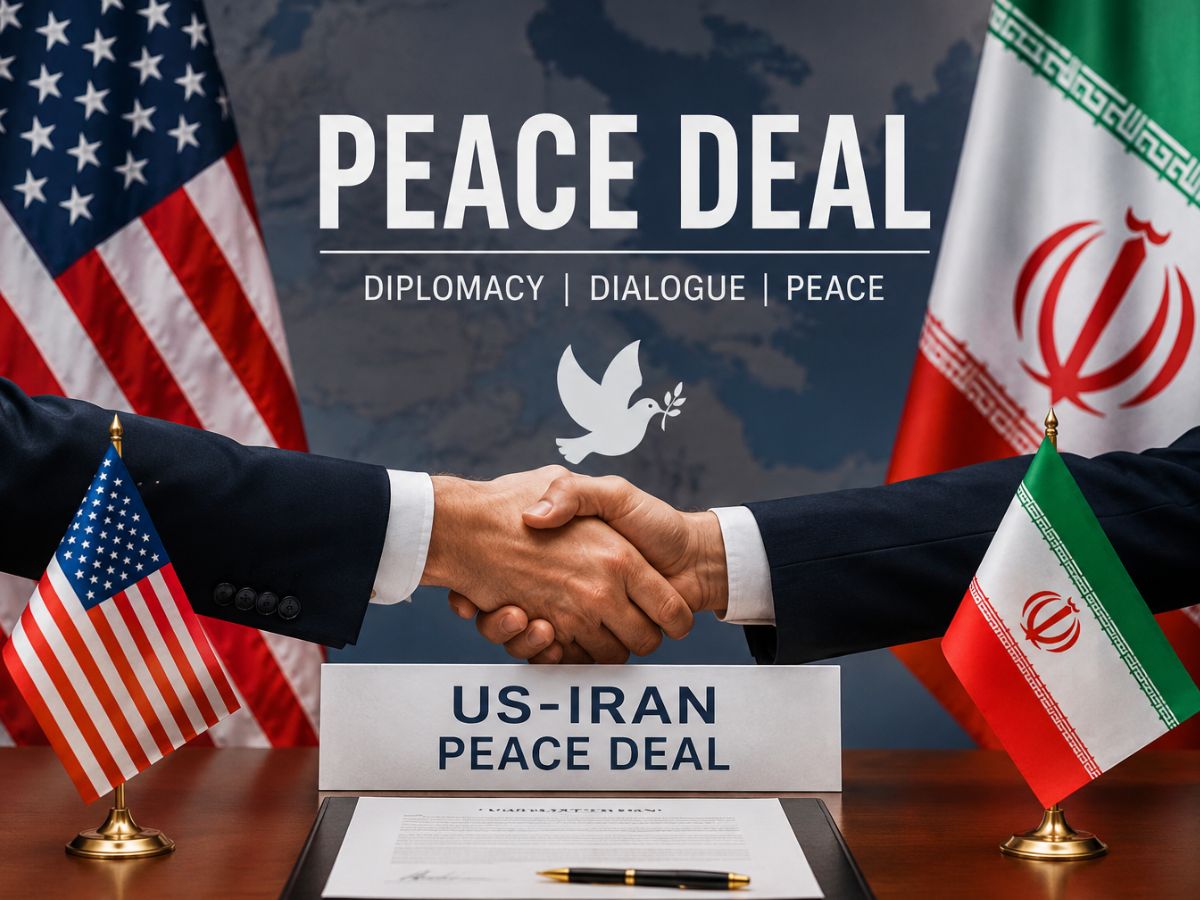
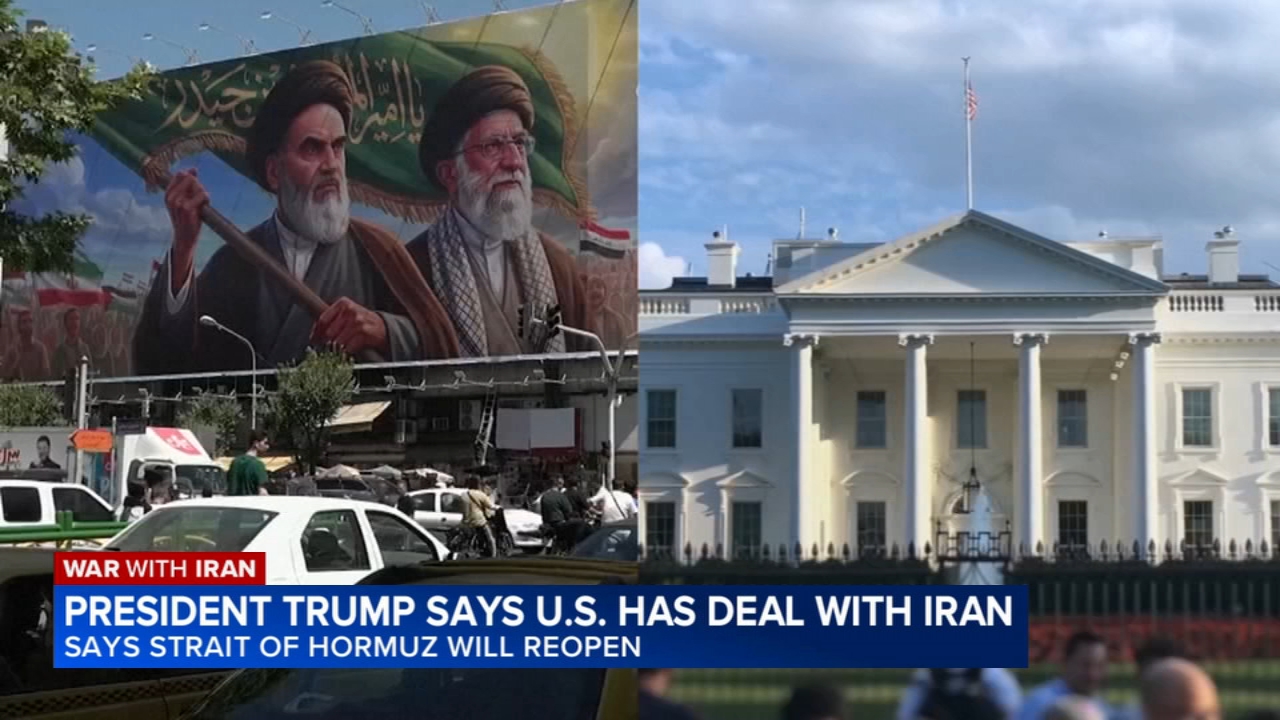
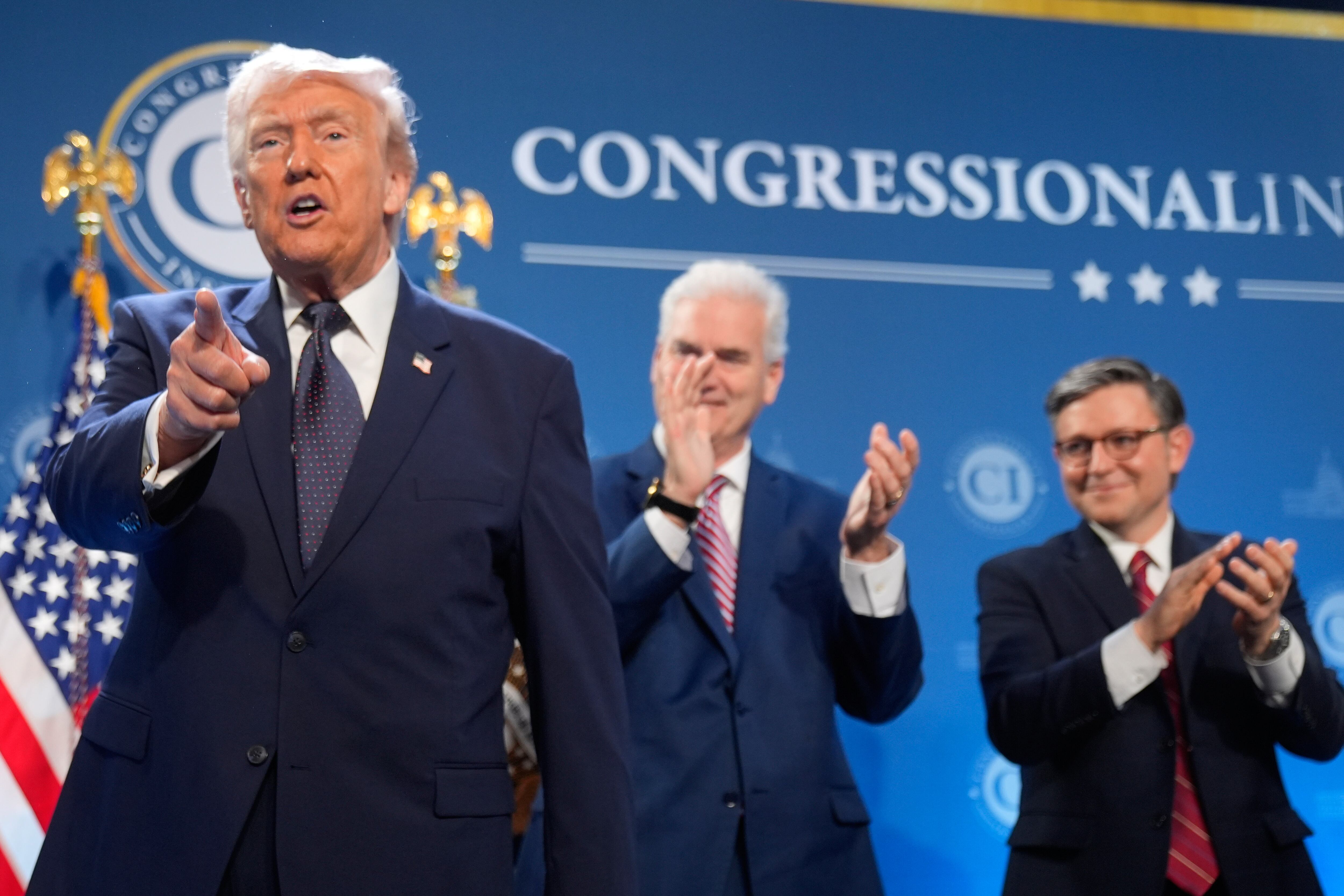
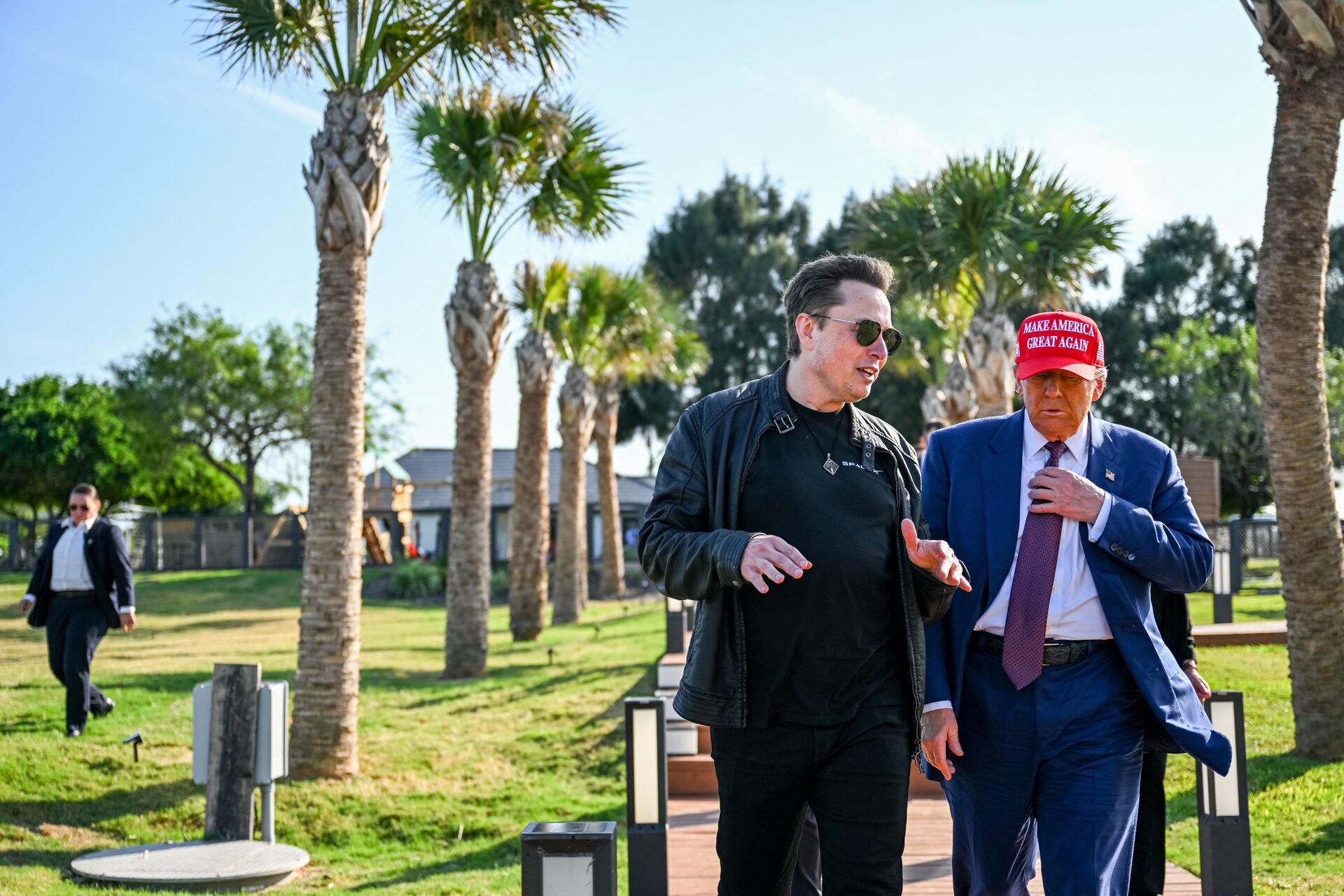
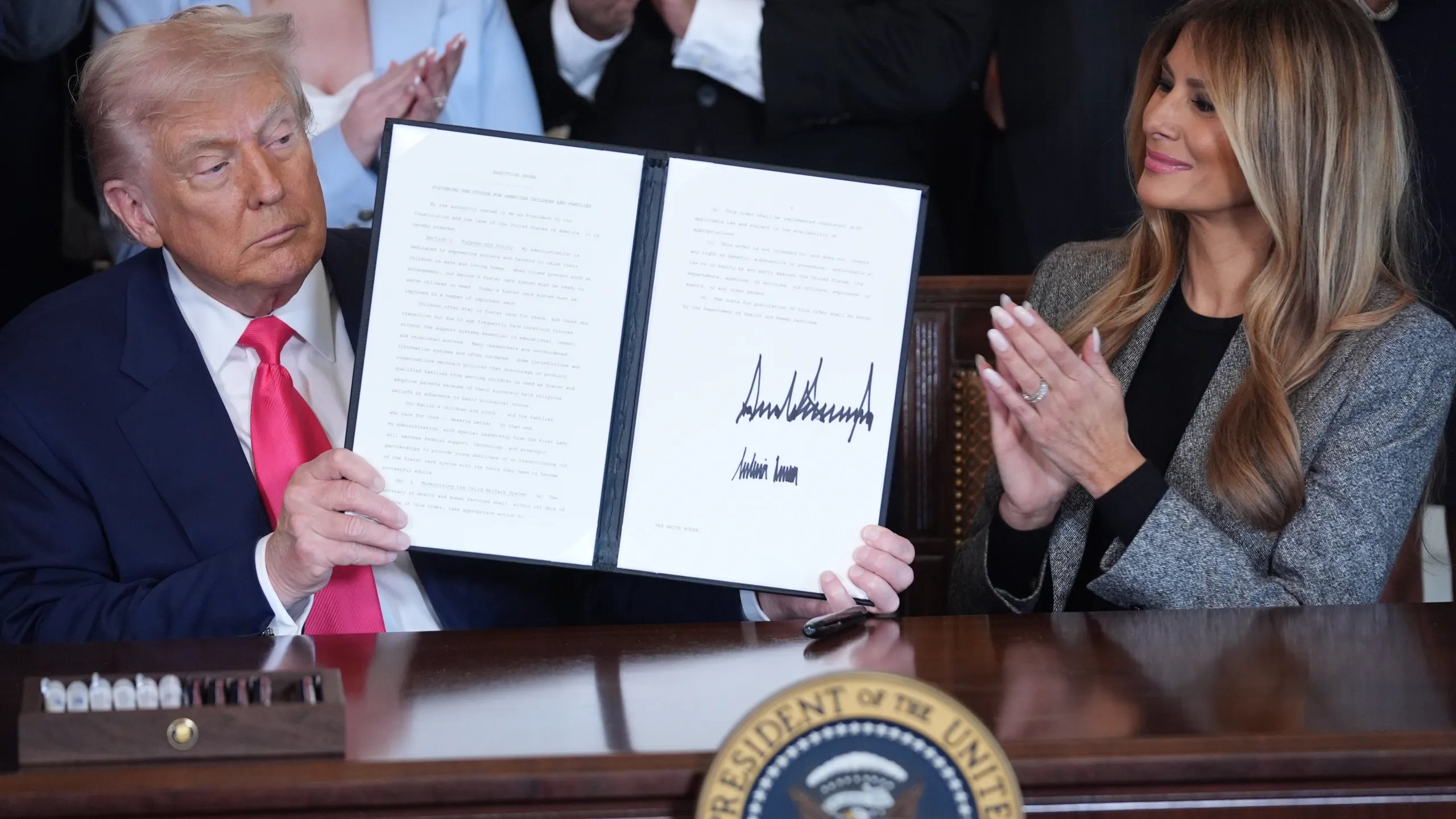
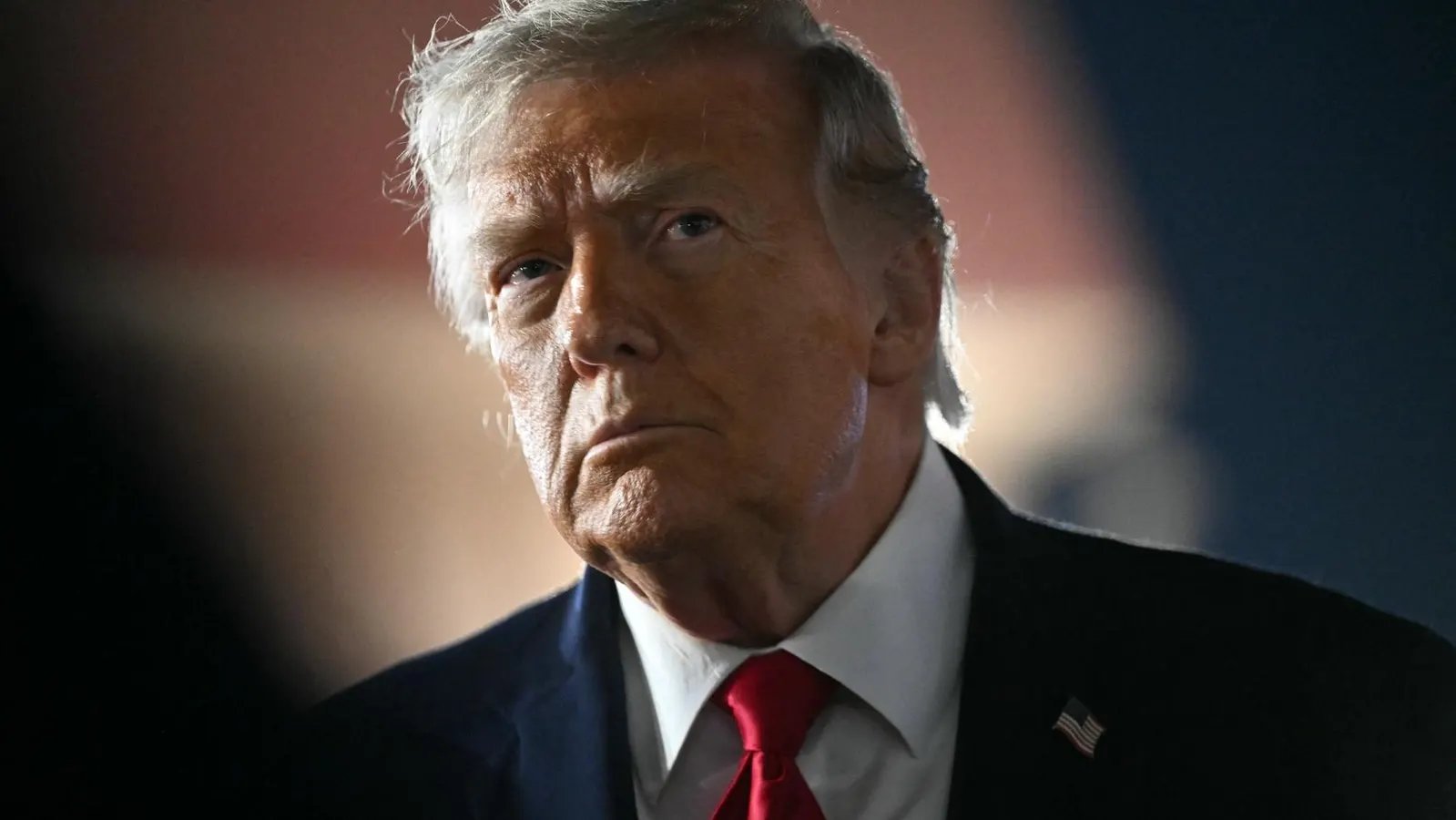
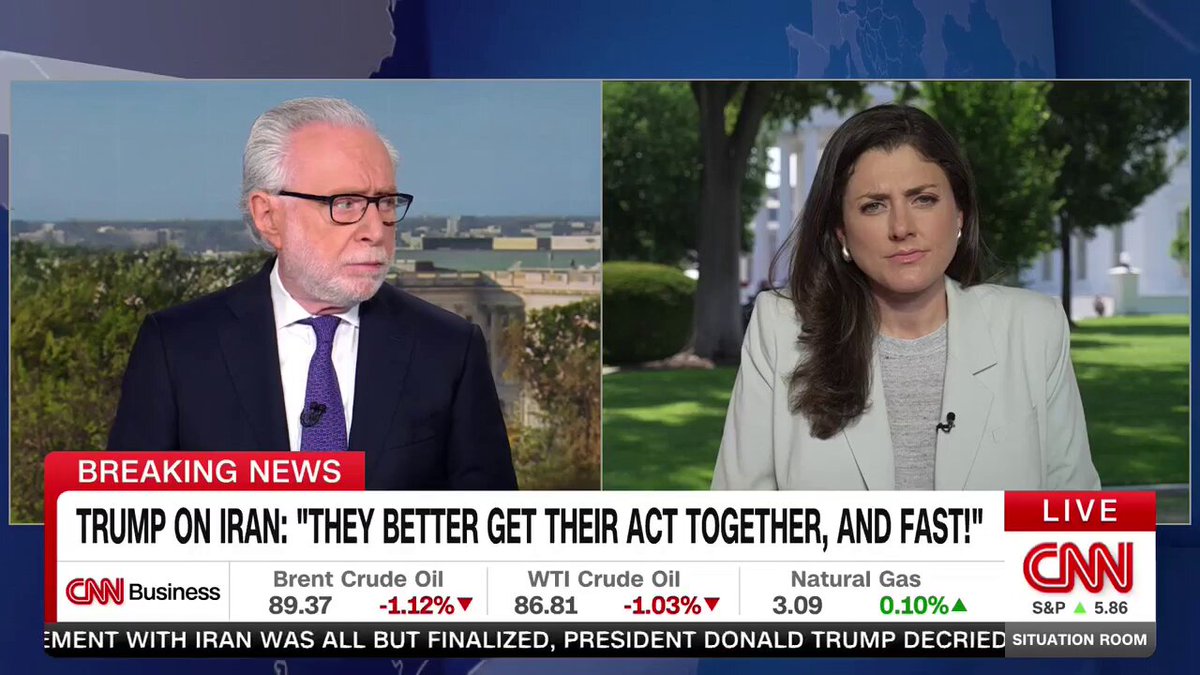
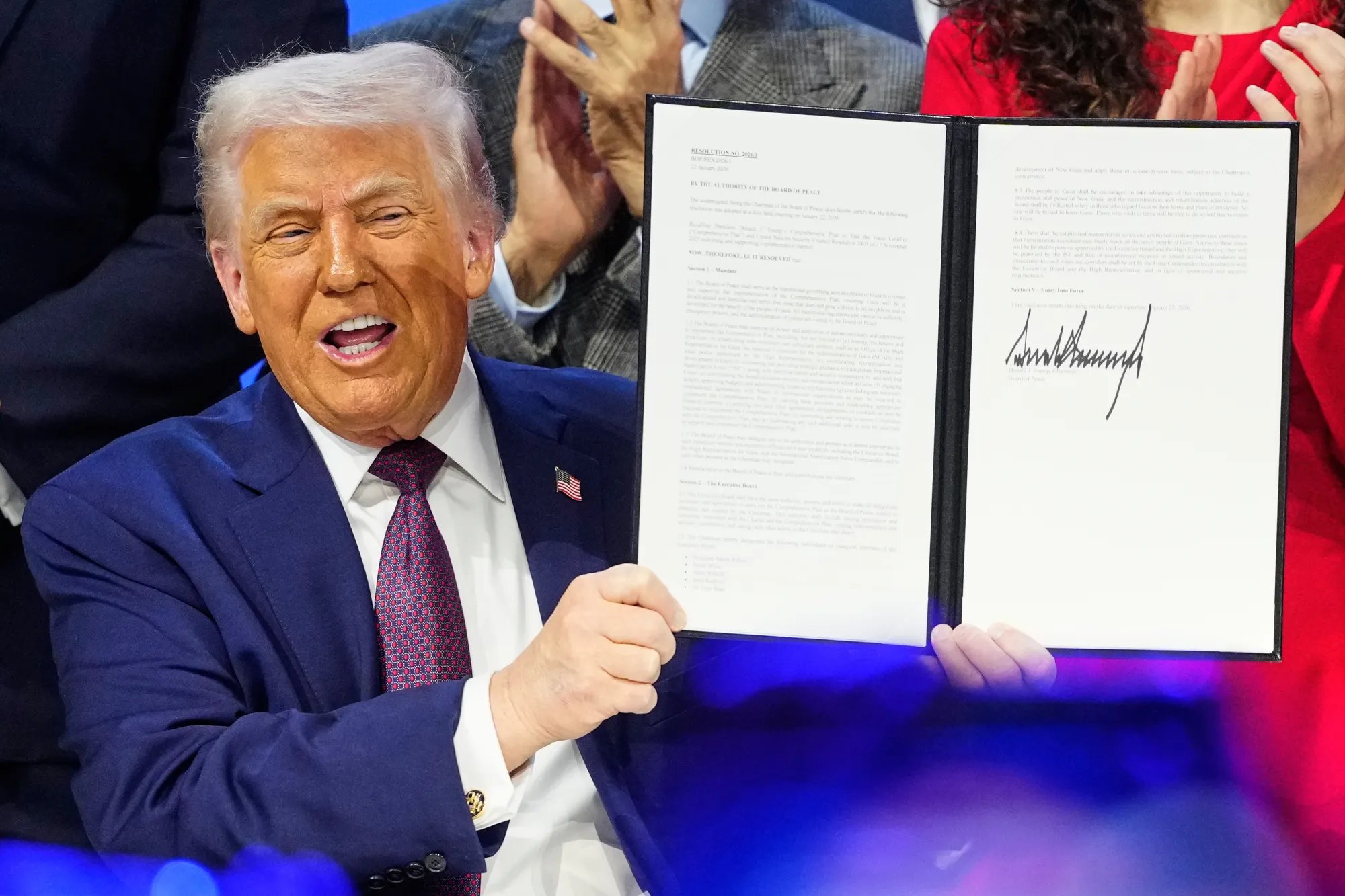
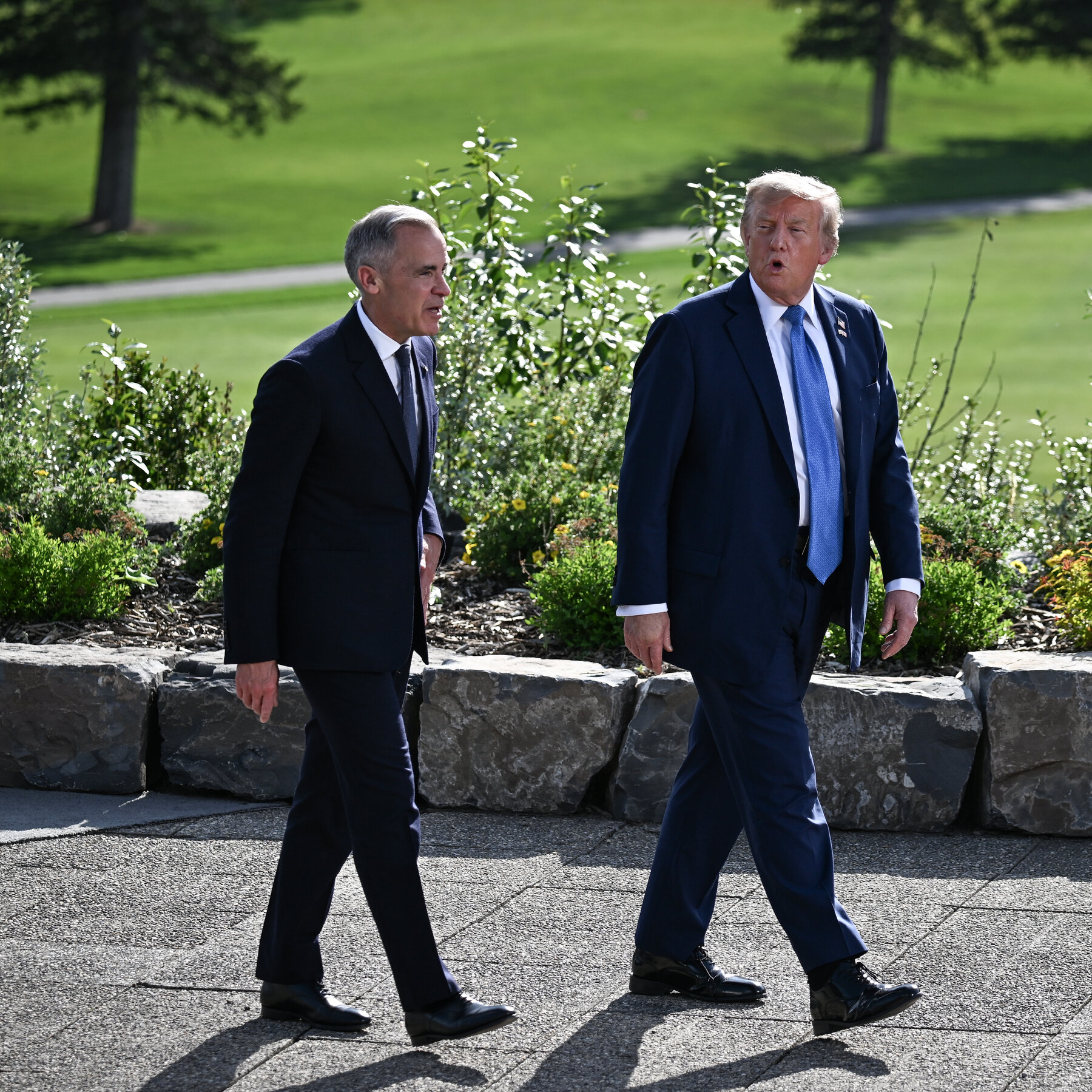
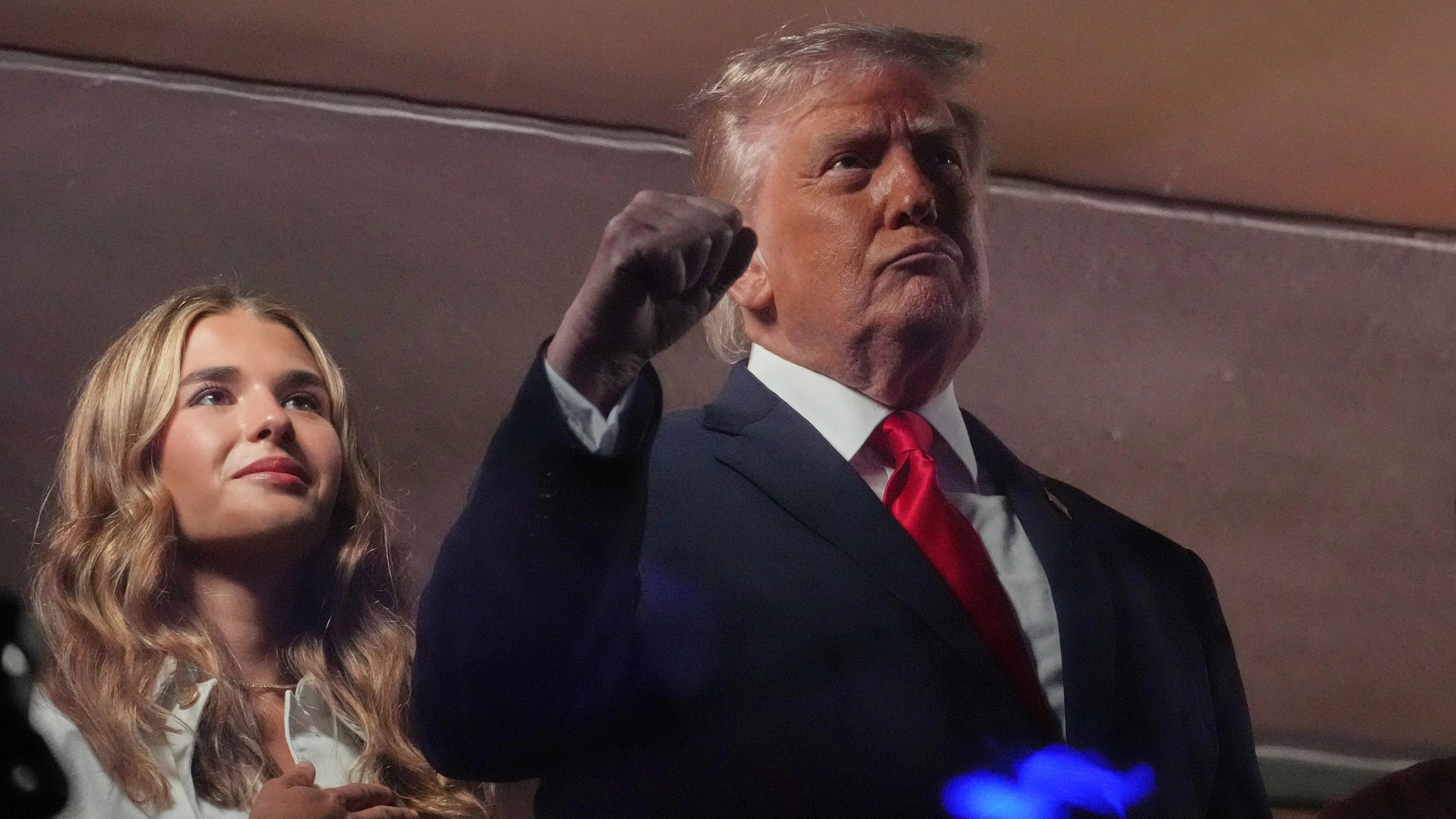
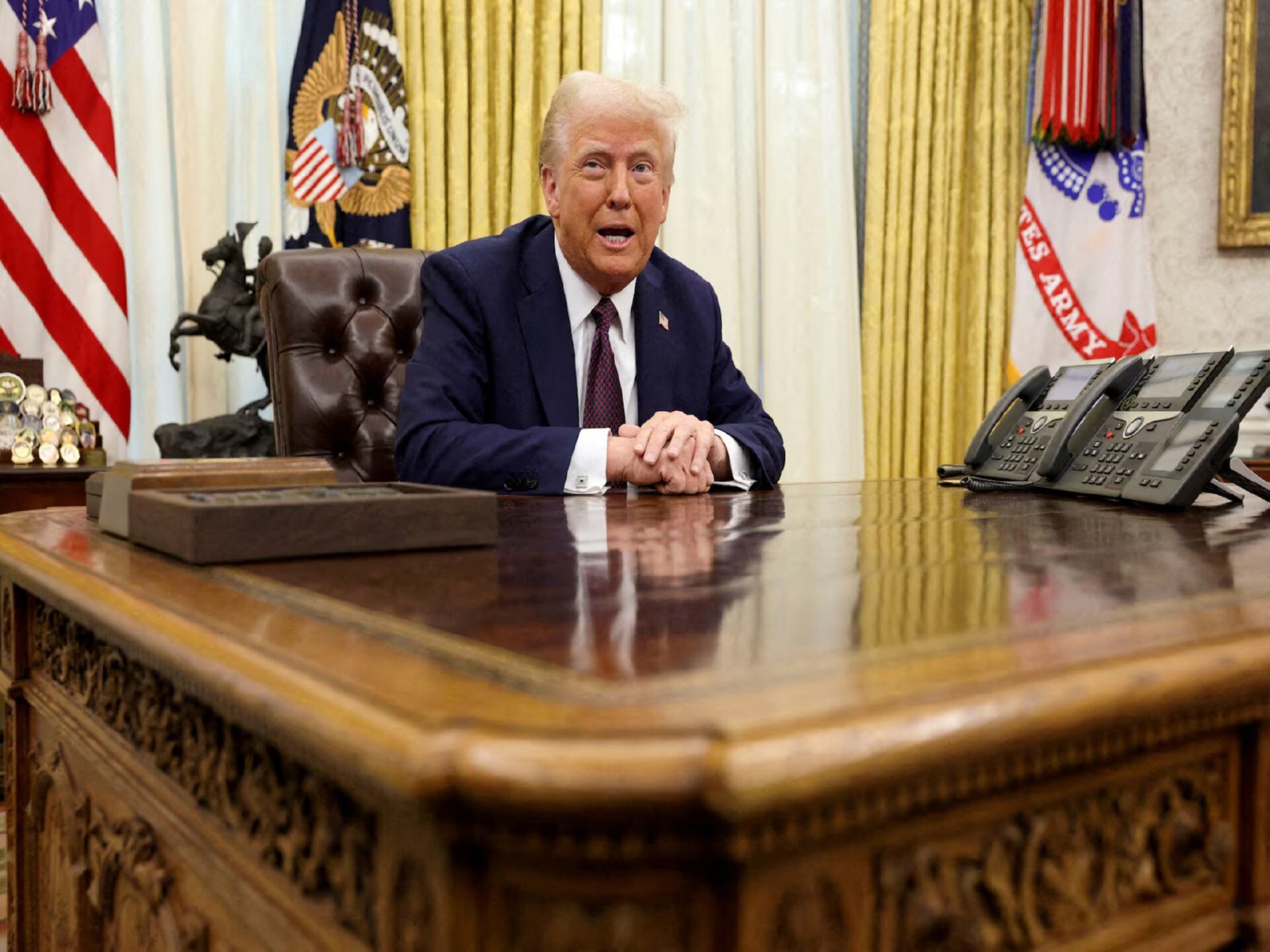
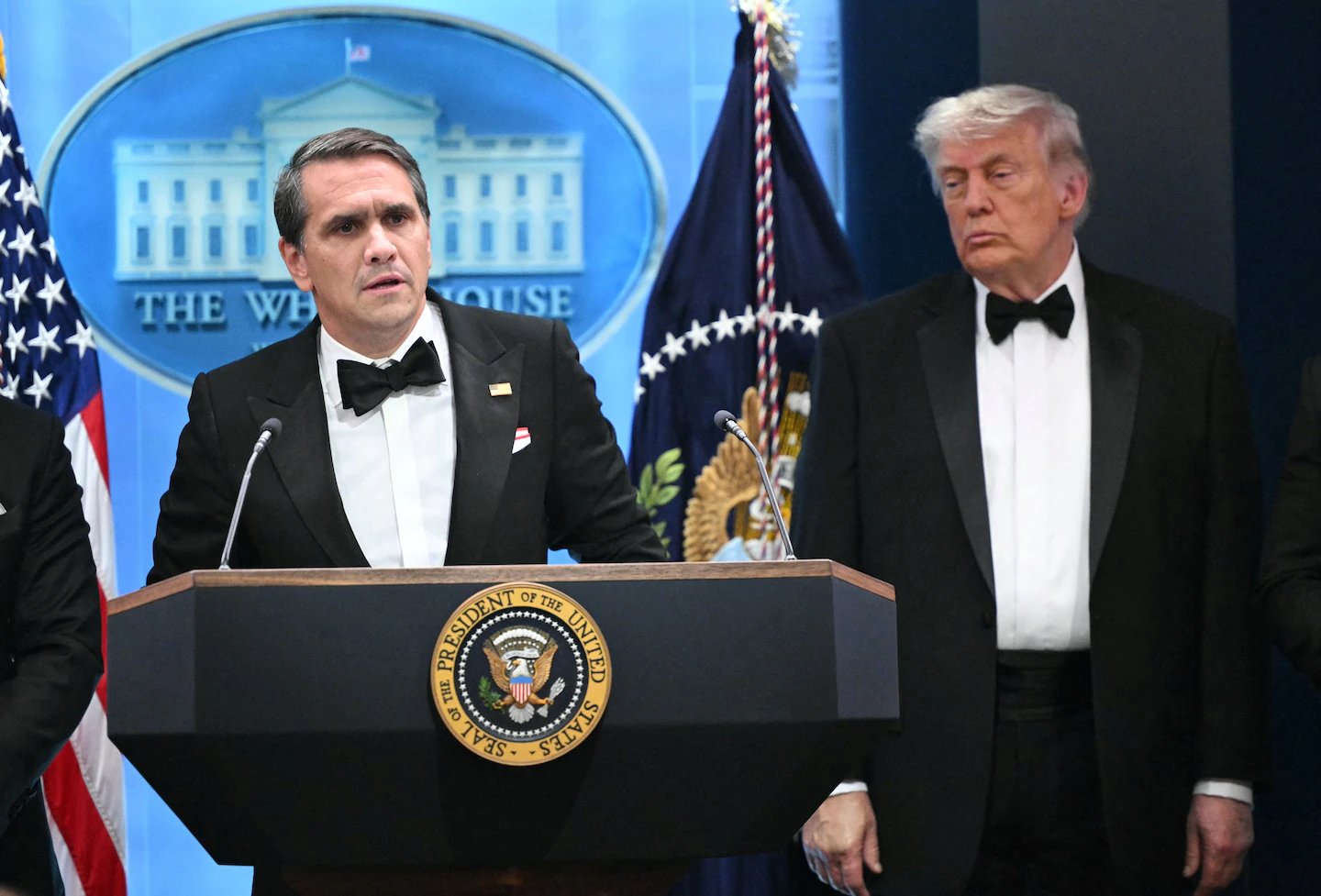
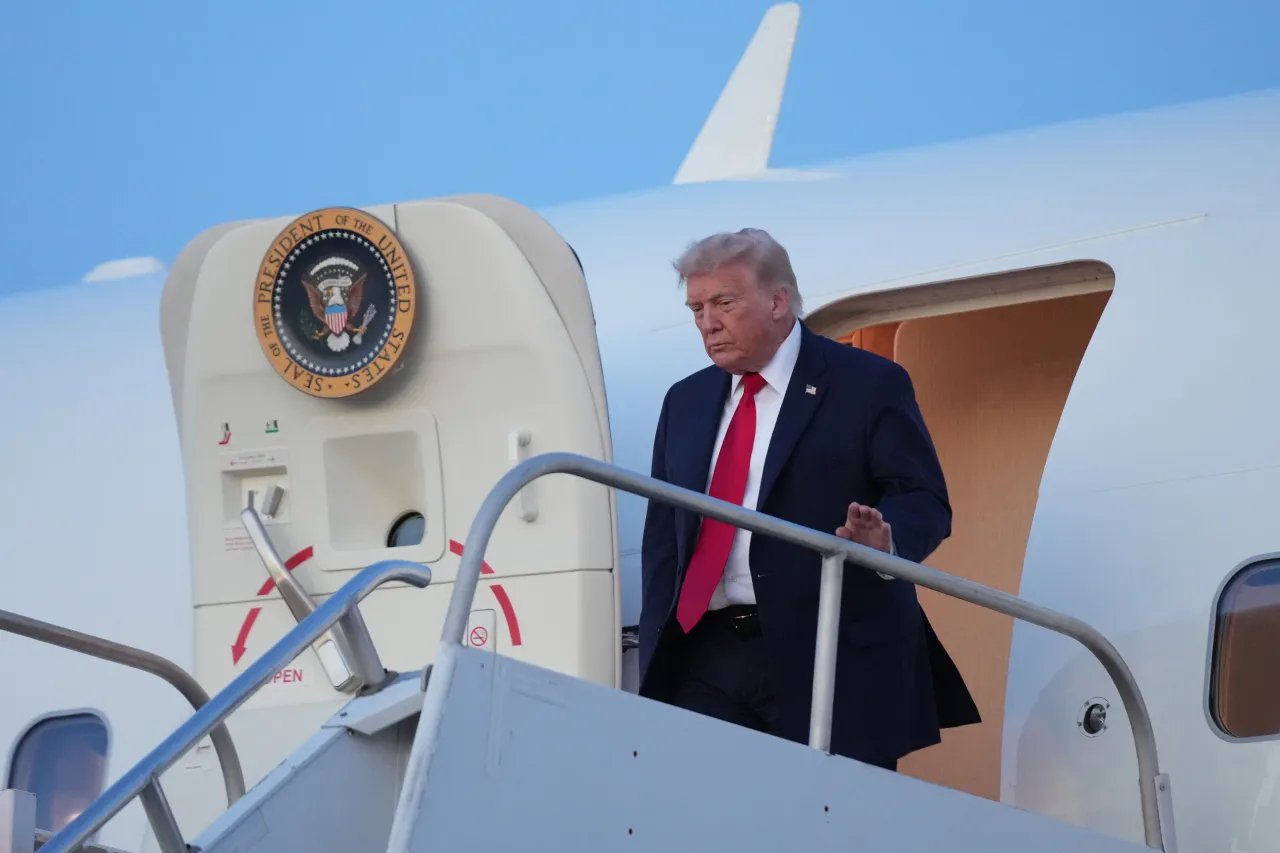
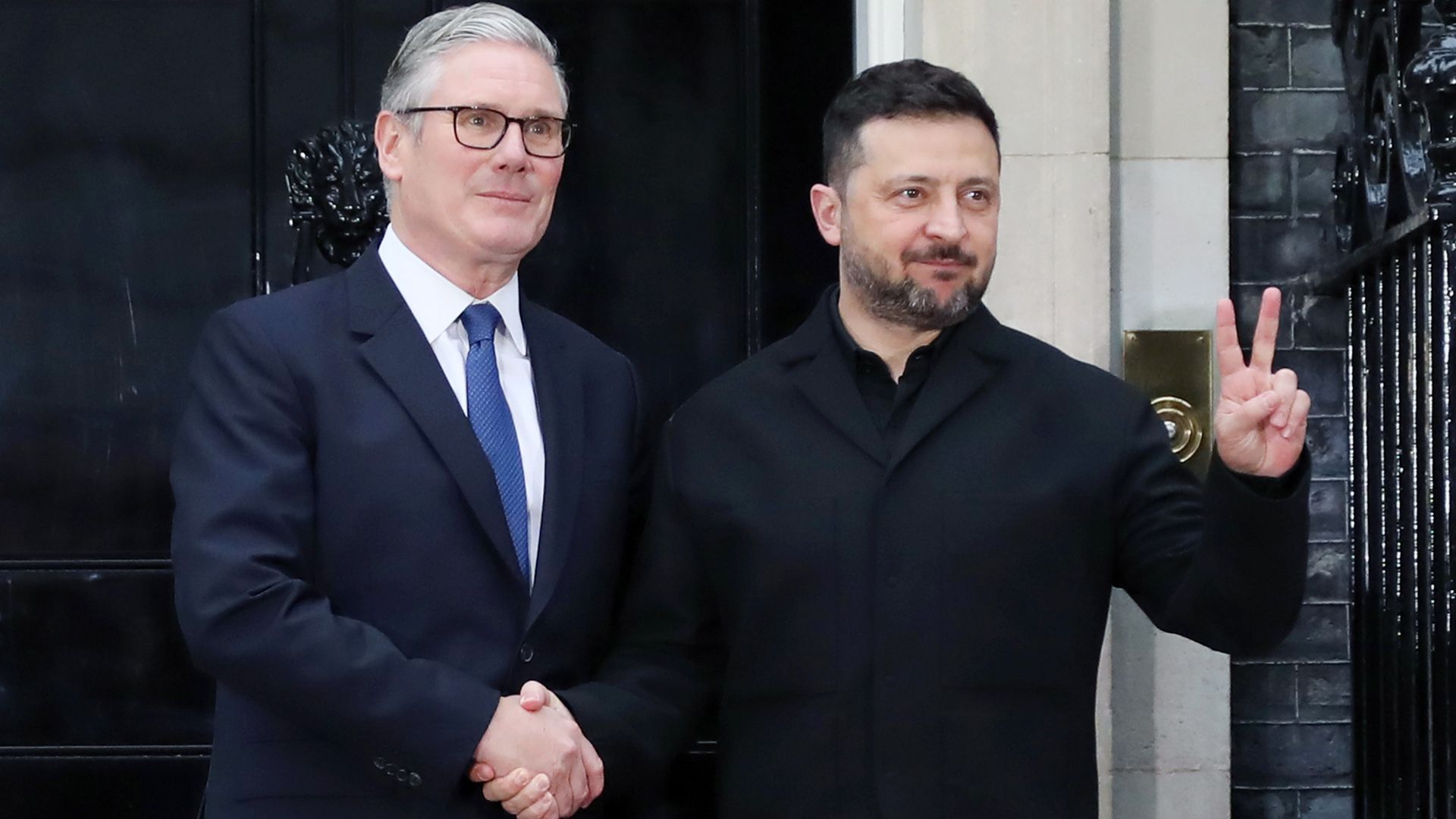
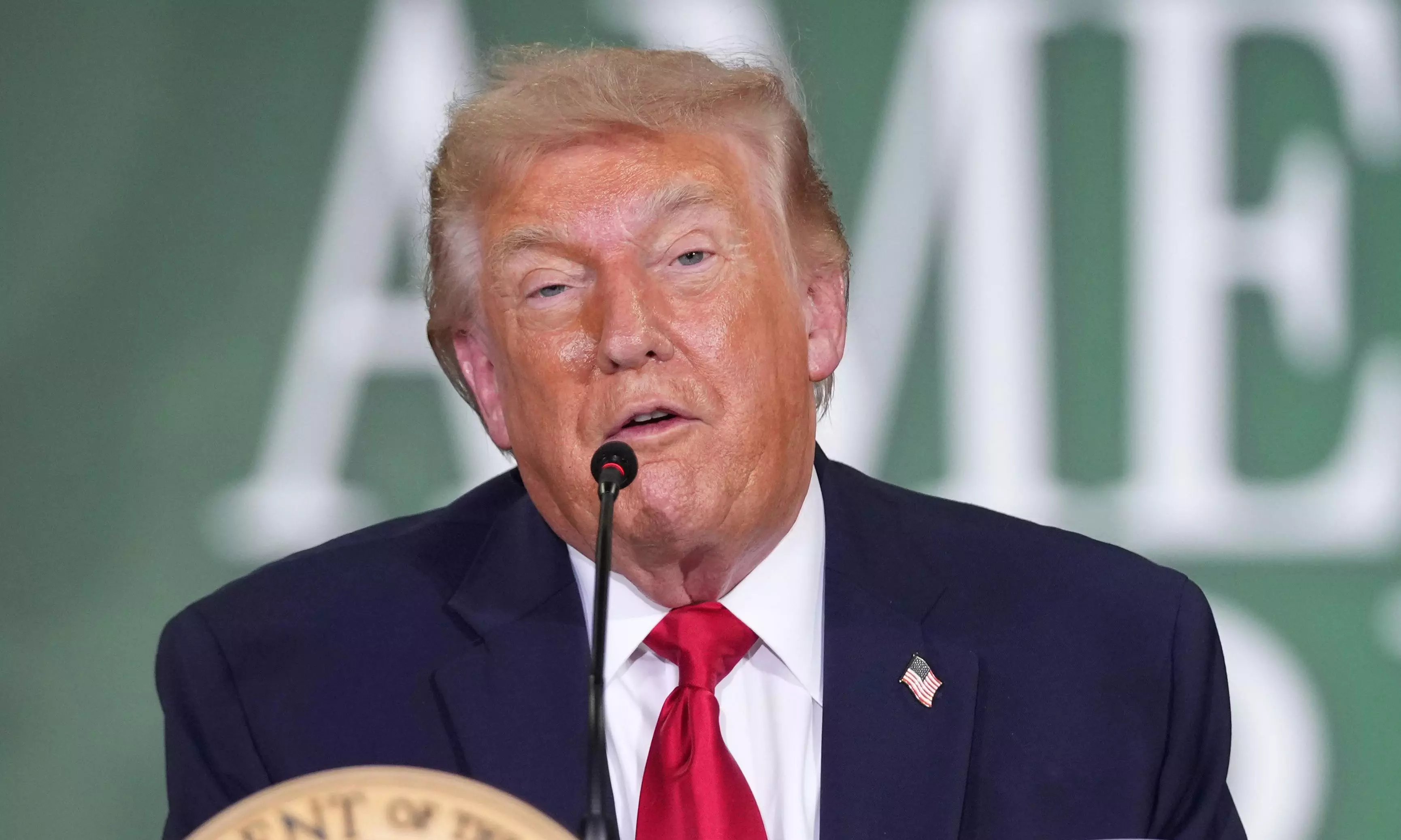
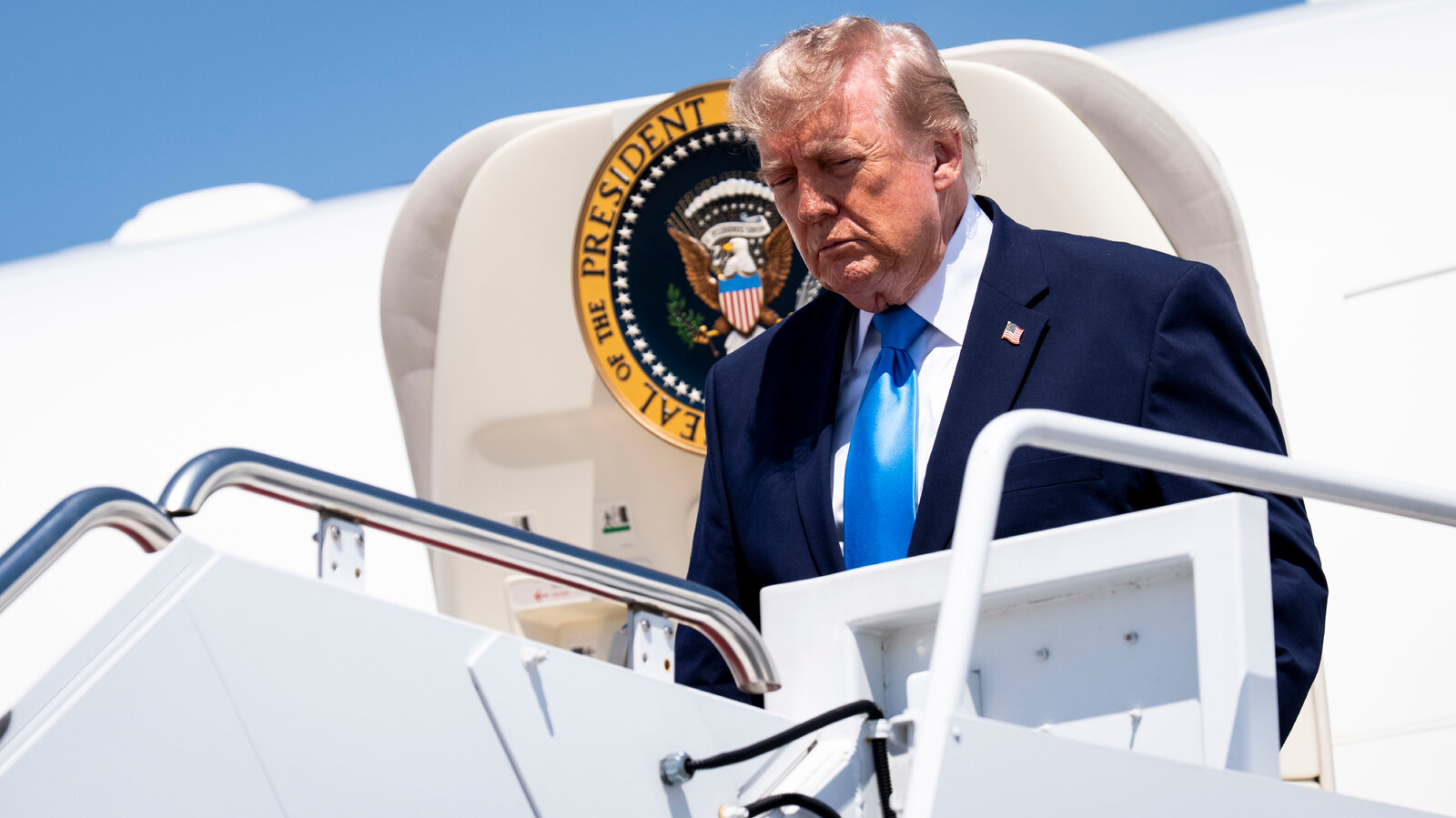
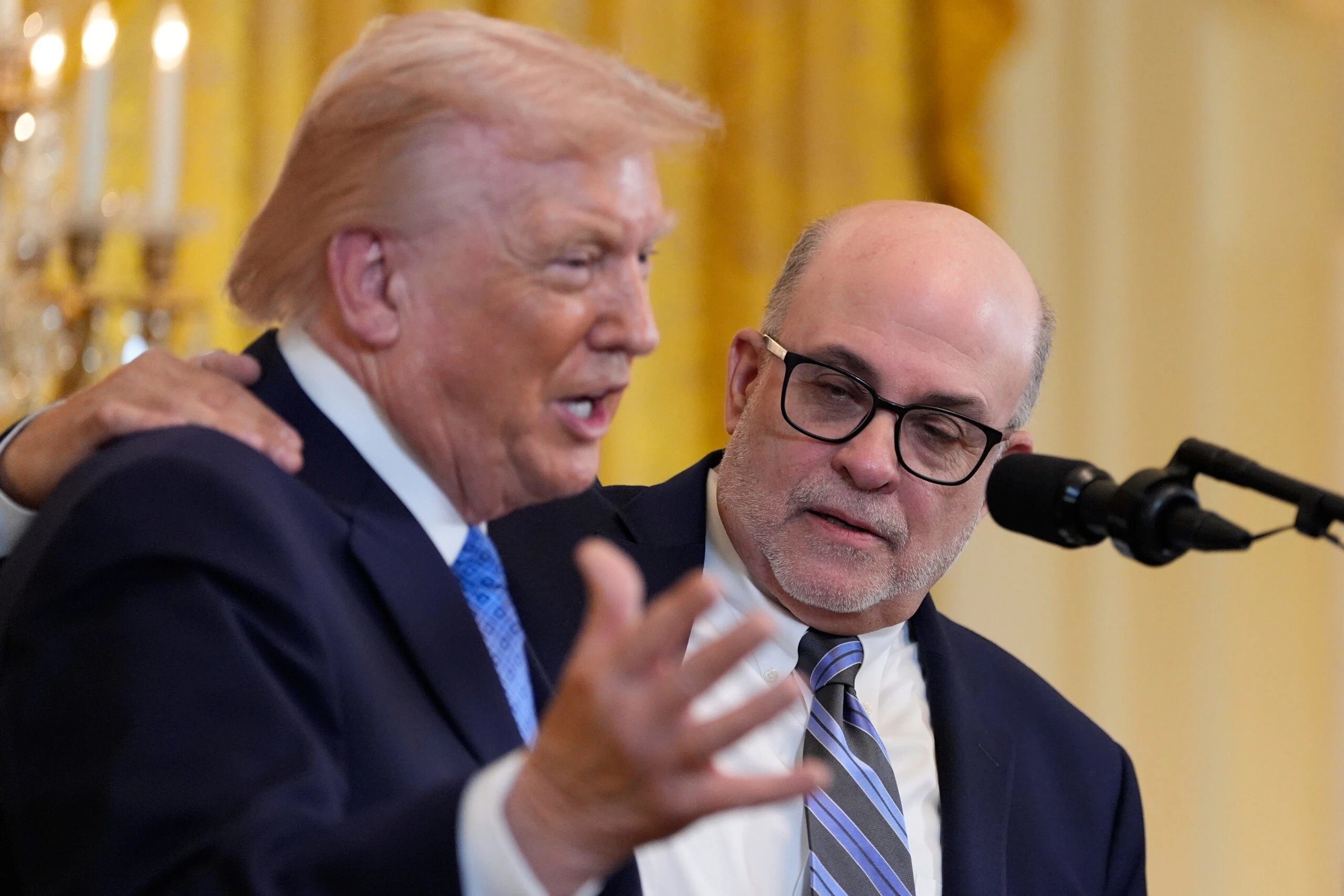
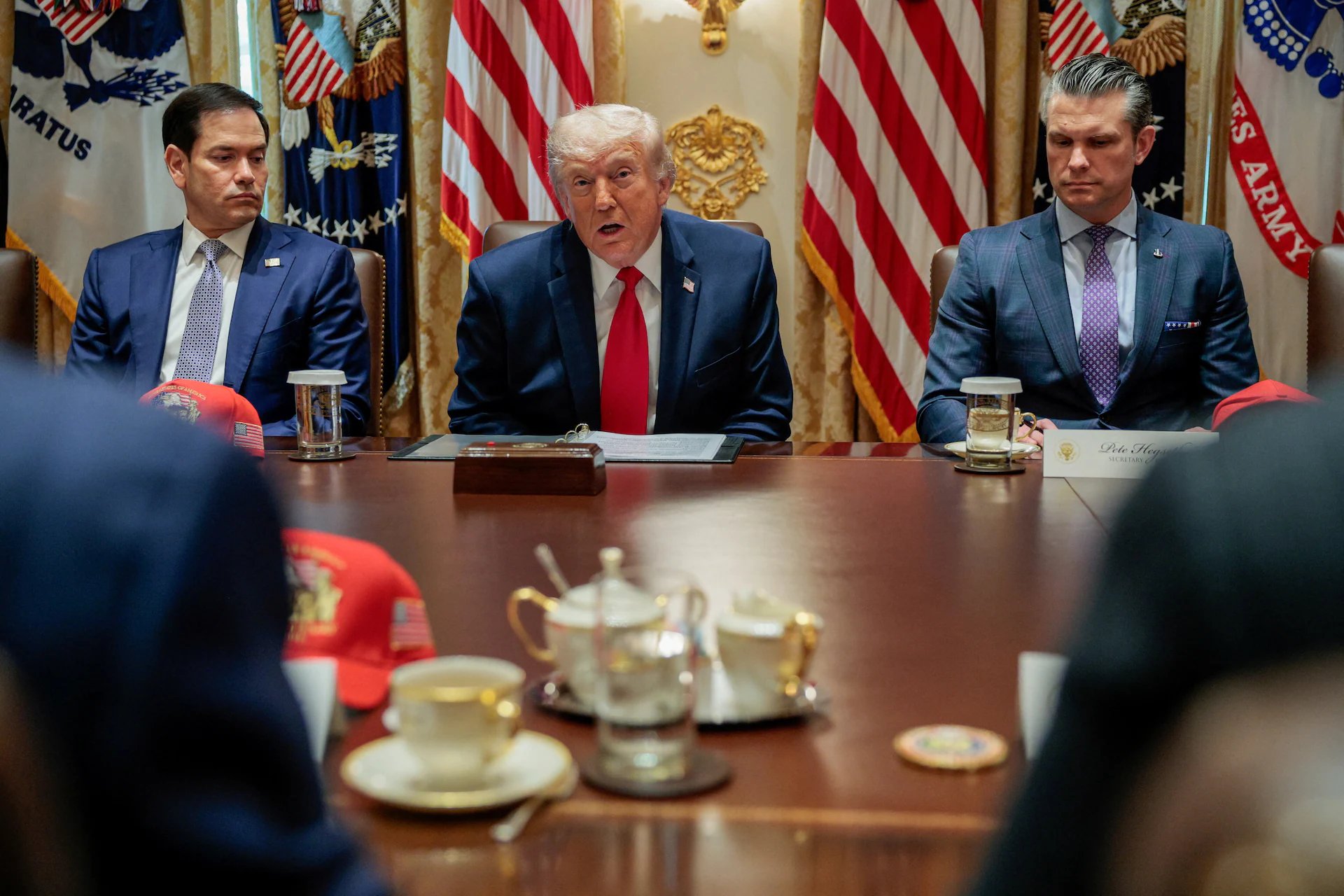
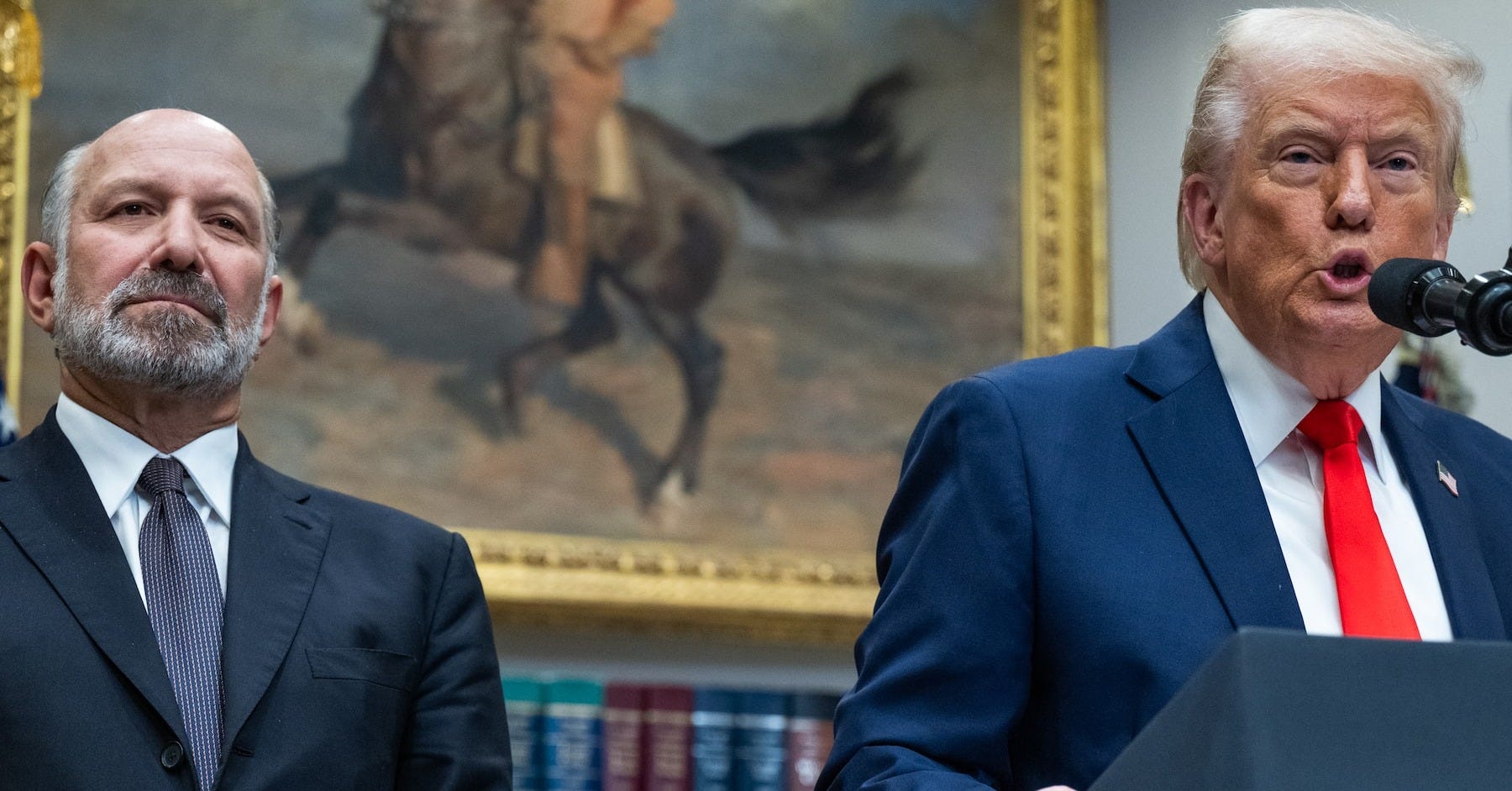
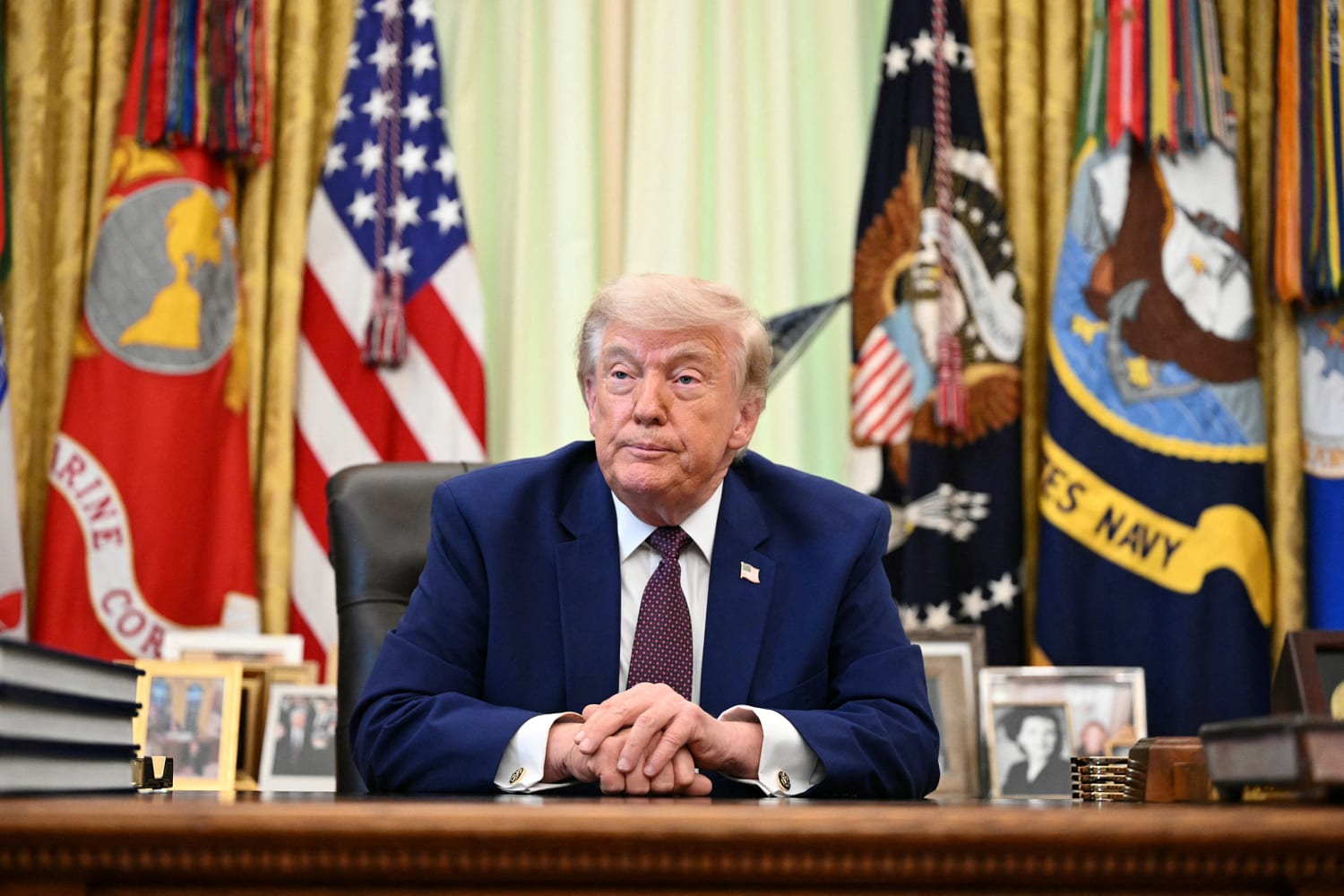
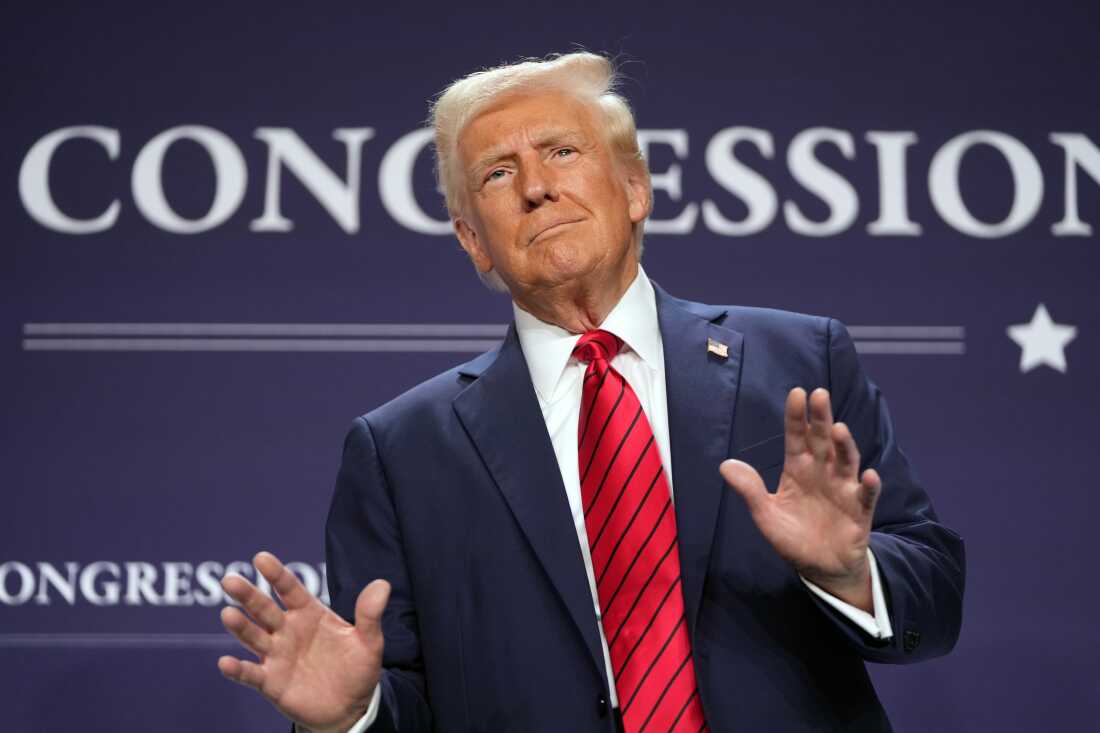
President Trump signed the memorandum of understanding Wednesday at a candlelit dinner outside Paris during the G7 summit, while Iranian President Masoud Pezeshkian signed remotely. Pakistani Prime Minister Shebhaz Sharif, who helped mediate talks, confirmed that Iran would instantly reopen the Strait of Hormuz and the United States would immediately lift its naval blockade.
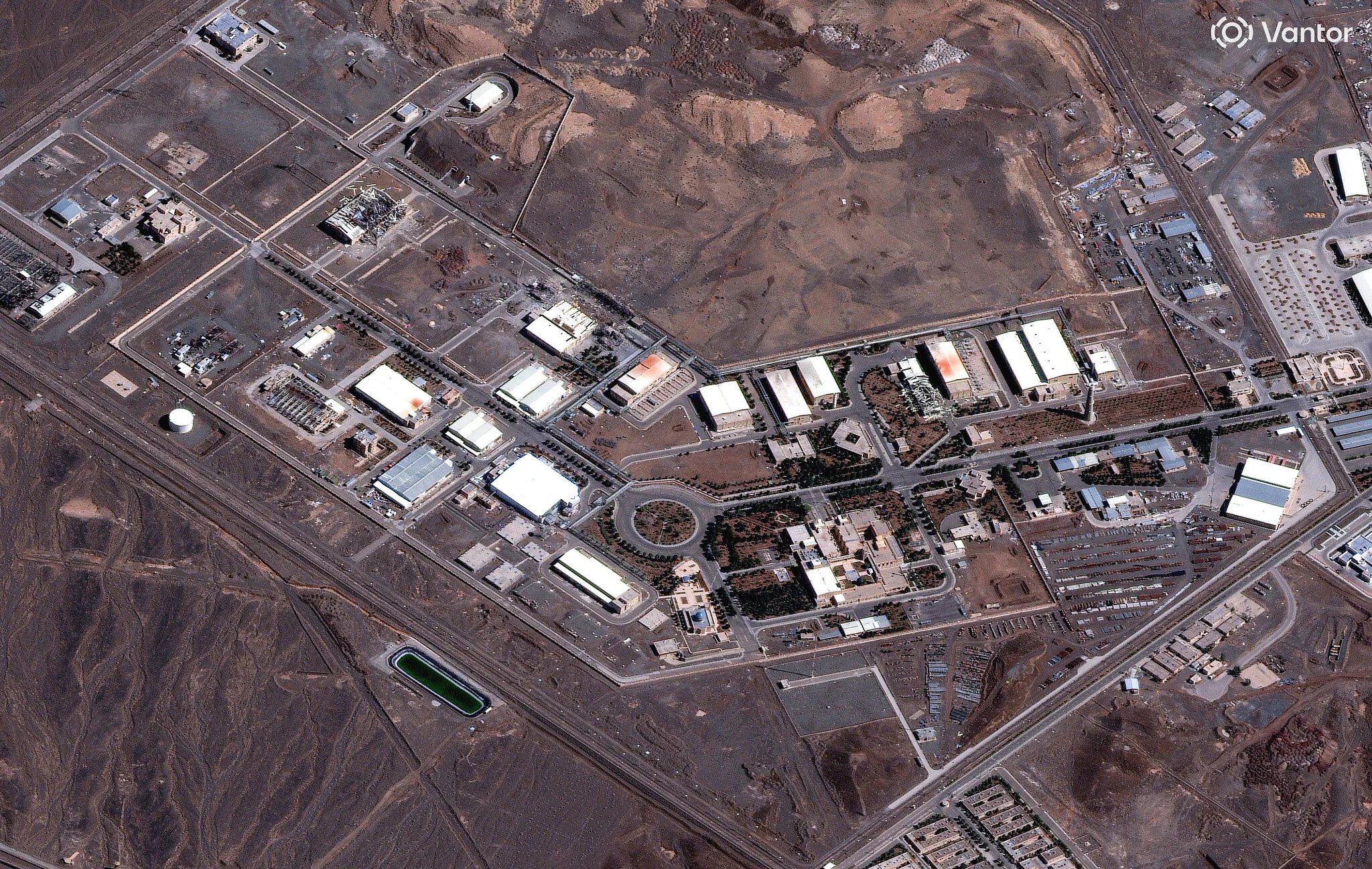
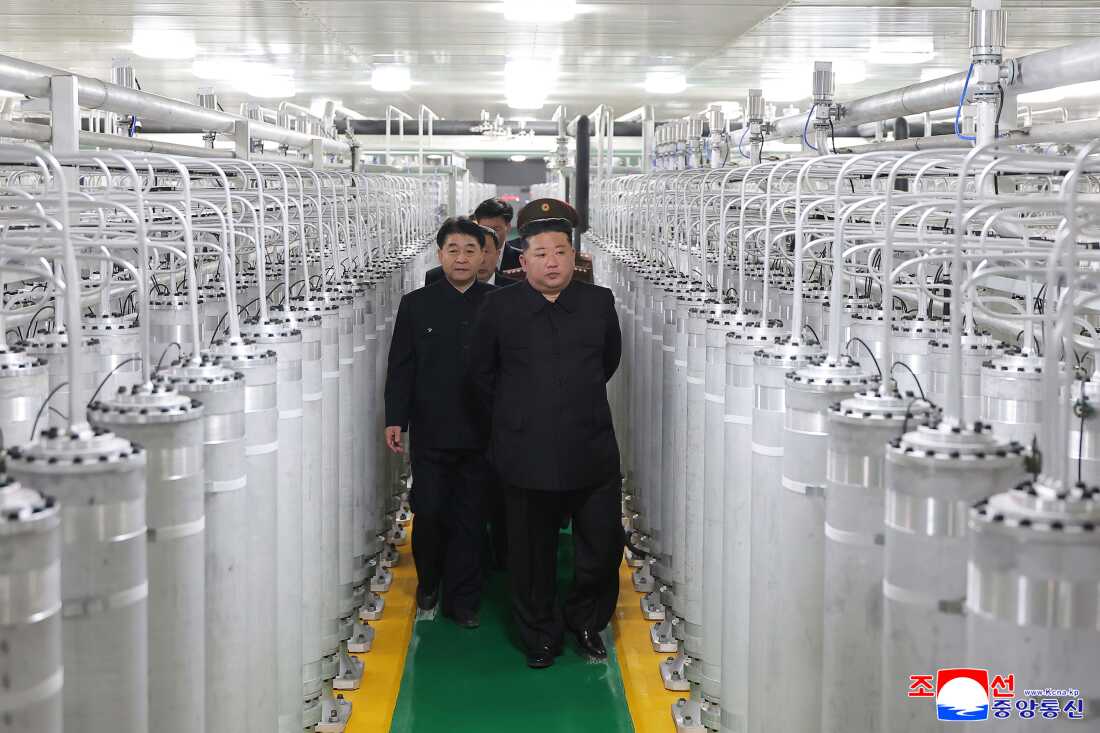
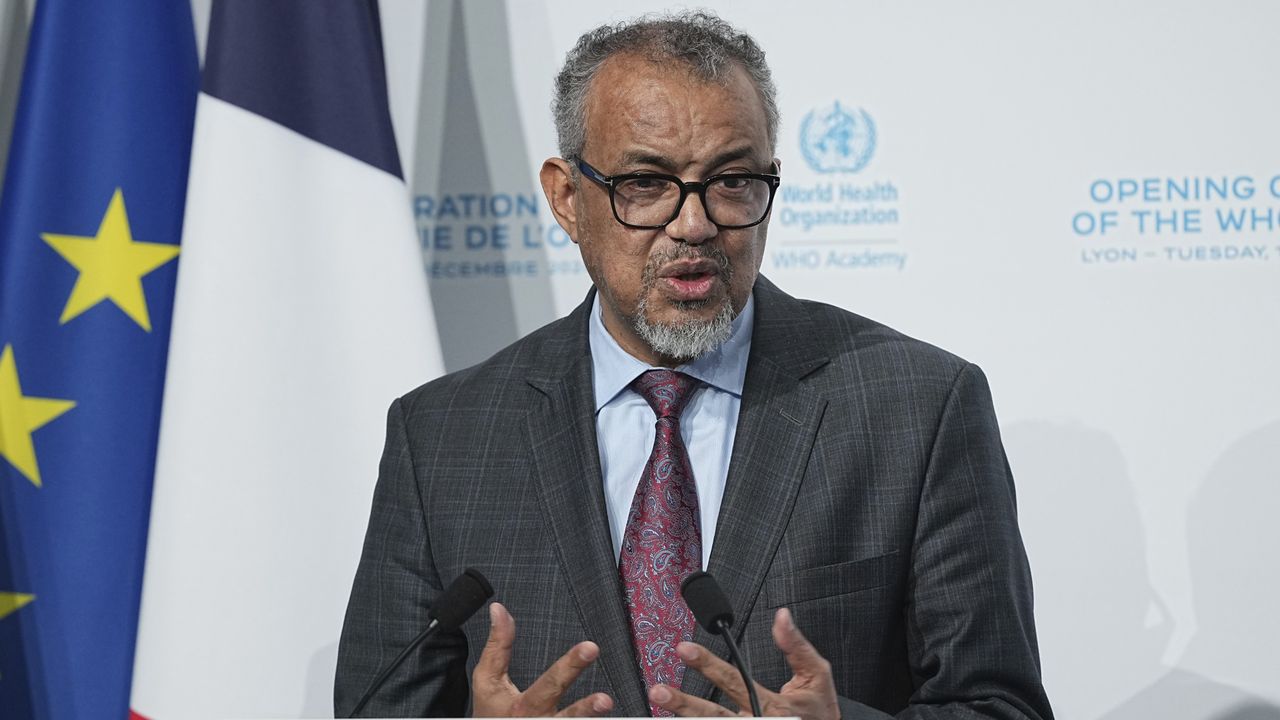
The agreement commits Iran to "downblending" its stockpile of highly enriched uranium under supervision of the International Atomic Energy Agency. A senior U.S. official called this a "significant concession" by Iran. However, the text falls short of Trump's stated goal of ensuring Iran never develops nuclear weapons. Instead, the deal jumpstarts a 60-day scramble for negotiators to achieve a lasting nuclear pact, a timeline far shorter than the 20 months it took the Obama administration to reach the original Iran nuclear deal.
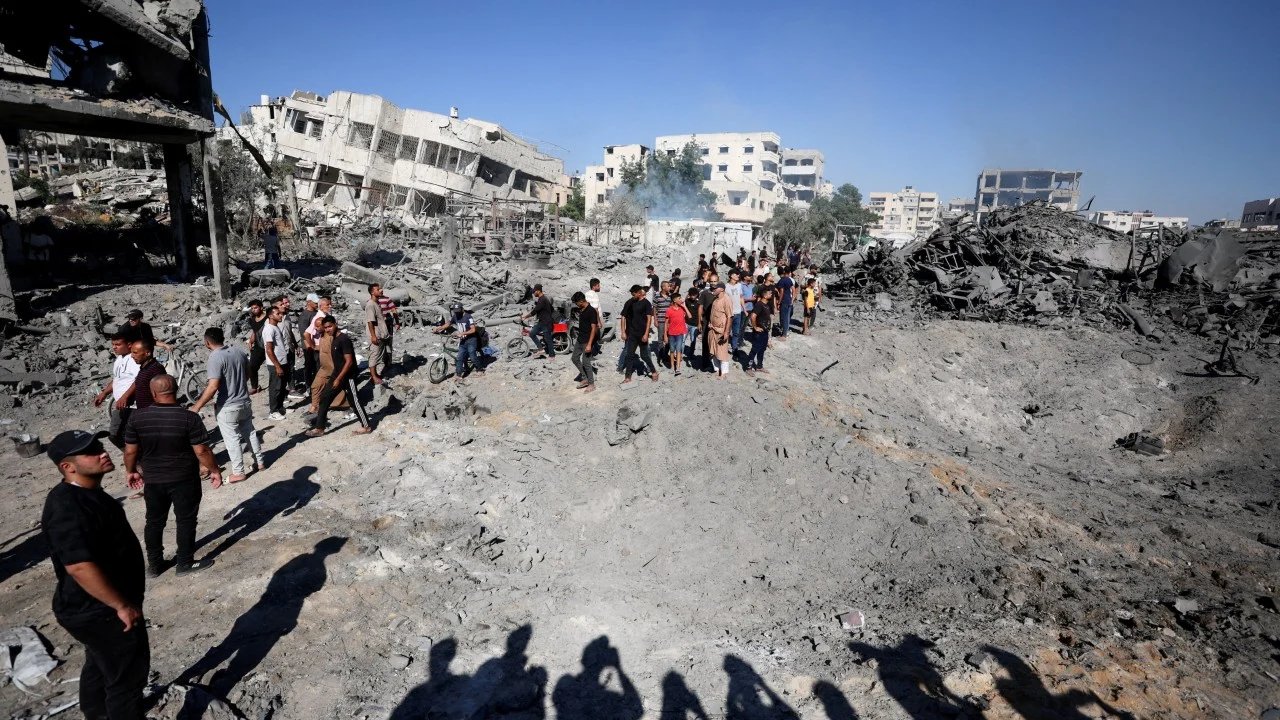
The U.S. will work "with regional partners to develop a definitive mutually agreed plan with at least USD $300 billion" for Iran's reconstruction. A senior U.S. official said the deal does not commit the U.S. to paying Iran directly, though the agreement's language appears to leave that door open for future negotiated settlements.
Unresolved Questions About Implementation
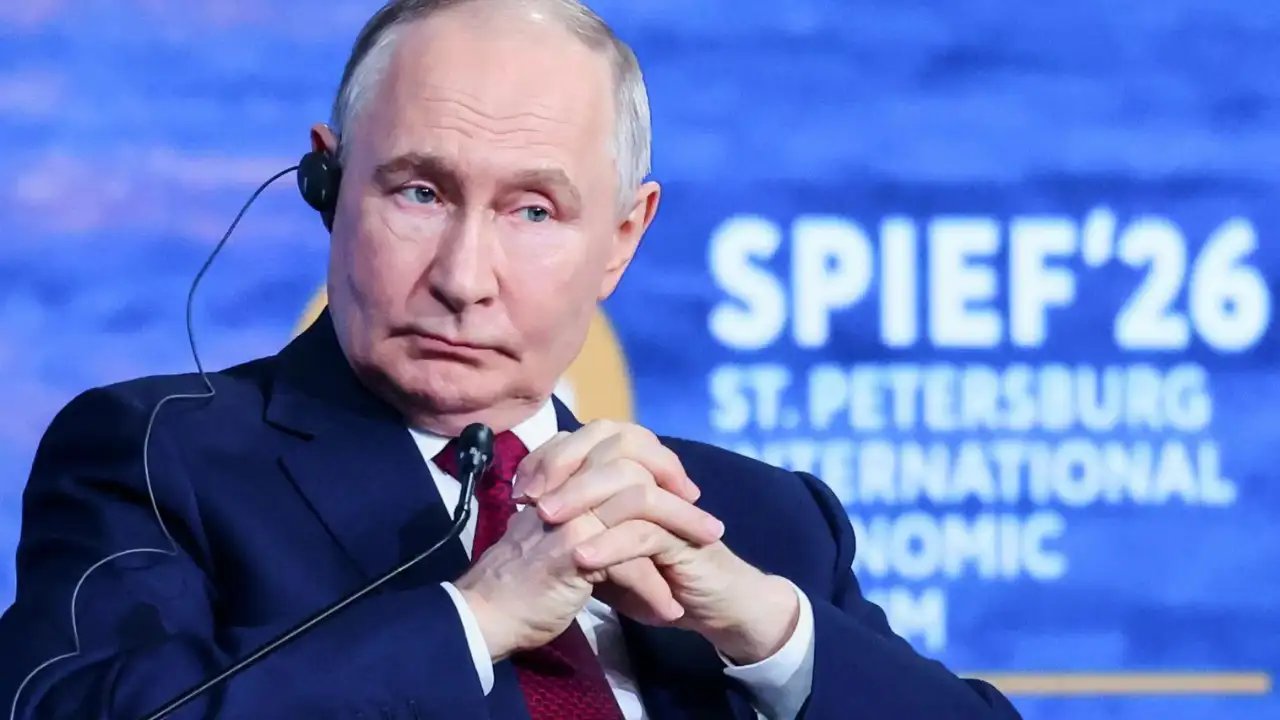
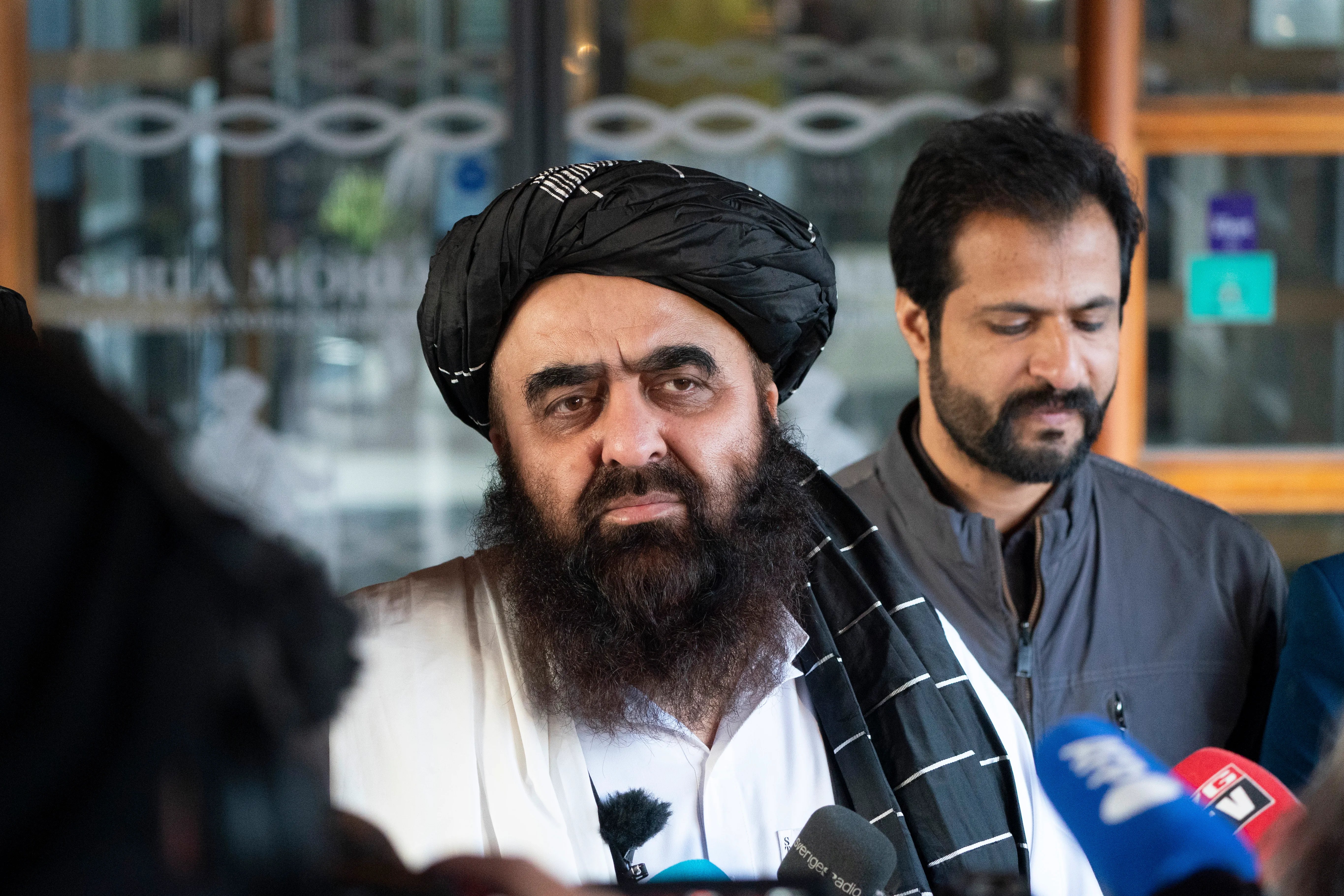
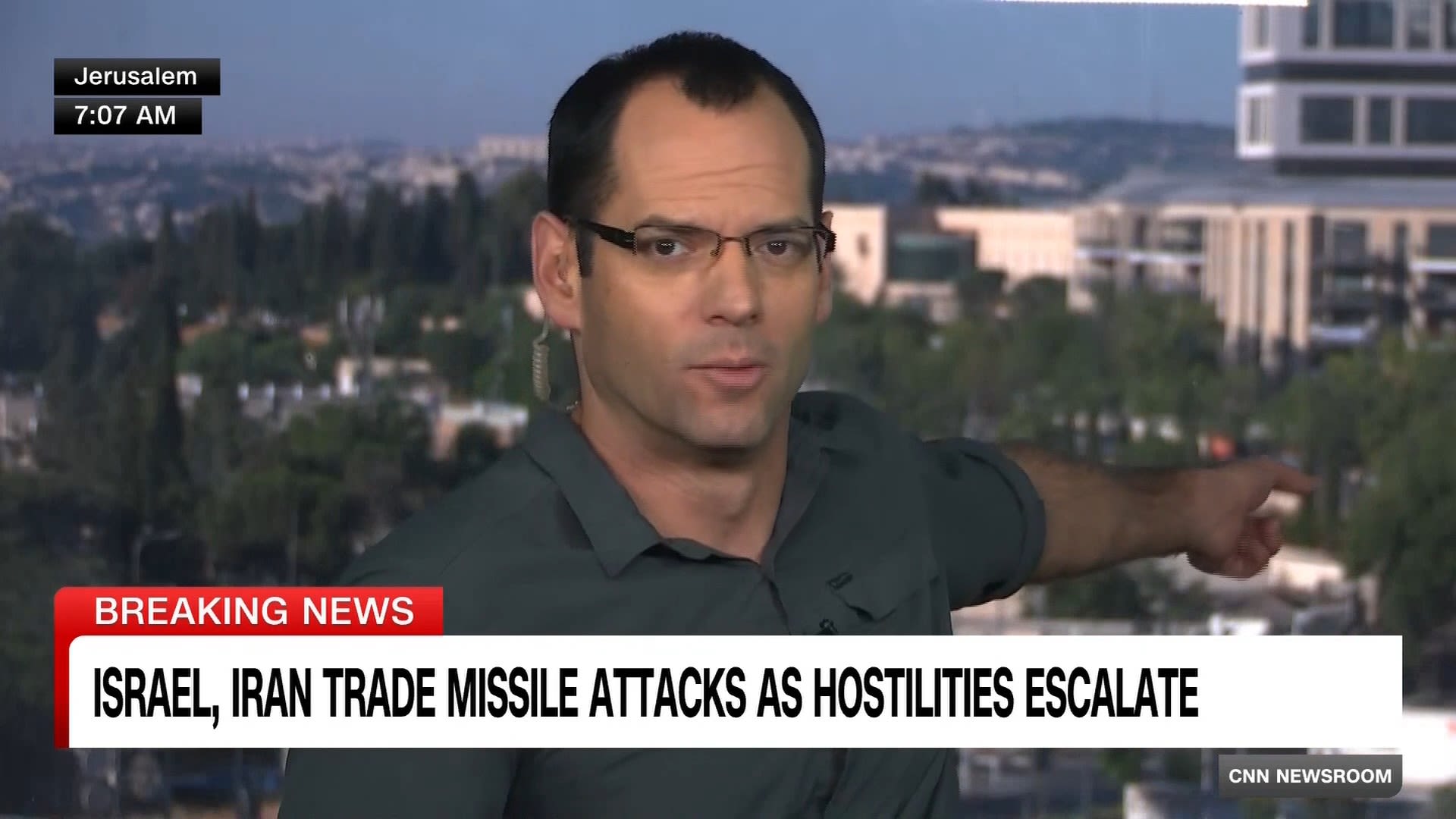
Iran's Foreign Minister Esmail Baqaei said Thursday that the next phase will prove more difficult than reaching the memorandum itself. "Our work is now more difficult than before, because implementing international agreements is always far more difficult than drafting them," Baqaei said in a statement published by Iran's state broadcaster IRIB.
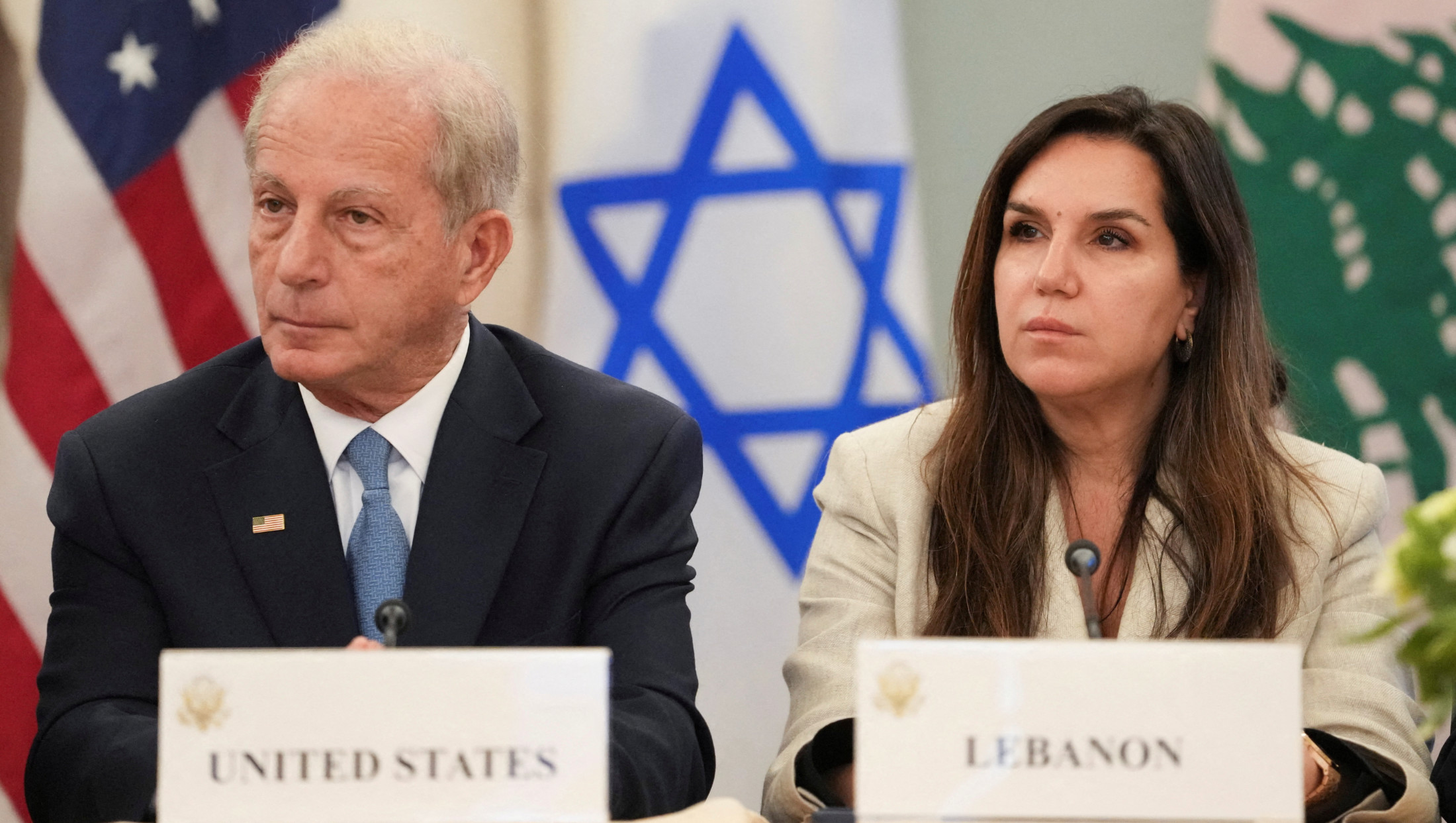
Switzerland's government confirmed Thursday that initial negotiations would begin Friday at the Burgenstock luxury hotel complex near Lucerne, with the United States, Iran, mediators Pakistan and Qatar, and other involved countries participating.
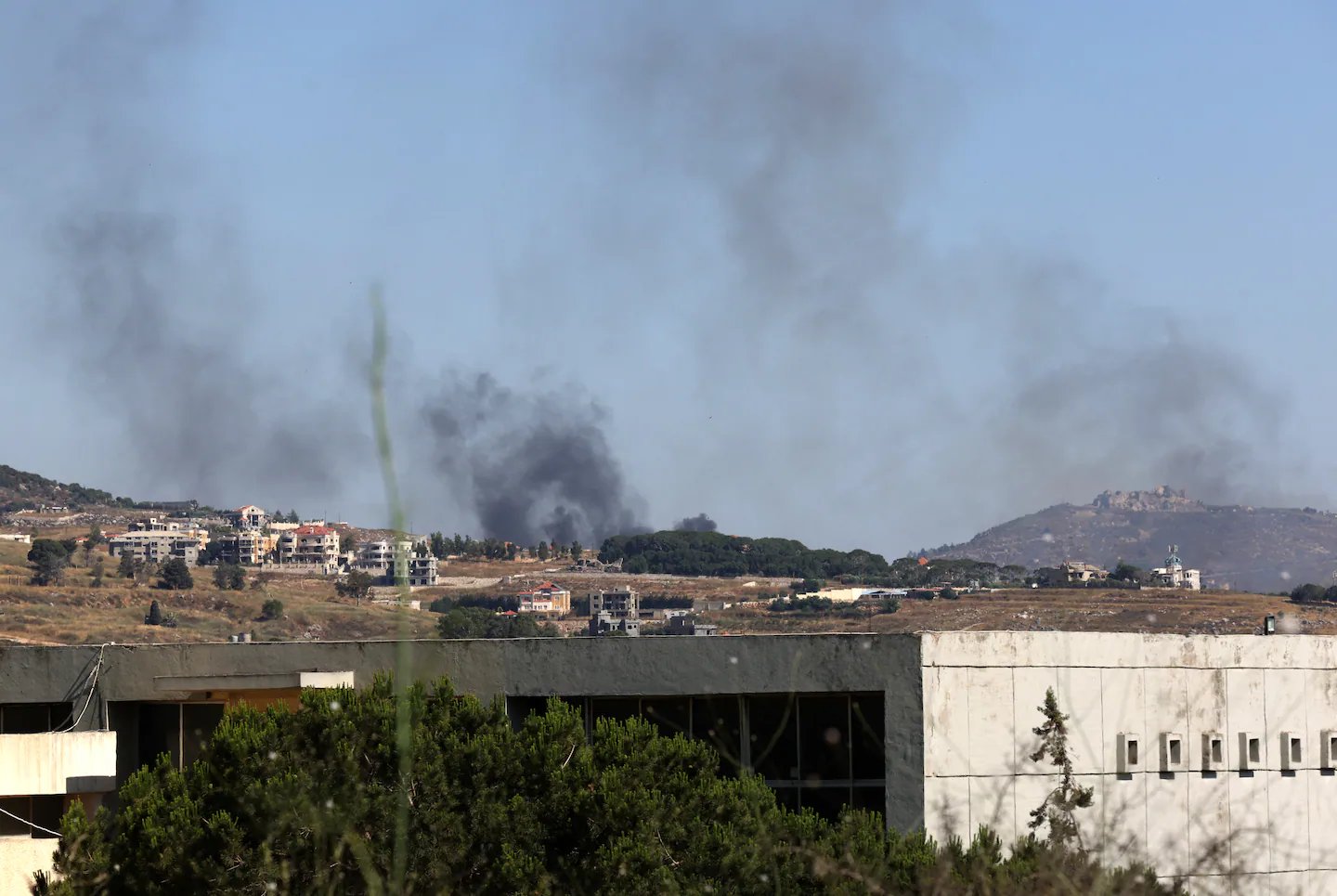
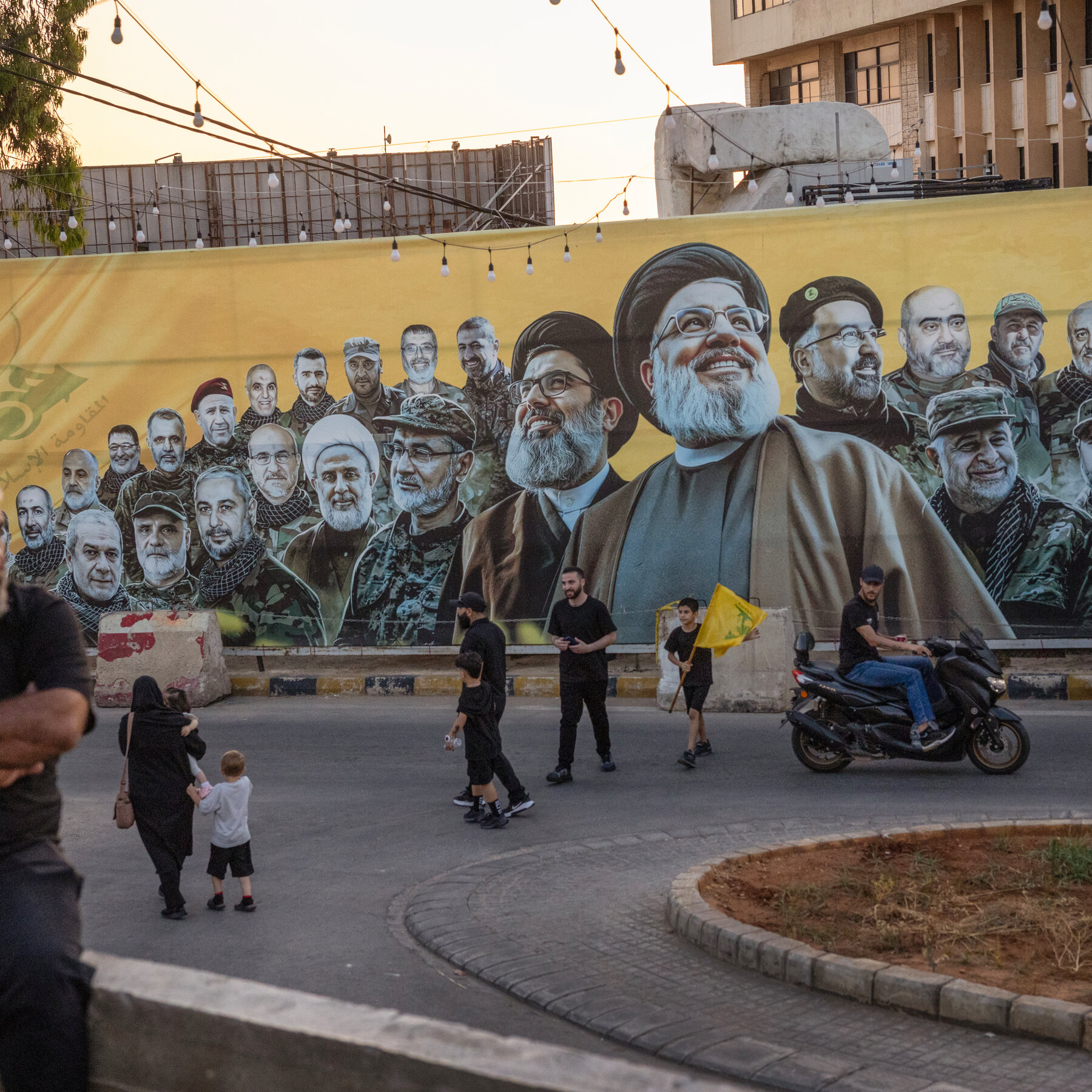
The deal does not address Iran's ballistic missile program in detail, another issue Trump and Israeli Prime Minister Benjamin Netanyahu said was a priority at the start of the war. Hezbollah, the Iranian-backed militia group, receives only minimal mention in the agreement, leaving unclear whether Iran will face pressure to drop support for regional proxy groups during the next round of talks.
Congressional Democrats Demand Full Disclosure
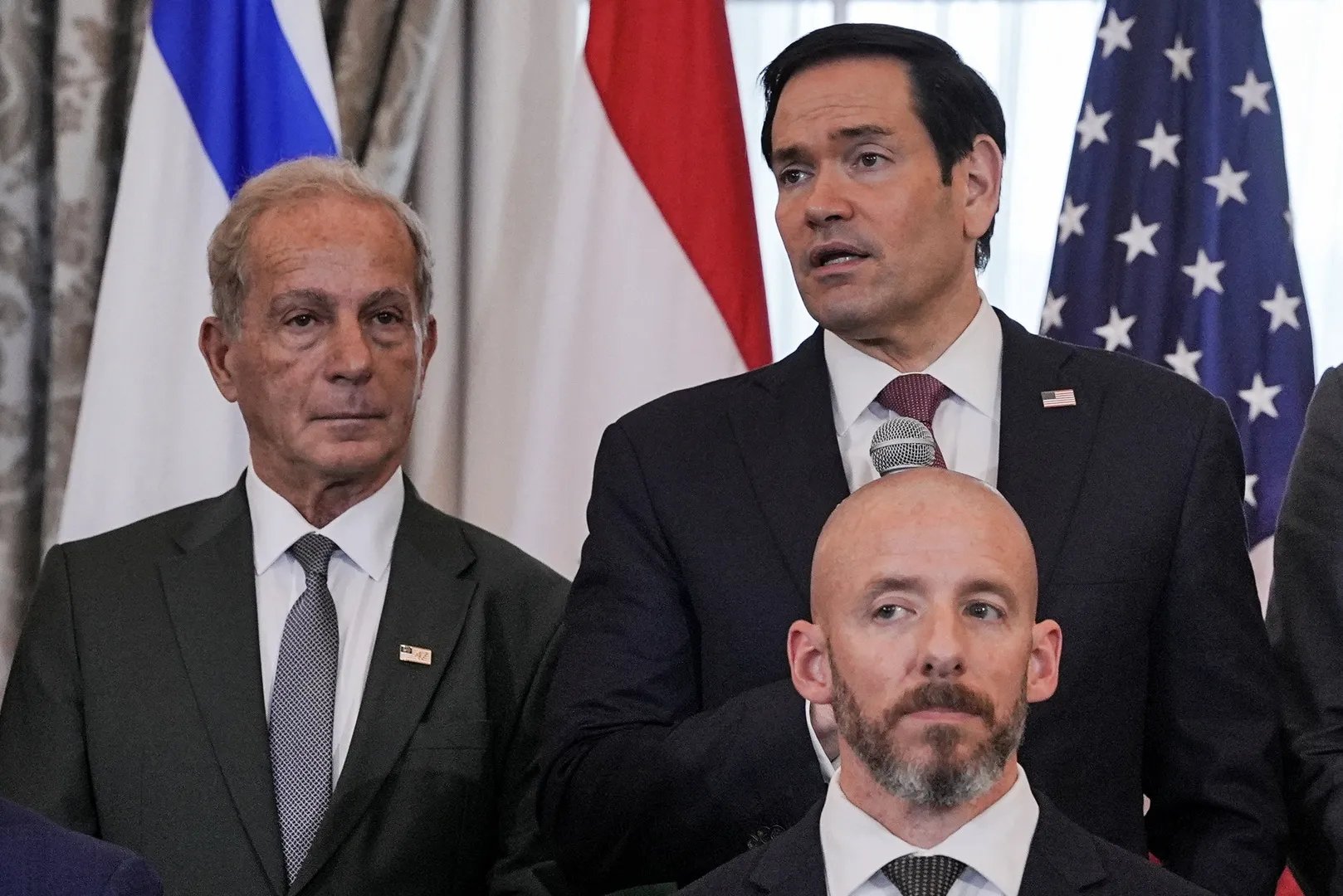
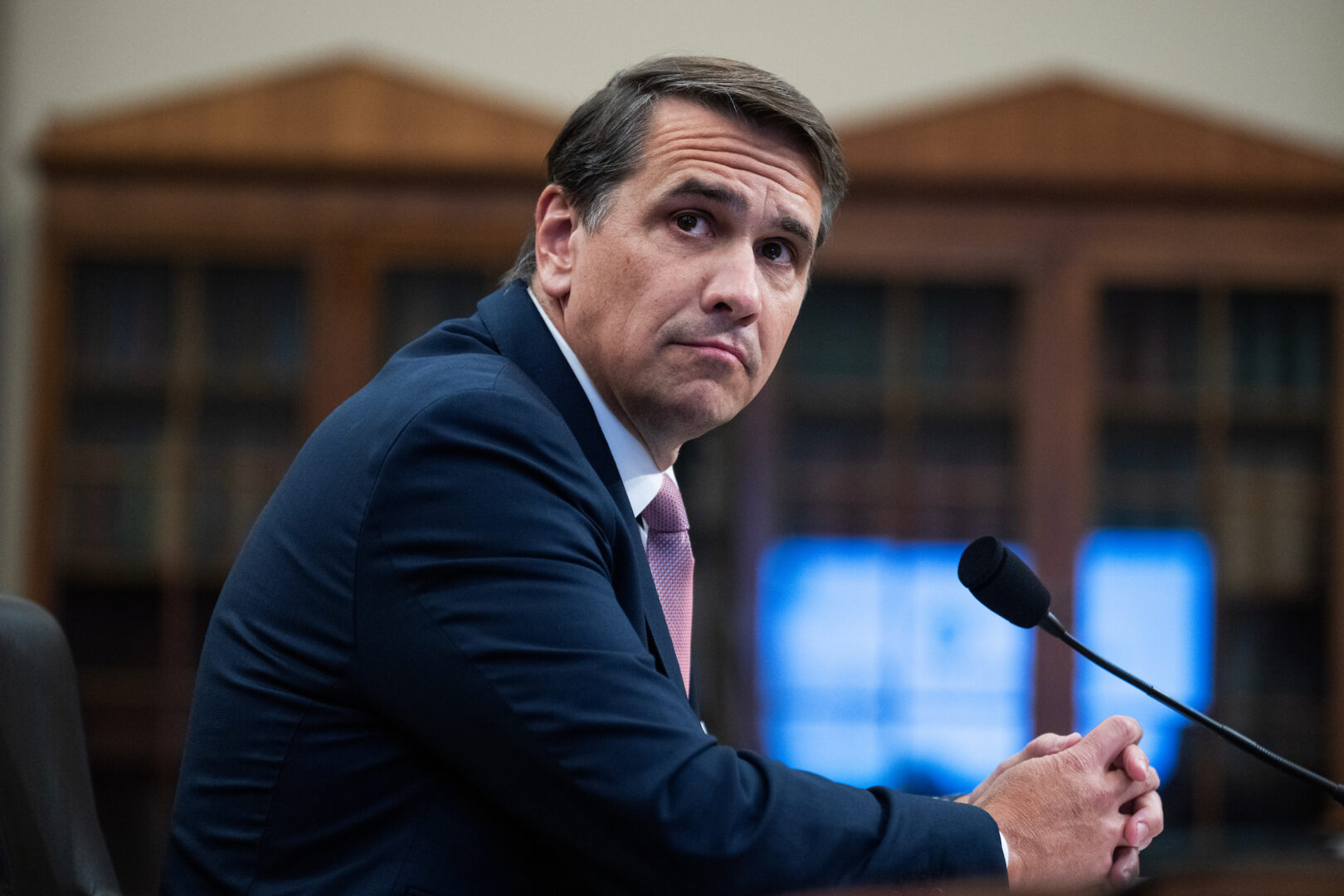
Reps. Greg Meeks of New York, Jim Himes of Connecticut, and Adam Smith of Washington—the ranking members of the Foreign Affairs, Intelligence, and Armed Services Committees—demanded an "immediate" briefing from Secretary of State Marco Rubio when Congress returns to Washington. "For more than 15 weeks, the Administration left Congress and the American people in the dark about a war of choice that has proved to be a strategic failure and inflicted real costs on Americans," the three lawmakers wrote in a three-page letter.
They requested the full text of the memorandum, any side agreements, and detailed information on the administration's strategy for negotiating a future agreement. The lawmakers also asked about enforcement mechanisms for the deal and whether limitations would be placed on Iran's support for proxy militias or its ballistic missile program.
State Department spokesperson Tommy Pigott told reporters that "the Trump administration has routinely briefed Congress and provided transparent updates directly to the American people," adding that "President Trump's actions to prevent the Iranian regime from obtaining a nuclear weapon have made us all safer."
Mines and Military Escorts Remain Obstacles
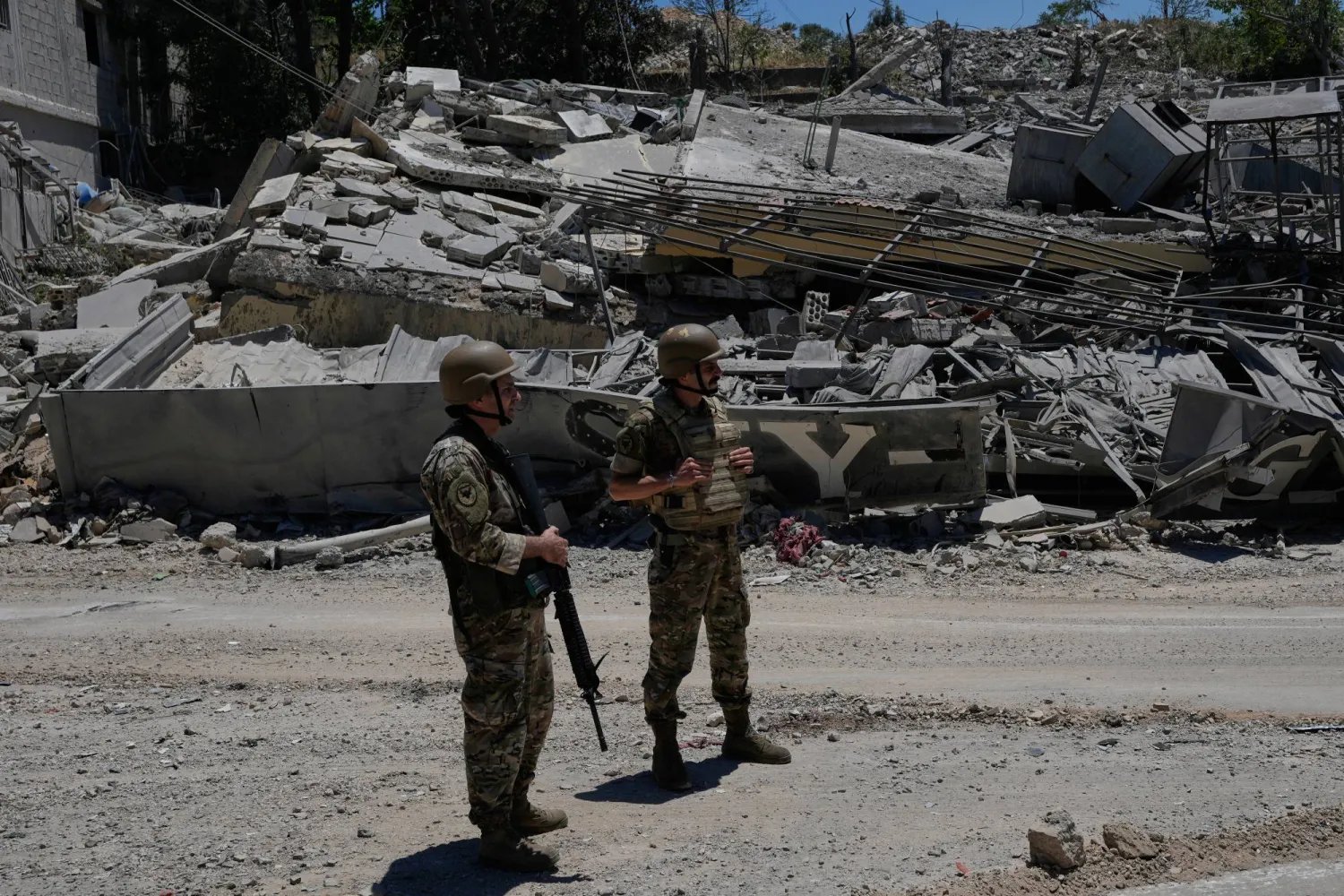
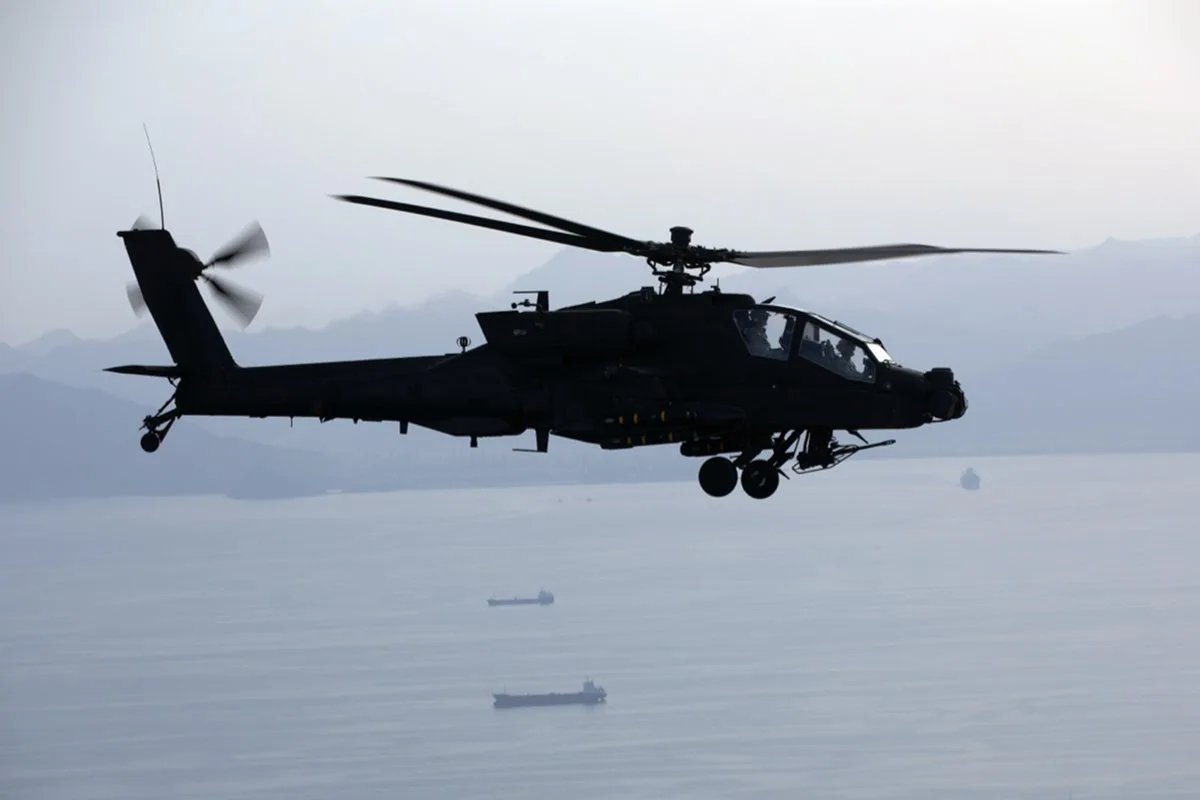
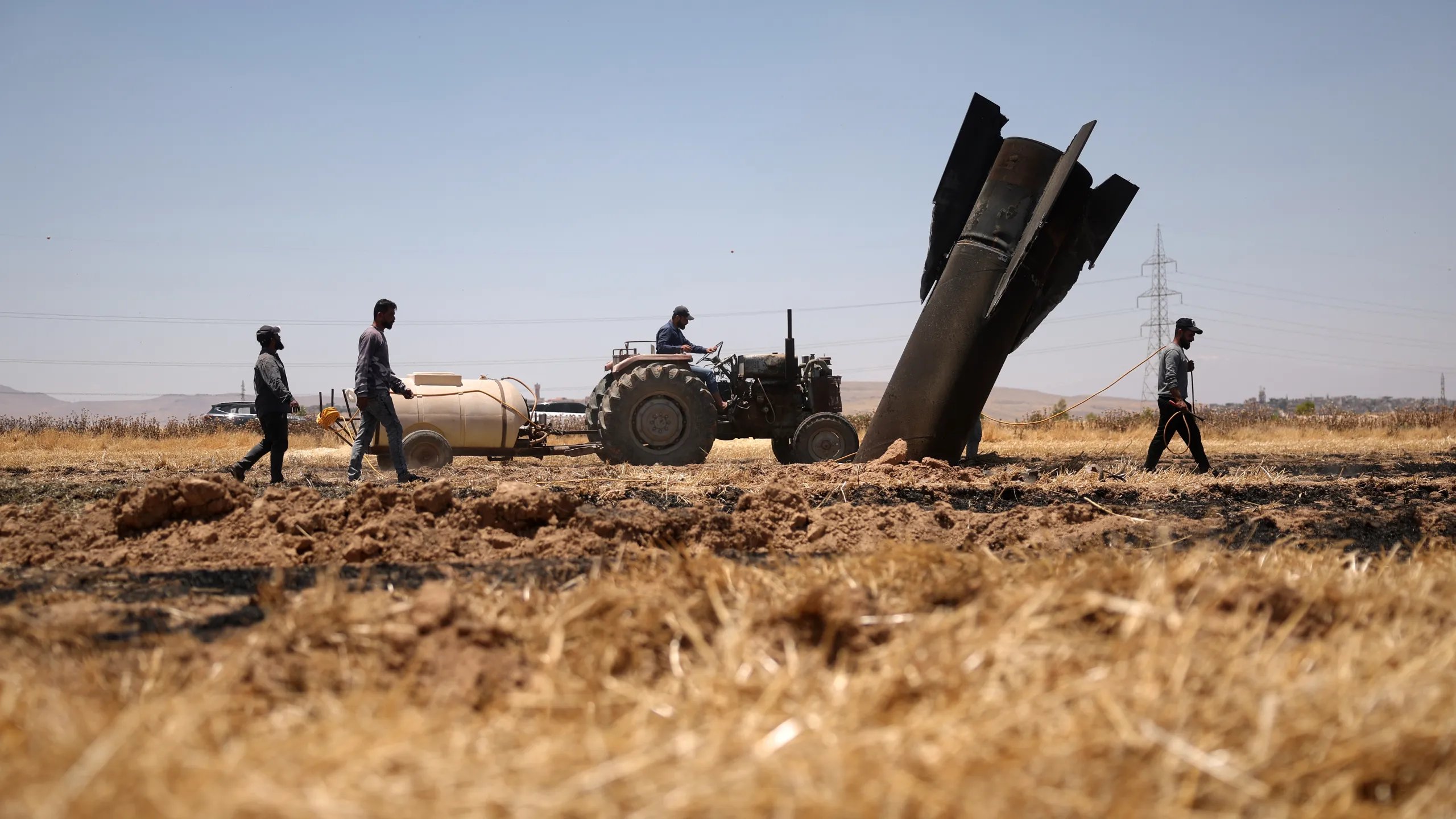
An estimated 5,000 mines placed in the Strait of Hormuz during the war are complicating plans to quickly return shipping to normal. President Trump said Monday the U.S. military was already "doing a little hunting for a couple of mines." Major shipping companies such as Maersk are likely to stop short of resuming normal operations in the near term amid lingering concerns about the waterway's security and the durability of the agreement, according to industry observers.
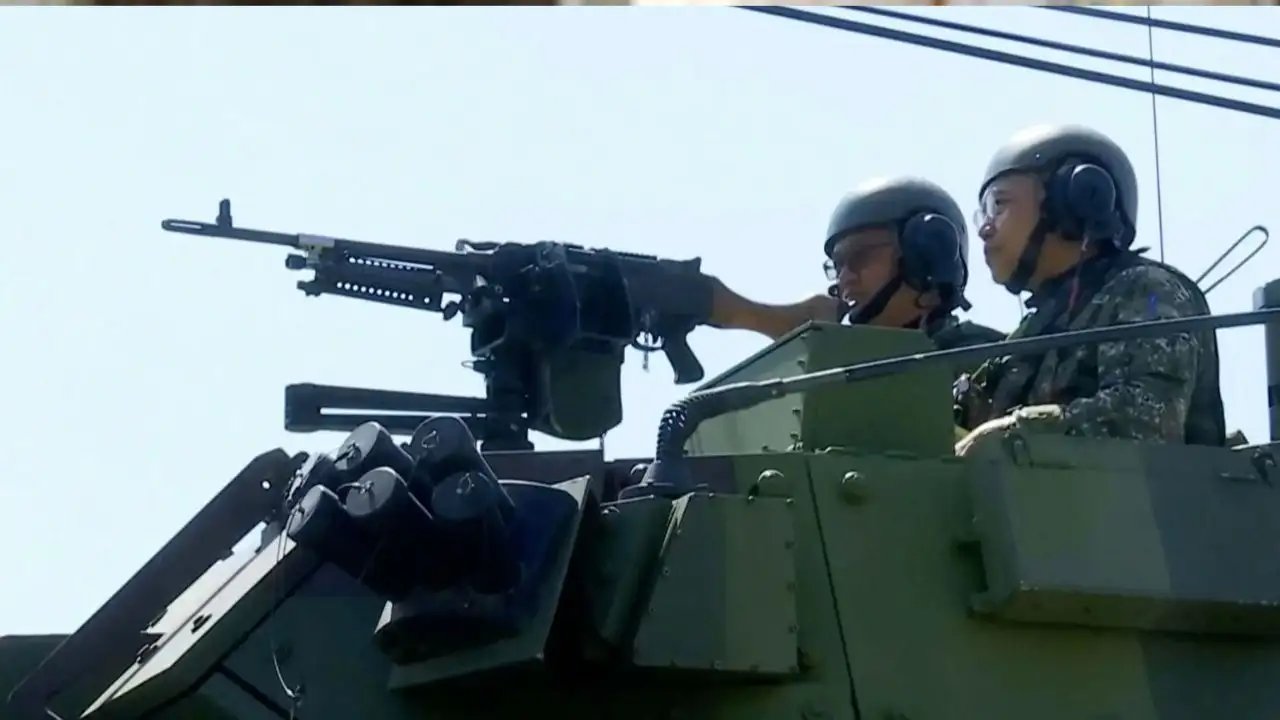
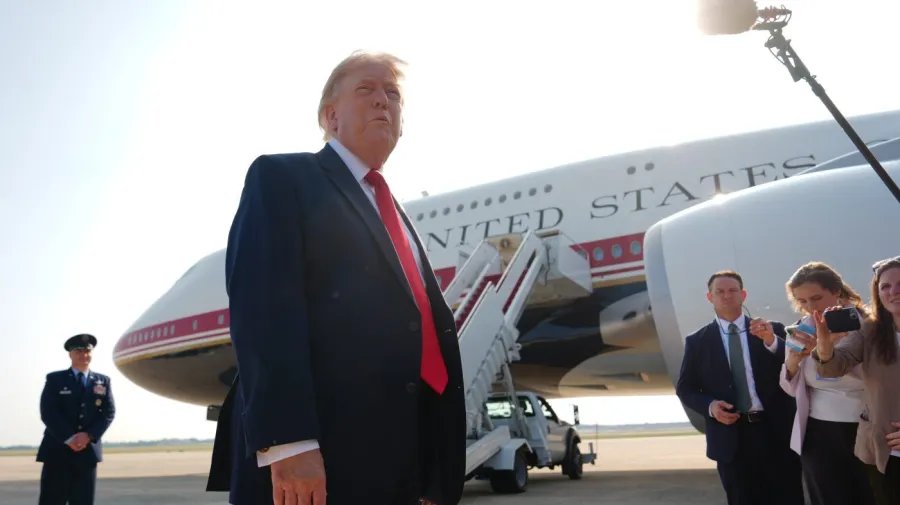
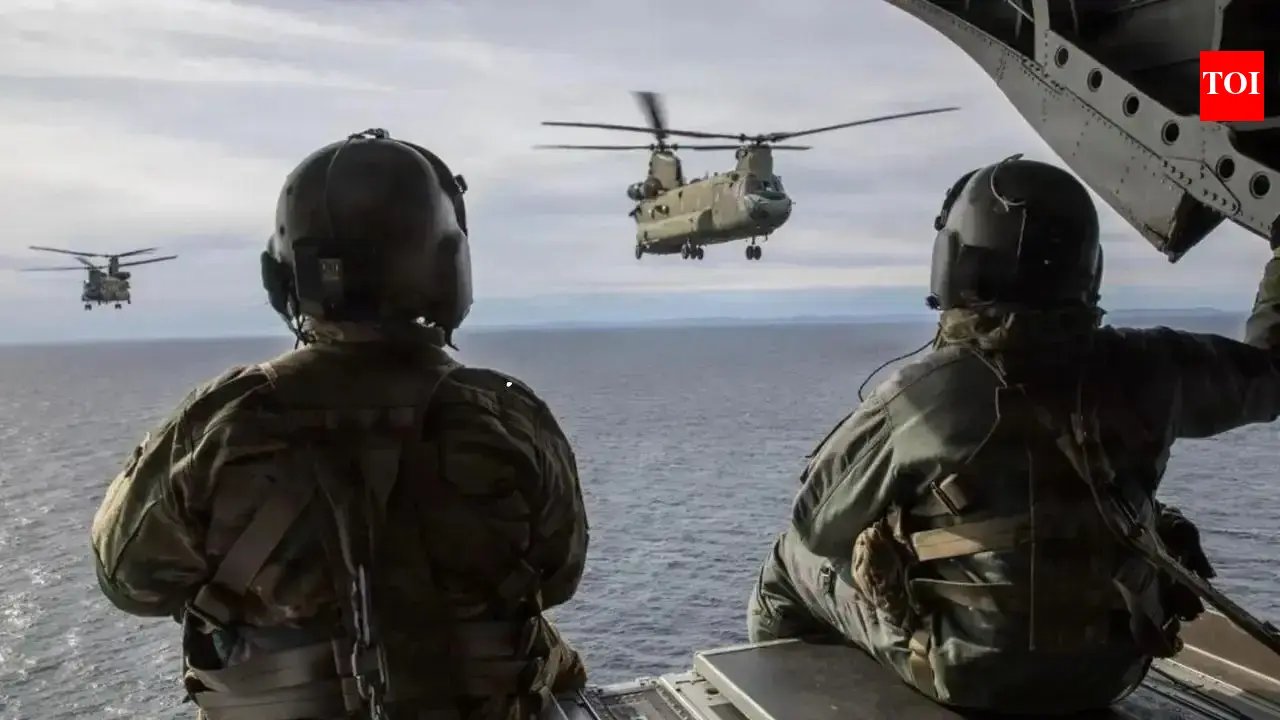
U.S. allies are proposing a naval mission for the strait that would aim to reassure crews and shipping insurers by removing explosive mines and potentially providing military escorts for vessels. Whether the deal leads to a final agreement remains uncertain. Trump himself sounded noncommittal at his G7 press conference, saying "If it doesn't get done in 60 days, it's all right. We go back to bombing."