





A Departing Prime Minister's Final Defense Gamble
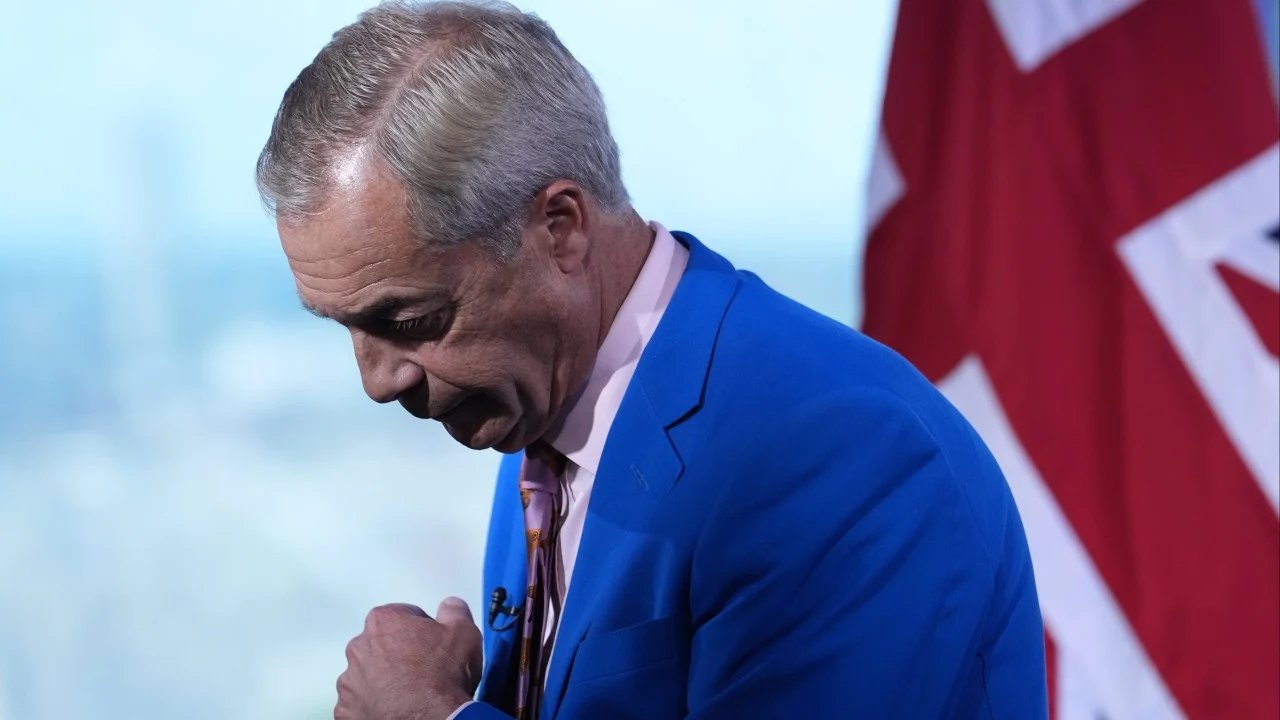
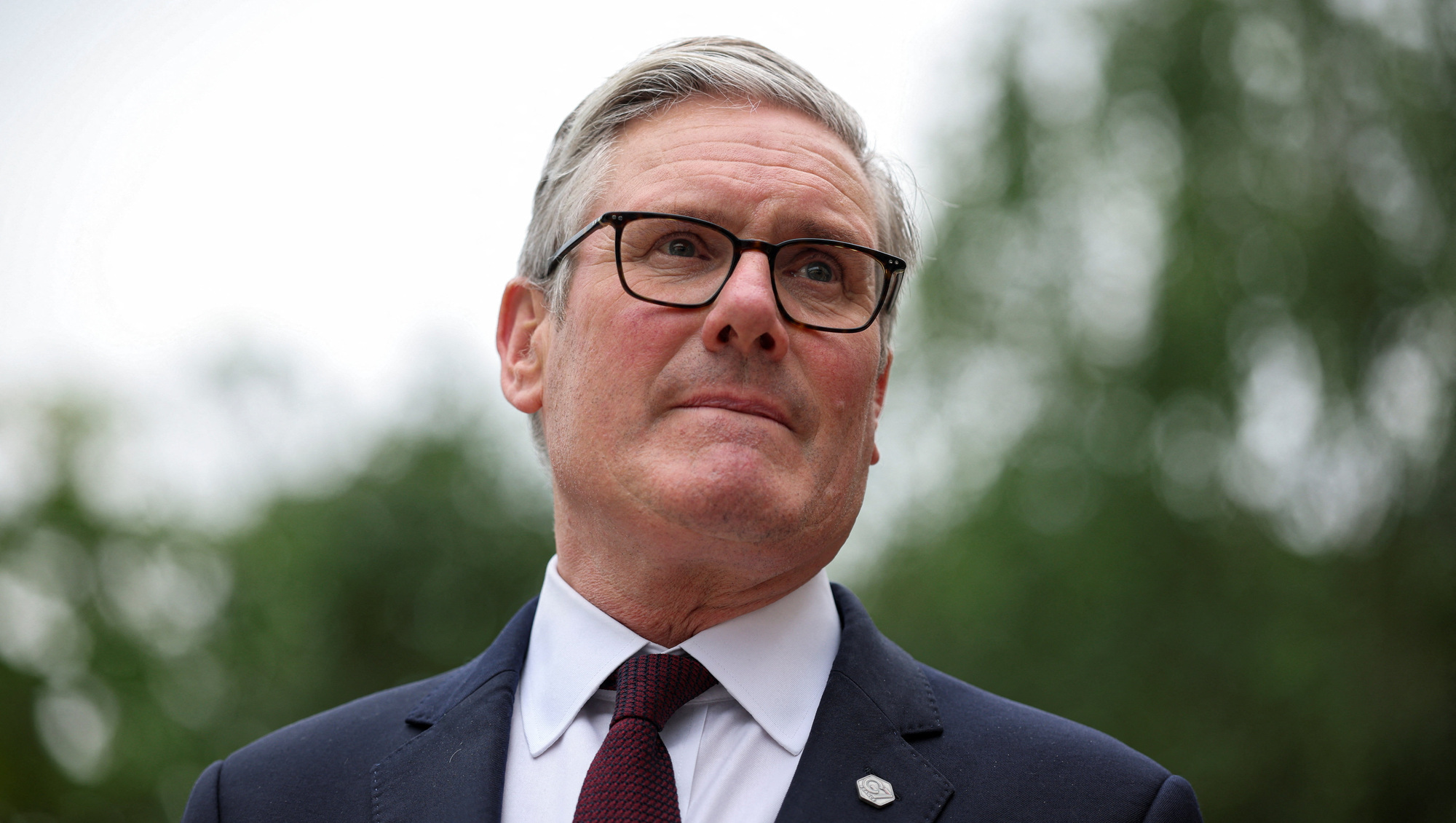
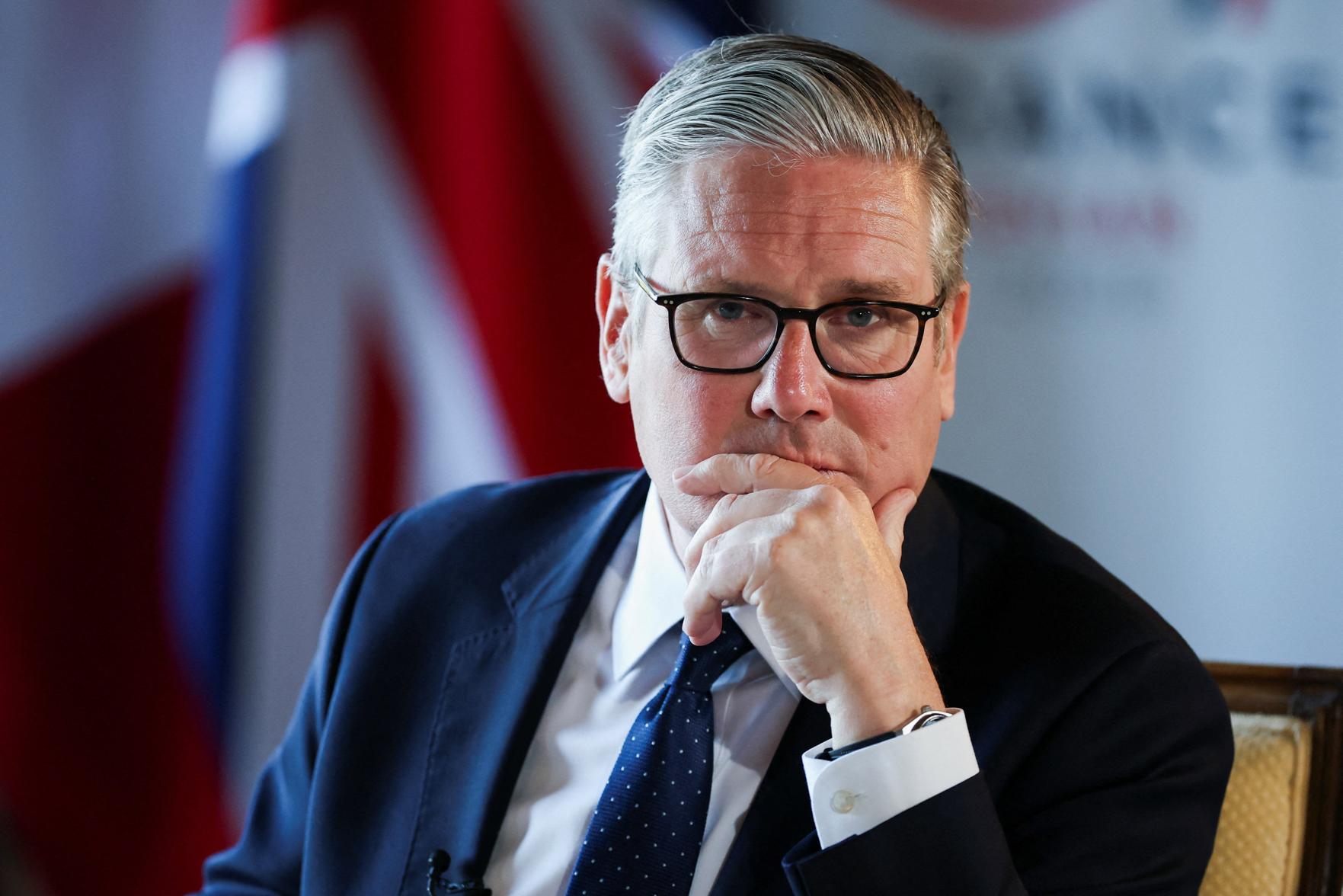
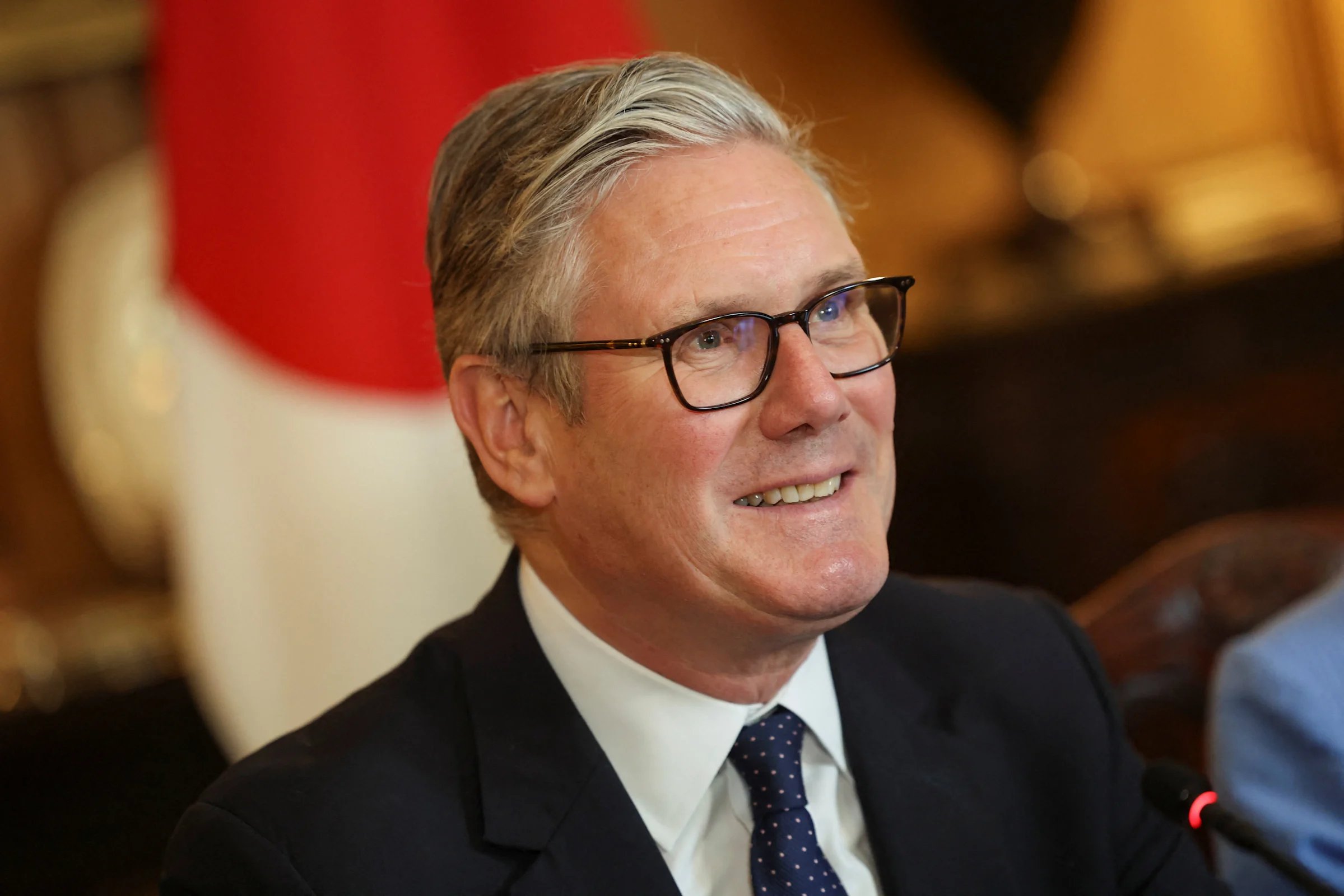
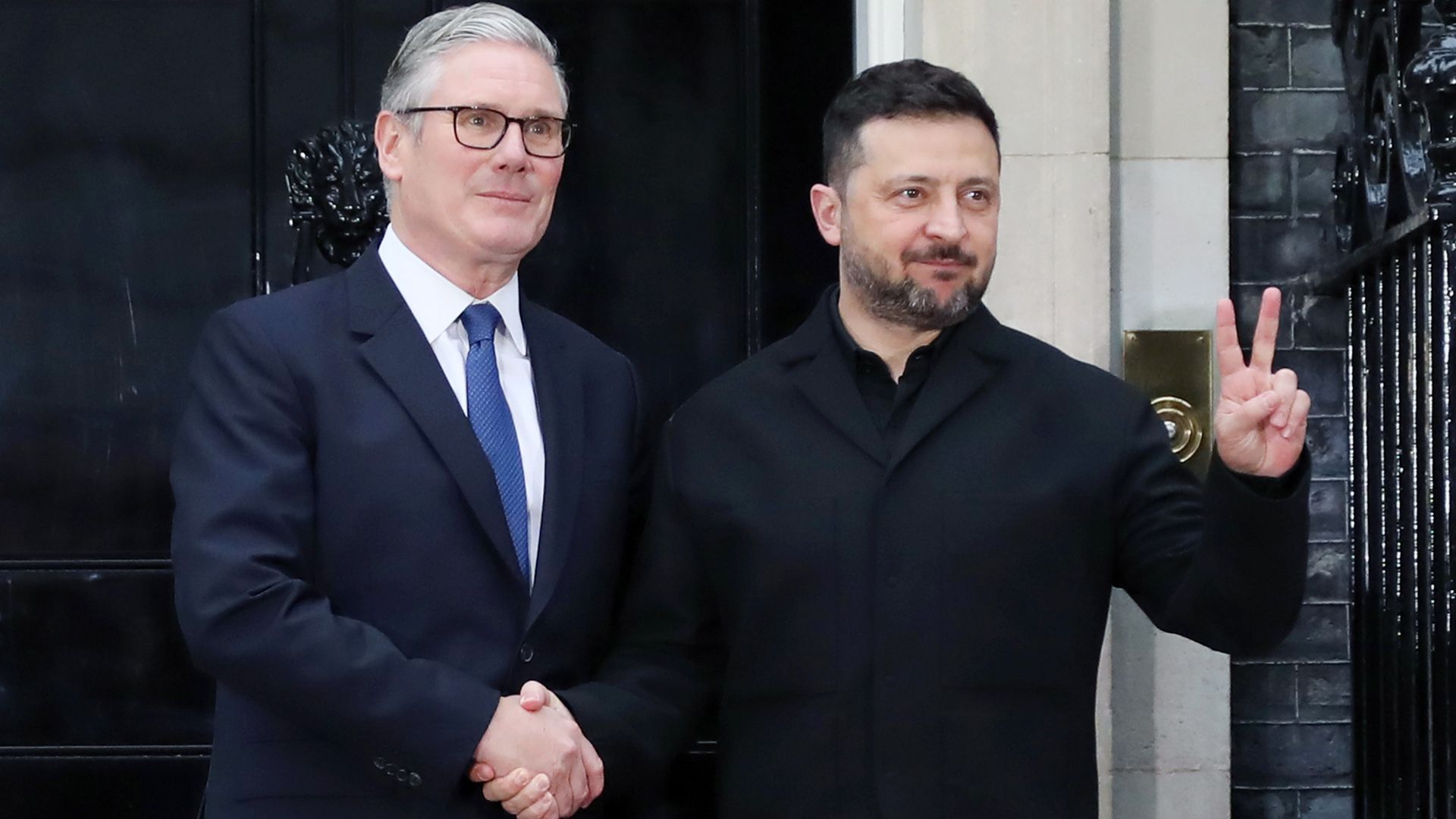
Outgoing Prime Minister Keir Starmer announced a 300 billion pound defense spending plan on Tuesday, committing Britain to a dramatic military modernization even as he prepares to leave office next month. The four-year investment represents a 15 billion pound increase over current spending levels and reflects what Starmer described as a fundamental shift in how Britain views national security. "National security is economic security," Starmer said, framing the decision as essential to protecting the country amid rising global threats.
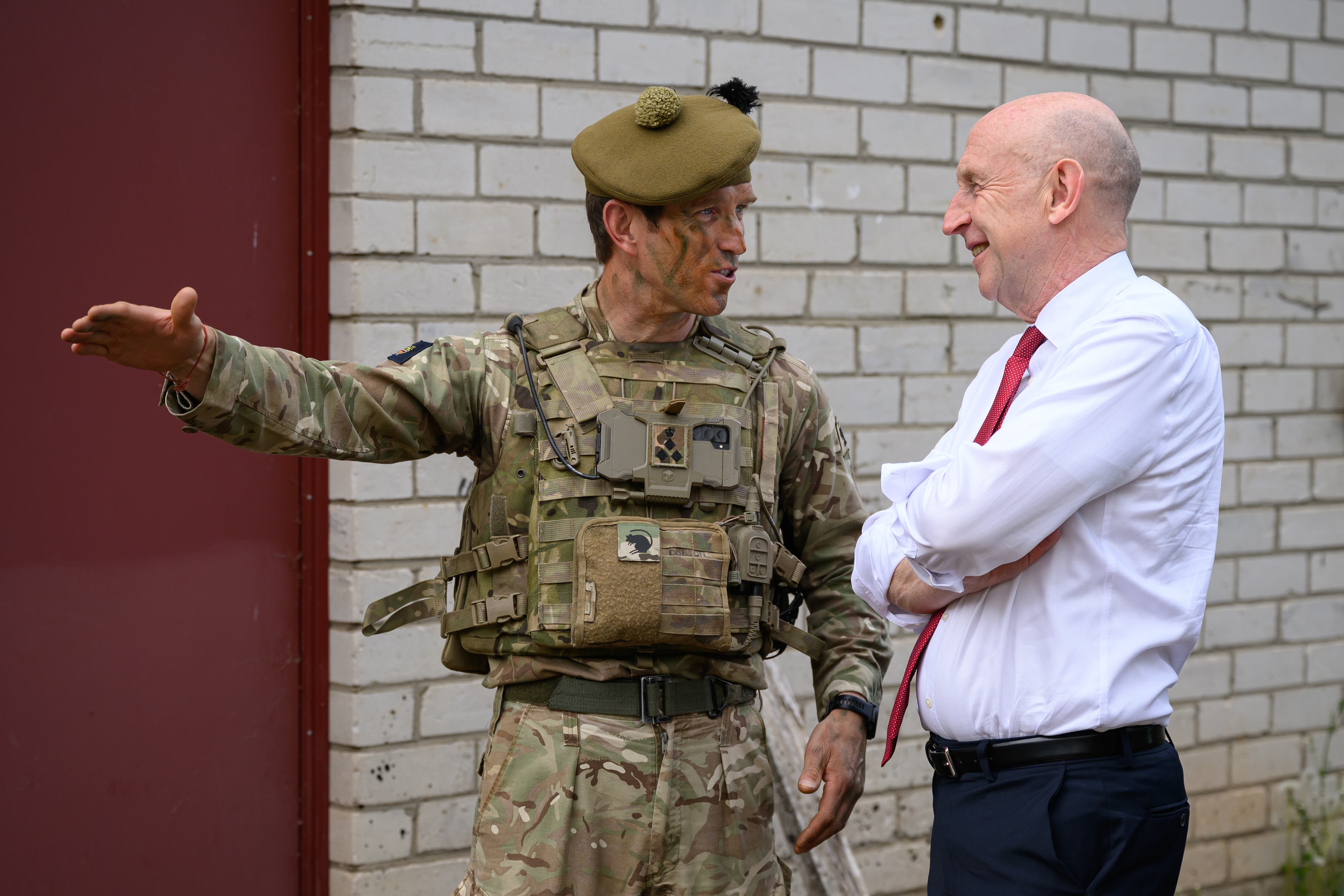
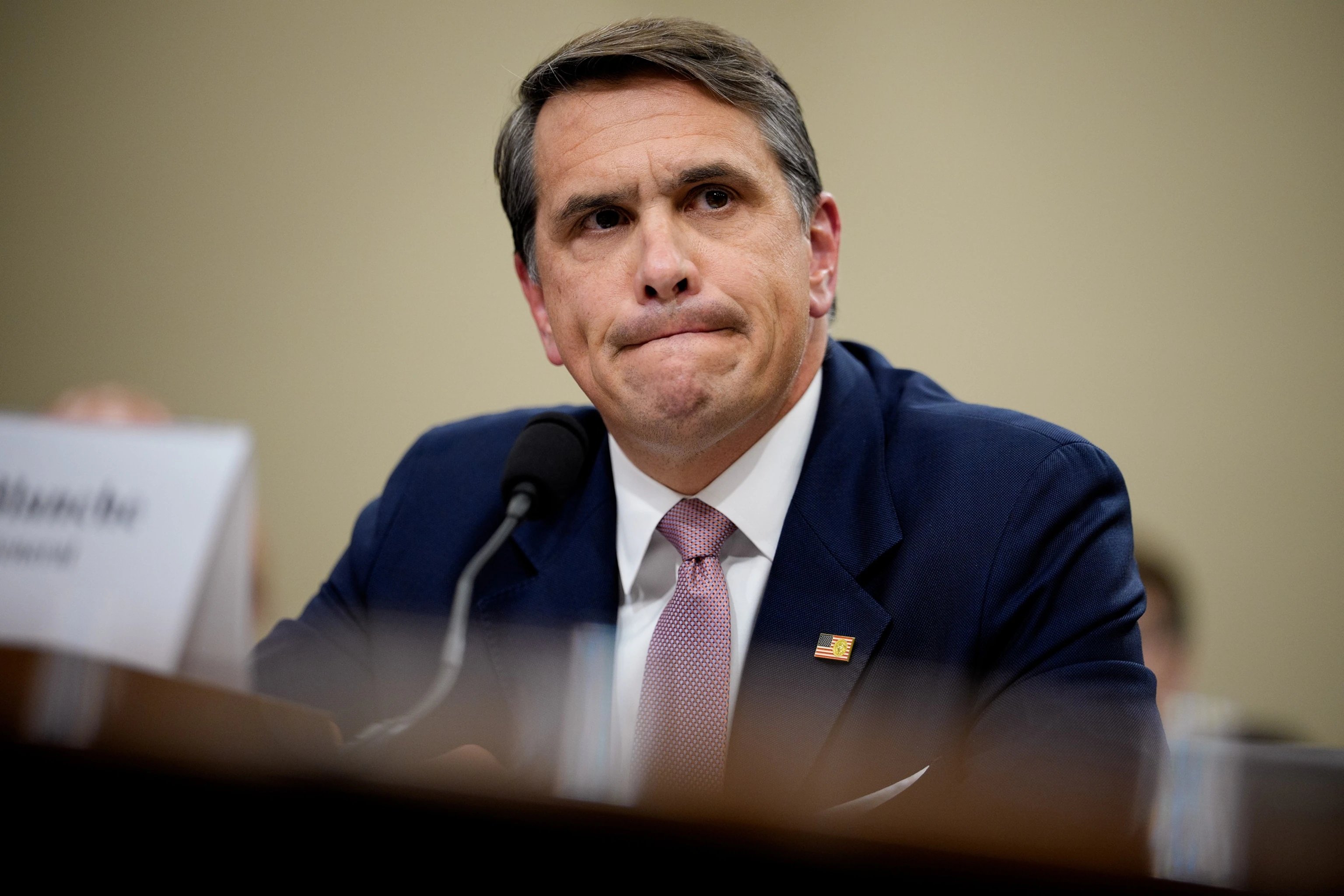
The announcement came after months of internal government conflict over defense resources. Two defense ministers resigned this month in protest of the spending proposals, with Defence Secretary John Healey warning that the plans risked making Britain "less safe." Starmer acknowledged the controversy by noting that his successor, Andy Burnham, expected to take power as early as July 20, could "build" on the blueprint he was leaving behind.
Drones and Autonomous Systems Drive Strategic Vision
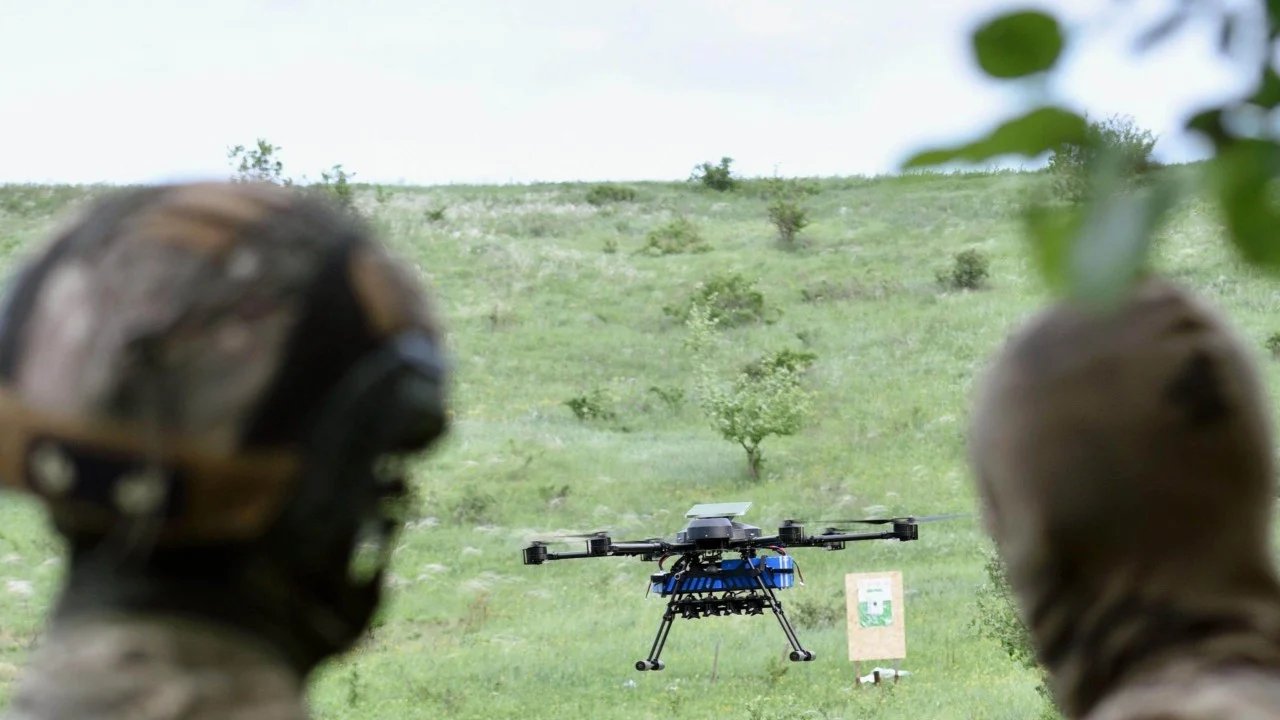
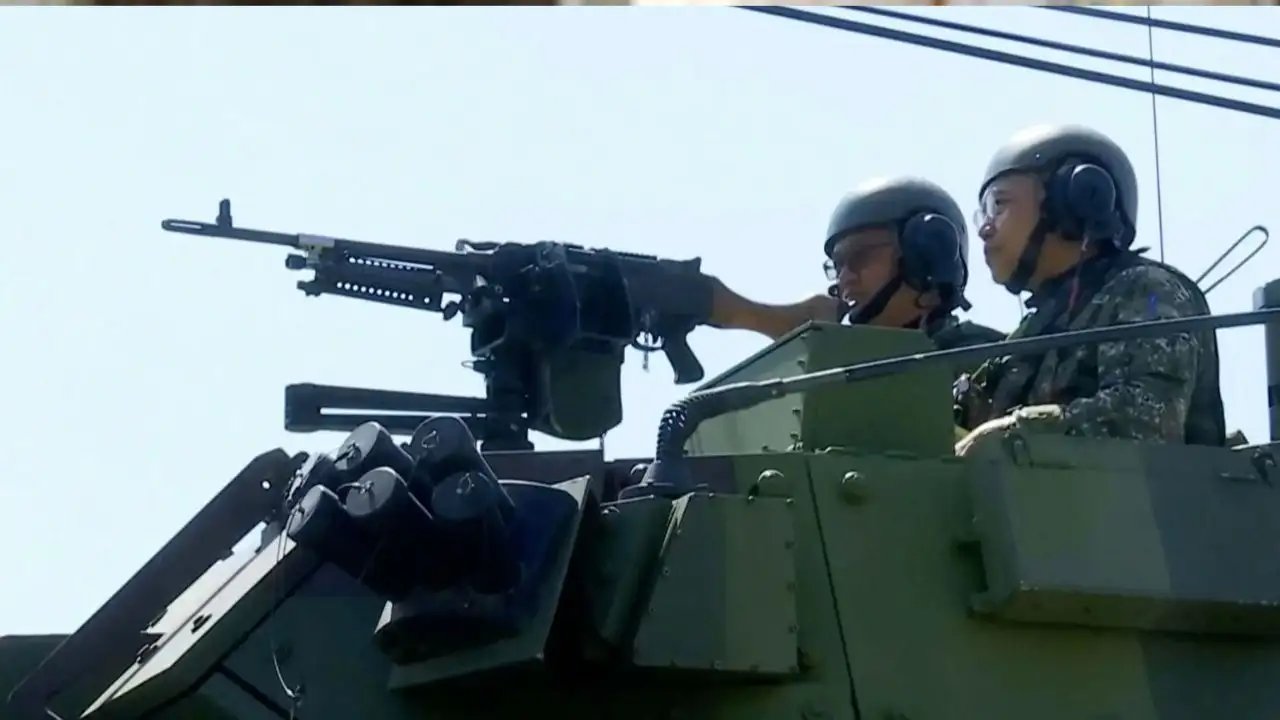
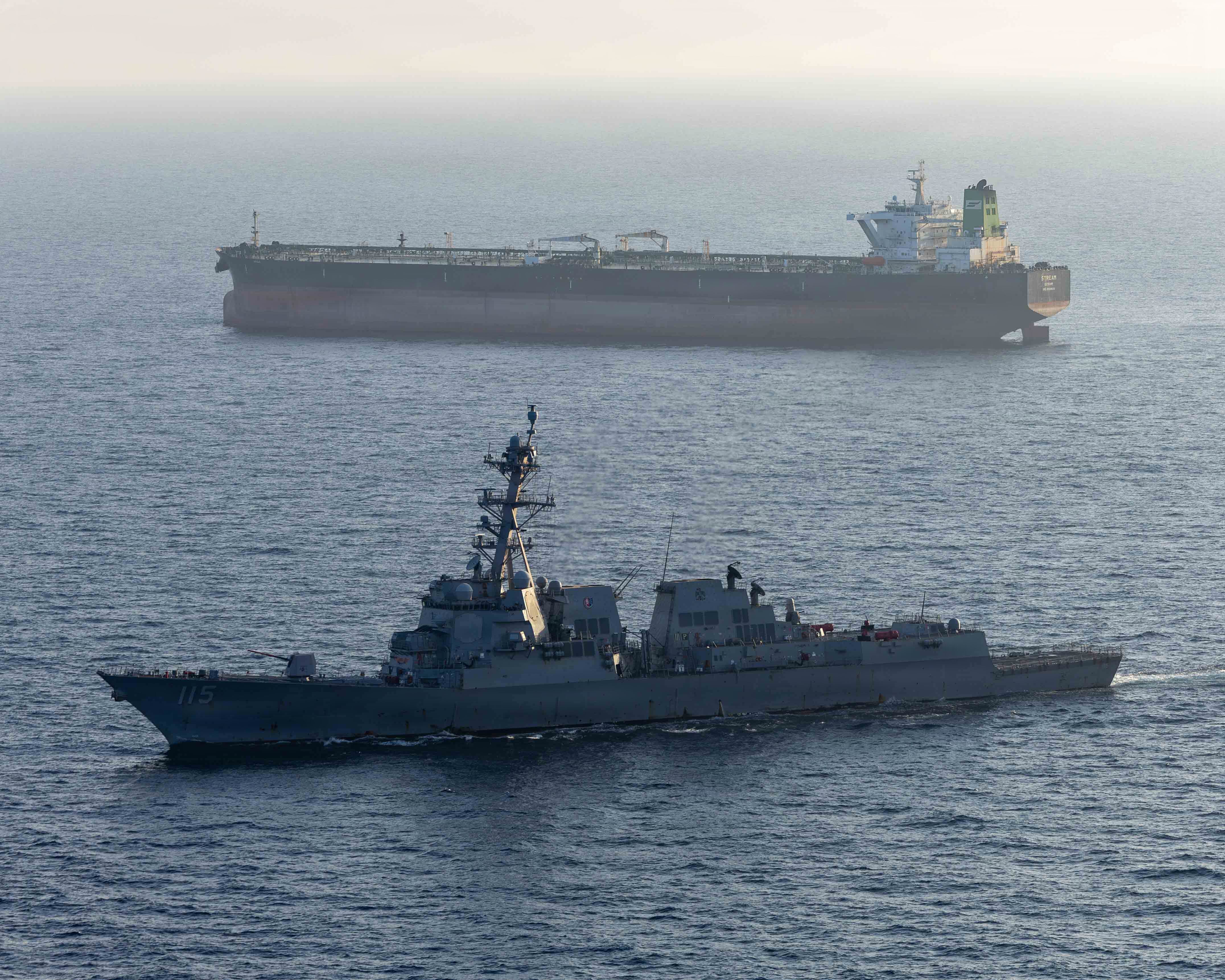
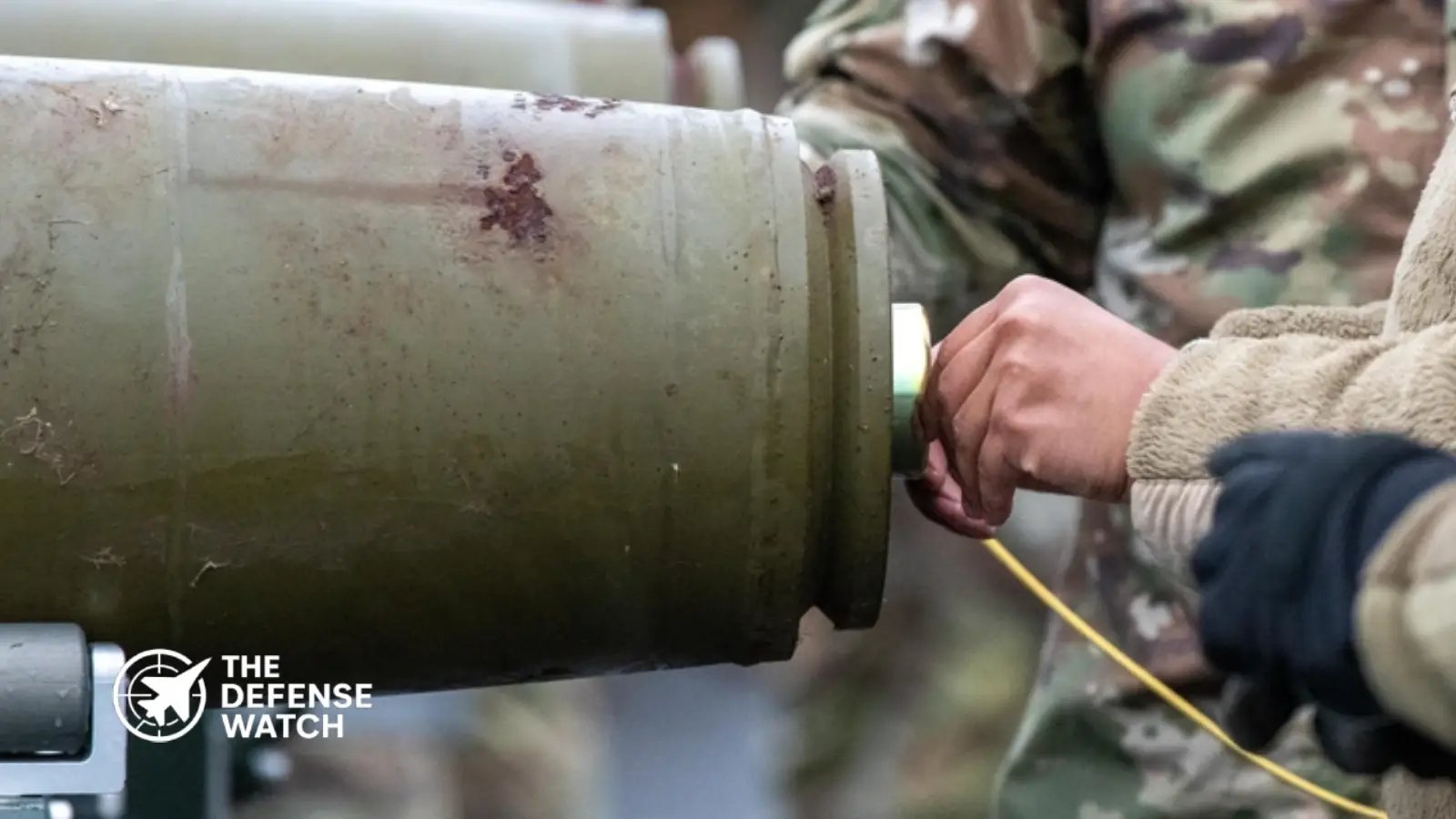
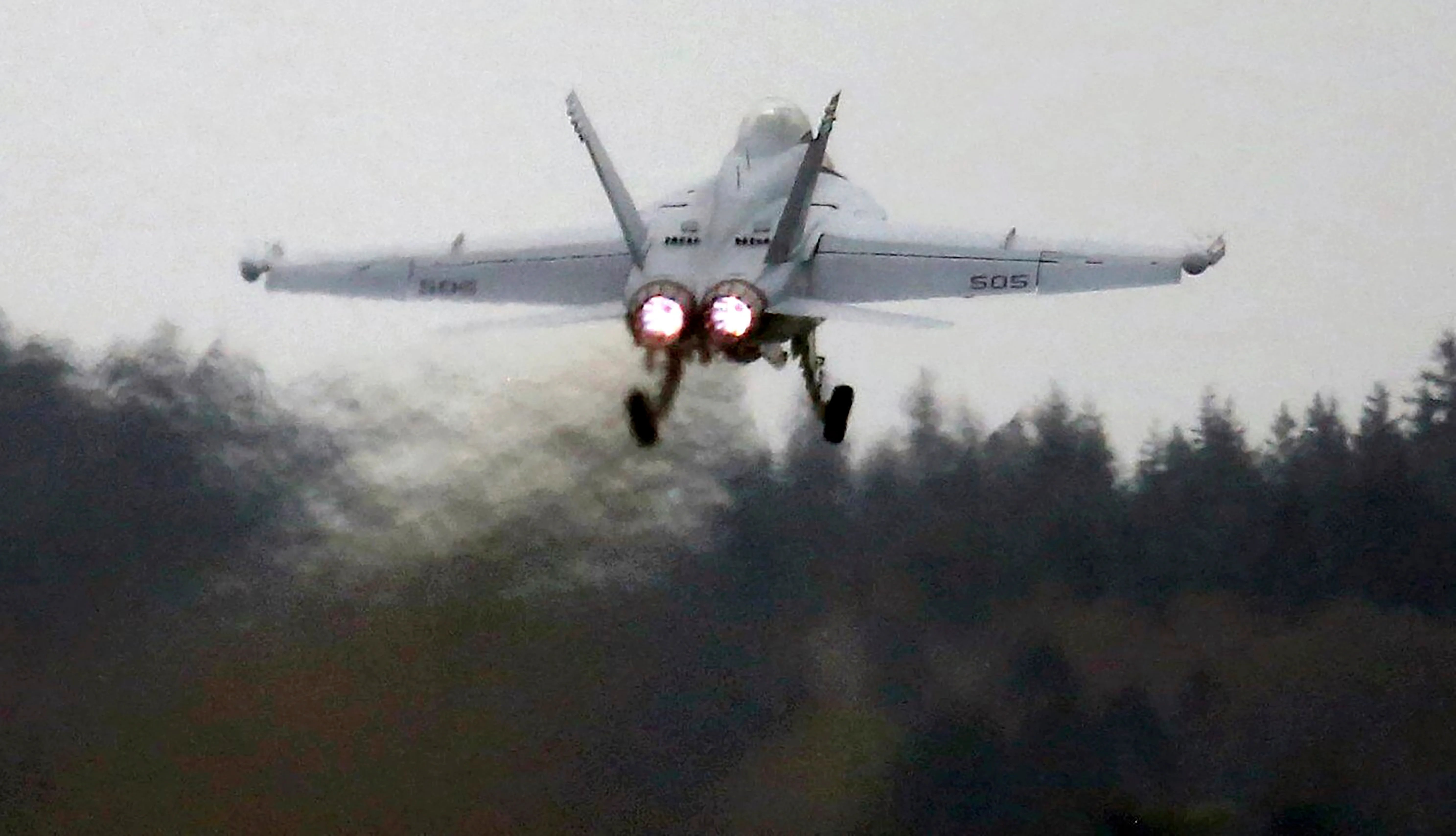
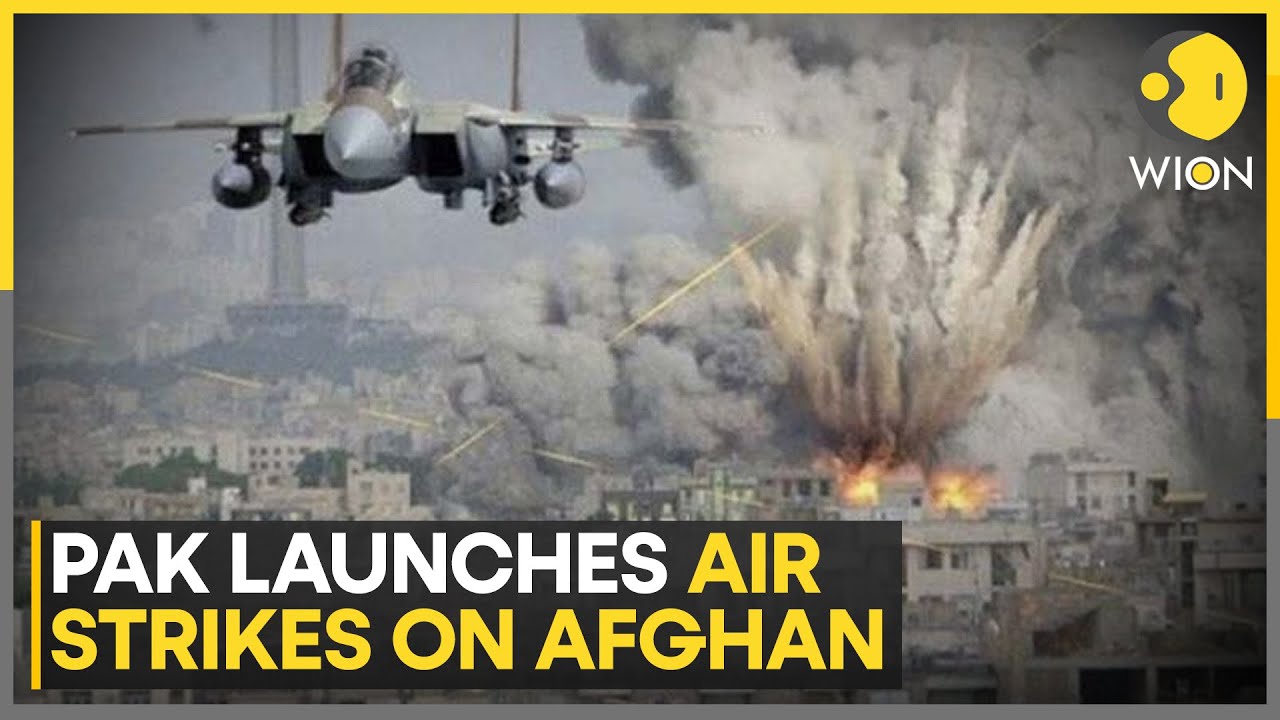
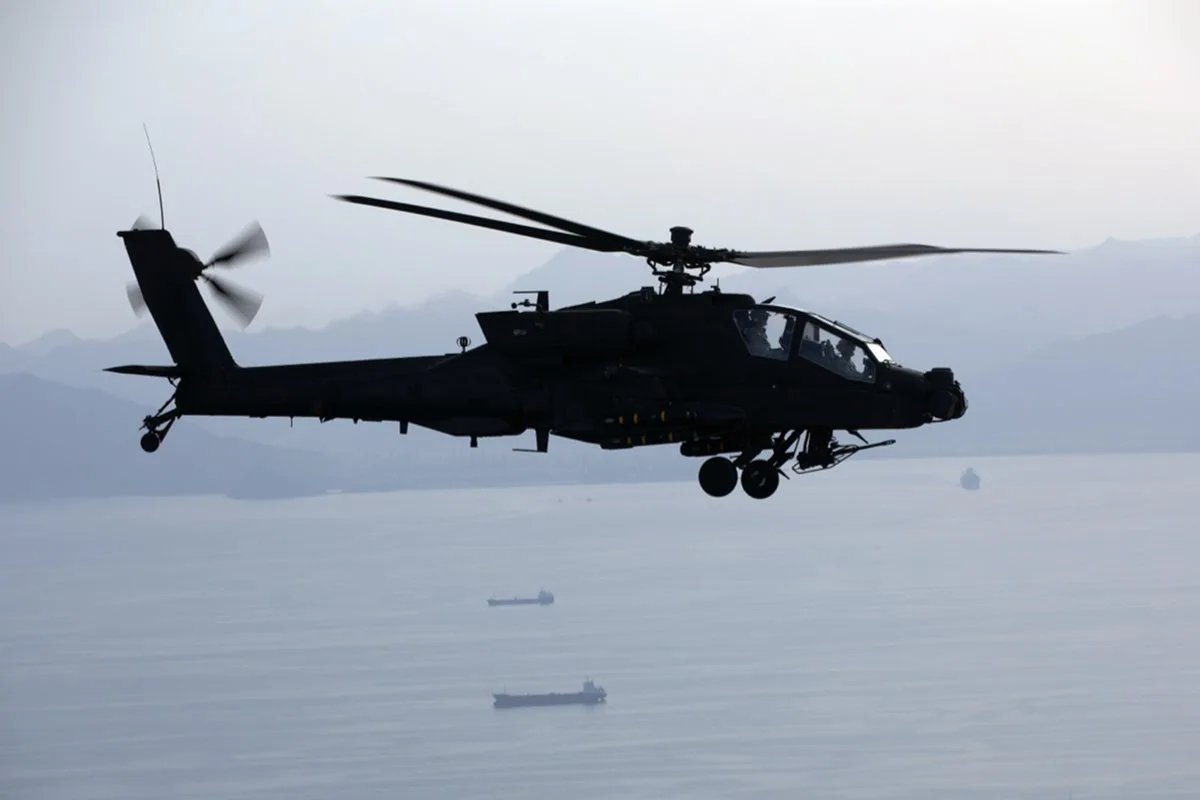
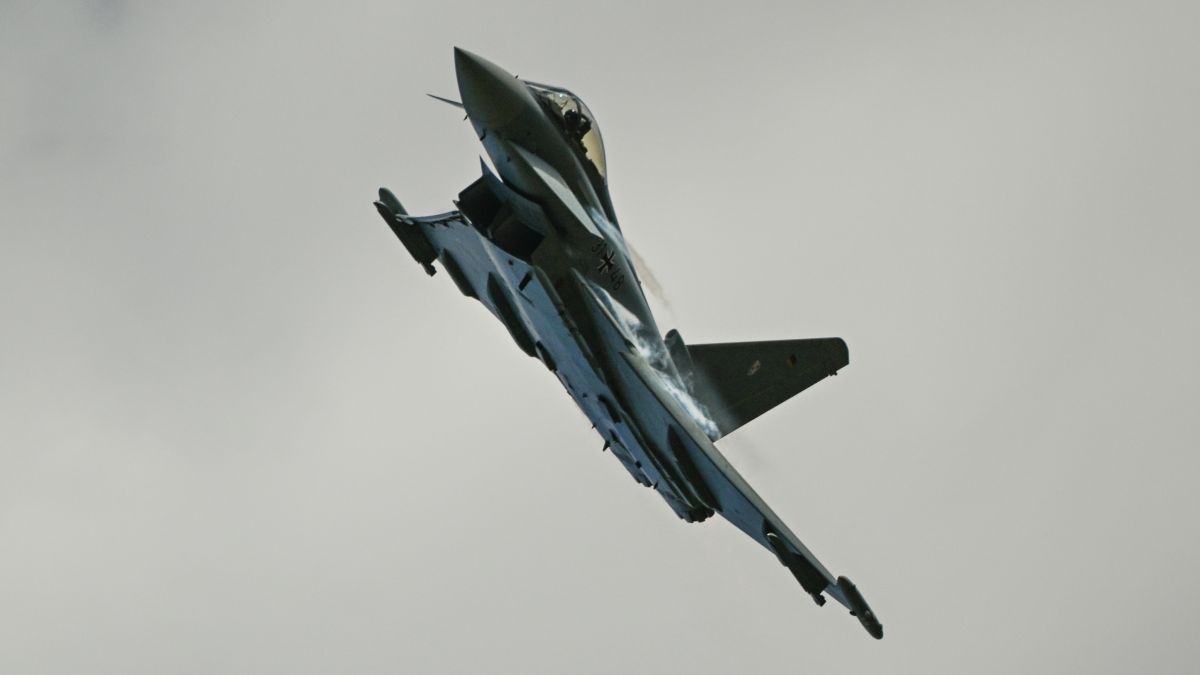
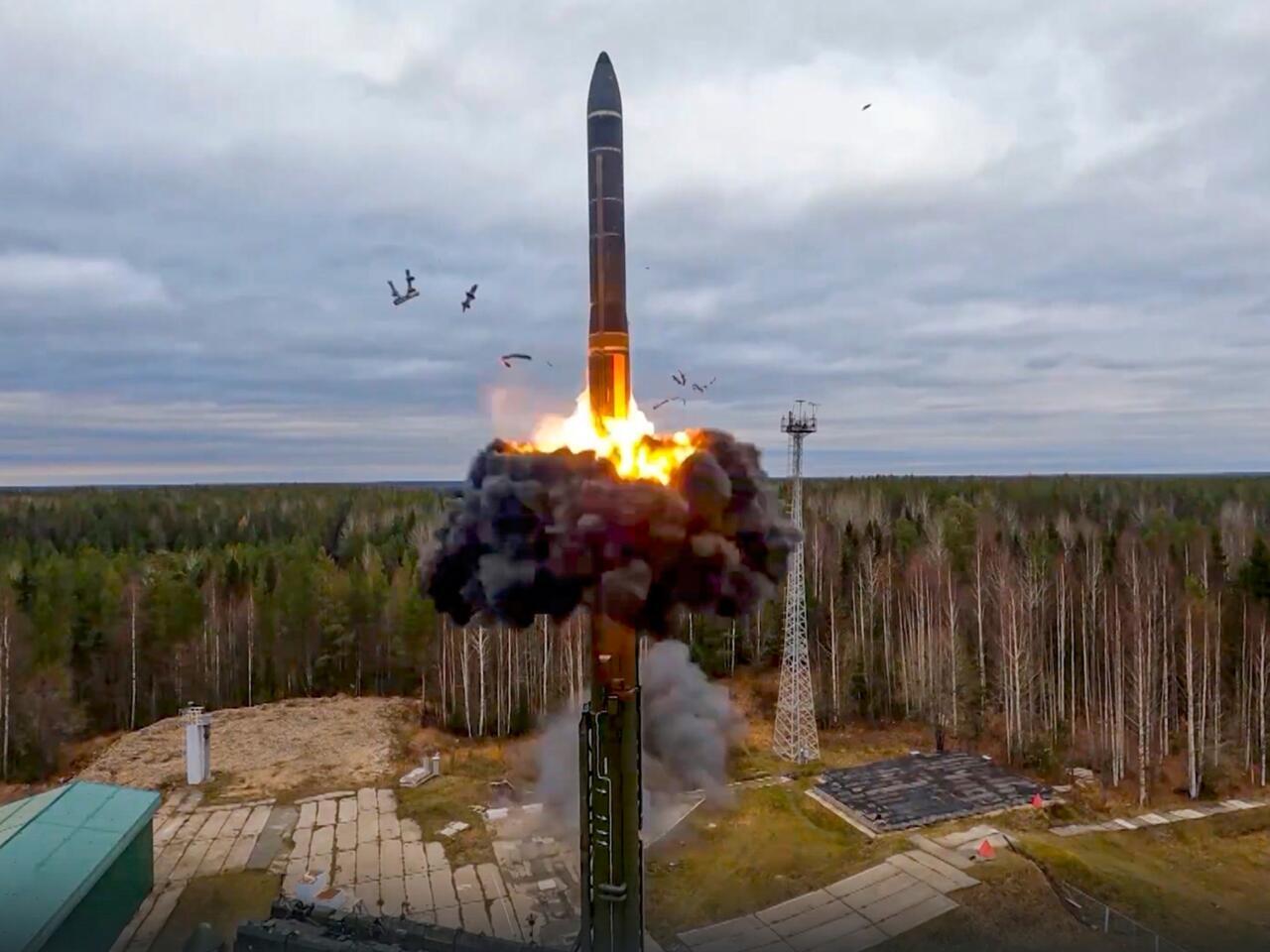
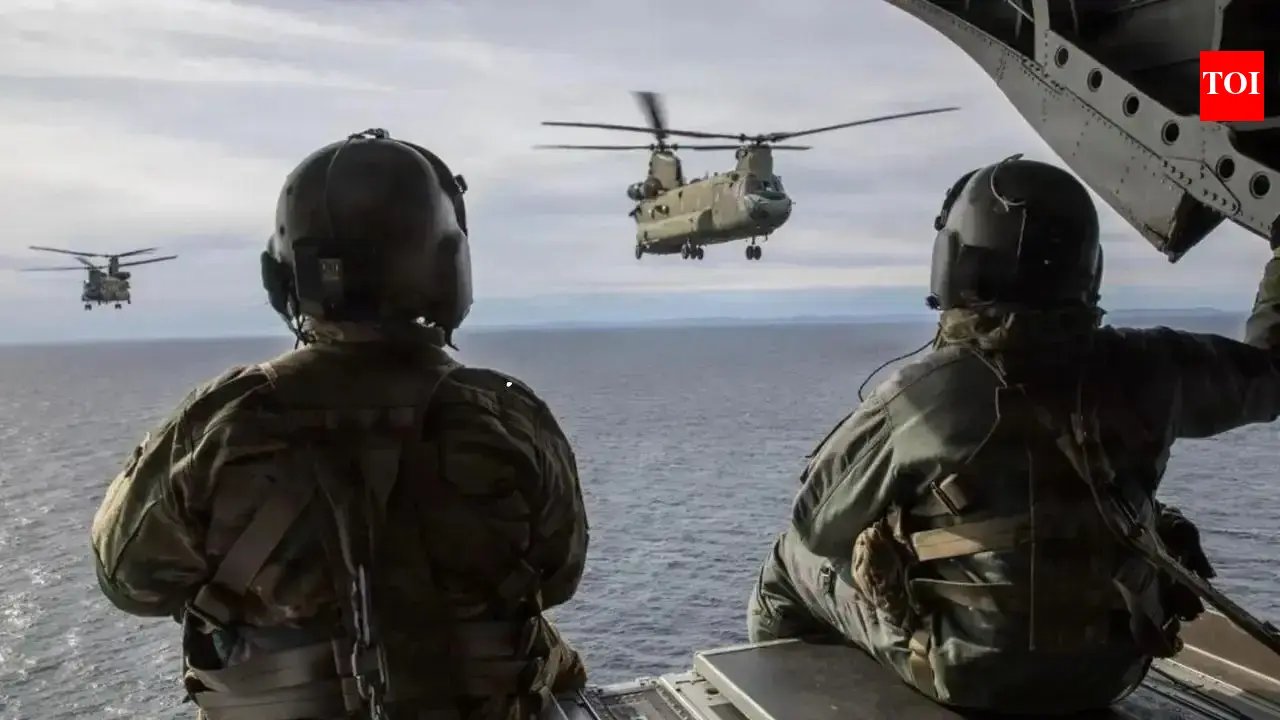
The plan allocates more than 5 billion pounds over four years specifically for drones and autonomous systems, according to the Ministry of Defence. Self-flying fighter jets and uncrewed submarines form the centerpiece of Britain's future military strategy, reflecting what officials view as the transformed nature of modern conflict. The shift toward unmanned and autonomous weapons systems represents a fundamental departure from traditional military doctrine.
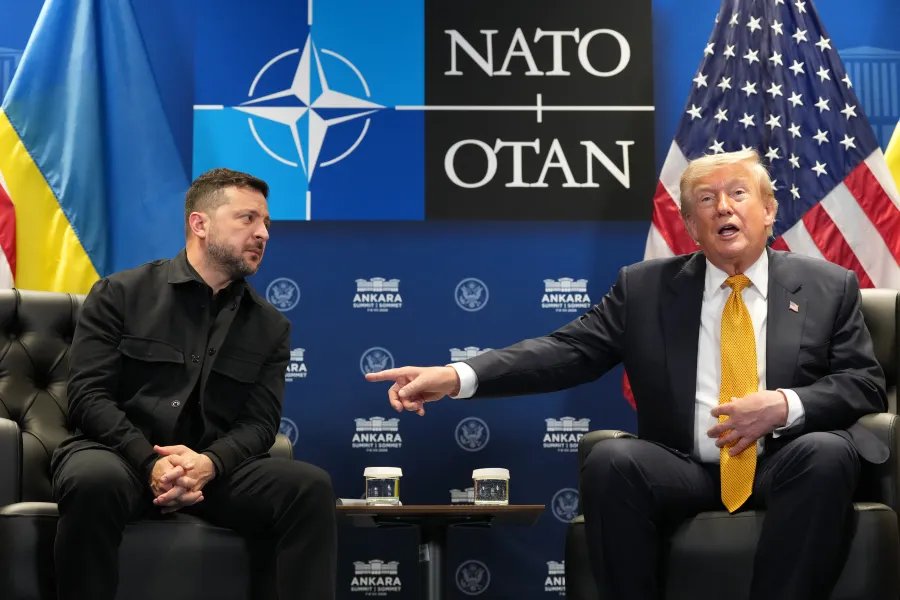
By 2029, annual defense spending will reach nearly 80 billion pounds, positioning Britain on a path toward spending 3.5 percent of its gross domestic product on defense by 2035. This trajectory aligns with NATO's target, a benchmark Starmer will present at a NATO summit scheduled for July 7-8 in Ankara.
NATO Support and International Context
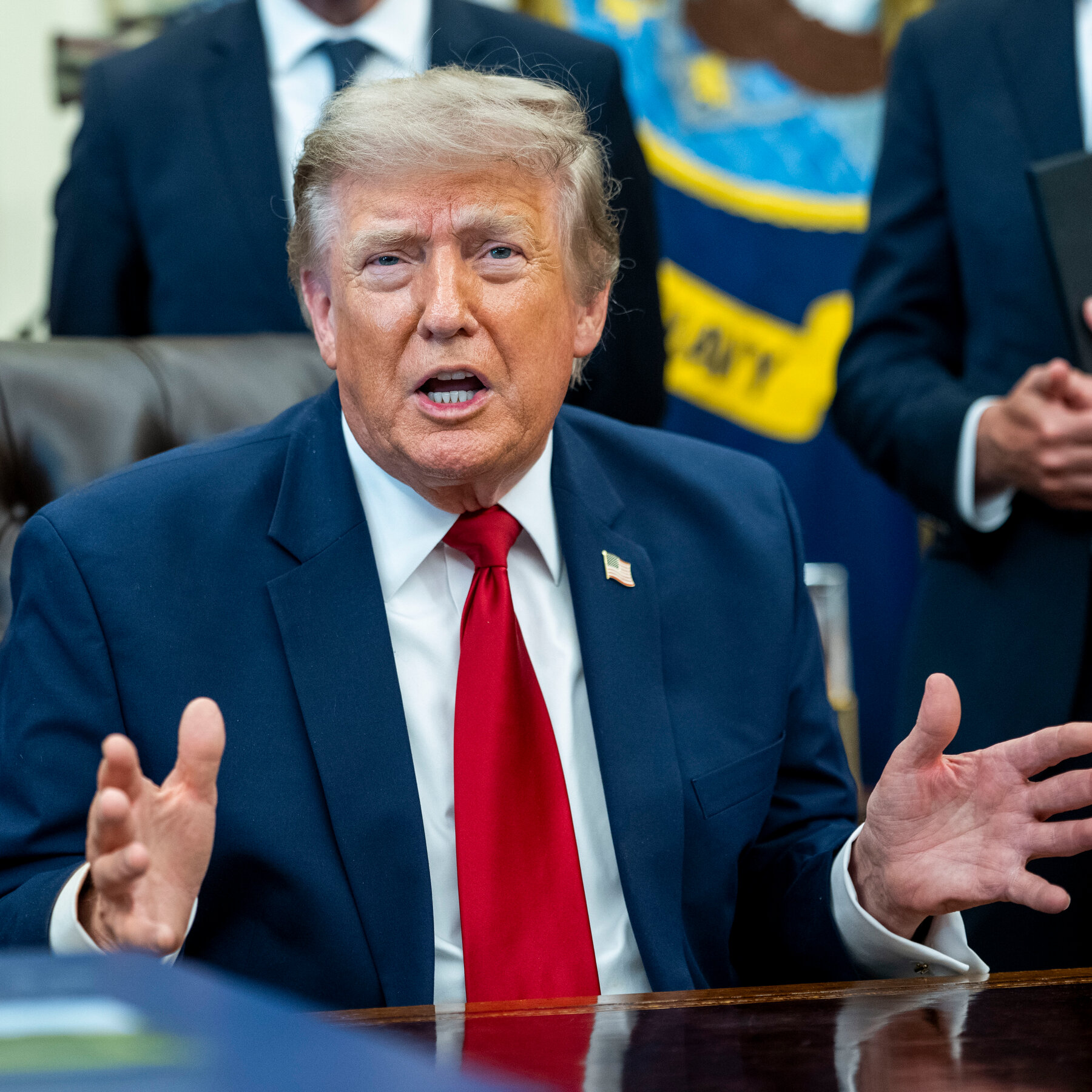
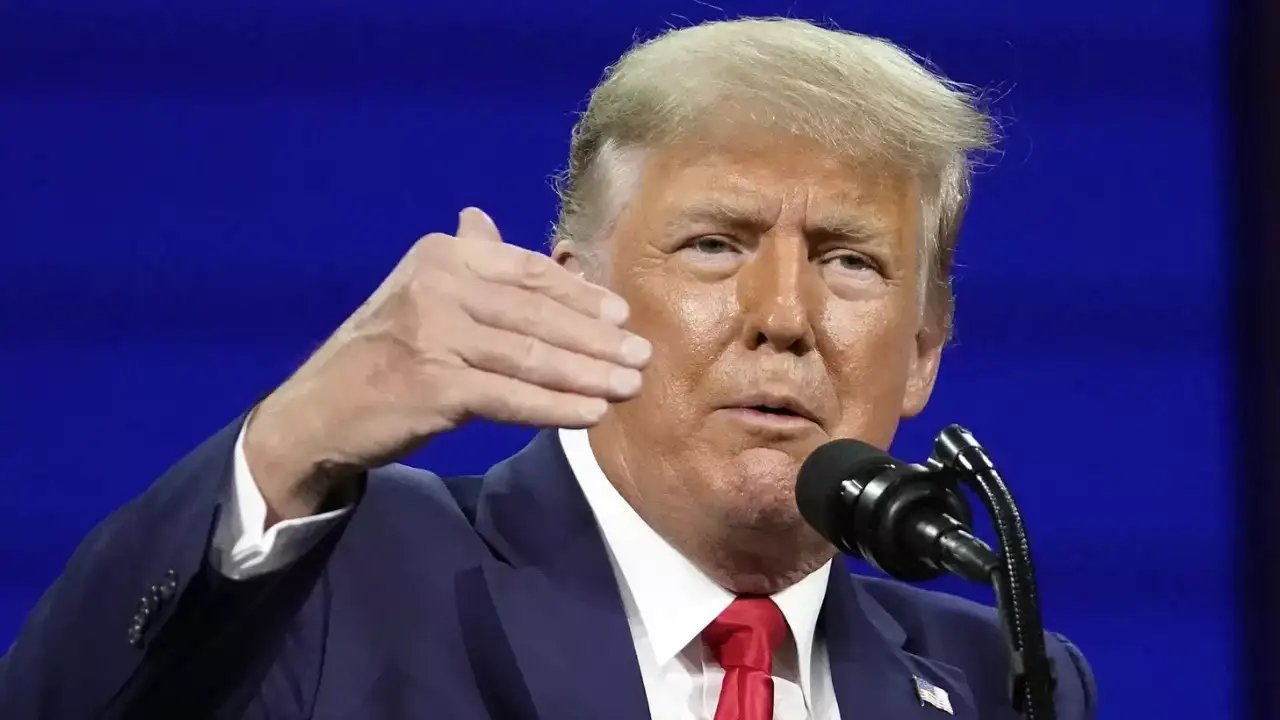
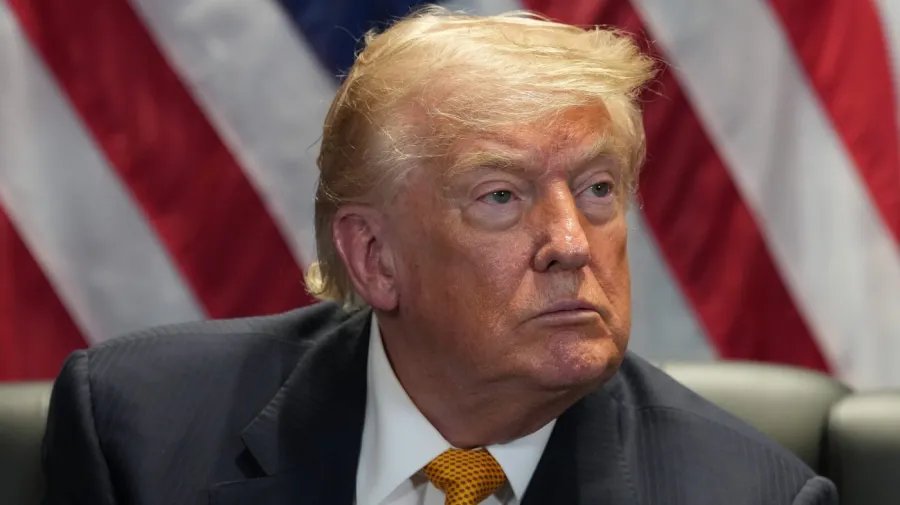
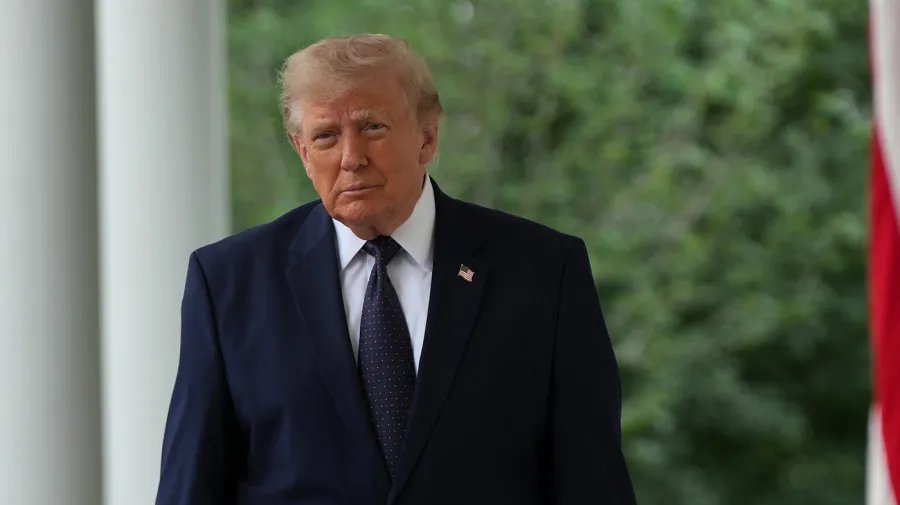
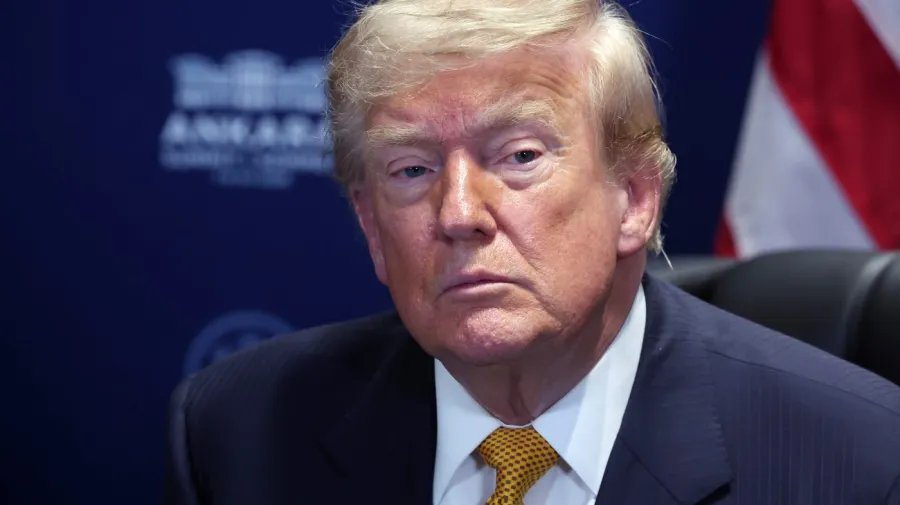
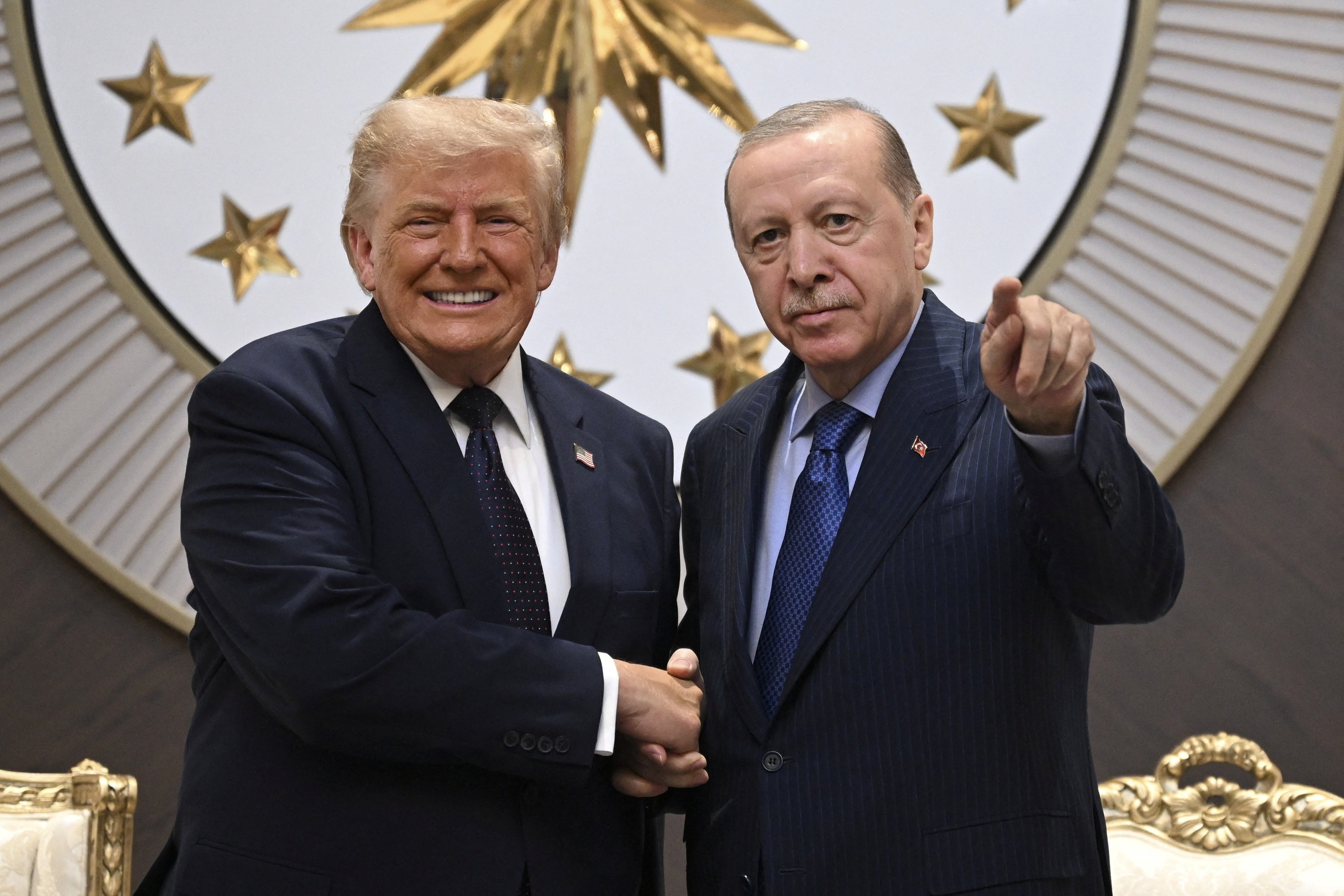
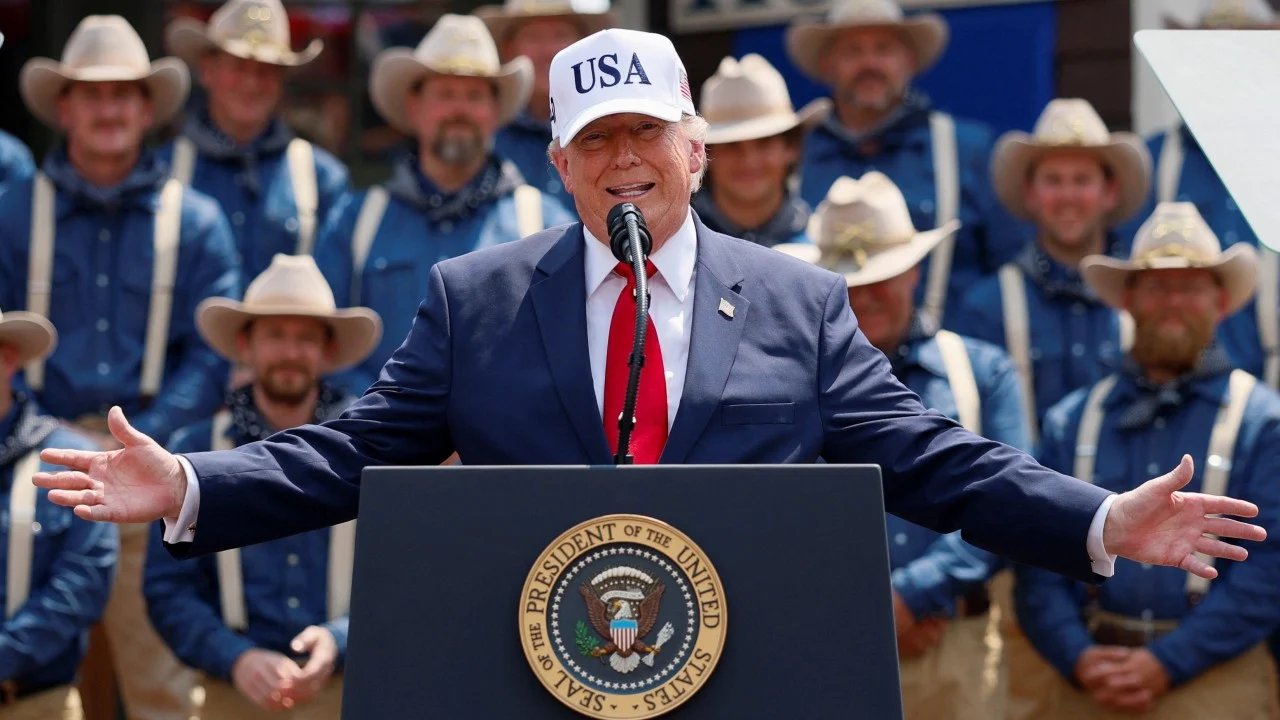
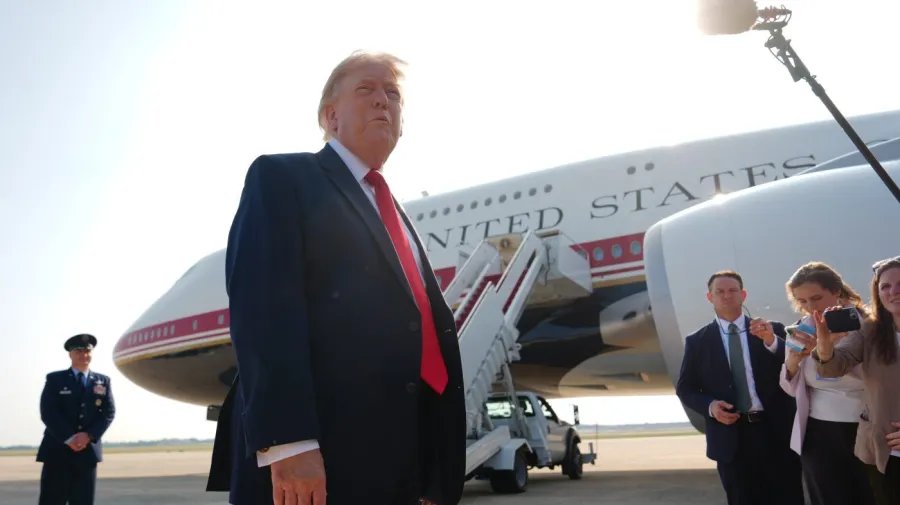
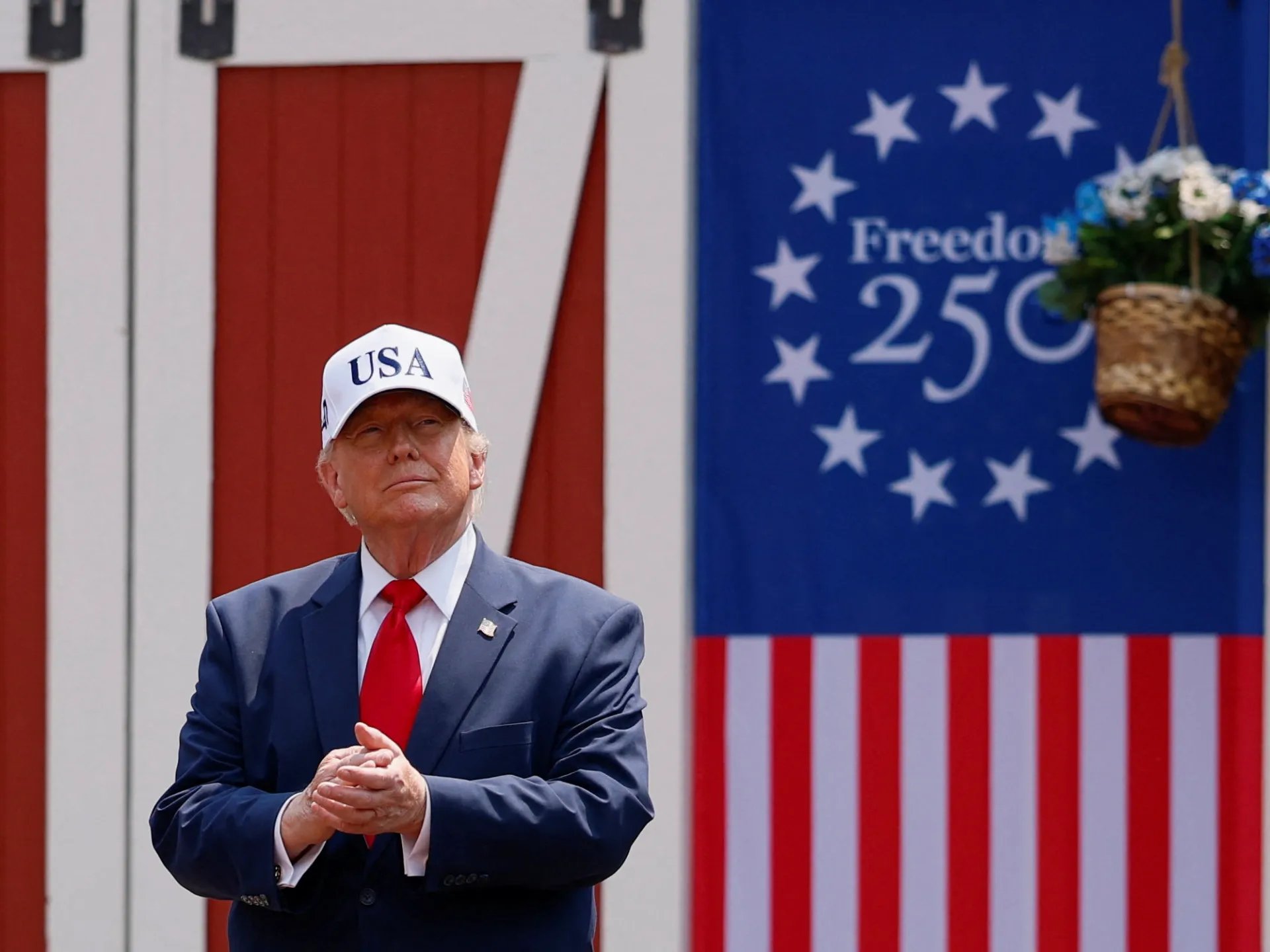
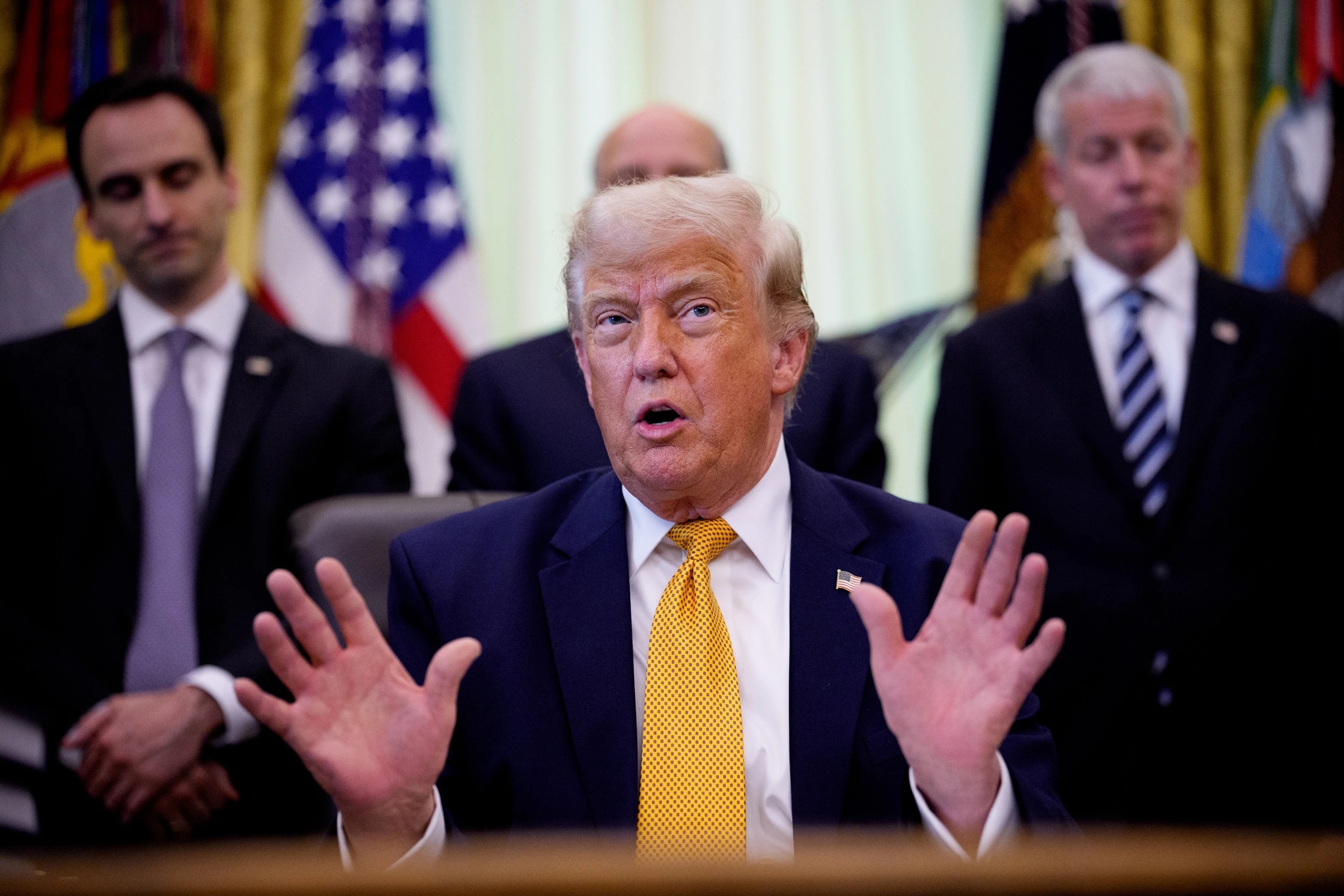
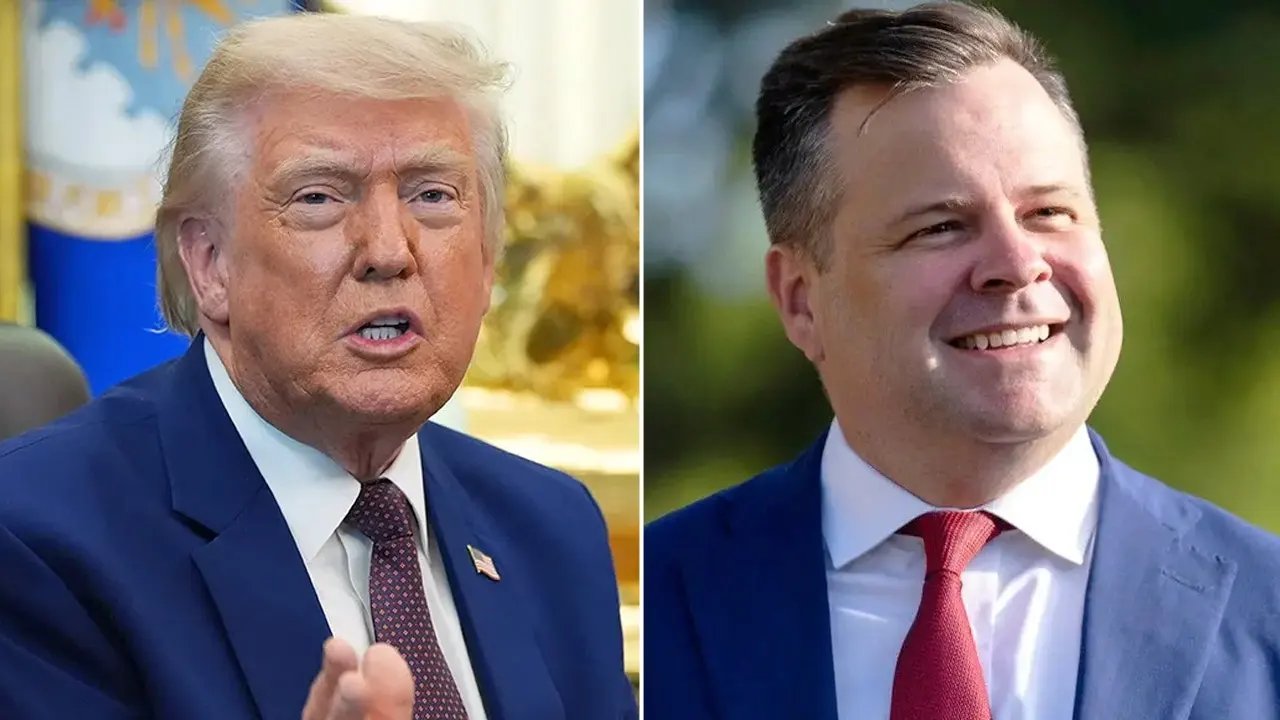
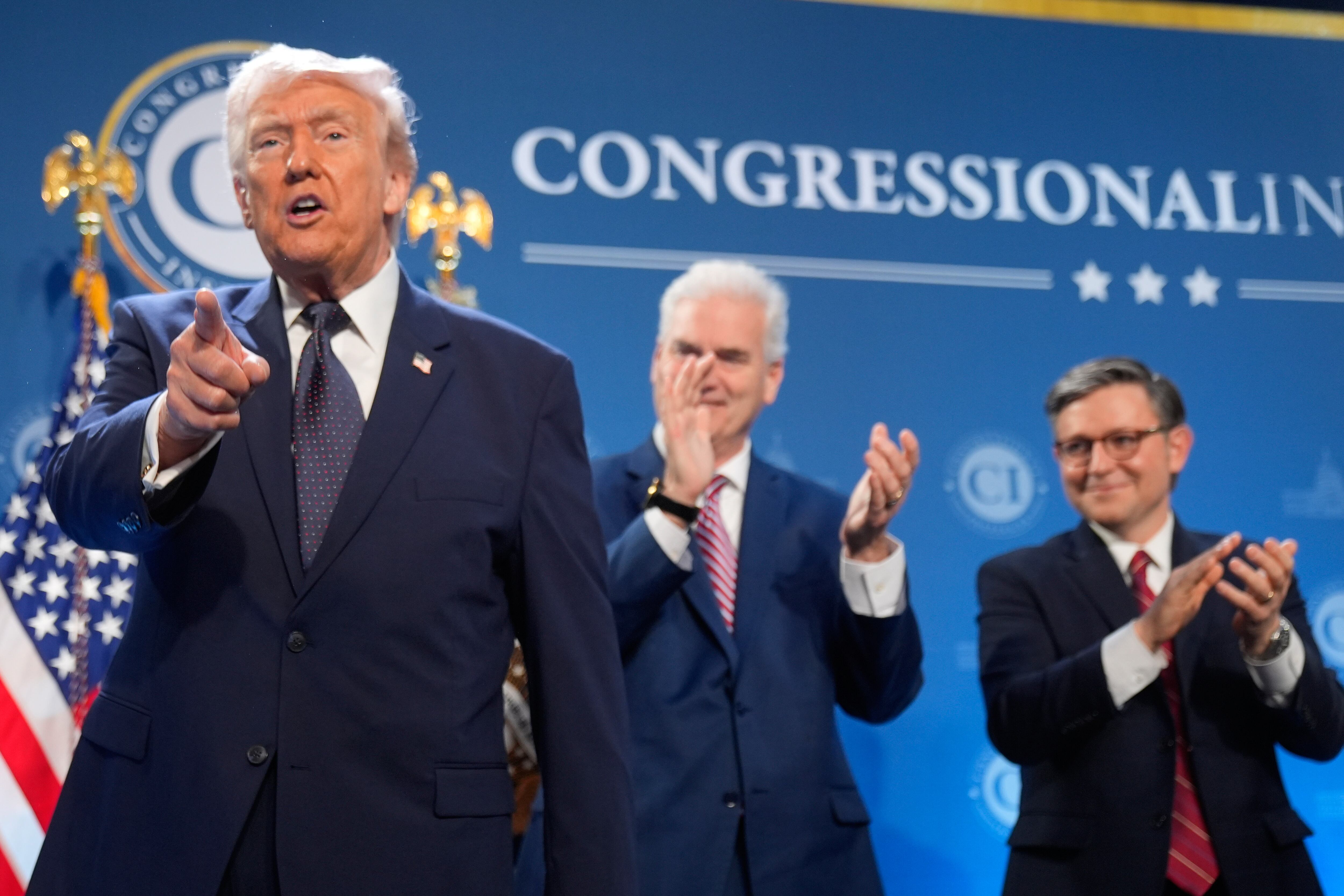
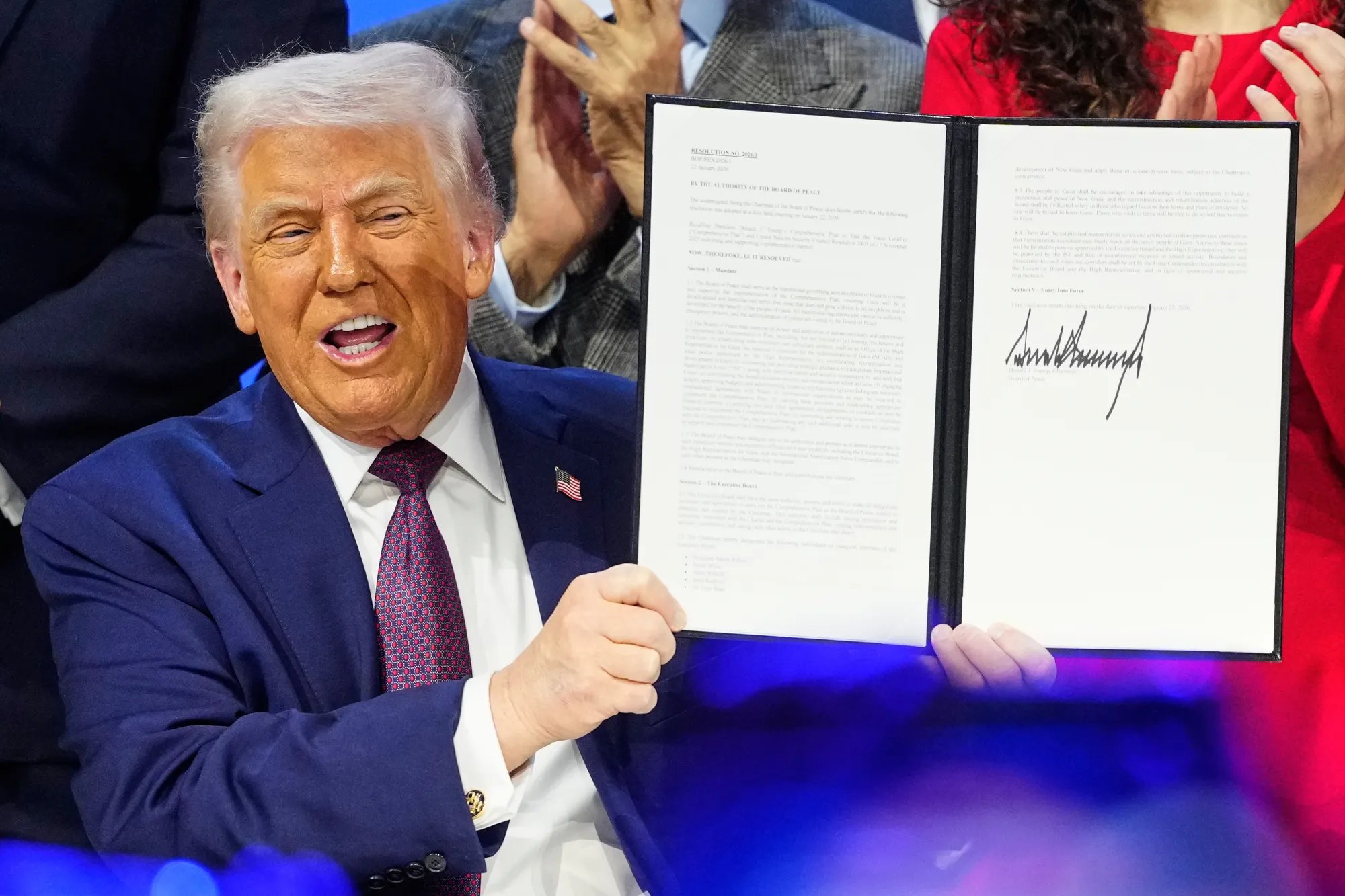
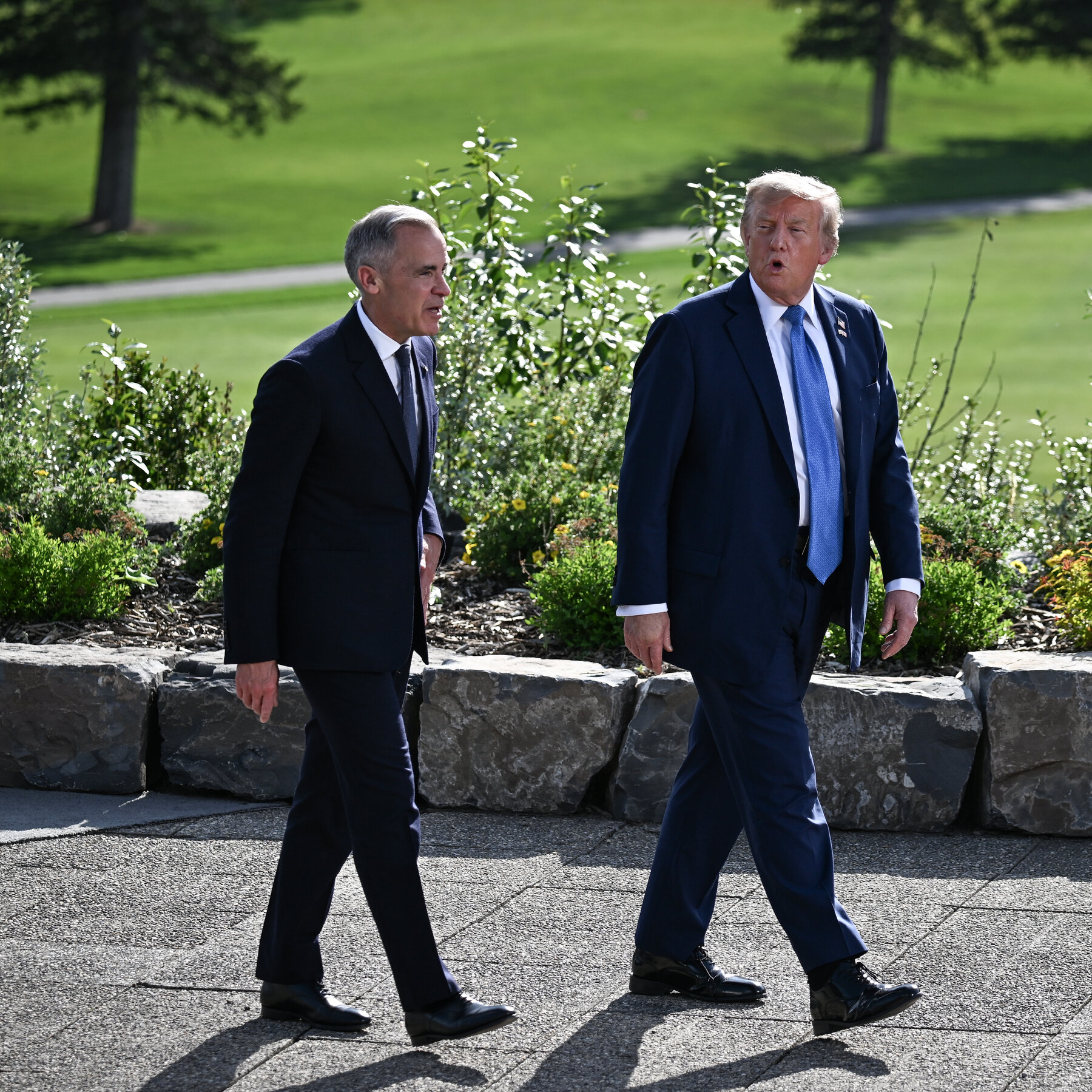
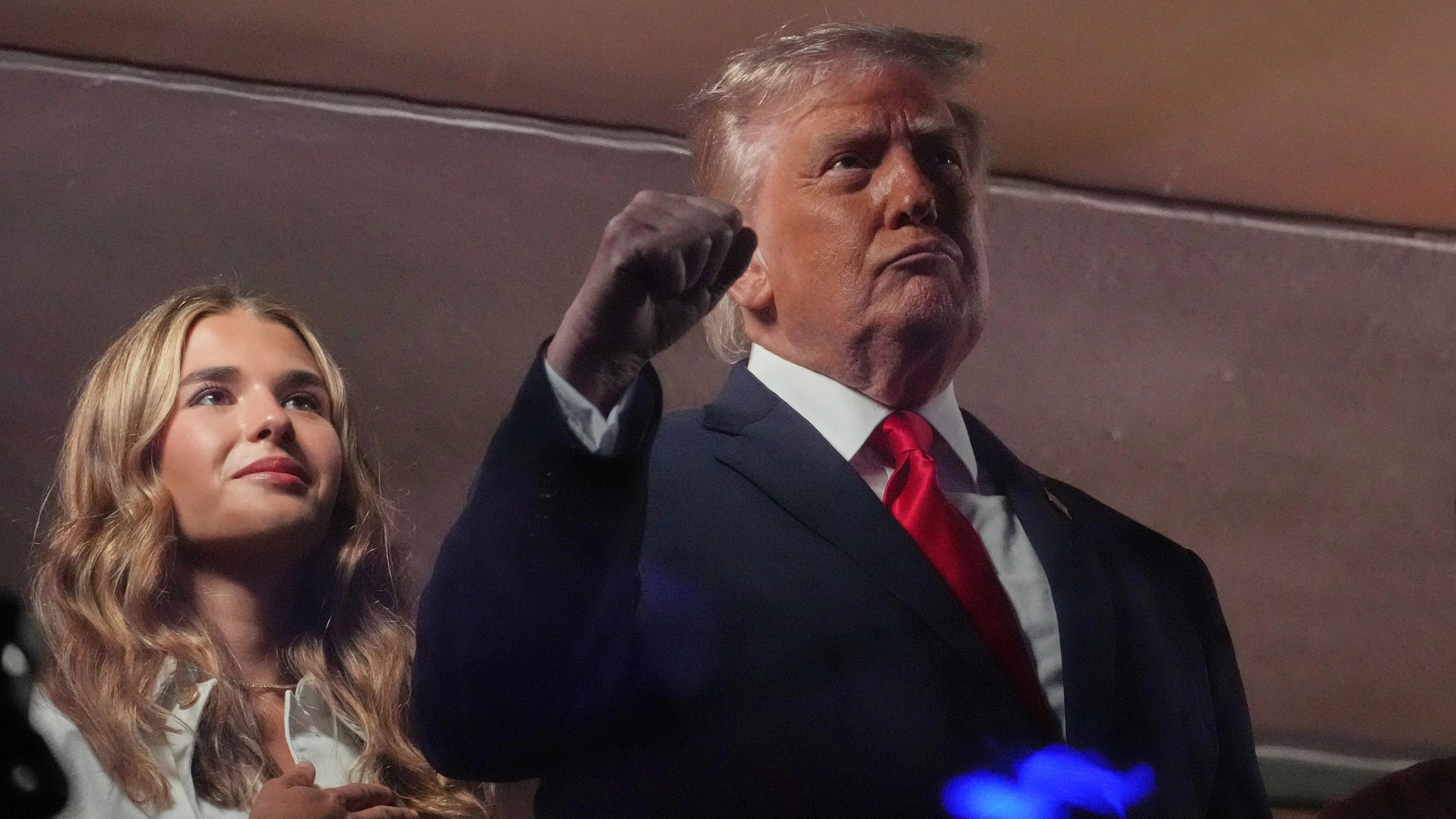
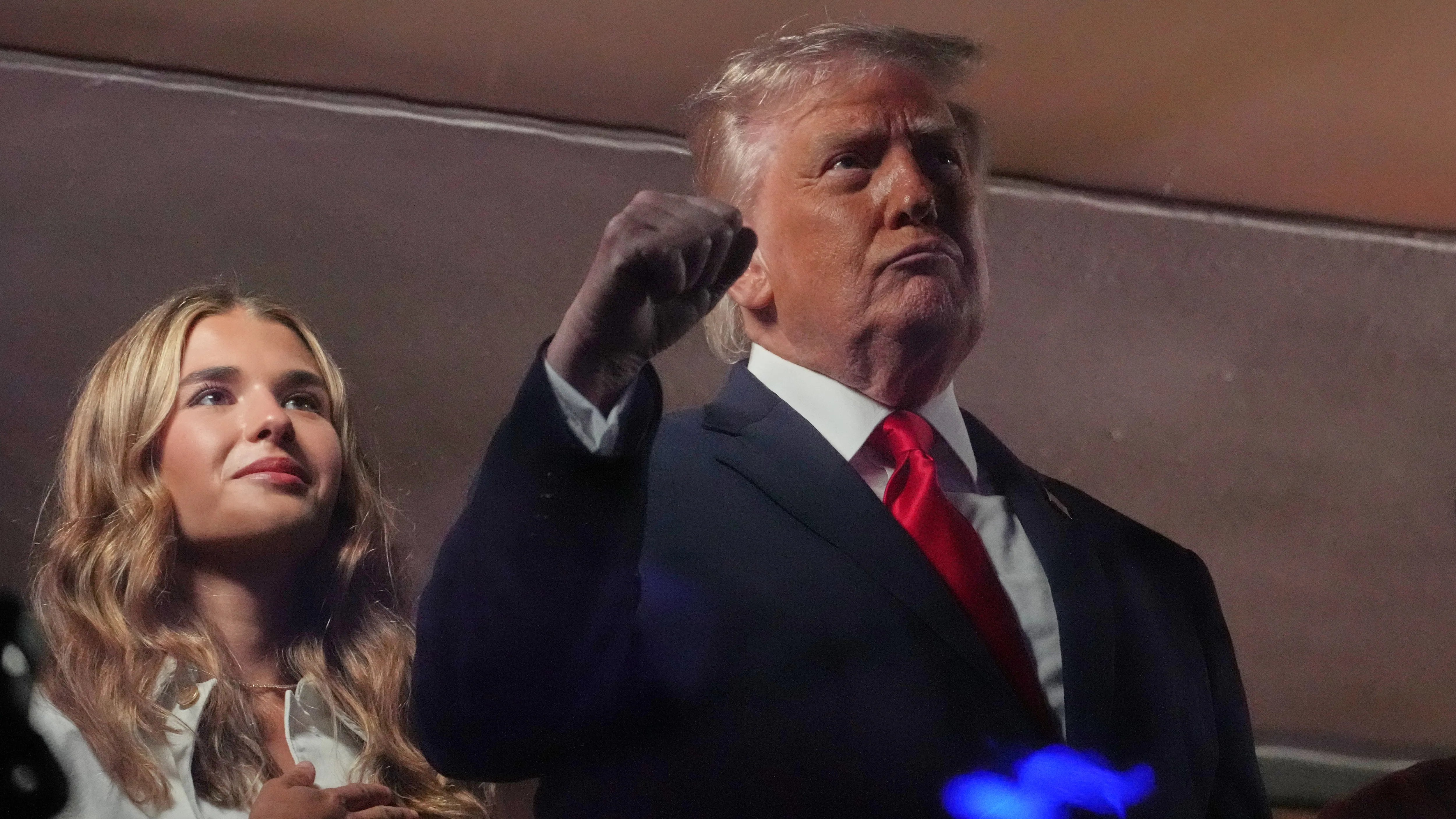
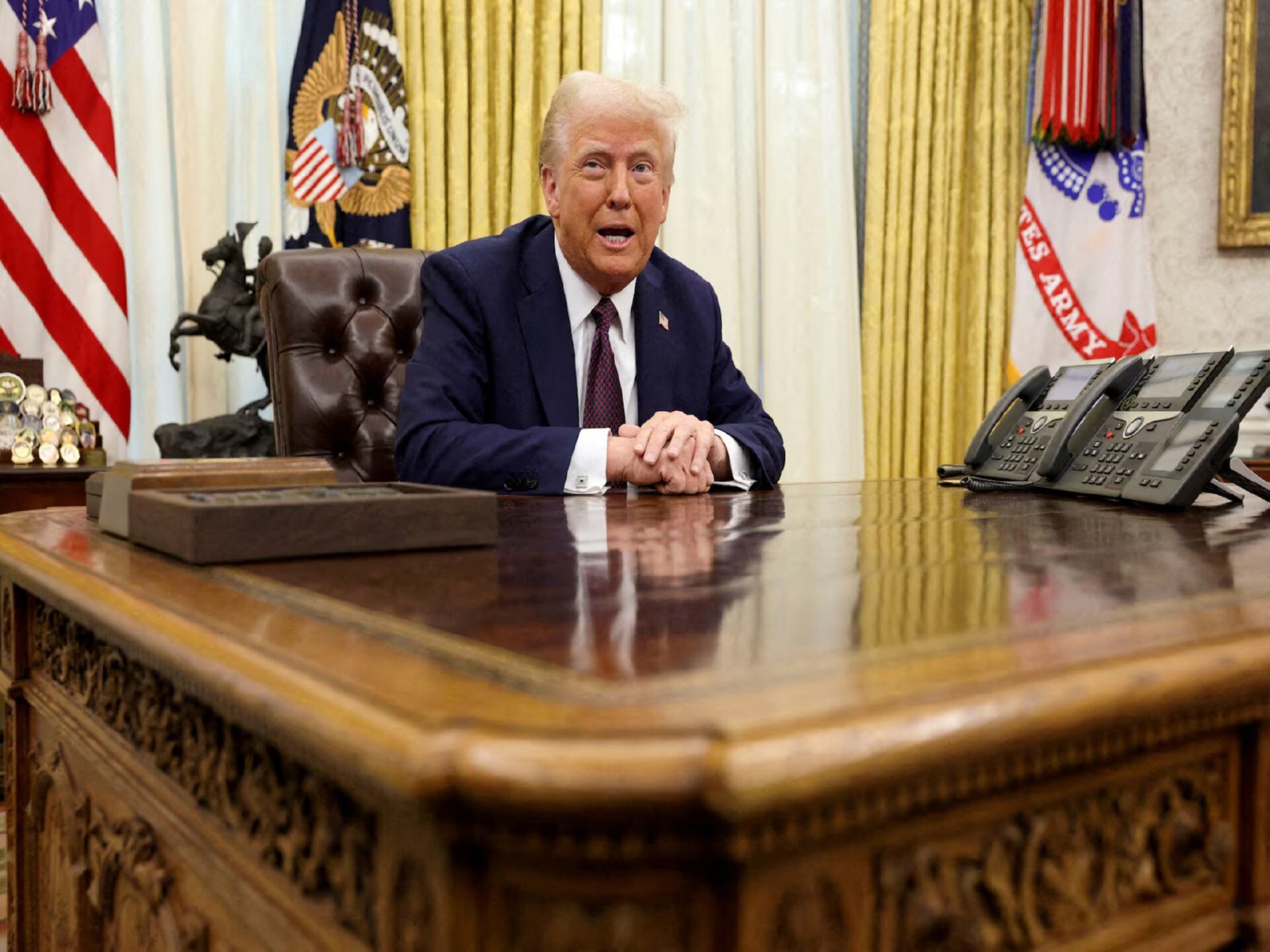
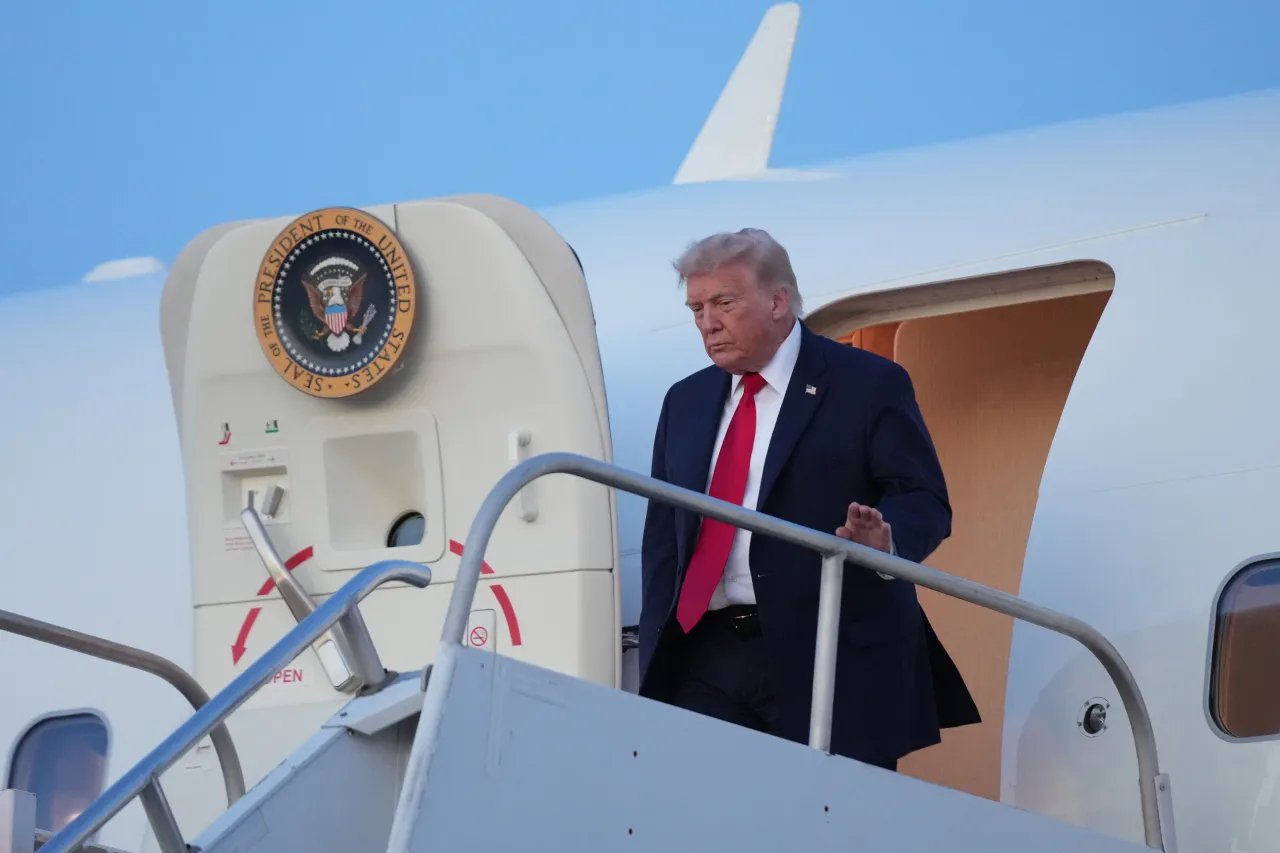
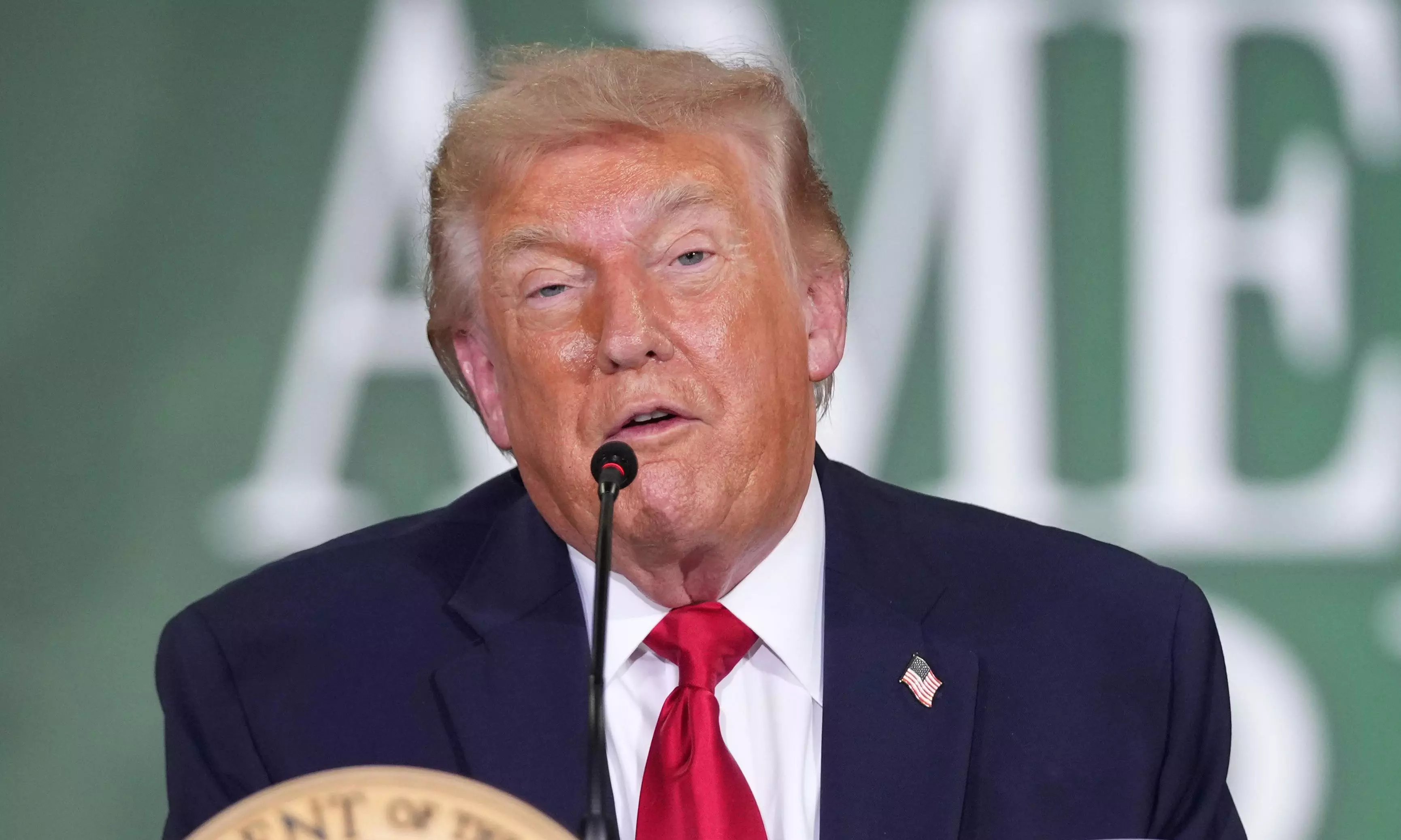
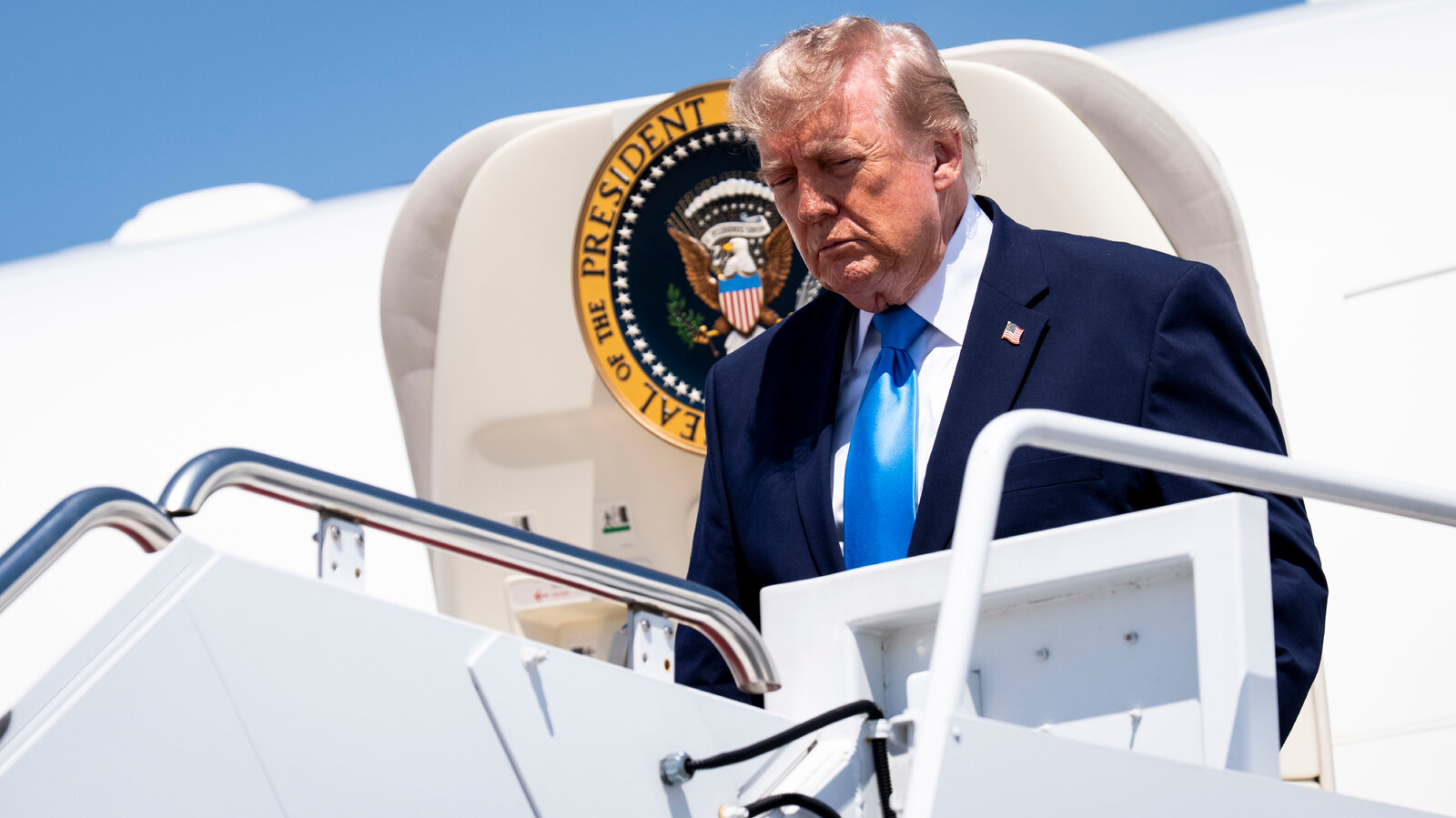
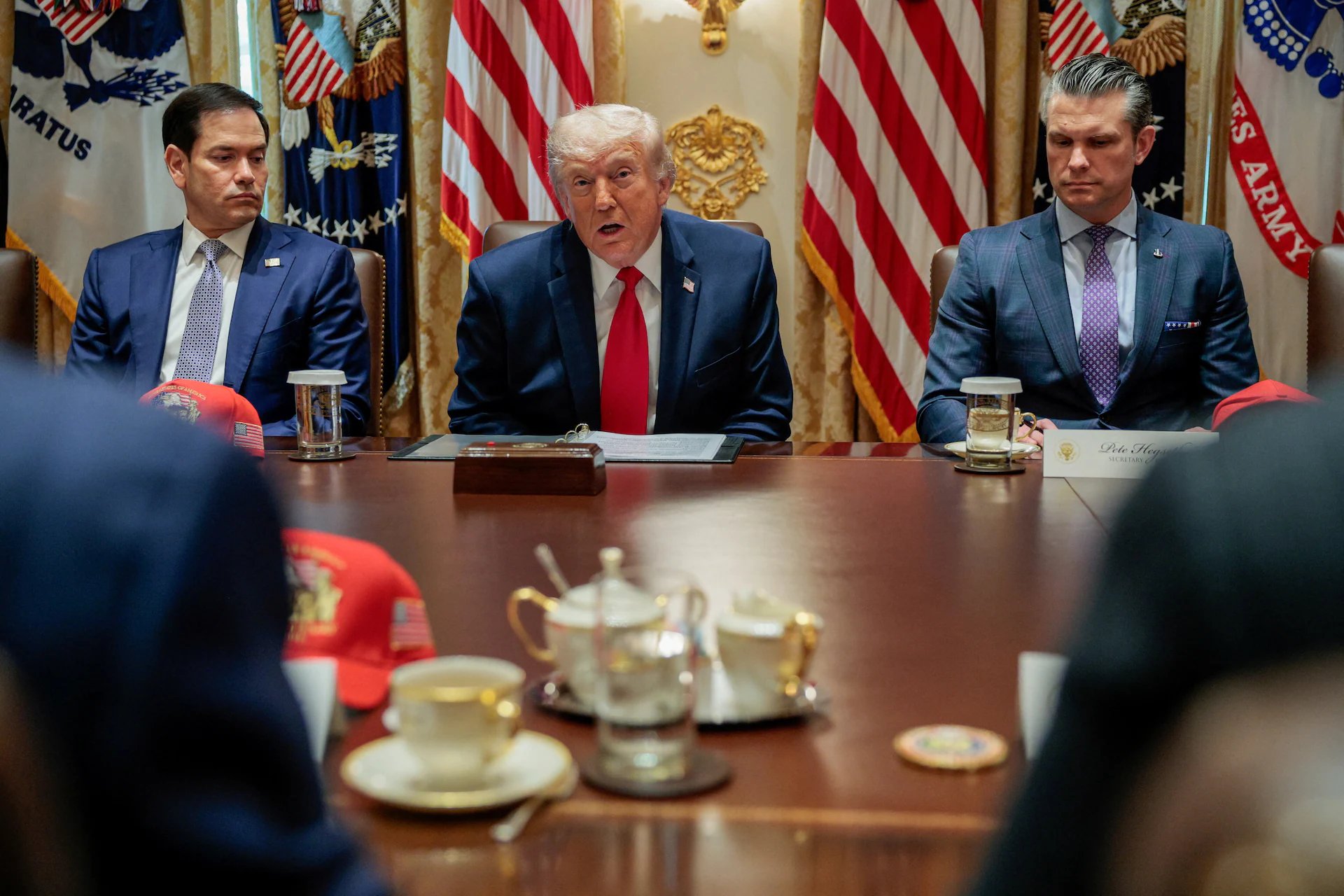
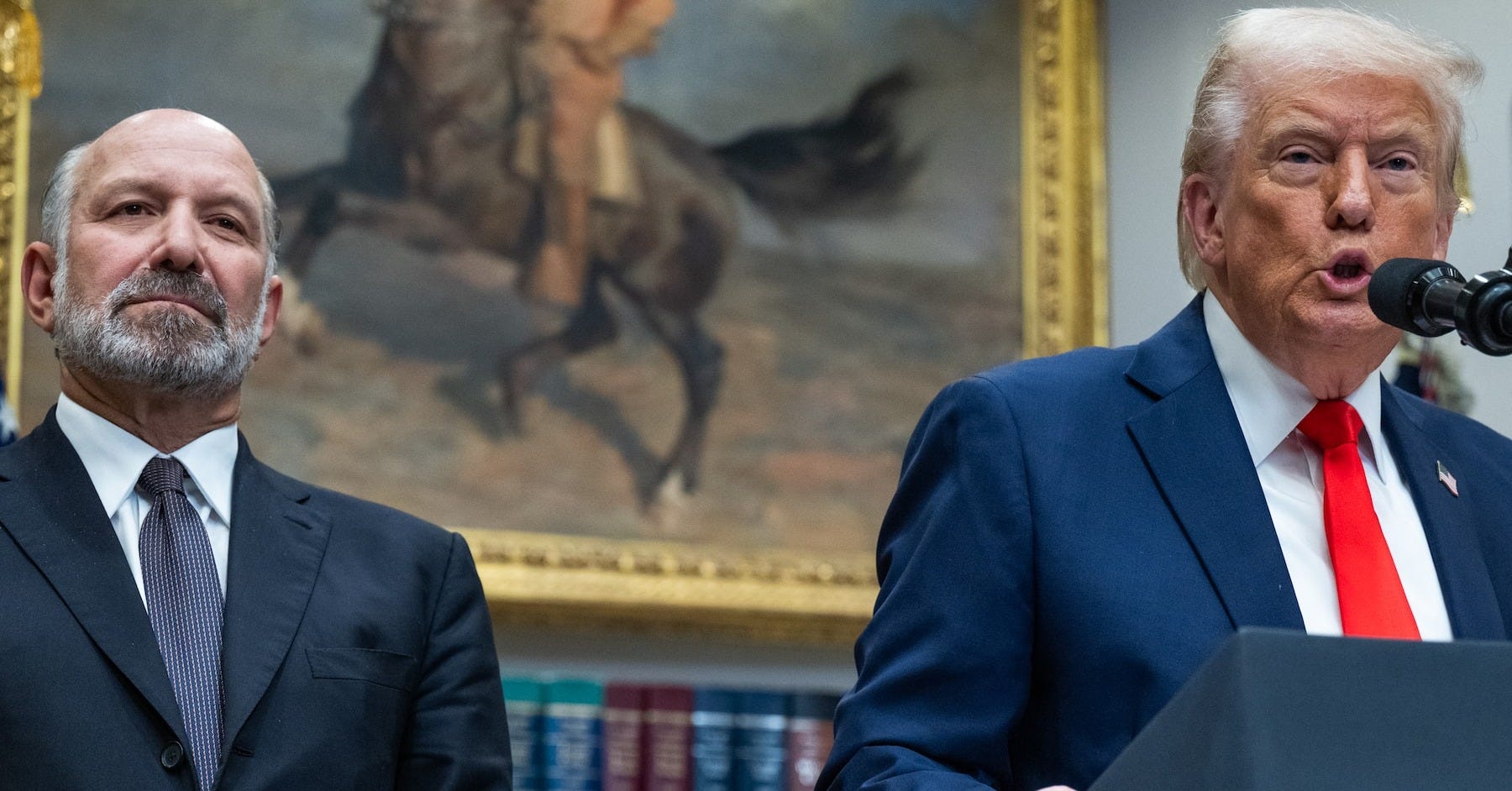
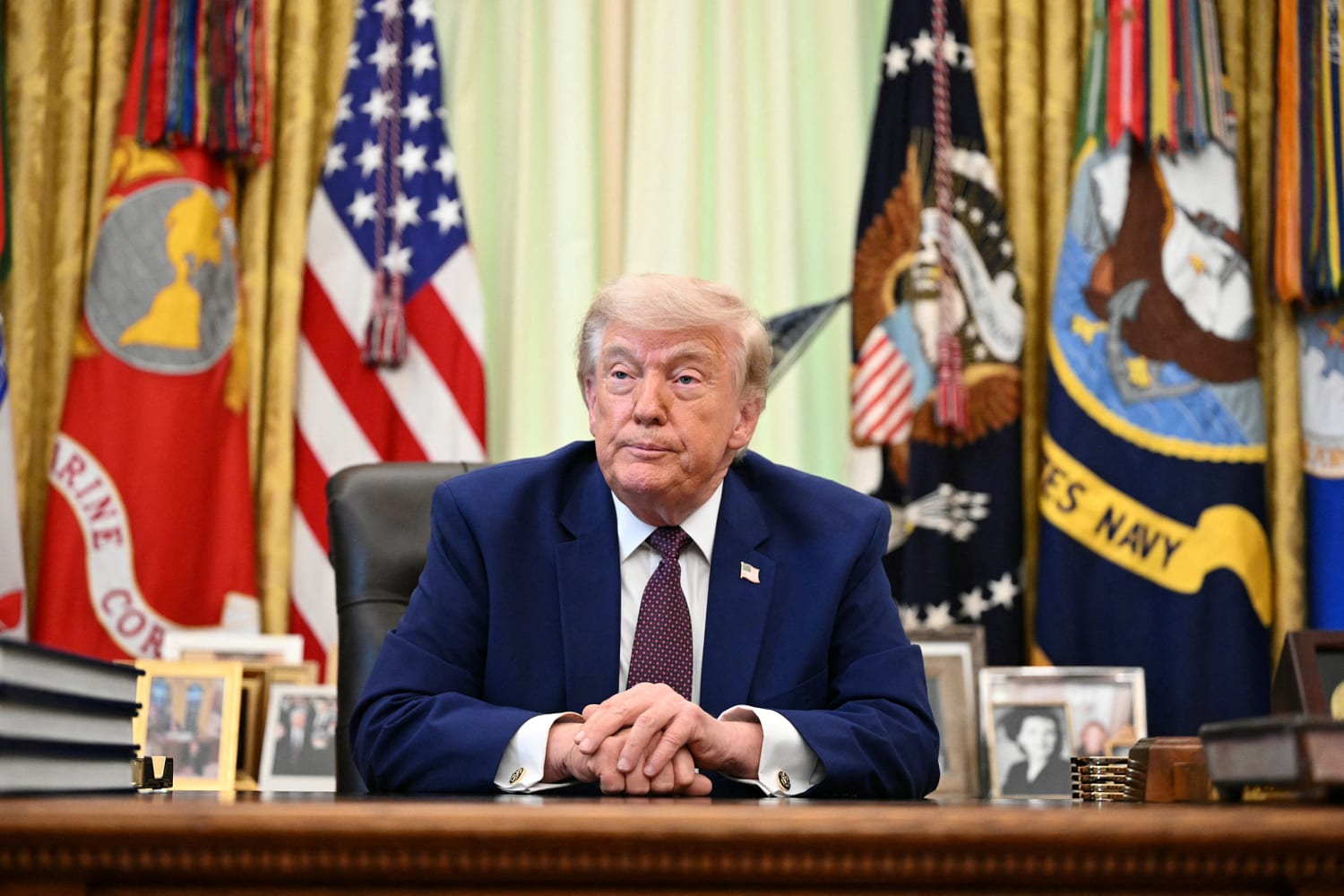
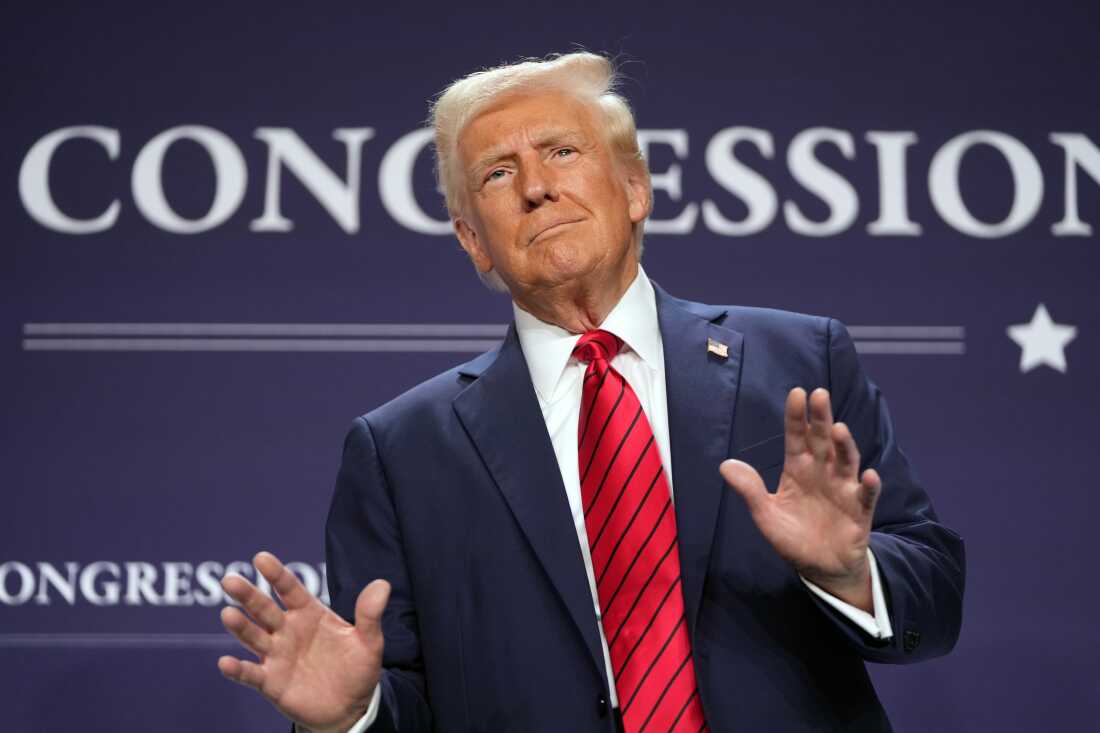
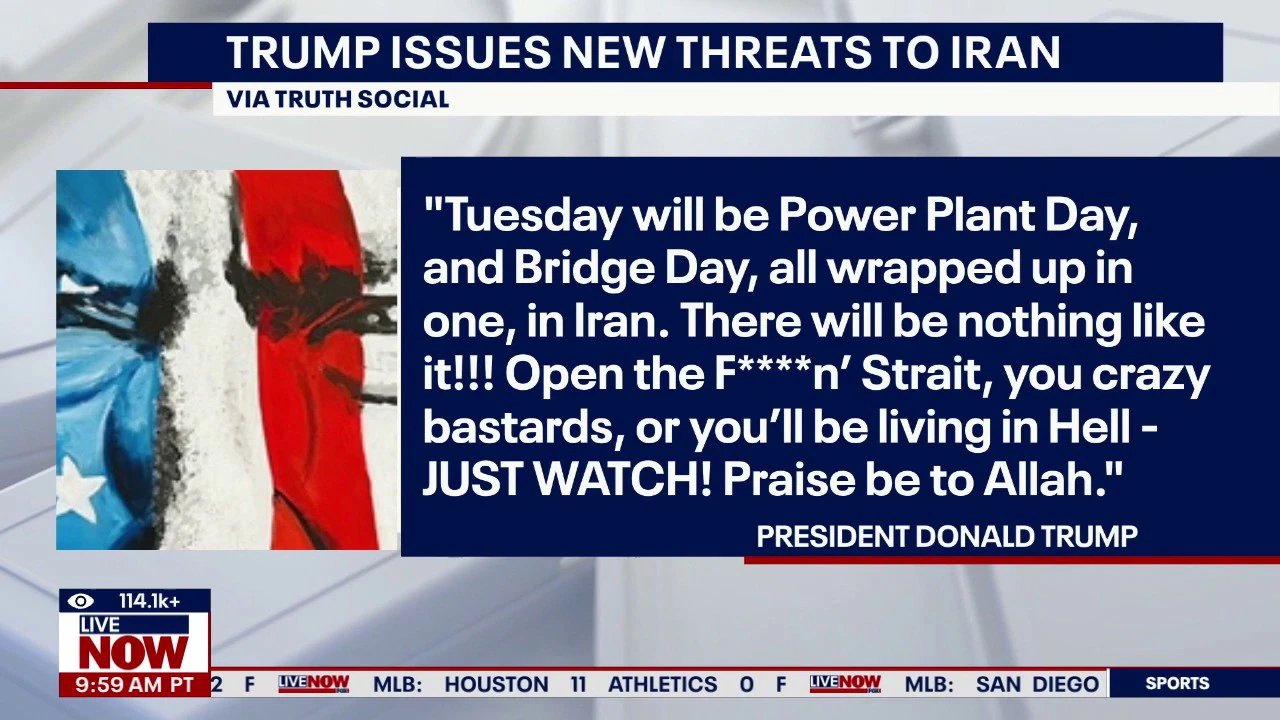
The announcement comes as United States President Donald Trump has repeatedly pressured NATO allies to increase military spending and reduce dependence on American security guarantees.
Starmer framed the investment as a continuation of his earlier decision to redirect aid spending toward defense. "Last year I made the decision in the national interest to reprioritise aid spending towards defence and achieved the biggest uplift in defence spending since the end of the Cold War," he said. Defence Secretary John Healey warned that the plans risked making Britain "less safe." Critics also said the plan, delayed for more than nine months, was too little, too late.























































































































The sources also report that the defense spending plan aims to reach 3.5 percent of GDP by 2035, not just by 2029.