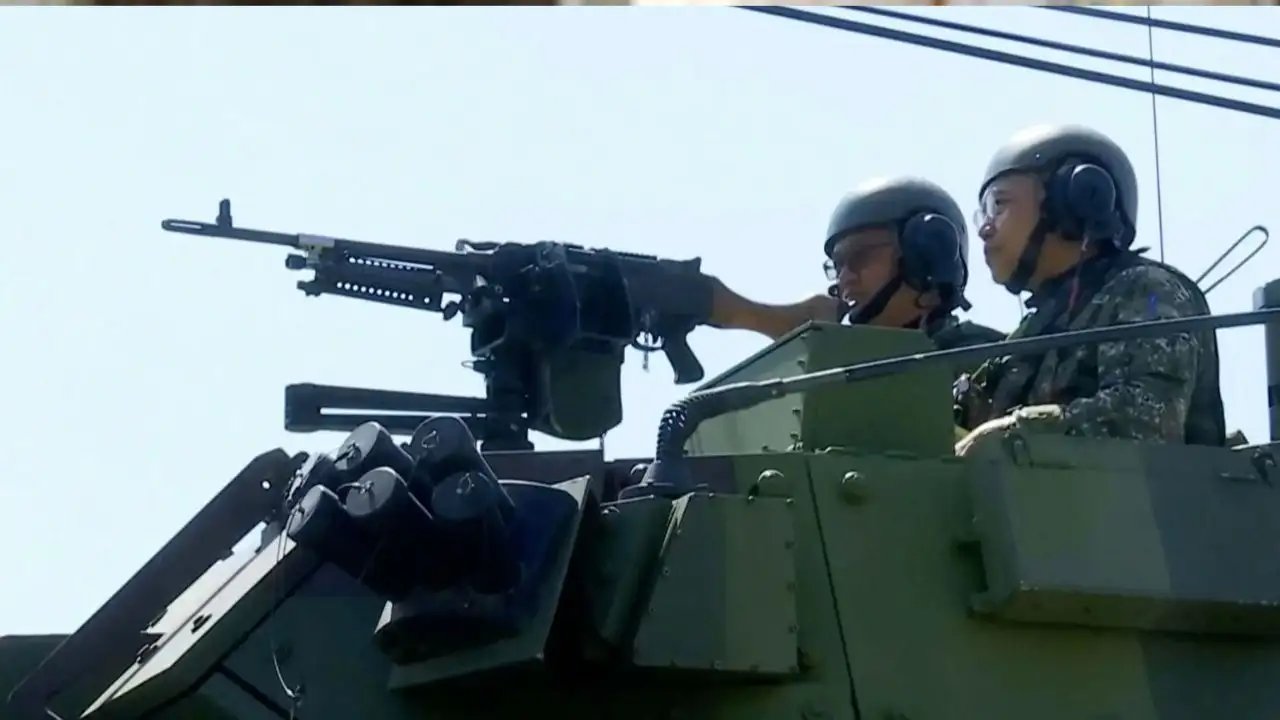
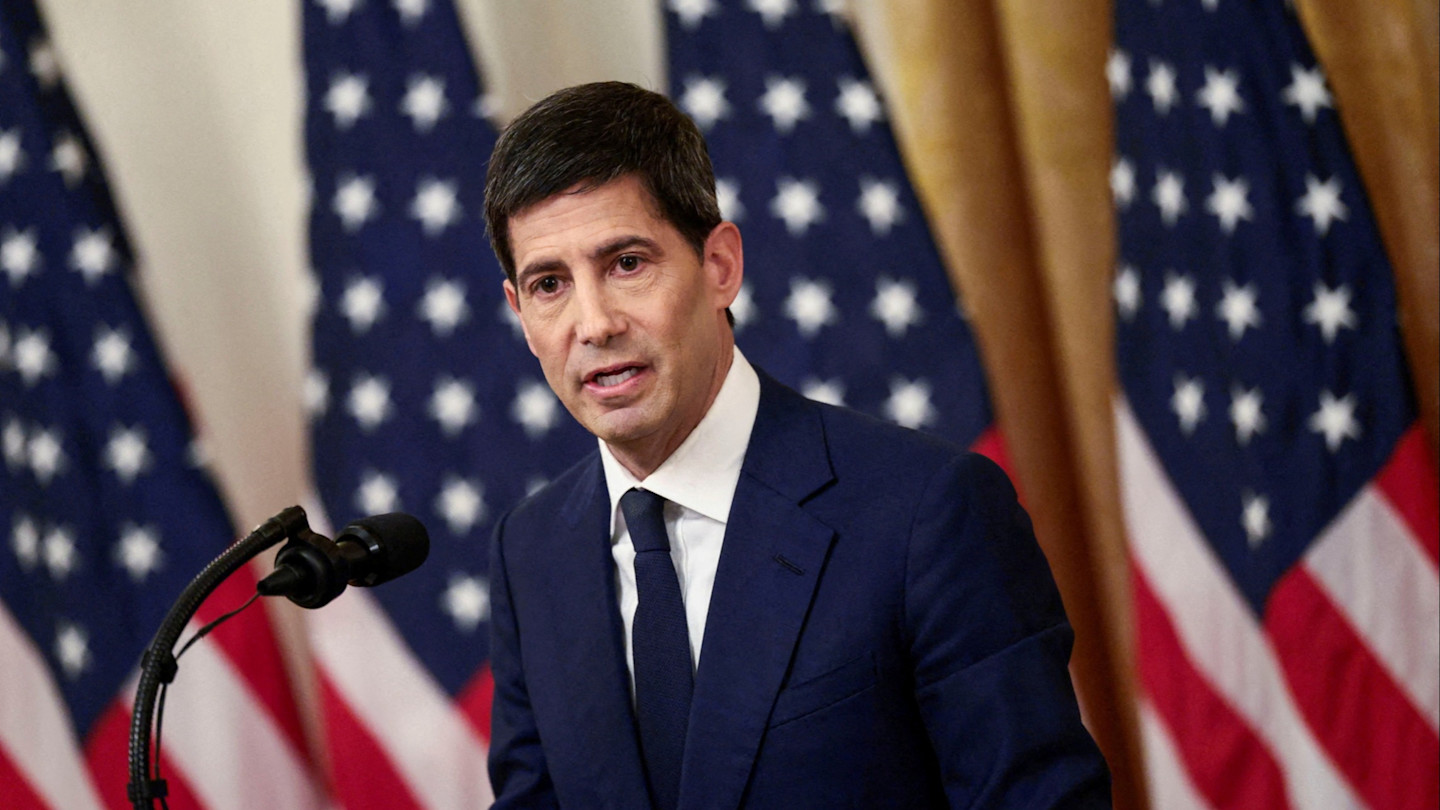
Bolivia's President Rodrigo Paz declared a state of emergency on Saturday, enabling the military to clear extensive road blockades that have paralyzed the nation for nearly 50 days. In a televised address, Paz stated, "This is not a state of emergency to restrict people's lives. It is a state of emergency to give freedom back to the people." The declaration allows for broader military deployment across the country, aimed at restoring order and ensuring the flow of essential goods, which have been severely disrupted due to ongoing protests.
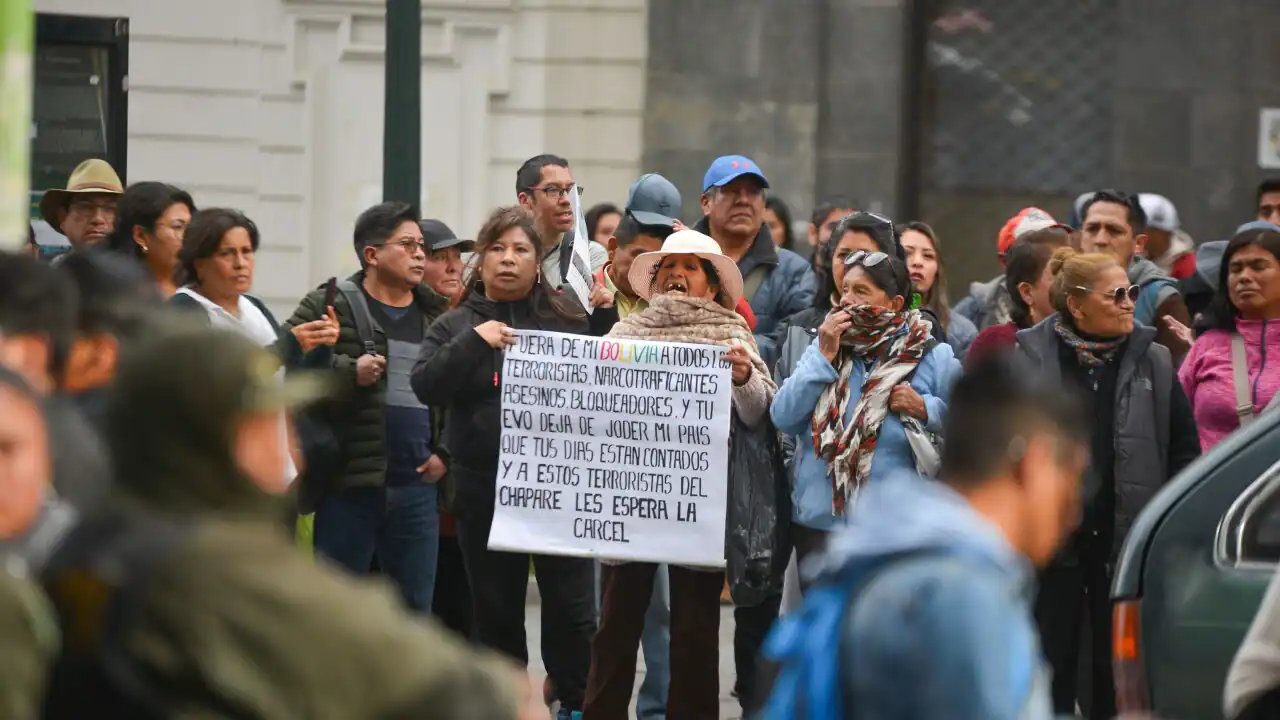
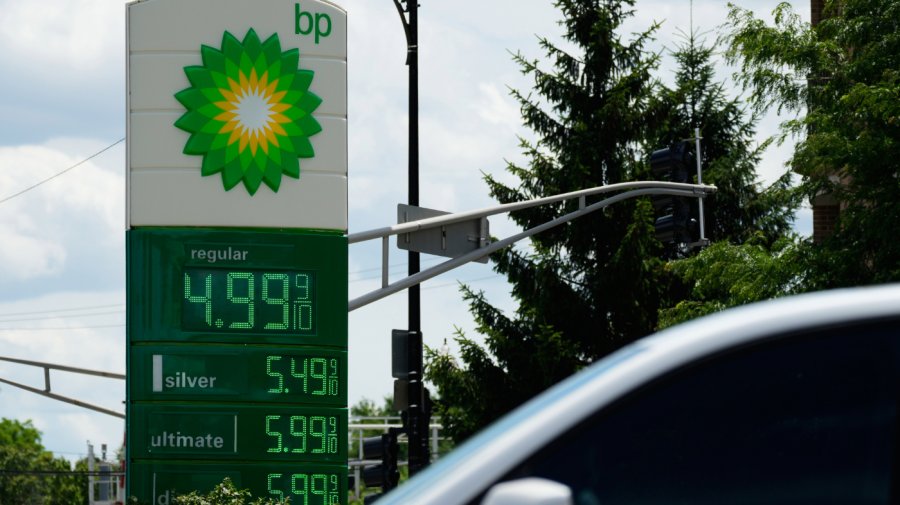
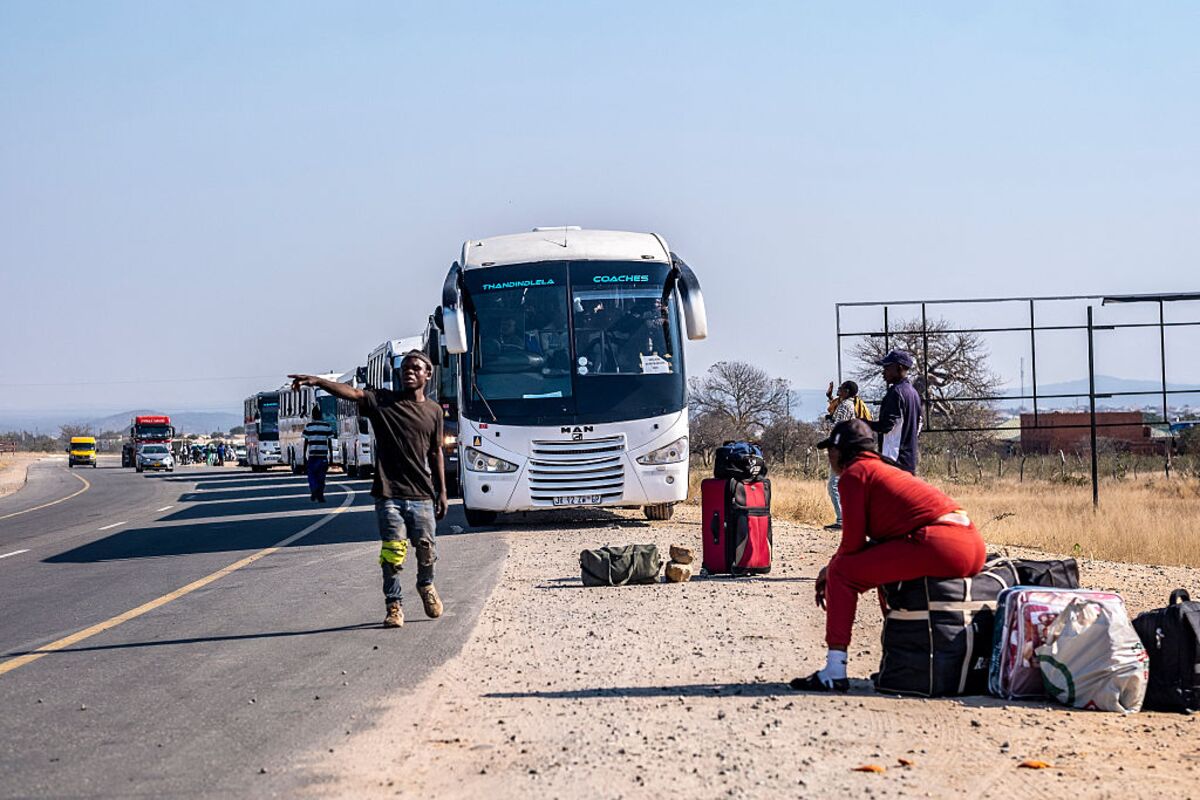
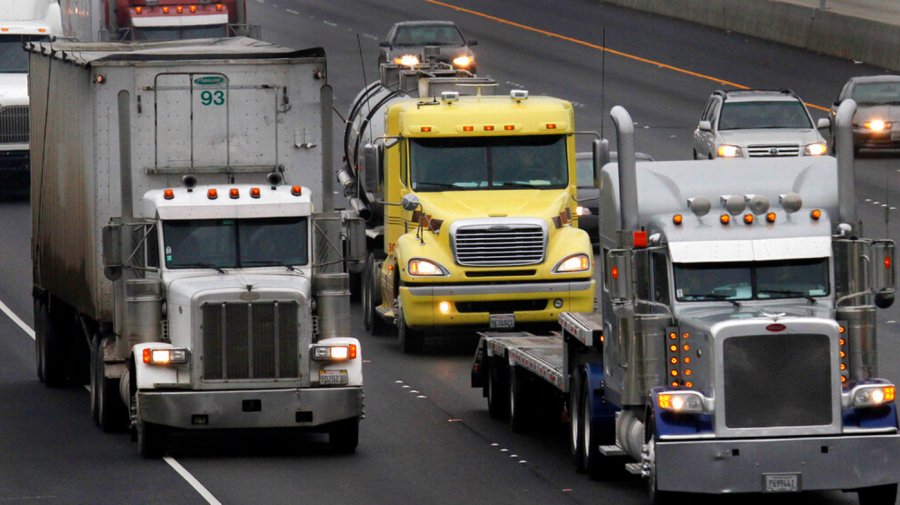
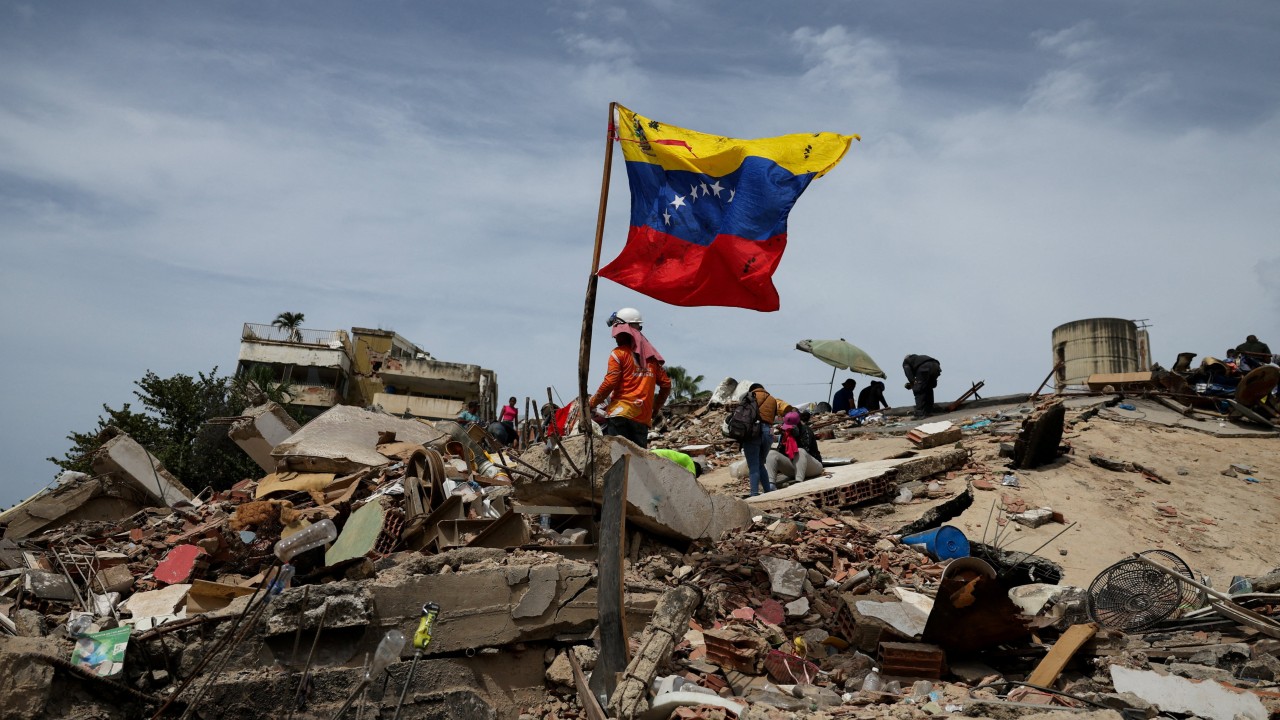
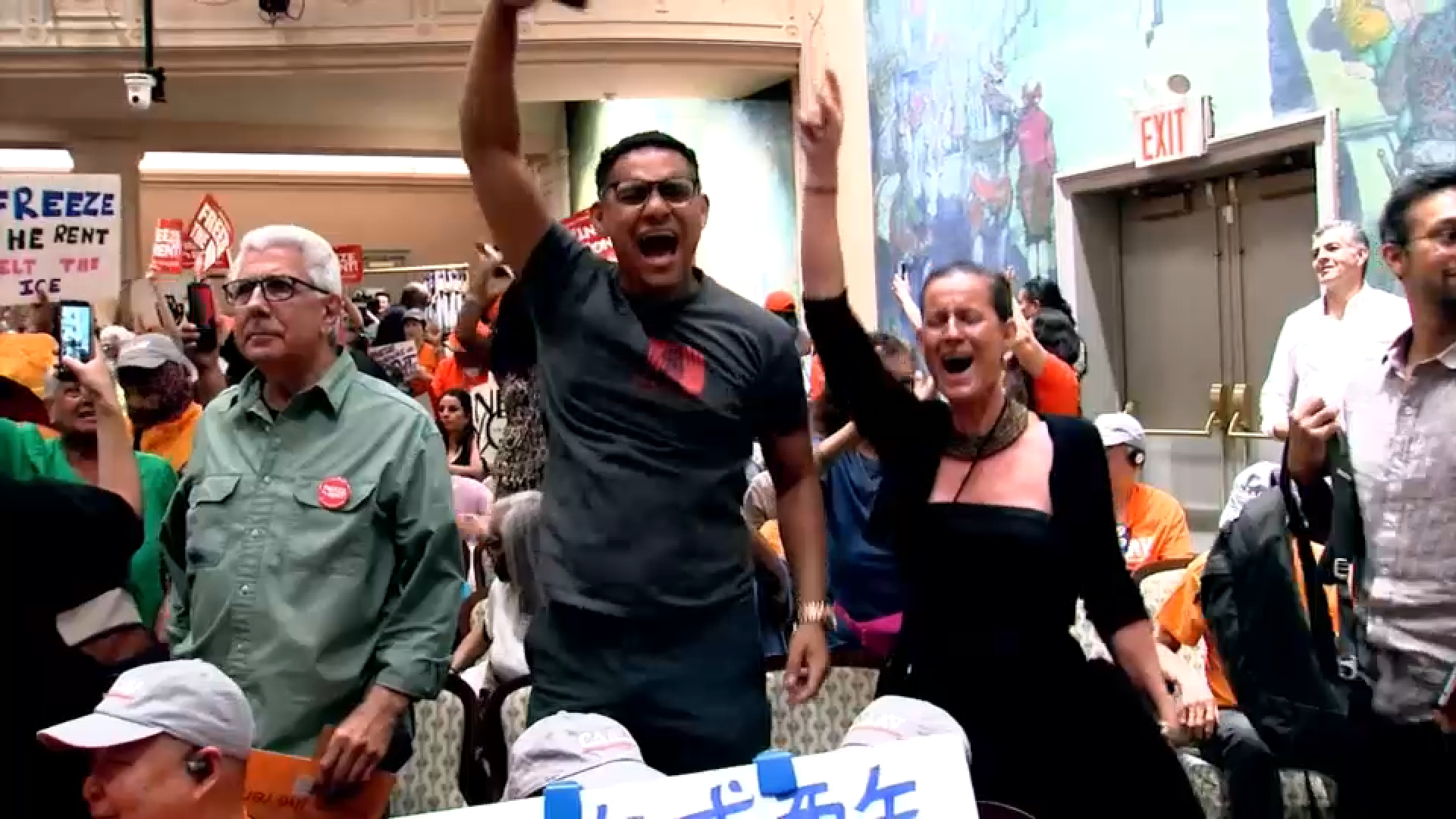
The protests began in May after President Paz eliminated long-standing fuel subsidies, leading to significant increases in gas prices. The decision triggered widespread demonstrations. Demonstrators include labor unions and groups loyal to former President Evo Morales. Protesters are demanding wage increases, a rollback of austerity measures, and Paz's resignation. The unrest has caused major disruptions in key routes, stranding trucks and choking supplies of food, fuel, and medicine, particularly in urban centers like La Paz and El Alto.
Paz declared the state of emergency on Saturday, hours after announcing a deal with the Bolivian Workers' Confederation (COB) on Friday. In his declaration, Paz described the conflict as an organized attempt to destabilize democracy. He emphasized that those continuing to disrupt public order would face legal consequences. The emergency measures take effect immediately, but the president is required to inform Congress within 24 hours, which then has up to 72 hours to approve or reject the state of emergency.
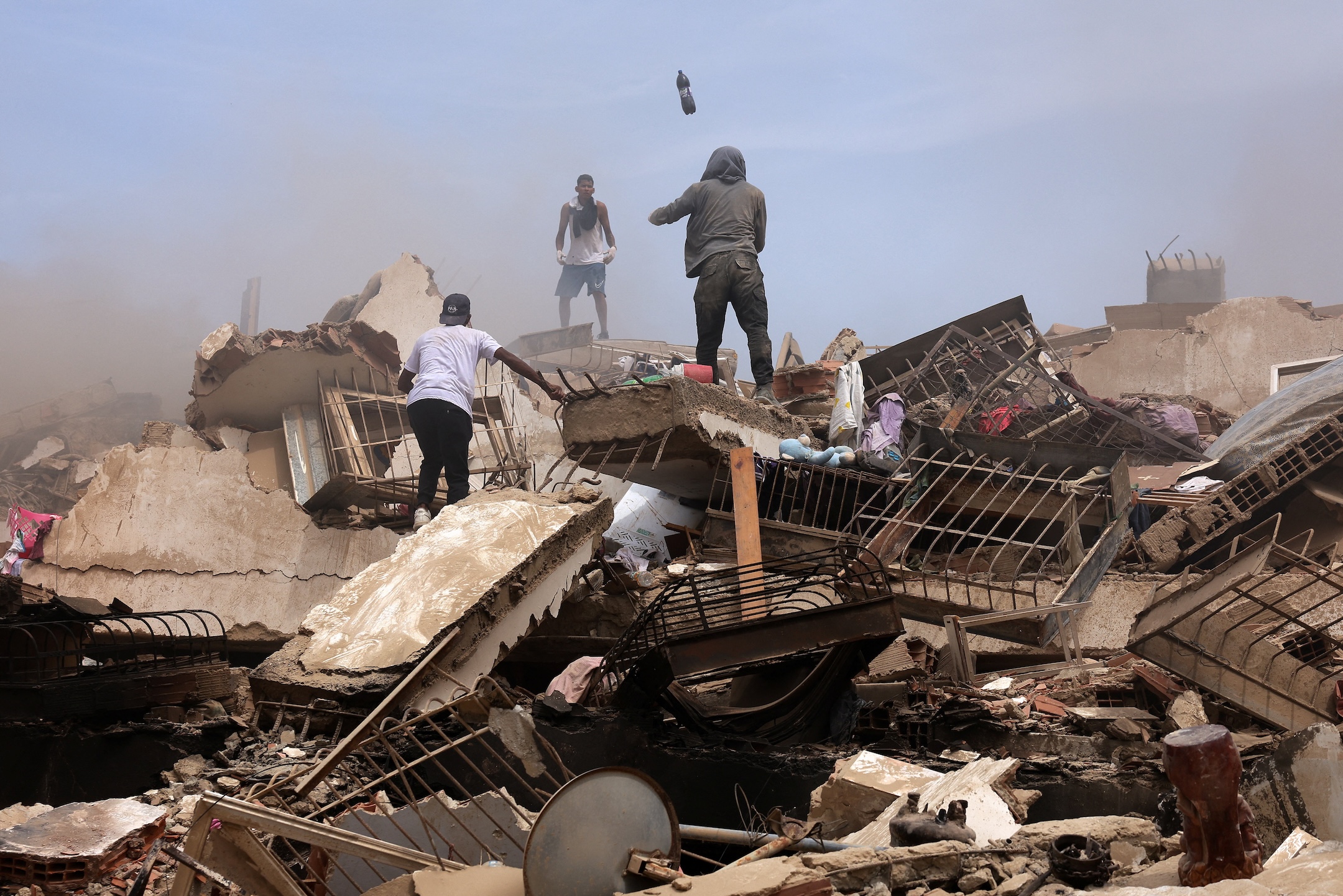
The blockade has severely affected Bolivia's economy, with essential goods becoming scarce. The ongoing crisis has left many citizens struggling with rising costs and shortages of basic supplies. The country grapples with a worsening dollar crunch and ongoing negotiations with the International Monetary Fund.
Community sentiment remains divided as the protests continue. Supporters of the demonstrations argue that they are necessary to hold the government accountable for its economic policies, while others express concern over the rising violence and instability. As the government prepares to deploy military forces, many are anxious about the potential for further escalation and the impact on civilian safety.
Bolivia's President Rodrigo Paz declared a state of emergency on Saturday, enabling the military to clear extensive road blockades that have paralyzed the nation for nearly 50 days. In a televised address, Paz stated, "This is not a state of emergency to restrict people's lives. It is a state of emergency to give freedom back to the people." The declaration allows for broader military deployment across the country, aimed at restoring order and ensuring the flow of essential goods, which have been severely disrupted due to ongoing protests.
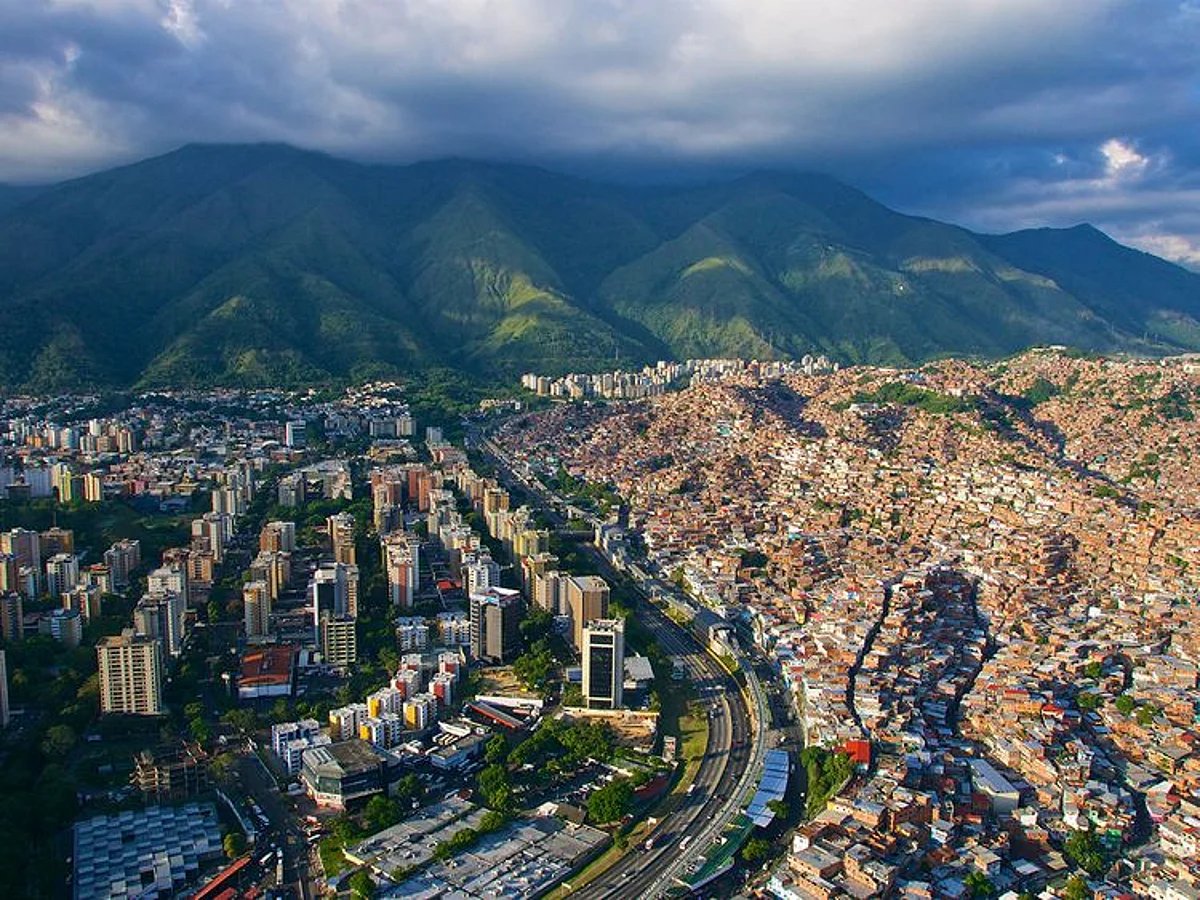
The protests began in May after President Paz eliminated long-standing fuel subsidies, leading to significant increases in gas prices. The decision triggered widespread demonstrations, primarily organized by labor unions and groups loyal to former President Evo Morales. Protesters are demanding wage increases, a rollback of austerity measures, and Paz's resignation. The unrest has caused major disruptions in key routes, stranding trucks and choking supplies of food, fuel, and medicine, particularly in urban centers like La Paz and El Alto.
Paz's emergency declaration comes just hours after he announced a deal with the Bolivian Workers' Confederation (COB), aimed at easing tensions. However, the situation escalated as protesters intensified their efforts, leading Paz to describe the conflict as an organized attempt to destabilize democracy. He emphasized that those continuing to disrupt public order would face legal consequences. The emergency measures take effect immediately, but the president is required to inform Congress within 24 hours, which then has up to 72 hours to approve or reject the state of emergency.
The blockade has severely affected Bolivia's economy, with reports indicating that essential goods have become scarce. The ongoing crisis has left many citizens struggling with rising costs and shortages of basic supplies. Economists suggest that the situation could worsen if the blockades are not resolved quickly, as the country grapples with a worsening dollar crunch and ongoing negotiations with the International Monetary Fund.
Community sentiment remains divided as the protests continue. Supporters of the demonstrations argue that they are necessary to hold the government accountable for its economic policies, while others express concern over the rising violence and instability. As the government prepares to deploy military forces, many are anxious about the potential for further escalation and the impact on civilian safety.
As Bolivia enters a critical phase of this crisis, the government's ability to navigate the state of emergency will be closely monitored. The outcome of the military's intervention to clear blockades and restore order will have significant implications for both the current administration and the broader social landscape. Citizens are left hoping for a resolution that addresses their grievances without further destabilizing the nation.
Highlighted text was flagged by the council. Tap to see feedback.























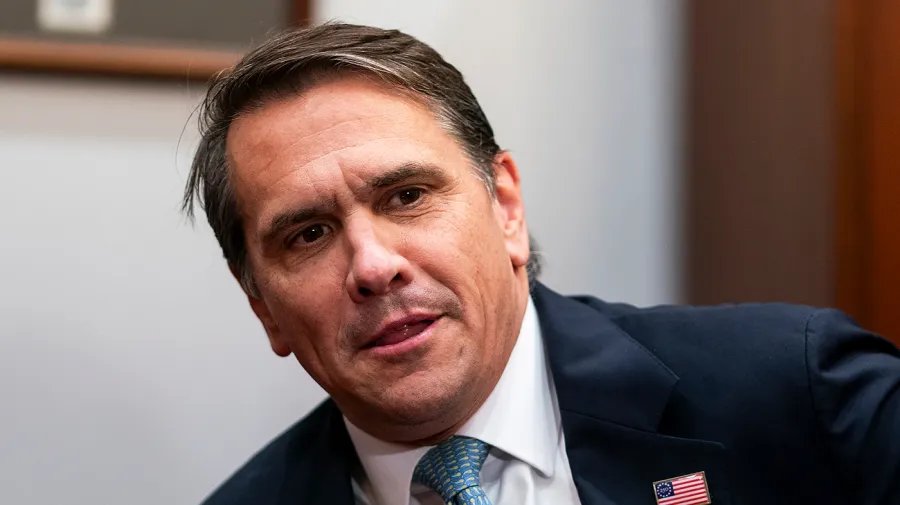







































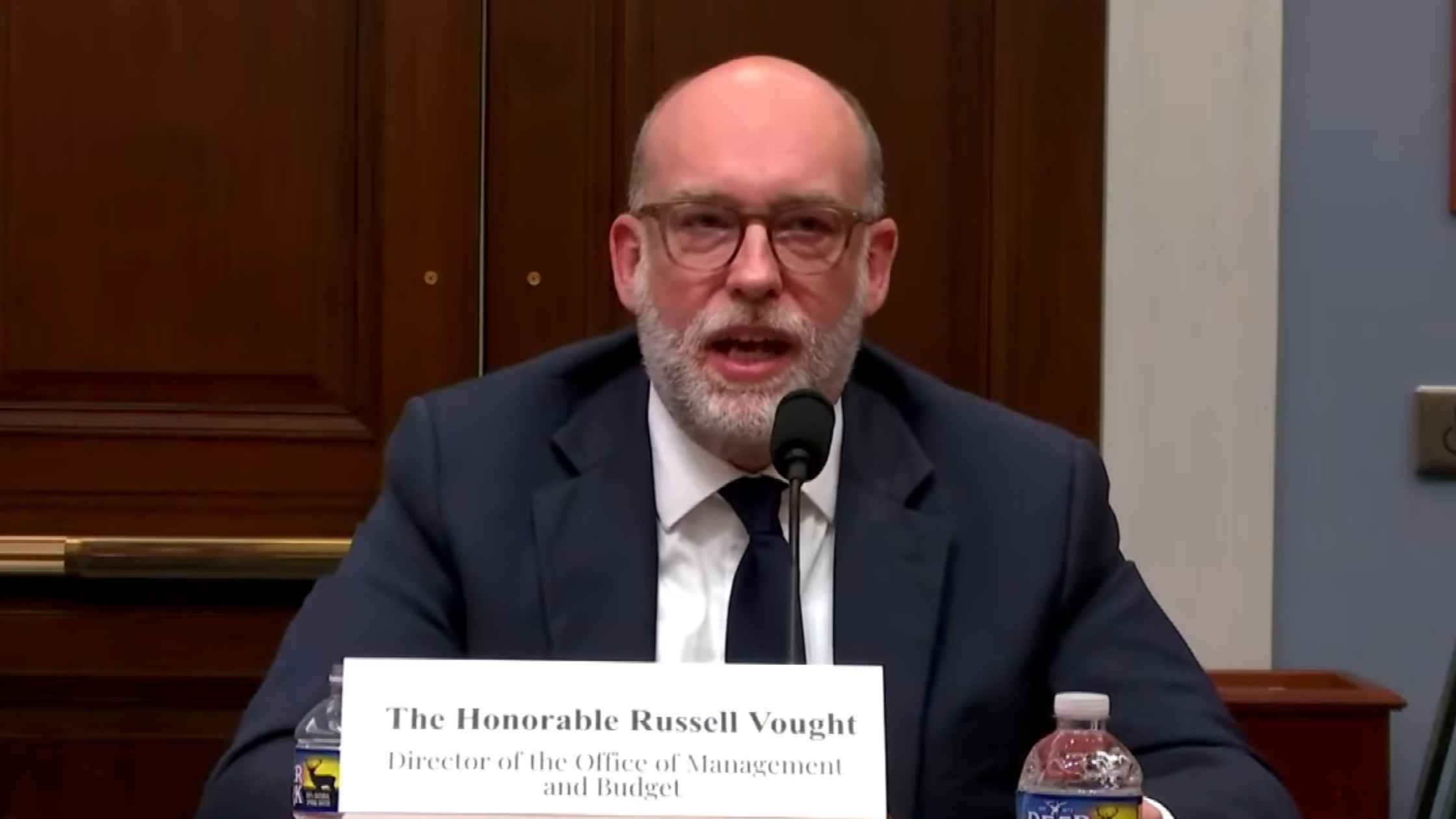




























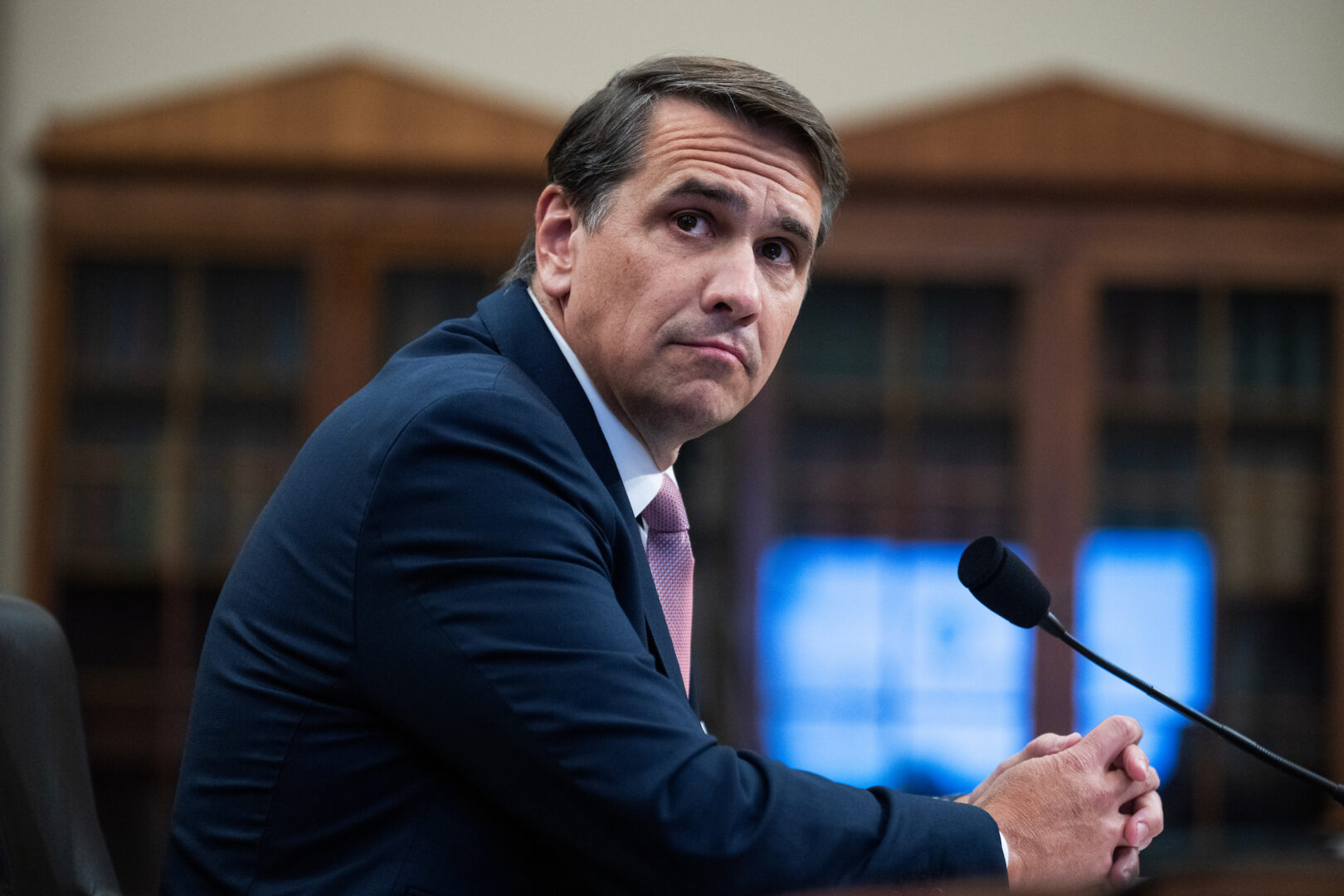








The sources also report that President Rodrigo Paz's election victory ended nearly 20 years of rule by the leftist Movement for Socialism (Mas) party in Bolivia.