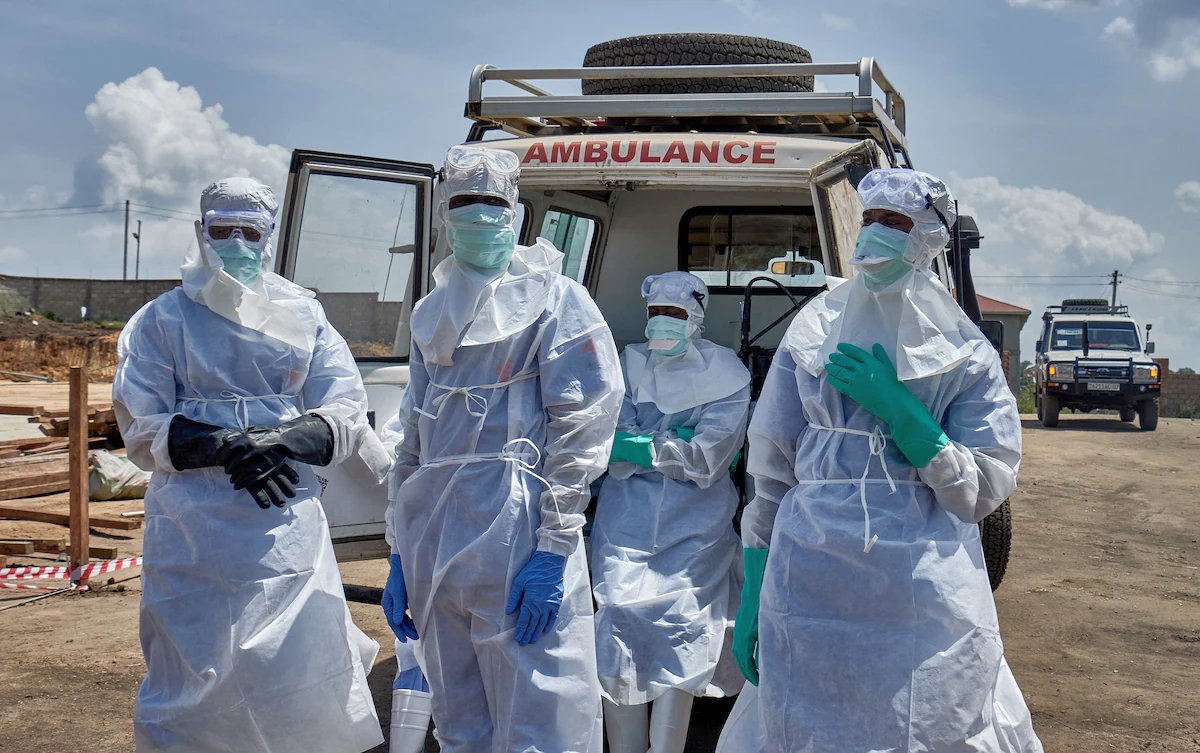
Nigerian forces rescued 360 captives, including women and children, from a Boko Haram mountain hideout in Borno State over the weekend. The captives had been abducted from communities in Borno, including Ngoshe, in March, during Ramadan. The military's operation, described as "intelligence-led," involved weeks of planning and executed a surprise assault on the militants in the Mandara mountains, a known stronghold for the group.
The military said the operation was an intelligence-led rescue that took weeks to plan. But Samaila Kaigama, president of the Borno South Youth Initiative, said his group mediated the unconditional release and put the number freed at 416.
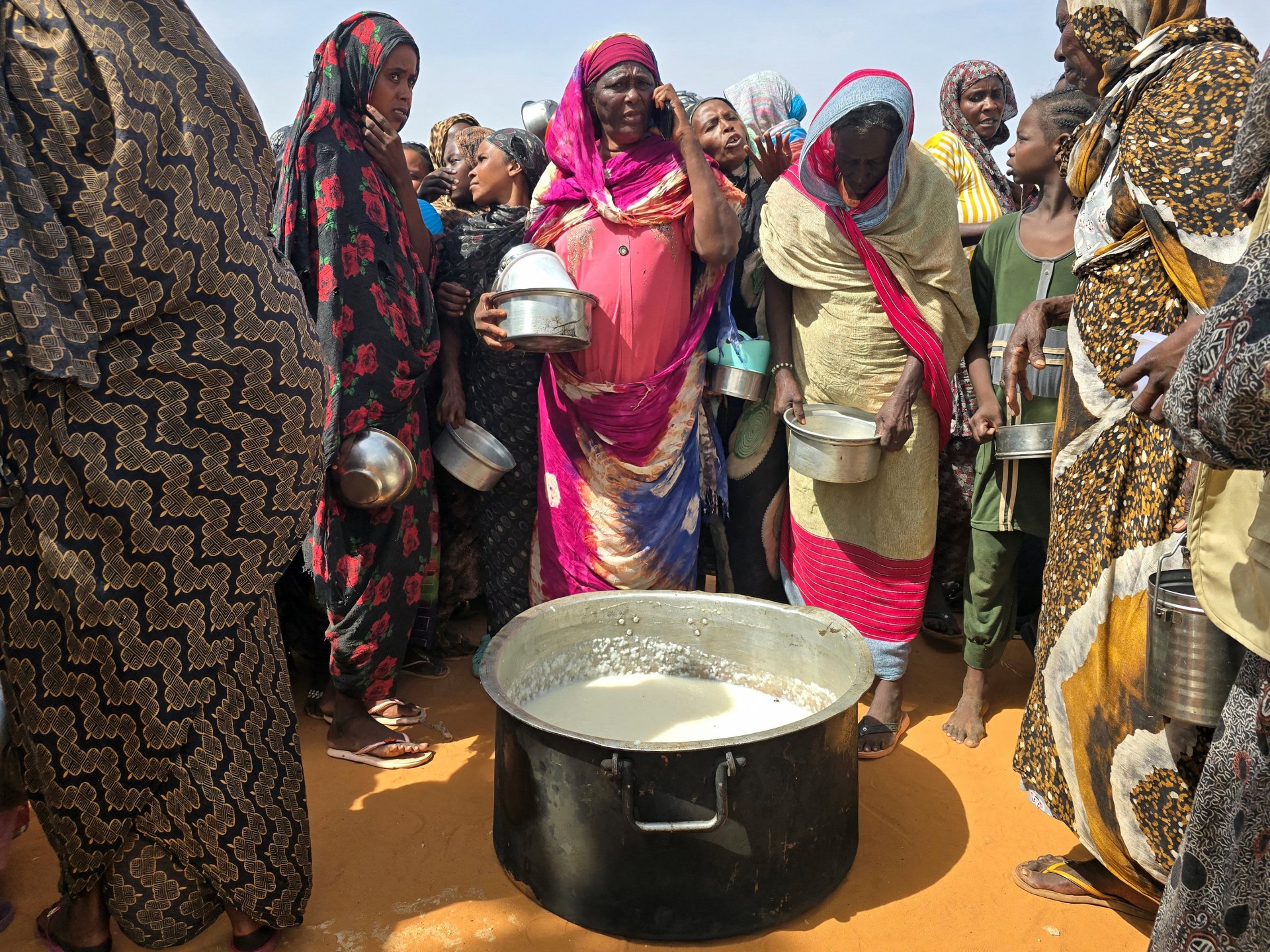
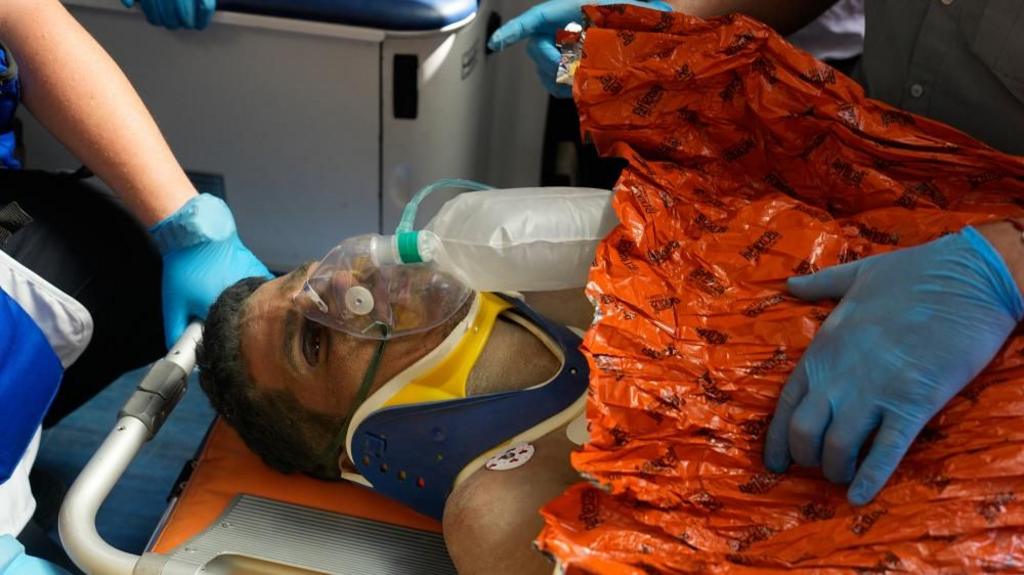
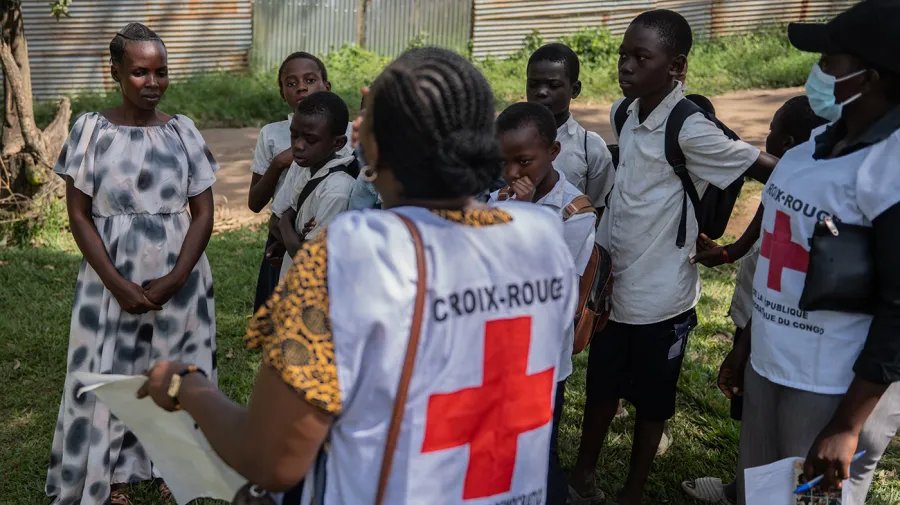
Tragically, two infants died during their captivity, succumbing to exhaustion from the harsh conditions they faced. Military spokesperson Lt-Col Haruna Sani confirmed that the remaining captives were evacuated to safe locations for medical care and humanitarian support. The dire circumstances of the captives reflect the ongoing humanitarian crisis tied to the insurgency, which has left thousands dead and millions displaced in the region.
The rescue operation marks a significant success for Nigerian forces amidst a backdrop of escalating insecurity in the country. Armed groups, including Boko Haram and its splinter factions, continue to carry out kidnappings for ransom, exacerbating the already complex security landscape. The Nigerian military has faced criticism for its inability to effectively protect citizens, despite recent efforts and promises from President Bola Tinubu to tackle the crisis.
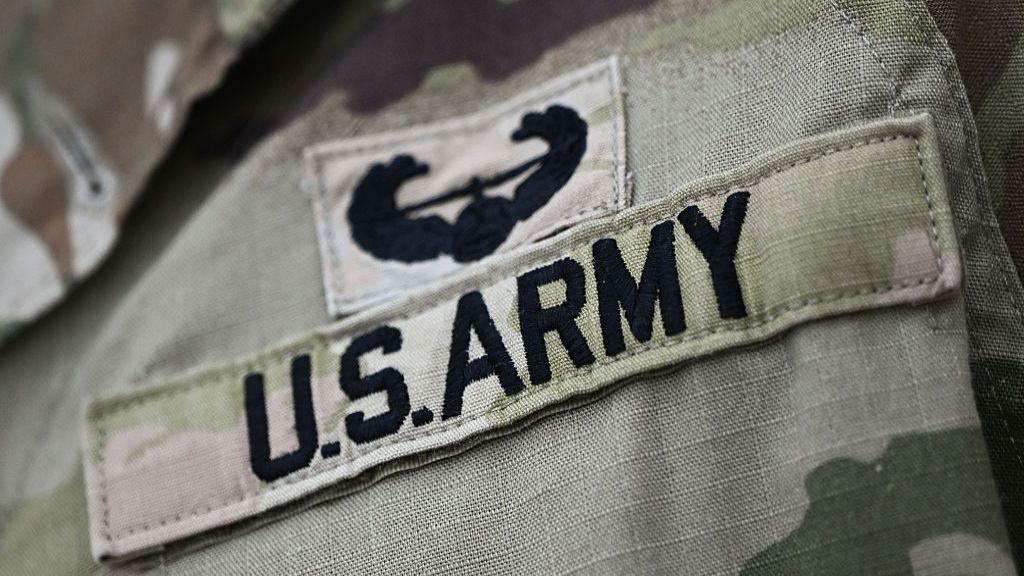
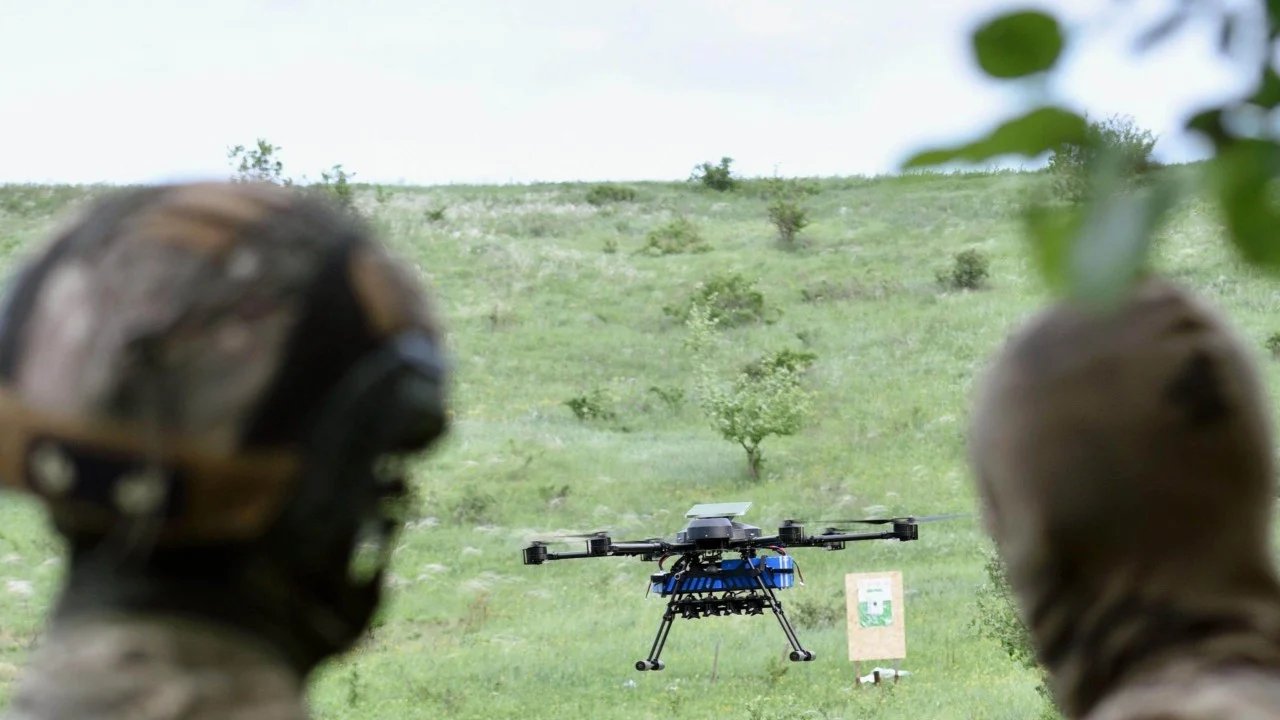
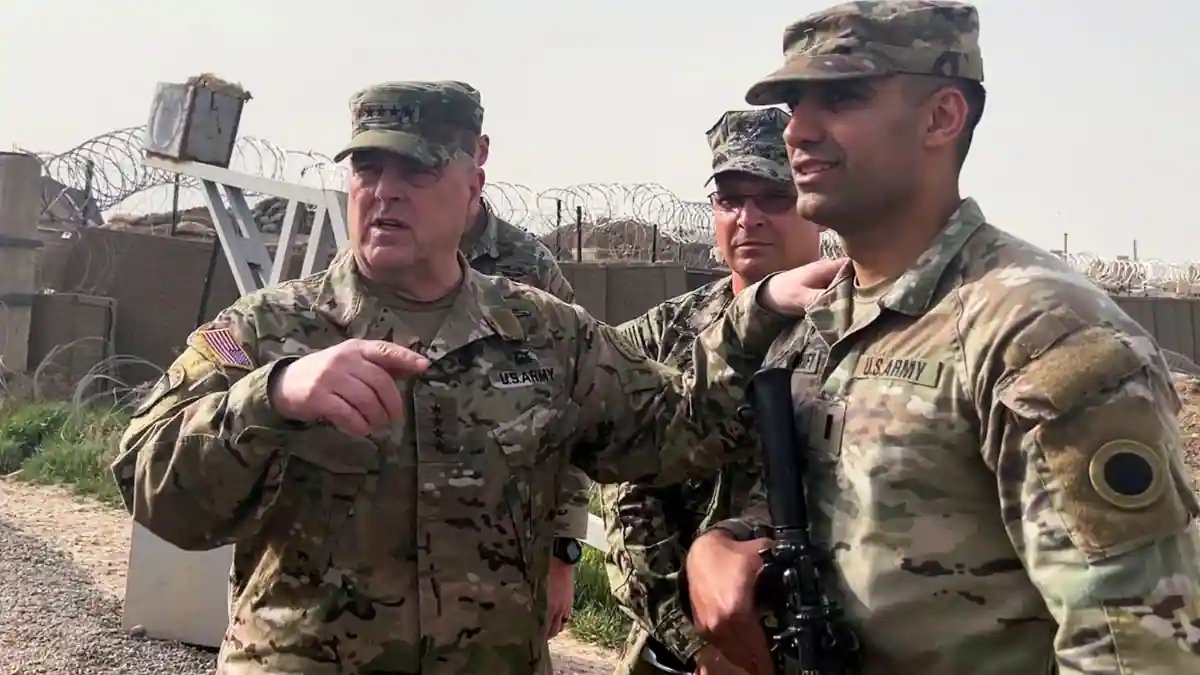
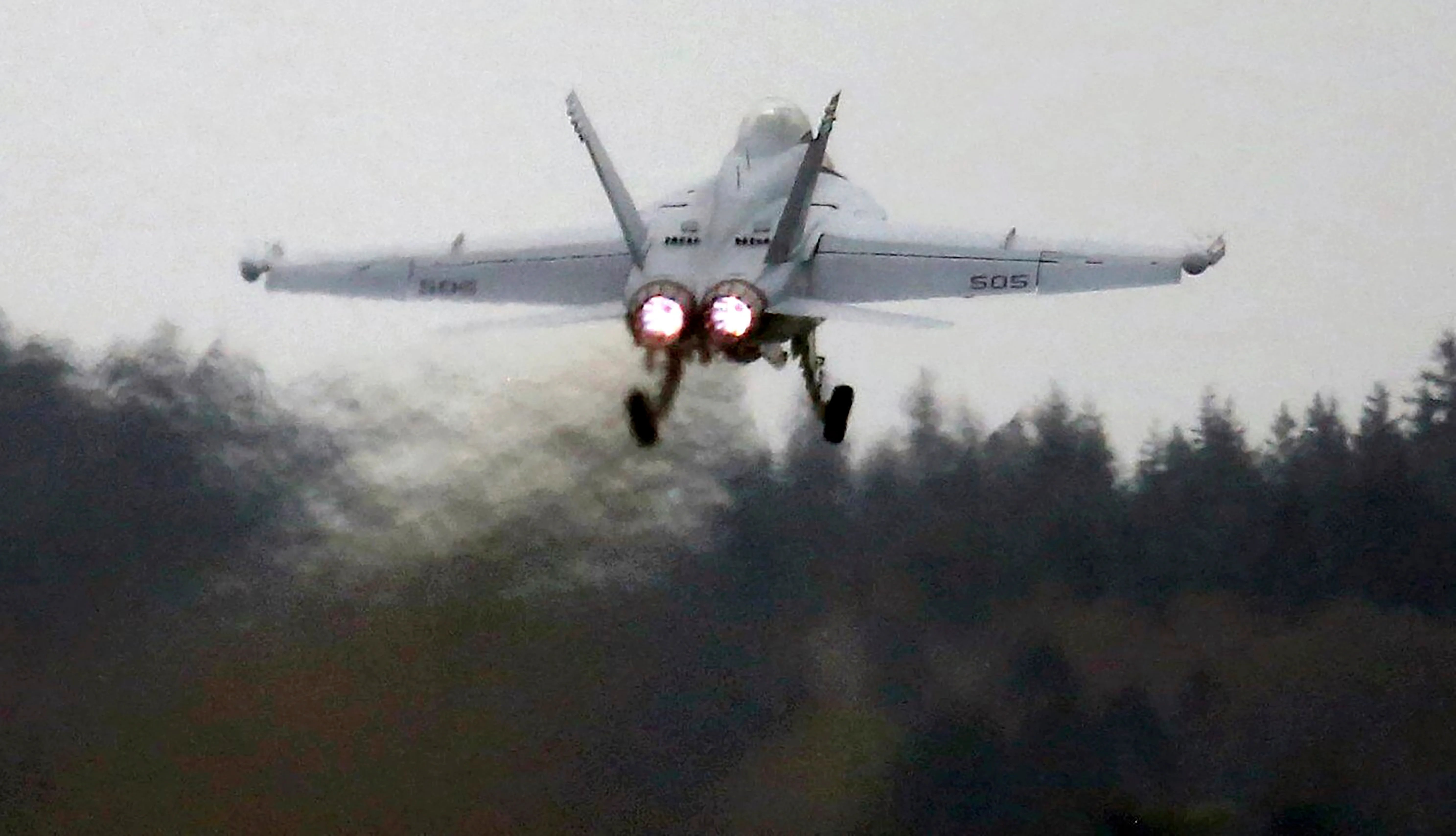
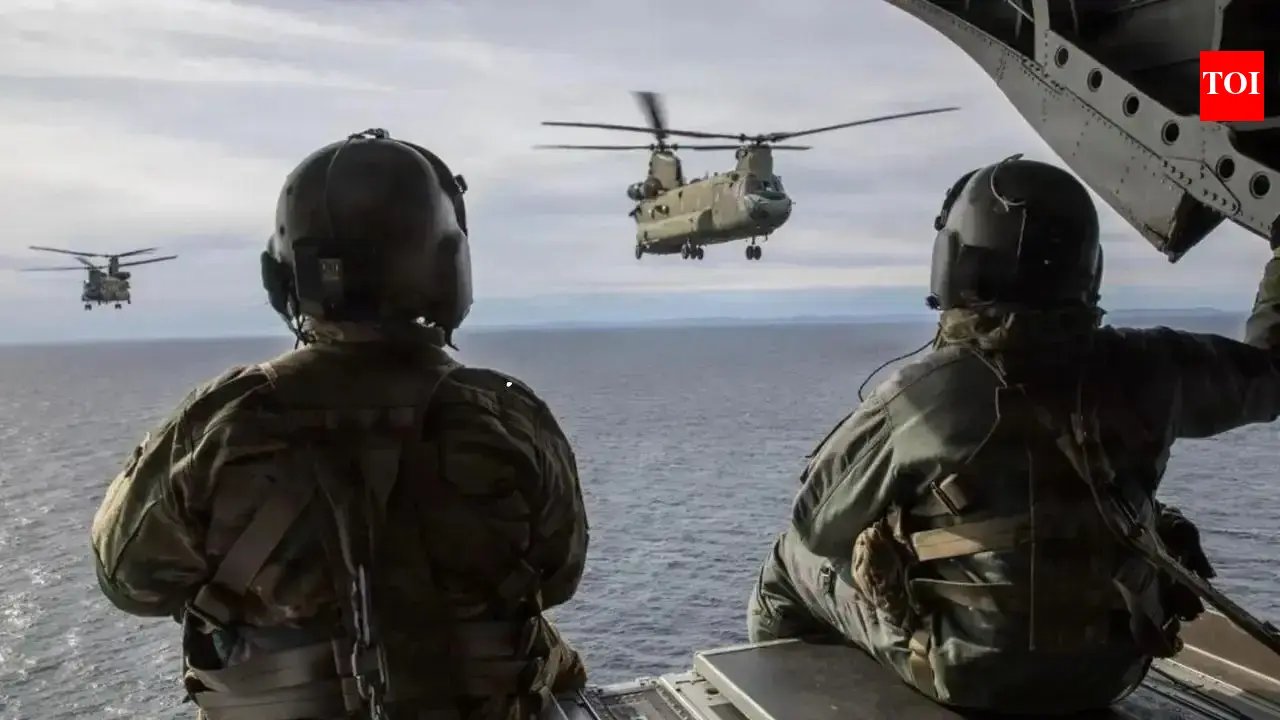
Earlier this year, a small contingent of U.S. soldiers was deployed to assist Nigerian forces in their fight against growing security threats. As the military continues to confront Boko Haram's activities, the release of these captives could represent a turning point in the ongoing battle against terrorism in Nigeria, potentially altering the dynamics of the conflict.
Nigerian forces rescued 360 captives, including women and children, from a Boko Haram mountain hideout in Borno State over the weekend. The captives had been abducted from various communities, including Ngoshe, in March, during a period when many were breaking their Ramadan fast. The military's operation, described as "intelligence-led," involved weeks of planning and executed a surprise assault on the militants in the Mandara mountains, a known stronghold for the group.
The Nigerian Army claims the successful rescue was due to an unprecedented operation that took the insurgents by surprise. However, the Borno South Youth Initiative contends that they mediated the unconditional release of the captives, putting the number freed at 416. The difference in figures highlights the ongoing debate over the effectiveness of military strategies versus local mediation efforts in dealing with the pervasive issue of kidnapping in Nigeria.
Tragically, two infants died during their captivity, succumbing to exhaustion from the harsh conditions they faced. Military spokesperson Lt-Col Haruna Sani confirmed that the remaining captives were evacuated to safe locations for medical care and humanitarian support. The dire circumstances of the captives reflect the ongoing humanitarian crisis tied to the insurgency, which has left thousands dead and millions displaced in the region.
The rescue operation marks a significant success for Nigerian forces amidst a backdrop of escalating insecurity in the country. Armed groups, including Boko Haram and its splinter factions, continue to carry out kidnappings for ransom, exacerbating the already complex security landscape. The Nigerian military has faced criticism for its inability to effectively protect citizens, despite recent efforts and promises from President Bola Tinubu to tackle the crisis.
The operation coincides with a broader international effort to bolster Nigeria's military capabilities. Earlier this year, a small contingent of U.S. soldiers was deployed to assist Nigerian forces in their fight against growing security threats. As the military continues to confront Boko Haram's activities, the release of these captives could represent a turning point in the ongoing battle against terrorism in Nigeria, potentially altering the dynamics of the conflict.
The plight of these freed captives underscores the urgent need for effective strategies to address the root causes of insecurity and protect vulnerable communities in northeastern Nigeria.
Highlighted text was flagged by the council. Tap to see feedback.