




Ceasefire Agreement Faces Immediate Challenges
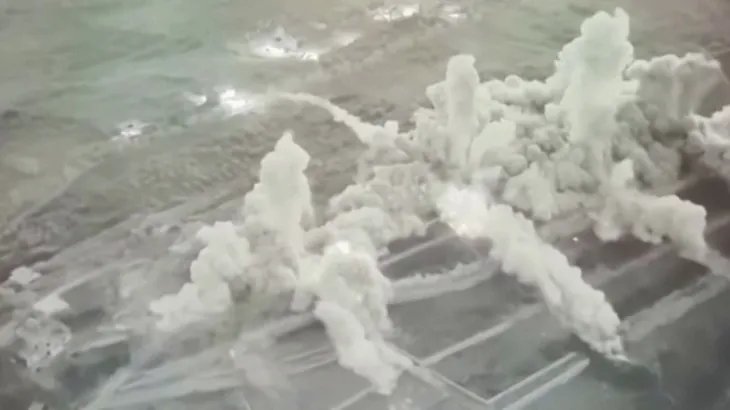
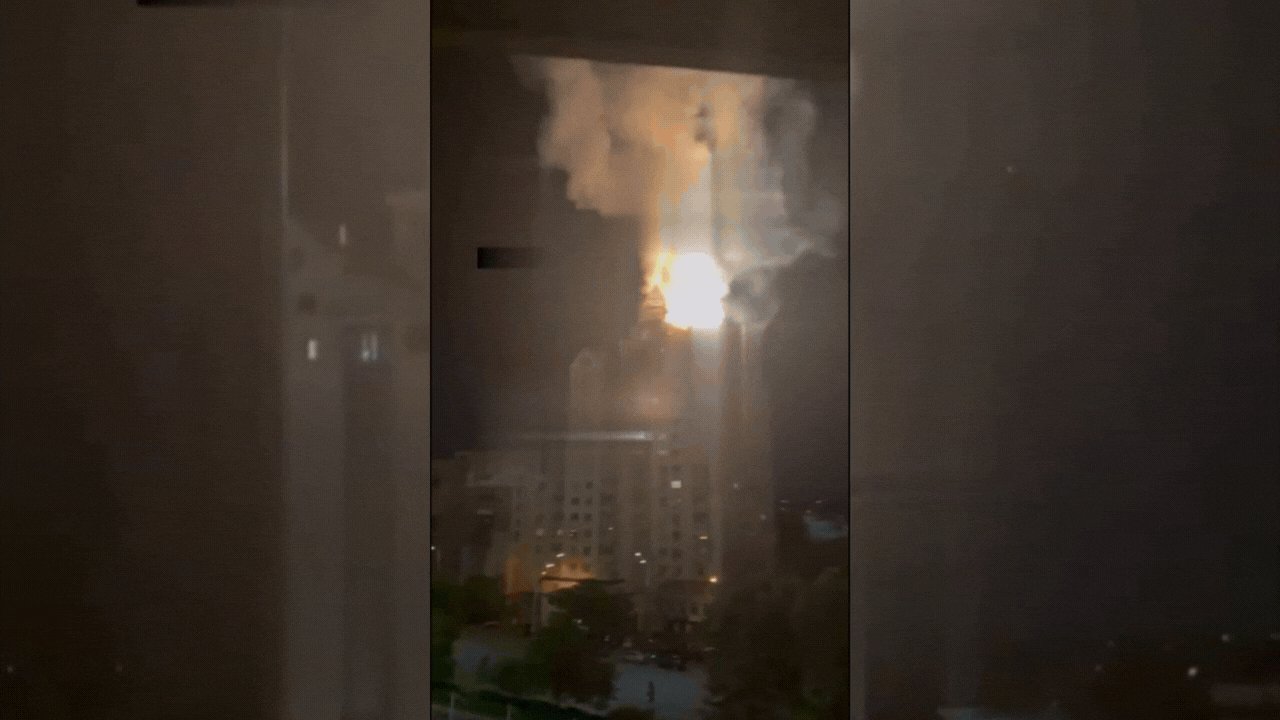
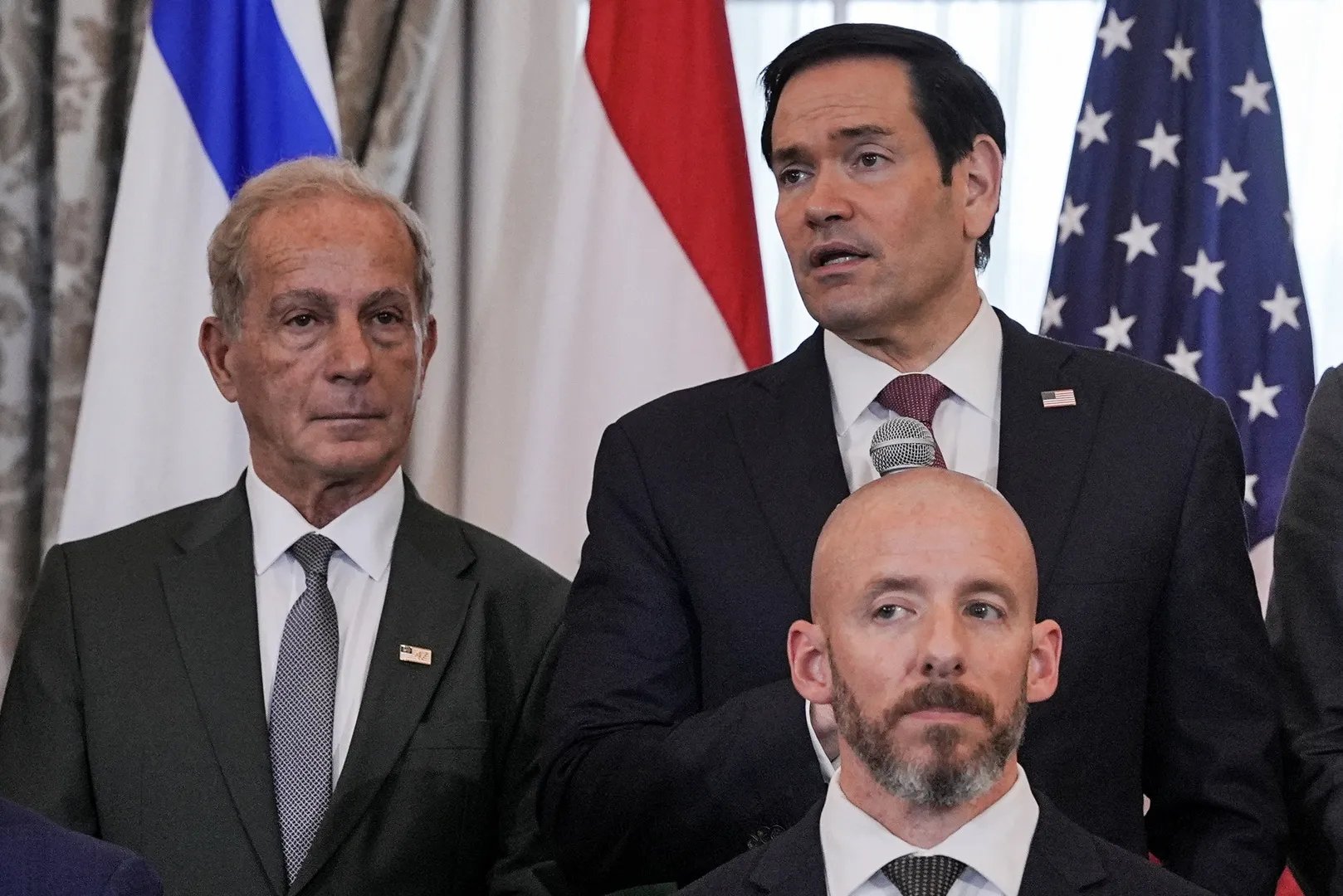
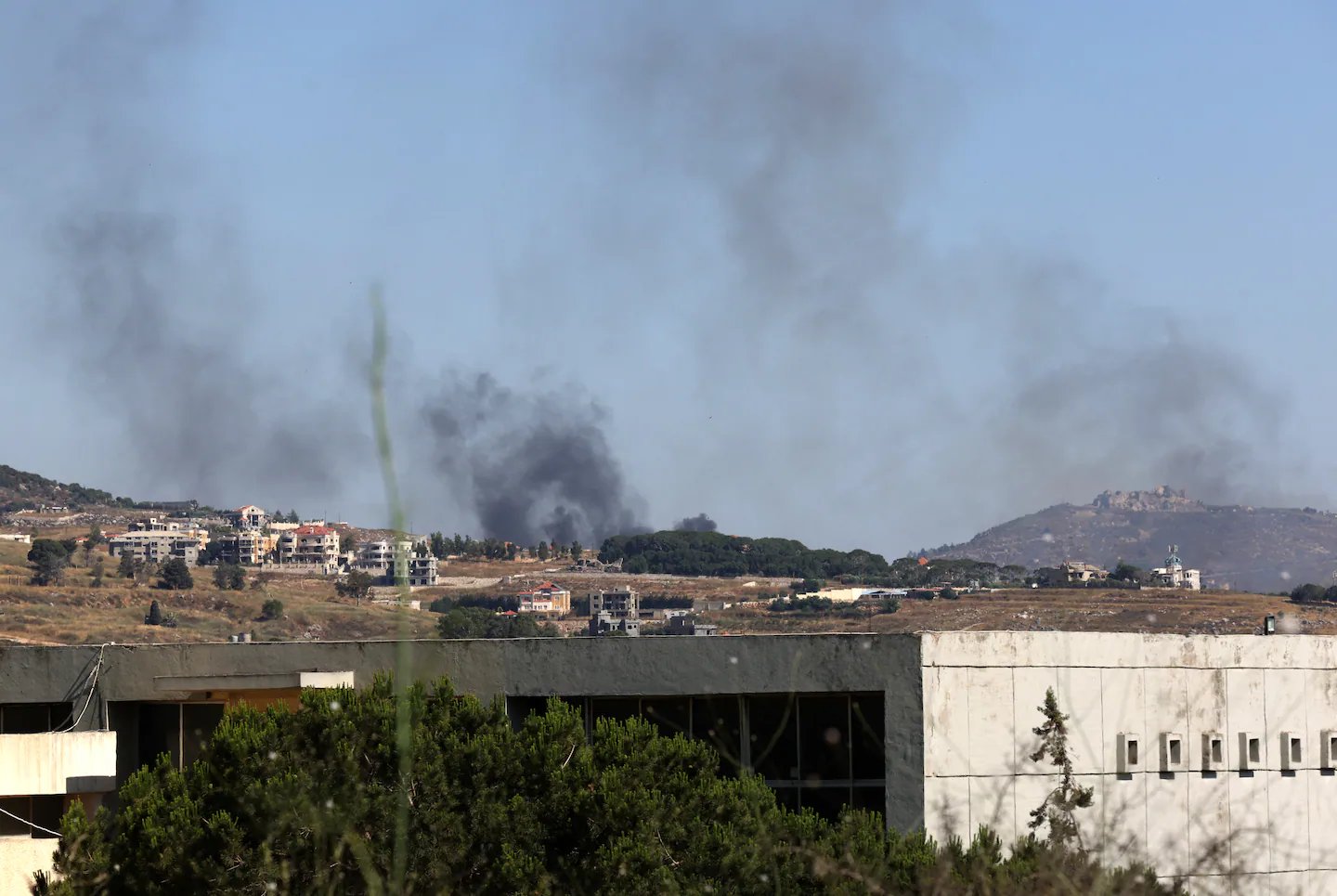
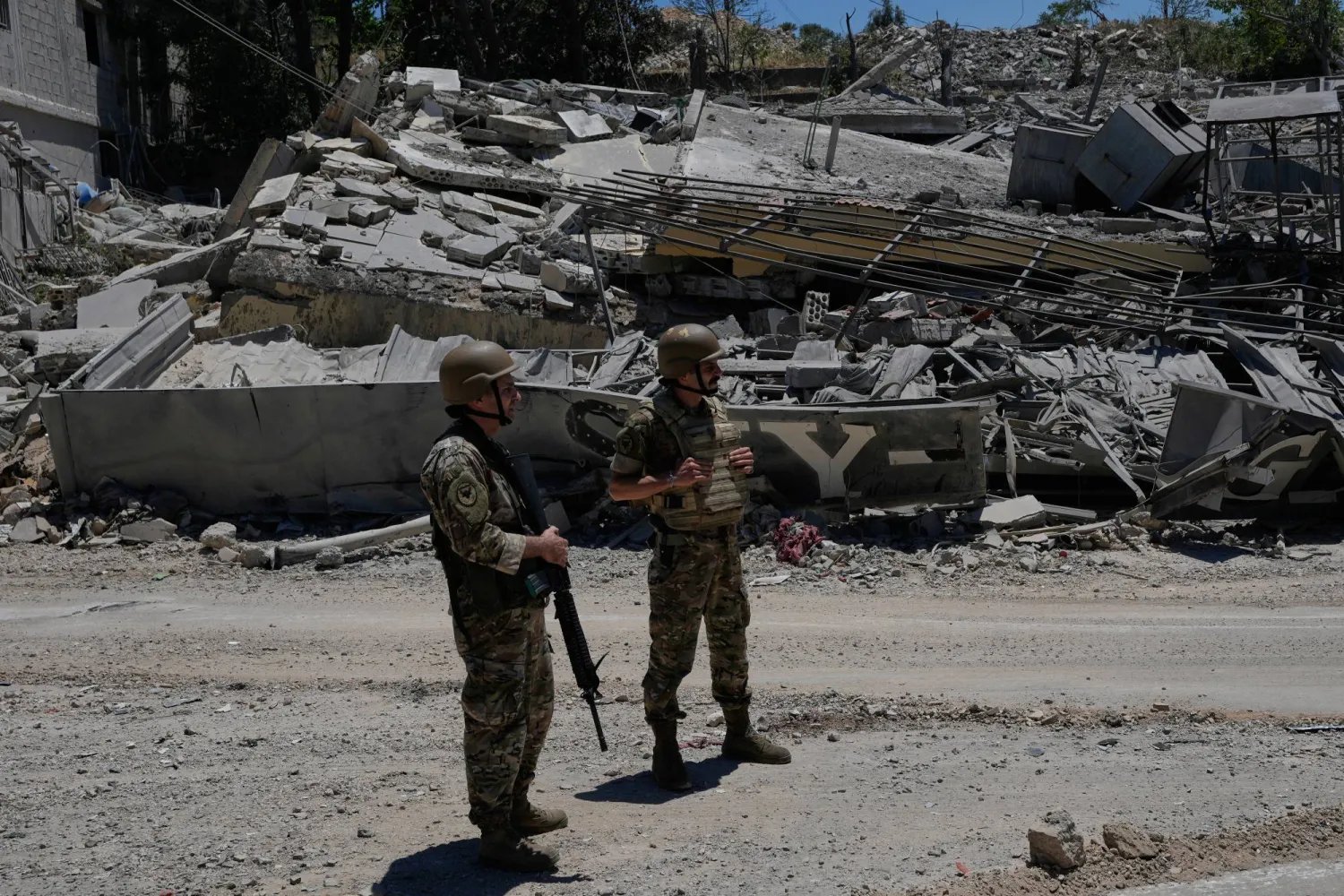
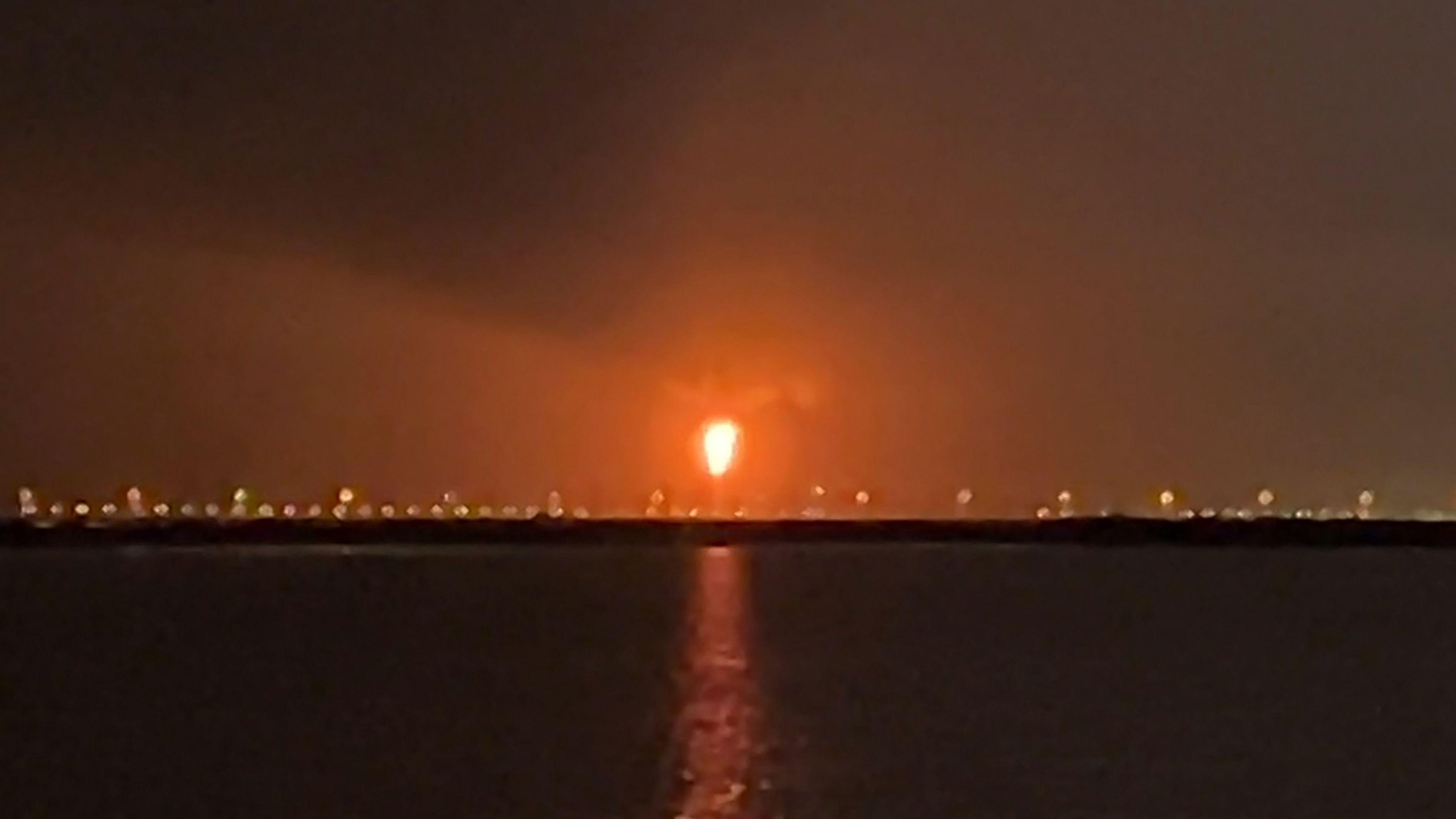
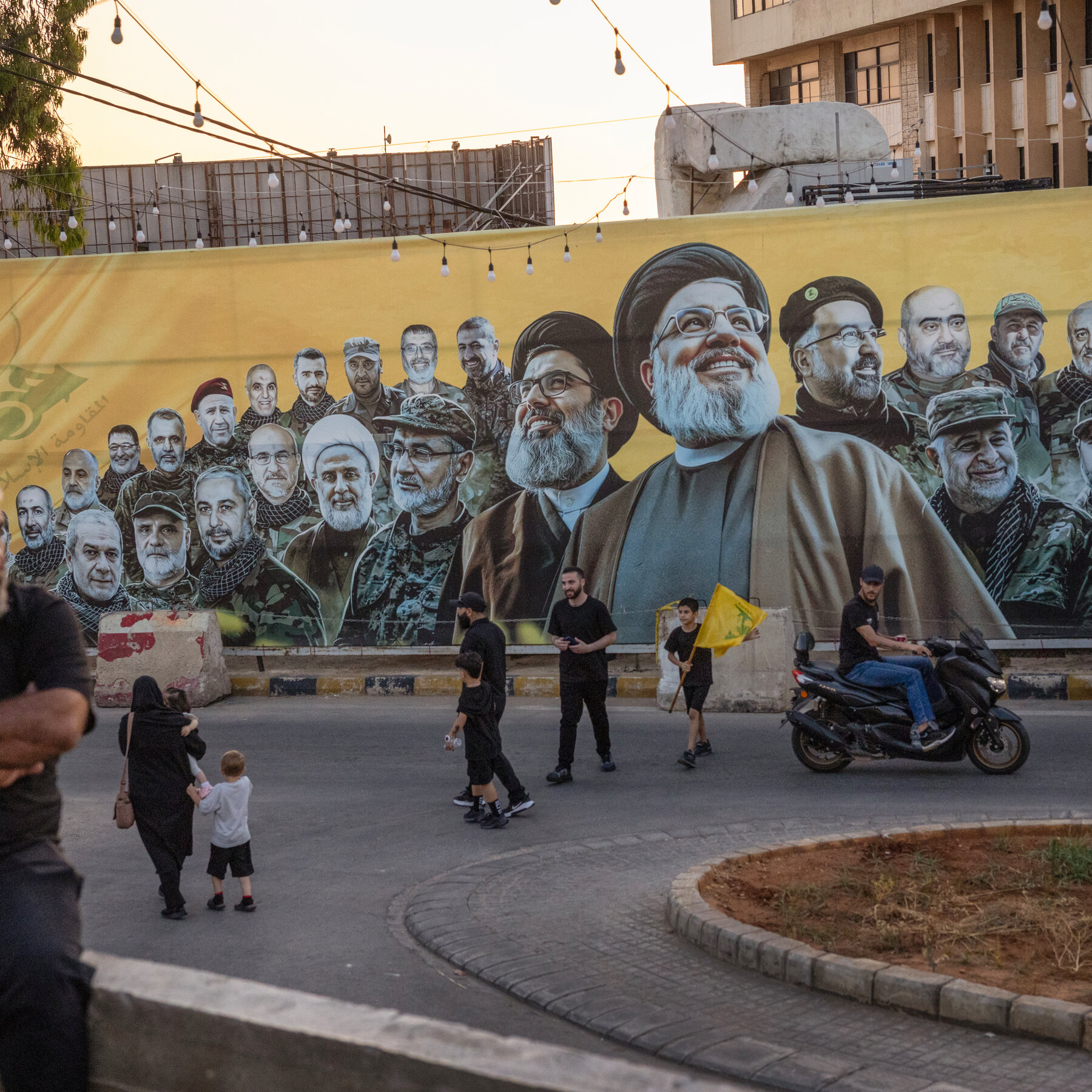
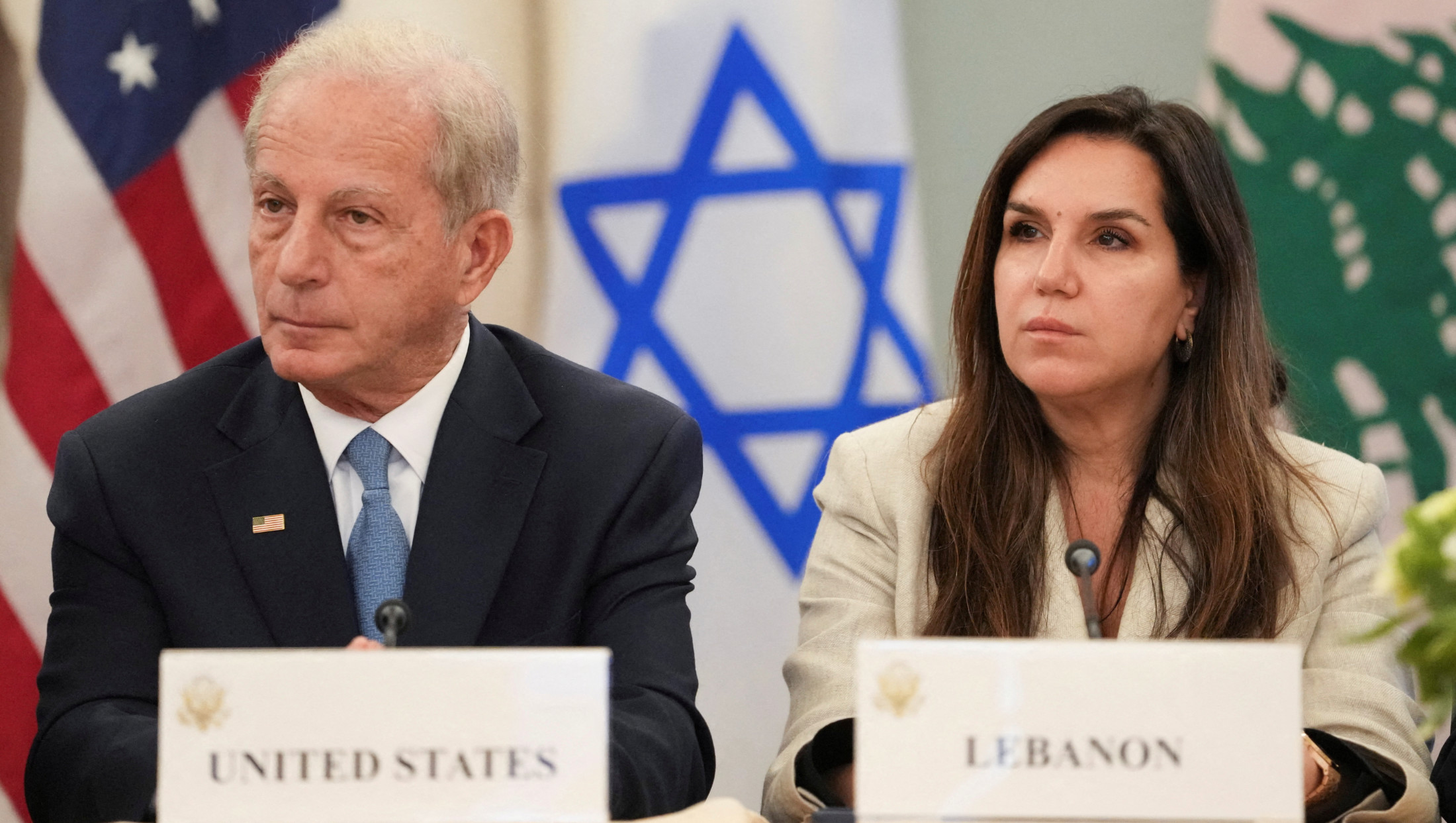
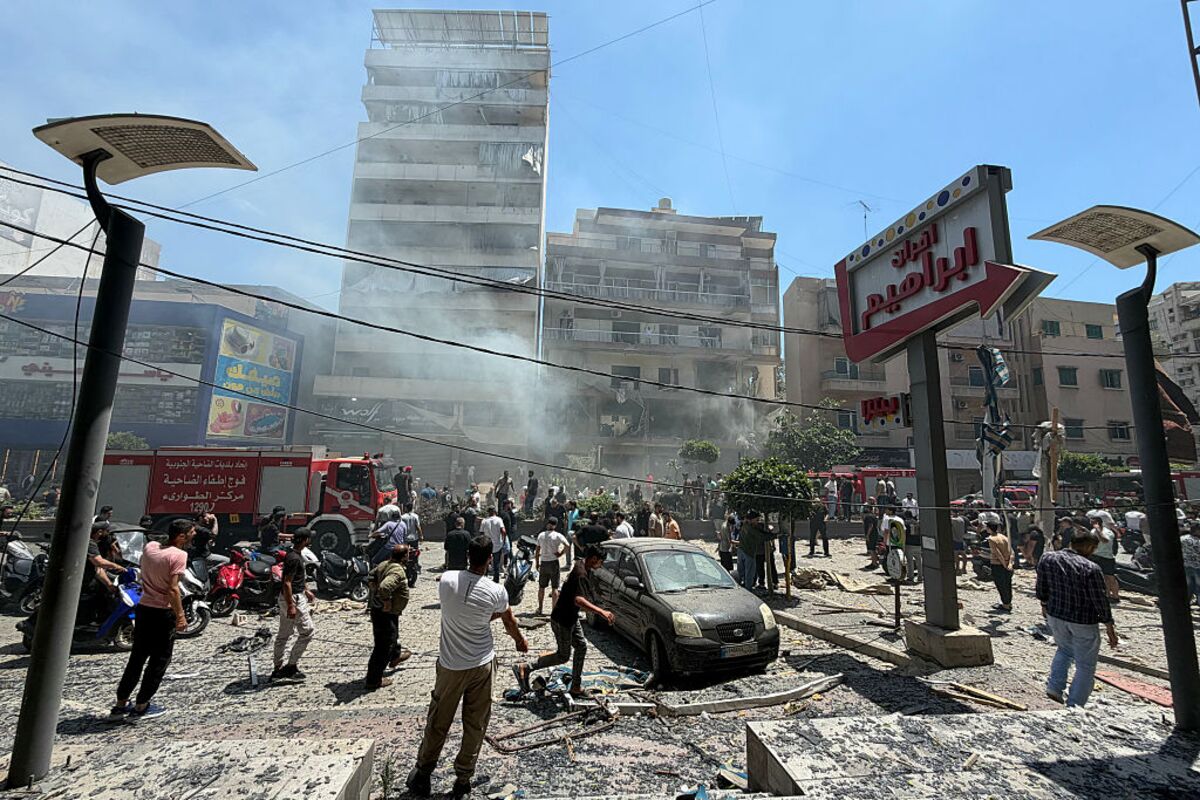
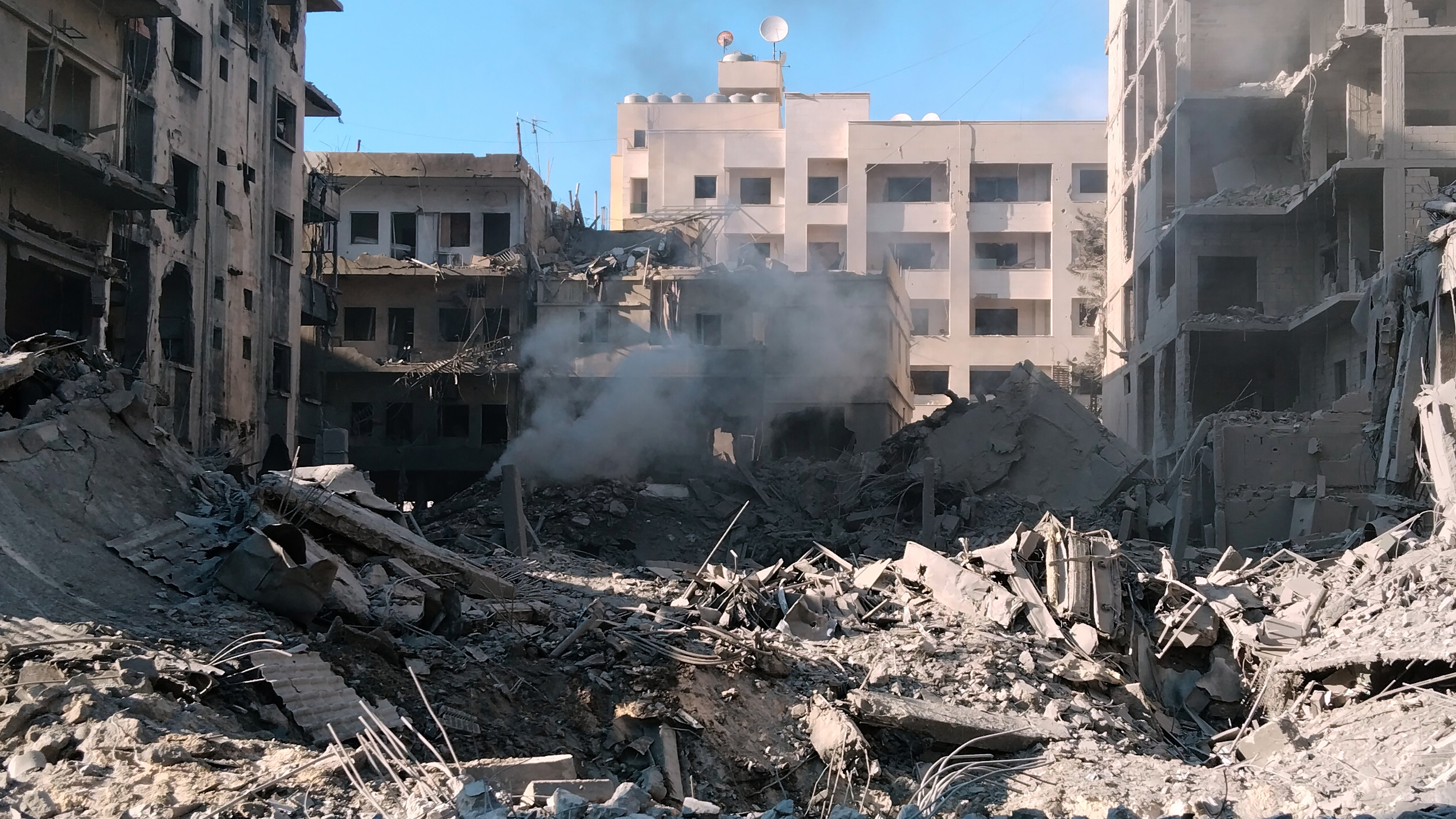
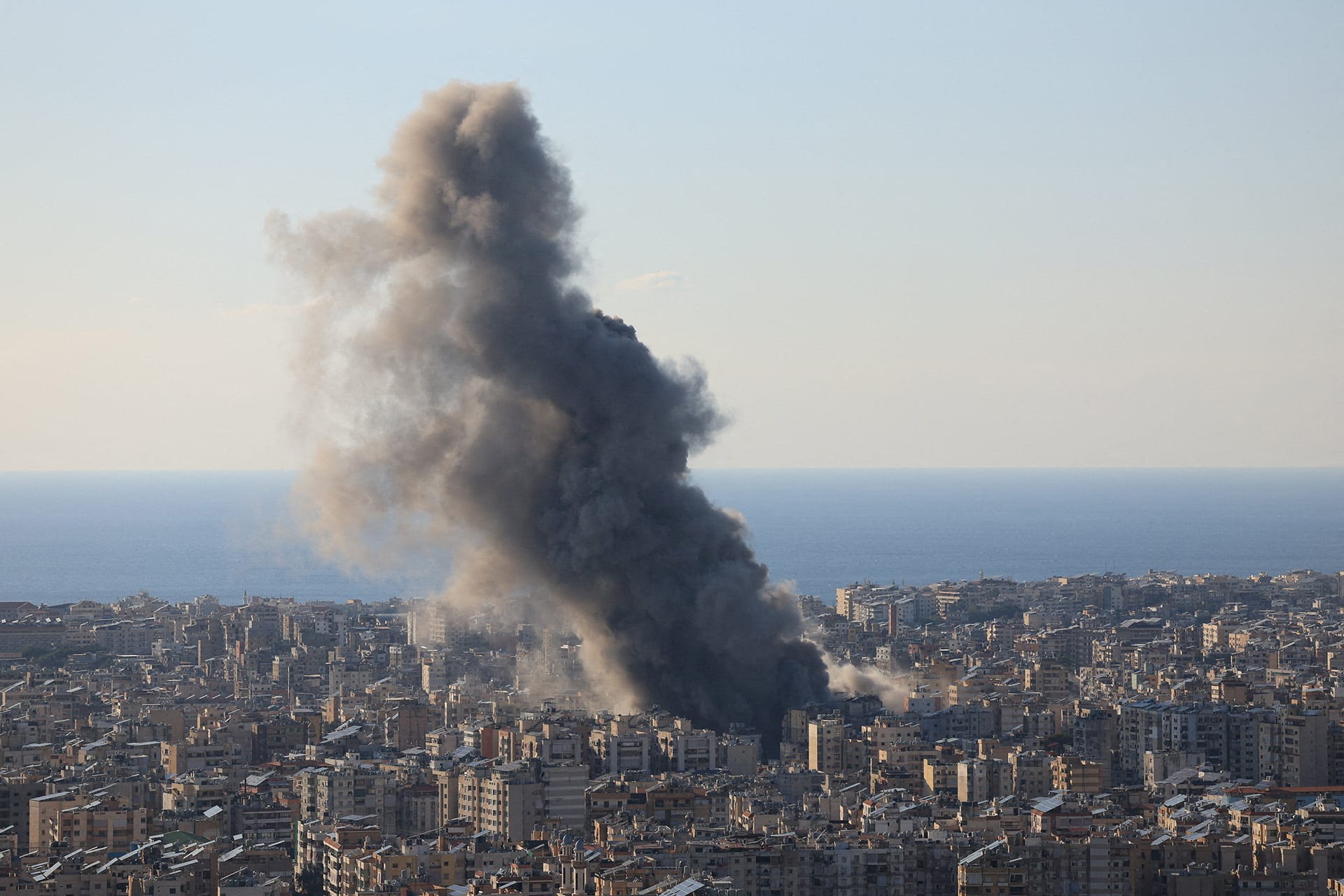
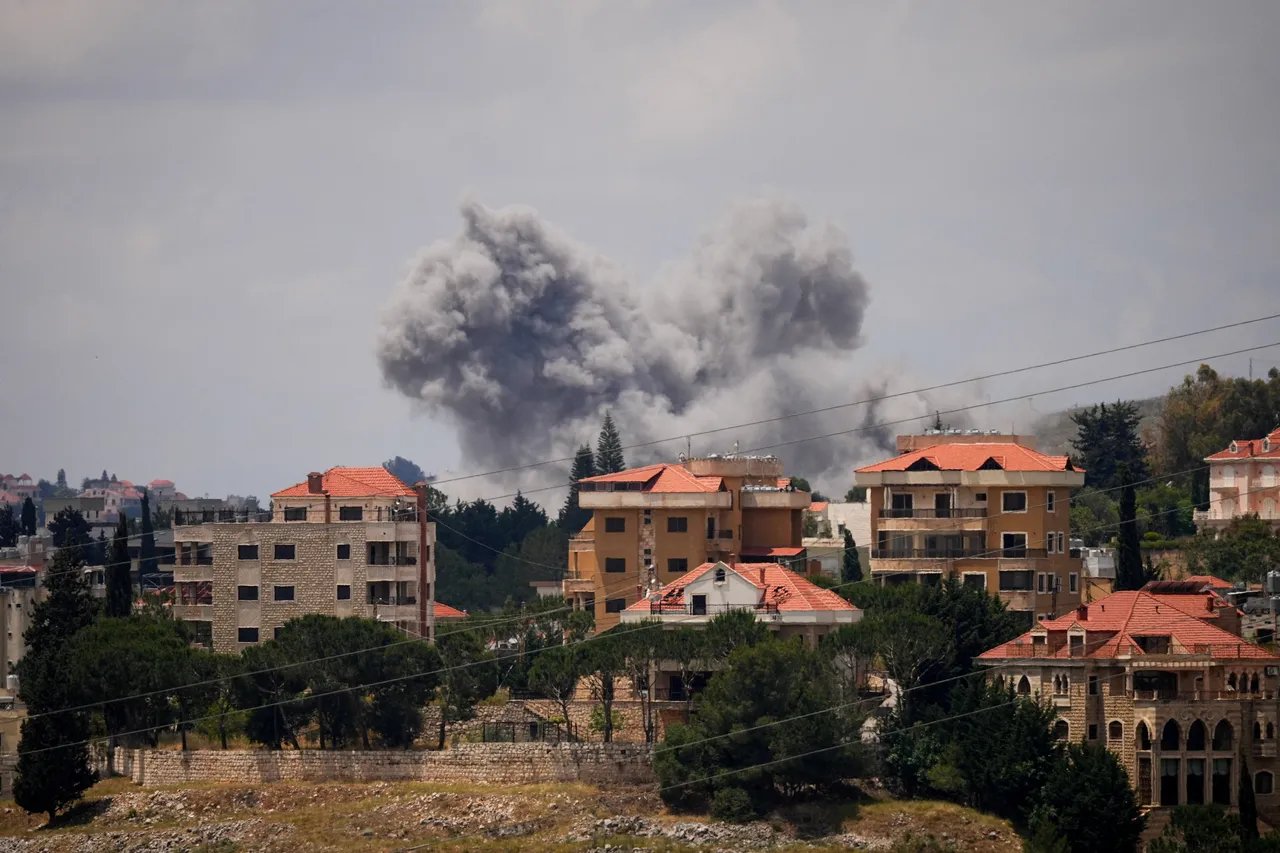
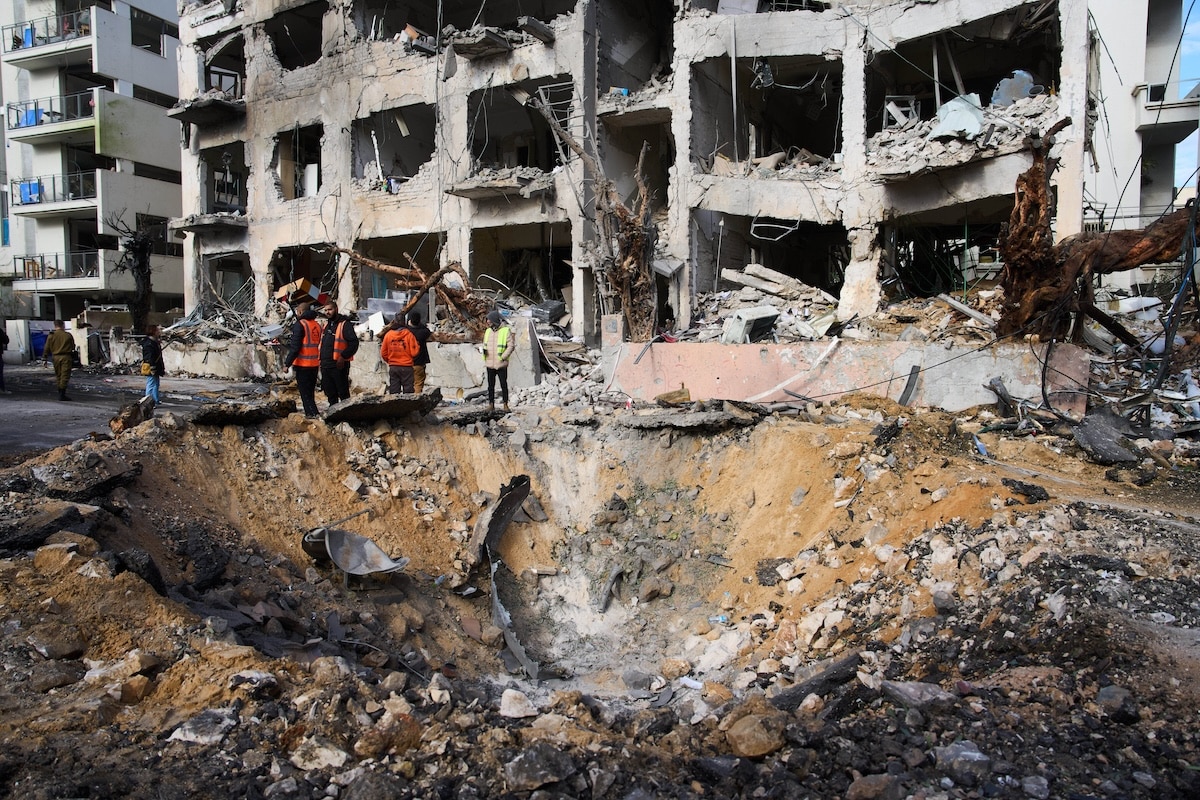
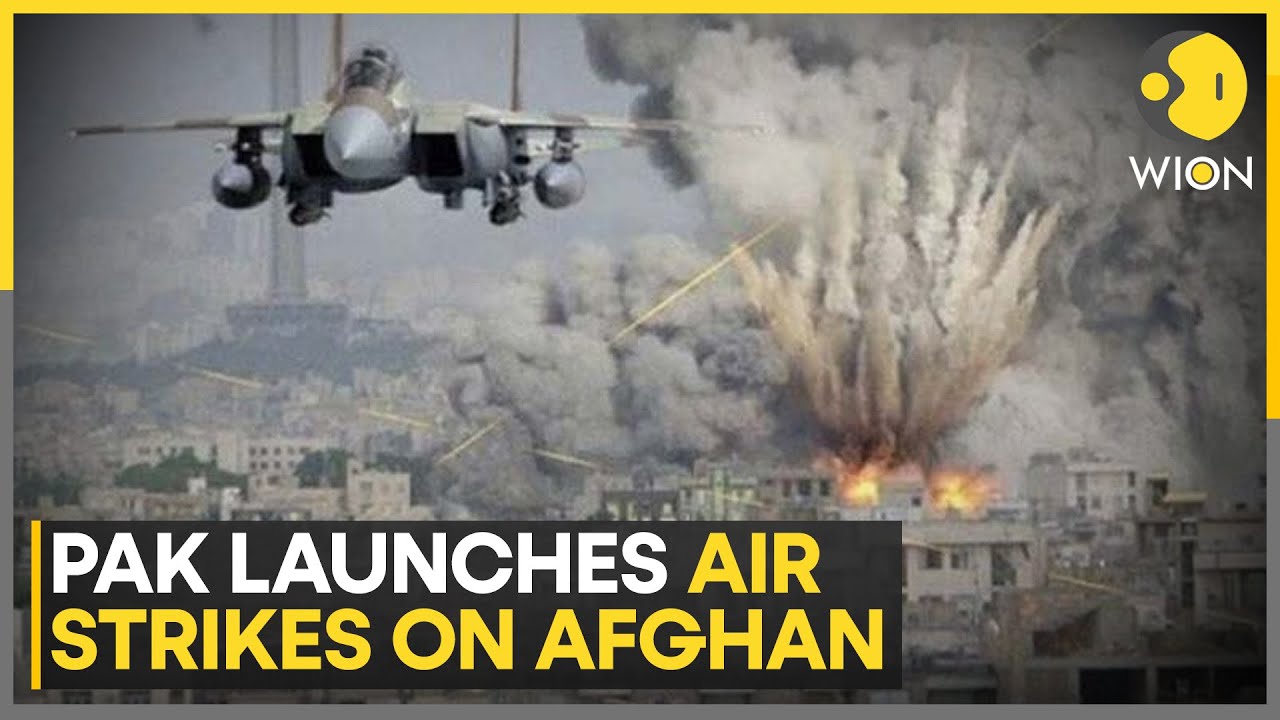
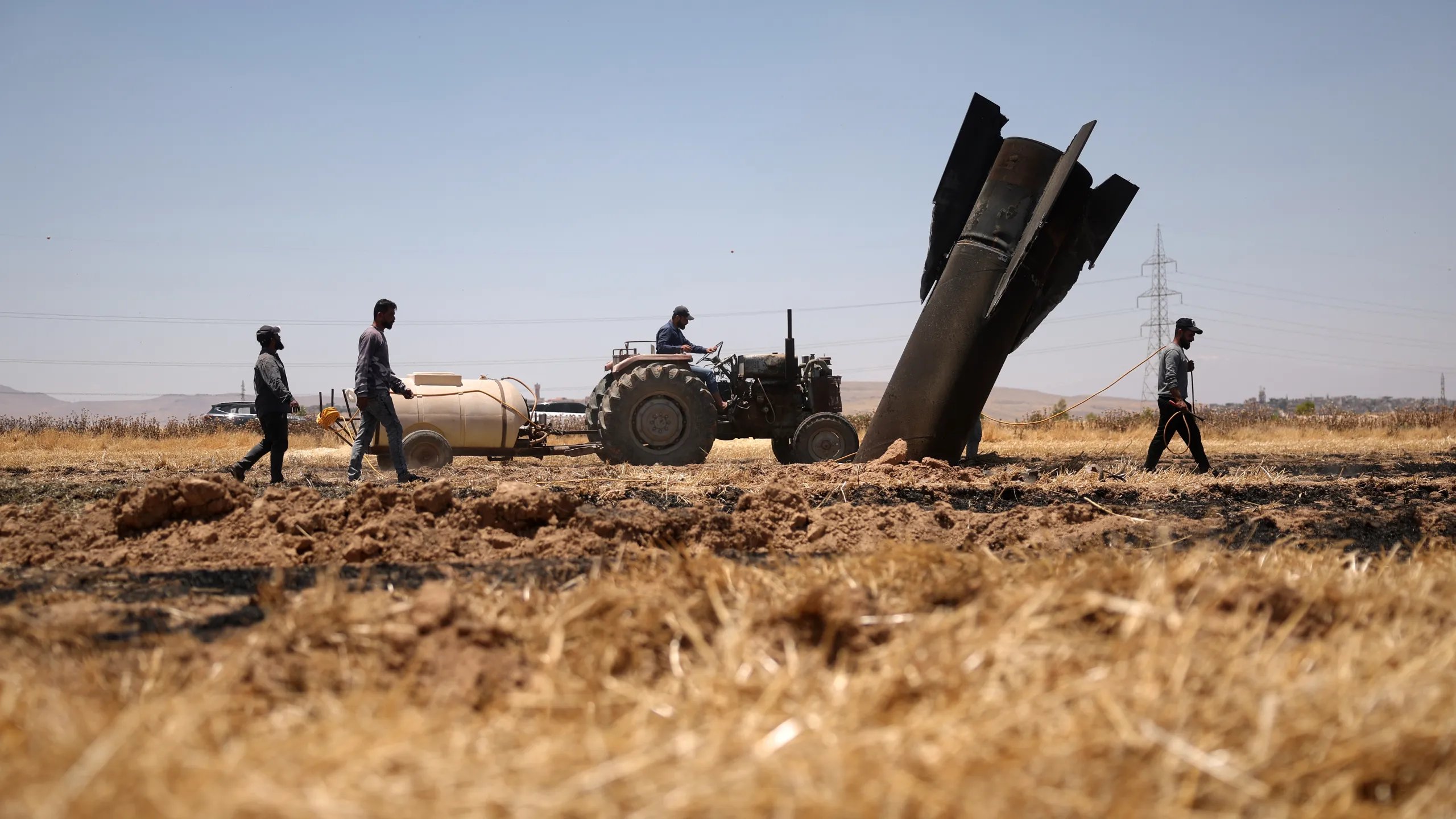
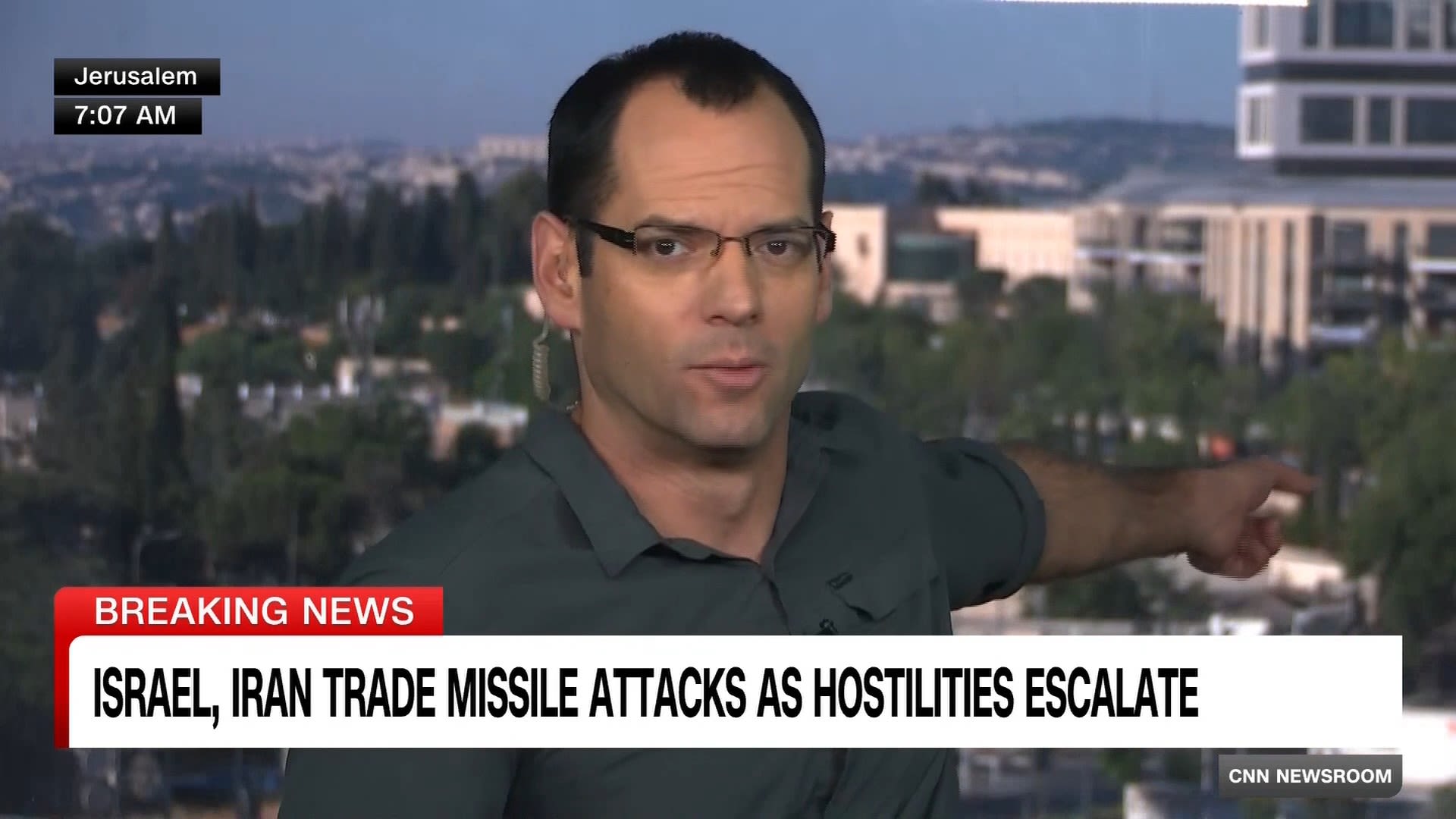
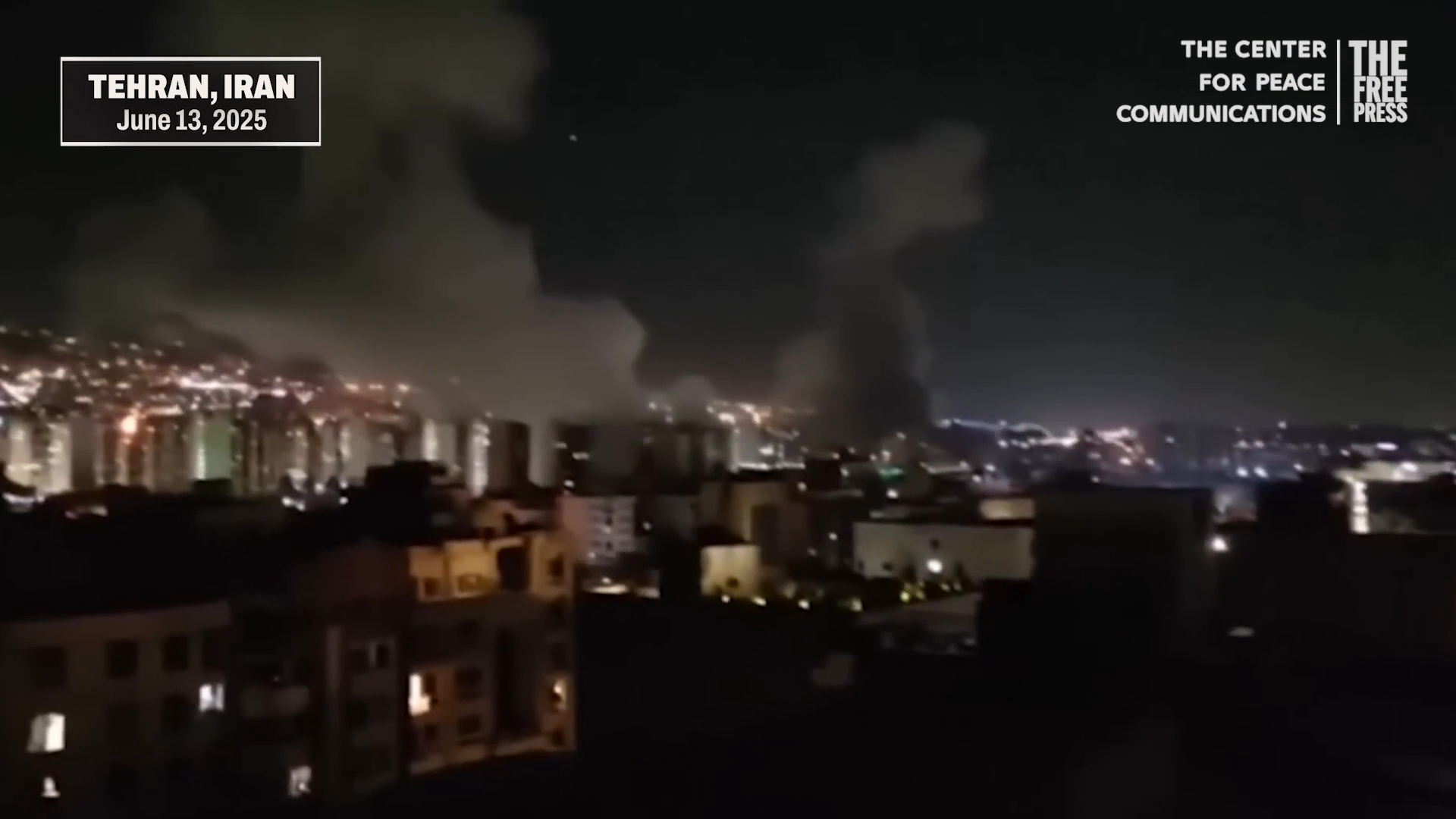
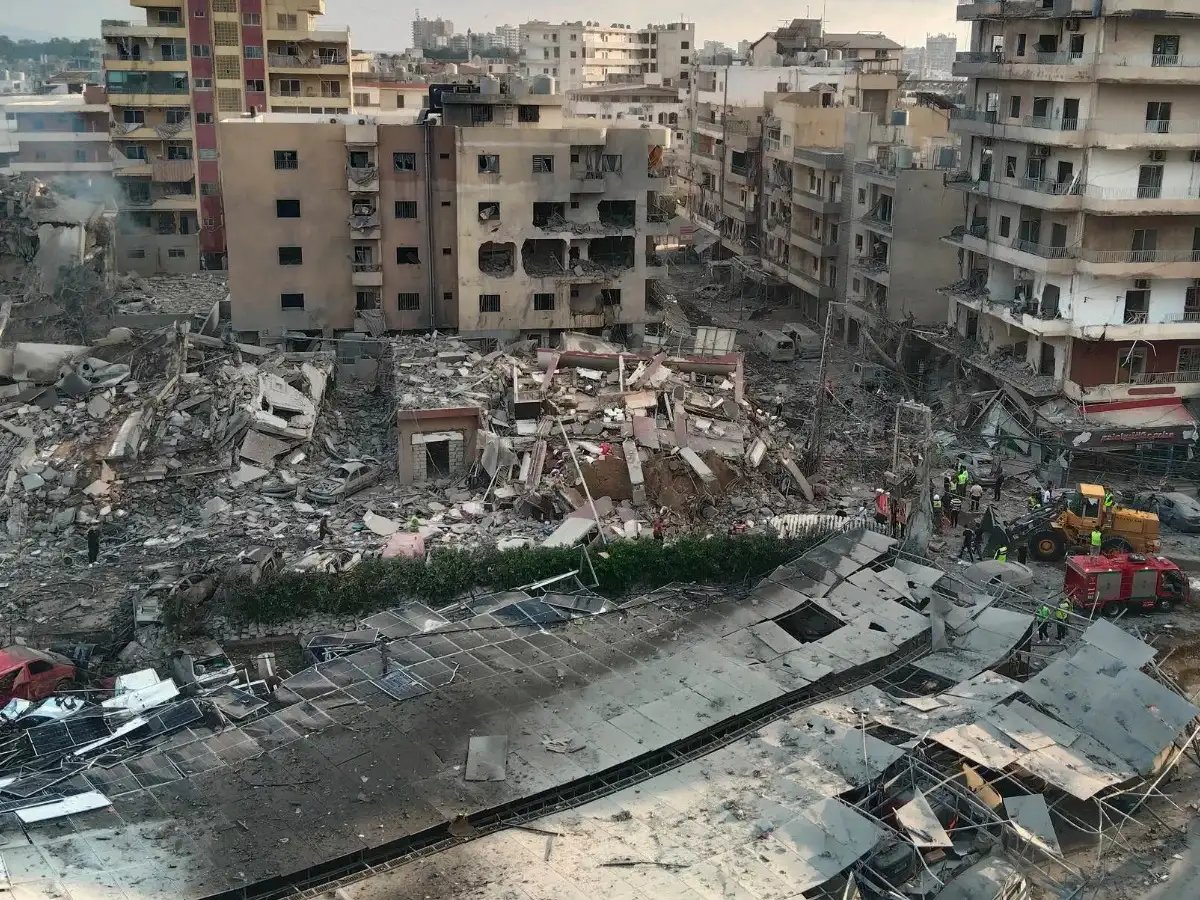
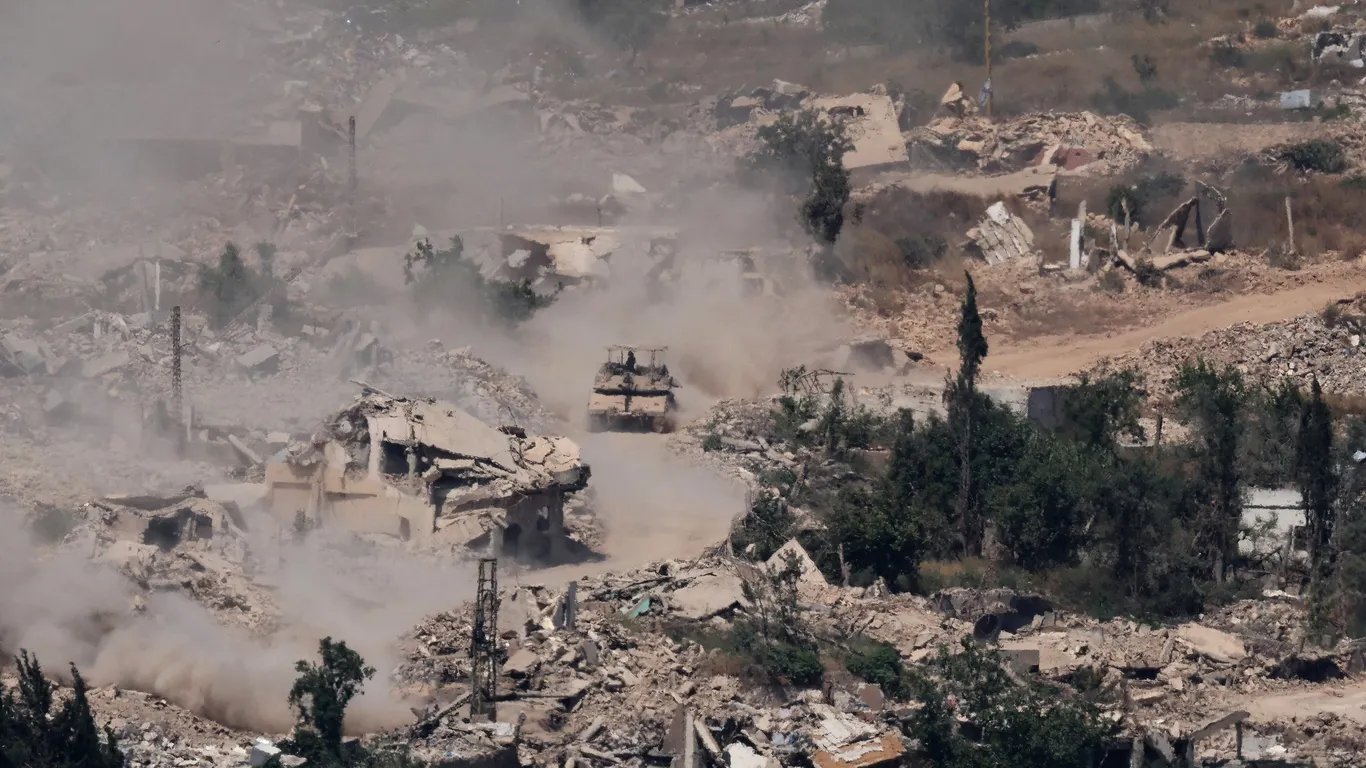
U.S. officials announced that Israel and Hezbollah had reached a renewed ceasefire agreement, mediated by the U.S. and Qatar, which was supposed to take effect at 4 PM local time. However, clashes erupted shortly after, with reports of Israeli military strikes in southern Lebanon and Hezbollah launching drones into northern Israel. This ongoing violence has raised doubts about the ceasefire's viability and has implications for U.S.-Iran negotiations that were set to take place in Switzerland. A senior U.S. official told Axios that Netanyahu approved the ceasefire. Netanyahu's office has not confirmed this statement. Israeli military spokesperson Efi Defrin said the ceasefire was a matter for political leadership and he could not confirm it. An Israeli defense official later said Israeli political leadership directed the military to halt operations north of the 'yellow line' but continue against threats in occupied areas.
U.S.-Iran Talks Postponed
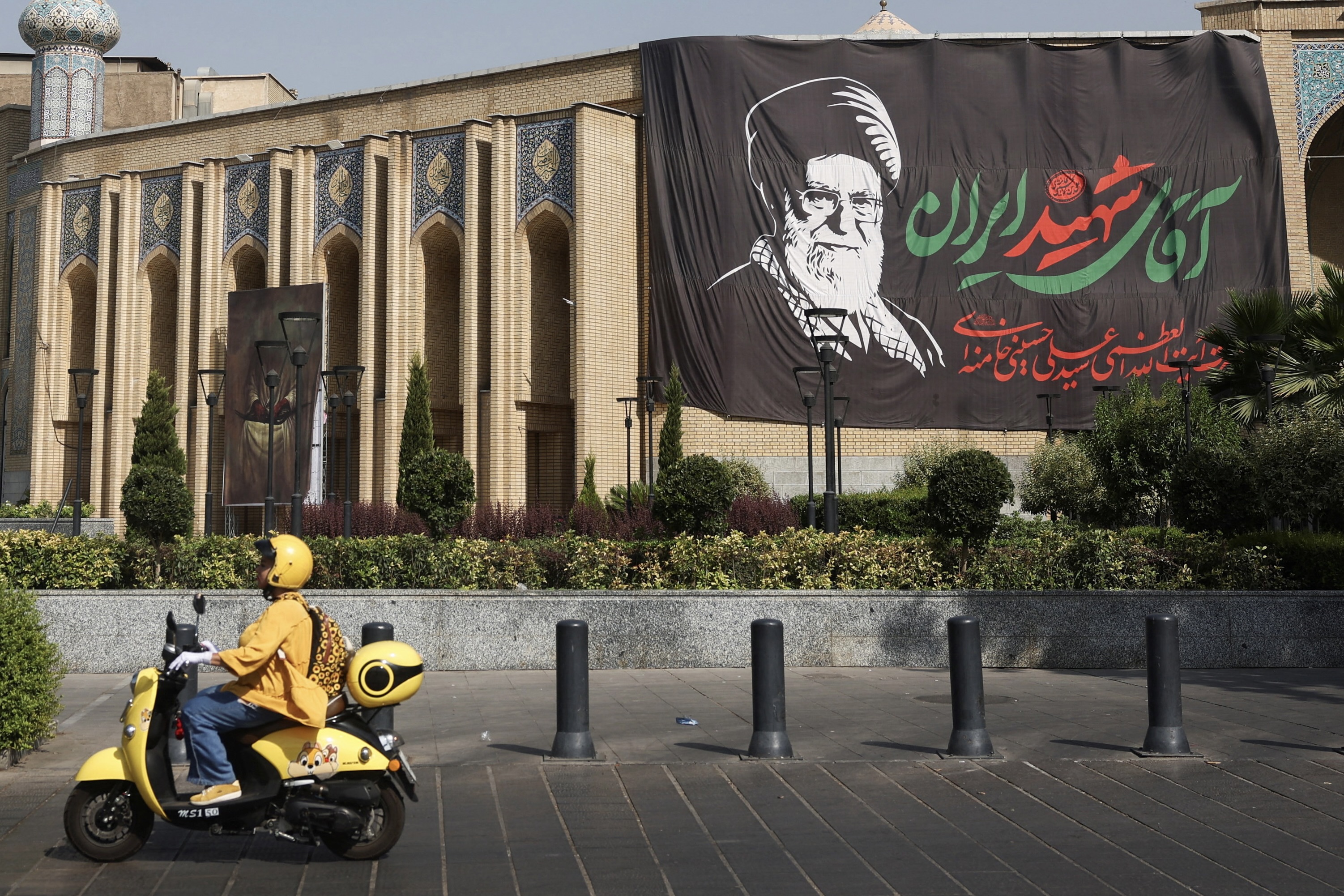
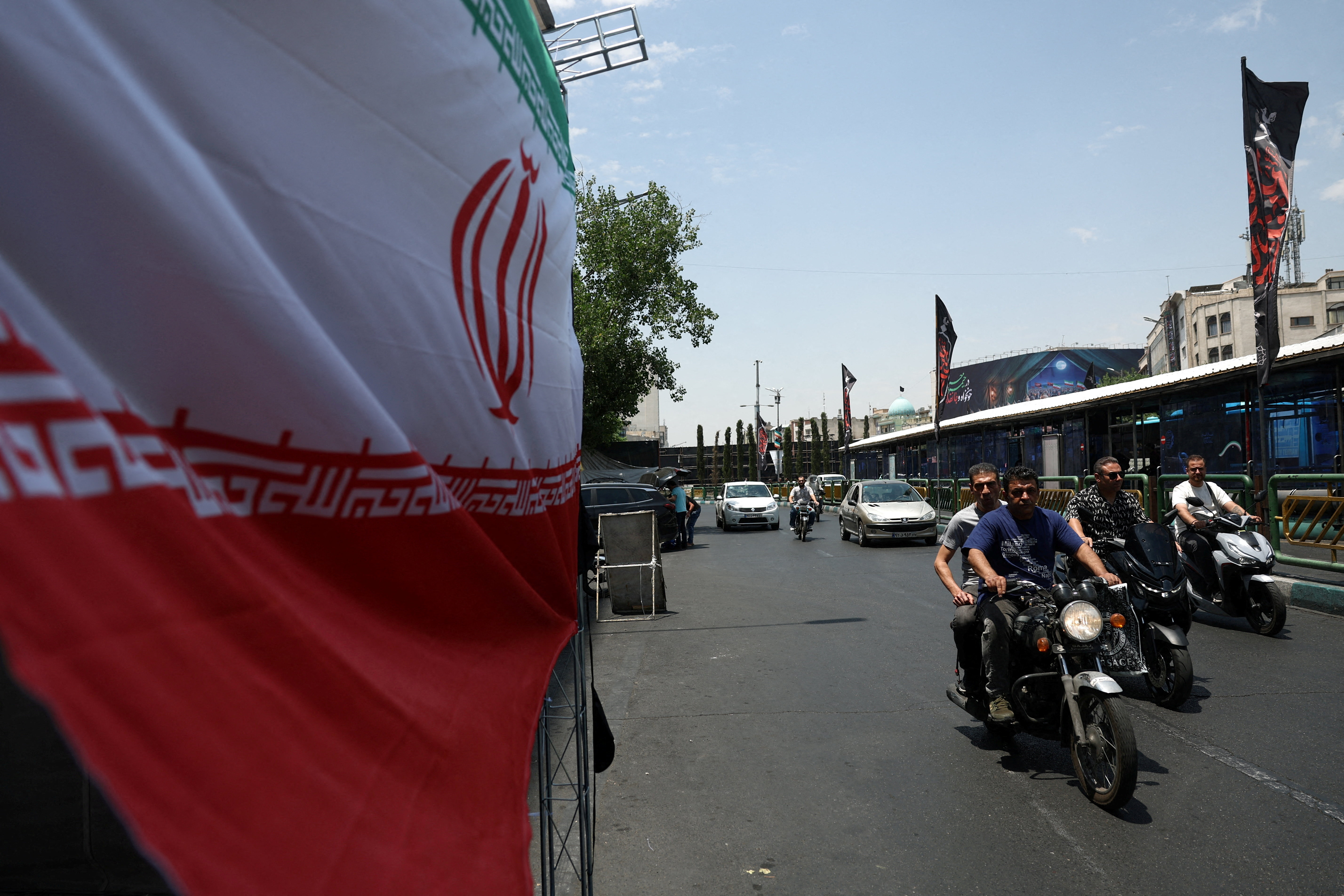
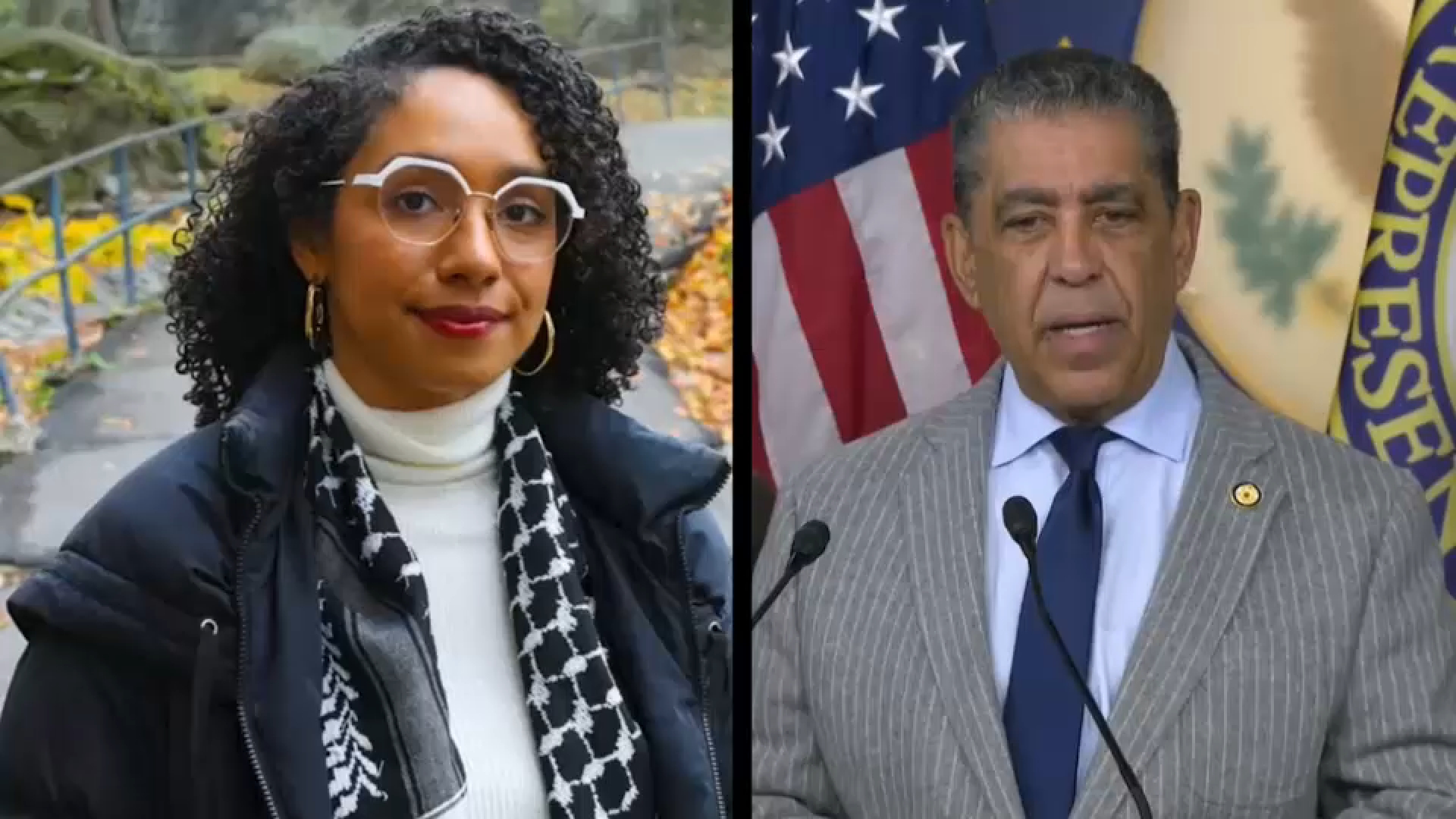
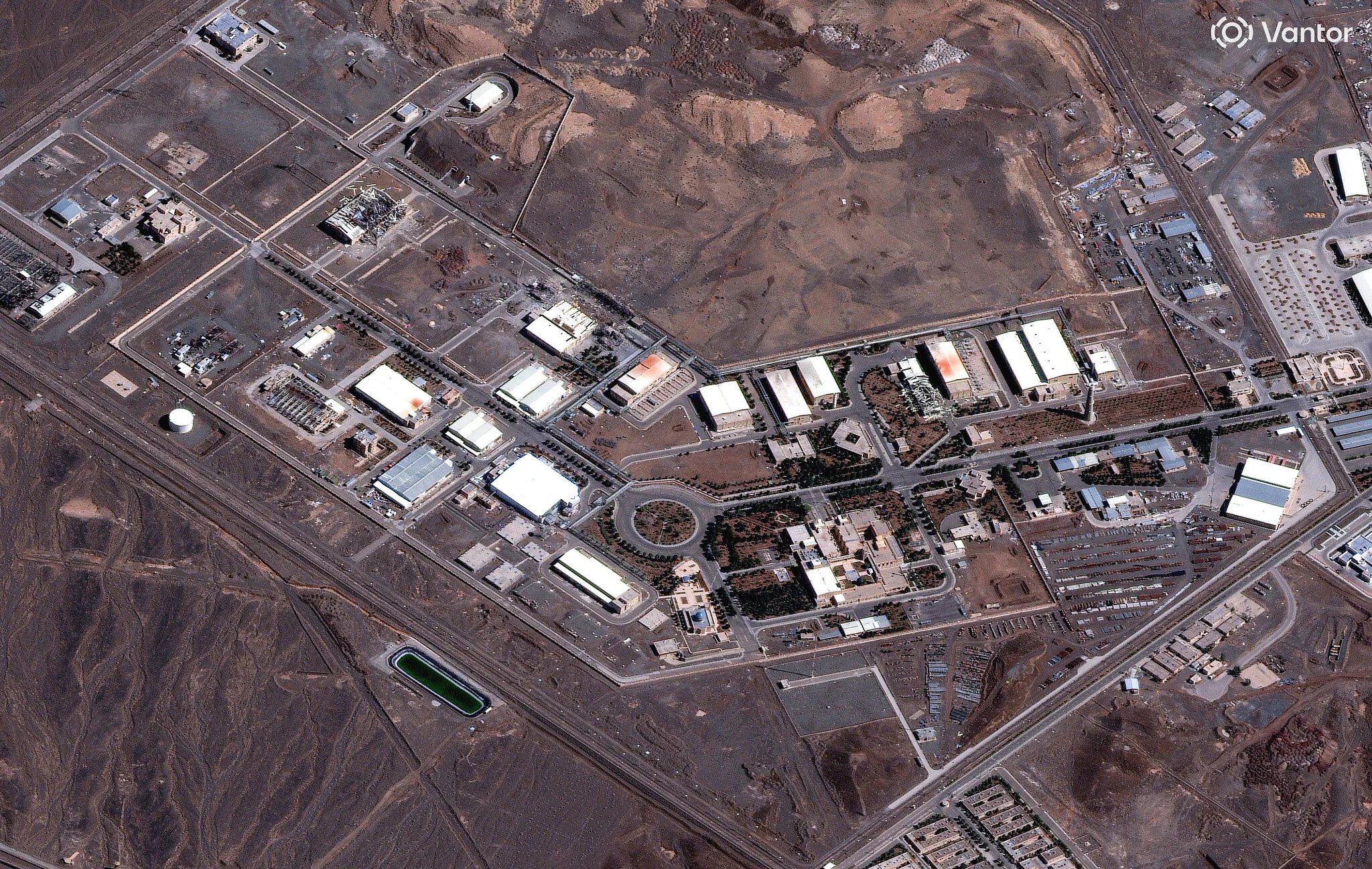
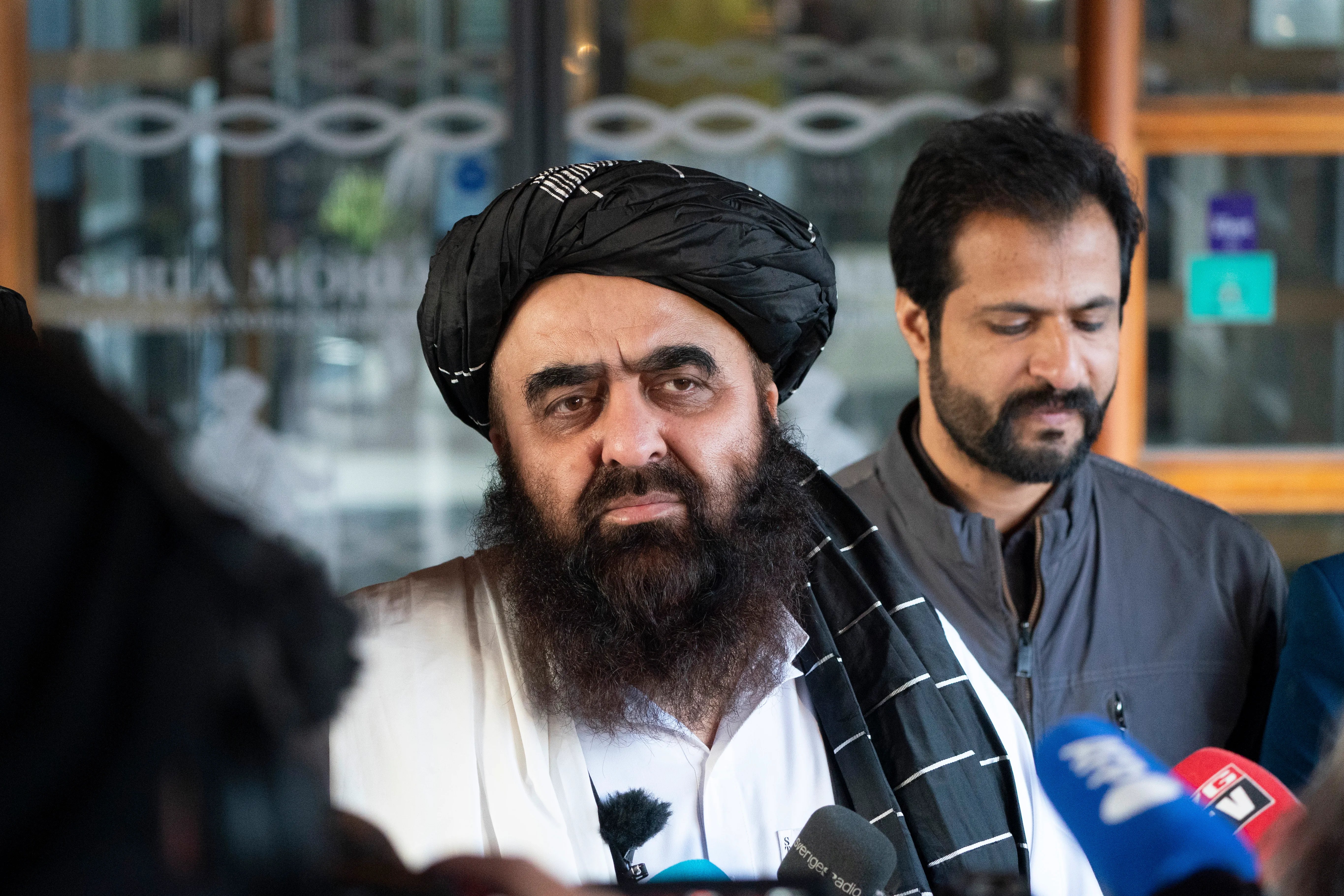
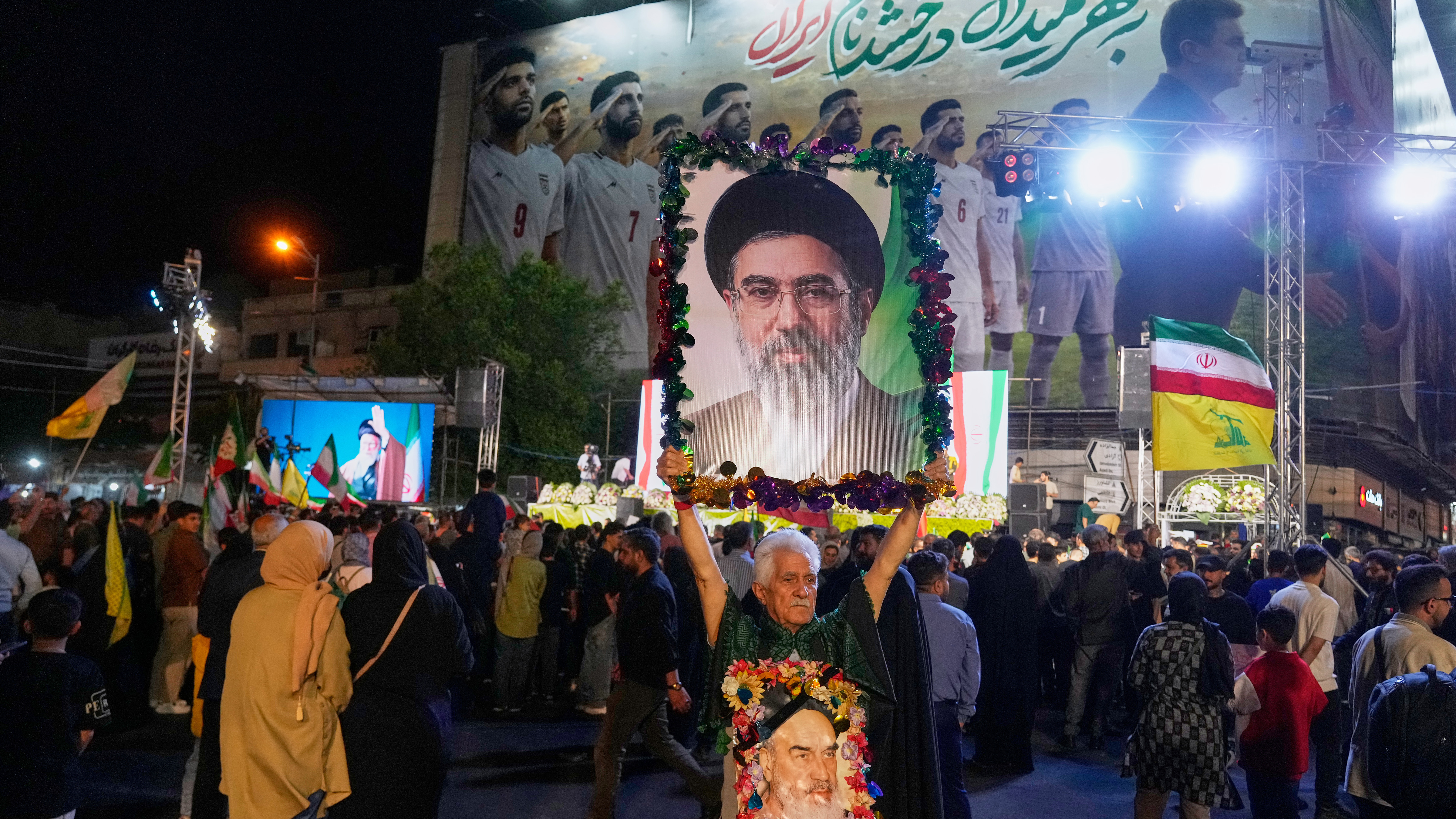
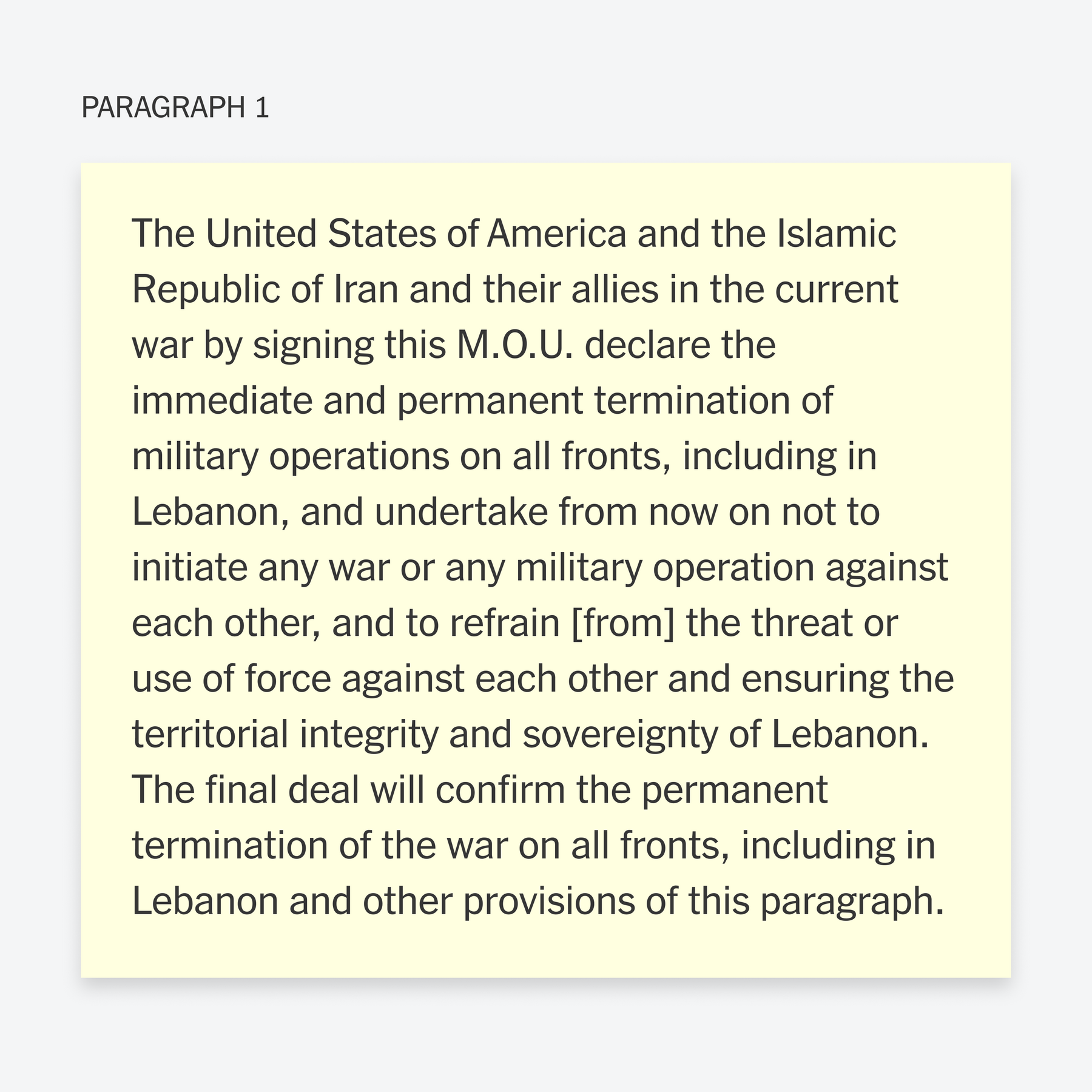
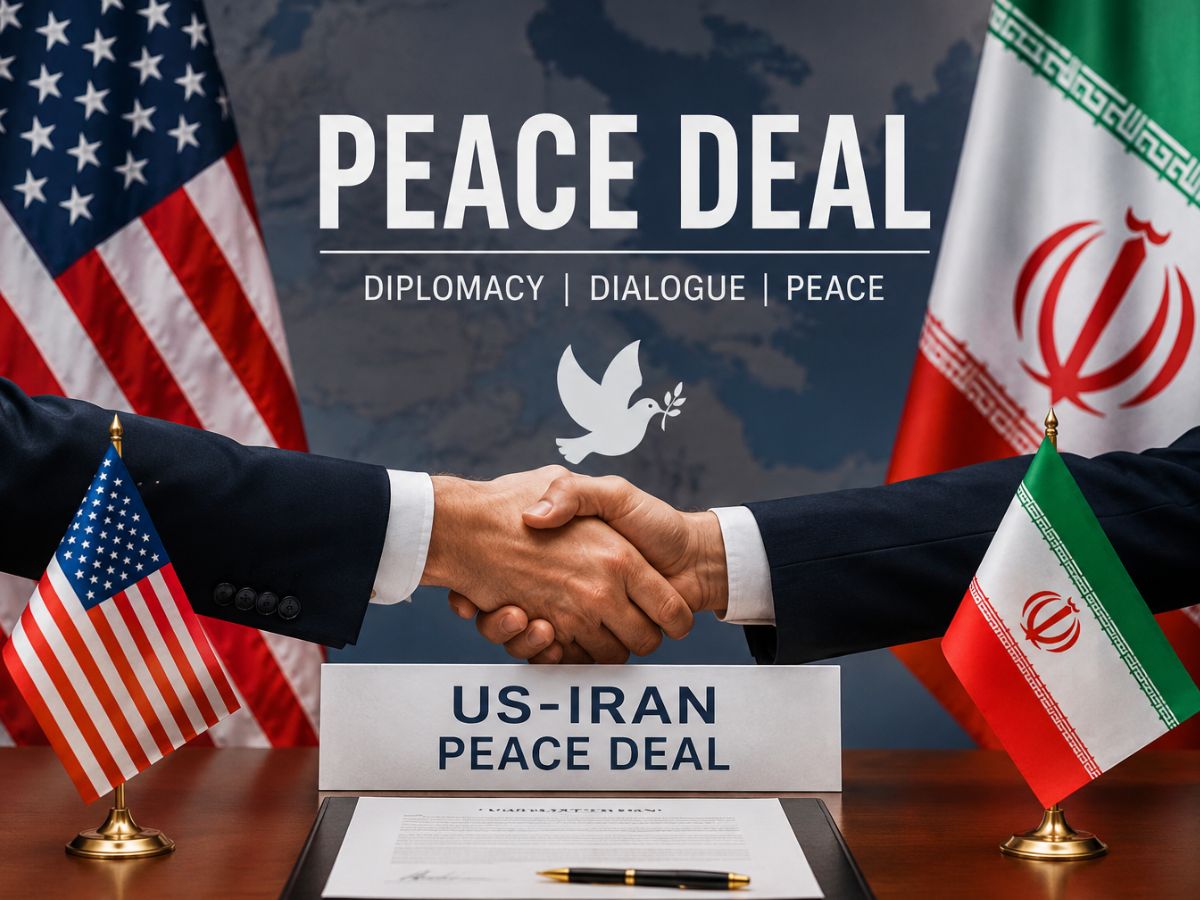
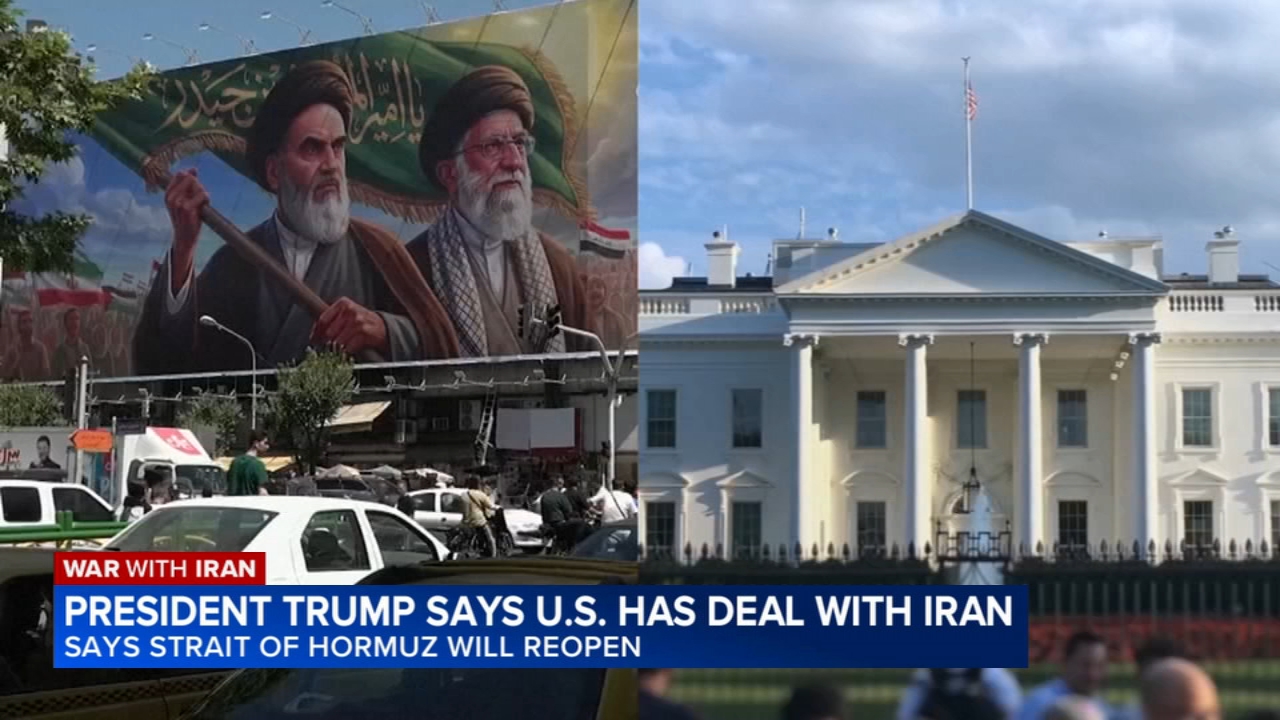
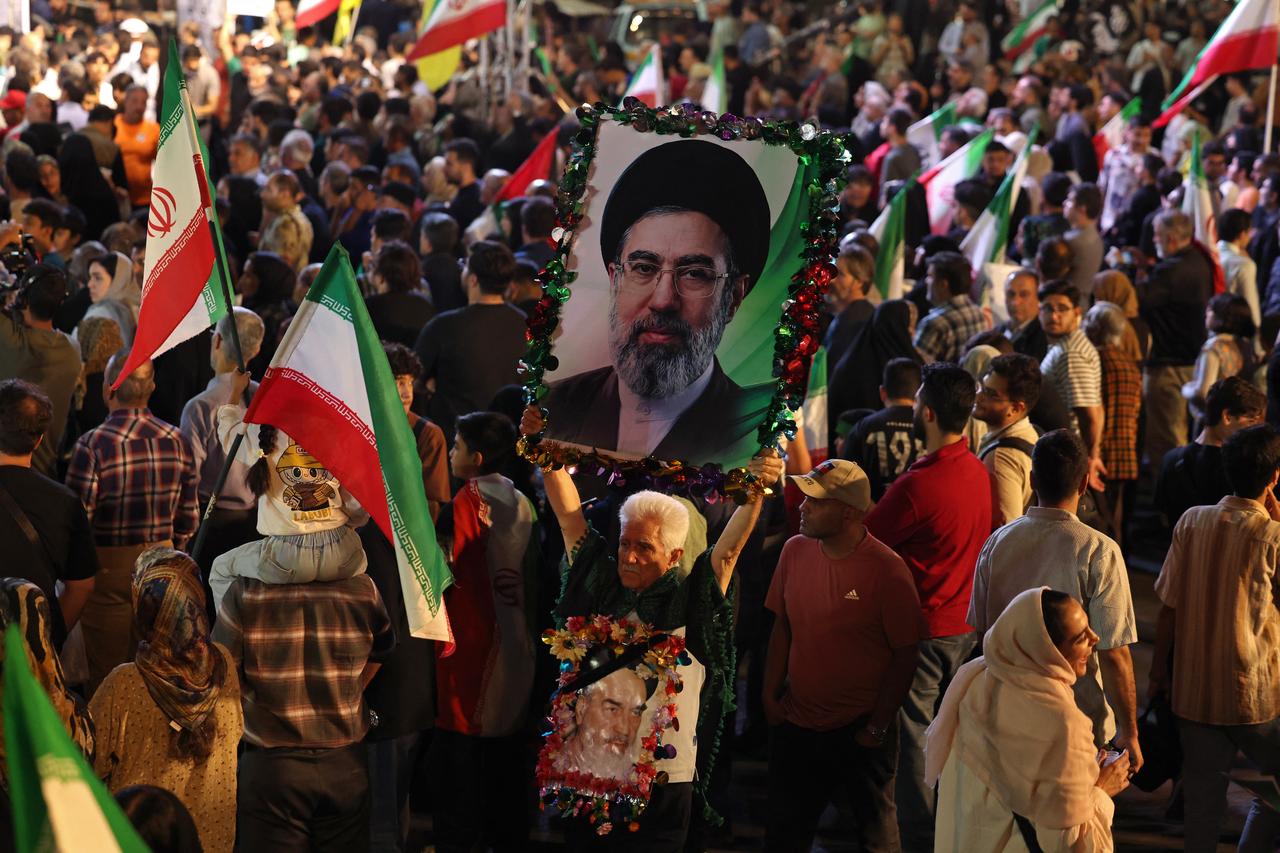
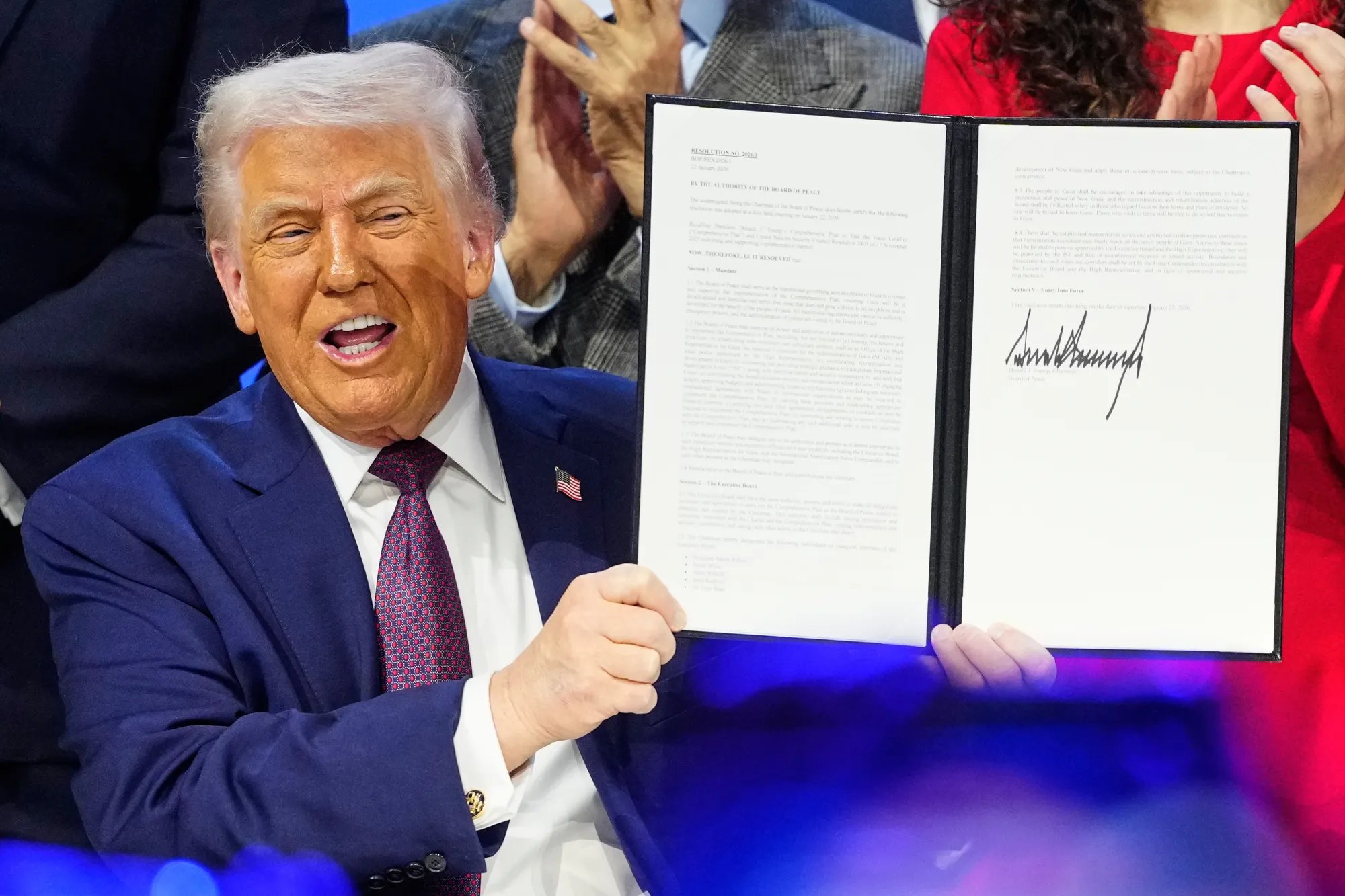
The renewed fighting between Israel and Hezbollah led to the postponement of U.S.-Iran talks that were scheduled for Friday. Iran's foreign ministry confirmed that conditions for negotiations had not been met, and Deputy Foreign Minister Saeed Khatibzadeh emphasized that the U.S. must ensure Israel adheres to the terms of the recently signed memorandum of understanding (MoU). This MoU outlines steps to end the conflict in Lebanon as part of a broader ceasefire arrangement.
Political Stakes for U.S. Leadership
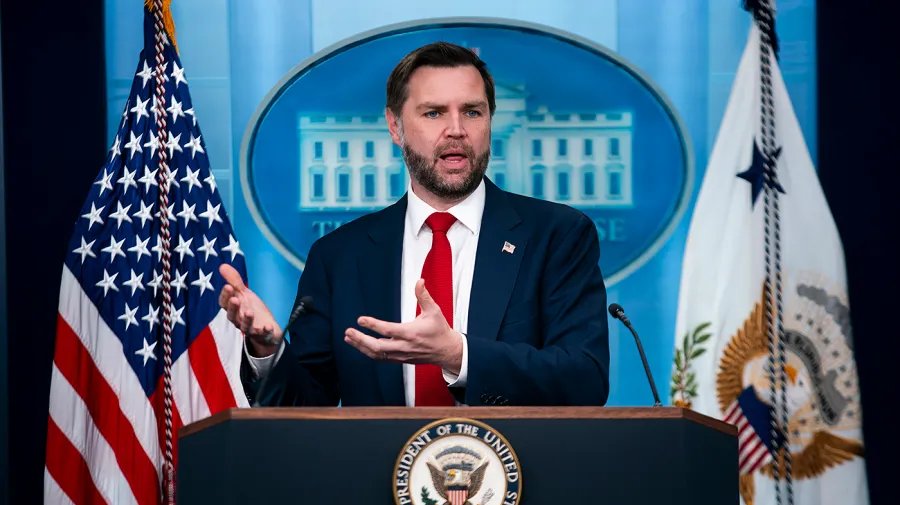
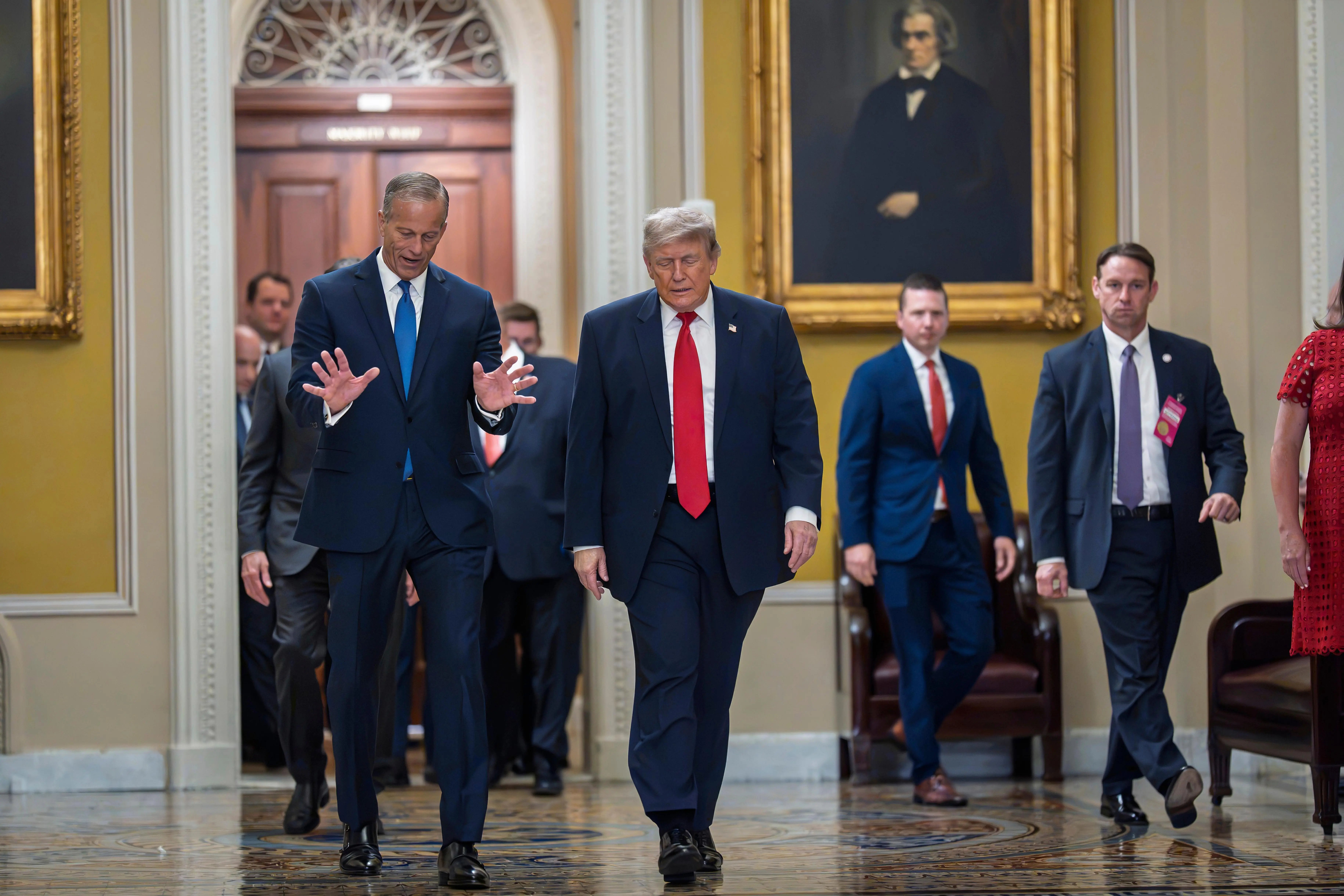
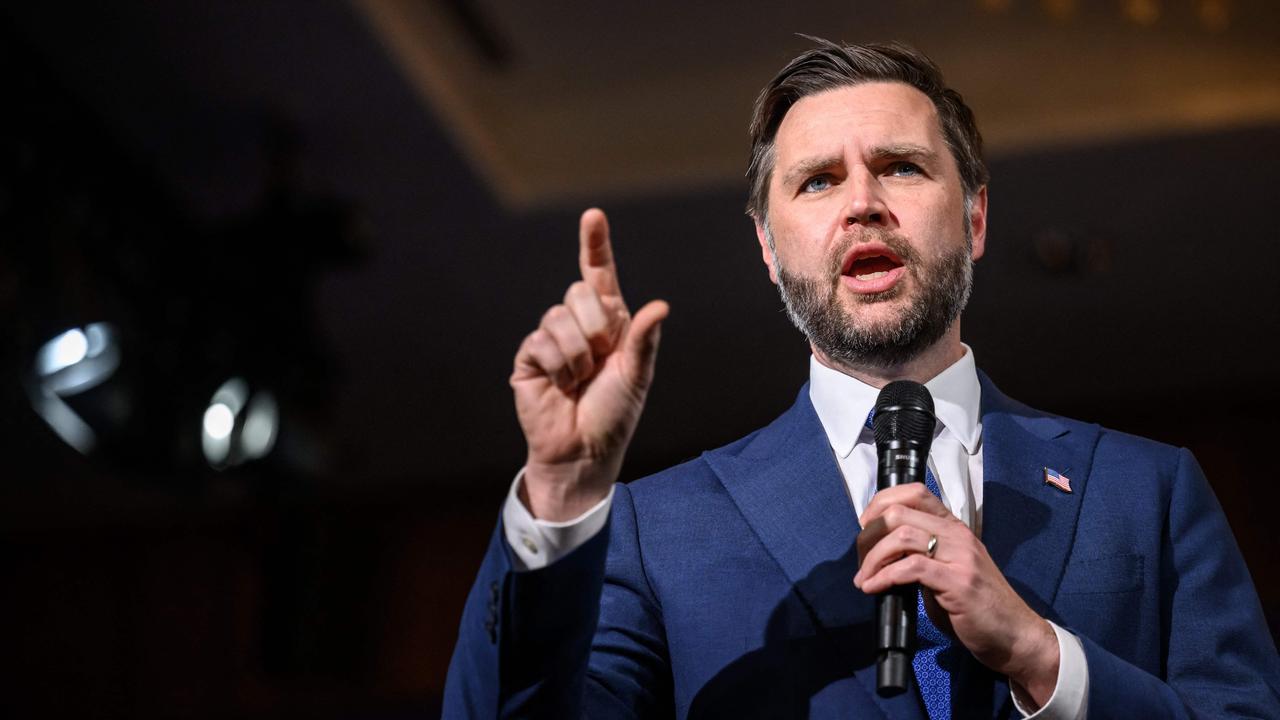
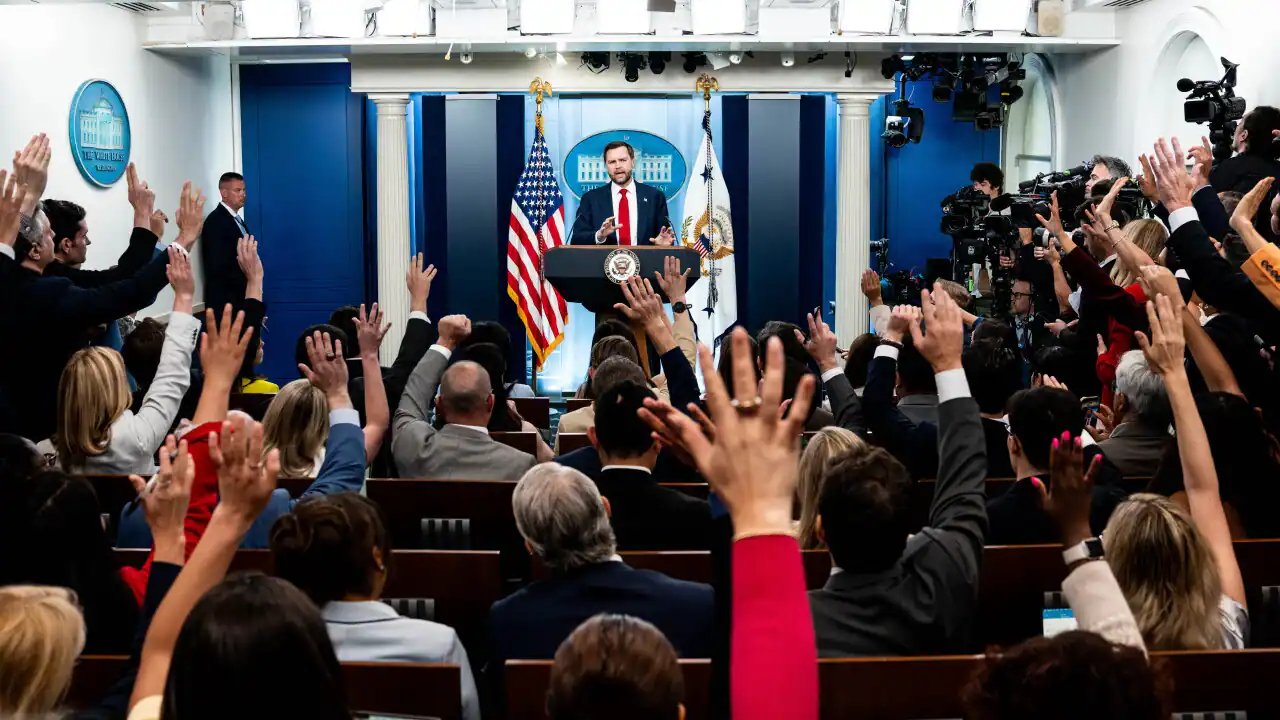
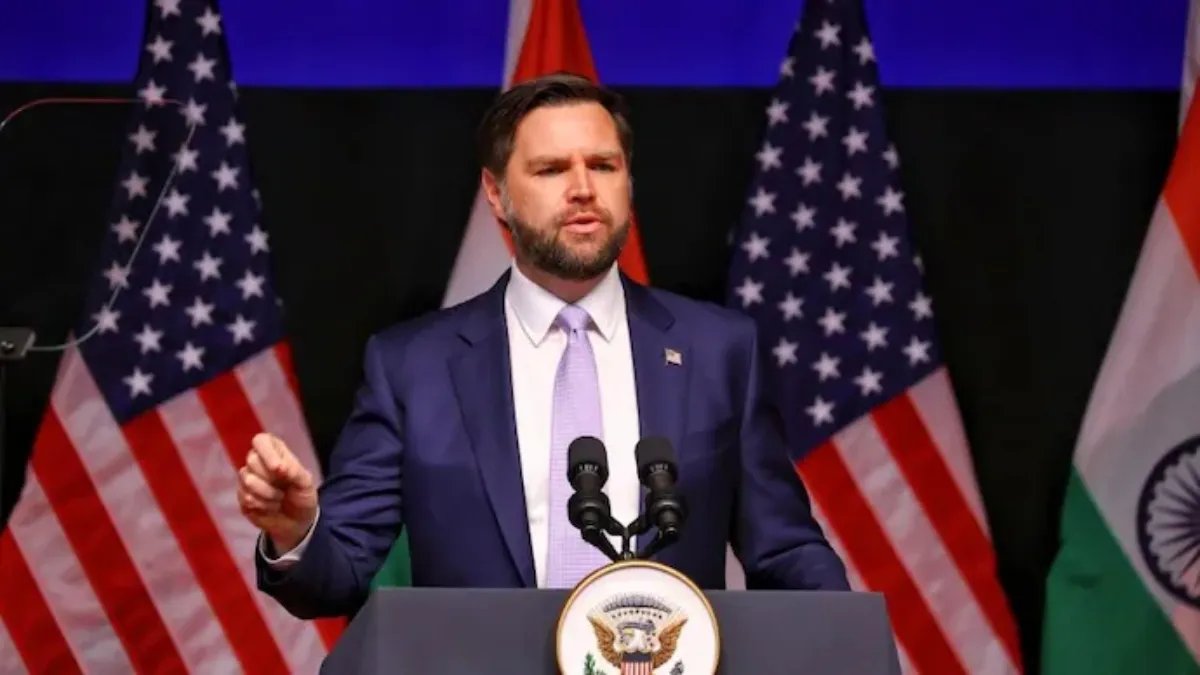
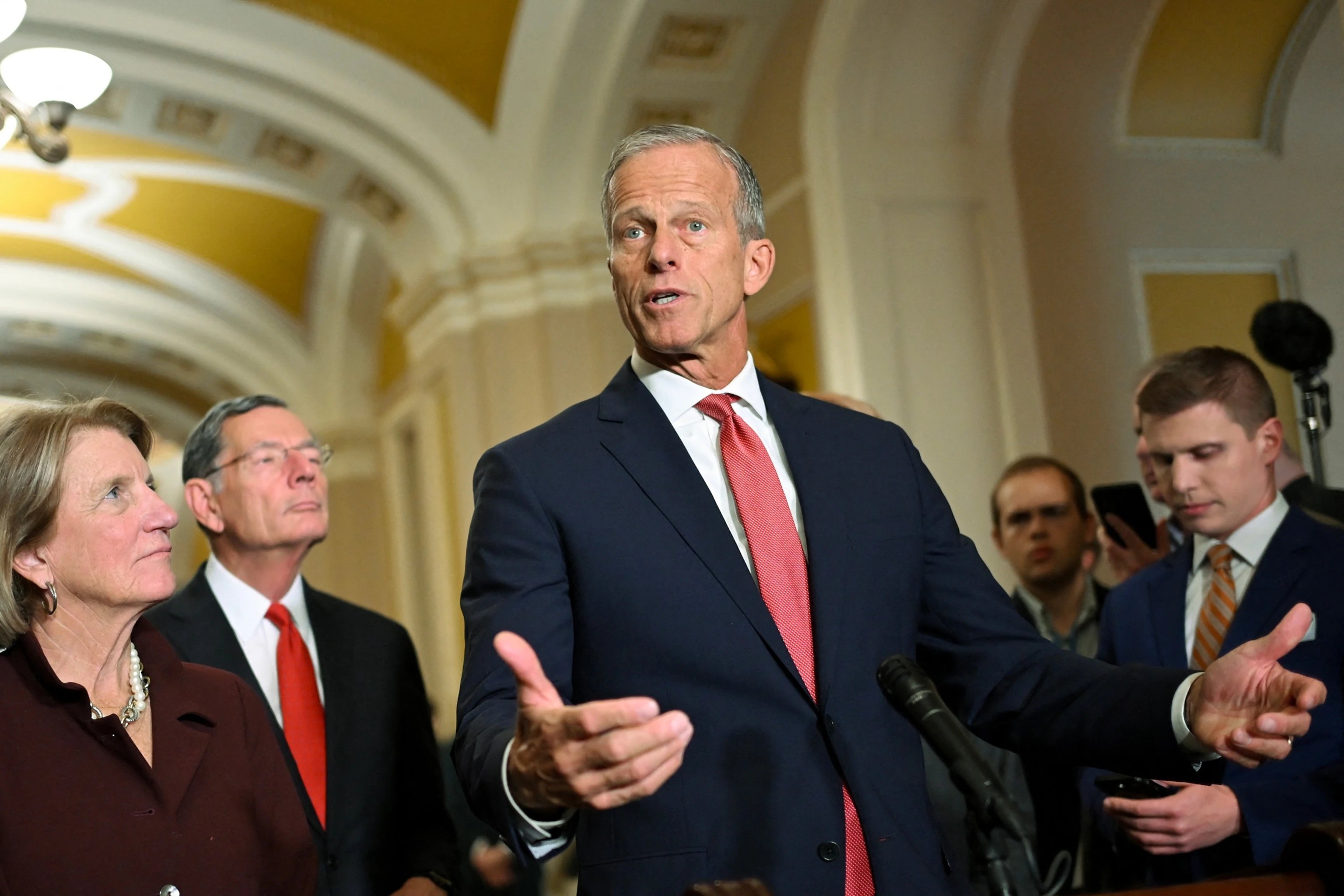
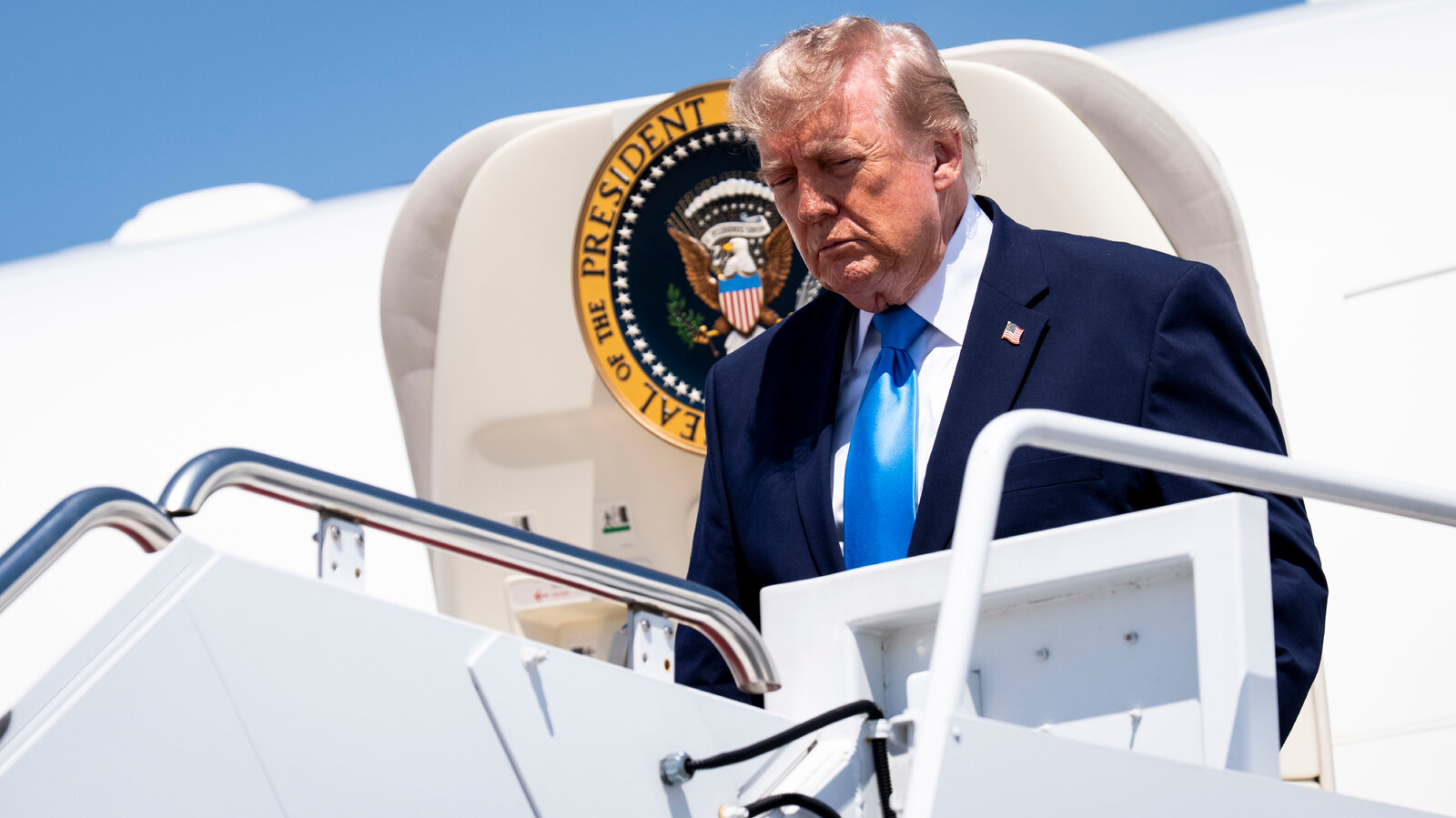
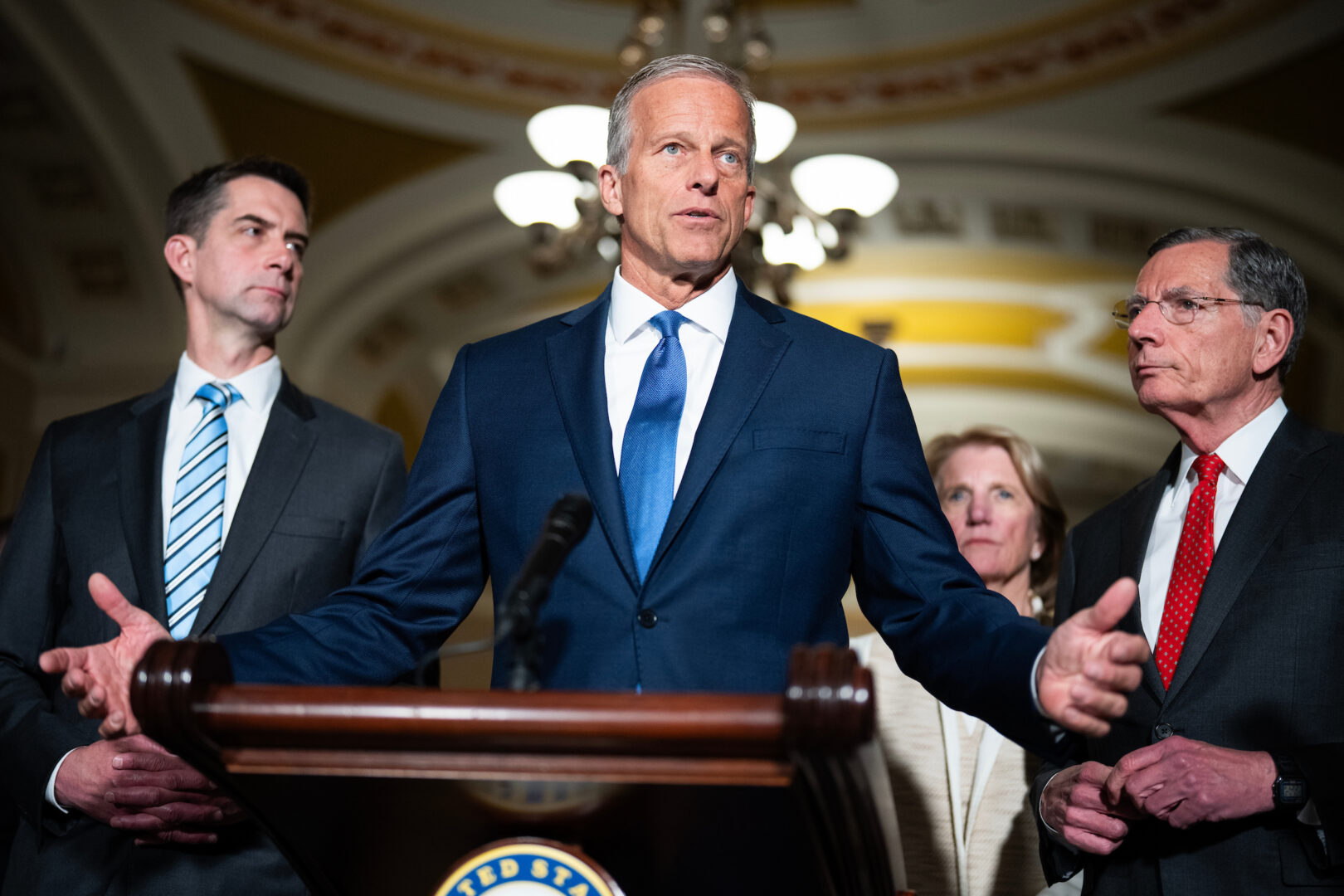
Amid these developments, Vice President JD Vance, who has been instrumental in brokering the U.S.-Iran deal, postponed his trip to Switzerland to represent the U.S. in the negotiations. Vance's involvement has drawn both criticism and support from various political circles. Republican responses have been mixed. Sen. Lindsey Graham initially expressed skepticism but later assumed a more supportive posture after discussions with special envoy Steve Witkoff. However, other Republicans including Sen. Bill Cassidy and Sen. Ted Cruz have maintained criticism, with Cassidy calling the deal "the worst foreign policy blunder in decades." Vance's ability to navigate these tensions may significantly impact his political future, especially as he is viewed as a potential contender for the 2028 presidential race.
Iranian Response to Israeli Actions
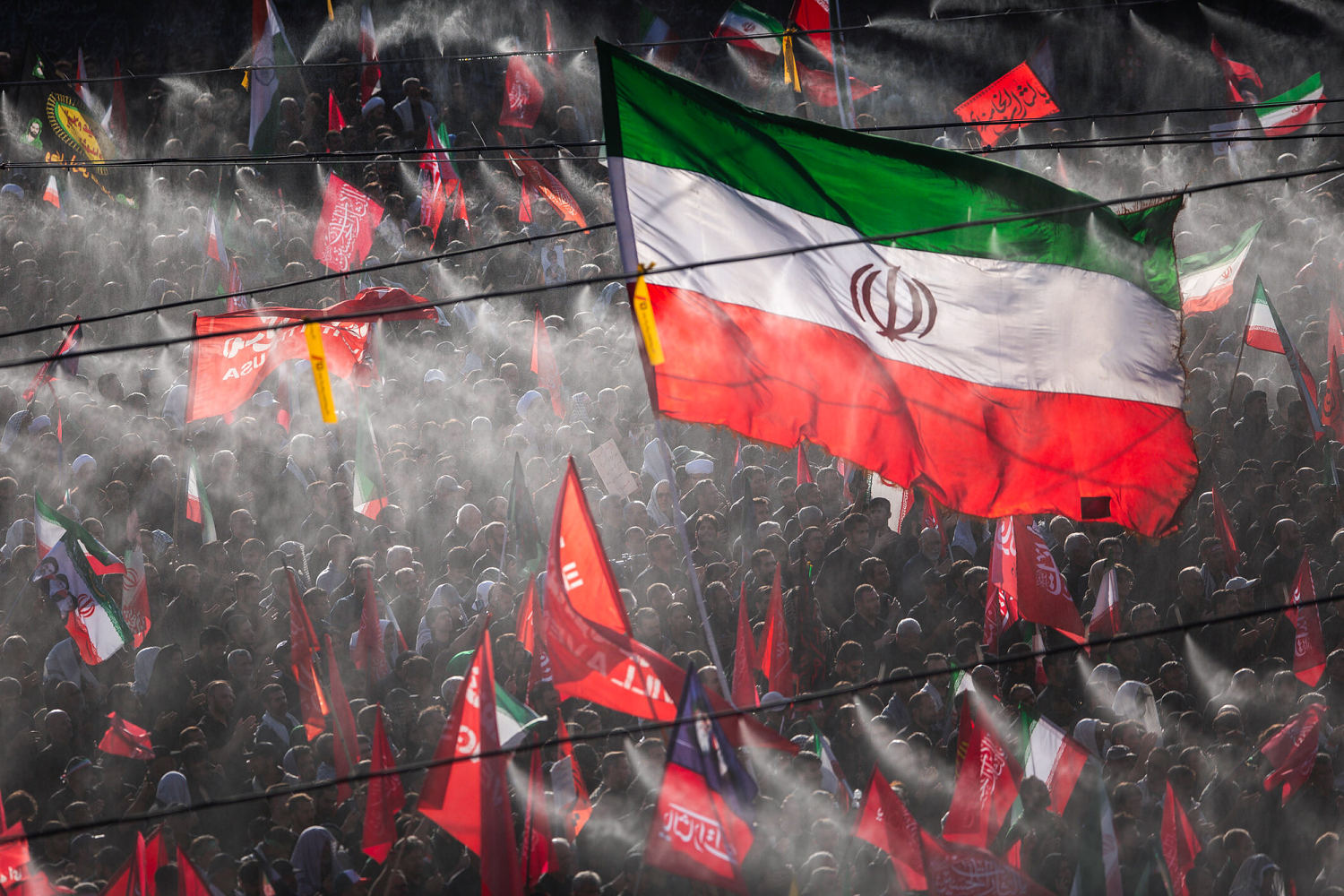
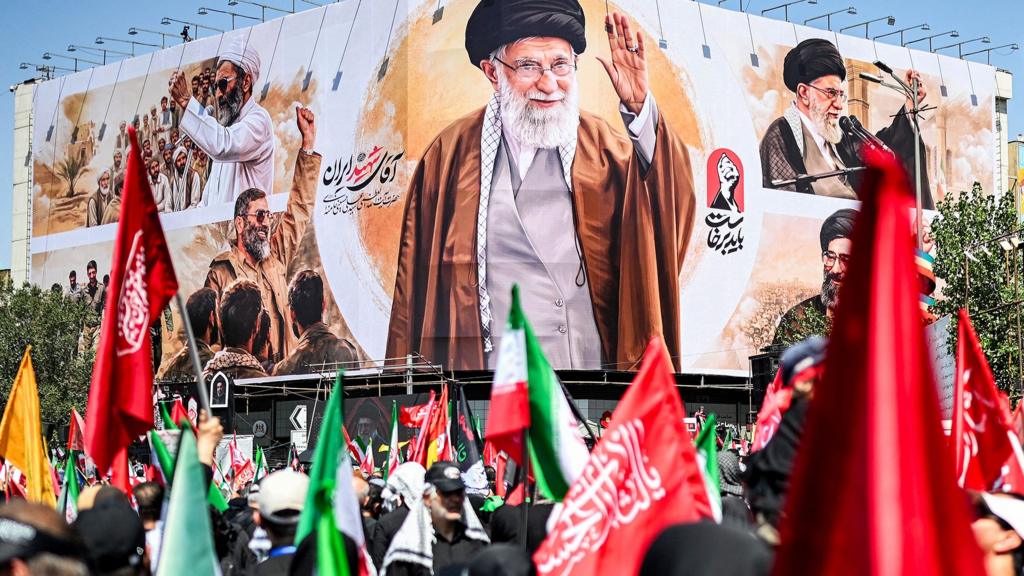
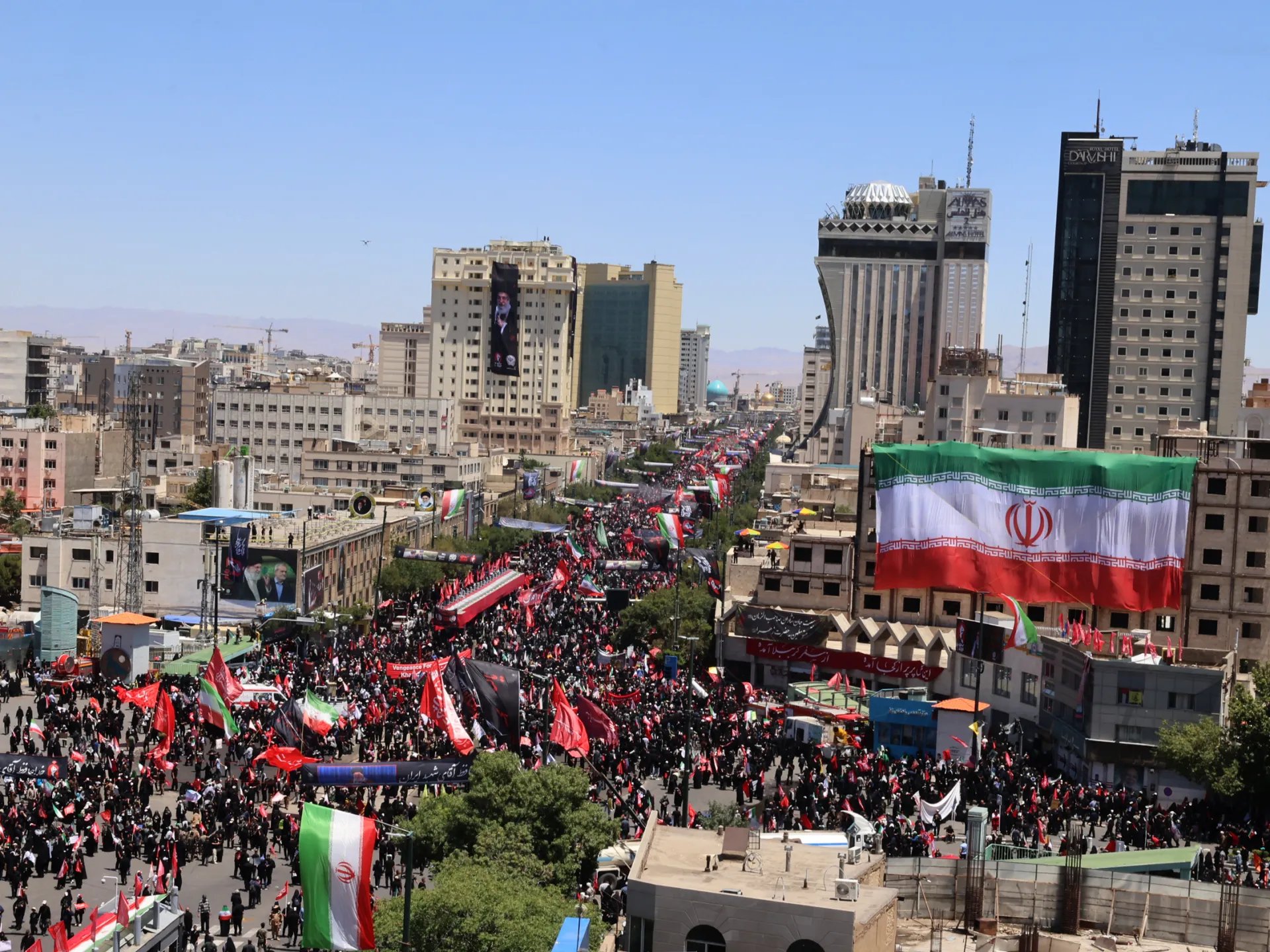
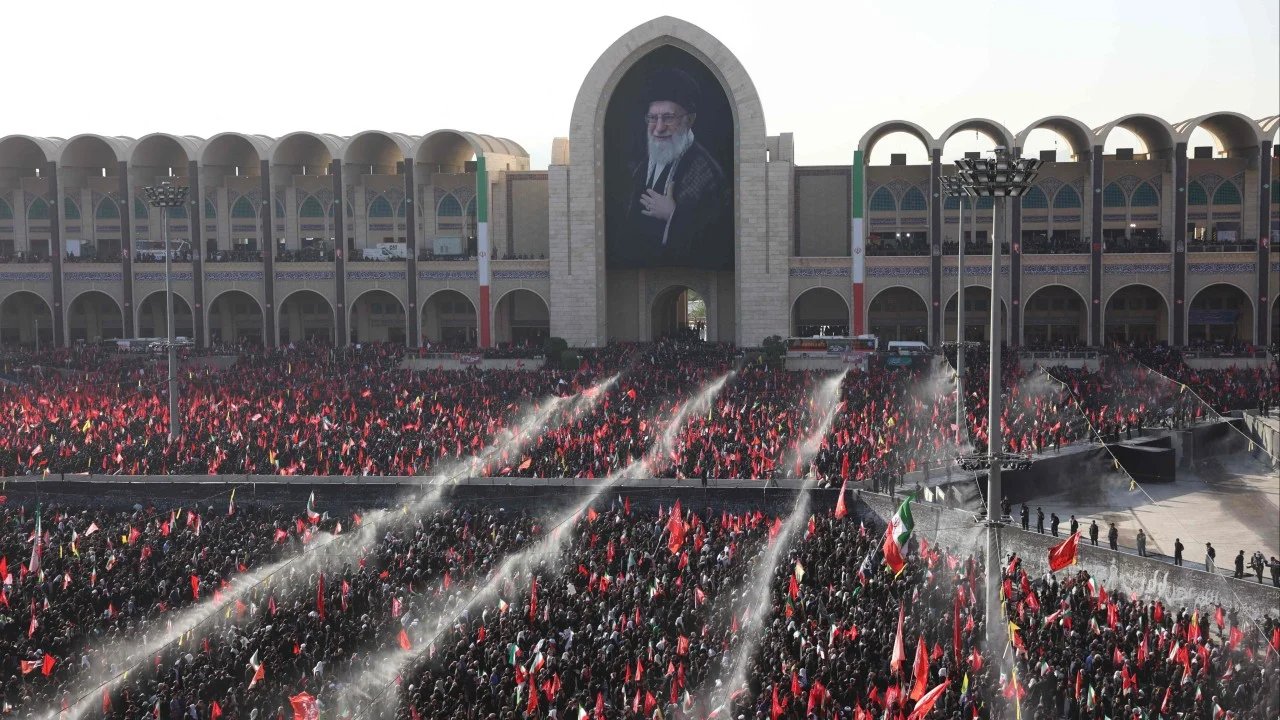
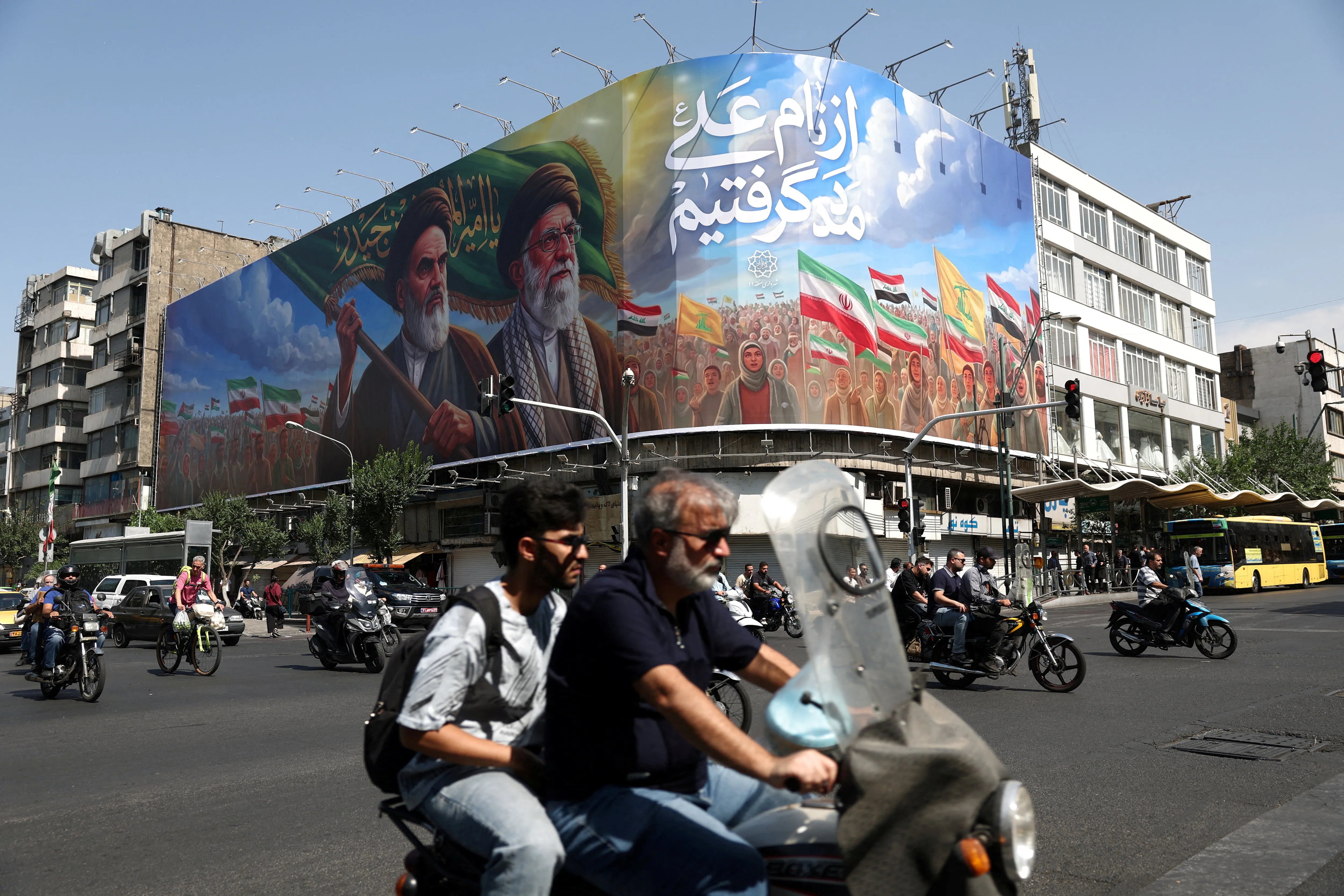
Khatibzadeh condemned Israel's military actions, stating that continued hostilities would have "serious and immediate consequences." He reiterated Iran's commitment to pursuing peace across the region, linking the situation in Lebanon directly to the broader U.S.-Iran negotiations. Iran has made it clear that any future agreements must include the release of frozen Iranian funds and assurances regarding Israel's military actions in Lebanon.
Human Impact of the Conflict
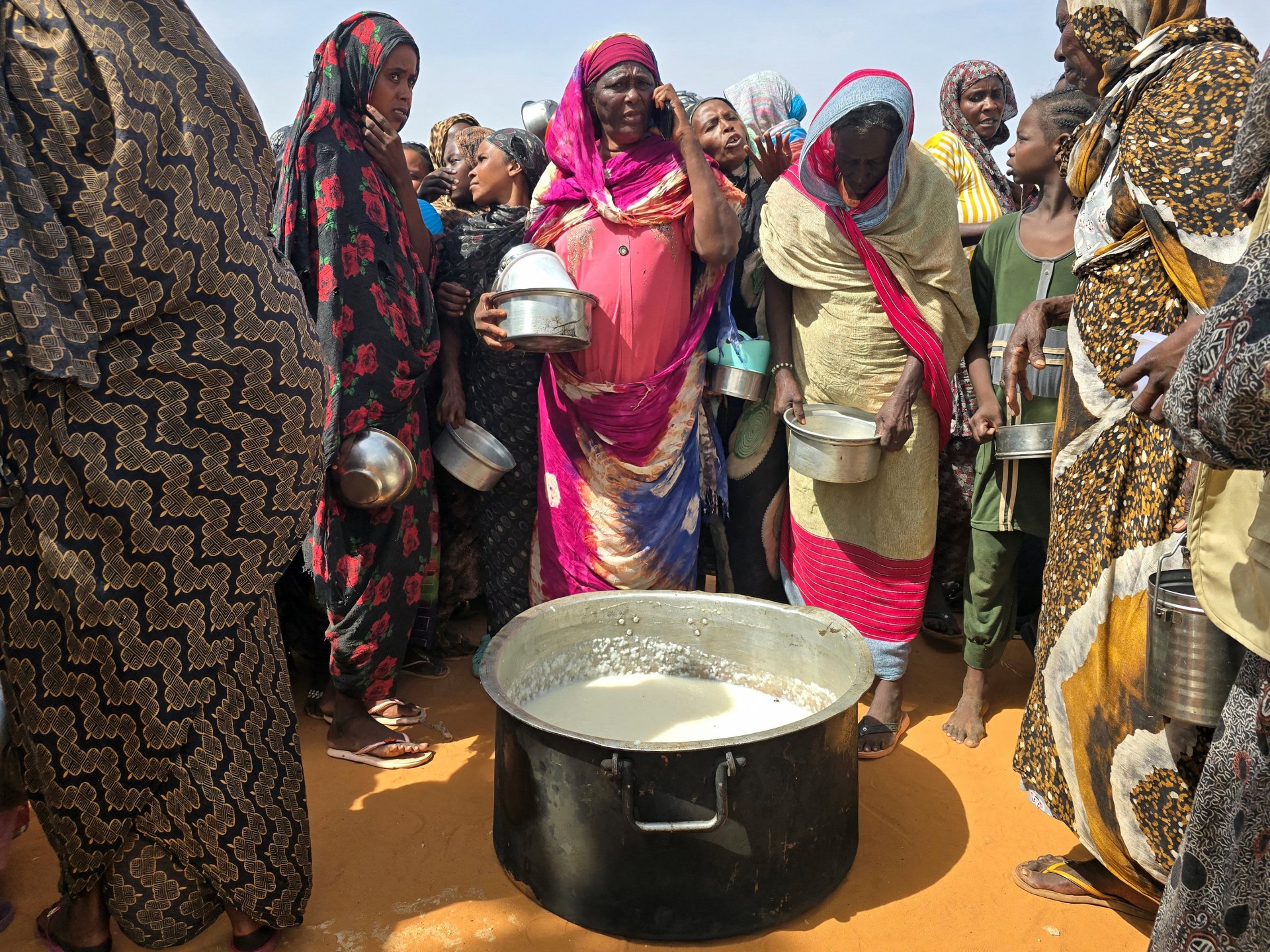
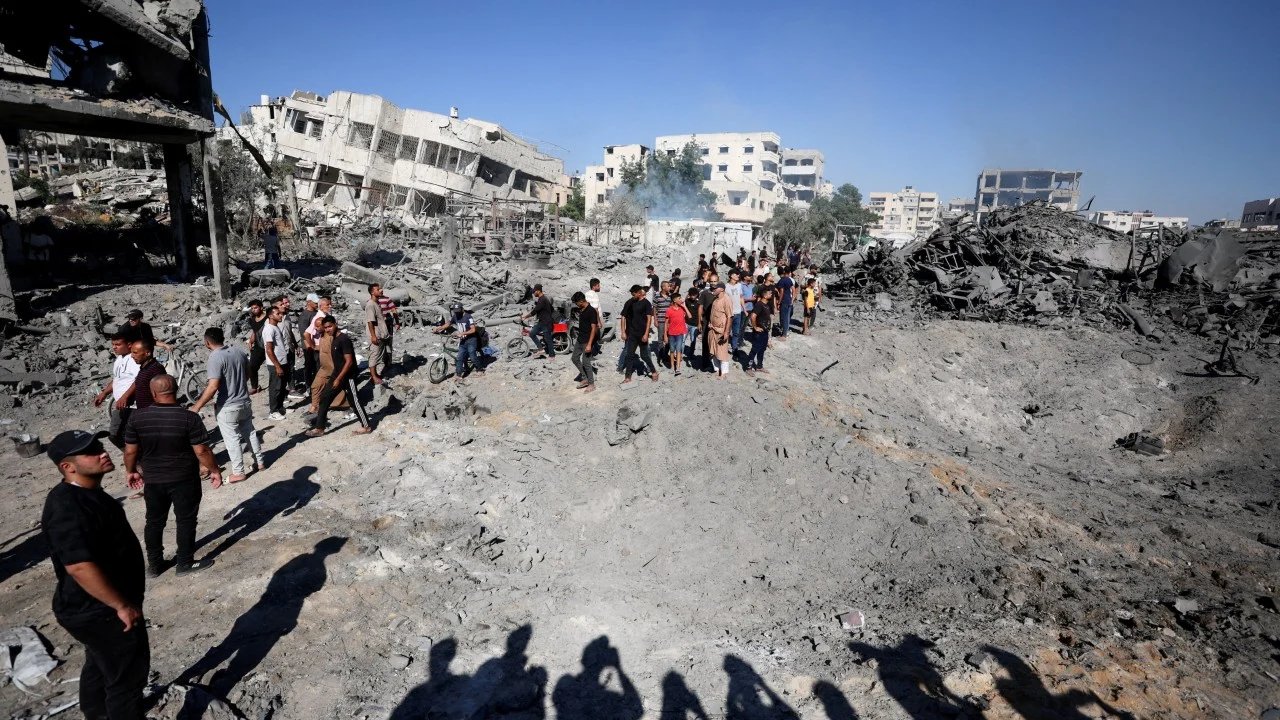
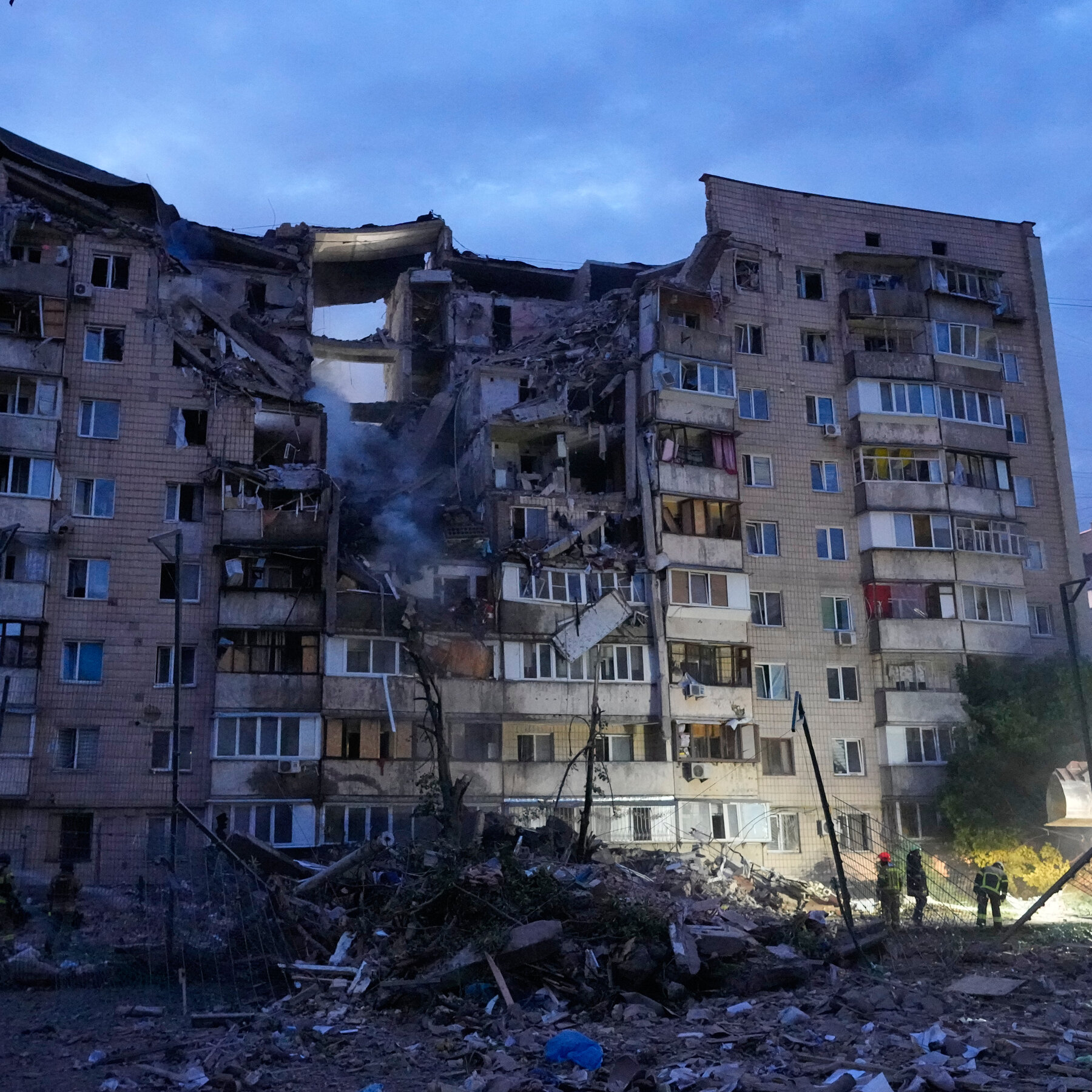
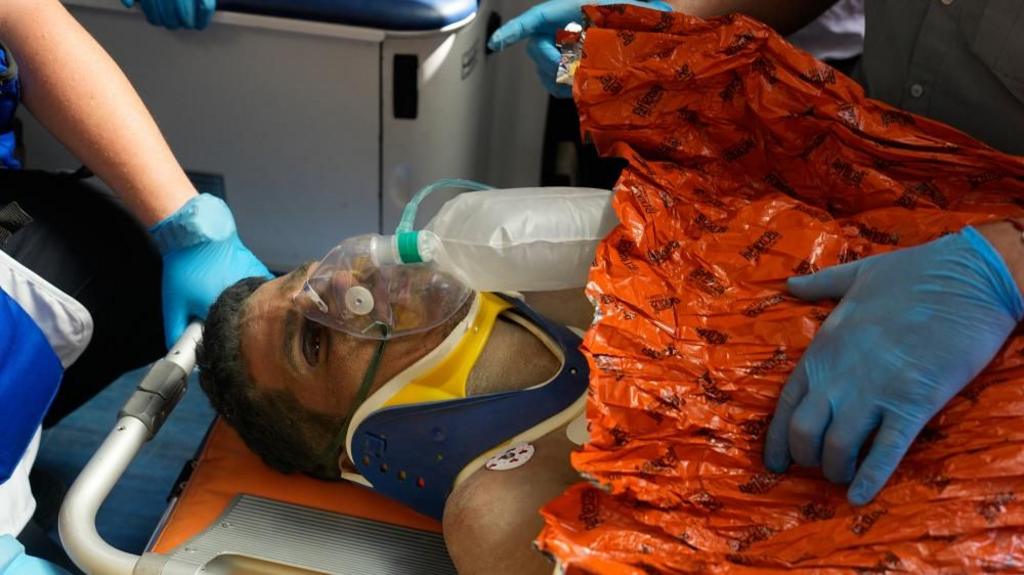
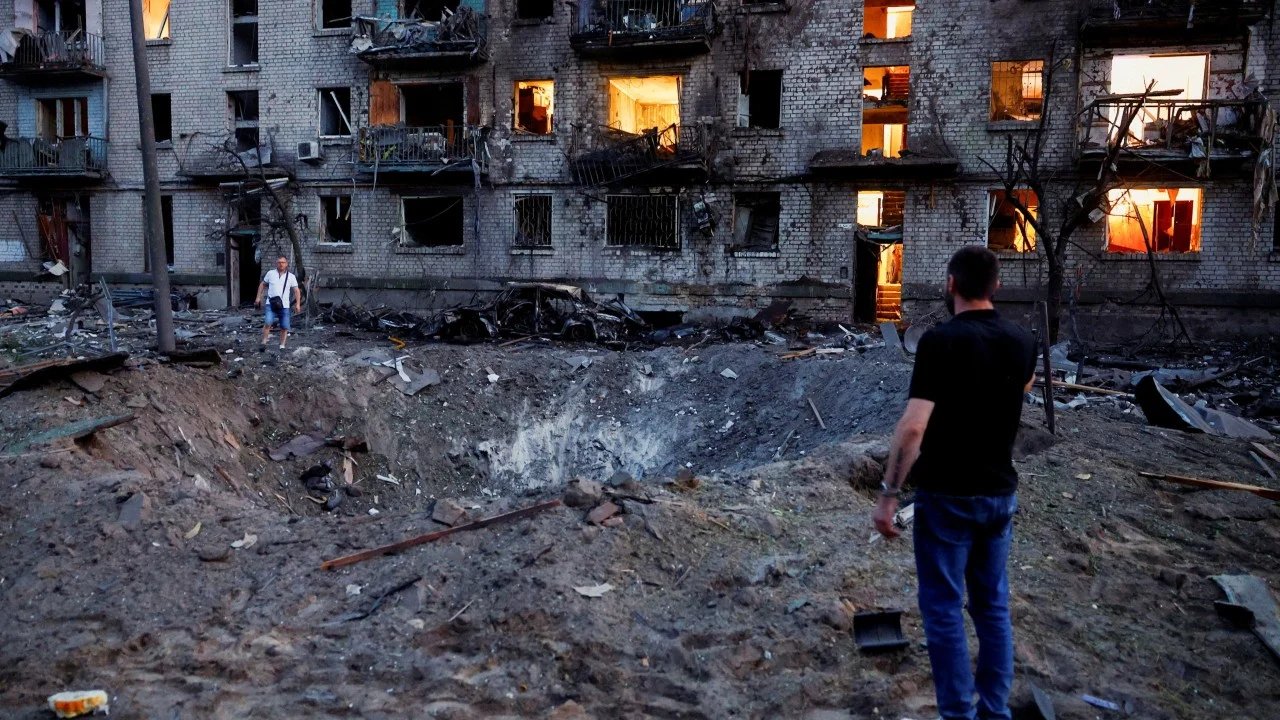
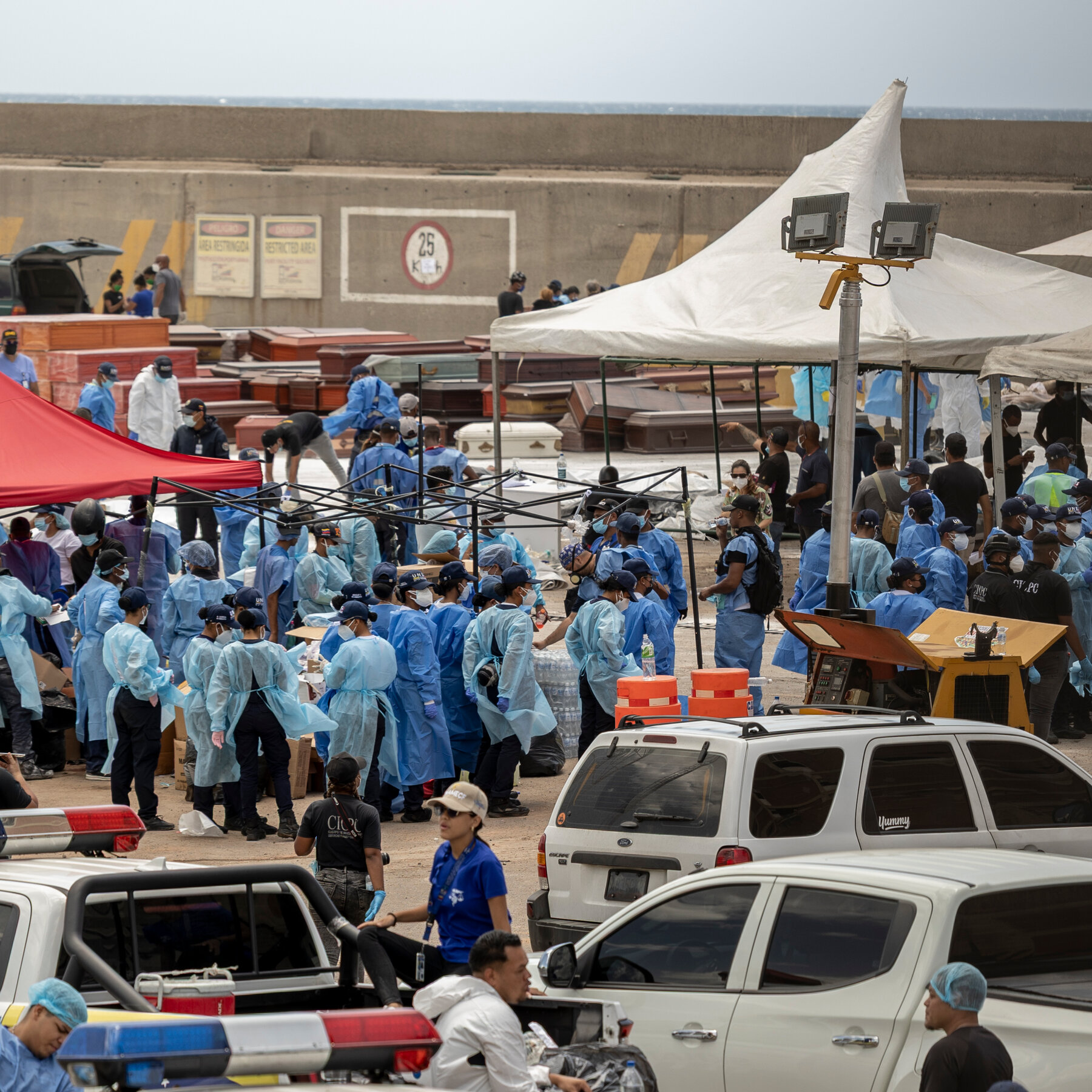
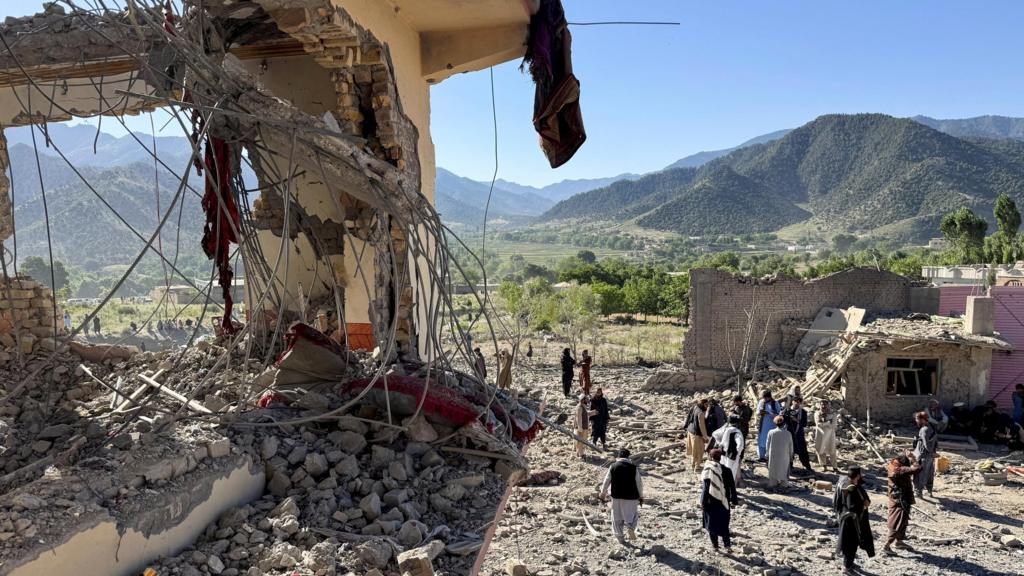
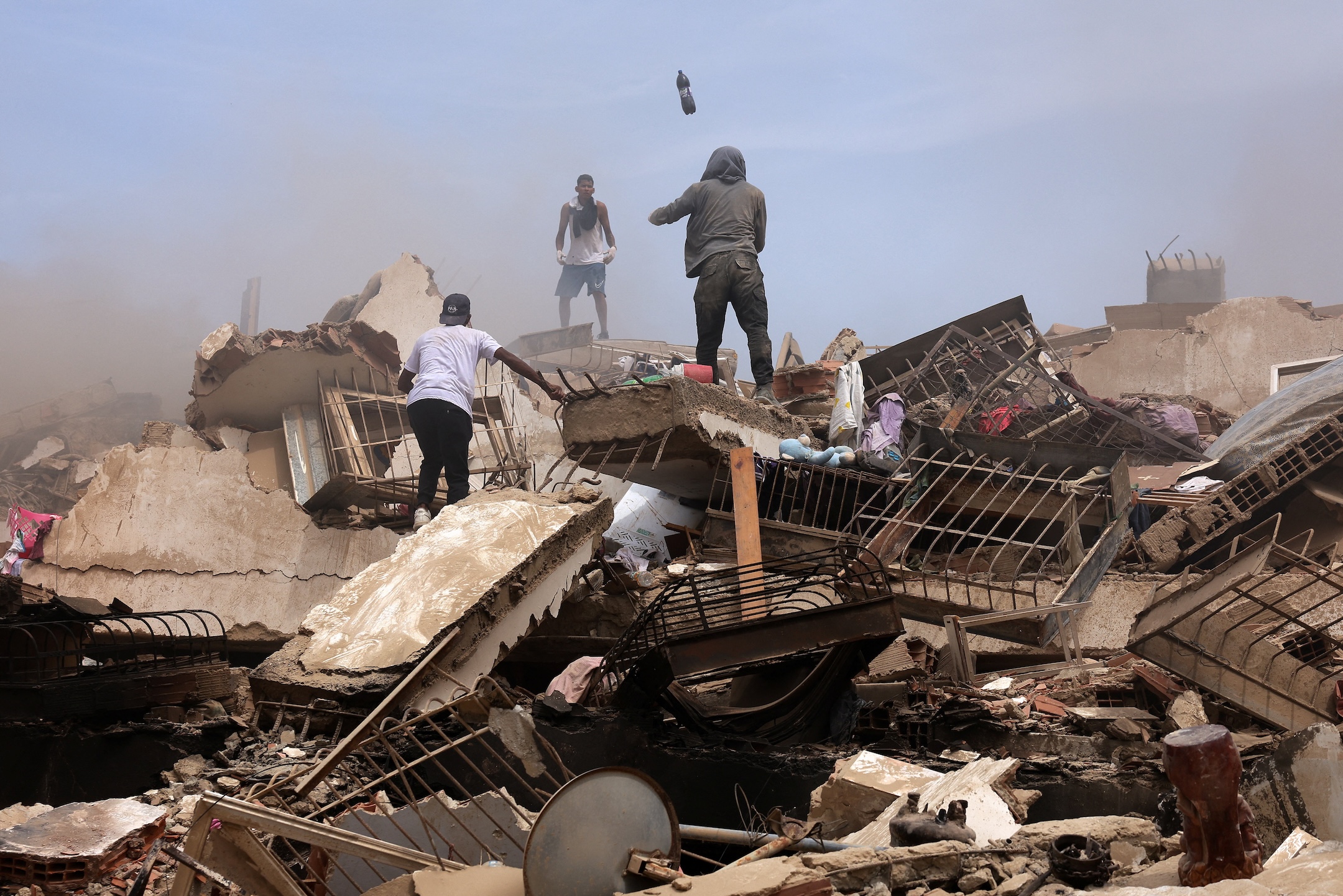
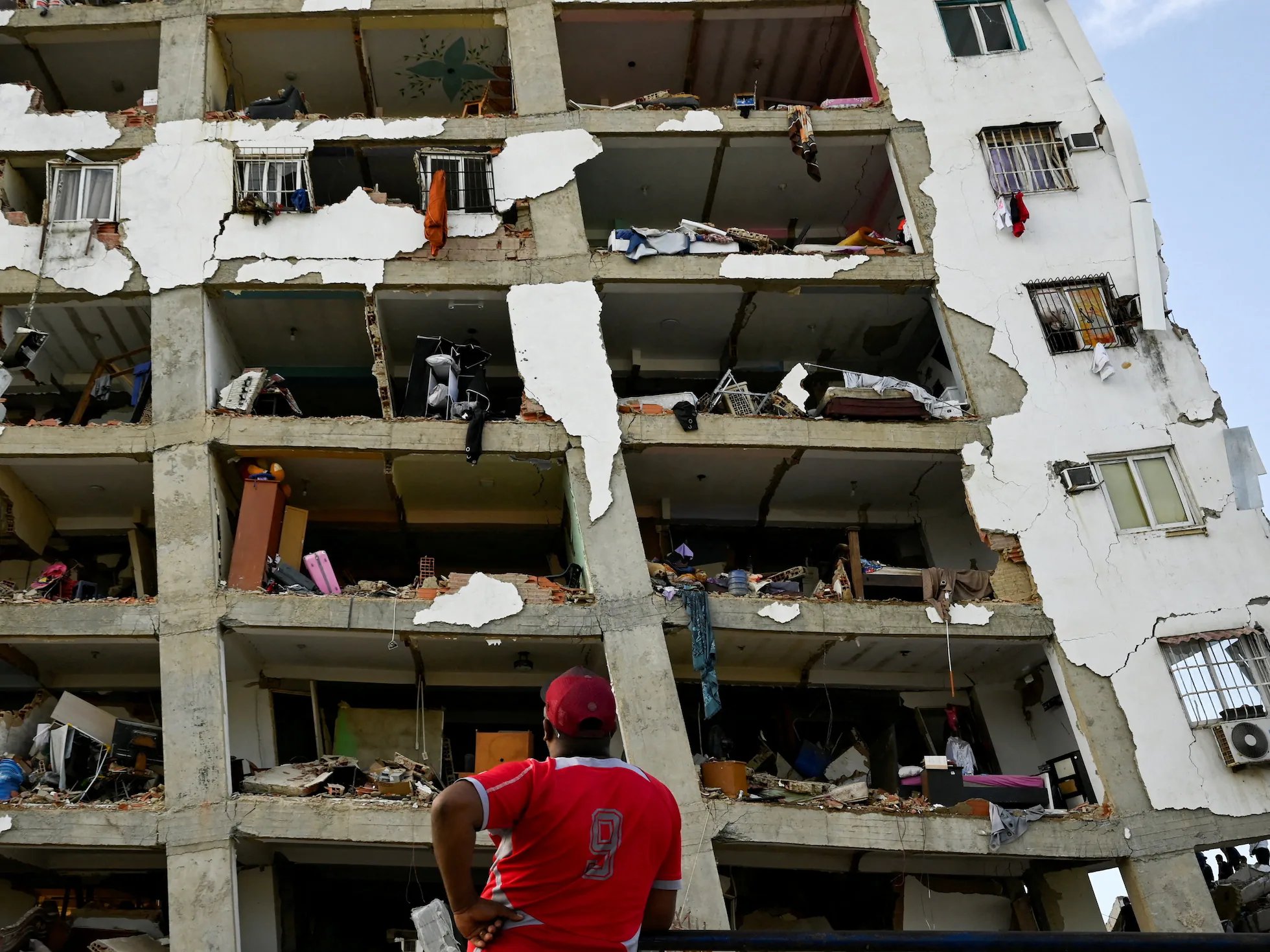
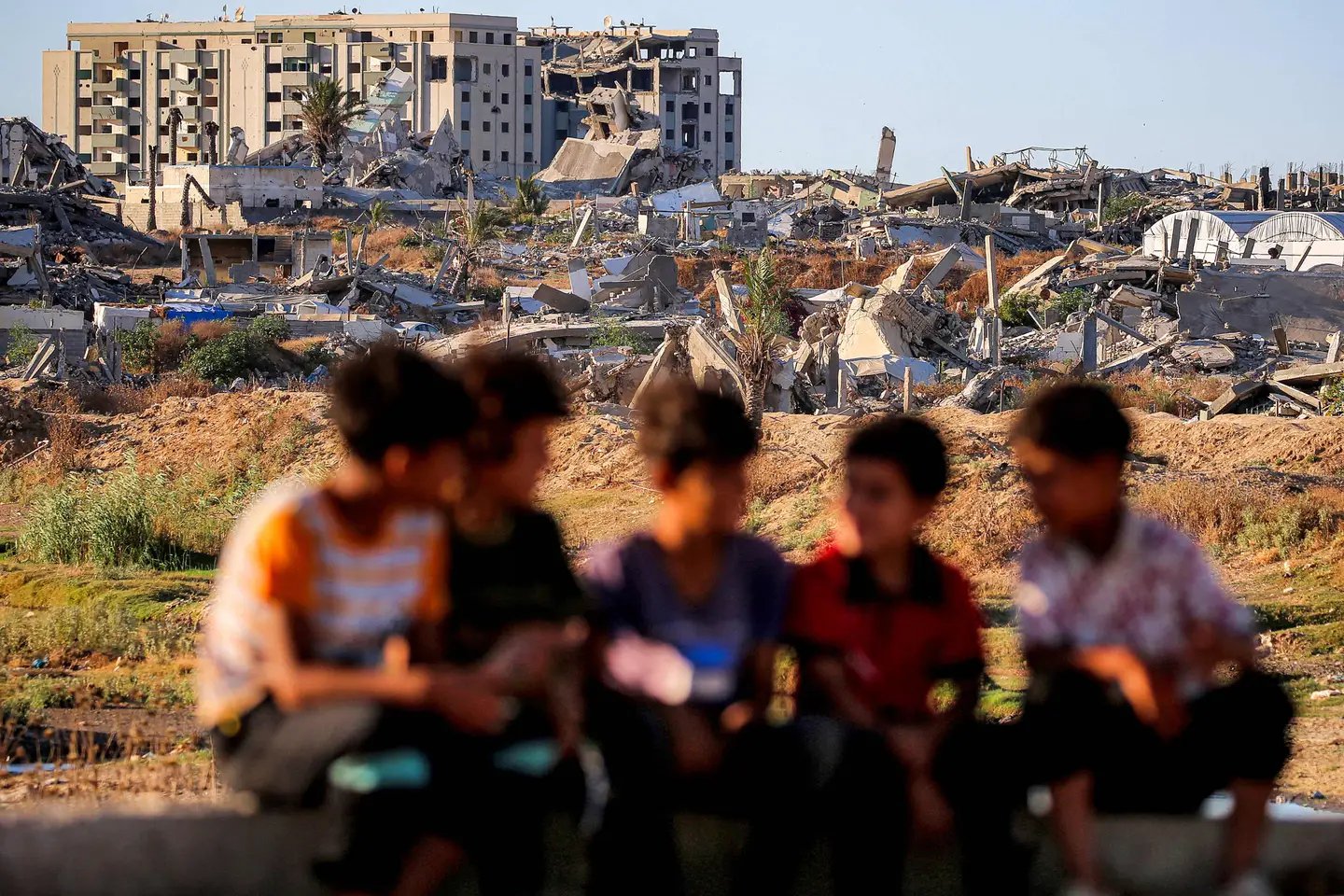
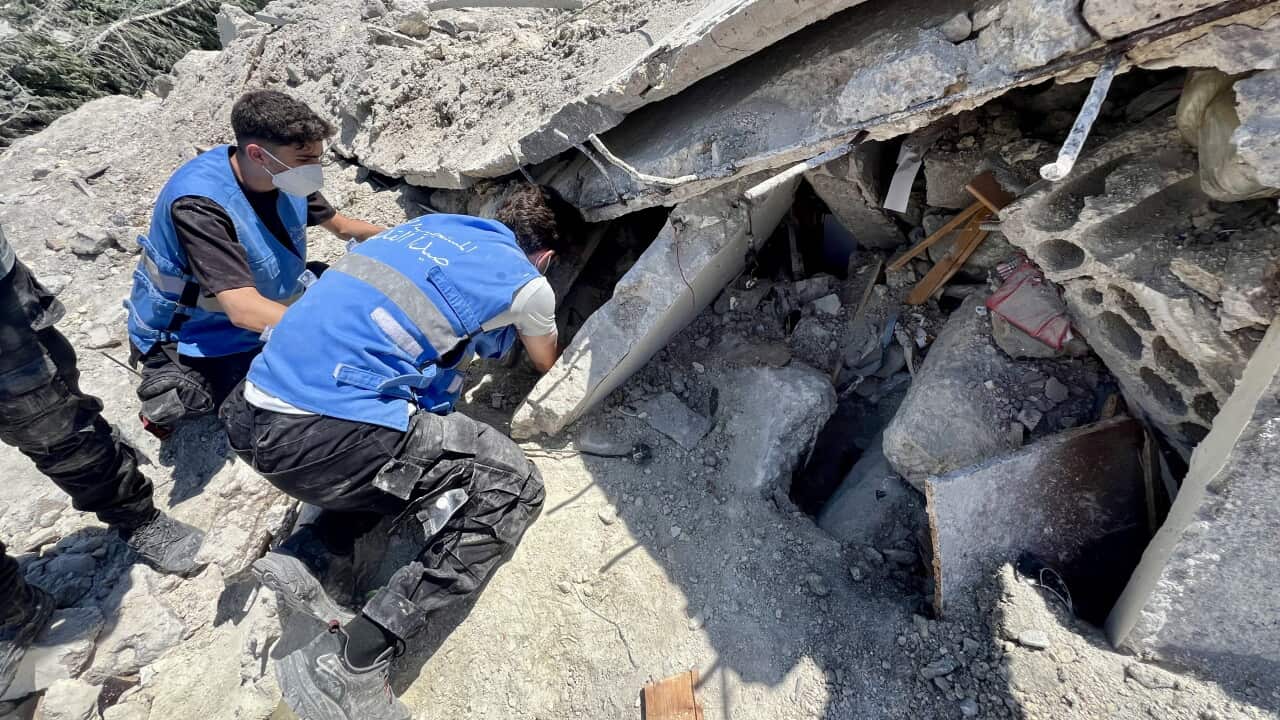
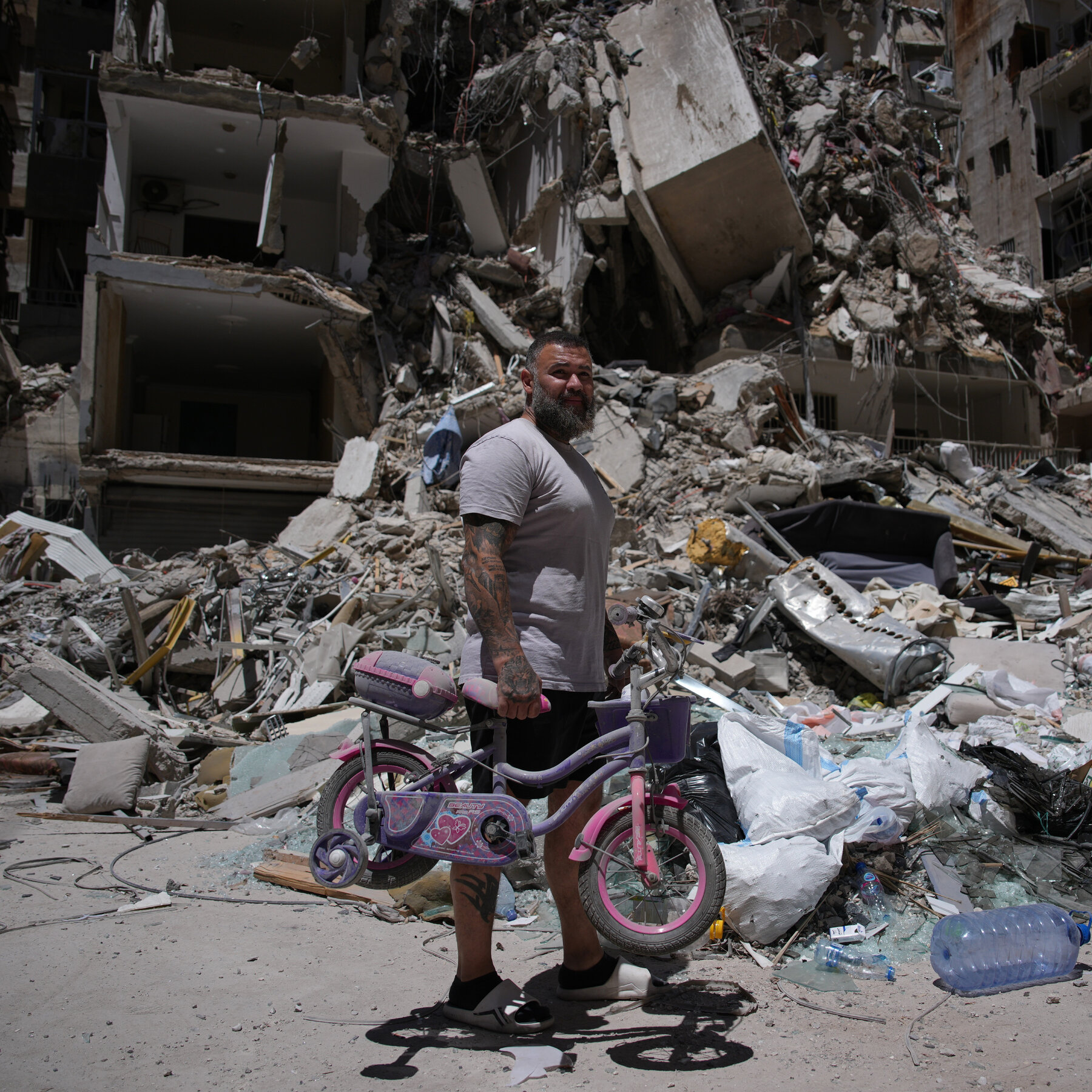
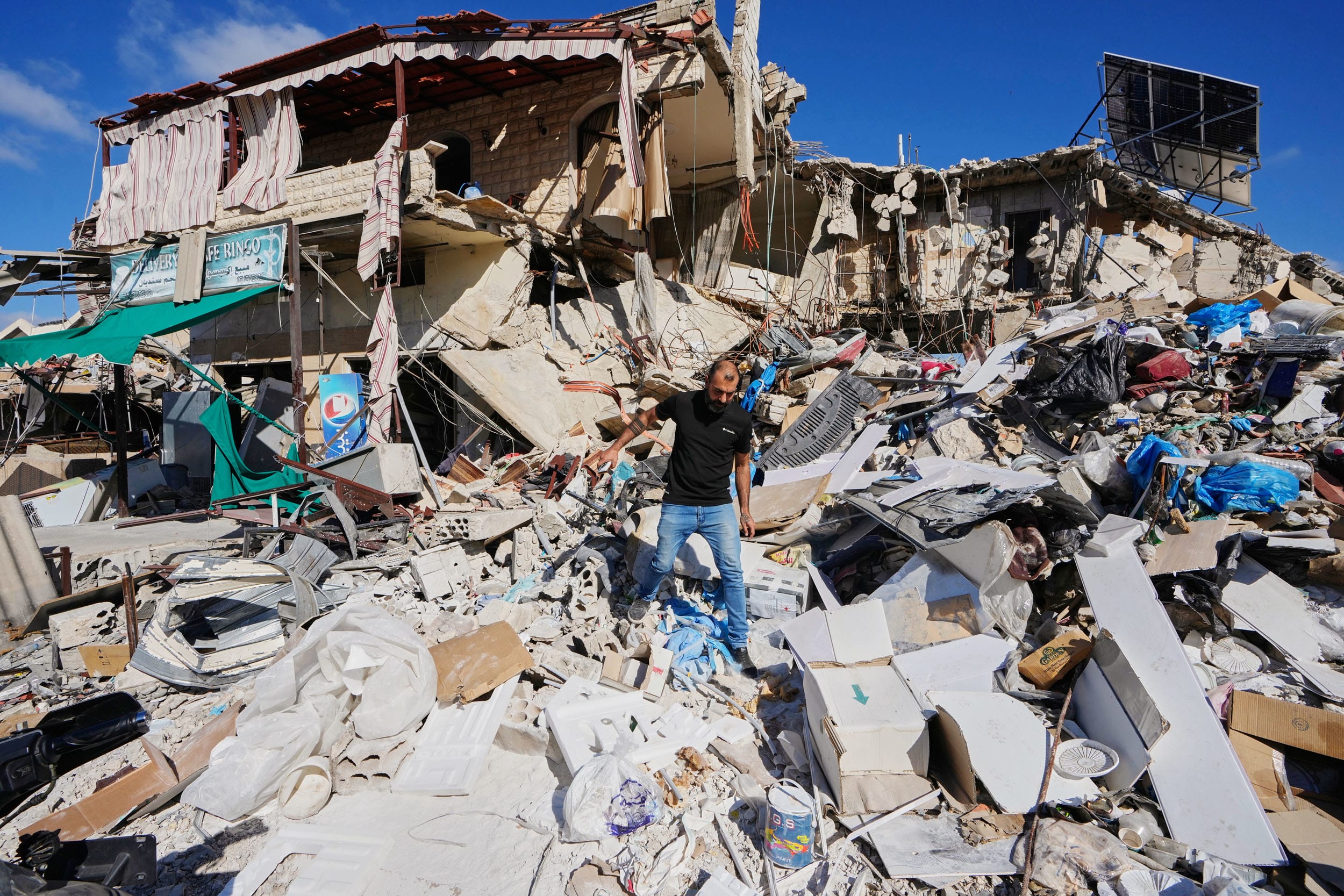
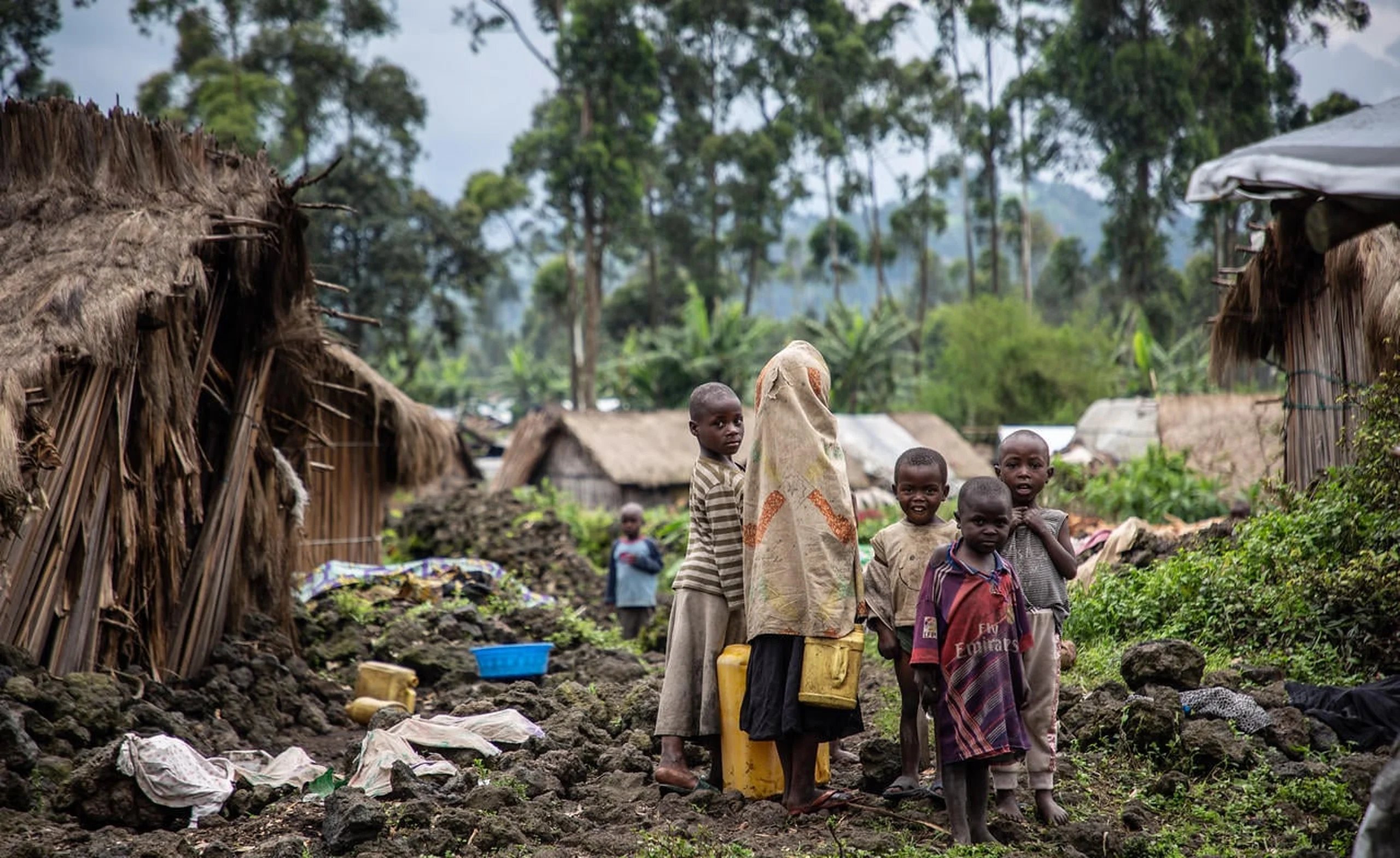
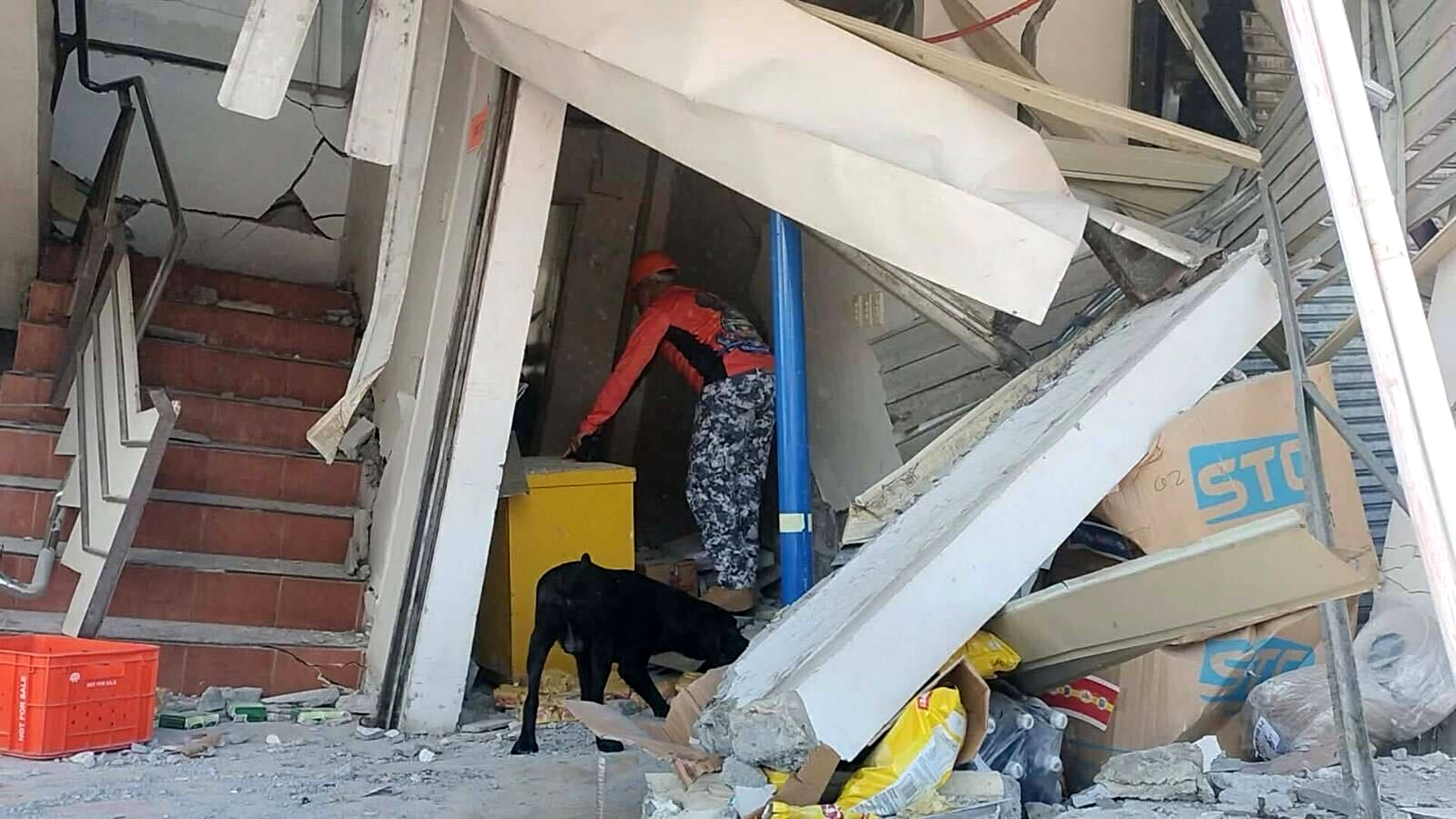
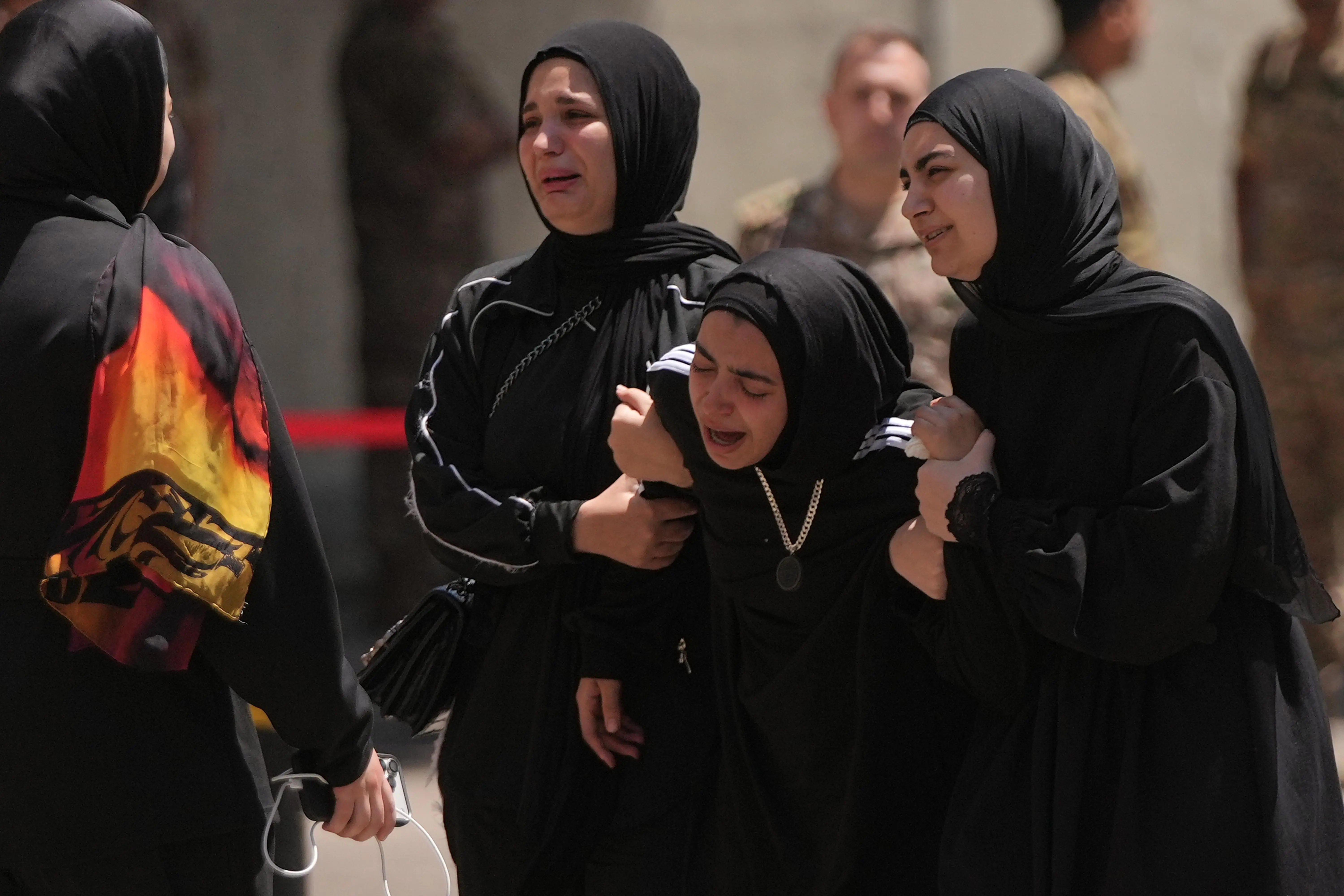
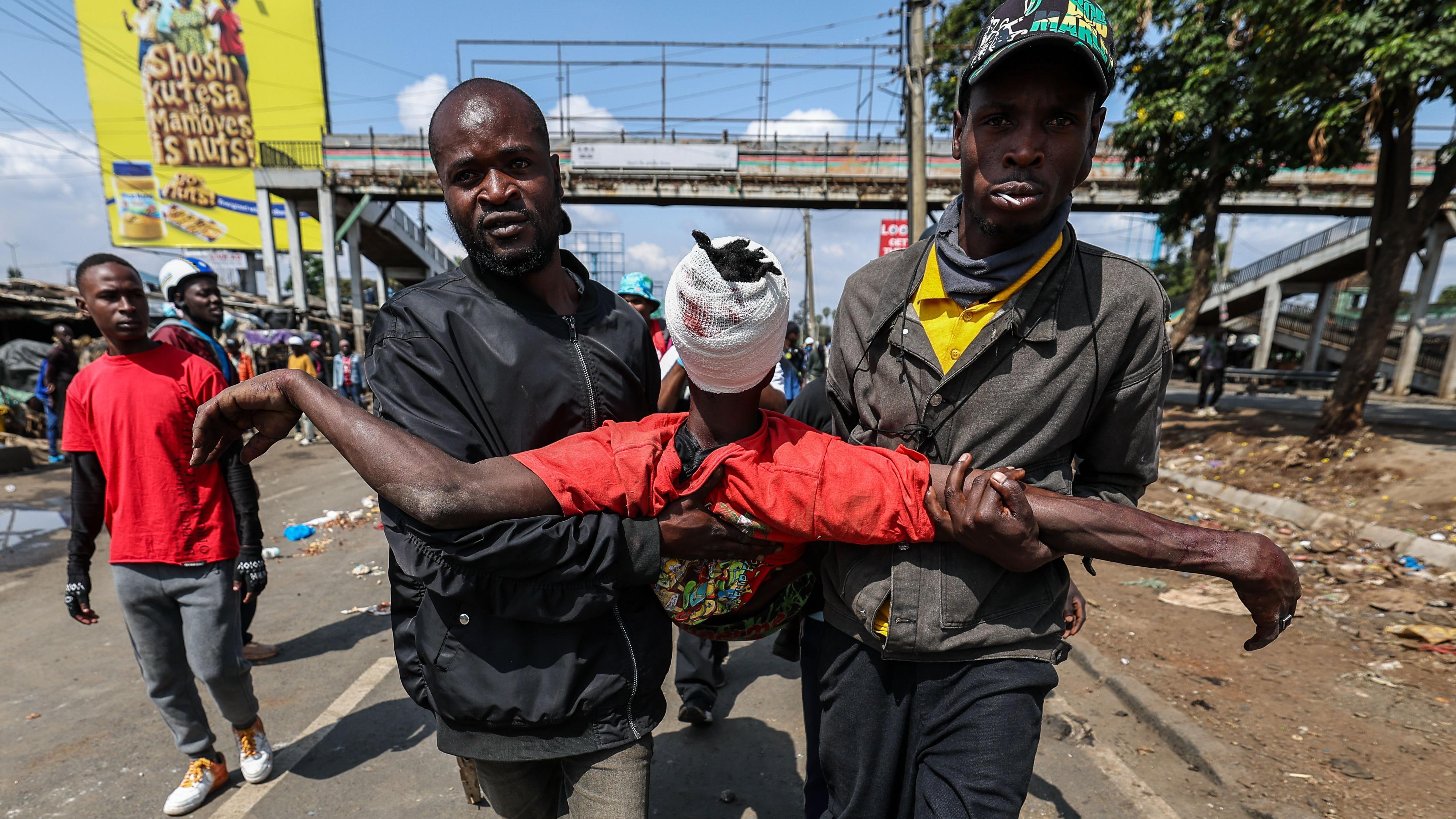
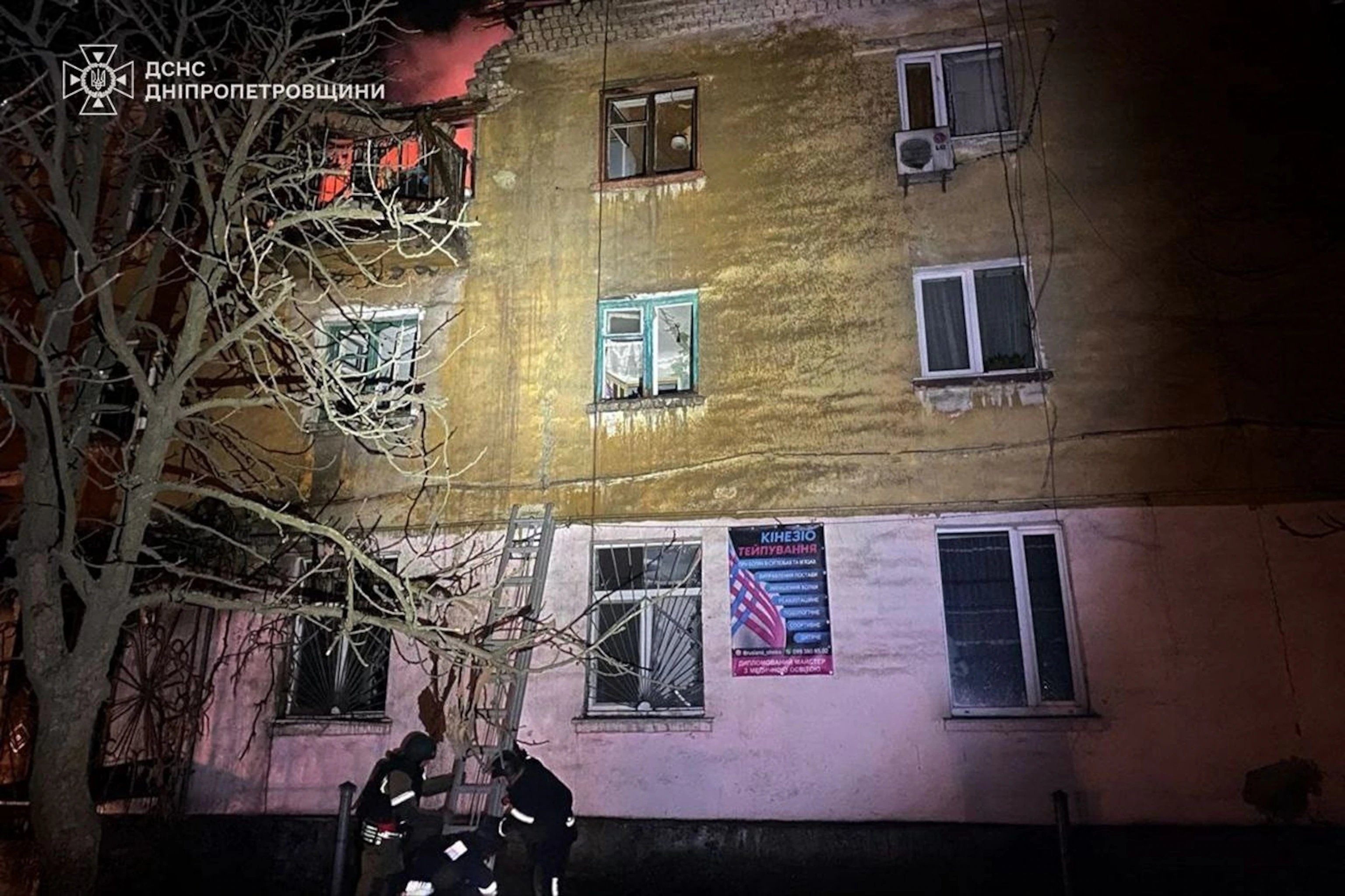
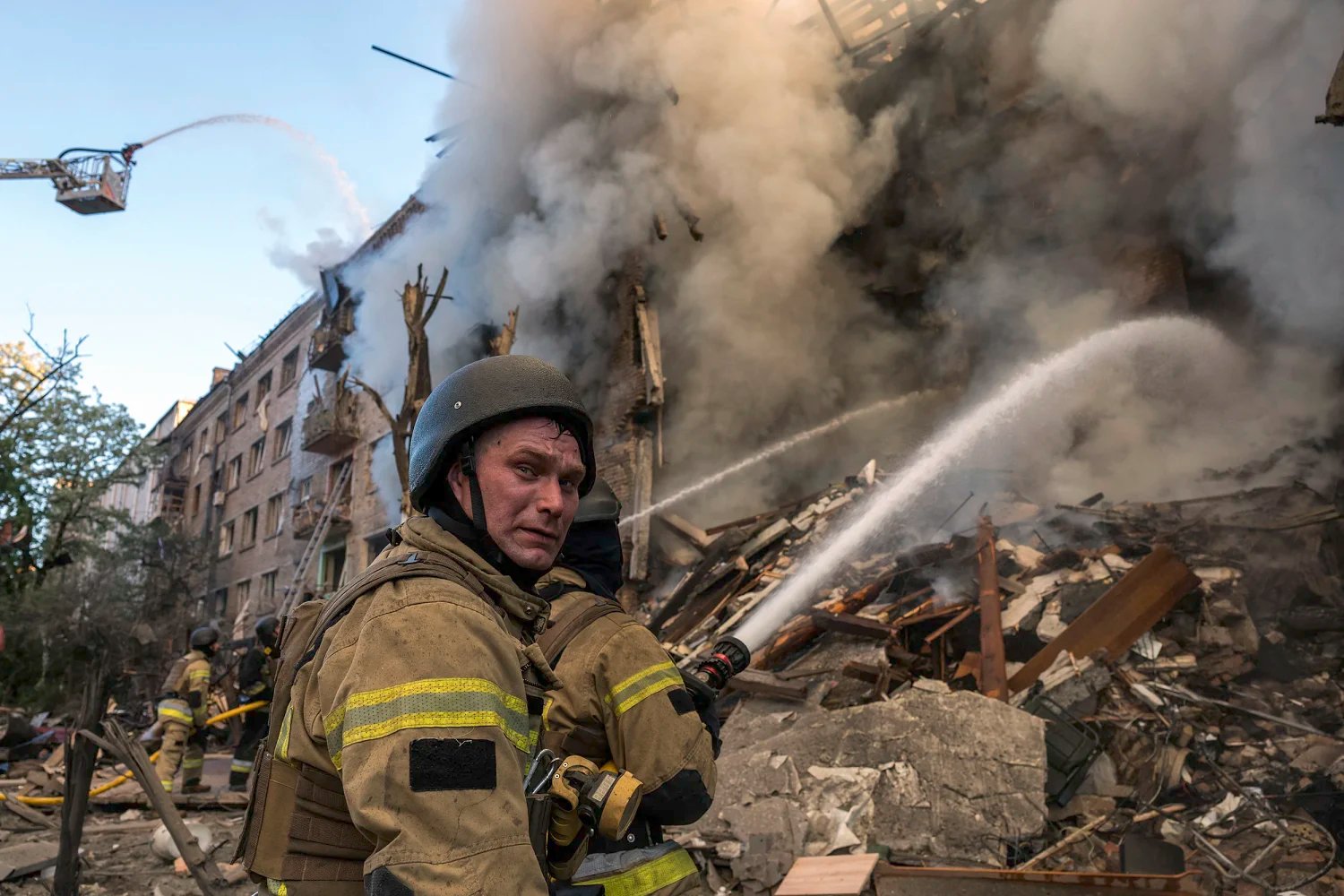
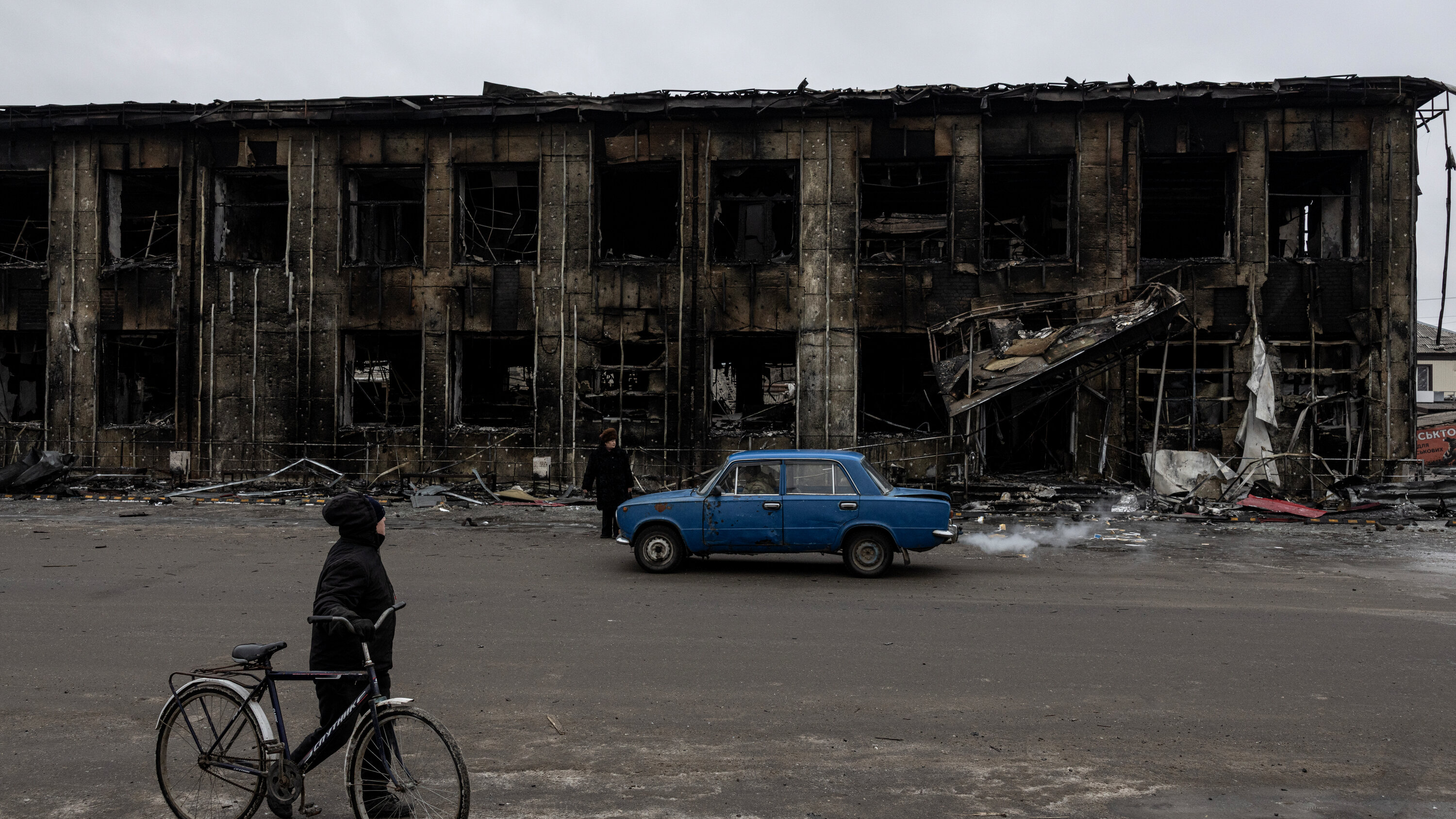
Lebanon's health ministry reported that Israeli attacks killed at least 47 people since midnight on Friday. The ongoing conflict has displaced over one million people in Lebanon, exacerbating an already dire humanitarian situation. The situation underscores the urgent need for a stable ceasefire and a comprehensive peace agreement to restore safety and security for civilians in the region.
Looking Ahead: Uncertain Future
As both sides grapple with escalating tensions, the prospects for a lasting ceasefire remain uncertain. Israeli officials have indicated that military operations will continue against perceived threats in southern Lebanon, complicating the peace efforts. The U.S. administration hopes to revive talks with Iran once the ceasefire holds, but experts warn of a "bumpy road ahead" as the geopolitical landscape continues to shift. The unfolding events highlight the intricate interplay of regional conflicts and international diplomacy, with direct implications for the safety and stability of the Middle East.