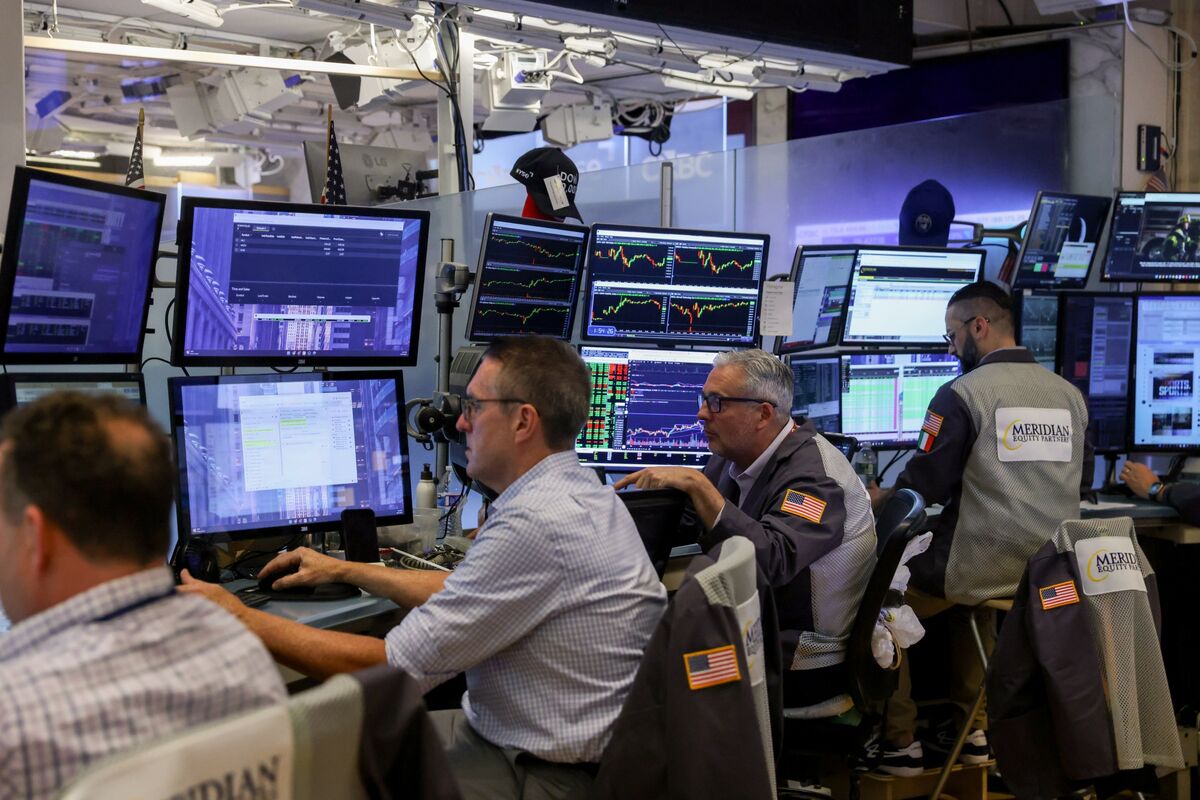
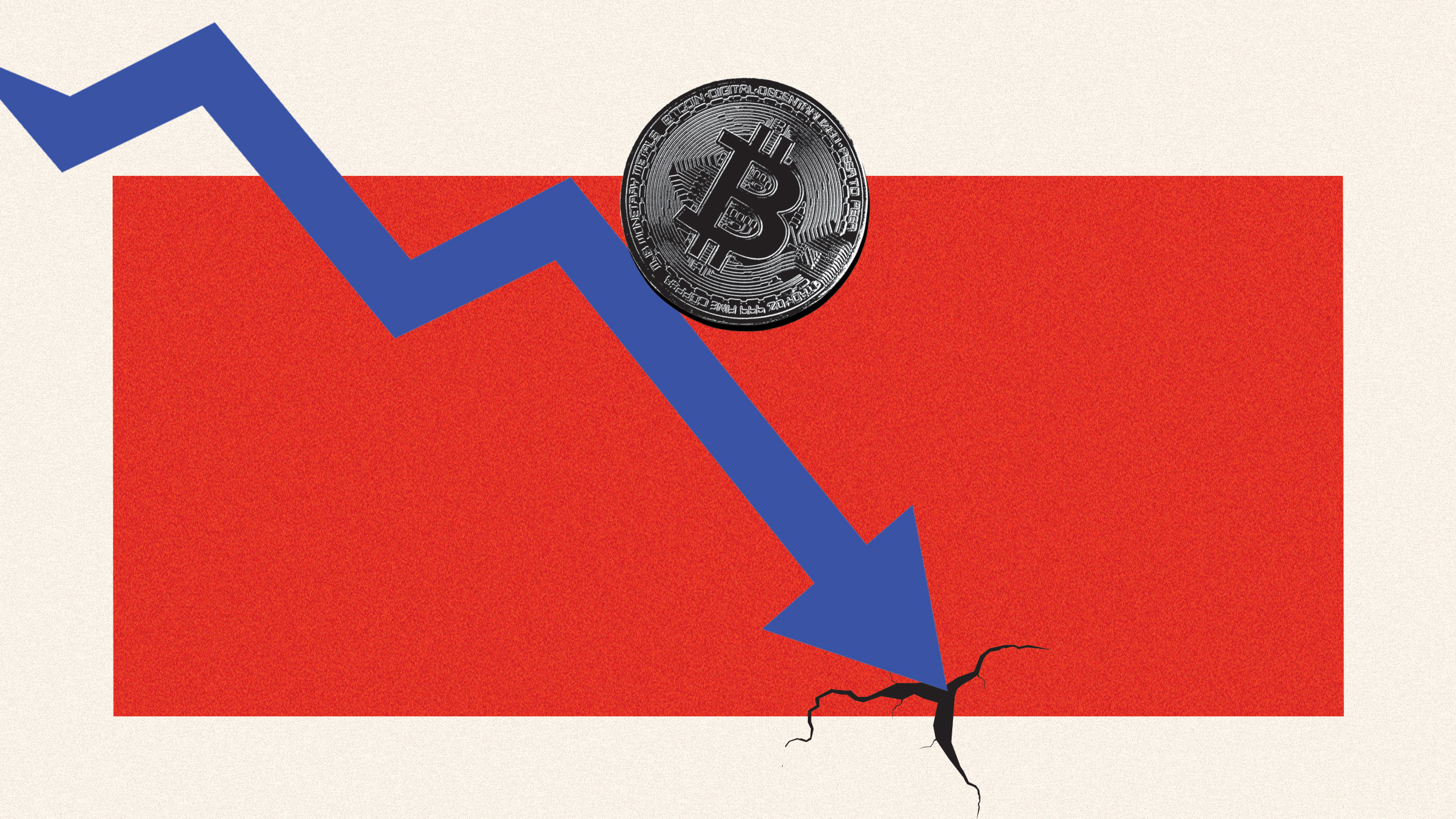
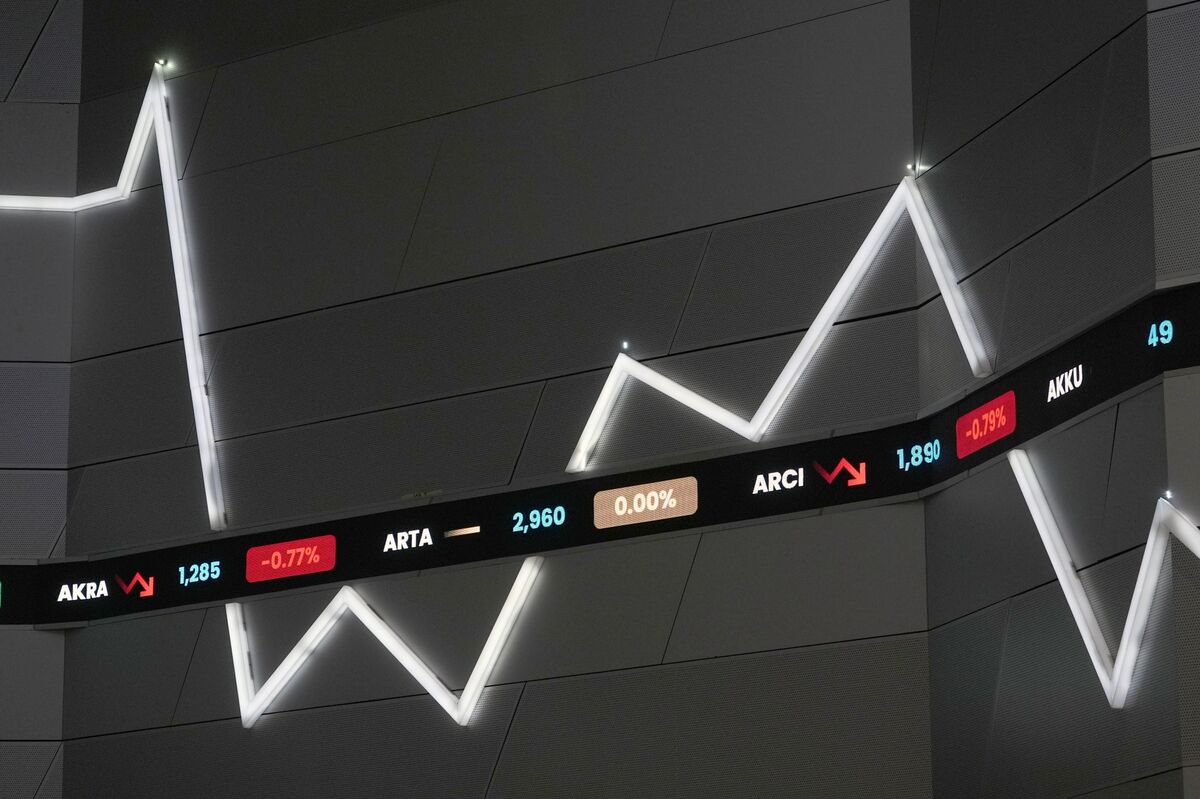
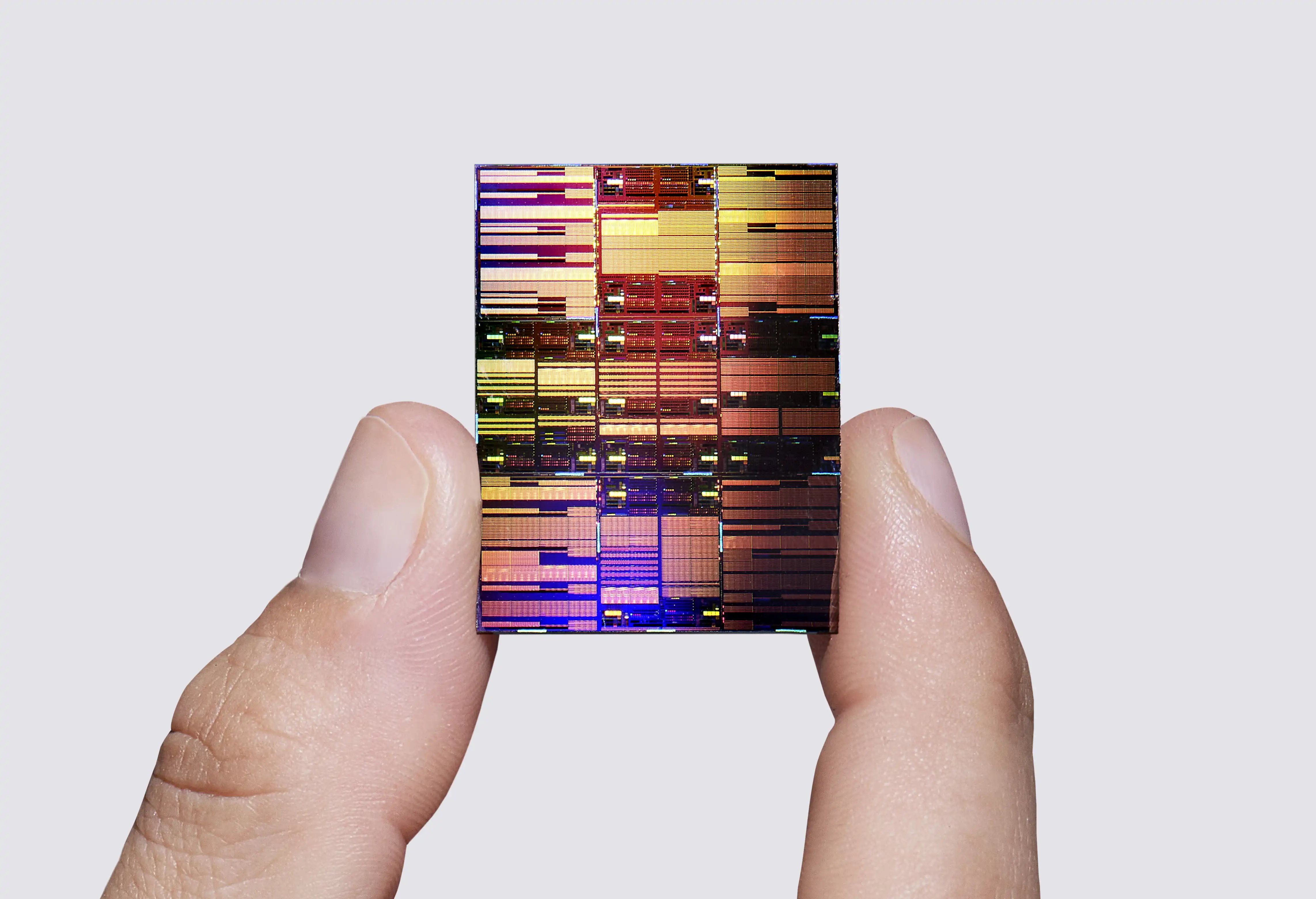
South Korea's Kospi Index plunged 10 percent from a record high as investors dumped chip heavyweights including Samsung and SK Hynix. The sharp decline in Asia's technology sector cascaded across global markets, with Nasdaq 100 futures falling more than 2.5 percent and S&P 500 futures pointing to a sharp fall when US markets opened. The selloff swept through financial markets as investors rotated out of some of this year's high-performing technology shares, citing concerns about frothy valuations following a two-month surge in risky assets.
India's stock exchanges absorbed significant losses as the global tech rout spread. The BSE Sensex dropped around 900 points and fell to levels just above 76,200, while the Nifty50 fell below 23,850. Investor wealth evaporated at a staggering pace: approximately Rs 4.61 lakh crore was wiped out as the combined market capitalisation of BSE-listed companies dropped to about Rs 475 lakh crore. The decline underscores how Indian investors face exposure to global technology movements despite limited direct access to major US tech stocks on domestic exchanges.
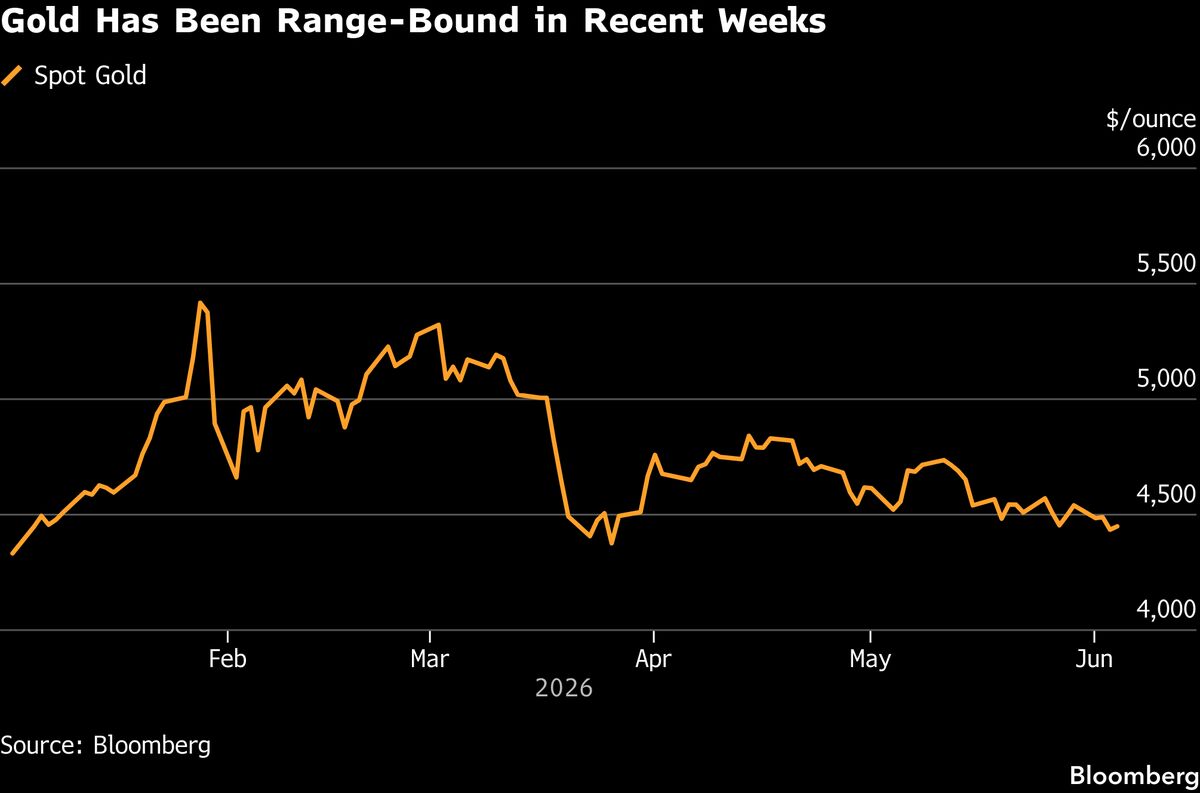
Precious metals and emerging market currencies weakened alongside equities. Gold slumped toward $4,000 an ounce while silver plunged as much as 5 percent. A selloff in South Korea's technology giants dragged the gauge of emerging-market equities down, and most developing-nations' currencies weakened as global risk sentiment deteriorated.
For investors seeking diversification beyond domestic markets, the US stock market remains the deepest and most liquid in the world. Apple, Microsoft, Nvidia and Amazon do not trade on Indian exchanges, yet these companies anchor portfolios for global investors looking to move capital beyond their home currencies.
South Korea's Kospi Index plunged 10 percent from a record high as investors dumped chip heavyweights including Samsung and SK Hynix. The sharp decline in Asia's technology sector cascaded across global markets, with Nasdaq 100 futures falling more than 2.5 percent and S&P 500 futures pointing to a sharp fall when US markets opened. The selloff swept through financial markets as investors rotated out of some of this year's high-performing technology shares, citing concerns about frothy valuations following a two-month surge in risky assets.
India's stock exchanges absorbed significant losses as the global tech rout spread. The BSE Sensex dropped around 900 points and fell to levels just above 76,200, while the Nifty50 fell below 23,850. Investor wealth evaporated at a staggering pace: approximately Rs 4.61 lakh crore was wiped out as the combined market capitalisation of BSE-listed companies dropped to about Rs 475 lakh crore. The decline underscores how Indian investors face exposure to global technology movements despite limited direct access to major US tech stocks on domestic exchanges.
Precious metals and emerging market currencies weakened alongside equities. Gold slumped toward $4,000 an ounce while silver plunged as much as 5 percent. A selloff in South Korea's technology giants dragged the gauge of emerging-market equities down, and most developing-nations' currencies weakened as global risk sentiment deteriorated. The broad-based decline reflected investor anxiety extending beyond technology stocks to other asset classes traditionally viewed as safer alternatives.
For investors seeking diversification beyond domestic markets, the US stock market remains the deepest and most liquid in the world. Apple, Microsoft, Nvidia and Amazon do not trade on Indian exchanges, yet these companies anchor portfolios for global investors looking to move capital beyond their home currencies. The concentration of world-class technology firms in US markets means volatility in American tech stocks reverberates instantly across continents, affecting retirement accounts and investment funds worldwide regardless of where investors live.
Highlighted text was flagged by the council. Tap to see feedback.